What regen means in practice and how the theory shapes farming businesses and the future of food production.
Farmer Verity Megginson tells this year’s Soil to Slice Conference how a psychoanalytical approach helped her manage a new regenerative system. Mia Willemsen finds out more.
Would you eat the food you grow?
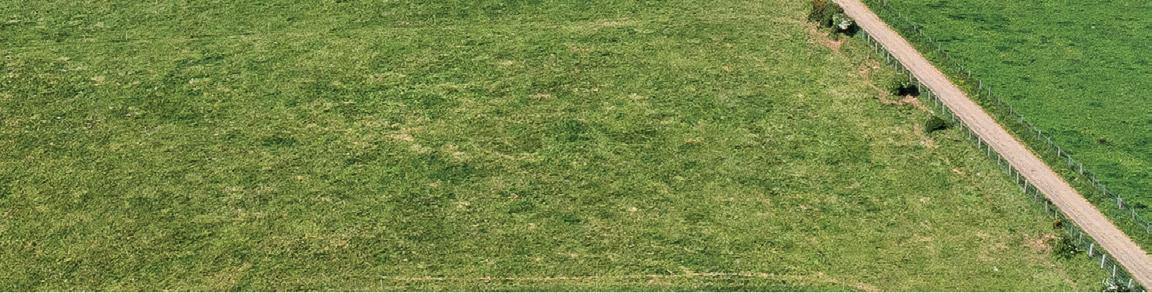
Farmers at the Soil to Slice Conference at the Great Yorkshire Showground, Harrogate, were told how 134 hectares (330 acres) of conventional farmland in Yorkshire turned regenerative after its new owner realised she did not want to eat the food she was growing.
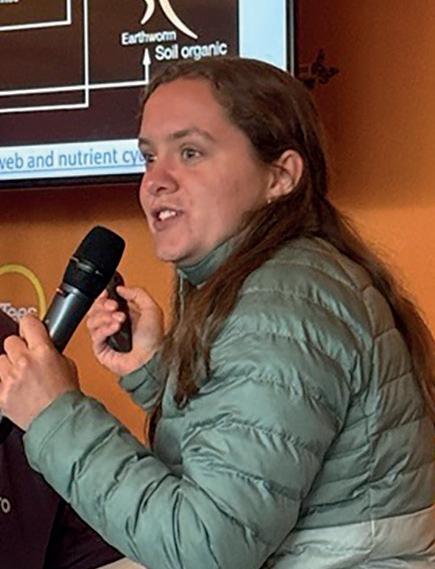
Verity Megginson, of Kirkburn Manor Farm, told the conference, hosted by the Green Farm Collective, how after applying chemicals, disrupt-
ing the soil and seeing the lack of life above and below ground, she no longer felt proud of her farm or the food she was producing.
“I was definitely growing food that I would not want myself or my children to eat,” she said.
Ms Megginson, who started farming in 2021, spoke about how she brought her knack for finding the root cause of an issue – a skill which she learned from her years spent working as a physiotherapist – into farming.
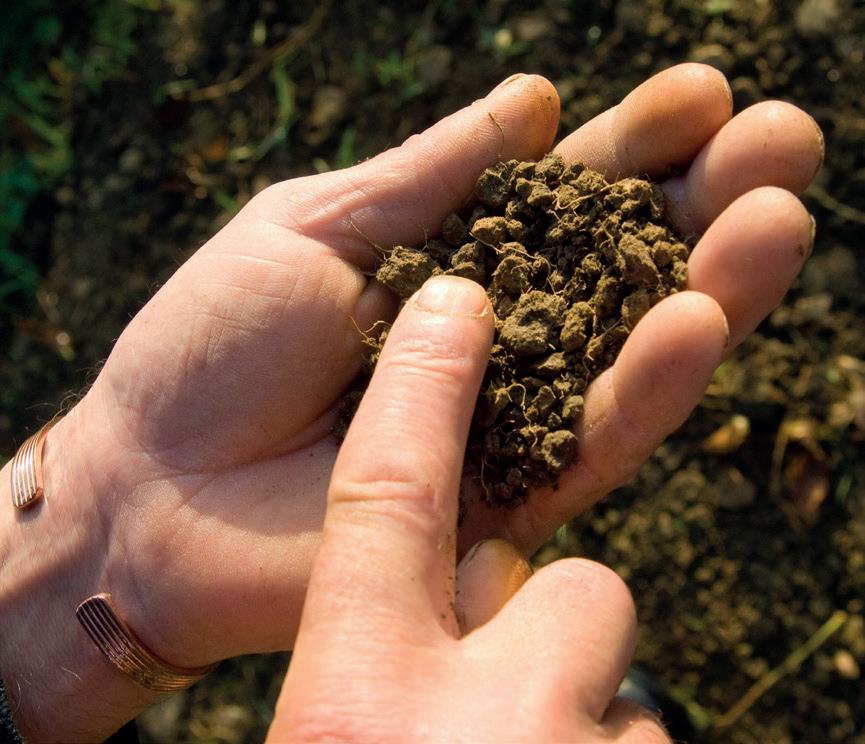
Improved soil structure was worth the effort for Verity Megginson.
The obvious place to start, she said, was the soil.
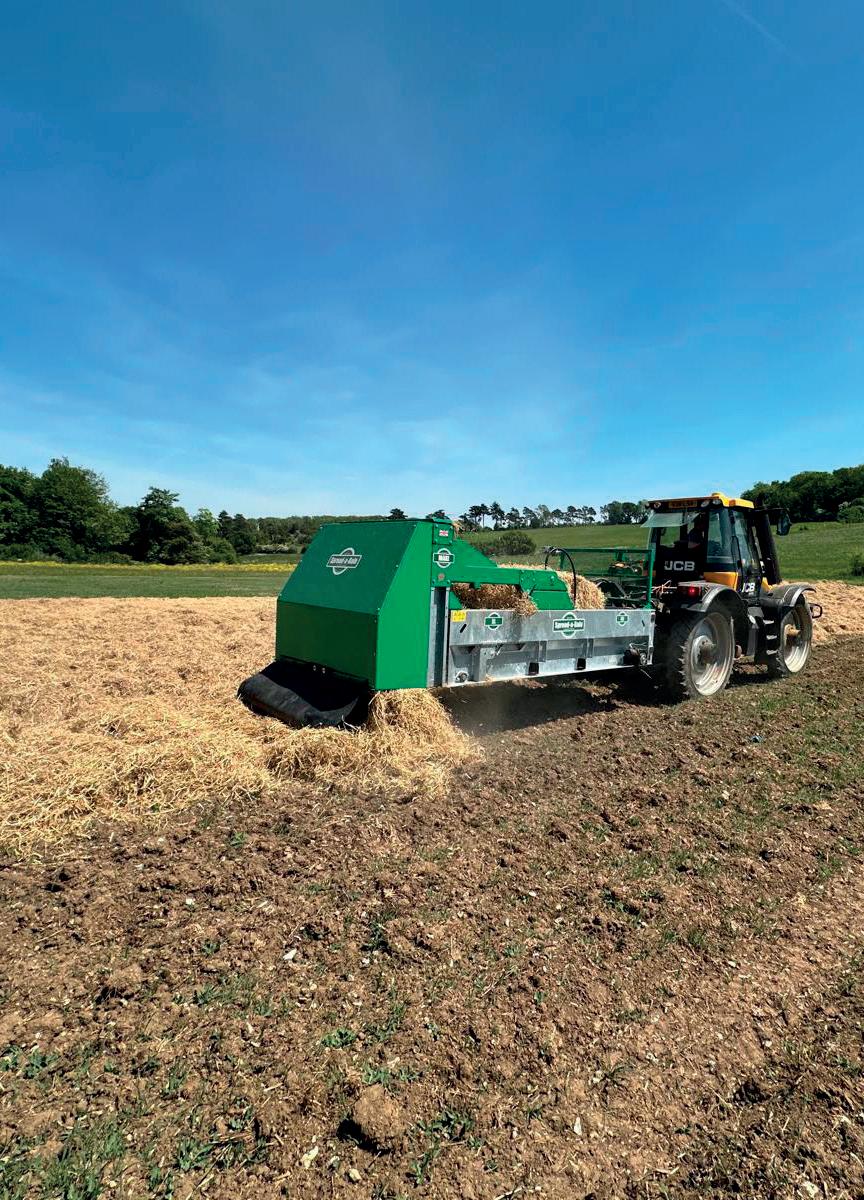
Ms Megginson planted cover crops and began direct drilling and reduced tillage, integrated livestock, cut chemical inputs, started sap testing to better decide what foliar applications to use and, finally, added a colony of bees to the farm.
Ms Megginson said that despite all this, direct drilling in particular had not gone as hoped, leaving her searching for the missing piece.
Soil carbon underestimated –
with 30% or more sitting below 30cm
SOIL carbon on UK farms could be significantly underestimated, with pilot data showing more than 30% of soil organic carbon (SOC) lies below the commonly measured 30cm depth.
The AHDB finding has major implications for carbon accounting, highlighting a potential gap in how farm emissions and carbon storage are currently assessed.
It also strengthens the case for accurate baselining, according to Delyth Lewis-Jones, head of environment at AHDB.
She says: “By measuring soil car-
bon properly from the outset, farmers can track progress, demonstrate improvements and better position themselves for future schemes and supply chain demands.”
Soil remains the second largest carbon sink after the oceans, making farmers key players in storing carbon.
However, not every system can increase carbon stocks and Ms Lewis Jones says maintaining existing levels is equally important.
SOC is central to soil health, making up about half of soil organic matter.
Even small increases can improve
soil structure, boost water retention, enhance biological activity and support nutrient cycling.
In practice, farmers are building soil carbon by reducing tillage, using cover crops, increasing clover in leys, applying manures and introducing companion crops.
Further work is exploring herbal leys, grazing livestock in rotations and more diverse systems.
Ms Lewis Jones adds that with weather also driving gains and losses, better measurement will be key to understanding the full picture.
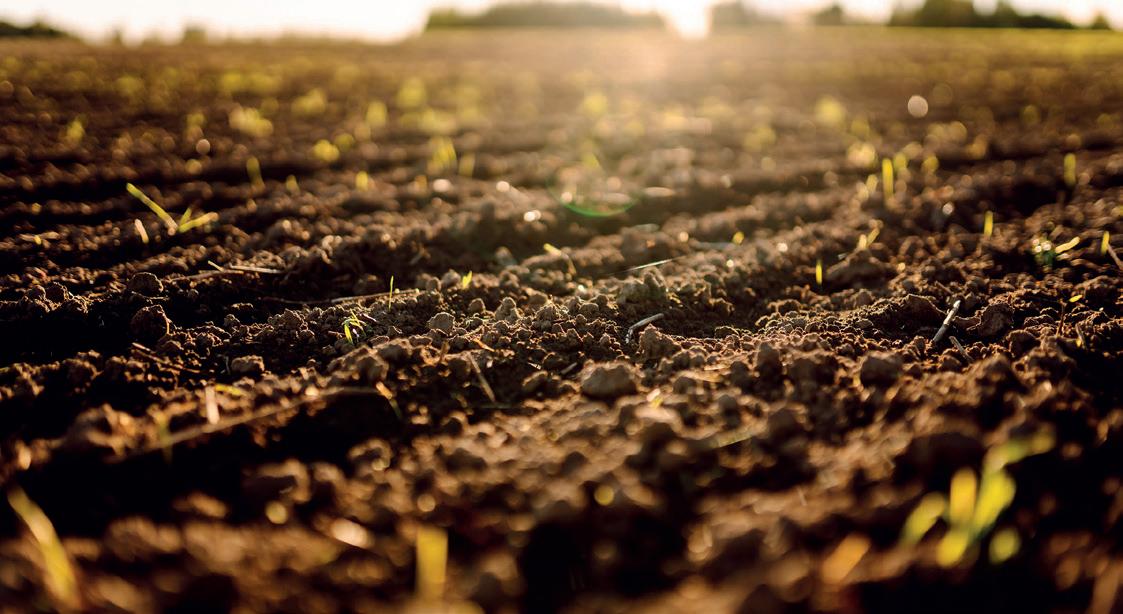
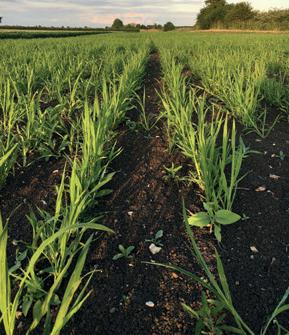
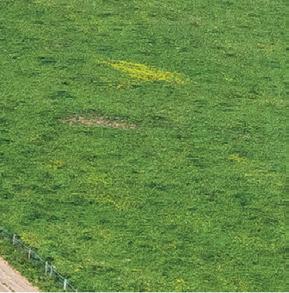
The roots in the cover crops would only ever grow down to 15cm. Ms Megginson dug a soil hole and found, after the drought which followed a surplus of rain, some of her clay areas had contracted to create a cavity.
After more rain and more digging, the soil was still compacted, not allowing the crops to get through.
After bringing a low-disturbance sub-soiler on to the farm, her crop roots stretched to about 30cm.
Looking at the amount of nitrogen applied to the crops over the five years, it was clear the more applied meant the yields and protein levels were reducing. So, in 2025, Ms Megginson cut her N levels in half.
“Reducing synthetic inputs on the farm was about the most terrifying thing to do,” she said.
Despite her best efforts, she has been forced to stop direct drilling in order to create a better seedbed, and this meant moving back towards ‘a drill with a bit of till’.
Ms Megginson said the positives, such as increased soil structure and water filtration, as well as soil resilience and market price resilience, were worth the effort.
Not only that, but there had also been an increase in wildlife, diversity of produce types, and overall, tastier food which she was no longer afraid to eat.
KitKat to use regen wheat
By Rachael Brown
Nestle has teamed up with the regenerative food and farming brand Wildfarmed to trial regeneratively farmed wheat in its KitKat chocolate bar. Nestle said the taste and snap of the sweet treat would not change, but the wheat inside would be ‘upping its sustainability game’, with the trial focused on the 1.5 billion bars produced in Nestle’s York factory every year.
Mike Warmington, regeneration lead for Nestle UK and Ireland, said the project would help to build ‘resilience’ into the company’s supply chains, as well as ensuring it was working directly with farms that were ‘giving back to nature’.
First and foremost we are focused on making sure this is a success with KitKat. It would be fantastic to find other opportunities
MIKE WARMINGTON
Wildfarmed’s ambition is to build a community of farmers who are dedicated to farming in a way that restores soil health and improves the impact on the environment.
Mr Warmington said the partnership was a ‘natural marriage’ with Nestle and confirmed the ambition to extend the relationship beyond a trial and to ‘scale further’.
He said: “First and foremost we are focused on making sure this is a success with KitKat. It would be fantastic to find other opportunities.”
Understanding
When probed if the use of regenerative ingredients in the product was something that Nestle’s consumers had asked for, Mr Warmington said there was a ‘range of understanding’ about regenerative farming among its varied customer base, and getting Wildfarmed flour into KitKat was a great way to raise the profile.
When asked whether the price point or packaging would change for this new KitKat, he confirmed that that would not be the case.
“It is not going to look any different on the shelves,” he added, saying the product would be available in supermarkets in four weeks’ time.
Edd Lees, co-founder and chief executive of Wildfarmed, said: “Partnering with Nestle to use regenerative British wheat is a big step forward in our mission to make regenerative farming the default, not the exception, and to prove that nature restoration can sit at the heart of iconic brands.”
You have a question, we have the answer
• Tools in Omnia to ease every decision TerraMap
• The most accurate soil mapping system
Healthy Soils
• Soil improvement strategies
Environmental Services
• Benefit from schemes and advice
Farm Business Consultancy
• Maximise business performance
Agroecology Services
• Practical, sustainable farming techniques
Carbon Services
• Understand and manage your farm’s Carbon Seed
• Varieties for your situation
Nutrition
• Optimise for yield and performance
Nestle’s Rob Jackson snaps the wheat wafer at the company’s York factory.
Regenerative Farming
The Da Byw 2026 conference saw farmers, advisers, researchers and policymakers gather to discuss sustainable agriculture. Farmer and FG In Your Field columnist Dan Jones shares his thoughts following the two-day event.
There are some conferences where you come home with a notebook full of practical ideas. A new grass species to try, a different worming strategy, or perhaps a useful piece of machinery.
Da Byw 2026, held at Coed Coch Farm near Abergele, was different.
While there were certainly practical take-home messages, the conference was really about something much bigger. It challenged us to think differently about food production, environmental management and the role agriculture could play in solving some of the major challenges facing society.
The theme running throughout the event was simple: farming can benefit people, profit and planet simultaneously. That sounds like a bold statement, but speaker after speaker returned to the same idea.
As someone who farms sheep on the Great Orme and who has recently completed a Nuffield Farming Scholarship examining the future of upland sheep farming, I found many of the discussions familiar.
Questions
During my travels, I visited farmers across several continents who were asking exactly the same questions.
How do we remain profitable? How do we improve biodiversity? How do we adapt to climate challenges? And, perhaps most importantly, how do we achieve all three at the same time?
One concept that particularly caught my attention was maximum sustainable output. It was the first time I had heard somebody clearly describe what this might look like in practice rather than as a theoretical idea.
The model presented was based on local and native livestock breeds, a 100% grass-fed diet, animals living outdoors year-round with access to
‘Da Byw challenged us to think bigger’
shelter and shade, a livestock ratio favouring cattle over sheep and moderate levels of milk production rather than pushing for maximum yield.
We often focus on improving individual parts of the business, but we rarely stop to define what an ideal end point might look like.
Even if your farming system is completely different, there is huge value in asking what maximum sustainable output means for your own enterprise.
That simple concept challenged me to think differently about my own farm and consider whether I spend enough time looking at the bigger picture, rather than just the next job on the list.
Another recurring message was that nature itself provides the most powerful technology available to us.
Sunlight, rainfall, soil biology and plant growth are all freely available resources. The challenge is learning how to manage them more effectively.
This was reinforced by soil health educator Joel Williams, who delivered an excellent introduction to soil biology and the importance of working with natural processes, rather than constantly attempting to replace them with purchased inputs.
The conference also highlighted the growing interest in regenerative grazing. While the term means different
things to different people, the common principle is straightforward: periods of intensive grazing followed by sufficient rest and recovery.
The second day provided an opportunity to see how many of these ideas are being applied in practice.
Rhys Williams, co-founder of Coed Coch Farms, spoke about the journey undertaken at Coed Coch, including the successes, mistakes and lessons learned along the way.
Perhaps one of the most valuable messages was the acknowledgement that transition is rarely straightforward. Moving towards a regenerative system is not a simple checklist.
Progress
Mistakes will be made, some ideas will work better than others, and progress often comes through experimentation and adaptation.
That honesty resonated with many farmers in attendance.
Too often agricultural discussions focus solely on success stories. Hearing about challenges and setbacks can sometimes be far more useful.
One of the liveliest sessions was the political panel discussion, which highlighted the wide range of views surrounding the Sustainable Farming Scheme.
While opinions differed considerably, there was broad agreement that farmers need greater certainty.
Questions around uptake, future development and the still-unpublished optional and collaborative elements of the scheme dominated many conversations throughout the conference.
If I had one criticism of the event, it would be that there were not more farmers there.
At times it felt as though the conference was preaching to the converted. Many of those attending were already interested in regenerative agriculture, soil health and environmental sustainability.
Yet the real value of Da Byw was not that it confirmed what people already thought. It was that it challenged assumptions, encouraged discussion and exposed farmers to ideas they may never otherwise encounter.
Not every speaker will be right, not every idea will work on every farm and, in fact, some of the most valuable conversations came from areas where people disagreed.
But that is exactly why more farmers should attend events like this.
Agriculture is changing rapidly, and taking a day away from the farm to listen, question and learn is rarely time wasted.
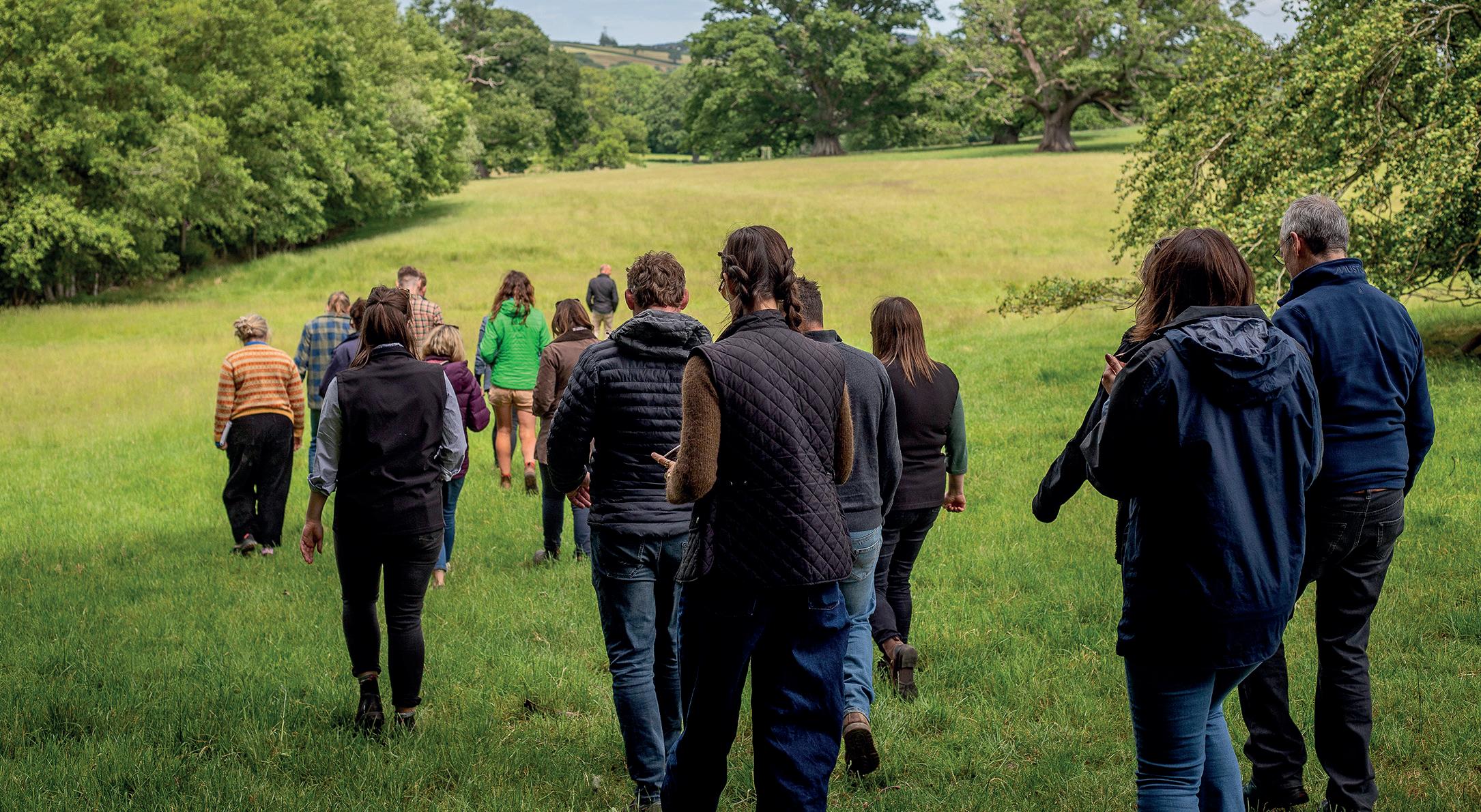
Farmers took a closer look at regenerative farming at the Da Byw event in North Wales.
Dan Jones
ED&F Man
ED&F Man
Agronomy
Agronomy
A natural approach crop nutrition
A natural approach to crop nutrition
Scorch mitigation
Helps increase the effectiveness of conventional fertiliser regimes
Stimulate both soil and crop performance with high carbohydrate content
Protect soil organic matter and maximise its potential
A range of products to suit requirements available in IBC’s from 1T to bulk deliveries
Regenerative Farming
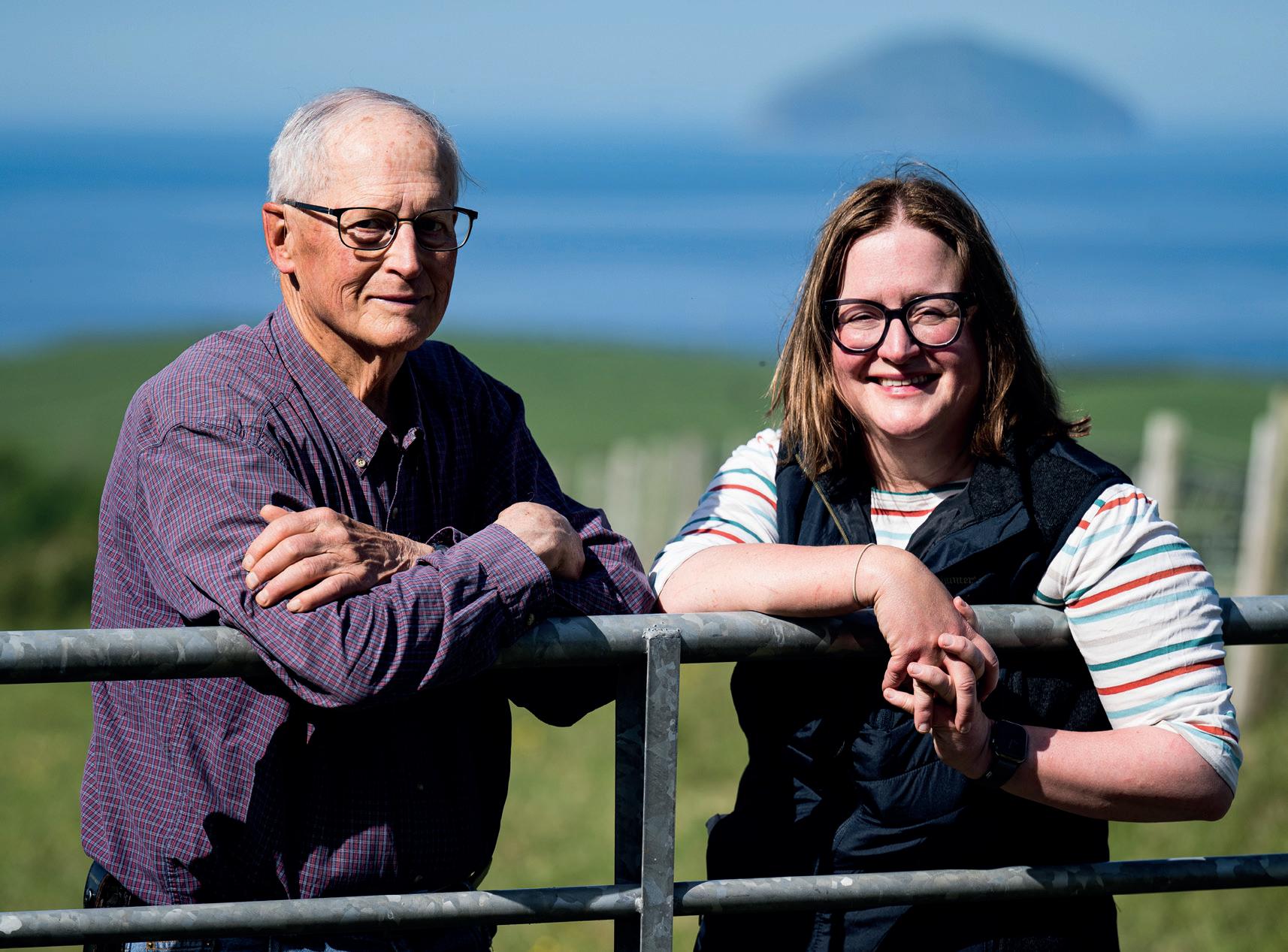
Philip Close and daughter Heather are still on a learning curve as they fine-tune their minimum-input suckler herd, where soil function takes priority. Wendy Short reports.
Developing a resilient system on a coastal farm in Scotland
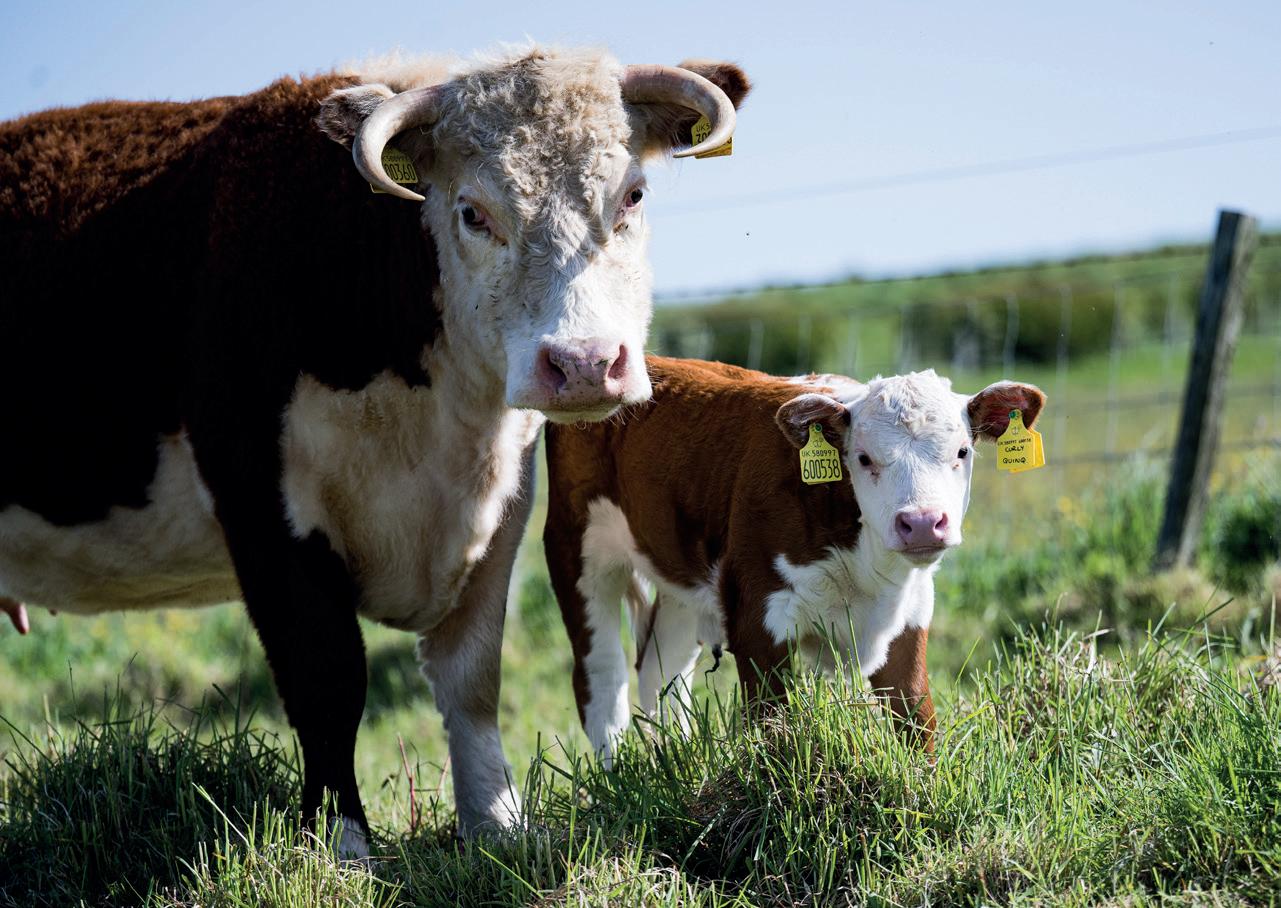
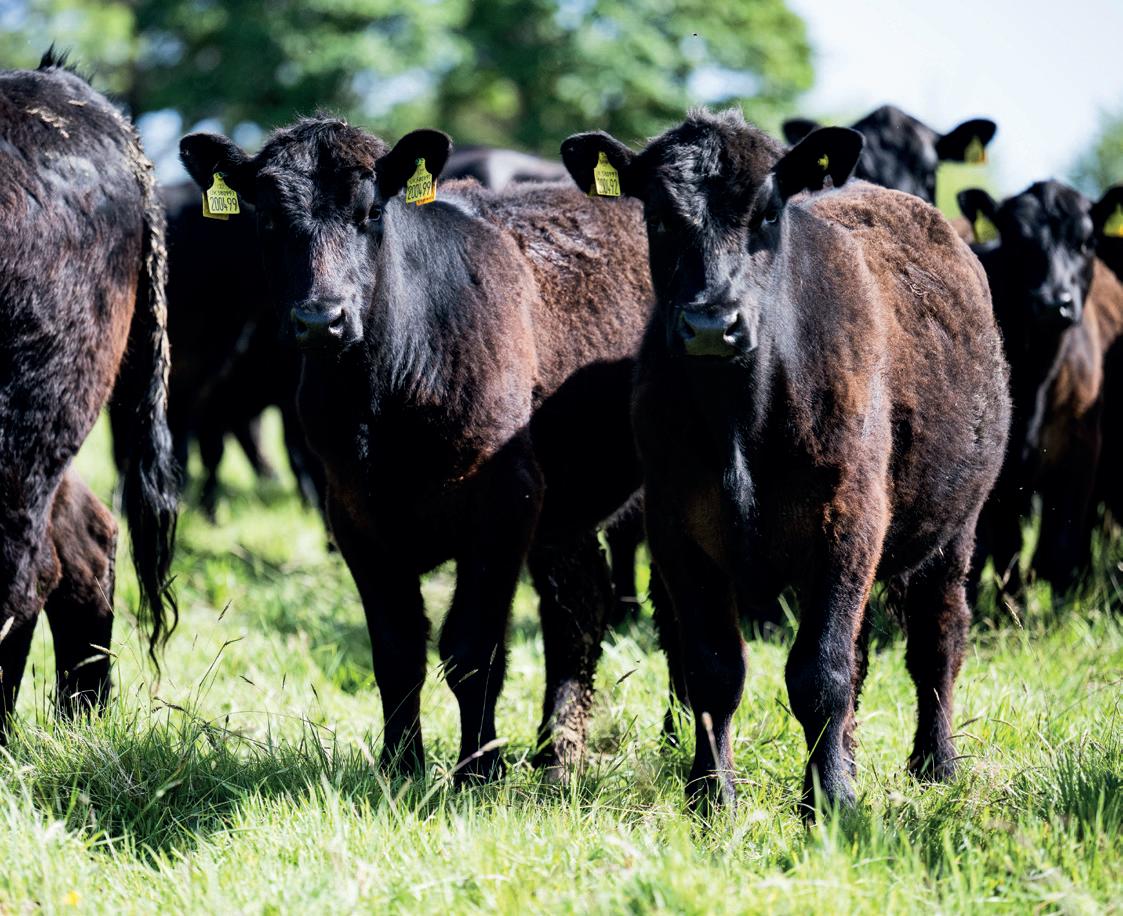
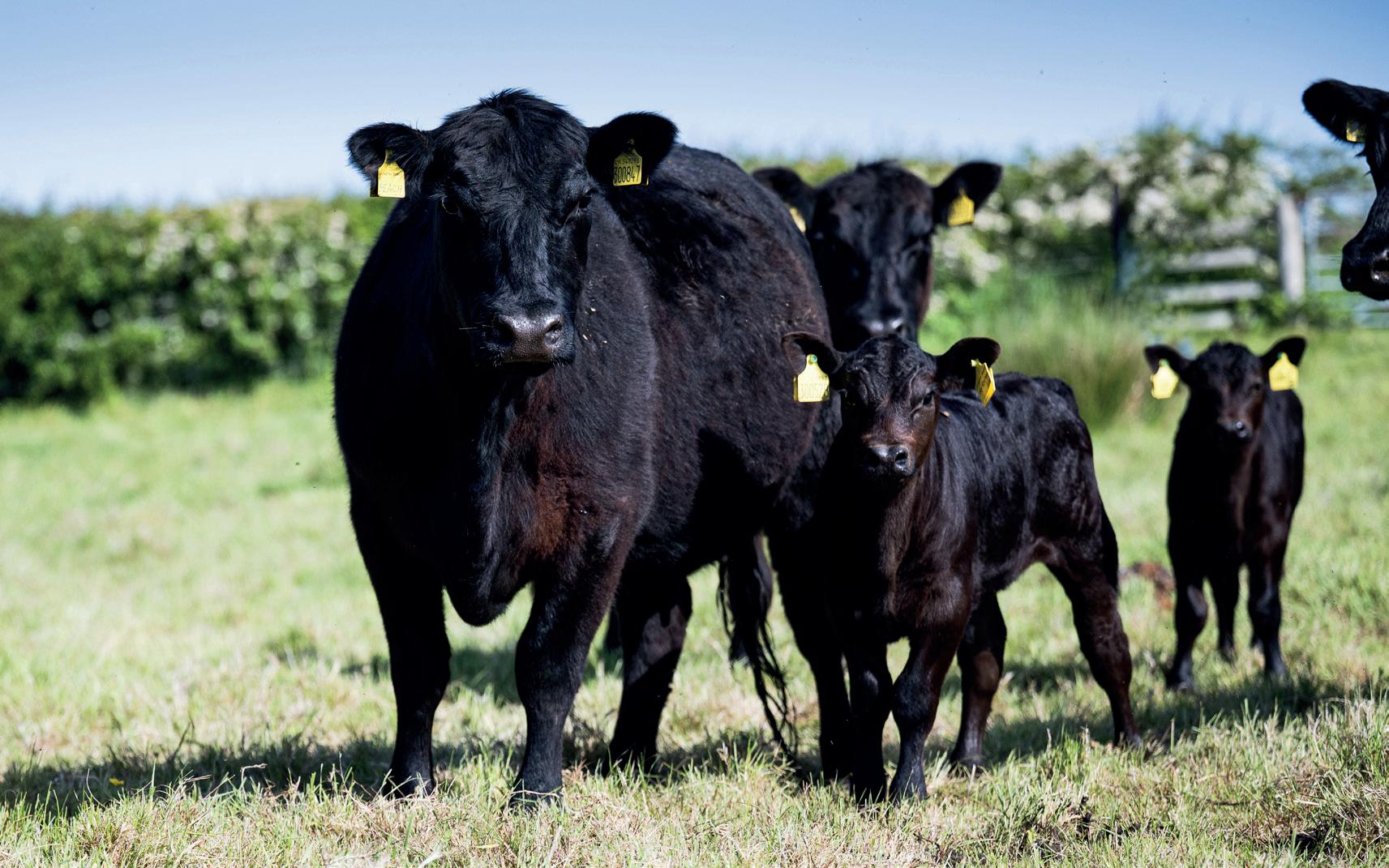
The suckler herd at Littleton Farm, near Girvan, Ayrshire, comprises 44 spring-calving cows, which are a mixture of pure-bred Aberdeen-Angus and Herefords selected for their relatively small size and the ability to produce meat from forage.
Managed on a fully out-wintered system, the cattle are entirely grassfed, with the progeny sold into the store market at 12-24 months old.
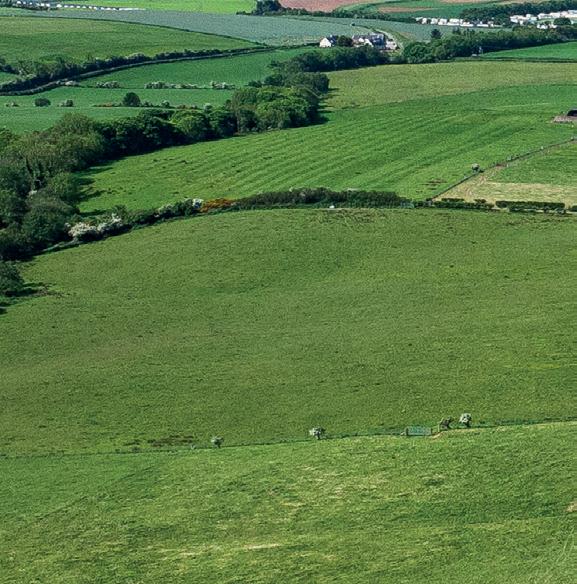
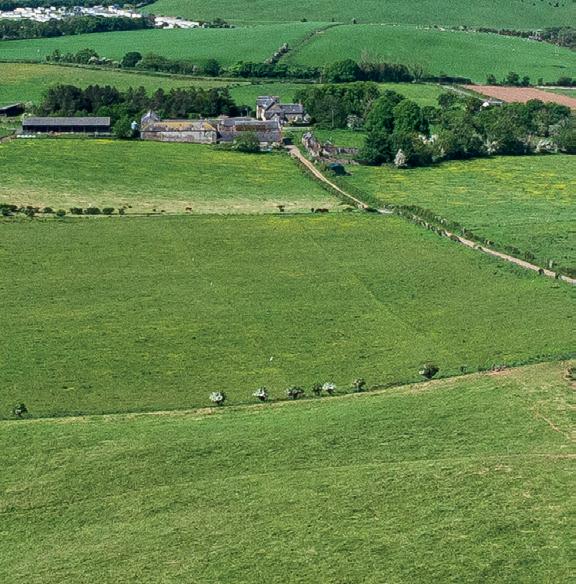
Philip Close farms alongside daughter Heather on the lowland unit, which spans 113 hectares (280 acres) of permanent grassland on coastal silt loam soils over glacial till. Building soil health is central to their system, where grazing decisions, stocking rate and breed choice are aimed at improving biological function below ground.
The farm is not registered for organic production, but no fertiliser, herbicides or fungicides have been applied since 2018.
Philip says: “The policy is to build the soil and let the system function naturally. Soil depth has been measured for the past four years and it has increased year-on-year, which suggests that organic matter levels are increasing and the biology is improving.
“There has been a lot of scientific emphasis on measuring carbon, but less attention has been paid to how grazing influences soil health. If grass is kept short, it is not putting energy into the soil.”
Philip adds: “The fields are typically grazed only two or three times a year, with plants continuing to feed the soil biology while rebuilding energy reserves and
maintaining root systems. Over time that leads to deeper soils and greater resilience.
“Overgrazing is not about stock numbers, but grazing plants before they have recovered.
“Like anything living, plants can
cope with short-term stress, but not repeated pressure. Grazing for a short period, then allowing a long recovery time means the plants can keep pumping sugars into the soil.
increases the amount of grass that the system can produce.”
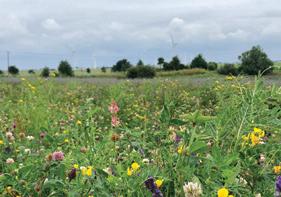
The pasture is not reseeded and sward diversity has developed to include species such as cock’s foot, timothy, meadow foxtail and Yorkshire fog, as well as red and white clover and plantain. Also present are three or four different vetch varieties, selfheal and bird’s foot trefoil. Knapweed and orchids are now found in many areas, indicating enhanced soil conditions and reflecting the reduced disturbance.
“The diversity has developed without intervention,” he says.
“Species that were formerly seen only in the hedgerows have appeared and are spreading through the fields year by year. It is a sign that the system is moving in the right direction.
“Each plant has a different role, accessing nutrients in a different way. Some are deep-rooted, some fix nitrogen, others are anthelmintic and others bring in different minerals. Together they create a more balanced and resilient sward.”
Recovery process
Plants often regarded as weeds are treated as part of the recovery process rather than being removed. Deep-rooting species such as docks and thistles are welcomed as indicators of soil condition.
Philip adds: “Digging under a thistle will often uncover a concentration of worms around the roots, which shows it has a positive effect on the soil. Its roots will open up the ground and bring up nutrients from deeper layers.
Farm facts
■ 44-cow native breed suckler herd
■ No fertiliser or sprays since 2018
■ Spring calving in April and May
■ Premium cattle health scheme –
negative for Johne’s, BVD and IBR
■ 113 hectares (280 acres)
permanent grassland
■ Silt loam soils over glacial till
■ Out-wintered, forage-only system
■ Pasture for Life certified
“In the past, we tried to remove thistles, but they always came back. What we were actually doing was damaging the soil biology. Now we allow those plants to do their job, and over time they reduce naturally as the soil improves. The sugars that attract the worms also encourage the grass to grow stronger and eventually outcompete the thistles, which essentially work themselves out of a job.”
The cattle are managed on forage alone and out-wintered on grass, with haylage used when necessary in late winter and early spring. The farm receives an average annual rainfall of 990mm and fluctuations exert an influence on grazing management.
Philip says: “Instead of taking the view that we are feeding the cattle, we are focused on managing the grass and letting the cattle follow on. Haylage supports the rotation and maintains condition when grass quality declines, rather than replacing grazing.
“Without access to conserved forage, numbers would have to be
Herefords make up part of the spring-
Wildflowers growing on the pasture help to enhance soil conditions.
calving herd.
Regenerative Farming
significantly reduced. The cows will eat at least as much grass as haylage through the winter period.”
The move to out-wintering began in 2010, initially driven by the high projected cost of adapting the farm’s buildings as cattle numbers climbed. However, the move soon demonstrated wider benefits.
“The costs did not stack up for investment in additional housing, equipment and bedding. After moving to out-wintering, there was an immediate improvement in hoof health, for example. Previously, about half the herd required hooftrimming, but it is now rare and the cattle are more robust and resilient overall,” Philip says.
“Despite carrying out regular faecal egg counts, there has been no need for worming treatments since 2013. The exception is individuals where liver fluke has been identified. In my view, a healthy herd requires fresh, nutritious forage, fresh water, sunshine, fresh air, exercise, low stress and a natural social structure.”
The weaning system has also been changed.
He says: “The calves used to be weaned in November, which caused stress and led to some pneumonia cases. By delaying weaning until February, when the calves are about 10 months old and the cows are about ready to wean them naturally, the problems disappeared.”
Efficient
There has been a gradual shift to breeding smaller, efficient cattle that perform well on a forage diet.
“Original bloodlines of native breeds work best for us,” says Philip.
“They are native-bred AberdeenAngus and traditional Hereford, plus the ‘Anxiety 4th’ Hereford bloodlines from the United States. They have the high fat cover essential for supplying energy to the cow during the various stages and seasons.
“The more modern animals tend
The mature cow size is being reduced to 550kg, reflecting the focus on output per hectare.
to be larger and require higher inputs, whereas the traditional types are smaller and more efficient at grass conversion. The idea is to develop cattle that fit the farm and can perform without additional feeding, rather than chasing size, or output per head.”
The mature cow size is being reduced to 550kg, reflecting the focus on output per hectare.
“Smaller cows can be carried in greater numbers, producing more calves from the same area and yielding more kilos of meat per hectare,” he says.
“The challenge is that the market still favours larger carcases, so there is always a balance between what works biologically on the farm and what is required commercially.”
Stronger animals are taken to the local mart at 12-24 months old, weighing about 400kg, while those less suited to the system are sold earlier.
Philip says: “There is no benefit
in holding on to an animal that will not thrive on grass. We select for animals that perform in the system and move the rest on.
“In an ideal situation, we would sell into a pasture-based finishing system, but we have to work within the market as it stands.
“Stocking levels are governed by winter capacity, with typically three to four acres required per cow to carry the system through wetter periods. Up to 120 head of cattle will be run this summer, but youngstock numbers will be reduced in the runup to winter to protect soil quality.”
Philip, who was born in the US and moved to the farm in 1999 after a career in the oil industry, believes that regenerative systems are best adopted in stages.
“My system is fairly extreme in terms of inputs, but a gradual reduction would be a viable option,” he says.
“Perhaps pick a field or even part
of a field and monitor the effects before making wider changes. A move to out-wintering could also be achieved incrementally by extending the grazing season over a period of a few years.
“I would like to see more sharing of information between farmers working with low-input systems, because local conditions have a major influence. Weather, soil type and altitude will all affect the outcome.”
The business is certified under the Pasture for Life scheme and while it is still partly reliant on support payments, the long-term aim is financial independence.
He says: “We are working towards a system that is profitable in its own right, without relying on support, because the whole ethos is centred on resilience. If the soil is healthy and functioning properly, the farm is in a much stronger position to cope with climate and market pressures.”
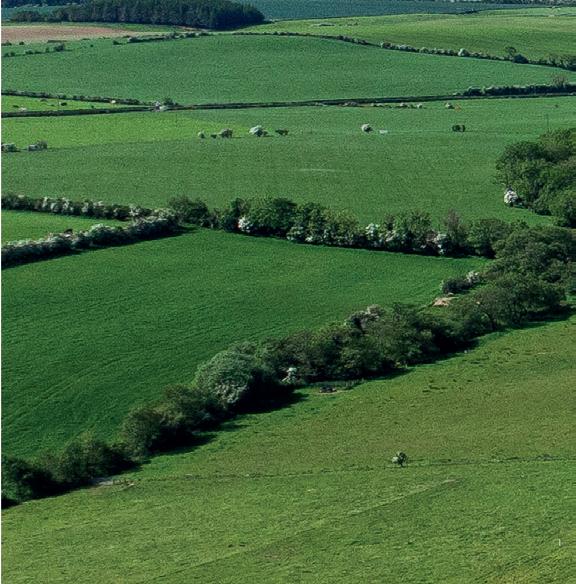
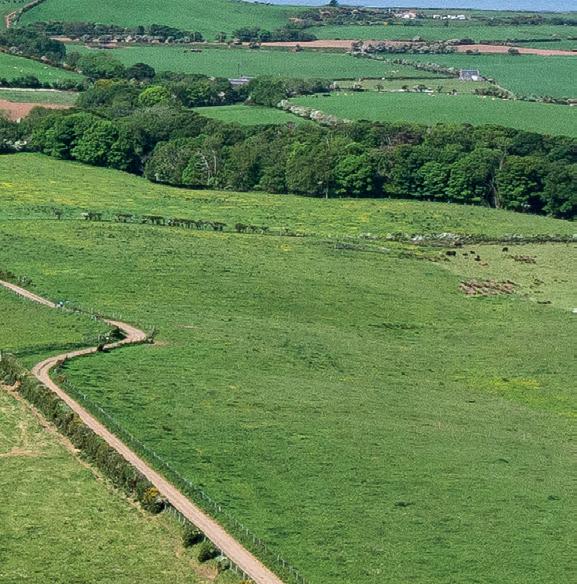
Littleton Farm sits on the Ayrshire coast, near Girvan.
Financing regenerative farming
AWhy it matters
The food system is increasingly exposed to environmental risk.
Extreme weather, shifting climate patterns and soil degradation threaten both production and profitability and rising input costs exert additional pressure.
For the financial sector, these challenges translate directly into higher volatility and increased risk across agricultural lending portfolios.
Supporting regenerative farming is therefore not only environmentally responsible – it is a strategic approach to risk reduction. Farms with healthier soils, diversified systems and lower cost bases should be better positioned to manage shocks and deliver stable financial performance.
Facilitating the transition aligns climate and nature objectives with the fundamentals of prudent lending.
Transition requires time, experimentation and investment. Actions such as adopting direct drilling, redesigning rotations, implementing herbal leys or improving nitrogen efficiency each carry upfront costs, whether through capital expenditure or yield uncertainty.
Agriculture Transition Finance offers arrangement fee-free lending for capital investment as well as cash flow headroom via an interest-only period of up to five years for new and existing lending, with the repayment period taking the totat loan term to 25 years.
This flexibility is designed to give farm businesses the confidence to find the regenerative practices that work for them.
Building resilience
Healthier soils underpin profitable farming. Cover cropping, herbal-rich leys, reduced tillage and direct drilling contribute to improving soil structure, increasing organic matter and enhancing water infiltration and help soils cope better with floods, droughts and extreme weather.
As soil ecosystems strengthen, farms often find they can reduce their reliance on synthetic fertilisers and crop protection products without compromising long-term productivity. The benefits compound over time: healthier soils retain moisture for longer, improve nutrient availability and support more stable yields even under challenging conditions.
Reducing input dependency is one of the strongest advantages of regenerative practices, particularly fertiliser, fuel and crop protection products. Farms report that while yields can be variable during the early years of transition, the savings on inputs deliver a more favourable overall margin.
Practices such as direct drilling significantly reduce fuel use and labour requirements. Cover crops can reduce nutrient losses and support nitrogen fixation when legumes are incorporated. Integrating livestock into arable rotations can create further efficiencies by turning cover crops into
feed, recycling nutrients and replacing some purchased fertiliser.
Yield stability and long-term performance is not a quick fix. A transition period is typical – often five years – where new practices are trialled, adapted and refined. In the initial stages, yields may dip or fluctuate as soils recover and farmers adjust systems. This pattern is well understood: initial investment and learning are followed by operational savings, stronger soil performance and improved yield stability.
Over time, regenerative systems tend to reduce the severity of transition. With more resilient soils and lower dependency on inputs, the troughs in performance shrink and cumulative profitability across multiple seasons often exceeds that of more input-intensive systems.
Many farmers also report an improvement in the consistency of crop establishment and fewer yield-limiting issues linked to soil structure.
Strengthening biodiversity and natural processes are at the centre of regenerative farm design.
Actions such as field margins, hedgerows and beetle banks provide habitat for pollinators and natural predators of crop pests. Reducing pesticide use under an integrated pest management approach encourages populations of beneficial insects to rebuild. In mixed and livestock systems, diverse pastures with herbs and legumes increase the abundance of pollinators, support soil microbial activity and improve sward resilience.
Future pathway
Regenerative agriculture offers a practical and proven route to a more resilient, more profitable and more sustainable farming sector. By improving soils, reducing input dependency and strengthening biodiversity, these systems create robust foundations for UK food production in an era defined by uncertainty.
Agriculture Transition Finance can play a critical enabling role, helping to overcome early hurdles and unlocking long-term value for farm businesses across the UK.
Healthier soils underpin profitable farming.
Regenerative Farming
How do farmers make change that impacts their businesses and the country? Emily Ashworth reports on the discussions from the Ark Summit in the Cotswolds.
Regen conference focuses on giving control back
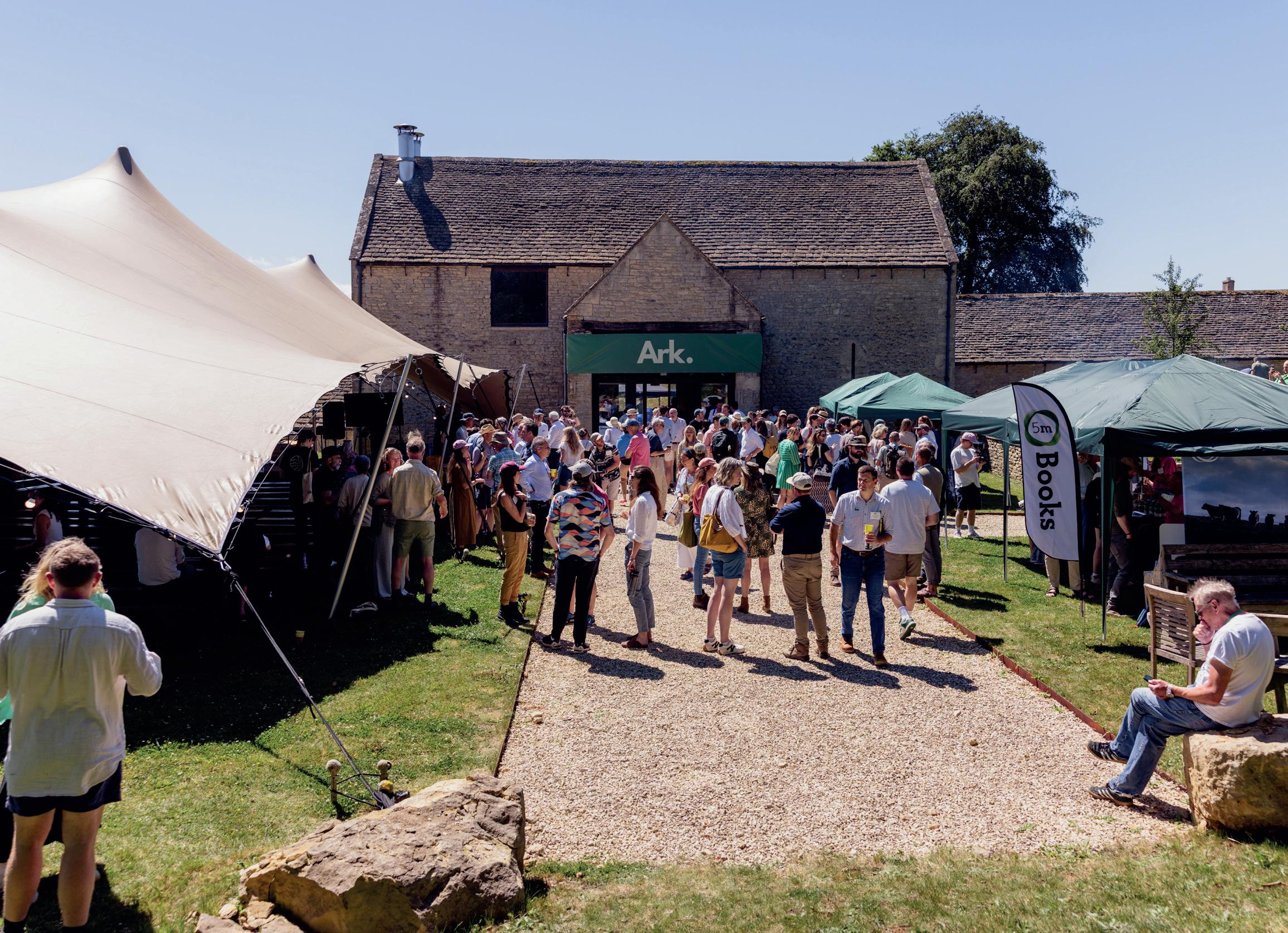
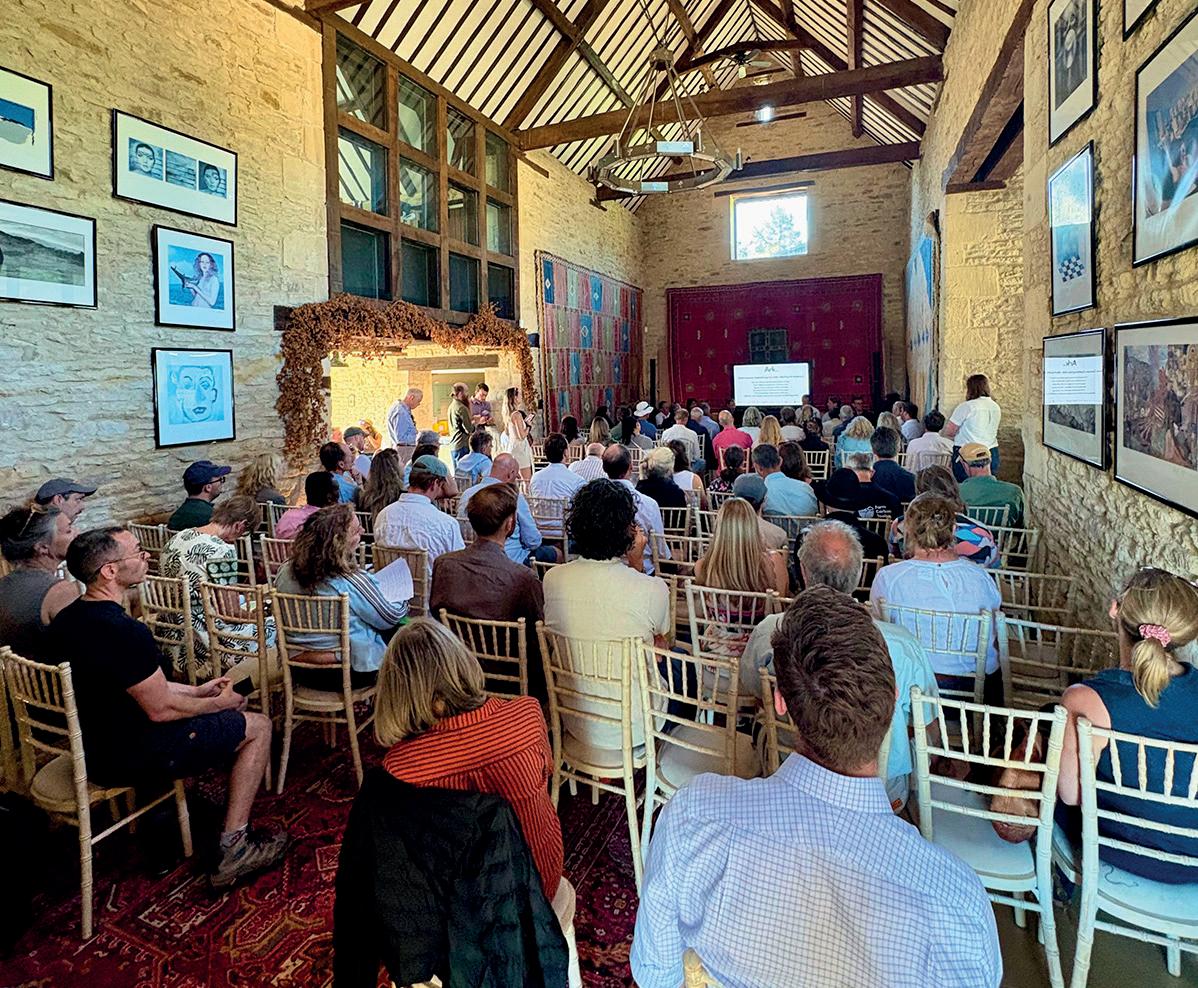
With a theme of resilience, this year’s Ark Summit brought together hundreds of people from across the sector to discuss what resilient farming, businesses and food systems look like.
In a panel entitled ‘Beyond the Noise – The Rest is Politics and Policy’, speakers included Sue Pritchard, chief executive of the Food, Farming and Countryside Commission (FFCC); George Eustice, former Defra Secretary; Sophie Gregory, dairy farmer and Nuffield Scholar; and Patrick Holden, founder of the Sustainable Food Trust.
This year’s Ark Summit focused on resilience and how to address changes to build stable farm businesses and food systems for the future.
After Mr Holden reflected on the number of Defra Secretaries the industry has seen in recent years, Mr Eustice responded and was further questioned on the subject of gene editing.
“It is about creating traits more accurately,” said Mr Eustice.
“I saw precision breeding techniques to be crucial in eliminating pesticides and neonicotinoids.”
Mr Eustice went on to highlight the unease in Government, calling it a ‘weakness’.
“Nobody is in a position long enough to get anything done,” he said, before moving on to talk about the new plans for the Sustainable
Farming Incentive (SFI). He said his motive when he established the SFI was about changing the approach and moving away from subsidies for land ownership, to paying farmers for delivering public goods.
Soil
The one thing all in farming could agree on, he said, from farmers to green non-governmental organisations, was soil and that was the quickest way to build biodiversity.
He said: “I think we have made progress. For the past 20 years the agricultural policy has been about just producing food, but now it is about paying for things that are positive.
“If you get 70% [of farmers] doing the right thing, then the dial really starts to move.
“I do not agree with everything [Government] has done with the scheme that I started; I wanted it to be a rolling scheme, not capped.”
Ms Pritchard said the industry had to address where power sat and challenge the current systems that were in place.
She spoke of the work the FFCC had done with its public research to ‘ask the people what they really want from their food system’.
“How do we advocate on behalf of them and take their voices to Government?” she said, while urg-
Regenerative Farming
ing the audience to keep telling powerful food and farming stories in order to make real change.
“The way we think about the food economy has to change – only then can we understand the true cost on the environment and the NHS, for example,” she added.
Sophie Gregory, an organic dairy farmer from Dorset, said you could not talk about sustainability without thinking of it as business.
A Nuffield Scholar who focused on the future of organic dairy for her research, Ms Gregory said it was an ‘exciting time for organic businesses and we have seen the first organic plan since Brexit’.
But the biggest barrier was getting the consumer to understand –there was so much choice and farmers had to place themselves front and centre.
“In the next generation there is a movement towards health and it must be embraced,” she said.
“We need to get better at communication. Some children do not know where their food comes from – I asked a child and they said milk comes from Home Bargains.”
The perspective needed to shift too. The regenerative movement had, she said, communicated in a connective way – it is ‘fun and cool’,
whereas ‘organic has rested on its laurels slightly’.
“We all have the power to make change,” she said.
Ffinlo Costain, editor of 8point9, began the next session on food, nature and global resilience with the idea of what national security was, and how food systems can make us more vulnerable, particularly those that relied on imports.
He said: “When people cannot feed themselves, they turn on each other, resulting in polarisation and unrest. How can we rebuild society so civil unrest does not happen?”
Richard Nugee, former non-executive member for the Defence Safety and Environmental Committee, gave examples of how other countries use nature as a natural defence, citing Poland as a prime example, where rivers ‘have not been straightened’ and the use of narrow roads.
But it was also about mindset change, said Mike Gooding, farming systems director at AHDB, when changing farming systems, which he has done at home.
Farmers needed to redefine what success looked like to them.
Control
He said he had to ‘wean off what other people control’ to have more say over the farm business – from inputs to new training prospects.
He also spoke of the inequality in the supply chain and how major companies make profit at other people’s expense.
He said: “Let us bust the myth that everyone in the supply chain is aligned. Getting the margin to flow back down to the producer is really hard.”
James Young, vice-president of agriculture at McCain Foods, said knowledge transfer and finding new, innovative ways of growing potatoes were key for the business, especially after what he described as two catastrophic harvests.
Minimal soil disturbance and im-
Panel discussions included global resilience, beyond the politics, water and climate resilience and connecting children to farming.
pact were areas it was focusing on.
But McCain’s local farmers and supply chains were still strong, and integral to the business.
Resilience was about more than just a supply of food, said Helen Browning, chief executive of the Soil Association. She said focus had to be
broader and on the core factors that impact agriculture as a whole – water, soil and skills.
The right trading relationships needed to be in place, she added, plus global unity, as well as solidarity – locally, regionally, nationally and internationally.
Some children do not know where their food comes from – I asked a child and they said milk comes from Home Bargains
Helen Browning
Regenerative Farming
Biological products are attracting growing attention, but experts warn that success depends on getting the fundamentals right. Ash Ellwood finds out more.
Can biology cut input costs without compromising yields?
With volatile markets and high costs seemingly plaguing the arable sector, many growers are looking to reduce costs by trialling biological products to reduce reliance on synthetic inputs, while maintaining yield and crop performance.
Speaking at Cereals 2026, Zara Northern, soil specialist at Hutchinsons, said the soil food web was the foundation of nutrient cycling and soil function.
She said: “When we are thinking about soil biology, we are looking at the soil food web, beginning with plants and organic matter, then bacteria, fungi and nematodes feeding on that material and cycling nutrients.”
As organisms break down organic matter, nutrients are released in forms that crops can access.
“That is how biology is so important in our farming systems,” she said. However, she said biology had
JOHNSON SU COMPOST
THE compost is named after husband and wife team Dr David Johnson and Hui-Chun Su Johnson, who developed the practicalities of compost creation.
Julius Joel, product director at G’s Fresh, said: “It is a process designed to create diversity, including nematodes, protozoa and fungi that are added to the soil, with some fresh bacteria.
“We aim to add that microbial diversity and fill in parts of the
inoculated with the Johnson Su and planted immediately after maize was harvested in November 2024 to provide an overwinter cover.
Mr Joel said: “In early March, we took the overwintered crop out and established a phacelia-dominated, four-species cover crop.
“When it came to planting the spring crop in May, underneath that cover crop we could see clear fungal association linking to the roots, fantastic rooting depths and tremendous aggregation of the soil profile.”
often been overlooked historically because it was difficult to measure.
“We have often focused on physics and chemistry, but biology is fundamental to nutrient cycling, resilience and how our whole system works,” she added.
Julius Joel, product director at G’s Fresh, manages farms all over the world producing more than 17,500 hectares of salad and vegetable crops.
He has been utilising biological practices in his farming systems to improve soil health and work to restore the soil food web.
The farms have been trialling a home-made biological inoculant called Johnson Su compost tea (see panel, below)
“It costs us about 60p a litre or £6/ha to use, and we will use it several times during the life of the crop,” he said.
As part of an inoculant trial running at one site, ryegrass seed was
The field was then cultivated twice to a depth of less than 10cm, and an iceberg lettuce crop was planted in the same field.
Nutrition
Mr Joel said that after seven days, the crop was making the same fungal association, adding: “This, for us, was like plugging the crop into an internet of nutrition.
“We saw a 10-20% increase in head weight gain [yield] for the lettuce
crop, but also the crops achieved a better level of phosphate where we used the Johnson Su.”
He added the aim was to put carbon into the soil through root exudates, and feed the diverse biology in the soil food web.
“We like the idea of a mix of biological and plant chemistry, root exudates, compounds, all sorts of biology and waste products circulating, with bacterial enzymes which create a really complicated biological cocktail.”
But the longer term goal focused on carbon, and Mr Joel said he was trying to ‘repopulate’ the soil so it could cycle naturally again.
“The soil food web is actively nourishing the crops in ways that we cannot afford to wait for the farm to achieve on its own without introducing biology,” he said.
“Our aim is to farm regeneratively, grow the same yields but on much lower input costs, so that we are making ourselves more profitable
soil food web that have been lost through 70 years of hard industrial farming.”
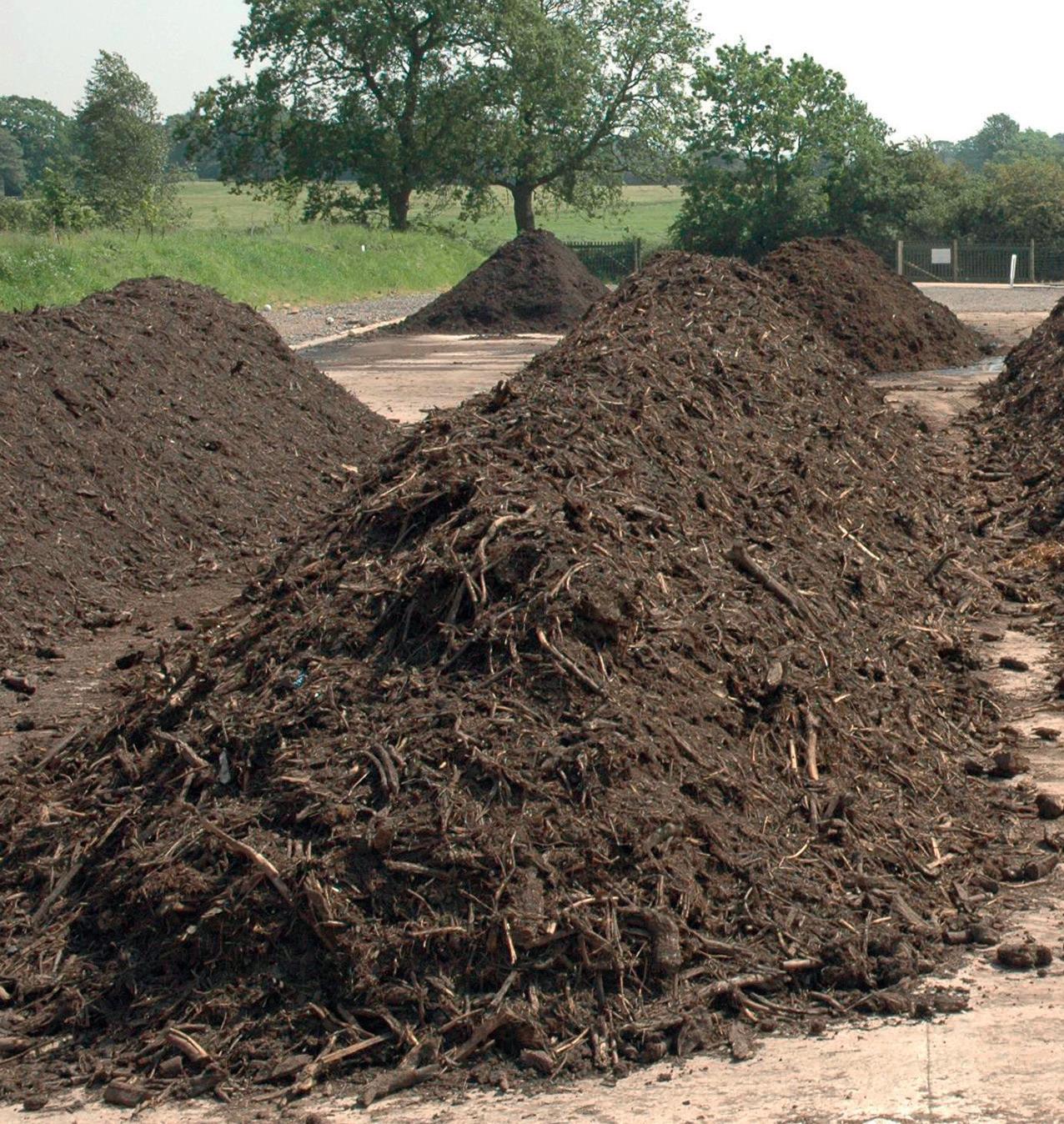
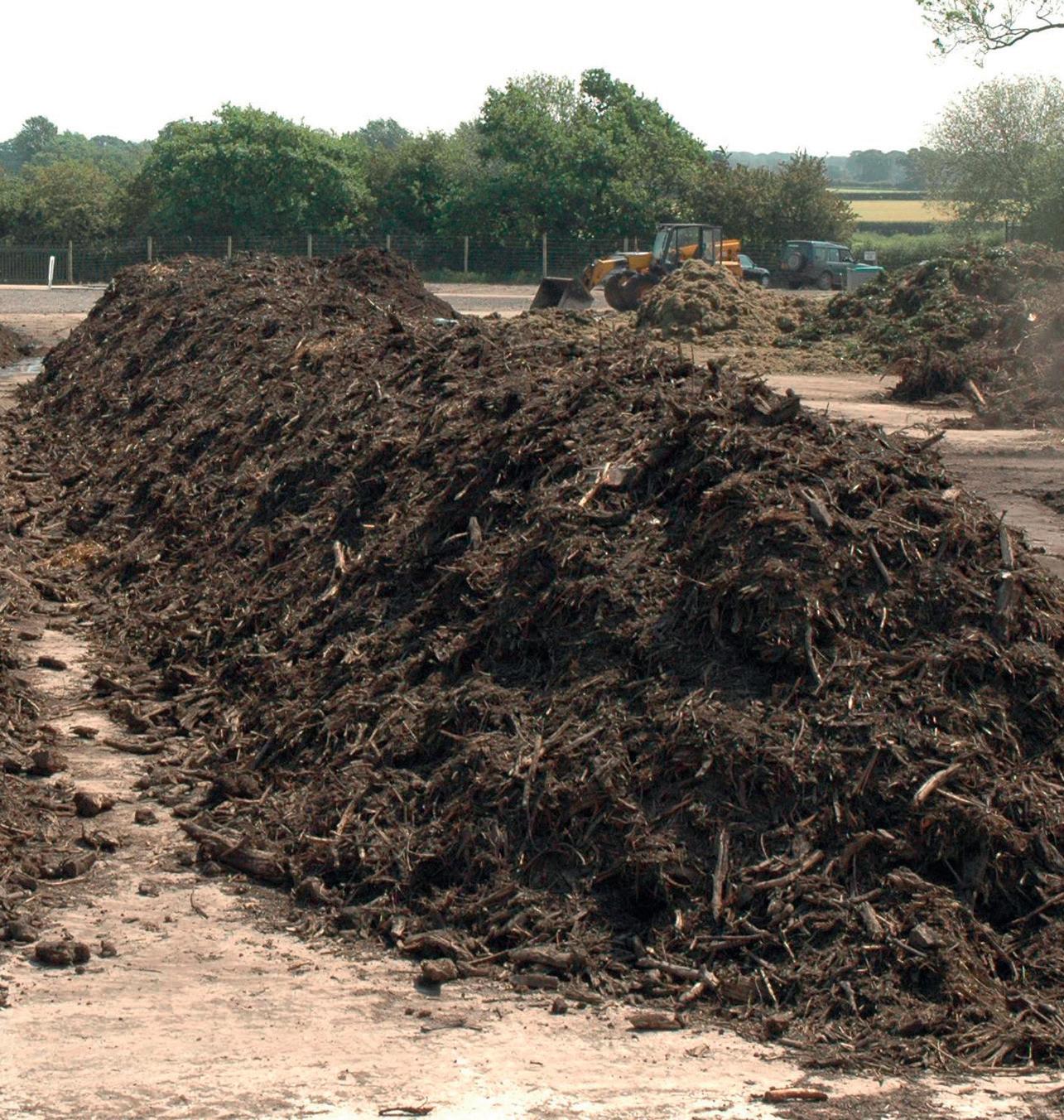
The mixture is made up of 50% brown matter (such as woodchip or well-rotted materials) and 50% green (such as grass or cuttings) before adding worms and being left to break down, creating the compost. It is brewed in water to either create a Johnson Su extract or tea, depending on the brewing time and desired application.
Compost developed from on-farm waste could reduce input costs significantly.
Julius Joel
Zara Northern
Regenerative Farming
GROWERS MUST GET THE BASICS RIGHT FIRST
WHILE biological products continue to attract interest among growers seeking to reduce inputs and improve soil health, James Warne, director of Soil First Farming, urged farmers to approach them with caution and realism.
Mr Warne said he was not opposed to biological products, but believed they were often viewed as a shortcut to solving more fundamental soil issues.
He said: “I am not saying do not do it. But the environment will determine what is going to live there.”
In 2018, agriculture consultancy ADAS completed a ‘fungicide margin’ trial in the north west of England, pitting agronomy teams against each other to produce a wheat crop on a small plot while keeping fungicide costs as low as possible to achieve the best gross margin.
Measurements of septoria
and making the farm better at the same time.
“Through this process we have been astonished at how quickly the soils are recovering, while using the accelerator of Johnson Su to fast-track the change.”
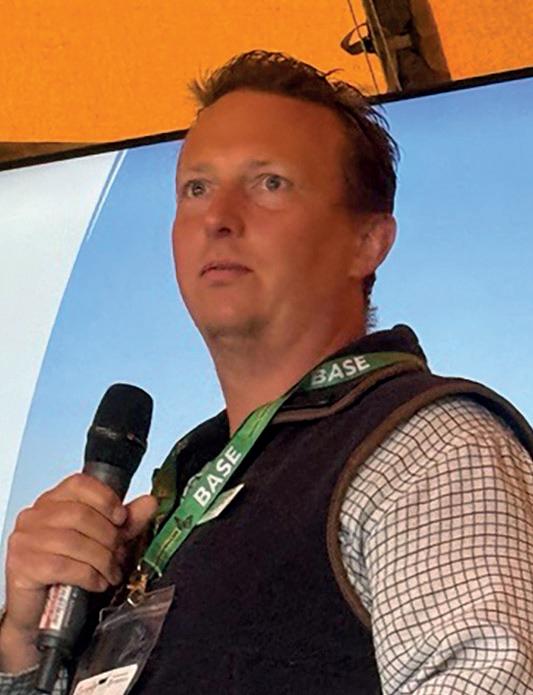
Stuart Tabernor, who manages 300ha of arable land in Northamptonshire, gained an interest in biologicals after his boss returned from Mr Joel’s farm.
infection were then taken on the flag leaf to assess disease pressure and the success of the differing fungicide strategies.
“All of the groups, bar one, managed to reduce the septoria by using a standard fungicide programme, but that one group decided they were going to try and reduce spend by using biological brews and nutrition,” said Mr Warne.
“The group thought they were going to rule the world, but sadly, that did not play out and they achieved the worst disease pressure of the groups.
“They would have achieved more had they done less.”
However, he added that the wider principles associated with regenerative agriculture remained crucial and rather than relying on purchased biologicals, he encouraged growers to focus on improving soil function through
Mr Tabernor said: “My boss then came home and said, ‘We are doing compost, I have seen it in action, I have seen it working’.
“He gave me a budget of nothing, and we had to develop a composting system and figure out how it worked.”
He then drafted in some intermediate bulk containers (IBCs) and mixed up the first batch of compost.
He said: “We used anything we found lying around the farm: 50%
Cereals 2026
THE session ‘Biologicals in Modern Farming – Doing More with Less’ was presented on Thursday, June 11, at Cereals 2026 in Oxfordshire.
For more from the arable event, see p24-25.
“It is not a hard process to do, although I broke my budget by buying worms online that were delivered in the post,” he added.
practices such as maintaining living roots, reducing cultivation and building organic matter.
“If your soil is compacted, has no porosity or poor water movement, all the biology in the world is not going to change that position,” he said.
green and 50% brown material. We had some well-rotted woodchip, and then we went round the yard, strimming the nettles and the long grass.”
He then used the tractor and loader to mix it up and put it into tote bags in the IBCs.
Then the challenge came of how best to apply the compost tea once it had brewed.
He said: “I did renegotiate the budget from nothing to as little as possible and did a lot of research on the best application method for the Johnson Su.”
Expensive
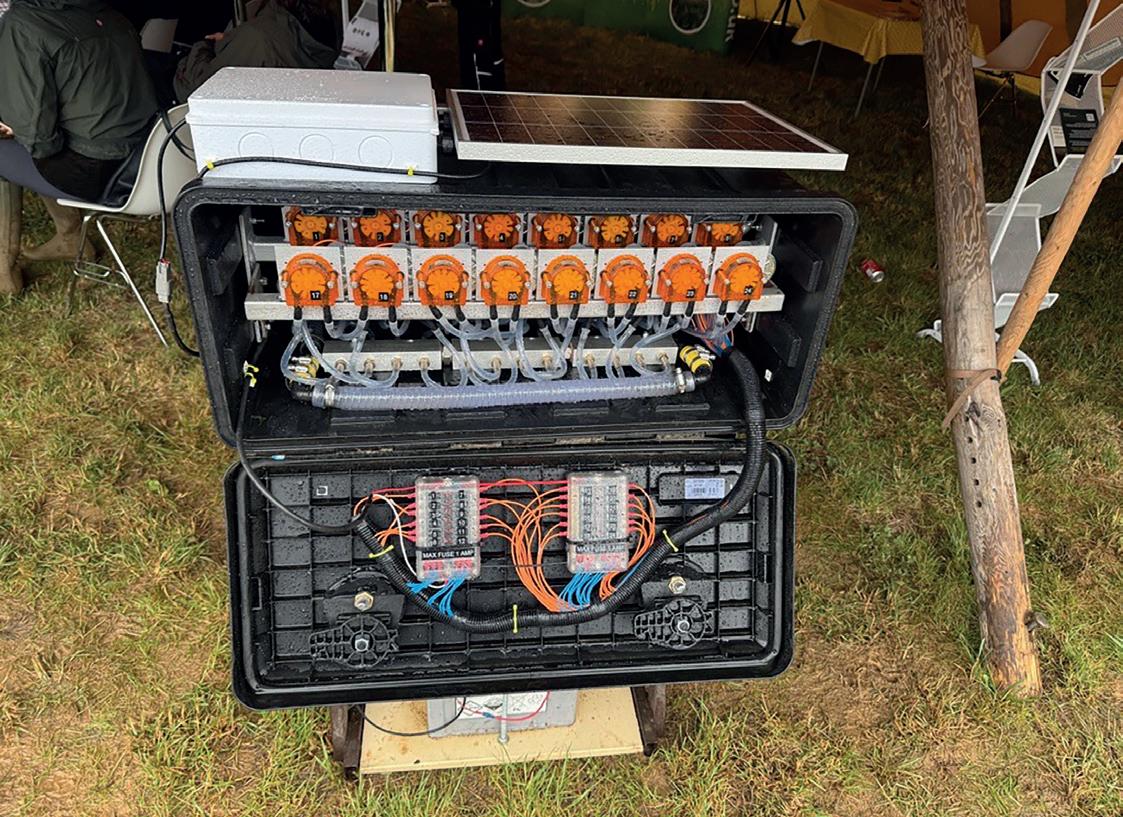
While there were many sprayer options on the market, Mr Tabernor said they were too expensive to justify for the project, so he decided to build his own peristaltic pump.
The farm had already bought a drill that he could adapt, so he went back to the manufacturer and asked if a suitable frame could be designed to mount the pump.
He said: “To put the tank and the frame on the drill, it cost just more than £1,000, including the design, powder coating and to be bolted on.
“We are nine months into the process, and I have not yet applied the compost to see how it works, but I am confident it will work as it is a simple tank system.
“I welded some steel tube on to the back coulters using a clear pipe, and it fits nicely folded up on the drill.
“When you are drilling, it is not taking up any vision on the back. It uses a 400-litre tank which pumps 56 litres/ha, and the tank is large enough to match the seed rate for wheat so the tank and the hopper run out at the same time.”
Stuart Tabernor
Mr Tabernor kept costs low by building his own pump.