










UK Dairy Day
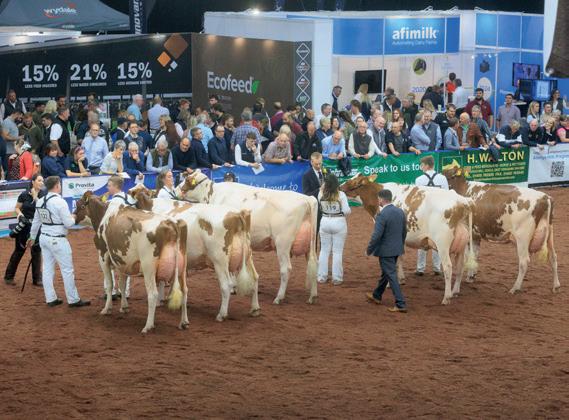
Round up of event
Pages 60-68
Nutrition
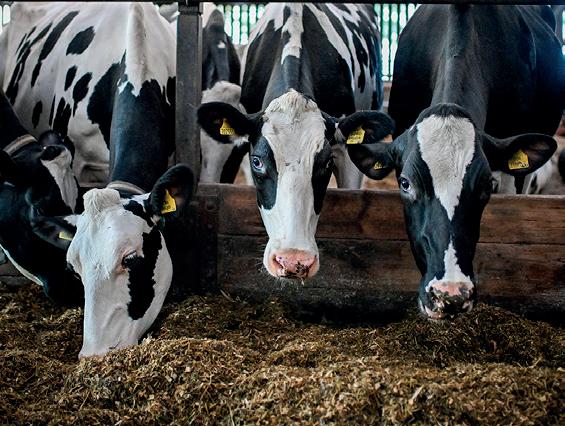
Planning ahead for autumn and winter feeding
Pages 44-59
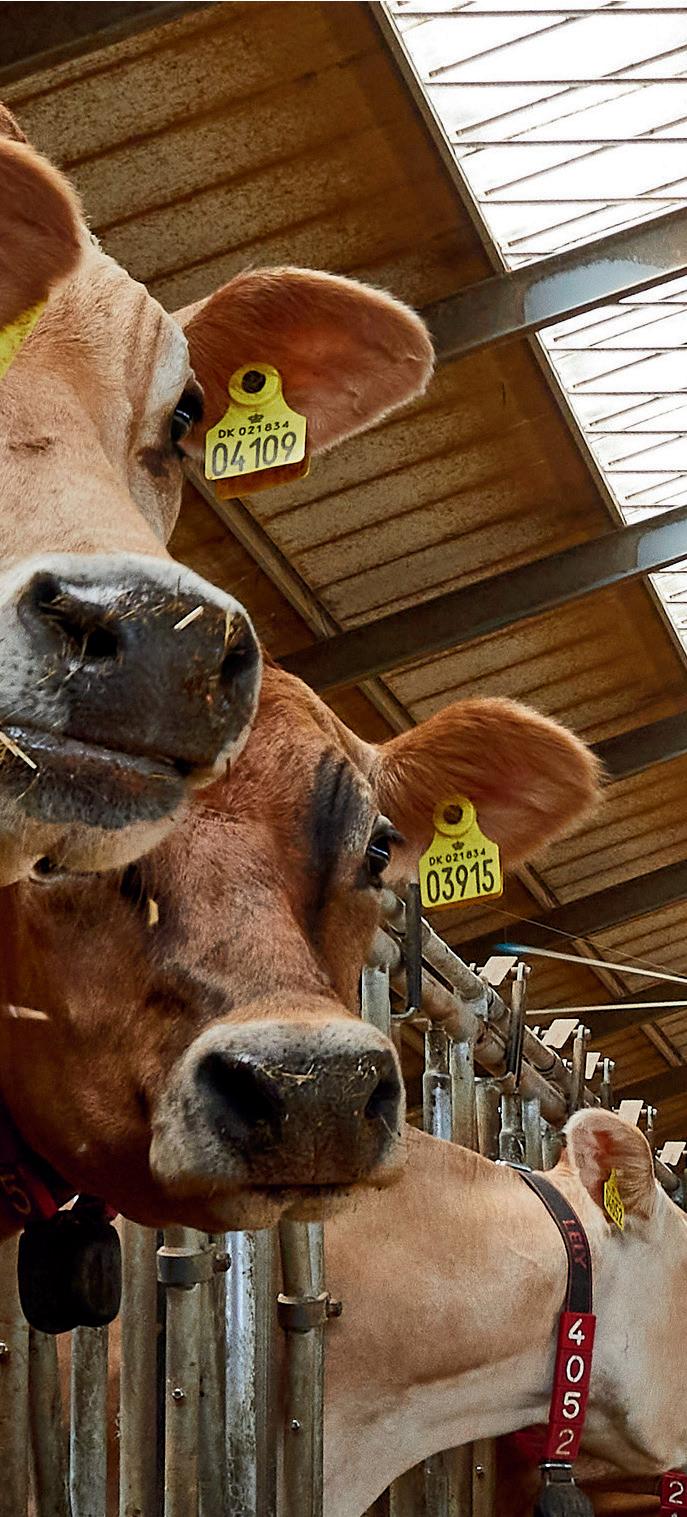
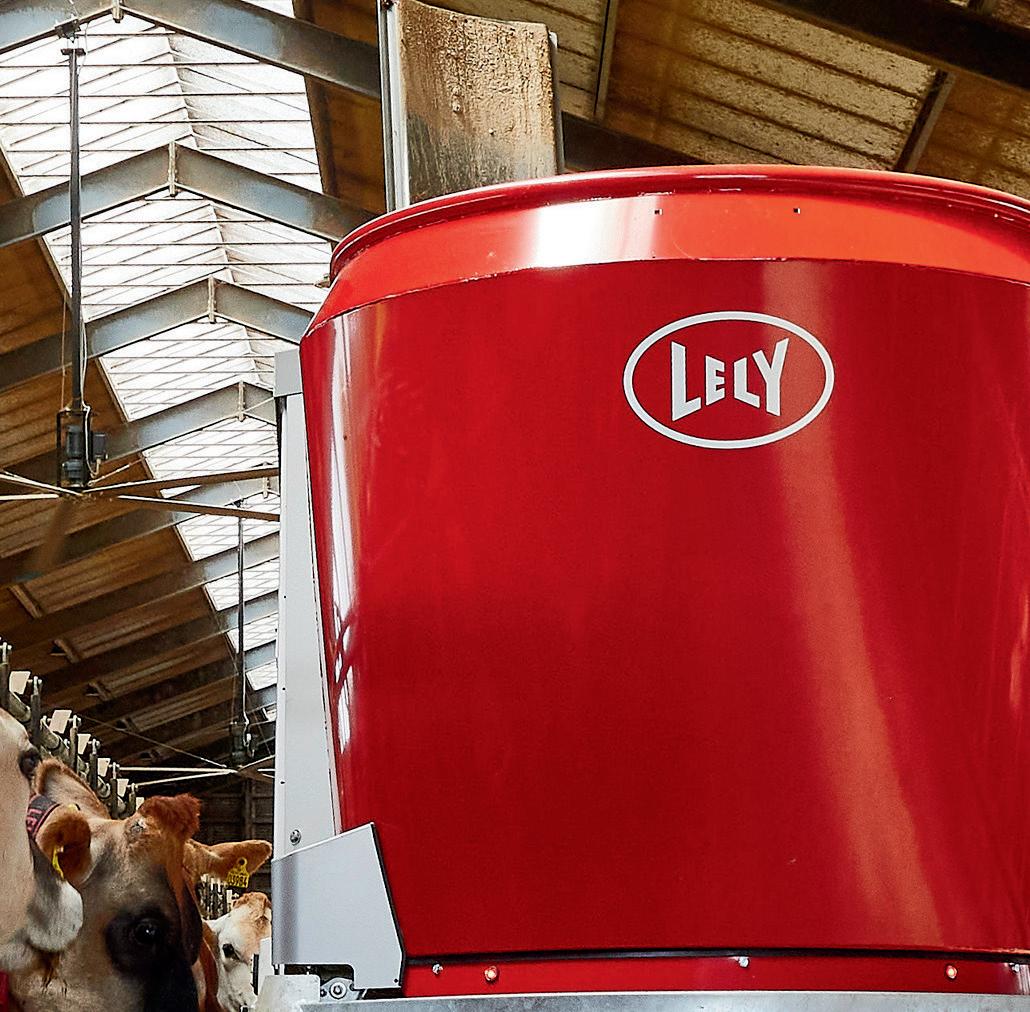
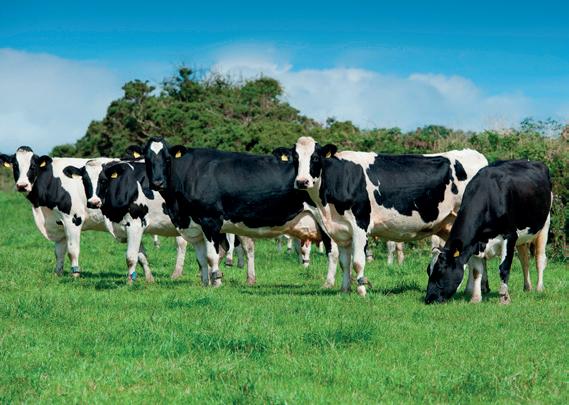
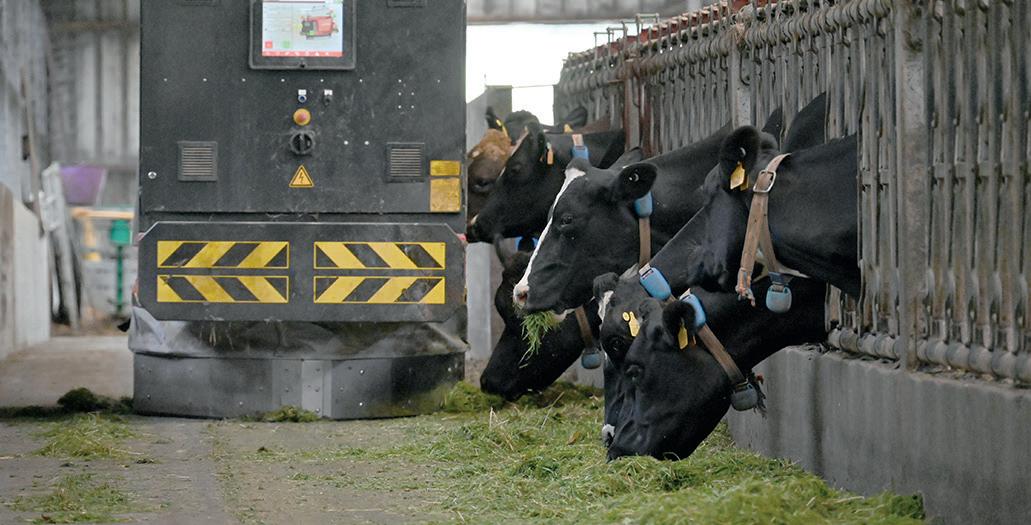
The Lely Vector, our automatic feeding system, is designed to provide every animal group access to fresh and precisely mixed ration based on their needs.

Breeding
Research looks into the on-farm value of £PLI
Pages 20-22
































































Editor Katie Jones 07786 856 439 katie.jones@agriconnect.com
Picture Editor
Marcello Garbagnoli 07815 003 236 marcello.garbagnoli@agriconnect.com
Sales
Gemma Thorpe 01772 799 500 gemma.thorpe@agriconnect.com
Account Manager
Mark Jackson 01322 449 624, mark.jackson@agriconnect.com
Classified Advertisements 01772 799 400 fgclassified@agriconnect.com
Advertising Production
Justine Sumner 01772 799 437 Fax: 01772 796 747 justine.sumner@agriconnect.com
Circulation and subscriptions 0330 333 0056 help@subscribe.farmers-guardian.com
Subscription rates: UK £65 a year Europe: £85 World: £95
ISSN 1475-6994
© Farmers Guardian 2025 All rights reserved. No part of this publication may be reproduced or transmitted in any form or by any means, electronic or mechanical including photocopying, recording, or any information storage or retrieval system without the express prior written consent of the publisher. The contents of Dairy Farmer are subject to reproduction in information storage and retrieval systems.
Dairy Farmer, Unit 4, Fulwood Business Park, Caxton Road, Preston, Lancashire PR2 9NZ
Origination by Farmers Guardian, Unit 4, Fulwood Business Park, Caxton Road, Preston, Lancashire PR2 9NZ. Printed by Warners Midlands, The Maltings, Manor Lane, Bourne, Lincolnshire, PE10 9PH. No responsibility can be accepted by Dairy Farmer for the opinions expressed by contributors.


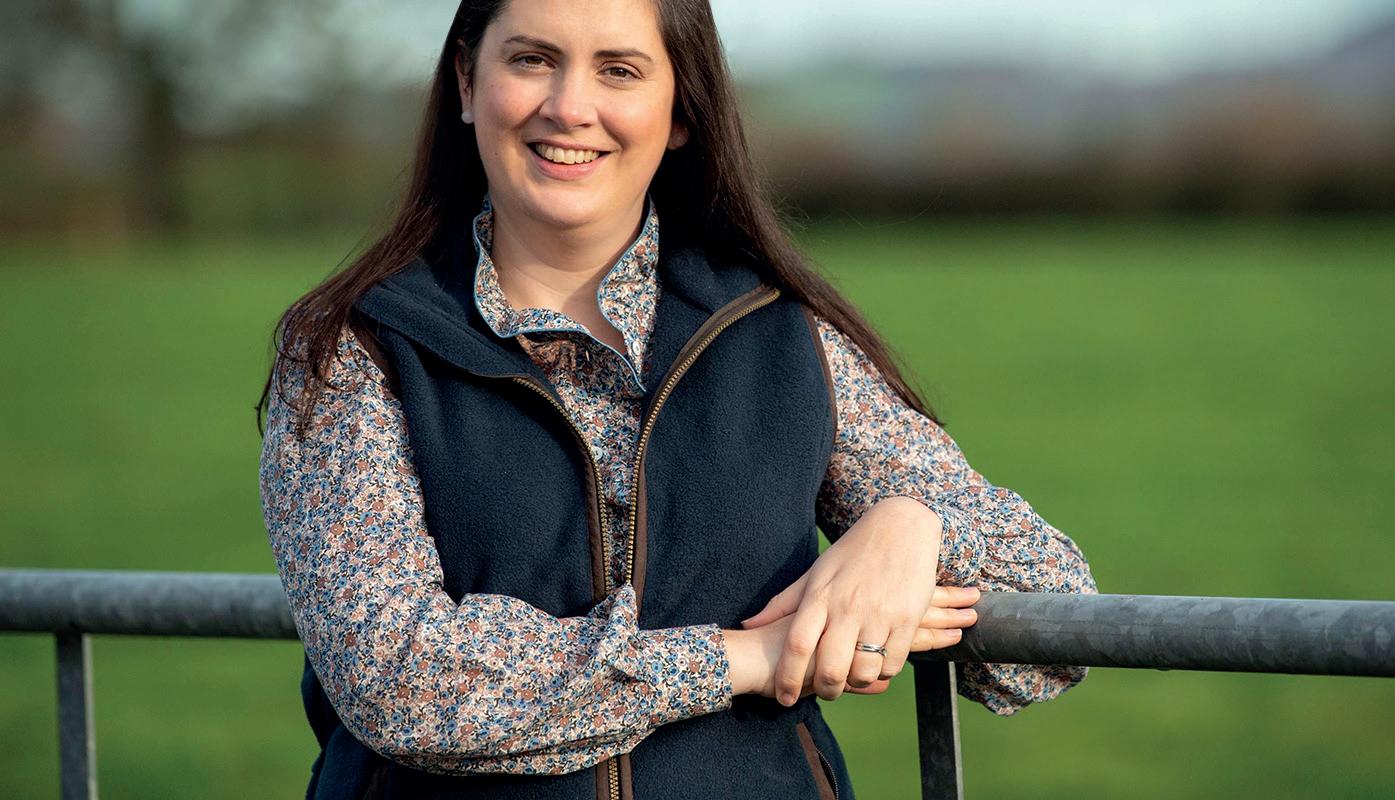
The conversations around the ring and on the trade stands at UK Dairy Day were dominated by discussions about the weather, forage stocks and the milk price as we head into the final months of the year.
Firstly, the weather. After a very dry summer it seems like we’ve transitioned quickly into autumn with the beginning of September looking to be much wetter and cooler.
Across the UK, farmers are reporting maize harvest dates weeks ahead of schedule, with many finishing before they’ve traditionally even started
Yields for many look to be down, and it is a similar picture for grass silage, although analysis so far looks to show that the grass in the clamps is of good quality.
The challenge now will be balancing rations to

• Finance from £10k to £5m
• Excellent Rates
• 6 Month to 20 Year Terms
• Simple, quick
• T
ensure what is in stock can be used as efficiently and effectively as possible, which is the focus of our nutrition special (p44-59) this month.
The other main question being debated at UK Dairy Day, was the direction of travel for milk prices. The short-term outlook suggests some downward pressure, a reality that will test many operations already dealing with reduced forage stocks.
But there is also genuine optimism about longterm prospects, particularly given the major processors’ continued infrastructure investments.
So it seems there could be short-term pressure, which should be balanced once again by long-term promise. This in itself probably sums up dairy farming pretty well.

New Defra Secretary Emma Reynolds said she wants to work with farmers, as she spoke to them for the first time at the NFU’s Back British Farming Day event in London.
In a cabinet reshuffle, the previous holder of the post, Steve Reed, was given the role of Housing Secretary following the resignation of Angela Raynor.
Ms Reynolds was confirmed as the new Defra Secretary with Dame
Angela Eagle taking up the role of Farming Minister, as Daniel Zeichner was removed from his position.
Ms Reynolds was formerly Economic Secretary to the Treasury in Chancellor Rachel Reeves’ department. However, her speech avoided the question of Inheritance Tax. Despite the subject being the focus of NFU president Tom Bradshaw’s welcome address, Ms Reynolds veered deftly to offer a light-hearted introduction to herself, explaining to assembled MPs
JTESCO has announced its sustainable farming groups could benefit from additional financial incentives and data collection support to achieve key environmental and animal welfare goals.
From September, the 260 UK dairy farmers which make up a significant part of Tesco’s Sustainable Dairy Group (TSDG) and who supply Tesco’s liquid milk through processor Muller, will earn up to an extra 2.5ppl of milk if key targets on emissions reduction, animal health, feed conversion efficiency and genetic improvements are achieved.
The group will also taking part in a baselining exercise over the next year to establish targets for
soil, water and biodiversity improvements. It follows the announcement of the Future Dairy Partnership last year, alongside Muller UK and Arla.
The retailer said it was acting on farmer feedback it collected as part of its Greenprint for UK Farming Report. Dave Jones, TSDG chair and Tesco dairy farmer welcomed the initiative. He said: “The group has continually reduced our carbon footprint over the years, and while this has been recognised, it is great to now get a payment to reward this and fund future carbon reductions. This should leave us well placed to meet our future industry targets.”
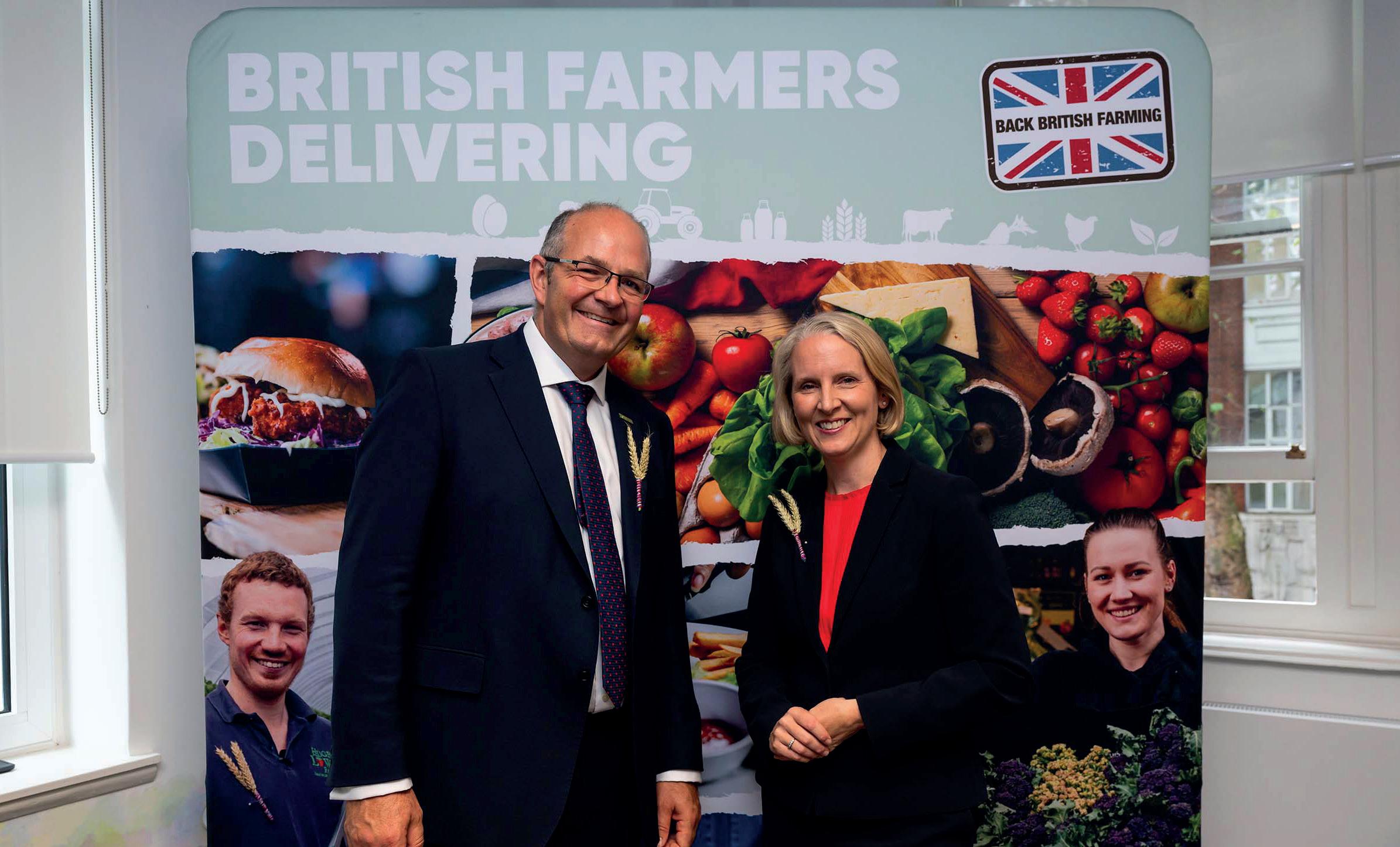
and union representatives that she ‘loved animals, but perhaps more importantly, liked eating them’.
However the MP, who represents Wycombe in Buckinghamshire, acknowledged the problems posed by the halt of the Sustainable Farming Incentive (SFI) and the plight of those farmers facing the end of almost 6,000 Countryside Stewardship agreements.
She said: “SFI is right at the top of my inbox. Farmers play a vital role in putting food on our tables. But you are much more than food producers you support our local economy, maintain our cherished landscapes and are the beating heart of our rural communities.”

She added she had ‘great respect for our farmers’ and wanted to provide them with the certainty and confidence to invest.
Ms Reynolds went on to say much more needed to be done to improve farm resilience in the face of climate change and profitability.
She said the Government would work in partnership with farmers delivering ‘concrete support, not just warm words’.
Mr Bradshaw said the appointment offered the Government a chance to ‘reset’ its relationship with farmers.
He said: “I really want this to be a reset across Whitehall, so we are able to mitigate the worst of the impacts on our farming community so we are able to un-
I really want this to be a reset across Whitehall, so we are able to mitigate the worst of the impacts on our farming community
TOM BRADSHAW
lock the opportunity to deliver the growth that we need and so that we have a thriving food and farming industry.”
JAROUND 9,500 farm businesses applied for the latest round of the Farming Equipment and Technology Fund (FETF), Defra has said.
The grant scheme was designed to help farmers invest in items to improve productivity, better manage slurry and support animal health and welfare.
Defra said it was pleased with the high level of interest and is now beginning to issue agreements to successful applicants.
The department said: “Since it opened in May, we received approximately 9,500 applications across those these themes.
“This is the highest number recorded in any FETF round.
“We want to thank everyone who applied.”
Responses to applications under the animal health and welfare theme will follow later owing to the high volume of applications received.
The department issued guidance on next steps for applicants which urged farmers to make sure they fully understand the terms and conditions and the claim deadline.
Those not moving forward will be contacted to explain the reasons why they were unsuccessful.



Amajor step change in the pace and scale of vaccinations as well as a move away from
the politicisation of the issue will be needed if bovine TB is to be eradicated, a new report has revealed.
Issuing an update to the Bovine TB Strategy, the review’s authors said it was ‘essential the problem of bTB [was] co-owned by the Government and the industry’, with all parties needing to show a willingness to move beyond longheld positions.
It said: “We know that the industry would prefer to take the lead with few constraints on interventions (the ‘New Zealand model’) but the reality is that this does not have a social licence in England and policy needs to be developed accordingly.”
The report also stated its authors were ‘acutely aware of the burden this disease places on the welfare and well-being of farmers and their families’.
But it also said farmers could do more, noting ‘the poor takeup of on-farm biosecurity measures and the extent of trading in often high-risk cattle’ was
‘severely hampering disease control measures’.
The group’s chair Prof Sir Charles Godfray said there had been some positives and progress since the panel last issued its report in 2018, including a fall in headline rates of bTB prevalence in the national herd and also significant advances in the science.
While he said he believed achieving the Government’s aim of eradicating the disease by 2038 ‘was possible’ it was going to ‘be tough’.
He said: “One of the overarching messages from our report is that we need a step change in the urgency and the
J MESSAGING around the nutritional benefits of milk in the dairy aisle could inspire shoppers to buy more milk in store.
AHDB has undertaken research in collaboration with Linney and milk processors to understand how to improve shopper engagement with the milk aisle.
While dairy is present in more baskets than any other category, the AHDB/YouGov Consumer Tracker earlier this year revealed around one in five claim they are thinking about cutting back on dairy products.
Emma Wantling, retail and consumer insight manager at AHDB, said: “Our research aims to help re-
tailers and processors by providing evidence as to what shoppers are looking for in aisle and on pack that would influence behaviour and, in turn, protect and grow sales.”
Results showed that, for the aisle, having communication around the natural nutritional benefits of milk performed strongest. When adding health communication in aisle, 25% of shoppers claimed they would purchase more milk than usual.
On pack, consumers were clear farming communication was of most importance. Cow-centric visuals of animals grazing performed best alongside farming messaging such as ‘Dairy produced in the UK is to world-class food and farming standards’.
activity in the way we treat this disease and the resources that will lead to eradication.”
The report said that following the decision to end the cull by 2029, the roll-out of a vaccine should be accelerated, with the panel alluding to the speed and delivery at which the Covid-19 vaccines were made available.
While noting pressure on finances, the review also found the Government to be lacking in its approach should it wish to meet its 2038 target.
Although shying away from the term ‘tsar’, the panel suggested making leadership of the eradication strategy a more ‘visible and public-facing role’ which would
One of the overarching messages from our report is that we need a step change in the urgency and the activity in the way we treat this disease
SIR CHARLES GODFREY
own the Government’s contribution to eradication, working closely with all interested parties.
There has
been a fall in headline rates of bTB prevalence since the last report in 2018.





Compound Feeds













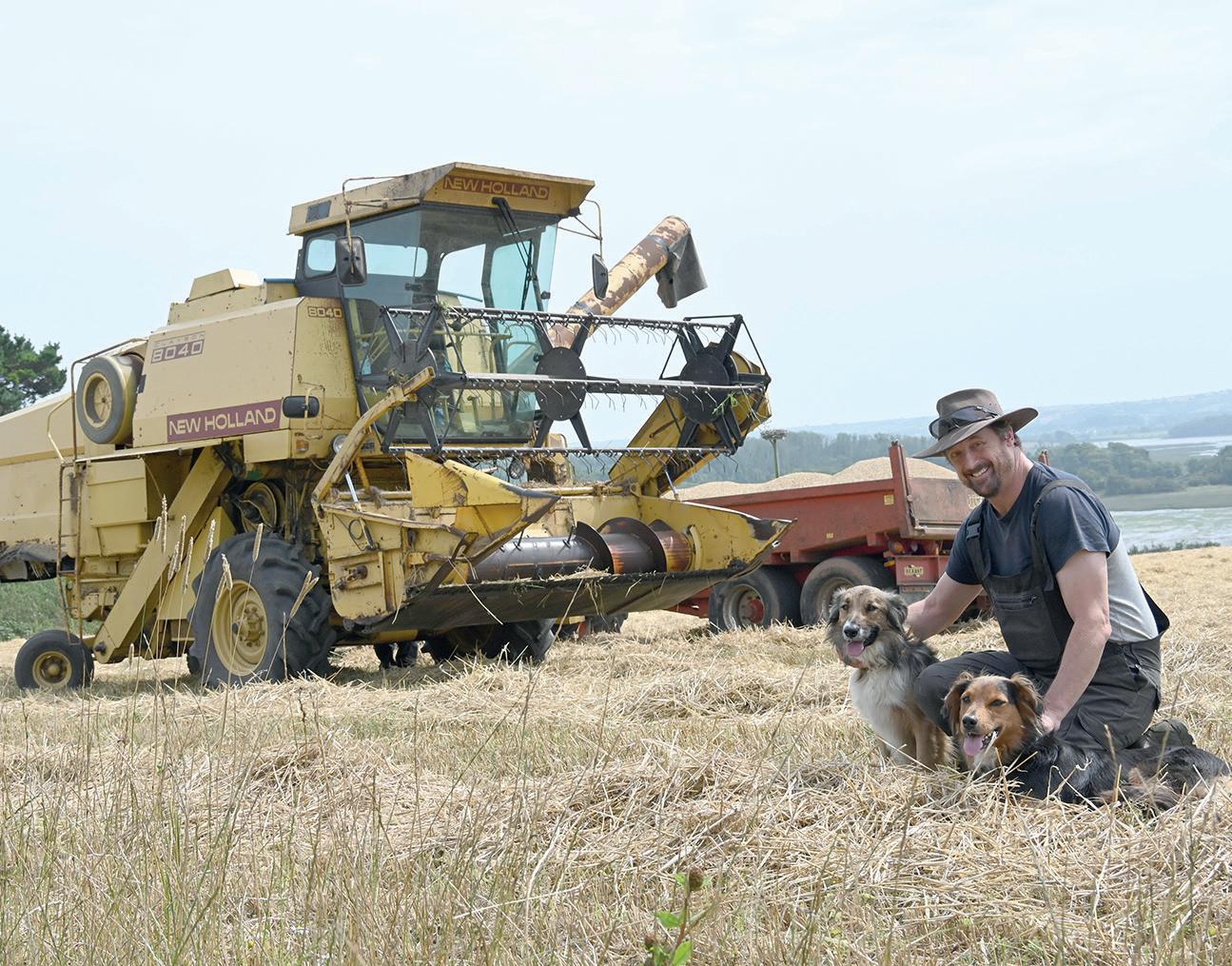
Farming 405 hectares (1,000 acres), a mix of tenanted and owned land at Gatcombe Farm, near Seaton, Devon, Robert Reed and his family milk 350 all-year-round calving Holstein cows via five robots and are achieving average yields of 12,000 litres.
What we are proposing will give more ownership of bTB to the farmers so they can take some control and manage their way out.
Once again, I start with a warning of ‘be careful what you wish for” as it finally started raining on the August 27 and the heavens opened just as we were cutting the last few acres of maize.
The forager had to park up for a few hours while we had 10mm of rain.
Prior to this, we had 50mm of rain in the middle of June and hardly anything from April until then.
As I write this (early September), we have had more than 100mm of rain in the last 10 days and it doesn’t seem to want to stop.
I have only ever cut maize in August once and that was 30 years ago and only one field. This year, the maize harvest was all done in August.
The best of the maize did 14 tonnes/acre at a very high 40% dry matter. I would imagine the starch content is going to be very good. Some not so good maize yielded 11t/a at 35% dry matter.
The fields have really greened up in the past few days. We have put on a light dose of fertiliser with the intention of, if it was to ever stop raining, we might take a late cut of silage. If not, we will use it the best we can for grazing cattle.
For more than a month we have been feeding every bunch of outdoor cattle with silage in feeders. In the past few days, we have been constantly moving cattle around into fields where we now have this lovely green grass – a novelty to see. We are now just wishing for a nice Autumn and the rain to stop so we can utilise the grass.
Mid-July, working with the NFU, we managed to get the then Farming Minister, Daniel Zeichner, to the farm to explain to him the bovine TB work that we are doing.
Under current circumstances, as you can imagine, I am not a great Labour fan, but Daniel Zeichner came across very well. He listened and learned.
We had several people from the NFU, including Tom Bradshaw and representatives from APHA.
The point of the meeting was to try and persuade APHA to change the rules on alternative testing, particularly the issue of test positive animals being defined as responders rather than reactors.
This would mean that they need not be compulsorily slaughtered, but could be segregated and retained until
it was economically suitable to cull them, at the cost to me rather than the state. We would still comply with all the statutory tests and rules, but it would give us options to manage the disease from the herd rather than killing lots of productive cows as reactors.
We have been fighting for this for years and this is the closest we have got to someone with the power to change the rules. These rule changes are only part of the work done at Gatcombe, but we need the Government to change them.
Professor Godfray’s recent review on bTB does tackle these particular issues and is helpful. I hope Defra takes heed.
My battle with bTB has been ongoing for many years and, for the whole of this period, Dick Sibley and myself have trialled and discussed it over and over again.
It cost my business £100,000 per year for the 10 years we were down, which adds up to over £1m.
The taxpayer has paid me more than £500k for bTB positive cows in this period plus all the testing costs associated with it. We have all been losers.
What we are proposing will give more ownership of bTB to the farmers so they can take some control and manage their way out. Along with this, our proposal is potentially a massive long-term saving for the taxpayer. Fewer reactors mean less compensation.
The problem now is that the Government has just done a reshuffle and Defra has a new farming minster who will have to be brought up to speed and there will be yet more delays ahead.
Ifan Roberts
Ifan Roberts is a new entrant who has established a contract farming agreement milking 500 block calving cows in Cheshire, and is aiming to improve the land farmed, encourage others to participate in the industry and deliver attractive returns to his stakeholders.
Grass growth rates on the farm dipped… leaving us in deficit for a good portion of the summer
As anticipated earlier in the spring, my early optimism about having the perfect season was thrown into question as a spell of heatwaves struck.
They started at the end of June, just after we harvested our second cut and persisted on and off towards the end of August.
This saw grass growth rates on the farm dip from around 60kg of dry matter per hectare to as low as 15kg DM/ha, leaving us in deficit for a good portion of this time.
Although we were able to call upon the 20ha of extra grazing platform that we established over the road earlier in the spring, we still at various points found ourselves having to buffer feed the cows to keep them fully fed.
We estimate we are around two tonnes of DM/ha behind on growth on a typical year. And with five other counties also declaring ‘drought’-like conditions we also found ourselves worrying about our dry cow feed supply, which would typically be bought in in the form of large hay bales, which looked to be in short supply.
Therefore, I thought I would share with you how we looked to fill these deficits and what was the cost to the business.
At our driest, we were sat with 30% of the cows’ diet or sometimes less coming from grazed grass, 30% from home grown silage and 30% from bought-in concentrates.
To keep the cost of these concentrates low we opted to buy in palm kernel. This was landed at £180 a tonne and we fed 2kg per head a day, along with 3kg of parlour cake – which meant our average cost of concentrate came to £218/t.
Then as we saw our forage stocks beginning to deplete, we started purchasing standing forage crops in the surrounding area.
Firstly 9.8ha of standing first cut which came in at £172/tonne DM. We then bought 5.6ha of standing spring barley wholecrop that came in at around £200/t DM.
We then called upon our other land, owned by
the Latham family 13 miles away at Kelsall Hill, where we were able to move off all of our springborn heifer calves for summer grazing.
We also dragged back a bulky cut of dry cow silage from Kelsall at £127/t DM.
Also, at Kelsall we established some 32ha of maize, which ended up being the saving grace of our cropping.
Having been well established and cultivated by Phil and his team at Kelsall and with rain just at the right times combined with the warm weather, the maize has done extremely well this year.
It was harvested on September 4, which is around a month earlier that usual, and we estimate it to have yielded more than 13.5t DM/ha with starches around 34%, according to the harvest lab.
We have also bought 80% of our straw, hopefully before prices rise and stacked it on our indoor silage clamps, leaving us now only needing to secure around 100 tonnes of dry cow hay or haylage.
This, although costly, has been a prudent strategy from us to tackle and fill our deficit quickly, leaving us now to concentrate on our winter routine and to put the farm in good steading for the season ahead.
Significant investment in a greenfield site, together with membership of an internationally renowned organic dairy co-operative, is key to securing the farming future for a historic West Wales estate. Gaina Morgan reports.

Anew-build complete with a robotic milking, scraping and feeding system, was installed five years ago by the Lort-Phillips family at Lawrenny Farm in south Pembrokeshire – and the innovative move is paying off.
The farm is run by Owen Lort-Phillips who says the family has had to be proactive during the almost five centuries that the family has farmed at Lawrenny.
While part of the estate is given over to ‘farming experiences’ such as a festival, glamping and holiday accommodation, dairying remains the lynch pin.
Mr Lort-Phillips, who is also a founding director of the expanding Calon Wen Organic Dairy co-opera-
tive which handles 20 million litres of milk annually and has a turnover of £14 million, explains the farm itself was converted to organic production some 25 years ago.
He says that he feels the organic system is ‘the right thing to do’ both in terms of the unique environment and the wider principles.
The result is a combination of an extensive, all the year round, grazing system coupled with state-ofthe-art technology.
He says the robots save time, but also bring a significant improvement to cow health and welfare, along with benefits for staff.
Mr Lort-Phillips takes pride in the fact that Calon Wen, which in English means ‘pure heart’, customers across the world can buy butter, cheese, and milk that tap into his
personal farming story. Membership of the co-operative gives him a secure income, while affording the pleasure of ‘telling the farming story’ to customers as far away as Japan.
It is, he feels, particularly significant these days that the milk, butter, cheese and newly-launched ice cream is sold with the full story of its provenance.
He says: “In a way, we did it to attract customers to us and to get the message across. It is incredibly important for us here to feel we have a story to tell our customers.
“My wife Laure was an early adopter of the organic ethos as she worked for the Soil Association and then later Organic Centre Wales, based in Aberystwyth.
“It was her encouragement and enthusiasm that got us all through the early days of converting the farm to organic production in 1999.”
Mr Lort-Phillips is the third generation of the family to farm the 343 hectares (848 acres) in hand, including 100ha (247 acres) of woodland and 11ha (27 acres) of salt marsh.
A further 149ha (368 acres) is rented out to a non organic farmer, whose friendship and inspirational approach he highly values.
An area of 15ha (37 acres) is used by the Big Retreat Festival, a wellness event that attracts more than 4,000 people over four days every year. It is run by other members of the family and brings a welcome income to the farm.
The grazing platform extends to 54ha (133 acres) and the cows
n Organic dairy farm supplying a co-operative n 343 ha (138 acres) in hand n 124 cows milking plus 60 followers n Grass fed herd
are out from February until October/ November.
There is also a further 20 to 25ha (49 to 61 acres) given over to zero-grazing. A further 15ha (37 acres) is reserved for grazing for the youngstock.
The remaining in-hand organic land is used either for cropping, this year for 10ha (24 acres) of spring barley, but last year for wholecrop silage, or for growing forage for silage. Sheep are brought in on tack over the winter.
The drought means this year’s third cut is likely to be poor.
First cut was between eight and 10 tonnes to the acre and second cut
five to six tonnes. It is a healthy yield, he feels, in a year when conventional farmers have been struggling with poor growth.
Mr Lort-Phillips says: “It is completely weather dependent. But the backbone of our silage is red clover and grass, three-year leys and these are all in good condition.
“Red clover is absolutely core to the organic principle, introducing massive amounts of nitrogen back into the soil. Vigorous regrowth can take a lot of slurry and dirty water. It is also an incredibly good soil conditioner.
“We do, sadly, buy in cake. We feed 0.23kg per litre of milk produced, producing about a million litres a year.”
The extensive, organic system means the cows are currently averaging 20 litres a day, at an average of 200 days in milk.
The three robots allow cows to milk as often as they wish, in many cases peaking at 45 or even 50 litres a day.
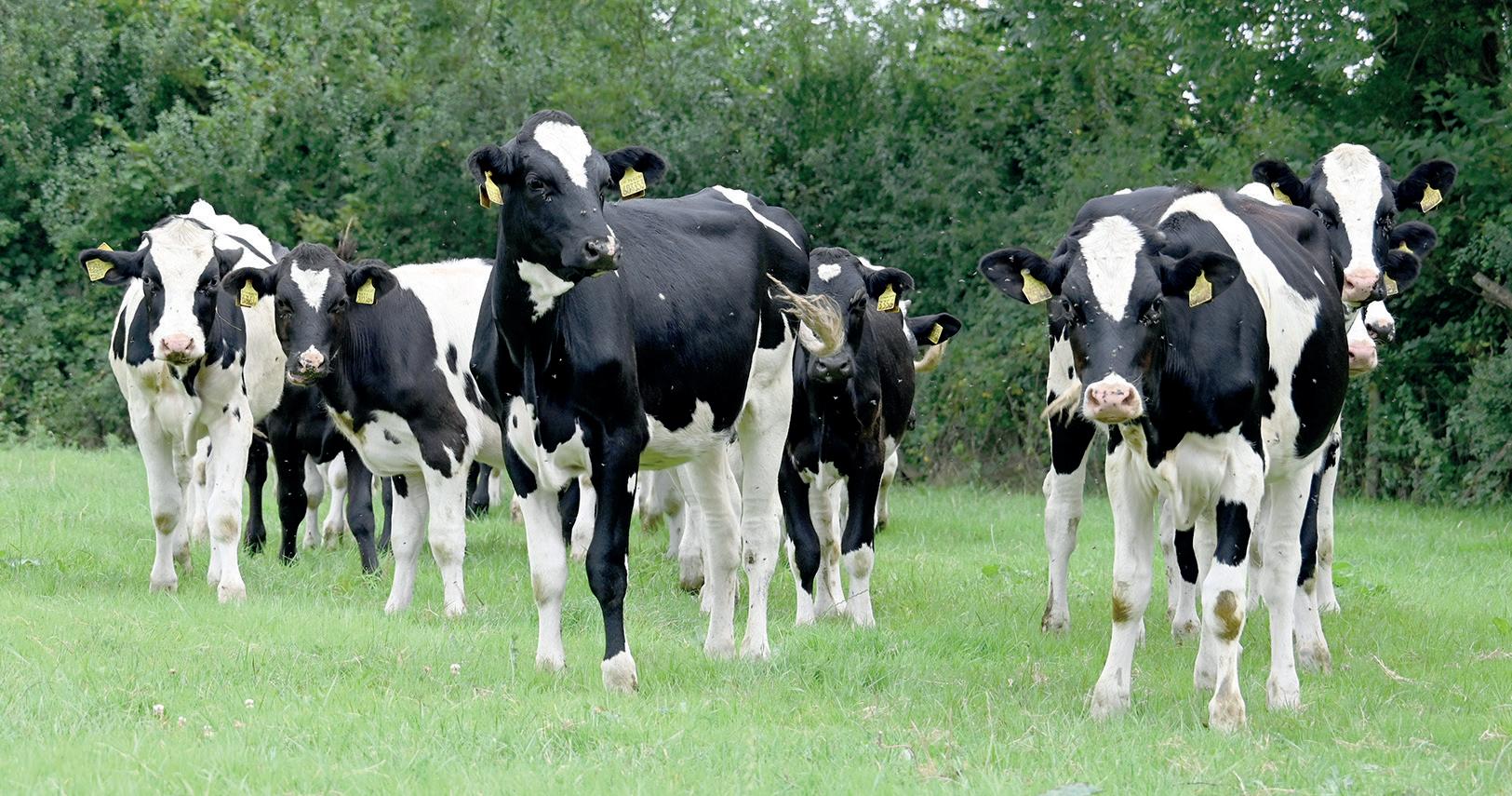
There are currently 124 cows milking – a mixture of Jersey cross, Brown Swiss cross, British Friesian and British Holstein.
They are bred for milk quality rather than quantity, currently aver-
aging 7,450 litres, with the target being 7,500 litres, a lactation, and heifers average 5,650 litres.
Calon Wen pays on quality and the Lawrenny butterfat range is between 4.01% and 4.5%, with protein


from 3.25% to 3.45%. Cell count, at 260, is to an extent a feature of the older age profile, many cows having had eight lactations.
Bactoscan averages 35.
Mr Lort-Phillips says his oldest cow is now in her twelfth lactation.
He says: “I just like her, she is just a lovely, gentle cow.
“She has held together beautifully over the years and there is nothing wrong with her.
“She gets in calf, she produces milk, she never goes off her feet, she has never had mastitis. Why would you not keep an animal like that?
“You want as many calves out of that kind of genetics as possible.
“This business of culling cows when they get to their fourth lactation is absolutely bonkers, in business terms, genetic terms.
“It does not make any sense. It is a
total waste and means you have to carry more replacements.”
There are 60 followers, with replacements produced from September to February from the better cows or, if possible heifers, served to sexed semen. The target is to achieve 40 replacements in 2026.
Most of the heifers calve from March to the end of August, having run with a Hereford bull after a short AI cycle and their calves are sold at two or three weeks old, bovine TB status permitting.
The cows calve all year round, calving out from April to October, in order to fully utilise the robots.
The drive to increase cow numbers has been slowed by an outbreak of neospora, together with bTB, and resulting cash flow issues.
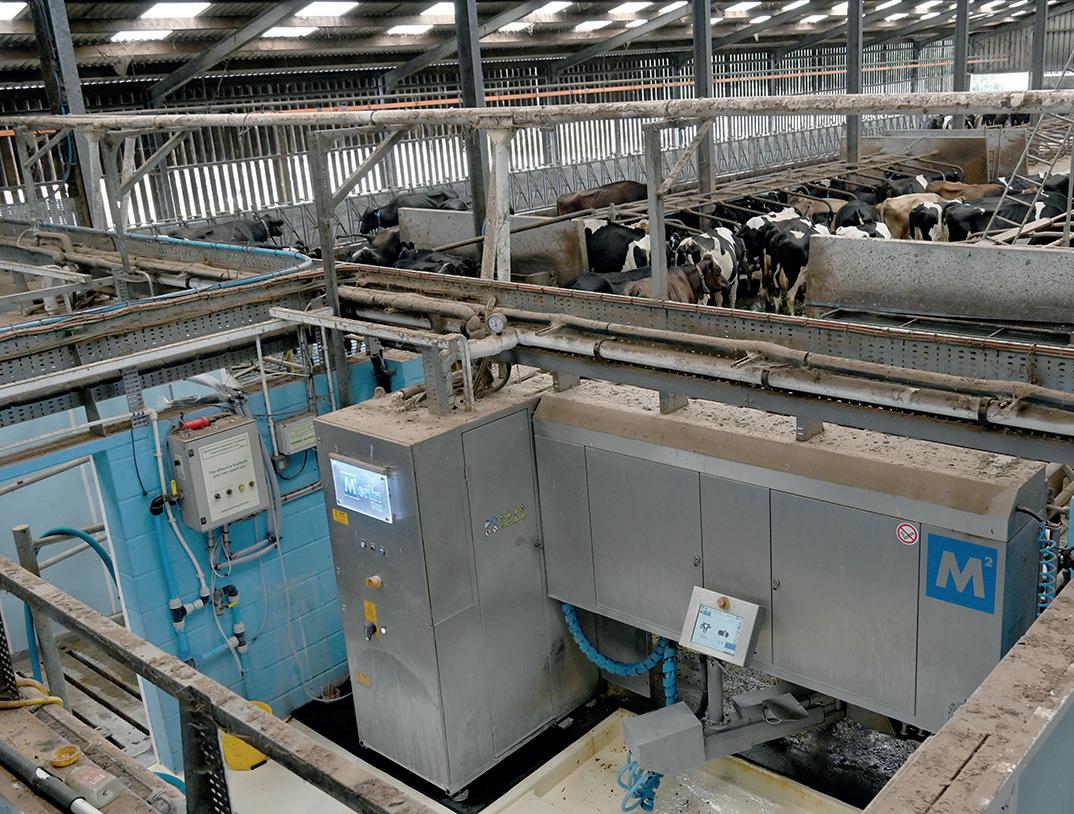
Inevitably, on a day when there might be a problem with a robot, there will be some other major problem – not a common occurrence, but frequent enough to factor in.
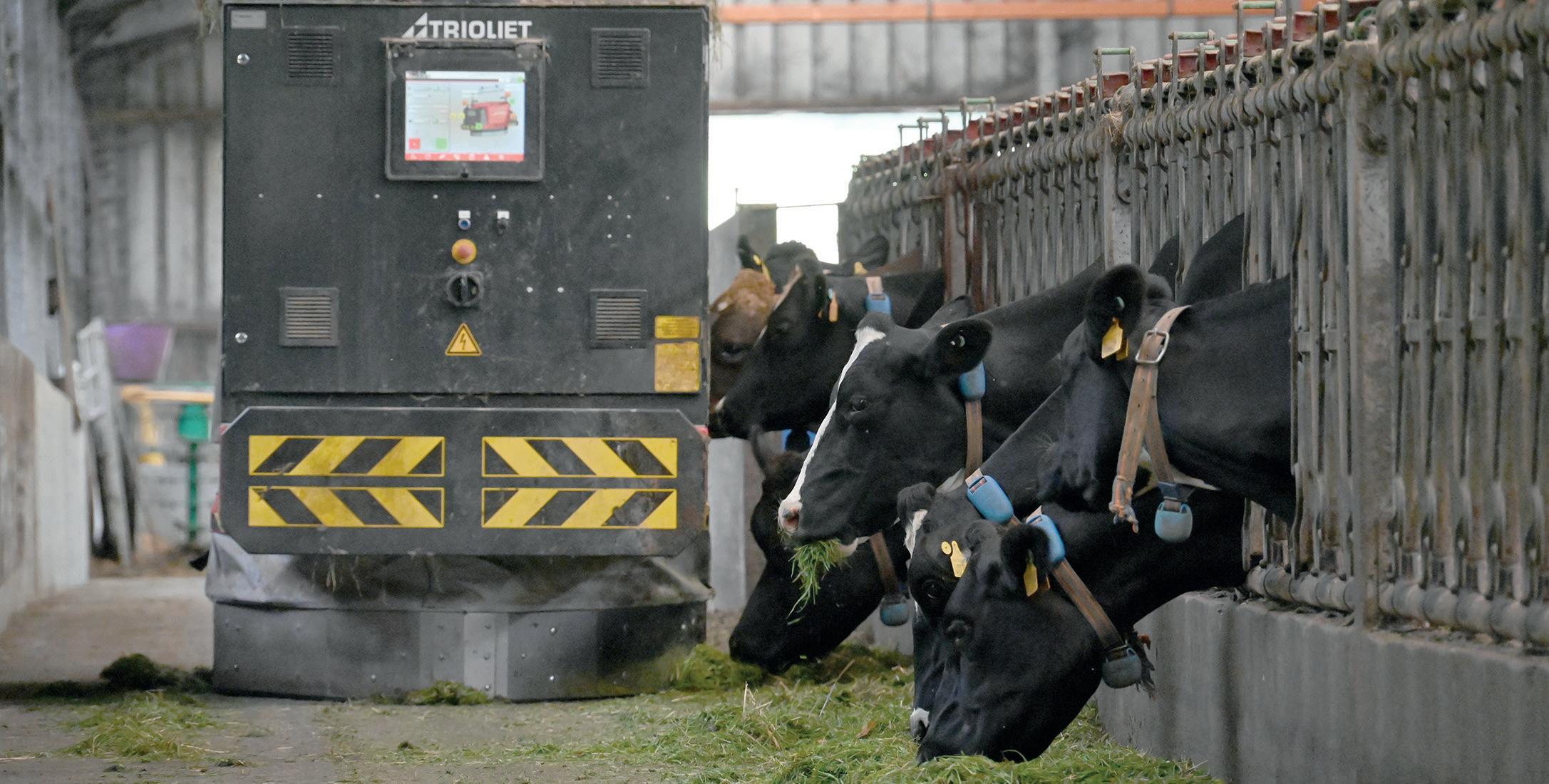
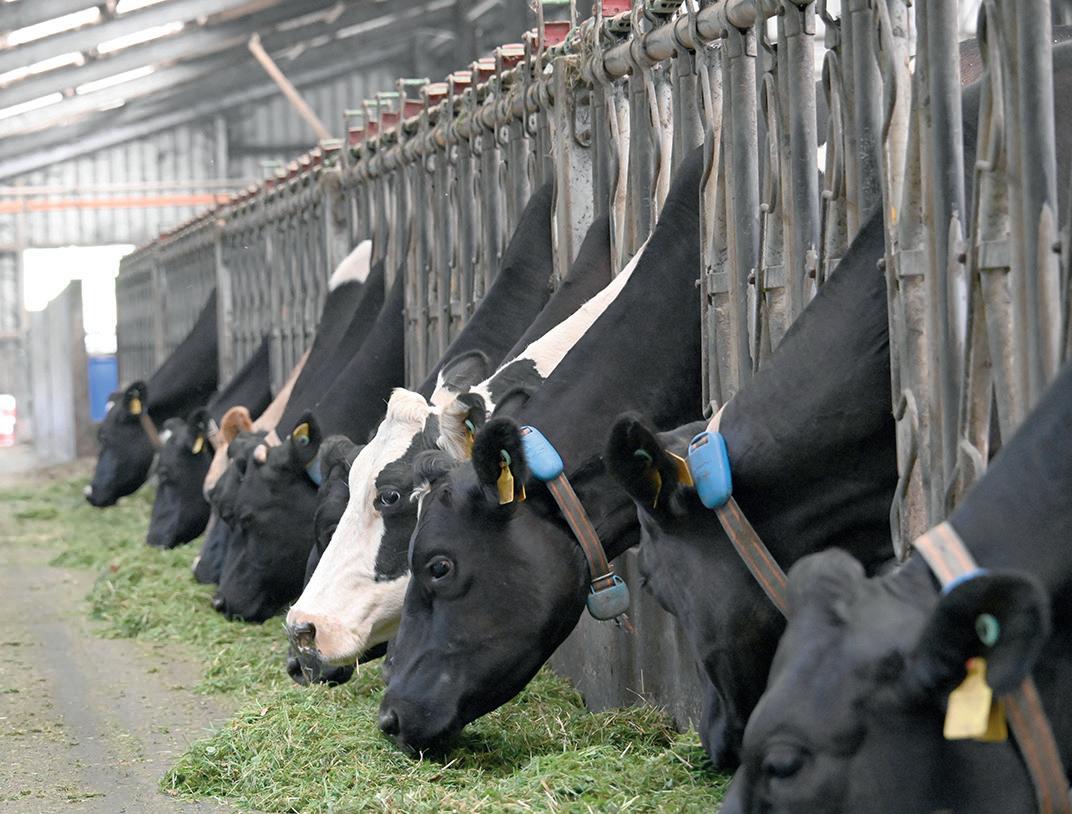
Silage making is all done inhouse with a silage wagon, cut at the optimum time to conserve the best quality. During the winter, weekday feeding and bedding of the dry cows and youngstock and the refilling of the silage bunkers for the Trioliet robotic feeding system is done by the tractor driver.
Nine cows were lost to bTB in 2022. Another challenge is the shortage of skilled labour, with the farm requiring 1.5 labour units.
The widespread problem is particularly acute in Pembrokeshire, with its sparse all-yearround population and shortage of affordable housing.
One very experienced and reliable, but now part-time, worker does most of the machinery tasks.
Other part-time help is intermittently available, usually when Mr Lort-Phillips’ daughters are home.
Monitoring the robots, cleaning and maintaining areas missed by the robot scraper and bedding down, plus checking the stock can take up to six hours a day each day.
Then there are the times when things go wrong and immediate human intervention is needed.
AI, foot trimming and slurry spreading require special skills that only contractors or technicians can bring to the farm. Contractors help with some aspects of renewing the leys every three years.
The long-term aim is to build herd numbers to 200, hopefully enabling at least 140 animals to be in milk every month of the year.
Mr Lort-Phillips also needs to resolve the problem of housing another full-time worker, so addressing his work/life balance.
It is an ongoing challenge for the family, including his parents and brother and sister, to conserve the estate and pass it on in good shape.
Times are very different from the Elizabethan age when Mr Lort-Phillips’ ancestor first bought the land, but the need for good quality food produced in optimum environmental conditions amid the spectacular landscape remains.



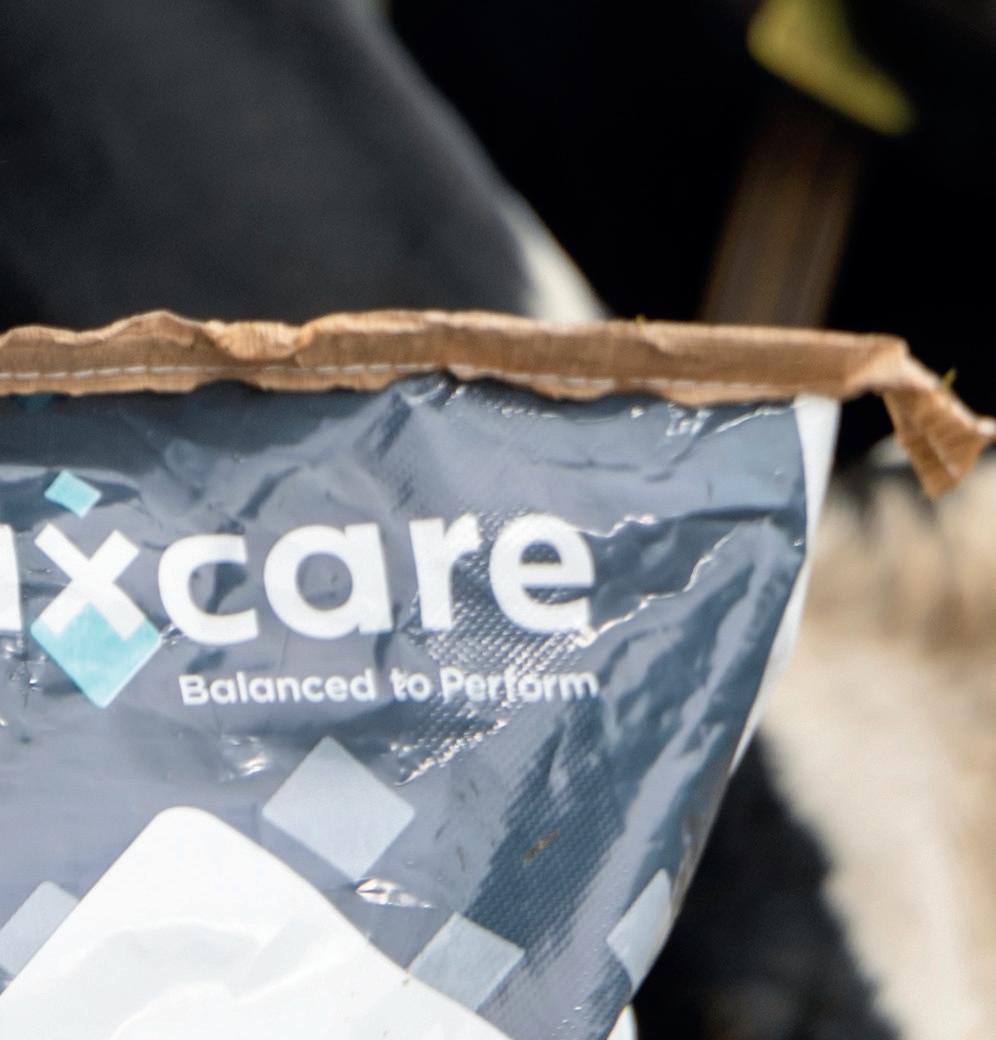
Maxcare minerals and packs are expertly balanced with Selko IntelliBond minerals and no sulphate and oxide sources to optimise health and productivity.


Why choose Selko IntelliBond?
• Reduces carbon footprint*
• Improved fibre digestibility for a healthy rumen environment
• High bioavailability for maximal trace mineral delivery
• Healthier, more productive animals





A former chief economist at both the NFU and CLA, Dr Derrick Wilkinson has nearly 40 years of experience in the development and analysis of global trade, environment and agriculture policies.
Britain is at risk of sleepwalking into a food security crisis. For decades, UK farmland has steadily disappeared under housing, infrastructure and environmental schemes, while growth in agricultural yields has slowed due to weather extremes, higher input costs and restrictive policies.
If these trends continue, the UK will rely ever more heavily on imports from a volatile global market – an unsustainable gamble with our food security.
A new modelling study published by Science for Sustainable Agriculture shows the scale of the problem. During the past 25 years, the UK has lost 771,000 hectares of farmland, around 4.4% of the total. Food production rose by just 10% in that period, while the population grew by nearly 15%. The result? Around 5% less home-grown food per person and a 12% fall in self-sufficiency.
Looking ahead to 2050, the outlook worsens. If current trends persist, another 835,000ha of farmland could disappear. However, if Government policies on housing, tree planting and net zero are fully implemented, nearly a quarter of farmland could be lost, almost 4 million ha, mostly arable. That would cut agricultural output by almost a third. With a

Dr Derrick Wilkinson
population of up to 80 million, per capita domestic food production could plunge by nearly 40%.
The consequences are stark. Food imports would need to double or triple, just as climate shocks, population growth and geopolitical tensions strain global supplies. Increased reliance on food imports is not a sensible strategy – it makes us more vulnerable, and risks leaving the country increasingly exposed to volatile world markets.
No one disputes the need to tackle climate change, restore biodiversity or build homes. But Britain is running out of space. Solar farms may expand to 200,000ha by 2050; bioenergy crops could claim half a million more. And woodland expansion and nature recovery schemes will take further land out of food production.
For too long, food has been ignored in land-use policy. That must change.
Policymakers and environmental groups often advocate ‘land sharing’ – implementing so-called ‘nature-friendly’ practices across farmland – but this typically lowers yields, requiring more land to produce the same amount of food. A better strategy is ‘land sparing’ – focusing high-yield farming on the most productive land, while setting aside other areas for nature.
Scientific evidence indicates that this approach offers the best balance between food security and environmental goals. But without productivity gains, sparing land for nature will simply mean sacrificing food production at home and increasing our reliance on food imports.
If we must produce more food with less land, innovation is essential. Britain should be embracing new breeding technologies, digital farming, robotics, precision agriculture and sustainable intensification. Farmers also need reliable access to fertilisers and crop protection tools to maintain yields responsibly. Instead, Government policy is moving the wrong way – removing tools without offering alternatives, rewarding land being taken out of production, and signalling support for lower-yield farming systems.
No other sector would deliberately turn its back on technologies that increase efficiency and output. Nor should British agriculture.
No
Food security cannot remain an afterthought. It must sit at the heart of policy, alongside climate and biodiversity. That will require joined-up thinking across the Government departments responsible for farming, energy, housing, environment and trade.
Farm support should prioritise production on the best farmland while still enabling environmental improvements elsewhere. Trade policy should avoid undermining domestic producers with lower-standard imports. And population policy must reflect its impact on food demand. The lesson of the past 25 years is clear:
we are losing farmland faster than yields are improving, and not keeping up with demand. The lesson of the next 25 years could be harsher still – that in pursuit of environmental goals, we risk neglecting the basic necessity of feeding ourselves.
Government ministers frequently tell us that food security is national security. It is time to match those words with action. If Britain is to balance biodiversity, climate goals and food production, we must act now – before farmland disappears, yields stagnate and imports soar.
Mark Twain once observed: “Buy land, they’re not making it anymore.”
The UK’s challenge is to use the land we have wisely, so future generations inherit a country that is able to feed itself.



From investigating diseases to routine monitoring of cow health, metabolic profiling can help uncover what might be holding your dry cows back. Katie Fallon reports.
The dry period is one of the most important times during a dairy cow’s lactation and is the ultimate point in the cow’s cycle of producing a calf and producing milk.
During the final three weeks before calving, a cow’s energy requirements start to increase towards fetal development and colostrum production, however, it is harder to meet these demands in the face of reduced dry
matter intakes, due to reduced rumen capacity.
As a result, focus needs to be on getting the dry period right, to realise peak yields in the fresh cow period and optimal cow health throughout lactation. Vet, Kate Ellen of LLM Farm Vets, says blood testing or metabolic profiling of dry cows can be a useful tool in monitoring dry cow health and identifying any underlying issues.
Ms Ellen says there are multiple reasons to carry out blood testing
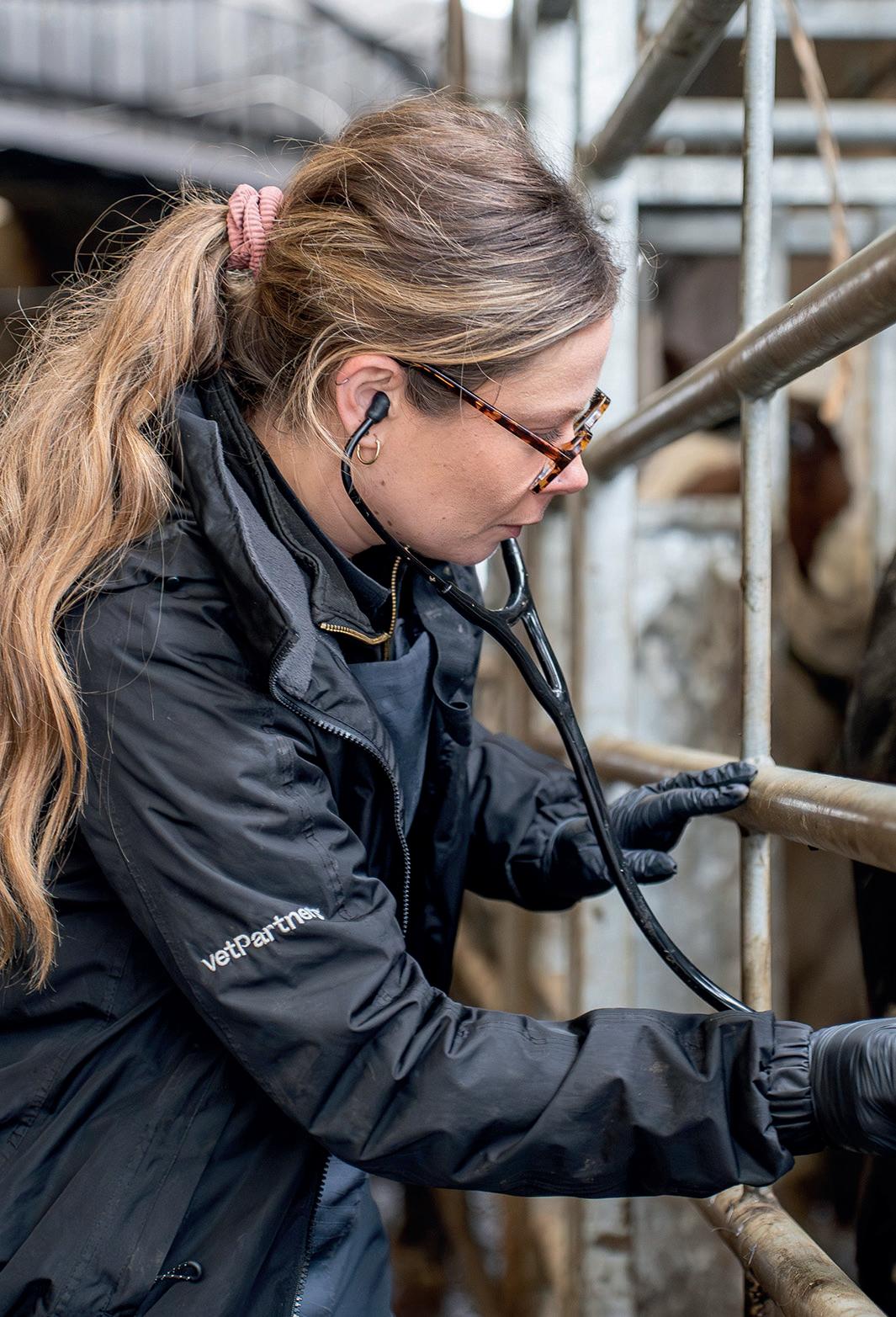

in dry cows, including investigating fresh cow diseases after calving such as milk fever, held cleansings, metritis, mastitis, ketosis and left displaced abomasums (LDAs), or just testing to routinely monitor the health of dry cows.
She says: “Even the best managed systems should be doing these tests, ideally at least on a quarterly basis as it is a good way to monitor the system is working. Or see what is happening after you have opened into a new silage clamp or moved the dry cows into a different shed with differing feed access, for example.”
She adds: “Monitoring is always a good way to assess where you are at and doing it in the dry period is the perfect time to make ration or environmental changes in response to the results, to help maximise performance in the next lactation.”
Ms Ellen says farmers can either test for everything or pick out a couple of points tailored to their own issues on-farm. She advises most farms should speak with their farm vet on what to test for initially and then look at whether it is a one-off screening or something that is done more regularly.
She says: “You can do as little or as much as you want. If you are calving all year round, you might want to look at sampling at quarterly intervals and use it as a monitoring tool. Or if you are block calving, you could do a selection of cows in one go.
Ms Ellen says that generally standard blood tests will look at
indicators of metabolism and energy balance, including non-esterified fatty acids (NEFAs) and Beta-hydroxybutyrate (BHB).
She says these are indicators of energy balance, including whether cows are eating enough, whether the ration supplies enough and if there is access to that ration.
“They are your indicators of whether cows are meeting that energy demand of the calf and the future colostrum and milk production, or whether they are going to be ‘milking off their back’ and losing their body condition score.” Additionally, problems with dry period nutrition could impact colostrum quality and quantity.
Blood tests can also look at minerals such as calcium, magnesium and phosphorus, which are all
You can do as little or as much as you want. If you are calving all year round, you might want to look at sampling at quarterly intervals
KATE ELLEN

closely interlinked and critical for a smooth calving and healthy cows post-partum.
If these minerals are out of balance, farmers might see more cases of milk fever and held cleansings which are a ‘downwards spiral’ to loss of production and issues with fertility in later lactation, says Ms Ellen.
Blood tests in dry cows can also identify issues in trace element levels, in particular selenium, copper, vitamin E and iodine. Ms Ellen says: “If you are getting a lot of slow calves born you should look at your iodine levels in the dry cow ration.
“As well as specific problems, trace elements can have an impact on poor immune function. So if your cows are getting more mastitis in early lactation or metritis, you could have a trace element issue that you are not really aware of, which is making the cows more prone to picking up an infection.”
Poor performing calves could also be an indicator that something is not quite right in the dry period, says Ms Ellen. She says calves could have a weakened immune system as a direct result of

run.
low trace elements in the dry cow.
When looking at how many cows to test, Ms Ellen says while it depends on group size and reasons for testing, a sample of 10 cows is generally recommended. She says: “You want a good representative sample, not just thin or fat cows, then hopefully results will be applicable to the group as a whole.”
Ultimately, Ms Ellen says testing dry cows is an additional cost if farmers are not already doing it. However, she says it is an investment into dry cow health and performance in the next lactation.
“If you can deal with a problem before it becomes a real problem and rectify it through nutrition or space management, you are actually going to save money in the long run, because all of the diseases in the fresh cow are very costly and will affect your milk production.”
Ms Ellen advises it is important to speak with your farm vet and nutritionist before carrying out any tests, to make sure tests are targeted to your herd.
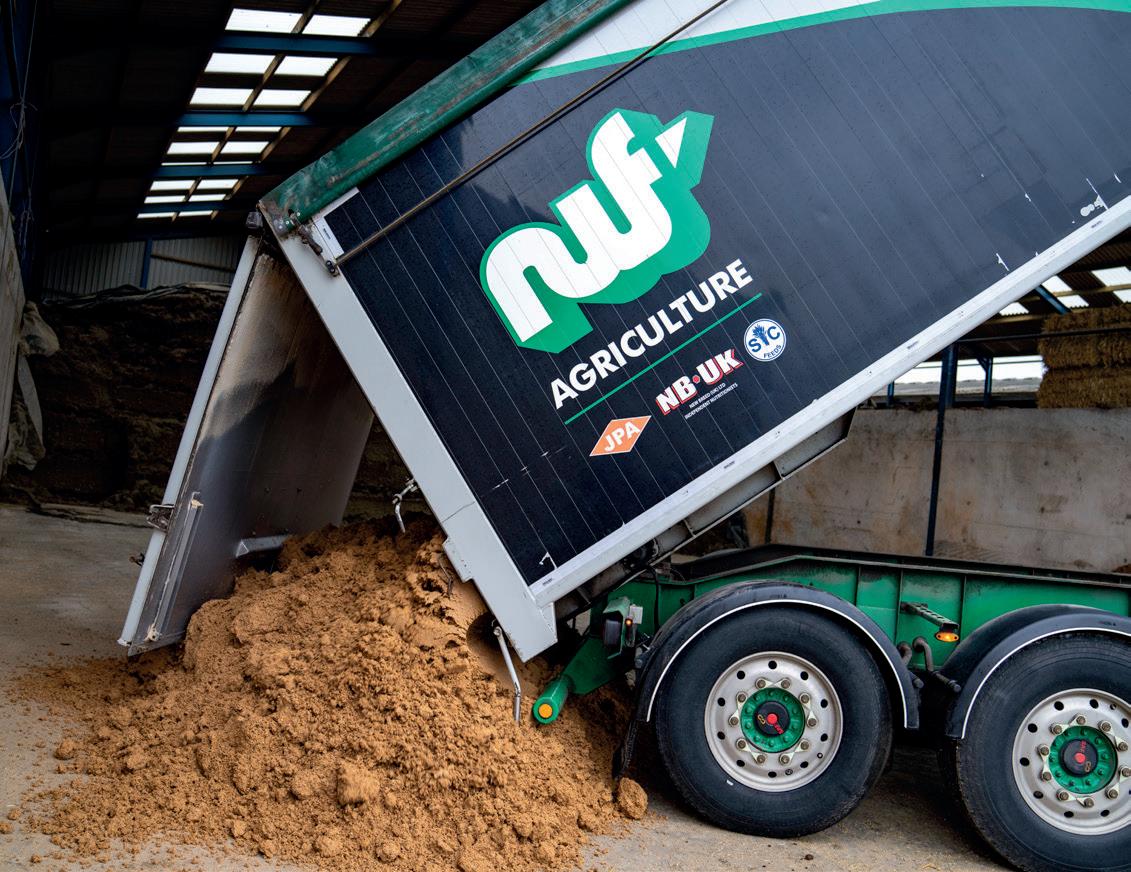
NWF Agriculture offer a new highly palatable moist feed, designed to drive milk yields and support forage utilisation and forage stocks.
• Dry Matter 48.5%
• Protein 21.0% (DM)
NWF Ultra Pro-R
Sugarbeet • Feed-Grade Preservative
Direct marketing and on-farm consumer talks have proved beneficial for two neighbouring German dairy farm partners. Chris McCullough reports.
Selling milk direct to consumers is a path many dairy farmers have taken, mostly using vending machines and farm shops to sell their produce. This has proven lucrative for some, particularly for those selling lower volumes of milk, with dairy processors still taking the remainder.
When two neighbouring German farmers decided they wanted to add value to their milk production systems, they agreed to join forces, setting up a large milk run and an on-farm cafe.
The business plan included hosting talks for the public on the farm, educating them on how the milk is produced, encouraging them to buy the various dairy produce afterwards in their on-farm cafe.
It was a win-win situation that has proven popular – the farmers now have a strong team delivering milk and working on the farm.
In 1997, neighbouring farmers Rainer Kohrs and Jan-Hendrik Langeloh amalgamated their resources to increase production and efficiency on the farms.
Based at Elbe-Urstromtal, south of Hamburg, they set up a new business called Milchhof
Reitbrook, with a focus on direct selling to consumers.
Mr Langeloh, who is also a parttime fireman, says: “Our farm now extends to 252 hectares, mostly dedicated to grass production, with 9.5ha of spring wheat and 20ha of winter wheat, plus 67ha of maize silage, to use in the ration.
“We are running 175 Holstein cows, with an average yield of 9,500kg per cow, and an average lifetime production of 32,000kg.
The milk quality averages 3.4% protein and 4.2% butterfat. We produce 1.4 million kg of milk

per year, of which 1.2m kg is sold direct to consumers. Around 5% is sold as raw milk direct to consumers, and the remainder is pasteurised in our processing unit,” he said.
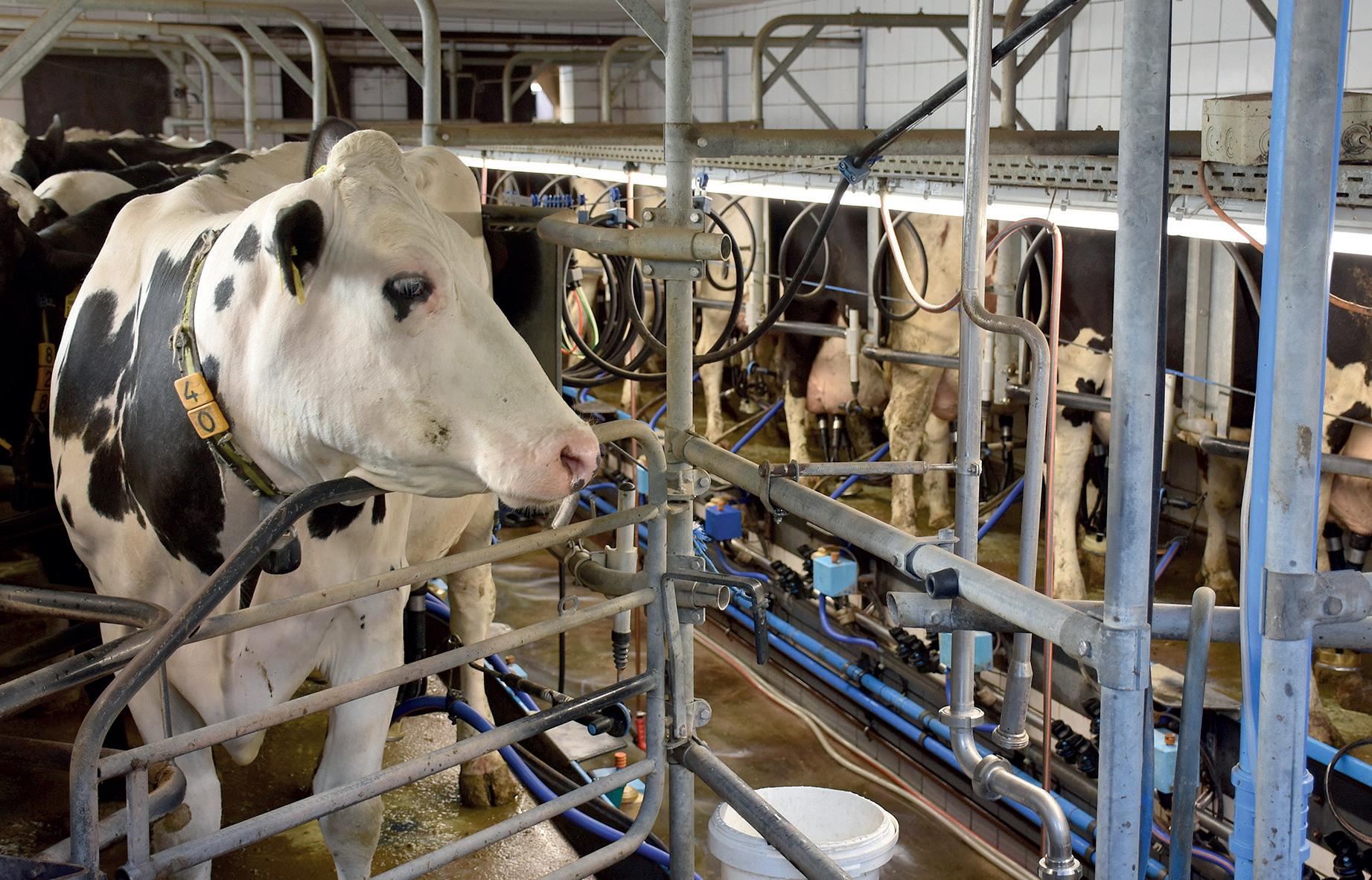
The farm runs a DeLaval herringbone milking parlour with nine units up each side, which takes two hours each milking, with an average 2.5 staff each milking.
Mr Langeloh says: “The parlour was built in 1997, and we keep adding bits to it to keep it efficient. At first, we built a six-unit parlour, then five years later added three more units up each side.

“The milk enters a continuous pasteuriser at approximately 1,000 litres per hour production run. It is then sold in the form of milk and yoghurt delivered direct to customers, mainly in returnable plastic packaging to try to increase our sustainability.
“We also produce 3,600kg of cheese per year, made from our own milk in a mobile cheese dairy. All this produce is delivered by our own fleet of 11 delivery vehicles.”
There is a total of 40 staff, including 15 drivers, six people working on the dairy farm, as well as other dairy production and office staff.
“We have a dedicated team looking after and milking the cows every day,” says Mr Langeloh.
“Most of our workers are locals from Germany, but we do have regular staff looking after the cows
■ Supplies 1,500 private households, as well as cafes, restaurants, kindergartens, schools, and retail stores
■ Sexed semen is used on the best cows to produce heifer calves as followers, calving around September
■ Beef bulls are used on the remainder of the herd, mostly Belgian Blue, to produce quality beef calves sold to other farmers to rear for beef
from Macedonia and Romania, who have been with us for a long time now.”
Cows are grazed outside during the warmer months but can go indoors if the sun proves too hot for them. The main cow barn was built in 1998 and offers plenty of space, light, and fresh air for the cows.
Mr Langeloh says: “We have around 130 dairy followers of vari-
ous ages on the farm. Ideally, I like to keep my cows longer in the milking herd; therefore, we do not need to rear so many dairy heifers each year.”
He adds: “There are always a lot of farmers wanting our dairy beef cross calves to rear for beef and we usually receive quite a good price for them.”
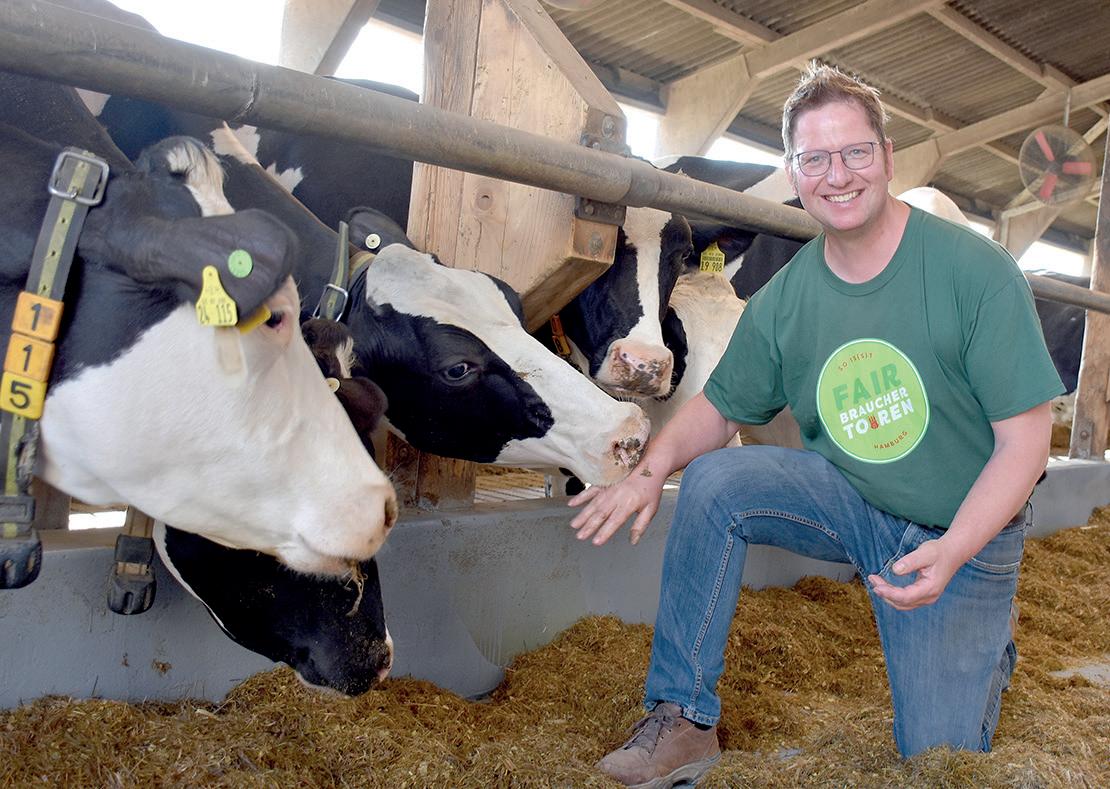
Back in 2024, the Hamburg Farmers Association launched an initiative called ‘Fairbrauchertouren’ which allows consumers to book farm visits to learn how their food is produced.
“The goal is to better connect consumers with farming methods and give them a better understanding of life on a farm,” says Mr Langeloh, who signed his farm up to the programme.
“I enjoy showing them around and answering the many questions they have – right from school kids to older generations. We also have
a cafe on the farm where they can purchase the foods we discussed. More and more people are interested in where their food comes from, yet not so many have any idea how modern farming works.
“It is our job to show them how we work, and how food gets to their tables. I am very pleased to be part of that education programme,”
Mr Langeloh adds.













• Contains 5,500 ppm of Iodine for
•





• Enriched with softening, emollient, and moisturising agents



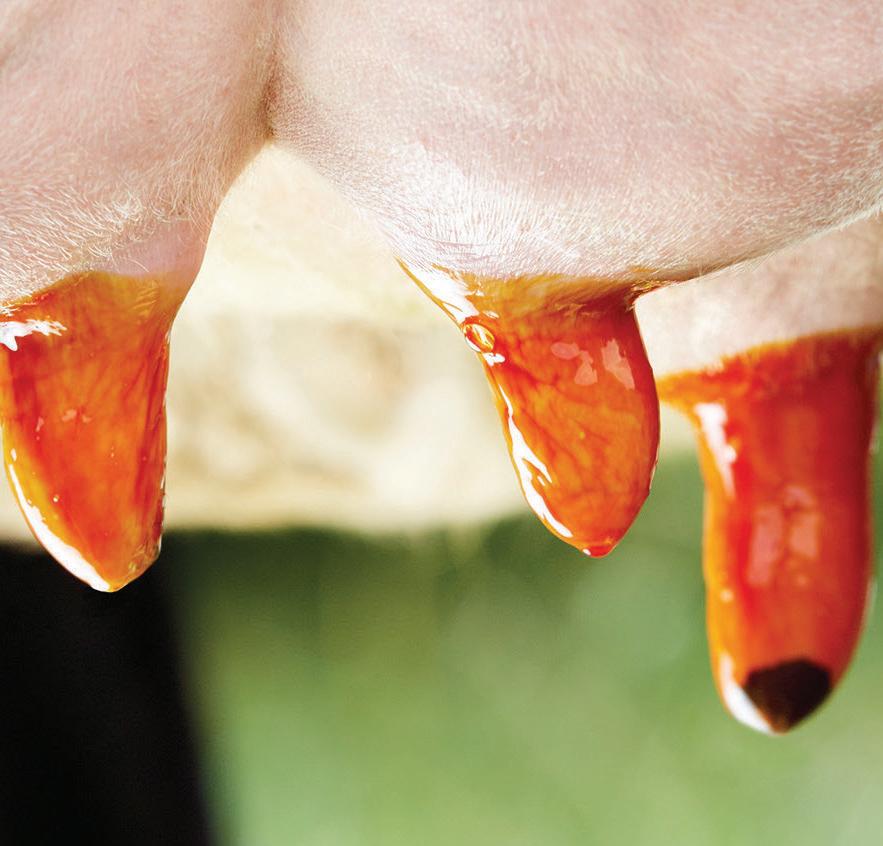

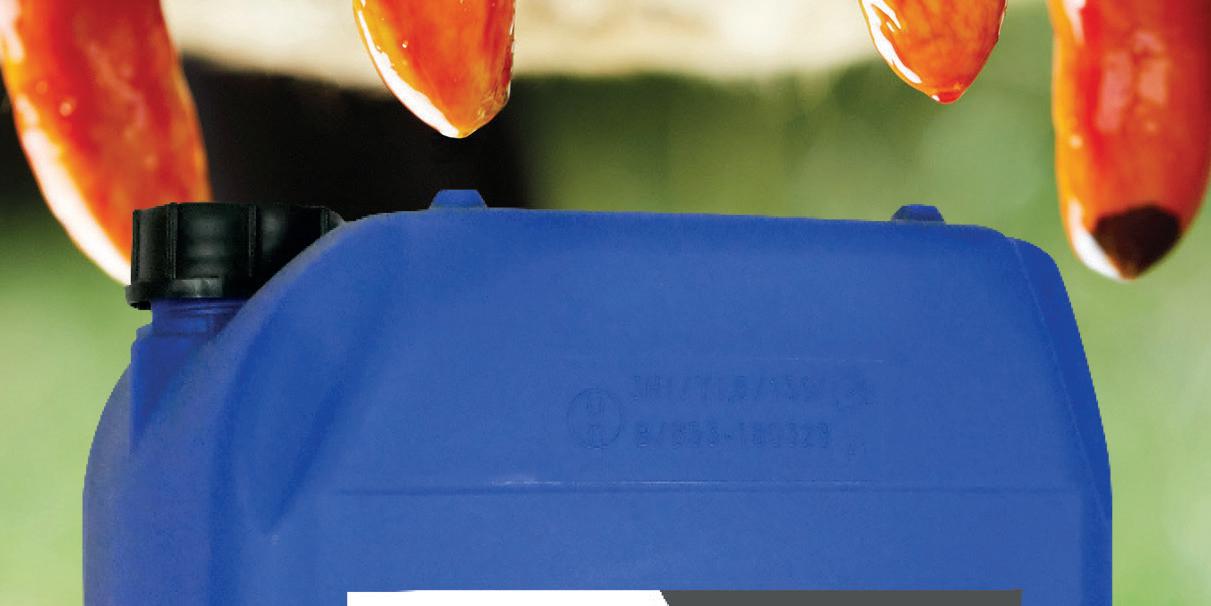
• Liquid formulation suitable for spraying, dipping, and robotic use



A recent study has looked at how much each point of the Profitable Lifetime Index (£PLI) is worth to breeders in today’s world. Ann Hardy reports.
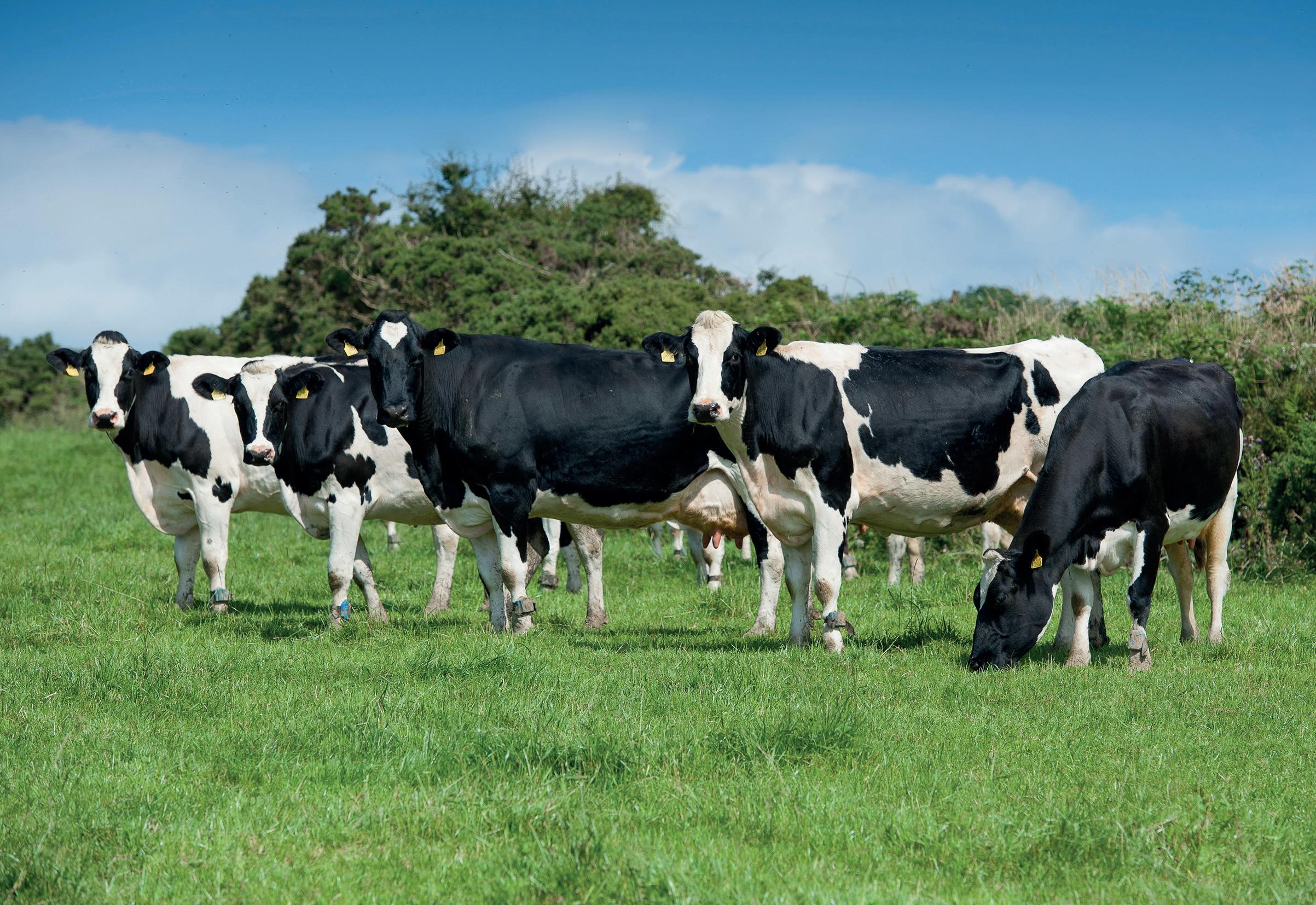
High genetic merit dairy cows have been shown to deliver a greater economic return than demonstrated in the past. A new study commissioned by AHDB has revealed that each point of Profitable Lifetime Index (£PLI) is now worth £2.09 per cow per year in real-life situations. This represents a substantial rise in its value compared with the previous assessment in 2021, when each £PLI-point was worth £1.58. However, since that time, there have been significant rises in costs of production, most notably in the price of feed. Milk prices have also increased by over 10p/ litre, and in the face of these rises
AHDB sought to test whether the £1.58 was still relevant in today’s economic climate.
The study was undertaken by Promar and used fully bank-reconciled data from milk-recorded Holstein herds using the consultancy’s Farm Business Accounts.
Some 66,000 cows from 249 herds were included in the analysis, after which they were regrouped by genetic merit into a
top and bottom quartile and an average group. Those in the top 25% group consistently outperformed those in the average and low genetic groups across a range of performance and financial measures (see table over the page).
Average production in the top 25% group (£PLI £229) was 11,149 litres compared with 9,816 litres in the
average genetic group (£PLI £141). The lowest index group, with a £PLI of £-30, produced 7,960 litres.
However, the higher production was partially offset by higher feed intakes and costs.
Those in the top £PLI group consumed 4.38 tonnes of concentrates/cow/year compared with 3.73t for the average group. This contributed to total feed costs of £1,620 against £1,392
About 66,000 cows from 249 herds were analysed in Promar’s recent study.



PROFITABLE Lifetime Index has been developed to help UK producers breed trouble-free cattle which will earn the highest profits through milk production over their lifetimes.
It is expressed as a single financial figure which balances milk production and quality with traits which confer health, efficiency and welfare. Today, its emphasis is 34% production and 66% feed
for the high and the average groups respectively.
All of this fed through to a margin over purchased feed of £2,949/cow/year for the high genetic group compared with £2,635 for the average group.
However, not all the extra margin was attributable to genetics, according to Peter Hoyle, Promar’s research and data analyst.
He says: “To get a more accurate
efficiency and health, with the latter including lifespan, fertility, udder and leg health and calving ease.
Over the years, it has been fine-tuned as market conditions have changed, most recently to reflect the current demand for higher milk solids. The index is designed for use as an initial screening tool for genetic selection in year-round calving herds.
picture, we removed as much of the variability as we could that was due to costs which were unrelated to genetics.”
Examples of expenditure excluded were electricity, buildings and rent. In contrast, costs relating to feed, forage, replacements, veterinary, artificial insemination and semen were among those included.
“This helped avoid distortion, and it crystallised financial gains


into those which were influenced by genetics,” says Mr Hoyle.
This led to the development of a genetically influenced margin (GIM), which was £2,664/cow/ year for the highest £PLI group, £2,350 for the average group, and £2,042 for the lowest £PLI group.
Mr Hoyle says: “The GIM gives
Provided there is no relationship between genetics and any other costs, the extra margin in high £PLI herds will directly translate through to pre-tax profits
PETER HOYLE
us an unambiguous economic endorsement of £PLI in real farming situations. It clearly quantifies the influence of genetics and confirms that the formula for £PLI continues to reflect modern market demands.
“Provided there is no relationship between genetics and any

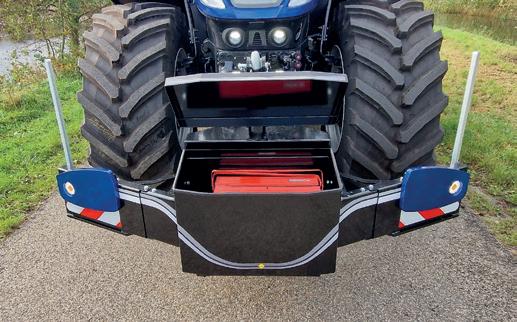



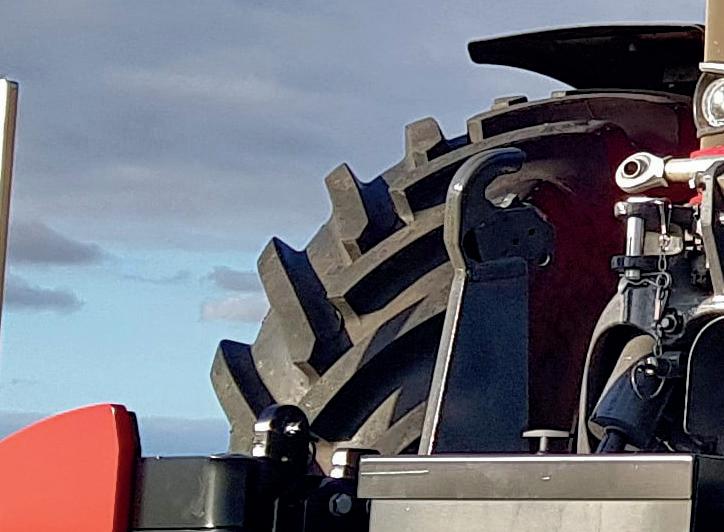

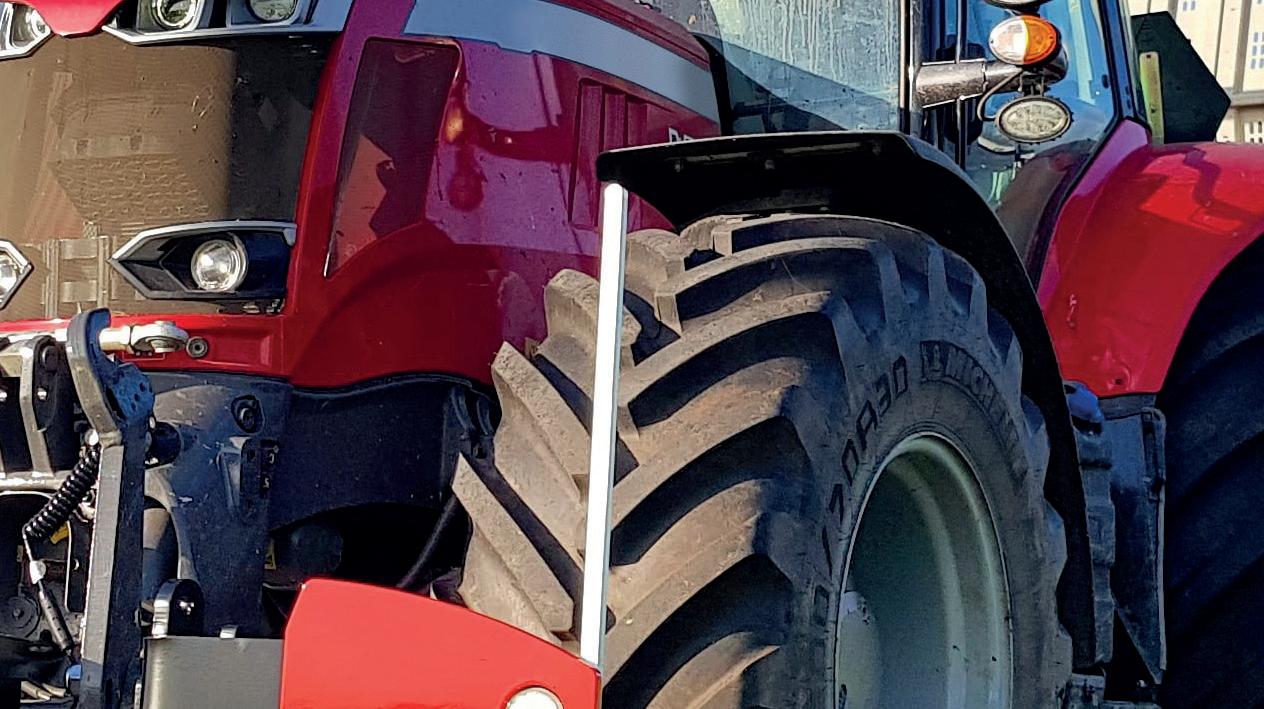

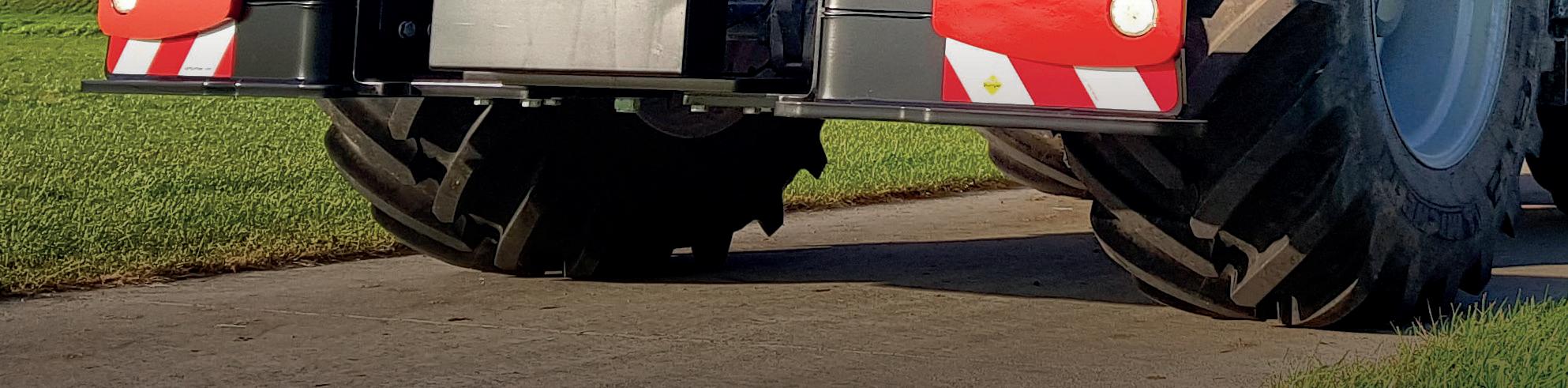
Need to add weight? Do it in style while improving road safety with AGRIbumper. Packages including toolbox options range from 350 to 2000kg from a neat, compact, closely-mounted design. Complete with hi-vis LEDs, indicators, width markers and reflective chevrons, you can be seen by other road users from further away.
AGRIbumper can be front linkage mounted, or fitted leaving your front linkage and PTO free to use. No front linkage? That’s no problem either!
THE UK has once again confirmed its position as the global leader in the use of sexed dairy semen, with uptake now reaching 84% across all dairy breeds.
The latest survey of breeding companies shows sustained progress, with Holsteins continuing to show the highest uptake, at 89% of semen used being sex sorted.
Data collected by AHDB from April 2024 to March 2025 also shows a 1% increase in the use of beef semen compared to the previous year, now standing at 5%. British Blue (42%) and
other costs, the extra margin in high £PLI herds will directly translate through to pre-tax profits.”
However, he says it is important to recognise that factors other than genetics also influence a farm’s bottom line.
He adds: “These include cow nutrition and comfort, and other aspects of good herd management – most importantly, the capability of those who manage and work on the farm. Higher genetic merit herds also tend to be larger, which in turn can impact on buying power.”
Aberdeen-Angus (38%) remain the most popular breeds used by dairy farmers.
These trends present excellent opportunities for dairy farmers to selectively breed only their most elite females for dairy replacements, helping to accelerate genetic progress within the national herd.
The shift towards sexed and beef semen use is also having a direct impact on the beef supply chain, with a growing proportion of dairy-origin beef crosses entering the market.
However, Mr Hoyle says none of these factors alone could account for the magnitude of improved performance in the higher £PLI herds.
“Much of the top herds’ physical and financial superiority is categorically due to genetics,” he says.
Marco Winters, head of animal genetics for AHDB, says: “This fourth study of its kind by Promar reinforces the value of £PLI as the UK’s national breeding index.
“If we apply its true financial value across the UK national herd, we can see its impact on overall margins.”
Comparing the UK’s top 25% of herds with a £PLI of £148 with the
These animals also benefit from improved dairy genetics, which are contributing to greater efficiency and environmental performance in their offspring.
Marco Winters, AHDB head of animal genetics, says: “This continued growth in the use of sexed and beef semen reflects a shift among UK dairy farmers. By making more strategic breeding decisions, farmers are not only improving the genetics of their own herds but also contributing to a more efficient and sustainable supply chain across both dairy and beef sectors.”
national average (£PLI £65), he says that at £2.09 per point, this difference alone is worth £173/cow/year.
“In a typical 200-cow herd, this is worth a massive £34,600 extra to the farm’s bottom line, representing a remarkable return on investment in genetics,” he adds.
Despite the rise in £PLI’s value, Mr Winters says the impact of genetics on performance and profitability has been consistent over the years.
He says: “This latest study should reassure dairy producers
This continued growth in the use of sexed and beef semen reflects a shift among UK dairy farmers
MARCO WINTERS

that by using £PLI as their primary selection index, they are breeding cows which have the scope to significantly boost their profits.
“However, the magnitude of the benefit is such that the scale of the index may need to be considered by the Genetics Advisory Forum.
“This body – which includes farmers and processors, together with breed societies, milk recording, welfare, artificial insemination companies and veterinary representation – takes responsibility for the periodic review of £PLI in light of inflation and market outlooks as well as consumer and farmer demands.”
Farmers can benchmark their herd’s £PLI using AHDB’s Herd Genetic Report, which is available for all producers who are fully milk recording.



Dave Luxton & Sarah Haworth milk 200

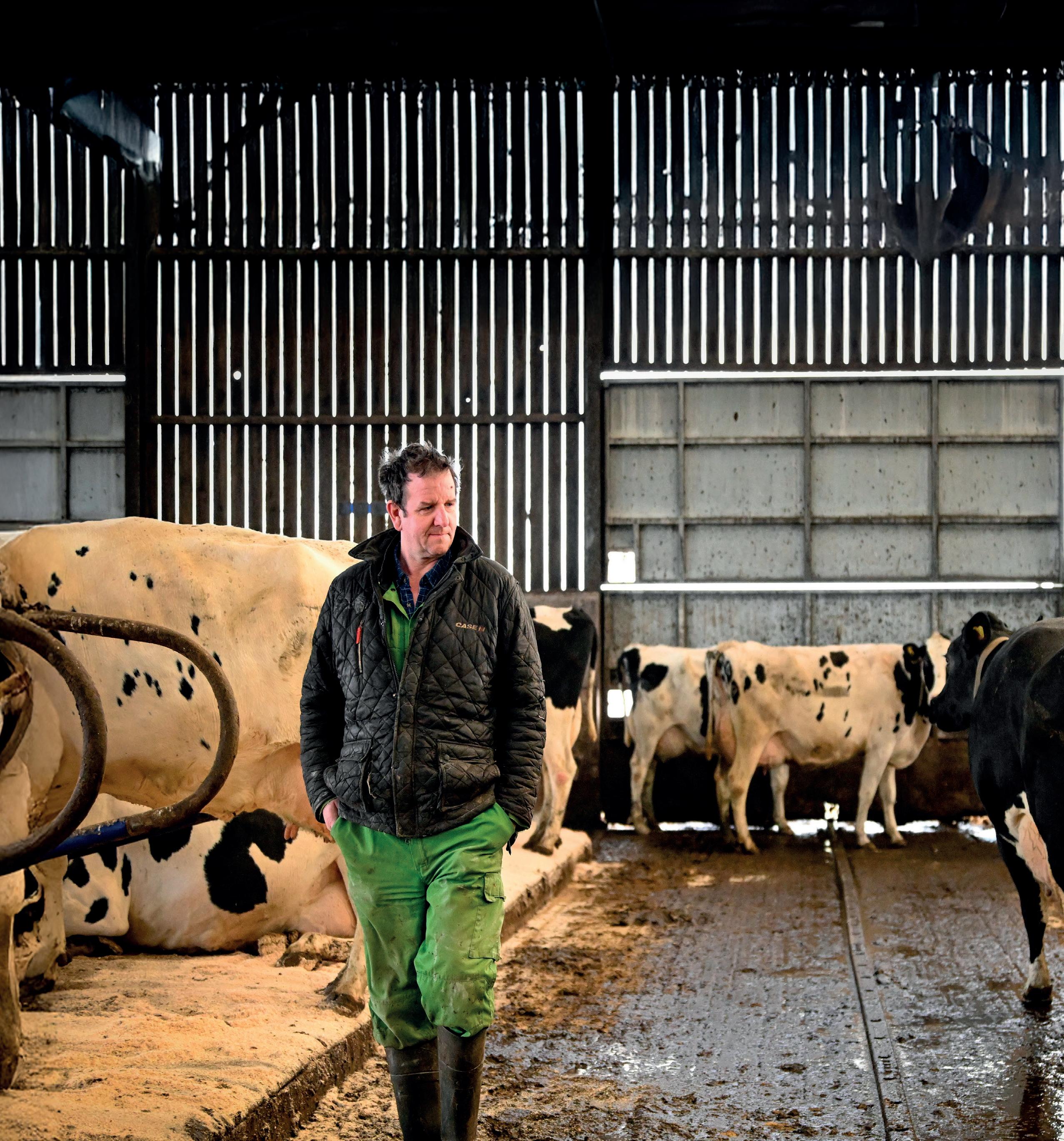

“ We had a major spike in mastitis cases in early 2024, so we changed things on the robots and spraying routine as well as trying a biological bedding conditioner - EazyBed Dry - instead of lime.
“It’s improved conditions for staff and reduced costs. Previously we applied lime daily - it was very dusty and you needed a mask. Now we just apply EazyBed DRY once a week, we’ve saved about 2 hours a week. It’s also costing less; although it costs more per tonne, we are using a lot less and we’re saving around £2,000 per year.
“The changes have more or less eradicated mastitis, with the SCC now down from 300 to below 100, and the herd’s mastitis incidence down from 10-15 cases to 3-4 cases per 100 cows.”



A new initiative has been launched to challenge the dairy-beef sector to provide the best care for all calves and improve quality. Dairy Farmer reports.
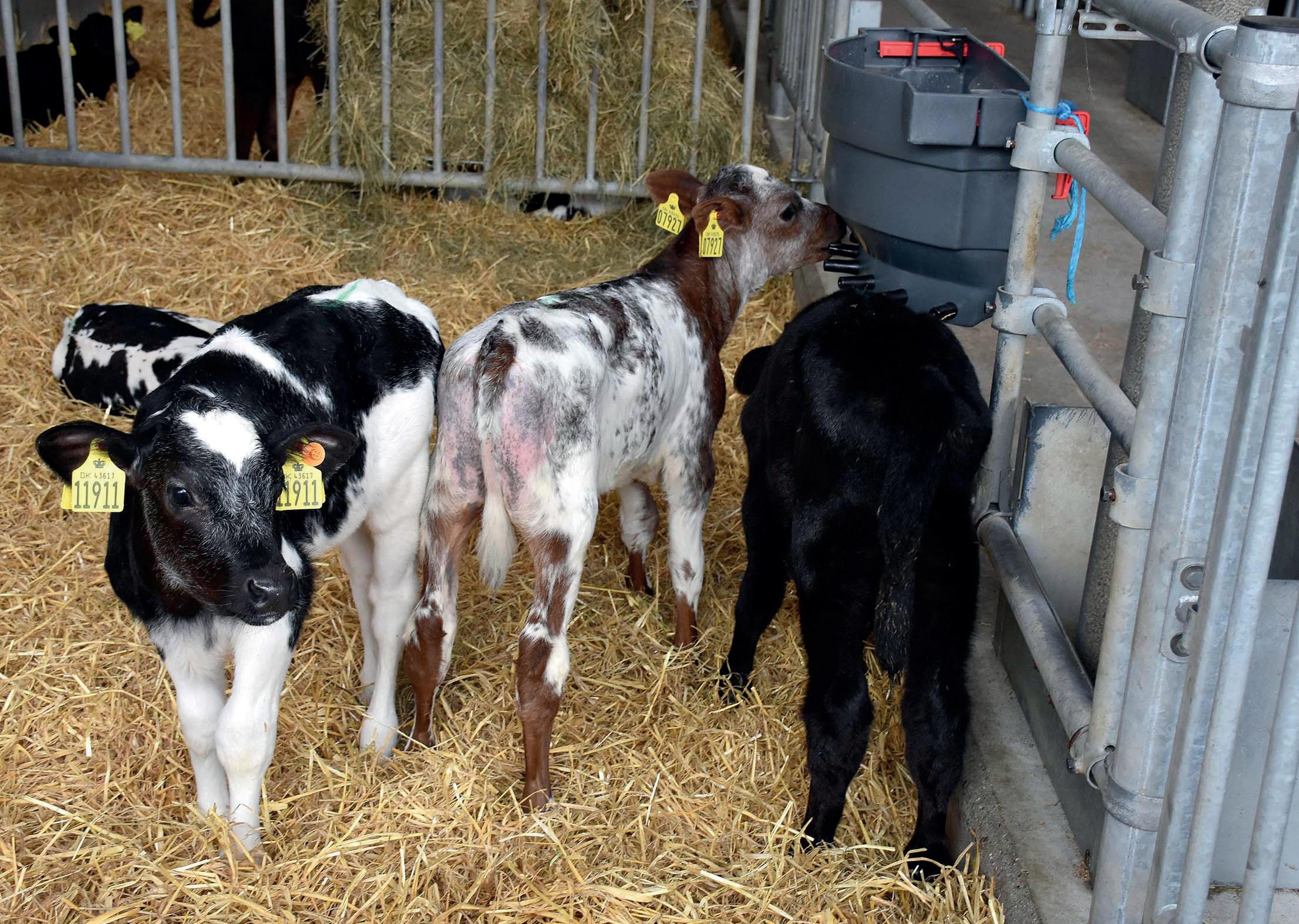
The GB Calf Strategy 2025-2030 has been launched to challenge the dairy-beef sector to ensure every calf is reared with care, purpose and value.
This five-year strategy, which has been put together by AHDB, Innovation for Agriculture, NFU and Ruminant Health and Welfare (RH&W), follows the progress made from the 20202023 GB Dairy Calf Strategy with industry input from 45 farmers, vets, processors, retailers, and industry bodies.
Speaking at the official launch at UK Dairy Day, Gwyn Jones, RH&W chair, said: “There has been significant change since we initially developed a calf strategy back in 2020, but we all continue to have a role to play so this new five-year strategy is launching at a key time for the industry.
“Since 2014, dairy-beef calf registrations have risen by 74%, and in 2024, dairy-beef made up 37% of prime age cattle slaughtered which is a clear sign of the sector’s commitment to rear every calf with purpose as part of an integrated supply chain.”
Sarah Tomlinson, lead veterin-



ary science expert at AHDB, said:
“This new five-year strategy marks the next chapter for the industry,
When a calf is bred with a clear purpose, it is far more likely to enjoy good health, welfare and environmental outcomes
HARRIET BUNNING
builds on the success of the outcomes already delivered and brings us all together for a shared vision. To reach its potential, we all believe that every calf born in Great Britain should have the right genetics, the right start and the right route, as this will be critical in enabling thriving, sustainable and high-welfare beef and dairy industries.
“However, delivering on this ambitious strategy will not be without its challenges.”
The strategy outlines three focus areas – right calf, right start and right route – with clear measurable goals and actions listed for each.
AHDB lead animal genetics expert, Harriet Bunning, explained the ‘right calf’ focus area was de-
Dairy-beef calf registrations have risen by 74 % since 2014.
signed to drive better breeding strategies in the industry.
She said: “When a calf is bred with a clear purpose, it is far more likely to enjoy good health, welfare and environmental outcomes.
“That starts with breeding decisions that consider the end purpose of the animal from day one.
“To enable this, we need to provide genetic information which is backed by clear advice and solid data so farmers can make informed choices.”
Holly Shearman, head of livestock at Innovation for Agriculture, said the ‘right start’ focus of the strategy was all about encouraging evidence-based best practice rearing management in the sector.
She said: “We have to embed
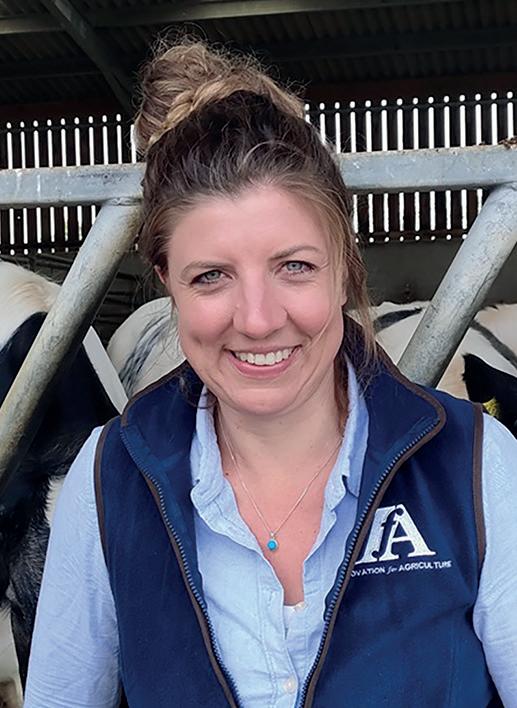
best practice right across the sector, promoting consistent standards, professional stockmanship, and better health and welfare outcomes.
“We know that early-life care shapes a calf’s future, from its welfare and productivity to its resistance to disease, but that care can vary hugely, so our aim is to create a consistent approach that works in the real world, but is rooted in
science-led best practice. The goal is to see standard operating procedures in place on all farms, peer networks to share learning and a clear professional pathway for calf rearers.”
Finally, the ‘right route’ focus was designed to ensure every calf has access to the right route to market, whether that was through an integrated dairy-beef scheme, direct sale, or an auction market.
NFU livestock adviser, Phoebe Traquair, said: “Having a functioning and fair route to market that supports calf and subsequent cattle and supply chains is essential for animal welfare, sustainability and profitability.
“With increasing pressure on farmers, we want to focus on removing market barriers for calves where possible.
“We need to ensure bio-secure routes to market are accessible to herds affected by bovine TB (bTB).
“Data will also play an important role to help improve productivity and already great traceability across the supply chain.
“Finally, we need to ensure domestic and international trade is facilitated at every opportunity to protect and grow our high-welfare British dairy and beef supply chains.”
NFU dairy board chair Paul Tompkins said as the GB Calf Strategy moved on to the next phase, it was important dairy farmers continued to have the support and knowledge they needed to enable their farm businesses to be sustainable, productive and profitable.
He said: “A close working relationship with the beef sector is vital to achieving this as is continued collaboration between industry, Government and stakeholders to deliver meaningful changes to bTB policy that increases access for bTB restricted calves into bio-secure routes to market.”
NFU livestock board chair David

Barton said: “Continuing our close working relationship with the dairy sector will result in strong, healthy, well-bred calves with good genetics being produced for the beef supply chain.
“This will ensure we can keep supplying high-quality and nutritious British beef to both domestic and international markets - while at the same time ensuring future trade agreements do not undermine our own high standards of welfare









Farmers are advised to take extra steps to support calves born during prolonged hot weather that may impact survival and performance. Dairy Farmer reports.
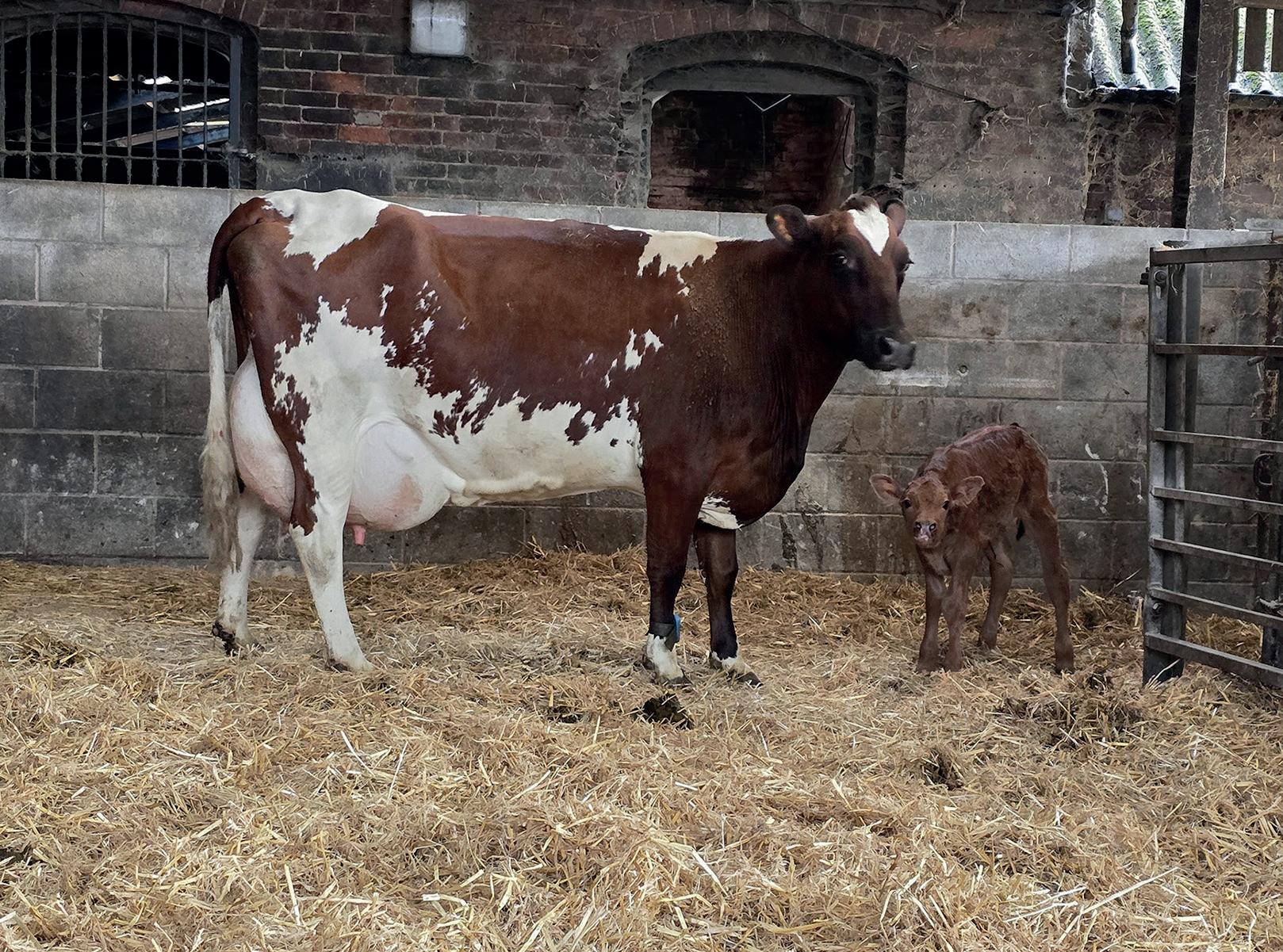
Heat stress during late gestation can compromise calf development in utero, with lasting knock-on effects after birth, says Dr Jon Mayer, ruminant veterinary advisor at MSD Animal Health.
“From my experience both in clinical practice and on the family dairy farm, I have seen first-hand the negative impact of heat stress on colostrum quality and calf health,” he says.
“Cows experiencing heat stress in the dry period often have shorter gestations, leading to smaller calves with reduced immunity. The dam’s lower dry matter intake also limits nutrients available for calf growth, which increases the risk of reduced birth weights, poorer immune transfer, and compromised performance.”
Other knock-on effects from in-utero heat stress can include lower survival rates, slower growth rates in the rearing phase, and reduced lifetime milk yields and fertility in heifer calves.
“This year, farmers should assume calves could be more vulnerable than normal, especially where cows were dry during the July and August heatwaves,” says Dr Mayer.
Colostrum management will be key to offsetting some of these risks. Dr Mayer recommends testing every batch with a Brix refractometer, feeding only colostrum that scores 22% Brix or higher, or boosting lower-quality colostrum with a high-quality replacer to reach the target Brix level.
“Relying on poor-quality colostrum will simply add to the challenge,” he says.
Another key tool is vaccination of the dam ahead of calving, ensuring high levels of antibodies are present in colostrum to protect the calf from scour pathogens.
“Calf scour remains the single most common cause of disease

and mortality in pre-weaned calves. The main culprits are rotavirus, coronavirus, e.coli K99, and cryptosporidium,” adds Dr Mayer.
“Vaccinating cows before calving can enhance colostrum quality, potentially mitigating heat stress effects. This ensures calves should receive more antibodies against major scour pathogens,” he says.
Dr Mayer also advises paying close attention to dry cow rations to support calf development in heat-stressed cows.
“It is vital the diet is properly balanced, with the right levels of energy, protein, fats and minerals. Using higher quality forages, adding supplements such as yeasts and including rumen bypass proteins can be beneficial,” he says.
Water is equally critical. For every 1degC rise in temperature, cows can drink an extra litre of water. Farmers should check there is enough trough space, that flow rates are fast (at least 20 litres a minute), and that water is clean and potable.
Heat stress in dry cows is an increasing concern for UK herds as summers become warmer and more prolonged. But Dr Mayer stresses that it is not just about high temperatures.
He says: “Heat stress can strike at any time of year when humidity is high, so looking beyond the thermometer and considering the Temperature Humidity Index is often more appropriate.”
Alongside reduced calf viability, heat stress can also affect cow fertility, transition health, and milk yield in the following lactation.
■ Test colostrum quality with a Brix refractometer (aim for 22% Brix or higher)
■ Store, test, label and freeze high-quality colostrum for use when needed
■ Use a trusted colostrum replacer with stated Immunoglobulin G content if quality is low
■ Consider feeding colostrum or transition milk for longer to support calf development, gut health and future performance













The sequential use of identical PI3 and RSV antigens in live and killed presentations, called a PRIME-BOOST effect, can optimise the immune response to two of the key viral pathogens associated with bovine respiratory disease (BRD).


References: 1. Philippe-Reversat et al. (2017) Acta Vet BRNO. 86: 325–332 2. Metcalfe et al. (2020) Vet Record Open 7: e000429 3. Ellis et al. (2018) Can Vet J. 59: 1311–1319 ® our farm has the ha iest Cows in the world!




BOVALTO® is the ONLY BRD VACCINE RANGE which provides ALL of these benefits:
Efficacy proven by challenge studies1
A duration of immunity proven by challenge: 12 weeks for BOVALTO Respi Intranasal2
6 months for BOVALTO Respi injectables1

Intranasal efficacy against BRSV and PI3 unaffected by MDAs, providing the optimal start to immune protection against BRD2



Bovalto® Respi Intranasal, nasal spray, lyophilisate and solvent for suspension contains Bovine parainfluenza 3 virus (PI3V), modified live virus, strain Bio 23/A 105.0 – 107.5 TCID50 and Bovine respiratory syncytial virus (BRSV), modified live virus, strain Bio 24/A 104.0 – 106.0 TCID50. Bovalto® Respi 3 Suspension for Injection and Bovalto® Respi 4 Suspension for injection contain inactivated bovine respiratory syncytial virus, strain BIO-24, inactivated bovine parainfluenza 3 virus, strain BIO- 23 and inactivated Mannheimia haemolytica, serotype A1 strain DSM 5283. Bovalto® Respi 4 also contains inactivated bovine viral diarrhoea virus, strain BIO-25. UK:
Enables sequential use of identical PI3 and RSV antigens in different forms for rapid and long-lasting immunity3


POM-V IE: POM (E). Advice should be sought from the prescriber. Further information available in the SPCs or from Boehringer Ingelheim Animal Health UK Ltd, RG12 8YS, UK. UK Tel: 01344 746957, IE Tel: 01 291 3985. Email: vetenquiries@boehringer-ingelheim.com. Bovalto® is a registered trademark of the Boehringer Ingelheim Animal Health France, used under licence. ©2022 Boehringer Ingelheim Animal Health UK Ltd. All rights reserved. Date of preparation: September 2022 BOV-0108-2022. Use Medicines Responsibly.


The resumption of grass growth in autumn could be a godsend for farmers who could be facing forage shortages this winter, but this grass needs to be maximised. Dairy Farmer reports.
If autumn grass silage cuts are to be used to top up droughthit silage stocks this year, then close attention needs to be paid to mowing, wilting and fermentation.
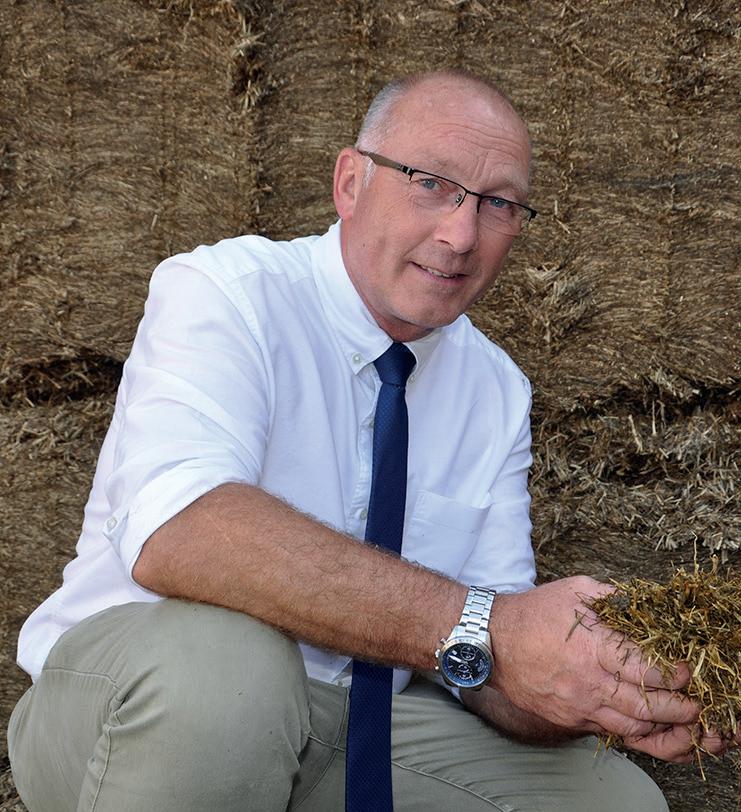
Volac technical business manager, Ken Stroud, says this will help to minimise losses in dry matter (DM) and quality in the field and in the clamp.
He says: “Although fresh autumn grass can be high in protein and digestibility, it can be challenging to wilt and preserve.
“If poorly managed, DM losses might reach 20-25%.
“Difficulties wilting due to heavy dews and shorter days in autumn can result in wetter grass being ensiled, requiring a bigger fermentation. If this is not achieved, it means undesirable microbes present on the grass will be able to feed on the silage for longer in the clamp, consum-
ing more of its DM and nutrients.
“On top of that, sugars available for fermentation are likely to be in shorter supply in autumn grass because there is less sunlight for photosynthesis. And the number of beneficial fermentation bacteria naturally present on the grass is likely to be lower because of cooler temperatures.”
Mr Stroud adds that if making autumn silage when ground conditions are soft, there is also more chance of unwanted bacteria getting into the silage from soil.
He says: “Some unwanted bacteria also produce compounds that make silage less palatable, so livestock might refuse some of it – the last thing you want if forage stocks are tight.”
All of these factors underline
the need for extra attention to detail when making autumn silage, Mr Stroud says. If wilting times can be reduced while still achieving a suitable percentage DM, this can help the amount of sugar available for fermentation, he says, by reducing losses from the cut grass in the field prior to ensiling.
Mr Stroud also says effective clamp consolidation and sealing will aid conservation, but he adds there is still an argument for using a proven inoculant to dominate the silage fermentation with high numbers of good bacteria to boost preservation.
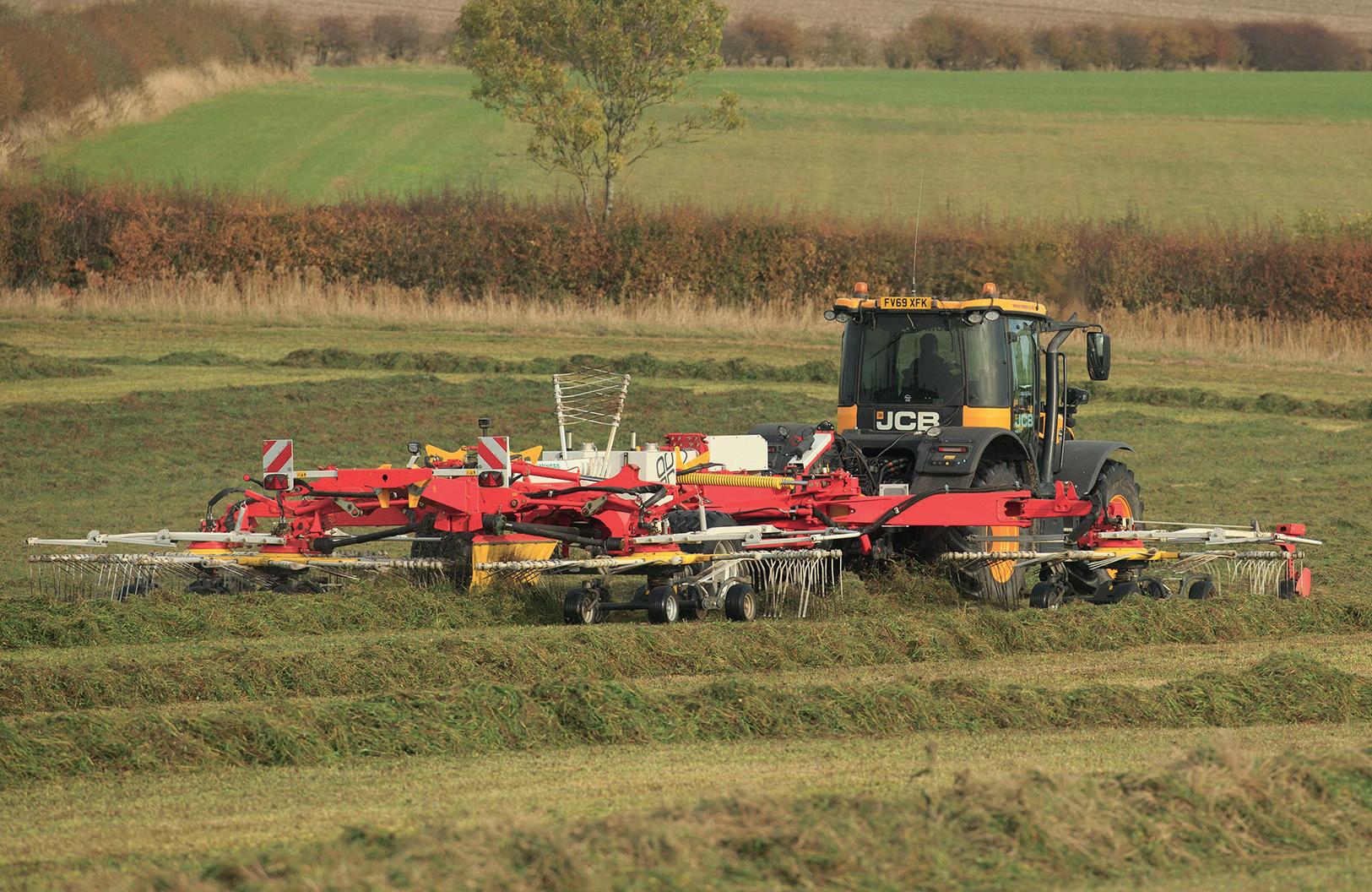
To speed up wilting of autumn grass, Mr Stroud advises tedding immediately after mowing, with

Tedding immediately after mowing can help autumn grass wilt quicker and be ready for the clamp.
an ideal target of reaching 2832% DM content in the shortest possible time. But he warns not to leave it too long to achieve this. It might be better to harvest it sooner and ensile it at a lower %DM to reduce in-field sugar and protein losses, he adds.
He says: “Also, if short on silage, do not be tempted to mow grass too low for extra yield.
“The stem base is lower in digestibility and can introduce additional undesirable microbes into the clamp.
“Leaving a longer stubble to keep cut grass off the ground also aids wilting by letting air circulate beneath it, and allows the tedder to be set slightly higher, reducing the risk of it hitting the ground and flicking soil into the silage.”
















































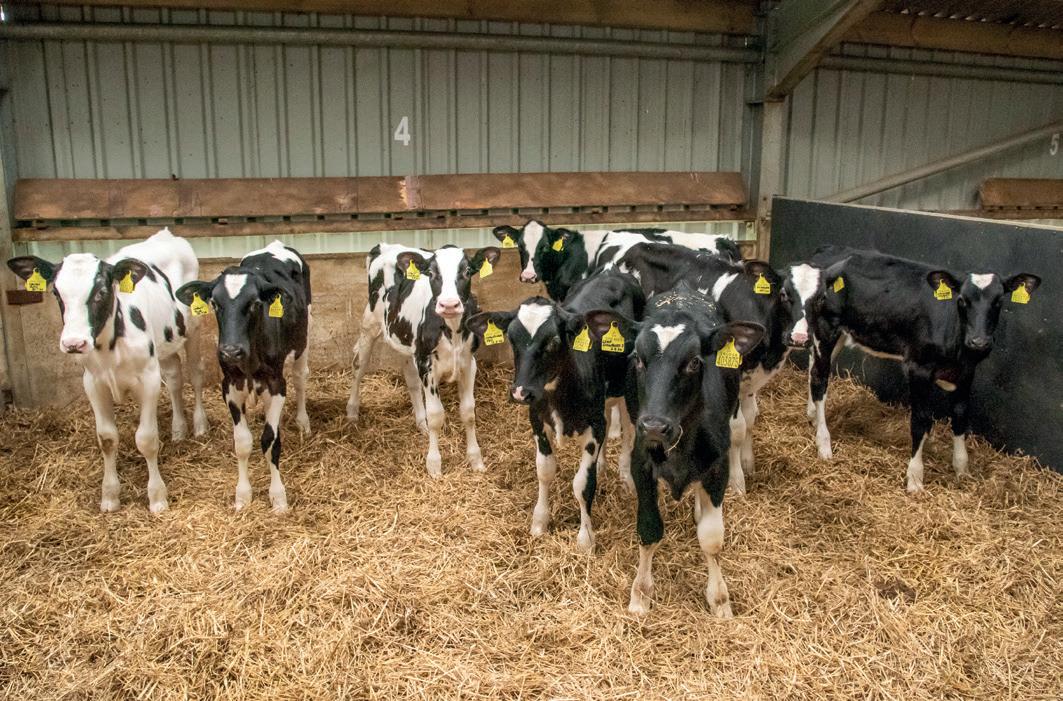
Enrichment is a requirement for pigs and poultry, but it could offer big benefits for calves too, from less stress to illness detection. Dairy Farmer reports.
Animal welfare is an ever-growing priority for consumers and milk buyers, with calf health and well-being increasingly under the spotlight. This is where calf enrichment can help to reduce stress and promote natural behaviours.
While enrichment is already a legal requirement in other livestock sectors, such as pigs and poultry, calves currently do not benefit from the same standards.
Studies from the University of Reading suggest that pen enrichment can provide significant wel-
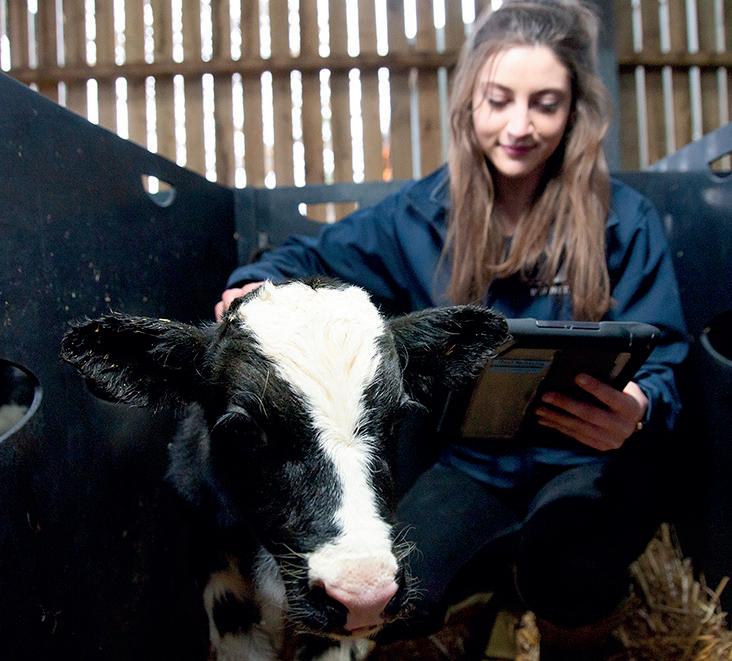

fare benefits, boosting calf health, encouraging natural behaviours, and helping farmers spot early signs of illness.
Hannah Padfield, calf and youngstock specialist at Wynnstay, says: “Enrichment is about giving calves the chance to express natural behaviours. That could be grooming, playing, or exploring their environment. By offering this choice, we can improve calf welfare while also supporting long-term performance.”
Support for calf enrichment is also increasing. UK Government grants, including the Farming Equipment and Technology Fund, are helping farmers invest in equipment such as calf brushes and innovative housing designs. This is bridging the gap between
research and practice, encouraging more widespread adoption.
“We often see enrichment overlooked in calf systems,” says Ms Padfield.
“But the benefits are clear. A calf that interacts with enrichment is generally healthy, curious and thriving. If a calf stops engaging, it can be
ENGLISH livestock farmers are being urged to take full advantage of the TB Advisory Service (TBAS) in light of the latest Godfray review on bovine tuberculosis (bTB).
The 2025 bovine TB strategy review update by Prof Sir Charles Godfray emphasises the vital role of veterinary services in providing tailored, farm-specific advice to farmers and highlights that a trusted relationship between farmers and vets is essential for effective disease control.
The review recognises the need for clearer, more practical guidance for farmers and incentives to adopt biosecurity measures.
Biosecurity is described as an
underutilised but critical method of controlling bTB and the report advises that better communication about the benefits of biosecurity is needed.
It also calls for more resources and access to data to help vets offer smarter, targeted solutions.
Technical director for TBAS and veterinary consultant at Kingshay – part of the VetPartners group – Sarah Tomlinson says this review is a powerful reminder about the crucial role vets can play in bTB prevention.
She says: “It recognises the value of on-farm advice, especially through trained advisers and the TB Advisory Service, and high-

an early sign of illness, giving farmers an important heads-up.
“Enrichment does not have to be complicated or break the bank. By adding simple tools like brushes and feed balls, farmers can make a real difference to calf health and welfare while also supporting better longterm performance for the herd.”
lights the trusted role vets play in helping farmers manage bTB risk.
“Giving us access to better data and more flexible testing options will mean we can offer smarter, more tailored support without punishing farmers for being proactive.
“It is a step towards a more collaborative, sustainable approach to disease control.”
Delivered through Farmcare Solutions, TBAS offers tailored advice and free veterinary visits to help farmers implement practical biosecurity measures to combat bTB.
Farmers can access up to two free vet visits through TBAS to identify bTB risks on their farm, with practical, expert-driven recommendations.
The service can help with reducing the likelihood of bTB breakdowns and with developing a robust contingency plan for those who have not experienced a breakdown yet.
More information is available via tbas.org.uk, by emailing info@ tbas.org.uk or by calling the TBAS helpline at 01306 779 410.
TBAS has already provided support to hundreds of farmers across the country and the review recommends expanding and strengthening this key delivery mechanism to support ongoing farmer education.













































































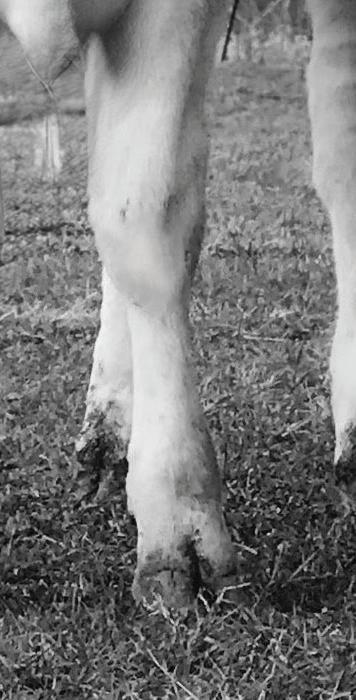




















































































































Industry body Dairy UK recently held in its annual dinner to celebrate and discuss the key
players and issues affecting dairy. Dairy Farmer reports.
Optimism, investment and innovation are driving the UK dairy sector forward, Dr Judith Bryans told guests at the annual dinner of Dairy UK. She stressed that the industry’s resilience and collaborative approach are central to its continued growth and success.
Speaking during a panel session at the event, Dr Bryans, Dairy UK’s chief executive, said: “We should not forget just how much the public loves dairy, and it is this demand for nutritious food and drinks that continues to drive the significant innovation and investment in the dairy sector. Of course, there are challenges to be met – as there are in any sector – but we have good reason to be optimistic as we look to the future.
“As public policy evolves, we must continue to champion the multiple positive benefits of dairy
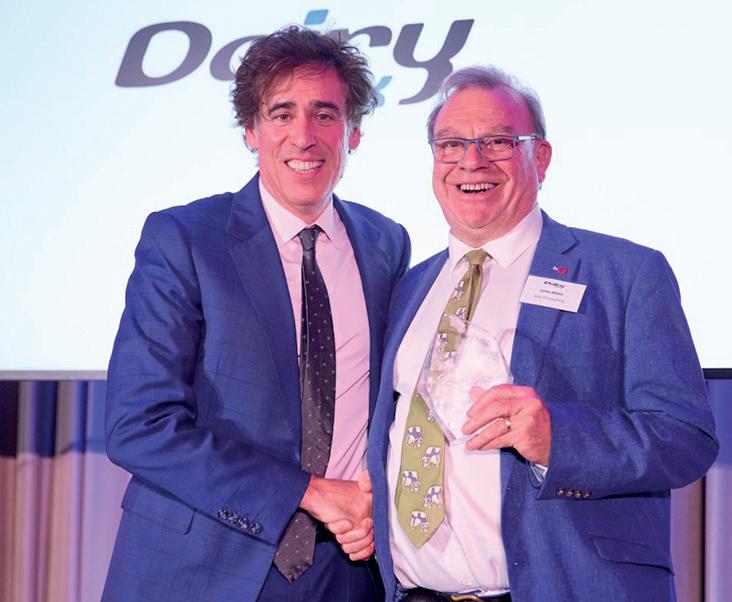
JOHN Allen was presented with the Dairy UK Award at the organisation’s annual dinner in recognition of his career spanning more than 50 years.

and policymakers should not be given the opportunity to take easy yet ill-founded positions – such as saying ‘consume less dairy’ – when the nutritional evidence points very firmly in the opposite direction.”
Also speaking on the panel, Baroness Minette Batters emphasised the undervalued role of agriculture and called for all sectors –
Mr Allen began his career on a small dairy farm in the Peak District before graduating from Nottingham University and joining the Agricultural Development and Advisory Service (now known as the consultancy ADAS) as a farm advisor in the South West.
He is perhaps best known as one of the founders and managing partners of Kite Consulting, established in 2000.
As he steps away from the industry after more than five decades, John intends to continue giving his time and expertise to other ventures. These include a charity he and his wife have
including dairy – to be recognised in trade deal discussions.
She said: “For too long, we have been told that agriculture does not really matter in terms of GDP. We have to get to a position where there is a lightbulb moment among decision-makers in recognising the real contribution to our national economy.
supported for more than 30 years, as well as a start-up business in which they are investors.
Dr Judith Bryans, chief executive of Dairy UK, said: “John Allen is a true giant of the UK dairy industry. His contribution over the past 50 years has been remarkable –guiding businesses, supporting farmers, and influencing policy through a period of enormous change. The industry owes him an immense debt of gratitude.”
He was presented the award by comedian and guest speaker Stephen Mangan, pictured left.

“These are exciting times for dairy and we must always remember that the UK is one of the most prized food markets in the world.”
Paul Vernon, chief executive of Leprino Foods and chair of Dairy UK, highlighted new developments in the progress of the Dairy Roadmap, the cross-industry sustainability initiative which aims to continuously improve environmental sustainability of the sector.
He said: “When the Dairy Roadmap was first launched it was well ahead of its time and now we have the whole value chain on board – making us a sector that is driving forward the sustainability agenda. One of the key milestones we are looking forward to passing is the creation of a Pathways Report, which will help enable the sector to meet its targets, while setting out costs.
“Sustainability is not an add-on for dairy, it is central to how we do business, and the roadmap ensures we can be transparent and accountable as we move towards our net zero goals.”

































As farming becomes more reliant on technology for herd monitoring and farm management, understanding cybersecurity is paramount. Katie Fallon reports.
As the use of data and technology across all aspects of life continues to develop, so does the threat of cyberattacks, and with it the importance of cybersecurity and data protection.
Unfortunately, farming is no exception, and with the use of data and technology within agriculture only growing, protecting farm data is more important than ever.
Frido Hamoen, head of proposition management digital farming at Lely, says it is a common misconception that farm data is not of interest to cybercriminals.
He says: “Cyberhackers are not interested in your data as such, but they are interested because it is important to you, and they use that as leverage so you pay to unlock [it].”
He says today’s cyberattacks are
well-organised and professional, even using help desks to guide you to pay money and unlock your data.
He adds: “Farmers are a target, just like anyone else.”
With the risk of cyberattacks growing and the increasing dependence on data and technology for daily farming operations,
Mr Hamoen says farmers need to be alert to the importance of cybersecurity and understand how to best protect their data.
He says: “Compared to five or ten years ago, many farmers are now much more dependent on data and IT on their farms.
“We see more and more adoptions of technology taking place onfarm and more sensors appearing,
like the automation of milking and feeding. Farms are managing the welfare of their cows, reproduction, milk production and feeding through technology, especially with the automation of milking. It is not just farmers, but everywhere – step by step we are using more technology.”
Mr Hamoen says that with automated milking the cows are managed differently and farmers do not see the cows twice a day in the same way they would in a parlour.
As a result, data and technology is increasingly being used to both monitor cows and make management decisions such as inseminations and disease treatment. Therefore, protecting this data is crucial.
Mr Hamoen says: “And it is not just cow data – it is all of the other data that is used and collected
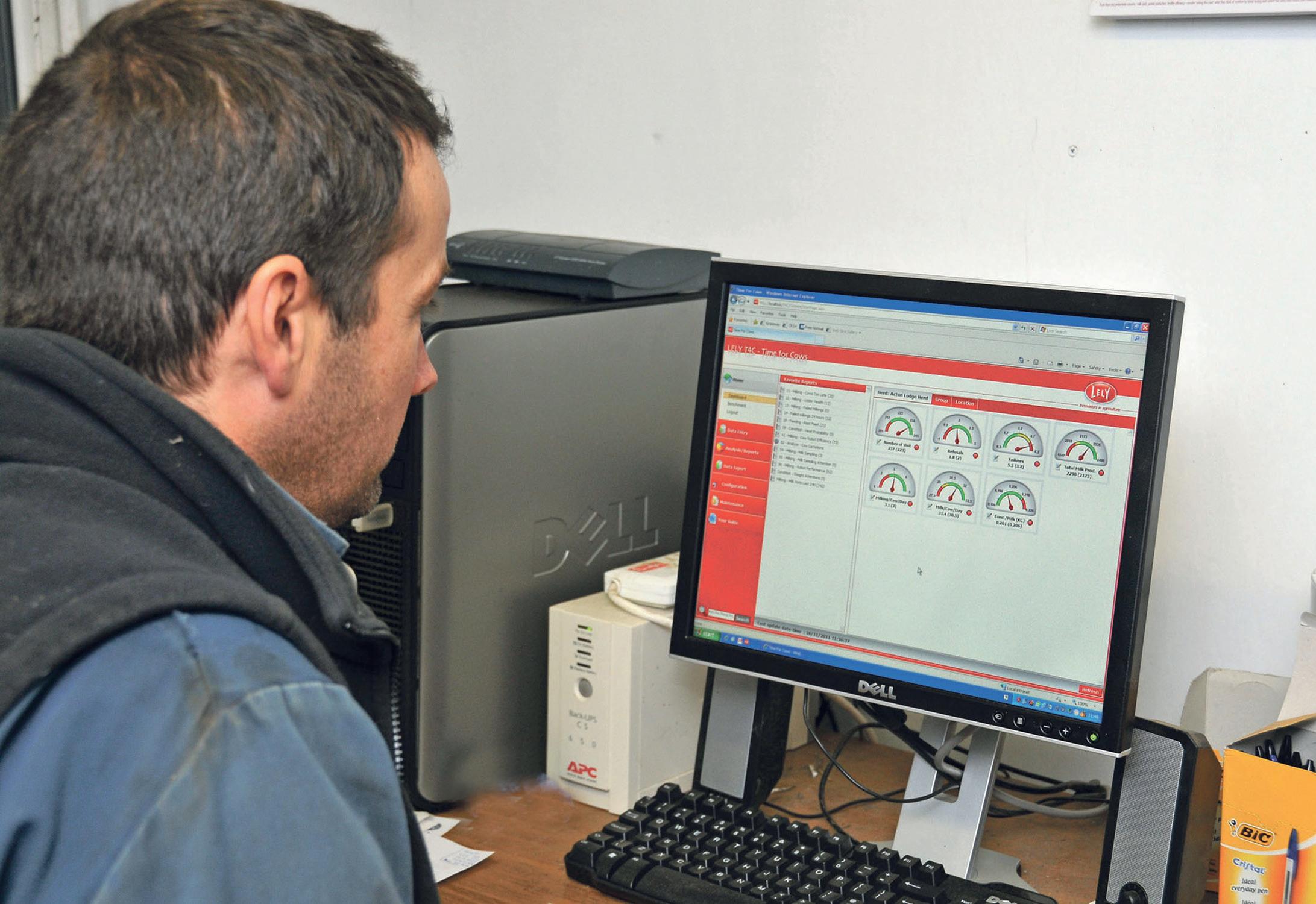
Data and technology is increasingly being used to monitor cows and make management decisions, so protecting on-farm data is crucial.
■ Avoid clicking on phishing links
■ Use a strong and long password
■ Update both your hardware and software within the recommended time frame
on-farm [such as] the financial data and the data they use on the tractors or in the fields. It will only grow as artificial intelligence technology develops; we are only going to rely on it further in the future.”
To best protect herd and farm data, Mr Hamoen says farmers should avoid clicking on phishing links in emails.
He says: “90% of cyberattacks start with a phishing link, so try to minimise this risk. But this is easily said as the emails are getting much more advanced and some of them are so sophisticated and look very real. Even the IT experts say it is difficult to see if an email is legit or malicious. But we have to try.”

■ Make sure the firewall for your farm’s IT system is activated
■ Back up all on-farm data – do not assume that this is done automatically
He also advises using a strong password that is not easy to guess, with longer passwords recommended. Making sure hardware and software is updated is also key to protecting farm data, as old hardware and old software is vulnerable to cyberattacks and can be exploited.
Mr Hamoen adds that farmers should make sure the farm system’s firewall is activated, as this can sometimes be shut down accidentally.
“The most important thing is to back up your data – do not assume it has been backed up automatically,” he says.
Ideally, data should be backed up daily, because in the event of a cyberattack or power outage,


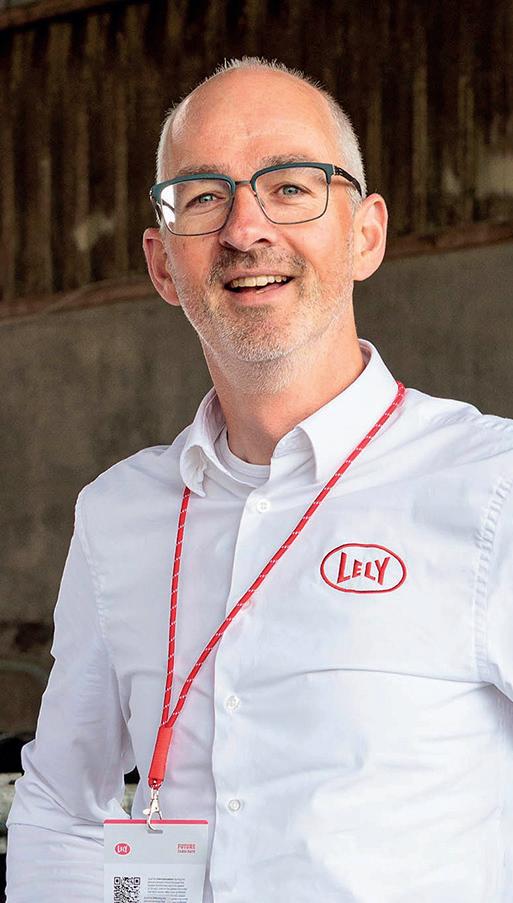
systems which are backed up can get up and running again more quickly, says Mr Hamoen.
To help farmers protect their data, Lely announced the launch of Lely Hub earlier this year. This is a dedicated digital solution to
Cyberhackers are not interested in your data as such, but they are interested because it is important to you, and they use that as leverage
FRIDO HAMOEN
enhance data safety and operational continuity of farms using Lely Horizon.
Designed to protect on-farm data from unauthorised access and ensure consistent system performance through automatic back-ups and updates, Lely Hub is set to become commercially available from 2026.

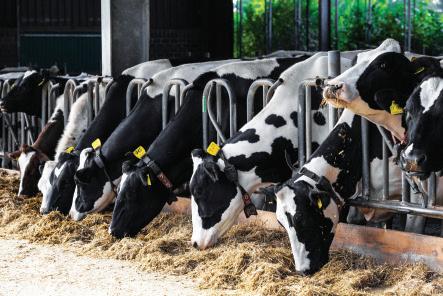















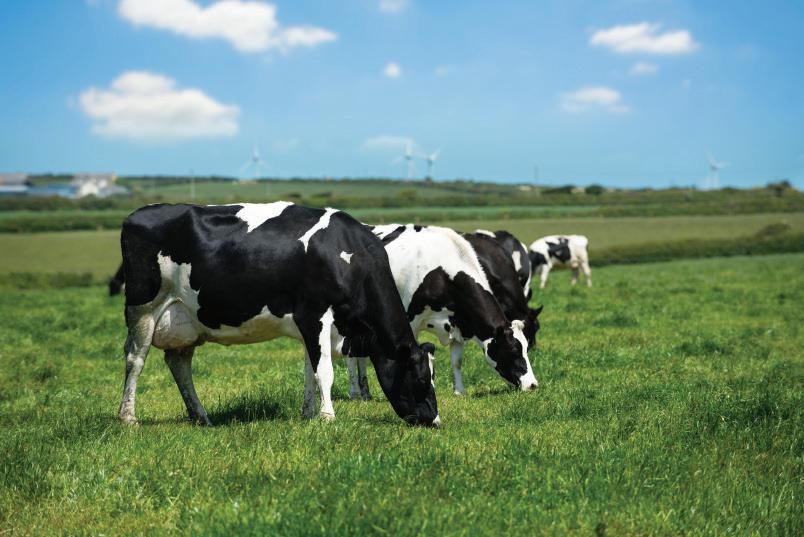











Dairy co-operative Arla said its six-monthly figures are on track as it vows to continue investment in the UK industry. Jane Thynne finds out more.
Arla has warned farmers could face a ‘short-term downgrade’ in milk prices as global volatility affects commodity markets.
Issuing its mid-year results, the dairy co-operative said the figures were ‘as expected’, reflecting geopolitical uncertainty and higher dairy commodity prices, which created a more challenging market environment in the first half of 2025.
Despite these factors leading to a 1.5% decline in Arla Foods’ branded product sales volumes compared to the first half of 2024, the co-operative reported profits of €158 million (£136.34m) while revenue for the period was €7.5 billion (£6.42bn).
In the UK, net revenue grew by 9%, the equivalent of £108m, for the first six months of the year. However, strategic branded volume-driven revenue growth saw a downturn of 4.7%, predominantly driven by butter.
Arla’s UK Foodservice Division also saw revenue growth, with an increase of 15% (£24m) year-on-year and strategic branded volume-driven revenue growth rose by 7.6%.
Bas Padberg, managing director of Arla Foods in the UK, said: “We knew going into the first half of this year that market conditions would be more difficult to navigate and therefore have an impact on our business.
“We have seen some of the highest commodity prices so far this year, which has increased the value of dairy. As a co-operative, we have to ensure our farmers get the best possible price for their milk while keeping nutritious dairy accessible to shoppers.”
In the first six months of 2025, Arla said it had ‘cemented its commitment to the future of British dairy’ with a £90m investment into its Lockerbie site, to create what it calls a ‘UHT centre of excellence’.
The sustainability agenda also accelerated through the value chain collaboration on the next phase of the Dairy Roadmap and ongoing partnerships with retail and foodservice customers on its FarmAhead Customer Partnership.
Arla chief executive Peder Tuborgh said: “We have good efficiency programmes running so our UK business is performing in line with other markets.”
He also confirmed work was going to plan on the new mozzarella production facility at its Taw Valley Creamery site in Devon. Work on the £179m project began earlier this year and production is expected to get underway in 2027.
“The first half of 2025 marked a number of milestone initiatives that will ensure we can secure the future for British dairy and return the highest value for our farmers’ milk,” Mr Padberg added.
“We will continue to face head-
winds and the ongoing fluctuations in the commodity markets will remain in the second half of the year, but as a co-operative, we are resilient and committed to providing the very best products produced by farmers who work tirelessly to feed a nation.”
Investment and growth remain high on the agenda as the company celebrates the 25th anniversary of the merger between the Swedish co-operative Arla and the Danish co-operative MD Foods, which created the company as a cross-border, farmer-owned dairy co-operative.
Arla is preparing for its merger with German co-operative DMK Group, with regulatory authorities expected to approve terms in 2026.
Arla said the move was a ‘strategic step’ which reflected a ‘shared commitment to strengthening the co-operative dairy sector and creating added value for farmer-owners, customers and consumers’.
n Group revenue: €7.5 billion (£6.42bn)
n Milk volume: 7.2 billion kg (incl. non-owner milk) (HY 24: 7.0 billion kg)
n Net profit share of revenue: 2.1%
n Net efficiencies: €54 million (£46.68bn)
n Overall strategic branded volume-driven revenue growth: -1.5% – includes Lurpak, Arla, Puck, Castello and Starbucks (HY 24: 4.1%)
duction would lead, Arla said, to a slight softening of global dairy commodity prices. However, it expected to see an improvement for the branded volume-driven revenue growth in the second half of 2025, increasing its forecast to between -0.5% and 0.5% for the full year.
We will continue to face headwinds and the fluctuations of the commodity markets will remain PEDER TUBORGH
Mr Tuborgh said: “The merger will expand opportunities for innovation, enhance resilience, and drive greater efficiency in an evolving global dairy market. By combining our strengths and expertise, Arla Foods and DMK are well positioned to meet future challenges and support the long-term development of the European dairy industry.”
In terms of outlook, global factors were once again highlighted as the main challenge putting constraints on consumer purchasing power.
The recent rise in world milk pro-
The revenue forecast has been adjusted to a range of €14.7bn–€15.2bn (£12.7bn-£13.1bn), with profit share still anticipated within the target range of 2.8%–3.2%.
Mr Tuborgh said Arla’s ability to adapt and deliver value in a volatile market was clear.
“With stronger branded growth expected and an improved revenue outlook, we continue to build on the foundation laid by the merger of Swedish Arla and Danish MD Foods, and remain focused on delivering for our owners, customers, and society in the years ahead.”
• BVD severely impacts animal welfare – affecting dairy and beef profitability, and farm sustainability.1-4
• Persistently infected calves are pivotal in maintenance of infection. Control efforts that fail to recognise this are doomed to fail.5
• In studies, BOVELA® prevented the birth of PI calves in 100% of vaccinated dams, compared with unvaccinated control animals which all produced PI calves.6
Up to 8% more beef calves weaned3

Increased individual daily milk yields of up to 1.8 L4



Over 30 million foetuses protected worldwide since launch7






Just one shot provides proven protection against both BVDV-1 and BVDV-2 infection for 12 months8




Vetmedica GmbH, used
BOV-0134-2024. Use Medicines Responsibly.









DONT TAKE THE RISK – offer your farm the UK’s market leading BVD vaccine9


















Achieving the optimal timing for establishment, growth and harvesting of maize crops can have a huge impact on feed value. Hannah Morgan reports.
Striving to make the right decisions at the various stages of maize growing is crucial to maximising the potential of maize crops.
This formed the basis to US dairy nutrition and maize silage expert John Winchell’s discussion in a recent maize roadshow meeting, organised by Advanced Nutrition, where he outlined how important timing was to achieve
the right balance between the quality and quantity of maize silage made from a crop.
At the meeting, Mr Winchell said: “Striving for and achieving
Temperature and rainfall amounts can have a heavy impact on silage yields
JOHN WINCHELL
US dairy nutrition and maize silage expert John Winchell said the importance of choosing the right variety of maize in relation to the ground type it was being grown in was crucial. He added: “Planting longer day maize than what is optimal
that benchmark quality when it comes to maize forage-making often hinges on the weather at the time of planting and harvesting and is closely linked [to] timing as
for your growing degree days and ground with the anticipation of getting more tonnage will result in a lower tonnage overall.
“Longer autumns are not conducive to longer-day maize, because if the temperatures drop the crop will not finish.”
well as being proactive, as opposed to reactive.”
He added: “Producers who stick to calendar-based harvesting schedules or become overly influenced by neighbours’ decisions around cutting and clamping could be negatively impacting forage digestibility, intake and overall nutritional value of their own crop.
“Temperature and rainfall amounts can have a heavy impact, causing maize silage yields to range from 10 tonnes to the acre to 30t/acre.”
However, he said there was a
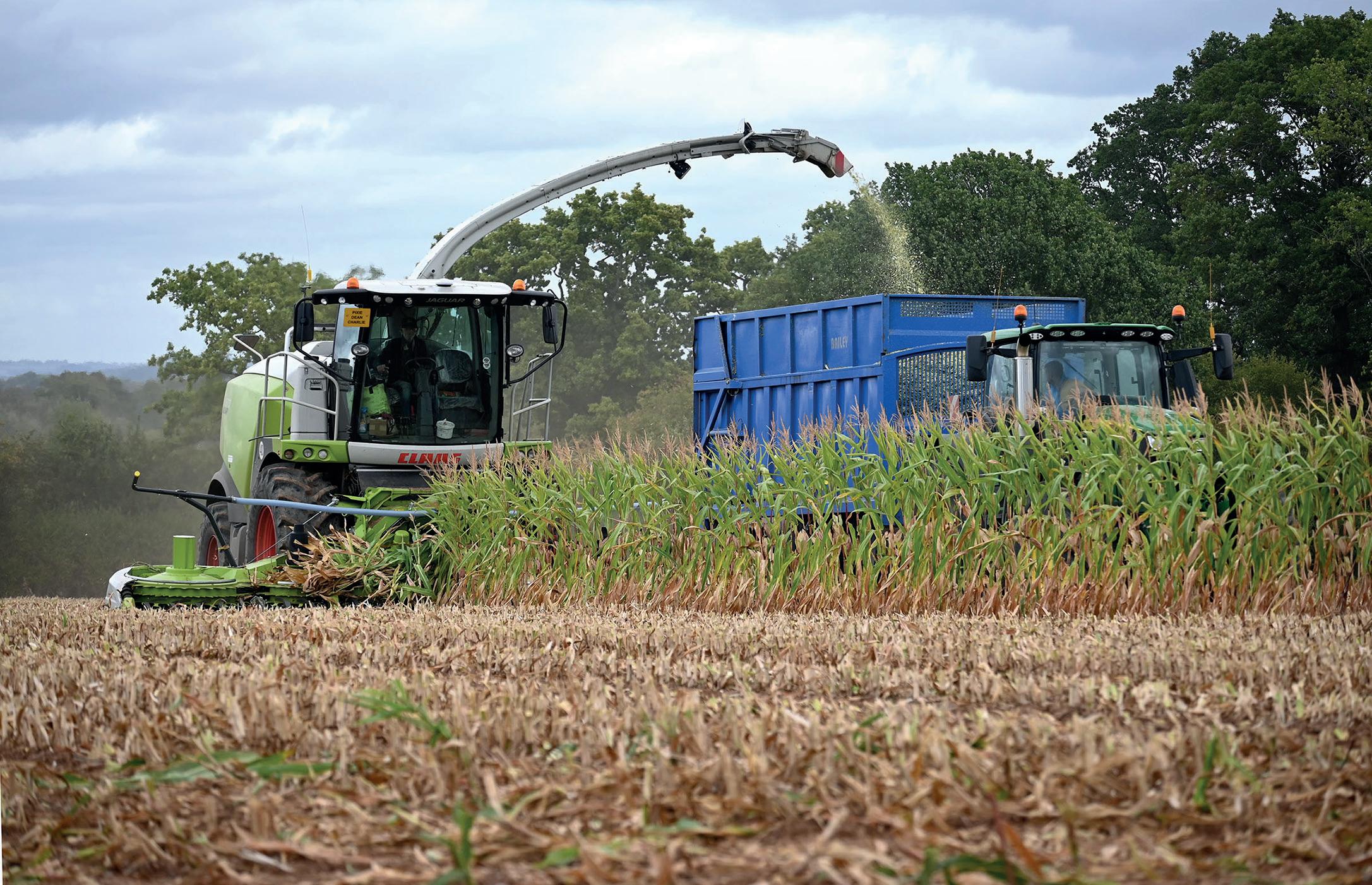

WHILE harvest is already underway for growers in the UK, John Winchell, US dairy nutrition and maize silage expert, offered some tips around balancing optimum dry matter (DM) and plant quality by harvesting at the right time. He suggested checking the whole plant DM for each field was a good first step.
“For most, 33% to 36% DM is a good midpoint and provides a good balance between moisture and the ability to pack the silage as well as possible,” he said.
“Chopping too early can
fine line between achieving the optimum quality versus quantity of a crop.
“You can be too far on the extreme of either,” he said.
“The goal is to be somewhere in the middle. We want to make
lower the starch content of the maize silage and impede fermentation, which can also contribute to the environmental issue of leachate.
“Chopping too late, however, at more than 40% DM, can lead to a separate set of problems, such as mycotoxins, poor fermentation, yeast production, decreased starch digestibility and a longer window for total starch digestion.”
Mr Winchell said this year’s drought conditions in the UK will mean that DM levels will be on the higher side.
great feed, but it is no good if it runs out in a couple of weeks. We need tonnage and rumen function, and to achieve this it is important to get the balance right.”
The advances made in research had also shed much more light on
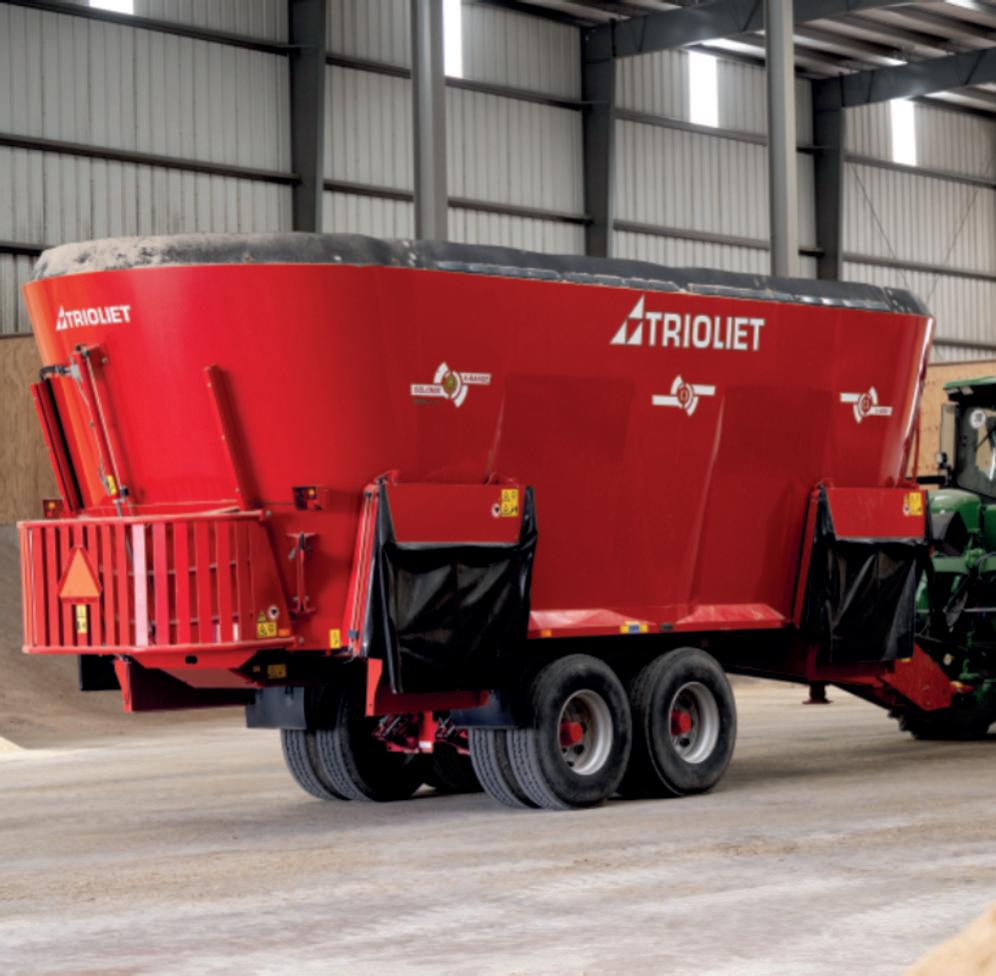
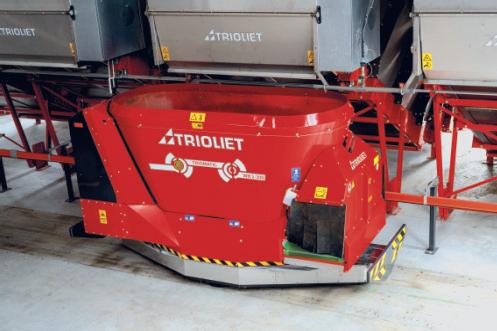
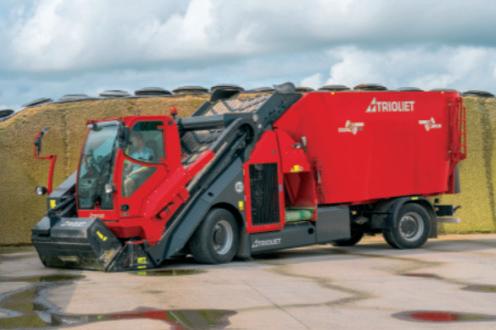
“Chop length can be shortened in response, and I have seen producers go as low as eight to 12mm lengths instead of 18–20mm to help packing density in the clamp.
“Adding water to aid fermentation is something we tried in the US years ago, but we realised it has the opposite effect.”
He also advocated the use of inoculants to speed up fermentation and lower pH.
He said: “We know there is a lot of variability in DM at harvest, and with that being the case we want
why certain crops fed well, said Mr Winchell.
“With so much research recently around 30-hour NDF digestibility [NDFD30] and 240-hour undigested NDF [uNDF240], we know so much more about the fast
to use the tools available to push things in the right direction.
“Factors such as variation in harvest, moisture and preservation at feedout are creating a greater need for inoculants in maize silage to improve overall fermentation and prevent losses in profitability in this area.”
The availability of data and predictive tools was vast, said Mr Winchell, and therefore producers who were utilising this data effectively would be able to refine their forage production strategy.
and slow pools of forage digestion,” he said.
“Utilising predictive tools and data like growing degree days, NDFD30 and uNDF240 relative to forage quality can refine a producer’s production strategy.”


Farmers are being advised to take extra steps to protect calves from bovine respiratory disease ahead of housing this winter. Dairy Farmer reports.
Bovine respiratory disease (BRD) is one of the biggest threats to calf performance, costing the UK beef and dairy sectors an estimated £80 million annually in lost productivity, treatment, and mortality.
In beef systems, infected animals can lose more than 200g a day in liveweight gain from birth to slaughter.
Youngstock are particularly vulnerable during this time, with environmental changes – such as temperature swings between day and night, nutritional stress, and mixing of groups – creating ideal conditions for respiratory pathogens to spread.
“This year, more than ever, with high beef prices, it is vital that farmers maximise growth rates and protect profit potential,” says vet Dr Kat Baxter-Smith of MSD Animal Health.
“Lost production from BRD – or
having to treat sick animals – can directly impact farm profitability.”
She adds that BRD does not always show obvious signs but can silently reduce growth rates and extend finishing times, making early detection essential.
To help farmers gain insight into BRD risk before clinical symptoms appear, MSD Animal Health subsidises a screening service available through most veterinary practices in Britain.
The test involves taking blood samples from a small selection of calves aged three to six months.
Samples are analysed in a Netherlands-based lab using ELISA (Enzyme-linked Immunosorbent Assays) to detect antibodies to five major BRD pathogens: bovine coronavirus, bovine respiratory syncytial virus (BRSV) and bovine parainfluenza virus type 3, mannheimia haemolytica, and mycop-

lasma bovis. Results can then be used to tailor vaccination plans and calf management strategies.
“Screening takes away the guesswork,” says Dr Baxter-Smith.
“It gives vets and farmers hard evidence of which pathogens are circulating on-farm and highlights immunity gaps. From there, it becomes much easier to make targeted prevention decisions.”
Alongside BRD screening, vets can use thoracic ultrasound to visually assess lung damage from BRD, with the screening results helping identify the pathogens responsible.
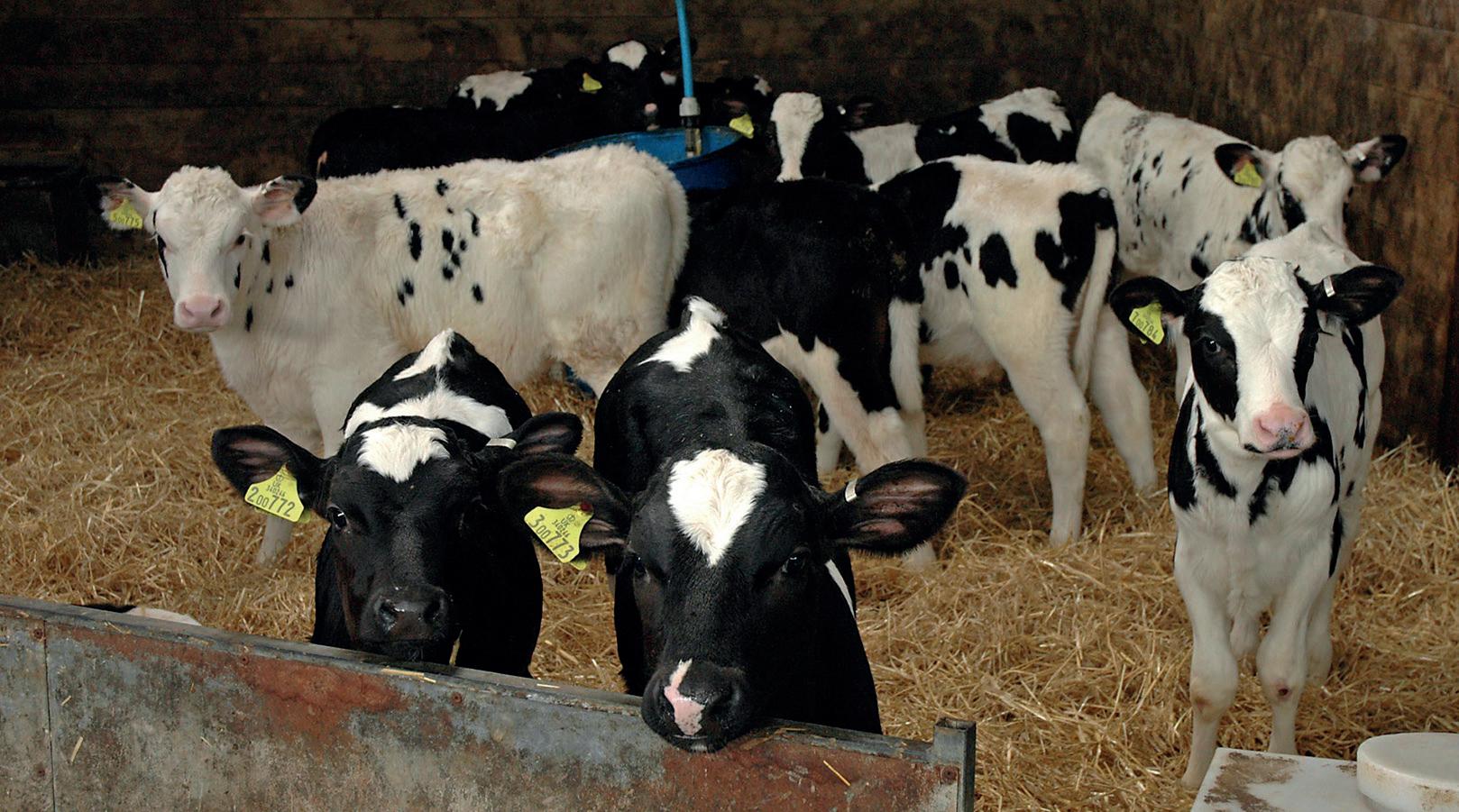

“Although clinical cases of BRD are typically seen in 11–16% of calves, studies suggest subclinical disease – where lung damage occurs without obvious symptoms –may affect 23–67% of calves. These animals might not be picked up by eye, but the consequences are real and long-lasting,” she adds.
Even small lung lesions (1–2cm) can reduce average daily gain by 96–138g/day compared to calves without lesions, highlighting the importance of proactive measures.
“This is why we must move beyond reactive treatments and focus on proactive, immunity-led prevention,” says Dr Baxter-Smith.
“Stopping BRD before damage occurs starts with understanding what is happening in the calf’s environment and body.
“Investing in diagnostics and prevention now pays dividends in productivity later,” adds Dr Baxter-Smith.
In addition to vaccination and screening, farmers should focus on overall calf management ahead of winter, including nutrition and correct colostrum management, housing, water, and parasite control.
“BRD results from a combination of pathogens and risk factors,” says Dr Baxter-Smith.
“Controlling disease requires balancing infectious challenge and the calf’s resistance. Promoting effective defence mechanisms – such as good colostrum intake, reduced stress, optimal housing, and vaccination – helps ensure calves remain healthy through winter.”



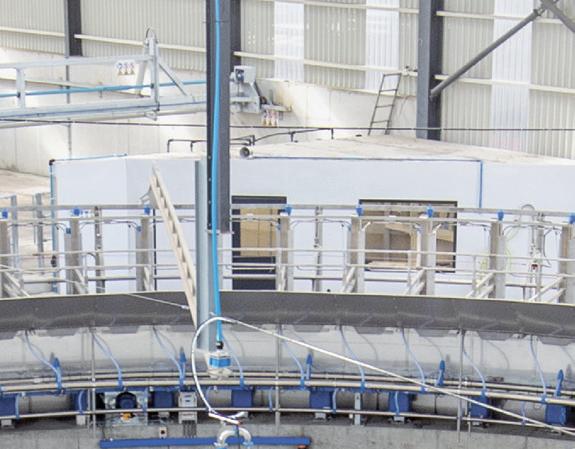




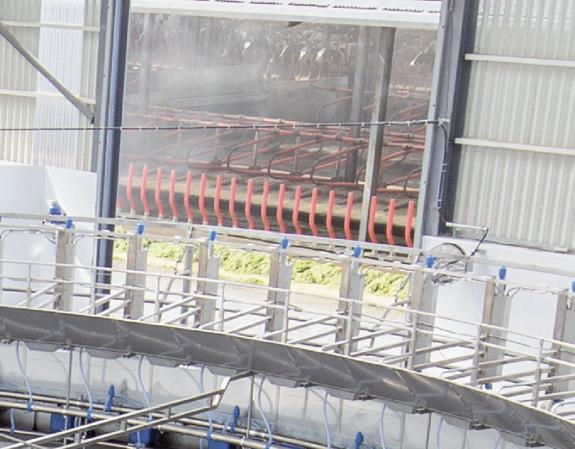

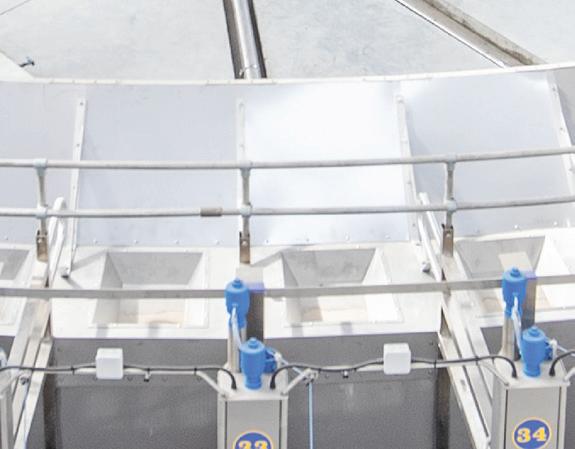
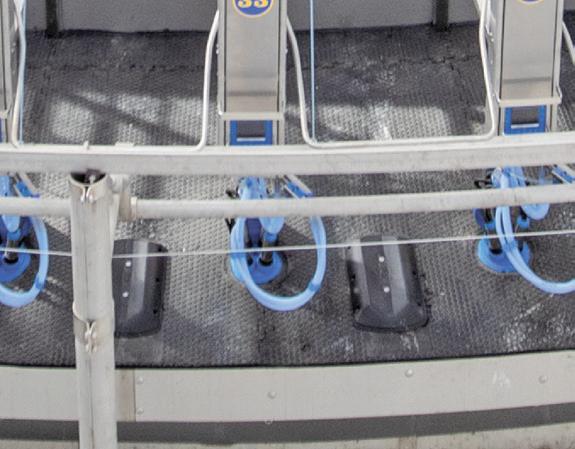

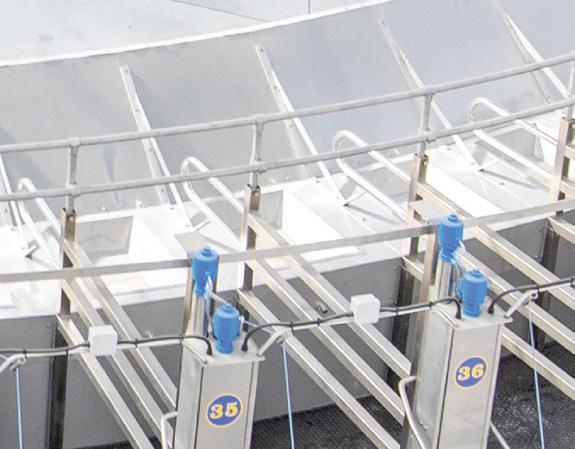
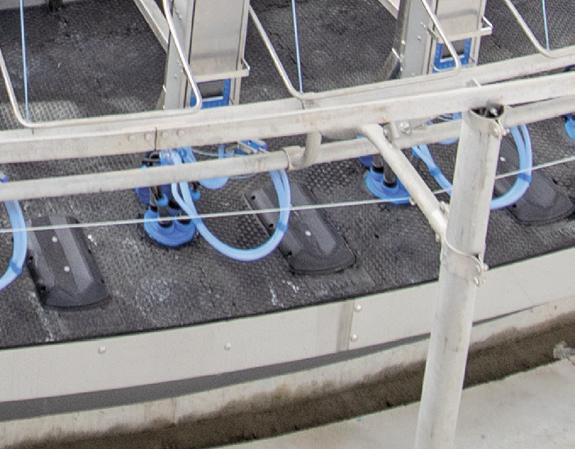



















Udder cleft dermatitis is a chronically underestimated issue for UK dairy herds, responsible for production losses and even deaths. Dairy Farmer reports.
Udder cleft dermatitis
(UCD) is increasingly coming to the attention of producers, vets and industry leaders as a significant cause of sub-performance, compromised welfare and mortality. This is certainly justified as most UK dairy herds have cows afflicted with UCD.
Dr Lisa Phipps, veterinary surgeon at Belmont Farm and Equine Vets in Herefordshire, says that while recent UK herd data shows over 9% of cows have UCD, significant variation in herd prevalence exists. Alarmingly, some farms she surveyed had 25-30% of cows affected.
Dr Phipps says: “UCD goes by many names including udder intertrigo, udder rot, ulcerative mammary dermatitis and udder scald. All describe the condition characterised by ulceration and death of udder skin complicated by bacterial infection. This produces classic open, oozing lesions with severe odour – often you smell cows with extensive lesions before you see them.
“UCD presents with a spectrum of severity. Often, it is not until lesions are extensive that cases are identified. Lesions occur at the fore-udder attachment and
between the two udder halves. Naturally, these are hidden locations – a major factor in the all-tocommon delay in diagnosis.”
Unfortunately, for cows with severe lesions the likelihood of a sustained cure is reduced, hence the pressing need for early identification, says Dr Phipps.
Anecdotally, Dr Phipps suggests that in herds utilising robots, UCD prevalence is rising and cases are more severe when diagnosed as opportunities to identify cases during milking have dried up with robot installation.
She also believes that if UCD’s undeniable impact on the industry is to be addressed, regular herd screening is crucial to allow early identification and treatment.
Dr Phipps has first-hand experience of the fatal complications of untreated UCD. Ulceration can extend deep into udder tissue, eroding blood vessels and triggering catastrophic haemorrhage. Additionally, via the ulcerated skin, bacteria enter the bloodstream, leading to nose bleeds and fatal pneumonias.
“Cows affected by UCD have impaired production and increased
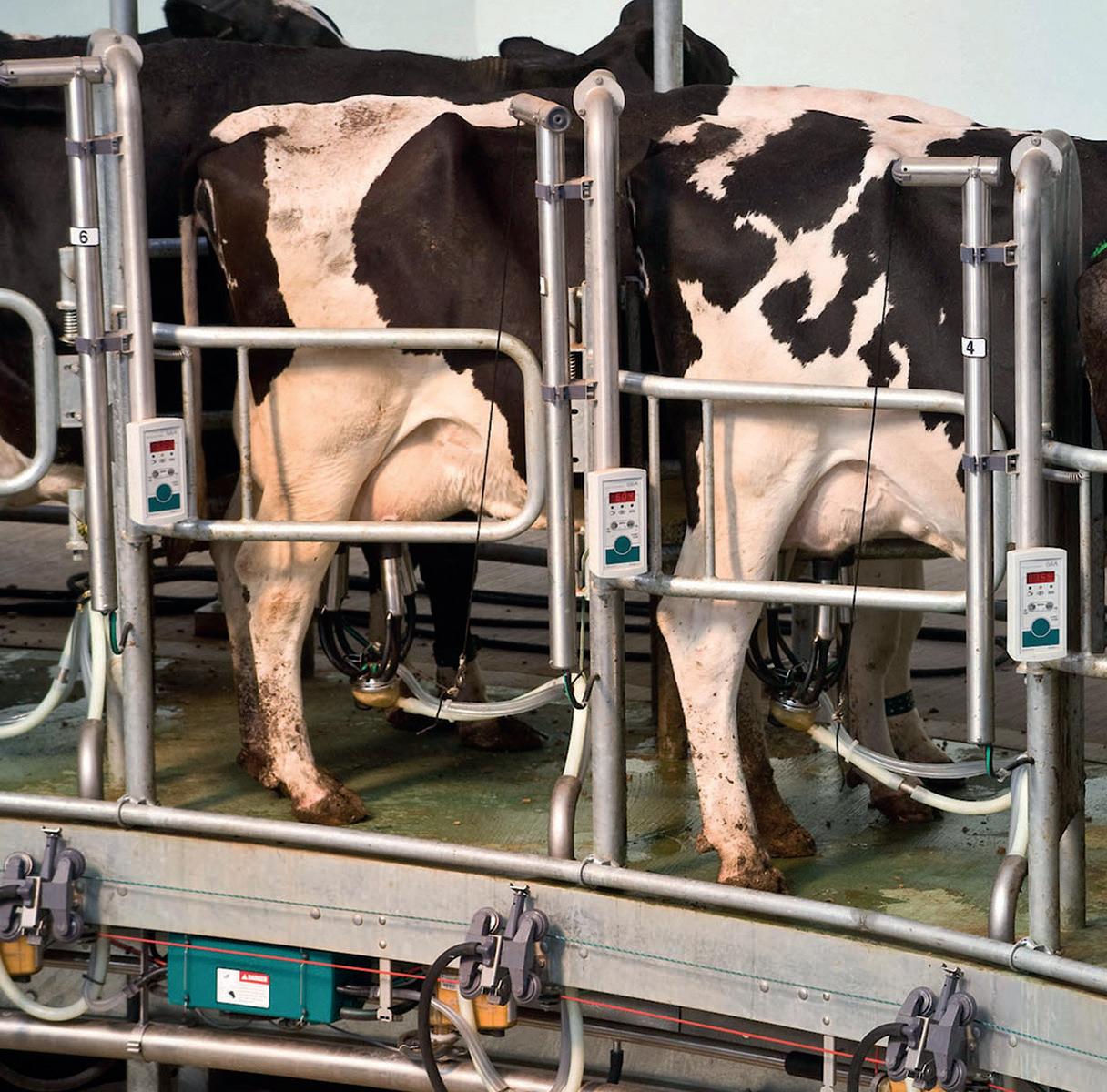



mastitis risk. With dairy margins under pressure, can producers really afford to have UCD uncontrolled?”
Dr Phipps asks.
She also says multiple factors are driving UCD.
“Interestingly, the link between digital dermatitis and UCD has been categorically disproven,” she adds.
“Over 40 bacteria species have been isolated from UCD lesions –most originating from cows’ environment. This shows bacteria take advantage of a compromised skin barrier rather than UCD being a contagious disease.”
“Udder conformation significantly elevates UCD risk, with deep udders and weak fore-udder attachments forming deep clefts. These folds produce a humid, low-oxygen environment ideal for bacterial growth. Additionally, friction between the skin folds causes inflammation.”
She adds that these local factors in conjunction with body-wide inflammation – found in high-yielding cows and subclinical acidosis – generate a ‘downward spiral’ in skin health, leading to UCD.
Dr Phipps says that promptly identifying lesions is key.
She says: “Mild lesions are frequently missed, despite these
offering the most favourable treatment outcomes. Once lesions become extensive, the required treatment intensity becomes unfeasible for many commercial herds.
“Hence, I strongly advocate routine herd UCD scoring [to be] readily performed in parlours alongside already-established routine condition scoring.”
Uncertainty exists regarding treatment, with scarce evidence for products and protocols. Dr Phipps’s clients have tried all manner of remedies in a desperate attempt to control UCD, with limited success.
“The perception of no effective treatment combined with the uncertainty surrounding UCD is driving vets, farmers and stakeholders to turn a blind eye. But it is time we stopped burying our head in the sand and took action,” says Dr Phipps.
“I have been involved in using a novel product – a topical rapid-drying gel barrier dressing. At the outset I was cautious, [being] aware [of] how challenging treating UCD can be. My clients enrolled in the trial felt similarly.”
Andrew Patterson, herd manager during the trial of a 650-head
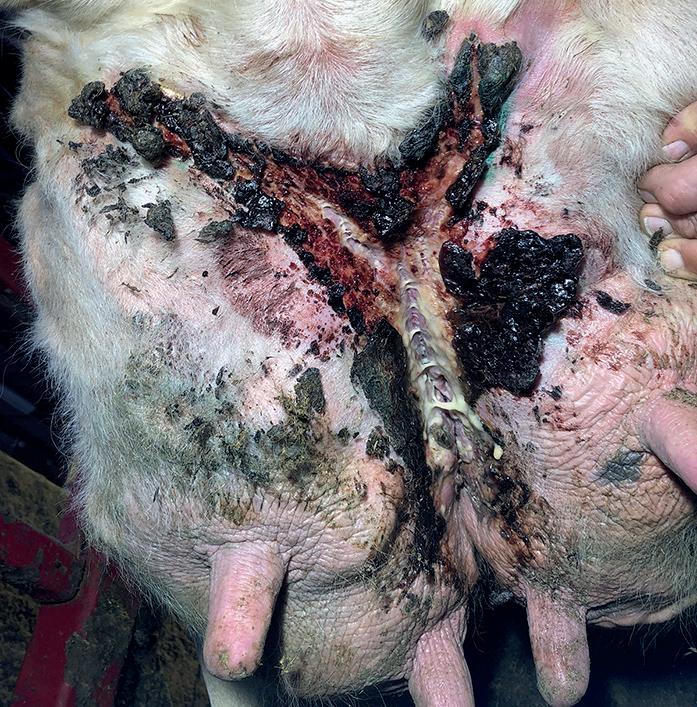
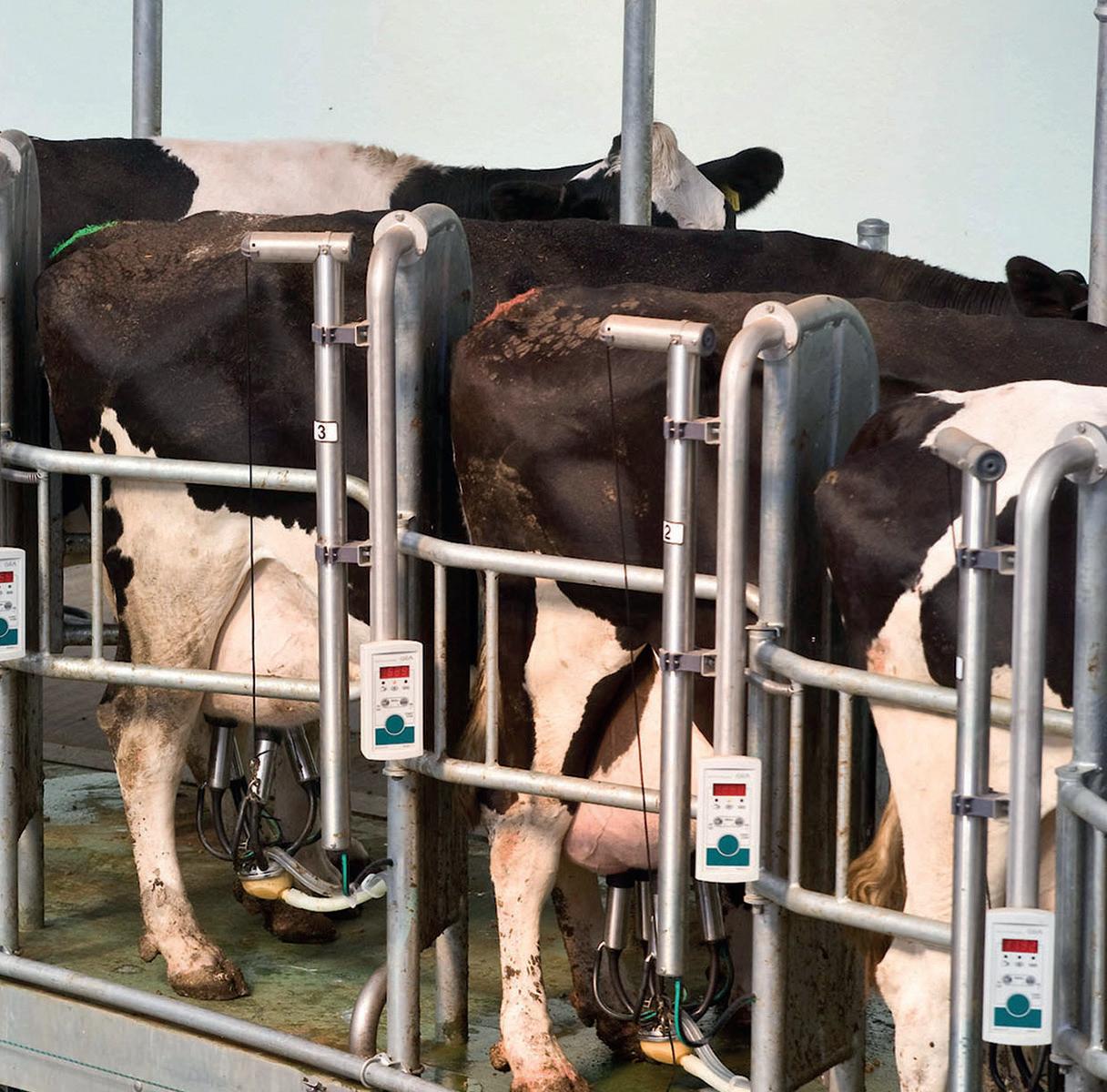


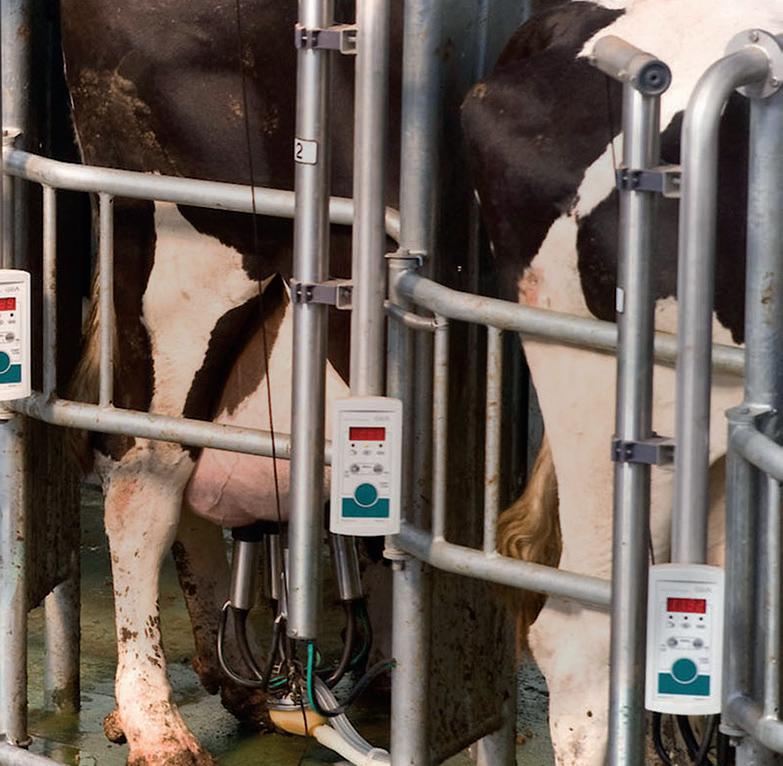

Holstein Friesian all-year-round calving herd in an intensive sandbased system, says: “UCD was a major concern affecting 19% of our herd. It was just unbearable.
“I was as sceptical as any that this ‘liquid plaster’ would work. But to my surprise, and the surprise of the whole farm team, it did. Applying the product was a little messy, but we achieved the results we wanted, which was really encouraging.”
The gel was applied to UCD lesions of varying severity. Lesions were wiped with a paper towel to remove discharge and loose scabs before a thin layer of the gel was applied using a gloved hand.
There was virtually no reaction from the cows when applying the product. To some, topical antibiotic spray was applied before the gel, but this made no difference to cure rates, says Dr Phipps. The process was repeated daily until lesions were dry.
Cases were checked daily at milking – treated cows were marked with tail tapes for ease of identification –and treatment reapplied if lesions became moist again.
Dr Phipps reported a lesion resolution rate of 60-77% across the farms she partnered with. Even if a ‘cure’ was not reached, nearly every
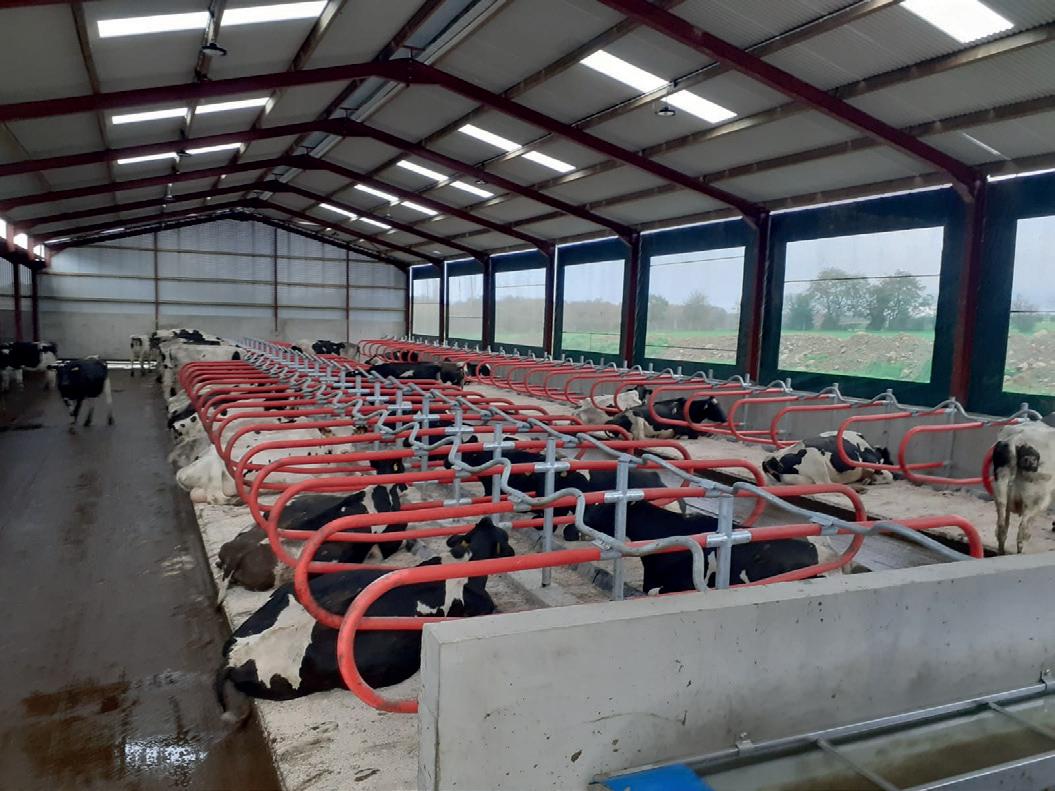
Feed Barriers & Gates
Steel & Plastic Cubicles
Mats & Mattress
Drinkers
Cow Flow Gates
cow enrolled showed significant improvement.
Mr Patterson says: “[In] some of our cows with UCD for the majority of their milking life [it] admittedly did not clear up completely. What we did find, though, was that it halted progression.
“For smaller lesions, the gel was fantastic, not only halting progression within the first few days but over the coming weeks, even as application intensity slowed. We quickly established that the lesions were starting to heal. It was very, very encouraging to witness the redness, soreness, smell and moistness all reducing quickly.”
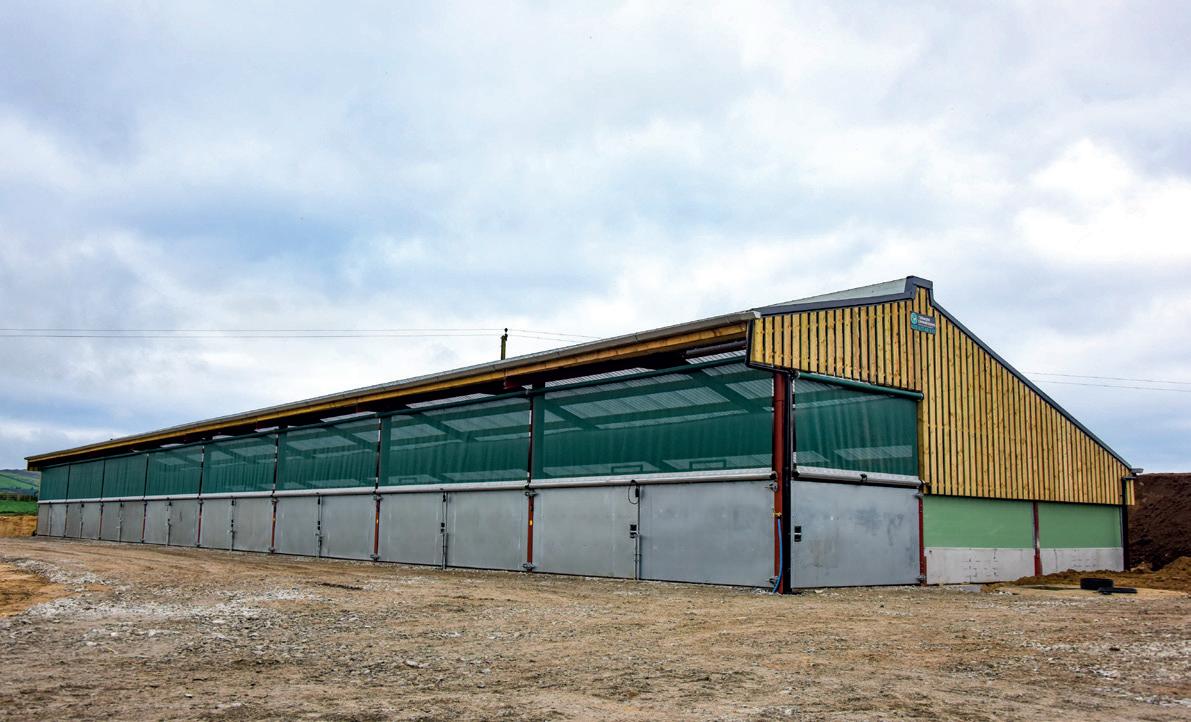
Feed Barriers & Gates
Calf Pens & Hutches
Feeding Equipment
Ventilation Products
Calf Building Design
While Dr Phipps is also greatly encouraged by these results, she adds a word of caution.
“Even if we can effectively treat lesions, the factors – especially poor udder conformation – which predispose to UCD remain, leaving cows vulnerable to recurrence. Therefore, UCD should be considered in breeding and culling decisions if sustained progress in tackling UCD and reducing this condition’s drain on the dairy industry is to be realised,” she says.


Ration planning this autumn and winter looks set to be tricky as farmers recover from a challenging growing season amid the extreme heat, so we speak to experts to get their advice.
48 WATER
Getting troughs flowing cleanly
50 CALVES
Keeping youngstock on the right track
52 ROBOTS
Research into feeding cows in automated systems
54 MACHINERY
The importance of the mixer wagon
Forage yields have fallen short of the annual average on many units this season, so the focus will now be on balancing rations. Wendy Short reports.
Crunching the numbers as soon as possible will be vital going into the autumn and winter months, says Hefin Richards of consultancy Rumenation Nutrition.
“Grass and maize yields have been extremely variable this year, with the results heavily influenced by localised weather patterns,” says Mr Richards.
“South West Wales and North West England, as well as Scotland, have generally experienced regular rainfall to boost soil moisture. However, the Midlands and the eastern counties present a much bleaker picture, and some difficult decisions may have to be made.
“The key message is to assess forage stocks and analyse the material as soon as possible, working
out the dry matter [DM] tonnage and dividing it by the requirements of the number and classes of cattle. This will give an estimated date [of] when the clamps are likely to be emptied.”
Mr Richards adds that the problem has been compounded for grazing herds, many of which had to be supplemented with grass silage as early as June.
He says: “This has depleted winter forage stocks and put pressure on feeding programmes for next spring.”
Due to the widespread shortage, competition for purchased forages like grass silage, maize and hay has increased prices dramatically, says Mr Richards. Moist feeds are often viewed as the obvious solution
56 MINERALS
Getting the right balance for cows’ nutritional needs
58 REGIONS
An outlook for farmers around the country
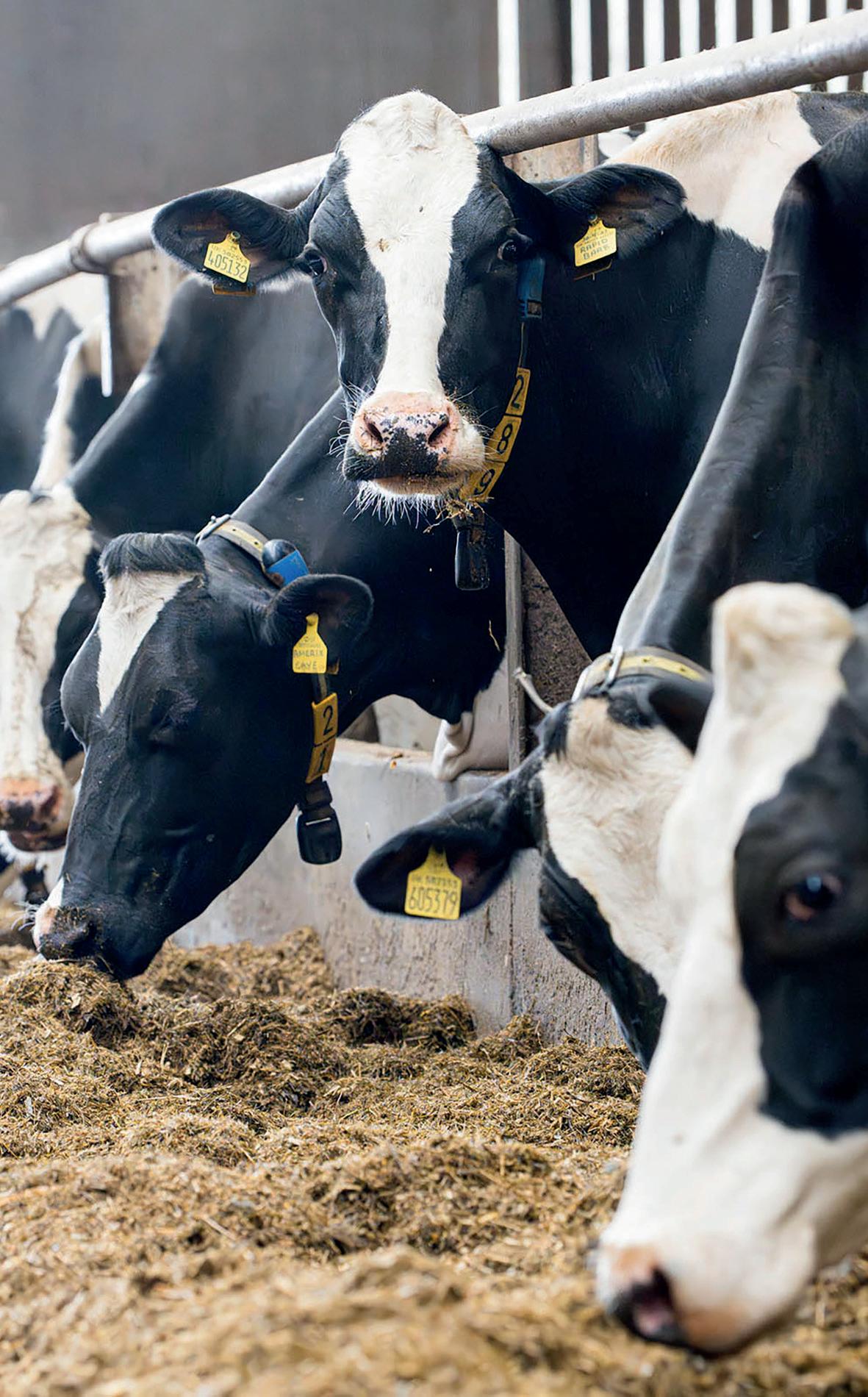
Forage stocks should be assessed and the material analysed as soon as possible, says Hefin Richards of Rumenation Nutrition.

for stretching out supplies, but the availability of products like brewers’ grains, Trafford Gold, and pressed beet pulp is unlikely to meet
demand, he adds. However, he says there are some other options.
“Chopped straw and cereal-based blends are useful alternatives to

home-produced forage, and with low prices for barley and oats, for example, they can be used to ‘bulk up’ the ration and help to plug the gap,” says Mr Richards.
“Feeding straw, plus an extra 2kg DM/day of a blend containing ingredients like barley, maize gluten, soya hulls, rape meal or distillers’ grains may well be a more cost-effective choice, compared with sourcing additional forage in areas where supplies are low and demand is high.
“The mix could replace 5-6kg/ head of freshweight silage/day, giving a 200-240 tonne grass silage saving over the winter for a 200-cow herd. It will have the benefits of consistency, zero waste and improved cashflow.”
Faced with limited options, some producers may decide to reduce stock numbers, he says.
“This might not be an economically viable for farms under bovine TB restrictions. On other units, cutting dairy or beef cattle numbers may be advisable; this is not going to be a winter for carrying passengers,” he adds.
“Every business will have differing circumstances, so projections must be accurately costed, with forage stocks monitored monthly throughout the winter.
“Milk price will determine the breakeven point for buying forage versus culling. Some businesses
Chopped straw and cereal-based blends are useful alternatives to home-produced forage [...] they can be used to ‘bulk up’ the ration
HEFIN RICHARDS
may prefer to maintain numbers for the present and introduce a culling policy as negative seasonality payments kick in.
“It is a very stressful situation for many producers. Organisations like the Farming Community Network and The Addington Fund’s Forage Aid may be able to help by providing some much-needed supplies. Applications are open to all UK farmers with a Defra holding number.”
Independent consultant Dr George Fisher points out that a forage analysis should follow tonnage calculations.
He says: “These are exceptional circumstances. It is important to avoid a knee-jerk reaction to depleted forage stocks. Assuming that purchased forage is available, it is not unreasonable to ask the seller for analysis figures to evaluate whether silage represents value for money.
“Price per tonne is a key element, but general quality and cost per megajoule of energy are also relevant.”
Grass silage protein and energy levels have also failed to meet expectations on affected units, he adds.
“Plants take nitrogen from the soil and turn it into protein, which carries through into the silage. The process requires moisture, and plants also need water to
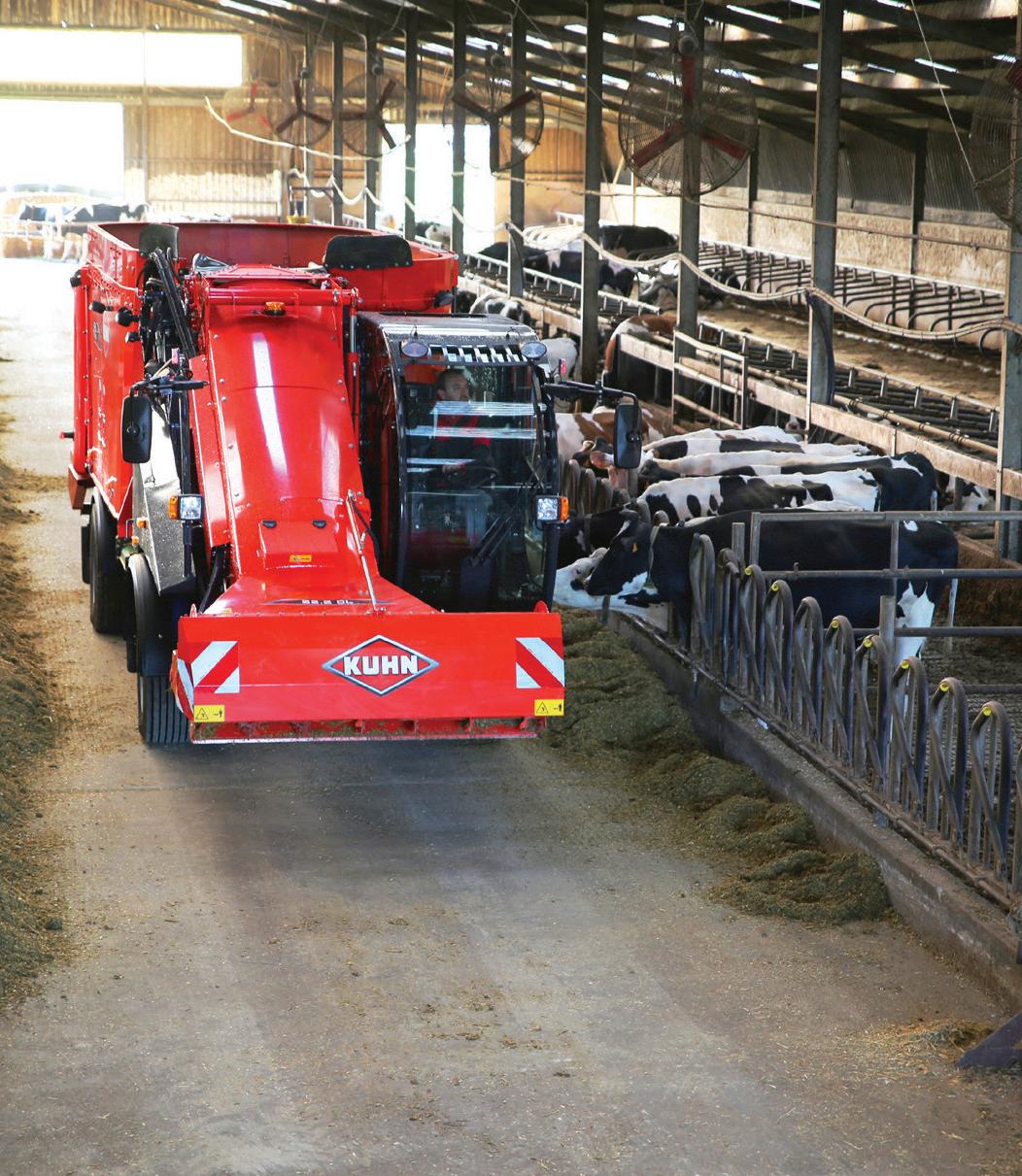




- Milling head equipped with 90 to 200hp drive motor with a milling head width of 2m
- Up to 3.4 tonnes of maize and 2.2 tonnes of grass silage loaded per minute with the SPW Intense
- VISIOSPACE cab provides 310 degree panoramic view for perfect visibility
- Loading conveyor positioned to the side of the tub which avoids feed sitting on top of the auger. Feed is deposited along the augers rotation to avoid accumulation at the front of the tub
- Mixing auger driven by variable displacement hydraulic motor. Loading mode = auger speed is reduced to prioritise power to the milling head. Feeding mode = auger speed is increased to aid consistent feedout
For more info on the KUHN Self-Propelled TMR Mixers range visit:
promote energy content. In a drought situation, they go into survival mode and put up a seedhead as a genetic response to preserve future generations. This can result in a fibrous material of low nutritional value,” says Dr Fisher.
“Herbal leys are noted for their drought resilience, as many species have long roots which can reach deep into the soil for moisture access. Nevertheless, some poor performance has been recorded where the extreme conditions were coupled with light soils.”
Regular silage sampling will be a critical factor for keeping ration consistency on track, says Dr Fisher.
“Grass silage cuts have been extremely variable, depending on when drought periods hit the farm,” he says.
“There is an increased likelihood of clamp instability, especially where crops have been cut
at very high DM figures. Samples should ideally be taken once a month, and certainly when moving from second to third cut, for example.
“The pH can fall rapidly in an ensiled crop which might have initially shown good fermentation. Mould can form very quickly, and spraying the visible material with an anti-mould product may only be partially successful, as the infection will have often penetrated well beyond the face.”
While he hopes that 2026 will be a better year for forage production, Dr Fisher believes that a focus on soil health can reduce the impact of future drought conditions.
“Research commissioned by the AHDB has shown that a combination of increased soil organic matter content and minimised compaction can extend the grass
Regular silage sampling will be critical for keeping ration consistency on track, says independent consultant Dr George Fisher.

growing season by as much as three weeks at either end of the season. Soil compaction at 1015cm below the surface will limit water availability by restricting root growth,” he says.
However, Dr Fisher says professional advice should be sought on sub-soiling, as it can potentially
Grass silage cuts have been extremely variable, depending on when drought periods hit the farm
DR GEORGE FISHER
worsen the problem if carried out at the wrong time.
He adds: “The compacted layer can be pinpointed by digging inspection pits. If the soil leaves the hand wet when rolled into a ball, or it has a sand-like consistency, it is best to hold off and wait for optimum conditions.”
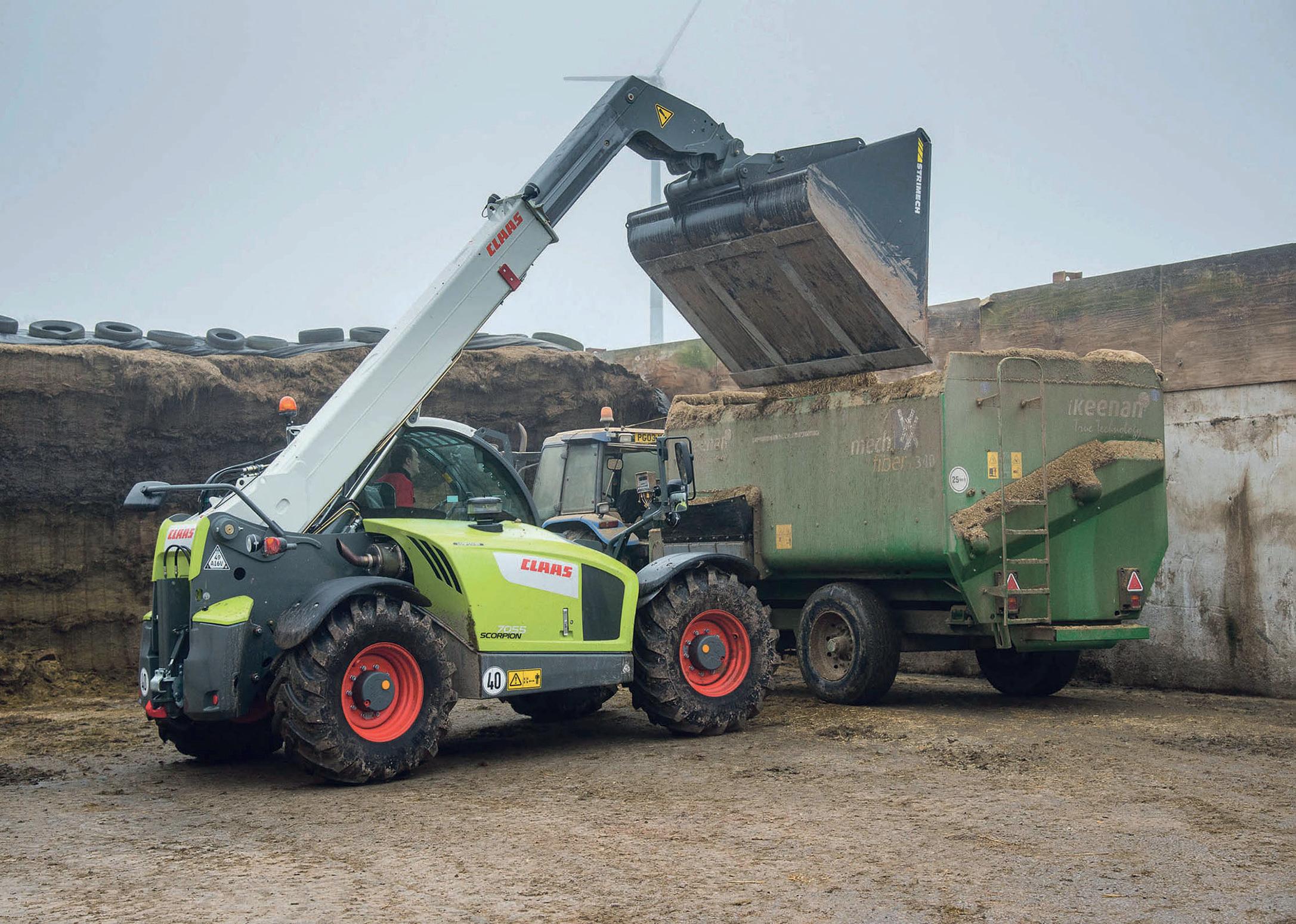

Are you getting the most out of your farm mineral?
Choosing a farm mineral containing Selko IntelliBond:
• Reduces carbon footprint*
• Improves fibre digestibility for a healthy rumen environment

• High bioavailability = maximum absorption and less waste









Are you still feeding copper sulphate?
Copper sulphate is an effective anti-microbial used in footbaths. Data has shown that sulphate based minerals have a negative impact on the rumen’s fermentation capabilities and rumen bugs. Selko IntelliBond does not harm rumen bugs.


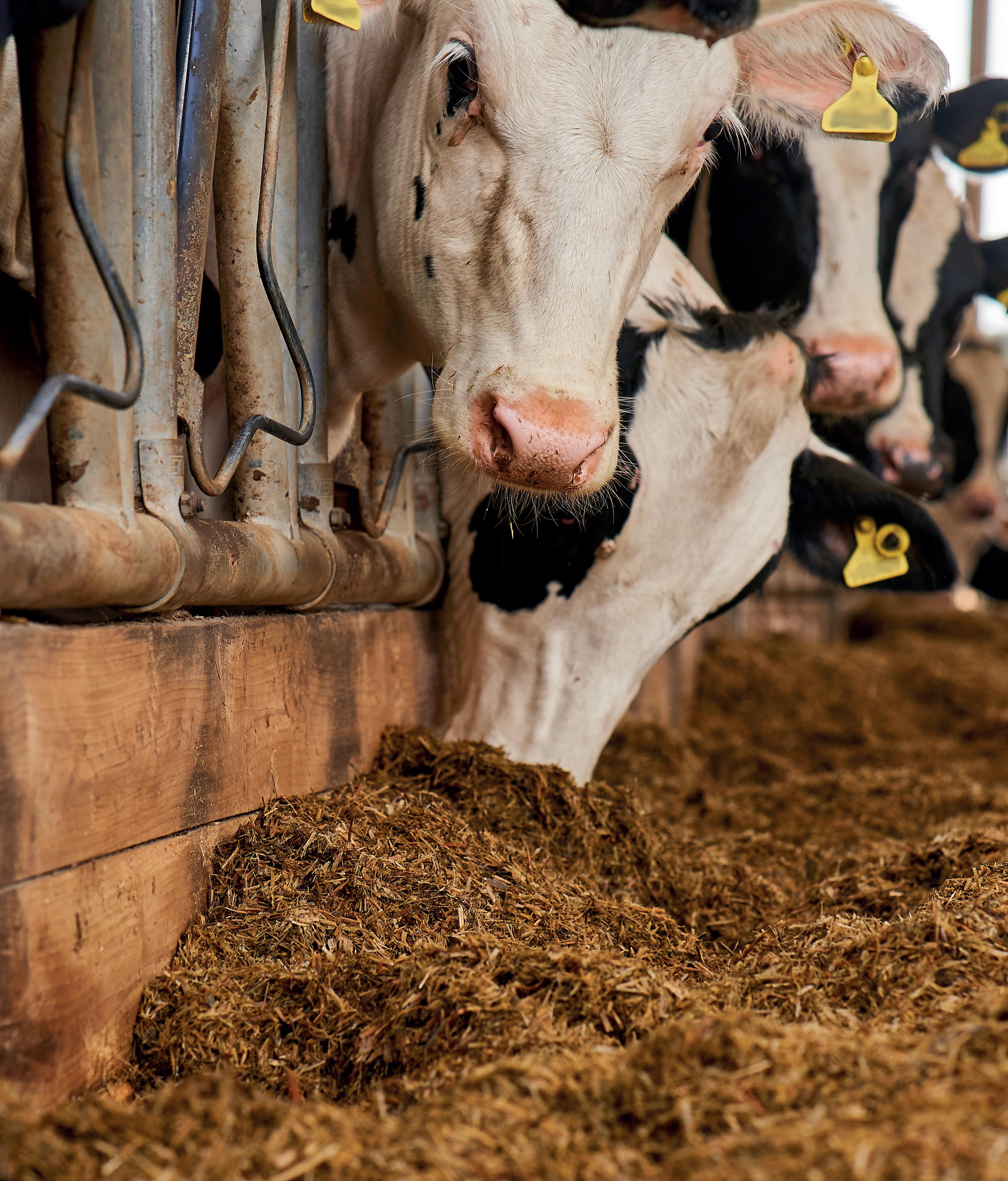

High-yielding cows can drink up to 250 litres a day, with intake directly influencing feed consumption, rumen function, milk output, and fertility. Even a slight drop in water quality can have a serious impact on production and herd health.
However, many water systems on UK dairy farms could be at risk, warns biosecurity expert Nigel Bennet, from Roam Technology.
“Troughs and pipelines left stagnant over the summer, especially during hot weather, can become breeding grounds for bacteria and biofilms, which not only clog up lines but, more importantly, reduce water palatability, lowering intake and acting as persistent reservoirs for disease,” Mr Bennet says.
Biofilms form when free-swimming microbes, such as bacteria, attach to surfaces in water systems and secrete sticky, glue-like substances that create a protective matrix. This allows bacteria to multiply and form persistent communities, creating potential reservoirs for pathogens, as well as management issues such as blocked lines.
“Too often, water is the forgotten nutrient – but the research is frightening,” warns Mr Bennet.
“On dairy farms, pathogens such as cryptosporidium parvum can survive for up to six months in water at temperatures of five to 15degC. Salmonella can persist for 50 days, and E. coli for as long as a year.
“Campylobacter and enteric viruses such as rotavirus and norovirus thrive in the biofilms coating water lines, providing a constant source of reinfection.
“Left unchecked, contaminated water becomes a hidden reservoir of disease that not only damages herd health but eats directly into milk yields and farm profitability,” he adds.
A European study of 24 dairy
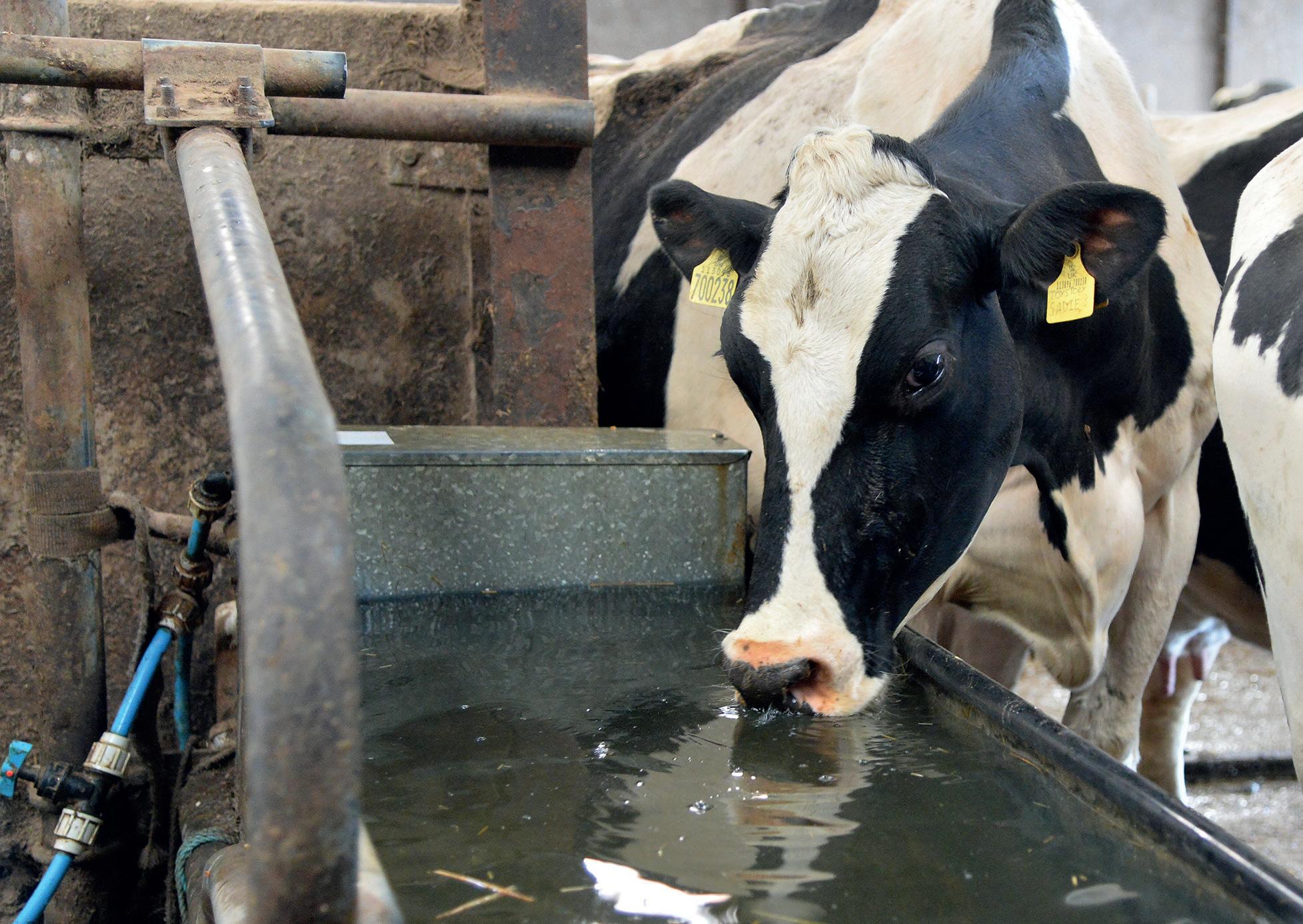
Water is essential in milk production yet is often ignored. Dairy Farmer reports on what producers can do to ensure their water systems are in order.
farms confirms these threats, finding E. coli in almost 50% of water samples, while coliform bacteria were detected in almost all. Antibiotic-resistant strains were also identified.
“Biofilms inside pipes and troughs protect these microorganisms and create an ideal breeding ground in which they can thrive,” explains Mr Bennet.
“Cows drinking contaminated water are more prone to gastrointestinal problems, reduced intakes and lower production.
These effects could also have longterm impacts on herd health and aspects such as fertility.”
On a typical 200-cow unit, water turnover can approach 7,500 tonnes a year, worth £10–11,000 if supplied via mains water, meaning farmers could be paying for something that is negatively affecting cow health. Even minor reductions in intake can quickly erode milk yields.
“Poor water quality does not
just reduce volume consumed, it affects feed conversion, rumen function and immunity, which can increase the risk of disease and the need for veterinary intervention,” adds Mr Bennet.
In addition, water sourcing, particularly on dairy units where a higher number of farms use boreholes, can result in variable contamination and mineral content risks. Heavy organic matter and faecal contamination are not uncommon, creating additional challenges for palatability and hygiene.
“The water in the majority of troughs I see is far from potable –you can see the build-up of biofilm in the drinker,” says Carson Pridham, from livestock water systems specialist Intemax.
“Other times, farmers report reduced intakes without realising water quality is the cause. When we test water and take bacterial samples, results are often a shock.”
Roam Technology and Intemax are increasingly working with dairy farmers to help them to improve water hygiene and maximise production. Water hygiene can be maintained through regular cleaning, monitoring and effective disinfection.
Intemax uses Huwa-San TR-50, a 50% silver-stabilised hydrogen peroxide disinfectant supplied by Roam Technology, on the farms it works with to treat water systems safely and consistently.
Mr Pridham says with winter housing fast approaching, and cows spending more time indoors relying solely on trough water, the risks from stagnant, contaminated supplies increase.
“By implementing regular water treatment, monitoring
n Clean and disinfect: Make sure troughs and water lines are clean and disinfected before housing. Even thin biofilms harbour harmful bacteria.
n Treat effectively: Use proven disinfectants to destroy pathogens and biofilms without residues.
n Monitor regularly: Test water quality or enlist specialist advice to ensure consistent hygiene.
n Maintain flow and access: Ensure all cows can reach fresh, palatable water to sustain intake and production.
troughs and maintaining pipelines, farmers can protect herd health and maximise intake and production,” he adds.
He also reminds farmers not to forget youngstock – clean water is essential from day one to support rumen development and encourage starter feed intake.
“Calves are born without a fully developed immune system, and water hygiene is paramount to help prevent the spread of pathogens to which they are particularly susceptible. By weaning, calves may consume up to 12 litres of water a day, making hygiene critical for lifetime performance,” he adds.
Animal welfare regulations require livestock water to be of sufficient quality, and retailers are increasingly scrutinising this. But clean water is not just about meeting standards – it delivers a measurable payback in healthier herds, higher milk yields and improved fertility.
“Clean water is not just about avoiding disease – it underpins production and profitability,” adds Mr Pridham. “Farmers who treat water like feed, inspect systems regularly and use effective disinfection see the difference in cow health, intakes and milk output.”

Selko LactiBute is a protected gluconate that helps:
• Support gut health
• Optimise energy utilisation
• Maintain and improve milk yields and constituents



Elevate your herd health and milk production with proven hindgut health support. Selko LactiBute optimises energy partition for better lactational performance.






Issues with starter feed, water and forage intakes can all contribute to poor rumen development, which is a common cause of pot-bellied calves. Katie Fallon reports.
Calves with large or distended stomachs, commonly known as pot-bellied calves, are often an indicator that there is an issue with nutrition in the pre- or post-weaning period.
Julia Wadeson, ruminant nutritionist and consultant at Calf to Cow Consultancy, says issues with forage, starter feed and water intake can all contribute to poor rumen development and cause calves to become pot-bellied.
Ms Wadeson says some pot-bellied calves will also have a hairy, poor-quality coat and will not perform as well after weaning, which is usually linked to poor rumen development.
She says: “Common causes of poor rumen development are a lack of starter feed intake or the consumption of poor-quality starter feeds.
“It is starch that we need to focus on and the source, as the breakdown of starch by the rumen microbes produces the volatile fatty acids. These volatile fatty acids stimulate
the growth of the rumen and the development of the papillae.”
Ms Wadeson says the papillae increase the surface area of the rumen, improving nutrient absorption and the calf’s capacity to grow from the feeds provided.
A lack of starter feed intakes could be due to feed not being offered fresh or not being very palatable, or due to calves not being offered enough water or being offered dirty water.
Ms Wadeson says: “We work on the basis that for every kilo of feed a calf eats it is going to need four litres
of water. Water is not only essential for life, but it helps provide the perfect environment for the rumen microbes. A healthier environment means improved feed degradation and enhanced rumen development. Also, imagine if you had to eat Weetabix every day with no milk – your intakes would soon be limited.”
Another cause of pot-bellied calves is the early introduction of forages such as hay, haylage and silage.
Ms Wadeson says: “We need to remember that when a calf is born it is essentially a monogastric, and the only part of the stomach that is functioning is the abomasum.”
forage, which is what we get with chopped straw. If a calf is eating a lot of starch, naturally the rumen becomes quite acidic, and to protect themselves the papillae start to build a keratin layer [parakeratosis].
“We need the chopped straw to go in and start picking away at the keratin to re-expose the papillae to allow for nutrient absorption.”
Additionally, buffering the rumen against this increase in acid, with the stimulation of cudding and saliva production from straw intake, prevents destroying the microbiome essential for feed digestion.

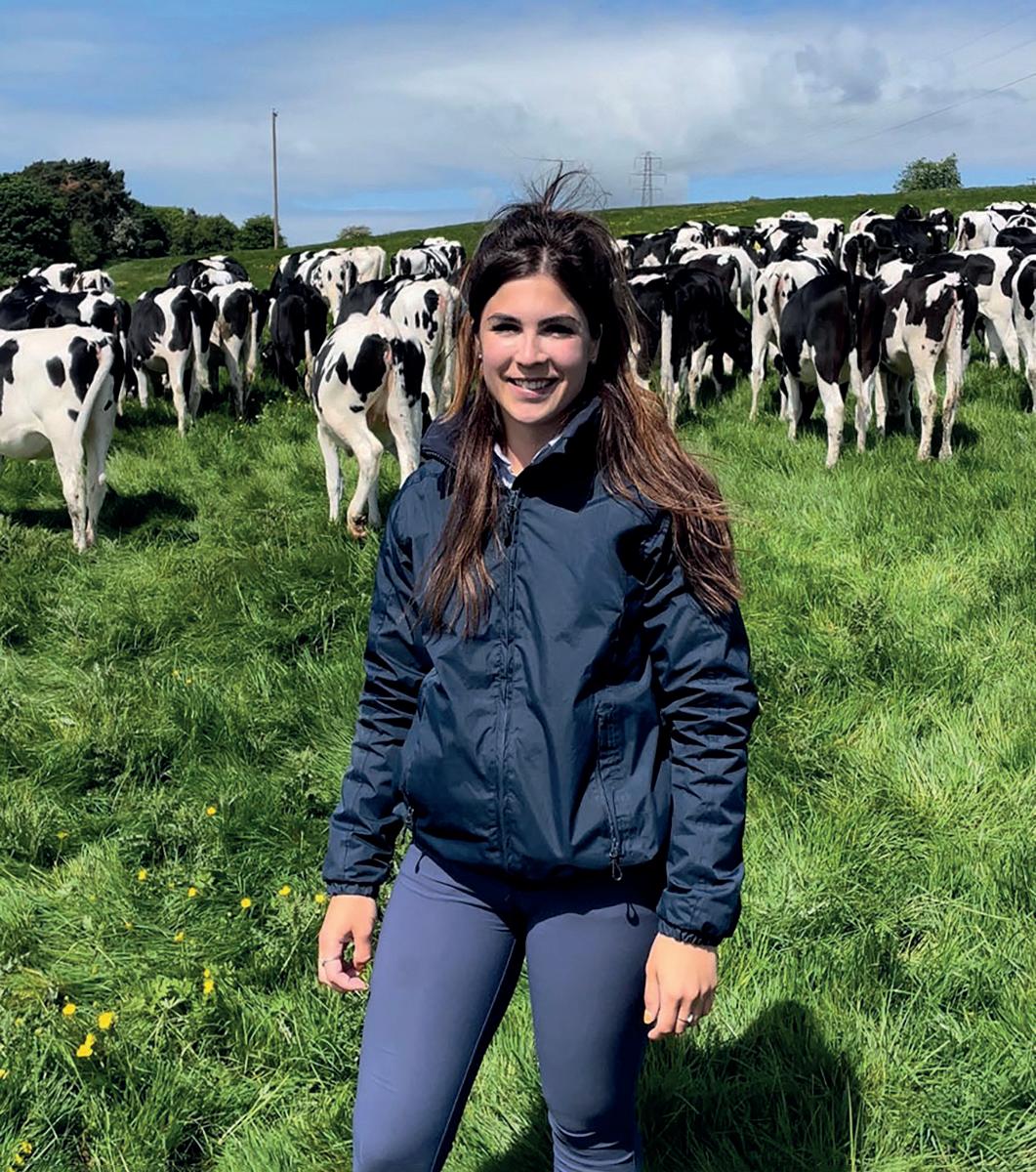

At this point, forage cannot be the main nutritional source due to calves being unable to process it. However, a small amount of forage is required for rumen health.
Ms Wadeson says: “We are also aiming for a toothpick effect with
Long and/or highly palatable forages such as hay, haylage and silage are not recommended as calves will eat a lot of it, which the rumen cannot process. Ms Wadeson says it will take hours for the forage to break down and work its way through the digestive system.
When a calf is born it is essentially monogastric, and the only part of the stomach that is functioning is the abomasum
JULIA WADESON
The forage can then start to ferment and can cause ruminal bloat. Calves will also fill themselves up on forage and not eat starter feed, therefore stunting their growth and development further.
Ms Wadeson says: “As a calf gets older, its nutrient requirements are increasing, so it starts to fill that gap with feed. But if they are not eating feed because they are filling themselves with forage which they cannot process and utilise, they are potentially not filling that gap of nutrient requirements and their growth and development could be stifled.”
For optimal rumen development, Ms Wadeson advises offering calves
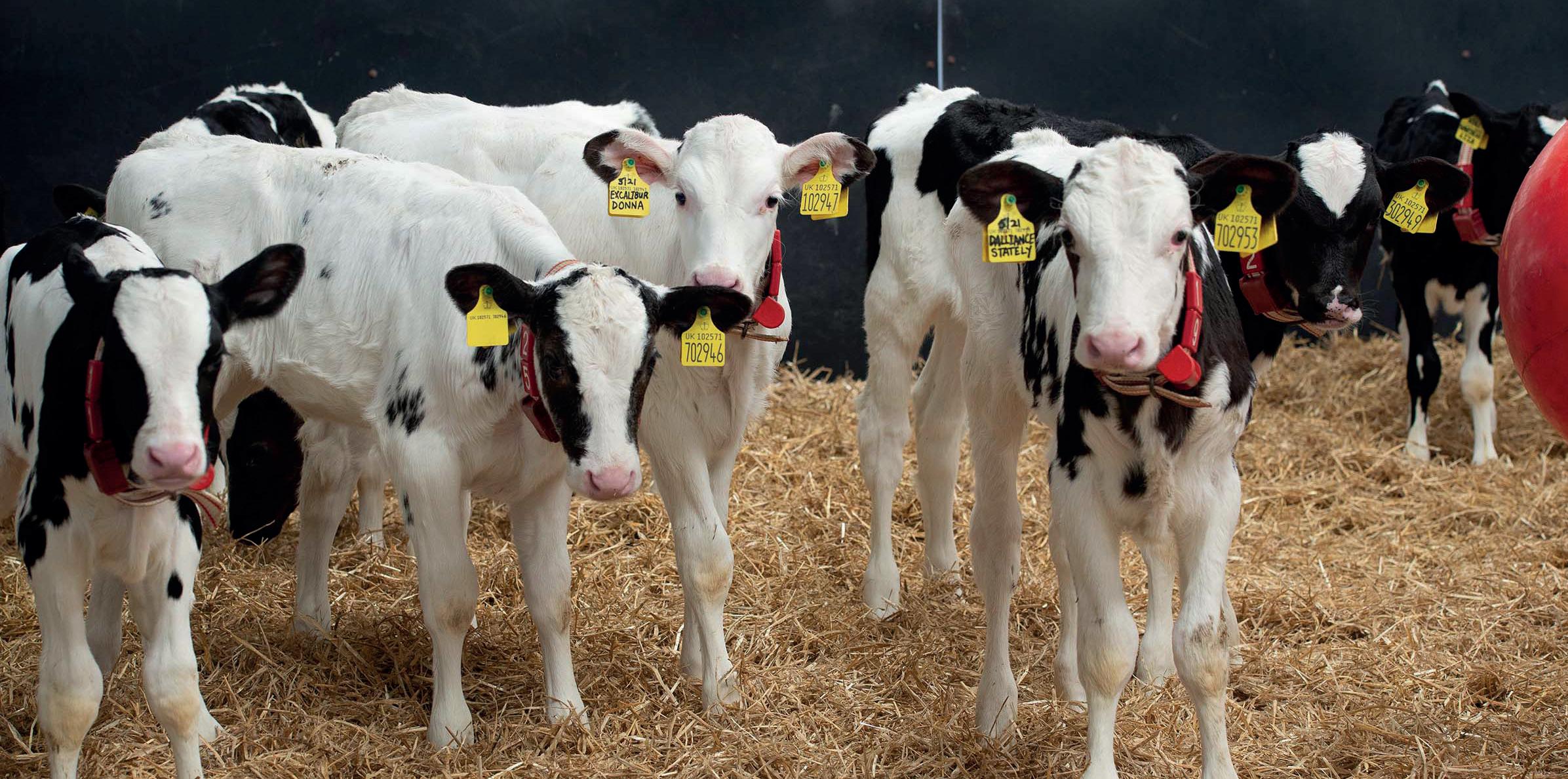

water and starter feed from day one, little and often, and chopped straw from the first week.
She says: “Realistically, they are not going to be eating or drinking a lot but that is not the point. It is about giving them the opportunity and having it in front of them as soon as you can.
“We tend to work on a three-week lag period, so if a calf eats some feed on day one, we are looking at three weeks down the line before we start to see any impact on the rumen.
“If you do not introduce feed until week three, we are at week six before it has any sort of impact [on the rumen]. By that point you are going to be thinking about weaning that animal in the coming weeks and it is not going to be prepared for the transition.”
Ideally, calves should be kept on chopped straw and concentrates until six months of age, then moved onto a dry total mixed ration including silage and straw. However, if calves must be moved onto hay or haylage, Ms Wadeson advises doing so at five to six months old when the rumen is more developed.
In terms of starter feed, she advises feeding a 20-21% crude protein nut with high-quality protein sources including rapeseed meal and soya for best results. She says the first six months are the most cost-effective time to feed calves, and therefore recommends feeding good-quality feed during this time.
Ms Wadeson also advises keeping feed consistent throughout the rearing period and not changing from a starter feed to a rearer feed or changing from a coarse mix to a nut, as it is unnecessary stress for the calf.
“Get a decent-quality feed and feed it from day one. Feed it after weaning and keep calves growing on it. For the pre- and post-weaning period, just one feed is best,” she says.

























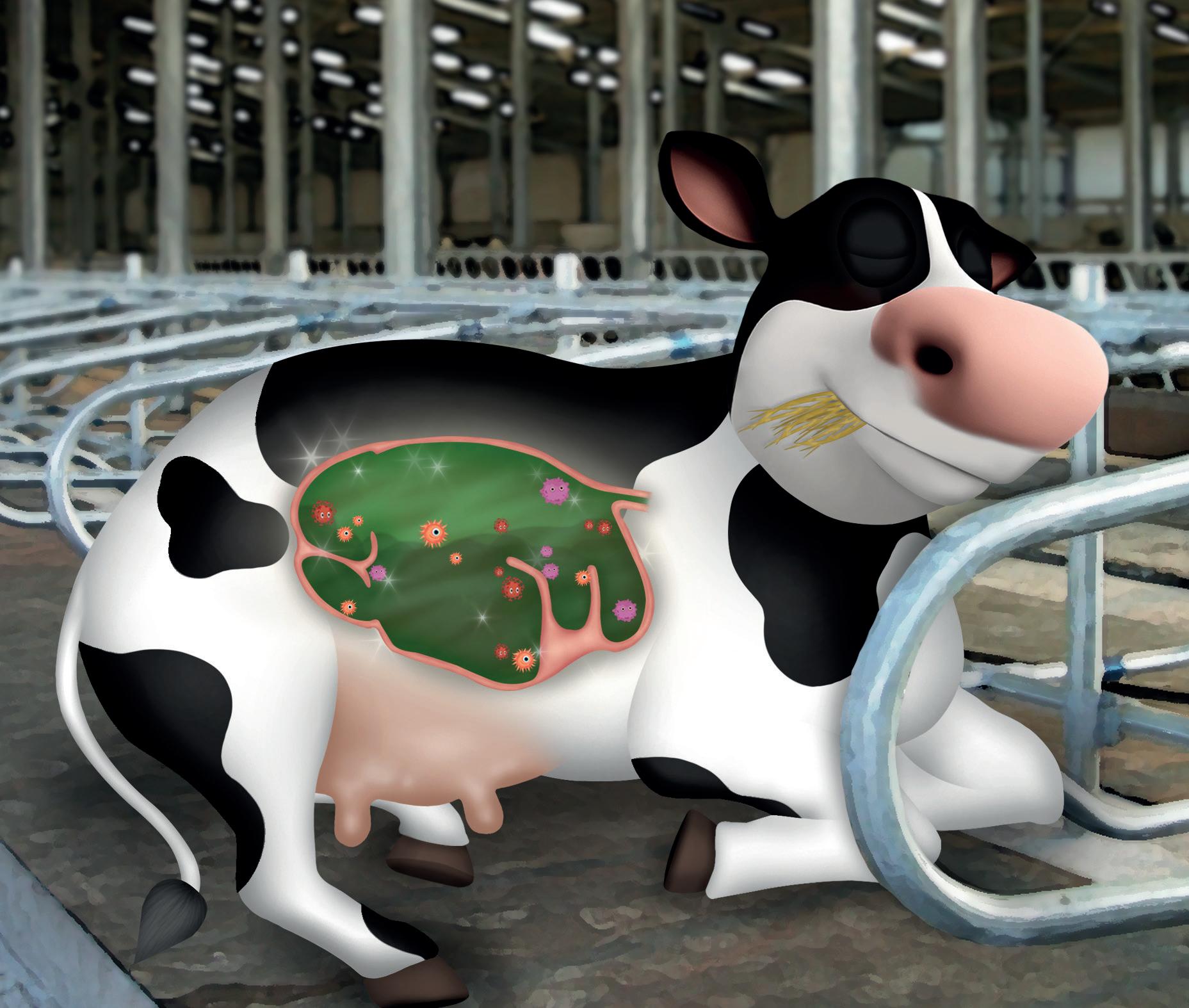




Equaliser ® rumen buffer is the first buffer to work truly in sync with the rumen needs. Fast-acting and long lasting, it maintains digestion and performance throughout the day.
Available in forms to suit every herd’s dietary needs, the range of Equaliser® buffers ensures optimal usage of homegrown and bought-in ingredients, improving economic and environmental return on investment
Feeding molasses blends as one of the concentrates through a milking robot could be a way to improve milking efficiency. Dairy Farmer reports.
Robotic milking systems continue to grow in popularity and it remains essential that efficiency of robot usage is optimised to deliver an adequate return on investment.
Dr Phil Holder, of molasses-based blends specialists ED&F Man, says:
“The ultimate measure of efficiency of robotic milking systems is milk yield per robot per day which is a function of milk yield per cow and visits per cow per day.
“Cows need to be encouraged to make several visits per day, with a minimal number of wasted visits.
“Visit frequency is affected by factors including robot siting, building design, stocking rate and cow behaviour.
“Feed also has a major influence over visit frequency.
“Systems are usually based on a lower level of with feeding to yield through the robot to encourage cows to visit more often, increasing intakes and milk yields.
“Offering different compounds and varying feed formulation have been shown to increase efficiency.”
A new trial has recently demonstrated that including a high-energy molasses-blend, fed through the robot liquid dosing system, can positively influence both yield and visit frequency across a range of systems.
Feeding liquid feeds through robots is not new. A survey of UK
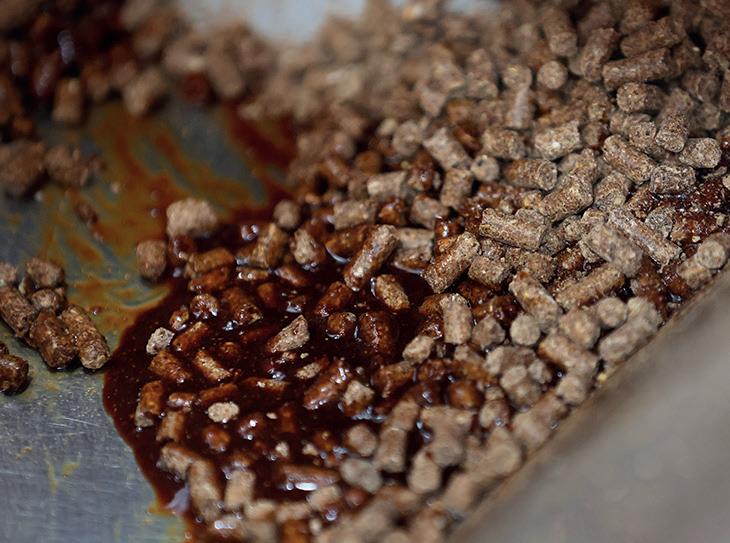
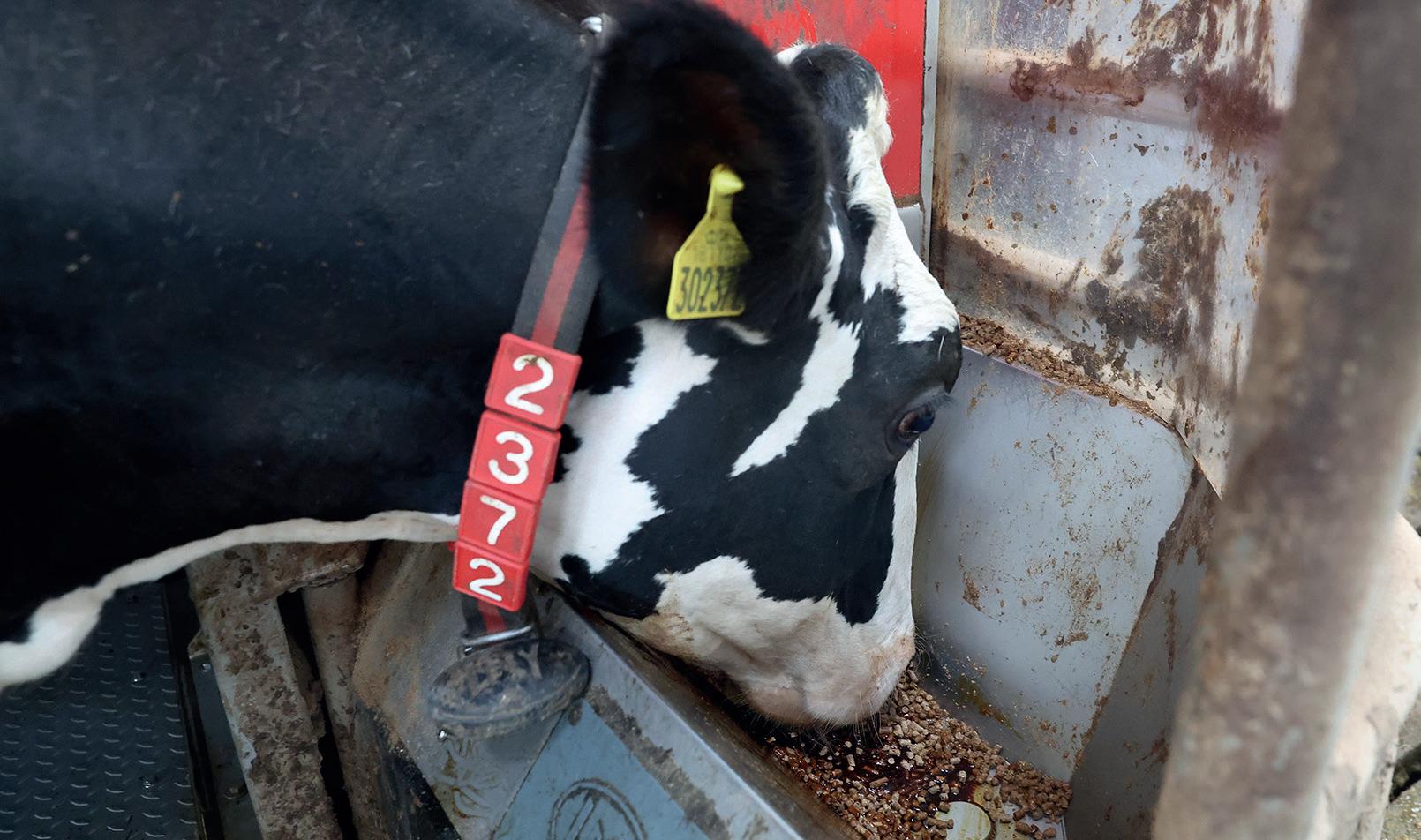
feed advisors showed the use of liquid feeds in robots is dominated by high-cost glycerine-based products, but molasses-based blends specifically formulated for robotic systems can provide a more costeffective alternative.
Dr Holder suggests a liquid feed can provide more than just energy and can help encourage more traffic through the robot.
The trials were conducted on six farms UK using robotic milking systems, running for six months.
In total there were 1,300 cows on the trial and each herd used Robomol, a high-energy, multienergy source molasses-based liquid blend from ED&F Man, for at least 90 days. The trials were overseen by Dr Sophie Parker-Norman, from Big Sky Technical Consultancy, who says this level of data would have been nearly impossible to gather using traditional methods.
Dr Parker-Norman says: “Each farm on the trial presented different challenges – some were understocked, others overstocked. Some had excellent rumination and visit numbers, while others struggled with cow traffic and visit frequency.
“These variances proved critical in understanding where RoboMol made the biggest difference.”
Across all farms, the average increase in milk yield was around two litres per cow per day, but there were variations between farms regarding which cows benefited from the feed.
On farms with high stocking rates and low robot visits, the product had the biggest impact on lower-yielding cows where there was an increase in milking numbers, improved rumination time, and a lift in overall herd average milk yield.
Cows were encouraged to visit
the robot more often.
In herds on the trial which were already achieving good robot access and rumination time, the product had the biggest effect on the top performers. There was an increase in eating time and a reduction in refusal numbers which is when cows go into the robot and get refused for visiting too soon.
If milking frequency is still adequate, then fewer refusals is a good thing – as those cows are the ‘time wasters’ which drive down robot efficiency.
“The trial shows that in addition to being a sugar source, the product is also a management tool for robotic systems,” says Dr Parker-Norman.
“Depending on a farm’s bottlenecks, the product can work in different ways, either supporting the top end cows, or by lifting the bottom end where visit numbers and rumination are limiting yield.”
Striving for a healthy cow with limited intervention is core to the dairy farming business run by Simon Dutton who farms near Market Drayton, Shropshire. Dairy Farmer finds out about his keen focus on nutrition.
Healthy cows pay dividends says Simon Dutton, who farms in partnership his wife, Helen, and parents, Chris and Margaret, and he adds that consistently meeting the herd’s nutritional requirements has a massive role to play.
Simon explains the family run a closed autumn block calving herd, which helps ‘bring focus’.
He believes that sticking to established protocols and a close working relationship with the farm vet and nutritionist, ACT’s Richard Hopwood, is also important.
Simon says: “The rations are consistent and largely forage-based, formulated to take into consideration, not only the ingredients available, but also particle size.
“Consequently the mixer wagon plays an equally vital role – it is an integral part of the farm 365 days of the year and one of the few machines we cannot do without.
“It is essential that the diet is consistent and efficiently mixed from start to finish of the daily routine.
“Reliability is critical, if I cannot feed my cows at 4.30am, then that becomes a fairly major issue.”
His successful strategy is reflected in the family’s 270-cow Dutton Hall pedigree Holstein herd.
The milking herd is currently averaging 10,600 litres at 4.1% butterfat and 3.35% protein on
RICHARD Hopwood, nutritionist with ACT, says consistency is key to delivering the same ration, time and time again.
He says: “To understand how a diet is performing, a total mixed ration audit can be undertaken which looks at all aspects of the feed out process.
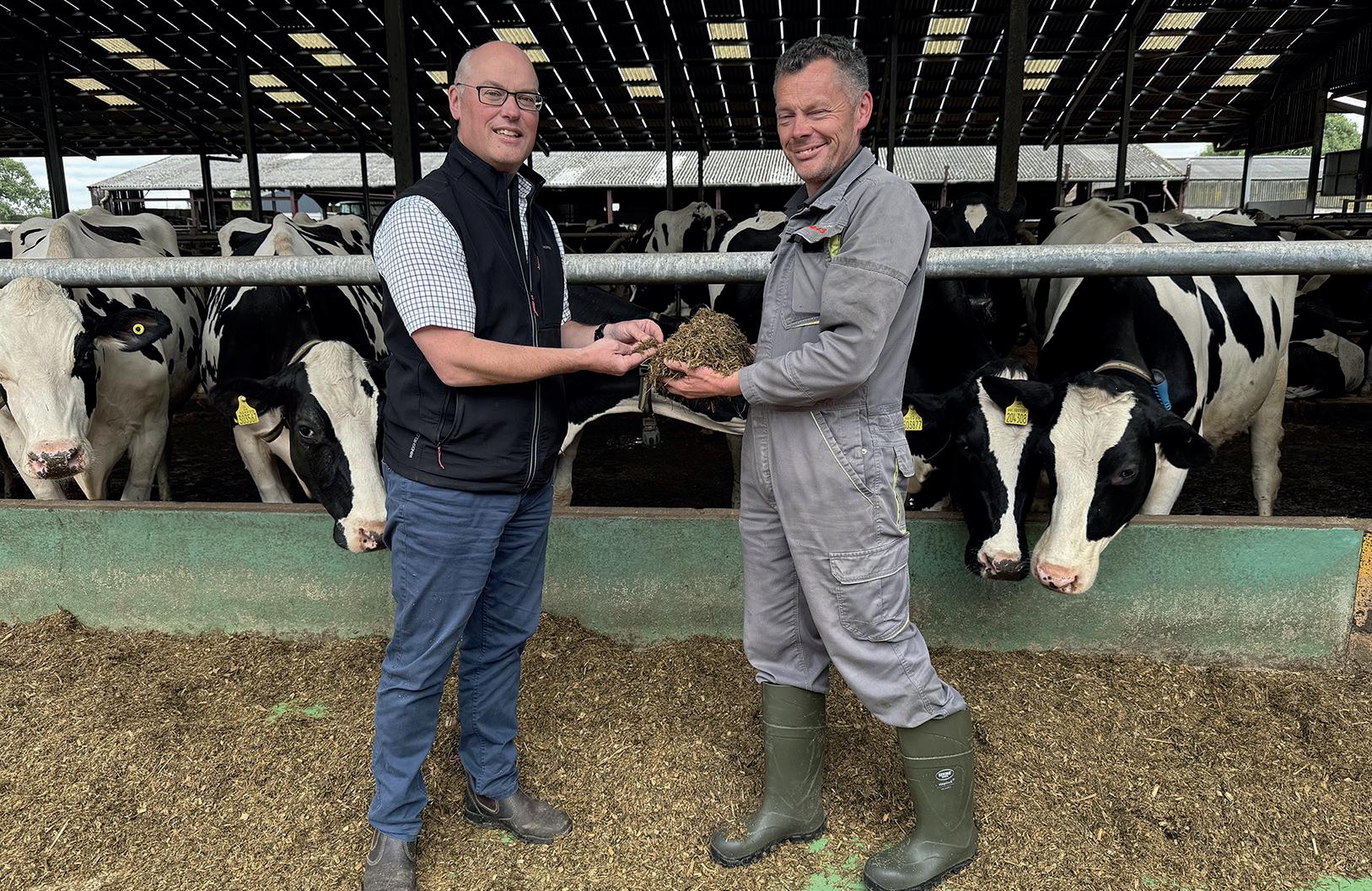
twice-a-day milking and a calving index of less than 375 days.
Richard formulates four different forage-based diets.
At peak feeding, up to a total of 17 tonnes a day of total mixed ration
“The audit looks at factors such as measuring refusals at the feed face before feed out, loading order, auger speeds, mixing times and the use of a Penn State particle separator looks at the consistency of particle size of the mix from the start of load out until the end.”
(TMR) can be made up for the unit’s different groups; the milking herd, close and far-off dry cows and the maiden heifers.
Richard says: “I keep in touch with Simon on a very frequent basis.
“We speak regularly to make sure intakes are being consistently monitored and any necessary changes made to the diet to maximize yield, rumen health and fertility.
“I will also visit fortnightly during peak feeding periods.”
The milking herd’s diet, fed from August through to March, comprises grass and maize silage along with wholecrop wheat. This forage mix is further supplemented with nutritionally improved straw, bespoke

minerals, calcium soap and a mineralised 28% protein blend, which has been specifically selected to meet the Dutton’s milk contract.
The silages are analysed every two weeks and the diet formulation tweaked accordingly.
Simon says: “We have also taken on board the concept of compact feeding and the mixer wagon plays an important role in this part of the ration preparation as well.
“Compact feeding involves the concentrate component of the ration being soaked with water for a number of hours before feeding.
“It helps to minimise ration sorting, improve rumen health and their overall performance. We tip the pro-
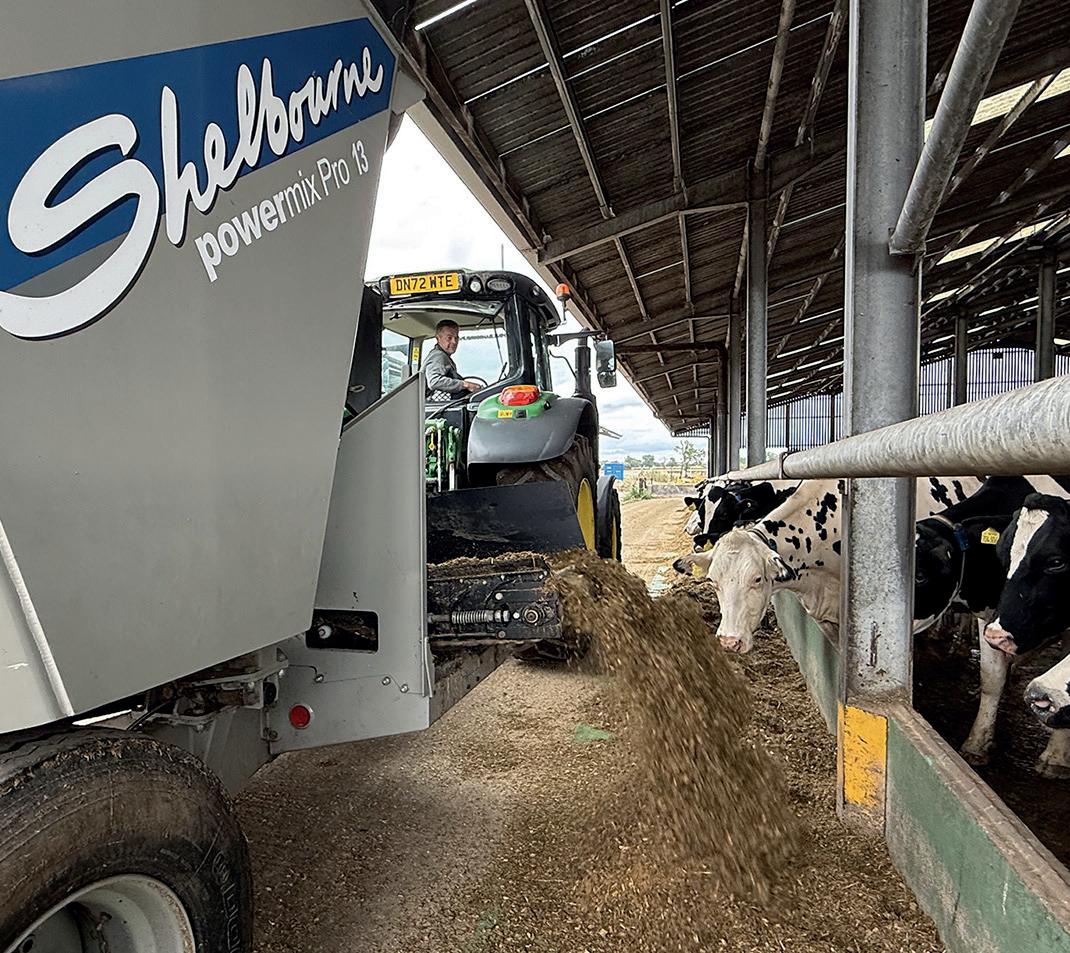
The farm’s Shelbourne Powermix ensures homogeneity and throws out the exact amount into the feed troughs, avoiding waste.
tein blend into our Shelbourne Reynolds’ Powermix Pro Express 13m3, add water to allow for a homogenous mix and mix for 15 minutes.
“This blend is then left for several hours before combining with the remainder of the diet components in the mixer wagon.
“We always load the largest particle sized ingredients first, however the Powermix gives us the option to load in any order.”
Simon aims for an accurate and consistently mixed homogenous ra-
tions with an open structure. The design of the mixer wagon means the mix ingredients are lifted up the central stepped single steel auger, they move to the outside to be drawn back down to the bottom to begin the cycle again. In turn, the action prevents jamming and reduces tractor horsepower requirement to drive the mixer.
The machine can mix as little as 400kg at any one time – a useful amount for the youngstock – and up to six tonnes.
• Ideal for sand laden slurry
• Timer clock to schedule cleaning
• Easy control system
• Lowest cost maintenance
• 5 year extended warranty available
For a no obligation quote or more information please contact:
The mixer wagon’s blades, with 15mm S500 auger flighting, ensure a precision chop while mixing time varies according to required forage chop length.
Simon says: “When feeding out, the Powermix with its elevating front conveyor booms out and throws the exact amount of feed up into the feed troughs without having to drive too close to the shed, thereby enabling us to be more precise and avoid waste.
“To minimise human error at feeding, Dad and myself take sole responsibility for this role on the farm – preparing the mix, loading and feeding out – each step playing an important role in ensuring a consistent diet.
“We also feel it is essential to keep the machine well maintained, for example, our dealership, Robert Davies, comes to change the blades whenever necessary.
“In addition, frequent visual
n Good quality storage facilities for raw materials
n A level loading area
n Regular testing of forages to assess dry matter
n Adhere to loading protocols, same order and mix timing for every load
n No overloading the mixer wagon
n Optimum mixing time – over or under mixing can be a big issue
n A manoeuverable diet feeder to ensure accurate delivery of mix
n A well-maintained diet feeder What
checks of the mix at feedout are undertaken while an annual audit of chop length and particle size using a Penn State particle separator is also important, although the cows themselves can be quite quick to tell us if something is not quite right.
“At the end of the day, it is all about the attention to detail, doing the basics and doing them well.”
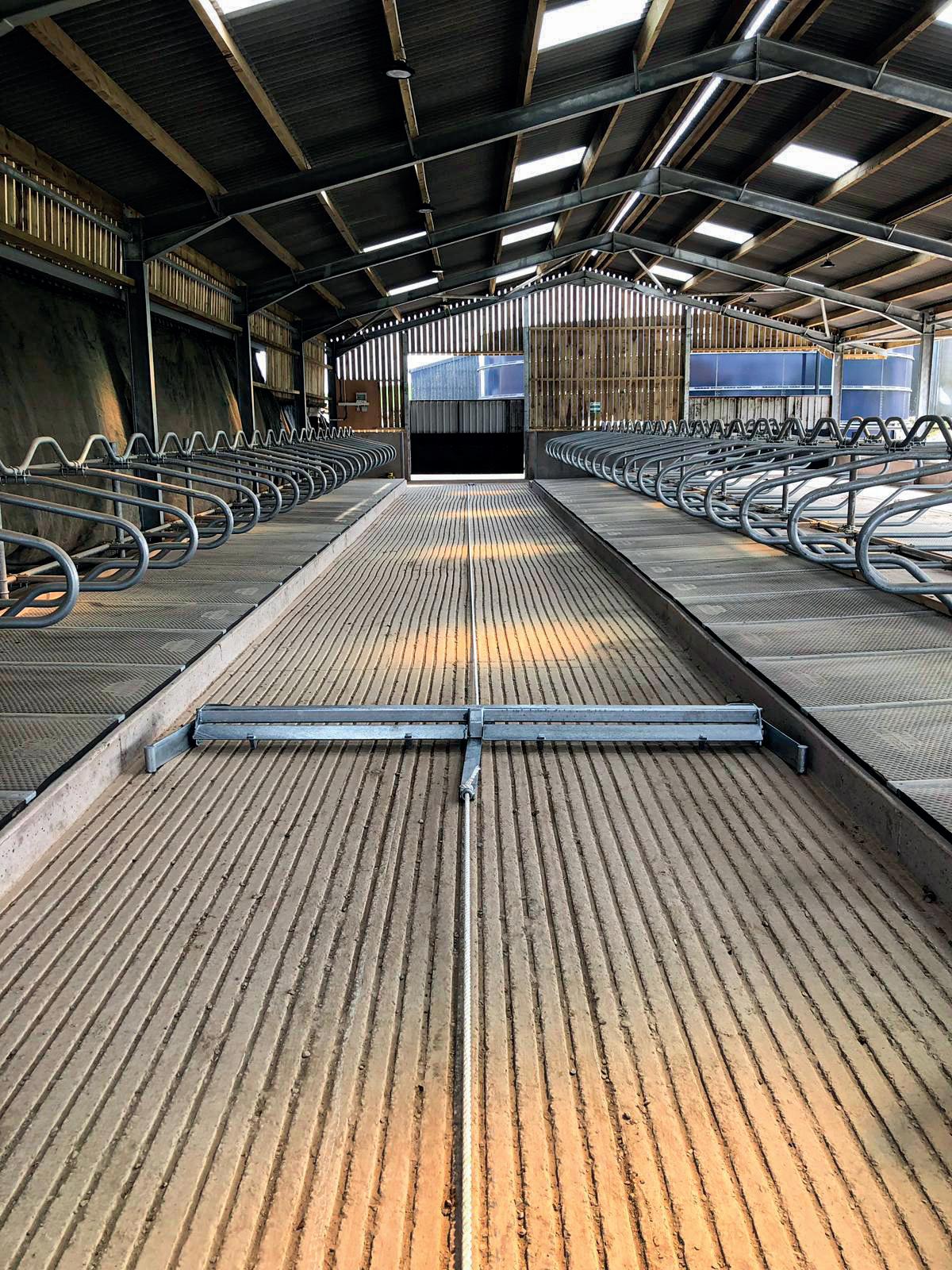
Supporting a healthy herd goes beyond forage and fresh water – it requires careful attention to nutritional needs. Flossie Bebb reports.
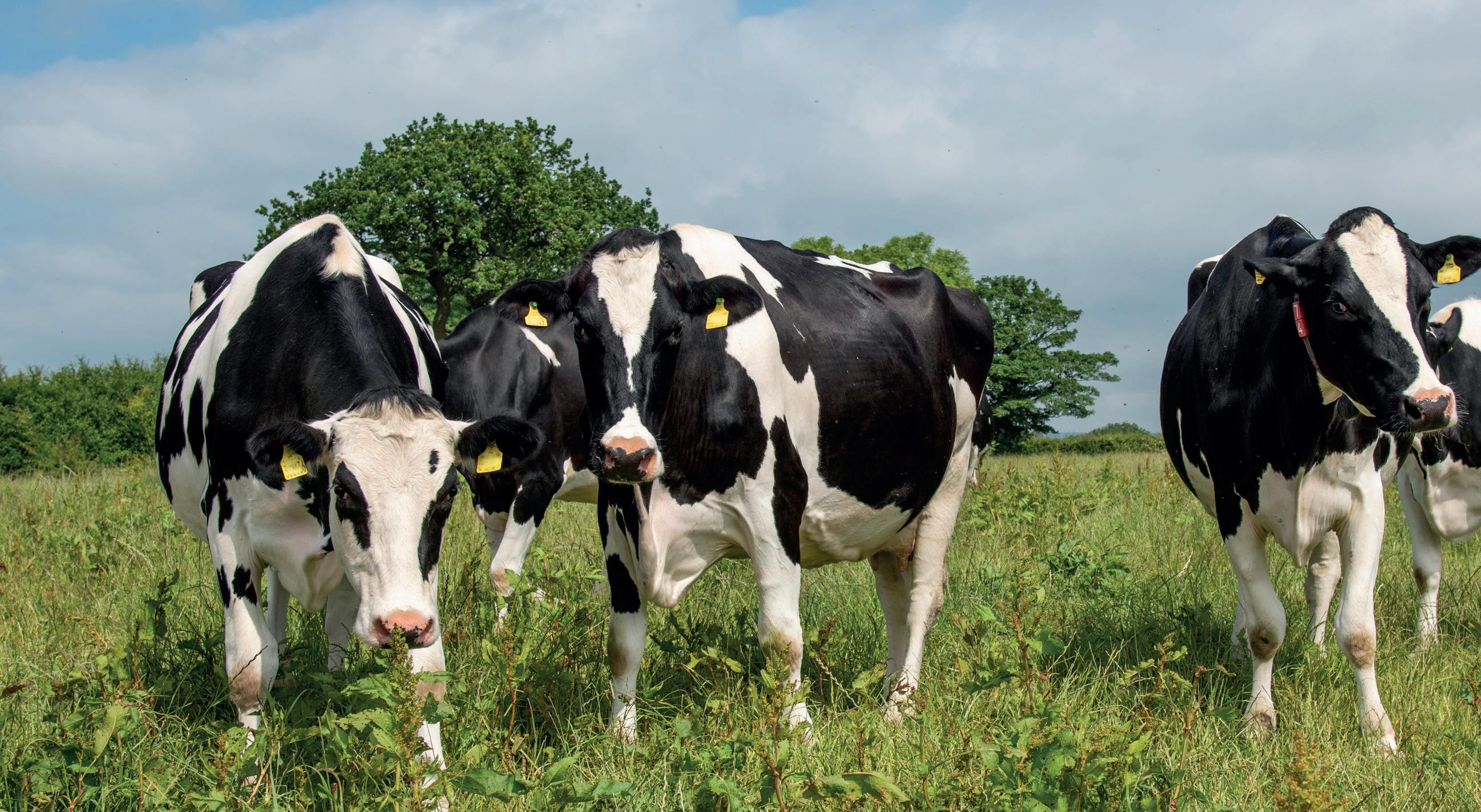
Often overlooked, minerals play a vital role in supporting milk production, immune function, reproductive health and overall performance.
Whether a herd grazes on pasture or is housed year-round, ensuring an adequate mineral supply can mean the difference between average and good productivity.
Iwan James, technical manager at Wynnstay, says: “Of the 92 naturally occurring minerals in the earth’s crust, around 20 are essential for life, with 15 described as mineral elements.”
BALANCED supplementation supports higher yields and better milk quality by improving udder health, hoof quality, reducing disease incidence and supporting metabolic function.
“Macro-minerals like calcium,
MINERAL availability and requirements vary with the seasons, making it essential for farmers to adjust their mineral strategies throughout the year.
In spring and summer, when some herds are grazing, the grass is often high in potassium, which can interfere with magnesium absorption. Rapidly growing grass may also be low
in essential trace elements such as selenium and copper, especially on light or acidic soils.
Additionally, heat stress during warmer months can increase a cow’s need for certain minerals like potassium.
Winter brings further challenges, as cows are often fully housed and reliant on stored forage, which can vary in nutrient
phosphorus, magnesium and potassium are essential for milk synthesis and bone development,” says Mr James.
“Imbalanced levels of these minerals can lead to an increased risk of metabolic
content and often lack key minerals. During this period, supplementation becomes critical, particularly in macro-minerals like calcium and magnesium.
“By aligning mineral strategies with the seasons, farmers can better support cow health, fertility, and performance yearround,” Mr James says.
disorders like milk fever. Zinc, selenium, copper and manganese are trace minerals that directly improve udder health by enhancing immune function and reducing somatic cell counts, a key indicator of milk quality.”
Practical checklist
CONSIDER the following steps:
n Test forage and feed regularly
n Balance rations based on forage analysis
n Consider stage-specific needs
n Monitor cow health and productivity
n Avoid over supplementing
n Work with a nutritionist
n Keep accurate mineral use records

IT is important to consider how minerals interact with each other when formulating a mineral plan for a dairy herd.
Some minerals can interfere with the absorption or effectiveness of others, known as mineral antagonism.
of the herd. This requires considering factors such as forage quality, water content, soil condition, lactation stage and breed.
Mr James says: “Regular testing of forages and feed helps to identify deficiencies or excesses that could affect the balance of minerals in the cows’ diet.
magnesium levels to help prevent milk fever, while high-producing lactating cows require greater amounts of energy-supporting minerals such as potassium and magnesium.”

An approach that is guided by forage analysis and expert advice is essential to ensure minerals work together. A successful mineral plan should be tailored to the specific needs
Mineral requirements change depending on the physiological stage of the cow. Dry cows need lower calcium and higher
BALANCED mineral supplementation supports higher yields and better milk quality by improving udder health, hoof quality, reducing disease incidence and supporting efficient metabolic function.
MINERAL supplementation is an added cost, but it is an investment that delivers measurable returns.
Mineral intake enhances reproductive efficiency, contributing to shorter calving intervals and higher conception rates. And it aids digestion, improving feed efficiency so less
feed is wasted, and farmers get a better return on investment.
“Even small improvements in conception rates or milk yields can have a big financial impact,” says Mr James.
“Reducing disease incidents like mastitis through mineral balance can save time and money while improving milk quality.”
RECOGNISING early signs of deficiencies is important, as symptoms can be subtle or mistaken for other issues.
“Common signs of mineral deficiency include reduced milk production, poor appetite, lameness, a dull or rough coat, decreased fertility and an increased susceptibility to disease,” says Mr James.
Other warning signs may include retained placentas,
increased incidences of transition diseases, poor calf growth, difficulty calving, cows slow coming into milk due to subclinical disease, and higher rates of mastitis or other infections. If deficiencies persist cows may experience chronic health issues that reduce longevity and profitability. Left unaddressed, even minor imbalances can accumulate, affecting herd performance on a broader scale.
Mr James says: “Macrominerals such as calcium, phosphorus, magnesium and potassium are essential for milk synthesis and bone development.
“Imbalanced levels of these minerals can lead to an increased
Digital rationing tools and precision feeding systems can calculate exact mineral requirements and monitor intake, making it easier to maintain a consistent and effective balance across the herd.
risk of metabolic disorders like milk fever. Zinc, selenium, copper and manganese are trace minerals that directly improve udder health by enhancing immune function and reducing somatic cell counts, a key indicator of milk quality.”






Balancing winter rations is a challenge this year, with drought-hit grass silage and variable maize crops leaving many under pressure. Dairy Farmer reports.
The 2025 forage season has been marked by extremes, so there is little surprise that for many grass yields have been down.
Lientjie Colahan, forage technical expert at Lallemand Animal Nutrition, says many farmers across the country will be worried about their grass silage stocks.
She adds: “Maize has been even more variable. In some areas, like Scotland, farmers are seeing record yields with excellent quality, while further east drought has severely reduced output.”
With grass and maize silage under pressure, many farmers have turned to wholecrop to bolster forage stocks and provide stability.
“This summer, significantly more farmers than usual chose to make wholecrop silage instead of crimped cereals,” says Mrs Colahan.
“Wholecrop stepped in to replace the missing bulk and structural fibre that grass would normally provide. Overall it has provided a clean, low-risk forage
crop for many – especially when supported with a crop- and condition-specific inoculant to protect feed value.”
Mrs Colahan urges farmers to be proactive with forage management to make the most of available feed, working closely with nutritionists to counteract potential shortages.
“Many farms will be managing low grass silage stocks, so a full clamp audit and forage budget is essential,” she explains.
“For some, forage extenders such as high-fibre by-products may be needed, and it is vital to ensure any bought-in forage has been well-managed and is disease-free.”
Clamp management will also be key to protect feed value.
“Grass quality has been so vari-
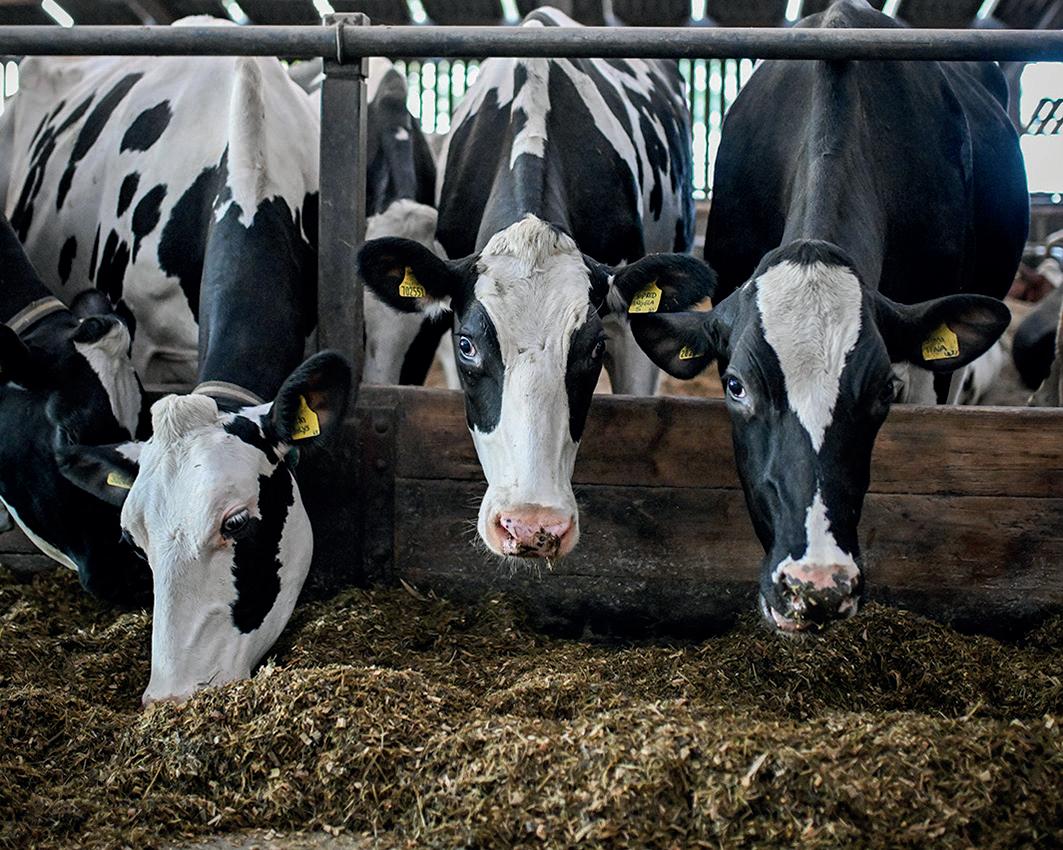
able that within a single clamp there can be big variations,” Mrs Colahan says.
“Wholecrop in particular is very dry, so keeping the clamp face tidy and making sure sheeting is properly weighed down is
ONE of the big lessons from this year is the value and flexibility of wholecrop cereals, Lientjie Colahan of Lallemand explains.
“Farmers with cereals in their rotation could divert them into forage rather than use them as concentrate, giving them much greater resilience following a dry summer,” she says.
“Complementing higher protein grass silages and helping to stabilise rumen function, wholecrop has helped producers stretch forage stocks.”
With extreme summer weather increasingly likely, she
suggests more farmers consider wholecrop as part of their forage strategy.
Mrs Colahan advises sitting down with your agronomist to discuss what type of wholecrop suits your farm, bearing in mind the wider rotation and factors such as soil type.
“Wholecrop works well in a three-year system – for example, following ryegrass and preceding a clover ley,” she says.
“Planning rotations this way spreads risk and adds flexibility, especially if we face another challenging growing season.”

essential to prevent heating and dry matter losses.”
The variability of this summer’s forages means regular analysis is more important than ever.
“Do not assume what worked last year will work again,” Mrs Colahan says.
“Even if just two weeks after your last sample you notice a big change – perhaps it is much drier, wetter or even a different colour – send another sample away.
“It is better to be on the front foot than wait for your nutritionist to drop by.”
When reviewing forage analysis, she highlights two key areas to watch closely: digestibility and dry matter.
Mrs Colahan says: “Any forage crop affected by drought stress may be less digestible than usual, so it is also vital to look at lignin, neutral detergent fibre and intake potential values on the analysis.
“Very dry grass silage or wholecrop can increase the dryness of
LALLEMAND’S team of regional business managers have been working closely with farmers to help maximise forage potential and balance rations.
John Thomas, regional business manager for the South East, Wiltshire and West Midlands, saw some of the first maize harvests in the UK first-hand.
He says: “In Gloucestershire, Berkshire and Wiltshire, maize harvests began three weeks earlier than usual, with yields generally below average due to drought, and some fields hit by corn borer damage and smut.
“In the Midlands, however, maize crops have performed much better – showing why a farm-specific approach is crucial.”
With maize cut at higher ambient temperatures than normal, Mr Thomas warns of increased clamp spoilage risks.
“Potentially harmful yeast and mould levels need to be controlled by a crop- and condition-specific maize inoculant to ensure a good stable fermentation and clamp.
“This helps deliver more feedable silage through winter





due to lower dry matter losses, less heating so increased feed value and reduced contamination from yeast and moulds.”
Meanwhile, Anwen Jones, another of Lallemand’s regional business managers, says forage performance in Wales has also been a story of two halves.
“In the west, plentiful rainfall at the right time has supported strong grass growth, with some Carmarthenshire farms even achieving a fourth cut in August,” she says.
“However, further east, areas around Bridgend, Cardiff, Abergavenny and Monmouth have seen prolonged dry conditions, leaving forage in much shorter supply.”
















When analysing forage, Mrs Jones notes that dry matters are often higher than expected – sometimes pushing above 45% – increasing the risk of cows sorting rations and limiting intakes.

the total mixed ration enough that cows sort feed easily, favouring starchier parts of the ration. This can upset digestion, risking acidosis and inconsistent milk yields.”
For fresh cows, this can pose particular issues, she adds.
“Lower fibre digestibility can reduce dry matter intakes and make it harder for cows to meet
“Mixing in moist feeds such as brewers grains can help balance dry silages, while good clamp management and clean feed-out practices will protect every kilo of forage,” she adds.
their energy needs in early lactation,” explains Mrs Colahan.
“This can lead to increased body condition loss and increase the risk of metabolic disorders.
“It is recommended to feed a rumen-specific live yeast, such as Levucell SC, at least 30 days before calving for a smoother transition and in early lactation for improved fibre digestion of all forages.”







































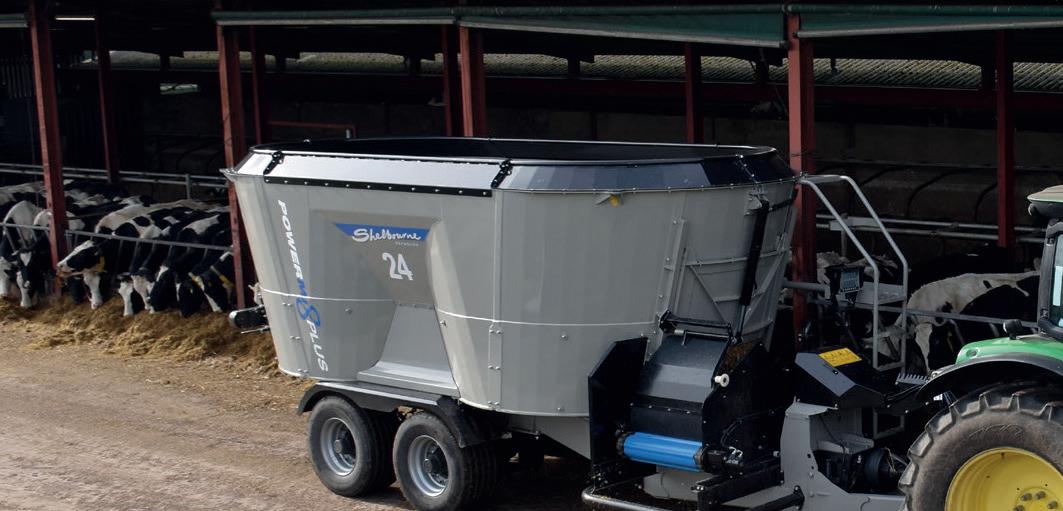
There were a range of topics up for discussion at this year’s UK Dairy Day event. Jonathan Wheeler and Katie Jones report on the highlights.
Making a few changes to the practices of a farm could help solve some of dairy farming’s recruitment problems, said Hugh Pocock, of agricultural recruitment specialists Cultura Connect.
Speaking during a panel session focusing on the theme of ‘people’, he said changing twicea-day-milking times from early morning and afternoon to 9am and 9pm could help.
“We could jump-start into a whole new talent pool that currently cannot work with us,” he said.
Mr Pocock added that some three-times-a-day milking herds do not have trouble attracting staff, and he said some larger farms could benefit from recruiting people to perform single tasks which would suit part-time workers.
They would need less training
and could concentrate on the one task they had been given, and not tackle tasks to which they were unsuited and might perform poorly.
Another labour pool he suggested they might access is former military personnel, who are used to long hours and working outside, and would potentially prefer a
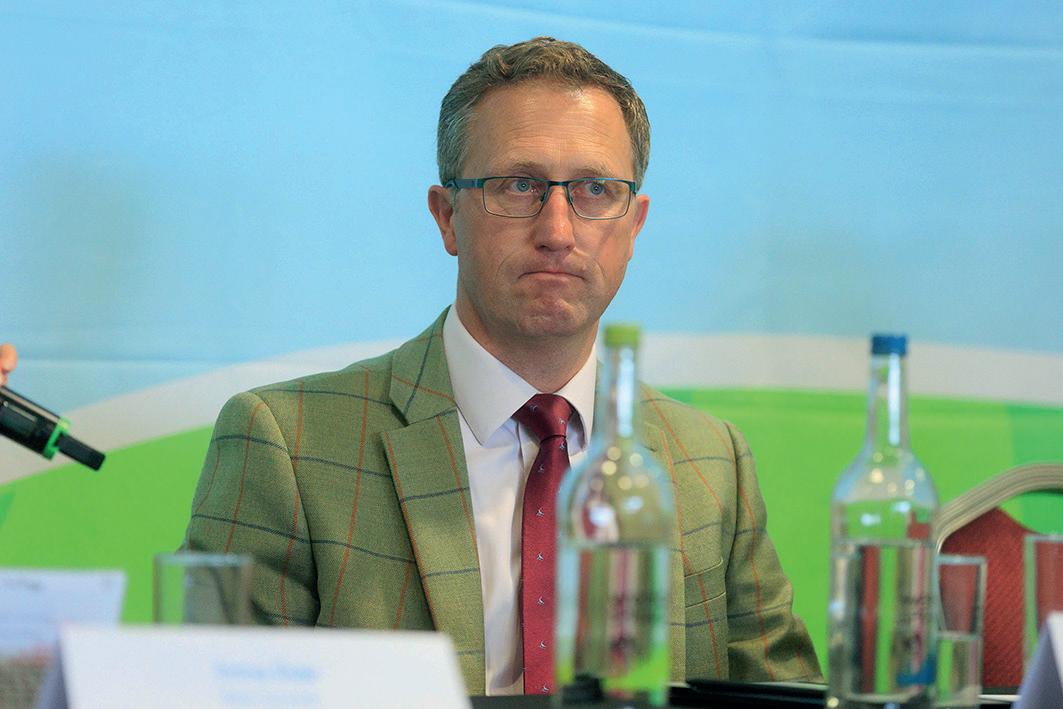

more physical farm role to sitting at a desk.
He urged farmers to engage with social media, interact with their local community and an-
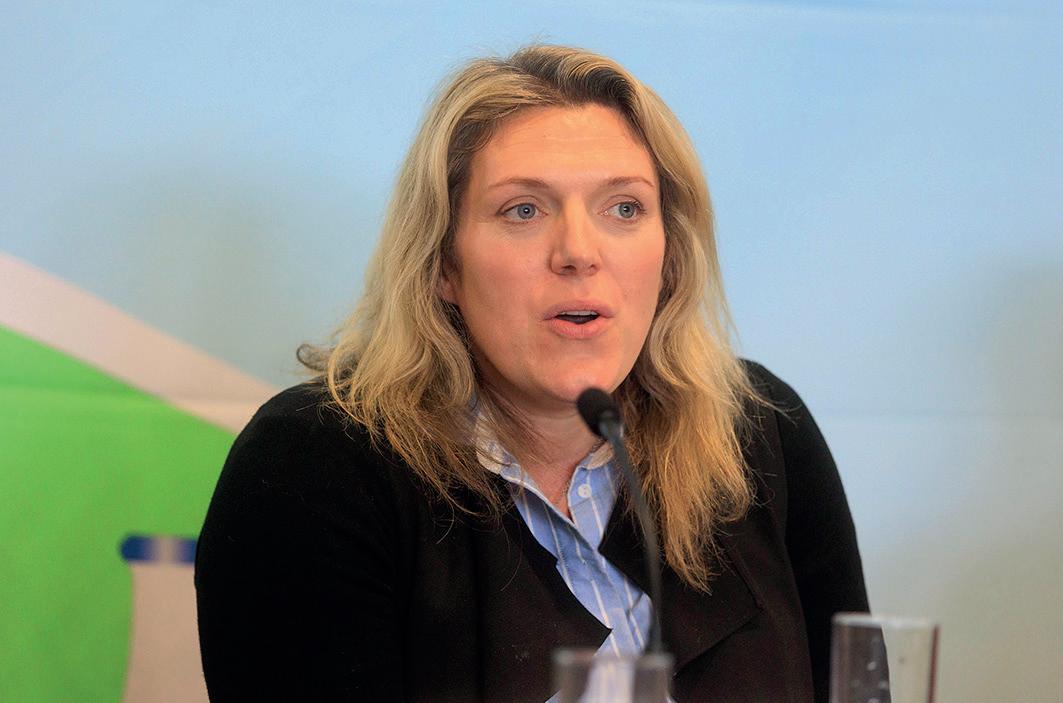
nounce what jobs are available. And if a part-time role could be completed between 9am and 3pm, it could appeal to parents who have to fit work around the school run.
Cumbrian farmer Lynsey Awde pointed out that nobody milks twice a day on the family’s farm and part-timers (of whom she employs half a dozen) play crucial roles.
She said: “Milking twice a day is too much for one person’s body and life. We work it to suit everyone’s lifestyle – according to whether they are a morning person or evening person.


“We also employ people with other jobs. We have a car mech-
A NEW dairy producers association, officially launched at UK Dairy Day, aims to enable producers to talk with a unified voice and strengthen their position in the market.
The Association of Dairy Producer Organisations (ADPO) brings together four founder members.
Davidstow Creamery Direct has 272 members producing some 600 million litres of milk.
Muller Milk Group adds a further 1,500 members and 3.4 billion litres of milk.
The Milk Supply Association
has 97 members producing 210 million litres, and the Selkley Vale Milk Group 80 members producing around 130 million litres.
The ADPO aims to promote what it calls ‘structured, effective and respectful dialogue between farmers and the dairy processing sector’.
The new body is chaired by Rory Christie, who believes it represents major progress.
He said: “We now have a robust governance framework capable of addressing the real-world challenges that dairy farmers and processors face together.
“Most importantly, this is a shared opportunity to understand what a successful, interdependent relationship should look like, and build it together.”
Mr Christie said he saw it as a forum in which farmers who may not have co-operated before can unite and share knowledge.
Speaking at the launch, Paul Tompkins, chair of the NFU’s milk board, said the organisation offered a new start for farmers in the way they were represented.
He said he was keen to see more producers join the group, which will
help them gain a greater voice and be treated more professionally.
“Around 60% of the dairy industry is now in a professional, democratic structure,” said Mr Tompkins.
“It is another example of the dairy sector leading the way and solving issues together.”
The key benefit, he said, will be that if processors want to change any aspect of a working relationship, that should now happen via negotiation rather than the processor just informing the suppliers of the change.

anic who milks for us every other weekend.
“Stop being fixated that there is only one way to do things. Give anybody a chance and you may well be surprised.”
Vet Hannah Batty agreed on the issue of task suitability.
She said: “Some people hate feeding calves. They are not suited to it and will never do it well. But they could excel on other roles.”
Giving new recruits a proper


induction as they start work, rather than dropping them straight on the task, is also important, added Ms Batty.
She said: “It is like getting colostrum into the calf. Make sure they know what they are expected to do.
“Then they will see the opportunity and be excited and want to make a contribution to the business. Knowing that you are in-

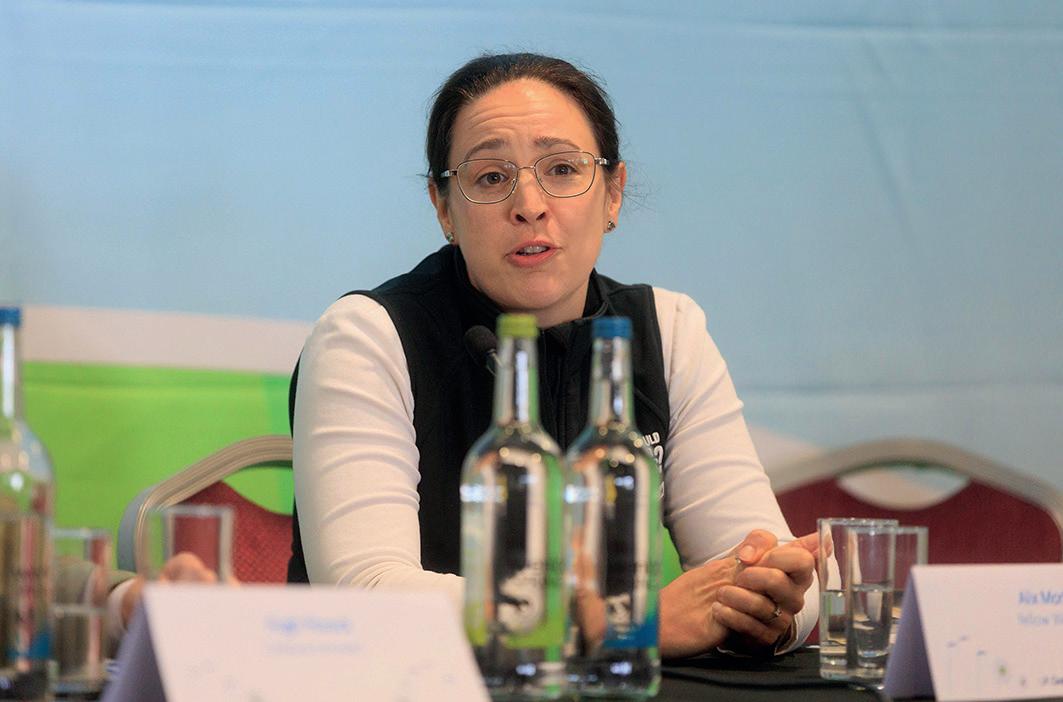
vesting in them will make them more invested in you.”
But the industry still has a worrying long hours culture, said Alix Morley from the Yellow Wellies charity campaign.
The Farm Safety Foundation’s 2024 survey – which is due to be updated shortly – found that dairy farmers work an average 60- hour week.
For those aged between 41 and 60, nearly half (44%) are working





more than 81 hours a week – just three hours short of 12 hours a day every day.
Ms Morley said: “In the same age group the majority admitted they rarely have a day off. Of those working nine hours a day, one third admitted having a serious accident or a near-miss at work.”
She urged farmers to consider what the consequences of any accident could be for the business and the staffing team.


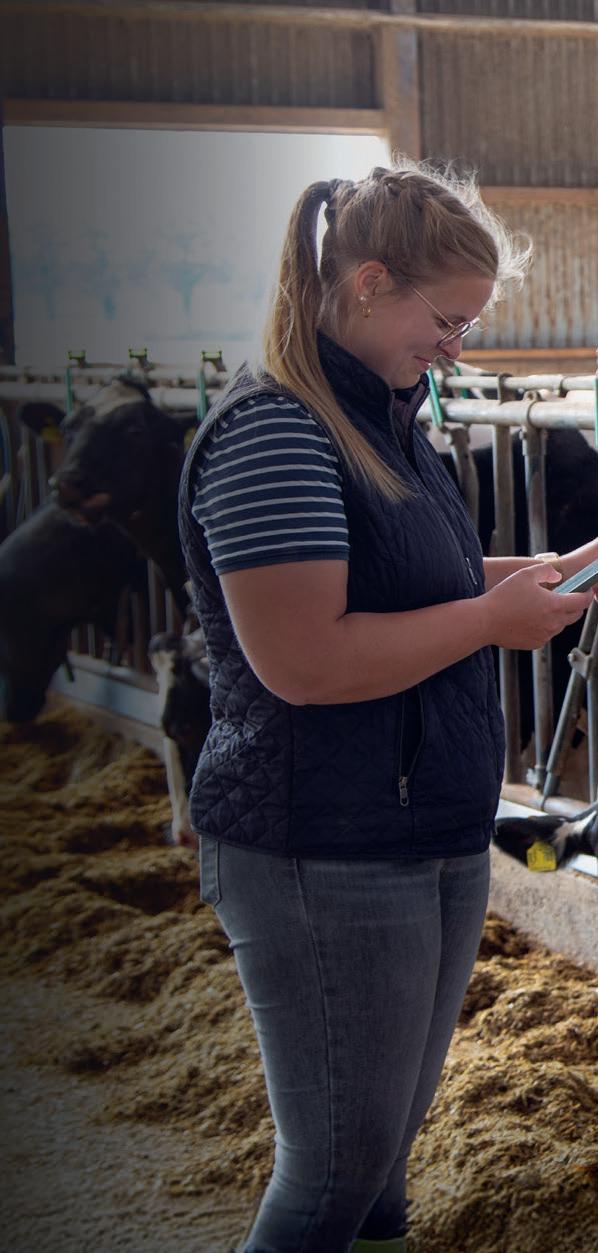











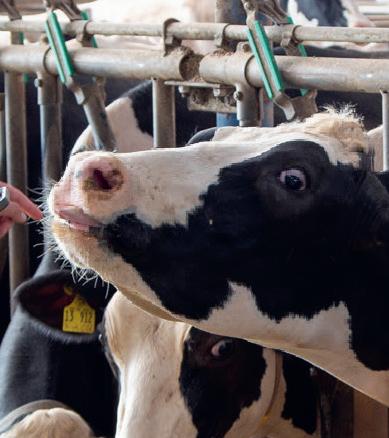


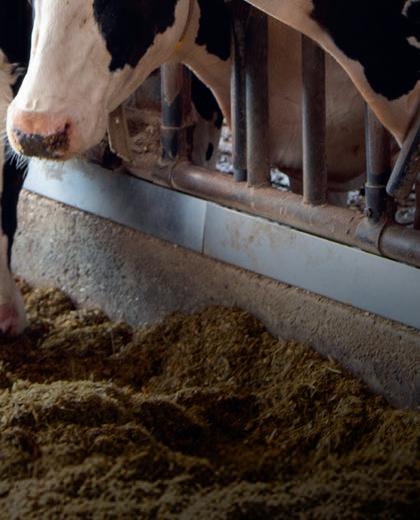











Aquick piece of financial planning
could save farming families from suffering extra Inheritance Tax (IHT) pain, Roy Jackson of WR Partners told a seminar at the Dairy Day.
But, Mr Jackson added that farmers should realise they were living ‘in a landscape of higher taxes’ which could affect both their family and business’ finances.
He suggested husband and wife business owners may be able to avoid a significant tax bill by using Discretionary Trusts in their wills.
He said: “That could ensure they do not waste the £1 million Agricultural Property Relief and Business Property Relief allowances.
“This also provides options to gain IHT relief on the same assets twice, if there are appropriate ‘double-dipping’ provisions in the wills and they have the correct blend of assets.”
That might include a mixture of business assets, and cash and investments. Such planning may save at least £200,000 in IHT, he said.
On the death of the first part-
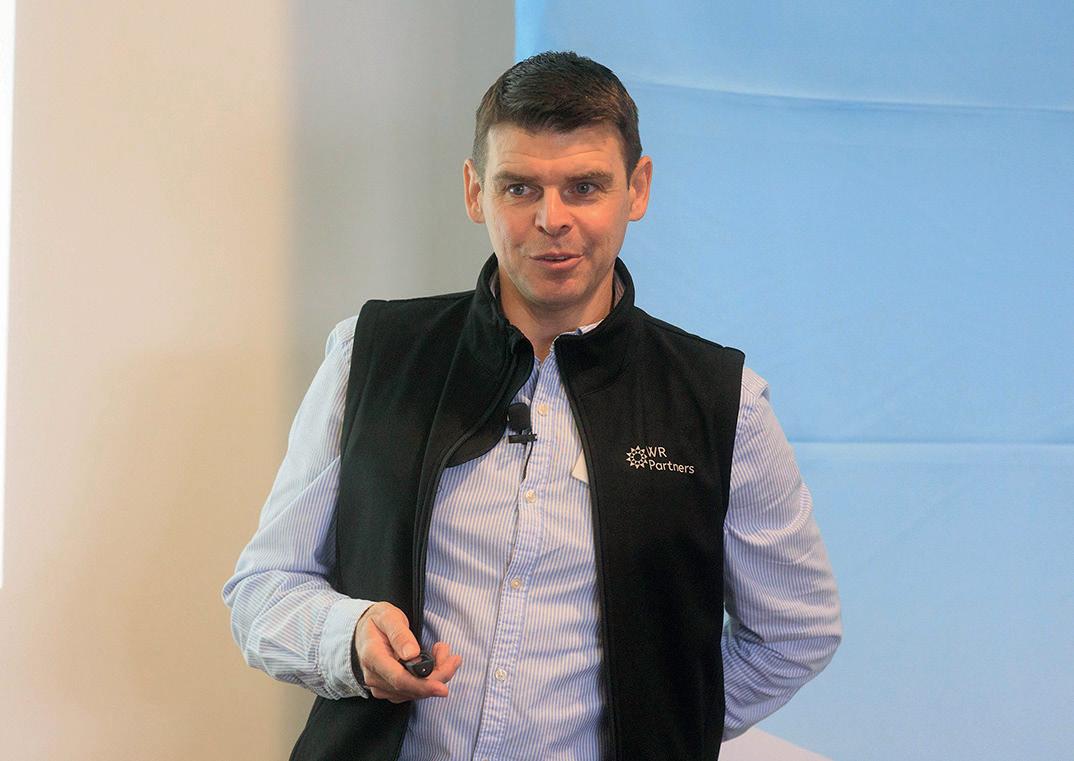
ner, the surviving partner could switch non qualifying assets for business assets, he explained.
“That would enable the surviving partner to obtain tax relief on those business assets on their demise, which the other partner had already benefited from.
“You may potentially be able to effectively obtain tax relief twice on qualifying assets.”
However, he added families might still face costs to implement such planning, including Stamp Duty Land Tax.
“Trusts have their own tax rules, tax advice and legal fees when they
are set up and, operating as you do, you will probably also need agreement from your bank.”
He also provided a range of thoughts on potential changes in the forthcoming Budget that could affect farming families.
He said council tax reform for higher value houses is ‘on the radar’ because the Government needs to raise tax revenue and that is one way achieving that.
Stamp duty rates for high value properties could also be raised, and capital gains tax changes might be made, which he said makes a case for com -
You may potentially be able to effectively obtain tax relief twice on qualifying assets
ROY JACKSON
pleting any planned property sale before November.
Mr Jackson also said a property tax on high value private residences could be introduced, albeit with a high initial threshold value, and capital allowances might be reviewed as corporation tax rates have been fixed at 25% for the duration of the Parliament.
Finally, he said pension changes might include reducing the amount anyone can take out of their tax-free pot from its current £268,000 to a lower figure – such as £150,000.
MANUFACTURER DeLaval launched two new calf feeders.
The CF600C and the CF1100C feature a new transparent hopper, LED status indicator and a new fly screen.
Both feeders can also connect via WiFi to DeLaval’s DelPro system and a new Calf Cloud app.
The two new models replace
the outgoing CF500 and CF1000 feeders and have been designed to improve feeding efficiency, hygiene and ease of operation.
Both the CF600C and CF1100C can be used to feed replacer and fresh milk. The LED light has four colours showing if the feeder is connected to the WIFI, and three levels of alert from blue to
green and yellow. For farms not able to operate the feeders with an internet connection there is a handheld terminal as an optional extra.
The new Germinal Grassland Guide has been created to support ruminant livestock farmers
in navigating the transition to a lower-emissions, more resilient and climate-smart future. It will also help farmers prepare for reseeding next spring by selecting fields and adjusting the soil fertility and pH levels to help ensure optimal germination and pasture performance post reseeding.
SILAGE quality has held up better than expected after a dry, difficult season – but with forage stocks running short, dairy farmers are being urged to calculate stocks and plan now to avoid winter feed gaps.
Massey and Harpers Feeds analysed more than 700 first and second cut silage samples and, speaking at UK Dairy Day, David Wilde, national ruminant technical manager for The Massey Harpers Group, said average energy levels were good, but dry matter (DM) was higher than ideal.
“On average, we are seeing 3537% DM, with slightly drier silages in the South West. Ideally, we want 3032%, explained Mr Wilde.
“It can be more difficult to maintain quality with drier silages, but overall, the results are encouraging.”
As always, the range in results was
huge, noted Mr Wilde. DM across the samples varied from 16% to 75%, while crude protein ranged between 9% and 19%. Mr Wilde urged farmers to monitor clamps c losely.
He said: “Silages should be sampled and retested at least monthly by a Forage Analysis Assurance-accredited laboratory so rations can be balanced cost-effectively.”
Where total mixed rations are above 46-47% DM, Mr Wilde recommended adding up to five litres of water per head to improve intakes. Drier silages that have not been well compacted could ‘spring open’ and will be more susceptible to heating, he cautioned.
He said: “Keep a careful check on the face of the pit. Do not remove too much of the top sheet to avoid exposing silage, sharpen the knives on


It can be more difficult to maintain quality with drier silages, but overall, the results are encouraging
DAVID WILDE
your shear grab to keep the face clean and move across the face ideally within three days.”
The upside of drier silages is they may present an opportunity to reduce or eliminate straw from rations.
“Unless you have 12 metabolisable energy (ME) silage with neutral

detergent fibres of 44%, you should not need straw. That is good news with cereal yields down and straw prices high – farmers can save what they do have for bedding.”
On average, first-cut quality is better than last year, with ME above 11MJ/kg of dry matter and crude protein in the ‘sweet spot’ of 13-14%.
Despite encouraging quality, the big challenge this winter will be quantity. Grass growth has been poor in vast swathes of the country, maize crops look poor in some areas, and forage stocks are lower than normal.
Mr Wilde urged producers to calculate forage budgets now.
He said: “If your stocks are low, consider using a moist feed or forage extender to replace 1-2kg of forage on a similar nutritional basis.”


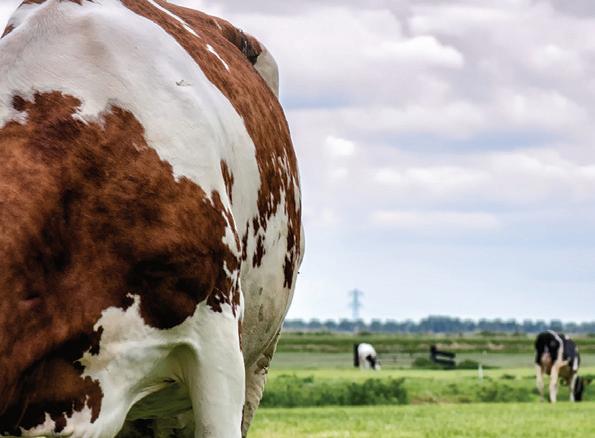



www.harpersfeeds.co.uk www.masseyfeeds.co.uk


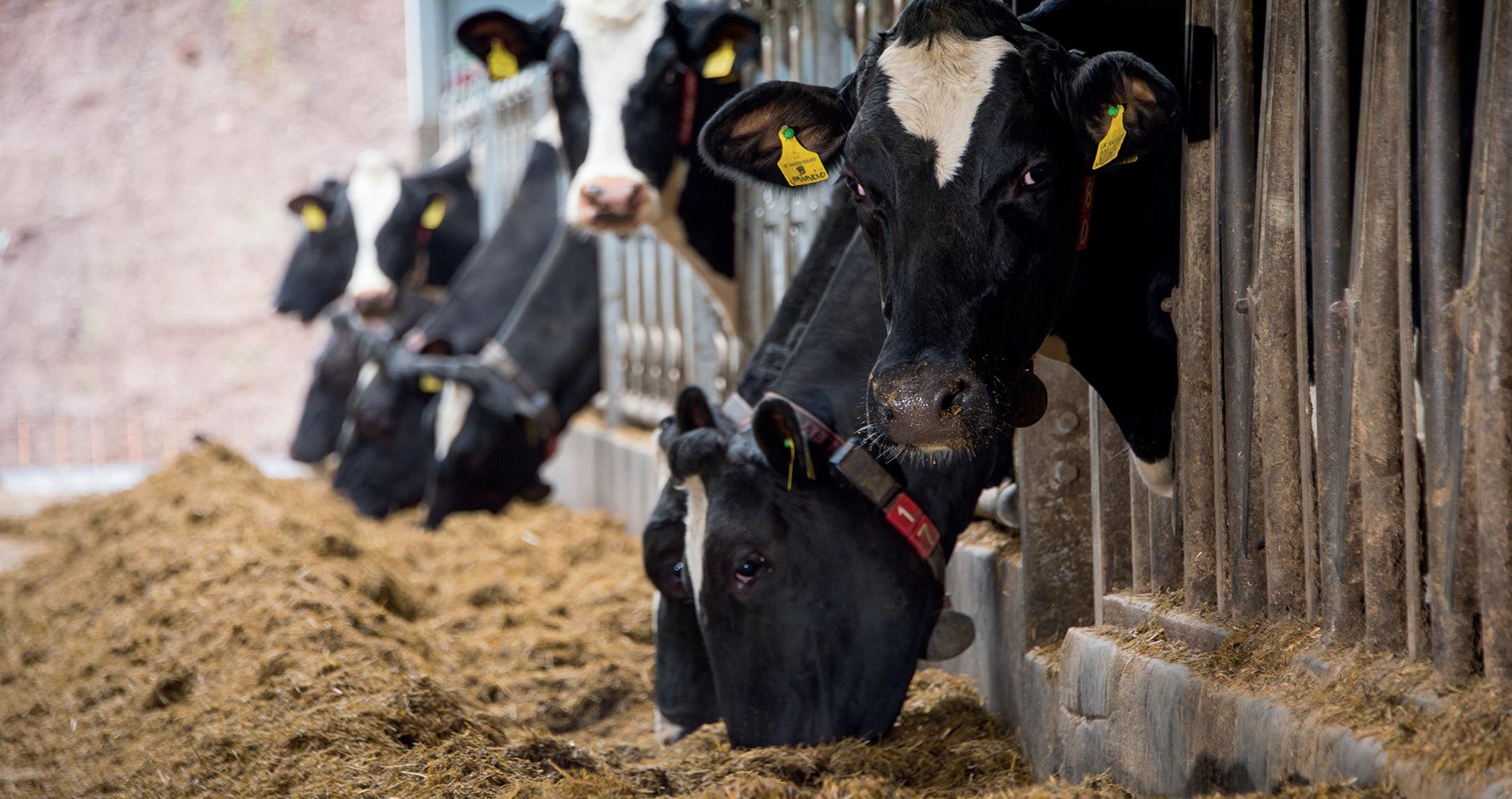
Dairy farmers may not know for some time how the generally poor forage growing season may affect either milk supplies or prices over the autumn and winter, said industry leaders at UK Dairy Day.
George Holmes, of Arla, said it was not possible to say which way the milk market will go.
“We can see a bit of softening in commodity markets. But it is too early to tell whether this is the

start of something more serious or just a slight correction of what we know,” he said.
“Supply has risen a bit, after there being high demand for quite a long time,” added Mr Holmes.
“We might see the first signs of change as a result, or we may see supply come back with the effects of the drought.
“It is too early to say, but the market remains pretty sound. We have had a strong market for quite a while and there is no evidence that this is the start of a big fall in prices.”
Richard Collins, of Muller, said
his company was hearing about challenges in forage supply as a result of the drought.
“Forage quality seems to be pretty good but volumes are definitely down, but that is not translating into affecting milk supply yet.
There is no evidence that this is the start of a big fall in prices
GEORGE HOLMES
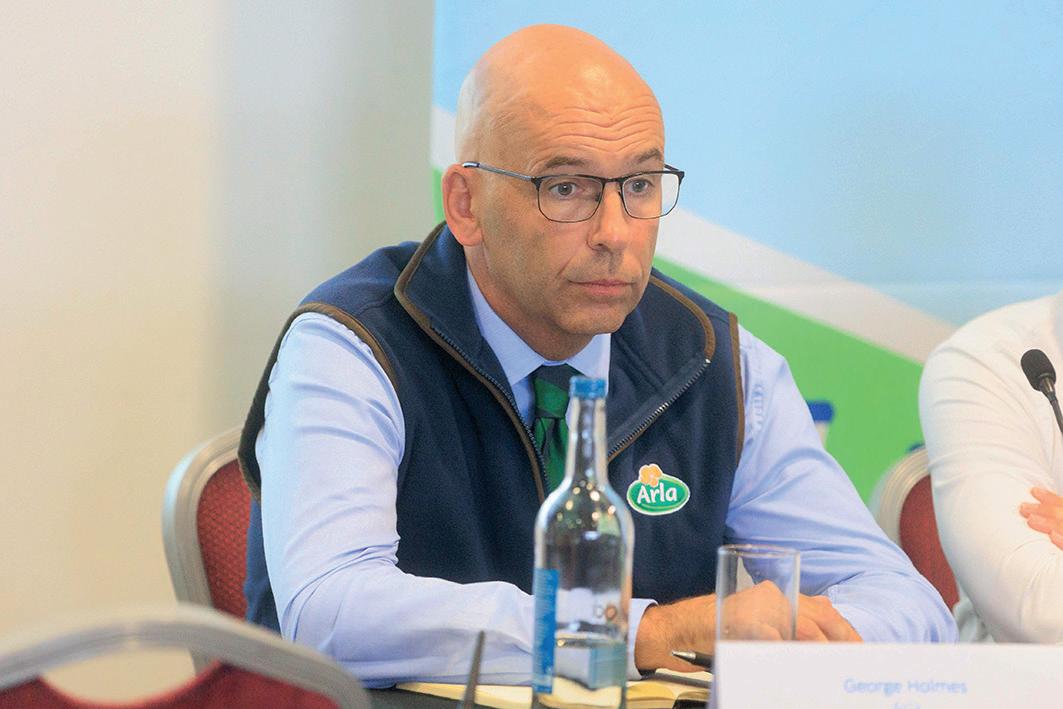

NFU Dairy Board chair Paul Tompkins said it was too early to predict the market.
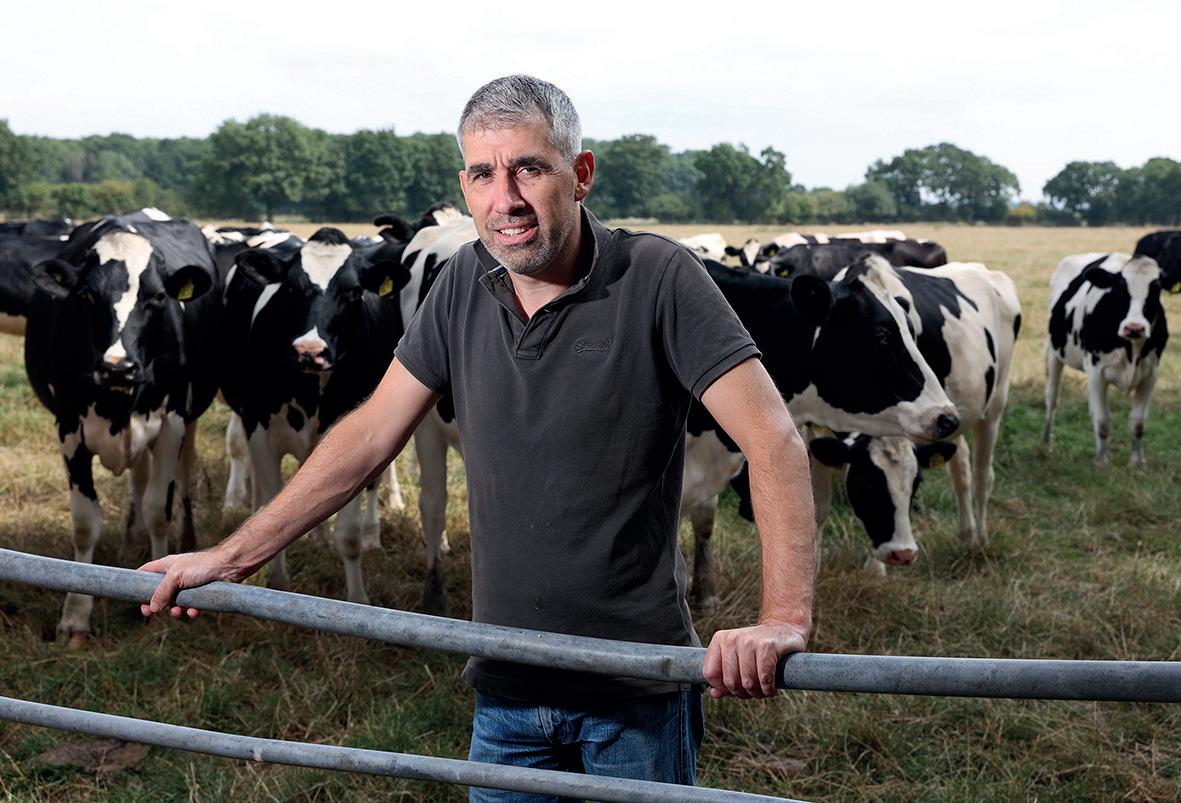
“That is still strong and with concentrate prices where they are we should be okay, but things might change by the end of winter.”
He added: “There has been some slight easing of prices as we move into autumn but predicting how they might move in future is very challenging, but we could see a bit of softening.”
Paul Tompkins, chair of the
NFU’s Dairy Board, said the dairy market had found itself in an unusual position.
“We went through the spring milk production peak without a significant reduction in milk price.
“That comfortable situation cannot be sustained for the long term. Dairy farmers are aware as anyone that volumes have to match demand.
“There is a stronger focus on
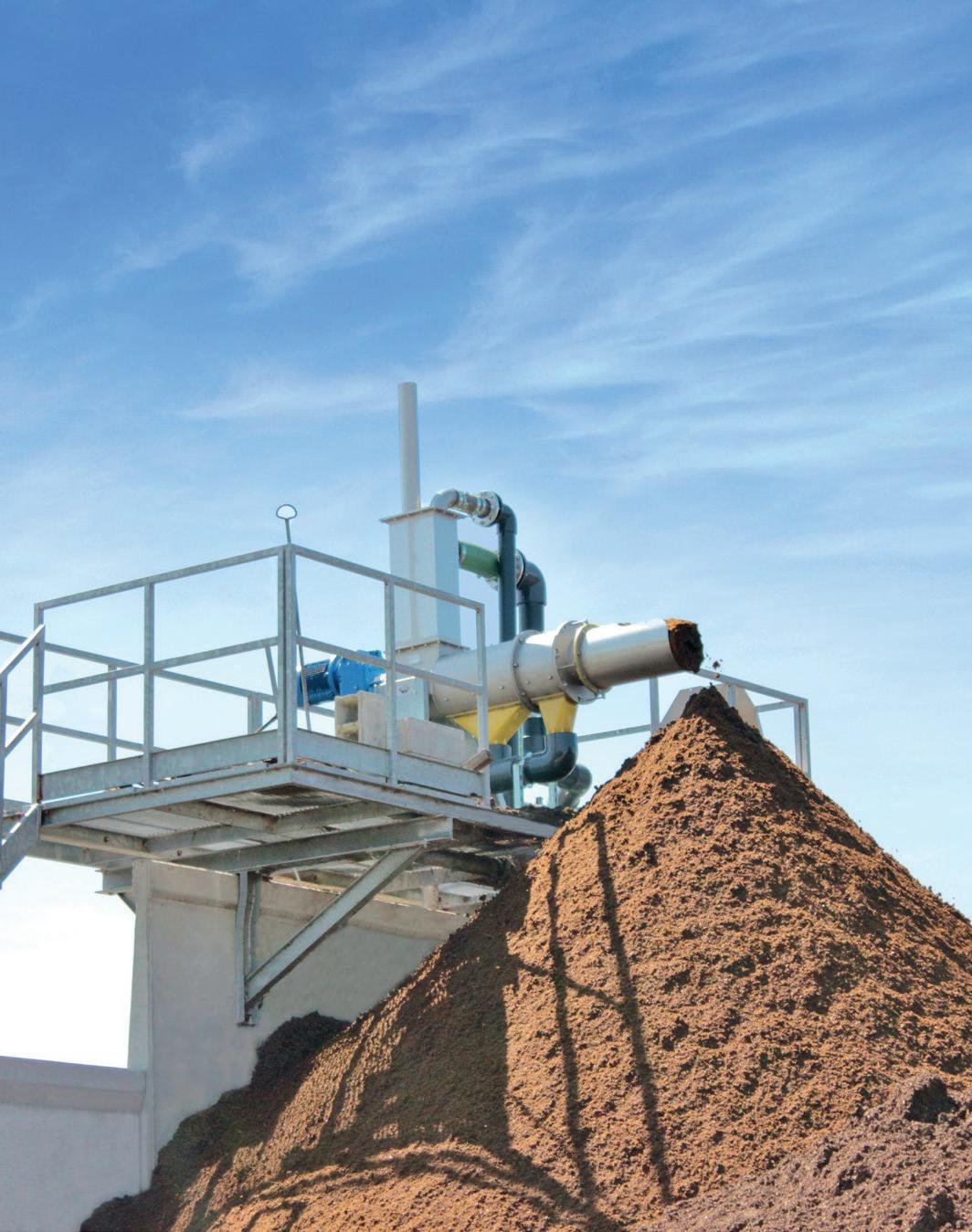

Ben Williams is ‘hoping for relative stability’.

volume control, which makes sense in relation to contracts.”
He said it was too early to predict how the market will develop and what impact the dry growing season and reduction in forage production will have.
Meanwhile, Ben Williams, of Leprino Foods, thought stability would be key.
“Market conditions are chal-
lenging and we do not know how that will be reflected in price movements,” he said.
“It may depend on how farmers respond to the forage year but I would hope for relative stability. There may be some small wriggles around where we are at the moment.
“But if we get into the spring with well-fed cows in good condition we could see a flooded market, and we know what happens then because we have seen it before.”





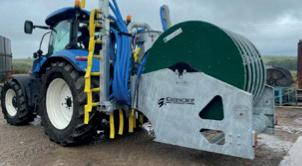
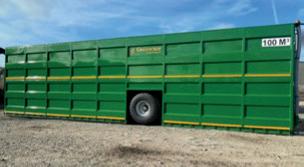



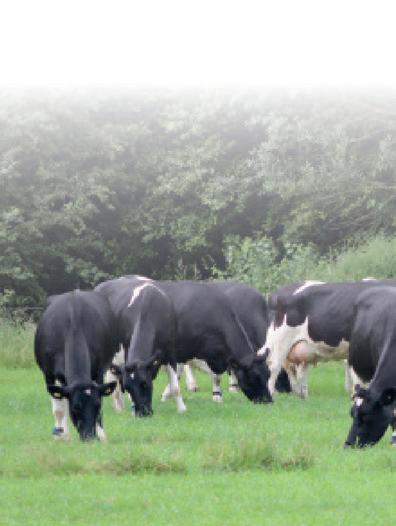

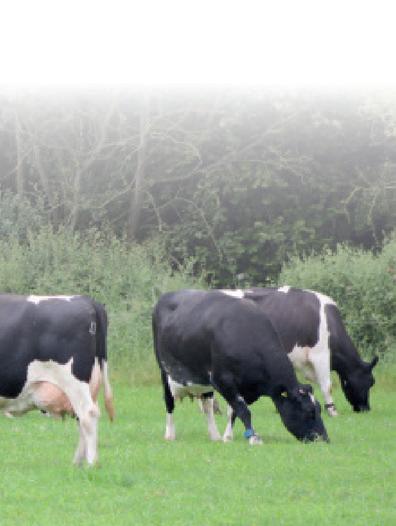
Last year’s reserve champion went one better this year to take top honours in the National Holstein Show, presided over by judge David Hodgson, Penrith, who said it had been a life ambition to carry out the judging task at UK Dairy Day.
His winner was the five-year-old cow Mag Pandor from the Laird family, who run the 500-head Blythbridge herd in Peeblesshire. Owned in partnership with Ferme Blondin, Canada, the cow was purchased privately from France in January 2022. It yielded 11,100kg in its last lactation and is out of Mag Nacoby. No stranger to the showring, Mag Pandor scooped inter-breed titles at Borderway UK Dairy Expo and the Royal Highland Show this year, after also winning at these events in 2024.
Standing reserve in the Holstein section was the intermediate Holstein champion Berryholme Chief Rose, from David Wright and family, Kendal.
The Stantons Chief A2A2 daughter was also placed reserve at the Borderway Dairy Expo 2025 and was previously the heifer champion at Great Eccleston Show. Classified VG87 as a two-year-old, this second calver out of Berryholme Unix Rose 2 calved down in March.
Honourable mention went to the mature cow class winner, Riverdane Chief Lila Z, from Riverdane Holsteins, Cheshire. This May 2018-born Chief daughter was classified as EX97 3E in March, making it the youngest cow in the UK to ever reach this classification level.

There was a vibrant atmosphere around the showring at this year’s UK Dairy Day. Ellie Layton reports on the winners.
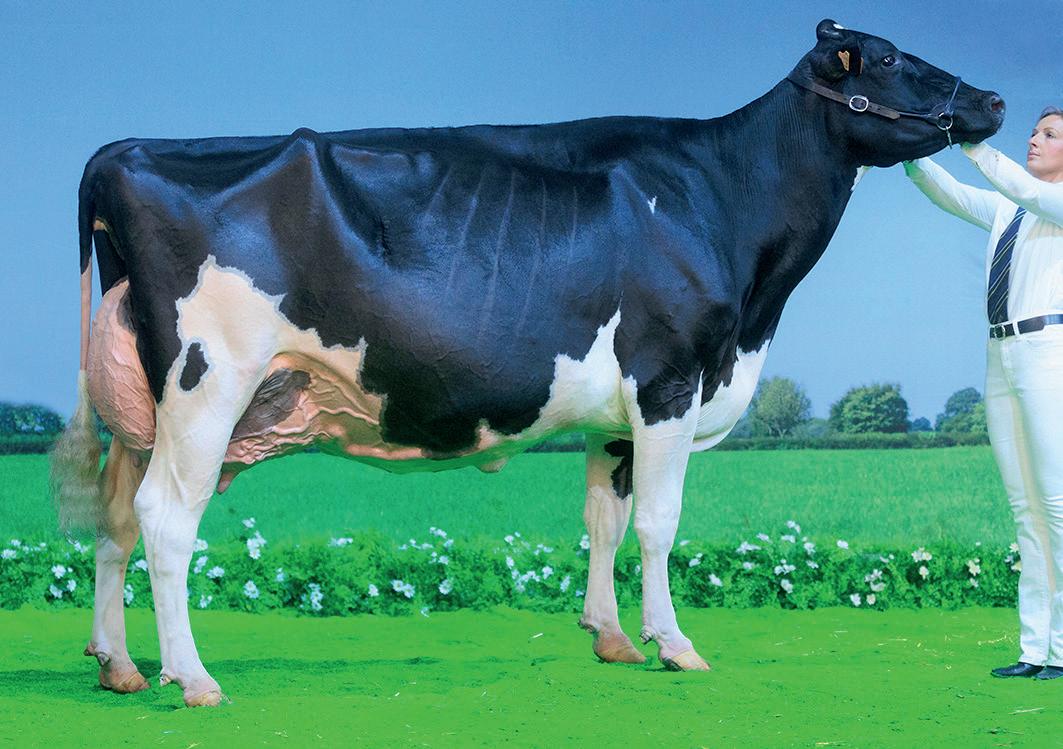
Speaking of his final line-up, Mr Hodgson said: “Bringing cattle to this show takes years of work, building up for 365 days a year, so I congratulate every exhibitor.”
The top place Red and White cow was Redsky Altitude Jazz Red from Seaton Farms and Granchester Farms, Cheshire. Shown by Jack O’Neill, this Farnear Altitude Red
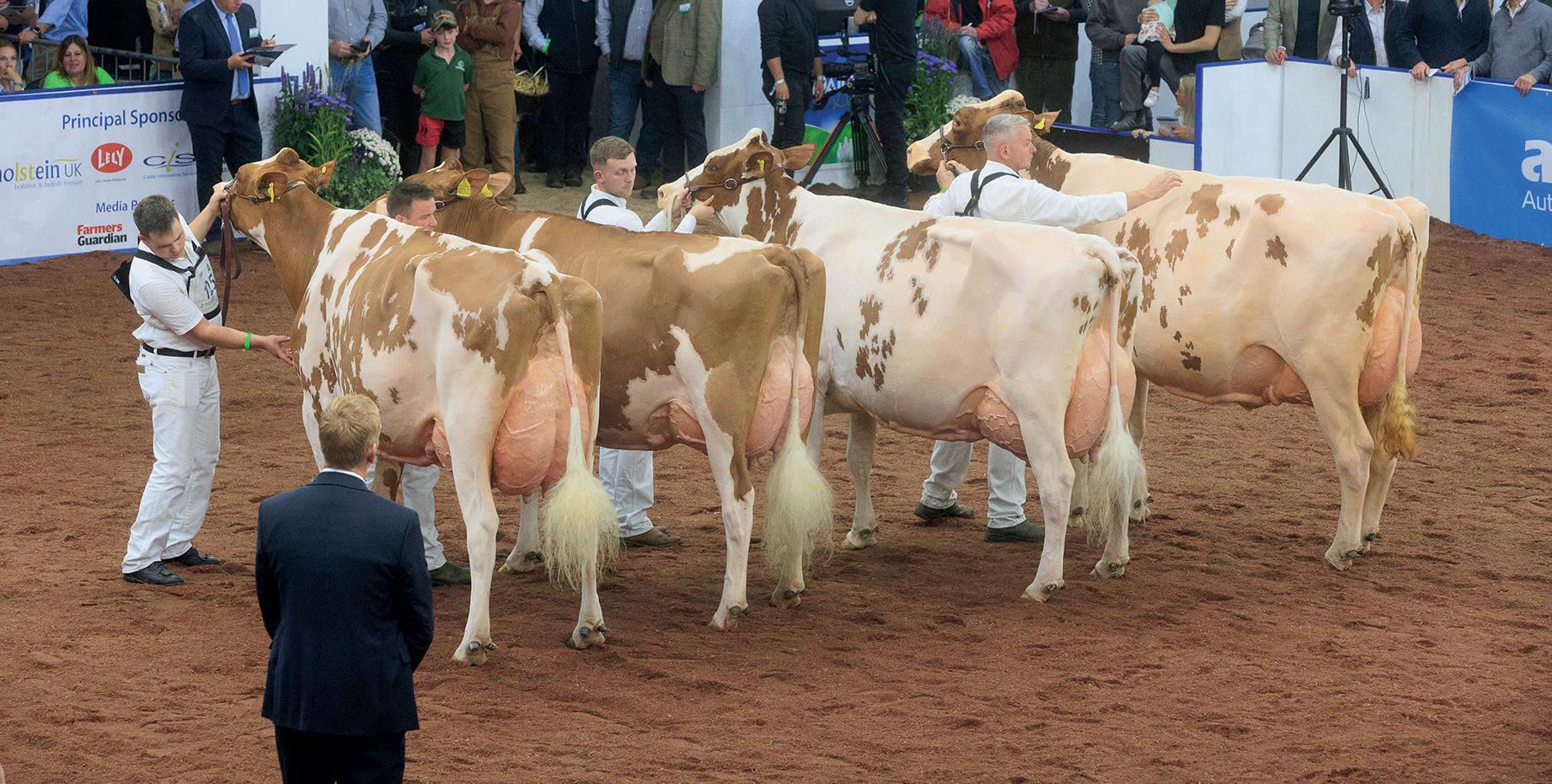
daughter was born in December 2019 and was purchased at the Borderway Black and White sale in December 2020. Its dam is Luck-E Awesome Jacuzzi, a maximum classified, USA-bred cow which sold for USD$30,000 (£22,213.35) in the Best of Luck-E sale in 2019.
At the head of the National Ayrshire show line-up stood the Lindsay family, Lanark, with Harperfield Queen of the South 60. Sired by Arran View, the sevenyear-old cow was just six weeks fresh with its fifth calf. The April 2018-born cow was also champion of champions at Strathaven Show at the start of the month.
Reserve was taken by Rhos Lottery Lesley from Ayrshire’s Adam Mongomerie. This junior cow inmilk was second prize at the Royal Highland Show earlier this year and has Rhos breeding on both sides.
The honourable mention went to Middle Mae KM from D.M. Lindsay, Sandilands, Lanark. Earlier in the year, this Whiteflat King Marty-sired cow was third at the Royal Highland Show and reserve interbreed at Dumfries Show.
The Ayrshire judge, Peter Berresford, Derbyshire, also judged the Guernsey classes and he picked out Emma Eve Drone Rosie, exhibited by P. Bottom, Cornwall, as his champion. This October 2022-born heifer
Holstein (Judge, D. Hodgson, Burgh by Sands) Supreme, Laird family, Mag Pandor; reserve, D. Wright, Berryholme Chief Rose. Ayrshire (P. Berresford, Derbyshire) Sup., Lindsay family, Harperfield Queen of the South 60; res., A. Mongomerie, Rhos Lottery Lesley. Guernsey (P. Berresford, Derbyshire) Sup., P. Bottom, Emma Eve Drone Rosie; res., Greenslade family, Greensfield Dandy Dan Dollys Star. Jersey (H. Wilson, Cardigan) Sup., Davis family, Rivermead Ferdinand Candy 2; res., N. and B. Llewellin, Riverside Tequila Hazelnut 3. Dairy Shorthorn (K. Preisinger, Vermont, US) Sup., I.R.G. Collins, Churchroyd Bronte Wildeyes 62 ; res., S.V.B., E.A. and S.B. Thomas, Drisgol Belladonna 504. Brown Swiss (A. Cope, Staffordshire) Sup., T. Lochhead, Kedar Dreamy Sweet Cheeks; res., T. Lochhead and J. Bradley, Kedar Rhappily Ever After.



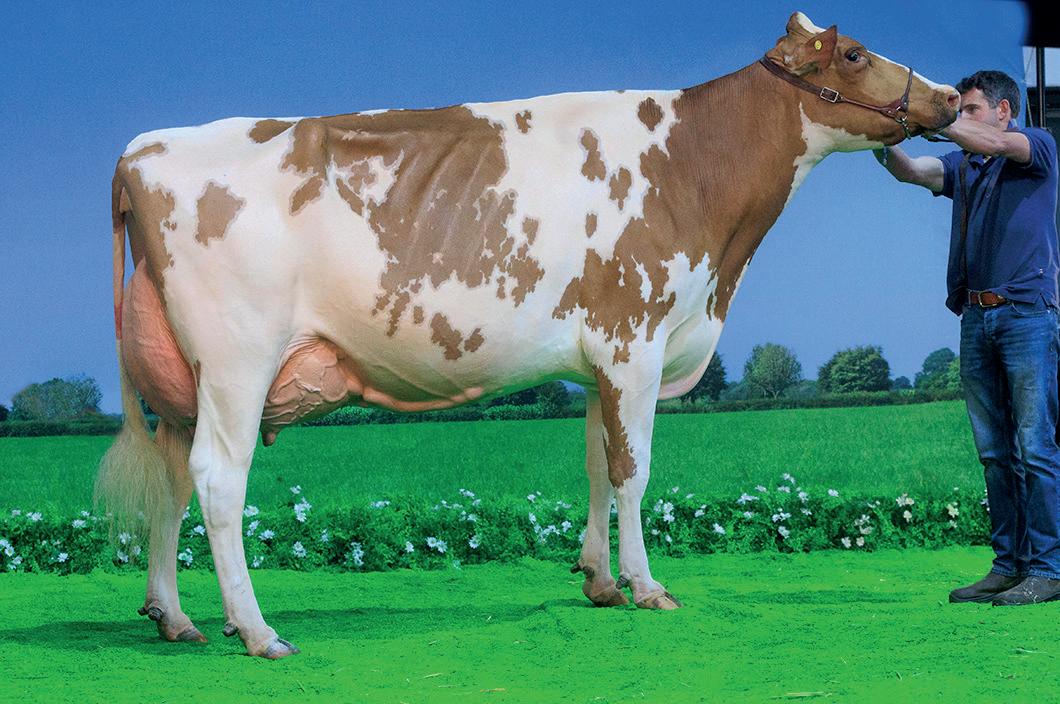
in-milk was sired by Hi Guern View Levi Drone and out of a Trewey-bred cow. When shown last year, it was a class winner at the Dairy Show.
Reserve was awarded to the Greenslade family, Cullompton, Devon, with Greensfield Dandy Dan Dollys Star. No stranger to the showring, the Greensfield Dandy Dansired cow was reserve breed champion at the Dairy Show in 2022.
Topping off a good show, the honourable mention was presented to the same stable with Greensfield Dan B Seagull, a December 2020born Greensfield Dandy Dan daughter out of a home-bred cow.
Regular exhibitors the Lochhead family, Dumfries, stood at the top of the Brown Swiss lines at the breed’s National Show with one of the youngest entries, Kedar Dreamy Sweet Cheeks. This January
2023-born Jolahofs Superstar Dreamer daughter won the breed junior championship at last year’s show and the same title at UK Dairy Expo 2024. Now in its first lactation, it calved down in May.
Very impressed with the champion presented in front of him, Staffordshire-based judge Andy Cope said he had never seen a better example of the breed at two years old.
Reserve went to last year’s breed national champion, Kedar Rhappily Ever After, owned in partnership between the Lochhead family and Joe Bradley.
This 2020-born daughter of Kedar Calvin Rhapsody EX95 was previously reserve inter-breed champion at the 2019 Dairy Expo. Producing 8,431kg in its last lactation, this cow calved down in August.
Another Kedar-bred animal, Kedar Super Nova Harmony, owned
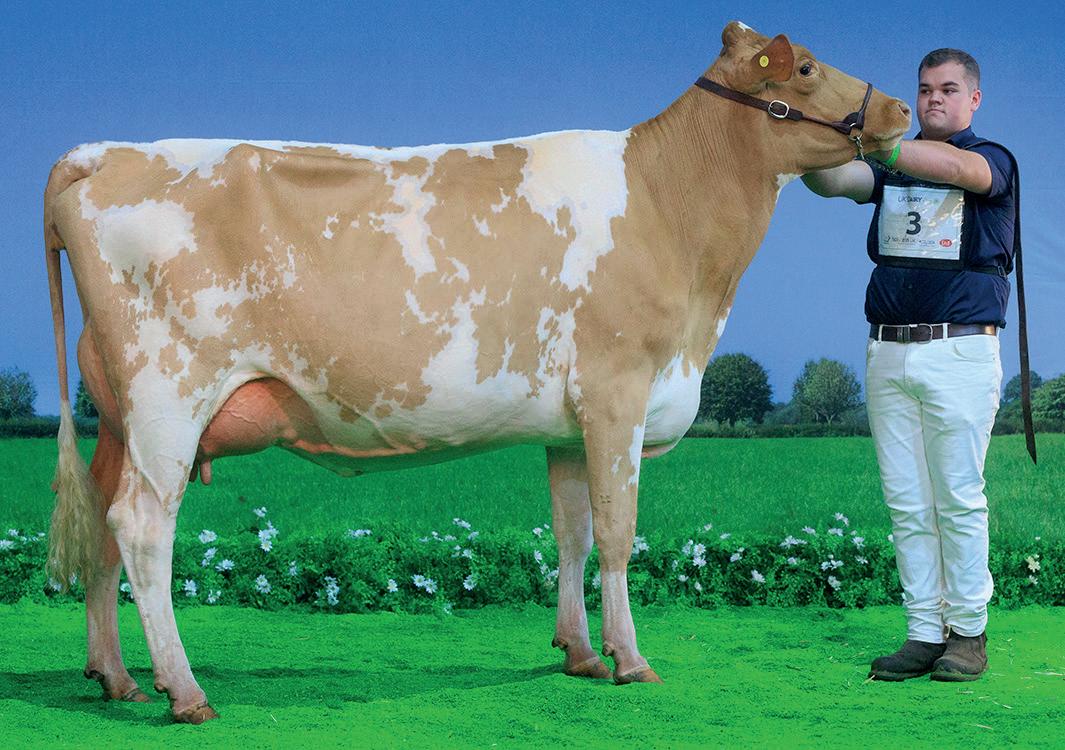
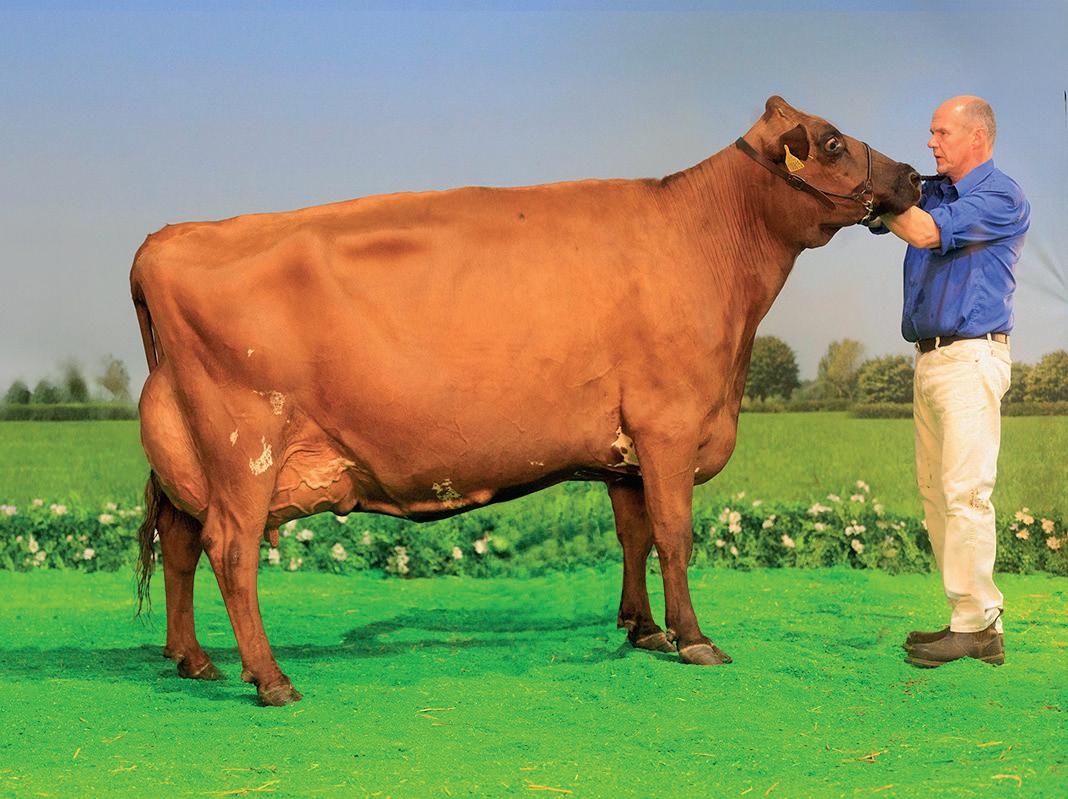
THIS year’s winner of the Premier Herd Competition was the Feizor herd from the Booth family, having won the northern region. Following in reserve was the Boclair herd from David and John
Brewster, who had won the Scottish region, and in honourable mention was the Corringham herd from the Winter family, who had won the eastern region.
LOOKING FOR EFFECTIVE & ECONOMICAL BEDDING SOLUTIONS FOR YOUR CATTLE?
Arden is a long-established supply partner to the industry. Farmers have the reassurance of competitively priced, consistently high-quality bedding supplies.
Choose from Kiln-dried Sawdust and Kiln-dried Paper Crumb
Specifically developed for cattle, our products are:
f Very Absorbent and Comfortable
f Suitable for All Slurry Systems
f Quality Assured
f Ideal for Use with Cow Mats
f Economical to Use
Bulk or Bale Deliveries to farms throughout mainland UK
Readers of Dairy Farmer: Take Advantage of our Special Introductory Offer entitling you to 5% discount off your first order for delivery before 31st October 2025 quoting ‘DFSept25’.


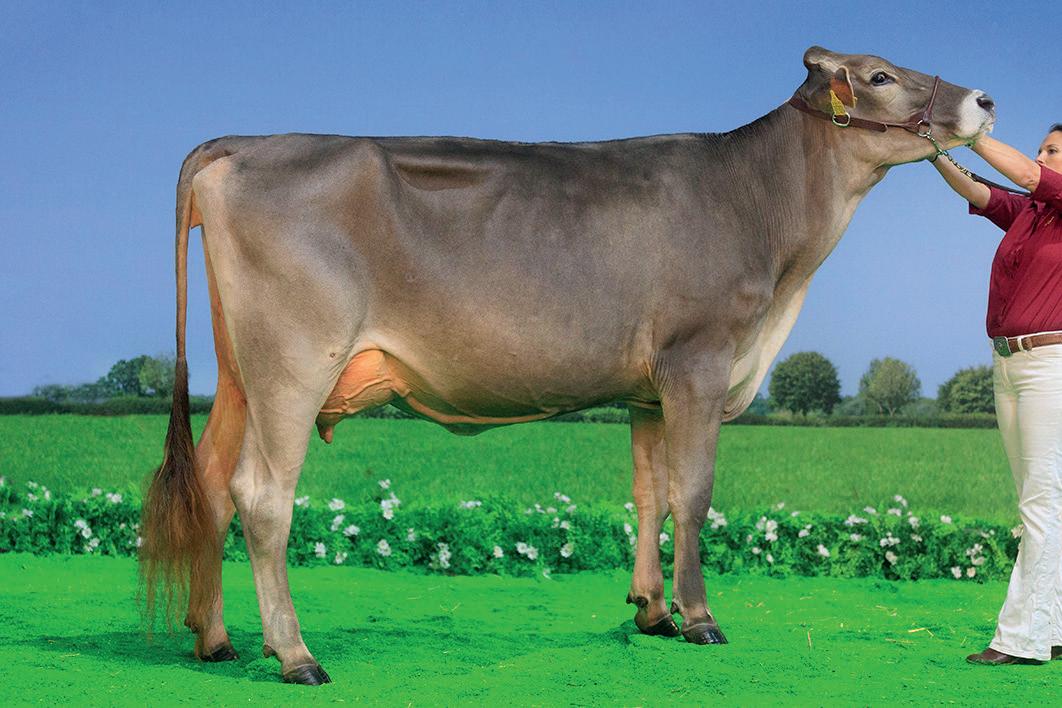
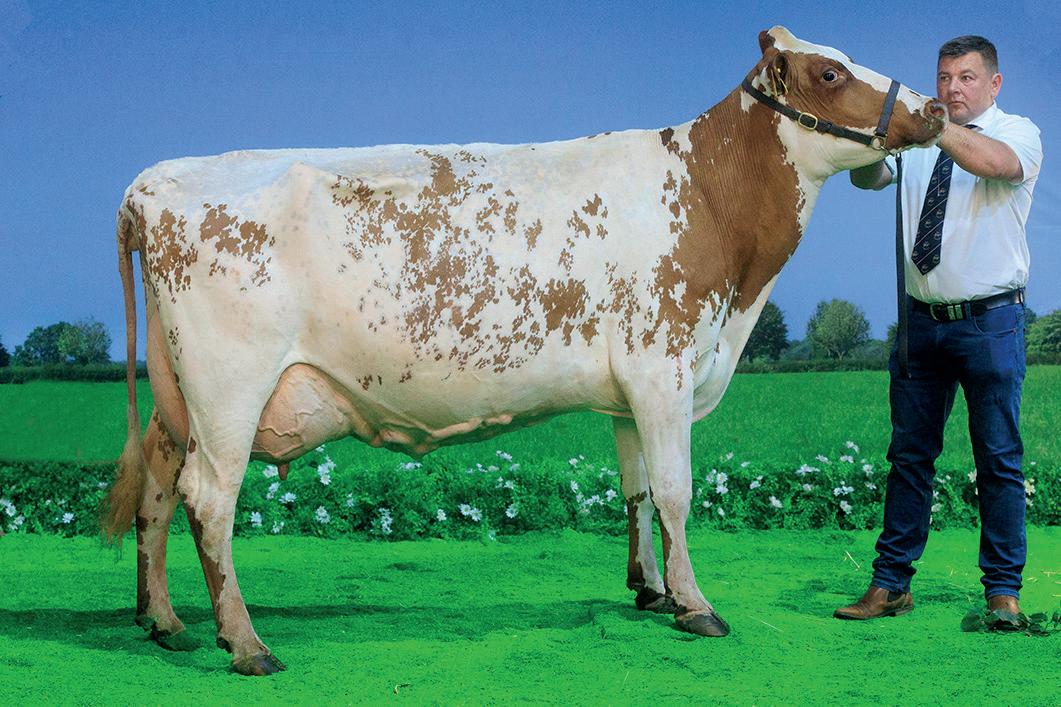
by Ron Millar, Dumfries, was awarded the honourable mention.
This March 2015-born senior cow boasts Kedar breeding on both sides, and was reserve champion at UK Dairy Day in 2022.
This year’s National Dairy Shorthorn show judge, Kylie Preisinger from Vermont, US, said the breed’s
entries were some of the highest quality cows she had ever seen.
Bred and exhibited by the Collins family, West Yorkshire, Churchroyd Bronte Wildeyes 62 may have been the only senior cow forward on the day, but it went all the way in the judging to be crowned this year’s national show champion.
Home-bred on both sides, this
five-year-old cow is currently on its fifth lactation.
Reserve was an in-milk heifer, Drisgol Belladonna 504, from S.V.B., E.A. and S.B. Thomas, Pembroke. Also securing reserve breed champion at the Royal Welsh Show in July, this March 2023-born Bushmills Jazz daughter calved down in March.
Honourable mention was awarded to Grant Pink, Shropshire, with Rockstar Lady Barrington, which placed second in the heifer in-milk class to the breed reserve and was sired by Cotonhall Bambam.
Cardigan-based judge Hefyn Wilson cast his eye over the Jersey section, selecting the Devon-based Davis family as champions with their homebred heifer, Rivermead Ferdinand
THE prestigious Master Breeders award recognises herds that excel in classification, production and longevity. Those females bred by the herd who have produced a recorded lactation within the past two years receive points which are averaged to determine the winning herds.
Winners
n Avenham: W. Rogerson and Sons, Lancashire
n Cairbre: N.R. Masson and VA Sloane-Masson, Isle of Man
Candy 2. The Lightening Ridge Ferdinand daughter was born in March 2023, and earlier in the year it placed second at the Royal Cornwall Show. Reserve went to a previous national champion winner, Riverside Casino Hazelnut 2, from Nia and Ben Llewellin, Haverfordwest, Pembrokeshire. This is the daughter of the well-known show cow Riverside Tequila Hazelnut 3, which itself was a national show winner in 2017 and 2019. The four-year-old Elliots Regency Casino daughter produced 6,302kg in its last lactation. Finally, the honourable mention went to Sheila Scott, Ayrshire, with Nethervalley Oliver Regina. In 2024, Regina was reserve Jersey heifer at AgriScot and second at UK Dairy Day. The January 2022-born Dutch Hollow Oliver-P daughter calved down in March.
n Feithy: E.R. Jones, Carmarthenshire
n Futureproof: A. and J.E. Smith, Northumberland
n Hinton: R.D. Horton and Son, Wiltshire
n Moorcastle: W.R. Graham, Co Antrim
n Parkgill: J. and A. Parkinson and Sons, Lancashire
n Peak: Y.K. Bradbury, Derbyshire
n Studdah: J. Pratt and Sons, North Yorkshire
n Sunnybanks: P.J.A. and M.J. Isles, Lancashire

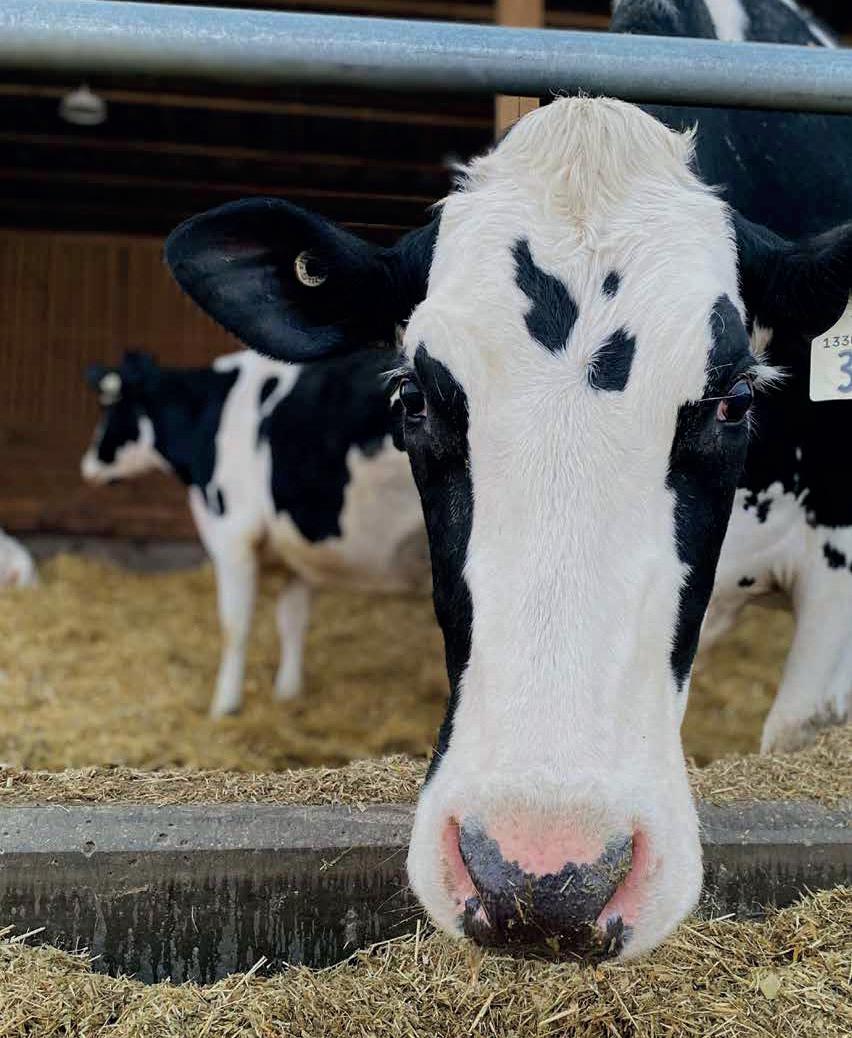

With Semex Elevate you get a genetic prediction based on fact. Add the benefit of identifying high immunity females together with feed and methane efficiency scores for every animal genomically tested in your herd, you really are proving sustainable farming practices
Added into its existing tub mixer and straw spreader ranges, Kuhn have announced two new products for livestock farmers. Toby Whatley reports.


Expanding its single auger Profile 1.L tub mixer range with five new models, the CM machines have been
developed to address the needs of users that have height and width restrictions due to building openings and yard layouts.
Offered in tub volumes from
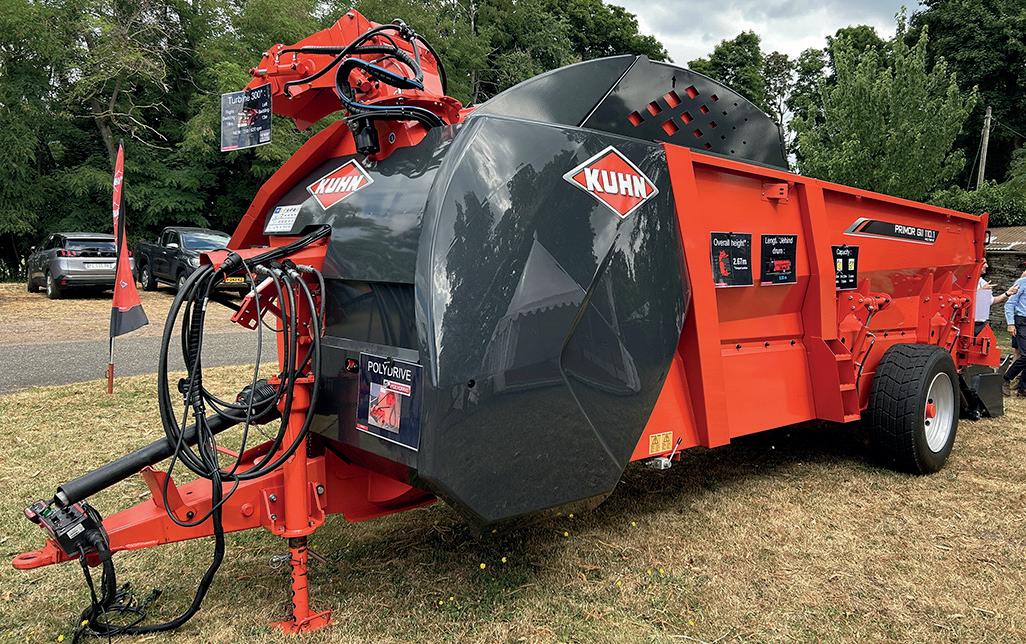

eight to 13cu.m, the 10cu.m version offers a claimed height of 2.8 metres and a width of 2.432.45m, depending on the feed distribution system.
For distribution, all CM machines will be supplied with a fullwidth, two-sided cross conveyor as standard, mounted at the front, with an option to have it rear mounted.
Feed is discharged to the conveyor through Kuhn’s patented C-Drive system.
The wide discharge hatch is designed to create a consistent feed flow, and claims high throughput for fibrous rations.
The CW range is controlled
through the KDW 340 programmable weighing terminal, which can be paired with a remote display for use in a loader or telescopic handler.
Options and configurations are extensive, with Kuhn claiming the L and CM range are available in more than 250 different layouts to suit individual farm and building set-ups.
Introduced into the Primor straw spreader and feeding range, the new GII 110.1 Polydrive sits mid-way into the three-model range and incorporates several features not currently offered on the larger and smaller models.
Providing an internal load capacity of 11cu.m, Kuhn says this
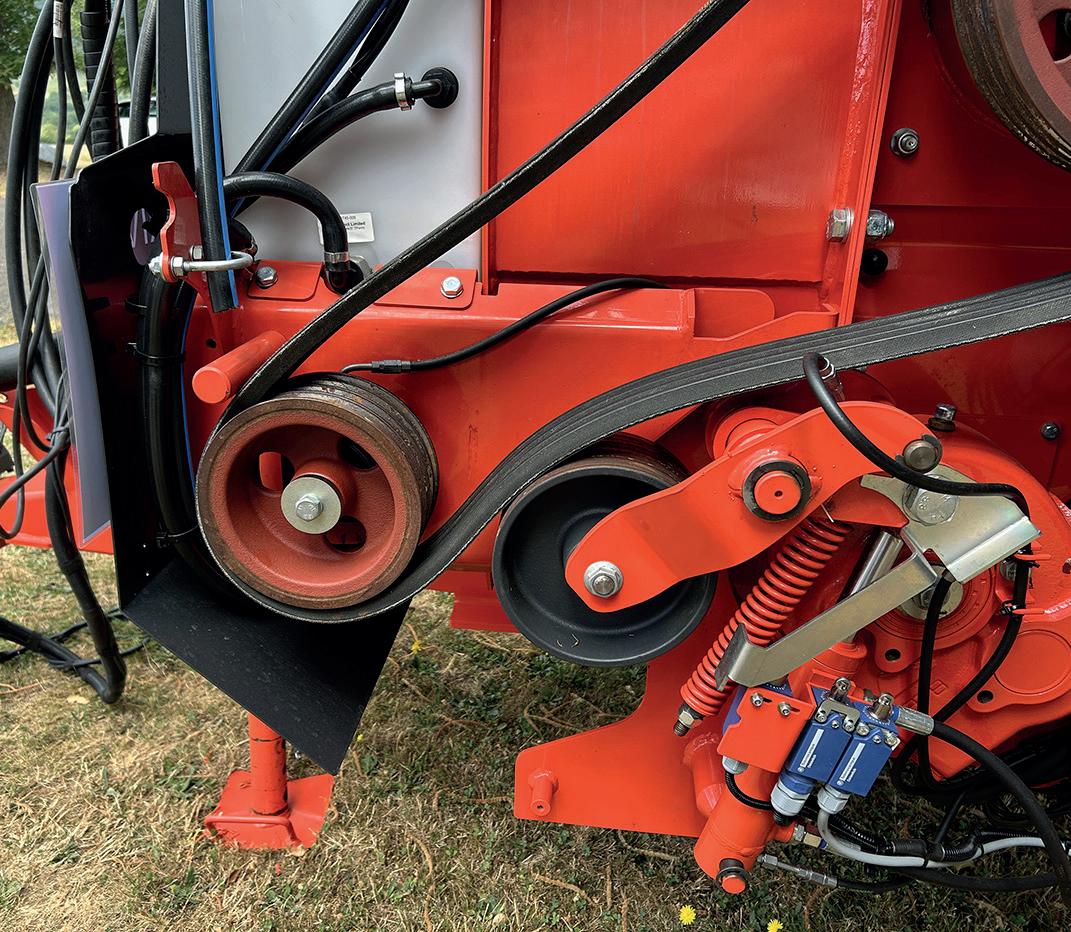

system.
translates to four 1.8m-diameter round bales or two 1.2 x 0.9m rectangle ones.
The overall height of the unit is claimed at 2.9m when operating as a blower, with the chute available with an optional 300 system that can deliver material to the left or right of the machine. For dust
management, a water injection at the chute exit can be fitted.
A single feed rotor delivers the material to the turbine, with an optional internal hydraulic unrolling system that clamps waiting round bales behind the bale being fed into the spreader unit – this prevents bales bouncing


against each other and provides a claimed improvement in output and consistency.
The rotor diameter has been increased to help reduce material wrap when spreading longer fibres, with drive to the rotor hydraulically actuated through the manufacturer’s Polydrive system.
This function engages the drivebelt from a pivoting idler
once the turbine is up to its operating speed.
Kuhn says this reduces loads on the driveline and prevents material being fed by the rotor when the turbine is accelerating, preventing start-up blockages. A two-speed gearbox powering the turbine provides outputs of between 310620rpm, depending on material density and output requirement.
Operating
been
as a combined raking and baling unit, Krone’s
BaleTrain has
designed to improve productivity and reduce labour requirements for winter fodder production. Toby Whatley reports.
Combining multiple passes by joining multiple implements together is not a new concept and something arable farmers are well practiced in with minimum tillage cultivation trains, but for grassland farmers and contractors, joining grassland options together is still something of a rarity. Reduced labour input, improved output and greater weath-
er flexibility are all claimed benefits from Krone’s BaleTrain concept and, despite the system’s overall length and the potential logistical pantomime it could create, the idea is not without considerable thought.
Operating with a modified Swadro T880 Pro rake, pto drive is taken through the chassis to the rear with a K80 drawbar, IsoBus and
hydraulic services, allowing balers, including combi- wrapper units from its Compack range, to be driven from the back of the twin-rotor rake.
A variable speed gearbox on the rake drawbar splits the initial 540rpm drive between the two implements, with manual adjustment of the rotor speed which allows the operator to prioritise the pto input speed for the baler and adjust the rake accordingly to
suit conditions. Control of the two implements is more advanced with both the rake and the baler operating with an IsoBus control, which provides the operator with either a split screen of each implement, or divided over two screens if operating with multiple displays. Automation plays a large part of the BaleTrain concept with several predetermined communication features between the rake and the baler. As the chamber is filled,
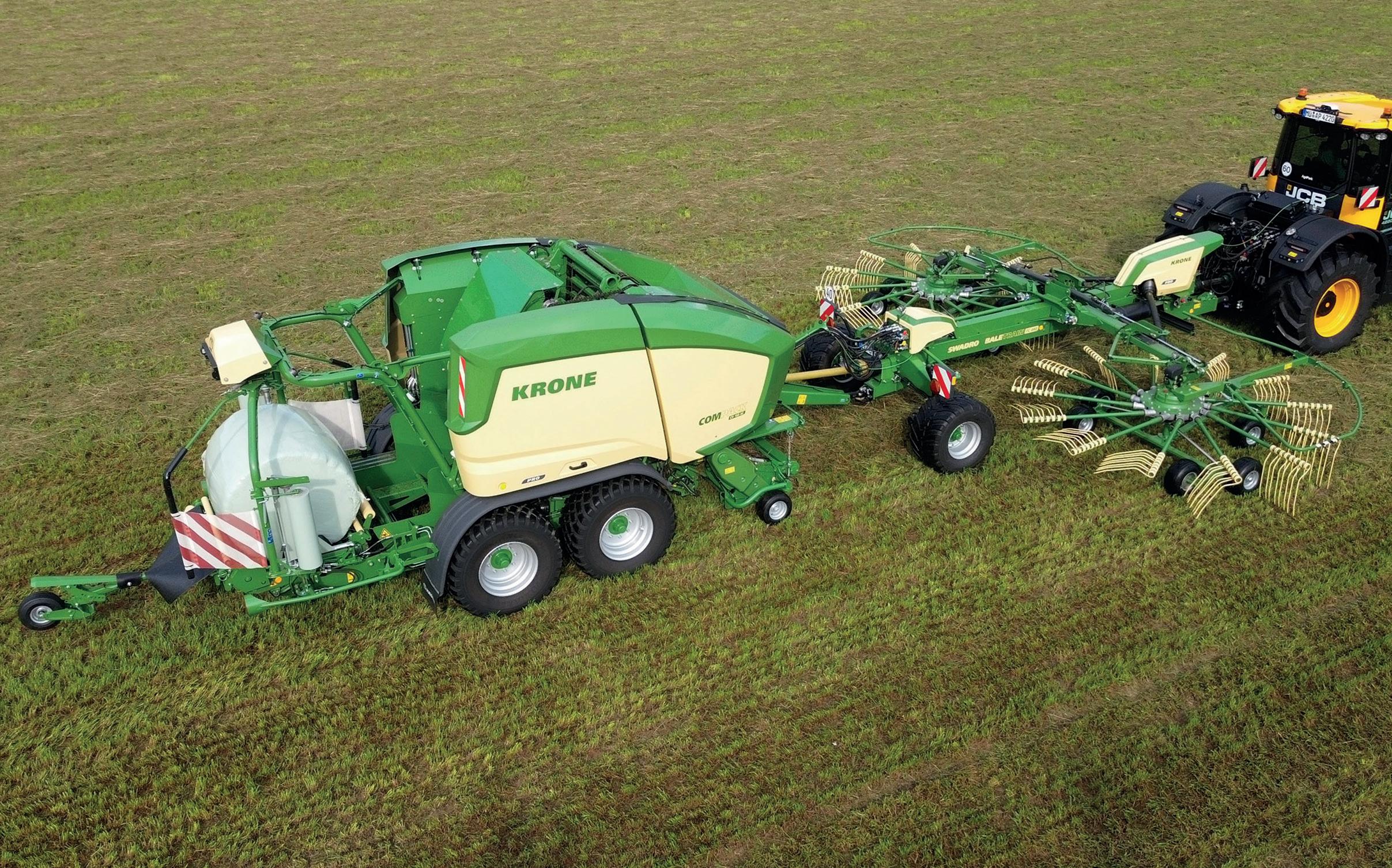
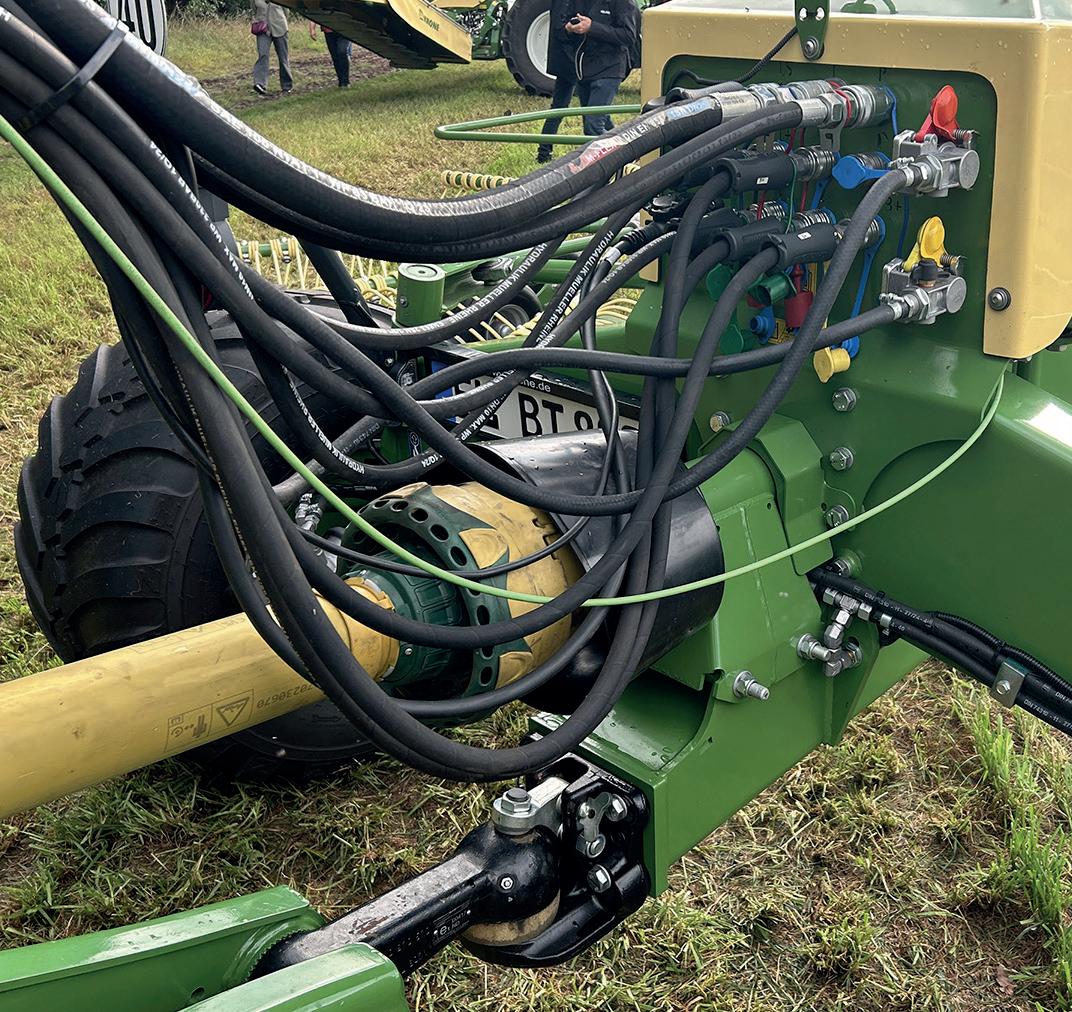
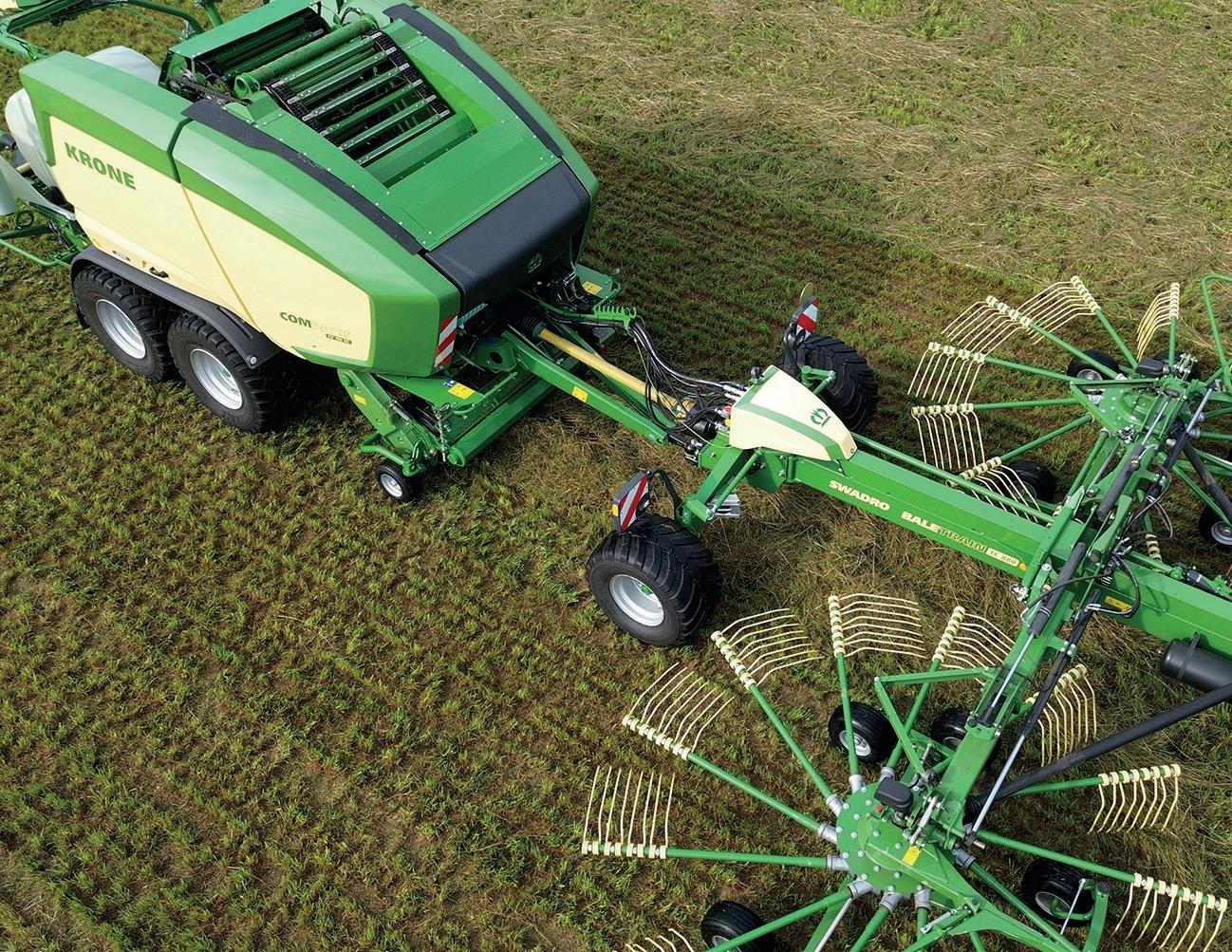
feedback of the bale shape and any swath weaving requirement is relayed to the rake which uses a modified steering system to weave the rake axle and drive the baler pickup into the correct position to rectify any uneven bale forming. When netting and ejecting a bale, the rotor arms and baler pickup are automatically lifted to prevent any soil from being pulled into the swath when stationary.
Depending on requirements, the BaleTrain can be separated to operate the implements separately, or used with different rear balers depending on the crop or conditions.
Krone says this provides greater flexibility of the implements and provides users with a conventional twin-rotor rake which has the capacity to integrate with other implements if required.

Nationwide(01948)662910/663143
Nationwide (01948) 662910/663143

Nationwide(01948)662910/663143
george@greenfieldsrise.f9.co.uk george.lunt01@outlook.com
Nationwide(01948)662910/663143
george@greenfieldsrise.f9.co.uk
george@greenfieldsrise.f9.co.uk

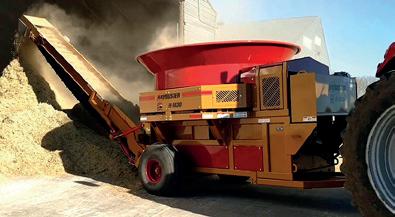

available.
- Ideal for straw, hay, green waste, roots, biogas feeds etc.
Root Choppers & Cleaners
- Loader, 3 point linkage, free standing PTO and electric drive available
- UK Distributor of VDW range of choppers, cleaners & feed dispensing equipment
- Output from 10t/hour to over 120t/hour available
JWITH milk supply off-farm holding up strongly compared with last year, the snoozy summer holiday trading period has allowed negativity to walk right through the front door and take a firm grip on markets with its bearish sentiment.
Having been denied any real chance since spring last year, buyers have seized the opportunity to ratchet up the downward pressure. Even butter/cream prices that have been the main pillar of support over the last 12 months have started to crumble, unable to keep pace with their price rises of this time last year. If milk production continues trending higher year-on-year this autumn into winter, the milk price stability the majority of producers have experienced over the last 12 months will come under threat.
Indeed, Arla’s milk price reduction for September, as well as that of First Milk’s for October, has served as an early signal to producers of this threat.
As schools return in September, plus the build-up to filling Christmas orders books, short-term markets may firm slightly through the first part of Q4. However, that said, comparing current price levels with those of this time last year, for now they appear to be out of reach.
Moving into winter and looking towards Q1 and Q2 next year, should milk production remain ahead yearon-year, a good many milk prices could be in for a rocky ride through to early summer next year.
Diet Feeders
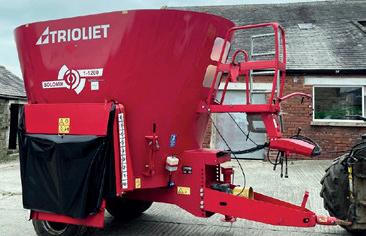
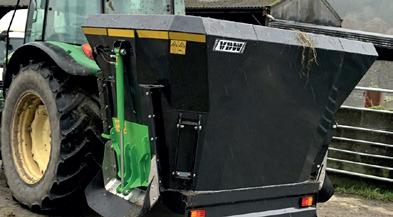
- Largest stock of mixers in the UKover 50 machines in current stock
- Refurbished, used & nearly new units available
- New Mini Mixer available
-Diet feeder parts available- Blades, Conveyor belts, gearboxes, weigh cells.
-All feeders undergo 30 point service
-Finance available subject to terms
-Nationwide delivery available
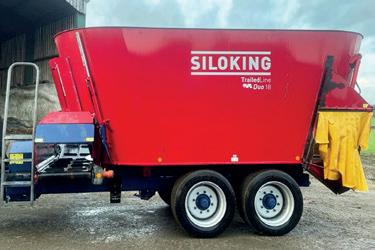
Current Used Stock:
Trioliet 8, 12, 14, 20
Strautmann 14, 20
BvL 15, 17, 20, 24
JF Kongskilde 12,14, 22
Kverneland / Siloking 14, 16,18,22
Keenan 10, 14, 16, 20, 24
Shelbourne 11, 22, CB150 bedder
JWITH the pressure building on non-aligned milk prices from markets, it is highly likely retailer prices could re-establish their premium this winter, as several re-evaluate their cost models or incentives around sustainability.
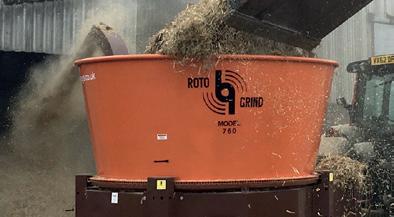
Hi Spec 14 x 2, 16
Redrock 20
Seko Samaurai 14
Rotogrind x 4
Teagle C12 grinder
Farmhand 880
Profi freestanding root chopper x 3
VDW root bucket RS1800
Breaking for parts -Trioliet 28, Shelbourne 11, 13, 19, Abbey 1500, Strautmann 1250, Siloking 22,
With M&S holding their price unchanged for September on 44.27ppl for our liquid standard, Waitrose has increased its conventional milk price (organic remains a hold) to those Muller suppliers by a penny to 46ppl from September, to maintain the price at the top of the retailers since April this year.
With the introduction of a new sustainability scheme from September, Tesco Sustainable Dairy Group Muller suppliers will receive an average additional payment of 1.4ppl from a possible 2.5ppl, which, when added to the existing 0.5ppl increase already announced, takes the total increase for September for our liquid standard up 1.9ppl to 44.15ppl. In the meantime, one of the best paying liquid prices, that of Pembrokeshire Creamery, is to reduce by 0.45ppl from October to 43.59ppl.
Arla Foods, reducing its on-account milk price for conventional milk by one eurocent from September (organic price having been held unchanged), reports milk supplies are increasing both globally and in the EU, while retail sales are flattening and commodity markets are adjusting down, on the back of a period with high volatility during summer.
Arla adds the outlook is softening from commodity markets and a shift

in the supply and demand balance while organic markets remain firm.
The eurocent equates to a reduction of 0.87ppl on our manufacturing standard litre* to take the price down to 47ppl, which represents an overall cut of 1.54ppl for the year to date, after the inclusion of quarterly currency reductions, although still 3.67ppl above the price paid for September 2024. Our liquid standard litre* reduces by 0.84ppl to 45.06ppl.
JWHOLESALE cheese prices have been drifting downwards all year, however the speed of descent has gathered pace through the holiday period, with prices not helped by the off-loading of mild Cheddar made from opportunistic cheaper spring milk.
This has resulted in a number of milk buyers lowering their milk prices from October, including First Milk which, in describing trading and market conditions as now becoming more challenging and affecting overall returns, has reduced its milk price by 1ppl, taking our manufacturing price down to 43.85ppl with those in the Haverfordwest Tesco Cheese Group also receiving the same level of decrease to 45.35ppl.
The company has also reduced its BV dairy price by 0.33ppl to 44.38ppl for manufacturing, which equates to a cut of 0.32ppl on our liquid standard to 42.70ppl.
While Dale Farm in Northern
Ireland decreased its milk price by a further 0.5ppl from July to 42.88ppl (manufacturing), South Caernarfon Creameries also reduced its price by a penny, taking our manufacturing price down to 42ppl.
Also cutting by 1ppl for October, Leprino Foods reports the combination of strong milk production and weaker consumer confidence as having a negative impact on prices, which takes our manufacturing price for the company also down to 42ppl. While Saputo Dairy UK increased its Wensleydale milk price by 0.2ppl for September to 43.43ppl, the company extended its guaranteed minimum floor (43ppl on manufacturing) for Davidstow suppliers by another month to give price stability for November.
Other milk buyers for hard cheese, in confirming their milk price holds for October, have also taken the opportunity to inform suppliers of the growing pressure in the markets.
* Our Liquid standard litre is 4%b/f & 3.3% protein, for our Manufacturing 4.2%b/f & 3.4% protein and in both cases Bactoscans of 30,000/ml & SCCs of 200,000/ml, with Thermodurics of 500/ml, 1mltrs/yr on EODC (max vehicle accessibility) based on level supply and therefore, before seasonality (but includes the winter premiums paid in NI), as well as monthly profile adjustments, balancing charges, capital deductions or annual / part annual growth incentive schemes or supplements not directly linked to dairy market price movement.

Enviroseal
SLURRY LAGOON
Comprehensive 25 year warranty
Materials meet EA and SEPA requirements Installed and tested by certified technicians
SLURRY LAGOON FLOATING COVERS Keeps rainwater out of slurry Reduces odour from lagoons Covers comply with EA and SSAFO legislation




‘B’ Price Indicators
Notes to table
Prices for both Liquid & Manufacturing tables paid for a producer sending 1mltrs/yr on EODC (max vehicle size accessibility) with Bactoscans of 30,000/ml and SCC’s of 200,000/ml with Thermodurics of 500/ml. Excludes capital retentions or AHDB levies, profile adjustments from level supply, seasonality, balancing and A&B
(1.316ppl) based on our manufacturing std litre. First Milk price includes 0.5ppl Member Premium accrued as a 13th payment paid Apr’25. First Milk Haverfordwest Tesco Cheese Group includes 2ppl retailer premium averaged as 1.5ppl based on seasonal profile. Fresh Milk Company price before Morrisons monthly cheese supplement (payment made in May’25 of 0.012ppl for supplies Dec’24 to Apr’25). MMG Direct price includes 1ppl Premium paid quarterly in arrears to Direct/ Organic farms meeting specific Müller Direct criteria (Quarterly payments started from Apr’22). Crediton Dairy price includes FarmMetrics



















Commodity prices are tanking significantly on the back of huge increases in global milk volumes, with butter bids now at or below €6,000 (£5,202) in Europe and with the futures prices also crashing down to €6,300 (£5,462).
EU butter has now dropped more than €1,000 (£867) since its recent peak price in June, and is now at €6,330 (£5,488) on average for the next six months.
EU SMP futures have dropped by €160 (£139) since June, to €2,380 (£2,380), which is its lowest price on the futures for well over a year.
Traders expect butter prices to fall further, which may result in an increase in the SMP price. There are no guarantees, though.
The base AMPE milk prices realised from these levels is currently around 33p to 34p.
There will be further falls to come, and these are already being reflected in milk prices.
The EU butter price equates to £5,460, but traders say that UK Red Tractor standard butter is at a base of £5,800, because there are not many stocks of it about and retail sales are still strong.
Against the major negatives of butter, though, cream is currently at a remarkable £2.75 and £2.80 per kilogram in the UK and this is likely to continue so long as the weather remains favourable.
This means the cream will not be churned, and that will help to keep butter stocks tighter. However there is no doubt stocks will be increasing here and in Europe on the back of the surge in milk volumes.
This, plus a lack of exports out of the EU and an increase in imports, will keep the market bearish for some months yet. SMP is largely unchanged at €2,350 to €2,400 (£2,340 to £2,080) – a poor price still.
If the lowest of the butter spot
prices are taken, at €6,000 (£5,202), then the milk prices realised are in the low 30p range. Even with the usual premium that most UK processors pay, these levels will not deliver anywhere near a 40p milk price.
Where butter goes, cheese usually follows (or leads). And here prices are also falling markedly. Most traders are saying the mild Cheddar price is around £3,750, and trending lower, with
The EU butter price equates to £5,460, compared to UK standard butter at £5,800.

The Global Dairy Trade Index for the first auction of September fell by 4.3%, which is its biggest fall in a year.
WMP took a 5% hammering and dropped well below the $4,000 (£2,953) threshold, with SMP sinking nearly 6% across all contracts but 5% on a like-forlike basis.
Butter fell 2.5% and dropped below $7,000 (£5,167) for the first time since January and mozzarella saw $200 (£148) wiped off its value, to drop to $4,240 (£4,240).
Overall, the average price across all commodities managed to keep its head above $4,000 (£2,953) and at
$4,043 (£2,984) is still above the opening price of the year at $4,029 (£2,974), but only just.
Many of these prices are now the lowest for a year. In milk price terms the commodities are returning a price of 35-36p.
More reductions on the auction are likely, as global milk supply is outpacing demand. The top five exporting nations (USA, EU, New Zealand, Argentina and Australia) are up 1.8% for June compared to last year, with volumes increasing exponentially now.
Until milk volumes start to dip there is unlikely to be a positive upturn in sentiment.
UK milk volumes over the last two weeks have averaged 40.46 million litres per day, some 2.23m litres and 5.8% more than last year and the same compared to the long-term average.
GB milk volumes have averaged 33.43m litres per day, some 1.52m litres and 4.8% more than last year and 4.4% more than the long-term average.
So far this year the UK’s dairy farmers have produced between 47m and 48m litres on 30 days; between 46m and 47m on 34
the EEX price at £3,725. But StoneX’s price is much lower at £3,500, and this has set new low expectations for buyers.
UK traders are listing mozzarella at between £3,400 and £3,450, with StoneX at £3,175. These prices represent major losses for cheesemakers, given milk
days, and between 45m and 46m on 24 days.
By the same time last year, the UK had not had any days with more than 46m and produced between 45m and 46m on only eight days.
GB has produced 38-39m litres on 39 days; 37-38m litres on 35 days, and 36m-37m litres on 23 days. Last year we did not have any days more than 38m litres, had produced 37-38m on just two days and between 36m and 37m on 37 days.
prices, and there is no doubt milk for cheese prices will be falling markedly in the coming months.
Spot milk prices are between 40p and 45p, and now at a level where cheesemakers will be better off selling the milk than making cheese, and that might tighten stocks in a few months’ time.

THE latest official Defra milk price has increased for the second consecutive month in July to 44.39p, which is up 0.84p on June.
Milk constituents were 4.15% fat and 3.36% protein, making the standard litre around 43p.
The latest AMPE figure for August is 42.16p, which is down 0.31p on July, which equates to
around 38p after a processor margin and costs.
MCVE is at 41.50p, which is down 0.60p, and giving a farmgate equivalent of around 37.50p after costs. It is the first time the MCVE price has dropped below 38p in a year. Over the last four months the Defra price has averaged around 15% more than the net AMPE and MCVE prices, after costs.






















































This month, we feature improved Bluetooth collar technology for herd management, a water treatment service, a feed additive to boost nutrient absorption and collaborations on milking systems and parts supply.
Waikato Milking Systems has announced the addition of a full automation solution, powered by Afimilk’s technology and tailored to the needs of UK dairy farmers.
The collaboration is a direct response to feedback from dairy farmers in the UK and promises end-to-end service and support.
Waikato and Afimilk will work hand-in-hand across the entire journey, from full on-farm installation and configuration to post set-up guidance backed by Waikato Milking Systems’ experience. It said that with proven results on farms of all sizes around the world, and local support backed by global experience, the collaboration is delivered by a team that understands local systems, conditions, and objectives.
The new automation solution is available now as part of Waikato Milking Systems’ range. rMore information from walkatomilking.com or Javier. gayo@waikatomilking.com.
JNew products are featured in each issue of Dairy Farmer.
Please send details and pictures to Katie Fallon at katie.fallon@agriconnect.com, or call 07815 003 227.
Pioneered by Nofence, HerdNet is a breakthrough in virtual fencing technology that further improves connectivity, particularly in more remote areas where connectivity is a challenge and helps ensure real-time synchronisation of virtual fencing.
HerdNet’s features enable quicker connectivity with Nofence collars, sparing delays in pasture updates as well as ensuring all animals in a herd receive closely synchronised information, even in remote areas.
This is made possible through a proprietary, energy-efficient system built using Bluetooth Low Energy. As a result, Nofence users gain greater control and efficiency in their livestock management. HerdNet allows
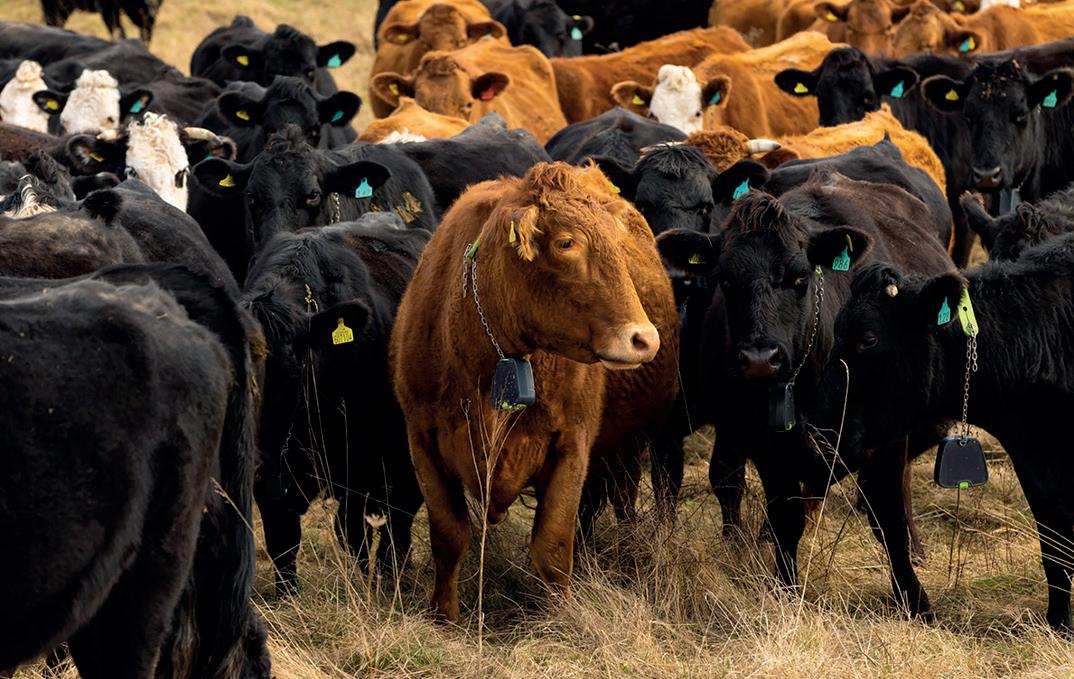
any collar that connects to the server to retrieve the new pasture or latest updates and then share them with nearby collars via lowpower Bluetooth signals – typically effective within a short range, ideal for herd animals
This advancement expands the
JAgricultural parts and accessories supplier Kramp has confirmed its commitment to the UK farming industry by announcing it is stocking the Vapormatic product range on kramp.com.
The announcement by Kramp follows the decision to close Vapormatic’s operations.
UK country director at Kramp, Des Boyd, said: “By combining Vapormatic’s strong legacy with Kramp’s scale, service and
technical know-how, we feel we can have a really positive impact on the industry and it supports our mission to keep farmers farming.”
The Vapormatic portfolio of more than 11,000 products will be integrated into Kramp’s already extensive range, something which has been made possible by the company’s investment in the UK over the last few years.
Mr Boyd says: “Kramp is ready to go. We have received the initial shipments in our warehouse, the
reach of virtual fencing technology, making it more accessible and effective for a wider range of operations and paving the way for broader adoption across the agricultural landscape.
rMore information from HerdNet - Your herd’s own local network
products have been loaded on to our database and will be visible on kramp.com from September 1. Additional stock will follow.”
Vapormatic customers in the UK can continue to order through their local Kramp dealer or, for next-day home delivery, they can apply for a Kramp online account on the Kramp website, which will be linked to their preferred online dealer.
rMore information from lexi. gilders@kramp.com
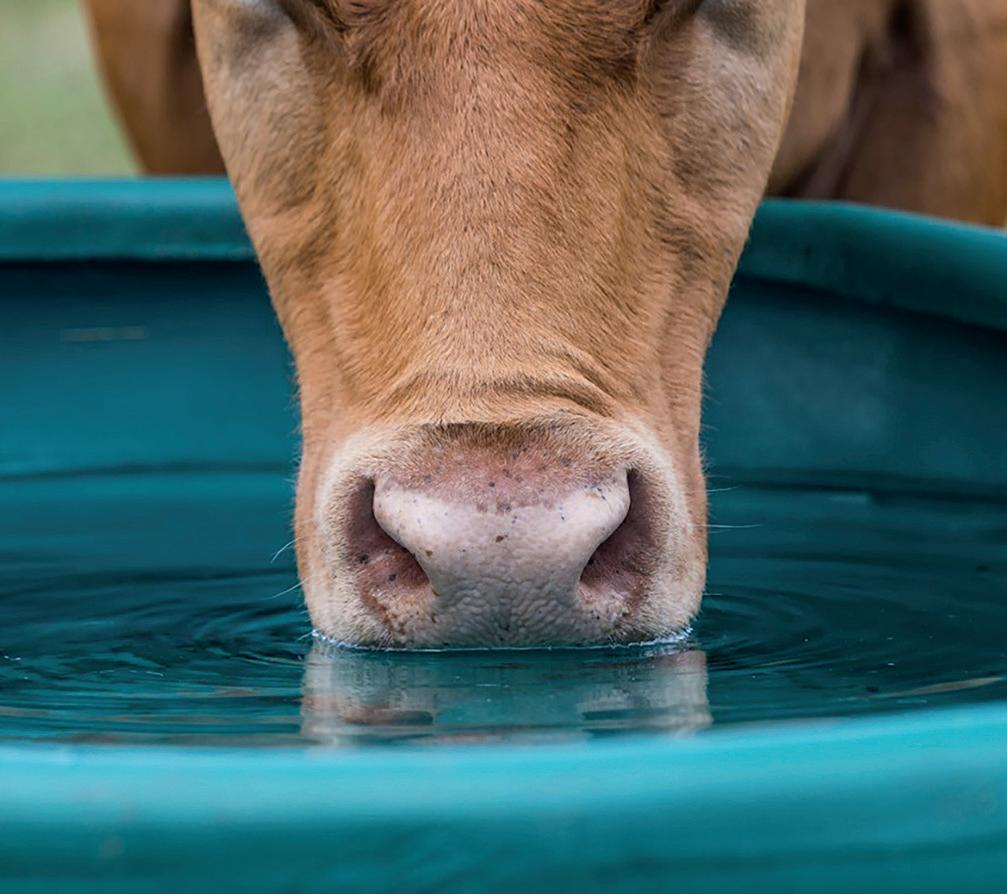
JFarmWater, a non-toxic water treatment which ensures clean and hygienic water regardless of the source, is now available to UK dairy farmers, after proving successful in the poultry sector.
The fully managed, non-toxic water treatment kills all common microbes and significantly reduces the risk of disease transfer, including mastitis and cryptosporidiosis.
In a 12-month on-farm trial, mastitis cases reduced by 37%, somatic cell counts by 28%, and
bactoscans by 81%.
The treatment also removes biofilms, making water more palatable for cows and reducing labour for farm staff.
FarmWater is a complete vetled service, taking and analysing water samples, installing the treatment unit and monitoring it on an ongoing basis.
The treatment uses chlorine dioxide, which oxidises all organic matter, but is non-toxic and does not affect water taste.
rMore information from farmwater.co.uk.
JPathway Intermediates has launched a new feed additive, Lipidol Protect, which increases feed utilisation by improving how efficiently nutrients are absorbed within the intestines of the cow.
Farm trials have shown increased milk yield per cow per day, of up to three litres with no increase in feed intake.
The additive contains lysophospholipids (LPLs) which are naturally occurring chemicals that accelerate the transport of nutrients across the gut wall into the bloodstream where they can be used by the cow.
New research shows that increasing the supply of LPLs, accelerates nutrient absorption and cow performance.
Lipidol Protect is a carbohydrate-encapsulated
rumen-protected LPL, which can be fed in premixes or farm packs at a rate of 10g per head per day.
The product is available in the UK exclusively from TBA and can be supplied in 25kg bags or in farm packs or premixes.
rMore information from 07734108480.

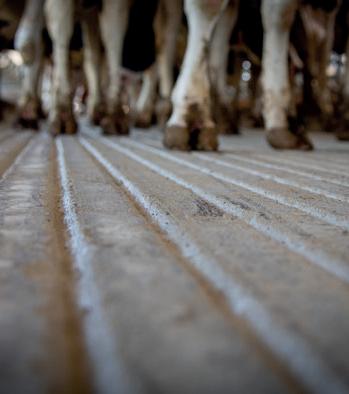


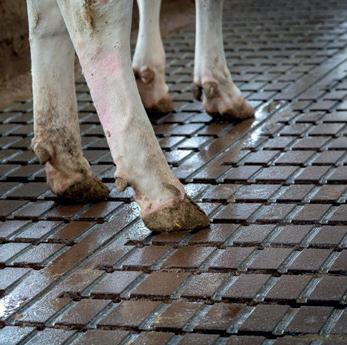
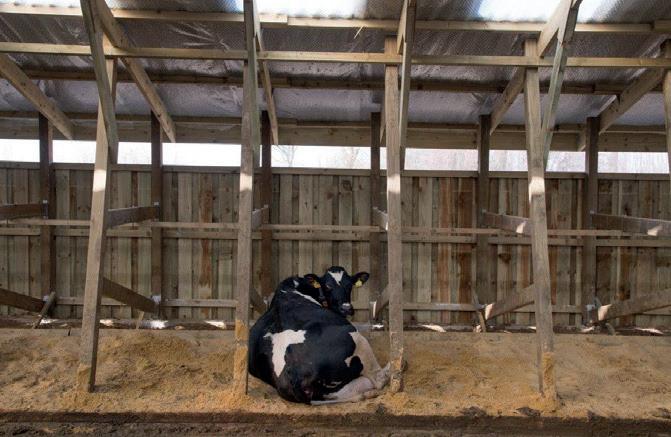



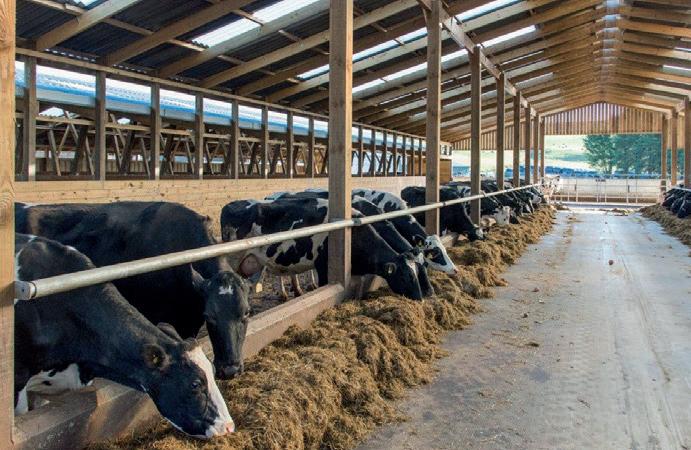







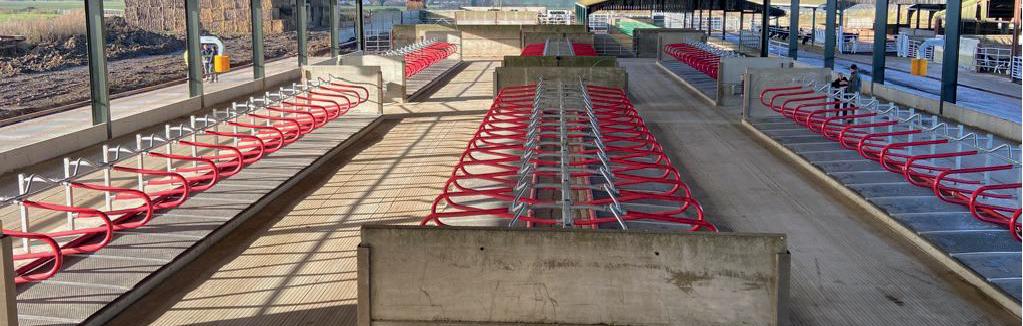

‘I don’t think that there’s any such thing as food security in this country’
This month Roger Evans discusses the battle for the best fresh grass, politics and food security.
I’ve got this friend and, two or three years ago, he was showing me around his farm.
He milks a lot of cows, about 800 I think and, if I say he farms by the New Zealand method, you will know what I mean.
We finished up at the milking parlour where afternoon milking was taking place.
All of his cows were Jersey crosses, smallish, black cows.
Throughout our tour you could tell how proud he was.
He was proud of his grassland and how he managed it and he was proud of his cows and how they performed.
He had shown me some figures and he was proud with good reason.
We leaned on the rails of the collecting yard and watched what was going on.
It was customary to put these cows on a fresh paddock after afternoon milking.
The cows knew that there was fresh grass waiting for them and were almost fighting to get into the parlour.
The access to this grass was already open and they knew it.
As each batch was released from the parlour they went on a run down the tracks.
the paddock, how much grass is left for them?”
My friend’s mouth was wide open, from his reaction you could tell that this had never crossed his mind before.
Until then he had taken pride in just how hard his cows were working.
I saw him about 12 months later and he tells me that he had rearranged his paddocks so that older cows and heifers get more grass.
“Margins are up,” he told me in triumph.
This story is a bit like UK farming itself – you have to run a lot faster to get some fresh grass.
This year, there aren’t many segments of agriculture that haven’t been adversely affected by the summer’s drought.
Of course, I don’t know what the weather will be like this autumn, let alone what sort of spring we will have, but I don’t think livestock farming could afford another drought.
Despite what politicians and union leaders say, I don’t think that there’s any such thing as food security in this country.
We turned our back on that when we left the EEC [European Economic Community].
The common agriculture policy wasn’t perfect, but it worked.
Lower inflation equals re-election and I suspect the farmers will pay for that
You couldn’t see the paddock where they were headed, it was perhaps a mile away and well out of sight.
The cows didn’t go at a canter – they sprinted. It was all heads down, elbows out and just to run as fast as you could.
Eventually there were only 10 or so left in the collecting yard.
These were mostly old cows and heifers.
Time to ask a question: “By the time these get to
I bet there’s many of us could do with that big cheque arriving later in the year.
Higher food costs equal higher inflation, so watch out for cheaper food supplies flooding in.
Global warming will be blamed for a deficit in food supplies, but the real prize will, in fact, be lower inflation.
Lower inflation equals re-election and I suspect the farmers will pay for that.
Get ready for a rough ride.
It’s being so cheerful that keeps me going.
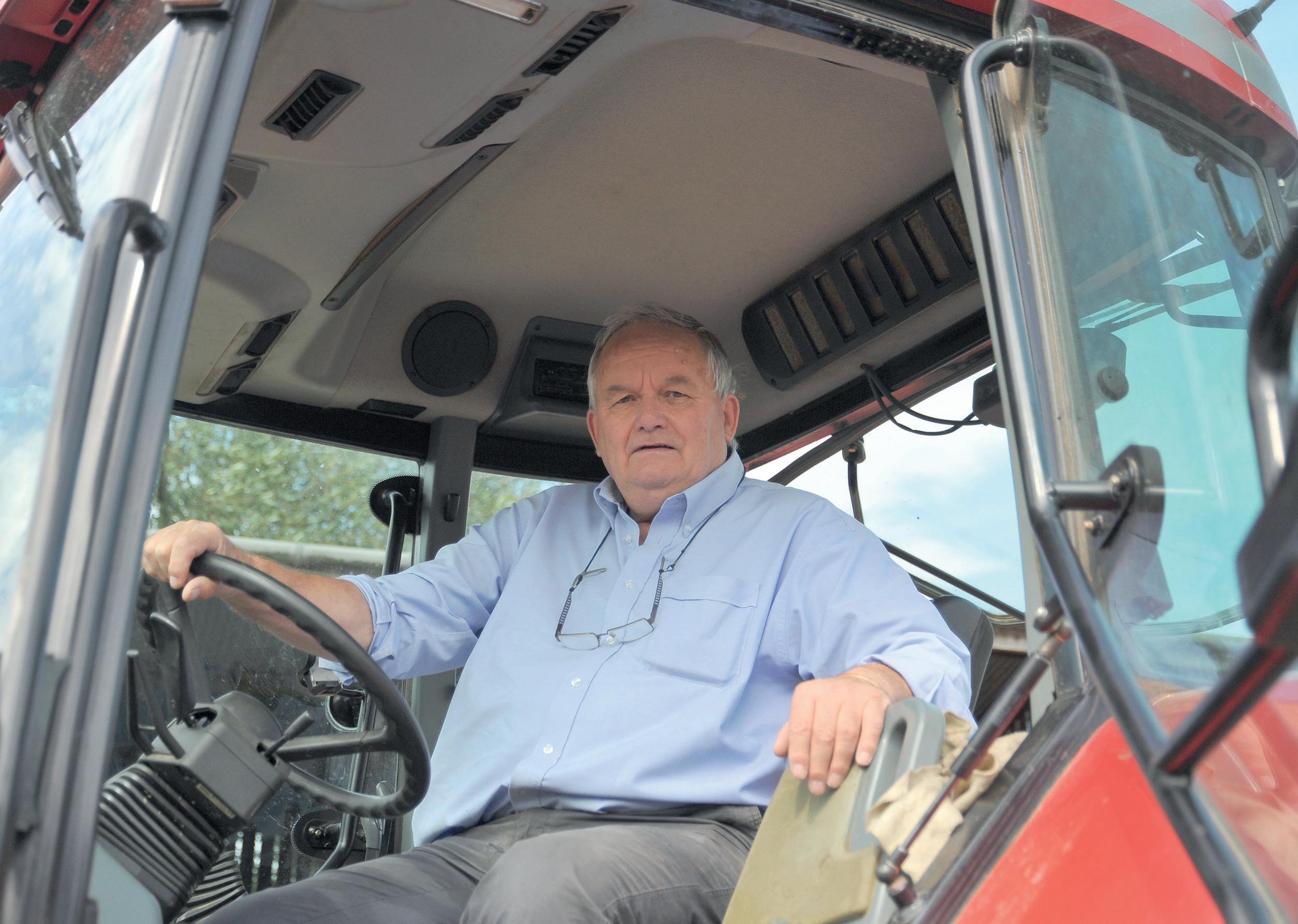

High Volume Low Speed
100 by 100 (30.48m)
efective working area
Key features:
• Ultra low noise
• Rapid cooling
• High ventilation
• Helps reduce heat stess
• Flying insects stay away
• Birds stay out
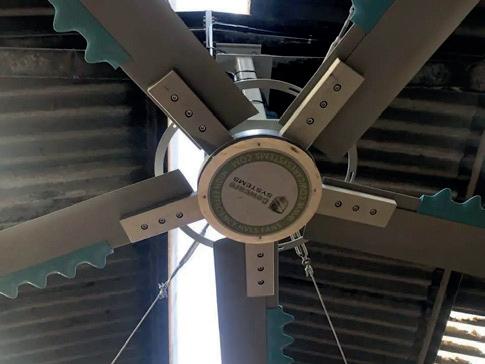



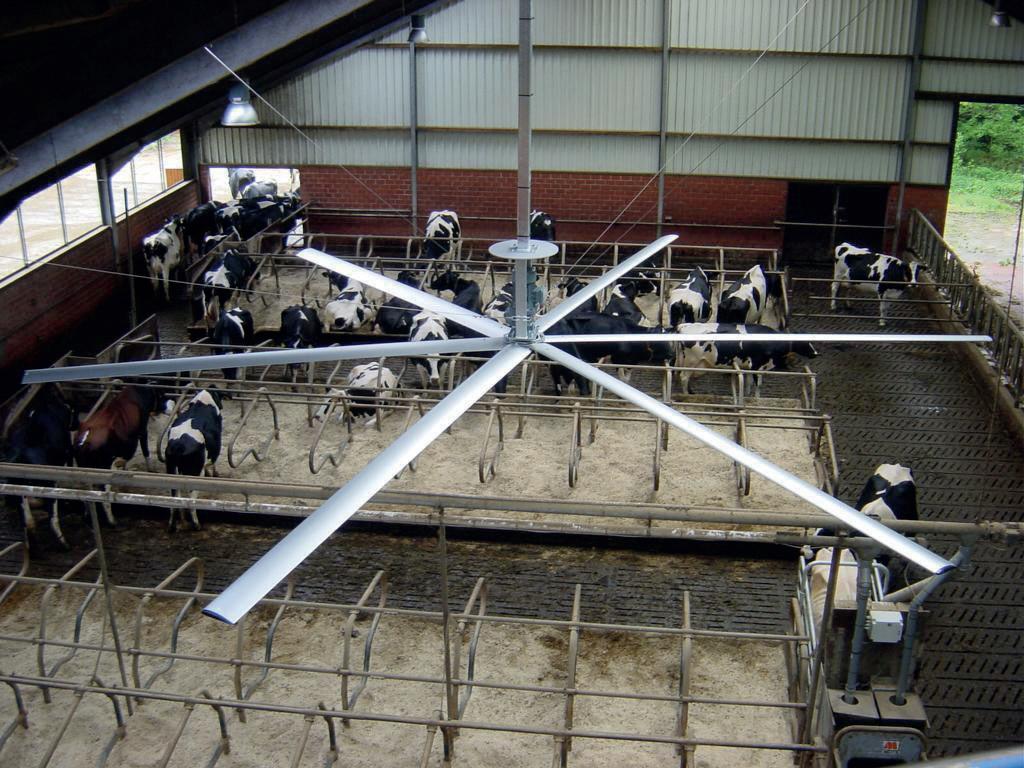
Inspired by the New Zealand share farming system, Farming Partners is helping entrants by establishing joint ventures with landowners. Katie Fallon reports.
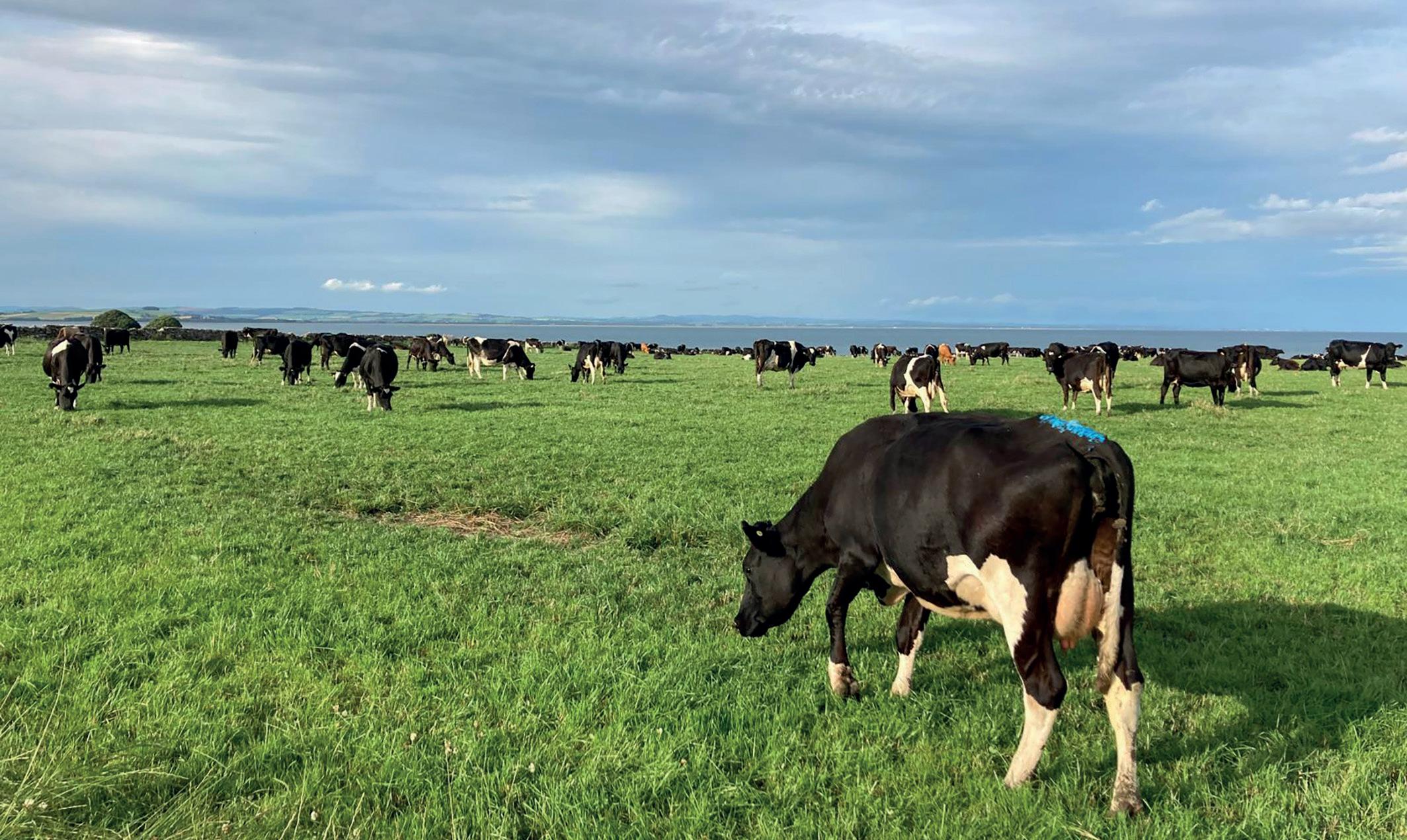


Founded by Brendan and Maureen Muldowney and the Beattie family, Farming Partners was established 14 years ago while they were trying to realise their dreams in dairy farming. Today, the initiative manages 10 dairy units and a heifer rearing unit across Scotland, Ireland and New Zealand.
Hailing from a small beef and sheep farm in Ireland, Mrs Muldowney says Farming Partners began after she and her husband Brendan left their careers in banking, and decided they wanted to be their own bosses.
She says: “We tried and failed at
She says: “We tried and failed at many different things. Brendan had spent time in New Zealand and was aware of the share farming model, but the idea over here was very new. We tried to lease land but eventually met the Beattie family – which was the start of Farming Partners.”
Scottish farmer Richard Beattie and his family had just taken on Cumrue Farm near Dumfries and wanted to set up a grassland dairy system, she says.
“We met Richard as we were looking for a land opportunity and he was looking for someone to manage his grassland dairy.”
After Mr Beattie bought Cumrue in November 2011, the couple moved to the farm with 300 heifers they had reared in Ireland.
“The heifers calved down that February, Richard developed the farm and turned it into a grassland dairy, and that was the start of the story,” says Mrs Muldowney.
“We were young and ambitious and wanted to get a step on the ladder and Richard was the first land-
owner who he gave us a chance and trusted us to run his farm for him.”
Mrs Muldowney explains they set up a profit share, where the Beattie family owned the land and the couple owned the cows and managed the farm.
She says: “People were taking note of what we were doing and came to us, looking for us to be involved in their farm. Then it became about putting landowners and farmers together in a partnership.”
Today, the initiative follows the same system, creating joint ventures with landowners who want to outsource the running of their farm, while keeping a vested interest in the business, and connecting them with people who can invest in the herd and build their own equity.
While the detail of each partnership varies, the basic model includes a 50% profit share between the landowner and Farming Partners. Mrs Muldowney says the landowner provides the land and infrastructure, while the farming partner provides the livestock, working capital and the managing of the farm.
The stock is generally owned by Farming Partners, and the manag-
ing farm partner is given the opportunity to purchase some of the herd and build their own equity within the business. The proportion of ownership is then reflected in the profit share.
Mrs Muldowney says: “The system works for people that do not necessarily have a farm at home or capital to buy land, and they can really get into this without having too much support.”
She says team members who join Farming Partners have the option to participate in training courses to develop their skills and ultimately become a farm manager and buy equity in the herd.
“We have a guy who was a builder and had never milked a cow in his life. He came in as a general farm worker and we put him on a training plan.
“The first 18 months is all about how to milk a cow, how to foot trim, how to understand cow signals and how to measure grass. He is currently participating in a management course so he can become a managing farm partner.”
Mrs Muldowney says Farming Partners helps provide young farmers or entrants with an opportunity to access dairy farming in a way that might not be possible through conventional methods.
She says: “If you go to rent a farm it can be quite daunting. The idea is that we are the link to finding the opportunity. We spent a long time looking for our opportunity, so we are trying to open the doors for others.”
All of the dairy units managed under the initiative are grassbased, spring calving herds, com-
prising Friesian cross Jersey cows with a focus on grazing for as many days as possible.
Mrs Muldowney says: “The people are our biggest asset; people who are passionate and want to carve out a career for themselves have given us a catalyst. Farming Partners is very much a group who are invested in the model, the idea and the future.”
Joey Malone, operations manager at Farming Partners, initially got involved as a student, and has since managed two dairy units and recently stepped into the new role of operations manager.
Mr Malone says: “I came into Farming Partners about 10 years ago, in its very early days, as a student. I did a degree course at University College Dublin and came to Farming Partners on a work placement, then went to New Zealand for two years before coming back.”
Also hailing from a small beef
the

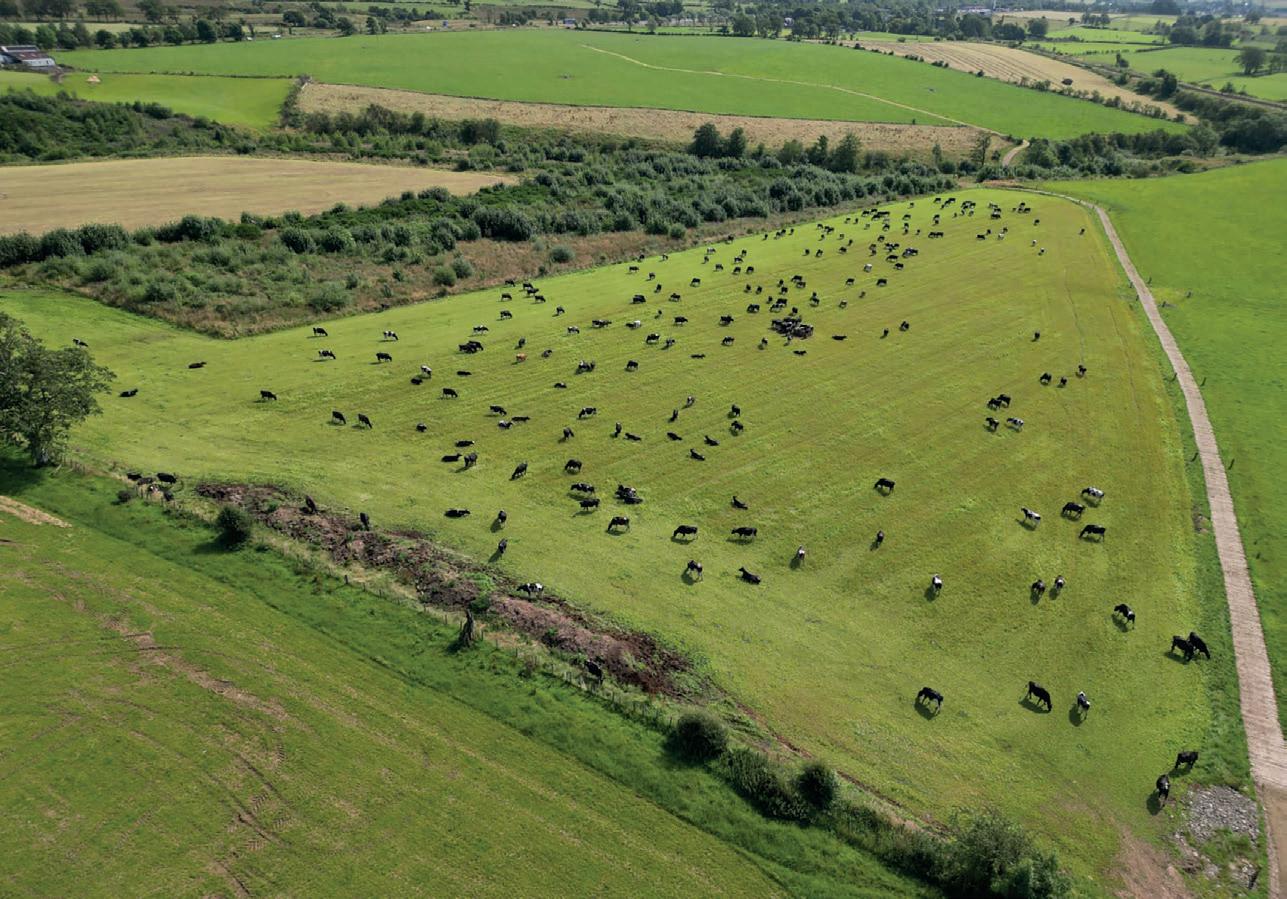
and sheep farm in the west of Ireland, Mr Malone says there was no real potential for him to return to the farm at home. However, Farming Partners allowed him the opportunity to farm on a large scale without owning land.
He says: “Some people [at Farming Partners] do not come from a farming background; some, like myself, come from a farm, but do not have the land or the capital to go out and buy their first 100 acres.
“So, they are using share farming and joint ventures to acquire the capital to grow their own equity and wealth. It is certainly difficult
from a standing start to get off the ground within agriculture.”
He adds: “Eight years ago I joined Farming Partners and started off owning 35 cows. I have grown from there to owning 270 cows today. If I had stayed at the home farm that equity growth would not have been possible.”
“It is providing a pathway for people to get into dairy farming. If you have the right attitude and are willing to learn we have lots of progression on offer; the ability to grow into a farm manager, become an equity partner and grow your own wealth.”







A new Kite Consulting report suggests there is now a short-term window of opportunity to reshape a future, stable relationship between retailers, processors and farmers. Dairy Farmer reports.
AKite Consulting report, Decoding Dairy Disruption – why UK retailers must rethink dairy procurement strategy now, examines what has driven this year’s anomaly of tight dairy global supply and a UK milk production surge – reaching record highs in the spring – while farmgate prices lag behind those on the continent.
The report explores the impacts on the situation and the structural dynamics shaping the sector, but also warns of some potential negative implications for farmers, processors and retailers across the UK dairy value chain, urging players within it to not be complacent.
Milk volumes have been good this year, but that does not mean they always will be, and UK milk prices are consistently lower than the EU – by an average of 2.3p over 19 years compared to Denmark, for example.
But a changing global investment emphasis may well change the UK’s situation in the future. While retailers can rely on getting the milk they need, they cannot rely on getting it at low cost. They should expect price increases above inflation, states the report.
John Allen, of Kite Consulting, says: “At the heart of the issue lies a market in transition. We are seeing a shift that is reshaping power in the value chain.
“For decades, the UK dairy sector has been focused on domestic retail, shaped by the logistics and pricing of liquid milk. But with processors like Arla and Muller investing heavily in export capabilities – mozzarella, powders, whey – UK milk is increasingly tied to global markets, where premium-added products command higher returns.
“At the same time, UK retailers are asking for higher standards than some global commodity
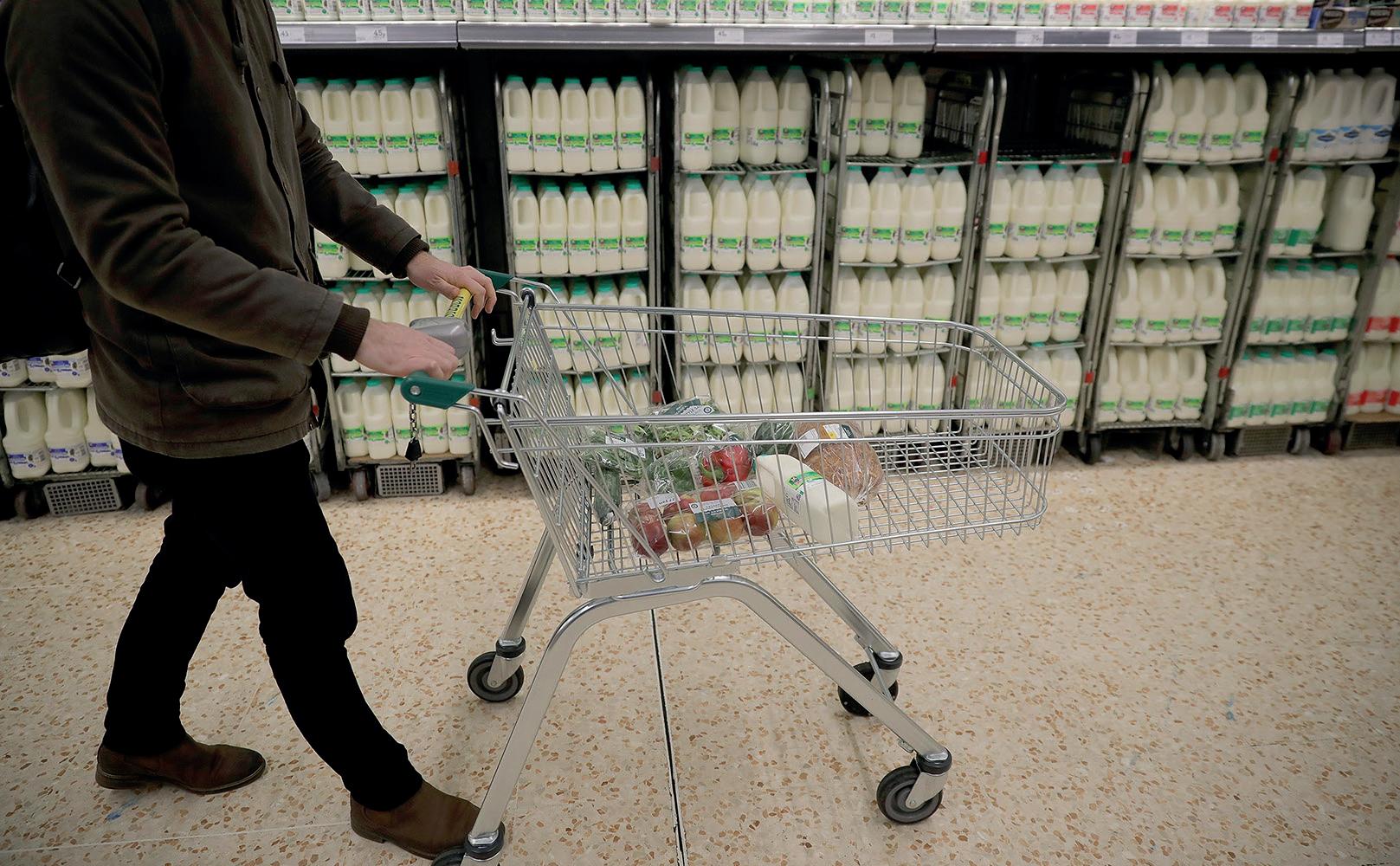
markets. Sustainability, carbon metrics and animal welfare are now expected farm-level deliverables.”
But in a seller’s market, customers asking for more are required to pay more – consistently, and at a premium, says the report. Otherwise, local customers may be outcompeted by better-paying global clients, with fewer demands.
Kite Consulting’s Becki Reay says: “What was once, mostly, a buyer’s market is now becoming a seller’s market, and this will only accelerate as new processing facilities come online.
“Farmers are beginning to question the value of traditional cost of production models, which cap upside in buoyant markets. With global prices often outperforming domestic benchmarks,
producers are seeking more flexible, reward-driven pricing.”
Ms Reay believes the message for dairy farmers is clear.
She says: “Farmers need to look at the market signals and ask what their processor requires in terms of milk quality, welfare standards and, crucially, seasonality.
“Efficiency needs to be the top priority across the supply chain. The absorption of capital inefficiencies, due to a mismatch of seasonal supply and demand, will be felt in the milk price.”
The UK dairy market is becoming more global, more competitive and more supplier-led. The current surplus is temporary.
Ms Reay says: “The shift in power, pricing dynamics and expectations is here to stay.
“Those who move fastest to adapt will be best positioned to

While retailers can rely on getting the milk they need, they cannot rely on getting it at low cost, says the report.
thrive. Retailers have a short-term opportunity to guarantee security of a supply of milk produced under their specific standards.
“Export opportunities and policy threats in the UK could put their supply at risk.
“That means revisiting pool contract terms, improving milk pricing structures and offering meaningful incentives for sustainability, biodiversity and supply consistency.
“Meanwhile, all UK milk processors need a strategy to secure future milk supplies and avoid being outcompeted for milk by ambitious peers.
“While milk has been plentiful this year, it does not mean it is always going to be. There is no structural change or issue, and supply pressures remain.”