

















































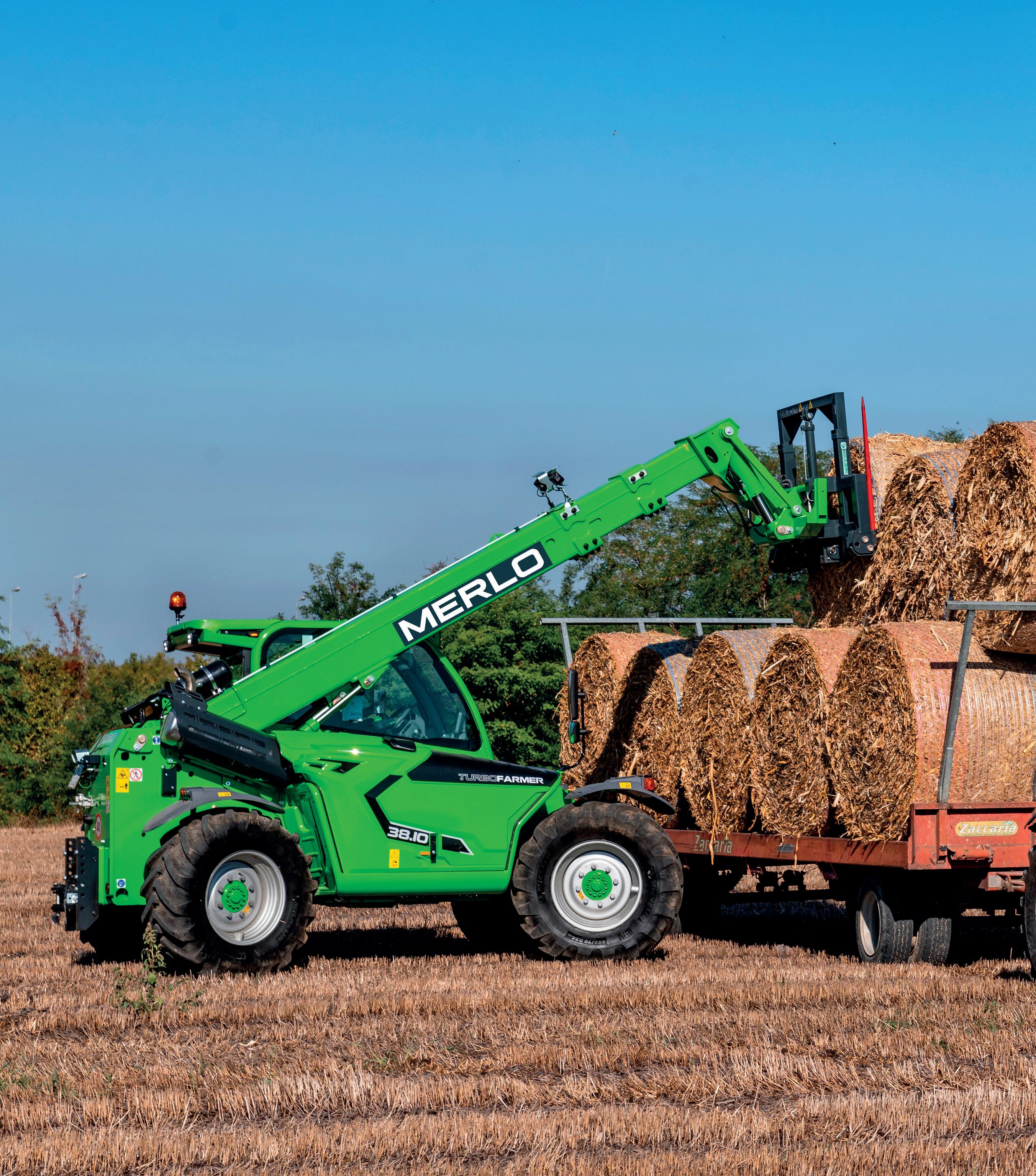
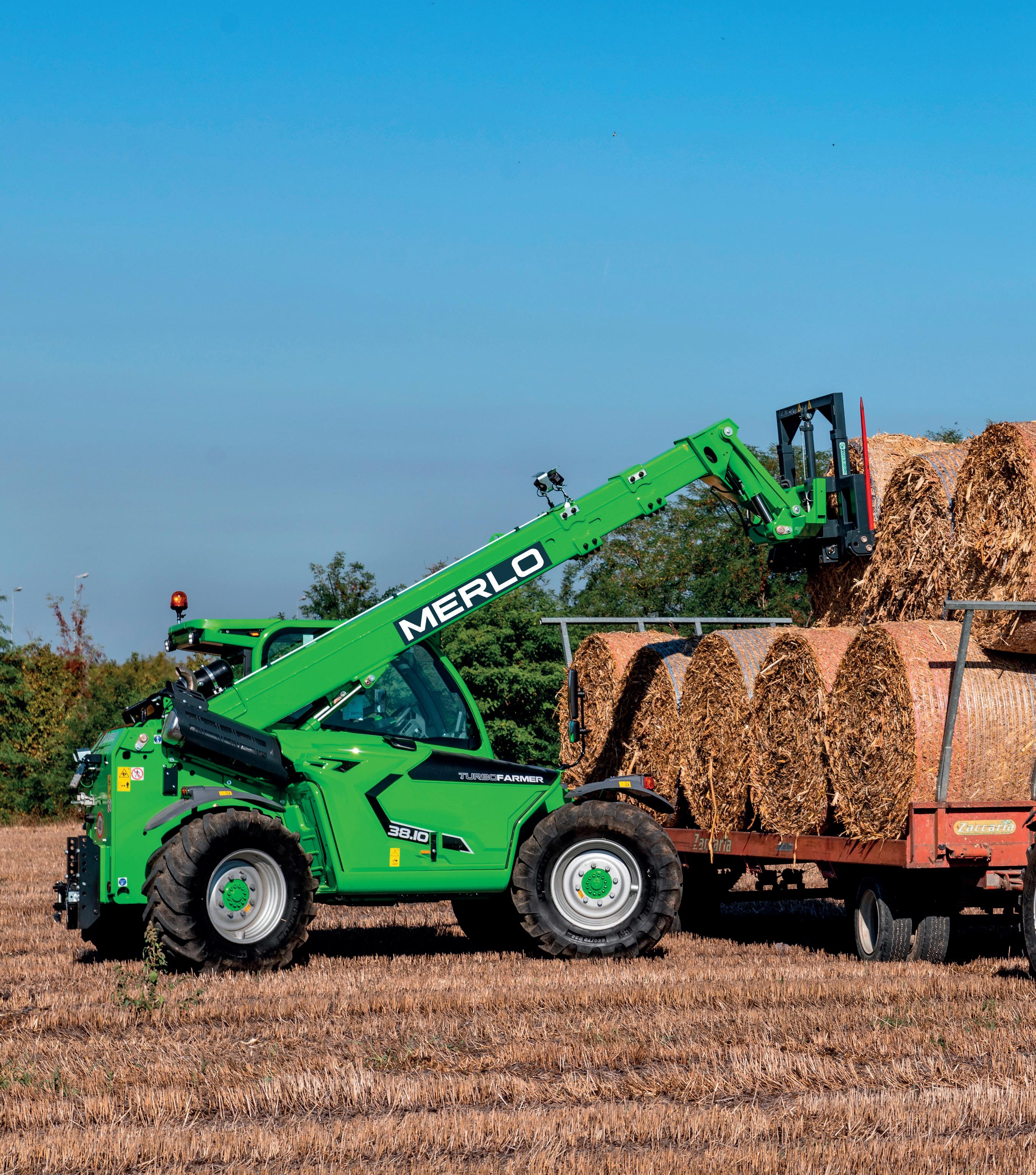
Designed for efficient bale stacking in the field or yard, even on rutted ground. With a 3.8-ton lift capacity and 9.7m reach, plus frame levelling and boom side shift, operators can precisely position bales for a tighter stack and easier loading. Cab suspension absorbs wheelings for a smoother ride.

3.8 9.7

3.8 9.7




Editor Katie Jones 07786 856 439 katie.jones@agriconnect.com
Picture Editor
Marcello Garbagnoli 07815 003 236 marcello.garbagnoli@agriconnect.com
Sales
Gemma Thorpe 01772 799 500 gemma.thorpe@agriconnect.com
Account Manager
Mark Jackson 01322 449 624, mark.jackson@agriconnect.com
Classified Advertisements 01772 799 400 fgclassified@agriconnect.com
Advertising Production
Justine Sumner 01772 799 437 Fax: 01772 796 747 justine.sumner@agriconnect.com
Circulation and subscriptions 0330 333 0056 help@subscribe.farmers-guardian.com
Subscription rates: UK £65 a year Europe: £85 World: £95
ISSN 1475-6994
© Farmers Guardian 2025 All rights reserved. No part of this publication may be reproduced or transmitted in any form or by any means, electronic or mechanical including photocopying, recording, or any information storage or retrieval system without the express prior written consent of the publisher. The contents of Dairy Farmer are subject to reproduction in information storage and retrieval systems.
Dairy Farmer, Unit 4, Fulwood Business Park, Caxton Road, Preston, Lancashire PR2 9NZ
Origination by Farmers Guardian, Unit 4, Fulwood Business Park, Caxton Road, Preston, Lancashire PR2 9NZ. Printed by Warners Midlands, The Maltings, Manor Lane, Bourne, Lincolnshire, PE10 9PH. No responsibility can be accepted by Dairy Farmer for the opinions expressed by contributors.

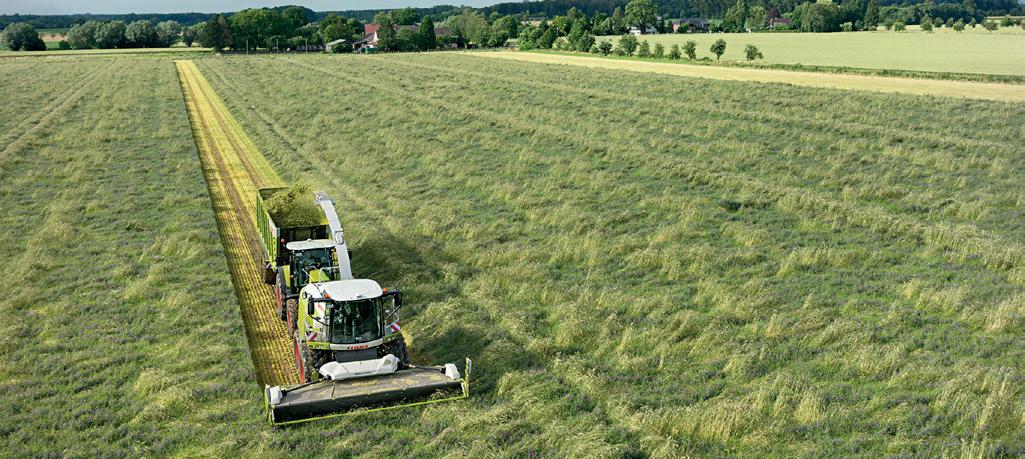
Around the UK over the last few weeks, fields have been alive with tractors drilling maize and getting first cut silages in.
And while the fine weather over the last couple of months have meant that farmers have been able to get on well with field work, talk has now turned to discussions of a possible drought.
This time last year, we were just about emerging from a very wet spring, so it does feel odd, and a little early, to be talking about drought now when we usually associated this sort of thing with the hotter summer months. But I do hope that by the time the next edition of Dairy Farmer arrives, everyone will have seen some much needed rain.
As well as the weather, we have also been on politics watch over the last month. The results in the local elections at the start of May showed there is a considerable shift in the political landscape, with Reform UK’s performance suggesting UK politics may no longer be a two-party race.
And then we have trade deals, firstly with India and swiftly followed by a US/UK agreement. The highly anticipated agreement made between Donald Trump and Sir Keir Starmer means the US will have access to the UK beef market, and viceversa. But alongside this is US access to 1.4billion litres of duty-free ethanol, which is a concern for our arable farmers.
As ever the devil will be in the detail.



airy farmers have been urged not to let the opportunity awarded by new contract legislation pass them by because they are ‘too busy’ to read contracts or under pressure to sign.
Dairy Farmer understands some producers have been placed under pressure, with processors giving tight deadlines and leaving farmers feeling like they have no choice but to sign.
The Fair Dealing Obligations (Milk) Regulations 2024 (FDOM24) came into force in the UK on July 9 2024, at which point they applied to
all new contracts made for the purchase of milk from a producer.
And the deadline was now looming for existing agreements to be compliant by July 9 2025.
Former NFU dairy board chair Michael Oakes and former NFU Scotland milk committee chair Graeme Kilpatrick were instrumental in helping to shape the legislation.
They have both been receiving calls from farmers who are concerned with what they are being presented with by their processor.
Mr Kilpatrick said he had been contacted by farmers who had been told they had less than a week to sign.
JFarmers are being urged to consider their water usage after the driest start to spring in 69 years.
Following a meeting of the National Drought Group (NDG), farmers have been encouraged to work with the NFU and to take action ‘now’ to ensure they have enough water stocks to last the summer.
The Environment Agency said while no area was officially in drought, without sustained rainfall there was ‘medium risk’ of shortage over the summer.
Chairing the meeting, Environment Agency deputy director of water Richard Thompson said: “The
changing climate means we will see more summer droughts in the coming decades.
“The past two years were some of the wettest on record for England, but drier conditions at the start of this year mean a drought is a possibility and we need to be prepared.”
In England, March was the driest since 1961 and April received just half its normal rainfall.
Reservoir levels were either notably low or exceptionally low across the North East and North West of England. Both these regions have seen their driest start to the year since 1929.
“Some processors are trying to put pressure on. It is not in the spirit of the legislation,” Mr Oakes said.
This had raised concerns farmers may not be able to make the most of the opportunity, with the legislation focused on fairness and transparency in areas including pricing, notice periods and banning unilateral changes to the milk purchase contract.
Wi th farming businesses always ‘extremely busy’, Mr Oakes and Mr Kilpatrick were concerned farmers would feel unable to prioritise studying any new contract.
Farmers needed to be aware all milk purchase contracts must include a 21-day cooling-off period during which the producer has the right to terminate the contract without any penalty or liability.
Many processors were also dis-
cussing A&B pricing mechanisms, which Mr Oakes highlighted must be clear and transparent in the legislation.
Farmers could also benefit from the development of dairy producer organisations (DPOs), with Mr Oakes highlighting a ‘truly democratic’ DPO gave farmers a voice to act on behalf of farmers and provided processors with a body to discuss with.
For farmers being offered a contract, the pair advised union members to get in touch with their representatives with the NFU offering a contract checking service.
They also suggested farmers could club together to pay for a lawyer to check a contract was compliant, rather than paying individually for those supplying under the same contract.
Producers were also reminded they can make a formal complaint to
Some processors are trying to put pressure on. It is not in the spirit of the legislation
MICHAEL OAKES
the Agricultural Supply Chain Adjudicator, Richard Thompson, and can contact him confidentially. Guidance can be found at: www. gov.uk/guidance/contact-asca-inconfidence-or-make-a-formal-complaint, with formal complaint forms to be sent to asca@defra.gov.uk and anonymous contact to be made via ASCA-in-confidence@defra.gov.uk.
JUS President Donald Trump has welcomed a potential trade agreement which includes greater access for US farmers to export their goods to the UK.
On May 8, Mr Trump and Prime Minister Sir Keir Starmer announced details of a deal which had been agreed between the two countries. Mr Trump confirmed the deal will include ‘new market access’ for US farmers to export more goods to the UK including ethanol, beef, machinery and other agricultural products which could add $5bn to the US economy.
Sir Keir said lowering standards was a ‘red line’, which is written into the deal, and added greater US access to the UK market would not ‘compromise’ the high standards of British farmers.
When challenged on lower welfare standards produce entering the UK, Mr Trump said it would be the choice of consumers to decide, despite indicating it could be ‘cheaper’ to buy.
The Government also pledged food standards and animal welfare would be ‘upheld’ as it revealed it has signed a trade deal with India following three years of negotiations.
The agreement was expected to increase bilateral trade by £25.5 billion and add £4.8bn a year to the UK economy by 2040.
Tenants are being left ‘in the dark’ by landlords and their agents, with on-farm investment ‘stifled’ in the wake of the Chancellor’s changes to Inheritance Tax (IHT), according to a new survey by Dairy Farmer’s sister publication Farmers Guardian and the Tenant Farmers Association (TFA).
The survey of 163 tenant farmers found a quarter of tenants believed their landlord would be less willing to invest in their holding as a result of IHT changes, and 63% claimed that prior to IHT their landlord already invested little in the holding and would continue to do so.
The recent proposed changes to IHT have also exacerbated issues which were already prevalent within the sector, including lack of investment and poor communication. Some tenants even claimed their landlord’s agent only got in contact with them when it worked to ‘the advantage of the estate’.
The survey revealed it was not just landlords putting off investment, but tenants too – 55% said they would invest less and would rethink investment plans following IHT changes, and 26% of tenant farmers said they had held off plans to join Environmental Land Management schemes.
More than half of tenants said the Chancellor’s Budget and IHT

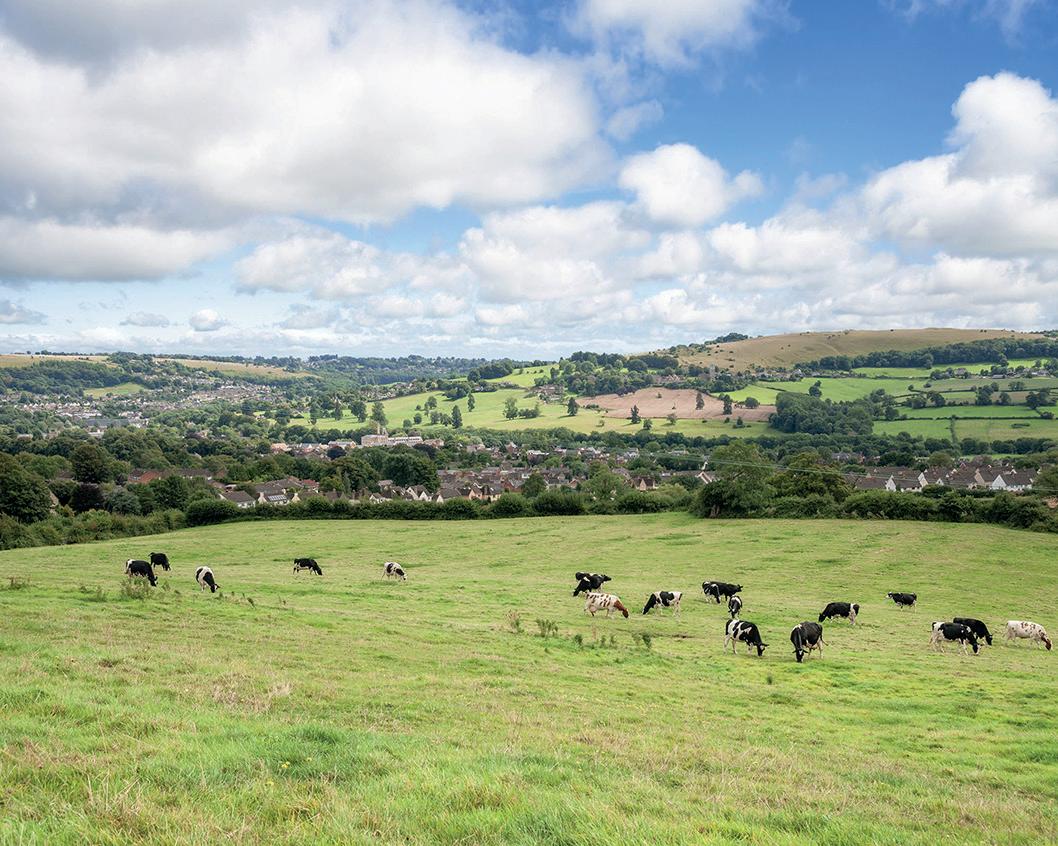
A recent survey of 163 tenant farmers found a quarter believed their landlord would be less willing to invest in their holding as a result of Inheritance Tax changes.
proposals had a negative impact on their mental health.
The survey highlighted one of the reasons for tenants’ anxiety was the fear of eviction from tenancy.
TFA chief executive George Dunn said tenants had been left ‘in the
dark’ as to how landlords would respond to IHT changes, and would have to wait for the final legislation in the Finance Bill to be released.
He said there was ‘significant evidence’ that landlords were taking a ‘knee-jerk reaction’.
Baroness Kate Rock, author of the Rock Review, referred to the findings of the survey in the House of Lords.
She said: “I have had many heartbreaking messages from farmers who fear they just cannot go on.”
As a solution, Ms Rock proposed landlords who let land for eight years or more should be allowed to include the value of that land as part of the zero-rate threshold for IHT.
The Financial Secretary to the Treasury, Lord Livermore, said while he understood the ‘strength of feeling’, he did ‘not accept’ the premise of her question.
“I fully respect the commitment that has gone into the survey that she spoke of but do not necessarily accept its conclusions,” he said, adding the Government’s commitment to tenant farmers ‘remained steadfast’.
GRASS-FED cows and sheep are not to blame for the climate and health crises and should instead be thought of as part of the solution, a new report has said.
The Sustainable Food Trust study challenges the current negative messaging around meat and dairy, arguing that the answer lies in shifting to a different farming model.
Grazing Livestock: It’s Not the Cow But the How highlights the environmental and nutritional benefits of food produced from animals raised on pasture without synthetic fertilisers or chemical
inputs. The report says that, being able to thrive on a diet of grassland plants that humans cannot consume, these animals play a crucial role in supporting biodiversity, building healthy soils, locking carbon in the ground, and sustaining rural communities – all while producing nutrient-rich food.
Commenting on the new report, Lord Deben, former chair of the UK Climate Change Committee, said: “I believe this report could help to resolve some of the not inconsiderable public confusion about the impact on climate
change of ruminant animals in general and cows in particular.
“This confusion has led to a widespread view that all cattle are unsustainable, but it does not have to be this way – providing we farm and eat differently.”
The trust said that as momentum built for a more sustainable farming sector, the report presented ‘compelling evidence’ for the essential role of livestock in this transition.
Patrick Holden, founder and chief executive of the Sustainable
Food Trust, said: “This report clearly demonstrates the need to differentiate between livestock that are part of the problem and those that are an essential part of the solution. In other words: it is not the cow, it is the how.
“The debate over whether we should eat meat and dairy has become unnecessarily polarised. People have been led to believe that all meat is bad, but what really matters is how the food has been produced and whether that farming system supports or undermines the health of people and the planet.”
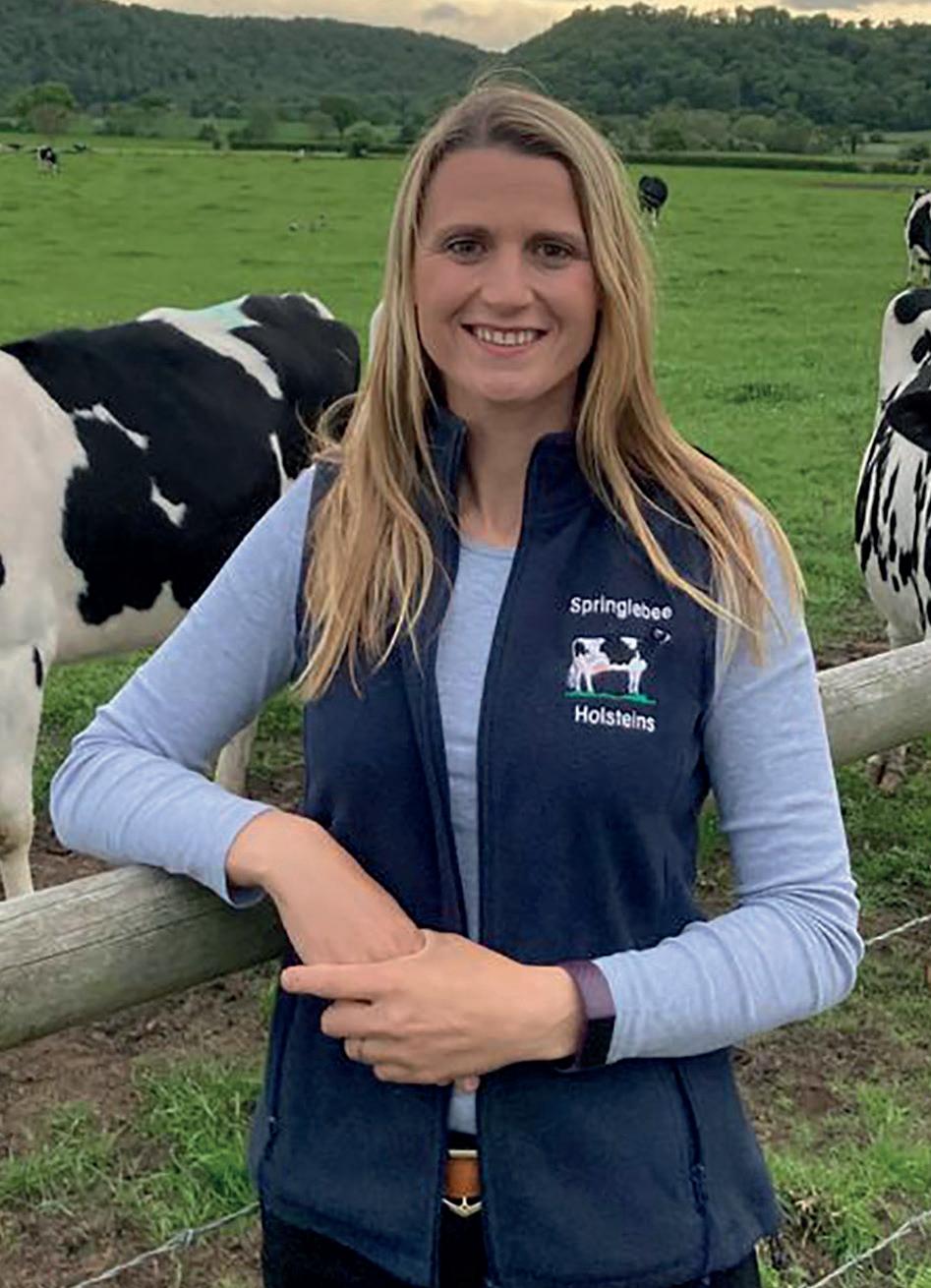
Becky Fenton and husband Paul milk 200 pedigree Holsteins under the Springlebee prefix at Centenary Farm, a Cheshire county council farm. In 2021, they bought a farm in Staffordshire and they plan to farm there once the new dairy set-up has been built.
I can absolutely see the future in robotic milking. If we had longer left on our tenancy, I would have the robots in tomorrow
As I write this at the very end of April, the race is on to see who will be the first to silage in Cheshire. The sun is shining and there is no rain forecast at all. We are holding off for another week or two to give the grass a chance to bulk up. I am fearful of a drought and it is still early.
Overall, the crops are looking well, and the late sown seeds have nearly caught up. This year, we have used a mix of liquid and granular fertiliser. That said, I have no doubt the heavens will open the moment we get the forage wagon out.
Recently, I visited a farm that has installed 10 robot milking machines (see p38 to read more about this farm). Six robots are for the main herd, one dedicated to fresh cows, and three for the heifers.
I loved that the fresh cows had their own robot and could transition into the main herd when ready. Their fresh cow shed was spacious, not overstocked and fully rubber floored – slats and matting.
They had adapted their existing buildings, and built an add-on shed. The herd manager told me they had gone from 14-hour days to just seven-hour days. I can absolutely see the future in robotic milking. If we had longer left on our tenancy, I would have robots in tomorrow.
Speaking of automation, our automatic calf feeders have been life-changing. When we first looked into them, people warned us that they ‘would not be any quicker’. I do not know what those people are doing, but for us, it is the opposite, they are so easy. Obviously, you still have to keep an eye on them, but we can now feed 70 calves in the time it takes to open a bag of milk powder.
The calves are thriving – growth rates are the best we have ever seen, and calves at weaning have never looked healthier. We used to struggle with ringworm, but since the calves are stronger it barely seems to be an issue.
That is not to say everything is perfect – we still get the odd sick one, but overall, the system is brilliant. At the moment, we do not start calves on the feeder until they are at least 14 days old, perhaps we could reduce that. At peak, the calves are on eight litres, we could possibly increase that too.
Alongside the feeders, we are thrilled with our new dedicated calf shed. I am not one to blow my own trum-
pet, but it really works. Like most of our projects, the design started on the back of an envelope. It is a 195ftlong shed, 19ft deep, with 13-15ft bays.
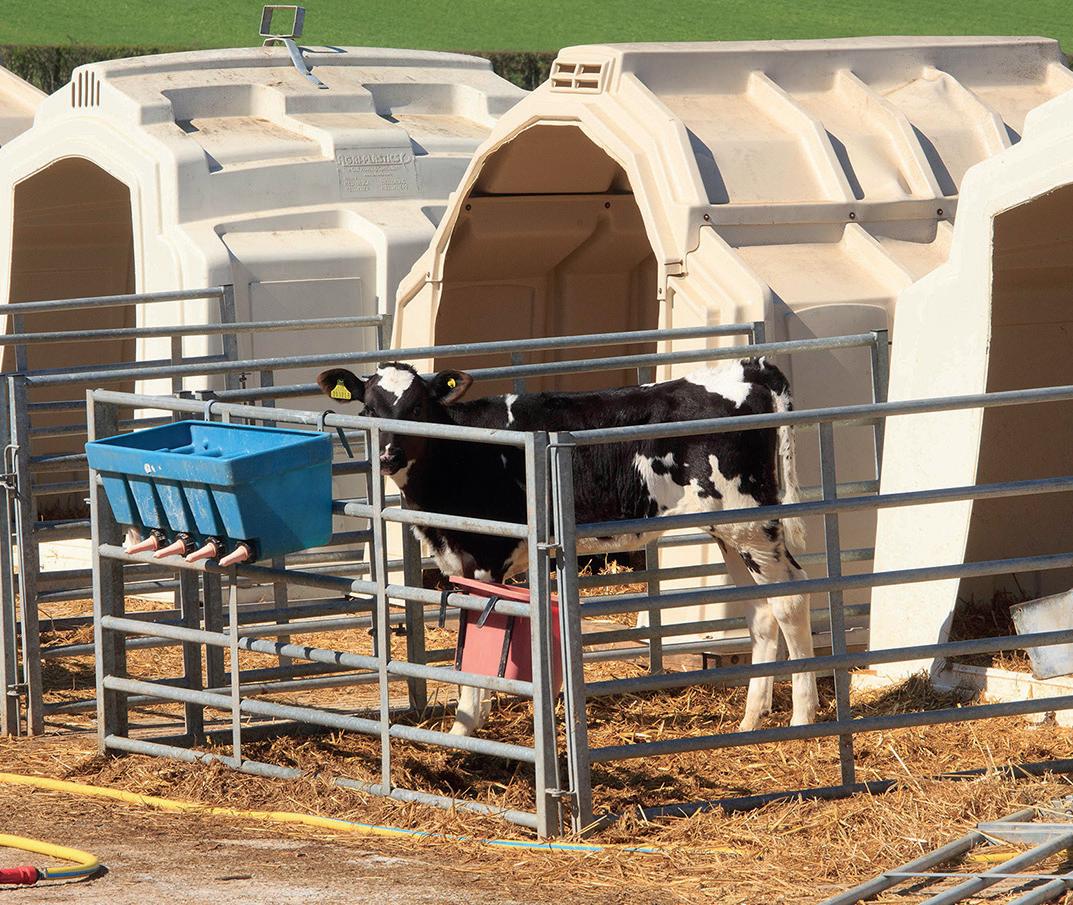
Four bays are for newborn calves, each feeder has two bays (four feeders) and one bay houses the milk feeding station. It is built on concrete sleepers for drainage, so the pens are never wet. We have got self-filling corn troughs and pig-style drinkers for fresh water. Honestly, we would not change a thing.
For a farm that has historically struggled with calf rearing, we feel like we have finally cracked it.
Next on the wishlist is: a robot muck hoover, a robot silage pusher and a new heat detection system (and while I’m dreaming, a robot lawn mower!). We are just waiting to see what the next round of grants might offer.
The past eight weeks, I have been puppy farming. Our Hungarian Vizsla had seven pups. A nice little earner, though I have to admit, the people buying the puppies are much harder to deal with than cows.
West View Farm was one of four units that participated in a collaborative project between Kite Consulting and Cogent to develop the EcoFeed genomic feed efficiency trait. Wendy Short reports.
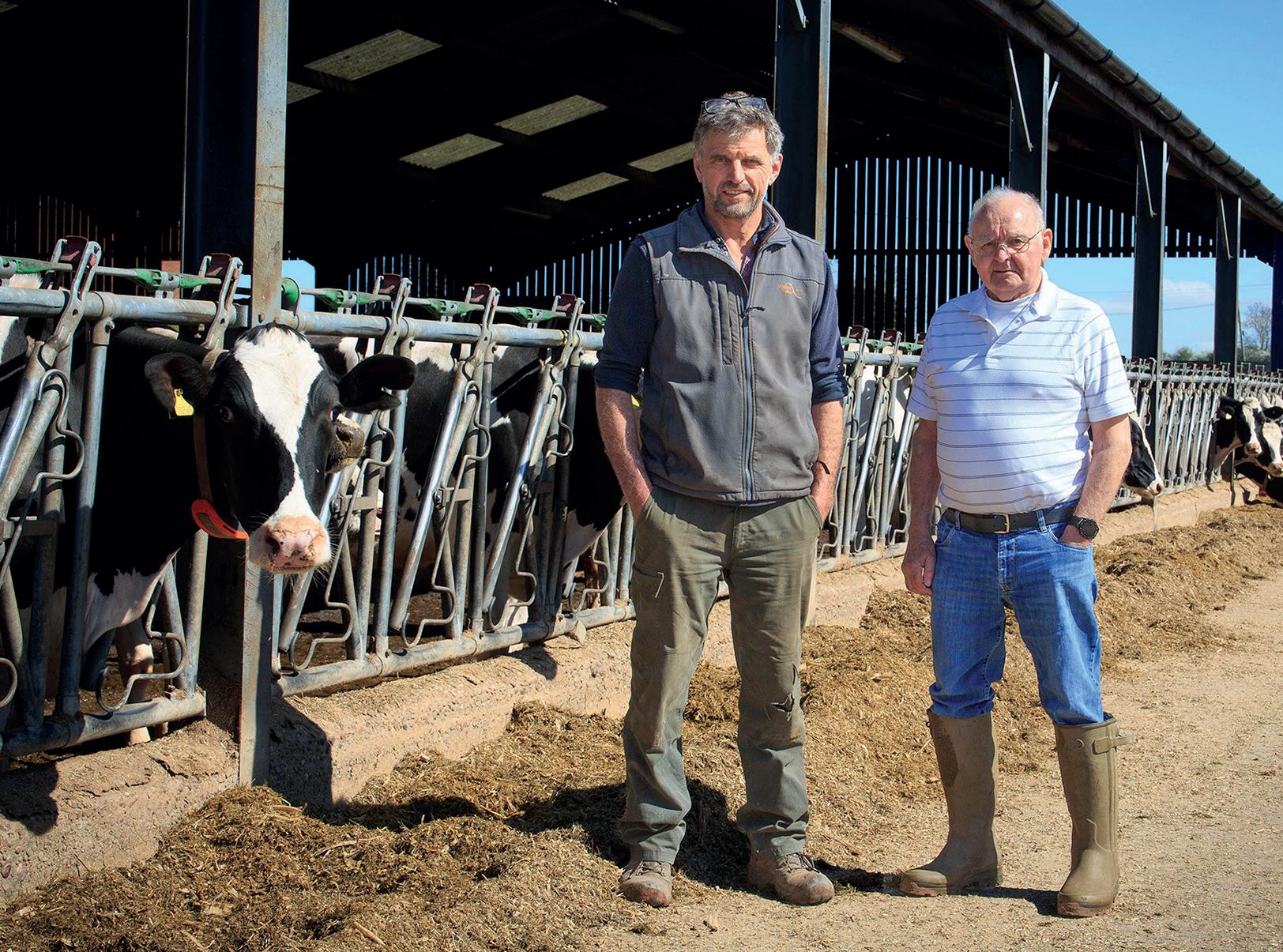
When selecting replacements for his family’s 191cow Irelandbarn herd of Holsteins, Richard Ward has added the EcoFeed genomic feed efficiency trait to the range of criteria he uses.
Richard, who farms in partnership with his wife Paula and parents Stuart and Mary, at West View Farm, Swadlincote, Derbyshire, explains that the cattle are ranked at the top of the EcoFeed index for their enhanced efficiency.
This means these animals require lower feed intakes to maintain production and produce less methane and manure per unit of milk compared with their herdmates.
While he cannot quantify the direct effect of adding the EcoFeed score to the range of traits used for replacement selection, Richard says he welcomes its introduction and it is now part of

the plan to continue driving genetic progress to enhance profitability.
“There is no doubt that gen-
etics plays an important role in herd performance,” says Richard.
“Two cows can be fed the same ration and produce very different yields. EcoFeed is among many factors considered for bull selection, but it is relevant and, over time, it will hopefully improve herd efficiency as well as benefiting the environment.”
The herd is fully housed in cubicles and milked three times a day, producing an average yield of 13,000kg at 900-1,000kg of milk solids.
Calving at West View is all year round, with milk sold to Arla on an ASDA supermarket contract which pays solids bonuses.
He says: “The milk solids figure
is the main focus for hitting bonus payments and, at present, the target for individuals to produce 3kg-plus of solids per day is being achieved.
“Feeding is geared towards high solids, but the main gain is through genetic selection.
“The improved accuracy of genomic testing has helped to speed up progress since 2018. In my opinion, it is worth the extra investment.”
And he adds that genomics is just as useful for identifying the poorer performers as it is for highlighting the top animals.
However, he adds all the heifers are closely inspected by an independent assessor before they
enter the herd.
He says: “Individuals will be removed for faults like poor foot and udder conformation, no matter what the genomic figures state.”
Some eight or nine sires are selected annually via the Cogent mating programme and the Holstein bull, Captain, stands out for his ability to breed the type of animal that suits the system.
Heifers are reared elsewhere on a contract arrangement, calving at about 24 months.
Females receive two services with Holstein sexed semen, with male sexed Aberdeen-Angus semen used thereafter and beef cross calves sold to a rearing unit at about a month old.
Richard says: “I believe that 21 months is too young for calving heifers, because they have not fully matured. Our heifers are mixed with the cows when they return to the farm, so they need to be able to hold their own.”
Cows are not fed in the parlour, and the total mixed ration is offered twice daily, with the robotic feed pusher keeping it in front of the cows at all times.
He says: “The diet comprises grass and maize silage, a pro -
n 22kg maize silage
n 18.5kg grass silage
n 7.5kg processed wheat by-product
n 5kg rapemeal
n 4kg caustic wheat
n 3kg ground maize
n Minerals
cessed wheat by-product, rapemeal, caustic wheat and ground maize, as well as minerals.
“The milking herd receives the same ration across all stages of lactation. It is one of the more expensive feeding regimes, but some of cows are giving as much as 30kg-plus at drying off.
“They need to be fed well to maintain condition and their intakes are on a gradual decline, so consumption will fall off naturally.”
A change to the silage-making system has improved forage quality. The seed mix predominantly contains perennial ryegrasses, harvested by contractor.
He says: “Changing from three silage cuts to four has been a good move. First cut is taken in late April/early May and grass is subsequently harvested every four or five weeks.
“The dry matter tonnage has not increased, but the ME has risen significantly and usually averages 11.5.
“However, 2024 was a difficult year and the figure went down to 10.9 as a result. There is definitely a benefit from cutting a more leafy crop, and protein levels are also comparatively high at 15%
“The perennial ryegrass mixes are generally two or three year leys and they are rotated with the maize.
“Italian ryegrass does not work so well on this farm.
“While it provides bulk, it tends to head too quickly and that can be a problem if the contractor is
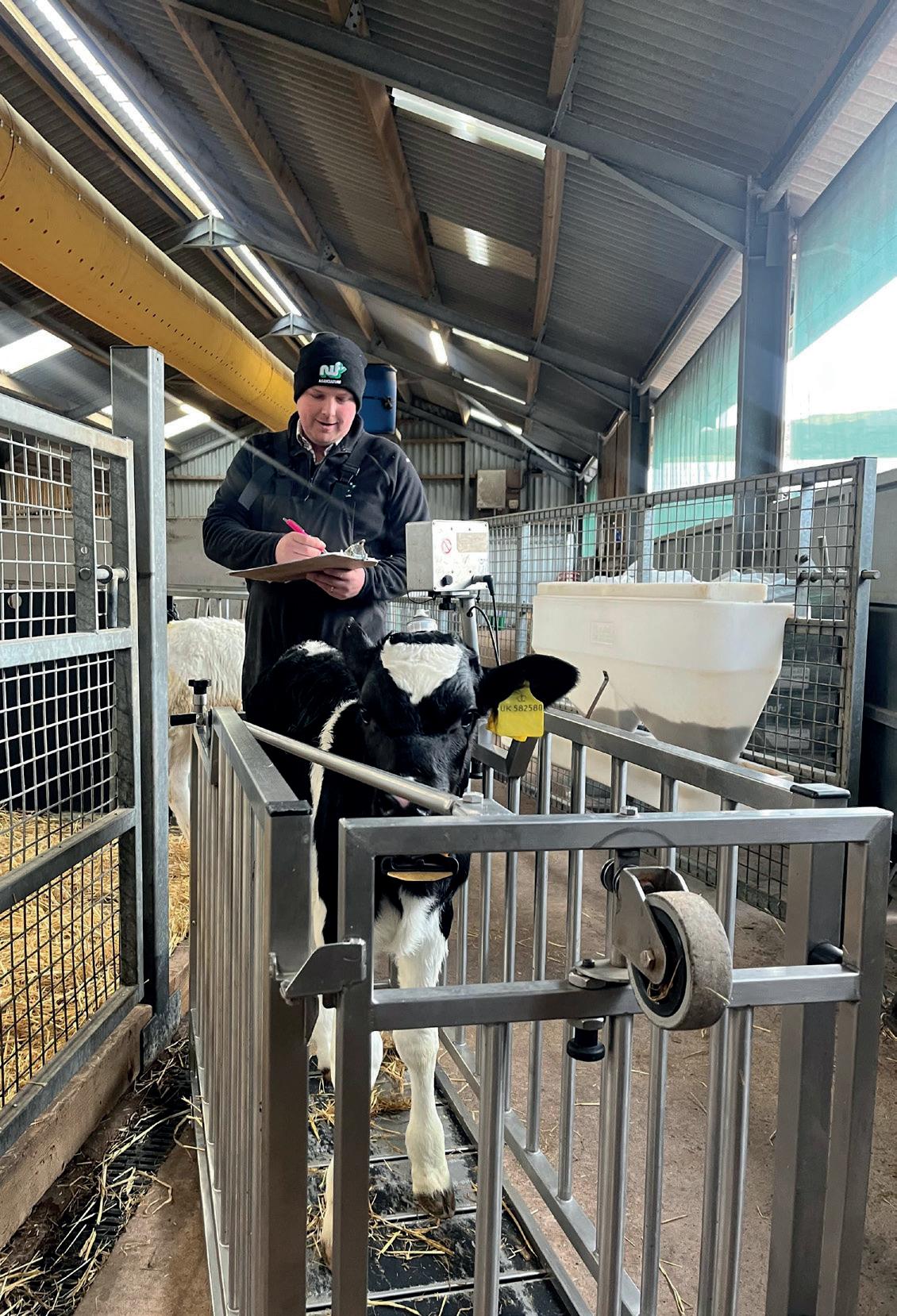
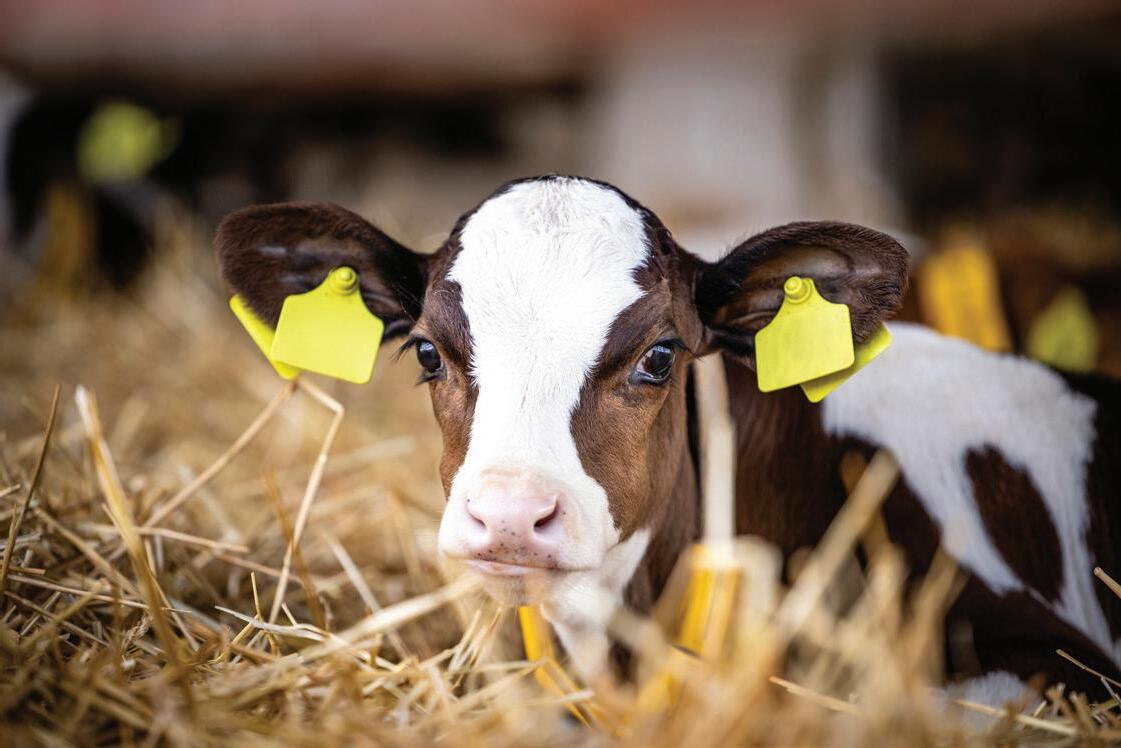
The NWF Youngstock team are dedicated to supporting calf rearing enterprises across the UK.
The team aim to improve the health and performance of calf rearing units, ensuring optimal growth and productivity. They are nutritionally trained to offer feeding support and advice and are FAR registered, an industry accreditation that sets the standards for feeding advice.
and Feeding
and Growth Monitoring








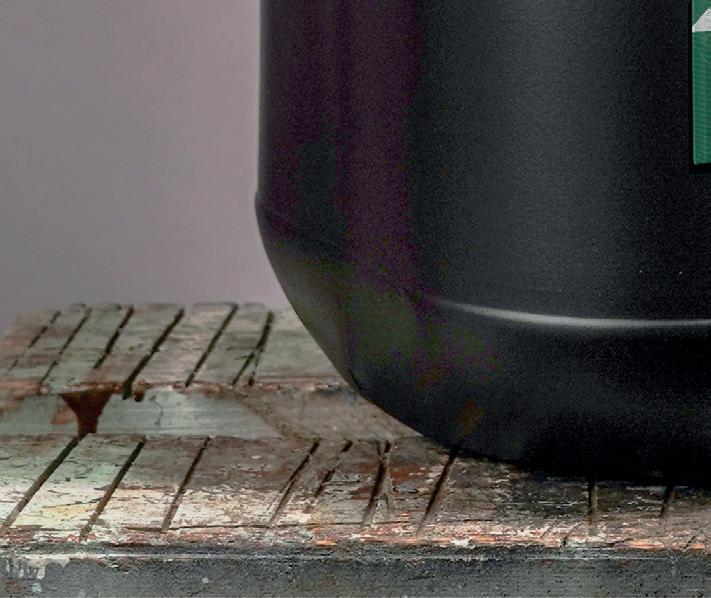
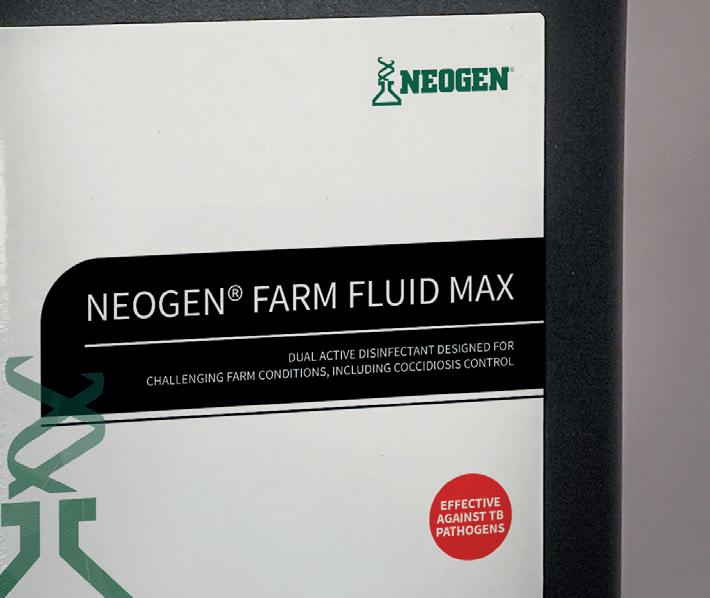
DEFRA - approved dilutions: E ective against TB at 1:20, FMDv 1:1000, Bovine Rotavirus at 1:67 and Bovine Johne’s disease at 1:100
Active Disinfectant







Farm







This month, Hugh Pocock, director at Cultura Connect, gives us an insight into his recent visit to the Animal AgTech Innovation Summit in Dallas
It is a common issue in the tech world that the excitement of new technology often leads to a rush to develop something without a clear understanding of the questions that need to be answered, resulting in vast amounts of wasted time, money, and effort.
However, I recently attended the Animal AgTech Innovation Summit in Dallas, where it was encouraging to see many innovations clearly addressing specific problems.
During my visit, I engaged in compelling discussions with forward-thinking innovators who are leveraging cutting-edge agricultural technology to address genuine challenges confronting farmers today. Here are some that captured my interest.
SomaDetect showcased technology for milk quality testing. This company has developed sensors that can be integrated into existing milking systems, using a combination of in-line optical sensors and artificial intelligence (AI) to analyse raw milk in real-time.
The system leverages light scattering to measure key compounds in the milk, and employs AI algorithms to identify patterns and connections, helping dairy farmers to assess milk quality, reproductive status and herd health. Could this one day be an accurate and efficient way to officially milk record our herds?

Hugh Pocock
Ranchbot Monitoring Solutions stood out with its advanced remote monitoring systems designed for livestock management, using satellite and GPS technology to provide real-time remote water monitoring for livestock farmers. This allows for monitoring of water levels and consumption in water troughs, identifies if there are leaks, assesses water pressure, and now has a number of other remote sensors such as fuel tanks and rain gauges.
Although more likely to be used by large ranch operations, this could deliver significant advantages for crop irrigation systems or large grazing herds in the UK, ensuring optimum water supply.
Ceres Tag was discussing its animal tracking device, which offers unprecedented levels of data acquisition. Smart tags use satellite technology to provide farmers with comprehensive insights into their livestock’s location, health, and behaviour.
Excitingly, they are able to monitor feed intakes at grazing, helping farmers select cattle that are more efficient at converting feed when cross-referenced with weight and growth information.
Israeli BeeFree Agro demonstrated its drone technology for monitoring livestock welfare in the field. It uses drones equipped with AI to monitor and count livestock with a high degree of accuracy, and check water troughs and fences.
What’s new about this, you may ask – well, these drones automatically deploy themselves to the air, scan a pre-planned route, field or enclosure, count livestock, report on unusual behaviour, and check water troughs for water levels and cleanliness. Using high-definition cameras for accurate viewing and analysis, it then provides actions if problems are observed.
There is a buzz around virtual fencing at the moment and representatives of the four main players were at the summit: Halter, which has a system to guide cattle using audio cues and vibrations; Nofence, with technology that employs audio warnings and a mild electrical pulse; Vence, which offers solar-powered tracking collars; and eShepherd from Gallagher, which combines GPS with behavioural analysis to train cattle.
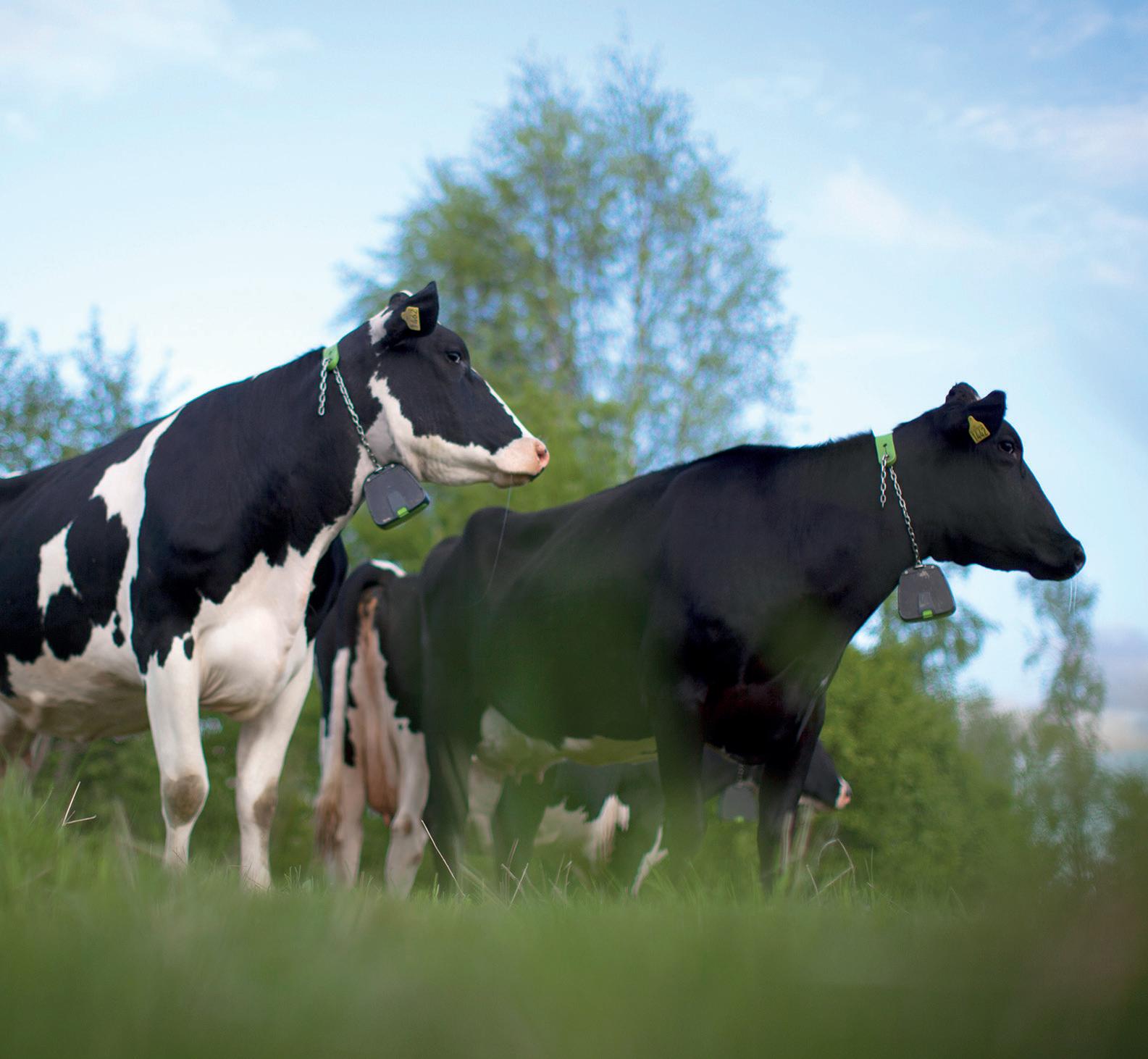
These solutions reduce infrastructure costs while enabling precise rotational grazing, improving animal welfare, and providing flexibility in herd management.
chain and should be able to provide health alerts.
Methane reduction solutions are generating interest, and several companies are making good progress with seaweed-derived supplements designed to decrease methane emissions while enhancing feed efficiency.
CH4 Global has developed products using Asparagopsis seaweed, which contains bromoform compounds that inhibit methane-producing enzymes in the rumen, potentially reducing emissions by up to 90% when added at just 0.2% of feed.
Meanwhile, Rumin8 has engineered a synthetic version of the active compounds found in red seaweed, creating a more scalable and consistent product that maintains the powerful methane-reducing properties of natural seaweed without harvesting limitations.
I connected with several investors who are committing significant amounts of capital to this sector. While investor interest is strong, there is also a measured caution regarding the timeline and practicality of bringing these innovations to widespread commercial use on farms.
Fortunately, most of the companies and products I encountered appear well-positioned to overcome market challenges and deliver practical solutions.
There is a buzz around virtual fencing.
HerdX presented its blockchain-based livestock tracking system utilising ultra-high frequency ear tags and specially created readers placed strategically above water or feed troughs. This aims to provide transparency and traceability in the livestock supply

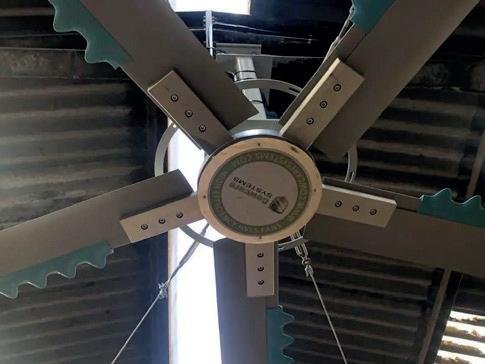
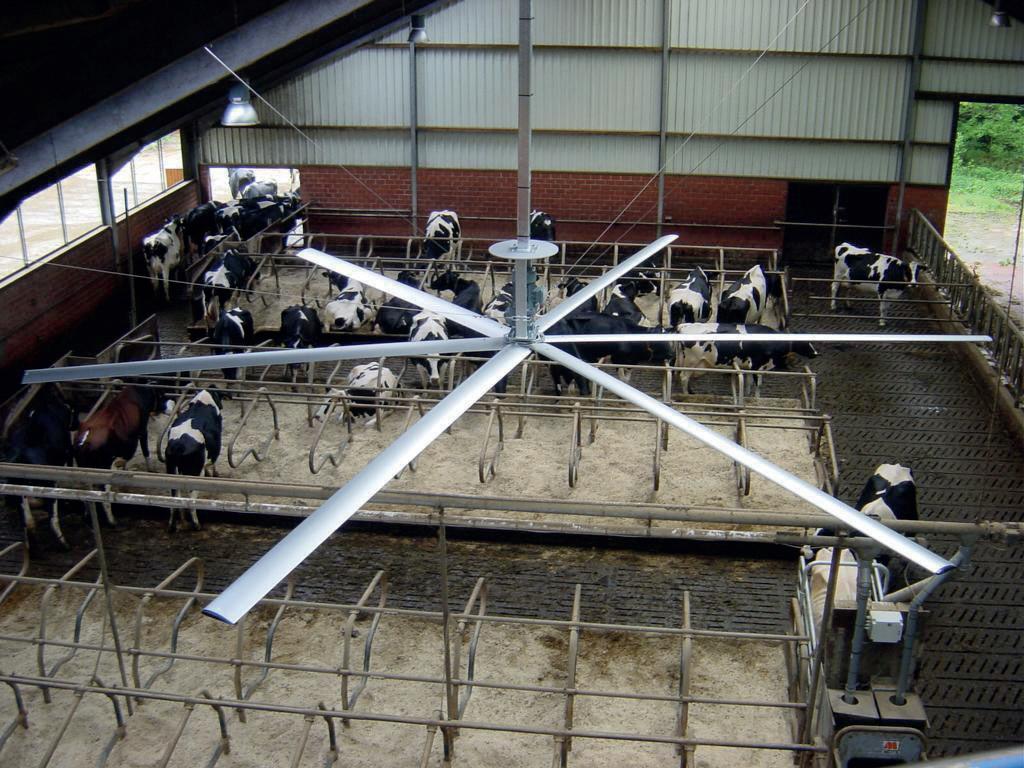
High Volume Low Speed 100 by 100 (30.48m) efective working area
Key features:
•Ultra low noise
• Rapid cooling
•High ventilation
•Helps reduce heat stess
•Flying insects stay away
•Birds stay out
Attending the summit provided me with remarkable insights into the revolutionary technologies shaping agriculture’s future. I left with a refreshed appreciation for advancements in agricultural technology and the promise they hold for a more efficient, sustainable and prosperous future in farming.




Diluting the risk of opportunistic environmental infection is key to managing and preventing mastitis in the dairy herd. Katie Fallon reports.
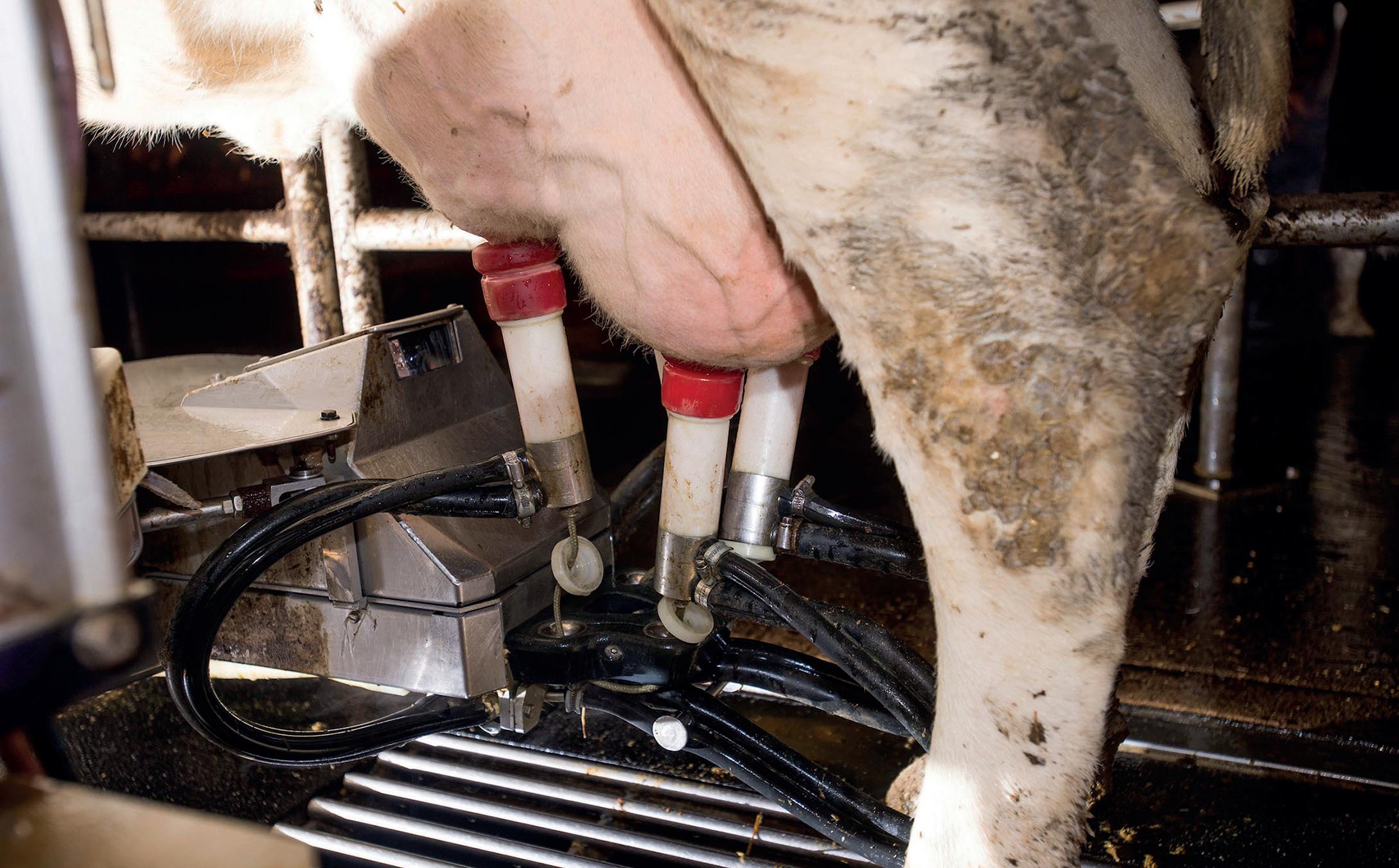

With an average treatment cost of £350 for the typical mastitis case, looking after udder health is important not only for cow health and performance, but also farm profitability.
Speaking on a recent Lely Atlantic webinar, associate professor in cattle health and production at the University of Nottingham and veterinary consultant at Map of Ag, James Breen, said some of the main contributors to mastitis infections are within environmental management.
Dr Breen said: “Generally, mastitis infections will happen from a variety of sources, but a lot of the contributors for me would come
back to how you can manage the environment in which the cows are living.”
He explained there can also be a seasonal component to mastitis infections, with heat stress and ambient temperature sometimes causing a surge in clinical cases in summer.
However, while outbreaks can and do happen, the majority of contributors are related to environmental management.
When looking at ways to manage and prevent mastitis within the herd, Dr Breen said a lot will depend on the dominant infection pattern in the herd as to whether focus should be around dry cow management, milking cow management or milk harvesting.
However, his first tip would be to
The endemic diseases that we all struggle with, the foot health, the udder health – they are interlinked
JAMES BREEN
look at dry cow management and make sure cows are calving into the herd uninfected.
He said: “The first thing you have got to establish is if your cow is
already infected before she begins her lactation cycle.”
“If you have got dry cows in cubicles or loose yards, application of clean bedding every day would be very important to minimise the risk of dry cow infections.”
Water quality is another area Dr Breen advised focusing on to manage mastitis infections, particularly at farms which are not using a mains water supply.
He said: “A lot of [robot] farms use water in and around the robots and cleaning brushes, so I would want to know something about water quality as a source of opportunity for environmental infection.”
Looking at general environment management, Dr Breen said space should also be considered.
He said: “Really think about




space, particularly for the lactating cow group.
“A top tip for environment management is to somehow to dilute out the opportunistic environmental infection, and the more space you can give her the better, both in terms of risk of infection, but also reducing pathogen load and pathogen multiplication.”
Dr Breen also discussed the link between udder health and lame-
ness, with lame cows often subject to longer lying times due to difficulty walking.
Consequently, these cows may take fewer feeding bouts, resulting in issues around negative energy balance.
“The endemic diseases that we all struggle with, the foot health, the udder health – they are interlinked,” he said.
“Foot health and udder health both have such a focus on environment management and sometimes we have tended to say what is good for mastitis control is maybe not as good for foot health and vice versa.
“If you wanted really good foot health you might have them in deep beds with deep straw, but that would be hard to manage for mastitis infections and vice versa, but you can have both.”
Touching on treatment and antibiotic use, Dr Breen said it is rational to treat a cow with clinical [mastitis] symptoms with antibiotics. He said: “If it was her first time
with clinical symptoms and there are bits in the milk, I would treat that straight away with an antibiotic. Your first clinical case is your best chance of cure.
“But if the clinical symptoms come back, that is a different ball game as to whether the antibiotic use is supported.”
Dr Breen said long-term and sustainable reduction in antibiotic use is down to fewer new mastitis infections.
He advised looking at individual cow and herd level data to understand when most first cases happen and, if clinical symptoms are presented in the first 30 days after calving, it is likely to be caused by an infection in the dry period.
If more than one in 12 cows develop clinical symptoms in the first 30 days, Dr Breen advised looking at dry cow management.
But if cows are all ‘sailing through’ the first 30 days with no


symptoms and cases appear later in milk, he advised looking at environmental management.
In terms of antibiotic use and dry cow management, Dr Breen said administering antibiotic dry cow therapy to a cow which is likely to be uninfected at the end of lactation, can make them more at risk of infection.
Research has shown that when antibiotic dry cow therapy was randomly given to low cell count and uninfected cows at drying off, those cows were at greater risk of developing infections caused by E-coli in the next lactation.
“One of the reasons that might happen is something to do with us disturbing normal bacterial flora in the udder. So, this decision-making process around do I or do I not at drying off is absolutely crucial.
“We absolutely need to move away from this idea that it is probably better to still give these cows antibiotic dry cow therapy, as it probably is not.”

Introducing the new, innovative front loader that integrates totally with your tractor. A loader that enables you to get through your workload faster, with more precision, efficiency and safety than ever before.
Controlled via the tractor’s onboard joystick and ISOBUS terminal, the new Stoll ISOBUS-Connected front loader delivers twelve additional productivityboosting functions. All selectable from the tractor’s display terminal and set according to your preferences.


Understanding the value of slurry is key to utilising nutrients efficiently and growing quality silage. Katie Fallon reports.
Slurry is a valuable source of nutrients for any dairy farm, with its nitrogen content particularly important for producing quality crops of grass. However, its value is not always recognised or utilised optimally.
Here, David Ball, lead environment specialist at AHDB, shares his advice on how to make the most out of your slurry and best practice for optimising its nutrient content.
QHow valuable is slurry in terms of nutrient content?
AMr Ball says: “It is important to recognise slurry as the valuable resource it is, rather than seeing it as something you have to get rid of.”
He says a typical tonne or cubic metre of slurry will contain 2.6kg of nitrogen (N), 1.2kg of phosphorus (P) and 2.5kg of potassium (K), which makes for a valuable resource.
He adds: “The average dairy cow will produce £110 worth of total N a year, and while not all of that will be available to the crop
immediately, organic fractions will break down over time and release N. Typical cow slurry is worth about £5 per cubic metre or per tonne, just in terms of total N, P and K. Readily available N, P and K will amount to around £3 per tonne in value.”
Mr Ball says the availability of nutrients will depend on application method and time of year. However, a typical slurry application of 30cu.m per hectare (2,650 gallons per acre) is worth around £90/ha of available nutrients.
QHow do I know the nutrient content of my slurry?
AThe nutrient content of slurry can vary between farms and between seasons, says Mr Ball. Variations can occur with the water content of the
slurry, such as how much rainwater or parlour washings are present.
He says: “Water will dilute the slurry, so the nutrient content per tonne will be less. The same amount of nutrients will be in the slurry store but there will be a bigger volume of material.”
To maximise the efficient use of nutrients in your slurry, Mr Ball advises taking a slurry sample. “It is hugely beneficial to know what nutrients are in your slurry, so you know what you are putting on and know what you have got to make up with manufactured fertilisers.
“There are various options, but the ‘Rolls-Royce’ is to take a sample, send it off to a lab and get the result back. That will tell you the dry matter, the pH and micro-
nutrients content, as well as N, P and K.
“There are health and safety considerations to this, so the best way I have found to get a sample is to put a bucket or tray in the field and go over it when applying slurry, to capture what is actually being spread on the field.
“The disadvantage of that is although it will be very representative, it is inevitably after the event. But a number of samples will build up a good picture.”
Mr Ball says slurry should be stirred before sampling to ensure a representative sample.
Other methods of sampling can provide on-farm analysis, such as an Agros meter, which measures the amount of available N, or a simple hydrometer to measure the thickness of the slurry.
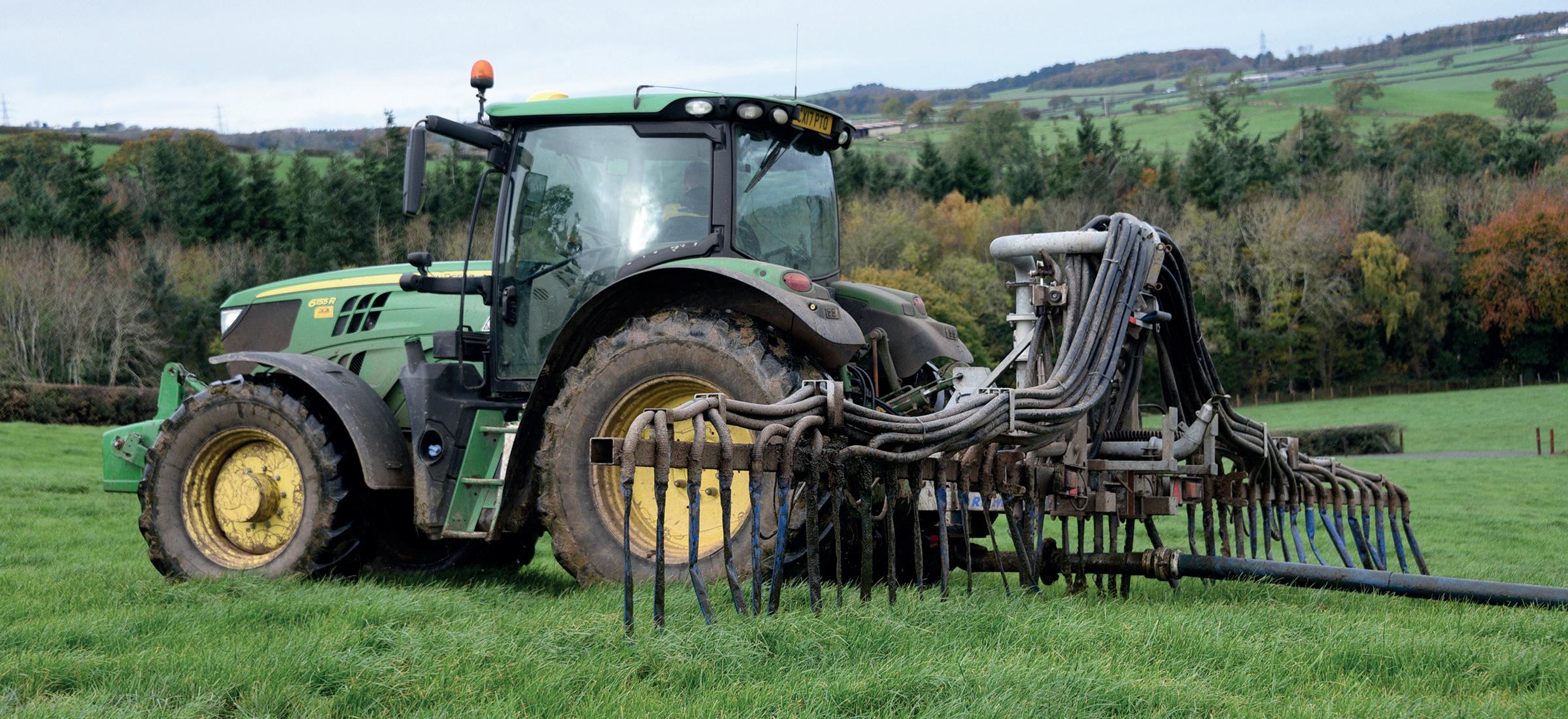
Slurry can be a valuable resource on a dairy farm, not a waste product.



AQHow much slurry should I apply?
“More often than not there will be enough P and K in two to three applications of slurry throughout the season to meet the requirements of a silage grass crop,” says Mr Ball.
“A typical application of 30cu.m/ha (2,650 gallons/acre) could give 30kg of N, 18kg of P, 67kg of K and 10kg of sulphur. If you were to put that dressing on ahead of a first cut, then immediately after for a second cut, and again immediately after for a third cut, that should give you all that you need in terms of P and K, depending on soil indexes. N requirements will vary depending on the site and yield expectations.
“The grass growing capability of the site also needs to be taken into account. Slurry applications could provide up to 30% of the N requirements of a 15tDM/ha silage crop, but it is no good putting 300kg of N on, if the soil and the weather conditions are not going to allow you to grow 15 tonnes of dry matter.”
QWhen should I apply slurry during silage season?
A“Ideally leave it six to eight weeks from when you apply to when you cut. That will allow any of the harmful bacteria in the slurry, such as clostridia, a chance
For more information on the available nutrient content of slurry and farm manure and AHDB’s Organic Materials Values Calculator, visit ahdb.org.uk/organicmaterials-value-calculator
to reduce in numbers. You do not want to go hoovering that up with your mower soon after it has been applied because that will affect the clamp fermentation.
“Another way to look at it is a grass crop will take about 2.5kg of N a day, so ideally allow 50 days for the crop to take up the N and more importantly turn it into protein.
“You do not want a grass that is high in N but has not had chance to turn that into protein, because that will also affect the fermentation process.
“As soon as you have cleared the crop go again with your second dose of slurry.”
QHow should multi-cut silage systems manage slurry for best results?
A“If you are a multi-cut farm and cutting every four weeks then you really should be using a band spreader or ideally shallow injection. This will reduce the contamination of the grass and reduce N losses, compared to a splash plate.”
QWhy is storage important for optimising slurry value?
A“In order for you to have this valuable material available on tap for you to spread where you want, when you want, at a time you want and at the quantity that is needed, you have to have the storage.
“You have got to have ample storage through the winter so you can spread when you want, and not at a time when the crop is unable to use the available nutrients.
“In the knowledge that you are dealing with a valuable resource, if you can use it at the optimum time you could save on buying fertiliser.”



















































































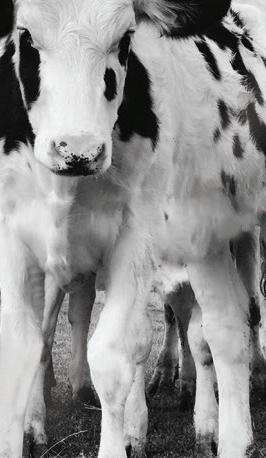


















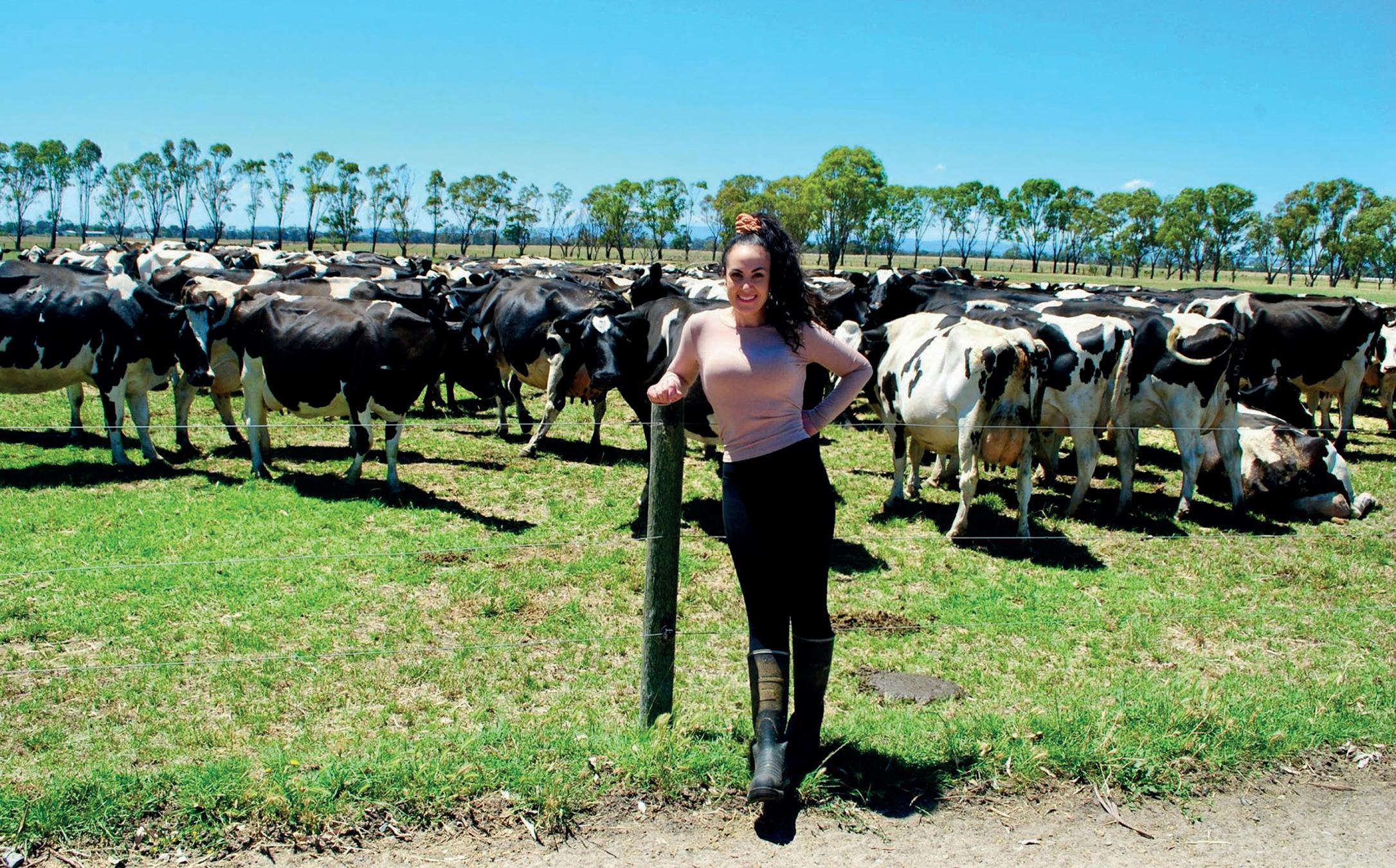
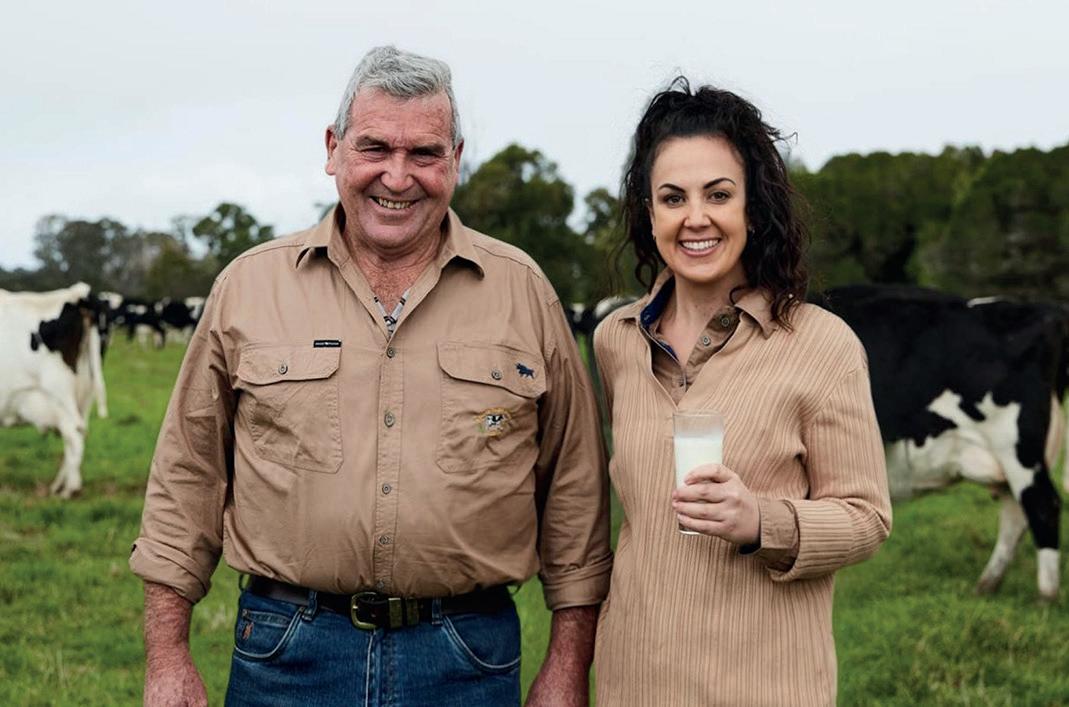
Encircled by industrial and residential zones means any expansion is impossible for Kelly’s Dairy Farm in Victoria, Australia, but that does not hinder Sarah Kelly’s farming ambitions.
The young mum of three works closely beside her dad, Gerard, 65, on the traditional farm near Skye that the family has run since 1978, and she is a huge advocate for the dairy industry.
Given the fact their dairy farm is the closest dairy farm to Melbourne’s Central Business District, the Kellys are unsure how long it can exist before being swallowed up for development.
Even with such an uncertain future, Sarah, 38, takes any opportunity to promote dairying and ensure her three young daughters make the most of growing up on a dairy farm.
The Kelly farm extends to 121 hectares (300 acres) and the herd comprises 280 Holstein Friesian cows with an average yield of 8,000 litres per cow per year.
Sarah says: “In 1993 we re-
Despite an uncertain future for the Kelly family’s dairy farm, they are still keen to improve efficiencies as well as educating the public about the industry. Chris McCullough reports.
placed the old herringbone milking system with a DeLaval 32-unit rotary parlour to milk the cows.
“Cows are grazed outdoors on a pasture-based system and we make our own silage and buy in feed as we need it.
“When the cows are milking they receive some grain dispensed on the rotary parlour, depending on lactation, and we also buffer-feed hay and silage out on
the pastures, when required.
“Along with my dad and I, working on the farm is my cousin Josh, so it is a fairly tight labour unit.”
In terms of the herd’s breeding strategy, the Kelly family have introduced genomic testing over the past two years, and Sarah says she is looking forward to seeing the improvements this has made.
She says: “For the past 30 years it has been our policy to practice
AI on the farm using top genetics. With that, alongside good farming methods, we have built up good mastitis resistance, good milk production, cow health and fertility.
“And going forward with genomics, if we can improve any of these traits, even slightly, then it has all been worth it.”
With the farm’s location so close to Melbourne, the future of dairy farming for the Kelly family at their
current site is uncertain. Expansion is almost impossible, but improving the efficiency of the farm and the herd is a goal for Sarah.
She says: “Due to us being gridlocked between housing and factories, we are unable to expand. We are always open to new ideas to diversify and do things a better, or more economically efficient way.
“Our main issue is the unknown of the future. We could be pushed out from this property next week or 20 years down the track.Therefore, it is really difficult to know what upgrades or investments to make when we do not know what the future holds.
“We just keep going with the flow and try to make things work here as best as possible.
“We do not seem to have any issues with being surrounded by suburbia, more of a curiosity from the locals who have a complete disassociation with where their milk comes from.
“I love to educate them on what we are doing here and how loved our cows are.”
With that in mind, Sarah takes every opportunity to advocate for the dairy industry speaking at events, meetings, and on social media channels.
Farm facts
■ Average milk yield of 8,000 litres at 4.5% butterfat 4% protein
■ Milk is sold to the Australian Dairy Farmers Corporation for around AUS$9 (£4.31) per kilogram of milk solids
■ A Friesian bull is used to mop up any of the cows that are not in calf, following AI
She has also recently travelled to New Zealand and the USA to help champion the sector.
She says: “Our family originated in Ireland and I am the sixth generation farmer, third one on this farm.


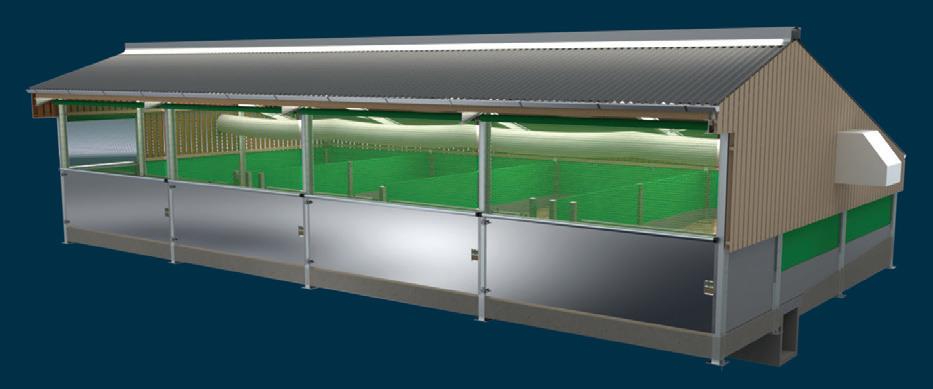
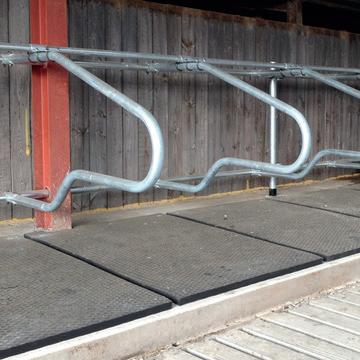
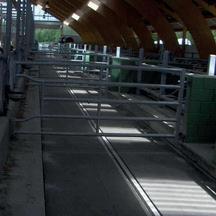
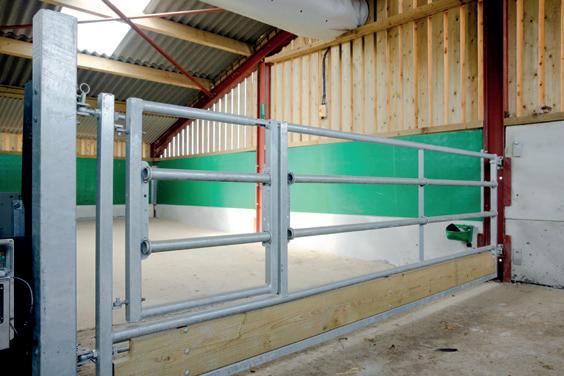
Feed barriers with built in access gates to make calf rearing easier
“I sincerely hope we can raise our seventh generation here.
“I am very passionate about the future of the Australian dairy industry and I chair the young dairy network. I also will be involved in more dairy advocacy groups in the future to come.
“All too often the dairy industry receives a hammering from an uneducated public and I see it as my role to help equip consumers with more knowledge of exactly how their nutritious dairy produce is made.”
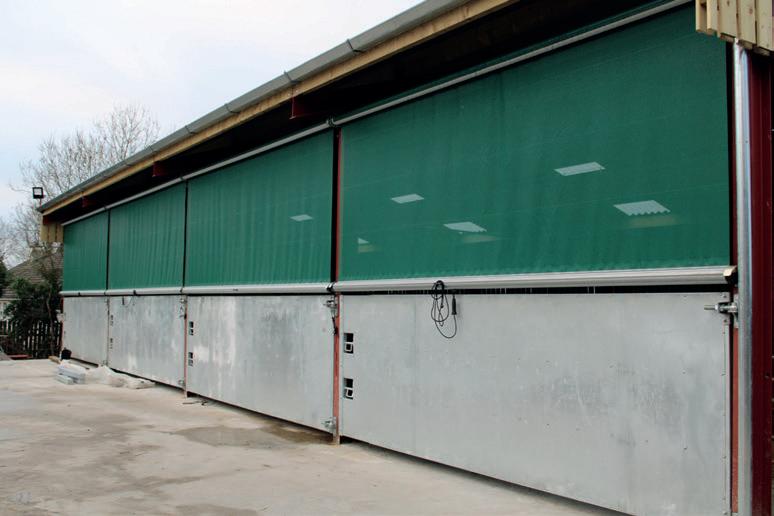
Galebreaker Roller Screen and Teemore Sheeted Doors allows each oen to be accessed individually


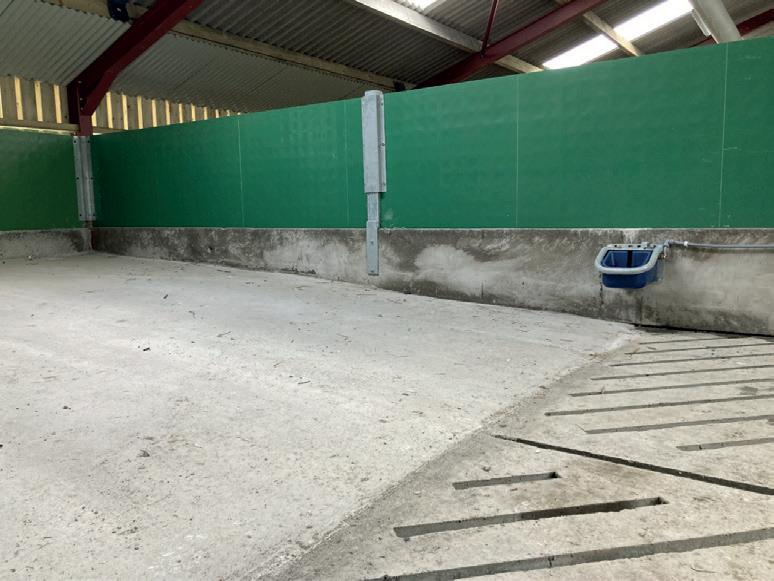
Plastic Panels to prevent cross-contaminati on between batches.



Email: info@teemoreengineering.com www.teemoreengineering.com




Dairy farmers are being encouraged to consider other wholecrops as an alternative to maize, which is becoming increasingly difficult to grow in some parts of the country. Dairy Farmer reports.
An increasing number of dairy farmers are opting to produce an alternative wholecrop silage or crimped grains in place of growing maize.
Lallemand Animal Nutrition’s regional business manager Mike Burns says wholecrop is an attractive forage option for farmers due to its flexibility and ability to balance variable quality grass silage.
He says: “Many farmers – especially those in marginal areas –are realising that other wholecrops are a good alternative to growing maize.
“They can plant spring cereals, harvest them at the end of July or start of August, and then reseed the field with something else.
“Whereas with maize, many are trying to harvest the crop in November when everything is wet, and the field is then left barren for the winter.”
THE most popular crops used to produce wholecrop are winter wheat and spring barley, both of which can be grown successfully in most dairying areas of the UK.
“Winter wheat is the most popular because it is sown later on and has the highest yield per acre,” says Mike Burns, regional business manager at Lallemand Animal Nutrition.
“It also tends to have a higher starch content, and it has got a nice harvest window as it
The key benefit of other wholecrop options is their flexibility, not only in terms of harvesting dates but also in how they can be preserved and fed to cattle.
“While some farmers will know exactly what they are planning to do with that cereal crop, others will not make a decision until they have had two or three cuts of grass silage,” says Mr Burns.
“If it looks like they are going to
does not mature crazily fast.
“Spring barley is the second most popular because it does not mature too quickly, so if you get held up with some bad weather it will not get ahead of itself and become too mature.
“Winter barley, on the other hand, is the least popular because it matures far too fast and you can miss that harvest window very quickly, while triticale seems to have lost its appeal because it has become more susceptible to disease.”

Many farmers are realising that other wholecrops are a good alternative to growing maize
MIKE BURNS




be short on grass silage, these alternative wholecrop silages are a fantastic option because they are a huge clamp filler. However, if they have got lots of silage but it is dry and poorer in energy, they might crimp their cereals
to provide a high-energy feed.”
He says wholecrop silage is a good feeding option for all different classes of animals on a dairy farm and likens it to ‘an insurance policy’ for balancing different grass silages.
As an example, Mr Burns says
THE success of any cereal crop destined for wholecrop silage or crimped grains is determined by how it is grown and harvested.
“If you are growing wholecrop, you need to grow it like any other combinable crop,” says Mike Burns, regional business manager at Lallemand Animal Nutrition.
“You need to treat it as if you are going to combine it, and that will ensure the best crop in terms of yield and quality.”
He says the decision on whether to produce wholecrop or crimped grains is driven by the crop’s dry matter (DM) value, with the optimum level
for wholecrop being 35-40% DM.
“Crimped grains are more like a concentrate, with a much higher DM,” adds Mr Burns.
For both, he recommends using a crop- and condition-specific inoculant to combat clamping and feed-out challenges.
“For crimped grains, the use of an appropriate inoculant will help reduce spoilage and nutrient loss, especially given starch is an ideal nutrient for spoilage microbes,” says Mr Burns.
“For wholecrop, the main risk is aerobic instability because it is
wholecrop can be used to complement early cut, high metabolisable energy grass silage.
“This type of silage is very high in energy but very low in fibre, and wholecrop helps by providing fibre in the diet,” he says.
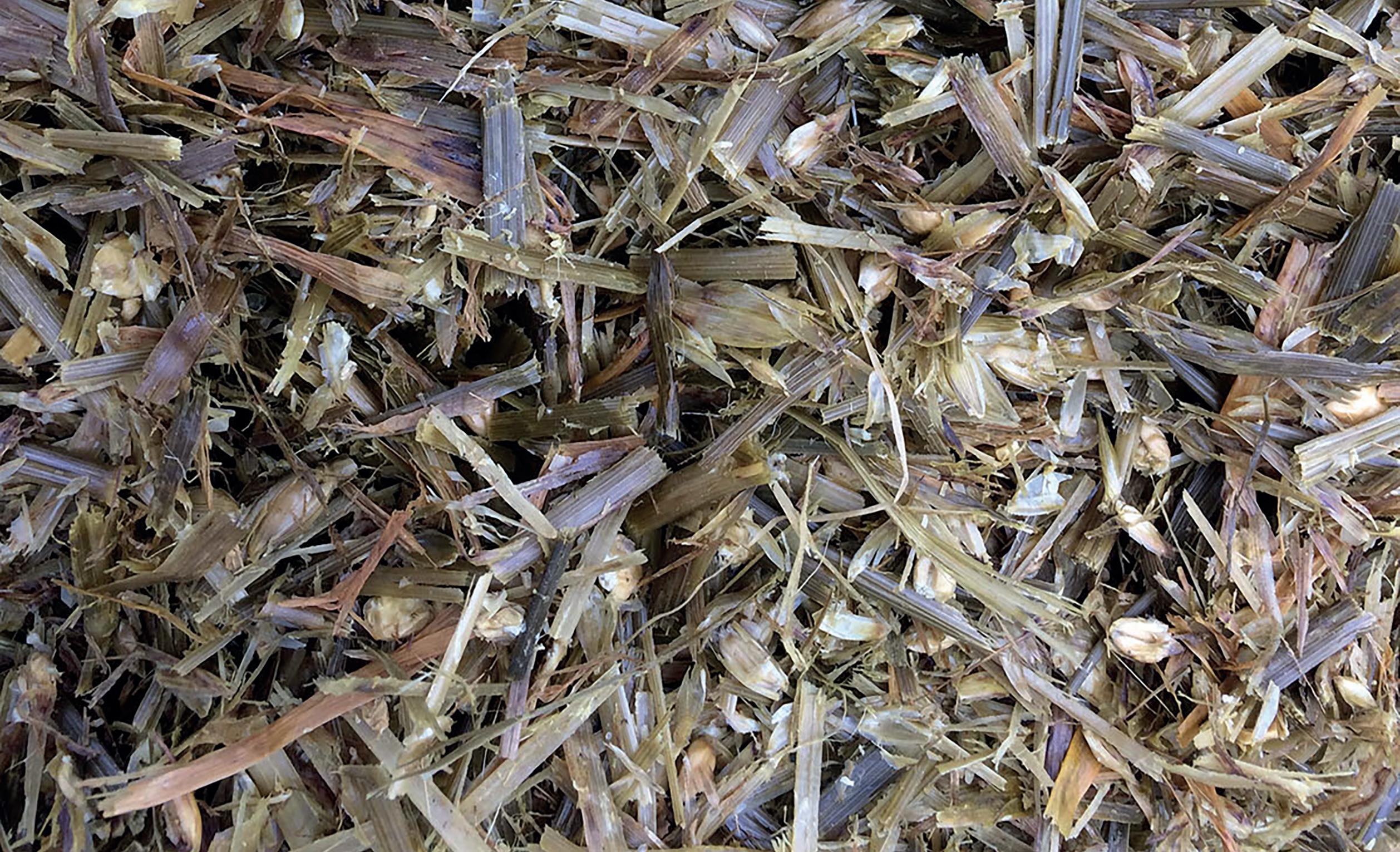
more difficult to clamp than other forages as it is like a sponge with all its fibre.
“This means good compaction is essential, alongside using an inoculant with antifungal bacteria to inhibit yeast and mould during the fermentation process.”
Mr Burns recommends putting wholecrop in the narrowest clamp on-farm so it takes less time to get across its face, and to keep the sheeting as tight as possible at the top of the clamp.
“By keeping the face really clean and the sheeting tight you can hopefully reduce the amount of oxygen penetrating the silage
“It is also good at buffering the rumen because alternative wholecrops to maize have a pH value of 4.5, while grass tends to be lower at 3.6, so if you have got wet, high acid grass, you can balance it with wholecrop.”
and minimise losses,” he adds.
“This is especially important when the clamp is opened relatively soon after ensiling and sealing.”
Mr Burns says dairy farmers not already producing wholecrop should consider giving it a try.
“If you are going to grow it for the first time, proper consideration needs to be given to the amount produced because it is only possible to enjoy the benefits of wholecrop if enough is grown to make an impact on your herd’s diet,” he adds.
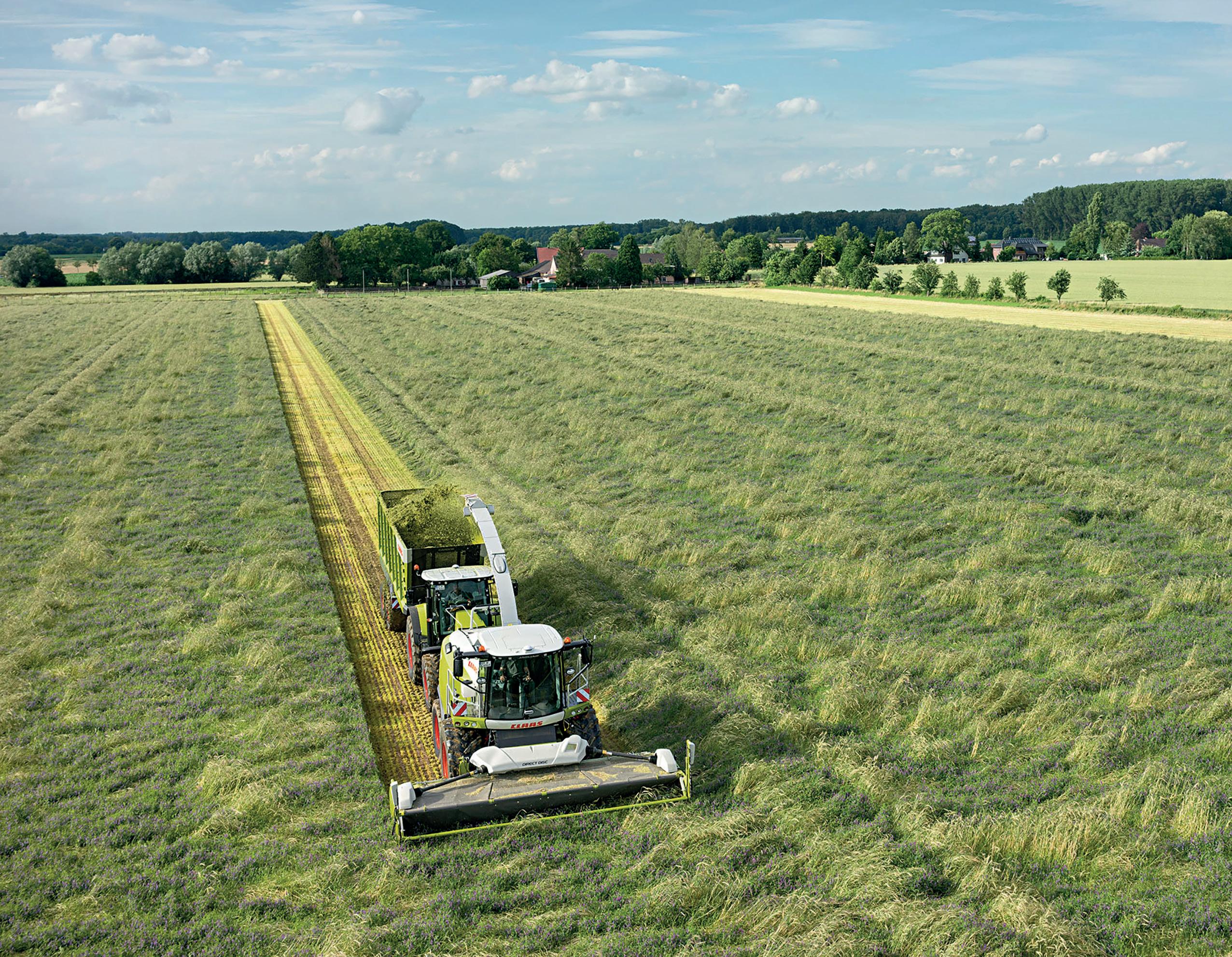



The key benefit of other wholecrop options is their flexibility, not only with harvesting dates but also in how they can be preserved and fed to cattle.








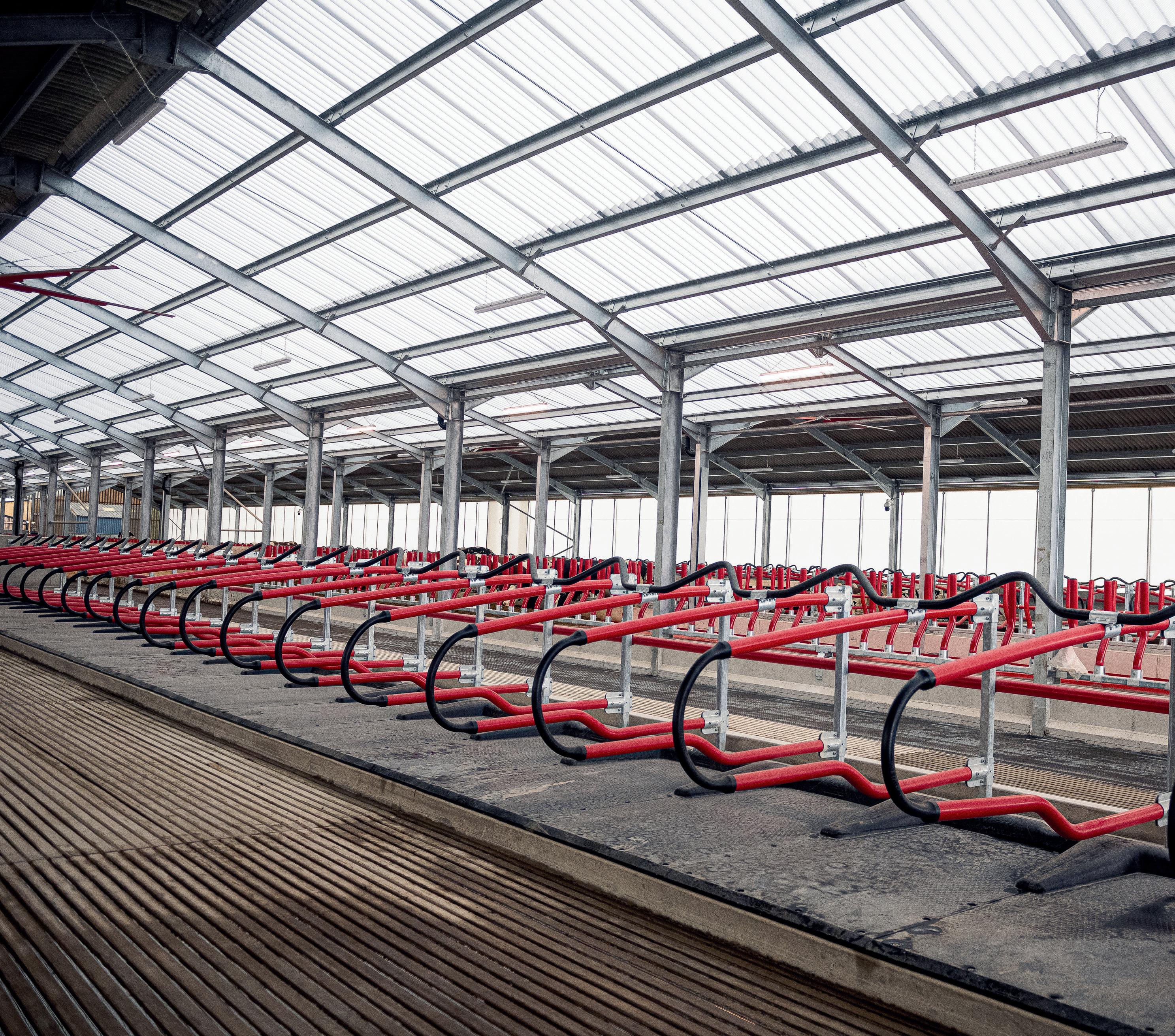










The












Awards is now open for entries!

After a hugely successful launch, the Young BFAs are back for a second year and this time, we are celebrating young farming talent across eight fantastic categories.
Proudly sponsored by Massey Feeds and Harpers Feeds, and powered by Farmers Guardian, the 2025 Young British Farming Awards are dedicated to recognising the next generation of British farmers and the incredible contributions they are making to the future of the industry.
This year, we are excited to welcome back four returning categories and introduce four brand-new awards, all designed to shine a light on the hard work, passion and innovation of young people in farming.




The awards ceremony will take place later this year at Cannon Hall, hosted by farmer and content creator Tom Pemberton, who will reveal the winners from the shortlist in what promises to be a truly inspiring celebration.
Entries and nominations are now open – don’t miss your chance to be recognised!









Could you be our 2025 winner?






NORFOLK-based agri-tech company PES Technologies is paving the way in soil health innovation, being crowned Agri-Tech Innovator of the Year 2024 at the British Farming Awards, thanks to its groundbreaking handheld soil health testing device, a product set to revolutionise how farmers manage one of their most vital assets.
At the heart of this innovation is Andrej Porovic, chief executive officer of PES, who identified a major gap in the market after conversations with soil experts at the National Institute of Agricultural Botany. What followed was the development of a first-of-its-kind tool which provides farmers with instant, in-field data on more than a dozen biological, chemical and physical soil health indicators, all in just five minutes.
The device takes a soil sample from a depth of 5-15cm, which is then inserted into the
Sponsorship opportunities still available
PES Technologies is paving the way in soil health innovation thanks to its groundbreaking handheld soil health testing device.
unit and linked to a mobile phone. With the press of a button, the device delivers results in minutes, offering insights into microbial biomass, respiration, organic matter, water holding capacity and nutrient levels including nitrate, ammonium, phosphorus and potassium. It even provides details on soil texture and field water content, giving farmers a comprehensive overview to inform timely decisions.
Traditionally, soil testing relies on lab analysis, which can take several weeks, by which point, changing field conditions can render results obsolete. PES’s innovation gives farmers control and immediacy, enabling them to act quickly to improve productivity and sustainability.
What makes the technology especially remarkable is its ability to ‘smell’ soil, using advanced sensors to detect biological activity, a process backed by Government grants and private investment. It is the first technology in
the world to use this approach for soil analysis, and its applications reach well beyond farming, with cross-sector potential across the UK and globally.
The judges were impressed by the product’s ability to save both time and money, while enabling a more sustainable approach to land management. They hailed it as a ‘game-changer’ for farmers navigating an increasingly complex agricultural landscape.
Reflecting on the win, Andrej said: “I am absolutely chuffed and surprised. To be recognised for what we have been doing is immense, when we started, this was just a pipe dream. Agriculture is going through massive changes, and in our way, we can help farmers. This award announces that we are here.”
With PES Technologies leading the charge, the future of soil health, and by extension, farming, has never looked more informed. Sponsored by


Become a sponsor of the British Farming Awards and receive powerful brand exposure, plus a unique platform to reach and connect with an audience of key industry decision-makers.








This dry and transition cow management special looks at the importance of footbathing, monitoring metabolic diseases, and the impact of heat stress.
Frequent footbathing of dry cows combined with preventive foot trimming is enabling digital dermatitis incidence to be maintained at the 2% level at Marcross Farm in the Vale of Glamorgan. Dairy Farmer reports.
Previously, Hopkin Evans who farms a 180cow Holstein herd alongside his father Tony at Marcross Farm in the Vale of Glamorgan, was buying 24 cans of oxytetracycline spray at one go to treat digital dermatitis.
However, since introducing regular footbathing of the dry cows via an automated footbath, this has fallen to two cans, which are rarely used, Hopkin says he started working with hoof specialist, Sara Pedersen 10 years ago when 36% of the herd had digital dermatitis lesions.
He says: “The majority of these lesions were active and we tackled them through a blitz approach, however we found it an on-going battle with frequent flare-ups.
“After installing three robotic milking systems in 2019, the milking herd was routinely footbathed, reducing digital dermatitis incidence to around 10%.
“Working with Sara and our hoof trimmer we noticed our dry cows, together with the in-calf heifers were being neglected as they did not have access to the footbaths. They were
constantly reintroducing infection to the miking herd.”
Marcross Farm was one of several units recruited to join the Welsh Government funded Arwain DGC (Responsible Antimicrobial Use)
Proof of Concept piloting new technologies, innovative ideas, or general good practice techniques.
The herd successfully reduced antibiotic usage by 28% since 2022.
Hopkin says: “Our key focus was cattle foot health. The project was the catalyst for installing an automated Hoofcount Excel footbath.
“The whole process of drafting off the dry cows, as well as the heifers takes one person as little as five minutes five times a week.
“The operation has been such a success that the number of digital dermatitis cases have significantly reduced to 2%, levels that can be considered no longer a problem.”
Apart from introducing frequent footbathing, Hopkin says he now also trims feet at drying off, eight weeks prior to calving, with feet then re-inspected at 80 days post calving.

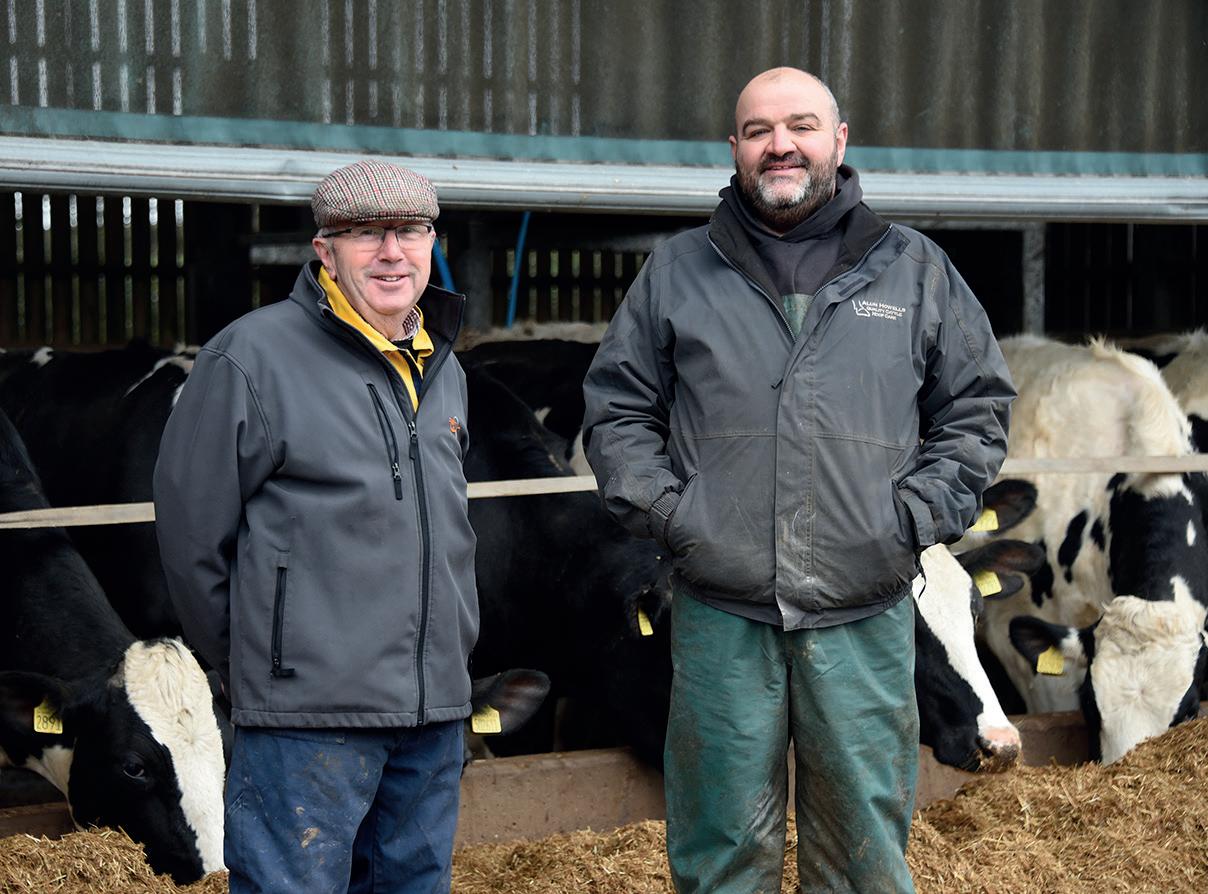
He says: “If a cow has a calving index greater than 365 days, she will have an extra foot inspection to account for this.”
He adds that digital dermatitis was a precursor to toe necrosis and previously the vet had to perform claw amputations. This has now been completely eliminated with not one case in more than three years.
The farm’s vet, Sian Fuller of South Wales Farm Vets, says installing the automated footbath has proved to be a simple, safe way of
INTRODUCING in-calf cows to footbathing during the final four weeks of the dry period can reduce the odds of having an active digital dermatitis lesion immediately after calving by up to 83%, according to ongoing trial preliminary findings at University of Liverpool’s Vet School.
George Oikonomou, the University’s professor of cattle health and welfare, says the results indicate footbathing should be routinely adopted among dry cows, however they continue to remain the herd’s ‘Cinderellas’.
Cows in the close-up dry period from one 200-cow dairy herd were
guaranteeing footbathing is done correctly.
She says: “In fact, even at times when the herd has been challenged, the routine reduced the infection load, helped to prevent a digital dermatitis flare-up and we did not have to treat at all.
“Furthermore, overall herd health together with performance has improved, and there has been a significant reduction in unplanned culling with accompanying reduced replacement costs.”
split in to two groups – the control to an empty footbath and the other to a Hoofcount footbath with 1% formalin solution that was automatically cleaned and refilled after every 50 cow visits.
“We concluded that footbathing the dry cows in the 1% formalin solution reduced the chances of active digital dermatitis lesions post calving by a significant 83%. The results showed 18% of the cows in the control group were found with an M2 active lesion post calving while no cows in the treatment group were found with an M2 lesion post calving,” says Prof Oikonomou.
Producers should consider the clinical presentation of early lactation cows, rather than relying on blood levels of metabolites.

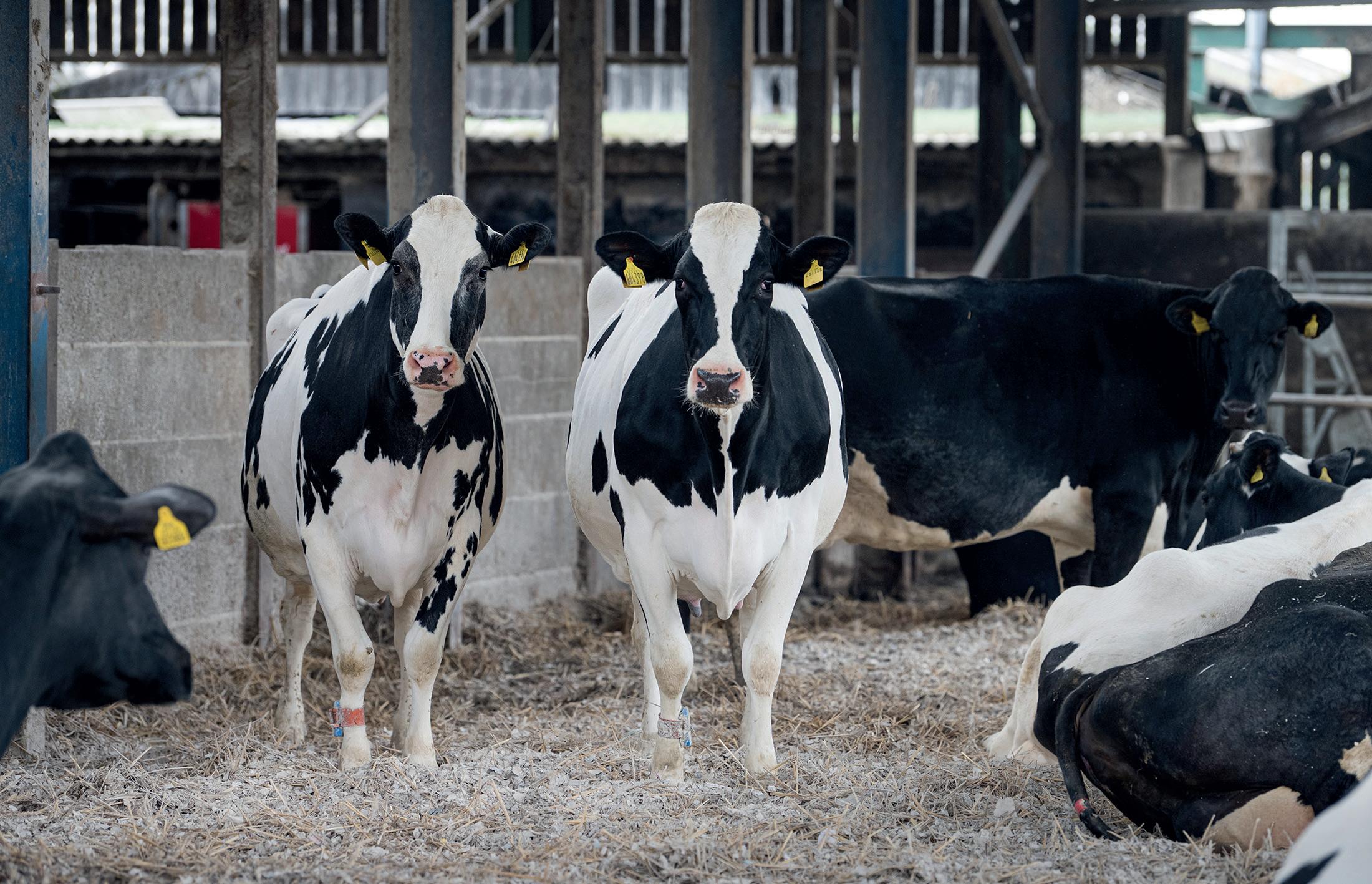
It could be time for farmers to re-evaluate their response to metabolic disorders, says Will Tulley of Advanced Ruminant Nutrition. Dairy Farmer reports.
At a recent dairy cow conference held in Krakow, several myths around the transition period were ‘highlighted and dispelled’ says conference delegate and vet Will Tulley.
He says discussions focused on whether the metabolic issues that are seen on farm are primary diseases or if they are merely symptoms of underlying conditions.
“This raises the question of what we should focus on treating or controlling on farm – the symptoms or the underlying cause,” he says.
Mr Tulley says research presented
at the conference by Dr Lance Baumgard, from Iowa State University, provided interesting insights about metabolic disorders, such as high fat mobilisation, ketosis, and hypocalcaemia, and whether they were the root cause of health issues in the transition period or, as Dr Baumgard believes, are symptoms of immune activation.
“Many of the processes and metabolites we measure in transition cows are essential for animals to adapt to milk production,” says Mr Tulley. “For example, all mammals, including humans, will mobilise some body fat when lactating to provide nutrients for milk production.

Will Tulley
And recent studies show that a change in blood calcium levels around calving is associated with higher milk production.
“Similarly, a degree of inflammation is required in the transition cow, helping to facilitate physiological adaptations, as well as increasing the immune response to fight off pathogens and resolve infections.
“However, excessive inflammation can lead to negative impacts on health and productivity. It may be seen through reduced feed intake, fatty liver and poor reproduction.”
He adds that healthy high-producing cows naturally mobilise body reserves to provide nutrients for milk production, and it is only when this is excessive that problems arise.
He says: “A degree of inflammation in early lactation is normal, pro-
Studies have shown heat stress during the dry period can not only affect productivity in the following lactation, but also that of daughters and future granddaughters. Katie Fallon reports.
With temperatures rising worldwide, the impacts of heat stress are no longer a regional issue but a global one. And while the immediate effects of heat stress in lactating cows are becoming more widely recognised, the impacts of heat stress in the dry period are less understood.
Speaking on a recent Hoard’s Dairyman webinar, Dr Jimena Laporta, associate professor in the department of animal and dairy sciences at the University of Wisconsin, discussed the impacts of heat stress during the dry period on the cow itself and on future generations.
Dr Laporta said: “There are highly co-ordinated and regulated cellular events in the cow’s mammary glands that are derailed by the effects of heat stress. Heat stress in the dry period gets in the way of
mammary gland cell turnover and delays involution, which translates into a mammary gland that will have alterations in her next lactation.”
In a study where mammary biopsies were taken from cows following heat stress during the dry period, differences in mammary gland microstructures were found. Cows which experienced heat stress during the dry period were found to have fewer and smaller lobulo-alveolar structures, which are the milking units of the mammary gland.
Fewer mammary epithelial cells –the milk-making cells – were also found, resulting in the gland having less secretory capacity in the next lactation and ultimately resulting in less milk production.
Dr Laporta said: “This six- to eight-week dry period under heat stress can have effects that span across 40 weeks in milk.”
gestation. It is during this period that a lot of dynamic and highly regulated processes happen, which lead to foetal growth.
Dr Laporta said the cellular processes that happened in utero were temperature-sensitive, with the foetus relying on the dam to thermoregulate. Consequently, maternal heat stress could lead to foetal hypothermia, which could affect the calf in ways which persisted after birth.
A study in Florida found that heifers which were heat stressed in utero had shorter gestation lengths, reduced birth and weaning weights, and were smaller in stature. Those heifers also experienced reduced IgG absorption from colostrum, which led to a lowered immune system, and had lower milk and concentrate feed intakes.
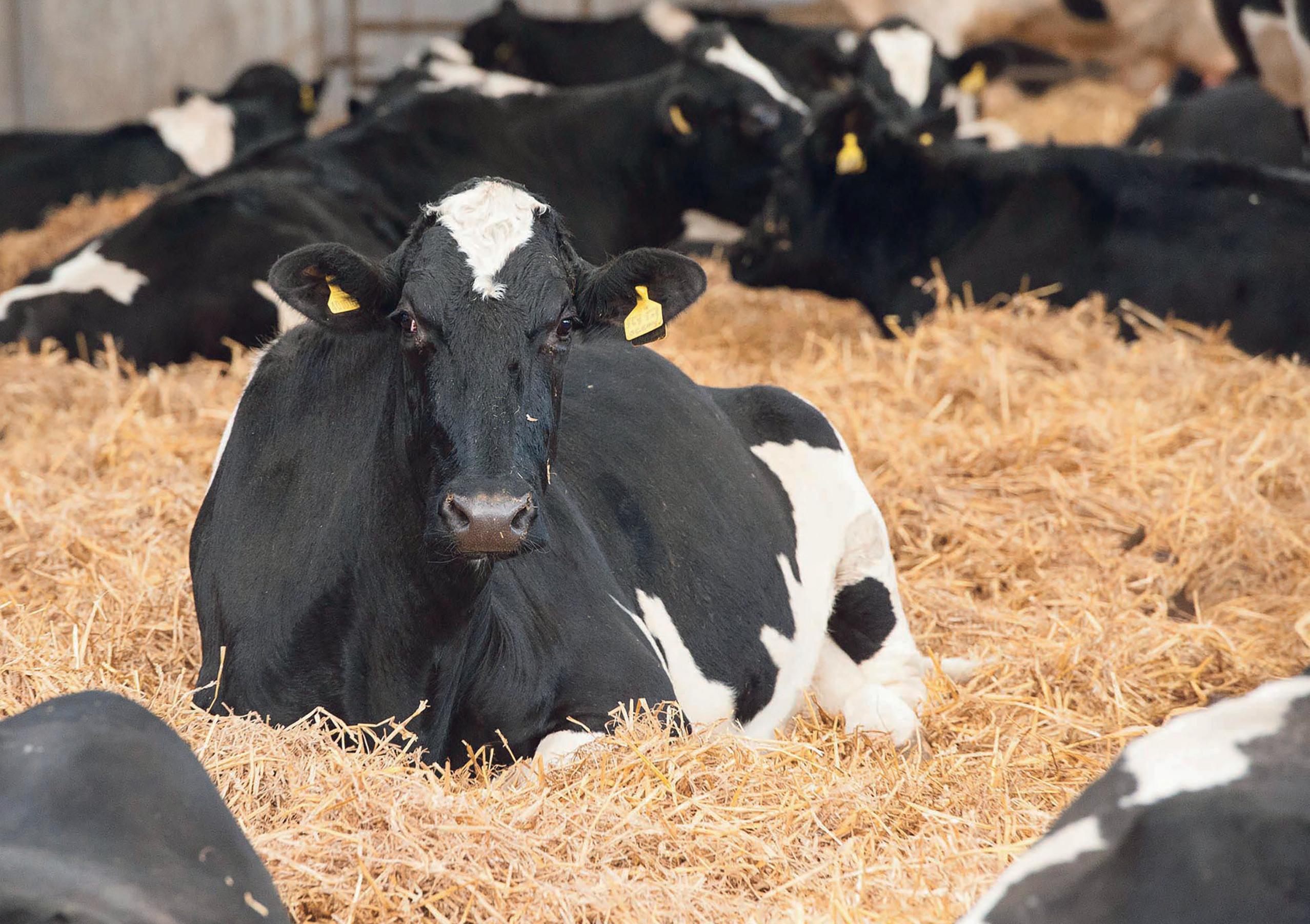
third lactations. In utero heat stress is leading to less productive cows with a shorter lifespan.”
And it is not only the daughters of heat-stressed dry cows which could be impacted, but also their granddaughters.
“The connection between mother, daughter and granddaughter begins in utero via the germline,” said Dr Laporta.
This six- to eight-week dry period under heat stress can have effects that span across 40 weeks in milk
DR JIMENA LAPORTA
Studies have also shown cows subject to heat stress during the dry period will, on average, produce 5kg less milk than cows which were not heat stressed during the dry period. Additionally, 14 different studies across various countries have shown cows which are heat stressed during the dry period will produce 2-5kg less milk per day in their next lactation.
Heat stress during the dry period could also affect the developing foetus in utero, as it coincides with a portion of the last trimester of
Dr Laporta said: “Even after weaning and after one year of life, these heifers were smaller and the effects were permanent and lifelong.”
The study also found that the heatstressed daughters’ survival to first calving rate reduced by 11%, and survival to first lactation reduced by 18%. An overall reduced lifespan of more than 12 months was also found in heifers that were heat stressed in utero.
Dr Laporta said: “Heat stress is not allowing heifers to express their full potential in first, second and
Studies have shown the granddaughters of cows which experienced heat stress during the dry period will produce on average 1.5kg less milk per day in their first lactation, and the survival to first lactation rate was reduced by 40%.
Dr Laporta said: “This is four to five years down the road from that original [heat stress] exposure of their grandmothers.
“I think one of the things that our research highlights is this critical shift in perspective we need to have for late-gestation heat stress. It is a multigenerational issue that affects not only the cow herself, but her daughter and granddaughter. It expands beyond that summer.”

THE Farming Equipment and Technology Fund (FETF) opens for applications on May 29.
FETF provides grants for machinery, equipment and technology items to help cut costs and boost efficiency.
Funding is available under three themes; productivity, slurry management, and animal health and welfare
Grants will range from £1,000 to a maximum of £25,000 for each theme, and a percentage of the cost of the item, which varies by item, will be paid.
cation tags, wearables to monitor behaviours for all categories and ages of stock, and parlour technologies.
He says: “All of this is out there and available right now. But we need the Government and supply chains to recognise the benefits this data can bring.”
Helene Lanz, managing director of MSD Animal Health UK, says with the ongoing digital revolution rapidly re-shaping the way society works, it is important that livestock farmers and the industry that supports them, embrace the opportunities that new technology can offer.
She says: “New systems such as those which enable us to remotely monitor our livestock in real-time are already a key component of many forward-thinking farming systems in the UK and globally.
“But there is still an element of misunderstanding, of mistrust and of hesitancy which is preventing the animal protein industry from adopting precision livestock farming technologies on a truly wholescale level.”
Mr Mackey agrees and says there is sometimes a ‘reticence’ to the adoption of new technology.
He says: “For whatever reason, there are some producers who do not want to rely on technology to manage animals.
“It can take a while to trust the
The window to apply will be open for six weeks, closing at midday on July 10.
Once the application window closes, all applications will be reviewed and scored. Farmers may not receive all, or any, of the funding they apply for.
In total, £46.7 million will be available for farmers, growers, foresters and their contractors. £30 million will support the productivity and slurry management themes and £16.7 million will support the animal health and welfare theme.
technology and it is important to remember that these technologies are not going to replace good stockmanship, but instead it will help to facilitate good decision making through the use of data.”
He adds that for an industry where labour is an issue, many of these technologies can take the pressure off, and support, the staff that are available.
However, Mr Mackey concedes there are challenges for some producers in terms of connectivity in rural areas and also the level of investment required.
He says the initial investment in monitoring, tagging and automation technologies can be prohibitive for many businesses, and in some instances producers will not invest unless supported via a grant.
He says: “Producers will often put the brakes on and wait for a grant.
“These grants can sometimes put a blocker on investment into these areas. It is important to weigh up the time that can be wasted waiting for a grant, and the return on investment that these technologies can offer.”
Mr Mackey also wants to see the process of grant funding simplified and he would like subscription products to eligible for grant funding.
He says this is important so that more farm businesses can access precision livestock technology with the backing of long-term, consistent support.


Labour on one Cheshire dairy unit has been halved following the installation of 10 robots for the high-yielding Holstein herd. Wendy Short reports.
Apotential improvement in business profitability was not the main driver for the switch to robotic milking in the summer of 2024, says Warren Thomasson, herd manager at Cotton Abbotts Farm near Chester.
He says the decision to install the 10 GEA DairyRobot R9500 machines was taken by farm owner Andrew Walley in tandem with plans to build a new cubicle shed for the fully housed 600-cow Cotton Abbotts pedigree Holstein herd.
“Sourcing good staff has always been one of the main challenges, and the situation worsened slightly after Brexit as we rely on a percentage of foreign workers,” says Mr Thomasson.
“When the herd was on threetimes-a-day milking, the farm employed 15 people, including night milkers. The team has been cut down to seven with the installation of robots, and there is scope to operate with just five or six staff.
“There have been no changes within the team since the robots were installed, but should we need to advertise in the future, it will be easier to attract and retain
The robot management software is fairly simple, and training in its use was included as part of the package
WARREN THOMASSON
new staff because of the more standard working hours. The revised rota has certainly enhanced my own quality of life.”
The move was planned to coincide with the building of a new single-span cubicle shed, which measures 100 metres by 30m.
Mr Thomasson says: “The housing and the parlour were in need of replacement, so it made sense to incorporate robots at the new building design stage.
“The 32-point rotary parlour was more than 30 years old and about £40,000 a year was being spent on mainly age-related maintenance costs.
“By contrast, the maintenance on the robots is slightly cheaper at an annual £30,000 for the 10 machines, excluding chemicals.”
The GEA robotic milkers were selected after extensive market research and the business made a £1 million investment, including
segregation gates and installation fees. The cow identification collars incorporate GEA CowScout technology for heat detection, and feed times are also recorded.
Several factors influenced the choice of brand and model, says Mr Thomasson.
“They are relatively compact compared with some of the other options, and there was enough space to position a row of six machines side-by-side, given the limitations imposed by the width of the main housing.
“This allowed for a pit to be excavated at the back of the row, making it much easier and safer to attend to the cows when it comes to tasks like dry cow


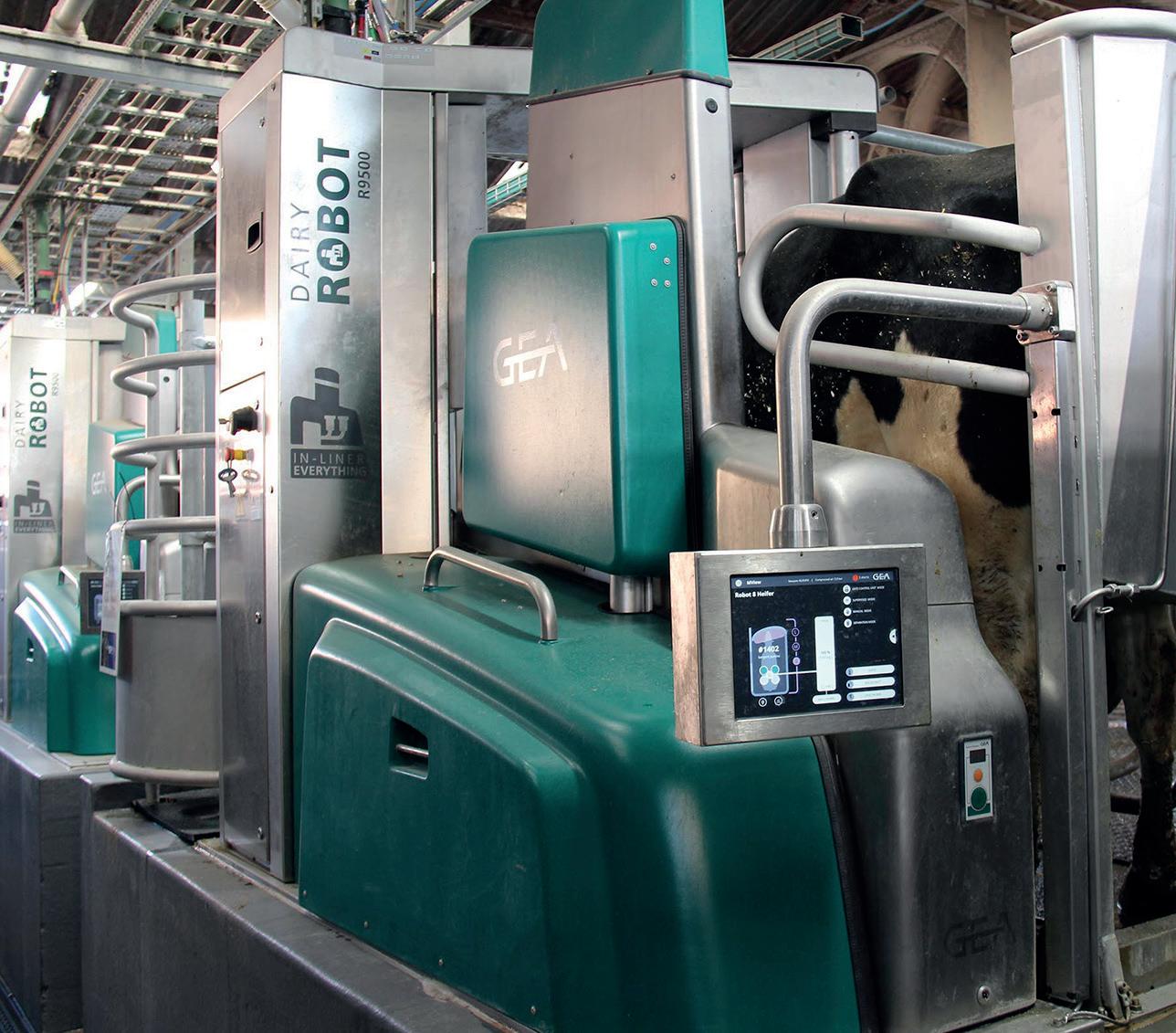
There are 10 GEA DairyRobot R9500 machines installed at Cotton Abbotts Farm.


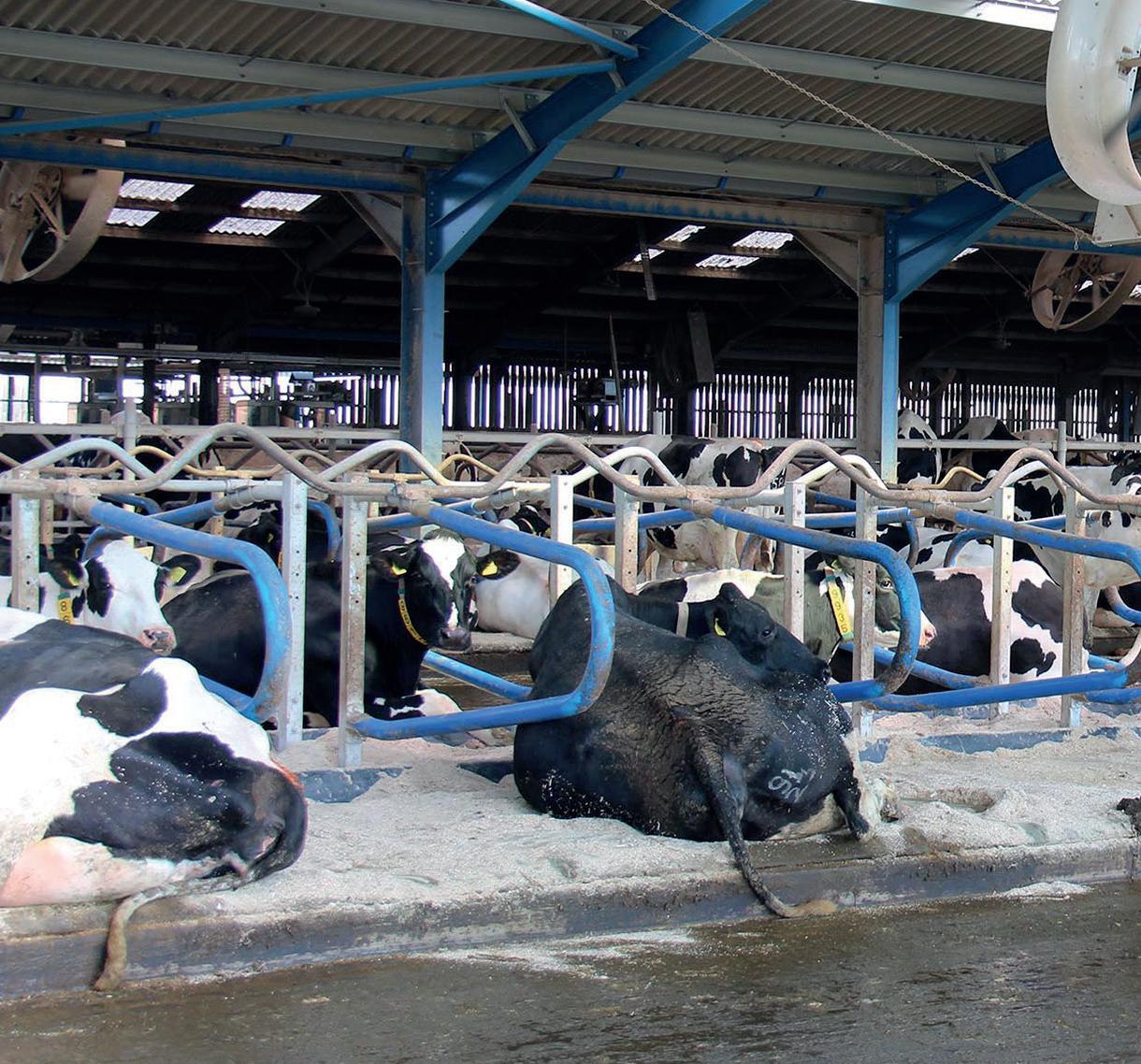
giving them a more confined space. I also like the modular gearing system, which offers the opportunity for individual part replacement. It helps to keep wearing part costs to a minimum.”
The exit for the row of six machines is split into two, with each section diverting three cows into a footbath filled with a 0.8% formalin solution after each milking, with an average visit number of 3.3-3.4.
Meanwhile, heifers in the allyear-round calving herd have three allocated robots, and there is also a machine designated for fresh calvers in the first three weeks. The latter has the facility to handle liquid glycol feed.
The 7% milk yield increase from robotic milking has taken average annual production to 13,000kg/head.
The total mixed ration has been tweaked slightly to accommodate the new system. It comprises grass and maize silage, a brewers’ grains equivalent, soda wheat, a protein blend and minerals, as well as 3kg of water.
“The cows were not fed when

they were put through the parlour, so the protein blend allowance has been reduced to take into account the concentrate feed offered to yield in the robots,” says Mr Thomasson.
“Mature cows are fed for 37 litres in the trough, with heifers at 30kg. Total feed costs have gone up by 0.4ppl, but the 7%/head rise in milk yield acts as compensation.”
The team were given training on robot management prior to the switch being made and there were no major problems with the herd during the transition.
“Roughly three weeks were spent on feeding the cows in the robots once a day after parlour milking, so the process went fairly smoothly,” says Mr Thomasson.
“The breeding policy is unchanged, as selecting for conformation suitable for robotic milking is synonymous with breeding for good udders. Only three or four cows had to be removed following the switchover. This was not a behavioural issue and was solely due to unsuitable udder conformation.”
The integrated heat detection
■ 283 hectares (700 acres) farmed
■ Average annual production to 13,000kg/head at 3.9% butterfat and 3.4% protein on a 305-day lactation
offered by the robots has had little impact on fertility rates.
Mr Thomasson says: “A reproductive management system was in place before the robots were purchased and fertility targets were already being met, although there is always room for improvement. Therefore, I would not say that performance has improved in this area.”
Mr Thomasson and the rest of the team received training in robot management prior to the installation and there have been no major machine breakdowns.
“The machines are managed under a service plan, with a local engineer contracted to carry out a maintenance visit once a month. He is also on call-out to attend a breakdown, although this has not been necessary,” he says.
“Our own input is restricted to simple tasks like changing the
■ Milk sold to Tesco Muller on a liquid contract
■ Heifers calved at 22 months
■ Conception rates stand at 44%, with a pregnancy rate of 25%
liners periodically and making sure that the chemicals are topped up.
“The robot management software is fairly simple, and training in its use was included as part of the package.”
Mr Thomasson sums up his opinion of the robotic milking installation at Cotton Abbotts, saying: “Despite profitability taking second place to staffing challenges when choosing the robots, it has had a positive impact on the business.
“The main element is the significant reduction in the wage bill, and the hours spent on staff management also have to be taken into consideration.”
He says another beneficial factor is ‘the change in lifestyle’.
“Milking used to start at 3am
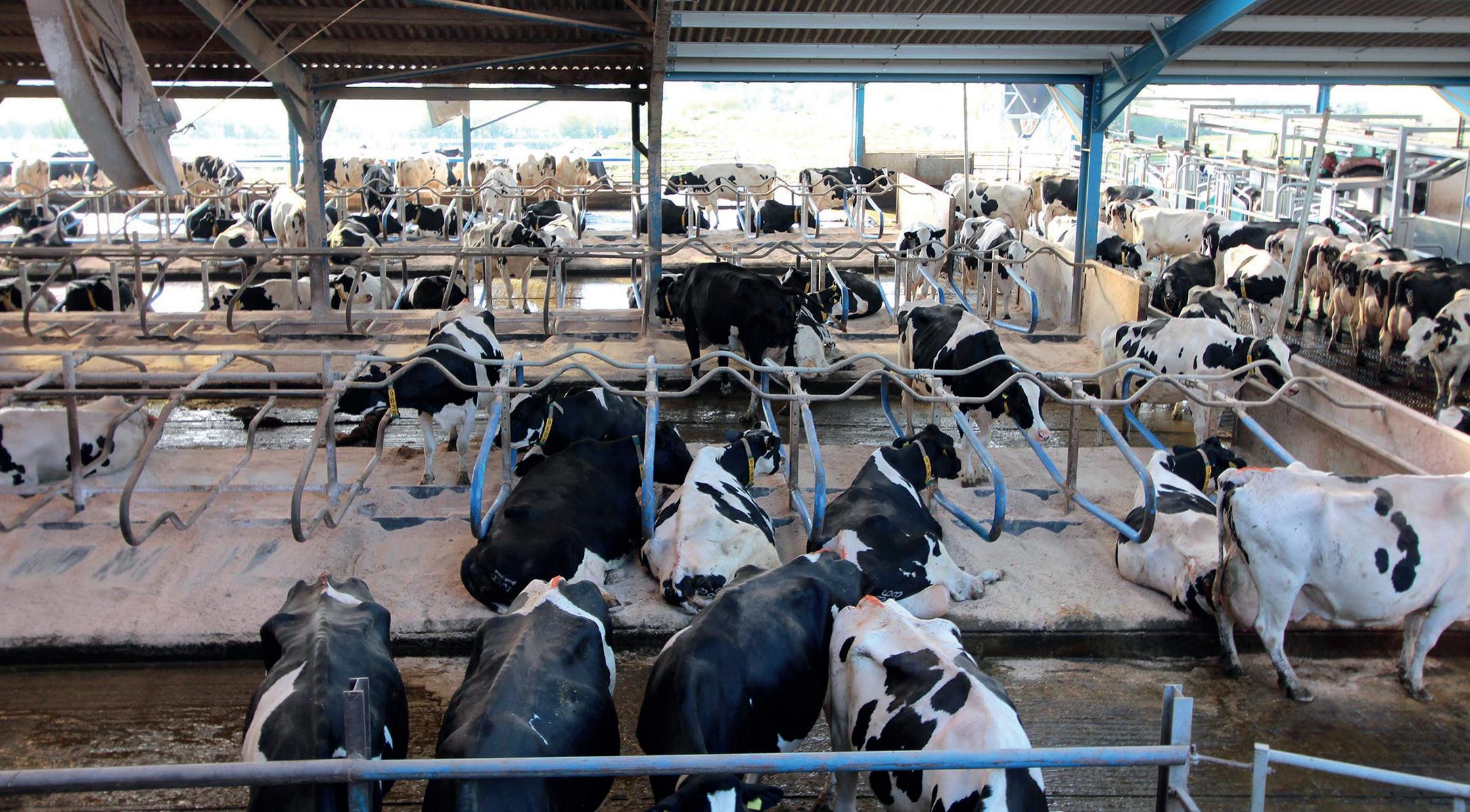
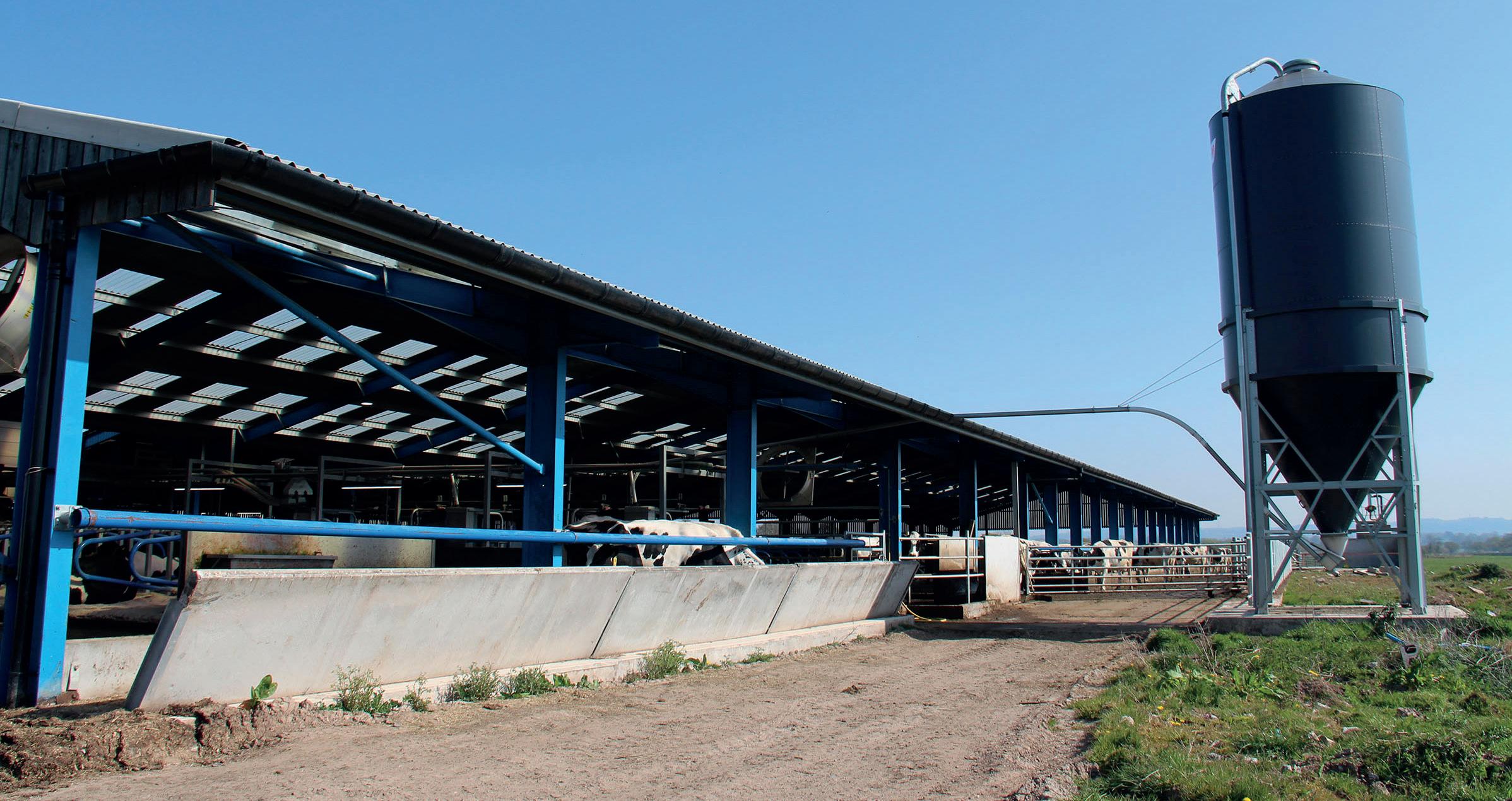
The move to robotic milking was planned to coincide with the building of a new single-span cubicle shed.

and the night milkers would not finish until 11pm. Nowadays, we have a 6am start and everyone is finished by 5pm, with the excep-
tion of one team member who does a night check at 9pm,” he adds.
“The robots were installed on a 10-year finance arrangement and
while no overpayments are planned, the reduction in outgoings through wage savings should give the scope to invest in
other areas, so that we can continue to push forward and improve the efficiency of the farm business.”


A Welsh dairy farming couple has almost halved their antibiotic usage with an advanced health management system. Dairy Farmer finds out more.
Great Newton Farm is undergoing a radical transformation under the stewardship of Owen and Alice Davies – with improvements to herd health and fertility at its core.
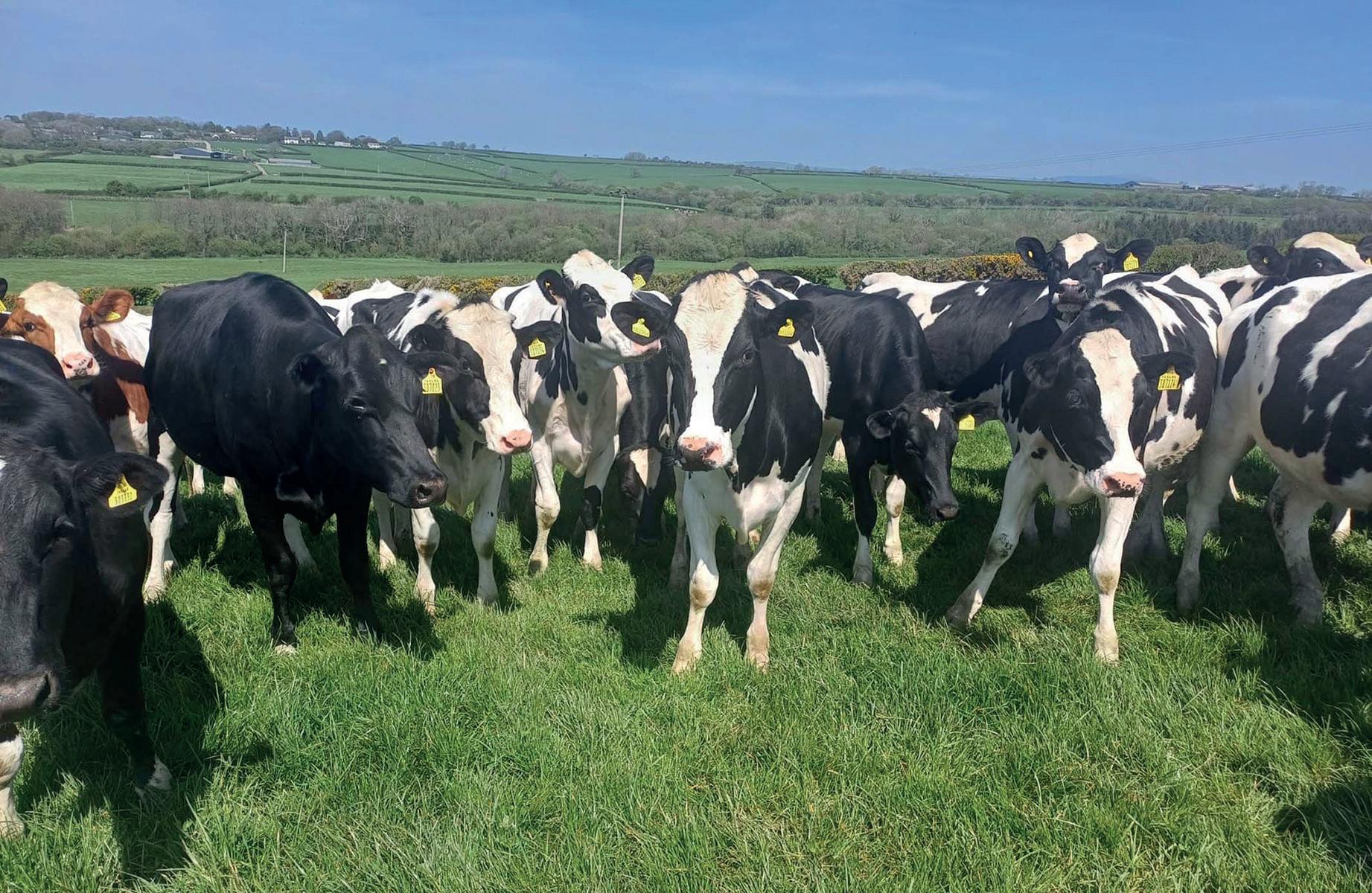
The farm, located near Haverfordwest in west Pembrokeshire, is home to 400 mainly British Friesian cross and Jersey cross cows milked three times a day through a 24/48 herringbone parlour.
The business – which is run across 324 hectares (800 acres), of which 162ha (400 acres) is owned – supplies milk to Newcastle Emlyn-based cheesemaker Dairy Partners.
Mr Davies says cow type is gradually changing as Holstein genetics are introduced, and the all-year-
round calving herd has changed its breeding and nutritional programmes as part of efforts to produce more milk.
“If you go back to late 2023, the cows were giving 18-19 litres a day during winter,” he explains.
“At that time, we were on a simple system with cattle housed allyear-round and fed on silage and in-parlour concentrates in the winter, and grass in the summer on a zero-grazing system where they peaked at 25 litres a day.”
Fast-forward to today, and the herd is currently averaging 34 litres a day – something Mr Davies attributes to the introduction of a total mixed ration (TMR) system, improvements to fertility, and a move to increase milking from twice a day previously.
Mr Davies says the starting point for the various changes on the farm was the introduction of smaXtec’s advanced health management system in January 2024.
“Previously, we were primarily using bulls and they were either getting cows in-calf straight away or too late and getting undesirable cows in-calf that we should have sold as barren,” says Mr Davies.
“We found this was holding us back so we started looking for a heat detection system to help selection of cows and tighten the calving interval.
“Alice is a vet and she suggested the potential of going down the smaXtec route, and once we installed the boluses we moved completely to AI.”
He says fertility has greatly im-

proved as a result of being able to accurately detect when cows are bulling, and for the first time the couple is now able to breed their own replacements.
“The boluses have really been the stepping stone for us to increase yields,” adds Mr Davies.
“We would not have been able to do all that we have done if we had not been able to improve fertility with the technology.”
Installation of the health management system has not only improved heat detection and overall fertility in the herd, but helped reduce cases of mastitis and enabled early detection of any other health problems.
How does the bolus technology work?
THE smaXtec health management system operates via a bolus which provides accurate insight into a cow’s inner body temperature, water intake and drinking cycles, rumination, and activity levels by taking continuous measurements directly from the reticulum.
Accurate to 0.01°C, this advanced technology provides the earliest possible detection of temperature changes.
Alerts sent to the farmer can aid a range of fertility and health decisions, including when a cow is bulling, when a cow has an early case of mastitis, and if a cow is overheating during the summer.
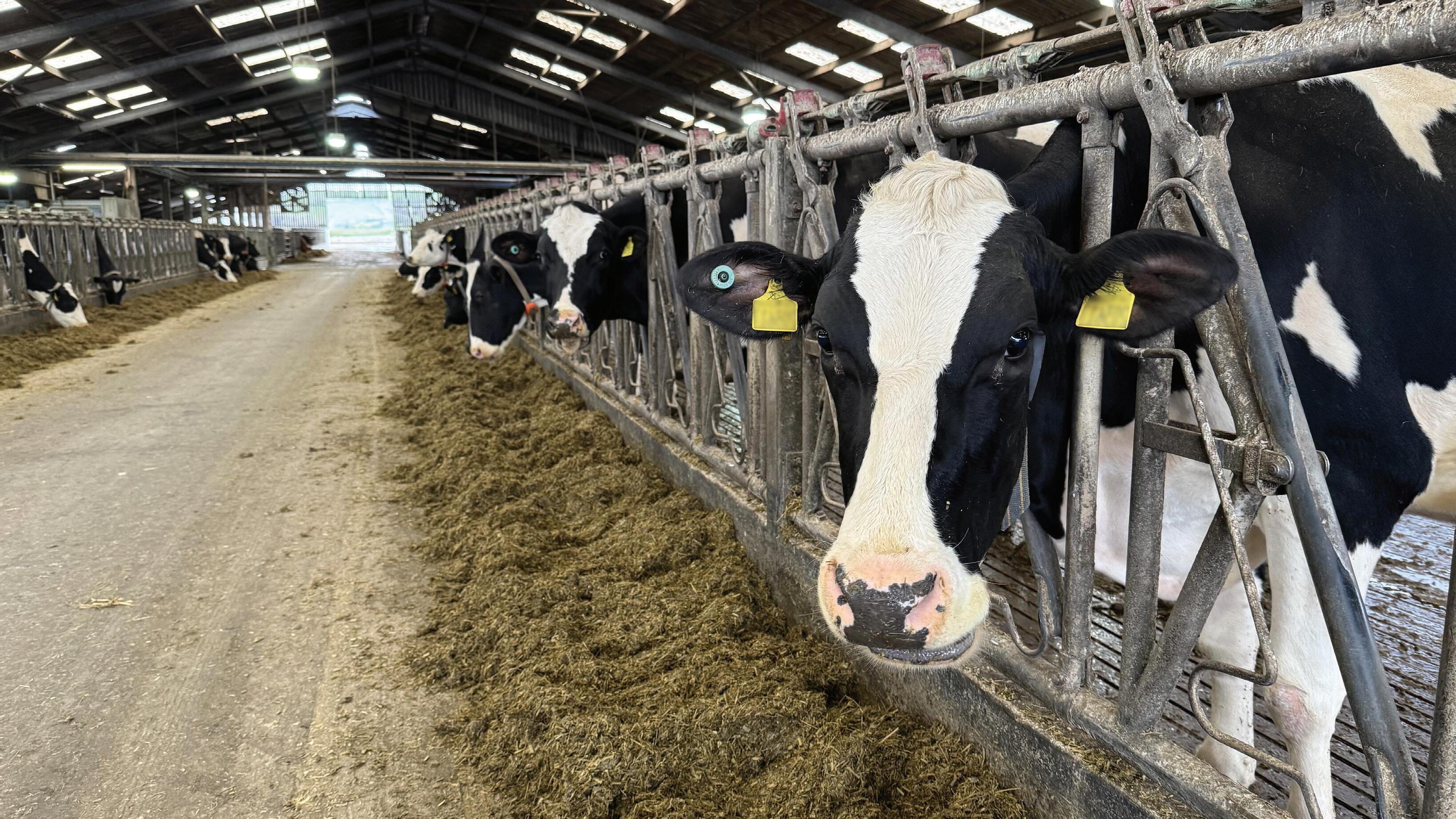

“Our antibiotic usage is down 45%,” says Mr Davies. “With mastitis, for example, we used to strip the cows two or three times a week and if we saw any cows with a change in their milk, we were tubing them.
“We still carry out weekly stripping but as an additional tool we receive alerts from the system about a temperature increase in a cow.
“I then give her an anti-inflammatory and carry out a California milk test and, if needed, I treat her with intra-mammary antibiotics. The boluses therefore allow early and accurate detection.”
He says this approach means mastitis cases are nipped in the bud before they get a chance to develop into something that requires antibiotic treatment.
Similarly, Mr Davies says the system has helped reduce antibiotic treatment for post-calving illnesses, mainly metritis.
He says the boluses not only pro-
vide calving alerts to reduce prolonged calvings but also help detect associated calving diseases.
“Previously, I used to do seven-day checks on all fresh cows to
see if they had cleansed properly, but I no longer need to do that,” he explains.
“I rely on the boluses to flag any freshly-calved cows with issues.”
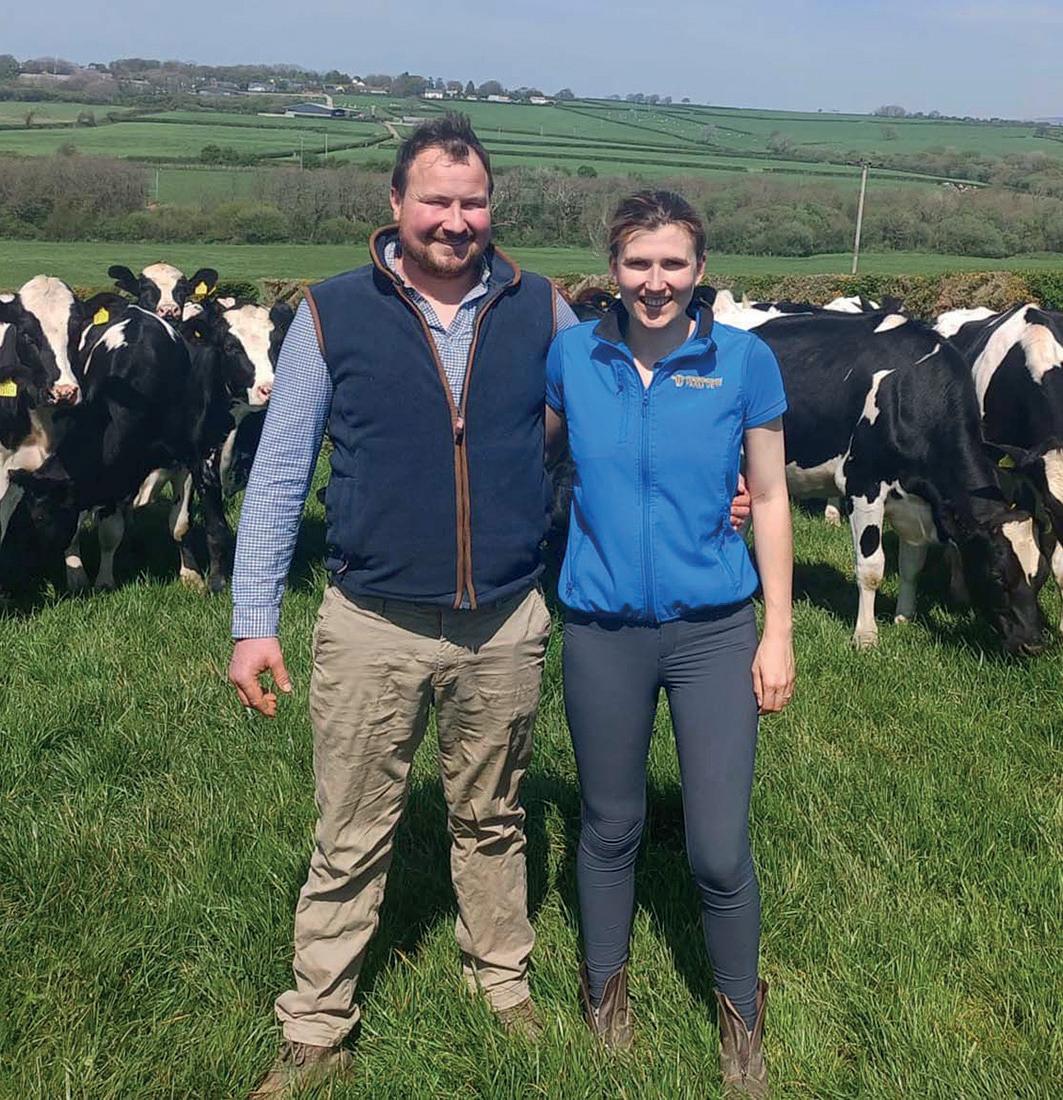

He adds: “When I was doing it all by eye before, I ended up using more antibiotics because I erred on the side of caution and wanted to make sure cows were not unwell, but the boluses mean I only use antibiotics when there is a problem.”
The farm’s impressive reduction in antibiotic usage resulted in them winning an award for Excellence in Antimicrobial Stewardship as part of the Arwain DGC (Responsible Antimicrobial Use) programme last summer.
In future, Mr Davies says he hopes to further increase milk yields through continued improvements to health and fertility.
“The boluses are really the first stage of all of this as they provide so much information,” he adds.







“As a farmer, you have to run an efficient ship or you cannot succeed. Feed is far too expensive to be giving to cows that are not pulling their weight.”










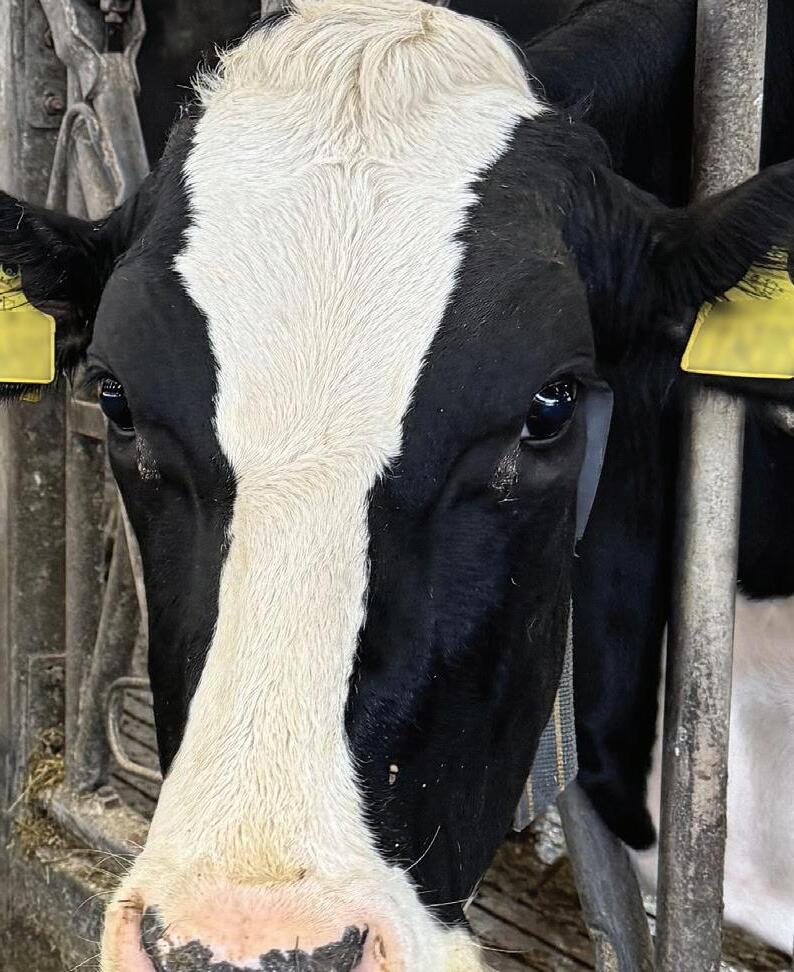








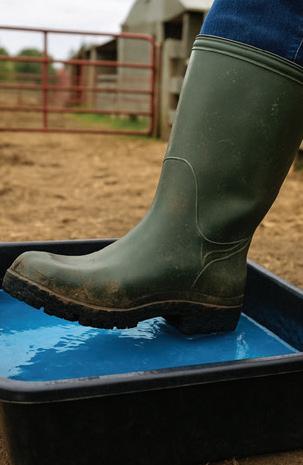













Cow comfort and efficiency are the focus for the Richards family who have introduced robots in order to futureproof their family farm. Ellie Layton reports.
Ridge End Farm, on the outskirts of Worcester, was bought by John and Sheila Richards in 1981, after they previously ran the farm as tenants. Their son David went on to set up the dairy enterprise with 20 pedigree Holsteins.
Today, the farm is run by David, along with the support of his wife Becky, who works off the farm, and their two children, Max, 21, and Paige, 17, who are both keen to join the farming business and keep pushing Ridge End forward.
A young team is supporting the family in the shape of two fulltime staff, Alfie Bently Nash and Ben Howse, who David says are key to the everyday running of the
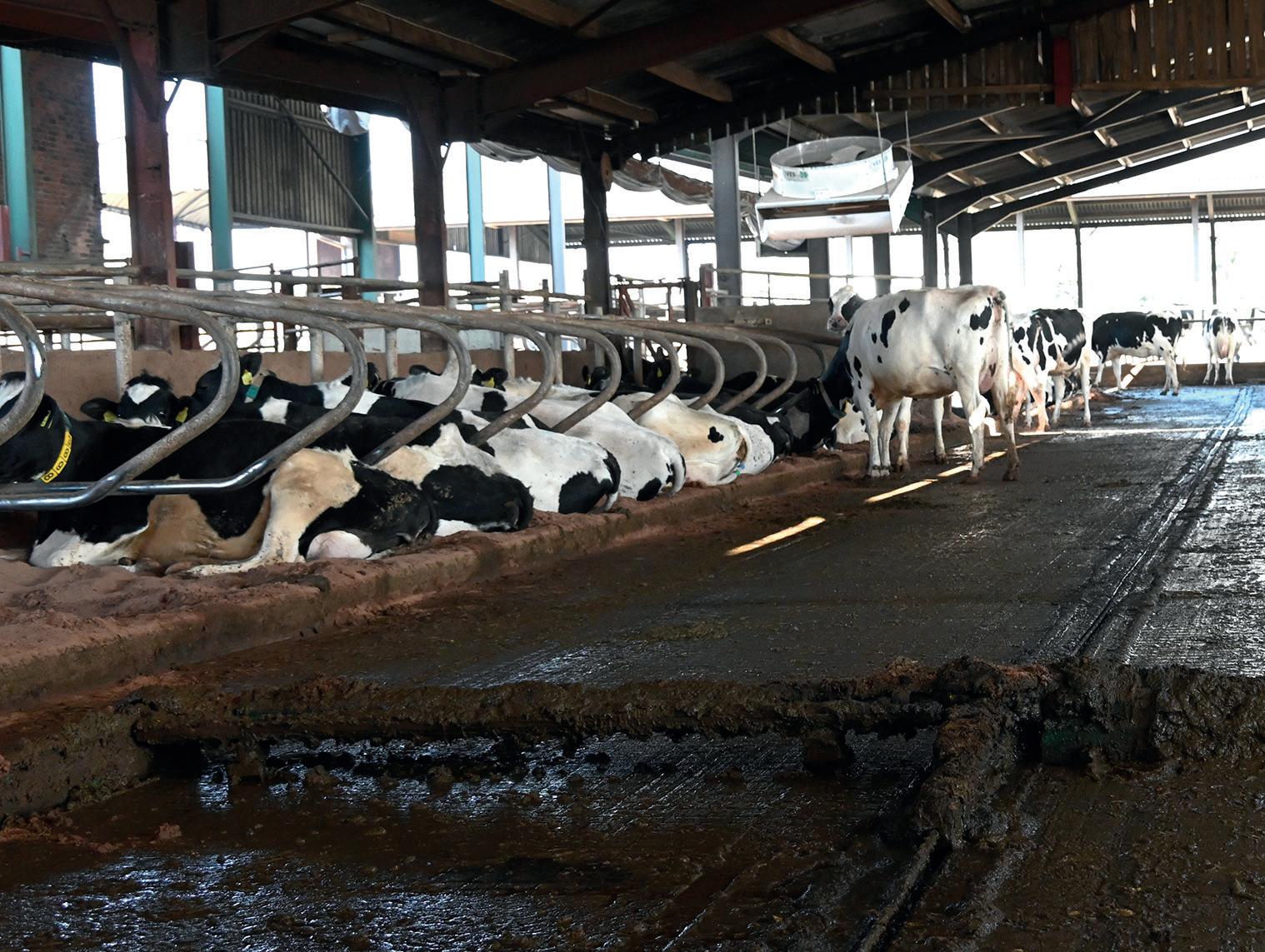

farm and who have played an important role in the transition to robotic milking.
The farm’s dairy system has changed dramatically from its be-
ginning, when David started milking with a 8/4 abreast parlour. A growing herd meant this was upgraded to a 15/30 swingover parlour, which still sits
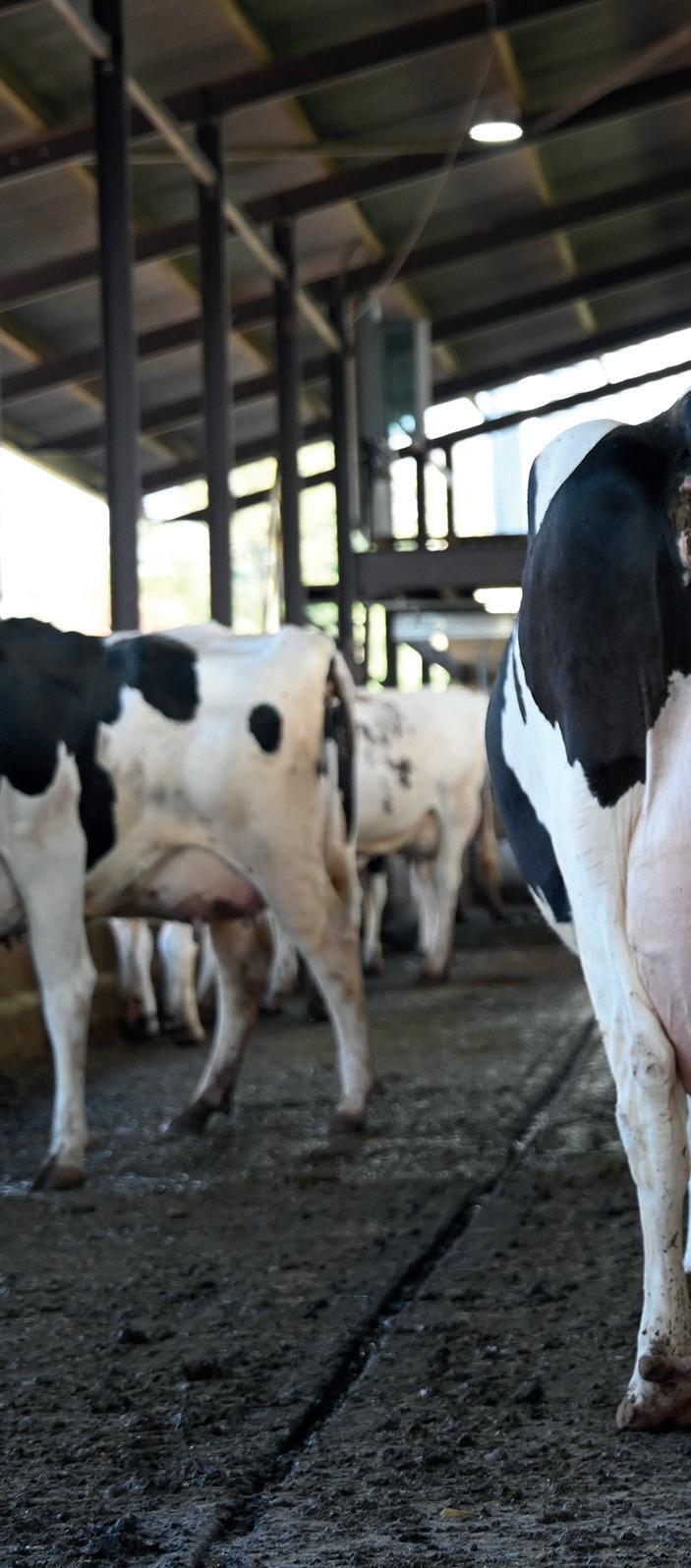

in the parlour shed today.
The 500-head herd were milked twice a day and were housed in the winter. The move to robotic milking will see the herd go to a fully housed system.
Not keen to compromise on cow comfort, David says the decision to house the cows indoors has made their already quiet herd even more docile.
Beforehand, 30% of forage was purchased to support the TMR
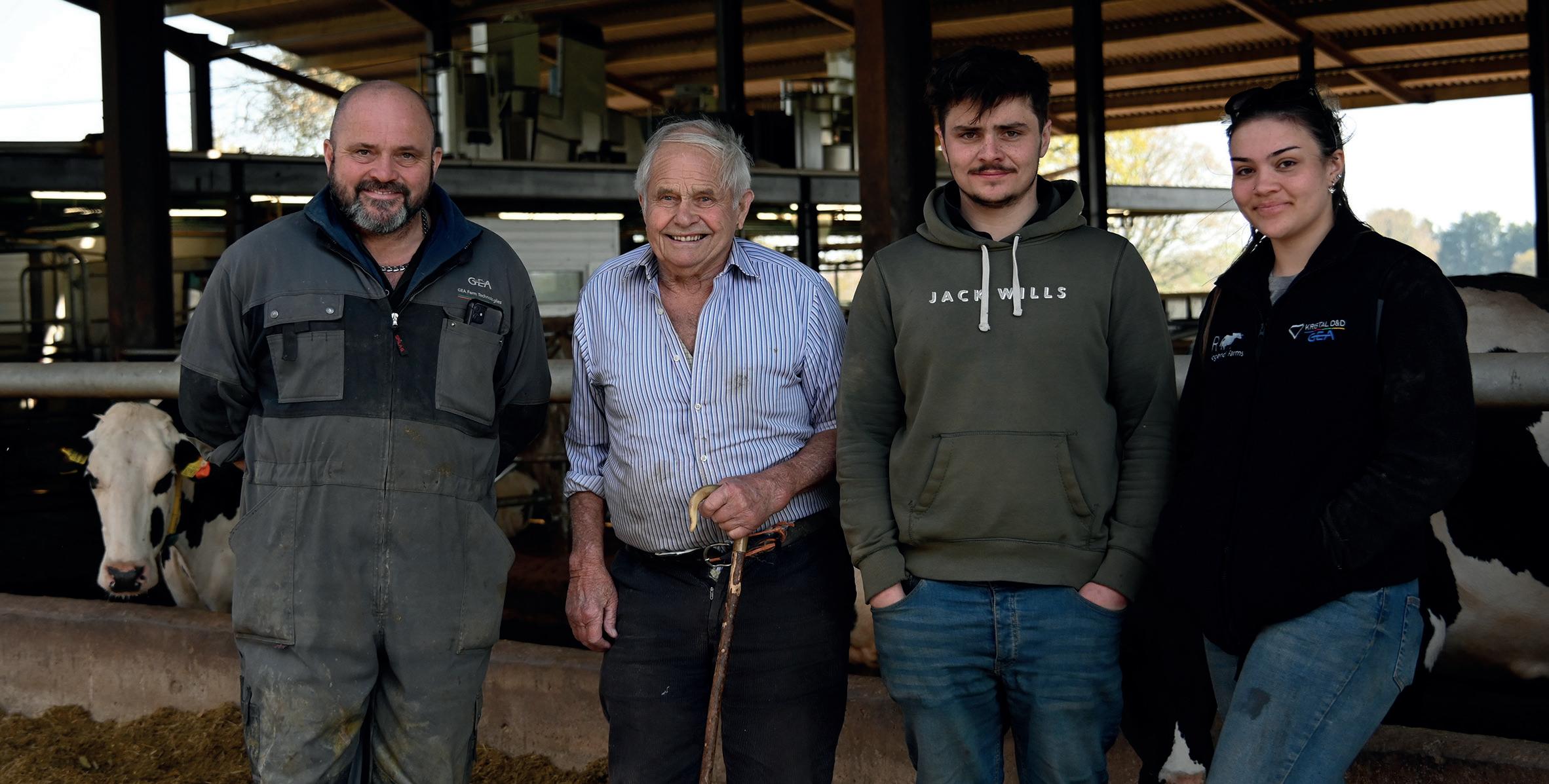

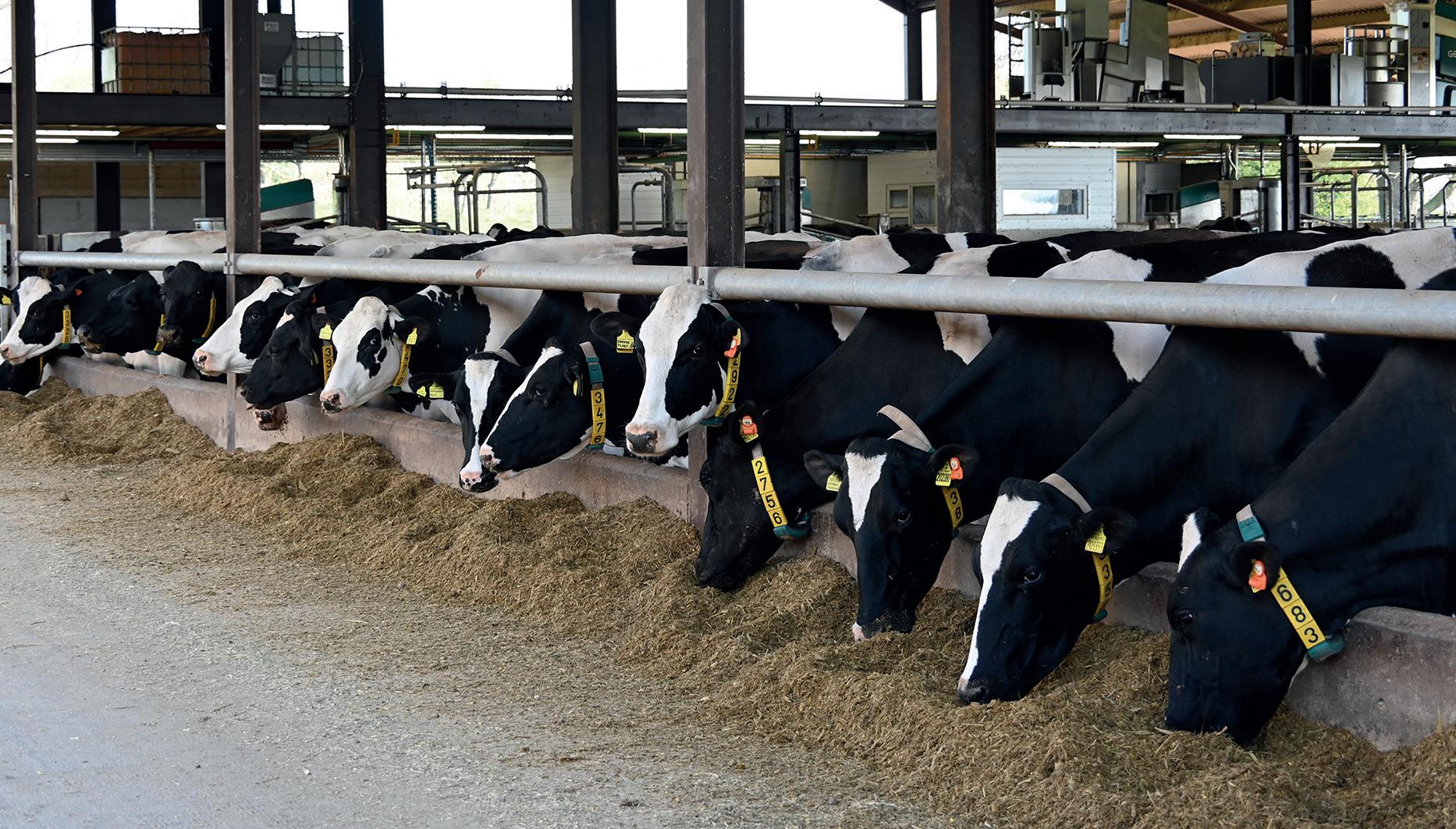

heifers, which are adapting to the robot, or cows that need treatment. It has proved especially useful for dermatitis.”
A purpose-built shed has been erected to house four of the six robots, and cubicles to house 300 cows. Another shed has been repurposed to fit the remaining two robots and cubicles.
At the moment, the parlour is still functioning to milk the 100 cows that the robots do not currently have capacity for, but David says they may keep the parlour functioning and use it for drying off.
He says the transition to robots has been straightforward, and far simpler than expected, although he warns it is not one for the faint-hearted.
“We have worked together as a team to get this system running smoothly as quickly as possible. It was a case of all hands on deck, and we practically lived with the robots in the beginning.
“Your heart has to be in it. If you are fitting robots because you think it will cut down the workload, you are doing it for the wrong reason,” he adds.
Max says that by choosing a freeflow system, the cows have adapted to the robots well, as their natural herding nature means they soon started following cows and queue up to enter the robot as soon as they hear the robot release noise.
He adds: “We have always had quiet cows, but they are noticeably content.”
Something the family likes is that the cows’ whole environment
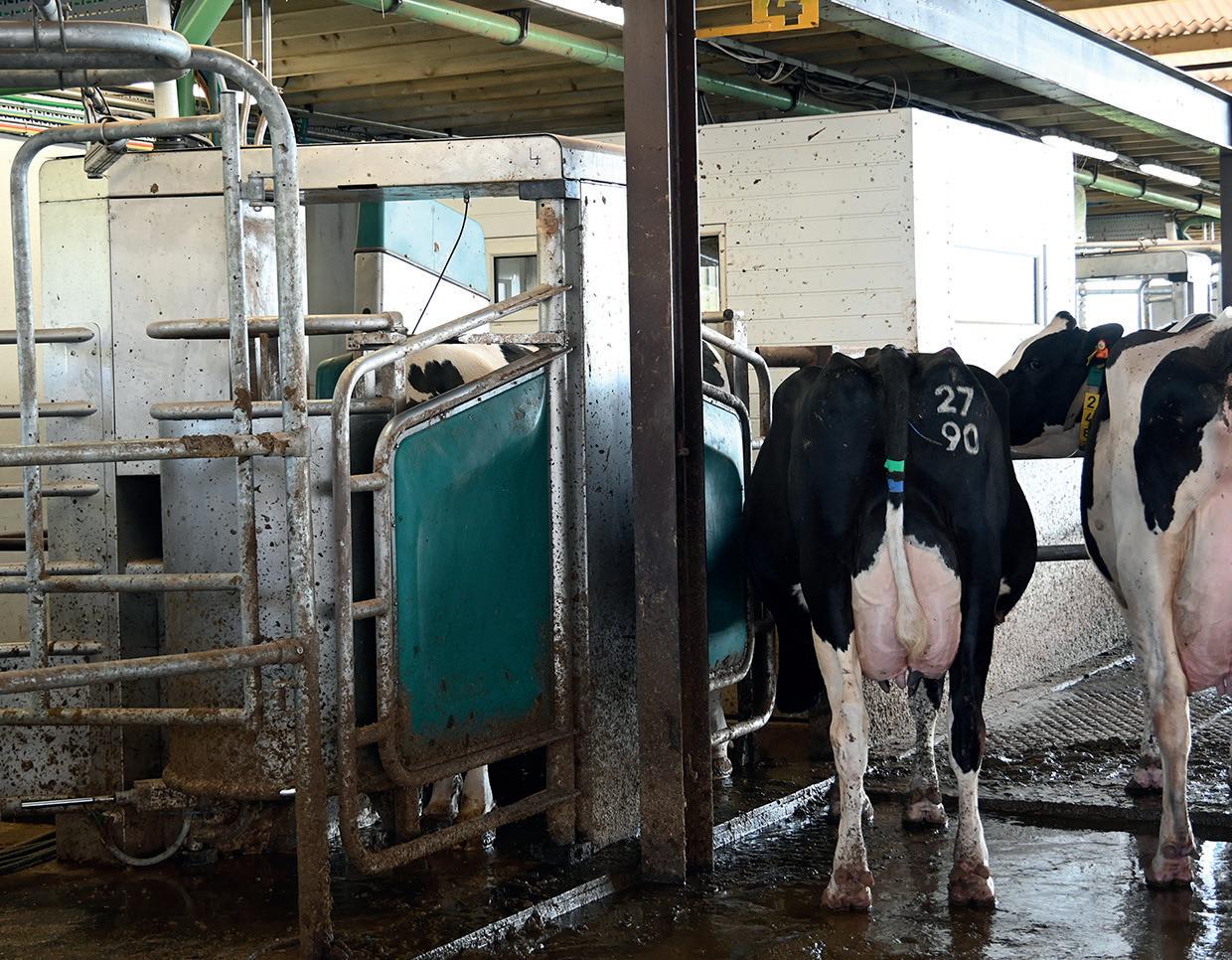

■ Farm comprises 194 hectares (480 acres), with a further 160ha (420 acres) rented.
■ Switched from a GEA parlour to eight GEA robots.
■ 500 pedigree Holstein cows under the Richridge prefix.
■ Calves sold through Medow Quality.
■ Milk sold to Muller.
is under one roof, which has hugely reduced standing time in the parlour and time walking to and from.
They found that for an initial four to six week period after the robots were installed they were pushing cows up that were not fully utilising the robot. This has now dramatically decreased, and only about 10% of the herd has to be fetched to the robot.
Now settling into the system, the family has seen a huge increase in yield, far beyond what they expected, with the cows willingly using the robot up to six times a day.
“This behaviour has seen milk yields increase over the first three months of using the robots, climbing from 28kg to 40kg for some of the best performing cows,” says David.
And David says he feels they have far more information than
previously, with detailed reports coming from the robot, for both yields and health.
He says: “Throughout the whole process, our farm vet and friend, Nick Gibbon from Belmont Vets, has helped us – from the setup to now and planning for the future, while keeping cow comfort and practicality at the heart.”
David adds that this change in systems has been financially demanding but, with some heifers due to be sold over the summer, he is confident the family will be able to continue with future plans. He says: “We are fortunate to be able to go ahead with these dramatic changes – with two keen children involved with the farm, we are excited to drive the system forward.”
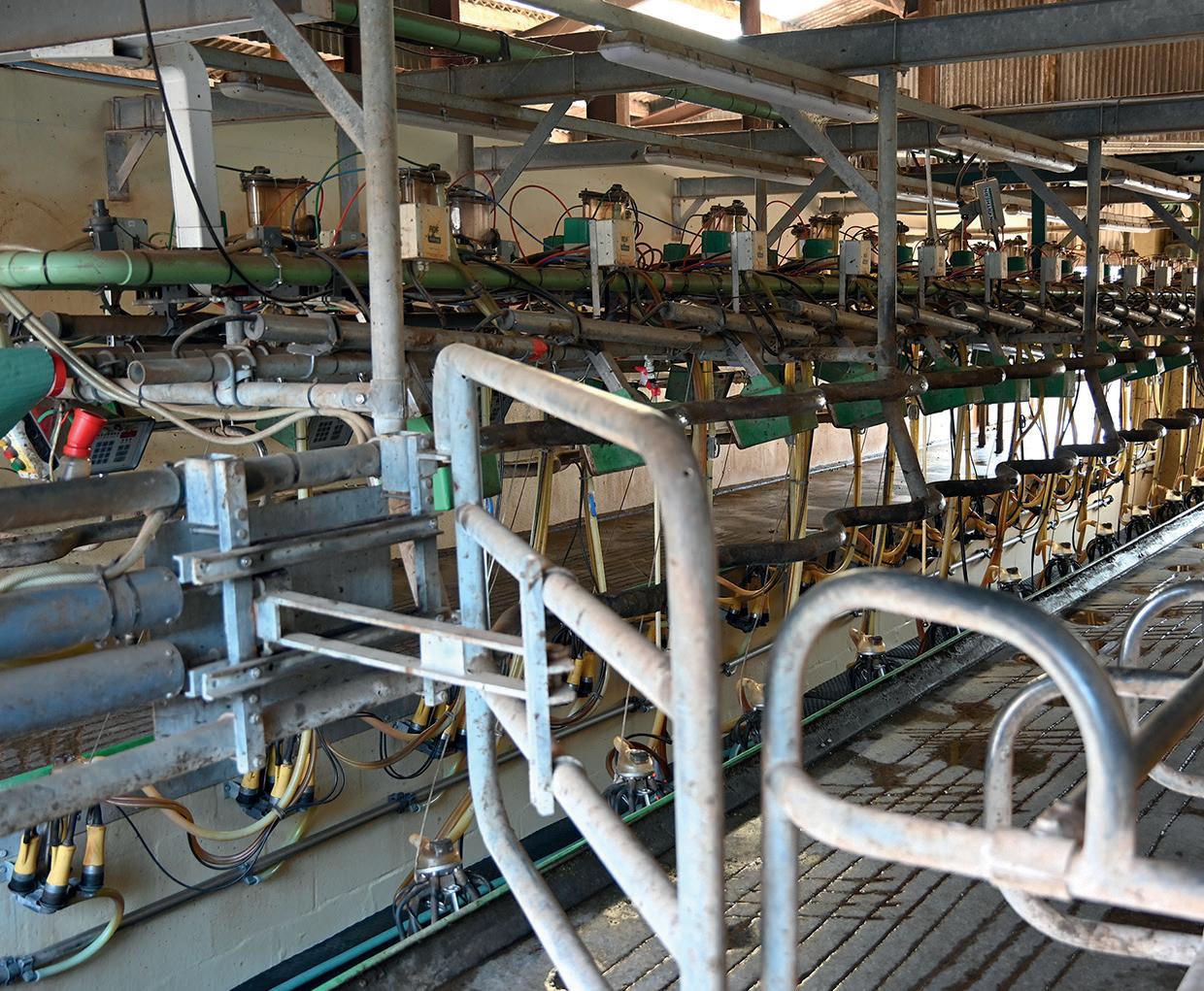



For more information and to make your nominations, scan the QR code or visit: britishfarmingawards.co.uk/MartsTheHeart































And this year, we’re celebrating a milestone. Now in their 10th year, the awards shine a spotlight on the auction marts, auctioneers, and cafes that play such a vital role in the livestock industry and wider rural community.









Title:












Name of auction mart you are nominating:
Name















































Sunday, August 31 Voting















Name of auction cafe you are nominating:
Name of new auctioneer you are nominating:
Reasons for nomination: (Please submit alongside this form on separate sheet - up to 400 words) or enter online at www.britishfarmingawards.co.uk/MartsTheHeart/en/page/marts-the-heart-categories

We see farming differently.
Tru-Test Active Tag lets you access real-time heat and health data via your phone, while the Dairy Drafter ensures precise, autonomous drafting every time.
Need support understanding grant eligbility or want to find out more about how Active Tag works?
Scan the QR code today to book a consultation, or get in touch with one of our experts.



















































for some farms to develop sites with micro AD plants, but only if the site meets specific criteria.
The 400-metre designation rule relating to residential properties and other site-specific factors could present challenges for certain sites, so it is still worth consulting with a planning specialist regarding PDR opportunities.
The AD summit also brought up some key takeaway messages from early adopters of the system.
Rob Davis, an Arla farmer with a Biolectric system, said: “Do not underestimate planning – it took 18 months for our system to get through with one objection.
“Permissive development is the way to go if you can. Ultimately, do your sums – it costs me 30p/kWh to produce electricity.
“I could buy it in for less than that at the moment, but long-term energy prices are an upward trend.”
Edward Goodall, the first farmer to install a Biolectric-made plant in the UK, added: “The




system works; it is no longer a new technology, but paperwork and getting Distribution Network Operator approval are time-consuming factors.”
Cumbrian farmer James Steel said: “We milk 700 cows and we put all our slurry through the
system. We run the farm, rentals and holiday cottages off the system – it is a no-brainer.
“If I look back, the only thing I would have done differently is talk to our insurance company first.”
With micro AD systems costing in the region of £250,000£300,000, they still remain a

It has been a challenge to get payment for excess electricity produced [from micro AD] –something we are working on
CIARAN BURNS
considerable investment for most businesses. Prospective adopters would be wise to do a wider assessment of the farming business and look at how the system might benefit it by increasing slurry storage capacity and also the nutrient availability of slurry once turned into a digestate form.
Many farms will likely have to seek finance for such an investment, and these are key considerations to factor in.
HSBC’s regional agriculture director Steve Dunkley said: “Talk to your finance provider well in advance of such a project.
“Carry out the usual financial forecasting and work out what feed stock you are providing a system like this and [if it has] a consistent supply.
“These systems are no longer a new or unproven technology, and there are opportunities to find lending for such systems.”


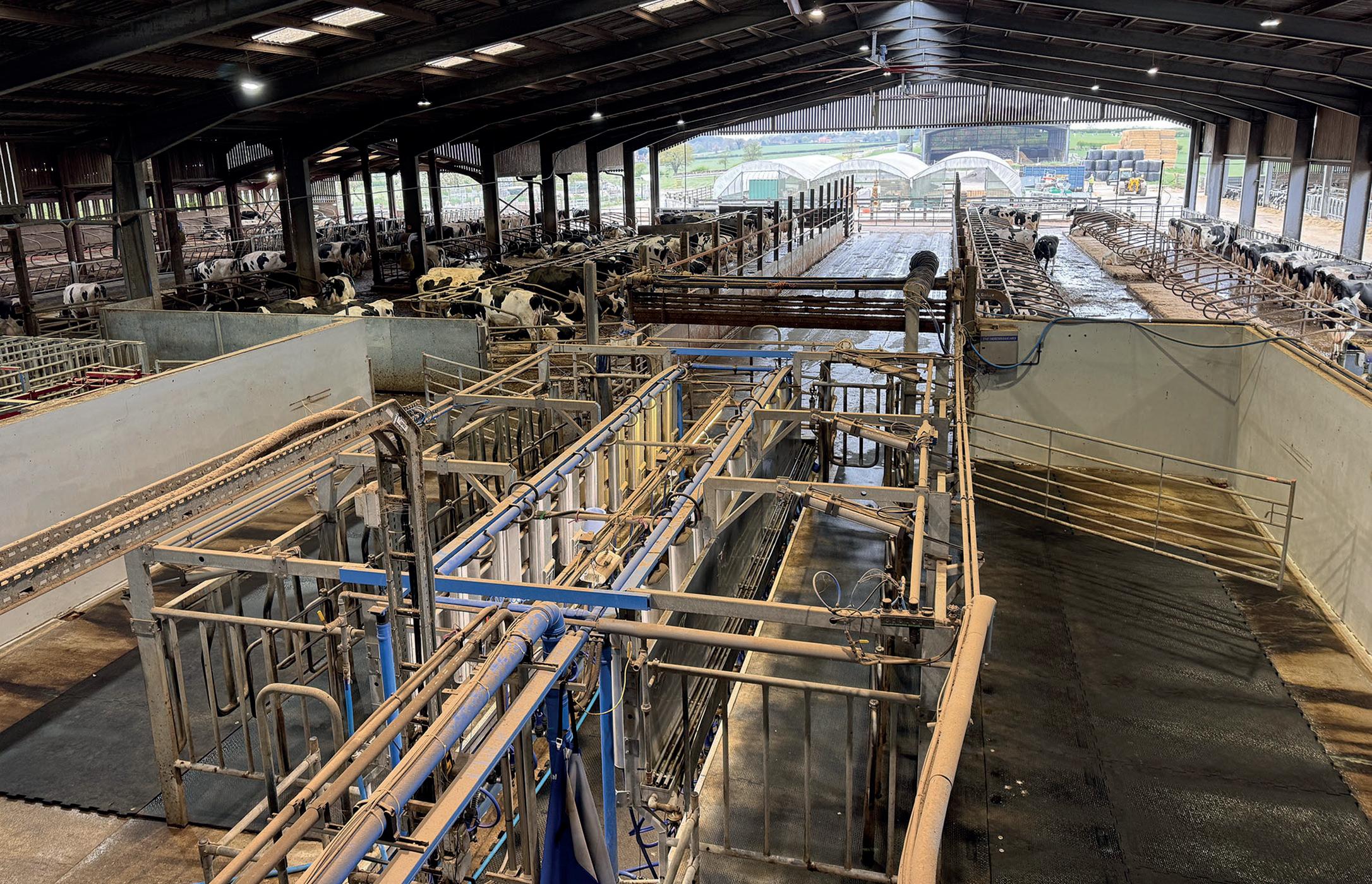
Manufacturing & installing rope scrapers for over 25 years
• Ideal for sand laden slurry
• Timer clock to schedule cleaning
• Easy control system
• Lowest cost maintenance
• 5 year extended warranty available
For
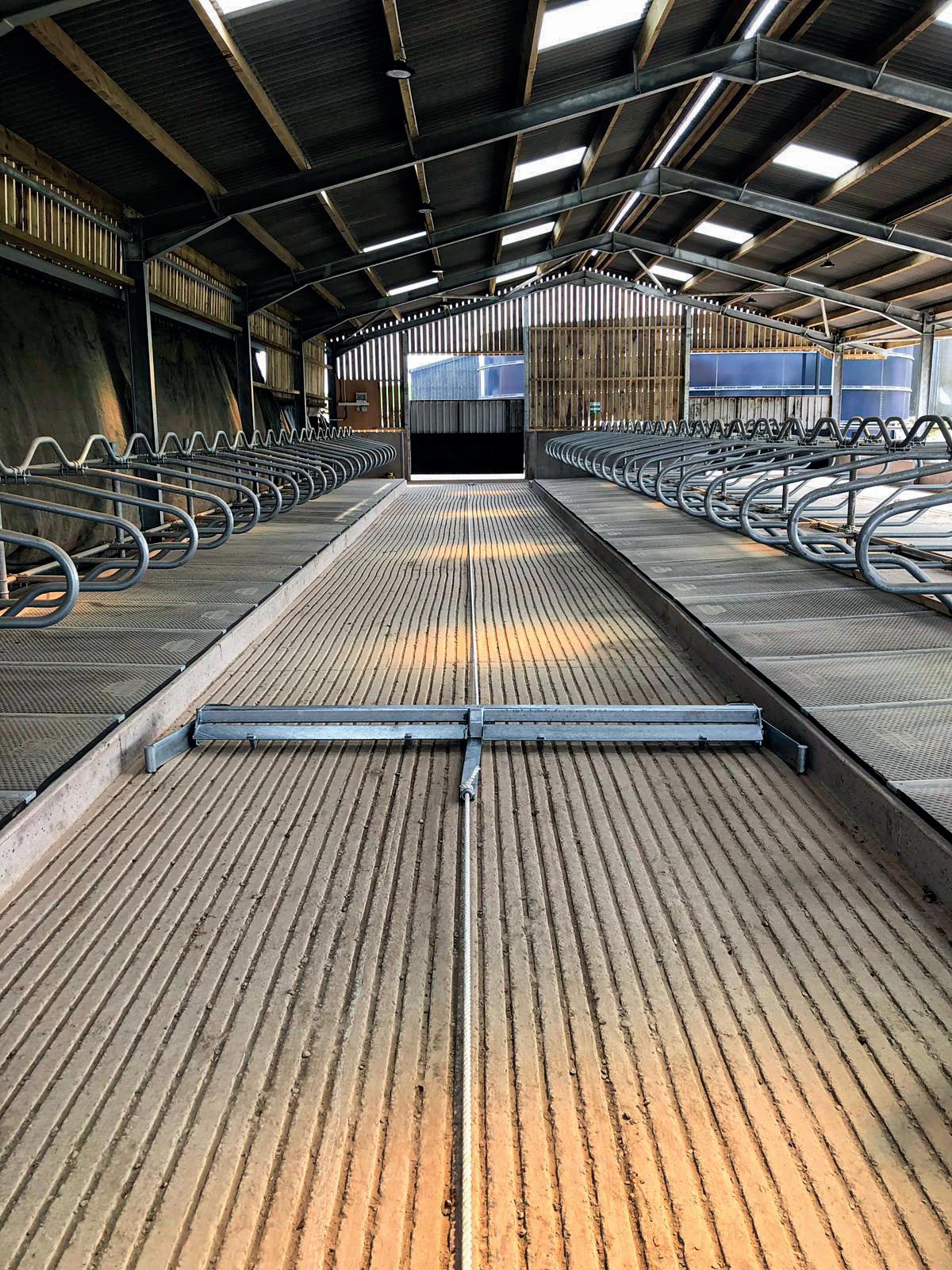
J While the UK’s two largest milk buyers, Arla Foods and Muller, have held their latest prices unchanged for May and June, respectively, other milk buyers, especially those that have yet to make an adjustment this year, have started to feel the strain and subsequently have reduced prices from June.
One of the milk buyers falling into this category is First Milk, which, after a period of relative stability while paying a competitive milk price, has had to cut its milk price by 0.5ppl to reflect the change in overall returns.

when taking the seasonal profile of milk pool into account).
The reduction includes the fact that members have also scored higher on their regenerative scoring, with the average across the whole group moving up from 0.5ppl to 0.6ppl. Our liquid standard* price decreases by 0.47ppl to 43.38ppl.
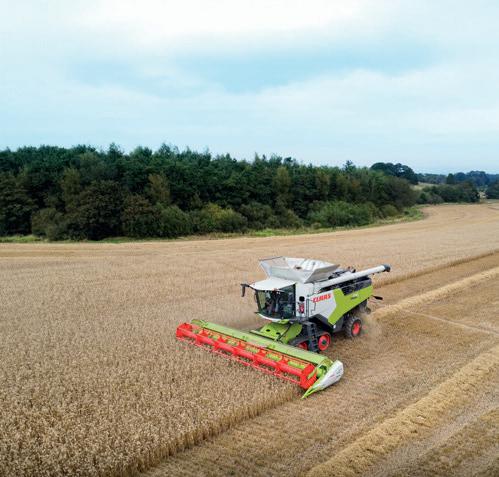

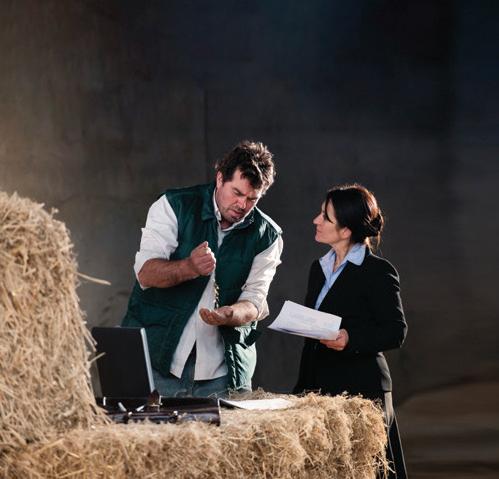

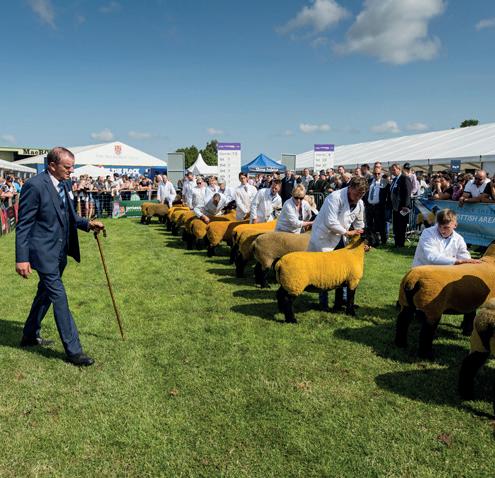

This is the co-op’s first price move since December last year, and takes our manufacturing standard* price down to 44.85ppl, with suppliers in the Haverfordwest Tesco Cheese Group receiving the same reduction to 46.35ppl (based on the premium of 2ppl, averaging around 1.5ppl
Following in the footsteps of other cheesemakers that have reduced prices this spring, Belton Farm has moved on price for the first time since November last year, with 1ppl reduction from June taking our manufacturing price down to 41.55ppl.
Most cheesemakers, many of which have reduced prices at least once this spring, have decided to hold their milk prices steady for June. A handful of buyers have not moved this year – however, in the main they have tended to not have been at such

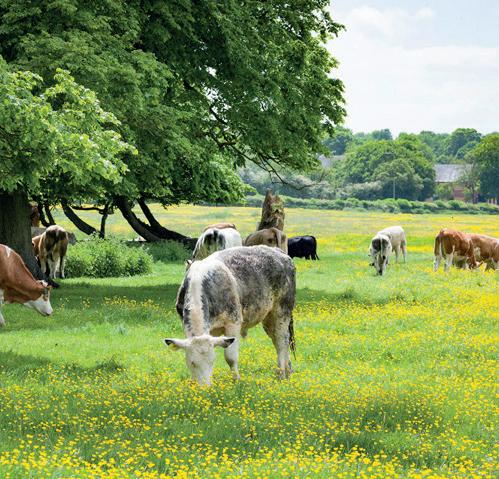
JExpanding Scottish family fresh milk doorstep delivery business McQueens Dairies, East Kilbride, which offers a delivery service to homes and offices as far south as Basingstoke, has launched its first direct supply milk contract for producers.
The non-exclusive, compliant with the Fair
Dealings Obligations (Milk) Regulations (FDOM), contract, has an opening offer of 41ppl for our liquid standard for April, which includes haulage costs based within 25 miles of the dairy.
The company reports good interest to date, with some suppliers understood to be close to signing.
Milk price analyst Stephen Bradley on the latest milk industry developments.
competitive levels on price as some that have had to reduce.
On the liquid side, Paynes Dairies has reduced its price for the first time since last November, in a move that takes our liquid standard price down to 40ppl.

Tracking its basket religiously, Pembrokeshire Dairy, on the back of First Milk’s reduction, has reduced by a further 0.12ppl to what is still a very competitive price of 43.95ppl based on our liquid standard.
J In its first price move since November last year, one of the most stable milk prices, Waitrose, has increased its conventional milk price for its Muller supplier by 0.7ppl to 45ppl for May.
At the same time, the retailer’s organic supplier received an increase of 0.5ppl, taking our organic liquid standard price up to 57.75ppl. Meanwhile, in line with its commitment to pay the higher of
either basket average or the Muller Direct price, the Co-op increased its Muller Co-op Dairy Group milk price by a further 0.11ppl for May, the Sainsbury’s increase for May having pushed its basket average above the Muller Direct price, to take the total increase for May up to 1.41ppl, and with it our price to 42.36ppl.
Sainsbury’s has increased its June price for Muller by 0.06ppl, taking our price up to 42.64ppl.
J Dale Farm is to pay 0.5ppl in the form of a 13th payment (worth an additional £5,000 to our 1m litre/year supplier) to be paid on all NI members milk supplied from April 2024 through to the end of March 2025.
At the same time, the Northern Ireland milk price for March signalled the end of all winter support payments as the base price for 3.95% butterfat and 3.24% protein milk decreases by 3ppl to 41.8ppl. The decrease takes our manufacturing standard down
from what was 47.42ppl for February 2025 (after the 13th payment) to 44.42ppl. Our liquid standard also decreases by 3ppl from 46.32ppl (again including the 13th payment) to 43.32ppl.
The company has also decreased its GB Cumbrian April base price for 4% butterfat and 3.23% to 3.30% protein milk by 0.59ppl in what is its first move since December last year, taking liquid price down to 43.56ppl. This price is also confirmed as unchanged for May.
* Our Liquid standard litre is 4%b/f & 3.3% protein, for our Manufacturing 4.2%b/f & 3.4% protein and in both cases Bactoscans of 30,000/ml & SCCs of 200,000/ml, with Thermodurics of 500/ml, 1mltrs/yr on EODC (max vehicle accessibility) based on level supply and therefore, before seasonality, (but includes the winter premiums paid in NI) as well as monthly profile adjustments, balancing charges, capital deductions or annual / part annual growth incentive schemes or supplements not directly linked to dairy market price movement.
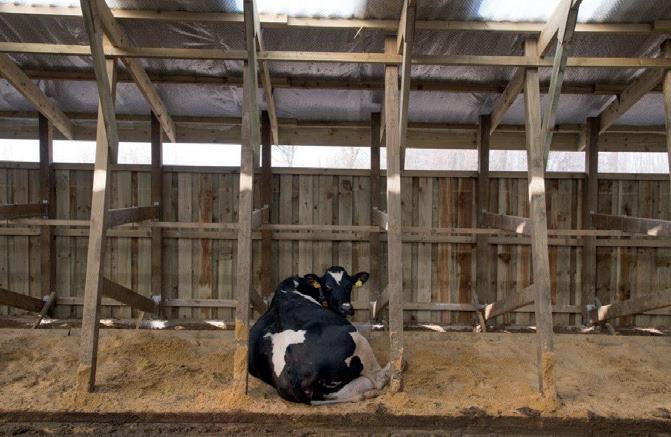
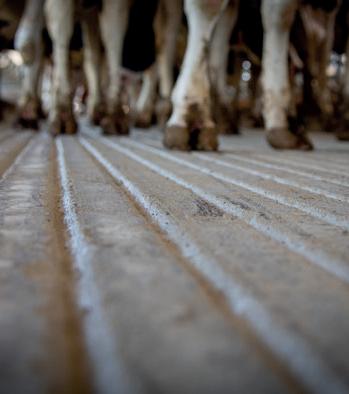


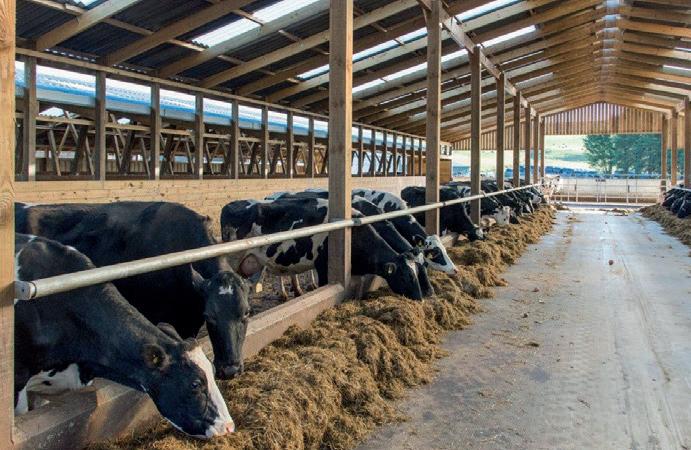


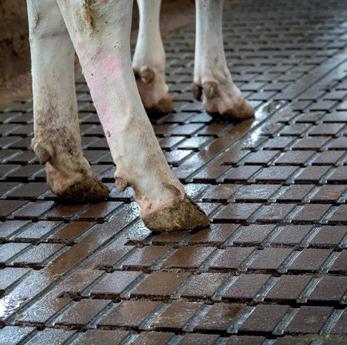












‘B’ Price Indicators
Notes to table































































Proven


































































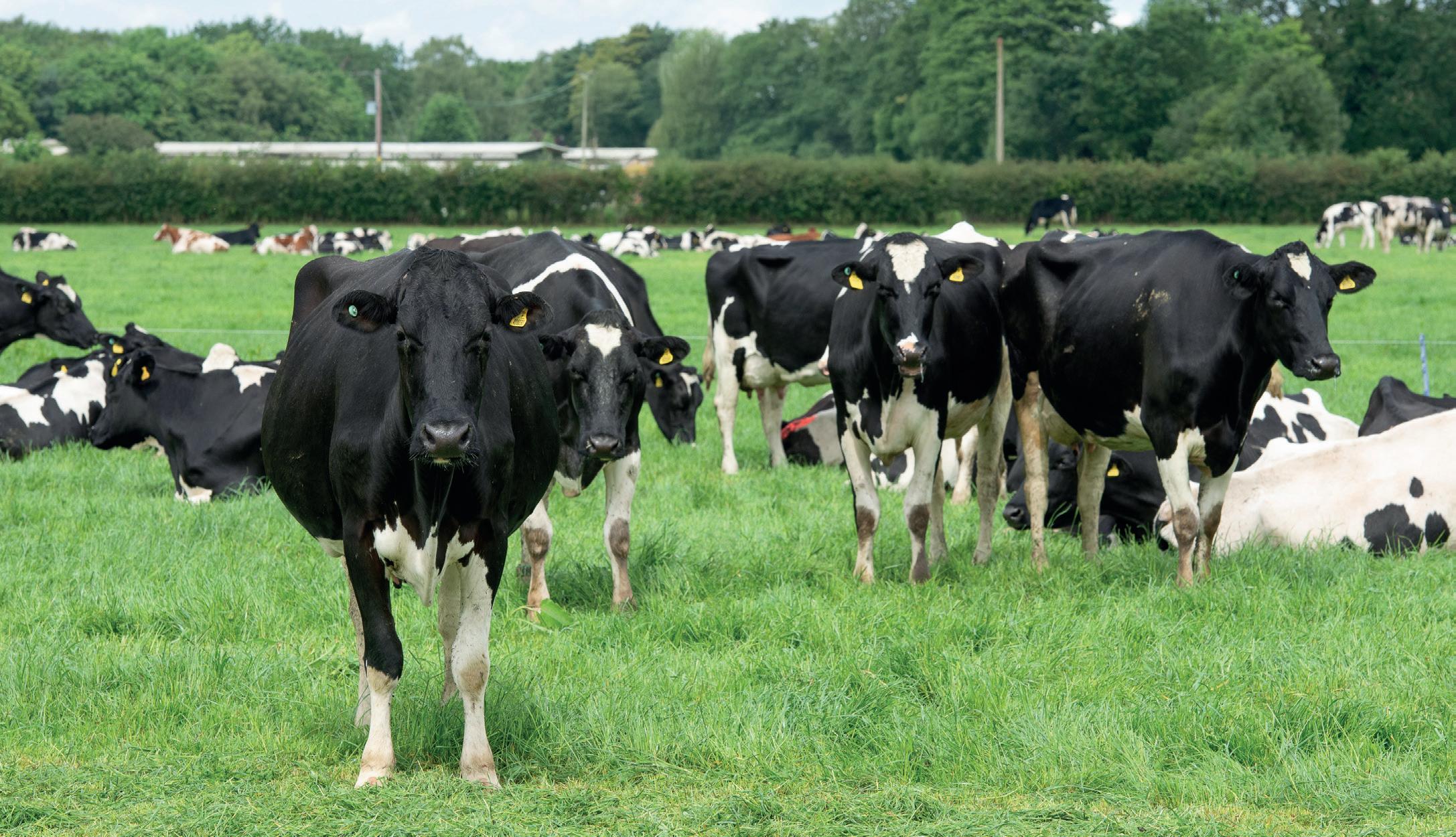
Some processors are optimistic that commodity prices and farmgate prices will remain strong after the flush, as milk starts to decline through to the trough.
Butter makers are buoyed by a lack of stocks and decent demand, while cheesemakers, despite their plants being full, are apparently not making cheese
THE Defra milk price for March was just over 46ppl, at 4.36% fat and 3.41% protein, which is a slight drop of 0.08p on last month.
When corrected for constituents back to a standard 4% fat, 3.3%
they did not expect to make.
Mild Cheddar is strong at £4,000/tonne, with mozzarella at £3,800 for May sales. Both are
being supported by a relatively high curd price and good demand for that and cheese in general.
According to AHDB, publish-
protein standard litre, the price is around 43.5ppl.
Prices first topped 46p in April.
The non-aligned average for May has dipped under 43p, after some processors dropped their prices.
The latest gross AMPE figure for April is 42.09p, down 0.57p on March, equating to around 38p net of costs and a processor’s margin.
MCVE is at 43.90p, down 0.16p, with the net value around 40p.
UK milk volumes for the milk year April 2024 to the end of March 2025 totalled a record-breaking 15,118m litres, 228m litres and 1.5% more than last year. It is 180m litres and 1.2% more than the five-year average and 20m litres and 1.45% more than the three-year average.
It is only the second time we have topped 15 billion litres, the previous year being 2020 – 2021.
GB milk volumes were up 93m litres on last year, a rise of 0.8%. This is not a record level, however
– that was set in 2019 / 20 at 12,566m litres.
In sharp contrast, EU milk volumes were well down in February on 2024, not least because it was a leap year.
On the available data for March, it looks as if EU plus UK milk volumes will come in at about 13,770m litres, around 100m litres, and 0.7% less than last year, although there are several states still to declare.
Cumulative volumes would be 38,130m litres, down 325m, and 0.85% on last year.
Indications suggest prices will remain strong as supply drops after the spring flush.

ing NIQ Homescan figures, cow’s cheese grew 4.3% in volume over the past year and spend increased by 3%. Cheddar saw a 5.3% increase in volumes.
Butter overall saw a 2.4% decline in volume but a 4.2% increase in spending, with block butter witnessing volume increases of 6.7%, and driven by an increase in shopper numbers and frequency of purchase.
This month’s new products section features a new silage additive, a robotic milking consultancy service and an antibiotic free gel barrier.
Robotic Milking Systems, a new consultancy service dedicated to robot milking, has been launched to guide dairy farmers in the UK through all aspects of robotic milking.
The new service has been developed by Gareth Jones, who has been involved in the industry for more than 20 years and has worked for three of the main manufacturers worldwide.
Mr Jones says the consultancy service will guide farmers through every step of the process, when moving away from a conventional milking system.
The Robotic Milking Systems website allows farmers to compare the key features of the five
main robotic manufacturer’s machines and see what is also available on the second-hand market.
Consultancy is available for everything from barn layouts to tendering for larger projects.
Regular features will also be published on the website covering topical issues in robotic milking, including working partnerships with Dairy Diagnosis and Finance for Agriculture to provide independent advice on nutrition and finance schemes.
Mr Jones says: “I am excited to be launching a first for the industry, where dairy farmers who are considering robotic milking, can get all the independent advice they need in one place.”
rMore information from www. roboticmilkingsystems.com

JLivestock housing solutions specialist, Galebreaker has launched an animal welfare advisory service to help farmers create and maintain optimum environments for animal health.
The new support packages include youngstock housing assessments and heat stress monitoring and reports.
Farmers who sign up to the advisory service will receive a temperature-humidity index (THI) sensor, monthly heat map reports throughout the summer, and access to ongoing live data for comparisons with other farms.
The bespoke reports demonstrate how heat stress may
be affecting fertility, lameness and milk yields.
For more in-depth analysis, advanced assessments using vision monitoring cameras, smoke testing, and milk production data can also be provided.
For youngstock, calf building assessments include an on-site appraisal, smoke bomb testing to evaluate in-shed airflow, a review of key factors such as drainage, lighting, spacing and hygiene.
This is followed up with a written report of findings and recommendations on how to improve existing facilities.
rMore information from https:// galebreaker.com/agriculture/
Got a new product?
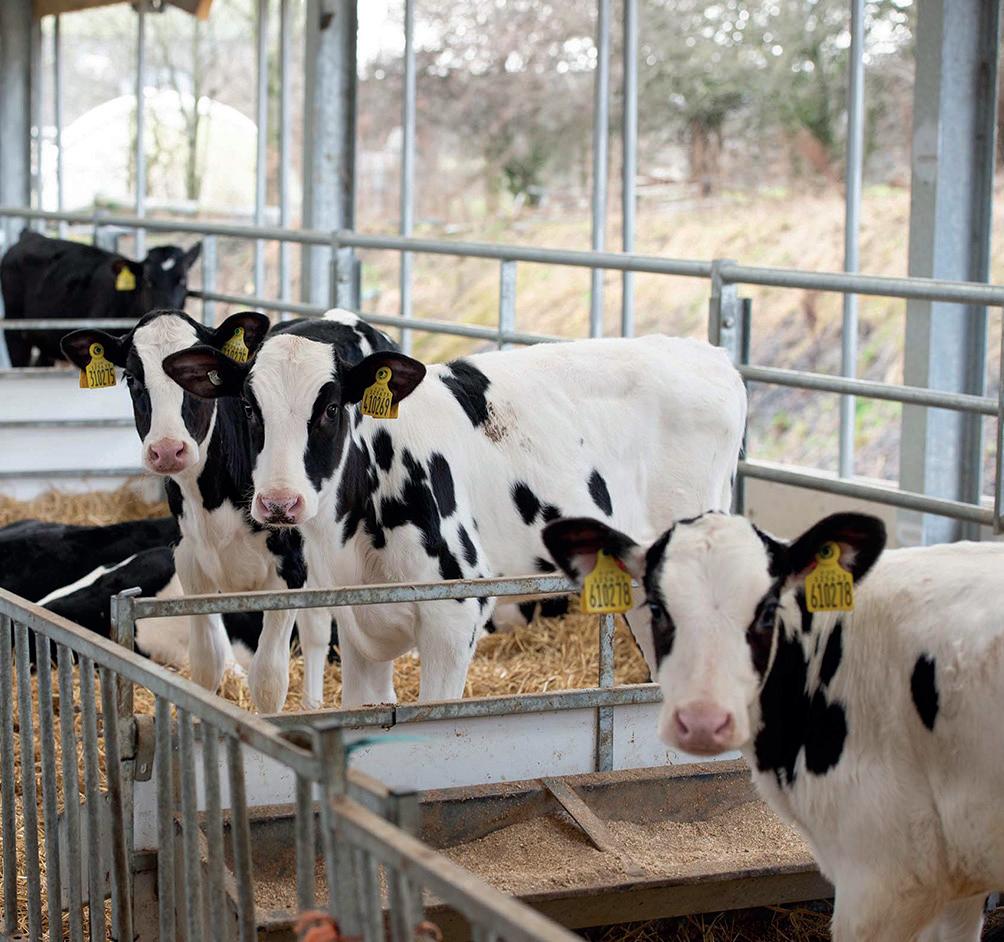
JNew products are featured in each issue of Dairy Farmer. Please send details and pictures to Katie Fallon at katie.fallon@agriconnect.com, or call 07815 003 227.
JNoBACZ Healthcare has launched a new waterproof and antibiotic-free gel barrier for livestock.
Ambugreen features unique patented technology, providing both physical and microbial protection to prevent the passage of microbes and allow for natural healing underneath.
The long-lasting and durable gel barrier consists of a natural resin combined with zinc salts.
Ambugreen’s natural resin is hydrophobic which improves contact times between the product
and the skin in wet conditions.
The gel barrier can be used anywhere on the skin where a bandage or spray has conventionally been used for protection, such as the management of lameness, and the protection of sore skin and udder cleft issues in cows.
It also offers robust fly protection.
Ambugreen is available from vet practices, agricultural merchants or online. .
rMore information from www. nobacz.com
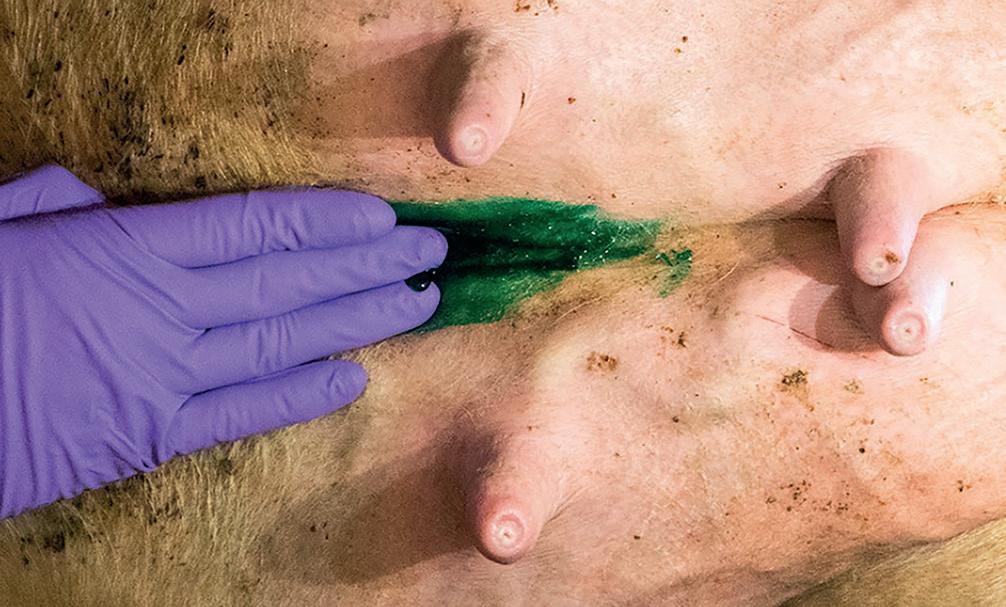
JKelvin Cave Ltd has added a new product to its silage preservative range, to meet the demands of multi-cut grass systems.
MultiMax, the preservativebased additive has been formulated to wipe out spoilage bacteria which can be prevalent in silage harvested in the tight weather windows that are often a feature of multi-cut grass. Limitations on wilting can also be a feature of multi-cut grass, therefore, the product has been formulated to preserve forages whose dry matter may be lower
than desirable.
This also makes the product suitable for diverse grass leys, whose variability of species may lead to uneven wilting and lower dry matter patches.
MultiMax has been formulated to have a very strong effect against spoilage bacteria, especially those which develop in the lower dry matter range. It is also proven to be effective at ensuring a rapid and significant drop in pH.
rMore from 07817 977701 or 01458 252281.
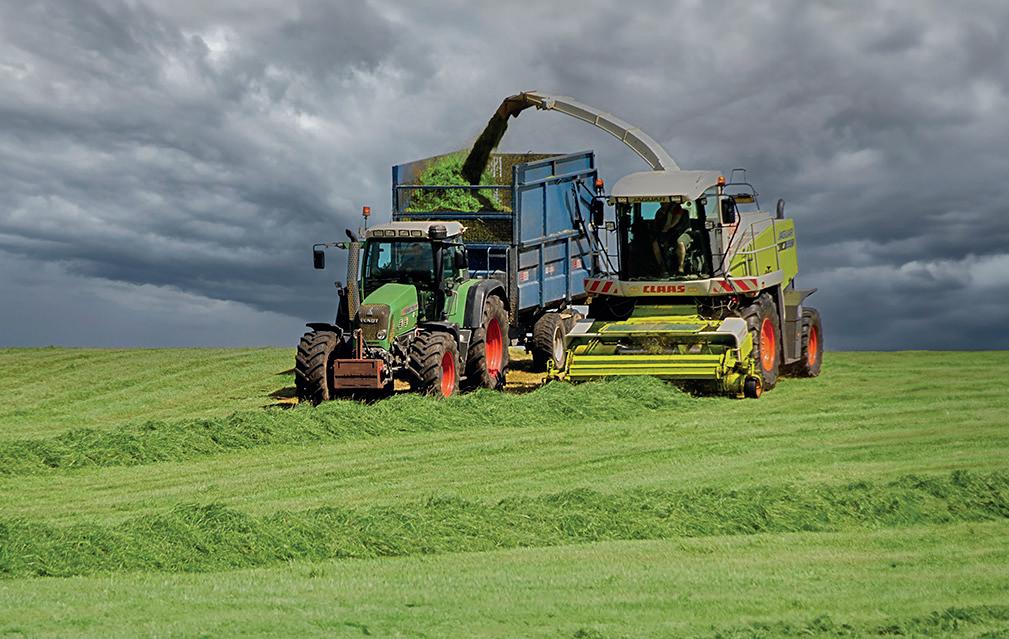





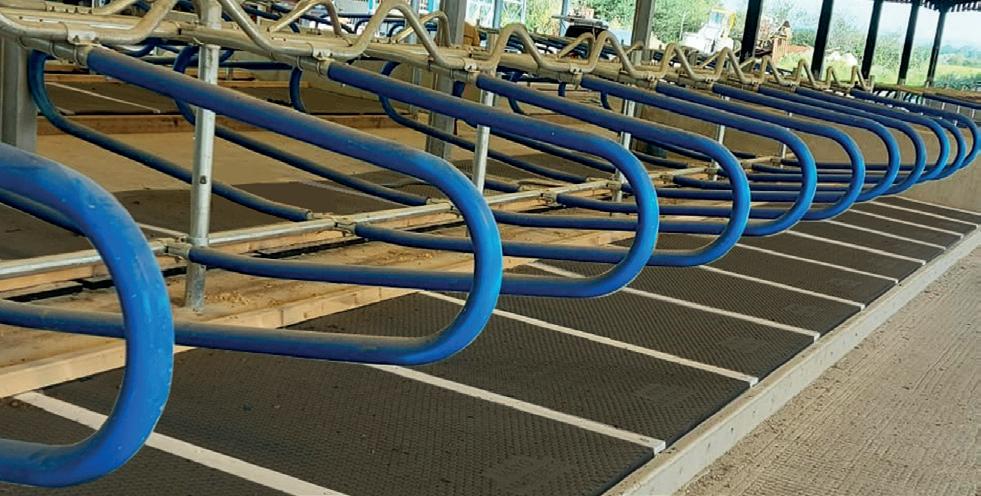


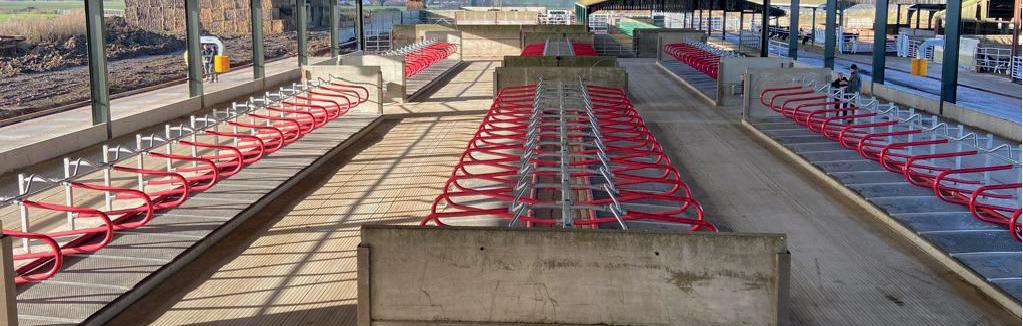

■ Risk of infection from the environment: This extends to when the cows go outside, and focus areas include stocking density, managing paddocks, and creating areas of shade where cows congregate.
For housed herds, focus areas include stocking density, bedding quality, ventilation, and overall cleanliness
■ Risk of infection during milking: This involves looking at the milking process and parlour hygiene in particular, along with ensuring that measures are taken to minimise infection and stress on the udder all-yearround
■ Cow-to-cow infection: Looking at how to control the spread of infection between cows through effective group
36 in 2020 – a 5.8% reduction in antibiotic dry cow tube usage, and a 10.2% reduction in lactating cow tube usage.
Michael Head, farm vet and Kingshay training consultant says the figures highlight why mastitis prevention protocols should be followed all-year-round.
He says: “While you expect mastitis during the winter months, the data shows that the presumed challenge periods are not always when the issue actually occurs. This means it is important to ensure that good manage-

management, culling strategies, and proper handling of infected animals
■ Improving udder defences: Supporting cow immunity with good nutrition, stress reduction and effective dry cow management including the use of teat sealants and selective antibiotic therapy
■ Early detection: Using regular monitoring, including somatic cell count testing and ensuring appropriate treatment protocols are in place to manage mastitis quickly and effectively
■ Monitoring and reviewing control measures: Keeping accurate records and working with your vet to analyse trends and refine mastitis control strategies over time.
ment techniques – such as teat dipping and wearing gloves during milking – are used throughout the year.”
He says it is often easier to manage the cows’ environment during the winter months when they are housed, however being outside at grass is more challenging and farmers should adopt a risk-based approach to managing mastitis – and heat stress challenges in general.
Mr Head recommends working with vets to follow the Mastitis Control Plan developed by AHDB.
“This is a structured, risk-factored approach to mastitis control involving all the different advisers including vet, nutritionist, and farm consultant,” he explains.
“We need to adopt a multi-centred team approach when we are dealing with high cell counts onfarm, and we also need to implement good on-farm protocols and make sure all staff are trained in how to implement these.”

Feed Processing Specialists
Tub Grinders
- Exclusive UK Distributor of Haybuster & Rotogrind Grinders.
- Range of models from 5t - 25t / hour output.
- New, used & refurbished machines available.
- Ideal for straw, hay, green waste, roots, biogas feeds etc.
Root Choppers & Cleaners
- Loader, 3 point linkage, free standing PTO and electric drive available
- UK Distributor of VDW range of choppers, cleaners & feed dispensing equipment
- Output from 10t/hour to over 120t/hour available
Diet Feeders
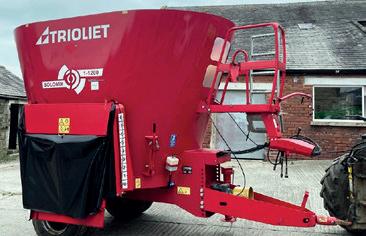
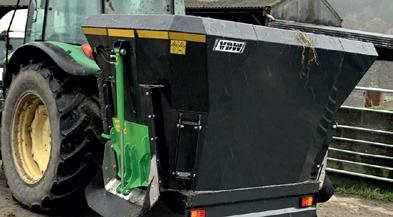
- Largest stock of mixers in the UKover 50 machines in current stock
- Refurbished, used & nearly new units available
- New Mini Mixer available
- Diet feeder parts available- Blades, Conveyor belts, gearboxes, weigh cells.
- All feeders undergo 30 point service
- Finance available subject to terms
- Nationwide delivery available
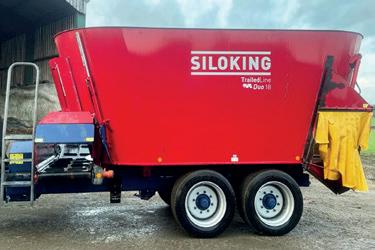
Current Used Stock:
Trioliet 8, 12, 14, 20
Strautmann 14, 20
BvL 15, 17, 20, 24
JF Kongskilde 12,14, 22
Kverneland / Siloking 14, 16,18,22
Keenan 10, 14, 16, 20, 24
Shelbourne 11, 22, CB150 bedder
Used Diet Feeders always wanted
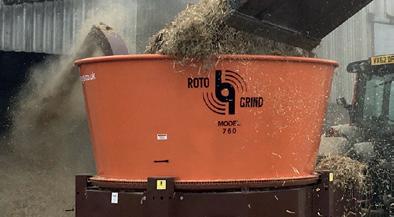
Hi Spec 14 x 2, 16
Redrock 20
Seko Samaurai 14
Rotogrind x 4
Teagle C12 grinder
Farmhand 880
Profi freestanding root chopper x 3
VDW root bucket RS1800
Breaking for parts -Trioliet 28, Shelbourne 11, 13, 19, Abbey 1500, Strautmann 1250, Siloking 22,
Please visit www.enegis.co.uk for more photos or call 01789 205132 or 07721 442979















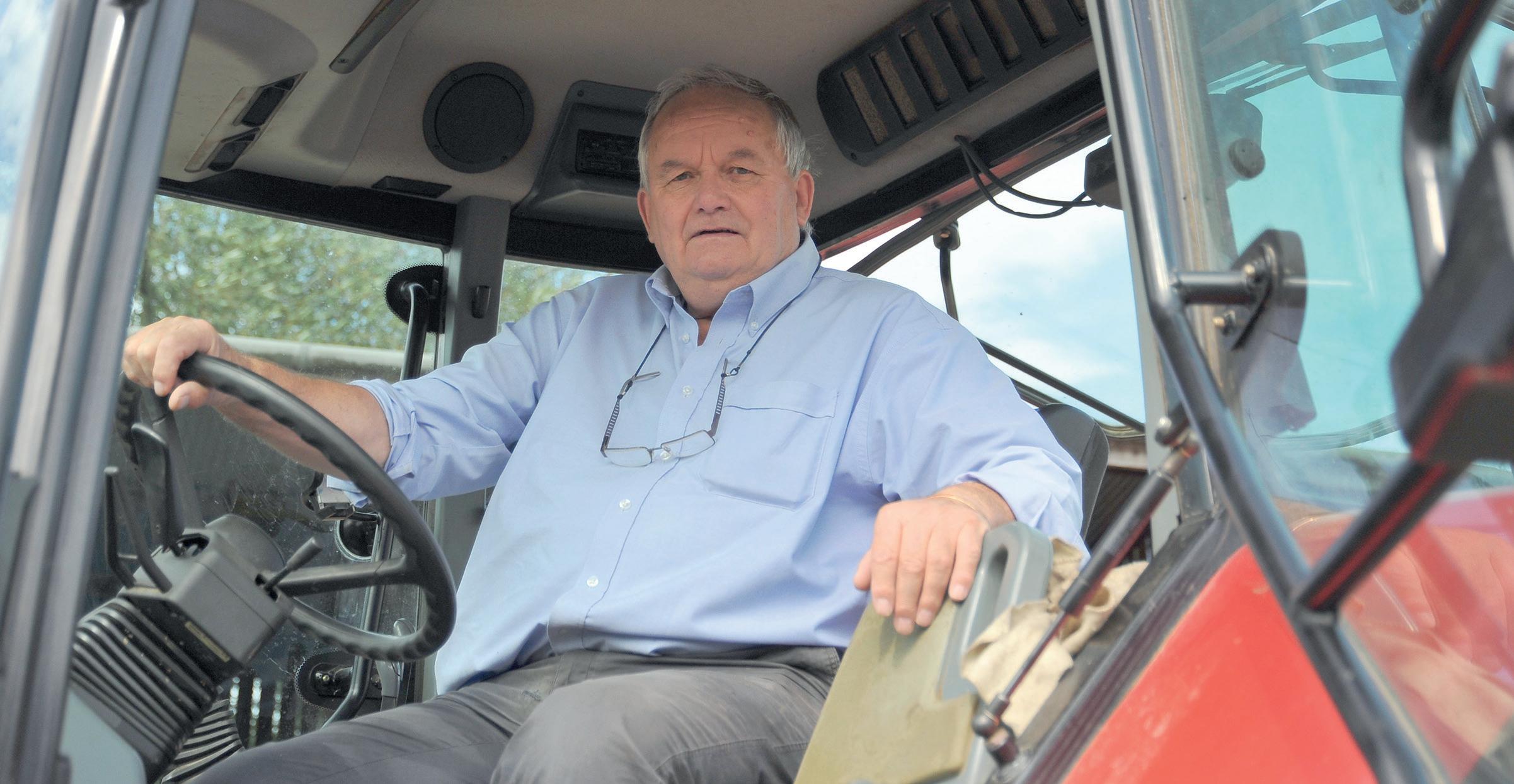
I never spread gossip if it’s unkind or important
This was just him trying to be the big hard business man. I stuck to my guns and eventually they chose a yellow bitch puppy and paid me my £10 without any complaint.
They called her Elsa and they had her for many years.
I’ve never understood the genetics of Labradors. You can have yellow and black in the same litter, but never a mix, they are always one or the other.

Discretion is a funny old thing as well.
No one likes a bit of a gossip more than me, but you also have to be discreet. I never spread gossip if it’s unkind or important.
This is difficult as there is an element of exchange involved; “you tell me something and I’ll tell you something.”
If you gain a reputation for being discreet on important issues then the more you find out.

UK milk production is running at record levels. Prices are holding up so far, but there is uncertainty on the global market caused by the simmering trade war following Donald Trump’s tariffs. Cedric Porter reports.
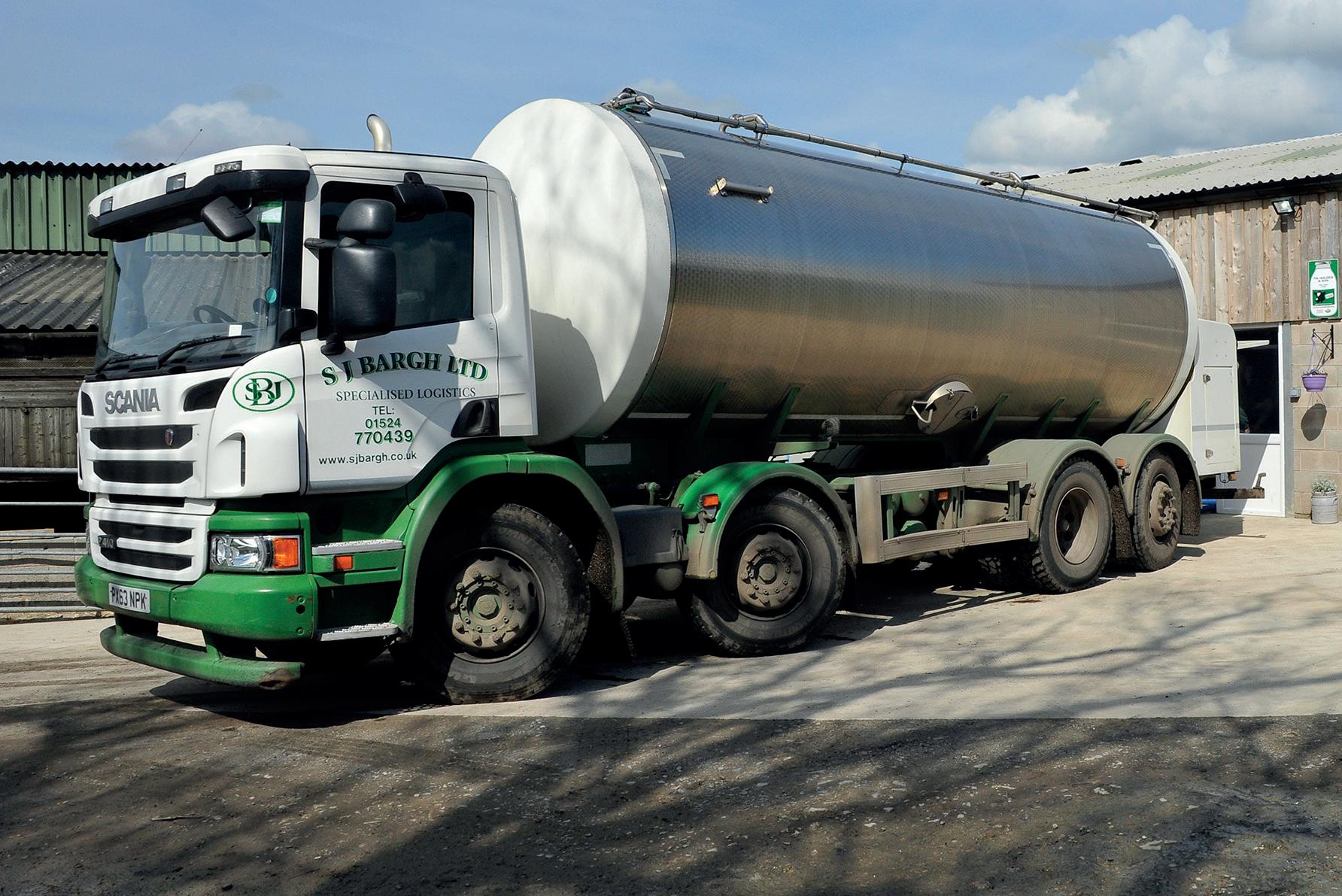
The 2024/25 milk year saw a record 1.512 billion litres of milk produced in the UK, according to Defra, which was 1.6% more than in 2023/24 and more than 2 billion litres higher than in the early 2010s.
There is little sign of output falling, with AHDB estimating that in the week ending April 19 an average of 38.04 million litres of milk a day was produced in Great Britain. And that was 6.3% more than in the corresponding week last year.
May is traditionally the month when the UK produces the most milk. In the past five years, May production has been 5% more than that in March. If that is repeated this year, then production could be at an all-time monthly record of 1.442 billion litres.
There are some signs that the

large volume of milk could be impacting on prices, which have been rising steadily during the past year, reaching above 45ppl for most producers.
Most dairies kept prices the same for May and June deliveries, but there was a decline for some, including a 0.5ppl reduction for
those farms supplying First Milk.
“Normally, if we saw such large volumes of milk, prices would start to spiral downwards, but that has not happened this year,” says Susie Stannard, lead dairy analyst at AHDB.
“Tight supplies on the Continent have given the UK market support, with volumes down in France, Germany and the Nether-
lands as producers tackle bluetongue and adapt to environmental regulations.
“That said, production has increased in Ireland, which could influence the British market. Elsewhere, one of the most favourable feed-to-milk price ratios for more than 20 years is helping to drive output, as is a much more favourable spring than the last two.”
If the typical USA customer has less money to spend due to tariffs, this may also prove material
MIKE MASTERS
Wholesale UK milk prices largely held steady in April, despite large volumes causing some processing challenges. Bulk cream prices were unchanged from March at £2,625/tonne, according to AHDB, and that price was 29% more than the year before.
Butter prices were 0.3% lower than March, at an average of £6,050/tonne – up 23% on the year, with a 16% increase in average mild cheddar prices over the year to £4,020/tonne. Meanwhile, skimmed milk powder values are under pressure, falling 1% over the month.
Skimmed milk powder is a globally traded commodity that is easier to ship than goods such as butter and cheese, so it is often one of the first to be hit by negative trading conditions.
Along with every other sector, dairy trade sentiment has been impacted by the threat of Donald Trump’s tariffs. They could affect the UK dairy market in the coming months.
UK trade had a 10% tariff slapped on it on Mr Trump’s ‘Liberation Day.’ That rate was also the one placed on New Zealand and Australian products, while the EU’s was 20%, with restrictions on Canadian trade too.
Mr Trump soon delayed the imposition of higher rate duties for 90 days, ending on July 8. That means that all imports into the US are now subject to at least
the 10% rate, with no favourable rate for UK when compared with the EU.
UK cheese and butter sales to the US have grown over the years and in the past three years averaged £117 million a year, made up of 17,750 tonnes of cheese worth £116m and 218 tonnes of butter worth £972,000. That compares with an average of £1.8bn a year in total dairy exports in the past three years.
Somerset-based cheesemaker Barber’s is the largest supplier of British cheese to the US. Mike Masters, its head of milk supplies and operations, explains what it is doing to cope with the new duties.
“We are having good conversations with our USA customers to work through the issues, most of which have been pragmatic and useful,” he said. “So we are reasonably confident about the progress made so far.
“The other major factor will be how the USA economy copes. If the typical USA consumer has less money to spend due to the tariffs, this may also prove material. That said, as we market Protected Designation of Origin (PDO), West Country farmhouse Cheddar, we probably are not the everyday purchase that may be more significantly impacted.”
The largest impact of tariffs for UK dairy farmers may be indirect rather direct, explains Ms Stannard.
“The EU supplies the US with 57% of its dairy imports, with Ireland alone responsible for 17%, much of that trade in butter, including Kerrygold, a dominant brand in the US market.
“A reduction in US demand for Irish and other EU products would leave products wanting a home, which could increase supply into the UK and push down prices.
“New Zealand and Canada are also significant suppliers to the
US, and any disruption to that trade could result in more supplies coming into Britain, especially as the UK has free trade agreements with both countries.”
Mr Trump did not pause tariffs on China, imposing duties of 124%, which prompted China to retaliate with a 147% tariff on US imports.
The US has exported an average of £191m a year in dairy prod-

ucts to China over the past three years out of £4.7bn in total dairy exports. Most of that trade is in the form or whey or lactose.
The tariffs make that trade uneconomic, so the world can expect to find more American whey and lactose looking for a home. On the balance of that, there may be more of a market for non-US whey and lactose as China looks for new suppliers.
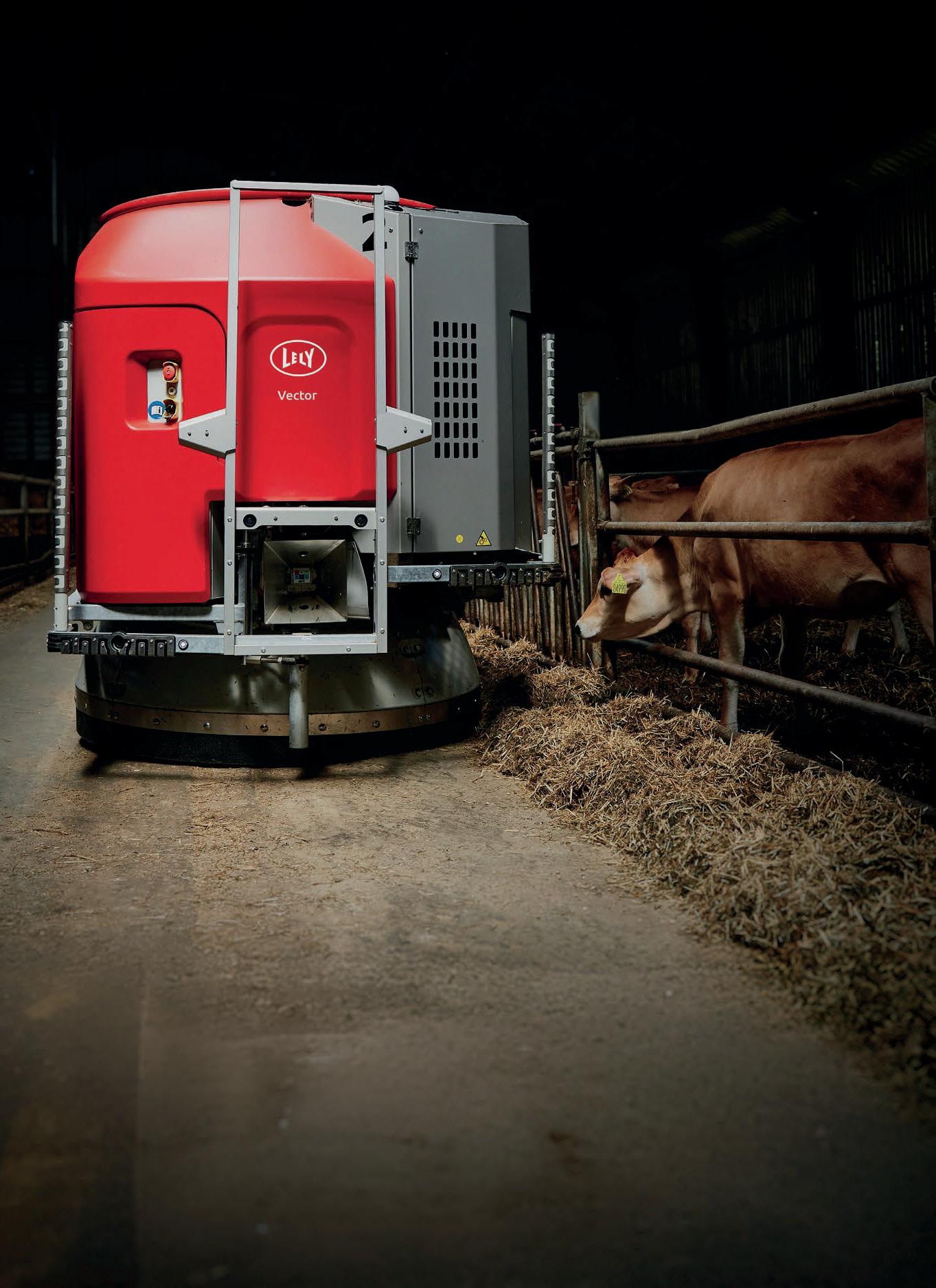


The mixer feeder robot that never sleeps






Join us at Farm Business Innovation, the show dedicated to connecting farmers, landowners and agricultural professionals with the tools and inspiration to drive diversification and growth in their businesses. Bringing together industry experts, suppliers and thought leaders to create a dynamic platform for learning and networking. Scan the QR code to pre-register.



Promotes rapid multiplication of beneficial Rumen bacteria
Counteracts metabolic and nutrient disorders
FARMER FEEDBACK
Creates the ideal intestinal conditions for optimum forage digestion
“If we have a cow off colour or that has stopped chewing her cud, we reach for is Rumen Stimulant, it is just as effective as pumping them but much less stressful. We saw our competitors cows looking so happy and constantly ruminating that we asked how they managed it and they told us Rumen Stimulant was their secret!”