EQUITY DIVERSITY & INCLUSION
Equity, Diversity & Inclusion
By Dr Lucy Frears
Andy Chatfield & Dr Abigail Wincott




Equity, Diversity & Inclusion
By Dr Lucy Frears
Andy Chatfield & Dr Abigail Wincott

The lack of equity, diversity and inclusion (EDI) in the arts sector has been reported on with increasing urgency for years but little has changed regarding representation of race, disability, gender, sexuality and socio-economic class. In fact, in some areas it has got worse, and been exacerbated by the pandemic.1
Ensuring a range of cultural programming that speaks to diverse audiences is of course important, but what about the influential, yet much less visible, role of those who manage arts organisations and steer their policies? Diversity in management boards matters not least because the creative and cultural industries have become a central pillar of economic development policy in the UK, as elsewhere; for example, they are key to the UK government’s ‘levelling up’ regional development agenda.2
Creative hubs and other arts organisations that channel public funding, connect and support creatives, and reach out to audiences in regions like Cornwall, have a vital role to play in such arts and culture-led regeneration. In addition to the moral case for fairness, diversity brings well-documented benefits to organisations and so it is more urgent than ever to address EDI in the management of our creative hubs so they can more effectively support inclusive growth.3 However, there is a lack of evidence about who sits on boards of trustees, how they are recruited and how greater diversity might be fostered.4
In this study we turn our attention to Cornwall where the creative and cultural industries have ‘a rate of growth faster than any sector in the country’.5
We investigate the state of diversity on creative hub boards to gain a clearer idea of the profile of those responsible for decisionmaking; we identify current barriers to greater diversity of participation; and we argue that trusteeship and the skills trustees bring need a radical overhaul. Our data provides a baseline from which meaningful progress can be mapped over the next few years and we offer practical recommendations that arts organisations everywhere can use straight away to bring about lasting change.
Primary research was conducted between June and August 2021, comprising:
1) Semi-structured interviews with the directors and/ or chairs from 10 artsfocused creative hubs in Cornwall;
2) Detailed web investigation to establish sample hub trustee diversity and organisational diversity policies/practices;
3) Online questionnaire of trustees and potential future trustees which elicited 72 responses mostly through arts networks.
Boards of trustees in the sample 10 hubs are not diverse in respect of all of the demographic characteristics measured except for the number of female trustees;
Action on diversity is held back by misconceptions that Cornwall is not diverse, with diversity understood only to mean racial diversity, specifically people of colour;
The requirement to report on diversity to access funding is a major incentive for action;
There is a failure to value and make use of the full range of trustee skills, knowledge and lived experience, which limits diverse recruitment and potential benefits of diversity;
Some people hold several positions on different boards and stay in post for years, making it hard to change board diversity;
Finding out about board vacancies and how to become a trustee can be extremely difficult;
Almost two-thirds of people we surveyed are not currently trustees but would consider it in future. This is heartening as ATRD’s research shows that nationally ‘there are more than 100,000 unfilled charity trustee vacancies’ and ‘nearly three-quarters of charities have reported difficulties hiring trustees’,6 a problem our hub directors and chairs raised.
We want this research to encourage and empower hub boards to have conversations now and to make commitments to change that could lead to ambitious diversity targets that are meaningful, monitored and met.
We offer the following recommendations to structure that process.
More details on these and our further recommendations are on p.45 where you’ll find more information and links to resources that can support you as you transform your organisation to be more diverse and inclusive.
∙ Assign your chair responsibility for diversity management and train them accordingly;
∙ Do a trustee diversity audit and discuss why it is necessary – expert training may be needed;
∙ Develop a SMART action plan - Specific, Measurable, Achievable, Realistic that is anchored within a time frame, and monitor its progress;
∙ Reassess the skills you require of trustees in your organisation;
∙ Build links with under-represented groups before recruitment;
∙ Institute a fixed term for trustees to serve in order to make space for diverse new recruit ment and offer shorter terms where these will attract certain groups, e.g. young people;
∙ Require all trustees to sign-up to a commitment to EDI and a code of conduct to make boards a safe space;
∙ Formally assign resources to support EDI change, e.g. travel and childcare expenses, and to bring in experts when needed.
∙ Formalise your recruitment processes, make them transparent and advertise new opportunities beyond your usual networks;
∙ In all recruitment information, be open about your lack of diversity and your commitment to change. Put who you are looking for right at the top;
∙ Recruit passion and potential - not just experience - through a new approach to applications, shortlisting & interviews.
∙ Mentor and train trustees on the job if required or desired;
∙ Ensure all your materials, such as social media posts and marketing content, reinforce the organisation’s commitment to EDI;
∙ Expect to have difficult conversations and to meet resistance – keep going!7

Creative Hub Diversity
In the context of this research, the British Council definition of a creative hub is used: ‘A physical or virtual place that brings enterprising people together who work in the creative and cultural industries.8 Creative hubs can focus on tech business and digital creativity, but this research concentrates on arts-focussed creative hubs which are also referred to in this document as arts organisations.
Equity
The term equity is used here instead of equality. In the appendix of Beyond Suffrage’s recommended step-by-step guide Transforming Board Cultures, the difference between equity and equality is explained and is cited here in full: 'Equality – rules are the same for everyone, and nobody gets special consideration or favours. Assumes that if the same rule is applied to everyone, it will produce equal results.
Equity – focusses on putting different measures in place to support each individual / group. Assumes oppression is systemic and takes into account differential impacts and circumstances.’9
Inclusion
This paper uses the Charity Governance Code’s definition of inclusion: ‘Being proactive to make sure people of different backgrounds, experiences and identities feel welcomed, respected and fully able to participate. It is not only about creating a diverse environment but also about ensuring a culture exists where individuals can be their full selves’.10 As disability activist Zara Todd says, ‘it’s one thing to be in the room, it’s another to have a voice’.11
Although the word ‘diversity’ is used in myriad ways, in this paper we take our definition from the Charity Governance Code: ‘… recognising, respecting and valuing people’s differences, and enabling them to contribute and realise their full potential within an inclusive culture’.12 ‘Differences’ are defined using the nine protected characteristics of the UK Equality Act 2010: age, disability, gender reassignment, marriage and civil partnership, pregnancy and maternity, race, religion or belief, sex and sexual orientation.13 We also include socioeconomic class, now monitored by ACE. We note Cornwall’s specific context in having a recognised National Minority, Cornish, since 2014.14
This research identifies the importance of ‘intersectionality’, a term coined by Kimberlé Crenshaw that recognises that ‘an individual’s identity is not limited to one dimension. Identity is formed of many characteristics including, but not limited to, age, gender, sexuality and class’.15 These different characteristics ‘impact how societies view, treat, and understand them, as well as how they understand themselves and the opportunities they see as available for themselves and their lives’.16 Intersectionality recognises that if someone is Black and female and young, or disabled and working class for example, they can experience different or layered forms of prejudice in different situations.

The arts sector has been promising change on diversity and inclusion for many decades now and there have been moves, encouraged by funders such as Arts Council England, to improve representation for a range of groups traditionally excluded or marginalised.
Following George Floyd’s murder by a White U.S. police officer in 2020, there has been renewed vigour to address inequality. Many local, national and international arts organisations posted a plain black square on their social media pages to signify solidarity with #BlackLivesMatter and acknowledged that institutional racism could no longer be ignored. Despite visible support for the idea of equity, diversity and inclusion, the Charity Commission noted that 92% of trustees in the UK are White, older, and above average income and education.17
It states, ‘trustees do not reflect the communities that charities serve’ and that by not advertising positions and instead recruiting through invitation from existing networks, ‘this lack of diversity is perpetuated over time’.18

This research investigates the reasons why so many arts organisations haven’t moved beyond tokens of support, and provides evidence-based advice on how to diversify leadership. Bringing in more diverse trustees, with protected characteristics and from different socio-economic backgrounds, is important for two key reasons.
Firstly, the moral case – ‘for the sake of achieving creative justice’ which Antonio Cuyler defines as, ‘the manifestation of all people living creative and expressive lives on their own terms’.19
The All Party Parliamentary Group (APPG) for Creative Diversity, formed to identify and tackle obstacles to diversity in the creative sector, acknowledges the impact of exclusion: ‘For some marginalised groups, diversity can reduce the specific experiences that exclude them from success in creative industries. Examples include experiences of racism for Black artists or of physical and digital spaces constructed to stop disabled people’s participation’.20
A more diverse board, ‘helps your organisation reflect more clearly and represent more effectively your service users, their communities and wider society’.21 The All Party Parliamentary Group (APPG) for Creative Diversity’s 2021 Creative Majority report argues that, ‘EDI must be placed at the heart of creative businesses and harness the diversity of the UK’s population’.22
Secondly, the business case – Inclusive Boards reports that ‘the level of ethnic minority representation on our largest charity boards (6.6%) is lower than in FTSE 100 companies (8.2%)’ (2018).23 In the business sector diverse boards, monitored for years now, have outperformed homogeneous boards in profitability,24 financial performance (by sometimes more than 50%),25 innovation and new products.26
In 2020 McKinsey & Co found that: ‘companies whose leaders welcome diverse talents and include multiple perspectives are likely to emerge from the [covid-19] crisis stronger’.27 Getting on Board point out that a legal obligation of the board is to practise risk management,28 and that having more diversity – what Lord Adebowale describes as ‘diversity of thought’29 – makes an organisation more resilient.30 The Charity Commission has found that ‘uniformity at board level puts any organisation in any sector at risk of adverse group dynamics, including group-think.31
In addition to recent events with global resonance regarding prejudice and abuse of power (e.g. #MeToo, #BlackLivesMatter and #nothingaboutuswithoutus), there are UK-specific issues to consider. Nationally, a concentration of creative and cultural work in London and to a lesser extent in other large metropolitan areas has compounded problems of lack of access to the creative and cultural sectors and led to calls to diversify creative industries geographically, too.32
There has been increased attention paid to rural creativity in recent years, particularly in a series of reports commissioned by the British Council and UK LEPs and councils.33 The UK government has voiced a belief in the potential for increased productivity in rural areas thanks to creative industries,34 and locally Cornwall Council has announced its ambition to be the UK’s ‘leading rural creative economy’.35
Cornwall, predominantly rural, is one of the poorest regions in Europe and to address this, some creative hubs and regional artists have received significant European funding since 2000. Post-Brexit it is important that Cornwall’s arts organisations are eligible to compete for UK funding, locally from Cornwall Council (CC) as well as national funders, for example Arts Council England (referred to as ACE from this point onwards).
ACE’s stated Equality Objectives include its commitment to: ‘invest in inclusive cultural organisations whose leadership, governance and workforce – and the independent creative practitioners they support – represent the diversity of contemporary England’.36 All the more reason for the arts and creative hubs in this region to diversify their management urgently. Despite the overwhelming case for diversifying management of arts organisations or creative hubs, it has largely been neglected by researchers.37
This research provides much-needed data on the state of diversity in Cornwall’s creative hub boards, insight into the mechanisms by which lack of diversity is perpetuated and the ways progress can be made.
The next section details how we conducted the research. We then share key findings, plus EDI strategies, successes and failures in a case study.
In the final section we turn our conclusions into a series of recommended actions for policy makers, arts organisations and individuals.
The research was funded by Research England’s Strategic Priorities Fund through Falmouth University in partnership with Cornwall Council, alongside Ellen O’Hara, Deepa Naik and Ceri Gorton’s 2021 Assessment of the Role of Creative Hubs in Rural Economies, 38 and an investigation into the role hubs might play in reinforcing or challenging unequal access to careers in the creative industries.39
We selected a sample of 10 arts-specialist creative hubs in Cornwall.
They represent:
A geographical spread across Cornwall and a range in audience and focus which breaks down into: 6 x visual arts/ general arts, 1 x performing arts, 3 x general arts/ community hubs. Some have a specific target audience, others have broad appeal;
A variety of governance models: 6 x Community Interest Company (CIC), 2 x charitable company, 1 x Charitable Incorporated Organisation (CIO) and 1 x Private Limited Company with different sized boards – from 2 directors to 15 trustees;40
A range of organisations from the well established to those that are relatively new - between 1 and 48 years;
A range of funding streams from those that receive little public and charitable grants to National Portfolio Organisations (NPOs), which receive regular funding from Arts Council England (ACE).41
1. Semi-structured interviews with the most senior staff member (manager, chief executive, CEO or director) or the chair of the board from each of our 10 organisations. Interviews were online or by telephone and interview data anonymised.
2. Online questionnaire distributed through networks including Porthmeor Studios’ monthly newsletter, Cornwall Council (CC) Culture and Creative Partnerships Team mailing list and through Doorstep, ‘a creative community platform that connects creatives across Cornwall’.
A mix of grassroots organisations were also contacted and some of these, including Voices Cornwall ↗ The Inclusivity Project and disAbility Cornwall naire in their newsletters and across social media platforms. We received 72 responses from a mix of trustees, former trustees and those who have never been trustees.
3. Website analysis We examined the websites of our sample of 10 arts-focussed creative hubs and followed up with a search for data via Companies House and/ or the Charity Commission in order to:
• Identify and record the selected form of governance (eg standard charity, CIC, etc), and the names of trustees/ directors, and to seek any available information on gender, race/ ethnicity, disability and social class;
• Summarise and evaluate publicly available hub policy material relating to diversity and inclusion, particularly as it relates to



From the total of 63 trustees in our sample creative hubs:
0 have physical disabilities (0% of the 10 sample boards)
1 is a person of colour (1.5%)
1 identifies as LGBTQIA+ (1.5%)
2 are young people under 25 (recruited into the same hub in 2021) (3%)
3 have hidden disabilities (1 is neurodivergent, dyslexic, 2 have a mental health condition (4.5%)
6 people identify as working-class (but no definition for working-class was given) (9%)
35 are women (51% of trustees on sample boards).
In regard to intersectionality, 9 trustees were counted more than once. E.g. 6 female trustees are over 66, and a working- class man is over 66 and neurodivergent (dyslexic).
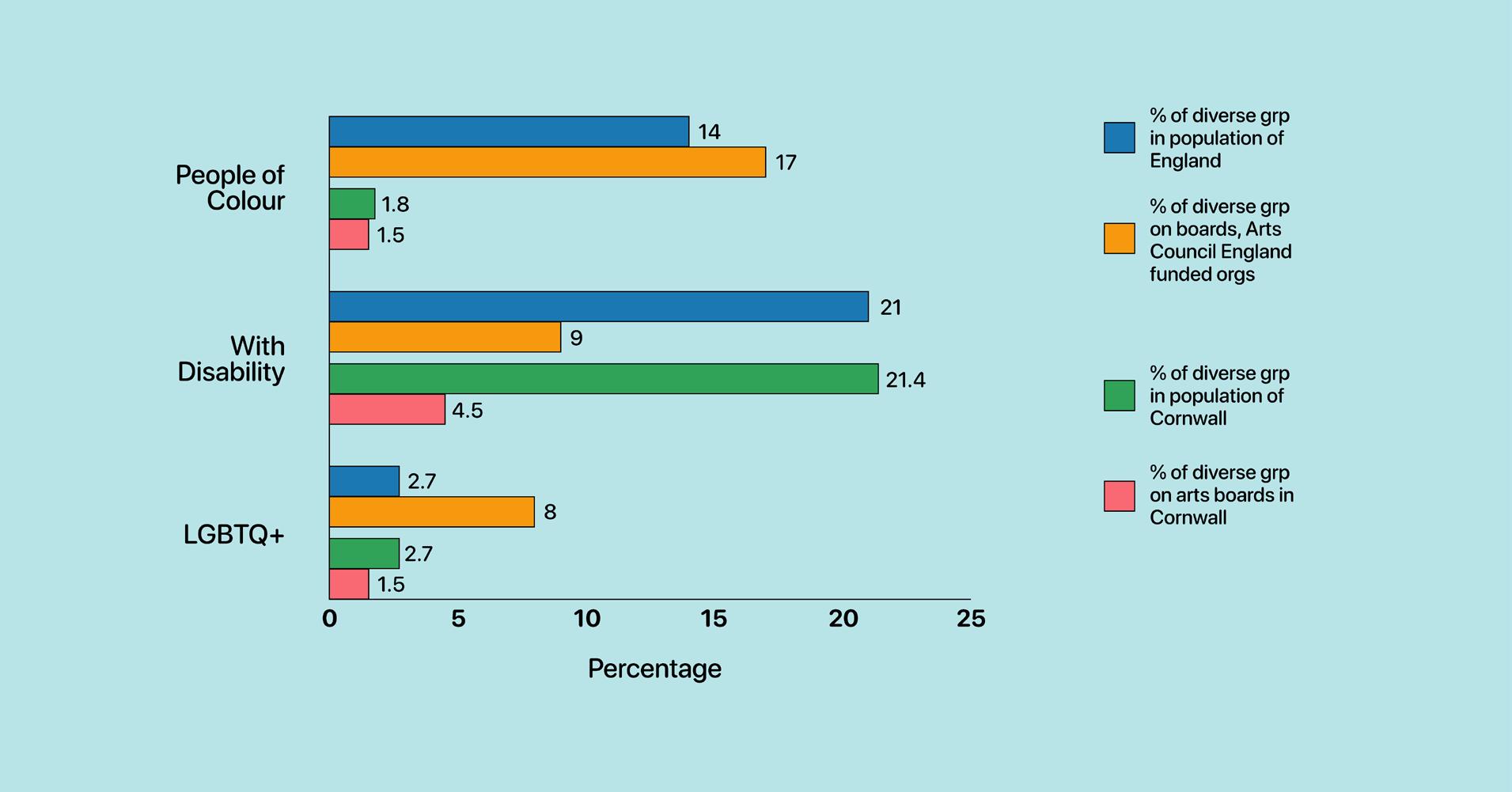
The results show that there is a disappointing lack of diverse representation on the 10 sample boards in Cornwall. Table 1 shows clearly that the sample boards in Cornwall do not represent the communities they serve.
For example, disAbility Cornwall’s calculations taken from 2011 Census data found that 21.4% self-reported a disability or long-term health problem.42 This percentage is not reflected on boards. 0% of trustees on the sample boards have a physical disability and only 4.5% have a hidden disability.
In our sample boards known hidden disabilities are neurodivergence (dyslexia) and mental health conditions.
Table 1 shows the percentage of those with protected characteristics in the region and compares it to representation on Cornwall’s art boards.
Within the same table, comparisons can be made with the characteristic percentages in England and data from the boards of 737 English arts and cultural institutions (NPOsNational Portfolio Organisations) supported by Arts Council England (ACE) 43 2019-2020 and ONS 2011 Census.44
The table below shows that low representation of physical and hidden disabilities on Cornwall’s arts boards can also be found on ACE NPO boards.
These reflect findings in other sectors.45 On large charity boards, for example, only 6.6% are ethnic minority trustees.46 The findings also reiterate what is already known about the UK Creative Industries: ‘… that those from wealthier backgrounds are more than twice as likely to land a job in a creative occupation, with the issue further compounded when class is combined with gender, ethnicity, disability and skill levels’.47
In Cornwall 51% of arts board trustees identify as female comparing well to 49% in England as a whole, according to ACE.48 There is a need, however, to consider intersectionality, since White women tend to be privileged in diversity efforts by charity boards.49
The higher ratio of women on Cornwall’s arts boards is welcomed but more research on why young women and women of colour are not represented on Cornwall’s boards needs to be undertaken.
The 10 sample boards interviewed in Cornwall admitted their shortcomings around the lack of representation on their boards, with 9 out of 10 respondents commenting on this.
Here is a selection of their responses:
“lack of wider representation of the community”
“too many middle-class, middle-aged men not addressing our stakeholder demographic"
“narrow in our thinking because we’re all from a similar-ish background and age”

One hub leader’s comment summarises what many expressed, “it would be great if there was a pool of really great people to tap into” to recruit from, by which they meant diverse people.
In our recommendations section we propose that investment, partnerships and training could increase the pool.
Diversity was spoken about as referring only to people of colour in conversations with many hub leaders: “It’s quite hard to get diversity [here]” said one, while another interviewee said “It’s very difficult round here to attract anyone who isn’t White Anglo-Saxon. We have done occasionally; we’ve worked very hard to make them feel included and welcome – but they don’t seem to last”.
This is consistent with claims in other sectors that there are simply not enough people available to be able to recruit diversely. A claim we shall address later on (see p.67)
What also came out during many interviews with hub leaders was a determination to do better, to “talk to new people outside our networks” to find new trustees with different perspectives.

One hub director said, “Now you don’t have to draw just on the people you can physically meet in person [because of Zoom meetings] that’s quite exciting. I’d look for people with experience in areas we don’t have.
It’s that thing of not just wanting to create an echo chamber of people just agreeing with you all the time. Good to have some challenge.
It would be fantastic to have a really diverse board, to go further afield out of Cornwall - why can’t we have international people on boards and bring in those other perspectives?
Also, probably good if everyone on the board isn’t involved in the arts to get a broader input and expertise which might help us build cross-sector partnerships”.
At this point we want to bring in a different perspective through the voices of the questionnaire respondents.
The demographic of those who completed the questionnaire is as follows:
96% of the 72 people who completed the questionnaire live in Cornwall.
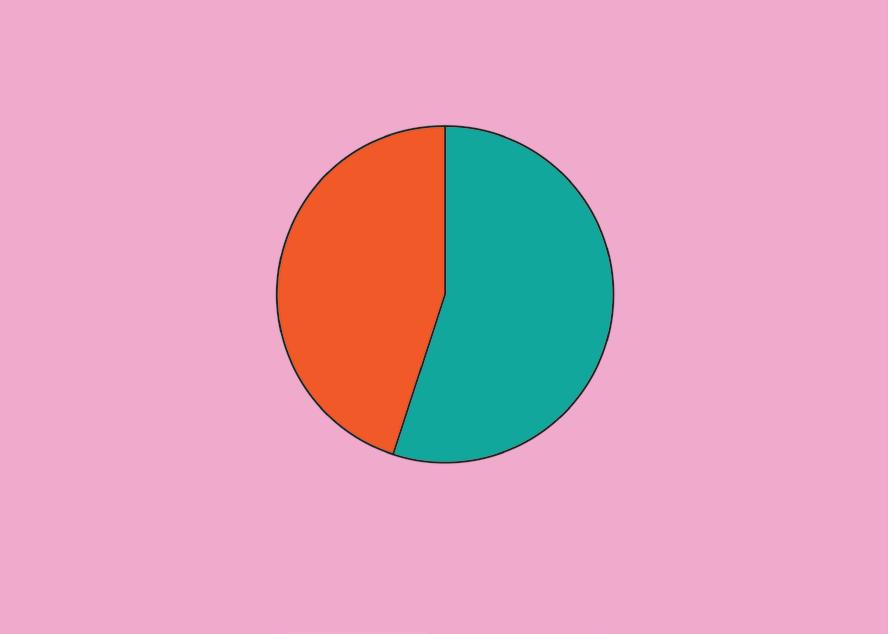
Over 50% are 50 years old or older and 55% identified as women or cis women.
56.9% said they were from a working-class background, but without a definition this was open to interpretation.
Respondents were able to tick as many ethnicity boxes as they wanted. The majority of clicks, 56, were for White British, White and White other ethnicities.
Three respondents identified as Black, mixed or multiple ethnic groups and 18 people identified as Cornish. From the 18 that clicked Cornish, 6 identified as Cornish and White British and 12 as just Cornish. Two people chose not to answer this question.


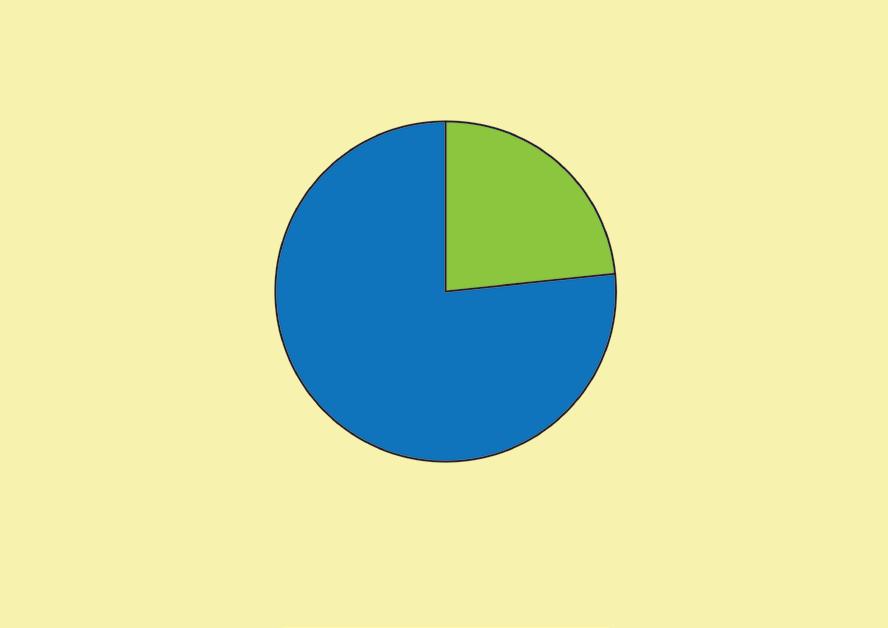
Just under a quarter (23.6%) have a physical or mental health condition or illness lasting or expected to last for over 12 months.
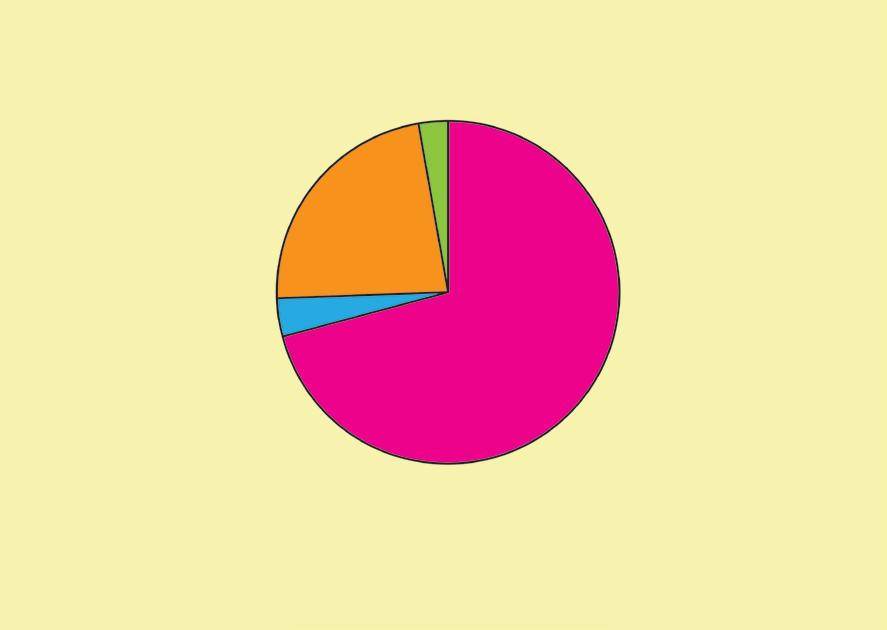
60% of those that completed the questionnaire identify as heterosexual/ straight, a quarter preferred not to say and 15% can be grouped as LGBTQIA+ describing themselves as queer, lesbian, bisexual, pansexual or gay. One respondent used the term LGBTQIA+.
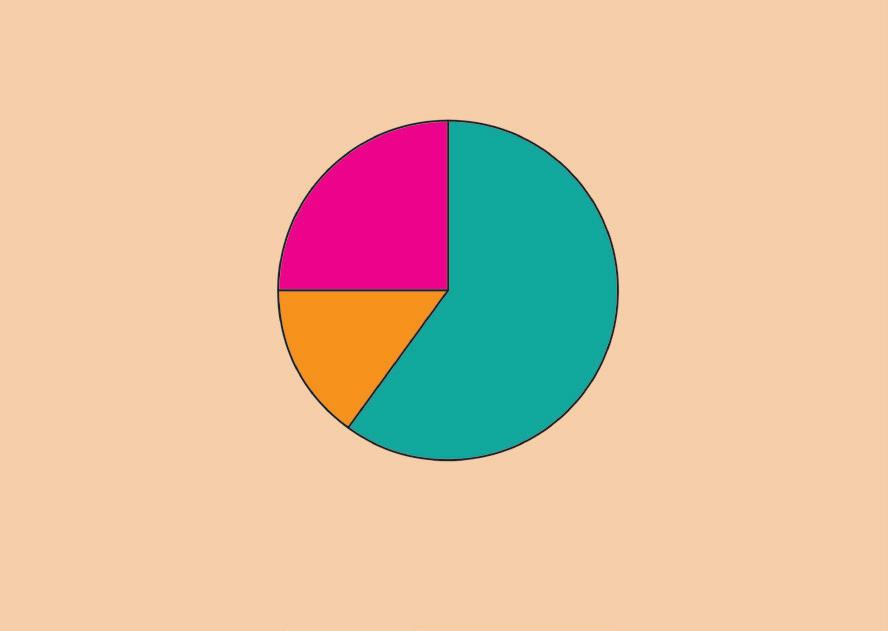
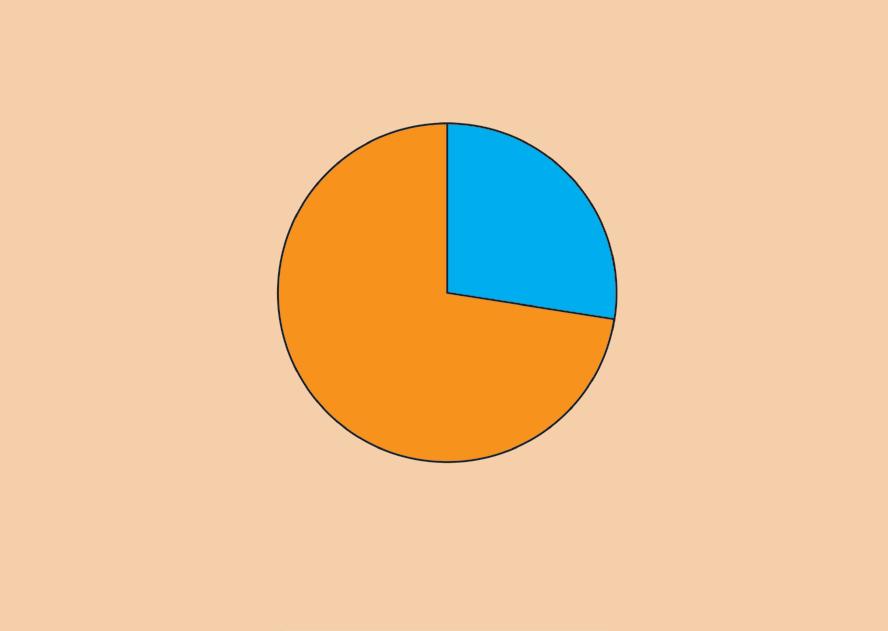
Over a quarter of respondents (27.7%) are currently trustees/ board members. From those who are not current trustees, 51.4% ticked ‘maybe’ when asked if they want to be a board member. With ‘more than 100,000 unfilled charity trustee vacancies in the UK’50 and unfilled trustee and chair posts in Cornwall, mentioned in interviews, this feels positive.
There needs to be work to retain trustees, however, as only 8 out the 20 current trustees ticked ‘yes’ they want to be a board member.

The questionnaire asked: How diverse do you think the boards of Cornwall’s creative hubs/ art organisations are?
Answers were marked on a scale of 1-5 with 1 being ‘not diverse at all’ to 5 being ‘very diverse’. The questionnaire answers in Table 2 indicate how diverse Cornwall’s boards were perceived to be in summer 2021 and are separated out to show how current trustee respondents rated the diversity of boards. As the table shows, the perception of diversity on Cornwall’s boards by (mainly) Cornwall residents is that diversity is fairly low which correctly reflects reality according to our findings.
65% of questionnaire respondents said they thought boards are not diverse – scores 1 and 2. The 4 people who gave the highest ‘very diverse’ rating are all White and 50 or over, of whom three are heterosexual men.
Author Reni Eddo-Lodge has written that those who benefit most from others’ prejudice do not often see it or perceive it as a problem.51 This could explain why those individuals recorded a very positive score.
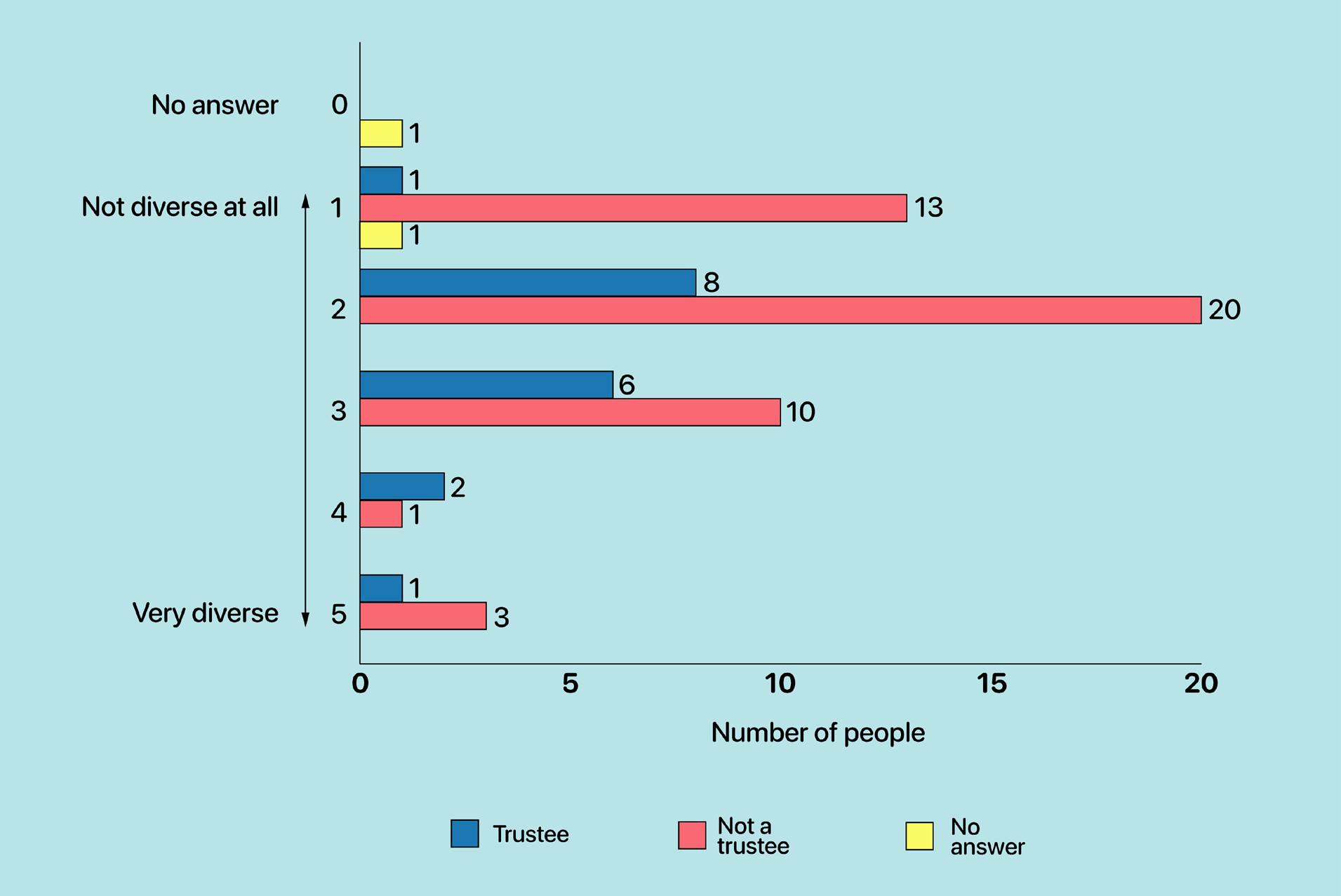
Table 2 How diverse do you think the boards of Cornwall's creative hubs/art organisations are?
In addition to rating board diversity, respondents were also asked about ‘any barriers or perceived barriers you have about becoming a board member’.
Here is a selection of their responses.
‘Boards in the arts still tend to be made up of white middle class older people with wealth who can afford the time and are ‘well-connected’ (to each other, not to their local communities)’
‘My personal experience with trustee boards is off-putting as most of them seem like a place for older cis white rich people’
‘Conservative and nepotism within the arts scene in Cornwall’
‘..Board members are snooty - seem to think they are better than others’
‘Active exclusion - in my experience I witness board members often are groups of friends who ultimately find themselves or each other […] It’s pretty bad’.
‘Most people think it’s for other people and that their skills are not needed’
‘I do not classify myself as one of the ‘great and the good’ who often appear to be on these boards’
Who should serve on arts organisation / hub boards
The questionnaire asked ‘who should be on creative hub boards and why?’ and the vast majority of responses indicated respondents wanted ‘diverse representatives of a wide cross section of society, including Cornish people’ and ‘the community served by the hub and grassroots’.

Responses to the questionnaire mentioned the marginalisation of the Cornish National Minority (recognised by the UK government since 2014) in such comments as ‘Cornish people are not welcome’ and ‘Most Boards choose NOT to take Cornish ethnicity seriously’. This is concerning given that arts hubs work with and within the Cornish community.
Also important for Cornwall residents is that trustees have relevant skills with knowledge, contacts and vision. Respondents want trustees to be proactive. A significant number of questionnaire respondents felt that the board should include practising artists, practitioners, designers, arts graduates and those with artistic knowledge on their arts boards.


In interviews, hub leaders and chairs were not able to give exact ages of board members (which indicates a lack of internal board monitoring) so we calculated the ages of the 41 board members registered with Companies House (in July 2021) using their date of birth.52
The average age of trustees in the UK is 55-64 years old and 53% of Arts Council England (ACE) National Portfolio Organisation (NPO) trustees are over 50. From our sample of 10 Cornwall-based arts organisations, 68% of board members are over 50 years old, that’s 15% more than the ACE NPO figure. 31% of the Cornwall sample trustees are 66 years old or over - up to 85, the age of the oldest trustee/ director registered with Companies House.
We found that the majority of those who make decisions about the future, the vision and work of arts organisations, the trustees, are in stark contrast with the ACE 2021 data on arts audiences.53
For example, 41% of visual arts audiences in England and Cornwall are 34 years old and under, but only 4% of trustees of our 10 sample boards are under 30.
The youngest Cornwall-based trustee registered with Companies House is 28 years old. This is certainly not just a problem in Cornwall – only 9% of trustees on Arts Council England funded NPO boards are younger than 34.
‘Despite making up 12 per cent of the UK’s population, 18-24 year-olds account for less than 0.5 per cent of all charity trustees. Fewer than 2 per cent of charities actually have a young trustee serving on their board’.54
Hub leaders shared a range of views on the under-representation of the young on their boards. A sample of their perspectives is provided below:

“you can kind of understand that people look for those with 20 years’ experience – you want to be able to draw on that knowledge, but then that’s making an assumption that younger people won’t have valuable input which I think is a mistake. I’ve defaulted to asking the 50+ something man who’s been doing it for years because you think - yes, they know what they’re doing – ha! Luckily that’s being questioned more and more”.
“We should look through our business plan… if we’re talking about engaging young people or people out of work then those people need to be reflected on the board”.
[Young people] …find [boards] puzzling and difficult […] You can’t make boards any less dull because there are legal, management and employment things you have to do all the time […] it’s dry dull stuff really”.

The last comment, that boards are boring, represents a common reason given for a lack of young participation, according to Guided by Young Voices produced by Roundhouse in 2017.
That report includes a response from Leon Ward, then Deputy Chair at Brook and former young trustee at LEAP and Plan International: “Saying a board is too boring for young people is a terrible excuse! You’d never say ‘it’s too straight for you’ or ‘it’s too masculine for you’”.56
Practical challenges were mentioned by hub leaders relating to time and availability of young people, including a hesitancy that they would not or could not remain committed to the role, e.g. “There are great young people but then they go off”.
When asked to say three negative words about their boards, 3 of the 10 sample hubs mentioned that their trustees were “time-poor” – older trustees not having the time to commit to boards is already an issue.
One interviewee suggested that this might be mitigated by boards having “different terms for people who are busy - perhaps different levels of commitment to make it do-able. A rolling student placement would be good”. Without any programmes or supported infrastructure the kind of young people that would become board members was commented on:
“… it requires groundwork. If you can identify a young person under 23 who is board-ready they probably come from a very privileged background and so you’re not addressing the other intersectional issues that young people face. It needs investment and it is expensive to do it right”.
It should be noted that there are some legal restrictions when it comes to involving very young people as trustees. According to the Charity Commission, “You must be at least 16 years old to be a trustee of a charity that is a company or a charitable incorporated organisation (CIO), or at least 18 to be a trustee of any other charity”.57
The organisation in our sample that did have two new young trustees had to find a way to make sure that the 16-year-old had a voice: “The 16-year-old is not allowed to vote according to our constitution so we set-up a proxy with the chair”. The 16-year old’s vote is cast by the chair and now counts.
It is important to stress that older board members can be extremely valuable. It would not be desirable to exclude them; older age is a protected characteristic too.
The discussion is around the dominance of certain ages on current arts boards in Cornwall and the need for a greater range of age, skills and lived experience. It is also important to note that for 39% of those that filled out the questionnaire, a significant barrier for them to becoming a trustee was: ‘If the average age of a board member is 57, I’m not sure I’ll fit in’.
Luckily there is room for younger Trustees on half of the boards interviewed without any resignations, as 50% of sample hubs have fewer than the recommended minimum of 5 board members. There is also room on 4 of the remaining 5 boards before reaching the recommended maximum of 12 trustees for effective boards.58
Results indicate that time served on the board is an important area to review and is where significant change can be made. Seven out of 10 organisations interviewed did not have a set time for directors/ trustees/ board members to serve. Those that did all had terms of three years. From these three hubs with three-year trustee terms, there is a mixture of approaches to this ‘fixed’ term.
One hub enforces that the trustee stand down for at least one year before being able to return to the board. Another hub allows the chair’s discretion to keep people on beyond one term of three years (a treasurer for example), usually only for a maximum of two terms, i.e., 6 years.
The approach by the third hub is to allow trustees to stay on if they wish and if there are no objections. Some of the trustees had served on this board for over 20 years. In the latter case, even if there is a vote on whether a Trustee should stay on or not, asking volunteer trustees in a small community to raise their hand in the boardroom to vote off their peer is unlikely to lead to a genuine result. This approach by the third hub cannot be recommended.
Concerns about the length of service of trustees came out in interviews with chief executives and chairs, including how to move on what one referred to as “dead wood” to make space for others. One interviewee struggled with this issue:

“We’ve had endless discussions about introducing fixed and maximum terms of office but there was very strong resistance by [a long-serving trustee] on that.
I think fixed terms are important as then a discussion on whether people should step down could happen. If someone isn’t turning up it’s easier to ask them to go. If you have an active trustee it’s harder to say to them ‘time to go’.
Some people have given years, sometimes decades to being on the board and have the attitude ‘you’ll carry me out of here in a box’ - this isn’t good for staff or the board. It’s a challenge”.
Looking at when hubs were registered with the Charity Commission or Companies House the oldest organisation in the sample had been registered for 48 years and the most recent, for a year.
Of the 5 sample organisations that had been running for over 10 years, 4 hubs had significant numbers of board members that had been serving for over a decade.
This ranged from a minimum of a third of the trustees/ directors right up to 100% of the board still in place for more than a decade.
40% of one board had been trustees/ directors for over 25 years.

Leaders interviewed indicated that recruitment tended to rely on informal networking rather than transparent processes: “Historically, it’s been word of mouth. People get suggested as potential trustees. You find someone you like and they join the board. They come to see us and see if we like them and they like us”.
Another hub leader spoke about their recruitment chat with a generous donor with a specific skill the hub needed. “[We] went to the pub and talked about it. Talked about mission statement but did not talk about responsibilities & commitment. We’ll do that before we sign him up and put him on Companies House”.
The historic recruitment process for Cornwall’s arts boards – asking through trustee networks for someone that will fit in – is also in evidence outside the region. Getting on Board’s 2019 guide How to recruit trustees for your charity report that ‘only 10% of trustee vacancies are advertised’– the other 90% are usually by word of mouth, invitation and networks including ‘old boy networks’.59
Taken On Trust authors Stephen Lee et al, found, in 2017, that charities, ‘..are found to be overly reliant upon fellow trustees for both recruitment of new trustees and for their principal sources of advice and support.60
The web searches of sample organisations in Cornwall revealed a lack of transparency around who was on the board. Three out of the 10 hubs did not list clearly who was on the board at all. Of the seven sites that did name the board, only four provided even brief biographies – and one of those merely listed job titles. Only 2 sites provided pictures of trustees/ directors.
Things are changing for the better. Two Cornish hubs that advertised during the research period stated that they specifically welcomed applications from those with protected characteristics. An interviewee whose organisation recruited earlier in 2021, during the pandemic, said they “very actively recruited this time. It’s always been ‘anyone fancy being on the board?’ within quite a small group of people. This time we used social media [Facebook, Twitter and Instagram], it was mentioned in our newsletter for many months [which has a very large number of subscribers] and lots of online forums and got a very good response”.
Another director interviewed is actively making changes to their organisation’s governance so that the recruitment of trustees will be “the same process that we use for recruiting staff” which requires advertising, a formal application, shortlisting and an interview process with more than one person present.
The questionnaire asked: ‘Are any of these concerns taken from historic reports relevant to you? Are there any barriers to you becoming a Board member?’ Responses are shown below. Questionnaire participants could tick as many barriers as they felt they were affected by.
Not knowing where vacancies are advertised is the top reason for not becoming a trustee. Over 50% ticked ‘Don’t know where vacancies are advertised’. New recruitment strategies need to try harder to reach people outside existing networks. The next significant barrier to becoming a trustee was not being paid for time. Then ‘concerned this is tokenism –symbolic instead of real change’ and ‘If the average age of board members is 57 I’m not sure I’ll fit in’ were of equal concern.
In the written responses, when asked for any additional barriers to becoming a trustee, the top listed barrier was that their voice won’t count or won’t be listened to because the ‘old guard who have been there forever and whose opinions count more’ will ‘outnumber you’.
Lack of pay for time and especially travel expenses was a concern elsewhere in the questionnaire. Some people involved in hubs recognised the importance of time and travel expenses. A respondent wrote ’...an organisation must value its board by paying expenses, travel etc, even if the board member is content to work voluntarily’. One of the hub leaders said in their interview that they had recently insisted on creating a budget line for board expenses.
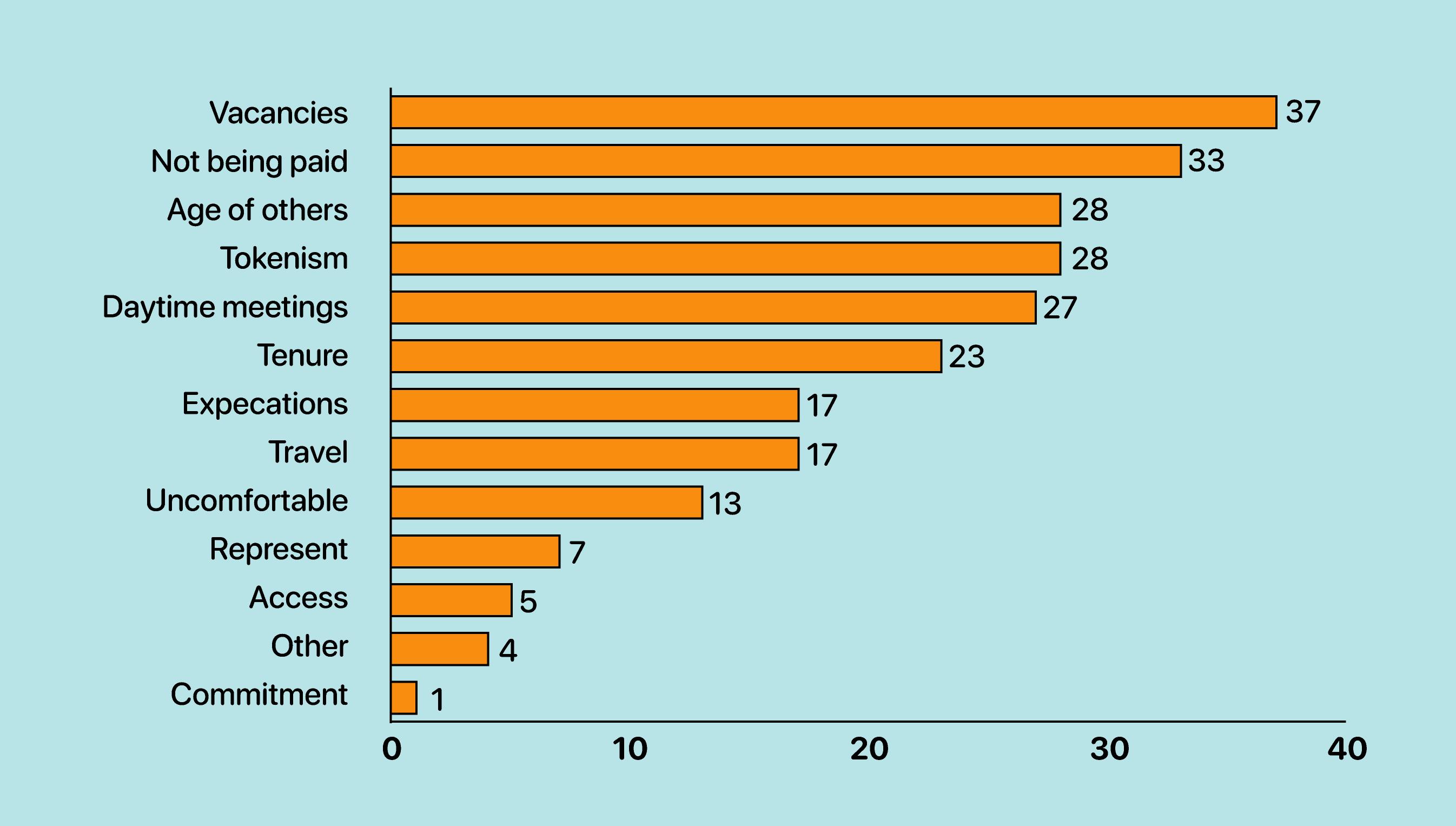
Table 3 Barriers to becoming a board member Can't represent all
Interviewees were asked to rate the importance of diversity & inclusion in their hub from 1 (not important at all), to 10 (extremely important).
Nine hubs rated the importance of diversity at 5 or above with 50% of hub leaders marking it at 10 – extremely important.
Despite that, when asked whether diversity and inclusion is monitored 4 organisations said no, 2 said informally, 1 leader introduced diversity monitoring for new trustees because a staff member had pushed for it and took the opportunity to ask existing trustees, as well as new recruits, to complete the monitoring form “...but they didn’t”.
1 hub said they would have to monitor diversity in the future to gain Arts Council England (ACE) funding and 2 said yes – because they had to, to gain or maintain Cornwall Council and ACE funding.
One respondent found it “difficult to ask –seems invasive” but used the occasion of preparation for our interview as a justification to gather diversity information from the board.
Asking trustees (and staff) personal questions, such as about their sexuality, requires sensitivity. In small organisations, the need to gather data needs to be balanced with ensuring anonymity. Steps need to be taken to increase response rates/ compliance with monitoring.
Members may be encouraged to respond by being reminded that the answers are linked to the organisation receiving funding and therefore its financial security. Monitoring is vital as it not only reveals if stakeholders and the local community are represented on the board but is also a method to track EDI representation, progress and the pace of that progress.61
We looked for evidence of explicit policies to foster diversity on the 10 sample arts organisation’s websites. What an organisation chooses to publish online provides a window into its internal culture and processes.
Easily accessible messaging about diversity and inclusion is likely to shape the way in which the public views a company’s or charity’s commitment to involving, as well as serving, diverse constituencies.
Six of the 10 hub websites demonstrated some awareness of diversity and inclusion, but only one provided overt evidence of any systematic and formal approach to EDI, including in its recruitment. One other hub had a specific EDI policy but its focus was on aspirations to diversify and a commitment to obey the law in terms of discrimination rather than an explicit proactive recruitment approach.
Evidence from other sample hubs was limited to explicitly inclusive mission statements which spoke to excluded groups or those with protected characteristics of some kind.
Evidence of policy or mission statements which sought to address a range of potentially excluded groups (informed by legal definitions of those with protected characteristics) was only found on one out of the 10 sample hub websites. This hub, our case study - Newlyn Art Gallery & The Exchange - evidenced its involvement in ACE’s Creative Case for Diversity, had an anti-racism action plan and attempts to diversify its board were mentioned.
Artistic programming at the sample hubs demonstrates, (through events listings, artists featured and initiatives to attract minority participants), that the organisations are invested in diversity. In fact it is the programming that does a lot of – if not all – the heavy lifting in demonstrating an inclusive institutional mindset.
But programming content offers little or no direct evidence about those who run the organisations, or the kinds of people who might be welcomed to help run them.
Awareness of the importance of diversity, change and monitoring progress are necessary for the sustainability of arts organisations – to secure funding.
In the foreword of ACE’s 2021 Equality, Diversity and the Creative Case. A Data Report 2019 –2020, ACE chair, Sir Nicholas Serota, recognises that, ‘…our sector does not yet fully reflect the diversity of England across boards, leadership positions and the wider workforce’.62
Published a month after ACE’s Let’s Create strategy that takes the sector to 2030, Serota stresses... 'the importance of building an arts and cultural sector that truly belongs to us all’.63
Regularly funded organisations are asked by ACE ‘to set their own targets to diversify their governance, leadership, workforce, programming and audiences; we will expect these targets to be ambitious and owned and monitored at board level’.64
ACE are increasingly clarifying their message that the board holds responsibility for EDI success and that their hubs need to go beyond simply reporting on diversity and inclusion to actively engage in change so that EDI is at the core of all they do.
The questionnaire asked, ‘What 3 things would you bring to the Board of an arts organisation you care about?’
Mentions of different skills and experiences were grouped to try to gauge, approximately, the number of people offering them.
Business skills were mentioned 55 times. The knowledge, skills and lived experience of being an artist were mentioned 37 times and the lived experience of being from a diverse group or from working with a diverse community 24 times.
There were valuable links with the local community on offer as well as the other necessary skills such as funding expertise, digital and PR plus passion, vision and ideas.
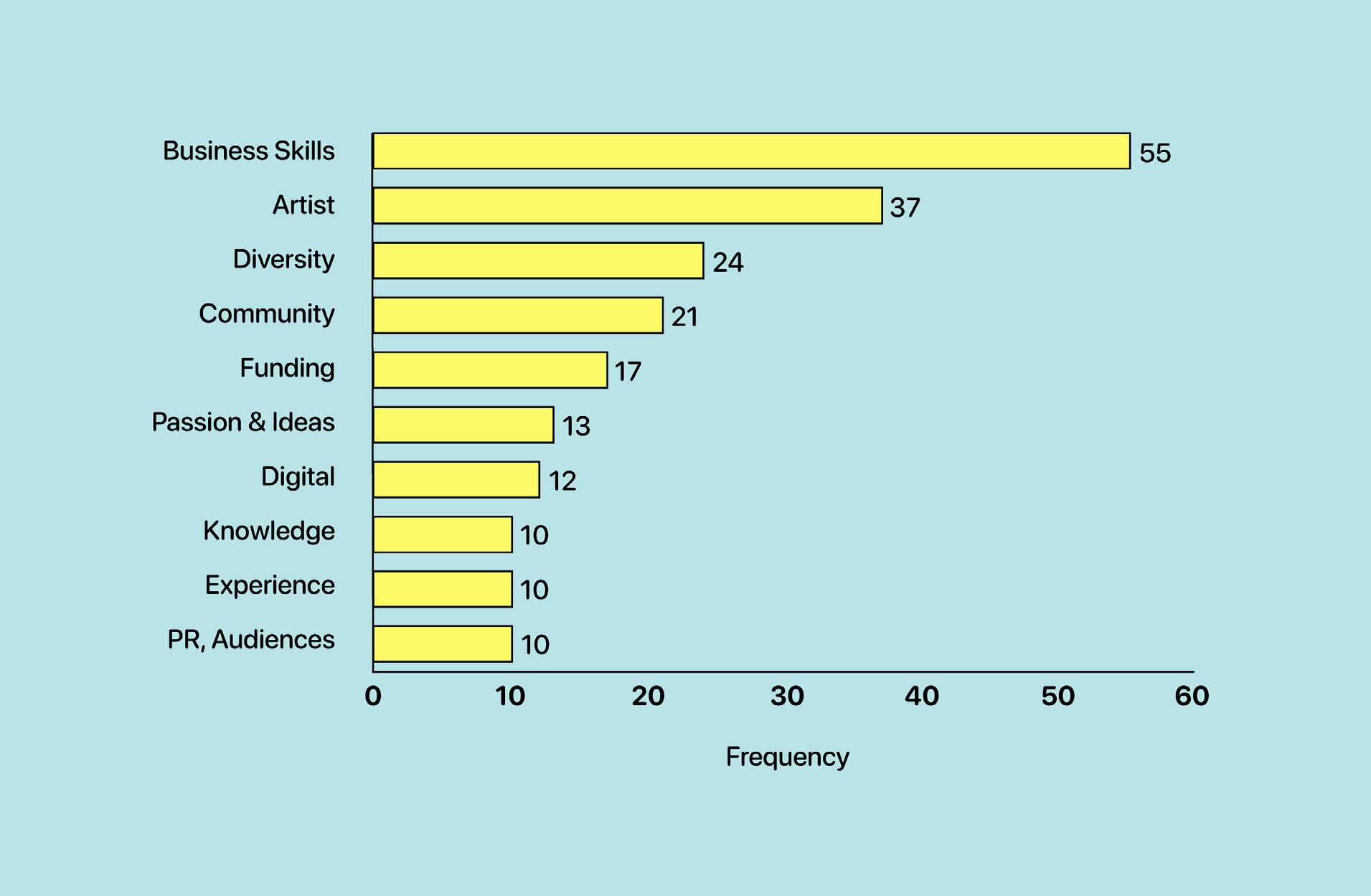
Table 4 What I would bring to the board
The 72 people that completed the questionnaire were asked, ‘what 3 things could being on a board do for you?’ Responses have been categorised (see below). Opposite, a selection of written answers illustrates how valuable being on a board is perceived to be by our questionnaire respondents.
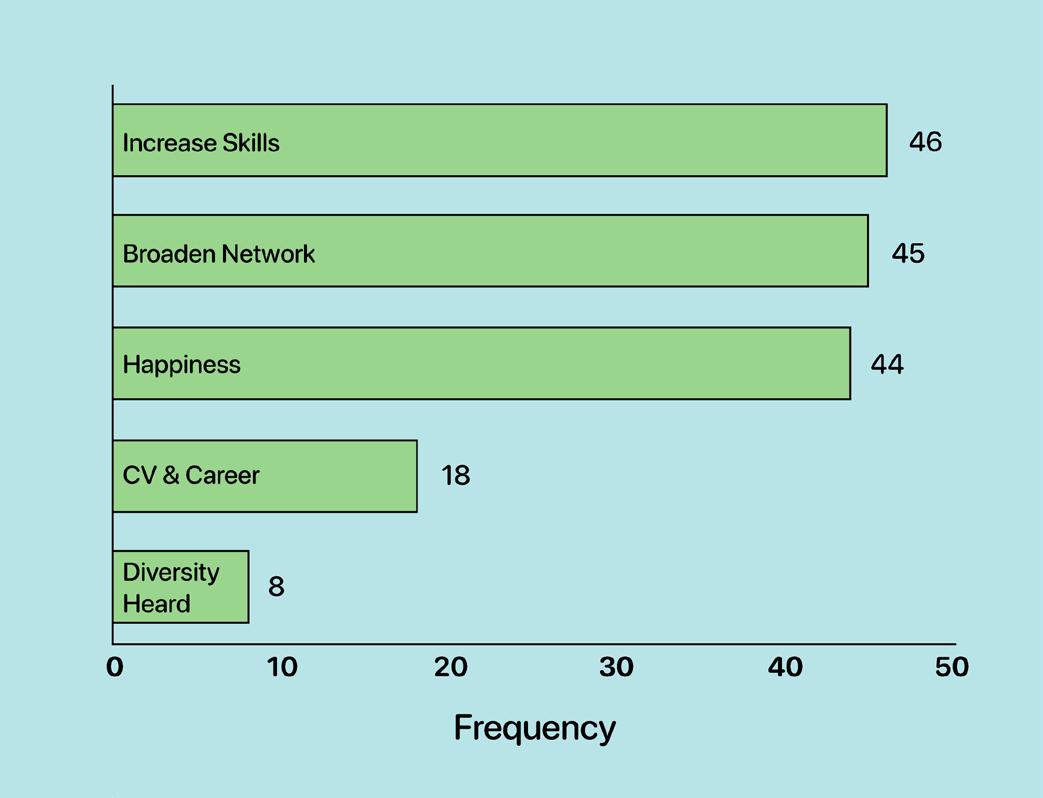
Table 5 What would being a trustee do for you?
Hub leaders were also asked to describe their boards in three positive words: the following were used at least twice in 10 interviews:
• passionate
• enthusiastic
• committed
• challenging (in a good way)
• supportive
• dedicated
• friendly
‘a sense of pleasure in contributing to something meaningful‘
‘increase my confidence in my voice’,
‘an opportunity to use my skills in a different context’
‘give me credibility in my sector’
‘give me a deeper understanding of the mechanisms that run the organisations I interact with’
‘broaden my experience’
‘networking across sector and age group'
'keeps me in touch with current thinking across the sector’
‘to work with a variety of people with shared aims’
‘add a further asset to my current CV and employability’
‘give a voice to those with [protected characteristics]’
‘Develop expertise through regular training and support’
‘contribute to improving 1) Local area 2) Opportunities for young people 3) Opportunities for artists’
‘have influence’
‘new friendships, new skills’
‘Leadership skills for Professional development, Sense of pride in enabling access for community and giving something back’
‘have power to decide where money goes’
‘I would love to be in a position to be able to make active and visible change’.
Shortcomings around the lack of representation were identified by creative hub leaders. Their desire to change and make EDI progress is strong and we are hopeful that this will translate into action despite the other pressing matters they felt they had to prioritise. A hub leader said:
“Lots of people have done amazing work over the last 12 months to have these conversations - to point out to all of us that we just need to get on with it and do it and it’s really crap that we haven’t already […] We need to go outside our existing network because that’s the problem, it’s just the same people - it’s not fulfilling this aim of diversifying the board. I think I actually need to go and talk to new people, people I haven’t spoken to before, and ask for advice, ask for help and try things out. To go to contacts made with Black Voices Cornwall, for example, and go outside Cornwall as well.”
The research shows that despite exceptional boards that work well in Cornwall, some are struggling. Obstacles to change are evident. Some hubs do not have the skills they need to increase EDI, indeed might lack many skills generally.
Board issues mentioned by hub leaders include being ‘time poor’, ‘argumentative’, ‘lack of awareness of how other boards work’, ‘limited in knowledge’, containing ‘dead wood’ and a weak chair or a chair (and board) that need training.
A fifth of hub leaders said the most rigorous board and governance training they had undertaken was as school governors.
Our research, as mentioned, found that all sample hub boards in Cornwall have very low levels of diversity (except for gender representation). The web research revealed that there was scarce mention of a plan to improve it. The good news is that 4 out of 10 sample hubs have adapted their board recruitment in the last two years.
New approaches range from advertising for trustees for the first time, advertising nationally, using social media and going outside their networks for first time, specifically welcoming diverse candidates in their advertisements through to making changes in the whole recruitment process from application through to interview. From this range of small to ambitious approaches there has been varying success in recruiting diversely.
There are also psychological barriers to change – fears about people taking over, fears of being replaced. A couple of leaders spoke candidly of ‘very strong resistance’ to increased diversity on boards from powerful trustees. Resistance seemed to be based on territorial concerns that they would lose their place on the board, ‘concern about being outvoted’ and ‘about the organisation being taken over by new trustees’.
Questionnaire respondents articulated clearly that they want change – they want creative hub boards to represent the diversity of their communities.
Many questionnaire respondents expressed interest in applying to become a trustee. They described the imagined positive effects of being a trustee but also expressed what deterred them. For example: ‘not being able to express my opinion as a young, female board member’, ‘my personal experience with trustee boards is off-putting as most of them seem like a place for older cis white rich people’, ‘there is always an ‘old guard’ of members who have been there forever and whose opinions count more’ and ‘Cornish people are not welcome’.
Despite the skills they perceive they can bring to boards (see p. 33), many have felt discouraged or prevented from helping some of Cornwall’s arts organisations flourish.
The mix of a need and desire to change, a lack of knowledge and resistance that we encountered in this research informed the development of our practical and evidencebased recommendations. Arts organisations can use them straight away to start to change.
They can be found after our case study that summarises what Newlyn Art Gallery & The Exchange is doing to increase equity, diversity and inclusion on their board. Their documents provide good examples of wording and links to them are in the reference notes indicated by the small numbers.


Newlyn Art Gallery & The Exchange (shortened hereafter as Newlyn Exchange) is one arts hub overseeing two galleries, based respectively in Newlyn and Penzance. It is the oldest of the ten sample arts organisations analysed, opening in 1895 and registering as a charity 48 years ago.
It is one of two visual arts NPOs (National Portfolio Organisations) funded by Arts Council England (ACE) in Cornwall and has been successful with a bid to the DASH Arts Future Curators Programme, an initiative to create placements for D/deaf and Disabled curators in galleries.
Its commitment to diversity has undoubtedly contributed to this.
Miranda Bird has been chair since 2017. In 2019/20, 42% of NPO ACE-funded organisations had female chairs.65
James Green is the director and has been in post since 2006.
Like all the hubs we analysed, the board is not that diverse. In summer 2021, the board was the least diverse part of the whole organisation with gender and socio-economic background being the only characteristics represented.
Despite that, the hub is a good a case study because evidence of sustained efforts to address EDI is more visible in this hub than in any other organisation in Cornwall we analysed.
Newlyn Exchange has acknowledged it has a problem with lack of diversity, has developed a strategy for change and is taking action on governance rather than just in programming. Although there is more information on its website about diversity since the murder of George Floyd, which was a key accelerator for Green, its commitment started before, demonstrated in the 2019 New Voices initiative with ACE’s Partners Programme to address diversity issues in the sector.
Further steps to change include its 2019/2020 Creative Case for Diversity report, 66 and an October 2020 Anti-Racism Action Plan 67
Newlyn Exchange has published the report and the action plan on its website, and progress on these can be tracked through updates on the Plan of Action: Black Lives Matter blog post on the hub’s website.68
The hub has developed a list of contacts with organisations and groups that have protected characteristics. These partner organisations can help spread the word about the need for new trustees and could provide a recruitment pool of diverse people in the future. One such partner organisation is diverse recruitment specialists and consultants, Green Park.
This is clear signalling to those from diverse communities that they are welcome.69
Board diversity was the top priority at the time of the research period, during which Newlyn Exchange had a recruitment drive for four new trustees. Not only did the organisation advertise its trustee vacancies (only 10% of charities do, nationwide),70 it appealed directly to those with protected characteristics. Who and what was asked for in the application process had been adapted to reflect Watershed’s Practical steps for making recruitment more inclusive, through more accessible and human experiences 71
Measures taken to target recruitment included:
�� An explicit appeal to diverse applicants
Near the top of the recruitment advertisement it stated, ‘We embrace diversity and equal opportunity: we are committed to building a team that represents a variety of backgrounds, perspectives and skills’.
Specific characteristics were identified:
• People who are Black, Asian or from other diverse backgrounds
• Younger people (between 18 and 30)
• People who identify as Cornish
• People with a disability
• People who are LGBTQIA+
In addition, the voluntary Disability Confident scheme logo was displayed at the top of the application brief.
The application required was short and simple with no need for a CV. Candidates were asked for ‘a statement of no more than 500 words to explain why you are interested in the position’. Welcome to some neurodivergent candidates, for example, was the option ‘to make a short video of yourself, recorded on your phone, providing the same information’. Additional adjustments and support were offered.
This approach addresses what Hunt et al would say is the myth of meritocracy, since many benefit ‘from their class and race – rather than innate ability – to get to where they are’.72
In its most recent staff recruitment, in January 2022, Newlyn Exchange trialled further adjustments to the interview process, including providing questions in advance, asking applicants to produce a short video rather than present live, and doing the interview via Zoom.
The ad was shared not just through existing networks, including its website and social media, but also others that could help it reach diverse people such as gal-dem, a magazine written by people of colour from marginalised genders.
The brief was composed in simple English with no jargon. It explained clearly what a trustee does: ‘The gallery is run by a small team, governed by a board of volunteer trustees, which oversees the work of the charity, providing strategic direction and support to staff’. The brief explained what was required of trustees.73
Mentioning the option to attend meetings online rather than in person gave out a strong message that disabilities, care responsibilities and living or working outside Cornwall can all be accommodated. Young trustees were offered the flexibility of a shorter trustee term of a year.
Requests for previous board experience or professional qualifications that might exclude many were omitted. Instead there was repeated encouragement ‘to apply even if you do not fit 100% of requirements’ and that ‘young and firsttime trustees are very welcome’.
The hub emphasised it was looking for ‘culture add’ not ‘culture fit’ which means ‘potential and lived experience’.74 The brief mentioned that expenses are paid and that training and mentoring is provided.
The chair, Miranda Bird, is an EDI specialist within her own workplace, effecting many structural changes and devising training programmes addressing topics such as inclusive language and unconscious bias.
James Green, the director, is part of the Plus Tate working group, operating with peers in its network to support a cohort of 36 organisations seeking to diversify recruitment.
He has also participated in training with all staff and trustees, and applied Harvard selfassessment tools exploring unconscious bias.
Newlyn Exchange makes it clear that the lack of representation of Black people on the board needs to be addressed but that anti-racism work is down to White members, not diverse trustees or staff. Anti-racism work is often uncompensated and additional to core duties, plus, for Black people and People of Colour, there is the psychological and ‘emotional toil’ of confronting issues around racism within their organisation’s structures and colleagues’ belief systems.
75
In Yingling’s 2020 article she warns ‘…be sure these new stakeholders are not asked to speak on behalf of an entire population as if they are exemplars on everything related to their skin colour, gender identification, cultural identity, or any other diversity marker. People should only be asked to speak for themselves’.76
Director James Green says the organisation is yet to achieve the degree of diversity it aspires to but in the end six new trustees were welcomed in November 2021. They included younger board members, some with other protected characteristics. Leaders thought carefully about how best to support them.
The new trustees have been given ‘buddies’ (other trustees) and all offered training. The induction included going through the Charity Commission’s The Essential Trustee Guidance booklet, and within the first three months the new board had completed the first part of its anti-racism training with Black Voices Cornwall.77
New trustees were given the documents they need, including the Articles of Association, and their importance was emphasised. Their responsibilities were clarified and the distinction made between the roles of trustees and staff. Members were told that if they missed two consecutive meetings they would get a warning, and that trustee appointments have been terminated after missing three.
During meetings the chair asks for all members’ views, even if some are reluctant to speak. This ensures that everyone has a say. A questionnaire respondent said that when ‘others are empowered to speak’ it can show that ‘diverse perspectives are welcome here’. As Green says, ‘One of the principal responsibilities of a trustee is to say what you think and no one’s going to judge you if you disagree with them’.
Newlyn Exchange demonstrates its commitment to transparency by putting photographs and brief biographies of board members online, although there’s a need for an update since the last recruitment. Other actions are still outstanding,including an annual staff and board member diversity audit with results published on the website and evidence that all staff and board members have signed-up to an anti-racism/pro diversity policy and/or the Charity Governance Code. 78
Newlyn Art Gallery & The Exchange is changing the diversity of trustees and its staff by placing EDI at the centre of the organisation.
Its commitment to anti-racism is writ large on its website with policy documents and transparent short and long-term action plans that are shared publicly, monitored and updated regularly. ‘A strong action plan includes immediate and longer-term actions,’ says OF/BY/FORALL in its Framework for Action ‘both externally with your community and internally with your team’.79
Each aspect of the recruitment process has been reviewed and transformed to be EDI friendly. The reach of the recruitment ads to diverse groups, the wording of the ads, the information available to potential applicants, the application process, who gets invited to interview and the interview process have all been scrutinised and adapted.
Expert advice, peer support and best practice has been sought at all points. Board meetings are conducted with inclusivity in mind with board training and mentoring offered for new trustees.
Despite these efforts, Newlyn Art Gallery & The Exchange has not always succeeded in recruiting diverse trustees and staff but setbacks are treated as learning opportunities to improve, and it continues to adapt and try again, understanding that it is a long-term process that needs investment.
Tracking and monitoring what is working and what isn’t regarding EDI is important to document as there is very little recorded data.80 Chair Miranda Bird is committed to learning and improving and says input and ideas on ‘how to involve board members from the global majority group would be welcomed’.


The new research demonstrates that systemic inequalities exist in the leadership and management of Cornwall’s creative hubs, and this supports findings from other parts of the UK relating to the wider arts sector, charities and businesses.
Cornwall’s art hub boards do not represent the diversity of Cornwall’s population as a whole, in terms of legally protected characteristics such as age, disability, race as well as socio-economic background – working-class voices are missing from many boards. Without that representation, can organisations really offer a programme ‘that a diverse community actually wants’? 81
The reasons for the lack of representation include limited perceptions of the role of a trustee, and what we found to be inadequate transparency with regards to the work of the board and its recruitment processes.
We found there is a pool of people with potential and actual skills and knowledge to bring value to a board, who are put off by existing practices or simply aren’t aware of the opportunity to participate.
We know that it can also be hard to find enough trustees who can give their time, energy and talents, so it seems widening the diversity of trustees can only be a positive change for arts hubs in Cornwall and beyond.
We must accept however, that our research, and that of others, shows there is some resistance to share power by diversifying trusteeship of arts organisations.82 This can be attributable to ‘lack of knowledge and lack of resources’, but also ‘lack of commitment and resistance to cultural change’.83
Ayesha Gardiner, Emeka Forbes and Kadra Adbinasir have found that ‘charities too often maintain the structures of power and privilege in our society rather than striving to dismantle them.’ 84
Despite political discourse at a national level often manifesting indifferent or, increasingly, hostile stances towards EDI work,85 the All Party Parliamentary Group for Creative Diversity continues to encourage the Department of Culture, Media and Sport (DCMS) to enforce EDI improvement.
Incentives to change can take the form of the carrot or the stick. The stick is provided by funders such as ACE and local authorities like Cornwall Council making EDI monitoring and community involvement a condition of funding.
Credibility and trust from those inside and outside the organisation can be damaged if there is ‘a disconnect between what the company says and the progress it is making on the ground’.86 Public outrage or loss of trust, shaming and media pressure (for example on Instagram by @show_the_boardroom) is also undesirable.
The carrot is the benefits that diversity can bring to the organisations themselves, which are widely evidenced and which we introduced earlier in this document.
Change takes time, and is far from easy, but more equitable, diverse and inclusive leadership and management of arts organisations will bring benefits – not only making a contribution towards a fairer society, but taking advantage of the widest range of skills, experience and perspective at board level.
In this next and final section we introduce a series of actionable steps individuals, creative hubs, policy makers and funders can take to make real change, based on our research and that of others.
These recommendations will help make change attainable.
A crucial agent responsible for leading change or for lack of change on the board and within the organisation is the chair. As one questionnaire respondent said: ‘I think the chair is key - if they are taking a proactive approach to diversity for the right reasons then it will follow through (hopefully) into how the board is run. If they are not behind it, then there’s little chance of success’
A weak or ill-informed chair can mean a lack of decision-making on EDI, which can enable a culture within the board and organisation that inhibits change. One of the chair’s roles is to ensure that the board is a safe space to invite diverse new members onto. Negative behaviour, from micro-aggressions to overt bullying, needs to be acted on quickly and decisively: not only for the wellbeing of members but to ensure compliance with the Charity Governance Code We suggest that all chairs and board members, whether they are charities or not, should read and align themselves with the Charity Governance Code ↗ and its values.87
In addition, trustees should feel safe and supported enough to call out others’ unacceptable behaviour in the boardroom.
Our questionnaire revealed a fear that board meetings are places where newcomers’ ideas aren’t welcome and where their voice will not be heard. A good chair needs to manage the meeting, to help dominant members learn not to interrupt or talk for too long, and, as Getting on Board discussed in an online workshop, the chair needs to guard against others repeating ideas articulated by diverse trustees so that they get heard.88
The Charity Excellence Framework ↗ suggests that the chair asks a woman to start off discussion as there is evidence that this empowers other women to speak.89
In our interviews we identified a lack of skills in some areas, including chairing, so we recommend ensuring that your chair receives training especially in leadership and management issues, including those relating to improving EDI. Tailored chair training is available, for example by Clore ↗ or the Association of Chairs. ↗
The cost of providing any such training (e.g. travel) should be included in a budget (see EDI Hub Recommendation 2 on the right).
Where the organisation cannot afford this, we recommend they seek funding from local authorities like Cornwall Council or partner with other local hubs to apply for funding to bring chair training to the region.
As trustees and employees of arts organisations are already busy, EDI work is unlikely to happen unless resources are properly dedicated.
In 2020 Inc Arts proposed a way to encourage change: ‘What would it look like if 1% of each budget line is exclusively dedicated to a specific, measurable action that builds diversity within the business?’90 Inc Arts How to do Diversity (2020) ↗ lays out how the 1% rule would ensure financial commitment to EDI.91
Policy recommendation re: chair training
Cornwall Council, ACE or VASW to consider providing or subsidising EDI training for hub chairs in Cornwall.
As our research shows, there is a common misconception that diversity is constituted by race alone, rather than all protected characteristics such as age, disability, gender and sexuality.
This is very problematic. Cornwall has the highest percentage of White people in England at 98.2%,92 and without a broader conception and deeper understanding of what diversity is many trustees and hub leaders may not feel EDI needs to be acted upon; that it is, instead, someone else’s problem.93
In addition, the arts are commonly understood as a liberal environment and trustees might believe that interrogation of EDI, if solely seen as an issue around race, is unnecessary because they are fair, without prejudice and, in fact, colour-blind, allowing them to insist the problem always lies elsewhere and with others.94 Despite saying that diversity is not just about race, racism is a particularly deep-rooted systemic problem and anti-racism training needs to be at the heart of any EDI plan.
Understanding about the Cornish community and those communities with protected characteristics in each hub locale will help increase diversity on the board and engagement with the hub.
Board training on equity, diversity and inclusion is needed, plus other skills training. For EDI board training that is easy to access. Why not try:
• A free online lunchtime workshop ↗ with the Young Trustees Movement;95 ↗
• Getting on Board’s ↗ lunchtime live webinars on How to Diversify Your Board ↗ (£10);96
• Inc Arts online clinics ↗ with support from HR and legal advisors where UNLOCK, their anti-racism toolkit, is introduced;97
• Clore’s two-hour Achieving and Retaining ↗ a Diverse Board ↗ session (£17.50).
Request that it is re-run.
Other training involves investment which can come from the 1% departmental EDI budget. Getting on Board ↗ runs Transform, an online programme that will support your board to recruit diverse trustees (£1,550).
There is also training available from The Diversity Trust ↗ and the Change Network programme ↗ by OF/BY/ALL.
Trustees can work to increase their knowledge and skills independently through listening to the Better Boards Podcast, ↗ watching the Charity Excellence videos ↗ on many aspects of governance, following #CharitySo White ↗ on Twitter and reading, for example, From Here to Diversity ↗ by ATRD, A Manifesto to Create a Safe Space, Free of Racism, for the Black Artist’, Transforming Board Cultures ↗ (2020).
Also the free LGBTQIA+ resources at the Safe Zone Project ↗ and the resources, tips and definitions available on Racial Equity Tools ↗
Board members can look through reports, articles, websites and toolkits mentioned throughout this document. Independent research could be fed back into the board.
Many organisations formed reading groups after the Floyd murder to improve their understanding of White privilege and institutional racism. This could be broadened to feature all protected characteristics.
Policy recommendation re: board training
Sector-wide board training is needed. Who will fund and organise this?
The chair must oversee open and difficult conversations in a way where everyone feels listened to but must stand firm on the need for change. Evidence-based advice, such as this report, can be used to explain and support the need for a discussion, the introduction of an audit and implementation of change.
Discussion may reveal unconscious bias; that is, the ‘attitudes, stereotypes and beliefs that can affect how we treat others’.98
Many also have an anxious reticence to discuss diversity: ‘Talking about race and diversity can make many people stressed and worried that they will say the wrong thing or cause offence, this creates silence where meaningful communication should be taking place’.99
Resources relevant at this first discussion stage are the conversation starter ↗ online self-assessment tool by OF/BY/FOR ALL,100 or NVCO’s questions to guide a board discussion on diversity 101 ↗
Work through the Charity Governance Code as the points, for example in Principle 6: Equality, diversity and inclusion, will prompt discussion.102 The whole board should recognise and accept that there is a problem and sign up to being part of the change. A questionnaire respondent wrote: ‘Make sure trustees know the requirements of them and if they don’t meet them they will have to step down’.
Policy recommendation re: regional code of conduct
A regional code of conduct for board members could be developed or adapted by Cornwall Council using the Charity Governance Code as a template. Some Cornwall hubs are businesses and others are charities, or a mixture of both. All board members in the region could agree on and sign-up to standards of integrity and a clear approach to supporting EDI.
Do not put the member of the board who most represents ‘diversity’ in charge of EDI.
Researcher and artist Antonio Cuyler explains that while people of colour ‘can share the impact of racism on their lived experiences to possibly compel change, White people should not ask or expect them to do the exhausting emotional and intellectual labour of helping them to become anti-racist. White accomplices and allies who “get it” should bear this responsibility’.103 The same is true of those with other marginalised characteristics.
It is the responsibility of those people in power to learn more and facilitate change rather than asking those that are excluded to try to change the organisation and its culture so that they can gain or earn admittance.
Once there has been agreement that there is a problem and that change needs to be implemented, the board need to develop a SMART action plan. SMART means Specific, Measurable, Achievable, Realistic that is anchored within a Time frame. The action plan needs to include:
• Regular monitoring of progress internally, at least annually but more often would help keep it in mind, responsive and therefore dynamic;
• The action plan should be published, eg. online, to be open to scrutiny by stakeholders;
• Peers can learn from others’ successes but also from mistakes and failures;104
• New goals could be set / adjusted / agreed at meetings in response to monitored progress;
• If the public aren’t invited to the meeting, info should be published publicly afterwards.
Internal and external monitoring must be embedded in the plan to ensure transparency and progress.105 The lack of accountability to date could be a reason why the status quo has persisted despite organisations appearing to be taking action.
In the 2021 APPG Creative Majority report Wreyford, O’Brien and Dent suggest that ‘setting goals and attaching consequences for reaching or failing to reach them increases the likelihood of success in EDI’.106 Internal monitoring of EDI progress could reap benefits when used in funding applications and if the Creative Majority report recommendations are turned into action by the Department for Digital, Culture, Media and Sport (DCMS), action now means avoidance of penalties for lack of improvement when/ if they become obligatory.
Experts like Clore can help individual hubs but to avoid delay in starting to implement change here are some linked online toolkits: Transforming Board Cultures ↗ by Beyond Suffrage (2020), Dr Crystal Yingling’s 12 steps found in: The Possibility Spectrum: Increasing Diversity & Inclusion in Arts Organisations ↗ (2020) and the Trustee Recruitment Cycle ↗
Policy recommendation re: action plan
• Funders such as Arts Council and Cornwall Council ask for full diversity audits for board members and staff for organisations you do business with. In the audit, in addition to
protected characteristics, ask if trustees identify as Cornish and if they are artists. To gauge socioeconomic class use the Social Mobility Commission’s Creative Industries toolkit question –‘what was the occupation of your main household earner when you were aged 14?’107 Ask specifically for the characteristics of those in key roles such as Chair, Vice-Chair and Treasurer;
• Set-up a regular event for boards and hub leaders to discuss EDI progress against their action plans, to set new goals and learn from others’ struggles and successes. Instead of giving organisations onerous targets and deadlines, the whole process has to be organic with external support, funding and mentoring to help it be successful but sanctions to be imposed if progress is too slow. The published action plans of all other arts organisations in Cornwall could be reviewed in these specific arts sector EDI meetings;
• Data needs to be gathered on what has been tried re: EDI in arts hubs and followed with an assessment of what is working and what not –this information then needs to be shared. Partnerships with academic researchers and their universities is recommended.
With a commitment to change and appropriate training, the chair can initiate a board diversity audit.108 This provides a baseline to measure growth and help trustees and chair identify areas to address and assign resources to.109
An audit is useful to receive funding and to report to funders – it can reveal more diversity than expected, as Newlyn Art Gallery & The Exchange found when they audited staff to report to ACE.
Before recruitment, be more proactive: reach out to make meaningful partnerships with groups within the community who are marginalised or excluded.110 Make your organisation visible so that people know who you are. The board needs to have worked through its issues internally before seeking out and building relationships.111 Prior to making contact, be clear about your goal in seeking to partner with an organisation to avoid ‘othering’ and exploitation.112 As a hub leader observed, “We’re doing a great job of bringing culture to the community, but pandemic reflection revealed that we’re not working with the community, not even for them, but working to them. So that’s when things started to change”.
Consider forming a paid shadow board or sounding board of marginalised community members. Community groups that become partners can pass on recruitment requests to their networks and help to build a diverse pool of future potential trustees and staff who already have knowledge and interest in the hub.
At this stage, raise awareness of the skills trustees need. Trustees in all sizes of charity report a lack of necessary skills at board level, in particular legal skills, detecting and avoiding fraud, fundraising, marketing, campaigning and digital skills.113
Here are some examples of organisations, communities and networks to connect with:
Cornwall / the South West ↗
Inclusion Cornwall, The Inclusivity Project, DisAbility Cornwall, Shallal, The Sensory Trust, Black Voices Cornwall, Young People Cornwall, Doorstep, Cornwall Pride, Decoder, Queer Cornwall, Intercom Trust, vsf Cornwall – Cornwall voluntary sector forum, Real Ideas Organisation, TAP - Take a Part, CAMP, Restorative Justice, School for Social Entrepreneurs, Azook
Arts-focused organisations ↗
Black Artists on the Move, gal-dem, Shape Arts, Dash Arts, Disability Arts online, Black Cultural Archives, The British Blacklist, The Empathetic Museum, the white pube, Rising, Visual Arts South West, Plus Tate, Counterpoints, Migrants
in Culture, Museum Detox, Contemporary Visual Arts Network England, Turf Collective, Iniva – Institute of International Visual Arts, One of My Kind, 198, A New Direction young creatives jobs board, Creative Access, Creative Lives – in progress, Get into Theatre
↗
Inclusive Boards; Young Trustees Movement; Action for Trustee Racial Diversity; Getting on Board; Beyond Suffrage, The Diversity Dashboard, Charity So White, byp - Black Young Professional network, BSN – Black Solicitors Network, Women in Banking & Finance; International Association of Young Lawyers, We are advocate, The Honorary Treasurers Forum, Black Funding Network, icaew accountants, HR – people management, Charity Finance Group, Acevo, Mothers Who Make, Working mums, Rising; I will org; Future Leaders Network; Trustees Unlimited that supports the Inspire List by the Trustee Diversity Panel; Women on Boards, Reach Volunteering, Charity Job , ncvo, Association of Chairs, nfpsynergy, Weston Jerwood Creative Bursaries, Diversity Jobsite, Evenbreak
Introduce fixed terms of service (for example three years) with flexibility if needed, for example shorter terms for younger people. Ensure the term is clearly signposted in the recruitment advertisement. This will make space for diverse new recruits.
Conversations with long-standing members about moving on might be necessary, although there is room for recruitment without resignation on nine out of 10 of the sampled boards in Cornwall while still staying inside the recommended size for effective boards of 5-12 trustees.114
Remove waiving through trustees for another term – or you may have a significant number of trustees who are still serving after 25 years, as one sample hub has.
Only let trustees stay on for a second term in exceptional circumstances, for example a treasurer during a capital build project.
You could also adopt the policy of one of our sample organisations that requires trustees to leave the board for at least a year before a second term.
Some board members may decide to resign to allow space to let in more diverse voices. They should reflect and speak to their chair. Resignation does not mean respected and valued trustees will be ‘lost’ by the organisation.
Positions could be made for long-term board members that do not involve being trustees, such as patrons or a newly named position. Resignation needs to be done at the right time to best support the organisation.
It is important that there is not a mass resignation of similar people with similar skills from the board at once – staggered terms and changeovers are, obviously, better for stability and continuity.
Policy recommendation re: resignations
We propose shadowing and mentoring by current and outgoing trustees as well as formal training, to increase the skills base among newcomers if needed. Our interviews with chairs and leaders reveal that some trustees are unlikely to resign of their own accord and indeed are resistant to requests to make way for new recruits. How boards might handle encouraging long-serving members to resign – or to take up an alternative role within the organisation without ill-feeling – needs to be explored in future discussion and research. Scholarly associations and policy institutes to support research on new ways to help boards function well, for example on strategies to encourage long-serving and valued board members to resign.
Share resources such as action plans, EDI strategies, advert and job brief wordings for trustee recruitment.
Policy recommendation re: share resources
Cornwall Council / Visual Arts South West / Arts Council England to host an online space where examples of EDI action plans, strategies, job advertisements and job briefs are kept so that organisations can adapt versions overseen by experts and lawyers rather than start from scratch.
Reassess the skills you require of trustees in your organisation - recruit passion and potential not just experience.
Recruit for ‘potential, personality and possibility’, says Yingling. ‘The organisation can train and educate on most other things. Find the people the organisation wants to be around and who are mission-aligned. Look for people who can grow into the job’.115
Formalise recruitment processes - treat trustee recruitment with the same rigour as employee recruitment.
Even though trustees are unpaid dedicated volunteers, board ‘responsibilities are no less real or substantial than any senior management role’, and ‘trustees need to see their roles in just the same way that any employees see their job’.116 Organisations also need to see trustees as they do employees and use the same rigorous practices whether in recruitment or expected behaviours of others.
Ensure recruitment materials are explicit about the organisation’s commitment to EDI. Much of the literature on good practice in recruitment emphasises the need for all messaging and practices to reinforce the organisation’s commitment to EDI. This sends a clear message to a diverse range of people that they are welcome.117 Add a prominent link to your diversity and flexible working policies on your website. Make your commitment to diversity and inclusion clear on any mission statement and link to clear examples of where you put policy into practice.118 Ensure your job descriptions, person specifications, marketing and promotional material are phrased in ways that maximise openness to diverse backgrounds and experiences.119
Look at Inclusive Recruitment: A Guide to Available Resources by UK Theatre, ↗ last updated 2022.120 For an example of a recruitment pack for the position of trustee see Newlyn Art Gallery & The Exchange’s here ↗
And here ↗ is an Easy-read good trustee guide to support people with learning disabilities on charities’ trustee boards by NVCO.
Be open about your lack of diversity and your commitment to change when you recruit. Being open about your organisation could ‘serve to gain more trust with audiences in the long-term’.121 Watershed ↗ suggests lines such as: ‘our current […] team is majority white, cisgender and non-disabled. We believe our work will be stronger with greater diversity and welcome applications from those who bring difference.’122
Say who you would like to apply at the top, not after a lot of info about the organisation that might already have scared people off.
Make your recruitment process transparent and advertise new opportunities. We have shown how informal and ad-hoc recruitment to boards, along with a lack of consistent and strong communication about trusteeship and new vacancies, are all major barriers to board diversity. Increase awareness of the role of trusteeship and of any vacancies to maximise diversity of applicants.
Publish details about your management structure and membership, who the board is and what they do. Active trustees might share short blog accounts of the work they do/ have done;
Draw up a consistent process for recruiting new trustees and publish this too, so prospective trustees are aware of you;
Finally, when the time comes to fill vacancies or expand your board, advertise as widely as possible, including on your website and social media, as well as via your usual networks and mailing lists, and work with partners (for example those in recommendation 8), so that your ad reaches into other networks;
Spell out key skills you need in trustees. Those new to trusteeship who have important skills may be unaware of a need to showcase them.
We asked questionnaire respondents, ‘To reach you, how should Board vacancies be advertised?’
Twenty-nine recommended social media, which worked well for a hub that recruited in early 2021. One of their new trustees heard about the vacancy online. Specific platforms were named by questionnaire respondents as good methods to reach them, including LinkedIn, Facebook, Twitter and Instagram.
Twenty-four said information would reach them via emailed newsletters. Named newsletters included those from the Culture & Creative Partnerships, Porthmeor Studios, Feast, CAST, Krowji, Newlyn Gallery & the Exchange, Cornwall 365, Hall for Cornwall, Cornwall Museum Partnerships & ACE (Arts Council England).
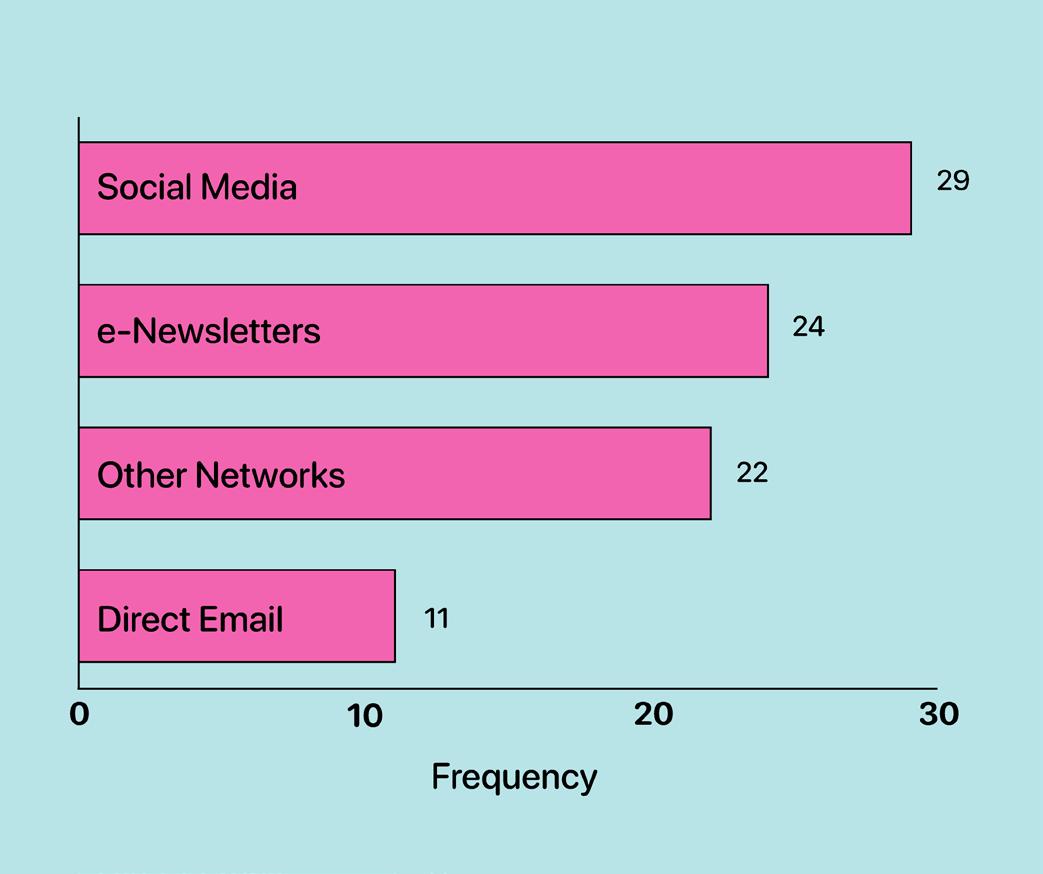
Where should board vacancies be advertised?
Twenty-two suggested other networks ranging from community networks such as: Black Voices Cornwall, disAbility Cornwall, Inclusion Cornwall, LGBTQIA+ networks, CICs, community printed newsletters, school gates and supermarket notice boards to VASW (Visual Arts South West), Engage, GEM and the Falmouth University alumni group.
Job advertising sites and networks were mentioned alongside communities linked through local papers and radio as well as specialist art magazines.
Policy recommendation re: recruitment
Cornwall Council / Visual Arts South West to set-up and maintain a regional register of Trustee vacancies that is easy to find and is updated and shared regularly across art networks, newsletters and on social media. Ensure information on what board members do is also shared.
An often over-looked aspect of diversity, age, merits a special mention. Roundhouse’s 2017 document Guided by Young Voices: How to include young people on your board and in your decision-making processes details what better representation of young people has done for them and could do for others.123
The report found that better representation ‘enables conversations to be held with rather than about young people’ and ‘shows funders and supporters that you take working with young people seriously’.124
Roundhouse say that the diversity of voices brought by young people ‘helps to build organisational resilience by bringing fresh perspectives to the full range of board concerns’.125 As with other groups, actively build relationships with a potential talent pool in advance of recruitment if you can.
Young Trustees Movement urge boards to ‘explain that you particularly welcome people from X, Y, Z backgrounds to apply […] Avoid the sort of language that excludes people, for example by saying ‘expertise’ or ‘ X years of experience in Y’.126
Young people can bring intersectionality onto the board. For example they might be young and from a working class background and neurodivergent, or they are young and LGBTQIA+, or young and female and disabled and so on.
Policy recommendation re: invest in young people
• Invest in training opportunities for all Cornwall’s young people/ schoolchildren so that they can bring their insights onto boards in the future whatever their background, socio-economic class and protected or other characteristics;
• Help all young people access a variety of arts in an engaged and meaningful way and forge links between individuals and arts organisations that they can grow with;
• Support board placements for young people from 16 years old.
For recruitment approaches that will help increase diversity read Tony Bhajam’s piece How we are reimaging recruitment at Watershed. ↗ Transforming Board Cultures ↗ and Inclusive Recruitment ↗ are also good resources.
Here are some recruitment tips:
Short-form questions are an accessible application format that will increase your pool of applicants;127
Consider inviting people to send in video applications if they prefer it to a written application. This increases accessibility for those who are neurodivergent, for example those with dyslexia;
Don’t ask for a CV: this disadvantages young people and those who have been out of the workplace such as parents and carers;
Consider telling applicants what questions they will be asked in advance of the interview;
Watershed in Bristol creates a ‘long-list’ of applicants who are then contacted for
‘a 20-minute (as informal as possible) chat’ before shortlisting so that people can express themselves and relate their experience and interests.128 This could help build confidence to try again if unsuccessful, especially if given feedback;
Ask all interviewees the same questions as this ‘diminishes subjectivity in evaluation’;129
Asking questions such as ‘what will you bring to the organisation?’ can help to shift the power dynamic;
In their guide Getting Young People onto your Trustee Board, ↗ Young Trustees Movement advise: ‘When conducting interviews, score applicants on their potential – taking into account the way they approach a problem and their curiosity’;130
Value and embrace lived experience;131
Watershed are careful not to put anyone through a job interview unnecessarily (perhaps some organisations might be tempted to, to demonstrate how diverse their short-list is).132
Link clearly and visibly to flexible working policies. Introduce flexibility around meeting times and places (including online) so that most trustees can attend. Offering the option of hybrid meetings – a mix of people who can attend in person and online – can support those with caring responsibilities, mobility, transport issues and those who live or work outside the region.
Some people cannot take time off work in the daytime, others find evenings difficult. Make sure that the same type of trustee, for example parents, aren’t routinely disadvantaged.133
Make sure there is an induction programme in place and check in with new trustees in the first few months. The chair should contact new trustees to have a 1-2-1 chat before the first board meeting and official induction process. Needs of the trustee, such as peer mentoring or training, can be discussed in that private meeting and acted on before the first board meeting if necessary.
Preferred pronouns can be checked here (she/ he/ they etc..) in private and the best way and times to contact the new trustee noted.134 Beyond Suffrage encourage an alignment of methods to contact trustees. They advise on avoiding correspondence that spills across different platforms – apps, cloud sites and social media messenger services.135 Other trustees could be friendly and offer a coffee or Zoom chat before the first meeting too so that there are friendly faces in the room or there can be an organised informal meeting.
An induction programme for newcomers can help them feel they belong, that they feel ‘welcome, respected, supported and valued to fully participate’.136
Welcoming through induction is an integral part of your commitment to inclusion, without which diversity won’t stick.137 ‘There is a loneliness that comes from being openly discriminated against, shut out, but there’s a subtler, creeping loneliness that comes from operating in environments that think they’ve got your back, that want to be inclusive and participatory, but that don’t see the thousand tiny ways in which the way they operate causes you problems every single day’.138
The induction programme should include regular contact outside board meetings, at least in the first few months, to monitor how new trustees are feeling and if any adjustments can be made. It’s important not only to recruit but also to retain diverse trustees.139
Induction of new members provides the opportunity to check that all trustees are signed-up to EDI and that they all remember and understand their roles and responsibilities.
A trustee training day or workshop could include going through the Charity Governance Code (2020) ↗ or just specific sections such as Integrity, 140 plus/ or other guidance documents such as the Nolan Principles141 ↗ and The Essential Trustee 142 ↗
It’s a good time to remind all trustees about important governance documents such as the Articles of Association, mission statements, key policies, etc. If a couple of new trustees from diverse backgrounds are recruited they can support each other. New trustees should not be recruited only to boost diverse representation on the board and they are not there to represent all people who are disabled, young or Black, for example, but instead so that their experience will ‘bring a much needed diversity of perspective’.143
The chair is instrumental in ensuring that genuine inclusion is practised in all communication with diverse trustees and of course in the boardroom – whether that’s in person, online or a hybrid mix of both.
Our research found a frequent concern that the ‘right’ candidates will not be found in diverse communities.
It may be true to some extent, as ‘long-term systemic marginalization of some groups has created a void in available leaders from those communities who fit traditional qualification models to fill these roles’.144 But people learn by doing and opening up a board to newcomers will quickly increase the skills base.145
Organisations can support new trustees with relevant training if required and shadowing of outgoing trustees or mentoring. It is imperative to adjust organizational thinking on ‘who is a qualified leader’146 and ‘what talent looks like’.147
The role of trustees can range beyond accounting and meeting legal requirements to include applying strategic vision, handson organising and programming, and outreach to the wider community, all of which are enhanced by diversity of lived experience and expertise.
Attending board meetings is essential for trustees, with sanctions and resignation expected if more than three consecutive meetings are missed. Review the way you conduct meetings and reduce the amount of paperwork as much as possible.
Make sure wording has a high readability score with no jargon;148
Give trustees plenty of time to read agendas in advance of meetings. This enables participation by people with, for example, dyslexia and those with work and caring responsibilities;149
Put key documents in the cloud so that access to them is possible outside normal working hours. Do check all trustees have access to the internet;
Be willing to be more flexible with board meeting times;150
Make sure the right technology is in place to have hybrid meetings so that all trustees, in the room and online, can hear and participate in the whole conversation;
Try to keep meetings to 1.5 hours.151 If board members are given adequate time to read the documents beforehand and are encouraged to ask questions about the documents during the meeting, shorter meetings become realistic;
Do make sure in-person meetings are in an accessible space.
Policy recommendation re: hybrid meetings
The sector needs advice on hybrid meeting models, including technical requirements, training, workshops and funding.
Disadvantaged groups are also more likely to lack financial resources so helping here will increase your chances of diversifying your board. If the constitution allows, pay for time especially for those starting their careers or freelancing – those who need to work rather than only those who are financially stable. If you are a charity, apply to The Charity Commission for permission to pay specific trustees.
Always pay expenses including travel and childcare costs.
Policy recommendation re: pay and expenses
Explore urgently how trustees can be paid for their time. Boards do work voluntarily but this automatically excludes some people from being able to participate, especially in daytime meetings. Follow The Charity Commission's discussions on this.
Make it routine to evaluate EDI progress in board meetings.152
As Martin Sutherland, Chief Executive of Coventry City of Culture Trust, observes, the changes recommended here won’t be easy or quick to embed but keep working at it and acknowledge that it takes time and effort.153
These recommendations come from our original research in Cornwall and its findings, others’ research and existing toolkits, for example Transforming Board Cultures ↗ by Beyond Suffrage and Yingling’s 12-step approach.
A new toolkit is being produced by experts in this field, Getting on Board, as we write. Publication is expected mid-2022.


Links to recommended toolkits, organisations, articles and resources can be found in the references and through the hyperlinks.
We hope you will find it useful.
Authors
Dr Lucy Frears is a freelance researcher and a part-time lecturer at Falmouth University who makes sound work. Frears has been a voluntary trustee and has worked with various boards both as an arts project manager and staff member. To comment on or to add to this resource please contact: lucy.frears@ falmouth.ac.uk
Andy Chatfield is Course Leader on the Journalism programme at Falmouth University whose relevant personal experience includes being a former trustee for an ACE-funded professional theatre company, acting as a primary school governor and administering a theatre-in-education project for children in Romania. He also reported on the arts for many years for regional media.
Dr Abigail Wincott is Associate Professor of Audio Journalism at Falmouth University, where she teaches media and journalism, researches the impact of technological change on the journalism industry, and designs continuing professional development for rural freelance media workers.
Thank you to all the contributors and writers of the work we have read who have shared their lived experience, thoughts, intellect, discussions and often unfunded time to produce the research that this work learns from.
Thank you to the ten Cornwall-based arts organisation Chief Executives/ Managers/ directors and chairs who were interviewed and remain anonymous, to Newlyn Art Gallery & The Exchange who agreed to waive their anonymity to be a case study and great thanks to the 72 people who completed the questionnaire.
We are also very grateful to Mita Desai for talking about the aims and methods of Young Trustees Network, plus Ciara Eastell, Ruth Sealy and Oxford Cultural Leaders peers, alumni and tutors.
Thank you to our colleagues, especially to Laura Hodsdon, David Prior, Mhairi Ambler and Erik Geelhoed. Thanks to Lea Guzzo, Tamzyn Smith, Victoria Reece-Romain and Caitlin McLintock from the Cornwall Council Creative Team as well as Suzie West - Tyller A Nerth Cultural Compact Coordinator who will pilot putting these recommendations into action in Truro.
Thank you to Louis Frears, Lucy's dual heritage son. As Vivian Hunt et al write, ‘creating a diverse and inclusive culture is the responsibility of all […] not just those who identify with a certain gender, ethnicity or affinity’.154

EXECUTIVE SUMMARY (REFS 1-7)
1 CUYLER, Antonio C. 2021. Access, diversity, equity, and inclusion in cultural organizations. Insights from the careers of Executive opera managers of color in the U.S. Oxon: Routledge. CREATIVE UK GROUP. 2021. The UK Creative Industries Report: Unleashing the power and potential of creativity. p.7. Link [accessed 24 July 2021].
2 HM TREASURY. 2021. Levelling Up Fund: prospectus Link [accessed 16 May 2022].
3 HUNT DBE, Vivian, Sundiatu DIXON-FYLE, Sara PRINCE and Kevin DOLAN. 2020. Diversity Wins. How inclusion Matters Link [accessed 21 June 2021]. ROCK, David and Heidi GRANT. 2016. Why Diverse Teams Are Smarter Link [accessed 21 June 2021]. HUNT, Vivian, Dennis LAYTON and Sara PRINCE. 2015. Why diversity matters. Link [accessed 21 June 2021]. CREDIT SUISSE RESEARCH INSTITUTE. 2012. Gender Diversity and Corporate Performance Link [accessed 21 June 2021].
4 WREYFORD, Natalie, Dave O’BRIEN and Tamsyn DENT. 2021 Creative Majority. An All-Party Parliamentary Group (APPG) for Creative Diversity report into ‘What Works’ to enhance diversity, equity and inclusion in the creative sector. Link [accessed 3 October 2021]. ARTS COUNCIL ENGLAND. 2020. Let’s Create. Strategy 2020-2030. Link [accessed 11 May 2021].
5 CREATIVE UK GROUP. 2021. The UK Creative Industries Report: Unleashing the power and potential of creativity Link [accessed 24 July 2021].
6 JOHN, Malcolm. 2020. Action for Trustee Racial Diversity –Why focus on racial diversity? Link [accessed 24 July 2021].
7 CARTY, Hilary. 2021. Courage to change: how do you transform a Board to diversity at the heart of governance? Link [accessed 4 April 2021].
DEFINITIONS (REFS 8-16)
8 BRITISH COUNCIL. ca.2020. ‘Creative Hubs’. BC website [online]. Available at: link [accessed 25 April 2021].
9 SOCIAL PRACTICE ACADEMY (2020). Beyond Suffrage: Board Cultures Guide, p.42 [online]. Available at: Link [accessed 11 July 2021].
10 CHARITY GOVERNANCE CODE STEERING GROUP. 2020. Charity Governance Code [online]. Glossary. Available at: Link [accessed 16 June 2021]
11 CHARITY GOVERNANCE CODE STEERING GROUP. 2020. ‘Charity Governance Code Support for EDI Principle’ Charity Governance Code [online video]. Available at: Link [accessed 16 June 2021].
12 CHARITY GOVERNANCE CODE STEERING GROUP. 2020. Charity Governance Code [online]. Glossary. Available at: https://www.charitygovernancecode.org/en/glossary [accessed 16 June 2021].
13 EQUALITY AND HUMAN RIGHTS COMMISSION. 2021. ‘Protected Characteristics’. Commission [online]. Available at: Link [accessed 26 April 2021].
14 CORNWALL COUNCIL. Ca. 2019. ‘Cornish National Minority’. Cornwall Council [online]. Available at: Link [accessed 3 March 2022]
15 ACEVO. 2018. Racial diversity in the Charity sector. p. 3. Available at: Link [accessed 8 Jan 2022].
16 CUYLER, Antonio C. 2021. Access, diversity, equity, and inclusion in cultural organizations. Insights from the careers of Executive opera managers of color in the U.S. Oxon: Routledge. p.99.
17 CHARITY COMMISSION FOR ENGLAND AND WALES. 2017. Charity Commission response to the Taken on Trust research of charity trustees. p.1 Link [accessed 19 June 2021].
18 CHARITY COMMISSION FOR ENGLAND AND WALES. 2017. Charity Commission response to the Taken on Trust research of charity trustees. p.1 Link [accessed 19 June 2021].
19 CUYLER, Antonio C. 2021. Access, diversity, equity, and inclusion in cultural organizations. Insights from the careers of Executive opera managers of color in the U.S. Oxon: Routledge. Pp 109-110.
20 ALL-PARTY PARLIAMENTARY GROUP (APPG) FOR CREATIVE DIVERSITY blog post Oct. 21 2020. Link [accessed 18 August 2021].
21 JOHN, Malcolm. 2020. Action for Trustee Racial Diversity –Why focus on racial diversity? Link [accessed 24 July 2021].
22 WREYFORD, Natalie, Dave O’BRIEN and Tamsyn DENT. 2021 Creative Majority. An All-Party Parliamentary Group (APPG) for Creative Diversity report into ‘What Works’ to enhance diversity, equity and inclusion in the creative sector p. 46. Link [acessed 3 October 2021].
23 CHARITY EXCELLENCE FRAMEWORK. 2019. Their blogpost How to Tackle The Lack of Charity Trustee Board Diversity cites this figure from Inclusive Boards 2018. Link [accessed 28 September 2021].
24 CREDIT SUISSE RESEARCH INSTITUTE.. 2012. Gender Diversity and Corporate Performance Link [accessed 21 June 2021].
HUNT DBE, Vivian, Sundiatu DIXON-FYLE, Sara PRINCE and Kevin DOLAN. 2020. Diversity Wins. How inclusion Matters p.3 Link [accessed 21 June 2021].
25 YINGLING, Crystal. 2020. The Possibility Spectrum: Increasing Diversity & Inclusion in Arts Organizations. European Journal of Cultural Management & Policy, 10(1), p. 50.
26 ROCK, David and Heidi GRANT. 2016. Why Diverse Teams Are Smarter. Link [accessed 21 June 2021].
27 HUNT DBE, Vivian, Sundiatu DIXON-FYLE, Sara PRINCE and Kevin DOLAN. 2020. Diversity Wins. How inclusion Matters Preface. Link [accessed 21 June 2021].
28 GETTING ON BOARD. 2021. Lunchtime webinar called How to Diversify Your Board attended by Frears Dec 2021.
29 GREEN PARK. 2019. Third Sector Leadership 2,000 - A Review of Diversity in Major UK Charities. p.29. Link [accessed 29 September 2021].
30 GETTING ON BOARD. 2021. Lunchtime webinar called How to Diversify Your Board attended by Frears Dec 2021.
31 CHARITY COMMISSION FOR ENGLAND AND WALES. 2017. Charity Commission response to the Taken on Trust research of charity trustees. Pp.1-2. Link [accessed 19 June 2021].
32 MATEOS-GARCIA, Juan and Hasan BAKHSHI. 2016. The Geography of Creativity in the UK. Nesta. Link [accessed 16 May 2022].
CAREY, Heather; Rebecca FLORISSON and Lesley GILES. 2019. Skills, talent and diversity in creative industries. Creative Industries and Policy and Evidence Centre. Link [accessed 16 May 2022].
HM GOV. 2018. Creative Industries Sector Deal. Link [accessed 16 May 2022].
33 CAREY, Elisabeth; Leanne TOWNSEND. 2016. The Contribution of the Creative Economy to the Resilience of Rural Communities: Exploring Cultural and Digital Capital. Sociologia ruralis, 2016-04, Vol.56 (2), p.197-219.
CARDEN, S. 2020. Creative Economy, Policy, and the Pandemic in Scotland’s Island Communities. EuropeNow (37)) and Creative Rural Industries Consortium 2019 Creative Rural Industries Handbook Link
CREATIVE KERNOW. 2019. Creative Workspace Demand Study: Penzance and Liskeard. Prepared for Cornwall Council.
DUNBAR, Lindsay. 2020. Mapping Creative Hubs in Scotland British Council.
O'HARA, Ellen; Deepa NAIK and Ceri GORTON. (2021) The Role of the Creative Huns in Cornwall and the Isles of Scilly British Council. Link [accessed 20 August 2021].
34 O'HARA, Ellen; Deepa NAIK and Ceri GORTON. (2021) The Role of the Creative Huns in Cornwall and the Isles of Scilly British Council. Link [accessed 20 August 2021].
35 CORNWALL COUNCIL. 2021. Cornwall’s Creative Manifesto 2021-2025. Link [accessed 19 September 2021].
36 ARTS COUNCIL ENGLAND. 2021. Let’s Create: Equality Objectives. Objective 2. Link [accessed 11 May 2021].
37 VIRANI, Tarek E.. 2015. Re-articulating the creative hub concept as a model for business support in the local creative economy: the case of Mare Street in Hackney. Creativeworks London Working Paper No.12.
GILL, Rosalind, Andy C. PRATT and Tarek E. VIRANI. 2019. Creative Hubs in Question: Place, Space and Work in the Creative Economy. Springer.
38 O'HARA, Ellen; Deepa NAIK and Ceri GORTON. (2021) The Role of the Creative Huns in Cornwall and the Isles of Scilly. British Council. Link [accessed 20 August 2021].
39 WINCOTT, Abigail. (In peer review).’What do UK creative hubs do for equality, diversity and inclusion in the creative and cultural industries?’. International Journal of Cultural Policy.
40 Trustees are – ‘the persons having the general control and management of the administration of a charity, regardless of what they are called […] Trustees are legally liable for the charity’. CHARITY GOVERNANCE CODE STEERING GROUP. 2020. Charity Governance Code [online]. Available at: Link [accessed 16 June 2021].
41 ‘National Portfolio Organisations are leaders in their areas, with a collective responsibility to protect and develop our national arts and cultural ecology’. ARTS COUNCIL ENGLAND. ca. 2018. How Arts Council England works with National Portfolio Organisations. Pp.1-2. Available at: Link [accessed 20 January 2022].
42 DISABILITY CORNWALL & ISLES OF SCILLY. 2013. Numbers of Disabled People in Cornwall – A Discussion Paper. Available at: Link [accessed 2 March 2022].
43 ARTS COUNCIL ENGLAND. 2021. Equality, Diversity and the Creative Case: A Data Report 2019 – 2020. Pp. 222-23. Available at: Link [accessed 4 June 2021].
44 OFFICE FOR NATIONAL STATISTICS. 2011. ‘2011 Census’. ONS [online]. Available at: Link [accessed 16 May 2022].
45 62% of top charities, by income, have all White boards. INCLUSIVE BOARDS. 2018. Charities: Inclusive Governance. Inclusive Boards [online]. Available at: Link [accessed 16 May 2022]. There are no Black, Asian or ethnically diverse leaders in the UK’s top 20 funded arts organisations. INC ARTS UK. 2021. A Year of Anti-Racist Action. Inc arts [online]. Available at: Link [accessed 8 January 2022]. At the senior level, 92 per cent of trustees on charity boards and 94 per cent of charity chief executives are White. ACEVO. 2020. Pay and equalities survey 2020: the key findings. Acevo [online]. Available at: Link [accessed 15 August 2021].
46 JOHN, Malcolm. 2020. Action for Trustee Racial Diversity –Why focus on racial diversity? Available at: Link [accessed 24 July 2021].
47 CREATIVE UK GROUP. 2021. The UK Creative Industries Report: Unleashing the power and potential of creativity p.46. Available at: Link [accessed 24 July 2021].
48 ARTS COUNCIL ENGLAND. 2021. Equality, Diversity and the Creative Case: A Data Report 2019 – 2020. Pp. 22-23. Available at: Link [accessed 4 June 2021].
49 JAIN, Shruti. 2021. ‘Why racial and gender representation matters in charity boards’. Charity So White blog [online]. Available at: Link [accessed 28 May 2021]. SOCIAL PRACTICE ACADEMY (2020). Beyond Suffrage: Board Cultures Guide, p.42 [online]. Available at: Link. [accessed 11 July 2021].
50 JOHN, Malcolm. 2020. Action for Trustee Racial Diversity –Why focus on racial diversity? Available at: Link. [accessed 24 July 2021].
51 EDDO-LODGE, Reni. 2018. Why I’m no longer talking to white people about race. London: Bloomsbury. Pp. 57-84.
BOARD ANALYSIS (REFS 52-64)
52 It should be noted that not all hubs keep up to date with registering trustees so there may be some discrepancy between figures.
53 ARTS COUNCIL ENGLAND. 2021. Equality, Diversity and the Creative Case: A Data Report 2019 – 2020. p. 34. Available at: Link. [accessed 4 June 2021].
54 CHARITIES AID FOUNDATION. 2015. Young Trustees Guide: Developing the next generation of charity leaders. CAF [online]. p. 5. Available at: Link. [accessed 9 April 2021].
55 ROUNDHOUSE. 2017. Guided by Young Voices. How to include young people on your board and in your decisionmaking processes. Available at: Link. [accessed 22 June 2021].
56 Ibid.
57 CHARITY COMMISSION FOR ENGLAND AND WALES. 2018. ‘The essential trustee: what you need to know, what you need to do’. GOV.UK [online]. Available at: Link. [accessed 20 January 2022].
58 CHARITY GOVERNANCE CODE STEERING GROUP. 2020. Charity Governance Code [online]. p.19. Available here: Link [accessed 16 June 2021].
59 GETTING ON BOARD. 2019. How to Recruit trustees for your charity: A practical guide. Civil society [online]. Available here: Link [accessed 11 July 2021].
60 LEE, Stephen, Bob HARRIS, Nikki STICKLAND and Silvana PESENTI. 2017. Taken on Trust: the awareness and effectiveness of charity trustees in England and Wales. GOV. UK [online]. p.7. Available here: Link [accessed 8 July 2021].
61 FUEL THEATRE. 2021. The New Normal: A Manifesto to Create Safe Space Free of Racism, for the Black Artist. Fuel theatre [online]. Available here: Link [accessed 12 June 2021]. WREYFORD, Natalie, Dave O’BRIEN and Tamsyn DENT. 2021 Creative Majority. An All-Party Parliamentary Group (APPG) for Creative Diversity report into ‘What Works’ to enhance diversity, equity and inclusion in the creative sector. Link [accessed 3 October 2021].
62 ARTS COUNCIL ENGLAND. 2021. Equality, Diversity and the Creative Case: A Data Report 2019 – 2020. p.3. Available here: Link [accessed 4 June 2021].
63 Ibid.
64 Ibid.
CASE STUDY (REFS 65-80)
65 ARTS COUNCIL ENGLAND. 2021. Equality, Diversity and the Creative Case: A Data Report 2019 – 2020. p. 21. Available here: Link [accessed 4 June 2021].
66 NEWLYN ART GALLERY & THE EXCHANGE. 2020. Creative Case for Diversity Achievements 2019/20. Newlyn Art Gallery [online]. Available here: Link [accessed 20 January 2022].
67 NEWLYN ART GALLERY. 2020. Anti-Racism Action Plan. Newlyn Art Gallery [online]. Available here: Link [accessed 20 January 2022].
68 NEWLYN ART GALLERY. 2021. Plan of Action: Black Lives Matter. Newlyn Art Gallery [online]. Available here: Link [accessed 20 January 2022].
69 YINGLING, Crystal. 2020. The Possibility Spectrum: Increasing Diversity & Inclusion in Arts Organizations. European Journal of Cultural Management & Policy, 10(1), p.53.
70 GETTING ON BOARD. 2019. How to Recruit trustees for your charity: A practical guide. Civil society [online]. p. 4. Available here: Link [accessed 11 July 2021].
71 BHAJAM, Tony. 2020. ‘How we are reimagining recruitment at Watershed’. Watershed 17 December [online]. Available here: Link [accessed 29 August 2021].
72 HUNT DBE, Vivian, Sundiatu DIXON-FYLE, Sara PRINCE and Kevin DOLAN. 2020. Diversity Wins. How inclusion Matters. p.46. Link [accessed 21 June 2021].
73 NEWLYN ART GALLERY & THE EXCHANGE. 2021. Trustee Recruitment Pack. Newlyn Art Gallery [online]. Available here: Link [accessed 20 January 2022].
74 YINGLING, Crystal. 2020. The Possibility Spectrum: Increasing Diversity & Inclusion in Arts Organizations. European Journal of Cultural Management & Policy, 10(1), Pp 56-57.
75 MONTGOMERY, Monica O. 2021. ‘Museum Remedy. Socially Responsive Practice’ [lecture]. Oxford Cultural Leaders Programme. Online: Oxford University, 13 April 2021. [attended by OCL alumni Lucy Frears].
76 YINGLING, Crystal. 2020. ‘The Possibility Spectrum: Increasing Diversity & Inclusion in Arts Organizations’. European Journal of Cultural Management & Policy, 10(1), p.57.
77 CHARITY COMMISSION FOR ENGLAND AND WALES. 2018. ‘The essential trustee: what you need to know, what you need to do’. GOV.UK [online]. Available here: Link [accessed 20th January 2022].
78 CHARITY GOVERNANCE CODE STEERING GROUP. 2020. Charity Governance Code [online]. Available here: Link [accessed 16 June 2021].
79 OF/BY/FOR ALL. Ca. 2021. ‘A Framework for Action’. OF/BY/FOR ALL [online]. Available here: Link [accessed 19 August 2021].
80 WREYFORD, Natalie, Dave O’BRIEN and Tamsyn DENT. 2021 Creative Majority. An All-Party Parliamentary Group (APPG) for Creative Diversity report into ‘What Works’ to enhance diversity, equity and inclusion in the creative sector. Link [Accessed 3rd October 2021].
CONCLUSIONS & RECOMMENDATIONS (REFS 81-153)
81 YINGLING, Crystal. 2020. ‘The Possibility Spectrum: Increasing Diversity & Inclusion in Arts Organizations’. European Journal of Cultural Management & Policy, 10(1), p.52.
82 HENRY, Lenny, and Marcus RYDER. 2021. Access All Areas: The Diversity Manifesto for TV and Beyond. Pp. 161-163. London: Faber & Faber.
83 JOHN, Malcolm. 2019. Action for Trustee Racial Diversity – Key findings from mapping survey questionnaire. Available here: Link [accessed 23 August 2021].
84 GARDINER, Ayesha, Emeka FORBES and Kadra ABDINASIR. 2021. ‘Building a more equitable charity sector’. IPPR Progressive Review, 28 (1), 85- 94. Available here: Link [accessed 18 July 2021].
85 SIDHU, Tapinder. 2021. ‘How have charities been taking an anti-racist stance and what do MPs think if it all?’. nfpSynergy [online]. Available here: Link [accessed 5 August 2021]. CHARITY COMMISSION. 2021. ‘Charity Commission concludes compliance case involving The Runnymede Trust’. GOV.UK [online]. Available here: Link [accessed 10 September 2021]. COMMISSION ON RACE AND ETHNIC DISPARITIES. 2021. ‘The report of the Commission on Race and Ethnic Disparities’.GOV.UK [online]. Available here: Link [accessed 9 May 2021].
86 HUNT DBE, Vivian, Sundiatu DIXON-FYLE, Sara PRINCE and Kevin DOLAN. 2020. p. 30. Diversity Wins. How inclusion Matters. Link [Accessed 21st June 2021].
87 CHARITY GOVERNANCE CODE STEERING GROUP. 2020. Charity Governance Code [online]. Available here: Link [accessed 16 June 2021].
88 GETTING ON BOARD 2021. Lunchtime webinar called How to Diversify Your Board with Sophia Moreau attended by Frears 3 Dec 2021 [online].
89 CHARITY EXCELLENCE FRAMEWORK. 2019. How to Tackle the Lack of Charity Trustee Board Diversity. CEF [online]. Available here: Link [accessed 28th September 2021].
90 INC ARTS. 2020. ‘How to ‘do’ diversity? Inc Arts [online]. Available here: Link [accessed 15 January 2022].
91 Ibid.
92 OFFICE FOR NATIONAL STATISTICS. 2015. ‘Population and ethnicity statistics’. ONS [online]. Available here: Link [accessed 20 January 2022].
93 GREEN PARK. 2019. Third Sector Leadership 2,000 - A Review of Diversity in Major UK Charities. Foreword. Link [accessed 29th September 2021].
94 EDDO-LODGE, Reni. 2018. Why I’m No Longer Talking to White People About Race. London: Bloomsbury. p. 84.
95 YOUNG TRUSTEES MOVEMENT. 2022. ‘Young Trustees Movement Champion Training’. Eventbrite [online]. Available here: Link [attended by Lucy Frears 5 October 2021].
96 GETTING ON BOARD. 2022. ‘How to diversify your board with Sophia Moreau’. Eventbrite [online]. Available here: Link [attended by Lucy Frears 3 Dec 2021].
97 INC ARTS UNLOCK. 2020. ‘The anti-racism toolkit’. Inc Arts Unlock [online]. Available here: Link [accessed 20 October 2021].
98 MONTGOMERY, Monica O. 2021. ‘Museum Remedy. Socially Responsive Practice’ [lecture]. Oxford Cultural Leaders Programme. Online: Oxford University, 13 April 2021. [attended by OCL alumni Lucy Frears].
99 ACEVO. 2018. Racial diversity in the Charity sector p. 7. Available here: Link [accessed 8 Jan 2022].
100 OF/BY/FOR ALL. Ca. 2021. ‘Self-assessment tool’. OF/BY/FOR ALL [online]. Available here: Link [accessed 19 August 2021].
101 NVCO. 2019. ‘Questions to guide a board discussion on diversity’. NCVO [online]. Available here: Link [accessed 22 January 2022]
102 CHARITY GOVERNANCE CODE STEERING GROUP. 2020. Charity Governance Code [online]. Available here: Link [accessed 16 June 2021].
103 CUYLER, Antonio C. 2021. Access, diversity, equity, and inclusion in cultural organizations. Insights from the careers of Executive opera managers of color in the U.S. Oxon: Routledge. p. 4.
104 CHARITY GOVERNANCE CODE STEERING GROUP. 2020. ‘What we have learned from our work on diversity’ video. Charity Governance Code [online]. Available here: Link [accessed 16 June 2021].
105 PINEDA HAMEED, Sadia. 2020. Dismantling Structural Inequality in Your Cinema. Inclusive Cinema [online]. p. 15. Available here: Link [accessed 18 July 2021]. FUEL THEATRE. 2021. The New Normal: A Manifesto to Create Safe Space Free of Racism, for the Black Artist. Fuel theatre [online]. p. 3. Available here: Link [accessed 12 June 2021].
106 WREYFORD, Natalie, Dave O’BRIEN and Tamsyn DENT. 2021 Creative Majority. An All-Party Parliamentary Group (APPG) for Creative Diversity report into ‘What Works’ to enhance diversity, equity and inclusion in the creative sector. p. 140.
Available here: Link [accessed 3rd October 2021].
107 SOCIAL MOBILITY COMMISSION. 2022. ‘Creative Industries toolkit’. Social Mobility Works [online]. Section: measurement/ data. Available here: Link [accessed 27 February 2022].
108 CHARITY GOVERNANCE CODE STEERING GROUP. 2020. Charity Governance Code [online]. p.22 6.4.3. Available here: Link [accessed 16 June 2021].
109 CUYLER, Antonio C. 2021. Access, diversity, equity, and inclusion in cultural organizations. Insights from the careers of Executive opera managers of color in the U.S. Oxon: Routledge. p. 9. YINGLING, Crystal. 2020. ‘The Possibility Spectrum: Increasing Diversity & Inclusion in Arts Organizations’. European Journal of Cultural Management & Policy, 10(1), p.49.
110 WREYFORD, Natalie, Dave O’BRIEN and Tamsyn DENT. 2021 Creative Majority. An All-Party Parliamentary Group (APPG) for Creative Diversity report into ‘What Works’ to enhance diversity, equity and inclusion in the creative sector. p. 17. Available here: Link [accessed 3rd October 2021].
111 YINGLING, Crystal. 2020. ‘The Possibility Spectrum: Increasing Diversity & Inclusion in Arts Organizations’. European Journal of Cultural Management & Policy, 10(1), p. 53.
112 Ibid.
113 LEE, Stephen, Bob HARRIS, Nikki STICKLAND and Silvana PESENTI. 2017. Taken on Trust: the awareness and effectiveness of charity trustees in England and Wales. GOV.UK [online]. p.13. Available here: Link [accessed 8 July 2021].
114 CHARITY GOVERNANCE CODE STEERING GROUP. 2020. Charity Governance Code [online]. section 5.6.2. Available here: Link [accessed 16 June 2021].
115 YINGLING, Crystal. 2020. ‘The Possibility Spectrum: Increasing Diversity & Inclusion in Arts Organizations’. European Journal of Cultural Management & Policy, 10(1), p.56.
116 SAXTON, Joe. 2020. ‘Trustees now need to be professional volunteers. Is that a good thing?’. nfpSynergy [online]. Available here: Link
117 GREEN PARK. 2019. Third Sector Leadership 2,000 - A Review of Diversity in Major UK Charities. Link [accessed 29th September 2021]. ACEVO. 2018. Racial diversity in the Charity sector Available here: Link [accessed 8 Jan 2022].
118 Ibid.
119 Ibid.
120 UK THEATRE. 2022. Inclusive Recruitment: A Guide to Available Resources.
121 PINEDA HAMEED, Sadia. 2020. Dismantling Structural Inequality in Your Cinema. Inclusive Cinema [online]. p. 17. Available here: Link [accessed 18 July 2021].
122 BHAJAM, Tony. 2020. ‘How we are reimagining recruitment at Watershed’. Watershed 17 December [online]. Available here: Link [accessed 29 August 2021].
123 ROUNDHOUSE. 2017. Guided by Young Voices. How to include young people on your board and in your decisionmaking processes. Available here: Link [accessed 22 June 2021].
124 Ibid.
125 Ibid. p.6
126 YOUNG TRUSTEES MOVEMENT. 2021. Getting Young People onto your Trustee Board, p.4. [online]. Available here: Link [accessed 10th January 2022].
127 SOCIAL PRACTICE ACADEMY (2020). Beyond Suffrage: Board Cultures Guide, p35 [online]. Available here: Link [accessed 11 July 2021].
128 BHAJAM, Tony. 2020. ‘How we are reimagining recruitment at Watershed’. Watershed 17 December [online]. Available here: Link [accessed 29 August 2021].
129 WREYFORD, Natalie, Dave O’BRIEN and Tamsyn DENT. 2021 Creative Majority. An All-Party Parliamentary Group (APPG) for Creative Diversity report into ‘What Works’ to enhance diversity, equity and inclusion in the creative sector. p. 127. Available here: Link [accessed 3rd October 2021].
130 YOUNG TRUSTEES MOVEMENT. 2021. Getting Young People onto your Trustee Board, p5 [online]. Available here: Link [accessed 10 January 2022].
131 GARDINER, Ayesha, Emeka FORBES and Kadra ABDINASIR. 2020. ‘Building a more equitable charity sector’. IPPR Progressive Review, 28 (1). Available online here: Link [accessed 18 July 2021].
132 BHAJAM, Tony. 2020. ‘How we are reimagining recruitment at Watershed’. Watershed 17 December [online]. Available here: Link [accessed 29 August 2021]
133 SOCIAL PRACTICE ACADEMY (2020). Beyond Suffrage: Board Cultures Guide, p15 [online]. Available here: Link [accessed 11 July 2021].
134 SOCIAL PRACTICE ACADEMY (2020). Beyond Suffrage: Board Cultures Guide, p.11-18. [online]. Available here: Link [accessed 11 July 2021].
135 Ibid. p.37
136 MONTGOMERY, Monica O. 2021. ‘Museum Remedy. Socially Responsive Practice’ [lecture]. Oxford Cultural Leaders Programme. Online: Oxford University, 13 April 2021. [attended by OCL alumni Lucy Frears].
137 HUNT DBE, Vivian, Sundiatu DIXON-FYLE, Sara PRINCE and Kevin DOLAN. 2020. Diversity Wins. How inclusion Matters Link [accessed 21st June 2021]. CUYLER, Antonio C. 2021. Access, diversity, equity, and inclusion in cultural organizations. Insights from the careers of Executive opera managers of color in the U.S. Oxon: Routledge.p.106. YINGLING, Crystal. 2020. ‘The Possibility Spectrum: Increasing Diversity & Inclusion in Arts Organizations’. European Journal of Cultural Management & Policy, 10(1), p.50.
138 HENRY, Lenny, and Marcus RYDER. 2021. Access All Areas: The Diversity Manifesto for TV and Beyond. London: Faber & Faber. P. 121.
139 WREYFORD, Natalie, Dave O’BRIEN and Tamsyn DENT. 2021 Creative Majority. An All-Party Parliamentary Group (APPG) for Creative Diversity report into ‘What Works’ to enhance diversity, equity and inclusion in the creative sector. Available here: Link [accessed 3rd October 2021].
140 CHARITY GOVERNANCE CODE STEERING GROUP. 2020. Charity Governance Code [online]. Available here: Link [accessed 16 June 2021].
141 GOV.UK. 1995. ‘The Seven Principles of Public Life’. Gov. uk [online] 31 May. Available here: Link [accessed 2 May 2021].
142 CHARITY COMMISSION FOR ENGLAND AND WALES. 2018. ‘The essential trustee: what you need to know, what you need to do’. GOV.UK [online]. Available here: Link [accessed 20th January 2022].
143 YOUNG TRUSTEES MOVEMENT. 2021. Getting Young People onto your Trustee Board, [online] p.4. Available here: Link [accessed 16 May 2022].
144 YINGLING, Crystal. 2020. ‘The Possibility Spectrum: Increasing Diversity & Inclusion in Arts Organizations’ European Journal of Cultural Management & Policy, 10(1), p.56.
145 HUNT, Vivian, et al. 2020. Diversity Wins: How Inclusion Matters. McKinsey & Company, p46 [online]. p.46. Available here: Link [accessed 21st June 2021].
146 YINGLING, Crystal. 2020. ‘The Possibility Spectrum: Increasing Diversity & Inclusion in Arts Organizations’ European Journal of Cultural Management & Policy, 10(1), p.56.
147 EDDO-LODGE, Reni. 2018. Why I’m No Longer Talking to White People About Race. London: Bloomsbury.p.79.
148 SOCIAL PRACTICE ACADEMY (2020). Beyond Suffrage: Board Cultures Guide, [online]. p.12.
Available here: Link [accessed 11 July 2021].
149 Ibid.
150 Ibid. p.15
151 GETTING ON BOARD 2021. Lunchtime webinar called How to Diversify Your Board with Sophia Moreau attended by Frears 3 Dec 2021 [online].
152 WREYFORD, Natalie, Dave O’BRIEN and Tamsyn DENT. 2021 Creative Majority. An All-Party Parliamentary Group (APPG) for Creative Diversity report into ‘What Works’ to enhance diversity, equity and inclusion in the creative sector. p. 136. Available here: Link [accessed 3rd October 2021].
153 CARTY, Hilary. 2021. ‘Courage to Change: How do you transform a board to put diversity at the heart of governance?’ Clore Leadership 17 March [online]. Available here: Link [accessed 4th April 2021].
AUTHORS & ACKNOWLEDGMENTS (REF 154)
154 HUNT DBE, Vivian, Sundiatu DIXON-FYLE, Sara PRINCE and Kevin DOLAN. 2020. Diversity Wins. How inclusion Matters Link [accessed 21st June 2021].