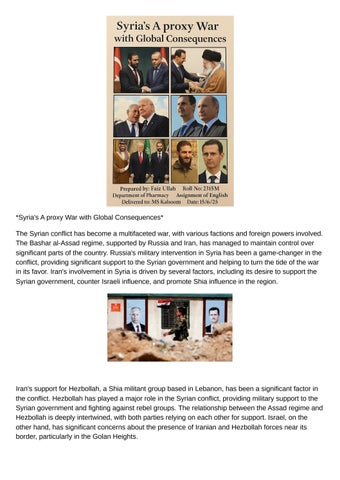

*Syria's A proxy War with Global Consequences*
The Syrian conflict has become a multifaceted war, with various factions and foreign powers involved. The Bashar al-Assad regime, supported by Russia and Iran, has managed to maintain control over significant parts of the country. Russia's military intervention in Syria has been a game-changer in the conflict, providing significant support to the Syrian government and helping to turn the tide of the war in its favor. Iran's involvement in Syria is driven by several factors, including its desire to support the Syrian government, counter Israeli influence, and promote Shia influence in the region.
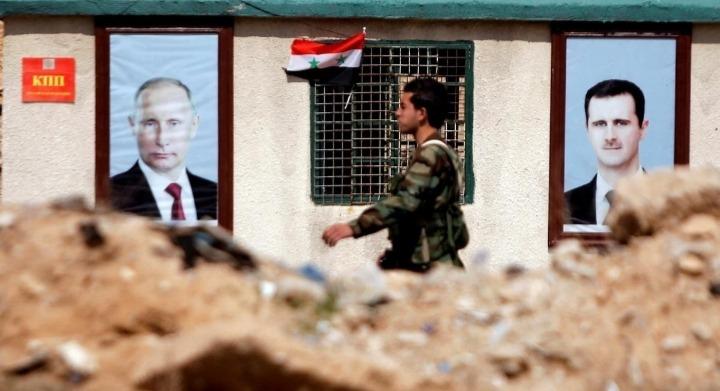
Iran's support for Hezbollah, a Shia militant group based in Lebanon, has been a significant factor in the conflict. Hezbollah has played a major role in the Syrian conflict, providing military support to the Syrian government and fighting against rebel groups. The relationship between the Assad regime and Hezbollah is deeply intertwined, with both parties relying on each other for support. Israel, on the other hand, has significant concerns about the presence of Iranian and Hezbollah forces near its border, particularly in the Golan Heights.
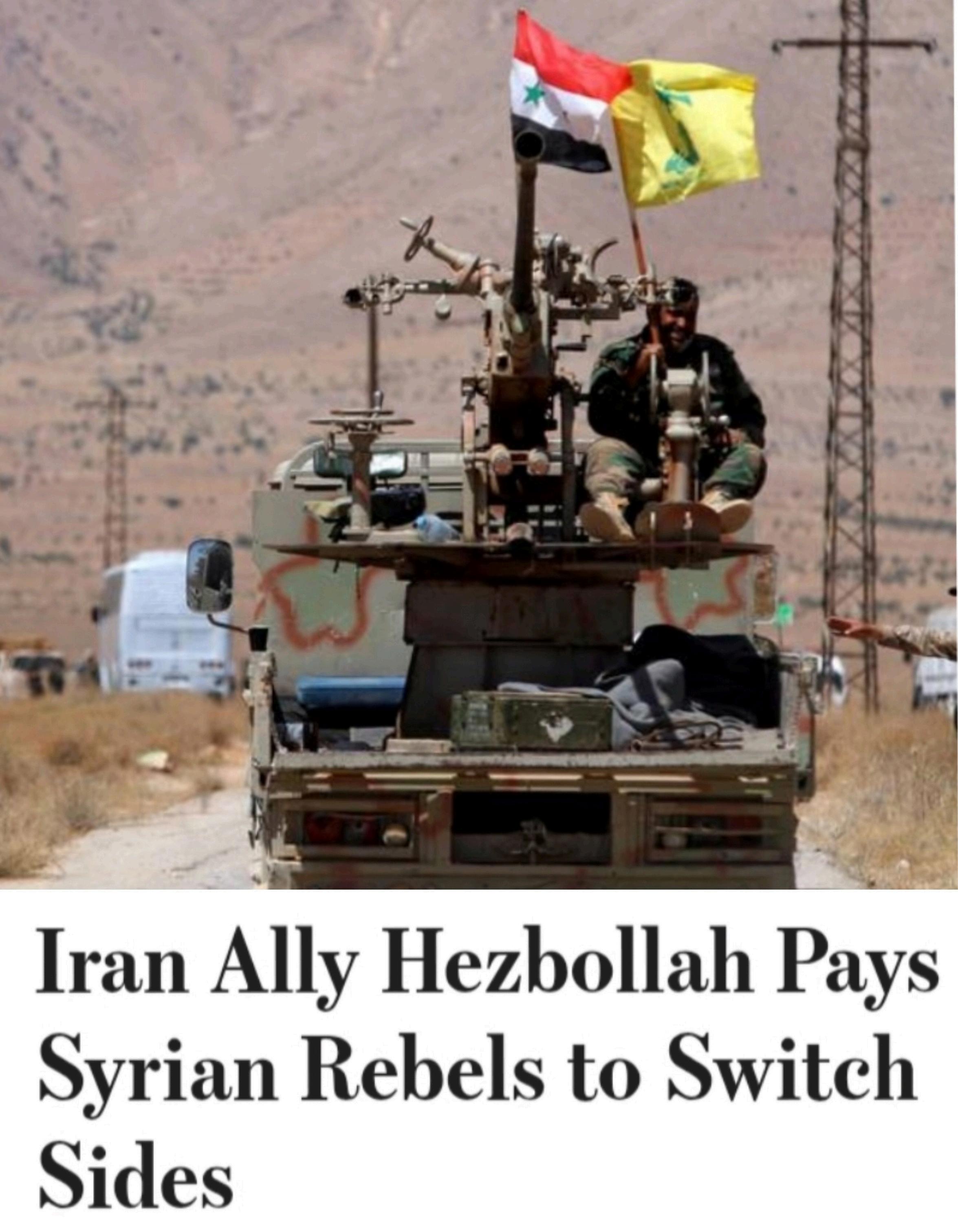
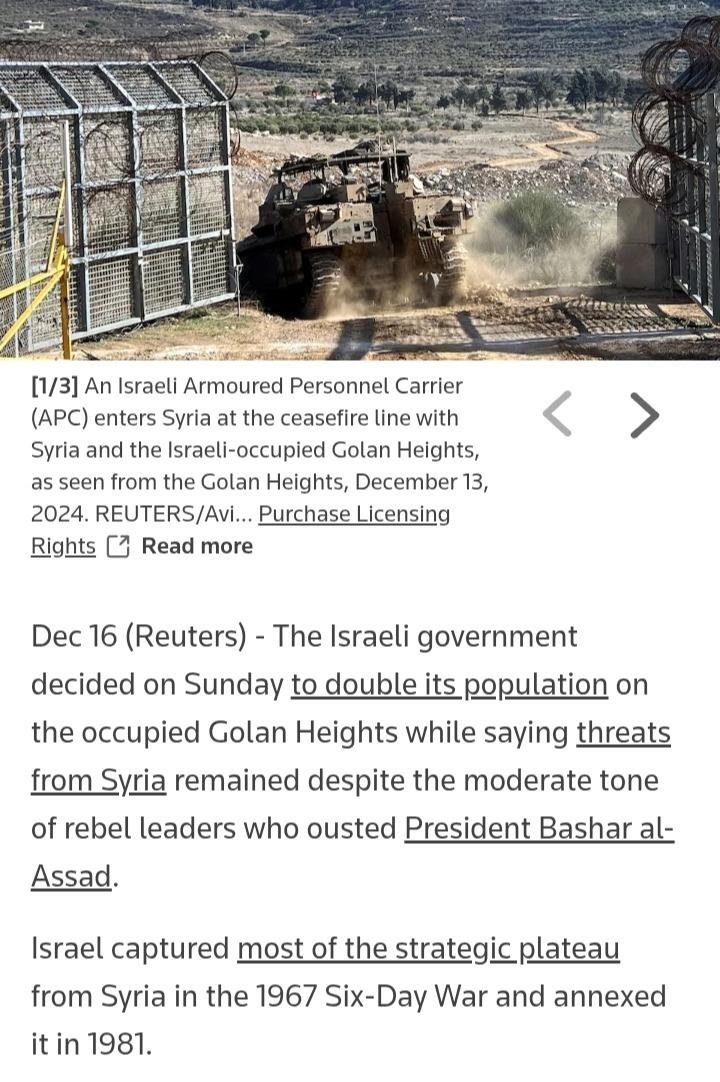
The Golan Heights, a strategic location near the Israeli border, has been a point of contention between Israel and Syria for decades. The Syrian government's loss of control over the region has created a power vacuum, which has been filled by various factions, including Hezbollah and Iranian forces. Israel has conducted several military operations in Syria, targeting Iranian and Hezbollah forces, in an effort to prevent them from establishing a presence near its border
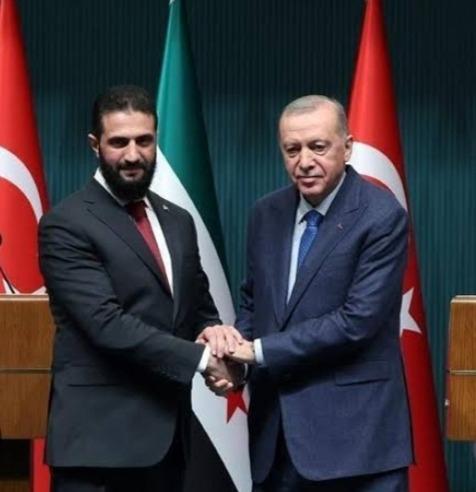
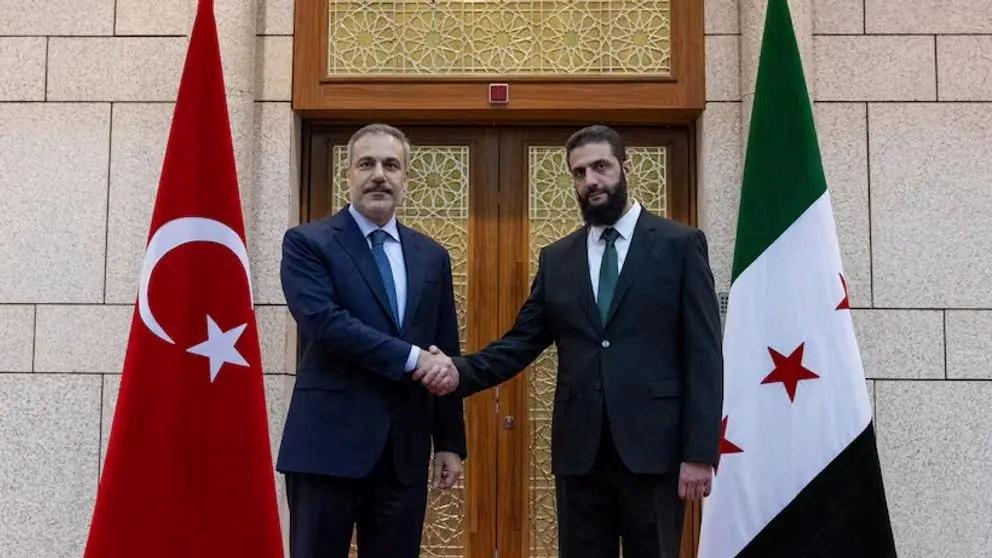
In the midst of the conflict, Turkey has been actively engaged in efforts to support rebel groups in Syria. The meeting between Abu Al-Jelani, a prominent Syrian rebel leader, and Turkish President Recep Tayyip Erdogan, highlights Turkey's ongoing engagement with rebel groups in Syria. This meeting demonstrates Turkey's efforts to navigate the complex landscape of the Syrian conflict and to protect its interests in the region. The first visit of the Turkish intelligence head to Syria also marks a significant development in Turkey's engagement with the Syrian government.
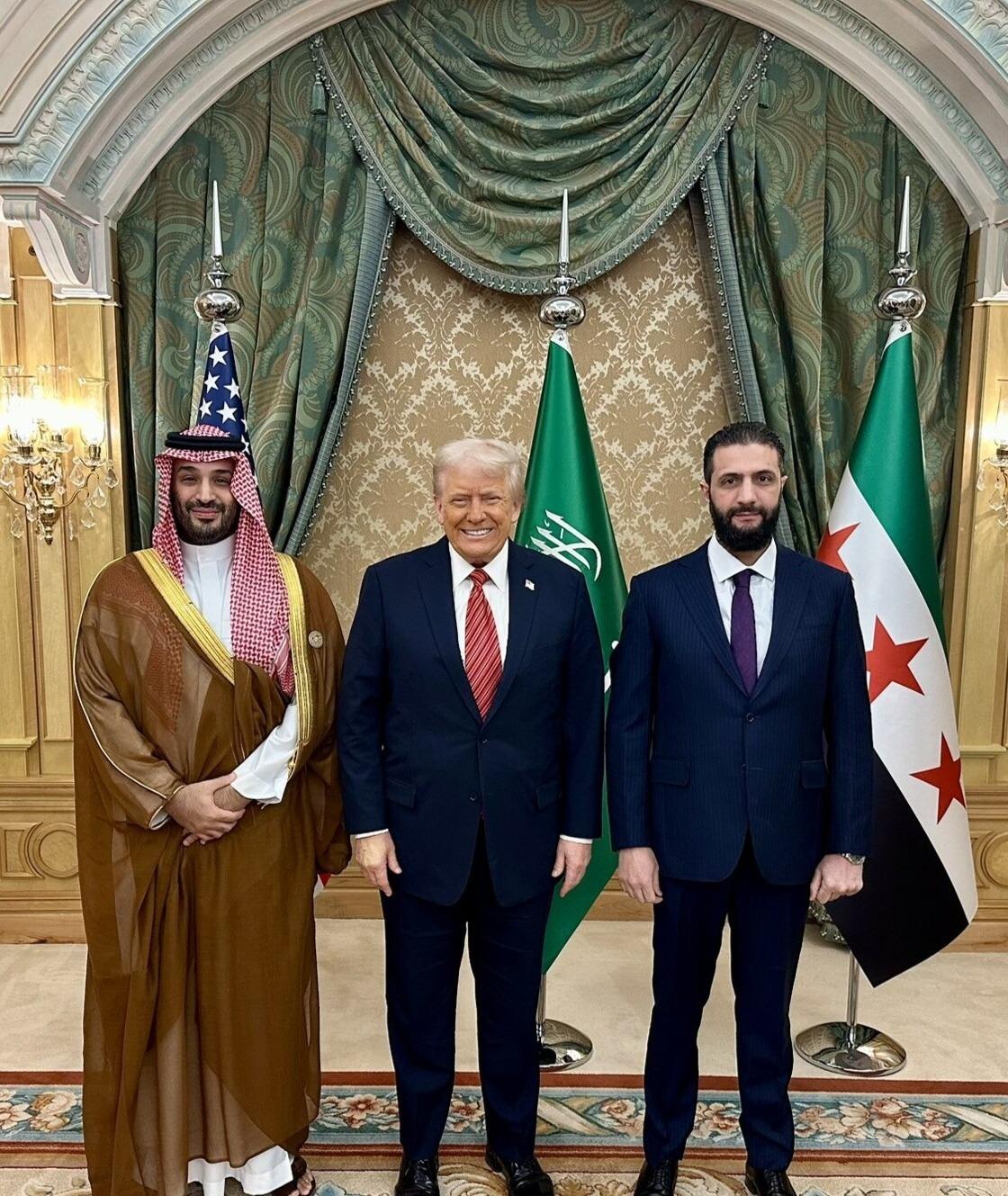
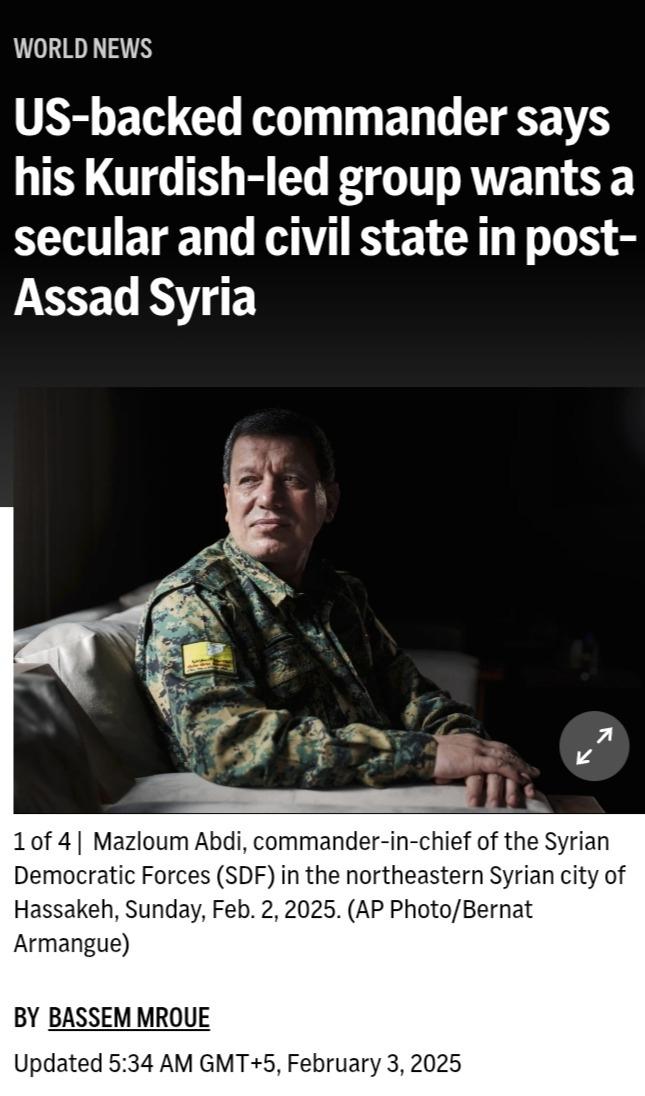
The US has also been involved in the Syrian conflict, with a focus on supporting Kurdish forces in the fight against ISIS. The meeting between Al-Jelani and the US president highlights the complex relationships between various players in the region. The US is seeking to find a solution to the conflict, while also protecting its interests in the region. The Kurdish forces, led by the Syrian Democratic Forces (SDF), have played a significant role in the conflict, particularly in the fight against ISIS.
The SDF has controlled territory in northern Syria and has been a key partner for the US in the region. However, the relationship between the SDF and Turkey is complex, with Turkey viewing the SDF as a terrorist organization. This has created tensions between the two parties, and has highlighted the complexities of the Syrian conflict.
In conclusion, the Syrian conflict is a complex and multifaceted issue, with various players and interests at play The relationship between the Assad regime, Russia, Iran, and Hezbollah is deeply intertwined, and has significant implications for the region. The ongoing conflict has created a power vacuum, which has been filled by various factions, including rebel groups and extremist organizations. The role of external players, including the US, Turkey, and Israel, will be critical in shaping the future of the region. The various meetings and visits that have taken place in recent times, including the meeting between Abu Al-Jelani and the Turkish president, demonstrate the ongoing efforts of various players to navigate the complex landscape of the Syrian conflict. Ultimately, the future of Syria will depend on the ability of nations to navigate these complexities and find ways to cooperate on issues like security, economic development, and regional stability.