National VOAD Board of Directors
Ratified May 2023
National VOAD Board of Directors
Ratified May 2023
by National VOAD Long-Term Recovery Group Committee
Introduction
Chapter 1. Disasters and Long-Term Recovery
Chapter 2 Organizing a Long-Term Recovery Group
Chapter 3 Long-Term Recovery Administration
Chapter 4. Disaster Case Management in Long-Term Recovery
Chapter 5 Construction Management in Long-Term Recovery
Chapter 6 Volunteer Coordination in Long-Term Recovery
Chapter 7. Communications in Long-Term Recovery
Chapter 8 Donations Management in Long-Term Recovery
Chapter 9. Emotional and Spiritual Care in Long-Term Recovery
Chapter 10 Unmet Needs
Chapter 11 When the Work is Finished
Appendices
Appendix 1 Commonly Used Acronyms in Disaster Work
Appendix 2. Common Terms and Definitions
Appendix 3 Federal Disaster Programs
Appendix 4. FEMA Regions Map
Appendix 5 Sample Job Descriptions
Appendix 6 Sample Forms
Appendix 7. Example Documents
National Voluntary Organizations Active in Disaster (VOAD) is a coalition of organizations that prepare for and respond to the recovery needs of America’s communities in times of disaster. Members of National VOAD include dozens of the most reputable national non-governmental organizations in the country while its 56 State and Territory VOADs represent local VOADs and hundreds of additional respected service organizations. With a history of collaboration dating to its founding in 1970, National VOAD member agencies provide skilled direct services along the continuum from disaster prevention and preparedness through relief and recovery National VOAD member agencies provide their services through comprehensive, coordinated volunteer platforms in partnership with emergency managers This cooperative effort has proven to be the most effective way for a wide variety of volunteers and organizations to work together to prepare for and respond to a crisis For more information about National VOAD and its member agencies, please go to http://wwwnvoad org/
Throughout this recovery guide you will find references to other National VOAD resources Of particular importance are the National VOAD Points of Consensus, documents which outline core standards and ethical or operational principles undergirding specific functions of voluntary organizations in recovery National VOAD Points of Consensus are developed and approved through careful, collaborative, and respectful conversation All National VOAD member organizations commit to abide by approved Points of Consensus.
Those who have participated in the creation and updates of this guide hope that it is useful as you embark on your own community recovery National VOAD members and partners have learned much over decades of experience in disaster preparedness and recovery - and we continue to learn from each other and from the communities with which we serve. Those hard-earned lessons are captured in this Long-Term Recovery Guide with our fervent hope that your recovery group will add your own experience as you learn and share the best ways to restore a stronger, safer community for everyone following disaster. Please take the best of what we have to offer in experience and join us in the commitment to helping communities recover Know that National VOAD members are available to you as resources and partners as you take the difficult steps of forming your local long-term recovery effort and coordinating your community’s recovery Members believe that we are all in this together, and that together we can accomplish what none of us can achieve alone
For more than fifty years, disaster organizations across the United States have worked together to provide a structure from which to help disaster survivors and their communities recover after a disaster This process is commonly known as Long-Term Recovery Long-Term Recovery brings together organizations within a community that are focused on helping their community address the needs that arise after a disaster Over time, this collaborative response has strengthened and now both State and Territory VOADs (Voluntary Organizations Active in Disaster) and members of National VOAD play a significant role within a local disaster recovery. However, they should not be the driving force throughout the community’s recovery: as disasters begin and end locally, so does a community’s Long-Term Recovery.
Long-Term Recovery is a phase within the disaster cycle that emphasizes the broad range of work necessary for a community and its residents to achieve recovery, or what is sometimes referred to as a new normal, following their disaster. While many models of the disaster cycle exist, all include three core phases: preparedness, relief, and recovery. In broad terms, work in the preparedness phase is intended to reduce the impact of a disaster and hasten delivery of relief and recovery services Relief activities stabilize life and structures, often by providing a temporary fix This phase can overlap with recovery, which involves bringing permanent solutions to the problems created by disaster, thereby enabling a new normal
The concept of a new normal can be understood as the idea of settling into the rhythms and routines of life after a disaster While life may not look the same as it did before, an individual, family, or community will enter into their routines, such as work, school, faith, and social events, without the disruptions and daily anxiety of the disaster To recover from a disaster, your community will need to address the needs and issues that arise from the disaster’s impact; this is how a new normal is established
The aftermath of a disaster can bring hopeless, overwhelming feelings Needs may seem insurmountable New challenges emerge seemingly daily The size and scope of issues to address make it difficult to envision a clear path forward In spite of all of this, communities do rebuild and become stronger and more resilient through the Long-Term Recovery process Depending on the severity of the disaster and the overall impact to the community, the journey to a new normal can take years The Long-Term Recovery process described in this document has helped countless communities achieve a more effective, efficient recovery no matter the disaster and no matter where in the country the disaster takes place.
Before getting into the details of the different elements of Long-Term Recovery, this chapter explores recovery topics with the purpose of establishing a foundation for approaching the information that follows.
A disaster is a natural or human-caused incident that disrupts normal life and causes any of the following: physical injury/sickness; emotional/spiritual trauma; damage to property; and damage to community infrastructure. Disasters may include a multitude of different events but are not limited to the following: hurricane, tornado, windstorm, flood, tidal wave, tsunami, earthquake, volcanic eruption, landslide, mudslide, snow or ice storm, wildfire, pandemic, explosion, acts of public violence or terrorism, cyberattack, or other human caused or technological events involving toxic or radiological materials. This common understanding of what a disaster is and how it impacts people highlights how the term disaster describes a multitude of events. Each of these events can have differing impacts that will make the recovery unique to the specific community that is affected
Disasters begin and end locally
Because every disaster has a unique impact on the community where it has occurred, it is important that local people and organizations lead the recovery This should be emphasized from the beginning stages of the response A common saying within disaster work is that disasters begin and end locally Draw on local leadership and expertise to successfully lead your community’s recovery from the beginning Recovery efforts that are driven by local leaders and organizations often have a quicker, more efficient recovery process, with a natural inclination towards sustainability, mitigation, and establishing a new normal that the community can collaboratively work to achieve
When a disaster occurs, volunteers and organizations from outside the area will often rush in to help They bring their resources, skills, labor, and expertise at a moment when the community needs help State, regional, and even national partners may come to support the early response effort National VOAD member organizations that come can play a vital role in the relief phase of the disaster, bringing their national volunteers and resources, though they will more than likely be present for only a brief, designated amount of time. Sometimes national members have state or local affiliates who remain present with the community throughout the recovery process. Others focus on Long-Term Recovery, offering their assistance and resources as the early wave of support subsides. The involvement of outside organizations also fluctuates depending on the level of severity of the damage caused by the disaster and the number of households affected.
When these outside partner organizations eventually leave, the community is left to take on their recovery and see it through until the end. Lower attention/lower impact disasters may see little help from outside the surrounding community. Because of this reality, leaders of the organizations who do come to help from outside of the community, whether that is FEMA, the State Emergency Management, or National and State VOAD member organizations, should be striving to encourage and equip local leadership to take the reins early in their recovery One way to do this is to begin the process of establishing a Long-Term Recovery Group (LTRG) as soon as possible following the disaster
The purpose of a Long-Term Recovery Group is to have a designated, centralized, coordinating group of partnering organizations whose common goal is to assist the impacted individuals and families in the community with their Long-Term Recovery. LTRGs encourage community participation and the pooling together of resources to get the most out of the recovery effort. LTRGs also help to communicate up-to-date information, organize volunteers, bring in targeted resources and money, and capture the story of your community’s disaster This ensures that you can recover together, gather valuable information, and apply what is learned throughout the recovery process to the community’s overall resilience for future disasters
The benefits and challenges of having a Long-Term Recovery Group
The benefits of an LTRG include:
● Ensuring that the local community is leading the way towards establishing a new normal and becoming a more resilient community.
● Establishing clear guidelines from which participating organizations agree to approach their recovery operations
● Maximizing the physical, financial, and people resources throughout a recovery
● Providing a structure that can be built on after the recovery goals have been achieved, to make the community stronger through the presence of a COAD (Community Organizations Active in Disaster) or something similar
The challenges of an LTRG include:
● Being inclusive and representative of the community
○ The LTRG should be a snapshot of what the community looks like and should reflect the unique racial, religious, socioeconomic, and other demographic categories that exist within the community
○ This diversity is vital to ensuring that the needs of the entire community are fully represented at and addressed through the LTRG
○ The challenge here is thinking outside of the box to get partners to the table that may have never been asked to participate in a community-wide effort
● Navigating pre-existing organizational or relational issues between organizations or individuals, which can become unique challenges within the stress and tension of a disaster recovery.
● Accessing the needed resources, particularly in small or rural communities affected by a low attention disaster which may not have adequate local resources or enough people to sustain an LTRG on their own. In these circumstances, you may have to get creative with the makeup of an LTRG and how it operates
People commonly confuse the work of first responders with others who respond to provide relief activities that meet immediate needs (such as providing food, water, and shelter). In fact, first responders are professionally trained personnel (such as fire, police, emergency management, and EMTs) focused on rescue and stabilization of the impacted area. Once the first responders have cleared the area for entrance, relief activities can begin. Relief activities may still be ongoing in some places as recovery efforts get underway in other areas of the community While relief activities meet needs for temporary stability (such as through food kitchens, temporary housing, or applying blue tarps), responders who engage in recovery provide services that move affected households to a permanent resolution
With regard to government response, every disaster can be placed into one of three categories: Undeclared, State Declared, or Federally Declared No matter the level of declaration, Long-Term Recovery Groups are needed to enable the community’s recovery Understanding these categories helps to quickly define the level of assistance that will be needed by the impacted community and what level of emergency management will be involved in the response and recovery The emergency management system in the United States depends on the ability of the local government to provide the first level of response Should the magnitude of the incident require a response or recovery effort that exceeds the resources of the affected community, local government leaders may request assistance from the next level of government. This process continues to the state and ultimately to the federal level. The level of declaration is largely determined by the amount of damage that was caused to both individuals, businesses, and the public infrastructure. Local, state, and federal emergency management representatives often work together to perform damage assessments that ultimately factor into this decision. Each level of emergency management has representatives who focus on the impact to the community.
The majority of disasters that happen in the United States fall into this category Whether it’s a small tornado, a localized flooding event, or some other type of hazard, a community can be significantly impacted Many of these events can be addressed with the resources that already exist within the community and do not require the assistance of the State or Federal governments. With the help of emergency responders and local non-profit organizations, communities regularly deal with smaller disasters using locally-identified resources.
Many people who live in rural settings will never see a federal declaration for their disaster because they do not have the number of households or level of infrastructure needed to request a higher level of declaration. This does not mean that these disasters, which are often referred to as low attention disasters, do not cause a significant disruption in the life of the community where they occur or to the households that they impact. Further, any disaster, regardless of the
level of declaration, can be considered low attention. This designation speaks more to the level of resources that are available for recovery and the overall interest from response organizations and the public. These disasters should be handled with the same urgency as larger, more publicized disasters and gleaned for lessons learned about how to better respond and recover from a disaster of any size
When the impact of a disaster exceeds the local community’s ability to completely respond with their own resources, the state government has a responsibility to step in with aid and resources This can happen by a local emergency manager or other government official simply requesting for the state to get involved. A governor can then open the community up to the resources of the state.
When the impact of a disaster has reached a level that will need more resources than the local and state governments are able to provide, a federal declaration can be made This happens when a governor requests the federal government to make a disaster declaration Following this request, the Federal Emergency Management Agency (FEMA) typically will send staff to begin a Preliminary Damage Assessment (PDA) in conjunction with the State Emergency Management Agency (SEMA) Results of completed PDAs are reviewed to determine whether or not the damages meet the threshold for any of the different types of federal declarations
The process followed to determine a federal disaster declaration and to make available federal resources comes through the Stafford Act The Robert T Stafford Disaster Relief and Emergency Assistance Act, Public Law 93-288, was enacted to support tribal, state, territory, and local governments and their citizens when disasters overwhelm the local capacity This law establishes a process for requesting and obtaining a Presidential disaster declaration, defines the type and scope of assistance available, and sets the conditions for obtaining that assistance.
Two types of disaster declarations are provided for in the Stafford Act: emergency declarations and major disaster declarations. A variety of federal assistance programs are available, depending on the declaration. However, not all available programs are accessed (or “turned on”) for every declaration; the specific programs will vary based on assessed need and request. The most common programs to be accessed include Public Assistance (PA), Individual Assistance (IA), Hazard Mitigation (only available under major disaster declarations), and Small Business Administration (SBA)
Public Assistance helps to address the damage caused to public property, roadways, infrastructure, businesses, and more, and provides the resources to help make the repairs needed to allow the community to begin to function again in as close to its pre-disaster state as possible
Individual Assistance provides assistance to individuals and households impacted by disaster. Grants, loans from the SBA, Crisis Counseling Programs, Disaster Case Management Program (DCMP), Temporary Housing, and other types of assistance may be available.
Hazard Mitigation helps with steps to prevent or minimize damage from future disasters.
Small Business Administration may provide loans at low interest rates to help individuals, families, and businesses recover. While a common misconception is that these loans are only for small business owners, this is not true: any affected household is eligible to apply. The reason it is used is because the SBA is the only branch of the federal government that can make loans to individuals.
For more information on government programs, refer to Appendix 3.
A Long-Term Recovery Group (LTRG) is a cooperative body that is made up of representatives from faith-based, non-profit, government, business and other organizations working within a community to assist individuals and families as they recover from disaster It can take time to pull these organizations together; patience and trust are essential to LTRG formation
LTRGs are as varied in their structure as are the communities in which they work The personality and operation of each group is unique and reflects local needs, available resources, cultural diversity, leadership style, and community support With increasing tools for gathering virtually, some LTRGs nevertheless may favor in-person gatherings, while others may find virtual events increase accessibility and engagement. No matter how a group is structured or what it calls itself, the goal is the same: to unite recovery resources with community needs in order to ensure that even the most vulnerable in the community recover from disaster.
In preparing for or responding to disasters in your community, it is helpful to identify agencies and organizations that commonly provide disaster services These organizations are prospective partners for recovery and may be able to assist in the formation and development of your Long-Term Recovery Group. They may include members of the local and State or Territory Voluntary Organizations Active in Disaster (VOAD) and of National VOAD (refer to www.nvoad.org). Primary stakeholders may also include civic organizations, social service agencies, local houses of worship, community foundations, community health groups, mental health agencies, information and referral services, the private sector, and members of local government including personnel from local and state emergency management (EMA). Staff from the Federal Emergency Management Agency (FEMA) may provide support Partner agencies can
● Convene stakeholders to share information concerning the disaster and plans for recovery.
● Identify disaster-related unmet needs and coordinate resources to assist in recovery
● Mentor and/or provide ongoing training throughout the recovery process
● Provide financial and other resources that will be needed in the recovery
● Provide the venue for meetings and/or office space
● Allocate staff time to support or provide a variety of roles and functions
It is important to build a strong foundation for long-term recovery, which means taking the time to obtain buy-in from as many local partners and stakeholders as possible. Note that while in-person meetings and trainings provide advantages especially for relationship building, much of what follows may be achieved with virtual events. The following initial steps are suggested:
● Convene a meeting of prospective partners and other concerned stakeholders to discuss the impact of the disaster on the community as well as possible approaches to recovery Inviting partners who have experience with previous disasters into the conversation as the LTRG is being formed can accelerate the process These partners may exist within the community, work regionally, or may be affiliated with your State/Territory VOAD
● Select from the group a facilitator, convener, temporary chair, or steering committee and agree on some basic ground rules so that an orderly meeting can be held
● Spend adequate time on introductions. Building relationships among recovery partners strengthens the LTRG’s ability to live out National VOAD’s 4 C’s: Cooperation, Communication, Coordination, and Collaboration. Knowing who is in the room goes a long way toward knowing what roles may be readily met and what gaps need to be addressed as the community structures a holistic response for long-term recovery.
● Collect information on the disaster. Before you can move forward, it is important to understand the size and scope of the task ahead Relationships with the local office of emergency management and the statewide Emergency Management Agency/state office of Homeland Security will help obtain much of the information needed This will inform decisions regarding the scope of an LTRG’s work as well as the resources that will be needed Note that information gathering is an ongoing process as many people may not come forward with unmet needs for months (or longer)
● Helpful information includes:
○ Basic population demographics
○ Formal and informal community leadership structures and their roles in the disaster response
○ Geographic size of the impacted area
○ Number of individuals and families affected
○ Number of owner-occupied homes affected and the level of impact
○ Number of rental properties affected
○ Number of businesses and public services affected
○ Other effects on individuals and families (high unemployment, etc.)
○ Political and cultural subdivisions or jurisdictions involved
○ Vulnerable populations affected by the disaster, such as elderly, low income, single parent households and persons with disabilities
● As needs arise for further information and training within the LTRG, the State/Territory VOAD has access to the Recovery Tools Workshops (RTWs) through NVOAD The RTWs provide an introduction to the functions of an LTRG to help you make informed decisions about what your community needs for its recovery
All LTRGs, regardless of size or structure, should have a mission statement. A mission statement is a formal, short, written statement that will guide the actions of the LTRG by stating the overall goal for the recovery and providing a sense of direction. It’s important to take the time to determine what your mission will be. Here are sample mission statements:
❖ The mission of the LTRG is to provide recovery services to individuals and households affected by the disaster in . The goal of the LTRG is to enable all residents to recover from the disaster to the extent possible given available resources.
❖ is a Long-Term Recovery organization whose mission is to provide disaster recovery services to individuals and families affected by the disaster. Formed by community representation from counties, our goal is to ensure that all unmet needs are met and homeowners with few resources and no other means to recovery are assisted in becoming whole again.
❖ The mission of the LTRG is to provide disaster recovery services to individuals and families affected by the disaster. Services will be provided regardless of the individual's race, creed, color, gender, ethnic background, sexual orientation, disability, or religious preference employing financial policies and procedures to ensure LTRGs’ assets are utilized for recovery in accordance with donor intent/restrictions and with direction from the Steering Committee
❖ The purpose of LTRG is to partner with faith-based organizations, volunteer and social agencies, governmental agencies, community organizations, businesses and individual volunteers to address the spiritual, emotional, and physical needs of the individuals and families affected by the event
For internal clarity, and especially to communicate to potential partners and funders, a nondiscrimination policy should also be adopted It can be as simple as, “Resources and services will be provided regardless of the individuals’ race, color, religion, creed, ethnicity, gender, gender identity, sexual orientation, citizenship, or military or veteran status ” If your LTRG will hire staff you can add “employment” to the beginning of the statement Please note that age and disability are intentionally left off because they are often considered in prioritizing who gets help; adjust your policy accordingly
As the mission statement helps to define the need, the philosophy, and the services that the LTRG will provide, the bylaws, even informal, help identify how the LTRG intends to operate organizationally and how it will relate to the larger community Of particular importance within the bylaws is defining the governance structure for the LTRG. Sample bylaws can be found in Appendix 7.
If the structure for your LTRG is more formal, especially if you choose to apply for your own 501(c)3 status, then the bylaws likewise need to become more formal. It is recommended that you seek legal counsel should you go in this direction. Within a disaster affected community, attorneys are often willing to support the long-term recovery effort and offer services pro bono.
It will become clear after your first meeting that some form of organizational structure is necessary. The form that your LTRG takes can be highly structured (formal organization with board of directors, management team, and staff) or loosely structured (committee made up of representatives from local agencies involved in the recovery). There are challenges and benefits to each approach. In low attention disasters, many people may wear multiple hats or responsibilities can be condensed into a simplified structure. The key is to identify stakeholders who are committed to the recovery of their community and to the Long-Term Recovery process This group should then deliberate the challenges and benefits and decide on the structure that works best for your recovery
Regardless of the structure of your LTRG, oversight and accountability (i e governance) is extremely important to a successful Long-Term Recovery. Your LTRG will be handling financial resources and confidential information while providing aid to people in the community who have been impacted by the disaster Proving itself to be trustworthy in the eyes of the community and its supporters is important for the success of your LTRG
While the governance structure can take different shapes, it may include a Board of Directors or Executive Committee which sets the direction for the group and provides ongoing oversight The Board ensures that all actions align with the Mission Statement Specific tasks may include: setting up the LTRG; appointing or hiring the Director and Chairs of all Function Committees; and establishing a Mission Statement, Job Descriptions of Functions/Committee Chairs, and establishing other needed Policies and Guidelines
Some responses also benefit from the existence of a Steering Committee In smaller, low attention disasters, Members of the Board may also sit on the Steering Committee The Steering Committee is led by the LTRG Director and is composed of the Chair of each Function Committee It is empowered to act on behalf of the full Board and is responsible to the Board including for providing regular reports
Members of the governing body should reflect the diversity of the disaster-affected community and possess leadership skills along with the ability to work collaboratively Further, these members should have sufficient authority from the organizations they represent to speak and make commitments on behalf of their organization LTRG leadership may emerge from:
● Community-based organizations that have extended their regular programs to include disaster recovery needs
● Faith-based groups and organizations with disaster services.
● Private sector and civic groups.
● Religious leaders or their representatives.
● Volunteers with expertise in relevant fields (such as accounting, legal matters, grant writing, human resources, communications, marketing, and building trades)
● Any organization providing resources in the recovery process
● Emergency management or local government (typically in a supporting or advisory role)
To have a better understanding of who might serve within LTRG leadership, it may help to consider the tasks that members of the governing body might need to pursue While the specific tasks will vary from one LTRG to the next, determined in large part by the size and scope of the recovery, the governing body will perform at least some of the following tasks:
● Ensure that the LTRG adheres to its mission statement.
● Determine the organizational and operational structure for the LTRG, including setting a meeting schedule and establishing a common communication platform.
● Develop a plan for staffing based on the structure adopted and hire or coordinate staff as needed (could be paid and/or volunteer).
● Develop short-term and long-term goals for the LTRG.
● Develop operational policies and procedures, including assistance guidelines and criteria for meeting disaster-related unmet recovery needs (policies need to be responsive to emerging needs and fluctuating resources)
● Identify and develop resources, including human, material, and financial and ensure fair and equitable distribution of resources
● Determine a system of financial management, reporting, and accountability
● Determine whether to incorporate and how financial resources will be handled, either by utilizing the non-profit status of one of its member agencies for receiving and handling financial contributions or by applying for its own 501(c) 3 status (see below)
● Establish organizational bylaws as needed
● Elect officers from within the body.
● Meet regularly, record minutes of all meetings, and make them available to the public.
● Develop a communications plan, thus ensuring that all stakeholders, including the general public, are kept informed about structure, policies, and program development.
● Especially important to the long-term viability of the LTRG is publicizing success stories early and often.
● Obtain liability, officers, and other insurance as needed.
As your LTRG forms, it will be important to develop guidelines for who you will help as well as the kinds of services you will provide.
The LTRG makes decisions about the broadest range of people who will be served. Partner agencies may serve focused populations within that broad range (for example, one community organization may focus on helping veterans) or have specific priorities for granting funds (such as seniors, single parents, renters, or persons with disabilities)
The LTRG makes decisions about what criteria will be used to determine eligibility and prioritize the order of response. Keeping in mind the caveat above (that partner agencies may be directed by their own policies and guidelines), the LTRG nevertheless is responsible for providing a framework for prioritizing needs and shaping the allocation of resources
Other questions will also arise, depending on the level of organization the LTRG adopts and the extent of activities it coordinates For example, questions related to renters and rental properties are common. Depending on when your LTRG is formed, you may need to consider whether or how to support rental assistance, temporary housing, or relocation assistance. If your LTRG is going to get involved in home repair and reconstruction, it will need to consider a range of questions. The following list of questions will look different in every disaster as will the answers. Some will be an automatic ‘yes’ in one setting, a definite ‘no’ in another, and a point for careful consideration in others.
● Main structure only?
● Deferred maintenance / pre-disaster issues not impacting structural or functional integrity?
● Detached garages / outbuildings?
● Mobile homes?
● Fencing?
● Driveways or private bridges?
● Sump pumps or other drainage systems?
● Personal wells?
● Appliances?
● HVAC?
● Rental properties?
● Small businesses?
The LTRG will be handling money entrusted by individuals, foundations, and other organizations As such, all funds under control of the LTRG should be administered through a legal not-for-profit entity There are a couple of ways to accomplish this which can impact who
donations are treated as well as who retains overall control of funding. Please note that what follows is not legal advice and consultation with an attorney may be advisable for your situation.
The LTRG may seek out an existing not-for-profit organization to serve as its fiscal sponsor. This may be beneficial for an LTRG that is small or may be of short duration. The following should be in place:
● The fiscal sponsor has internal safeguards and record protection procedures, as well as the ability to provide regular financial reports to the LTRG.
● Annual external audits are conducted by the fiscal sponsor.
● The purpose of the LTRG is in alignment with the mission of the fiscal sponsor.
● The fiscal sponsor has oversight over the use of funds.
● The LTRG should establish a written Memo of Understanding (MOU) with the fiscal sponsor (see sample MOU in Appendix 7) If the fiscal sponsor imposes a fee for services, that should be articulated in the MOU Details regarding the disbursement of funds, purchased materials, and other resources at the conclusion of the agreement should also be spelled out
Alternatively, the Internal Revenue Service grants 501(c)3 status to not-for-profit agencies engaged in charitable, educational, or religious activities, thus allowing donors to claim a tax deduction for their gifts Incorporating and obtaining legal 501(c)3 status for your LTRG is not terribly complicated, though it does take some time and carries with it obligations for providing receipts and regular financial reporting as well as an annual tax filing Seek legal counsel for more information if your LTRG chooses to incorporate as a not-for-profit agency LTRGs with 501c(3) status may manage their own financial resources or engage a partner to serve as their fiscal agent for financial administration.
More information is available in Chapter 3: Long-Term Recovery Administration
The type of organization you choose for your recovery can be informed by having a good understanding of the community’s disaster related unmet needs and the population who will be served Chapter 10 provides a more in depth discussion of these considerations
Once the Long-Term Recovery Group (LTRG) has formed, established its mission, and defined the structure under which it will operate, the next step is to begin managing day-to-day operations and service delivery Based on the LTRG structure and the resources of partner agencies, the recovery program will be coordinated either by staff whether paid, volunteer, or a mix of both or through a mutual decision-making process involving participating agencies Oversight of this decision-making process will be an ongoing responsibility of the LTRG governing body.
As a reminder, regardless of the LTRG structure you choose, several common elements will embody its day-to-day operations. Each of these elements represents a critical building block that is important to the overall success of the program. At the most basic level, collaborative long-term recovery involves:
1. Identifying individuals and families with disaster related unmet needs in your community.
2. Providing a process to verify needs (typically through case management), access untapped resources, and prioritize how remaining needs will be met.
3. Allocating resources (funds and material goods) and delivering services to meet those disaster related unmet needs.
Financial resources can make or break a long-term recovery program Once again, the structure of your program will dictate the degree to which you will be involved in the financial side of recovery; however, regardless of the structure, the LTRG will need operating funds The LTRG and your partner agencies will need to identify and acquire not only the resources to meet the unmet needs in the community, but also those necessary to fund administrative expenses
Keep in mind that at this stage you are developing a preliminary budget Most LTRGs have difficulty coming up with a comprehensive budget early in the program and that’s okay In early planning, what’s important is learning about your need for resources A preliminary budget, therefore, should show all of the expense categories that are anticipated, including: administrative expenses such as salaries, facility costs, utilities, communications, and other office expenses; volunteer related expenses; and client related expenses such as materials, services, and paid contractors
Having a more comprehensive budget will be important when you solicit funds from foundations and other organizations. Once the program is up and running, the budget can be adjusted based on actual experience. It will be the responsibility of the governing body to monitor income and expenses and make adjustments as needed.
A thorough community-wide unmet needs assessment can provide valuable information for your budget in the area of client expenses. It will also give you a basis for estimating your administrative structure and associated expenses.
Critical to long-term recovery are the people who oversee the day-to-day operations of the recovery program and guide the process. This group may consist of paid staff or volunteers from partner agencies and the community. The structure of your LTRG will inform the makeup of your administrative staff (between paid and volunteer) and required facilities (office, phone, etc.). Many groups struggle because they neglect these factors, thinking that they can run a long-term recovery effort on a limited budget.
Recruit and supervise paid or volunteer staff:
● Assess both the need for and the availability of personnel.
● Consider potential positions (paid or volunteer) that the LTRG will need in order to provide effective services and assistance to disaster clients An LTRG may employ a program director (or coordinator) and one or more case managers, construction coordinators, and volunteer coordinators
● Develop job descriptions for each position (sample job descriptions can be found in Appendix 5)
● Partner agencies around the table can sometimes provide part-time or full-time staff
Adopt human resource policies:
● Implement administrative policies and procedures which may include paid and/or volunteer staff, salaries, payroll schedule, hours worked, paid and unpaid leave, holidays, job related expenses, reimbursements, employee benefits, sick leave, etc.
● Administer policies for handling grievances, complaint resolution, anti-discrimination practices, anti-harassment policies, drug testing, background checks, etc
● These may be adopted or adapted from a partner agency or other resources outside the LTRG
Locate facilities & equipment:
● Establish office space (paid or donated) that is secure, visible, ADA compliant, and accessible to the disaster-impacted community
● Identify volunteer housing (donated or fee-based) with consideration for associated costs, such as furnishing and food expenses (see Chapter 6 – Volunteer Management)
● Designate a warehouse or supply depot (see Chapter 8 – Donations Management)
Identify the primary system of record:
● Determine options and reach consensus on which system will be used for documenting the work of the LTRG
● Define the data and information to include in reports to be produced on a weekly / monthly basis
● Determine how files and records - whether paper or electronic - will be managed, where they will be physically located, and who is responsible for them
The disaster related unmet needs in your community and the scope of your program will dictate the amount of financial, volunteer, and other resources needed to carry out your mission. The earlier the LTRG begins its program the better – donors are more apt to give when the disaster event is still fresh in people’s minds.
funds and other resources
The preliminary budget discussed above will begin to identify the kinds of resources needed to support your program, including human, material, and financial You will also need to develop a plan on how to locate those resources The first place to look is within the local community itself Every community has resources (or assets) and should always take the lead with its own recovery. “Asset mapping” is a technique for identifying those local resources.
Asset mapping
● Start with what is present within the community: volunteers, referral services, disaster response and other social service agencies, media outlets, community foundations, corporations, faith communities and other religious institutions, local government, and others
● Identify individual client capacities and abilities for recovery (this can be accomplished through the disaster case management process and/or a community wide unmet needs assessment process)
● Promote connections or relationships between individuals, between individuals and organizations, and between organizations, encouraging them to share resources as they help to meet the needs of the wider community.
● Stress local determination, investment, creativity, and control.
● Create directories of social services or augment directories that may be maintained by Information and Referral agencies within the community such as 211.
Fundraising should begin the moment a disaster occurs. This effort becomes more intentional once you have developed your preliminary budget and have evaluated the resources from within the local community
● It is critical to engage local foundations early, even while the LTRG is still forming When you have a better idea for the needs, then you can make more specific or targeted requests
● Establish partnerships with community foundations, local banks, and chambers of commerce to assist with unified, targeted fundraising.
● Develop a plan to raise the additional funds needed, including personal and family resources, grants from community and corporate foundations, planning special community fundraising events, direct mail appeals, internet platforms, state or national faith based organizations, civic organizations, and others.
● Identify sources for funds that are outside the community. Consider where large populations of the community are employed.
● Investigate available public funding streams (FEMA, SBA, HUD / HHS block grant funds, disaster unemployment, workforce development, etc ) Your FEMA Voluntary Agency Liaison (VAL) and local and state government officials may help with information for these possible resources Be aware that if public funding resources are made available they are activated at different times, from early in the recovery to over a year after the event
An LTRG must assure its donors of its responsible use of resources Effective financial management and controls will make it difficult or impossible for organizational funds to be used improperly and will help to ensure regular and accurate reporting It is the responsibility of the governing body, along with your fiscal agent, to ensure that good financial controls are in place Please note, if your LTRG utilizes a fiscal agent, that agency will provide much of the processes and protocols listed below Also note that the full scope of your LTRGs implementation of financial controls will scale according to the size of your recovery What follows is a comprehensive list of best practices for your consideration
Financial controls and systems are important as the current climate of heavy scrutiny makes grants contingent upon an identified process for receiving funds, disbursing funds, and reporting the use of funds A good financial control system will focus on transparency and accountability Key considerations are as follows:
● All incoming-funds should be independently seen, recorded, banked, and accounted for by two or more persons
● Someone other than the person who opens mail should compare each incoming check with issued receipts
● All expenditures should be approved by someone other than the person who signs checks.
● Someone other than the person who issues checks should do monthly bank reconciliation.
● Require at least two signatures on all checks.
● Checks should never be signed ahead.
● A Balance Sheet presenting the LTRG’s assets and liabilities should be produced at least quarterly
● A monthly Statement of Income and Expenses, with line item detail of project/program income and expenses, should compare the current period’s fiscal performance as well as the year-to-date income and expense performance to the annual budget.
● In addition to demonstrating a level of leadership and vision, a simple analysis of budget variances (i.e. “why did we over- or under-spend in a particular area?”) is helpful in keeping an LTRG on track and in future programmatic decision-making.
● Financial reports should present information in the same format in each reporting period.
● In the organizing process, an LTRG should look to the community for a CPA (or professional bookkeeper) willing to serve as a consultant to the Board An unbiased, trained set of eyes reviewing financial controls and procedures on a regular basis (perhaps as often as quarterly) during the formative stages of the LTRG can make sure a solid money-handling and reporting system avoids problems. Your CPA consultant may be willing to donate audit services for the annual audit.
● Make the audit process the foundation of your financial controls. Audits by certified public accountants assure the Board and funders that an organization has adequate controls, but an annual audit may be too late if proper controls have not been implemented early on.
● Reporting to donors and contributors is hard work that goes beyond the appeal to include:
○ reporting the use of donated funds and goods including the numbers of individuals and households assisted;
○ interpreting the nature of the assistance provided and how it enabled recovery for recipients who would not otherwise have completed recovery on their own; and
○ identifying on-going and emerging needs.
● Some donor organizations designate funds and/or require written or electronic reports at particular stages of expenditure These requirements should be met in a timely manner
● Other donor organizations will not require such tight reporting, but should receive regular reports (such as updates on emerging victim/survivor needs, funding needs, and monthly financial reports)
● All financial donors of substance should receive copies of annual audits
● An LTRG receiving in-kind material or equipment for its own use should develop and implement a system for tracking ownership (e.g., loaned or donated).
● Inform board members and staff on the financial management system implemented in order to assure their understanding of the financial reports
● Staff will be able to better manage program budgets and project their caseload needs if there is a transparent sharing of financial reports
● Establish policies on retention of financial records
Identifying the unmet needs in your community, developing a budget, setting up an administrative structure, and figuring out where necessary resources will come from are all foundational steps for sustaining the work of long-term recovery The heart of the day-to-day program comes in managing cases, allocating resources, and delivering services, which are described in the upcoming chapters
For further information, refer to each chapter as noted:
Disaster Case Management – Chapter 4
Construction Management – Chapter 5
Volunteer Coordination – Chapter 6
Communications – Chapter 7
Donations Management – Chapter 8
Emotional and Spiritual Care – Chapter 9
Unmet Needs – Chapter 10
When the Work is Finished – Chapter 11
Monitoring your program and evaluating progress regularly will ensure the ongoing success of the LTRG. It’s important to set a schedule for generating and reviewing program reports. In
addition to confirming that progress is being made, this will also help to encourage support from donors and continued community involvement and it will provide data useful in planning for possible future responses. Program results can include the following:
● Number of individuals and households receiving help through your LTRG.
● Number of individuals and households returned to safe and secure permanent housing.
● Decreased vulnerability in the community.
● Increased community resilience.
● Total dollar amount of financial assistance provided to individuals and households through your LTRG
● Total funds raised through your LTRG (identifying significant sources)
● Number of volunteer hours and sources of volunteer force
○ This information is also helpful when applying for grant funds and when communicating a more complete story about the disaster
○ Early in the recovery, these hours can count toward the share of community spending requirements which can save substantial funding; be aware that there is a deadline and specifics for this requirement - talk with your state Emergency Manager for more information
Conduct transparent, periodic reviews of the work being done by the LTRG in order to measure the progress of your program Gather this information from the committees of the LTRG Possible questions for the review process:
● Are we sticking to our mission?
● Have we identified the most vulnerable in the community?
● How well have we been able to locate the resources and services needed?
● Are we staying on budget and allocating available resources effectively?
● How many clients have been assisted?
● What kinds of assistance have been provided?
● How many homes have been repaired and/or rebuilt so that clients can return to their homes?
● How many volunteers have participated in the recovery process and how many hours of work were contributed?
● Are we working in ways that will mitigate the effects of future disasters?
● Will the community be more resilient as a result of our efforts?
● What things are going well with the program?
● What things might be done differently?
● What might be done to better prepare us for response to the next disaster? What are the lessons learned and best practices identified?
In addition to ongoing reviews, the leadership of the LTRG should conduct a final evaluation of the program (see Chapter 11 for more on this) This evaluation should include input from:
● Client surveys
● LTRG partners, board, and staff
● Donors
● Local government including state and local emergency management
The final evaluation should examine how the mission, goals, and objectives of the LTRG were pursued, adapted, and accomplished
Your donors, partners, and the community as a whole deserve to be thanked, so don’t be afraid to celebrate once your program is complete Make the clients’ stories the centerpiece in written and spoken word, surrounded by the visual of a pictorial record, and remind the community to thank the agencies and grassroots groups who embraced their neighbors in need
Recovery is not only about the restoration of structures, systems and services – although they are critical. A successful recovery is also about individuals and families being able to rebound from their losses, and sustain their physical, social, and economic well-being.1
Disaster recovery encompasses interventions at the community level as well as with individuals and households. While there is interdependence between the recovery of the community’s infrastructure and the recovery of individuals and families within that community, the mechanisms for their recovery are distinctly different.
Disaster Casework and Disaster Case Management support the empowering of affected individuals and families and the addressing of their basic and recovery needs.
Disaster Casework is early intervention provided by skilled helpers who aid survivors in taking next steps in their recovery. Interventions include providing accurate and timely information and referral, identifying resources to meet urgent needs, and screening for disaster program eligibility, including long-term Disaster Case Management.
This early intervention
● Helps to address immediate, urgent, and transitional needs after a disaster
● Minimizes the risk of duplication of benefits which may pose barriers for recovery.
● Assists in the restoration of pre-disaster social service benefits for qualified individuals.
● Provides clients with information on the importance of record keeping for future assistance.
Disaster Casework is often initiated in the relief stage of disaster response. It may complement Disaster Case Management in the recovery stage when a handoff is facilitated.
The Disaster Caseworker empowers the disaster survivor to effectively access the resources available in accordance with the sequence of assistance for disaster recovery. Generally, Disaster Caseworkers have short-term relationships with disaster survivors. The Casework process does not necessitate continuity of care from the same Caseworker. However, Disaster Caseworkers promote continuity of care by assisting with the transitioning of cases to case
1 National Disaster Recovery Framework, draft 02/05/10, p. 2.
managing organizations (from relief Casework to Disaster Case Management) when needed and requested by clients.
● Provide information and referral services.
● Offer short-term planning and referrals for basic and immediate needs.
● Transition clients with additional needs to Long-Term Recovery Disaster Case Management, including transfer of records.
Disaster Case Management is a time-limited process by which a skilled helper - a Disaster Case Manager - partners with a disaster-affected individual or family (client) in order to plan for and achieve realistic goals for recovery following a disaster. This comprehensive and holistic approach to recovery extends beyond providing relief, providing a service, or meeting urgent needs.
The Disaster Case Manager serves as a primary point of contact, assisting the client in coordinating necessary services and resources to address the client’s complex disaster recovery needs in order to re-establish normalcy. Disaster Case Managers rely on the client to play an active or lead role in his/her own recovery and provide information and referral throughout the process.
The Disaster Case Management process involves:
● Outreach
● Screening and intake for case management services
● Assessment and verification of disaster recovery needs
● Helping client create a Recovery Plan
● Action and advocacy (coordination and implementation)
● Monitoring recovery progress
● Closure
Disaster Case Managers must develop a Recovery Plan in collaboration with each client to be used as the road map to help them achieve their recovery The Disaster Case Manager utilizes objectives and goals that are specific, measurable, achievable, realistic, and time sensitive This helps provide a clear direction to work towards and a definitive end of Disaster Case Management once those goals have been met A Recovery Plan is a living document to be revised and updated as the recovery progresses
Disaster Case Managers directly provide, refer, or otherwise arrange for individuals and families to receive needed services and resources identified in their Recovery Plan through the following actions:
● Networking with other organizations to guide clients through the sequence of delivery without duplication of benefits or services.
● Advocating with and for clients through activities including but not limited to:
○ preparing for and making case presentations on behalf of the client;
○ actively participating in Long-Term Recovery Groups where such exist; and
○ providing support and advocacy with governmental and non-governmental agencies and organizations when necessary
Disaster Case Management personnel are qualified as determined by their sponsor or hiring organization by life experience, skills, education, and training to access and coordinate services for the populations served Disaster Case Managers may be employees or volunteers Disaster Case Managers demonstrate helpful inter-personal skills and ethical conduct
Disaster Case Managers adhere to the following underlying values for service:
● Caring and compassion for all people is the foundation for their work
● Work is accomplished in a respectful, non-judgmental, and non-discriminatory manner
● Trust, mutual respect, and equal partnerships of survivors and community service providers are essential elements of our work
● All people have inherent dignity, worth, and autonomy
● Human relationships are essential to hope and healing
● Integrity is an essential component of our work and service in helping survivors navigate through the sequence of disaster assistance
Disaster Case Managers have specialized knowledge and skills regarding
● Disaster recovery resources
● Advocacy and case presentation
● Assessment of survivors and disaster recovery planning
● Potential impact of the disaster on the client’s overall well-being and ability to cope
● Recovery needs of vulnerable populations following disasters
Disaster Case Managers and organizations respect every client’s right to privacy, protect each client’s confidential information, and maintain appropriate confidentiality when information about any client is released to others
Confidentiality should be viewed as a core value for Disaster Case Managers, the organizations for which they work, and Long-Term Recovery Groups In order for rapport to be built between the client and the DCM, the client needs to be confident that their information and their story are being treated with care and caution In order for a DCM to be able to complete their job, they need to speak with multiple parties either for or with their client to ensure that their needs are met
A Disaster Case Manager may need to share information for situations including:
● Verifying information
● Making referral(s) for service(s)
● Advocating on the client’s behalf for direct assistance
● Assisting the client in avoiding any duplication of benefits
To protect the client’s information and to be sure that appropriate HIPAA regulations are being followed, a few things should be considered.
● Make sure to have appropriate releases signed before talking to anyone about the client’s case. When possible, it is helpful to have specific releases signed, as opposed to blanket releases, so that the client is aware that the DCM is discussing a certain aspect of the case with a specific person, not an entire organization. It is also helpful to have an end date on the release so that the client knows when the DCM will be talking to the person or organization This also will lead to releases being checked regularly to make sure that they are signed and that the date of the release is still active
● When presenting cases to the LTRG or Unmet Needs Committee, make sure to present the case without using identifiable information Speaking in generalities helps to protect the client’s information and ensures as equitable a process as possible The smaller the community, the more challenging this is to do without people on the committee knowing who the client is
● Clients should be assigned an identifying case number that is then used for any discussion of the case within the LTRG or Unmet Needs Committee meetings
● Information should be shared on a need-to-know basis only When talking about the case in any setting, the DCM needs to consider a couple of questions. Why are they sharing this information? How will sharing this information help to address the client’s unmet needs? These questions will help in discerning whether or not they need to share certain parts of the client’s story in each setting.
● Collect signed releases and maintain clear, upfront communication help to protect both the client and the DCM throughout the process. Document conversations and keep releases up-to-date so that both the client and the DCM are comfortable with how information is being shared
● There may be instances where a verbal, emailed, or texted release is needed to talk with someone who has not had a release signed for Once the approval from the client has happened, have the conversation, make a clear note of the process in the client’s file, and then get the client to sign a release to later put into the file This situation should be reserved for special situations, usually surrounding a time sensitive issue; it should not become the normal pattern for the DCM
The interaction between Disaster Case Managers and Long-Term Recovery Groups is a vital one in disaster recovery LTRGs often serve as the hub for coordinating recovery resources for
voluntary agencies in a community during the long-term recovery process. It is therefore imperative that clear, collaborative processes and policies are in place for Disaster Case Managers to access such resources on behalf of clients or to make necessary referrals.
There is no single “correct” way for the collaboration of Disaster Case Management and LTRGs to be structured, as the most appropriate structure is dependent upon the nature of the disaster, the local community, the resources available, and the voluntary agencies working on the recovery. The following points should be considered:
● Each household should work with only one Disaster Case Manager.
● The Disaster Case Manager is the primary point of contact, assisting the client in coordinating necessary services and resources to address the complex disaster recovery needs Therefore, the Case Manager serves as the central link between the client and the LTRG and its committees
● LTRGs must ensure that resource allocation is only provided to clients that have been approved through the Case Management process
● Identifying client information presented through the Unmet Needs process must be kept confidential The LTRG shall not provide case specific information to any other entity external to the LTRG Cases should only be identified by their case number
● Each LTRG should have an Unmet Needs review process with members experienced in reviewing cases and approving funds according to predetermined criteria (see Chapter 10, Unmet Needs).
● There should be a fair and equitable process through which Disaster Case Managers from various organizations may present cases to the LTRG in order to access recovery funds, resources, and services on behalf of their clients.
● LTRGs have the responsibility of providing orientation related to case presentation, including the forms and resources specific to the LTRG Unmet Needs process.
● LTRGs are most effective when they include a Disaster Case Management Committee. Subject matter expertise of this group may provide support, guidance, resource development, and opportunities for training It also may offer the opportunity for peer review of cases to be presented to the Unmet Needs table
The optimal LTRG structure is dependent upon the needs of the local community as well as the scale, nature, and resources of the disaster and recovery efforts There are a number of ways that Disaster Case Managers can be in relationship with LTRGs, including but not limited to:
● Voluntary agencies may pool their resources and hire one or more Disaster Case Managers to work as employees of the LTRG
● One or more voluntary agencies may offer to provide Disaster Case Management services to individuals and families on behalf of the LTRG
● LTRGs are encouraged to consider other factors, including but not limited to:
○ conflict of interest and dual relationships;
○ capacity of Disaster Case Managing organizations to provide services throughout the recovery phase;
○ capacity of Disaster Case Managing organizations to support the disaster case management personnel;
○ capacity of Disaster Case Managing organizations to implement services in accordance with National VOAD Disaster Case Management Committee Guidance;
○ applicable State and Federal laws for hiring, retention and termination of staff relative to the time-limited nature of disaster recovery; and
○ equitable access to recovery resources whether the Disaster Case Manager is a representative of the LTRG or of a voluntary organization

Construction Management in long-term recovery consists of overseeing the repairing and rebuilding of client homes to safe, sanitary, secure, and functional condition. This may include repairing an existing home, rebuilding a destroyed home, elevating a home, or relocating a home for clients who have been through disaster case management and are eligible for this assistance. Appropriate construction management and oversight is extremely important. Planning for construction management must begin as the LTRG is forming because early decisions will affect the success of the long-term recovery construction efforts This chapter outlines crucial issues and considerations that should be addressed
Construction Management ensures that construction is effective, efficient, and timely, and that quality workmanship meets code requirements. Consider the following, keeping in mind that each state or local community may have additional laws and regulations that exceed the International Residential Code (IRC):
● Local zoning restrictions
● Building codes – all new and repair construction must meet local codes
● Hazardous material – repair, removal, and/or disposal of lead, asbestos, and mold
● Mitigation – houses should be better prepared to withstand a future disaster
● Floodplain levels – houses must be elevated above the local floodplain levels which may be updated after a flood event
● Cost – while houses must be safe, sanitary, secure, and functional, repairs and rebuilds should be cost-effective
● Volunteer labor vs contractors – who will do the work and how will it be supervised?
● Special needs of clients
● Discerning between disaster caused damage and deferred maintenance and determining what’s necessary for a safe, sanitary, secure, and functional outcome
Construction Management must also communicate regularly with the other LTRG committees or working groups Remember that a Disaster Case Manager will be the point of contact for the client. Work with DCM to ensure that all records, receipts, warranties, and permits will be included in the client’s permanent file. Communicate skill sets needed, number of projects available, and the timeframe for each project to be done with the Volunteer Committee or appropriate point of contact. And be in regular contact with the donations committee to share the types of building materials and supplies that will be needed for repair and rebuild projects.
● Construction Management begins with assisting Disaster Case Management by completing an estimate of repair.
● A Construction Manager attends Unmet Needs sessions (see Chapter 10) to explain construction costs and answer any questions, such as why certain items are necessary.
● Once a case is fully funded and approved by the Long-Term Recovery Group for repair or rebuilding, Construction Management takes over the case (often working with a Volunteer Coordinator to match volunteer labor to a project).
Construction Management is typically overseen by a Construction Manager. The Construction Manager works with the LTRG Director, LTRG Construction Management Committee, Disaster Case Manager, and Volunteer Manager to assist clients in their recovery from a disaster, overseeing the repair or rebuild of client homes to a safe, sanitary, secure, and functional condition within the guidelines and expectations of the LTRG and State and Local Codes.
There are other important roles that fall under construction management.
1. Performing Assessments and Providing Estimates – Assessments and estimates are vital to the repair and rebuild process and must occur during Disaster Case Management. Assessment and Estimation determine the cost-of-repair when developing a recovery plan for the client. This fundamental information informs funding decisions for each client. Each construction assessment details the entire repair process and outlines volunteer and contract labor needs, including the time required from start to completion of the project Estimation includes a list of materials needed to complete the project The estimate used for funding the project should include sales tax and a 10 - 15% overage for incidentals and unanticipated needs
2 Supervising Job Sites – Qualified supervision for each job site ensures quality workmanship, safety, efficiency, and code compliance Supervisors direct volunteers and contractors while managing tools, equipment, and materials and addressing issues quickly to ensure continued progress on the job site Site supervisors may come from the LTRG, a member organization, or the group providing volunteers; regardless, they report to and are directed by the Construction Manager
The need for additional staff will vary depending upon the size of the disaster and the scope of the response In smaller disasters, the Construction Manager may also do the assessments and estimates and provide the site supervision (A sample position description for the Construction Manager is included in Appendix 5 )
Locating construction managers, estimators, and job site supervisors can be difficult after a disaster, whether they are paid or volunteer You might consider the following resources:
● Long-term (extended stay) volunteers with construction knowledge
● Retired individuals experienced in that field
● “Gifted” staff from for-profit or not-for-profit entities, even for a limited time, until other options can be secured
● If funding is available, hire local staff whenever possible Staff may be employed by a local organization or by the LTRG
Confidentiality is essential in construction management. For a review of this issue, see Chapter 4, Disaster Case Management in Long-Term Recovery
Risk management and safety practices
Risk management is a method of limiting risks and liabilities while ensuring a safe working environment for the volunteers A document should be developed by your LTRG outlining the Risk Management policies and Safety Practices (see Appendix 7) for the organization.
Liability Insurance should be provided If funding allows, this can be provided through the LTRG (A full liability policy for the LTRG covers more than just construction and the cost is minimal.) It is recommended that the LTRG check to ensure that volunteer agencies provide coverage for their volunteers. Even with the best safety practices and thorough training, accidents do happen. Every volunteer should also sign an appropriate Release of Liability that includes the LTRG, its employees and volunteers, as well as city, county and state/parish governments and their employees. A Release of Liability should be obtained from the property owner prior to starting work on the client’s property.
Standard Safety Practices for construction work are recommended. These typically include things such as age limits, working with power tools, working at heights and working with dangerous or hazardous materials Many National VOAD agencies that do Construction Management have Standard Safety Practices that could be used as a reference for the LTRG in setting up a Risk Management plan
There are different views on the topic of age limits of construction volunteers The following are some considerations:
● Federal, state, and sometimes local labor laws place restrictions on youth under 18 working on construction sites, using power tools, and working at heights. Take these into consideration when making guidelines regarding youth volunteers on construction jobs.
● Challenges can arise when working with younger volunteers. Supervision requirements and appropriate tasks need to be in place to utilize volunteers under the age of 18. Because of these challenges, some LTRGs decide not to utilize adolescents for projects needing construction management.
● Verify insurance policy coverage if youth will serve as volunteers Limits imposed by insurance providers often set the lower age limits of an LTRG or partner organization offering construction management Local labor laws or OSHA guidelines may also provide limitations
● If youth (under 18) are involved, have a specific release of liability that a parent or guardian must sign (see Appendix 6 for an example) Also establish clear requirements for adult supervision including a youth-to-adult ratio A ratio of no less than 1 skilled adult for every 4 youth is often recommended Also determine at what age level parental/guardian supervision is required
A Repair Agreement, often called a Statement of Understanding, should be prepared and signed by every client that requires any type of repair/rebuild. The Statement of Understanding should include client contact information, project location, client responsibilities, scope of work, and signature of satisfaction This document sometimes includes the Client’s Release of Liability, as well See the sample Statement of Understanding in Appendix 6
Deferred maintenance and pre-existing conditions
Deferred maintenance or pre-existing conditions (resulting from normal wear and tear, prior disasters, or general maintenance) will often be an issue throughout the recovery process. Even when deferred maintenance problems are present and not directly disaster related, the disaster will often exacerbate the problems. Issues that will demand that deferred maintenance be addressed are:
● Code requirements
● Mitigation requirements
● Safety or imminent danger issues
● The need to bring a home to a safe, sanitary, secure, and functional condition
It is essential that all rebuilding or repairs are in accordance with the IRC (International Residential Code, which is a minimum standard) and local codes, with local codes prevailing if there is a discrepancy between the two
Mitigation is the ongoing effort to reduce a future disaster’s impact on people and property. This means taking action to reduce or eliminate long-term risk from hazards and their effects
Building for increased wind speeds in coastal zones, fire resistance in areas of fire danger, or earthquake resistance in seismic zones are all examples of recommended mitigation practices. Whenever possible, including mitigation practices when repairing or rebuilding a client’s home will help the individual and community to be more resilient.
Ideas, best practices, and tips are available in various places, including the following web sites:
● FEMA’s Mitigation Best Practices website, http://www.fema.gov/plan/prevent/bestpractices/index.shtm
● Federal Alliance for Safe Homes (FLASH), http://www.flash.org/
Thorough tracking and record keeping is necessary for good management of construction projects Project tracking and record keeping should include but is not limited to:
● Project Status, which may include: (R) Ready, (IP) In progress, (H) Hold, (C) Complete, (CL) Closed
● Volunteers Hours
○ Volunteer hours are very important to log and submit to local emergency management The value of volunteer labor may be used to offset the state and local cost share after a federally declared disaster. Refer to your FEMA Voluntary Agency Liaison (VAL) for those dollar amounts per volunteer hour and the state’s eligibility for cost share.
○ Volunteer hours, seen as an in-kind donation, can also be effective when applying for grants.
■ In-kind donations are often thought of as material items, but the volunteer hours also count toward in-kind
● In 2021, one volunteer working 8 hours at the rate of $27 20/hour saves $217 60 from the state or local match
● A volunteer team of 10 working 8 hours is $2176 00
■ When professionals such as an architect, roofer, electrician, or other skilled trade volunteer their professional services, that in-kind donation is at the rate those services would cost For tracking it is recommended that an invoice is created indicating the amount being donated
■ Tracking volunteer hours, regardless of the declaration your disaster received, is critical for grant writing, contacting your legislators, and sharing the story of your community’s response and recovery to all audiences.
● Financial tracking and record keeping - track construction expenses on each job separately to avoid overspending on any funded project
● Contract Labor - when using contract labor it is recommended that contracts and warranties be in the client’s name. Records/copies of at least the following should be placed in the DCM file:
○ Starting and completion dates
○ Any permits applied for and issued
○ Licenses
○ Liability insurances
○ Warranties
● Permits and Inspections
○ It is recommended, when using volunteer labor, that the property owner applies for their own permits, making the property owner the contractor If the LTRG applies for the permits it becomes the contractor and therefore is liable for all activities related to the project (A common term for applying for a permit is “to pull a permit,” but that may also give the impression the permit is being removed.)
○ All permits and inspections should be copied and recorded, with copies kept in the client’s DCM file along with copies of all receipts, liability waivers, and other paperwork.
In addition to what has already been discussed, following are sample documents and forms used in Construction Management that can be found in Appendix 6 and 7:
● Right of Entry and Release of Liability Waiver
● Release - Refusal of Advice
● Assessment Worksheet
● Estimator’s Checklist (6 pages)
● Work Group Information Record
● Safety and Common Practices

National VOAD recognizes that volunteers are inherently valuable and, when properly coordinated, make up an essential part of the human resources needed to respond to disasters of all magnitudes. In times of disaster, people are drawn to help their neighbors physically, spiritually, and emotionally. Volunteers’ skills are best utilized and most effective when offered through an established organization experienced in disaster response activities. Not all volunteers will be affiliated with an organization and trained prior to a disaster; regardless, they are a valuable resource and should receive the same level of care At the same time, volunteer organizations have the right to select volunteers in agreement with their Mission, Code of Conduct, and Statement of Faith
When referring to volunteer involvement it is helpful to use consistent terminology The following terms and definitions are recommended:
● Affiliated volunteers are attached to a recognized voluntary or nonprofit organization and are trained for specific disaster response activities Their relationship with the organization precedes the immediate disaster, and they are invited by that organization to become involved in a particular aspect of disaster relief or recovery
● Unaffiliated volunteers, also known as spontaneous volunteers or spontaneous unaffiliated volunteers (SUVs), are individuals who offer to help or self-deploy to assist without fully coordinating their activities They are considered “unaffiliated” in that they are acting independently, as an individual or group, outside of the recognized coordination system of the impacted jurisdiction(s)
○ Unaffiliated volunteers are most common during the relief phase. While the LTRG is in formation, it is important to identify organizations that have the capacity to receive SUVs, including liability coverage, and coordinate their service.
○ SUVs are less likely in long-term recovery. Still, it is important to have organizations with capacity to receive them. If the LTRG takes this on as a whole, remember the need for liability insurance.
Volunteers are a key component to disaster response and should be treated as a valuable resource throughout all the phases of disaster. While successful use of volunteers is important in preparation, response and mitigation, particular issues arise in long-term recovery.
During long-term recovery, it is preferable for volunteers to work through the local Long-Term Recovery Group (LTRG) or an agency collaborating with the LTRG. This will help ensure that resources are managed appropriately and unmet needs are addressed more effectively.
Since volunteers come with many different skills, it is important for volunteers to be placed in roles that fit their abilities. Those skills and abilities may include, but are not limited to, debris removal, cleaning out homes, repairing/rebuilding homes, case management, program leadership, communications, and office support as well as professional services such as legal and accounting
Volunteer service is a valuable asset offered to disaster survivors. It can also serve an important role for LTRGs seeking additional funding, because volunteer hours are considered an in-kind donation and can be leveraged by LTRGs when applying for grants
The time, skills, and resources provided by volunteers are best enabled through strong volunteer coordination. Whether a volunteer from an LTRG member organization or a paid staff person, the Volunteer Coordinator is a vital link in connecting valuable resources to those with disaster related unmet needs (see sample job description in Appendix 5). The task of the Volunteer Coordinator is to utilize volunteer help where it will address the greatest need and to be a liaison, in larger recoveries, with LTRG partner agencies providing volunteers to the effort This requires close collaboration with the Disaster Case Manager and Construction Manager
Agencies that are managing volunteers for a recovery should be included at the LTRG table A Volunteer Coordinator will oversee a number of tasks which may include:
● Communicating with volunteers and/or partners who supply volunteers.
● Ensuring accommodations are available and appropriate for volunteer lodging
● Scheduling a welcome orientation to facilities and general area when teams arrive
● Facilitating orientation for volunteer teams before they are sent to work assignments
● Ensuring safety training is provided (often led by construction management)
● Debriefing teams at the end of their service
● Recognizing volunteers for the gift of their time and service
● Collecting evaluations from volunteers before they depart
For samples of forms and documents used by Volunteer Coordinators, please refer to Appendices 6 and 7
A few things to consider:
● Will there be age limits, and what kind of work will be available?
● Will job site supervision be provided by the LTRG or a partner organization? If so, be clear on the limits for the LTRG and partner organizations to coordinate volunteers. Will the volunteer teams be required to provide their own work leadership? If so, be aware that not all groups will have that capability and this will limit who can help.
● What are the appropriate numbers of volunteers? This is determined by the smallest of three primary factors:
○ the amount of work (typically, projects that are approved and funded after going through disaster case management);
○ volunteer housing capacity; and
○ the capacity for project supervision
● Most volunteers will be short-term volunteers: usually in the area up to one week
● Some volunteers will come as long-term volunteers: usually in the area for two weeks to several months These folks may be experienced or willing to be trained for larger tasks such as administrative support, group hospitality, or job site supervision
The LTRG should develop a standard volunteer packet of information and forms When forms are developed by the LTRG they should be reviewed by legal counsel, since regulations and requirements vary from state to state. The most common forms are the Release of Liability, photo/media release, and proof of medical insurance (see Appendix 6). LTRGs should consider purchasing a liability policy, although many of the voluntary agency volunteers will be covered by a liability policy from their supporting agency The unaffiliated volunteers often do not have this type of coverage Remember if volunteers do not sign a photo/media release you cannot share photos that include them Volunteers need to understand that clients also have the right to not have their photos taken and shared - volunteers should always ask before taking a client’s picture To protect and respect the privacy of the clients, volunteers will need to be reminded that project photos should not include images that divulge the location or identity of the client When sharing photos, such as on social media, client’s full names should also be withheld
● Accommodations typically include churches, unused buildings, homes, apartments, camps, and schools (may need signed agreements with property owners). Questions to consider:
○ Should there be a cost? If so, what does it cover?
○ Are separate arrangements available for males and females?
○ Keep in mind the age range of the volunteers While younger volunteers may be fine with sleeping on the floor with a bed roll, this would likely not work for older volunteers
○ Kitchen facility and adequate cookware? Groups will be very interested in the details of this space
○ Restrooms (minimum 2)?
○ Showers (ideally onsite, or else at a nearby facility)?
○ Laundry?
○ Internet/phone?
○ RV hook-ups?
○ Fire code restrictions?
○ Occupancy code restrictions?
● Will anyone, such as local churches, provide meals?
● Community hospitality? (Discounts from local businesses?)
● Maps of area and emergency facilities.
● Gifts? (T-shirts or a small token of thanks to express volunteer appreciation, depending on available funding Even if you cannot give t-shirts away, mission teams are often interested in purchasing or ordering them )
● Volunteers will want to have as much information as you can provide regarding their housing facilities. Approach this communication as a form of hospitality: the more information you can share (within reason), the more comfortable they will feel as they prepare. Be sure to include points of contact (such as a host’s name and phone number) and important times and locations for events to take place during their trip (for example, a group orientation or an evening potluck). Other relevant details may be in regards to:
○ beds / sleeping quarters;
○ kitchen / meal preparation areas and appliances;
○ showers;
○ laundry facilities; and
○ community capacity such as the location of restaurants
● Prior to the arrival (recommend 7-14 days) of the volunteer or volunteer team, it is important to communicate about the project specifics you anticipate they will be assigned
○ The LTRG Construction Supervisor may do this if the volunteers will be doing repair/rebuilding Not all volunteer tasks will be construction tasks; the Volunteer Coordinator or Construction Supervisor should be in contact with the group leader to assess the skills of those coming so both the team and supervisor are prepared.
○ Be clear in communicating with volunteers so that they understand that needs and circumstances change and the job they are assigned may not be the job needed when they arrive. Emphasize flexibility and adaptability and remind them that the primary focus is the client.
● Finally, plan an orientation for your volunteers. A sample itinerary or checklist can be found in Appendix 7

A good communications strategy is essential for the success of a Long-Term Recovery Group This communications strategy tells a timely, accurate, and compelling story and makes the most of opportunities to connect with donors and volunteers Further, keeping the community informed as disaster recovery progresses will promote goodwill and mitigate the effect of rumors or possible complaints from individuals who have not received help (often for very good reasons). It is important to develop a relationship with media personnel – they can be your best friend and an invaluable asset for the recovery.
Good communications are:
● Clear - simplicity in the message
● Concise - the shorter the message, the more likely the audience is to absorb it
● Consistent - the message is based on the LTRG’s mission and values
● Collaborative - the message encourages involvement of the community
● Credible - the message produces confidence in the LTRG and its program
● Compelling - the message has meaning to the audience and motivates support
● Creative - the message employs established channels of communication and looks for new ones
When sharing stories with local media outlets, LTRG partners, and other interested parties, it is important to consider the privacy of the client There may be areas of the client’s life they are not interested or willing to share with others This request for privacy must be respected When sharing pictures of clients or their home, a media release needs to be signed by the client first Avoid identifying the exact physical location of a property by not showing the house number or other identifying features
Effective communication means using pictures as much as possible Remember to get a signed consent form from clients and/or volunteers before publishing their photo
When putting together a communications strategy, there are multiple audiences to consider:
● Partner agencies and members of the LTRG – monthly, quarterly and annual reports should be provided summarizing cases closed, work completed, cases remaining, funding needs, and LTRG finances, as well as any other details important to the community.
● Volunteers – communicate regularly with volunteers to encourage future participation.
○ Maintain a volunteer email list.
○ Publicize your volunteer needs through local media and through national channels and partners such as National VOAD.
○ Develop a website for the LTRG to have a presence online This may be a fairly static resource; if so, keep it simple and provide the most important information
○ Develop a Facebook page and other social media accounts for sharing regular content and updates
○ Consider a monthly or quarterly e-newsletter which can be emailed, posted through social media, and shared via printed hardcopy if appropriate
● Donors – Nurture relationships and keep donors informed of needs, celebrate progress
○ Maintain a list of donors
○ Always acknowledge gifts with a prompt Thank You letter
○ Include donors on occasional updates and progress reports
● Other stakeholders in the community including leaders of businesses, civic organizations, and government.
○ Organize and facilitate public meetings to provide information and receive feedback.
○ Maintain a list of government officials and special interest groups.
○ Establish communication protocols based on prearranged agreements with identified partners and donors.
○ Respond to requests and inquiries in a timely fashion
Members of the media should be viewed as allies for sharing the stories of the community’s recovery. The following are guidelines for establishing a good relationship with media personnel:
● Appoint, educate, and support a designated media contact person.
● Develop and maintain media contact lists and call logs.
● Issue periodic press releases - inform media about LTRG successes and needs.
● When communicating with the media, be sure to highlight the work of your partners and LTRG member organizations.
● Respond to media requests and inquiries in a timely fashion
Develop a social media policy for LTRG partners. Photo/media release consent must be obtained before sharing any images of the volunteers and/or clients. If anyone declines having their photo taken, that must be communicated to everyone. Incorporate volunteers in your social media plan. During volunteer orientation, the Volunteer Coordinator should stress the importance of what and how volunteers share. Because volunteers like communicating about their project and who they are assisting, their posts will help tell the story of your LTRG
Understanding donations management is another key component to every community’s recovery effort. Offers of donations will be at their peak immediately after a disaster and can overwhelm early relief efforts. For this reason, the earlier recovery organizations can communicate their needs to prospective donors the better. Remember to communicate with the media, partners, and government officials so that accurate information is being shared. It is important to communicate what the current needs are as well as what is not needed (e.g., stuffed animals, used clothing, clothing not appropriate for the climate or time of year, and prescription medications) Be sure to update communications when those needs have been met or no longer exist In the earlier disaster phases, those needs may change rapidly Cash donations are often the best, since cash can address individual and family needs as they are identified It is important for the LTRG to identify responding agencies or responders who know how to manage donated goods effectively Effective donations management enables a more efficient community recovery

Donated materials and services are in-kind donations In-kind donations and services add to the income of the LTRG, making it vital to have a good understanding, tracking, and reporting system in place Reports should be offered on a regular basis from the LTRG and member organizations so that everyone knows what has been requested, received, and distributed In-kind donations will assist the LTRG operations with materials and services while encouraging local community and business support
Donated services also help build the capacity of the LTRG by giving local professionals a direct means of supporting their community’s recovery It is important to remember that donations management is more than warehousing and distribution of the items received When requesting donations, consider the professional services that may be needed by the LTRG These may include lawyers, accountants, and grant writers, along with engineers, architects, electricians, plumbers, HVAC installers, and many others. Interaction and communication with the other LTRG Subcommittees will help identify what professional services are needed.
The size and scope of the event will help the developing LTRG determine how donations management will need to be done. In small scale disasters, donations management may be accomplished effectively by a few people or one of the LTRG member agencies instead of a
Donations Subcommittee. Identified storage or warehouse space should be appropriate to the needs. While a large warehouse with multiple loading docks is not needed except in response to the largest events, the space available will impact the donations your LTRG is able to receive.
After larger disasters, leadership should evaluate the need for a larger warehouse. The Donations Subcommittee members may have smaller warehouses that may be used for distribution points from the larger, primary warehouse. Administrative and operational policies will need to be developed. See below for a more detailed discussion of warehousing.
It is often difficult to find warehousing space in a community after a disaster. Properties may have been damaged by the disaster, or may not be available. The LTRG may want to consider offering minimal repair to a damaged facility in return for use of the property for an identified time frame Perhaps LTRG partners or existing businesses can share space It is important to have written agreements or contracts when entering into this type of arrangement
Not all donations can be utilized, and it is OK not to accept every donation that is offered It may be the item cannot be used in the area or that it is already past its “use by” date If a product will remain in the warehouse for an extended amount of time, will there be an expiration date to consider? There is a cost to warehousing, but it is a service that can assist individuals and families in their recovery The most important factor to consider is what type of facility will work for your community’s recovery
Points of Distribution (PODs) and Distribution Centers are two distinct operations that function in different phases of disaster but can resemble each other in some situations
PODs usually are set up immediately after a large disaster event in centralized locations where the public can pick up life-sustaining commodities. These commodities usually include shelf-stable food, water, ice, and other items as needed. PODs can be set up by a government entity or non-profit organizations, or as a partnership between the two.
These PODs usually stay open and serve the public until certain parts of the community infrastructure are back up and running enough to support and sustain the food, water, and other needs as in normal times.
Distribution centers are then set up in conjunction with the case management process providing for longer-term survivor needs Some LTRGs may determine that they will accept donated goods and have a warehouse yet choose not to stand up a distribution center due to the circumstances of the disaster or level of need Another option may be to locate a partner who can manage the activation and staffing of a distribution center for the group
Some distribution centers may resemble a thrift store, though only families affected by the disaster are permitted to select and remove items for personal needs. Most distribution centers are only open during the relief phase but may be open through the recovery depending on need. Make sure the distribution center has easy access and is located near the disaster area. Remember, some potential clients may not have transportation
The distribution center may be the place where you make the first contact with clients who are in need of the case management process. A referral process should be in place for situations like this It is important to keep complete, confidential records of who is accessing the distribution center It is equally important to track what goods are being distributed
Not all recovery programs require a warehouse, although storage of unused building materials from construction sites is a more common need. In a large donations program, a warehouse is used to receive bulk items and may serve as a staging area to sort and repackage supplies to be sent to a distribution center. The warehouse is not generally open to the public.
Depending on the size of your donations program or disaster, you may find it necessary to operate a multi-agency or state warehouse. Not all recoveries will require warehousing (if yours does not, feel free to skip ahead). If your program does have a need for a warehouse, there are numerous places where you can look in order to find donated space, beginning with your state or regional VOAD or COAD (Community Organizations Active in Disaster). VOAD / COAD members may have relationships in place to secure space, such as with local businesses, local or state government, local realtors, or investment companies. Most LTRGs are able to find warehouse space at no cost or at a reduced cost As always, make sure these agreements are documented, including the time frame, and revisit the agreements periodically
There are multiple factors to consider when determining the needs of warehousing
● How long will the long-term recovery last?
● How many individuals and families will the LTRG assistance?
● What location and size will best help the LTRG serve its clients?
● What materials are likely to be requested for the warehouse?
○ Furniture and appliances for LTRG clients
○ Building materials
○ Personal protection equipment
○ Office equipment / supplies (for LTRG partners)
● What kind of equipment, staff, and training/certifications will be needed to receive, track, and distribute inventory?
○ Forklift or pallet jack
○ Office area with computer and phone line
○ Vehicle for transportation of inventory in/out of the warehouse
○ Safety equipment
○ Restrooms and break area
○ Is there a need for climate control?
● How will LTRG members access the warehouse and inventory?
○ Specific hours
○ After hours access
○ Voucher system utilized by Disaster Case Management
○ How will inventory be delivered
● Can LTRG members store tools, equipment, or supplies in the warehouse?
● Operating policies and costs
○ Lease/rental agreement
○ Utilities that are and are not included
○ Property maintenance, such as mowing/snow removal
○ Staffing
■ Insurance
■ License to operate equipment
○ Inventory
■ Insurance
■ Climate control
When preparing to open a warehouse or a distribution center, you may wish to contact one of the National VOAD members who are experts in warehousing They may be able to assist your LTRG by providing training and possibly staffing as well. Make sure your LTRG leadership is informed of local and state guidelines for volunteer and labor codes. In many cases, volunteer and paid staff may have different labor guidelines. When training staff, insist upon safety first.
If you are responding to a large-scale regional disaster it can help to be centrally located for the convenience of all of the communities involved Liability issues surrounding transportation are always of great concern, but transportation is an essential part of warehousing As decisions are made about transporting goods, keep in mind:
● Is your LTRG insured to transport?
● Would a local trucking company donate services?
● Is there a local VOAD member with transportation equipment and experience?
● Do you have a file of licensed drivers with background checks?
● How will fuel costs be covered?
● When using a donated vehicle, confirm proof of insurance, registration, and valid license plate.
Remember, not all unsolicited donations will be needed. Chapters could be written from the experience of your fellow LTRGs around the country about the agony of dealing with unnecessary items. You DO need to be selective when receiving goods – determine if donated items are in good condition and whether they are new or used items. It is okay to say, “No.”
Some general guidelines that apply to all donations:
● Receipt all donations
● Send thank you notes
● Keep track of inventory
● Only accept appropriate donations
● Ask local media to appeal to the community for items needed – and communicate what is not needed.
● Churches and vacant retail stores are great locations for distribution
● Make requests known to all disaster partners.
● Consider carefully before accepting clothing. Suggest alternatives to clothing donors: host a yard sale and donate the funds, give clothing to a thrift store and make a donation of the tax deductible amount to the LTRG, provide clothing to groups who help with career counseling Your LTRG may even set up a voucher program with a local thrift store, providing an easy referral for offers of donated clothing

Emotional and Spiritual Care are important in all phases of a disaster. “Assessing and providing for the [emotional and] spiritual needs of individuals, families, and communities can kindle important capacities of hope and resilience.” (National VOAD Spiritual Care Points of Consensus) The needs and strategies for response will change over the course of a recovery; attention to moments of transition is especially important. After a disaster, Initial feelings of rage, dismay, and shock may give way to joy and exhilaration as communities rally together for relief. Yet confusion, frustration, despair, and hopelessness may follow as the process of moving into long-term recovery almost never goes as fast as anyone would like
In fact, progress appears to slow down because much of the transitional work is done in meetings, largely out of the public view And the changes that are happening may give the appearance that the recovery is stalling Some agencies that specialize in emergency response may have visibly different roles in long-term recovery Some people who responded initially may not be replaced when they finish their deployments New agencies may emerge to support the long-term recovery that were not involved in earlier response efforts Disaster response agencies provide important long-term recovery assistance; nevertheless, transformation to long-term recovery in the community may be a confusing time This is an especially important time for Emotional and Spiritual Care Providers to attend to such feelings as they care for individuals, families, and the community Key Emotional and Spiritual Care activities that can focus the needs of this stage include:
● Community emotional and spiritual assessment
● Spiritual care interventions and activities to kindle hope.
● Attention to emotional and spiritual issues around anniversary times.
● Organized community services of memorial and remembrance.
● Retreat opportunities for caregivers.
These activities will be explored below. First, it is important to understand what is meant by Emotional and Spiritual Care.
The Disaster Emotional Care Points of Consensus describe Disaster Emotional Care as an umbrella term that includes a wide range of services intended to offer comfort, support, and resources to individuals, families, and communities throughout all phases of the disaster cycle
Grounded in concepts of resilience and behavioral health, and informed by research and best practices, disaster emotional care is intended to mitigate and prevent serious psychological
consequences of disaster, to offer appropriate referral for those needing higher levels of care, and to facilitate psychological recovery and a return to adaptive functioning.
Accepted types of disaster emotional care include but are not limited to:
● Recognition of autonomy, including the right to refuse services.
● Respect for and awareness of the psychological needs of individuals with disabilities and access and functional needs.
● Respect for each person’s rich diversity of heritage, language, and culture.
Best practices for disaster emotional care are informed by:
● Commitment to ethical practices intended to protect vulnerable persons, including children, dependent adults, and others.
● Commitment to collaboration with all disaster emotional care providers, local and deployed.
● Commitment to confidentiality, except when required to break confidentiality to protect individuals from harm or when required by law.
● Utilization of evidence-informed and evidence-based clinical tools (including assessment, triage, intervention, etc ) to determine perceived and real needs and assets
● Referral to resources within the community that can provide continued, additional, or higher levels of care
● Knowledge of disaster-related and psychopathology responses
Disaster Spiritual Care is a sustaining care that assists individuals, families, and communities affected by disaster in drawing upon their own inner religious or spiritual resources as a form of strength that bolsters the recovery process In the context of a disaster, spiritual care involves responding to the poignant need for spiritual meaning and comfort by providing accompaniment, compassionate care, individual and communal prayer, and appropriate ritual Other considerations include:
● Beliefs and meaning
○ Are there predominant religious expressions in the community?
○ In what way do minority religious expressions need special consideration?
○ Do the various religious communities interpret disaster in distinct ways?
● Community history and story
○ What themes are prevalent in this community’s history?
○ Are there previous challenges, setbacks, or disasters?
● Courage and growth
○ Are courage and altruism being exhibited during this recovery?
○ Is there a sense of transformation present?
● Ritual and practice
○ Has the community organized collective uplifting experiences in the recovery?
○ Is there a plan for future events, e.g. anniversaries, that honor the emotional and spiritual needs of the whole community?
● Community cohesion
○ Does the community seem cohesive and unified during recovery?
○ Are there significant groups or persons external to community cohesion?
● Spiritual leadership
○ How equipped are spiritual leaders to handle the demands of disaster recovery?
○ Have they worked through similar events in the past?
Working from a foundational understanding for these concepts, a series of activities are commended for your LTRG While your implementation of these activities will depend on the social, cultural, and religious contexts of your community, they have emerged as best practices from those who have made this difficult journey before you
Conducting a community emotional and spiritual assessment
The transition to long-term recovery in a disaster is a fitting juncture to consider performing a community emotional and spiritual assessment. The purpose behind a community assessment is to identify emotional and spiritual needs for which the community may not have ready assets. It will help to identify these needs in a concrete way that can be articulated while designing the long-term recovery plan. Numerous agencies and organizations with an interest in spiritual care will endeavor to meet these identified needs.
A community emotional and spiritual assessment could be performed by an interdisciplinary group made up of community faith leaders, disaster response personnel, and community volunteers. They could meet to discuss the community’s needs and assets around the following dimensions of concern:
● Public health
○ Has the disaster involved injury or death?
○ Was there an interruption in food supplies?
○ Has the disaster threatened the community's public health?
○ Has the disaster jeopardized safe water supplies?
● Psychological
○ How intensely is the community traumatized by the disaster?
○ Are there adequate numbers of mental health professionals in the area?
○ Were mental health professionals in the area adversely affected by the event?
● Psycho-social
○ What are the key material and personal resources that exist within the community?
○ Has the economy of the community been negatively impacted and were large numbers of people unemployed by the disaster?
● Neighboring community
○ Do neighboring communities possess resources that can assist at this time?
○ In what ways are neighboring communities also affected by this disaster?
○ Are there adequate numbers of volunteers?
○ Are the volunteers taxing the resources of the community?
● Ethnic and cultural considerations
○ In what ways does the community’s ethnic make-up affect the way various groups perceive the disaster and response?
○ Do any of the ethnic groups present in the community require special consideration?
● Societal issues
○ How do class, ethnic, gender, language, or educational barriers affect the way this community is perceiving the disaster?
○ Are there populations that may feel they don’t have a voice?
● Community leadership
○ How equipped to handle the demands of disaster recovery is the community leadership?
○ Have they worked through similar events in the past?
The community emotional and spiritual assessment can also identify areas in the community’s life that have been assisted during the disaster as well as areas that may benefit from further development and attention. Numerous agencies and organizations have the ability to attend to these areas through training, consultancy, deployable personnel, and other resources. Collectively, they assist in providing Disaster Emotional Care and Disaster Spiritual Care
In a time of struggle, hope is a capacity to hold a sense of wholeness and strength that rests in a transcendent force – something beyond our self For some people, this force may be a sense of the Divine; for others, this force may be a sense of the strength of community. Whatever the source of or reason for hope, it is the central capacity that contributes toward personal and communal resiliency. It enables individuals, families, and communities to endure great hardship with courage. The maintenance of hope during times of struggle is a central priority of emotional and spiritual care providers. The loss of hope is despair.
Despair is one of the most crippling human spiritual conditions. It can adversely affect many other areas of physical, mental, emotional, and spiritual health. Despair can begin to take root when tasks seem insurmountable and conditions seem unsolvable. Therefore, some of the most powerful interventions that can be performed by Emotional and Spiritual Care Providers are interventions that specifically stimulate a sense and experience of hope in individuals across affected communities
Seeking opportunities to appreciate a form of beauty is one powerful intervention. Natural and created beauty infuse our spirits with a sense of strength and energy that transcends temporal concerns. Especially when times are hard and burdens are heavy, taking time to enjoy sunsets and flowers, music and meaningful personal interactions is a source of strength and hope.
Survivors also draw hope from prayer, meditation on sacred writings, connecting with a community of faith, or consulting with a Spiritual Care Provider. Such a provider can facilitate guided conversation on specific themes with an individual or a family. People are encouraged to verbalize tangible examples of success during other periods of difficulty in areas including:
● Personal – One’s personal life history
● Family – The broader history of one’s parents, grandparents, and ancestors
● Cultural – The experience of one’s nation, ethnicity, and culture
● Spiritual – The history of one’s faith group or spiritual perspective
These arenas represent concentric circles of existence and meaning in life When one brings to mind examples of success in the face of adversity, a renewed and bolstered sense of hope emerges that can sustain an individual, family, and community throughout the current crisis
Anniversaries of disasters require special concern for emotional and spiritual care providers Even long after the initially strong feelings of fear, anger, and pain have passed, an anniversary of the event can trigger these feelings again. This may be true both for survivors of the disaster and for volunteers and staff of disaster response agencies who responded to the disaster.
Community spiritual care providers and faith leaders should be attentive to the special care that may be helpful for their members and for themselves during these times. Community memorial services can be helpful in giving voice to and space for some of the strong feelings prompted by an anniversary. Management and leadership of disaster response agencies should consider planning emotional and spiritual support for their volunteers and staff as well.
Public community gatherings to mark transitions and anniversaries are crucial to long-term healing following a disaster These events can punctuate the feelings of a community and speak aloud that which is hard to articulate
Tremendous care and sensitivity must be taken when planning for public community services of memorial and remembrance The language used and images and symbols invoked must be appropriate for an inter-faith audience The representatives and leaders who take part must represent a broad cross-section of the community The format must be accessible to people from diverse religious backgrounds, especially those who may not be accustomed to public religious gatherings.
Successful and appropriate services involve community members, survivors of the disaster, and local faith leaders both in the planning and in the implementation of the event. These persons can speak to the feelings that need memorializing and guide the planning in ways that lead to an event that the entire community embraces.
While acknowledging anniversaries is important on a communal level, being attentive to these times may be even more critical to individuals. Emotional and Spiritual Care Providers who provide long-term care to persons who have lost loved ones may pay attention to anniversaries, holidays, and other milestones in life, recognizing that these can be tender times during a grieving process Even verbal acknowledgement that these times can be challenging may bolster the spirit of a grieving person
Providing retreat opportunities for caregivers
Emotional and Spiritual Care Providers are vulnerable during times of disaster and must be cared for, too. One valuable emotional and spiritual care provision for the care providers themselves is the availability of retreat opportunities during long-term recovery. This may be especially important for local community faith leaders, LTRG leadership and staff, and local civic leaders who are tempted to endure long working hours for extended periods of time at the expense of their own self-care. Several National VOAD members have experience sponsoring and offering these opportunities. The retreats can include education about self-care and coping with needs that are so often present during long-term recovery Their focus, however, should center on providing a break for participants so they can rest and recharge away from their impacted community

Every disaster uniquely impacts the community where it occurs From small towns to major cities, people across the United States, its Territories, and Tribal Nations are resilient and will do everything within their power to recover from a disaster Those who are able to recover on their own will do so in a timeframe that matches their ability to address their needs Many people, however, do not have the ability or the resources to recover on their own This results in unmet needs which, if unaddressed, can have a lasting negative impact on the overall health of not only those who are affected but also on the community in which they live. It is important to work together to help those who cannot recover with their own resources make their journey towards recovery.
Many factors come into play when assessing one’s ability to address their disaster-caused unmet needs. In order to successfully make a plan to address unmet needs left from a disaster, some background work needs to happen. The people involved need to gain an understanding of how the status of both the community and each individual household impacted by the disaster will affect the recovery process. This work lays the foundation for the Long-Term Recovery Group and Disaster Case Managers who will be assigned to creatively meet the unmet needs after a disaster Having a firm understanding of the nature of the disaster’s impact will allow those involved to have an idea of the resources that may exist both within the community and those that may come from outside of the community It also helps them understand what resources they may need to creatively identify A few questions to consider in this process could include, but are not limited to:
● What type of disaster occurred?
● Was the disaster declared or undeclared? Was it a State or Federal declaration?
● What level was the declaration? Public Assistance, Individual Assistance, or SBA declaration?
● Has the individual or community previously been impacted by a disaster? If so, how long ago?
● What is the level of impact to the individual’s home and surrounding community?
● Were they insured, uninsured, or underinsured?
● What is their socioeconomic status?
● To what level was the individual’s ability to maintain steady/consistent employment impacted?
● Are the needs that exist post-disaster related to the needs that existed before the disaster occurred?
● Does the household include vulnerable individuals? Examples may include: elderly, families with small children, non-English speakers, undocumented individuals, individuals with access and functional needs, individuals who have a mental health diagnosis, individuals who are socially isolated, etc
● What resources already exist within the disaster impacted community?
● What level of involvement is anticipated from State or National VOAD member agencies?
Each of these questions, as well as many others, will help a community begin to understand the level of unmet needs that may exist after a disaster. How a community responds to disaster-caused unmet needs will correlate with the level of success they achieve from their disaster recovery. Unmet needs look different from community to community and from disaster to disaster As a result of this, the work of addressing unmet needs should begin with an open ear and an open mind to decipher the needs of the community and its individuals and how to creatively apply resources and efforts
Unmet needs are widely discussed within the work after a disaster, so it is helpful to define what an unmet need is. A disaster-caused unmet need is any item, support, or type of assistance that is necessary for the survivor to recover from disaster, as assessed and verified by representatives from a local, state, territorial, tribal, or federal agency, or a voluntary or faith-based organization (including the LTRG)
A few examples of disaster-caused unmet needs include:
● Furniture, clothing, or other personal items
● Food resources
● Physical and mental health resources
○ Medication
○ Medical equipment or devices
● Cleanup of home or property
● Home repairs/building supplies
● Complete home rebuilds
● Transportation
● Employment services
Addressing unmet needs can be complicated and challenging Not every disaster brings in large amounts of resources; in fact, most disasters are low attention and undeclared events that are significantly under-resourced Nevertheless, the best practice for naming and addressing unmet needs after a disaster is through Disaster Case Management (see Chapter 4 for a more thorough explanation) This process has helped millions of people who have been impacted by flooding, tornadoes, wildfires, hurricanes, and many other types of disaster
Disaster Case Management (DCM) is a time-limited process by which a skilled worker (Disaster Case Manager) partners with a disaster-affected individual or family (Client) to plan for and achieve realistic goals for recovery following a disaster DCM is a joint effort between the
disaster impacted individual or family and their Disaster Case Manager as together they develop a recovery plan from which their work is completed. In collaboration with the Client, the Disaster Case Manager is able to help organize and prioritize the most crucial needs to address through the Recovery Plan. Once these needs are articulated, goals and action steps can be discussed to begin to address the needs as resources allow
It is the Disaster Case Manager’s job to help connect the Client to the resources needed to address these stated needs. When their existing resources cannot properly meet the stated need within the Recovery Plan, the Disaster Case Manager can bring the need before the Long-Term Recovery Group (LTRG) or an Unmet Needs Committee of the LTRG to creatively look at how the group can help address the need Through the collaboration of the partners participating at that Unmet Needs table, many needs are able to be met that otherwise may be forgotten or unaddressed It is important to understand that some needs may exceed the ability of DCM and the LTRG Resources and referrals outside the LTRG may be necessary to help the client fully address those needs
An organized effort to establish a means of addressing disaster related Unmet Needs should take place at the very beginning of the recovery process as both Disaster Case Management and the LTRG are being established Ideally, an Unmet Needs Committee is created within the LTRG to address these needs If an LTRG has not been established for the disaster, an Unmet Needs Group can be stood up on its own or an existing collaborative group of helping organizations within the community may be utilized in a similar function While it is highly recommended that this process take place within the context of an LTRG, the important point is that Disaster Case Management has a place to take the needs that they are struggling to find resources for within a Client’s recovery plan
An organized Unmet Needs process establishes the chain of communication, clearly identifies what resources exist, who holds them, and how they can be accessed; this enables interagency collaboration that enhances the ability to address identified unmet needs. With this information gathered by the group, they can make decisions about the types of needs the group will be able to address. Discernment and equity both need to be a part of this process. First, the group needs to assess the resources that exist and the ability for the LTRG or its partnering organizations to access funding to address specific types of unmet needs. Next, they can compare the resources available to the known, existing needs and use that information to build guidelines for how to prioritize the collective resources. Establishing clear LTRG funding and resource guidelines from the start helps Disaster Case Managers realistically know what they can help clients address and when they will need to seek resources outside of the LTRG
For example, if a community is impacted by flooding, many high-cost unmet needs can arise Foundation issues, sump pumps, gravel driveways, contaminated well water, non-essential basement living areas, and many other needs may exist Because each of these specific needs can cost thousands of dollars on their own, the LTRG may not have the resources to address all
of these issues. Each type of disaster can present a unique but similar list of expensive and challenging needs such that there may not be enough resources to address them from within the LTRG. Having a clearly defined and prioritized list of what can be addressed through the Unmet Needs process will provide both the partnering organizations and the community with realistic expectations of what will be addressed This list can be reassessed within the recovery process as resources and needs are updated
It is important to establish a system for Disaster Case Managers to present cases to the Unmet Needs Committee The Disaster Case Manager will make a thorough, yet non-identifying, case presentation on behalf of the Client, who is not present The Disaster Case Manager will discuss what has been done to address the Client’s recovery plan and what is still needed to complete it They will advocate for their Client’s needs before the committee and the committee will discern how best to use available resources to meet the Client’s needs Not every case will be funded Sometimes the group’s discernment leads them to deny a request, ask for more information, or suggest other ways to address a specific request Well communicated guidelines and expectations are critical for a successful unmet needs process
The goal of long-term recovery is to enable individuals, families, and communities to achieve a new normal after a disaster This does not mean that every identified need can be met It also does not mean that things will return to the way they were before the disaster Some people may have to move or even leave the community as that might be their only option to achieve a full recovery The availability of affordable housing is often heavily impacted by disasters and people need to live where they can afford everyday expenses Yet the existence of these and similar challenges underscores the importance of a strong LTRG and a clear Unmet Needs process Why is it so important to address as many unmet needs as possible? The impact of people leaving their community after a disaster challenges that community’s ability to achieve a full recovery. A few examples of how this can impact the community include:
● Local businesses will have fewer customers to shop in their stores
● Local businesses cannot recover if they do not have people to employ in their businesses
● There will be less of a tax base to fund community expenses such as fire, police, infrastructure, and local government services
● Less children in the school system will negatively impact its funding and could threaten the viability of existing school options
● Unrepaired homes can lead to unsanitary conditions and a drop in property value for others in the community
Having a well communicated and thought out recovery plan, including a process for addressing unmet needs, is the best way to connect individuals and families with the support they will need to complete their recovery and is essential to the future health and vitality of your community
As the Long-Term Recovery Group anticipates that they are completing the work of assisting clients in accomplishing their recovery plans, the logical question is, “What happens next?” How does the LTRG know when it’s ready to do a final evaluation, and what does it do after that? The best indicator that a recovery is approaching its end is when all known cases are nearing completion Another important factor is the completion of goals that were established by the LTRG at its outset. Other factors may also indicate a time of transition is approaching. For example, if it appears that financial, material, or volunteer resources may be expended with cases still pending, the LTRG will need to make a plan for how to appropriately resource waiting clients which may include transferring them to other organizations for completion.
When any of these factors are anticipated in the near future, it’s time to begin planning for a transition or closure of the LTRG. Your periodic reviews of best practices and lessons learned (see Chapter 3) will help inform your actions moving forward. Other questions to consider as your LTRG makes decisions about the future include:
● What are the on-going disaster risks in your community?
● Are there resources available to support an amended mission (such as mitigation)?
● What mitigation actions can be prioritized or pursued?
● How has the community’s resilience been impacted and is there more that can be done?
● Is there a need for ongoing advocacy, community development, capacity building for relief or recovery of future disasters, or addressing another gap that your LTRG has noted during its response?
● Are any organizations doing preparedness education and training in the community?
● Is there enough interest to develop an ongoing, local VOAD/COAD (see below)?
As your LTRG is anticipating an end to its mission and considering questions that will determine what’s next for the organization, there are several possible directions your LTRG could pursue:
1. Agree that the mission has been accomplished and close the LTRG
Often, it is appropriate for an LTRG to close its doors The work has been completed and the community has celebrated its accomplishments For communities where disasters are a rare occurrence, this may be the obvious choice For disaster vulnerable communities, on the other hand, this could be shortsighted When the next disaster occurs, the LTRG formation process will have to start all over again In this case, prior to shutting down, developing a plan for maintaining some of the history and wisdom, including lessons learned, would be an excellent idea
Transition to a local
This option is valuable to maintain and possibly broaden and strengthen relationships between organizations and agencies in communities so they are better prepared to offer services in all phases of the disaster cycle. The local VOAD (Voluntary Organizations) / COAD (Community Organizations) relates to the State/Territory VOAD - check with your State/Territory VOAD leadership to learn more - and through them to National VOAD This gives communities ongoing access to supportive resources in the case of a future disaster
Possible activities could include:
● Maintain existing partner relationships and invite other agencies to participate.
● Develop a stronger relationship with Emergency Management
● Share experience with other communities
● Anticipate hazards, advocate for and address mitigation
● Prepare for the next recovery
● Educate the public on disaster preparedness
● Develop or update a written recovery plan
● Hold table top exercises
● Conduct cross training among and between agencies
● Develop Geographic Information Systems Mapping
● Map the assets of the community.
● Contact the appropriate State/Territory VOAD.
● Maintain communication with regularly scheduled meetings.
3 Decide on another option based on your community’s resources, needs, and vision Be creative! Around the country there are organizations that have been successful with a variety of models Whether or not they will work in your community will depend on you and your partners, and you are in the best position to know if a different plan is appropriate Time, energy, leadership, resources, advocacy, and funding are all key issues to be considered as the LTRG makes a decision to close down or to transition into a new kind of organization with a new or revised mission, goals, and objectives.
For example, if the primary interest is in mitigation then you might decide to transition to a mitigation organization. This option is helpful if the community has vulnerabilities that are likely to be exacerbated by future disasters. Mitigation and disaster education help reduce the vulnerabilities and increase the resilience of the community. The LTRG has developed processes that can be applied to other areas and has the relationships that can encourage advocacy in key areas.
Possible activities could include:
● Investigate available mitigation funding through the government or foundations.
● Establish or collaborate with a Housing Resource Center/Housing Development Corporation.
● Establish or collaborate with an affordable housing task force.
● Evaluate possible community hazards.
● Maintain and strengthen partner relationships, including emergency management
● Participate in the Hazard Mitigation Program with local and state Emergency Management
● Participate in local planning
After making a decision about the future of your LTRG, you are ready to move forward Regardless of which path is chosen, several tasks must be completed Closing down the recovery program may carry with it certain legal obligations in addition to housekeeping items
Following is a suggested check-list of tasks to consider when shutting down or transitioning:
● Verify that the stated mission, goals, and objectives have been accomplished in accordance with the by-laws or operating document(s).
● Ensure all cases are closed, transferred, or referred to other agencies
● Gather and store records, including:
○ Financial, employee, and client records;
○ Letters of agreement;
○ Accident reports; and
○ Volunteer records
● Complete a physical inventory of tools and equipment
● Distribute or liquidate remaining assets or put in storage for the next disaster
● Conduct a final evaluation
● Complete financial audit (if the LTRG used a fiscal agent, this will occur on their timeline).
● Report to the LTRG partners, donors, and especially the community all that has been accomplished.
● Celebrate the achievements of the LTRG.
We hope that that last item is a task that will be undertaken by every LTRG at the conclusion of its service. Every recovery deserves to be celebrated alongside the numerous organizations and agencies, clients and supporters, staff and volunteers, and individuals and teams who shared in the journey together.
Reaching the end of your work as an LTRG is an incredible accomplishment. You will face many challenges and overcome significant obstacles while helping your community and so many
households within it achieve stability and a new sense of normal. Along the way, you will also deepen existing relationships and make new friends from within your community and from far away. You will have stories to tell and lessons learned from your experience that others, especially those soon to face their first disaster, may need to hear. In the same way that we, the members of the National VOAD community, have offered guidance and insight from our experiences, we hope that you will share your stories and lessons learned to help each of us in our shared mission to help communities recover after disaster To that end, the National VOAD Long-Term Recovery Group Committee welcomes your feedback on this guide What did you find helpful? Where were there gaps in information? This is not a static resource - the collaborative work of long-term recovery is continually evolving and your insights will benefit communities recovering from future disasters
Finally, please remember that your State/Territory VOAD, National VOAD, and the many member organizations are here to help! We look forward to supporting you in your recovery and to celebrating with you at the end
Appendix 1. Commonly Used Acronyms in Disaster Response
Appendix 2 Common Terms and Definitions
Appendix 3. Federal Disaster Programs
Appendix 4 FEMA Regions Map
Appendix 5 Sample Job Descriptions
Appendix 6. Sample Forms
Appendix 7 Example Documents
AB American Baptist
AAA Area Agency on Aging
ABM American Baptist Men
ACS Adventist Community Services
ARC American Red Cross
ARRL American Radio Relay League
BDM Brethren Disaster Ministry
BFE Base Flood Elevation
CAN Coordinated Assistance Network
CAP Community Action Program or Civil Air Patrol
CBO Community Based Organization
CC Catholic Charities
CCUSA Catholic Charities USA
CC(DOC) Christian Church (Disciples of Christ)
CDBG Community Development Block Grant
CDCC Cooperative Disaster Child Care
CDR Christian Disaster Response
CERT Community Emergency Response Team
CMHC Community Mental Health Center
COA Council On Aging
CSS Catholic Social Services
CWS Church World Service
DART Disaster Agency Response Technology
DED Department of Economic Development
DOC Christian Church (Disciples of Christ)
DFO Disaster Field Office
DH Disaster Housing
DHS Department of Human Services
DMH Disaster Mental Health or Department of Mental Health
DNN Disaster News Network
DOB Duplication of Benefits
DRC Disaster Recovery Center
DRO Disaster Recovery Organization
DUA Disaster Unemployment Assistance
EA Emergency Assistance
EDEN
Extension Disaster Education
EFS Emergency Food and Shelter
EMA Emergency Management Agency
EMS Emergency Medical Services
EMT Emergency Medical Technician
EMR Emergency Minor Repair
EOC Emergency Operations Center
ERS Emergency Response Specialist (with CWS)
ESF Emergency Support Functions
ERV Emergency Response Vehicle
FAAT FEMA Acronyms, Abbreviations and Terms
FB Farm Bureau
FCIC Federal Crop Insurance Corporation
FCO Federal Coordinating Officer
FDIC Federal Deposit Insurance Corporation
FDM Friends Disaster Ministry
FEMA Federal Emergency Management Agency
FHA Federal Housing Administration
FIA Federal Insurance Administration
FmHA Farmers Home Administration
FSA Farm Services Agency
FRP Federal Response Plan
HMGP Hazard Mitigation Grant Program
HUD Department of Housing and Urban Development
HSUS Humane Society of the United States
HVAC Heating Ventilation and Air Conditioning
IA Individual Assistance Program (FEMA)
IAPPG Individual Assistance Program and Policy Guide (FEMA)
ICISF International Critical Incident Stress Foundation
ICS Incident Command System of Incident Coordination System
IFG Individual and Family Grant Program
IHP Individuals and Household Program (FEMA)
ISAA Information Sharing Access Agreement (FEMA)
JFO Joint Field Office
IRFF International Relief Friendship Foundation
LDR Lutheran Disaster Response
LDS Latter Day Saints
LEPC Local Emergency Planning Committee
LSS Lutheran Social Services
LTR Long-Term Recovery
LTRC Long-Term Recovery Committee
LTRG Long-Term Recovery Group
LTRO Long-Term Recovery Organization
MARC Multi-agency Resource Center
MDS Mennonite Disaster Service
NDRF
NEMIS
NFIP
NFO
National Disaster Response Framework
National Emergency Management Information System
National Flood Insurance Program
National Farmers Organization
NGO Non-Governmental Organization
NIMS National Incident Management System
NOVA National Organization for Victims Assistance
National VOAD National Voluntary Organizations Active in Disaster
NWS National Weather Service
ONA Other Needs Assistance
OSHA Occupational Safety and Health Administration
PA Public Assistance Program (FEMA)
PDA Preliminary Damage Assessment or Presbyterian Disaster Assistance
PIO Public Information Officer
ROI Release of Information
SB Southern Baptist
SBA Small Business Administration
SCO State Coordinating Officer
SOP Standard Operating Procedure
SITREP Situation Report
SEMA State Emergency Management Agency
SSBG Social Service Block Grant
TH Temporary Housing
TRO Transitional Recovery Office
TSA The Salvation Army
UCC United Church of Christ
UMCOR United Methodist Committee On Relief
UP United Policyholders
USDA United States Department of Agriculture
VA Veterans Administration
VAL Voluntary Agency Liaison
VISTA Volunteers in Service to America
VITA Volunteers in Technical Assistance
VOAD Voluntary Organizations Active in Disaster
WR World Renew
Advocacy: Pleading the client’s cause or getting support for the client.
Affected Structure: A structure that received damage but is usable for its intended purpose
Applicant: An individual or family who submits an application or request for disaster assistance.
Articles of Incorporation: A legal document that creates a specific type of organization, a corporation, under the laws of a particular state
Assessment: The evaluation and interpretation of measurement and other information to provide a basis of decision-making.
Base Flood: A flood having a one percent chance of being equaled or exceeded in any given year; also known as the 100-year floodplain
Base Flood Elevation (BFE): This elevation is the basis of the insurance and floodplain management requirements of the National Flood Insurance Program (NFIP).
Building Code: Set of local, state and national regulations intended to set a mandatory standard for construction
Building Inspection: An examination to ensure the building’s structural and mechanical integrity based on local building code.
Building Permit: A document obtained from the local Building Inspections Department, and records the construction activities
Buyout: The property acquisition after a disaster in which the community buys private property, acquires title to it, and then clears it.
Bylaws: As the Mission Statement helps define the need, the philosophy, and the actions the group will take, a set of bylaws (even informal) will help the group identify how it intends to operate and relate within and outside of itself
Construction Management: The process of overseeing repair or rebuilding of client homes
Crisis Counseling: The application of individual and group treatment procedures that are designed to improve the mental and emotional health and their subsequent short or long-term psychological and behavioral conditions resulting from or exacerbated by a major disaster or its aftermath.
Disaster Agency Response Technology (DART): DART is a suite of technology tools designed to support the missions of National VOAD member agencies. The DART system supports a true “Whole of Community Approach” and establishes a coordinated effort among agencies, donors, and volunteers.
Deferred Maintenance: Normal deterioration and maintenance of a home building materials, appliances, and mechanicals that have not been repaired or replaced over a period of time
Disaster Casework: Early intervention to disaster survivors including accurate and timely information and referral, resources for urgent needs, and screening for disaster program eligibility, including long-term disaster case management
Disaster Case Management: A time-limited process by which a skilled helper (Disaster Case Manager) partners with a disaster affected individual or family (Client) in order to plan for and achieve realistic goals for recovery following a disaster. This comprehensive and holistic Disaster Case Management approach to recovery extends beyond providing relief, providing a service, or meeting urgent needs.
Disaster Mental Health: Services that take into consideration the unique aspects of trauma caused or made worse by natural or human-caused disaster
Disaster Recovery Unmet Need: Unresourced item, support, or type of assistance that has been assessed and verified through Disaster Case Management, the LTRG or by representatives from local, State, Tribal, and Federal governments and/or voluntary and faith-based organizations as necessary for the survivor to recover from disaster
Donations: Voluntary offerings by the public, business, or organizations for the benefit of the disaster-affected area. Donations may be classified as financial donations, non-monetary or in-kind donations.
Donations Management: Donations Management is the capability to effectively coordinate the use of Donated goods in support of the response and Long-Term Recovery
Duplication of Benefits (DOB): Duplication of Benefits occurs when assistance is granted to a disaster victim for which other designated resources are available. Example 1: payment of home repair costs when personal insurance would have taken care of the cost. Example 2: payment of costs that a federal or state assistance program would have addressed. When public money is involved, DOB may be a legal issue. When voluntary agency money is involved, DOB will take already limited resources
Eligible Community (or Participating Community): A community for which the Federal Insurance Administrator has authorized the sale of flood insurance under the National Flood Insurance Program.
Emergency Operations Center (EOC): The protected site from which civil governmental officials (municipal, county, state or federal) exercise direction and control in an emergency
Emotional Spiritual Care: Assessing and providing for the Emotional and Spiritual needs of individuals, families, and communities by nurturing spiritual and emotional needs with respect for cultural and religious diversity.
Federal Disaster Assistance: Aid to disaster victims or local or state governments by federal agencies under provisions of the Disaster Relief Act of 1974 as amended
Floodplain: Low lands adjoining the channel of a river, stream, watercourse, or ocean, lake or other body of water, which have been or may be inundated by floodwater, and those other areas subject to flooding (FEMA Higher Education Project)
Hazard Mitigation: Any cost-effective measure that will reduce the potential for damage to a facility from a disaster event
Incident Command System (ICS): A formal understanding of coordinating response to an event by delineating tasks/functions and the person(s) who have the authority/responsibility to carry out those tasks
Individual Assistance (IA): Supplementary Federal assistance provided pursuant to a Presidential Declaration of emergency or major disaster under the Stafford Act to individuals and families adversely affected.
Individuals and Households Program (IHP): Under Presidentially declared disasters, the program that enables families and individuals to receive assistance for eligible disaster-related expenses such as essential home repairs
Interfaith: Local congregations and worshiping communities working together for long-term recovery.
Major Damage: A structure that has received substantial damage and will require considerable time to repair, but is technically and economically feasible to repair
Minor Damage: A structure that has received such damage that it is no longer usable for its basic purpose, but can be easily repaired and made usable in a short time
National Emergency Management Information System (NEMIS): An integrated database system providing local processing support for FEMA assistance programs and support activities.
National Voluntary Organizations Active in Disaster (National VOAD): A partnership in disaster response and planning, National VOAD has national member organizations and partners Every state and territory has a VOAD and a growing number of local VOADs and COADs See also Voluntary Organizations Active in Disaster
Preliminary Disaster Assessment: A damage assessment by a team of governmental (federal, state, local) inspectors viewing the disaster impact for purposes of projecting impact relative to various declaration requirements.
Nonprofit Organization: Any non-governmental agency or entity that currently has either
● An effective ruling letter from the U S Internal Revenue Service, granting tax exemption under Section 501(c), (d), or (e) of the Internal Revenue Code of 1954, or
● Satisfactory evidence from the state that the non-revenue producing organization or entity is a nonprofit organized or doing business under state law
Recovery Plan: The disaster recovery plan, developed by the client and their Disaster Case Manager, outlines time-limited tasks for both parties.
Resiliency: The ability of an individual, organization, or community to quickly recover from change or misfortune It is commonly thought of as an ability to “bounce back ”
Right of Entry: Usually associated with a document a client will sign indicating others may enter the premises
Services Provided: Material or non-material resources or services delivered to a client
Situation Report (SITREP): A document that is developed and distributed during response as a means for disseminating a current situation assessment
Small Business Administration (SBA): Provides loans for disaster related damage at lower than market rate for, home rebuilding or replacement, business rebuilding, personal property loss, or economic injury disaster loss.
Social Service Block Grant (SSBG): Social Service Block Grant/Title XX of the Social Security Act that provides funds to states for a broad range of social services, Example: adoption assistance, foster care placement; home-based services for the elderly and the disabled such as meals on wheels; adult daycare; and domestic violence counseling
Stafford Act: Robert T. Stafford Disaster Relief and Emergency Assistance Act, PL 100-707, signed into law November 23, 1988; amended the Disaster Relief Act of 1974, PL 93-288. This Act constitutes the statutory authority for most federal disaster response activities especially as they pertain to FEMA and FEMA programs
Substantial Damage: Damage of any origin sustained by a structure whereby the cost of restoring the structure to its before-damaged condition would equal or exceed 50% of the market value of the structure before the damage occurred.
Temporary Housing: Housing accommodation provided on a temporary basis by the federal government to eligible individuals or families made homeless by a major disaster or emergency
Tribal Government: Any Federally-recognized governing body of an Indian or Alaska Native tribe, band, nation, pueblo, village, or community that the Secretary of Interior acknowledges to exist as an Indian tribe under the Federally Recognized Tribe List Act of 1994, 25 U.S.C 479a. This does not include Alaska Native corporations, the ownership of which is vested in private individuals.
Urgent Need: Any basic need which, if unmet, may pose a threat to an individual’s or family’s immediate health and safety.
Voluntary Organizations Active in Disaster (VOAD): A network that provides the venue for voluntary organizations with disaster response and recovery operations to collaborate, coordinate, cooperate, and communicate State VOADs work in non-disaster times to promote training and preparedness; they work in times of disaster to facilitate coordination of response and recovery efforts VOADs are present at national, state and sub-state levels.
At the state level, the VOAD may include local member agencies that do not have a national program The state VOAD often serves as an advocate and liaison between member agencies and the state government agencies Recognized state VOADs have a charter and agreement with the National VOAD See National Voluntary Organizations Active in Disaster
Volunteer Reception Center: The Volunteer Reception Center (VRC) is activated following a disaster, and serves as the starting point for both volunteers and people or agencies needing volunteer assistance
Please note, the following programs are continually under review and updated What follows is the best information available at the time of review Please keep in contact with your Regional FEMA VAL for the latest information about any federal disaster program
FEMA: Individuals and Household Program (IHP)
Per the guidance established in the IAPPG version 1 1 and IAPPG Amendment Memo
IHP Assistance provides financial assistance and direct services to eligible individuals and households who have uninsured or underinsured necessary expenses and serious needs IHP Assistance is not a substitute for insurance and cannot compensate for all losses caused by a disaster; it is intended to meet basic needs and supplement disaster recovery efforts
IHP Assistance is not considered income or a resource when determining eligibility for welfare, income assistance, or income-tested benefit programs that the Federal Government funds, such as Social Security benefits or disability income IHP Assistance is also exempt from garnishment or seizure, but this exception does not apply to FEMA recovering assistance received in error or potential fraud [JT2]
Funds awarded for Home Repair and Home Replacement Assistance count toward the maximum amount of financial assistance an applicant may receive for Housing Assistance, which is an annually adjusted amount based on the U S Department of Labor’s Consumer Price Index Funds awarded for Rental Assistance, Lodging Expense Reimbursement, and Home Repair Assistance for specific accessibility-related repairs defined within the Americans with Disabilities Act (ADA) are not subject to this limit
There are two categories of IHP Assistance: Housing Assistance
Individuals and households may receive more than one type of Housing Assistance, including a combination of financial assistance and direct services FEMA determines the appropriate types of Housing Assistance for which an individual or household may be eligible based on disaster-caused loss, access to life-sustaining services, cost-effectiveness, and other factors
Financial Housing Assistance – FEMA provides funds paid directly to eligible individuals and households and may include the following types of assistance:
● Rental Assistance: Funds to rent alternate housing accommodations while an applicant is displaced from their disaster-damaged primary residence Rental Assistance may be
used to rent a house, apartment, manufactured home, recreational vehicle, or other readily fabricated dwelling.
● Lodging Expense Reimbursement: Funds for reimbursement for hotels, motels, or other short-term lodging while an applicant is displaced from their disaster-damaged primary residence
● Home Repair Assistance: Funds to help repair an owner-occupied, disaster-damaged primary residence, utilities, and residential structure, including privately-owned access routes (i e , driveways, roads, or bridges) to a safe and sanitary living or functioning condition
● Replacement Assistance: Funds to help homeowners replace an owner-occupied primary residence when the residence is destroyed by the disaster
Direct Housing Assistance – FEMA may provide Direct Housing Assistance when eligible applicants are unable to use Rental Assistance due to a lack of available housing resources
Direct Housing Assistance is not subject to a financial maximum award limit Types of Direct Housing Assistance may include:
● Multi-Family Lease and Repair (MLR): Allows FEMA to enter into lease agreements with owners of multi-family rental properties located within or near declared areas to make repairs or improvements that provide temporary housing to eligible applicants
● Transportable Temporary Housing Units (TTHUs): A readily fabricated dwelling (i e , a Recreation Vehicle [RV] or a Manufactured Housing Unit [MHU]) purchased or leased by FEMA and provided to eligible applicants for use as temporary housing for a limited period of time.
● Direct Lease: Existing ready-for-occupancy residential property leased for eligible applicants and, if necessary, modified or improved to provide a reasonable accommodation for an eligible applicant with a disability, for use as temporary housing.
● Permanent Housing Construction (PHC): Home repair and/or construction services provided in insular areas outside the continental United States and in other locations where no alternative housing resources are available, and where types of housing assistance FEMA normally provides, such as Rental Assistance or other forms of direct assistance, are unavailable, infeasible, or not cost-effective
Applicants may receive financial assistance for other disaster-caused expenses and serious needs
The types of ONA are divided into two categories that are either dependent or non-dependent on the applicant’s ability to secure a Small Business Administration (SBA) disaster loan The SBA provides low-interest, long-term loans to help applicants with personal property, transportation, and moving and storage expenses incurred due to a declared disaster
SBA-dependent ONA includes: Only applicants who do not qualify for a loan from the SBA may be eligible for assistance for the SBA-dependent category
● Personal Property Assistance: Funds to repair or replace essential household items including, but not limited to, furnishings and appliances, and specialized tools and equipment required by an employer.
● Transportation Assistance: Funds to repair or replace an eligible vehicle damaged by a disaster. Unlike most other forms of IHP assistance, an applicant does not need to live in the Presidentially declared disaster area to be considered for this assistance.
● Group Flood Insurance Policy (GFIP): As part of the effort to reduce future expenses from floods, FEMA may directly purchase GFIP certificates on behalf of eligible applicants who are required to purchase and maintain flood insurance but who may not otherwise be able to purchase a policy
Non-SBA-dependent ONA: May be awarded regardless of the applicant’s SBA status and may include:
● Funeral Assistance: Funds to individuals and households who incur, or will incur, expenses related to a death or disinterment attributed directly or indirectly to a declared emergency or major disaster
● Medical and Dental Assistance: Funds to assist with medical or dental expenses caused by a disaster, which may include injury, illness, pre-existing injury/disability/medical condition aggravated by the disaster, loss of prescribed medication, loss/damage of equipment, insurance deductibles and copayments for eligible expenses, or loss/injury of a service animal
● Child Care Assistance: A one-time payment, covering up to eight cumulative weeks of child care expenses, for a household’s increased financial burden to care for children age 13 and under; and/or children up to age 21 with a disability who need assistance with daily living activities as defined by federal law.
● Assistance for Miscellaneous Items: Funds to reimburse for eligible items purchased or rented after a disaster incident to assist with an applicant’s disaster recovery, such as gaining access to the property or assisting with cleaning efforts. Eligible items are identified by the state, territorial, or tribal government and may include items such as a chainsaw or dehumidifier
● Moving and Storage Assistance: Funds to assist with moving and storage expenses of essential personal property and/or household goods, incurred on or after the incident period start date, to avoid additional disaster damage Eligible expenses include those related to: (1) storage of personal property in a storage unit or temporary housing unit while repairs are being made to the primary residence and returning the property to the applicant’s primary residence, or (2) moving the items to the individual’s or household’s new primary residence
● Clean and Sanitize Assistance: Financial assistance to homeowners with disaster-caused real property damage who do not qualify for Home Repair Assistance
because the damage did not render the home uninhabitable. Clean and Sanitize Assistance is intended to ensure minimal damage to the home is addressed in a timely manner to prevent additional losses and potential health and safety concerns.
● Critical Needs Assistance: Financial assistance under the ONA provision of the IHP to applicants who have immediate or critical needs because they are displaced from their primary residence or to applicants who need assistance in order to leave their pre-disaster primary residence to temporarily shelter elsewhere Immediate or critical needs are life-saving and life-sustaining items including, but not limited to water, food, first aid, prescriptions, infant formula, diapers, CMS, DME, personal hygiene items, and fuel for transportation
Applicants must be able to establish they occupied the disaster-damaged home as their primary residence to be considered for Personal Property Assistance, Moving and Storage Assistance, Assistance for Miscellaneous Items, Clean and Sanitize Assistance, Critical Needs Assistance, and Group Flood Insurance Policy
DLS provides legal aid to survivors affected by a Presidentially-declared major disaster through an agreement with the Young Lawyers Division (YLD) of the American Bar Association DLS is put into effect during Presidentially-declared disasters and is available to survivors who qualify as low-income
DLS is limited to cases that would not normally incur legal fees Typically, the types of legal assistance offered include:
● Help with insurance claims (e.g. health, property, or life)
● Recovery or reproduction of legal documents lost in the disaster
● Help with home repairs and disputes with contractors and/or landlords
● Preparation of powers of attorney and guardianship materials
● FEMA appeals
The FEMA Disaster Unemployment Assistance (DUA) program may be available to state, territorial, tribal, and local governments to provide unemployment benefits and reemployment services to individuals who have become unemployed as a direct result of a Presidential major disaster declaration approved for Individual Assistance (IA)
More information is available in the current Unemployment Insurance (UI) DUA Handbook
CCP provides supplemental funding to eligible state, territorial, tribal, or local governments, and non-governmental organizations to assist disaster-impacted individuals and communities in recovering from the major disasters through the provision of community-based outreach and psycho-educational services. The goal is to aid survivors in recovering from the adverse reactions to disasters and to begin to rebuild their lives.
CCP services include funding for:
● Supportive crisis counseling
● Psycho-education
● Development of coping skills
● Linkage to appropriate resources.
● CCP services are separated into two categories: primary and secondary
Primary Services Are high-intensity and include such needs as:
● Crisis counseling
● Public education
● Community support
Secondary Services Are those that have a broader scope and are less intense these include:
● Development and distribution of educational material
● Media and public service announcements
CCP services are available through the Immediate Services Program (ISP) and the Regular Services Program (RSP) ISP provides funding for up to 60 days following a major disaster declaration with IA RSP provides longer-term funding for up to nine months from the notice of award
State, territorial, tribal, or local governments may request the FEMA DCM Program if the Presidential Disaster Declaration includes Individual Assistance (IA). DCMP provides disaster survivors with a single point of contact to facilitate access to a broad range of resources. (See Chapter 4: Disaster Case Management.)
When a Presidentially declared disaster receives an IA declaration, the state, territorial, or tribal government may request access to a FEMA Disaster Case Management Program (DCMP). If approved, a DCMP can provide financial resources to support Disaster Case Management efforts during an IA declaration. These resources can go toward funding Disaster Case Managers, supervisors, Data Managers, and financial personnel, among other positions. The entity, such as the state government, that is applying for the DCMP must develop a budget that reflects how the proposed money will be spent
While a DCMP is extremely helpful, it should be viewed as a tool to aid the Disaster Case Management process and not the complete answer These programs can take some time to be implemented, if they are approved, and can cause the entire recovery process to be put on pause if they are viewed to be the only resource for Disaster Case Management Partners within a state and local area should develop a plan for Disaster Case Management so that they have the capacity to begin services before a DCMP is implemented or to make sure that DCM will happen if a DCMP is not approved for the disaster
Within the structure of a DCMP, the DCM will function in a typical role as described in the Disaster Case Management chapter of the Long-Term Recovery Guidance document This includes verifying the survivor’s unmet needs and working in the framework of a Recovery Plan that is developed with the DCM and the client together It is important to emphasize certain areas of the Disaster Case Manager’s role when working within a DCMP The areas to emphasize would include assisting with FEMA related paperwork, helping clients with appeals to previous requests, helping the client understand the ways that any FEMA granted money needs to be spent, and performing Duplication of Benefits (DOB) checks to ensure that the client is using their resources appropriately and that they are not gaining benefits from new resources for issues that have already been addressed. For more information on the Disaster Case Management process please refer to the chapter as mentioned above.
The National Disaster Recovery Framework (NDRF) is not a program, but rather a guide that creates stronger support for disaster-impacted state, local and tribal jurisdictions as they recover from disasters through a flexible, more inclusive structure The NDRF is designed to enable disaster recovery managers to operate in a unified and collaborative manner as they work to
restore quality of life, rebuild infrastructure, and revitalize economic and environmental vitality in the aftermath of disasters.
The National Disaster Recovery Framework introduces six new Recovery Support Functions that provide a structure to facilitate problem solving, improve access to resources, and foster coordination among State and Federal agencies, nongovernmental partners and stakeholders. Each Recovery Support Function has coordinating and primary Federal agencies and supporting organizations that operate together with local, State and Tribal government officials, nongovernmental organizations (NGOs) and private sector partners
SBA provides low interest disaster loans to homeowners, renters, businesses of all sizes and private, nonprofit organizations to repair or replace real estate, personal property, machinery & equipment, inventory and business assets that have been damaged or destroyed in a declared disaster
USDA Rural Development Program
504
Rural Housing Repair and Rehabilitation Loans are funded directly by the Government through the Section 504 Program
Funds are available to very low-income residents living in non-metropolitan areas
Program objective is to help very low income owners of modest single family homes repair those homes
Funds are available to improve or modernize a home, make it safer or more sanitary, or remove health and safety hazards
Issued and funded by the Department of Labor, the disaster NEGs require that the Federal Emergency Management Agency (FEMA) has declared a disaster area eligible for public assistance and is only available to states.
The initial purpose of Disaster projects is temporary job creation to provide clean-up, restoration, and humanitarian assistance to communities that have been affected by a disaster event -- to help provide food, clothing, shelter, and related humanitarian services; and to perform demolition, cleaning, repair, renovation and reconstruction of damaged and destroyed public structures, facilities, and lands, located within the designated disaster area. The use is wide open as long as it meets the needs of the community and the local jurisdiction.
Temporary disaster jobs are limited to public and private non-profit agencies. Initial award will be restricted to 6 months (or 1,040 hours) from the date of grant award.
HUD's Community Development Block Grant (CDBG) and HOME programs give states and communities the flexibility to redirect millions of dollars to address critical needs, including housing and services for disaster victims HUD is currently contacting state and local officials to explore streamlining the Department's CDBG and HOME programs in order to expedite the repair and replacement of damaged housing; granting immediate foreclosure relief – HUD granted a 90-day moratorium on foreclosures and forbearance on foreclosures of Federal Housing Administration (FHA)-insured home mortgages; making mortgage insurance available –HUD's Section 203(h) program provides FHA insurance to disaster victims who have lost their homes and are facing the daunting task of rebuilding or buying another home. Borrowers from participating FHA-approved lenders are eligible for 100 percent financing, including closing costs; making insurance available for both mortgage and home rehabilitation– HUD's Section 203(k) loan program enables those who have lost their homes to finance the purchase or refinance of a house along with its repair through a single mortgage. It also allows homeowners who have damaged houses to finance the rehabilitation of their existing single-family home;
Offering Section 108 loan guarantee assistance – HUD will offer state and local governments federally guaranteed loans for housing rehabilitation, economic development and repair of public infrastructure
Information on housing providers and HUD programs – The Department will share information with FEMA and the State on housing providers that may have available units in the impacted counties This includes Public Housing Agencies and Multi-Family owners The Department will also connect FEMA and the State to subject matter experts to provide information on HUD programs and providers
Military Personnel and their families affected by a federally declared disaster should contact their commanding officer or call Military One Source at 1-800-342-9647 to speak to a consultant.
Uniformed and civilian personnel may be reimbursed for damage to, or loss of, personal property under the Military Personnel and Civilian Employees’ Claim Act (MPCECA).
If there are questions regarding this assistance, please refer them to their commanding officer or the MPCECA claim office (within the Office of the Staff Judge Advocate) at the nearest installation of the Service to which they are assigned. If they need additional information, please refer them to http://www.militaryonesource.com.
Social Services Block Grant (SSBG) funds are to enable each State to furnish social services best suited to meet the needs of the individuals residing within the State Such services may be, but are not limited to: daycare for children or adults, protective services for children or adults, special services to persons with disabilities, adoption, case management, health-related services, transportation, foster care for children or adults, substance abuse, housing, home-delivered meals, independent/transitional living, employment services or any other social services found necessary by the State for its population Services funded by the SSBG as far as practicable under the conditions of that State are directed at one or more of five goals: achieving or maintaining economic self-support to prevent, reduce or eliminate dependency; achieving or maintaining self-sufficiency, including reduction or prevention of dependency; preventing or remedying neglect, abuse or exploitation of children and adults unable to protect their own interest, or preserving, rehabilitating or reuniting families; preventing or reducing inappropriate institutional care by providing for community-based care, home- based care or other forms of less intensive care; and/or securing referral or admission for institutional care when other forms of care are not appropriate or providing services to individuals in institutions.
The IRS does not offer a specific program in response to disaster, however, the IRS may send outreach teams to encourage and assist people in taking advantage of tax laws that provide refunds and/or tax reductions after disaster-related losses
As a reminder, the preceding programs are continually under review and updated. The preceding information is the best information available at the time of review. Please contact your Regional FEMA VAL for the latest information about any federal disaster program.
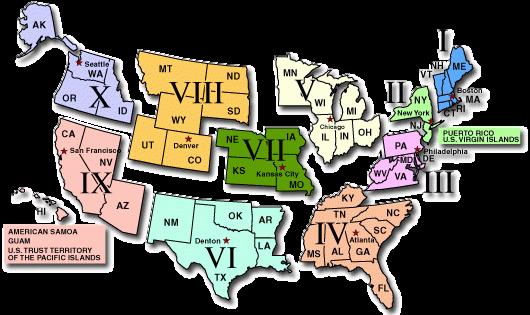
Contact us at FEMA-VAL@fema dhs gov to get connected to your FEMA regional and headquarters Voluntary Agency Liaisons and Donations Specialists.
The following job descriptions are simply examples of some roles that may be needed within the LTRG. These are examples provided by partners and can be used to base descriptions off of for similar or different positions. There are many other roles within the LTR process that could use their own descriptions and these can help to provide a groundwork for developing different job descriptions. Please reach out to the NVOAD LTRG Mentor Subcommittee if you would like help in accessing other job descriptions for your recovery efforts.
1 LTRG Executive Director / Director / Coordinator
2. Disaster Case Management Supervisor
3. Disaster Case Manager
4 Construction Manager
5 Volunteer Coordinator
LTRG Executive Director / Director / Coordinator (Job Description)
Responsible to: Governing body (Board/Executive Committee/Steering Committee)
Basic Function: Directs and coordinates the effective implementation of the mission, goals, and strategies of the LTRG as established by the governing body
Specific Function:
● Assists the governing body in developing and implementing the operational policies, programs, and training events which meet identified needs
● Assumes responsibility as the chief development and fundraising officer of the organization
● Attends all LTRG governing body meetings and serves as staff resource to governing body
● Develops public relations program
● Works to build relationships with other coalitions
● Works with community groups, agencies, and faith groups in developing inclusivity
● Organizes anniversaries and other recognition functions and celebrations with committees’ support
● Organizes and presides at the LTRG Network meetings
● Reports on-going statistical and descriptive information regarding programs, operations and finances to the governing body and the public as needed
● Insures that monthly/quarterly/year end reports are prepared and presented to proper recipients
Qualifications:
● Demonstrated empathy for people in disasters
● Effective public relations skills
● Excellent administrative skills
● Demonstrated capacity for collaboration
● Demonstrated flexibility in changing circumstances and environments
● Ability to travel around state as needed
Responsible to: DCM Committee and LTRG Director
BASIC FUNCTION: Oversees all aspects of Disaster Case Management and Disaster Case Managers to ensure that clients are served with equitable access. Ensures there are no duplications of services. Implements DCM in a manner consistent with National VOAD Disaster Case Management Points of Consensus and Guidelines which promote equitable access to and standardized delivery of Disaster Case Management services.
Specific Responsibilities:
● Recruits all Disaster Case Managers
● Ensures that all Disaster Case Managers receive DCM Training
● Assigns client cases to DCMs
● Oversees all DCMs from case assignments to case closures
● Ensures that only Case Numbers are used in all communications
● Conducts periodic debriefings with DCMs and monitor their self care
● Maintains a tracking spreadsheet with the client’s demographic information, assigned case manager, and status of the case
● Submits reports to LTRG Case Management Committee and LTRG Committee at scheduled meetings
● Checks clients case file for completion
● Assures that the identified need contributes to the client’s recovery plan
● Ensures that all case files are standardized for easy access
● Ensures that all files/records are secured in locked files
● Be available to assist DCMs in conducting case presentations to the LTRG Case Management Committee for cases requesting unmet needs assistance for review prior to presentation to Unmet Needs Committee
● Works with other DCMs/LTRGs to share resources and avoid duplication of services
● Completes monthly matrix data report, projection summaries, and quarterly narratives for LTRG Committee
● Ensures that all client cases are closed properly or referred to another LTRG or Organization
● Completes demobilization and transition plans with input from LTRG
● Completes final timeline of recovery, summary data, and written reports at end of services
● Ensures plan is implemented at completion of LTRG services to retain all client records for the required number of years, ideally by digitizing files and shredding physical files
● Excellent management and organizational skills
● Excellent computer skills including Microsoft suite
● Empathy for people in disasters
● Effective public relations skills
● Capacity for collaboration
● Flexibility in changing circumstances and environments
● Ability to work with people of all ages, ethnic and religious backgrounds, denominations and cultures
Responsible to: Disaster Case Management Supervisor
Basic Functions: Serves as the primary point of contact, assisting the Client in developing a recovery plan and in coordinating necessary services and resources to address the client’s complex disaster recovery needs in order to re-establish normalcy
Specific Responsibilities:
● Reaches out to clients assigned to them to schedule screening and intake
● Performs assessment and verification of disaster recovery needs
● Helps clients create a Recovery Plan that utilizes objectives and goals that are specific, measurable, achievable, realistic, and time sensitive
● Monitors each clients’ recovery progress and works with clients to revise and update their plan as the recovery progresses
● Networks with other organizations to guide clients through sequence of delivery without duplication of benefits or services
● Advocates with and for clients through activities including but not limited to:
○ preparing for and making case presentations on behalf of clients;
○ actively participating in long-term recovery groups;
○ providing support and advocacy with governmental and non-governmental agencies and organizations when necessary
● Respects every client’s right to privacy, protecting each client’s confidential information
● Works in a respectful, non-judgmental, and non-discriminatory manner
● Insures that all necessary forms and releases are signed
● Maintains copies of all receipts in client files
● Keeps notes of all conversations with clients in their file
● Stays on top of community resources and refers clients as needed
● Completes closure with client including client satisfaction forms
Qualifications
● Strong interpersonal skills and ethical conduct
● Excellent organizational skills
● Excellent computer skills including word processing and spreadsheets
● Empathy for people in disasters
● Flexibility in changing circumstances and environments
● Ability to work with people of all ages, ethnic and religious backgrounds, denominations and cultures
● Is aware and respectful of each client’s unique cultural and spiritual environment, particularly when working within their home
Responsible To: LTRG Director / LTRG Construction Management Committee
Basic Function: Works with the LTRG Director, LTRG Construction Management Committee, Disaster Case Manager, and Volunteer Coordinator to assist clients in their recovery from a disaster, overseeing the repair or rebuild of client homes to a safe, sanitary, secure, and functional condition within the guidelines and expectations of the LTRG and State and Local Codes
Specific Responsibilities:
● Conducts project inspections and provide estimates for labor and materials
● Meets with appropriate building inspectors and has a good working knowledge of international residential building code and national, state, and local codes
● Cultivates effective relationships with partner agencies, inspectors, vendors, and the community
● Secures components to complete home repair projects including materials, equipment, and tools
● Coordinates the supply of materials, equipment, tools, volunteers, and contractors required for the timely completion of the home repair project
● Coordinates contractors or other agency repairs as well as volunteers to ensure the project proceeds in a timely manner
● Supervises the work of all volunteers and contractors in order to ensure safety, quality workmanship and high moral
● Assists disaster survivors in home repair; provides guidance, technical advice and expertise
● Maintains inventory of materials, tools, and equipment and ensures they are kept in good repair
● Ensures that project costs are kept within allotted funding
● Coordinates the efforts of volunteers, contractors, and inspectors for timely project completion
● Assigns, supervises and trains on-site volunteers in ways that ensure safety, quality workmanship, and high morale while providing service to disaster survivors
● Orients volunteers to project expectations and assigns jobs according to their skills and abilities
● Maintains accurate records of construction progress and financial accounts for each project
● Completes and explains the statement of understanding and homeowner repair agreements with the homeowners
● Completes and presents necessary documentation and reports to Construction Management Committee, DCM, and/or Long-Term Recovery Director
Qualifications:
● Minimum 5 years experience in general construction
● Basic knowledge in plumbing, electrical and HVAC
● Working knowledge of the LTRG
● Working knowledge of International Residential Building Code, State and Local Building Codes
● Adequate computer skills
● Experience supervising construction projects
● Problem solving skills and experience
● Experience estimating entire construction projects
● Ability to work with people of all ages, ethnic and religious backgrounds, denominations and cultures
● Is aware and respectful of each client’s unique cultural and spiritual environment, particularly when working within their home
Responsible to: Long-Term Recovery Director / Coordinator
Basic Function: Utilize volunteer help where it will address the greatest need and to be a liaison, in larger recoveries, with LTRG partner agencies providing volunteers to the effort This will require close collaboration with the Disaster Case Manager and Construction Manager
Specific Responsibilities:
● Acts as the pivotal point of contact for all incoming volunteer teams
● Ensures necessary logistics for volunteer housing are in place
● Communicates with Volunteer Team Leaders to identify availability, team skills, supervision needs, and housing needs, and gathers other pertinent information including religious and cultural needs
● Is aware of the LTRG’s policies and directives on age limitations and enforces them
● Acts as liaison to other recovery organizations for sharing and receiving volunteers
● Creates “Volunteer Packet”, including but not limited to, introduction to the community and relevant partners, team preparation and debriefing, health or other site-specific disaster information, volunteer forms (skill sheet, liability release, medical information and release)
● Arranges for team housing when needed
● Keeps LTRG updated on volunteer needs and incoming teams
● Encourages local churches to provide for teams (food, lodging, church services, etc )
● Keeps records on number of teams, volunteers, hours worked, and locations; this is done in cooperation with the Construction Manager
● Schedules teams with Construction Manager to match sites with volunteer skills prior to arrival
● Keeps current information on construction and volunteer needs
● Shares volunteer schedule in accessible format with relevant partners
● Communicates to teams the location of work sites and directions to sites
● Orients volunteers and provides all pertinent information.
● Provides Volunteers with area maps, list of emergency medical facilities, churches, open restaurants, grocery stores and areas of interest for leisure time
● Provides debriefing for Volunteers and collects hours logs at the end of each day
● Addresses Volunteer concerns as soon and as well as possible
● Provides recognition to teams after service (thank-you note, certificate, appreciation dinner, etc )
Qualifications:
● Excellent people skills
● Flexibility and ability to multitask
● Excellent organizational skills
● Excellent computer skills including Microsoft suite
● Ability to solve problems independently, effectively, and creatively
● Ability to communicate effectively both verbally and in writing
● Ability to work with people of all ages, ethnic and religious backgrounds, denominations and cultures
● Is aware and respectful of each client’s unique cultural and spiritual environment, particularly when working within their home
1. Long-Term Recovery Group - Member Information
2 Statement of Understanding with Homeowner
3 Right of Entry and Release of Liability Waiver
4 Release and Waiver of Liability
5. LTRG Unmet Needs Roundtable MOU
6. Unmet Needs Case Presentation Form
7 Assessment Worksheet and Estimator’s Checklist
8 Homeowner’s Work Agreement
9 Individual Volunteer Skill Form
10.Individual Release of Liability
11. Medical Information for Individual Volunteers
12 Parent/Guardian Release and Consent
13 Medical Release and Authorization for Minors
14 Volunteer Trip Evaluation
15.Workgroup Information Record
16.Volunteer Group Intake Form
17 Volunteer Time Sheet
Agency/Organization Name
Agency/Organization Primary Phone Number
Agency/Organization Physical Address
Agency/Organization Mailing Address
Agency/Organization Website Address
Agency/Organization Email Address
Agency/Organization Emergency Site Physical Address
Agency/Organization Emergency Access Phone Number
Agency/Organization Director Name
Agency/Organization Director Office Phone Number
Agency/Organization Director Cell Number:
Agency/Organization Director Primary Email
Agency/Organization LTRG Liaison Name
Agency/Organization LTRG Liaison Cell Number:
Agency/Organization LTRG Liaison Email
Agency/Organization LTRG Liaison Alternate Email
Text Message: Yes No
Text Message: Yes No
I, , am the owner of the property at . I give permission to the volunteers of the Long-Term Recovery Group (LTRG) to work on my property for the purpose of restoring my home and recovering from the damage caused by in my neighborhood.
I understand the LTRG has no insurance coverage for protection against legal claims of liability damage suits that might arise in or from their volunteer work on my home and property Therefore, in consideration of the voluntary services rendered or to be rendered to me or on my premises by members or helpers in rendering such voluntary service I agree and specifically covenant not to sue it or them for any of the said acts or omissions
Scope of Work: (Use additional forms if needed)
I understand that any changes to the above listed repairs must be discussed and approved by the funding agents and the construction manager and only those repairs listed will be completed.
Homeowner’s Signature: Date:
Address: Phone:
City: State: Zip:
LTRG Representative Witness: Date:
The above list of repairs has been completed to the best ability of the volunteers and to my satisfaction.
Homeowner’s Signature: Date:
Print Name:
Witness: Date:
Print Name:
This Construction Management Form is also needed by Volunteer Management for planning and assigning work The Disaster Case Manager will also need a copy for the client’s file
Home Owner Name:
Address:
Day Phone Number: ( )
Night Phone Number: ( )
I am the owner and occupant of the above listed property I give permission to the volunteers from the Long-Term Recovery Group (LTRG) to work on my property for the purpose of repairing my home I understand these are not professionals working for profit, and that no warranty is made as to the quality of work done
In consideration of the volunteer services to be rendered to me or on my property by the volunteers, I, the undersigned, release and agree to hold harmless the (Long-Term Recovery Group) and any related agency, from any liability, injury, damages, accident delay or irregularity related to the aforementioned volunteer services
This release covers all rights and causes of action of every kind, nature and description, which the undersigned has ever had, now has, or, but for this release, may have This release binds the undersigned and his/her heirs, representatives and assignees
In general the work to be done is described as
Owner Signature:
Print Owner’s Name:
Date:
Witness or Representative of the Organization Signature:
Print Representative’s Name:
Date:
Name of Agency/Organizations/LTRG:
Homeowner Name:
Address: City: State: Zip:
Home Phone: Cell:
Work: ____________________
I hereby certify that the above named Agency or Organizations, by its representative, has informed me of the following issues involving the existing conditions and safety of my home:
I assume all responsibility for the existing noted issues and any problems resulting from them, and certify that I have personally requested that the above named Agency or Organizations provide volunteers to help complete the work on my home, and that I have chosen not to remedy the noted issues.
I also certify that I will hold the above-named harmless for any resulting damage in the event that I should later request that the noted issues be remedied by the above-named Agency or Organizations
I agree to protect, defend, hold harmless and fully indemnify the above named Agency or Organizations, and their officers, employees agents, and representatives for any claim or cause of action whatsoever arising out of the above mentioned Volunteer Activity that is brought against the Agency or Organizations by me, or my family members, whether such claim arises from the alleged negligence of the Agency or Organizations, the negligence of its employees, agents, representatives or volunteers, or my own negligence.
I HAVE READ THIS RELEASE AND WAIVER OF LIABILITY, ASSUMPTION OF RISK AND INDEMNITY AGREEMENT, FULLY UNDERSTAND ITS TERMS, AND UNDERSTAND THAT I HAVE GIVEN UP SUBSTANTIAL RIGHTS BY SIGNING IT. I INTEND MY SIGNATURE TO BE A COMPLETE AND UNCONDITIONAL RELEASE OF ALL LIABILITY TO THE GREATEST EXTENT ALLOWED BY LAW.
Signature of Homeowner: Date
Participating Agency Memorandum of Understanding
Purpose of the LTRG Unmet Needs Roundtable
The purpose of the LTRG Unmet Needs Roundtable (UNR) is to establish and maintain a forum for the faithe based, non-profit, governmental, business and other organizations to provide a coordinated recovery for survivors in addressing disaster related unmet needs from in . UNR is a committee of the LTRG and must adhere to the bylaws of the _________________ LTRG as well as demonstrate commitment to the 4C’s (Collaboration, Cooperation, Communication, Coordination) and the Survivor’s recovery.
(Name of Agency) will work cooperatively with the LTRG UNR and as such agrees to the following:
1. Accept the purpose of the LTRG noted above.
2. Adhere to policies, values, ethics,m and Points of Consensus of National VOAD, especially Points of Consensus for Long Term Recovery, Disaster Case Management, Clean Up/Repair and Rebuild , Volunteer Management, Volunteer Housing, Disaster Spiritual Care, and Disaster Emotional Care (You can view the Points of Consensus at nvoad org)
3. Have a purpose in disaster preparedness, response, relief, recovery, or mitigation, and have a stated policy of commitment of resources (money, materials, human power, etc) to meet the needs of people affected by disaster without discrimination
4. Act without bias for or against any other participating agency.
5 Keep personal identifiable information of the clients confidential
6 Faithfully attend the regular meeting, either in-person or virtual
We understand that in order to maintain our status as a Member of the LTRG in Good Standing we must maintain compliance with all of the above responsibilities
Signature Page on Page 2
Case # Date Presented Priority
Case Manager Contact
Priority Eligibility Categories Select the appropriate priority eligibility categories
Adults Children Elderly Disabled Special Needs
Total Family Size
Max Grant Temporary Housing Health/Safety Risk
Monthly Income % of Poverty
Monthly Expenses
Resources Received
Amount received from FEMA
FEMA Home Repair
FEMA Personal Property
FEMA Rental
FEMA Other
Amount received from SBA
Amount received from Insurance
Amount received from grants
Current assets (minus amounts above)
TOTAL
Difference between Assets and Purchases
Unmet Needs Case Presentation
Type of Home Habitable
Description of Damages
Total Rebuild
Judgment/Foreclosure/Lis Pendens
Total assessed value of home
Construction Estimate
10% Overrun
TOTAL construction cost
TOTAL construction request ______________________
Personal Property Request - List Items Cost
TOTAL cost of personal property request
Other Disaster Related Needs
Medication
Agricultural Needs
TOTAL additional needs request
TOTAL UNMET NEEDS REQUEST
Construction Cost
Personal Property
Additional Needs
Estimator Name: Date:
Disaster Type & Month Occurred:
Case Number:
Address of Affected Property:
Client’s Present Address:
Phone Number(s):
Client Name:
Needs (overview of work to be done, special needs, brief story of the homeowner and family):
Materials Needed: (Estimate only)
Financial Help Needed: Yes or No
Volunteers Needed: (Number and skill)
Time for project completion:
Homeowners name
Homeowners address
Square feet of roof
(page 1 of 7)
Estimator’s name
Date
Sheathing
Squares Drip Edge Vents Soffit Fascia Valley Lin Ft Truss Damg Gutters LF Clips 2x6 or 2x8
Color
Quantity
Comments
Top Plate
Bottom Plate
Studs & Cripples
Headers
Joist
Comments
Cabinets Stove Water Heater
Color
Upper Lin Ft
Lower Lin Ft
Gas or Electric Width
Gas or Electric Gallons
Range Hood Width
Refrigerator Width Height
Sink Faucet Plumbing
Dishwasher Disposal Wiring
Comments
Toilet Tub
Vanity Shower
Basin Surround
Drywall Paneling
Moisture Resist Inside Corners
Screws Outside Corners
Tape Divider molding
Mud Nails
Corner bead
Nails
Primer
Paint
Lin Ft
Handrail
Steps
Ramp
Subfloor ¾” Plywood
Joist And Rim Joist
2x6
DECKS AND STEPS pg 6
Comments
Height in inches from grade
Height in inches from grade
Treated 2x6
2x8 Treated 2x8
2x10 Treated 2x10
Comments
Comments
FLOOR COVERINGS (LENGTH X Width = Sq Ft, divided by 9 = Sq Yds) pg 6
Peel & Stick Glue Pad
Hardwood Refinish or Replace? Tack Strip
Underlayment
(4’x8’ Lauan)
Comments
Overall Comments
Underlayment Nails/Staples
Seam Tape
I understand that any changes to the above listed repairs/rebuild must be discussed and approved by the funding agents and the
I am the owner of the above listed property where the repairs/rebuild will take place. I give permission to volunteers from the Long-Term Recovery Group (LTRG) to work on my property for the purpose of mitigating, repairing, and/or rebuilding my home. I understand that these are not professionals working for profit, and that no warranty is made as to the quality of work done.
For the purpose of expediting this work, I accept the installation of a Lock Box on my home should it be necessary.
In consideration of the volunteer services to be rendered to me or on my property by the volunteers, I, the undersigned, release and agree to hold harmless the LTRG and any related agency or organization, their employees and volunteers from any liability, injury, damages, accident, delay or irregularity related to the aforementioned volunteer services.
This release covers all rights and causes of action of every kind, nature and description, which the undersigned has ever had, now has, or, but for this release, may have. This release binds the undersigned and his/her heirs, representatives and assignees.
Homeowner Printed Name:
Signature:
Date:
Witness or Representative of the LTRG
Printed Name:
Signature:
Date:
The above list of repairs has been completed to the best ability of the volunteers and to my satisfaction.
Homeowner:
Date:
Name:
Address:
Phone: ( )
Date:
To use your time and talents to the greatest benefit while you are volunteering, please indicate which of the following skills you have and also the level of skill you have using the following chart
Skill Level Skill
Architect
Carpenter (General)
Carpenter (Framing)
Carpenter (Trim)
Clean-up worker
Concrete
Cell: ( )
0 = I am unable to do or am not interested in this skill
1 = I don’t know how but am willing to learn/try
2 = I have done it before but still need help to do
3 = I can do a good job by myself
4 = I can do a good job and can guide/teach others
Contractor I hold a license in the state of
Drywall hanger
Drywall finisher (taper)
Egress Window
Electrician I hold a license in the state of
Engineer
Flooring-Carpet
Flooring-Underlay
Flooring-Vinyl
Heating/cooling I hold a license in the state of
Heavy equipment operator
Insulation
Mason
Painting
Plumbing I hold a license in the state of
Roofer Shingle Metal
Other:
Please read before signing, as this constitutes the agreement as a volunteer and the understanding of your working relationship as a volunteer with the Long-Term Recovery Group (LTRG):
I acknowledge and state the following: I have chosen to travel to to perform clean-up/construction work designed to repair damaged homes
I understand that this work entails a risk of physical injury and often involves hard physical labor, heavy lifting, and other strenuous activity, with some activities that may take place on ladders, or scaffolding I certify that I am in good health and physically able to perform this type of work
I understand that I am engaging in this project at my own risk I assume all risk and responsibility as well as related costs and expenses for any damage or injury to my property or any personal injury, which I may sustain while involved in these projects
In the event that my supervising LTRG arranges accommodations, I understand that they are not responsible or liable for my personal effects and property The LTRG will not provide lock-up or security for any items, I will hold them harmless in the event of theft, or for loss resulting from any source or cause I further understand that I am to abide by whatever rules and regulations may be in effect for the accommodations at the time
I understand the need for confidentiality, and will not disclose identifying information about the occupants of the house I am working in without prior permission from the LTRG and the family This includes any reference to names, addresses, or other identifiable information
By my signature, for myself, my estate, and my heirs, I release, discharge, indemnify and forever hold the LTRG and any other related Disaster REsponse Agency, together with their officers, agents, servants and employee, harmless from any and all causes of action arising from my participation in this project, including travel or lodging associated therewith, or any damages which may be caused by their own negligence
Name:
Address:
Person to contact in case of emergency:
Address:
Phone: ( )
Work: ( )
Cell: ( )
Date:
Every volunteer MUST complete this form (including minors). A copy should go in the packet to the work organization and a copy in the Team Leader’s file on the work site.
NAME Blood Type
Prescriptions currently being taken:
Name Dosage Frequency
Name Dosage Frequency
Name Dosage Frequency
Name Dosage Frequency
Allergies
Name of contact person at home Relationship
Street Address City
State Zip Home Phone Cell Phone
Health Insurance Company Policy Number (Attach copy of Insurance Card)
Physical limitations or issues:
I am a diabetic - Yes No
Provide helpful health information
I have a history of seizures - Yes No
I consider myself healthy enough to fulfill my responsibilities on the volunteer trip - Yes No If no, explain:
Signature of Volunteer Date / /
Adult or Youth:
If a youth, parent or guardian’s signature Date / /
Name of Volunteer
I hereby give permission for my child to serve in the Disaster Response project coordinated by
In the event of an emergency during the duration of the trip, I hereby give consent to a licensed physician to hospitalize, secure proper treatment, anesthesia and or surgery for my child named above (Attach a copy of their insurance card) I understand that I am responsible for his/her own medical insurance and will not hold liable for any injury or damage to my child while engaged in the disaster project
Parent/Guardian (print)
Signature
Home Phone Work Phone Cell Phone
Your relationship to participant Email Insurance Company
Does your child have any physical limitations that might affect his/her work?
List any allergies or medications
Special Needs if any
Notary: State of County of
On this day of 20 , personally appeared before me who is personally known to me whose identity I verified on the basis of whose identity I verified on the oath/affirmation of a credible witness, to be the signer of the foregoing document, and he/she acknowledged that he/she signed Notary Public
Minor’s Name Date / /
Date of Birth / / Insurance Company
Policy # (include copy of insurance card)
Emergency Contacts Name: Relationship
Address City
State Zip Code Best Phone ( ) Alternate Phone ( )
Permission to give Aspirin - Yes No
Permission to give Tylenol - Yes No
List Allergies
Medication(s) Dosage and Frequency
Describe any medical conditions or limitations
Team Leader Trip Destination
Parent/Guardian Medical Authorization
I , authorize to consent to any necessary
Parent or Guardian Trip Leader examination, anesthetic, medical diagnosis, surgery, or treatment and/or hospital care rendered to the minor under the general supervision and on the advice of any physician or surgeon licensed to practice medicine by the state in which they practice, during the duration of the trip identified above
Signature Date / /
Notary: State of County of
On this day of 20 , personally appeared before me who is personally known to me whose identity I verified on the basis of whose identity I certified on the oath/affirmation of a credible witness, to be the signer of the foregoing document, and he/she acknowledged that he/she signed
Date Called Date Confirmed
Contact Person
Phone (day) (night) (cell)
Address
Arrival Date Time
Departure Date Time
Volunteer Group Make-up
Number/Age - Women: 15-19
Number/Age - Men: 15-19
Please indicate the group’s skill levels for the following skills by putting the appropriate number by those areas: 1 - highly skilled and can oversee, 2 - skilled, 3 - experienced, 4 - inexperienced but follows directions
Carpentry Heating and Cooling Office Typing
Cleanup (light/heavy) Mason Data Entry
Concrete (flat work) Painter Cook
Construction Supervisor Plumber Child Care
Drywall Finisher (taper) Roofer Teaching
Drywall Hanger Electrician Errands
Floor Covering Floor Underlayment Other
Special skills within the group:
Certifications for any of the above
Date / / Office working with them Completed by
Group Name
Address
Phone ( ) Fax ( )
Contact Name
Address
Phone (day) (night)
Confirmed on / / Confirmed By
# Male Adults
# Male Youth
# Female Adults
# Female Youth Group Total
Arrival Date / / Departure Date / / Last Work Date / /
Arriving by - Car Bus Plane & renting
Volunteer Packet Sent / / Volunteer Packet Returned / / (consists of Individual Volunteer Release, Youth Release, Individual Skill Sheet)
Other trip details
Group Name Group Number
Volunteer Name
Volunteer Number
Date / / Client Name/ID
Work Address
Starting Time
Ending Time
Total hours worked
Type of Work
Architect Egress Windows Heating/cooling
Clean-up Electric Heavy Equipment
Carpentry Engineering Insulating
Concrete Floor/carpet Masonry
Construction layout Floor/underlayment Paint
Drywall/hanging Floor/vinyl Plumbing
Drywall/finishing Framing Roofing
Cabinets
General Comments about work
Other
1 LTRG MOU for Fiscal Agent
2. LTRG Bylaws
3. Volunteer Letter
4 Volunteer Orientation
5 Common Safety Practices
(Long-Term Recovery Group [LTRG] Name) And (Agency Name) existing 501 (C) 3 Fiscal Agent
The purpose of this memorandum is to enable the (Agency Name) to act as the fiscal agent of the (LTRG Name)
The (LTRG Name) will:
● Instruct donors to make checks payable to the (Agency Name) and designated for the benefit of the (LTRG Name)
● Establish such procedures and/or forms and appropriate financial officers to authorize the (Agency Name) to write checks to vendors of services or supplies delivered to the (LTRG Name) or the LTRG’s clients
● Maintain its own system for honoring designations on the use of particular donations and sub-accounts for the various, separate activities of the (LTRG Name)
● Receipt all donations to the donor and indicate that the donation is a tax deductible donation to the (Agency Name) and designated for the benefit of the (LTRG Name)
● Receive funds from various sources to support the recovery activities of the (LTRG Name) and deliver said donations to the (Agency Name) for deposit
The (Agency Name) will:
● Deposit all (LTRG Name) money in an FDIC insured bank
● Establish a “pass through” account and such bookkeeping procedures as shall isolate the funds designated for the (LTRG Name) from those of the agency or other entities for whom the agency holds funds
● Provide monthly, quarterly, and annual reports to the (LTRG Name) detailing receipts, expenditures, and balances on hand to the (LTRG Name)
● Receive all money donated to the (LTRG Name)
● Send a copy of the deposit receipt to the (LTRG Name)
● Write and mail checks to vendors of services or supplies when authorized to do so by the (LTRG Name)
This memorandum constitutes the entire agreement between the parties, and shall remain in force for the duration of the recovery operation or until the parties mutually agree to alter or terminate the understanding. In executing this MOU, the (LTRG Name) assumes all responsibility for the appropriate receipt and expenditure of the funds entrusted to it. The (Agency Name) agrees only to act as the fiscal agent of the (LTRG Name) and does not assume any of the rights or obligations of the (LTRG Name).
(LTRG Name) Representative (Agency Name) Representative
Date:
Date:
Section 1: The name of the organization shall be (Name)
Section 1: The (Name of Group) sets forth these operational procedures to establish and maintain a network within and on behalf of the faith-based, non-profit, governmental, business and other organization and agencies which will provide a coordinated recovery effort to the (Date, type of disaster, affected counties & State)
Section 2: (Name of Group) will provide coordinated management of the long-term recovery to residents and provide additional long-term assistance to individuals affected by the disaster who do not have adequate personal resources for basic needs as a result of the disaster
Section 3: (Name of Group) will provide spiritual, emotional, physical and financial resources to those affected by the disaster regardless of race, creed, color, gender, sexual orientation, disability or religious preference.
Section 1: Each participating faith-based (diocese, presbytery, conference, et al ), non-profit, governmental, business, and other organizations and agencies providing financial support, material, and/or labor for the work of (Name of Group) is considered a Member Organization
Section 1: Only one (1) representative of each Member Organization shall be eligible to vote on matters coming before (Name of Group).
Section 1: All meetings of (Name of Group) will be at the call of the Director or any two of the (Name of Group) Steering/Executive Committee Members
Section 2: Regularly scheduled meetings of (Name of Group) may be established. Notice of these meetings, giving the time and place and the proposed agenda, shall be electronically transmitted or given by written notice to all Individual Members.
Section 3: Special Meetings of (Name of Group) may be called, providing the call shall clearly state the purpose for the meeting and the time and place shall be given electronically or by written notice at least one week (7 days) in advance to all Individual Members.
Section 1: A quorum for transaction of business shall consist of at least 50% plus one voting Individual Members present
Section 1: There shall be elected from the Individual Members of (Name of Group):
1 A Chair shall preside at all meetings, as well as be the chief executive officer of (Name of Group) and perform other functions as deemed necessary by the Steering/Executive Committee. A member of the Steering/Executive Committee shall preside in the absence of the Chair or at other times as deemed necessary by the Chair.
2. A Secretary who shall record and preserve all minutes of the meetings and perform other functions as deemed necessary by the Steering/Executive Committee. If unable to attend a meeting, the Director or presiding steering committee member shall appoint a secretary pro tem for that meeting
3 A Treasurer who shall receive, deposit and account for any financial matters of (Name of Group), providing regular financial reports to the Members, and perform other functions as deemed necessary by the Steering /Executive Committee
Section 1: The Steering/Executive Committee of (Name of Group) shall provide direction
Section 2: The Steering/Executive Committee shall meet at the call of the Chair to perform such actions related to administrative overview of the affairs of (Name of Group), including but not limited to:
1. Hiring, evaluating, and terminating of staff, whether compensated or volunteer
2. Engaging and executing contracts and agreements
3. Public relations
4. May call regular and special meetings
Section 3: Except as otherwise required by law or these Operational Procedures, the The Steering/Executive Committee shall have all the authority of (Name of Group) in the management of (Name of Group) during such time as (Name of Group) is not meeting and may authorize contracts and agreements as required
Section 4: A simple majority of the Steering/Executive Committee must be present to conduct business
Section 1: (Name of Group) may create such temporary or permanent sub-committees and task forces made up of its members or other persons as agreed upon. These sub-committees and task forces shall have such authority as (Name of Group) directs.
Section 2: The following are sub-committees of (Name of Group):
1 Finance Committee: (Donations and Fundraising) – Works to secure grants, donations and other resources for (Name of Group) and coordinates with other entities (e g , manufacturers, suppliers, etc ) to secure donations and funding
2 Construction Committee: Oversees the coordination and scheduling of all rebuilding projects for cases approved by the (Name of Group) process – a project manager function
3 Case Management Committee: Reviews cases for submission to the Unmet Needs Committee This committee also provides and/or marshals professionals to provide counseling to address emotional and spiritual needs of clients.
4. Unmet Needs Committee: Receives and acts on referrals from Case Management Committee. Consists of members and non-members bringing money (cash financial support), materials (donations, equipment, supplies, furniture, appliances, etc.), or muscle (volunteer labor crews and expertise) to meet the needs of individuals who have been served by the case management process.
1. Sub-committees may consist from as few as one, to many members.
2. Membership of sub-committees may consist of both (Name of Group) members and other subject matter experts
3 Each sub-committee will be chaired or co-chaired by a member or members of (Name of Group)
4 Each sub-committee will be staffed by a “Coordinator”
5 In some cases, the sub-committee “staffing” and the chair may be the same person
6 Staffing may be provided by hired staff, loaned staff, grant-funded positions, contracted services, volunteers, or any combination of the above
Section 1: Any Officer vacancy shall be filled by a special election in accordance with these procedures concerning meetings of (Name of Group).
Section 2: The Steering/Executive Committee shall determine the appropriate process for securing nominations from among the members for vacancies in any of the offices, announcing the nomination process and conducting an election.
Section 1: If a Fiscal Agent is deemed necessary for (Name of Group) shall be (Name of Organization with a 501c3)), which shall accept and disperse donations on behalf of (Name of Group) as directed by a vote of the Individual Members of the LTRG
Section 1: Financial reports will be produced in accordance with direction of the Steering/Executive Committee and will be subject to the approval of the Individual members.
Section 1: Business of (Name of Group) will be conducted in accordance with Robert’s Rules of Order.
Section 1: Selection Criteria of clients shall be established and approved by (Name of Group), a written set of “criteria of assistance in priority order” to guide the work
of (Name of Group) and the case management process. These criteria or guidelines for distribution of funds may be amended in response to changing circumstances by vote at a regular or special meeting of (Name of Group) called in accordance with these Operational Procedures.
Section 1: These Bylaws may be amended, subject to the charter of the Corporation and the laws of the state of (Name), at any annual meeting or special meetings of the Corporation by a two-thirds vote of the voters present, providing that a full written account of the proposed changes have been sent to all Corporate Members two weeks (14 days) prior to the meeting
Section 1: An exit strategy will be developed that allows for the dissolution of (Name of Group), that ensures all cases are closed or forwarded to a member agency for completion and the dispersion of assets shall be determined by the Steering Committee/Executive Committee and its membership.
APPROVED:
AMENDED:
(To be modified by the Long-Term Recovery Group)
Dear Volunteer:
We would like to thank you for your interest in coming to to be a part of the rebuilding efforts from I hope that in this letter I can address some of your concerns as you prepare to come to the area, either as an individual or as a team
If this is your first disaster volunteer opportunity, you are bound to be anxious That is normal The homeowners that you may be working with have experienced a very emotional event in their lives and the volunteers do much to bring healing to their lives. And you will find yourself going home with a different meaning to life.
As you start to prepare to come it is recommended that you have 2-3 different dates that might work for you or your team so that we can use one of those dates to schedule you or your team. You will be contacted by a construction or volunteer coordinator to actually set that date.
If you are planning this as a youth mission trip, there are many things to keep in mind as you plan The youth must be at least 16 yrs of age, with a signed parental release You also need adequate supervision We recommend 1 adult to 5 youth It is also best to have adults with some construction knowledge The better supervised the youth and the better the skill of the adults the better your trip will be
At this time, housing of volunteers will probably be in a church and the accommodations will vary Cots are provided for sleeping or you may bring your own air mattress Kitchen space is available for you to prepare your own meals; grocery stores are open nearby or you may bring your own food. Showers are in a nearby facility. Please pack your own personal hygiene items.
Tools to bring include the basic hand tools for construction and a list is enclosed in this packet. There will be some tools available through the Long-Term Recovery Group or other organizations that will be also working in the area. Every effort will be made to have the special tools required to do specialized tasks. Other details will be discussed with you and/or your team when your trip has been confirmed
Thank you for your interest in coming to Your assistance is greatly appreciated by the entire community as we continue to recover from Your Name & Name of Long-Term Recovery Group Your Title
LTRG Address
Your Phone Number, Email, Fax Number
Welcome
Introduce leadership
Encourage volunteers to ask questions as needed
Volunteers are interested in ways the disaster affected your Community
Entertainment and recreation available in your area
What are the “special” or little known facts about your Community
The Community appreciates the work the volunteers are doing
Local businesses they may need to use while in your Community
Local medical services and facilities
Emphasize no judgments of Clients, community, others - we are here to help/serve
No proselytizing
Be sensitive of others feelings, and respectful of others belongings
Leave things better than you found them
Remember privacy issues and ask to take pictures before you do
Remember to ask the volunteer to complete all forms legibly
The “Volunteer Skill Sheet” for each volunteer should be received 2 weeks prior to the trip so the work can be scheduled that best meet the needs of the LTRG and skill of the volunteer - have extras on hand in case a volunteer came who has not completed the form
Collect all completed Release of Liability forms (adult and youth)
Picture Release
Confidentiality Release (if volunteer is working with Client information or if required by LTRG)
Other documents developed by the LTRG or housing facility
Any volunteers that drive LTRG vehicles driver’s need to have their license copied
Task sign-up sheet will help with the scheduling of duties needed
Ethical Guidelines Document will help the volunteer understand and better follow “house rules”
Encourage the volunteers to drink plenty of water
Instruct the volunteers they need to wear or use all safety equipment needed for your specific task Remind the volunteers that if they are uncomfortable with a tool or task to say so
Remind the volunteers they need to have the proper training needed before the use of a tool or performance of a task
Advise them if there are dangerous animals, insects, or other creatures the volunteers need to be aware or possibly cautious of
Vehicle Use (if applicable; LTRG verify with insurance provider before allowing volunteer drivers)
Only specified drivers can use recovery vehicles
All driving laws must be followed and all driving violations are the responsibility of the driver
The recovery vehicle can only be used with the permission of the response staff
The vehicle is for local use only
The “buddy system” is encouraged; when this is not possible, always let another person know where you are at all times
Housing area is clean and everything is put in its place and ready for the next group
Remind the volunteers they need to return all tools-clean and in working order; notify construction manager if any tools are damaged or not working properly
Remind the volunteers that all project sites should be left clean and ready for next volunteer group
● Welcome the volunteers with smiles and warm greetings Volunteers who have a positive experience will share their story with friends and encourage others to come Volunteers who have a negative experience will also share their story with friends which will negatively impact your ability to recruit volunteer help
● Have enough meaningful work and tasks to keep all volunteers engaged and active Remember, “busy work” will discourage some volunteers, especially the more highly skilled volunteers
● Have all forms ready to be signed and enough places prepared with pens
● Ask everyone in the group(s) to wear a nametag
● Explain the schedule of mealtimes, reflection times, and quiet times
● If the LTRG is providing the food, offer a variety of foods. Be sure to request allergies and dietary restrictions in advanced communications. Talk about food and drink preferences, needs and wants. Explain lunch procedure and availability of snacks and drinks.
● Take time for introductions.
● Explain shower policy (where, amount of hot water, etc.). Ask everyone to remember to spray the shower after use.
● If there is a laundry facility, give information.
● Explain other pertinent needs and post rules of the housing facility
● Ask the group to inform you early in the week if they plan on going out for dinner one evening, or other outing(s) that would change work schedule
● Find out what their estimated time of departure will be at the end of the week
● If available, encourage the group to see something in the local area (beach, museum, etc )
● If kitchen help is needed, ask for volunteer(s) at the beginning of the week.
● Be aware of gender issues. Some women may want to go out and work on a project rather than cook. Some men may be better at helping to cook and enjoy it more. Do not assume.
● Be flexible and keep your sense of humor.
● Remind volunteers about hats and t-shirts available (Volunteers appreciate these items, whether for an appreciation gift or purchase )
● Remind volunteers about helping to keep the area clean Tell where cleaning supplies are stored Ask them to help clean before they leave to go home
● Make the volunteers feel they are valued Be generous with compliments Making a certificate of appreciation for each one is a way to show volunteers they are appreciated
Displaying a picture board of individual volunteers or volunteer groups is another
Common Safety Practices (Example - modify for your recovery)
● First aid kits for each job site
● Youth (if allowed) need to be over 16 years of age
● Youth (if allowed) to adult ratio 5:1
● Safety briefing with each team before they go to work site
● Extension ladders should be at a 45-degree angle and 3’ above roof
● Roofing
○ 4/12 pitch roof or less - volunteers should be semi-skilled
○ 4/12 to 7/12 pitch roofs - volunteers should be high to semi-skilled volunteer
■ Safety equipment and training must be provided with supervision
○ 7/12 pitch or above roof or multiple story home should be done by professionalsNO VOLUNTEERS
● Adequate footwear on job sites, closed toe shoes, no flip-flops, no leather soles
● Volunteers 16-18 years of age no power tools unless under direct, one-on-one skilled supervision
● To operate any air tools (nail guns, power washer or sprayer) 25 years of age or older, unless in the building trade and familiar with their use and maintenance
● No paint spraying when wind is over 10 mph and then only with a volunteer who is a professional painter Over spray clean up is very expensive and travels a great distance
● Do not remove any safety feature from any equipment
● Safety goggles when operating power equipment or paint scraping
● Dust masks for insulation, and sanding, paint scraping
● N-95 respirator mask is needed for mold removal
● No ladders on top of scaffold, in the bed of trucks, or in anything else
● Hard hats in designated areas, such as house demolition
● Safety handrails on open staircases and loft areas
● Clean job sites at the end of the day and especially at the end of the week
● Return all tools from job site to warehouse or rebuild office; notify construction manager if any tools are damaged or not working properly
● Job site needs to be secure overnight or for weekend; doors, windows closed, do not remove door or window units until ready to reinstall
● Thoroughly explain your policy on what to do in the event of a serious accident on a jobsite, including medical facility locations and detailed steps during volunteer orientation and safety briefings
○ EXAMPLE: In the event of a serious accident on site, call the EMT life squad (911) and have them transported to the emergency facility If the team leader is not on site, contact the team leader (if a family member is on the trip, contact them also), contact the rebuild organization, go to the emergency facility, and wait for the team leader and/or family member to arrive When relieved, go back to the work site or volunteer housing and reassure the team Act calmly so that you do not upset the rest of the team any more than the accident already has