Mini-case studies throughout the text to show real world applications
•
Clear and comprehensive figures, featuring actual financial data
Supplementary resources are available online at fsa.fagbokforlaget.no
Finn Kinserdal, PhD, is Associate Professor at Norwegian School of Economics. He has previously been at McKinsey and been partner at EY, where he held positions as Head of Assurance in Norway and Head of Nordic Oil & Gas and Energy Sector. He has been auditor for some of Norway’s largest firms.
ne w
ISBN 978-82-450-6055-3
IF RS U ’s pd an at d ed No rd ic
ca s
es
From the authors: «It is our ambition that the framework laid out in this book will provide business students and practitioners with a unique insight into financial statement analysis.»
n
•
io
An integrated case study that runs throughout the text
it
•
is ys al n An tio it lua ed va Cr e E – n nc io a at m lu for Va Per
A four-part themed approach: accounting data, financial analysis, decision-making, and assessment of accounting data
–
•
ed
Features:
3r
The third edition is filled with expert guidance that students and managers at all levels have to come to trust.
Thomas Plenborg, PhD, is Professor at Copenhagen Business School. His research is widely published in academic and professional journals and he is a board member for several international companies. He has also consulted multiple international companies on financial issues.
d
Student tools such as quizzes and multiple choice questions have been updated, which improve the learning.
F S in A ta an n te c al m i ys e al is nt
Focusing on three user groups — equity, credit and compensation analysts — the authors present a variety of targeted tools and techniques for analysis and interpretation of financial statements. Along with updates of the most recent IFRS-accounting standards, this edition also contains new and updated real life examples — many from the Nordic countries – helping the readers understand complex issues when analyzing financial statements.
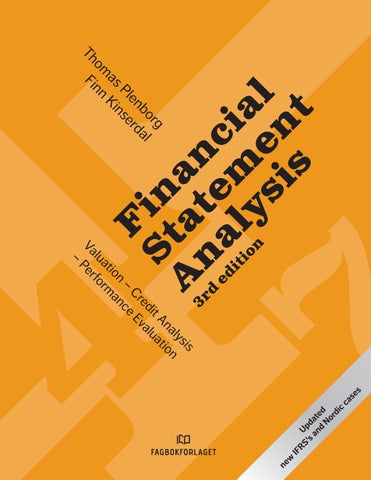
Financial Statement Analysis
• On request instructors can have access to a set of PowerPoint presentations for support and use in lectures, and an instructor’s manual containing case studies • For students the book’s website provides several supporting learning features such as glossary, flash cards and multiple choice questions for each chapter • Supplementary resources are available online at fsa.fagbokforlaget.no
rg bo al en rd Pl se as Kin om inn Th F
In addition to this book digital resources will be provided for instructors and students.
This well-structured and thoughtful book is ideal for master and bachelor students in accounting and finance, and MBA students wishing to gain insight into financial statement analysis. The third edition provides up-to-date insights and practical advises on how to apply companies’ financial statements for decision making.
Thomas Plenborg Finn Kinserdal
Digital resources:
Last ned en digital utgave (PDF) av boken her: https://metodeogokonometri.fagbokforlaget.no I den digitale utgaven som du enkelt kan bevege deg rundt i, finner du klikkbare lenker som demonstrerer modeller og formler og har lenker til mer stoff. Du må logge deg inn for å få tilgang til den digitale utgaven. For å aktivere den, må du registrere e-koden som du finner ved å skrape her:
Du bruker koden til å sette opp konto for tilgang på https://metodeogokonometri.fagbokforlaget.no Koden er aktiv i seks måneder fra du tar den i bruk. Når du er innlogget kan du lese og/eller lagre PDF-filen. Ikke del din unike bokkode med andre. Tilgang til den digitale utgaven vil da bli stengt.
F St in A a an n te c al m i ys e al is nt
is ys al ion An at it lu ed va Cr e E c n – an io at rm lu rfo Va Pe –
d
ed
it
io
n
is ys al n An tio it lua ed va Cr e E – n nc io a at m lu for Va Per
3r
F S in A ta an n te c al m i ys e al is nt
rg bo al en rd Pl se as Kin om inn Th F
–
Copyright © 2026 by Vigmostad & Bjørke AS All Rights Reserved First edition 2017 Second edition 2021 Third edition 2026 Graphic production: John Grieg, Bergen ISBN: 978-82-450-6055-3 Cover design by Fagbokforlaget Supplementary resources are available online at www.fagbokforlaget.no/fsa Inquiries about this text can be directed to: Fagbokforlaget Kanalveien 51 5068 Bergen Tel.: 55 38 88 00 e-mail: fagbokforlaget@fagbokforlaget.no www.fagbokforlaget.no All rights reserved. No part of this publication may be reproduced, stored in a retrieval system, or transmitted, in any form or by any means, electronic, mechanical, photo-copying, recording, or otherwise, without the prior written permission of the publisher. Vigmostad & Bjørke AS is Eco-Lighthouse certified, and the books are produced in environmentally certified printing houses.
This book is dedicated to our families Thomas: my wife, Susanne, and children: Peter, Frederikke and Karl Emil Finn: my wife, Christine, and children/grandchildren: Simen, Karla Marie and Mathias We love you!
Contents overview Chapter 1 Introduction to financial statement analysis . . . . . . . . . . . . . . . . . . . . . . . . . . . . . . . . . . . 23
Part 1
Accounting data . . . . . . . . . . . . . . . . . . . . . . . . . . . . . . . . . . . . . . . . . . . . . . . . . . . . . . . . . . . . . . . . . . . . . . . . . 45 Introduction to Part 1 . . . . . . . . . . . . . . . . . . . . . . . . . . . . . . . . . . . . . . . . . . . . . . . . . . . . . . . . . . . . . . . . . . . . . . . . . 47 Chapter 2 Introduction to financial statements and bookkeeping . . . . . . . . . . . . . . . . . . 49 Chapter 3 Accrual-based versus cash-flow-based performance measures . . . . . 85
Part 2
Financial analysis . . . . . . . . . . . . . . . . . . . . . . . . . . . . . . . . . . . . . . . . . . . . . . . . . . . . . . . . . . . . . . . . . . 101 Introduction to Part 2 . . . . . . . . . . . . . . . . . . . . . . . . . . . . . . . . . . . . . . . . . . . . . . . . . . . . . . . . . . . . . . . . . . . . . . . 103 Chapter 4 The analytical income statement and balance sheet . . . . . . . . . . . . . . . . . . . . . 109 Chapter 5 Profitability analysis . . . . . . . . . . . . . . . . . . . . . . . . . . . . . . . . . . . . . . . . . . . . . . . . . . . . . . . . . . . . . . . . . . . . . . . . 141 Chapter 6 Growth analysis . . . . . . . . . . . . . . . . . . . . . . . . . . . . . . . . . . . . . . . . . . . . . . . . . . . . . . . . . . . . . . . . . . . . . . . . . . . . . . . . 193 Chapter 7 Liquidity and solvency risk analysis . . . . . . . . . . . . . . . . . . . . . . . . . . . . . . . . . . . . . . . . . . . . . . . 217
Part 3
Decision-making . . . . . . . . . . . . . . . . . . . . . . . . . . . . . . . . . . . . . . . . . . . . . . . . . . . . . . . . . . . . . . . . . . . . . 257 Introduction to Part 3 . . . . . . . . . . . . . . . . . . . . . . . . . . . . . . . . . . . . . . . . . . . . . . . . . . . . . . . . . . . . . . . . . . . . . . . 259 Chapter 8 Forecasting . . . . . . . . . . . . . . . . . . . . . . . . . . . . . . . . . . . . . . . . . . . . . . . . . . . . . . . . . . . . . . . . . . . . . . . . . . . . . . . . . . . . . . . 261 Chapter 9 Cost of capital. . . . . . . . . . . . . . . . . . . . . . . . . . . . . . . . . . . . . . . . . . . . . . . . . . . . . . . . . . . . . . . . . . . . . . . . . . . . . . . . . . . . 309 Chapter 10 Valuation . . . . . . . . . . . . . . . . . . . . . . . . . . . . . . . . . . . . . . . . . . . . . . . . . . . . . . . . . . . . . . . . . . . . . . . . . . . . . . . . . . . . . . . . . . . 343 Chapter 11 Credit analysis . . . . . . . . . . . . . . . . . . . . . . . . . . . . . . . . . . . . . . . . . . . . . . . . . . . . . . . . . . . . . . . . . . . . . . . . . . . . . . . . . . 389
Financial Statement Analysis
Chapter 12 Evaluating and rewarding management’s performance . . . . . . . . . . . . . . 431
8
Part 4
Accounting flexibility and adjustments for decision-making . . . . . . . . . . . . . . . . . . . . . . . . . . . . . . . . . . . . . . . . . . . . . . . . . . . . . . . . . . . . . . . . . . . . . . 465 Introduction to Part 4 . . . . . . . . . . . . . . . . . . . . . . . . . . . . . . . . . . . . . . . . . . . . . . . . . . . . . . . . . . . . . . . . . . . . . . . 467 Chapter 13 Accounting quality and flexibility . . . . . . . . . . . . . . . . . . . . . . . . . . . . . . . . . . . . . . . . . . . . . . . . . . . . . . . . . . . . . . . . . . . . . . . . . . . . . . . . . . . . 471 Chapter 14 Specific topics in accounting flexibility . . . . . . . . . . . . . . . . . . . . . . . . . . . . . . . . . . . . . . . . . . . . . . . . . . . . . . . . . . . . . . . . . . . . . . . 495 Chapter 15 Management misuse of accounting flexibility . . . . . . . . . . . . . . . . . . . . . . . . . . . . . . . 565 Chapter 16 Adjustments to improve the financial analysis . . . . . . . . . . . . . . . . . . . . . . . . . . . . . . 593 Glossary . . . . . . . . . . . . . . . . . . . . . . . . . . . . . . . . . . . . . . . . . . . . . . . . . . . . . . . . . . . . . . . . . . . . . . . . . . . . . . . . . . . . . . . . . . . . 657 References . . . . . . . . . . . . . . . . . . . . . . . . . . . . . . . . . . . . . . . . . . . . . . . . . . . . . . . . . . . . . . . . . . . . . . . . . . . . . . . . . . . . . . . . 665 Index . . . . . . . . . . . . . . . . . . . . . . . . . . . . . . . . . . . . . . . . . . . . . . . . . . . . . . . . . . . . . . . . . . . . . . . . . . . . . . . . . . . . . . . . . . . . . . . . . . 669
Contents Chapter 1 Introduction to financial statement analysis . . . . . . . . . . . . . . . . . . . . . . . . . . . . . . . . . . . 23 Introduction . . . . . . . . . . . . . . . . . . . . . . . . . . . . . . . . . . . . . . . . . . . . . . . . . . . . . . . . . . . . . . . . . . . . . . . . . . . . . . . . . . . . . . . . . . . . . 23 International Financial Reporting Standards. . . . . . . . . . . . . . . . . . . . . . . . . . . . . . . . . . . . . . . . . . . . . . . . . . . . . . . 25 Decisions and decision models . . . . . . . . . . . . . . . . . . . . . . . . . . . . . . . . . . . . . . . . . . . . . . . . . . . . . . . . . . . . . . . . . . . . . . . 27 Equity-oriented stakeholders . . . . . . . . . . . . . . . . . . . . . . . . . . . . . . . . . . . . . . . . . . . . . . . . . . . . . . . . . . . . . . . . . . . . . . . . . 27 Valuation models . . . . . . . . . . . . . . . . . . . . . . . . . . . . . . . . . . . . . . . . . . . . . . . . . . . . . . . . . . . . . . . . . . . . . . . . . . . . . . . . . . 28 Debt-capital-oriented stakeholders . . . . . . . . . . . . . . . . . . . . . . . . . . . . . . . . . . . . . . . . . . . . . . . . . . . . . . . . . . . . . . . . . . 33 Compensation-oriented stakeholders . . . . . . . . . . . . . . . . . . . . . . . . . . . . . . . . . . . . . . . . . . . . . . . . . . . . . . . . . . . . . . . 35 Evaluation of management’s performance . . . . . . . . . . . . . . . . . . . . . . . . . . . . . . . . . . . . . . . . . . . . . . . . . . . . 35 Performance measures . . . . . . . . . . . . . . . . . . . . . . . . . . . . . . . . . . . . . . . . . . . . . . . . . . . . . . . . . . . . . . . . . . . . . . . . . . . 36 Pay-to-performance relation . . . . . . . . . . . . . . . . . . . . . . . . . . . . . . . . . . . . . . . . . . . . . . . . . . . . . . . . . . . . . . . . . . . . 37 Performance standards . . . . . . . . . . . . . . . . . . . . . . . . . . . . . . . . . . . . . . . . . . . . . . . . . . . . . . . . . . . . . . . . . . . . . . . . . . . 37 Accounting quality . . . . . . . . . . . . . . . . . . . . . . . . . . . . . . . . . . . . . . . . . . . . . . . . . . . . . . . . . . . . . . . . . . . . . . . . . . . . . . . . 37 Outline of the book . . . . . . . . . . . . . . . . . . . . . . . . . . . . . . . . . . . . . . . . . . . . . . . . . . . . . . . . . . . . . . . . . . . . . . . . . . . . . . . . . . . . . 38 Part 1 – Accounting data. . . . . . . . . . . . . . . . . . . . . . . . . . . . . . . . . . . . . . . . . . . . . . . . . . . . . . . . . . . . . . . . . . . . . . . . . 39 Part 2 – Financial analysis . . . . . . . . . . . . . . . . . . . . . . . . . . . . . . . . . . . . . . . . . . . . . . . . . . . . . . . . . . . . . . . . . . . . . . . 39 Part 3 – Decision-making . . . . . . . . . . . . . . . . . . . . . . . . . . . . . . . . . . . . . . . . . . . . . . . . . . . . . . . . . . . . . . . . . . . . . . . . 41 Part 4 – Accounting flexibility and adjustments for decision-making . . . . . . . . . . . . . . . . . . . 42
Part 1
Accounting data . . . . . . . . . . . . . . . . . . . . . . . . . . . . . . . . . . . . . . . . . . . . . . . . . . . . . . . . . . . . . . . . . . . . . . . . . 45 Introduction to Part 1 . . . . . . . . . . . . . . . . . . . . . . . . . . . . . . . . . . . . . . . . . . . . . . . . . . . . . . . . . . . . . . . . . . . . . . . . . 47 Chapter 2 Introduction to financial statements and bookkeeping . . . . . . . . . . . . . . . . . . 49 Introduction . . . . . . . . . . . . . . . . . . . . . . . . . . . . . . . . . . . . . . . . . . . . . . . . . . . . . . . . . . . . . . . . . . . . . . . . . . . . . . . . . . . . . . . . . . . . . 49 Content of the annual report. . . . . . . . . . . . . . . . . . . . . . . . . . . . . . . . . . . . . . . . . . . . . . . . . . . . . . . . . . . . . . . . . . . . . . . . . . 52 The statement of financial performance (income statement). . . . . . . . . . . . . . . . . . . . . . . . . . . . . . 56 Balance sheet (statement of financial position) . . . . . . . . . . . . . . . . . . . . . . . . . . . . . . . . . . . . . . . . . . . . . . 61 Cash flow statement . . . . . . . . . . . . . . . . . . . . . . . . . . . . . . . . . . . . . . . . . . . . . . . . . . . . . . . . . . . . . . . . . . . . . . . . . . . . . . 65 Statement of changes in owners’ equity . . . . . . . . . . . . . . . . . . . . . . . . . . . . . . . . . . . . . . . . . . . . . . . . . . . . . . . 67 Notes (disclosures) . . . . . . . . . . . . . . . . . . . . . . . . . . . . . . . . . . . . . . . . . . . . . . . . . . . . . . . . . . . . . . . . . . . . . . . . . . . . . . . . 69
Recording transactions and preparing financial statements . . . . . . . . . . . . . . . . . . . . . . . . . . . . . . . . . . . . . 70 Recording transactions . . . . . . . . . . . . . . . . . . . . . . . . . . . . . . . . . . . . . . . . . . . . . . . . . . . . . . . . . . . . . . . . . . . . . . . . . . . 70 General rules illustrated . . . . . . . . . . . . . . . . . . . . . . . . . . . . . . . . . . . . . . . . . . . . . . . . . . . . . . . . . . . . . . . . . . . . . . . . . . 71 Transaction analysis illustrated . . . . . . . . . . . . . . . . . . . . . . . . . . . . . . . . . . . . . . . . . . . . . . . . . . . . . . . . . . . . . . . . . 74 Preparing financial statements from recorded transactions . . . . . . . . . . . . . . . . . . . . . . . . . . . . . . . . . . . . . 80
Financial Statement Analysis
Chapter 3 Accrual-based versus cash-flow-based performance measures . . . . . 85
10
Introduction . . . . . . . . . . . . . . . . . . . . . . . . . . . . . . . . . . . . . . . . . . . . . . . . . . . . . . . . . . . . . . . . . . . . . . . . . . . . . . . . . . . . . . . . . . . . . 85 The distinction between accrual- and cash-flow-based performance measures . . . . . . . . . . . . . . . . . . . . . . . . . . . . . . . . . . . . . . . . . . . . . . . . . . . . . . . . . 86 The distinction between short and long-term earnings capacity . . . . . . . . . . . . . . . . . . . . . . . . . . . . . . . 91 Shortcomings of accrual and cash-flow-based performance concepts . . . . . . . . . . . . . . . . . . . . . . . . 92 The ability of accrual and cash-flow-based performance measures to gauge a firm’s earnings capacity . . . . . . . . . . . . . . . . . . . . . . . . . . . . . . . . . . . . . . . . . . . . . . . . . . . . . . . . . . . . . . . . . . . . . . . . . . . 95 Assessment of earnings quality . . . . . . . . . . . . . . . . . . . . . . . . . . . . . . . . . . . . . . . . . . . . . . . . . . . . . . . . . . . . . . . . . 98 Assessment of financial flexibility . . . . . . . . . . . . . . . . . . . . . . . . . . . . . . . . . . . . . . . . . . . . . . . . . . . . . . . . . . . . . . 98 Assessment of short and long-term liquidity risk . . . . . . . . . . . . . . . . . . . . . . . . . . . . . . . . . . . . . . . . . . . 98 Approximations to cash flows . . . . . . . . . . . . . . . . . . . . . . . . . . . . . . . . . . . . . . . . . . . . . . . . . . . . . . . . . . . . . . . . . . . . . . . . 98
Part 2
Financial analysis . . . . . . . . . . . . . . . . . . . . . . . . . . . . . . . . . . . . . . . . . . . . . . . . . . . . . . . . . . . . . . . . . . 101 Introduction to Part 2 . . . . . . . . . . . . . . . . . . . . . . . . . . . . . . . . . . . . . . . . . . . . . . . . . . . . . . . . . . . . . . . . . . . . . . . 103 Introduction to financial ratio analysis . . . . . . . . . . . . . . . . . . . . . . . . . . . . . . . . . . . . . . . . . . . . . . . . . . . . . . . . . . . . 103 Pitfalls in financial ratio analysis . . . . . . . . . . . . . . . . . . . . . . . . . . . . . . . . . . . . . . . . . . . . . . . . . . . . . . . . . . . . . . . . . . . 104 Requirements for financial ratio analysis . . . . . . . . . . . . . . . . . . . . . . . . . . . . . . . . . . . . . . . . . . . . . . . . . . . . . . . . . 107 Chapter 4 The analytical income statement and balance sheet . . . . . . . . . . . . . . . . . . . . . 109 Introduction . . . . . . . . . . . . . . . . . . . . . . . . . . . . . . . . . . . . . . . . . . . . . . . . . . . . . . . . . . . . . . . . . . . . . . . . . . . . . . . . . . . . . . . . . . . 109 The analytical income statement . . . . . . . . . . . . . . . . . . . . . . . . . . . . . . . . . . . . . . . . . . . . . . . . . . . . . . . . . . . . . . . . . . . 113 The analytical balance sheet . . . . . . . . . . . . . . . . . . . . . . . . . . . . . . . . . . . . . . . . . . . . . . . . . . . . . . . . . . . . . . . . . . . . . . . . . 116 Classification of accounting items into operating and financing activities . . . . . . . . . . . . . . . . . 119 Non-recurring items . . . . . . . . . . . . . . . . . . . . . . . . . . . . . . . . . . . . . . . . . . . . . . . . . . . . . . . . . . . . . . . . . . . . . . . . . . . . 119 Corporate tax and deferred tax . . . . . . . . . . . . . . . . . . . . . . . . . . . . . . . . . . . . . . . . . . . . . . . . . . . . . . . . . . . . . . . 119 Investment in associates and related income and expenses from associates . . . . . . . . . 120 Receivables and payables to group enterprises and associates . . . . . . . . . . . . . . . . . . . . . . . . . . 120 Cash and cash equivalents . . . . . . . . . . . . . . . . . . . . . . . . . . . . . . . . . . . . . . . . . . . . . . . . . . . . . . . . . . . . . . . . . . . . . 120 Prepayment and financial income as part of main business activities . . . . . . . . . . . . . . . . . 121 Exchange rate differences . . . . . . . . . . . . . . . . . . . . . . . . . . . . . . . . . . . . . . . . . . . . . . . . . . . . . . . . . . . . . . . . . . . . . . 121 Derivative financial instruments . . . . . . . . . . . . . . . . . . . . . . . . . . . . . . . . . . . . . . . . . . . . . . . . . . . . . . . . . . . . . . 122 Non-controlling interest . . . . . . . . . . . . . . . . . . . . . . . . . . . . . . . . . . . . . . . . . . . . . . . . . . . . . . . . . . . . . . . . . . . . . . . 122 Pension obligations . . . . . . . . . . . . . . . . . . . . . . . . . . . . . . . . . . . . . . . . . . . . . . . . . . . . . . . . . . . . . . . . . . . . . . . . . . . . . 123 Carlsberg’s NOPAT and invested capital . . . . . . . . . . . . . . . . . . . . . . . . . . . . . . . . . . . . . . . . . . . . . . . . . . . . . . . . . 123 Note 1: Depreciation, amortisation and impairment losses – property, plant and equipment and intangible assets . . . . . . . . . . . . . . . . . . . . . . . . . . . . . . . . . . . . . . . . . . . . . . . . . . . . . 127 Note 2: Special items, net . . . . . . . . . . . . . . . . . . . . . . . . . . . . . . . . . . . . . . . . . . . . . . . . . . . . . . . . . . . . . . . . . . . . . . 132 Note 3: Investments in associates (including tax on profits) . . . . . . . . . . . . . . . . . . . . . . . . . . . . 132 Note 4: Taxes . . . . . . . . . . . . . . . . . . . . . . . . . . . . . . . . . . . . . . . . . . . . . . . . . . . . . . . . . . . . . . . . . . . . . . . . . . . . . . . . . . . . . 134
Note 5: Cash and cash equivalents . . . . . . . . . . . . . . . . . . . . . . . . . . . . . . . . . . . . . . . . . . . . . . . . . . . . . . . . . . . 136 Note 6: Non-current receivables, trade receivables and other receivables . . . . . . . . . . . . 136 Note 7: Other liabilities, etc.. . . . . . . . . . . . . . . . . . . . . . . . . . . . . . . . . . . . . . . . . . . . . . . . . . . . . . . . . . . . . . . . . . . 137 Note 8: Pension assets and obligations . . . . . . . . . . . . . . . . . . . . . . . . . . . . . . . . . . . . . . . . . . . . . . . . . . . . . . 137 Note 9: Assets held for sale . . . . . . . . . . . . . . . . . . . . . . . . . . . . . . . . . . . . . . . . . . . . . . . . . . . . . . . . . . . . . . . . . . . . 137 Carlsberg’s own definition of invested capital . . . . . . . . . . . . . . . . . . . . . . . . . . . . . . . . . . . . . . . . . . . . . . 138
Introduction . . . . . . . . . . . . . . . . . . . . . . . . . . . . . . . . . . . . . . . . . . . . . . . . . . . . . . . . . . . . . . . . . . . . . . . . . . . . . . . . . . . . . . . . . . . 141 What is satisfactory profit? . . . . . . . . . . . . . . . . . . . . . . . . . . . . . . . . . . . . . . . . . . . . . . . . . . . . . . . . . . . . . . . . . . . . 141 Identification of “red and green flags” . . . . . . . . . . . . . . . . . . . . . . . . . . . . . . . . . . . . . . . . . . . . . . . . . . . . . . . . . . . . . 145 Profitability analysis of the operations . . . . . . . . . . . . . . . . . . . . . . . . . . . . . . . . . . . . . . . . . . . . . . . . . . . . . . . . . . . . 146 The trends in ROIC over time . . . . . . . . . . . . . . . . . . . . . . . . . . . . . . . . . . . . . . . . . . . . . . . . . . . . . . . . . . . . . . . . . . . . . . 148 Assessment of ROIC vs the required rate of return (WAAC) . . . . . . . . . . . . . . . . . . . . . . . . . . . . . . . . . 149 Assessment of ROIC vs peers . . . . . . . . . . . . . . . . . . . . . . . . . . . . . . . . . . . . . . . . . . . . . . . . . . . . . . . . . . . . . . . . . . . . . . . 150 Assessment of stock market’s implicit (forward looking) ROIC . . . . . . . . . . . . . . . . . . . . . . . . . . . . . . 151 Pitfalls in the interpretations of the return on invested capital . . . . . . . . . . . . . . . . . . . . . . . . . . . . . . . 153 Measurement basis under IFRS . . . . . . . . . . . . . . . . . . . . . . . . . . . . . . . . . . . . . . . . . . . . . . . . . . . . . . . . . . . . . . . 153 Differences in accounting policies . . . . . . . . . . . . . . . . . . . . . . . . . . . . . . . . . . . . . . . . . . . . . . . . . . . . . . . . . . . . 154 The average age of assets . . . . . . . . . . . . . . . . . . . . . . . . . . . . . . . . . . . . . . . . . . . . . . . . . . . . . . . . . . . . . . . . . . . . . . . 154 Difference in systematic risks on assets . . . . . . . . . . . . . . . . . . . . . . . . . . . . . . . . . . . . . . . . . . . . . . . . . . . . . 156 Product lifecycle . . . . . . . . . . . . . . . . . . . . . . . . . . . . . . . . . . . . . . . . . . . . . . . . . . . . . . . . . . . . . . . . . . . . . . . . . . . . . . . . . 158 Decomposition of return on invested capital . . . . . . . . . . . . . . . . . . . . . . . . . . . . . . . . . . . . . . . . . . . . . . . . . . . . 159 Indexing and common size analysis of operating profit margin and turnover rate. . . . . . . . 164 Indexing and common-size analysis of invested capital . . . . . . . . . . . . . . . . . . . . . . . . . . . . . . . . . . . . . . . . 167 Return on equity . . . . . . . . . . . . . . . . . . . . . . . . . . . . . . . . . . . . . . . . . . . . . . . . . . . . . . . . . . . . . . . . . . . . . . . . . . . . . . . . . . . . . . 173 Effect of minority interests on return on equity . . . . . . . . . . . . . . . . . . . . . . . . . . . . . . . . . . . . . . . . . . . . . . . . . 175 Industry specific key performance ratios . . . . . . . . . . . . . . . . . . . . . . . . . . . . . . . . . . . . . . . . . . . . . . . . . . . . . . . . . 177 Appendix 5.1 Heineken’s original and analytical financial statements . . . . . . . . . . . . . . . . . . . . 186 Chapter 6 Growth analysis . . . . . . . . . . . . . . . . . . . . . . . . . . . . . . . . . . . . . . . . . . . . . . . . . . . . . . . . . . . . . . . . . . . . . . . . . . . . . . . . 193 Introduction . . . . . . . . . . . . . . . . . . . . . . . . . . . . . . . . . . . . . . . . . . . . . . . . . . . . . . . . . . . . . . . . . . . . . . . . . . . . . . . . . . . . . . . . . . . 193 The relationship between revenue growth, liquidity and invested capital . . . . . . . . . . . . . . . . . . 194 Limits to revenue growth; the sustainable growth rate . . . . . . . . . . . . . . . . . . . . . . . . . . . . . . . . . . . . . . . . . 197 Dividend policy . . . . . . . . . . . . . . . . . . . . . . . . . . . . . . . . . . . . . . . . . . . . . . . . . . . . . . . . . . . . . . . . . . . . . . . . . . . . . . . . . . 198 Operating profitability (ROIC) . . . . . . . . . . . . . . . . . . . . . . . . . . . . . . . . . . . . . . . . . . . . . . . . . . . . . . . . . . . . . . . . 199 Financial leverage . . . . . . . . . . . . . . . . . . . . . . . . . . . . . . . . . . . . . . . . . . . . . . . . . . . . . . . . . . . . . . . . . . . . . . . . . . . . . . . 200 Is growth sustainable over time? . . . . . . . . . . . . . . . . . . . . . . . . . . . . . . . . . . . . . . . . . . . . . . . . . . . . . . . . . . . . . . . . . . . 201 Is growth value creating? . . . . . . . . . . . . . . . . . . . . . . . . . . . . . . . . . . . . . . . . . . . . . . . . . . . . . . . . . . . . . . . . . . . . . . . . . . . . 205 Is growth in earnings per share (EPS) always value creating? . . . . . . . . . . . . . . . . . . . . . . . . . . . . . . . . . 208 Is growth in EPS from share buybacks always value creating? . . . . . . . . . . . . . . . . . . . . . . . . . . . . . . . . 210 Chapter 7 Liquidity and solvency risk analysis . . . . . . . . . . . . . . . . . . . . . . . . . . . . . . . . . . . . . . . . . . . . . . . 217 Introduction . . . . . . . . . . . . . . . . . . . . . . . . . . . . . . . . . . . . . . . . . . . . . . . . . . . . . . . . . . . . . . . . . . . . . . . . . . . . . . . . . . . . . . . . . . . 218 Rörvik Timber as a case to analyse liquidity risk . . . . . . . . . . . . . . . . . . . . . . . . . . . . . . . . . . . . . . . . . . . . . . . . 220 Background of Rörvik Timber AB . . . . . . . . . . . . . . . . . . . . . . . . . . . . . . . . . . . . . . . . . . . . . . . . . . . . . . . . . . . . 220 Management commentary Year 3 . . . . . . . . . . . . . . . . . . . . . . . . . . . . . . . . . . . . . . . . . . . . . . . . . . . . . . . . . . . . 220 Management commentary Year 4 . . . . . . . . . . . . . . . . . . . . . . . . . . . . . . . . . . . . . . . . . . . . . . . . . . . . . . . . . . . . 221
Contents
Chapter 5 Profitability analysis . . . . . . . . . . . . . . . . . . . . . . . . . . . . . . . . . . . . . . . . . . . . . . . . . . . . . . . . . . . . . . . . . . . . . . . . 141
11
Financial Statement Analysis
12
Management commentary Year 5 . . . . . . . . . . . . . . . . . . . . . . . . . . . . . . . . . . . . . . . . . . . . . . . . . . . . . . . . . . . . 221 Management commentary Year 6 . . . . . . . . . . . . . . . . . . . . . . . . . . . . . . . . . . . . . . . . . . . . . . . . . . . . . . . . . . . . 221 Solvency . . . . . . . . . . . . . . . . . . . . . . . . . . . . . . . . . . . . . . . . . . . . . . . . . . . . . . . . . . . . . . . . . . . . . . . . . . . . . . . . . . . . . . . . . . . . . . . . 223 Does the firm have sufficient equity? . . . . . . . . . . . . . . . . . . . . . . . . . . . . . . . . . . . . . . . . . . . . . . . . . . . . . . . . 223 What do the banks require? . . . . . . . . . . . . . . . . . . . . . . . . . . . . . . . . . . . . . . . . . . . . . . . . . . . . . . . . . . . . . . . . . . . 224 Equity as a buffer for (unexpected) losses in earnings . . . . . . . . . . . . . . . . . . . . . . . . . . . . . . . . . . . . 225 Short term liquidity risk . . . . . . . . . . . . . . . . . . . . . . . . . . . . . . . . . . . . . . . . . . . . . . . . . . . . . . . . . . . . . . . . . . . . . . . . . . . . . 230 Are there enough existing liquid funds to meet current obligations? . . . . . . . . . . . . . . . . . . 230 Are there cash flows from operations to pay current debt? . . . . . . . . . . . . . . . . . . . . . . . . . . . . . . 234 Are there enough funds in case of severe events? . . . . . . . . . . . . . . . . . . . . . . . . . . . . . . . . . . . . . . . . . 234 When will the firm run out of cash with the current cash burn rate? . . . . . . . . . . . . . . . . . 235 Long-term liquidity risk . . . . . . . . . . . . . . . . . . . . . . . . . . . . . . . . . . . . . . . . . . . . . . . . . . . . . . . . . . . . . . . . . . . . . . . . . . . . . 237 Is cash from operations sufficient to pay debt on an ongoing basis? . . . . . . . . . . . . . . . . . . . 237 Is it possible to free up more cash from working capital? . . . . . . . . . . . . . . . . . . . . . . . . . . . . . . . . 240 Summary of solvency and liquidity risk analysis . . . . . . . . . . . . . . . . . . . . . . . . . . . . . . . . . . . . . . . . . . . . . . . . 243 Shortcomings of financial ratios measuring solvency and liquidity risk . . . . . . . . . . . . . . . . . . . . 247 Appendix 7.1 Liquidity risk analysis of Rörvik Timber . . . . . . . . . . . . . . . . . . . . . . . . . . . . . . . . . . . . . . 249 Rörvik Timber’s financial statements . . . . . . . . . . . . . . . . . . . . . . . . . . . . . . . . . . . . . . . . . . . . . . . . . . . . . . . . 249 Appendix 7.2 Rörvik Timber’s financial ratios and liquidity risk . . . . . . . . . . . . . . . . . . . . . . . . . . . 254 Summary of the liquidity risk analysis . . . . . . . . . . . . . . . . . . . . . . . . . . . . . . . . . . . . . . . . . . . . . . . . . . . . . . . 255
Part 3
Decision-making . . . . . . . . . . . . . . . . . . . . . . . . . . . . . . . . . . . . . . . . . . . . . . . . . . . . . . . . . . . . . . . . . . . . . 257 Introduction to Part 3 . . . . . . . . . . . . . . . . . . . . . . . . . . . . . . . . . . . . . . . . . . . . . . . . . . . . . . . . . . . . . . . . . . . . . . . 259 Chapter 8 Forecasting . . . . . . . . . . . . . . . . . . . . . . . . . . . . . . . . . . . . . . . . . . . . . . . . . . . . . . . . . . . . . . . . . . . . . . . . . . . . . . . . . . . . . . . 261 Introduction . . . . . . . . . . . . . . . . . . . . . . . . . . . . . . . . . . . . . . . . . . . . . . . . . . . . . . . . . . . . . . . . . . . . . . . . . . . . . . . . . . . . . . . . . . . 261 The technical design of pro forma statements . . . . . . . . . . . . . . . . . . . . . . . . . . . . . . . . . . . . . . . . . . . . . . . . . . . 264 Issues when designing a template for forecasting . . . . . . . . . . . . . . . . . . . . . . . . . . . . . . . . . . . . . . . . . . . . . . . 270 The estimation related aspects of forecasting . . . . . . . . . . . . . . . . . . . . . . . . . . . . . . . . . . . . . . . . . . . . . . . . . . . . 276 Identification of key financial value drivers . . . . . . . . . . . . . . . . . . . . . . . . . . . . . . . . . . . . . . . . . . . . . . . . . 277 Analysing trends in the financial statements . . . . . . . . . . . . . . . . . . . . . . . . . . . . . . . . . . . . . . . . . . . . . . . 277 Strategic analysis . . . . . . . . . . . . . . . . . . . . . . . . . . . . . . . . . . . . . . . . . . . . . . . . . . . . . . . . . . . . . . . . . . . . . . . . . . . . . . . . 279 How to treat sales and purchase in foreign currencies when forecasting . . . . . . . . . . . . . . . . . . . 289 An evaluation of the estimates supporting the pro forma statements . . . . . . . . . . . . . . . . . . . . . . . 290 The challenges of forecasting . . . . . . . . . . . . . . . . . . . . . . . . . . . . . . . . . . . . . . . . . . . . . . . . . . . . . . . . . . . . . . . . . . . . . . . 293 Appendix 8.1 Carlsberg case . . . . . . . . . . . . . . . . . . . . . . . . . . . . . . . . . . . . . . . . . . . . . . . . . . . . . . . . . . . . . . . . . . . . . . 297 Forecast assumptions . . . . . . . . . . . . . . . . . . . . . . . . . . . . . . . . . . . . . . . . . . . . . . . . . . . . . . . . . . . . . . . . . . . . . . . . . . . 297 Chapter 9 Cost of capital. . . . . . . . . . . . . . . . . . . . . . . . . . . . . . . . . . . . . . . . . . . . . . . . . . . . . . . . . . . . . . . . . . . . . . . . . . . . . . . . . . . . 309 Introduction . . . . . . . . . . . . . . . . . . . . . . . . . . . . . . . . . . . . . . . . . . . . . . . . . . . . . . . . . . . . . . . . . . . . . . . . . . . . . . . . . . . . . . . . . . . 309 Weighted average cost of capital (WACC) . . . . . . . . . . . . . . . . . . . . . . . . . . . . . . . . . . . . . . . . . . . . . . . . . . . . . . . 310 Capital structure . . . . . . . . . . . . . . . . . . . . . . . . . . . . . . . . . . . . . . . . . . . . . . . . . . . . . . . . . . . . . . . . . . . . . . . . . . . . . . . . . 311 Estimation of owners’ required rate of return . . . . . . . . . . . . . . . . . . . . . . . . . . . . . . . . . . . . . . . . . . . . . . 314 Estimation of the risk-free interest rate (rf) . . . . . . . . . . . . . . . . . . . . . . . . . . . . . . . . . . . . . . . . . . . . . . . . . 315 Estimation and interpretation of systematic risk (ße) . . . . . . . . . . . . . . . . . . . . . . . . . . . . . . . . . . . . . 317 Alternative methods of measuring levered beta (ße) . . . . . . . . . . . . . . . . . . . . . . . . . . . . . . . . . . . . . . 320
Estimation of levered beta from comparable firms . . . . . . . . . . . . . . . . . . . . . . . . . . . . . . . . . . . . . . . . 321 Estimation of ße from fundamental factors . . . . . . . . . . . . . . . . . . . . . . . . . . . . . . . . . . . . . . . . . . . . . . . . . 322 Estimation of market portfolio risk premium . . . . . . . . . . . . . . . . . . . . . . . . . . . . . . . . . . . . . . . . . . . . . . 332 CAPM and liquidity. . . . . . . . . . . . . . . . . . . . . . . . . . . . . . . . . . . . . . . . . . . . . . . . . . . . . . . . . . . . . . . . . . . . . . . . . . . . . 334 Estimation of the required rate of return on debt (NIBL) . . . . . . . . . . . . . . . . . . . . . . . . . . . . . . . . 334 Corporate tax . . . . . . . . . . . . . . . . . . . . . . . . . . . . . . . . . . . . . . . . . . . . . . . . . . . . . . . . . . . . . . . . . . . . . . . . . . . . . . . . . . . . 335 Pulling it all together: WACC . . . . . . . . . . . . . . . . . . . . . . . . . . . . . . . . . . . . . . . . . . . . . . . . . . . . . . . . . . . . . . . . . 336 Appendix 9.1 Carlsberg case . . . . . . . . . . . . . . . . . . . . . . . . . . . . . . . . . . . . . . . . . . . . . . . . . . . . . . . . . . . . . . . . . . . . . . 338 Required rate of return on assets . . . . . . . . . . . . . . . . . . . . . . . . . . . . . . . . . . . . . . . . . . . . . . . . . . . . . . . . . . . . . 338 Required rate of return on equity. . . . . . . . . . . . . . . . . . . . . . . . . . . . . . . . . . . . . . . . . . . . . . . . . . . . . . . . . . . . . 339 WACC . . . . . . . . . . . . . . . . . . . . . . . . . . . . . . . . . . . . . . . . . . . . . . . . . . . . . . . . . . . . . . . . . . . . . . . . . . . . . . . . . . . . . . . . . . . . . 340
Introduction . . . . . . . . . . . . . . . . . . . . . . . . . . . . . . . . . . . . . . . . . . . . . . . . . . . . . . . . . . . . . . . . . . . . . . . . . . . . . . . . . . . . . . . . . . . 343 Approaches to valuation . . . . . . . . . . . . . . . . . . . . . . . . . . . . . . . . . . . . . . . . . . . . . . . . . . . . . . . . . . . . . . . . . . . . . . . . . . . . . 345 The attributes of an ideal valuation approach . . . . . . . . . . . . . . . . . . . . . . . . . . . . . . . . . . . . . . . . . . . . . . . . . . . . 347 Present value approaches . . . . . . . . . . . . . . . . . . . . . . . . . . . . . . . . . . . . . . . . . . . . . . . . . . . . . . . . . . . . . . . . . . . . . . . . . . . . 348 The dividend discount approach. . . . . . . . . . . . . . . . . . . . . . . . . . . . . . . . . . . . . . . . . . . . . . . . . . . . . . . . . . . . . . 350 The discounted cash flow approach . . . . . . . . . . . . . . . . . . . . . . . . . . . . . . . . . . . . . . . . . . . . . . . . . . . . . . . . . . 353 Excess return approach. . . . . . . . . . . . . . . . . . . . . . . . . . . . . . . . . . . . . . . . . . . . . . . . . . . . . . . . . . . . . . . . . . . . . . . . . 357 Adjusted present value approach . . . . . . . . . . . . . . . . . . . . . . . . . . . . . . . . . . . . . . . . . . . . . . . . . . . . . . . . . . . . . 362 An evaluation of the present value approaches . . . . . . . . . . . . . . . . . . . . . . . . . . . . . . . . . . . . . . . . . . . . 364 The relative valuation approach (multiples) . . . . . . . . . . . . . . . . . . . . . . . . . . . . . . . . . . . . . . . . . . . . . . . . . . . . . . 365 How are multiples applied for valuation purposes? . . . . . . . . . . . . . . . . . . . . . . . . . . . . . . . . . . . . . . . 366 The relationship between present value approaches and multiples . . . . . . . . . . . . . . . . . . . . 367 What drives multiples? . . . . . . . . . . . . . . . . . . . . . . . . . . . . . . . . . . . . . . . . . . . . . . . . . . . . . . . . . . . . . . . . . . . . . . . . . 370 Other things to remember when using multiples. . . . . . . . . . . . . . . . . . . . . . . . . . . . . . . . . . . . . . . . . . 373 Asset-based value approaches . . . . . . . . . . . . . . . . . . . . . . . . . . . . . . . . . . . . . . . . . . . . . . . . . . . . . . . . . . . . . . . . . . . . . . 376 Net Asset Value (NAV) . . . . . . . . . . . . . . . . . . . . . . . . . . . . . . . . . . . . . . . . . . . . . . . . . . . . . . . . . . . . . . . . . . . . . . . . . 376 Sum-of-the-parts . . . . . . . . . . . . . . . . . . . . . . . . . . . . . . . . . . . . . . . . . . . . . . . . . . . . . . . . . . . . . . . . . . . . . . . . . . . . . . . . 377 Liquidation value . . . . . . . . . . . . . . . . . . . . . . . . . . . . . . . . . . . . . . . . . . . . . . . . . . . . . . . . . . . . . . . . . . . . . . . . . . . . . . . . 377 An evaluation of the asset-based approaches . . . . . . . . . . . . . . . . . . . . . . . . . . . . . . . . . . . . . . . . . . . . . . 377 Appendix 10.1 Carlsberg case . . . . . . . . . . . . . . . . . . . . . . . . . . . . . . . . . . . . . . . . . . . . . . . . . . . . . . . . . . . . . . . . . . . . 379 Sensitivity analysis . . . . . . . . . . . . . . . . . . . . . . . . . . . . . . . . . . . . . . . . . . . . . . . . . . . . . . . . . . . . . . . . . . . . . . . . . . . . . . 383 Multiple valuation . . . . . . . . . . . . . . . . . . . . . . . . . . . . . . . . . . . . . . . . . . . . . . . . . . . . . . . . . . . . . . . . . . . . . . . . . . . . . . . 383 Summary . . . . . . . . . . . . . . . . . . . . . . . . . . . . . . . . . . . . . . . . . . . . . . . . . . . . . . . . . . . . . . . . . . . . . . . . . . . . . . . . . . . . . . . . . . 387 Chapter 11 Credit analysis . . . . . . . . . . . . . . . . . . . . . . . . . . . . . . . . . . . . . . . . . . . . . . . . . . . . . . . . . . . . . . . . . . . . . . . . . . . . . . . . . . 389 Introduction . . . . . . . . . . . . . . . . . . . . . . . . . . . . . . . . . . . . . . . . . . . . . . . . . . . . . . . . . . . . . . . . . . . . . . . . . . . . . . . . . . . . . . . . . . . 389 Structure of the chapter . . . . . . . . . . . . . . . . . . . . . . . . . . . . . . . . . . . . . . . . . . . . . . . . . . . . . . . . . . . . . . . . . . . . . . . . . . . . . . 392 Use and type of loan . . . . . . . . . . . . . . . . . . . . . . . . . . . . . . . . . . . . . . . . . . . . . . . . . . . . . . . . . . . . . . . . . . . . . . . . . . . . . . . . . . 393 Step 1: An understanding of the intended use of the loan . . . . . . . . . . . . . . . . . . . . . . . . . . . . . . . 393 Step 2: An understanding of the type of financing (loan) . . . . . . . . . . . . . . . . . . . . . . . . . . . . . . . . 393 Estimating probability of default . . . . . . . . . . . . . . . . . . . . . . . . . . . . . . . . . . . . . . . . . . . . . . . . . . . . . . . . . . . . . . . . . . . 395 Step 3: Business risk analysis: An analysis of the industry, firm and management . . 396 Step 4: Assessment of a firm’s financial health based on historical financial data . . . 399 Step 5: A simulation of future cash flows to evaluate the firm’s ability to service debt ...410 Estimating loss given default . . . . . . . . . . . . . . . . . . . . . . . . . . . . . . . . . . . . . . . . . . . . . . . . . . . . . . . . . . . . . . . . . . . . . . . . 415 Step 6: Exposure at default . . . . . . . . . . . . . . . . . . . . . . . . . . . . . . . . . . . . . . . . . . . . . . . . . . . . . . . . . . . . . . . . . . . . . 415
Contents
Chapter 10 Valuation . . . . . . . . . . . . . . . . . . . . . . . . . . . . . . . . . . . . . . . . . . . . . . . . . . . . . . . . . . . . . . . . . . . . . . . . . . . . . . . . . . . . . . . . . . . 343
13
Step 7: Estimating the recovery at default and the recovery rate . . . . . . . . . . . . . . . . . . . . . . . 416 Estimating the expected loss . . . . . . . . . . . . . . . . . . . . . . . . . . . . . . . . . . . . . . . . . . . . . . . . . . . . . . . . . . . . . . . . . . . . . . . . 420 Step 8: Summarising the results of the credit analysis . . . . . . . . . . . . . . . . . . . . . . . . . . . . . . . . . . . . 421 Step 9: Some caveats when estimating the expected loss. . . . . . . . . . . . . . . . . . . . . . . . . . . . . . . . . 423 Terms of a loan . . . . . . . . . . . . . . . . . . . . . . . . . . . . . . . . . . . . . . . . . . . . . . . . . . . . . . . . . . . . . . . . . . . . . . . . . . . . . . . . . . . . . . . . 424 Step 10: Pricing credit risk . . . . . . . . . . . . . . . . . . . . . . . . . . . . . . . . . . . . . . . . . . . . . . . . . . . . . . . . . . . . . . . . . . . . . 424 Step 11: Covenants . . . . . . . . . . . . . . . . . . . . . . . . . . . . . . . . . . . . . . . . . . . . . . . . . . . . . . . . . . . . . . . . . . . . . . . . . . . . . . 425 Appendix 11.1 Carlsberg case: Altman Z-score . . . . . . . . . . . . . . . . . . . . . . . . . . . . . . . . . . . . . . . . . . . . . . . 428 Appendix 11.2 Carlsberg case: Ohlson’s model . . . . . . . . . . . . . . . . . . . . . . . . . . . . . . . . . . . . . . . . . . . . . . . 428
Financial Statement Analysis
Chapter 12 Evaluating and rewarding management’s performance . . . . . . . . . . . . . . 431 Introduction . . . . . . . . . . . . . . . . . . . . . . . . . . . . . . . . . . . . . . . . . . . . . . . . . . . . . . . . . . . . . . . . . . . . . . . . . . . . . . . . . . . . . . . . . . . 431 How to evaluate management’s performance under perfect and complete market conditions . . . . . . . . . . . . . . . . . . . . . . . . . . . . . . . . . . . . . . . . . . . . . . . . . . . . . . . . . . . . . . . . . . . . . . . . . . . . 432 The principal-agent relationship . . . . . . . . . . . . . . . . . . . . . . . . . . . . . . . . . . . . . . . . . . . . . . . . . . . . . . . . . . . . . . 435 Characteristics of a well-designed accounting-based incentive plan . . . . . . . . . . . . . . . . . . . . . . . . . . . . . . . . . . . . . . . . . . . . . . . . . . . . . . . . . . . . . . . . 435 Components of an incentive plan . . . . . . . . . . . . . . . . . . . . . . . . . . . . . . . . . . . . . . . . . . . . . . . . . . . . . . . . . . . . . . . . . . 442 Choice of performance measures. . . . . . . . . . . . . . . . . . . . . . . . . . . . . . . . . . . . . . . . . . . . . . . . . . . . . . . . . . . . . 443 Choice of performance standards (benchmarks) . . . . . . . . . . . . . . . . . . . . . . . . . . . . . . . . . . . . . . . . . . 450 Choice of pay-to-performance structures . . . . . . . . . . . . . . . . . . . . . . . . . . . . . . . . . . . . . . . . . . . . . . . . . . 455 Illustration of incentive plans . . . . . . . . . . . . . . . . . . . . . . . . . . . . . . . . . . . . . . . . . . . . . . . . . . . . . . . . . . . . . . . . . . . . . . . 459 Incentive plan based on EVA-model . . . . . . . . . . . . . . . . . . . . . . . . . . . . . . . . . . . . . . . . . . . . . . . . . . . . . . . . . 459 An incentive plan based on relative performance (versus peers) . . . . . . . . . . . . . . . . . . . . . . . 461
Part 4 14
Accounting flexibility and adjustments for decision-making . . . . . . . . . . . . . . . . . . . . . . . . . . . . . . . . . . . . . . . . . . . . . . . . . . . . . . . . . . . . . . . . . . . . . . 465 Introduction to Part 4 . . . . . . . . . . . . . . . . . . . . . . . . . . . . . . . . . . . . . . . . . . . . . . . . . . . . . . . . . . . . . . . . . . . . . . . 467 Different accounting regimes . . . . . . . . . . . . . . . . . . . . . . . . . . . . . . . . . . . . . . . . . . . . . . . . . . . . . . . . . . . . . . . . . . . . . . . 468 Flexibility inherent due to increasing number of estimates . . . . . . . . . . . . . . . . . . . . . . . . . . . . . . . . . . . 468 Bias or misuse of accounting flexibility . . . . . . . . . . . . . . . . . . . . . . . . . . . . . . . . . . . . . . . . . . . . . . . . . . . . . . . . . . . 469 Chapter 13 Accounting quality and flexibility . . . . . . . . . . . . . . . . . . . . . . . . . . . . . . . . . . . . . . . . . . . . . . . . . . . . . . . . . . . . . . . . . . . . . . . . . . . . . . . . . . . . 471 Accounting quality . . . . . . . . . . . . . . . . . . . . . . . . . . . . . . . . . . . . . . . . . . . . . . . . . . . . . . . . . . . . . . . . . . . . . . . . . . . . . . . . . . . . 471 Background . . . . . . . . . . . . . . . . . . . . . . . . . . . . . . . . . . . . . . . . . . . . . . . . . . . . . . . . . . . . . . . . . . . . . . . . . . . . . . . . . . . . . . . 471 Defining accounting quality . . . . . . . . . . . . . . . . . . . . . . . . . . . . . . . . . . . . . . . . . . . . . . . . . . . . . . . . . . . . . . . . . . . 472 Accounting regulation and flexibility . . . . . . . . . . . . . . . . . . . . . . . . . . . . . . . . . . . . . . . . . . . . . . . . . . . . . . . . . . . . . . 473 Conceptual Framework . . . . . . . . . . . . . . . . . . . . . . . . . . . . . . . . . . . . . . . . . . . . . . . . . . . . . . . . . . . . . . . . . . . . . . . . 476 Inconsistencies under IFRS . . . . . . . . . . . . . . . . . . . . . . . . . . . . . . . . . . . . . . . . . . . . . . . . . . . . . . . . . . . . . . . . . . . . . . . . . 482 Relevance of financial statements . . . . . . . . . . . . . . . . . . . . . . . . . . . . . . . . . . . . . . . . . . . . . . . . . . . . . . . . . . . . . . . . . . 485 Mixed measurement bases under IFRS. . . . . . . . . . . . . . . . . . . . . . . . . . . . . . . . . . . . . . . . . . . . . . . . . . . . . . 488 The prohibition of capitalising internally generated intangibles . . . . . . . . . . . . . . . . . . . . . . . . 491
Structure of the chapter . . . . . . . . . . . . . . . . . . . . . . . . . . . . . . . . . . . . . . . . . . . . . . . . . . . . . . . . . . . . . . . . . . . . . . . . . . . . . . 495 Revenue . . . . . . . . . . . . . . . . . . . . . . . . . . . . . . . . . . . . . . . . . . . . . . . . . . . . . . . . . . . . . . . . . . . . . . . . . . . . . . . . . . . . . . . . . . . . . . . . . 496 Timing of recognition . . . . . . . . . . . . . . . . . . . . . . . . . . . . . . . . . . . . . . . . . . . . . . . . . . . . . . . . . . . . . . . . . . . . . . . . . . 497 Measurement . . . . . . . . . . . . . . . . . . . . . . . . . . . . . . . . . . . . . . . . . . . . . . . . . . . . . . . . . . . . . . . . . . . . . . . . . . . . . . . . . . . . 503 Detection of aggressive revenue recognition policies . . . . . . . . . . . . . . . . . . . . . . . . . . . . . . . . . . . . . 504 Summary of flexibility in revenue accounting and consequences for users . . . . . . . . . . . 505 Inventory accounting . . . . . . . . . . . . . . . . . . . . . . . . . . . . . . . . . . . . . . . . . . . . . . . . . . . . . . . . . . . . . . . . . . . . . . . . . . . . . . . . . 506 Write down of inventory . . . . . . . . . . . . . . . . . . . . . . . . . . . . . . . . . . . . . . . . . . . . . . . . . . . . . . . . . . . . . . . . . . . . . . . 506 Cost of goods sold; FIFO, average or LIFO? . . . . . . . . . . . . . . . . . . . . . . . . . . . . . . . . . . . . . . . . . . . . . . . . 507 Inventory measured at fair value; biological assets . . . . . . . . . . . . . . . . . . . . . . . . . . . . . . . . . . . . . . . . 507 Summary of flexibility in inventory accounting and consequences for users . . . . . . . . . 508 Intangible and tangible assets . . . . . . . . . . . . . . . . . . . . . . . . . . . . . . . . . . . . . . . . . . . . . . . . . . . . . . . . . . . . . . . . . . . . . . . 508 Capitalisation or expense . . . . . . . . . . . . . . . . . . . . . . . . . . . . . . . . . . . . . . . . . . . . . . . . . . . . . . . . . . . . . . . . . . . . . . 509 Depreciation and amortisation . . . . . . . . . . . . . . . . . . . . . . . . . . . . . . . . . . . . . . . . . . . . . . . . . . . . . . . . . . . . . . . 513 Impairment . . . . . . . . . . . . . . . . . . . . . . . . . . . . . . . . . . . . . . . . . . . . . . . . . . . . . . . . . . . . . . . . . . . . . . . . . . . . . . . . . . . . . . . 518 Revaluation (measurement at fair value) . . . . . . . . . . . . . . . . . . . . . . . . . . . . . . . . . . . . . . . . . . . . . . . . . . . . 521 Summary of flexibility in accounting for intangible and tangible assets and consequences for users . . . . . . . . . . . . . . . . . . . . . . . . . . . . . . . . . . . . . . . . . . . . . . . . . . . . . . . . . . . . . . . . . . . . . . 523 Accounting for leases . . . . . . . . . . . . . . . . . . . . . . . . . . . . . . . . . . . . . . . . . . . . . . . . . . . . . . . . . . . . . . . . . . . . . . . . . . . . . . . . . 523 Summary of the effect of the “new” lease accounting and consequences for users (there is little accounting flexibility) . . . . . . . . . . . . . . . . . . . . . . . . . . . . . . . . . . . . . . . . . . . . . . . . . . . . . . . 531 Provisions . . . . . . . . . . . . . . . . . . . . . . . . . . . . . . . . . . . . . . . . . . . . . . . . . . . . . . . . . . . . . . . . . . . . . . . . . . . . . . . . . . . . . . . . . . . . . . 532 Summary of flexibility in provision accounting and consequences for users . . . . . . . . . 538 Pensions . . . . . . . . . . . . . . . . . . . . . . . . . . . . . . . . . . . . . . . . . . . . . . . . . . . . . . . . . . . . . . . . . . . . . . . . . . . . . . . . . . . . . . . . . . . . . . . . 538 Summary of flexibility in pensions accounting and consequences for users . . . . . . . . . . 543 Deferred tax liabilities and deferred tax assets . . . . . . . . . . . . . . . . . . . . . . . . . . . . . . . . . . . . . . . . . . . . . . . . . . 543 Summary of flexibility in deferred taxes accounting and consequences for users . . . 546 Financial instruments, and in particular off-balance sheet financing; factoring and reverse factoring . . . . . . . . . . . . . . . . . . . . . . . . . . . . . . . . . . . . . . . . . . . . . . . . . . . . . . . . . . . . . . . . . . . . . . . . . . . . . . . . . . . . 546 Financial instruments in general. . . . . . . . . . . . . . . . . . . . . . . . . . . . . . . . . . . . . . . . . . . . . . . . . . . . . . . . . . . . . . 546 Off-balance sheet financing; factoring and reverse factoring . . . . . . . . . . . . . . . . . . . . . . . . . . . . 548 Summary of flexibility in financial instrument accounting and reverse factoring and consequences for users . . . . . . . . . . . . . . . . . . . . . . . . . . . . . . . . . . . . . . . . . . . . . . . . . . . . . . . . . . . . . . . . . 549 Foreign exchange and hedge accounting . . . . . . . . . . . . . . . . . . . . . . . . . . . . . . . . . . . . . . . . . . . . . . . . . . . . . . . . . . 549 Sales and purchases in foreign currencies . . . . . . . . . . . . . . . . . . . . . . . . . . . . . . . . . . . . . . . . . . . . . . . . . . 549 Hedging . . . . . . . . . . . . . . . . . . . . . . . . . . . . . . . . . . . . . . . . . . . . . . . . . . . . . . . . . . . . . . . . . . . . . . . . . . . . . . . . . . . . . . . . . . . 551 Investment in subsidiaries . . . . . . . . . . . . . . . . . . . . . . . . . . . . . . . . . . . . . . . . . . . . . . . . . . . . . . . . . . . . . . . . . . . . . 552 Summary of flexibility in foreign exchange and hedge accounting and consequences for users . . . . . . . . . . . . . . . . . . . . . . . . . . . . . . . . . . . . . . . . . . . . . . . . . . . . . . . . . . . . . . . . . . . . . . 554 Purchase price allocation . . . . . . . . . . . . . . . . . . . . . . . . . . . . . . . . . . . . . . . . . . . . . . . . . . . . . . . . . . . . . . . . . . . . . . . . . . . . 554 Summary of flexibility in purchase price allocation and consequences for users . . . . 556 Consolidation . . . . . . . . . . . . . . . . . . . . . . . . . . . . . . . . . . . . . . . . . . . . . . . . . . . . . . . . . . . . . . . . . . . . . . . . . . . . . . . . . . . . . . . . . . 556 Summary of flexibility in consolidation accounting and consequences for users . . . . 557 The level of information in the notes and other disclosures . . . . . . . . . . . . . . . . . . . . . . . . . . . . . . . . . . . 557 Appendix 14.1 Checklist of accounting flexibility. . . . . . . . . . . . . . . . . . . . . . . . . . . . . . . . . . . . . . . . . . . . . 564
Contents
Chapter 14 Specific topics in accounting flexibility . . . . . . . . . . . . . . . . . . . . . . . . . . . . . . . . . . . . . . . . . . . . . . . . . . . . . . . . . . . . . . . . . . . . . . . 495
15
Financial Statement Analysis
Chapter 15 Management misuse of accounting flexibility . . . . . . . . . . . . . . . . . . . . . . . . . . . . . . . 565
16
Misuse of accounting flexibility; does it happen?. . . . . . . . . . . . . . . . . . . . . . . . . . . . . . . . . . . . . . . . . . . . . . . . 565 Does earnings management happen frequently? . . . . . . . . . . . . . . . . . . . . . . . . . . . . . . . . . . . . . . . . . . 566 Definition of earnings management . . . . . . . . . . . . . . . . . . . . . . . . . . . . . . . . . . . . . . . . . . . . . . . . . . . . . . . . . 568 Motives for accounting manipulation and situations to look for . . . . . . . . . . . . . . . . . . . . . . . 569 The major accounting fraud cases and methods used . . . . . . . . . . . . . . . . . . . . . . . . . . . . . . . . . . . . . . . . . . 572 Recognising revenue too early . . . . . . . . . . . . . . . . . . . . . . . . . . . . . . . . . . . . . . . . . . . . . . . . . . . . . . . . . . . . . . . . 574 Related party transactions to increase gains, avoid impairments and hide debt . . . . . 578 Capitalising instead of expensing costs . . . . . . . . . . . . . . . . . . . . . . . . . . . . . . . . . . . . . . . . . . . . . . . . . . . . . . 582 Overstating assets by delaying impairments. . . . . . . . . . . . . . . . . . . . . . . . . . . . . . . . . . . . . . . . . . . . . . . . 582 Accruing fake revenue and/or assets. . . . . . . . . . . . . . . . . . . . . . . . . . . . . . . . . . . . . . . . . . . . . . . . . . . . . . . . . 583 Not accruing for claims or liabilities . . . . . . . . . . . . . . . . . . . . . . . . . . . . . . . . . . . . . . . . . . . . . . . . . . . . . . . . . 586 What has been done to avoid accounting fraud . . . . . . . . . . . . . . . . . . . . . . . . . . . . . . . . . . . . . . . . . . . . . . . . . 586 More detailed accounting rules . . . . . . . . . . . . . . . . . . . . . . . . . . . . . . . . . . . . . . . . . . . . . . . . . . . . . . . . . . . . . . . 587 Improved enforcement and oversight boards . . . . . . . . . . . . . . . . . . . . . . . . . . . . . . . . . . . . . . . . . . . . . . 588 Stricter regulation of auditors . . . . . . . . . . . . . . . . . . . . . . . . . . . . . . . . . . . . . . . . . . . . . . . . . . . . . . . . . . . . . . . . . 588 Increased requirements for corporate governance, some hard law and some soft law . . . . . . . . . . . . . . . . . . . . . . . . . . . . . . . . . . . . . . . . . . . . . . . . . . . . . . . . . . . . . . . . . . . . . . . . . . . . . . . . . . 589 Chapter 16 Adjustments to improve the financial analysis . . . . . . . . . . . . . . . . . . . . . . . . . . . . . . 593 Introduction . . . . . . . . . . . . . . . . . . . . . . . . . . . . . . . . . . . . . . . . . . . . . . . . . . . . . . . . . . . . . . . . . . . . . . . . . . . . . . . . . . . . . . . . . . . 594 Conservative accounting is as problematic as aggressive accounting for evaluating firm performance. . . . . . . . . . . . . . . . . . . . . . . . . . . . . . . . . . . . . . . . . . . . . . . . . . . . . . . . . . . . . . . . . . . . . . . . . . . . . . . . . . . 596 How does conservative versus aggressive accounting affect investors? . . . . . . . . . . . . . . . . 599 How does conservative versus aggressive accounting affect creditors? . . . . . . . . . . . . . . . . 601 How does conservative versus aggressive accounting affect the assessment of management’s performance? . . . . . . . . . . . . . . . . . . . . . . . . . . . . . . . . . . . . . . . . . . . . . . . . . . . . . . . . . . . . 602 Conservative versus aggressive accounting: Summary . . . . . . . . . . . . . . . . . . . . . . . . . . . . . . . . . . . 603 Do reported profit or the balance sheet require adjustments when conducting financial statement analysis? . . . . . . . . . . . . . . . . . . . . . . . . . . . . . . . . . . . . . . . . . . . . . . . . . . . . . . . . . . . . . . . . . . . . . 604 Assessing the need for adjusting the balance sheet (IC) . . . . . . . . . . . . . . . . . . . . . . . . . . . . . . . . . . 605 Assessing the need for adjusting reported operating profit . . . . . . . . . . . . . . . . . . . . . . . . . . . . . . 607 Assessing the magnitude of accounting flexibility in the reported profits . . . . . . . . . . . . . . . . . . 607 Assessing bias and earnings management . . . . . . . . . . . . . . . . . . . . . . . . . . . . . . . . . . . . . . . . . . . . . . . . . . . . . . . 610 A checklist with indicators of accounting bias, earnings management or accounting fraud . . . . . . . . . . . . . . . . . . . . . . . . . . . . . . . . . . . . . . . . . . . . . . . . . . . . . . . . . . . . . . . . . . . . . . . . . . 611 Cash conversion rate over time as an indicator of accounting fraud . . . . . . . . . . . . . . . . . . . 613 How to adjust the balance sheet to improve accuracy in credit and valuation analysis. . . 615 Adjusting the balance sheet to “true” invested capital (IC) . . . . . . . . . . . . . . . . . . . . . . . . . . . . . . 616 Adjusting the balance sheet to liquidation values . . . . . . . . . . . . . . . . . . . . . . . . . . . . . . . . . . . . . . . . . 621 How to adjust the profit to better reflect the “true” underlying performance and improve forecasting . . . . . . . . . . . . . . . . . . . . . . . . . . . . . . . . . . . . . . . . . . . . . . . . . . . . . . . . . . . . . . . . . . . . . . . . . . 626 Discontinued operations and assets held for sale . . . . . . . . . . . . . . . . . . . . . . . . . . . . . . . . . . . . . . . . . . 627 Changes in accounting policies . . . . . . . . . . . . . . . . . . . . . . . . . . . . . . . . . . . . . . . . . . . . . . . . . . . . . . . . . . . . . . . 628 Non-recurring (unusual, special items and so on, previously known as extraordinary) items . . . . . . . . . . . . . . . . . . . . . . . . . . . . . . . . . . . . . . . . . . . . . . . . . . . . . . . . . . . . . . . . . . . . . . . . . 630 Restructuring costs. . . . . . . . . . . . . . . . . . . . . . . . . . . . . . . . . . . . . . . . . . . . . . . . . . . . . . . . . . . . . . . . . . . . . . . . . . . . . . 634
Impairment losses on non-current assets . . . . . . . . . . . . . . . . . . . . . . . . . . . . . . . . . . . . . . . . . . . . . . . . . . . 637 Gains and losses that are not part of main business activities or non-recurring . . . . . 638 Alternative Performance Measures (APM) / Non-GAAP Measures: Firms’ responses to the prohibition on presenting extraordinary items or non-recurring items . . . . . . . . . . . . . . . . . . . . . . . . . . . . . . . . . . . . . . . . . . . . . . . . . . . . . . . . . . . . . . . . . . . . . . . . . . 639 Adjusting for bias or changes or differences in accounting estimates. . . . . . . . . . . . . . . . . . 641 Adjusting for different estimates: different useful lives (adjusting depreciation and amortisation) . . . . . . . . . . . . . . . . . . . . . . . . . . . . . . . . . . . . . . . . . . . . . . . . . . . . . . . . . . . . . . . . . . . . . . . . . . . . . 643 Adjusting for value changes . . . . . . . . . . . . . . . . . . . . . . . . . . . . . . . . . . . . . . . . . . . . . . . . . . . . . . . . . . . . . . . . . . . 643 A case: Adjusting operating profit to better reflect the “true” underlying performance of Carlsberg . . . . . . . . . . . . . . . . . . . . . . . . . . . . . . . . . . . . . . . . . . . . . . . . . . . . . . . . . . . . . . . . . . . . . . . . . . . . . . . . . . . . . . . . . 644
Glossary . . . . . . . . . . . . . . . . . . . . . . . . . . . . . . . . . . . . . . . . . . . . . . . . . . . . . . . . . . . . . . . . . . . . . . . . . . . . . . . . . . . . . . . . . . . . 657 References . . . . . . . . . . . . . . . . . . . . . . . . . . . . . . . . . . . . . . . . . . . . . . . . . . . . . . . . . . . . . . . . . . . . . . . . . . . . . . . . . . . . . . . . 665
Contents
Index . . . . . . . . . . . . . . . . . . . . . . . . . . . . . . . . . . . . . . . . . . . . . . . . . . . . . . . . . . . . . . . . . . . . . . . . . . . . . . . . . . . . . . . . . . . . . . . . . . 669
17
Mini-case studies throughout the text to show real world applications
•
Clear and comprehensive figures, featuring actual financial data
Supplementary resources are available online at fsa.fagbokforlaget.no
Finn Kinserdal, PhD, is Associate Professor at Norwegian School of Economics. He has previously been at McKinsey and been partner at EY, where he held positions as Head of Assurance in Norway and Head of Nordic Oil & Gas and Energy Sector. He has been auditor for some of Norway’s largest firms.
ne w
ISBN 978-82-450-6055-3
IF RS U ’s pd an at d ed No rd ic
ca s
es
From the authors: «It is our ambition that the framework laid out in this book will provide business students and practitioners with a unique insight into financial statement analysis.»
n
•
io
An integrated case study that runs throughout the text
it
•
is ys al n An tio it lua ed va Cr e E – n nc io a at m lu for Va Per
A four-part themed approach: accounting data, financial analysis, decision-making, and assessment of accounting data
–
•
ed
Features:
3r
The third edition is filled with expert guidance that students and managers at all levels have to come to trust.
Thomas Plenborg, PhD, is Professor at Copenhagen Business School. His research is widely published in academic and professional journals and he is a board member for several international companies. He has also consulted multiple international companies on financial issues.
d
Student tools such as quizzes and multiple choice questions have been updated, which improve the learning.
F S in A ta an n te c al m i ys e al is nt
Focusing on three user groups — equity, credit and compensation analysts — the authors present a variety of targeted tools and techniques for analysis and interpretation of financial statements. Along with updates of the most recent IFRS-accounting standards, this edition also contains new and updated real life examples — many from the Nordic countries – helping the readers understand complex issues when analyzing financial statements.
Financial Statement Analysis
• On request instructors can have access to a set of PowerPoint presentations for support and use in lectures, and an instructor’s manual containing case studies • For students the book’s website provides several supporting learning features such as glossary, flash cards and multiple choice questions for each chapter • Supplementary resources are available online at fsa.fagbokforlaget.no
rg bo al en rd Pl se as Kin om inn Th F
In addition to this book digital resources will be provided for instructors and students.
This well-structured and thoughtful book is ideal for master and bachelor students in accounting and finance, and MBA students wishing to gain insight into financial statement analysis. The third edition provides up-to-date insights and practical advises on how to apply companies’ financial statements for decision making.
Thomas Plenborg Finn Kinserdal
Digital resources: