





Safety Shield
Beggs, Browse & Meyer Optometrists







28 DIFFERENT FIELDS, SAME DRIVE
A closer look at how purpose, discipline, and clear focus drive the men shaping tomorrow.
32 GROWING HOSPITALITY & HERITAGE
Amidst East Coast transformation, Saantha Naidu builds with vision, preserving culture and strengthening community.
40 SANDBAR JOHNNY STOPS TRAFFIC
From reject to legend, Johnny rules Umdloti as an art icon and crossing guardian.
42 THE BALANCED MAN
Local specialists share how to reset for mental clarity, spot warning signs, and build strength through recovery.
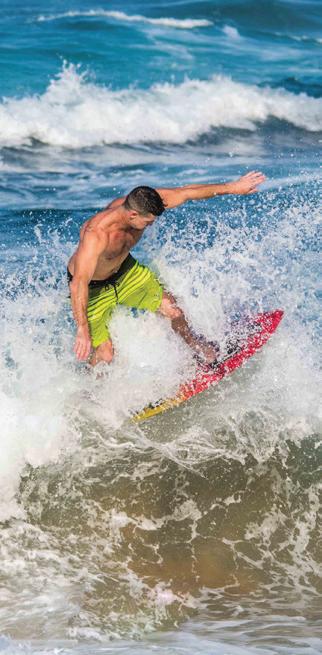
34 LIVE WILD & FREE Mark Smith turned family love for bush and ocean into a fully customised overland adventure setup.
48 FEAR IS FUEL
Philanthropist Brossie chases adrenaline and pays it forward by mentoring Durban’s next generation.

22 THE WATCH ON YOUR FATHER'S WRIST
Explore classic and designer watches as investments, heirlooms, and style statements.
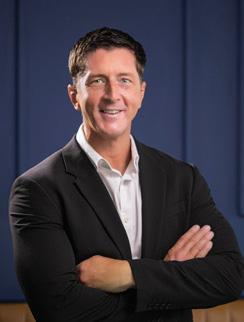
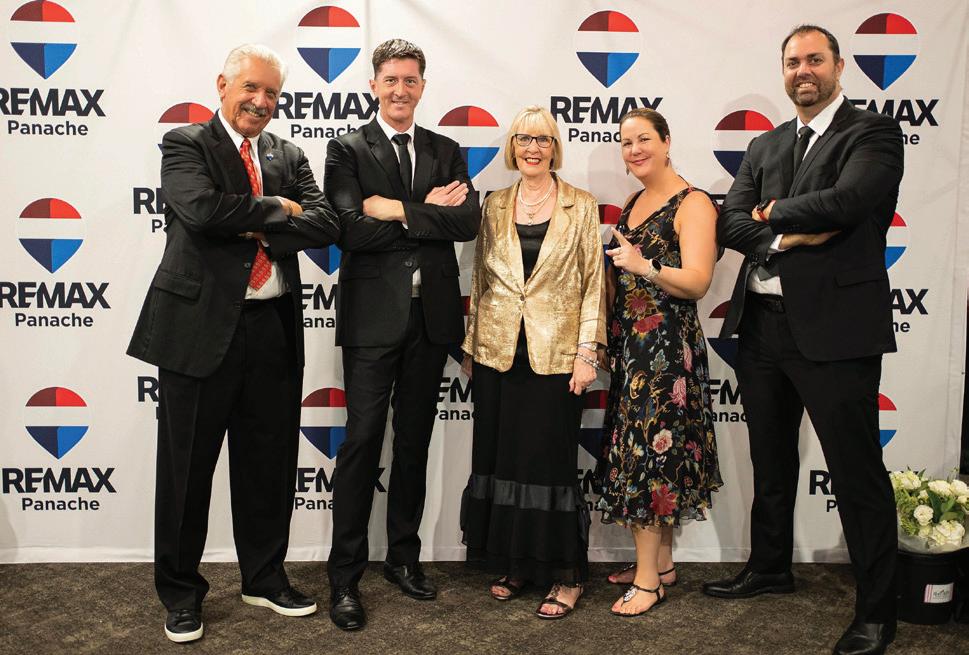
RE/MAX Panache and Grant Gavin reflect on 30 years of expertise in real estate. Read more on page 20




WPUBLISHER



e're living through an amazing season of change globally and on the North Coast. AI is the conversation at almost every table and along our coastline new property and infrastructure seem to rise faster than we can keep up. The future feels both daunting and exciting at the same time. More exciting, I think.
And yet, thinking about this edition I keep coming back to the things that don't change. Principles and virtues that shape how we treat one another, and how we show up for the people in our lives. They become refined to suit the times, but they hold at their core. I like to think they will remain timeless. Worth keeping, and worth passing on. That is what I felt reading this edition.
We focus a little more on men in this edition and, given the theme, I was lucky enough to write two pieces that asked me to reflect on exactly that.
The first was on raising my sons. It was deeply introspective, and what I share are my own experiences and thoughts. I know they'll look different in every home, and that's the point. Open to a changing world, yet steadfast in the virtues that travel across every generation. I'd like to believe I've helped raise modern day gentlemen, and that those virtues will hold them in good stead and I share a little on how in the piece.
The second is on watches. As an old watchmaker once told me, learn the difference between a watch and a timepiece, and you'll understand what you're really holding. I loved my
grandfather’s Rolex. When I heard years later that it had been stolen, what I grieved was never the brand. It was “gramps”, and the memory of him wearing it.
Lorinda and I chose to give each of our children a watch on their twenty-first birthday, our sons and our daughter alike, rather than the traditional key. It was never about status or who it was for. It was about time, and the quiet reminder that it’s the most valuable thing we can give anyone.
You’ll find that same thread woven through this edition. The men shaping tomorrow with purpose and discipline. The ones learning to pause, find their balance, and ask for help. Those reaching back to mentor the next generation. An evolving idea of who a man is, anchored to something that doesn't change.
To the men reading, I hope you connect with it. To the women, I hope you feel seen in it too, because none of these stories are written without you in or part of them.
So this edition, I'm raising a quiet toast to the timeless things, and to all of you doing the patient work of passing them on.
Till the next edition. God Bless
Lorinda Scott lorinda@fabmags.co.za
EDITOR
Justin Scott justin@fabmags.co.za
GRAPHIC DESIGNER
Michaela Naidoo michaela@fabmags.co.za
SALES EXECUTIVE
Amy Jenkins amy@fabmags.co.za 082 777 5541
OPERATIONS DIRECTOR
Sharlene Odayar sharlene@fabmags.co.za
CONTENT & COPY MANAGER
Cristina Govender cristina@fabmags.co.za
IN-HOUSE JOURNALISTS
Elvida Sydney content@fabmags.co.za
Jacqueline Herbst jacqui@fabmags.co.za
Mariska Moodley content2@fabmags.co.za
CONTRIBUTORS
Justin Scott, Nqobile Maphumulo & iNala Business Coaching
ACCOUNTS accounts@fabmags.co.za
SOCIAL/EVENTS lorinda@fabmags.co.za
CONTACT FABMAGS 032 946 0357 104 San Hall Office Park Kirsty Close, Ballito, KwaZulu-Natal
PRINTED BY CTP Printers Cape Town
COVER PHOTO Grant Gavin from RE/MAX
While every effort has been made to ensure the accuracy of the contents FabMags Publications cannot be held responsible for any omission or errors, or for any misfortune, injury or damages that may arise therefrom. The Umhlanga is published by FabMags Publications, 104 San Hall Office Park, Kirsty Close, Ballito, South Africa 4418. Copyright The Umhlanga and FabMags Publications. All rights reserved. Reproduction in whole or any part is prohibited without prior permission of the publisher. All products and services featured in this publication are subject to availability and are not stocked by FabMags Publications.
and the FabMags Team








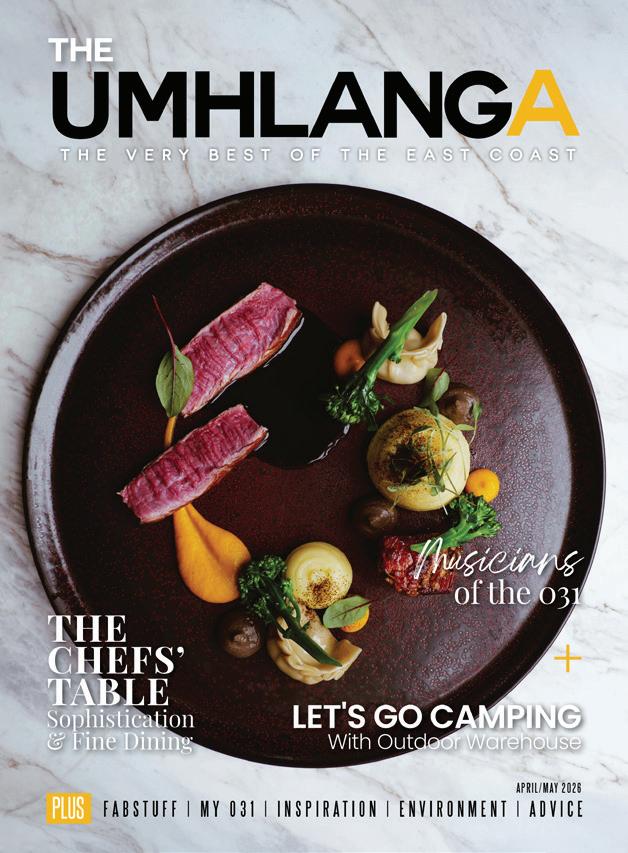





We are ecstatic to bring you the 86th edition of The Umhlanga Magazine! Thanks to our supportive community, valued clients, and hard-working team, we are able to deliver this magazine to our readers. Be sure to follow us on our social media platforms and websites as we uncover the very best of the East Coast. Let’s keep the conversation going — we love hearing from you!


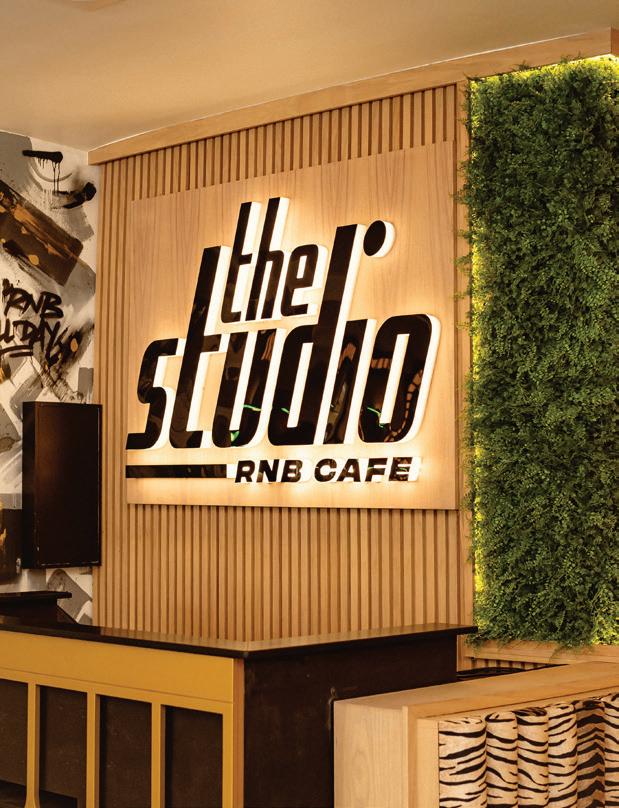
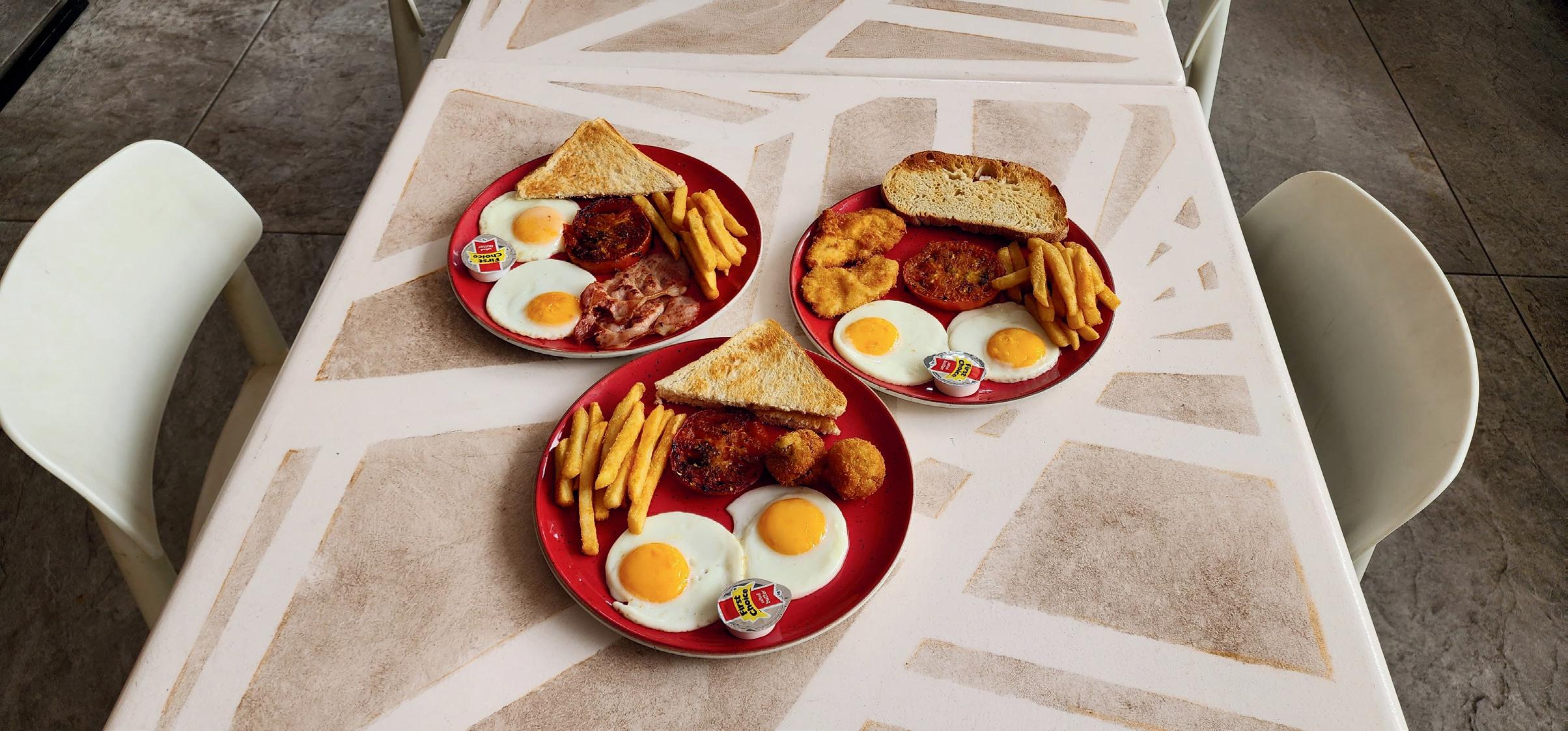
Inspired by 90s R&B, timeless soul, and the golden era of hip-hop culture, Studio Café blends warm lighting, soft textures, and curated playlists into a modern lounge experience. Whether you’re here for good food, good company, or the soundtrack that carries the night, you’ll find what you’re looking for. Designed to feel familiar, nostalgic and effortlessly stylish, it’s a home for those who appreciate vibe-driven living, and where music leads the mood.














CANINE & CO


Inspired by the instinctual diet of dogs in the wild, this grainfree recipe offers pets a meal that’s as close to nature as it gets. Made with premium novel proteins like bison, venison, and salmon, it delivers rich flavour while supporting lean muscles and healthy energy levels. Ideal for pet parents seeking biologically inspired nutrition. Retail price for 12.2kg is R1,852 www.canineandco.co.za





















HOOKED BY ASAKO YUZUKI
An unsettling story of the line between friendship and dangerous obsession, and a delicious exploration of food, loneliness and womanhood in contemporary Japan. Retail price is R400 www.exclusivebooks.co.za

Perfectly paired wearable eyeshadow duos in matte and shimmer textures. With an all-day-wear formula, it’s travel friendly and perfect for on-thego eye looks. Available in everyday nude, on-thego rose, and deep nude. Retail price is R89.95 www.takealot.com

































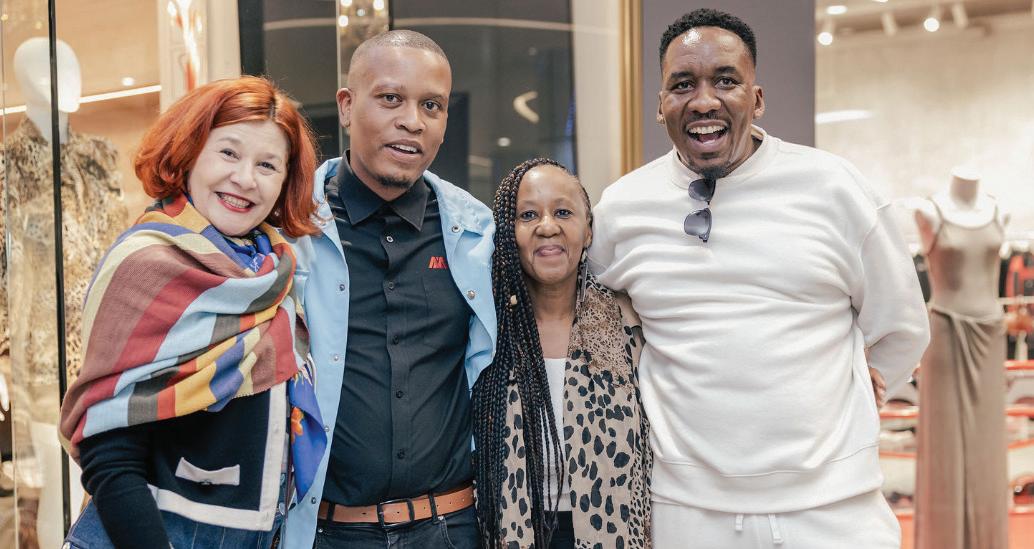
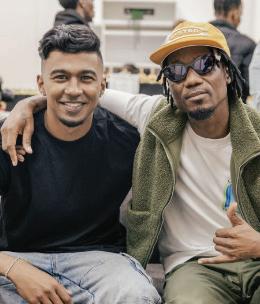
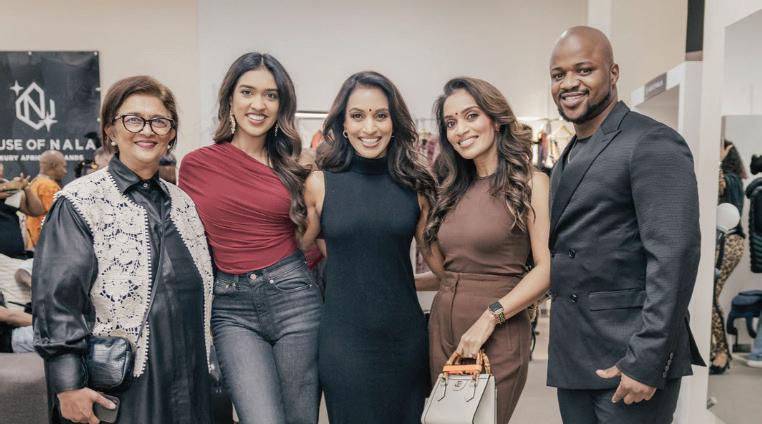
As a stylish prelude to the Metro FM Awards, African Fashion International (AFI) staged a bespoke fashion experience to mark the opening of the House of NALA boutique at Platinum Walk, Oceans Mall. A celebration of African luxury fashion, the event blended glamour and cultural pride, setting the perfect tone for Durban’s entertainment weekend.

1. Dr Precious Moloi Motsepe & Sorisha Naidoo
2. Agilan & Verushka Pillay
3. Yvonne Mason, Karabo Mahlakola, Helga Klizane & Mpho Ngakane
4. Ashay Sewlall & Teko Modise
5. Anand Moodliar, Qhaweka Mazaleni & Vanisri Moodliar
6. Roshnee Pillay, Miashca, Losh & Resh Naidoo & Lebogang Moloro








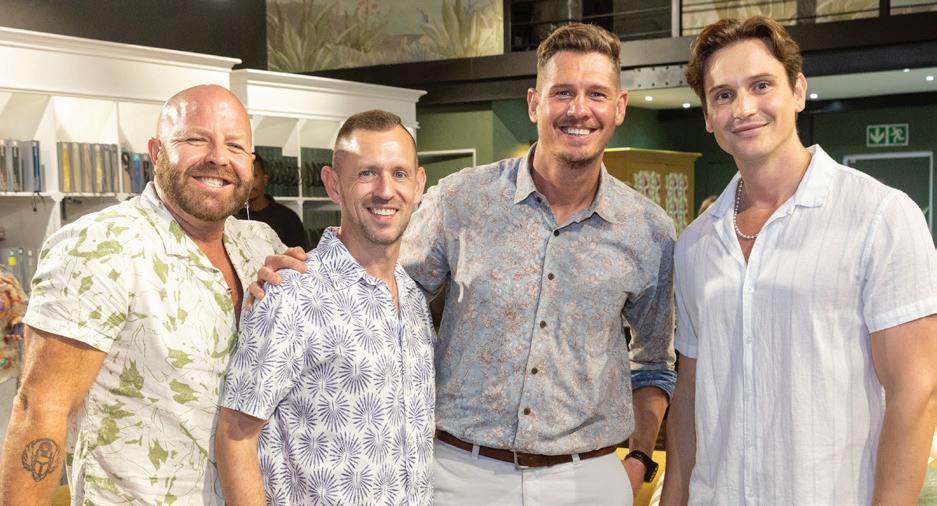
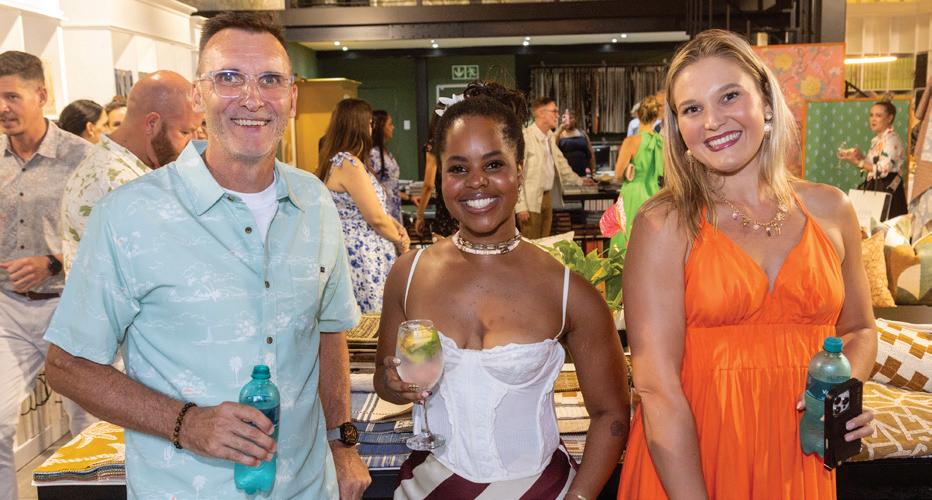
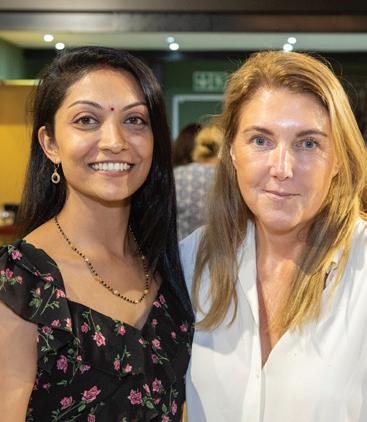
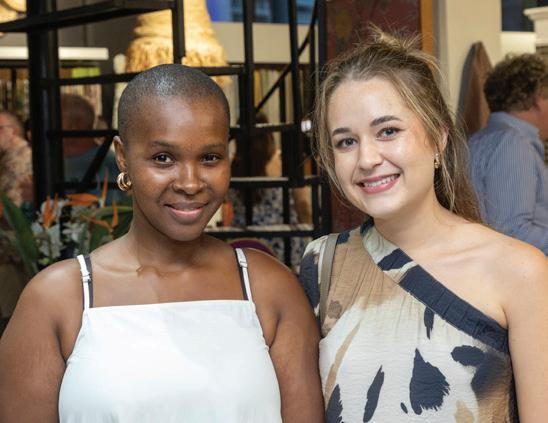
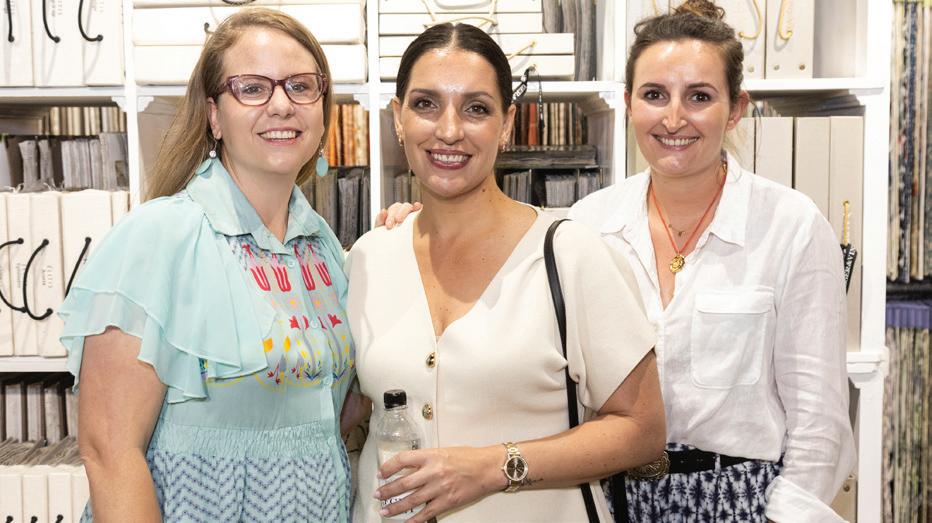
After nine years in Morningside, St Leger & Viney, one of South Africa’s leading names in fine fabrics and wallcoverings, has relocated their Durban showroom to Umhlanga, marking an exciting new chapter. The new showroom is a contemporary rethink, balancing bold design with a warm atmosphere, while continuing to offer the extensive range the brand is known for.
2.
3. Rajna Bissoon & Catherine Pitt
4. Ayabulela Dabula & Marne Jordaan
5. Charne Nel, Christi Badenhorst & Mathilde Darsonval
UMHLANGA
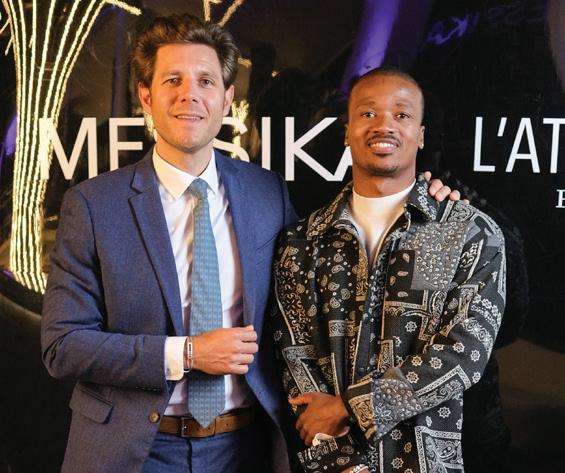
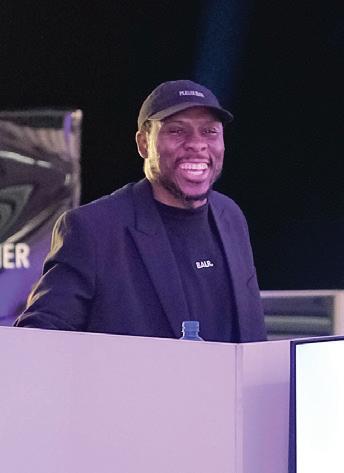
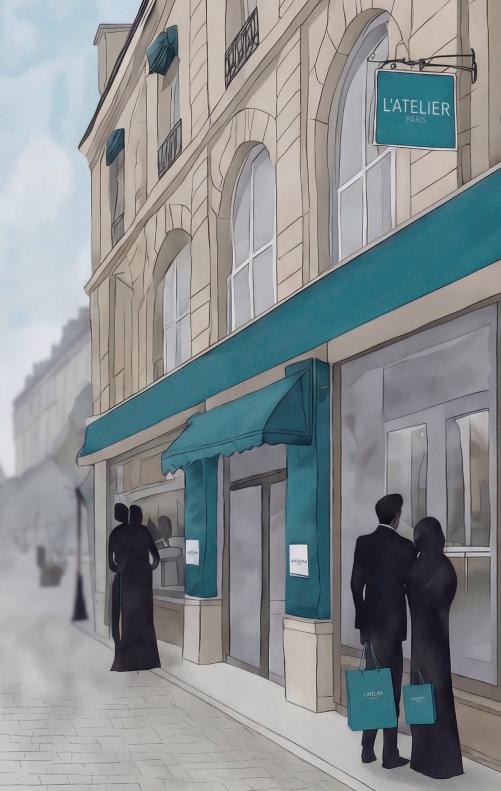
To celebrate its presence in the region, Messika Paris, in collaboration with L’Atelier Paris, hosted an exclusive cocktail at the Infinity Sky Deck. The presentation highlighted emblematic Messika pieces across four curated showcases, complemented by personalised guidance.
PEOPLE
1. Jean-Philippe Avenel & Lusaso Ngcobo
2. DJ Nag
3. Jean-Philippe Avenel, Louise Durand & Melody Molale
We attended the VIP launch of the Museum of Illusions at Gateway Theatre of Shopping. It was a magical, mind-bending experience packed with interactive fun, laughter and unforgettable moments for the whole family. A must-visit new attraction!
1. Refilwe Hlengwa, Masana Mathevula & Lifalethu Mbambo
2. Sierra & Jolene Michael
3. Denita Odayar & Shanice Bhudan

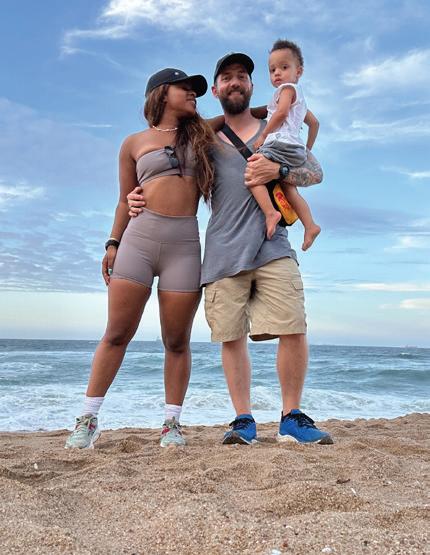






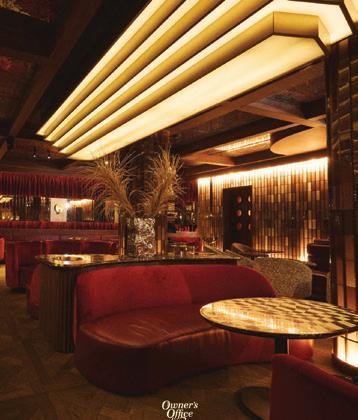







• For a girls’ night out: Owner’s Office.
• Place to take a first-timer: The Lighthouse; it's the easiest way to make someone fall in love with this town immediately.
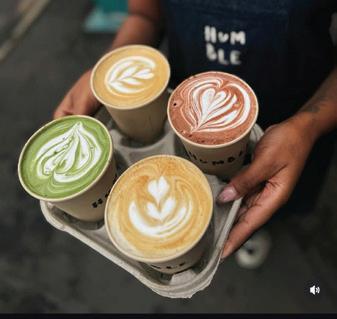
• Matcha at Humble Coffee.
• Spots for date night: Cafe 1999 or The Chefs’ Table!
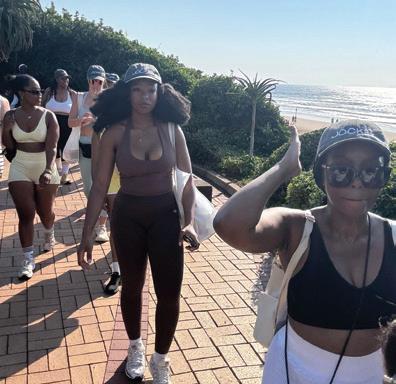
• A walk on the promenade, chatting to my husband Brad, and with my baby Slade on a weekend morning.
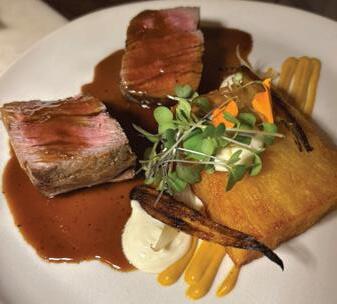
• Any of the wagyu meals from Tyler’s are just the best!









My boys are 28 and 23 now. The hands-on years of raising them are behind me, and what's left now is the privilege of guiding them and watching them grow as men and into who they were destined to be. I've been asked what I learned along the way. My honest answer is that I didn't have a recipe. I had a journey, and a handful of things that were important to me and mattered more than I knew at the time. Here they are, a collection of thoughts I share:
It started with my wife. Lorinda and I worked hard to stay on the same page. Boys read the room faster than you think, and if the two of you are not aligned, they pick up on mixed signals. Also, we learned to talk about as much as we thought necessary upfront, so the message the boys got was as clear as it could be. A single voice, so to speak.
How I saw them shaped how they grew. Fatherhood was never a power struggle or hierarchy for me. Strong clans have many leaders, and I always felt the boys deserved a seat at the table early on. I felt power struggles always caused issues, so I stayed away from them.
I learned to choose my battles. Principles over destruction. Before digging in on an argument, I'd ask myself if this was the one I was willing to break the relationship over. Most of the time, it wasn't. I saved the hard “Dad” approach for the things that actually mattered.
Integrity is saying, doing and thinking the same thing, and boys have a built-in radar for the gap between what you preach and what you practise. I was their compass, and I had to hold myself to the standard I held them to. I failed at this at times.

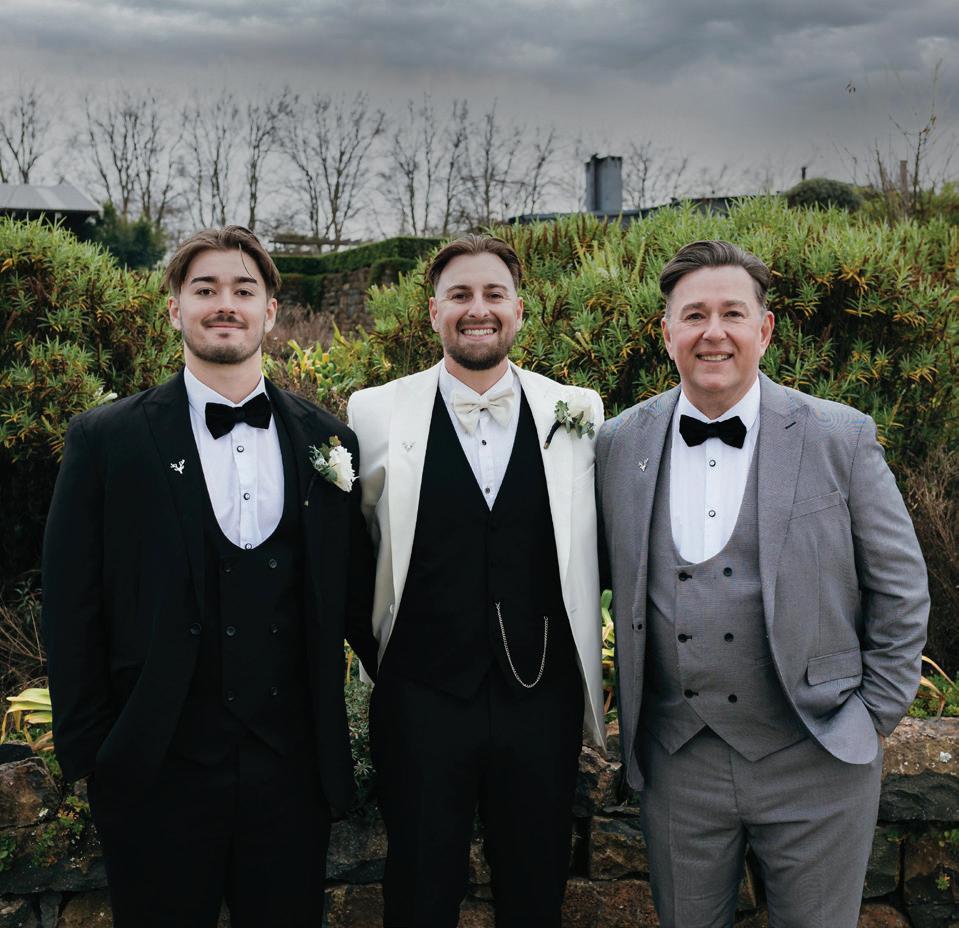
They saw me fail, but what they remember is that I owned it and kept going. I think that's when they learned that becoming a man of character is a journey, not a performance.
We talked. I talked to their friends too. Some of our best conversations happened on the way to rugby practice, when no one had to make eye contact, and everything was on the table. It was the open channels, more than what we talked about, that paid dividends later on.
And I learned that it takes a village. There were seasons when my boys tuned me out, and in those seasons, the other voices in their lives mattered enormously; coaches, uncles and friends' fathers. I tried to influence that circle as best I could, because when they weren't listening to me, I still wanted whatever guidance they got to count.
I figured my boys didn't need a perfect father; they needed a present one. A real one who showed up, owned his mistakes, and kept choosing them. The relationship I have with them today is the result of a thousand small, ordinary moments I didn't know were the important ones at the time. That's the part no one tells you. The big lessons are rarely delivered in big moments. They're built quietly, over years, in the cars and kitchens and sidelines of an ordinary life. That's what it looked like for me.
I was their compass, and I had to hold myself to the standard I held them to.
JUSTIN is one of the founders of FabMags. He is passionate about family, business strategy and tech. He is also a fan of storytelling and its role in binding communities.
justin@fabmags.co.za

































How one family's gamble on an American brand became North Durban's market-leading real estate force
In 1996, when Graham and Karen Gavin opened their RE/MAX office in Durban North, the local real estate industry did not roll out the red carpet. RE/MAX was seen as an American brand with American ideas that challenged the way real estate had always operated. Local listing services and established agencies closed ranks. The message was clear: you are not welcome here.
But Graham and Karen Gavin ignored every word of it.
Their founding philosophy of placing the agent at the centre of the business model was radical for its time. Where the industry promoted company brand first, and ran on a rigid 50/50 commission split with agents, RE/ MAX Panache flipped the script. Topperforming agents could operate as entrepreneurs within the business, keeping a significantly higher share of earnings, and were permitted to brand themselves personally. In the midnineties, that was unheard of, whilst today, it is an industry standard.
By 2006, Grant Gavin, Graham and Karen’s son, bought into the business. Whilst he brought financial acumen and two years of franchise sales experience from RE/MAX head office, he had never sold a property before.
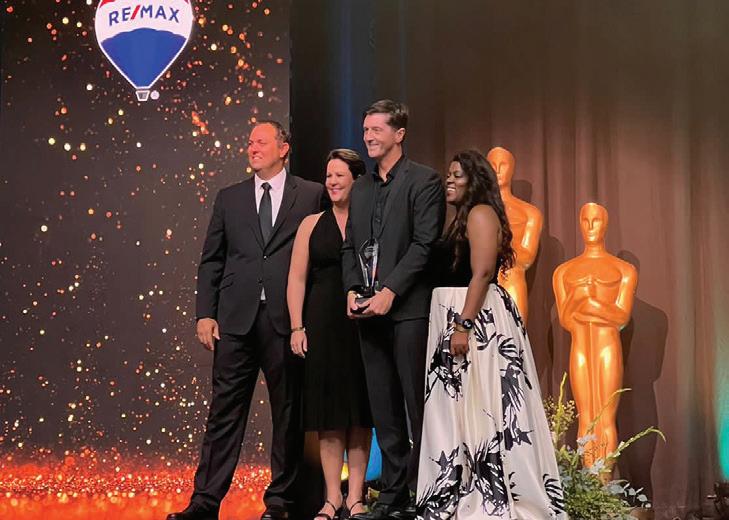
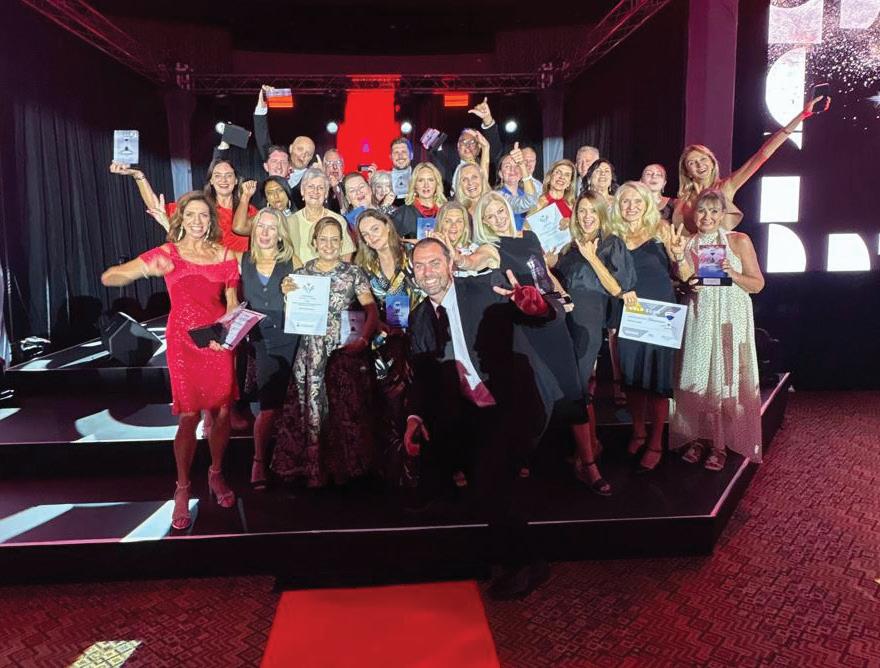
In real estate, where selling experience was considered a form of currency, the Gavins flipped the script again. Twenty years on, Grant has grown RE/MAX Panache to 75 agents, transacting R1.5 billion in property sales annually across the North Durban market. The office is the No. 1 RE/MAX office in South Africa, recording the highest agent productivity statistics in the country, and sells 1-in-3 homes in the Northern Durban suburbs.
Grant has won the RE/MAX of Southern Africa Broker/Owner of the Year Award seven times, speaks on sales internationally, coaches salespeople from competing brands around the country, and has written a book, Thoughtonomy. He still has not sold a house, and today considers this to be his greatest professional advantage.
“I was never conditioned by 30 years of traditional real estate training,” he reflects. “That gave me the freedom to grow by searching for new approaches to sales coaching rather than defaulting to the way things had always been done.” The result is a culture that feels less like a real estate office and more like a high-performance academy, where coaching and entrepreneurial
thinking are the entire architecture of the business. Agents join RE/MAX Panache and grow as human beings, not just as sales people.
The model has been a resounding success. Locally, agents like Deanne Hamilton and Frances Park-Ross have joined the industry from prior careers and have flourished in an environment that matched their ambitions. Deanne has become one of the most recognised names in North Durban property, and her team was recently awarded the No. 1 RE/MAX Sales Team in South Africa. And Frances has built a career that exemplifies what happens when talent meets the right environment.
2026 marks 30 years of Excellence for RE/MAX Panache. What began as a family’s defiant bet against convention has become, three decades later, the market’s benchmark for success.
RE/MAX Panache is located in Glenashley, and the team is ready to help you with buying your next home or selling one to its next family.

WORDS JUSTIN SCOTT
Ask any man over 40 about his first proper watch. He'll remember where he bought it, what he paid, and probably what he was wearing the day he put it on. Watches do that. Cars don't, and phones definitely can’t. For most men, a watch is one of the few personal items worn every day for decades: worn to a first job interview, gifted by their wife on their wedding day, or passed down from a father who wore it around the
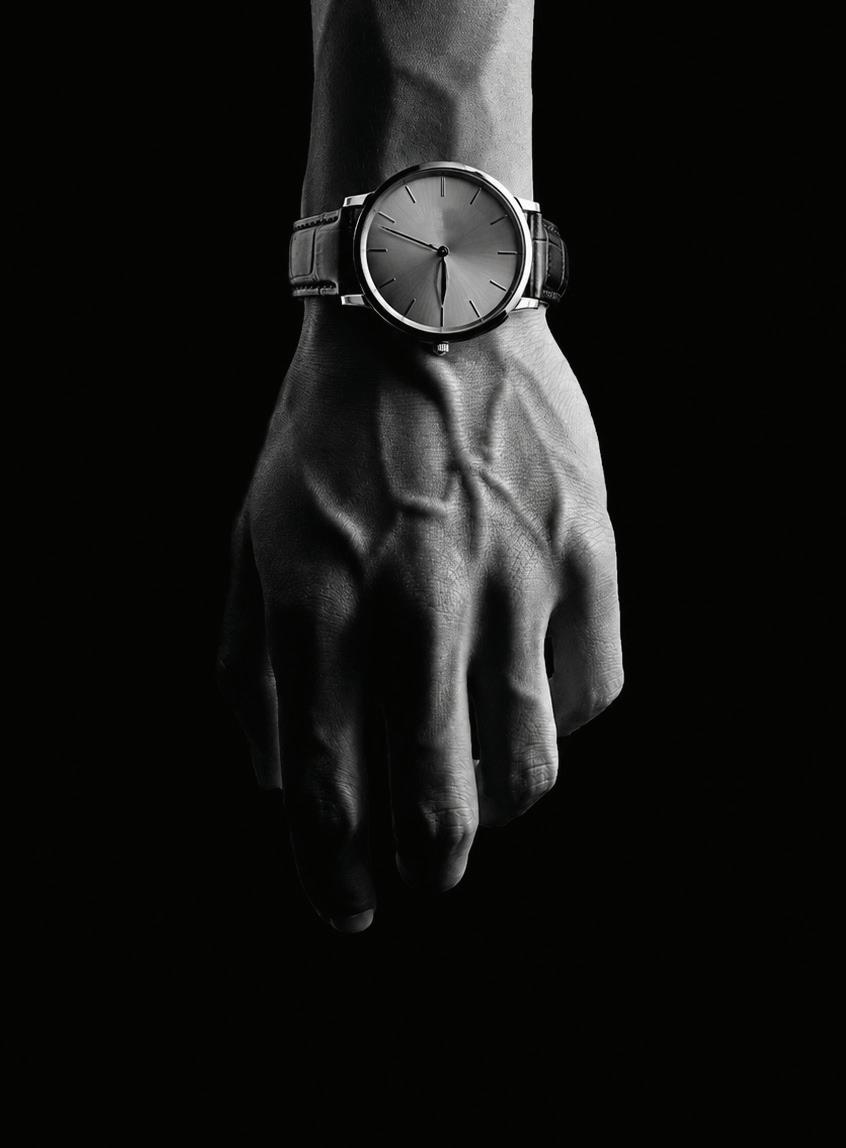
braai on Sunday afternoons. Over time, it stops being about timekeeping and becomes something else. Sentiment rarely tracks the price tag either. A son will treasure his father's old
Seiko as deeply as someone inheriting a Rolex. The value lives in the scratches, the faded bezel, and the fact that you remember seeing it on his wrist every day growing up. That weight is also why classic
Take a deeper look at classic and designer timepieces as investments, heirlooms and fashion statements.
watches still matter. A Submariner from 1985 still works. A smartwatch from 2020 is already obsolete and waiting in a drawer for a charger nobody can find. Mechanical watches age with their owner, and everything else just ages.
Jean-Philippe of L’Atelier Paris puts it well: “A fine watch sits at the intersection of emotion and investment. It's one of the rare objects a man can wear every day, build memories with, and eventually pass on.”
That intersection is not sentimental fluff. The 2025 EveryWatch Secondary Market Report pegs global pre-owned watch sales at $16.7 billion last year, up 36.4% on 2024. Rolex alone moved $5.7 billion of that. Only three brands consistently trade above retail: Rolex, Patek Philippe and Audemars Piguet. The single best-selling reference in the world was a discontinued steel Rolex Daytona, with $54 million in resale value moved in twelve months.

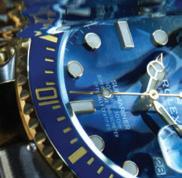
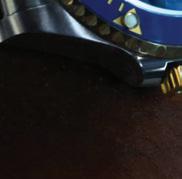
The icon. The Submariner needs no introduction in any country on earth, which is precisely why it carries the cultural weight it does. A new steel Submariner Date at an official retailer is roughly R250,000 today, and pre-owned examples regularly trade close to retail price or above. Gary Cherry, a well-known KZN jeweller, puts it bluntly: “The craftsmanship in a top-quality watch is desirable worldwide. Today's youth prefer Apple and Garmin watches, but those have no resale value. The timepiece that ticks every box is Rolex.
Closer to home, South Africa is tracking the same direction. Lamna's 2025 luxury asset report shows local mid-range watches trading up 28% year-on-year, with the South African luxury watch segment forecast to grow by more than 6% annually over the next five years. The global appetite is showing up on local wrists.
Good watches are part of a shift you can see around Umhlanga of late. Well-cut suits at functions that used to call for chinos. Whisky bars filling up, cigars on a Friday evening, and when a jacket sleeve rides back at dinner, the glint of something quietly excellent on the wrist. Men are dressing with intent again.
Most of you will already know the major brands. What is worth talking about is why two watches in particular have carried that conversation for sixty years, and why the third option on the list isn't a watch you buy at all.









you're










When you own a Rolex, you own currency. If you're stuck anywhere in the world and need cash, your Rolex will get it for you.”













master spy never looked back. New







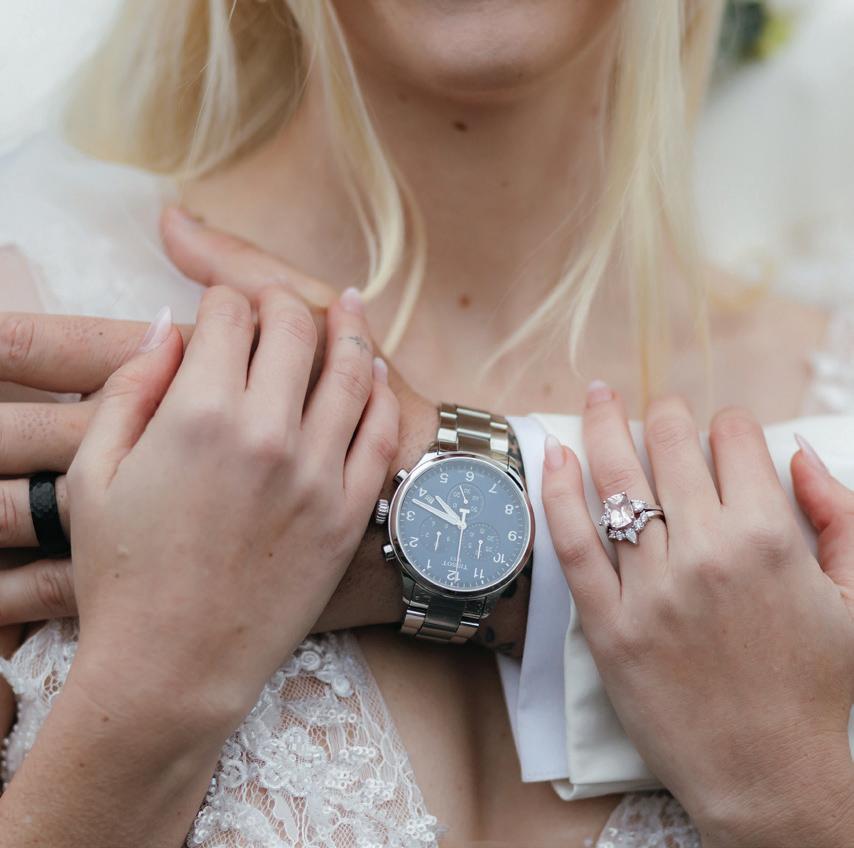
The connoisseur's daily watch. It doesn't shout, and it doesn't need to. The Seamaster is what a man buys when he knows enough to want serious quality without spectacle. James Bond moved from Rolex to Omega in 1995, and the master spy never looked back. New steel models retail from around R145,000 in South Africa. Resale is solid, and Omega placed fourth in the EveryWatch global report at close to $700 million in 2025 secondary sales. It is one of the few luxury sports watches equally respected by collectors and worn easily every day.






Most men have one in a drawer. An old Omega, a Seiko, a TAG from the eighties. Get it valued and serviced. A competent watchmaker can revive most vintage pieces for R3,000 to R10,000. Vintage Omega Seamasters in good condition trade for R30,000 to R80,000 on local platforms. A genuine Submariner from the seventies, even worn, starts above R150,000. The piece in your drawer might already be the one worth keeping and wearing.
And if the drawer at home is empty, there is one more move worth making. Buy a watch now that you intend to wear for the rest of your life and hand down after that. Not the most expensive piece you can stretch to on the day. The one you will still want on your wrist in twenty years. That is how every watch in this article became the watch in this article. Someone bought it with the long view, wore










it every day, and eventually passed it on. Long after the trends, the upgrades and the latest tech have moved on, the watch that means the most is usually the one with the history already in it. The good news is you can start building that history today.




AFRICA’S GREATEST HORSE RACING AND SOCIAL EVENT

SATURDAY 4 JULY 2026





TICKETS ON SALE













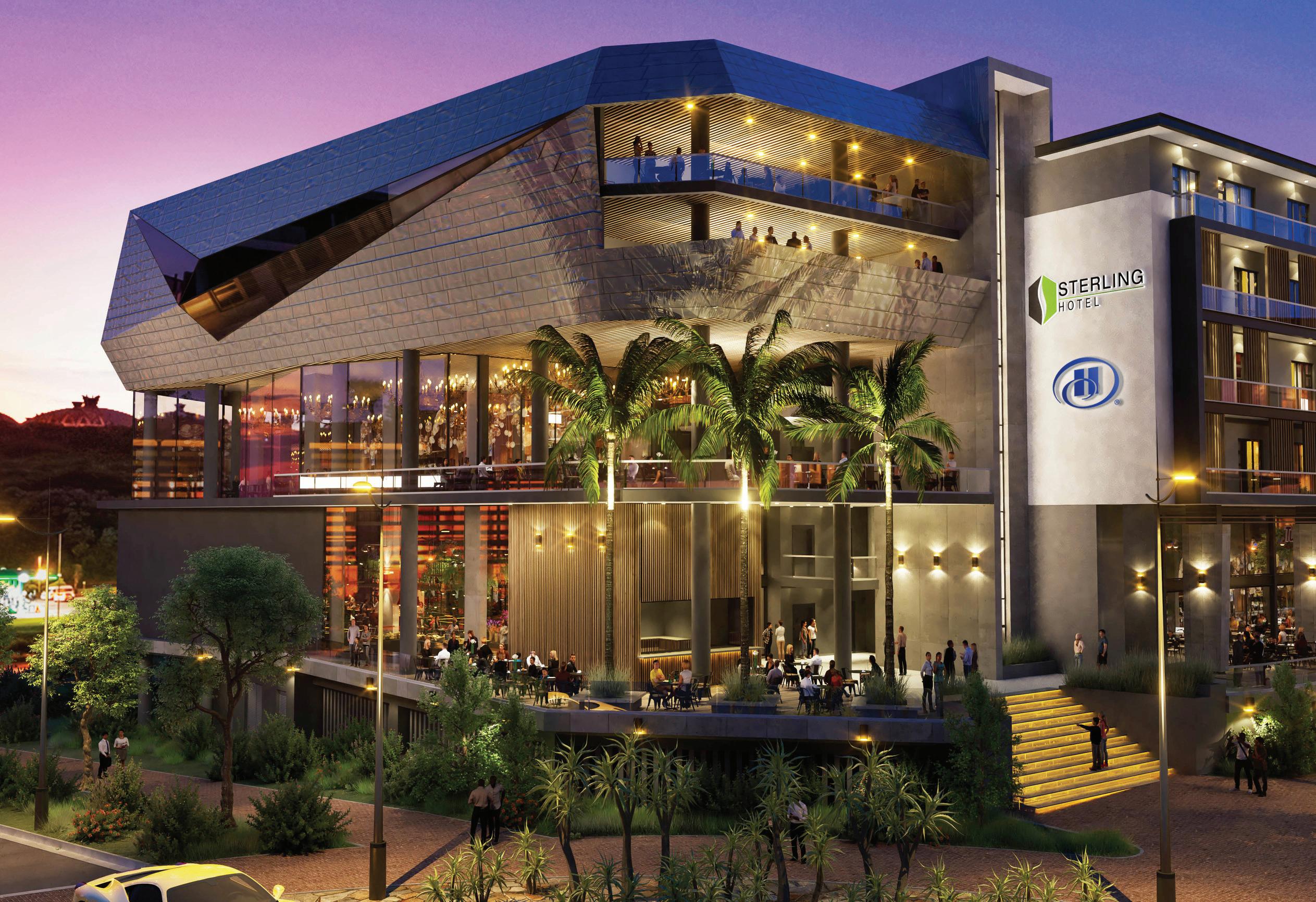
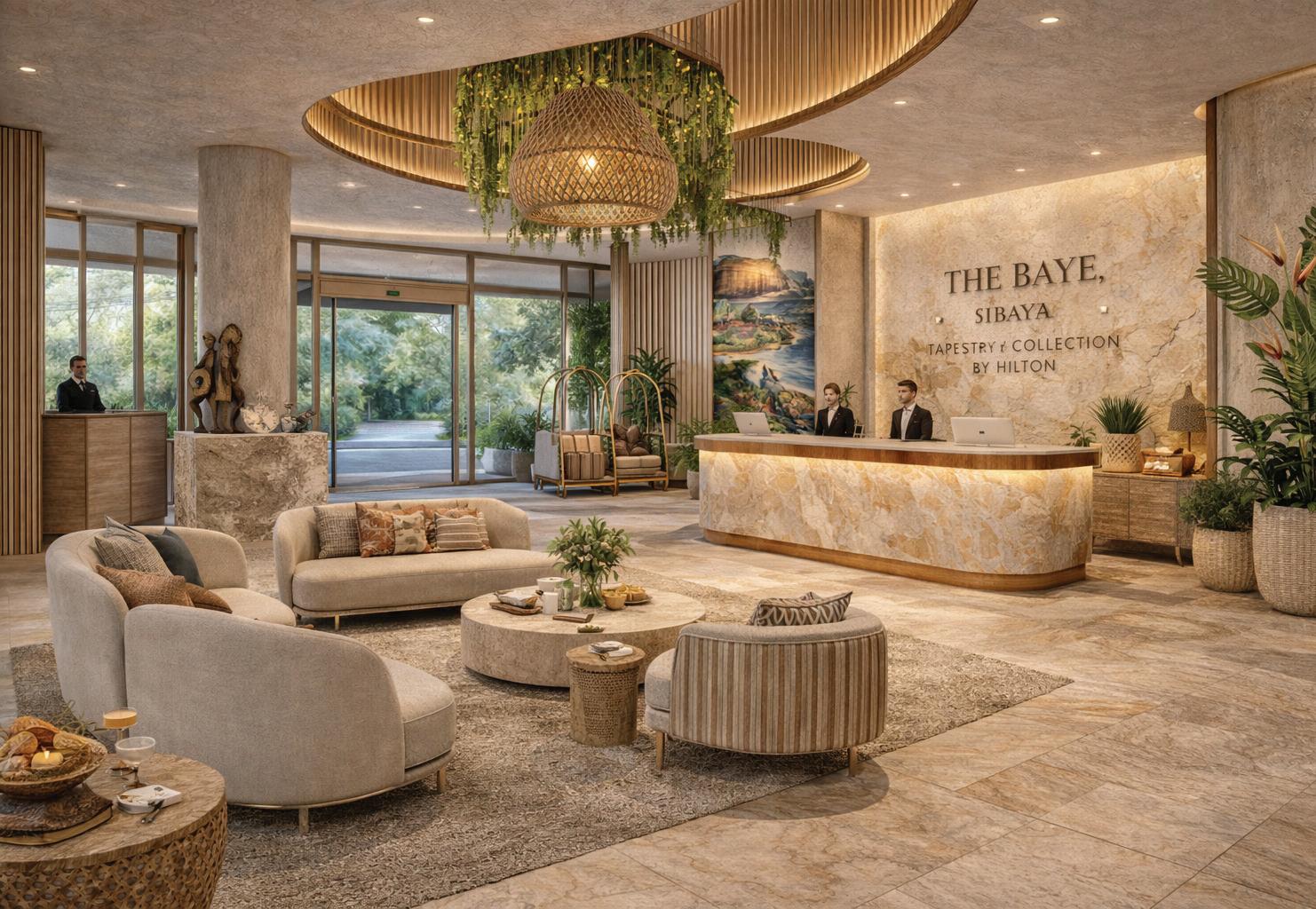
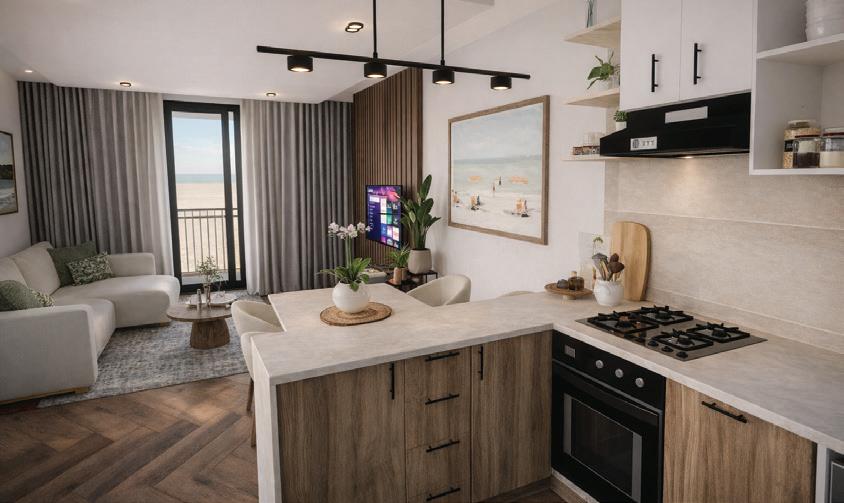
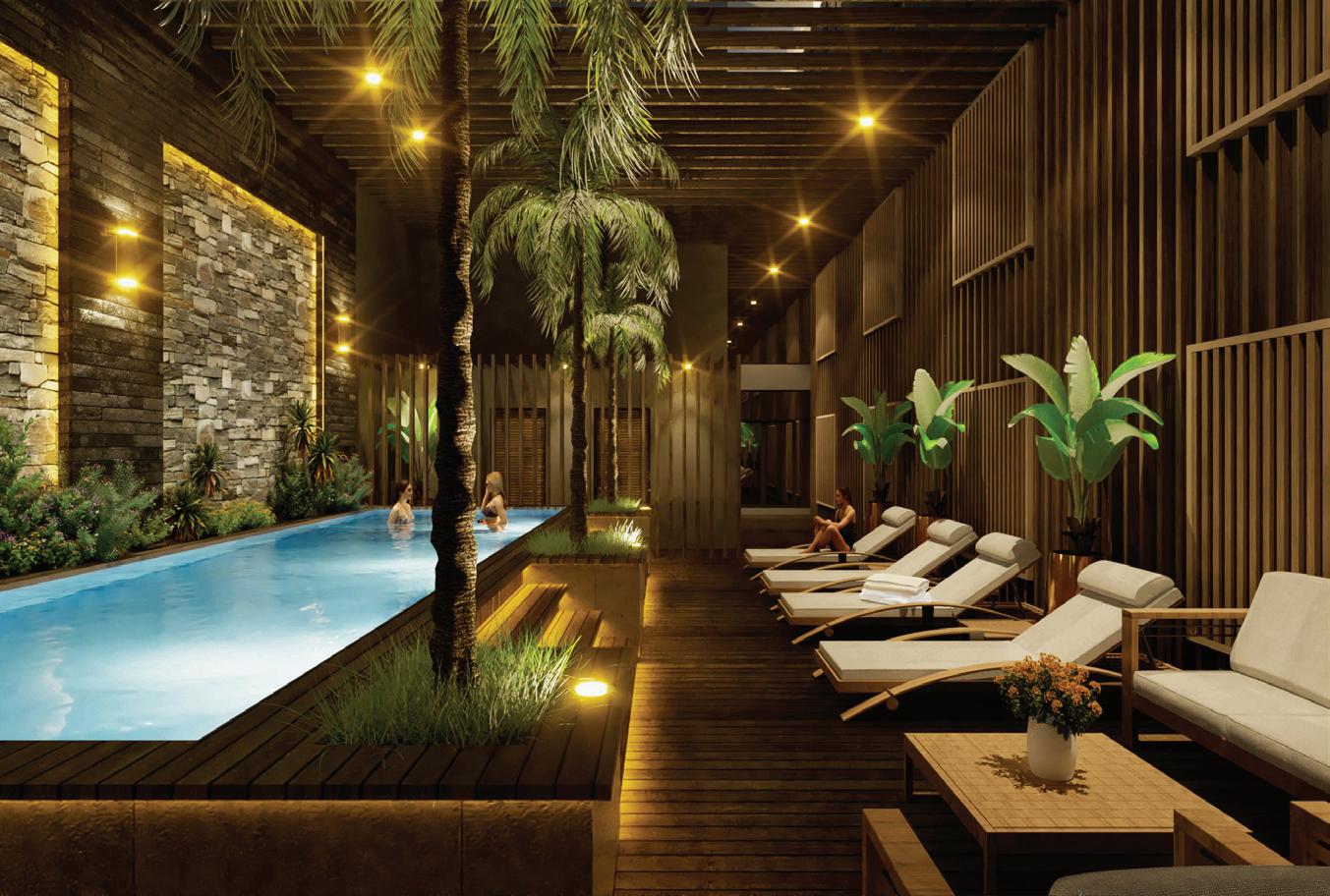
Hilton's Tapestry Collection Makes its South African Debut on the KZN North Coast
The hotel will celebrate its coastal setting through carefully considered architecture, interiors, and curated guest experiences
Set along the fast-growing Sibaya coastline, just minutes from Umhlanga and King Shaka International Airport, an exciting new chapter in South Africa's hospitality story is about to unfold. The upcoming The Sterling Hotel will introduce the country's very first Tapestry Collection by Hilton – a milestone for both KwaZulu-Natal and Sub-Saharan Africa.
A global brand, reimagined locally
Part of the globally respected Hilton portfolio, the Tapestry Collection by Hilton is known for its distinctive, storydriven hotels. Each property reflects the spirit of its surroundings, offering guests a stay that feels both refined and deeply connected to the place. Its arrival in Sibaya signals a shift towards more design-led, experience-driven hospitality on the North Coast.
Designed with a sense of place
The Sterling Hotel is set to embody this ethos, blending contemporary luxury with local inspiration. Rather than a one-size-fits-all approach, the hotel will celebrate its coastal setting through carefully considered architecture, interiors and curated guest experiences. Expect spaces that feel elevated yet relaxed, with subtle nods to the region's natural beauty and cultural richness.
Perfectly positioned
Situated within the rapidly developing Sibaya Coastal Precinct, the hotel offers an ideal location for both business and leisure travellers. Its proximity to Umhlanga and King Shaka International Airport ensures seamless connectivity,
while its coastal setting provides a sense of escape with sweeping ocean views and easy access to the shoreline.
Boutique feel, backed by Hilton
While The Sterling Hotel promises the elevated service and reliability synonymous with Hilton, it will retain the individuality that defines the Tapestry Collection. Guests can look forward to a personalised, boutiquestyle experience, complemented by the assurance and global standards of a leading hospitality brand.
A boost for the North Coast
The introduction of this internationally recognised collection is more than just a new hotel – it reflects growing confidence in the North Coast as a premium lifestyle and tourism destination. As Sibaya continues to evolve into a vibrant mixed-use hub, developments like The Sterling Hotel are set to enhance its appeal and attract both local and international visitors.
With its doors set to open soon, The Sterling Hotel is poised to become a standout addition to KwaZulu-Natal's hospitality landscape – offering a stay that is stylish, considered and distinctly local.
075
Meet the men shaping the East Coast with passion, strategy, and discipline.
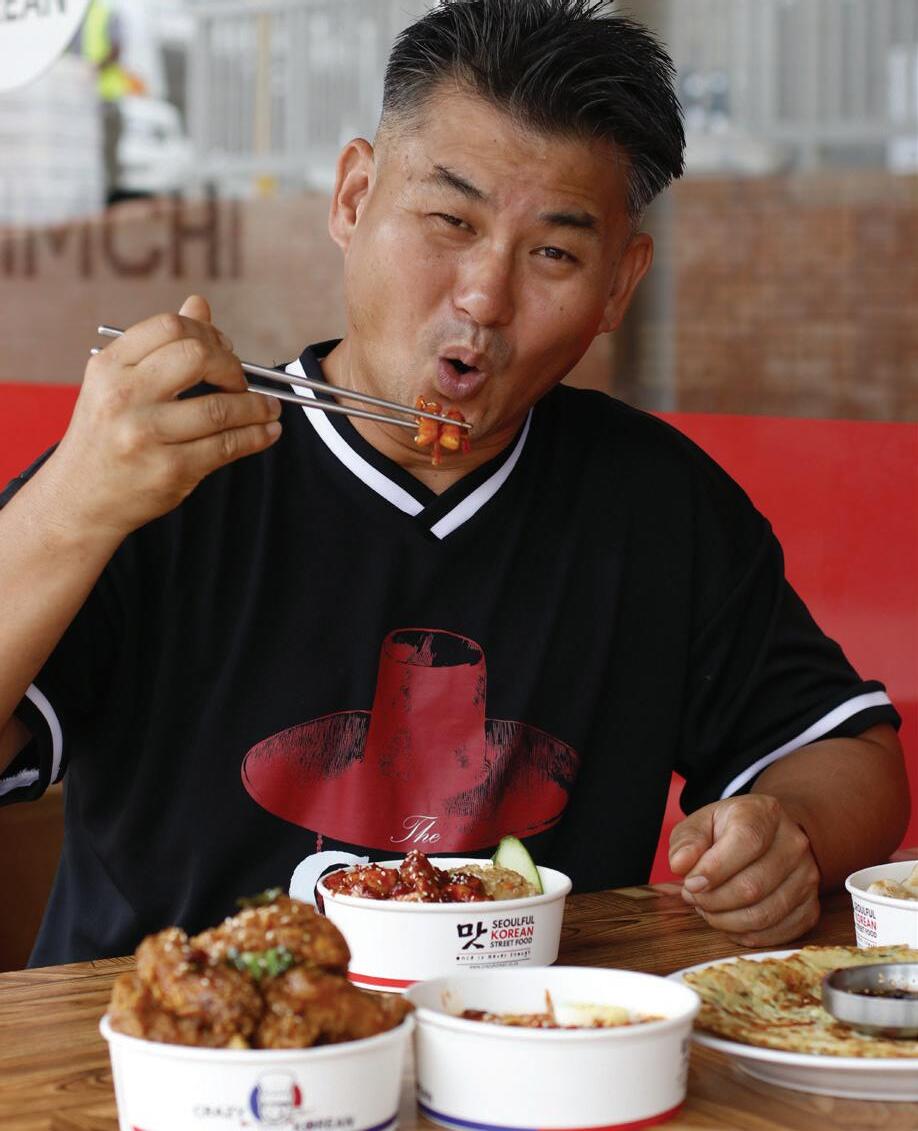

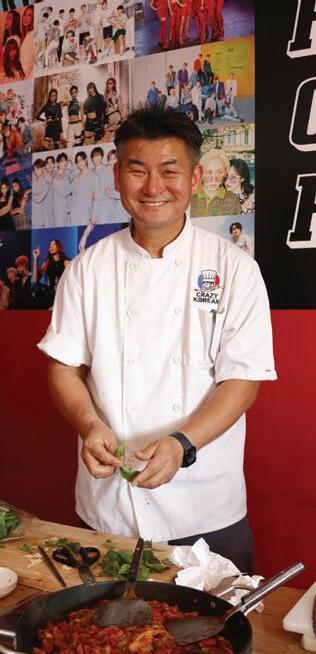
KwangJeon Lee
Crazy Korean Owner
I’m originally from Korea and now living in Durban, running Crazy Korean. I see myself as a bridge between Korean and South African culture through food and sometimes through a bit of humour, too.
What I love about Durban North is the mix of people. There’s a kind, open-minded energy here, which makes it easy to share something different. Crazy Korean is not just a restaurant; it’s Korean food made
simple for everyone. We started at markets with our Sticky Chicken and grew from there. My goal has always been to make Korean food feel easy and fun. You’ll see that in our food and also in our social media, where we share Korean culture, family moments, and sometimes a bit of “crazy” around Durban.
Challenges
The biggest hurdle is consistency across taste, service, and staff. Everything must be consistent every day. In a small business, even one small mistake affects the whole experience. At the same time, we need to keep things fresh and exciting. So it’s always a balance between discipline in the kitchen and creativity in how we connect with customers.
My business philosophy
Some people may not have tried our food before, but no one tries it just once. Food is not only about taste, but it’s also about the feeling. If customers leave a little happier, we’ve done our job. Whether it’s through flavour, service, or even a funny moment they saw online, it’s all part of the experience.
Advice
If you don’t have passion, don’t start. But if you do, start small and stay lean. Work hard, be patient, and don’t take yourself too seriously all the time. Customers enjoy real people, not perfect businesses. Passion brings people in, but consistency and discipline keep them coming back.
www.crazykorean.co.za


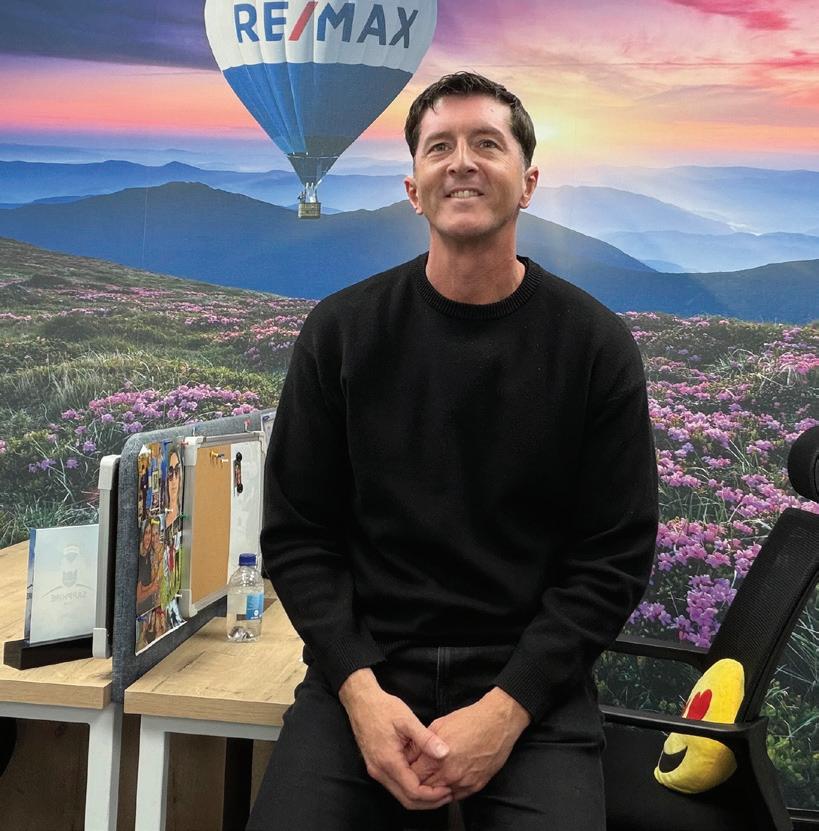
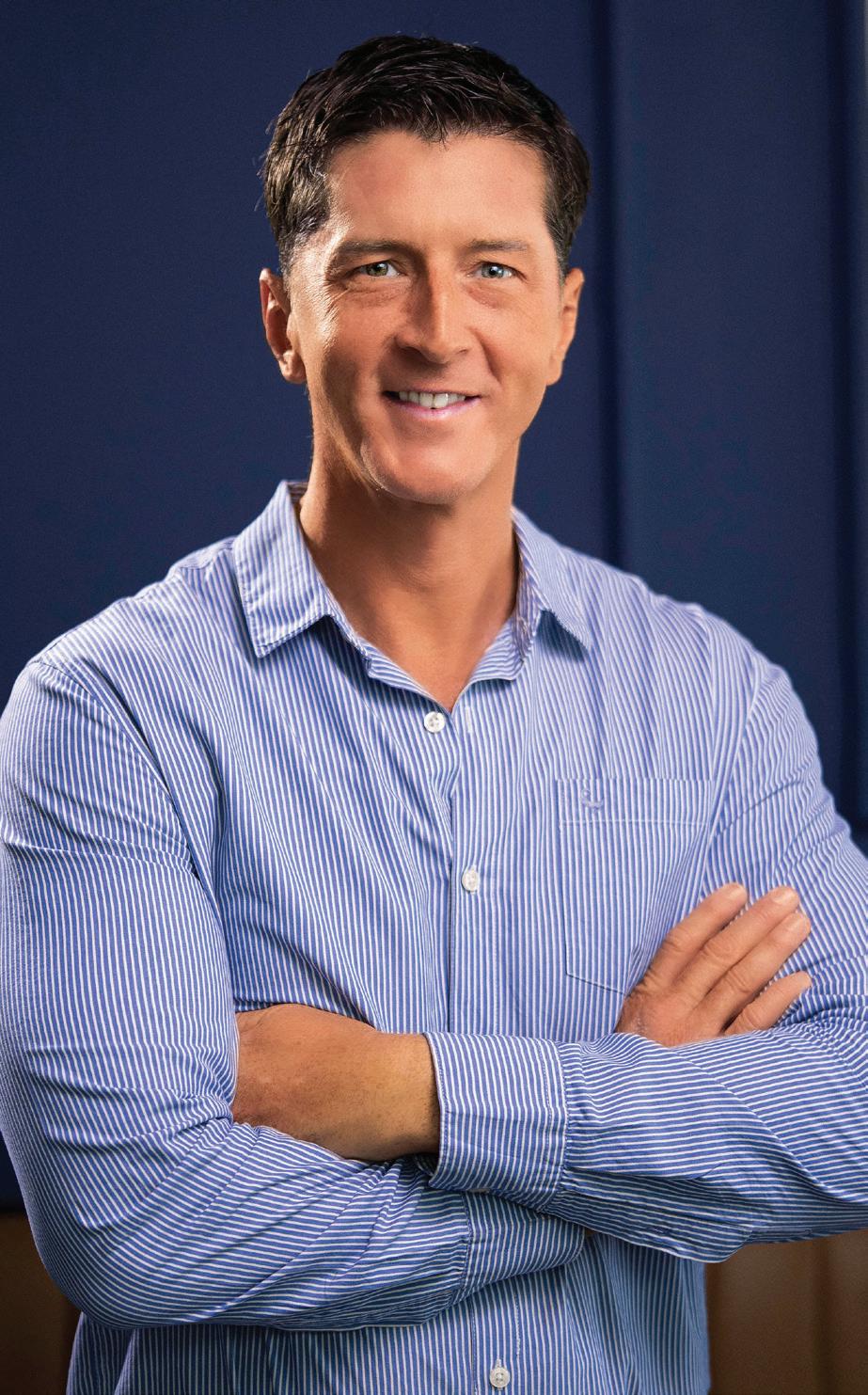
I am a father of two amazing children, owner of RE/MAX Panache, author of a book called Thoughtonomy, as well as a speaker and coach. Born and raised in Durban North, I returned to live on the KZN North Coast after spending five years in London and two years in Cape Town in my 20s. I love it here.
My father was an early RE/MAX pioneer, having joined the brand as it entered South Africa in 1995. As a youngster, I always insisted I wouldn’t get into real estate. But I found myself in Cape Town in 2004 working for the RE/MAX of Southern Africa Regional Office, selling franchises and doing business development with the franchise owners around SA. My father called me in 2006 and said he wanted to get out of the industry, and offered me a chance to buy half his RE/MAX Panache Office. That was 20 years ago, and today I am the sole owner of the business.
Constantly staying ahead of the curve. Markets and industries are constantly changing, and the market leader has to be at the forefront. Whether it's technology, market forces, or even changes in consumer and agent behaviour, I put a lot of pressure on myself to detect changes early so we can be first to adjust. I don’t always get it right, but that is the challenge.
My business philosophy
Success comes from discipline
and resilience. Know the activities that drive your results and do them consistently, whether you feel like it or not. That’s discipline. Resilience is what keeps you doing the activities when you have yet to see results.
Real estate is an incredible opportunity, especially for 30–45-year-olds who have never considered the industry. All the
skills you need, and will learn, are transferable entrepreneurial skills.
Whilst there is no security of a salary, the opportunity to earn is better than most employment. You just need a strong work ethic, an entrepreneurial mindset, and an ability to serve others.
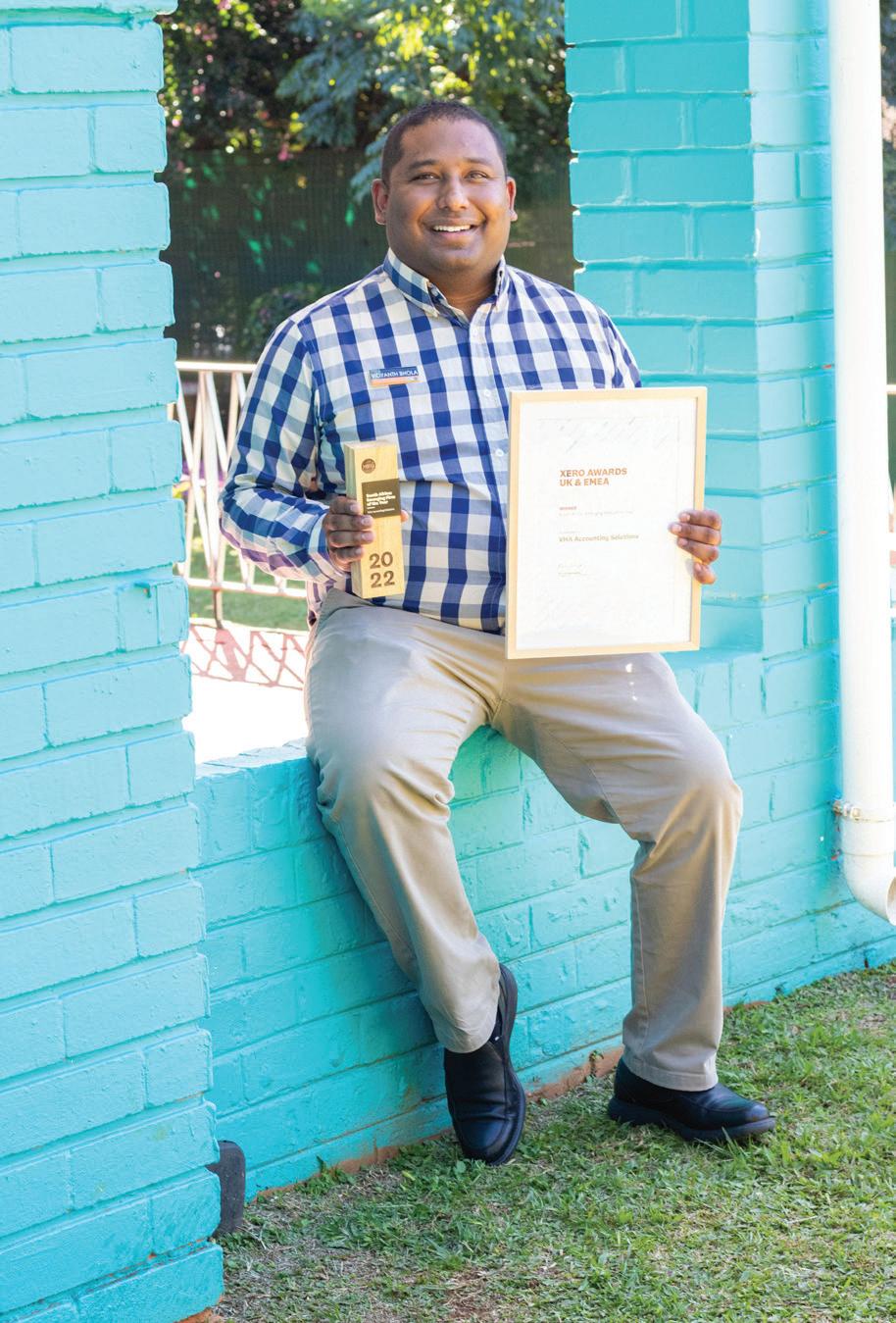

Vidyanth Bhola VHA Accounting Solutions, Founder
As the founder of VHA Accounting Solutions, I am passionate about helping businesses grow through sound financial management, strategic guidance, and reliable accounting support. If I were to introduce myself to someone new, I would say I am a committed, solutions-driven professional who values integrity, accuracy, and building lasting relationships. What I love about Umhlanga is its energy.
It is a vibrant, modern place with a strong business culture and a forward-thinking mindset.
VHA Accounting Solutions was formed to provide businesses with practical, dependable accounting services that support growth and compliance. I got into accounting because I have always been drawn to structure, numbers, and helping people make sense of their financial
position. I also saw a real need for businesses, especially smaller and growing ones, to have trusted financial support that allows them to operate more efficiently and strategically.
In accounting, keeping up with constant regulatory changes while still delivering personalised service to every client is one of the biggest concerns. Each business has unique needs, so balancing compliance, accuracy, and responsiveness requires focus and adaptability. I believe challenges like these also create opportunities to improve, innovate, and provide even greater value to clients.
My business philosophy
To provide honest, accurate, and value-driven service. I believe clients should feel supported and confident with the financial decisions they make. At VHA Accounting Solutions, we aim to be more than just accountants. We want to be trusted partners who help businesses move forward with clarity and confidence.
Stay disciplined, keep learning, and build a strong ethical foundation. Accounting is a field that demands attention to detail, patience, and commitment. It is also very rewarding because you play a key role in helping businesses grow. Be willing to adapt, embrace technology, and always strive for excellence.
www.vhaaccounting.co.za

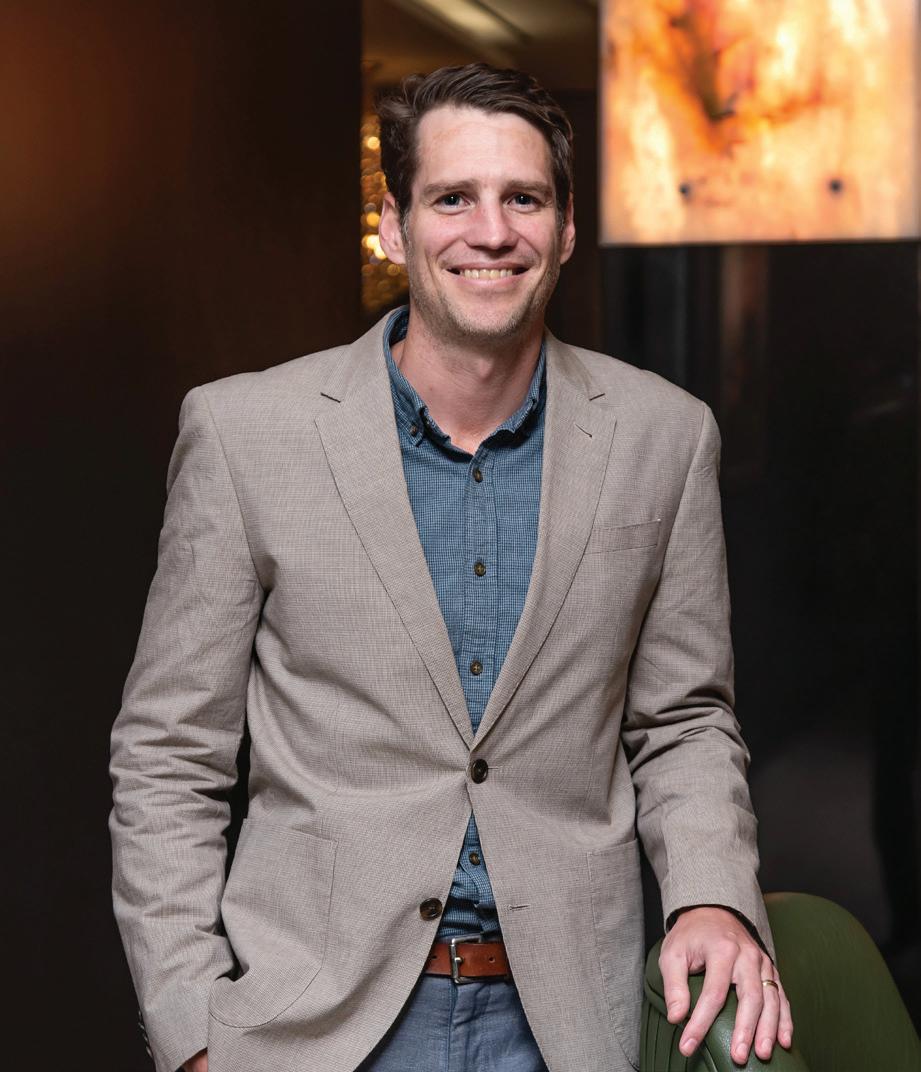
Campbell Director, Livingston Leandy
Outside of practising as an attorney, I am first and foremost a family man, fortunate enough to share my life with my beautiful wife Jessica and our three-year-old daughter Madison. While I used to spend the majority of my free time outside of work and family life on the roads and trails as an avid runner, I have recently traded my running shoes for cycling cleats and more Lycra than I ever expected to own.
Although I live in Kloof, I love working in Umhlanga, a place which somehow perfectly balances the energy of a modern, fast-growing business hub with the relaxed atmosphere and coastal charm. I am a Director in the Commercial and Property Law Departments at Livingston Leandy Incorporated, a respected South African law firm with over 135 years of expertise in property, commercial law, litigation, estates, trusts, and maritime law. Livingston Leandy has built a strong reputation, tracing its history back over 130 years, and I feel privileged to play a role in continuing and building on that legacy.
A major concern we face is the impact of global instability on market confidence. It often feels as though there is always a new international or economic crisis affecting industries across the board, and the commercial sector is certainly not immune to this. In a legal environment,
this uncertainty can influence everything from investment decisions to business growth and transactions.
My business philosophy
Understanding that client service and client satisfaction are paramount in a profession such as law. I believe that consistently placing the client’s interests first, communicating honestly, and delivering practical, commercially sound legal advice builds trust and lasting professional relationships.
My passion for the profession extends to my involvement in
legal education, where I am often asked this question. My honest advice is that a career in law can be incredibly rewarding, but only if you genuinely enjoy the profession and the work that comes with it.
The practice of law demands long hours, dedication and many sleepless nights, so it is important to truly enjoy the work and the challenges that come with it. If someone is entering the profession solely for financial gain, they may ultimately find it far less fulfilling than expected.
WORDS ELVIDA SYDNEY
As the East Coast transforms, Saantha Naidu is ensuring growth doesn’t come at the cost of culture and community.
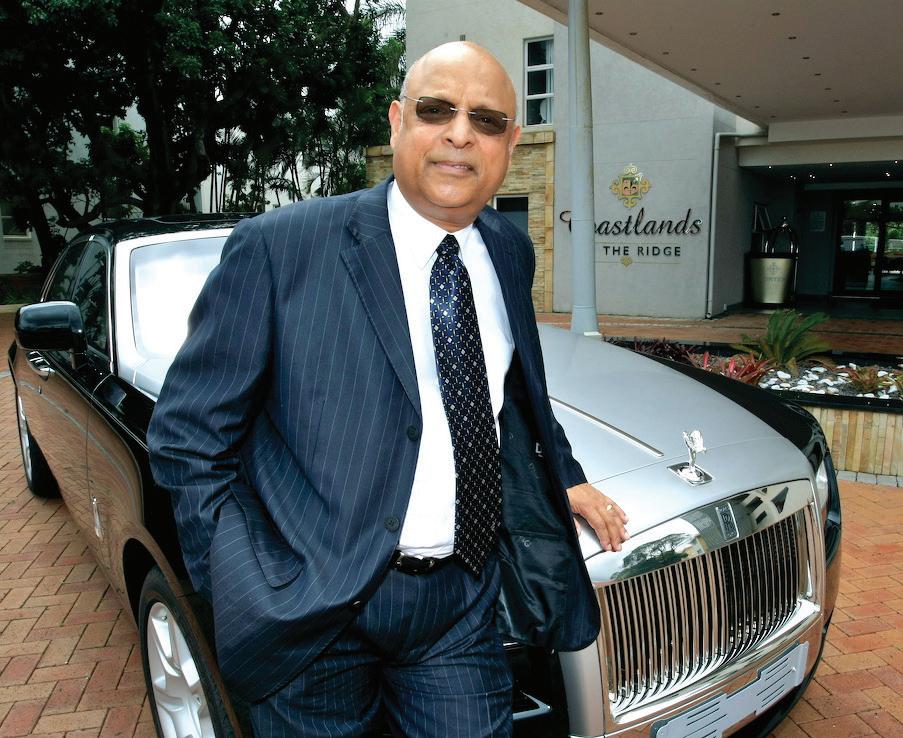
One of KwaZulu-Natal’s respected entrepreneurs, Saantha Naidu, is recognised for his contribution to the hospitality, property, and financial sectors over several decades. As CEO of the Saantha Naidu Group (SNG), headquartered in Durban, he has built a business empire grounded in resilience, innovation, a deep understanding of people, and service excellence.
Born into a family with a proud entrepreneurial heritage, Saantha’s business philosophy was shaped from an early age. His grandfather, Gurusamy Veerasamy Naidu, was amongst the pioneering entrepreneurs on the North Coast who built the iconic Seatides house at Casuarina Beach in 1926.
The historic home became a treasured part of the family’s legacy and played an important role in his upbringing. “I come from a family with a long history in business in KwaZulu-Natal,” says Saantha. “Growing up in an entrepreneurial environment taught me the importance of hard work, relationships and long-term vision.”
Saantha’s career began in the financial services sector in 1974 when he joined African Eagle Assurance Company as a financial advisor. Through mergers, the company later became Anglo American Life and eventually Southern Life. During his distinguished 25-year career in financial services, he consistently ranked amongst the top performers nationally and was awarded the number-one position in South
Africa. His achievements earned him prestigious recognition, including Life Memberships to the Chairman’s Club, Luasa, and the internationally acclaimed Million Dollar Round Table.
Beyond financial services, Saantha developed a strong interest in property investment and business development, identifying opportunities with long-term growth potential. This entrepreneurial foresight would later form the foundation of SNG: a diversified, 100% Black-owned and managed business with interests spanning hospitality, residential development, and specialised accommodation.
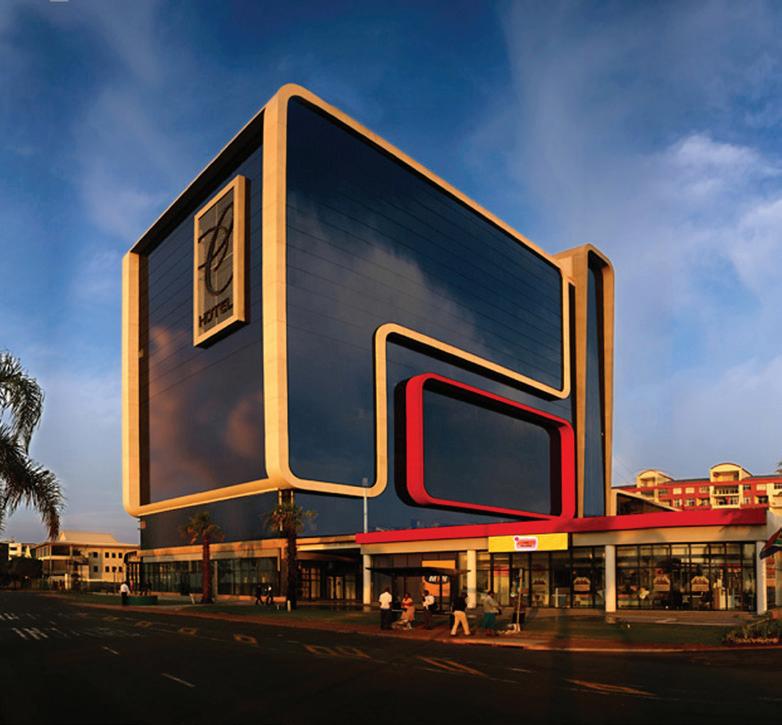
Today, the group’s hospitality division, Coastlands Hotels & Resorts, has become a recognised
Growing up in an entrepreneurial environment taught me the importance of hard work, relationships and long-term vision
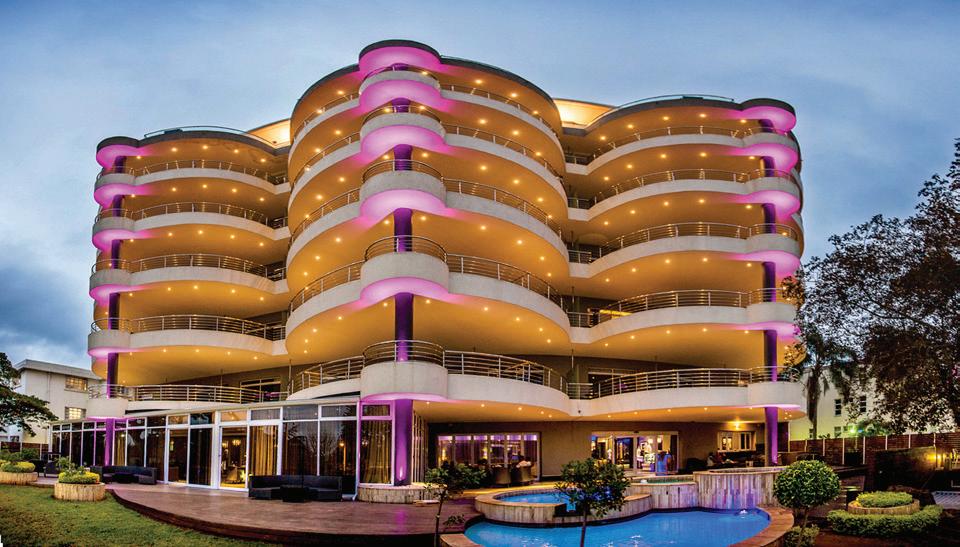
name in KwaZulu-Natal tourism and conferencing. The group is known for delivering modern accommodation, exceptional conference facilities, and warm hospitality in key Durban locations.
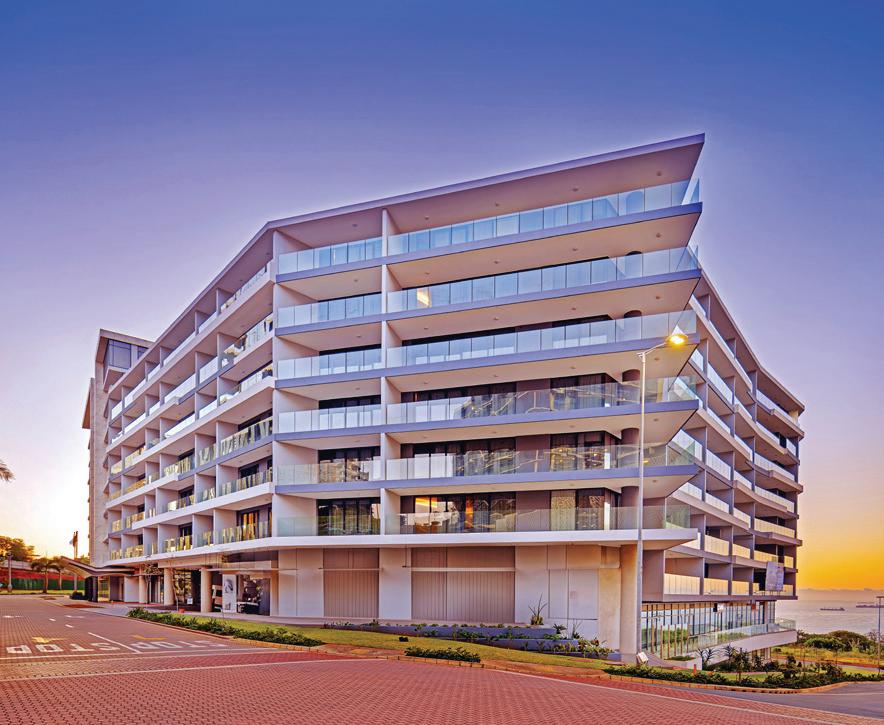
Amongst the group’s most notable recent developments is the Coastlands Skye Hotel, located in Umhlanga’s prestigious Ridgeside precinct. Featuring luxury accommodation, sophisticated conferencing facilities, rooftop leisure amenities, and panoramic ocean views, the hotel reflects Saantha’s vision for contemporary hospitality experiences that cater to both business and leisure travellers.
His vision for Umhlanga extends beyond hospitality. Through The Skye Luxury Apartments, Offices and Retail development, he has contributed to shaping Ridgeside into a premier mixeduse destination that combines luxury living, commercial convenience, and accessibility. “I identified Umhlanga as a strategic growth node with world-class lifestyle appeal, strong business investment potential, and
increasing demand for luxury hospitality and residential living,” says Saantha.
Reflecting on the transformation of KwaZulu-Natal’s East Coast, he says: “One of the most inspiring changes I have witnessed has been the remarkable growth of the region into a vibrant economic and tourism hub while still maintaining its rich cultural diversity and community spirit.” Saantha is a devoted family man
and proud father of four children, Dharahsan, Rushen, Shamir, and Leshana, as well as a loving grandfather. His journey from a family-run business environment to becoming a leading figure in Durban’s hospitality and property sectors stands as a testament to determination, visionary leadership, and an enduring commitment to excellence.
www.coastlands.co.za





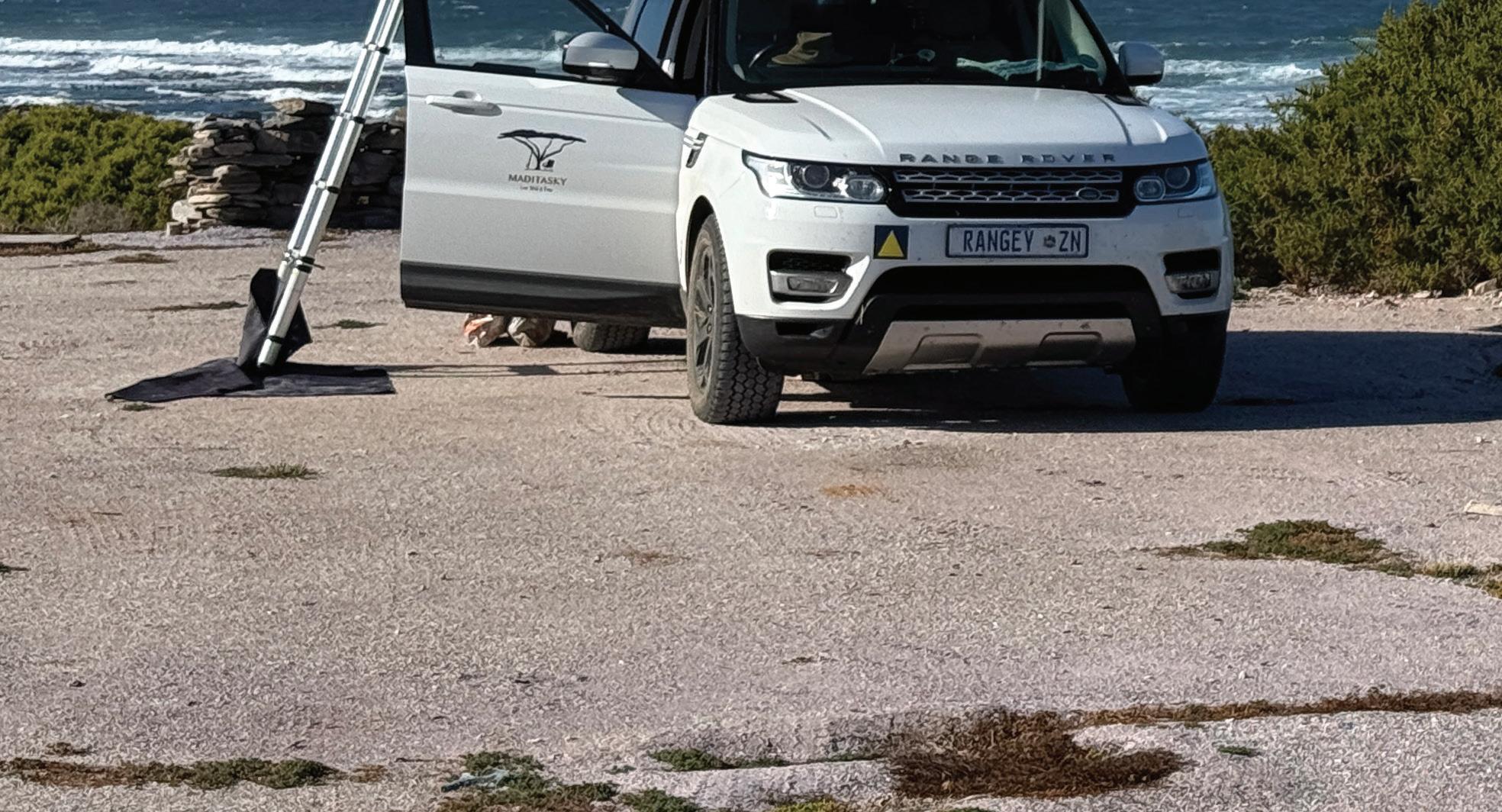

Mark Smith said his family’s love for the bush and the ocean shaped both his childhood and adult life, eventually leading to an ambitious overland vehicle conversion.
He recalled being taken around the country as a child by his father, an avid wildlife photographer, visiting one game reserve after another. At the time, he and his brother had not appreciated the experience, but in later years recognised it as formative. While his brother went on to develop a talent for wildlife art, they both developed a deep love for the African bush. Mark said his wife, Diane, shared this passion, and it was only natural that they introduced their daughters, Skye and Tayla, to the same lifestyle. The girls, he said, developed their own appreciation for the bush over time.

After their daughters left home to pursue opportunities abroad, they decided to travel more extensively through South Africa and into neighbouring countries, including Botswana, Zimbabwe and Namibia. Having spent time in upmarket lodges, they began looking for a more rustic and self-sufficient travel experience. This led to a decision between a rooftop tent and an off-road trailer. Mark spent months researching the options, weighing the pros and cons. He eventually chose a rooftop tent, noting that while it offered flexibility, it also required packing up camp entirely if the vehicle needed to be moved. Despite the drawback, he preferred it to towing a trailer, which he
had done extensively in earlier years while transporting water skiing and wakeboarding equipment.
Around this time, his 2015 Range Rover Sport required a new engine. He decided that the investment justified keeping the vehicle, which he described as both comfortable and capable for long-distance and offroad touring. As a long-time Land Rover enthusiast, he had no interest in changing brands.
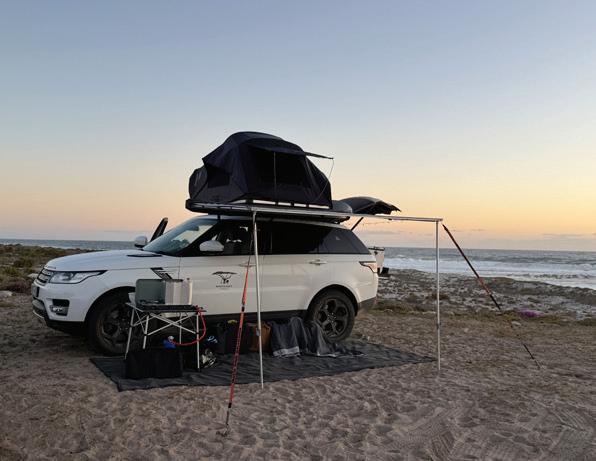
With Diane’s support, he selected an iKamper X-Cover rooftop tent, citing its relative light weight and practical design. The tent also allowed for additional roof storage, which was necessary to carry surfboards and a stand-up paddleboard.

However, an initial attempt to install a roof rack was unsuccessful due to weight restrictions and the vehicle’s rail design. Mark said he paused the project for about a year before revisiting it after a chance conversation with a specialist in Durban. This led him to SafariCo 4x4 in Pietermaritzburg, where a Frontrunner Slimline II roof rack and the iKamper tent were successfully installed.
Additional modifications included fitting a 100Ah lithium battery, a DC-to-DC charger and an MPPT solar controller into unused space in the vehicle’s cargo area. Their first trip with the rooftop tent, to Cobham in the Drakensberg, highlighted practical challenges.

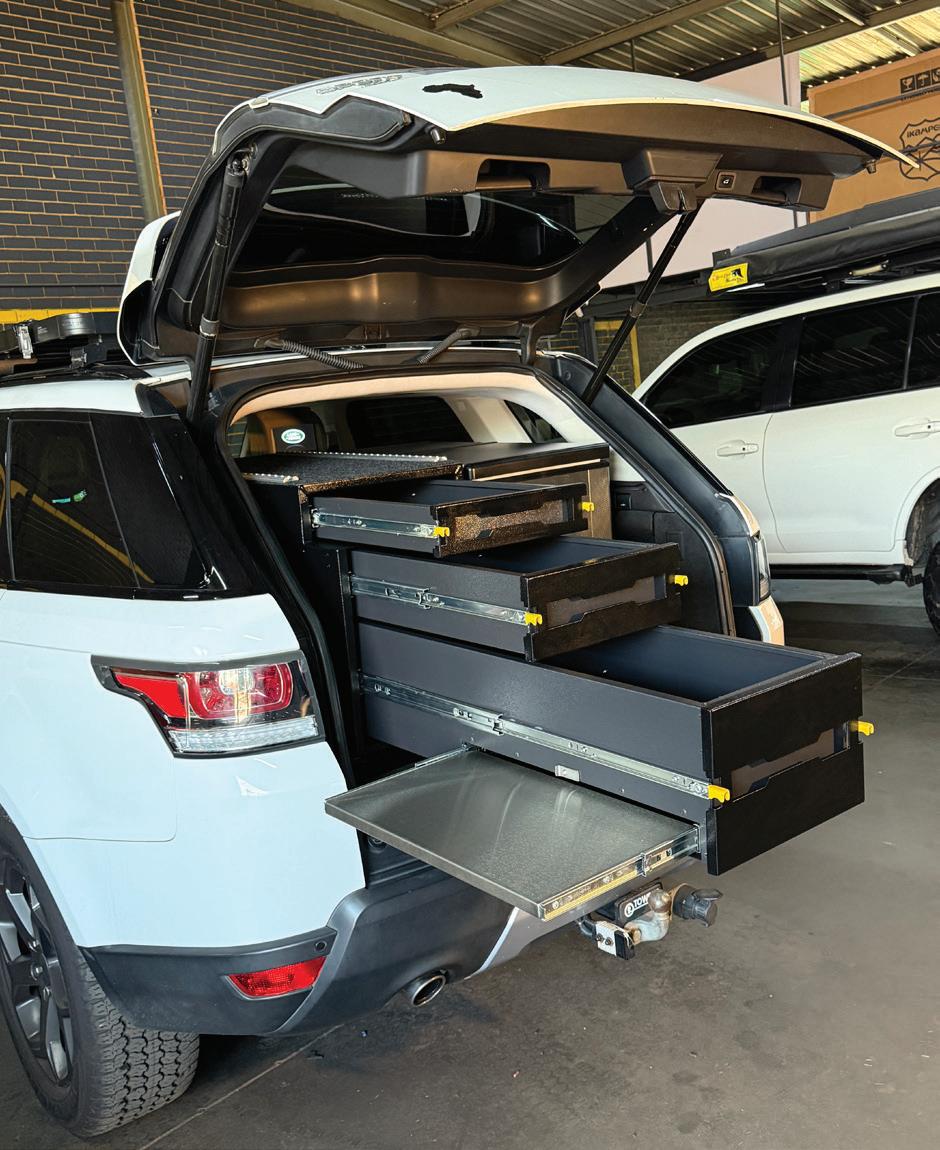
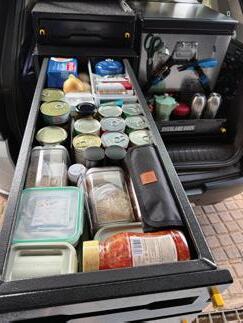
He said breaking camp to move the vehicle proved inconvenient, and managing food and kitchen equipment stored in ammo boxes was inefficient. By the end of the trip, he had begun reconsidering the trailer option, although he did not immediately raise this with his wife. He explored solutions to improve packing, initially considering a drawer system for the cargo area. This idea was complicated by the spare wheel beneath the load bay floor, which would become inaccessible.
Ultimately, the couple purchased a Matalian Maxi off-road trailer. Modifications were required to the vehicle’s tow hitch to accommodate the trailer’s height, and additional accessories were installed to enhance
We wanted the freedom to travel, stop and live simply
develop a custom sliding platform system that allowed access to the spare wheel while maintaining a functional storage layout.
functionality. This setup offered greater flexibility, allowing the rooftop tent to be mounted either on the vehicle or the trailer, depending on the type of trip. The trailer proved better suited to longer stays, while the vehicle-mounted tent worked for shorter overnight stops.
Attention then turned to improving off-road performance. He fitted smaller 20-inch rims, the minimum size compatible with the vehicle’s brake system, and added all-terrain tyres with a higher profile. A one-inch suspension lift kit was also installed to increase ground clearance. The storage challenge was eventually resolved after Mark drew inspiration from an Australian design. He worked with Overland Bros in Centurion to
WORDS JACQUELINE HERBST
The system featured three aluminium drawers for tools, food and kitchen equipment, along with a sliding fridge mount, and a built-in work surface allowed for convenient use of a gas stove. The project evolved into a broader family identity, which they named “Maditasky”, combining elements of each family member’s name. The branding included a logo featuring an acacia tree, a camp chair and a surfboard, reflecting their shared interests. The vehicle and trailer were also given nicknames, “Rangey” and “Madi”.
He acknowledged that the complexity of the Range Rover Sport’s electronics made it less suitable for extreme remote travel, but there were still many accessible destinations within its capabilities.
Mark added that they have since sold the trailer and replaced it with a Ford Ranger Wildtrak Xtra Cab fitted with an Alu-Cab ModCAP camper. The new setup, he said, offers expanded functionality for extended trips. The couple went on a three-week overland journey through Botswana in May, marking the next chapter in their travels.


We don’t have a wealth problem. We have a judgement transfer problem

We asked Henri le Grange, a Certified Financial Planner at Old Mutual, to explain how early involvement and open conversations can bridge the gap between wealth creation and continuity.
Most parents work hard to build wealth, but very few work hard to transfer wisdom.
Here's what actually happens: A person spends thirty years building property, investments, and retirement capital. The second generation maintains it. The third loses it. Globally, 70% of wealthy families lose their wealth by generation two, and 90% by generation three.
We blame the kids, but we shouldn't. The real problem is simpler and more uncomfortable: We transfer assets, not sound judgement. Think about your own children for a moment. Right now, today, if you died tomorrow, would they know what to do? Not just where the will is. Would they know why you made the decisions you did? Why you chose that investment, avoided that debt, or set up that trust?
If the answer is “no”, you haven't built a bridge. You've built a wall with money on the other side. The fix isn't complicated; it just requires honesty.
Start with age-appropriate transparency. Not spreadsheets at 10 years old, but when
you're at the shops, explain what things cost and needs versus wants. At 18, walk them through how taxes work. At 25, take them to a finance planning meeting, let them sit in the room and hear the language. At 30, show them the estate documents. Don't hide the structure from the people who will inherit it.
Then involve them in decisions before they may have to make them on their own. Ask your child this question: if ten million rand landed in your account tomorrow, what would you do?
Listen carefully. Not to judge, but to teach. Correct thinking before a crisis forces them to learn under pressure.
Introduce them to your advisors now: your financial planner, your accountant and your attorney. These relationships take time to build. Don't let the first conversation happen at a funeral.
The four things every child needs to understand, in order of urgency: first, how money actually works day to day; income, expenses, debt, and the difference between needs and wants. Second, how wealth compounds.
Not just the concept, but the feeling of leaving returns to grow. Third, how risk works: diversification, insurance, and scams. Does this return sound too good to be true? Fourth, what happens to an estate when someone dies, who the executor is, and what their role is, where the documents are, and who to call.
None of this requires expensive advisors or complex structures. It requires conversation. South Africans are exceptional builders and poor transferers. We protect our children from money conversations, then expect them to manage complex estates under grief.
The wealth bridge isn't a document; it’s a series of conversations, held consistently, over years, until your children can think the way you think about money.
Transfer assets with principles and responsibility. If you only transfer money, you are gambling on maturity. If you build the bridge, you are designing continuity.
The bridge starts at your kitchen table, not at your estate attorney's office. And it starts before you think it needs to.
www.lgco.co.za



WORDS JACQUELINE HERBST
Umdloti’s quirky roadside statue has become a pedestrian protector, local landmark, and after-hours legend.
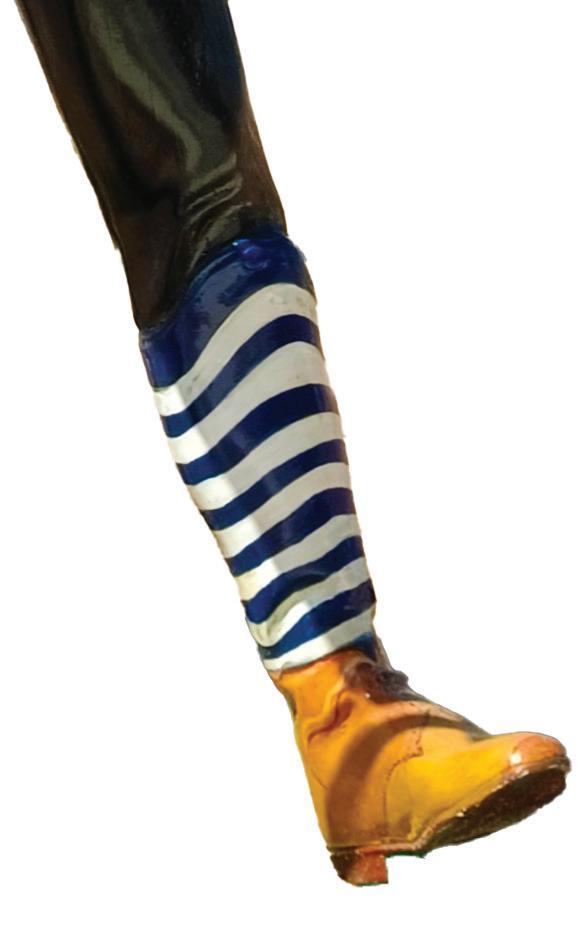
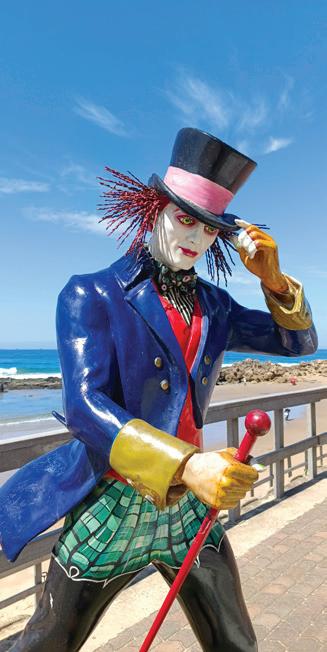
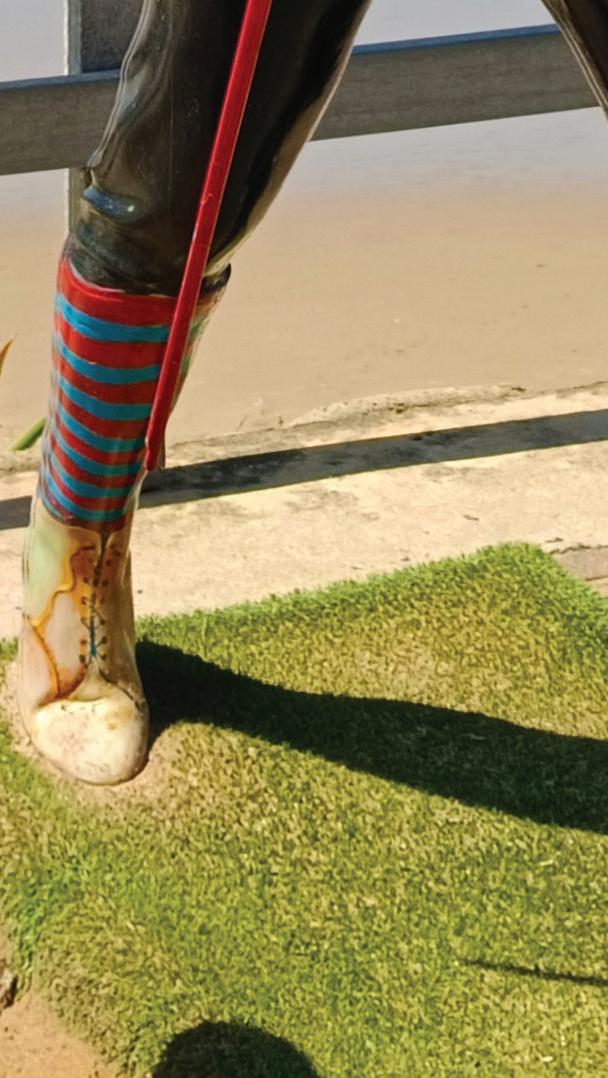
SandBar Johnny has, since retiring as SandBar’s doorman and being “dumped” across the road, become a social media star and local landmark. His dashing good looks literally stop traffic, which incidentally, became the catalyst for internationally recognised artists stepping forward every few years to give him a fresh new style.
the year – and famously staged them on
In 2017, Johnny Walker imported 365 of these gold statues – one for every day of the year – and famously staged them on the Nelson Mandela Bridge in support of the Million Man March, which took place in 1995 in Washington, D.C., promoting unity, personal responsibility and community improvement. One of those statues eventually found its way to Umdloti.

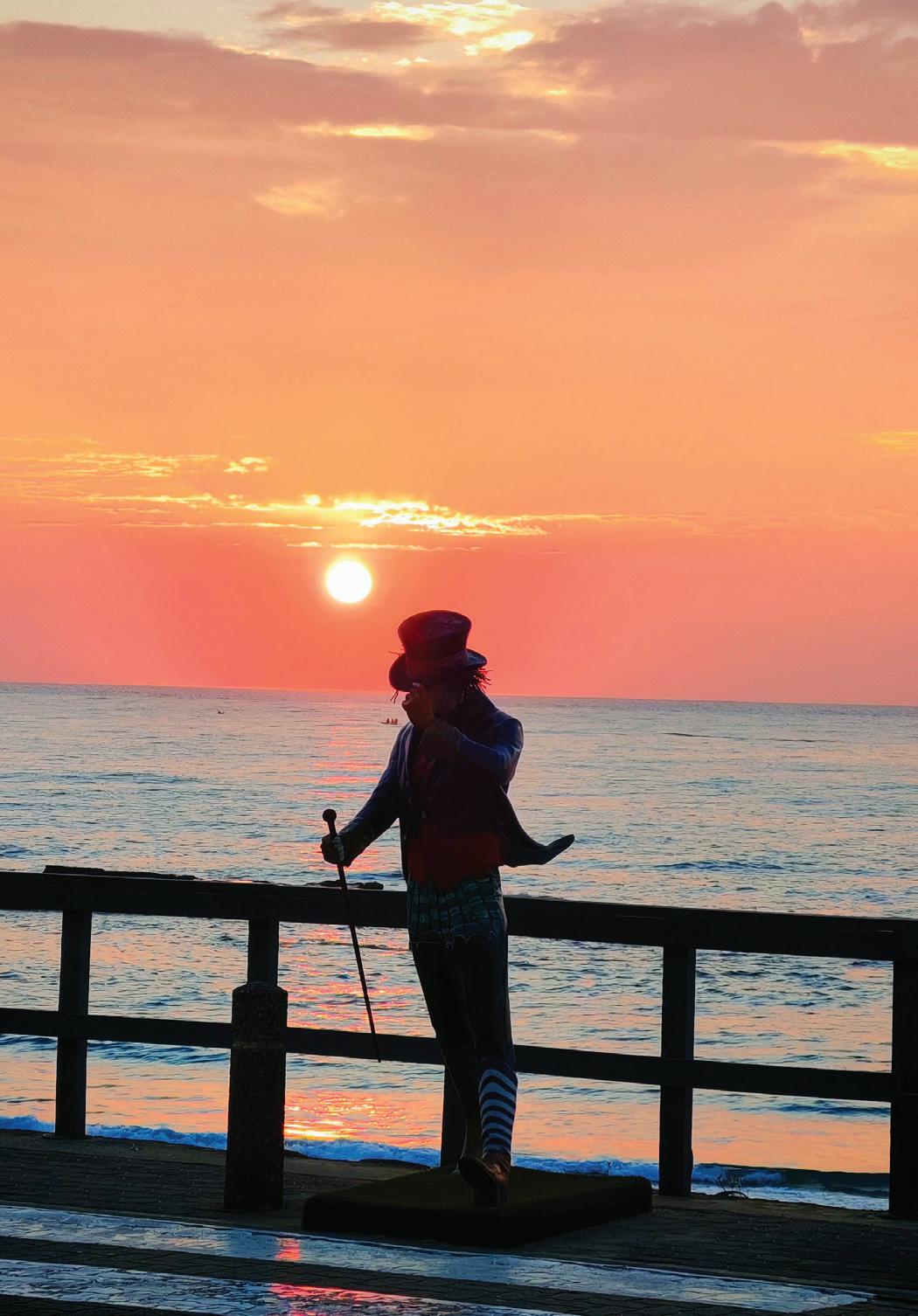
He was originally donated to SandBar Restaurant and Cocktail Bar in 2020 by Johnny Walker as a nod to excellence. However, restaurant owners say that after a season, it became “a bit of a blob, like an irritation standing in our way”. So the statue was carried across the road in the hope that someone would steal it. But nobody did.
Instead, restaurant staff noticed motorists started stopping at the
pedestrian crossing because they thought someone was standing there; something the owners say they normally wouldn’t do, drivers would simply fly over it. That is when the SandBar owners came up with the concept of “SandBar Johnny”. What started as a discarded ornament evolved into something genuinely helpful for pedestrians and has since become a local landmark thanks to the beautiful artwork created by professional artists.
What started as a discarded ornament evolved into something genuinely helpful for pedestrians and has since become a local landmark
SandBar Johnny’s first highfashion transformation took place in December 2022, and saw internationally renowned artist Lori Schaped-Youens, assisted by local emerging artist Maryn Reimers, make him “Cool as F**k”. In June 2024, the streetside emperor received another new set of clothes. This time, he became the “Mad Hatter”, courtesy of international artists Mandy Brockbank and Audrey Rodnick.
However, the dashing statue’s bestkept secret is what he gets up to when the sun goes down, and the stars come out to play. Once SandBar locks its doors for the evening and Umdloti rolls up its pavements, he comes alive, hitting the Durban club scene. He stays out all night partying and, by morning, walks back across the pedestrian crossing to take up his position and sleep all day with his head resting on his arm.
It has been two years since Sandbar Johnny’s last makeover, and his next fashion makeover is planned for this winter. We can’t wait to see what the dashing don emerges as next.

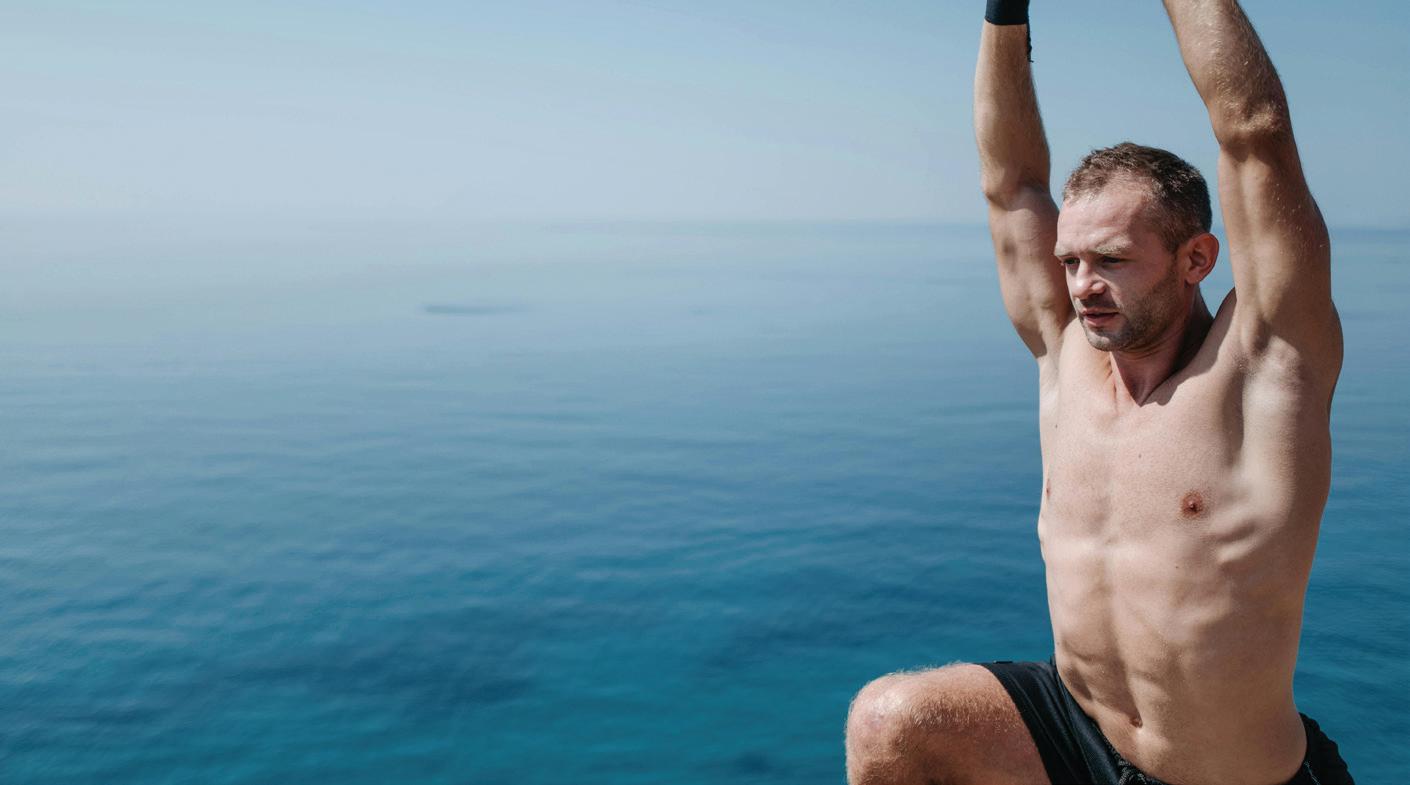
In this edition, we take a holistic look at mental clarity and inner balance to physical strength. We spoke to your local specialists on how to reset, why you shouldn’t ignore the warning signs, and how to get back to full power.

with Ryan Shepperson & Shaun Booysen from GuruCat
Two of your local male coaches share the importance of yoga, how it has helped them and how it can help you internally, mentally, and emotionally.
For Ryan, yoga was just a means of keeping flexible; however, when he became a young adult, it started to become much more. His yoga teachers all imparted wisdom and the full extent of yoga, which goes
far beyond just asana (postures). Life doesn’t give us a heads-up for when we are confronted with mental, emotional or physical challenges.
In his darkest hours, remaining in his power to choose his response and not being enslaved by reactions always got him through them. Success is the result of a healthy body, mind, and heart. “We can’t heal
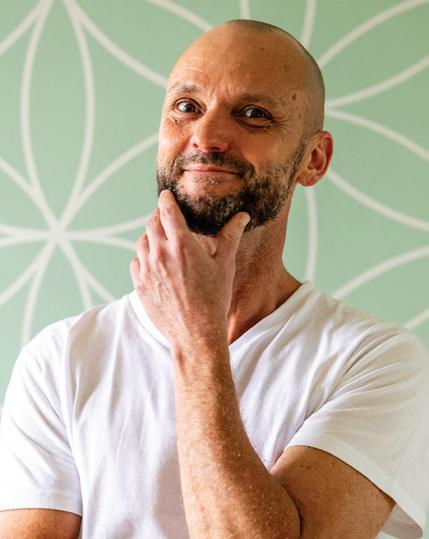
that which we ignore, and yoga is all about becoming familiar with what needs healing.” Yoga clears the mind and body so we can find our true potential. You are so much more than that story. We all need a safe, healthy way to heal and quieten that voice in our heads.
When Shaun and his wife were looking for something fun and active to do together, one of their friends, who is also a yoga teacher, invited them to join a class. And it just so happened to be a Bikram class, and he was hooked from the start. Strong guys were dropping into Child's Pose (a resting posture everyone was invited to move into if they were battling, to rejoin when they are ready). “By the end of the class, I had moved, stretched, twisted and worked in every part of my body, and felt great. This was just over six years ago, and my yoga practice has progressed from enjoying the postures, to all the other benefits that come with the eight ‘limbs’ of yoga; such as breathwork, meditation, withdrawal of the senses, awareness of how I treat myself and others.”
For those who feel caught in the ratrace, tired most of the time, quick to anger and frustration, overwhelmed, anxious ... Yoga is a great practice (tool) to learn to overcome life's obstacles, and even yourself.
gurucatyoga

True strength isn’t about ignoring the body; it’s about being wise enough to listen and take action before it’s too late.
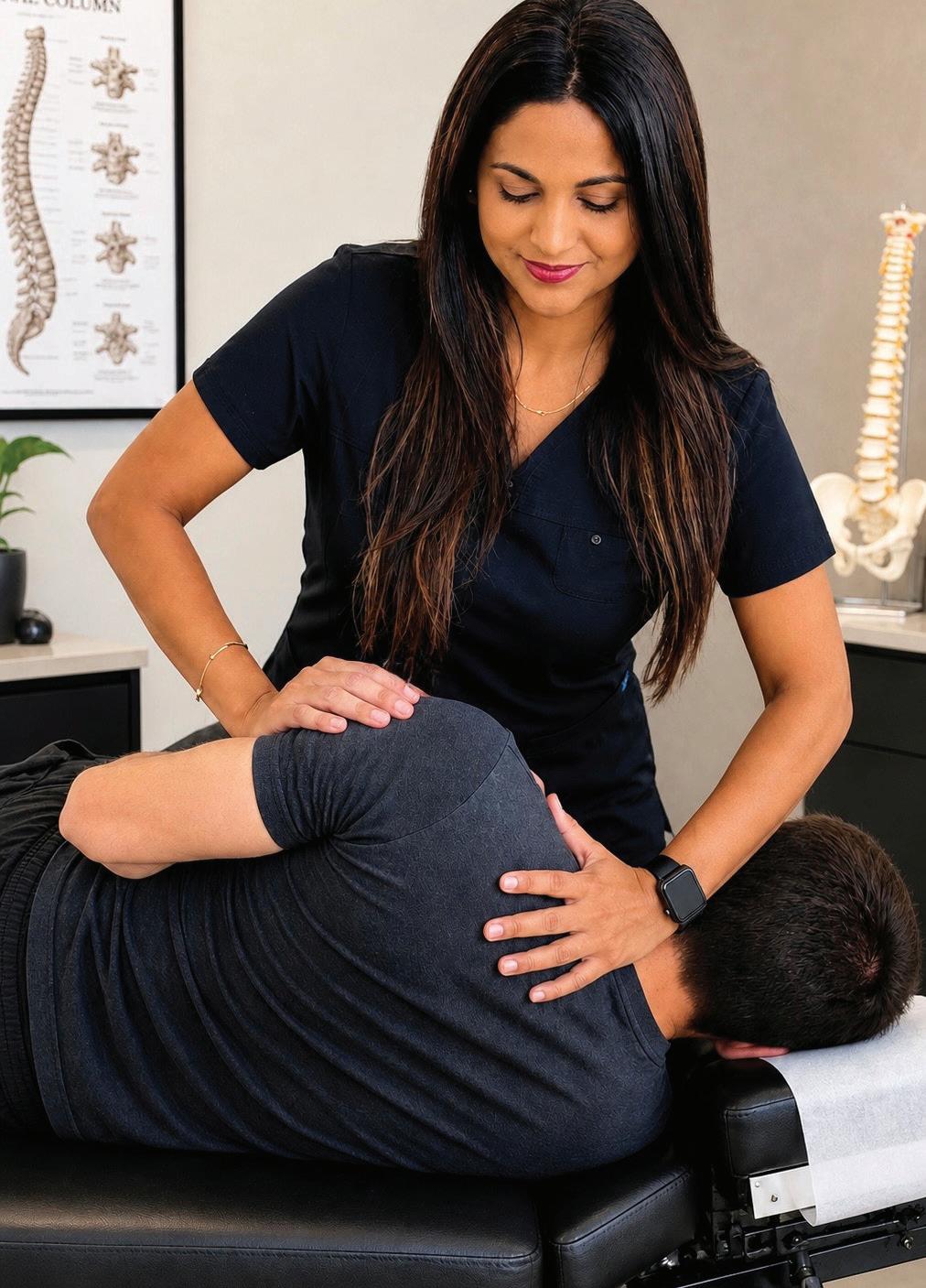
Holistically, musculoskeletal health is deeply connected to lifestyle. Stress, poor sleep, inflammation, and nutrient deficiencies all play a role in how the body moves and heals. The reality is, many men seek help only when pain becomes severe or limiting. By then, recovery is longer and more complex. Listening to early warning signs allows for simpler, more effective intervention.
Dr Chetty says that over the years, she has made an interesting observation, that most men greatly pride themselves on pushing through discomfort. A stiff back, sore shoulder, or lingering fatigue is often dismissed as part of a busy life. But from a
holistic perspective, these are early warning signs from your body, not just mere inconveniences. The body rarely breaks down suddenly; it sends signals long before serious problems develop.
One of the most commonly ignored symptoms is persistent joint and muscle stiffness, especially in the morning. This can indicate joint restriction, inflammation, or early degeneration. Osteoarthritis often starts with mild warning signs: joint stiffness after rest, aching with movement, and reduced flexibility. As it progresses, you may feel swelling, tenderness, or a grinding sensation in the joint. Similarly, recurring “niggles” like a tight hamstring or
clicking shoulder are often signs of underlying biomechanical imbalances that, if left untreated, can lead to more serious injury or evolve into tendonitis or joint instability. Difficulty bending, twisting, or reaching overhead reflects more than tight muscles; it points to declining joint health and increased injury risk. Postural changes, such as rounded shoulders or a forward head position, further strain the spine and can lead to nerve irritation, headaches, and reduced range of motion over time.
Men also tend to overlook pain that shifts location. This is often due to compensation patterns within the body, where one area overworks to make up for another. Treating only the site of pain without addressing the root cause leads to ongoing issues (e.g., hip dysfunction causing knee pain). Neurological symptoms such as tingling, numbness, or muscle weakness should never be ignored, as they may indicate nerve involvement (e.g., compression or irritation) common in conditions like sciatica or cervical radiculopathy.
Another red flag is decreased strength or coordination. Subtle decline in grip strength, balance, or power may reflect neurological involvement or muscle inhibition and often precedes injury. Recovery after exercise is also just as important as performance, and poor recovery after exercise could indicate overtraining, inflammation, or underlying dysfunction.
Some of the ways you can prevent musculoskeletal dysfunction are through:
• Regular spinal and joint assessments
• Corrective exercises and mobility work
• Strength training with proper biomechanics
• Stress management (breathing, nervous system regulation)
• Anti-inflammatory nutrition
• Quality sleep habits
laluciachiropractic
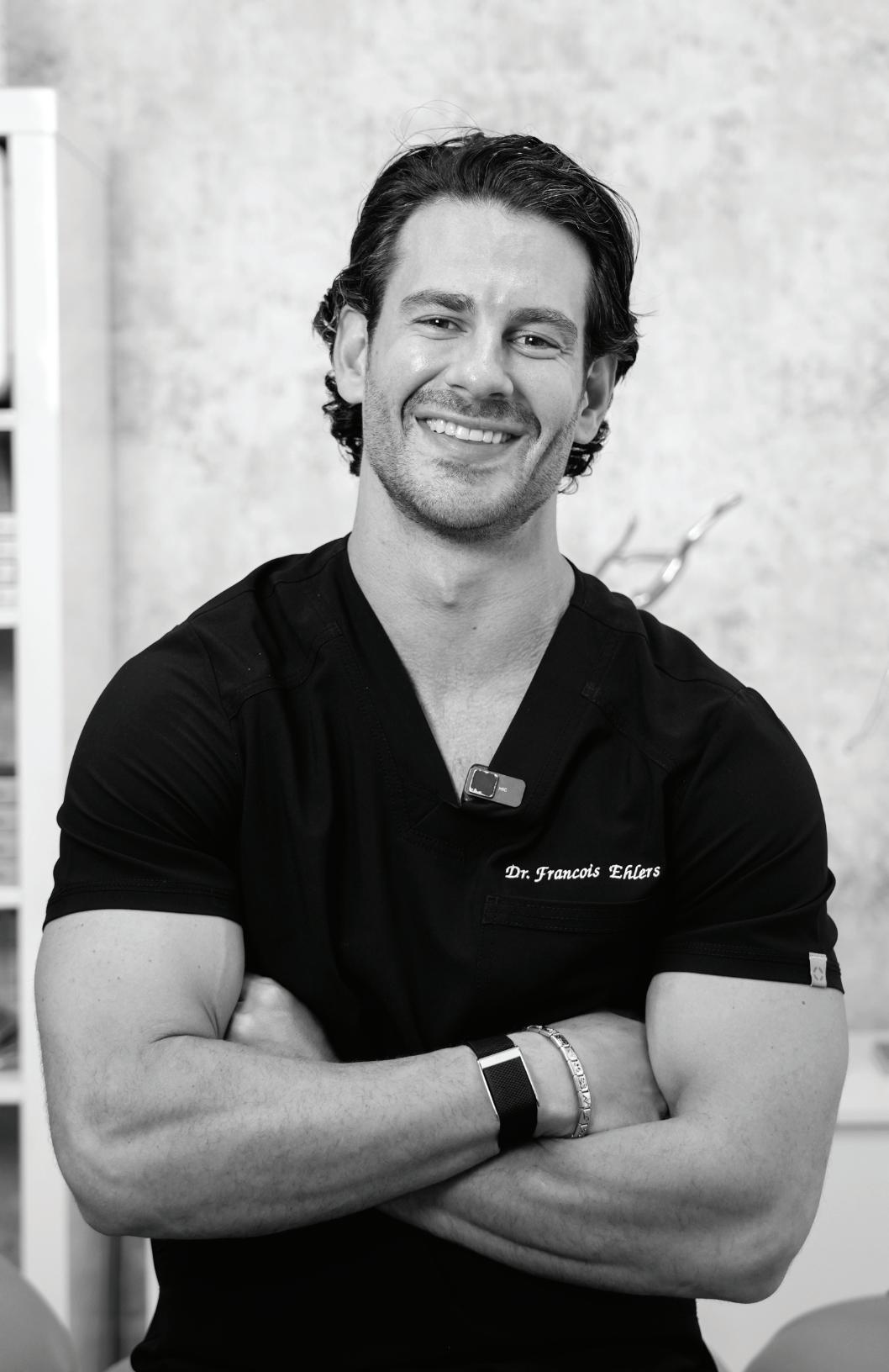
Drs Francois & Vincent Ehlers
Let’s be honest. Most men don’t visit a doctor until something is seriously wrong. They push through the fatigue, dismiss the low mood, and chalk the weight gain up to a busy schedule or one too many braais. It’s what they do. But what if those weren’t just signs of ageing or stress? What if your body was sending you a very specific signal and you’d been ignoring it for years?
The biggest myth Dr Ehlers’ encounters in practice, daily, is this: “I’m just getting older.” Low testosterone, or Low T, is routinely written off as a natural, inevitable consequence of ageing, but it isn’t. Think of your hormonal system like the engine oil in a high-performance vehicle. It doesn’t vanish overnight; it depletes gradually and silently, and the damage accumulates long before any warning light appears. By the time most men finally seek help, they’ve been running on empty for years. That’s not ageing, it’s a missed opportunity.
The signs are hiding in plain sight. Persistent fatigue that a full night’s sleep doesn’t fix; reduced drive and motivation, professionally and personally; declining muscle mass despite consistent training; increased body fat, particularly around the abdomen; low libido; brain fog; and a quiet but persistent flatness in mood that’s hard to name but impossible to ignore. These symptoms are routinely misattributed to stress, burnout or depression, and treated accordingly, with no real resolution. Left unaddressed, Low T also increases longer-term risks like cardiovascular disease, insulin resistance, and compromised bone density.
It starts with a single blood test. A comprehensive hormonal panel:
including total testosterone, free testosterone, estradiol, SHBG, and PSA, giving a clear, objective picture of what’s actually happening in your body. Treatment, where clinically indicated, is evidence-based, highly effective, and today more accessible than most men realise. This isn’t about shortcuts or quick fixes; it’s about restoring balance, reclaiming function, and getting back to operating at your best.
You cannot lead, perform, or show up fully for your career, your relationships, and your family when your biology is quietly working against you. Health is not a luxury; it is the foundation on which everything else is built.
Your prime is not behind you, but it does demand that you take ownership of it, boldly and without delay. Don’t wait for a crisis. Get checked.
www.oryx.health





WORDS DRS FRANCOIS & VINCENT EHLERS
There’s a moment most men know but rarely talk about. It’s not dramatic. There’s no single morning you wake up, and everything has changed. It’s quieter than that and far more insidious. It’s the slow creep of fatigue that coffee can’t fix, the waistline that shifts despite the same lifestyle, and the drive, focus, and fire that once defined you, dimming so gradually you’ve almost convinced yourself this is just what getting older feels like.
It isn’t. And it doesn’t have to be.
As clinicians, we’ve spent years sitting across from men – successful, driven, capable men – who’ve spent far too long suffering in silence, written off low libido as stress, or blamed work for the brain fog. Who’ve told themselves the weight gain is inevitable, the flatness in mood is manageable, and that the loss of vitality is just life. What they didn’t know is that their bodies were sending clear, measurable signals; signals that could have been addressed, treated, and reversed.
Because here’s the truth that no one says loudly enough: the changes creeping up on men in their 30s, 40s, and 50s are not inevitable. They are measurable, treatable, and reversible, if you’re willing to act.
This hormone is the engine of your masculinity. When it declines – and in South Africa, almost a third of men over 45 are affected – the symptoms are brutal and cumulative: crushing fatigue, loss of muscle, weight that anchors itself around the middle, a flatness of mood, and a drive that’s gone quiet. This isn’t ageing gracefully, it’s a hormonal imbalance that responds powerfully to the right clinical intervention.
Sexual dysfunction affects more than half of men over 40, yet fewer than one in five ever seek treatment. The shame is the real enemy here, not the condition. Erectile dysfunction, premature ejaculation, and low libido; these are physiological realities, not moral failures. And they are solvable.
Weight gain tied to hormonal disruption doesn’t respond to willpower alone. GLP-1 and metabolic protocols, clinically guided, are transforming outcomes for men who’ve tried everything else.
Hits early and hard. More than half of men will experience significant androgenic hair loss by the age of 50. The solutions exist, and they work best when started early.
And for the man who is not simply looking to restore, but to optimise, peptide therapy is the frontier. Longevity protocols are redefining what peak performance looks like at any age, accelerating recovery, sharpening cognition, and extending vitality well beyond what previous generations thought possible.
At Oryx, we have built South Africa’s most comprehensive digital men’s health platform, founded by clinicians, designed for discretion, and built for the man who demands more from himself. Every consultation is private, every treatment plan is personalised and evidencebased, and everything is delivered to your door.
This is not about vanity. It’s about vitality. About showing up fully for your work, your relationships, and your legacy.
Your prime is not behind you. But it does require that you take ownership of it.
Bio: Drs Francois Ehlers and Vincent Ehlers are the Clinical Co-Founders of Oryx Health: South Africa’s most comprehensive digital men’s health platform.



For Michael “Beach” Brosnihan, pushing limits goes hand in hand with giving back

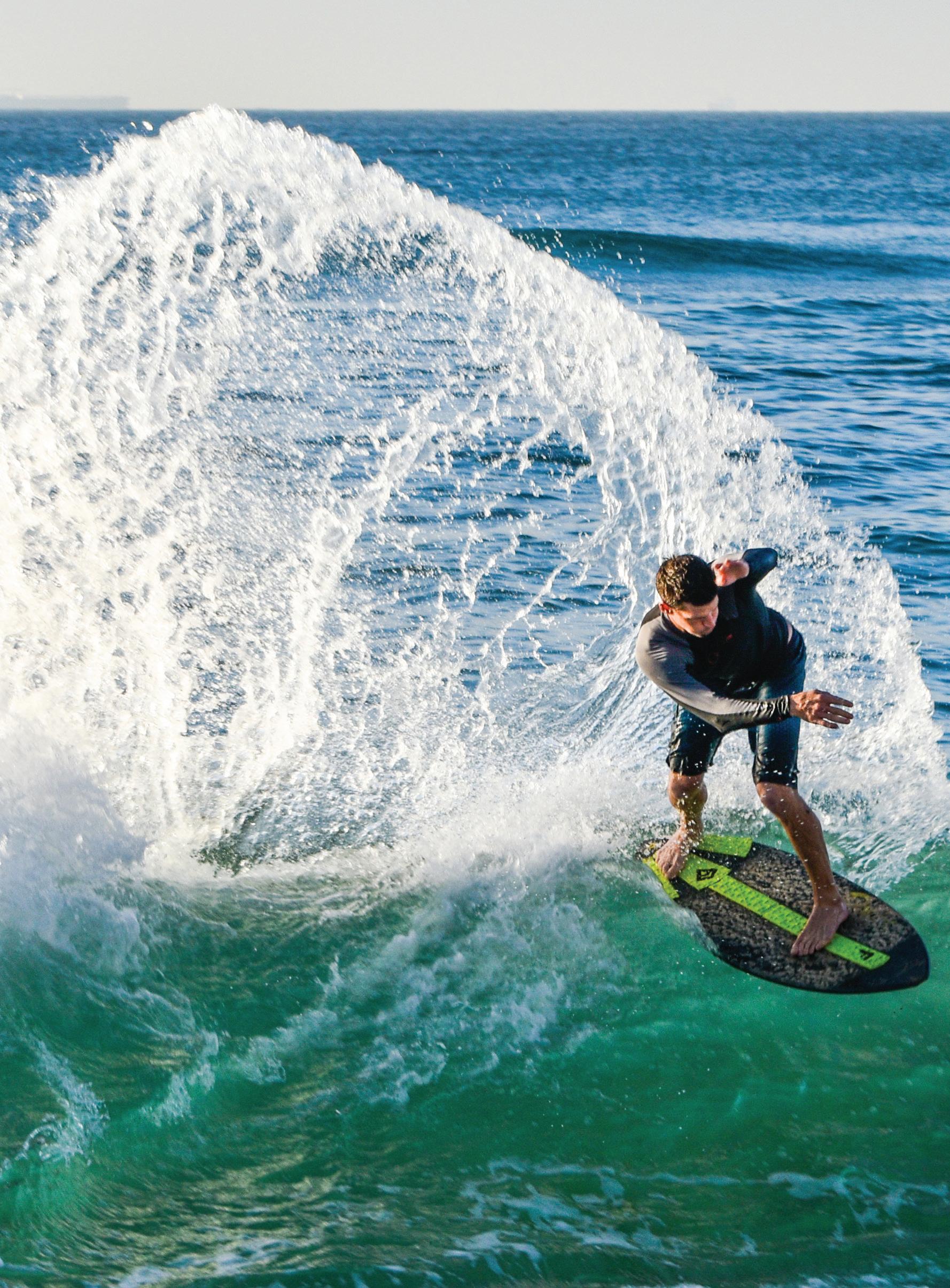
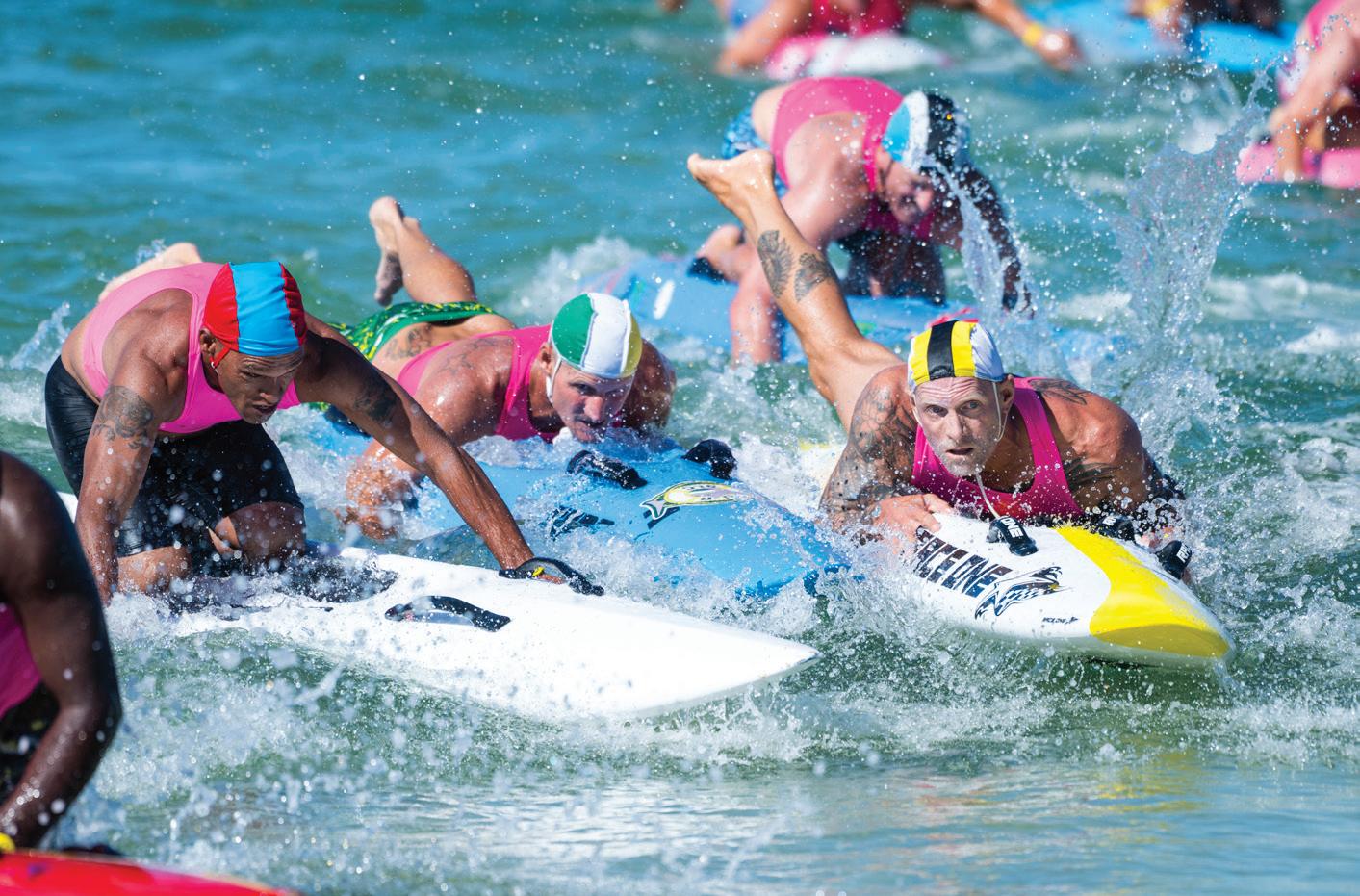
Always up for an adventure, Michael Brosnihan, or “Brossie”, has a unique ability to motivate and bring people together. Whether it’s a skateboarding mission to the KwaDabeka pump track – complete with boerie rolls and extra decks for local kids – a sunset bonfire on the beach, or skimming across the foamy surf after work, Brossie’s infectious lust for life and boundless stoke get people moving, rallying them for a good time wherever he goes.
He is the quintessential adrenaline junkie. The list of death-defying antics he has pulled off suggests that fear is Brossie’s oxygen. “I love pushing my limits. Scary things make me feel like I’m really living,” he says. From freediving with sharks off Aliwal Shoal, to tow-
skimming (being towed over water while riding a skimboard) 15-ft waves reaching speeds of 70km/h at the “Mound” in Durban, and surviving a nearcatastrophic static line jump from an aeroplane, where he somehow untangled himself from a fall-line wrapover and still landed squarely on the bright orange competition mat to win, Brossie admits he feels fear. But it is the “hormonal avalanche”, the surge of natural chemicals that prepares the body for survival while triggering the brain’s pleasure and reward centres, that he chases for a more organic “high”.
“I am a nutter,” he laughs, recalling a downhill skateboarding race along Florida Road that he completed with raw hands after crashing in the first run without gloves.
His extreme pursuits and highenergy personality have even earned him a feature on CNN’s African Voices. But beneath the hard-core adventure façade lies a philanthropic spirit that gives his pursuits purpose. “I love giving back,” he says. He sees board sports as a metaphor for overcoming obstacles in life. When you fall, you get back up, and you keep going.
He founded Evolve Academy 031, through which he uses board sports as a vehicle for youth development. Operating under the slogan “My Life on Board”, the programme aims to “evolve” children into high performers by teaching focus, resilience and coordination through outdoor activities such as skateboarding, surfing and lifesaving.
Drawing on his own background in lifesaving, which has seen him complete several heroic rescues, some earning bravery awards, he also educates children on ocean safety, tides and currents.
Ten years ago, Brossie faced one of his greatest challenges when lumbar spondylosis threatened to derail his active lifestyle. “Doctors told me I was on the verge of paralysis.
I was bedridden, my back frozen in a hunched position for a month,” he says. Refusing surgery, he turned to a biokineticist to rebuild his strength from the inside out. Today, he maintains his fitness through calisthenics; a form of strength training that uses body weight for resistance.
Committed to health and constantly trying new things, Brossie also turned to the kitchen during the lockdown, creating Brossie’s Magic Potion, an all-natural chilli sauce that, he says, “has bang for your buck”.

From adrenaline-fuelled exploits to giving back, and even a fiery side hustle, Brossie’s life is driven by the same ethos: push limits, uplift others, and keep the stoke alive.




WORDS SUSAN MUDALY
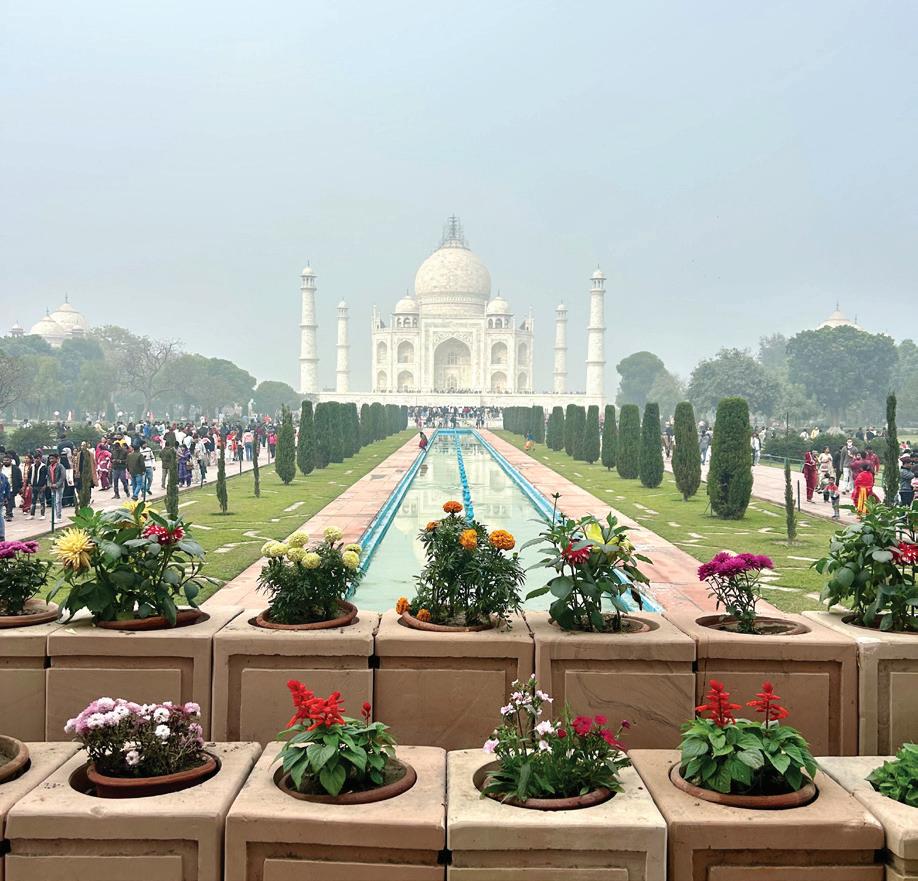
India has always held a very special place in my heart. I live in Umhlanga, and because my work in the cardiac medical device industry is often very fastpaced and demanding, this trip to India in December 2025 became both an adventure and a deeply spiritual journey for my family and me. We travelled for approximately two weeks and explored several incredible destinations across India.
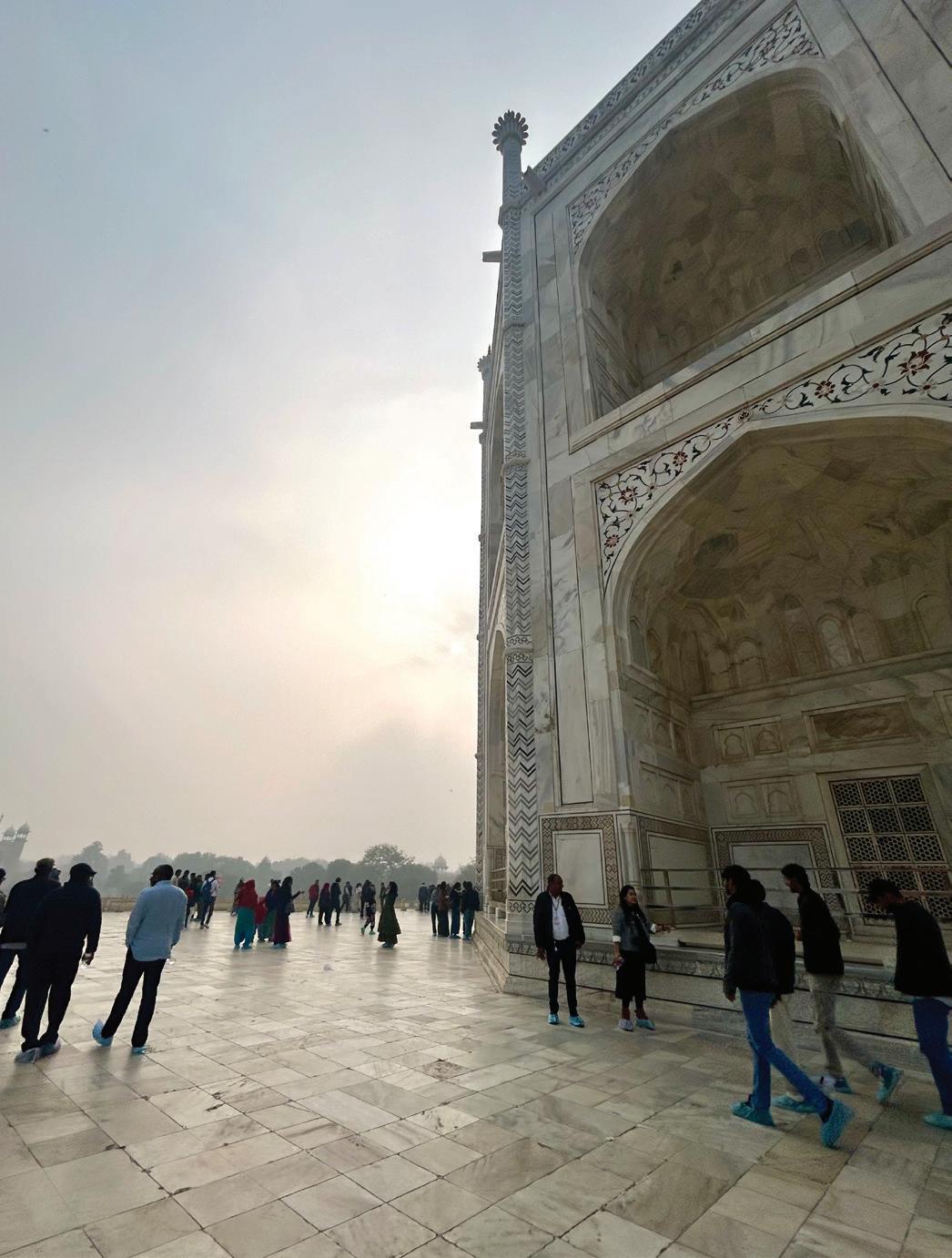
We started in Delhi and then drove to Agra to experience the breathtaking Taj Mahal. Seeing
it in person was truly surreal; the architecture, the history, and the emotion attached to it are impossible to fully capture in photographs. Agra had a rich historical atmosphere and a slower pace that allowed us to really absorb the beauty around us.
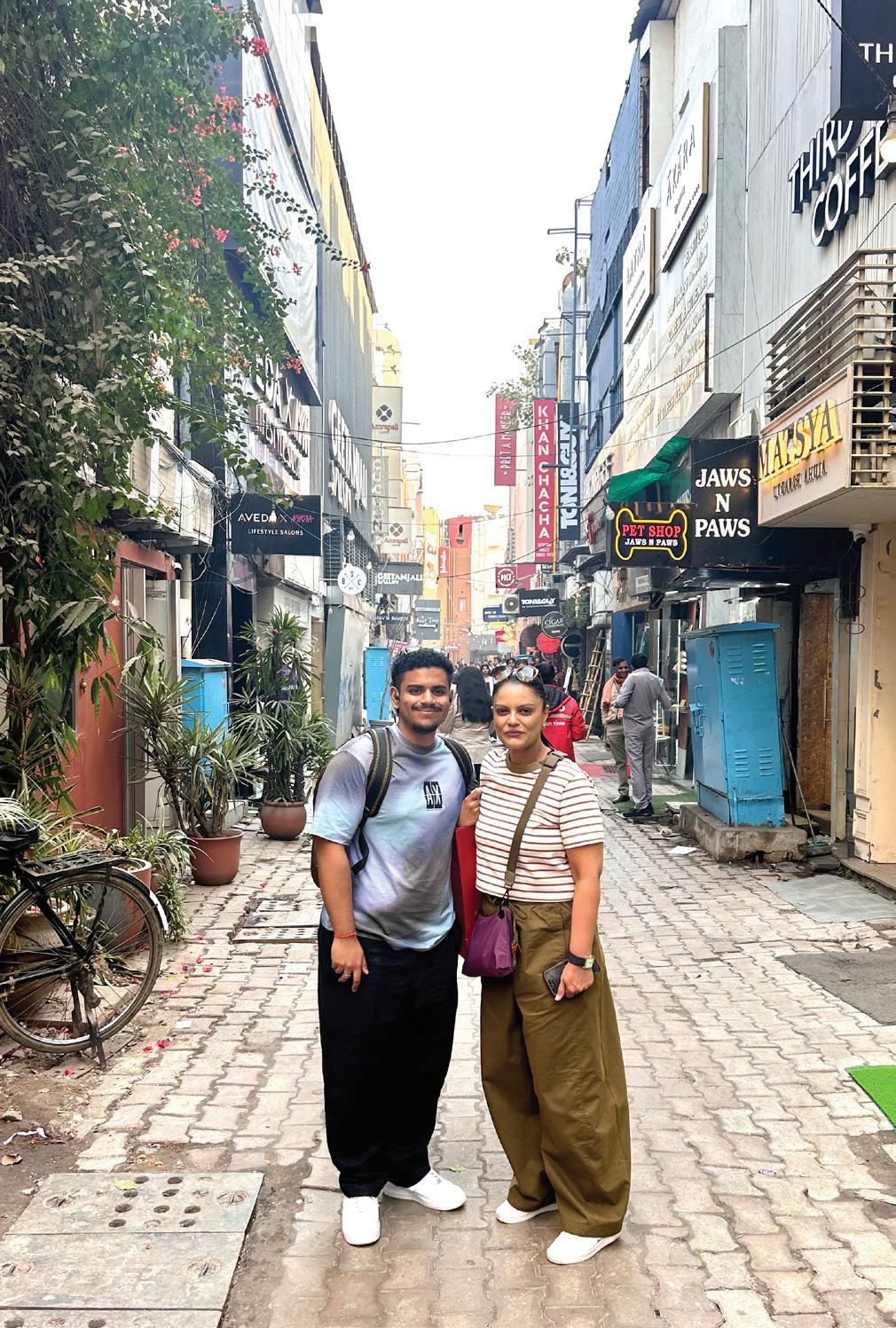
While in Delhi, I had one of my favourite shopping experiences at Khan Market, where I found exquisite garments and unique pieces that reflected India’s rich textures, craftsmanship, and elegance. We also stopped at the Bloom Café & Cakery,
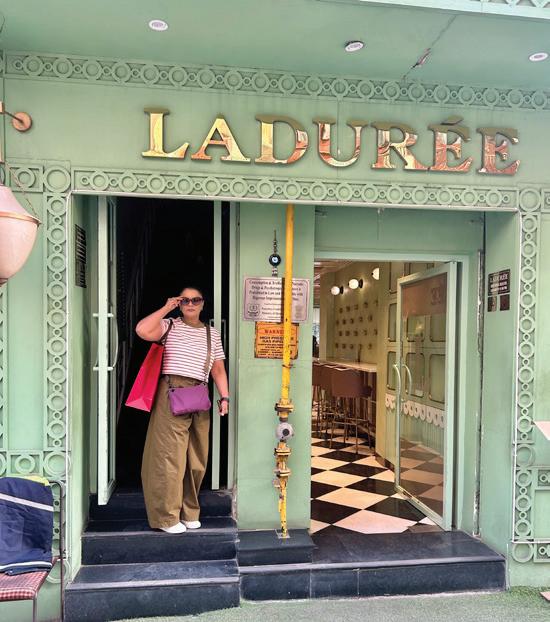
where I enjoyed some of the best sandwiches I have ever tasted. It had such a beautiful atmosphere and quickly became one of my favourite culinary memories from the trip.
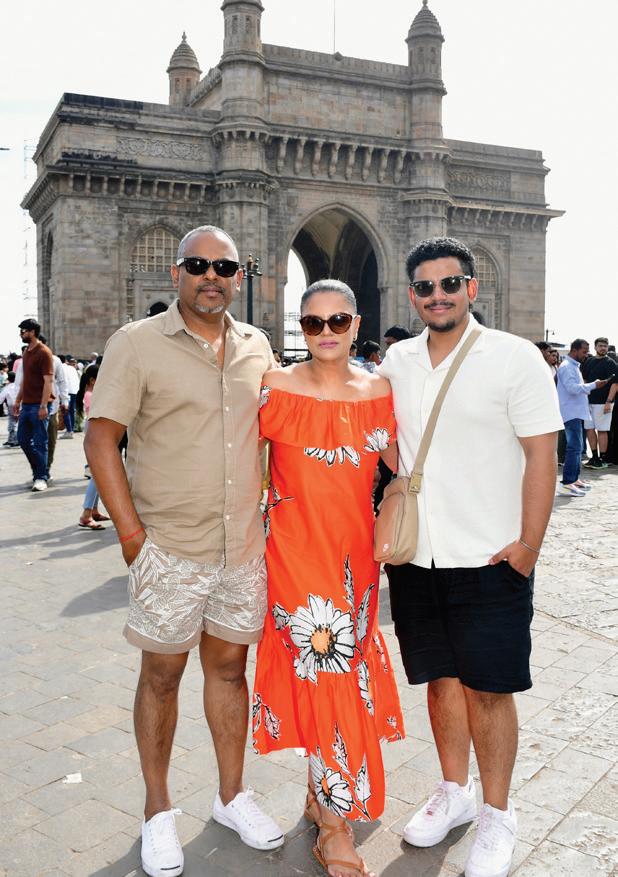
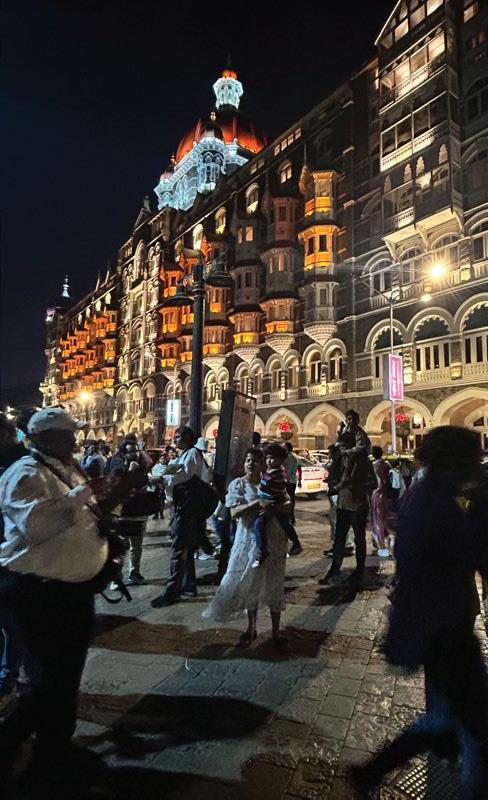
From there, we flew to Mumbai, where we spent five days exploring the vibrant city life. We stayed at the President, Mumbai - IHCL SeleQtions hotel (formerly the Taj President) and later at The Westin Mumbai Powai Lake. Mumbai was energetic, colourful, and full of contrasts. I loved the blend of luxury hotels, bustling streets,
incredible food, and the warmth of the people. Every day felt alive with activity and culture, but what stood out to me the most was the extraordinary level of hospitality.
The five-star treatment in Mumbai was unlike anything I received anywhere else in the world. I had my in-laws accompany us, and this kind of hospitality was very welcome in seeing to their needs and also pacing ourselves to suit them. The attention to detail, service, and genuine care make you feel like true VIPs from the moment you arrive. It was luxury paired with heartfelt hospitality, and it elevated the entire journey.
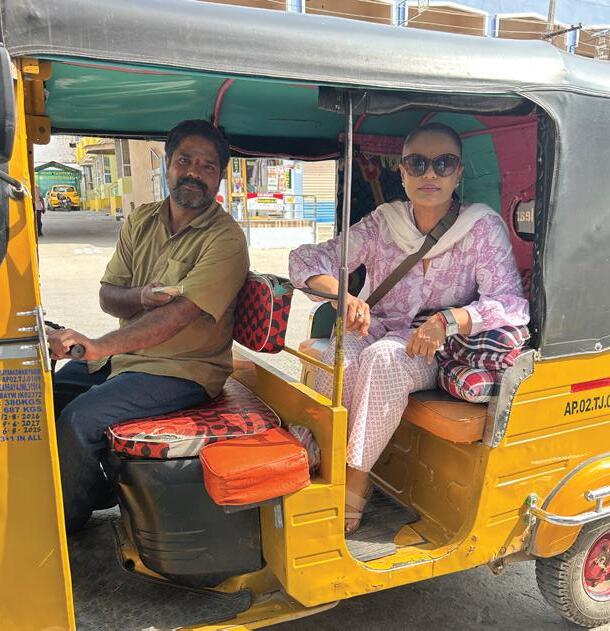
Our final destination was Bangalore, after which we drove to Puttaparthi, where we stayed for seven days. This was probably the most meaningful part of the journey for me. Puttaparthi has a very peaceful and spiritual atmosphere that allows you to disconnect from the noise of everyday life and reconnect with yourself. The simplicity, devotion, and calmness of the town made a lasting impression on me.
Packing for the trip required some planning because we were visiting very different environments. I packed warm clothing for Delhi as it tends to get nippy in the mornings and evenings, comfortable summer clothing for Mumbai, modest outfits for temple visits, walking shoes and light layers for travelling. I also made sure to carry essentials like medication, sanitiser, and a
good travel bag because moving between cities can be quite hectic.
One of my most special memories was simply sitting quietly in Puttaparthi during the mornings and evenings. There was something incredibly calming about being there.
Another unforgettable memory was seeing the Taj Mahal in Agra for the very first time after dreaming about it for years.
It was actually my late mum’s dream to see it, which she never fulfilled, and I definitely saw it through her romanticised eyes.
One surprise was how emotionally overwhelming India can be; another was how safe and welcome we felt throughout most of the journey. The country is filled with such beauty, intensity, contrasts, kindness, and humanity.
If I could do anything differently, I would probably extend the trip slightly longer to explore more of South India and allow more rest days between travelling.
My biggest tip for anyone travelling to India would be to go with an open heart and an open mind. India is not just a destination; it is an experience.
India stimulates all your senses at once. It teaches you gratitude, patience, and perspective in a very unique way.
Be prepared for busy streets, rich culture, incredible food, and moments that will challenge and inspire you. Plan your transport and accommodation carefully, stay hydrated, and allow yourself time to simply absorb the atmosphere around you. India stimulates all your senses at once. It teaches you gratitude, patience, and perspective in a very unique way.
This trip gave me memories that I will treasure forever. It reminded me how important it is to pause, reflect, explore different cultures, and reconnect with what truly matters in life.
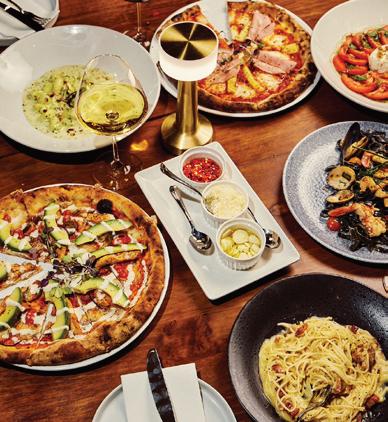
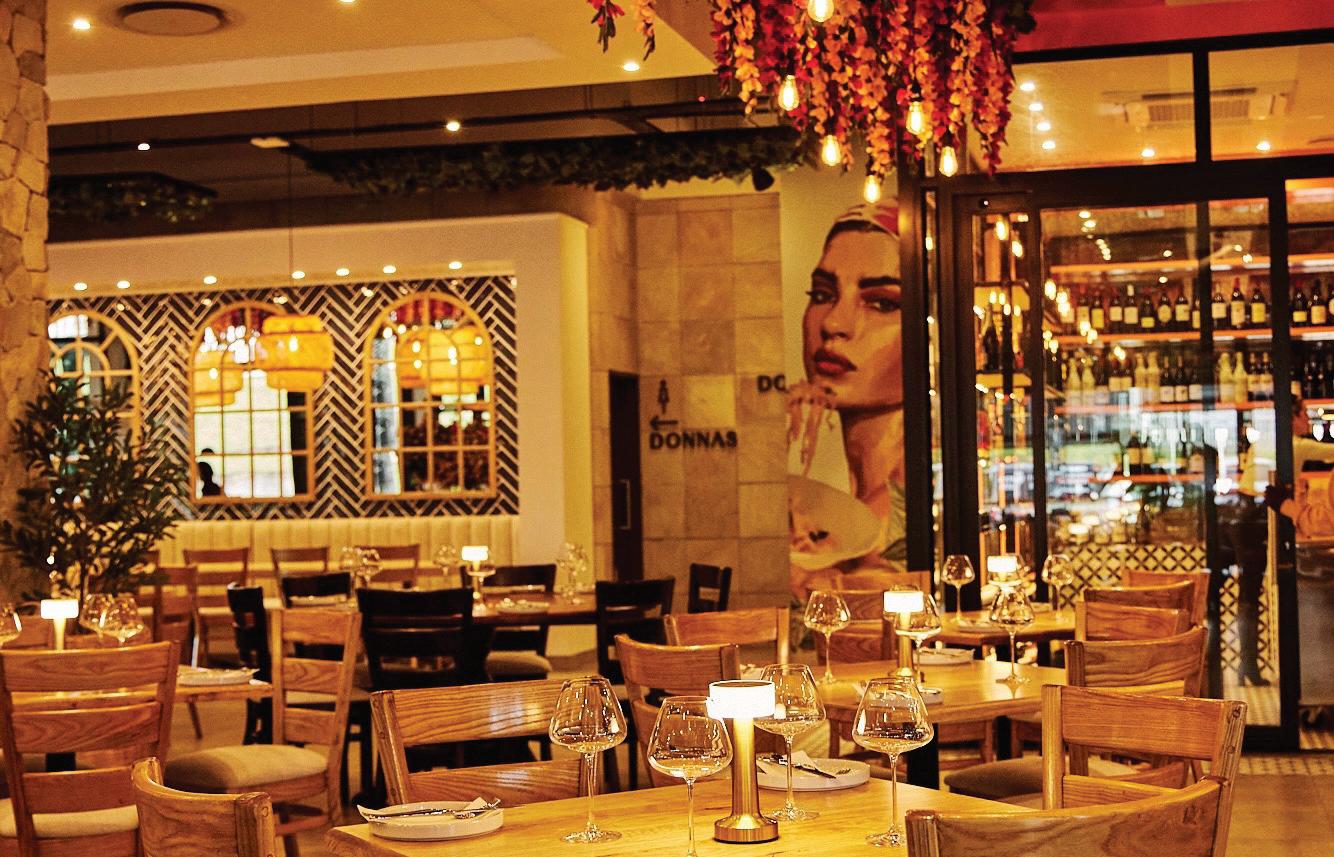
As you walk up to 1 on Palm from Gateway’s outdoor courtyard, it already feels like a familiar and comfortable space. The team gave us a warm welcome as they led us to our table next to the glass windows, so we could still do some people-watching as we settled in. We were pleasantly surprised to see the iconic fish tank still at the entrance, greeting and enchanting adults and children alike as they passed by.
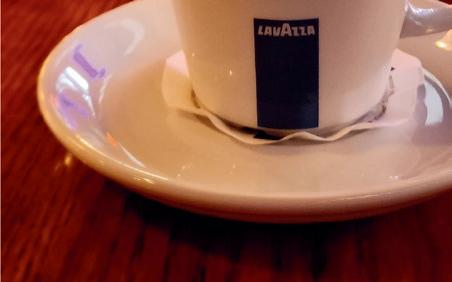
Before we could continue analysing the original interior design concept, including hand-painted decals on the tables, a kids’ play area and the interesting upstairs area, our amazing waitress advised us on some cocktails and hot drinks. Sipping a creamy, cosy cappuccino, made with a Lavazza brew, a fragrant chai latte, and the speciality cortado, we were able to slow down and actually begin to relax. By the time the cocktails arrived, the refreshing watermelon tiki and the pretty in pink
floss gin and tonic, we were ready for the starters. We had a great selection to share, which also highlighted the versatile menu. The chicken wings, grilled to perfection and brushed with peri peri butter, were true to the description. The spicy flavour reached beyond the skin and complemented the more neutral composition of the cheesy prawn tails and garlic mussels, each served with crispy ciabatta and fresh Portuguese rolls, respectively. The chicken livers, cooked in your choice of peri peri or lemon butter sauce, accompanied by ciabatta, were a nice appetiser to create anticipation for the main dishes.
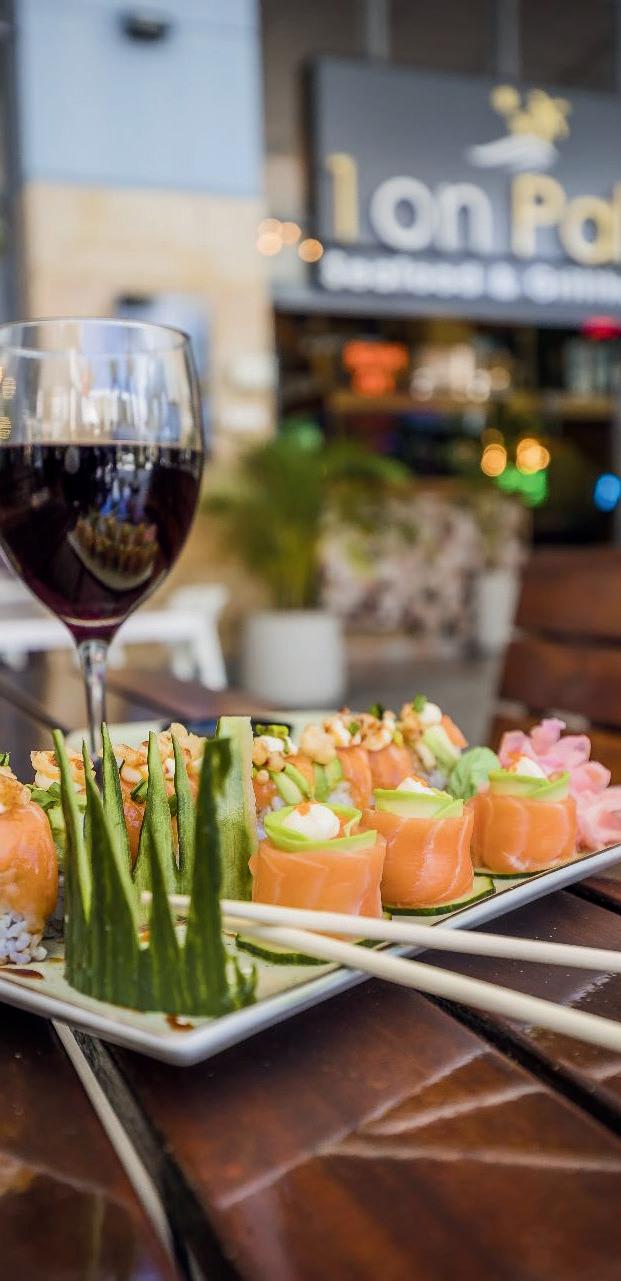
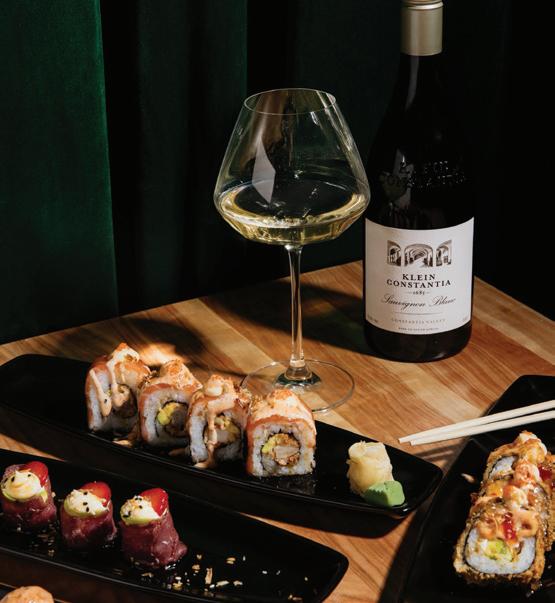
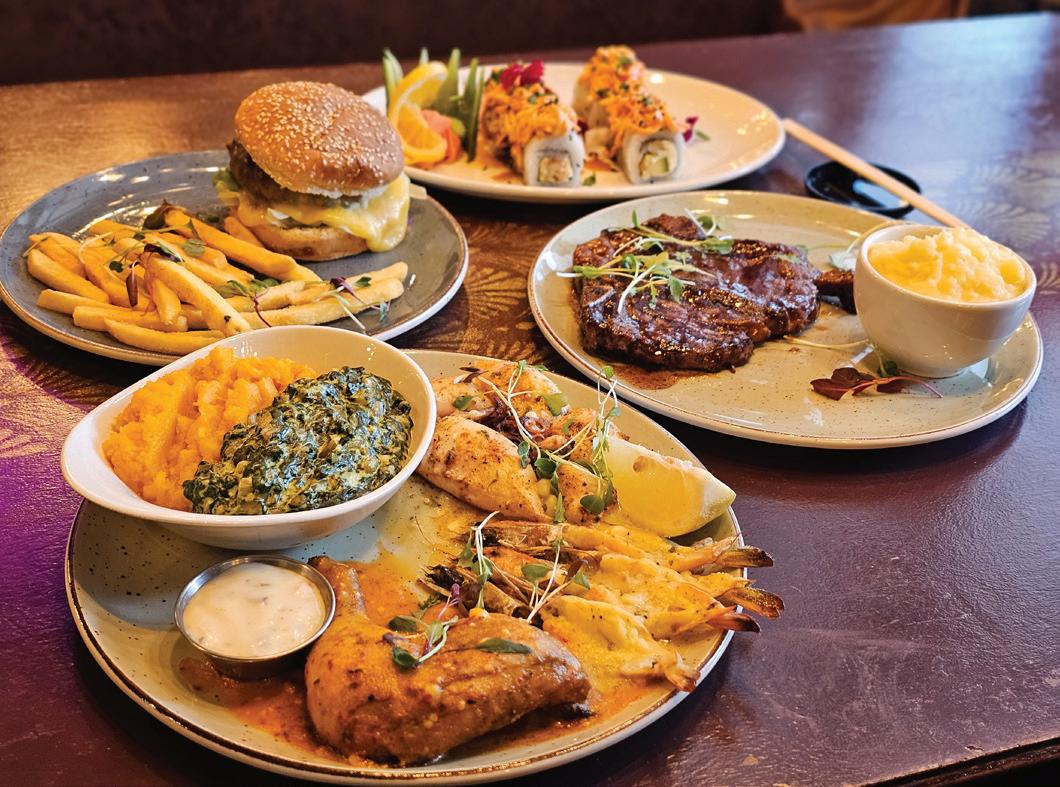
Once again, we turned to our waitress for her knowledgeable suggestions on the next cours. Looking for the best of surf and turf, we opted for steak, sushi, a lamb burger, and the North Beach platter, a quarter chicken, grilled calamari, four juicy prawns, served with creamed spinach and butternut. The dream platter, featuring a selection of the restaurant’s signature sushi, was enjoyed by everyone, even those

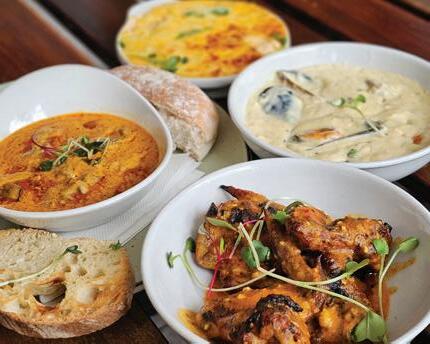

who don’t like sushi! The spicy Sriracha crab sticks atop the tempura prawn and cream cheese California rolls were a hit too, a different way to make presentation and taste exciting. The T-bone steak, cooked medium to well and served with light, fluffy mash, was tender and almost melted on the tongue with the mash.
The lamb burger, another unexpected combination, paired with fresh chips, had the whole table exclaiming with delight at the satisfying mix of spices in the patty.
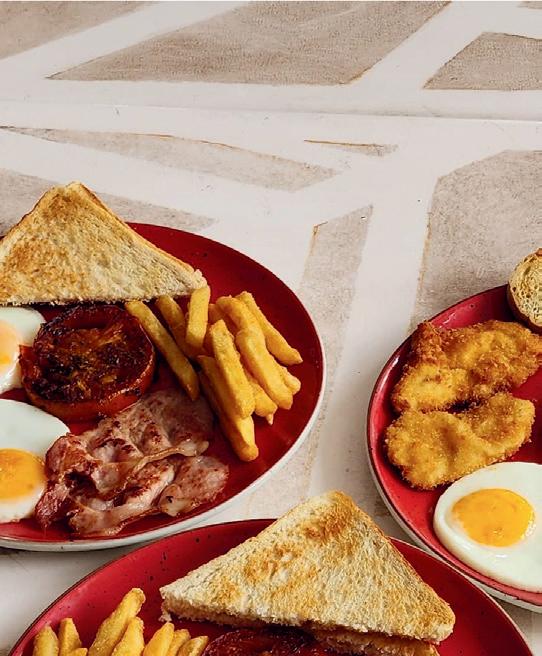
With a revamped menu on the horizon with new breakfast options and some old favourites, we would keep our eyes on this spot if we were you. Thank you to the amazing team for hosting us, we had an amazing time.
WORDS NQOBILE MAPHUMULO
Mental health in South Africa cannot be separated from the realities people are living through every day. For many, stress is not simply about being “too busy” or “not coping well enough.” It is connected to the pressure of surviving in an economy where the cost of living keeps rising, work feels increasingly uncertain, and rest can feel like a luxury.
In my practice, I have been seeing an increasing number of people speaking about burnout from a slightly different perspective. It is no longer only about isolated workplace frustrations, difficult managers, or heavy workloads. More and more, people are describing a deeper kind of fatigue; one connected to general work-life balance, emotional overload, and the feeling that they are constantly trying to keep up.
This gives me the impression that work itself is not the issue. It is also the way work stress follows people into the rest of their lives. Many South Africans spend the bulk of their day at work or thinking about work. By the time they get home, their bodies may be present, but their minds are still problem-solving, worrying, preparing, or recovering from the pressure of

the day. Over time, this can affect relationships, parenting, sleep, motivation, and even the ability to enjoy ordinary moments.
When we consider South Africa’s high unemployment rate and the increasing cost of living, it becomes clear that many people are carrying more than just workplace stress. They are carrying survival stress. And when stress becomes constant, it can start to feel normal.
So, how do we cope?
Firstly, financial awareness is a form of emotional care. Avoiding your finances may bring temporary relief, but it often increases anxiety. Start with a simple budget: what is coming in, what must go out, what can be reduced, and what needs a plan. Clarity may not remove the pressure, but it helps the mind feel less helpless.
Secondly, practise nervous system regulation. A few minutes of deep breathing, walking, prayer, journalling, or sitting quietly before reacting to stress can help your body come out of survival mode.
Thirdly, rethink income without shaming yourself. Side work, freelancing, selling a skill, tutoring, baking, content creation, weekend work or small services can create breathing room. The goal is not to glorify overworking, but to explore options with wisdom and boundaries.
Lastly, speak to someone. Stress becomes heavier in isolation. Whether it is a trusted friend, mentor, financial advisor or mental health professional, support can help you feel less alone. You are not weak for feeling the weight of this season. But you do need rhythms, support and practical tools to carry it differently.
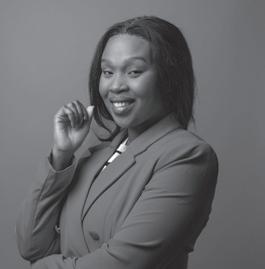
NQOBILE is a clinical psychologist practising in La Lucia. Her speciality areas include trauma-related experiences, grief therapy, and interpersonal relationships therapy. She caters to individuals in different age groups and socio-cultural backgrounds.
www.nqobilem.com














WORDS
INALA BUSINESS COACHING
There was a time when lead generation was largely a numbers game. Run the ad, make the calls, attend the networking event, build the database, generate enough activity, and opportunities would come.
Today, many business owners are working harder at lead generation than ever, yet often see less return for the effort. Not because demand has disappeared, but because the conditions under which buyers make decisions have fundamentally changed. Prospects are more informed, more sceptical, and often much further through the buying journey before they engage. Attention is fragmented, digital channels are crowded, and being visible is no longer the same as being relevant. This is where many businesses get stuck. The response is often to add more tactics – more social media, more paid campaigns, more outreach – without stepping back to question whether their leadgeneration model has kept pace.
Lead generation today is less about volume and increasingly about alignment – between who you target, how you position value, how marketing and sales work together, and how consistently trust is built over time. When these elements are weak, businesses often experience inconsistent lead flow, poor conversion, overdependence on one source of demand, or the mistaken belief that more activity will solve what is, in reality, a structural weakness.
Stronger-performing businesses are responding not by simply doing more, but by improving how demand is created.

They are strengthening referral strategies, using thought leadership and educational content to build authority, improving lead nurturing through better Customer Relationship Management (CRM) discipline, and using data – and increasingly AI – not simply to automate activity, but to improve judgement, sharpen targeting and strengthen timing.
Yet beneath these practical shifts sits something deeper. In more complex markets, advantage increasingly belongs to businesses with greater clarity. Clarity about the problems they solve and the value they bring, so that relevance becomes easier to establish.
Clarity about their target market and, just as importantly, who they are not trying to reach. Clarity about how the market responds to them, how they are perceived, and what that feedback may be signalling. Clarity about which lead sources genuinely produce qualified opportunities, rather than mistaking activity metrics for traction. Clarity about how leads will be nurtured once interest is created, because generating enquiry and developing opportunity are not the same thing. And clarity in decision making, so that changing market signals are recognised early enough to respond intelligently.
This is where stronger lead-generation systems often differ. Their advantage is not necessarily that they do more, but that they operate with better judgement and fewer contradictions. In uncertain markets, that ability to create more predictable growth may be one of the most important advantages a business can build.
Strongerperforming businesses are responding not by simply doing more, but by improving how demand is created
INALA BUSINESS COACHING is a firm of internationally certified business coaches, licenced by ActionCOACH. They empower business owners and senior executives to grow, scale, and thrive, creating wealth and positively impacting lives. www.actioncoach.co.za/coach/actioncoach-inala