


A LEGACY OF CARE: DR. COLIN PRENSKY ESTABLISHES ENDOWED PATIENT FUND IN MEMORY OF HIS PARENTS 3
EXPANDING ACCESS: THE COMMUNICATION VAN DELIVERS HEARING CARE ACROSS PITTSBURGH 4

A LEGACY OF CARE: DR. COLIN PRENSKY ESTABLISHES ENDOWED PATIENT FUND IN MEMORY OF HIS PARENTS 3
EXPANDING ACCESS: THE COMMUNICATION VAN DELIVERS HEARING CARE ACROSS PITTSBURGH 4
At the Eye & Ear Foundation, our work is guided by a simple but powerful belief: Everyone deserves the opportunity to see, hear, and live life to its fullest.

ROBOTIC-ASSISTED COCHLEAR IMPLANT SURGERY: ADVANCING HEARING CARE AT MERCY AND SHADYSIDE HOSPITALS 6
AL MUSE RECOVERY FUND SUPPORTS VITAL HEARING RESEARCH AMID NIH FUNDING CUTS 7
PITT RESEARCHERS RECEIVED $2.2M FROM THE GILBERT FAMILY FOUNDATION TO COMBAT BLINDNESS CAUSED BY NF1 8 clEARdashboard: EMPOWERING ADULTS TO CHOOSE THE RIGHT HEARING AIDS 5
VISION INSTITUTE LAUNCHES WELLNESS KIT INITIATIVE FOR UNHOUSED PATIENTS 10
INVESTING IN HOPE: ADVANCING OPTIC NERVE REGENERATION RESEARCH 11
Articles written by: Lisa A. Goldstein, Senior Writer & Editor, The Eye & Ear Foundation
Photography: Kelsey M. Muchnok,
Every day, we support scientists, clinicians, and educators who are pushing the boundaries of medicine—asking bold questions, challenging limitations, and working tirelessly to turn discovery into healing. Their work reflects our mission to advance research and expand access to care, with the ultimate goal of treating and curing diseases and disorders of the eye, ear, nose, throat, head and neck.
This mission is rooted not only in innovation, but in humanity. It is about restoring independence, preserving connection, and offering hope to individuals and families facing conditions that profoundly affect how they experience the world. It is about ensuring that breakthroughs in research translate into real-world impact, reaching patients regardless of circumstance.
Philanthropy makes this possible. Through the generosity of our donors and partners, we are able to foster collaboration, accelerate discovery, and help build an innovative model of medicine—one that brings together researchers, physicians, and communities in pursuit of better outcomes for all. Your support fuels progress today while laying the groundwork for the cures of tomorrow.
As you read this edition of Sight + Sound, I hope you feel the same sense of purpose that inspires our work every day. Thank you for believing in our mission and for standing with us as we work to improve lives through vision and hearing research, care, and compassion.
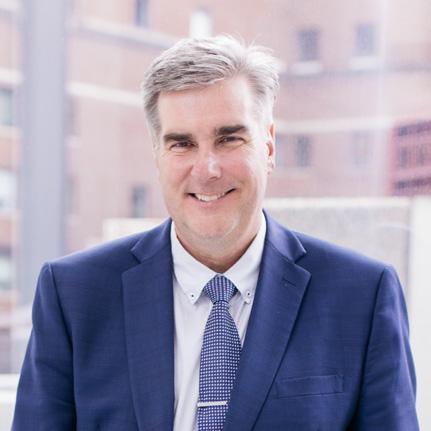
Warm regards, Lawton Snyder Chief Executive Officer The Eye & Ear Foundation

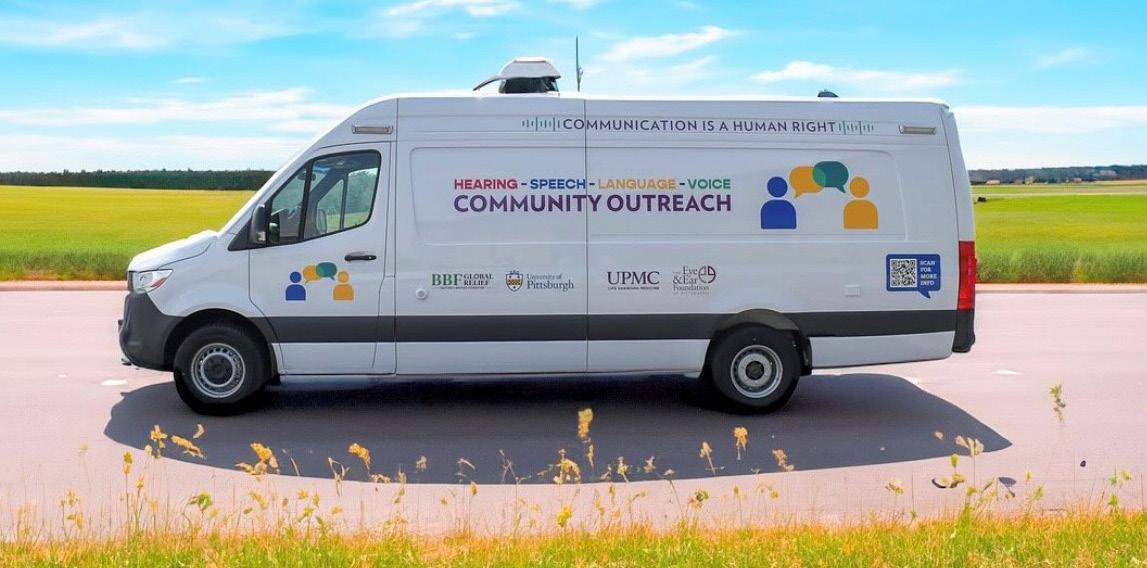
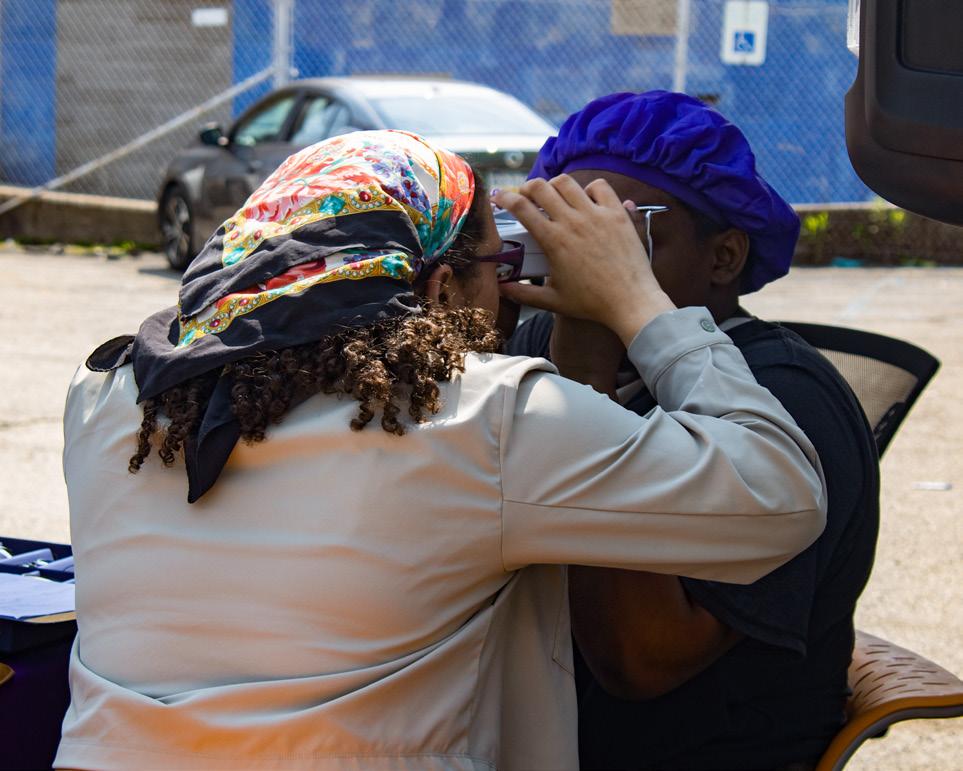
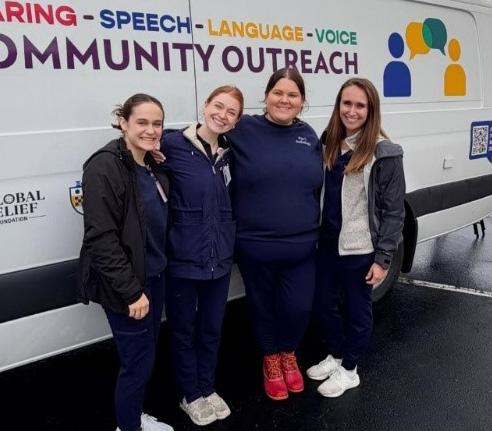
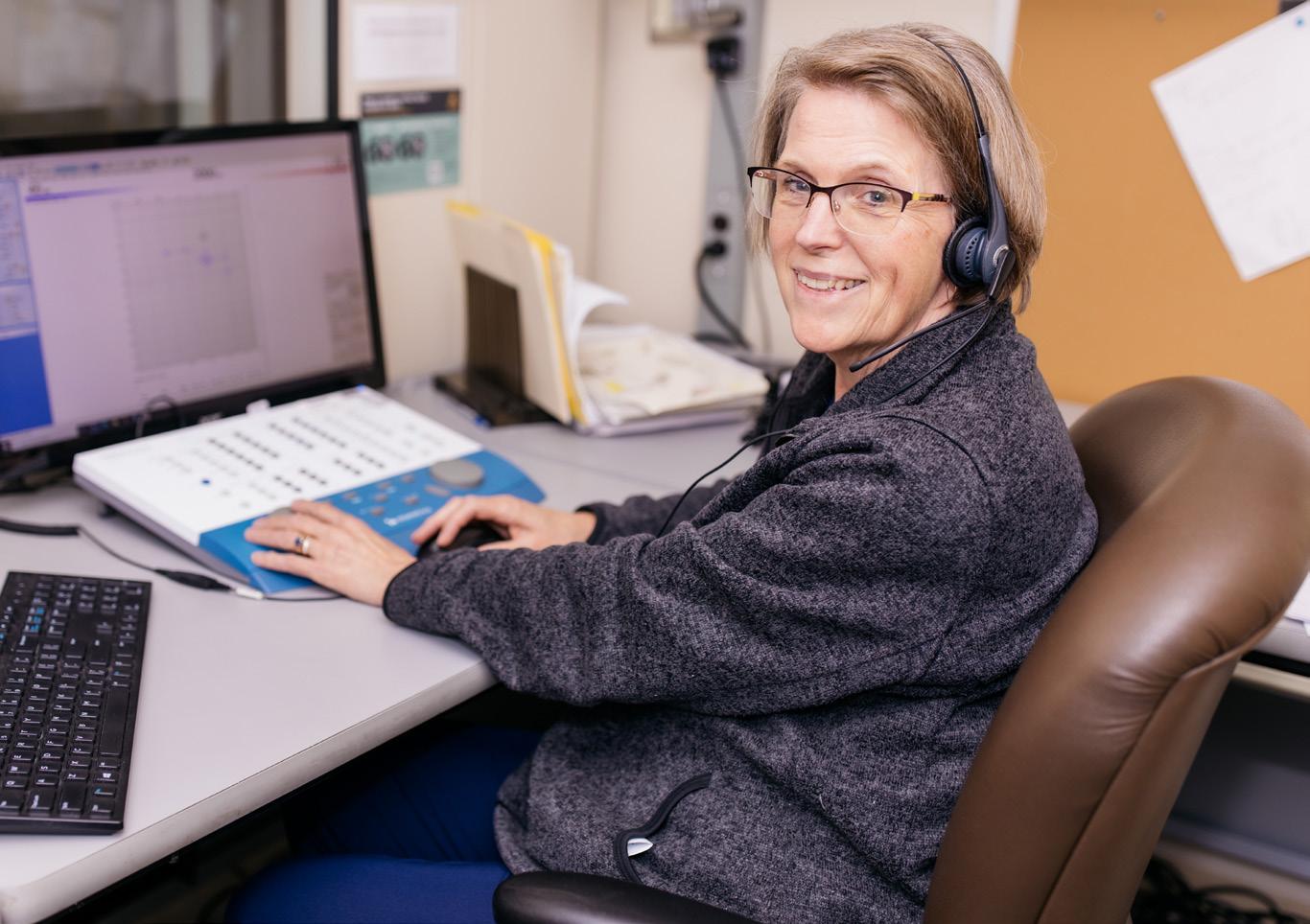
The Communication Van has been on the road, providing hearing care in neighborhoods around the greater Pittsburgh area. Now thanks to the Jack Buncher Foundation, the Van is equipped and extending its outreach.
Prior to the grant, the equipment being used was borrowed from the brick-and-mortar clinics and was not especially well-suited for the mobile unit’s footprint. Transporting this equipment back and forth in the Van can cause damage to the settings, thus rendering it ineffective. The mobile unit was in need of permanent, fitted equipment to be able to operate more efficiently and effectively.
The highly customized Van provides two days of ongoing clinical care every week nine months a year (bypassing the very coldest months). It is also used for special events of a variety of types, like conducting research this summer. Additionally, it will support hearing assessment and treatment at the Special Olympics.
In general, any service related to hearing is provided –including hearing testing, hearing aid fittings, hearing protection, and even showing people smartphone capabilities like speech-to-text. The Van is unique
because it serves many different communication needs from both a clinical and research perspective.
“Being able to fully outfit the Communication Van allows us to support hearing assessment and hearing care for our most fragile populations who are unable to access typically offered hearing care due to a variety of barriers,” said Catherine V. Palmer, PhD, Director, UPMC Audiology.
“Being able to fully outfit the Communication Van allows us to support hearing assessment and hearing care for our most fragile populations.”
Catherine V. Palmer, PhD, Director, UPMC Audiology
Follow the Communication Van on Instagram (@communicationvan.pitt) or Facebook (Communication Van).
The University of Pittsburgh’s Audiology Division has created an easy-to-use online guide that helps adults 18 and older choose the right hearing aids for their needs. Called clEARdashboard, for Consumer Led Evidence – Amplification Resource Dashboard, it allows people to learn about hearing aid styles and features and compare those features and performance across Direct-toConsumer hearing aids.
clEARdashboard’s research team – comprised of hearing specialists, hearing scientists, and computer experts in the School of Health and Rehabilitation Sciences at the University of Pittsburgh who are not employed by hearing aid manufacturers – wrote a proposal to the Hearst Foundation. The work
they proposed has been completed; now the work continues to the next stages of the project, which includes lab-based measures that can predict real world performance. This will be used to assess devices.
Funding from the Hearst Foundation went to developing the website and the purchase of over the counter hearing aids to be able to put together clEARdashboard. “The support of the Hearst Foundation allowed our team the time and resources to create a consumerfriendly resource that supports the navigation of selecting over the counter hearing aids,” said Catherine V. Palmer, PhD, Professor and Chair, Department to Communication Science and Disorders and Director of UPMC Audiology
TYPES AND STYLES OF HEARING DEVICES Behind-the-Ear (BTE) Hearing Aid

Receiver-in-Canal (RIC) Hearing Aid

In-the-Ear (ITE) Hearing Aid

In-the-Canal (ITC) Hearing Aid

Completely-in-Canal (CIC) Hearing Aid

Invisible-in-Canal (IIC) Hearing Aid
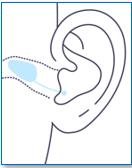
Cochlear Implant Bone-Anchored Hearing Aid


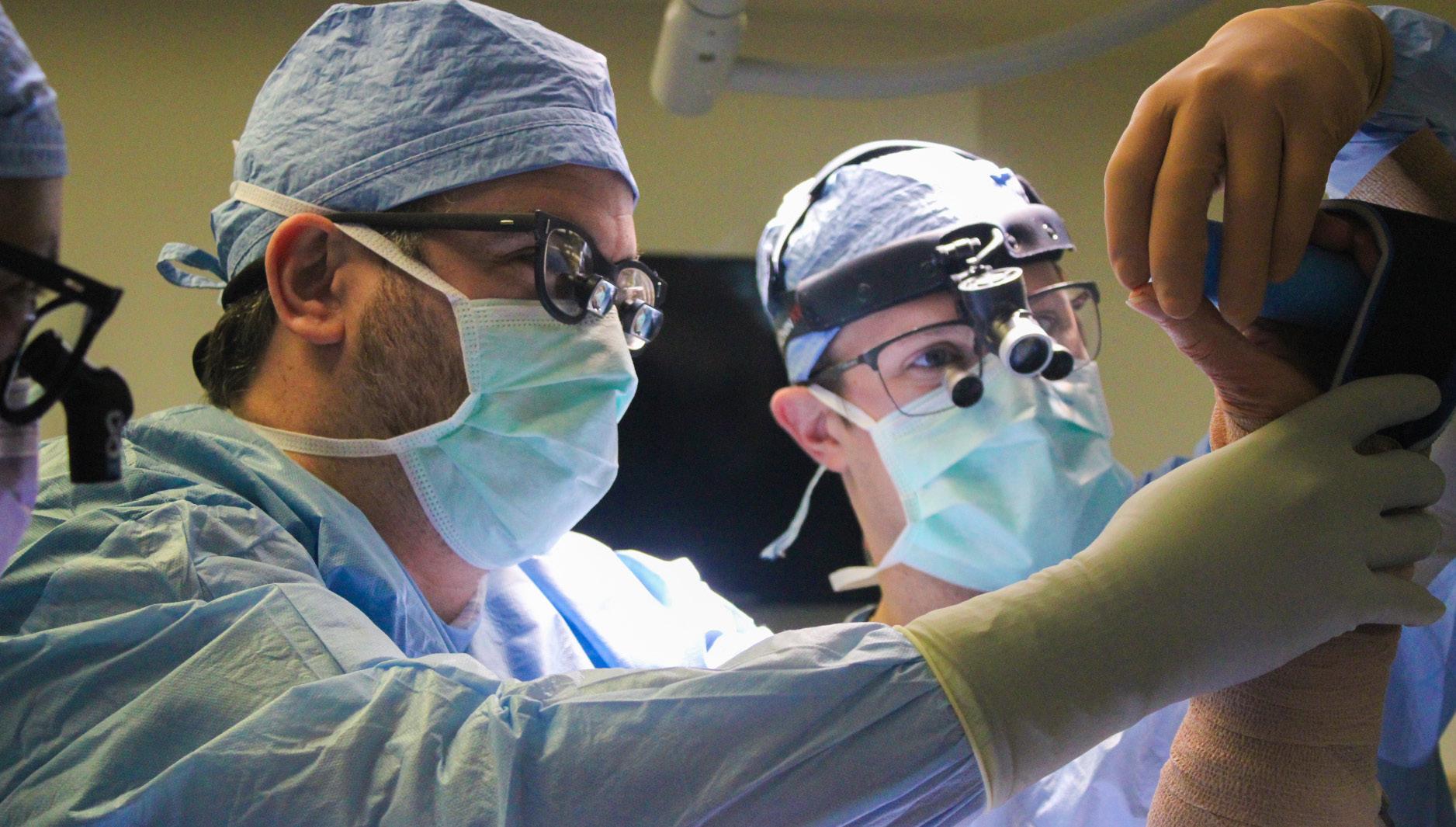
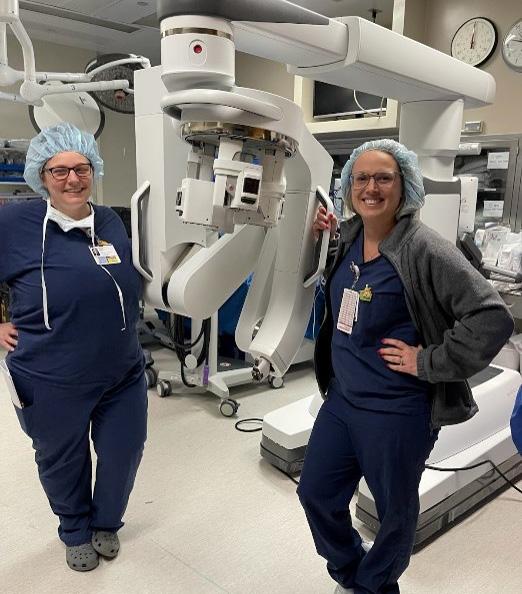
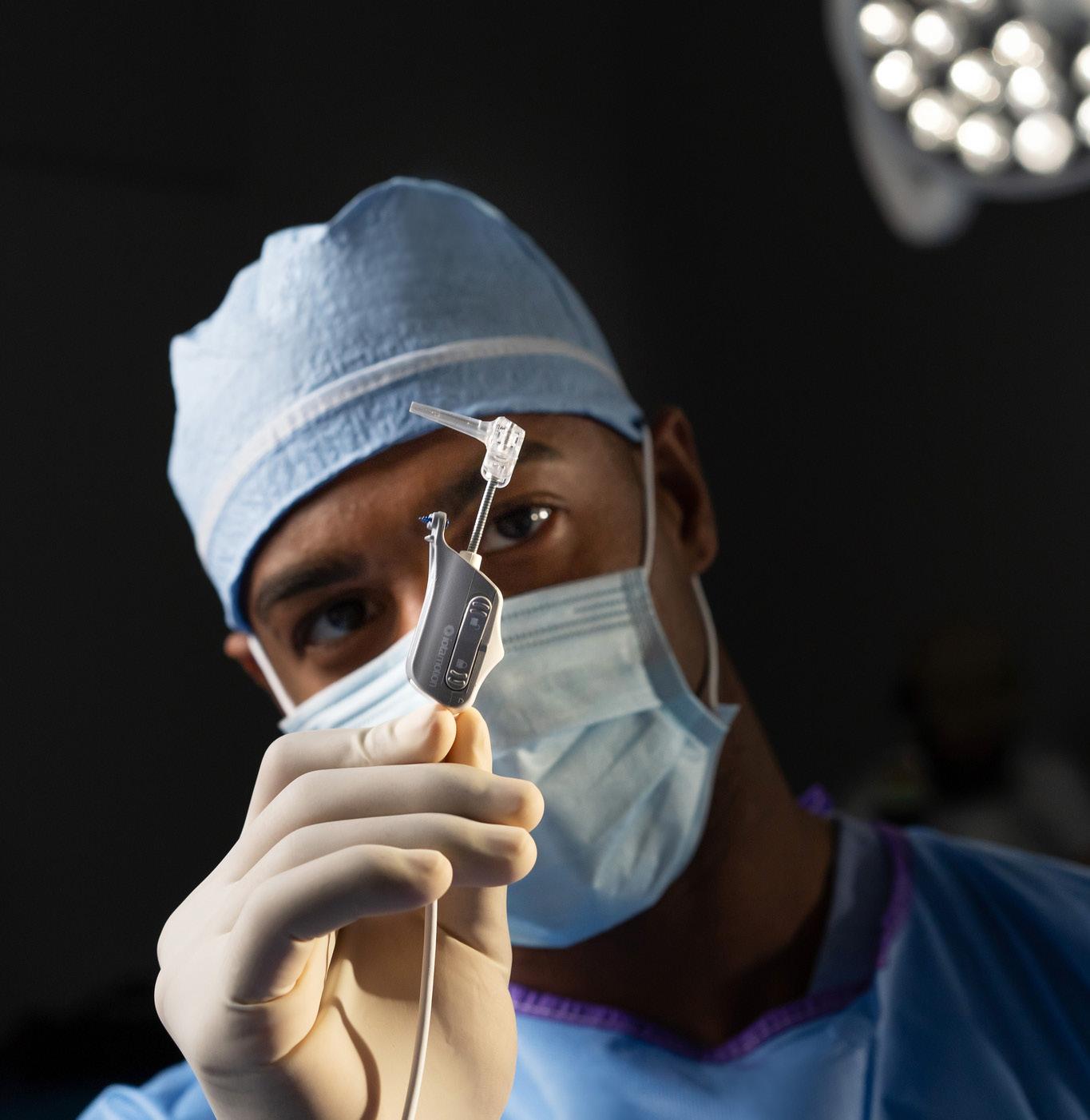
As of March 2026, the Department of Otolaryngology-Head & Neck Surgery is offering robotic-assisted surgery for cochlear implantation at Mercy and Shadyside Hospitals, thanks to support from the Eye & Ear Foundation.
A robot handling an intricate part of anatomy? As paradoxical as it sounds, the iotaMotion robotic system is actually less invasive and more beneficial, with no additional cost to the patient.
“At UPMC, we use the most advanced implant technology available, along with medications and techniques designed specifically to protect hearing,” said Peter Santa Maria, MD, PhD, Division Chief of Otology & Neurotology. “The iotaMotion robotic system allows us to place the implant more slowly and gently than ever before. That precision helps us better protect delicate inner ear structures and gives our patients access to the most advanced hearing care available anywhere.”
Robotic-assisted surgery has additional benefits. “When we place a cochlear implant, one of our biggest goals is to protect the hearing a patient still has,” Dr. Santa Maria added. “If we can preserve their low-pitch hearing, they get the best of both worlds — clearer speech from the implant and the fuller, warmer sound that helps with music and natural voice quality.”
There is also new clinical evidence emerging highlighting the positive impact on audiological outcomes, according to iota.
Ironically, iota – a growing medical robotics company based in St. Paul, MN – has an innovation hub in Pittsburgh, which opened prior to the Department receiving approval.
Pittsburgh will now join 34 other clinics across the U.S. that offer this technology. It is available to use in patients four years and older, so Children’s Hospital of Pittsburgh is hoping to receive approval as well.
When will the Department start using iotaMotion? “As soon as the first patient is booked,” said Dr. Santa Maria.
University Ear, Nose & Throat Specialists - Monroeville
This ENT location has updated suite with consolidated services, including Head and Neck, Sleep, and Comprehensive Otolaryngology, as well as Hearing Aid and Audiology Services, Speech Language Pathology, and Allergy.
125 Daugherty Drive, Suite 400, Monroeville, PA 15146
Scheduling: 412-374-1260
University Ear, Nose & Throat Specialists – Sewickley
A new location for Facial & Plastic Surgery - patients will have access to the full spectrum of facial cosmetic and reconstructive care, including Botox and filler injections, microneedling, and chemical peels, as well as surgical consultation for rhinoplasty, blepharoplasty, facelift, skin cancer reconstruction, and facial paralysis care.
111 Hazel Lane, Suite 200, Sewickley, PA 15143
Scheduling: 412-621-0123
University Ear, Nose & Throat Specialists - Shadyside
The Head & Neck Surgery Division will soon move offices from Oakland to their newly remodeled offices in the Shadyside medical building to strengthen close, ongoing collaboration with the UPMC Hillman Cancer Center, enhancing coordinated care, multidisciplinary treatment planning, and patient outcomes.
5200 Centre Avenue, Suite 211, Pittsburgh, PA 15232
Scheduling: 412-621-0123
Two scientists in the Department of Otolaryngology-Head & Neck Surgery whose major grants were suspended due to NIH funding cuts are recipients of the Al Muse Recovery Fund.
This Fund, created by the Eye & Ear Foundation Board, honors Al Muse, a founding member of EEF who passed away last May. He was a former chair and the longest serving Board member. The purpose of the fund in his name is to support funding cuts in the Departments of Ophthalmology and Otolaryngology-Head & Neck Surgery.
Chris Cunningham, PhD, had been working on a project seeking to uncover the molecular mechanisms that regulate the trafficking and localization of essential auditory protein complexes in sensory hair cells, which convert sound waves into neural signals. A key focus was understanding how mutations associated with hearing loss disrupt these processes. As hearing loss is one of the most prevalent sensory deficits, with no FDA-approved biological therapies, there is a critical need for biological therapies capable of restoring natural hearing.
The team has identified novel genes linked to genetic forms of deafness and is generating mouse models to investigate their function. “Critically, we are also developing gene therapies designed to restore hearing in these models,” Dr. Cunningham said. “By identifying new molecules and regulatory checkpoints essential to auditory function, this research holds significant promise for the development of gene therapies and other therapeutic strategies to prevent or treat hearing loss.”
Michele Insanally, PhD, is investigating the neural basis of auditory perception and learning. Her project involves trying to understand how the brain flexibly gates the behavioral relevance of sounds in dynamic environments using cutting-edge techniques including high-density neural recordings, optogenetics, and computational approaches. “We lack a fundamental understanding of how the brain processes acoustic signals that ultimately result in hearing and the ability to communicate and navigate complex environments,” Dr. Insanally said.
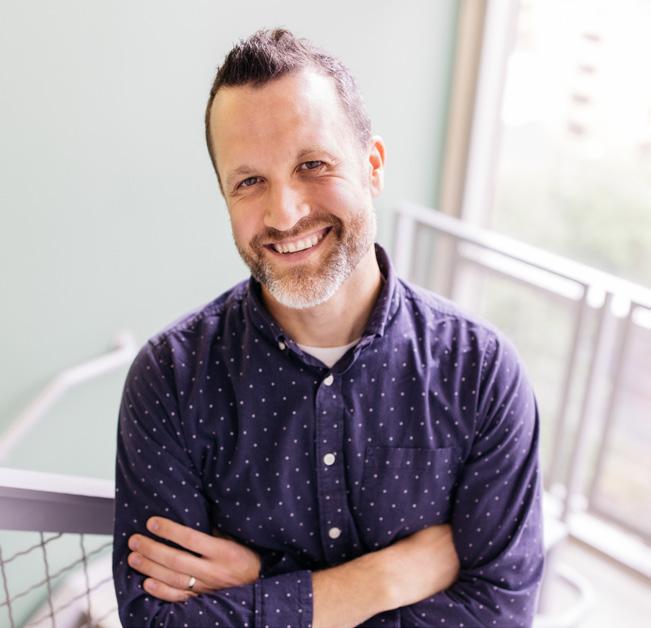

The project has already yielded significant findings and resulted in a high impact manuscript currently in revision at Nature, a top scientific journal. Dr. Insanally has been invited to numerous high-profile conferences and institutions to discuss the findings as a keynote speaker and invited lecturer.
“The Muse Recovery Fund cannot replace the original support promised by the NIH grants,” said Lawton Snyder, CEO of the Eye & Ear Foundation. “However, it serves a purpose to keep the research activity going until the investigators can apply for the next cycle of grants.”
The results from the proposed experiments are expected to provide critical insights into improved diagnosis and treatment of hearing deficits caused by disease or injury and inform targeted therapies for central auditory processing disorders.
Reprint from University of Pittsburgh Pittwire
The University of Pittsburgh and the Eye & Ear Foundation of Pittsburgh have received a $2,182,900 multiyear grant from the Gilbert Family Foundation to support the organization’s Vision Restoration Initiative (VRI), which aims to prevent blindness caused by mutations in the neurofibromatosis type 1 (NF1) gene. The award is part of a broader, multidisciplinary initiative by the Gilbert Family Foundation to advance transformative vision research and foster collaboration among 15 leading research centers.
“The support of VRI has been key in moving forward our efforts to find solutions for this currently incurable disease,” said Anantha Shekhar, Pitt’s senior vice chancellor for the health sciences and John and Gertrude Petersen Dean of the School of Medicine. “This latest round of funding will allow us to better understand the optic nerve degeneration associated with NF1 and find novel treatments for the debilitating condition.”
NF1 is a genetic condition that causes changes in skin pigment and tumors on nerve tissue, including within the eye. It affects an estimated 1 in 2,500 people and can lead to premature death and complications such as blindness.
The Gilbert Family Foundation invited John Ash, E. Ronald Salvitti Chair in Ophthalmology Research at the
School of Medicine, to join the VRI as a member of its “Dream Team” of researchers studying NF1 and vision.
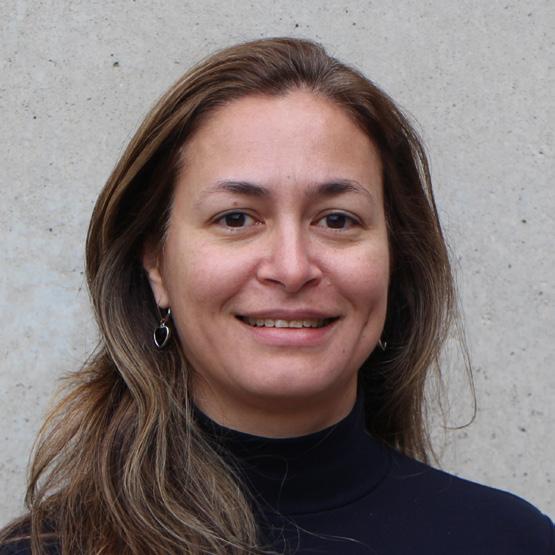
The funding will also support the work of a recently hired ophthalmology faculty member, Silmara de Lima, who joined the department from Boston Children’s Hospital in 2025.
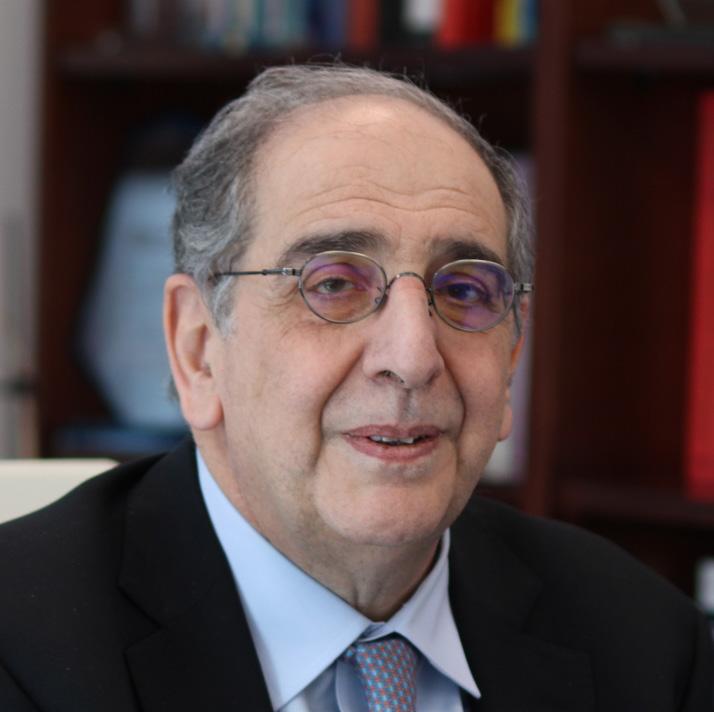
“Dr. de Lima and her mentor and colleague, Larry Benowitz, will combine their research expertise with Dr. Ash to develop novel therapeutic solutions to preserve and restore vision in NF1 patients. Their research is moving the science forward, and the support from the Gilbert Family Foundation will make it possible for us to enhance the Department of Ophthalmology’s state-ofthe-art facilities, test and validate therapies developed here and elsewhere, and explore new targets,” said José-Alain Sahel, Distinguished Professor and Chairman of the Department of Ophthalmology at Pitt’s School of Medicine.
“Equally important as the financial support associated with our partnership with VRI is the collaborative environment it creates among some of the best minds in this field, starting right here in Pittsburgh,” added Sahel, who also serves as director of the UPMC Vision Institute and Emeritus Exceptional Class Professor at Sorbonne Université in Paris.
continued on next page

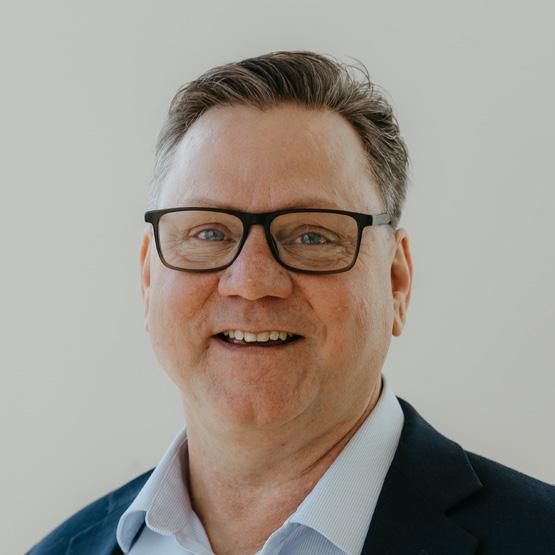
The grant calls for Ash’s and de Lima’s labs to cross-train with the other VRI grantees to develop best practices and standardized procedures for assessing NF1 disease pathology, optic nerve structure and function and genetics of NF1 disease models.
“Curing NF1 requires us to think differently. The disease is complex, but the scientific and translational opportunities in front of us have never been stronger. By merging cutting-edge biomedical and information technologies with a commitment to collaboration across scientific disciplines, we believe transformative breakthroughs are possible,” said Laura Grannemann, executive director of the Gilbert Family Foundation. “The Vision Restoration Initiative exemplifies this approach by bringing together leading researchers to tackle one of NF1’s most devastating complications. We are committed to producing therapies that restore vision and, ultimately, cure this disease.”
Members of the VRI’s Dream Team will meet regularly to align, harmonize and standardize established procedures, ensuring consistency across the consortium. Results and best practices will be shared among consortium members and disseminated broadly through presentations at national and international conferences.
“I cannot thank the Gilbert Foundation enough for its support of our work and that of our partner institutions,” said Ash. “The Foundation’s confidence in our collective ability to identify solutions that restore sight for individuals affected by NF1 is transformative. Progress in individual laboratories can take us only so far, but when all 15 institutions come together to collaborate, share discoveries and build on one another’s successes, we can achieve far more and do so much more rapidly for the patients we serve.”
Planned giving offers a powerful way to create a lasting legacy while advancing the future of exceptional patient care, research, and education at the Eye & Ear Foundation. Through thoughtful planning, donors can make meaningful gifts that reflect long term commitment while aligning personal financial goals with philanthropic purpose. A legacy gift ensures that your values continue to make a difference for generations—supporting innovation, compassion, and excellence in care.
Planned giving opportunities include bequests, charitable gift annuities, charitable trusts, IRA charitable rollover gifts, and life insurance gifts. These options provide flexibility and potential financial benefits while sustaining the mission of the Departments of Ophthalmology and Otolaryngology–Head & Neck Surgery. To learn more, scan the QR code to watch a short video on planned giving at the Eye & Ear Foundation.
Support can also be provided through immediate giving options, including stock transfers and cash gifts. These contributions provide vital, timely resources that allow the Foundation to respond to emerging needs, accelerate discovery, and expand access to leading edge care. Visit eyeandear.org to make a gift or learn more about how your support can create impact today.
Philanthropic support drives discovery, strengthens education, and enhances patient outcomes. By growing the Eye & Ear Foundation’s network of supporters, we can train the next generation of medical leaders and ensure continued excellence across clinical care and research. As CEO Lawton Snyder notes, the Foundation support enables recruitment of top faculty and their research, helping these Departments remain global leaders and translate innovation into better outcomes for the communities they serve.

By
The Department of Ophthalmology at the University of Pittsburgh distributed wellness kits at February’s Community Vision Day (CVD), continuing its commitment to supporting patients with essential resources. Extra kits were also reserved for select VI and Satellite locations to be used throughout the year.
The idea originated during a manager’s meeting focused on ways to better assist unhoused patients. Leadership quickly supported the concept, and Dr. José-Alain Sahel, Director of the Vision Institute, endorsed the effort and matched staff contributions to help expand the project. Through this support and a partnership with the Brother’s Brother Foundation (BFF), the Department gathered enough supplies to create kits for the February event and future needs.
Volunteers assembled the bags ahead of the event, filling them with basic hygiene items and snacks, and packaging them in a warm, gift like presentation.
At the February 21, 2026, CVD, there were 119 patients seen, and prepared bags were distributed. Remaining supplies will be used to build additional kits to keep on hand at clinical sites and for CVD events. With the generous donations from the VI team, Dr. Sahel’s match and BBF supplies will help sustain the effort through the year.
Plans for future events include adding seasonal essentials, healthy snacks, and exploring collaborations to create specialized kits for children and adults.
Staff members shared that the project was a positive team building experience, and patients expressed appreciation for the thoughtful gesture.

MAY 30 AND OCT 18
Community Vision Day is an initiative of the UPMC Vision Institute, and the Eye & Ear Foundation designed to address critical gaps in vision care and insurance access within underserved communities. Expanding access to vision care has long been a mission of JoséAlain Sahel, MD, Distinguished Professor and Chair of the Department of Ophthalmology and Director of the UPMC Vision Institute, and Evan “Jake” Waxman, MD, Professor of Ophthalmology and Division Chief of the Comprehensive Eye Service at UPMC. The event delivers free vision care and exams from University of Pittsburgh School of Medicine and UPMC ophthalmologists, along with insurance navigation, ensuring care is accessible to those who might otherwise go without. Insurance is not required for treatment at this event.
Shelly McDaniel lost her vision in 2024 because of optic nerve damage. Determined to understand what advances were being made in optic nerve regeneration, she and her husband John began researching leaders in the field.
“That search led us to the groundbreaking work at the Louis J. Fox Center for Vision Restoration and Dr. Larry Benowitz’s research,” the couple said. In turn, that led them to the efforts of the Eye & Ear Foundation of Pittsburgh in supporting the Fox Center “and its collaboration with other optic nerve regeneration researchers worldwide.”
The couple has learned firsthand how urgent the need is for breakthroughs. The pioneering work in optic nerve regeneration inspired them to donate $500,000 to the Eye & Ear Foundation all the way from Jonestown, Texas.
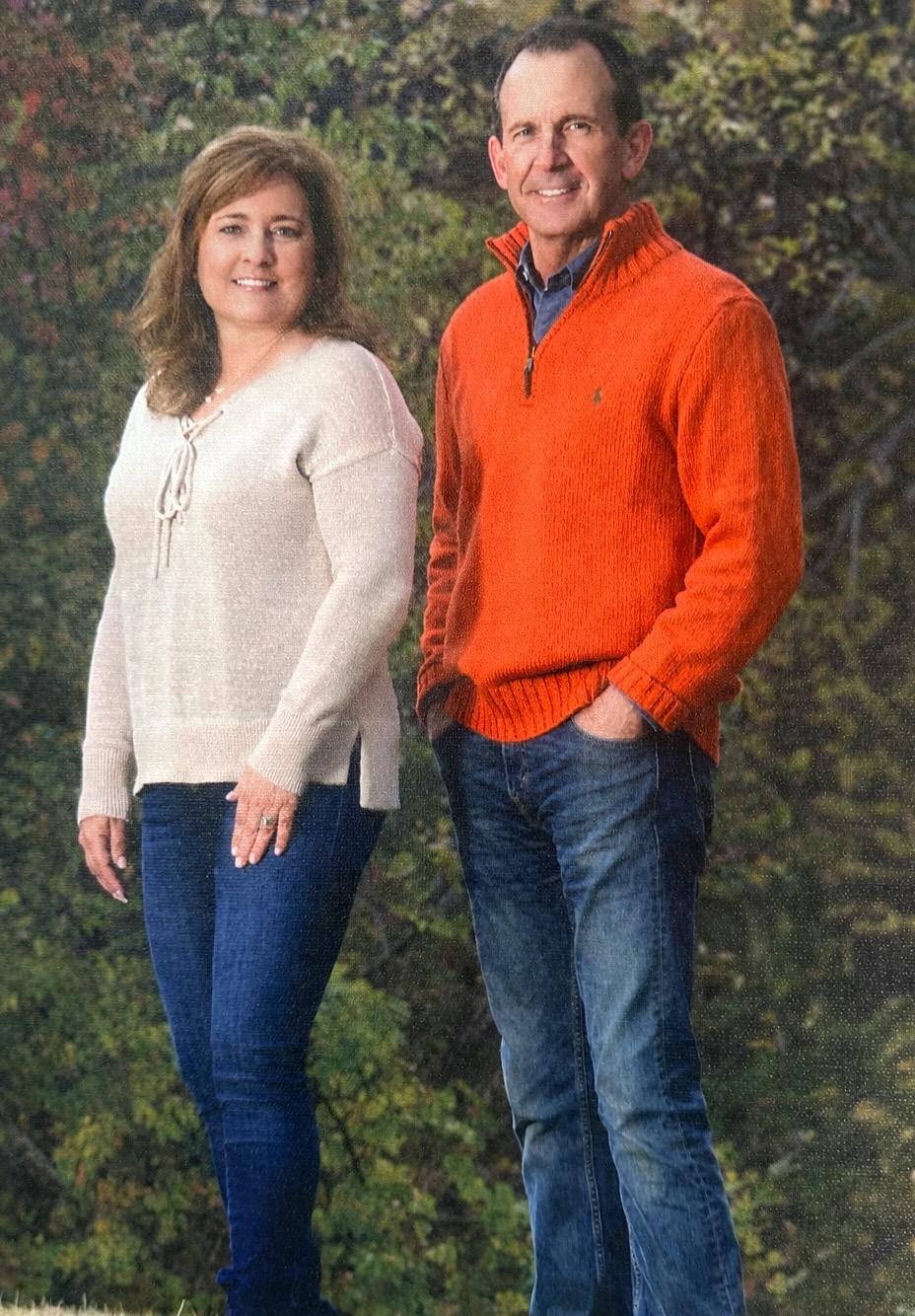
“We are proud to invest in research that has the potential to restore vision and change lives for Shelly and so many others,” they said.
Shelly and John hope their donation advances research that brings the possibility of restored sight closer to reality. If their support can help move the science forward even a little faster, they feel it will be worth it.
“Our greatest hope is that this work will bring us closer to a future where vision loss from optic nerve damage is no longer permanent,” they said.
“We are proud to invest in research that has the potential to restore vision and change.”
Shelly and John McDaniel
eyeandear.org
Supporting Research to Improve how we Hear, See, and Live
203 Lothrop Street Suite 251 EEI Pittsburgh, PA 15213
412.864.1300 O 412.864.1305 F

If you no longer wish to receive our newsletter, please submit requests to our mailing address, or email optout@eyeandear.org
The official registration and financial information of the Eye & Ear Foundation may be obtained from the Pennsylvania Department of State by calling toll free, within Pennsylvania, 1-800-732-0999. Registration does not imply endorsement.
The Eye & Ear Foundation of Pittsburgh is a nonprofit 501 (C)(3) organization. Our mission is to support the research and academic efforts of the Departments of Ophthalmology and Otolaryngology-Head & Neck Surgery at the University of Pittsburgh. Donations to support our research initiatives can be made online at eyeandear.org or by returning the enclosed envelope. For more information on the Foundation, our research, or the articles in this newsletter, please contact Katherine Troy, Director of Operations, at katherine@eyeandear.org or 412-864-1300.
Medical Disclaimer: The Eye & Ear foundation does not assume any responsibility or risk for the use of any information contained within the newsletters. Reliance on any information available through the newsletters is solely at your own risk. All information and content found in this newsletter were created for educational purposes only. The newsletter is not intended as, or as a substitute for, professional medical advice, diagnosis, or treatment. Always seek the advice of your physician or another qualified health provider with any questions you may have regarding a medical condition. Never disregard professional medical advice or delay in seeking it because of something you have read in the newsletters. We encourage you to view our full disclaimer by visiting the eyeandear.org website.