


Pests are not only an annoyance but can also pose substantial health risks and cause significant damage to property. From tiny ants to rodents, pests must be effectively managed to ensure a safe and comfortable living environment. This Presentation will delve into strategies to keep your property pest-free, encompassing a multi-faceted approach that prioritizes prevention, monitoring, and control measures.
A critical first step in managing pests is understanding the types of pests that commonly invade homes. Common household pests include ants, cockroaches, termites, rodents, spiders, and mosquitoes. Each type of pest poses different threats and requires specific management strategies. For instance, while ants are typically more of a nuisance, termites can cause severe structural damage to your property. Rodents, on the other hand, are notorious for carrying diseases and contaminating food supplies. By familiarizing with the habits, preferred habitats, and signs of infestation of these pests, homeowners can stay vigilant and act promptly at the first sign of a problem.
One of the most effective strategies to keep pests at bay is maintaining a clean and hygienic living environment. Pests are attracted to food particles, spills, and accumulated waste. Regularly sweeping, vacuuming, and mopping floors, along with wiping down countertops and dining areas, can help eliminate food sources for pests. Additionally, proper food storage plays a crucial role. Foods should be stored in airtight containers, and perishable items should be refrigerated. Ensure that trash is disposed of regularly and securely using tightly sealed bins. Pay particular attention to pet food and water bowls, as they can also attract pests.
Pests can enter homes through even the smallest openings. To prevent their entry, inspect your home for potential entry points and seal them. This includes gaps around windows and doors, cracks in the foundation, openings around pipes, and vents. Use caulk or weather stripping to seal small gaps. For larger openings, consider using steel wool or metal mesh, which pests cannot easily chew through. Installing door sweeps on exterior doors can also be effective in blocking entry. Remember to check and maintain screens on windows and doors to keep flying insects out. Incorporating protective pest control methods alongside these preventative measures will further enhance your home's defenses against unwanted invaders
Your property's exterior can also attract pests. Overgrown vegetation, standing water, and piles of debris can serve as breeding grounds and shelters for pests. Regularly trim shrubs, trees, and plants, keeping them away from the walls of your home to reduce access points. Ensure that gutters and downspouts are clean and properly diverted to prevent water accumulation, which can attract mosquitoes and other insects. Keep garbage bins away from the house and ensure they have tight-fitting lids. If you have firewood, store it at least 20 feet away from your home and off the ground.
Using natural pest control solutions can effectively reduce the reliance on chemical pesticides, which can be harmful to both human health and the environment. Essential oils such as peppermint, eucalyptus, and lavender can repel insects like ants, mosquitoes, and spiders. Diatomaceous earth, a natural powder made from fossilized aquatic organisms, can be sprinkled around the home to kill crawling insects. Introducing beneficial insects like ladybugs and predatory wasps into your garden can help control the population of pests like aphids and caterpillars. Additionally, certain plants, such as marigolds and basil, can be strategically planted to repel pests.
Regular inspection and monitoring of your property can help catch pest problems early before they escalate. Conduct routine checks of potential problem areas such as basements, attics, and crawl spaces. Look for signs of pests such as droppings, gnaw marks, nests, and dead insects. Monitoring devices such as traps or sticky boards can be placed in strategic locations to detect pests' presence. These inspections will allow you to identify and address potential infestations proactively. It is also advisable to schedule annual professional pest inspections to ensure comprehensive checks that may cover areas easily overlooked by homeowners.
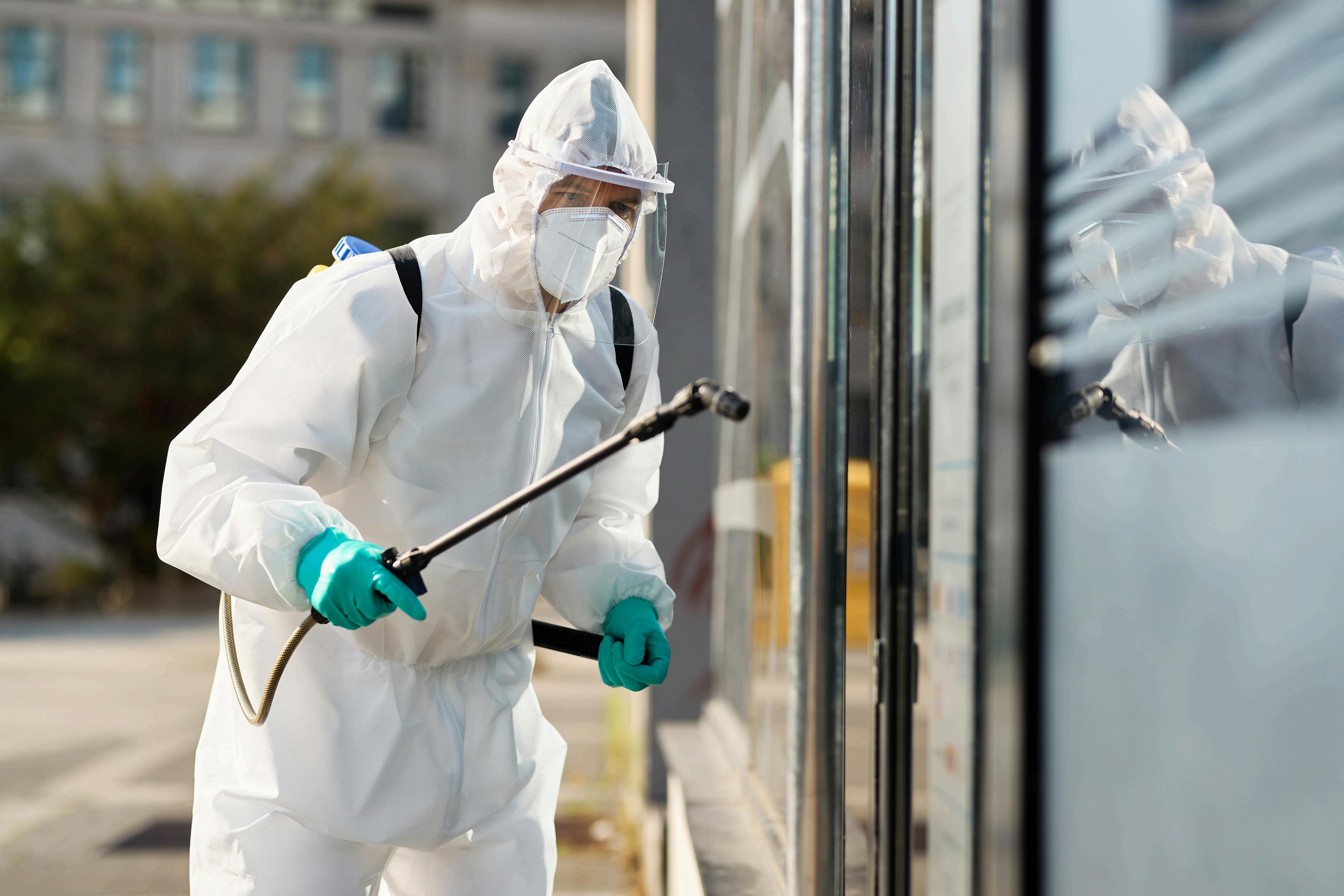
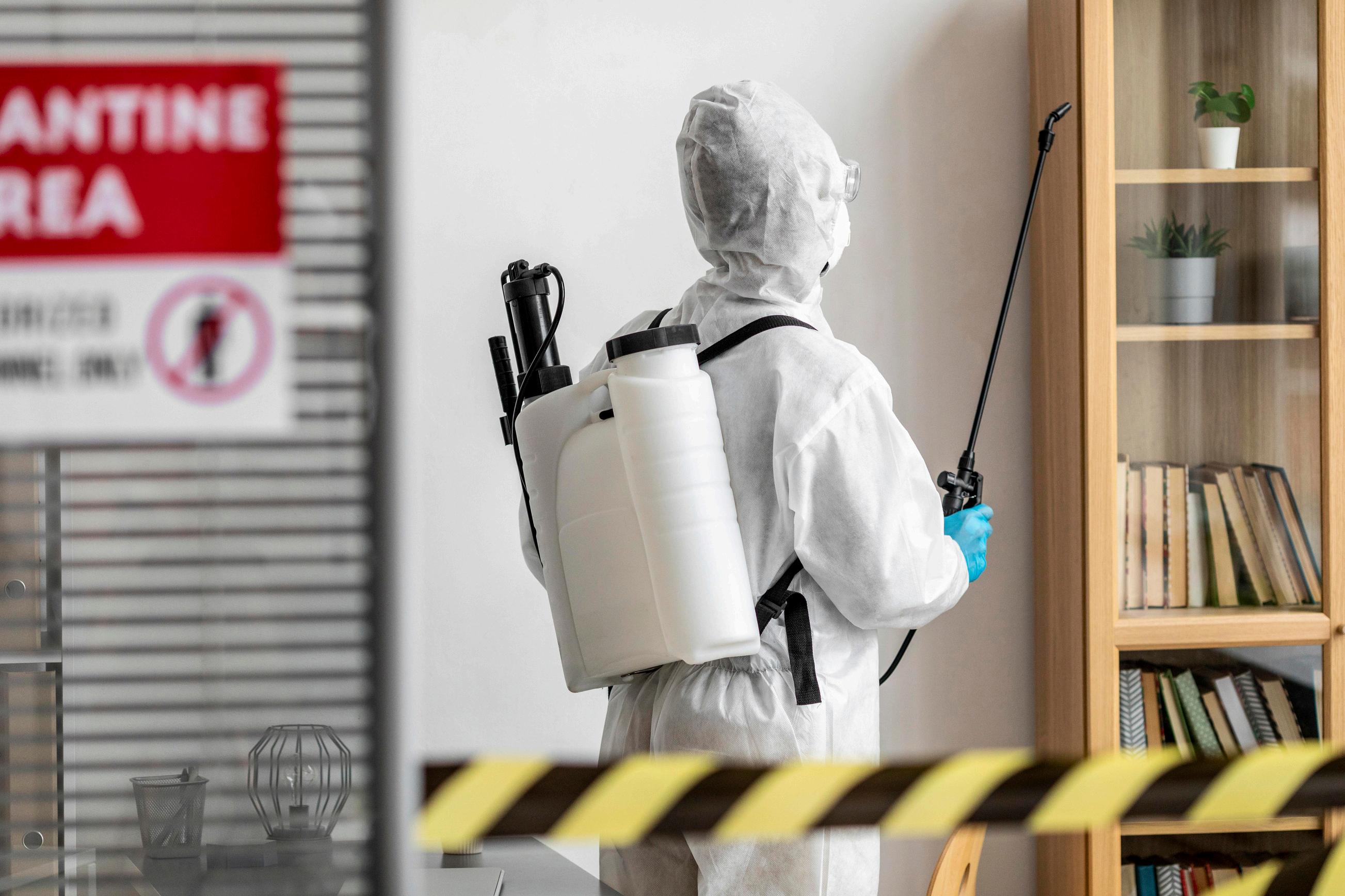
While DIY pest control measures can be highly effective, there are times when professional pest control services are necessary. Professional pest control companies have the expertise, experience, and tools required to handle severe infestations and provide long-term solutions. They can customize treatment plans tailored to your specific pest problems and advise on preventative measures. When choosing a pest control service, ensure they are licensed, certified, and have a good reputation. Call Experigreen for perimeter pest control services to ensure comprehensive protection. Combining professional services with regular maintenance and preventive measures will ensure your property remains pest-free.
Preventing and managing pests on your property requires a comprehensive approach that includes cleanliness, maintenance, natural solutions, and professional services. By understanding the types of pests and their habits, you can take proactive steps to prevent them from gaining a foothold in your home. Maintain a clean environment, seal entry points, manage your landscape, use natural deterrents, monitor for signs of pests, and enlist the help of professionals when necessary. These strategies, when implemented consistently, will help ensure that your property remains a comfortable and pest-free space.