
INTRODUCTION
Pest control is essential to maintain a healthy and safe environment in your home. Preventing pests from entering is more effective than dealing with an infestation. This presentation will explore simple and smart tactics to keep your living space pest-free. From sealing entry pointstocreatinganunfavorableenv
IDENTIFYENTRYPOINTS
Pests often find their way into homes through small cracks and gaps. Focusonareaslikewindows,doors,andthefoundationwherepestscan easilyslipthroughunnoticed.Inspecttheexteriorofyourhomeregularly to identify and seal these entry points. Even small openings around pipesandventsshouldbeclosedofftopreventeasyaccessforrodents andinsects.
SEALCRACKSANDGAPS
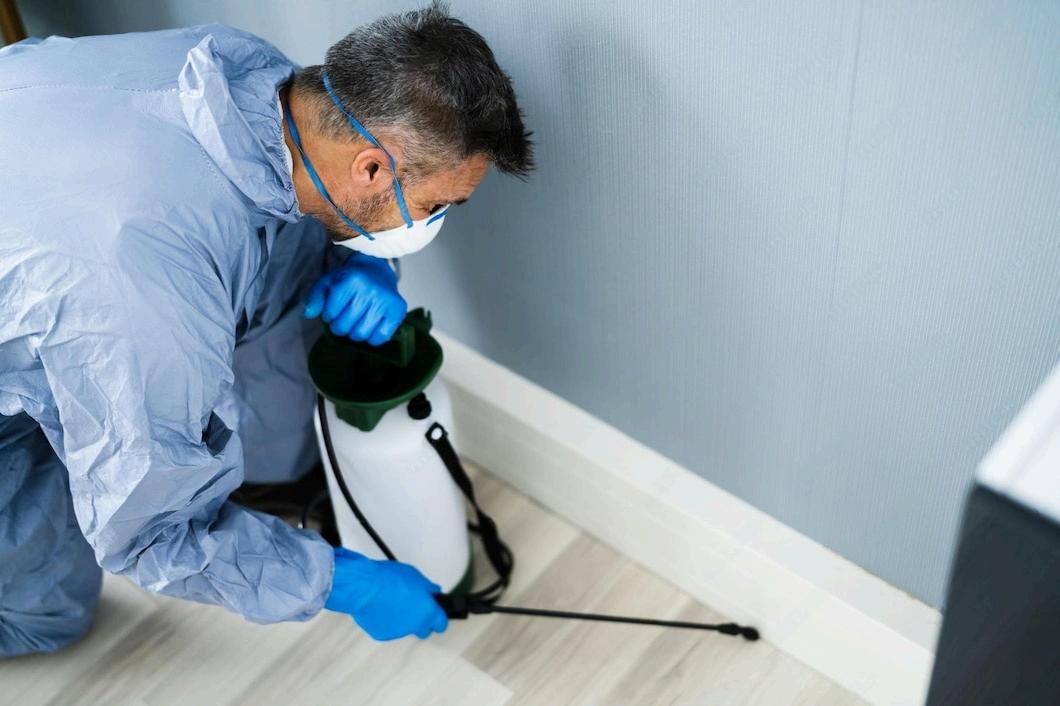
Sealing cracks in walls, window frames, and doors is one of the most effective ways to prevent pests. Use weatherstripping, caulk, or expandingfoamtofillgapsthatmayallowpeststoenter.Payattention tooverlookedspotssuchasaroundpipesandutilitylines.Awell-sealed home is your first line of defense against unwanted visitors and will significantlyreducethechancesofinfestation.
MAINTAINDOORSANDWINDOWS
Properly maintained doors and windows are essential to keeping pests out. Regularly inspect for damage such as torn screens or worn-out seals. Repairing or replacing damaged components will prevent pests from slipping inside. Additionally, installing door sweeps at the bottom of doors can block access for crawling pests. Ensuring your windows anddoorsaretightlysealedisaneasyyeteffectivemeasure.
CLEANANDMAINTAINTHEYARD
Awell-maintainedyardcanhelpkeeppestsawayfromyourhome.Trim overgrown vegetation, keep tree branches away from the house, and remove debris that may provide shelter to pests. Home perimeter pest control is an effective strategy to prevent pests from entering your home by creating a barrier around the exterior. Mowing the lawn regularly and maintaining a neat garden area will reduce hiding spots for insects and rodents. A tidy exterior creates a less hospitable environmentforpeststothrive.
USENATURALDETERRENTS
Natural deterrents like certain plants and essential oils can help keep pestsatbay.Plantslikelavender,mint,andmarigoldsareknowntorepel mosquitoes and insects. Additionally, essential oils such as peppermint and eucalyptus can be used in sprays or diffusers to deter pests. These natural solutions are safe, eco-friendly, and easy to incorporate around doors,windows,andotherentrypoints.
MANAGETRASHANDCOMPOSTAREAS
Improperly managed trash and compost areas can attract pests.
Ensure that trash bins are tightly sealed and disposed of regularly.
Compost piles should be managed to avoid attracting animals like rodents. Consider using pest-proof containers for waste, and never leavefoodscrapsoutside.Keepingyouroutdoorareascleanandfreeof foodsourceswilldiscouragepestsfromlingeringnearyourhome.

INSPECTANDCLEANATTICSANDBASEMENTS
Attics and basements can be easy entry points for pests. Regularly inspect for signs like droppings or nests, clean thoroughly, and seal vents and openings. Use smart insect prevention strategies for living spaces, such as eco-friendly repellents and automated pest detection systems,tokeeppestsout.
ELIMINATEWATERSOURCES
Pests, particularly insects, are attracted to water sources. Fix leaky faucets, pipes, and ensure proper drainage around your home. Standing water or damp areas can attract pests such as ants, cockroaches, and mosquitoes. Make sure gutters are clear of debris to prevent water accumulation. By addressing moisture problems, you reduceasignificantattractantformanytypesofpests.
CONCLUSION
Implementingthesesmarttacticsforpestpreventionwillhelpkeepyour home safe and pest-free. By focusing on sealing entry points, maintaining cleanliness, and using natural deterrents, you can effectively deter pests from entering your home. Regular checks and proactive measures will ensure that your living space remains comfortable and pest-free throughout the year, making pest managementanongoingpriority.