
How to Use a Microneedling Aftercare Serum for Best Results
Microneedling is one of the most effective skin rejuvenation treatments available today. It creates controlled microinjuries in the skin that trigger the body's natural healing response boosting collagen, improving texture, and reducing the appearance of fine lines and scars. But the treatment itself is only half the story. What you put on your skin afterward plays a major role in how well your skin heals and how significant your results will be.
Why Aftercare Serum Matters After Microneedling
Right after microneedling, your skin is in an active healing state. The micro-channels created during treatment allow topical ingredients to absorb far more deeply than they normally would up to 80% more, according to some studies. This makes the 24 to 72 hours after your treatment a critical window. Using the right serum during this time can dramatically accelerate repair, reduce inflammation, and support the collagen-building process.
What to Look for in a Microneedling Aftercare Serum
Not all serums are equal and some can actually cause harm when applied to freshly needled skin. Here is what to prioritize.
Growth Factors
Growth factors are proteins that signal skin cells to repair and regenerate. EGF (Epidermal Growth Factor) and IGF-1 are two of the most studied. They accelerate re-epithelialization, support fibroblast activity, and help rebuild the extracellular matrix all critical processes in post-microneedling recovery.
Hyaluronic Acid (Low Molecular Weight)
Hyaluronic acid is a powerful humectant that draws moisture into the skin. After microneedling, the skin's barrier is temporarily compromised, making hydration essential. Low-molecular-weight hyaluronic acid penetrates more deeply, helping to plump skin and create an optimal environment for healing.
Peptides
Biomimetic peptides mimic the skin's natural repair signals. Copper peptides (GHK-Cu) in particular have strong evidence for boosting collagen and elastin production. Acetyl hexapeptide variants can also help relax expression lines and smooth texture over time.
Ingredients to Avoid
In the first 48–72 hours after treatment, steer clear of retinol and retinoids, vitamin C (ascorbic acid at high concentrations), AHAs and BHAs, alcohol-based products, and fragrances. These can cause unnecessary irritation and delay healing.
How to Apply Your Aftercare Serum Step by Step
1. Cleanse gently. Use a mild, fragrance-free cleanser with lukewarm water. Pat dry do not rub.
2. Apply serum while skin is slightly damp. This enhances absorption. Use clean fingertips or a dropper, and press (not rub) the serum gently into the skin.
3. Allow full absorption. Wait 2–3 minutes before applying anything else.
4. Layer a gentle moisturizer on top. Look for something occlusive to lock in the serum.
5. Apply SPF every morning. Post-microneedling skin is especially sensitive to UV damage.
How Long Should You Use It?
Most practitioners recommend continuing with a growth factor or peptide serum for at least 4 to 8 weeks posttreatment for optimal collagen remodeling. If you are doing a series of microneedling sessions, consistent serum use between treatments will compound your results significantly.
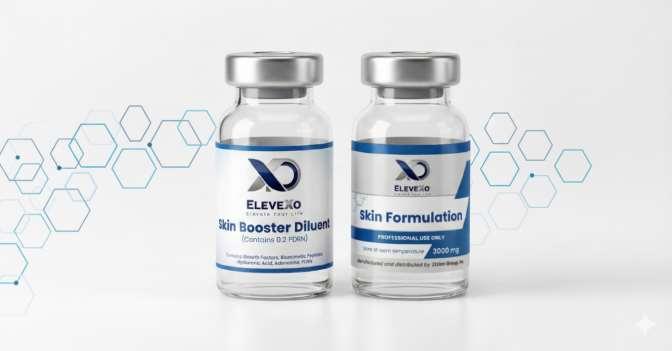
Looking for a clinically formulated option? A professional-grade microneedling aftercare serum built on growth factors, biomimetic peptides, and hyaluronic acid gives your skin the specific signals it needs to heal faster and produce better results after each session.
Conclusion
Microneedling creates the opportunity for transformation but your aftercare routine determines how much of that potential you actually capture. Choose a serum with proven actives, apply it consistently, protect your skin from sun exposure, and avoid anything harsh during the healing window. Done right, your post-treatment protocol can be just as powerful as the treatment itself. Work with a licensed professional to find the protocol that fits your skin's specific needs.