
How Stem Cell Hair Restoration Works And What to Expect
Hair loss affects millions of people worldwide, and for a long time, the options were limited medications with side effects, surgical transplants, or simply accepting the loss. Today, regenerative medicine has opened a new chapter. Stem cell-based approaches are among the most exciting advances in hair science, targeting the root causes of follicle failure rather than just masking the symptoms.
What Is Stem Cell Hair Restoration?
Stem cell hair restoration uses the regenerative signaling capacity of stem cells or their cellular derivatives to reactivate dormant follicles, support the hair growth cycle, and repair the scalp environment. Unlike traditional treatments that work on the surface, this approach works at the cellular level, targeting the biological pathways responsible for why hair stops growing in the first place.
How Does It Work? A Step-by-Step Breakdown
Step 1 Identifying the Cause of Hair Loss
Before any treatment begins, a qualified provider will assess your pattern of loss, scalp health, and contributing factors such as hormonal changes, nutritional deficiencies, inflammation, and genetics. This step determines whether you are a good candidate and which protocol is most appropriate.
Step 2 Preparing the Scalp
The scalp needs to be in optimal condition to respond to treatment. This may involve a cleansing protocol, addressing scalp inflammation, and improving blood flow to the follicle area before the regenerative formulation is applied.
Step 3 Applying the Regenerative Formulation
Stem cell-derived growth factors and signaling peptides are delivered directly to the scalp often using microneedling or a NanoPen device to enhance deep penetration. Key actives such as IGF-1, VEGFA, Noggin, and HGF target follicular stem cell activation, anagen phase extension, and vascular support around the follicle.
Step 4 Supporting the Hair Cycle Between Sessions
Results from regenerative therapies build progressively over time. Between sessions, patients are advised to avoid heat styling, harsh shampoos, and any products that may increase scalp inflammation. A consistent routine amplifies the cumulative effect.
What Results Can You Expect?
Most patients begin to notice improvements in scalp texture and reduced shedding within 4 to 6 weeks. Visible improvements in density are typically seen at 8 to 12 weeks. Full results from a complete treatment course may take up to 6 months, depending on the degree of hair loss and the treatment protocol used.
Who Is It Best For?
Stem cell-based hair restoration is particularly effective for people experiencing early-to-moderate diffuse thinning, post-partum hair loss, stress-related shedding, and androgenetic alopecia. It is less effective in cases where follicles are completely absent or severely scarred.
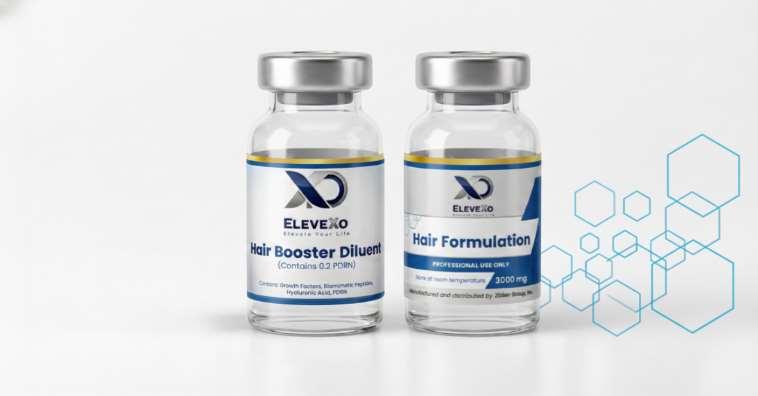
If you are exploring regenerative options, stem cell hair restoration treatments formulated with clinical growth factors represent one of the most advanced, non-surgical approaches available today. Elevexo's professional formulation is specifically engineered to reactivate dormant follicles and support long-term hair health at the cellular level.
Conclusion
Stem cell-based restoration is not a one-size-fits-all solution, but for the right candidate, it offers genuine results backed by science. The key is choosing a provider who uses verified, professionally formulated products and follows a consistent treatment protocol. If thinning hair is affecting your confidence, this is a conversation worth starting.