Evolution Healthcare Sustainability Report

Reporting period: 2025
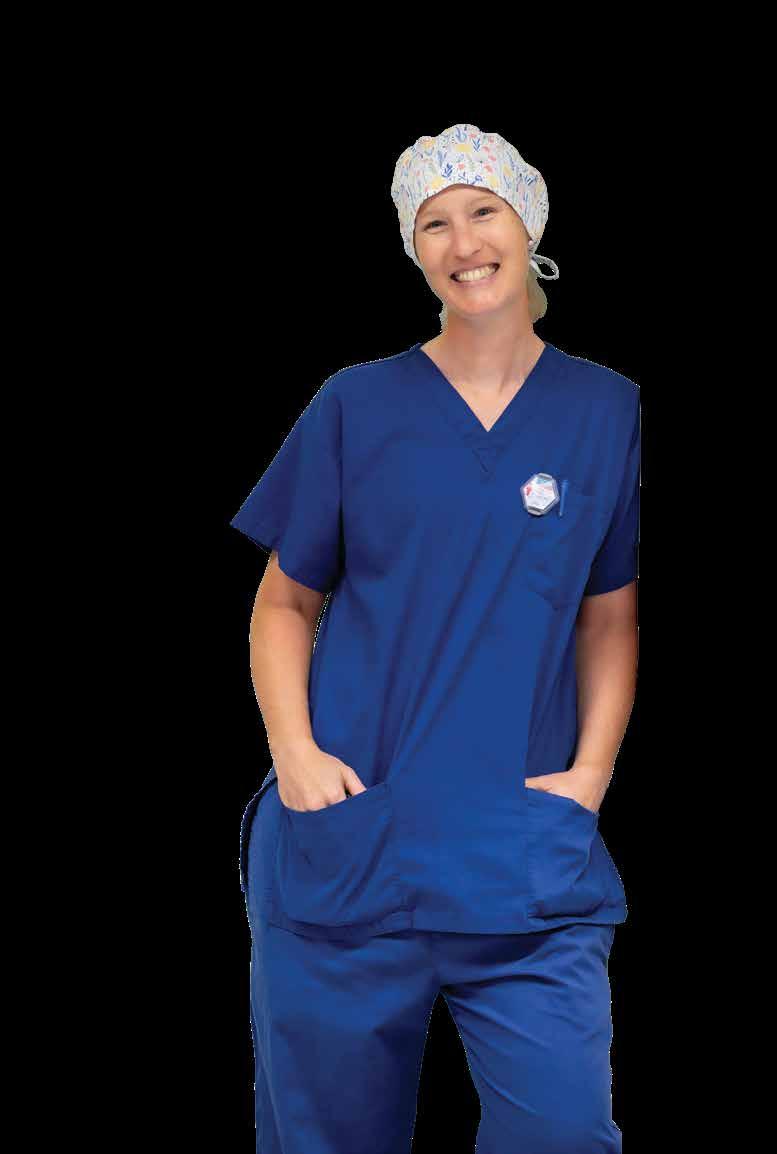
GEMMA NEWLAND
ROYSTON HOSPITAL

Reporting period: 2025
At Evolution Healthcare, sustainability is fundamentally about people, communities, and the long-term resilience of our healthcare system. This report marks an important first step in sharing how we embed responsible growth, innovation, and values-led care into everything we do.
Evolution Healthcare plays a vital role in complementing the public health system by improving access to treatment, supporting rehabilitation, and enabling patients to return to independence. Through ongoing investment in our facilities, technology, and people, we help strengthen the resilience and capacity of the wider health sector.
Delivering high-quality healthcare is inextricably linked with supporting the wellbeing of our people, partnering meaningfully with communities, respecting Te Ao Māori perspectives, and operating in a way that sustains resources for future generations.
While our reporting will continue to evolve, this report reflects our commitment to transparency, long-term investment, and the wellbeing of the communities we serve.


Adjunct Associate Professor Simon Keating Group Chief Executive Officer Evolution Healthcare
Scott Pickering Evolution Board Chair Evolution Healthcare




Evolution Healthcare is a leading provider of private hospitals, rehabilitation services and specialist care across Aotearoa New Zealand. Through a national network of facilities and clinical partnerships, we support patients across the full continuum of care, from elective procedures to rehabilitation and recovery.
Our purpose is to enhance the health, recovery and wellbeing of New Zealanders.
This reflects a focus not only on treatment, but on outcomes, patient experience and long-term quality of life for the people and communities we serve. Care is delivered in close partnership with clinicians, health professionals and support teams whose expertise underpins safe and effective services.
Operating within a complex healthcare environment requires strong governance, responsible investment and collaboration across the wider health system. We work alongside clinicians, patients/kiritaki, communities, iwi, partners and investors to ensure our services remain accessible and responsive to changing health needs across New Zealand.
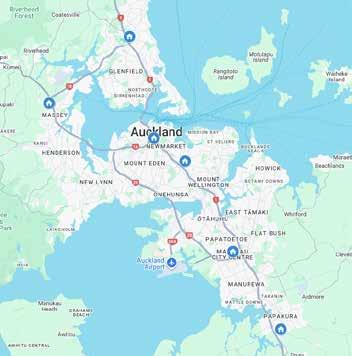
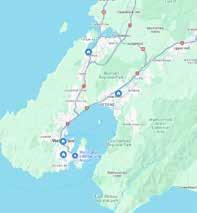
Surgical Hospitals
• Bowen Hospital
• Royston Hospital
• Wakefield Hospital
• Grace Hospital*
• Anglesea Hospital*
• Endoscopy Auckland*
• Royston Day Surgery*
• Quay Park Specialist Day Hospital
• Shore Surgery Specialist Day Hospital*
Maternity Hospital
• Birthcare Auckland
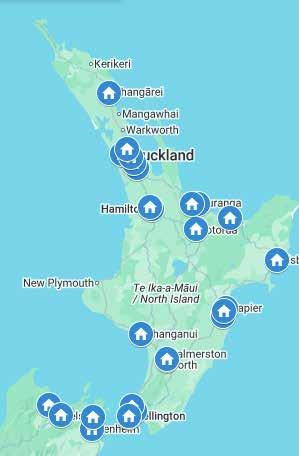
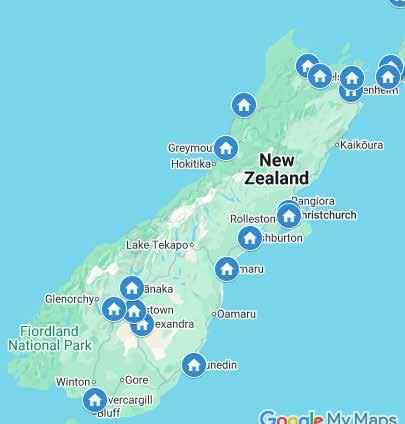
Multiple centres throughout New Zealand
Nationwide service across New Zealand
Multiple homes throughout the North Island
Bowen Icon Cancer Centre*
• Auckland
• Hamilton
• Wellington
National Service
Evolution Healthcare is a leading provider of healthcare services in New Zealand. Our group has many comprehensive and specialist day hospitals, a maternity hospital and a range of specialist health and wellbeing services.
Our numbers*
Our numbers*
6 HOSPITALS
3
POST ACUTE INPATIENT BRAIN INJURY REHABILITATION FACILITIES
1 MATERNITY HOSPITAL
*Some businesses are partnerships
*Some businesses are partnerships
NATIONWIDE LOCATIONS
43
COMMUNITY REHABILITATION CLINICS
3
INTEGRATED CARE PATHWAYS DELIVERED NATIONALLY
INTEGRATED CARE PATHWAYS DELIVERED NATIONALLY
1,300
STAFF MEMBERS
12 RESIDENTIAL DISABILITY SERVICES
3
DAY SURGERIES
5 OCCUPATIONAL HEALTH SERVICES DELIVERED NATIONALLY
39 PROACTIVE REHABILITATION CLINICS
1 CANCER CARE CENTRE
Values
Our values guide everyday decisions, relationships, and service delivery.
Integrity Manaakitanga
Caring for patients, communities and each other.
Collaboration Kotahitanga
Working together with clinicians, communities, iwi shareholders and investors.
Commitment Manawanui
Investing for the long-term in care, outcomes, and staff.
Innovation Auahatanga
Delivering new ways to improve care and patient experience.
At Evolution Healthcare, our values guide our interactions, decision and patient experience across our hospitals and health services. Grounded in Manaakitanga, Manawanui, Kotahitanga and Auahatanga, we are committed to delivering healthcare with integrity, commitment, collaboration and innovation, always putting people at the heart of what we do.
These values shape how we care for patients & kiritaki (clients), support our people, partner with specialists and contribute to healthier communities across New Zealand.
Sustainability at Evolution Healthcare is overseen by the Board and executive leadership.
Sustainability considerations are being incorporated into strategic planning and operational decisionmaking across the Group.
To strengthen transparency and continuous improvement, we participate in recognised benchmarking frameworks including the Global Real Estate Sustainability Benchmark (GRESB), alongside working with Toitū Envirocare on our carbon measurement and assurance programmes. These external assessments provide independent insight into our performance and inform areas for continuous improvement.
Clinical Governance Committe
Sustainability Governance
Evolution Healthcare Board
People & Culture Committee Audit & Risk Committee
Sustainability Committee
Sustainability Leads
At Evolution Healthcare, sustainability is not a new direction it is a formalisation of the way we already care for people, patients, and communities every day.
Our approach is grounded in a simple principle: care and community outcomes come first.
Sustainability for us is fundamentally about:
• the outcomes patients experience
• the wellbeing of whānau and communities
• the resilience of the healthcare system
These priorities shape how we operate. Our sustainability framework brings structure and consistency to this work as we continue to grow.
Supporting Communities
We work in partnership with clinicians, patients/ kiritaki, communities, iwi, partners and investors to strengthen health outcomes. This includes:
• collaboration across the health system
• supporting equitable access to care
• contributing to the long-term wellbeing of the communities we serve
People Enable Great Care
Delivering safe, high-quality care depends on our people. We focus on building a workforce that is:
• capable and well-supported
• safe and inclusive
• enabled to deliver the best possible outcomes for patients
Workforce capability, wellbeing and inclusion are not separate sustainability themes — they are essential inputs to excellent care.
Formalising Our Environmental Responsibility
Caring for people also means caring for the environment that supports health and wellbeing. Our environmental focus is:
• necessary - recognising the role healthcare plays in environmental impact
• responsible - taking steps to reduce that impact
• pragmatic - balancing progress with realities
• evolving - building capability over time
We are formalising and strengthening practices that already exist across our hospitals and sites.
During the year, we introduced a Group-wide sustainability framework to provide greater clarity and consistency across the organisation. This framework:
• aligns activity across sites
• helps prioritise effort and investment
• supports governance and accountability
• provides a foundation for future measurement and reporting
Importantly, it does not redefine how care is delivered. Instead, it supports and strengthens the way we already operate.
POWDRILL
HEALTHCARE ASSISTANT
BOWEN HOSPITAL

Sustainability at Evolution is centred around three interconnected pillars: Community, People and Planet.
Working collaboratively with clinicians, partners, iwi and local communities to strengthen health outcomes and wellbeing.
Supporting a safe, inclusive and capable workforce that delivers high-quality care for patients.
Reducing our environmental impact and assessing opportunities to embed responsible practices into operations, infrastructure, and future development.
ROUND THE BAYS

THEATRE INFORMATICS
EVOLUTION HEALTHCARE
Our areas of focus are the sustainability topics that matter most to our business. They are informed by our purpose - enhancing the health, recovery and wellbeing of New Zealanders - and by the pillars set out in our Sustainability Policy: our community, our people, and the planet
These focus areas reflect our current material risks and opportunities, informed by stakeholder views, reviewed by management through the Sustainability Committee, and overseen by Evolution Healthcare’s Board. These areas will continue to evolve over time.
Delivering safe, effective care and a positive experience for patients, whānau and clients; preventing harm; learning from incidents; maintaining accreditation and clinical governance.
INDICATIVE MEASURES / EVIDENCE
• Accreditation status
• Patient feedback / satisfaction
Engaging with and supporting the communities where we operate through outreach, education, and partnerships aligned to local needs.
INDICATIVE MEASURES / EVIDENCE
• Community partnerships and participation
Maintaining a safe, healthy and supportive work environment; preventing harm; strengthening psychosocial safety; supporting workforce wellbeing and care culture.
INDICATIVE MEASURES / EVIDENCE
• Injury and illness rates
• Incidents and near misses
• Wellbeing survey insights
Building workforce capability to deliver high-quality care; supporting professional development, training, and continuous improvement.
INDICATIVE MEASURES / EVIDENCE
• Training participation/ hours (where available)
• Competency and development programmes
Fostering an inclusive workplace that reflects the communities we serve; promoting diverse perspectives and equitable opportunities across the organisation.
INDICATIVE MEASURES / EVIDENCE
• Workforce diversity metrics
• Engagement survey results
Climate action: greenhouse gas emissions (Scope 1 & 2) and net-zero pathway
Reducing emissions in line with our net-zero (Scope 1 and 2) by 2040 target, with initial focus on key Scope 1 sources (including vehicle fleet, natural gas for heating) and continued progress on Scope 2 in New Zealand’s electricity context.
INDICATIVE MEASURES / EVIDENCE
• Scope 1 and 2 emissions (tCO2-e)
• Progress vs reduction targets
Improving operational efficiency through reduced energy consumption and peak demand management; assessing renewable options and upgrades across sites.
INDICATIVE MEASURES / EVIDENCE
• Energy use (kWh/GJ) and intensity
• % renewable energy (where measurable)
Considering sustainability in new builds and refurbishments (energy-efficient systems, water efficiency, wastewater monitoring where feasible) and reducing construction-related waste.
Progressing opportunities for clinical waste disposal and recycling.
INDICATIVE MEASURES / EVIDENCE
• Waste to landfill vs diverted
• Clinical waste trends
• Recycling initiatives participation
INDICATIVE MEASURES / EVIDENCE
• Project sustainability criteria applied
• Energy/water efficiency upgrades delivered
• Construction waste practices (where tracked)
100% accredited NPS for 2025 was 87
98.7% of patients rating the quality of their care as “very good” or “good”
31
Delivered 31 community events and initiatives across New Zealand in 2025
Supported 12 community organisations, initiatives, and charities
19 Scholarships invested in community initiatives in 2025 supporting education (16 Employee Scholarships and 3 Undergraduate Scholarships)
14 new graduate Registered Nurses were supported in 2025
7 active community partnerships across Aotearoa, including
3 Pasifika community relationships in the North Island
3 Iwi/marae relationships in the North Island
1 Kāi Tahu Rongoā Māori network relationship in the South Island
The WebPAS Patient Journey Boards project received the QIC Innovation Award for Safety, recognising its role in improving visibility of patient care pathways and enhancing coordination across hospital teams. Developed to replace manual whiteboards and reduce the risk of duplicated administration, inconsistency and human error, the electronic boards provide a real-time view of patient occupancy and theatre progress drawn from webPAS. The solution was designed to be practical, privacy-conscious and cost-effective, while supporting communication, handover and workload visibility across clinical and operational teams. Rolled out across multiple sites, the project has helped create safer, more connected care and has provided a strong proof of concept for wider implementation across Evolution hospitals.
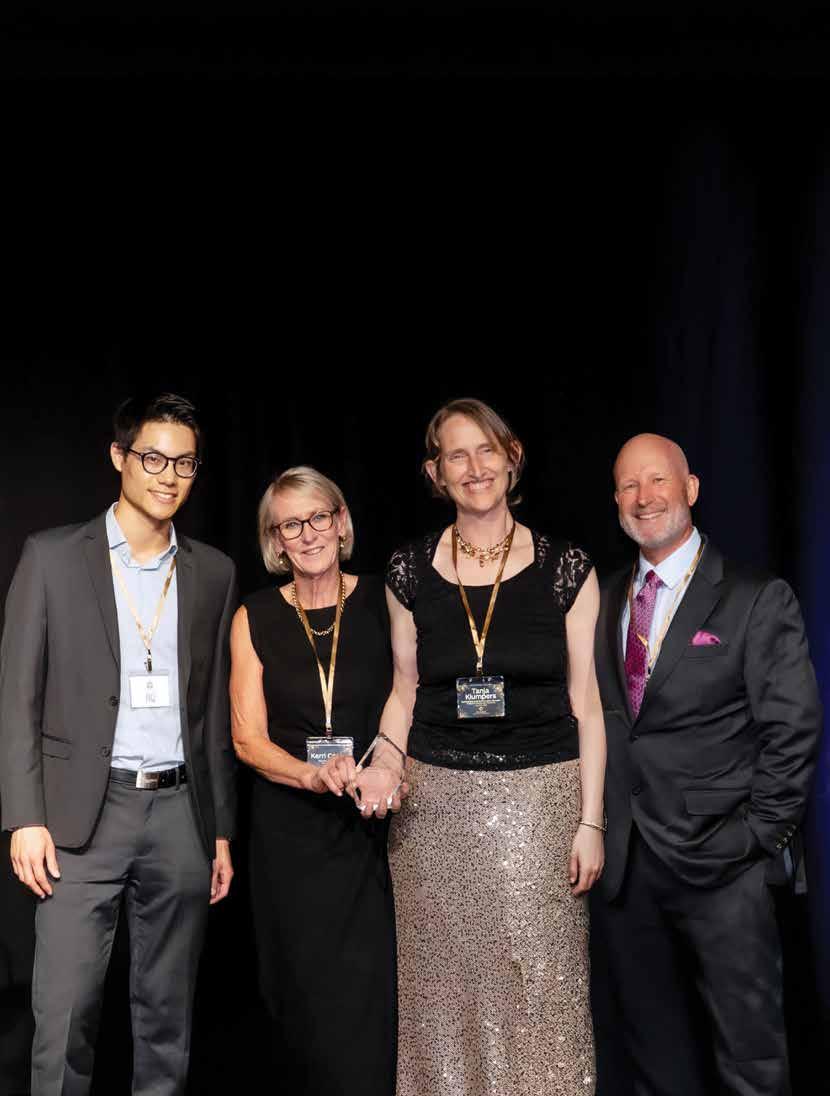
JULIAN LOH SUSTAINABILITY MANAGER (CLIMATE, NATURE AND INNOVATION), QIC
KERRI COOLEY WARD SERVICES MANAGER ROYSTON HOSPITAL
TANJA KLUMPERS APPLICATIONS AND SERVICE DESK MANAGER EVOLUTION HEALTHCARE
SCOTT PICKERING EVOLUTION BOARD CHAIR EVOLUTION HEALTHCARE
Delivering meaningful impact through quality healthcare
At Evolution Healthcare, sustainability begins with the outcomes we deliver for our kiritaki (patients). Every interaction, treatment, and recovery journey contributes to healthier communities and long-term wellbeing.
Understanding who we care for helps shape how we deliver services.
Locations: Auckland: 2
27,000 supported across services
Wellington: 2
Hamilton: 1
Hawke’s Bay: 2 Birthcare
2505 supported across services
Location: Auckland: 1
6,530 supported across services
Locations: Nationwide
12,000 supported across services
Locations: 42 across New Zealand Evolve
93 supported across services
Locations: Auckland: 2
Gisborne: 1
Whangarei: 1
Hawke’s Bay: 1
Palmerston North: 1
Average Age = 49 years old Range = 15-93 years old.
27,000 surgeries performed in 2025
Supporting patients across a range of specialties. Enabling faster access to care and reduced public system pressure.
Ethnicity
Patients in our Hospitals*
Ethnicity
3% Pacific Peoples 1% MELAA 1% Other 7% Pacific
Average age: 49 years Age range: Under 2-80+ years
63 days th of stay:
Average length of stay:
75% of Evolve Rehab kiritaki (clients) are male
Cancer care
• 1,800 patients families supported through cancer care in 2025
• Holistic support across treatment, recovery, and wellbeing
• Care designed to support both patients and their whānau
Ethnicity
ABI Rehabilitation
Intensive Rehabilitation: Median number of days a kiritaki stays: 35 days
90% of kiritaki discharged home
Average length of stay: 63 days
38% of Evolve Rehab kiritaki (clients) are Māori
2,505 patients received post-natal care in 2025.
Patient care is at the centre of sustainable healthcare delivery. By improving outcomes such as recovery rates, length of stay, and discharge home, Evolution Healthcare:
• Enhances quality of life for patients, kiritaki and whānau
• Reduces pressure on the public health system
• Supports long-term community wellbeing
• Delivers measurable social impact
Innovation is a core enabler of sustainable healthcare at Evolution.
By investing in advanced technology, clinical systems and future-ready infrastructure, we aim to improve patient outcomes, support our clinicians, and strengthen long-term resilience across our services.
Across our hospitals we continue to invest in modern clinical technologies that enhance precision, safety and patient experience. Key investments include:
• Advanced infection control and theatre systems: supporting sterile environments, reducing procedural risk, and strengthening patient safety standards.
• 3D visualisation and augmented reality surgical microscopes: providing enhanced clarity and depth perception to support greater surgical precision and improved clinical outcomes.
• Advanced imaging and guidance platforms for ophthalmology and orthopaedics: enabling more accurate diagnosis, planning, and execution of complex procedures.
• Tools that support patient comfort and optimise procedural workflows, contributing to a more efficient and seamless care experience from admission through to recovery.
Together, these investments support consistent standards of care and strengthen the quality of services delivered across our facilities.
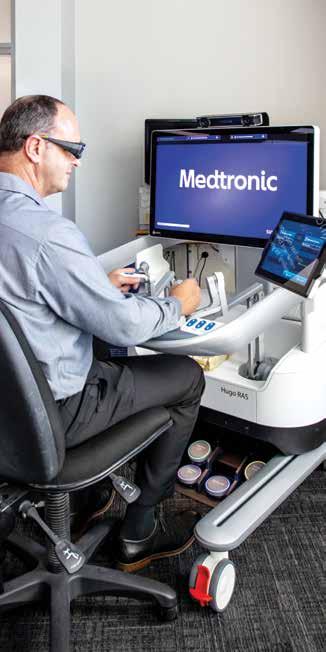
Robotic-Assisted Surgery
Evolution Healthcare has invested in robotic assisted surgical platforms across multiple sites, expanding access to minimally invasive and highly precise procedures. These include:
• da Vinci Xi Surgical Systems at Wakefield and Grace Hospitals: supporting minimally invasive procedures across a range of surgical specialties, enabling reduced incision size and faster recovery.
• DePuy Velys Orthopaedic Robot: enabling tailored and precise joint replacement procedures aligned to individual patient anatomy.
• Medtronic Hugo™, Smith+Nephew CORI, Stryker MAKO/4K: for enhanced surgical planning, real time guidance and improved procedural accuracy across multiple hospitals.
• Smith+Nephew CORI Orthopaedic Robot: supporting precise and personalised joint replacement procedures through realtime data and surgical planning to improve accuracy and patient outcomes.
References:
• Stryker 4K Platform Technology Robot: providing high-definition visualisation to support surgical precision, enhance workflow efficiency and improve overall procedural performance. Stryker MAKO Robot
• Stryker Mako SmartRobotics: enabling joint replacement with 3D, CT-based pre-planning and improved cut accuracy1. This can lead to improved functional outcomes2 and reduced post-operative pain3
• Toumai® Surgical Robotic System: an advanced robotic surgical platform that combines high-definition 3D visualisation, multi-arm robotic precision, and integrated telesurgery capability to support complex minimally invasive procedures. Designed for specialties including urology, general surgery, gynaecology, and thoracic surgery.
These systems support improved recovery times, reinforced surgical consistency, and strengthened clinical capability across our facilities.
1. Walgrave, S & Oussedik, S 2023, ‘Comparative assessment of current robotic-assisted systems in primary total knee arthroplasty’, Bone & Joint Open, vol. 4, no. 1, pp. 13–18. 2. Kayani B, Konan S, Tahmassebi J, Pietrzak JRT, Haddad FS. Robotic-arm assisted total knee arthroplasty is associated with improved early functional recovery and reduced time to hospital discharge compared with conventional jig-based total knee arthroplasty: a prospective cohort study. The Bone and Joint Journal. 2018;100-B:930-7.
3. Bhimani, S. J., Bhimani, R., Smith, A., Eccles, C., Smith, L., & Malkani, A. (2020). Robotic-assisted total knee arthroplasty demonstrates decreased postoperative pain and opioid usage compared to conventional total knee arthroplasty. Bone & Joint Open, 1(2), 8–12. https://doi. org/10.1302/2046-3758.12.bjo-2019-0004.r1
Sustainability at Evolution Healthcare is closely linked to our ownership structure and long-term investment approach.
Our shareholders bring institutional discipline and an intergenerational perspective that supports resilient, future-focused healthcare delivery.
Evolution Healthcare is supported by institutional investors, including QIC. Our ownership model enables:
“As stewards of our clients’ capital, we seek to manage our environmental, social and governance (ESG) risks and play a part in investment solutions that deliver asset and portfolio resilience and value beyond financial returns.”
- QIC
• Responsible capital investment in facilities, technology and clinical capability
• Strong governance and risk oversight
• A disciplined focus on long term operational performance
• Alignment between financial sustainability and quality patient care
This long-term perspective supports continued investment in future ready infrastructure while maintaining prudent financial management.
and hapu and mana whenua representatives
Our iwi shareholders contribute an intergenerational perspective that is driven by stewardship and community wellbeing. These partnerships strengthen our approach to cultural integrity, community wellbeing, and equitable access to healthcare.
Through engagement with iwi, we are supported to:
• Strengthen cultural capability and responsiveness
• Embed values aligned with whānau and community wellbeing
• Maintain a long-term view of healthcare access and service delivery
• Sustain relationships that extend beyond commercial outcomes
This perspective reinforces sustainability as a shared responsibility for both current and future generations.
We view sustainability as foundational to enduring growth. Responsible capital allocation, strong clinical governance and alignment between shareholders, iwi, and communities support long-term value creation.
By aligning ownership, governance and purpose, Evolution Healthcare aims to deliver high-quality care today while building a resilient organisation for the future.

About our people Age range1
Workplace fatalities = 0
Notifiable incidents = 0
60% Engagement score2
Lost-time injury frequency rate = maintained under industry benchmark
Workforce Capability
Competency programmes:
• PDRP (RN and EN)
• Merit Step Programme (Anaesthetic Technicians)
• Nursing New Graduate Programme
• Specialist competency development for clinical roles
• Merit progression (goal setting) for Allied Health
Our Learning Management System currently hosts 186 training modules across a broad range of topics, including clinical practice, health and safety, quality, leadership, communication, cultural awareness, and customer service.3
Training Participation3
Mandatory training participation remains a key focus, with approximately 86% of staff completing required training through the ELMO platform. Core mandatory training requires a minimum commitment of seven hours per staff member, excluding additional role-specific training requirements for certain teams, such as midwives.
3,853 training hours recorded.4

At Evolution Healthcare, our greatest sustainability impact is the care we deliver and the communities we serve.
Taking the Pride Pledge reflects our commitment to ensuring every person, including members of rainbow communities, experiences safe, inclusive and respectful care.
This commitment is not separate from how we operate. It is an extension of our values in action, supporting better patient outcomes, strengthening trust with communities, and fostering a workforce where people feel safe, respected and able to deliver high-quality care.
We continue to build on this through practical actions that strengthen inclusion across our teams and the care we provide.
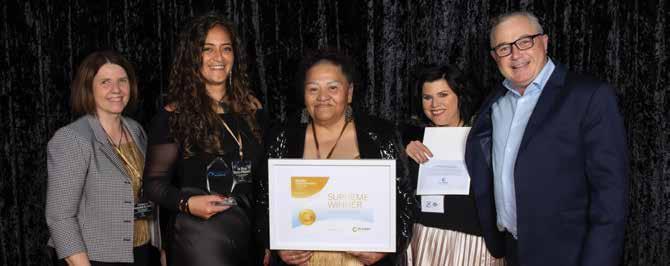
ABI’s Te Hekenga-ā-Ora initiative was recognised through the He Autaia Quality Awards for its commitment to cultural excellence and more equitable rehabilitation outcomes. Guided by a Māori Development Plan, the initiative reflects a transformational approach to delivering care that better supports the wellbeing of kiritaki, whānau, and communities. By embedding mātauranga Māori, strengthening cultural safety across the workforce, and creating more meaningful, whānau-centred experiences, Te Hekenga-ā-Ora demonstrates ABI’s commitment to sustainable change and the delivery of healthcare that creates lasting positive impact for the communities we serve.
Supporting Our People
A skilled, engaged workforce is fundamental to delivering safe, high-quality care. We invest in the wellbeing, development and recognition of our people through a range of initiatives designed to support professional growth and personal resilience.


These include:
Wellbeing and Recognition
To support our people to deliver high quality care and sustain their own wellbeing, we provide health and wellbeing support, flexible arrangements where possible, additional leave provisions and staff recognition initiatives. The Circle of Excellence Award recognises individuals who exemplify our values in action and contribute meaningfully to patient care and team culture.
Building Clinical Capability
We continuously build future clinical capability through structured development pathways. We welcomed our first cohort into our Graduate Registered Nurse programme, supporting newly qualified nurses to transition confidently into clinical practice within our hospitals.
Scholarships & Workforce Equity
We also invest in equity and access through scholarship programmes that support undergraduate students, including Māori and Pacific learners, who aspire to careers within healthcare. These programmes contribute to strengthening representation within the health sector and building long-term capability.
TOM HODGKINSON
QIC APPOINTED NED
EVOLUTION HEALTHCARE BOARD
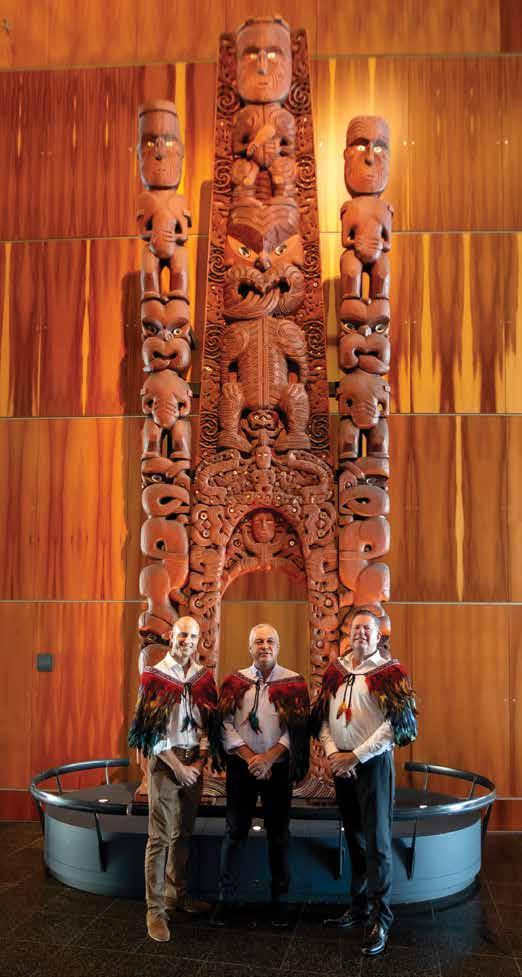
SIMON KEATING ADJUNCT ASSOCIATE
PROFESSOR, GROUP CHIEF
EXECUTIVE OFFICER
EVOLUTION HEALTHCARE
JEFF ARTHUR GENERAL MANAGER
PROPERTY & PROJECTS
EVOLUTION HEALTHCARE
We recognise the importance of cultural capability in delivering safe and effective healthcare across Aotearoa. Programmes supporting Te Reo Māori and tikanga integration are helping to build confidence and understanding within our teams. This aligns with our value of Kotahitanga (Collaboration) and reflects our commitment to partnerships with iwi and communities, alongside broader initiatives that support inclusive environments for all, including our Pride Pledge.
Delivering sustainable healthcare means caring for people today while strengthening outcomes for generations to come.
Keeping waste out of landfill
Endoscopy Auckland 58 tonnes of waste diverted from landfill
Grace Hospital
60.70 tonnes of waste diverted from landfill
01 January 2025 to 30 June 2025
Total Scope 1 emissions (tCO2-e) FY25: 1,255
Progress YoY : -4.5%
Total Scope 2 emissions (tCO2-e) FY25: 551
Progress YoY : +0.4%
Renewable energy (kWh) FY25: 352
Progress YoY : +111.3%
Total Recycled Waste (Tonnes) FY25: 92
Progress YoY : +6.2%
Grace Hospital’s achievement of Toitū Carbon Reduce certification reflects a practical step in strengthening how we support the health and wellbeing of our patients and communities.
By measuring, managing and reducing our environmental impact, we are building more resilient, responsible operations that underpin the delivery of high-quality care.
This milestone is part of our broader approach, formalising and enhancing the practices that support long-term health outcomes, both within our hospitals and across the communities we serve.
As a group, we are working with Toitū to strengthen our sustainability efforts. Our first step was to have our baseline emissions data independently verified, which has now been successfully completed, providing confidence in the accuracy of our measurement and reporting processes.
We have established a network of 11 Sustainability Champions across the group to support sustainability initiatives at a local level. These champions act as advocates and points of connection between sites, departments and the central sustainability team
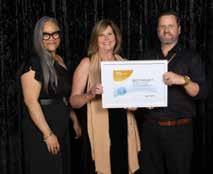
Royston Day Surgery received the award for Best Project - Equity and Sustainability at the 2025 He Autaia Quality Awards. The project recognised the implementation of reusable containers within the sterile services department, significantly reducing the amount of waste sent to landfill and supporting more sustainable healthcare practices.
Photo: Karen Below, Manahautū Ora | Senior Cultural Advisor.
Lesley Henderson, General Manager, Royston Day Surgery. Regan Wootton, SSD Team Leader, Royston Day Surgery. Absent - Nicky Ungerer, Perioperative Services Manager, Royston Day Surgery
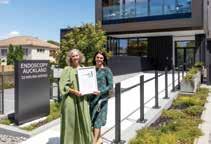
Endoscopy Auckland achieved a 4-Star Green Star rating for its new clinical facility, recognising sustainable design and construction that supports energy efficiency, occupant wellbeing, and reduced environmental impact.
Photo: Becky Ogilvie, Hospital Manager, Endoscopy Auckland. Liz Ingram, Sustainability Manager, Vital Healthcare Property Trust.



As a healthcare provider, we recognise our role as stewards of the environment, managing our impacts thoughtfully and progressively while prioritising patient safety, clinical outcomes, and continuity of care.
We are strengthening Group-wide systems for environmental data collection, enabling more consistent tracking and informed decision-making over time.
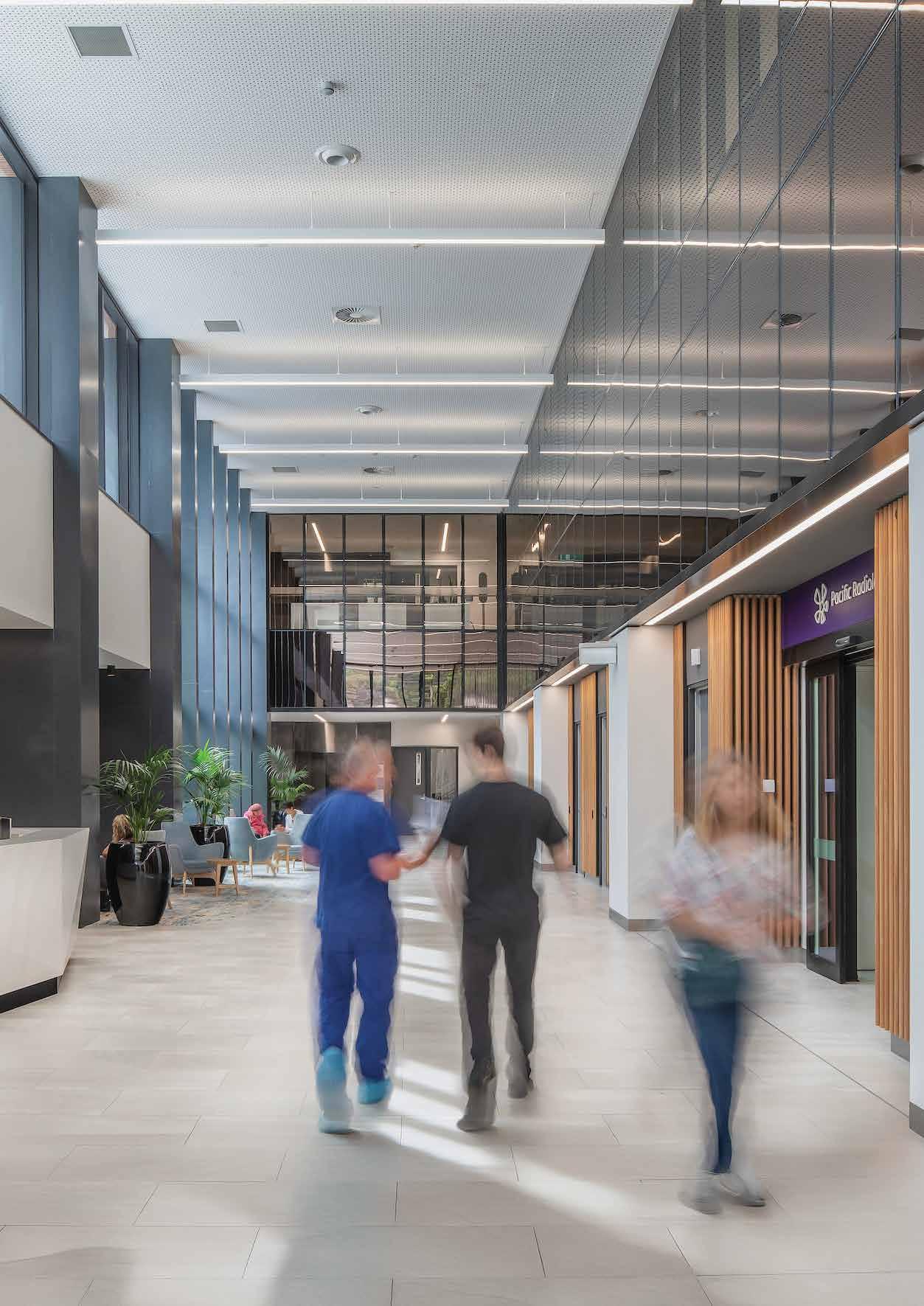
Effective facilities management is central to reducing environmental impact across our hospitals. Sustainability considerations are being incorporated into construction, refurbishment and operational decision-making, with attention to energy performance, material selection and long-term efficiency.
New developments incorporate energy saving technologies such as:
• LED lighting
• Low VOC materials
• Energy efficient building systems
We are also assessing opportunities to enhance performance within existing facilities, prioritising sites where improvements can deliver the greatest impact.
We are progressing initiatives to improve energy efficiency and reduce waste across our operations. Targeted programmes are being implemented to strengthen waste segregation, increase recycling and reduce landfill volumes.
Alongside these initiatives, we are working toward more consistent data collection across energy use, emissions and waste. Building a reliable data foundation is a key priority, enabling more structured performance tracking and future target setting.
Evolution Healthcare participates in the Global Real Estate Sustainability Benchmark (GRESB), a globally recognised ESG benchmarking framework, to enhance transparency and support continuous improvement. During the year, we achieved a 4 - star GRESB rating, reflecting progress in environmental, social and governance performance across the Group.
We continue to explore sustainability initiatives across our facilities, further enhancing operational efficiency and alignment with industry practice.
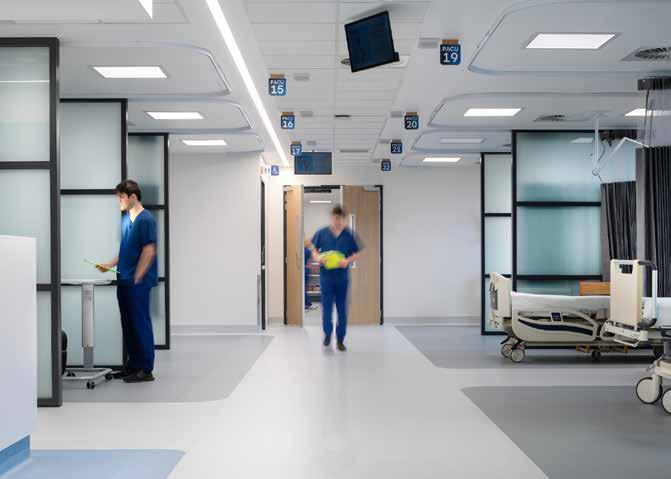

At Evolution Healthcare, sustainability starts with the care we provide and the difference that care makes for patients, whānau and communities across Aotearoa New Zealand. This inaugural sustainability report is an important step in formalising that approach.
We work closely with clinicians, our people, iwi partners, shareholders and communities to make decisions with both today and the future in mind.
Through The care we deliVer, and Through collaboraTion wiTh clinicians, sTaff, iwi, parTners and communiTies, eVoluTion healThcare is conTribuTing To a healThcare sysTem ThaT deliVers lasTing benefiTs for paTienTs and whānau, Today and inTo The fuTure.

He aha te mea nui o te ao?
Māku e kī atu, he tangata, he tangata, he tangata.

What is the most important thing in the world? It is people, it is people, it is people.