












Spice Bazaar
Crossfit Remedy
Martial Arts
View Drone Video
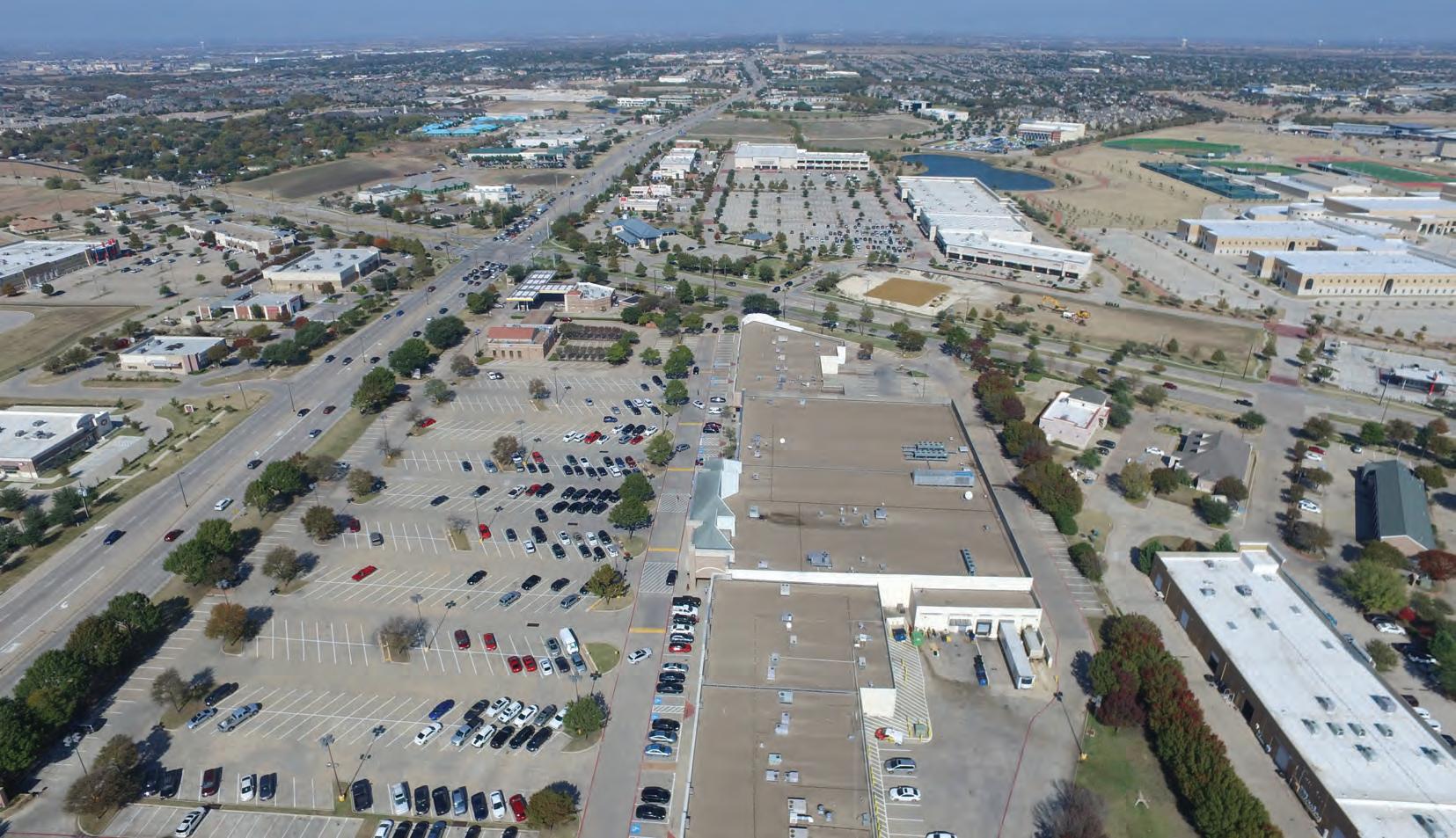
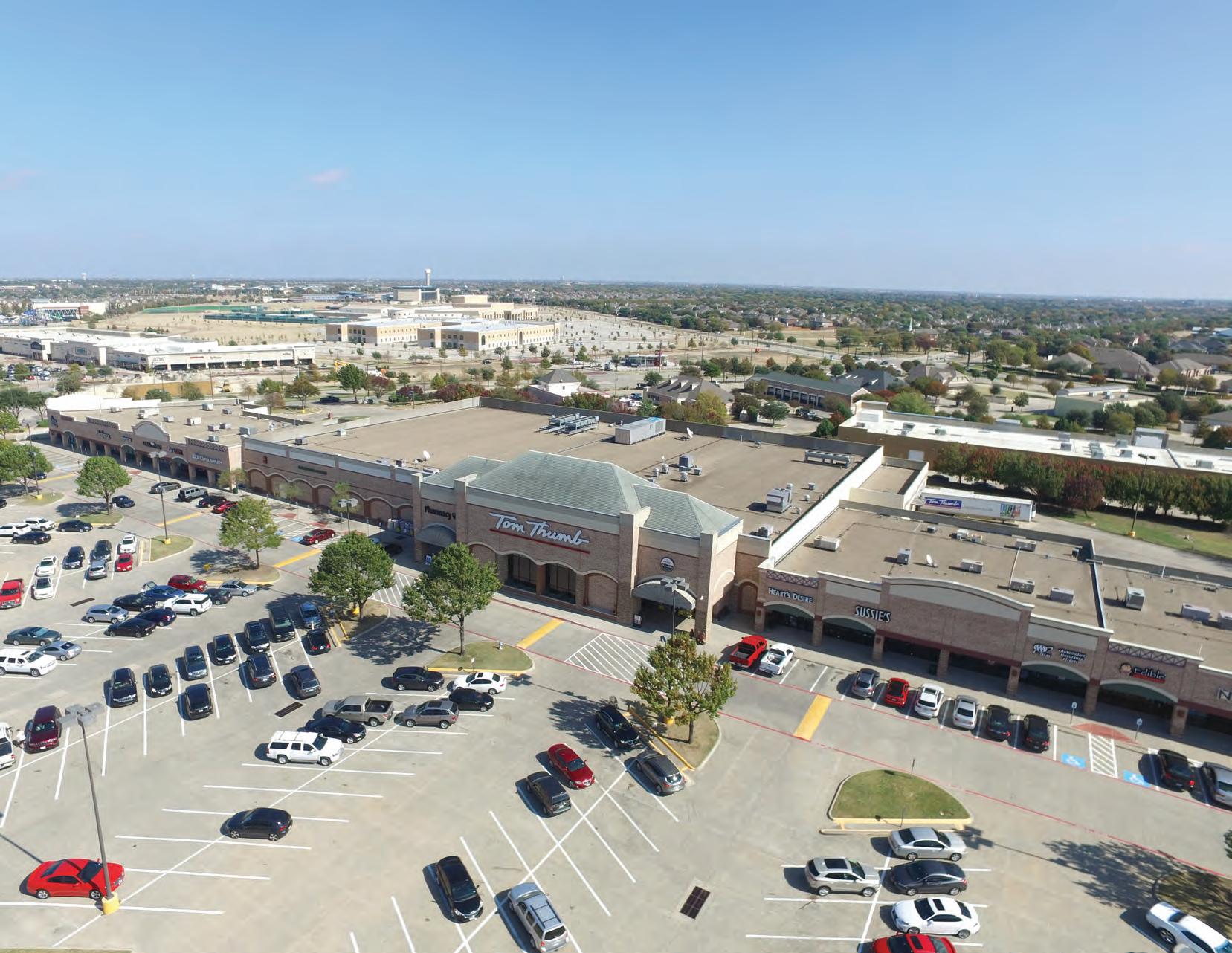
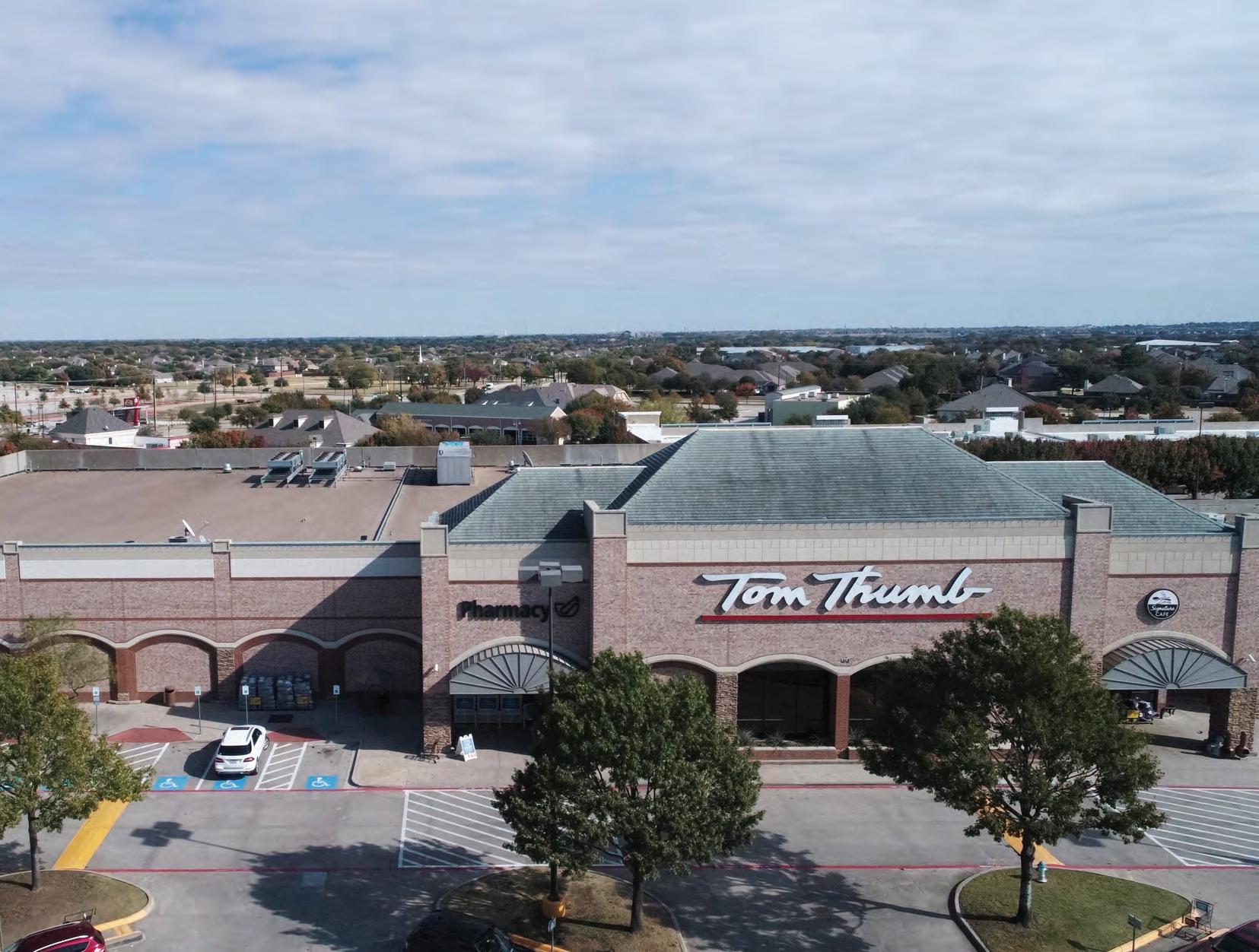
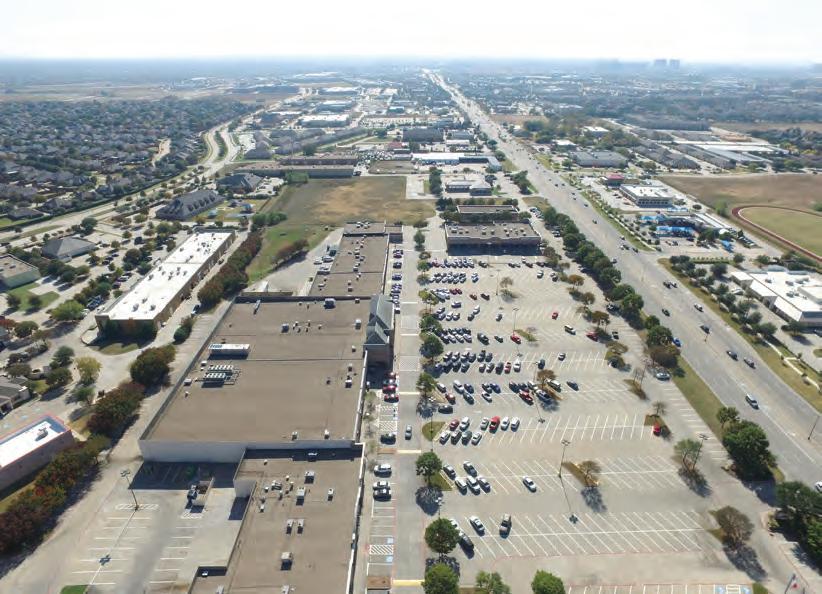
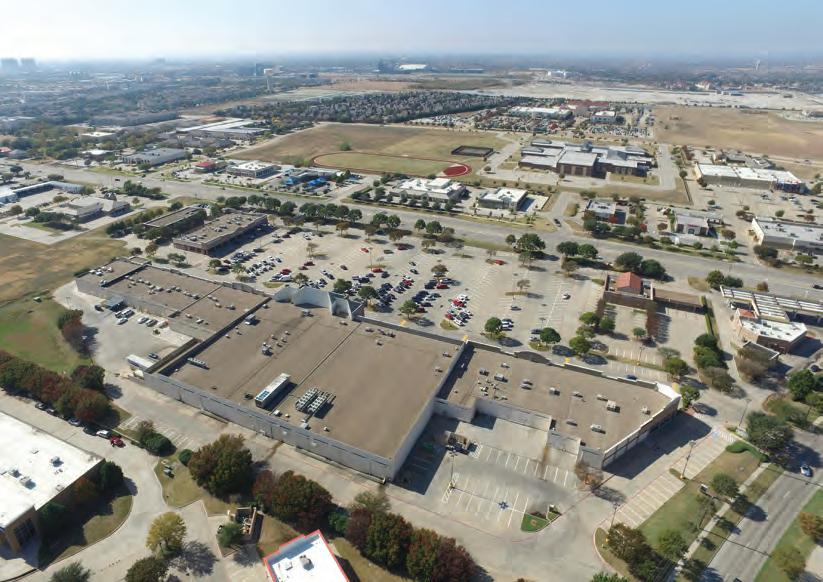
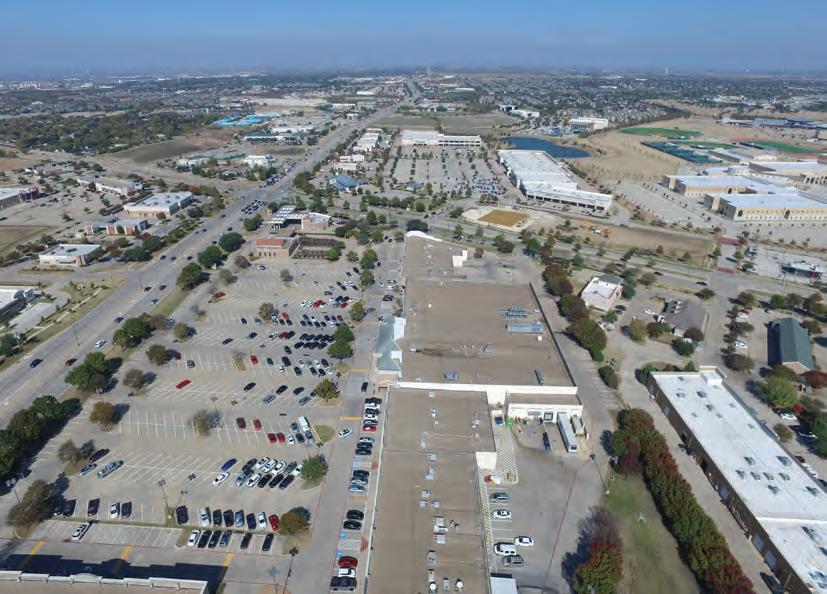
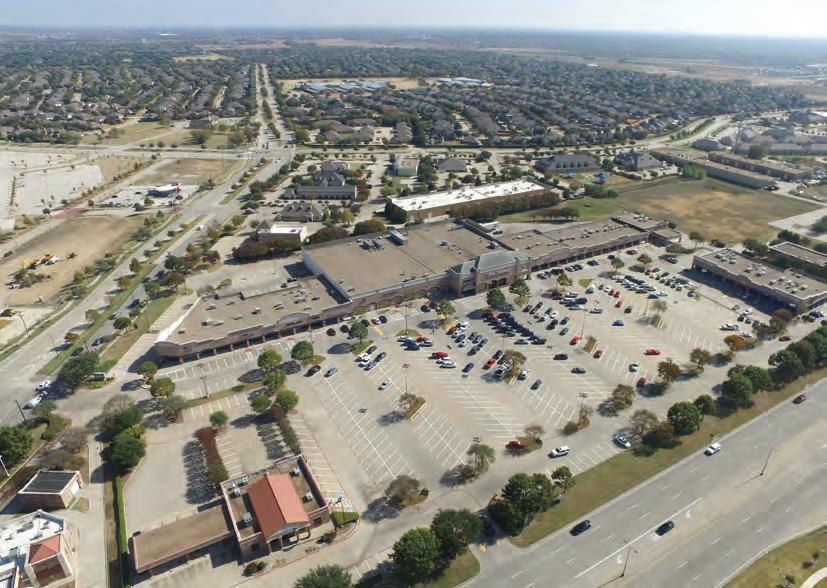
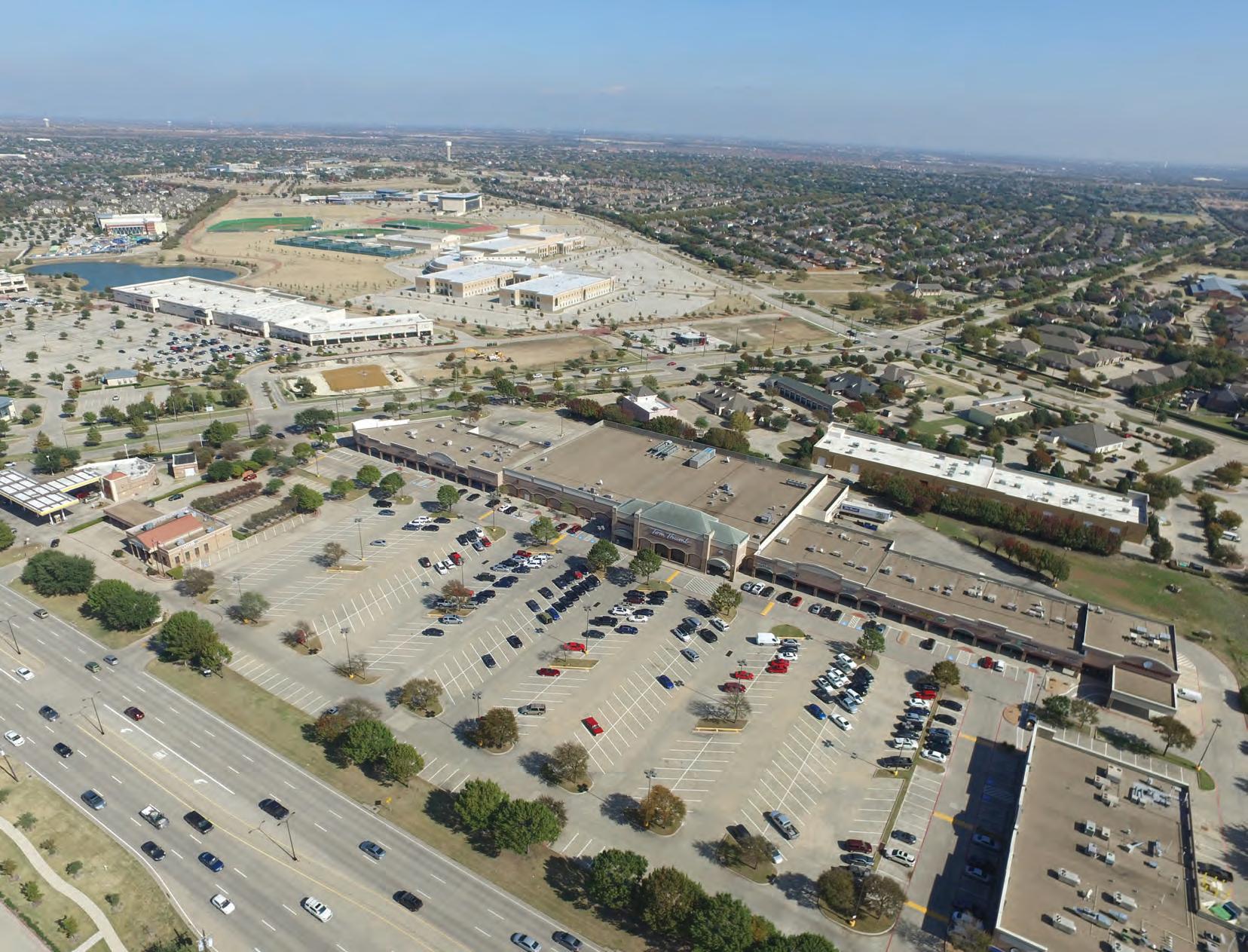
Tom Thumb - Frisco (Dallas-Fort Worth),
Section One

Section One

Strong Corporate Credit Guaranty -
Long-Term Lease -
Passive Income Lease Structure -
Desirable Rent Increases -
Superior Location Within the DFW Metroplex -
Exceptional Demographics -
High Density, Rapidly Expanding Retail Trade Area -
Established, Strong Performing Store -
Section Two
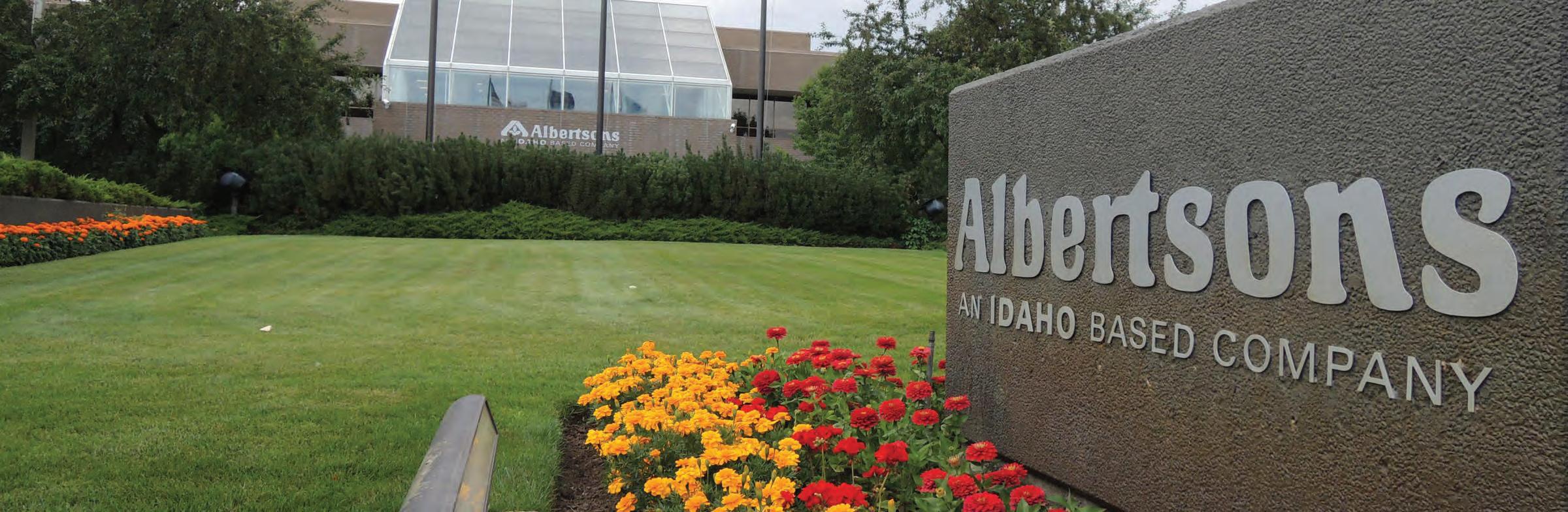
Founded in 1939 and based in Boise, Idaho, Albertsons Companies, LLC (“Albertsons,” or "the Company”) is the second largest traditional grocer in the United States serving over 34 million customers per week and generating $60 billion in sales annually. In January 2015, Albertsons merged with Safeway, creating a best-in-class organization dedicated to bringing a better shopping experience to customers across the country. The Company’s powerful combination of strong local presence and national scale, vast range of brands and products, and service-oriented staff enable them to meet evolving shopping preferences.


As of June 2017, the Company operated 2,329 stores across 35 states under 20 well-known banners with long operating histories. Albertsons has grown strategically through a series of strategic acquisitions in recent years into a $2.8 billion adjusted EBITDA company as of fiscal year 2016 ended February 25, 2017, and as of Q1 2017 the Company had already generated $771.7 million in adjusted EBITDA.

Million Weekly Customers Operating in 35 States including D.C.

500 New Albertsons-Brand Items Launched Each Year
Largest E-Commerce Platform in the U.S.
or #2 Market Share in 66% of 122 MSAs $2.8 BIllion Adj. EBITDA in FY2016

Delivery in 8 of Top 10 U.S. Markets
Distribution Centers
18 Food & Beverage Plants Largest USDA-Certified Organic Brand in the U.S.
Company Banners













Albertsons Companies, LLC is one of the largest food retailers and the second largest traditional grocer in the United States.








Note: Store counts based on publically available information; Walmart, Costco, and Target grocery sales based on a percentage of total sales as of the latest fiscal year; Kroger and Albertsons sales exclude fuel sales of ~$14 billion and ~$3 billion, respectively.

Tom Thumb begain in 1948 when two Dallas friends with family roots in the grocery business became intrigued with a new shopping concept. The men were J.R. Bost and Bob Cullum. The new concept was called "supermarkets." Together they bought a small local chain and for the first few years worked nights and weekends to upgrade the selection, quality and overall shopping experience. They made sure that, despite their small size, they could compete against the national chains. This eager customer service became represented by a friendly little cartoon figure in a grocer's apron, the still recognizable Tom Thumb logo.
As Dallas boomed and its suburban limits expanded, so did Tom Thumb. The marketplace was fiercely competitive. But by leveraging its local advantage, it prospered, and by 1956 had grown to 20 stores. Tom Thumb was well on its way to becoming a major regional chain. Bob Cullum was a tireless innovator, especially in offering non-food items such as housewares and health and beauty products. Construction of new, larger stores and purchases of small chains continued non-stop.
From 1950-1966, Tom Thumb doubled its sales volume. They bought the gourmet specialty Simon David stores, 34 Hinky Dinky stores in the Midwest, and 17 Pantry Food Markets in California. Easily the most impactful move was the addition of Page Drugs. It signaled a new direction for Tom Thumb, combining food and drug in one store. It worked spectacularly. By 1974, sales had reached half a billion dollars.
A refocused corporate strategy in the 90’s led to a consolidation. In 1992 Jack Evans merged the Tom Thumb operations with those of a longtime colleague, Robert Onstead of Randalls. Tom Thumb’s historic tradition of innovative customer service continued after the merger. In 1997, the first steps were begun to introduce online grocery service.
In 2015, Tom Thumb's parent company, Albertsons Companies, LLC, completed a transaction with Safeway that included Tom Thumb stores. Today, as part of the company’s Southern Division, Tom Thumb operates 57 stores as part of the Albertsons Southern Division in North Texas.
Tom Thumb believes in working together with customers to support programs that improve the quality of life in the communities they serve. The Company offers customers a way to direct donation dollars to their favorite church, school or other non-profit organization. Through the Good Neighbor Program, organizations sign up to have an exclusive account number; members supporting that organization can then link the account number to their Tom Thumb Rewards card. Since the program began in the fall of 1996, Tom Thumb/Randalls has donated nearly $48 million to over 8,000 participating organizations.
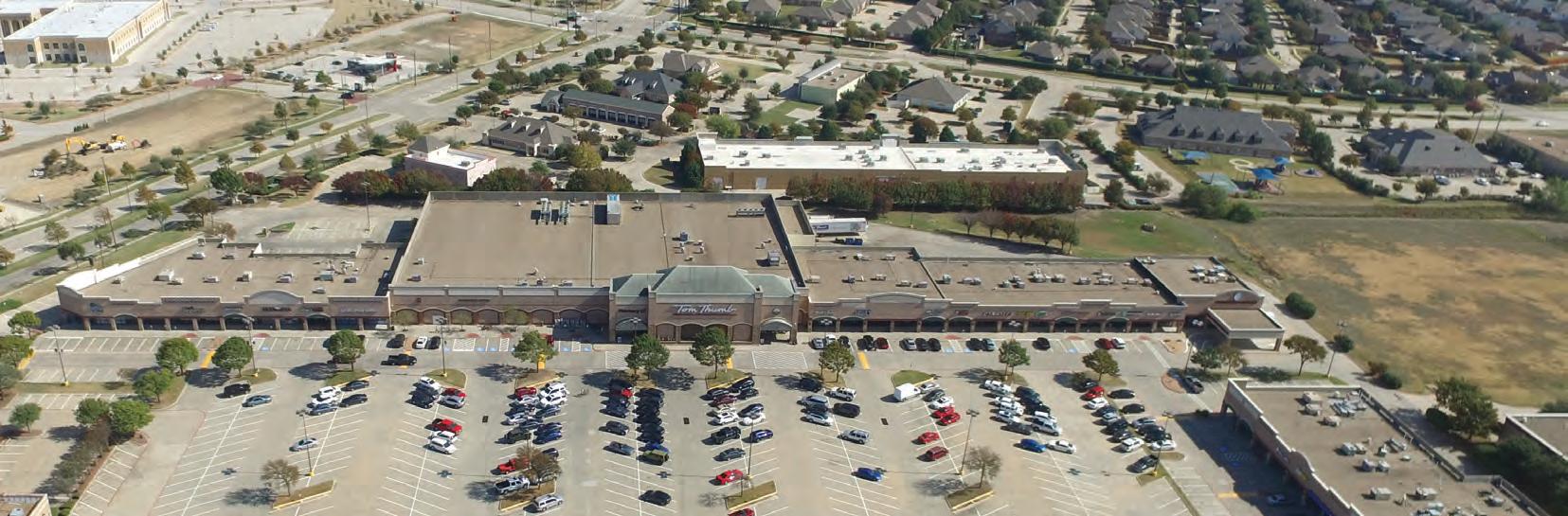
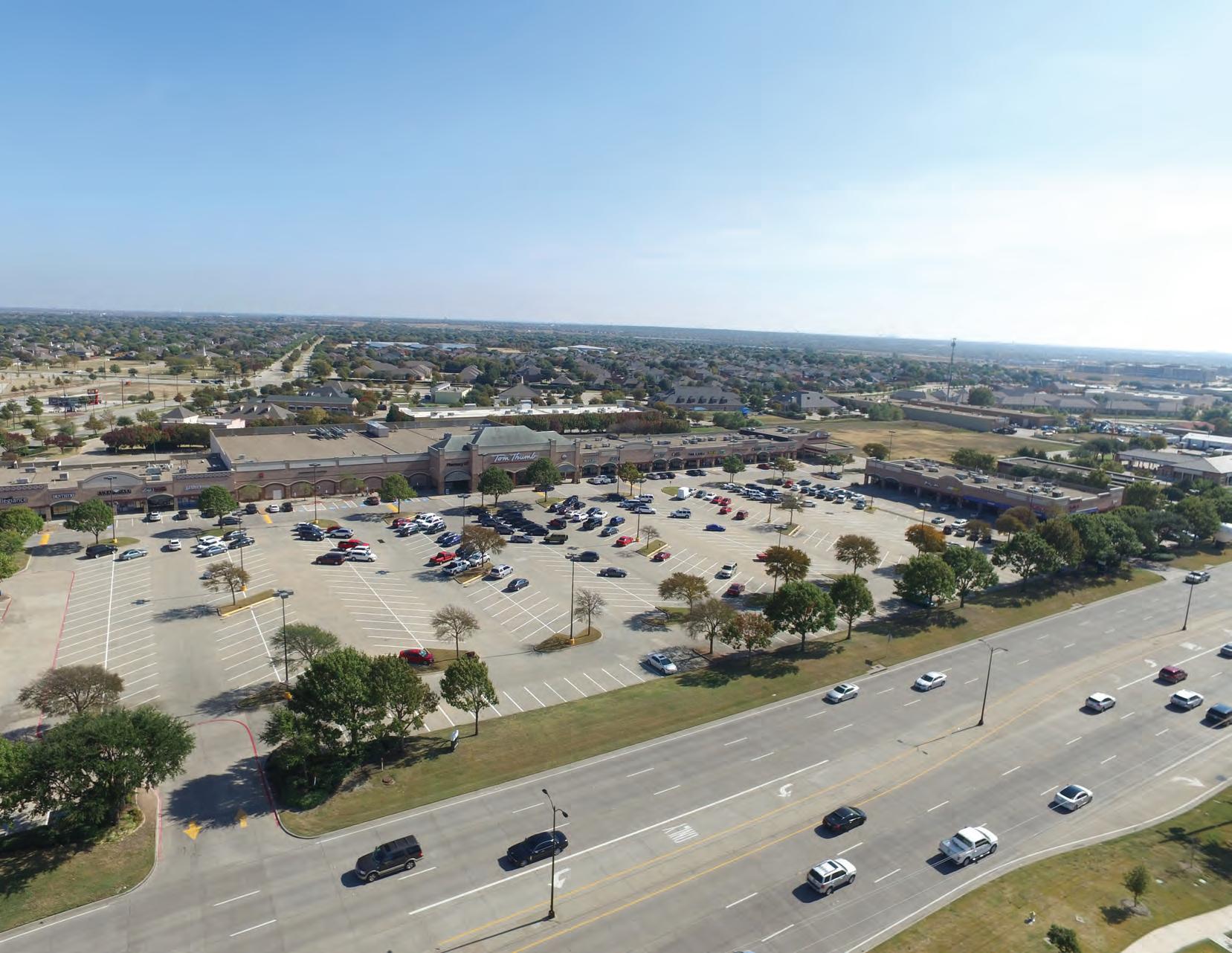
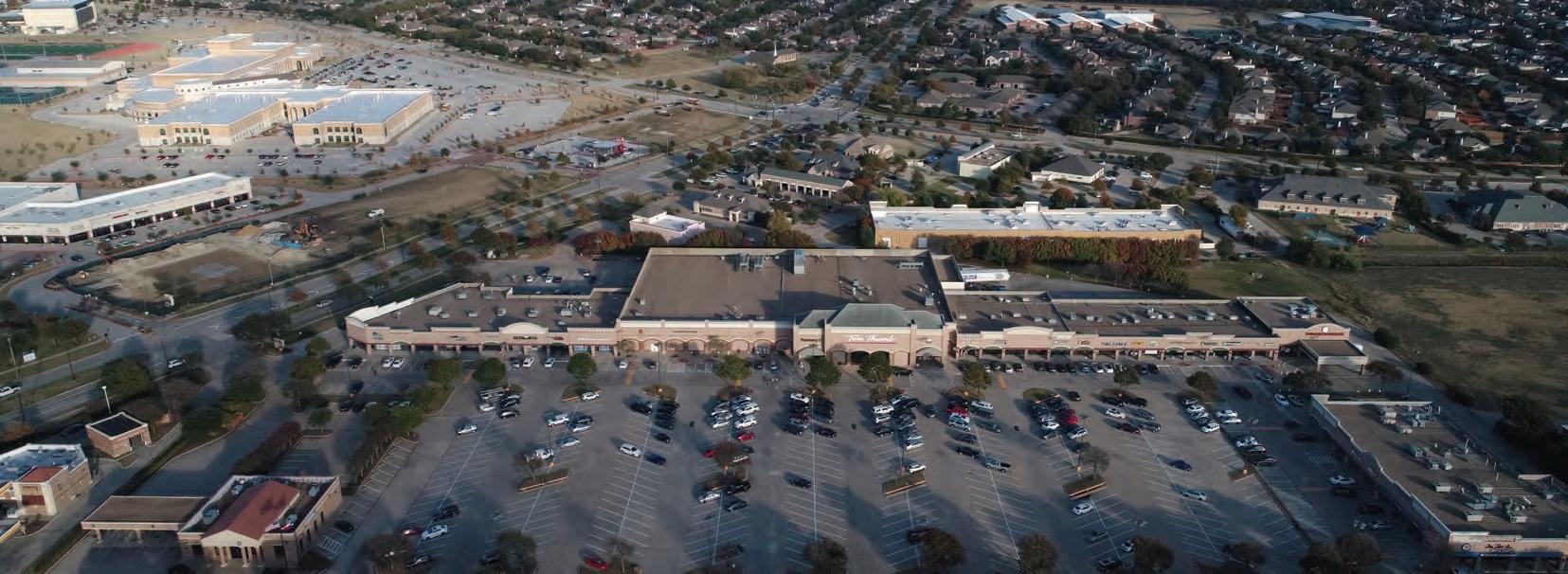
Subject Property Offerings:
Grocery Delivery, Bakery, Deli, Liquor, Pharmacy, Starbucks, Olive Bar, Sushi Bar, Redbox, Coinstar, Wells Fargo Bank ATM, Western Union, Beverage Stewards, Debi Lilly Wedding Collection
Section Three
Purchase
Trade Name: Tom Thumb
Guarantor: Albertsons Companies, LLC

Building Size: ± 63,200 SF
Land Area: ± 6.34 acres
Year Built: 1999 / Renovated 2014
Parking: 305 dedicated spaces
Inline/Standalone: Inline
Parcel ID: R2087242
Tenant:
Tenant Trade Name:
Guarantor:
Ownership Type:
Rentable Building Area:
Lease Commencement:
Primary Lease Term:
Lease Expiration:
Lease Term Remaining:
Current Annual Rent:
Rental Increases:
Renewal Options:
Expense Structure:
Termination Options:
Section Four
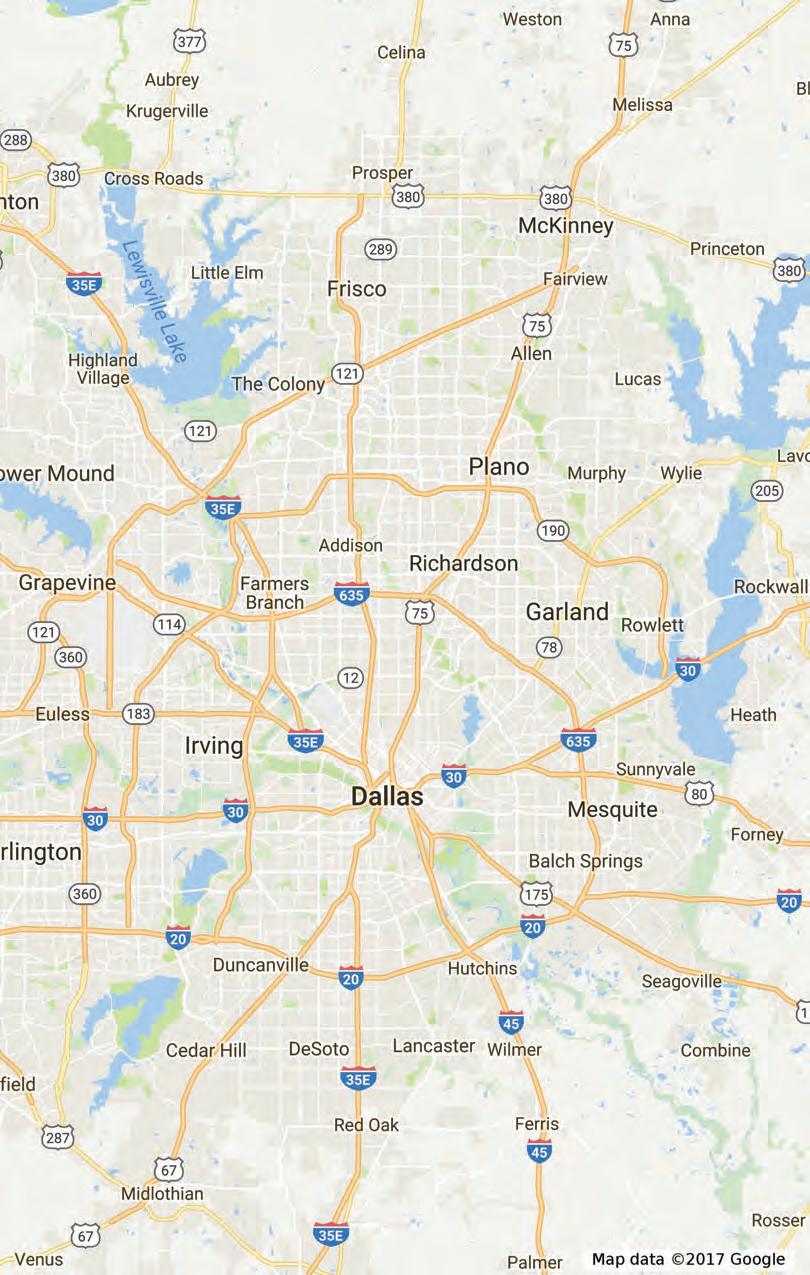
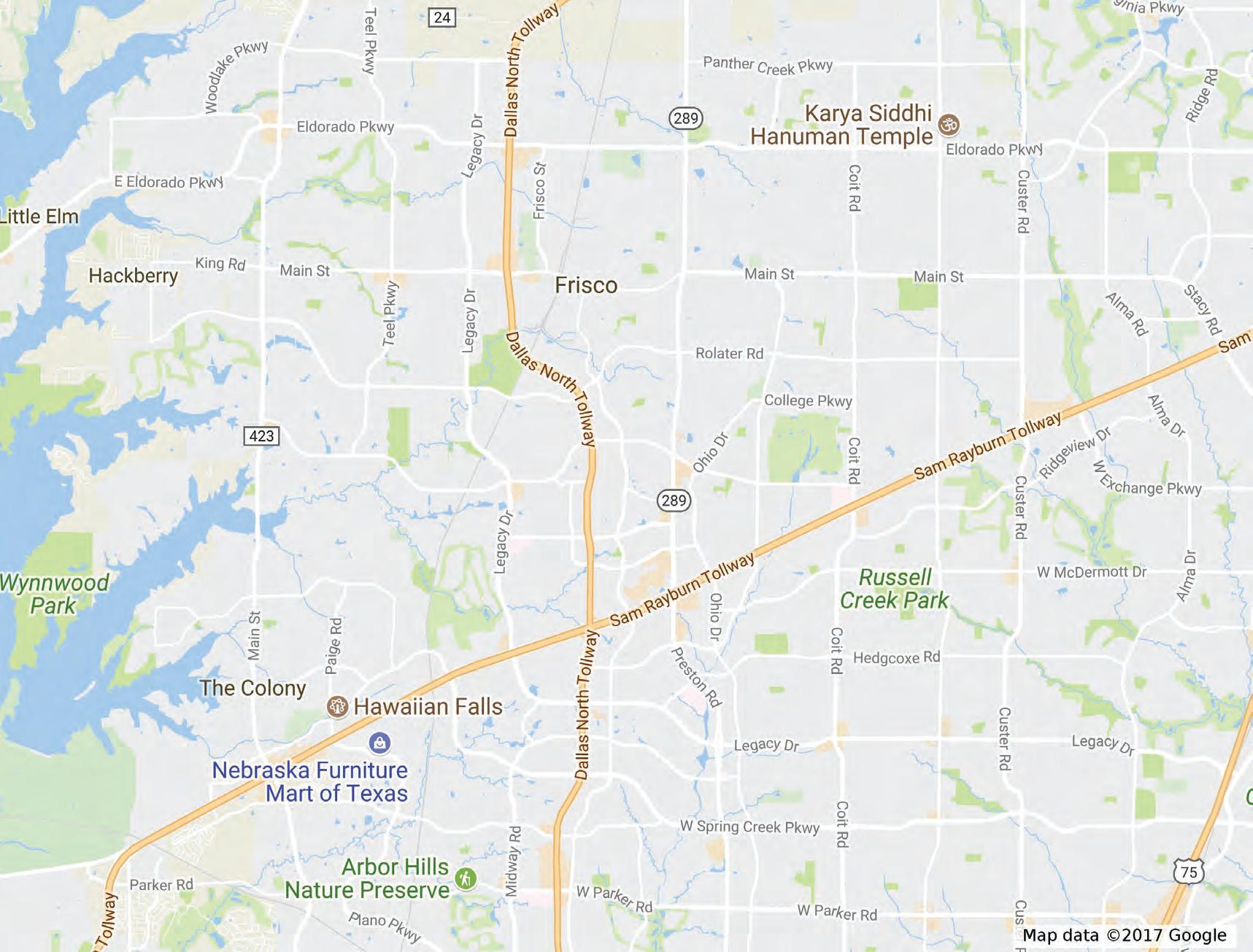
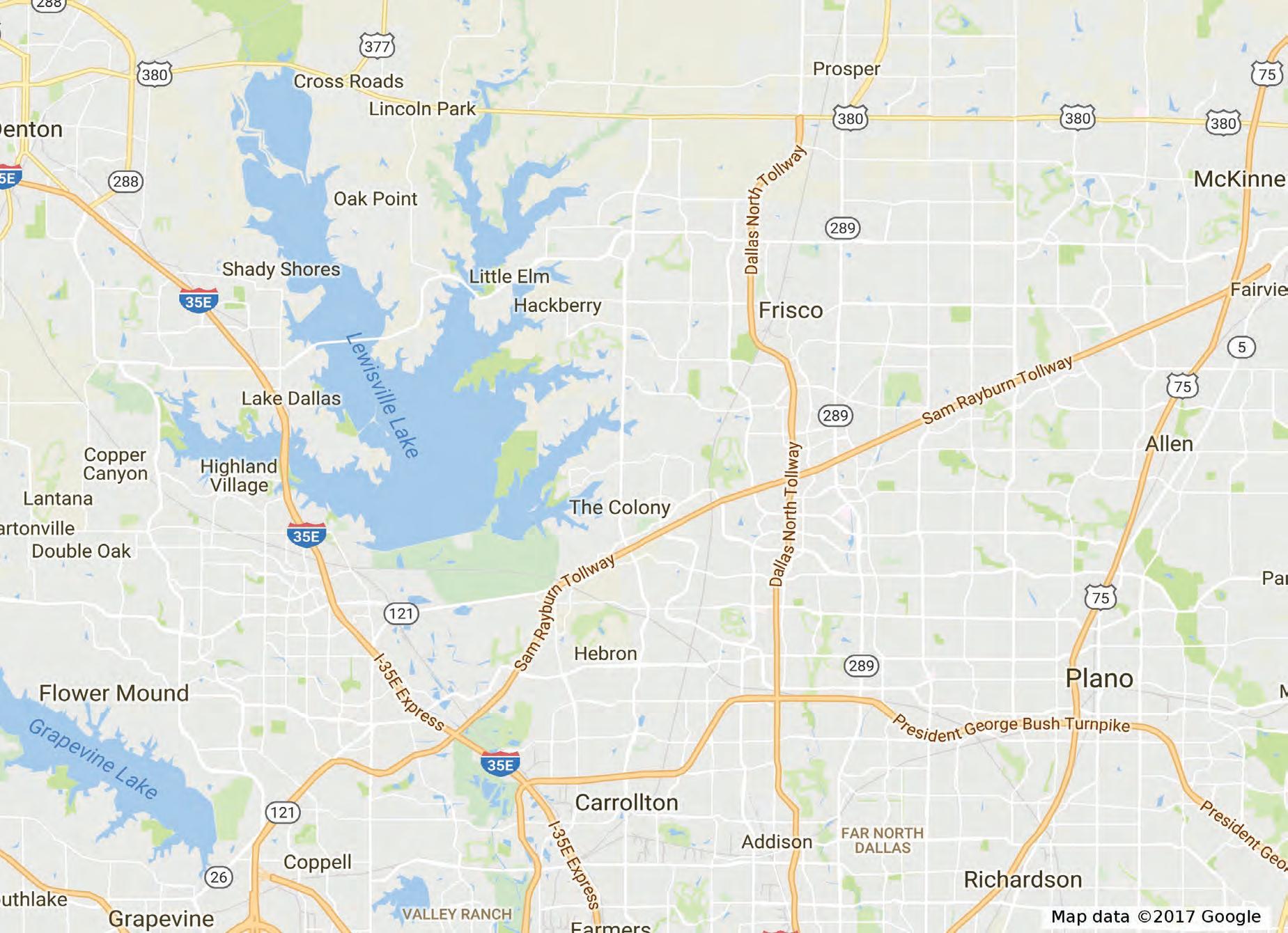
Frisco is located at the intersection of the Dallas North Tollway and State Highway 121, approximately 25 minutes north of downtown Dallas, with a population exceeding 169,000 residents. One of the fastest growing communities in Texas, Frisco has experienced population growth of more than 300 percent since 2000. Its exponential growth from 2000 – 2009 made it the fastest growing city in America for the decade. With major highways north-south and east-west, Frisco is well positioned on the path of growth in the Dallas area and provides easy access to all its amenities.
Supported by strong infrastructure, exceptional leadership and quality commercial developments, Frisco has been recognized by Money Magazine as one of the top 100 places to live in the United States. The infrastructure supports an exceptional community and an extraordinary quality of life. The City is known for exemplary schools, pristine parks and destination dining, retail, sports and entertainment. It is also a magnet for a skilled workforce, contributing to Frisco's rapid residential growth rate of more than five percent annually. In May 2014, voters within the Frisco Independent School District approved a $775 million bond to build 14 new schools that will accommodate 66,000 students.
Frisco is the headquarters for several professional sports teams and four prosports venues: Dr. Pepper Ballpark, a 10,300-seat stadium for minor leage baseball; Dr. Pepper Arena, a 6,000-seat entertainment venue and ice rink; Toyota Stadium, an 18,000-seat soccer stadium; and the Ford Center, a brand new, state-of-the-art indoor athletic training facility for the Dallas Cowboys.
With a recent wave of corporate office growth, Frisco has also seen a number of large developments take shape over the past five years. With Toyota recently opening its highly publicized North American headquarters in nearby Plano, the area is quickly becoming host to large corporate campuses.
In August 2017, WalletHub named Frisco the #1 Best Real Estate Market, based on key indicators of housing market attractiveness, including median home-price appreciation, home sales turnover rate and job growth.
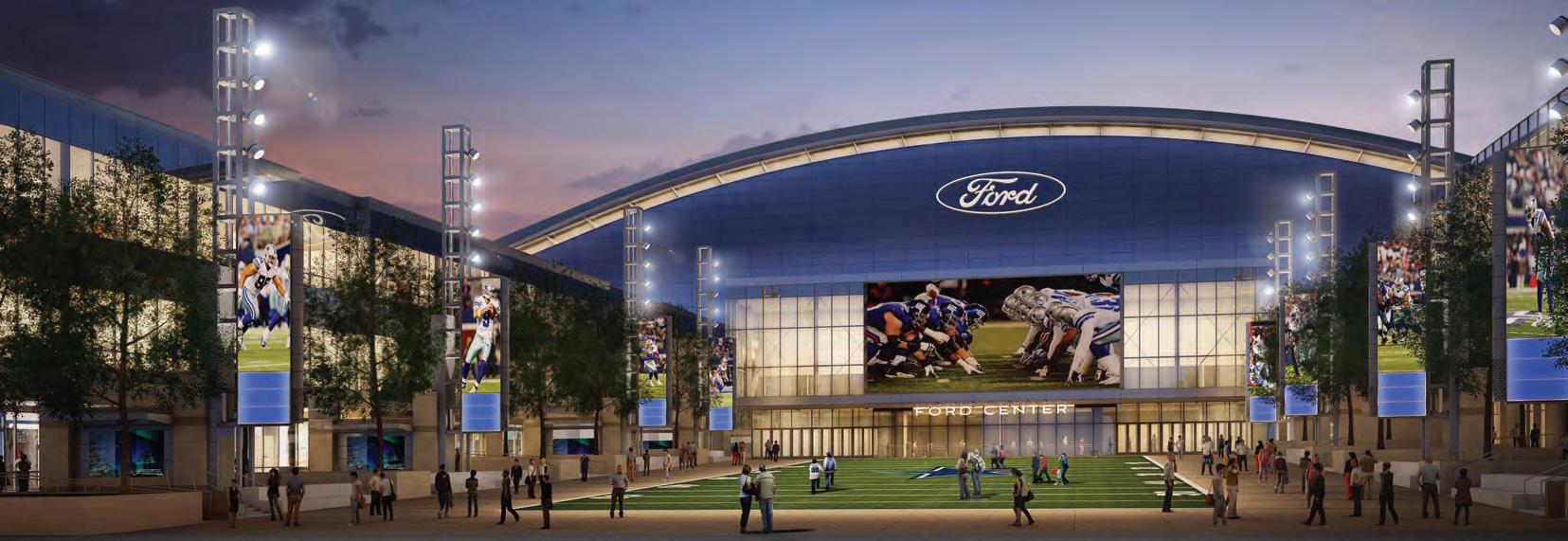
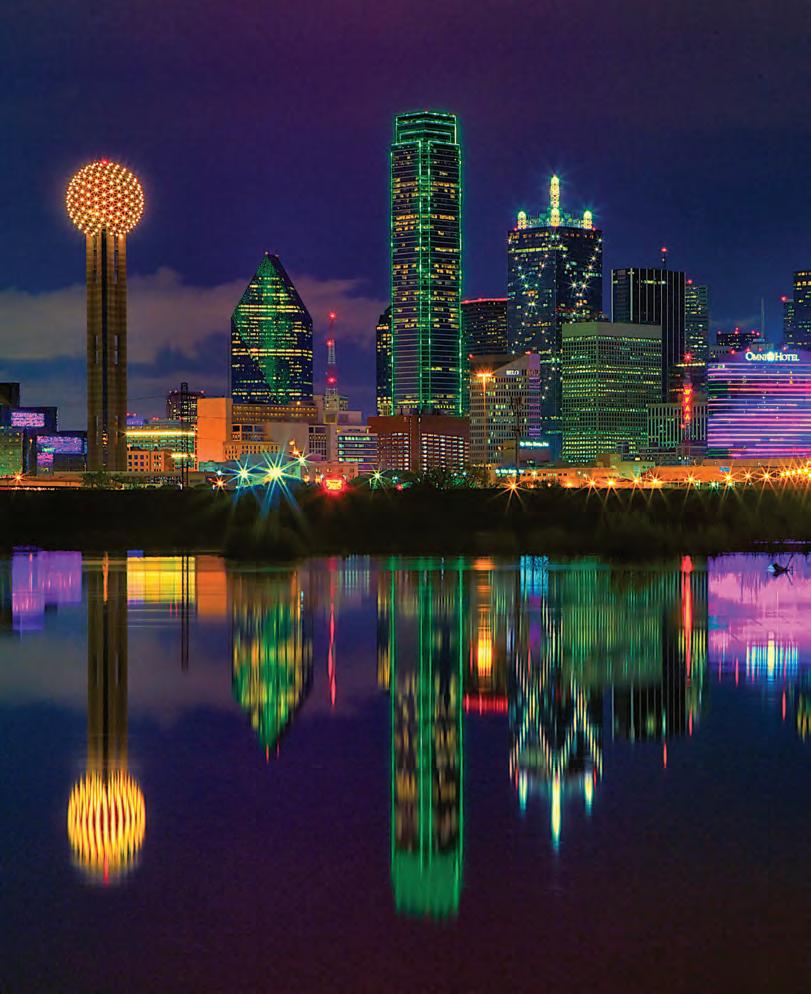
The Dallas-Fort Worth Metroplex is the economic and cultural hub of North Texas and is the largest inland metropolitan area in the United States with a population of 7.1 million. The region is expected to grow to a population of 10.5 million people by the year 2040.
A magnet for corporate headquarters and major company operations, DallasFort Worth has attracted 20 Fortune 500 company headquarters and 39 headquarters among the Fortune 1000. The metro's corporate powerhouse companies are distributed throughout the region, an indication of its strength, quality of the workforce, and ease of navigation between cities and corporate centers. The breadth and depth of the business community is impressive, from high-tech industry leaders, telecommunications, logistics and finance, to consumer brands that ease the daily lives of families across the globe. Companies with more than 10,000 employees include American Airlines, AT&T, Bank of America, Baylor Scott & White, HCA North Texas, JPMorgan Chase, Lockheed Martin, Texas Instruments, the U.S. Postal Service and Walmart Stores. Dallas–Fort Worth’s diverse base of employers drives the region’s economic strength, pulling from a variety of industries so that growth is possible even during weak business cycles.
The Dallas–Fort Worth region is well known for taking on very large construction projects. They range from public infrastructure projects, such as the expansion of Interstate 35 and extending and connecting regional transit systems, to the creation of entirely new business parks and mixeduse developments like Cypress Waters and CityLine. Future developments spanning more than 10 years in planning and construction are helping to ensure that DFW is at the forefront of industry and livability.
The future is rife with innovative developments, impactful architectural feats, and continually improved design to strengthen the region’s appeal. Planned development projects include the $909 million Fort Worth Trinity River rerouting and trail creation, a $1.25 billion mixed-use district in Arlington, a 430-acre mixed-use space in North Dallas, and a 157-acre campus in Las Colinas featuring office space, dedicated DART station, retail and residential. Texas Central Partners is also working to bring high-speed rail between Dallas and Houston, with service expected to begin as early as 2022.
#1
in the country for percent job growth (2015-2016) #2 in the country in absolute job growth (2015-2016)

Texas Named Best State For Business 12 Consecutive Years (Chief Executive Magazine)
DFW adds 360 New Residents EACH DAY
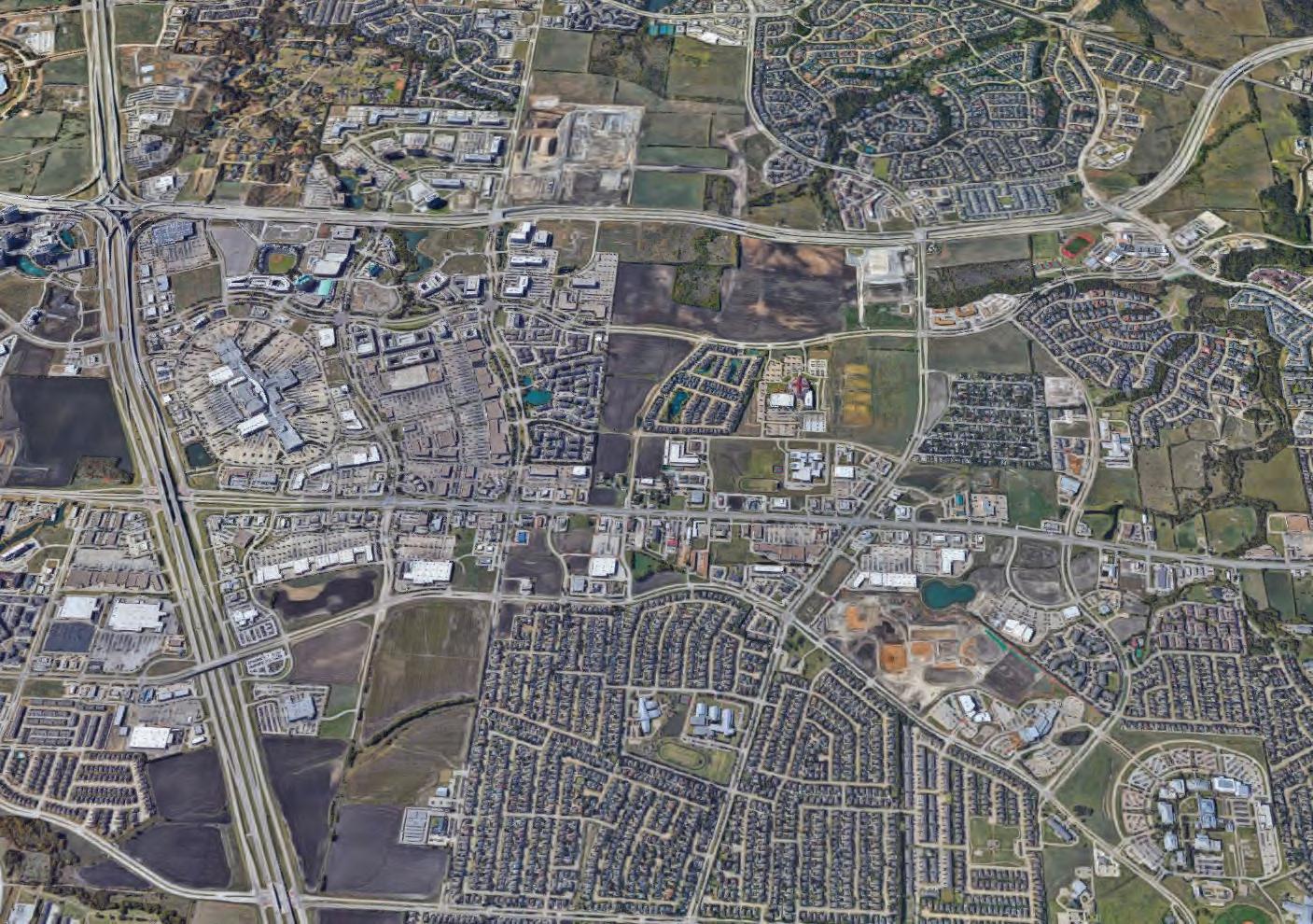
Frisco claims one of the most dynamic development concentrations in America with more than $5 billion in capital investment, either recently opened or under construction, within a one-mile stretch of road along the Dallas North Tollway from Warren Parkway north to Lebanon Road.
The Gate is a 41-acre, $1 billion mixed-use development. The first phase of the plan includes 350 apartments, followed by more multifamily, luxury condos, townhomes, offices and a luxury hotel.
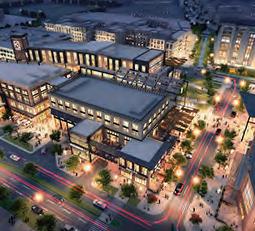
Frisco Station is a 242-acre, nextgeneration development, unified by a unique wellness program and gathering spaces. When complete, the development will feature 3M SF in corporate high-rise offices; a 1M SF corporate headquarters campus; 1.5M SF in creative office space; 2,000 residences; a 15-acre park and over 1M SF in retail, restaurant and wellness facilities. Daytime employment is expected to be approximately 15,000.
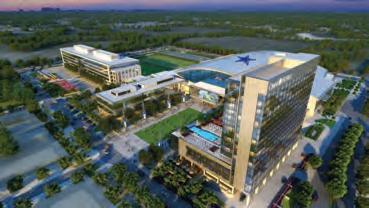
The Star is a 91-acre campus that hosts the world headquarters of the Dallas Cowboys. In addition to the corporate offices and practice facility, The Star features the Ford Center, a 12,000-seat, state-ofthe-art indoor football stadium that hosts a variety of events, an entertainment district lined with restaurants and shops, the Omni hotel, a medical center and more.
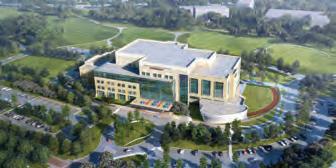
Texas Scottish Rite Hospital for Children will bring a new five-story, 345,000-square-foot ambulatory care facility to North Texas in fall of 2018. The new facility will include a movement science center, occupational therapy, playing fields, a walking trail and a playground park for patients and the community.
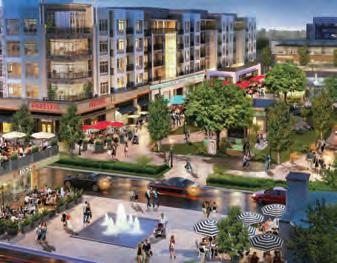
Wade Park is a planned 175-acre mixed-use development anchored by Whole Foods, iPic Theaters and Pinstripes Inc. A total of 600K SF of specialty retail will include national fashion retailers and best-in-class restaurants in a village format. This retail space will sit alongside 6M SF of office space, in both over-retail and office tower formats. Residents can choose from 1,300 apartment units, 50 condos, and 127 premier singlefamily homes. A boutique hotel and a luxury hotel will total 500 rooms.

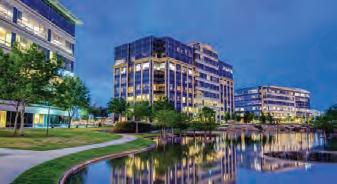
Hall Park is a 162-acre development with more than 2.5M SF of Class-A office space. 8,000 employees work at Hall Park in 16 completed buildings, with a 17th currently under construction.
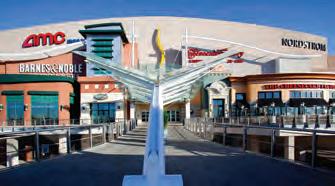
Stonebriar Centre is one of the premier shopping centers in the Southwest. Featuring major stores such as Nordstrom, Macy's and Dillards, the mall also offers a family-friendly setting with a lively carousel, Western-themed kids play area and a 24-screen AMC Theatre movie complex.

























Company Name