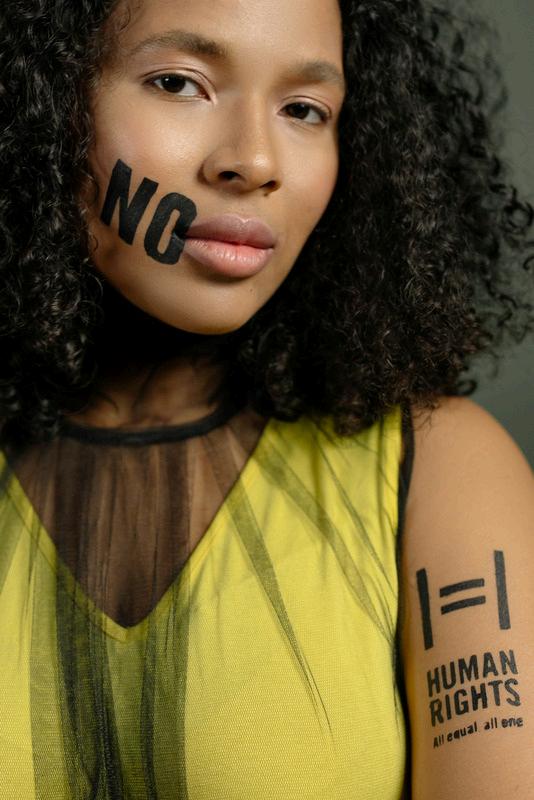
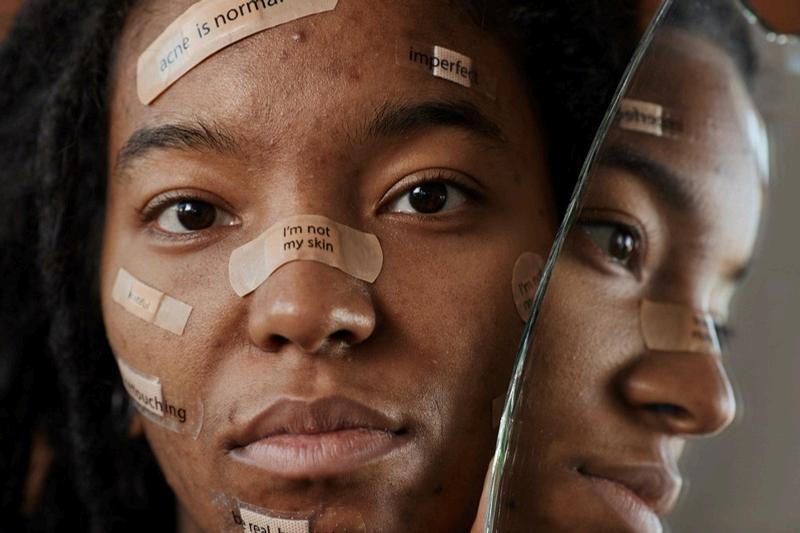
"Bullying is a repeated and deliberate misuse of power in relationships through verbal, physical, or social behavior that aims to cause harm".
What is censorship? It is consistently acting to limit individuals' freedom of expression by restricting access to sites where they can speak freely. Some internet censorship may also include the government monitoring citizen's internet activity and speech. This monitoring could lead to people feeling uncomfortable with expressing themselves.
Online censorship of sexual health and family planning content means people working in this space face more difficulties in sharing information, but there are also repercussions for women and girls who rely on such information.
According to Facebook’s Transparency Center, the site “defaults to removing sexual imagery to prevent the sharing of non-consensual or underage content. Restrictions on the display of sexual activity also apply to digitally created content unless it is posted for educational, humorous or satirical purposes. ” It states that it understands that nudity can be shared for a variety of reasons, including educational reasons. “Where such intent is clear, we make allowances for the content,” it states.
CENSORSHIP
...is sponsored bullying.
CENSORSHIP IS BULLYISM
This advertising and content inequity affects access to health for women and people of diverse genders, and it also affects economic access.
Often it’s the platforms’ AI and algorithms that are relied on to censor content, versus humans monitoring posts, which “makes it extremely difficult to speak to vaginal care. This would be a platform like TikTok, which removes content that uses the word ‘vagina’ or even slang. On Issuu Eve's Apple the Mag was removed and the ability to post or edit revoked for 6 weeks for using words like penis and vagina.
Platforms turn away ads spanning menopause, pelvic pain, pregnancy and postpartum care, menstrual health, fertility and sexual wellness content. This advertising and content inequity affects access to health for women and people of diverse genders, and it also affects economic access. Women and nonbinary people are starting businesses in sexual health and wellness to meet meaningful, previously unaddressed needs. Facebook blocking their access to the key channel for growth–digital advertising–hurts their ability to help people, and stunts the entire entrepreneurial ecosystem for women ’ s health. It limits investment in women ’ s health technology that would benefit us all.
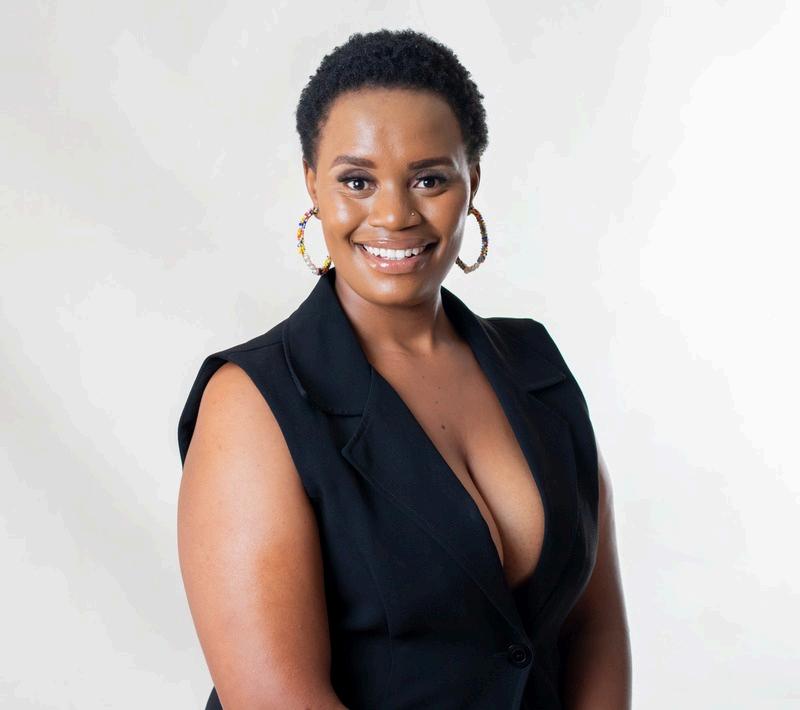
Sexual health is suppressed on social media. It's not because we are violating terms and conditions, it’s because of sloppy AI that is flagging it as sex or porn. Health information have been overlooked for a long time, but now there needs to be a fight as big tech companies completely ignore the right to information. "As a Black-owned information platform, we ' re finding that these are humans that are already being marginalized and limited to the access of information on the products that they have. Our hope is that these companies understand that building AI is not just another task on your checklist. It is a matter of people's health and their livelihood. Currently, they are furthering sexist and awful tropes that are continuing to damage the community." Kanyisa Booi; Editor EAtM
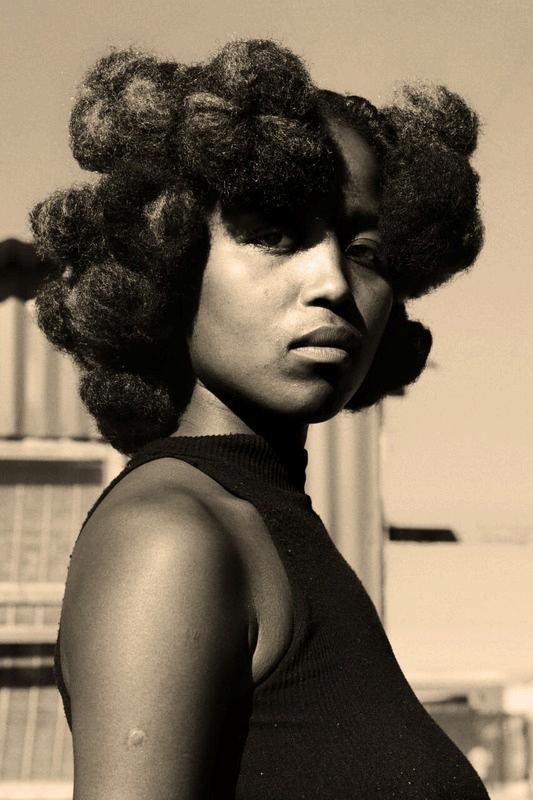
Raised by the moody, untamed waters of the Indian Ocean, crashing against the rugged edges of Cape Town’s forgotten corners, she emerged unshaken, unbothered, and uncontainable. Khayelitsha, a place they only remember when it’s time to “party with the natives,” molded her, but never defined her. She doesn’t whisper her story in hushed tones. She spits it out unfiltered, unsoftened, a sharp edge that cuts through the noise with surgical precision.
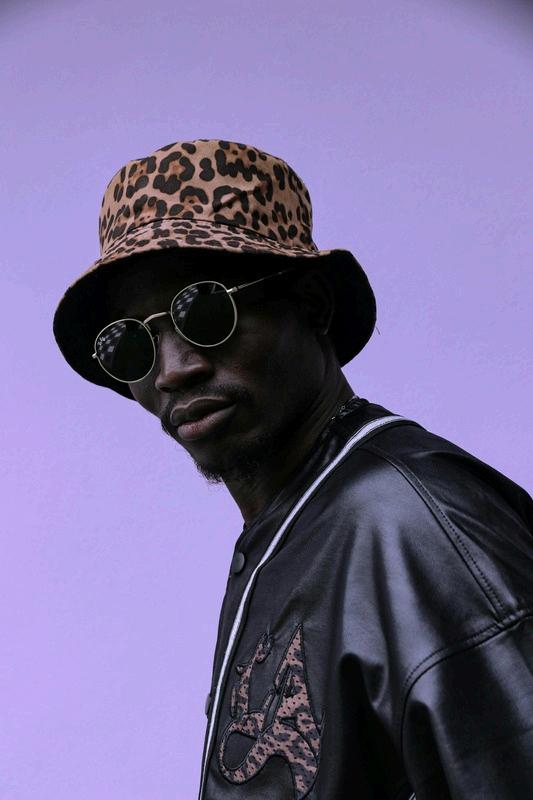
A diamond in the rough? Maybe to the naked eye. But to those paying attention, she is something rarer. Unmissable. Born Iviwe Mzimba in the restless heart of Delft, she steps onto the scene as Eev, and the mic remembers her name. Petite in frame, grand in presence, she owns the space she steps into with a confidence so electric, it buzzes beneath the skin.
I discovered her by accident, doomscrolling through the clock app, where most things blur into the background of short-lived trends. But she didn’t. She stopped me. Made me forget my habitual #FuckHipHop attitude. Made me lean in. She’s the kind of rare find that shakes you awake, that makes you want to know more. I’ve seen countless performers in my lifetime, but I haven’t felt this exhilarated about discovering a new artist in a long time. She doesn’t perform she commands. Every syllable, every breath, drips with an effortless sensuality, the kind that doesn’t beg for attention but seduces without trying. She embodies a freedom that doesn't ask for permission. A presence so immersive, it doesn’t ask you to listen; it pulls you in, makes a home in your bones.
Rapping as an Act of Rebellion
Her music isn't delicate, and it doesn't try to be It’s raw, like the sun-scorched streets of the Cape Flats, like the taste of something strong on the tongue an acquired taste for those too accustomed to the watered-down. She raps like she was born knowing how, and maybe she was. Her words slip through the cracks of ego-driven hip-hop and land somewhere else entirely somewhere urgent, somewhere intimate
“I was born in a coloured area, Delft, and I always saw Afrikaans rappers battling in the streets I knew I could do it too because I had a story to tell,” she says, tracing her influences back to Nicki Minaj, Eve, Kanyi Mavi, iFani, and Driemanskap. And you hear it. The sharp, technical precision of her rhymes, the undeniable confidence, the refusal to be ignored.
She doesn’t just tell stories she lives them in every bar Her favorite rhyme? "And'yodyan ndingowasetyhini, tyhini nobungayiteketisa uyifakele ukhazi, asoze ibengcasa nangoku. Dyanikazi pha kude kwedini."
A defiant proclamation that her strength doesn’t need to mimic a man’s to be recognised. That her power doesn’t need translation. That she is a force unto herself, and she doesn’t require permission to exist loudly
The Rhythm of the Ghetto
She doesn’t dress up her reality in pretty metaphors. She raps about umjondolo the ghetto, the informal settlements, the inescapable pulse of the township It’s in her blood, in her breath, in the way she carries herself like she’s walked through fire and came out laughing She doesn’t run from where she’s from she wears it It’s tattooed into her cadence, laced into every hook, and woven into every beat. Fearless. That’s how she wants to be remembered. A woman who embraced her background with no hesitation, who dared to be loud about the things others silence themselves for
“I want my audience to know I’m in this industry to share my journey, to tell my survival story through music,” she says, with the kind of conviction that makes you believe she was meant to be here.
She reminds me of a time when hip-hop was dangerous, untamed, something that wasn’t polite or watered down for easy consumption She reminds me of Kanyi Mavi’s fire of a student of the craft, sharpened by the ones who came before her but unwilling to replicate anyone else’s path
Her arrival isn’t a whisper. It’s a collision. And if this is the pace she chooses, we’ll be hearing about her for a long time to come
I have a terrible memory, and for someone who enjoys telling stories about their life, this can be a problem. I struggled to remember my own birthday for most of my childhood, so I turned to writing to keep track of my experiences. Imagine my surprise when, while clearing out old books last week, I found a dusty green diary tucked among the relics.
Flipping through the pages, I saw the many romantic musings of my 15-year-old self. The pining over an older boy at school, the excitement of moving from one crush to another. But among these scattered reflections, a single line took me off guard, almost two decades later:
I think I like Girls
by: Hulisani Khorombi
I read it again. What do you mean? I like girls. My younger self had quickly followed up with, I think it is a stage though. A moment of clarity erased as quickly as it appeared. In July of 2005, I corrected myself out of my queerness. Looking back, I can see the many factors that contributed to my repression.
I think I like Girls
When I started university, I joined an organization foc outreach—initially as something to add my CV, but ev wanted to engage with discussions about sex, health, and agency. But despite spending years in a space where these topics were openly explored, I avoided the side of the building where the “ gay people” gathered. I convinced myself that my attraction to women was anything but queerness—admiration, deep friendship.
I think now of Adrienne Rich’s concept of compulsory heterosexuality, the way society demands that women ’ s desires be directed toward men. I performed the role expected of me, walking into that building year after year, expanding my knowledge but staying within the boundaries of what I thought was acceptable for me. Similarly, to how I spoke about safer sex while still a virgin, I could engage with queer people, learn their language and struggles, yet never see myself reflected in them.
Financial independence became a catalyst for self-discovery. At 25, I had my first boyfriend, then my first kiss. I entered the corporate world and, soon after, a woman came into my life who made my heart almost stop. That relationship was doomed from the start, but for the first time, I didn’t push the feeling away. I allowed myself to acknowledge that I might be queer. Even then, the language to describe myself felt elusive— how did I fit into this world I had kept at arm ’ s length for so long? My eventual embrace of pansexuality was a process of undoing years of selfdenial, of allowing myself to be rather than just observe.
I think I like Girls
g y ary, I was struck by a mix of sa relief. Sadness that my teenage self felt the need such an honest admission. Relief that she had writte —that I had always known, even when I couldn’t loud. Audre Lorde speaks of the erotic as a source o deep knowing that has been stripped from wom patriarchy. My queerness had been buried under external conditioning, but it had never disappeare always there, waiting to be reclaimed.
If I could sit down for coffee with my younger self, I her to be gentle with herself. That she does not hav her belonging in queer spaces. That queerness is not something to be proven or performed. It is something to be lived, fully and without apology.
I wish I had known then what I know now. But even without a time machine, I can still hold that 15-year-old girl close and whisper: I see you. I believe you. You were never wrong.
L O N G D I S T A N C E P A R E N T I N G
Schedule Weekly Calls with a Fun Element
Set a regular day and time for video or phone calls, and add something special—tell a funny childhood story, play a “question of the week” game, or do a virtual activity together like drawing or reading the same book. Predictability helps children feel secure.
Send Voice Notes for Daily Connection
A quick voice note in the morning or before bed can be a simple but powerful way to remind your child you are thinking of them. Share a short message, a joke, or even a “good luck” before a big day at school. These little moments build connection. Create a Shared Journal or Letter Tradition
Have a notebook where you and your child write letters or drawings to each other when you ’ re apart. When you visit, exchange the notebook and start fresh entries. If mailing isn’t an option, use a shared Google Doc where they can write anytime they miss you.
Long-distance parenting, especially in South Africa where migrant labor separates families, is a delicate balance of presence and absence It’s loving through voice notes, video calls, and well-timed care packages It’s reminding them, even from afar, that they are held, seen, and deeply loved I remember one school holiday my son must have been ten when he noticed I had added more to my tattoo collection He frowned and asked, “What kind of mother has tattoos?” I smiled and said, “The kind who loves body art.” He looked a bit confused, then smiled back. It was a small but clear lesson on how children absorb the world around them the quiet rules of misogyny, the whispered judgments that shape their understanding before they even know what they believe. Being a parent from a distance means guiding them through these lessons, even when you’re not physically there. It’s about showing up in the ways you can sending them books that expand their thinking, making sure they know their history, their worth, and that love is not just about proximity but about presence
It also means letting go of guilt Migrant labor has pulled parents away from their children for generations, forcing love to stretch across provinces, time zones, and sometimes even borders The challenge is to turn distance into something that doesn’t feel like loss but instead like a different kind of closeness one built on consistency, trust, and intentionality
Make your time together meaningful When you visit, be present really present Put your phone down, ask questions, and let them lead the conversation Laugh a lot Create rituals that belong only to you maybe it’s a secret handshake, Sunday morning pancakes, or a song you always sing together These small things become anchors, reminders that love does not fade with distance.
And above all, never stop unlearning for them. The world is teaching them things you may not agree with, and your voice your values must be louder, even if it reaches them from miles away. Keep the conversations going, keep showing up, and let them know that no matter how far you are, your love is always near.
Imam Muhsin Hendricks was a revolutionary figure in both Islamic scholarship and LGBTQ+ advocacy. As one of the world's first openly queer Muslim prayer leaders, he dedicated his life to reconciling faith and identity, challenging deep-seated prejudices, and fostering a more inclusive vision of Islam. His work with the Al-Ghurbaah Foundation provided much-needed spiritual and emotional support to LGBTQ+ Muslims, affirming that queerness and Islam are not mutually exclusive.
Born and raised in a conservative Muslim community in Cape Town, South Africa, Hendricks was deeply immersed in religious teachings from a young age. His grandfather, a respected imam, imparted traditional Islamic values, including the mainstream condemnation of homosexuality. This environment instilled both a love for his faith and an internal struggle with his own sexual identity.
Determined to seek understanding, Hendricks pursued religious studies, following the expected path of marriage and fatherhood. Yet, his journey towards self-acceptance led him to publicly come out as queer in 1996 a courageous decision that cost him his position at his local mosque but ultimately solidified his role as a leader for marginalised Muslims.
YO ST OUR LOVE
Through the Al-Ghurbaah Foundation, Hendricks reframed Islamic teachings, challenging homophobic interpretations of scripture. He argued for a return to an Islam rooted in compassion, justice, and inclusivity. His scholarship and activism opened the door for critical discussions on gender and sexuality within Muslim spaces, inspiring both allies and LGBTQ+ individuals to reclaim their faith on their own terms.
Hendricks' impact extended beyond academia and theology; his presence on social media and his public engagements provided visibility to queer Muslims worldwide. His message was clear: Islam is a faith of love, and all believers, regardless of gender or sexual orientation, deserve a place within it.
As we remember Imam Muhsin Hendricks, we honour not only his groundbreaking work but also the courage it took to live authentically in the face of opposition. His legacy continues to light the path for those seeking spiritual belonging and radical acceptance in their faith communities.
How Reality TV Fuels the Myth of rivalry among woman
In a world where reality television dominates screens and shapes perceptions, one persistent and troubling narrative prevails: the idea that women are inherently incapable of supporting one another. From the explosive drama of "The Real Housewives" to the strategic backstabbing of "Love Island," reality TV has capitalised on the outdated trope of women as each other's greatest enemies. The aggressive editing, the calculated conflicts, and the carefully curated rivalries all feed into a manufactured spectacle that suggests women thrive on jealousy, betrayal, and isolation rather than solidarity.
The problem with these portrayals is not just that they make for sensational television, but that they reinforce stereotypes deeply rooted in a patriarchal history—one that has long sought to divide women rather than unite them. This narrative is not just misleading; it is harmful. It teaches young women that competition, rather than collaboration, is the norm. It normalises toxic relationships and' reduces the complexity of female friendships to catty confrontations and whispered betrayals.
But the reality beyond reality TV tells a different story. Women have always been the backbone of community, support, and collective progress. Across generations, we have lifted each other up, carried burdens together, and formed networks of care that defy the divisive scripts written for us.
I have spent my life in the company of women who embody strength and camaraderie. Whether in professional spaces, community-led initiatives, or the quiet intimacy of friendship, I have seen firsthand the power of women standing together. I have been mentored by women who refused to buy into the falsehood of female competition, and in turn, I have mentored others. I have built bridges, not burned them. I have celebrated the successes of my sisters, knowing that their triumphs are not threats, but shared victories in a world that too often seeks to diminish us.
Even in activism and advocacy, where the stakes are high and the work is relentless, I have found nothing but an unbreakable chain of women committed to justice and care. From fighting for reproductive rights to creating platforms for marginalised voices, we have defied the narratives designed to weaken us. We have proven, time and again, that we are capable of deep, enduring solidarity. Reality TV may continue to push the myth that women are destined to exist in opposition to one another, but our lived experiences tell a different story. We must challenge these portrayals, reject the divisive narratives, and reclaim the truth of our interconnectedness. Because when women come together, unashamed and bold, we are unstoppable.
ALL YOURS: What Women Think About SEX
By:Selokela Slu Molamodi
I knew the month of love was off to a great start when I spent my first Saturday with a room full of women, talking about one of the most taboo topics out there sex.
The host called it The Sexxion a mix of sex and session—a safe space designed for women to unpack the psychology of sex. We covered everything from when we were first introduced to it, to how our perceptions have changed over time. But what struck me the most? How hard it was for everyone to open up.
Between sips of cold drinks and bursts of nervous laughter, one question hovered over us like a dare:
Some
Journal Entries
Does it need to be intimate? Is it something casual?
Do you initiate it?
If given the chance, would you?
How does it make you feel?
What does Sex Mean to YOU?
The silence was deafening. I was surprised when no one answered immediately. I had always assumed that, in this day and age, women found it easier to speak openly about sex. But as the silence stretched, I realised that our reluctance ran deeper than mere shyness.
For many of us, the way we were socialised played a significant role in this hesitation. Women are often raised to see sex as something to be given, something that men take. We are taught that our bodies are either rewards or sources of shame. And for those who become mothers, the relationship with sex becomes even more complex. As if menstruation doesn’t already put us through enough, childbirth can make sex feel like an afterthought if not an outright burden.
Yet, despite the complexities and contradictions, sex remains an integral part of who we are, whether we approach it with discipline or recklessness.
Three Lessons from The Sexxion
Creating safe spaces to discuss and unlearn is essential Otherwise, we rob ourselves of the humanity we deserve. When it comes to sex, the most important thing to understand is that it starts with you—your desires, your boundaries, your experiences.
UNDERSTAND YOUR BODY.
Touch yourself. There, I said it. Your body belongs to you before it belongs to anyone else. If you don’t want to share it, that’s okay. No one should know your body better than you do. Explore it, feel it, love it.
COMMUNICATE SEX IS SELFISH.
When you consent to sex, make sure you actually enjoy it. There is no shame in pleasure—especially when you are an active participant. Whether it's about intimacy, connection, or pure enjoyment, make it count. For you.
The host of The Sexxion said it best: “If you can’t talk about it, you shouldn’t be doing it.”
Advocate for yourself. Speak up about what you like, what you don’t, and what you expect. And when your partner communicates, listen. Consent isn’t just about saying yes it’s about clarity, understanding, and mutual respect. And remember, no is a complete sentence.
Sex is complicated, messy, and deeply personal. But that’s exactly why we should talk about it. Whether you consider yourself reserved or adventurous, whether you see sex as sacred or casual, one thing
WHAT DOES SEX MEAN TO YOU?
I HAVE AN STI
Some STIs are curable and fully treatable with antibiotics, others remain in your system forever. However, the ones that remain in your system including herpes simplex virus (HSV), HIV, and human papillomavirus (HPV) can still be managed with treatment. For example, for a herpes diagnosis, you can take antiviral treatment, which can prevent symptomatic genital herpes recurrences and improve quality of life and suppress the virus to prevent transmission to sexual partners. For HIV, you can take daily treatment, which can suppress your HIV to undetectable levels, virtually eliminating the risk of transmission to sexual partners. For more information on how and what you can do, talk with a medical professional about your or your partner's specific diagnosis, who can then provide you with resources or options to protect your health during sex.
REMEMBER...
Though your mind might immediately jump to conclusions, try not to get ahead of yourself. Some STIs don't always show up right away. It's possible that you or your partner got the STI in a previous relationship without even knowing it. Especially since some STI-positive people could have an asymptomatic case. Even if your partner did contract the STI through cheating, taking time to process your feelings while you prioritize your own health can help you respond with intention, which is never a bad thing
Quicky
Erotic Queer Stories
The city was restless, its pulse humming through the walls of the rooftop bar where I sat nursing a whiskey. The ice melted too quickly in this heat, condensation pooling beneath my fingers. I glanced at the time—she was late. Again.
And yet, when Anele finally walked in, I felt that familiar thrum in my chest, that quiet, electric pull. She moved with the kind of ease that suggested she belonged everywhere, long braids cascading over one shoulder, a smirk already forming as she caught my gaze.
"You always order for me," she said, sliding into the chair opposite mine, eyeing the second whiskey I’d placed in front of her.
"And you always drink it," I countered.
She laughed, low and knowing. "You’re predictable." I arched an eyebrow. "So are you."
Anele leaned forward, elbows on the table, her fingers ghosting over the rim of her glass. “Not tonight.”
We didn’t talk about what had happened the last time—the almost-confession, the hands that had lingered, the way she had pressed me up against my door, breath uneven before she pulled away, shaking her head.
But tonight, something had shifted. No shame. That was the promise I had made to myself. No hiding. No waiting. The air between us crackled as I reached for her hand, letting my thumb trace circles over her wrist. She didn’t pull away.
Later, in the quiet of my apartment, the city still humming beneath us, she held my gaze as she pulled her shirt over her head. It wasn’t rushed, it wasn’t hesitant. It was deliberate—an offering. She kissed me like she had been starving for it, and I kissed her back like I had finally found something worth feasting on. Skin against skin, breath tangled with breath. Her hands mapped me, not just like she wanted to learn me, but like she wanted to remember.
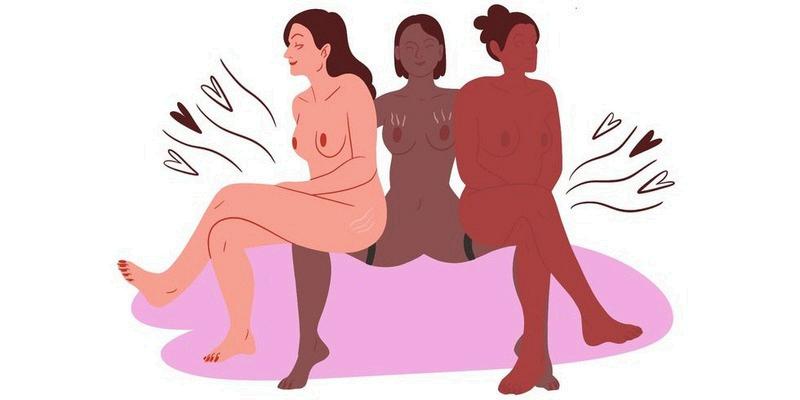
So, you and your partner (or maybe just you) are considering inviting a third into the mix? Exciting! Fun! Maybe a little nerve-wracking? That’s normal. Here’s how to make sure it’s sexy, safe, and drama-free.
Talk Before You Touch
Communication is everything. Are you both equally into this? What are your boundaries? What’s a definite yes, a maybe, and a hard no? Say it out loud before anyone takes off a single item of clothing.
Find the Right Third
This is not just a body—it’s a person. Whether it’s someone you know or a new connection, make sure everyone vibes. Nobody wants a night full of awkward silences or weird energy. And if it doesn’t feel right? Abort mission.
Safety First, Always
Condoms, dental dams, clean hands—pleasure and protection go hand in hand. Be as excited about safety as you are about the experience itself.
No Guilt, No Pressure
You can change your mind at any time. If someone isn’t feeling it, stop. No explanations needed. And if it happens and it’s a great time? Amazing. If it doesn’t? Also fine.
Aftercare Matters
Check in with each other. Did everyone have fun? Any weird feelings to talk through? Order some food, debrief, and make sure no one leaves feeling awkward or ignored.
A threesome should be pleasure-focused, shamefree, and drama-proof. Do it for fun, not for fear of missing out. And if it’s not your thing after all? No big deal—there are plenty of ways to explore pleasure together.
Stealthing is sexual violence
Stealthing refers to the non-consensual act of removing a condom during sexual activity without the awareness or consent of the other person or people involved