I a m t h e s u m t o t a l o f e v e r y t h i n g t h a t w e n t b e f o r e m e
decolonizethat plate!
Q: "Food as medicine"? Sounds a bit kooky, doesn't it? Like, is my spinach gonna cure everything?
Okay, let's unpack this. The idea of food as medicine isn't some new-age fad; it's ancient knowledge, deeply rooted in African traditions. Think about it: long before pharmacies, our ancestors used food – herbs, roots, grains – to prevent and treat illness.
Evidence: Studies have shown that many South African staples are packed with medicinal properties. For example, umhlonyane (African wormwood) has been used for generations to treat fever and flu, and modern research is backing up its anti-inflammatory and antimicrobial effects. Then there's rooibos, unique to South Africa, loaded with antioxidants that protect against cell damage.
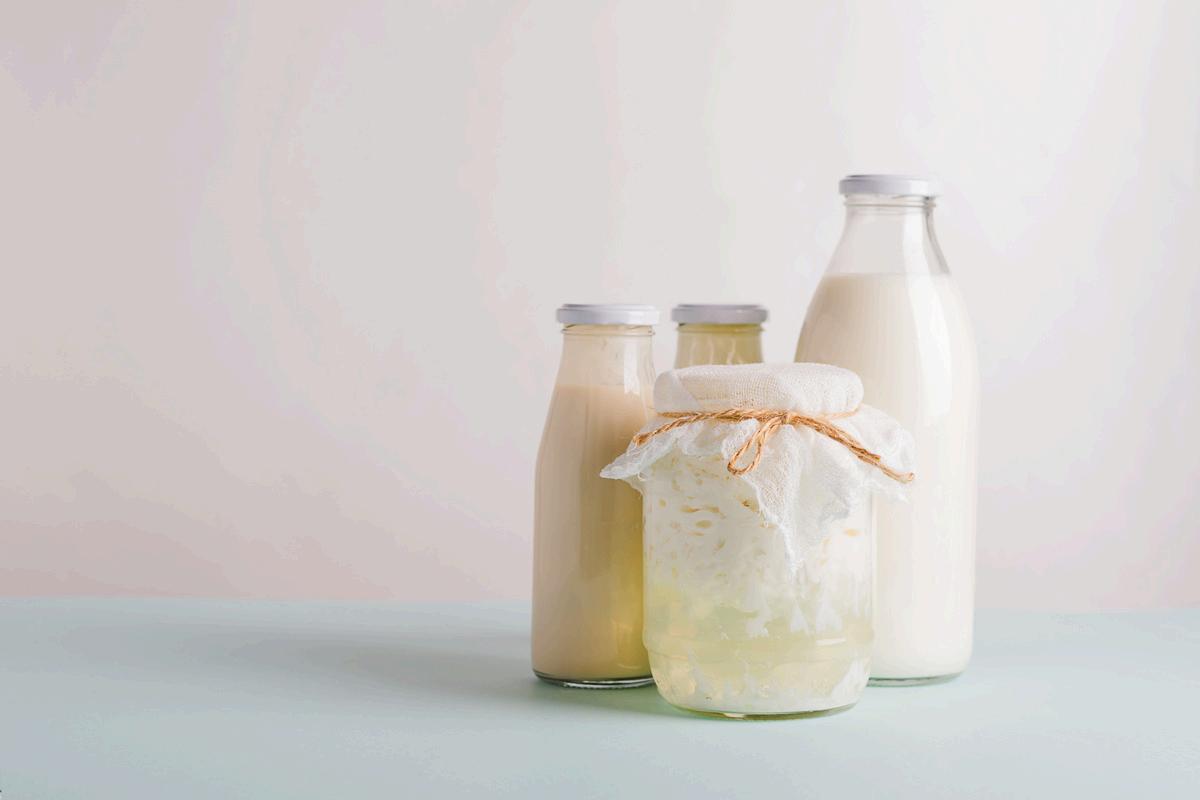
South African twist: And let's not forget amasi, that creamy, fermented milk that's been a South African staple It's packed with probiotics, which are amazing for gut health and boosting your immune system. Our ancestors knew this instinctively, using amasi not just as a delicious food but also as a way to maintain health
Remember imifino? Those wild greens your grandma used to cook up? Turns out, they're often nutritional powerhouses, containing more vitamins and minerals than your average cultivated veggies. This isn't just "kooky"; it's our heritage!
Q: But isn't "traditional" food unhealthy? Like, all that pap and meat?
Eish, this one gets under my skin! It's a classic example of how colonial narratives have twisted our perceptions. Yes, some traditional dishes, when eaten in excess and without balance, can contribute to health issues. But that's true of any food, right?
Reality check: Our ancestors had a diverse diet. They ate a variety of grains (like sorghum and millet), legumes, fruits, vegetables, and yes, meat, but often in smaller quantities than we do today.
Decolonising our plates: Think about how maize became such a dominant staple It was heavily promoted during colonialism, often displacing more nutritious indigenous grains. We need to reclaim that balance, celebrating the diversity of our food systems
Modernising tradition: We can enjoy pap! The key is in how we prepare it and what we eat with it Opt for less refined maize meal, pair it with imifino or other veggies, and use healthy fats. And let's not forget the variety of stews we make.
Q:
So, how do
I actually use food
as
medicine in my daily life? I'm not about to start foraging for herbs in the veld!
No need to go full Survivor (unless you're into that!). It's about making informed choices and reconnecting with the healing potential of everyday foods
Small changes, big impact: Start by incorporating more indigenous ingredients into your diet. Add rooibos tea to your daily routine, enjoy amasi with your meals, experiment with sorghum or millet porridge, and try to include a variety of colourful fruits and vegetables.
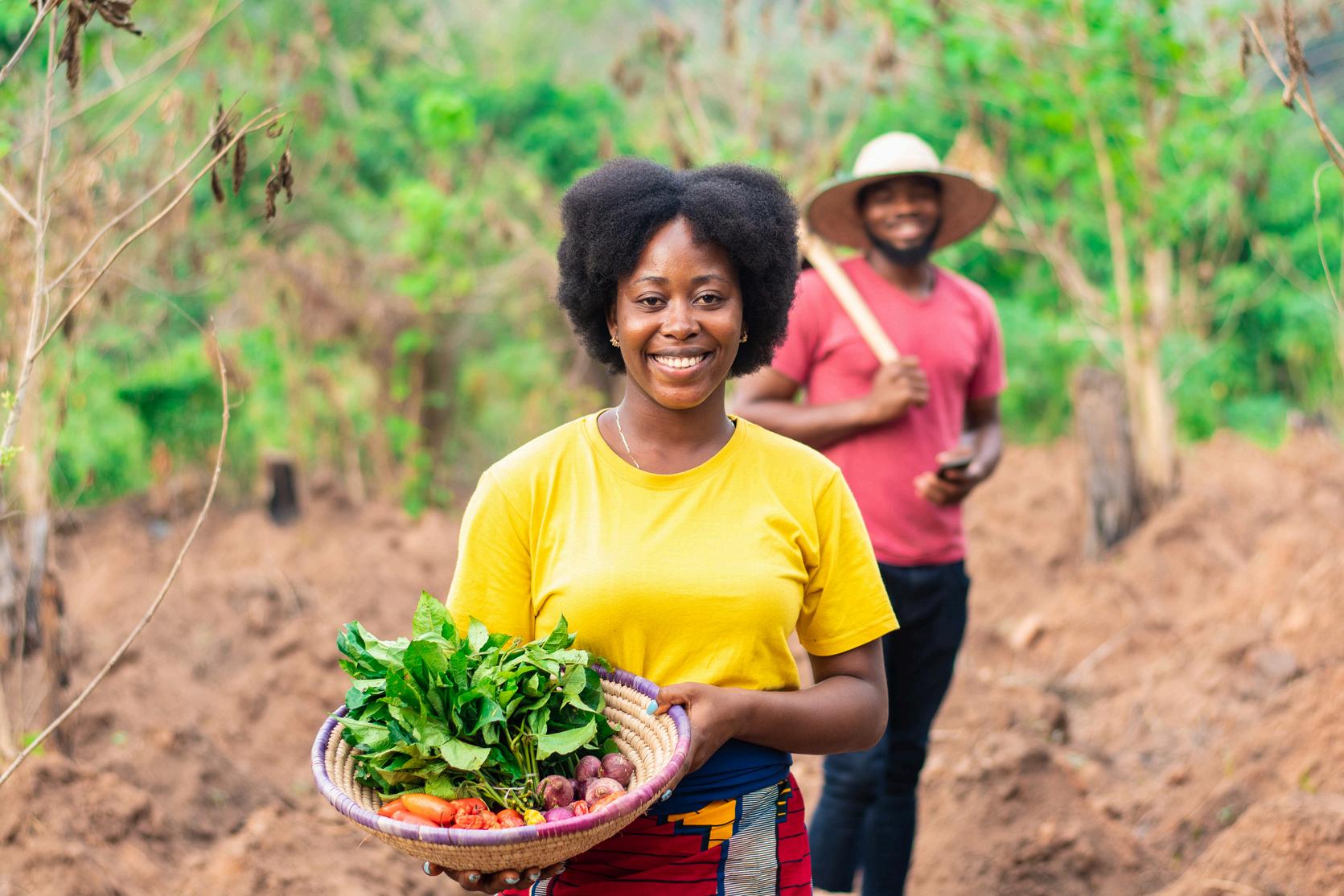
Support local: Buy from local farmers and markets. This not only gives you access to fresh, seasonal produce but also supports sustainable agriculture and our communities.
Embrace the kitchen: Cooking isnt a chore; it's an act of self-care and a way to connect with our food. Try out traditional recipes, experiment with new flavours, and most importantly, enjoy the process!
Radical self-care is community care: Remember that food is also about connection. Sharing meals with loved ones, celebrating with traditional dishes, and passing down recipes – these are all acts of radical care that nourish our bodies and our spirits.
Q: What about cost? Eating "healthy" always seems so expensive!
This is a real struggle, especially in a country with such inequality. But it's important to remember that "healthy" doesn't always mean "imported" or "trendy."
Affordable healing: Many indigenous foods are incredibly affordable Think about morogo, sweet potatoes, and legumes – these are all budget-friendly and packed with nutrients. Amasi is also relatively affordable and provides a wealth of health benefits. Grow your own: Even a small garden can make a difference. Growing your own herbs and vegetables is a way to take control of what you eat and reduce your grocery bill.
Community power: Co-ops and food-buying clubs can help you access fresh, affordable produce.
Lovers, reclaiming food as medicine is about more than just individual choices. It's about challenging the systems that make healthy food inaccessible, celebrating our culinary heritage, and empowering ourselves to nourish our bodies and our communities. It's about time we rewrite the narrative and reclaim our delicious, healing birthright.
A BUFFET FOR THE BODY AND THE SOUL A BUFFET FOR THE BODY AND THE SOUL
CAPE TOWN INTERNATIONAL JAZZ FESTIVAL 2025
CAPE TOWN INTERNATIONAL JAZZ FESTIVAL 2025
by:Lulama Mali
“Then came dessert, or perhaps the main course, in the form of Thandiswa Mazwai. No matter how many times she appears, it always feels like your first bite of something familiar yet transcendent. She is sweetness and sting.”
IftheCapeTownInternationalJazzFestivalwereabuffet,itwouldbeafeastwhere every dish holds a memory and every note carries the scent of something slowcooked. Held over the weekend of 25 and 26 April, this year’s edition plated up something far richer than music. It was a tasting menu of sound, memory, and medicine
My method for approaching buffets and festivals is the same; My method for approaching buffets and festivals is the same; survey the spread, trust the gut, survey the spread, trust the gut, and move with intention. You can’t sample everything, but you can follow your cravings. and move with intention. You can’t sample everything, but you can follow your cravings.
I opened with Nomfundo Xaluva, all warmth and layered depth. Her voice moved like a light soup - comforting, yet complex. Then came Thembi Mtshali, a living archive, serving vocal wisdom with the finesse of a slow-cooked stew that demands silence whileyouchew
Malcolm Jiyane's ensemble brought the spice. Just when the flavour profile had settled, Nosisi Ngakane appeared, adding texture and heat, like a late twist of raw ginger.Theirsetremindedusthathealingsometimesstingsbeforeitsoothes
The collaboration between Nduduzo Makhathini and Black Coffee felt like a Sunday lunch hosted by jazz mystics and beat prophets. Their table brought out Bucie, honeyed and tender; Msaki, all fermentation and poetry; Omagugu, rooted and bold; and Mondli, the smoked undertone that anchored the spread. Together, they dished up a sonic communion with each artist a carefully choseningredientinabrothbrewedtorememberwhoweare.
NduduzoMakhathini
NubyaGarcia
Bongeziwe
“Together, they dished up a sonic communion with each artist a carefully chosen ingredient in a broth brewed to remember who we are.”
Midway through the festival, I took a breather near the food stalls, holding a plate piled high with something warm and familiar, the kind of dish that doesn’t need a name to be known. Next to me, a woman spoke of perimenopause and the herbs her aunties swore by. Between bites, we traded stories about pain, about playlists, about what it means to care for a body that is always expected to endure. The air around us shimmered with spice and basslines, oil and laughter. Sometimes the real nourishment happens off stage, in fleeting moments of recognition and in conversations that season us differently.
Then came dessert, or perhaps the main course, in the form of Thandiswa Mazwai. No matter how many times she appears, it always feels like your first bite of something familiar yet transcendent. She is sweetness and sting. Her set reminded us that nostalgia isn’t just memory, it’s medicine. She closed the night by opening something inside each of us.
This year’s Cape Town International Jazz Festival wasn’t just about entertainment. It was a celebration of nourishment, musical, emotional, ancestral. It invited us to remember the foods and sounds that shaped us, while pointing toward new ways of feeding ourselves well.
In a world that often rushes women through their pain and expects silence with their strength, this weekend was a reminder: being well-fed is a right, not a luxury. And sometimes, the best meals are the ones that taste like home, but surprise you with something new.
The act of preparing a meal for a lover can be an incredibly intimate experience, a form of foreplay that engages all the senses The rhythmic chopping of vegetables, the heady aroma of spices simmering in a pan, the careful selection of ingredients – it's a symphony of anticipation.
A lover lovingly preparing a meal, taking care to include all your favourite things, perhaps incorporating ingredients known to be sensual. The effort and attention speaks volumes. The sensuality of the kitchen: the warmth, the shared tastes and stolen kisses The ultimate act of service: Nourishing your beloved is a primal and powerful way to express love.
Think of the shared delight of feeding each other a perfect bite, perhaps a piece of fruit, its juices mingling on your lips. The focus is entirely on your lover and their pleasure. The intimacy of touch: a gentle hand, a lingering gaze This act can be arousing for both the feeder and the fed, blurring the lines between the culinary and the carnal.
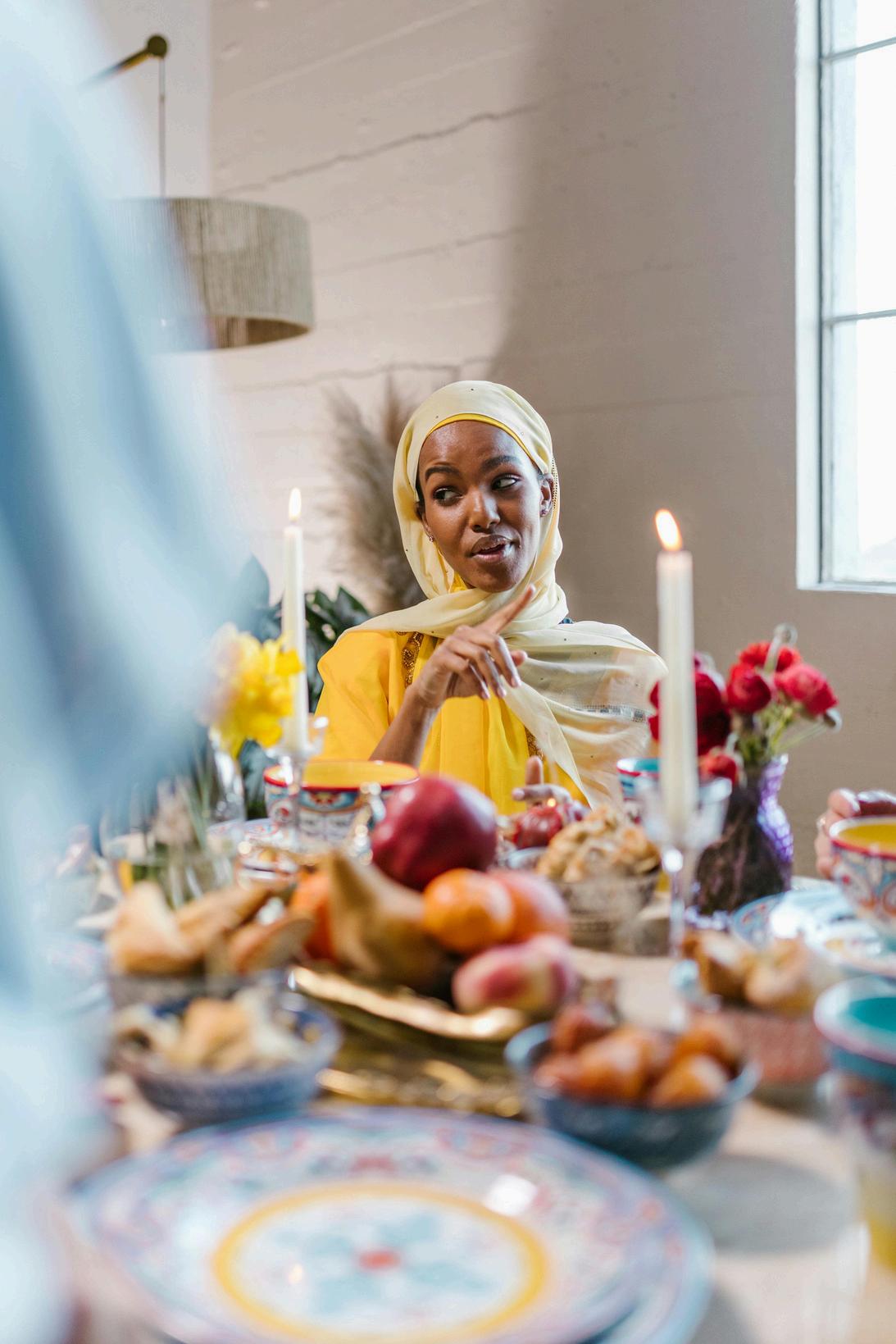
Food, when shared, creates a space for connection It's around the table that we talk, laugh, and truly see each other Shared meals, whether a simple breakfast or a lavish dinner, are the backdrop for some of our most cherished memories.
Shared Meals, Shared Intimacies: A Communion of Souls
The intimacy of conversation over a meal of fragrant tagine or spicy stew. The comfort of sharing a meal after a long day, a chance to reconnect and unwind, perhaps with a glass of umqombothi ( I bet you thought wine) or a soothing rooibos tea. The joy of discovering new flavours together, expanding your world as a couple. A shared meal is a metaphor for the of ingredients, a balance of flavours, and the nourishment of two souls. Relationship itself is a blending
In the end, food and love are inextricably intertwined They both nourish us, body and soul, and they both have the power to transform the ordinary into the extraordinary. In the African context, this is a legacy we inherit, a tradition of sensuality, community, and the celebration of life through the shared enjoyment of food.
"In isiXhosa, there is a concept of amahilihili, which references an aimless wanderer, someone who moves freely and without strict purpose.
In a way, this describes the journey of African food itself – a journey of movement, adaptation, and joyful evolution, shaped by countless hands and stories." Your brain may cue the Simphiwe Dana song "Ulihilihili" and may be that is what we are.
Down in the Great Lakes region, the act of preparing ugali or posho - a stiff maize porridge - is often a collective effort, a rhythmic dance of hands and laughter, strengthening bonds as much as it strengthens bodies. It's a tradition that speaks to the shared labour and communal spirit that underpins so much of African food culture.
And let's not forget the coastal regions, where the bounty of the ocean is shared with equal gusto. Think of a Zanzibari pilau, fragrant with spices brought by traders from across the Indian Ocean, served family-style, or a South African braai, where friends and family gather around the fire, each contributing to the feast, each sharing in the pleasure. These culinary traditions, born from the interaction of cultures and the abundance of the land and sea, are a testament to the dynamic and evolving nature of African cuisine.
Our culinary history is as diverse and vibrant as the continent itself. Take, for instance, the ancient grain sorghum, or amabele as it's known in some parts of Southern Africa. Much like the amahilihili moving across the landscape, this grain has journeyed through time and space, adapting to different environments and nourishing communities. It's not just a grain; it's a survivor, a staple, a source of nourishment and joy. From the earliest fermented porridges to the celebratory sorghum beers of various cultures, it has brought people together for millennia.
In West Africa, the story of groundnuts (peanuts) is intertwined with community. These versatile legumes, carried by traders and travelers, became more than just a food source; they were woven into the social fabric, becoming a symbol of prosperity and were used in a variety of stews and sauces, shared generously during gatherings.
PLEASURE AS A BIRTHRIGHT, A RITUAL
"We must reclaim our stories, our bodies, and our pleasure They are not luxuries; they are fundamental to our liberation." - A sentiment shared across the works of numerous African feminists, though expressed in various ways.
Food, in its preparation and consumption, has always been deeply intertwined with pleasure in African societies. It's not just about filling a hole; it's about savouring the moment, connecting with others, and experiencing joy through the senses. This pursuit of pleasure is not a frivolous indulgence, but a fundamental aspect of human experience, a way to celebrate life and affirm our existence.
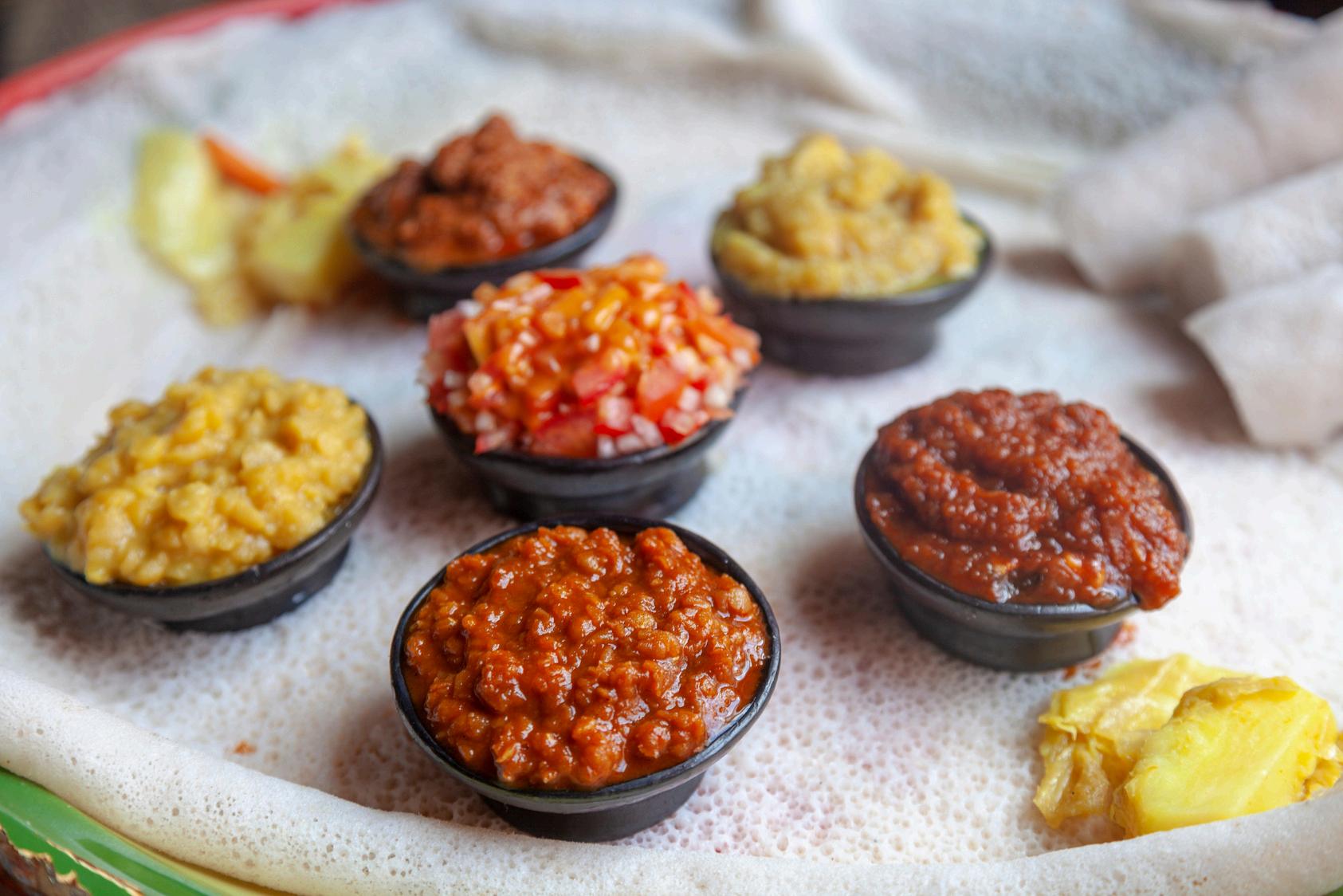
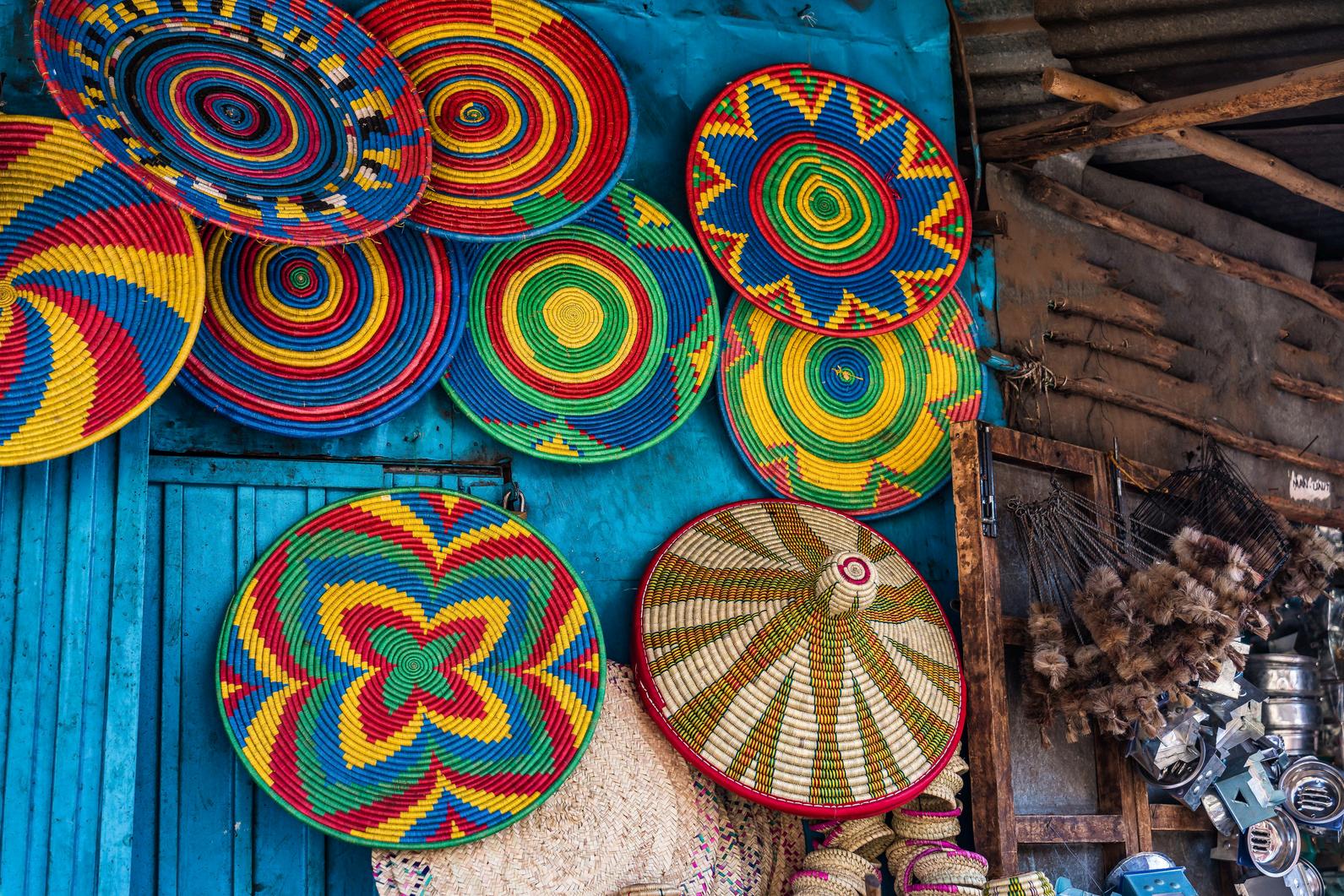
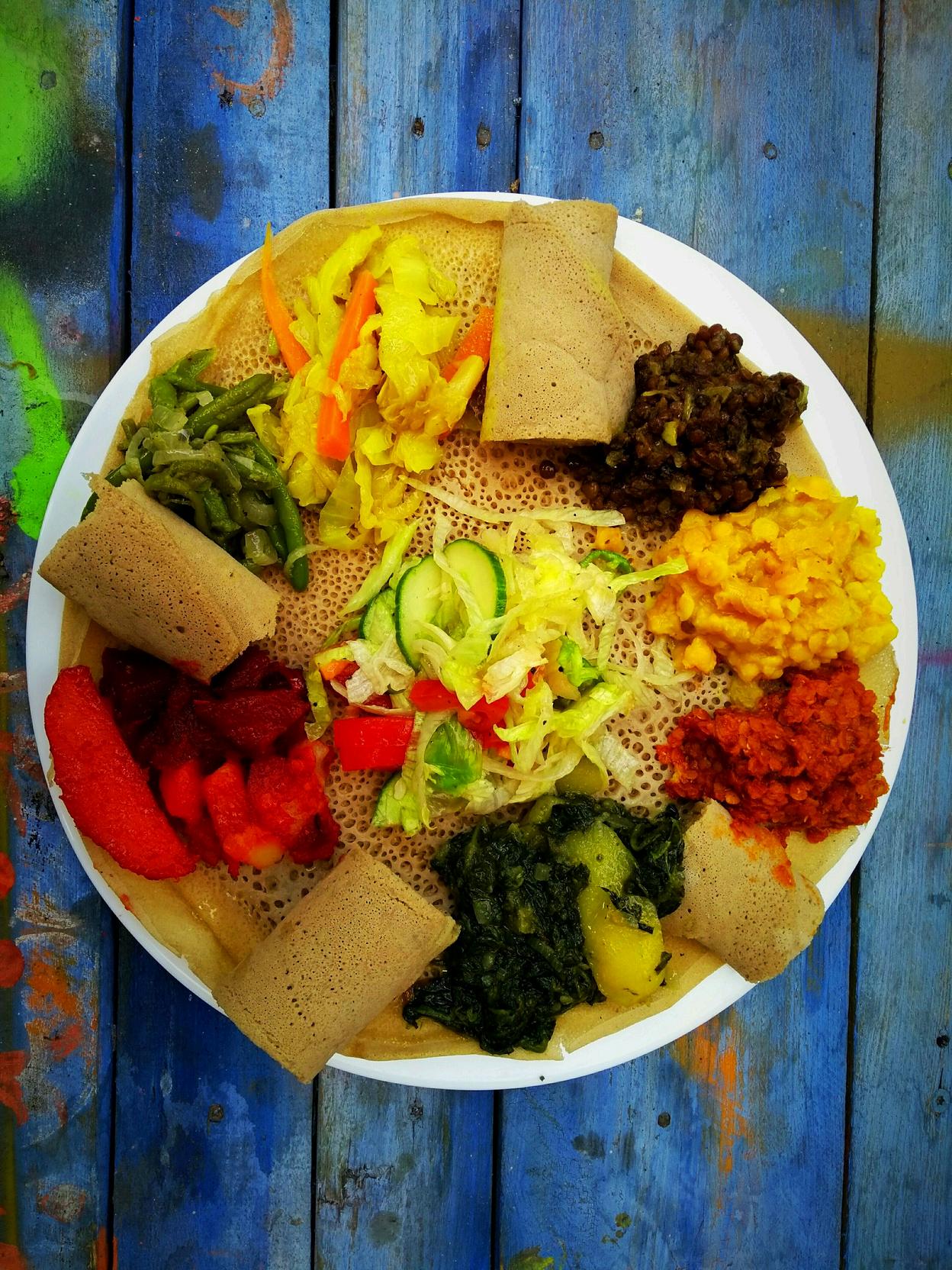
In Ethiopia and Eritrea, the shared messob - a large woven basket holding a variety of stews and injera - is more than just a serving vessel; it's a symbol of hospitality and communal eating, where everyone eats from the same dish, fostering a sense of togetherness and shared experience.
The act of sharing kola nuts in West Africa is a ritual, a gesture of respect and friendship, accompanied by conversation and laughter. It's a moment of connection, a pause in the day to acknowledge and appreciate the presence of others.
And in many communities, the preparation of food for ceremonies – weddings, births, funerals – is a collective undertaking, a labour of love that brings people together and strengthens social bonds. These traditions highlight the central role of food in marking significant life events and reinforcing community ties.
"Our food is a testament to our resilience, our creativity, and our connection to the land. It is a story of survival and celebration." - An amalgamation of themes found in African food writing and oral histories.
Our ancestors, in their own way, were amahilihili, moving across the land, adapting to its rhythms, and creating a tapestry of culinary traditions that nourished both body and soul. They understood the profound connection between food, health, and community. They knew that a shared meal could heal a broken heart, celebrate a victory, or simply bring joy to a weary soul.
As we move forward, let us embrace this rich heritage. Let us continue to celebrate the collective pleasure of food, to reclaim our culinary traditions, and to create a future where everyone has access to the nourishment and joy that comes from sharing a meal. Because, ultimately, the story of African food is a story of togetherness, a story we continue to write with every shared plate, every shared laugh, and every delicious bite.
by: Kanyisa Booi
FOOD IS LOVE
The world has become increasingly globalised, with many families scattered across continents and even within different provinces of the same country. This presents unique challenges, especially when it comes to raising children and ensuring they maintain a strong connection to their cultural heritage. Food, a powerful symbol of identity and belonging, often becomes a key battleground in this long-distance parenting scenario. How do we, as parents living far away, sometimes in different countries or even continents, ensure our children enjoy our food and don't lose their palates to the allure of fast food and the Americanisationofcuisine?
The glamorisation of American food, with its flashy marketing and ubiquitous presence, can be particularly difficult to compete with. Children are bombarded with images of towering burgers, sugary cereals, and processed snacks, often presented as the epitome of cool and desirable Thiscancreateadisconnect,wheretraditionaldishesareperceivedas"boring"or "uncool"incomparison.Thischallengeisfurthercompoundedbytheeaseandconvenienceof accessingsuchfoods,makingthemaseeminglymoreattractiveoptionforbusyfamiliesand childrenwithdevelopingpalates.
However, it is crucial to remember that food is more than just sustenance. It is a vessel for cultural transmission, a source of comfort and nostalgia, and a way to connect with our roots Aslong-distanceparents,weneedtobeproactiveandcreativeinfosteringalovefor our food in our children. This requires a multifaceted approach that addresses both the practicalchallengesofdistanceandtheemotionalconnectiontoourheritage. L O N GD I S T A N C E P A R E N T I N G
Food sits at the heart of our humanity. Physically, we need it to survive every day. Spiritually, food has an incredible ability to connect us. Whether it's a wedding celebration or a funeral, food is always present — offering comfort, creating community. It’s fascinating how food can create safe spaces and even heal us. Think about those tense meetings that suddenly lightened up after a few snacks or a hearty meal. It's almost as if food brings clarity — that much-needed ingredient for navigating everyday life. It would make perfect sense for you to continue reading this piece with a little something to eat, just to help it all go down nicely.
Human evolution meant that the relationship people have with food changed. Nutritional insights have informed this on portions, types of food, and consumption of food. In an era where you must pay attention to what goes into your mouth, seeing food as an enemy is inevitable. In 2023, Affinity Health wrote an article on food myths and debunked the myth that all fat is bad for you. “ In most cases, dietary experts have attributed fat to weight gain because most fats contains more calories per gram compared to carbohydrates or proteins,” it read. While it is important for you to watch your intake of amagwinya and fried chips, there are great fats in avocado that can help you absorb particular vitamins. It helps with weight management and promoting heart health, amongst others.
"THE REALITY IS THAT CANNED OR FROZEN FOOD IS JUST AS GOOD"
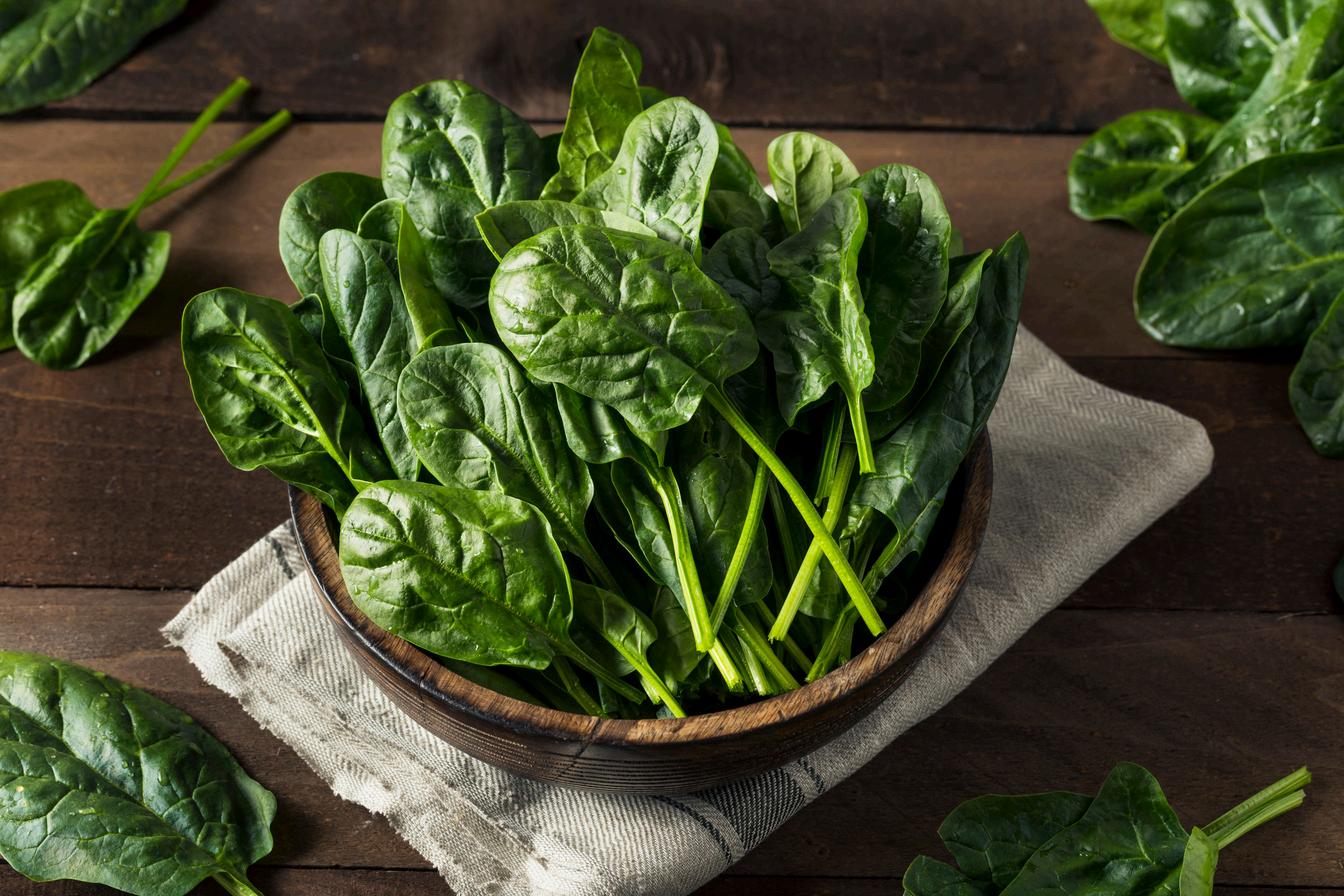
In a time where we buy almost everything we eat, the freshness of food is always questionable. It is easy to believe that the spinach from your backyard garden is much healthier than the one you buy from the shop because of its reduced exposure to chemicals and control. The reality is that canned or frozen food is just as good. Considering the times we live in, canned and frozen foods tend to be slightly cheaper. Dimakatso Sithole from Soweto said that she tries to get the best of both worlds. “ I will never give up growing my own food because it helps when I don’t have money to buy tinned stuff,” she said. For Dimakatso, growing her food is part of her identity as a young woman with rural roots. “It’s just always better to know where exactly your food came from so you can enjoy it without doubts or worries about falling sick,” she explained.
“Food brings people together on many different levels. It’s nourishment of the soul and body, it’s truly love.”
We must shift our food paradigm to realise that it is more than just about our taste buds, flavor, and enjoyment. If we reclaimed food as medicine, we would make more collaborative efforts to fight rising food insecurity levels in our country. In 2023, a report by Stats SA revealed that about 2.1 million South African households were experiencing hunger. Reclaiming food as medicine presents us with the opportunity to understand that we heal when we are full. Stomach politics is a real thing. Giada De Laurentiis once said, “Food brings people together on many different levels. It’s nourishment of the soul and body, it’s truly love.”
aquickie
The afternoon sun dripped gold through the veranda, painting Thando in a light that made my breath hitch in my throat. She was stirring the isitambu, the maize and beans bubbling gently in the clay pot, its earthy aroma a primal invitation. But it was the way she moved – the slow, deliberate sway of her hips, the focused curve of her spine, the soft hum that vibrated not just in the air, but deep within my own core – that transformed the mundane into a symphony of the senses. A prelude to something exquisitely forbidden.
"Almost ready," Thando murmured, not turning, her voice a low caress that resonated through me, a vibration against my very bones. I leaned against the doorframe, suddenly clumsy with a wanting so profound it stole my breath. My body was singing, a low, insistent thrum of anticipation.
“She dipped the wooden spoon into the creamy isitambu… daring me.”
"Smells incredible," I managed, my voice a rough, unfamiliar husk.
She glanced back then, her gaze lingering on me, a slow, deliberate smile spreading across her face, and my insides did that familiar, inconvenient flip. My stomach dropped, a dizzying lurch of pure desire. "Come here, Neo," she said, her eyes, the colour of rich, fertile soil, holding mine captive, promising a feast far richer than the one simmering on the stove.
I crossed the small kitchen, the worn wooden floorboards grounding me, the heat from the stove a delicious contrast to the cool sweat beading on my brow. I stopped just behind her, the scent of her, a heady, intoxicating mix of woodsmoke, warm skin, and the subtle sweetness of ripe mangoes, enveloping me, claiming me.
"Taste," Thando instructed, her voice a sultry purr that sent shivers of longing down my spine. She dipped the wooden spoon into the creamy isitambu, the thick mixture clinging to it like a lover's caress, and held it out to me, her gaze never leaving mine, daring me.
And let me tell you, some of our traditions? Whew. They know how to set the mood. Take umqombothi for instance This isn't just any old brew, right? It's a traditional beer, often shared at ceremonies and let's just say it gets people feeling good. It's warmth, it's community, it's a shared experience that opens you up, you know? That's the foundation of so many of our intimate moments
Food, in its essence, is about nourishment But when shared with someone we love, it transcends the merely physical and becomes a potent ingredient in the recipe of intimacy. It's a language of love, spoken through the sizzle of spices, the gentle offering of a morsel, and the lingering taste of a shared delight In the African context, this connection is deeply woven into our cultural practices, where food is not just sustenance, but a celebration of life and love.
Aphrodisiacs: A Taste of Desire
The idea that certain foods can ignite passion is ancient, woven into the folklore of cultures around the world. While scientific evidence is often mixed, the belief in aphrodisiacs persists, fuelled by centuries of anecdotal tales and the undeniable link between our senses and our desires.
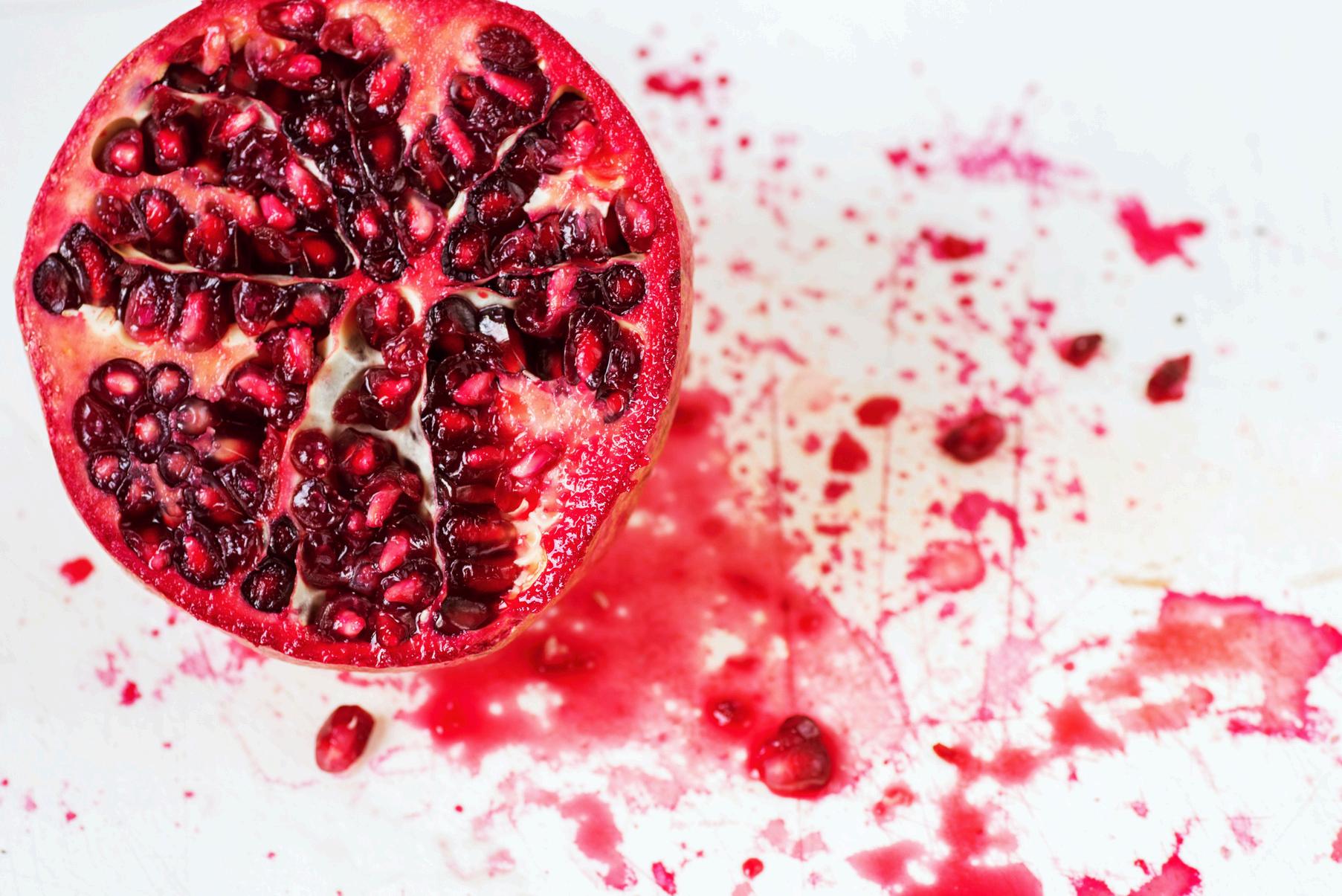
Pomegranate
Pomegranates, with their vibrant colour and many seeds, have long been associated with fertility and abundance in African cultures. The act of sharing this fruit, its sweet-tart juice staining the fingers, can be a sensual experience
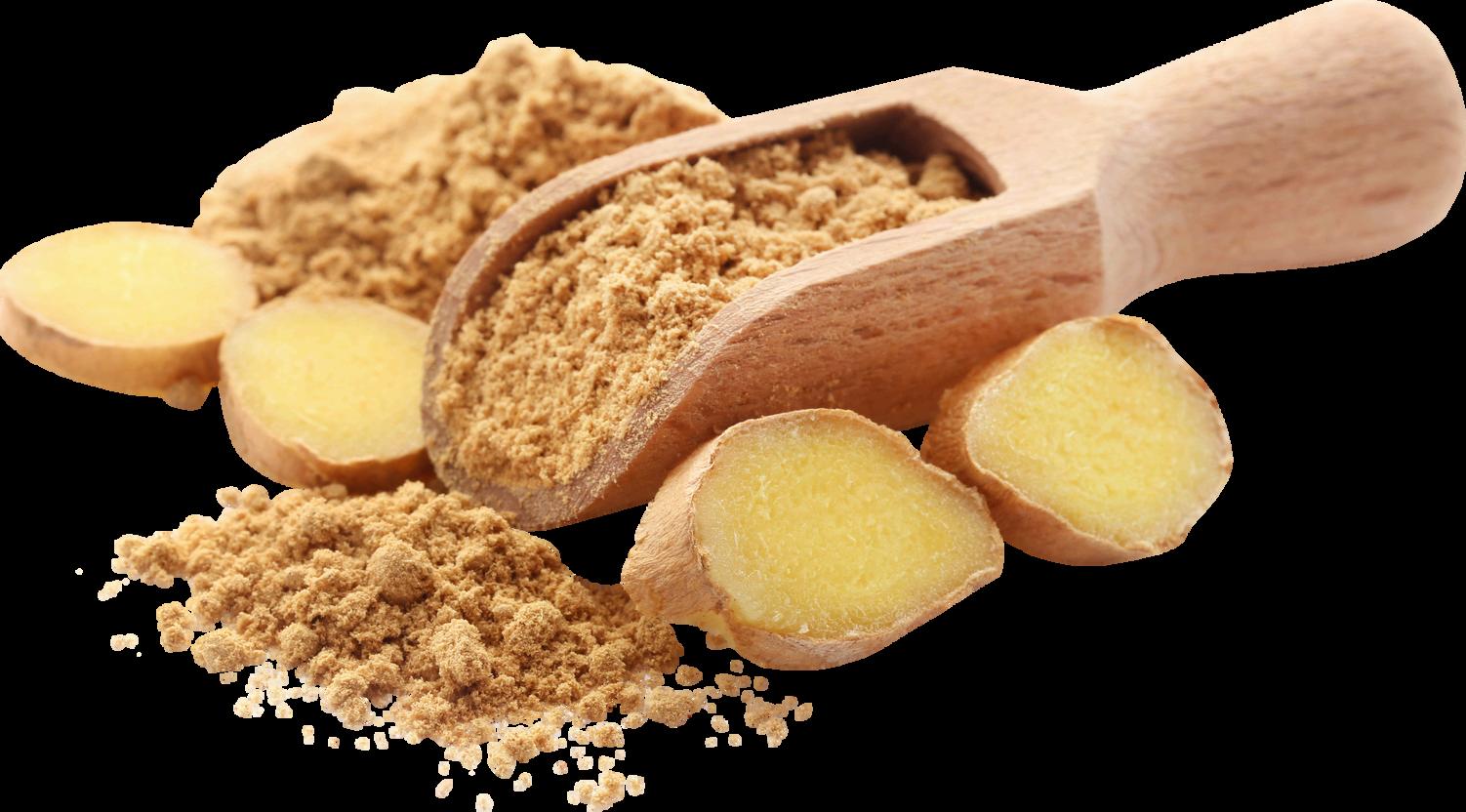
Ginger
Honey Honey
Ginger, a spice widely used across the continent, from North African tagines to Ethiopian stews, is known for its warming properties It stimulates circulation, which, according to traditional beliefs, can enhance arousal. Think of the tingle of ginger in a spicy dish, arousing the palate and perhaps other senses too
Honey, that golden nectar, has been linked to Honey, that golden nectar, has been linked to fertility and is rich in boron, which helps the fertility and is rich in boron, which helps the body metabolise oestrogen. In many African body metabolise oestrogen. In many African cultures, honey is also used in traditional cultures, honey is also used in traditional ceremonies, symbolising sweetness and ceremonies, symbolising sweetness and bblessings. lessings.
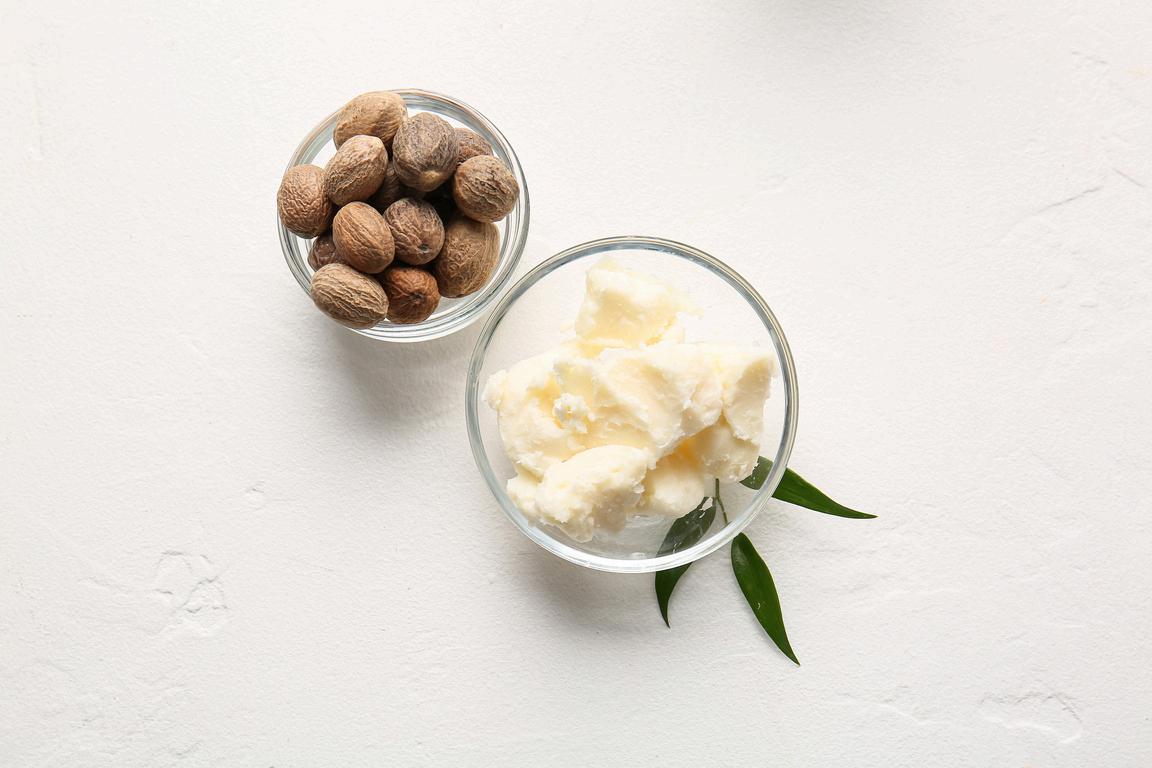
Shea Butter
Shea butter, derived from the nuts of the shea tree, is a staple in many African households Eaten for its healthy fats, it's also a luxurious moisturiser, used to soften and nourish the skin Imagine a lover massaging shea butter onto your skin, the earthy scent mingling with the warmth of their touch
Coconut Oil
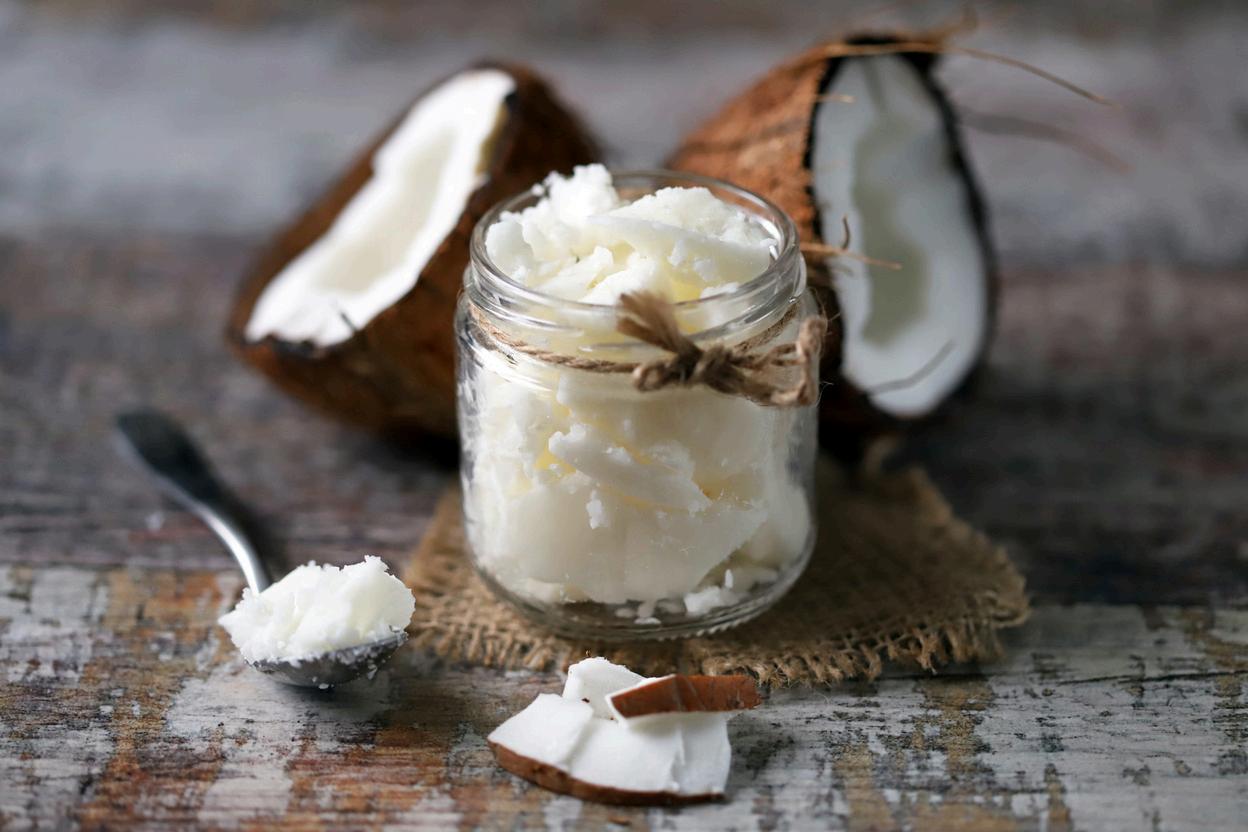
Coconut oil, another versatile ingredient, is used in cooking across the continent, from West African stews to East African curries. It's also a fantastic emollient, used to hydrate and protect the skin. A shared massage with coconut oil can be a deeply sensual experience.
Aloe Vera
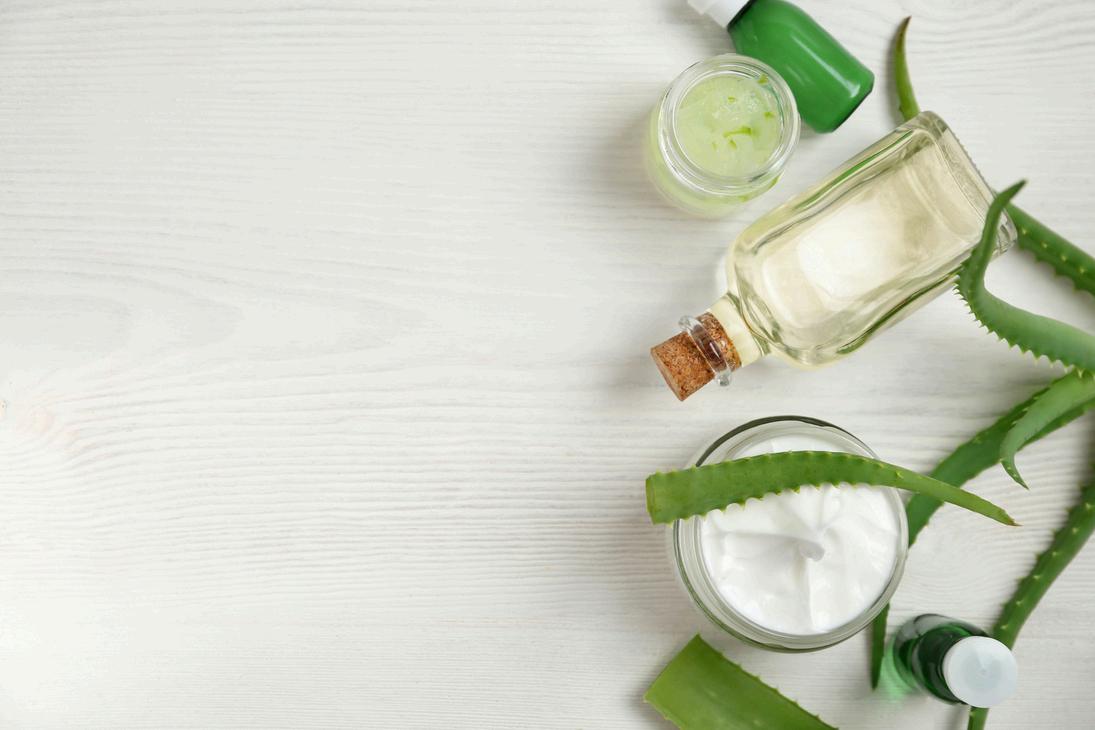
Aloe vera grows in many parts of Africa, and its gel is renowned for its healing properties. While the plant's juice is sometimes consumed for its health benefits, its soothing gel is also used to cool and moisturise the skin, perfect for a sensual massage on a hot day.
Marula Oil
Marula oil, from Southern Africa, is rich in antioxidants and fatty acids. It's used both in cooking and as a skin and hair treatment.