
Pediatric Dentist Guide: How to Care for Your Child's Teeth
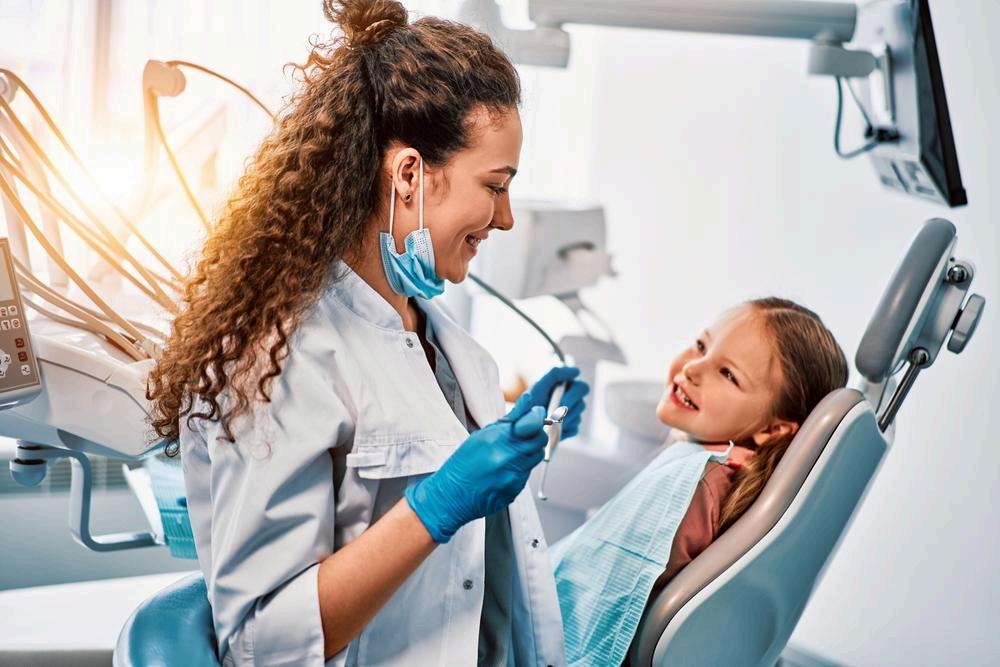
Many parents focus on their child's overall health but overlook dental care until a problem shows up. The truth is, children's oral health starts earlier than most people think, and the habits built in those early years shape a child's smile for life.
Cavities are the most common chronic childhood disease, but they are almost entirely preventable. Untreated dental problems can affect how children eat, speak, sleep, and even learn Starting early and staying consistent makes a real difference
At EverSmile Dental Associates, we work with families every day to give children the healthiest possible start, and it begins with knowing what to do and when.

Website: https://www.eversmiledentalassociates.com/
Email: frontdesk@eversmiledentalassociates.com


Why Children's Dental Health Is So Important
Baby teeth matter more than most parents realize. They are not just temporary placeholders they play an active role in your child's development
Baby teeth help children:
● Chew food properly for healthy nutrition
● Develop clear speech and language skills
● Hold the space in the jaw for permanent teeth to grow in correctly
When baby teeth are lost too early due to decay, nearby teeth can shift into the empty space This can cause alignment problems that require orthodontic treatment later on Early dental issues can also lead to pain, infections, and missed school days all of which affect a child's daily life
Taking care of your child's teeth from the very beginning sets them up for better oral health and overall well-being as they grow.
When Should Your Child First Visit a Pediatric Dentist?
Most dental associations, including the American Academy of Pediatric Dentistry, recommend a child's first dental visit by their first birthday or within six months of their first tooth appearing whichever comes first
That may seem early, but there are good reasons for it:
● It allows the dentist to check that teeth and gums are developing normally
● Parents get hands-on guidance for cleaning their baby's teeth at home
● It helps children get comfortable with dental visits from a young age
● Early issues like early decay or bite concerns can be caught and addressed before they worsen
Starting early removes the fear of the unknown Children who visit a dental office in Goldsboro, NC, regularly from a young age tend to have far less dental anxiety as they grow older
How to Care for Your Child's Teeth at Every Stage
Infant Dental Care (0 to 2 Years)
Dental care starts before the first tooth even appears. After feedings, gently wipe your baby's gums with a clean, damp cloth to remove bacteria and milk residue
Website: https://www.eversmiledentalassociates.com/
Email: frontdesk@eversmiledentalassociates.com
Once the first tooth comes in:
● Use a soft-bristled infant toothbrush
● Apply a tiny smear of fluoride toothpaste about the size of a grain of rice
● Brush gently twice a day
● Never put your baby to sleep with a bottle of milk or juice, as this pools sugar against the teeth and causes early decay
Toddler Dental Care (2 to 5 Years)
At this stage, your child has more teeth and needs a more consistent routine.
● Brush twice a day for two minutes each time
● Use a pea-sized amount of fluoride toothpaste
● Always supervise brushing toddlers do not have the coordination to clean their teeth effectively on their own
● Begin introducing flossing once two teeth are touching side by side
Make brushing part of the morning and bedtime routine so it becomes a natural habit rather than a daily battle
Kids Dental Care (6 Years and Older)
As children grow, they can take more responsibility for their own oral hygiene but they still need parental guidance
● Continue supervising brushing until around age 8 to 10
● Reinforce daily flossing
● Keep up with dental office visits in Goldsboro every six months
● Ask your dentist about sealants and fluoride treatments as permanent teeth come in
Daily Oral Hygiene Routine for Kids
A simple, consistent routine is the foundation of good children's oral health
● Brush twice a day using a soft-bristled toothbrush and fluoride toothpaste
● Brush for a full two minutes each time, covering all surfaces of every tooth
● Floss once a day as soon as teeth start touching
● Rinse with water after meals when brushing is not possible
● Replace the toothbrush every three to four months or after illness
Fluoride is an important part of this routine. It strengthens tooth enamel and helps protect against cavities It is safe for children in age-appropriate amounts
Website: https://www.eversmiledentalassociates.com/
Email: frontdesk@eversmiledentalassociates.com
Best Diet for Healthy Teeth
What your child eats has a direct impact on their dental health. Sugar is the main driver of tooth decay it feeds the bacteria that produce acids, which slowly eat away at enamel
Encourage:
● Water as the main drink throughout the day
● Fruits and vegetables, which naturally clean teeth and support gum health
● Dairy products like milk, cheese, and yogurt, which provide calcium for strong teeth
Limit:
● Sugary drinks including juice, soda, and sports drinks
● Sticky snacks like gummies, dried fruit, and chewy candy
● Frequent snacking, which keeps sugar in contact with teeth throughout the day
You do not have to eliminate treats entirely. Just be mindful of frequency and encourage rinsing with water after sugary snacks
Common Dental Problems in Children
Knowing what to watch for helps you act early. Common issues in children include:
● Cavities: The most frequent dental problem in kids, often forming between teeth or on chewing surfaces
● Gum inflammation: Red, puffy, or bleeding gums are a sign that brushing and flossing need improvement
● Tooth sensitivity: Sensitivity to sweet, hot, or cold foods can signal enamel erosion or early decay
● White or brown spots on teeth: These can be early signs of decay and should be checked promptly
Most of these problems are easy to treat when caught early. That is exactly why regular checkups matter
Tips to Make Dental Care Fun for Kids
Getting children on board with brushing and flossing does not have to be a struggle A few simple strategies make a big difference:
● Let your child pick their own toothbrush character brushes or favorite colors make brushing more appealing
Website: https://www.eversmiledentalassociates.com/
Email: frontdesk@eversmiledentalassociates.com
● Play a two-minute song while brushing so they know when they are done
● Use a brushing app or timer to keep things engaging
● Praise and reward consistent brushing habits a simple sticker chart works well for younger children
● Brush alongside your child so they see it as a normal part of the family routine
When dental care feels like a routine rather than a chore, children stick with it far more consistently
Preventive Dental Treatments for Children
Beyond regular cleanings, your child's dentist may recommend additional preventive treatments:
● Fluoride treatments: Applied during dental visits to strengthen enamel and provide extra protection against cavities
● Dental sealants: A thin protective coating applied to the chewing surfaces of back teeth, where most childhood cavities form. Sealants can prevent up to 80 percent of cavities in those areas
● Regular cleanings: Remove plaque and tartar buildup that home brushing misses and allow the dentist to monitor your child's dental development
These treatments are simple, quick, and highly effective They are especially valuable as permanent teeth come in during the early school years
How Often Should Kids Visit the Dentist?
Most children should visit the dentist every six months Some children may need more frequent visits if they:
● Have had cavities before
● Have a higher risk of tooth decay due to diet or home care habits
● Are going through significant dental development changes
Regular visits allow your dentist to track how teeth are growing, catch problems early, and give you updated guidance as your child gets older
Role of Parents in Children's Dental Health
Parents are the single biggest influence on a child's oral health habits. Here is how you can make the most impact:
Website: https://www.eversmiledentalassociates.com/
Email: frontdesk@eversmiledentalassociates.com
● Supervise and assist with brushing until your child can do it thoroughly on their own
● Set consistent morning and bedtime routines that include brushing and flossing
● Model good habits when children see their parents brushing, they are more likely to take it seriously
● Limit sugary foods and drinks at home
● Keep dental appointments and talk positively about the dentist so your child does not develop anxiety around visits
Your involvement in the early years builds habits that your child will carry into adulthood.
Conclusion
Caring for your child's teeth is one of the most important things you can do for their health and confidence. Starting early, staying consistent, and keeping up with professional dental visits gives your child the best possible foundation for a lifetime of healthy smiles
Healthy habits begin in childhood and the earlier you start, the easier it is to maintain them.
At EverSmile Dental Associates in Goldsboro, NC, Dr Khushbu Patel and Dr Orlando Stovall provide compassionate, child-friendly dental care in a welcoming environment. From your child's very first visit to their teenage years, the team at EverSmile Dental Associates is here to support every stage of their dental development
Schedule your child's dental visit with EverSmile Dental Associates today because a healthy smile for your child starts here
Frequently Asked Questions
When should I start brushing my child's teeth?
Start as soon as the first tooth appears. Before teeth come in, wipe gums with a clean damp cloth after feedings Use a soft infant toothbrush and a rice-sized smear of fluoride toothpaste once teeth erupt
How do I prevent cavities in kids?
Brush twice daily with fluoride toothpaste, floss once teeth are touching, limit sugary foods and drinks, keep up with dental visits every six months, and ask your dentist about sealants and fluoride treatments.
Is fluoride safe for children?
Yes Fluoride is safe and effective in age-appropriate amounts A rice-sized smear is recommended for children under three, and a pea-sized amount for children three and older. Your dentist can guide you based on your child's specific needs
Website: https://www.eversmiledentalassociates.com/
Email: frontdesk@eversmiledentalassociates.com
How often should kids see a dentist?
Every six months is the standard recommendation for most children. Some may need more frequent visits depending on their individual risk factors
Website: https://www.eversmiledentalassociates.com/
Email: frontdesk@eversmiledentalassociates.com