Democracy is being reshaped. So
are we.
are we.
Technological change is outpacing governance. Public trust is stretched thin. Political discourse is increasingly mediated by platforms that reward outrage more than understanding, that favour black-and-white debate over deliberation. Democratic norms are not simply being debated; they are being stress-tested.
Young people are growing up inside this reality. They are organising within it, pushing against it, sometimes trying to walk away from it, but being shaped by it whether they like it or not.
The pace is disorienting and the consequences are not abstract. In this context, incremental grant-making is not enough. To be effective during periods of rapid change, organisations need a defined sense of purpose and direction. Foundations must be clear about their role. What are we actually here to do?
In 2025, we announced a shift and sharpening in focus, responding directly to this political and social context in a way that makes space for the experimentation that has always been our hallmark. “Exploring the intersections of democracy, youth and technology” is our new
tagline. And that is exactly what we have begun to lay the groundwork for.
A generational transition in leadership was also formally completed, with Jonathan Evens and Déborah Flon picking up the baton from Corinne Evens to steer the Foundation as the new board chair and vice-chair.
This was not simply a change in roles. It was an opportunity to clarify responsibilities, strengthen governance, and ensure that the Foundation’s direction is guided by shared purpose. Much of 2025 has been spent behind the scenes, designing a vision for the foundation’s future: one that is risk-taking and thoughtful, comfortable with complexity while appreciating tangible outcomes. An organisation that collaborates widely, but is prepared to lead and to back difficult decisions when necessary.
In this report you will see early indications of this new focus, alongside the completion of earlier strands of work.
A fuller picture will emerge in 2026. But for now, we have a renewed sense of purpose.
In a year marked by electoral volatility across Europe, our work continued to engage directly with democratic participation. Through partnerships that support new political actors and youth engagement, we remained attentive to how elections are contested, shaped and renewed.
Much of the focus was on Germany, where a snap election took place on 23 February. We backed two projects to help support a diverse and representative youth turnout.
The Evens Foundation provided financial and practical support for Brand New Bundestag, a non-partisan, grassroots organisation that helps individuals run for elected office with the aim of making politics more representative. With input from the Foundation and other backers, as well as hundreds of volunteers, they successfully supported 23 candidates in entering the Bundestag, introducing a new cohort of young and socially engaged voices across the political spectrum.
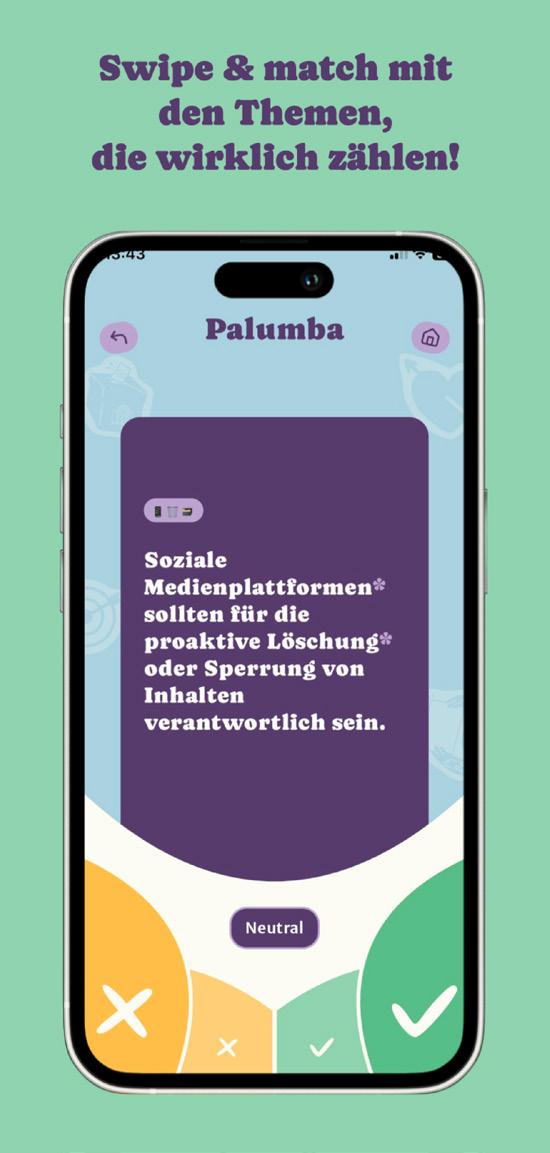
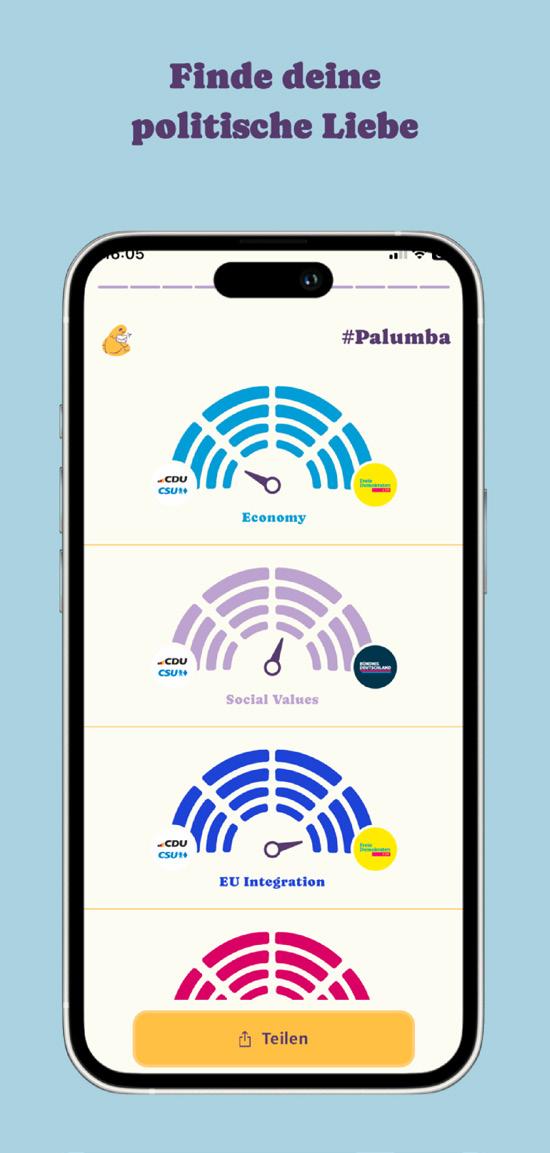
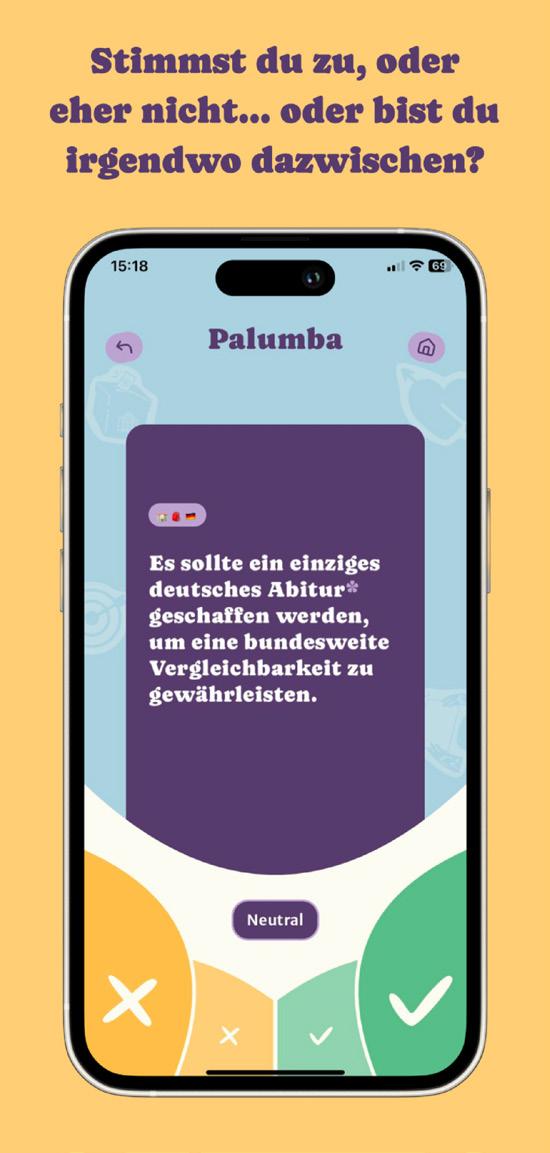
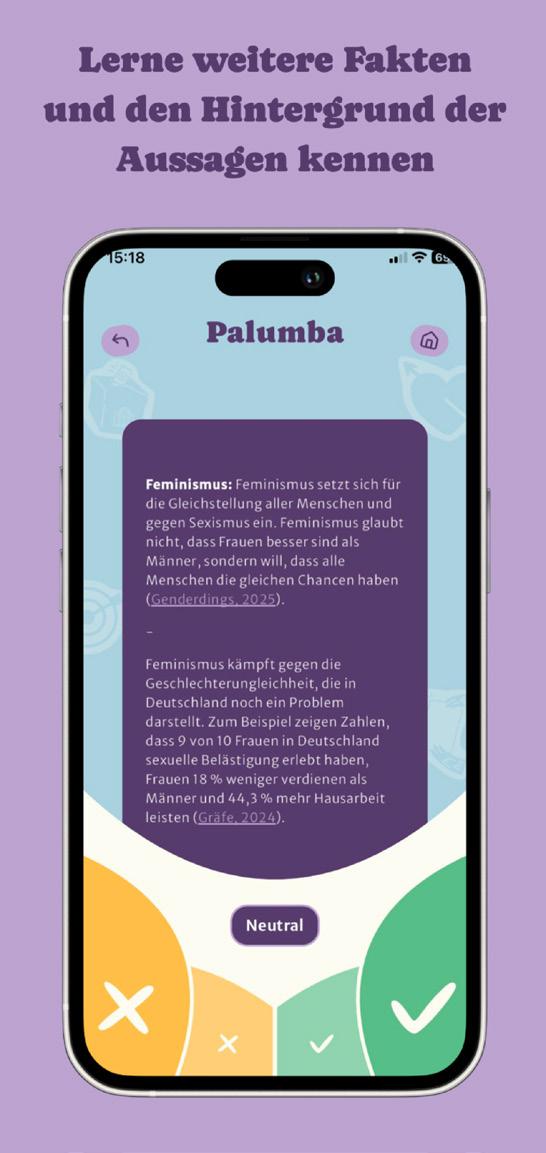
We also expanded our relationship with Palumba, an app designed to help first-time voters find candidates that reflect their interests and priorities, with a Germany-specific rollout for the election. The short turnaround proved challenging, not in terms of infrastructure but in terms of marketing reach and the presence of a well-established, government-funded platform with the same objectives. But the speed at which the rollout was able to take place was encouraging.

2025 marked the culmination of the EU-funded Changing Democracies programme. Over two years, this work has highlighted the huge and largely untapped potential of bringing a transnational and cross-generational perspective to discussions about contemporary democracy and its fragility.
Changing Democracies has shown how the mainstream historical narrative of Europe has overlooked important stories from the transition to democracy in its countries. These personal stories are part of our culture as Europeans, as well as our regional identities. They show how democracy was fought for, how fragile it proved, and how the ideal often outruns the reality.
This year, we focused on consolidating and sharing those insights, through convenings, research and publicfacing outputs. While this phase formally concluded in 2025, we have applied for further funding to continue elements of the work in a new form and are experimenting with formats for engagement on Instagram and beyond.

A major research output of the programme was The Power of Testimonies for Democratic Education, published by the Flemish Peace Institute. The publication explores how personal stories from periods of dictatorship and democratic transition can be used to support democratic reflection among young people.
Drawing on case studies from six countries — the Czech Republic, Poland, Spain, Portugal, the Netherlands and Belgium — the research examines how oral testimonies from the Changing Democracies story collection were used across a range of educational settings, from classrooms and teacher training programmes to arts schools and youth workshops.
The publication considers how young people engage with these testimonies and under what conditions such stories can encourage critical reflection on democracy’s values, limits and lived realities. In doing so, it highlights both the potential and the constraints of education as a space for strengthening democratic culture.
To mark the launch of the research publication, the Flemish Peace Institute hosted a conference at the Flemish Parliament in Brussels on 7 February. Bringing together researchers, practitioners, cultural actors and civil society partners from across Europe, the conference was an opportunity to reflect collectively on the insights emerging from the project and to situate them within wider debates about democratic backsliding, political polarisation and historical memory.
Discussions centred on the role of oral history in democratic and historical education, including how personal testimonies from periods of dictatorship and democratic transition can encourage critical reflection among young people. Panels and presentations also introduced the project’s digital platform and educational materials, highlighting how the Changing Democracies story collection can be used in teaching and public engagement.
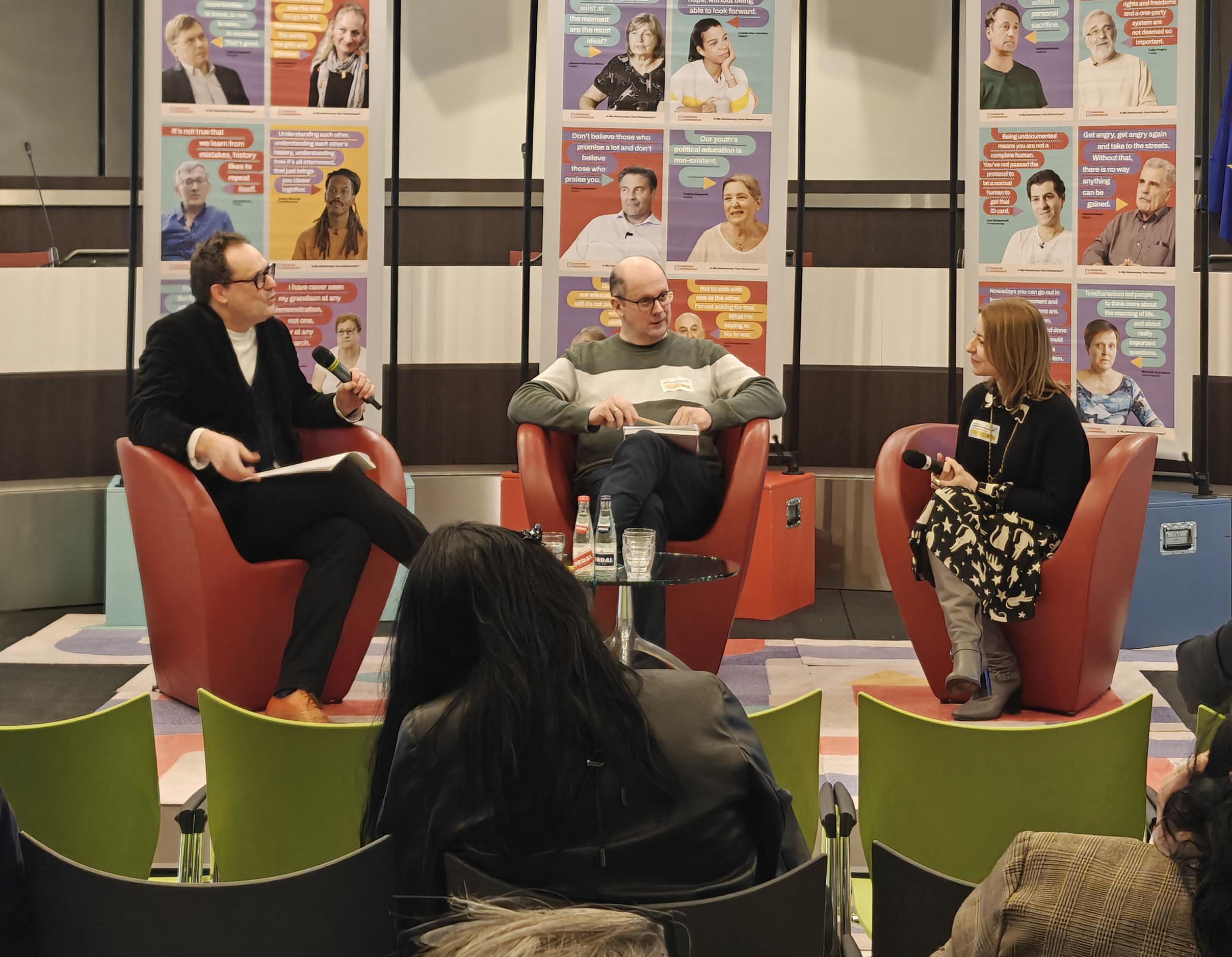
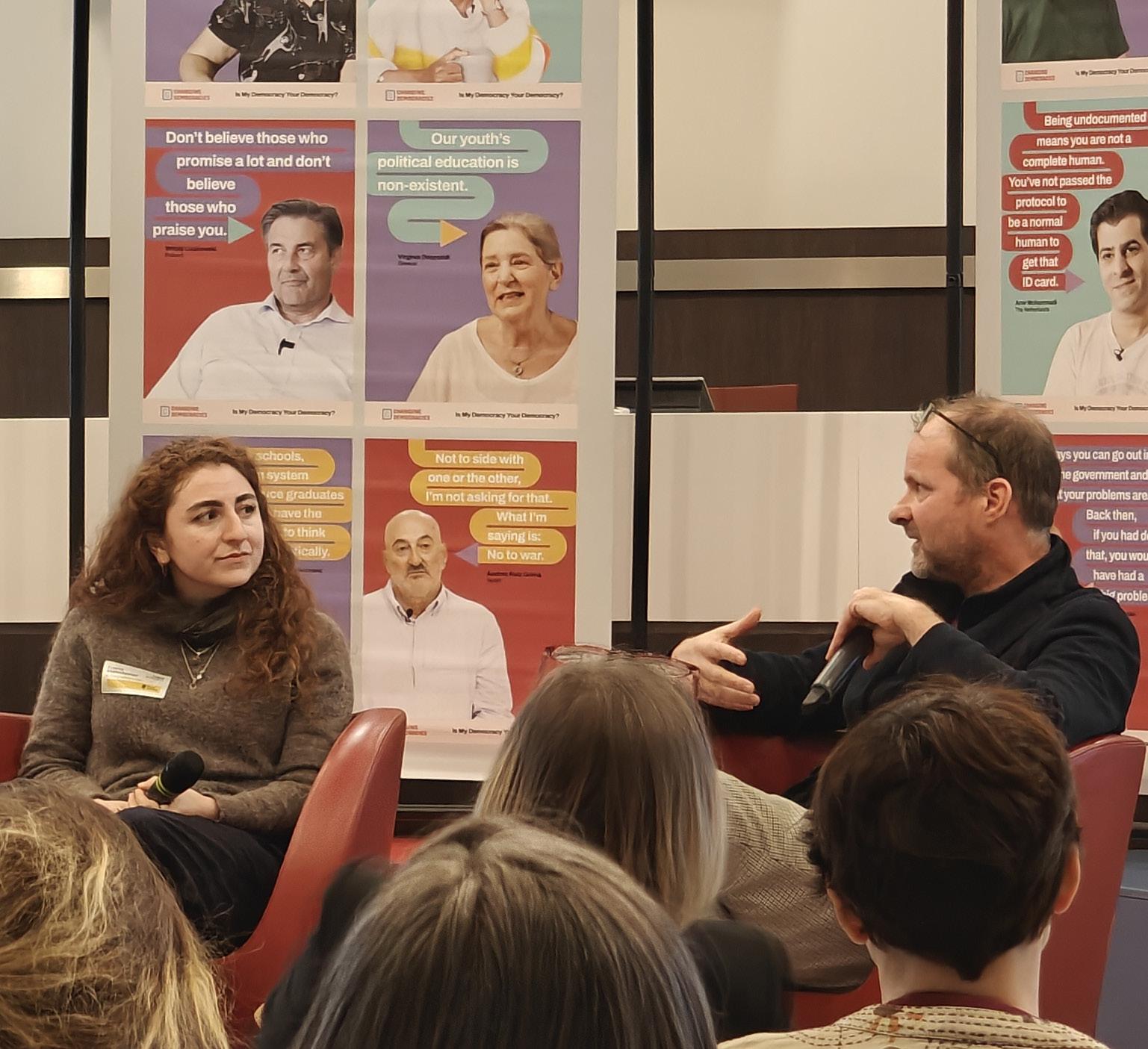
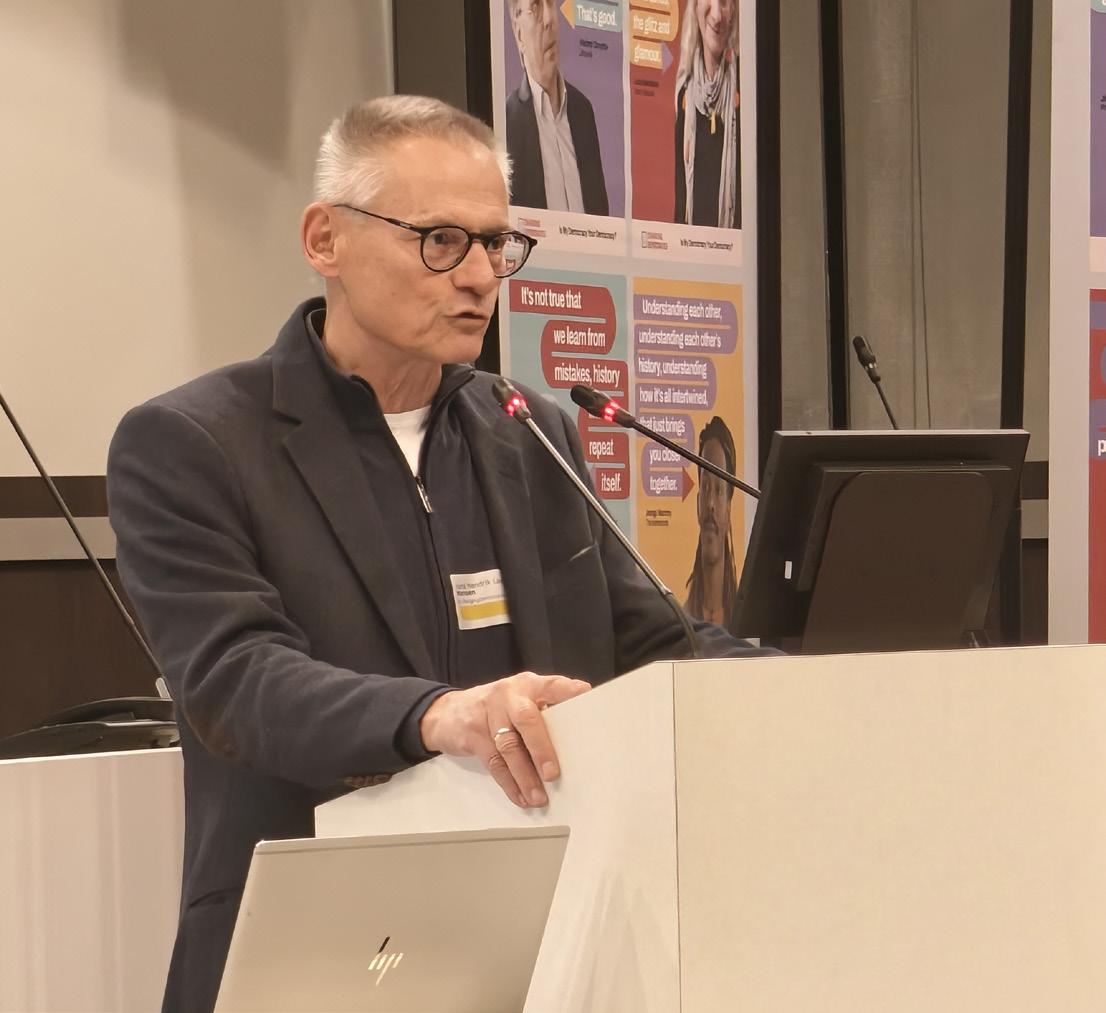
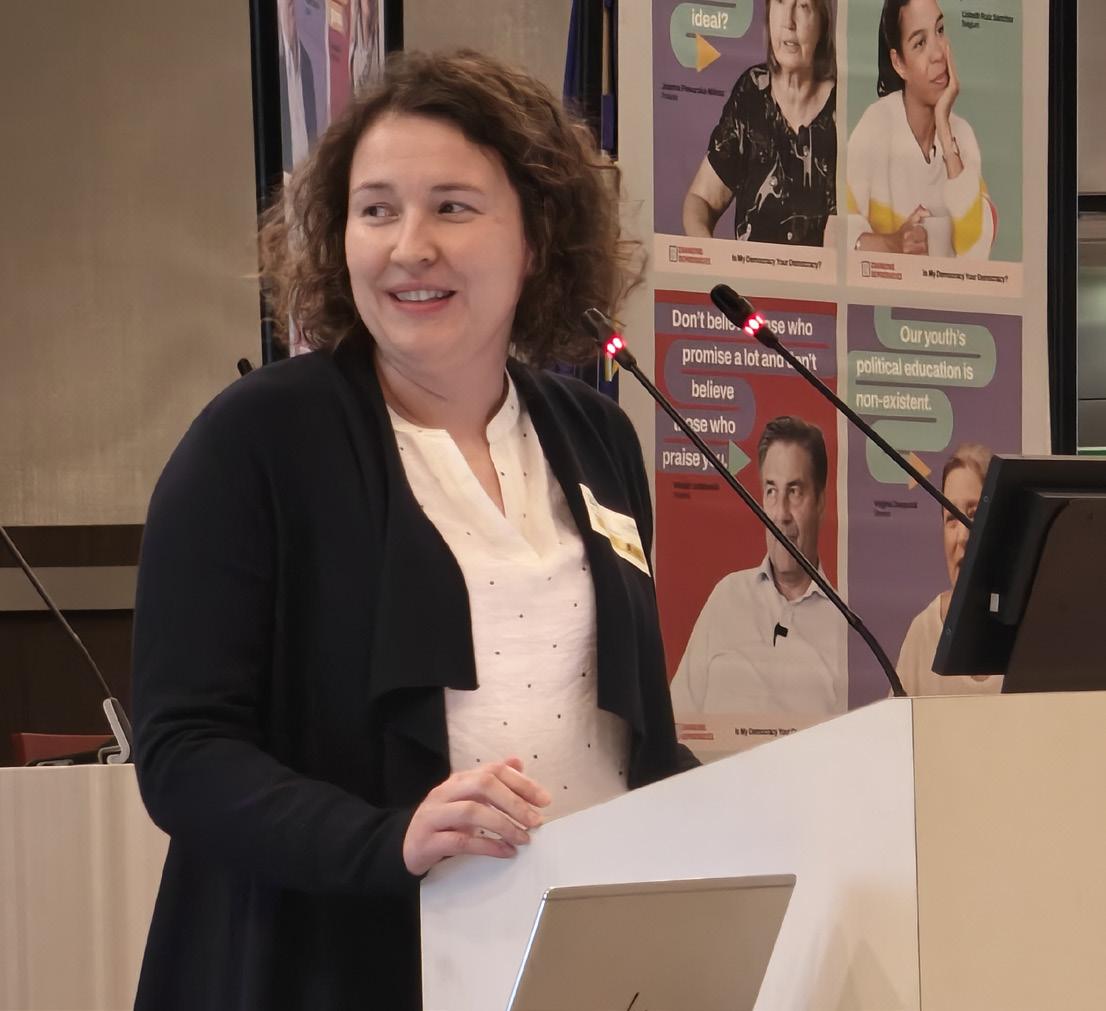
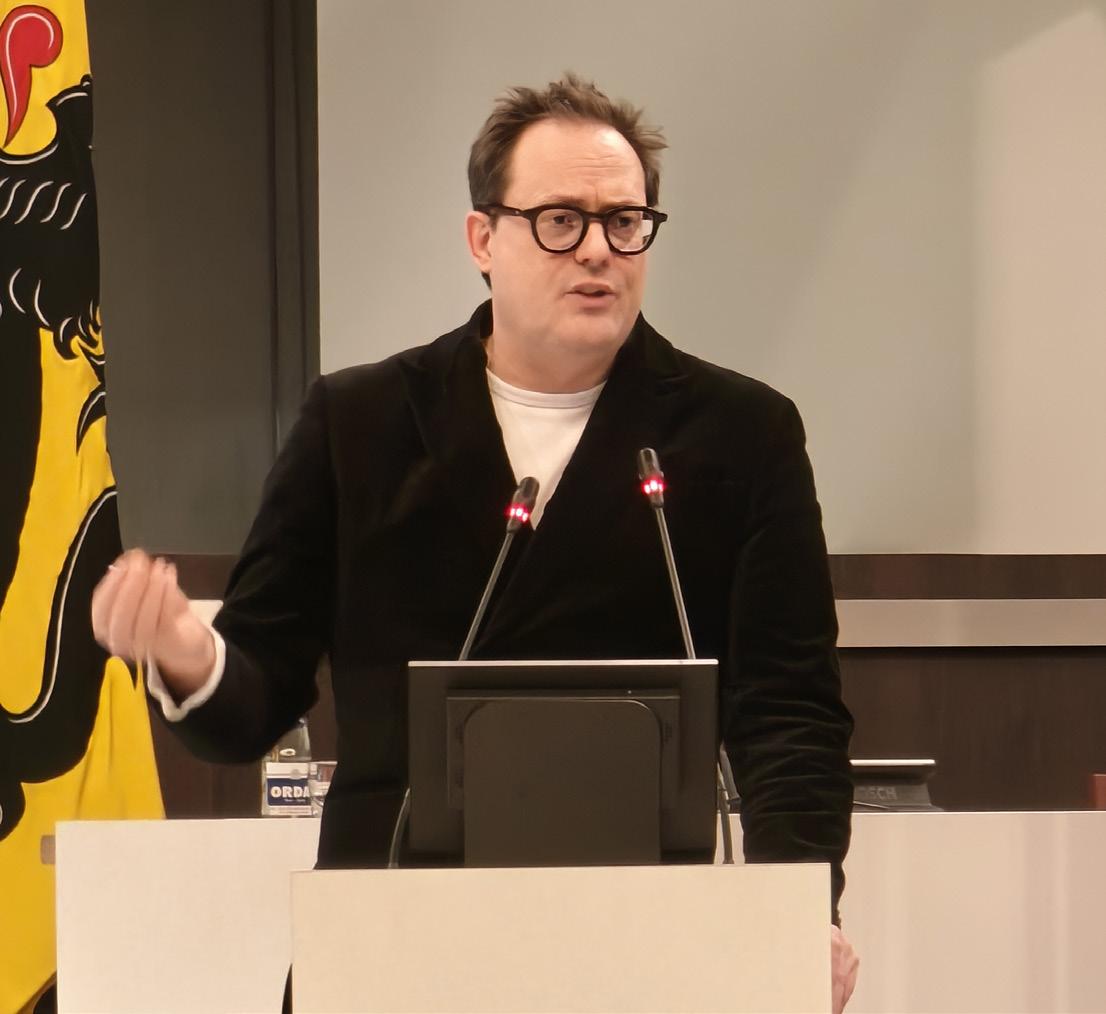
Attendees also had the chance to engage with the travelling installation Is My Democracy Your Democracy?, which continues to tour across Europe. Using an interactive design, it invites visitors to explore extracts from the story collection, reflect on the promises democracy once held, and examine their own experiences and expectations of it. The conference concluded with a keynote speech written by prof. dr. Hans Lauge Hansen and prof. dr. Anna Cento Bull on the concept and methodology of agonistic memory.
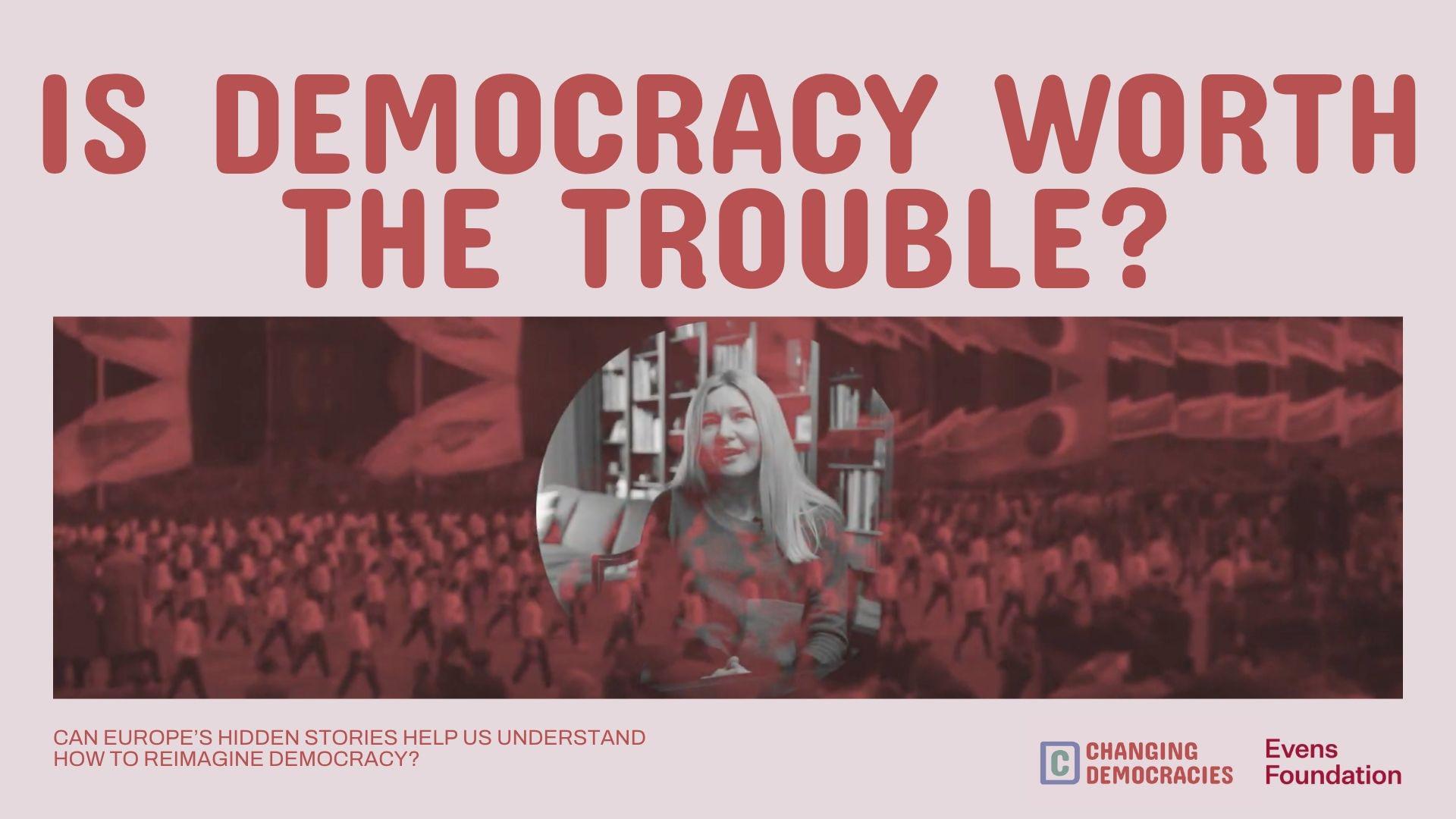
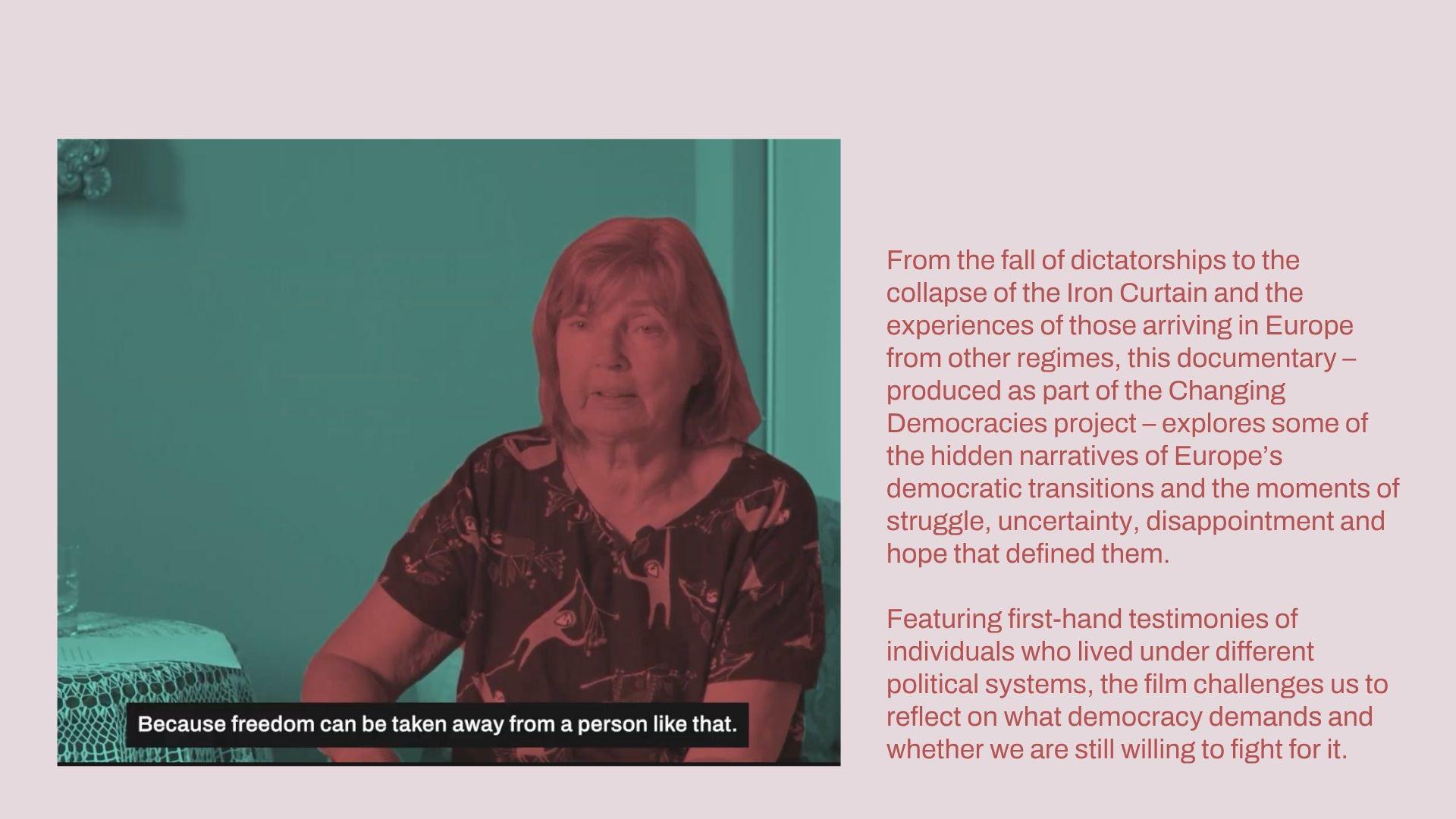
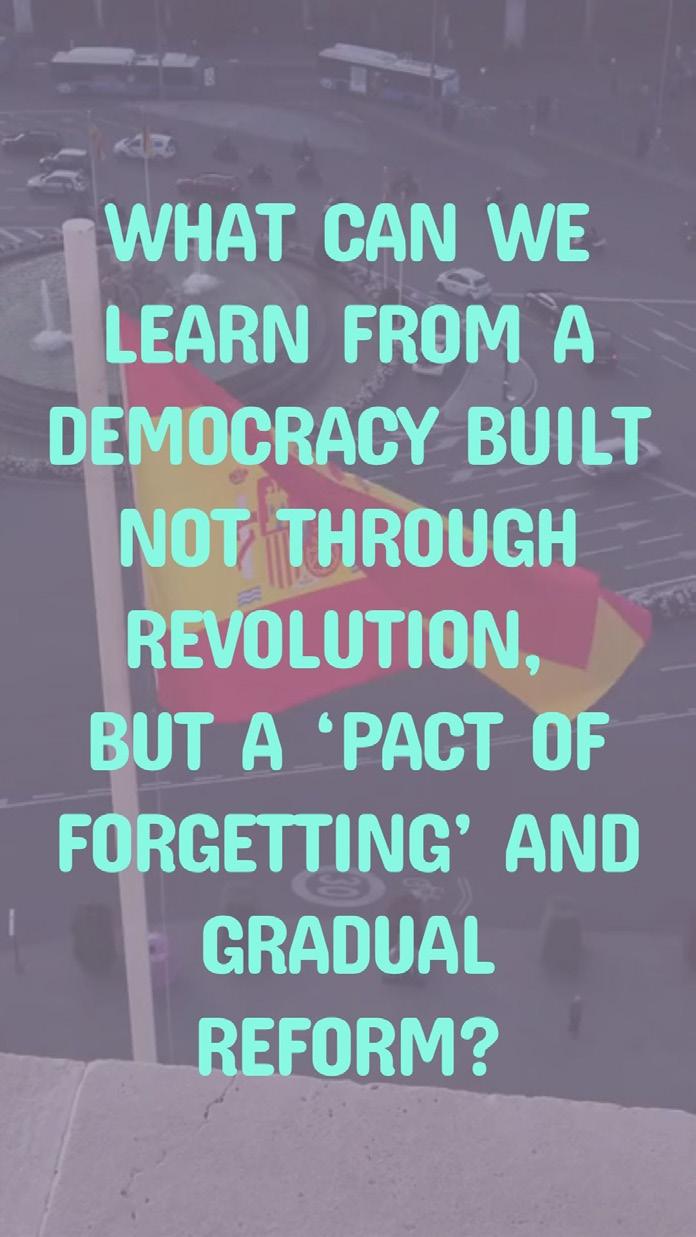
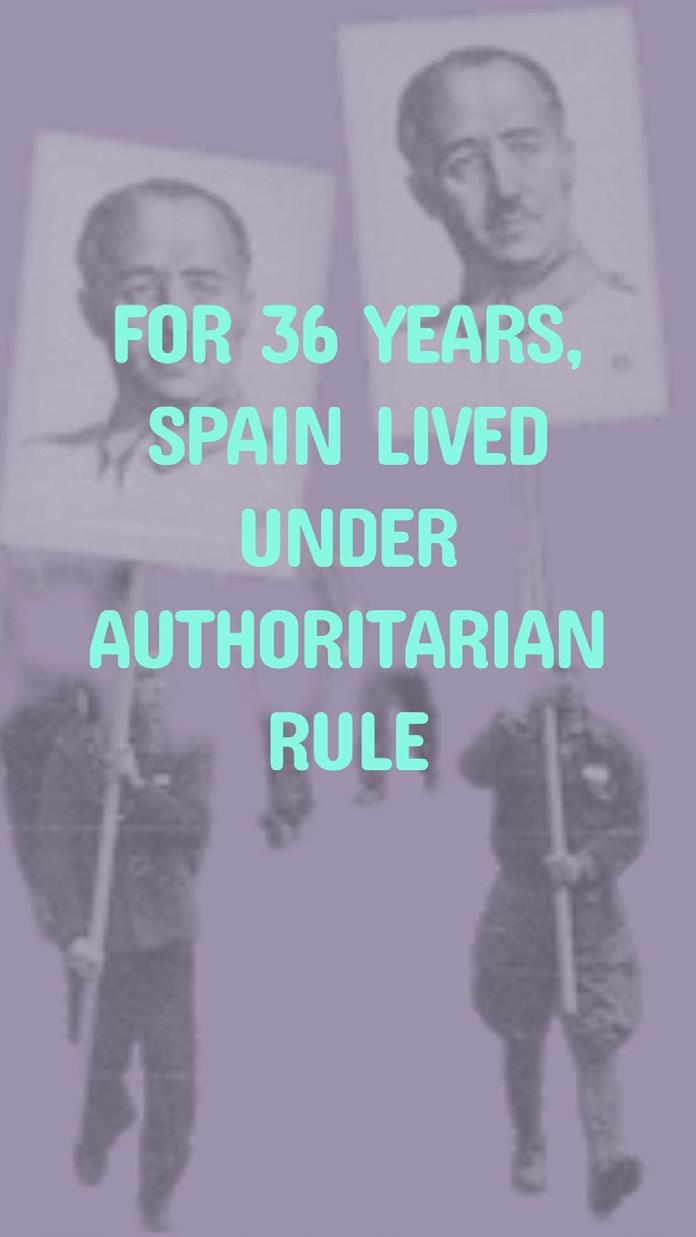
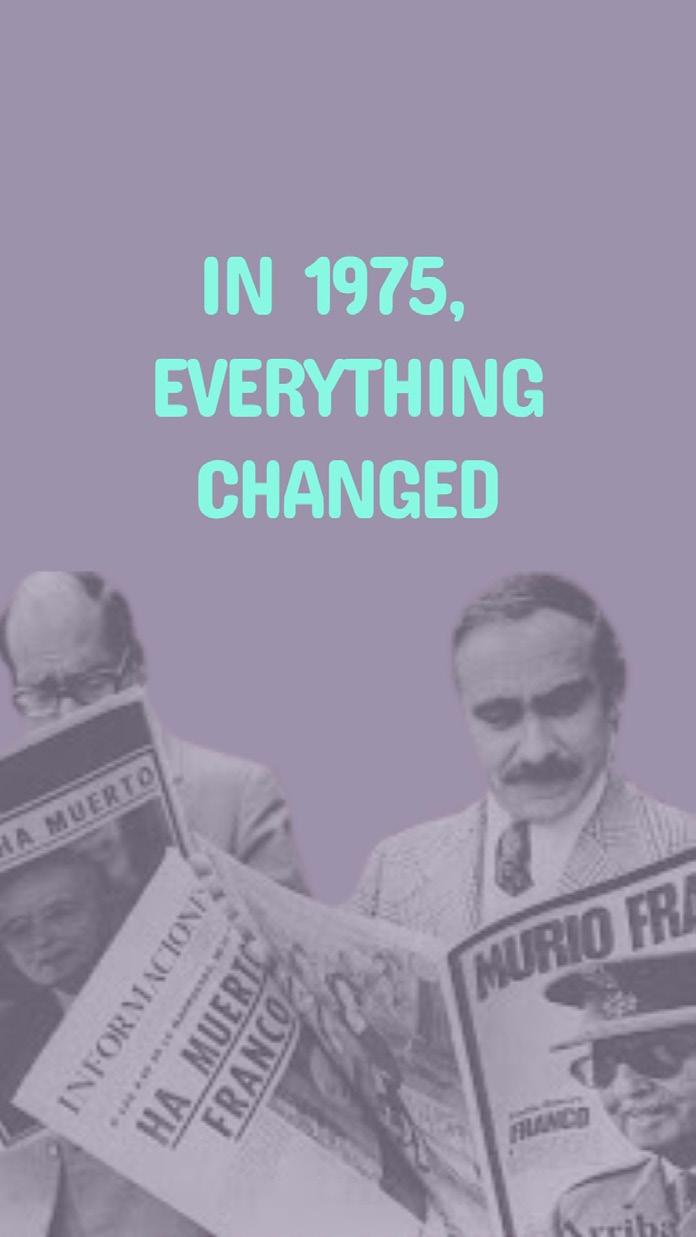
Another major output from the project launched in Spring 2025: a digital documentary exploring personal experiences of democratic transition across Europe.
Developed as a scroll-based interactive film, the documentary combines personal stories, illustration and digital storytelling to present narratives from individuals who lived through moments of dictatorship, democratic transition and political upheaval.
Drawing on the project’s wider collection of interviews conducted across more than ten countries, the documentary highlights often-overlooked stories of struggle, uncertainty and hope that shaped Europe’s democratic transformations. By focusing on lived experience, it invites audiences to reflect on what democracy demands of citizens today and whether societies remain willing to defend it.
For the online premiere, we hosted a live discussion of the power of personal narratives with members of the documentary’s directing collective (the Evens Foundation’s Marjolein Delvou and independent editor and digital innovator David Sypniewski) and Johan Weisz, founder of StreetPress, the independent French platform for investigative and urban culture journalism.
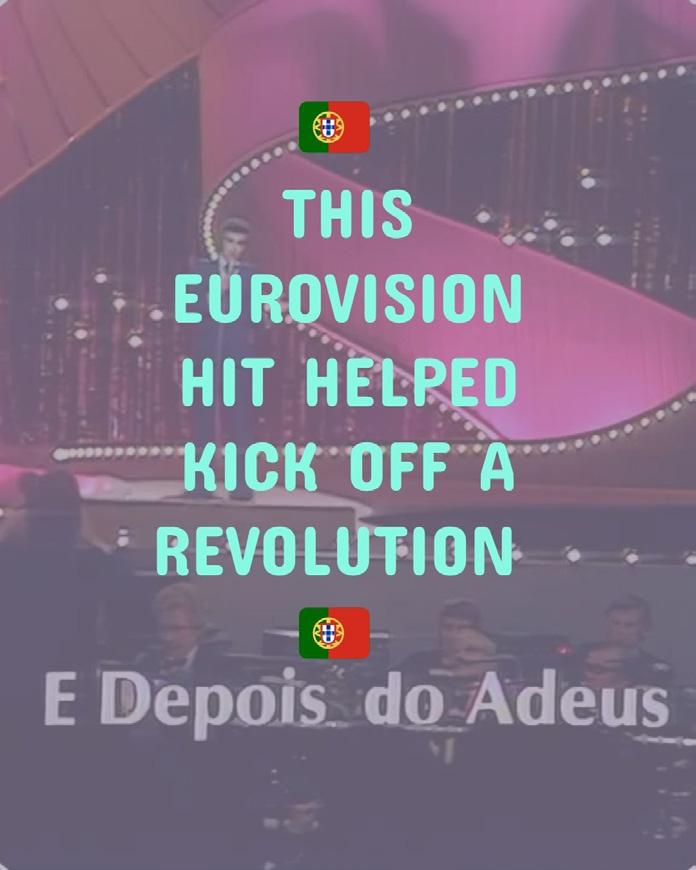
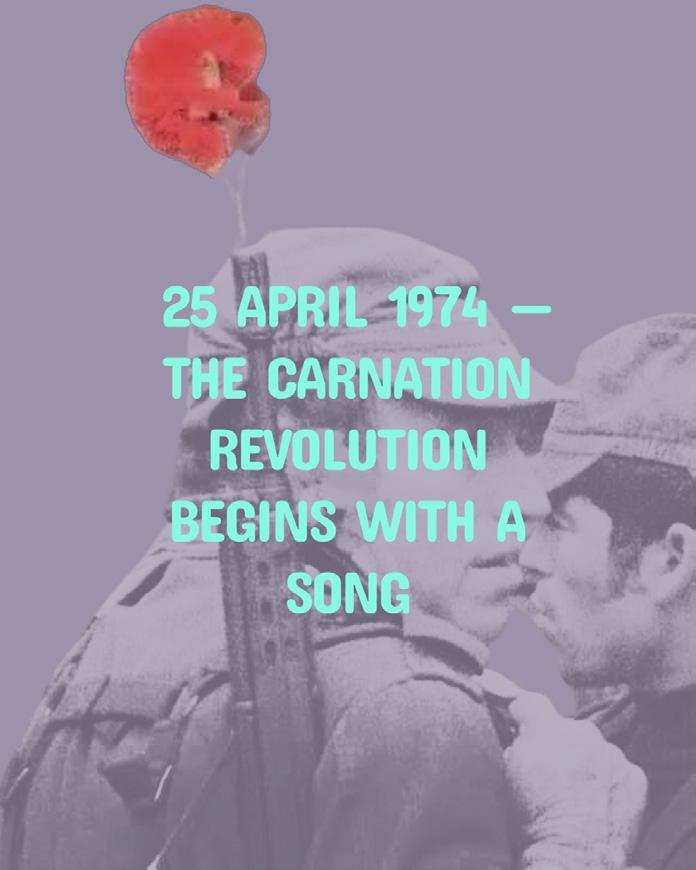
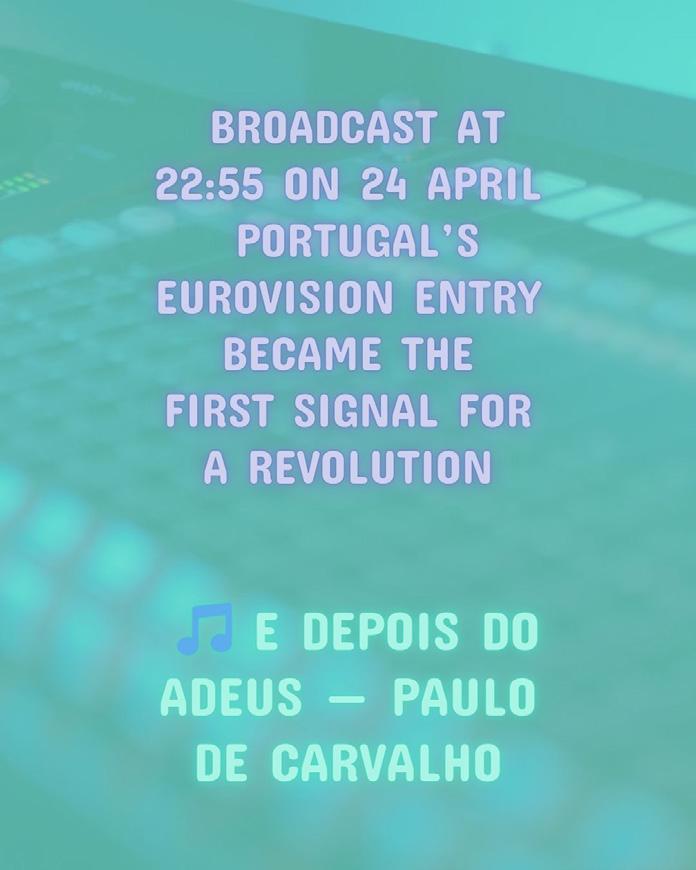
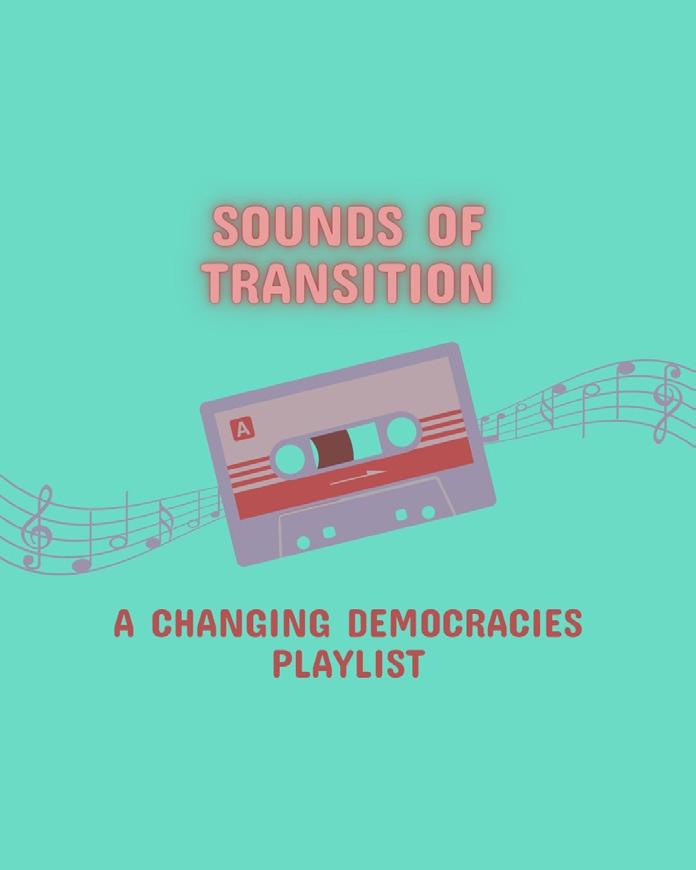
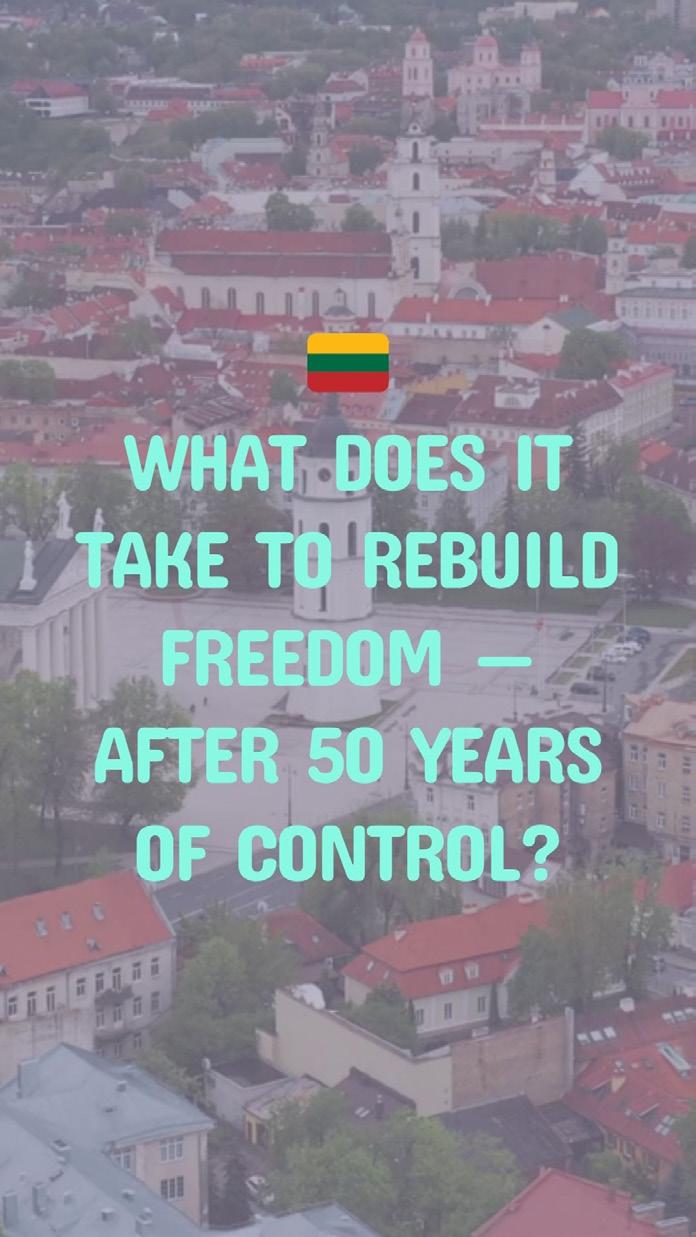
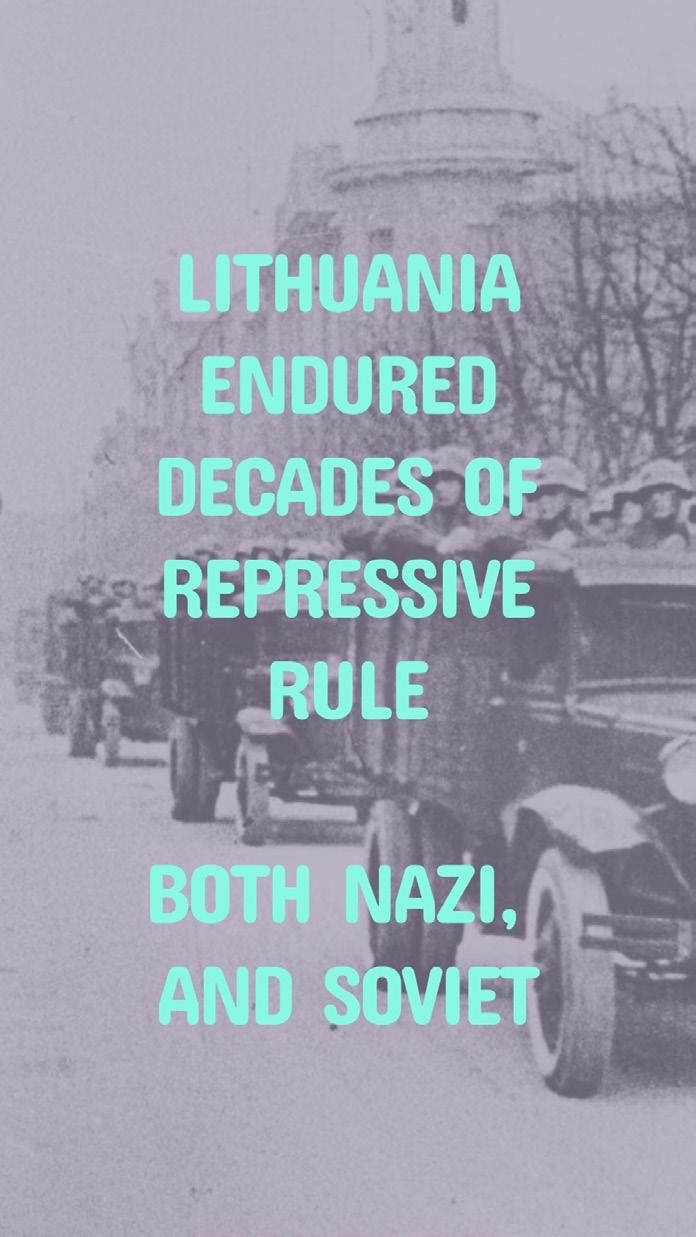
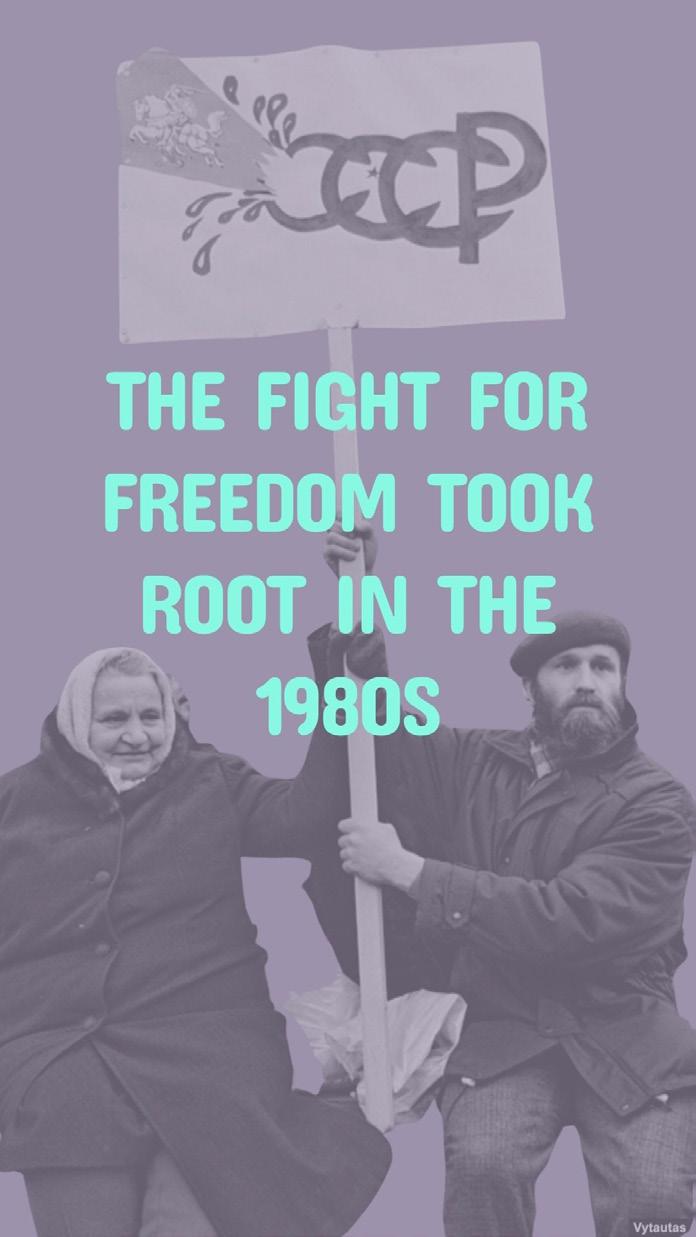
We also continued to experiment with formats for engaging new audiences on the Changing Democracies Instagram channel, where we launched several series over 2025.
Highlights included vertical videos built around songs of transition, gathered together from the consortium members and hosted as a Spotify playlist. The most popular post featured the song E Depois De Adeus by Paulo de Carvalho: the Eurovision hit broadcast as a secret signal to begin the Carnation Revolution on 25 April 1974 in Portugal.
Another series focused on the history behind the project: the moments of revolution and change that unfolded in different countries across Europe in the 20th century.
In total, content on the channel reached more than 85,000 users, generating more than 148,000 views.
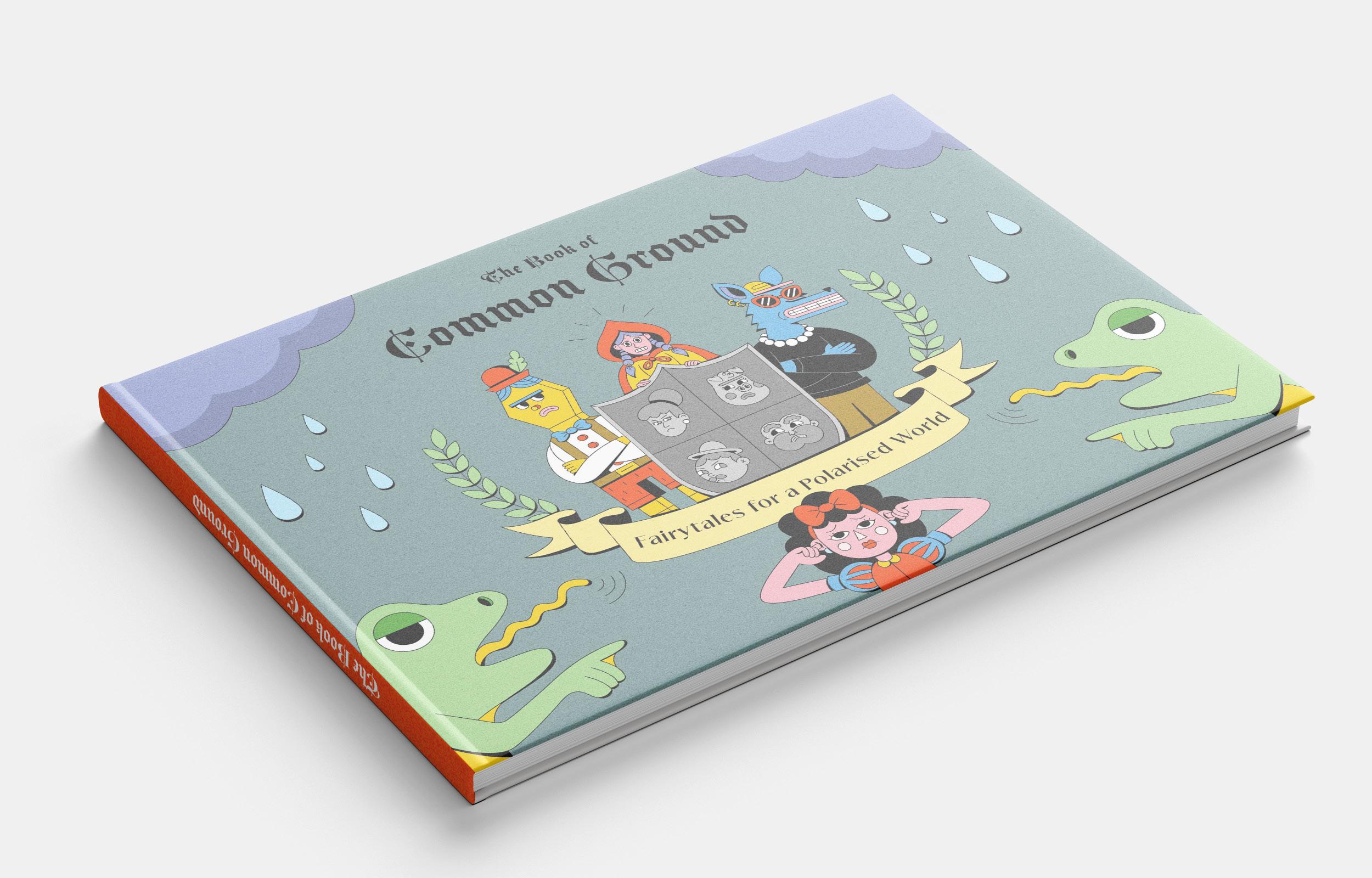
Our ongoing exploration of polarisation also found a different form this year. An illustrated fairytale for adults and older children, developed with AWE Studio, sought to approach the subject through narrative rather than analysis. First introduced at the European Parliament in Strasbourg in 2024, the publication was formally launched in The Hague in August 2025.
The response was encouraging: fifty copies were sold at launch, reflecting appetite for accessible ways to engage with difficult political themes and adding further weight to our long-standing belief that democratic resilience is cultural as well as institutional.

In 2025, we began investing more deliberately in the relationship between democracy and digital technology. These initiatives explore how democratic systems are being reshaped by algorithmic governance, by AI, and by the tools being built, or not built, to respond.
What if you could complement or even replace polling with AI, using large language models as digital stand-ins for entire populations? It is a provocative idea with real momentum in political and tech circles. In 2025, we began assembling a research consortium to interrogate it: bringing together academics, technologists and theorists to examine both the promise and the risks.
The findings are still taking shape, and there will be more to say in 2026. But some of the questions we’re asking are ones we think the field has been too quick to skip past.
Algorithms decide what people see, what they believe, and increasingly, how they feel about democracy. Changing how they function, whether through legislation, evidence, developing alternatives or organised pressure, is one of the most important and underworked levers available to those who want to make the digital environment work for people rather than against them. It’s an area we intend to focus more on in the coming years.
In 2025, we hosted 30 civil society leaders in Amsterdam to examine the EU’s upcoming digital legislation closely. Together, we mapped potential approaches and matched them with the resources and expertise in the room in pursuit of laws that would make the digital environment safer, freer and more responsive to citizens. It was a focused, frank conversation, but there is much more work to do to achieve the balance of safety and consumer choice.
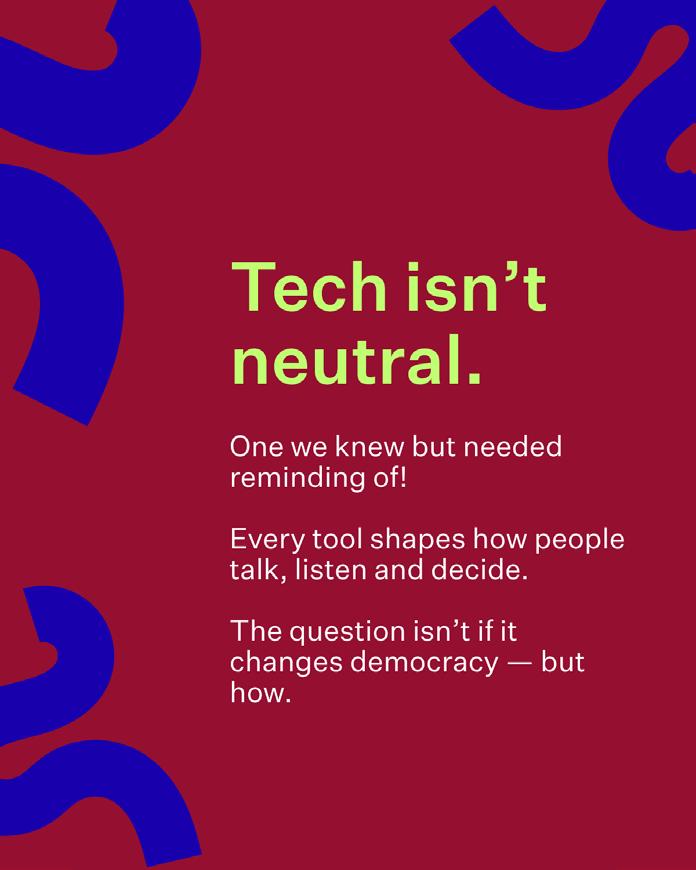
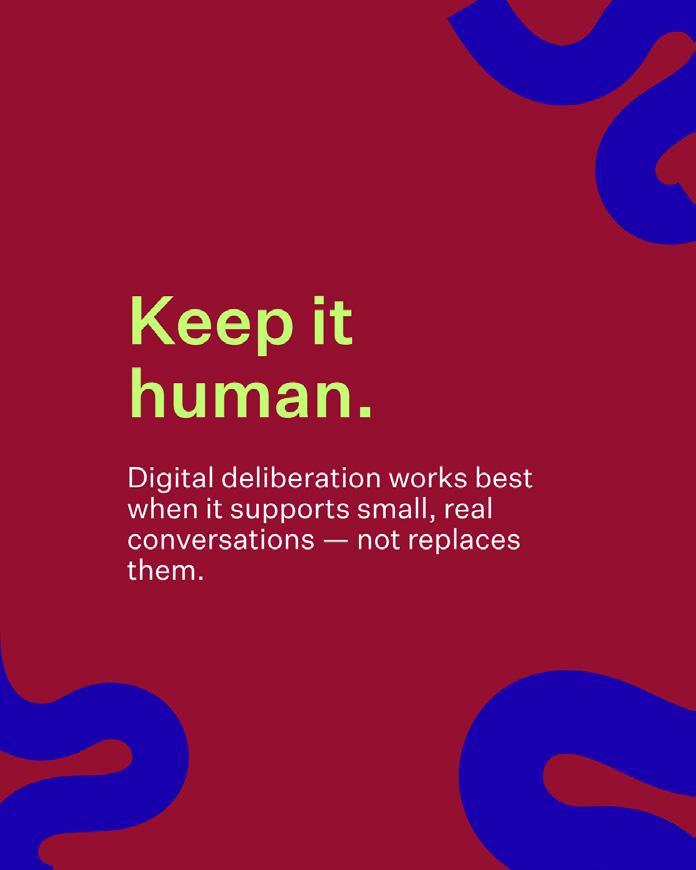
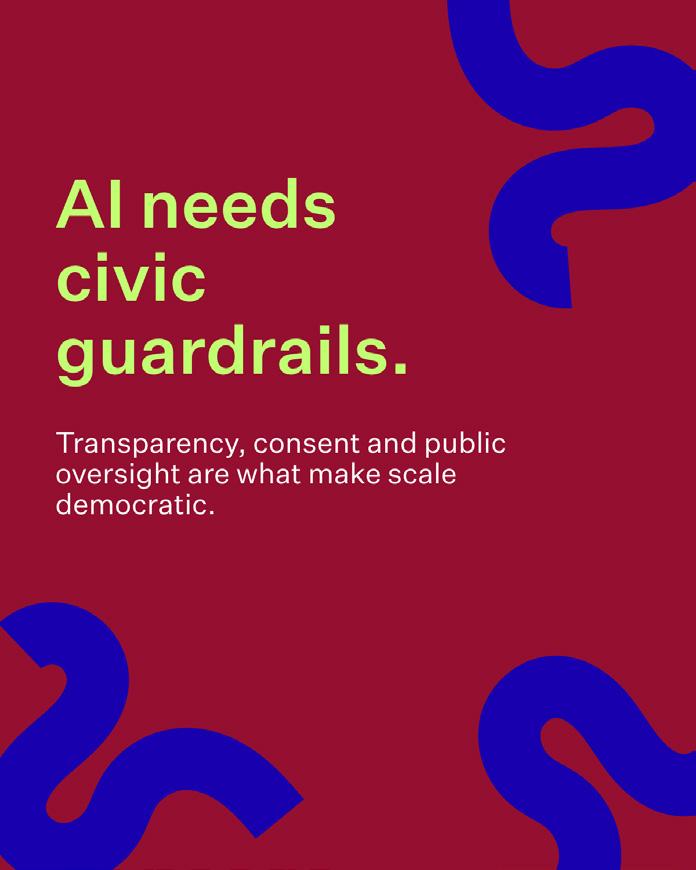
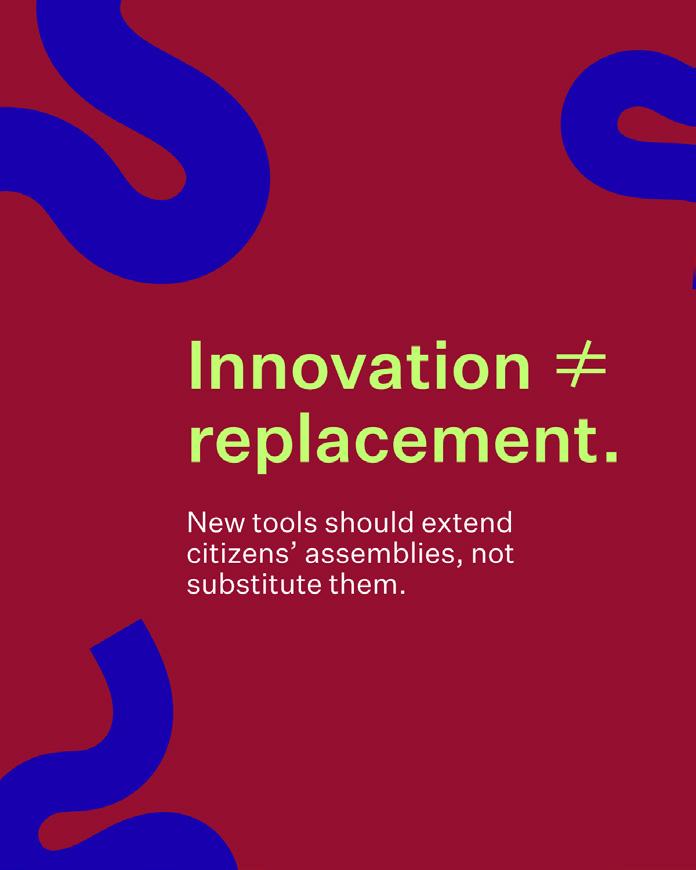
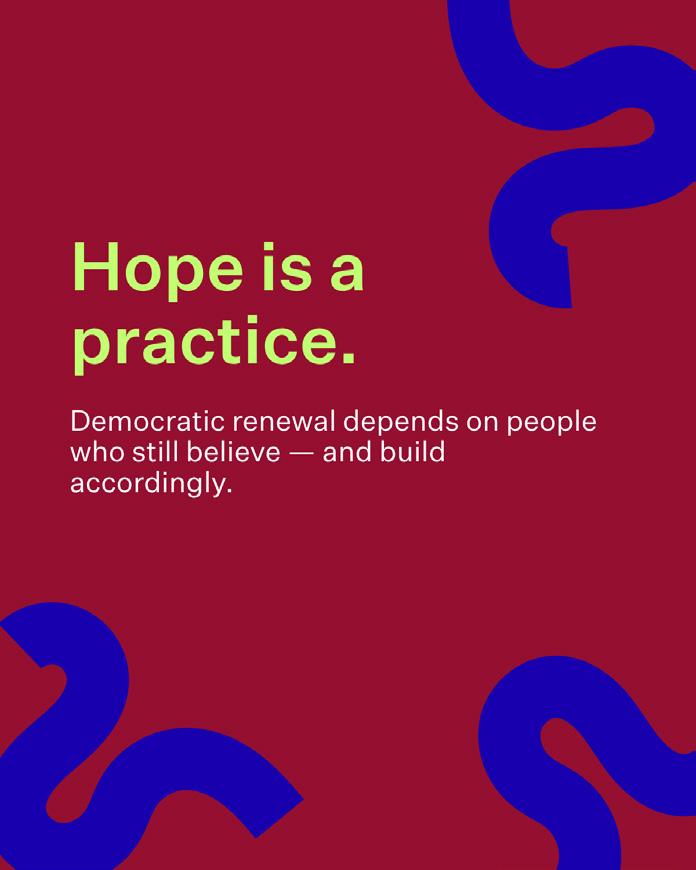
What happens when the people designing democracy meet the people designing technology? In November, we joined DemocracyNext and the AI & Democracy Foundation in Brussels for the DelibTech workshop — a hands-on exploration of how digital tools and citizens’ assemblies can work together, if used with care.
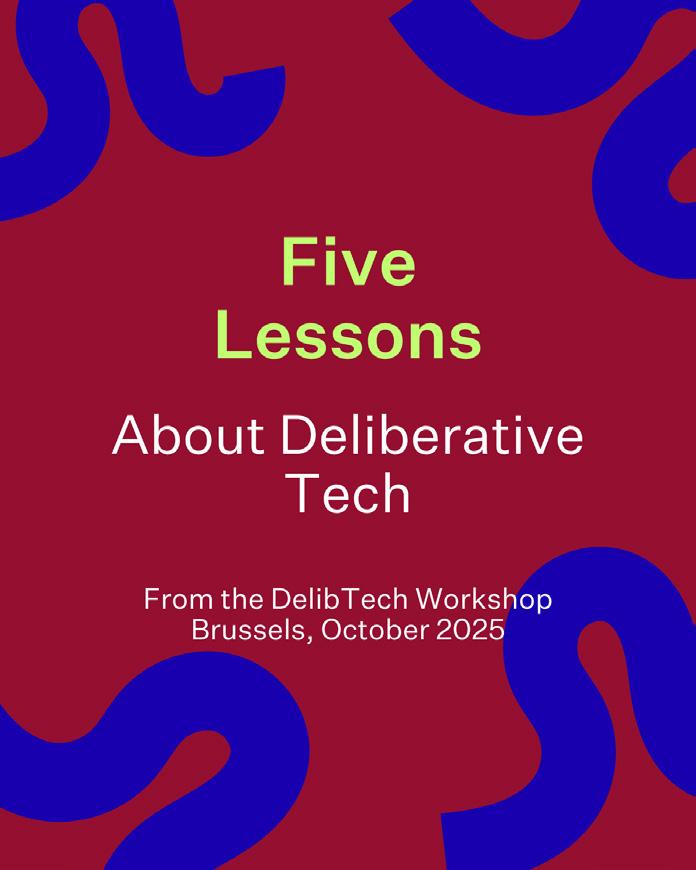
Participants tested four deliberation tools from MIT, Harvard, Stanford and independent AI tool Dembrane, mapping conversations and probing the risks of each. Five lessons came out of it that continue to shape our thinking about deliberation technology and what democratic infrastructure actually needs to do.
Foundations do not operate in isolation. In 2025, we deepened our engagement with peers across Europe, contributing to and instigating conversations on depolarisation, democratic resilience and the evolving role of philanthropy.
Democracy funding in Europe is underresourced, poorly coordinated, and significantly diminished. Civitates, a pooled fund supporting civic space, journalism and technology, is one of the most serious attempts to address that gap. In 2025, we joined it.
Our annual contribution affords more than a seat at the table: it’s a vote on the steering committee of a fund that distributes €5 million a year across three areas close to our own work. We also joined all three sub-funds: media, tech and civic power.
Civitates has new leadership and new energy, and we think it can become part of the coordination infrastructure that democracy philanthropy in Europe badly needs, particularly heading into the 2029 European elections, where the stakes are high and the history of lastminute, uncoordinated funding is not encouraging.
Our aim is to support the fund in being more agile and politically effective, to direct more attention toward youth, and to help build the case for foundations engaging seriously around elections rather than shying away from them as too political.
At EuroPhilantopics, we joined a private lunch with European Commissioner Hadja Lahbib, who holds the portfolio for democracy preparedness. We brought data and insights on some of the key factors destabilising democratic resilience in Europe.
Insights and practical strategies for philanthropy communications professionals

Our engagement with Philea, the European philanthropy network, deepened across several fronts in 2025.
In March, we co-led a two-day communications event for more than 20 heads of communication across European foundations. The conversations that emerged fed directly into a published report, Communicating in a Polarised Environment, launched in September.
Within the CEO group, we engaged on how the sector should respond to the USAID cuts and the Middle East crisis, before spending two days in Amsterdam with the heads of 15 foundations to examine what “democracy at a crossroads” means in practice and what the major trends reshaping philanthropy demand of us.
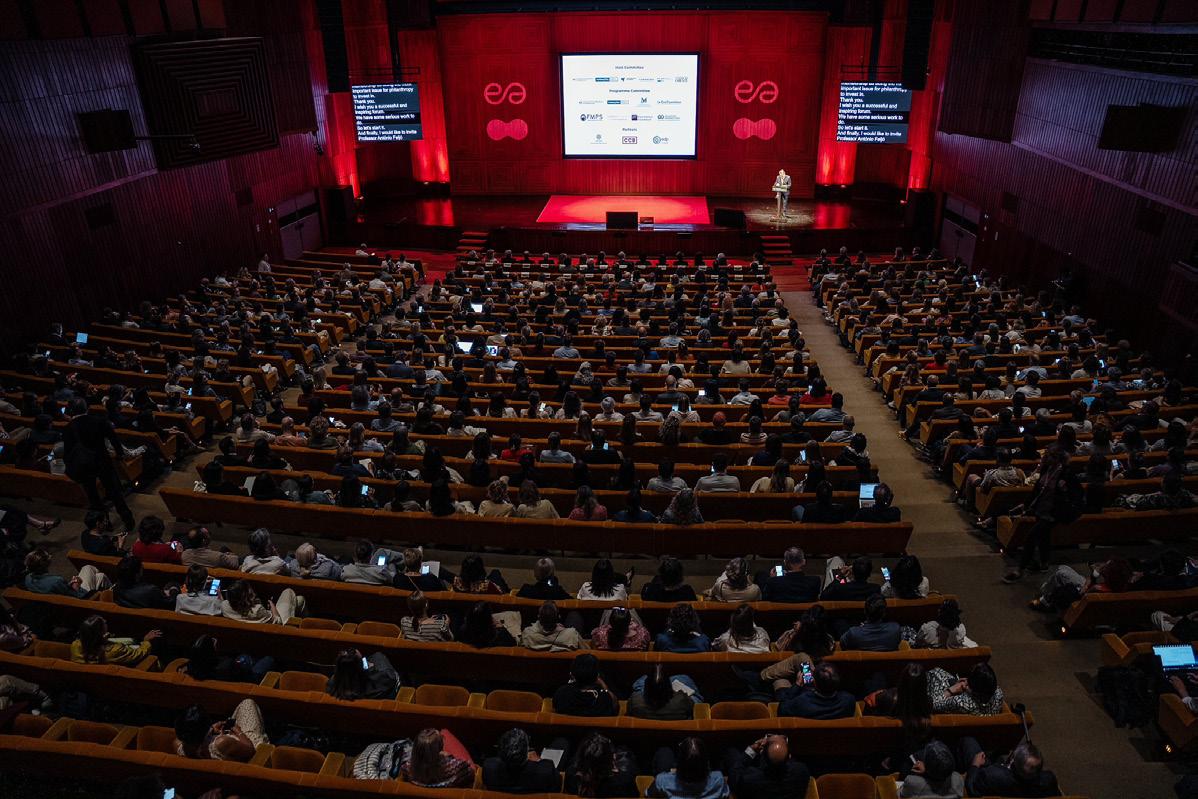
At the Philea Forum in Portugal in May, we supported the proposal for a new overarching strategy at the annual general assembly.
And through the Democracy Network, we worked to deepen the relationship between climate and democracy funders, recognising how closely the two are linked, and welcomed several new foundations into the group.
Our strategic reset extended inward. We strengthened our governance and invested in long-term strategic thinking that will shape our public work from 2026 onwards.
The generational transition in the Foundation’s leadership that began in 2024 was formally completed in 2025, with Jonathan Evens and Déborah Flon confirmed as Chair and Vice Chair. But there was also significant structural work, including constituting a board that reflects the Foundation’s renewed sense of purpose.
In December, we welcomed Karen Weisblatt as a new member of the Board of Directors. Weisblatt spent her formative years studying in the then-Soviet Union on a Thomas J Watson fellowship before going on to work across philanthropy, NGOs and academia on both sides of the Atlantic at the Ford Foundation, Fondation CHANEL and Fondation de France, among others. “I see us being in a time of existential crisis, in Europe but also in the United States,” she said on joining. “I’m keen to support initiatives that I hope will keep us anchored in a democratic European Union.”
The full board is now formally constituted with Jonathan Evens, Déborah Flon, Corinne Evens, Gerard Salole, Maria Orejas and Karen Weisblatt.
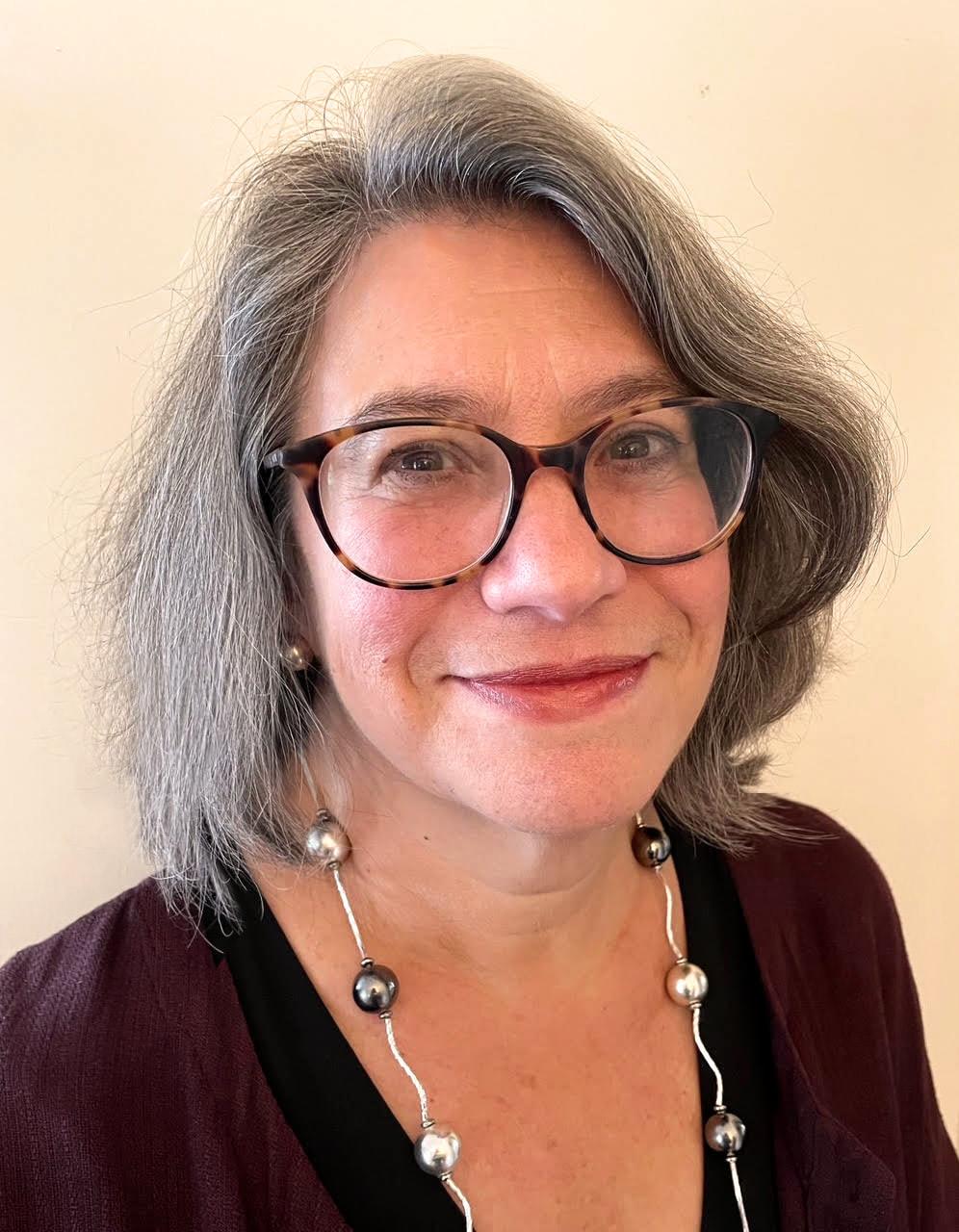
“I see us being in a time of existential crisis.”
Karen Weisblatt
Much of 2025 was spent solidifying our thinking about where the Foundation is headed and why into a clear vision for the Foundation’s future and its focus areas. The output is now being distilled into a vision paper setting out our approach to democracy, technology and youth and outlining the goals behind our projects. It will be published in 2026.
Towards the end of 2025, we opened recruitment for a new Director of Technology & Democracy, a role designed to sit at the intersection of civic tech, policy and philanthropy, and the first of its kind at the Foundation.
The response surprised us, though in hindsight it probably shouldn’t have. The volume of applications was high, but what stood out was their range: product leaders, civic technologists, policy thinkers, AI practitioners, entrepreneurs, intelligence researchers. Many were operating between worlds, because there aren’t many clear institutional homes for this kind of work.
That gap is itself a signal. Technology is no longer adjacent to democracy — it is reshaping participation, representation and public discourse at a structural level. Too many organisations still treat it as a tool, a comms channel or a risk to be managed. This role is a deliberate step away from that.
The Director of Technology & Democracy will be embedded at the heart of the Foundation’s work: building and scaling digital tools that strengthen democratic life, with a particular focus on young people, and helping to bring more funders and practitioners into this space.
The appointment will be announced in early 2026.
“Il
inutile d’espérer pour entreprendre, ni de réussir pour persévérer.”
You don’t have to hope to begin, or succeed to keep going.
2025 was a year of foundations, the work behind the work: building a board, shaping a vision, assembling the right people and partnerships to do what we want to do next. We go into 2026 with a clearer sense of where we can make a difference, and a growing network of people who want to make it with us.
We will kick off the year with a co-curated Youth Track at the Political Tech Summit in Berlin — a first step into a space we intend to occupy more deliberately. The track will bring together practitioners, researchers and technologists to examine how Gen Z’s political identity is being shaped by platforms, creators and AI, and what democratic institutions need to do to stay relevant to the generation that will define Europe’s future.
Later in 2026, we will launch a creator network and content platform built with and for Gen Z, exploring how disagreement can be made more constructive without erasing difference. It is one of the more experimental things we have attempted, and deliberately so.
We are also in the early stages of understanding what is needed in terms of physical spaces where young people can build genuine connections across differences, a question that feels increasingly urgent as those spaces continue to disappear.
Two European funding bids are in progress: one that would enable the next phase of the Changing Democracies project, and another exploring the potential of a live polarisation tracker.
And the new Director of Technology & Democracy will begin shaping what our technology work looks like at full stretch.
2025 was a year of groundwork. 2026 is where it starts to show.
Executive Director: Joe Elborn
Programme Curator: Marjolein Delvou
Programme Curator and Head of Warsaw Office: Hanna Zielinska
Communications: Anna Winston
Administrator: Caroline Coosemans
Director’s Office: Magda Braksator
The Evens Foundation Board
Jonathan Evens
Déborah Flon
Corinne Evens
Gerard Salole
Maria Orejas
Karen Weisblatt
Published by
The Evens Foundation
©The Evens Foundation 2026 www.evensfoundation.eu
Edited by Anna Winston
Design by Pedro Lobo
Contact hello@evensfoundation.eu