

Annual Report 2025






Reflecting back on 2025 A
defining year
The year 2025 was a defining one for the European Society of Cataract and Refractive Surgeons, marked by consolidation, collaboration, and the steady translation of strategy into practice. It was a year in which many initiatives reached maturity, allowing ESCRS to demonstrate vision and delivery.
Education and training remained at the core of our mission. Throughout 2025, we continued to strengthen and expand the ESCRS Academies, advance our surgical training curriculum, and integrate simulator-based learning more fully into our educational pathways. These efforts were enhanced through our support for Young Ophthalmologists, reinforcing our commitment to high-quality, structured education at every career stage.
One
of the most significant achievements of the year was the international consensus reached in Copenhagen on the ESCRS classification of simultaneous vision intraocular lenses.

One of the most significant achievements of the year was the international consensus reached in Copenhagen on the ESCRS classification of simultaneous vision intraocular lenses.
The agreement of all participating international societies represented an important step forward for clinical standardisation and clarity. This milestone, together with ongoing work on guidelines and the ESCRS learning platform, strengthened our role as a trusted reference for both clinical practice and scientific communication.
Collaboration beyond Europe continued to grow in importance. In 2025, ESCRS further developed affiliations with societies outside of Europe, reflecting our increasingly global outlook. The Global Refractive Summit was a particularly successful example of this approach, bringing together international perspectives and fostering meaningful scientific exchange.
Alongside these achievements, ESCRS remained firmly committed to responsibility and solidarity. Support for colleagues though reduced registration fees, equipment grants, and bursaries, ensuring that education and opportunity remained accessible even in challenging circumstances.
Initiatives such as Building Our Sustainable Society (BoSS) became firmly established as visible and effective pillars of ESCRS activity, reflecting the dedication of Council, committees, and members.
I am deeply grateful to all those whose commitment and collaboration made this progress possible, and I am proud of what we have achieved together.
Filomena Ribeiro ESCRS President 2024/2025
Looking ahead to 2026
A year of purpose and progress

As we look ahead to 2026, ESCRS does so with confidence, momentum, and a clear sense of direction. The progress achieved in recent years provides a strong foundation for expanding our activities, broadening our impact, and further strengthening our leadership in cataract and refractive surgery.
Education will remain a central priority. In 2026, several initiatives will come to fruition, including a new Masterclass Course on Refractive Surgery and expanded educational offerings covering posterior segment topics and ocular co-morbidities.
Collaboration with partner societies, particularly EURETINA, will be further strengthened through joint symposia and shared formats, reflecting the realities of modern, integrated ophthalmic care.
Our meetings will remain key platforms for innovation and engagement. The Winter Meeting in Helsinki focused on presbyopia, while the Annual Congress will introduce a range of initiatives that combine scientific excellence with creativity and interaction. These include the Operating Microscope Showdown, the Excimer Laser Museum, the Parliament Debate, and enhanced Young Ophthalmologists sessions in the Arena, all designed to enrich the congress experience and encourage participation across generations.
A structured and purposeful focus on artificial intelligence will also define the year ahead. Through dedicated instructional courses, summits, and symposia, ESCRS will address the clinical application of AI in a responsible and practical way, ensuring that members are well equipped to assess and adopt emerging technologies.
The progress achieved in recent years provides a strong foundation for expanding our activities, broadening our impact, and further strengthening our leadership in cataract and refractive surgery.
Professional development will extend beyond surgical skills, with new educational activities within the ESCRS Insight Hub covering areas such as medical writing, presentation skills, critical reading, and peer review. At the same time, engagement with industry will continue to broaden, including closer dialogue with pharmaceutical partners and innovators in microsurgical and interventional technologies.
Finally, ESCRS will further reinforce its commitment to its values and societal responsibility by introducing introducing two new Humanitarian Awards recognising outstanding service and impact. Together, these priorities position 2026 as a year of delivery, innovation, and forward momentum for the Society.
Burkhard Dick ESCRS President 2026/2027
Our Vision, Mission & Strategy
The European Society of Cataract and Refractive Surgeons (ESCRS) operates as a not-for-profit organisation and registered charity, with a clear mission to advance education, research, and clinical excellence in ophthalmology for the benefit of patients worldwide.
Our Vision
To be the leading community and trusted source for science, education and professional development in the fields of cataract and refractive surgery.
Our Mission
To be an independent platform that shares the latest scientific results and clinical knowledge, promotes research, and provides high-quality education, supporting our members in their professional development and enabling the best possible eye care for patients.

In 2025, ESCRS formally launched its 2025–2030 Strategy, setting a clear direction for the Society’s future development. To achieve these goals, we plan to focus on the following 5 strategic objectives:
1. Membership & Engagement
We will grow and diversify our global community by enhancing member value, visibility and support.
2. Research
We will strengthen evidencebased practice by supporting researchers, coordinating expert groups and promoting highquality scientific output.
3. Education
We will elevate ophthalmic training worldwide through a unified curriculum, expanded learning platforms and increased skills-based educational opportunities.
4. Partnerships
We will build sustainable collaborations with societies, industry, global partners and policymakers to expand our impact and advocacy.
5. Organisation & Governance
We will ensure long-term organisational strength by improving governance, diversifying leadership, expanding revenue streams and modernising digital infrastructure.
ESCRS Non-Profit Structure and Charitable Status
The European Society of Cataract and Refractive Surgeons (ESCRS) operates as a not-for-profit organisation and registered charity, with a clear mission to advance education, research, and clinical excellence in ophthalmology for the benefit of patients worldwide.
Non-Profit Structure
ESCRS is structured to ensure that all resources are directed toward delivering impact. As a nonprofit entity, the Society does not distribute profits to members or stakeholders. Instead, all surplus income is reinvested into initiatives that directly support ophthalmologists and improve patient care.
This approach enables ESCRS to deliver meaningful outcomes across the global ophthalmic community, including:
• Development of high-quality educational programmes, courses, and digital learning platforms
• Delivery of the Annual Congress and specialist meetings that facilitate knowledge exchange
• Funding of clinical research, grants, and fellowships to advance innovation
• Publication of peer-reviewed scientific content and journals
• Support for trainee and early-career ophthalmologists
Through this reinvestment model, every activity contributes to strengthening clinical practice and enhancing patient outcomes.
Independent and Voluntary Governance
ESCRS is governed by a Board of Trustees and supported by Committees composed of leading ophthalmic professionals who provide strategic oversight and guidance.

Charitable Status
ESCRS is registered as a charitable organisation under applicable regulatory frameworks. This status reflects the Society’s commitment to delivering public benefit by improving patient outcomes through the advancement of ophthalmic knowledge, skills, and innovation.
As a charity, ESCRS is subject to rigorous governance, financial reporting, and compliance requirements. These ensure transparency, accountability, and responsible stewardship of resources, with all activities aligned to the Society’s charitable objectives.
At the heart of ESCRS’s non-profit and charitable status is a commitment to investing in education, supporting research, and promoting best practice in cataract and refractive surgery, ESCRS contributes directly to improving standards of care globally.
The Society’s independence and reinvestment model create a continuous cycle of impact –advancing knowledge, strengthening clinical practice, and ultimately improving outcomes for patients around the world.
Volunteer Committee members are central to the Society’s ability to deliver this impact and value. Contributing their time, expertise, and leadership, these clinicians shape educational content, guide research priorities, and ensure programmes remain relevant, practical, and of the highest scientific standard. Their active involvement not only strengthens the quality and credibility of ESCRS initiatives but also reflects a shared commitment across the profession to advancing patient care. This collective, volunteer-driven effort significantly amplifies the Society’s reach and reinforces its role as a trusted, global leader in ophthalmology.

MEMBERSHIP & COMMUNITY
A Global Community Advancing Excellence in Vision Care
At the heart of ESCRS lies its membership: a dynamic and growing global community united by a shared commitment to advancing cataract and refractive surgery. In 2025, ESCRS membership continued to expand in scale, diversity and influence, reinforcing the Society’s position as a leading authority in education, research and professional development. Today, ESCRS members represent more than 130 countries, forming a truly international network of clinicians, scientists, educators and trainees. This global reach strengthens scientific exchange, broadens professional perspectives and fosters
collaboration across borders, ensuring ESCRS remains responsive to evolving clinical practice .
A defining strength of the Society is its partnership with European National Societies in 22 countries. These collaborations provide a structured framework for alignment and shared advancement across Europe. At the same time, ESCRS continues to build affiliations with international societies worldwide, reinforcing its global outlook and deepening dialogue on research, innovation and clinical standards.

ESCRS Membership at a Glance
7,500+ Members
Members in 130+ countries
Partnerships with 22 European National Societies
Affiliations with international societies worldwide

Education, Engagement and the Future
Throughout the year, education and professional development remained the cornerstone of the ESCRS member experience.
Members benefited from year-round access to high-quality resources, including congress sessions on demand, webinars, clinical guidance and the ESCRS iLearn platform. EuroTimes continued to deliver timely updates, expert insight and independent commentary to members around the world.
Preferential registration fees on the ESCRS Annual Congress remained a flagship benefit of membership, offering preferential registration to one of the most respected ophthalmic meetings globally.
ESCRS membership also reflected a clear commitment to the future of the specialty. Dedicated support for trainees and early-career ophthalmologists included reduced fees, bursaries and tailored educational pathways, ensuring the next generation is supported in both clinical excellence and leadership.
As ophthalmology continues to evolve, ESCRS membership represented professional excellence, meaningful collaboration and shared purpose. In 2025, the ESCRS community is growing in strength and global impact.
MEMBERSHIP & COMMUNITY
Partnerships Across Europe and Beyond
ESCRS worked in close partnership with European National Societies in 22 countries throughout 2025, forming a strong and collaborative foundation for cataract and refractive surgery across Europe.
These societies played an important representative role within the Society, contributing insight into national clinical practice, regulatory environments, and emerging trends.
Throughout the year, National Societies supported scientific exchange by contributing faculty, shaping congress sessions, and promoting the dissemination of ESCRS guidelines and consensus work within their countries.
They also acted as ambassadors for the Society, encouraging engagement, membership, and participation in research and training initiatives.
This partnership model strengthened shared standards, reinforced collaboration, and ensured a unified European voice within the global ophthalmic community.
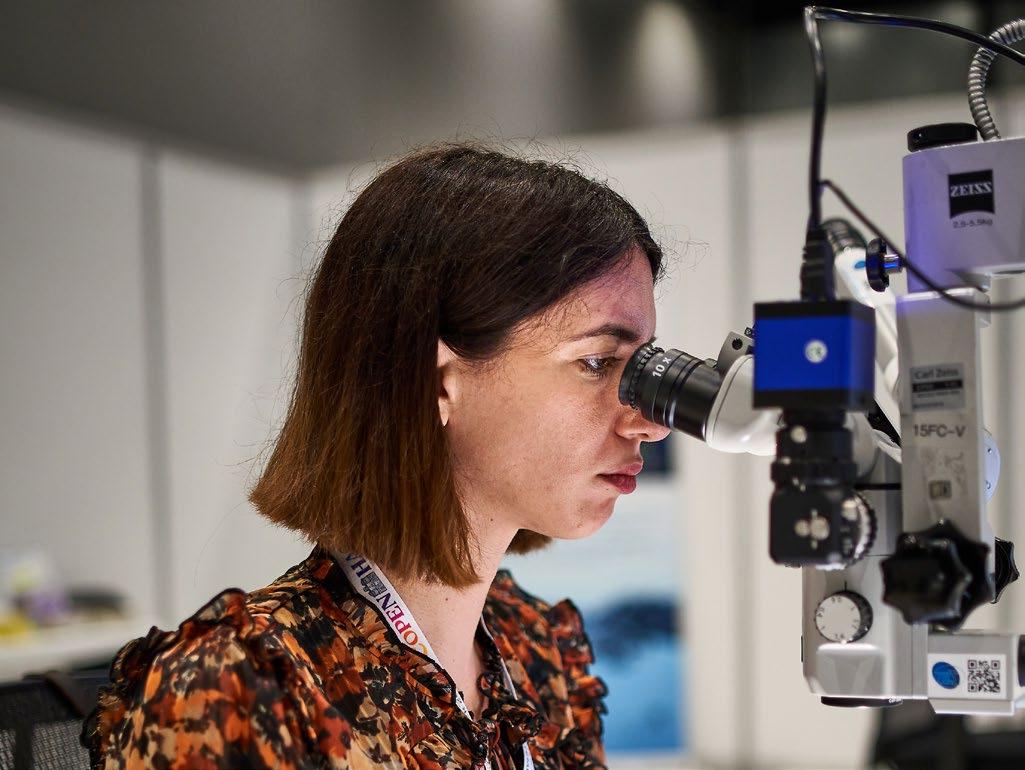
ESCRS Moving Simulators
ESCRS provides two Eyesi Surgical Cataract Simulators to ESCRS National Societies that need better access to this training equipment. In 2025, the ESCRS Moving Simulators have been

International Partnerships
In 2025, ESCRS continued to strengthen its international partnerships as a core part of its mission to advance education, research and collaboration in cataract and refractive surgery.

Affiliated Societies (2025)
• Brazilian Association of Cataract and Refractive Surgery (BRASCRS)
• Egyptian Ophthalmological Society (EOS)
• Intraocular Implant & Refractive Society of Taiwan (IIRST)
Looking forward, and building on this foundation, several additional societies progressed from pipeline discussions to formal affiliation in the first half of 2026:
• Emirates Society of Ophthalmology (ESO)
• Saudi Society of Cornea, Cataract, and Refractive Surgery (SSCRS)
• Mexican Society of Ophthalmology (SMO)
MEMBERSHIP & COMMUNITY
ESCRS National Societies
ARMENIA
Armenian Society of Cataract and Refractive Surgeons
AUSTRIA
Austrian Ophthalmology Society
BELGIUM
Belgian Society of Cataract and Refractive Surgeons
CROATIA
Croatian Organisation for Cataract and Refractive Surgery
Croatian Society for Cataract and Refractive Surgery
CZECH REPUBLIC
The Czech Society of Refraction and Cataract Surgery
FINLAND
Finnish Society of Cataract and Refractive Surgery
GERMANY
German Society for Cataract and Refractive Surgeons
GREECE
Hellenic Society of Intraocular Implant and Refractive Surgery
HUNGARY
Hungarian Cataract and Refractive Surgical Society
ITALY
Associazione Italiana di Chirurgia della Cataratta e Refrattiva
NETHERLANDS
Ophthalmological Society of the Netherlands
PORTUGAL
Portuguese Society of Ophthalmology
ROMANIA
Romanian Society of Cataract and Refractive Surgery
SCANDANAVIA
Scandinavian Society of Cataract and Refractive Surgery
SERBIA
Serbian Society of Cataract & Refractive Surgeons
SLOVAKIA
Slovak Society of Cataract and Refractive Surgery
SPAIN
Sociedad Espanola de Cirgugia Ocular Implanto-refractiva
SWEDEN
Swedish Ophthalmological Society
SWITZERLAND
Swiss Society of Ophthalmology
TURKEY
Turkish Ophthalmological Association
UKRAINE Society of Ukrainian Ophthalmosurgeons
UNITED KINGDOM
United Kingdom & Ireland Society of Cataract and Refractive Surgeons

ESCRS Academies and Global Outreach
Taking Education Around the World
The ESCRS Academies continued to play a central role in delivering high-quality, structured education beyond the Society’s core meetings. Designed to bring practical learning, expert faculty, and current clinical insight directly to regional and international audiences, the Academies extend the reach and impact of ESCRS across the global ophthalmic community.
Through focused symposia, instructional courses, and collaborative sessions, ESCRS faculty shared expertise, emerging technologies, complication management, and evolving standards of care.
Membership & Community


International Affiliation
Educational Outreach through Academies Initiative
These sessions not only strengthened educational exchange but also reinforced partnerships with national and international societies. By participating in major congresses worldwide, ESCRS contributed to a shared global dialogue and ensured that its educational standards and consensus work reached a broad and diverse audience.
In 2025, ESCRS Academies took place across Europe, the Middle East, Asia, North and South America, reflecting the Society’s growing international engagement and commitment to accessible, high-quality education.

ESCRS Academy Sessions 2025
08 February - Abu Dhabi
Emirates Society of Ophthalmology (ESO)
29-30 March - Yerevan
Armenian Society of Cataract and Refractive Surgeons (ArSCRS)
03-06 April - New Delhi
Asia-Pacific Academy of Ophthalmology (APAO)
25-28 April - Los Angeles
American Society of Cataract and Refractive Surgery (ASCRS)
09 May - Madrid
Spanish Society of Ophthalmology (SECOIR)
17 May - Kranj
Slovenian Ophthalmological Society
23-24 May - Tampere
Finnish Society of Cataract and Refractive Surgery (FSCRS)
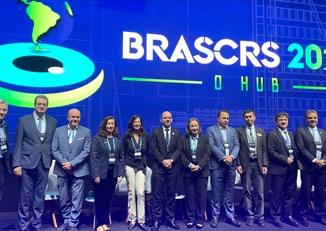
28–31 May - São Paulo
Brazilian Society of Cataract and Refractive Surgery (BRASCRS)
05–07 June - Kraków
Polish Society of Ophthalmology
07–09 June - Lisbon
European Society of Ophthalmology (SOE)
12–14 June - Athens
World Keratoconus Congress (WKC)
19–21 June - Kraków
European Society of Cornea and Ocular Surface Disease Specialists (EUDEC)
28 June - Crete
Aegean Ophthalmological Society
22 August
College of Ophthalmology of Eastern, Central and Southern Africa (COECSA)
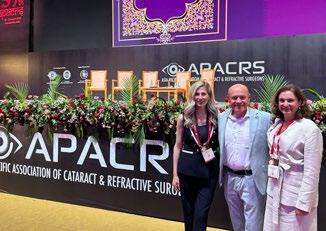
22 August - Ahmedabad
Asia-Pacific Association of Cataract and Refractive Surgeons (APACRS)
28 August - Basel
Swiss Ophthalmological Society (SOG)
20 September
Bulgarian Society of Ophthalmology (BSO)

25–28 September - Berlin
German Ophthalmological Society (DOG)
17–20 October - Orlando
American Academy of Ophthalmology (AAO)
14–15 November - Virtual
Ukrainian Society of Ophthalmologists (SUO)
13–14 December
Taiwan Ophthalmological Society (TOS)
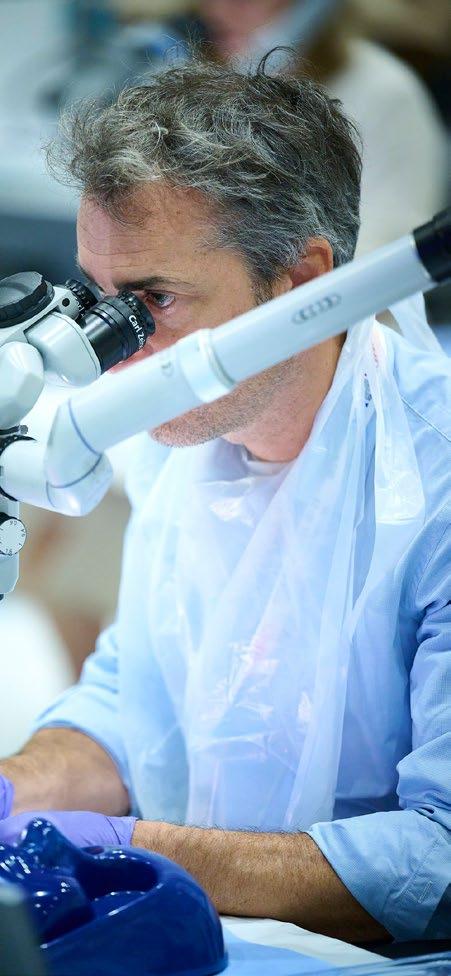
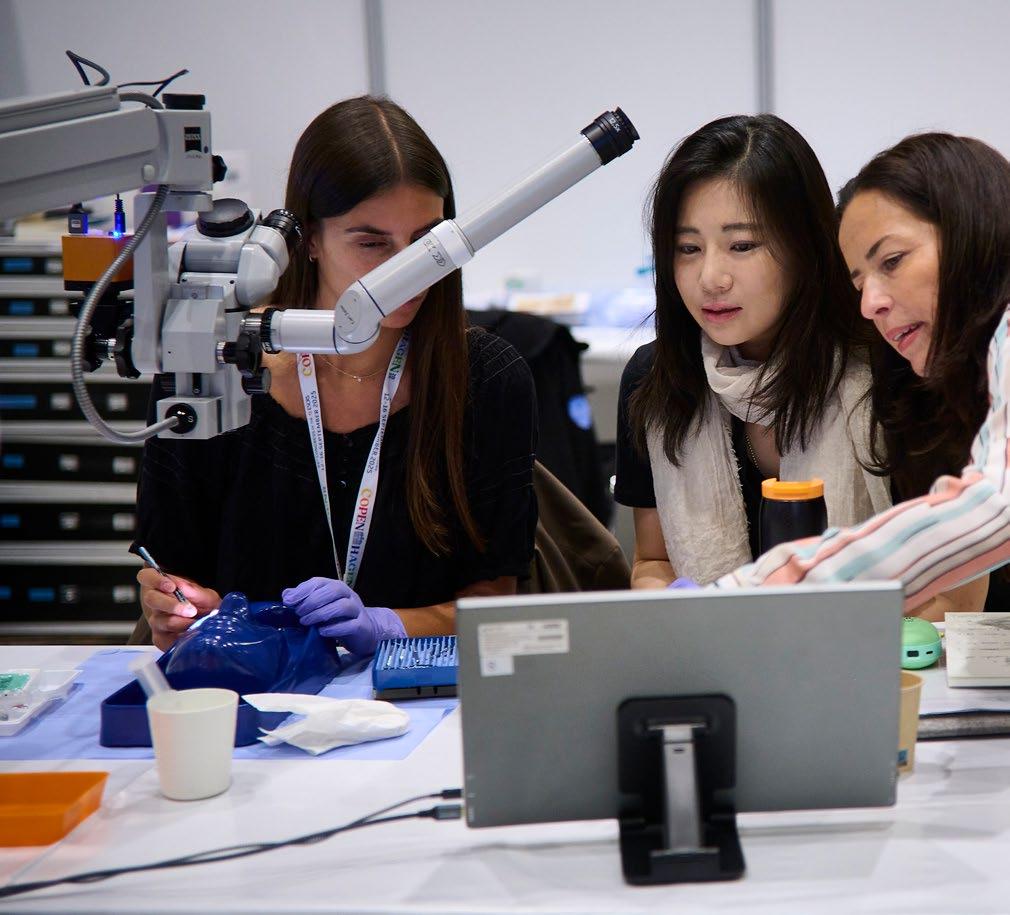
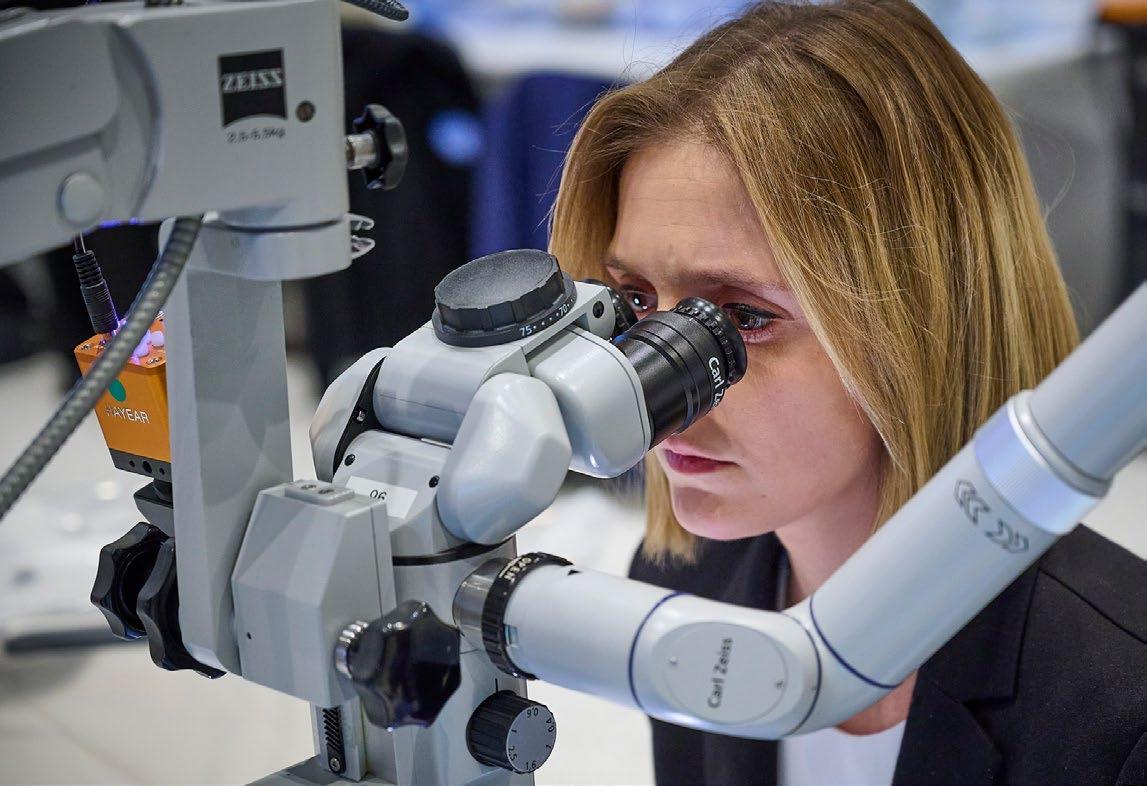

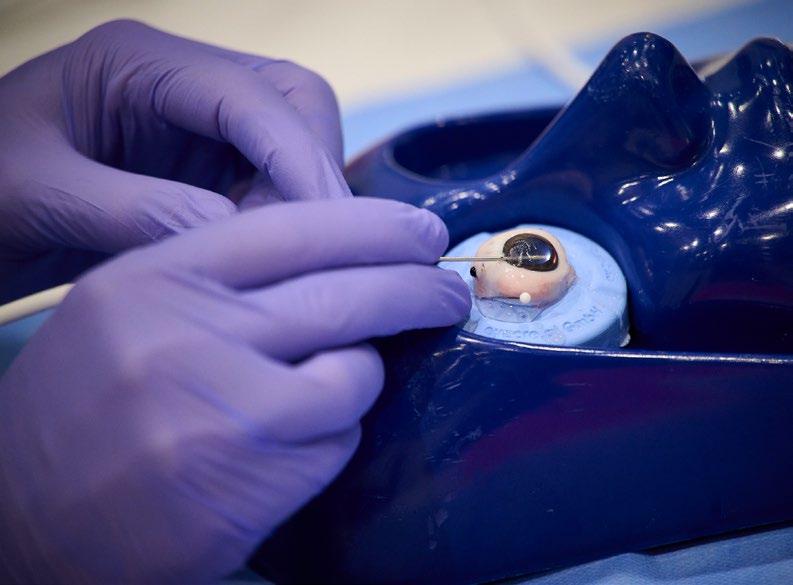
Shaping Standards. Strengthening Practice.

In 2025, ESCRS continued to reinforce education as the foundation of its mission – advancing clinical excellence, supporting professional development and strengthening standards across anterior segment surgery.
Through a balanced and integrated educational ecosystem - combining congresses, accredited digital learning, subspecialty masterclasses, independent medical education initiatives and clinical consensus development – the Society ensured that knowledge remains accessible, rigorous and forward-looking.
Education at ESCRS is continuous, structured and evidence-based. It connects research with clinical application, supports surgeons at every stage of their careers and promotes harmonised standards of care across Europe and globally.
EDUCATION & PROFESSIONAL DEVELOPMENT
A Year of Records, Reach and Scientific Excellence
2025 marked one of the most successful and strategically significant years in the Society’s history. From a dynamic winter meeting to a successful Annual Congress, ESCRS continued to strengthen its position as the leading global society for cataract and refractive surgery.
iNovation Day
ESCRS Innovation Day 2025 attracted 383 participants, demonstrating strong engagement across the ophthalmic innovation community. The event was supported by significant industry sponsorship and participation, with leading organisations contributing to panel discussions and showcasing innovation across the sector.
Sponsors included Diamond Sponsor Alcon; Gold Sponsors AbbVie, Bausch + Lomb, Heidelberg Engineering, Johnson & Johnson, STAAR Surgical, and ZEISS; Silver Sponsors Glaukos, iantrek, Rayner, SCHWIND, Tarsus, VSY Biotechnology; and Financial Sponsor Citibank.
Attendance from industry representatives, medical doctors, trainees, and emerging companies highlighted Innovation Day’s role in fostering collaboration, supporting innovation, and strengthening connections that advance ophthalmology and patient care.

Winter Meeting
Athens
The Winter Meeting welcomed 1,924 participants from 73 countries, reflecting strong international engagement and scientific exchange.
The programme featured:
• 9 TOGA sessions
• 1 Spotlight Theatre
• 6 World Café sessions
• 6 Speed Mentoring sessions
The interactive formats were particularly well received, reinforcing ESCRS’ commitment to dialogue, mentorship and collaborative learning.
Annual Congress
Copenhagen
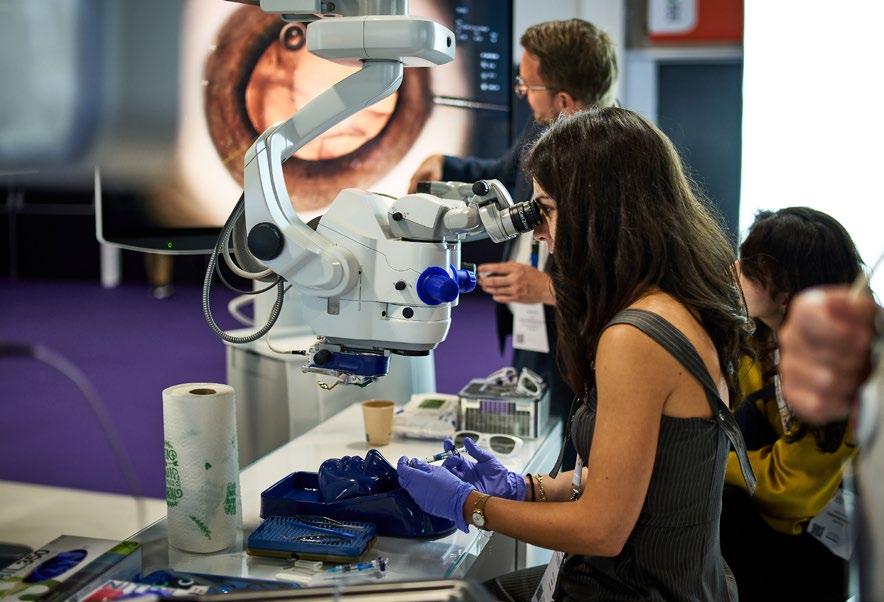
The Annual Congress achieved excellent registration numbers, with 15,300 delegates from 138 countries attending, underlining the Society’s continued global growth.
Scientific excellence was reflected in:
• 2,786 abstract submissions - the highest number to date, with excellent geographical balance
• Clinical Research Symposia continuing to grow in strength
• Subspecialty Days showing strong registration performance
• Surgical Training Lab - fully booked within 48 hours of opening registration
The ESCRS Annual Congress in Copenhagen once again showcased two of the Society’s most prestigious lectures. The Binkhorst Medal Lecture was delivered by Professor Thomas Kohnen, whose presentation, “The Short-Sighted World”, reflected a distinguished career and significant contributions to cataract and refractive surgery. The Heritage Lecture was presented by Professor Robert H. Osher, focusing on the enduring role of video in advancing surgical practice. Together, these lectures highlighted both innovation and legacy within ophthalmology, celebrating excellence, sharing expertise, and inspiring the global ESCRS community.
The Annual Congress achieved record breaking registration numbers, with 15,300 delegates from 138 countries.
Commitment to Representation
The Society achieved its best gender balance of speakers to date, with a ratio of: 61% Male : 39% Female
This reflects ongoing efforts to promote diversity and broader representation across the scientific programme.
EDUCATION & PROFESSIONAL
Year-Round Educational Engagement
Beyond its major events, ESCRS delivered a structured, year-round educational portfolio ensuring continuity, accessibility and professional relevance.
Throughout 2025, eConnect webinars and Eye Journal Clubs extended expert discussion to a worldwide audience, fostering critical appraisal of emerging research and strengthening scientific debate among members.
Through integrated congress learning and

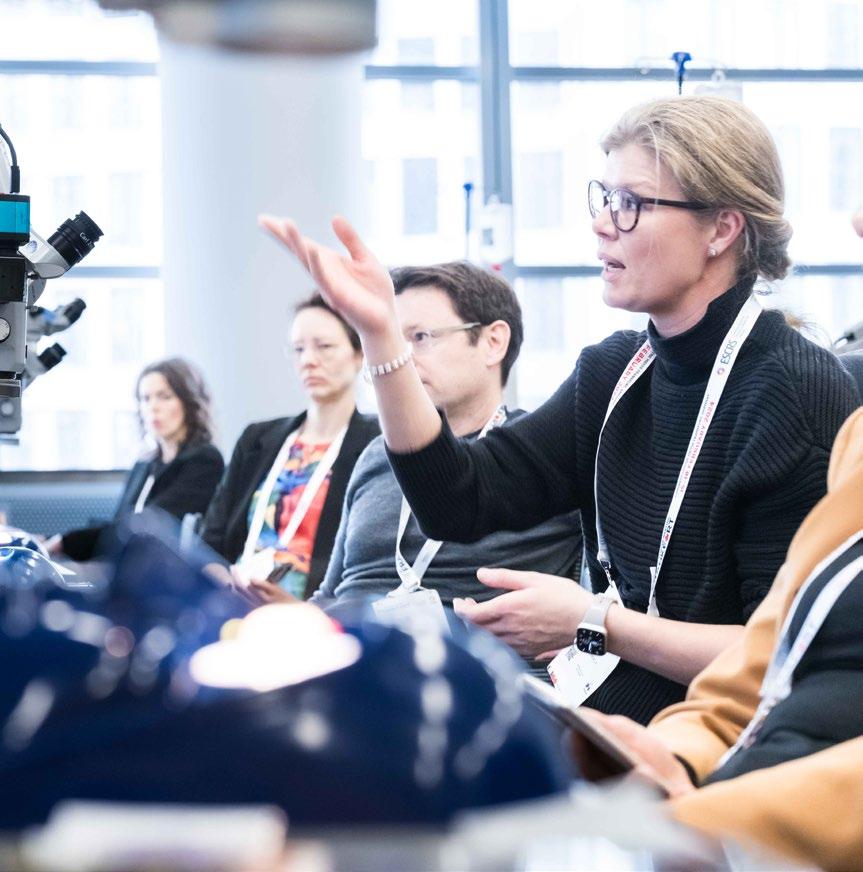
Digital & Accredited Learning
eLearning Portal
The eLearning portal hosts more than 20 modules spanning cataract surgery, corneal science and the optics of visual function. Each successfully completed module awards one CME point, reinforcing measurable professional development.
ESCRS100 & Webinars
The ESCRS100 library now features 53 concise instructional videos delivering focused educational insight in an accessible format. During 2025, ten one-hour Eye Journal Club and eConnect webinars attracted thousands of participants, reinforcing the Society’s commitment to open, expertled scientific dialogue. Through accredited modules, short-form video content and live digital discussion, ESCRS continued to expand access to trusted, evidence-based learning across geographic boundaries.
Advanced Education & Subspecialty Development
Structured, advanced education remained a defining pillar of the ESCRS model in 2025.
This course has amazing mentors and organization, it seems easy to learn and has high impact in our clinical management of glaucoma patients.
Dr. Cardoso
Masterclasses: MIGS & Complex Cataract
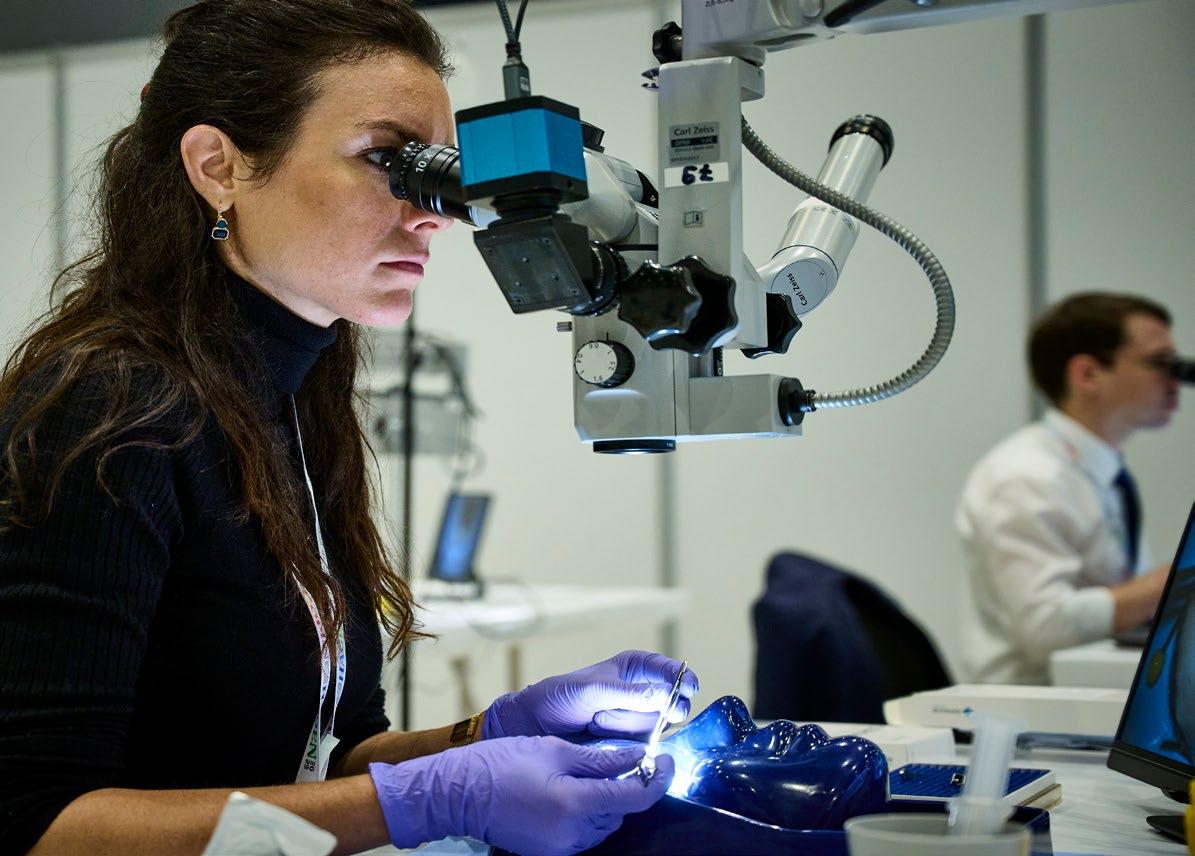
Masterclasses: MIGS & Complex Cataract
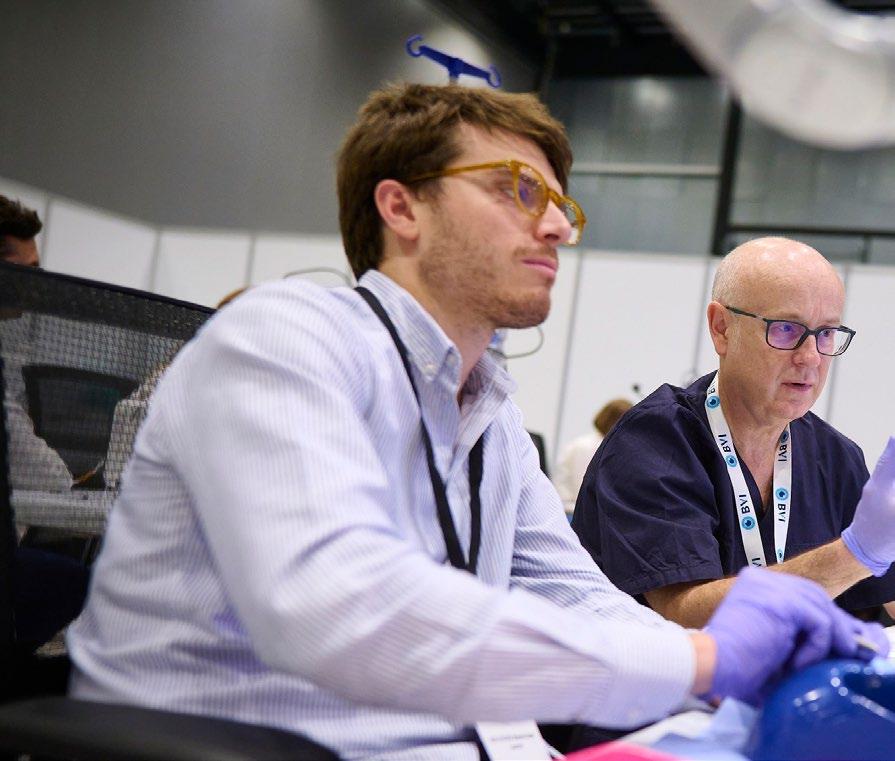
The 2025 Masterclasses in Minimally Invasive Glaucoma Surgery (MIGS) and Complex Cataract was built on the success of previous programmes. Each Masterclass offered 50 positions and paired participants with dedicated mentors. The curriculum combined mentorguided workshops, interactive webinars, case-based discussion and hands-on wetlab training. These initiatives were designed to refine clinical practice, strengthen outcomes and expand
patient access to advanced surgical techniques. Further Masterclasses are planned for 2026, reflecting sustained demand for focused, high-level subspecialty education. Through mentorship and structured progression, ESCRS continues to advance specialist competence across the profession.
Thank you to our 2025 Masterclass Sponsors: Alcon, BVI Medical, Glaukos, Sight Sciences, Johnson & Johnson Vision, STAAR Surgical, and ZEISS.
Clinical Standards & Professional Recognition
In 2025, ESCRS continued to reinforce its leadership in defining and harmonising clinical standards internationally.
Functional Vision Working Group
The ESCRS Functional Vision Working Group continued development of the EvidenceBased Functional Classification of Simultaneous Vision Intraocular Lenses. Ongoing collaboration with partner societies throughout 2025 aimed to achieve broad scientific consensus and provide greater clarity in lens classification.
ESCRS IOL Classification Consensus
The ESCRS IOL Classification
Consensus represented an important collaborative milestone for the Society in advancing clarity and consistency within the rapidly evolving field of intraocular lens technology. Bringing together leading experts in cataract and refractive surgery, the consensus aimed to establish a shared framework and terminology for the classification of IOLs, helping surgeons, researchers, industry, and patients better understand the optical characteristics and intended outcomes of different lens designs. By fostering alignment across the profession, the initiative supports more consistent scientific communication, improved clinical decision-making, and greater transparency in the presentation and evaluation of emerging IOL technologies.
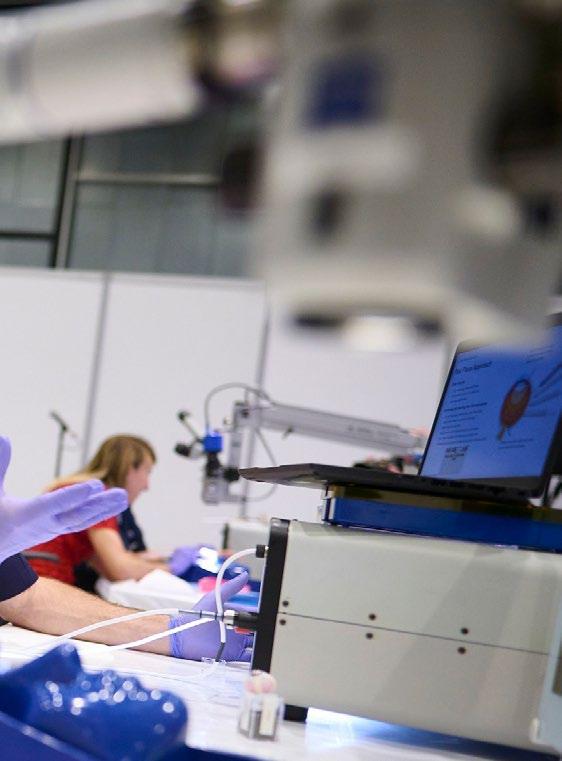
This was a great master class that provided the knowledge to be more confident with MIGS but also the hands on training and wet labs with industry experts. Dr. Gagnon
Masterclasses: MIGS & Complex Cataract
FEBOS Cataract Examination 2025
Held during the Annual Congress in Copenhagen and organised in cooperation with the European Board of Ophthalmology, the 2025 FEBOS Cataract Examination certified 15 candidates.
The expanded FEBOS-CR Wall of Honour reflects ESCRS’ continued commitment to recognised subspecialty accreditation and professional distinction.
ESCRS Guidelines for Cataract Surgery
The executive summary of the ESCRS Guidelines for Cataract Surgery are available on the website, linked with a pre-publication version of the full extended guidelines document. The executive summary of the ESCRS Guidelines for Refractive Surgery have also recently been published on the website, and stakeholders have been invited to comment.
EDUCATION & PROFESSIONAL
Independent Medical Education & Fellowship Investment
In 2025, ESCRS delivered Independent Medical Education (IME) grant programmes across refractive intraocular lenses, complex phaco techniques, corneal and lens refractive surgery, and the digital operating room.
IME Programme Grants
A total of 36 educational tactics were implemented, including congress symposia, EuroTimes supplements and on-demand learning via interviews, podcasts and eLearning modules.

Outcomes were measured through structured pre-, post- and follow-up surveys. Results demonstrate statistically significant changes in clinical opinion and practice patterns, with the majority of participants reporting meaningful adjustments to patient management.
Across all initiatives, ESCRS estimates engagement exceeding 10,000 delegate interactions. These independent programmes were supported by unrestricted educational grants from Alcon, J&J Vision, Zeiss, Staar, Bausch & Lomb, Tarsus and Nordic Pharma.
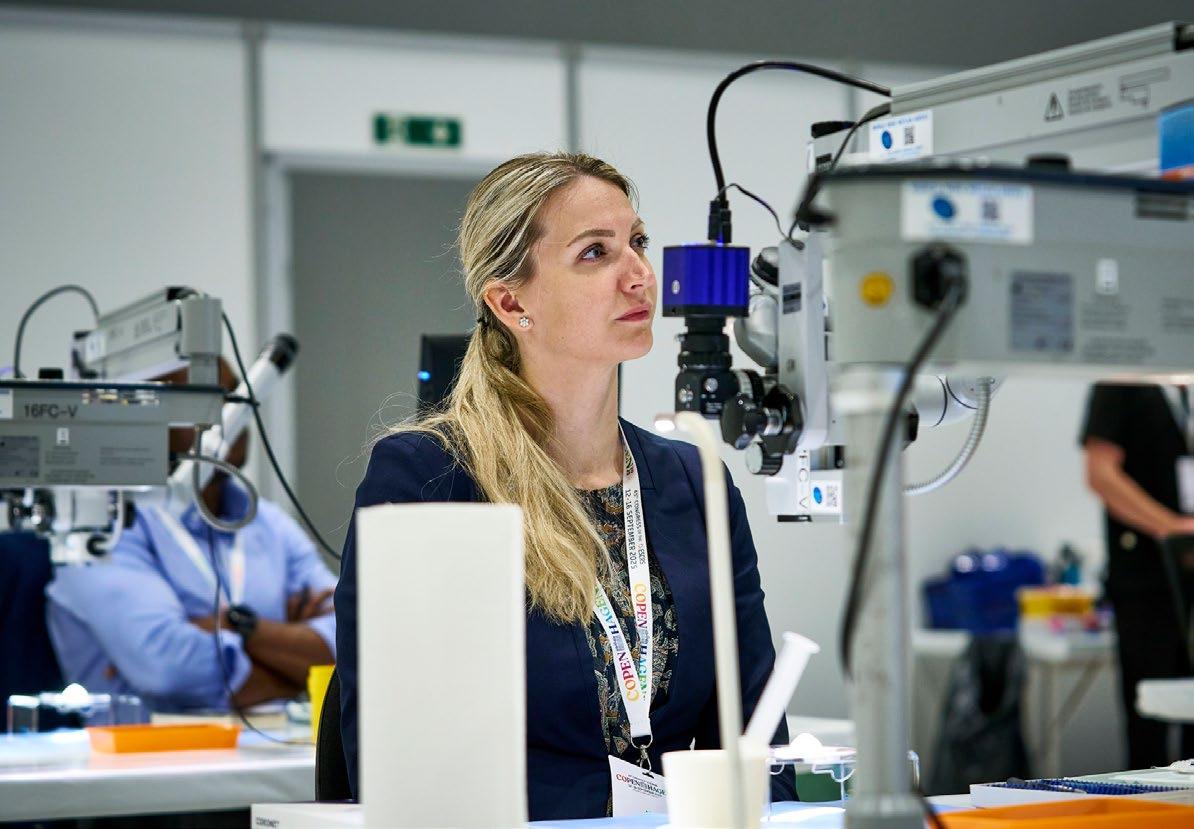
Peter Barry Fellowship Award 2025
The €60,000 Peter Barry Fellowship Award 2025 was awarded to Klemens Paul Kaiser of Goethe-University Frankfurt.
This year’s fellowship supports advanced clinical and research training in corneal refractive surgery at the Singapore National Eye Center and Singapore Eye Research Institute under the supervision of Prof. Jod S. Mehta. The research will examine corneal nerve regeneration and mechanisms underlying postoperative neuroinflammation.
Through targeted grants and fellowship investment, ESCRS continues to link research excellence with clinical advancement.
EDUCATION & PROFESSIONAL DEVELOPMENT
Innovation, Tools & Global Digital Reach
Digital innovation remains embedded within ESCRS’ educational ecosystem.
ESCRS IOL Power Calculator Usage
The ESCRS IOL Calculator remains one of the Society’s most widely used clinical tools, supporting cataract surgeons worldwide in achieving accurate intraocular lens power calculations. Continuously updated to reflect advances in biometry and formula development, the calculator reinforces ESCRS’s commitment to improving surgical outcomes through accessible, evidence-based innovation.
Between 1 January and 31 December 2025: 103,139 users 4,584,007 calculations
Geographic usage demonstrates global reach:
Europe 47.93%
Americas 28.33%
Asia 20.44%
Africa 1.71%
Oceania 1.54%



World-Leading Educational Platform
Throughout 2025, ESCRS continued transforming its online membership and learning platforms to deliver a comprehensive, year-round educational experience.
Through digital tools, structured programmes and international collaboration, ESCRS strengthens professional standards and supports improved patient outcomes worldwide.
EDUCATION & PROFESSIONAL DEVELOPMENT
Leadership, Business & Innovation (LBI)
Developing Future-Focused Leaders
In 2025, the ESCRS Leadership, Business and Innovation (LBI) Committee continued to deliver a structured, year-round programme designed to support leadership development across the profession. The transition to a more integrated annual framework was completed, combining in-person learning, digital engagement and peer exchange to ensure sustained professional growth beyond single events.
During the year, LBI sharpened its focus to better serve ophthalmologists working in public practice settings, those in hybrid public–private roles, and surgeons in the final years of specialist training. This refinement followed a member survey identifying the leadership, communication and innovation challenges most relevant to contemporary clinical practice. Initial steps to align programme content more closely with these needs were implemented in 2025, laying the groundwork for further evolution of the offering.
Key initiatives included the Zurich Weekend in June and the Dublin Weekend in collaboration with Trinity College in November, both providing immersive environments for discussion-led learning. The Copenhagen LBI Bootcamp offered intensive, skills-based development, while a dedicated TOGA session in Athens focused on podium presentation skills and effective scientific communication.
The LBI Podcast Series continued with six themed episodes addressing timely leadership topics, and the Reading Club remained active, fostering reflective discussion and peer-led dialogue. Together, these activities contributed to a more cohesive and needs-driven programme, positioning LBI for its next phase of development.

Looking ahead to 2026, a new Vision to Venture strategy is being developed and delivered, providing a clear roadmap for the next phase of growth and impact.
LBI Weekend in Zurich, 2025
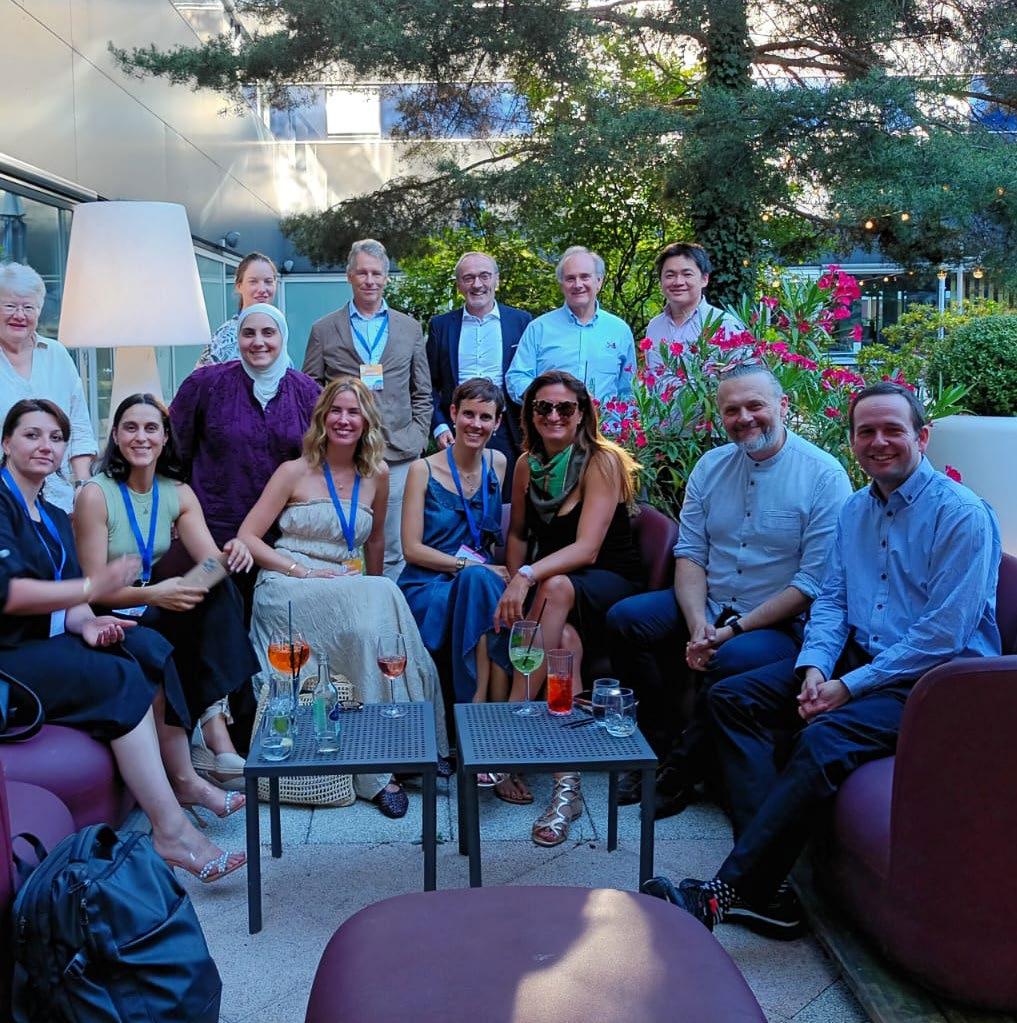
Attending the LBI Weekend was incredibly valuable - practical, engaging, and immediately applicable to my clinical work. The faculty were outstanding, and the collaborative atmosphere made it easy to learn, ask questions, and connect with peers.
Research & Strategic Development in 2025

Establishing Research Working Groups
In 2025, the Research Committee strengthened the Society’s research framework through the establishment of seven new Working Groups, designed to generate, guide and coordinate future ESCRS-led research projects.
These Working Groups focus on key sub-specialty and methodological areas:
Cataract Surgery
Refractive Surgery
Corneal Surgery
IOL Calculation
Keratoconus
Simultaneous Vision
Endophthalmitis
By structuring expertise across these domains, ESCRS has built a more coordinated, forwardlooking research strategy that supports multicentre collaboration and high-quality evidence generation.
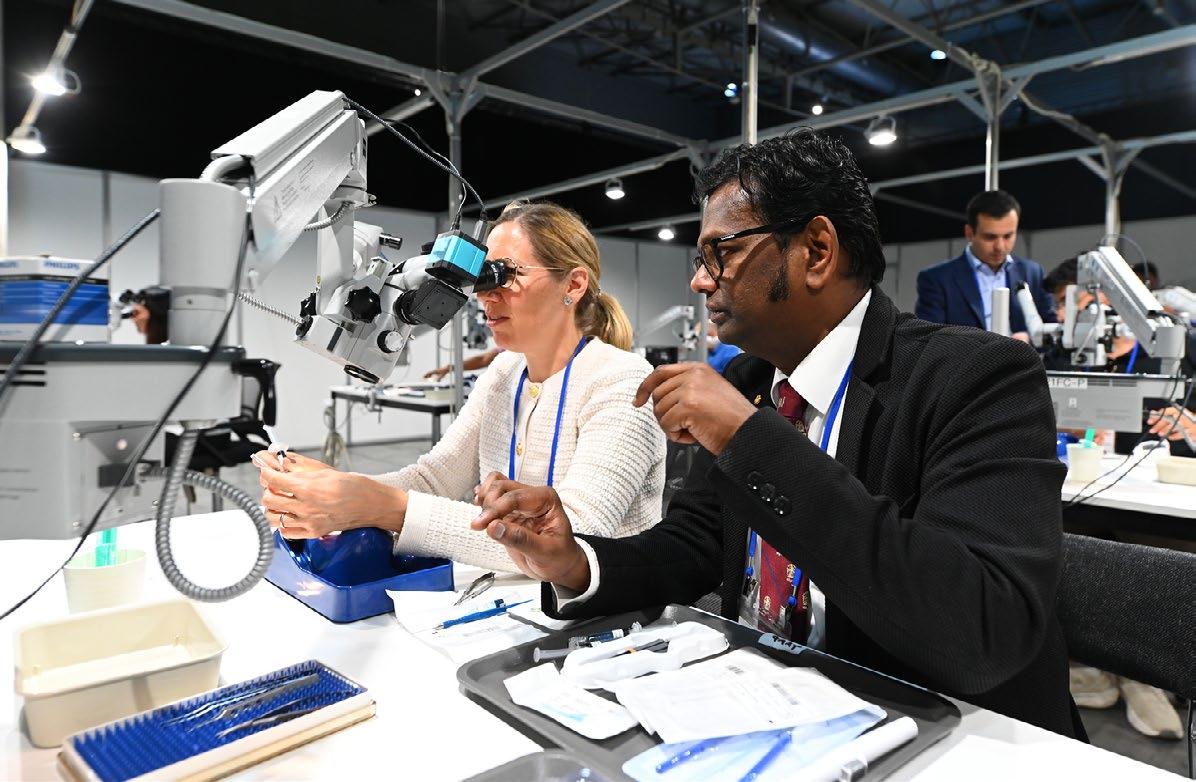
Research Awards 2025
The Committee continued to recognise scientific excellence while embedding awards within a broader research ecosystem.
In 2025, the Society awarded:
• 6 new Systematic Research Awards
• 1 Pioneer Research Award
• 2 Sustainability in Research Awards
These awards support innovative, rigorous and impactful research aligned with ESCRS’ strategic priorities.
Clinical Research Symposia –Copenhagen
At the Annual Congress in Copenhagen, the Research Committee organised four Clinical Research Symposia on 13 September 2025.
All sessions were very well attended, reflecting strong member engagement in research methodology, emerging evidence and clinical application.
The symposia further reinforced the Society’s commitment to advancing evidence-based practice and supporting high-level scientific discourse.
2025 Live Research Awards
Digital Research Awards / Systematic Review Awards
DRA: An open access dataset of high-resolution corneal optical coherence tomography images in early keratoconus (OCT-KC).
PI: Bruce Allan – Moorfields Eye Hospital and UCL Institute of Ophthalmology €283,176
DRA: European Keratoconus Outcomes Registry (EUKOR).
PI: Joaquim Carlos Neto Murta –Centro Hospitalar Universitário de Coimbra €234,915
SRA: Diagnostic performance of deep learning in infectious keratitis.
PI: Darren Shu Jeng Ting – Birmingham and Midland Eye Centre €10,000
SRA: The Role of Femtosecond Laser in the Management of Ectatic Corneal Diseases and Progressive Myopia: A Systematic Review and Retrospective Clinical Data Analysis.
PI: Azamat Yusupov €9800
SRA: Estimating the carbon footprint of ophthalmologic healthcare services: What is known, what is needed, and how to develop an evidencebased tool adapted to the hospital context.
PI: Carlos Neves €10,000
SRA: Toric Intraocular Lens (IOL) Power Calculation with Predicted vs. Measured Posterior Corneal Astigmatism: Network Meta-Analysis and Systematic Review.
PI: Olga Reitblat €10,000

Clinical Research Awards / Pioneer Research Awards
European Prospective multi-centre trial comparing triple-DMEK with cataract surgery in patients with cataract and Fuchs endothelial corneal dystrophy (ETCF).
PI: Bjorn Bachmann – University Hospital Cologne €786,200
Modelling the corneal microbiome to improve identification of pathogenic microorganisms (META-COR-2).
PI: Stephen Kaye – University of Liverpool €137,743
Influence of posterior vitreous detachment on retinal detachment after lens surgery in myopic eyes (MYOPRED).
Effectiveness and cost effectiveness of TORIC intraocular lens implantation in patients with mild astigmatism (TORIC IOL study).
PI: Mor Dickman & Paul Rosen – University Eye Clinic
Maastricht & Oxford Eye Hospital €1,429,245
Innovative ocular surface grading camera (CAMERA).
PI: Vito Romano – Università degli Studi di Brescia €50,000
Development and Validation of a Novel Machine Learning-Based Intraocular Lens Power Formula for Cataract Surgery Combined with Endothelial Keratoplasty.
PI: Marco Pellegrini – Ospedali Privati Forlì “Villa

Registries 2025
Real-World Evidence at European Scale
The ESCRS Registries programme continues to be one of the Society’s most strategically important research initiatives, providing large-scale, real-world data that informs clinical practice, supports consensus development and strengthens evidence-based ophthalmology across Europe.
The programme consists of three major databases:
EUREQUO – European Registry of Quality Outcomes for Cataract and Refractive Surgery
ECCTR – European Corneal Transplant Registry
EuReCCA – European Registry for Paediatric Cataract Surgery
Together, these registries now contain data on more than 4 million surgical procedures, making ESCRS one of the custodians of the most comprehensive
From Data to Guidance
A core function of the Registries Steering Committee is to translate registry outputs into meaningful scientific and clinical impact. Registry data are actively analysed and developed into peer-reviewed publications, consensus statements and position papers that inform standards of care.


Strengthening Infrastructure & Sustainability
During 2025, the Society completed a comprehensive tender process for a new database provider. This transition enhances analytical capability and long-term scalability.
Committee membership rotation and a dedicated PROM (Patient-Reported Outcome Measures) planning retreat further strengthened the programme’s strategic direction and patientcentred focus.
Shaping the Future of Evidence-Based Practice
The ESCRS Registries programme continues to evolve from data collection to active evidence leadership. By combining scale, scientific rigour and structured governance, the registries are not only documenting practice - they are helping define it.
Through real-world data translated into consensus and guidance, ESCRS reinforces its role as a European leader in advancing quality, transparency and excellence in ophthalmic care.
EuroTimes
EuroTimes remained the Society’s flagship magazine in 2025, providing authoritative and accessible coverage of scientific advances, clinical developments, education and ESCRS activity for a global ophthalmic audience.
Across six bi-monthly issues and four digital publications, EuroTimes delivers in-depth reporting on emerging techniques and technologies in cataract and refractive surgery, comprehensive coverage of ESCRS congresses and educational initiatives, expert interviews and opinion pieces, and selected professional and industry updates relevant to clinical practice.
Throughout the year, EuroTimes maintained strong engagement with members and readers worldwide. By translating complex scientific developments into practical, readable content, the publication continues to bridge research and clinical application, supporting lifelong learning and professional excellence across the global ophthalmic community.
Digital Evolution
In 2025, EuroTimes continued its transition to a more digital model, strengthening online distribution and integration with ESCRS communication channels.
This shift improves accessibility for international readers and reflects the Society’s commitment to modern, sustainable and widely accessible publishing.

Journal of Cataract & Refractive Surgery (JCRS)
The Journal of Cataract & Refractive Surgery (JCRS) continued in 2025 as the official peer-reviewed journal of both the American Society of Cataract and Refractive Surgery (ASCRS) and the European Society of Cataract and Refractive Surgeons (ESCRS).
Published as a joint-society journal since 1996, JCRS represents a long-standing transatlantic collaboration dedicated to advancing scientific excellence in anterior segment surgery. Following the celebration of its 50th volume in 2024, the journal entered 2025 with continued momentum, reinforcing its position as one of the leading journals in ophthalmology worldwide.

This shared editorial leadership reflects the journal’s international reach and balanced scientific perspective.
The aim of JCRS is to publish high-quality academic and scientific articles with broad international relevance in cataract and refractive surgery. Through rigorous peer review, global authorship and a strong focus on clinical applicability, JCRS continues to advance evidence-based practice and strengthen ESCRS’ scientific leadership on the global stage. The journal is ranked 17/98 in Ophthalmology and 44/312 in Surgery.
Journal of Cataract & Refractive Surgery Case Reports (JCRO)
The Journal of Cataract & Refractive Surgery Case Reports (JCRO) continued in 2025 to complement JCRS by focusing on educational, case-based clinical content.
JCRO provides a dedicated platform for:
• Instructive and complex clinical case reports
• Practical learning applicable to everyday clinical practice
• Insights relevant across a broad spectrum of experience levels
By offering a specialised outlet for case-based scholarship, JCRO broadens participation in scientific publishing and supports the development of clinical insight and peer-to-peer learning within the global ophthalmic community.
Strengthening global access to eye care
In 2025, ESCRS continued its commitment to improving access to quality eye care worldwide, supporting a range of charitable initiatives that delivered lasting impact in underserved and vulnerable communities.
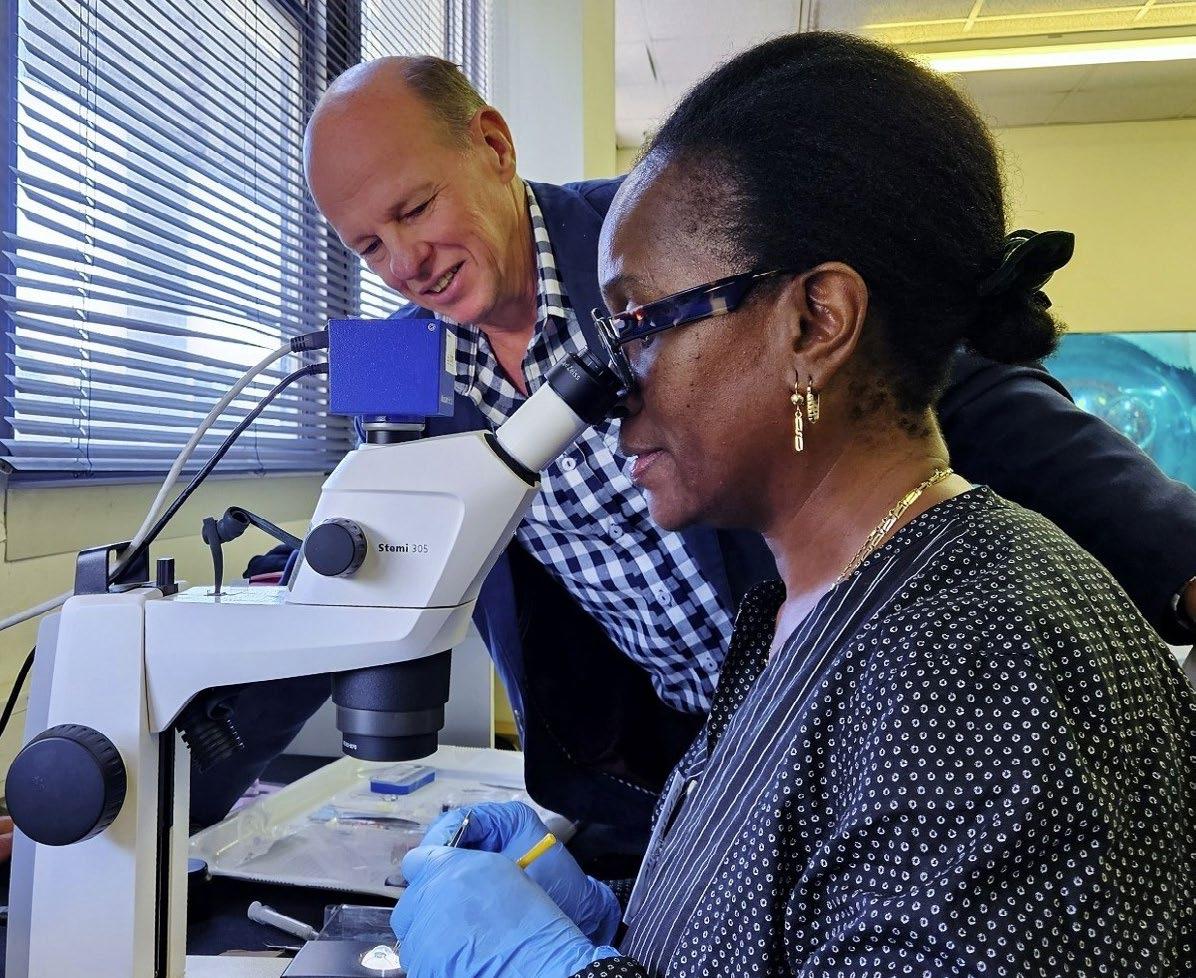

Since early 2023, ESCRS has actively partnered with and supported several major cataract surgery initiatives, primarily across Sub-Saharan Africa.
In 2025, ESCRS continued to provide significant financial and training support in Malawi, Mozambique, Palestine and South Africa, while also contributing to cataract-related projects in South Sudan.
As part of its ongoing three-year commitment (2023–2025), third-year funding totalling €300,000 in donations was provided to the major projects in Malawi, Mozambique and Palestine.
The partnership with the University of Cape Town Eye Health Institute, launched in 2024, continued in 2025, with €95,000 in funding supporting training and service delivery initiatives.
Additional targeted support in 2025 included a €40,000 contribution to the Diocese of Wau to deliver cataract camps in South Sudan, expanding access to sight-restoring surgery in underserved communities.
ESCRS continued its support for the Ukrainian ophthalmic community in 2025 by offering complimentary membership and a 50% reduction in Annual Congress registration fees, helping to sustain professional engagement during ongoing disruption. A total of 177 Ukrainian colleagues registered for the Annual Congress.
Targeted financial support was also provided in 2025, including:
The support of two clinical observerships for Ukrainian ophthalmologists at the University of Oxford.
The procurement of Ahmed valves to support glaucoma care.
Annual Report 2025
Long-term partnerships creating change
A longstanding partnership with Eyes of the World drove sustainable change in Mozambique’s Inhambane Province. Through a human rights and gender equity approach, the programme strengthened local eye care systems while expanding access to treatment. Over two decades, more than 14,000 eye health professionals were trained and over one million people received care, with thousands benefiting from sight-restoring cataract surgery.
Delivering care in high-need settings
In South Sudan, ESCRS supported eye care campaigns with the Catholic Diocese of Wau. Despite extremely limited infrastructure, these missions delivered remarkable results, with approximately 11,000 cataract surgeries performed and 36,000 patients treated over the past five years.
Building the workforce
Addressing workforce shortages remained a key priority. In Malawi, ESCRS supported the Blantyre Institute for Community Outreach, which focused on training high-volume cataract surgeons to serve rural populations.
Advancing surgical training
ESCRS funding for the Surgical Training Unit at the University of Cape Town helped strengthen surgical capacity across Africa, with over 100 surgeons benefiting from advanced training programmes. These initiatives reflected ESCRS’s focus on long-term system strengthening – ensuring that local expertise, infrastructure, and training continued to expand access to care beyond individual interventions.
Supporting care in crisis settings
ESCRS remained committed to delivering care in conflict-affected regions. At St John’s Eye Hospital in East Jerusalem and Gaza, teams continued to provide essential cataract surgery despite challenging conditions. In Ukraine, ESCRS provided targeted support through a dedicated relief fund, supplying equipment and medical resources to more than 26 sites, while also supporting ophthalmologists through training, membership, and congress access.
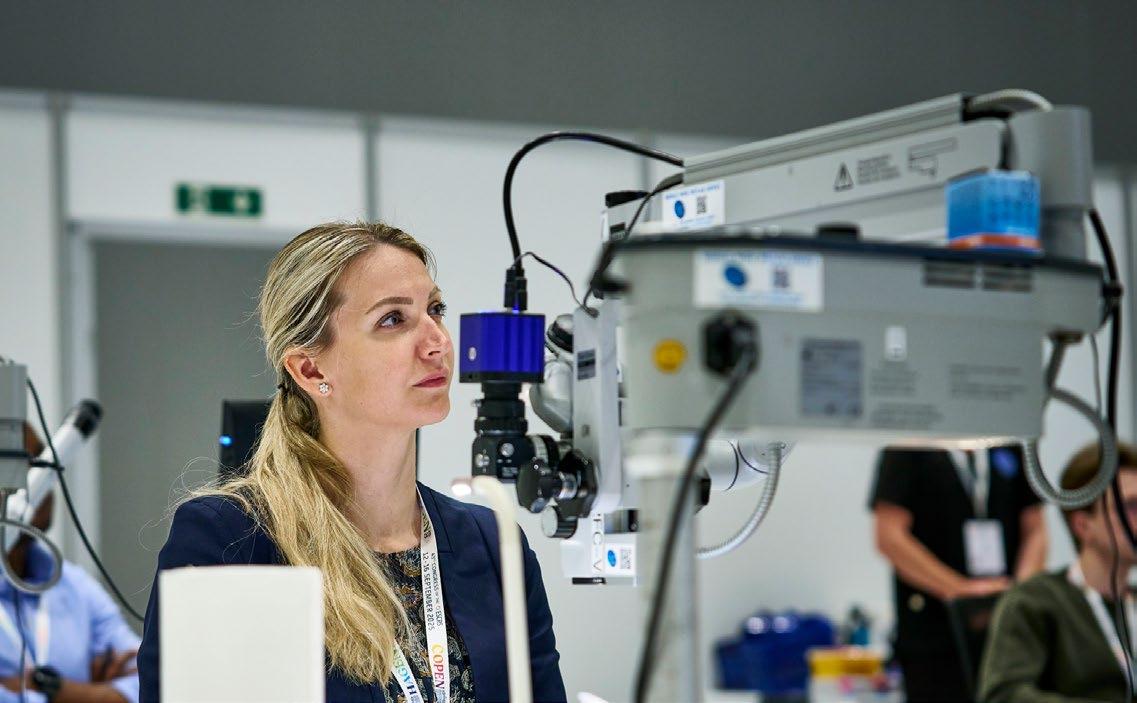

Creating immediate patient impact
Targeted outreach initiatives delivered direct results. In Nepal, collaboration with the Ridley Eye Foundation enabled a field clinic that treated 591 patients and restored sight to 77 individuals in just six days, while also contributing to long-term capacity building.
Transforming lives through sight
In Kenya, ESCRS funding supported paediatric cataract surgery for vulnerable children, with over 80% achieving functional vision. Many were able to return to school, play, and regain independence – highlighting the life-changing impact of timely intervention.
Building Our Sustainable Society
The ESCRS Building our Sustainable Society (BoSS) initiative delivered a strong and diverse programme of activity in 2025, advancing inclusion, wellbeing, and diversity across the ophthalmic community.
Throughout the year, BoSS provided a broad range of content, including symposia, courses, podcasts, mentoring, and charitable initiatives. Engagement remained high across multiple channels, with content reaching thousands via newsletters, social media, the ESCRS website, and live events.
BoSS featured regularly in ESCRS newsletters and website content generating thousands of enagements. In addition, 12 podcasts and videos achieved more than 1,200 views and downloads.
At the ESCRS Annual Congress 2025 in Copenhagen, BoSS programming was a key highlight. The symposium, “Are you satisfied? From burned out to burning bright,” addressed wellbeing and workforce sustainability, while a series of courses explored implicit bias, gender equity, and inclusive leadership, equipping participants with practical tools to support a more equitable profession.
Community-building remained central to BoSS. The Ophthalmic World Leaders (OWL) Signature Event brought together 135 participants, while Speed Mentoring sessions provided valuable opportunities for professional guidance and networking.
Inclusivity initiatives continued to evolve, including the provision of an onsite childcare crèche to support working parents. The 5K charity run/walk attracted approximately 200 participants and raised over €7,400, which will be awarded as part of a charitable grant related to a BoSS initiative.
Gender balance across ESCRS structures remains an area of focus, with women representing 32.7% of committees and 20% of Council positions.
Overall, BoSS demonstrated strong engagement and impact in 2025, with continued focus on inclusivity and visibility key to its future development.

Gender balance across ESCRS structures remains an area of focus, with women representing 32.7% of committees and 20% of Council positions.

Achieving Gender Balance in Committees and Faculty
To support greater diversity and representation across ESCRS leadership and educational activities, the following objectives were established:
Reduce the gender balance gap within committees and faculty by at least 5% annually, with the goal of achieving balanced representation by 2030.
Ensure that at least 50% of open committee positions are filled by individuals from currently underrepresented groups.
Achieve a minimum of 10% year-on-year growth in new ESCRS members from underrepresented groups.
These objectives form part of ESCRS’s broader commitment to improving representation and inclusivity across membership, committees, faculty, and leadership positions.
SUSTAINABILITY
Impact In Action
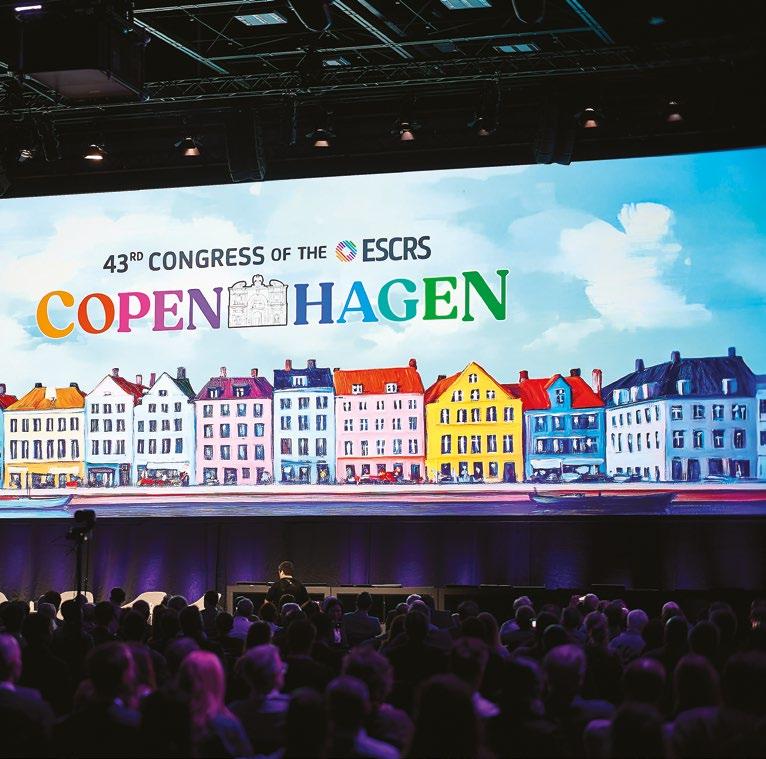
The 43rd ESCRS Congress, held in Copenhagen from 12–16 September 2025, marked a significant step forward in the Society’s Mission Zero sustainability strategy.
Guided by principles of climate action, circular economy, and diversity and inclusion, ESCRS continued to lead by example in reducing environmental impact while strengthening social responsibility.
The total carbon footprint of the Congress was 18,112 tCO2e, with an average of 1,252 kg CO2e per attendee. Travel accounted for approximately
90–95% of emissions, highlighting the importance of destination strategy and sustainable travel initiatives. All unavoidable emissions were 100% offset through certified carbon projects, enabling the Congress to be considered carbon-neutral.
Circularity remained a key focus. 72.1% of assets were hired or produced from reclaimed materials, and 54.5% of materials were reused, donated, or repurposed after the event. Total waste amounted to 74.99 tonnes, with 36% recycled or reused. Additionally, 57% of signage and branding materials were made from sustainable sources.
Food and beverage operations demonstrated strong environmental performance: 73% of food served was vegetarian or vegan, and over 80% was locally
26,799 bottles and cans were returned through Denmark’s national deposit system. water refill stations were installed to encourage reusable bottles.
Attendee engagement was also strong, with 87% rating ESCRS sustainability efforts as Good or Impressive, and 79% considering sustainability highly important.
Through measurable action, transparent reporting, and continued education, ESCRS Congress 2025 reinforced its commitment to delivering a more sustainable, inclusive, and responsible global scientific meeting.
EIC Sustain Project
The SIDICS (Sustainability Index for Disposables in Cataract Surgery) Project is an ESCRS-led initiative aiming to create metrics to help cataract surgeons evaluate the overall sustainability of cataract packs. The sustainability index represents a significant milestone in the effort to reduce the environmental impact of cataract surgery. The challenge is to persuade ophthalmologists to use the index to encourage manufacturers to develop more sustainable cat-packs.
Read more about this project and use the calculator at: www.escrs.org/sidics/
EyeSustain
For several years, ESCRS has proudly supported EyeSustain, the global platform dedicated to advancing sustainability in ophthalmology. What began as a visionary initiative has evolved into a powerful international coalition, now bringing together 53 leading organisations, including ESCRS and ASCRS, united by a shared commitment to a more sustainable future for eye care.
EyeSustain serves as a central hub for sustainability in ophthalmology, providing access to the latest research, practical resources, and examples of best practice from around the world. The platform also strengthens collaboration with industry partners and ensures sustainability remains a key topic at major international congresses through dedicated symposia, courses, and educational initiatives.
The ESCRS Young Ophthalmologists (YOFS) continue to play a leading role in this movement. YOFS representatives contribute to the EyeSustain editorial board and actively organise lectures and educational activities internationally. At ESCRS 2025 in Copenhagen, YOFS helped deliver a highly attended sustainability symposium featuring
EyeSustain founder Dr David Chang, alongside a joint YOFS and EyeSustain instructional course. Following their success, both initiatives will return at ESCRS 2026 in London, with new speakers and the latest developments in sustainable ophthalmic practice.
YOFS members are also helping to drive innovation within EyeSustain, including plans for an upcoming website redesign, while participating in the Global Council to extend the impact of sustainable ophthalmology far beyond Europe.
Together, ESCRS, EyeSustain, and their global partners are helping to shape a more sustainable future for ophthalmology worldwide.
Council of Management
* The list below reflects the 2025 ESCRS Council of Management. For the most up-to-date information on the ESCRS Council of Management, please visit www.escrs.org.
Executives

Filomena Ribeiro President PORTUGAL

Burkhard Dick President-Elect GERMANY

Joaquín Fernandez Secretary SPAIN

Pavel Stodulka Treasurer CZECH REPUBLIC
Trustees

Roberto Bellucci Chair ITALY

John Bateson UNITED KINGDOM
Paul Rosen UNITED KINGDOM

José Güell SPAIN

GERMANY
Til Staffeldt
Elected Council Members

Bruce Allan UNITED KINGDOM

Nic Reus THE NETHERLANDS

Farhad Hafezi SWITZERLAND

Andreia Rosa PORTUGAL

Thomas Kohnen GERMANY

Paulo Vinciguerra ITALY

Nino Himschall AUSTRIA

BELGIUM
Co-opted Council Members

Mika Kotimäki FINLAND

Christina Grupcheva BULGARIA

Damien Gatinel FRANCE

Iwona Grabska-Liberek POLAND

Dimitrios Mikropoulos GREECE

Lars Morten-Holm DENMARK
Sorcha Ní Dhubhghaill
ESCRS Committees*
* The list below reflects the 2025 ESCRS Council of Management. For the most up-to-date information on the ESCRS Council of Management, please visit www.escrs.org.
Finance Committee

Pavel Stodulka CZECH REPUBLIC
CHAIR PERSON
John Bateson UNITED KINGDOM
Roberto Bellucci ITALY
Burkhard Dick GERMANY
Paul Rosen UNITED KINGDOM
Filomena Ribeiro PORTUGAL
José Güell SPAIN
Till Staffeldt GERMANY
General Purposes Committee

Joaquín Fernandez SPAIN
CHAIR PERSON
Filomena Ribeiro PORTUGAL
Sorcha Ní Dhubhghaill BELGIUM
Nic Reus THE NETHERLANDS
Till Staffeldt GERMANY
Pavel Stodulka CZECH REPUBLIC
Paolo Vinciguerra ITALY
Education Committee

Oliver Findi AUSTRIA
CHAIR PERSON
Alja Crnej SLOVENIA
Lida Lalou GREECE
Sorcha Ní Dhubhghaill BELGIUM
Richard Packard UNITED KINGDOM
Sotiria Palioura GREECE
Stefan Palkovits AUSTRIA
Vladimir Pfeifer SLOVENIA
Vincent Qin BELGIUM
Paul Rosen UNITED KINGDOM
Mehdi Shajari GERMANY
Sathish Srinivasan UNITED KINGDOM
Marie-José Tassignon BELGIUM
Paul Ursell UNITED KINGDOM
Filomena Ribeiro PORTUGAL
Christina Grupcheva BULGARIA
Sarah Maling UNITED KINGDOM
Artemis Matsou GREECE
Dominique Monnet FRANCE
Rudy Nuijts THE NETHERLANDS
Jorge Simão PORTUGAL
Programme Committee

Filomena Ribeiro PORTUGAL
CHAIR PERSON
Claudette Abela-Formanek AUSTRIA
Miltos Balidis GREECE
Sava Barišić SERBIA
Başak Bostanci TURKEY
Béatrice Cochener-Lamard FRANCE
Alex Day UNITED KINGDOM
Joaquín Fernandez SPAIN
José Güell SPAIN
Lars Morten Holm DENMARK
Victor Lazaro SPAIN
Laura Maubon UNITED KINGDOM
Mayank Nanavaty UNITED KINGDOM
Mario Nubile ITALY
Carlos Rocha-de-Lossada SPAIN
Andreia Rosa PORTUGAL
Pavel Stodulka CZECH REPUBLIC
Oliver Findl AUSTRIA
Thomas Kohnen GERMANY
Nic Reus The Netherlands
Anas Alexia Benyoussef FRANCE
Publications Committee

Thomas Kohnen GERMANY
CHAIR PERSON
Adi Abulafia ISRAEL
Michael Amon AUSTRIA
Iwona Grabska-Liberek POLAND
José Güell SPAIN
Valentin Hooijer GERMANY
Dimitrios Mikropoulos GREECE
Filomena Ribeiro PORTUGAL
Paul Rosen UNITED KINGDOM
Sathish Srinivasan UNITED KINGDOM
Mika Kotimaki FINLAND
Hrvoje Kovacic THE NETHERLANDS
Wolfgang Mayer GERMANY
Catarina Pedrosa PORTUGAL
ESCRS Committees*
* The list below reflects the 2025 ESCRS Council of Management. For the most up-to-date information on the ESCRS Council of Management, please visit www.escrs.org.
Research Committee

Farhad Hafezi
SWITZERLAND
CHAIR PERSON
Bruce Allan UNITED KINGDOM
John Bateson UNITED KINGDOM
Lamis Baydoun SWITZERLAND
Mor Dickman THE NETHERLANDS
Joaquín Fernandez SPAIN
Ruth Lapid-Gortzak THE NETHERLANDS
Marina Rodriquez Calvo SPAIN
Eszter Szalai HUNGARY
Paolo Vinciguerra ITALY
Gianni Virgili ITALY
Myriam Böhm GERMANY
Nino Hirnschall AUSTRIA
Guy Kleinmann ISRAEL
Anders Behndig SWEDEN
Charity Committee

Filomena Ribeiro PORTUGAL
CHAIR PERSON
Elena Barraquer SPAIN
Michał Bogocz POLAND
José Güell SPAIN
Ype Henry THE NETHERLANDS
Moritz Kern GERMANY
Till Staffeldt GERMANY
Pavel Stodulka CZECH REPUBLIC
Mark Wevill UNITED KINGDOM
Roberto Bellucci ITALY
Cornea Committee

Sorcha Ní Dhubhghaill BELGIUM
CHAIR PERSON
Claus Cursiefen GERMANY
Farhad Hafezi SWITZERLAND
Jesper Hjortdal DENMARK
Sotiria Palioura GREECE
Nienke Visser THE NETHERLANDS
Beatrice Cochener-Lamard FRANCE
Rudy Nuijts THE NETHERLANDS
Paolo Vinciguerra ITALY
Glaucoma Committee

Ziad Khoueir LEBANON CHAIR PERSON
Luis Abegao Pinto PORTUGAL
Leon Au UNITED KINGDOM
Henny Beckers THE NETHERLANDS
Roberto Bellucci ITALY
Gauti Johannesson SWEDEN
Volodymyr Melnyk UKRAINE
Verena Prokosch GERMANY
Ingeborg Stalmans BELGIUM
Luis Pinto PORTUGAL
Leadership, Business & Innovation Committee

Paul Rosen UNITED KINGDOM CHAIR PERSON
Basak Bostanci TURKEY
Christina Grupcheva BULGARIA
David Lockington UNITED KINGDOM
Artemis Matsou GREECE
Vincent Qin BELGIUM
Arthur Cummings IRELAND
Sheraz Daya UNITED KINGDOM
Joaquín Fernandez SPAIN
Daniel Kook GERMANY
Guy Sellet BELGIUM
Pavel Stodulka CZECH REPUBLIC
Young Ophthalmologists Committee

Nic Reus THE NETHERLANDS CHAIR PERSON
Valentin Hooijer GERMANY
Lida Lalou GREECE
Laura Maubon UNITED KINGDOM
Eszter Szalai HUNGARY
Anas Alexis Benyoussef FRANCE
Hrvoje Kovacic THE NETHERLANDS
Irene Lopez Liroz SPAIN
Jorge Simão PORTUGAL
ESONT Committee (European Society of Opthalmic Nurses and Technicians)

Andreia Rosa PORTUGAL CHAIR PERSON
Susanne Albrecht SWEDEN
Shanna Honings THE NETHERLANDS
Lyn Millbank UNITED KINGDOM
Sofi Navarro Santos SPAIN
Stefan Palkovits AUSTRIA
Clare Sheehan IRELAND
Liz Tomlin UNITED KINGDOM
Nikos Astyrakakis SWEDEN
Miriam Cargoni ITALY