Streamlined methods of calculating energy savings

EU Member States are committed to meeting energy savings targets under article 8 of the Energy Efficiency Directive. The team behind the streamSAVE+ project are developing calculation methodologies across different areas, providing effective support to policymakers as they work to improve energy efficiency.
The European Union’s Energy Efficiency Directive (EED) sets out a path towards a more sustainable future, and under article 8 individual Member States are obliged to meet clear savings targets. However, the way that energy savings are calculated has not historically been streamlined across Member States, making it difficult to monitor and assess progress towards these targets, an issue that Associate Professor Jiri Karásek and his colleagues in the streamSAVE+ project are working to address. “We are developing calculation methodologies and making them available in the streamSAVE+ online platform,” he explains. These calculation methodologies can be applied across 15 different priority actions, essentially areas where energy can be saved, for example through heat recovery, or the adoption of electric vehicles or new lighting systems. “The priority actions cover a range of ways in which energy can be saved in different countries.”
streamSAVE+
Streamlining Energy Savings Calculations in the EU Member States
This project has received funding from the European Union’s LIFE programme. Project No. 101167618 — LIFE23-CET-streamSAVEplus.
Views and opinions expressed are however those of the author(s) only and do not necessarily reflect those of the European Union or CINEA. Neither the European Union nor the granting authority can be held responsible for them.
Project Coordinator
Associate Professor Jiří Karásek SEVEn, The Energy Efficiency Center, z.ú. Americká 17, 120 00 Praha 2 Czech Republic
E: jiri.karasek@svn.cz
W: https://streamsaveplus.eu/

Associate Professor Jiří Karásek is a Programme Director of European Projects at SEVEn, where he has been working since 2012. Since 2024 he is the coordinator of the European project LIFE streamSAVE+. He has been coordinating several other international projects on energy efficiency, decarbonisation, education and building energy econominy.

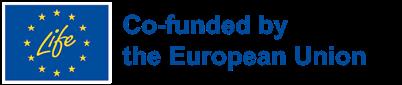
A series of dialogue meetings or webinars have been held throughout the project, attended by policy-makers from different countries, at which the priority actions have been discussed. The industrial and technological picture continues to evolve, opening up further possibilities for energy savings, so new priority actions have been added from the earlier streamSAVE project. “We have added a priority action on data centres for example, as their energy-intensity is growing rapidly, and their growth is having a significant impact on overall consumption. Another new topic is
significant number of countries aren’t meeting their energy savings targets under Article 8,” he acknowledges. The streamSAVE+ project aims to help close this gap between the agreed targets and the actual reality on the ground by enhancing transparency across Member States. “With a common approach to calculating energy savings, it’s then easier to draw comparisons between countries,” he points out. “We aim to develop simplified, streamlined calculation methods to quantify energy savings, and to establish a common framework for energy savings calculations in EU Member States.”
“Our calculation methodologies will enhance transparency and resolve issues around the materiality of measures and double-counting , which are important to the overall effectiveness of the Energy Efficiency Directive.”
deep renovations,” he outlines. Calculating the energy savings from deep renovations is quite demanding, while other priority actions are less complex; these topics have been discussed in depth at the dialogue meetings. “We discussed a variety of topics, including deep retrofits, water conservation measures, and energy savings in industry.”
Energy transition
This dialogue provides support to policymakers responsible for ensuring that Member States meet their energy savings obligations, and helps push forward the green transition. While improving energy efficiency is widely recognised as a policy priority, not every country is on track to meet their obligations. “A
The main intended users of these calculation methodologies are policy-makers, but certain sectors of industry also need to calculate their energy savings, so they could hold relevance beyond public authorities. With improving energy efficiency an increasingly urgent priority for EU Member States, Associate Professor Karásek says there is a long-term need for effective, reliable methods of calculating energy savings, underlining the wider importance of the project’s work. “Each country is quite individual in terms of its energy saving portfolio and the calculation methods they use. Our calculation methodologies will enhance transparency and resolve issues around the materiality of measures and double-counting, which are important to the overall effectiveness of the EED,” he says.