Promoting sustainable holiday homes

Tourism is an important part of the economy in Trøndelag and Jämtland, and there is pressure to provide more houses for visitors, yet at the same time it’s important to protect the natural beauty of these two regions. Erik Melin, Margrete Vognild Blokhus and the Source project team are working to identify and promote sustainable practices in the provision and development of holiday homes.
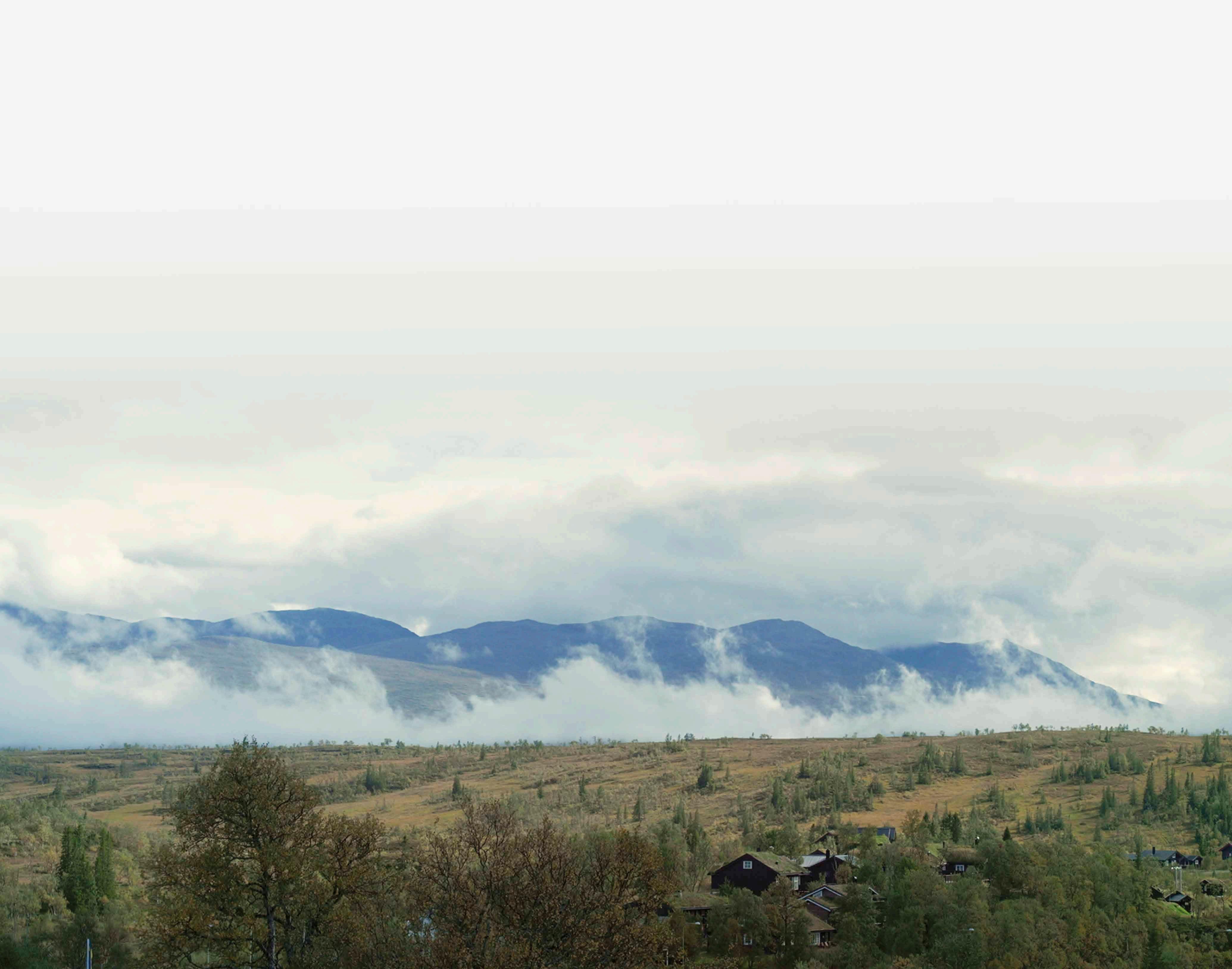
The neighbouring regions of Trøndelag in Norway and Jämtland in Sweden attract a lot of tourists, and holiday homes have been developed across both areas to cater for the needs of visitors. The two regions are both fairly sparsely populated, and the tourism industry is an important part of the local economy, yet development must not come at the cost of the natural beauty which is central to their appeal, an issue of concern to both local residents and visitors. “There is a concern that holiday homes are taking up too much land in these areas and destroying nature,” says Erik Melin, a project manager at Mid-Sweden University. While many visitors come for skiing in the mountainous border area between Trøndelag and Jämtland, Melin says the two regions are increasingly becoming year-round destinations. “Winter skiing opportunities attract a lot of visitors, but summertime activities are also increasing, with lots of people coming for hiking and mountain biking,” he outlines. “A lot of businesses are working to promote leisure tourism in these two regions, highlighting sporting and recreational activities during Summer.”
SOURCE project
Many people want their own cabin or house in these regions so they can pursue these activities, heightening the pressure on local infrastructure. There is a balance to strike here between meeting the needs of the tourism industry and protecting nature, an issue at the heart of Melin’s work as leader of the EU-backed SOURCE project, which brings together eight different partners in
cabins and houses should be put it in locations where the nature value is relatively low.”
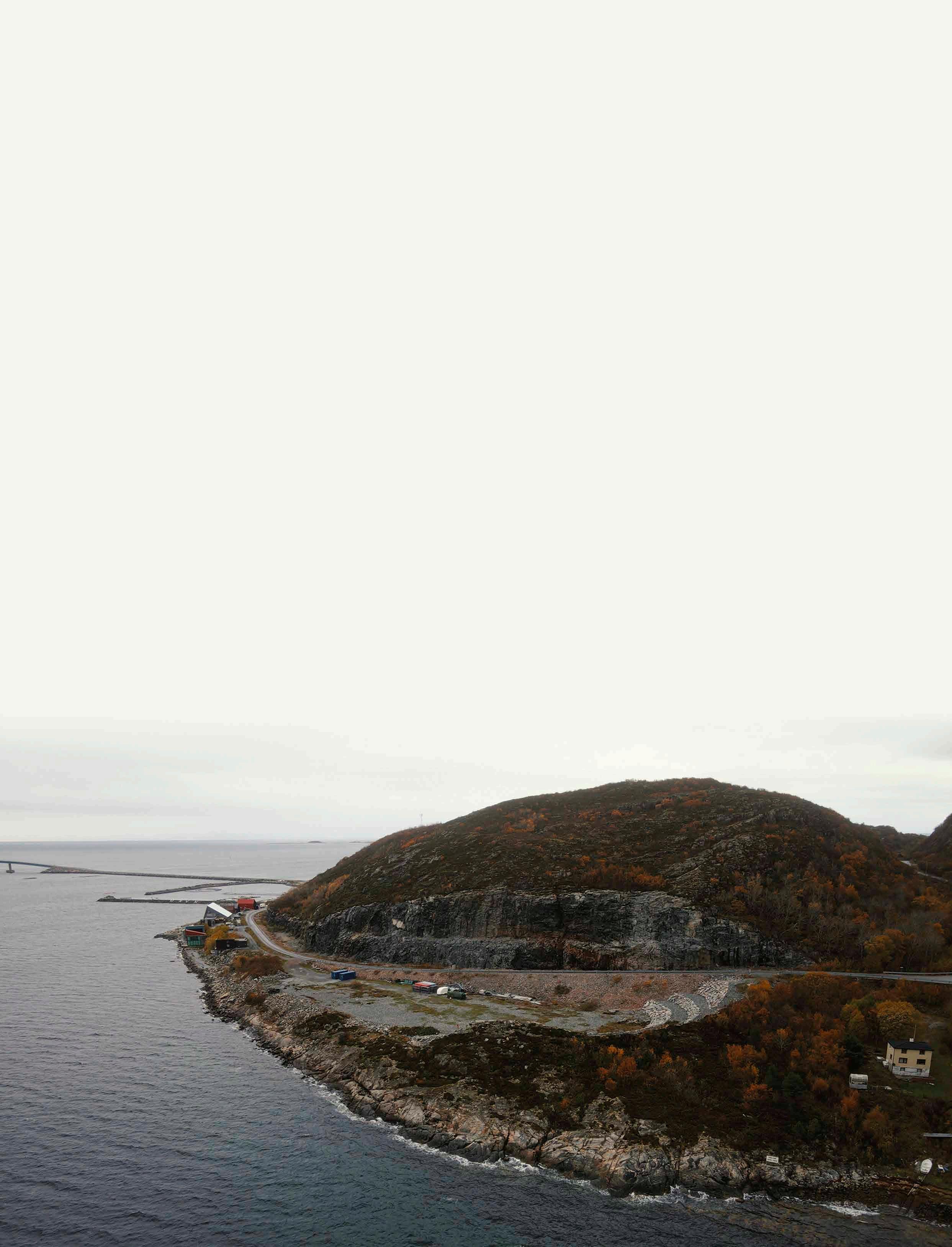
A prime candidate here are the so-called ‘grey’ zones, those areas in which nature has already been significantly degraded, such as old quarries and gravel pits. In one part of the project, researchers are looking into building cabins in these kinds of degraded areas, and whether this can be combined with efforts to restore nature. “With the investment coming
“Most houses in Trøndelag and Jämtland are built with wood, which is something we would like to promote and encourage, as there is a lot of it in the local area, but it can be used in more efficient and smarter ways.”
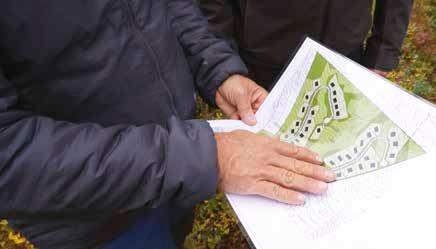
Norway and Sweden.“In the project we are looking at a number of questions, such as whether we really need to build new homes, or if we could use existing ones more efficiently? If we do need to build new homes, in what areas should they be built and how large should they be?” he asks. “It’s important to think about the topography of the surrounding area when considering where a cabin or house should be built, and what would need to be removed. Ideally new
in, you can restore nature and have a positive impact in these areas,” says Melin. Researchers are also considering the spacing of holiday houses; the ideal scenario from a sustainability perspective is to avoid building in pristine areas, a message that Melin is keen to promote. “Cutting down trees or disrupting a hillside to develop cabins can have a very negative effect on nature and wildlife, contributing to erosion and increasing flood risk,” he stresses. “Even developing a single cabin can increase stress, as
the increased movement of people can cause some wildlife to abandon an area.”
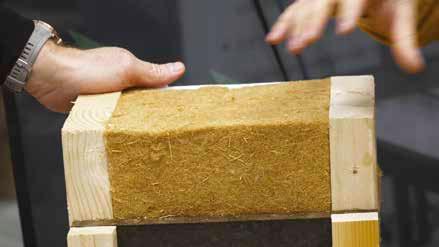
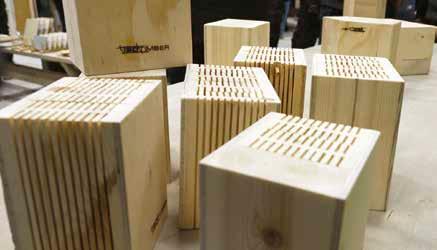
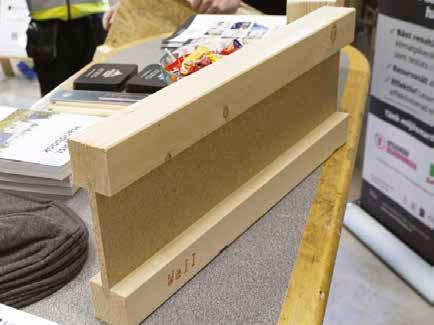
The project team are working together with different stakeholders, including municipalities, construction companies and architects, to get a deeper picture of these kinds of issues and encourage the development of better, more sustainable holiday homes. The materials used in construction are a key consideration in this respect, and while it might be thought that radical shifts are required, traditional materials remain integral. “Most houses in Trøndelag and Jämtland are built with wood, which is something we would like to promote and encourage, as there is a lot of it in the local area, but it can be used in more efficient and smarter ways, for example as insulation materials. We also want to minimise the use of concrete, for example in the structural sole of buildings, and to promote the use of natural materials,” says Melin. The project’s agenda also includes encouraging the use of local businesses in the construction and maintenance of holiday homes, which Melin says will have a positive impact in terms of sustainability. “Hiring local companies, like carpenters and plumbers, and using local materials from the surrounding area benefits the local economy,” he continues. This work is primarily targeted at construction companies and municipalities with the power to approve or reject building plans in specific areas. An online toolbox www.recabin.no is under development in the project, designed to provide guidance to organisations and highlight alternatives to the established way of doing things. “We want to show for example that it’s not always necessary to clear the ground of trees and
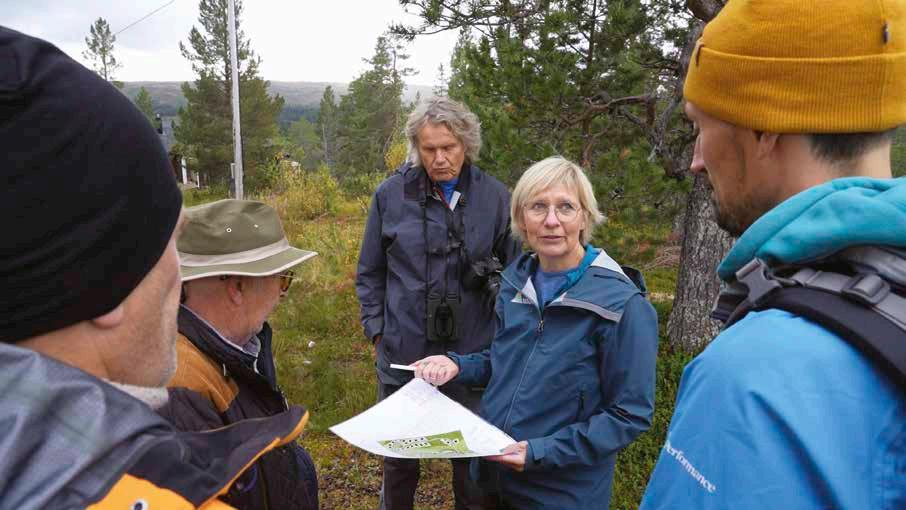
dig away an area to create a flat surface for a concrete sole,” outlines Melin. An alternative is putting metal screws into the ground which a house can then essentially sit on, minimising disruption to the local ecology, while also meaning that they can be moved relatively easily in future if circumstances change. “If at some point a municipality decides that they don’t want cabins in an area any more then it’s fairly easy to just move these houses on screws, to simply take them elsewhere,” says Melin. “We try to promote these other, alternative ways to build, which we believe can add value to the surroundings by protecting nature.”
The natural beauty of Trøndelag and Jämtland are what draws in visitors, and so it’s very much in the interests of municipalities to preserve it. By promoting nature-based solutions, Melin hopes to
help protect the natural assets of these areas, while also providing housing and infrastructure for visitors. “This is about improving the ecosystem services around existing areas of housing, or where houses are going to be built in future. This could be building walls with natural stone instead of concrete for example, to provide habitats to animals,” outlines Melin. “Another possibility is planting vegetation on the roofs of houses, so they can then absorb water, reducing the risk of flooding and erosion.”
Existing houses
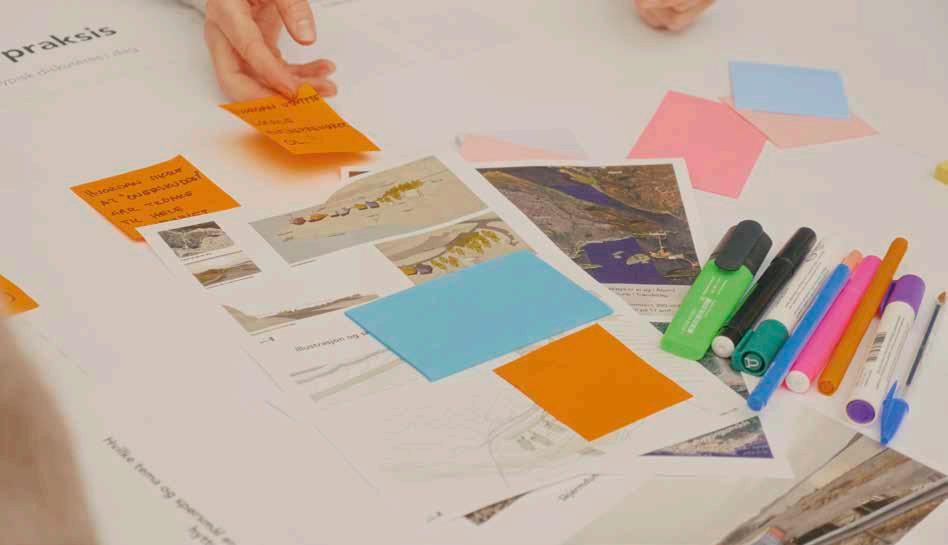
A further strand of the project’s agenda centres around using existing houses more efficiently, for example by promoting rentals and using resources available via the sharing economy. The most sustainable option in providing accommodation is to use the properties already available, and it may be possible to renovate existing buildings instead of putting up completely new ones. “Maybe farm buildings that are no longer in use could be renovated. This is about the circular economy, trying to use what is already there,” says Melin. The ultimate goal here is to provide more sustainable holiday homes in tune with the surroundings, and Melin says the project team are collaborating closely with local companies to translate the project’s work into tangible progress. “We are working with people, companies and other actors who want to take action,” he says. “We have held really exciting workshops together - some focused
on nature, others on resource or energy use in these cabins - and developed new ideas of how things could be done differently.”
This work is centered on the regions of Trøndelag and Jämtland, yet Melin says it holds wider relevance to other parts of Scandinavia and possibly beyond. Tourism is an important industry in many regions, and while local authorities are often keen to attract visitors, they also need to preserve the natural assets and characteristics that make their area attractive in the first place.
“A destination can go from being considered attractive to being over-exploited fairly quickly,” warns Melin. The project team are pursuing further research into the factors that guide development, which will feed into the wider debate around responsible tourism. “We’re looking into the forces behind municipalities’ decisions to allow development in some areas and not in others. What is steering development?” asks Melin.
SOURCE
Sustainable develOpment of hoUsing for ReCreational usE Project Objectives
The SOURCE project are investigating a variety of questions around the development of holiday homes in the regions of Trøndelag in Norway and Jämtland in Sweden, seeking to balance the needs of the tourism industry with the goal of protecting the natural environment. Both regions attract a lot of visitors, and holiday homes have been developed to provide accommodation, yet this must not come at the cost of their natural beauty.
The project team are exploring different issues around how degraded environments can be restored, as well as regenerative tourism, the circular economy and naturebased solutions, providing a picture of how a more sustainable tourism industry could look.
Project Funding
The project is funded by Interreg SwedenNorway programme ID nr: 20359384 with cofinacing from the Jämtland Härjedalen county authority and the Trøndelag county authority.
Collaboration Partners
• Mid Sweden University
• Nasjonalparken Næringshage
• Norwegian University of Science and Technology
• Norwegian Institute for Nature Research
• Kärnvirke Architects
• Peak Innovation
• PIR2 Architects
• White Architects
Contact Details
Erik Melin, Project Coordinator Mid Sweden University, Department of Natural Science, Design and Sustainable Development Akademigatan 1, 831 40 Östersund
T: +46 (0)10-1428981
E: Erik.melin@miun.se
W: https://www.miun.se/Forskning/ forskningsprojekt/pagaende-forskningsprojekt/ source---sustainable-development-of-housingfor-recreational-use.-




Erik Melin is a project manager at Mid Sweden University, with a background in climate change education. His role is to co-create with stakeholders from the academic, public, private, and civil sectors, aiming to develop effective solutions to complex challenges.
Margrete Vognild Blokhus is a Project Manager at Nasjonalparken Næringshage. She has spent much of the past eight years working on issues related to the cabin industry, tourism, and visitor management.
Mari Kvarberg Erdal (Nasjonalparken Næringshage), Project Coordinator.
Lena Henriksson (Mid Sweden University), Project Coordinator.