
Ursula von der Leyen pushes for Brexit reset
Breakthrough pill could revolutionise cancer treatment
Super El Niño and the threat of extreme weather
Disseminating

Ursula von der Leyen pushes for Brexit reset
Breakthrough pill could revolutionise cancer treatment
Super El Niño and the threat of extreme weather
Disseminating
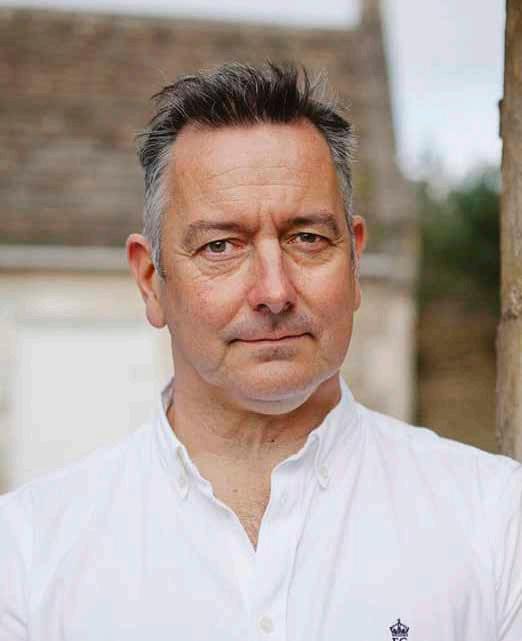
As a seasoned editor and journalist, Richard Forsyth has been reporting on numerous aspects of European scientific research for over 10 years. He has written for many titles including ERCIM’s publication, CSP Today, Sustainable Development magazine, eStrategies magazine and remains a prevalent contributor to the UK business press. He also works in Public Relations for businesses to help them communicate their services effectively to industry and consumers.

There is a battle going on between nature in general and us. Rapid development of our own habitat comes with a familiar price: the sacrifice of all other environmental habitats around us.
Intensive farming, commercial building, industrial expansion, and the need to burn oil and coal, with the subsequent pollution of the air, the land, and the waterways, are pushing nature’s tipping points. There is sewage, and pesticide runoff in the waterways, relentless overfishing, blunt-force habitat destruction and the general degradation of delicate natural ecosystems that support life, ironically, including us.
Of course, sadly, this is nothing new or even news, but the very real fear is that this is happening faster than policy can keep up with. With Europe warming twice as fast as the global average, it is a region that needs a laser-like focus for conservation projects, policies and regulations.
While there are always setbacks, for example, European farming policies weakened environmental protection in recent years, all is not lost. There are some inspiring initiatives. For example, the EU’s Nature Conservation Law is the first of its kind with binding targets, and the aim is to restore 30% of degraded habitats by 2030. Rivers are being freed from dams – enhancing their health, select animals are being reintroduced to benefit land management, and rewilding is becoming a mainstream approach to bringing back natural environments and important biodiversity.
In EU Research, we frequently feature inspirational conservation projects worth attention that preserve valuable natural habitats on large-scales, and beyond this, rebuild them when they are lost. This requires strategic re-engineering and restoration of natural systems in inventive ways, to make a difference. It’s heartening to see projects like this that move beyond vague pledges we heard so much of yesteryear around the world, and that are solidifying into real action, and intelligent restorative land management that will benefit all in the future.
Conservation is not a ‘like-to-have’ wish, it’s a ‘must-do’ for Europe and the world, that is, if we want diversity of food, if we want to avoid poisoning ourselves and if we want a place worth living in. There may be no second chances if we get it wrong, so we must ensure there are always conservation projects counter-balancing urban initiatives.
Hope you enjoy the issue.

Editor
EU Research takes a look at the latest news in scientific research, highlighting new discoveries, major breakthroughs and new areas of investigation
The team behind the STEP4NAMs project is promoting New Approach Methodologies (NAMs) for testing drugs and medical devices, and addressing the issues that are limiting their wider adoption.
Researchers aim to shed new light on the function of small molecules called RNA caps, and build a deeper picture of their role in human cells, as Dr Hana Cahova explains.
Professor Noga Ron-Harel of the Technion, Israel Institute of Technology, leads the ERC-funded IMMAGE project, aiming to discover how ageing microenvironments reshape T cell function.
The SusFE project team is reimagining the design and production of functional electronics to ensure they comply with environmental standards. We look at how flexible, sustainable technologies can enable next-generation healthcare devices.
The DIGI-Rangeland project explores how digital technologies can help livestock farmers address the challenges they face. Eva Pérez Vidal explains how the project is helping build a more sustainable future.
By bridging the healthcare and water sectors, the PREWAPHARM project develops source-based strategies that address a growing environmental and public health challenge, as Erika Brattinga-Róth explains.
The team behind the LIFE Co-Clima project aim to help communities across Hungary adapt to climate change by establishing ecological farms and sharing knowledge on biointensive gardening, as Anna Mészár explains.
Through the LIFE RESTORE for MDD project, a dedicated team is working to restore alluvial forests, riparian mixed forests and river ecosystems along the Mura, Drava and Danube, as Lisa Wolf explains.
Professor Javier José Cancela Barrio and his colleagues in the I-ReWater project aim to help increase the use of reclaimed water in the agricultural sector, reducing the need to use freshwater resources.
Dr. Blanca Ausín and her team combine oceanographic fieldwork with advanced geochemical analyses to investigate how ocean currents redistribute sedimentary particles in the PASSAGE project.
Rastislav Puchala and Dušan Kočický tell us about the FLOPRES project team’s work in developing an integrated solution to collect and assess data on flood risk, helping communities adapt to climate change.
The team behind the LIFE RECET project are providing support to rural authorities across Europe, aiming to help accelerate the transition to clean energy, as Ottó Elíasson and Marianne Ribes explain.
We spoke to Kateřina Vosičková , Jiří Juránek and Vladimír Lichnovský about how the LIFE LivingLab project is providing support to building operators in the Czech region of Olomouc, helping meet environmental targets.
In the streamSAVE+ project researchers are developing calculation methodologies across different areas, providing effective support to policy- makers as they work to improve energy efficiency.
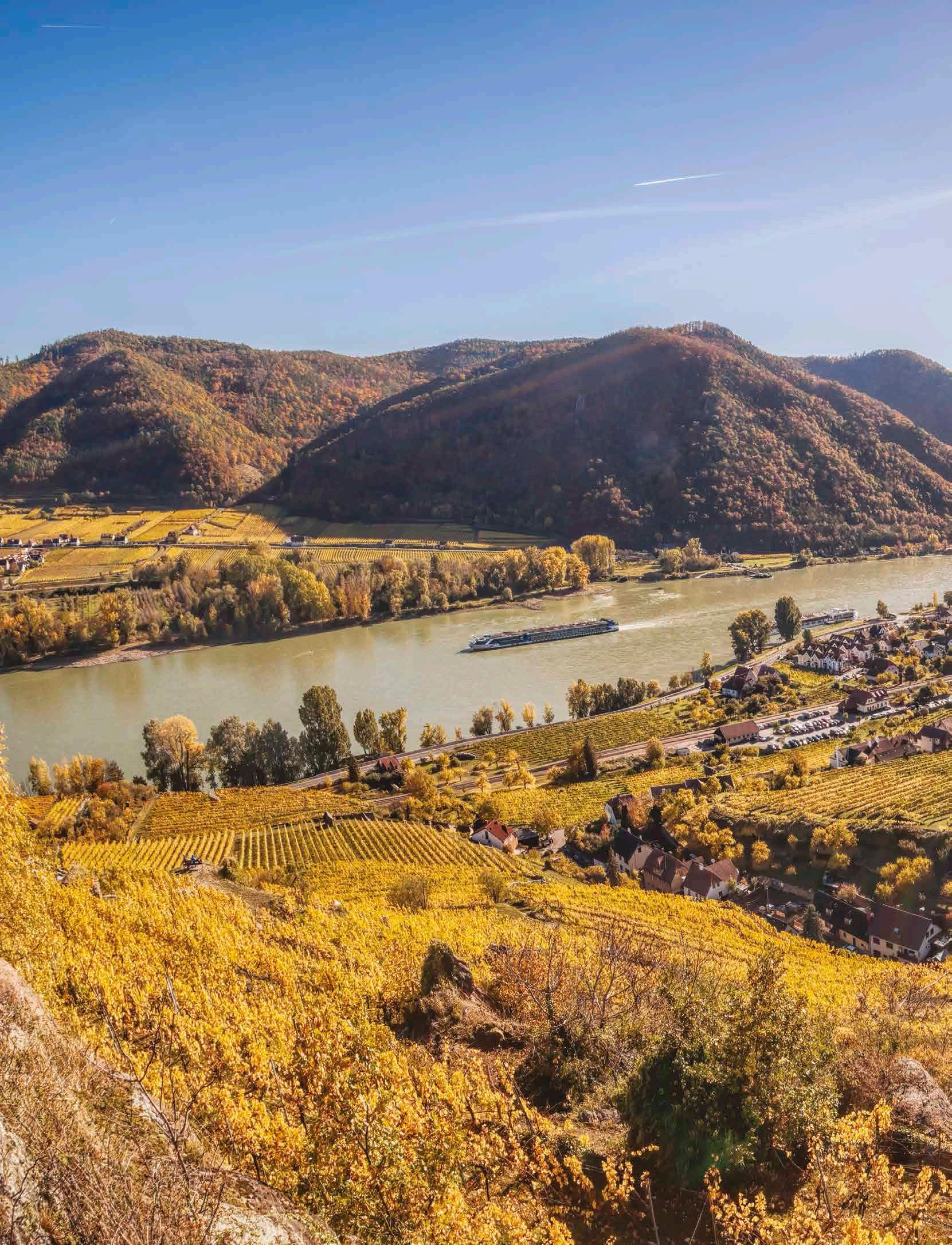
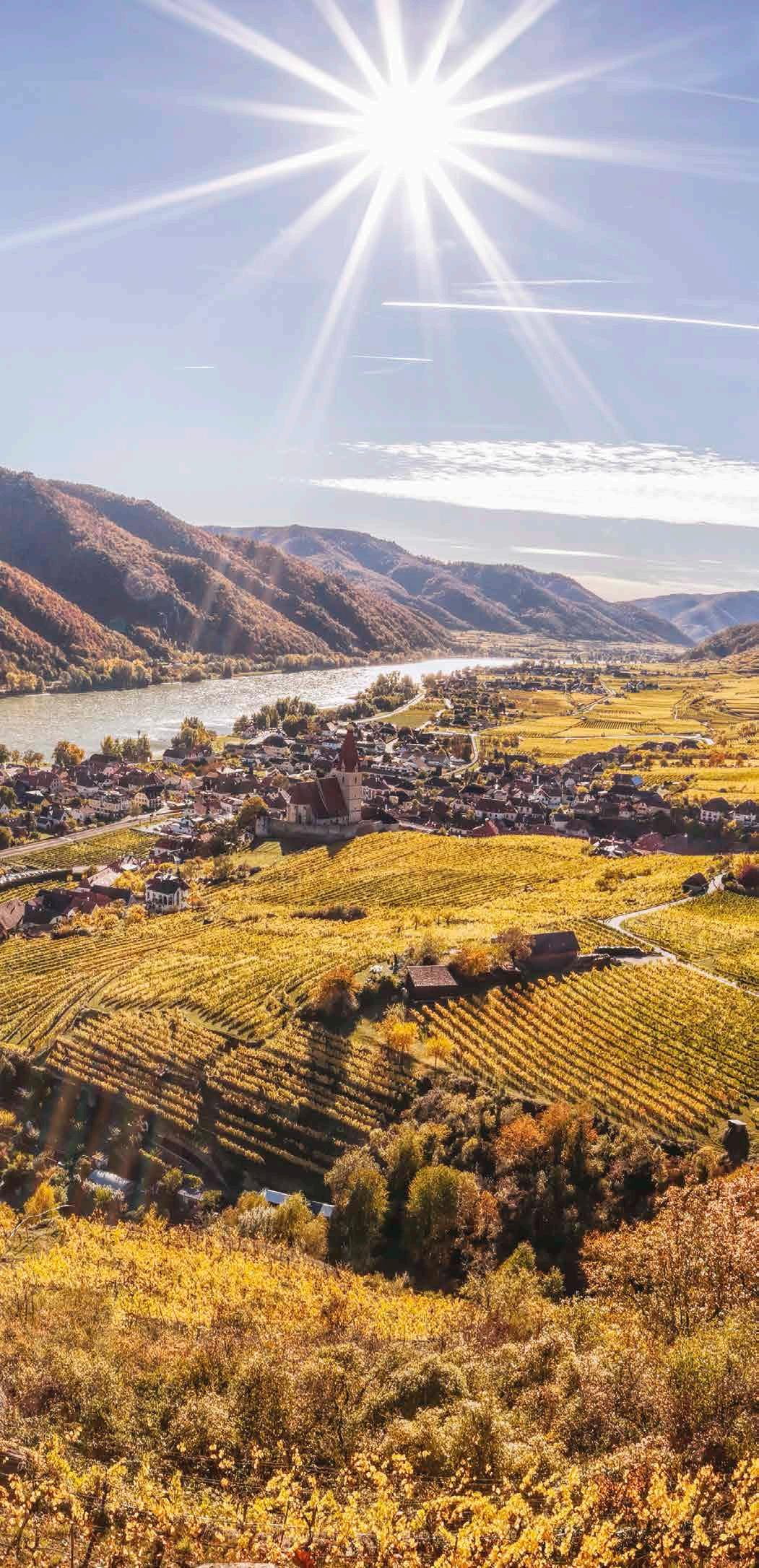
Backed by ambitious EU restoration policies, conservation efforts are redefining how ecosystems can regulate water, protect biodiversity and support communities while helping societies adapt to the growing impacts of climate change. By Maria Vlastara
Global value chains are a central part of the world economy. Professor Poul Fritz Kjær tells us about his research into global value chains, and how it could influence their future regulation.
The LIFE CrossBorderBog project team are working to rewet and conserve a raised bog in the DutchGerman border region, as Jacob van der Weele and Christoph Rückriem explain.
The LIFE BIODIV’FRANCE project team is working to implement the French National Strategy for Biodiversity by engaging all sectors of society, with the aim of achieving lasting, sustainable change, as Anne Cazin explains.
Erik Melin , Margrete Vognild Blokhus and the Source project team are working to identify and promote sustainable practices in the provision and development of holiday homes in the regions of Trøndelag and Jämtland.
Professor Vadim Kaloshin and the SPERIG project team are tackling the Birkhoff conjecture, an open question in the mathematical billiards field, which could open up new insights into the behaviour of dynamical systems.
Can governments rely on citizens to comply without coercion? This question lies at the core of Professor Yuval Feldman , Rinat Merkovich and Michaela Assouline’s work in the ERC-funded VCOMP project.
Political decisions are not only shaped by ideas and institutions, but by time itself. The SYNCPOL team at LMU Munich is looking at how ‘synchronisation’ influences policymaking in the EU.
The Stellar-MADE project team is studying multiple stellar systems, and exploring whether the exoplanets that form within them are different to those that emerge from single stellar systems, as Professor Nicolás Cuello explains.
Dr Jessica Steinlechner and her team are developing mirror coatings for the proposed Einstein Telescope (ET), which will help astronomers peer even deeper into the origins of the universe.
Managing Editor Richard Forsyth info@euresearcher.com
Deputy Editor Patrick Truss patrick@euresearcher.com
Science Writer Nevena Nikolova nikolovan31@gmail.com
Science Writer Maria Vlastara mvlastara@yahoo.gr
Production Manager Jenny O’Neill jenny@euresearcher.com
Production Assistant Tim Smith info@euresearcher.com
Art Director Daniel Hall design@euresearcher.com
Design Manager David Patten design@euresearcher.com
Illustrator Martin Carr mary@twocatsintheyard.co.uk
Managing Director Edward Taberner etaberner@euresearcher.com
Scientific Director Dr Peter Taberner info@euresearcher.com
Office Manager Janis Beazley info@euresearcher.com
Finance Manager Adrian Hawthorne finance@euresearcher.com
Account Manager Sophie Sparks info@euresearcher.com
Blazon Publishing and Media Ltd 131 Lydney Road, Bristol, BS10 5JR, United Kingdom
T: +44 (0)207 105 6433
F: +44 (0)117 9244 022
E: info@euresearcher.com www.euresearcher.com
© Blazon Publishing June 2010 ISSN 2752-4736


The EU Research team take a look at current events in the scientific news
Ekaterina Zaharieva’s comments come as London and Brussels try to push ahead with ‘reset’ 10 years after Brexit.
The UK could join a European Union equity investment fund for startups worth 4 billion euros ($4.65 billion) this year. The EU Commissioner for startups, research and innovation Ekaterina Zaharieva told the Financial Times the move was in the “mutual interest” but would require an amendment of a protocol of the post-Brexit treaty to reverse a UK decision to exclude participation.
The equity investment fund is part of Horizon Europe, a €96bn research programme that the UK rejoined as an “associate country” in 2024 in a move welcomed by academics and industry groups. The fund’s current cycle ends in 2027 and the next cycle, which will run until 2034, is likely to surpass €4bn. As London and Brussels try to cement a “reset” of relations at a summit pencilled in for July, London has also launched separate talks to join a new €5bn Scaleup Europe Fund that invests in later-stage companies.
Despite uncertainty over Sir Keir Starmer’s future as prime minister, bilateral talks continue on a youth experience scheme, a deal to eliminate most agrifood border checks and an agreement to link emissions trading systems to avoid carbon border taxes. Zaharieva, in post between 2024 and 2029, said UK-based start-ups were not at present “eligible to receive equity from the EIC funds”, referring to the European Innovation Council, adding, “and I think it is the biggest deep-tech European fund. “There are UK investors who are actually investing together with the EIC fund already,” she said, committing €200mn, but they cannot work with UK companies. London would have to contribute to the equity investment fund’s budget “or it would not be fair to European taxpayers”, Zaharieva said, adding that it should be possible to conclude talks in time for the UK to join at the start of 2027.
The agreement for the UK to plug back into Horizon was finalised only in September 2023 after being caught in wider political crossfire between London and Brussels following Brexit. In 2024 the UK received more than €1.7bn from the programme, the fifth highest of 47 member countries. Industry body TechUK welcomed the “positive signals” from Zaharieva and said the continued exclusion of UK companies from EIC Fund equity instruments remained a “significant gap”, particularly for frontier technology businesses.
Ekaterina
Zaharieva, European Union Commissioner for Startups, Research and Innovation.
Credit: Alexandros Michailidis / Shutterstock.com
Sabina Ciofu, TechUK’s international policy and strategy lead, said: “At a time of intense global competition in areas such as AI, quantum, semiconductors and biotech, there is a strong mutual interest in ensuring that Europe and the UK can better support high-growth innovative companies to scale.” Michael Moore, chief executive of UK Private Capital, the trade body, said the whole industry was closely watching EU-UK co-operation talks on support for innovation, scale-up growth and long-term investment. “Greater collaboration that helps innovative businesses scale more effectively across the UK and EU would strengthen Europe-wide competitiveness and help unlock more long-term institutional capital for high-growth companies,” he said.
The Department for Science, Innovation and Technology said British involvement in funds such as Scaleup Europe “could benefit both the UK and the EU”. “As we have previously confirmed, no decisions have been taken while we explore options that are fair, represent best value for both sides, and which could drive innovation to grow our economies and improve lives,” it added.
The
blockade of the Strait of Hormuz has triggered a severe “fertiliser squeeze” as soaring energy costs and export disruptions push farmers’ affordability to a four-year low.
The energy shock arising from the US-Israeli war on Iran is far from over, though the possibility remains of an imperfect peace deal, starting with opening the Strait of Hormuz. Coinciding with the shutting off of a critical oil and gas supply chokepoint, a separate global crisis is unfolding; a food shock that has yet to fully emerge.
In Europe, there is already evidence of supply chain disruptions and elevated prices, with nitrogen-based fertiliser prices some 70 per cent above their 2024 average. EU officials have warned this could filter through the food chain by year end, as farmers use up fertiliser stocks bought before the Iran war. Fertiliser costs risk piling pressure on food producers and consumers at a time of tight public finances and inflation risk for governments. Some northern European countries maintain agricultural emergency reserves with stockpiles of fertiliser, seeds and grain, part of their “total defence” strategy after joining Nato. Others are now contemplating such measures.

The greater need, nonetheless, will be measures targeted at the developing world, where the human toll from the food shock will inevitably be far more punishing than the impact of higher energy costs. Factor in a likely year of extreme heat driven by climate change and exacerbated by a natural El Niño and the crisis could flare during Ireland’s EU presidency.
The recent Global Network Against Food Crisis report shows 2025 was the sixth consecutive annual increase in acute food and nutrition insecurity – 266 million people were in this category. With conflict the primary driver, 2026 is set to mark further deterioration. This is compounded by the lack of efforts towards resolution in too many conflict zones, a weakened UN whose multilateralism is constantly undermined and cutbacks in aid in most OECD countries, curbing humanitarian and development financing in favour of defence.

Commissions REACH does not exceed their grasp after heavy industry lobbying
A
comprehensive REACH (Registration, Evaluation, Authorisation and restriction of Chemicals) reform is off the table but forever chemicals will face increasingly stricter restrictions.
There will be no comprehensive reform of the REACH chemicals regulation during this legislative term. “We have concluded that we will not open REACH at this time,” said EU Environment Commissioner Jessika Roswall on Monday evening before the Committee on the Environment, Public Health, and Food Safety. Instead, the Commission plans to “simplify” and “modernize” REACH through the comitology procedure. As part of this process, it is coordinating changes to the regulation’s annexes with EU member states.
There is a need for certainty and predictability. That is why opening up REACH at this time would not be helpful, Roswall said. At the same time, however, simplifications are needed for both industry and citizens, as well as better enforcement of existing rules, and protection against hazardous substances such as endocrine disruptors and PFAS. The chemical industry and the German government are also advocating for a revision without opening up the fundamental legislation. This means that after more than three years of delay, the REACH reform announced by the Commission in 2022 as part of the Green Deal is probably now off the table.
Despite the intention not to reform the EU Chemicals Regulation (REACH) Jessika Roswall, European Commissioner for Environment, Water Resilience and a Competitive Circular Economy, intends to tighten the rules governing the use of so-called forever chemicals (PFAS). The European Chemicals Agency is working intensively to prepare the necessary implementing acts. “On this basis,” Roswall stated, “we want to present a proposal to reduce the use of PFAS as soon as possible, ideally before the end of this year.”
With this measure, Roswall intends to hold companies accountable: The use of PFAS is to be banned in consumer products, and if they are needed in industry, companies would be required to take precautions to ensure they do not enter the environment, she said. At the same time, she argued that a more comprehensive reform of REACH would not be advantageous at the moment, given the current economic challenges and high energy costs. When it comes to PFAS, however, Roswall has strong personal concerns. This is why she is aiming to “modernize and accelerate the regulation through secondary legislation, for example with the help of digitalization or through implementing acts adopted via the so-called comitology procedure.
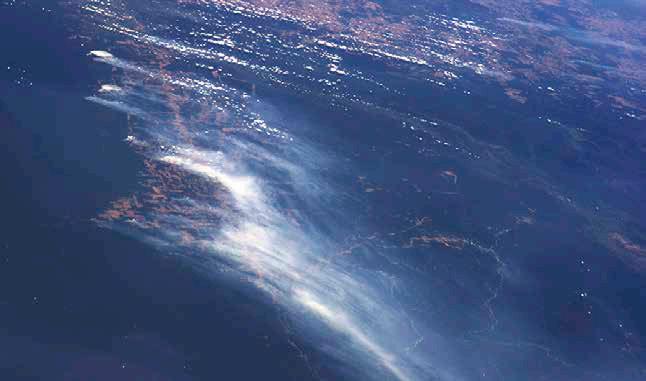
El Niño conditions in 2015 and early 2016 altered rainfall patterns around the world. In the Amazon, El Niño reduced rainfall during the wet season, leaving the region drier at the start of the 2016 dry season than any year since 2002, according to NASA satellite data.
© NASA Goddard

wind
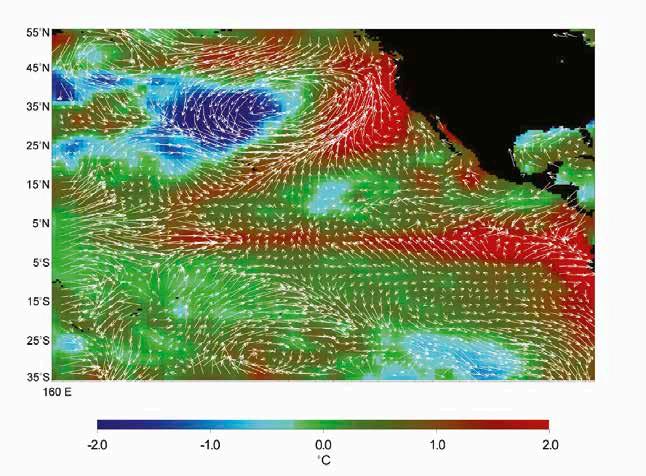
A giant warm wave is currently crossing the Pacific, signalling an El Niño that could completely alter the weather across the entire globe this year.
The Atlantic hurricane season has just begun and runs from Monday to November 30 with storm activity peaking in mid-September. During this period, warm ocean waters and atmospheric shifts feed and accelerate tropical storms and hurricanes that mainly threaten the Caribbean and the East and Gulf coasts of the United States.
Sea level data from a satellite launched by NASA and European partners shows that a swell of warm water hundreds of miles wide has arrived in the Pacific Ocean off the coast of South America, a sign that El Niño will likely emerge later in the year. Because water expands as it warms, a rise in elevation of an area of the ocean indicates increasing ocean temperatures. El Niños can cause heavy precipitation in some regions and deficits in others, influencing daily life and commerce around the world.
Launched in 2020 by NASA and led by ESA (European Space Agency) for the E.U. Copernicus Programme, the Sentinel-6 Michael Freilich satellite measures and maps water height for the entire ocean every 10 days, down to fractions of an inch. In the case of El Niño, the satellite tracks what are called warm Kelvin waves.
These waves typically form after brief periods when winds over the far western equatorial Pacific Ocean shift from prevailing easterlies— moving from east to west—to westerlies. That effect, combined with a general weakening of easterly winds along the equator, causes water in the tropics of the western Pacific to get warmer and sea levels to rise. The wave that forms then propagates east for several weeks, eventually reaching South America and causing water off the coast to heat up and rise. An El Niño develops as multiple Kelvin waves appear over the course of several months, and the warm water accumulates off the shores of Colombia, Ecuador, and Peru.
“While this year’s event started a bit later than the big El Niños of 2015 and 1997, it’s beginning to catch up,” said Josh Willis, a sea level researcher at NASA’s Jet Propulsion Laboratory in Southern California and project scientist for Sentinel-6 Michael Freilich. “We’ll see how big it gets.” Measurements from Sentinel-6 Michael Freilich show a small Kelvin wave forming around Micronesia in late January and dissipating
by mid-February. A new wave emerged in early March, then moved east over time. By mid-May, the seas around Peru were more than 5.9 inches (15 centimeters) higher than long-term averages.
“NASA’s observation of El Niño uses sea level satellites like Sentinel-6 Michael Freilich to track massive Kelvin waves as they cross the Pacific, capture changes in Earth’s ocean thermodynamics, improve forecasts of weather extremes, and help communities prepare for potential coastal hazards,” said Nadya Vinogradova Shiffer, lead program scientist at NASA Headquarters in Washington. “Stay tuned as more ocean stories continue to unfold.”
Fishermen in the 1600s coined the name El Niño—Spanish for “the boy,” a reference to the birth of baby Jesus—because it tended to intensify around Christmastime. Warmer waters meant they would catch fewer fish. Warmer sea surface temperatures in the central and eastern Pacific affect atmospheric circulation patterns worldwide by shifting the jet stream, which impacts storm tracks. This can lead to heavy rain and snow in some areas and unusual heat and dryness in others. How far away those impacts appear depends on the strength of the El Niño.
In more modest events, like the ones that began in 2018 and 2023, impacts such as drought and flooding were mostly seen in and around the tropical Pacific. Large El Niños, like the one in 2015-2016, reach much farther, causing drought in Africa and flooding in California. El Niños usually peak between November and January, so it will be several months before the largest impacts become clear. “Every El Niño is different,” said JPL sea level researcher Severine Fournier, deputy project scientist for Sentinel-6 Michael Freilich. “But they almost always make for a hot year and big changes in rainfall in parts of the globe.”
Sentinel-6 Michael Freilich is the current official reference satellite for global sea level measurements. Launched in 2020, it is continuing a legacy started in 1992 by the TOPEX/Poseidon satellite. A series of successors have carried the baton since then, and the latest, Sentinel6B, which launched November 2025, will take over for its predecessor by the end of 2026.

ecosystems should be a considered a person under EU law, a group of conservationists argue.
A newly-registered European Citizens’ Initiative petition calls on the European Union to come up with legislation that would let polluted rivers or deforested woodlands “take” their polluters to court, giving natural bodies legal rights akin to those of a company.
If the petition’s backers gather more than a million signatures across at least seven EU countries, the European Commission must at least consider the proposal. “We’re trying to invite everybody to think about a future where we don’t destroy nature, but work together with it,” the petition’s chief organizer, Emmanuel Schlichter, told POLITICO in a phone interview. The petition lands as political ambition to protect Europe’s biodiversity wanes.
The EU mobilized against nature destruction during the Green Deal years of 2019 to 2024 — but shifting priorities in Commission President Ursula von der Leyen’s second term have changed that. Now, Brussels is keen to cut red tape in the name of competitiveness, paring back laws intended to protect the bloc’s natural resources. In a bid to clear the path for new industrial projects, earlier this month countries considered a proposal to loosen rules prohibiting companies from killing protected wildlife. That makes Brussels an increasingly hostile environment for initiatives like Schlichter’s. But that, he argues, only emphasizes the urgency of his mission.
“[This is] the right time because we see a backlash in environmental policy everywhere in Europe, especially on the EU level,” said the lawyer. “A lot of environmental organizations are fighting against the backlash and we want to give hope.”
The petition is part of a broader, global conservationist-led movement that seeks to grant basic legal rights to nature to help protect it from pressures like deforestation, biodiversity loss, chemicals pollution and climate change. Schlichter and his co-organizers hope to build on a 2022 Spanish bill which gave a lagoon in the southeastern region of Murcia the right “to exist as an ecosystem and to evolve naturally.” The Mar Menor is represented by a group of custodians including scientists, local politicians and citizens — all of whom are now taking a company to court for allegedly contributing to the ecosystem’s deterioration.
The public prosecutor is seeking a seven-year prison sentence for the entrepreneur in question, as well as over €500,000 in compensation. “We see this movement gaining ground in many countries,” said Green MEP Jutta Paulus in a comment to POLITICO. “I believe it is an important step if we want to

preserve our livelihood.” Similar initiatives are being put forward across the bloc, from France’s Loire River to Sweden’s Lake Vättern — with varying levels of success. A bid to get the Irish government to give constitutional rights to nature gathered momentum back in 2023 before losing steam.
A core aim of Schlichter’s petition is to unite and strengthen this patchwork of proposals which, he pointed out, often run on limited resources. They need EU-level support to help enforce environmental laws on the ground — which can be strict in theory and badly implemented in practice. The idea is to “enable all citizens to engage and protect their own ecosystems” with a bottom-up approach.
Some researchers and academics have questioned the added value of granting ecosystems legal personhood. One academic paper argues the content of such rights risks being “vague and incoherent” and highlights the difficulty of defining the boundaries of natural entities. Limits should, instead, be imposed through existing frameworks of law. The problem, Schlichter says, is that’s not happening. Some of the EU’s strictest environmental laws — like the Water Framework Directive — are simply not being implemented by member countries.
Meanwhile, although Schlichter insists his goal is not to add levels of bureaucracy, but rather better enforce existing laws, industry groups warn against potential impacts on EU competitiveness. “While it is still unclear what the future of this Rights for Nature initiative will be in the EU, the consequences for mining activities could be substantial — particularly due to the increased demand for domestic raw materials to secure the EU’s strategic autonomy and resilience linked to the green and digital transitions in the current fragile geopolitical context,” said Cynthia Mestanza Fernandez, specialist in environmental and safety affairs for mining lobby Euromines.
“In practice, mining projects, including strategic projects under the [Critical Raw Materials Act], could become legally impossible,” she said, adding that “permits could be challenged on behalf of ecosystems themselves.” And some NGOs have told Schlichter they might only be able to support the petition next year; their resources are currently focused on combating EU Green Deal backlash. Still, Schlichter persists. “Nondemocratic voices are getting louder and we don’t know how much time we have left to bring environmental policy to the table at all,” he said.
The petition can be found here: https://citizens-initiative.europa.eu/initiatives/details/2026/000006_en

Voluntary biodiversity credits could help fund global nature recovery alongside other approaches, finds UK rewilding study.
For over a century, protected areas have been the backbone of nature conservation in Europe – safeguarding habitats and species from urban sprawl, intensive agriculture, and the relentless advance of human infrastructure.Yet no protected area can function in isolation. Healthy ecosystems depend on connectivity: on wildlife corridors, permeable landscapes, and the freedom for species to move and thrive.
A University of Cambridge-led team says that the emerging market for voluntary biodiversity credits could support the rewilding of naturedepleted land - but only as top-up funding to other market approaches that support nature restoration, like carbon credits. Conservation projects can sell biodiversity credits, through brokers, to individuals or organisations who want to voluntarily offset their damage to nature. The money is used to carry out the restoration project, with any surplus providing a financial return to the landowners.
This study is the first to measure the biodiversity gain likely to be achieved on an arable farm undergoing rewilding, and use this to calculate the potential value of the restoration on the emerging voluntary biodiversity credit market. The team surveyed the species present at
two very different rural sites in England: a conventional arable farm and potential nature recovery site - Boothby in Lincolnshire, and a former arable farm that has been rewilded over the past 20 years to become a leading example of nature recovery – the Knepp estate in West Sussex.
Comparison of the sites indicated that biodiversity at Boothby farm will increase by between 69% and 92% after 30 years - a biodiversity gain worth an estimated £1.5 million in voluntary biodiversity credits. But with costs to restore the site - including site management and monitoringestimated to be fifteen times higher than this, the team says the voluntary biodiversity credit market alone will not be enough to fund nature recovery. Despite this, the team says voluntary biodiversity credits are an important component of financing nature restoration alongside other approaches like carbon credits.
Voluntary biodiversity credits work globally, and offer flexibility to projects in terms of how they approach nature recovery - which could be a particular benefit for rewilding projects. Rather than specifying the particular habitat types that must be created, as England’s mandatory ‘biodiversity net gain’ system does, this voluntary scheme only requires that biodiversity value increases - and pays out in proportion to that increase.
Daraxonrasib has been hailed as ‘landscape-changing’ for people with the disease.
A new drug that targets a gene behind pancreatic cancer has physicians and researchers cautiously optimistic about improved treatment for one of the deadliest cancers.
Researchers found that a new daily pill nearly doubled the overall survival time for patients with advanced pancreatic cancer, compared to those who received standard chemotherapy. The hundreds selected for this trial had metastatic pancreatic ductal adenocarcinoma (PDAC), the most common form of pancreatic cancer, that spread to other parts of their bodies and had been previously treated.
Revolution Medicines, the pharmaceutical company behind the new drug, released the full results of its latest Phase 3 trial on Sunday at the American Society for Clinical
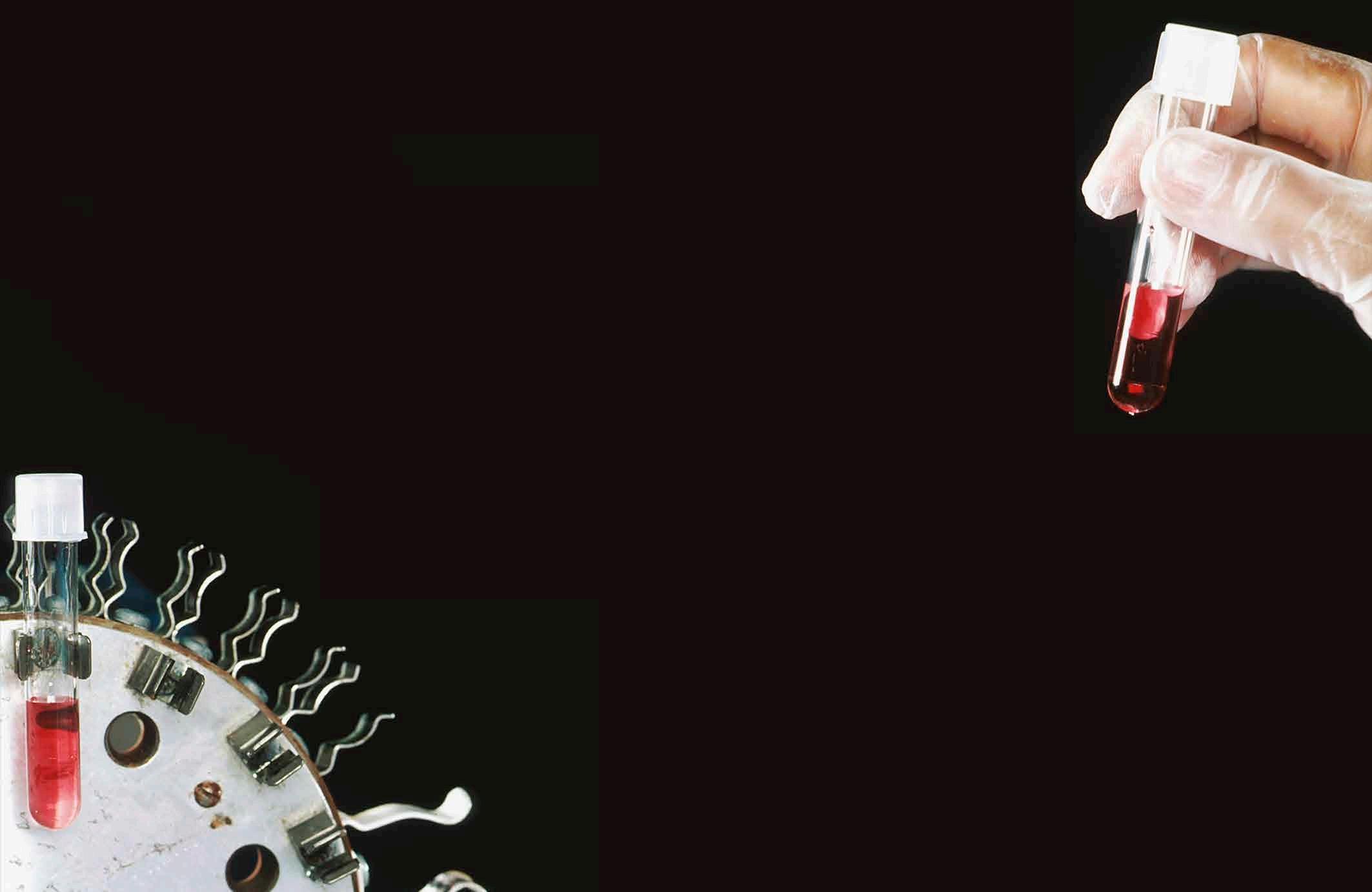
Oncology meeting in Chicago. The pill is called daraxonrasib, and it’s part of a class of drugs known as RAS inhibitors that target the KRAS gene. Mutations of that gene are found in more than 90% of patients with PDAC, as well as 40 to 45% percent of colorectal cancer patients and up to 30% percent of people with non-small cell lung cancer.
The five-year survival rate for pancreatic cancer, which is difficult to detect early and among the hardest to treat, once it has spread to other parts of the body is only 3%, and the vast majority of patients are diagnosed when the cancer is more advanced. But experts not involved with the drug’s development told PBS News that the preliminary data in the daraxonrasib trial, available before Sunday’s released findings, are raising hopes for prolonging those patients’ lives.
Revolution Medicines released the initial results of the Phase 1 and 2 trial in April with a promising breakthrough: The overall survival rate for people who got daraxonrasib was 13.2 months, nearly double the 6.7 months people survived on standard chemotherapy. Patients received the pill as a “second line” treatment after they’d been treated for their cancer or received standard chemotherapy.
Homing pigeons rely on gut feeling for their homing ability,
Researchers believe they have discovered that iron-rich cells in the birds’ livers act like compasses to help them to find their way home.
The ability to determine position and maintain a course toward a destination is critical for the survival of many animals. Field studies have shown that numerous species rely on Earth’s magnetic field for orientation, particularly when visual cues are unavailable or unreliable.
Birds have served as a key model for investigating this ability. Migratory songbirds, for instance, can maintain a magnetically calibrated flight direction over hundreds of km, even when traveling at night or beneath overcast skies. Homing pigeons are thought to combine visual landmarks and environmental odors to determine their location and may also draw on magnetic information. To keep a chosen course, birds use either a sun compass or a magnetic compass, which might operate independently.
Unlike other vertebrate sensory systems with well-defined receptor organs, the mechanisms of magnetoreception have remained elusive and widely debated despite decades of intensive research. “We didn’t expect immune cells to act like sensors for magnetic fields at all,” said University Hospital Bonn’s Professor Christian Kurts. “Our results reveal a previously unknown mechanism for magnetic perception in animals.”
In the new research, Professor Kurts and his colleagues identified a population of specialized immune cells — macrophages — in the livers of homing pigeons that carry magnetic properties strong enough to respond to Earth’s geomagnetic field. When those cells were experimentally eliminated, pigeons released under overcast skies lost their ability to navigate home entirely. Birds whose macrophages had been depleted but were released on sunny days returned without difficulty, suggesting the liver-based system kicks in specifically when visual cues like the Sun are unavailable.
“What looks like a ‘gut feeling’ in bird navigation may actually have a physical basis,” said Professor Martin Wikelski, director of the Max Planck Institute of Animal Behaviour. The cells in question are superparamagnetic,
meaning they behave like tiny magnets at low temperatures. The researchers believe the cells acquire this property through their ordinary biological function: breaking down aging red blood cells and accumulating the iron released from haemoglobin, stored as ferritin.
The same type of superparamagnetic macrophages had previously been found in the spleens of mice and humans, but their possible role in sensing direction had never been explored. In the pigeon experiments, 34 birds were trained to fly a 19-km route from west to east. The scientists then split the birds into two groups, administering a liver-macrophage-depleting treatment to one group before releasing all the birds under overcast conditions.
Every control bird made it home within 70 minutes. Not a single macrophage-depleted pigeon returned that day, instead drifting in apparently random directions. When the same depleted birds were tested again under sunny skies, they homed normally. “We had some clues that the liver and spleen have magnetic properties, because they break down red blood cells and so store much iron in the body,” said Dr. Clivia Lisowski, a researcher at the University of Bonn and the University Hospital Bonn.
The findings, if replicated, could reshape the understanding of magnetoreception well beyond pigeons. “These findings provide the first concrete evidence of how the Earth’s magnetic field can be perceived within the body and passed on to the brain to guide movement,” Dr. Lisowski said. “The study brings together known biological processes, including iron metabolism and how the immune and nervous systems communicate, into a clear answer to the fundamental question of how animals navigate.”
“Animal navigation is one of the most fascinating phenomena in nature,” Dr. Wikelski said. “If immune cells are part of how birds sense direction, it would fundamentally change how we understand navigation.” The study was published on May 28, 2026 in the journal Science
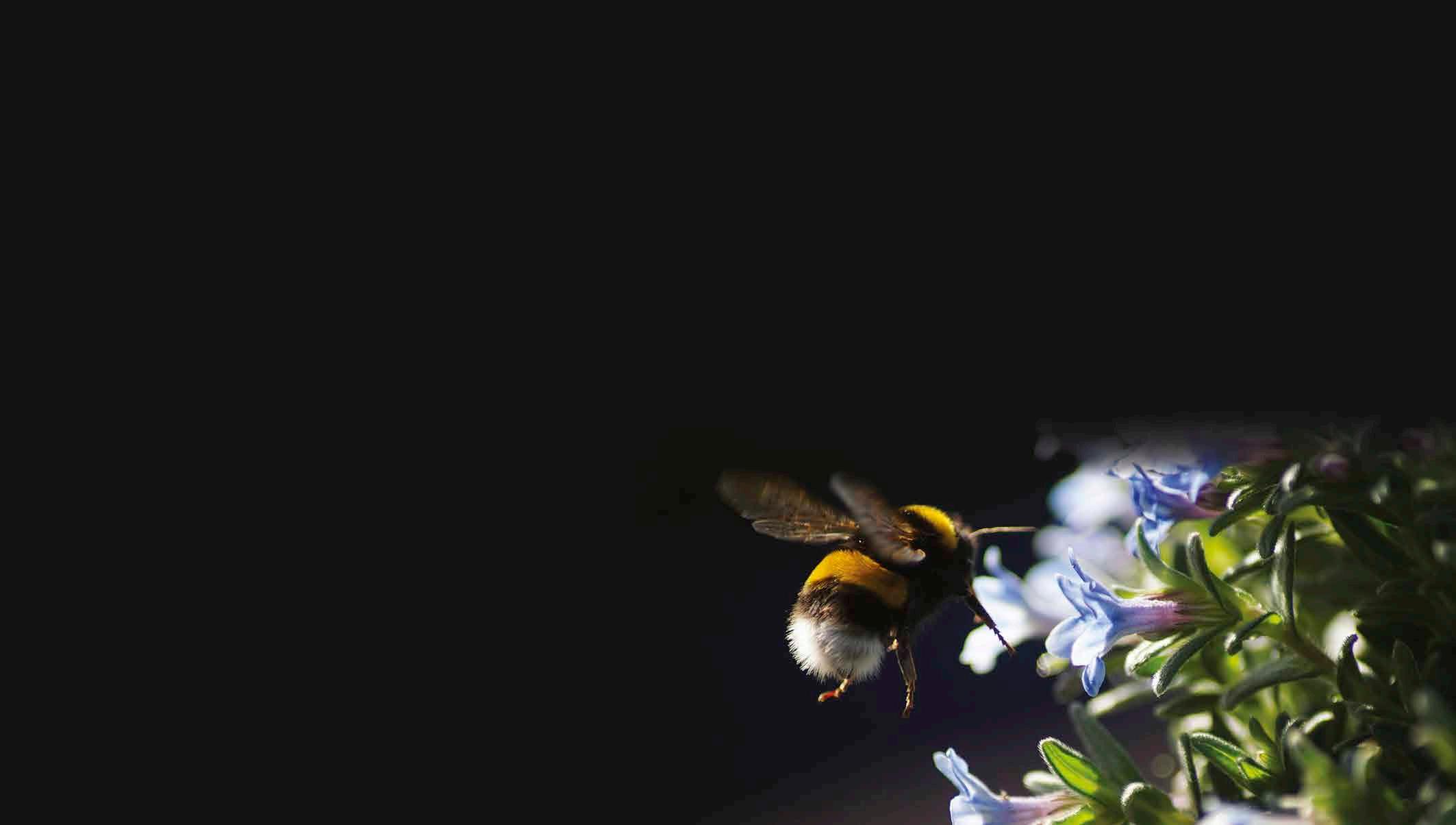
It’s the first time spontaneous problem-solving has been shown in an invertebrate.
In a new study published in Science, bumble bees (Bombus terrestris) solved a completely novel object-manipulation task without being trained on the solution itself.The bees first learned that a blue artificial flower signalled reward. During the test, the flower was moved to the ceiling of a transparent arena, out of reach. To access it, the bees had to spontaneously generate a novel solution by moving a ball underneath the flower and climbing onto it, a behavioural sequence they had never previously encountered or been trained to perform.
“This is essentially an insect version of the classic ‘box-and-banana’ problem,” says senior author Olli Loukola, Docent at the University of Oulu. “The animal must realise that an object can be repositioned and then used as a tool to reach an otherwise inaccessible goal. What stands out about the result is that this kind of spontaneous problem-solving is now demonstrated in an insect.”
“What makes this behaviour especially remarkable is that the bees had never been trained to roll the ball. This was a completely new challenge. Their behaviour appeared goal-directed with successful individuals showing more directed movement patterns,” says lead author Akshaye Bhambore from the University of Oulu.
The researchers are already planning new experiments that will enable them to better monitor their physiological responses to problem-solving. These could help reveal whether bumblebees experience anything akin to an “aha! moment,” much as a human does when working out the best way to a desired solution.
“The next steps would be to see if they really understand the physical properties of the objects themselves,” Bhambore says, “to see if they can understand that this object differs from others and that they need to use one object to perform the task versus other, nonfunctional ones.”

Animal testing has long been used in the development of drugs and medical devices, but now the emergence of New Approach Methodologies (NAMs) offers alternatives to the established approach. The team behind the STEP4NAMs project is promoting NAMs and addressing the issues that are limiting their wider adoption.
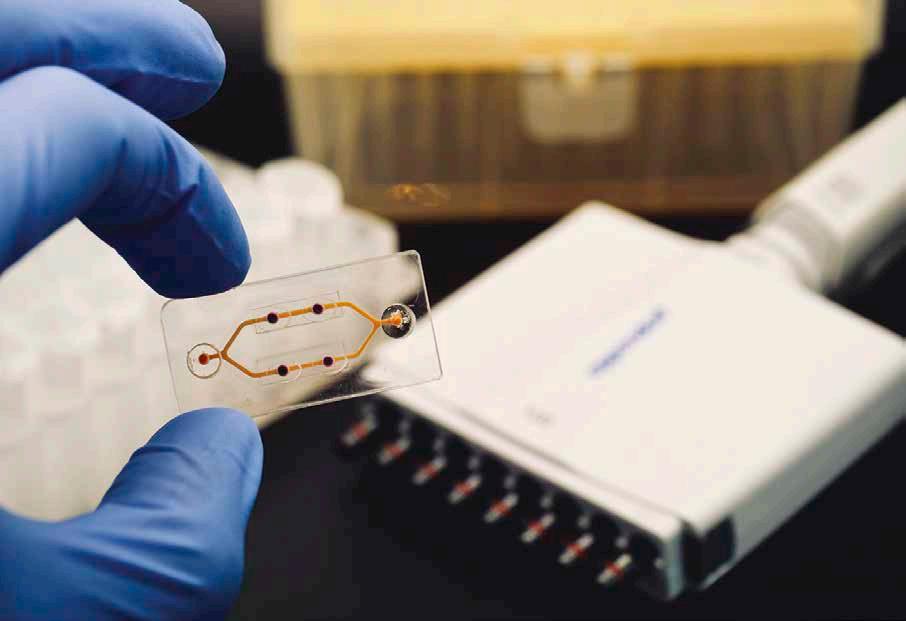
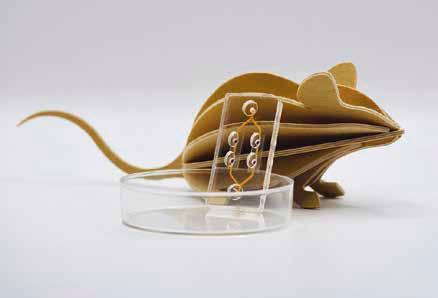
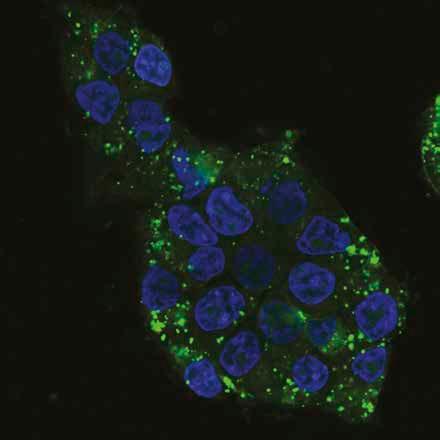
A new drug or medical device has to be rigorously assessed before it reaches the commercial market, and animal testing has long been an important part of the development process, helping ensure that healthcare products are both safe and effective before they are used to treat patients. However, the emergence of New Approach Methodologies, such as organon-chip devices, digital twins, organoids and benchtop-simulations, provides alternatives to animal testing. “NAMs play an increasingly important role in testing drugs and medical devices and in predicting their behaviour in human patients,” says Lennart Biermann, part of the team behind the EU-backed STEP4NAMs project. However, while a number of NAMs have been developed, certain obstacles still limit their use in different parts of Europe. “In some countries, NAMs have not been accepted or validated for example, and there is sometimes a general lack of knowledge about how they should be used,” explains Biermann.
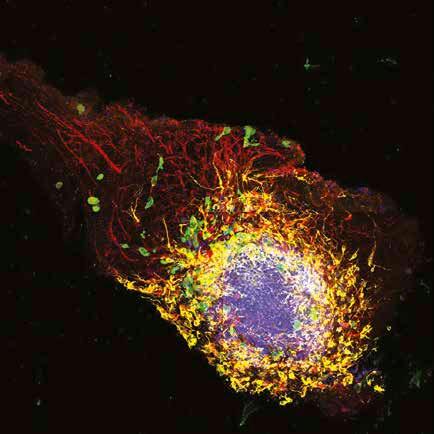
© Developmental and Cellular group/ University of Luxembourg
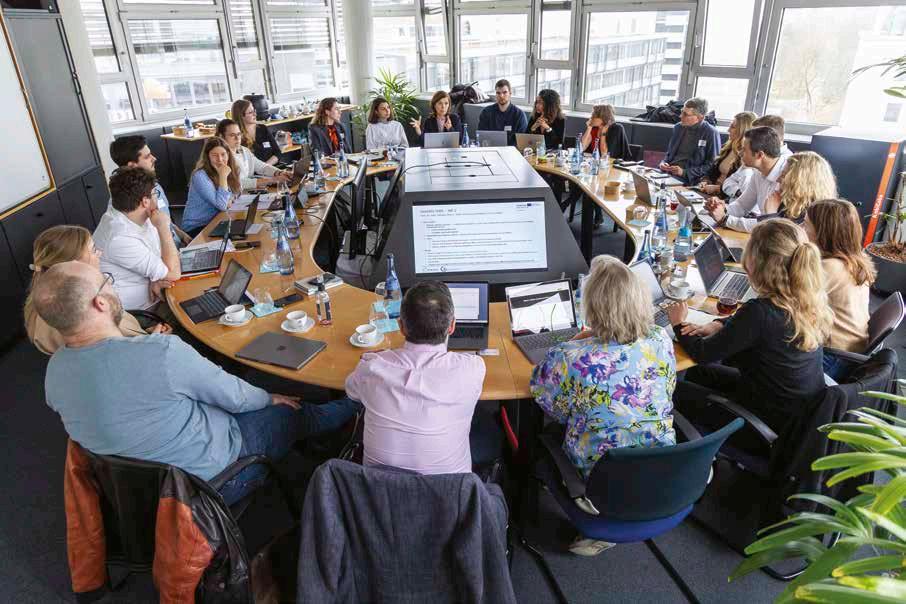
The project team is working together to address these issues through close crossborder collaboration between the partners, including business support organisations and research institutions, who each bring their own skills and expertise to the task of promoting NAMs. The STEP4NAMs consortium brings together ten project
“We are also in touch with a lot of Biopharma and MedTech companies who are interested in using New Approach Methodologies (NAMs), but don’t know how.”
partners and seven affiliate partners from across six European countries, which is a great strength of the project, providing a lot of opportunities to collaborate and share Biopharma and MedTech-related knowledge across national borders.
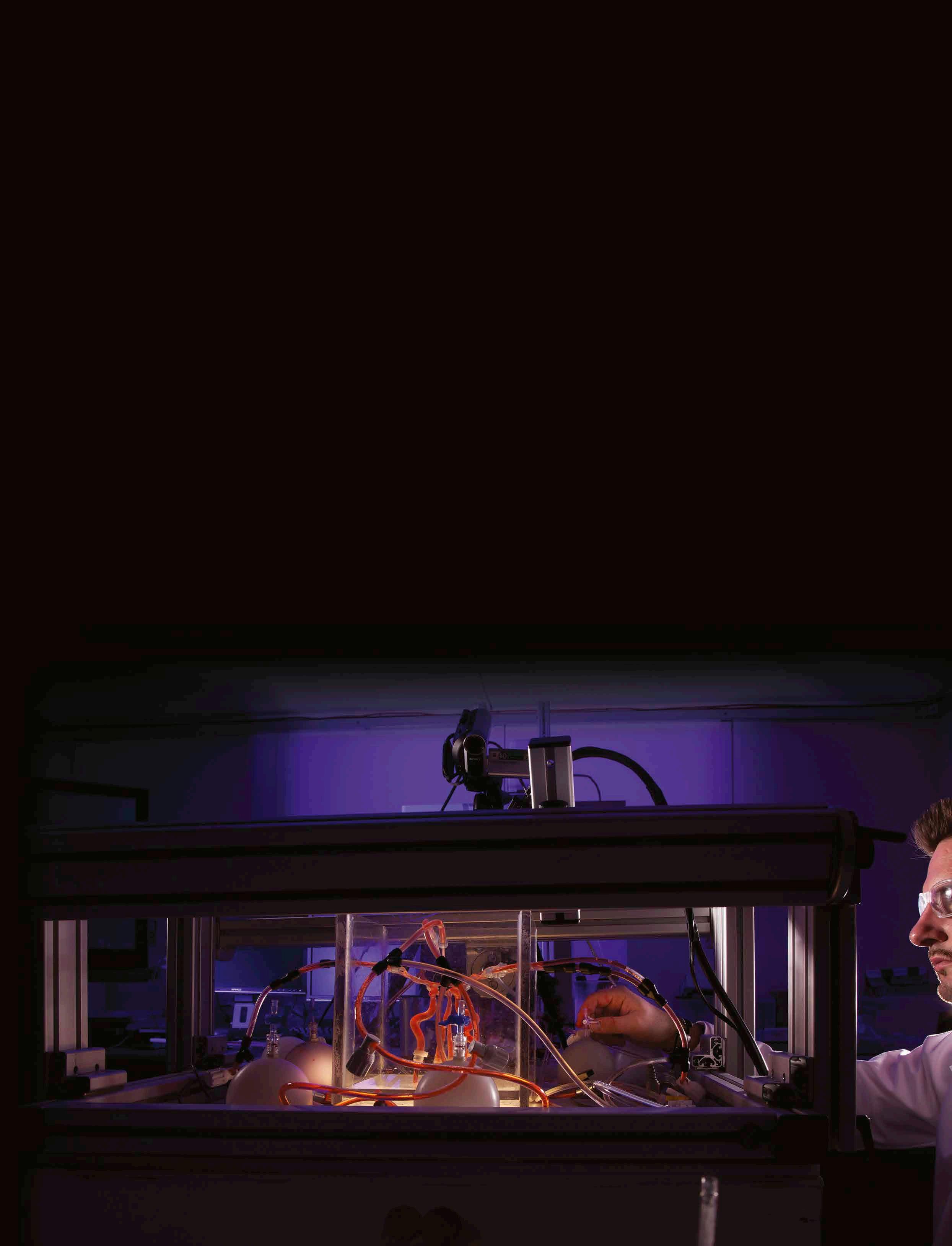
The common thread that links these partners is a commitment to sharing knowledge and improving NAMs, which will in the process help reduce the use of animal testing. There are effectively five pilot studies within the project, in which researchers are working to improve and refine different NAMs, and showcase how they can be used in pre-clinical testing of different types of drugs and medical devices. “For example, our partners at the University of Galway have developed a lung-on-a-chip model, mimicking healthy and acute injured lungs, for the purpose of testing drugs and medical devices,” outlines Biermann. In other pilots, a team at the University of Tübingen is validating organ-on-chip systems across multiple
sites to generate reproducibility data for industrial qualification. Also, researchers at the University of Luxembourg are using patient-derived midbrain organoids to investigate drug responses in Parkinson’s disease, demonstrating the value of organoids as predictive NAMs in neurodegenerative research.
This work holds the potential to greatly speed up the development of drugs and medical devices, allowing researchers to test more candidates much faster than currently possible, while at the same time reducing costs. The challenge now is to validate NAMs and enable their broader adoption.
“We want to encourage the use of these methods,” says Biermann. One key goal in the project is to develop a NAM validation manual for stakeholders in this specific field, providing practical guidance on the different applications, and push regulators to approve them where they have not yet done so. “In the Netherlands, regulators are actively working to reduce animal testing, while NAMs remain relatively unknown elsewhere. We also aim to demonstrate to regulators that these methods offer a reliable alternative,” continues Biermann. “We are also in touch with a lot of Biopharma and MedTech companies who are interested in using NAMs, but don’t know how.”
The aim in the project is to overcome these kinds of barriers, and help reduce animal testing in the Biopharma and MedTech sectors, in line with the wider goal of eventually phasing it out entirely. It’s essential here that staff at Biopharma and MedTech companies have the skills required to use NAMs “We plan to show people and companies how to use these NAMs, which will further highlight their potential,” says Biermann. The NAM validation manual will be invaluable in terms of bringing them closer to daily practice; however, this is an evolving area of research, so Biermann is mindful of the need to update guidance over time. “Research never stands still, so the manual will need to be updated and improved,” he stresses. “The project is still at an early stage but we are already thinking about how we can proceed and do similar things with other NAMs applications. We have to keep going in order to maintain the momentum and really reduce the use of animal testing in the MedTech and Biopharma industries.”
A number of interviews have been conducted with different stakeholders, planting the seeds that could grow into similar projects. While the main focus in the project is on validating these methods and guidelines, the team also plan to produce
sector specific action plans, to encourage their practical application. “We will produce action plans on how to use NAM methods for both the Biopharma and MedTech industries,” outlines Biermann. This will help demonstrate the effectiveness of NAMs in drug and medical device testing and encourage companies to use them.
“The STEP4NAMs project will contribute to the reduction of animal testing by demonstrating, through pilot studies, that various NAMs are reliable and can achieve comparable levels of efficiency to traditional animal testing within specific application areas,” says Biermann.
With the project approaching the halfway point of its four year funding term, researchers are now working to validate NAMs. An open call was announced
in 2025, inviting companies to apply to participate in the pilot studies, and several SMEs and enterprises are now working alongside the project partners to help further develop NAMs. “We had a lot of interest in the call,” continues Biermann. This points to a common desire to explore alternatives to animal testing, and Biermann is keen to bring the project’s work to wider attention, involve more companies and spur further progress.
Step up the use for new approach methodologies to replace animal testing
Project Objectives
STEP4NAMs aims to accelerate the adoption of new approach methodologies by integrating organ-on-chip, organoids, bench-top simulations and digital twins into regulatory and industrial practice. The project develops validated testing strategies, strengthens cross-border collaboration and enhances innovation capacity to reduce animal testing and improve humanrelevant safety assessment across Europe.
Project Funding
STEP4NAMs is funded by Interreg North-West Europe (project reference NWE0400563). The project runs for 48 months with a total budget of €6.33 million, co-financed by the European Regional Development Fund.
Project Partners
The STEP4NAMs project brings together 10 partners from Germany, Netherlands, Belgium, France, Ireland and Luxemburg for boosting the use of New Approach Methodologies to replace Animal Testing. https://step4nams.nweurope.eu/partners
Contact Details
Lennart Biermann
Project Manager
BioRegio STERN Management GmbH Friedrichstr. 10 70174 Stuttgart
T: +49-711 870 354 31

E: step4nams@bioregio-stern.de : https://www.linkedin.com/ company/106484939
W: https://step4nams.nweurope.eu/
W: https://www.bioregio-stern.de/sites/ default/files/documents/2025-09/20250922_ STEP4NAMs_Newsletter1.pdf
W: https://www.bioregio-stern.de/ sites/default/files/documents/2025-06/ STEP4NAMs_Project_flyer_digital.pdf
Dr Margot Jehle
Dr Margot Jehle , a chemist specialising in biochemistry and industrial research, leverages international experience and European networks to build partnerships. As Head of European Projects at BioRegio STERN, she manages EU initiatives for transnational innovation and SME development and serves on the Council of European Bioregions board.


There are five pilot studies within the STEP4NAMS project, with researchers looking to develop and improve NAMs to test drugs and medicinal products for a variety of conditions, including stroke and acute lung injury. We spoke to Dr Joaquin Penide and Dr Sugunapriyadharshini Sundararaman about their work on two separate pilot studies in STEP4NAMS.
EU Researcher: What topics are you addressing in the pilot at the Atlantic Technological University?
Dr Joaquin Penide: We create vascular models so companies can test thrombectomy devices, which are used to remove blood clots. We create vascular models with a blood clot, so companies can test their technology.
EUR: What materials do you use in these models?
JP: Silicon is the most commonly used material, as it’s the most durable, but it’s inert. We are looking at using 3-d bioprinting to create vascular models, which would help in terms of seeing biological responses.
EUR: Do you aim to simulate the entire vasculature?
JP: As much as possible. Our vascular models are designed using CT scans from patients that have gone through thrombectomy procedures, so we are able to simulate the geometry. The mechanical properties of the arteries and the physiological conditions are also very important.
EUR: Are you able to simulate damage within the vasculature?
JP: Yes, and that’s an aspect in which vascular models are ahead of animal models, which typically have very healthy vasculatures. They are young, they’ve been treated well, and they have had a healthy diet, whereas our models can be more compromised.
EUR: How is the pilot going?
JP: We are trying to produce a set of vascular models to replicate different challenges – for example patients may be older, and have loops and kinks in the vasculature. We are creating a set of different vascular models to replicate the challenges that companies will need to prove they can overcome.
University of Galway
EU Researcher: What is the focus of the pilot at the University of Galway?
Dr Sugunapriyadharshini Sundararaman: We are developing a lung-on-a-chip model, which will be integrated with microchannels,
where we will culture cells. The outer part of the lung is separated from the inner part by a membrane, so the lung can perform the gaseous exchange, the conversion of CO2 and O2 , which is what happens in the human body.
The idea is to directly replicate human physiology, which is highly complex. We are trying to take components, then replicate and simplify them in an engineered structure, and also look at specific parts of the lung.
EUR: Are you focusing on any specific lung conditions?
SS: We are looking at acute respiratory disease syndrome and are investigating the alveoli part of the lung, where damage occurs and inflammation forms when there is a disease state. The main idea is to look at healthy cells, at their mechanical properties and their barrier integrity.
A diseased lung will have a complex mechanical state compared to a normal healthy lung. We aim to design both healthy and diseased lungs by incorporating the patients’ serum to form a diseased lung in the presence of the cells of the healthy organ.
EUR: How can you achieve this?
SS: Cytokine markers in the patients’ serum will help the cells to get into the inflammation state, which will lead to a complex mechanistic state.
The first set-up is the inflammation, which eventually leads to the involvement of other immune system and regulatory factors.
EUR: Are you collaborating with any SMEs in this work?
SS: We are working with two partners on two different strategies – one involving static systems, another with perfusion, flow systems, where we look at the flow of media, nutrients and cytokine markers between the two cell lines.
EUR: What is the benefit of this for SMEs?
SS: We are developing NAMs, simulating systems and engineering chip designs, as an alternative to animal models. With these systems we can target studies and understand the impact of drugs more precisely
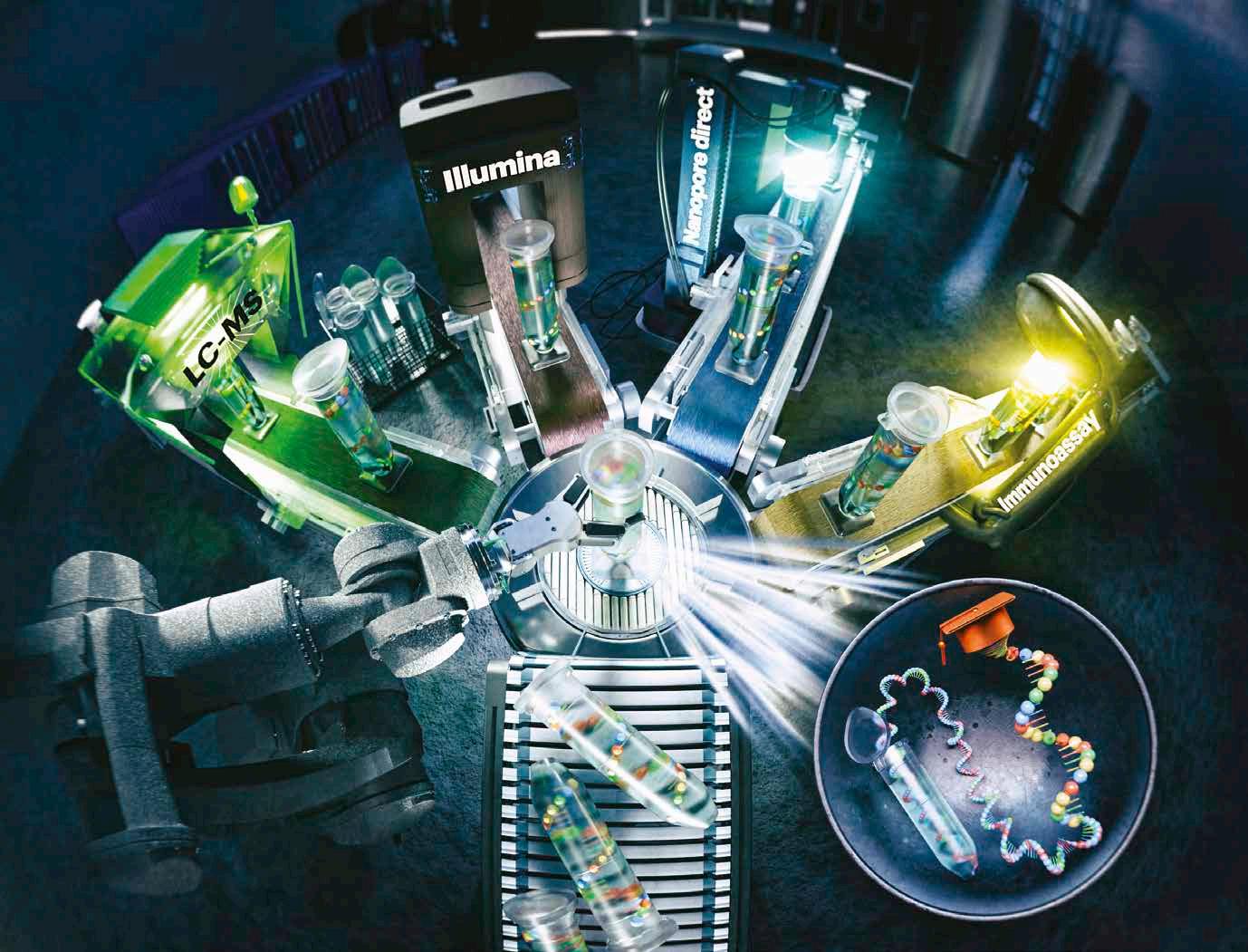

The team behind the EU-backed StressRNaction project are studying newly discovered types of RNA caps, small molecules found at the end of RNA strands. Researchers aim to shed new light on the function of these RNA caps, and build a deeper picture of their wider role in the human cells , as Dr Hana Cahova explains.
The DNA of living organisms is transformed into RNA through transcription, and the RNA is then translated into a variety of different proteins that play a wide range of important roles in the body. The addition of small molecules called RNA caps to the end of RNA strands has a significant influence on this process. “You can think of these molecules almost as a knot at the end of a strand of RNA, which protect and stabilise the RNA,” explains Dr Hana Cahova, who leads a research group at the Institute of Organic Chemistry and Biochemistry (IOCB) in Prague. It has been known that these RNA caps are present in eukaryotic cells since the ‘70s, now researchers have discovered new types of RNA caps. “Other small molecules known to be in the cellular environment serve as a kind of cofactors, such as NAD, CoA or dinucleoside
polyphosphates. These molecules share some of the structural features of RNA, even though they are in a free form,” says Dr Cahova.
The discovery that dinucleoside polyphosphates can be part of RNA led to the establishing of the EU-backed StressRNaction project, in which Dr Cahova and her colleagues are investigating the role of these newly discovered RNA caps in cellular responses to stress and infection. Dinucleoside polyphosphates (NpnNs), a type of signalling molecules are also known as alarmones. “We call these molecules non-canonical RNA caps, in the sense that they were found only recently,” explains Dr Cahova. Following on from the discovery of these structures, Dr Cahova and the project team are now trying to shed new light on their wider role. “These structures are physically covalently bound to the end of the RNA,” she continues. “We are trying to understand what these NpnN molecules are doing there and what their function is.


Why are these structures part of the RNA? What are they doing to this RNA? Do they influence the fate of the RNA?”
Researchers are building on earlier progress here, including Dr Cahova’s previous work in developing a technique called NAD captureSeq for sequencing the RNA of Nicotinamide adenine dinucleotide (NAD), a tiny molecule which is involved in certain types of RNA capping. This stimulated further research in the field, as it opened up the possibility of studying which types of RNA have these caps, and when she established her own lab in Prague Dr Cahova started to look at alarmones and different molecular compounds. “We have been looking at both prokaryotic and eukaryotic cells. We’ve been working with the E.coli bacteria for example, which is relatively easy to study, as we can gather together a huge amount of material,” she explains. “Bacterial systems are relatively easy to deal with as they are less complex than human cells, which have different compartments and organelles,” she explains.
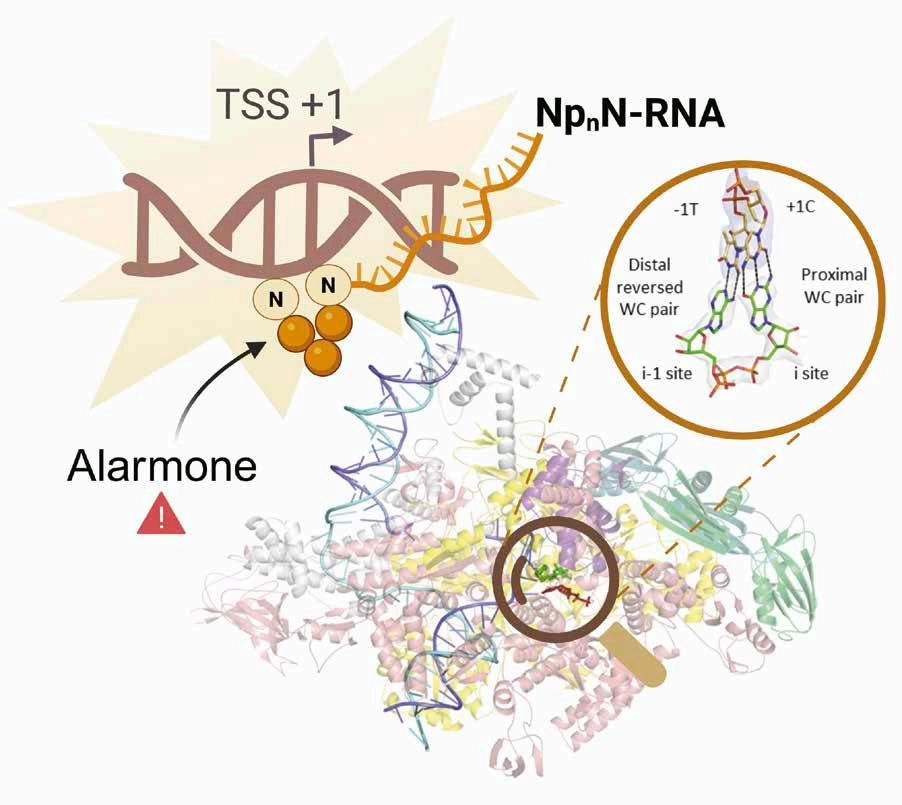
Mechanism of NpnNs incorporation into RNA by RNA polymerase.
Serianni,V.M., Škerlová, J., Dubánková, A.K. et al. Molecular insight into 5’ RNA capping with NpnNs by bacterial RNA polymerase. Nat Chem Biol (2026). https://doi.org/10.1038/s41589-025-02134-5
best method for us is to create stress using chemicals,” she outlines. “We are using menadione to create oxidative stress, and we’re also using bleomycin, which leads to DNA damage, causing stress.”

The main objective in StressRNAction however is to understand what’s going on in human cells, so the project team are also using more complex mammalian tissue cell cultures in their research, including human liver and kidney cells. “We are using these tissue cultures to study NpnNs, these new types of structures which are found at the end of the RNA,” continues Dr Cahova. The concentration of NpnNs is known to increase under stress, so researchers are looking to create these kinds of conditions in the lab; a variety of means are available, but Dr Cahova and her colleagues are using chemical methods, which she says are the most reproducible. “Methods like heat shock and nutrition depletion can be used, but they present certain problems, so the

A key aim here is to find a kind of sweet spot in terms of the level of stress, which will then allow researchers to probe its impact on cells and the formation of NpnNs. If there’s not enough stress, then you don’t see a strong effect, while if there’s too much stress then the cells will start to die, so Dr Cahova aims to strike a delicate balance. “We modify the amount of chemicals over a certain range, and we are assessing the outcome in various assays,” she says. When
researchers know how much of the oxidative stress agent is required for a particular size of culture, they add the chemical, then analyse the results after a given period of time. “We harvest the cells and isolate the RNAs. We then look at the formation of different compounds typical for oxidative stress, we measure the amount of oxidative species, ” continues Dr Cahova.
By comparing these structures with those found in the control samples, which haven’t been subjected to stress, researchers can then gain new insights into the formation of different types of NpnNs. One NpnN of particular interest in the project is diadenosine tetraphosphate (Ap4A), which Dr Cahova

says has been found in human cells. “Ap4A is actually found on messenger RNA (mRNA), the RNA molecule which brings information for protein synthesis,” she outlines. However, when Ap4A is present on mRNA it is not translated into protein production, which Dr Cahova says is an important insight. “We know that these molecules don’t trigger a particularly heavy immune reaction, so we can see they are very natural for the cell. The cell knows them, and knows how to work with them,” she explains. “We have found that the Ap4A RNA is recognised by special proteins, which is something we are now trying to understand in more detail in my group.”
“We want


papers as part of the project. “We published a paper in the Angewandte Chemie journal for example, showcasing the discovery of Ap4A-RNA in human cells. Most recently, we published research on the mechanism of how these caps are incorporated into RNA by RNA polymerase in Nature Chemical Biology and we have several other very interesting articles in the pipeline,” she outlines.
This is a highly active field of research, and while the StressRNaction project itself is set to conclude next year, Dr Cahova plans to pursue further investigation in this area in future. A lot of progress has been made over the course of StressRNaction, and
to investigate its role in human cell structure. What’s going on? How is it formed? How
is it regulated?”
The formation of Ap4A RNA acts as a signal for the cell, now researchers are looking to understand that signal, identify what reads it, and investigate the subsequent effects. Ap4A is cleaved by an enzyme called NUDT2, which is thought to be a factor in the development of certain forms of cancer, pointing to the wider importance of this research. “NUDT2 is very active in hepatocellular carcinoma for example. If we can build a fuller understanding of what this enzyme is doing in cells, together with this Ap4A-capped RNA, we will be able to learn more about how hepatocellular carcinoma progresses,” says Dr Cahova. This work is very much ongoing, and Dr Cahova and her team have produced several
Dr Cahova hopes to establish a successor project, building on the results so far. “The StressRNA project has been about discovering molecules, and we have found quite a few,” she says. In future however Dr Cahova plans to focus more specifically on the role of Ap4A-RNA in humans, and to look at its relationship with disease. “We want to investigate its role in human cell structure. What’s going on? How is it formed? How is it regulated?” she continues. “We know how Ap4A gets into the RNA, but what regulates it? There must be some mechanism by which the cell knows to put it there or not, so there must be some level of regulation, which is something we plan to explore further in future.”
Structures of cap1 and all non-canonical RNA caps and cap-like structures known to date.
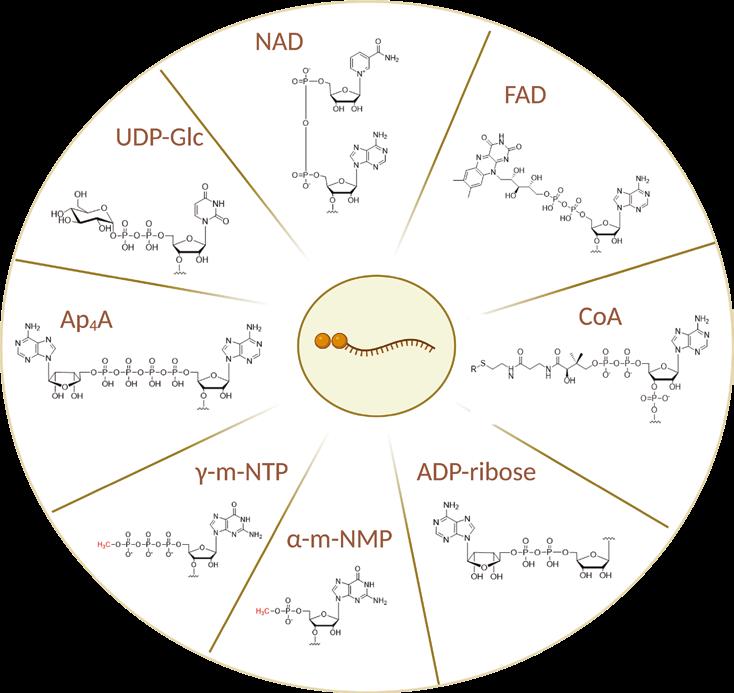
Potužník, J. F., & Cahova, H. (2024). If the 5’ cap fits (wear it) – Non-canonical RNA capping. RNA Biology, 21(1), 739–751. https://doi.org/10.1080/15476286.2024.2372138
New class of RNA caps and their role in cellular response to infection and stress
Project Objectives
RNA is extensively modified, yet 5’ RNA caps remain among the least understood features. We discovered a novel class of dinucleoside polyphosphate caps in bacterial and mammalian cells. Using LC-MS and high-throughput sequencing, we study how these caps are formed, degraded, and what functional roles they play in cells.
Project Funding
ERC StG: Non-canonical RNA caps –cellular reaction to environment and stress (StressRNaction) grant agreement No. 101041374
Contact Details
Dr Hana Cahova
Senior Research Group Leader Institute of Organic Chemistry and Biochemistry of the CAS Flemingovo nám. 2. 166 10 Praha 6
Czech Republic T: +420 220 183 124 E: cahova@uochb.cas.cz W: https://www.cahovagroup.com/
Serianni, V.M., Škerlová, J., Dubánková, A.K. et al. Molecular insight into 5’ RNA capping with NpnNs by bacterial RNA polymerase. Nat Chem Biol (2026). https://doi.org/10.1038/s41589-025-02134-5 J.František Potužník, O.Nešuta, A.Škríba, B.Voleníková, M.-B.Mititelu, F.Mancini, V.Serianni, H.Fernandez, K.Spustová, J.Trylčová, P.Vopalensky, H.Cahová, Angew. Chem. Int. Ed.2024, 63, e202314951. https://doi. org/10.1002/anie.202314951
F. Mancini, H. Cahova, ChemBioChem2025, 26, e202400604. https://doi.org/10.1002/cbic.202400604
Potužník, J. F., & Cahova, H. (2024). If the 5’ cap fits (wear it) – Non-canonical RNA capping. RNA Biology, 21(1), 739–751. https://doi.org/10.1080/15476286.2024.2372138
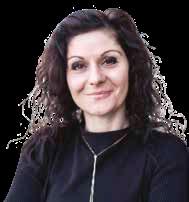
Dr Hana Cahova is a Senior Research Group Leader at the Institute of Organic Chemistry and Biochemistry (IOCB) in Prague. Her research focuses on investigating the chemical biology of nucleic acids.



Ageing weakens the immune system, leaving older adults vulnerable to infection, cancer and chronic disease. But what if immune decline is not only a property of ageing cells, but of the tissues that surround them? Professor Noga Ron-Harel of the Technion leads the ERC-funded IMMAGE project to uncover how ageing microenvironments reshape T cell function.
T lymphocytes are central players in immune defence. They patrol the body, recognise threats and expand rapidly when danger appears. Beyond fighting infections, they also maintain tissue balance, sensing damage and restoring homeostasis.
Yet with age, T cells lose their edge. They proliferate less efficiently, respond poorly to vaccination and display molecular features of dysfunction. This decline contributes not only to infection susceptibility, but also to cancer progression and broader age-related pathologies. For Professor Noga Ron-Harel, Principal Investigator at the Technion –Israel Institute of Technology, ageing has long been more than a research topic - it has been a driving scientific curiosity.
Originally trained in biochemistry and neuroimmunology, Ron-Harel pursued postdoctoral research at Harvard Medical School in the emerging field of immunometabolism. “I have always been intrigued by ageing,” she says. “During my postdoc, I realised that if we want to truly understand immune decline, we need to understand the metabolic mechanisms behind it.” This long-standing interest ultimately led her to suspect that another layer of complexity was at play.
“Ageing is often described as the accumulation of cellular damage,” she explains. “But immune cells do not live in isolation. They reside within tissues that also age. We asked whether the environment itself might be driving immune dysfunction.”
This question became the foundation of the ERC Starting Grant project, IMMAGE – Age-related changes in the microenvironment of T cells.
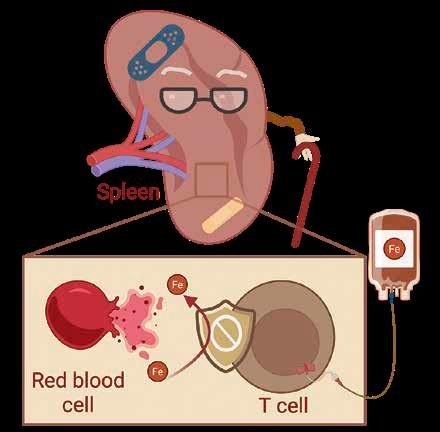
Illustrative Summary of Research Findings. Created in BioRender. Lab, R. H. (2026) https://BioRender.com/77y7zsg
breakthrough
The breakthrough came from a simple but unexpected observation. Ron-Harel’s first PhD student, David Ezuz, collected T cells from both the spleen and lymph nodes of naturally aged mice. The mice were approximately two years old – the equivalent of advanced age – and were compared sideby-side with healthy two-month-old controls. No accelerated ageing models were used; the team maintains its own geriatric cohort to study physiological ageing.
When the aged T cells were stimulated outside the body, the results were striking. Cells from lymph nodes performed almost as well as young cells. Cells from the spleen, however, were profoundly dysfunctional.
“Within the same animal we saw dramatically different functional states,” says Ron-Harel. “That told us something in the local microenvironment was shaping the ageing trajectory of these cells.”
The spleen is more than a lymphoid organ. It is also responsible for filtering and recycling senescent red blood cells. With age, this recycling system becomes less efficient. Red blood cells accumulate, rupture and release their contents, creating a microenvironment rich in iron, heme and oxidative stress.
Proteomic analyses revealed that T cells from aged spleens expressed elevated levels of proteins involved in detoxifying heme and coping with oxidative damage. The cells were not merely failing – they were adapting.
Iron is essential for T cell activation. It supports DNA synthesis, mitochondrial biogenesis and the metabolic reprogramming required for rapid proliferation. However, excess iron in an oxidative environment can trigger a specialised form of cell death known as ferroptosis.
Faced with iron overload in the aged spleen, T cells respond defensively. They reduce iron uptake and increase iron storage capacity. This shields them from ferroptosis, improving survival in a hostile niche.
But this adaptation comes at a cost. “When these cells are later stimulated – for example during vaccination – they cannot access enough iron to fuel proper activation,” Ron-Harel explains. “They survive better in the toxic environment, but they lose functional capacity.”
In experiments published in Nature Aging, the team demonstrated that supplying bioavailable iron at the time of vaccination restored T cell proliferation and antibody production in aged mice.
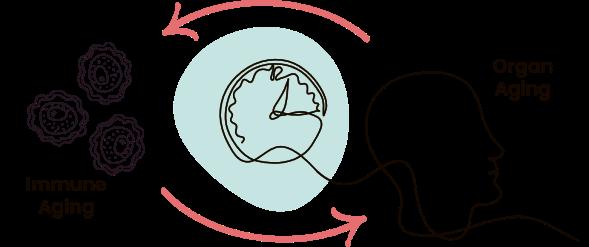
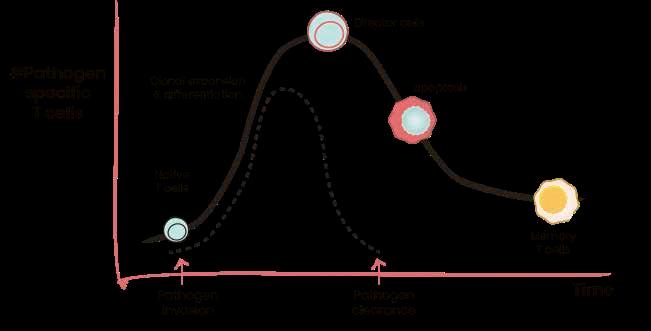
Feed-Forward Loop Between Immune Aging and Host Tissue Aging Lifecycle of a T Cell.
This was a pivotal moment. “For years we tried supplementing metabolites directly to ageing cells and saw minimal effects,” she says. “This was the first intervention that made a significant difference – and it only worked because we understood the environmental context.”
Transplant experiments reinforced the concept. Young T cells transferred into aged hosts adopted dysfunctional traits within weeks, thus the microenvironment was not a passive backdrop; it was an active driver. Whether the opposite transplant of aged T cells into a young host will suffice to recover functionality is still under investigation.
The immune system plays a central role in maintaining homeostasis and normal function of most organs and tissues. If we find new ways to enhance immunity in the elderly, for example by correcting the ageing microenvironment, we may simultaneously improve vaccination responses, cancer immunity and resilience against multiple agerelated diseases.
cells circulating in peripheral blood.
This connection is important. It suggests that the same environmental pressures shaping T cell dysfunction in aged mice may also operate in humans. If CD39 reflects exposure to a toxic, iron-rich microenvironment, it could serve as a measurable blood-based indicator of immune ageing — providing a potential bridge between experimental findings and clinical translation.
To further bridge mouse and human biology, Ron-Harel is part of a new Technion initiative establishing an Institute for Healthy Aging (iTechAGE). The planned longitudinal cohort will collect multidimensional data, including blood and serum samples that can facilitate the search for systemic signatures of splenic-derived signals.
While spleen tissue is not easily accessible in living humans, circulating immune cells may reflect the imprint of their tissue environments.
“Ageing is often described as the accumulation of cellular damage. But immune cells do not live in isolation...... We asked whether the environment itself might be driving immune dysfunction.”
IMMAGE investigates two complementary mechanisms. One focuses on toxic signals within ageing tissues, particularly the hemolytic environment of the spleen. The other explores whether ageing stromal cells fail to provide sufficient metabolic support to T cells during activation – work that is ongoing.
The implications extend beyond chronological ageing. Ron-Harel’s group together with Prof. Carina Levin, head of the children hematology unit in Ha’emek Hospital in Israel, is now studying patients with chronic hemolytic diseases such as beta thalassemia and sickle cell anaemia. These individuals experience persistent red blood cell breakdown within the spleen, creating a microenvironment reminiscent of the aged condition.
“They are known to exhibit immune dysfunction,” she notes. “We are investigating whether chronic hemolysis induces premature immune ageing through similar mechanisms.”
The team identified elevated levels of a surface protein called CD39 on T cells that had been exposed to the aged splenic microenvironment. CD39 is not just any marker; in previous human studies, it has been linked to exhausted or dysfunctional T
The ERC Starting Grant, running from 2023 to 2027, has been instrumental in shaping the lab’s direction. What began as a focus on cellular immunometabolism has evolved into a broader investigation of tissue-immune crosstalk. Today, her laboratory comprises 11 members, whose combined skills span metabolism, immunology and systems biology, enabling the project’s expanding scope.
“Writing the ERC proposal forced us to synthesise our findings into a unifying hypothesis,” Ron-Harel reflects. “It helped us define who we are scientifically.”
The Nature Aging publication marked a major milestone, but many additional leads uncovered during the project are still being pursued.
At its core, IMMAGE reframes immune ageing as a systems-level phenomenon. Rather than viewing T cells as intrinsically worn out, it positions them within ageing ecosystems that can either nurture or impair their function.
If we can improve the environment in which immune cells function, by nourishing them and removing damaging signals, we may unlock new ways to restore immune strength in later life. For ageing societies worldwide, that possibility carries profound significance.

Age-related changes in the microenvironment of T cells
Project Objectives
As we age, our T lymphocytes become less effective, contributing to organ decline and disease. This project studies how aging tissues affect T cells, focusing on poor metabolic support, and harmful signals in older organs. By understanding and targeting these changes, we aim to restore immune function and improve overall health in aging.
Project Funding
This project has received funding from the European Research Council (ERC) under the Horizon 2020 research and innovation program (IMMAGE # 101077922).Views and opinions expressed are however those of the author(s) only and do not necessarily reflect those of the European Union or European Research Council.
Contact Details
Project Coordinator, Noga Ron Harel, Ph.D
Assistant Professor Faculty of Biology
iTechAGE - Center for Healthy Aging Technion, Israel
T: +972-73-378-1349
E: nogaronharel@technion.ac.il
W: https://ronharellab.technion.ac.il/
Reference: https://pubmed.ncbi.nlm.nih.gov/41107597/
David Ezuz Noga Ron-Harel
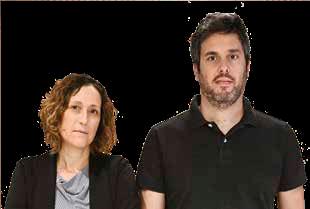
Noga Ron-Harel is an Assistant Professor at the Technion, specialising in immunometabolism and ageing. Her research explores how metabolic changes drive T cell dysfunction and immune decline across the lifespan.
David Ezuz is a postdoctoral fellow at the Technion, studying immune ageing. His research focuses on how microenvironmental stress, particularly iron metabolism, shapes T cell function and decline in ageing.




As the volume of Waste Electrical and Electronic Equipment (WEEE) continues to grow, it has become a central focus of updated international regulations. In response, the SusFE project is proactively reimagining the design and production of functional electronics to ensure longterm compliance and environmental stewardship. SusFE consortium explains how flexible, sustainable technologies can enable next-generation healthcare devices.
The SusFE consortium is a strategic European collaboration (Oct 2022 –Mar 2026, Horizon Europe project N° 101070477) dedicated to transitioning the functional electronics industry toward a circular economy by developing sustainable, high-performance materials and manufacturing processes that meet both rigorous clinical standards and the latest environmental regulations. Led by Medtronic Ibérica, this mission is driven by the complementary expertise of a world-class partnership, including industrial innovators Sofradim Production, Capitainer, BeFC (Bioenzymatic Fuel Cells), Molecular Plasma Group, and Pragmatic. This industrial core is seamlessly integrated with the advanced research capabilities of Fraunhofer EMFT, VTT Technical Research Centre of Finland, Tecnalia, and Teesside University, with the University of Cumbria subsequently joining the consortium to further strengthen the project’s collective impact across the medical and technological value chain.
Electronics underpin modern society, from communication systems and digital infrastructure to healthcare technologies and smart devices. As demand grows, so does their environmental footprint. Rising e-waste, resource depletion, and energy-intensive manufacturing are placing increasing pressure on the planet, while reliance on critical raw materials complicates sustainable sourcing and supply chain resilience.
The rapid expansion of the Internet of Things and wearable technologies is embedding electronics into everyday life at an unprecedented scale. While this drives innovation and new functionalities, it also increases the need for sustainable design. As a result, rethinking how electronic systems are designed, produced, and managed across their lifecycle has become essential.
The EU-funded SusFE project addresses this challenge by developing electronics based on sustainable materials, flexible architectures, and energy-efficient production, helping to shape a new generation of greener electronic systems.

Wound Monitoring (NFC & temperature)
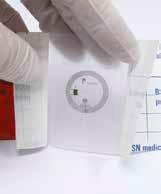
Unique Value Proposition

Real-time wound monitoring in hospital reducing inspections and sepsis risk
Wound Monitoring (Temperature & humidity)
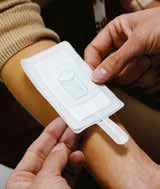
Real-time wound monitoring patch with temperature and humidity sensor
At the heart of SusFE lies a shift away from traditional silicon-based electronics towards flexible and printed alternatives. These systems can be produced on thin films or even paper-based substrates, using additive manufacturing techniques that reduce material waste and energy consumption.
“In a nutshell, SusFE is about implementing sustainable and flexible electronic technologies to support different use cases,” explains SusFE consortium. “These solutions can be printed on very thin films, with development cycles shortened dramatically compared to conventional electronics.”
This flexibility offers both environmental and practical advantages. For example, development times of flexible integrated circuits can be reduced from years to months, while production costs can be significantly lower than traditional semiconductor approaches. At the same time, these systems open the door to entirely new applications, particularly in sectors where lightweight, wearable, or disposable devices are needed.
Healthcare innovation
SusFE has focused strongly on healthcare and in vitro diagnostics, where the need
Point of Care Device
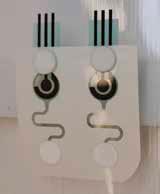
Point of care electrochemical sensor for protein biomarkers, including Troponin and CRP, using sustainable materials
Blood SelfSampling
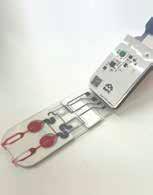
First volumetric micro-sampling plasma card with integrated timestamp
Cardiometabolic Sensing
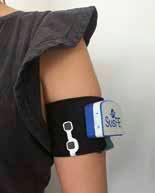
Multimodal wearable device for cardiometabolic health monitoring, intyegrating electrochemical & bioimpedence sensors
for innovative yet sustainable solutions is particularly pressing. Ageing populations and the shift towards decentralised care are increasing demand for scalable solutions, while also raising challenges around resource use. At the same time, the growth of remote monitoring and athome diagnostics is accelerating the use of electronic devices, making it essential to combine high clinical performance with reduced environmental impact.
One key application explored in the project is wound monitoring. By integrating temperature and moisture sensors into flexible patches, researchers aim to provide real-time insights into healing processes.
“Moisture and temperature are key indicators,” says SusFE consortium. “If conditions are not optimal, healing will not proceed properly. By monitoring these parameters, we can detect early signs of complications.”
The project has already demonstrated promising results, including highly accurate temperature monitoring systems capable of detecting changes as small as 0.1°C. Such precision could enable earlier detection of infection or abnormal healing, improving patient outcomes.
Another important use case is remote blood sampling, designed to support decentralized clinical trials. Flexible
electronics are integrated into sampling cards to record when and how samples are collected, ensuring data reliability while allowing patients to remain at home.
“The idea is to avoid unnecessary travel for patients,” SusFE consortium explains. “You can collect blood at home, while the system records the date, time, and conditions of the sampling.”
A defining feature of SusFE is its integration of green technologies across the entire system, rather than addressing sustainability at a single stage. This includes the use of printed circuits on biodegradable or recyclable substrates, such as paper or PLA-based films, which significantly reduce material consumption and simplify end-oflife disposal. In parallel, the project explores innovative energy solutions, most notably bioenzymatic fuel cells, capable of powering low-energy devices without relying on conventional batteries. These fuel cells use biological reactions to generate electricity, offering a more environmentally friendly alternative for short-term or disposable applications.
towards green and circular electronics, aligning closely with the ambitions of the European Green Deal and the transition to a more sustainable digital economy. Through collaboration with European initiatives such as the Green Electronics Working Group, the project is not only advancing technological solutions but also helping to shape a common framework for what “green electronics” should mean in practice - across design, manufacturing, use, and end-of-life.
By bringing together industry, research organizations, and policymakers, SusFE feeds into ongoing discussions on how to reduce the environmental footprint of the electronics sector while strengthening Europe’s technological sovereignty. SusFE along with the Green Electronics Working Group is dedicated to optimizing the regulatory landscape and promoting standardized sustainability metrics. A key part of this mission is identifying where alternative materials can be integrated without compromising on performance or budget. By focusing on these high-value opportunities, we can better advocate for the incentives needed to make circular
“In a nutshell, SusFE is about implementing sustainable and flexible electronic technologies to support different use cases.”
Together with roll-to-roll manufacturing processes, these technologies enable the production of lightweight, flexible electronic systems at scale, with lower energy input and reduced waste compared to traditional fabrication methods. However, integrating these components into reliable medical devices remains complex.
Combined with roll-to-roll manufacturing, these technologies enable scalable production of lightweight and environmentally sustainable electronic systems. However, challenges remainparticularly at the material level.
“The main challenge is identifying the right materials, especially conductive inks that are both biocompatible and stable. The design is much more challenging than the production,” the SusFE consortium notes.
While several prototypes have been successfully developed, commercialization is still in progress. Some applications, such as the blood sampling device, are moving towards clinical testing, representing an important step towards real-world deployment.
At a broader level, SusFE also contributes to Europe’s strategic push

Innovative Processes & Methodologies for Next Generation Sustainable Functional Electronic Components and Systems
Project Objectives
SusFE aims to develop functional electronics through manufacturing processes. These processes will be based on R2R production of wearable and diagnostic devices, all within the framework of green and circular economy.
Project Funding
This project has received funding from the European Union’s Horizon 2020 research and innovation programme under grant agreement Nº 101070477
Project Partners
https://susfeproject.eu/consortium/
Contact Details
Alicia Panadero
Innovation Project Manager Integrated Health Solutions
INNOVA & European Projects Office
Medtronic Ibérica, S.A
C/María de Portugal, 11 | Madrid, 28050 | Spain
T: +34 676 84 01 29
E: coordination@susfeproject.eu W: https://susfeproject.eu/
manufacturing a standard practice “We are advocating for flexible printed electronics as a more sustainable option,” says SusFE consortium. “And encouraging the European Commission to support these technologies and bring them closer to market.”
Such support could play a key role in accelerating adoption, particularly by bridging the gap between research and commercialization. By enabling higher technology readiness levels, improving recycling pathways, and fostering investment in sustainable innovation, Europe has the opportunity to position itself as a global leader in next-generation, environmentally responsible electronics. Although sustainable solutions may initially come at a higher cost than conventional silicon technologies, sectors such as healthcare provide a clear pathway for early adoption, where added value can justify the investment. As the project concludes, SusFE delivers more than technological advances—it offers a roadmap for embedding sustainability into electronics from the outset, helping to align innovation with environmental responsibility.
Zulfiqur Ali is Pro Vice Chancellor (Research and Knowledge Exchange) at the University of Cumbria. His research interests include microfabrication, as well as microfluidics for point-of-care diagnostic devices and for biological processing.










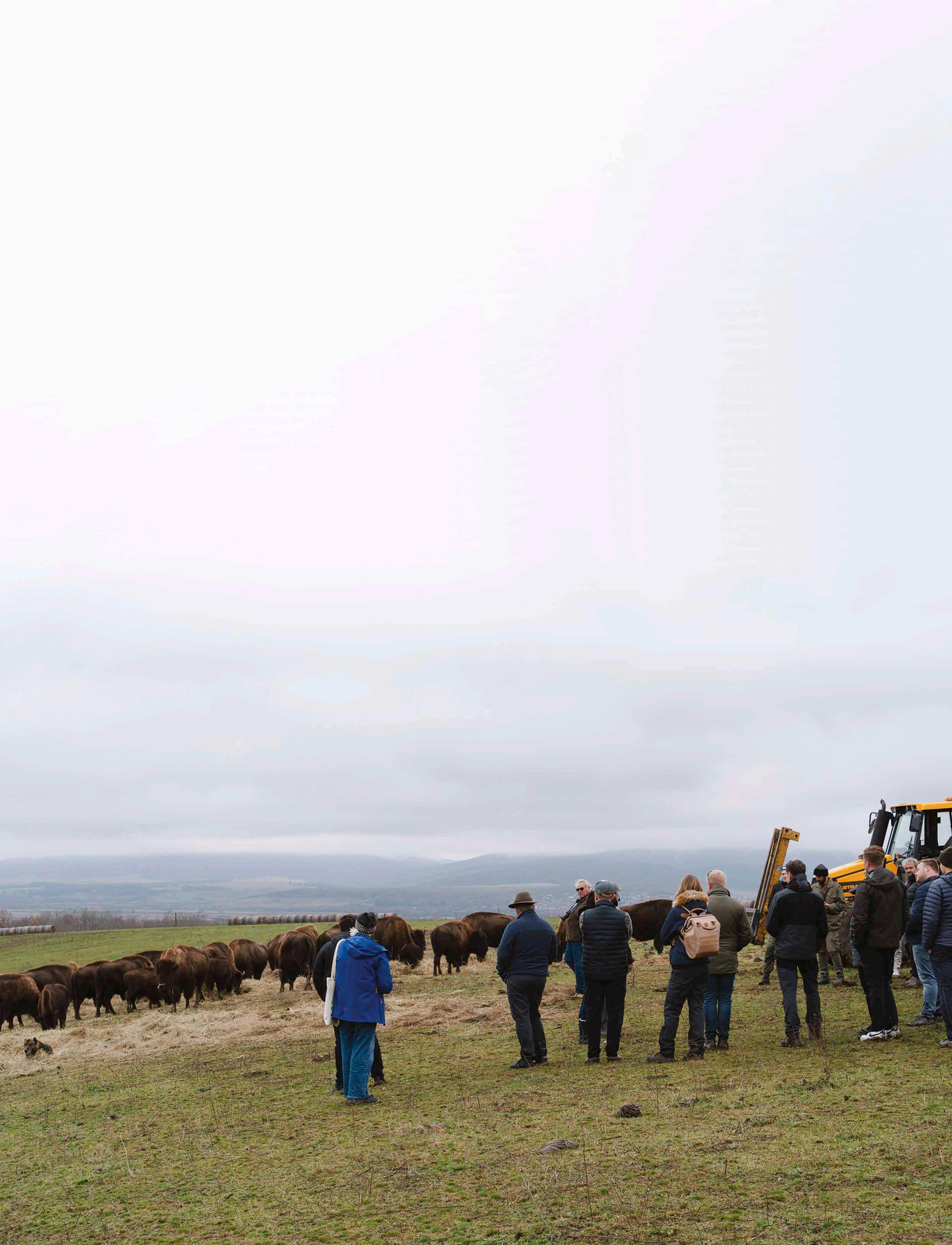
Across Europe’s rangelands, livestock farmers face economic pressures, climate change, depopulation, predator attacks and a shortage of herders. The DIGI-Rangeland project explores how digital technologies can help address these challenges and support - not replace - traditional farming. Eva Pérez Vidal explains how the project is helping build a more sustainable future.
Europe’s rangelands cover vast areas of countryside, from the mountains of Scotland and Romania to the rangelands of Spain, Greece and Iceland. These landscapes support biodiversity, preserve cultural traditions and provide food and fibre through extensive livestock farming. Yet many of these regions are under pressure.
Rural depopulation, an ageing farming population and increasing environmental challenges are making traditional livestock farming more difficult. Many farmers struggle to monitor animals, in large flocks, across large and often remote areas. At the same time, predator attacks from wolves and bears are increasing in several countries. In addition to this, there are also specific challenges related to the multiple uses of the land (tourism, outdoor sports, hunting, etc.), tensions arising from the coexistence of these uses, and even a lack of understanding of their farming practices by civil society.
DIGI-Rangeland - short for DIGItal innovation and data technology network for RANGELAND livestock farming systems - was launched to address these issues. Funded under Horizon Europe, the project brings together researchers, farmers, advisors and local communities from across Europe to explore how digital technologies can make rangeland
farming more sustainable and attractive. It is led by the French Livestock Institute (IDELE).
Rather than promoting technology for its own sake, the project is asking a practical question: which digital tools genuinely help farmers, and how can they be adapted to very different local realities?
“The idea is not to replace farmers and shepherds, but to make their work easier, safer and more sustainable.”, says Pérez Vidal, communication and dissemination leader for the project at the Galician UniversityEnterprise Foundation in Spain (FEUGA).
they had much more in common than expected. Whether they worked with sheep in Scotland, cattle in Spain or livestock in Romania, they described similar concerns.
In some regions, wolves are a constant threat. In others, bears create major problems for farmers trying to protect their animals. Traditional methods are still widely used, such as specific breeds of dogs trained to guard flocks, but these are not always enough.
“We have to find a bridge between both worlds. Between the traditional way of farming and the new digital possibilities.”
Although the countries involved in DIGIRangeland are very different, many of the challenges they face are surprisingly similar.
“In every country, people talk about predator attacks, depopulation, a general lack of awareness around rangeland farming, increasing land competition, and the difficulty of keeping extensive livestock farming alive,” says Eva Pérez Vidal.
During the project’s first transnational workshop, held in Transylvania, farmers from different countries discovered that
At the same time, fewer people are willing to become shepherds or continue family farming traditions. Younger generations often leave rural areas, while older farmers may be reluctant to adopt new practices. Public awareness of rangeland farming is also limited, making it harder for farmers to gain support. Land competition is another growing issue, with grazing areas under pressure from tourism, development and conservation.
Pérez Vidal notes two main farmer profiles emerging: older, more cautious farmers and younger newcomers who are more open to innovation.
“These younger farmers often become the bridge within the community,” she explains.
DIGI-Rangeland is investigating a wide range of digital tools, from GPS tracking and drones to camera traps, sensors and virtual fencing.
GPS systems allow farmers to track animals in real time, saving time and reducing the need to travel long distances. Sensors can also monitor grazing patterns and behaviour, helping detect potential health issues early.
One novel and promising solution discussed by the project partners is virtual fencing. Instead of relying entirely on physical fences, animals wear GPS-enabled collars that create movable invisible virtual boundaries. Animals approaching a virtual fence boundary receive escalating audio cues from the collar, followed by an electric cue if they continue. Animals respond to the sound alone after a short training period.
For farmers managing large areas of land, this could reduce labour and allow grazing patterns to be adjusted more easily. Costs and connectivity are however a major constraint.
Other technologies are proving more challenging. In some pilot cases, drones were tested as a way to move sheep from one area to another. However, the animals often ignored them and farmers still had to rely on their dogs.
This reflects one of the central ideas behind DIGI-Rangeland: technology should complement people, not replace them.
“The project does not want a future where everything is automated and nobody works in the countryside,” says Pérez Vidal. “The digital tools are there to support shepherds and farmers, not to substitute them.”
For example, a farmer may no longer need to walk 10 kilometres every day to check where the flock is grazing. Instead, a monitoring system can provide this information remotely, saving time and making the work less physically demanding.
The project is also exploring how these technologies can benefit other rangeland users beyond farmers. Hikers, tourists and local communities may all gain from better monitoring of animals and landscapes. In some areas, this can improve safety, while in others it can support agritourism by helping manage interactions between visitors, animals and the environment.
Technology alone is not enough. A key challenge is helping farmers feel confident about trying new approaches. Many tools are costly or require technical knowledge,
while limited infrastructure, such as poor internet access, can also be a barrier. Language differences may further restrict access in some rural areas.
To address this, DIGI-Rangeland has created a network of national facilitators in every participating country. These local experts work directly with farmers and communities, organise meetings and identify the people most interested in participating.
The project partners then bring selected participants together at international workshops, where they can exchange experiences and discuss possible solutions.
Communication also plays a central role. The project website has been translated into multiple languages, and all key materials are adapted for local audiences.
“People need to feel that the project is something close to them, not something distant coming from Brussels,” says Pérez Vidal.
The project has already launched surveys in 11 countries to identify the main challenges farmers face, as well as the opportunities and barriers linked to digital tools. A second survey now gathers input from other land users, helping to improve rangeland management and support multiple uses of these areas.
DIGI-Rangeland officially runs until January 2029, so it is still in the early stages. However, 2026 is already an important year for the initiative because the United Nations has declared it the International Year of Rangelands and Pastoralists (YRP2026).
This provides an opportunity to raise awareness of the importance of rangelands and the communities that depend on them.
DIGI-Rangeland partners will participate in a series of events throughout the year, including a major meeting organised by the Spanish Ministry of Agriculture in April and an international conference in Switzerland in June.
By the end of the project, the consortium hopes to leave behind more than a set of digital tools. Its real legacy may be the European network it is creating – one that connects farmers, researchers, advisors and local communities around a shared vision for the future of rangeland farming.
That future is unlikely to look exactly like the past. Yet, according to Pérez Vidal, it should still preserve the people, knowledge and traditions that have always shaped these landscapes.
“We have to find a bridge between both worlds,” she says. “Between the traditional way of farming and the new digital possibilities.”
DIGItal innovation and data technology network for RANGELAND livestock farming systems
Project Objectives
DIGI-Rangeland aims to identify, test and promote digital tools that can support –not replace – extensive livestock farming across Europe’s rangelands. By connecting farmers, researchers, advisors and local communities, the project seeks to improve animal monitoring, sustainability and working conditions, while helping rural areas adapt to depopulation, environmental pressures and changing agricultural practices.
Project Funding
This project has received funding from the European Union’s Horizon Europe Research and Innovation programme under Grant Agreement No. 101183132 and from the Swiss State Secretariat for Education, Research and Innovation (SERI) Grant No. 24.00530.
Project Partners
https://digirangeland.eu/partners/
Contact Details
Eva Pérez Vidal
EU Projects Manager
Rúa Lope Gómez de Marzoa, s/n Campus
Vida
Santiago de Compostela · A Coruña
E: eperez@feuga.es
W: www.feuga.es
W: https://digirangeland.eu/
Views and opinions expressed are those of the author(s) only and do not necessarily reflect those of the European Union or Swiss State Secretariat for Education, Research and Innovation. Neither the European Union and Swiss State Secretariat for Education, Research and Innovation nor the granting authority can be held responsible for them.
Germain Tesnière is DIGI-Rangeland Coordinator and Project Manager at IDELE, France, where he leads and supports National and European projects involving digital technologies and innovations for the sheep, goat and cattle sectors.
Eva Pérez Vidal is Communication and Dissemination leader. She is based on Galicia, Spain, and she is Project Manager at FEUGA, with experience in European innovation projects, science communication, stakeholder engagement, and sustainability initiatives linked to rural development.

We spoke to Erika Brattinga-Róth, project leader of the Interreg NWE–funded PREWAPHARM project, about a transnational effort to reduce pharmaceutical pollution in European waterways. By bridging the healthcare and water sectors, the project develops source-based strategies that address a growing environmental and public health challenge.
Pharmaceutical residues are an increasingly important source of water pollution across Europe. After use, a substantial share of some orally administered medicines – including antibiotics and hormones – may be excreted unchanged or as metabolites and ultimately enter wastewater and surface waters. Traditional wastewater treatment plants were not designed to remove these micropollutants; international evidence shows that removal efficiencies vary widely by substance, treatment process, and region (Khasawneh & Palaniandy, 2021; RIVM, 2020). Residues that pass through are discharged into surface waters, where they can affect aquatic ecosystems, contribute to pathways linked to antibiotic resistance, and pose risks to ecosystem health. Demographic and climatic trends compound the problem: as populations age, medicine consumption rises, and during droughts lower water volumes can concentrate pollutants, increasing the likelihood that water bodies will fail to meet revised European quality standards.
Evidence suggests environmental impacts. Even in very low concentrations, pharmaceutical residues can disrupt the behaviour and reproductive biology of aquatic organisms. Some psychoactive compounds reduce normal predator-avoidance responses in fish, while endocrine-disrupting substances such as synthetic oestrogens have been associated with feminisation and sex change in amphibians (Arnold et al., 2014; OECD, 2019; Martin et al., 2017 ). These effects cascade through food chains and contribute to biodiversity loss, undermining the ecological systems on which human health depends. This interdependence is captured by the One Health concept, which holds that without a healthy environment and healthy animals, human health cannot be sustained. “People need to see this system – that every human being is part of it, and you cannot separate yourself from the environment,” explains Erika Brattinga-Róth, the project leader of PREWAPHARM.
Addressing this challenge is complicated by the fact that responsibility is distributed across sectors that have traditionally operated in

isolation. Healthcare professionals prescribe and dispense medicines, water authorities manage treatment infrastructure, and policymakers set regulatory frameworks, yet coordinated action between these domains has been limited. The Interreg North-West Europe–funded project PREWAPHARM (Prevention of Water Pollution by Pharmaceuticals) was conceived to bridge this divide. With 18 partners and 38 associated organisations from seven countries – the Netherlands, Belgium, Germany, Luxembourg, France, Switzerland and Ireland – the project brings together expertise from the healthcare and water sectors to develop collaborative, source-based solutions.
PREWAPHARM adopts a chain-wide approach, intervening at multiple points from prescription to wastewater discharge. Its first pillar benchmarks existing EU, national, and regional legislation to identify gaps that hinder effective action. Relevant directives – including the Water Framework Directive, the Urban Wastewater Treatment Directive, the Drinking Water Directive, and the recently adopted Soil Monitoring and Resilience Directive –are being examined alongside the reformed EU pharmaceutical legislation, which reached political agreement in December 2025. Until recently, most pharmaceutical substances were not covered by EU-wide binding surfacewater quality standards. This changed with the formal adoption in mid-February 2026 of revised EU water-pollution rules, which now include seven pharmaceutical substances –azithromycin, carbamazepine, clarithromycin, diclofenac, erythromycin, ibuprofen, and permethrin – and three estrogenic hormones:
17-beta estradiol (E2), estrone (E1), and ethinyl estradiol (EE2) (Council of the European Union, 2026; European Commission, 2022). These requirements must now be transposed into national law and incorporated into monitoring programmes.
The revised Urban Wastewater Treatment Directive, in force since 1 January 2025, requires producers of human medicinal and cosmetic products to cover at least 80% of the costs of quaternary treatment through extended producer responsibility schemes. However, transposition into national legislation is ongoing and considerable debate surrounds implementation. Additionally, some pharmaceuticals contain fluorinated structures that may fall under certain PFAS definitions – highly persistent chemicals that break down only very slowly in the environment. As they degrade, they can form trifluoroacetic acid (TFA), a mobile substance particularly difficult to remove from water. The intersection of pharmaceutical pollution with the broader PFAS challenge underscores the urgency of coordinated action. PREWAPHARM’s transnational strategy, accompanied by regional action plans for the Netherlands, Belgium, Germany, and Luxembourg, is intended to provide policymakers with a practical framework for closing these gaps.
The second pillar translates strategic insights into practical pilot interventions. On the pharmaceutical side, three transnational pilots are testing approaches to sustainable prescribing: a population-level medicine benchmarking tool that compares dispensing practices across participating countries, community-pharmacy and GP-led interventions promoting greener prescription choices, and a transitional healthcare toolkit for patients moving from hospital to home care. Where medicines with equivalent therapeutic efficacy exist, healthcare professionals can be guided toward alternatives with a lower environmental footprint. “The role of pharmacists and their influence on medicine dispensing vary

considerably across the seven participating countries. By comparing the effects of interventions across different systems, we can identify which approaches are most effective in each context,” explains Brattinga-Róth.
On the water technology side, four pilot projects are testing treatment methods at high-impact sites, including hospitals in Luxembourg and Belgium, small-scale municipal wastewater treatment plants, and a combined sewer overflow. Partner organisations are evaluating, combining, and optimising technologies including membrane treatment, electrochemical removal, advanced oxidation processes, adsorbent resins, and naturebased solutions, alongside an innovative bioaugmented filtration system. The first hospital
The third pillar of PREWAPHARM is to ensure the long-term sustainability of the project’s outcomes. PREWAPHARM is establishing local communities of practice in each participating region, bringing together stakeholders from healthcare, water management, government, and research to foster collaborative action. These regional communities will be connected through the North-West European Centre of Medicine Residues in Water, a knowledge and advisory hub designed to continue beyond the project’s four-year lifetime. Initially functioning as an online platform providing access to current knowledge and enabling professionals to submit practical questions, the centre is intended to evolve into a dynamic meeting
“Without a healthy environment and healthy animals, we cannot have healthy people. People need to see this system – that every human being is part of it , and you cannot separate yourself from the environment.”
pilot in Luxembourg is expected to begin mid2026. In the Belgian hospital pilot, the most promising technologies will be tested on a larger scale, and the potential for water reuse will be assessed. The small-scale wastewater treatment plant pilot will also begin in 2026, testing enhanced treatment wetlands for the removal of active pharmaceutical ingredients.
“A lot of technology is already available; we can remove virtually all pharmaceuticals from wastewater. The question is: what is most effective, what is feasible, and where in the chain is the best place to intervene?”
notes Brattinga-Róth. Organisations with proven best practices in pharmaceutical mitigation or water technology are invited to share their experience with the consortium.
place for networking and exchange. In parallel, training programmes are being developed for both healthcare professionals on sustainable prescribing and water professionals on treatment technologies.
Aligned with the EU Green Deal and the Zero Pollution Action Plan, the project’s findings are intended to inform policymakers at regional, national, and European levels. This complex, cross-sectoral challenge calls for joint action to reduce the impact of medicine use on clean water availability. The project team welcomes perspectives on current policy gaps and ideas for improvement, as well as proven best practices that could be implemented more widely across North-West Europe.
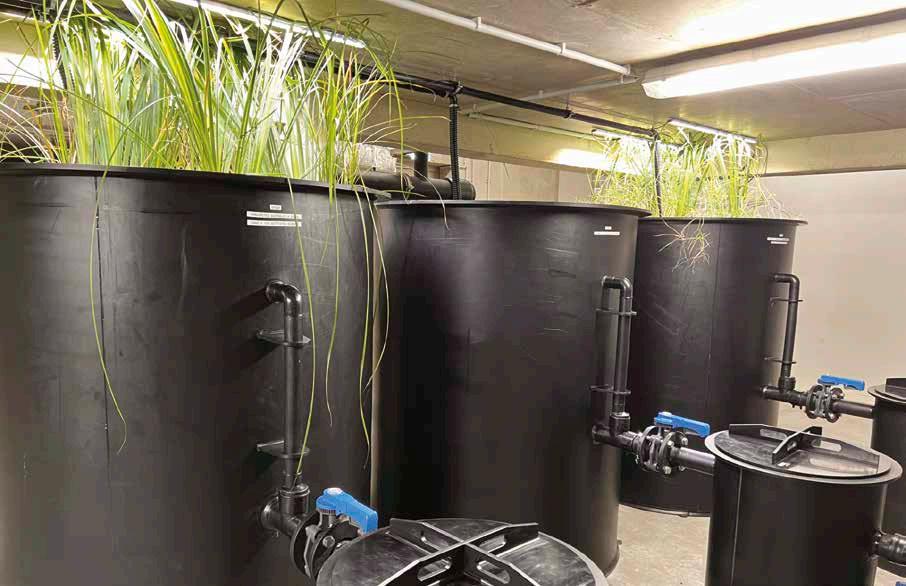
Tackling water pollution by pharmaceuticals at its source
Project Objectives
PREWAPHARM aims to reduce pharmaceutical residues in water across Northwest Europe by developing a joint transnational strategy and regional action plans, piloting upstream solutions from sustainable prescribing to on-site wastewater treatment, and establishing a Northwest European Centre of Excellence for Medicine Residues in Water as a lasting knowledge hub.
Project Funding
This project has received funding from the European Union’s Interreg NWE program under grant no. NWE0400548 (PREWAPHARM).Views and opinions expressed are however those of the author(s) only and do not necessarily reflect those of the European Union nor the granting authority. Neither the European Union nor the granting authority can be held responsible for them.
Project Partners
PREWAPHARM is an Interreg NWE initiative uniting 18 partners across six countries. https://prewapharm.nweurope.eu/partners
Associated Partners
PREWAPHARM is supported by 38 associated partners across six countries, strengthening cross-sector collaboration and impact. https://prewapharm.nweurope.eu/associated-partners
Contact Details
Project Coordinator,
Erika Brattinga-Róth
E: prewapharm@tcnn.nl
W: https://prewapharm.nweurope.eu/
Erika Brattinga-Róth, Eelko Hak, Pieter-Jan De Buyck, and Jimmy Roussel


Erika Brattinga-Róth coordinates PREWAPHARM as project leader and leads the Northern Netherlands Medicine Residues in Water Network, bringing 20+ years’ applied research and project management experience.
Eelko Hak is a professor of pharmacoepidemiology from the University of Groningen, leads Pillar 1 and has been leading pharmacy-related environmental research since 2019.
Pieter-Jan De Buyck , R&D Project Lead at VITO, is responsible for Pillar 2 and has 10+ years’ water- sector experience developing solutions for industry and society.
Jimmy Roussel is a Lead R&T Engineer at LIST with over 15 years’ experience in the field of wastewater treatment, oversees Pillar 3.
Villages and small settlements across Hungary are highly vulnerable to the effects of climate change. The team behind the LIFE Co-Clima project aim to help these communities adapt by establishing ecological farms and sharing knowledge on bio-intensive gardening, which will boost resilience over the long-term, as Anna Mészár explains.
The Hungarian climate is changing, with extreme weather events becoming increasingly common, prompting the authorities to look at how communities across the country can adapt to the new reality. While much of the Hungarian population lives in large towns and cities, it’s also important to consider how smaller settlements can adapt to climate change, an issue at the heart of the LIFE Co-Clima project. “The project is about boosting community resilience and the capacity of smaller villages to adapt to the effects of climate change,” explains Anna Mészár, a member of the project team. The project’s work centres on creating small-scale organic gardens in two villages in Central- Hungary - Püspökszilágy and Penc - using techniques designed to enhance resilience. “We are using a methodology called bio-intensive gardening. This is a no-till approach, avoiding chemicals, while we also use compost mulch to improve the biodiversity of the soil,” outlines Mészár.
The Municipality of Püspökszilágy is the lead partner of the project. Püspökszilágy is a remote village with a population of less than 800, which is particularly vulnerable to the adverse effects of global climate change. Recognizing this, the municipality is now implementing its third project, funded directly by the European Union - a first in
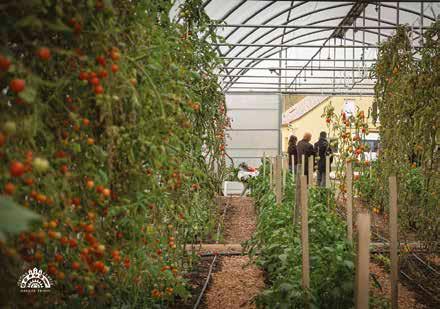
Hungary. Its previous two LIFE projects focused on natural water retention, while the current one focuses on promoting organic farming. This unique approach clearly reflects the local government’s comprehensive thinking and its rare, genuine vision for creating a sustainable community.
A number of ecological gardening techniques and nature-based solutions are being applied at the two gardens, with the aim of producing a reliable, sustainable supply of organically-grown vegetables for local people. The gardens will be operated by the local municipality and people from the surrounding areas can come and learn about organic farming, with staff from project partner MagosVölgy, a company which
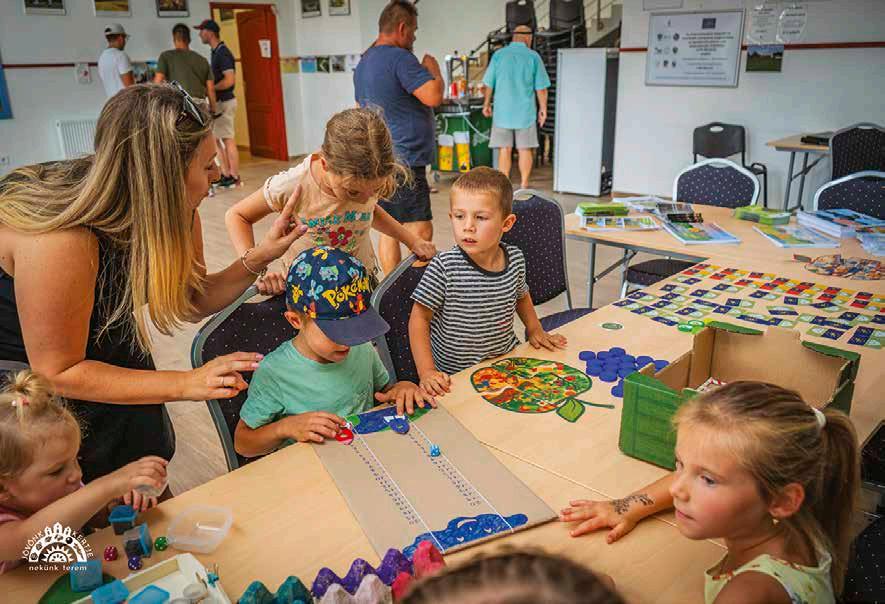
specialises in ecological gardening, providing expert guidance. “The company supports these two municipalities to create their own vegetable gardens, where people can come and see how organic vegetable production can work at a small scale,” continues Mészár. A sowing plan is developed at the beginning of the year, and Mészár says the aim is to maximise productivity, while at the same time maintaining soil quality. “We can harvest two or three plants per year from one raised bed, it’s a fairly productive system,” she outlines.
This is not about simply imposing new gardening methods on the people of Püspökszilágy and Penc. “There is a lot of traditional gardening knowledge in these smaller communities, which is at risk of disappearing as the local population grows older and is displaced by newcomers. We want to build on this existing knowledge,” stresses Mészár.
The aim in the project is to essentially merge these two schools of thought, biointensive gardening and the more traditional approach, and then to spread this knowledge out more widely. This would then help increase food production, while also engaging local communities and encouraging people to get involved in gardening. “We see it as an entirely positive thing if people in villages take care of these gardens,” says Mészár. Being part
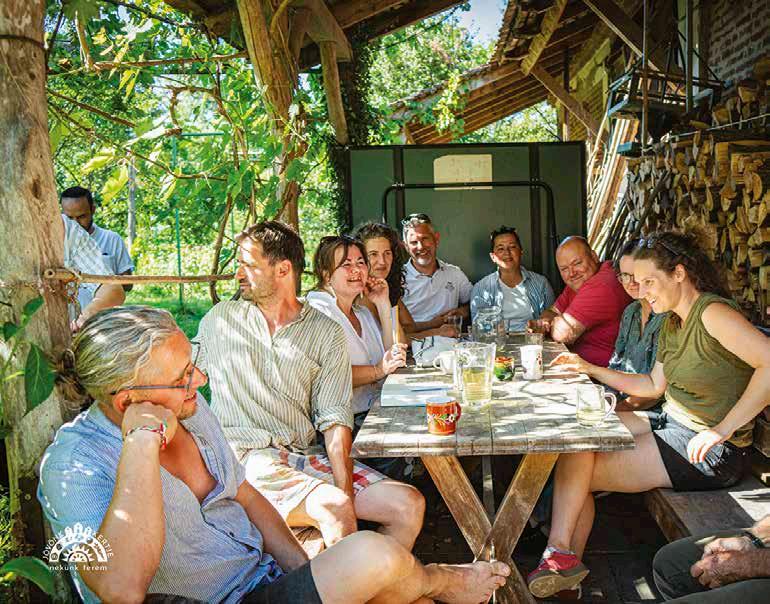
of a larger group will also give people a wider network of support to draw on, to establish bonds and share successes and failures, which Mészár says is an important consideration in the project. “Since the drought of 2022 bugs and pests have been an even bigger problem, and it’s getting more and more difficult to be successful in your own garden,” she outlines. “We want to help people feel positive about gardening, and to give them the opportunity to produce their own food.”
This of course needs to fit around modern working patterns, and many people today struggle to find time to work on their own garden, alongside other commitments. These organic gardens will give local people the flexibility to get involved when they can, rather than taking on sole responsibility, which Mészár hopes will encourage greater community involvement. “We want to encourage people to keep on with gardening,” says Mészár. This will also contribute to wider environmental and sustainability goals, as a reliable supply of locallygrown vegetables will reduce dependence on imports and bring people closer to the sources of the food that they consume. “We find that people are very happy to produce their own vegetables, which they can then use in their own cooking,” continues Mészár.
“We

change will also be run, such as the Lecso Fest in Püspökszilágy, celebrating the traditional Hungarian stew. This is part of the project’s commitment to spreading knowledge and encouraging a more general shift in gardening practices. “This bio-intensive methodology can be applied anywhere,” stresses Mészár. The project at this stage is focused on Püspökszilágy and Penc, but the hope is that other municipalities will follow in future, and Mészár says plans are in place to help. “Our partners at the Hungarian University of Agriculture and Life Sciences are monitoring the process, and they will create essentially a guide for municipalities on how to do this in their own villages,” she outlines. “Our aim is to see more municipalities establish organic
are using a methodology called bio-intensive gardening. This is a no-till approach, avoiding chemicals, while we also use compost mulch to improve the biodiversity of the soil.”
The project team are now looking to build further on this progress, with mentoring programmes set to start in Penc this year and also in the village of Terény, where MagosVölgy is based and maintains a biointensive garden. The company’s experts are now looking to pass on the knowledge and experience that has helped the garden thrive, supporting wider change and boosting resilience. “We have introduced a community programme, where the locals are offered mentoring and support from MagosVölgy about how to increase their own household’s adaptive capacity to climate change. This means things like ecological gardening techniques, water harvesting techniques and how to mulch,” explains Mészár. Vegetables from the farms will also be made available to local people. “In Penc they have decided to sell the vegetables at a very low price, and produce from the gardens will also be used at public events,” says Mészár.
A number of community-building programmes around gardening and climate
gardens. This always depends on having the resources available, but we are optimistic.”
An important pillar of the project is dissemination, coordinated by the Association of Climate-Friendly Municipalities, Hungary’s only thematic alliance of local governments dedicated specifically to climate and sustainability issues. In this role, the Association not only ensures the visibility of the project’s activities and results, but also acts as a key bridge between participating communities, local governments, and the wider public. Its communication work goes beyond routine outreach: alongside the regular sharing of short videos and photographs on social media, the team has also created a short documentary presenting the experiences of families involved in the project. The film offers a more personal and engaging insight into the initiative, helping to make its objectives tangible for a broader audience. The documentary has already been screened in Budapest, where it attracted considerable interest, further underlining the Association’s central role in amplifying the project’s social impact and public reach.
LIFE ‘Garden of Our Future’
Project Objectives
The main goal of the LIFE CO-CLIMA project is to boost community resilience and increase adaptive capacity of small rural villages in terms of climate change.
Project Funding
The LIFE CO-CLIMA project is funded by both the European Union and the Republic of Hungary
Project Partners
• Municipality of Püspökszilágy
• Municipality of Penc
• MagosVölgy Ltd.
• Klímabarát Települések Szövetsége ( Association of Climate-Friendly Municipalities)
• Hungarian University of Agriculture and Life Sciences
Contact Details
Anna Mészár
Project Manager of LIFE Co-Clima
Püspökszilágy municipality, Coordinator of LIFE Co-Clima, also representative of MagosVölgy Ltd. in the project Municipality of Püspökszilágy
Kossuth utca 9, Püspökszilágy 2166, Hungary
T: +36209760299
E: anna@magosvolgy.hu
W: https://magosvolgy.hu/fooldal/lifejovonk-kertje/
Anna Mészár
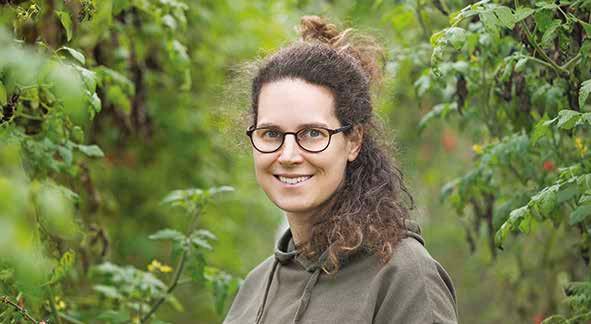
Anna Mészár is a project manager at MagosVölgy Ökológiai Gazdaság, a company which specialises in ecological gardening. She organises and manages site visits, with the aim of empowering smallscale food systems across the Hungarian countryside.
The valuable habitats of the UNESCO Five-country Biosphere Reserve Mura-Drava-Danube are under growing pressure. Through the LIFE RESTORE for MDD project, a dedicated team is working to restore alluvial forests, riparian mixed forests and river ecosystems along the Mura, Drava and Danube, as Lisa Wolf explains.
The area surrounding the Mura, Drava and Danube (MDD) river basins spans several national borders and is often referred to as the ‘Amazon of Europe’, in recognition of its biological diversity and ecological importance. The region is home to a rich variety of habitats and species, yet this diversity is under threat due to various factors, including river regulation practices which have impacted the transport of sediments along the three rivers. “Sediment transport is a very important issue, as it is the main driver of the hydromorphology of rivers. The availability of sediment is crucial for establishing pioneer areas, renewing forest habitats, as well as for mineral intake and soil health,” explains Lisa Wolf, project manager at the World Wide Fund for Nature (WWF) office in Vienna. However, hydropower plants along the three rivers limit sediment transport, while earlier straightening projects have also had a significant impact in this respect. “Rivers were straightened in the past, leading to a loss of sediment. The sediment doesn’t remain in the area to help create natural habitats, such as side channels and oxbow lakes,” continues Wolf.
In 2021 the MDD region was declared the world’s first Five-country biosphere reserve by UNESCO to protect the area. Wolf and her partners in LIFE RESTORE for MDD, a project co-financed by the EU LIFE programme, are now working to restore priority habitats within the reserve, particularly alluvial and riparian mixed forests, and other key ecosystems along the rivers. “The project focuses on the conservation, protection and restoration of the three rivers and the 17 Natura 2000 sites along them,” she outlines.
The project brings together partner organisations from each of the five countries in the MDD region, namely Austria, Slovenia, Hungary, Croatia and Serbia. While in
the past a relative lack of cross-border understanding has been an issue when it comes to protecting the region, the EU Water Framework Directive today provides a common framework to manage the rivers. “The rivers have to be managed in a transboundary manner, with a focus on EUspecific goals,” says Wolf. At the same time there is still considerable interest in using the land along the Mura, Drava and Danube. This makes it essential to strike the right balance
these rivers, essentially undoing some of the damage caused by previous straightening projects. In a straightened channel, water flows faster than in a meandering river, meaning sediment is less likely to settle and create natural habitats. “Without the natural river dynamics, side channels and oxbow lakes dry out. This is also a threat to groundwater levels. Channelizing a river can exacerbate flooding, as it removes natural retention areas that would otherwise absorb
“River landscapes are complex ecosystems. Once restored, they become true treasure troves of biodiversity, act as carbon sinks, provide drinking water and supply us with clean air.”
between the sometimes incompatible interests of different stakeholders. “There is interest in developing hydropower plants, to meet continued high demand for energy, while the EU Nature Restoration Regulation focuses on ensuring the free flow of water in rivers,” she continues.
As part of the project, Wolf and her team are working to restore natural habitats along
and temporarily store excess water when the river overflows its banks,” explains Wolf. With this in mind, the project team is following a holistic, ecological approach to address these kinds of issues and help restore forests along the three rivers. “In the project, we remove embankments, reconnect side channels and restore oxbow lakes both along the rivers and in the surrounding floodplain.

widening at the
site on
and
Along a 1,100-metre section, embankments were removed and relocated further inland, giving the river more space for natural processes and improving 43.4 hectares of floodplain forest habitats.
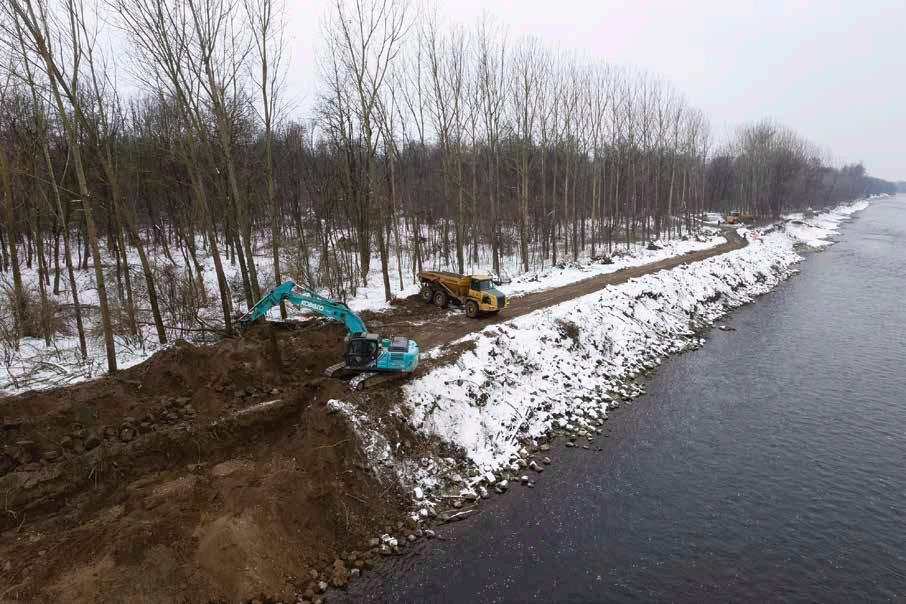
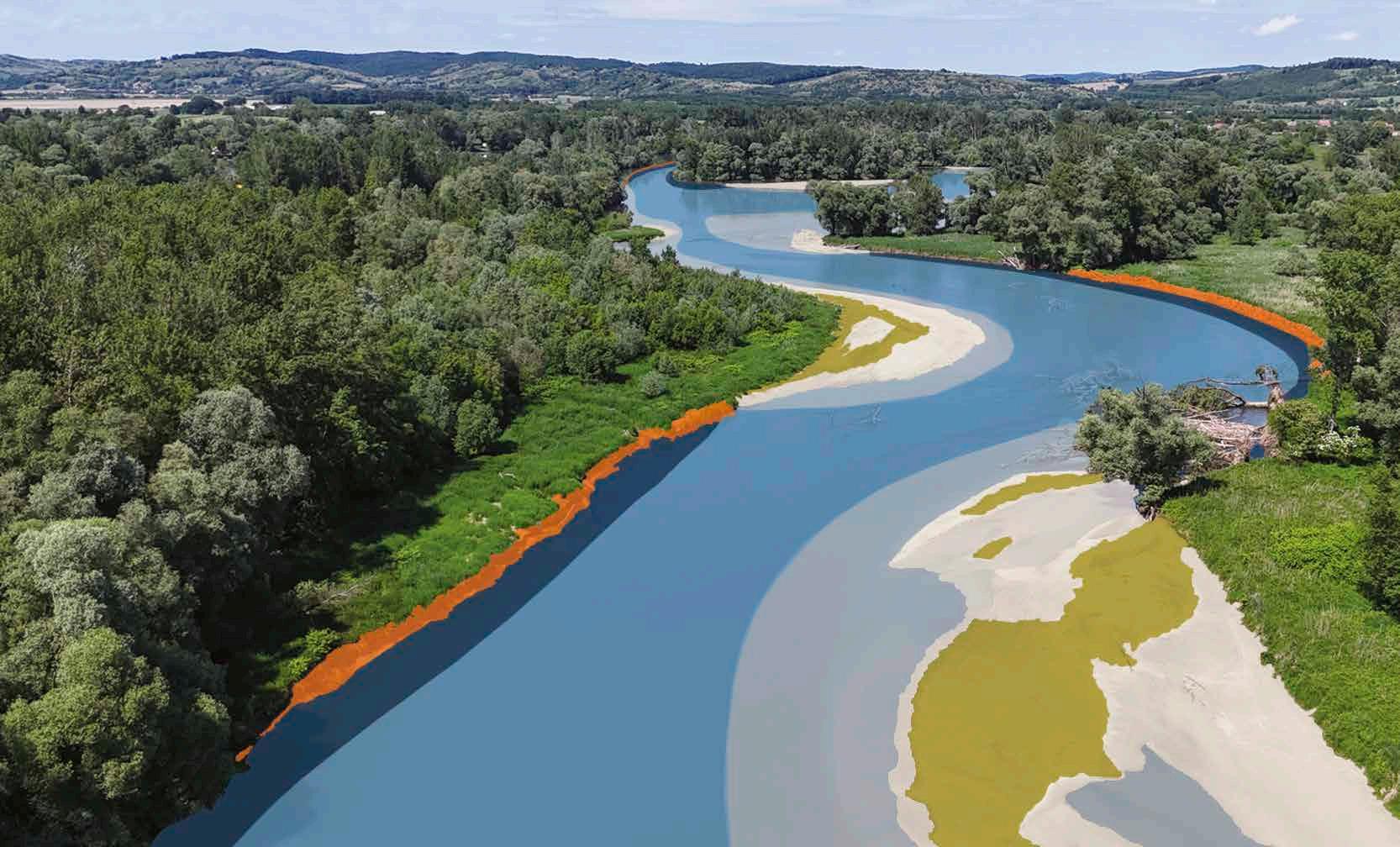
This approach enables us to create new habitats and dynamics that positively affect the sediment flow and, consequently, the hydromorphology of the river,” Wolf outlines.
The impact of this work will be rigorously assessed throughout the project. The team is monitoring river hydromorphology and sediment input at various locations, together with a broad set of other indicators. Researchers will also have access to data gathered beyond the scope of the project, allowing for a more comprehensive understanding of its effects. “Our local partners carry out regular monitoring in line with Natura 2000 management plans. At WWF, for example, we monitor bird populations along the Drava every year,” says Wolf. The wider aim is to improve the health of these habitats; this doesn’t necessarily mean restoring them to preindustrial conditions, but rather achieving sustainable, long-lasting improvement. “We have some information about how the rivers meandered before they were extensively straightened and channelled, which provides a kind of reference framework.
Nevertheless, we have to be realistic, and understand the current reality of the area,” acknowledges Wolf. “Our main focus in the project is on improving existing habitats and expanding both these habitats and the protected Natura 2000 sites.”
This means first and foremost establishing healthy conditions for floodplain forests at 29 different sites, including both alluvial and riparian mixed forests, covering an area of around 2,100 km2 . The aim is to improve these priority habitats and strengthen the overall health of the surrounding ecosystems, as well as supporting the recovery of species whose numbers have declined sharply in recent years. “Fish populations have declined throughout the entire Danube basin. We have lost a great amount of biodiversity, including fish and certain plant species. Monocultures and lower water levels are also putting pressure on the landscape. For example, we are losing oak trees in large numbers,” says Wolf. The project’s work represents a step towards

addressing this decline, with Wolf and her team focusing on priority habitats in alluvial floodplain forests. “We are not focusing on specific species of fish or birds, but rather on the priority habitats of the alluvial floodplain forests,” she explains. “But of course, healthier floodplain forests also create better conditions for bird and fish populations to recover.”
The project team is currently working towards these objectives, with restoration measures being carried out at several sites across the biosphere reserve. While the project is only around halfway through its funding term, a lot of progress has already been made. “We recently completed work at three restoration sites in Slovenia, including a riverbed widening, an oxbow lake restoration and a side channel reconnection,” says Wolf. This work is part of a broader network of efforts to restore and conserve natural habitats and species in the Danube river basin, with several cooperative relationships already in place. “We are cooperating with the LIFE-Boat 4 Sturgeon project, which is working to
Project Objectives
UNESCO Five-country Biosphere Reserve
Mura-Drava-Danube is a five-year initiative launched in October 2023 and implemented by 17 partners in Austria, Slovenia, Croatia, Hungary and Serbia. The project aims to preserve and restore the largest contiguous riparian forests in the Mura-Drava-Danube Five-Country Biosphere Reserve, also known as the ‘Amazon of Europe’. Restoration measures at 29 locations across 2,100 km² will focus on reconnecting river branches, widening riverbeds and converting poplar plantations into more natural floodplain forests within 17 Natura 2000 areas.
Project Funding
Co-funded by the European Union.Views and opinions expressed are however those of the author(s) only and do not necessarily reflect those of the European Union or CINEA. Neither the European Union nor the granting authority can be held responsible for them.
Project Partners
https://www.amazon-of-europe.com/ projects/life-restore-for-mdd/#partner
Contact Details
Lisa Wolf, BSc, MSc WWF-Austria
Project Manager
LIFE RESTORE for MDD
T: +43 (0)1 488 17 231
E: lisa.wolf@wwf.at W: www.liferestoreformdd.eu
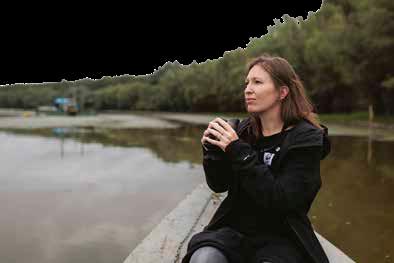
Lisa Wolf, BSc, MSc is an Austrian geographer and environmental manager specialising in nature conservation, restoration and sustainable regional development. She is the project manager at WWF-Austria for the EU LIFE RESTORE for MDD project, which aims to restore the UNESCO Five-country Biosphere Reserve Mura-Drava-Danube and advance inclusive conservation.

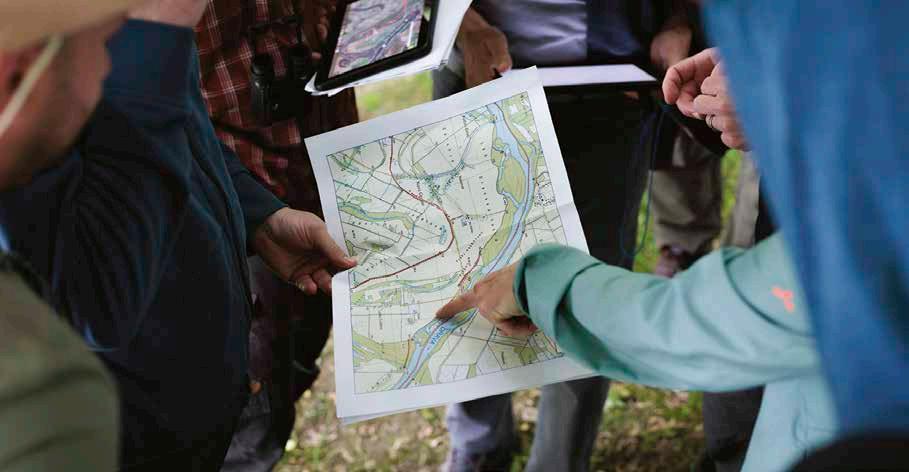
reintroduce four different sturgeon species into the Danube. At every restoration site that we finalise, we will release young sturgeon into the rivers, which I’m very excited about. Sturgeons are an incredible species,” continues Wolf.
This work is far from being finished, and Wolf hopes that all dedicated project partners will play a role in improving the area further in future. This could include a follow-up project to LIFE RESTORE for MDD, beyond the end of the funding term in 2028, which she sees as crucial for building on the progress made over the past 25 years through both this project and earlier initiatives. “We want to continue with this work, as otherwise everything that has been achieved will be at risk,” she warns. This would be a great loss for local communities, so alongside the conservation work, Wolf sees public engagement and education as essential to building lasting support for the biosphere reserve and future restoration efforts. “We have created a harmonised educational programme for young people in all five countries. Meanwhile, one of our partners is running a training programme for adults to become Biosphere Reserve Ambassadors. These ambassadors will raise awareness of the biosphere reserve and enhance understanding of its importance,” she continues.
The long-term goal is to restore the floodplain forests along the three rivers and preserve their vital ecological functions, such as providing flood protection and acting as a carbon sink. Achieving this will require continued effort beyond the conclusion of the project, so Wolf and her colleagues are already looking ahead, building on earlier restoration efforts to create lasting change. “We are developing restoration plans for the Drava and the Mura rivers in line with the EU Nature Restoration Regulation. As part of this process we are bringing together different stakeholders, including key actors beyond LIFE RESTORE for MDD, to help carry this work forward beyond the project period,” she outlines, adding: “Rivers connect countries, landscapes and communities, so their restoration requires a joint approach. Shared restoration plans provide a structured, long-term framework for transboundary cooperation.”
These restoration plans will help inform future National Restoration Plans under the EU Nature Restoration Regulation, ensuring that future generations can continue to enjoy the region’s landscapes and wildlife. They also underline the value of the LIFE programme in supporting ambitious, longterm work that can continue well beyond a single project period.


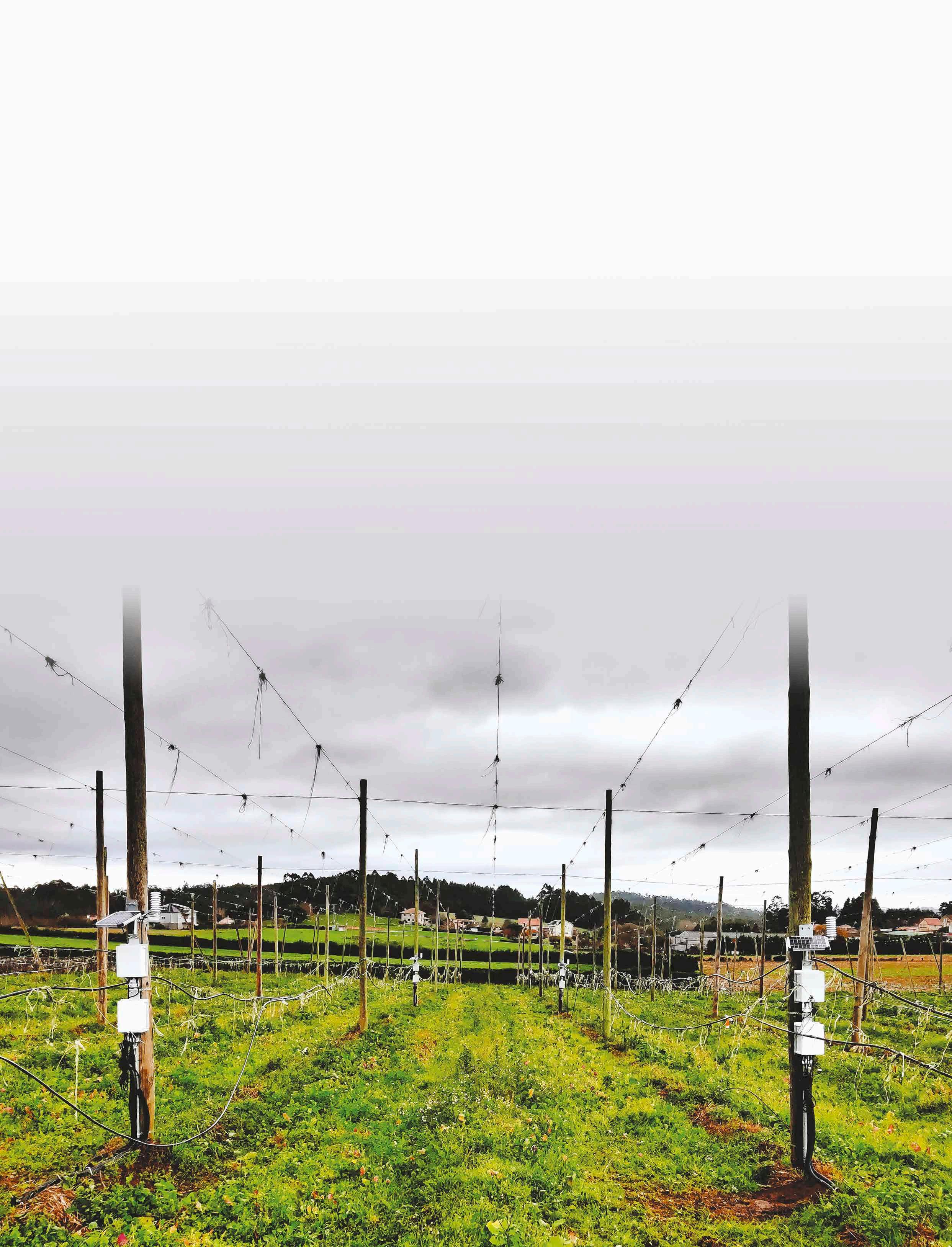
Water scarcity is a pressing issue across large parts of Europe, underlining the importance of managing existing resources effectively and efficiently. The team behind the I-ReWater project aim to help increase the use of reclaimed water in the agricultural sector, in the process reducing the need to use freshwater resources, as Professor Javier José Cancela Barrio explains.
A significant proportion of the water which comes out of wastewater treatment plants is discharged into our rivers and oceans, but with scarcity concerns growing ever more pressing, researchers are looking at how these resources can be used more efficiently. One possibility is using reclaimed water to irrigate crops, so reducing the need to use increasingly scarce conventional water resources, a topic that Professor Javier José Cancela Barrio is exploring as part of his role in the EU-backed I-ReWater project. “We aim to develop a fundamental strategy to show the agricultural sector in the SUDOE (South West Europe) area how they can increase the use of reclaimed water in their surroundings, in their irrigation communities, or in their fields,” he explains. There are three main elements to this work. “One part of the strategy is about modelling the water resources available in the SUDOE area. We crossreference this with information about the distance between wastewater treatment plants and locations where crops need irrigation,” outlines Professor Cancela.
The project team, which brings together 16 partners from across Spain, France, Andorra and Portugal, take into account here any altitude differences between fields and the wastewater treatment plant. In some circumstances it may be necessary to establish pumps to get the water to where it is needed, which will affect the costs of distribution and the economic viability of using reclaimed water; these kinds of socio-economic considerations are an important part of Professor Cancela’s agenda in the project. “We’re looking at the distances between the two points, the energy involved, and the scale of the initial investments required. We’re also working to gauge opinion on using reclaimed water, and to counter any misconceptions about it,” he says. The third key step towards developing the wider strategy is conducting lifecycle assessments, looking to assess the impact of using reclaimed water in comparison to conventional water. “We’re using a lifecycle assessment methodology to identify the differences with conventional water in several categories,” continues Professor Cancela. “The long-term aim is to promote the use of reclaimed water.”
As part of this agenda action pilots have been established at 15 different locations across the SUDOE area, including hop growers and wineries, aiming to demonstrate the benefits of using reclaimed water in irrigation. These action pilots are focused on two types of crops. “The first are orchard – or woody –crops, such as vineyards, hops, almonds or olives, while the second are horticultural crops, primarily tomatoes and watermelons. We need high-quality water for horticultural crops, as reclaimed water is often in close contact with the final product that a consumer will eat, but we don’t always have to reach the same standards for the woody crops,” outlines Professor Cancela. The 15 pilots are in different parts of France, Spain and Portugal, some in coastal areas and others further inland, producing different crops. “For example, two of our pilots in the French region of Nouvelle-Aquitaine are related to hops, which are a highly demanding crop, requiring a lot of water,” continues Professor Cancela. “Our other pilots in France are vineyards, with previous experience of participating in this kind of
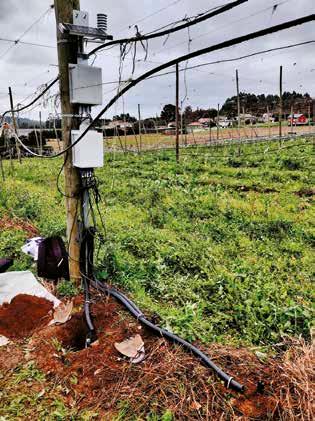
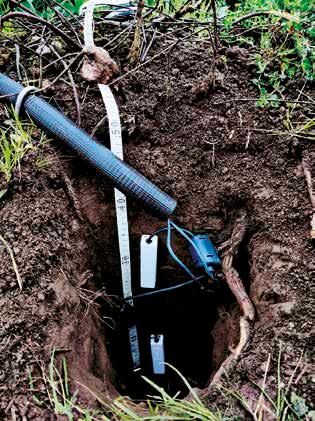

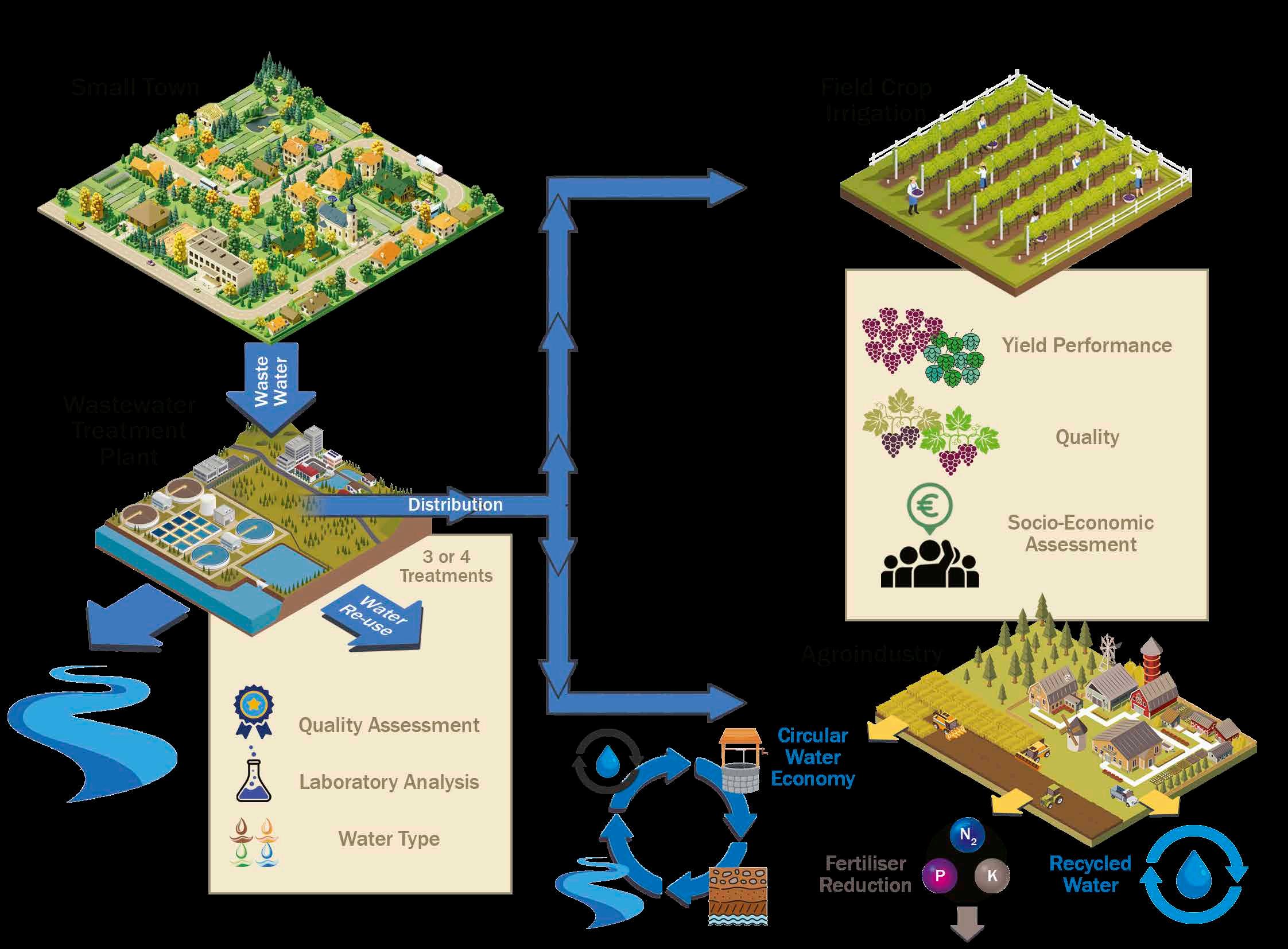

project. They are located close to the coast, where the environment is very different to the interior of the country.”
There are also a number of pilots in Portugal, including wineries, almonds and olive groves, while researchers are working with the agricultural sector in different parts of Spain. In one pilot in the region of Catalonia, reclaimed water is being used to irrigate almonds, while Professor Cancela says the project’s scope also extends further south. “We have two further pilots in Andalusía, close to Seville, focused on the irrigation of olive groves and industrial tomato. Catalonia and Andalusia have very different climates, but they both face significant water scarcity issues,” he outlines. These pilots will provide an opportunity for Professor Cancela and his colleagues to compare traditional irrigation methods with the use of reclaimed water in different environments, considering a variety of parameters. “We’re doing soil and plant analysis, as well as looking at the response of the plants at the physiological level, and at the quality of the crops produced,” he says. “For example, we are testing the wines and beers that are produced with crops irrigated using reclaimed water. We want to demonstrate to
people that there is no difference with crops irrigated in the conventional way.”
The project team are also working closely with farmers to help them accurately assess the quantity of nutrients available in reclaimed water, which can then inform and guide the way they manage their crops. Typically reclaimed water holds significant
everybody, and we are trying to transfer the knowledge and insights that we have gained in the project to potential users,” continues Professor Cancela. “We will share our results with all irrigation communities in Spain, and we also plan to share them with the relevant authorities, not only in the SUDOE region but more widely across the EU.”
“We aim to develop a fundamental strategy to show the agricultural sector in South West Europe how they can increase the use of reclaimed water in their surroundings, in their irrigation communities, or in their fields.”
quantities of various nutrients, such as nitrogen, phosphorus and potassium, and Professor Cancela says it’s important to use it effectively, particularly in the context of water scarcity and intensifying climate change. “Water is a finite, limited resource, and the agricultural sector needs to use it in a responsible way,” he stresses. While a lot of energy in the project is devoted to the action pilots, the project team also plan to share their findings more widely, and to help push forward change across the farming and agriculture sector. “Our results are open to
A key part of this goal is the knowledge hub, an online platform which is being developed in the project to make information and results more widely available. The hub provides results on the modelling of water resources for example, and will help people assess whether it’s feasible to use reclaimed water in their local area. “The web application can be used to identify where the closest wastewater treatment plant is and how easy it will be to transfer water from there to an irrigation community,

This helps build a greater degree of confidence in reclaimed water, and encourages greater use of it in the agricultural sector, which in turn will reduce the need to use freshwater and groundwater reserves. While the agricultural sector is commonly identified as a major consumer of freshwater, Professor Cancela says this doesn’t give the full picture. “Water used in the agricultural sector doesn’t disappear into some kind of black hole, it’s used to produce crops,” he stresses. However, there is scope to use water resources more efficiently, which will help alleviate scarcity concerns and support the ongoing sustainability of the agricultural sector, an issue central to the project. “The agricultural sector can make greater use of reclaimed water. We believe this will become increasingly important in the near future, as water scarcity concerns grow ever more pressing,” says Professor Cancela.
The analyses do not confirm differences between crops irrigated with reclaimed water and those irrigated with well water.
Sustainable water resources management in irrigated agriculture in the SUDOE space
Project Objectives
The aim of the I-ReWater project is to improve the management of water resources in agriculture, so reducing the need to use increasingly scarce freshwater resources. The project team is developing strategies to encourage farmers to use reclaimed urban water in the cultivation of agricultural crops, contributing to wider environmental goals.
Project Funding
The I-ReWater project is funded by the Interreg SUDOE programme. The project has a total budget of EUR 2,226,300.00, with 75% co-financed by the ERDF Fund (European Regional Development Fund), totaling over €1.6M in EU funding.
The 16 partners collaborating in I-ReWater form a multidisciplinary consortium that is complemented by the support of 39 collaborating entities.
Team Members
• Javier J Cancela (USC)
• Lucie Le Bouteiller (HOPEN)
• Mar Vilanova (ICVV)
• José Silvestre (INIAV)
• Alfonso Ribas (FJdV)
whether it is at a higher or lower altitude for example,” says Professor Cancela. There is a lot of interest amongst farmers in these tools and methods, although there is some level of concern about the impact of certain substances that may remain in reclaimed water even after it has been treated, an issue that is being addressed in some of the action pilots. “It’s very difficult to remove certain drugs and medicines from water,” acknowledges Professor Cancela. “Some of the action pilots are looking at the transfer of these micro-contaminants into the soil. Are these contaminants transferred? And if so, what is their impact on the end product?”
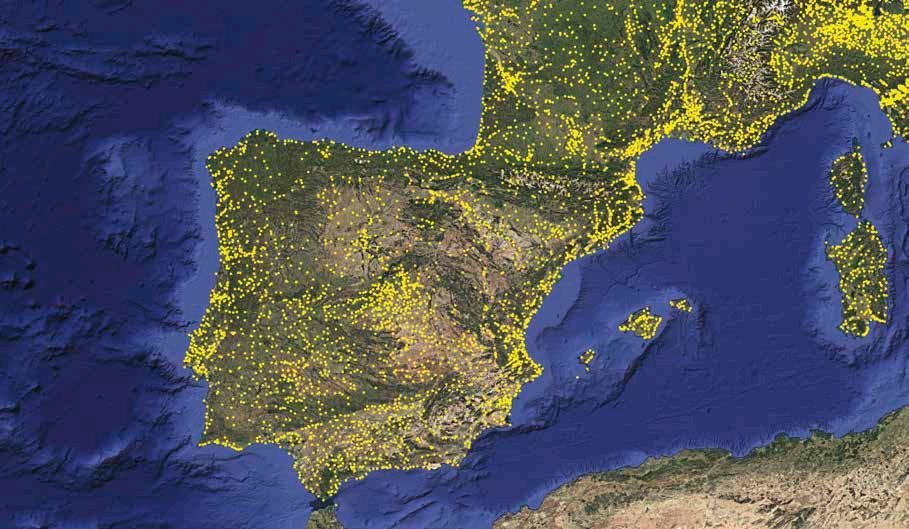
• Anabela Fernandes-Silva (UTAD)
• Antonio Ribeiro (IPB)
• Joan Girona (IRTA)
• Juan Antonio Rodríguez (UCO)
• Miguel Campos (ADN)
• Nicolas Saurin (INRAE)
• Isabel Martín (AMAYA)
• María Huerta (AMB)
• Ramón Cuadros (ORC)
• Pablo Estévez (GESTAGUA)
• Laura Coll (Govern d’Andorra)
Contact Details
Project Coordinator, Dr. Javier José Cancela Barrio
T: +34 678920897
E: javierjose.cancela@usc.es
W: https://interreg-sudoe.eu/proyectointerreg/i-rewater/ W: https://i-rewater-hub.com/
Javier José Cancela Barrio is an Associate Professor in the Agroforestry Department at the University of Santiago de Compostela in the PROePLA Research Group. His main research interest is the study of water management.

We spoke to Dr. Blanca Ausín, a Distinguished Researcher at the Spanish National Research Council, about the ERC-funded PASSAGE project. By combining oceanographic fieldwork with advanced geochemical analyses, her team investigates how ocean currents redistribute sedimentary particles used to reconstruct past climates and quantifies the biases this transport introduces.
Marine sediments are one of the most extensive and continuous archives of Earth’s past climate. These deposits are formed by the accumulation of particles of diverse origin that settle on the ocean floor year after year, layer upon layer. A portion of these sedimentary particles consists of the remains of marine microorganisms, such as phytoplankton, that record information about the climate and environment in which they lived within their tissues and skeletal structures. The analysis of these sedimentary components enables researchers to reconstruct past climatic conditions and provides a long-term context for assessing how unusual recent and projected future changes may be.
The fundamental assumption underlying most paleoceanographic investigations is that the environmental signal encapsulated in marine sedimentary components reflects that of the overlying water column at the time and location of formation. However, evidence indicates that many of these particles experience significant transport in the ocean, travelling from their place of origin to distant locations over journeys that can last thousands of years before they are buried in the sediment. Consequently, some particles within a given sediment layer may carry climate information that belongs neither to the location nor to the time period being reconstructed, introducing spatial and temporal biases into paleoclimate records.
This challenge is at the core of the ERCfunded PASSAGE project, which stands for Provenance and Transport Pathways of Marine Proxy-Bearing Particles. PASSAGE is led by Dr. Blanca Ausín, a Distinguished Researcher at the Spanish National Research Council’s Institute of Natural Resources and Agrobiology (IRNASACSIC) and Head of the Biogeosciences and Climate Change Group. The project brings
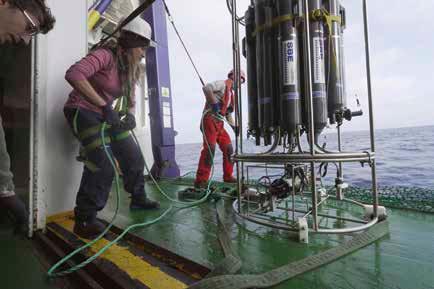
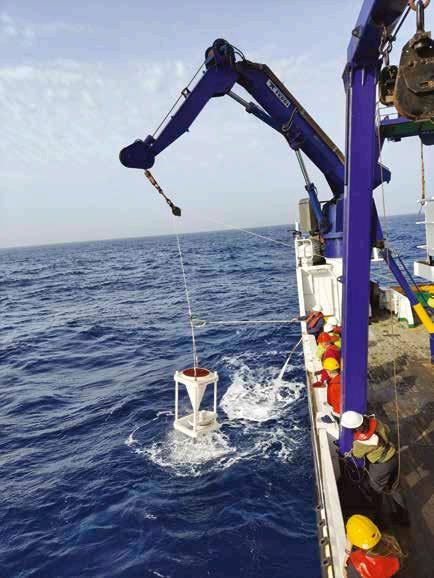
together oceanography and paleoclimatology to investigate how hydrodynamic transport modes influence the movement and deposition of climate-encoding sedimentary particles. “Our project tries to put together two different fields that have lots in common but sometimes work separately. When we study past climates, we have to make some assumptions. We assume, for example, that the sediment we pull up from the seafloor was actually formed right there, and that it gives us a clear picture of the local climate at the time. But oceanographers have shown that sediments move a lot in the ocean,” explains Dr. Ausín.
The southwest Iberian margin, off the Portuguese coast from the Gulf of Cádiz to the waters off Lisbon, serves as the primary study area. This region has played a pivotal role in paleoclimate research because, during certain periods in the past, its surface waters recorded signals from the Arctic while its deep waters captured signals from the Antarctic, making it possible to study polar and midlatitude climate dynamics from a single location. However, this strategic importance also means that any transport-related biases would have far-reaching consequences for existing paleoclimate records. “What happens if what you are analysing is a mixture of material from multiple climate regions, like the Atlantic and the Mediterranean? Maybe we think we are
reconstructing pristine signals, but we are not,” explains Dr. Ausín.
To investigate how particles travel through the water column, the PASSAGE team conducted two oceanographic cruises. The first, PASSAGE23, took place in November 2023 aboard the R/V Ramón Margalef. Over eight days, the team sampled 21 locations, collecting over 800 water and sediment samples. The most important milestone of this cruise was the successful deployment of two mooring lines, which are the first sediment traps ever installed and recovered in this region. The moorings are anchored to the seafloor with train wheels and consist of kilometres of cable held in place by buoys. Suspended at specific depths are sediment traps, which are large funnels nearly two metres tall that intercept particles being transported through the water column. Each trap carries 24 vials and is programmed to rotate every 15 days so that particles collected over each interval are stored separately. Hydrographic sensors alongside each trap continuously measure water turbidity, temperature, salinity, and current speed and direction.
The second cruise, PASSAGE24, was carried out in December 2024 aboard the R/V Ángeles Alvariño with the objective of recovering the instruments after a full year of operation. Despite adverse weather conditions, the team successfully retrieved all moorings, obtaining an unprecedented year-long record of hydrographic properties and settling particles from this benchmark region.
Additionally, the project employs radiocarbon dating, a technique that allows the dating of carbon up to 55,000 years old, to determine whether co-deposited particles are of the same age or represent a mixture from different time
party member Javier
assessing the
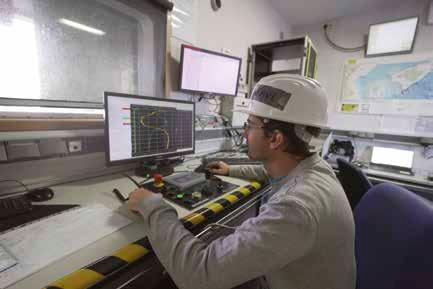
periods. Radiogenic isotopes such as neodymium, strontium, and lead are used to trace the provenance of mineral particles, while lipid biomarker analysis enables the reconstruction of environmental variables such as sea surface temperature. Part of this analytical work is carried out in the new organic biogeochemistry laboratory at IRNASA-CSIC, while radiocarbon and radiogenic isotope measurements are conducted in collaboration with ETH Zurich, AWI and Barcelona University.
Preliminary results presented at international conferences have already yielded important
sample, demonstrating that sand-sized and clay-sized particles can carry very different provenance information. Moreover, analysis of organic carbon has revealed that lateral transport plays a more important role in this region than previously recognised. Old carbon is being carried sideways along deep, turbid water layers along the continental slope, and the organic carbon ultimately buried in the seabed is considerably older than the tiny shells that sink directly from the surface. “So far, the results show that currents are very strong, stronger than we thought, and that particles being transported in the water are also older than we thought,” summarises Dr. Ausín.
“While the sediments help us understand the past , the moorings tell us about the present: if we want to know how particles travel, we must go to the ocean and see it.”
insights. The year-long mooring data indicate that ocean currents in the study area are stronger than previously thought and that intermediate water properties, including temperature and salinity, vary widely throughout the year. Current direction was found to be highly variable, highlighting the influence of mesoscale features known as meddies, which are rotating lenses of warm, salty Mediterranean water that propagate into the Atlantic. The data captured the signature of a regional earthquake in August 2024 and pulses of river sediment delivered during rainstorms. Furthermore, the team developed a novel methodology in collaboration with ETH Zurich for sorting, purifying, and radiocarbon-dating coccoliths, which are calcium carbonate plates produced by phytoplankton and widely used as paleoclimate proxies. Using flow cytometry, a technique grounded in medicine and biology, the researchers produced what are believed to be the first radiocarbon measurements on pure coccolith samples isolated from complex sedimentary matrices. Work on grain-size fractionated sediments has additionally shown that the radiogenic isotope signatures of neodymium, strontium, and lead differ markedly between size classes within the same
The PASSAGE team is an all-female group comprising two PhD researchers, Prabodha Hewage, who focuses on radiogenic isotopes and coccoliths, and Nadee Nanayakkara, whose work centres on radiocarbon dating and lipid biomarkers, a postdoctoral researcher, Dr. Jiaying Li, who studies organic carbon signatures, a laboratory technician, Celia Merchán, and Dr. Ausín. The overarching goal is to develop a new indicator that enables other researchers to assess whether the sediments they intend to study contain potential climate biases, and whether the information derived from those archives is robust and reliable. While PASSAGE has focused on the southwest Iberian margin, the potential for extending these approaches to other climate variables and ocean regions is considerable. Alongside its scientific programme, the team has invested in public engagement, including the publication of a freely accessible graphic novel: “Logbook. An oceanographic adventure”, inspired by the PASSAGE23 cruise that aims to introduce the wider public to oceanography, an area of science that studies nearly three-quarters of our planet yet remains relatively unfamiliar to many.
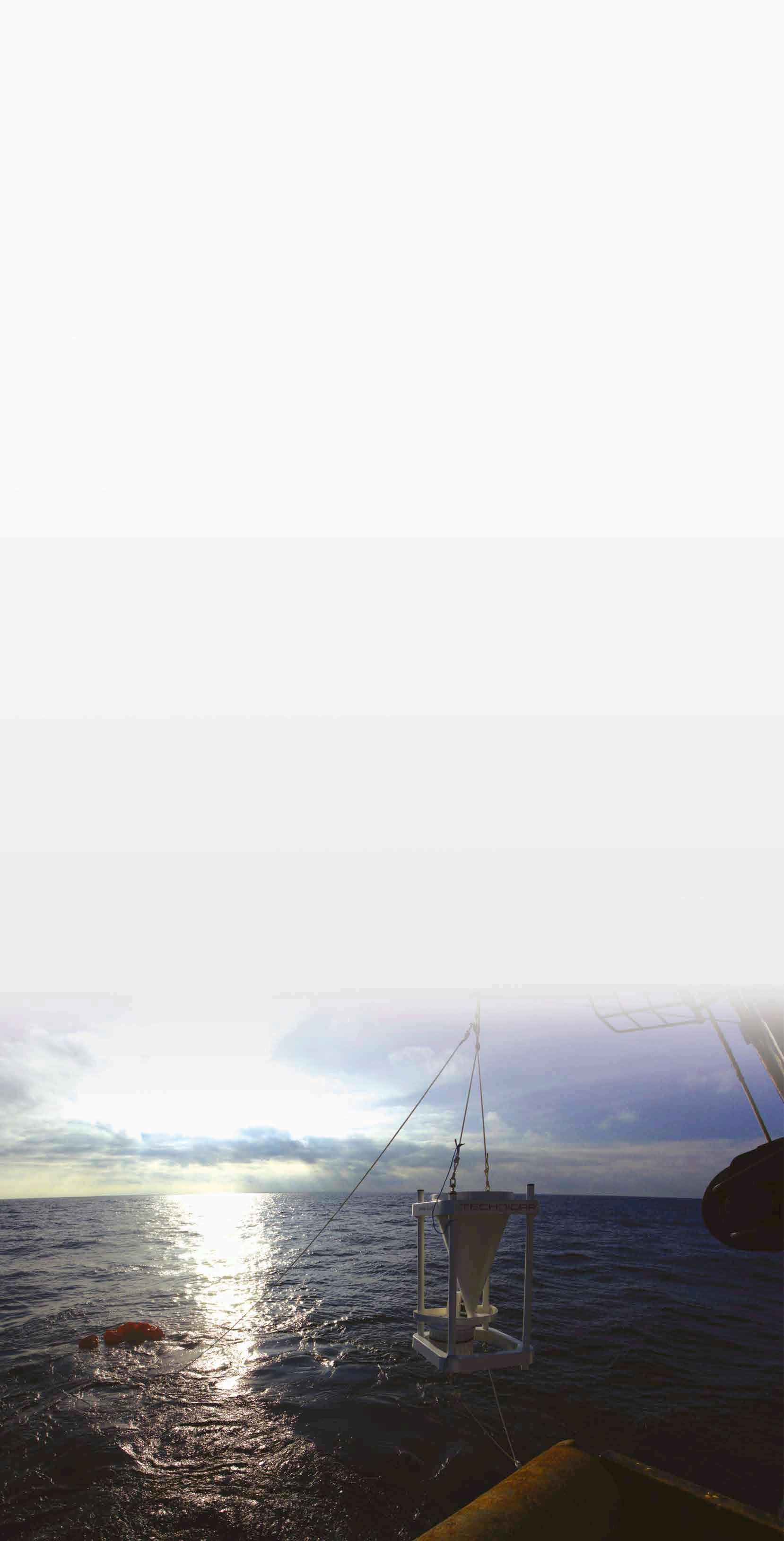
Provenance and Transport Pathways of Marine proxy-bearing Particles
Project Objectives
PASSAGE aims to comprehensively understand how hydrodynamic transport modes influence the movement and deposition of marine particulate material that encapsulates climate information, and to quantitatively constrain the impact of this particle translocation on derived paleoclimatic proxy signals and reconstructions.
Project Funding
This project is funded by the European Research Council (ERC) under the Horizon Europe research and innovation program (ERC-2021-StG_101039348)
Project Partners
• Spanish National Research Council (CSIC) / Institute of Natural Resources and Agrobiology of Salamanca (IRNASA) (Host Institution) https://passage.csic.es
Contact Details
Project Coordinator, Dr. Blanca Ausín
Biogeoscience Laboratory
Institute of Natural Resources and Agrobiology of Salamanca (IRNASA-CSIC)
C. Cordel de Merinas, 40 37008 Salamanca
Spain
T: +34 923 21 96 06
E: blanca.ausin@irnasa.csic.es
W: https://www.irnasa.csic.es/en/ biogeosciences-and-climate-change/
Dr. Blanca Ausín is a Distinguished Researcher at the Spanish National Research Council (IRNASA-CSIC) and Head of the Biogeosciences and Climate Change Group. With a dual background in oceanography and paleoclimatology, her work has revealed how ocean currents influence the age of seafloor carbon, reshaping how scientists interpret Earth’s climate history from sedimentary records.


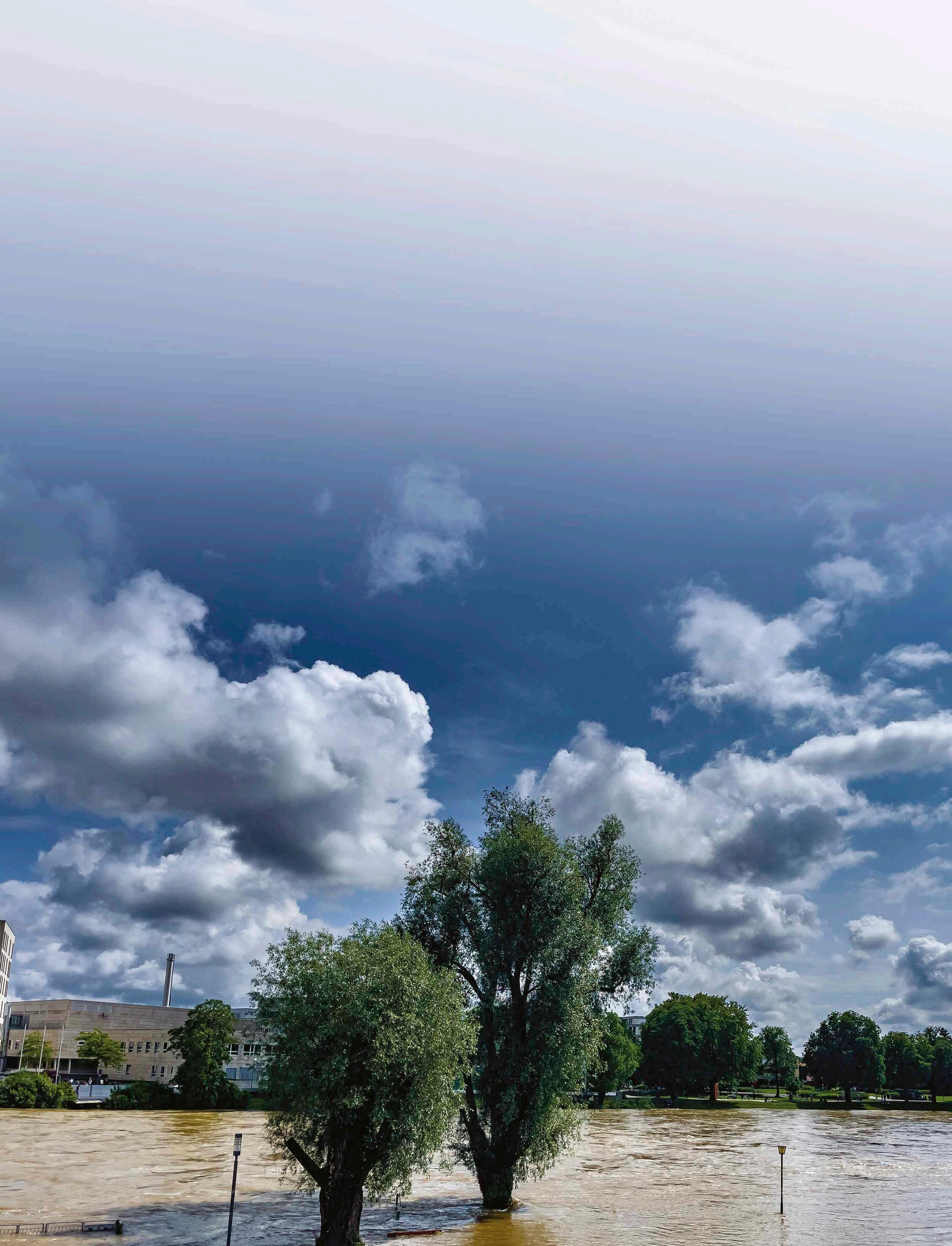
Flash floods can have a devastating impact on people and communities, and they are growing increasingly common as climate change intensifies. The FLOPRES project team are developing an integrated solution designed to collect and assess data on flood risk, helping communities adapt to the effects of climate change, as Rastislav Puchala and Dušan Kočický explain.
Many parts of Europe have been experiencing increasingly intense storms over recent years due to climate change, with clouds able to hold more rain as a result of warmer air. This raises the risk of flash flooding, which may then be further heightened by conditions on the ground. “Harder soil has a reduced capacity to absorb rainwater for example, while human activities like deforestation and certain types of agricultural practices also increase the risk of flash flooding. Some river basins have not been managed effectively, with a lot of concrete and other non-porous materials used in local infrastructure,” outlines Rastislav Puchala of Slovakian company ESPRIT. As part of the EU-backed FLOPRES project, Puchala and his colleagues at ESPRIT are working with project partners to develop an integrated solution designed to provide early warning of flash floods, together with an expert module which helps people adapt to the effects of climate change. “This is a complex system, comprised of an early warning module and an expert module. The early warning module collects and assesses data, and provides information about how harm to lives and property can be avoided,” Puchala explains.
The project team are combining different types of data in this work, with the aim of building a fuller picture of the risk of flash floods in three regions in Slovakia and also in Poland. Rainfall projections and weather forecasts are a central component, while Puchala says other types of data are also included. “We have Internet of Things (IoT) sensors out in the country, collecting data on water levels in rivers, and then
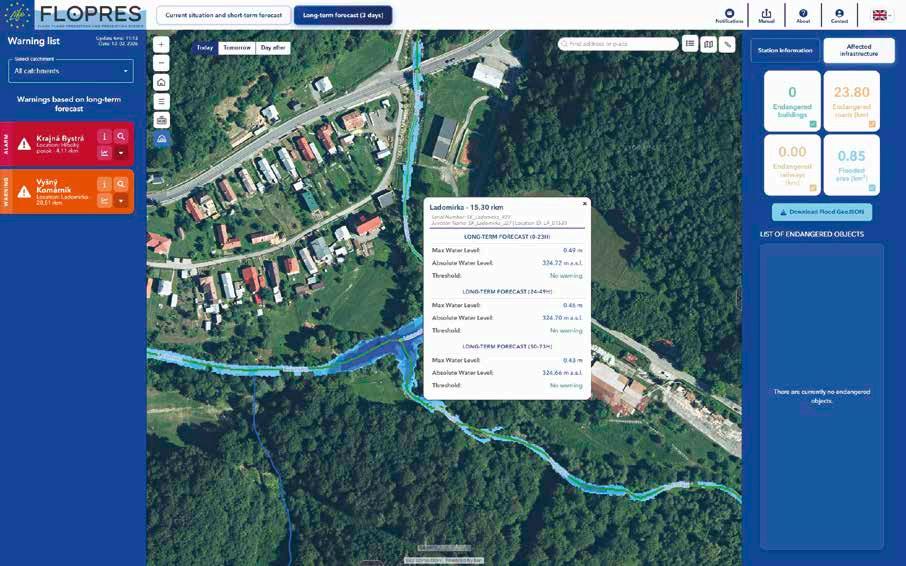
sending it back every 15 minutes. We’re also considering precipitation levels and data on soil moisture, which gives us insights into the capacity of the soil to absorb water,” he says.
This provides a more detailed picture of flood risk than other systems currently available.
“There are similar systems that work on the national scale, but they don’t go down to the level of regional river basins, creeks, or smaller water channels,” continues Puchala.
“The system we are developing is designed for regional and municipal authorities, while it will also be a valuable tool for the commercial sector, for example construction and insurance companies.”
A further dimension of the project’s work centres around developing an expert module to help regional authorities manage the effects of flash floods and limit damage, and assess
the risk of further such events occurring in future. This kind of information is enormously valuable in making land use and development plans, says Puchala. “The expert module can help municipalities in developing housing masterplans for example, while insurance and construction companies can also benefit from using it to plan their activities,” he outlines.
The expert module is currently being calibrated while the early warning system is undergoing tests in the Slovakian region of Prešov and the Małopolska region in Poland, and if the results are positive then it could be applied more widely in future. “We could offer this system to other European regions or countries, or even beyond the EU,” says Puchala. “We want to develop a fairly general system that could be used in any place or region where it is needed.”

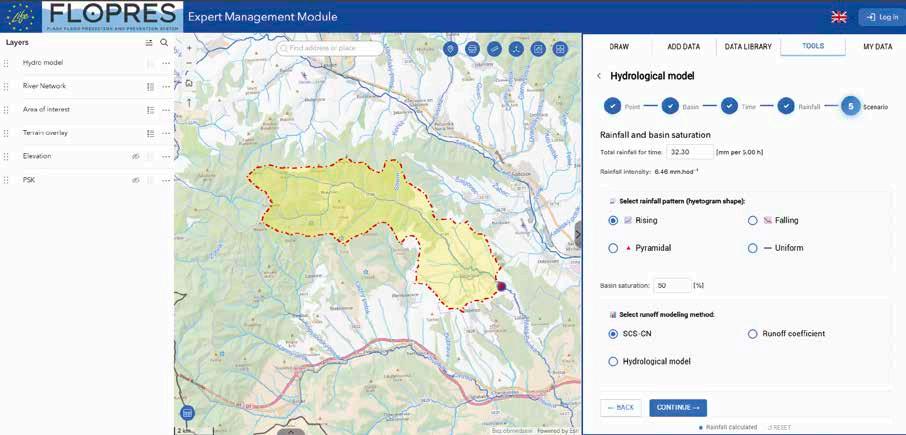
This may include not just areas that have long been prone to flash flooding, but increasingly also regions that haven’t historically experienced such events. Flash floods are a problem across the world, and as climate change progresses the risk is likely to spread and intensify further, underlining the wider relevance of the project’s work. “We’ve been speaking with our business diplomats working abroad, and many of them have talked about flooding events in those countries,” says Puchala. This offers a wider market for the system; Puchala says the company’s business diplomats have been promoting the
is continuing to guide development. “It’s crucial to us to show our system to potential users, and to understand what they really need in their daily operations. We’ve been working with end-users, handing out questionnaires, and we have made a lot of changes so far based on the feedback we have received,” she stresses. The first priority is to develop a solution for Slovakian and Polish partners, but the project team are interested in exploring its wider potential. “If we want to take our system to France for example, then we will need to work with the local data provider.
“We are developing an early warning module and an expert module. The early warning module collects and analyses realtime data to detect and forecast flash flood risks, providing timely warnings and situational information to help protecting lives and property.”
system, and they have been met with a positive response. “We have had a lot of feedback from potential users in different countries, including France, Spain and Turkey. They all liked it, now they want to see further detail about how it works,” he continues. “So far we have been showing the prototype of the system, so now we need to move things on and optimise it. If we can show that it works for Polish and Slovak regional governments, then we have a good reference point for other organisations, both domestically and abroad.”
The needs of users themselves are paramount here, so the project team are working closely with civic protection agencies and other organisations. A workshop was held last year to gauge the views of potential users on the early warning module, and the project’s financial manager Kristína Marettová says their feedback
Our system can be thought of as a kind of vehicle, which is nearly ready, but to run it we need data,” outlines Puchala. “There’s a lot of space to include more data, and we can even broaden the scope of the solution, if different types are available.”
A workshop has already been held with end-users of the expert module, from which the project team got a clearer picture of their needs and the specific tools they would like to see included. Spring weather conditions in northern Slovakia offer a good environment for testing the solution, and Puchala says work is progressing well, as the team look towards the conclusion of the project in August. “We are testing the solution on a daily basis, and with snow melting and regular rains, we can really see how the sensors are working,” he says. “We are looking to finalise the solution, and provide it first of all to Slovak and Polish regions who want to enhance protection against flash floods.”
Flash Flood Prediction and Prevention System
Project Objectives
FLOPRES develops an integrated system for flash flood prediction and prevention by combining IoT-based monitoring of water levels and hydrometeorological variables, hydrological modelling, and GIS-based analysis. The project supports early warning, risk assessment, and spatial planning, including nature-based solutions, to enhance climate resilience and reduce flood impacts in vulnerable regions of Slovakia and Poland.
Project Funding
This project is co-funded by the European Union under the LIFE Programme. EU contribution: 60%.
Project Partners
https://flopres.eu/members/
Contact Details
Project Coordinator, Ing. Kristína Marettová
Project manager and economic officer
Pletiarska 2, 969 01 Banská Štiavnica
T: +42 1 917 910 619
E: flopres@flopres.eu
: https://www.linkedin.com/company/ flopres/posts/?feedView=all
W: https://flopres.eu/

Dušan Kočický is CEO of ESPRIT and an expert in landscape planning, GIS and hydrology. His research focuses on distributed hydrological modelling, rainfall–runoff processes and hydrological impacts of landscape structure change. He has coordinated multiple EU- and nationally funded projects.
Rastislav Puchala is a result-driven professional with over 25 years of experience spanning international diplomacy, public policy, and corporate business consultancy. He is currently active in water-related projects and water diplomacy.








Clear targets have been set for reducing greenhouse gas emissions, yet rural municipalities do not always have the resources required to plan how they will be achieved. The team behind the LIFE RECET project are providing support to rural authorities across Europe, with the aim of helping accelerate the transition to clean energy, as Ottó Elíasson and Marianne Ribes explain.
Local authorities in rural areas across Europe have a key role to play in producing renewable energy, improving energy efficiency and meeting agreed targets, such as those set out in the EU Green Deal and the Paris Agreement of 2015. It is an overlooked fact that the production of energy for urban areas and cities typically comes from rural areas. However, local authorities in rural areas can be quite small organisations, and they often lack the financial and human resources required to develop detailed energy plans and comply with legislative requirements. “Some local authorities in rural areas may have as few as five people in their offices, and they’re responsible for running schools, maintaining infrastructure and other tasks. This doesn’t leave a lot of time and resources to think about energy and climate,” points out Ottó Elíasson of the Eimur public-private partnership, based in the North of Iceland. While rural areas are often rich in natural resources, they tend to be sparsely populated, and local authorities may lack specialist knowledge. “They may have less capacity to deal with the energy transition,” says Elíasson.
Many municipal staff may also be suffering from a sense of fatigue after years of environmental consultations, summits and initiatives, which have not always delivered the change that was hoped for. The key to building momentum and achieving lasting energy efficiency improvements lies not solely in representative institutions, but also in engaging influential people within the communities set to be directly affected by new policies, whose voices carry weight with their peers. “In
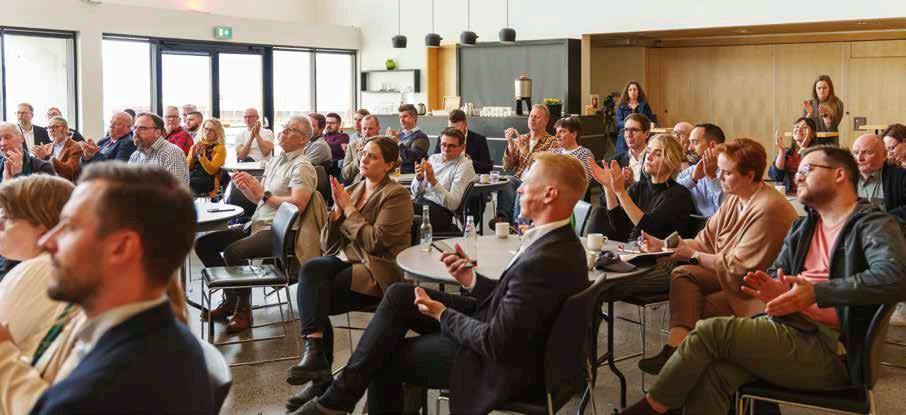
small communities, word of mouth can go a long way in terms of influencing individuals,” says Marianne Ribes of Icelandic New Energy. One of the main challenges in accelerating the energy transition in rural communities lies in building trust with local stakeholders, an issue central to Ribes and Eliasson’s work in the EU-backed LIFE RECET project. “We’ve been talking to people and stakeholders, presenting data and looking at how we can move towards clean energy,” outlines Eliasson.
This collaborative approach is being applied by the project partners in municipalities in five countries across Europe (Iceland, Sweden, Denmark, Slovenia and Spain), with the aim of giving residents a sense of ownership and involvement in the plans, which in turn will strengthen their commitment to them. At heart LIFE RECET is a social project, with an emphasis on listening to local people, and encouraging them to play an active role in

shaping municipal plans for their own areas.
“How can we reach targets 10-15 years in future? What can we do today, what can we do in five years?” asks Eliasson. The project team are working with local residents in municipalities across Europe to address these kinds of questions and so develop Sustainable Energy and Climate Action Plans (SECAPs), using a ten-step methodology that originates in Samsø, an island off the coast of the Danish mainland. “The island of Samsø established a community-led, bottom-up way of dealing with these matters,” explains Elíasson.
The island is a notable success story in the clean energy transition, having already reached a point where all its energy needs are met from renewable sources, and the project partners are keen to tap into their knowledge and experience. Representatives from many of the participating municipal authorities have been able to visit the island, and to learn from the Samsø Energy Academy – one of the partners in the project – about both how
this shift has been achieved, and how it can be replicated elsewhere. “We wanted to hear about how things were done on the island, and draw lessons from the Energy Academy, with the aim of refreshing old policies, developing new ones, and bringing more people on board,” continues Eliasson. The key here is to consult closely with stakeholders. “A policy that stakeholders do not recognize as their own will be quickly forgotten and have only limited impact,” warns Ribes.
This can be a fairly slow and laborious process, as it involves bringing together a diverse group of people whose interests may not always be aligned, including municipal staff, citizens and community actors, yet this is a fundamental part of the project’s work. Regular workshops, meetings and conferences have been held throughout the course of the project, giving
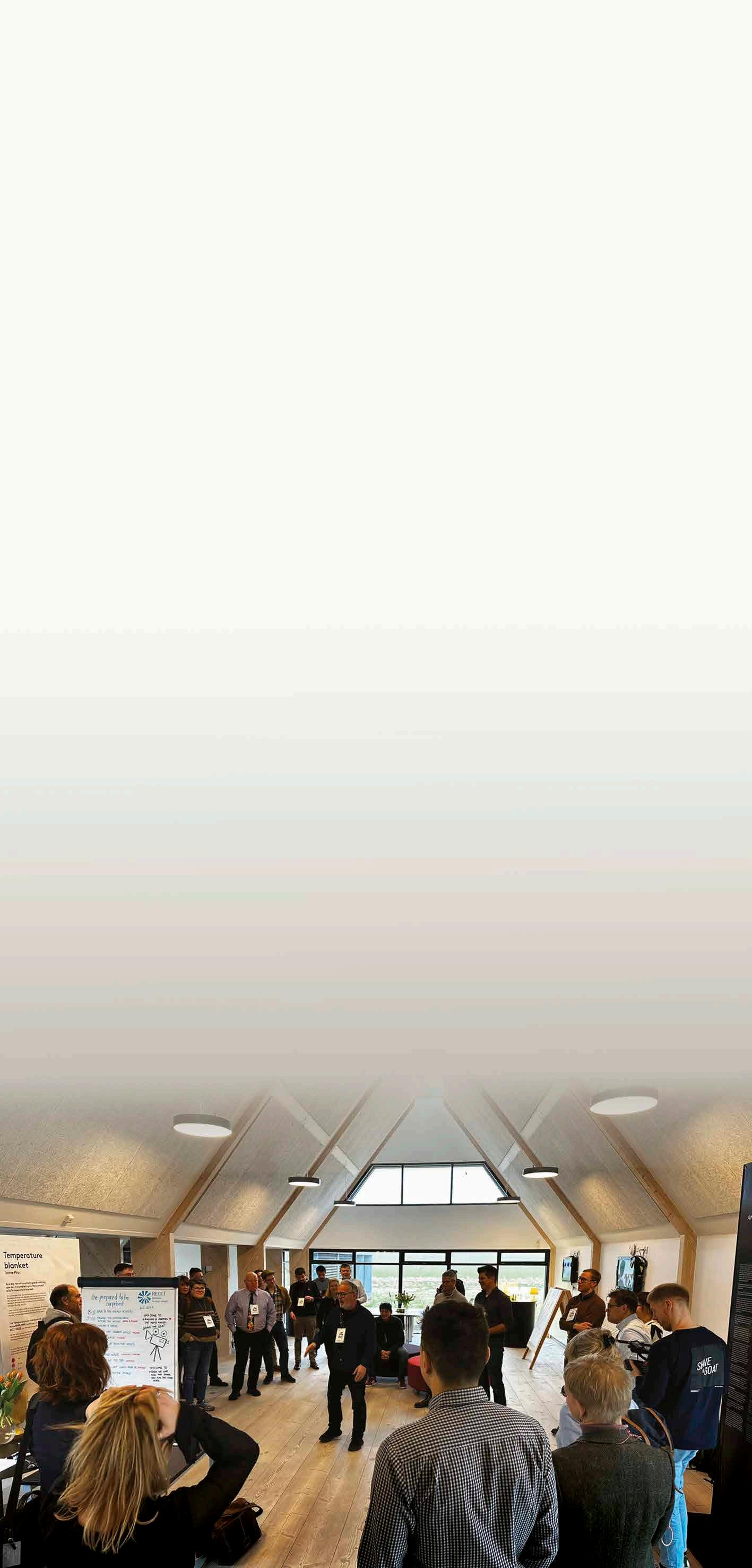
of us may in principle agree that we should reduce our use of fossil fuels, when faced with practical, everyday concerns and the need for reliable transport, we often still choose the less environmentally-friendly but more convenient option. “People may think electric vehicles are less reliable in bad weather and so still buy diesel vehicles, there is sometimes a degree of resistance to change,” acknowledges Elíasson. Support from local stakeholders for more energy efficient solutions can then boost the prospects of their practical adoption, for example bike lanes, electric vehicle charging points, or new transport options to get children to school. “These are the kinds of actions that can be included in clean energy transition plans, they have an impact on the wider picture,” says Ribes.
The technologies required for the energy transition already exist, such as innovative storage solutions, as well as methods of
“We’ve been talking to people and stakeholders, presenting data and looking at how we can move towards clean energy.”
people the opportunity to air their opinions and hear other views. A great emphasis has been placed on simplicity at these gatherings, and avoiding excessively complex processes or dense, technical language. “The message is tailored to stakeholders to quickly spark discussion. At the same time we keep the process light, so that stakeholders can immediately see the effects on the drafted policies and action plans,” explains Ribes. “We aim to build trust with stakeholders and create a space where they can express their views.”
The transport sector is a prominent topic at these meetings, as public transport options are often limited in rural areas, leaving many people reliant on their cars. While many
capturing, storing and utilising carbon. The challenge now is to encourage their wider adoption, including in rural communities; this is best achieved not by central diktat, but rather by engaging with people, believes Ribes. “We are moving away from top-down policy drafting and towards a model where citizens are active participants,” she outlines. This contributes to the long-term goal of accelerating the clean energy transition in rural municipalities, while at the same time ensuring this is achieved with the active involvement and support of local people. “The philosophy of the project is about listening to stakeholders, and working together towards common goals,” continues Ribes.

Project Objectives
The general objective of the RECET project is to reduce dependence on fossil fuels and accelerate the clean energy transition (CET) in five European regions and their municipalities. This is achieved through the following specific objectives.
1. Build capacity in the administrations of municipalities and regions to accelerate local climate action
2. Establish vertical and horizontal cooperation across sectors for CET planning
3. Facilitate the development of realistic regional CET plans
4. Disseminate best practices for successful local stakeholder and community engagement and CET implementation
The project Rural Europe for the Clean Energy Transition (RECET) has received a grant of 1.5 million euros from the European Union’s LIFE grant program, which focuses on environmental and climate issues. LIFE project no. 101120588 Co-funded by the European Union.*
Project Partners
• Samsø Energy Academy • Icelandic New Energy • Eimur • SSNE • Westfjords • Energy Agency of Southeast Sweden • Consell Insular de Menorca • Občina Postojna • Zavod Iskriva
Contact Details
Marianne Ribes
RECET project Coordinator
Icelandic New Energy
T: +354 863 6506
E: Ribes@newenergy.is
W: https://www.recetproject.eu/ W: https://newenergy.is/en/
* Views and opinions expressed are however those of the author(s) only and do not necessarily reflect those of the European Union or CINEA. Neither the European Union nor the granting authority can be held responsible for them.

Ottó Elíasson lives and works in Akureyri in the North of Iceland. He is the general manager of Eimur a partnership working for the improved utilisation of resources in the region. Ottó holds a PhD in Physics from the University of Aarhus, Denmark.
Marianne Ribes has 15 years of interdisciplinary expertise in energy project management, and brings a unique perspective to her role as Project Coordinator at Icelandic New Energy, where she promotes green technology for a sustainable future.
Improving energy efficiency is an urgent priority for the EU, and regional authorities have a major role to play. We spoke to Kateřina Vosičková, Jiří Juránek and Vladimír Lichnovský about how the LIFE LivingLab project is providing support and advice to building operators in the Czech region of Olomouc, helping meet environmental targets and move towards a more sustainable future.
The European Union is committed to improving energy efficiency across the continent, as demonstrated by the Fit for 55 package, the Green Deal and a range of energy security measures, part of a wider strategy to reduce carbon emissions and move towards a more sustainable future. Public and regional authorities can play a role in these terms, for example by renovating and improving the energy efficiency performance of the buildings they own, which are often large, prominent structures that provide vital services to citizens, including many vulnerable groups. There are often significant hurdles to overcome before renovation projects can move forward and deliver tangible benefits. In the Olomouc Region of the Czech Republic for example, the scope and timing of public building modernisation work has historically been closely linked to the availability and design of national and European funding programmes, alongside coordination capacity. Over time, investments have been implemented in a number of the 572 buildings managed by the Olomouc Regional Authority. In recent years, however, the region has adopted a more structured and responsible approach to investment planning, placing stronger emphasis on strategic prioritisation, improving the effectiveness of public spending, and systematically targeting the most energy intensive facilities in order to achieve the greatest possible energy efficiency benefits.
The Energy Centre of the Olomouc Region (ECOK) was established in April 2025 to address these issues and provide support to the different organisations responsible for operating and maintaining the region’s extensive portfolio of buildings, with a total floor area exceeding 702,080 m2 . These include a large number of secondary schools, as well as hospitals, social care facilities, and cultural institutions, such as museums and libraries. Many of these buildings are relatively old, while some hold historical and architectural significance, factors which need to be considered when planning renovation projects.
This forms the backdrop to the establishment of ECOK, now a permanent
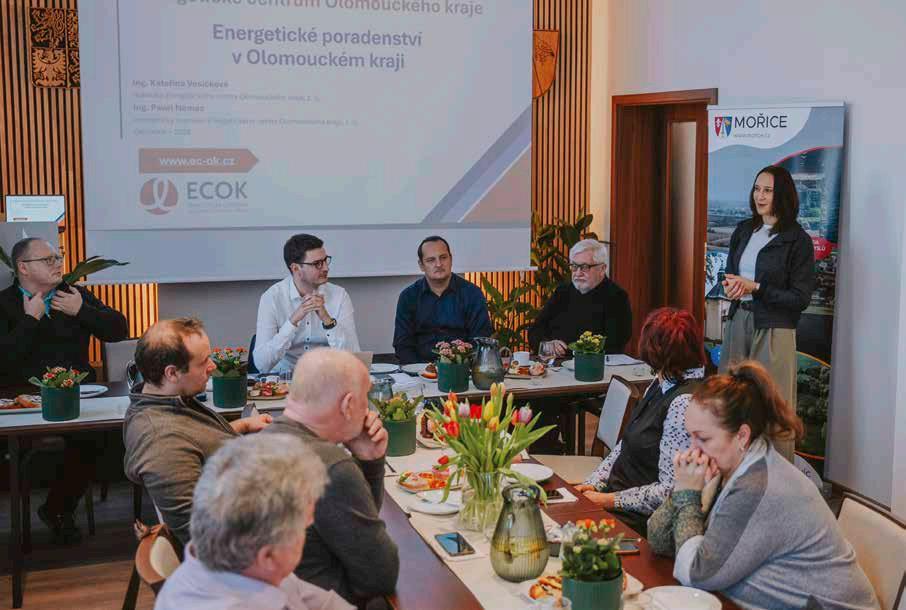
institutional instrument of the Olomouc Region, responsible for improving the energy efficiency performance of its building portfolio. The centre brings together expert, process and coordination capacity, combining all the different strands of expertise required to plan and deliver renovation projects that will lead to sustained energy efficiency improvements over the long term. This will bring down the costs of operating and maintaining buildings, and also contribute to environmental goals.
A lot of preparatory steps have to be taken in a renovation project, even before any spades can hit the ground. There is the design phase, then procurement and various other processes have to be completed before eventually a project can be implemented. Alongside the technical aspects of a renovation project it’s also important to consider any financial, legal and other issues that may arise, and the team at ECOK offer support in these different aspects, providing data, methodologies, advisory
“It has been estimated that these renovation projects have collectively led to annual energy savings of up to 12 GWh a year, and a 5,000 tonne reduction in CO2 emissions. It’s also been calculated that over 3 GWh of energy are being generated a year from renewable sources.”
A key objective for ECOK now is to implement the LIFE LivingLab project, an EU-backed initiative which is designed as essentially a one-stop-shop for the clean energy transition, aiming to deliver the Olomouc region’s energy policy, in line with wider national and European targets.
The LivingLab is designed to encourage collaboration and brings together the users of buildings with the wider value chain, whose collective expertise can guide renovation projects and inform decisionmaking at every stage of the process.

services and long-term investment planning.
One of the key tasks for ECOK is to plan the different steps in a renovation project in the right order to achieve the desired effect of improving energy efficiency over the longterm. The aim here is to shift away from the established, more piecemeal ways of working. “We are making changes in processes, and trying to encourage a shift in mentality,” says Kateřina Vosičková, Director of ECOK. “We want people to think differently, to consult us before making decisions, and to take a more holistic approach to building renovations.”

The project is only around halfway through its three-year funding term, yet this work is already bearing fruit. Some 139 projects have been identified so far (with more set to be added in future), covering building renovations, energy source upgrades, and renewable energy installations, and they are having a significant impact. “It has been estimated that these projects have collectively led to annual energy savings of up to 12 GWh a year, and a 5,000 tonne reduction in CO 2 emissions. It’s also been calculated that over 3 GWh of energy are being generated a year from renewable sources through these projects,” says Jiří Juránek, Deputy Director of ECOK.
This illustrates what can be achieved through a more collaborative, systematic approach to renovating buildings, and the team at ECOK are now looking to get involved in more projects, and bring benefits to building operators and users across the region. There are 401 municipalities within the Olomouc region as a whole, with significant potential to improve energy efficiency across their buildings, and Vosičková and her colleagues at ECOK plan to play an active role in this respect. “We will continue to provide support and expertise to municipalities across the Olomouc region in future, helping organisations renovate buildings effectively,” she says.
The ECOK centre is now part of the policy framework in the Olomouc region, and the team are also looking to widen the impact of their work to more parts of the country, and to help other Czech regions improve the energy efficiency of their buildings. The methodologies developed in the project are aligned with Czech legislation, and the Olomouc Region is one of the leading
participants in the Energy Platform of Czech Regions, allowing for close collaboration and knowledge-sharing.
This leaves ECOK well placed to play a prominent role in the energy transition beyond the Olomouc region, and examples of good-practice shared during the project are attracting interest from organisations across the Czech Republic. At the same time ECOK is also sharing its expertise with representatives from Ukraine, where energy-efficient building renovation is expected to be one of the key pillars of future reconstruction and energy selfsufficiency following the current conflict, as the country seeks to reduce its dependence on fossil fuel imports from Russia.
The primary focus in the LIFE LivingLab project remains the Olomouc region however, and delivering improved energy efficiency across its building portfolio. Continued, sustained support for building operators is essential in this respect, as Vosičková explains. “The operation of buildings in the Olomouc region is quite decentralised, and many people are involved in making decisions about renovations and energy efficiency measures. In the LIFE LivingLab project we provide support to these different actors,” she says.
This work is set to continue into the future, and there is firm backing for ECOKs work from local administrators, including Vladimír Lichnovský, Deputy Governor of the Olomouc Region, which is indicative of a deep commitment to improving the energy efficiency of buildings. “We will continue to communicate with municipalities across the region, and hope to achieve major energy efficiency improvements over a wider range of buildings in future,” he says.
Energy Living Lab of the Olomouc Region
Project Objectives
The aim of the LIFE LivingLab project is to create the Energy Centre of the Olomouc Region (ECOK), which will ensure the administration and implementation of all key activities in the field of energy across the region. This includes the administration of the territorial energy concept, energy purchasing, preparation of projects and investments, and the development of innovations in the energy and climate field.
Project Funding
The Energy Living Lab of the Olomouc Region project is co-financed by the European Union. * Project No. 101167482.
Project Partners
• Energy Centre of the Olomouc Region (ECOK)
• Palacký University Olomouc
• Innovation Centre of the Olomouc Region
• Ensytra s.r.o.
Contact Details
Project Coordinator,
Kateřina Vosičková Jeremenkova 1191/40a 779 00 Olomouc – Hodolany T: +420 733 614 417 E: k.vosickova@ec-ok.cz W: https://www.olkraj.cz/projektyolomouckeho-kraje-projekty-z-planovacihoobdobi-eu-2021-2027-unijni-program-life/ energy-living-lab-of-the-olomouc-region W: www.ec-ok.cz/
Vladimír Lichnovský is the Deputy Governor responsible for Energy, Healthcare, and the Financing and Investment of Regional Public Institutions. He champions energy management as a strategic priority for the Olomouc region.
Katerina Vosičková is the CEO of ECOK and coordinator of the LIFE LivingLab project. she delivers data-driven energy management across hundreds of public buildings, saving public resources and reducing emissions.

* Views and opinions expressed are however those of the author(s) only and do not necessarily reflect those of the European Union or CINEA. Neither the European Union nor the granting authority can be held responsible for them.

EU Member States are committed to meeting energy savings targets under article 8 of the Energy Efficiency Directive. The team behind the streamSAVE+ project are developing calculation methodologies across different areas, providing effective support to policymakers as they work to improve energy efficiency.
The European Union’s Energy Efficiency Directive (EED) sets out a path towards a more sustainable future, and under article 8 individual Member States are obliged to meet clear savings targets. However, the way that energy savings are calculated has not historically been streamlined across Member States, making it difficult to monitor and assess progress towards these targets, an issue that Associate Professor Jiri Karásek and his colleagues in the streamSAVE+ project are working to address. “We are developing calculation methodologies and making them available in the streamSAVE+ online platform,” he explains. These calculation methodologies can be applied across 15 different priority actions, essentially areas where energy can be saved, for example through heat recovery, or the adoption of electric vehicles or new lighting systems. “The priority actions cover a range of ways in which energy can be saved in different countries.”
Streamlining Energy Savings Calculations in the EU Member States
This project has received funding from the European Union’s LIFE programme. Project No. 101167618 — LIFE23-CET-streamSAVEplus.
Views and opinions expressed are however those of the author(s) only and do not necessarily reflect those of the European Union or CINEA. Neither the European Union nor the granting authority can be held responsible for them.
Project Coordinator
Associate Professor Jiří Karásek SEVEn, The Energy Efficiency Center, z.ú. Americká 17, 120 00 Praha 2 Czech Republic
E: jiri.karasek@svn.cz
W: https://streamsaveplus.eu/
Associate Professor Jiří Karásek is a Programme Director of European Projects at SEVEn, where he has been working since 2012. Since 2024 he is the coordinator of the European project LIFE streamSAVE+. He has been coordinating several other international projects on energy efficiency, decarbonisation, education and building energy econominy.

A series of dialogue meetings or webinars have been held throughout the project, attended by policy-makers from different countries, at which the priority actions have been discussed. The industrial and technological picture continues to evolve, opening up further possibilities for energy savings, so new priority actions have been added from the earlier streamSAVE project. “We have added a priority action on data centres for example, as their energy-intensity is growing rapidly, and their growth is having a significant impact on overall consumption. Another new topic is
significant number of countries aren’t meeting their energy savings targets under Article 8,” he acknowledges. The streamSAVE+ project aims to help close this gap between the agreed targets and the actual reality on the ground by enhancing transparency across Member States. “With a common approach to calculating energy savings, it’s then easier to draw comparisons between countries,” he points out. “We aim to develop simplified, streamlined calculation methods to quantify energy savings, and to establish a common framework for energy savings calculations in EU Member States.”
“Our calculation methodologies will enhance transparency and resolve issues around the materiality of measures and double-counting , which are important to the overall effectiveness of the Energy Efficiency Directive.”
deep renovations,” he outlines. Calculating the energy savings from deep renovations is quite demanding, while other priority actions are less complex; these topics have been discussed in depth at the dialogue meetings. “We discussed a variety of topics, including deep retrofits, water conservation measures, and energy savings in industry.”
This dialogue provides support to policymakers responsible for ensuring that Member States meet their energy savings obligations, and helps push forward the green transition. While improving energy efficiency is widely recognised as a policy priority, not every country is on track to meet their obligations. “A
The main intended users of these calculation methodologies are policy-makers, but certain sectors of industry also need to calculate their energy savings, so they could hold relevance beyond public authorities. With improving energy efficiency an increasingly urgent priority for EU Member States, Associate Professor Karásek says there is a long-term need for effective, reliable methods of calculating energy savings, underlining the wider importance of the project’s work. “Each country is quite individual in terms of its energy saving portfolio and the calculation methods they use. Our calculation methodologies will enhance transparency and resolve issues around the materiality of measures and double-counting, which are important to the overall effectiveness of the EED,” he says.

As Europe faces intensifying floods, droughts and biodiversity loss, restoring rivers and forests together is becoming central to climate resilience. Backed by ambitious EU restoration policies, conservation efforts are redefining how ecosystems can regulate water, protect biodiversity and support communities while helping societies adapt to the growing impacts of climate change.
By Maria Vlastara
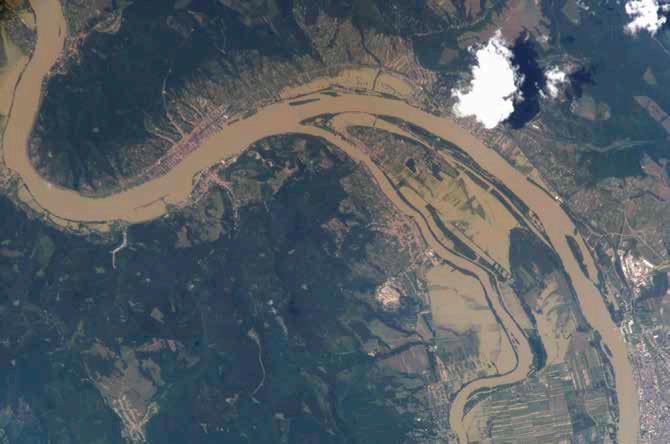
Across Europe, rivers have long been shaped to serve human needs. They have been straightened, diverted and constrained by concrete embankments in the name of agriculture, navigation, hydropower and urban expansion. Forests, meanwhile, have been fragmented and converted into intensive production landscapes. For centuries, nature was treated as something to control.
Today, however, Europe is beginning to rethink that relationship. As climate change intensifies floods, droughts, heatwaves and biodiversity loss, scientists and policymakers are increasingly recognising that rivers and forests are not separate ecosystems, but deeply interconnected systems that regulate water, climate and life itself. Protecting them together may prove essential not only for biodiversity conservation, but for Europe’s future resilience.
This shift is already influencing environmental policy across the continent. From the European Green Deal to the new Nature Restoration Regulation, the European Union is placing ecosystem restoration at the centre of its climate and biodiversity agenda. Rivers, wetlands and forests are no longer viewed merely as landscapes to preserve, but as living infrastructure capable of storing carbon, reducing disaster risk, filtering water and supporting both wildlife and human communities.
Although Europe is often associated with abundant freshwater resources, many of its rivers are under severe ecological pressure. According to environmental assessments, only a minority of Europe’s freshwater ecosystems are currently considered to be in good ecological condition. Decades of industrialisation, agricultural intensification and infrastructure development have altered river systems at an unprecedented scale.
More than one million barriers, including dams, weirs and culverts, now fragment European rivers. Many waterways no longer flow freely, disrupting fish migration, sediment transport and natural flooding cycles. Wetlands and floodplains that once absorbed excess water and supported rich biodiversity have disappeared or become heavily degraded.
At the same time, climate change is making these pressures even more visible. Europe has experienced increasingly destructive floods in recent years, alongside prolonged droughts and water scarcity. In southern Europe especially, rising temperatures and declining water availability are placing ecosystems and agriculture under growing strain.
These challenges are closely connected to the condition of forests. Forest ecosystems play a critical role in regulating the water cycle. Trees absorb rainfall, stabilise soils, recharge groundwater and
release moisture back into the atmosphere. Forested watersheds help reduce erosion and prevent excessive runoff during heavy rainfall events. When forests are degraded or removed, rivers often become more vulnerable to sedimentation, pollution and extreme fluctuations in water levels.
Riparian forests - the wooded areas alongside rivers and streams - are particularly important. They act as natural buffers, filtering pollutants before they enter waterways while providing shade that helps regulate water temperature. This is crucial for freshwater biodiversity, especially for species sensitive to warming waters.
Scientists increasingly warn that treating freshwater and forest ecosystems separately has limited conservation success. Their ecological functions are inseparable.
For decades, flood prevention in Europe relied largely on grey infrastructure: concrete floodwalls, levees (raised embankments or walls built alongside rivers to prevent flooding) and channelisation projects designed to contain water as efficiently as possible. Yet many experts now argue that these approaches often intensified long-term environmental damage while reducing the natural resilience of river systems.
Nature-based solutions are emerging as an alternative. Instead of forcing rivers into narrow channels, restoration efforts seek to reconnect rivers with their floodplains, allowing water to spread naturally during periods of heavy rainfall. Wetlands act like enormous sponges, storing excess water during floods and slowly releasing it during dry periods. Forests help regulate runoff and maintain water quality. Together, these ecosystems provide services that would otherwise require costly engineered infrastructure.
Importantly, restoration is not simply about returning landscapes to a historical state. In many regions, that is no longer possible. Rather, it involves rebuilding ecological processes capable of supporting biodiversity and climate adaptation under modern conditions.
This philosophy is increasingly shaping European environmental policy. In 2024, the European Union formally adopted the Nature Restoration Regulation, the first continent-wide law specifically focused on restoring degraded ecosystems. The regulation establishes legally binding restoration targets across a range of habitats, including forests, wetlands, grasslands and rivers.
One of its most ambitious goals is the restoration of at least 25,000 kilometres of free-flowing rivers by 2030. This includes removing obsolete barriers and reconnecting river systems that have been fragmented for decades. The regulation also emphasises urban green spaces, pollinator recovery and improved forest biodiversity. The law reflects a broader transition in European environmental thinking: from simply conserving isolated protected areas to actively restoring ecological connectivity across entire landscapes.
Conservation scientists increasingly describe forests and freshwater as parts of the same ecological network. Water shapes forests, while forests shape water. Forested catchments influence how quickly rainwater moves through landscapes. Healthy soils rich in organic matter absorb and retain moisture, reducing flood peaks and maintaining river flow during dry periods. Tree roots stabilise riverbanks, preventing erosion and reducing sediment pollution. Forest canopies cool surrounding environments, helping protect freshwater ecosystems from excessive heat.
These interactions are becoming particularly important in the context of climate change. Rising temperatures are altering precipitation patterns
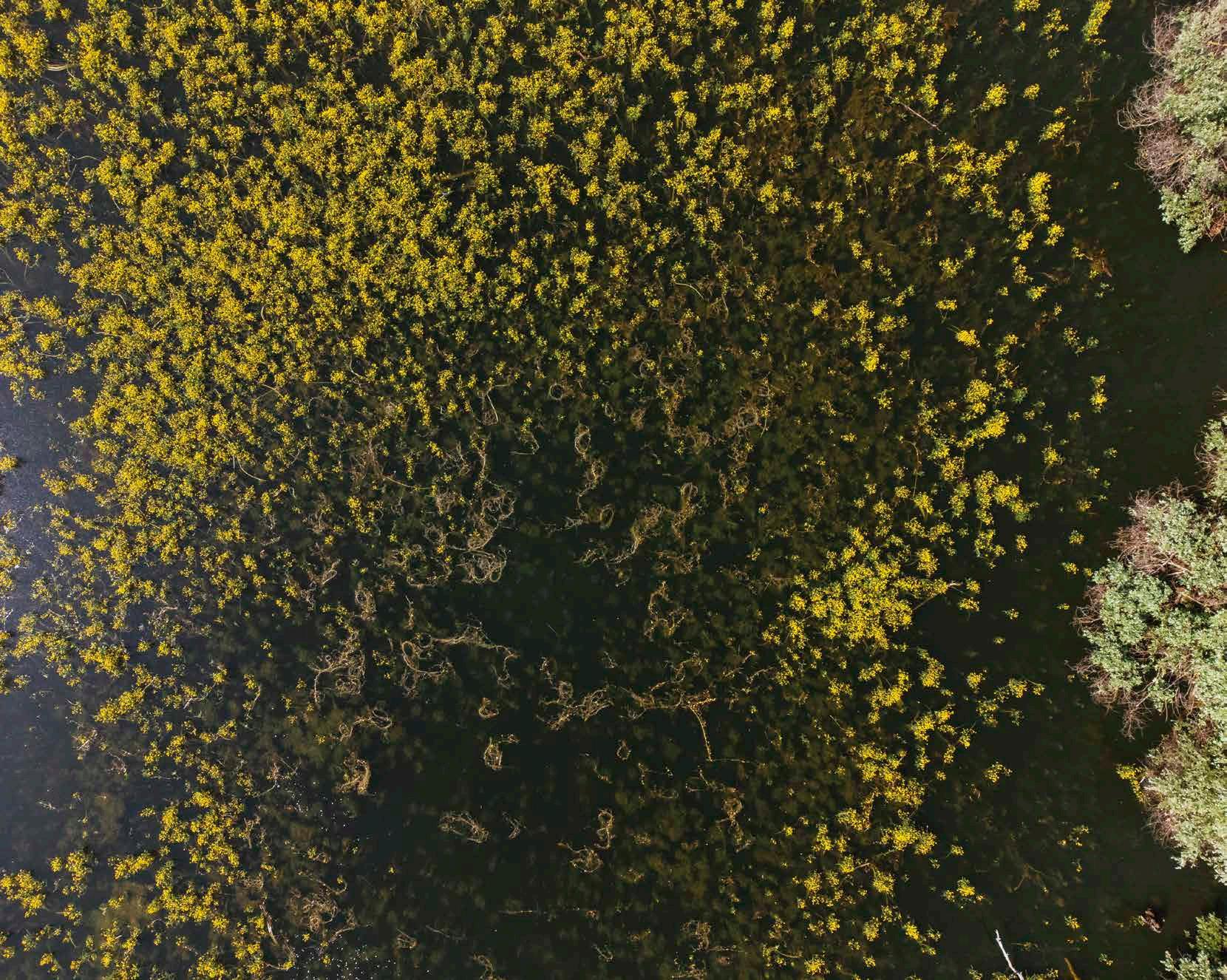
“Forests and rivers are not separate ecosystems, but deeply interconnected systems that regulate water, climate and life itself.”
across Europe, increasing the frequency of both floods and droughts. Extreme weather events place enormous stress on ecosystems already weakened by habitat fragmentation and pollution.
Biodiversity is also suffering. Freshwater ecosystems support a remarkable variety of species, yet they are among the most threatened habitats globally. Fish populations, amphibians, insects and wetland birds have experienced steep declines due to habitat destruction and water degradation.
Protecting forests without protecting rivers is therefore insufficient. Equally, restoring rivers while ignoring surrounding landscapes limits ecological recovery.
This integrated perspective is now influencing international conservation initiatives as well as EU-funded restoration projects across Europe.
A growing number of restoration initiatives are seeking to restore natural river dynamics rather than maintain rigid control over waterways. In some regions, obsolete dams are being removed. Elsewhere, floodplains are being reconnected, side channels reopened and native vegetation replanted.
The concept of “rewilding” has become increasingly prominent within conservation debates. While interpretations vary, rewilding generally refers to restoring ecological processes and allowing natural systems greater freedom to function without intensive human management.
In river systems, this can involve allowing rivers to meander naturally again, restoring seasonal flooding patterns and encouraging the return of key species. Beavers, for example, have become important symbols of freshwater restoration in parts of
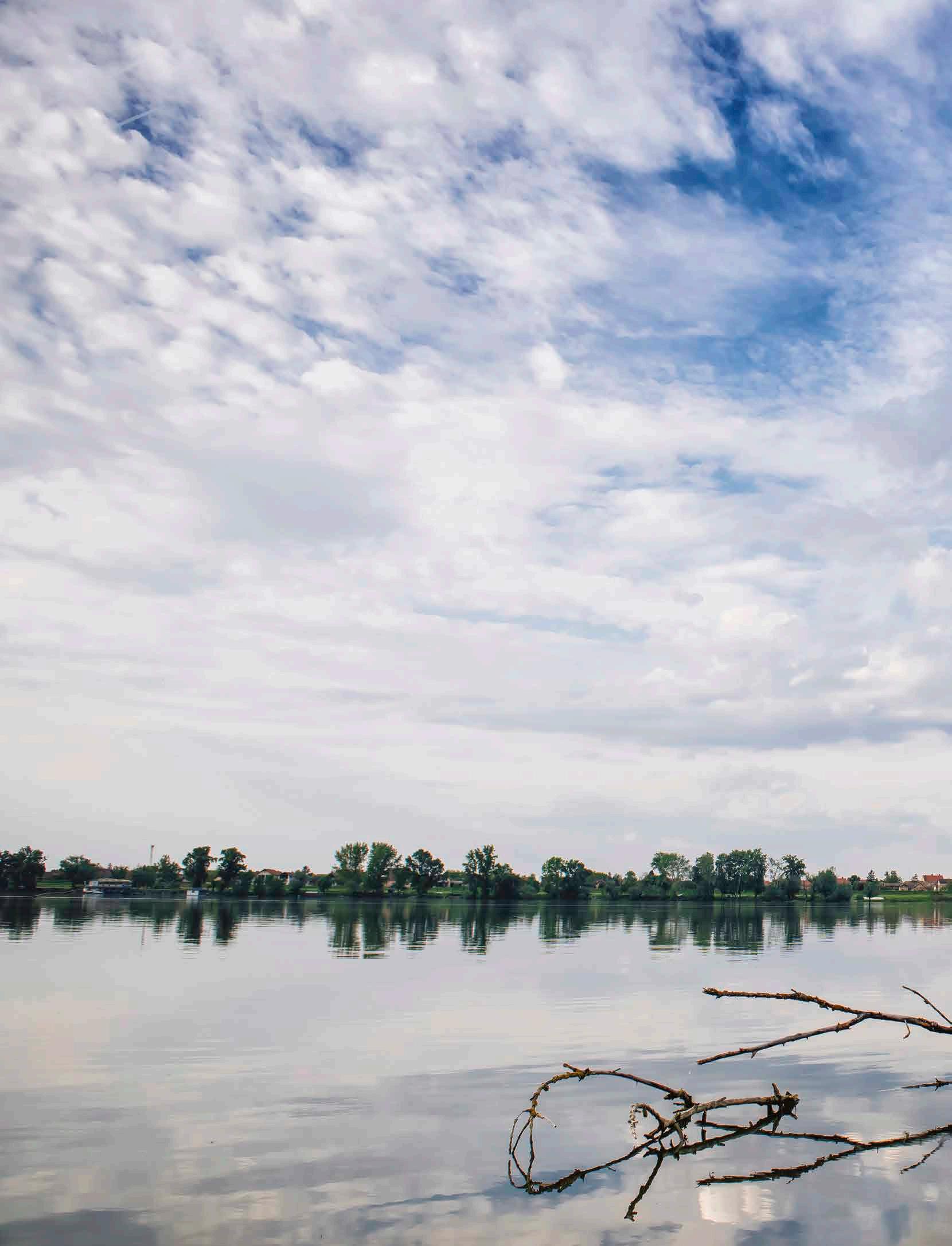
Europe. By building dams and wetlands, they create habitats that improve biodiversity and water retention.
These approaches often provide multiple benefits simultaneously. Restored floodplains can reduce downstream flood risks while also storing carbon, improving water quality and supporting tourism opportunities. In rural areas facing economic decline, ecological restoration is increasingly viewed as a potential driver of sustainable development.
However, restoration remains politically and economically complex. Land use conflicts frequently emerge between conservation goals and agricultural production, infrastructure development or hydropower interests. Farmers may fear losing productive land if rivers are allowed to expand into floodplains again. Hydropower operators may resist barrier removal. Urban expansion continues to place pressure on wetlands and river corridors.
One of Europe’s most remarkable restoration success stories can be found in Germany’s Ruhr region along the Emscher River. During the height of industrialisation in the 19th and 20th centuries, the river was heavily modified to support coal mining and rapid urban expansion. For decades, untreated wastewater flowed directly into the Emscher, transforming it into what was often described as one of Europe’s most polluted rivers.
Over time, however, attitudes toward environmental management began to change. In the early 1990s, authorities launched one of the largest ecological restoration programmes in Europe, investing billions of euros into transforming the river system. Wastewater infrastructure was modernised, sewage was diverted underground and large sections of the river were gradually restored to a more natural state.
Today, the Emscher tells a very different story. Wetlands, green corridors and recreational areas have reappeared along the riverbanks, while biodiversity has slowly returned to the region. Fish species, birds and even beavers have been recorded in areas once considered biologically dead. Beyond ecological recovery, the restoration has also improved urban quality of life, creating green public spaces and helping communities reconnect with nature.
The Emscher case demonstrates that even heavily degraded ecosystems can recover when long-term investment, political commitment and ecological restoration are combined. Across
Europe, it is increasingly viewed as a powerful example of how environmental restoration can support not only biodiversity, but also climate resilience, urban regeneration and human wellbeing.
One of the most ambitious examples of integrated river and forest conservation in Europe can be found along the Mura, Drava and Danube rivers, stretching across Austria, Slovenia, Croatia, Hungary and Serbia. Often referred to as the “Amazon of Europe,” this region represents the largest transboundary riverine protected area on the continent.
The landscape contains extensive floodplain forests, side channels, gravel banks and wetlands that support extraordinary biodiversity. White-tailed eagles, black storks, otters and numerous fish species depend on these habitats. The region also provides crucial ecosystem services, including flood protection, groundwater recharge and carbon storage.
Yet the area has not escaped environmental pressures. River regulation, sediment extraction, intensive agriculture and hydropower development have altered many sections of the river system over time. Climate change is further increasing pressures through more frequent droughts and changing hydrological conditions.
In response, several restoration initiatives have emerged within the region, including the LIFE RESTORE for MDD project. Supported through the EU LIFE programme, the project focuses on restoring floodplain ecosystems and improving the ecological condition of the Mura-Drava-Danube Biosphere Reserve.
The initiative seeks to reconnect river branches, restore natural hydrological dynamics and strengthen biodiversity while also supporting climate resilience. Importantly, the project reflects a broader European trend toward transboundary ecosystem management. Rivers do not follow political borders, and effective restoration increasingly requires cooperation across entire river basins.
The “Amazon of Europe” has become an important symbol of this evolving conservation philosophy. Rather than separating people from nature entirely, the region demonstrates how human communities and functioning ecosystems can coexist through sustainable management and long-term restoration planning.
The growing focus on ecosystem restoration reflects a deeper shift in how conservation itself is understood. Traditionally, conservation policy often focused primarily on protecting species or establishing isolated protected areas. Today, climate change is forcing a more systemic perspective.
Forests and rivers are increasingly recognised not only as habitats, but as critical infrastructure supporting water security, climate regulation and human wellbeing.
This shift is particularly evident in discussions around adaptation. Europe is warming faster than many other regions globally, and climate impacts are already affecting economies, agriculture and public health. Heatwaves are intensifying in cities. Droughts threaten food production. Flooding causes billions of euros in damage annually.
Restoration alone cannot solve these challenges, but healthy ecosystems can significantly reduce vulnerability. Forests moderate local temperatures and absorb carbon dioxide. Wetlands buffer floods and store water. Free-flowing rivers maintain ecological connectivity and support resilient landscapes.
Importantly, restoration also provides social and psychological benefits. Access to healthy natural environments has been linked to improved mental health and wellbeing. River corridors and forests create recreational spaces, support eco-tourism and strengthen cultural connections to landscapes. In this sense, restoration is increasingly becoming both an environmental and societal project.
Despite growing momentum, major obstacles remain. Ecological restoration is often expensive, politically sensitive and slow to deliver visible results. Restoring floodplains may require changes in land ownership or agricultural practices. Removing river barriers can trigger debates around energy production and navigation. Forest conservation must balance biodiversity goals with economic demands for timber and biomass.
There is also the challenge of scale. Small restoration projects, while valuable, may not be sufficient to address continent-wide ecosystem degradation. Scientists increasingly emphasise the need for landscape-scale approaches capable of reconnecting fragmented habitats across entire regions.
Financing remains another critical issue. Although EU funding programmes such as LIFE and Horizon Europe provide important support, long-term restoration requires sustained investment and
political commitment extending beyond individual project cycles. At the same time, public awareness of freshwater ecosystems often lags behind concern for forests or marine conservation. Rivers are sometimes perceived primarily as resources rather than living ecosystems. Changing this perception may prove essential for future restoration efforts.
Nevertheless, momentum is growing. Across Europe, governments, scientists, NGOs and local communities are increasingly recognising that restoring ecological systems is not a luxury, but a necessity.
For decades, Europe viewed nature largely as something to manage, contain or exploit. Today, a different vision is beginning to emerge — one that recognises forests, rivers, wetlands and biodiversity as interconnected systems essential to both environmental and societal resilience.
Across the continent, restoration initiatives are demonstrating that conservation is no longer only about protecting isolated habitats or endangered species. It is about rebuilding healthy landscapes capable of storing carbon, regulating water, supporting wildlife and improving quality of life for communities. From reconnected floodplains and restored forests to expanding protected areas and nature-based climate solutions, Europe is increasingly investing in ecosystems as part of its future.
Projects such as LIFE RESTORE for MDD reflect this broader transformation. By restoring natural processes and encouraging cooperation across borders, they show how conservation can simultaneously support biodiversity, climate adaptation and sustainable regional development.
Challenges undoubtedly remain. Ecological restoration requires longterm commitment, political cooperation and continued investment. Yet momentum is growing, supported by ambitious EU legislation and a wider recognition that healthy ecosystems are fundamental to economic stability, public wellbeing and climate resilience.
Rather than attempting to separate people from nature, Europe’s emerging restoration movement points toward coexistence — a future in which thriving forests, free-flowing rivers and resilient landscapes become part of how societies adapt and prosper in a changing world.
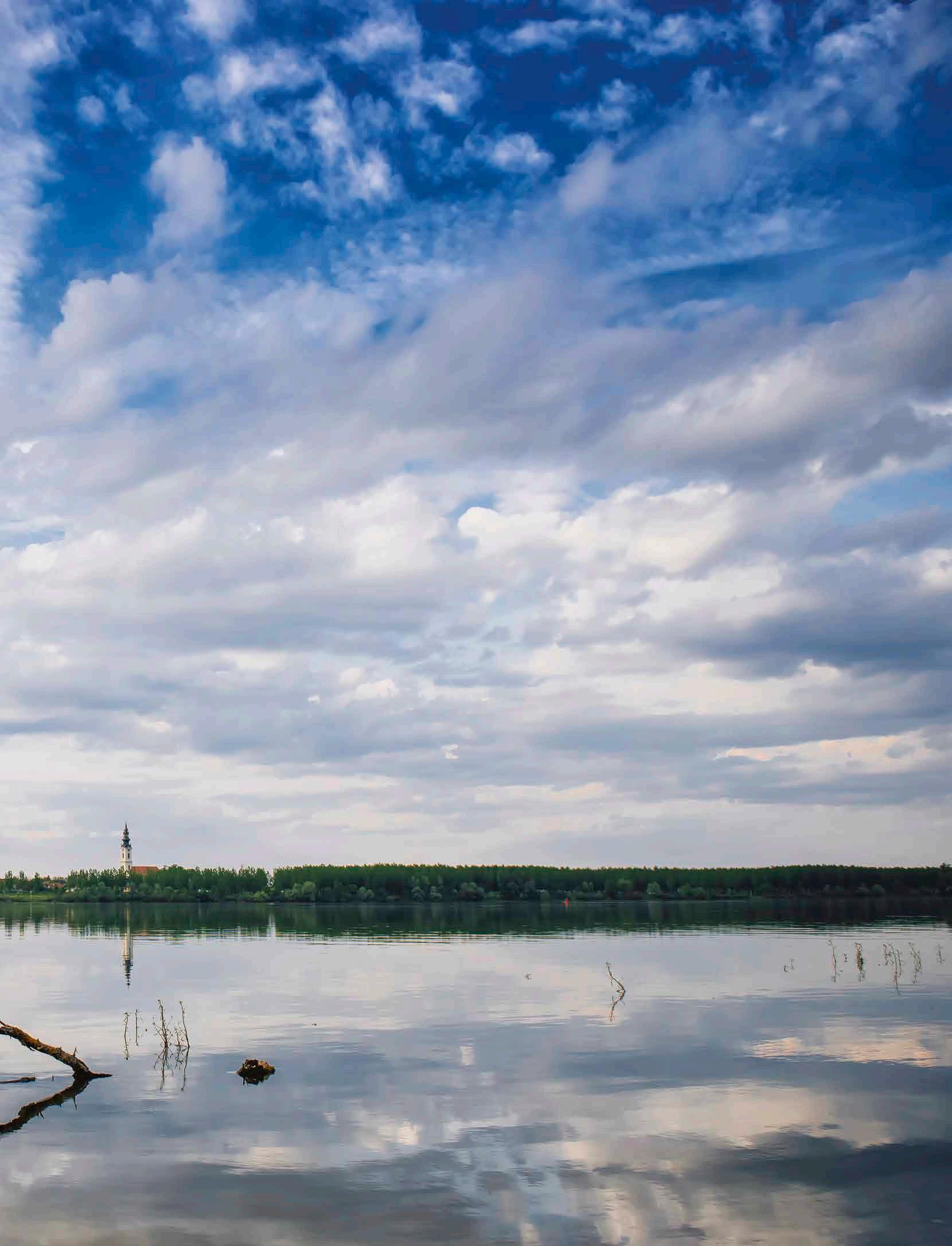
“Rivers do not follow political borders, and effective restoration increasingly requires cooperation across entire river basins.”
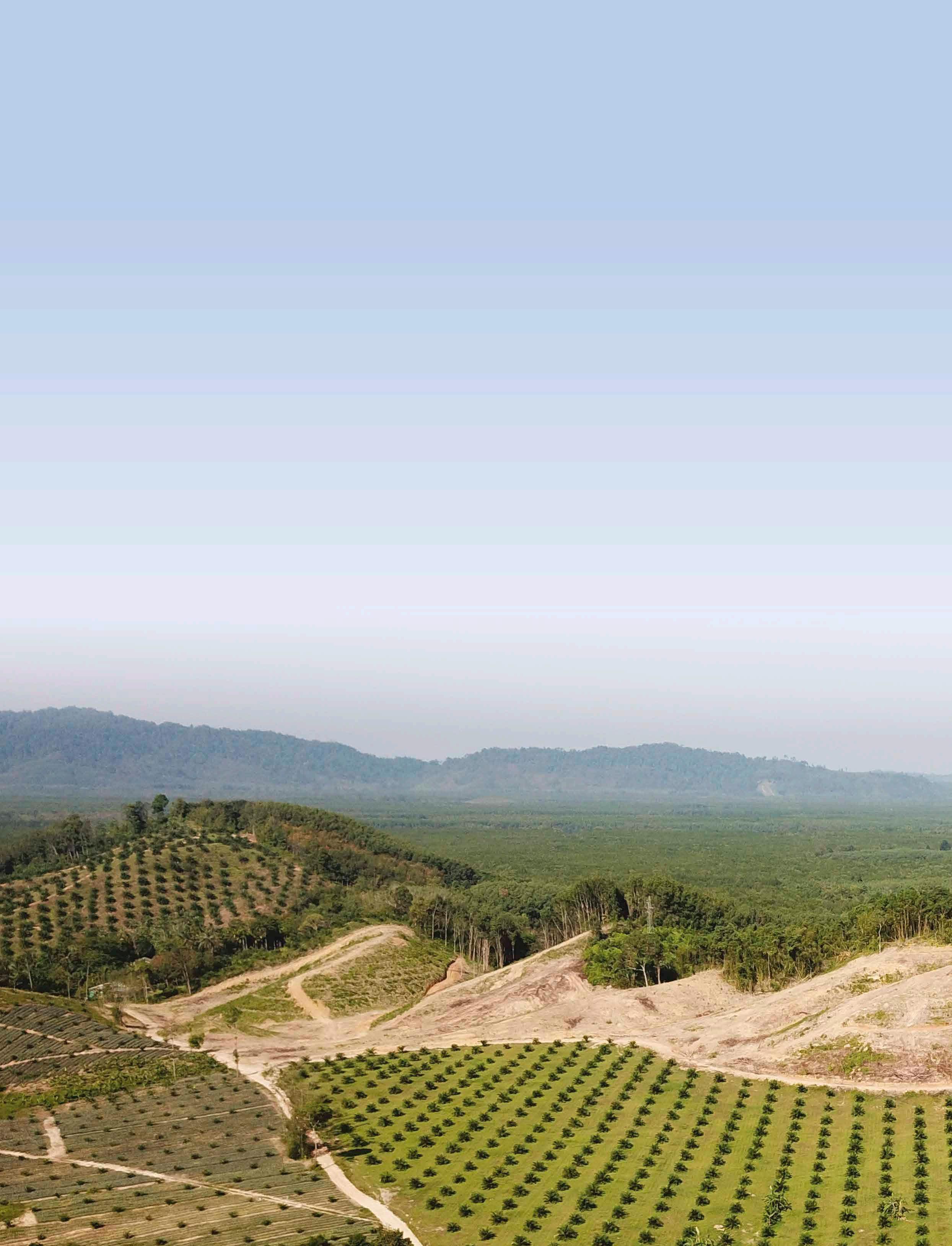
Global value chains are a central part of the world economy, and components often cross borders multiple times before a product eventually reaches the commercial market. Professor Poul Fritz Kjær tells us about his research into the long history of global value chains, and how it could influence their future regulation.
The global trade system often involves goods, components and capital crossing borders multiple times, and products gain value as they move closer to the commercial market. The starting point may be the extraction of raw materials in different parts of the world, for example coffee, sugar or valuable metals, which are then transported, refined and transformed into components of various products. “Refining these products increases their value, and this increase takes place while they are moved across borders,” says Poul Fritz Kjær, a Professor in the Department of Business Humanities and Law at Copenhagen Business School. Some people have argued that this essentially represents a continuation of historical colonial practices, when resources were extracted from the global South before being transported to more developed markets, yet Professor Kjær says there is a key difference. “The activity might be the same, but the legal and normative framing is different,” he says. “In
a colonial context you would typically rely on asymmetric legal norms, essentially an unequal relationship, whereas today we have, legally and formally speaking, equal partnerships.”
A multi-national company may establish a partnership with a company in a developing country on a formally equal basis for example, in what appears to be a symmetrical relationship. However, there is a debate over whether this shift from asymmetrical to symmetrical relationships makes a practical difference on the ground, an issue that Professor Kjær is exploring in the Global Value Chains project. “We’re looking at the extent to which modern global value chains can be considered a continuation of previous forms,” he outlines. The term ‘global value chain’ dates back only to around the 1970s, but Professor Kjær argues that they existed long before then. “We have had value chains for a long time, they have just changed in nature. The question then is how much continuity or discontinuity there
is between the present and previous forms,” he continues. “In one part of the project we’re investigating the history of global value chains, one of the many cases we are looking at is the wine industry in Algeria, which used to be the world’s fourth biggest wine producer and at some point the number one exporter, before it gained independence from France in 1962.”
The country was formally part of the French Republic up to this point, so there were no customs, which meant they could freely import wine into mainland France. Mass-produced, fairly cheap, Algerian wine outperformed French wine in the domestic market for a sustained period, leading to the introduction of new rules. “Rules were established around provenance, that Bordeaux wine could only be produced within a certain distance of Bordeaux for example, and standards were tightened,” explains Professor Kjær. These same rules within an EU framework are being used today to protect the French and European wine industry against a different set of competitors. “Now the industry is using
it to protect themselves against imports from Chile, Australia, and South Africa for example. They’re arguing that in order to be considered ‘proper’ wines, they need to live up to French and European standards, and that they shouldn’t be allowed onto the market otherwise,” continues Professor Kjær. “The rulebook and the legal toolbox which are being used to structure the global wine market today were developed during the colonial period, a historical legacy that we’re looking into in the project.”
Researchers are also looking at the empirical question of how global value chains operate in practice on the ground today, against the backdrop of an evolving legislative framework. A broad range of measures have been passed over recent years to try and regulate global value chains, such as the UK Modern Slavery Act of 2015,
the French Corporate Duty of Vigilance Law of 2017, the German Supply Chain Due Diligence Act of 2023 and the EU Corporate Sustainability Due Diligence Directive, which entered into force in 2024 following a consultation period. “Interested parties could submit their concerns, proposals and ideas. The majority of submissions came from European and Western companies. However, people in the countries likely to be affected were not really involved in the process of drafting the legislation,” says Professor Kjær. This directive and other pieces of legislation are designed to essentially transpose European or Western norms into other parts of the world. “This is about establishing certain standards, that child labour can’t be used in the value chain for example, and ensuring safety at work,” outlines Professor Kjær. “On the
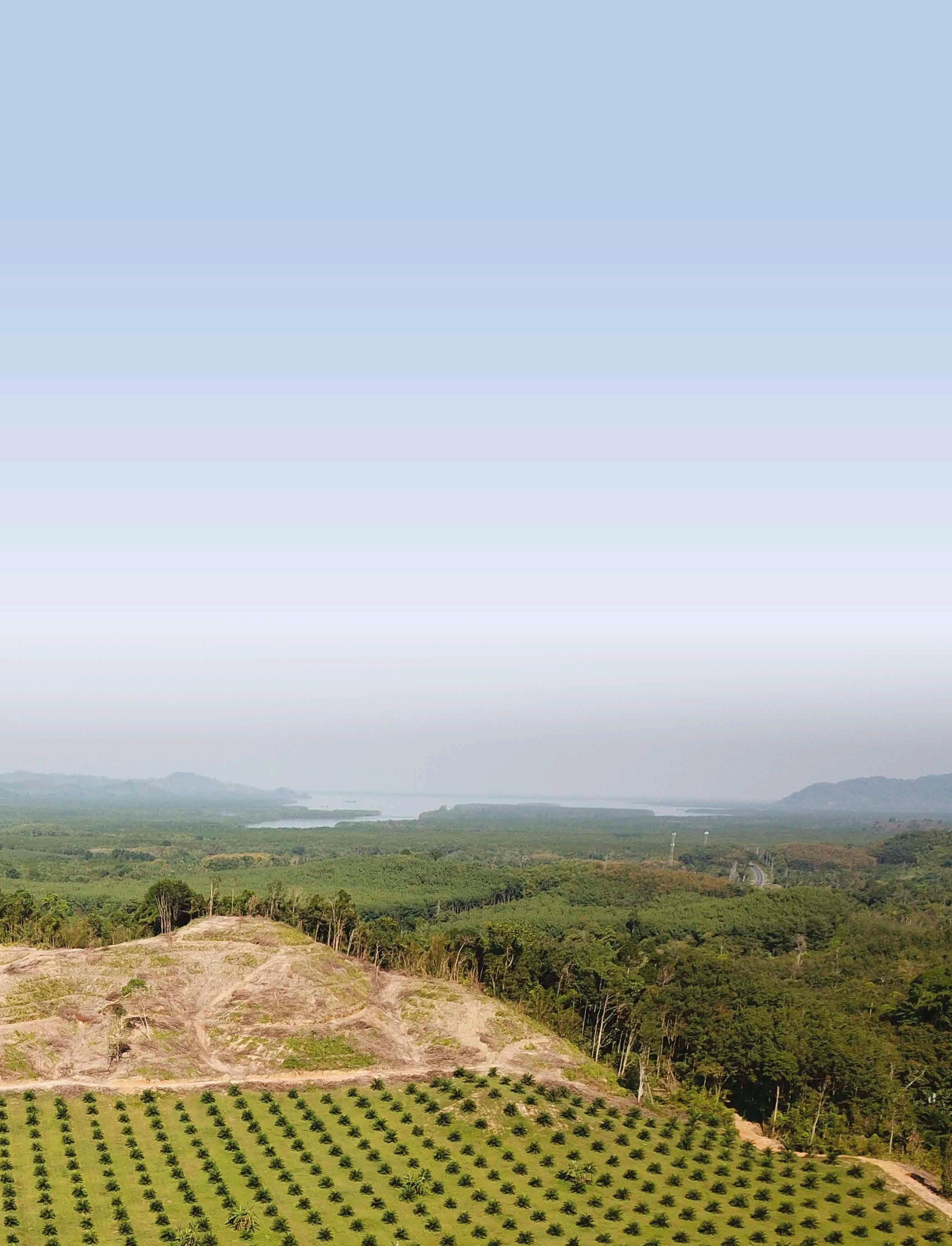
environmental side, legislation seeks to prevent environmental degradation in the production process.”
The question then is whether these various pieces of legislation are having the desired effect, are leading to lasting change in working practices, or whether they are being circumvented. “Are they merely a tickbox exercise? Or are they actually having practical effects?” asks Professor Kjær. The project team are exploring these questions through case studies on the pharmaceutical, wine and trade fairs industries, looking at how value chains operate in different parts of the world. “We have case studies on wine in Australia, France, Brazil and Chile, as well as case studies on the pharmaceutical industry in India, Singapore, Malaysia, the US and Europe, particularly Denmark,” outlines Professor Kjær. “We’re also looking at trade fairs, which are an interesting case as they are where value chains are made in a sense, where buyers and sellers meet and discuss the terms of deals. The interesting question here is how much legislative demands and compliance requirements actually matter in these meetings. Are sustainability and compliance concerns a determining issue in terms of purchasing choices?”
A company needs to balance the desire to maximise profits with its need to operate in a manner that gains the approval of its customers and avoids negative publicity. Previous scandals and media exposes have led to the development of guidelines, yet
Professor Kjær says breaching them did not lead to sanctions. “These used to be guidelines, not formal law,” he stresses. Over time some of these guidelines or ‘soft’ law have been incorporated in more formal or ‘hard’ law as reflected in recent legislation, alongside which individual countries have their own norms and cultural expectations, which all adds up to a complex picture for major corporations to negotiate. “Multi-national companies may operate in more than 100 jurisdictions around the world, and they are faced with all sorts of legislative requirements, and soft law as well,” continues Professor Kjær. “They need to be able to operate in a fairly consistent way across these jurisdictions, as they cannot make different products or operate in a different way for every market. We’ve, for example, been looking at how a big French multi-national deals with this, at how their due diligence and sustainability department operates.”
The staff essentially take all the relevant legislation in the countries where the company is active, combine it with data on their other obligations in line with different treaties, conventions and norms, and bring this information together into a single document. This document provides a manual which guides how the company operates in different parts of the world. “The company may adapt it a little bit depending on local circumstances and requirements, and the nature of their activities in that country, but they essentially take the same package and implement it. Companies interpret regulations and in a certain sense reach their own conclusions about what is required of them, and this is the real substance of global trade law,” says Professor Kjær. Most multi-nationals have their own legal departments to perform these roles, and while it is often thought that the commercial
sector views regulations solely as a barrier to business, Professor Kjær says the picture is in fact more nuanced. “The legislative framework is a key consideration for big companies, and while sometimes they want to get rid of regulation, on other occasions they ask for it,” he outlines. “The most important things for them are consistency and predictability”.
This helps companies understand the playing field and shape it in their own interests, which can then guide investment decisions over the longer term. Every industry has its own agenda, and while there is a general awareness of wider issues, companies often argue that others should bear the heavier burden in terms of regulatory compliance. “Companies may state that they should be free to operate as
The next step then is to consider the future evolution of global value chains, with the current model being widely questioned and criticised. Global value chains will not disappear in future, but they will change form again, believes Professor Kjær. “Due to the geopolitical situation, we are entering a new setup, and against that background we’re looking at how value chains will look in the future,” he outlines. Around 75 percent of the global population live in what might be described as middle-income or soon to be middle-income countries, such as Brazil, Colombia, India and Indonesia, and their voices are increasingly prominent in the development of regulations and trade standards. “These countries account for
“We have had value chains for a long time, they have just changed in nature. The question then is how much continuity or discontinuity there is between the present and previous forms.”
they choose, to source the best materials or components available, and that more stringent sourcing requirements should be imposed further down the value chain,” says Professor Kjær. The legislative framework plays a key role in shaping trading relationships, and Professor Kjær plans to share his findings with the authorities, helping inform future regulation. “Most EU legislation has to go through revision processes five years after it enters into law, and we are hoping to feed into that,” he continues. “We aim to reconstruct the emergence and evolution of global value chains, to understand what they are and how they transform over time.”
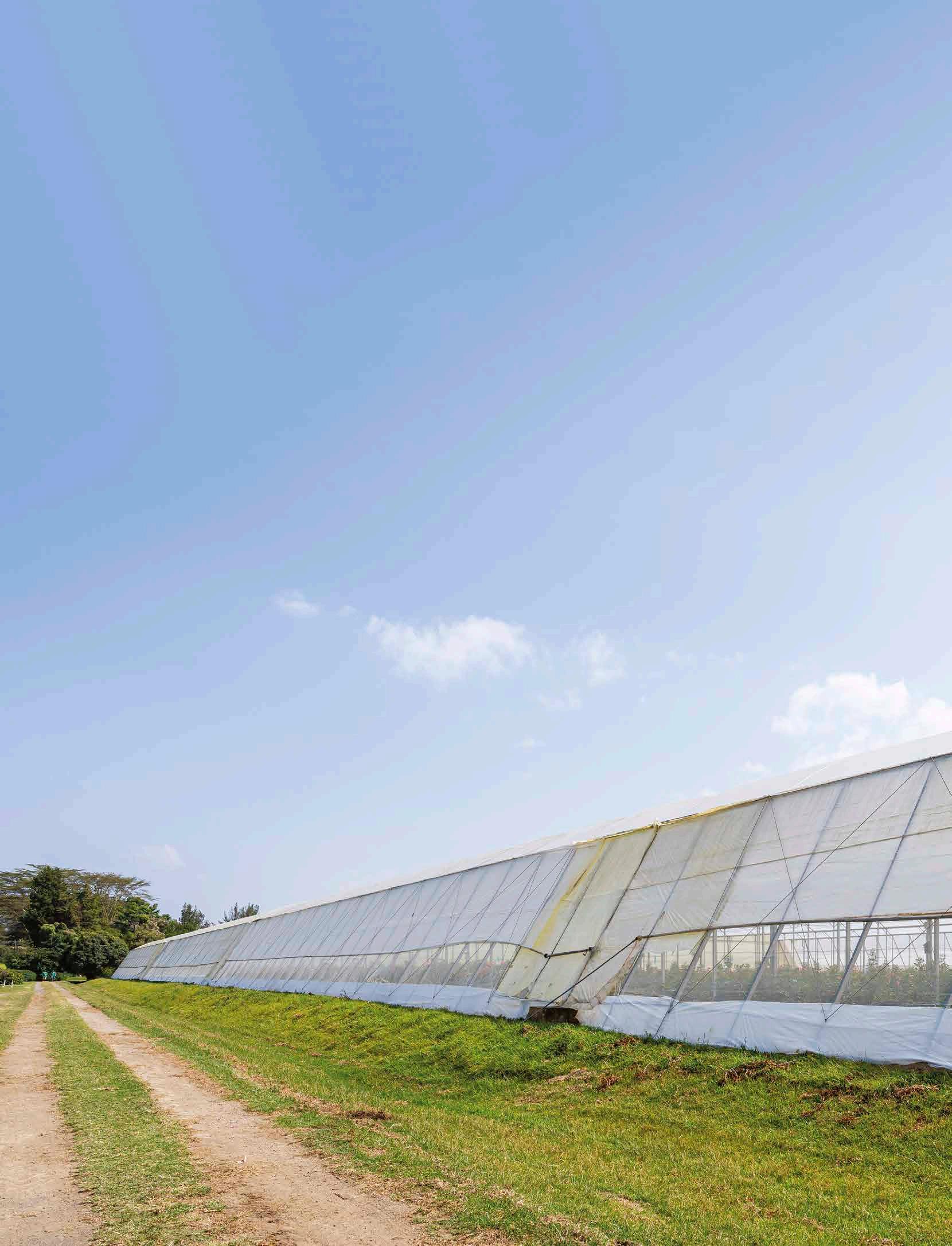
the majority of the world population, this is where the economic and demographic growth is,” stresses Professor Kjær. “It is the practices, values and approaches you find in these places that is increasingly setting the standards for trade, rather than the ideas that are emerging from thinktanks in Brussels, London and Washington. To a certain extent the more developed countries will be aligning with middleincome countries in terms of the regulation of global value chains, not the other way round.’
Researchers also looking to build a deeper picture of the effects of these regulations on trading relationships and national economies. In the case of Mozambique for example, a substantial part of the labour force is involved in producing exports to the EU and companies have to comply with its regulations in order to gain contracts, while at the same time some businesses export to other markets.
“Another substantial part of the labour force are involved in producing exports for China, which has its own rules and regulations, while Mozambique also trades with other countries. This means that the country’s economy and labour market is de facto externally regulated to a large extent and in a fairly fragmented way, rather than through a more unified national system,” says Professor Kjær. Coherent taxation systems, labour market and corporate law frameworks were however central to the rise of the South Korean and Taiwanese economies, two of the socio-economic success stories of the past decades, and ill-considered legislation in the EU and elsewhere could prevent countries like Mozambique from achieving something similar, believes Professor Kjær. “The imposition of external legislation might add to institutional fragmentation in these countries, rather
than providing them with a coherent institutional framework,” he explains. The challenge here is to encourage the flow of trade, while at the same time mitigating its negative externalities, in terms of environmental impact, institutional fragmentation and working practices for example. The geopolitical backdrop is, as mentioned, also changing, and while a decade ago the EU placed a lot of emphasis on encouraging sustainable practices, the focus now is more on resilience. “Now we’re thinking more about resilience, securing society, and avoiding trade dependencies on certain countries,” explains Professor Kjær. The European Critical Raw Materials Act was passed in 2024 for example, with the aim of diversifying the sources of raw materials available to European businesses, illustrating how the regulatory agenda has shifted. “It used to be about sustainability and banning child labour and social concerns. These issues are still prominent of course, but now the regulatory toolbox is slowly being re-formed and the resilience and security aspects are becoming dominant,” says Professor Kjær.

Global Value Chain Law: Constituting Connectivity, Contracts and Corporations
Project Objectives
Global Value Chains (GVCs) have been with us since the colonial period, and they have changed significantly over time. In their modern form GVCs are central to the international economy, but environmental, working and socio-economic standards vary widely along them, raising questions around how they can be effectively regulated. The EU-funded GLOBALVALUE project will reconstruct the history of GVC law, which will provide an insight into how it is likely to evolve in future.
Project Funding
The GLOBALVAULE project is funded by the European Research Council (ERC) under Grant agreement ID: 101054237.
Contact Details
Project Coordinator,
Professor Poul Fritz Kjær
Department of Business Humanities and Law
Copenhagen Business School
Porcelænshaven 18b 2000 Frederiksberg
Denmark
T: +45 38154281
E: pfk.bhl@cbs.dk
W: https://www.cbs.dk/en/research/ departments/department-businesshumanities-and-law
of Governance and Sociology of Law at the Department of Business Humanities and Law, Copenhagen Business School. He holds degrees in law, Sociology and Political Science and has been a visiting scholar at several institutions, including Harvard University, LSE and Sciences Po in Paris.

Raised bogs sequester CO2 and provide a unique habitat for wildlife, but many have been degraded. The LIFE CrossBorderBog project is now working to rewet and conserve a raised bog in the Dutch-German border region. This will fulfil Nature 2000 targets and boost its ability to mitigate the impact of climate change, as Jacob van der Weele and Christoph Rückriem explain.
The Aamsveen-Hundfelder Moor is situated on the Dutch-German border and is part of a former large raised bog area. The bog started to form approximately 5000 BC and has historically provided an important habitat for flora and fauna as well as the storage of large quantities of CO2 . However, over time large quantities of peat were extracted from the area, and the bog does not function in the same way today. “Currently the raised bog is considered to be degraded, as it is limited in its ability to retain water. Water loss changes the quality of peat, the physical way that water is retained,” says Christoph Rückriem, a biologist and site manager at the Zwillbrock Biological Station, located close to the Moor.
This issue is crucial to the CrossBorderBog project, an initiative funded under the EUs LIFE programme, which provides valuable support for biodiversity, environment and climate related issues. The aim in the project is to restore and conserve the biodiversity of the raised bog, which starts from preventing water run-off. “We want the bog to retain the water that it needs,” explains Jacob van der Weele, an ecologist with project partners Landschap Overijssel. “In the project team we have a lot of experience in restoring or re-wetting raised bog areas. We’ve seen that if we make small compartments, and enclose them by dams, we can prevent water run-off and create conditions in which peat can grow again. Only then can we create the conditions for typical peatland biodiversity to develop again.”
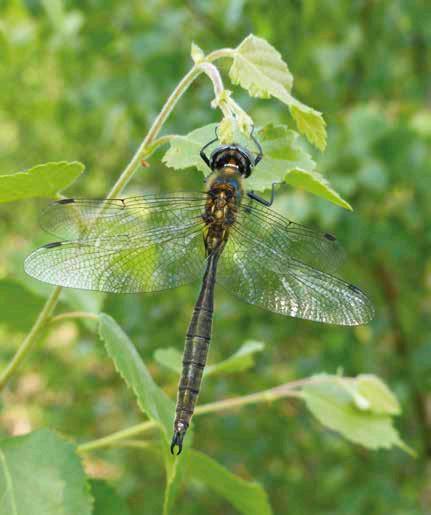
As part of their roles in the project, Rückriem and Van der Weele aim to help support the growth of peat mosses at the two Natura 2000 sites, while also looking to bridge national differences and essentially merge the two sides into a single raised bog. This is not a simple task however, as the bog has been managed differently on both sides of the border, notably with the creation of a drainage ditch in the ‘70s on the German side. “Managers at the time decided not to collaborate with their counterparts across the border but to find their own, purely German
the project makes it much more complicated than a purely national initiative, but one of the benefits is that it moves both sides out of their comfort zones.”
The two sides were initially quite far apart in terms of their vision for the area, and it took some time to identify joint goals before the project began in 2023. A key aim in the project is to establish a consistently high water table to support the growth of peat mosses in the bog, specifically sphagnum moss, a key component of peat. “There are about 15 species of sphagnum moss in the area, and each has their own particular
“It would not be possible to do this work on a purely national basis, as many of the proposed measures require close crossborder coordination We need to establish cross-border compartments in the bog for example, and they have to be organised and managed on a common basis.”
solution. So they created this drainage ditch on the border, which allows water to run out,” explains Rückriem. Given this background, and shared environmental concerns, Rückriem emphasises a cross-border initiative was required to restore the bog. “It would not be possible to do this work on a purely national basis, as many of the proposed measures require close cross-border coordination. We need to establish cross-border compartments in the bog for example, and they have to be organised and managed on a common basis,” he points out. “The cross-border nature of
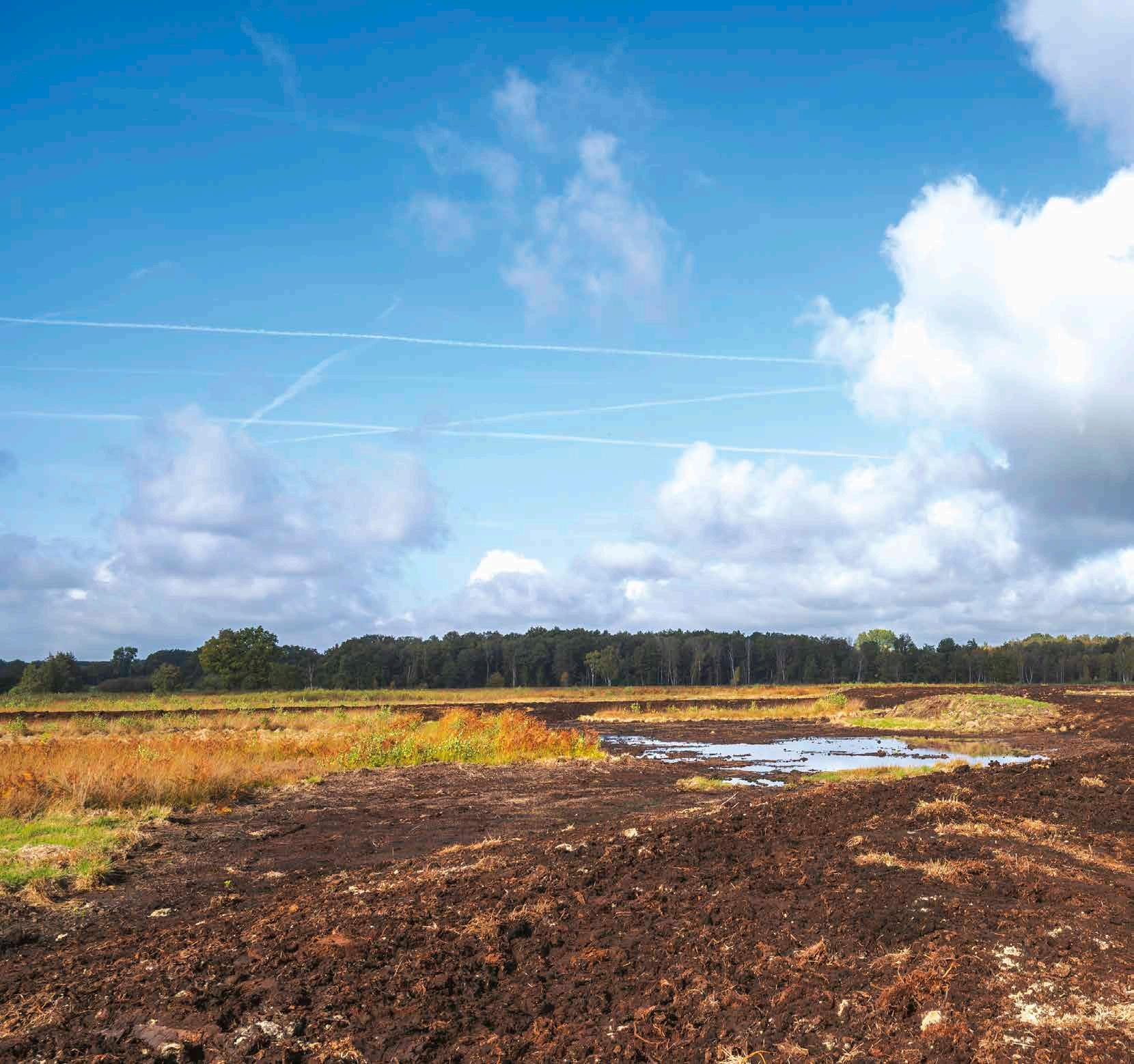
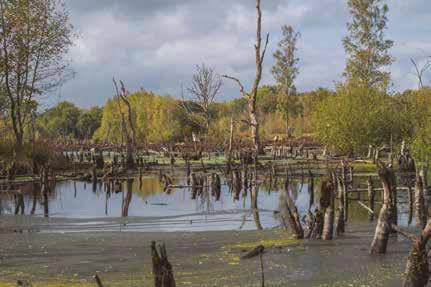
preferences in terms of where they grow, how they grow, and how fast,” outlines Van der Weele. These mosses require a stable water level near the surface, so the project team are establishing dams to prevent runoff. “In the Netherlands we look to establish loam dams, using a very sticky type of mud, which is impermeable to water. Our German colleagues only use peat to build dams,” says Van der Weele. “There are also
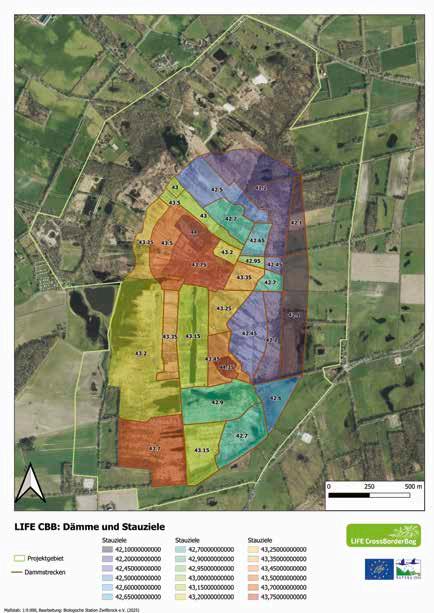
some other differences in approach. In the Netherlands we have decided to remove all the birch trees in our area, whereas in Germany they are taking a more gradual approach, in the knowledge that water levels will rise in future and scattered birch forests will slowly diminish.”
A third important measure in the project involves essentially flattening the area, taking into account significant differences in the height of the water table within the bog. Some peat ridges within the bog have been excavated while others haven’t, leading to height differences of up to two metres, which Van der Weele says represents a significant challenge to the project team. “It’s very difficult to establish a flat water table with these height differences. We fill up the lower parts and look to bring down the high parts, to try and get a flat surface,” he explains. The impact of all the restoration actions will be monitored, with the project team paying particularly close attention to the development of the water table within the bog. “We’ve put between 50-60 monitoring sensors in the area which are taking measurements continuously. In collaboration with our partners at the University of Münster (ILÖK) we will develop a groundwater table model, to provide annual reports of the main changes,” says Rückriem. “We will be able to see a detailed picture of the whole area, then we can identify specific areas where we haven’t had the impact we hoped and where we maybe need to take some additional measures. All of this is being done with a view to caring for flora and fauna.”
The main aim here is to establish a stable water table and only raise it gradually, to prevent the development of large water bodies, which are not well-suited to the growth of peat mosses. The water level will
be raised step by step, taking into account variations in the climate and observations of growth rates. “If we see strong growth of peat mosses, we can potentially look to raise the water level somewhat quicker, while if we have very dry summers we will perhaps look to raise it at a different speed,” says Van der Weele. The team is also considering how the site will be managed over the longterm, beyond the end of the project, with climate change likely to have an impact on water levels in the bog. “We modelled the stability of the water table, in the context of climate change. We found that we can still reach our goals in conserving the bog, even with the likelihood of longer, drier summers in future,” outlines Rückriem. “We will create these compartments with adjustable overflows in the bog, so we can react to monitoring data, which will be very valuable for long-term management of the site.”
This work will in the long term enable both Natura 2000 sites to once again host the typical elements of biodiversity associated with raised bogs, while also increasing their capacity to store CO2 and so mitigate the impact of climate change. This is a prominent issue across Europe, and so Van der Weele and his colleagues are keen to share their findings with other site managers of raised bog areas. “We held a symposium in October 2025, at which we presented our findings to site managers from across North-Western Europe, and described the steps we took,” he says. However, while the project’s research holds valuable insights for others looking to restore raised bog areas, Rückriem says that each bog is different and requires a specific solution. “It’s essential to consider the local circumstances and the specific conditions,” he stresses. “In ecology, it is important to be guided by the facts, then you can put in place the right measures, in the right place, at the right time.”
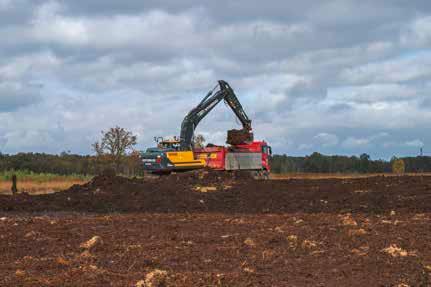
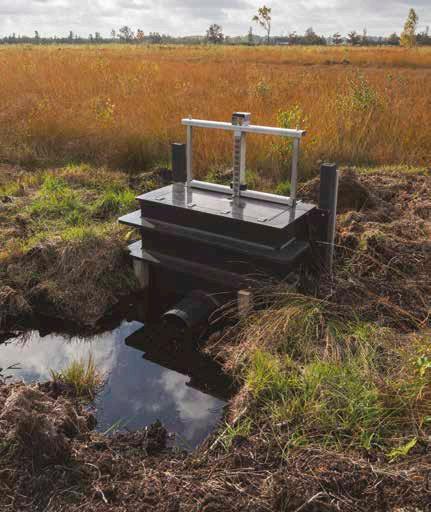
Cross-border restoration and reunion of the raised bogs Aamsveen and Hündfelder Moor
Project Objectives
The overall objective of the LIFE CrossBorderBog is to create living raised bogs in the Natura 2000 areas of Aamsveen and Hündfelder Moor. In doing so, we are also protecting and creating habitats for typical raised bog animal species such as the crane, Artic emeral dragonfly, raised bog mosaic dragonfly, European frog, adder, common lizard, common snipe and golden plover.
Project Funding
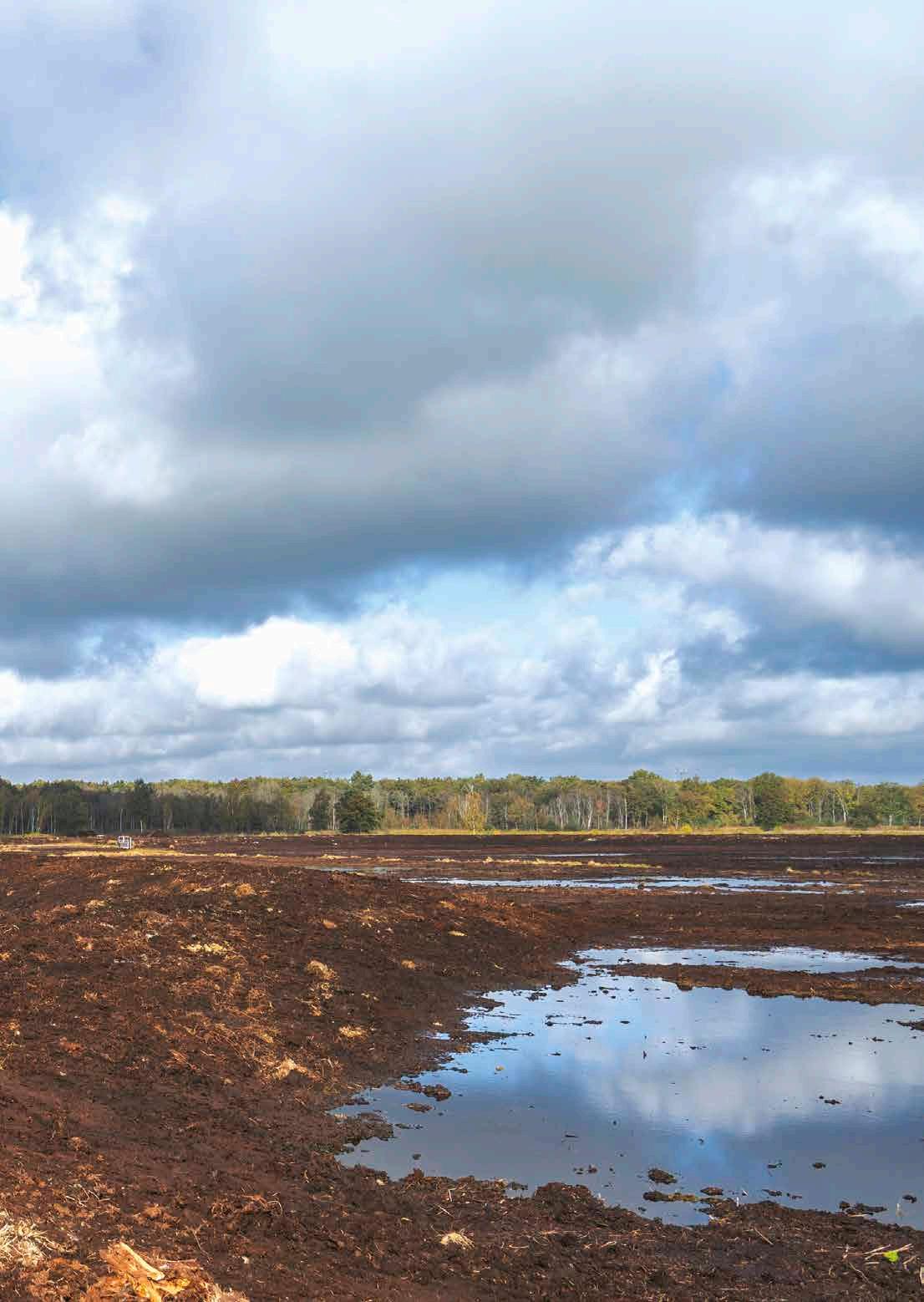
The Life CrossBorderBog is financed by the LIFE programme, the EU Financial instrument for nature, environment and climate protection. The project takes place in the Natura 2000 sites Aamsveen (NL2003001, Netherlands) and Amtsvenn u. Hündfelder Moor (DE3807301, Germany).
Project Partners
https://lifecrossborderbog.nl/en/partnersfunding/
Contact Details
Project Coordinator, Gert-Jan Hoeve
LIFE CrossBorderBog Aamsveen –Hündfelder Moor
Postbus 10078
8000 GB Zwolle
Netherlands
T: +31 6 10982752
E: gj.hoeve@overijssel.nl
W: https://lifecrossborderbog.nl/en/
Christoph Rückriem is an ecologist and site manager at the Biologische Station Zwillbrock e.V., and has worked as the German project manager for the LIFE CrossBorderBog project since 2023.
Jacob van der Weele is a biologist. He has long experience of working in nature conservation for provincial governments and for the last two decades has served as an ecological advisor within Landschap Overijssel, a nature conservation organisation.





The French National Strategy for Biodiversity (NSB) has been developed to try and halt the decline in the country’s rich biodiversity. The team behind the LIFE BIODIV’FRANCE project are now working to implement the strategy by engaging all sectors of society, with the aim of achieving lasting, sustainable change, as Anne Cazin explains.
The landscapes of France are rich in biodiversity, with its mainland and marine ecosystems hosting a wide range of plants and animals, while the country’s overseas territories are home to more than 18,000 known endemic species. However, this diversity is in rapid decline, prompting the development of a National Strategy for Biodiversity (NSB).
“The goal of the NSB is to halt the decline in biodiversity by 2030,” says Anne Cazin, of the French Office for Biodiversity (OFB). The ambitious goals set out in the strategy cannot be achieved simply by focusing on protected areas and national parks, rather all parts of society have to be involved and play an active role, believes Cazin. “We also need to pull levers outside protected areas. At OFB we work with businesses, economic actors and local authorities to try and halt the decline in biodiversity,” she explains.
This issue is central to Cazin’s work as part of the team behind the LIFE BIODIV’FRANCE project, an EU-backed initiative which aims to implement the NSB and encourage change across all sectors of French society. While it is led by OFB, the project brings together 30 participating organisations overall, working on a variety of issues around the common goal of protecting biodiversity. “We’re working with different organisations, including wildlife protection agencies, regional authorities and
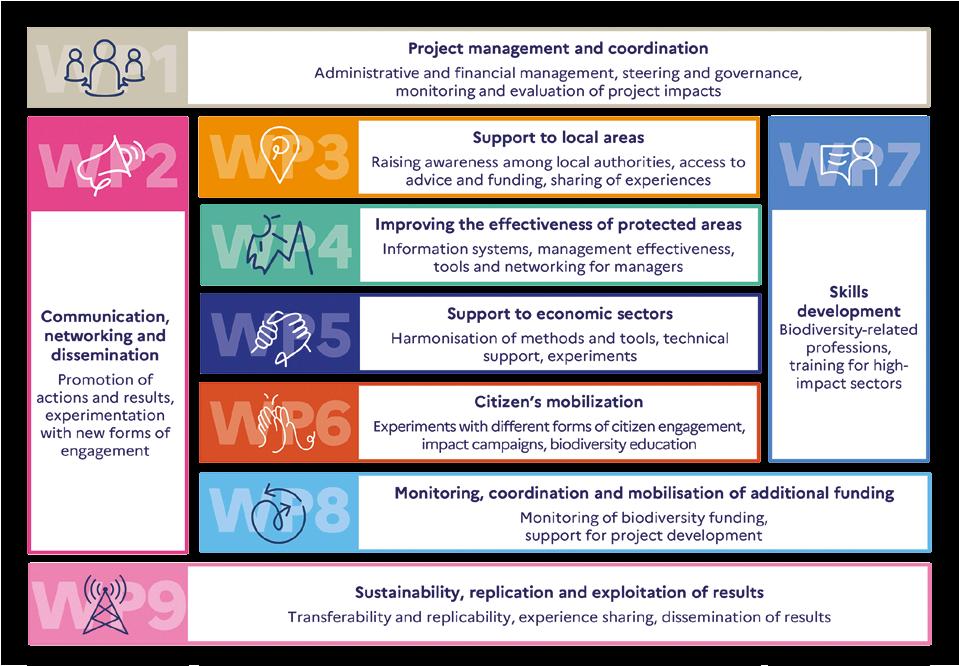
NGOs,” outlines Cazin.
The focus is on working with organisations and businesses at both the national and regional level to make sure that protecting biodiversity is a prime consideration in their daily operations, with the project team providing advice and support to stakeholders. The project is structured around five thematic pillars;
• Providing support to local areas;
• Strengthening the effectiveness of
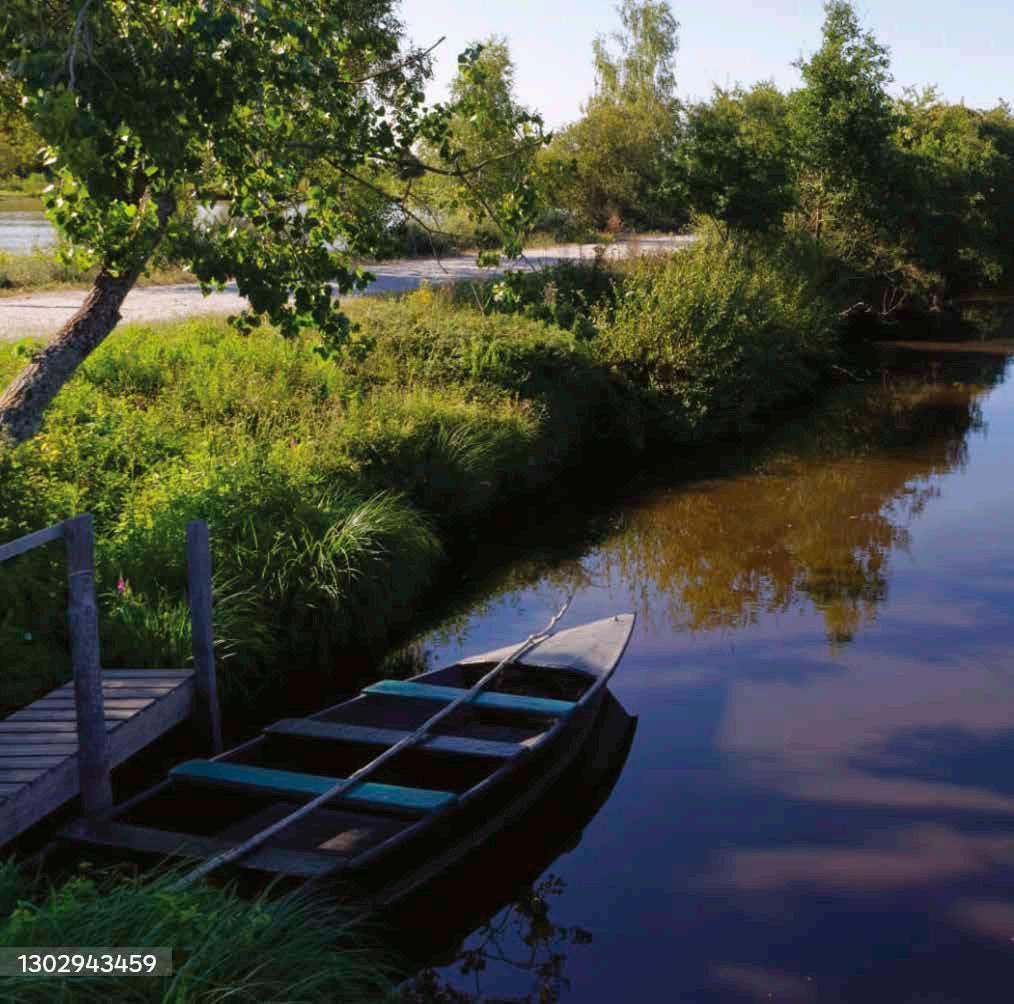
protected areas in terms of protecting habitats and species;
• Providing support to economic sectors and making sure that protecting biodiversity is an important consideration when decisions are made;
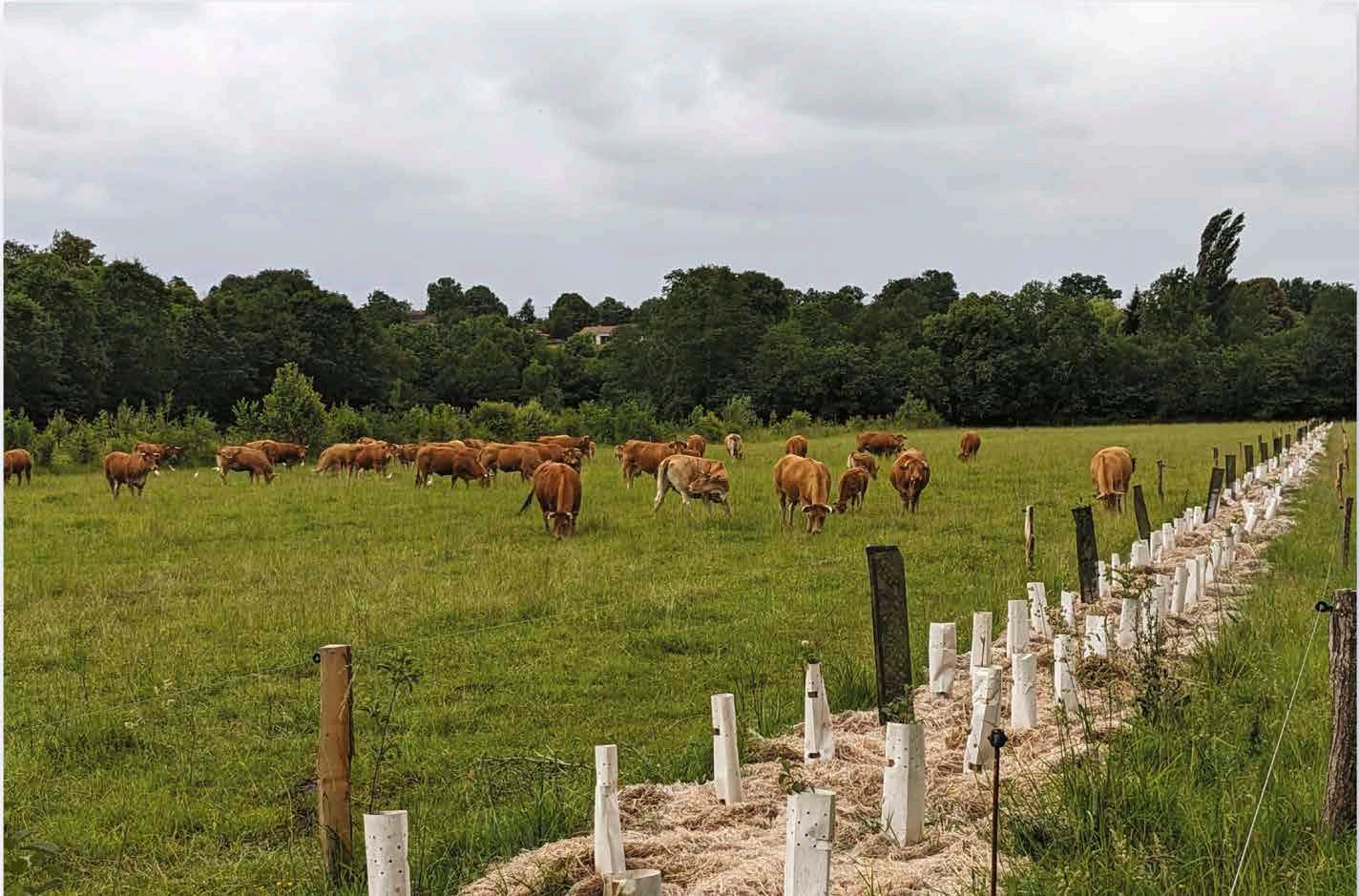
• Mobilising citizens and encouraging them to get involved in conserving nature;
• Developing skills among stakeholders, so that they can continue to protect and conserve biodiversity in future.
The starting point here is to highlight the importance of biodiversity to our own lives, the extent to which medicines, crops, materials and other essential products depend on preserving ecosystems and maintaining a balance between different species. This will underline the urgency of protecting biodiversity and generate momentum that can then be carried forward. “We want to bring home the fact that biodiversity is important for our health, for our food supply, and a whole host of other issues, including climate change. We then aim to encourage change in different economic sectors, for example in agriculture,” outlines Cazin.
For instance, a major supermarket may want to reassure consumers that their products have been produced in an environmentally responsible way, from farmers working on the land all the way through to the transport companies that bring it to the shelves. Major stakeholders have a big influence in this respect, so Cazin and her colleagues are looking to work with them and highlight the importance of biodiversity to their operations. “We aim to find the right stakeholders, the ones that will have a big impact,” she continues. Individual citizens can also have an impact, and with public awareness of biodiversity concerns growing, Cazin says many people want to get involved and take practical action. The project aims at guiding them towards the most effective actions.
This might not necessarily mean planting a tree, as in some cases less tangible acts can have a more significant impact, like reducing resource use or not planting exotic plants ill-suited to the local ecology. Protecting biodiversity almost always involves reducing the pressure, and not necessarily doing something; the goal here is to help build a clearer picture.
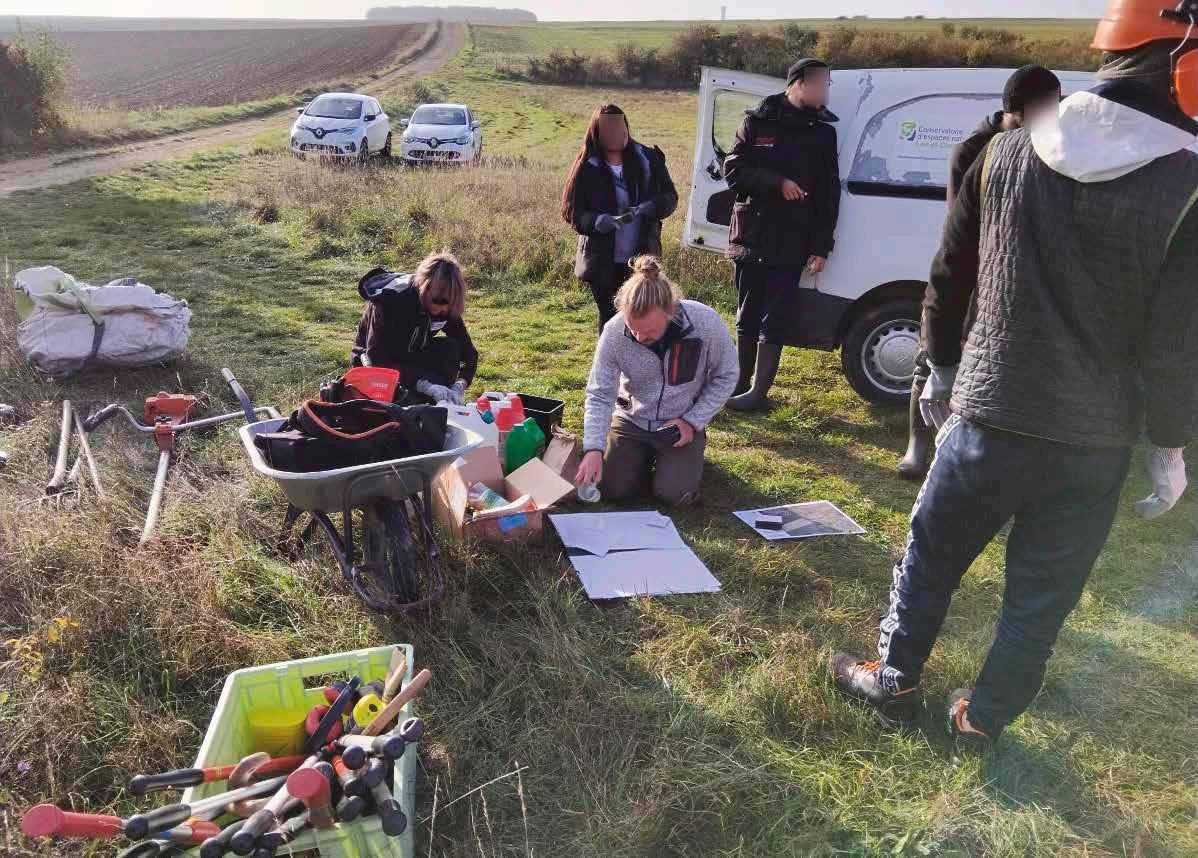
A further dimension of the project’s work centres around strengthening the effectiveness of protected areas as havens for wildlife, places where biodiversity can thrive. Regular monitoring and evaluation is
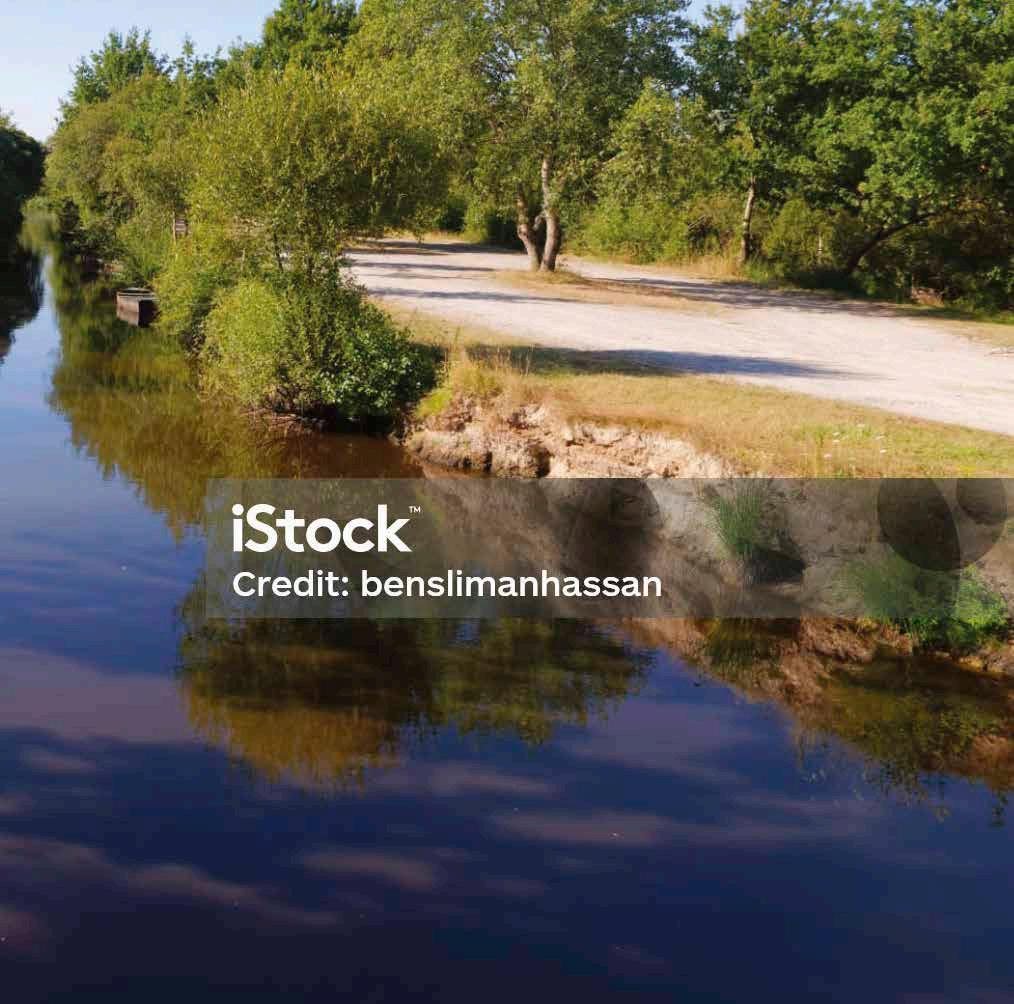
lasting, sustained improvements. By promoting skills development and raising the profile of biodiversity issues in those economic sectors which affect it, the project team aims to help achieve long-term change, beyond the
“We want to bring home the fact that biodiversity is important for our health, for our food and water supply, and a whole host of other issues, including climate change. We then aim to encourage change in different economic sectors, for example in agriculture.”
essential to maintaining the status of these areas, and ensuring that conditions are right for protected habitats and species, in line with the goals set out in the NSB. At the same time, the project team is also working to develop partnership networks, so that lessons learned in one area can then be applied in another, supporting managers and helping them protect biodiversity.
This is very much a long-term goal, so a key pillar of the project’s work is to develop biodiversity-related skills among stakeholders, part of the aim of achieving
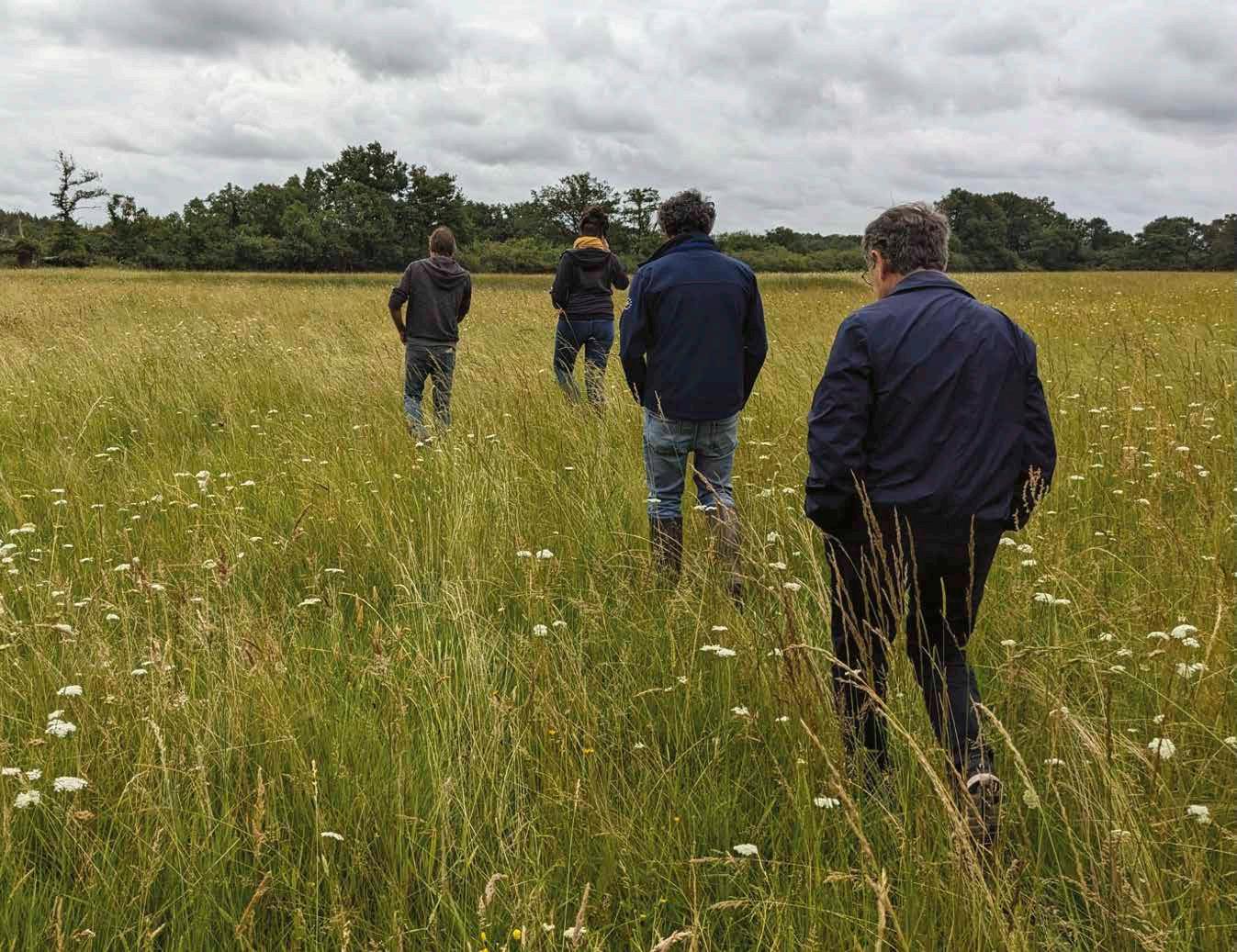
conclusion of LIFE BIODIV’FRANCE.
The project is still at a relatively early stage however, so the initial aim is to heighten awareness, then move to a point where there is a clearer relationship between actions and their effects. “We’re going to conduct surveys at different points in the project, and monitor progress towards the targets in the NSB,” says Cazin.
The wider aim here is to highlight the societal importance of biodiversity, which is sometimes neglected in comparison to other environmental concerns, such as pollution and climate change. Biodiversity is essential to our food supply, our water quality and our way of life more generally, a message that Cazin and her colleagues are working to promote. “We want biodiversity to be a prominent consideration in everybody’s daily lives, including economic stakeholders, citizens, and locally elected officials,” she continues. A heightened level of awareness can then be translated into practical, targeted action, which will boost the prospect of protecting and restoring biodiversity over the long-term. “This work won’t stop after the end of LIFE BIODIV’FRANCE in 2032, and at OFB we will continue to communicate with stakeholders and support them,” says Cazin.
2024-2032 : Supporting The National Biodiversity Strategy
Project Objectives
The aim of the LIFE BIODIV’FRANCE project is to support the implementation of France’s National Biodiversity Strategy through project engineering and technical expertise, across five objectives:
• Support for local territories
• Strengthening the effectiveness of protected areas
• Support for economic sectors
• Citizen engagement
• Skills development
Project Funding
The Life BIODIVFRANCE project is funded by the European LIFE programme, the French Ministry of Ecology and the French Office for Biodiversity.
Project Partners
Coordinated by the French Office for Biodiversity, this project brings together a consortium of 30 partners, including wildlife protecting agencies, regional and national parks and regional biodiversity agencies.
Contact Details
Anne Cazin,
Project Manager, LIFE BIODIV’FRANCE
French Office for Biodiversity (OFB) 12 Cours Louis Lumière, 94300 Vincennes, France
T: +33 7 64 16 64 53
E: anne.cazin@ofb.gouv.fr
W: https://ofb.gouv.fr/life-biodiv-france
Anne Cazin holds a PhD in Geography and specialises in rural areas public policy, including economic and environmental issues. Her work focuses on sustainable tourism development and on issues relating to tourist traffic in protected areas, with a strong interest in the relationship between human activity and biodiversity conservation. She has been coordinating the LIFE BIODIV’FRANCE project since its launch in January 2024.


There are several elements to France’s National Strategy for Biodiversity, and the team at OFB are working with a variety of organisations across different sectors to help protect and conserve biodiversity. We spoke to Emmanuel Delannoy, Marie-Catherine Schulz-Vannaxay and François Omnès about how they are supporting stakeholders and promoting new practices.
EU Researcher: What is your role in the project?
Emmanuel Delannoy: My role is to engage with corporations in France through several channels.
The first is to work with local authorities in French regions. Every region is involved, and almost all have a biodiversity agency. My role is to train staff at regional biodiversity agencies and help them organise their work so they can push forward the project’s agenda with small and medium-sized businesses in their area, as well as large corporations.
We’re also following a sectoral approach, where we work with companies in the tourism, agri-food and construction industries, which all have a big impact on biodiversity.
EUR: Is the value chain in those industries quite long, are there lots of companies involved?
ED: Yes, and that is an important consideration in terms of providing tools for companies to monitor and understand their impact on nature, which is something we’re continuously improving. It’s relatively easy to go one step back in the value chain, but the longer the value chain, the harder the task.
We work a lot with an international methodology called ENCORE , which helps companies assess their dependencies and impact on biodiversity. We simplify and localise this, and offer tools for companies to conduct assessments.
EUR: Do smaller companies typically need more support than a bigger company to monitor biodiversity?
ED: The biggest challenge for smaller companies is that there is often no single member of staff dedicated to environmental or biodiversity issues, so managers may have to deal with many subjects. So they need tools that will simplify the picture, that will make things easier to manage and assess, whereas big companies would use more complex tools.
EUR: What types of tools are you working with?
ED: Most of them are decision-making tools, based on the IPBES five key factors of the erosion of biodiversity.
When you break down a company’s processes and their value chain, you can assess where and how they are contributing to these erosion factors. These tools allow companies to focus on areas where they can have an impact with respect to biodiversity.
EUR: How big is the agricultural sector in France?
Marie-Catherine Schulz-Vannaxay: Agriculture occupies more than 50 percent of French territory, so it has a considerable impact on biodiversity through practices such as the use of pesticides and the simplification of the landscape. We aim to support companies in shifting towards an agroecological approach.
Francois Omnès: This covers the whole value chain, not only practices in the field, but also agricultural production and food industry processes.
EUR: How is this work progressing?
M-C S-V: Some of our projects are led at a national level while some project partners are run in specific areas. The regional biodiversity agency in central France is leading an experimental zone, in which farmers will change their crop cultivation practices, such as reducing pesticide use, and we will look at the impact on biodiversity. There is also some work in valorising hedgerows in the West of France for example, in the Pays-de-la-Loire, managed by the local public administration.
EUR: What is the long-term aim?
FO: We ultimately want to redesign agricultural practices, to redesign production, with a view to restoring ecosystem services, water quality and biodiversity. This is not just about making one single change, but rather taking a wider view.
Tourism is an important part of the economy in Trøndelag and Jämtland, and there is pressure to provide more houses for visitors, yet at the same time it’s important to protect the natural beauty of these two regions. Erik Melin, Margrete Vognild Blokhus and the Source project team are working to identify and promote sustainable practices in the provision and development of holiday homes.
The neighbouring regions of Trøndelag in Norway and Jämtland in Sweden attract a lot of tourists, and holiday homes have been developed across both areas to cater for the needs of visitors. The two regions are both fairly sparsely populated, and the tourism industry is an important part of the local economy, yet development must not come at the cost of the natural beauty which is central to their appeal, an issue of concern to both local residents and visitors. “There is a concern that holiday homes are taking up too much land in these areas and destroying nature,” says Erik Melin, a project manager at Mid-Sweden University. While many visitors come for skiing in the mountainous border area between Trøndelag and Jämtland, Melin says the two regions are increasingly becoming year-round destinations. “Winter skiing opportunities attract a lot of visitors, but summertime activities are also increasing, with lots of people coming for hiking and mountain biking,” he outlines. “A lot of businesses are working to promote leisure tourism in these two regions, highlighting sporting and recreational activities during Summer.”
Many people want their own cabin or house in these regions so they can pursue these activities, heightening the pressure on local infrastructure. There is a balance to strike here between meeting the needs of the tourism industry and protecting nature, an issue at the heart of Melin’s work as leader of the EU-backed SOURCE project, which brings together eight different partners in
cabins and houses should be put it in locations where the nature value is relatively low.”
A prime candidate here are the so-called ‘grey’ zones, those areas in which nature has already been significantly degraded, such as old quarries and gravel pits. In one part of the project, researchers are looking into building cabins in these kinds of degraded areas, and whether this can be combined with efforts to restore nature. “With the investment coming
“Most houses in Trøndelag and Jämtland are built with wood, which is something we would like to promote and encourage, as there is a lot of it in the local area, but it can be used in more efficient and smarter ways.”
Norway and Sweden.“In the project we are looking at a number of questions, such as whether we really need to build new homes, or if we could use existing ones more efficiently? If we do need to build new homes, in what areas should they be built and how large should they be?” he asks. “It’s important to think about the topography of the surrounding area when considering where a cabin or house should be built, and what would need to be removed. Ideally new
in, you can restore nature and have a positive impact in these areas,” says Melin. Researchers are also considering the spacing of holiday houses; the ideal scenario from a sustainability perspective is to avoid building in pristine areas, a message that Melin is keen to promote. “Cutting down trees or disrupting a hillside to develop cabins can have a very negative effect on nature and wildlife, contributing to erosion and increasing flood risk,” he stresses. “Even developing a single cabin can increase stress, as
the increased movement of people can cause some wildlife to abandon an area.”
The project team are working together with different stakeholders, including municipalities, construction companies and architects, to get a deeper picture of these kinds of issues and encourage the development of better, more sustainable holiday homes. The materials used in construction are a key consideration in this respect, and while it might be thought that radical shifts are required, traditional materials remain integral. “Most houses in Trøndelag and Jämtland are built with wood, which is something we would like to promote and encourage, as there is a lot of it in the local area, but it can be used in more efficient and smarter ways, for example as insulation materials. We also want to minimise the use of concrete, for example in the structural sole of buildings, and to promote the use of natural materials,” says Melin. The project’s agenda also includes encouraging the use of local businesses in the construction and maintenance of holiday homes, which Melin says will have a positive impact in terms of sustainability. “Hiring local companies, like carpenters and plumbers, and using local materials from the surrounding area benefits the local economy,” he continues.
This work is primarily targeted at construction companies and municipalities with the power to approve or reject building plans in specific areas. An online toolbox www.recabin.no is under development in the project, designed to provide guidance to organisations and highlight alternatives to the established way of doing things. “We want to show for example that it’s not always necessary to clear the ground of trees and
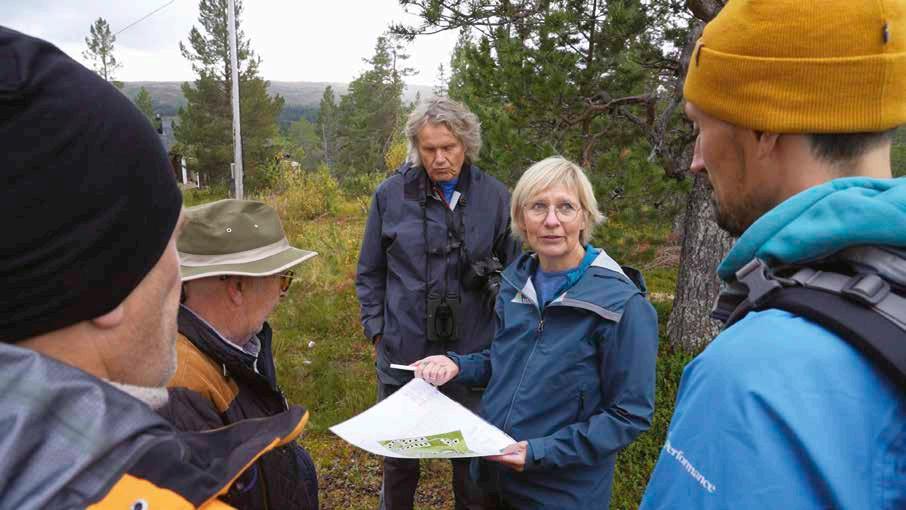
dig away an area to create a flat surface for a concrete sole,” outlines Melin. An alternative is putting metal screws into the ground which a house can then essentially sit on, minimising disruption to the local ecology, while also meaning that they can be moved relatively easily in future if circumstances change. “If at some point a municipality decides that they don’t want cabins in an area any more then it’s fairly easy to just move these houses on screws, to simply take them elsewhere,” says Melin. “We try to promote these other, alternative ways to build, which we believe can add value to the surroundings by protecting nature.”
The natural beauty of Trøndelag and Jämtland are what draws in visitors, and so it’s very much in the interests of municipalities to preserve it. By promoting nature-based solutions, Melin hopes to
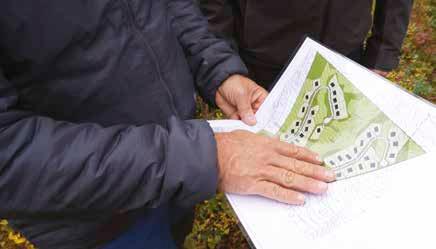
help protect the natural assets of these areas, while also providing housing and infrastructure for visitors. “This is about improving the ecosystem services around existing areas of housing, or where houses are going to be built in future. This could be building walls with natural stone instead of concrete for example, to provide habitats to animals,” outlines Melin. “Another possibility is planting vegetation on the roofs of houses, so they can then absorb water, reducing the risk of flooding and erosion.”

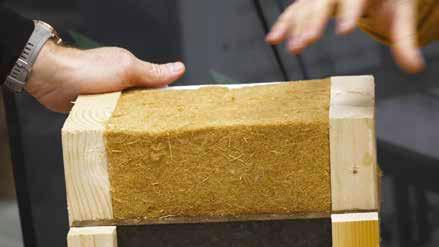
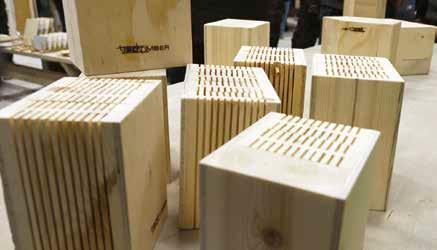
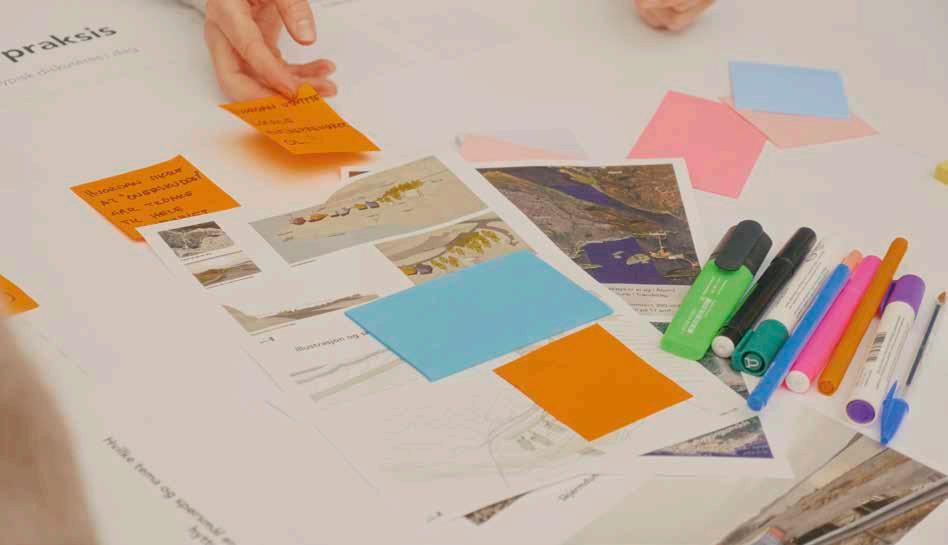
A further strand of the project’s agenda centres around using existing houses more efficiently, for example by promoting rentals and using resources available via the sharing economy. The most sustainable option in providing accommodation is to use the properties already available, and it may be possible to renovate existing buildings instead of putting up completely new ones. “Maybe farm buildings that are no longer in use could be renovated. This is about the circular economy, trying to use what is already there,” says Melin. The ultimate goal here is to provide more sustainable holiday homes in tune with the surroundings, and Melin says the project team are collaborating closely with local companies to translate the project’s work into tangible progress. “We are working with people, companies and other actors who want to take action,” he says. “We have held really exciting workshops together - some focused
on nature, others on resource or energy use in these cabins - and developed new ideas of how things could be done differently.”
This work is centered on the regions of Trøndelag and Jämtland, yet Melin says it holds wider relevance to other parts of Scandinavia and possibly beyond. Tourism is an important industry in many regions, and while local authorities are often keen to attract visitors, they also need to preserve the natural assets and characteristics that make their area attractive in the first place. “A destination can go from being considered attractive to being over-exploited fairly quickly,” warns Melin. The project team are pursuing further research into the factors that guide development, which will feed into the wider debate around responsible tourism. “We’re looking into the forces behind municipalities’ decisions to allow development in some areas and not in others. What is steering development?” asks Melin.

Sustainable develOpment of hoUsing for ReCreational usE
Project Objectives
The SOURCE project are investigating a variety of questions around the development of holiday homes in the regions of Trøndelag in Norway and Jämtland in Sweden, seeking to balance the needs of the tourism industry with the goal of protecting the natural environment. Both regions attract a lot of visitors, and holiday homes have been developed to provide accommodation, yet this must not come at the cost of their natural beauty.
The project team are exploring different issues around how degraded environments can be restored, as well as regenerative tourism, the circular economy and naturebased solutions, providing a picture of how a more sustainable tourism industry could look.
Project Funding
The project is funded by Interreg SwedenNorway programme ID nr: 20359384 with cofinacing from the Jämtland Härjedalen county authority and the Trøndelag county authority.
Collaboration Partners
• Mid Sweden University
• Nasjonalparken Næringshage
• Norwegian University of Science and Technology
• Norwegian Institute for Nature Research
• Kärnvirke Architects
• Peak Innovation
• PIR2 Architects
• White Architects
Contact Details
Erik Melin, Project Coordinator Mid Sweden University, Department of Natural Science, Design and Sustainable Development Akademigatan 1, 831 40 Östersund
T: +46 (0)10-1428981
E: Erik.melin@miun.se
W: https://www.miun.se/Forskning/ forskningsprojekt/pagaende-forskningsprojekt/ source---sustainable-development-of-housingfor-recreational-use.-
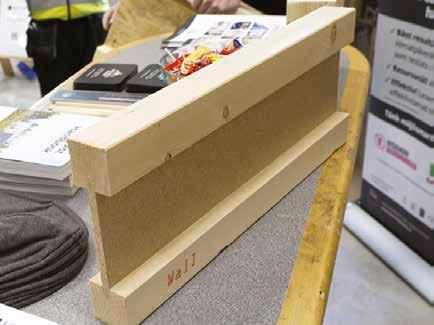



Erik Melin is a project manager at Mid Sweden University, with a background in climate change education. His role is to co-create with stakeholders from the academic, public, private, and civil sectors, aiming to develop effective solutions to complex challenges.
Margrete Vognild Blokhus is a Project Manager at Nasjonalparken Næringshage. She has spent much of the past eight years working on issues related to the cabin industry, tourism, and visitor management.
Mari Kvarberg Erdal (Nasjonalparken Næringshage), Project Coordinator.
Lena Henriksson (Mid Sweden University), Project Coordinator.

Mathematical billiards provides a playground for researchers to investigate dynamical systems and to look at how they evolve in time. Professor Vadim Kaloshin and his colleagues in the SPERIG project are tackling the Birkhoff conjecture, an open question in the mathematical billiards field, which could open up new insights into the behaviour of dynamical systems.
A dynamical system by nature changes over time, and many mathematicians have devoted their attention to investigating the underlying laws behind this evolution, from Newton’s observations of celestial mechanics to Poincaré’s analysis of autonomous systems. In the case of a billiard table, the evolution of the system can be described if the angle at which the ball hits the boundary of the table is known. “If you want to see where the ball will land after hitting the boundary of the table, you need to record an angle. The angle of reflection is equal to the angle of incidence,” explains Vadim Kaloshin, Professor of Mathematics at the Institute of Science and Technology Austria (ISTA). A billiard table is of course conventionally rectangular, but in his research, Professor Kaloshin also explores the behaviour of balls or particles in other shapes. “We might think of a billiard table that is circular, for
example, not rectangular. The common law is that the angle of reflection is equal to the angle of incidence. This then becomes an interesting mathematical problem,” he outlines.
SPERIG
This topic is a central part of Professor Kaloshin’s work as Principal Investigator of the ERC-backed SPERIG project, an initiative based at ISTA. Together with colleagues
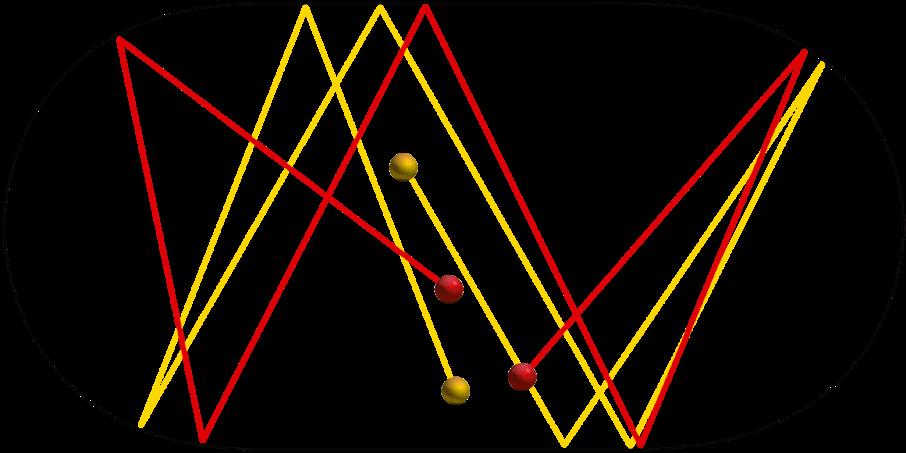

in the research group he leads at ISTA, Professor Kaloshin has been studying two related questions in the dynamical systems field. “In the SPERIG project, we have been looking at a mathematical billiards problem and a problem around geodesic flows. These two problems are similar in some ways; they can be thought of as siblings to an extent, but they are nevertheless different from each other,” he outlines. The mathematical billiards problem that researchers are addressing in the project centres around the Birkhoff conjecture, which in extremely general terms states the circumstances under which the boundary of a billiard table must be an ellipse. “The dream is to prove the global Birkhoff conjecture,” says Ilya Koval, a PhD student in Professor Kaloshin’s group.
The table in mathematical billiards is considered simply as a boundary, and the ball as something that moves without friction, from which researchers then seek to derive more general principles about the way that a ball moves across the surface. Mathematicians study billiards as a collision map, moving from one collision to another, essentially looking to describe the map. “Dynamical systems is an area of maths where classes of maps are analysed, and where we seek to discover various properties of those maps – for example, whether the orbits of the balls are stable or not, or whether there are some invariant sets or periodic orbits,” explains Professor
Kaloshin. The movement dynamics seen on a billiard table can also be found in other systems, for example, in the way that sound waves move, a topic that Professor Kaloshin is exploring in the project. “I’m trying to prove that if you deform a drum, then you also deform a sound,” he says.
This specific question has a long history, dating back to the work of Hermann Weyl,
a highly influential figure in the history of mathematics. In its more modern form, the question was popularised by the PolishAmerican mathematician Mark Kac in a 1966 research paper; now Professor Kaloshin and his colleagues are tackling it anew. “The goal is to reach a point where we can say that if you try to deform a drum, of any type, you will deform a sound,” he outlines. This research is
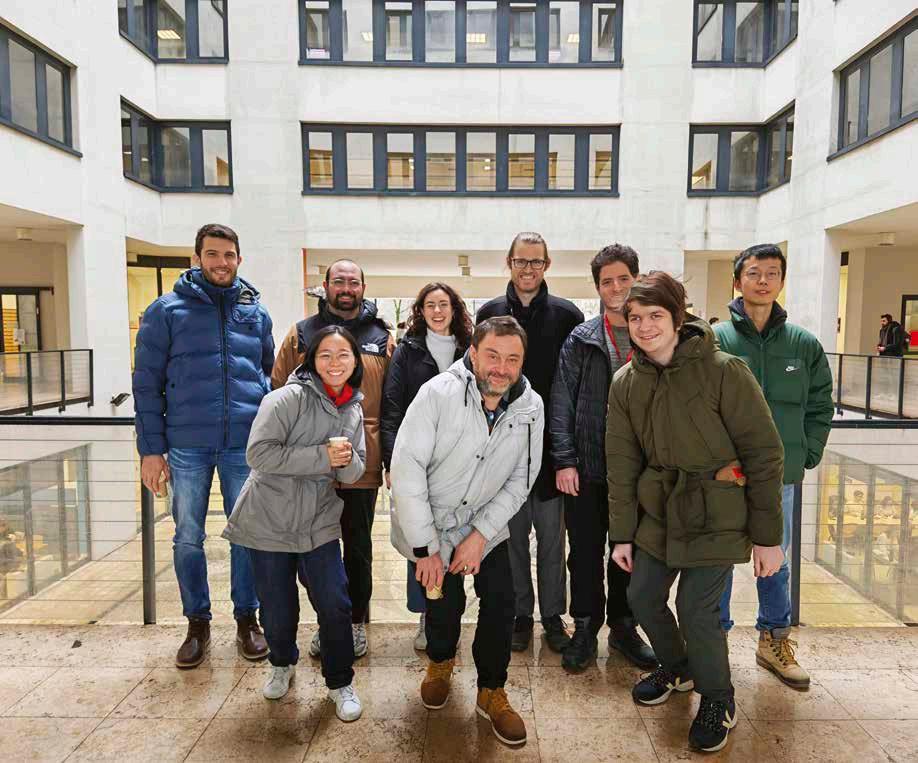
largely theoretical in nature, with researchers seeking to devise a strategy where they can justify the above statement through strict logical arguments that lead inexorably to a
The first group of team members has been motivated in their research by a version of the aforementioned question popularized by M. Kac: “Can you deform a drum without deforming a sound?” A more technical term is a wide open question of spectral rigidity.
Kostya Drach , a former member of our team, is currently based in Barcelona. Motivated by fundamental open problems concerning unmarked spectral rigidity for Anosov geodesic flows, he made a deep and original contribution in joint work with me by establishing local smooth conjugacy for nearby sparse Lyapunov isospectral expanding circle maps. This achievement required the development of a novel iterative approximation technique, which we termed the Lifshits–Whitney method. The work combines substantial technical innovation with significant conceptual advances and opens new avenues for the study of rigidity phenomena in smooth dynamical systems.
Corentin Fierobe , a former member of our team who is currently based in Rome, has made significant contributions to the study of length spectral rigidity. Motivated by several open problems in the field, he developed a new and original method in joint work with Alfonso Sorrentino and me. Using this approach, we proved length spectral rigidity for nearly elliptic domains.
Mathieu Helfter, a current member of our team, has been investigating fundamental questions in action spectral rigidity. He developed a powerful framework for studying KAM spectral rigidity and used it to establish generic trigonometric action spectral rigidity for standard maps, which exhibit many similarities to convex billiard systems.
clear and precise conclusion. “We want to build a chain of logical conclusions, where the next logical conclusion follows on very precisely from the previous one,” continues
Ilya Koval is a current member of the team whose contributions have been truly exceptional. His research accomplishments include a proof of the Birkhoff Conjecture for nearly elliptic domains that are integrable in a neighborhood of the boundary. In his seminal work on Gevrey divergence, he introduced the Taylor recurrence operator and established a generic divergence result for coordinate transformations to analytic Birkhoff normal form in convex billiards. This represents a significant advance on a classical problem in dynamical systems with origins in the foundational work of Poincaré and Siegel. In addition, his highly innovative joint research with Amir Vig, described below, further demonstrates the depth and breadth of his contributions to the field.
Edmond Koundjinan is a former team member, currently in Toronto. In a joint work with Ke Zhang and I, he proved the Birkhoff Conjecture for nearly centrally symmetric domains combining two seemingly disconnected methods of Bialy-Mironov and Kaloshin-Sorrentino.
Yunzhe Li is a current member of the team. In his PhD thesis, he constructed highly nontrivial examples of analytic deformations of the standard map that preserve a countable subset of the action variables as well as the Lyapunov spectrum. These results provide a significant contribution to the study of dynamical systems, exhibiting delicate structural preservation under nontrivial analytic perturbations. Starting in the fall, he will be in Toronto.
Professor Kaloshin. “The creative aspect of the project is about establishing a logical path leading to the conclusion that you cannot deform a drum without deforming a sound.”

Daniel Tsodikovich , a current member of our team, has contributed to the development of a new method for proving integrable rigidity for the classical Toda lattice
in joint work with Illya Koval and me. His collaboration with Corentin Fierobe also constitutes a significant contribution to this research direction.
Amir Vig is a former team member, currently in Toronto. Jointly with Illya Koval, he constructed a rich collection of convex domains close to ellipses for the singular support of the Laplace spectrum and the length spectrum differ, which is another deep contribution. This question was open for several decades.
The second major direction of the group research is meanders and instabilities in the solar system. Meanders are invariant sets having complicated geometry.
Yi Pan , a former member of our team and currently based in Pisa, worked jointly with Illya Koval and me on the construction of meanders for a generic analytic, isoenergetically degenerate, nearly integrable Hamiltonian system with two degrees of freedom. The scope and length of this work are such that it may ultimately be developed into a book, rather than a standard research paper.
Alessandra Nardi is a current member of our team. In joint work with Illya Koval and me, she is developing methods for constructing meanders associated with so-called Rossby waves.
Miguel Garrido is a current member of our team. In collaboration with Vaughn Otto, Massimiliano Guzzo, and me, he is working on mechanisms for the capture of asteroids from the asteroid belt into the moons of Mars.

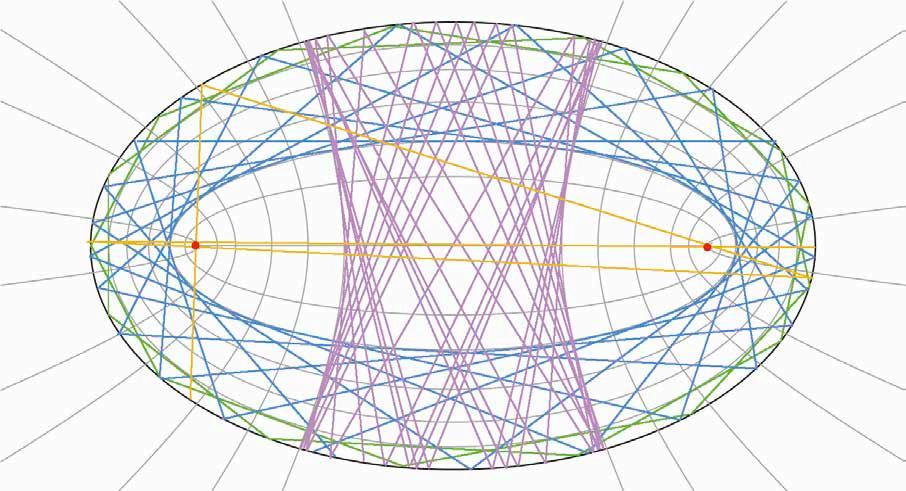
The methodology that researchers are using here is largely based on ideas from dynamical systems and functional analysis, but Professor Kaloshin is also drawing from other fields in his work, including classical mechanics and elliptic functions. While he has made significant progress over the course of the project, Professor Kaloshin says the Birkhoff conjecture remains an open problem, and he is committed to probing it further in the future. “My work in this area will continue beyond SPERIG. In my group, we continue to develop new ideas and train the next generation in mathematics research,” he explains. This work is currently ongoing, with Professor Kaloshin and his research group
bumps, but you could also imagine a geodesic that goes around a certain obstacle. Not all of them must experience linear bumps,” he says. The group has also been studying another dynamical system called the Bunimovich stadium, a representation of a soccer or athletics stadium. “The boundary of the stadium is formed of a rectangle, and two semi-circles at either end,” says Professor Kaloshin.
The behaviour of particles reflecting off the boundary of a Bunimovich stadium has been shown to be chaotic, leading to chaotic geodesic flows, another area of interest to Professor Kaloshin and his colleagues in the project. The
“If you want to see where the ball will land after hitting the boundary of a billiard table, you need to record an angle. The angle of reflection is equal to the angle of incidence. In other words, reflection is elastic.”
sharing ideas, developing new tools, and writing papers, in pursuit of the long-term goal of proving the Birkhoff conjecture. “My research group is comprised of eight people. We hold regular seminars and interact and share ideas,” he outlines.
A second major problem that Professor Kaloshin and his colleagues are tackling in the project centres around geodesic flows, which can be thought of as essentially a curve representing the shortest path between two points on a surface. As part of his work on the SPERIG project, Professor Kaloshin has been looking at geodesic flows over some highly complex surfaces, including Riemannian manifolds, bumpy spheres, and bumpy tori. “We are studying these kinds of objects and the geodesics on them. In some circumstances, some geodesics must accept
initial conditions, the direction in which a particle initially travels within the stadium, is a key consideration in this respect. “If you change the angle at which you shoot a particle, it leads to a dramatic change shortly afterwards. After the particle has reflected off the boundary, say ten times, the overall picture looks dramatically different,” explains Professor Kaloshin. The Bunimovich stadium is a beautiful example of a chaotic billiard, and it is of fundamental interest to Professor Kaloshin, whose research is motivated primarily by intellectual curiosity rather than any potential for commercial applications. “I’m much more a pure mathematician than a physicist. My main goal in research is to try to answer classical questions, such as the Birkhoff conjecture, and to develop analytic tools to solve them,” he continues.
Spectral rigidity and integrability for billiards and geodesic flows
Project Objectives
The team behind the SPERIG project are working on two related but nevertheless distinct questions in the dynamical systems field, namely a mathematical billiards problem and a problem around geodesic flows. This research is primarily motivated by intellectual curiosity, with Professor Kaloshin and his colleagues exploring fundamental questions and developing new analytic tools.
Project Funding
This project has received funding from the European Union’s Horizon 2020 research and innovation programme under grant agreement Nº 885707
Team Members
• Vadim Kaloshin • Kostya Drach • Corentin Fierobe • Mathieu Helfter • Illya Koval • Edmond Koundjinan • Yunzhe Li • Daniel Tsodikovich • Amir Vig • Yi Pan • Alessandra Nardi • Miguel Garrido
Contact Details
Project Coordinator, Vadim Kaloshin
Institute of Science and Technology Austria (ISTA) – Library
Am Campus 1 3400 Klosterneuburg
T: +43 2243 9000 2195
E: Vadim.Kaloshin@ist.ac.at W: https://vadimkaloshin.com/
Vadim Kaloshin is Professor of Mathematics at the Institute of Science and Technology Austria (ISTA). He gained his PhD from Princeton University, and worked at several universities in the US before taking up his current role in 2021

Can governments rely on citizens to comply without coercion? Professor Yuval Feldman and colleagues Rinat Merkovich and Michaela Assouline, through the ERC-funded VCOMP project, examine when voluntary compliance works, when it fails, and how trust, behavioural insights and regulatory design interact across countries and policy domains.
Modern governments depend on citizens doing the right thing. Paying taxes honestly. Following public health guidelines. Reporting corruption. Reducing environmental harm. Much of the regulatory state rests not on constant surveillance, but on everyday acts of cooperation.
Yet traditional regulatory theory has often assumed the opposite. For decades, governance models have been built around monitoring, sanctions and deterrence, grounded in the belief that individuals will evade rules whenever the opportunity arises. Compliance, in this view, is secured through fear of punishment or financial incentive rather than intrinsic motivation.
This assumption has shaped everything from tax enforcement regimes to environmental inspections and public health mandates. However, heavy enforcement is costly, politically sensitive, and not always effective in the long term. More importantly, it may overlook a crucial reality: many citizens are willing to comply voluntarily – if the conditions are right.
The COVID-19 pandemic brought this tension sharply into focus. Governments across the world discovered that they could not police every behaviour. They needed citizens to self-isolate, wear masks, vaccinate, and protect others without constant oversight. Compliance became not merely a legal obligation, but a test of trust between state and society.
It is within this broader context that the VCOMP project – Generating Voluntary Compliance Across Doctrines and Nations – was launched. Led by Professor Yuval Feldman at Bar-Ilan University and funded by the European Research Council, the initiative seeks to rethink the foundations of regulatory governance. Rather than asking how to punish non-compliance more efficiently, VCOMP investigates when governments can trust citizens to comply voluntarily - and how behavioural insights,
issue: while research has long examined whether citizens trust governments, far less attention has been given to whether governments can trust citizens.
The implications are significant. Heavy monitoring and sanctioning are expensive and may erode intrinsic motivation. If people comply only due to threat of punishment, behaviour may disappear once enforcement weakens. Voluntary compliance, by contrast, tends to be more stable over time. As Assouline explains:
“Voluntary compliance is not only less costly for governments – it is much more predictable in the long term and far more stable.” ... Michaela Assouline.
institutional design and cultural context shape that cooperation.
The project asks a deceptively simple, yet profoundly consequential question: can the public be trusted?
The idea gained urgency during the COVID-19 pandemic. Governments quickly realised that enforcement alone was insufficient. Citizens were asked to isolate, vaccinate, test their children, and change daily routines in ways that could not be easily monitored.
“It was clear that governments needed cooperation, not just obedience,” Feldman explains. The pandemic exposed a deeper
“Voluntary compliance is not only less costly for governments – it is much more predictable in the long term and far more stable.”
Yet regulators are often risk-averse. As Feldman notes, they may assume the worst about citizens because the political cost of misplaced trust is high. Over-trusting may lead to visible failure; under-trusting rarely does. The result is an overreliance on coercive mechanisms.
Citizens as partners
One strand of VCOMP, led by postdoctoral researcher Rinat Merkovich, examines citizens as “regulatory intermediaries”. Across domains such as environmental harm or child protection,
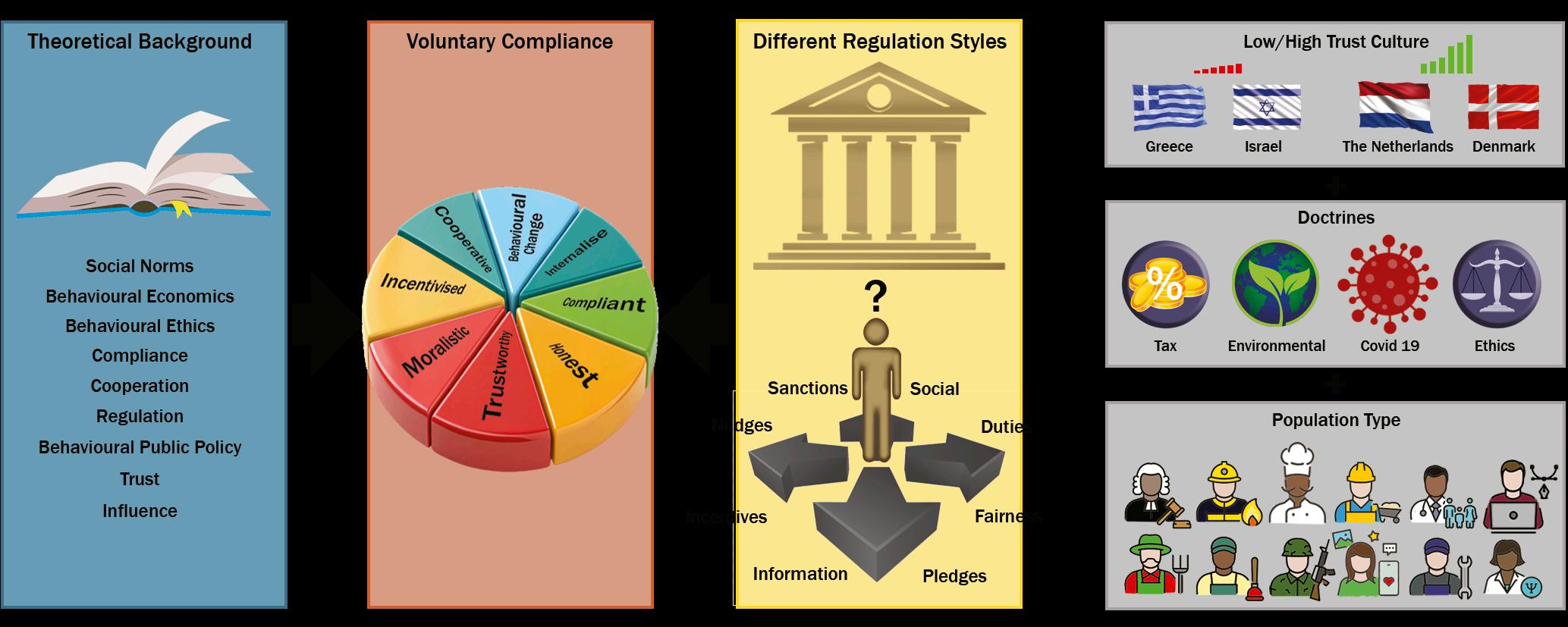
governments increasingly depend on ordinary people to report violations.
Merkovich’s research explores which features of reporting systems matter to citizens in these contexts. Surprisingly, people often prefer voluntary, nonincentivised reporting systems over those offering financial rewards. Institutional fairness, protection for reporters and the capacity of authorities to intervene effectively all influence willingness to report.
The findings also reveal heterogeneity. Pro-social individuals are more inclined to report serious wrongdoing and are also more sensitive to signals that authorities can meaningfully intervene and protect them. More self-interested individuals, however, are negatively inclined to report serious wrongdoing and react particularly negatively to mandatory reporting regimes, perceiving them as a loss of autonomy.
Encouragingly, the proportion of individuals who are consistently unwilling to comply or report is small. Most citizens show a baseline tendency to cooperate, provided that regulatory design aligns with their perceptions of fairness and effectiveness.
A central dimension of VCOMP is crosscountry comparison. Assouline leads multiple studies across domains including taxation, health and environmental regulation. One completed analysis covering 15 European countries identified a counterintuitive “substitution effect”: higher institutional trust correlated with greater cooperation in taxation, but not necessarily in health compliance.
In high-trust contexts, citizens may delegate responsibility in certain domains, assuming authorities will manage risks. Trust, therefore, does not operate uniformly. Its effect depends on policy area and cultural context.
Other ongoing research spans up to 27 countries, examining how psychological predictors of compliance vary internationally. The results suggest there is no one-size-fits-all regulatory strategy. Effective design must combine general behavioural principles with context-specific considerations.
This insight is especially relevant in policy debates such as reducing sugar consumption. Feldman contrasts coercive measures, such as sugar taxes, with informational approaches like warning labels. While taxes may be more forceful, they can provoke
backlash. Informational nudges preserve choice but may be perceived as weaker commitments by regulators.
Assouline’s team is experimentally comparing enforcement, nudges and control conditions to assess not only behavioural impact but also public perceptions of regulatory commitment and legitimacy. The expressive effect of regulation – what it signals about government priorities – is itself a key variable.
Beyond empirical studies, the team is developing a conceptual framework for “predictive experimentation” in regulatory design. The goal is to evaluate ex ante – before implementation – whether a regulatory intervention is likely to succeed. This approach raises challenging questions. What counts as success? Is it higher compliance rates, strengthened trust, or long-term norm internalisation? And how should predictive tools, including AI-based modelling, be balanced against concerns about democratic legitimacy and profiling?
These broader normative questions are explored further in Professor Feldman’s recent book, Can the Public Be Trusted?, published by Cambridge University Press during the project period. Drawing on insights from VCOMP, the book offers a legal and philosophical roadmap for rethinking the relationship between the state and its citizens in an era of behaviourally informed regulation. It asks not only whether trust works, but when it is justified.
As the project enters its final phase, dissemination and dialogue are intensifying. A forthcoming conference on Behavioural Trust Enhancement Regulation will bring together legal scholars, psychologists and public policy experts. Engagement with policymakers and international organisations is also underway.
Ultimately, VCOMP reframes governance not as a battle between enforcement and evasion, but as a dynamic relationship shaped by trust, perception and institutional design. It suggests that most citizens are not chronic rule-breakers, but responsive actors whose cooperation depends on fairness, legitimacy and context.
If governments learn when and how to trust the public wisely, they may not only reduce enforcement costs but also strengthen democratic resilience.
The question is no longer simply whether citizens trust institutions – but whether institutions are prepared to trust citizens.

Generating Voluntary Compliance Across Doctrines and Nations: Interlocking the Behavioral and Regulatory Aspects of Governments’ Ability to Trust Public’ Cooperation, Ethicality and Compliance
Project Objectives
VCOMP examines the conditions and drivers of voluntary compliance with laws and when governments can rely on trust-based approaches without undermining policy goals. Integrating insights from law, psychology and behavioural economics, it clarifies what voluntary compliance means and how it varies across contexts. The project explores how different regulatory tools shape compliance and translates these insights into guidance for more effective and legitimate policymaking.
Project Funding
This project is funded by a European Research Council (ERC) Advanced Grant under Grant agreement ID: 101054656.
Project Partners
• Prof. Eyal Peer (Hebrew University) • Hajin Kim (University of Chicago) • Lucia Reisch (Cambridge University) • David Levi-Faur (Hebrew University) • Sanchayan Banerjee (King’s College London) • Koen Verhoest (Antwerp University) • Matle Dewis (Cambridge University) • Žiga Puklavec (Bar-Ilan University) • Elena KantorowiczReznichenko (Erasmus University Rotterdam) • Tamar Kricheli-Katz (Tel-Aviv University) • Benjamin Van Rooij (University of Amsterdam)
Contact Details
Project Coordinator, Yuval Feldman
Bar Illan University
Ramat Gan 5290002 Israel E: vcomplab@gmail.com W: https://www.voluntary-compliance-lab.org/
Prof. Yuval Feldman, Dr. Rinat Merkovich, and Dr. Michaella Assoulin
Prof. Yuval Feldman is Professor of Legal Research at Bar-Ilan University and head of the Voluntary Compliance Lab, specialising in behavioural law, ethics, and regulation.
Dr. Rinat Merkovich holds a PhD in Cognitive Psychology and is a postdoctoral fellow at the University of Antwerp, researching how behavioural science can improve public policy design and implementation.
Dr. Michaella Assoulin researches public administration, political psychology, and behavioural policy. She leads ERC and Horizon Europe projects and lectures at Reichman University on governance and citizen–state interactions.

Political decisions are not only shaped by ideas and institutions, but by time itself. The SYNCPOL team at LMU Munich, led by Professor Klaus H. Goetz and comprised of Radu-Mihai Triculescu, Paula Dornbusch, Nermine Abbassi, Christoph Ivanusch and Leonce Röth, explores how “synchronisation” – the coordination of timing, speed and sequencing – influences policymaking in the European Union, revealing how control over time can shape power, compromise and outcomes.
Political decisions are shaped not only by ideas and institutions, but by time itself. The SYNCPOL team at LMU Munich, led by Professor Klaus H. Goetz and including Radu-Mihai Triculescu, Paula Dornbusch, Nermine Abbassi, Christoph Ivanusch and Leonce Röth, explores how synchronisation – coordinating timing, speed and sequencing – shapes EU policymaking, influencing power, compromise and outcomes.
The European Union is often described as slow, complex, and bureaucratic. Major policy decisions can take years, even decades, to materialise, as multiple institutions, member states, and stakeholders must negotiate, deliberate, and reach consensus within a uniquely multi-level governance system. Beneath this apparent sluggishness lies a crucial dimension of governance: time.
How quickly decisions are made, when negotiations take place, how deadlines are set, and how different actors align their timelines – all of these factors shape whether policies succeed or fail. In a system where no single actor fully controls the process, coordination becomes not only political but also temporal. The SYNCPOL project (Synchronised Politics: Multiple Times and Political Power) sets out to examine this overlooked dimension of politics, focusing on how time structures political action across the European Union.
At its core is a simple but powerful idea: political systems do not just operate in space and through institutions – they operate in time. By uncovering how temporal elements such as speed, sequencing, duration, and urgency interact, the project offers a new perspective on how decisions are made, delayed, or ultimately achieved within the EU.
“Synchronisation,” as defined by the research team, refers to the deliberate coordination of temporal elements in policymaking, ensuring that different actors operate within compatible timelines and can
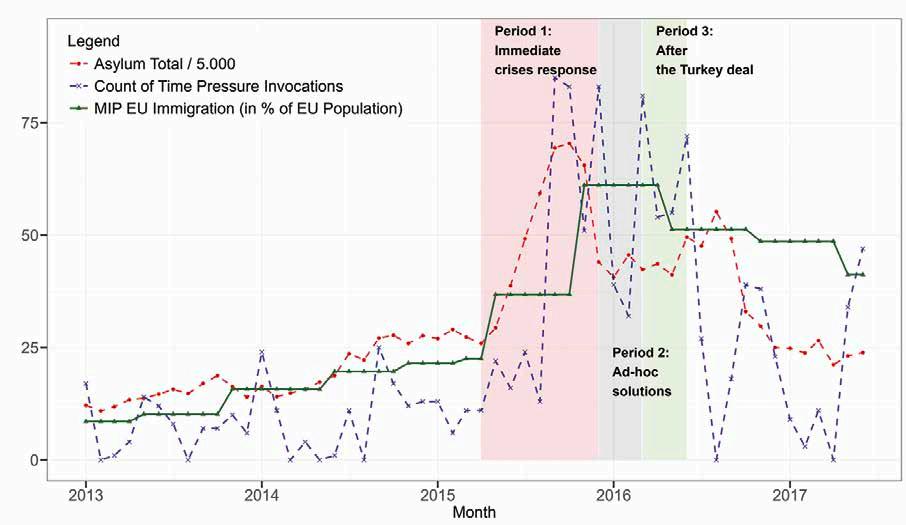
Time pressure invocations in EU Commission speeches track closely with asylum arrivals and public salience of immigration, illustrating how policymaker communication mirrors perceived urgency without necessarily driving effective action.
move forward collectively despite diverging interests and priorities. These include timing, speed, sequence, duration, and frequency of political processes, as well as more subtle dimensions such as windows of opportunity and perceived urgency.
In a system as complex as the EU, no single actor can fully control these elements. Instead, institutions and stakeholders must align their actions across multiple levels of governance, from EU institutions to national governments and administrative bodies. This alignment is not automatic; it requires continuous negotiation, adjustment, and mutual understanding of temporal expectations. Without it, policymaking risks delay, fragmentation, or even complete deadlock.
While policymakers intuitively understand the importance of timing in their daily work, the concept has been largely underexplored in academic research. Existing studies often refer to temporal aspects – such as deadlines, urgency, or sequencing – but tend to treat them as secondary factors, rather than as central components of political processes.
SYNCPOL addresses this gap by systematically unpacking these temporal
structures and examining how they interact. By doing so, the project sheds light on how time not only organises policymaking, but shapes negotiations, influences power dynamics, and ultimately affects political outcomes across different policy domains.
To move from theory to practice, the project examines real-world case studies, including migration policy and public health. The adoption of the EU Pact on Migration and Asylum offers a clear illustration of synchronisation at work. Negotiations involved multiple institutions – the European Commission, Parliament, and Council – each with their own priorities and timelines.
Timing proved critical. Agreements had to be reached before the 2024 European elections, while practical constraints such as translation requirements and meeting availability also shaped the process.
In this context, synchronisation helped facilitate compromise, even among actors who continued to disagree on substantive policy issues. After nearly a decade of political gridlock, alignment of timelines and pressures contributed to the eventual adoption of the pact in April 2024.
A further finding to emerge from interviews about the Pact negotiations concerns the role of meeting format in synchronisation. Contrary to what might be expected, digital meetings often proved less effective than in-person interactions for coordinating complex decisions. While online tools facilitated contact, interviewees consistently noted that they failed to generate the level of trust required for high-stakes negotiations, a problem that became particularly acute during the pandemic period when much of the legislative process had to continue remotely. Face-to-face meetings in Brussels remained crucial for aligning timelines and moving decisions forward. More broadly, the disruptions of that period also prompted new thinking within EU institutions about how to maintain synchronisation under crisis conditions, including through more flexible procedural arrangements designed to accommodate external shocks.
political resource.
The research highlights, for example, the influential role of rotating EU Council presidencies. Despite their limited sixmonth terms, presidencies can shape agendas by structuring timelines and pushing negotiations forward.
More broadly, the project shows that time pressure can reshape decisionmaking dynamics. Under tight deadlines, deliberation may be reduced, hierarchies may become more pronounced, and certain voices may be marginalised.
At the same time, synchronisation can enable progress. By aligning expectations and timelines, it can create the conditions necessary for agreement – even in politically contentious areas.
Importantly, the researchers emphasise that their goal is not to define “good” or “bad” synchronisation. Instead, they seek to understand how different temporal arrangements shape political processes and influence how decisions are reached,
“Synchronisation is about aligning timing , speed, and sequencing so that diverse actors can move forward collectively.”
In the field of health policy, synchronisation reveals that decision making under time pressure is not simply about accelerating decisions. Certain stages, such as clinical trials and safety evaluations, cannot be rushed without risking serious consequences. At the same time, policymakers may face strong public and political pressure to act quickly, creating tension between urgency and caution.
The researchers also observed that synchronisation often occurs implicitly, shaped by evolving circumstances rather than strict planning. Flexibility, rather than rigid timing, proved essential in navigating such a complex and uncertain environment. This highlights a key insight of the project: effective coordination is not about imposing a single timeline, but about managing interdependencies between actors, processes, and constraints.
One of the most significant contributions of the SYNCPOL project lies in its exploration of the relationship between time and power. Who sets deadlines? Who controls the pace of negotiations? Who determines when decisions must be made? These questions reveal that time is not neutral – it is a
often emerging implicitly from institutional constraints and pressures.
To capture this complexity, the team adopts a pluralistic methodological approach, combining qualitative interviews with policymakers, largescale collection of novel data, and stateof-the-art text analysis using AI-driven tools to map temporal signals in political discourse. These are complemented by process-tracing and survey-based methods, linking institutional practices with public perceptions.
One particularly notable finding is that EU policymakers appear highly responsive to public perceptions of urgency, aligning their communication with what citizens consider important. However, this does not always translate into immediate or effective policy action.
As the project progresses, the team will further explore how control over time relates to power in the EU and how institutions prepare for future crises. In an increasingly complex and fast-moving world, understanding how political systems manage time is becoming ever more important. The SYNCPOL project offers a new lens through which to view governance – one that reveals that in politics, deciding on time means deciding on power.
Synchronised Politics: Multiple Times and Political Power
Project Objectives
SYNCPOL examines how different temporalities across Europe’s multilevel system challenge synchronisation arrangements among EU institutions, national governments, parliaments, and administrative agencies. Using mixed methods, it analyses how time shapes democratic multi-level politics and policy.
Project Funding
The SYNCPOL project is funded under an ERC Advanced Grant (Number 101054122), funded by the European Union.
Contact Details
Klaus H. Goetz
Principal Investigator
Oettingenstr. 67
Department of Political Science
Chair of Political Systems and European Integration 80538 Munich
Germany T: +49 89 2180 9040
E: Klaus.Goetz@gsi.uni-muenchen.de W: https://www.politicalsystems.org
Klaus H. Goetz, Leonce Röth, Radu-Mihai Triculescu, Nermine
Klaus H. Goetz holds the Chair in Political Systems and European Integration at the Department of Political Science of the University of Munich.
Leonce Röth is a postdoctoral fellow at the Department of Political Science. His research focuses on time pressure, party politics and multilevel systems.
Radu-Mihai Triculescu is a postdoctoral fellow at the Department of Political Science. His research focuses on migration and asylum policy governance in the European Union.
Christoph Ivanusch is a postdoctoral fellow at the Department of Political Science. His research interests include political communication, party competition, political systems and computational social science.
Paula Dornbusch is a doctoral candidate at the Department of Political Science, where she is researching health policy within the European multi-level system as part of the ERC-project SYNCPOL.
Nermine Abbassi is a doctoral candidate, researching migration policy within the European multi-level system as part of the ERC-project SYNCPOL.

Multiple stellar systems host several stars, bound to each other by forces of gravity, and many exoplanets have been found in these systems. The Stellar-MADE project team is studying these multiple stellar systems, and exploring whether the exoplanets that form within them are different to those that emerge from single stellar systems, as Professor Nicolás Cuello explains.
A star is surrounded by a protoplanetary disc shortly after it is born, comprised of layers of gas and dust which act essentially as a planetary factory, where new planets form and evolve. As Principal Investigator of the ERCbacked Stellar-MADE project, based at the University Grenoble Alpes, Professor Nicolás Cuello is part of a team of researchers looking to build a fuller picture of this process. “We are interested in how discs form around young stars and how planets are then built within these discs,” he explains. This research is focused on multiple stellar systems, in which several stars are bound to each other by forces of gravity. “Most stars form in clusters or groups, where they strongly interact with each other. They are also often part of multiple stellar systems, which means that there are multiple stars orbiting around each other, with gaseous and solid material around them,” continues Professor Cuello. “There are a variety of different possible orbital arrangements. Most stars are part of these multiple stellar systems.”
The gravitational forces of young multiple stars strongly affect the material surrounding
them, modifying the very process of planet formation and stability. The project team is studying how planets in these multiple systems form and survive. “Are the exoplanets that form in these systems different to those that are formed in single stellar systems?” asks Nicolás Cuello. The first confirmed detection of an exoplanet – planetary objects which lie beyond our own solar system – was in 1992, followed
observational hints, and we know that the disk should have a certain morphology, a certain shape, and that it must contain a given amount of material.”
The project team is working with multiwavelength observations from a variety of facilities, including data from the ALMA telescope and the Very Large Telescope, both located in Chile. This involves looking at different frequencies and essentially
“Gas and solids gather in a disc of material surrounding newborn stars. We are studying the evolution of these discs to understand how they lead to the formation of planets.”
by more, the most famous and unexpected of which was the discovery of 51 Peg b in 1994, a hot Jupiter around a main sequence star. Now Professor Cuello is looking to gain fresh insights into those exoplanets that have formed within multiple stellar systems. “We mainly run hydrodynamical simulations, to understand the evolution of these systems. Our goal is to reproduce what we observe with telescopes in the hydrodynamical models,” he outlines. “We have some

reconstructing the tomography of the disc.
“Gas and solids gather in a disc of material surrounding newborn stars. We are studying the evolution of these discs to understand how they lead to the formation of planets, looking at the evolution of these gaseous disks around young stars,” explains Nicolás Cuello. The project team are largely focusing on stars between 100,000 years and a few million years old, which corresponds to the time period over which stars retain their
discs. “After a few million years the discs dissipate. The remaining gas and dust floating around then becomes what we call a debris disc, and we believe that the stars are then left with their exoplanets. We subsequently follow the evolution of these multiple stellar systems and any exoplanets,” outlines Professor Cuello. “Together with postdocs Antoine Alaguero and Pedro Poblete we recently published a review article, in which we combined hydrodynamical models and recent observations to discuss planet formation in multiple stellar systems.”
A key aim here is to characterise exoplanets more precisely in terms of their orbital parameters, one of which is the semimajor axis, essentially the distance from their central star. Researchers also measure the orbital eccentricity of exoplanets, the degree to which their orbit deviates from a perfect circle, and the tilt between the exoplanets’ and the stars’ orbits. Multiple

stellar systems are highly complex, with mutual gravitational perturbations between all the bodies within it, which can affect the behaviour of the system as a whole.
“The orbits of the star and the discs’ may be misaligned with respect to each other, and misalignment is much more likely to be observed in multiple stellar systems. This is a fascinating area of study, which opens up a whole new world of possibilities,” outlines Nicolás Cuello. Single stellar systems are to some extent easier targets in the search for exoplanets, as they offer a clearer, more stable signal, but now more groups are specifically targeting multiple stellar systems. “We are contributing to this work in the project, primarily from the theoretical point of view,” continues Professor Cuello.
The closest stellar system to our own planet in fact contains three stars, namely
Alpha Centauri A and B, as well as Proxima Centauri. In collaboration with post-doc Mario Sucerquia, Nicolás Cuello is looking to build a fuller picture of the kinds of planets that this system could host. “There were two circumstellar disks, around Alpha Centauri A and B. We are studying what could have happened in the past, in this binary system,” he says. The motion of the stars in this system is fairly well-known, now researchers are looking to quantify the amount of material around each of the stars to better constrain planet formation theories. “It remains unclear how planets could have formed in there. Thanks to our simulations, we have been able to establish the amount of material available to form planets, and the distance from the star at which we should find those planets,” he explains. “We have found that there is room to form rocky planets, like in our own solar system, around each of those stars.”
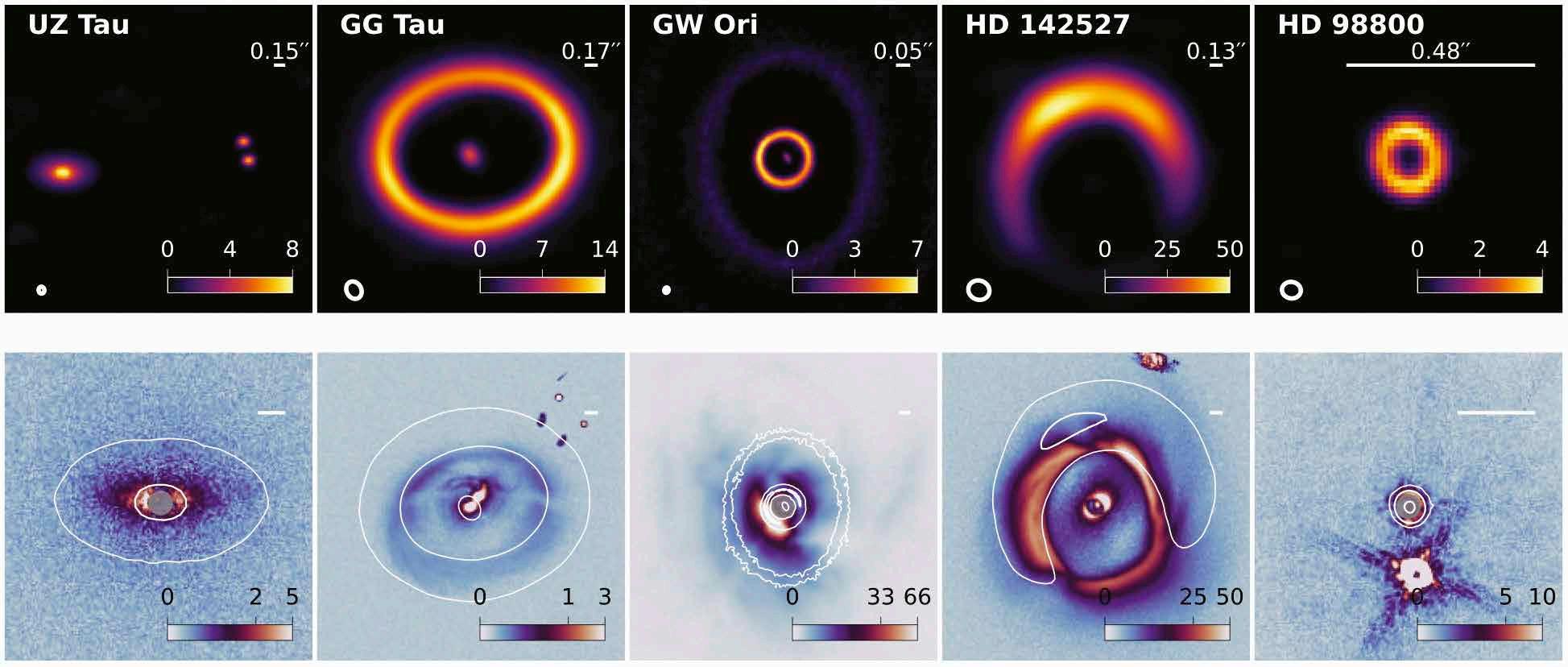
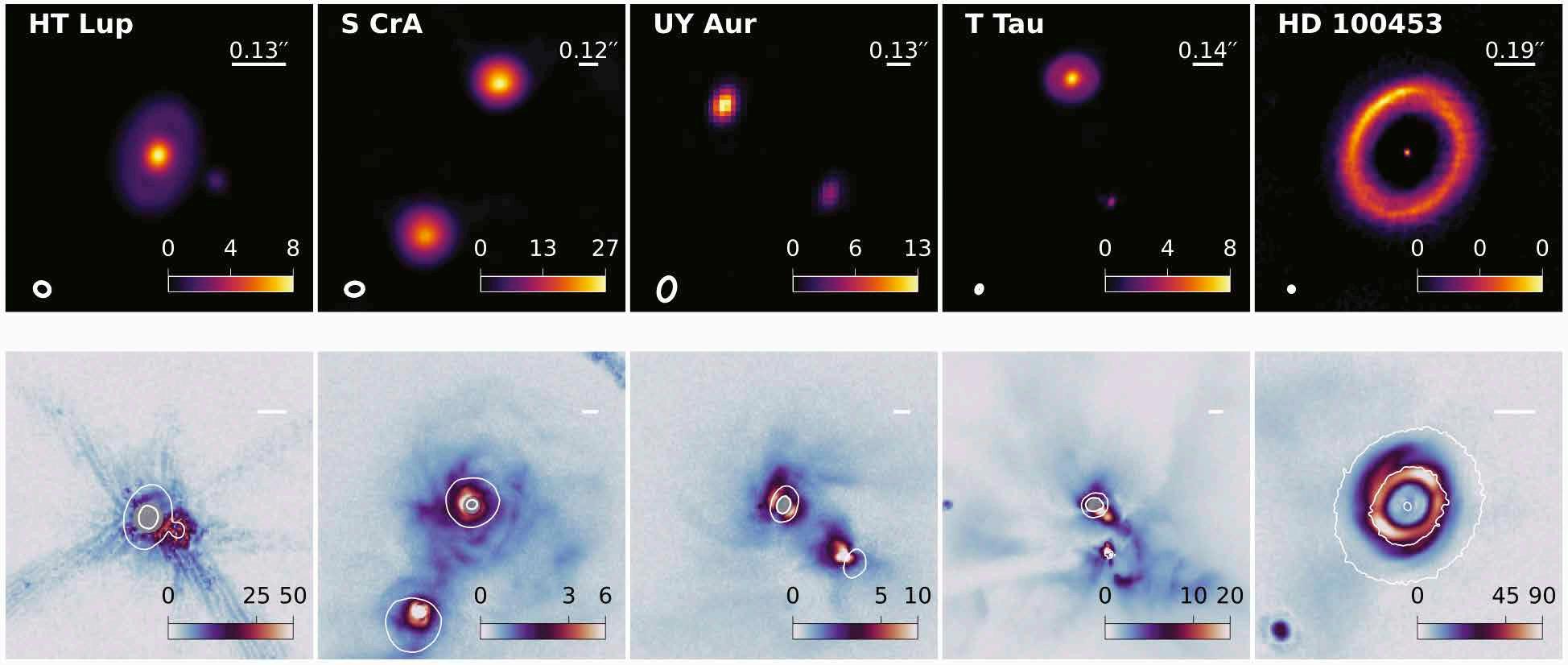
This runs counter to the commonly held view in the astrophysics community that the environment in multiple stellar systems inhibits planet formation. The balance is now shifting with researchers paying more attention to multiple stellar systems; Nicolás Cuello and his colleagues recently participated in a campaign which led to some exciting results. “For the first time we detected transiting planets around both the stars of a binary system. There are two stars, orbiting around each other, and we know that there are exoplanets around each of the stars,” he explains. Researchers have been able to detect circumstellar exoplanets orbiting these components, using a variety of techniques. “For this quest, we combine several methods, such as transits (starlight dimming events), radial velocity (stars wobbling in the sky) and direct imaging (catching bright dots around stars),” continues Professor Cuello.
The ongoing development of new techniques and instruments will allow researchers to extend the search for exoplanets in more corners of the universe. This is an active area of research in the Stellar-MADE team, with PhD student Elisa Castro set to participate in an upcoming campaign aimed at catching exoplanets in binaries using direct imaging, while Mario Sucerquia and PhD student Romain Grane are working on the dynamics and detection of circumbinary planets. As part of their work in the project, Nicolás Cuello and his team have also contributed to the development of a new telescope in Turkey

called PLACID, which will open up further possibilities. “We will be able to basically mask two stars at the same time. By doing so we will perform the first complete survey of binary systems in the northern sky, and we are looking for exoplanets in those,” he says. The exoplanets that have been discovered so far represent only the tip of the iceberg, believes Professor Cuello, and he expects more to be detected in multiple stellar
and if they are misaligned with each other,” says Nicolás Cuello. Huge volumes of data are being generated in astronomy research, and alongside analysing new information, Professor Cuello says it’s also important to revisit older data in the light of more recent research. “We may not always know how to look for signals in existing data that would validate our theoretical findings,” he acknowledges.
“Exoplanets are resilient. Even in the chaotic dance of multiple stars, nature finds a way to build worlds. But, we still need to understand how this happens.”
systems over the coming years. “A lot of energy in the wider research community is currently focused on using as much data and as many telescopes as we can, for instance Gaia, Kepler, JWST and other missions, to better characterise exoplanets,” he says.
Gaia data release 4
A large volume of data is already available from different missions, such as the Gaia satellite for example, which has made observations on over two billion stars and other objects throughout our galaxy since it was launched in 2013. A fourth set of data from the satellite will be released later this year, which will provide a rich source of information for researchers. “We will have information from different epochs to reconstruct orbits. We will be able to better constrain the orbits of bodies in multiple stellar systems, understand how big the orbits are, how elliptical they are,

The challenge is to use the data available effectively, to essentially know what to look for in these huge datasets. By building and developing rigorous theoretical frameworks, Nicolás Cuello and his team can help researchers glean fresh insights from the available data, and build a deeper picture of protoplanetary discs. “If we’re able to anticipate the kinds of signals that can be expected, or to predict the frequency at which observations should be made, then that will be beneficial for researchers,” he explains. The aim at this stage is to create a precise catalogue of possible orbital arrangements of exoplanets in multiple stellar systems. “The following game is to identify exoplanetary fingerprints in telescope observations and then infer their orbits. This will allow us to better understand how these exoplanets could have formed,” continues Professor Cuello.


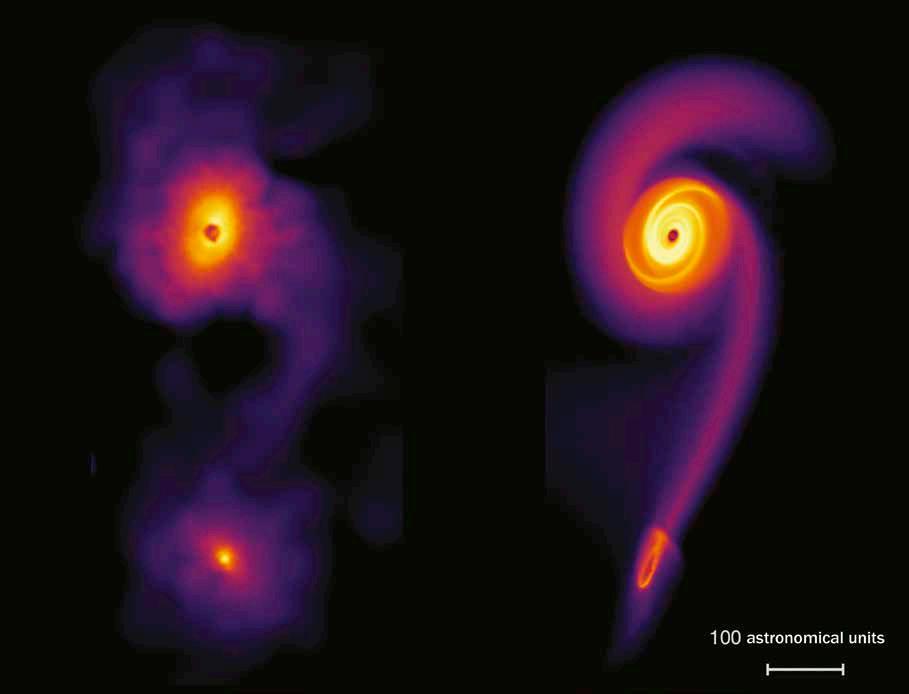
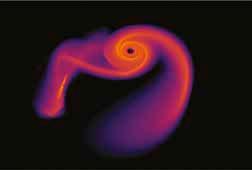
A significant degree of progress has been made over the course of the project, and it is now possible to describe a broad variety of planets in multiple stellar system, such as rocky planets, mini-Neptunes or super Earths. The team is also on track in terms of reconstructing the evolutionary pathways of multiple stellar systems, yet Nicolás Cuello says there is still more work to do. “The celestial mechanics involved in these systems are particularly complex,” he stresses. At the same time new data is being generated from different sources, which may run contrary to established thinking and open up new avenues of investigation. “For example, if data from Gaia and other instruments indicate that there is an overwhelming quantity of circumbinary planets – which orbit two stars – in the galaxy then we will want to understand why,” continues Professor Cuello. “We have predictions,
but it is observations which will tell us what’s actually happening.”
The project team benefits here from being part of a very lively lab, home to a broad range of scientific expertise, which provides a lot of opportunities to share ideas between theoretical and observational astronomers. This is essential to scientific progress, believes Nicolás Cuello. “We need to be part of a group, to work together. Discussing research with colleagues and going over recent articles can lead to new ideas,” he says. This can then spark further investigation and new projects; Professor Cuello plans to continue investigating exoplanets in future, and to explore the many unanswered questions in the field.
“We would like to keep chasing exoplanets in multiple stellar systems in future. Thus starts the quest for habitable worlds outside of our solar system. A bright future that may be illuminated by many stars!”
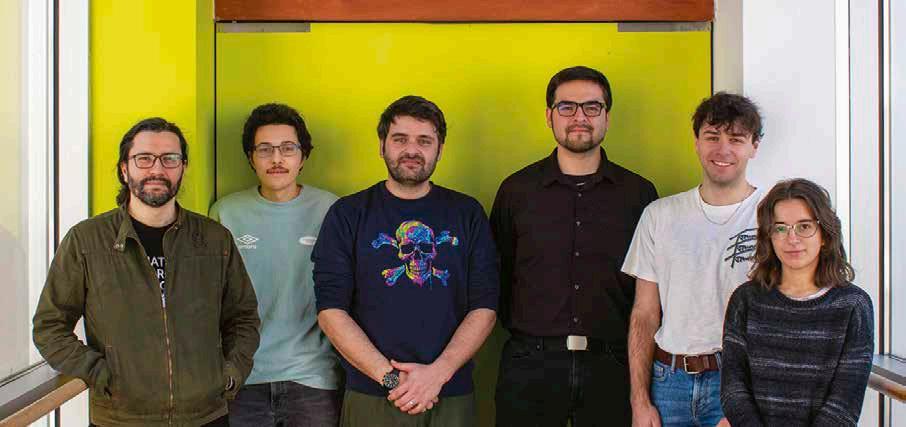
Exploring the effects of Stellar Multiplicity on planet formation Across Disc Evolution
Project Objectives
The Stellar-MADE ERC project explores the impact of stellar multiplicity on disc dynamics and planetary architectures. Running from 2022 to 2027 at the Université Grenoble Alpes, this project combines numerical models and a broad variety of telescope observations. The ultimate goal is to understand how exoplanets form and evolve within multiple stellar systems.
Project Funding
Project hosted at at IPAG & UGA (Grenoble, France), with the participation of CNRS. Funded by the European Union (ERC, StellarMADE, No. 101042275).Views and opinions expressed are however those of the author(s) only and do not necessarily reflect those of the European Union or the European Research Council Executive Agency. Neither the European Union nor the granting authority can be held responsible for them. Grant agreement No. 101042275, project Stellar-MADE.
Project Team
• Nicolás Cuello (Principal Investigator, IPAG/UGA/ERC)
• Antoine Alaguero (Postdoc, IPAG/UGA/ERC)
• Pedro Poblete (Postdoc, IPAG/CNRS/ERC)
• Mario Sucerquia (Postdoc, IPAG/UGA/ERC)
• Romain Grane (PhD Student, IPAG/UGA/ERC)
• Elisa Castro (PhD Student, IPAG/UGA/ANR)
• Daniel Price (Visiting professor, Monash/UGA)
Contact Details
Project Coordinator
Nicolás Cuello
Université Grenoble Alpes
IPAG, 414 rue de la piscine, 38400 Saint Martin d’Hères, France E: nicolas.cuello@univ-grenoble-alpes.fr W: https://nicolascuello.github.io/Stellar-MADE/
Nicolás Cuello
Nicolás Cuello is an Italo-Argentinian astrophysicist working as a professor at the Université Grenoble Alpes. He is the Principal Investigator of the StellarMADE project, funded by an ERC Starting Grant and hosted at IPAG. His research explores how stellar multiplicity and flybys influence protoplanetary disc dynamics and planet formation.
Many gravitational waves have been observed since they were first detected in 2015, and the next generation of telescopes promises to bring improved sensitivity, opening up further possibilities. Dr Jessica Steinlechner and her team are developing mirror coatings for the proposed Einstein Telescope (ET), which will help astronomers peer even deeper into the origins of the universe.
The collision of black holes far out in the universe causes ripples in spacetime known as gravitational waves, which can now be detected using highly sophisticated interferometers. In these interferometers laser light is bounced off mirrors at the end of perpendicular arms, which change very slightly in length when a gravitational wave is detected. “The change is very tiny, and a lot of advanced techniques are used to enhance the sensitivity of these instruments,” says Dr Jessica Steinlechner, Associate Professor in the Department of Gravitational Waves and Fundamental Physics at Maastricht University. One major priority is reducing thermal noise of the mirrors; while cooling the mirror down to cryogenic temperatures achieves this to a degree, it doesn’t remove thermal vibrations entirely. “As long as the mirrors are not at absolute zero, there are always thermal vibrations,” explains Dr Steinlechner.
This is an issue Dr Steinlechner is addressing in the EU-backed MIRRORS project, in which she and a team of researchers are developing a new technique to create reflective mirrors, looking to improve sensitivity for the next generation of gravitational wave detectors, in particular the proposed ET. Usually coatings are externally deposited layer by layer, on top of the mirror surface, but now Dr Steinlechner and her colleagues are exploring a different approach. “We are looking at shooting atoms and molecules directly into the mirror surface with high energy, to create a new type of highly reflective structure, similar to a coating, but with the aim of achieving better properties,” outlines Luca Massaro, a PhD student working on the project. “The mirror substrates are made of crystalline silicon, and by implanting oxygen ions we can create SiO 2 , fused silica.”
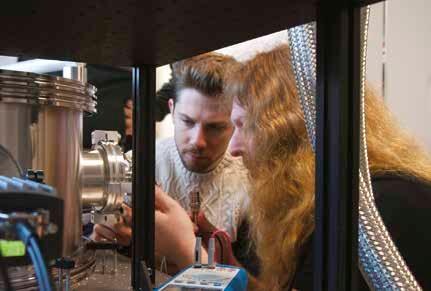
The ions are implanted in the same way across the whole mirror surface, at a certain depth within the substrate, using a specific energy which is simulated beforehand. While researchers are working with small test samples around 2 inches in diameter, at the same time Dr Steinlechner is mindful of the size of the telescopes. “The mirrors of the ET will have a diameter of around 50 centimetres, so the technology has to be developed in such a way that it can be scaled up,” she stresses. The implantation process itself causes some damage to the surrounding material, but the effects can be mitigated by heating the sample up to a high temperature to restore the crystalline structure, an issue the project team is tackling. “We are looking at how we can get the properties of the mirror back to where they were prior to the implantation,” says Dr Steinlechner.

The main idea of this project is that parts of the crystalline silicon mirror, remaining between the implanted layers, will serve as ‘coating’ layers, which will help minimise light absorption. This is an important consideration in terms of improving the sensitivity of a detector overall. “In the detector there will be two mirrors in each arm which form cavities, and laser light may circle these cavities up to thousands of times. We want to make sure the circulating laser power is not absorbed by the mirrors, as that would make it more difficult to pick up signals of gravitational waves,” outlines Dr Steinlechner. “Optical absorption would heat the mirror and prevent us from keeping it at a low temperature. This is essential for keeping the mirror surfaces very ‘quiet’ and avoiding any changes which might distort or hide the signal from a gravitational wave.”
The project team is one of many groups around the world working on the development of improved coatings for gravitational-wave detectors. While Dr Steinlechner and her colleagues are involved in several different projects, she stresses that “The MIRRORS project is really targeted at developing coatings for ET.” With this proposed detector still in the planning phase, a lot of effort is being devoted to testing the coatings, so they are ready when it does enter operation. “We are conducting tabletop experiments to measure properties such as the optical absorption of our samples. This is done by creating a thermal lens with a strong laser beam, which we can use to assess the optical performance of a coating,” says Dr Alex Amato, an
Assistant Professor in the team who works closely with Dr Steinlechner. “For the thermal noise, we use a nodal suspension setup to measure mechanical loss.”
This is technically demanding work, and if the project team is successful the hope is to test their mirrors in ETpathfinder, an infrastructure established to evaluate technologies ready for their future application in ET. With ET, researchers are aiming to achieve a 25-fold reduction in coating thermal noise compared to current detectors such as LIGO and Virgo, although Dr Steinlechner says any degree of progress would help. “Any improvement would mean that we could detect more gravitational waves,” she says. Previous detectors upgrades have enabled researchers to observe more gravitational waves, and ET will extend capabilities even further when it enters operation. “The detector is planned to be more sensitive than current detectors by a factor of 10. That means that we will be able to see far more of the universe, and pick up signals from further away,” outlines Dr Steinlechner.
Oven for heat treating samples under vacuum.

Revolutionizing Mirror Technology to Discover the Dark Universe
Project Objectives
The MIRROR project is involved in the development of improved detectors for measurements of gravitational waves, such as the future Einstein Telescope..
Project Funding
This work is supported by ERC grant MIRRORS Project No. 101040572, funded by the European Union.Views and opinions expressed are however those of the authors only and do not necessarily reflect those of the European Union or the European Research Council Executive Agency. Neither the European Union nor the granting authority can be held responsible for them.
Project Collaboration
The development of mirrors for future gravitational-wave detectors is a worldwide effort, including many research groups from all over the world which are closely collaborating. The MIRRORS team is in regular contact with many colleagues and groups within the LIGO, Virgo and Einstein Telescope collaborations without whom such projects would not be possible. They are particularly grateful to groups from from Montréal, Glasgow and Lyon, who are supporting our research for this project, and to CuttingEdge Ions, in California, who are hosting the Ion Implanter, which is the key facility of this project, and provide incredibly helpful support.
Contact Details
Project Coordinator, Dr Jessica Steinlechner
Associate Professor (UHD) in the Department of Gravitational Waves and Fundamental Physics (GWFP) Maastricht University Duboisdomein 30, 6229 GT Maastricht, Nederland E: jessica.steinlechner@maastrichtuniversity.nl
Jessica Steinlechner is Associate Professor in the Department of Gravitational Waves and Fundamental Physics at Maastricht University in the Netherlands. Prior to taking up her current role she held research positions at universities in Germany and the UK.



The group’s work on the MIRRORS project is just one part of their overall agenda, with Dr Steinlechner and her colleagues pursuing several strands of research into coatings and mirrors for gravitational wave detectors more generally. While ET will have a cryogenic part, another part will operate at room temperature, which will have a lot of similarities with current detectors like LIGO and Virgo, and improvements in one can be translated into enhanced performance in another. “The general scope of my group’s research is on coatings and mirrors for gravitational wave detectors,” continues Dr Steinlechner. “Our work on mirrors for LIGO and Virgo is a step towards reaching ET’s performance requirements.”
An effective method of coating the surface of the mirrors within the detector is central to this wider goal, and the project team is
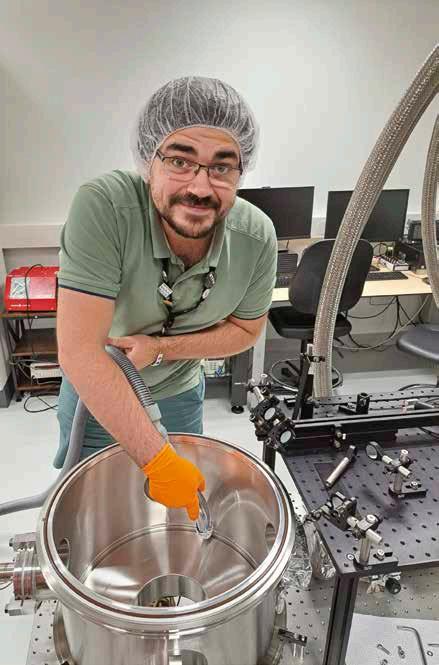
“We are looking at shooting atoms and molecules directly into the mirror surface with high energy to create a new type of highly reflective structure, similar to a coating, but with the aim of achieving better properties.”
making an important contribution in this respect. Alongside their work in MIRRORS, Dr Steinlechner is also looking into other issues around coatings and the operation of mirrors at cryogenic temperatures. “In our detector, we will never have a perfect vacuum, but there will always be some background gas. At cryogenic temperatures this will of course freeze,” she explains. This means that ice layers will grow on the mirror, which will add to thermal noise and lead to the absorption of laser light. “These ice layers grow at very low rates of just a few nanometres a day. We have been looking to characterise how problematic this is for the noise in the detector, to assess how much effort has to be put into mitigating this

growth,” Guido Alex Iandolo, who recently finished his PhD project in the group, explains.
This work is very much in progress, with researchers striving to develop improved coatings, ready for the gravitational wave detectors of tomorrow. A decision on where ET will be located is expected soon, with the detector itself expected to begin operating around the latter part of the next decade, and Dr Steinlechner hopes to provide coatings that will help open up even deeper insights into the origins of the universe. “We aim to find a way to produce mirrors which result in more sensitive gravitational wave detectors than those currently available,” she says.