






















First published in 2020 by Murray Books (Australia) www.murraybooks.com
Copyright © 2019 Murray Books (Australia) Copyright © 2019 Peter Murray
Published under exclusive EU Licence for: Eureka bvba Maanstraat 7B 2800 Mechelen Belgium www.eureka-puzzle.eu
ISBN: 978‐0‐9943731‐1‐3
All rights reserved. This publication or any part thereof may not be reproduced, stored in a retrieval system or transmitted, in any form or by any means, electronic, mechanical, photocopying, recording or otherwise, without the prior written permission of the copyright holder.
Author : Peter Murray : Images: Shutterstock
The author and publisher have made every effort to ensure the information contained in this book was correct at the time of going to press and accept no responsibility for any loss, injury or inconvenience sustained by any person or organisation using this book.
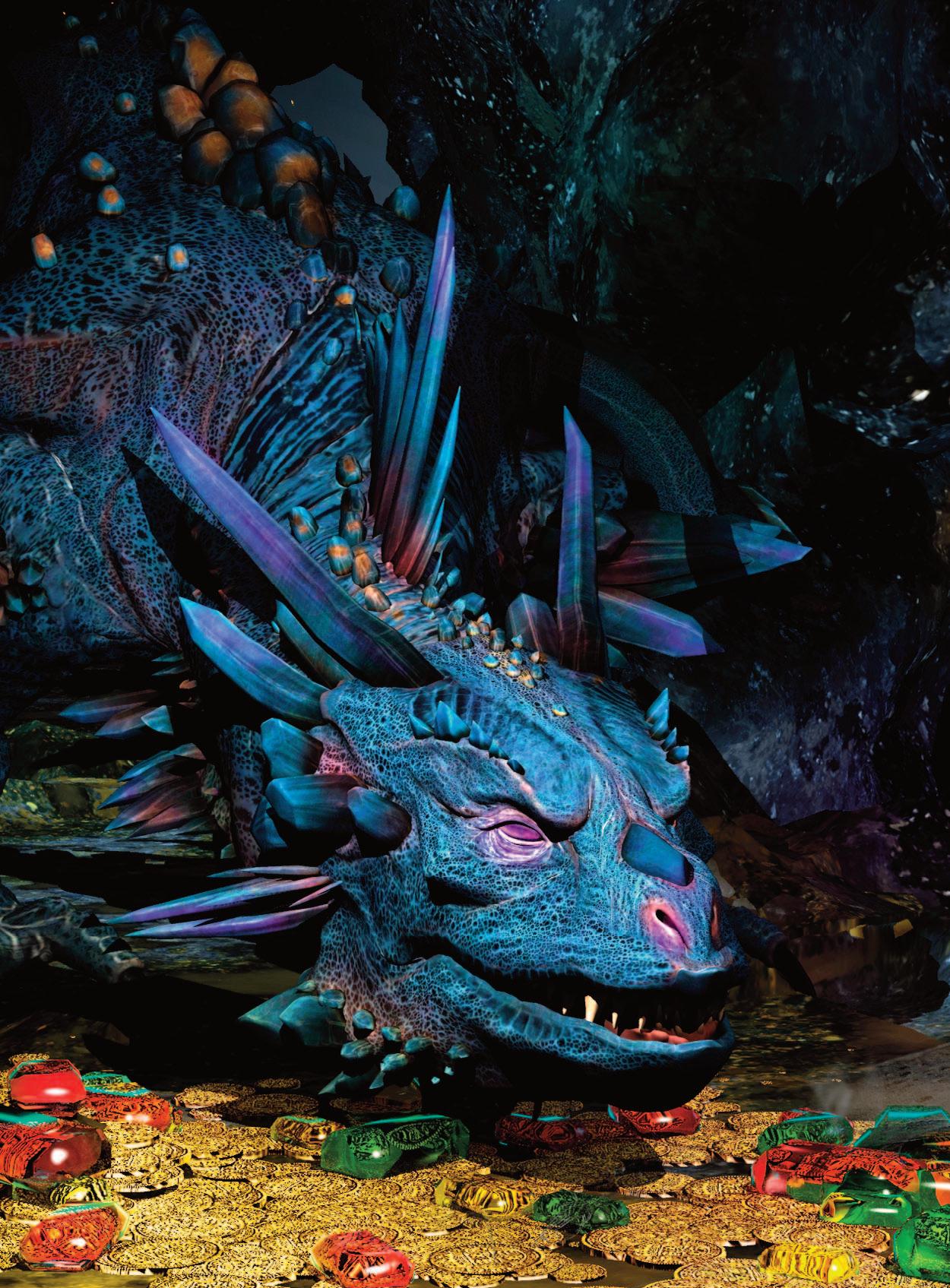

A dragon is a large, serpentine legendary creature that appears in the folklore of many cultures around the world. Beliefs about dragons vary considerably through regions, but dragons in western cultures since the Middle Ages have been depicted as winged, horned, four-legged, and capable of breathing fire. Dragons are often said to have ravenous appetites and to live in caves, where they hoard treasure.
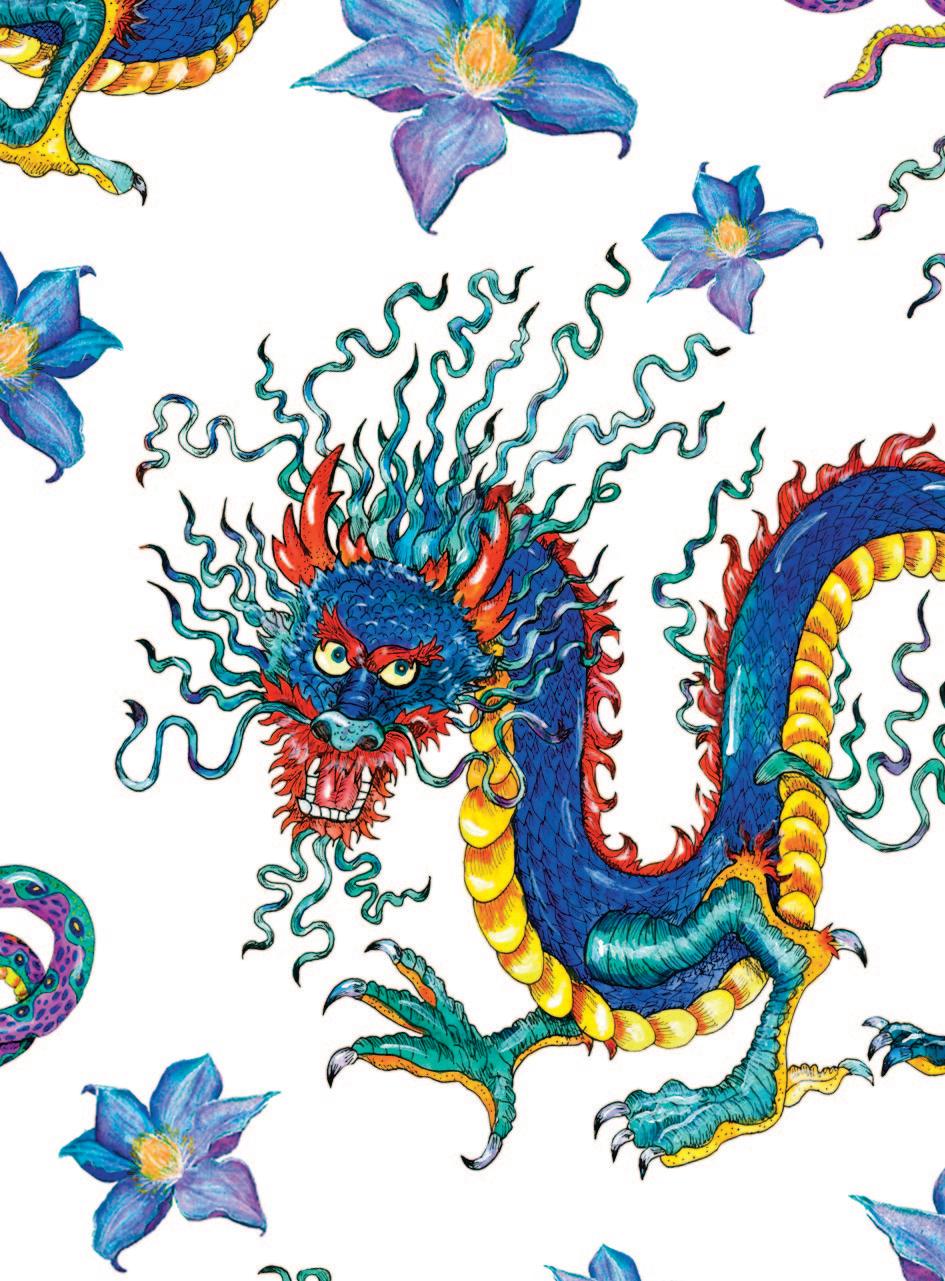
Similar to Chinese dragons, with three claws instead of four. They are usually associated with water, and may grant wishes. Ryūjin is the dragon god of the sea in Japanese mythology.
A sky dragon is associated with water and weather. In pure Korean, it is also known as 'mireu'.
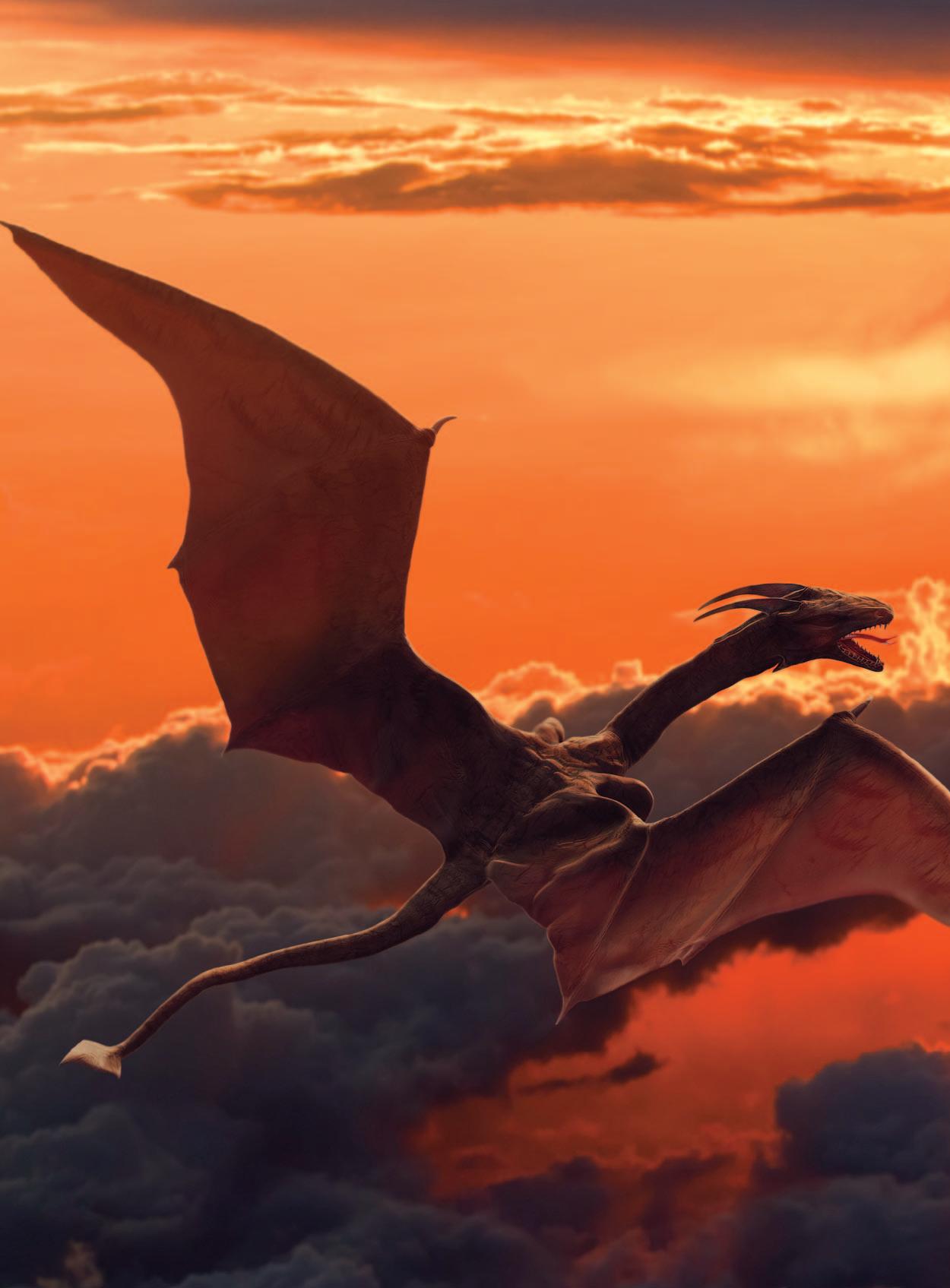

Kur, the first ever dragon from ancient Sumeria, now present-day Southern Iraq.
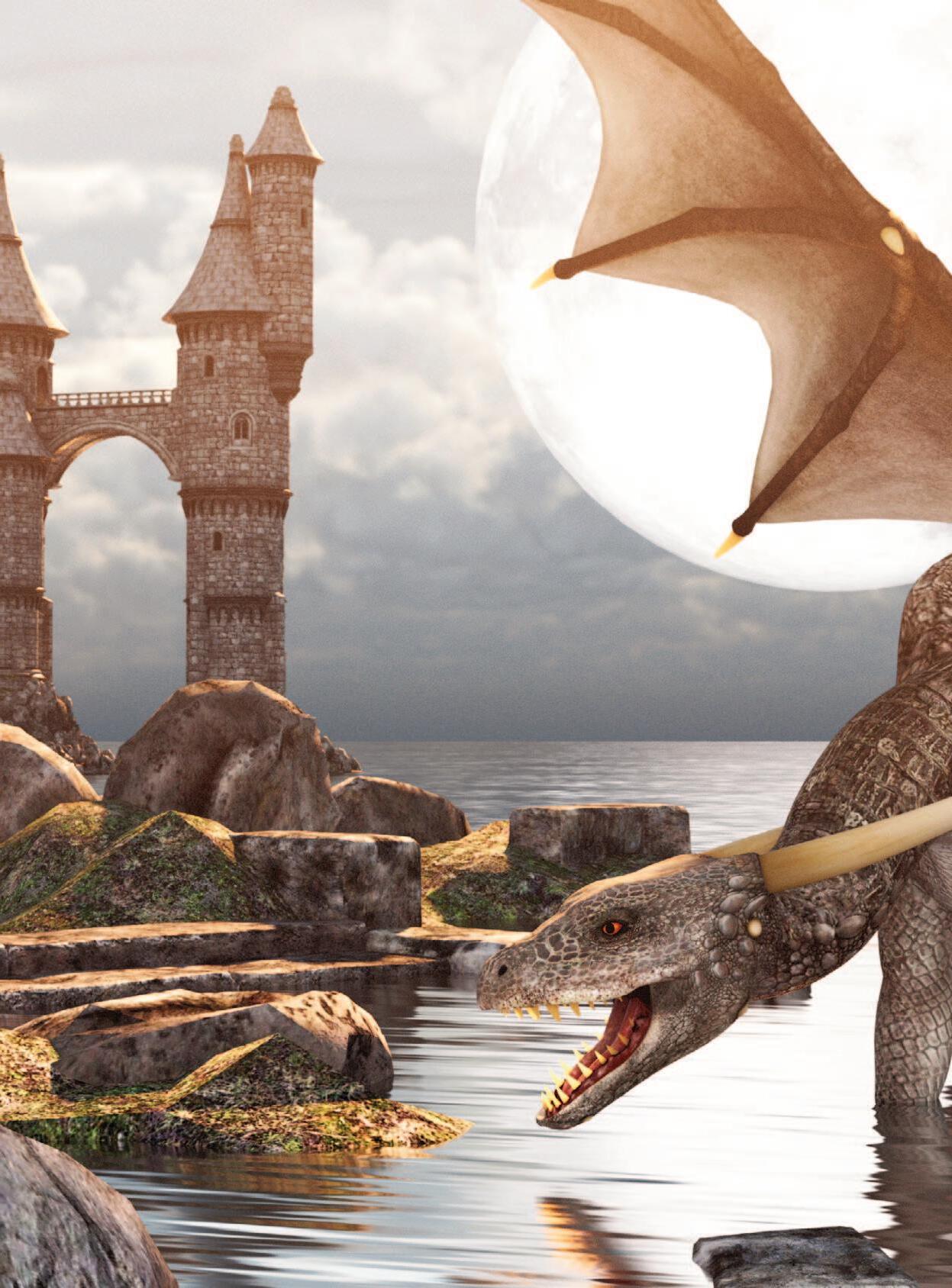
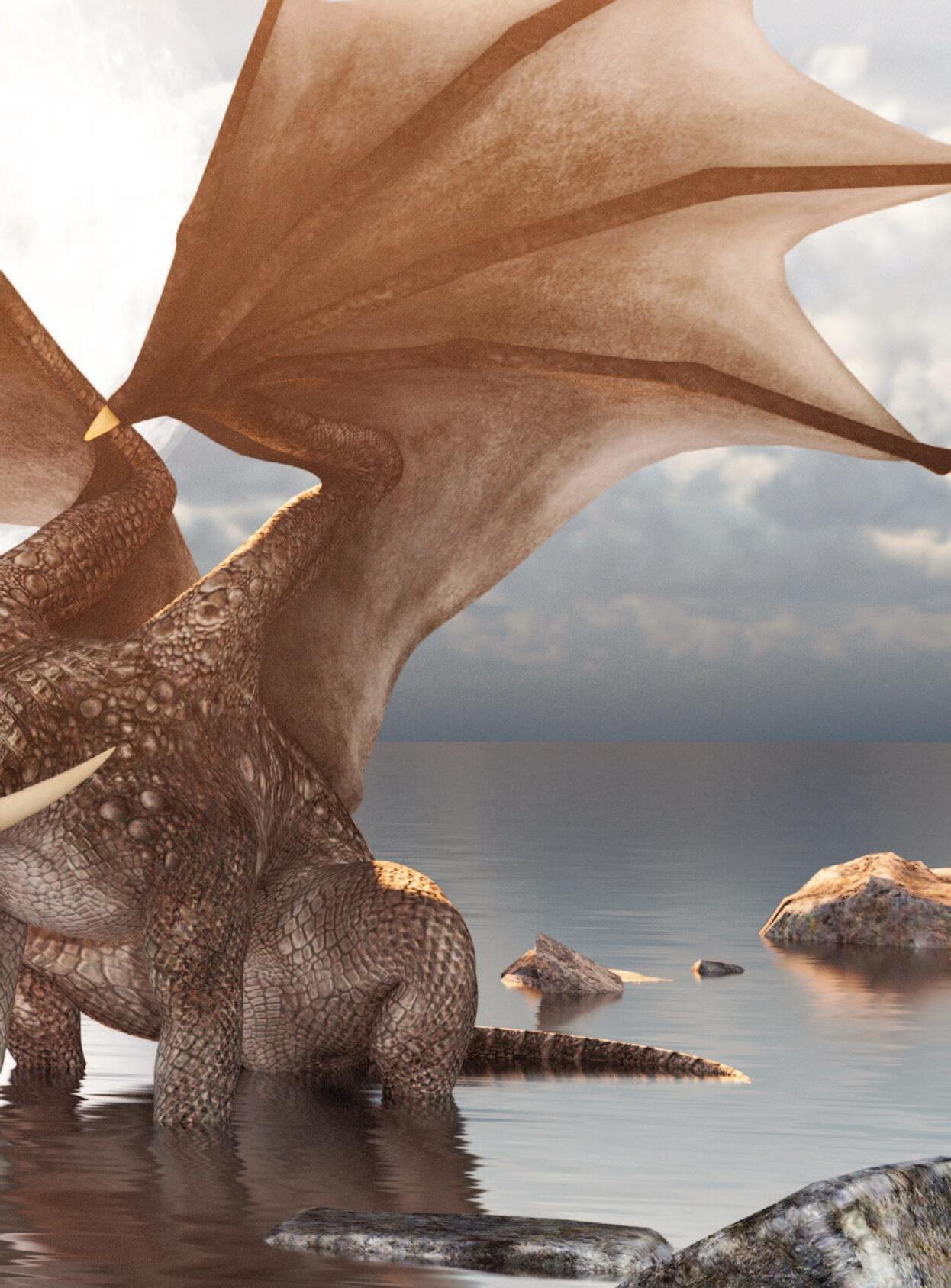
Hydra, also called the Lernaean Hydra, from Greek Mythology is said to be the creator of Ancient Greece.
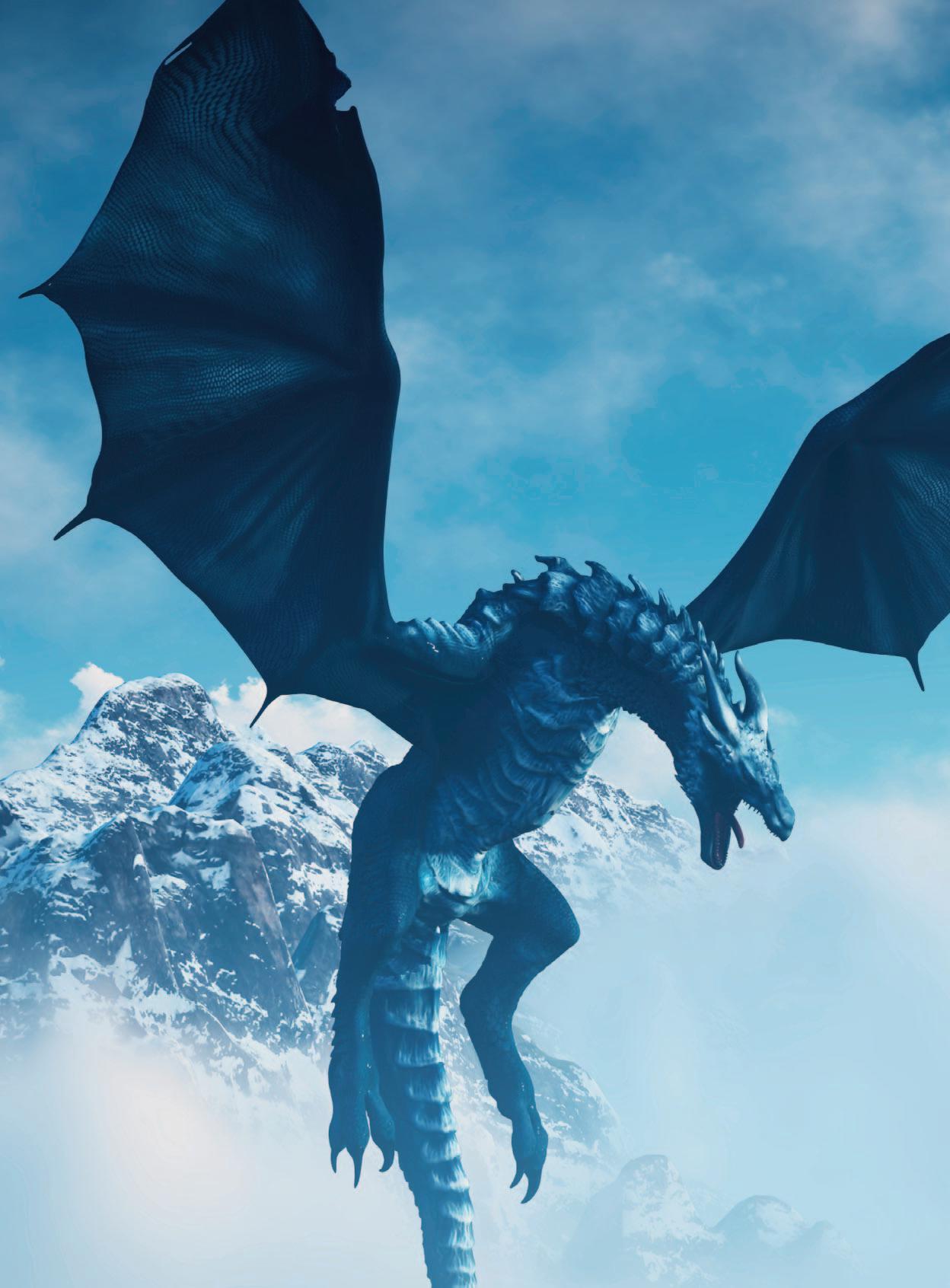
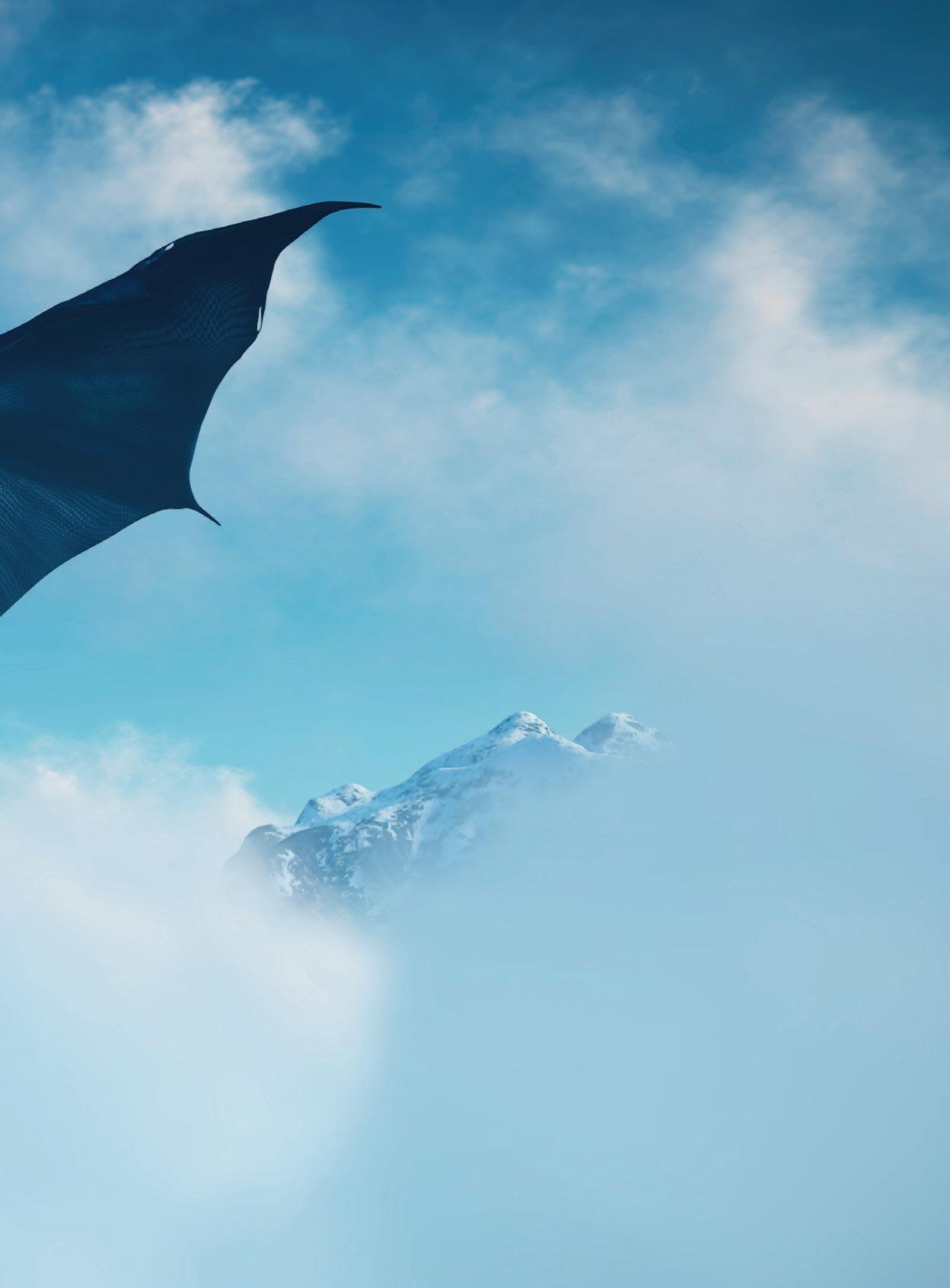
Similar to a wyvern or cockatrice, the Zilant is the symbol of the city of Kazan.
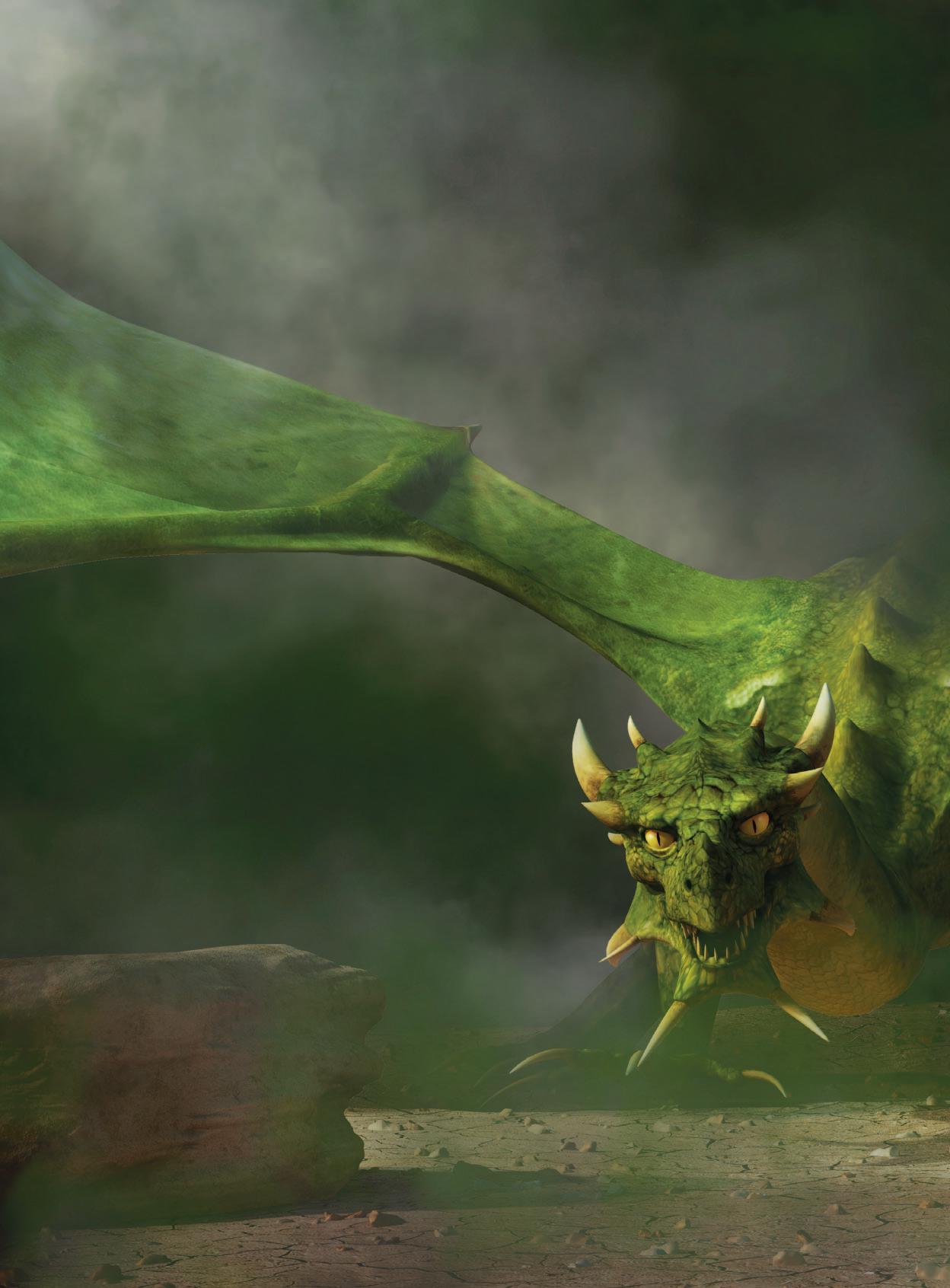
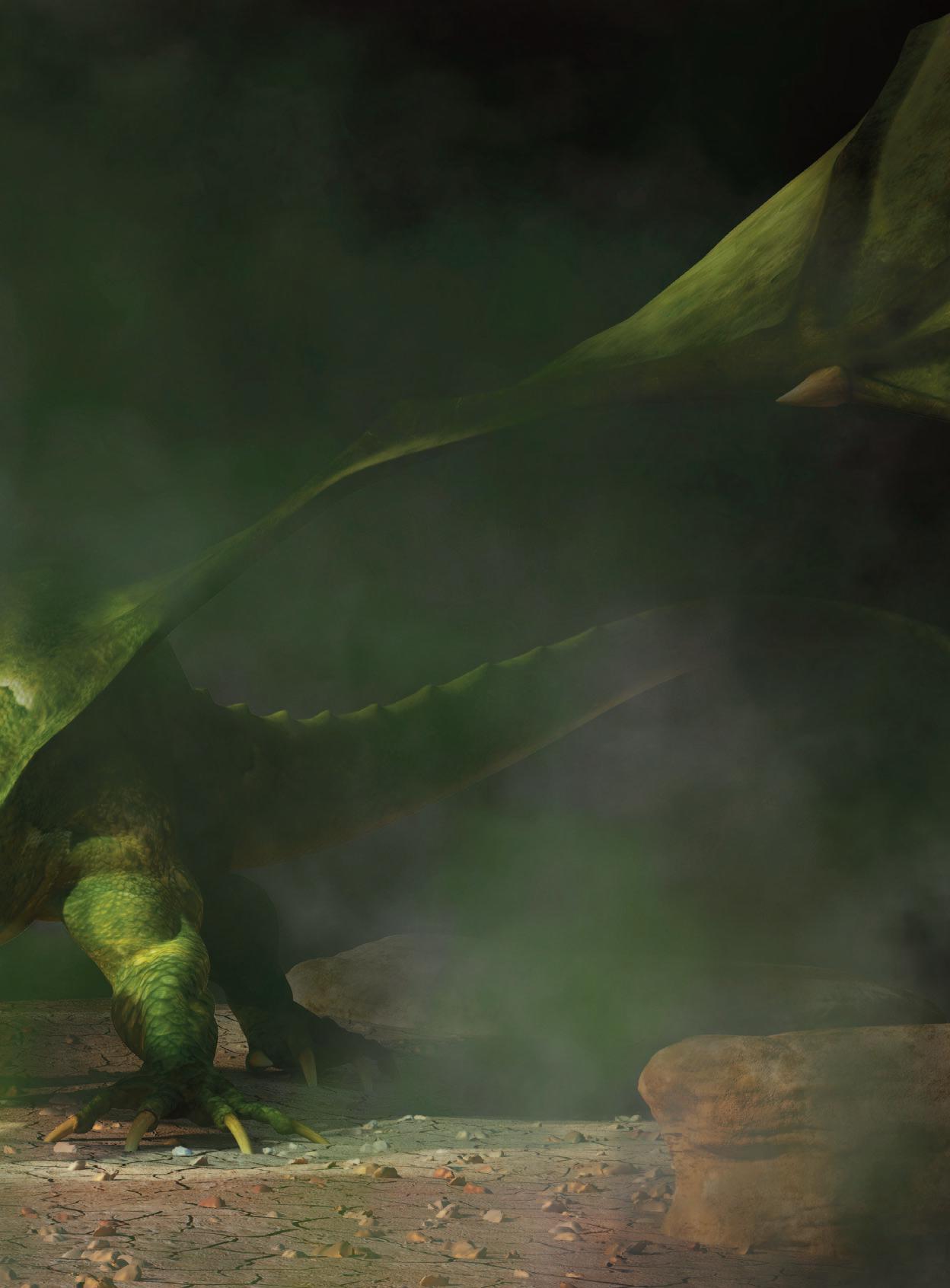
In its twelfth year, the Kulshedra evolves by growing nine tongues, horns, spines and larger wings. At this time it will learn how to use its formerly hidden fire-breathing abilities, and is now called a kulshedra or kuçedra (hydra).
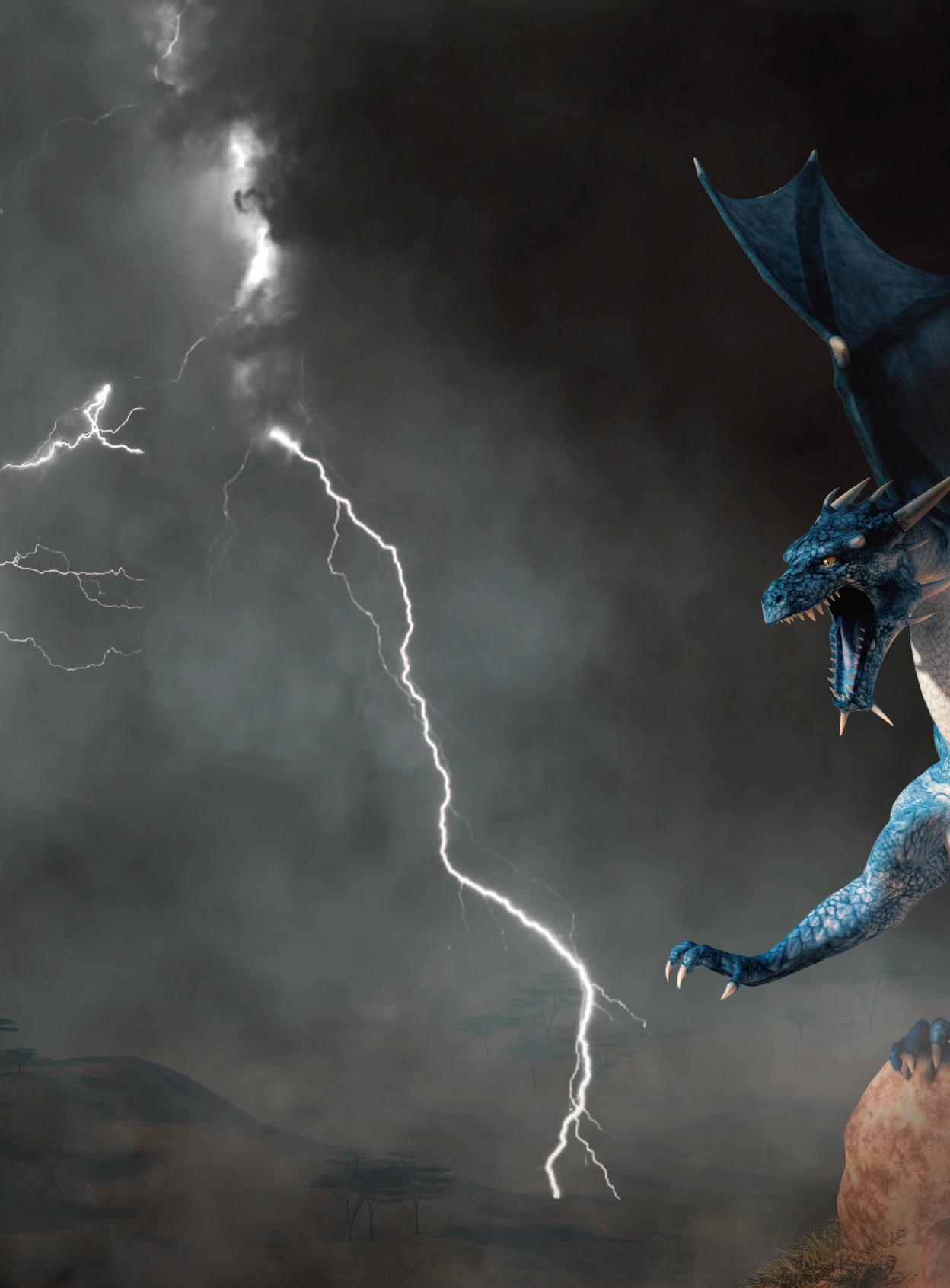
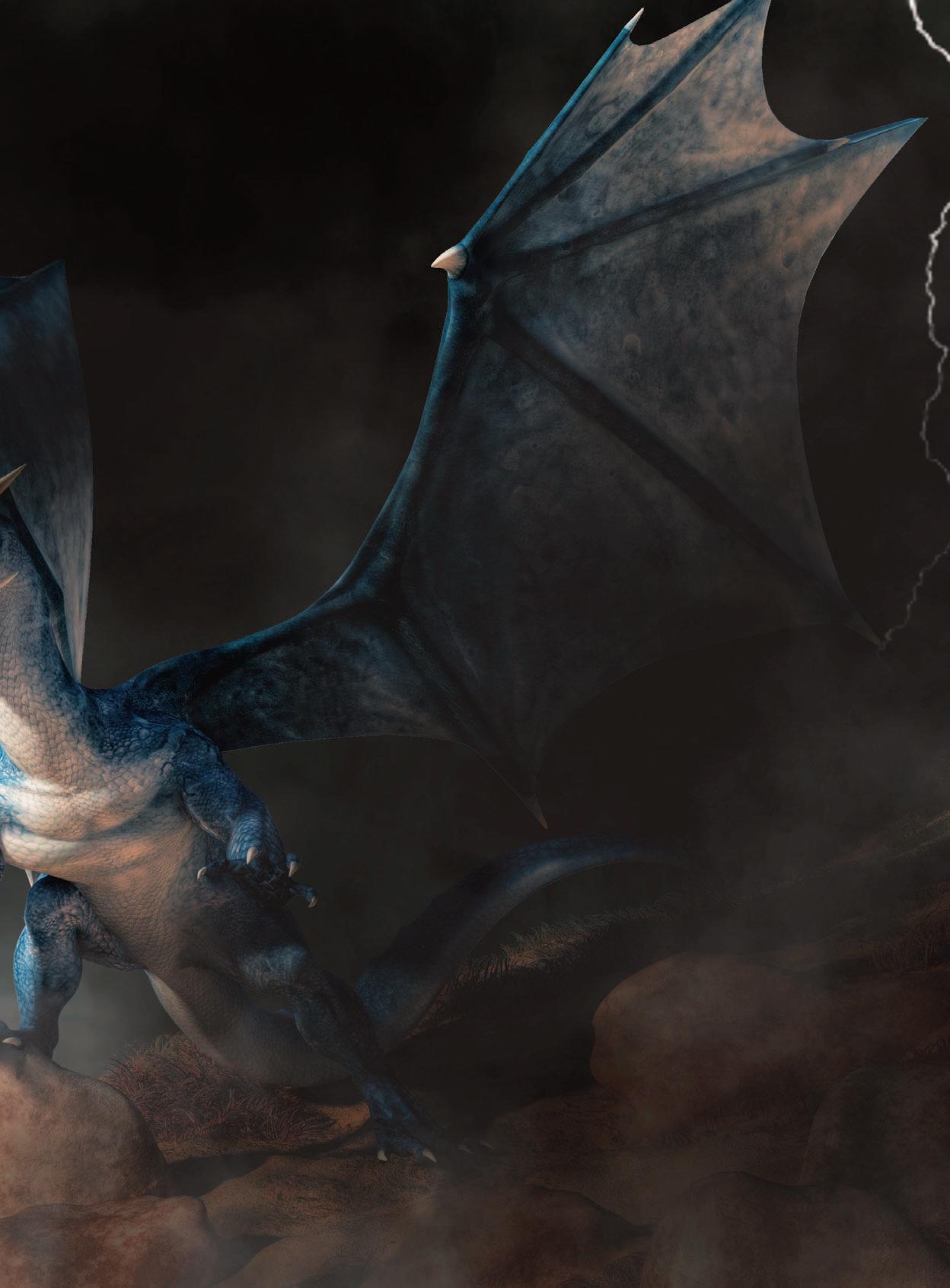
A huge serpent from Tagalog and Ati mythologies. It attempts to swallow the moon and sun. It is blocked by the god of the sun, Apolaki, and goddess of the moon, Mayari.
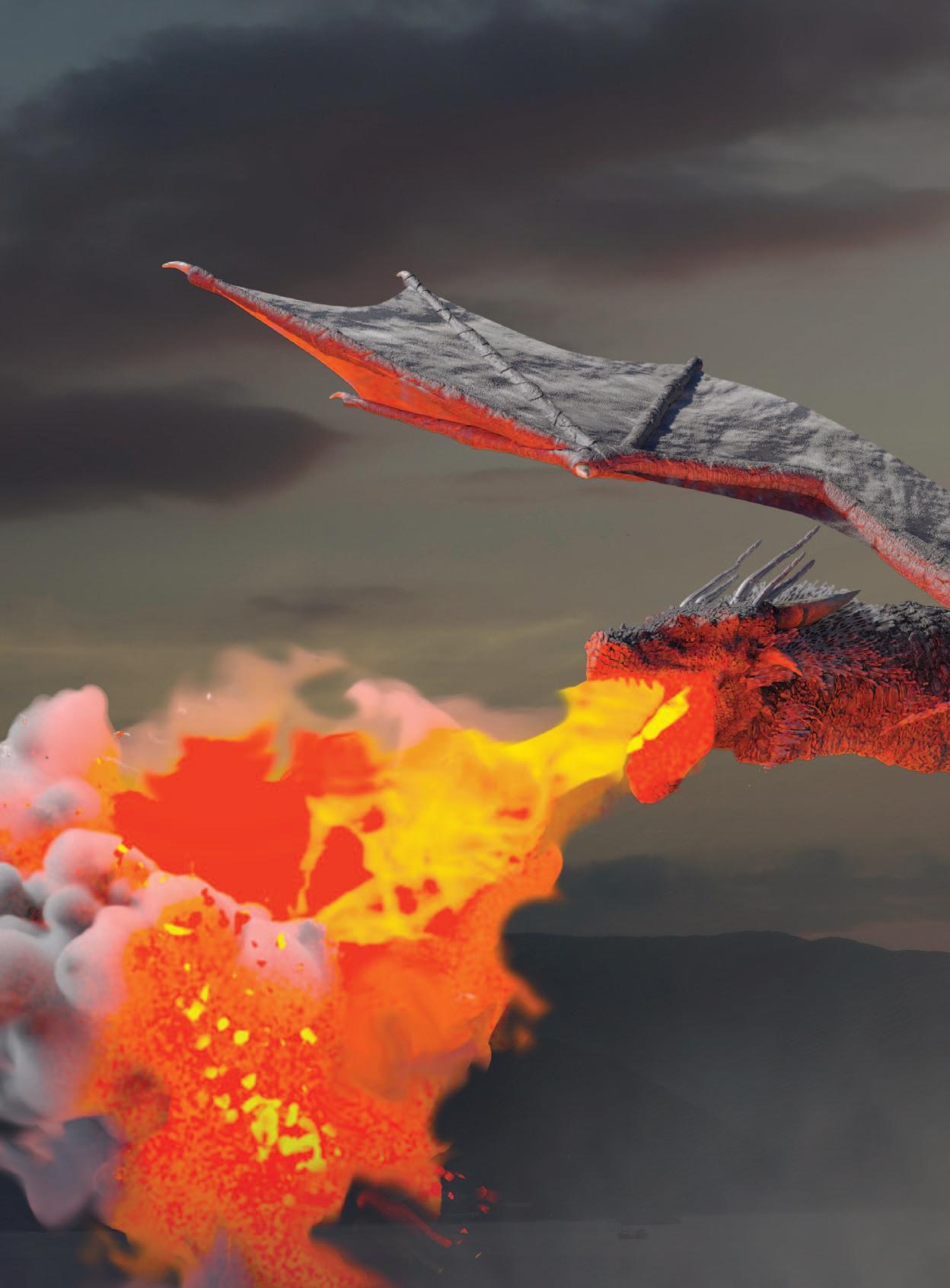
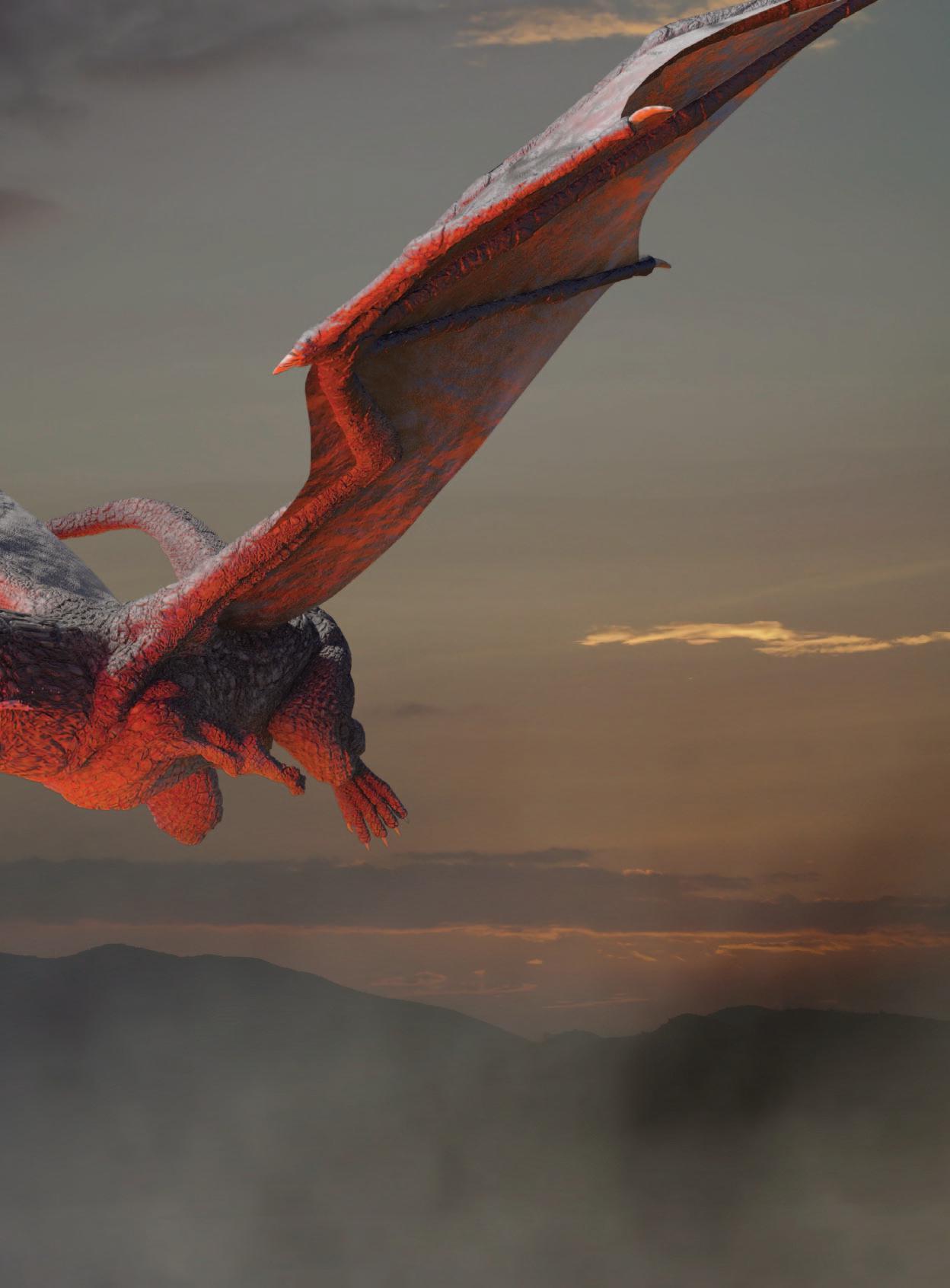
Also known as Smok Wawelski, from Polish folklore, a dragon that lived in a cave on Wawel Hill on the bank of Vistula River in Kraków and was killed by a clever shoemaker's apprentice.
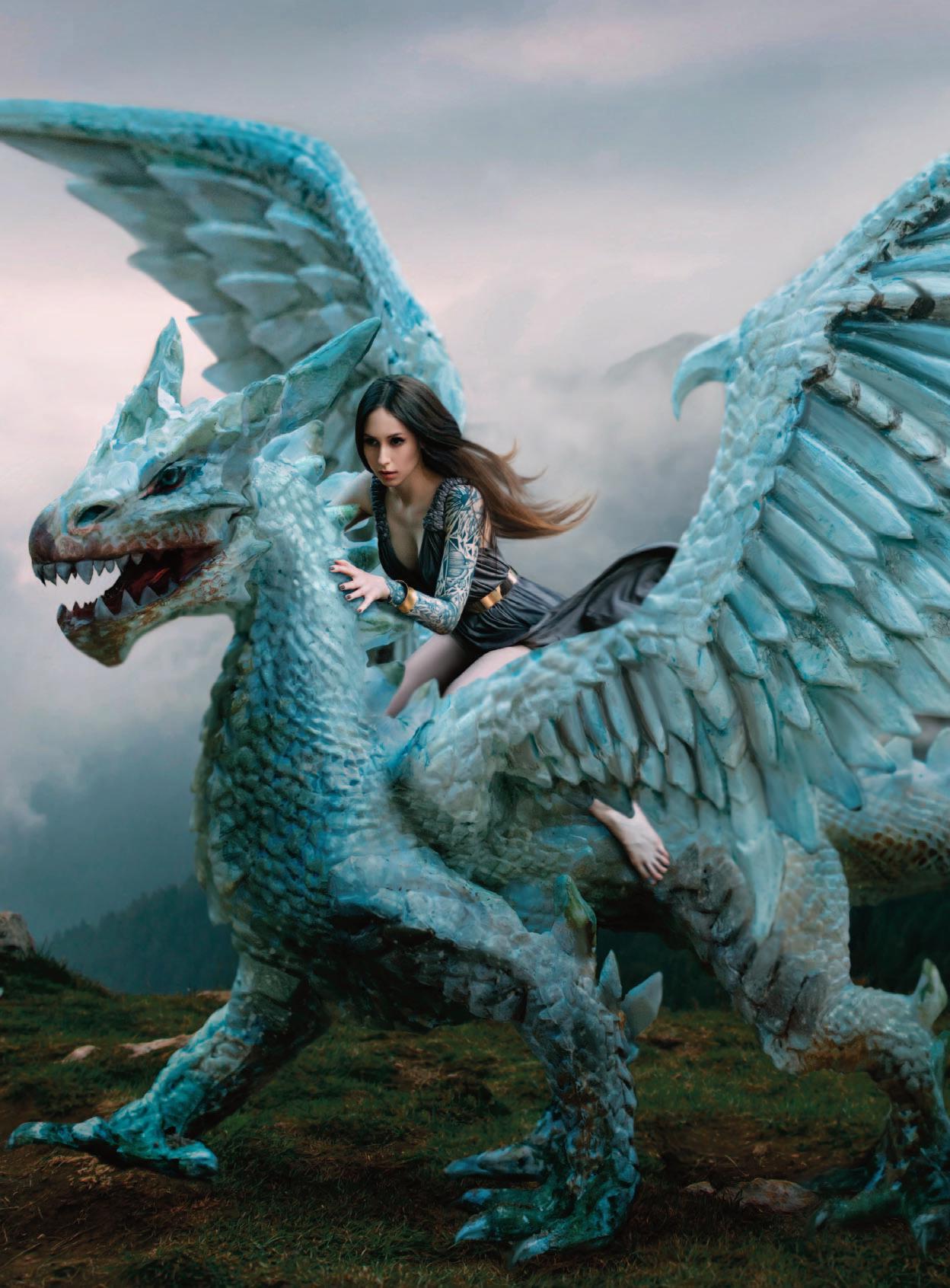
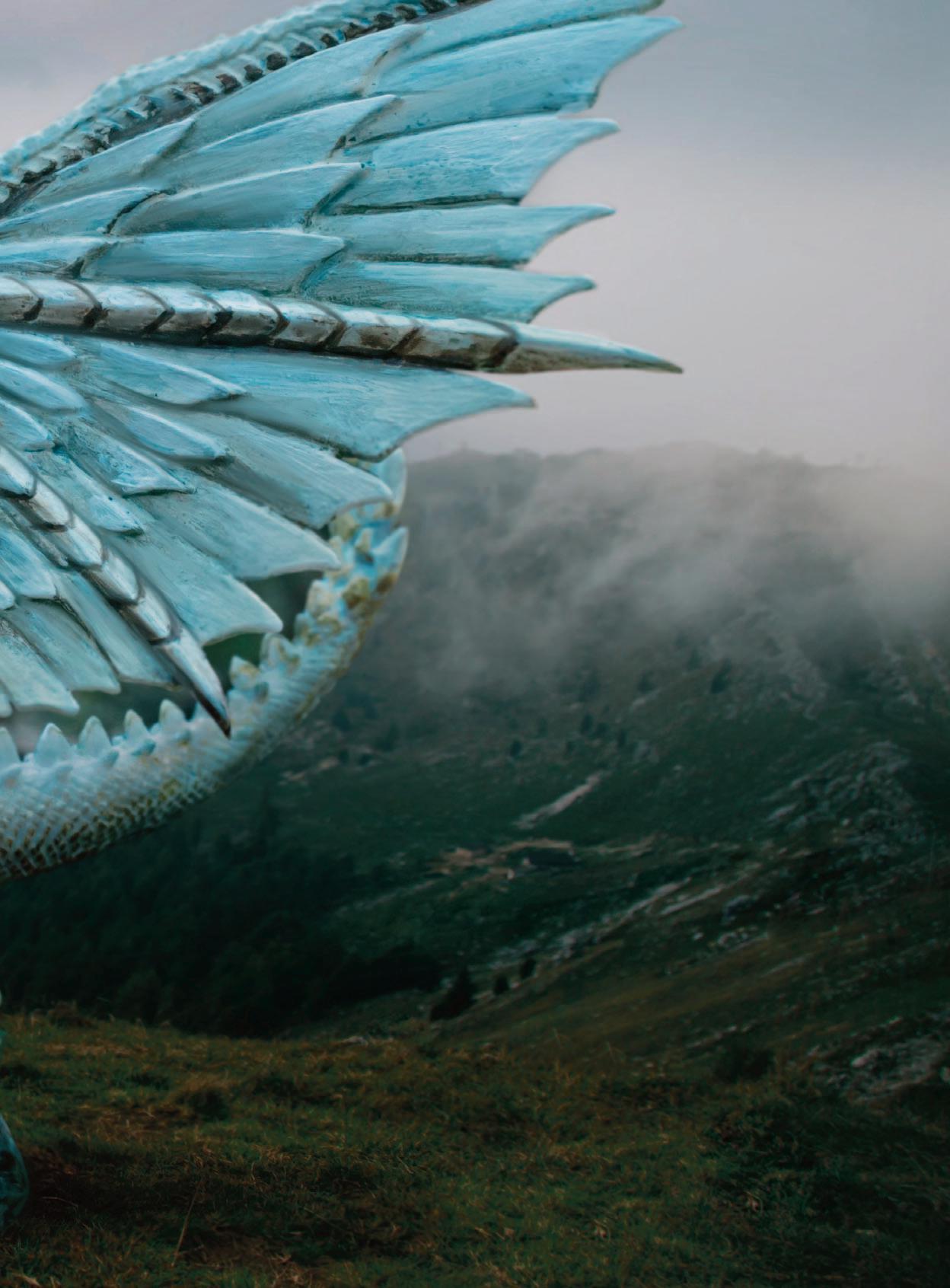
A fearsome legendary dragon-like mythological hybrid from Provence, tamed by Saint Martha.
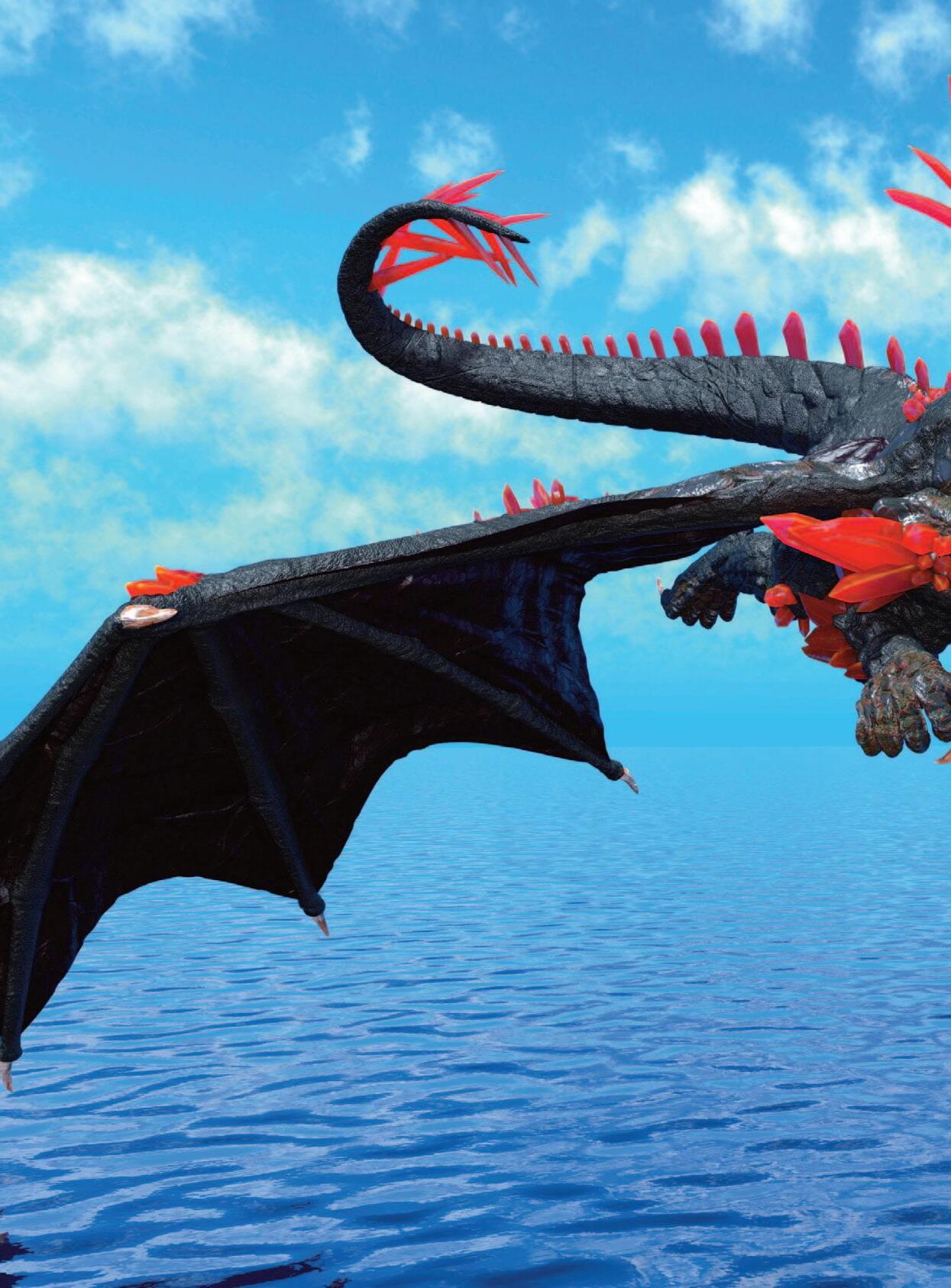
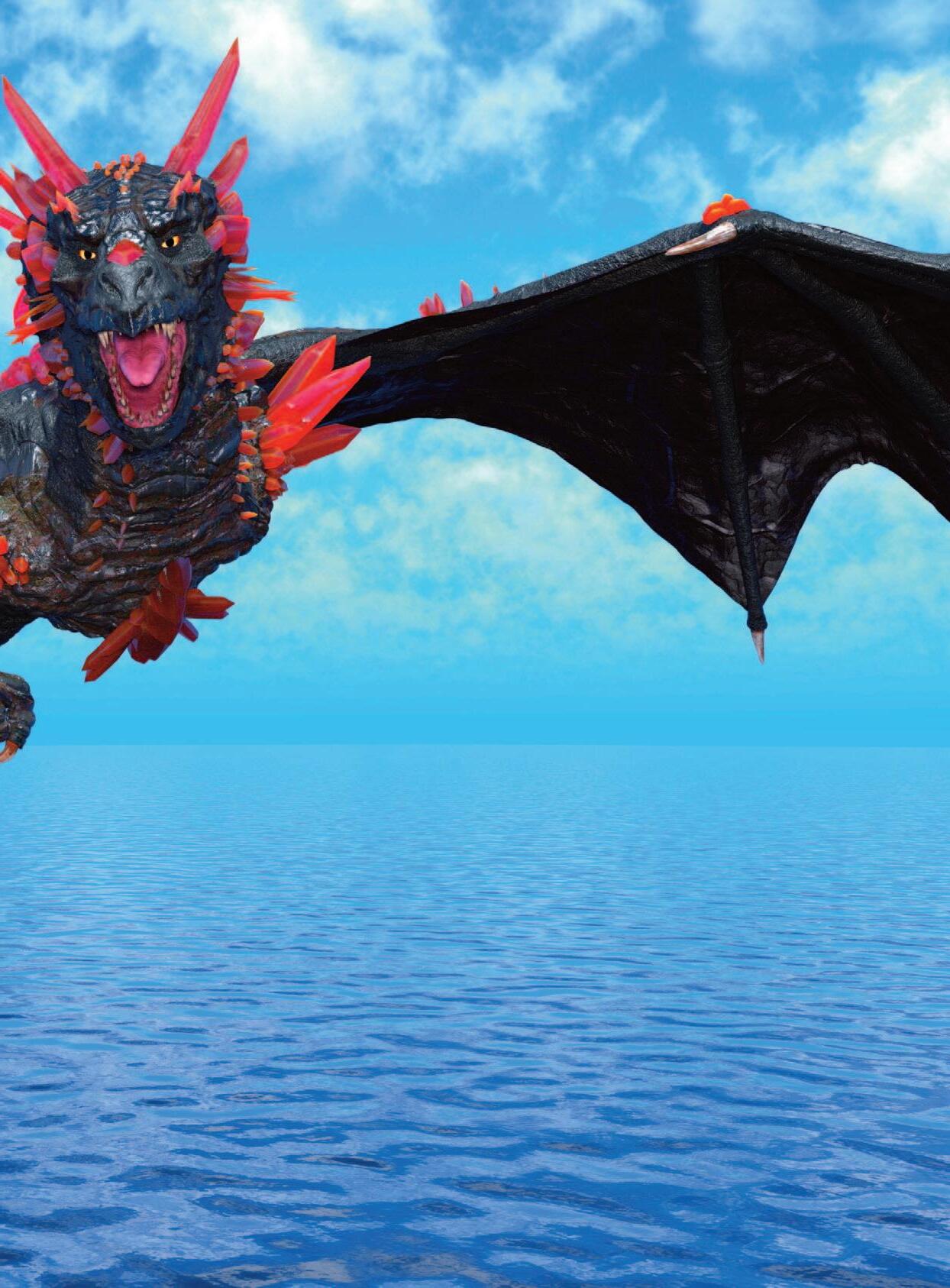
In Welsh mythology, after a long battle (which the Welsh King Vortigern witnesses) a red dragon defeats a white dragon; Merlin explains to Vortigern that the red dragon symbolizes the Welsh, and the white dragon symbolizes the Saxons – thus foretelling the ultimate defeat of the English by the Welsh.
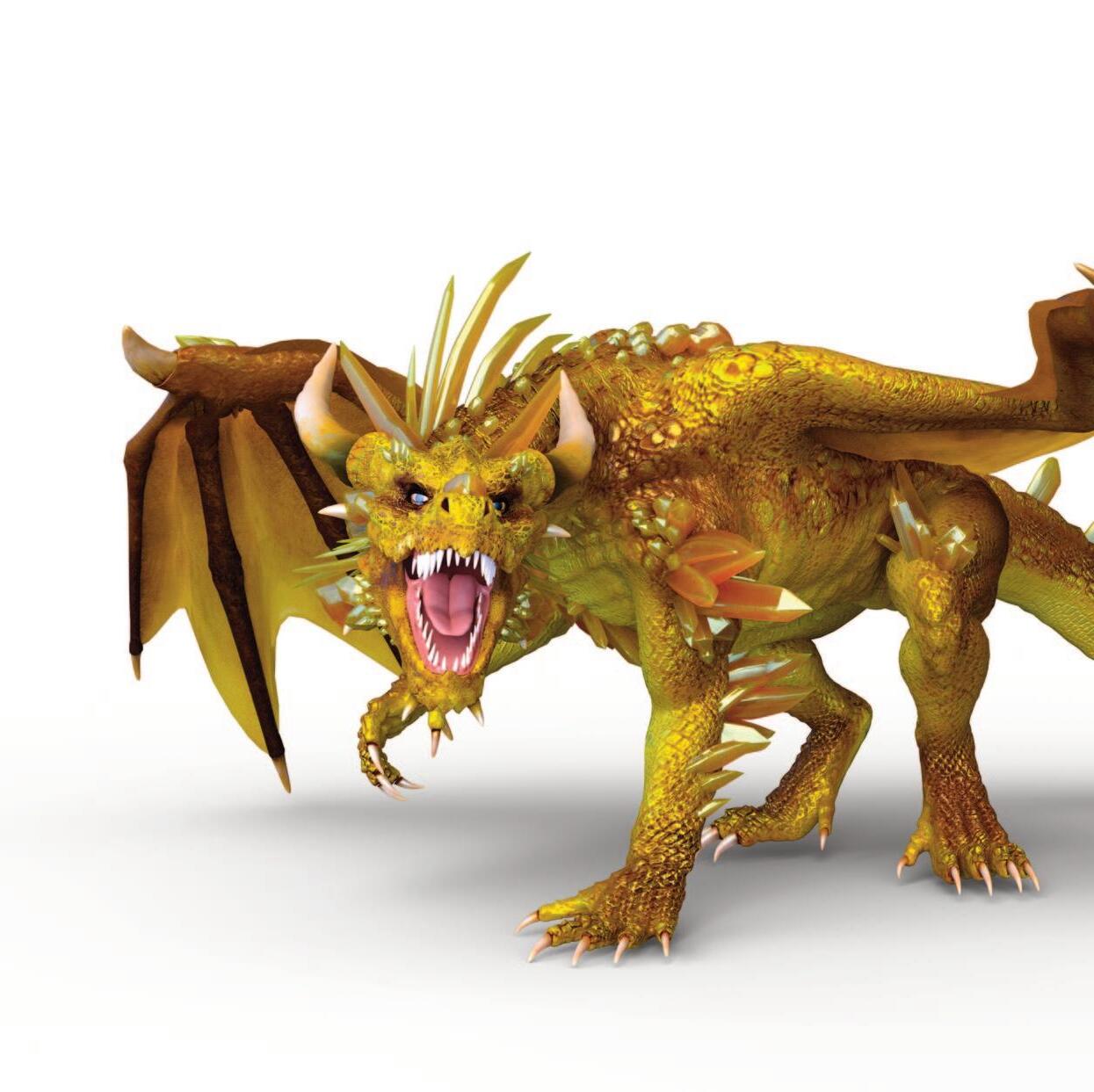
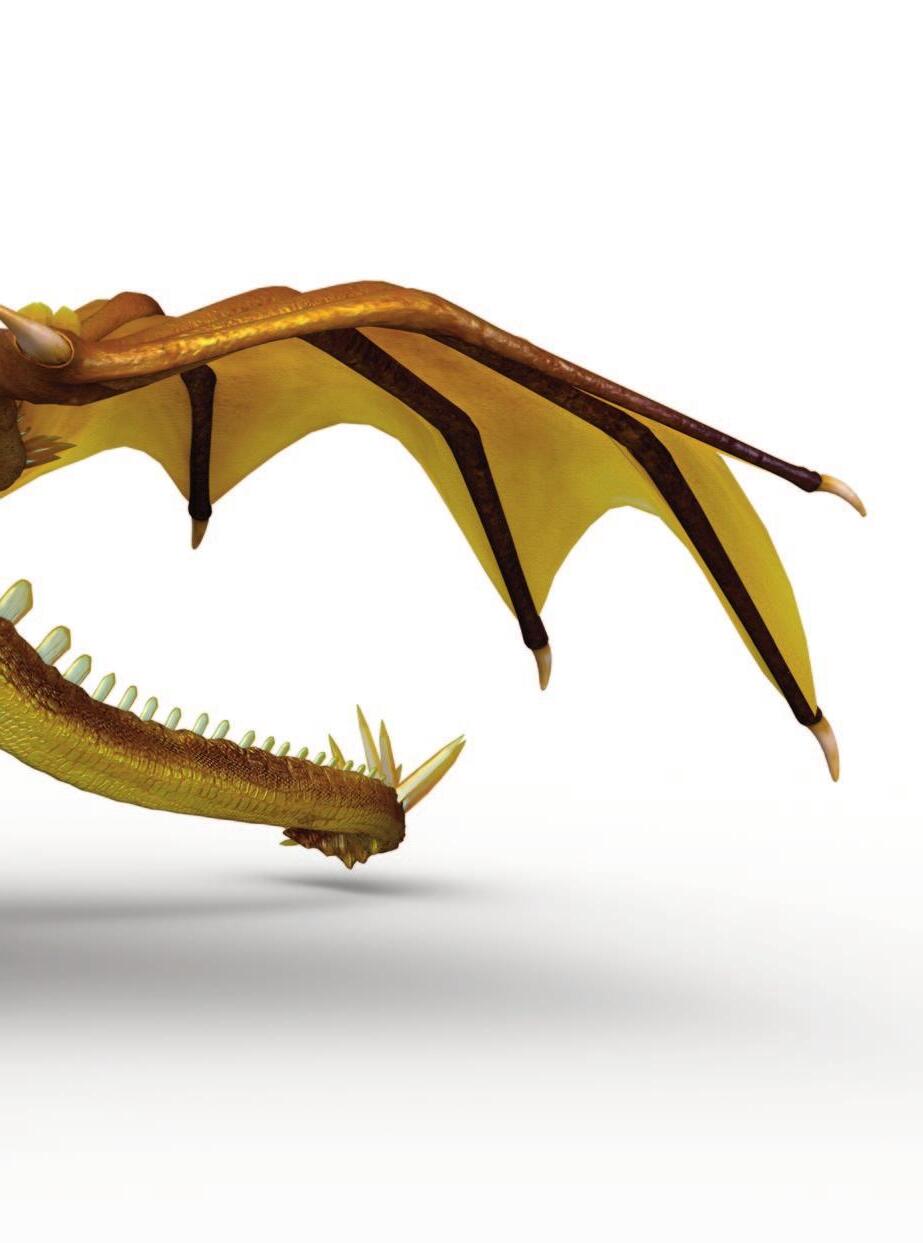
A Native American dragon of the Illini people. Piasa Bird is a Native American dragon depicted in one of two murals painted by Native Americans on bluffs (cliffsides) above the Mississippi River.
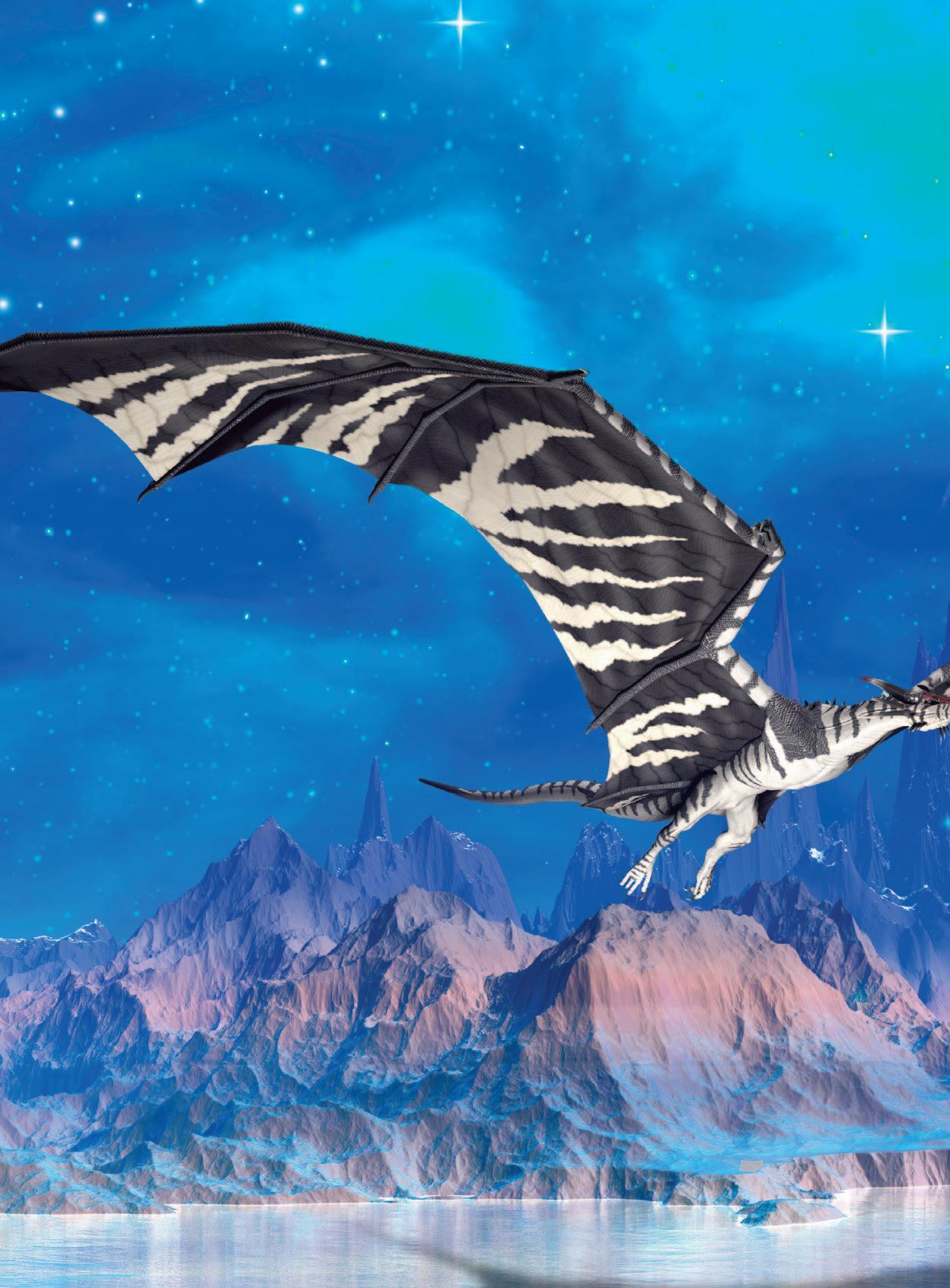
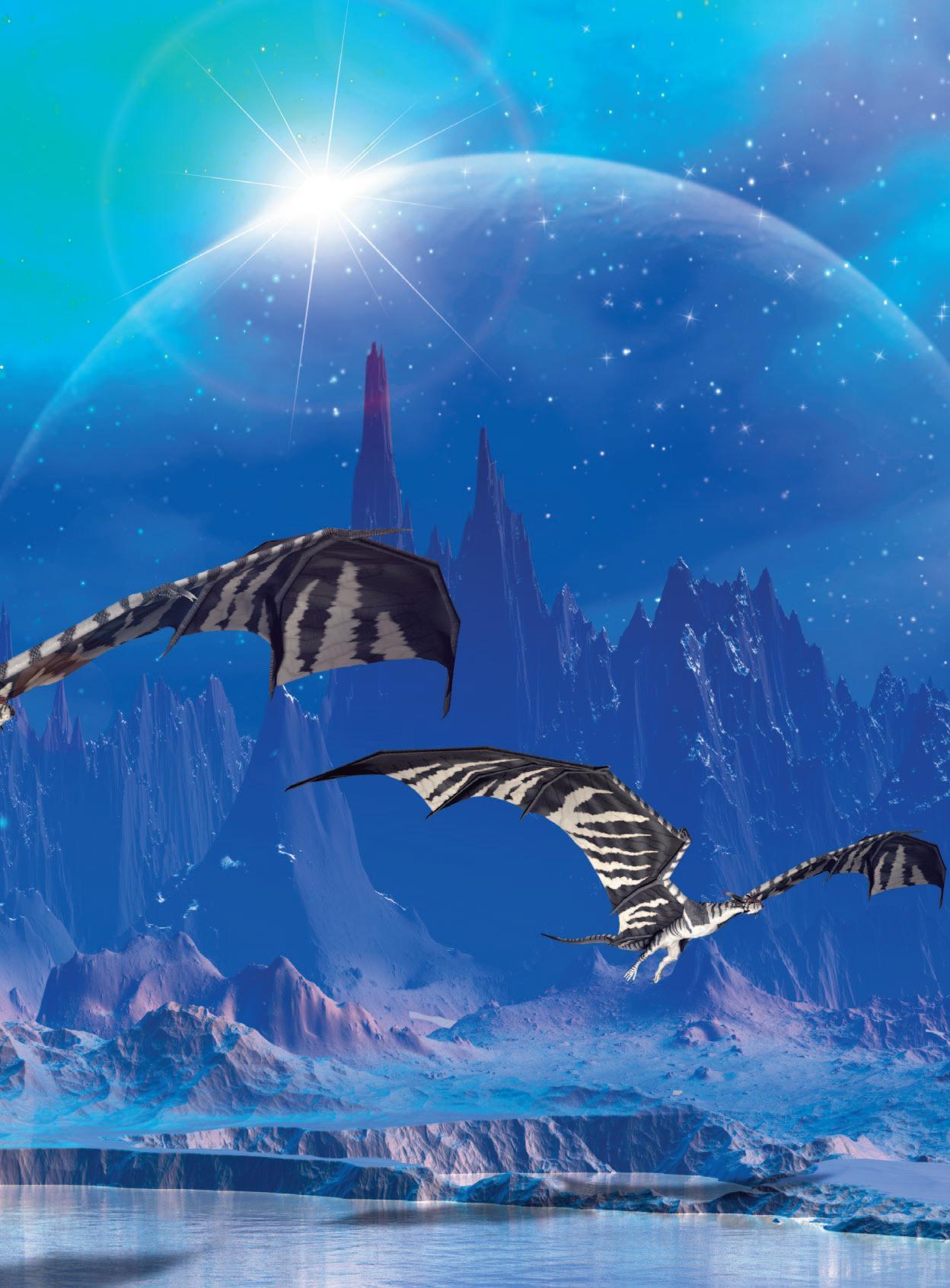
Dragon of Inca Mythology. It had a llama's head, fox's mouth, condor wings, snake's tail and dragon scales with black and white markings.
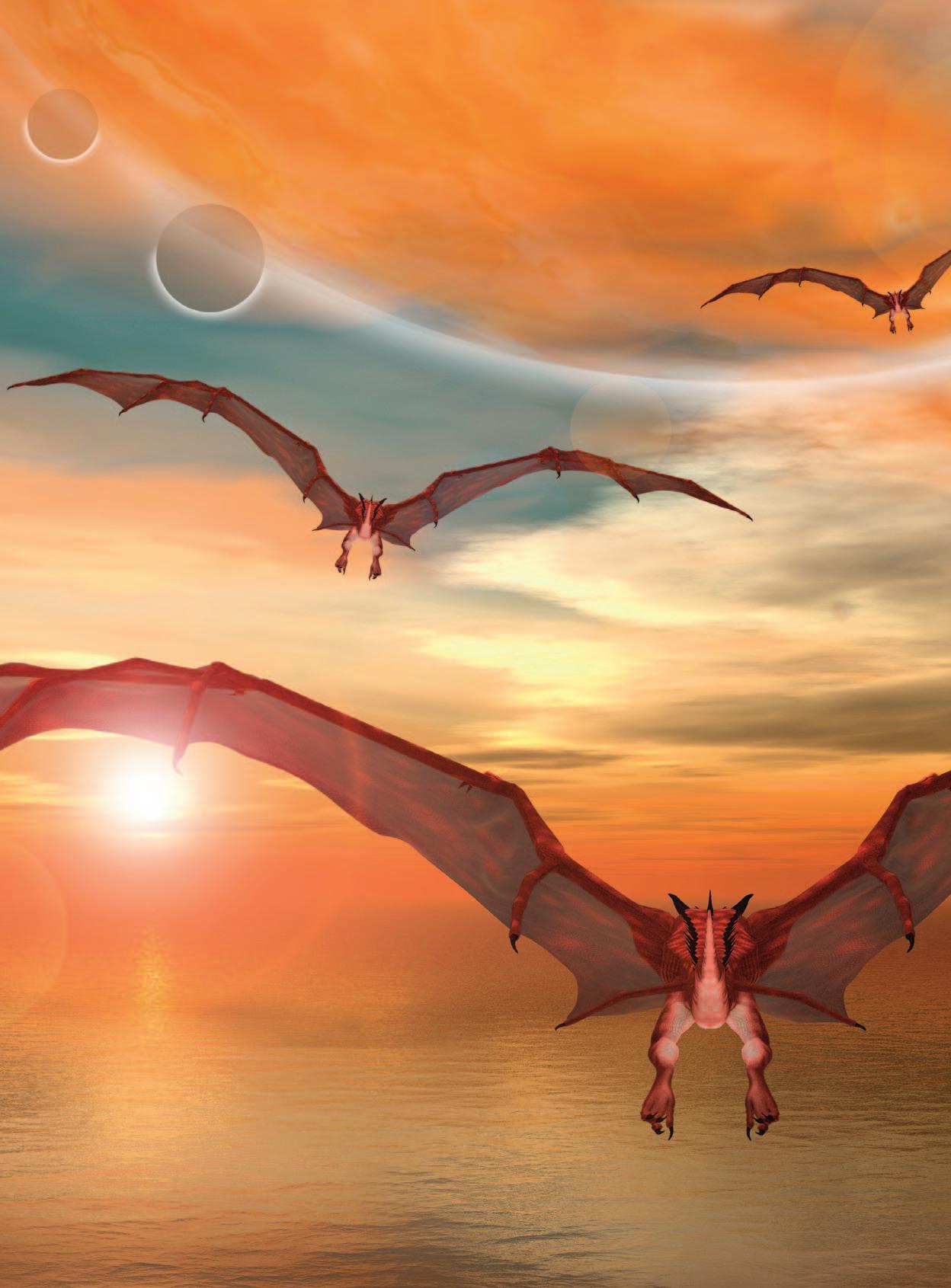
Boitatá, Brazilian, the name comes from the Old Tupi language and means "fiery serpent" (mboî tatá). Its great fiery eyes leave it almost blind by day, but by night, it can see everything. According to legend, Boi-tatá was a big serpent which has survived to this day.
Typhon from Greek mythology is often thought of as a dragon King.
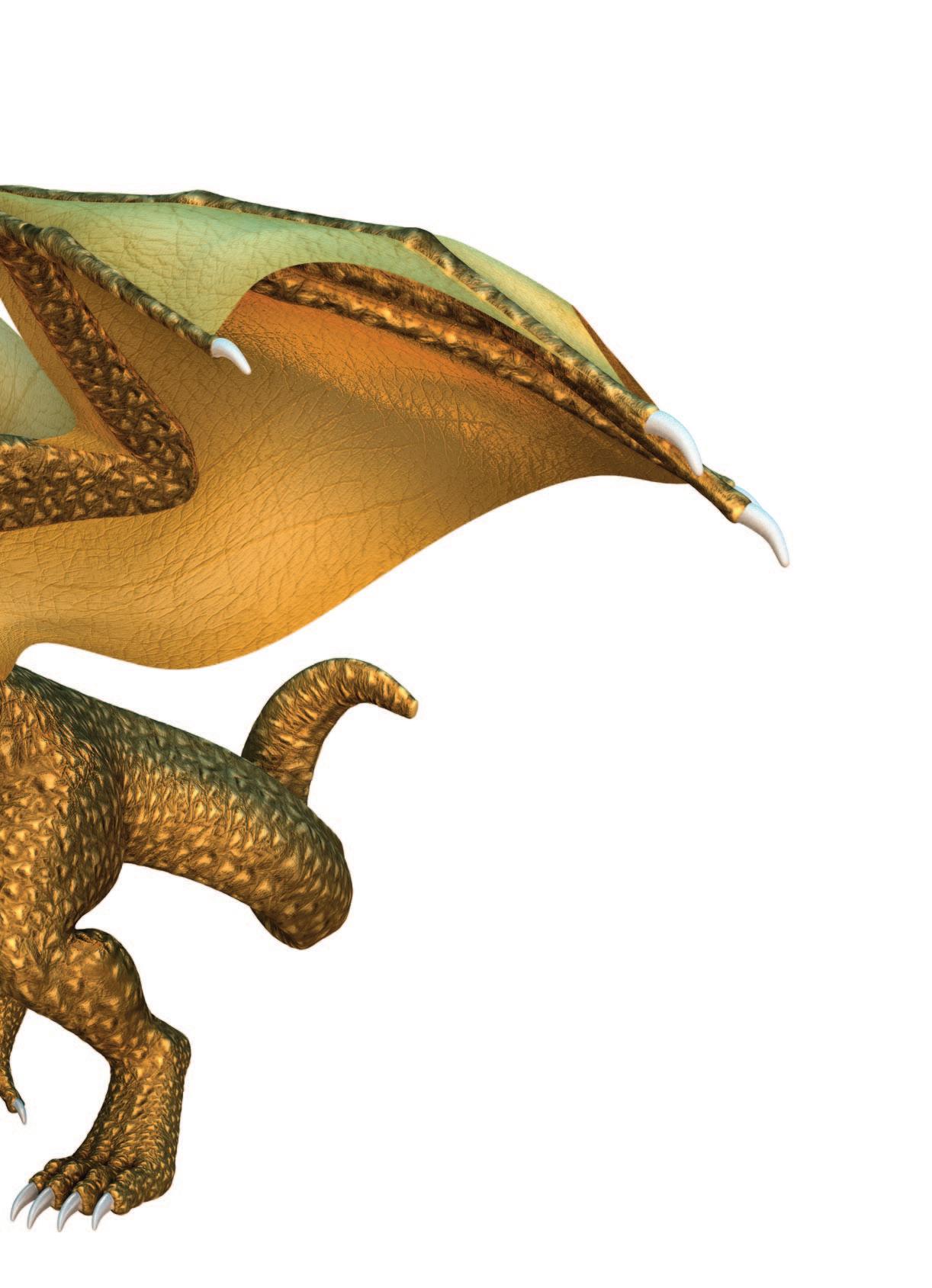
Chuvash dragons are winged firebreathing and shape shifting dragons and represent the preIslamic mythology, they originate with the ancestral Chuvash people.
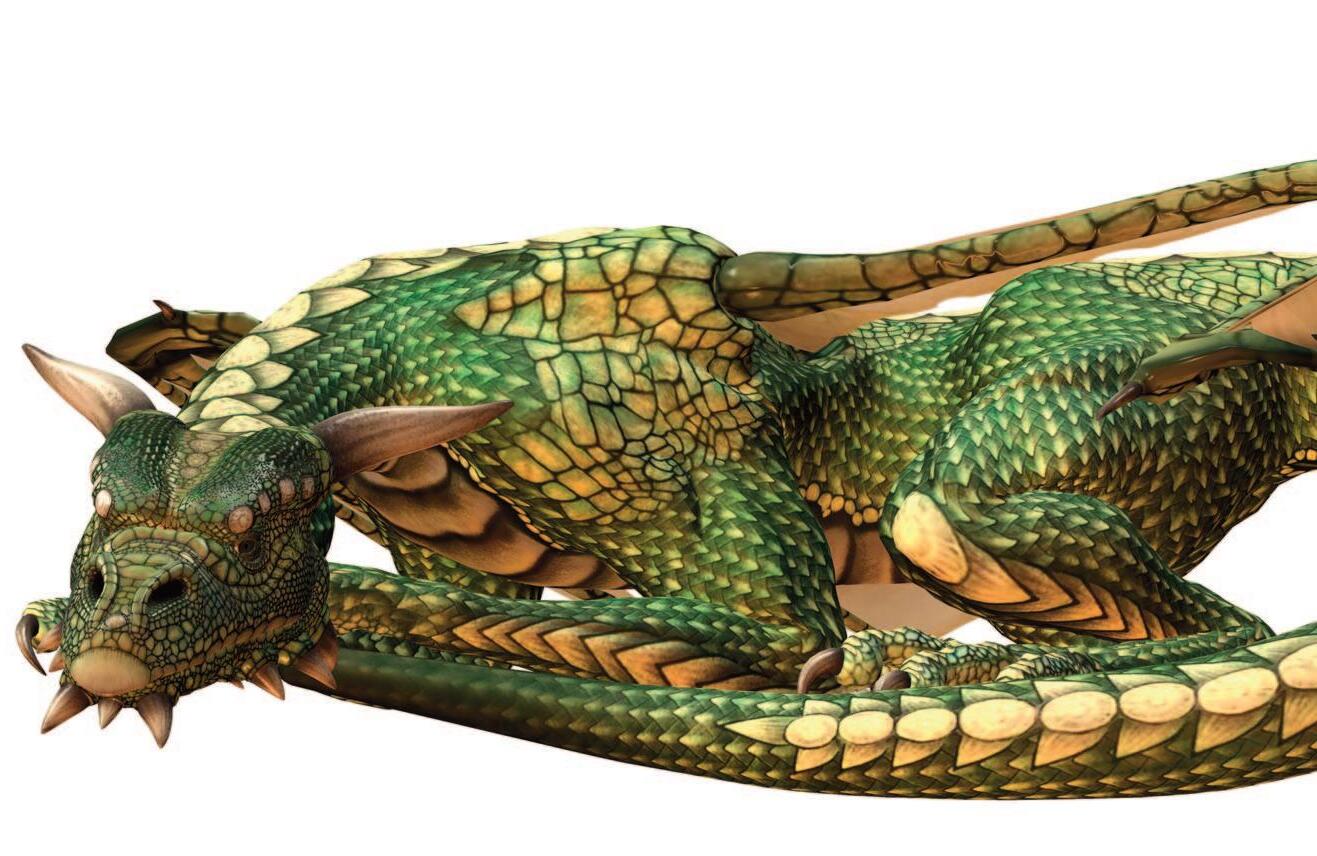
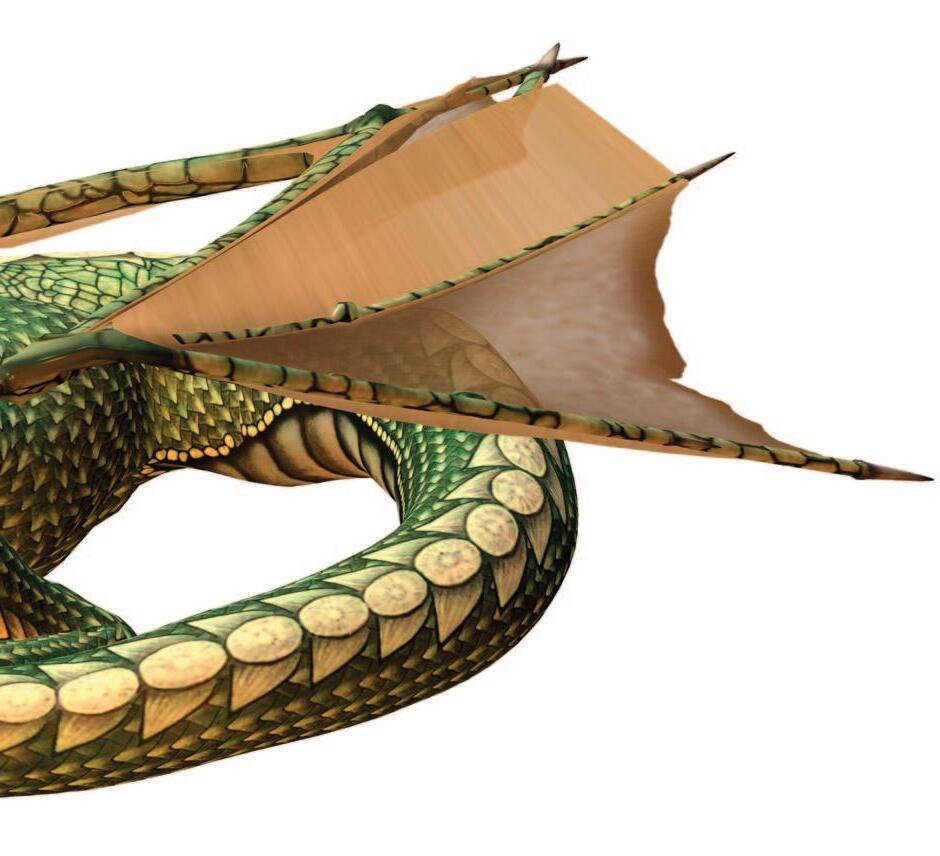
In the Albanian mythology Bolla, is a type of serpentic dragon with a long serpentine body, four legs and small wings in ancient Albanian folklore. This dragon sleeps throughout the whole year, only to wake on Saint George's Day.
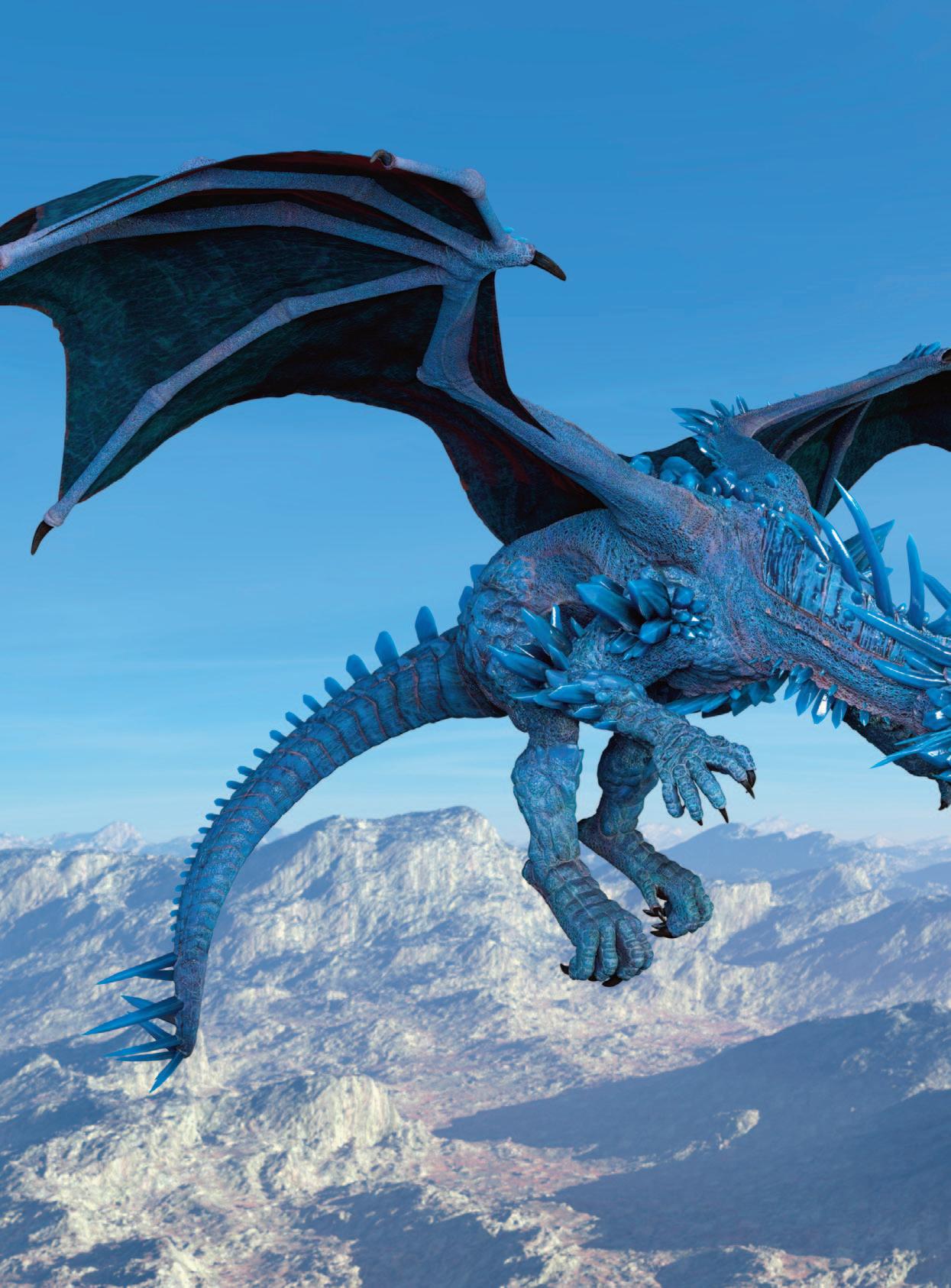
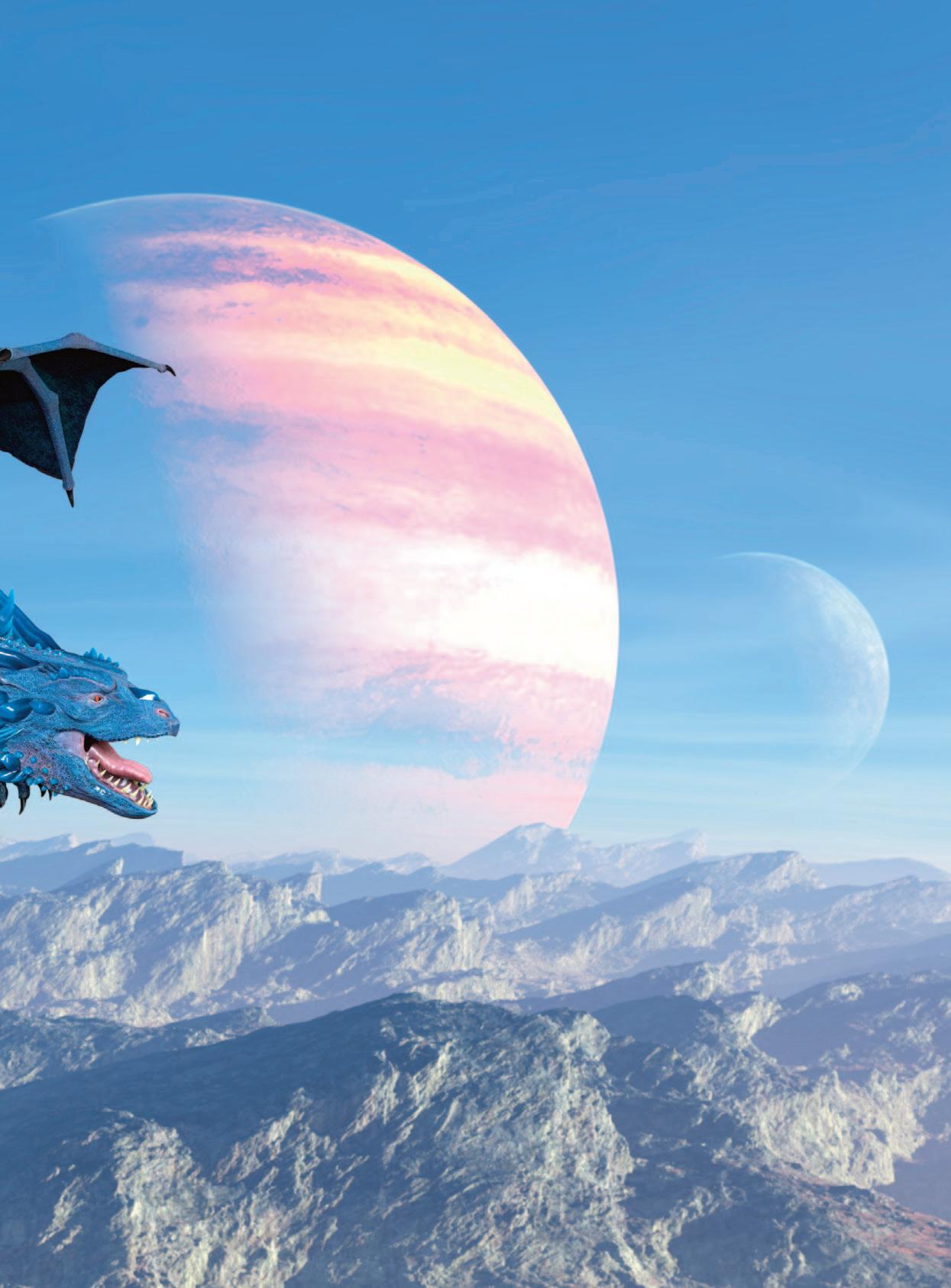
A Dragon of Thunder lives in the remote areas of Mt. Everest and gives the storms and sun to the Tibetan people. Some say they are protectors of Shangrila.
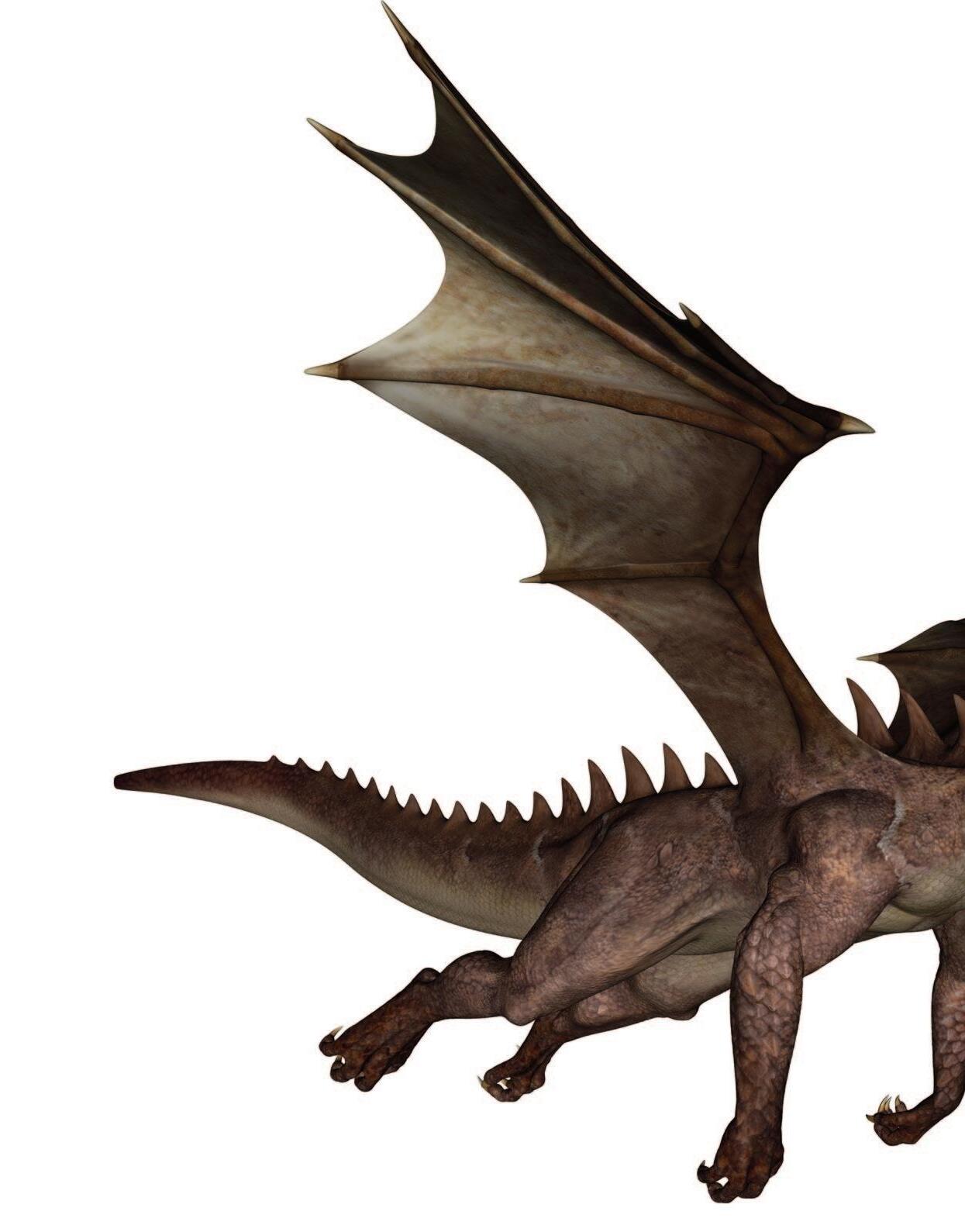
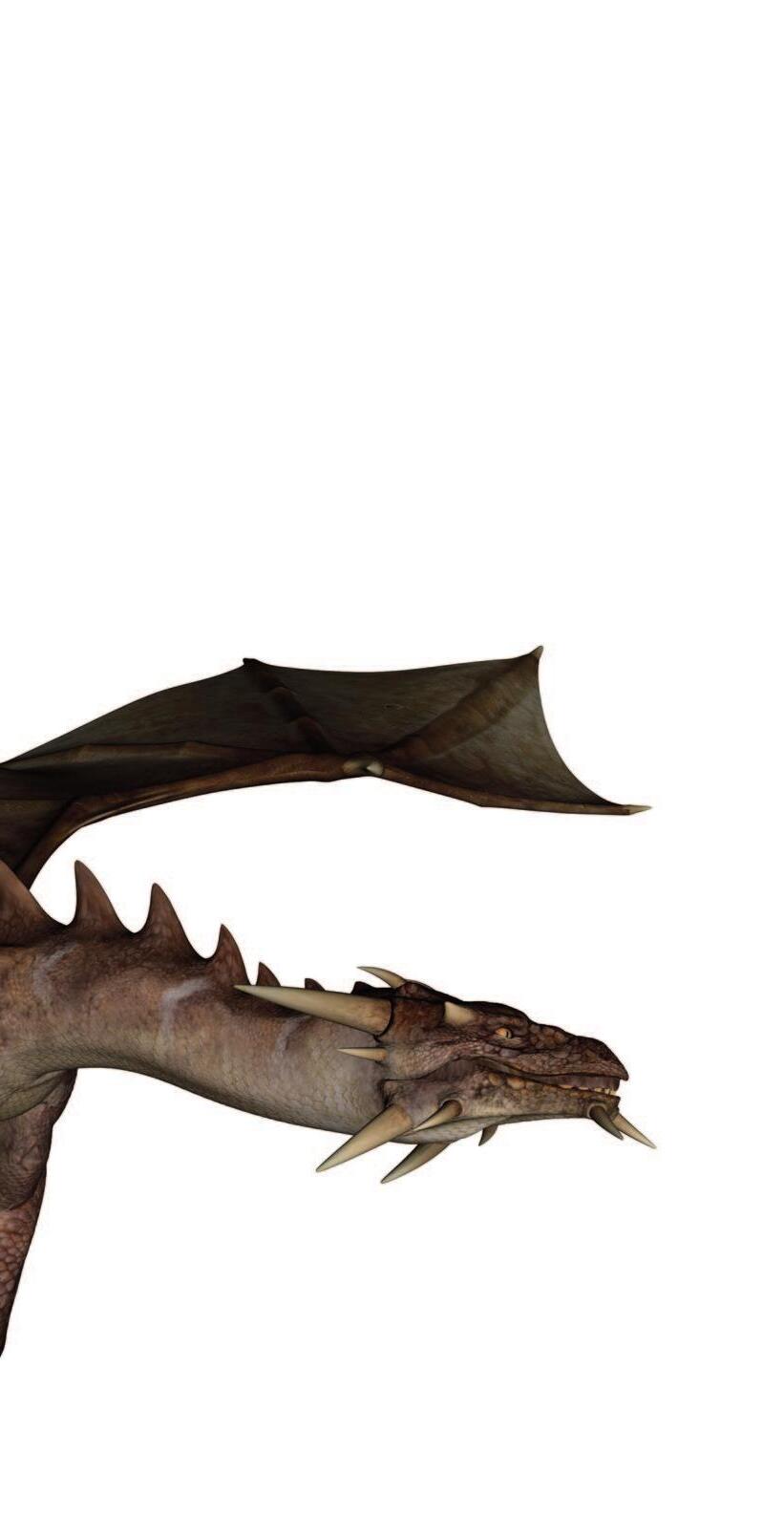
A gigantic cosmic winged sea serpent that later became a destructive water god or monster in Arabian mythology
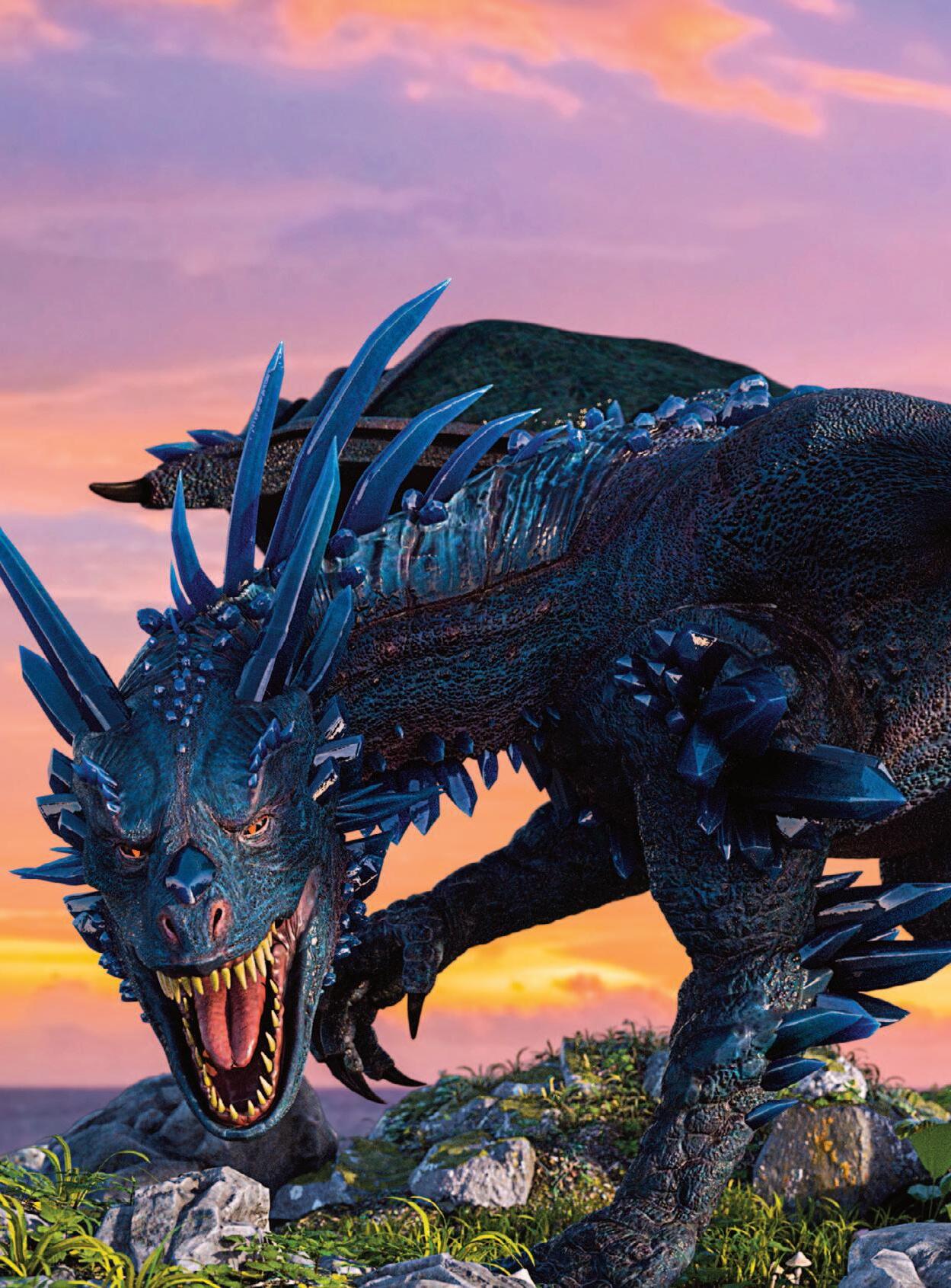
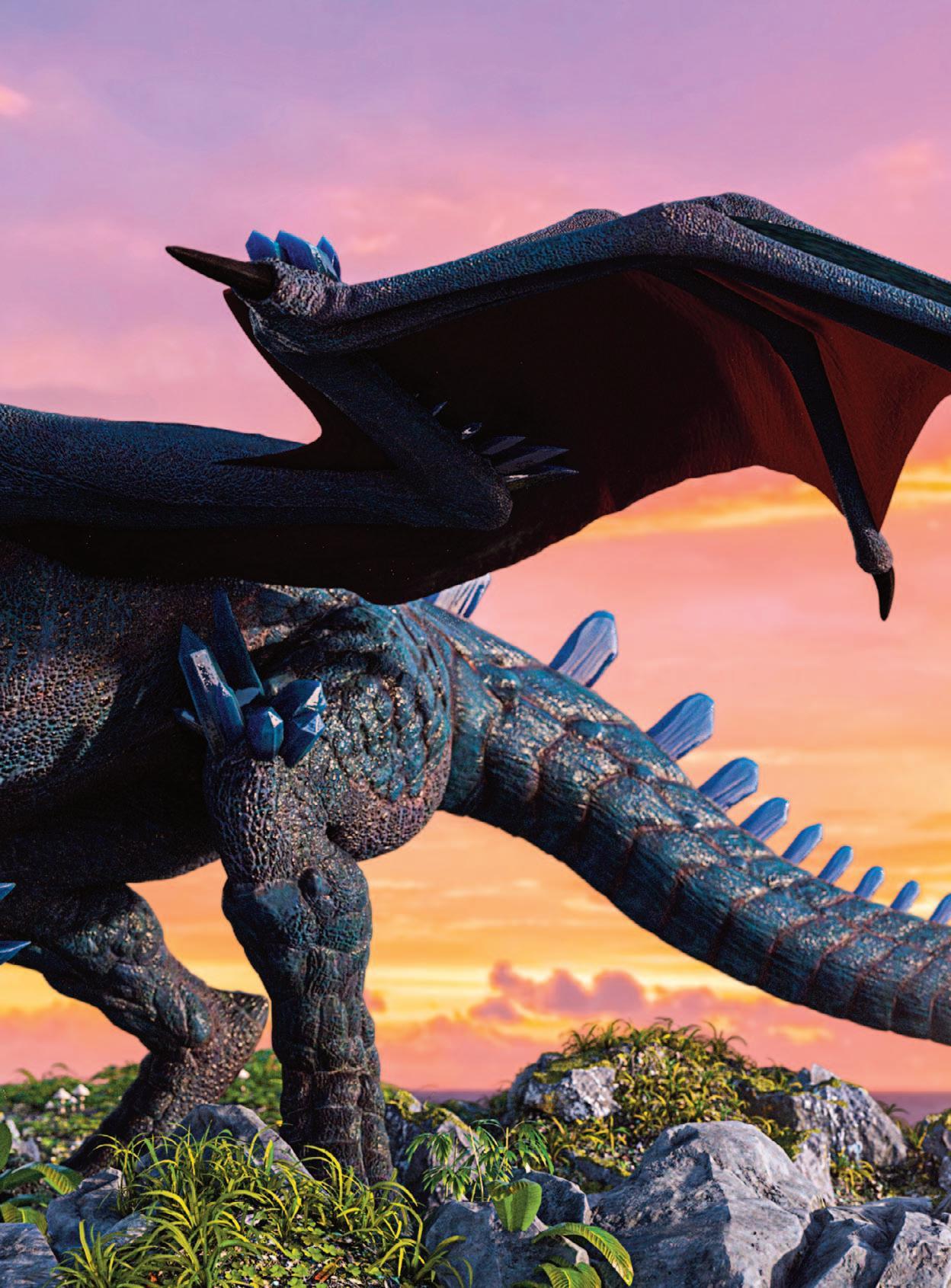
Related to European dragons, usually depicted as a winged snake or with a combination of elements from different animals.
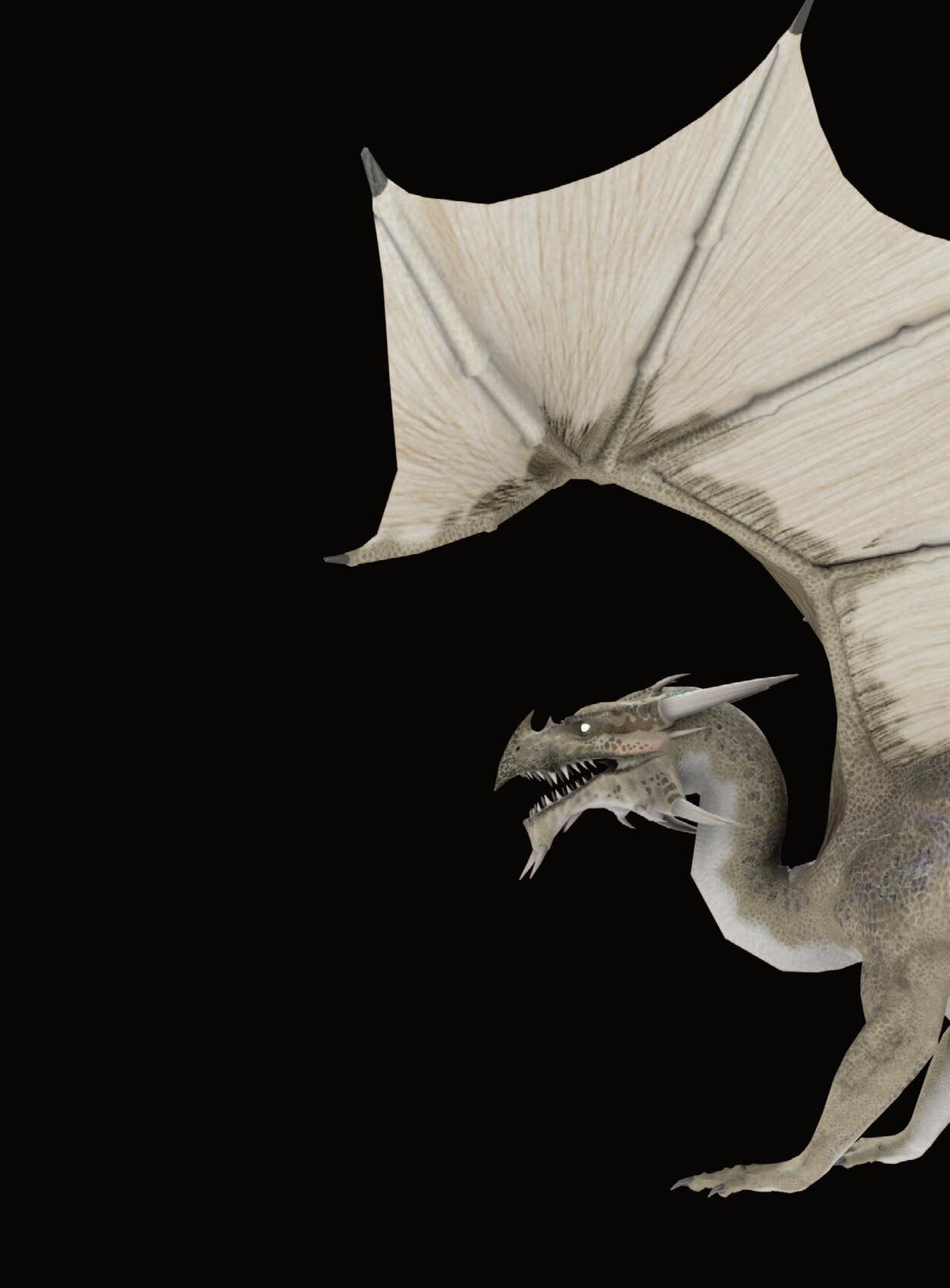
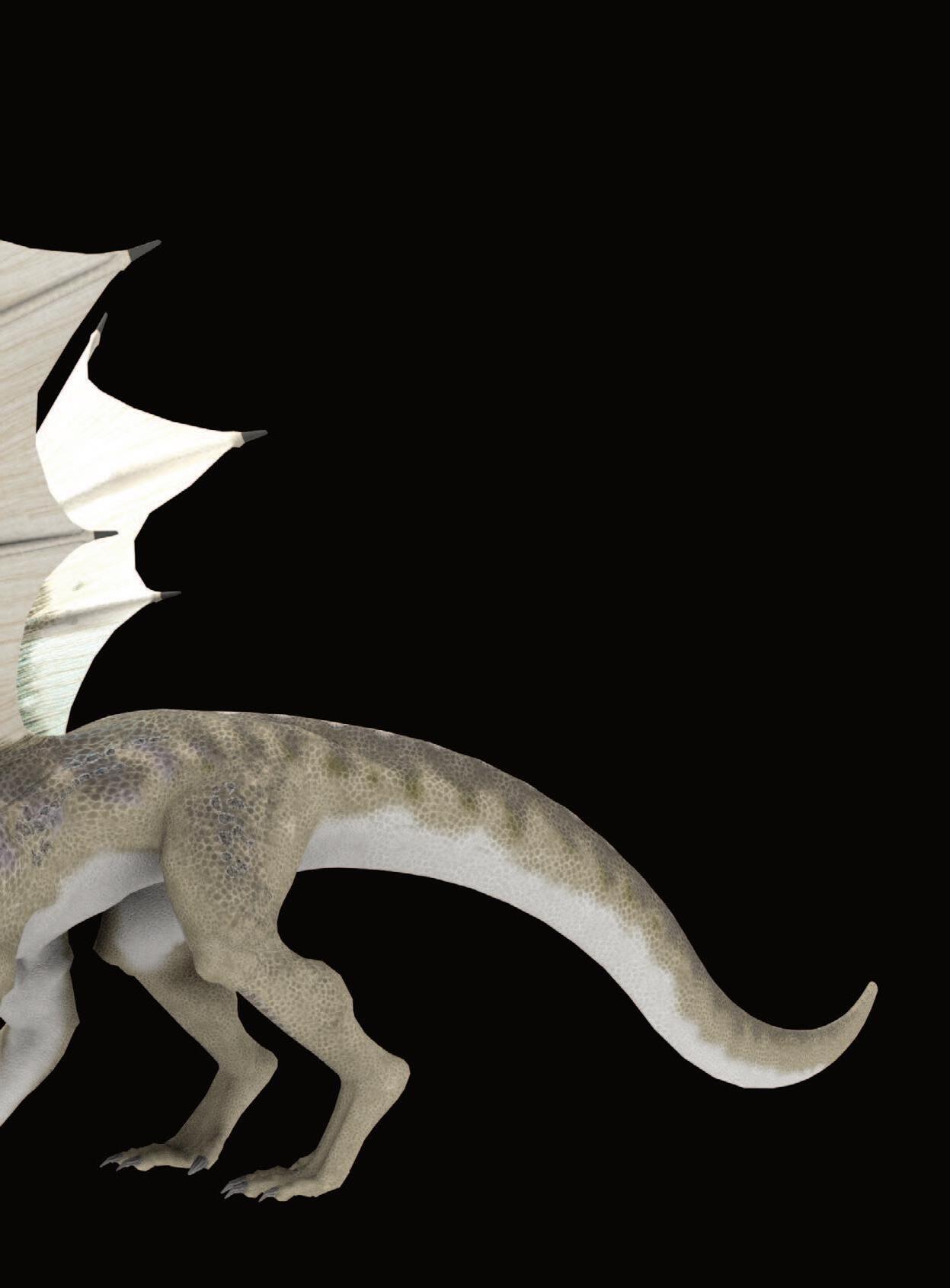
This white dragon from Babylonian mythology would have been located in now present-day Iraq and Syria.
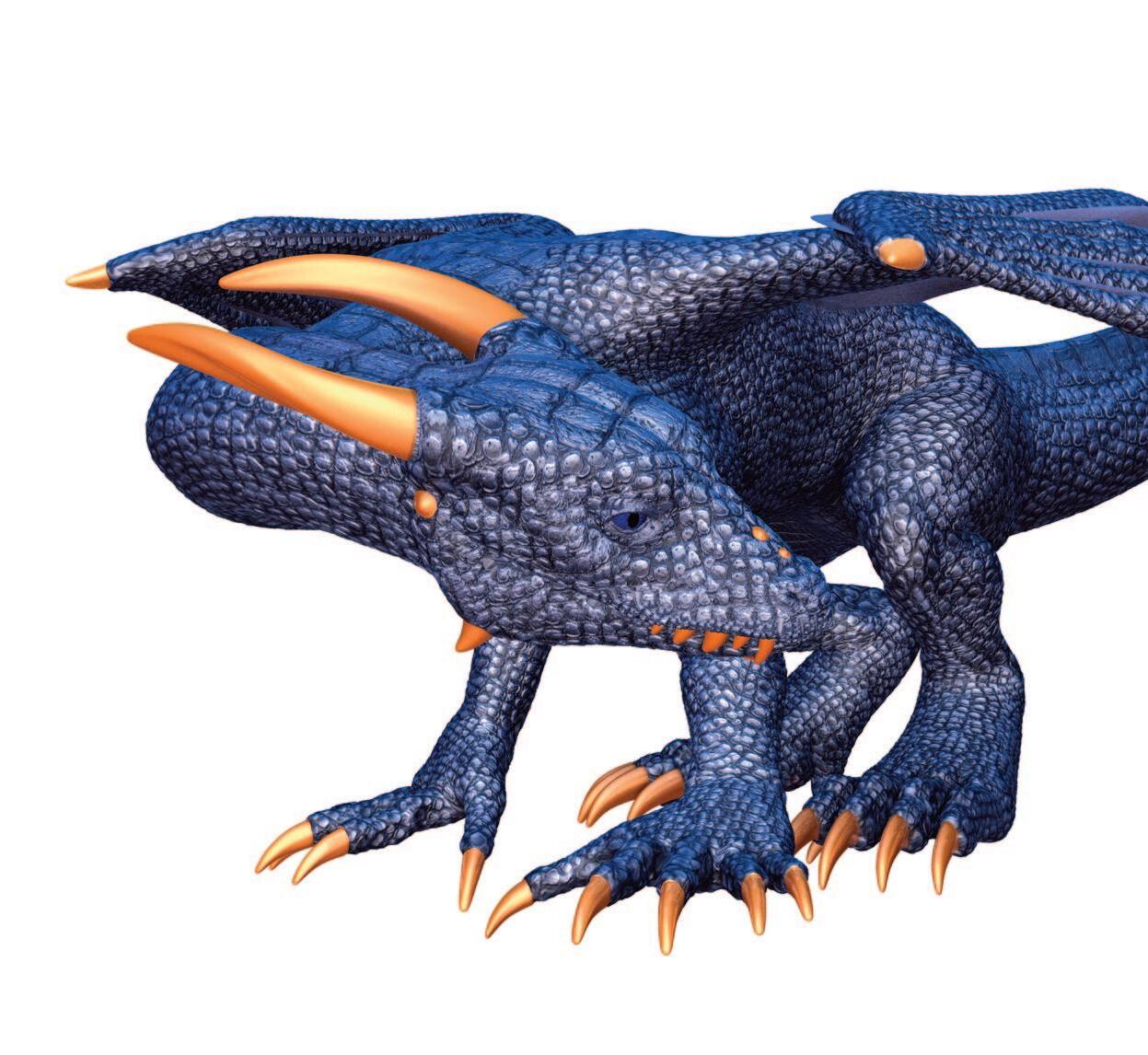
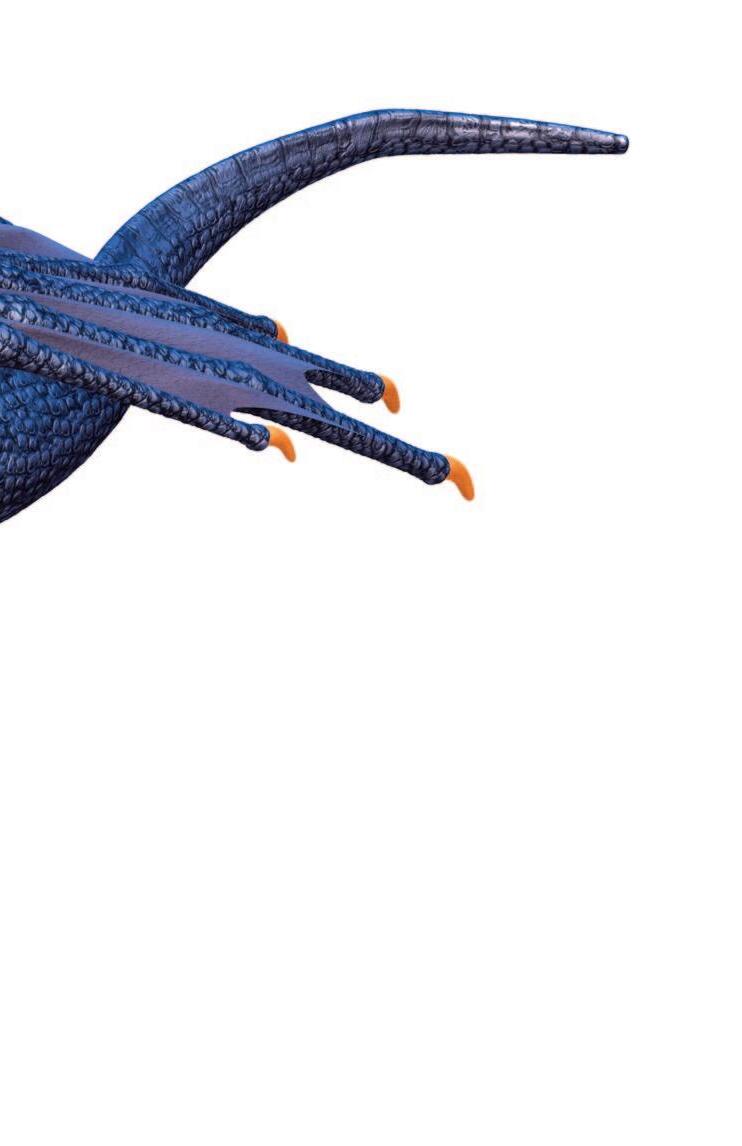
A creature from ancient Mesopotamian mythology found on Ishtar Gate. A mythological hybrid, it is a scaly dragon with hind legs resembling the talons of an eagle, feline fore legs, a long neck and tail, a horned head, a snake-like tongue, and a crest.
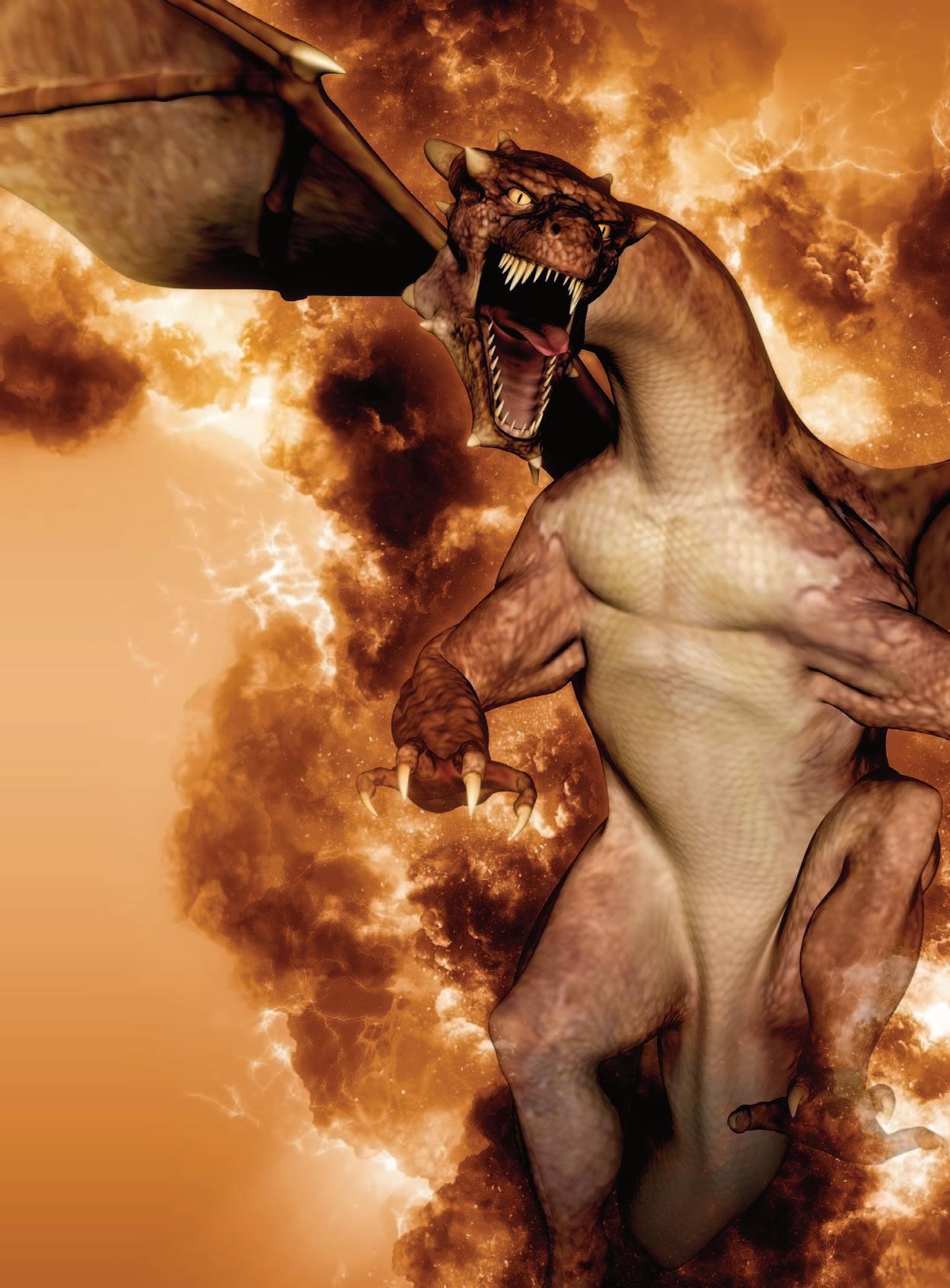
Antaboga, a Javanese and Balinese world serpent. It is of Javanese origin, derivative of Shiva-Hinduism Ananta Shesha