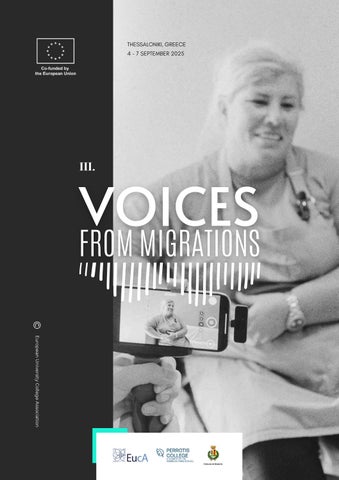
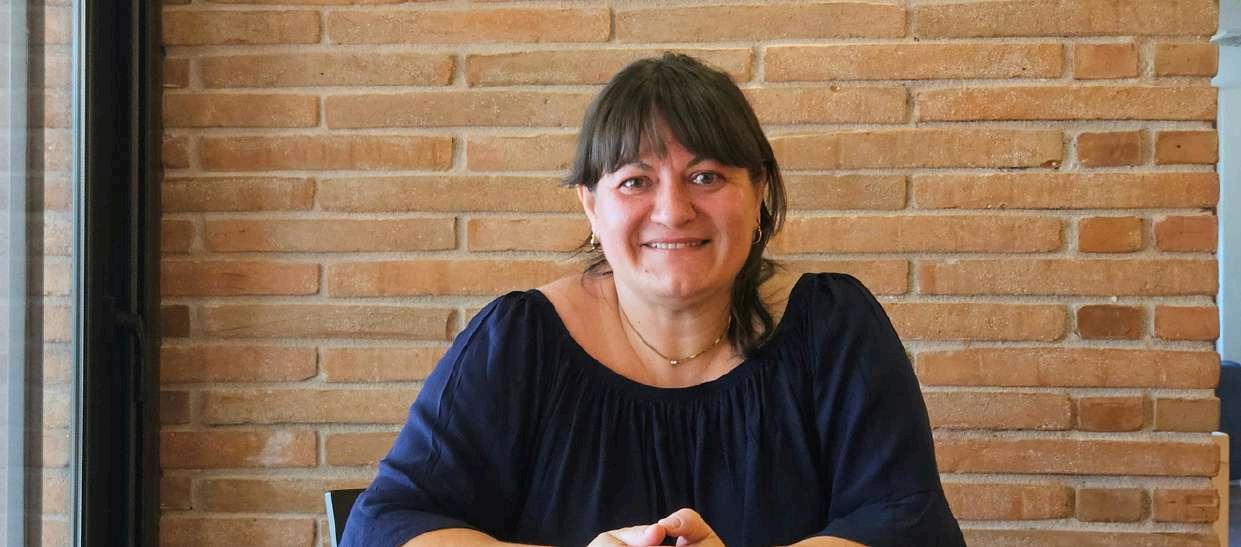
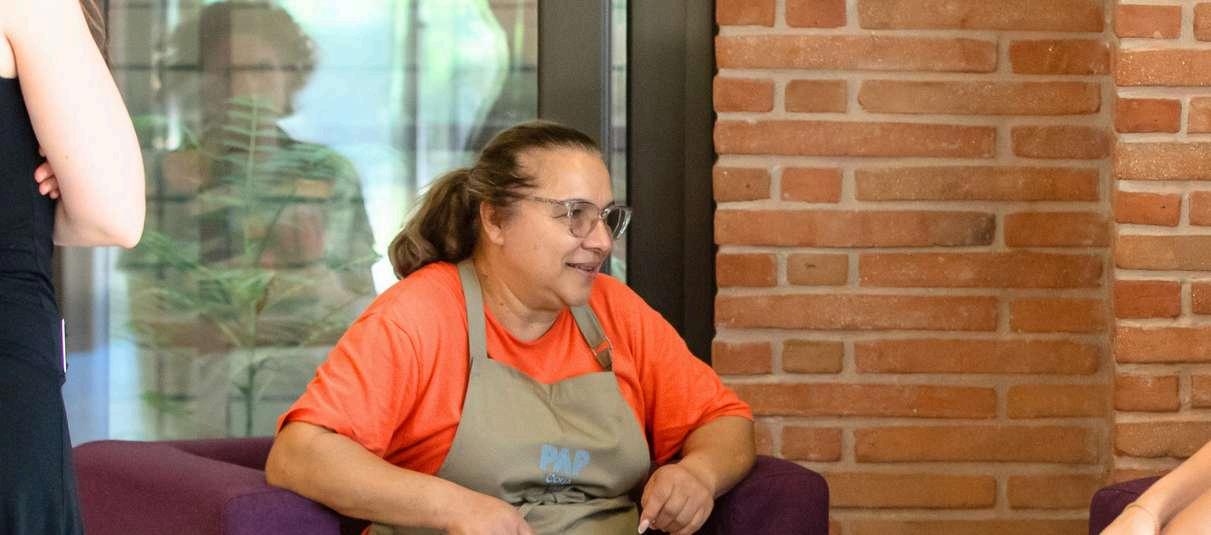
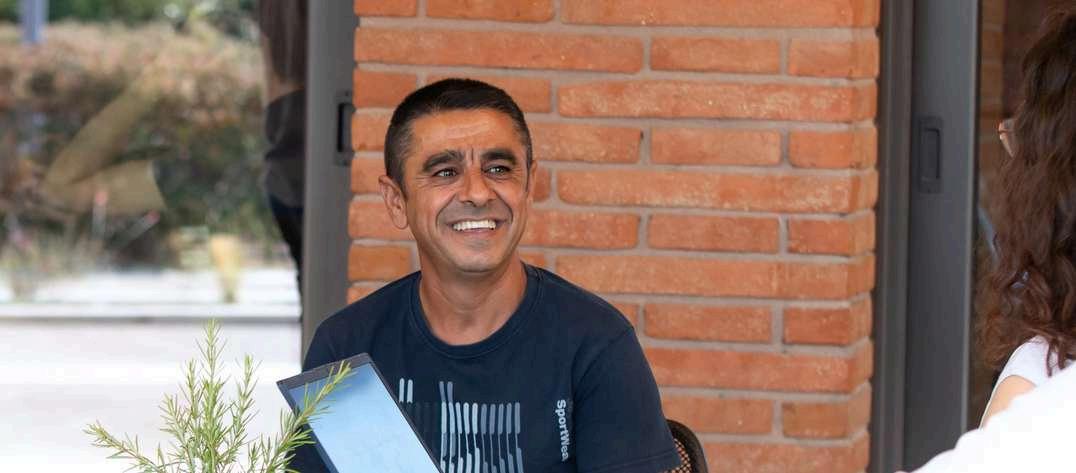
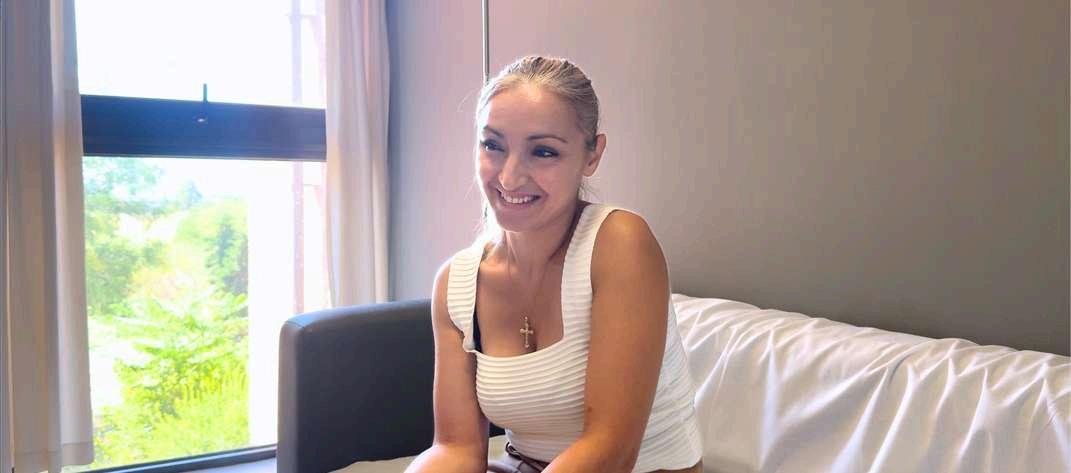
Created by the European university college Association
Contact: info@euca.eu
Direction: Alessandra Arcodia
Supervision: Alessia Massari
Graphic Design: Laura Lorente Ruipérez
ACKNOWLEDGEMENTS:
VOICES From Migrations is a project co-funded by the European Union. Views and opinions expressed are however those of the authors only and do not necessarily reflect those of the European Union or the European Education and Culture Executive Agency (EACEA) Neither the European Union nor EACEA can be held responsible for them
Project: VOICES From Migrations. Funded by the CERV Program.
PARTNERS:
Perrotis College, American Farm School (AFS) Marinou Antipa, Thessaloniki 551 02, Greece
Municipality of Rosarno
Viale della Pace - 89025 Rosarno (RC) perrotiscollege.edu.gr comune.rosarno.rc.it/
SPECIAL THANKS:
The VOICES From Migrations team would like to extends its thanks to:
My House of European History
Shoqata "Nënë Tereza" Greqi, Σύλλογος
(Association of Albanian Immigrants "Mother Teresa")
Mr. Papagianidis, SOS Village Greece, ΠαιδικάΧωριά SOS
Mr Georgios Toutountzis
All the friends of Perrotis College who generously shared their story
"
For their involvement, expertise, and belief in the project and its core values It wouldn’t have been possible without you
"
INDEX
Introduction: “Echoes of Migration: Documenting Stories and Crafting Policy in Thessaloniki”
Atolahi
Burda
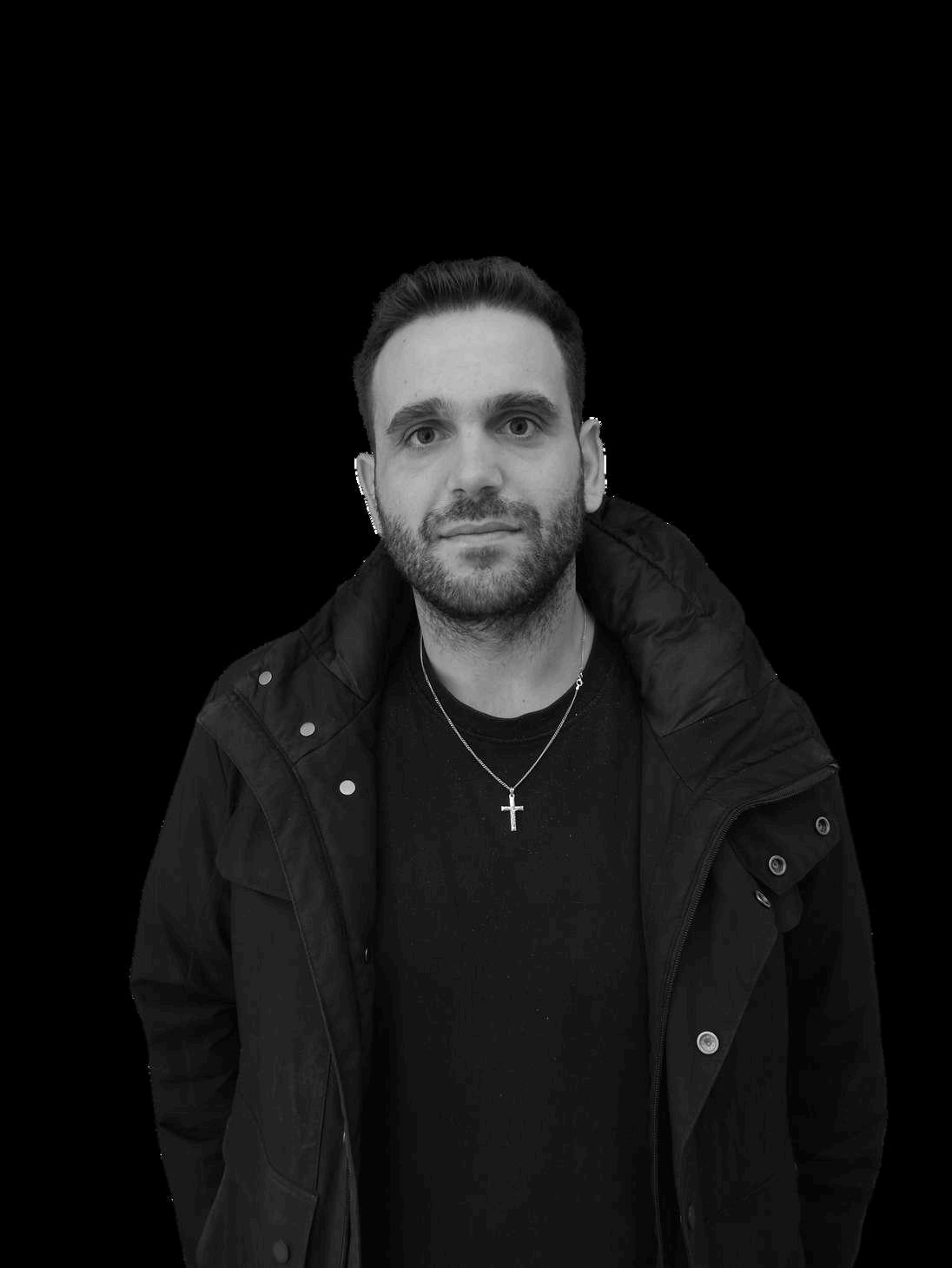
Isaac Christoforidis
Maria Ioanna Christoforidou..................................................
Eleni Efremidou
Katerina Kakhniashvili
Islam Prokopis Katiaj
Inga Kavelasvili.......................................................................
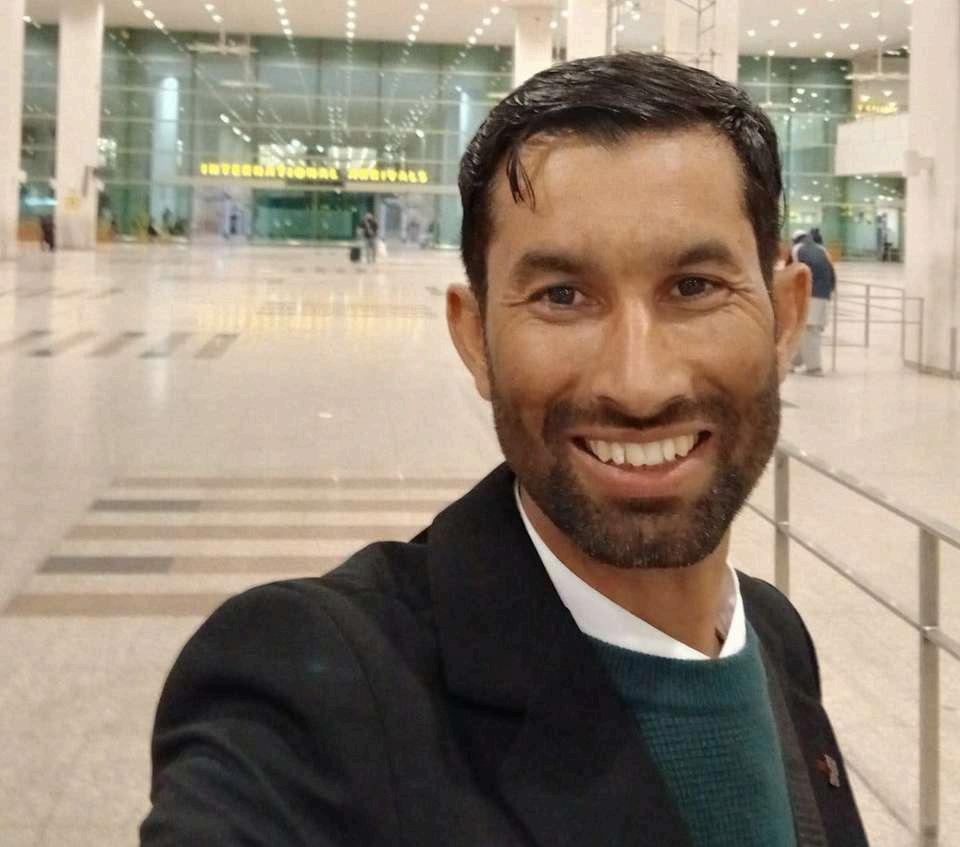
Muhammad Waseem..............................................................
"VOICES isn’t just about storytelling–it’s about restoring agency to migrants and turning awareness into action.
Through workshops, advocacy, and intergenerational dialogue, students don’t just learn–they co-create By developing skills in journalism, policy writing, and leadership, they transform the lessons learned into a concrete action plan for integration, supporting the implementation of the EU Anti-Racist and Integration Action Plan at a local level”
Gianluca Giovannucci, EucA President
DOCUMENTING STORIES AND CRAFTING POLICY IN THESSALONIKI
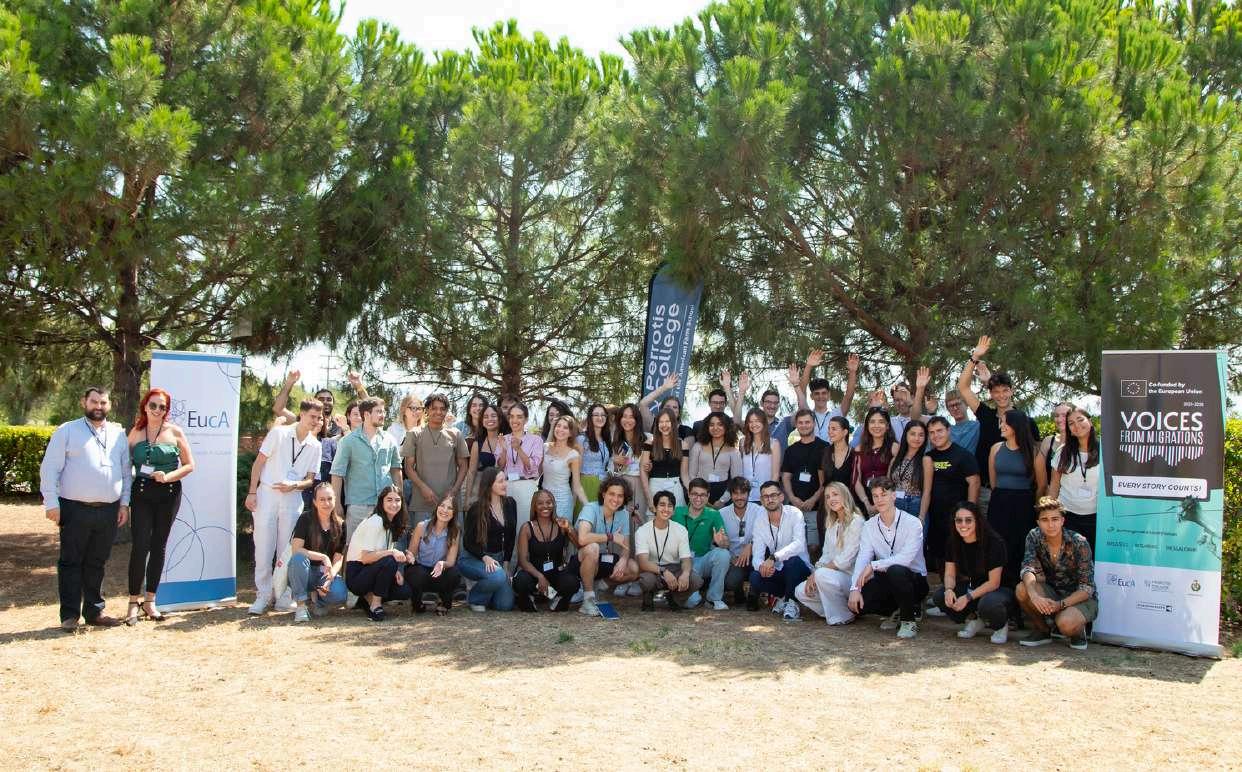
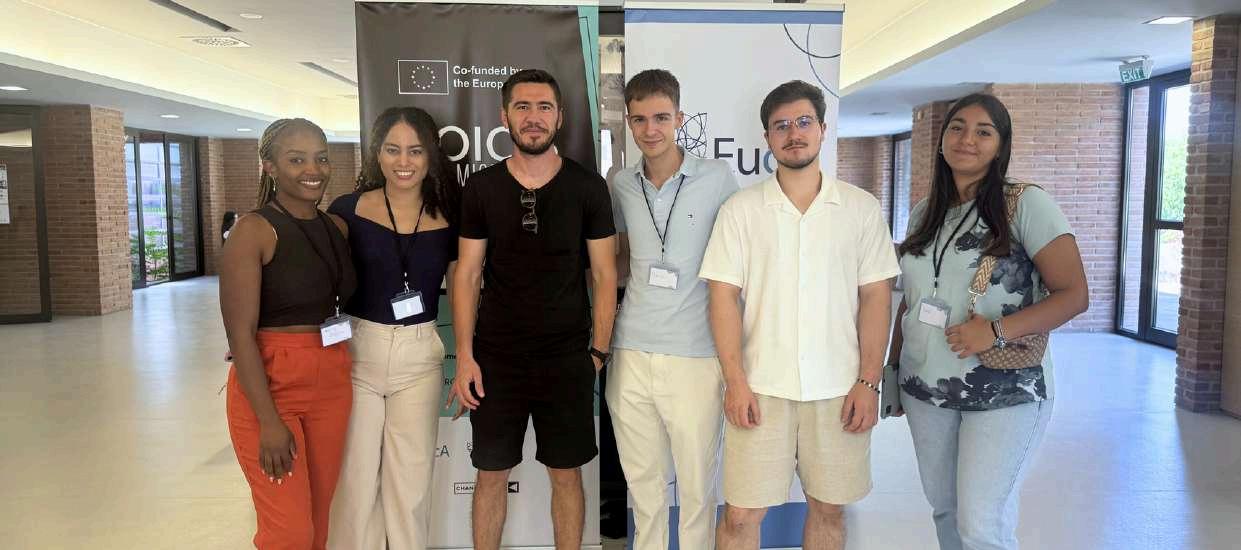
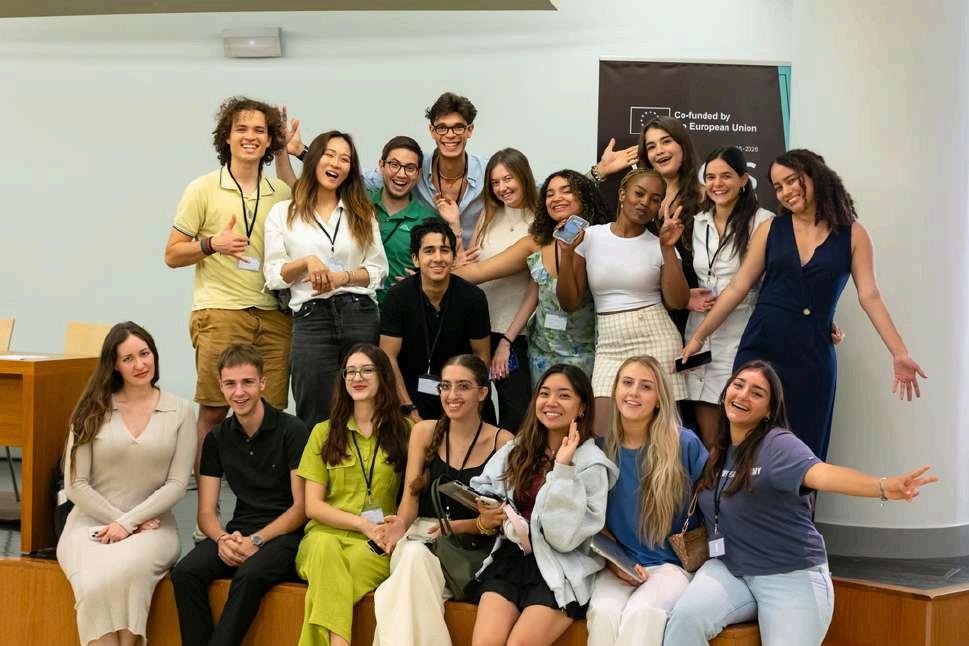
From 4-7 September, Thessaloniki experienced an influx of university students from across Europe, all determined to leave their mark on the coastal city. Their goal? To join “VOICES From Migrations” and be part of the EU’s rich cultural history.
Fueled by the participants’ enthusiasm, the three-day journey marked another milestone for the project, which first launched in Brussels on 11 May and continued in Rosarno last July Joining from 20 countries, the young changemakers arrived in Greece to once again uncover migration testimonies, engage in life-changing dialogue, and draft policy recommendations aimed at making a difference in Europe’s rural communities.
MIGRA TION
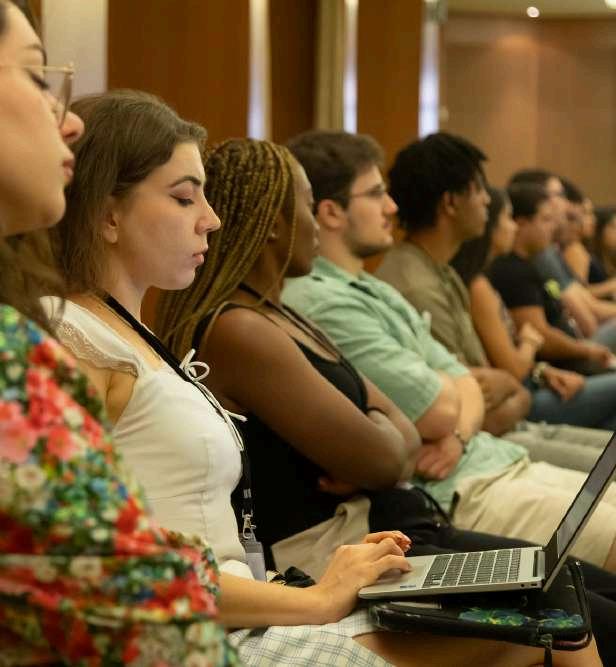
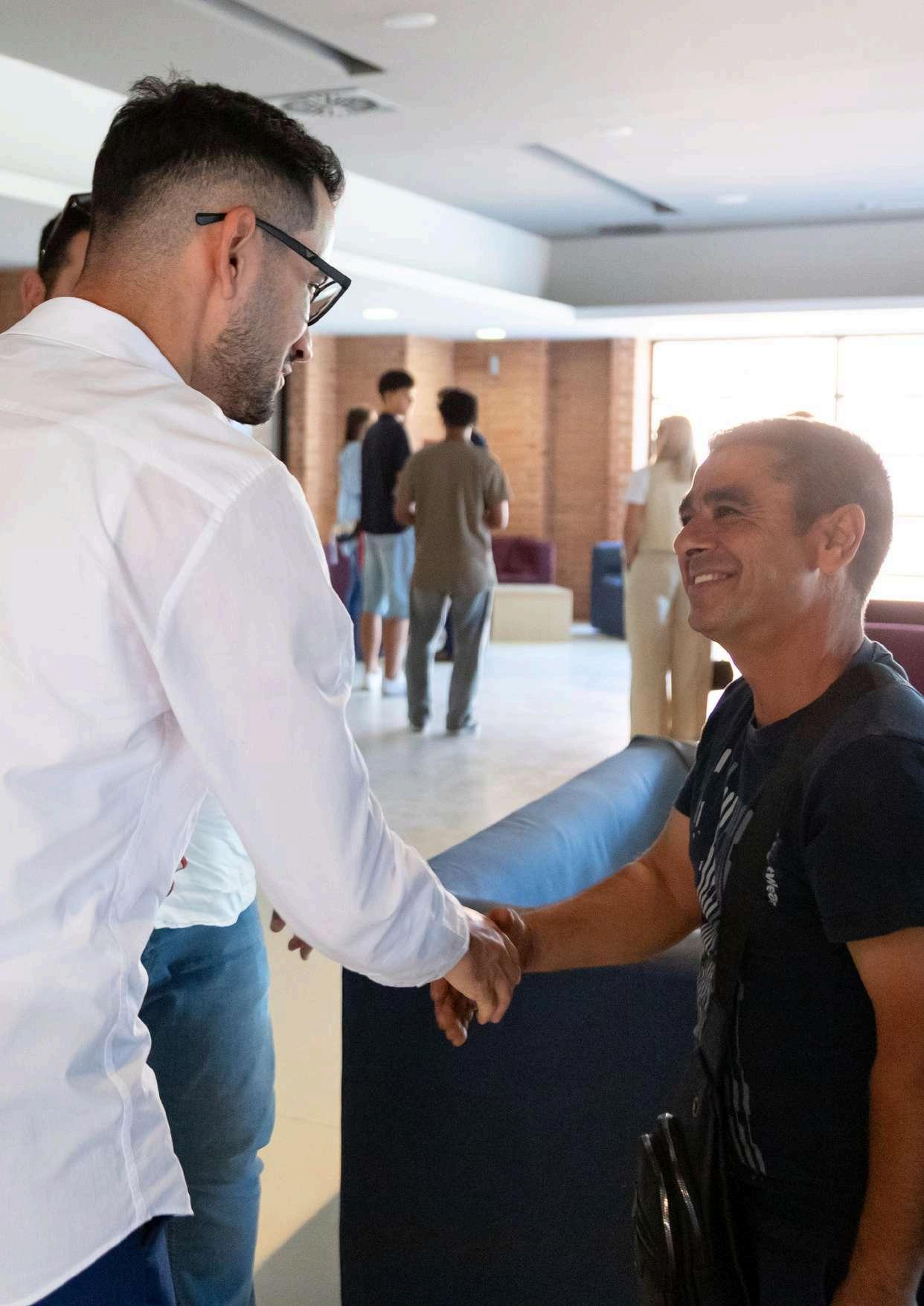
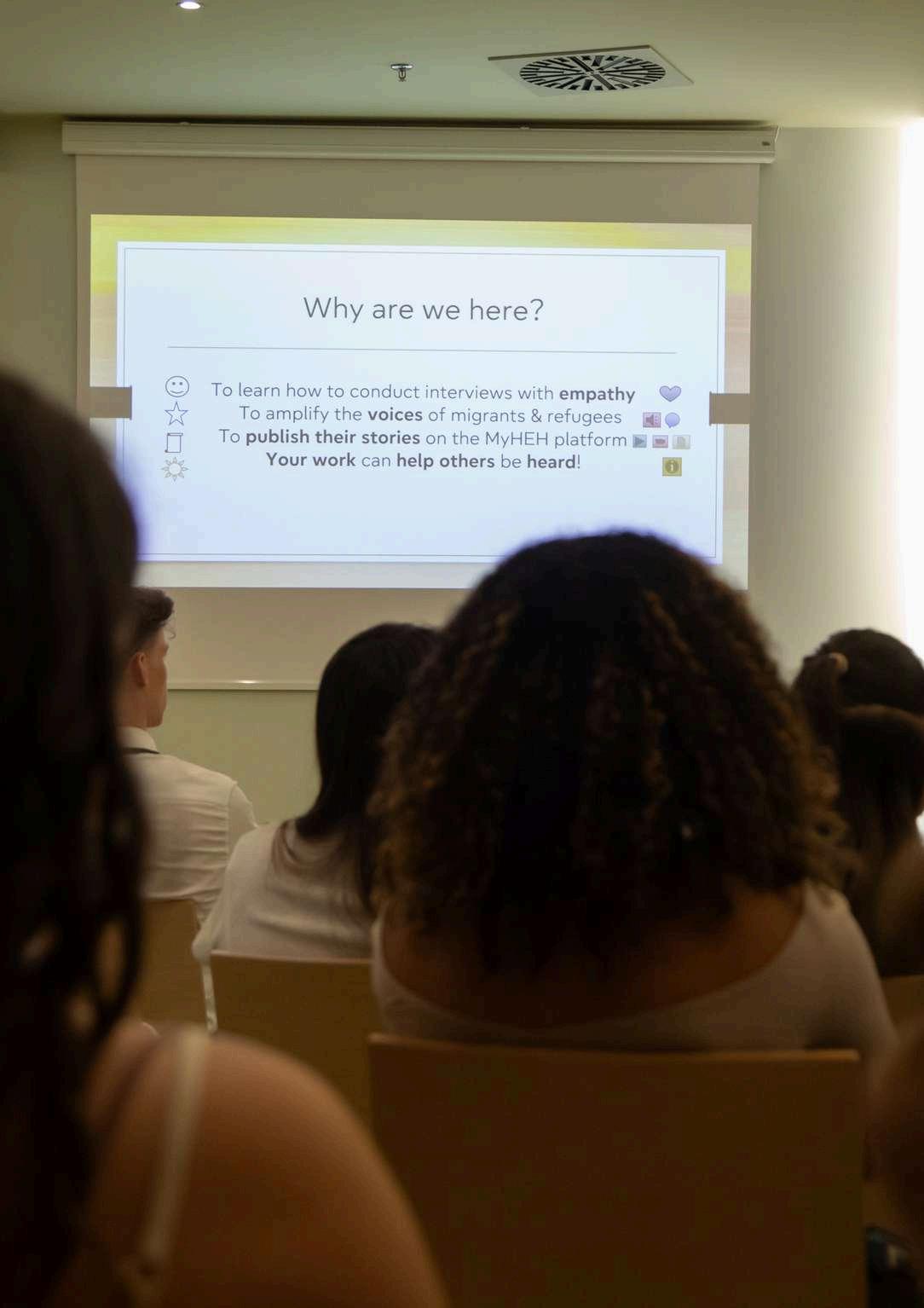
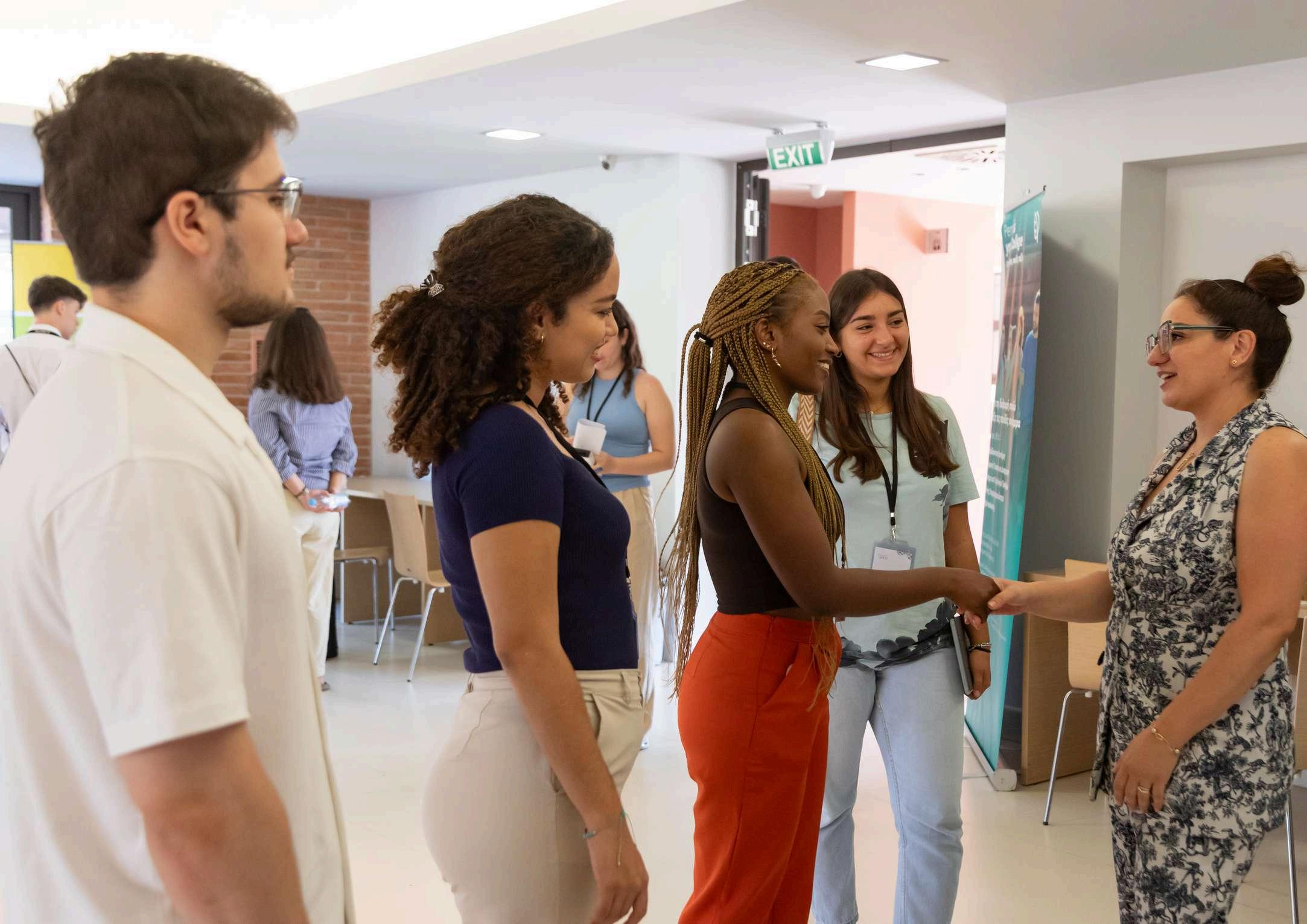
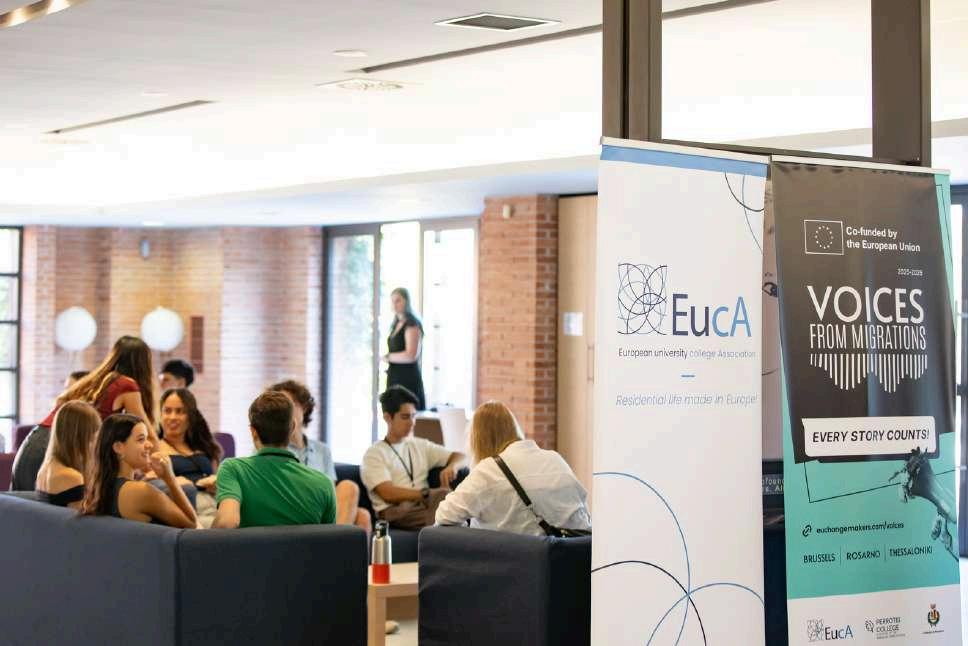
Co-funded by the European Union (and in collaboration with EucA and the Municipality of Rosarno), the closing event of VOICES’ first phase was hosted by Perrotis College-a branch of the American Farm School. True to its spirit of philoxenia, the institution opened the program with a welcome address by Dr Jeffrey Lansdale, President of the American Farm School, followed by energizing icebreakers and an insightful lecture on Thessaloniki’s rich migration history
FROM WORDS TO ACTION: A HEARTFELT "SEE YOU SOON":
The first day featured thematic workshops on Policy Recommendations Writing, Gender Mainstreaming, and Content Creation & Guidelines, led by EucA staff
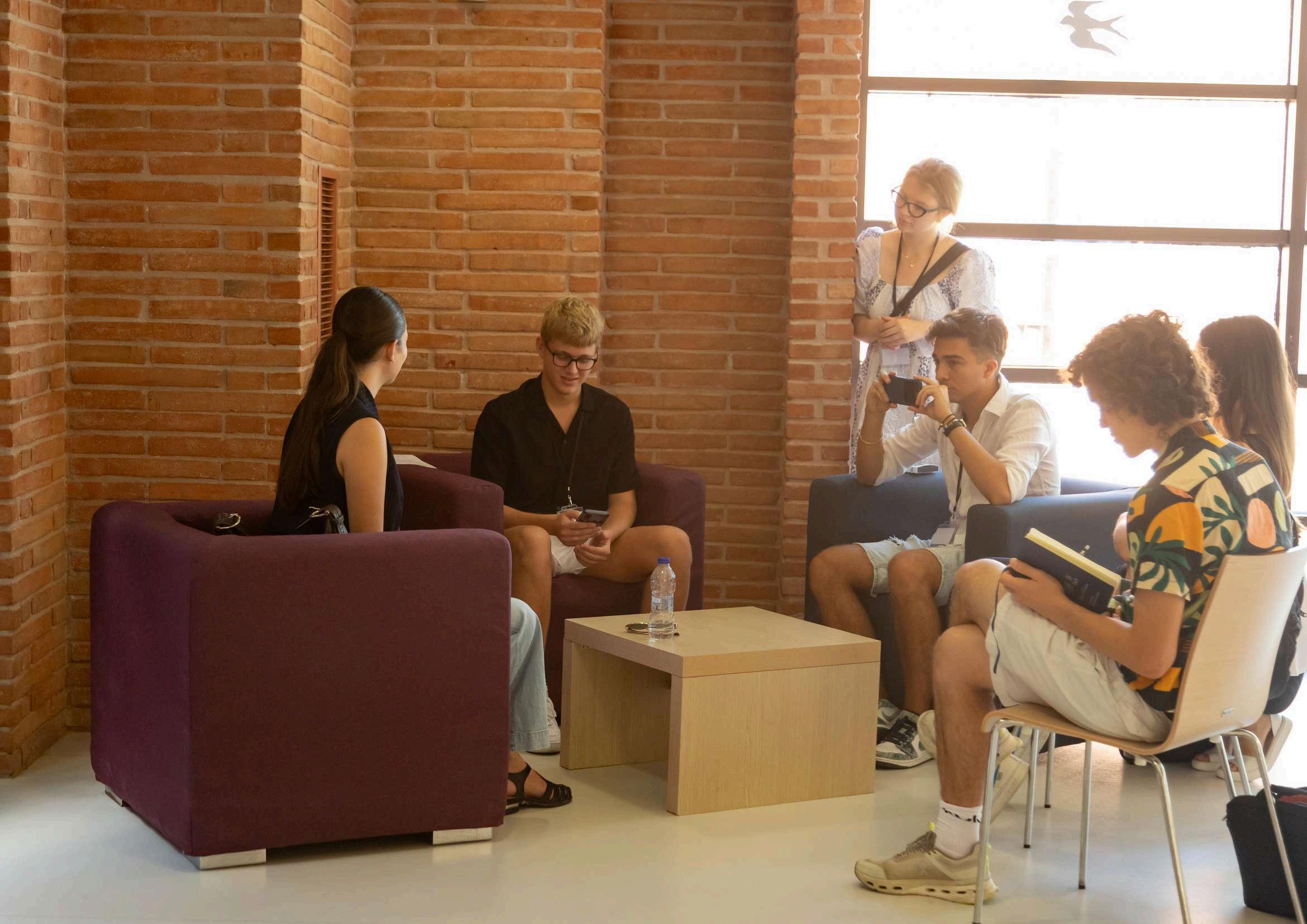
In addition, Ms. Iveta Madarova from My House of European History returned to the project to deliver an interactive workshop on storytelling and interviewing techniques. Her mentorship equipped students with tools to practice active listening, sharpen empathy, and better understand the challenges of documenting migrant experiences.
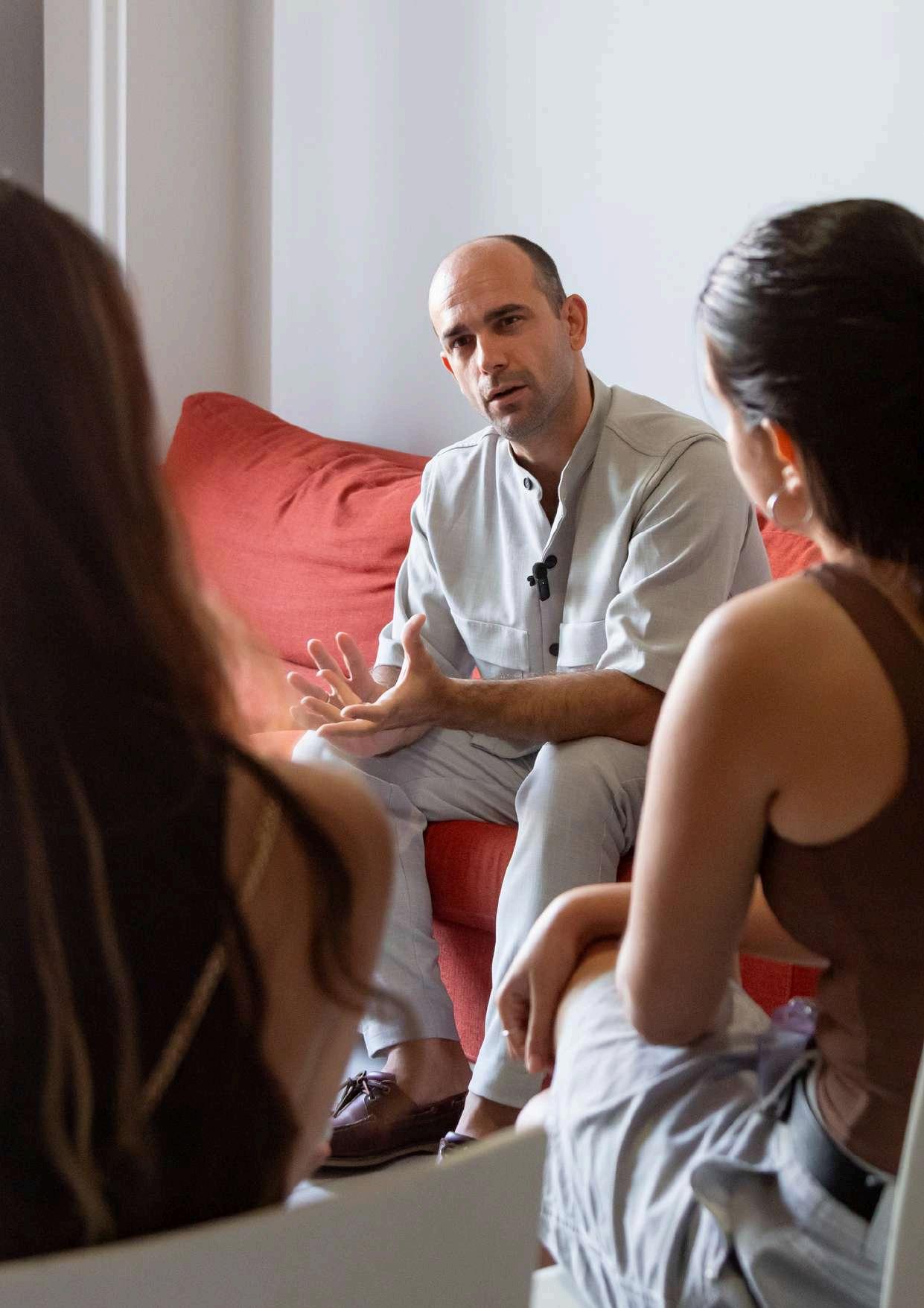
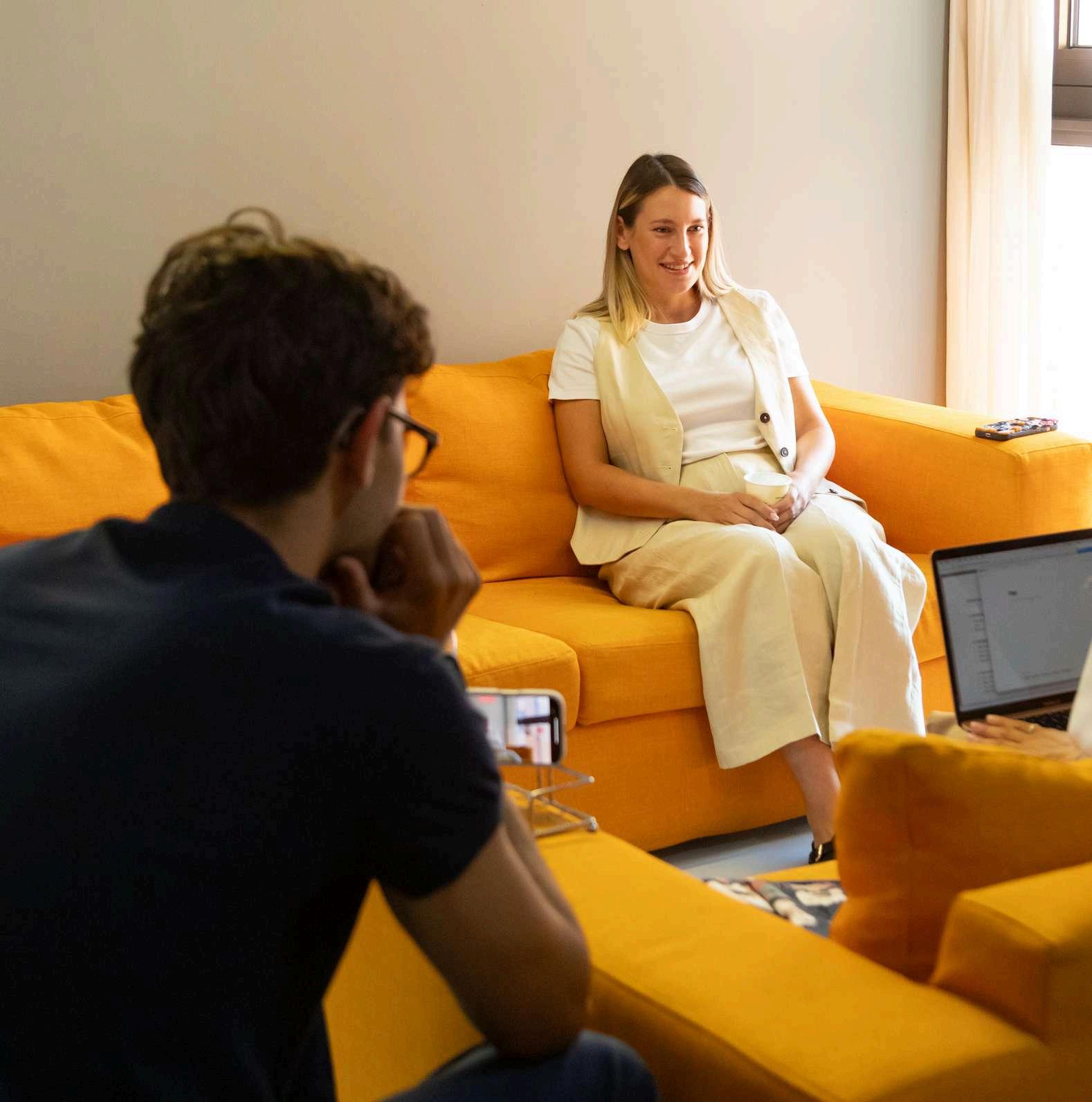
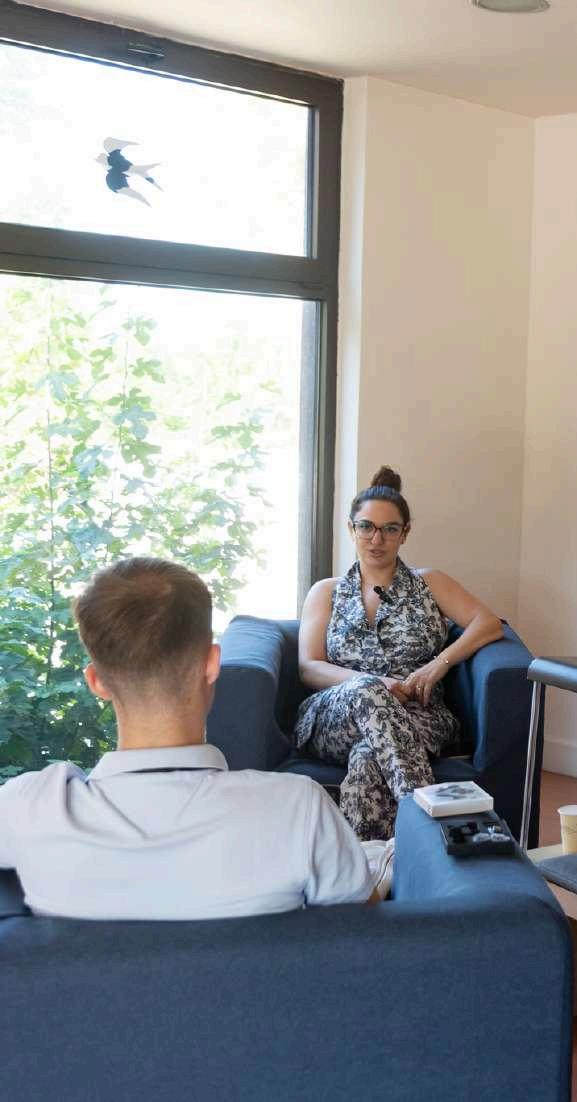
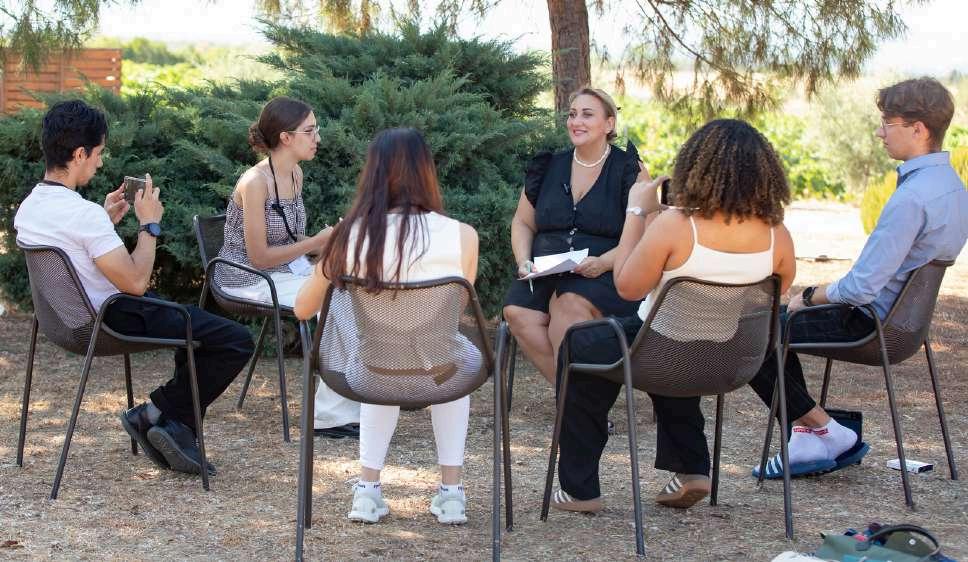
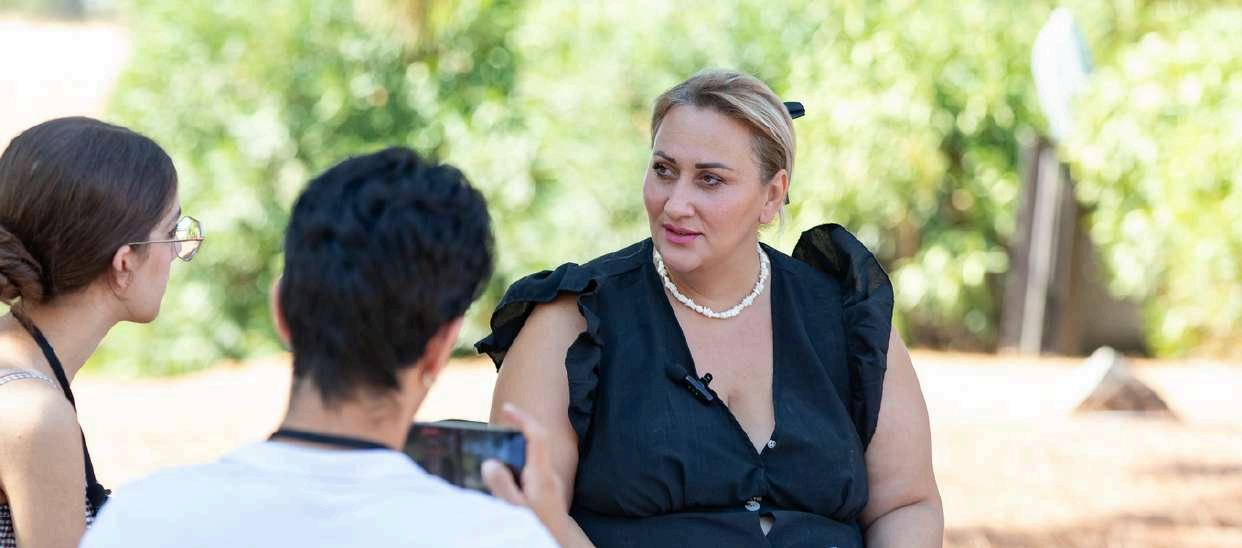
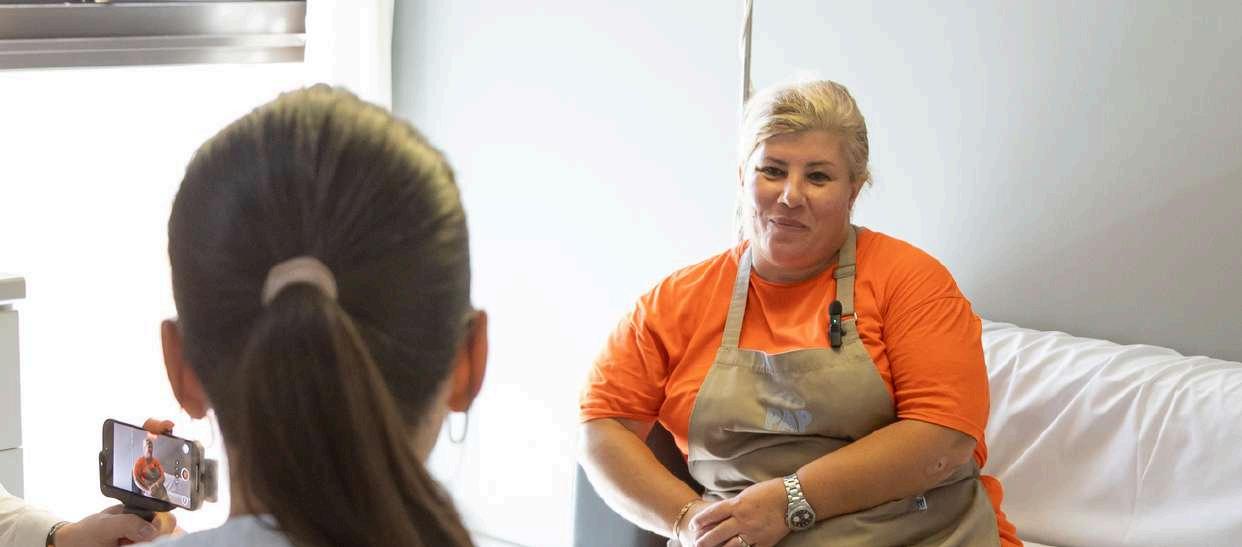
After a full day of training and cultural exploration, students came back energized for day two, when they put their new skills into practice. Divided into groups, they interviewed and recorded the testimonies of 21 citizens, whose sories of integration, belonging, and heritage shed light into the many ways migration takes shape.
The final day was a moving ceremony where the changemakers showcased the results of their work by talking about the lessons learned, and showing clips of the interviews they conducted
Pantelis Chantzaras, Coordinator of Students and Alumni Affairs at Perrotis College, gave a lasting statement empowering the students to continue their mission of advocacy, recalling the importance of “building bridges, not walls”, and commending all participants for their active involvement in the program.
Ms Iveta Madarova also offered key insights on the value of such initiatives for the European Parliament’s mission, thanking the changemakers for their interest and dedication to practice active citizenship, and foster integration and unity across nations
The Thessaloniki chapter marked a pause in the VOICES journey, but not the end
The following year, in January, a High-Level Summit on Anti-Racism and Integration Strategies for Local Policymakers took place in Brussels, where the policy recommendations drafted during the first three events were presented to European decision-makers
Later in the year, between 21-24 May, an International Conference and Multicultural Festival was held in Rosarno, once again bringing together students under the motto: “Bridging Past and Present for a Cohesive and Integrated Society”
Attending the VOICES from Migrations event in Thessaloniki was a truly moving experience
Hearing personal stories from migrants brought history and lived experiences to life in a way that no textbook ever could.”
As a young european citizen, I have always felt that I have to understand Europe more, and I got the opportunity with the event.”
RESULTS
For its third interviewing event, VOICES met with people who settled in Greece between the 1990s and the 2010s, bringing together migration stories from countries such as Albania, Armenia, Georgia, Moldova, Iran, Pakistan, and Syria
The outcome is a collection of 21 stories that speak on the resilience, courage, and adaptability of the migrant community.
Now digitised and archived on My House of European History a multimedia oral history platform supported by the European Parliament as well as on EucA’s own platform, euchangemakers com, these stories are accessible to the wider public By preserving and sharing personal experiences, they foster a deeper, more human understanding of migration and its impact on individuals and communities
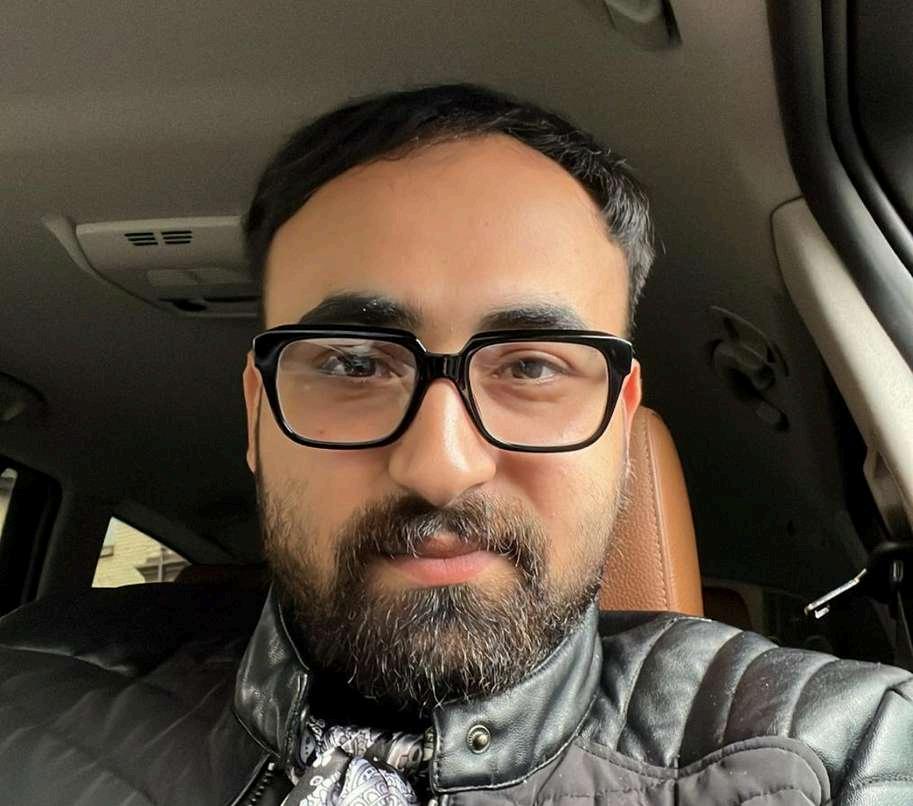
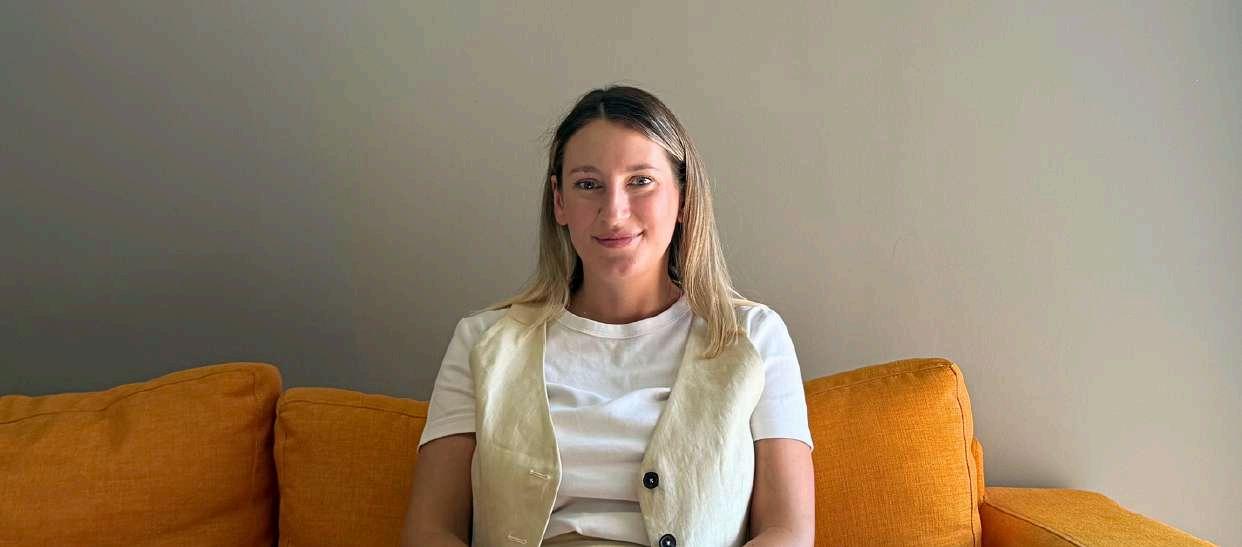
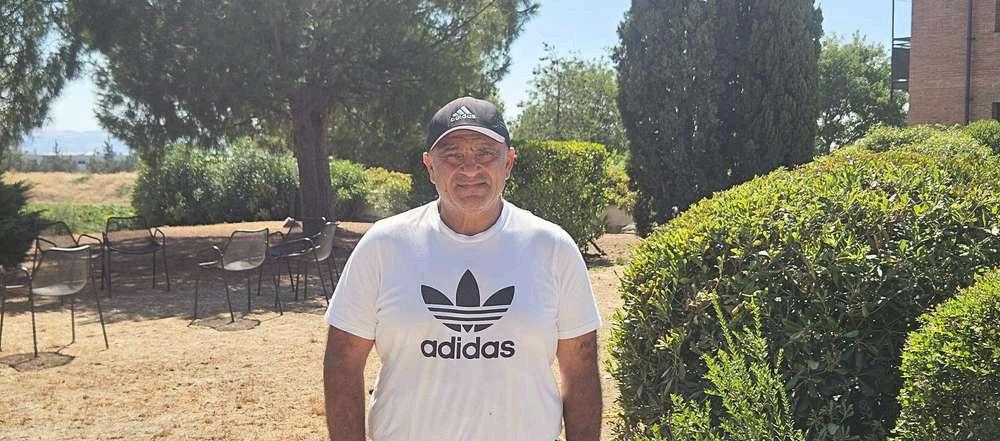
...you will find the compilation of the final testimonies - accompanied by photos - as well as the resulting Policy Recommendations drafted by the involved participants: university students hailing from 20 European countries.
The testimonies gathered provide a first-hand account on the lived experience of migrants citizens, offering both a personal and historical perspective on Europe as a community of diverse people and ideas Such testimonies can serve as a resource for educators and non-profit organizations to support integration and understanding in educational settings.
Interested groups and/or individuals should contact EucA - the European university college Association - at info@euca.eu for permission in the use of texts and images
Languages: English, Greek
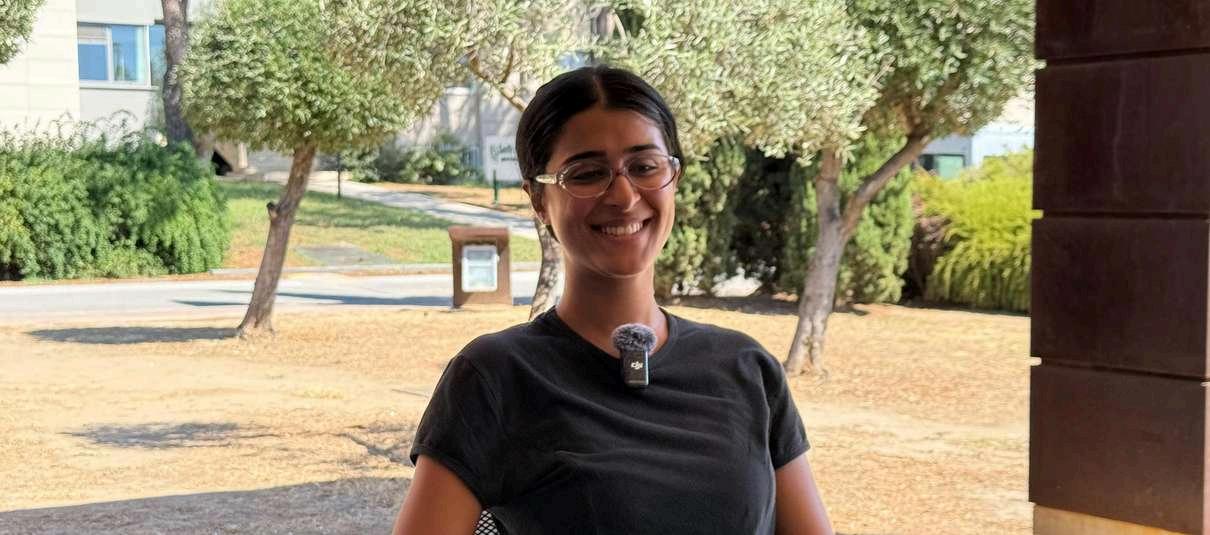
Kimia Atolahi
“I was living in Tehran when I was very young To me, life was normal: I had friends and lived a normal childhood One day, back when I was eight, my parents suddenly decided to send me to Greece with some members of my family. Since I was very young, I didn’t understand why at first I can barely remember the journey, but all I recall is that it was sudden and very chaotic We first took a bus, then a car, and so on, but I couldn't understand what was going on
When I arrived in Greece, I was immediately struck by the warmth and kindness of the people here Their support made me feel truly welcomed, and that sense of belonging played a significant role in my decision to stay Until that moment, I had been living my life with others making choices for me, leaving me feeling somewhat lost. I felt lucky in Greece; I had a good education and healthcare. As I connected with the community, I realized how important it was for me to take control of my own future Today, I am currently studying marketing, and I have a side job working on a farm
Interview by:
When I was young, I never thought about my belonging to one society or another. Now I realized that it’s not where you belong anymore: I’m a human being, I’m on planet Earth, and that’s what matters At the end of the day, we all bleed in the same way I try to embrace both cultures and to find the balance between the two I feel proud of my home country, but I am also proud of the country I am living in right now.
For my life and future here, I just want to be healthy, to love myself, and to find stability in my life My message to everyone who deals with similar challenges: you are not alone, and everyone has problems and difficulties in life Be positive in your life, help others, and others will help you.”
Permanent link (My House of European History): my-european-history ep eu/myhouse/story/2303/en
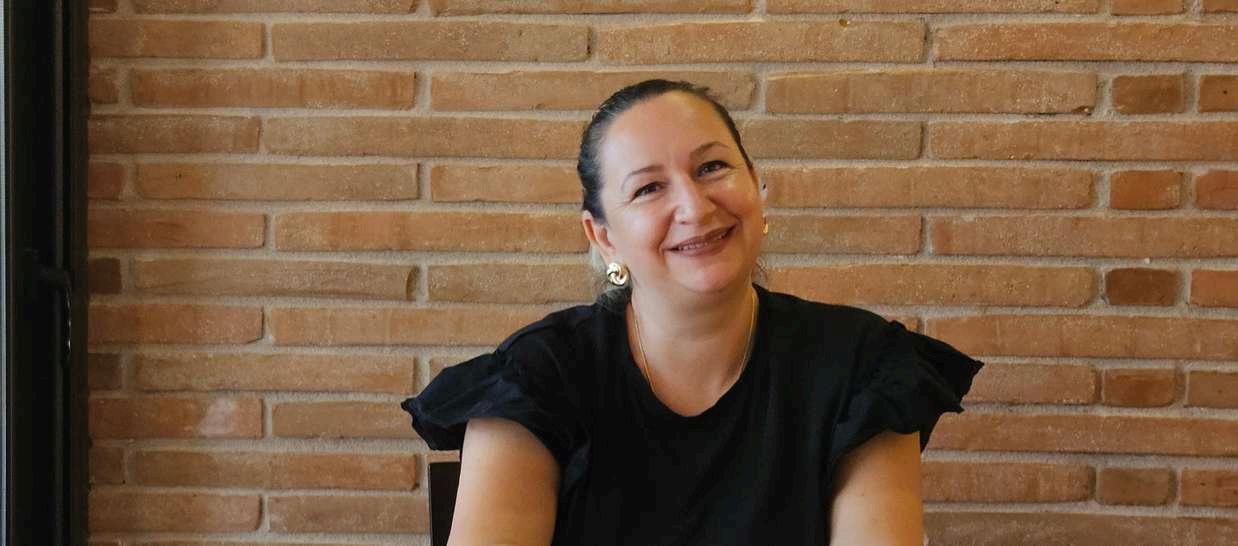
Doreida Burda
“I came to Greece twenty years ago, full of hope and excitement I left Albania with a group of friends to study at Perrotis College in Thessaloniki It was a big step, my first time living abroad. At Perrotis, life felt safe: the campus was full of students from all over the world, and I never felt different there But when I left college after five years, reality hit me hard
Outside that protective environment, people saw me differently. When I went to job interviews, and they asked where I was from, I could feel a shift in their tone. A simple ‘Oh, yes…’ was enough to tell me I might not be accepted
My dream was to work in marketing, but during my first month, I couldn’t find any opportunities Out of necessity, I took a job washing dishes. I stayed there for seven months before I got pregnant and had to stop working.
Since then, I have never been able to return to formal employment Instead, I’ve been trying to create something for myself
Interview by:
I started a small business from home: I made homemade candles while continuing to hope for a job connected to my studies.
Life as a migrant has been complicated My children were born here, but for the first twelve years of their lives, they weren’t recognised as Greek citizens It was painful to see them grow up in the only home they’ve ever known and still be treated as outsiders.
Over time, I found a sense of belonging It started in the simplest of places, for example, the playground Meeting other parents and building relationships made me slowly begin to feel accepted.
I want people across Europe to understand what it means to be a refugee or migrant Behind every document, every border, there is a story like mine that is full of hope, struggle, and the deep desire to be seen and accepted”
Permanent link (My House of European History): my-european-history.ep.eu/myhouse/story/2291/en
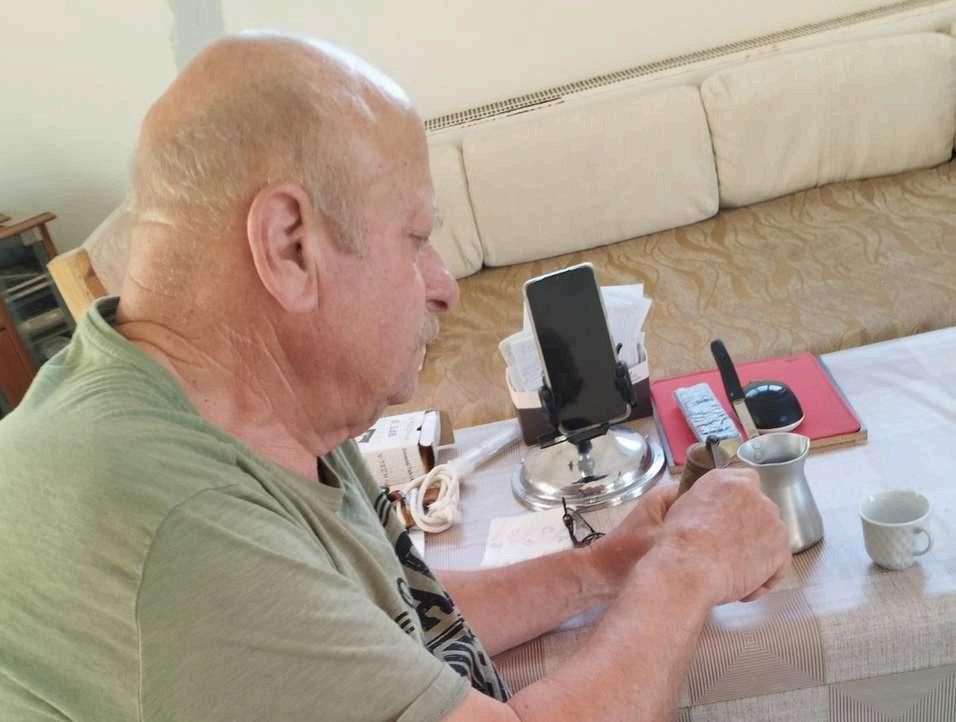
Isaac Christoforidis
“My name is Isaac Christoforos I was born to a Pontic Greek family in Yerevan, Armenia, and I moved to Greece in 1995 We've been here for 30 years already
In 1995, when I decided to move to Greece, Armenia was going through difficult times after the fall of the Soviet Union There was hunger, no electricity we knew it would be a hard life there, so we decided to leave in search of a better future.
When I finally arrived in Greece, I had 100 dollars left in my pocket and a coffee pot that I still have Already in Greece, they helped us with housing, and I found a job I worked long hours as a welder, sometimes 12-14 hours per day.
Interview by:
As someone who grew up in the Soviet Union, it was hard to get used to the new way of living My children and I now understand the locals, but we were used to a different mentality, so it was a bit difficult for us at first. Every move requires sacrifice.
I went back to Armenia for a visit two years ago, to say goodbye to my parents who passed away: I haven’t traveled back to Armenia for 28 years I passed by the place I grew up in, and I told my wife, ‘Even though I’m not an Armenian by ethnicity, this is my homeland.’
I’m now content with my decision to move to Greece: I have always had a strong connection with my Greek heritage, even during the Soviet times. And after that, I’ve always stood up for the causes of the Greek minority in the former Soviet Union territories and beyond.”
Permanent link (My House of European History): my-european-history.ep.eu/myhouse/story/2302/en
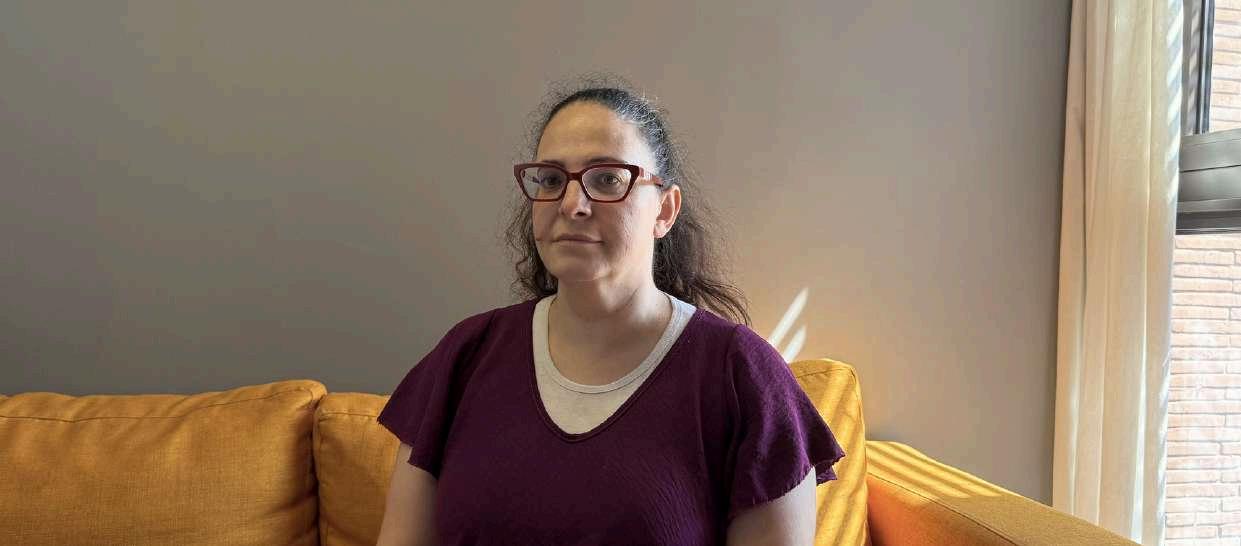
Maria Ioanna Christoforidou
“I was born in Yerevan, Armenia, where I spent the first years of my life filled with good memories, but also a growing sense of insecurity as the end of the Soviet Union drew near.
My family never had much, so my father decided to leave for Greece to find a job while we stayed in Yerevan After five years, Armenia sank into crisis, and the only thing left was for us to go, too.
The decision was not easy: it was desperate. We gathered the essentials and set out The road was harsh; every border demanded money and papers Luckily, we had with us a helper who knew the routes and could negotiate for us
And then came the moment I will never forget: men in uniforms stopped us and asked for money They lined us all up against a wall, pointing a gun at my father until they found a little hidden sum Then they lowered the gun and let us go That moment marked us all forever. They didn’t just take our money, but also our innocence and our trust.
Interview by:
When we finally reached Greece, we had only 100 dollars left, and yet we felt relieved: we had a chance to stand on our feet again The state supported us through a resettlement program and gave us a small house. It was simple, but it served us well: it was safe, stable.
The real shock was arriving at school, where I didn’t understand a word I felt foreign and isolated So I studied hard, and within a year, I could speak perfect Greek. Knowing the language, however, didn’t solve everything. People around me always saw me as a foreigner, so even at university, I carried this stigma with me
Today, I try to rebuild bridges with my origins, without losing my Greek identity. I feel that I belong here, in Thessaloniki, but also there, in Armenia. And perhaps true homeland is ultimately this: our shared human experience and the stories we tell that bring us closer together”
Permanent link (My House of European History): my-european-history ep eu/myhouse/story/2292/en
Eleni Efremidou
“I was eight when we left My father was a Pontic Greek, my mother Armenian Even in Armenia, we didn’t really fit in People always saw us as different So we thought that maybe in Greece, things would be better. It was supposed to be home. The journey itself, I still remember it Three days by car through Turkey Long, tiring, full of worry, but also dreams
But when we arrived, nothing was easy I didn’t speak the language. I was thrown into a school where no one looked like me, spoke like me, or understood me. I got laughed at for my accent, for the way I dressed I felt foreign everywhere
In Armenia, I was the Greek girl In Greece, I was the foreigner But you push through What else can you do? My parents worked hard. Very hard. Slowly, I learned the language. Slowly, I found my place. Now, I live in Thessaloniki, and I work with kids Maybe because I know how hard it can be when you're little, and you don’t belong, I want them to see that difference is not a weakness It’s a strength
by:
Sometimes, I go back to Armenia with my husband and my son I want him to know both sides of where he comes from I want him to feel proud of both People ask me, ‘Where do you belong?’ and I say, ‘To both places. I carry both in me.’ Education matters, too. A lot. If my school had understood what I was going through, maybe those early years wouldn’t have been so hard Language support, cultural understanding -it makes a difference
There are a lot of migrants like me in Greece. Sometimes I look around and wonder, ‘Did I really leave Armenia behind? Or did I bring it with me?’ We came for something better A life with less fear, less conflict More hope Migration is never easy But if you survive it, you gain something strong. You learn to live in between worlds. And maybe that’s not such a bad thing.”
Permanent link (My House of European History): my-european-history ep eu/myhouse/story/2309/en
Interview
Valbona Hystuna
“My name is Valbona, I’m 53 years old I migrated to Greece with my husband two weeks after our wedding We hoped that moving would give us the opportunities that we didn’t have at home. Even six more relatives left with us, two of them were 5 and 7 years old. Our journey was tough-we had to go through North Macedonia-, it was emotionally challenging and very long, but I will never forget the feeling of crossing the border
Some years later, a civil war broke out in Albania. We wanted to go back for a visit, at least, but it was too risky, although I loved and missed my family so much At that time, I remember that my parents watched the Yugoslavian television on mute and with closed curtains, afraid that somebody would recognize it.
by:
The first years were challenging for me since I could not find jobs that I liked I was a cleaner even though I graduated as a teacher back in Albania, and worked in every factory near Thessaloniki, even for a short time. Fortunately, my husband quickly found a job, but even with that, we had to share a flat with twelve people at the beginning All in all, it took me 8 years to find a job I really loved: I now work in an NGO that helps children
We frequently visit my sister and her family in Albania, and all our other relatives. It is very important for us My daughter also migrated to Denmark to get a Master’s degree Now she got her dream job in Copenhagen, for an energy company So, I think we can claim as a family that success will come if you are willing to put in a lot of effort for it.”
Permanent link (My House of European History): my-european-history ep eu/myhouse/story/2299/en
Interview
Katerina Kakhniashvili
“I’m Katerina I was born in Greece, but my whole family is from Georgia My parents moved here for economic reasons Originally, they only planned to stay for a few years, make some money, and go back. But they ended up staying.
From my family, only my mother, sister, uncle, and cousin are here Everyone else is in Georgia My mother did a good job of keeping us connected with our family there We spend as much time as we can with them, but of course, we miss them while we are away. I go to Georgia once or twice a year. It’s weird, but it also feels very familiar Sometimes, when I’m in Georgia, I feel Greek, and when I’m in Greece, I feel Georgian I think it’s because I was raised with both cultures, so I have mixed characteristics
I remember that in the first years of primary school, teachers would make comments like: ‘she speaks such good Greek’ I didn’t understand these comments because I was born in Greece, raised in Greek, and schooled in Greek, so these comments didn’t make sense
by:
On the other hand, the fact that my sister and I didn’t grow up surrounded by Georgian culture might have affected our relationship to the country; however, at home we speak Georgian, and eat traditional foods. We also went to Georgian classes. Through that, we met a lot of Georgian families who had migrated to Greece too
One of the challenges that has shaped my family’s story is how many immigrants end up working in jobs far below their qualifications. My mother, for example, studied Law, but she couldn’t continue her career as a lawyer here
I often feel sad for my parents, having to come to a new country, not knowing the language, not knowing what will happen tomorrow… The way I feel about Greece is the way they feel about Georgia, that’s where their families are, where they grew up, and where a part of them will always belong”
Permanent link (My House of European History): my-european-history.ep.eu/myhouse/story/2308/en
Interview
Islam Prokopis Katiaj
“My name is Islam Prokopis Katiaj I am 36 years old, and I came to Greece as an 8-year-old child from Albania. One of the main reasons we left was that my parents had better job opportunities in Greece than in our home country Additionally, Albania experienced extremely challenging times in 1997-98, as the financial crisis led to a civil war within the country.
I can claim without doubt that Thessaloniki is my beloved home; I have never felt the same in another city Fortunately, I was easily accepted by the people here, although my first half year in a school with only Greek students was challenging. However, I learned the language quite fast, and felt the other students were always welcoming
by:
I am a very lucky man to have a job I love I am a dance teacher: I teach Latin dances like salsa and bachata. I also have a family now: my wife came here also as a migrant from Georgia So our 10-month-old baby will learn three languages at least–Albanian, Greek, and Russian (as she grew up in a Russian family in Georgia)
I’d say migration is something usual in our family I have family members in Albania who also migrated to Greece, but then moved back A huge part of our family stayed in Albania, so there is always a reason to go back for a visit My brother instead migrated to Germany, and he has a family there. I think it is interesting how different opportunities shaped our family, even throughout borders”
Permanent link (My House of European History): my-european-history.ep.eu/myhouse/story/2298/en
Interview
Inga Kavelasvili
“I left Georgia when I was 23, hoping to build a better life I had studied to become a lawyer, but my salary was barely the equivalent of fifty euros a month It wasn’t enough to live, let alone to dream about a future. So my husband and I made the difficult decision to leave.
We chose Greece because I had two cousins living here That made the first steps easier Still, those first years were very hard I didn’t speak the language, I didn’t have the right papers, and I was constantly afraid. No job, no friends, no idea how to start over. For twelve years, I lived without a Greek ID or any legal documentation because of bureaucratic obstacles I was scared to even walk down the street, worried that the police might stop me and take me away.
At the beginning, I told myself it would only be for a year or two That we would work, save some money, and go back home But life doesn’t always go as planned
Interview by:
I started my very first job as a babysitter Then, slowly, I learned the language on my own and worked hard to build a life here I never allowed myself to feel beneath anyone Even in the hardest moments, I held onto my confidence.
Now, after twenty-three years, I feel part of this community I even wrote a cookbook filled with traditional Georgian recipes, which is a piece of my home that I wanted to share with others Life changed again after my husband and I separated. Seven or eight years after we came to Greece, we divorced. He left, and I raised our two children alone He never sent any money, never helped us It was incredibly tough, but I survived
Today, my eldest daughter is about to enter university, and she speaks five languages. I am so proud of her, of both my children, and of how far we’ve come”
Permanent link (My House of European History): my-european-history ep eu/myhouse/story/2305/en
Lindita Lazi
“I am Lindita Lazy, I’m from Albania, and I came to Greece in 1996, following my father, who had already settled here Life in Albania was not hard during my youth, but when communism fell and democracy arrived, everything became unstable. I decided to leave as the situation worsened: a Greek neighbor near my father’s house helped us a lot
At first, life in Greece was very hard: a new language, a foreign world. But people weren’t hostile since they respected my father. I often thought about returning to Albania, as I left behind my cousins, whom I loved Anyway, Albania and Greece are close culturally, and seeing life here opened my eyes Leaving was painful, but necessary Staying united as a family helped us face life’s struggles together.
Today, after 30 years, Greece feels like home. I work in a kitchen at Perrotis College, the American Farm School
The only obstacle? Legal matters have always been a struggle Even now, I must renew documents constantly because I don’t have a Greek ID yet, and studying for it is hard after a long day of work.
Despite all these challenges, I never felt alone here Good people surrounded us, though sometimes I still hear hurtful comments about my Albanian roots
Meanwhile, Greece has become my home, and I don’t regret leaving. The journey didn’t change me as a person I just wish countries gave IDs more easily, without requiring exams that are hard to manage while working
My message is simple: life is beautiful, but you must fight for it.”
Permanent link (My House of European History): my-european-history.ep.eu/myhouse/story/2301/en
Interview by:
Valenti Likollari
“I am Lindita Lazy, I’m from Albania, and I came to Greece in 1996, following my father, who had already settled here Life in Albania was not hard during my youth, but when communism fell and democracy arrived, everything became unstable. I decided to leave as the situation worsened: a Greek neighbor near my father’s house helped us a lot
At first, life in Greece was very hard: a new language, a foreign world. But people weren’t hostile since they respected my father. I often thought about returning to Albania, as I left behind my cousins, whom I loved Anyway, Albania and Greece are close culturally, and seeing life here opened my eyes Leaving was painful, but necessary Staying united as a family helped us face life’s struggles together.
Today, after 30 years, Greece feels like home. I work in a kitchen at Perrotis College, the American Farm School
The only obstacle? Legal matters have always been a struggle Even now, I must renew documents constantly because I don’t have a Greek ID yet, and studying for it is hard after a long day of work.
Despite all these challenges, I never felt alone here Good people surrounded us, though sometimes I still hear hurtful comments about my Albanian roots
Meanwhile, Greece has become my home, and I don’t regret leaving. The journey didn’t change me as a person I just wish countries gave IDs more easily, without requiring exams that are hard to manage while working
My message is simple: life is beautiful, but you must fight for it.”
Permanent link (My House of European History): my-european-history.ep.eu/myhouse/story/2307/en
Interview by:
Marinela Likollari
“My name is Marinela, I was born in Albania, and I moved to Greece in 2010 to stay with my husband and start a family We have 13-year-old daughter and a 10-year-old son
When I was growing up in Albania, my father had a drinking problem He was not able to provide for us, so we never had our own home We were always on the move, renting different houses Sometimes, not having our own home made me feel hopeless.
I met the man I’d marry as a young adult. He was already living in Greece, but he came back to Albania (where he was originally from) to find a partner After we got married, he went back to Greece, as he was a legal resident there Meanwhile, I had to stay three more years in Albania, waiting to receive my legal documents to be able to enter Greece.
Moving to a new country wasn’t easy The most challenging barrier was the language I was a housewife back then, so I learned Greek from TV channels and from my two children.
Interview by:
My husband was working 8-10 hours every day to provide for us It was a struggle to find a job for myself, because people only need housekeepers seasonally, and it is usually nonregistered work, so my main goal was to raise my children properly. Nowadays, I find work where I can, but it’s not a stable source of income
For me, my husband is the most supportive person in my life, but finding an Albanian community in Thessaloniki also helped a lot in feeling welcome. I really love going on walks in the city and having coffee with my friends there
All things considered, I am very thankful that I can live together with my family. My dream is to have my own little house and to see my kids thrive in life.”
Permanent link (My House of European History): my-european-history ep eu/myhouse/story/2290/en
lived with my family, my two brothers, and my two twin sisters My dream was to be a sea captain since I lived in a coastal city However, back then, men above 18 years old were forced to join the military. So when I turned 16, I left the country Otherwise, I would have had to join the army, which I didn’t want to do I left when my sisters were 7 months old and have not seen them in person since
My destination was Germany, as most of my friends had gone there. I planned to go first to Turkey, work for some time to save money, and then continue through Greece Travelling from Turkey to Greece was complicated; the only option was to take small boats provided by smugglers at a very high price. There were around 45 people in a boat that barely fits 30 people. When I arrived in Greece, they wouldn't let us in However, on my third attempt, I got in Since I was a minor, I had better chances than others
started seasonal work But I left Syria not just to work, but also to study and to become a sea captain They told me that in Thessaloniki, there was Perrotis College, which would be happy to accept me. So I studied International Business there
As for my documentation, I received help at the beginning, since I was underage But I never became a citizen, despite fully integrating into society. Such issues led me to leave. I needed to go somewhere where I could work with my diploma and hope for getting citizenship This is why I am currently in Glasgow Even though I love Greece and would love to come back at any chance I get”
Permanent link (My House of European History): my-european-history.ep.eu/myhouse/story/2300/en
Olga Momat
“My name is Olga, and I am 32 years old I was born in Moldova, in Chisinau, and I started my journey abroad from a young age At 13, my parents and I decided that it would be beneficial for me to attend an international school, so I moved to a boarding school in Austria, where I studied for three years Then, on my own, I moved to England for two years, completing my International Baccalaureate (IB) During a summer vacation in Greece, I became so fascinated by the country that I decided to change my plans and move to Thessaloniki, where I found a university program in agriculture and business, similar to what I had in mind
It wasn’t easy to integrate right away Even though I studied at an English-speaking university, most people spoke only Greek. I had never taken Greek courses, so I had to learn on my own, through daily immersion The language barrier created difficulties, especially when I started working as an intern at a company where no one spoke English
Interview by:
It was frustrating, but it forced me to learn Over time, I became able to speak it well, but writing in Greek is still a challenge
What really stood out, however, was the incredible warmth and hospitality of the Greek people Despite coming from a different culture, they welcomed me with open arms Strangers invited me into their homes to spend holidays and even took me to their villages and weddings. This genuine kindness made me feel part of the community, and it made my integration much easier.
Looking back, I realize that my moves from one country to another helped me grow a lot Each stop taught me to be more independent, to solve problems by myself, and to understand other cultures. But if there’s one lesson I’ve learned, it’s that to face the challenges of migration, one must be open, patient, and ready not to give up, because every difficulty can turn into a valuable lesson for growth”
Permanent link (My House of European History): my-european-history.ep.eu/myhouse/story/2306/en
Alexandros Mouhsiadis
“My name is Alexandros Mouhsiadis, and while I was born in Georgia and will always recognize it as my homeland, I'm also a person of Greek descent When I first came to Greece 30 years ago, I immediately fell in love with it and never wanted to leave.
I had just finished my studies when I left Georgia It was incredibly difficult to say goodbye to the place I grew up in, and equally challenging to start over in a new country. The journey here was long and hard, a bus trip from Georgia to Greece, but the desire to be here made all the difficulty worthwhile
Initially, my plan was to work in Greece for a short time However, a new law that allowed us to stay longer had just been approved, and I was so happy here that I took the opportunity. I truly felt like this was my homeland.
Interview by:
The language barrier was the most difficult challenge We could find jobs, but not being able to communicate in everyday situations was a constant frustration They did have language seminars, but it was hard to juggle them with our work schedules. I learned the language the old-fashioned way: by communicating with the locals every day
Despite that, people were accepting and kind I have nothing bad to say about the locals; if you are a good person and have a positive attitude, they will have a good relationship with you.
At the beginning, it was a real struggle, since we never had support like economic aid or housing assistance But now, I'm comfortable and proud to be part of this community. What started as a foreign place has, through years of overcoming the hardships of migration, become a place I truly feel at home in”
Permanent link (My House of European History): my-european-history.ep.eu/myhouse/story/2294/en
Voltisa Qesaraka
“My name is Voltisa Qesaraka, I am 52 years old, and I am from Albania I have lived in Greece since 24 March 1993
My sister was already in Greece, so I got a 1month visa to come and visit her. After my visa expired, I got caught by the police and was sent back to Albania In order to go back to Greece, I had to pay a lot of money Because we were here illegally, my husband and I had to work irregularly in factories, while we also picked fruit. Only after six years were we able to get legal documents.
Staying in Greece was very difficult at the beginning because we expected to have a better life and more job opportunities We did not receive any support when we arrived. The hardest thing for me was the language barrier and the bureaucracy.
Even if we had the money to rent a house, we just couldn’t get any, so at the beginning we had to sleep in barns without a bed I even had to face racism, and was not always given my full salary by my employer.
Interview by:
My son is 25 years old now, and I do not want him to face the same kind of discrimination that I had to face Even though he was born here, people are still mentioning that he is Albanian, and they mean it in a negative way, unfortunately.
Greece now feels like my second home, despite the ongoing challenge of renewing my documents every three years
If I could go back in time, I would tell my younger self not to leave my country and stay in Albania But even then, I have fought a lot for my life, and I am proud of all I’ve accomplished I have a house, and a son who has been raised well, so I am really proud of these things
Regarding the future, I only hope I will be able to visit other countries, because I have only been in Albania and Greece my whole life”
Permanent link (My House of European History): my-european-history.ep.eu/myhouse/story/2295/en
Apostolos Qirici
"I was born in 1987 in Berat, Albania, during a time of intense social and political transition My name can be written in two ways: Apostolis Qirici in Latin characters, reflecting my Albanian nationality, and Apostolis Kyritsis in Greek, due to my mother’s Greek heritage. This dual spelling reflects my dual identity
I came to Greece at the age of three, and my childhood was shaped almost entirely there My memories of Albania are few and distant. Until I was eight or ten, I had not returned to my country of birth. Later I began visiting more often, but Greece had already become my main point of reference Today I live permanently in Thessaloniki, although my work requires frequent travel
My family migrated because Albania was going through a difficult period after the collapse of the communist regime For decades, it had been one of the most isolated countries in the world, with limited opportunities and a low quality of life For my parents, migration was not simply a choice, but a necessity a search for a better future.
Interview by:
My father arrived in Greece legally in 1991, something rare at the time A few months later, my mother, my brother, and I followed Even so, life was not easy
In elementary school, I encountered racism and began to understand that my origin could be a reason for discrimination I saw two paths among immigrant children: some hid their identity out of fear, while others tried to stand strong. I chose the second. I learned to respond with calmness and inner strength.
Even today, there are moments of discomfort I accept that some attitudes are difficult to change Racism exists; you cannot always avoid it, but you can learn to overcome it
What affects me most is seeing children lose part of themselves just to fit in. My story is about identity, resilience, and choosing to remain true to who I am "
Permanent link (euchangemakers com): euchangemakers.com/post/voices-apostolis-kyritsis
Ακόμηκαισήμεραυπάρχουνστιγμέςαμηχανίας. Έχωαποδεχτείότιορατσισμόςυπάρχει· δεν
Xhulio Rrasa
“My name is Xhulio Rrasa, and I’m 30 years old I was born in Elbasan, Albania, but in reality, my life began in Greece I came here when I was only four years old, so the memories I have from my homeland are limited, only holidays and family visits. I grew up in Larissa, where I still live permanently, while I currently study in Thessaloniki
My family has always been a simple, everyday family: my father, my mother, my sister, and me. My parents made the decision to leave everything behind, as many parents do, hoping to offer their children more opportunities and a better future
I don’t have clear images from the journey What I remember feels more like scattered moments, a sense of movement, of change, something like a new beginning, though I was too young to understand what was really happening
Interview by:
My earliest memories of Greece are from the village where we settled I remember the people being warm and friendly, welcoming us with kindness and genuine interest They truly wanted to help us find our footing, and that made our adjustment much easier. I didn’t face any particular difficulties that left a mark on me Even the procedures for residence permits felt like just another part of everyday life, nothing that seemed overwhelming In the area where we settled, we were the first from our extended family to arrive in Greece.
Over the years, we kept in touch with the relatives who stayed behind My grandmother, my uncles, and my aunts are always there waiting for us whenever we visit, usually once or twice a year. I enjoy seeing them, but I don’t think I would ever move back permanently. My life and everything that defines me is here in Greece”
Permanent link (My House of European History): my-european-history.ep.eu/myhouse/story/2297/EL
Mariam Sanoyan
“My name is Mariam Sanoyan, and I am Armenian At the age of 20, my family and I migrated to Russia, where my father had found a job There were limited opportunities back home, so the decision was made For 13 years, I lived in Nizhny Novgorod, until I met my husband.
He is Greek and found the idea of moving to Russia very difficult We chose to settle in Greece, and I am so glad for that
I vividly remember my first arrival in Greece and the moment I saw the sea from the airplane. That initial view left a lasting impression on me, and it made the country feel immediately welcoming and remarkably beautiful
I find everything in Greece amazing: the weather, the landscapes, and the people. The atmosphere feels open and kind, and I appreciate the energy of the city and the calmness of the coast
When I arrived in Greece, the hardest part for me was the language Adapting to the culture was easy, as I found it similar to Armenia. But not so the language.
by:
I had had the opposite problem in Russia, actually, as I knew the language, but was shocked by the cultural differences Nevertheless, I had strong support from my husband, and adaptation was easy as I had my family and my job keeping me steady I was also very lucky to have a close friend in Thessaloniki who had moved from Armenia as a child. She guided me a lot, making integration even easier
We now live in different places depending on the season: in summer, we go to Neos Marmaras, where I work as a Manager at a Hotel. The rest of the year, we move back to Thessaloniki, where we work in our shipyard business, my husband as a ship engineer, and I as a secretary
Looking ahead, I would love to enroll in a university to further my education in management. I do not see myself going to another place thanks to the life I have built here. We have a young child, and we feel very happy”
Permanent link (My House of European History): my-european-history.ep.eu/myhouse/story/2293/en
Interview
Aliona Stefanidou
“My name is Aliona Stepanidou I was born in Tbilisi, Georgia, and for the past twenty years I’ve called Thessaloniki my home
Life in Georgia was not always easy after the Soviet collapse, but I remember my childhood playing endless games in the yard, surrounded by friends At seventeen, I left everything behind to study in Greece The journey was three long days by bus with all our belongings, and when I arrived, I felt both excited and terribly lonely. I didn’t know the language, and that made me feel invisible at first.
Dancing saved me Back home, I had always danced, so when I arrived in Thessaloniki, I joined a studio Due to the lower level I found here, they asked me to teach, and through dance I learned the language, the culture, and slowly, I could build friendships.
I didn’t feel much discrimination, perhaps thanks to my Greek family roots
by:
I’m not part of any Georgian group here; the only thing I do is go to Georgian restaurants The food from my childhood brings back memories, makes me feel like time hasn’t passed
The hardest part was adapting academically. At first, I failed the exams, ashamed to even speak in class But I tried again, passed, and entered university Later, I also studied fashion and opened my own atelier, creating dance costumes.
Integration is never simple. Nevertheless, Greece gave me space to grow up fast, to become independent Looking back, I believe young people should take the risk of moving abroad if they dream of it You can always return, but you should never wonder what if. For me, leaving at seventeen was not just moving places; it was a rebirth.”
Permanent link (My House of European History): my-european-history ep eu/myhouse/story/2296/en
Interview
in Greece in 2017, and I am 38 years old
My life in Pakistan was fear, hunger… It was not good. Our house was small, just my mother, my father, an older sibling, and a younger one I am the ‘middle one’ We went to school, but had to work too
I came here to escape violence. One day, I was being hit and afraid I thought: ‘What is this life? How will my life be here?’ I wanted to do something, so I chose to leave everything behind
I departed alone, but there were a lot of people doing this journey towards Europe too. I travelled all the way on foot. Crossing the border with Iran was a nightmare. Not many of us got out of there alive Then, when we reached the Greek-Turkish border, there was a boat, and I was lucky enough to get in There were 15 people inside it, me included Only 3 of us made it. I will never forget that.
work well and have a kind heart, they help you In this, the Greeks are number 1
To other people facing a similar situation to the one I went through, I’d say: ‘Leave! Come and have a great life here Start living like a human being!’ After 8 years, I got my papers With them in hand, I went back to Pakistan to see everyone, but again, I felt scared.
Some words I would like to say to those listening: ‘Never traumatize children: don't hit them and don't put too much pressure on them’ When these kids grow up, they might end up traumatized Love the kids Talk to them nicely If you hit a child, it never goes well. This is all I ask from the entire world, because this is what I experienced.”
Permanent link (My House of European History): my-european-history ep eu/myhouse/story/2304/en
Interview by:
THIRD POLICY RECOMMENDATION FOR THE LOCAL ANTI-RACISM AND INTEGRATION ACTION PLAN
Languages: English
Drafted by: Boglár Gabriella Kiss, Camila Velez Martinez, Clàudia Castel Gallart, Fiorella Rodriguez Santos, Jonathan Andrzej Bender with contributions from Maria Carrara
BACKGROUND CONTEXT:
As part of the third international event of the EU co-funded project “VOICES”, held in Thessaloniki, Greece in September 2025, university students from across Europe were tasked with developing policy proposals to support the integration of migrants at the local level, with a particular focus in Rosarno, Italy in order to serve as reference for other rural municipalities in the Europe facing with migration issues and where migrant voices are often silenced
This final recommendation reflects a participatory, interdisciplinary approach and will be included in the Local Action Plan Against Racism of Rosarno. The Plan will be adopted by the Municipality of Rosarno, along with other institutional actors from the Calabria Region The following document presents the insights and recommendations gathered from the interviews conducted in Thessaloniki, Greece
Policy Recommendations:
A. ADOPTION OF COMMUNITY AND CULTURAL HERITAGE PRESERVATION CENTERS
Identified Problem:
Migrants face a serious risk of losing their cultural roots and heritage language, especially when isolated from others from their home countries This cultural disconnect is compounded during their initial settlement period by the absence of immediate support networks with shared language and culture and increases feelings of isolation.
Proposed Action:
Establish centers offering multilingual services and regular cultural events that engage migrants in their native languages and traditions, helping to maintain a strong cultural identity
B STRENGTHENING SUPPORT SYSTEMS FOR SINGLE-PARENT MIGRANT FAMILIES
Identified Problem:
Migrants, particularly single-parent households, face an increased risk of poverty, social exclusion and limited access to essential services In many cases, they rely solely on charitable organisations and NGOs for survival While NGOs provide emergency assistance, the absence of consistent public support creates a long-term vulnerability This situation highlights a systemic gap in public welfare provision for migrant families, which can lead to intergenerational cycles of poverty and hinder children’s integration into society To address these challenges, this policy seeks to establish comprehensive, public-led social safety nets specifically designed to protect singleparent migrant families, while also fostering collaboration between state institutions and civil society.
Proposed Action:
The establishment of a family support scheme targeted at single parent migrant families that provides direct access to financial assistance including housing support and childcare subsidies
The inclusion of emergency housing options that offer temporary safe accommodation for families at risk of homelessness following divorce, separation or the sudden loss of income is important
Policy Recommendations:
C. ESTABLISHMENT OF A WOMEN’S WORK & INTEGRATION HUB
Identified Problem:
This section addresses the gender dimension of migrant integration Women experience migration differently from men, often carrying the double responsibility of providing care within the family while also seeking employment and social participation Structural barriers such as legal dependency on spouses, lack of diploma recognition, and limited childcare disproportionately affect women, leaving them vulnerable to poverty, social exclusion, and invisibility. Highlighting gender in integration policy is essential because:
Women’s autonomy is a prerequisite for equality If residence status or employment is connected to their spouse, women become dependent
Women’s skills are underused Many migrant women are highly educated, yet “deskilled” by bureaucratic recognition barriers
Women act as multipliers of integration Supporting women leads to stronger outcomes in children’s education, health, and community participation. Addressing these barriers is therefore not only a matter of gender equality but also of economic efficiency and social stability
Proposed Action:
Creation of a Municipal Women’s Work & Integration Hub
The Hub would be run by a small municipal team and implemented through partnerships with NGOs, universities, and/or volunteers It would provide practical solutions for women in four main areas: qualification recognition, bridging jobs, legal & psychosocial support, and childcare access The Hub could offer advice on residence permits, divorce, custody, and rights through volunteer lawyers Volunteer psychologists or a partner NGO working in the field could provide psychological support, trauma counselling, and social work. Workshops on entrepreneurship and self-employment opportunities (e g , starting a childcare service, small catering, or handicrafts) could empower women to become more autonomous and independent.
Funded by the European Union Views and opinions expressed are however those of the authors only and do not necessarily reflect those of the European Union or the European Education and Culture Executive Agency (EACEA) Neither the European Union nor the granting authority can be held responsible for them