Created by the European university college Association
Contact: info@euca.eu
Direction: Alessandra Arcodia
Supervision: Alessia Massari
Graphic Design: Laura Lorente Ruipérez
ACKNOWLEDGEMENTS:
VOICES From Migrations is a project co-funded by the European Union. Views and opinions expressed are however those of the authors only and do not necessarily reflect those of the European Union or the European Education and Culture Executive Agency (EACEA) Neither the European Union nor EACEA can be held responsible for them
Project: VOICES From Migrations. Funded by the CERV Program.
PARTNERS:
Perrotis College, American Farm School (AFS) Marinou Antipa, Thessaloniki 551 02, Greece
Municipality of Rosarno
Viale della Pace - 89025 Rosarno (RC) perrotiscollege.edu.gr comune.rosarno.rc.it
SPECIAL THANKS:
The VOICES From Migrations team would like to extends its thanks to:
My House of European History
The OASI Association, in Rosarno
For their involvement, expertise, and belief in the project and its core values It wouldn’t have been possible without you
Oluwafemi Emmanuel Ayodele Anca Tatiana Acsanei............................................................
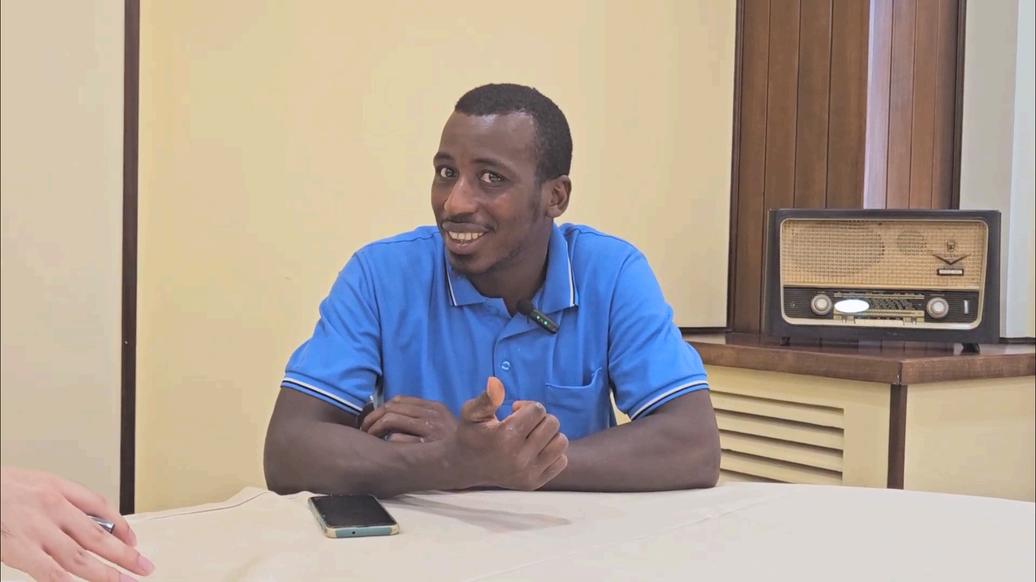
Mohamadou Balde
Mohamed Bance
Nicoleta Daniela Burdusel
Madalina Butuc
Alexandra Florina Calin.........................................................
"VOICES isn’t just about storytelling–it’s about restoring agency to migrants and turning awareness into action.
Through workshops, advocacy, and intergenerational dialogue, students don’t just learn–they co-create By developing skills in journalism, policy writing, and leadership, they transform the lessons learned into a concrete action plan for integration, supporting the implementation of the EU Anti-Racist and Integration Action Plan at a local level”
Gianluca Giovannucci, EucA President
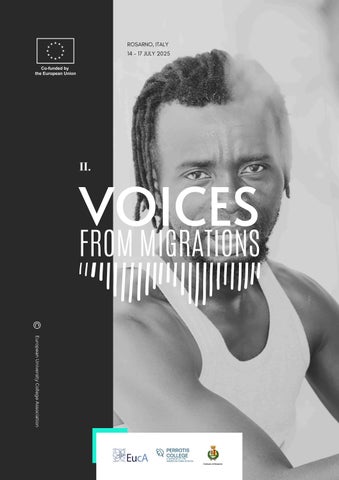
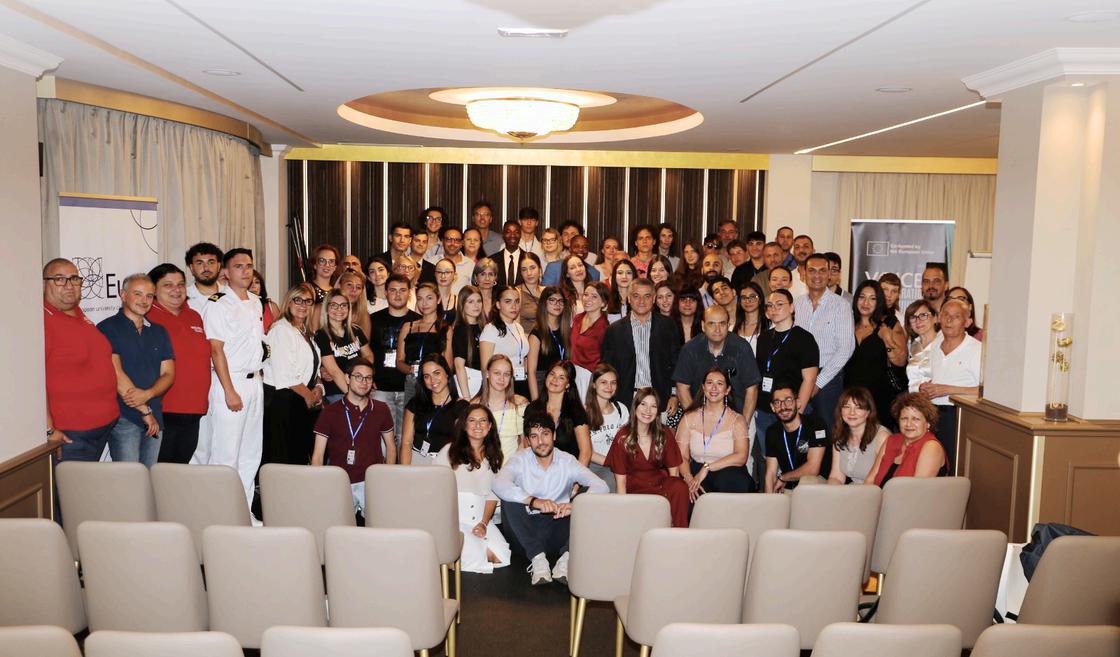
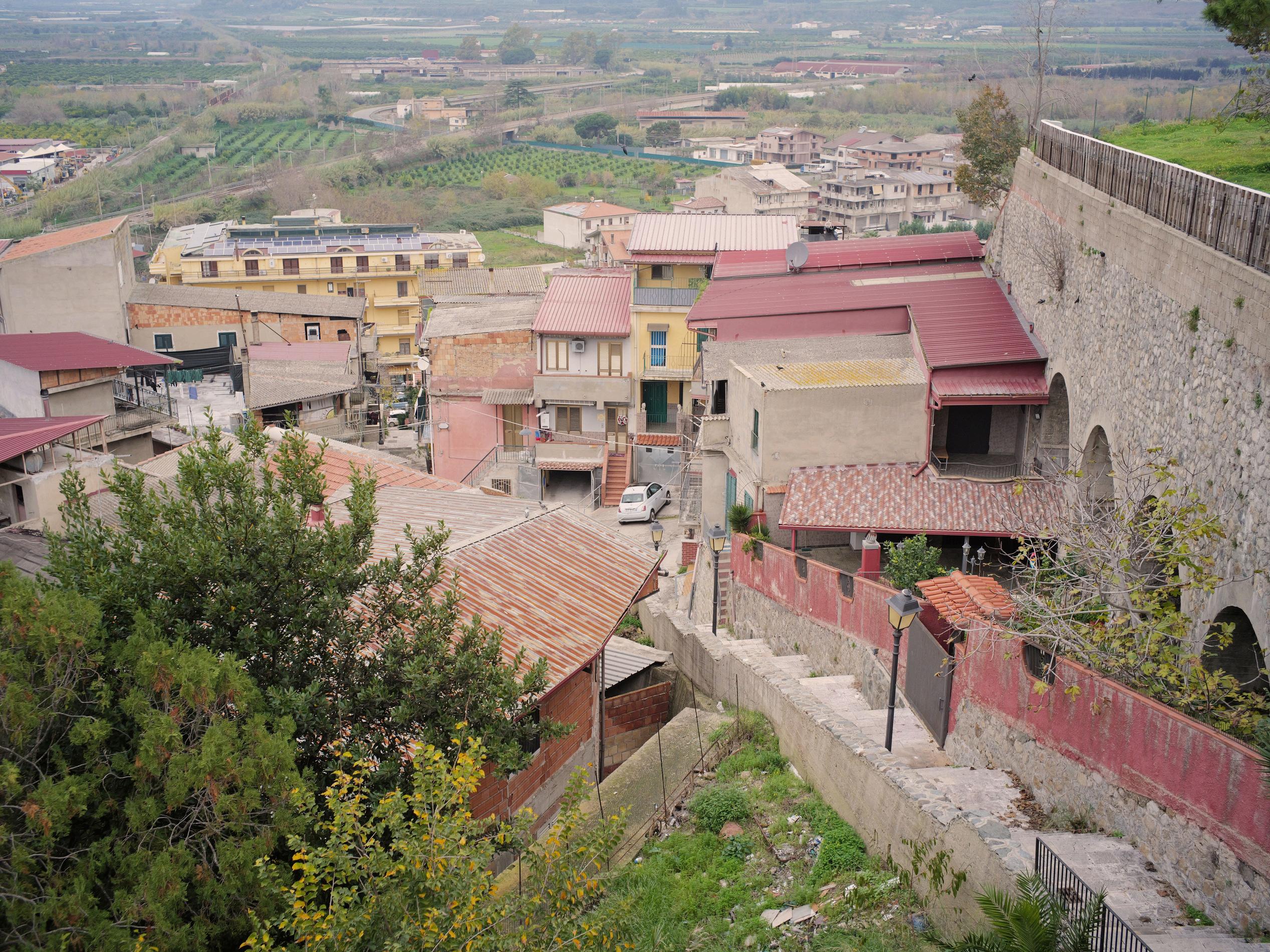
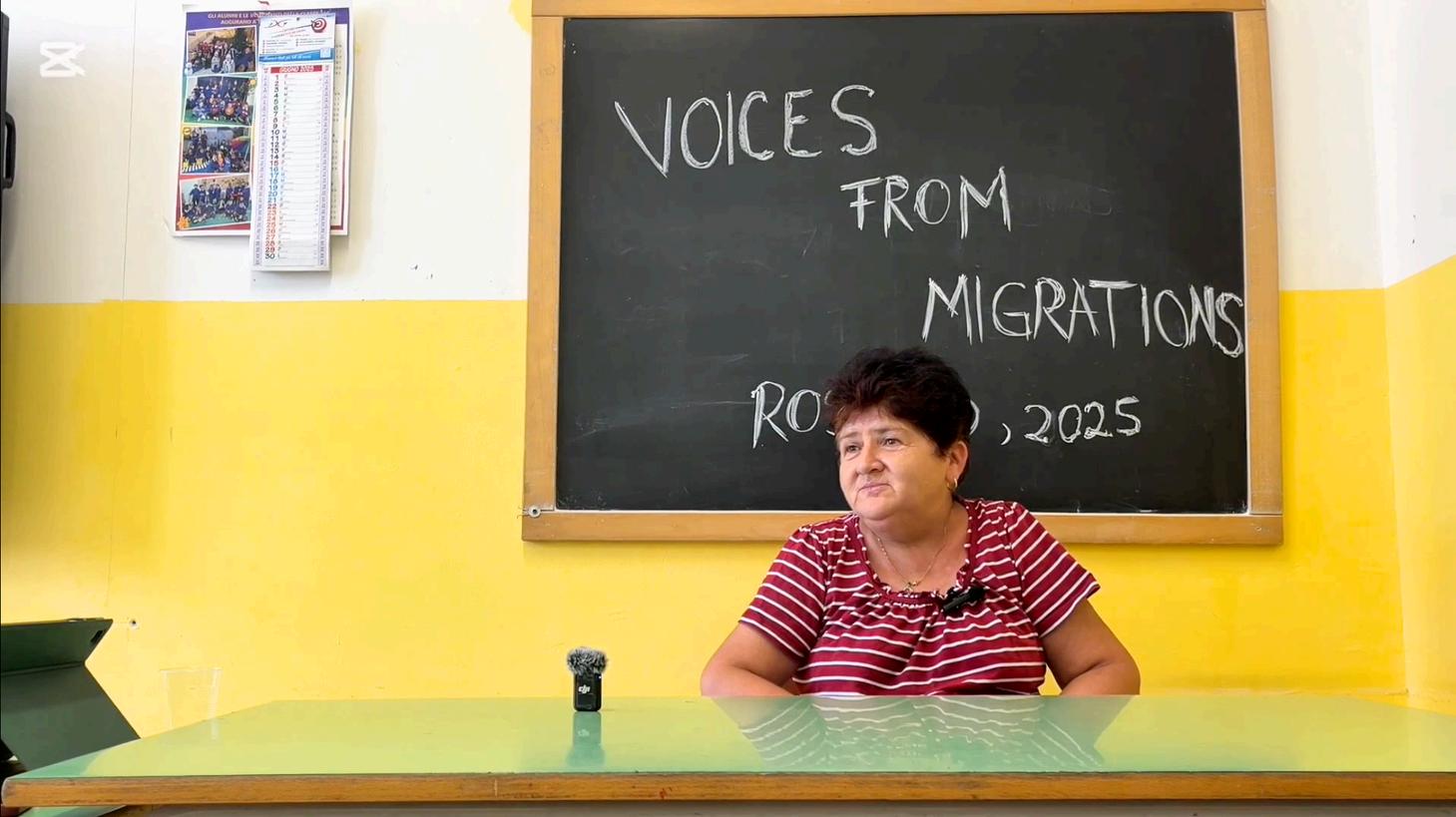
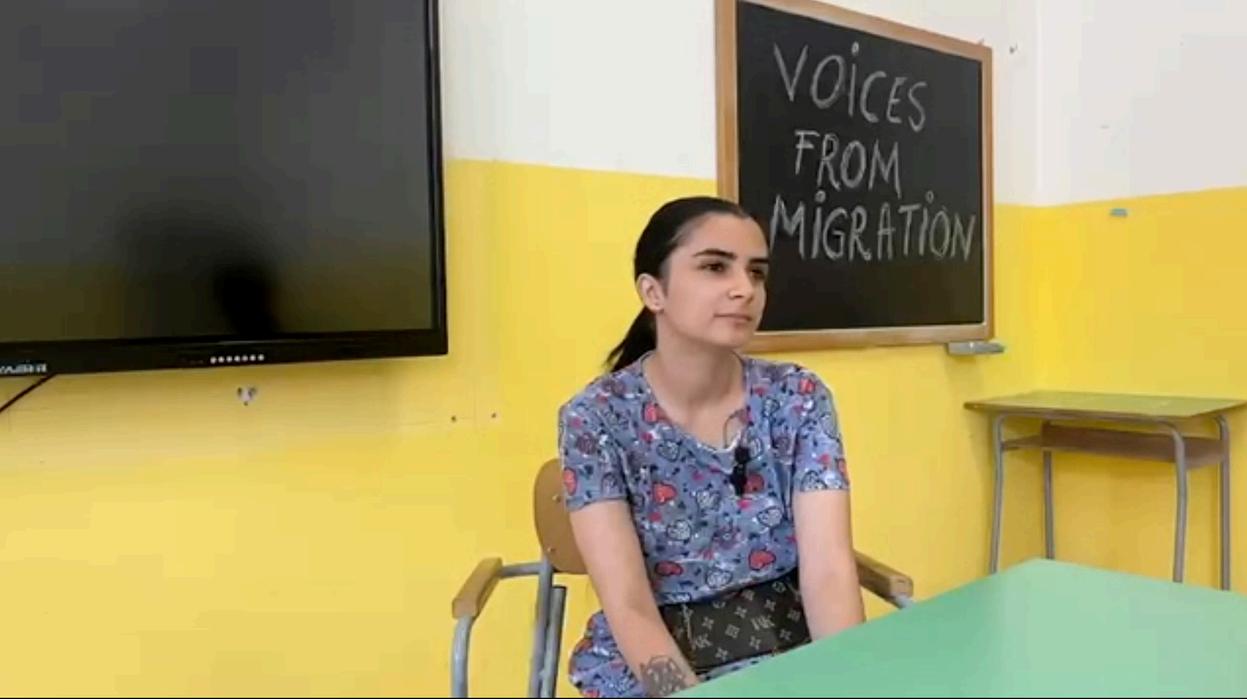
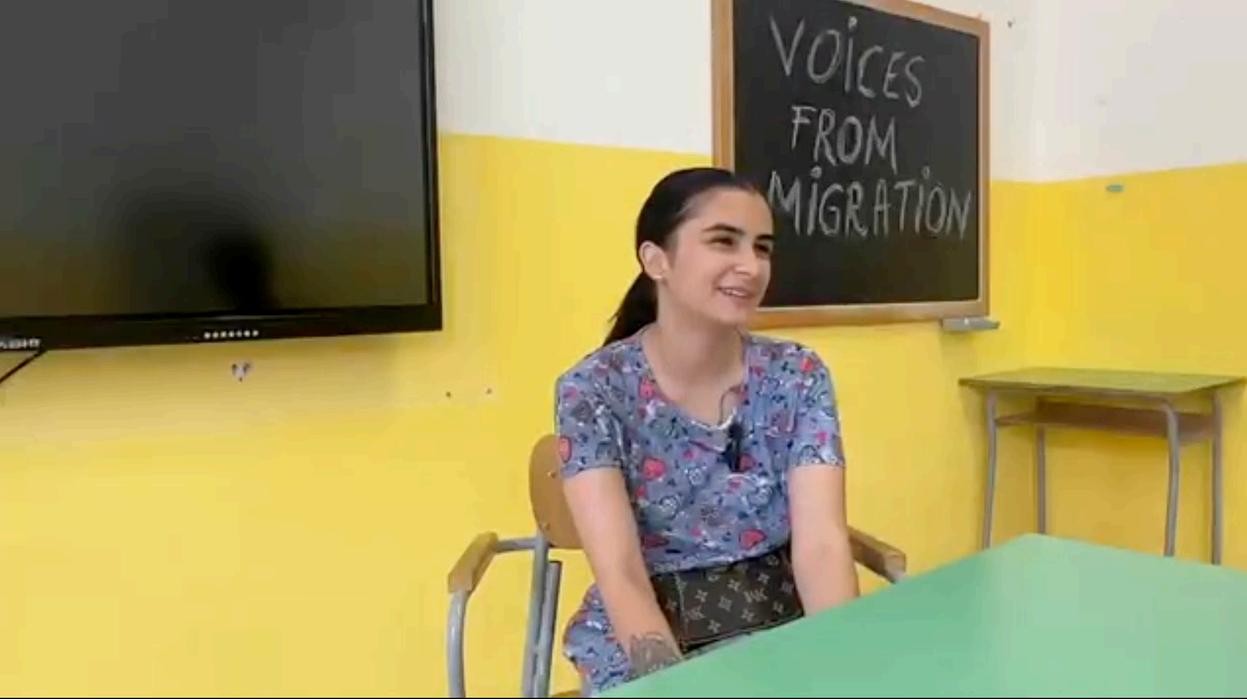
From 14-17 July, over 100 participants gathered in Rosarno, Italy, for the second chapter of VOICES From Migrations, a journey of social awareness and storytelling that gives voice to oftenunheard communities.
VOICES
Continuing the legacy of VOICES' first event in Brussels, the expected follow-up amplified its reach and impact, this time welcoming international university students from over 20 EU countries The young changemakers gave their all to highlight the power of storytelling and active citizenship, conducting intensive interviews and crafting political proposals to support migrant communities
Co-funded by the European Union, led by the Municipality of Rosarno, and organized in collaboration with Perrotis College, EucA’s VOICES was a powerful experience where students captured the stories of Rosarno’s migrant community and transformed them into tangible policy ideas to make a lasting impact.
BUILDING CONTEXT AND CAPACITY:
To prepare for the fieldwork, participants engaged in a series of workshops designed to deepen their understanding and sharpen their skills The first was delivered by Mr. Michelangelo Rosarno, Program Manager at the OASI Association and an expert in migration dynamics with over 25 years of experience His session provided a detailed overview of the migration situation in Rosarno, offering essential context to better understand the lived realities of the local migrant population
That same morning, EucA staff led three thematic workshops on Policy Recommendations Writing, Gender Mainstreaming, Content Creation and Video Techniques, equipping students with practical tools for their upcoming interviews and reporting.
Later in the day, students took part in a hands-on training session led by Ms Iveta Madarova, a Communications expert at the European Parliament’s “My House of European History” Focusing on interviewing techniques, the workshop covered strategies for crafting meaningful questions and navigating sensitive topics. Under her guidance, students practiced active listening and respectful engagement, key areas to collecting authentic, impactful stories.
IN TRANS ITION
A final session on Storytelling Techniques, led by Ms. Giudi Aligi, also from “My House of European History,” helped students learn how to shape raw interviews into clear, compelling narratives
FIELDWORK IN ACTION:
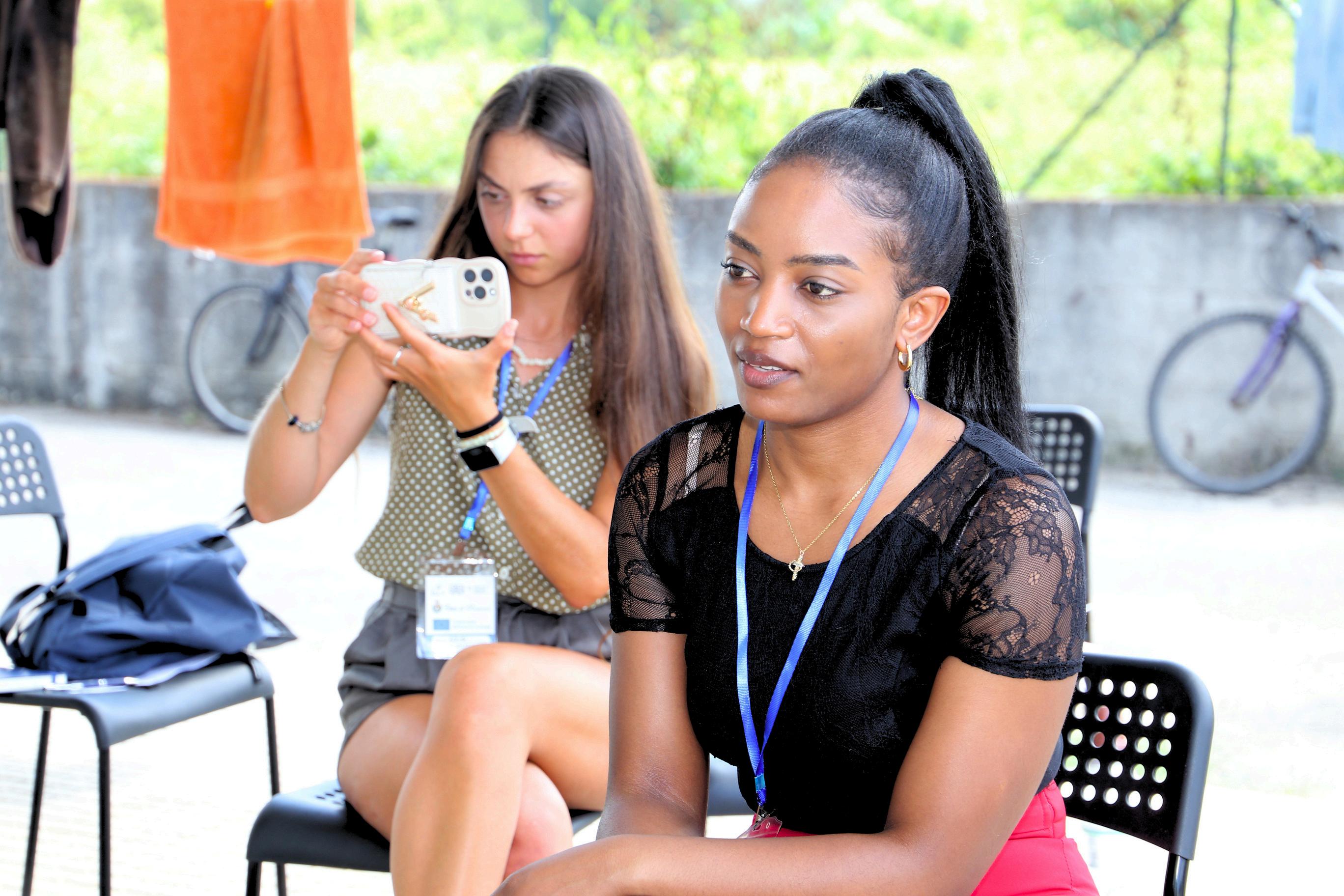
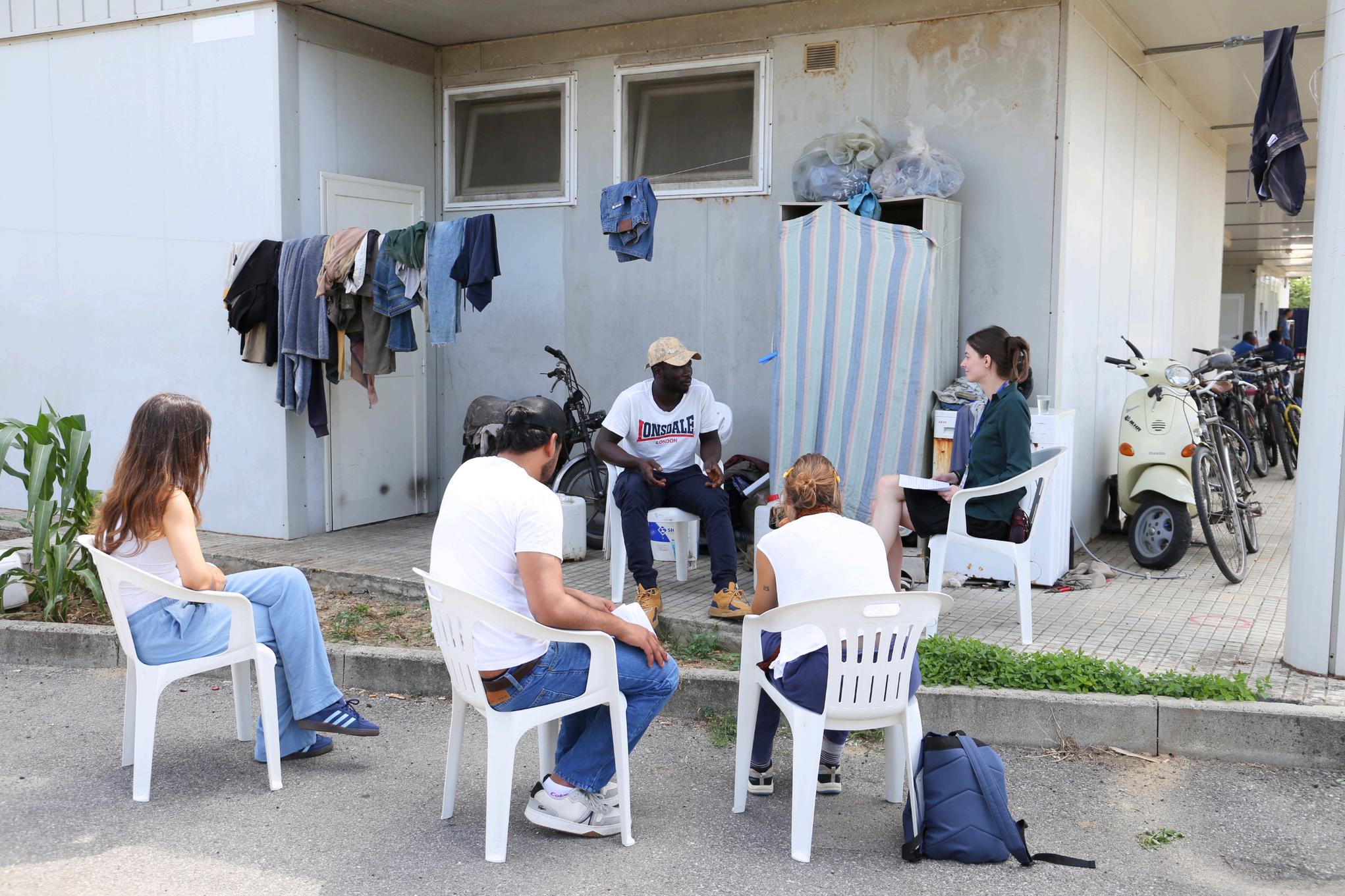
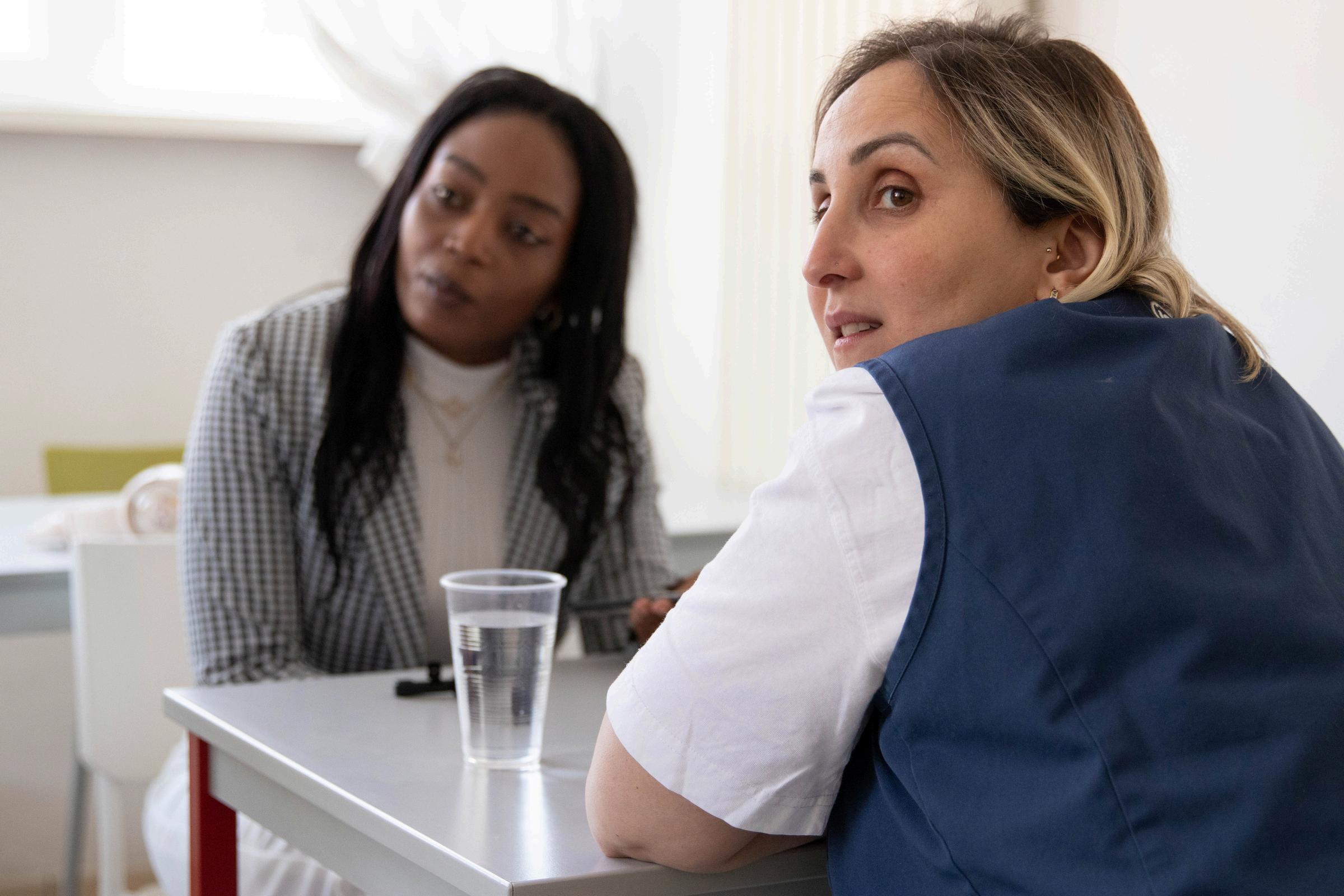
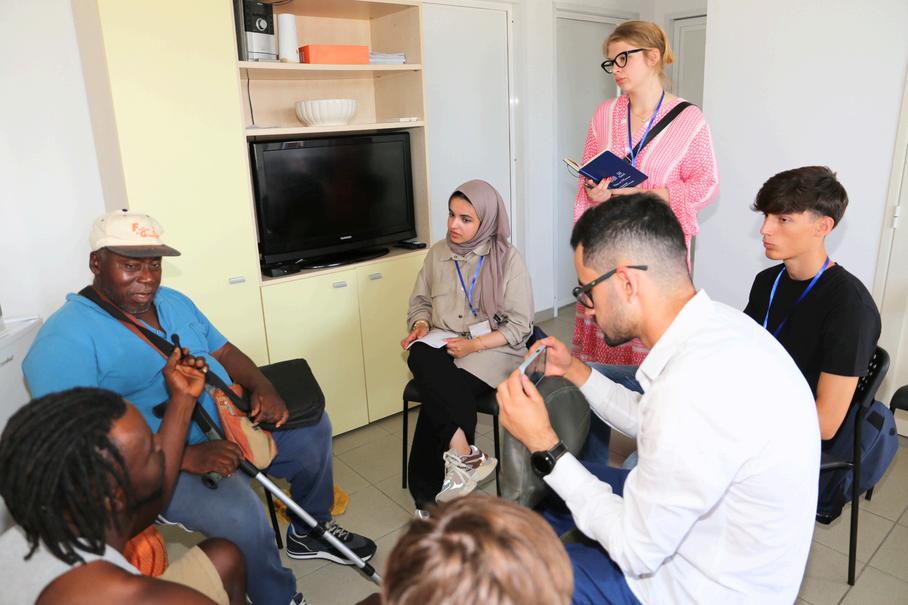
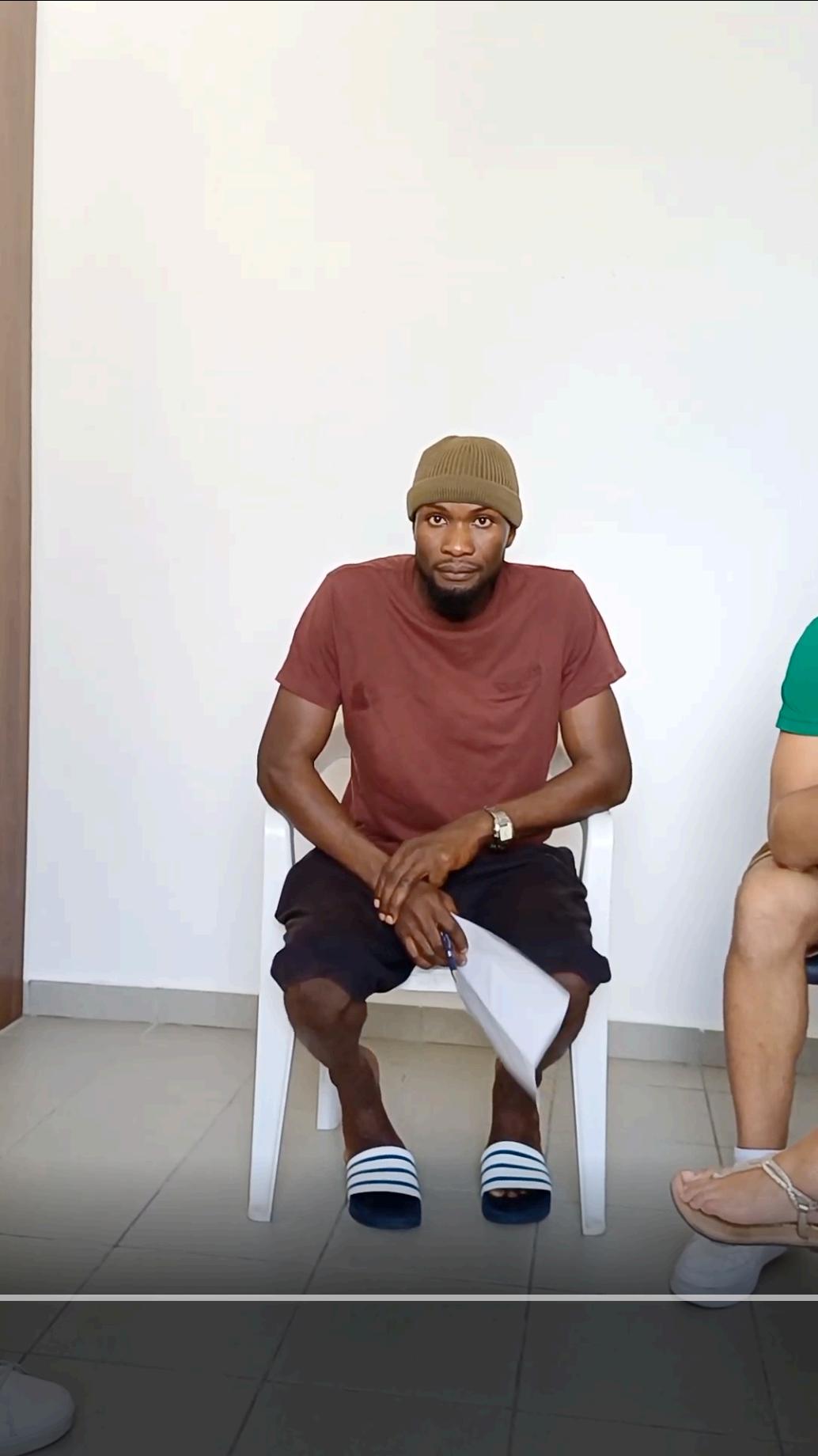
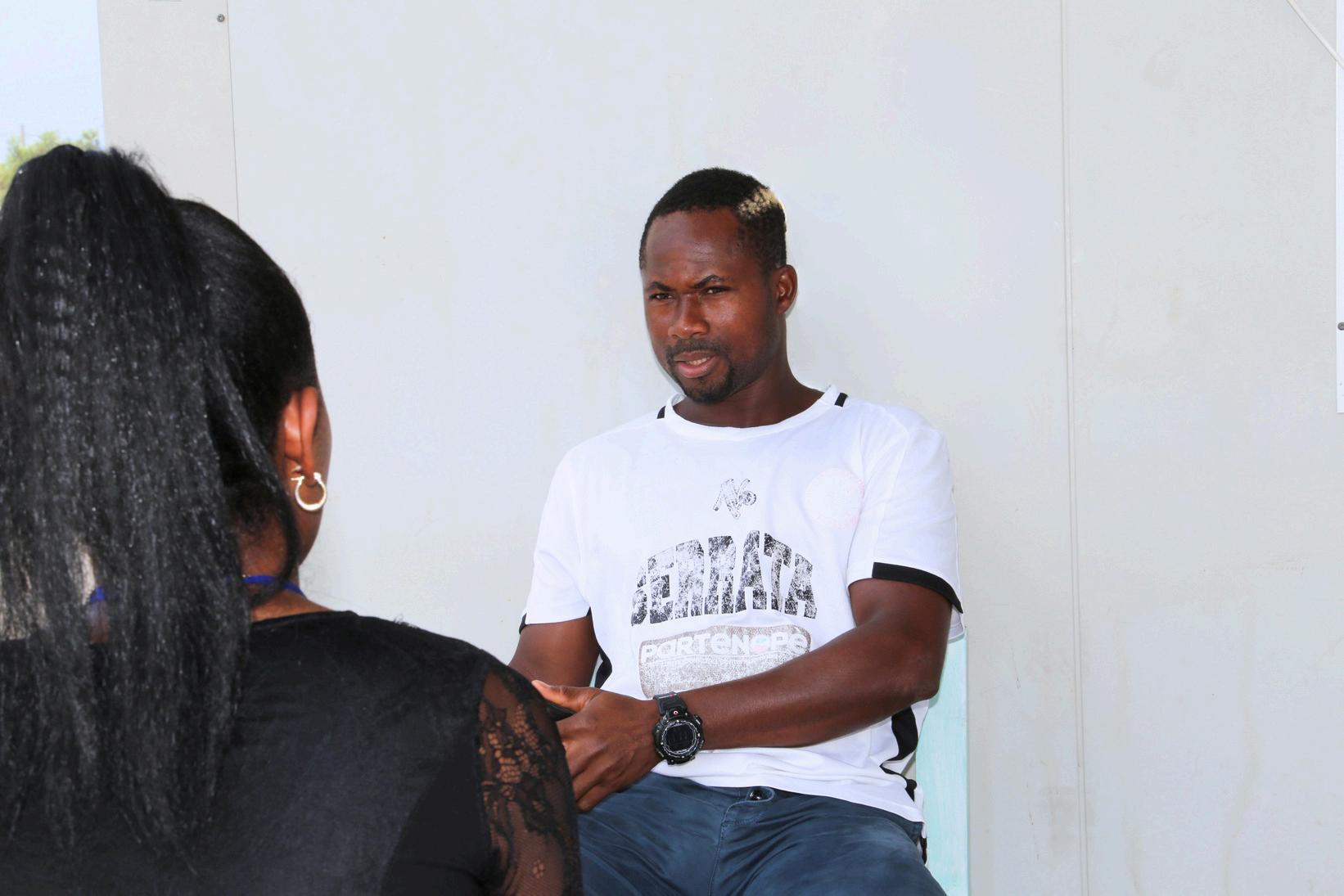
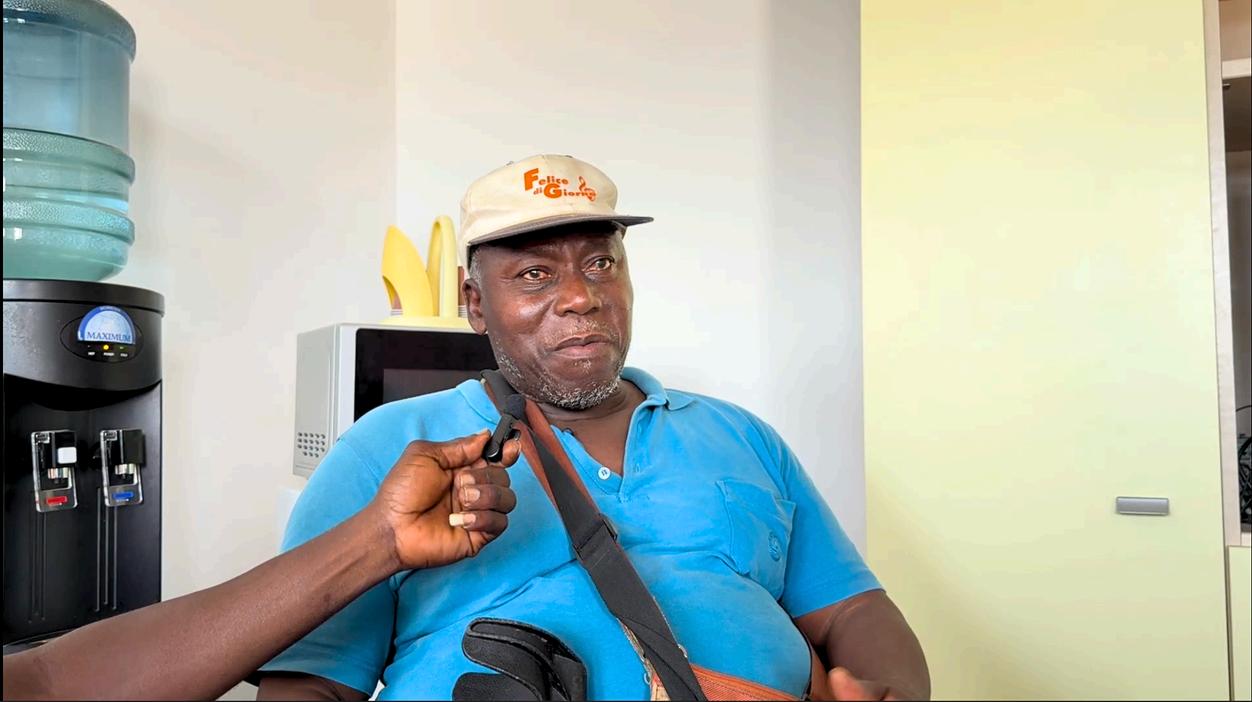
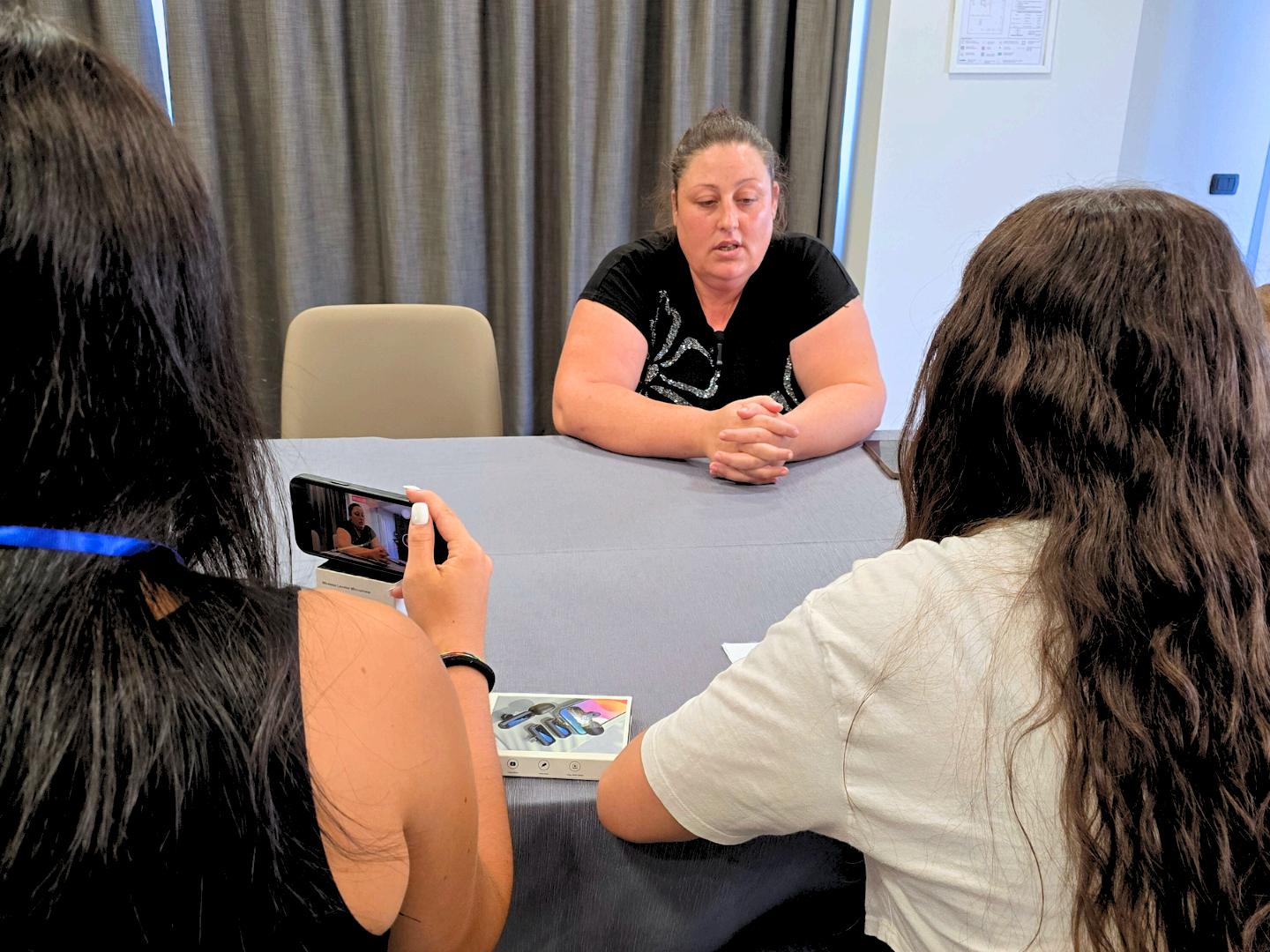
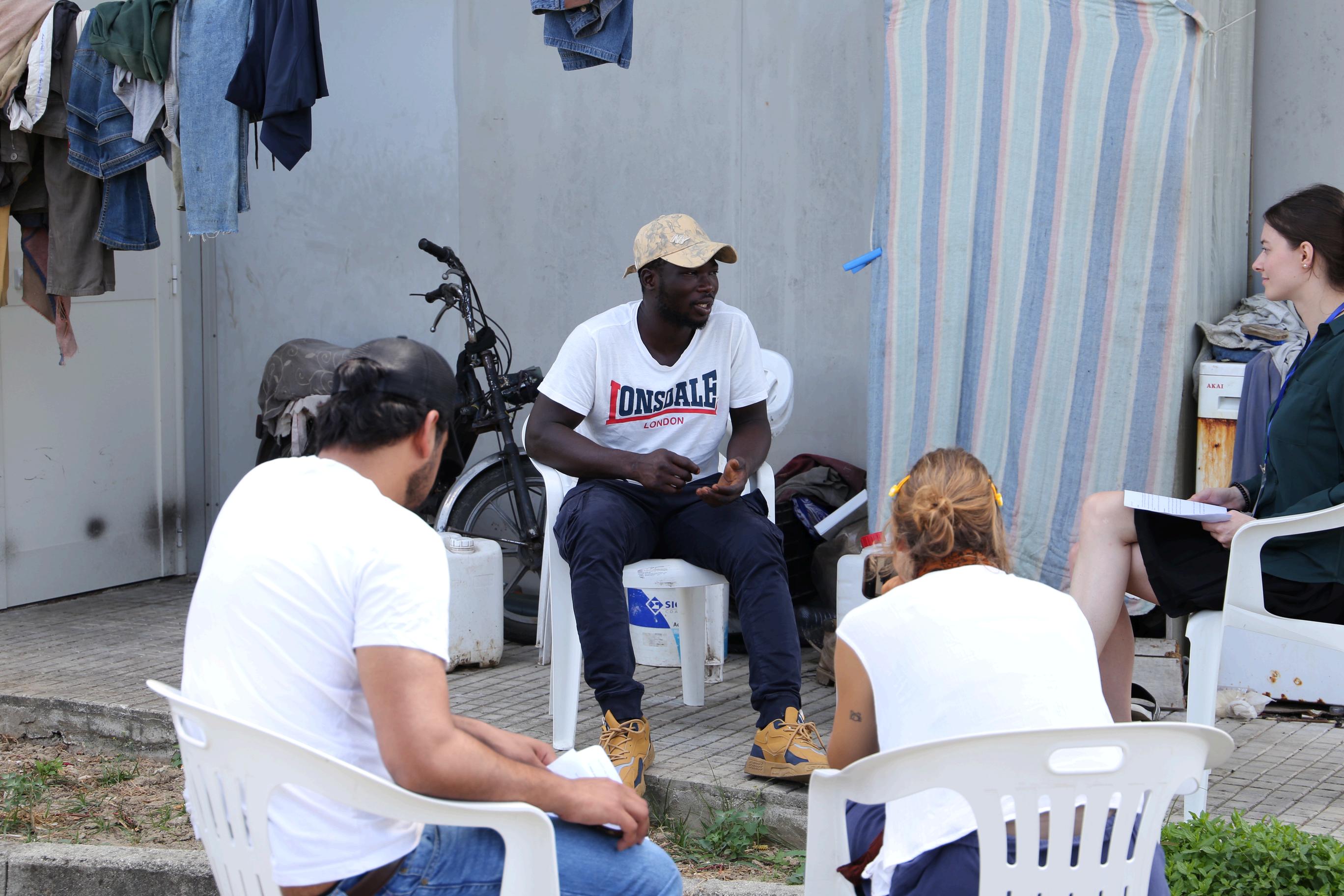
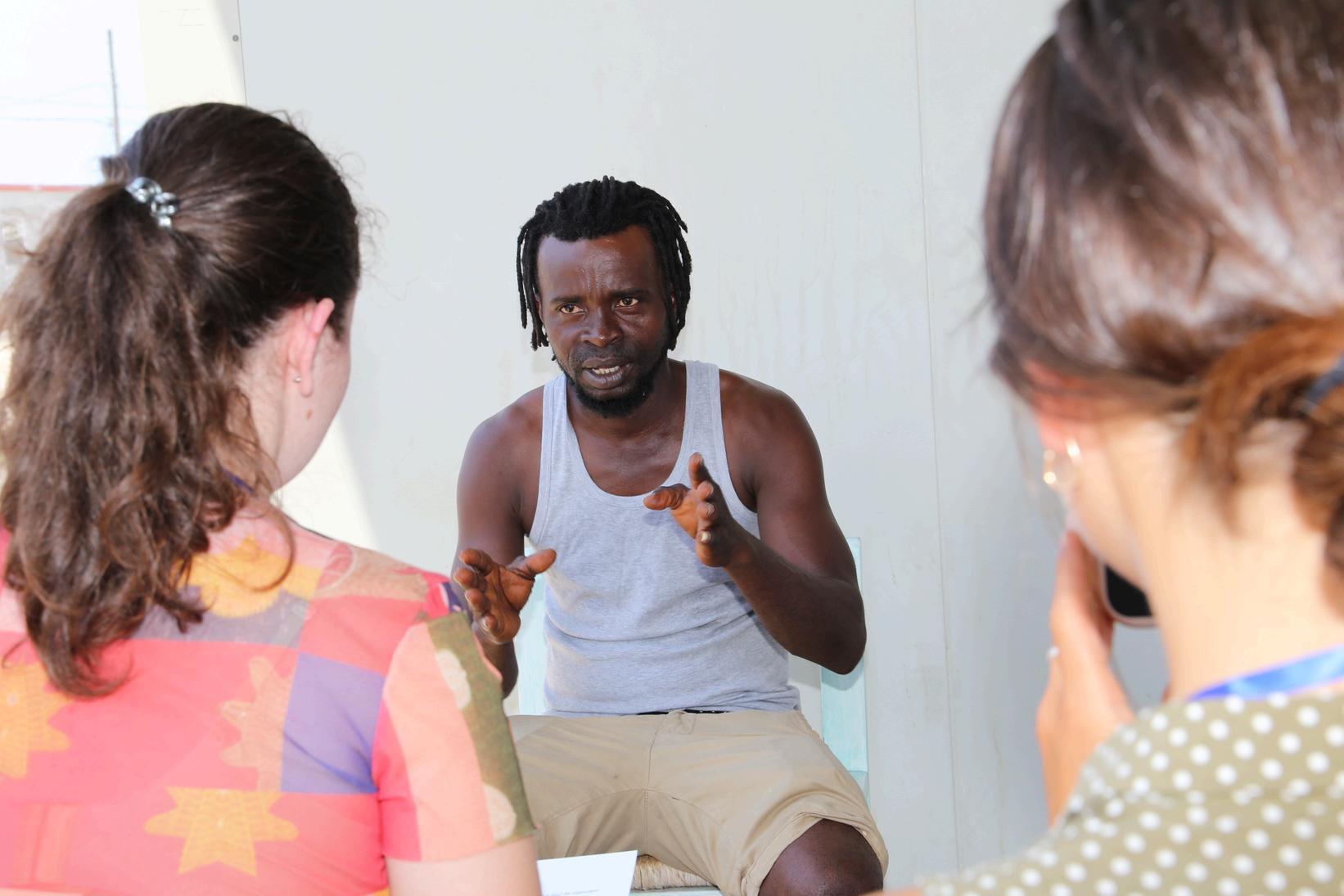
Armed with new knowledge and skills, the students began the next day by fully stepping into their roles as journalists Dividing into groups, they set off to the different venues to conduct their interviews-an essential moment that allowed them to put everything they had learned into practice
But the experience didn’t end there Working together, they analysed their findings and drafted conclusions, which were handed over to a dedicated group of participants, the Youth Squad, to shape into policy recommendations. The day ended with the students transforming their interview experiences into written stories, which would then be preserved for future generations on “My House of European History”
My experience went from excitement to being amazed by the information that I received to emotional then to empathy. This experience allowed me to see the bigger picture and learn some of the history of migrants It was also amazing to make friends from different countries.”
It was an intense and meaningful experience. Rosarno taught me the power of community, memory, and solidarity. I leave inspired and grateful.”
C B , Romania
F. M., Netherlands
A POWERFUL CLOSING AND A LASTING MESSAGE:
The four-day experience culminated on 17 July with a Closing Ceremony, where students presented the results of their work The event featured exclusive contributions from key political figures who emphasized the importance of youth participation in shaping inclusive societies
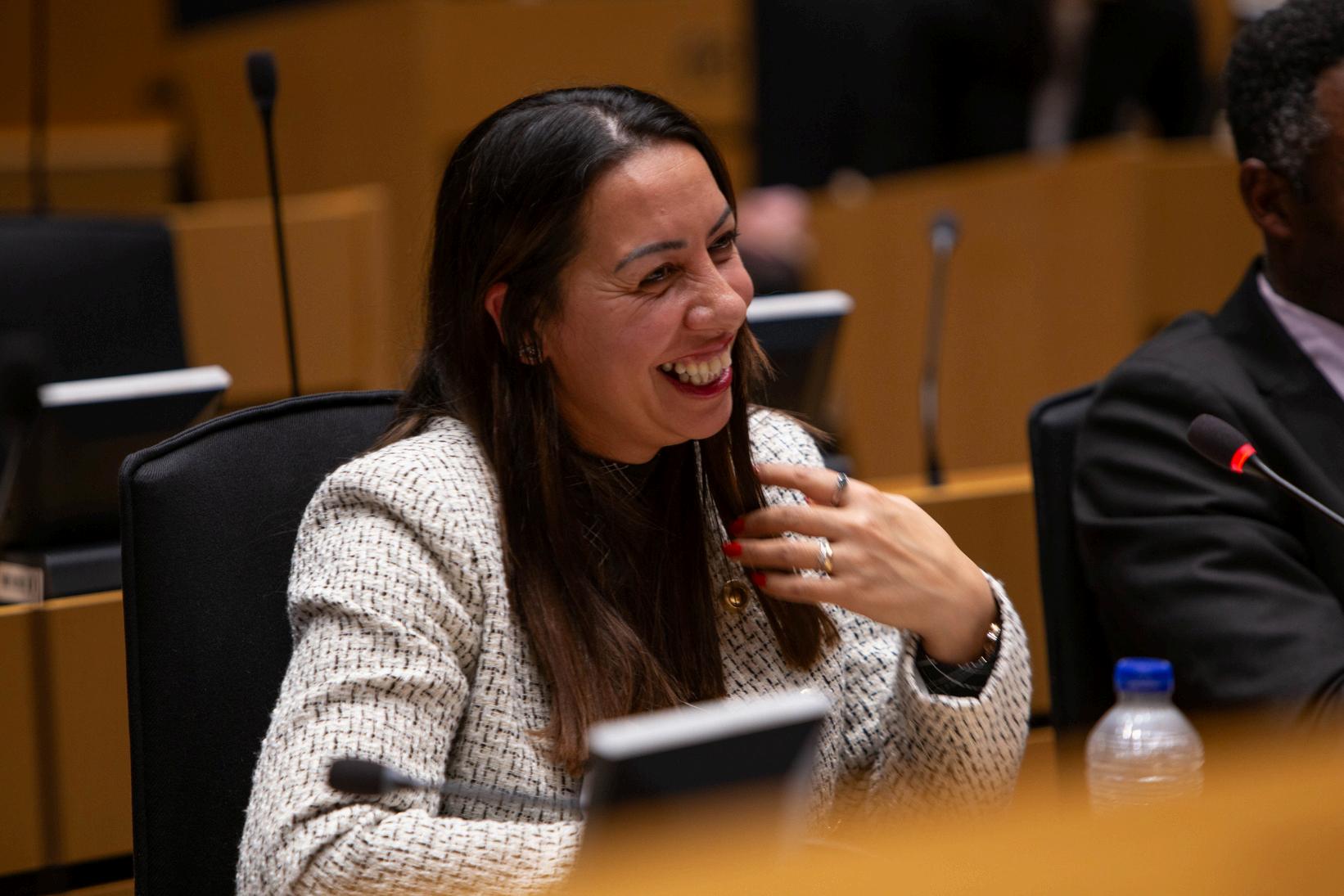
Giuseppina Princi, Member of the European Parlia-ment, highlighted the value of youth engagement in building inclusive societies through a video messa-ge prepared exclusively for the final gathering.
Giovanni Arruzzolo, Member of the Italian Parliament, and Maria Stefania Caracciolo, Regional Counselor of Calabria, delivered meaningful speeches on the realities of policymaking while acknowledging the initiative as a model of civic responsibility and intercultural exchange.
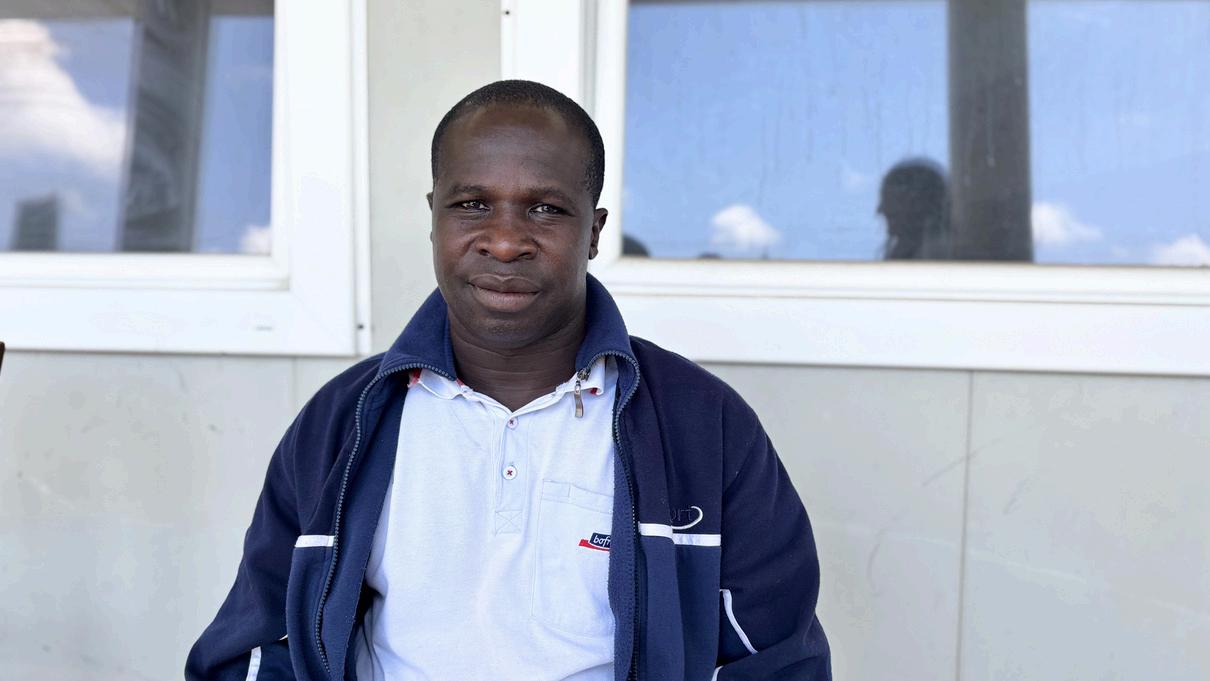
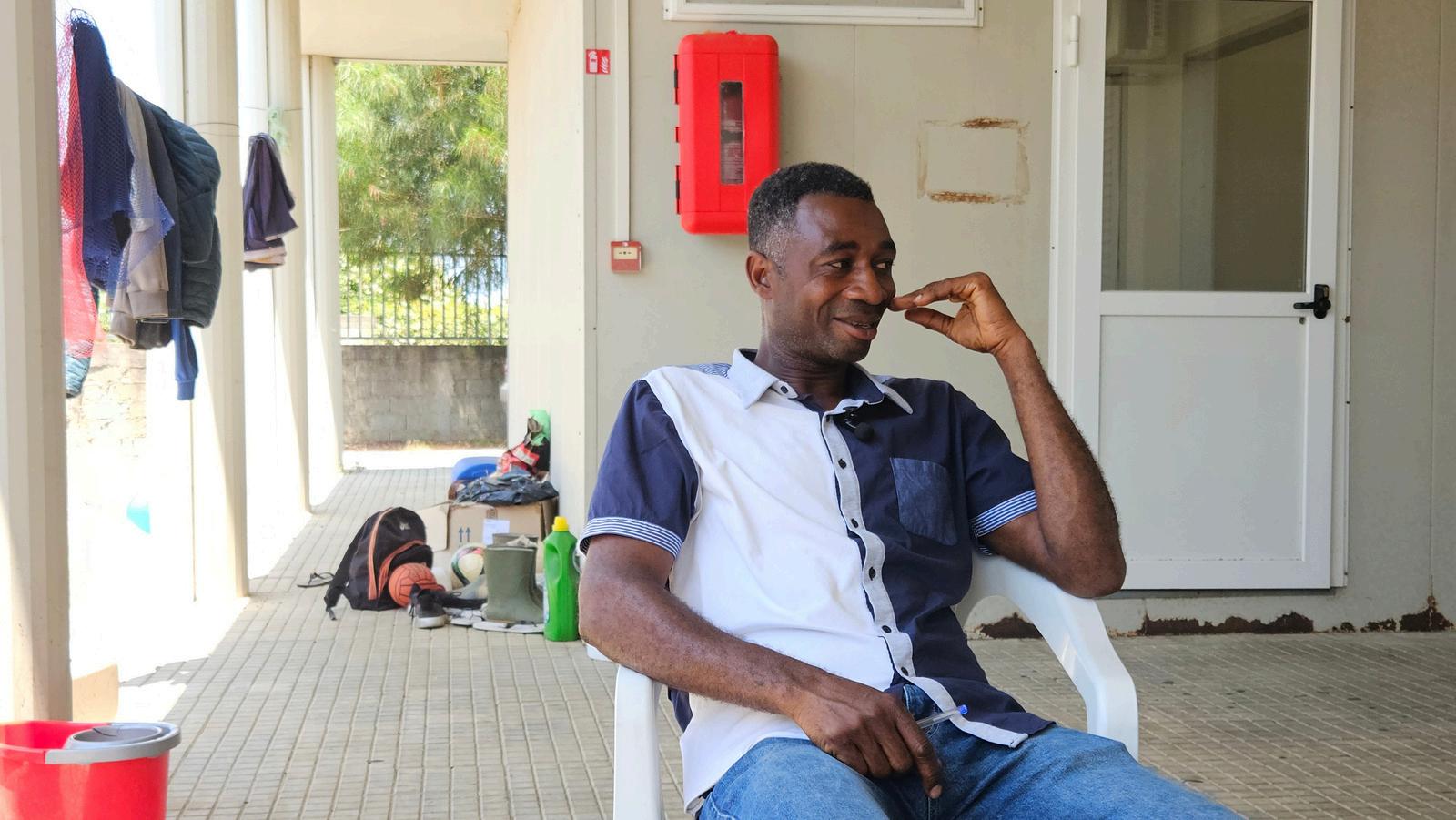
Lastly, the Mayor of Rosarno, Pasquale Cutrì, conducted a symbolic and emotional moment as he granted Italian Citizenship to Emmanuel Osei, a man from Ghana and a citizen of Rosarno who arrived in Italy in 2007, and whose story is among the ones digitized by the students
The Festival highlighted the creativity and commitment of the participants, while giving public space to the personal stories of migrants, emphasizing the importance of memory, diversity, and intercultural dialogue.
The second stop on a larger journey: VOICES From Migrations has expanded on the foundation of its previous event, once again highlighting the power of storytelling in fostering active citizenship and a sense of belonging.
RESULTS
VOICES From Migrations second event interviewed people who moved to Italy from 2000 to the 2010s, hailing from countries such as Bulgaria, Romania, Ukraine, Ghana, Ivory Coast, Mali, Nigeria, and Senegal.
The result is a collection of 30 moving stories that illustrate the resilience, courage, and perseverance of those who have made Italy their home, offering valuable insight into the human dimension of migration
Now digitized and archived on the platform “My House of European History” - a multimedia site supporting oral history owned by the European Parliament - as well as on EucA’s own platform, “euchangemakers.com”, the stories become accessible for the public at large with the purpose of fostering a humane perspective on the issue of migration.
...you will find the compilation of the final testimonies - accompanied by photos - as well as the resulting Policy Recommendations drafted by the involved participants: university students hailing from 20 European countries.
HOW TO USE IT?
The testimonies gathered provide a first-hand account on the lived experience of migrants citizens, offering both a personal and historical perspective on Europe as a community of diverse people and ideas Such testimonies can serve as a resource for educators and non-profit organizations to support integration and understanding in educational settings.
Interested groups and/or individuals should contact EucA - the European university college Association - at info@euca.eu for permission in the use of texts and images
Languages: English, Italian, Romanian
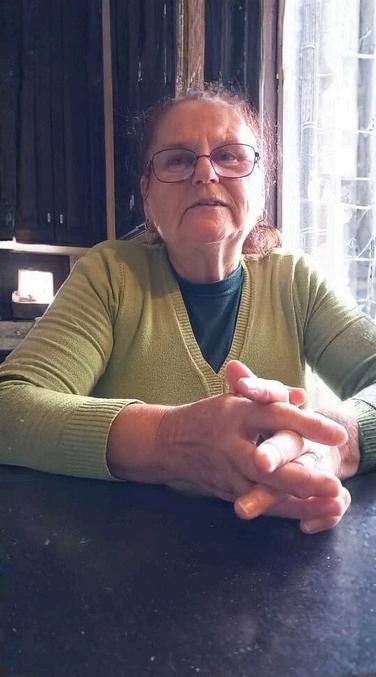
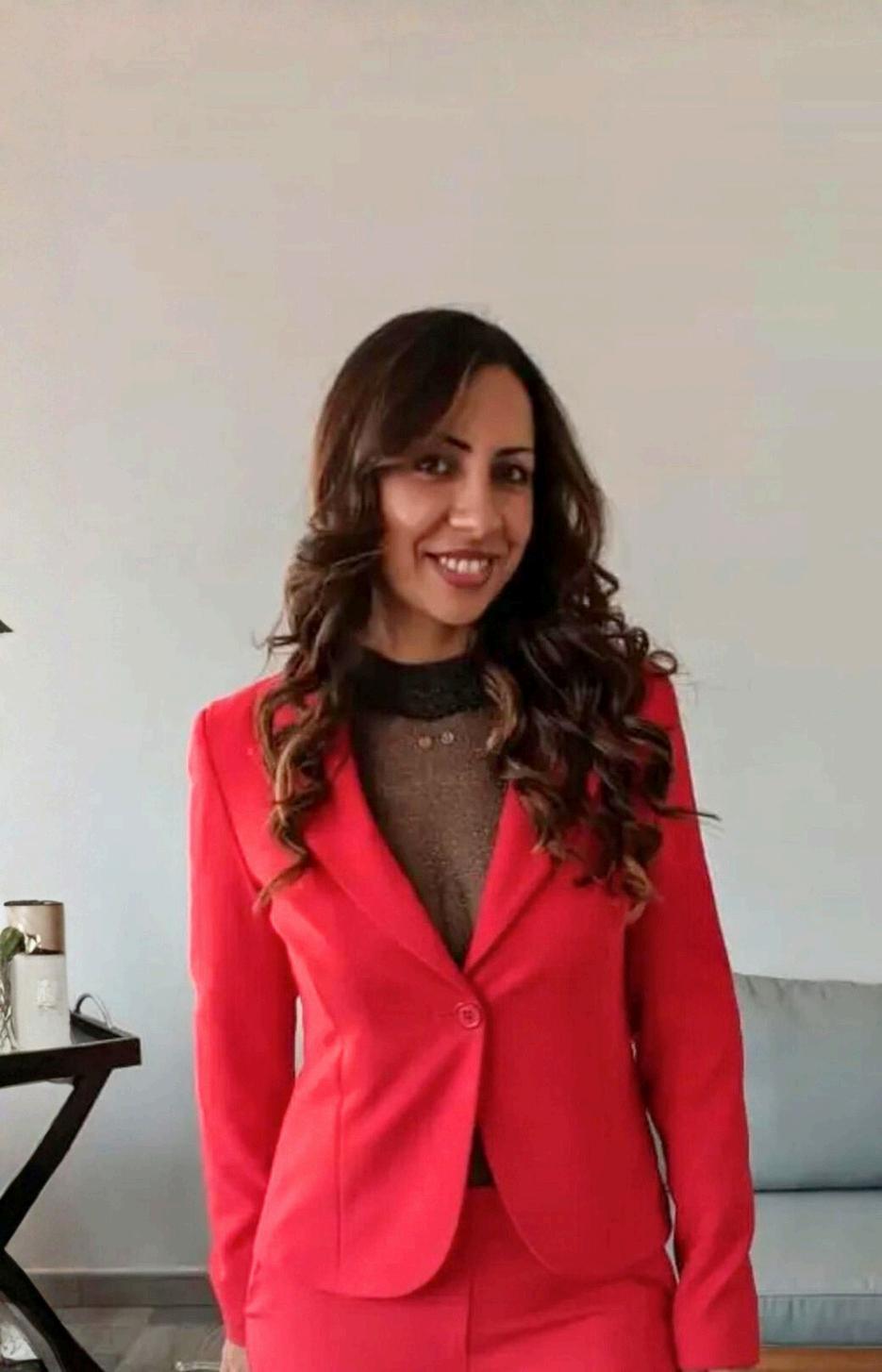
Anca Tatiana Acsanei
by:
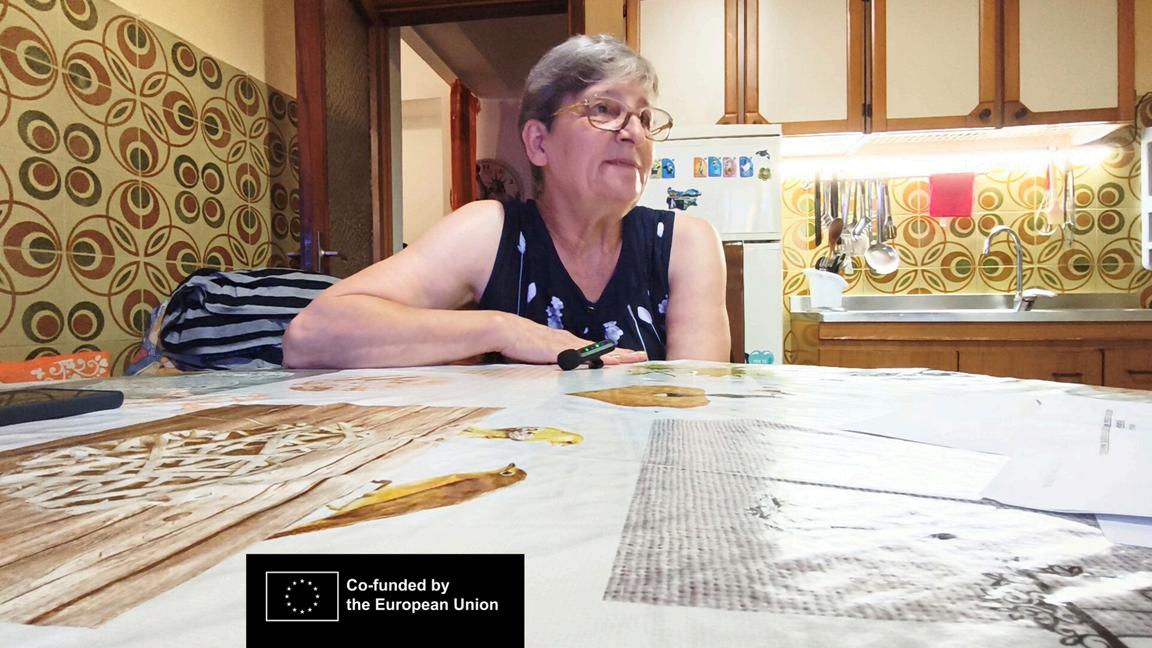
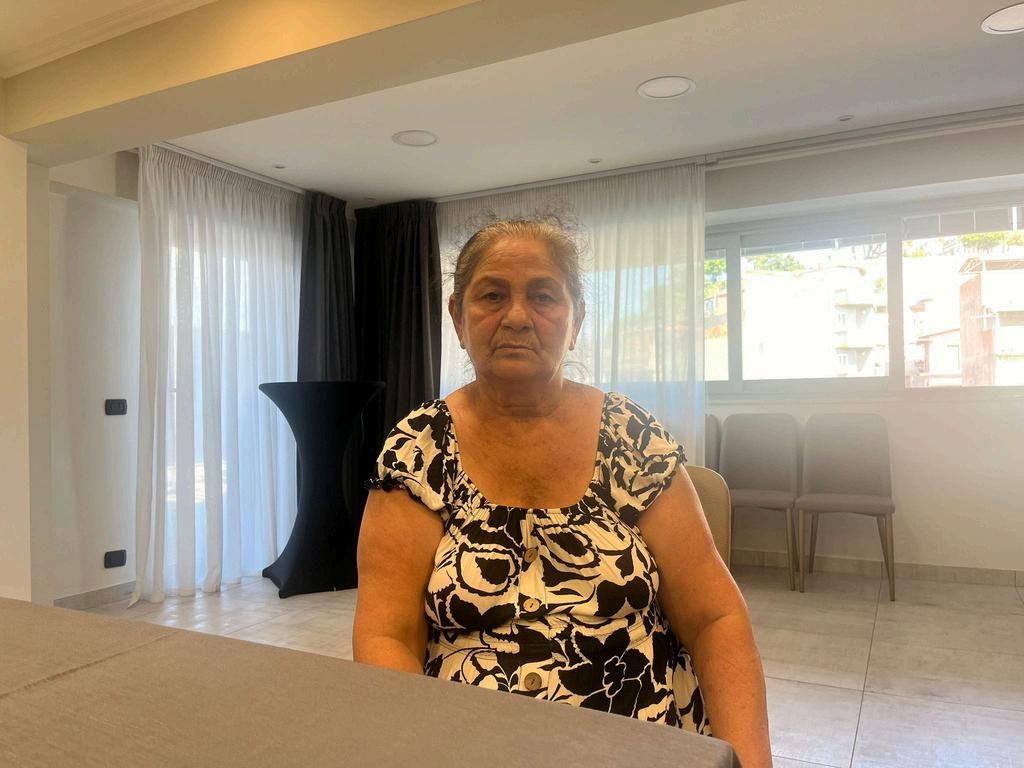
"My name is Acsanei Anca Tatiana, I come from Romania and I am 62 years old I arrived in Rosarno ten years ago The journey was very tiring; I spent two days on a bus to reach Italy
Before moving to Rosarno, I lived in Florence for two and a half years It was a very difficult period, as the work was heavy and stressful Because of the pressure, I lost 22 kilos while working in a hotel I had to clean twelve rooms, with only half an hour available for each one.
When we arrived in Rosarno, my husband found a house on Fiume Street, and I joined him shortly after
We did not receive any support: if I didn’t work, no one gave us anything, not even the essentials. However, I never wanted to ask others for anything.
Over the years, I have helped many foreign people, but unfortunately, I have often been disappointed
When two acquaintances of mine arrived from Romania, I helped them find work, and I offered them food and accommodation in my home
Once they returned to Romania, they turned their backs on me, without even speaking to me.
Later, another girl arrived: I found her a job
Now, when she meets me in the street, she doesn’t even stop to greet me My partner told me that I can’t take care of everyone anymore, because many people don’t appreciate my support.
In my opinion, there is very little we can do We are all the same: we can be good or bad people, regardless of where we come from
I don’t want to stay in Rosarno; I want to return to my country. I have four children, all married. They don’t want me to go back to Romania: they tell me to rest because I’ve worked enough
Unfortunately, I don’t have a pension, and I have to keep working: it’s necessary "
Permanent link (My House of European History):
Interview
an
"Mi chiamo Acsanei Anca Tatiana, vengo dalla Romania e ho 62 anni Sono arrivata a Rosarno dieci anni fa Il viaggio è stato molto faticoso; ho passato due giorni in un pullman per raggiungere l’Italia
Prima di trasferirmi a Rosarno, ho vissuto a Firenze per due anni e mezzo. E stato un periodo molto difficile, poiché il lavoro era pesante e stressante Per colpa della pressione sono dimagrita di 22 kg lavorando in un albergo Dovevo pulire dodici camere, avendo a disposizione soltanto mezz’ora per pulire ognuna.
Quando siamo arrivati a Rosarno, mio marito ha trovato una casa in Via Fiume e l’ho raggiunto poco dopo
Non abbiamo ricevuto nessun sostegno: se io non lavoravo, nessuno ci dava niente, neanche l’indispensabile. Tuttavia non ho mai voluto chiedere nulla agli altri
Nel corso degli anni ho aiutato tante persone straniere, ma purtroppo sono spesso stata delusa
Quando sono arrivate due conoscenze mie dalla Romania, li ho aiutati a trovare lavoro, e ho offerto vitto e alloggio a casa mia Una volta tornati in Romania, mi hanno voltato le spalle, senza neanche rivolgermi la parola
Successivamente, è arrivata un’ulteriore ragazza: le ho trovato un impiego. Adesso, quando mi incrocia per strada, non si ferma neppura a salutarmi Il mio compagno mi ha detto che non posso più prendermi cura di tutti, perché molte persone non apprezzano il mio sostegno
A mio avviso c’è ben poco che possiamo fare. Siamo tutti uguali: siamo persone buone o cattive, indipendentemente dalla provenienza
Non desidero rimanere a Rosarno, voglio tornare nel mio paese Ho quattro figli, tutti sposati Non vogliono che io rientri in Romania: mi dicono di riposarmi perché ho lavorato abbastanza. Sfortunatamente, non ho la pensione e devo continuare a lavorare: è necessario farlo”
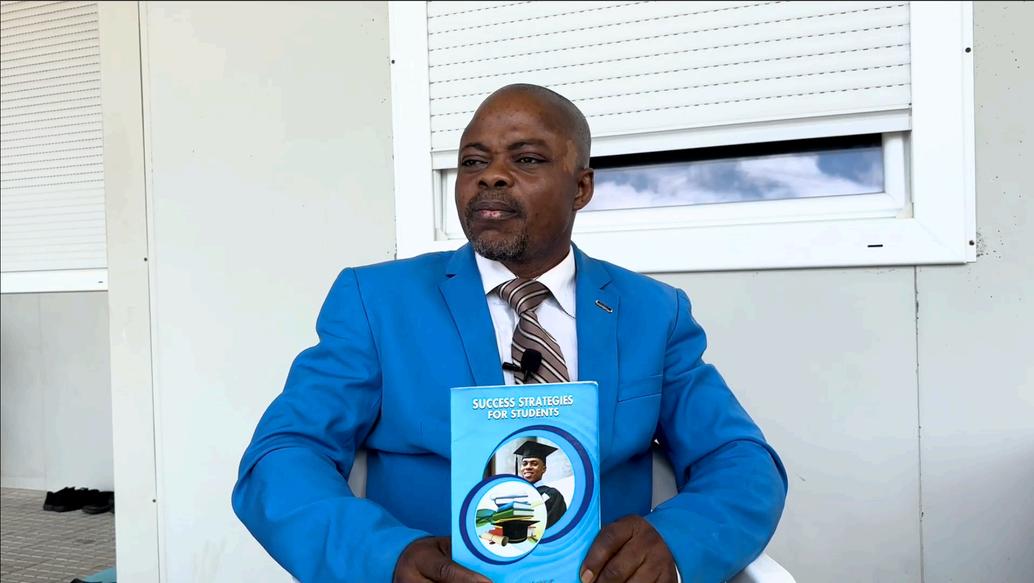
Oluwafemi Emmanuel Ayodele
“My name is Oluwafemi Emmanuel Ayodele I was brought up in Lagos, Nigeria, and I am a missionary pastor. As a missionary, you must be assured in your passion and beliefs, because it is a life-threatening field
With this calling in mind, I enrolled in Ministry School and later strengthened my formation through the School of Evangelism and of Deliverance. I also earned a degree in Mass Communication, which helped me become a writer Through my books, I hope to guide young people toward happiness and a fulfilling future
As part of my missionary work, I travelled I’ve been to Zimbabwe, Congo, and Jerusalem. In 2024, my ministry decided that I should go to the north of my country, where religious persecution of Christians persists, particularly by groups such as Boko Haram However, an outbreak of violence exploded while I was there, and the onslaught made me flee I had to leave the country.
Interview by:
A friend of mine helped me a lot in preparing for the journey I did not have the resources to do that on my own, but my friend helped me in the process of getting the visa and securing a safe way out Then I took a plane, and haven’t been back since.
When I landed, I took a train to Rome I stayed in the Vatican City for a couple of months, but I struggled at first I had to sleep in the streets Thankfully, I found solace in the church, and I was eventually provided with free accommodation. I felt embraced. Thanks to the hospitality I received, I could go in and about, then come back at night to lay my head
If there is one thing I am passionate about, it’s missionary work I thought: ‘let me come to a rural area in Italy to see how I can positively impact social life’. I was able to meet the incredible people here. For now, I have not started my assignment as a missionary I believe once I complete my documentation, I’m free to move around and help people in Italy and all of Europe”
Permanent link (My House of European History):
Mohamadou Balde
Interview by:
"My name is Mohamadou Balde, I come from Senegal, and I am 32 years old I have been living in Italy since November 2014, and since I arrived here, I feel more responsible
My life in Senegal was very difficult. My family still lives there Unfortunately, my father is no longer with us, but I still have my mother, as well as a wife and a beautiful son I also have four brothers in Senegal
I decided to come to Italy after my father died he was actually the one who encouraged me to make the journey I came here on a boat from Libya, along with many other Africans like me I didn’t know anyone when I landed in Italy
I first arrived in Lampedusa and then was moved to a refugee camp in Caserta, which I left in 2016 because I didn’t have a residence permit. Later, I went to Foggia, where I lived in a shantytown I stayed there until 2017, the year I arrived in Rosarno
After obtaining a six-month hospitality permit that allowed me to work, I found seasonal jobs in the tomato and asparagus fields, and here in Rosarno, in the mandarin fields In 2021, I also found work in Spilinga, and now I live in the tent city of San Ferdinando.
There have been some difficult moments here in Italy, especially dealing with bureaucracy around the hospitality permit The same issue with renewing my identity documents kept coming up every six months.
The people who helped me the most in Italy were my African friends and those who helped me find work I’m also grateful to the Municipality of San Ferdinando, which provided me with housing and a small job.
I’m still in contact with my family in Senegal, and I truly hope to return one day to my home country”
Permanent link (My House of European History):
Mohamed Bance
“My name is Mohamed I was born in the Ivory Coast, but I moved to Burkina Faso when I was little Once I was an adult and couldn’t find work to support myself and my family, I chose to leave the country to build a better future. I arrived in Italy in October 2008, after crossing Niger and Libya and then taking a boat that would lead me to Europe I have been living in Italy ever since Now I am in Caserta, in the Campania Region I am 37 years old
My first destination in Italy was Lampedusa, then I was placed in Florence, where I took language classes to learn Italian I left in 2009, still with no documents, but with some prospects for work Ever since, I have been employed mostly in seasonal jobs, primarily in agriculture or plant care.
I wasn’t in Rosarno in 2010, when the clashes between the local population and the migrants started, but I was close by I first learned about the revolts when I heard that the police had killed two African men
Interview by:
The treatment of migrant people, even before that, hadn’t been good I remember, before 2010, migrant people couldn’t be outside on their own at night without risking a violent assault So I joined the protests, like many people did, to defend our right to exist peacefully.
Many things have changed since then, and now the situation is much better I feel comfortable walking down the street and have no fear for my life. As long as I can work, I am calm, I am happy. I am still working to find a more steady income, something more permanent, but I am okay. As of right now, I am working on my license to be a truck driver I hope things continue to look up in the future
I have a wife and three children. I talk to them every day via video call. The kids are going to school, and I send them money from here. I want a better future for them”
Permanent link (My House of European History): my-european-history.ep.eu/myhouse/story/2285/en
Opoku Bright
“I’m Opoku Bright, and I come from Ghana In 2021, I had to leave everything behind
Back in Ghana, I was a youth organizer for a local church. During Easter that year, I got caught in a violent clash that forced me to leave town, then the country I hadn’t known, at the time, that the gathering I was leading would clash with another congregation-we weren’t warned And so, as the leader of the convocation, I became targeted by the police.
It all happened very quickly, and I couldn’t bring anything with me to Burkina Faso, where I had decided to retreat until things calmed down But my hopes were dashed, and I eventually learned that I wouldn’t be able to return to my country Not anytime soon.
I used to work as a car washer, so I had friends who were truck drivers, who crossed from Ghana to Niger often It is through them that I started my journey, all the way from Burkina to Libya
It was rough. Most of the land is a desert. I had almost no water. Almost no food.
by:
In Libya, I met a cruel reality I had hoped that I would be able to get a job there, but while I found work, I didn’t get paid. It was lawless, a struggle to survive.
But I made friends, and we decided to cross the sea, risking our lives for a better future
Soon, I arrived in Sicily, where we received some aid. I got sent to Caltanissetta not long after, where I was granted a 6-month work permit. There, I met other Ghanaian people, who advised me to go to Rosarno for work And so I came here
Since I arrived, I have been working; first cleaning the nearby beaches, then in the fields. The people who introduced me to the work also introduced me to a local lawyer I have been trying to get my papers in order, something more permanent
My journey was dangerous. At times, I thought I wouldn’t make it. But I had no other choice.“
Interview
la Burdusel
“My name is Nicoleta Daniela Burdusel, I am 43 years old, and I come from Romania I have been in Rosarno for about twenty years
The journey to reach Italy was tiring: it took three days by car. At the time, you didn’t take the ferry from Bari, but travelled the whole way by land We followed this route: Romania, Bulgaria, Austria, and we entered Italy through Udine
As soon as I arrived in Rosarno, I felt uncomfortable. I didn’t know the language, I didn’t feel in my own environment, and I didn’t know anyone Over time, things improved, and we were welcomed fairly well by the Rosarno community
In my opinion, what could help the integration system would be the creation of a centre dedicated to newly arrived people A place that could offer a point of reference, explain basic rights, and guide newcomers on where to go to find work
Many people don’t know who to talk to, nor how to communicate in Italian. It would therefore be essential to provide access to professionals specialised in teaching the basics of the language As for me, I learned the language on my own, through daily life, and it was quite difficult
When I arrived, I reunited with my husband, who had been working here for two months and had found a house to rent. We also helped acquaintances arriving from Romania: we helped them find a rental and employment Little by little, each of them settled in or left again, depending on how they felt
My husband and I have integrated very well; we have no problems. Our teenage children were born and raised in Italy, and they have no difficulties with the language In fact, there is no difference between them and Italian-born kids They don’t have friends in Rosarno, but they hang out with young people from the surrounding towns.”
Permanent link (My House of European History): my-european-history.ep.eu/myhouse/story/2282/en
Interview by:
an
Intervista condotta da:
"Mi chiamo Nicoleta Daniela Burdusel, ho 43 anni e provengo dalla Romania Sono a Rosarno da circa vent ‘anni
Il viaggio per raggiungere l’Italia è stato stancante: è durato tre giorni in macchina All'epoca, non si prendeva la nave da Bari ma si percorreva tutto il tragitto via terra. Abbiamo seguito questo percorso: Romania, Bulgaria, Austria e siamo entrati in Italia passando da Udine
Appena arrivata a Rosarno, mi sono sentita a disagio. Infatti, non conoscevo la lingua, non mi sentivo nel mio ambiente e non conoscevo nessuno Con il tempo, la situazione è migliorata, e siamo stati accolti abbastanza bene dalla comunità Rosarnese
A mio avviso, ciò che potrebbe aiutare il sistema di integrazione sarebbe la creazione di un centro dedicato alle persone appena arrivate. Un luogo che possa offrire un punto di riferimento, spiegare i diritti fondamentali e orientare i nuovi arrivati su dove poter rivolgersi per lavorare
Molti non sanno con chi parlare, né come comunicare in italiano Sarebbe quindi fondamentale garantire l’accesso a figure specializzate nell'insegnamento delle basi della lingua Per quanto mi riguarda, ho imparato la lingua da sola, attraverso la vita quotidiana, ed è stato piuttosto difficile.
Quando sono arrivata, mi sono ricongiunta con mio marito che lavorava qui da due mesi e aveva trovato una casa in affitto Anche noi abbiamo aiutato delle conoscenze che arrivavano dalla Romania: abbiamo contribuito a trovargli un affitto e un impiego. Poco a poco, ognuno di loro si è inserito oppure ripartito, in base a come si trovava
Io e mio marito ci siamo integrati molto bene, non abbiamo nessun problema I nostri figli adolescenti, sono nati e cresciuti in Italia, non hanno alcuna difficoltà con la lingua. Infatti, non c’è nessuna differenza tra loro e i ragazzi di origine italiana Non hanno amici specificamente a Rosarno, ma frequentano soprattutto ragazzi dei paesi intorno”
Madalina Butuc
“I was born in Iași, a city in Romania near the Moldovan border Now, I live in Rosarno, Italy All my family is here
Integrating wasn’t very difficult since I arrived at a young age. I come from a large family; we are seven siblings, and we all came here when we were little, after our father died My mother found a job here, in Italy, so she took us all with her We arrived by bus, in a journey that lasted three days.
Since my mother had a work contract, and we are European, we didn’t experience major issues with the administration or obtaining papers None of us faced any problems with the local people either, and were instead warmly welcomed. My mother has been here for 35 years now, and she knows everybody!
For us, finding work was never a problem We work in the fields: picking kiwis, olives whatever is available
by:
I am now happily married to an Italian man, and we have four children. We sent our son to kindergarten when he was 18 months old, then did the same with our daughter. The teachers don’t differentiate between the children Where one eats, the other eats too
Still, my children understand Romanian, but don’t want to speak it. I, as well, feel a bit strange when I go back to Romania. By now, I feel like I am Italian, or at least a part of me is. After all, I am used to the language, to the work and life here Romania is now our vacation place
I’d like a future here with my husband and my children… with my family.”
Interview
Alexandra Florina Calin
“My name is Alexandra Florina Calin, I am 37 years old and I have been in Italy since 2006
I was not yet 18 when I left from Kampolung, Romania, to join my parents, who had moved to Italy for economic and health reasons.
My father worked as a truck driver transporting fruit Thanks to his residence permit, he was able to bring my mother and my brother to Rosarno, as my brother had to undergo major surgery. Romania was not yet part of the European Union and the customs checks were very strict I had already been turned back twice, but that time I made it to Rosarno: after three days on the bus I could no longer feel my legs and I did not understand a single word of Italian, but I was happy. I immediately started working as a cleaner and, to learn the language, I ran small errands 'to practise'.
Interview by:
On my own So I hid at home for about a month, the time needed for Romania to enter the EU. Once I was “free”, I moved to Parma, where I worked as a babysitter for four years.
I felt really good there and was perfectly integrated, but when I went back to Rosarno I realised that there people treated me like a member of the family, even at work: there was a different kind of warmth, and that is why I decided to stay.
Soon after, I met Nicola, my husband He makes me happy and gives me the peace of mind I had never had I am fine here, I have many friends, I work and I am happy. I have also been back to Romania, but when I think of my home, I think of Rosarno.
I have never had problems integrating and when people ask me how I did it, I answer that first of all you must be respectful of others, just as we want them to be respectful of us.
After three months I could understand Italian well, but in the meantime my residence permit had expired
One morning the police knocked at my door, took me to the headquarters and handed me an expulsion order: I had three days to leave Italy
Original language: Italian
Intervista condotta da:
"Mi chiamo Alexandra Florina Calin, ho 37 anni e sono in Italia dal 2006
Non avevo ancora 18 anni quando, da Kampolung, Romania, sono partita per raggiungere i miei genitori, che si erano trasferiti in Italia per ragioni economiche e sanitarie.
Mio padre lavorava come camionista nel trasporto della frutta Grazie al permesso di soggiorno riuscì a portare a Rosarno mia madre e mio fratello, che doveva subire un importante intervento chirurgico. La Romania non faceva ancora parte dell’Unione Europea e i controlli alla dogana erano molto seri Già due volte ero stata respinta, ma quella volta arrivai a Rosarno: dopo tre giorni di autobus, non sentivo più le gambe e non capivo una parola di Italiano, ma ero felice Iniziai subito a lavorare come donna delle pulizie e per imparare la lingua facevo piccole commissioni per “fare pratica”.
Dopo tre mesi riuscivo a capire bene l’italiano, ma intanto era scaduto il permesso di soggiorno Una mattina i Carabinieri bussarono alla mia porta, mi portarono in Questura e mi consegnarono il foglio di via: avevo tre giorni per lasciare l’Italia. Da sola.
Allora mi nascosi in casa per circa un mese, il tempo necessario perché la Romania entrasse nell’UE Una volta “libera” mi trasferii a Parma dove ho lavorato per 4 anni come babysitter
Lì mi trovavo benissimo ed ero perfettamente integrata, ma, tornata a Rosarno, mi accorsi che lì mi trattavano come una persona di famiglia, anche quando ero a lavoro: c’era un calore differente ed è per questo che decisi di fermarmi
Subito dopo ho conosciuto Nicola, mio marito Lui mi rende felice e mi trasmette la tranquillità che non ho mai avuto. Qui sto bene, ho tanti amici, lavoro e sono felice Sono anche tornata in Romania, ma quando penso a casa mia penso a Rosarno
Non ho mai avuto problemi ad integrarmi e a chi mi chiede come io abbia fatto rispondo che bisogna prima di tutto essere rispettosi degli altri, così come vogliamo che siano rispettosi di noi”
Moussa Camara
“I worked between Mali and Libya, in my youth, transporting animals But during my stay in Libya, war broke out, preventing me from ever returning home.
I was forced, at the age of 21, to take a boat bound for Italy It was violent; very violent We were beaten and shoved aboard I was alone I arrived first in Lampedusa, but after just one night, we were sent to Campobasso, then to Naples.
Eventually, I was sent to a reception center and received assistance, including access to lawyers, to obtain my documents I had never considered migrating to Italy before, but I greatly appreciated the welcome the Italian people gave me.
Interview by:
My first job consisted of picking oranges and mandarins, here in Rosarno. We earned €25 a day, working from morning to evening. The conditions were hard, and people weren’t always kind But since I was used to hard work, I managed
It became clear to me that I had no choice but to adapt. The language was very difficult to learn, but I now understand it enough to work.
My hope is that Italy and other countries improve the conditions for reaching their territories No one should suffer as I did”
Elena Cordoș
“I come from Romania, near the city of ClujNapoca I arrived in 2008, leaving my four children with my mother By then, I had already lost my husband In 1997, he had a heart attack and died in my arms. It was very hard for me.
In Romania, I used to work at a dairy factory, but I didn’t earn much I wanted a better future for my children, to build them a house, to send my eldest daughter to university So, even though I had never imagined leaving my kids behind, there was no other way.
I came here by bus I had documents After a while, a Romanian man helped me find a job picking fruit Since then, I have learned Italian It was a bit hard at first, but I managed
Later on, I began to work in a factory for the same employer. It was hard, but steady. After five years, I got legal residency With a work contract, I was finally able to rent a small house of my own Things were looking up, but I hadn’t healed Not from losing my husband Not from being a mother from a distance.
by:
Though I was far from home, I kept all the traditions I grew up with. I adapted to life in Rosarno too, but I celebrated holidays the Romanian way-even if sometimes I celebrated alone Once I became financially stable, I brought two of my children to Italy Having them near again brought joy back into my life They worked hard and made me proud But they didn’t stay long; they moved on to other countries, chasing their dreams.
After a heart surgery, I became unable to keep working in the factory My boss helped me greatly, offering me a small piece of land Now, I take care of this land I raise chickens and cultivate the garden. I am thankful. But I carry with me a bittersweet feeling. Yes, I am proud of how far I have come, of the house I renovated in Romania for my children but the weight of separation still sits heavy in me”
Permanent link (My House of European History): my-european-history.ep.eu/myhouse/story/2252/en
Interview
Faro Diallo
“My name is Faro Diallo, and I was born in Guinea in 1995 I lived in a big city named Kankan, where I studied Arabic and French There was not a single decisive moment that forced me to leave my country; rather, it was a gradual understanding that, to improve my life, I needed to move
I travelled through Algeria to Libya, where my journey came to an abrupt stop, as I got imprisoned in a detention camp. There, I met a Libyan guard who found that I spoke Arabic. Thanks to this small fact, I was treated a bit better than the rest of the prisoners, and after one month there, the guard offered me a job with his brother in the countryside
This opportunity allowed me to leave the camp, but it was not what I was looking for, so I took my chance and tried to escape. I attempted to cross the sea by boat, but the coastguards discovered us, and I got sent back to the very place I ran away from–the detention camp
But I did not give up. I escaped for a second time and worked really hard just to afford the boat to Italy.
Interview by:
Fortunately, the second time I was lucky enough to succeed, and after 6 hours of sailing, I arrived in Italy.
Landing in Catania felt good, especially considering how bad the conditions were in Libya, but this was not the end of my hardships I applied for immigrant status and got rejected Only after trying again with a lawyer, I got 2 years of humanitarian protection; however, in order to get a permit to stay in Italy, I needed a passport from Guinea and a job in Italy Even after I got my passport and a job offer in Rosarno, I still needed to go to Bergamo to renew my permit, then travel back to work
I arrived in Rosarno 6 years ago. I have a job and a place to stay, but life is still difficult. Every day is a challenge and a constant fight Despite everything, I am not giving up At the moment I am training to get a driver’s licence”
Yaya Diallo
by:
“My name is Diallo Yaya, I am 30 years old, and I am of Ivorian origin I have been in Italy for 14 years now
I was born and raised in a small village. As a child, I didn’t find anything lacking or amiss in our way of living We got by Unfortunately, as I grew up, my father became unable to provide for me, so, as a teenager, I had to leave
I moved to Mali and then to Algeria. After 3 months, I couldn’t get a job, so I found myself with no money. Next, I moved from Algeria to Egypt, where I realized I wanted to move to Europe; so I decided to depart from Libya
That’s when the war started, in Libya, as I was getting ready to move to France. We were sent to the seaside, where we stayed for 27 days, locked up. Soldiers threatened us with weapons. They told us, ‘You have two choices: either you go to Europe, or we are going to kill you here’
We stayed at sea for six days Six days with no food or water. We were 600 people at the start, but by the time we arrived at Lampedusa, our destination, there were only about 400 people left
There were newborns, pregnant women, old people, young kids… All sorts of people in that boat. It was the 4th of August 2011. That was the most difficult experience of my life.
I stayed for a year there, and because I was a minor, sixteen, I was told I couldn’t work Later on, friends told me that here, in Rosarno, there was work to be had picking oranges. That’s why I came here, but I soon found out that the work was extremely hard, more than 12 hours of work a day for only 25 euros
With time, I found a chance to join a football team whose purpose was to support the fight against racism and discrimination. It was through this team that I found a new job at the shipyard, helping build boats.
Today, I am proud of myself I have learned a lot The most important takeaway for me is the importance of working on oneself, and the value of freedom.”
Interview
j“My name is Joseph Djan, and I was born in Ghana in 1958 When I was 49, I came to Italy; that was in 2007
Back in Ghana, I worked for a construction company and lived with my wife and children. However, after a familiar dispute involving inheritance and chieftancy, which increasingly became violent and dangerous, I decided to leave home for my own safety I took a plane to arrive in Italy and I hoped to start a new life.
However, for many years, I couldn’t find any job that would employ me under a contract, so I worked without one, struggling to get by Eventually, with no way to prove I had been employed in Italy, I became unable to renew my documents. That’s why I came to Rosarno, with the hope that rural labor here would allow me to work legally.
The problem is, I had previously been in a serious accident that left me injured in my back and legs, making it difficult to do any physical work. When it happened, I had to stay in the hospital for four months, and I had surgery to help me gain some mobility back.
Even now, years later, it is hard to move around, and my arthrosis-which I suffer especially in my left leg-makes it worse.
Due to my condition, I asked for support from the municipality, but I was denied eligibility for financial assistance because I hadn’t worked for long enough under a legal contract The news left me disappointed and hopeless.
Sometimes I wish to return to Ghana. If I could receive steady medical help and support, it would be different, but in my situation, I don’t know
Currently, I live in a camp supported by volunteers, far from the hospital. Because of my health, I cannot travel easily. I do not have a car, and riding a bicycle is painful and dangerous for me
I deeply miss my children and family, and I wish for a better future, wherever that might be.”
Ionica Fedotov
“My name is Ionica Fedotov, I am 49 years old, and I came to Rosarno from Tulcea, Romania, in 2004 It has been 21 years since I left my home looking for a better future The journey has not been easy, but I never gave up.
I have four children The youngest is 12 years old, and I’m proud to say that all of them went to school Education is very important to me I didn’t get to study much when I was young, but I want my children to have more chances than I did. In the meantime, I got 2 diplomas to have more opportunities to work.
Life became even harder when I had to take care of my two grandchildren Their parents left them, and I couldn’t let them grow up alone Now I say that I have six children. It’s not always easy, but I do it with love and strength. They are my reason to keep going and to help them have a better future
Interview by:
A group of Romanians helped us to come to Rosarno, but they left us after the first day. We had debts, we couldn’t pay the bills, and we didn’t eat for three days since we didn’t know anyone else After that, a Roma Romanian lady helped us with food, a job, and a place to stay
We never asked for much, just a roof over our heads, honest work, and the chance for our children to have a better life. I know if I want to be respected, I need to respect others, especially since I came to their country
We are not just workers or numbers We are mothers, fathers, and grandparents We are part of this community too.”
Original language: Romanian
Intervista condotta da:
„Numele meu este Ionica Fedotov, am 49 de ani și am venit la Rosarno din Tulcea, România, în 2004 Au trecut 21 de ani de când mi-am părăsit casa, căutând un viitor mai bun Călătoria nu a fost ușoară, dar nu am renunțat niciodată
Am patru copii. Cel mai mic are 12 ani și sunt mândră să spun că toți au mers la școală. Educația este foarte importantă pentru mine Nu am apucat să învăț prea mult când eram tânără, dar vreau ca și copiii mei să aibă mai multe șanse decât am avut eu Între timp, mi-am luat două diplome pentru a avea mai multe oportunități de a lucra.
Viața a devenit și mai provocătoare când a trebuit să am grijă de cei doi nepoți ai mei
Părinții lor i-au părăsit, iar eu nu-i puteam lăsa să crească singuri Acum spun că am șase copii Nu este întotdeauna ușor, dar o fac cu dragoste și putere. Ei sunt motivul meu pentru a merge mai departe și pentru a-i ajuta să aibă un viitor mai bun
Un grup de români ne-au ajutat să venim în Rosarno, dar ne-au părăsit după prima zi Aveam datorii, nu puteam plăti facturile și nu am mâncat timp de trei zile pentru că nu mai cunoșteam pe nimeni După aceea, o doamnă româncă de etnie romă ne-a ajutat cu mâncare, un loc de muncă și o locuință.
Nu am cerut niciodată prea multe, doar un acoperiș deasupra capului, o muncă cinstită și șansa copiilor noștri de a avea o viață mai bună Știu că dacă vreau să fiu respectat, trebuie să-i respect și pe ceilalți, mai ales că am venit în țara lor.
Noi nu suntem doar muncitori sau numere
Suntem mame, tați și bunici Și noi facem parte din această comunitate”
Nita Fedotov
“My name is Fedotov Nita, and I arrived in Rosarno from Romania twenty-five years ago It was a long journey, full of hope and fear With me there were my wife, some friends, and our children. We left behind everything we knew to search for something different, something better
At first, it wasn’t easy We didn’t speak the language well, and we didn’t know how to get around. But luckily, other Romanians who had arrived before helped us. They taught us how to behave, how to live here with respect. Thanks to them, I was able to start working in the fields almost immediately
The landlord of the house we lived in was helpful. He didn’t treat us with suspicion. He was the one who taught me the first secrets of farm work: how to prune the plants, how to treat the soil properly, how to follow the seasons I listened carefully I was eager to learn
Interview by:
Since then, I’ve always worked in the fields Every single day. Early in the morning, I’m already among the trees. I stay until the light fades. It’s hard work, but it doesn’t weigh on me. It’s honest and dignified
Today, I feel good in Rosarno It has become my home I know the neighbors, I know the streets, I know the wind that blows from the fields. Despite the difficulties, this land welcomed us.
My children are growing up They study And I truly hope they manage to finish school I did all this for them I feel proud when I see them holding their books, when they speak perfect Italian, when they dream of a different life. A life that doesn’t begin with the hardship of the land, but with the freedom of choice.“
Ani Hamzo
“I arrived in Italy almost two years ago, in August It wasn’t because I wanted to, but I had no choice Life in Romania had become impossible
Before, I worked in a butcher shop. But there were no opportunities, no future there I have six children I raised them all by myself Their father, my partner at the time, left me He walked away with another woman and left me alone I was paralyzed, physically and emotionally. But my children gave me strength. They are everything to me.
I am a mother, and a mother would do anything to provide And since I could not provide for them back home, I needed to start a new life Italy was my choice of destination because I know that many Romanians come here for work. So I decided to pack my belongings, take my children, and hop on a bus that took two days to arrive in Rosarno
When I arrived, I quickly found a place to stay It was quiet. My kids could go to school, and that was enough for me to feel okay. I started working, cleaning houses.
by:
Here, I had no help or guidance Everything I’ve done, I did with my own strength. But I made it because my kids are everything to me. I have a son over 20 years old now, and two who are 18. They are the oldest, and they supported me all along
My 15-year-old daughter already knows how to read and write in Italian, and that brings me so much joy. She knows Romanian, Hungarian, English, French, and Italian. I’m so proud of her and all my children I'm proud of myself, too I say it clearly: I did this I made this happen
Of course, I miss my family in Romania I love them all. But I had to move to grow.
What do I hope for in their future? Work opportunities A good life Everything I didn’t have Everything I dreamed of but couldn’t reach -I want them to have it
Today I can say it with pride: I made it on my own. I’m okay. I survived.”
Interview
Kateryna Ishchenko
“My name is Kateryna Ishchenko, I'm 43 years old and I'm from Ukraine I've been living in Rosarno since 2007
The journey was easy for me because I came to Italy for study purposes: it was an organized train trip
Before moving to Rosarno, I studied in Parma and then Turin Once I arrived in Rosarno, I had difficulty finding accommodation. I stayed with friends I'd already met, which is why the language wasn't a problem. After two weeks, I managed to find accommodation with a friend of mine
I currently work in an office, but I've had other jobs in the past. I started out as a bartender in both Turin and Rosarno, and later worked as an accountant.
In my opinion, to improve the integration system, two aspects need to be addressed: the first concerns the availability of Italian language courses.
In fact, when I arrived, the only courses offered were English. In order to study Italian, I had to travel to Gioia Tauro and Cittanova to access Italian courses. Even today, there are still many requests that remain unmet
The second issue concerns the bureaucratic procedures, which are very lengthy and complex. When I arrived, there was only one office dedicated to issuing the health card for the entire province of Reggio Calabria. This can only be obtained with residency, which is not easy to obtain because the owners must accept the application During the residence permit renewal period, the card is blocked even if we are legally resident in Italy. This forces us to go to the municipality every year with numerous documents. An automatic system would be preferable, so as to avoid having to renew it every year”
Interview by:
an
“Mi chiamo Kateryna Ishchenko, ho 43 anni e provengo dall'Ucraina Sono a Rosarno dal 2007
Il viaggio per me è stato semplice perché sono arrivata in Italia per motivi di studio: si trattava di un viaggio organizzato in treno
Prima di trasferirmi a Rosarno studiavo a Parma e successivamente a Torino Una volta giunta a Rosarno ho avuto difficoltà a trovare un'abitazione Sono stata ospitata da i miei amici che avevo già conosciuto in precedenza: è per questo che la lingua non è stata un problema Dopo due settimane sono riuscita a trovare un alloggio con una mia amica.
Attualmente lavoro in segreteria, ma in passato ho avuto altre occupazioni Ho iniziato a lavorare come barista sia a Torino che a Rosarno, successivamente ho lavorato come contabile
Secondo me, per migliorare il sistema di integrazione, sarebbe necessario intervenire su due aspetti: il primo riguarda la disponibilità dei corsi d’italiano In effetti, quando sono arrivata gli unici corsi offerti erano quelli d’inglese
Per poter studiare la lingua italiana ho dovuto spostarmi a Gioia Tauro e a Cittanova per avere accesso ai corsi d’italiano Anche oggi esistono tante richieste che non riescono a essere soddisfatte
Il secondo aspetto riguarda le pratiche burocratiche, che sono molto lunghe e complesse Quando sono arrivata esisteva un solo ufficio dedicato al rilascio della tessera sanitaria per l’intera provincia di Reggio Calabria Quest’ultima si può ottenere soltanto con la residenza, che però non è semplice da ottenere poiché i proprietari devono accettare la richiesta. Durante il periodo di rinnovo del permesso di soggiorno, la tessera si blocca anche se siamo regolari sul territorio italiano Questo ci obbliga ad andare ogni anno in comune con numerosi documenti Sarebbe preferibile un sistema automatico, così da evitare di dover procedere al rinnovo ogni anno.”
Senegal on a whim in the context of the war The journey was very difficult; crossing the Mediterranean was extremely hard, but I made friends along the way. I managed on my own and left with nothing. The only thing I had with me was my underwear
When we arrived in Italy, we were divided into camps Paperwork was an additional problem I slept the first night in Lampedusa, where I ate, before we were transferred to other camps. It wasn't my intention to leave for Italy, but you don't choose your destiny
In Italy, finding work takes time, and even if you do, it's quite precarious But I met some Senegalese friends who made me feel less alone. One of such friends was a Senegalese doctor who advised me about behaving correctly in the country and with my colleagues at work
Eventually, lawyers helped me with the paperwork Once I got hold of the papers, I was very happy, because I was able to work and move around.
question my stay, and made me think about leaving. I still want to return to my country one day and bring my children back.
Nevertheless, I adapted to my life in Italy Although the differences between the two countries still take me aback In Africa, people greet each other even if they don't know the person, whereas in Italy, this doesn't happen. It's different. Cultural differences aside, the hardest part was getting the papers and speaking the language
I would tell new migrants arriving in any country to behave well, with principles, and to have the courage to overcome racism.
As for what I would change, I would like for people to behave towards us respectfully, because in Italy, it's possible to work from morning to night without a contract and not be paid; it's absurd.”
through my community, and work was scarce I didn’t want to leave my family, but I had no choice Alone, I left without telling anyone My hopes were to find work in Italy and send money back home.
The journey was terrifying The worst moment was crossing the Mediterranean I truly believed I would die But I made it
Arriving in Italy wasn’t what I imagined. I thought work would be easy to find, but that wasn't the case I worked in the fields, under the sun, picking fruit for long hours Sometimes I wasn’t paid There was no contract, no protection I had no lawyer, no help
with an advocate. Slowly, I began the process of getting my documents. Learning Italian was difficult, but I tried. I wanted to understand, to be understood I want a future here
What I wish people in Rosarno knew is that I came here for work, not trouble I want the same things they do: stability, dignity, and a chance. If I could speak to my younger self, I’d say: ‘Be patient. Don’t give up. You’re stronger than you think’”
Ivanka Peynova Koynova
“My name is Ivanka, and I come from Bulgaria My hometown is called Dimitrovgrad, near Stara Zagora There I worked as a cook because I have a European cooking diploma I also had my own restaurant.
At 47 years old, my husband and I had two months of vacation, so we came to Italy to visit some friends It was February 2001, and at that time, many workers were needed in the area of Palmi. I really liked the city: it’s calm, and the people are wonderful. This caught my attention, so I decided to try my luck. I first worked in a pizzeria in Gioia Tauro, and then I moved to other restaurants in Palmi, where I worked for 7 years as a pizza maker Afterwards, I worked in a rotisserie, preparing 30 different flavors of arancini!
by:
When I first arrived in Italy, I didn’t know a single word of Italian. Thankfully, my colleagues were very patient with me, and they helped me learn the language. I do not regret my choice of coming here: sometimes I miss my country, but my two children still live there, so we go there often This year we went 5 times! I also have four grandchildren, and I feel lucky I have a house big enough to host them when they come here to visit us.
I sometimes miss Bulgaria, but I cannot go back to live there: life would be different, and it’s way more expensive now Moreover, this is my life now: I feel included and more Italian than Bulgarian after 24 years living here. In fact, I no longer feel like a migrant, but as part of the city.”
Interview
Ramona Maria Lingurar
“My name is Ramona Maria Lingurar, and I am 21 years old I was born in Cluj, Romania, but my childhood there was very short, because at just six years old my life took a different turn At that time, together with my mother, two brothers, and two sisters, we left our homeland and came to Rosarno, Italy, in search of a better future I only vaguely remember that period, as I was too young to truly understand the change, but the image of our first home remains vivid in my memory: a modest, simple house, yet filled with the hopes of a family at the beginning of a new journey. My mother took care to prepare everything in advance, finding a house and making sure we had all the essentials
My integration truly began once I started school At first, it was difficult, because I didn’t know the language and felt lost among the other children. But little by little, I learned Italian, and that opened the door to a normal life
Over time, I also tried to get involved professionally. I worked for a while in a restaurant, doing cleaning tasks. The experience was not easy, but it taught me what responsibility and honest work mean At present, I have chosen to leave that job in order to dedicate myself to my two little daughters, who are still young and need all of my attention
The community in Rosarno played a decisive role in our integration. I never felt hostility; on the contrary, I met open people, ready to offer support Today I can say that I am grateful to have grown up here and that this place has become “home” That is precisely why I have decided that my daughters will also attend school in Rosarno, so they can have the same experience and the same opportunities that helped me shape my own path I believe that Rosarno is a good place for those who want to work and build a safer future for themselves “
Interview by:
Original language: Romanian
Intervista condotta da:
„Numele meu este Ramona Maria Lingurar și am 21 de ani M-am născut în Cluj, România, însă copilăria mea acolo a fost foarte scurtă, pentru că la vârsta de doar șase ani viața mea a luat o altă direcție Atunci, împreună cu mama mea, doi frați și două surori, am părăsit țara natală și am venit în Rosarno, Italia, în căutarea unui viitor mai bun. Îmi amintesc vag acea perioadă, pentru că eram prea mică să conștientizez cu adevărat schimbarea, dar imaginea primei case rămâne vie în amintirea mea: o locuință modestă, simplă, dar plină de speranțele unei familii aflate la început de drum într-un loc nou Mama a avut grijă să pregătească totul din timp, căutând o casă și asigurându-se că nu ne lipsește strictul necesar
Integrarea mea a început cu adevărat odată ce am mers la școală La început a fost greu, pentru că nu cunoșteam limba și mă simțeam pierdută printre ceilalți copii. Totuși, pas cu pas, am învățat italiana și acest lucru mi-a deschis drumul către o viață normală
De-a lungul timpului, am încercat să mă implic și pe plan profesional Am lucrat o perioadă întrun restaurant, ocupându-mă de curățenie
Experiența nu a fost ușoară, dar m-a învățat ce înseamnă responsabilitatea și munca cinstită În prezent, am ales să renunț la acel loc de muncă pentru a mă dedica celor două fetițe ale mele, care sunt încă mici și au nevoie de toată atenția mea
Comunitatea din Rosarno a jucat un rol decisiv în integrarea noastră Nu am simțit ostilitate, ci dimpotrivă, am întâlnit oameni deschiși, gata să ofere sprijin. Astăzi pot spune că sunt recunoscătoare că am crescut aici și că acest loc mi-a devenit „acasă” Tocmai de aceea am decis ca și fetițele mele să urmeze școala în Rosarno, pentru ca ele să aibă parte de aceeași experiență și de aceleași oportunități care m-au ajutat și pe mine să mă formez Consider că
Rosarno este un loc bun pentru cei care doresc să muncească și să-și clădească un viitor mai sigur”
area it felt as if an eternal spring reigned, and the weather would certainly help Valeria feel better, as she was very ill
So, after separating from my husband and after my grandparents died, I felt that nothing was keeping me in Lviv anymore. I applied for a passport and, in 2020, Valeria and I departed to join my mother.
Once I arrived, I had no trouble settling in: I went out, did small jobs and I started doing internships that could help get my degree recognised in Italy. After two years I met my future husband and now I live with him.
she discovered her vocation She now lives with missionary sisters and hopes to take her vows soon She works with them, devotes herself to others and helps people in need in care homes.
I am happy, because my daughter has finally found her peace and I have found mine here as well Peace is something you cannot buy It is a gift from Heaven I could not wish for anything more "
Intervista condotta da:
“Mi chiamo Iryna Myronova-Chorna, ho 45 anni e sono originaria dell’Ucraina
Ho studiato a Leopoli, una città bellissima e antica, mi sono laureata in odontoiatria, mi sono sposata e ho avuto una bambina di nome Valeria
Già da tempo mia madre, che viveva nella Piana di Rosarno, mi aveva chiesto di raggiungerla
Lì stava bene, aveva un lavoro, conosceva molta gente Ma c’era di più: in quei luoghi sembrava che regnasse un’eterna primavera e il clima avrebbe certamente contribuito a far star meglio Valeria, che era molto malata.
Così, dopo la separazione da mio marito e la morte dei miei nonni, ho sentito che nulla mi legava più a Leopoli Ho richiesto il passaporto e, nel 2020, io e Valeria abbiamo raggiunto mia madre.
Una volta arrivata non ho avuto problemi ad ambientarmi: uscivo, facevo piccoli lavori e ho cominciato frequentare tirocini che potessero valorizzare in Italia il mio titolo di studio Dopo due anni ho conosciuto il mio futuro marito e adesso vivo con lui.
Faccio parte di associazioni culturali e umanitarie molto conosciute sul territorio, partecipo ad eventi e qui ho riscoperto la mia passione per la musica classica e per il pianoforte Adoro la musica leggera e l’Italiano, che è una lingua difficile ma bellissima e perfetta per cantare. Io e la musica siamo inseparabili: è la mia grande passione e spero di continuare a coltivarla a lungo e migliorare sempre più Sto anche continuando a studiare e a breve entrerò a far parte di uno studio odontoiatrico che sta aprendo
Anche Valeria, che ora ha 21 anni, ha trovato la sua strada: frequentando sacerdoti e gruppi spirituali ha scoperto la sua vocazione, ora vive insieme alle suore missionarie e spera di prendere presto i voti Con loro lavora, si dedica al prossimo e aiuta i bisognosi nelle case di riposo
Sono felice, perché mia figlia ha finalmente trovato la sua pace e anche io qui ho la mia
La pace è una cosa che non si può comprare E’ un dono del Cielo Non potrei desiderare di più”
J p Boakye
“My name is Joseph Nana Boakye, I’m from Ghana, and I arrived in Italy in 2014 Before that, I lived in Ghana, where I attended elementary and technical school I have many practical skills: I am a tailor, electrician, plumber, builder, and I know how to drive.
Because of the difficulties back home, especially the lack of freedom to practice my profession, I decided to leave in search of better opportunities. I didn’t feel bad about it. I believe everyone is meant to struggle for life; it’s our quest to improve it. Besides, when you need to survive, to move forward, you don’t think about what you leave behind
I lived in Libya for about 3 to 4 years, but in 2011, war broke out. There were shootings, bombings.... Chaos. It was impossible to return to Ghana. Roads were broken, flights were canceled, and the only way forward was across the sea So I crossed the Mediterranean in a boat and arrived in Sicily From there, I moved to Milan, then Naples, and finally to Rosarno, trying to find stable living conditions.
In Italy, obtaining legal documents is extremely difficult. I applied for renewal, but the process is slow and full of obstacles. Without documents, it’s impossible to work legally, get health insurance, or receive emergency help Many migrants are forced to work off the books, without any protections Even when we receive contracts, they are often fake or not respected
In Rosarno, I live in harsh conditions, sometimes sleeping in abandoned buildings. Every morning, many of us go to supermarkets hoping to get picked up for farm work It all depends on luck
Despite this, I’ve learned a lot: new cultures, new skills, and I’ve grown as a person. In the future, I hope to use what I’ve learned to help my community in Ghana. My advice to young people is to believe in their skills and build on them Europe and Africa are not so different when it comes to hard work-it's all about determination”
g pushed me forward.
In 2022, I left Ghana, arriving in Libya first This was the hardest part of the journey I saw terrible things Then, I took the boat from Libya to Italy. On the boat, there were 700 people, but about 100 died during the trip. Some died even before the trip started, in their efforts to get onto the ship During the journey, we were so packed we had one foot on the boat, the other on the sea
In February of that year, I arrived in Sicily, where I stayed for a few months. I managed to call my mom, who told me that my uncle was living in Naples and could help me out So there I went
After Naples came Rosarno, in November 2024 I came here because a friend told me there were jobs available. I started working in agriculture, and I have grown a lot since then.
g g g p y y 3 AM and start working It’s hard, but it’s part of the job
In Rosarno, I almost feel at home. Sometimes, when I close my eyes, though, I imagine I am still in Ghana. For a few minutes, I feel that I am there
But I like Italy The only problem is that I don’t actually have any documents I have been trying to get them since I arrived, but with no results. I have had many appointments, yet no solutions. And I think: “Why can’t I?” I have been working so hard, like everyone here
If I could give a piece of advice to my younger self, I’d say to believe in yourself, and to always use your mind.”
Osei
“The reason I left Ghana was simple: survival I had problems so severe that I could not stay
My journey started on 29 March 2008 From Ghana, I crossed into Niger, and I reached Agadez. It was a place that looked nothing like any land I’d known An endless desert I crossed that desert for 21 days without proper water I remember falling from a camel, losing consciousness People thought I died When I finally reached a town, I was sick with chickenpox. Hospitals turned us away. No medicine. Nothing. We boiled herbs, mixed them in water, and I prayed to recover I knew I had to move forward, to Italy, where they help refugees
From Libya, I crossed the sea. On 11 July, I landed in Lampedusa. Then came the Foggia camp, where I got terrible news: my wife back home had died I couldn’t cry I couldn’t sleep After the camp, I went to Rosarno to pick oranges, working on farms just to survive We lived in abandoned factories-dirty, always filled with smoke, barely livable.
In 2010, violence erupted in Rosarno People were shot. It was chaos, civilians targeting and attacking migrant people. I hid, afraid for my life. With help from friends, I fled to Catanzaro and stayed in a camp for two years Then life changed, as I met Michelangelo Rosarno and his family
This family, and Michelangelo, treated me like a brother. Thanks to them, I found legal help, got my documents, and built a life. Later on, I married my second wife in Ghana and brought her here, to Italy Now, we live in Rosarno with our two daughters, and I recently got Italian citizenship
Every day, I give thanks to Michelangelo and Mama Maria, who treat me like their own and have helped me get to where I am now Today, I work, I pray, and I help others I want people to know: when you enter a city, you must show your goodness And hope will follow”
“My name is Amelia Casida Pompescu I was born in a small place in Romania, and I’ve been in Italy for nearly twenty years
Back then, in Romania, I led a quiet life. I worked as a veterinary assistant. I had graduated for that, but deep down, I wanted something more I watched my friends leave the country, chasing something better, finding their places in the world, and I thought, “why not me?” So, at twenty-one, I packed my bags and bought a ticket to Italy.
The journey was an adventure in itself We were told not to worry, that someone would meet us in Rome, that someone would help us continue our journey But when I arrived, exhausted and clueless about the language, they just said: “Take your bags. The trip ends here.” I still remember standing there, trying to figure out how to buy a train ticket, practicing the words under my breath, mispronouncing everything
I would get on a train, hope it would go in the right direction, then get off when it stopped. Sometimes I would hop on the next one without really knowing where I was going. I even ended up in Bologna, lost but strangely proud that I had made it that far on my own
I was alone, but I learned that being lost can teach you who you really are. Finally, I reached Rende, then Palmi, where my aunt worked in a hospital. In that hospital, I met my love, and I stayed with him
Now I'm a mom I hope my children will lead a better life than me I will support them no matter what.
I still keep in touch with my family in Romania. We visit them every year I miss them, but I've found my place in Italy”
Pretoni Uneugori
“My name is Mikaela Pretoni I’m Romanian, and I’ve been living here in Italy for 17 years now. I came here with a purpose: to work and support my family And since then, I have built a life in Rosarno
I work in agriculture, in the fields It’s hard work, but I manage My children are here with me too, and they are enrolled in school. Thankfully, we haven’t had many difficulties integrating. Everything has been okay so far-with the documents, with school, with getting settled It wasn’t difficult to adjust for me I’m the kind of woman who opens every door I need I can balance work and family life I take care of both and do what I have to do.
Plus, I’m not alone I have had support from kind people There is a teacher, Anna, who helps me with my children And at work, we have a tutor who helps us It’s more than our own parents ever did
My parents still live in Romania, but I’m here now with my husband and our daughters. Yes, we are far from our roots, but we have built something new
Am I proud to be here in Italy? Yes, I’m proud But I’m also proud to be Romanian I gave birth to my daughters here, one is 14, the other is 7 That makes me proud. Italy became the place where I started my family, where I gave my daughters a future
I’m not ashamed of anything I’ve worked hard, I’ve raised a family, and I’ve done it with strength and honesty”
“My name is Stoica Maria, and I come from a small town in Romania, where I have lived most of my life For many years, I was a housewife Life was simple, but not without difficulties, and when we began to feel that our financial means were no longer sufficient, I talked with my husband about making a change We both concluded that Italy could be a chance for us While the rest of the family remained in the country, my husband and I set out on a new adventure and arrived in Rosarno, where we have been living for seven months.
We did not come here by chance, but because we already had acquaintances who had worked in the area and who told us about opportunities we could find They guided us and helped us understand the steps we needed to follow to work legally and in an organized way. For me, Rosarno is not a completely unfamiliar place. For more than fifteen years, I used to come here periodically, for a few months each year, especially during the harvest season, to earn some extra income However, this time the experience was different, because we decided to stay longer.
Integration into the community was not difficult The people here are open, and I have always felt that I belong. I managed to maintain a constant connection with my family in Romania through phone calls, which brought me comfort in moments of longing
Unfortunately, my health is no longer as good as it once was. Certain medical problems force me to think more about the future and about stability. That is why, together with my husband, I have decided that the time will come for us to settle permanently in Italy, where we have access to more resources and can live a calmer life in old age Still, I encourage younger people to take the step of coming here to work, to be brave, because the opportunities are real, and honest work can give them a better life.”
„Numele meu este Stoica Maria și provin dintrun mic oraș din România, unde am trăit cea mai mare parte a vieții mele Timp de mulți ani am fost casnică Viața era simplă, dar nu lipsită de greutăți, iar atunci când am început să simțim că posibilitățile noastre financiare nu mai erau suficiente, am discutat cu soțul meu despre o schimbare. Amândoi am ajuns la concluzia că Italia ar putea fi o șansă pentru noi În timp ce restul familiei a rămas în țară, eu și soțul meu am pornit într-o nouă aventură și am ajuns în Rosarno, unde locuim de șapte luni
Nu am venit aici la întâmplare, ci pentru că aveam deja cunoștințe care lucraseră în zonă și care ne-au povestit despre oportunitățile pe care le puteam găsi Ei ne-au ghidat și ne-au ajutat să înțelegem pașii pe care trebuia să îi urmăm pentru a reuși să muncim legal și organizat Pentru mine, Rosarno nu este un loc complet necunoscut, deoarece de mai bine de cincisprezece ani obișnuiam să vin periodic aici, pentru câteva luni pe an, în special în perioada culesului, pentru a câștiga un venit suplimentar Totuși, de data aceasta experiența a fost diferită, pentru că am decis să rămânem mai mult timp
Integrarea în comunitate nu a fost dificilă.
Oamenii de aici sunt deschiși, iar eu am simțit mereu că aparțin locului Legătura cu familia din România am reușit să o mențin constant prin telefon, ceea ce mi-a adus alinare în momentele de dor
Din păcate, sănătatea mea nu mai este la fel de bună ca altădată Unele probleme medicale mă obligă să mă gândesc mai mult la viitor și la stabilitate De aceea, împreună cu soțul meu, am hotărât că va veni momentul să ne stabilim definitiv în Italia, unde avem acces la mai multe resurse și putem duce o viață mai liniștită la bătrânețe Totuși, îi încurajez pe cei mai tineri să facă pasul de a veni să muncească aici, să fie curajoși, pentru că oportunitățile sunt reale, iar munca cinstită le poate aduce un trai mai bun”
Wajab Tahiru
“I was born in Ghana in 2001 I became an orphan when I was six years old One day, I heard gunshots, and came inside the house to find my parents had been killed Just like that, my entire life changed.
I was taken in by a man from the community, who acted like a stepfather Over time, however, he got into trouble due to chieftaincy disputes involving him The whole community then turned against us, especially against me. I was blamed for his problems and frequently beaten.
One day, one attack was so brutal that it landed me in the hospital That’s when I decided I had to leave I didn’t dare risk going back and packing; I already had a small bag with me, so I just left with what little I had. This was in 2019. I was 18 years old. I walked from Ghana to Burkina Faso, eventually making it to Nigeria in different ways. From Nigeria, a friend helped me reach Libya It took me 3 weeks to get there
Life in Libya was hard, and I realized I couldn’t stay there.
In August 2022, I left and arrived in Italy Our boat was rescued by a ship from the UN, which made the journey easier. We got treated well on the ship. It gave me hope for the first time in a long while We slept in tents by the seaside on the first day of arrival The day after, we got picked up and taken to camps in Sicily
Since then, I have been working in farming and agriculture. But without papers, I get no access to a contract, and I get left with nothing if the person who hired me decides not to pay, at the end, which has happened before I tried applying for asylum to get access to documentation, but I was told that Ghana is a peaceful country, and I was denied assistance. Now I am waiting for my second hearing.
I’m proud I have survived, and that I made it here But without documents, I am stuck I want to work, live with dignity, and follow the rules of this country All I ask for is a chance”
Stoyan Dimov Valchev
“My name is Valchev Stoyan Dimov, I am 67 years old, I come from Bulgaria and I have been living in Italy for 24 years
In Bulgaria, life was good: I had a government job. Then, together with my partner, we decided to come to Italy for a few months, out of curiosity, to see what life was like here We had some friends, so we left At first, it was supposed to be a temporary experience, but then we found work, we obtained a residence permit, and, little by little, we decided to stay. We renewed the permit every year until we obtained a permanent one We never took Italian citizenship: we thought about it, but in the end, we decided not to
When we arrived in Italy, we immediately made friends with other people. My first impression was very positive: Italy is a beautiful country, just like Bulgaria If you need something, there is always someone ready to help you I learned the language here, on my own, by studying with a grammar book
In 2003, I started working with a family from Palmi in a hotel. I felt good there, and that’s why I never moved. At the hotel, I did a bit of everything: waiter, cleaner, maintenance worker A little over a month ago, I retired
I have kept a very good relationship with my country of origin: every two or three years we go back there, where we have children, grandchildren, and friends. Even at home, Bulgaria is always with us: we often cook traditional dishes, sometimes mixing them with Italian ones
To a Bulgarian person who would like to come and live here, I would say just one thing: you need to grit your teeth and work hard. This, in my opinion, is the best way to earn other people’s trust”
Original language: Italian
Intervista condotta da:
"Mi chiamo Valchev Stoyan Dimov, ho 67 anni, vengo dalla Bulgaria e vivo in Italia da 24 anni
In Bulgaria la vita era buona: avevo un lavoro statale Poi, con la mia compagna, abbiamo deciso di venire in Italia per qualche mese, per curiosità, per vedere com’era la vita qui. Avevamo degli amici e così siamo partiti. All’inizio doveva essere un’esperienza temporanea, ma poi abbiamo trovato lavoro, abbiamo ottenuto il permesso di soggiorno e, piano piano, abbiamo deciso di rimanere Abbiamo rinnovato il permesso ogni anno, finché non abbiamo ottenuto quello permanente. La cittadinanza non l’abbiamo presa: ci avevamo provato, ma alla fine abbiamo deciso di lasciar perdere
Quando siamo arrivati in Italia abbiamo fatto subito amicizia con altre persone La mia prima impressione è stata molto positiva: l’Italia è un Paese bellissimo, come la Bulgaria. Se hai bisogno di qualcosa, c’è sempre qualcuno pronto ad aiutarti La lingua l’ho imparata qui, da solo, studiando con un libro di grammatica
Nel 2003 ho iniziato a lavorare con una famiglia di Palmi, in un hotel Mi sono trovato bene e per questo non mi sono mai spostato In albergo ho fatto di tutto: il cameriere, l’addetto alle pulizie, il manutentore Da poco più di un mese sono andato in pensione
Con il mio Paese d’origine ho mantenuto un ottimo rapporto: ogni due o tre anni torniamo lì, dove abbiamo figli, nipoti, amici Anche in casa, la Bulgaria resta sempre con noi: cuciniamo spesso piatti tipici, a volte li mescoliamo con quelli italiani
A una persona bulgara che volesse venire a vivere qui direi una cosa sola: bisogna stringere i denti e lavorare Questo, secondo me, è il modo migliore per guadagnarsi la fiducia degli altri”
SECOND POLICY RECOMMENDATION FOR THE LOCAL ANTI-RACISM AND INTEGRATION ACTION PLAN
Languages: English
Drafted by: Boglár Gabriella Kiss, Camila Velez Martinez, Clàudia Castel Gallart, Fiorella Rodriguez Santos, Jonathan Andrzej Bender
BACKGROUND CONTEXT:
Rosarno, a town in Calabria, has historically relied on agriculture, particularly citrus production. Today it is also one of the main destinations for migrant workers, who play a central role in sustaining the local economy However, integration challenges persist: irregular and exploitative labour conditions, limited access to education and training, poor housing and health support, and cultural isolation
Problem Definition
AGRICULTURE:
Reliance on undeclared or irregular labour undermines fair working conditions, while young people are disengaged from agricultural work, increasing dependency on migrant labour Exploitation (caporalato) persists despite legal prohibitions
MIGRATION & INTEGRATION
Migrants face social isolation, limited healthcare access, and lack of childcare solutions. Women in particular are disadvantaged due to childcare responsibilities Mental health needs are underserved, and migrants often lack trusted community role models.
Through interviews with migrants and local stakeholders, three major areas of intervention have emerged: Agriculture, Education, and Migration/Integration services
This document provides structured policy recommendations to improve social cohesion, strengthen economic participation, and ensure fair treatment of all residents
EDUCATION
Migrant children often face school dropouts, language barriers, and lack of tailored support Adults struggle to access language and vocational training, limiting long-term employability and integration
Strategic Objective
Promote fair and transparent labour practices in agriculture to reduce exploitation and create sustainable local employment
Ensure equal access to education and training for both migrant and local disadvantaged groups, supporting long-term employability and reducing school dropout rates
Improve healthcare, childcare, and psychosocial support for migrant communities, fostering inclusion and dignity
Strengthen community bonds by involving local role models, civil society, and municipal services in integration initiatives
Renewal and Fair Practices
The plan should be coordinated by the Municipality of Rosarno in cooperation with agricultural cooperatives, schools, NGOs, and local associations
Components of the Action Plan
A. AGRICULTURE: FAIR, TRANSPARENT, AND SUSTAINABLE PRACTICES
1 Registry of Agricultural Employment
How: Municipality to establish a registry (in cooperation with local cooperatives) recording all farm workers, specifying residents vs migrants, seasonal vs permanent, legal vs informal.
How: Provide consultations and tax incentives for farmers seeking fair trade certification; create a free-market space for certified producers
Why: Laws against caporalato are insufficient alone; incentives make exploitation unprofitable while rewarding decent work
2 Youth Involvement in Agriculture
B. EDUCATION: INCLUSION, LANGUAGE, AND SKILLS
1 Free Italian Language Courses for Migrants
How: Afternoon/weekend courses in schools; retrain teachers if necessary
Why: Strengthens rights awareness, integration, and belonging
How: Create summer job opportunities for students with municipal support, promoted in schools
Why: Reduces stigma, provides income and intergenerational solidarity, decreases reliance on irregular labour
2 Targeted Training for Employment
How: Support for driving licenses, trades, and skill development in high-demand sectors (construction, logistics, elderly care, agriprocessing)
Why: Enables stable employment, reduces dependency, fills local labour gaps
Components of the Action Plan
3.Inclusive Schooling for All Children
How: Collaborate with Pressley Ridge Foundation (trauma-informed teaching) and join the EU’s INSCHOOL project for inclusive Roma education Use reward-based attendance incentives
Why: Reduces dropout rates, addresses trauma, and counters poverty-driven disengagement
C MIGRATION & INTEGRATION SERVICES
1 Community Role Models and Mentors
How: Involve long-term migrants as advisors in municipal decision-making.
This three-pillar plan provides Rosarno with a roadmap to strengthen its agricultural economy, expand educational opportunities, and enhance migrant integration By combining municipal leadership with community engagement, Rosarno can create a fairer, more inclusive society that benefits all residents
This initiative aims to strengthen social cohesion, promote mutual understanding among residents, and provide migrant communities with the tools necessary to fully participate in the civic, social, and economic life of Rosarno. The Intercultural Centre will function as a pillar of the Local Action Plan Against Racism and as a model of inclusive governance to be further developed at the regional and European levels
Funded by the European Union Views and opinions expressed are however those of the authors only and do not necessarily reflect those of the European Union or the European Education and Culture Executive Agency (EACEA) Neither the European Union nor the granting authority can be held responsible for them.