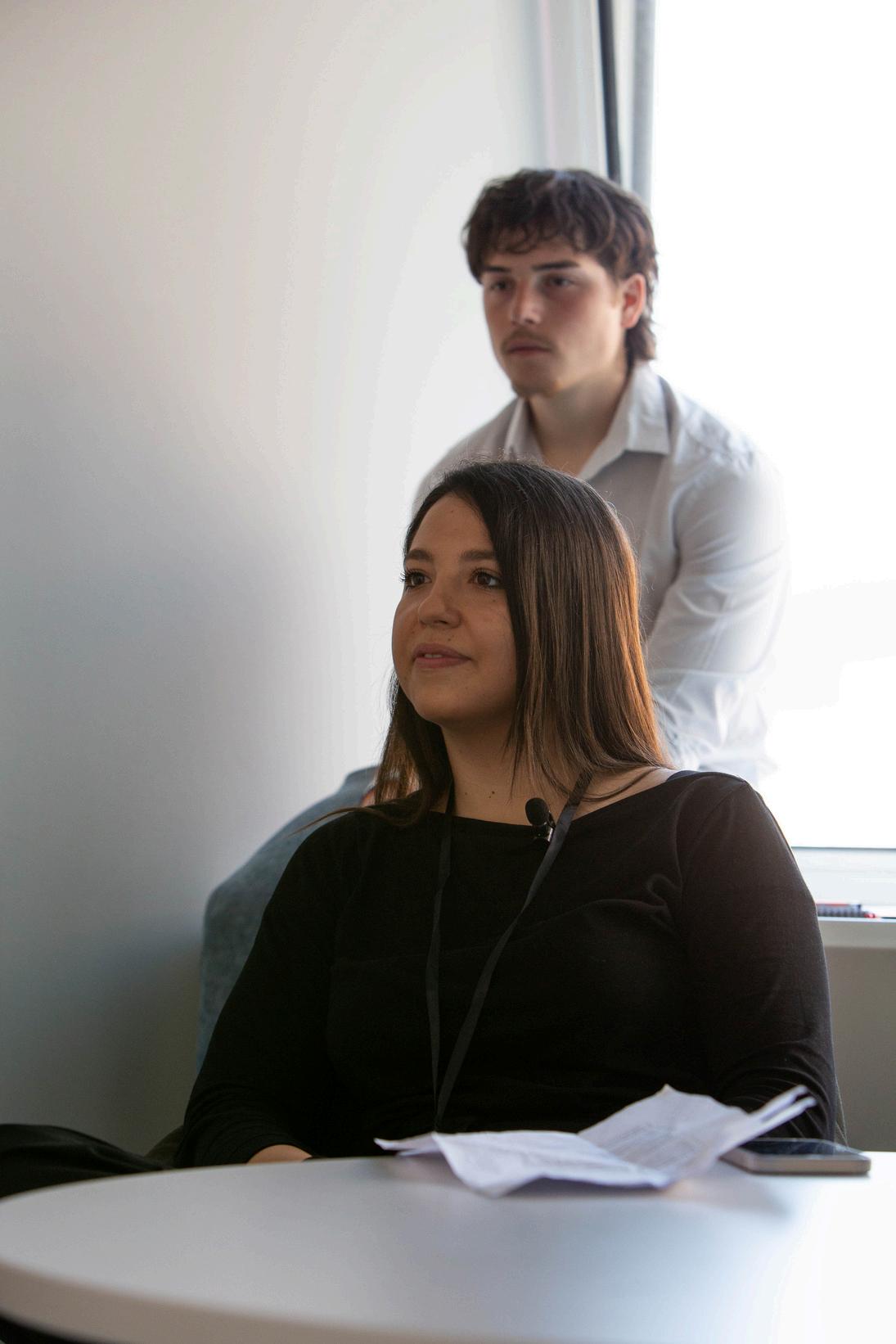
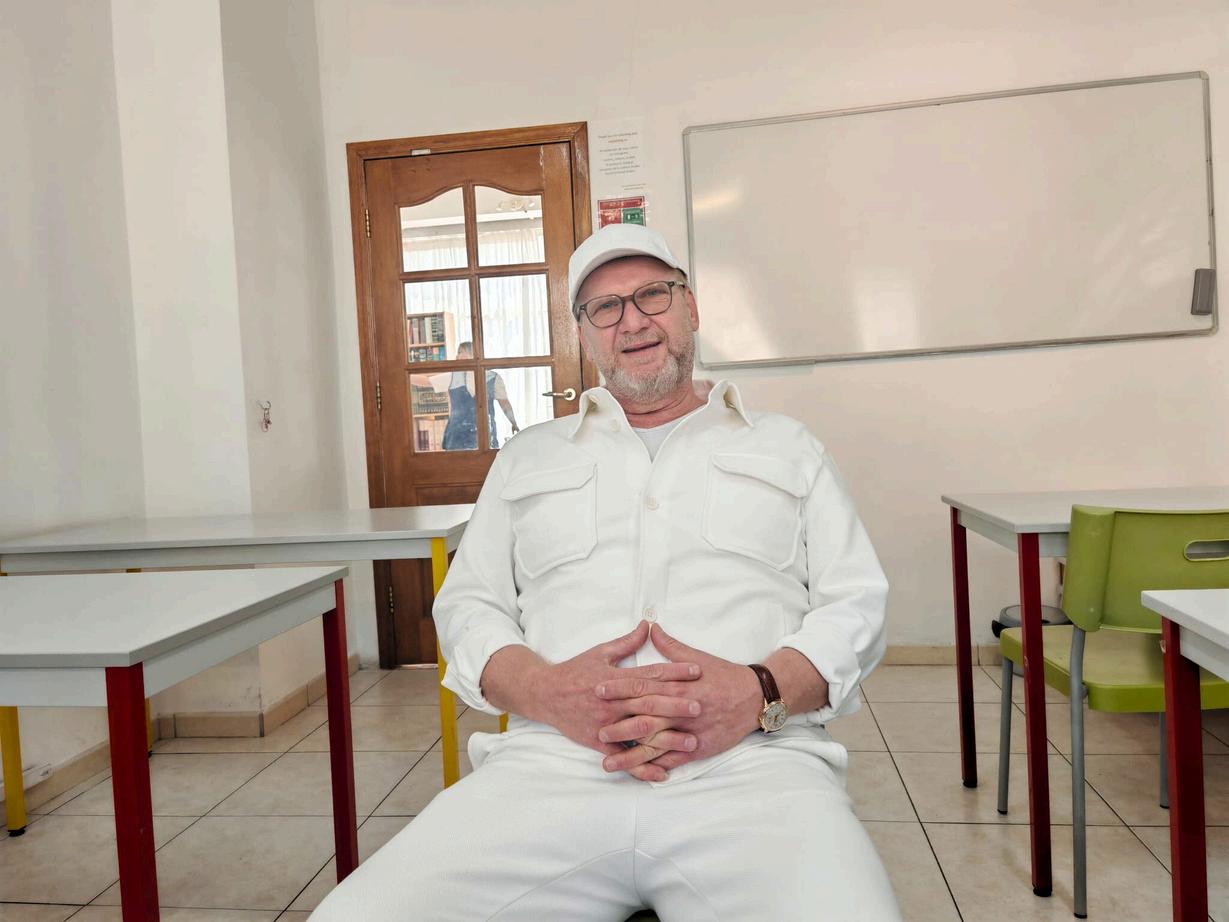
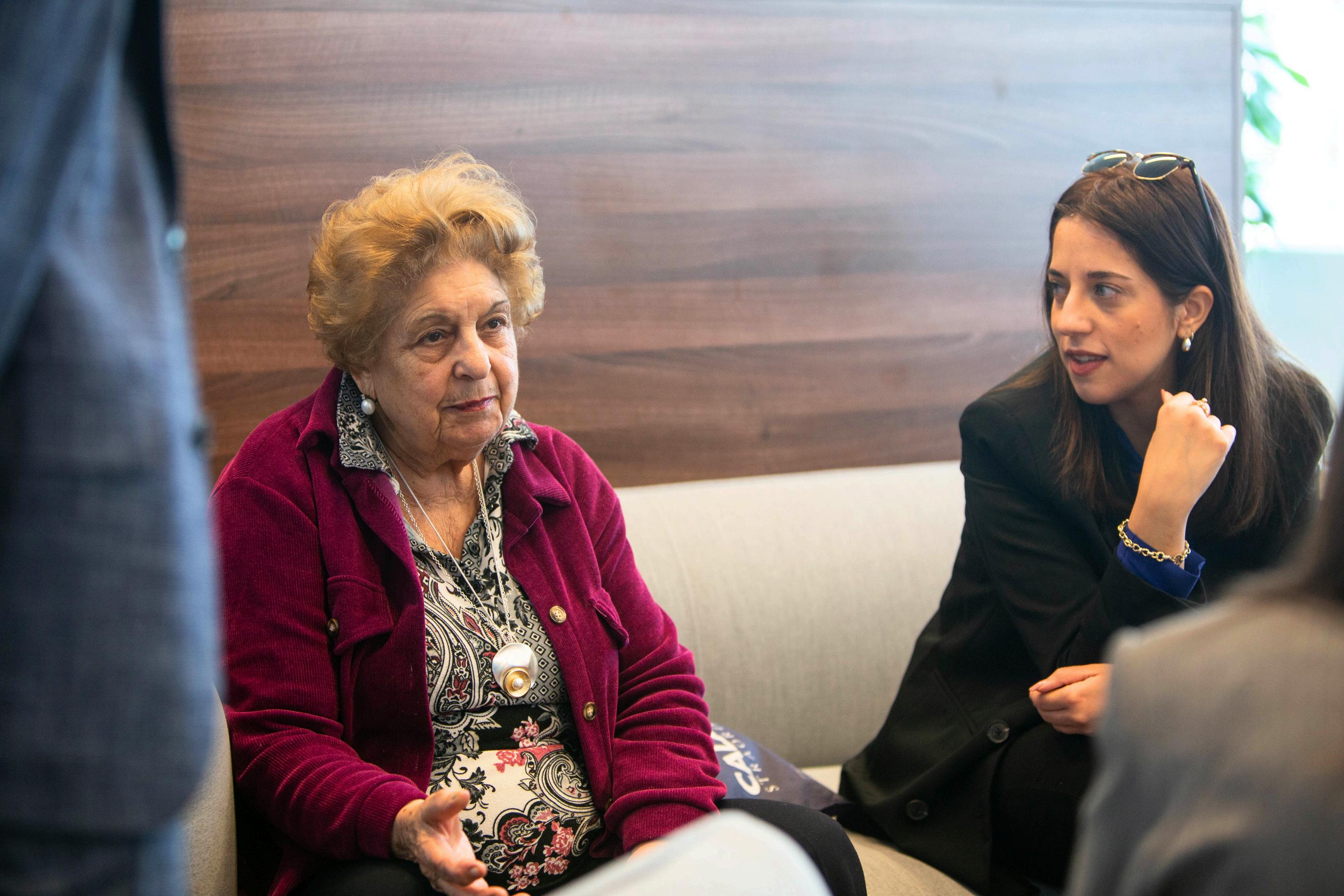
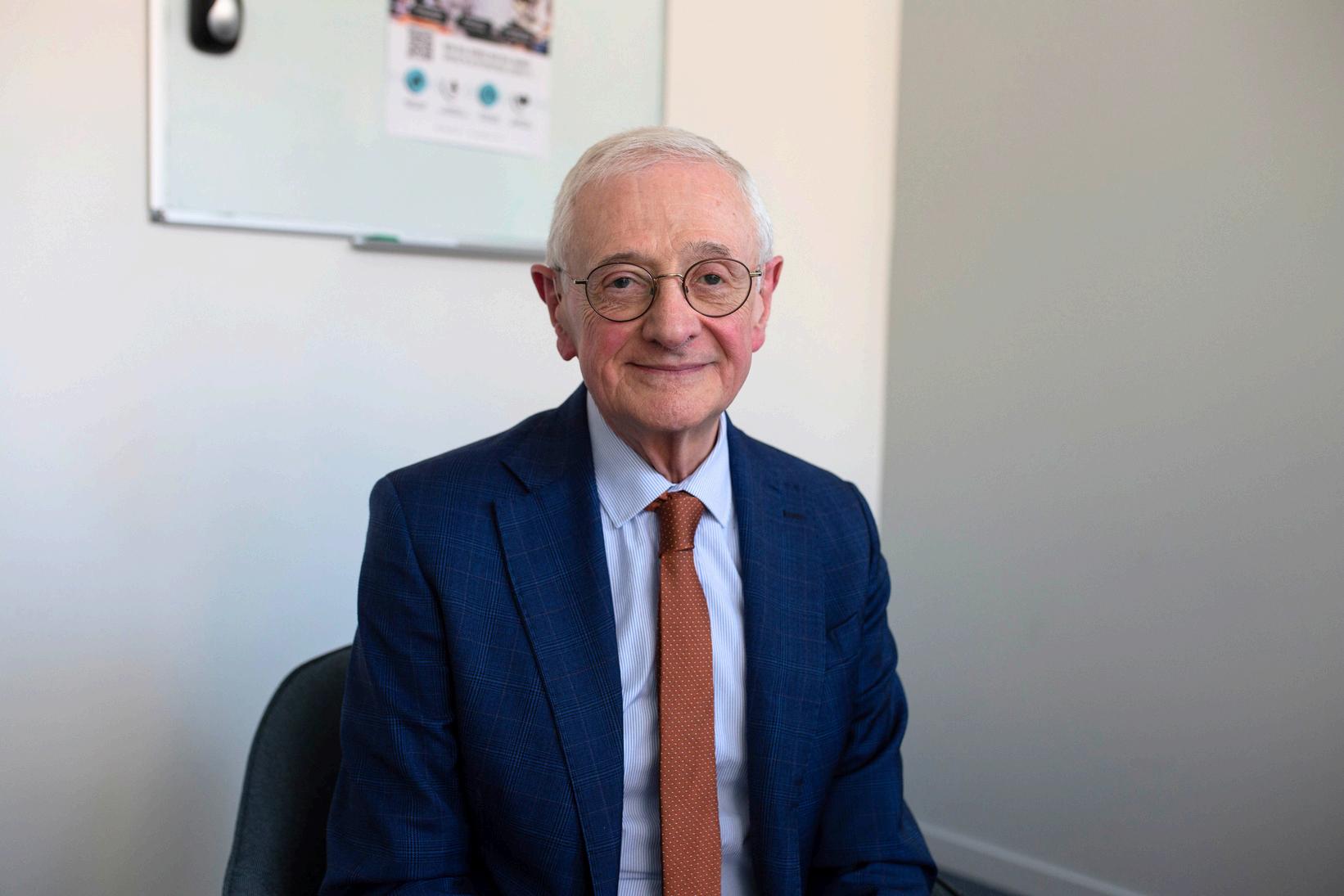
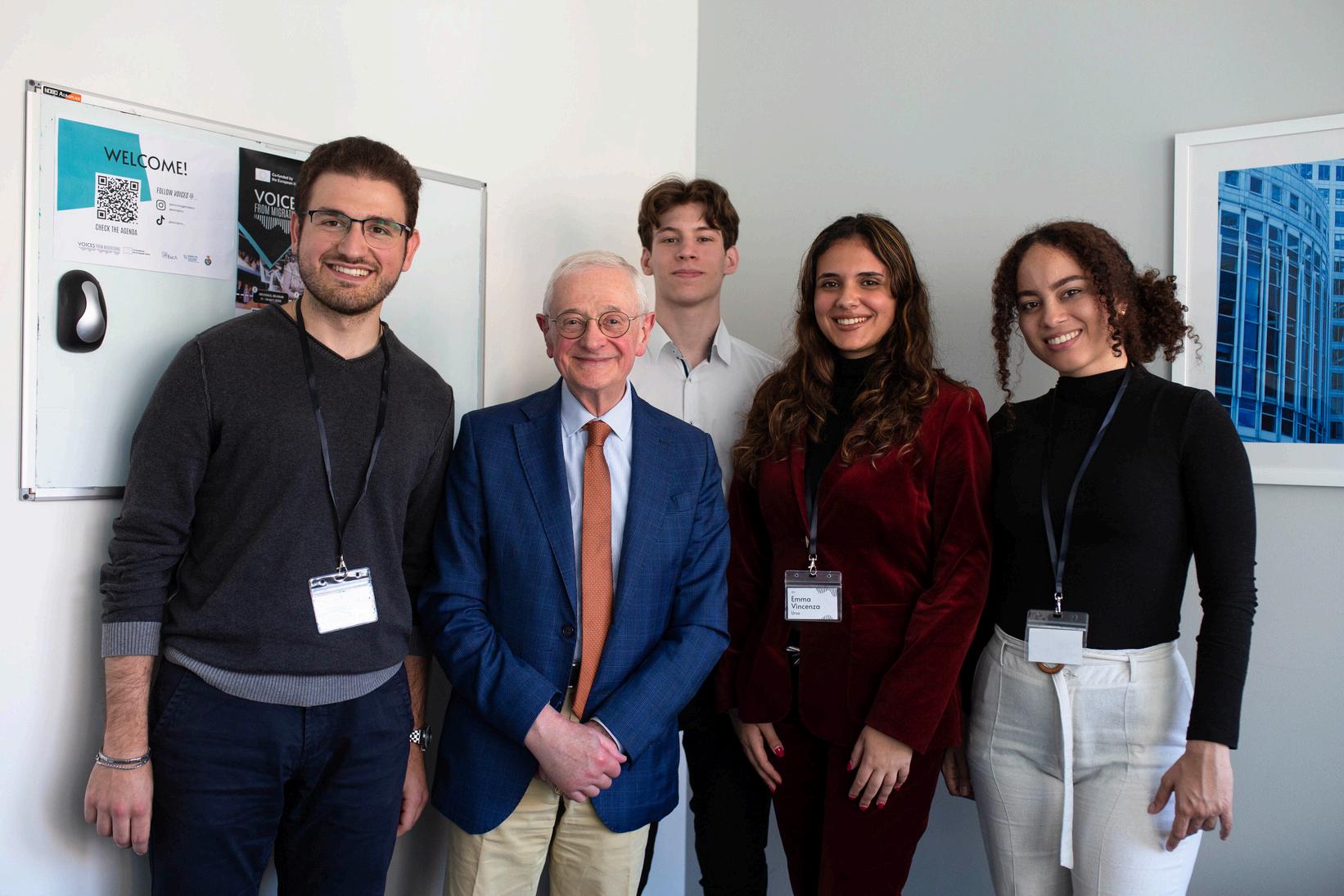
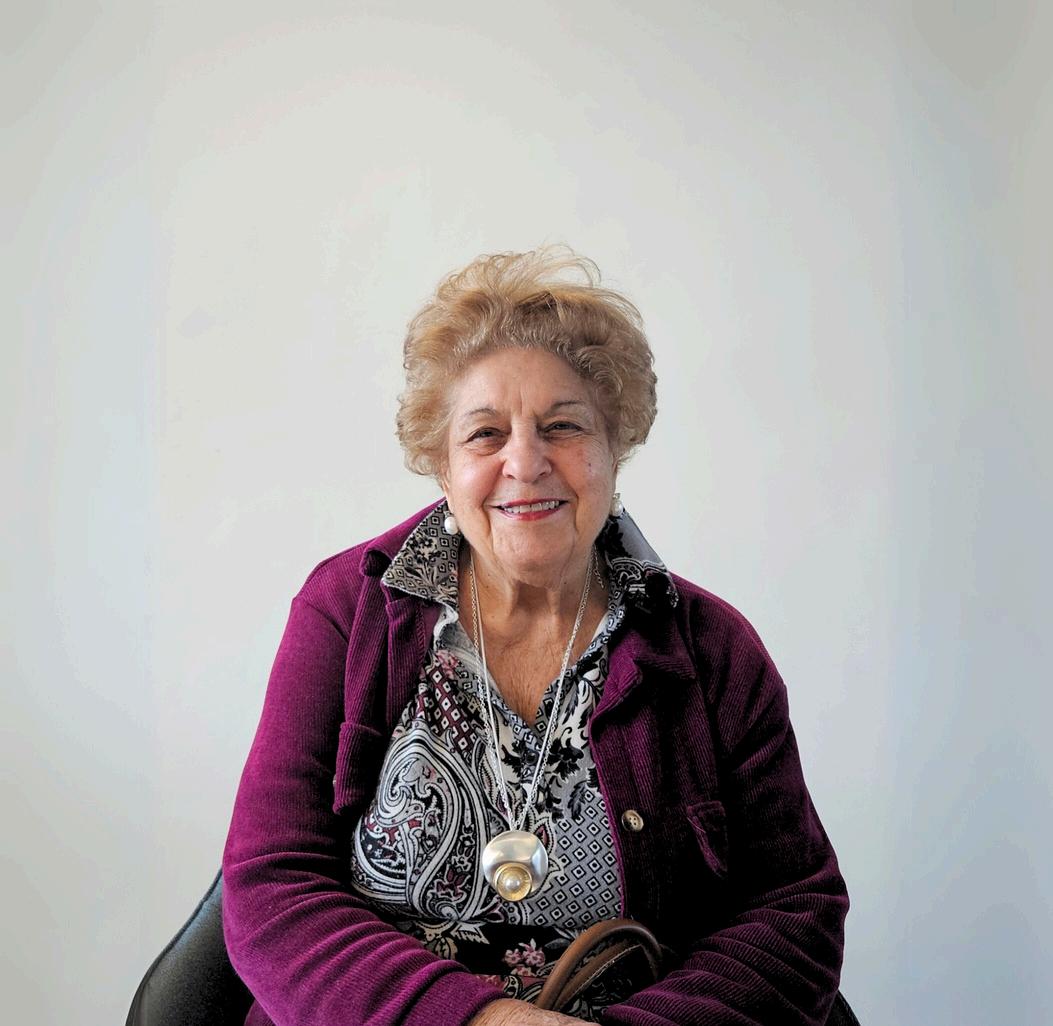
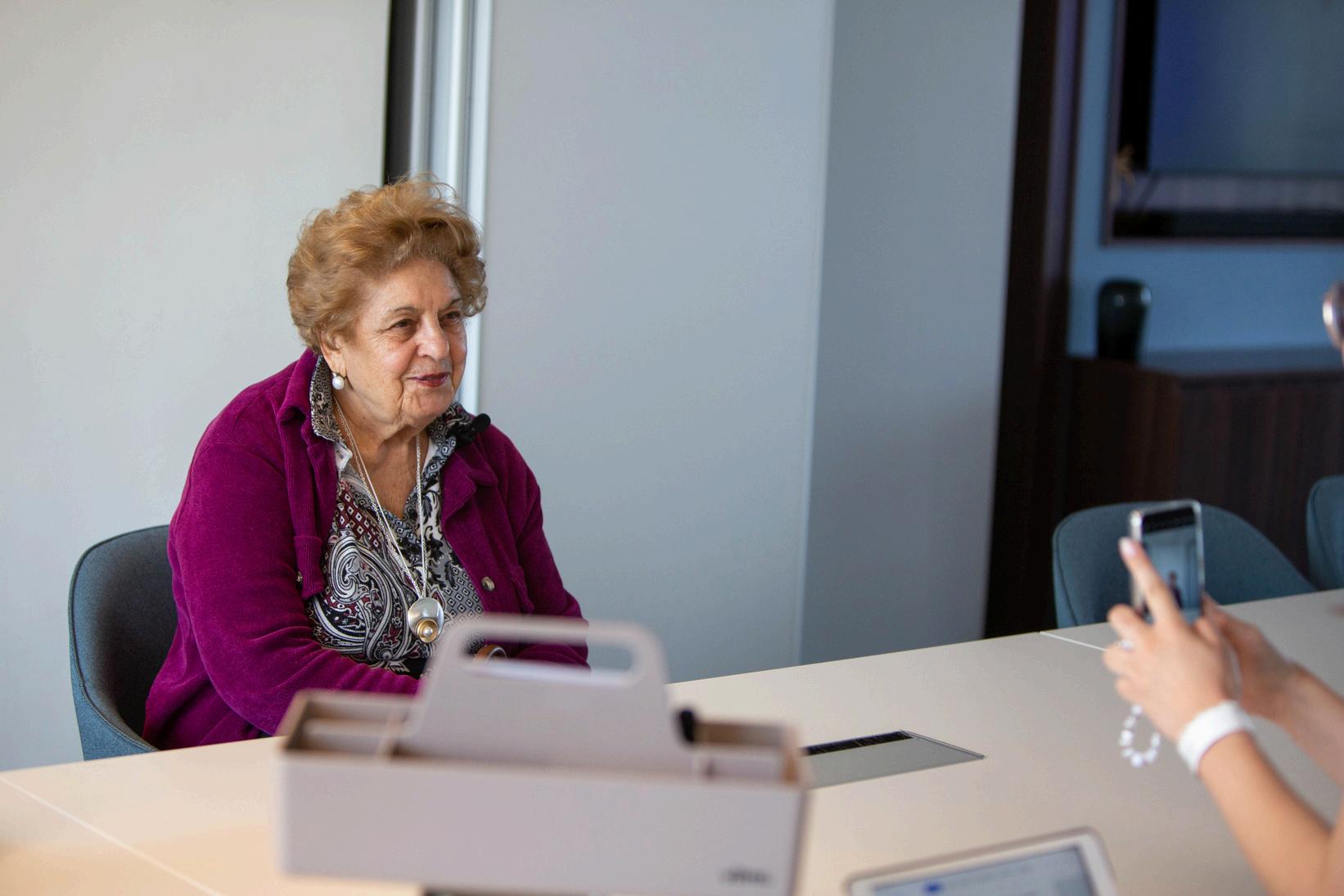
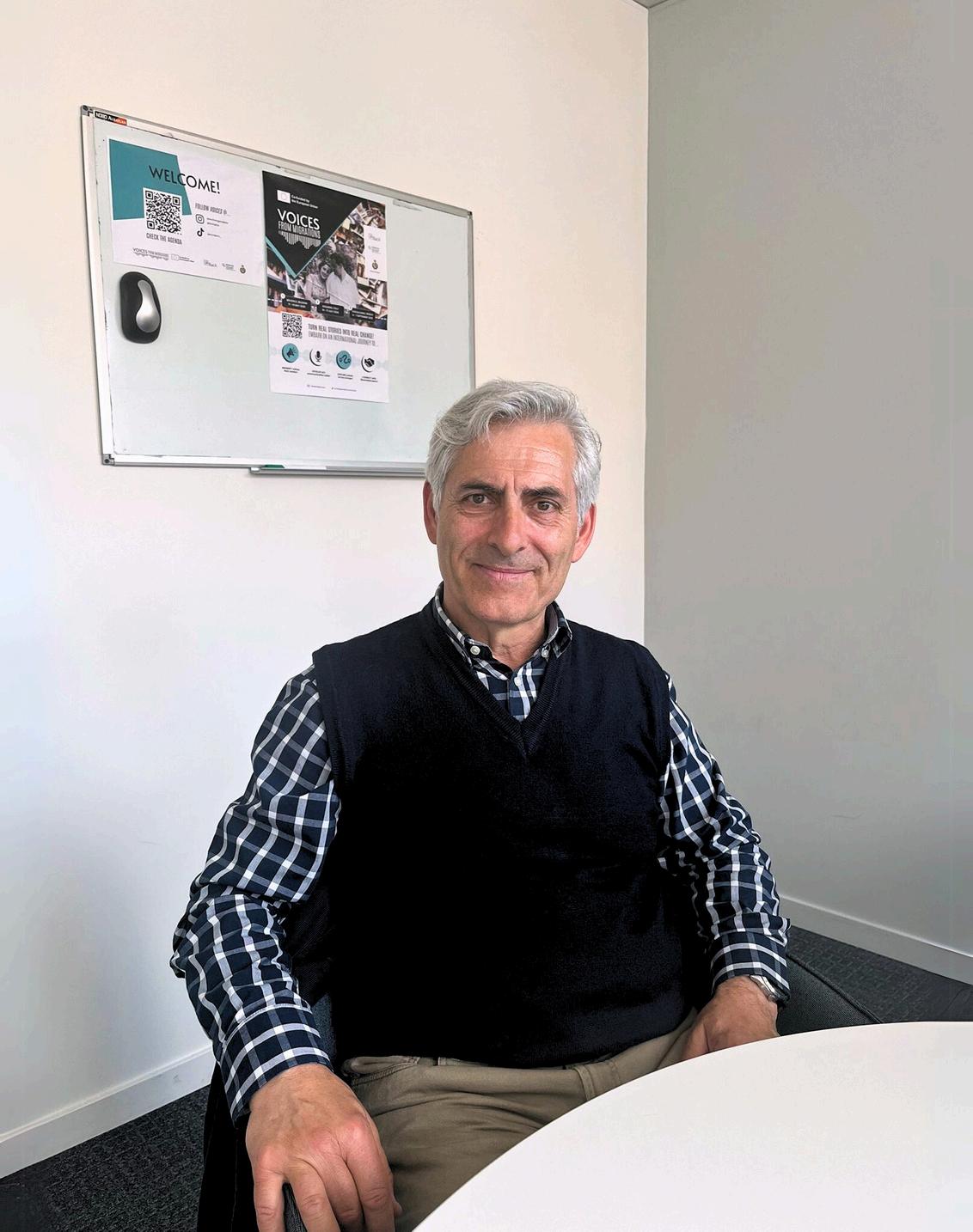
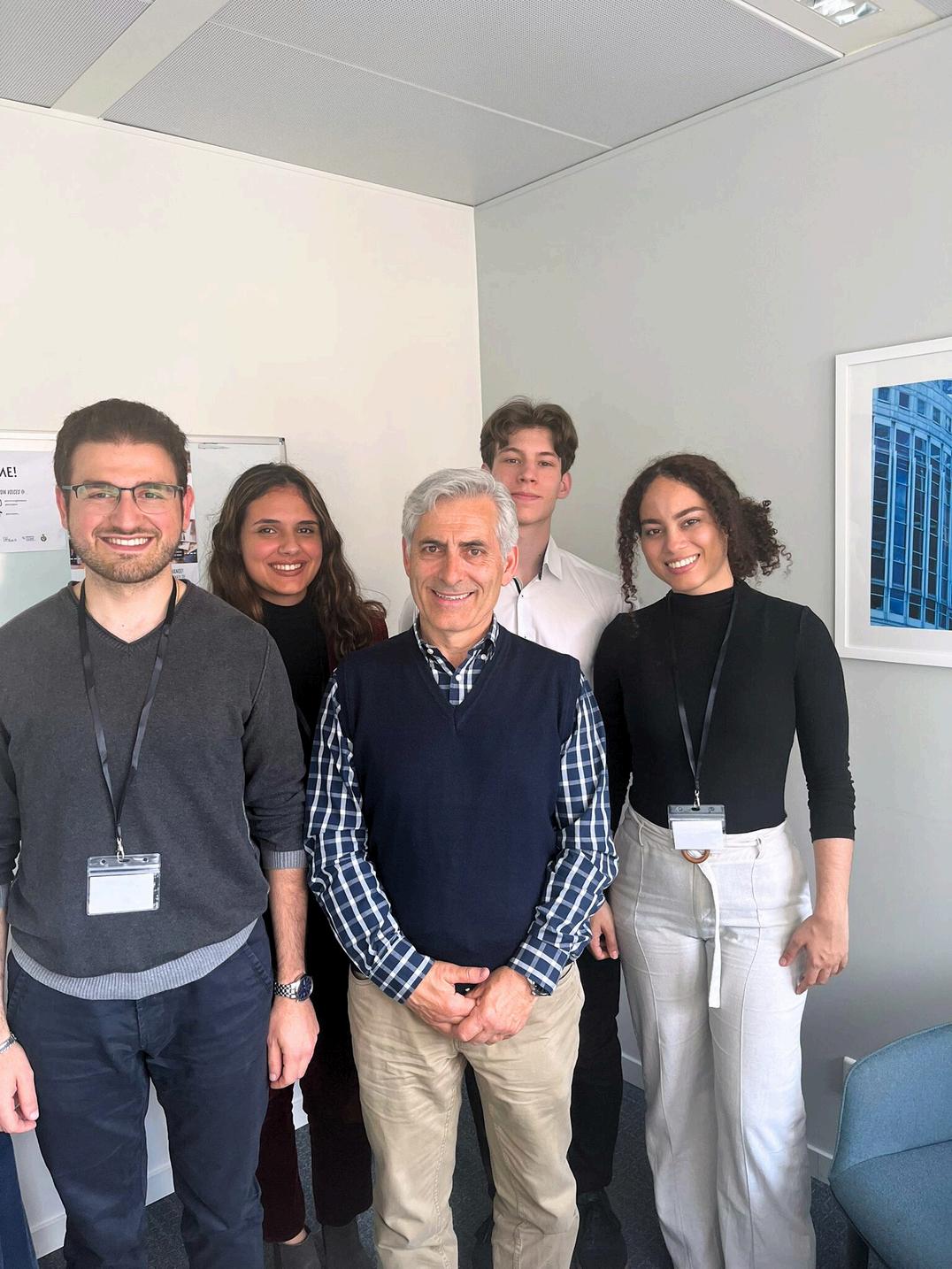
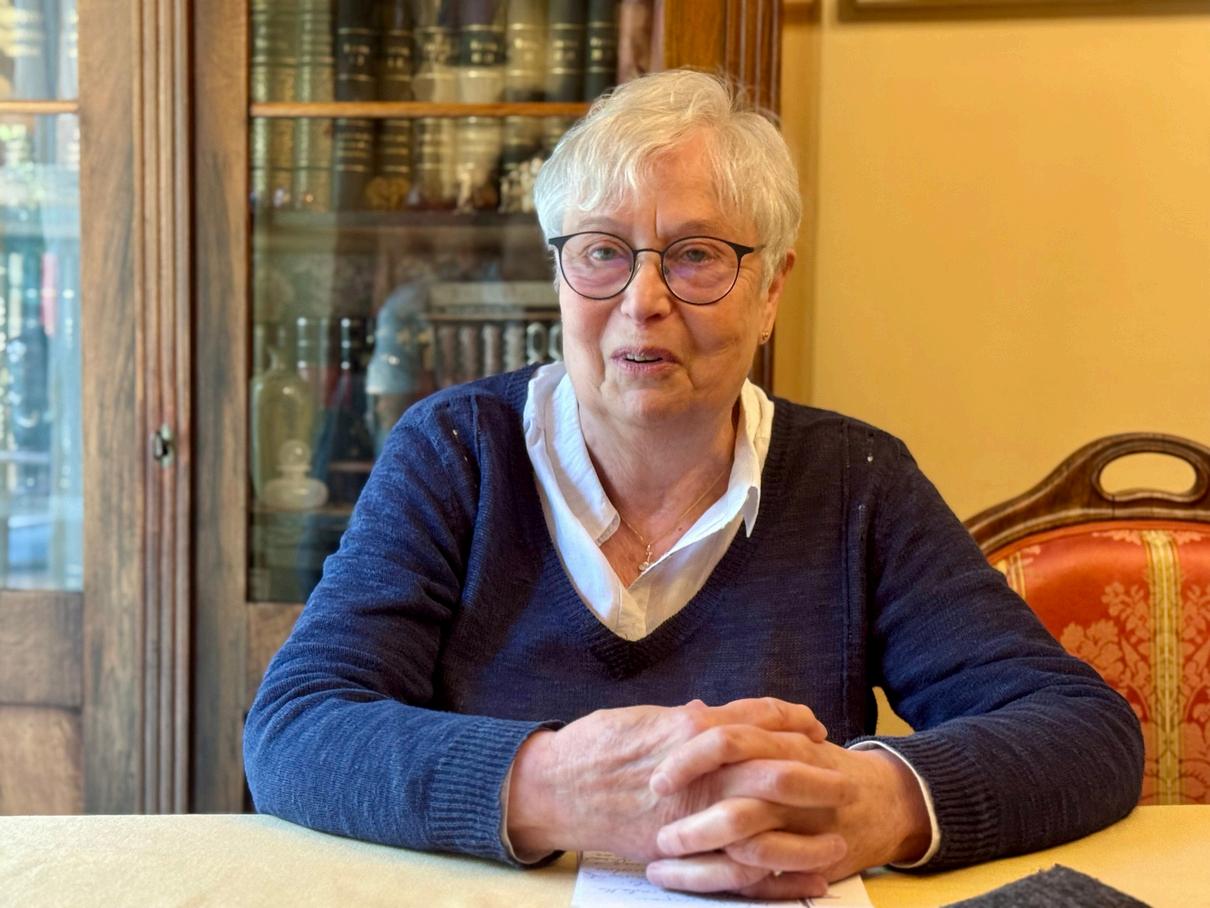
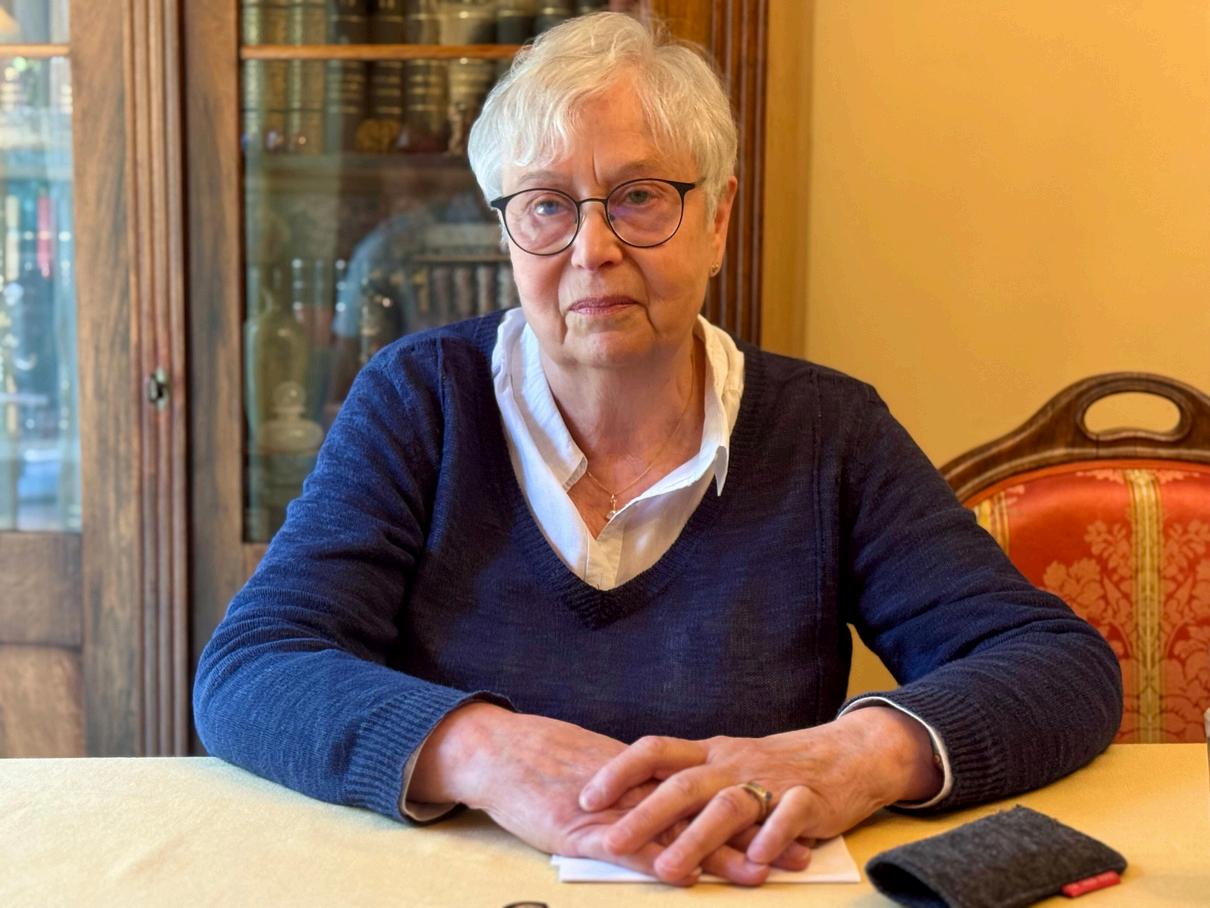
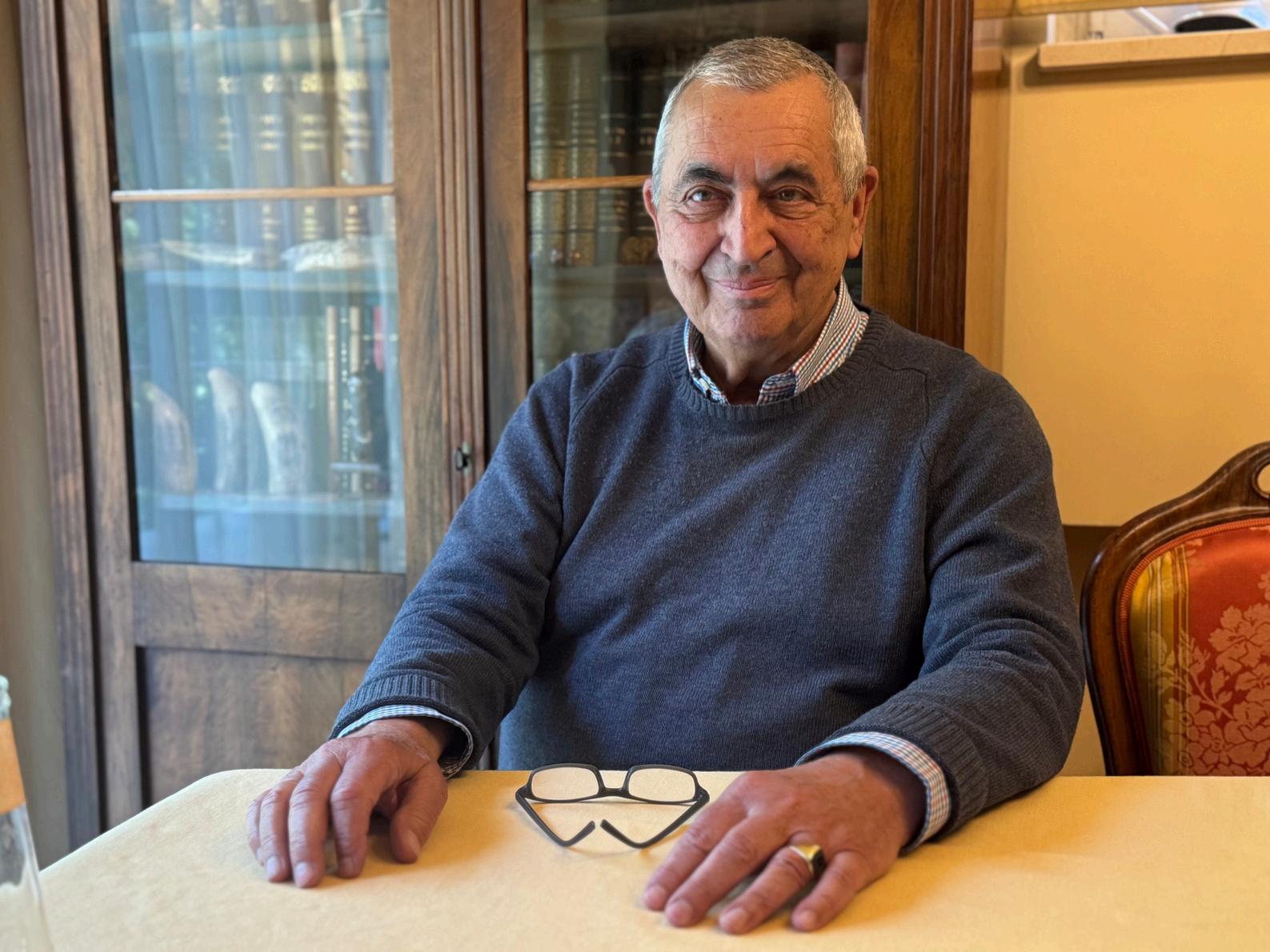
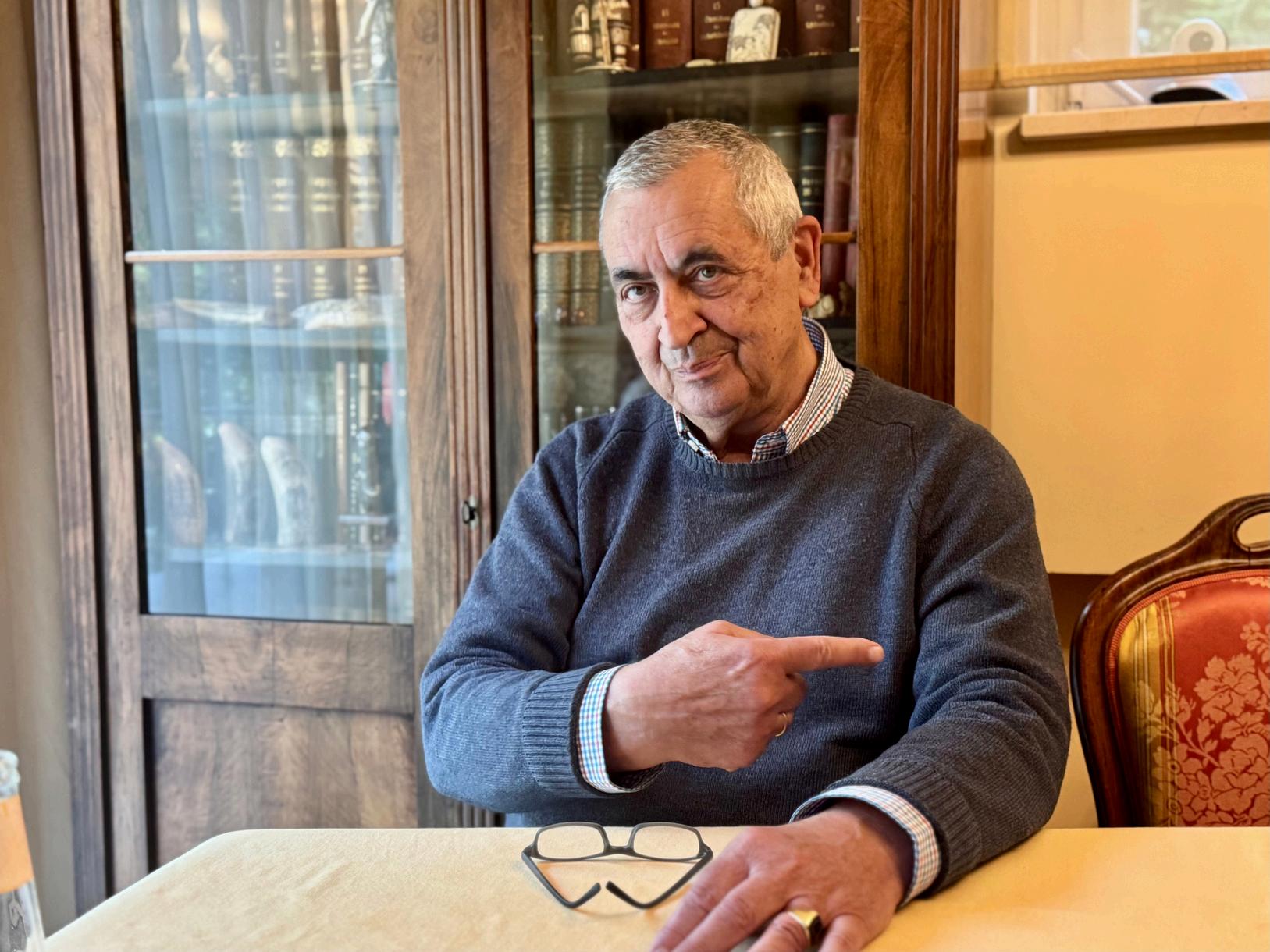
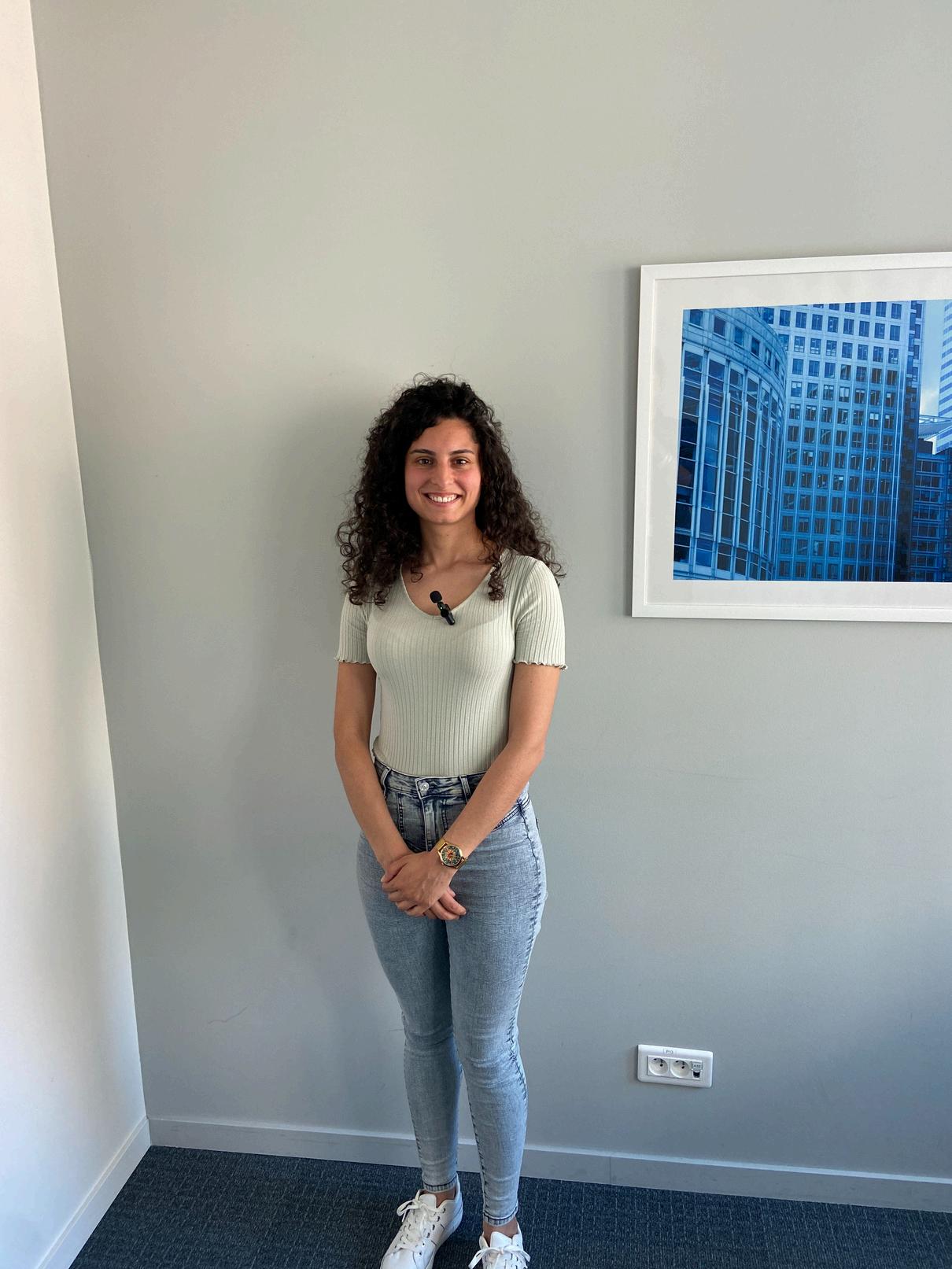
Alessandra Arcodia, Director for Projects and Advocacy, European university college Association
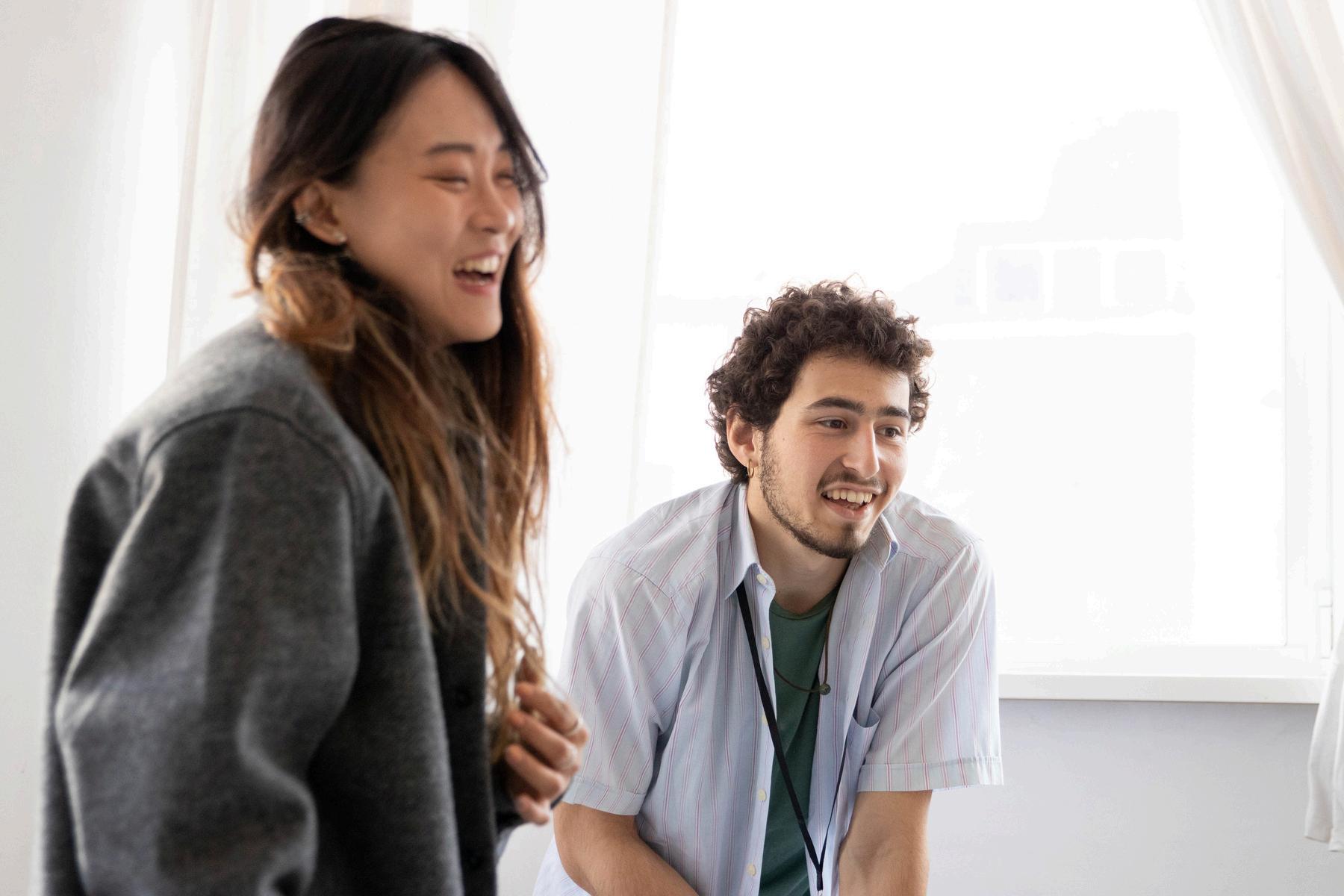
Alessia Massari, Projects Coordinator, European university college Association
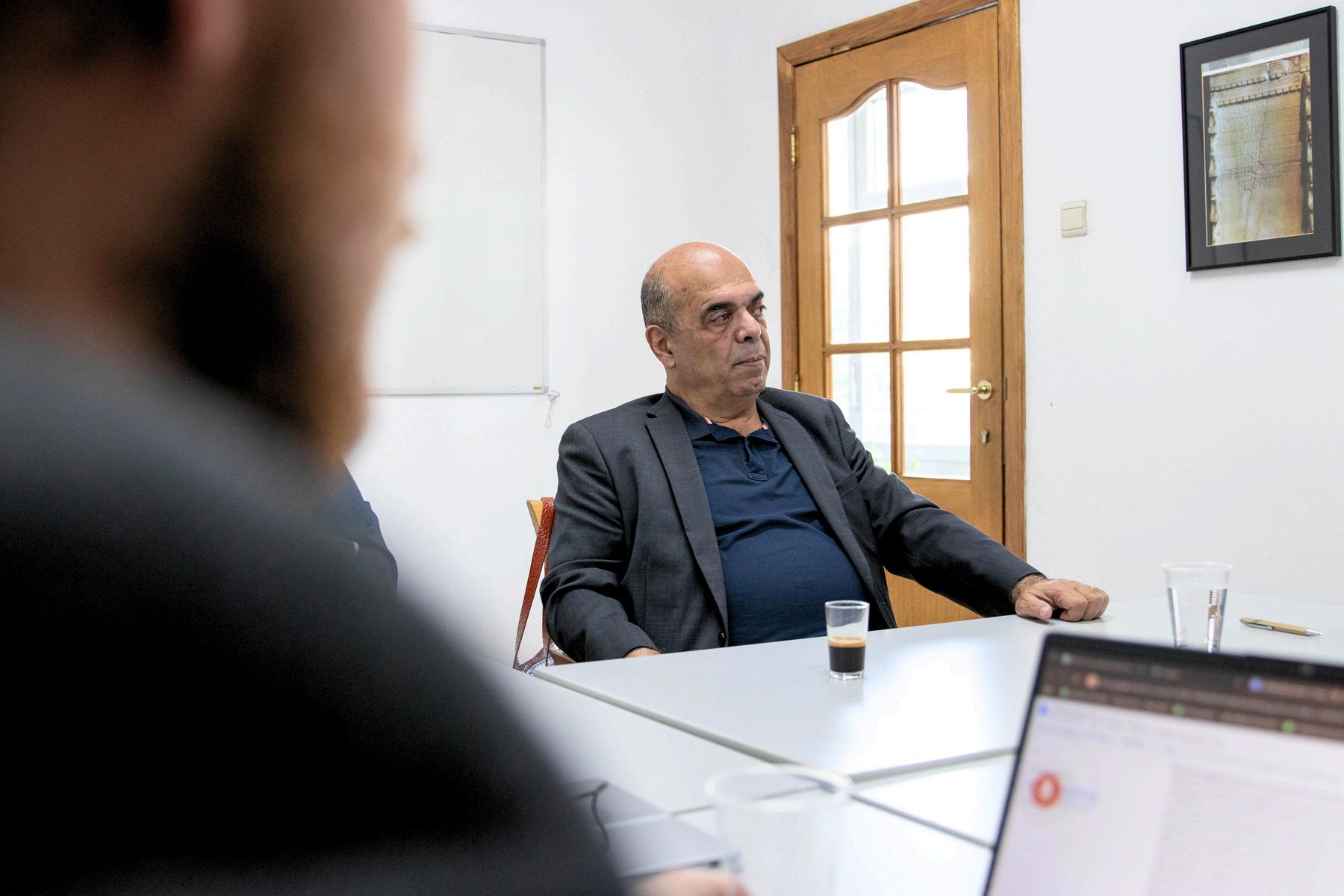
Laura Lorente, Communications Officer, European university college Association
ACKNOWLEDGEMENTS:
VOICES From Migrations is a project co-funded by the European Union Views and opinions expressed are however those of the author(s) only and do not necessarily reflect those of the European Union or the European Education and Culture Executive Agency (EACEA). Neither the European Union nor EACEA can be held responsible for them.
Project: VOICES From Migrations Funded by the CERV Program
PARTNERS:
Perrotis College, American Farm School (AFS)
Marinou Antipa, Thessaloniki 551 02, Greece
perrotiscollege edu gr
Municipality of Rosarno, Reggio Calabria
Viale della Pace - 89025 Rosarno (RC)
comune rosarno rc it/
SPECIAL THANKS:
The VOICES From Migrations team would like to extends its thanks to:
My House of European History
The European Institute of Arab Culture, in Brussels
The Regione Lombardia Delegation in Brussels
For their involvement, expertise, and belief in the project and its core values. It wouldn’t have been possible without you.
Introduction: “Crossroads of History Unveiling Migrant Stories and Shaping Future Policies in Brussels”
Fatima Kassir
Ali Kheder
El Saidi Mahi...........................................................................
Tarek Morad
Antonio Romano.....................................................................
"VOICES isn’t just about storytelling–it’s about restoring agency to migrants and turning awareness into action.
Through workshops, advocacy, and intergenerational dialogue, students don’t just learn–they co-create By developing skills in journalism, policy writing, and leadership, they transform the lessons learned into a concrete action plan for integration, supporting the implementation of the EU Anti-Racist Action Plan at a local level”
Gianluca Giovannucci, EucA President
CROSSROADS
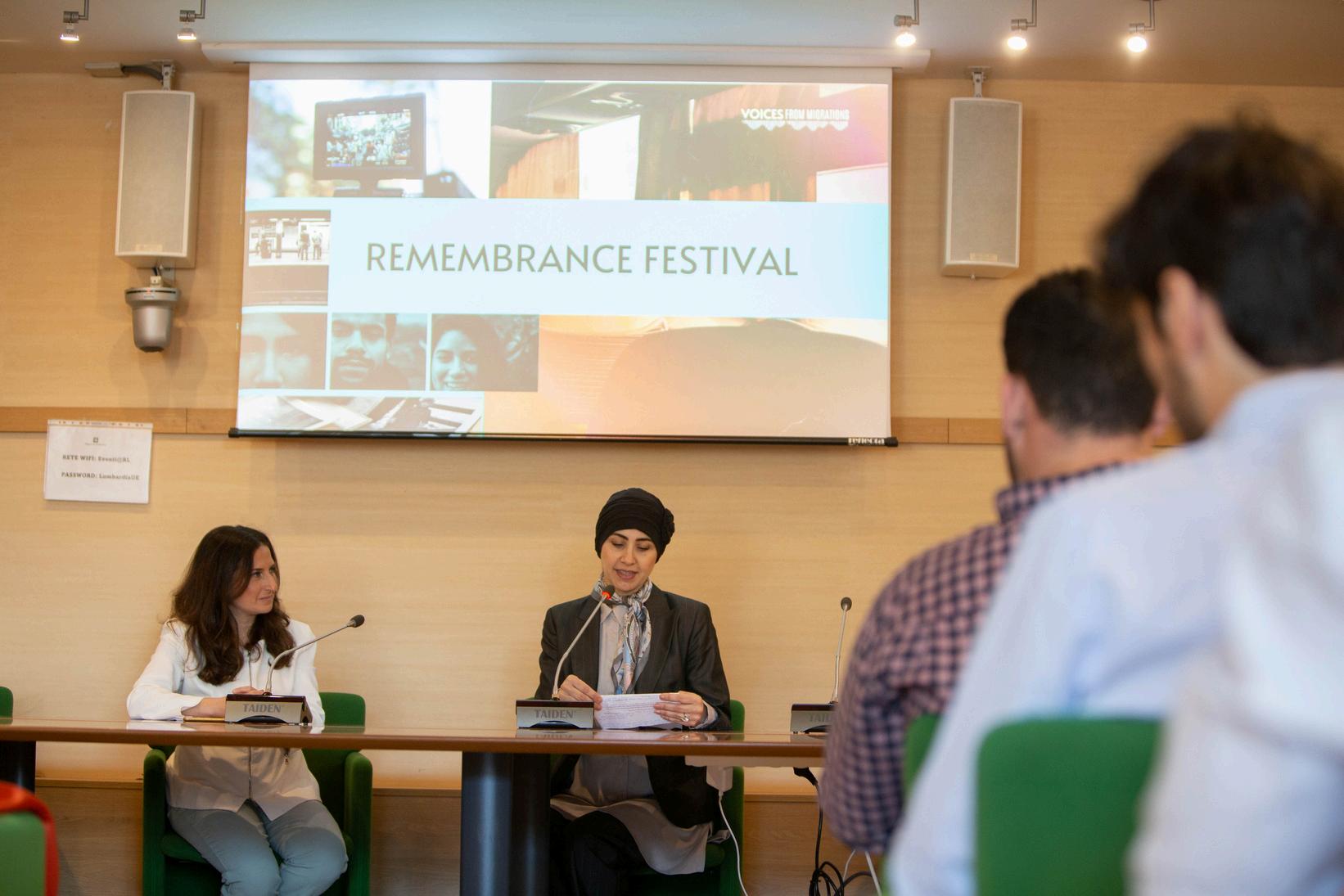
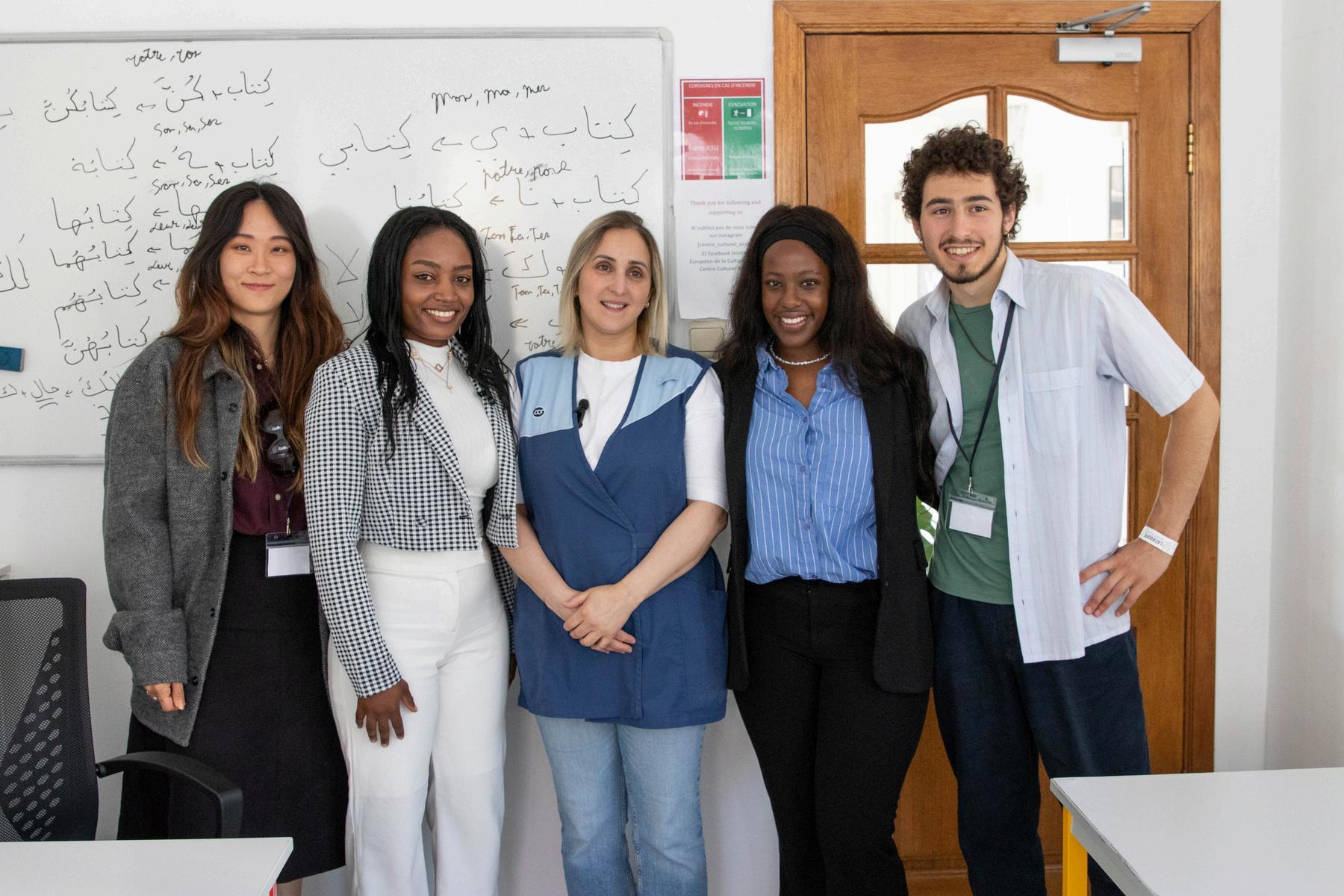
From 11 to 14 May 2025, Brussels transformed into a hub of storytelling, policy innovation, and intercultural dialogue as VOICES From Migrations officially launched its first event
Co-funded by the European Union and organized in collaboration with Perrotis College (Greece) and the Municipality of Rosarno (Italy), the event brought together students from 15 European countries and individuals with lived migration experiences in a bold effort to reframe the migration narrative in Europe
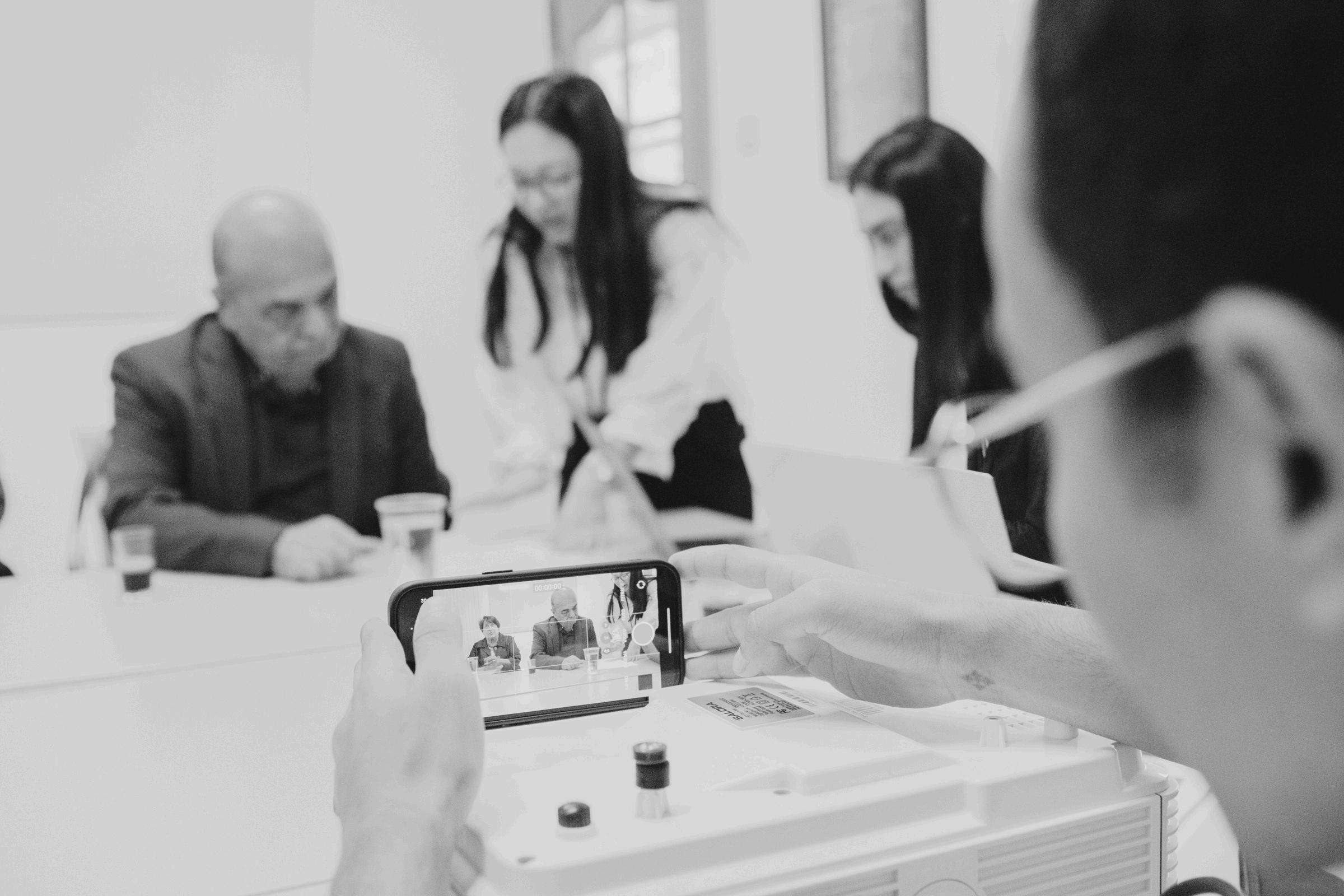
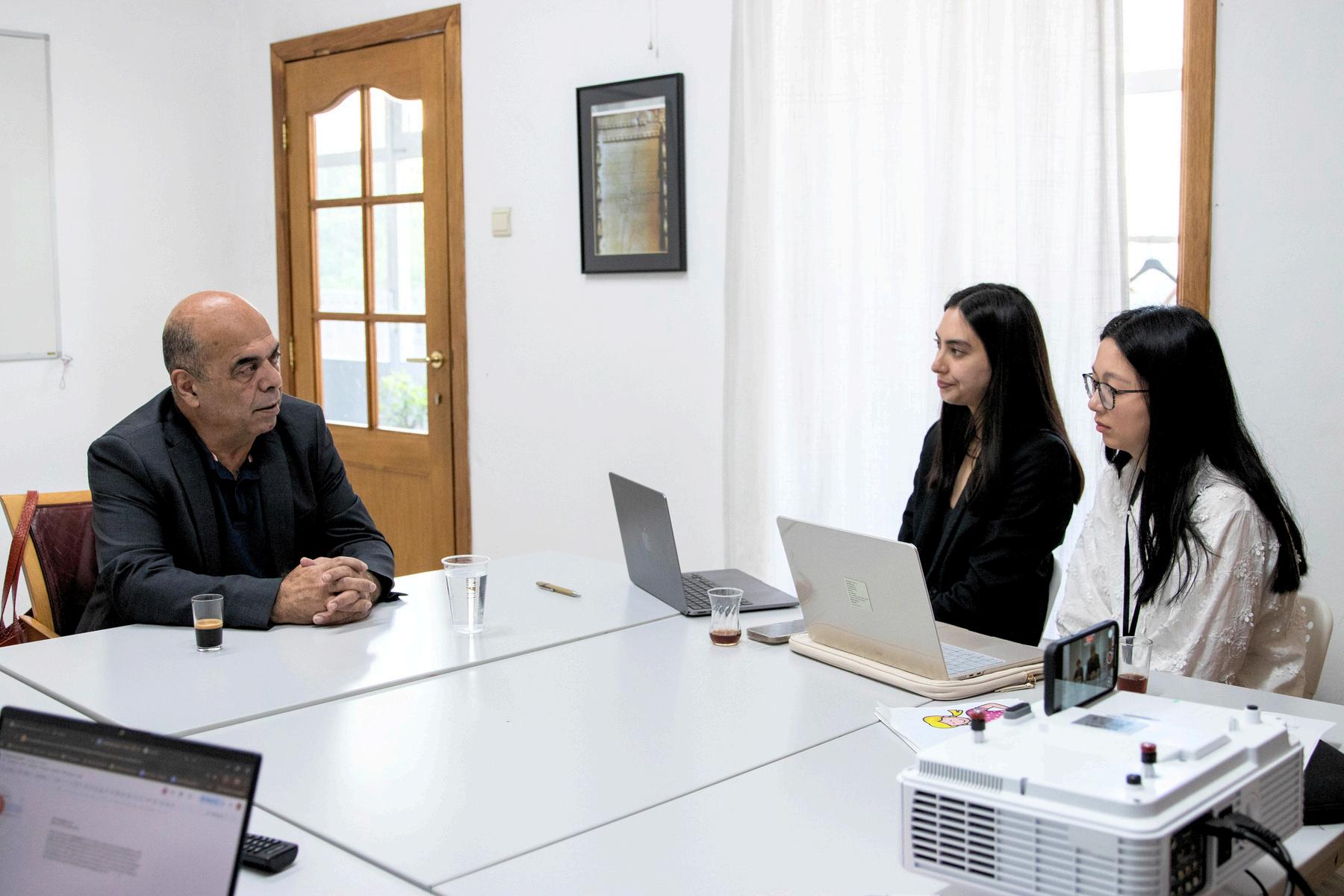
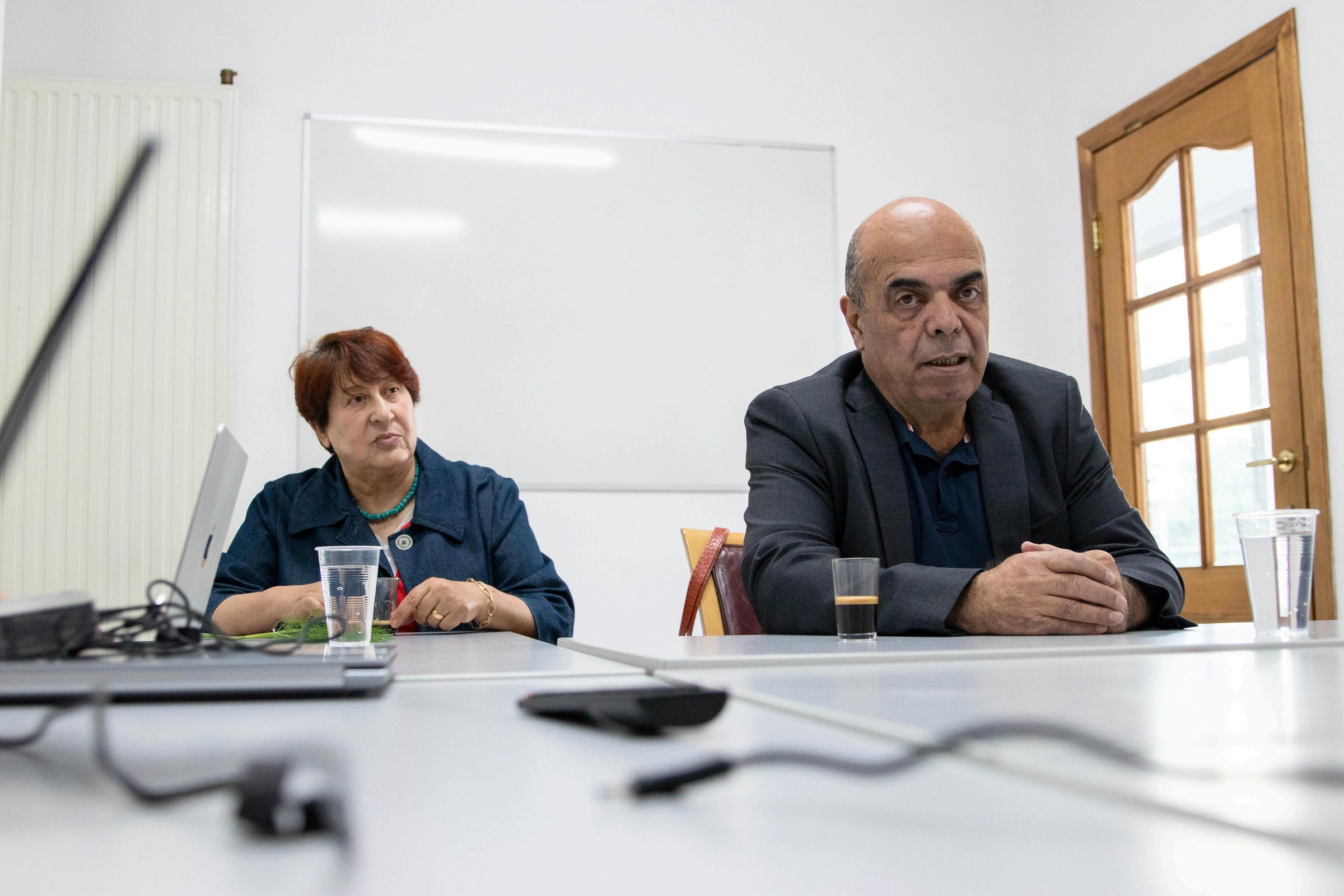
Over four days, students became journalists, filmmakers, and policy advocates. They conducted in-depth interviews with people whose migration journeys reveal strength, compassion, and bravery Using the tools of storytelling and journalistic inquiry, participants conducted interviews, filmed and edited powerful personal stories, each one a testimony of resilience
Workshops led by My House of European History provided hands-on training in video production, interviewing techniques, and narrative building These sessions not only taught technical skills but emphasized ethical aspects, empathy, and representation
“I have learned to actively listen and empathize, I also got to see how this experience can shape important narratives.” C.V.M., Germany
OF HISTORY:
The young participants didn’t stop there Working in teams, they translated the stories they heard into policy recommendations aimed at promoting inclusion, protecting rights, and amplifying migrant voices in European policymaking With remarkable dedication, students merged real human stories with bold, actionable proposals, proving themselves as true changemakers.
“It was really interesting combining all of our knowledge to understand each other better.”
B.G., Greece
Key voices enriched the event with valuable perspectives on European unity, identity, and collaboration Peppino de Rose from Associazione Calabresi in Europa, Giulio Groppi from Associazione Giuliani nel Mondo-Brussels Branch, writer Fébronie Tsassis, and Mariam Jawad from the European Institute of Arab Culture each offered insights that highlighted the importance of a more inclusive and connected Europe
The initiative was hosted and supported by Regione Lombardia Delegation in Brussels and the European Institute of Arab Culture, places of significance in light of the project’s objectives importance of the project’s objectives
As the first stop of a larger journey, VOICES From Migrations has set the tone for a project that’s not only about migration, but also transformation, active citizenship, and belonging
As a result of VOICES From Migrations first event, citizens of diverse origins who migrated to Belgium from the 1970s onward had the chance to tell their own stories in their own terms Their backgrounds include Italy, Greece, Lebanon, Syria, Morocco, Algeria, and Iraq
The outcome is a collection of 20 compelling stories that reflect the strength, resilience, and adaptability of those who have made Belgium their home, offering a human-centered perspective on the topic of migration
Now digitized and archived on the platform “My House of European History” - a multimedia site supporting oral history owned by the European Parliament - as well as on EucA’s own platform, “euchangemakers com”, the stories become accessible for the public at large with the purpose of fostering a humane perspective on the issue of migration.
IN THIS DOCUMENT... HOW TO
you will find the compilation of the final testimonies - accompanied by photos - as well as the resulting Policy Recommendations drafted by the involved participants: university students hailing from 15 European countries
USE IT?
The testimonies gathered provide a first-hand account on the lived experience of migrants citizens, offering both a personal and historical perspective on Europe as a community of diverse people and ideas Such testimonies can serve as a resource for educators and non-profit organizations to support integration and understanding in educational settings.
Interested groups and/or individuals should contact EucA - the European university college Association - at info@euca.eu for permission in the use of texts and images
INTERVIEWS
European Institute for Arab Culture
Languages: English, French
Kassem Hussein
“I was born in Lebanon There, I was a teacher of Arabic and mathematics, a journalist, and politically active I had to flee my country in 2001 because I opposed the Syrian regime and Hezbollah. My life was in danger.
I arrived in Belgium as a political refugee, and the journey was extremely difficult I crossed several countries in a truck Moscow, Poland, Brussels When I arrived, I didn’t even know I was in Brussels. One day, the driver said to me, ‘You’re at Gare du Midi!’ and that’s how I found myself in Belgium. In the first few days, a friend who happened to live in Brussels helped me a lot
At first, I was alone Three years without my family. It was very hard. My children were still little. I went through all the procedures to bring them over. But I wasn’t allowed to work.
In the beginning, everything was unfamiliar to me: the language, the climate, even the way people greeted each other I slept in train stations. It was a very difficult time, but some people helped me.
Interview by:
A woman named Maggie supported me a lot through the legal process. Thanks to her, I got my papers and was able to bring my family through family reunification. Little by little, I rebuilt my life I worked as a head chef, ran cultural centers, and led cooking workshops I continue to read and write I even wrote a book about my journey and my political views
Unfortunately, I’ve never been able to return to Lebanon. I lost contact with much of my family and never got the chance to say goodbye
Still, I have found a new life here. Belgium isn’t perfect, but it’s where I’m safe. Despite everything, I carry with me the memories of my childhood in Lebanon, the smells, the sounds, the faces…
My message: We must listen to the stories of migrants Behind every asylum request, there is a life, a pain, a strength.”
Original language: French
Entretien réalisé par :
«Je suis né au Liban Là-bas, j’étais instituteur d’arabe et de mathématiques, journaliste et engagé politiquement J’ai dû fuir mon pays en 2001 car j’étais contre le régime syrien et le Hezbollah. Donc, ma vie était en danger.
Je suis arrivé en Belgique comme réfugié politique et le trajet a été très dur : j’ai traversé plusieurs lieux caché dans un camion Moscou, Pologne, Bruxelles Quand je suis arrivé, je ne savais même pas que j’étais à Bruxelles. Un jour le chauffeur m’a dit : “Tu es au Gare du Midi !” et c’est comme ça que je suis arrivé en Belgique . Pendant les premiers jours, un ami qui habitait à Bruxelles par hasard m’a beaucoup aidé
Au début, j’étais seul Trois ans sans ma famille C’était très dur. Mes enfants étaient petits. J’ai fait toutes les démarches pour les faire venir. Mais je ne pouvais pas travailler.
D’abord, tout était étrange pour moi : la langue, le climat, même la manière dont les gens se saluaient J’ai dormi dans des gares C’était très difficile; mais des gens m’ont aidé.
Une dame, Maggie, m’a beaucoup soutenu pendant les démarches Grâce à elle, j’ai eu mes papiers et j’ai pu faire le regroupement familial Petit à petit, j’ai reconstruit ma vie J’ai travaillé comme chef cuisinier, dirigé des centres culturels, et je donne des ateliers de cuisine. Je continue à lire et à écrire. Et j’ai même écrit un livre sur mon parcours et mes opinions politiques
Malheuresement, je n’ai jamais pu retourner au Liban J’ai perdu de contact de la grand parti de ma famille sans pouvoir leur dire au revoir.
Encore, j’ai trouvé une nouvelle vie ici La Belgique n’est pas parfaite, mais c’est où je suis en sécurité Malgré tout, je garde en moi les souvenirs de mon enfance au Liban, les odeurs, les sons, les visages
Mon message : il faut écouter les histoires des migrants. Derrière chaque demande d’asile, il y a une vie, une douleur, une force »
But things change In 1999, after years of delays, refusals, and near-impossible visa applications, I arrived in Belgium. I knew no one but a friend who came before me. My French was non-existent, my status uncertain For the first nine years, I worked in a Lebanese restaurant, 60 hours a week, 11 years straight I went from managing schools to washing dishes and mopping floors I wasn’t ashamed, I was grateful. Work is dignity.
Eventually, I returned to my passion. Bit by bit, I began teaching Arabic It started small, just a few students at my house Now, I manage a cultural centre in Brussels where I teach Arabic and share our traditions We even wrote textbooks in Syrian and Lebanese dialects our way of preserving culture while building bridges.
But I haven t forgotten where I came from. Latakia, with its winding streets and warm sea breeze, still lives in me I miss it, the food, the people, the sounds. But Syria changed. War, fear, and a system that no longer felt like home.
Europe gave me safety and freedom I believe in giving back, whether through work, language, or kindness If I had one message to share, it's this: don’t just survive, contribute Buy that house Learn the language And never forget the journey”
Permanent link (My House of European History): my-european-history.ep.eu/myhouse/story/2180/en
Fatima Kassir
Something unnatural
After the war ended, we started to see the beauty of Belgium. The country is beautiful. It’s nice here No one interferes with anyone; there’s freedom, as much as possible If you follow the law, you are free
There are a lot of migrants like us, really a lot, in Belgium. To the point where I said: 'What’s the difference between Lebanon and Belgium?' 'Why did I come?' I came for this beauty The freedom, the distance from politics and war
Permanent link (My House of European History): my-european-history.ep.eu/myhouse/story/2184/en
Here, no one really goes hungry, for sure. People eat, drink, but you still see homeless people Here, next to the [European Institute of Arab Culture] Center, there’s someone who sets up a place for himself in the streets In my opinion, that’s wrong
As long as we can feed you and give you better places, why stay on the street? Regardless of whether it’s a center, hospital, or something else Let those places be better, and let people have somewhere to be happy”
Interview by:
Yamina Hafar
by:
to leave everything behind especially my family That was the hardest part
My journey to Belgium wasn’t dramatic, but it was stressful. It was my first time flying. When I arrived, I didn’t feel excited; I felt cold, both physically and emotionally. The weather was gloomy, and people didn’t smile I remember thinking, “This isn’t what I imagined” Back then, we didn’t have WhatsApp or smartphones Calling my mother was expensive She passed away later, and not being able to talk to her freely that still hurts.
strength
Looking back, I’ve learned to fight for my life. Every day brings challenges. Life isn’t perfect, but I keep going.
I just want people in Europe to understand that we migrants come looking for respect, not comfort That’s all we ask: respect.”
Interview
Original language: French
Entretien réalisé par :
« Je m’appelle Yamina, et je vis en Belgique depuis 2000 Je suis venue ici parce que mon mari y vivait déjà À l’époque, j’étais jeune Comme beaucoup de filles dans ma culture, je ne faisais pas vraiment de grands projets je me suis mariée, en espérant construire une vie paisible et fonder une famille
En Algérie, la vie était simple J’ai arrêté l’école juste avant ma dernière année du secondaire Je rêvais d’avoir un mari attentionné, un foyer, des enfants. Mais les choses ne se sont pas passées comme je l’espérais. Mon mariage s’est avéré difficile, et j’ai dû tout laisser derrière surtout ma famille C’était le plus dur
Mon voyage n’a pas été dramatique, mais il était stressant. C’était la première fois que je prenais l’avion. En arrivant, je ne me sentais pas excitée ; je me sentais froide, physiquement et émotionnellement Je me suis dit : « Ce n’est pas ce que j’imaginais » À l’époque, il n’y avait pas de WhatsApp ou de smartphones Appeler ma mère coûtait cher Elle est décédée plus tard, et ne pas avoir pu lui parler, ça me fait encore mal.
Au début, je ne me sentais pas en sécurité Après ma séparation, j’ai été accueillie dans un foyer pour femmes Ensuite, une famille d’accueil m’a aidée Petit à petit, j’ai reconstruit J’ai obtenu un appartement pour moi et mes enfants. C’était difficile, en tant que femme seule. Mais j’ai continué.
Il m’a fallu des années pour commencer à me sentir intégrée On a besoin de gens pour nous guider et nous montrer nos droits J’ai gardé mes racines je suis musulmane, et à Bruxelles, on peut célébrer nos fêtes. Ce lien culturel m’a donné de la force.
Avec du recul, j’ai appris à me battre pour ma vie La vie n’est pas parfaite, mais je continue Je voudrais simplement que les gens en Europe comprennent que nous, les migrants, ne venons pas chercher le confort, mais le respect. C’est tout ce que nous demandons : le respect. »
Permanent link (My House of European History): my-european-history.ep.eu/myhouse/story/2185/FR
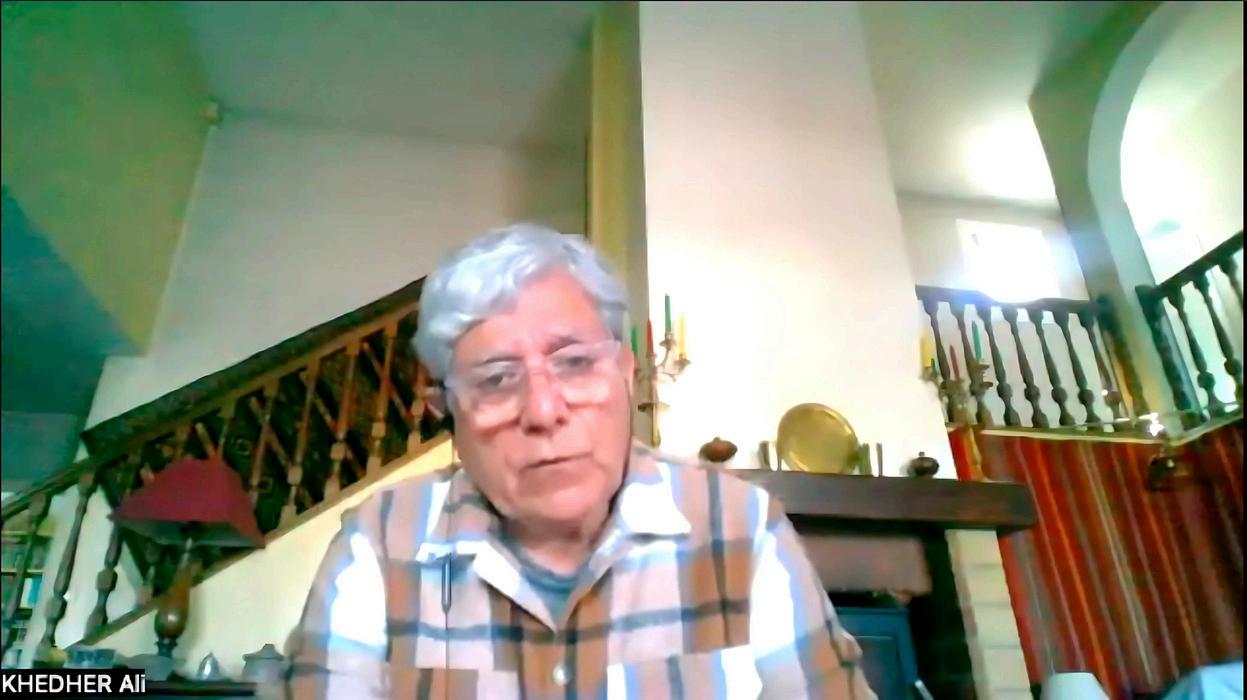
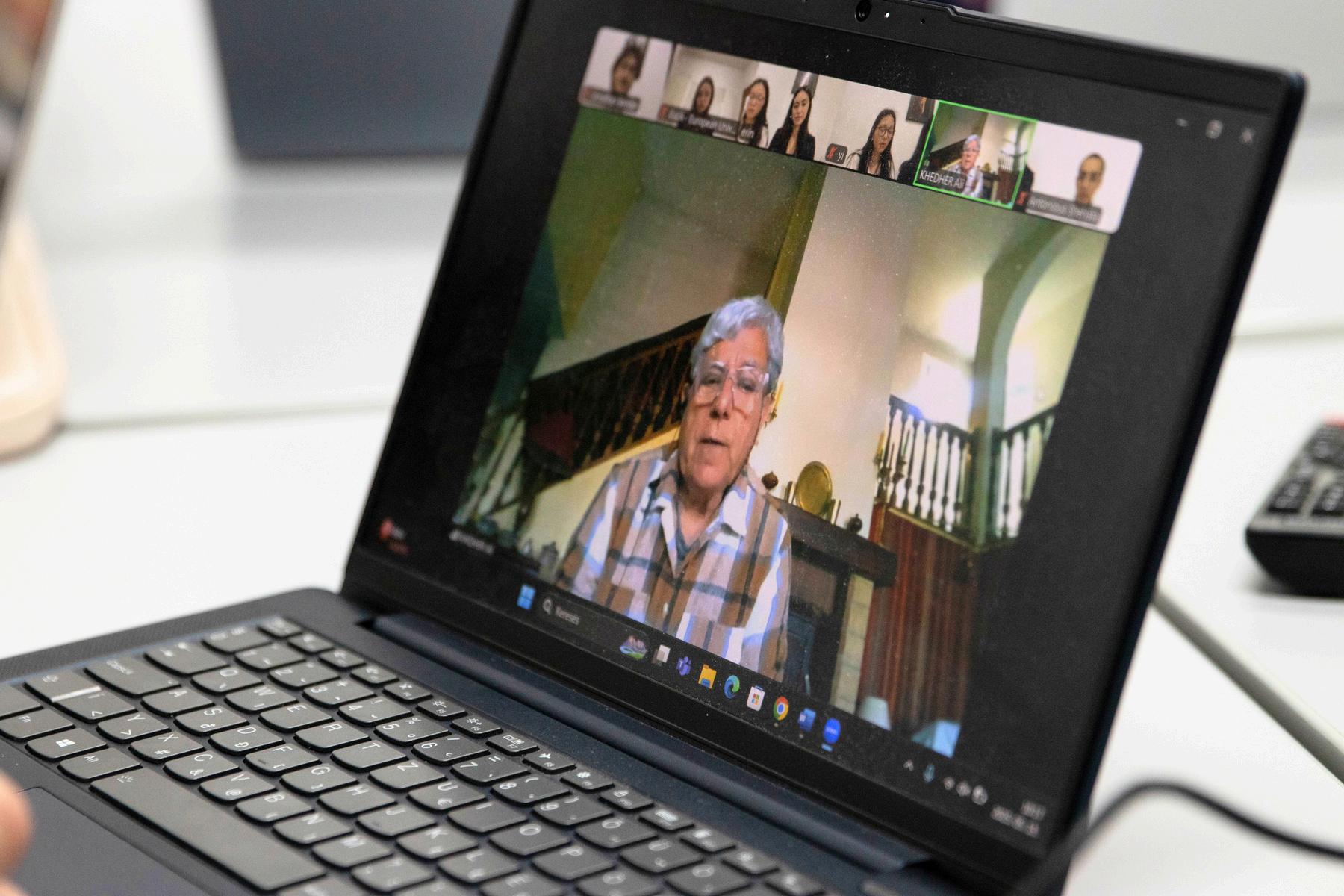
Ali Kheder
“It's a common name, Ali Ali Kheder A very common name in the Arab world
I'm from Iraq, but I've lived in Belgium for about 50 years. I arrived as a student at first-not as an economic immigrant or political refugee. I began my studies at the Baghdad Institute of Music Then I continued my training in Italy, England and finally Brussels
When I finished my studies in 2006, an opportunity arose for me to work in Belgium, and I stayed. I've never been back.
I founded the European Institute of Arab Culture, in Brussels, in 2008, for a number of reasons Mainly, my idea was to promote oriental art and the history and culture of arab and Muslim countries. Then there was the question of immigration. When I arrived in Brussels, there weren't many arab or muslim associations People weren't proud of their name or their culture You had to create an organization like that
Permanent link (My House of European History): my-european-history.ep.eu/myhouse/story/2187/en
Leaving your family, even to study, is difficult Some go back every year, work hard, send money They dream of buying a house, but think it's only temporary Migrants often don't know the history of the host country. There's a lack of real exchanges about society.
Culture, music and poetry are bridges They have helped me to feel accepted Even after 50 years Culture creates a sense of belonging Many migrant people lose the link with their own history. Often, we lose also a small part of our identity while speaking another language. It’s a pity.
History is essential. Without it, we cannot advance. My story talks about exile, about politics, about starting a life anew. It deserves to be heard.“
Interview by:
Entretien réalisé par :
« C’est un nom commun, Ali Ali Kheder Un nom très commun dans le monde arabe
Je viens d’Irak, mais j’ai vécu en Belgique pendant environ 50 ans. Je suis arrivé comme étudiant, au début-pas comme immigrant économique ou réfugié politique J’avais commencé mes études dans l’Institut de Musique de Bagdad Ensuite, j’ai poursuivi ma formation en Italie, en Angleterre, et finalement à Bruxelles
Quand j’ai fini mes études, en 2006, une opportunité s’est présentée à moi pour travailler en Belgique et je suis resté Je ne suis jamais retourné
J’ai fondé l’Institut Européen de la Culture Arabe, à Bruxelles, en 2008, pour de nombreuses raisons. Principalement, mon idée était de promouvoir l’art orientale et l’histoire et culture des pays arabes et des pays musulmans Ensuite, il y a avait la question de l’immigration Quand je suis arrivé à Bruxelles, il n’y avait pas beaucoup d’associations arabes ou musulmanes Les gens n’étaient pas fiers de leur nom ou de leur culture. Il fallait créer un organisme comme ça.
La culture, la musique, la poésie sont des ponts Elles m’ont aidé à me sentir accepté Même après 50 ans La culture crée un sentiment d’appartenance Beaucoup de migrants perdent le lien avec leur propre histoire. Parfois, on perd aussi une partie de son identité en parlant une autre langue. C’est dommage
L’histoire est essentielle Sans elle, on ne peut pas avancer Mon histoire parle d’exil, de politique, de recommencer une vie. Cela mérite d’être entendu. »
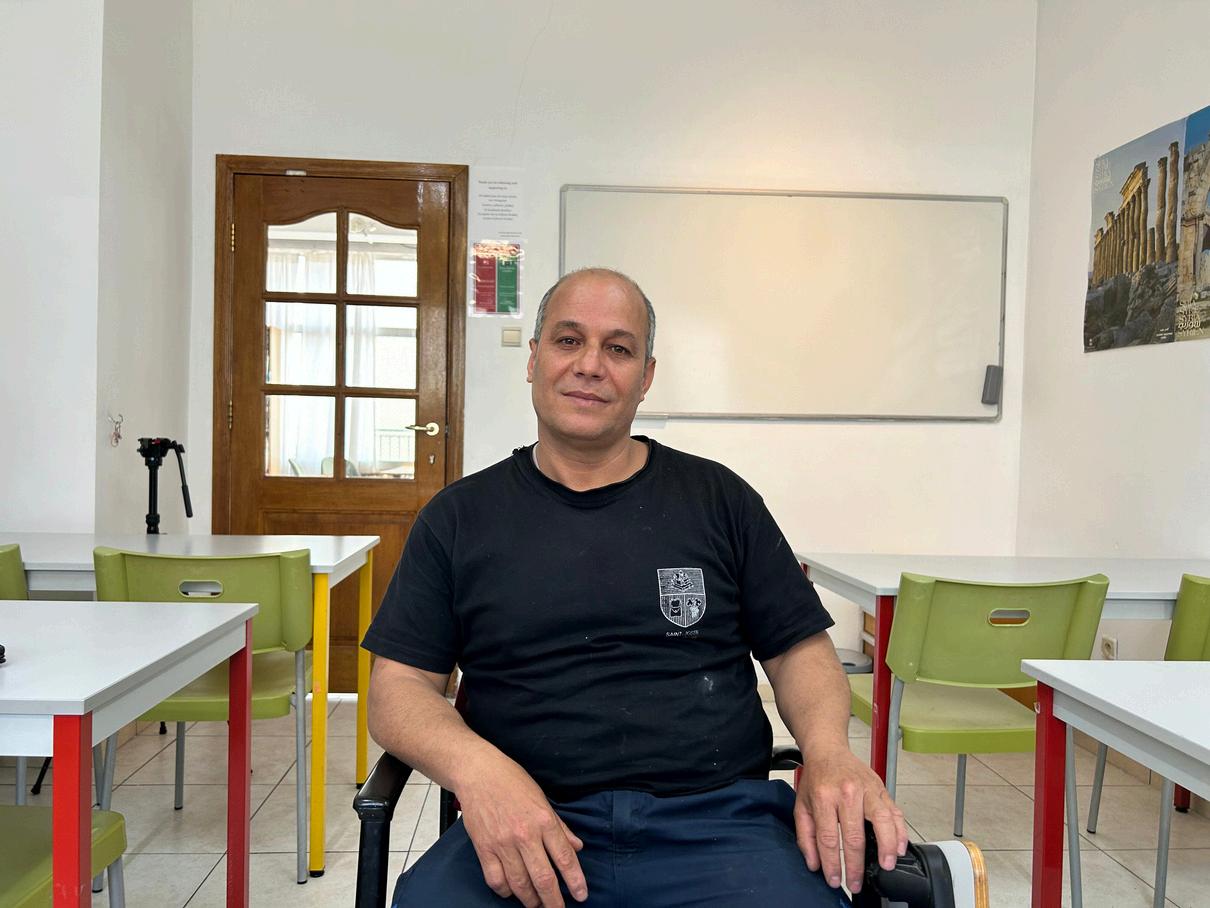
El Saidi Mahi
“My name is El Saidi Mahi I was born on December 24, 1974, in Oujda, Morocco Before coming to Belgium in 2011, I had a small carpentry workshop I worked for many clients and enjoyed my craft. Then I met my wife, who was living in Belgium at the time, and decided to join her in Brussels We got married, and today we have three children
At first, I was very stressed I didn’t feel at home immediately. But after six or seven months, I started integrating, mainly through my kids and my job. Today, I feel good here. I play sports, I travel when I can, and I visit Morocco regularly to see my family What I miss most is the sun!
Life is expensive, that’s true, and the laws keep changing. But for me, as long as you work, you’re okay. That’s what I always tell my friends: if you want to come to Belgium, come, but be ready to work
by:
Permanent link (My House of European History): my-european-history.ep.eu/myhouse/story/2188/en
Arriving here wasn’t easy I didn’t speak French and didn’t know anyone I started taking French classes twice a week for two years while also looking for work Through friends, I found a job at the European Institute of Arab Culture. I began with maintenance tasks, then slowly learned more: painting, electricity, heating Even without formal training, I learned by watching and doing
We are like a family from all the Arab countries!”
The Institute became like a second home There’s no boss We work together and help each other out. The director is Iraqi, and the manager is Algerian. We are like a family from all the Arab countries!”
Interview
Tarek Morad
“My Tarek Morad, and I am from Syria
Music has been part of me since I was five I remember listening to old cassettes my father played. I had no teacher; I taught myself music and never stopped. Even now, music lives in me. It follows me wherever I go
In Syria, I lived in the east, in Qamishlo Then, later on, I moved to Damascus In 2011, I came to Belgium. Some of my family members had already been here for decades. At 43, I left everything behind and started over. I tried to find work, but the language was a barrier Throughout everything, I kept singing My music, my playingthese have been with me since childhood So I kept singing
My early days in Belgium were heavy. I was tired. I struggled. I cannot share everything; it’s too personal But I was close to giving up Then, one woman helped me She changed everything in my life To this day, I am grateful to her for changing my life for the better
I’ve lived much of my life alone No family here, no children But I have music And I have dreams One day, I hope to build a music center on the floor of this building [at the European Institute of Arab Culture]. I would build a home for 50 musicians, a space to create, perform, and live freely.
Belgium is in my heart now, just like Syria Not everything here is easy Life is expensive But the people-especially Belgians-have shown me kindness. The woman who helped me was Belgian.
If I could give advice, I’d say: seek love. Listen deeply. Because what we all need is not just a country or a job. It’s to be seen and to be respected.”
Permanent link (My House of European History): my-european-history ep eu/myhouse/story/2192/en
Interview by:
INTERVIEWS
EucA headquarters, Brussels
Languages: English, Italian
Antonio Romano
“My name is Antonio Romano, I was born in Salerno and graduated in Law in Naples in 1966 After graduation, I decided to move to Belgium, attracted to the European environment and to the possibility of creating something new. I didn’t speak French or Flemish, but I wanted to integrate, get to know the country, and seize the opportunities it offered
When I arrived in Brussels, I was in my early twenties, and I had thought about validating my Italian degree in Belgium. When I got to the offices, they only recognized two subjects, and from then on, I decided to start a company
One thing I would like to underline is that I have always believed in training beyond university I was the director of a university residence, and from that experience, the idea of the training activities inside the university colleges was born Universities provide content, but a university college also helps develop soft skills such as critical thinking, the ability to work towards objectives, cultural openness
Interview by:
So, years later, we founded EucA, a European network of university colleges, with the goal of having this educational model recognized
I have always felt part of Europe I didn’t come as a migrant, but to give my contribution as a European citizen.
I am a Belgian citizen, but my ties with Italy remain strong I have worked extensively with Italian and Spanish clients, and I believe that Italy has an enormous cultural heritage to offer the world
I also recently founded the European Institute of Bioethics. I deeply believe in respect for the person and the founding values of Europe. The new generation must feel like a protagonist of change and not a spectator Only in this way can we build a more just, more humane society
I would like to make one last appeal to you, young people: Have the courage to be protagonists, bring your values into society, integrating, but without losing your identity Europe needs you "
Original language: Italian
Intervista di:
« Mi chiamo Antonio Romano, sono nato a Salerno e mi sono laureato in giurisprudenza a Napoli nel 1966 Dopo la laurea, decisi di trasferirmi in Belgio, attratto dall’ambiente europeo e dalla possibilità di creare qualcosa di nuovo. Non parlavo né francese né fiammingo, ma volevo integrarmi, conoscere il paese e cogliere le opportunità che offriva
Quando sono arrivato a Bruxelles ero poco più che ventenne e avevo pensato di abilitare la mia laurea italiana in Belgio. Giunto agli uffici mi riconobbero solamente due materie e da allora decisi di fondare una società Un dato che vorrei sottolineare è che ho sempre creduto nella formazione oltre l’università Sono stato direttore di una residenza universitaria e da quell’esperienza è nata l’idea delle attività formative dei Collegi universitari. L’università dà contenuti ma un Collegio sviluppa anche le soft skills quali: spirito critico, capacità di lavorare per obiettivi, apertura culturale Così, anni dopo, abbiamo fondato EucA, un network europeo di collegi universitari, con l’obiettivo di far riconoscere a questo modello educativo.
Mi sono sempre sentito parte dell’Europa Non sono venuto come migrante, ma per dare il mio contributo come cittadino europeo Sono cittadino belga, ma i legami con l’Italia restano forti Ho lavorato molto con clienti italiani e spagnoli e penso che l’Italia abbia un patrimonio culturale enorme da offrire al mondo.
Recentemente ho fondato anche l’Istituto Europeo di Bioetica Credo profondamente nel rispetto della persona e nei valori fondanti dell’Europa La nuova generazione deve sentirsi protagonista del cambiamento e non spettatrice. Solo così si può costruire una società più giusta, più umana.
Vorrei fare un ultimo appello a voi giovani: «abbiate il coraggio di essere protagonisti, portate i vostri valori nella società, integrandovi, ma senza perdere la vostra identità. L’Europa ha bisogno di voi. »
Permanent link (My House of European History): my-european-history ep eu/myhouse/story/2202/IT
Berenice Franca
a a , bo Ca ab a, a oug a e e e lived there As a child, I moved to Rome with my family, because my father worked at the Ministry of Foreign Affairs. Even though I had a degree to become a teacher, I wanted to take the exam at the Ministry of Foreign Affairs, and so I took another path However, I am happy about it, because it has been a very interesting life, full of novelties, of knowledge
I have been here in Brussels since 1994, where I asked to stay until I retired in 2003 I was vice consul in Brussels and then consul in Charleroi Here I learned about local things but also the most interesting thing for me: the presence of Italians in Belgium
I met many migrants, strong people, who despite prejudices, managed to integrate without losing their identity.
Interview by:
a a s, ège a os 00,000, C a e o a os 200,000, also because of the mines I was welcomed very well by the local population, even if for our Italian miners, that was not that was the case They found written on the doors “renting to dogs and Italians is prohibited” and it is something that still moves me, because I knew almost all of them: they often came to the consulate They were an important presence, even though they were the last in the working class. I met many migrants, simple but strong people, who despite prejudices and difficulties, managed to integrate without losing their identity
Despite my retirement, I continue to work to promote my land here in Brussels I spend part of the year between Rome and Calabria, where I have a house. My Calabrian roots are strong: the values of my land are unique and I carry them with pride everywhere
What am I most proud of today? Of being Italian”
Original language: Italian
Intervista di:
“Mi chiamo Berenice Franca Vilardo Sono italiana, nata in Calabria, anche se non ci ho mai vissuto Da bambina mi sono trasferita a Roma con la mia famiglia, perché mio padre lavorava al Ministero degli Esteri. Anche se avevo una laurea per fare l’insegnante, ho voluto fare il concorso al Ministero degli Esteri e quindi ho preso un’altra strada Però ne sono contenta, perché è stata una vita molto interessante, piena di novità, di conoscenze
Sono qui a Bruxelles dal ‘94, dove ho chiesto di restare fino alla pensione nel 2003. Sono stata vice console a Bruxelles e poi console a Charleroi Qui ho appreso quello che è locale ma anche la cosa più interessante per me: la presenza dgli italiani in Belgio
Nel 1996 facemmo un’indagine: Bruxelles aveva 85 000 italiani, Liegi quasi 100 000, Charleroi quasi 200 000, anche per via delle miniere Dalla popolazione locale io sono stata accolta benissimo, anche se per i nostri minatori italiani non è stato così. Hanno trovato scritto sulle porte “vietato affittare ai cani e agli italiani” ed è una cosa che a me ancora commuove, perché li conoscevo quasi tutti: spesso venivano in consolato Erano una presenza importante, nonostante fossero gli ultimi della società lavorativa. Ho conosciuto tanti emigrati, persone semplici ma forti, che nonostante pregiudizi e difficoltà, sono riuscite a integrarsi senza perdere la loro identità
Nonostante la pensione, continuo a impegnarmi per promuovere la mia terra qui a Bruxelles Passo parte dell’anno tra Roma e la Calabria, dove ho casa. Le mie radici calabresi sono forti: i valori della mia terra sono unici e li porto con orgoglio ovunque.
Di cosa sono più orgogliosa oggi? Di essere italiana
Permanent link (My House of European History): my-european-history.ep.eu/myhouse/story/2226/IT
Italo Rubino
The bond remains strong
My experience of integration was positive: we had contacts thanks to colleagues already present, and this helped me a lot in integrating with the local population. The reputation of the workers of the institutions was good, and there was no hostility, even if the relationships with the local population were limited
by:
years and returning to Italy In the 70s, we were linked to civil and social struggles There was a constant nostalgia The Italian community here was compact and active: parties, committees, cultural events. Even abroad, they tried to keep the Italian identity alive. Today, I would return to Italy, even if it has changed a lot But the bond remains strong And we must not forget that Italians have also experienced and practiced racism, inside and outside the borders”
Interview
Original language: Italian
Intervista di:
“Io faccio parte di una migrazione straordinaria, che oserei definire: “intellettuale” Dopo aver conseguito il diploma di traduttore, ho deciso di emigrare in Belgio perché mi offriva più possibilità di lavoro ed era l’unica capitale europea, nel mio ambito, a permettere questo. Sono arrivato a Bruxelles il 1° maggio 1974 e dopo un anno di perfezionamento come interprete, ho vinto un concorso da traduttore e dal 1975 ho iniziato la mia carriera lavorativa La mia vita è stata piena di successi e di viaggi all’estero, conclusasi con l’incarico di capo dipartimento.
La mia esperienza di integrazione è stata positiva: avevamo contatti grazie ai colleghi già presenti e questo mi ha molto aiutato nell’inserimento con la popolazione del posto La reputazione dei lavoratori delle istituzioni era buona e non c’era ostilità, anche se i rapporti con la popolazione locale erano limitati.
I miei rapporti con la comunità italiana erano molto buoni, anche se indiretti Gli uscieri e gli autisti–spesso ex minatori o operai–ci raccontavano un’altra emigrazione, quella della “valigia di cartone” Infatti, ho avuto modo di conoscere due “tipi” di migrazione: quella della valigia di cartone e quella intellettuale. Dopo la chiusura delle miniere, molti si reinventarono: ristoratori, fruttivendoli, pizzaioli Noi li incontravamo nei mercati, nei negozi, quindi era un rapporto soprattutto indiretto
Molti di noi sono venuti con l’idea di restare pochi anni e tornare in Italia. Negli anni ’70 eravamo legati alle lotte civili e sociali C’era una nostalgia costante La comunità italiana qui era compatta e attiva: partiti, comitati, eventi culturali Anche all’estero si cercava di mantenere viva l’identità italiana Oggi tornerei in Italia, anche se è cambiata molto. Ma resta forte il legame. E non bisogna dimenticare che anche gli italiani hanno vissuto e praticato il razzismo, dentro e fuori i confini”
Permanent link (My House of European History): my-european-history ep eu/myhouse/story/2203/IT
Giuseppina Garofalo
In Trieste, in fact, I was a bit of a foreigner: my father was Sicilian and my mother was from Lombardy, and because of these origins, talking about belonging is difficult I was born in Chiari, in Lombardy At the age of 4, I moved to Trento, then, at the age of 5, to Trieste And I stayed there until I was 23.
I started thinking about leaving Italy when I began university, but I didn't know how to do it So I decided to learn languages: if I learned them, I would have to emigrate to use them In addition to the Faculty of Literature and Philosophy, I also enrolled in the Interpreters' School of Trieste.
I wanted to leave Italy because I didn't like that period: it was starting to become violent, especially in the humanities faculties I took refuge in the Interpreters' School, where everyone was a foreigner, even the professors, and everything was calmer.
by:
interpreters with English, because new countries had just joined the European Union, including England, Ireland, and Denmark
I didn’t know anyone in Belgium It was a leap in the dark But during the trip, I was happy: I was walking towards freedom My first contract was for six months, it got renewed for six months at a time, then for a year. In short, I didn’t know if I would return Later on, I took the recruitment exams and, from that moment, I understood that I would stay In 1978 I became a civil servant
Nowadays, I must admit I feel a bit like a foreigner in Italy. I’m fine here. I have a beautiful house, a garden, lots of greenery. All I miss is the sea.
With my husband, Bruno, I raised my two daughters perfectly bilingual: at home we spoke Italian, but in Belgian school they spoke French Even today, they speak French to each other”
Interview
Original language: Italian
Intervista di:
“Mi chiamo Giusi, ho 74 anni, vengo da Trieste e da quando ne ho 23 vivo in Belgio
Anche a Trieste, in realtà, ero un po’ straniera: mio papà era siciliano e mia mamma lombarda, e per via di queste origini parlare di appartenenza è difficile Sono nata a Chiari, in Lombardia A 4 anni mi sono trasferita a Trento, poi, a 5 anni, a Trieste E lì sono rimasta fino ai 23
Ho cominciato a pensare di andarmene dall’Italia quando ho iniziato l’università, ma non sapevo bene come fare. Così ho deciso di imparare le lingue: se le avessi imparate, avrei dovuto emigrare per utilizzarle Oltre alla facoltà di Lettere e Filosofia, mi sono iscritta anche alla Scuola Interpreti di Trieste
Volevo lasciare l’Italia perché quel periodo non mi piaceva: cominciava a diventare violento, soprattutto nelle facoltà umanistiche Mi sono rifugiata nella Scuola Interpreti, dove tutti erano stranieri, anche molti professori, e tutto era più calmo In quattro anni ho finito e sono partita
In Belgio, in quel periodo, c’era molto bisogno di interpreti con l’inglese, perché erano appena entrati nuovi paesi nell’Unione Europea, tra cui Inghilterra, Irlanda e Danimarca
Prima di partire non conoscevo nessuno in Belgio. È stato un salto nel buio Ma durante il viaggio ero contenta: andavo verso la libertà Il primo contratto era di sei mesi, poi è stato rinnovato di sei mesi in sei mesi, poi per un anno Insomma, non sapevo se sarei tornata. Poi ho fatto il concorso e, da quel momento, ho capito che sarei rimasta. Nel 1978 sono diventata funzionaria.
Devo dire che ora mi sento un po’ straniera in Italia Qui sto bene Ho una bella casa, un giardino, molto verde Mi manca solo il mare
Con mio marito Bruno, ho cresciuto le mie due figlie perfettamente bilingue: a casa si parlava italiano, ma nella scuola belga parlavano francese Ancora oggi, tra di loro, parlano francese”
Permanent link (My House of European History): my-european-history.ep.eu/myhouse/story/2204/IT
Bruno Du Ban
in Belgium in 1976.
I was educated in Trieste, where I studied Law and, at the same time, attended the Interpreters’ School to learn German, English, and French I always played with the idea of going to live abroad, but the decisive moment was meeting my future wife: it was mainly for her that I came to Brussels, as well as for the desire to gain experience outside Italy
My first year here was dedicated to research, culminating in the publication of one of my works by an important Belgian publisher Afterwards, I applied for an internship at the European Commission. After this stimulating period, I started working for a German organization, where I organized seminars and conferences on the topic of European integration I have done this all my life
Interview by:
roots were definitely planted in Belgian soil. Nevertheless, I have always maintained a very strong bond with Italy, and in particular, with Trieste
We used to always read Italian newspapers Today, unfortunately, they no longer arrive, and so we alternate: one day we read a French newspaper, one day a Belgian one, one day a German one… But I miss reading Italian newspapers
The association of Giuliani Nel Mondo, of which I am a member, has the objective of making Trieste known abroad: we organize conferences, concerts, film screenings with directors, and presentations of new books by authors from our network. This is also how I continue to cultivate from afar the deep bond with my land: my house is full of paintings of Trieste”
Original language: Italian
Intervista di:
“Io sono nato il 4 febbraio 1949 a Trieste, in Italia Oggi vivo a Kraainem, un comune nella periferia di Bruxelles, con mia moglie Giusi Sono arrivato in Belgio nel 1976
Mi sono formato a Trieste, dove ho studiato giurisprudenza e, parallelamente, ho frequentato la Scuola Interpreti per imparare tedesco, inglese e francese Ho sempre avuto in mente l’idea di andare a vivere all’estero, ma il momento decisivo è stato l’incontro con la mia futura moglie: è stato soprattutto per lei che sono venuto a Bruxelles, oltre che per il desiderio di fare esperienze fuori dall’Italia
Il mio primo anno qui è stato dedicato alla ricerca, culminata con la pubblicazione di un mio lavoro da parte di un importante editore belga. In seguito, ho fatto domanda per uno stage presso la Commissione Europea. Terminato questo stimolante periodo, ho iniziato a lavorare per un’organizzazione tedesca, dove organizzavo seminari e conferenze sui temi dell’integrazione europea Ho fatto questo per tutta la vita
Ho deciso, sposando Giusi, di passare la mia vita con lei, ma non ero certo che saremmo rimasti in Belgio Poi sono arrivate le nostre figlie, e così le radici si sono definitivamente piantate nel terreno belga Ciononostante, ho sempre mantenuto un legame molto forte con l’Italia e in particolare con Trieste.
Prima leggevamo sempre i giornali italiani Oggi purtroppo non arrivano più, e così alterniamo: un giorno leggiamo un giornale francese, un giorno belga, un giorno tedesco… Ma leggere i giornali italiani mi manca.
L’associazione dei Giuliani nel mondo, di cui faccio parte, ha come obiettivo far conoscere Trieste all’estero: organizziamo conferenze, concerti, proiezioni di film con i registi e presentazioni di nuovi libri di autori dell’area giuliana. È anche così che continuo a coltivare, da lontano, il legame profondo con la mia terra: la mia casa è piena di dipinti di Trieste”
Permanent link (My House of European History): my-european-history ep eu/myhouse/story/2205/IT
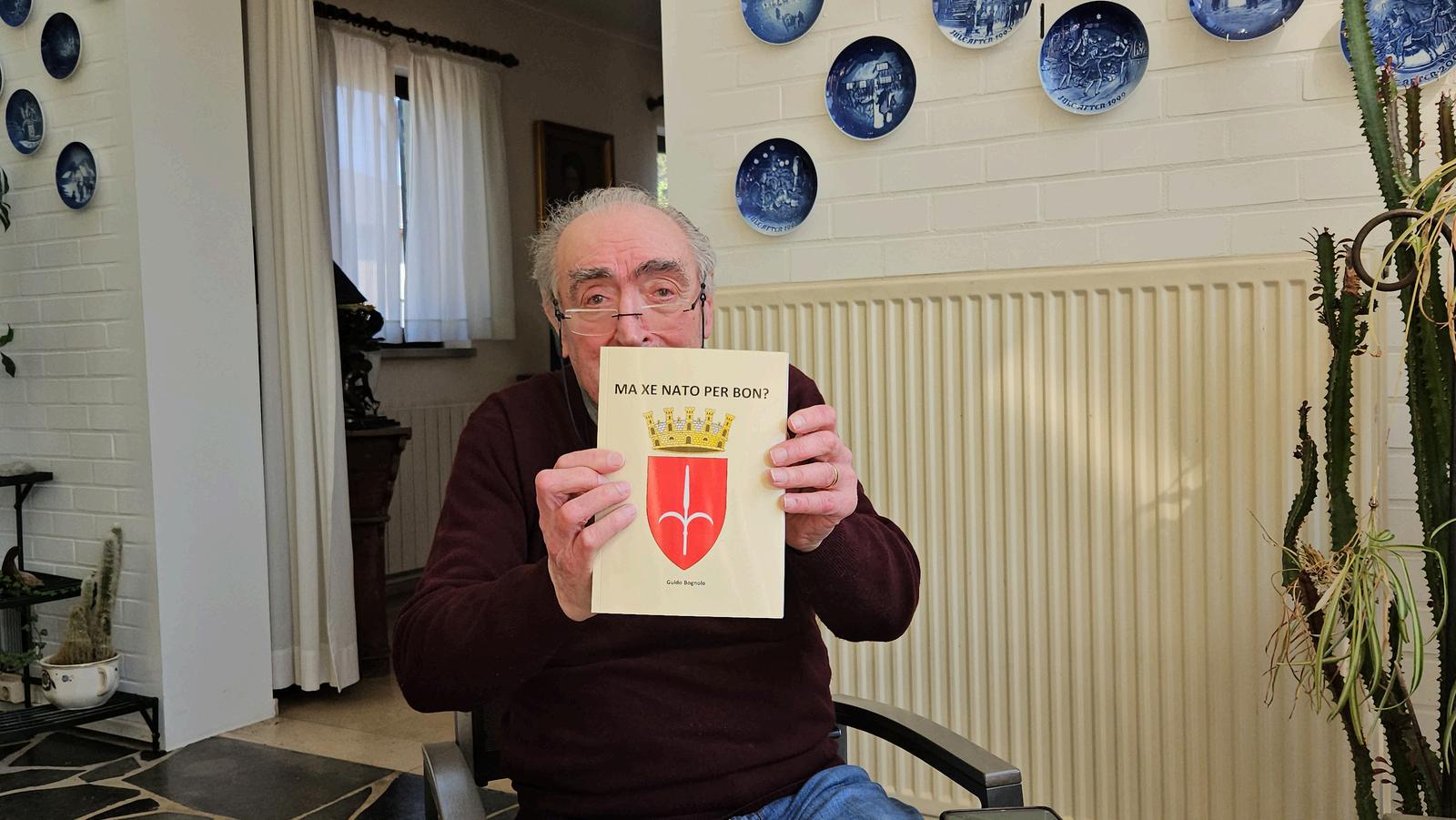
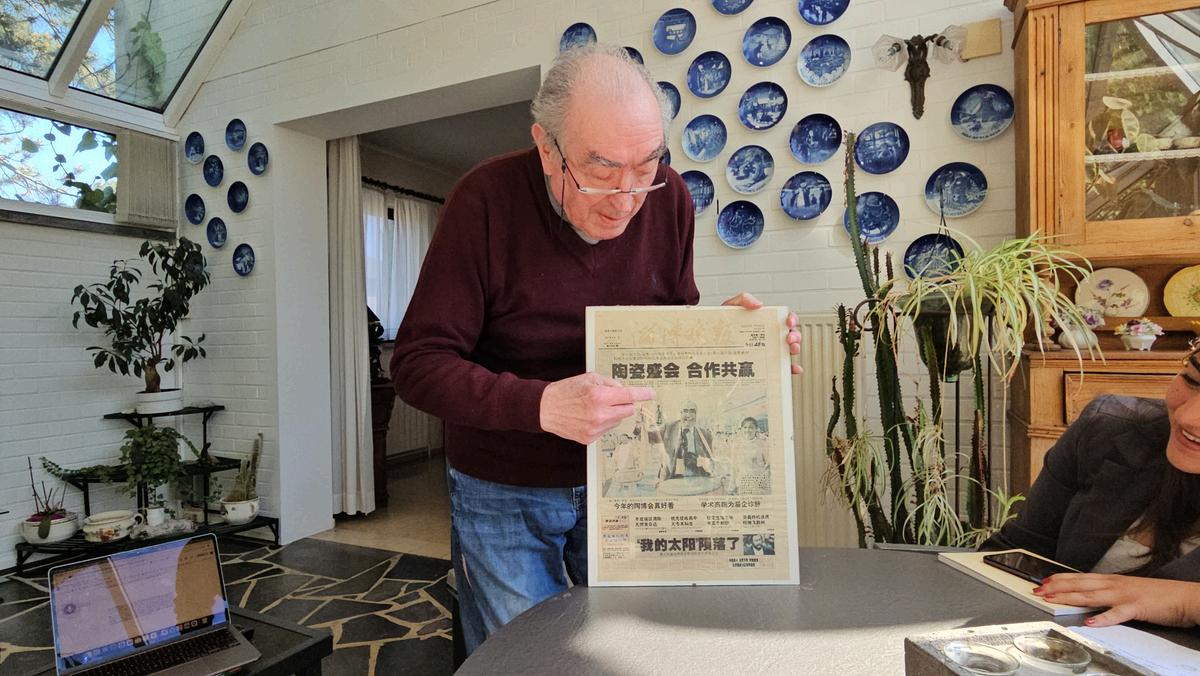
Guido Bognolo
“My name is Guido Bognolo, and I am originally from Italy In the 70s, I served as a technical officer in the Air Force and, after completing my military service, I moved to Brussels. Here, I was offered a job opportunity at Procter & Gamble: a very interesting position that fit my idea of what I wanted to do I finished my service on 15 June 1970, and was in Brussels on July 1st A few months later, in October, I got married to my wife
At the time, I planned to stay for just a couple of years, two or three at most, gain some international experience, and then return to my country But, as they say, nothing is more permanent than a temporary decision And here I am, still in Brussels after 55 years
Of course, the idea of returning came up many times, especially at the beginning. But life went on We had children I changed jobs Took on new responsibilities And in the end, we just stayed
Interview by:
Even after our retirement, we considered returning to Italy We looked at different places, we thought about it seriously But in the end, we understood: our children are here, our grandchildren are here, our doctors are here. Here are our habits, our community, our life Starting over at seventy? No We decided to stay
As for who I am, I think I am still the same person, deep down. But living abroad has changed the way I see the world. I have become more open, more tolerant, and much more curious.
When you live outside your home country, you are forced to question yourself, to understand that not everything is as you were taught. You learn to listen, to observe, to compare. And that, that has really changed me.”
Original language: Italian
Intervista di:
“Mi chiamo Guido Bognolo e vengo originariamente dall’Italia Ho prestato servizio come ufficiale tecnico nell’aeronautica e, dopo aver terminato il servizio militare, mi sono trasferito a Bruxelles. Mi era stata offerta un’opportunità di lavoro alla Procter & Gamble una posizione molto interessante che corrispondeva all’idea che avevo di ciò che volevo fare Ho concluso il servizio il 15 giugno 1970 e già il 1° luglio ero qui a Bruxelles Pochi mesi dopo, il 1° ottobre, mi sono sposato con mia moglie.
All’epoca, il mio piano era di restare solo per un paio d’anni due o tre al massimo acquisire un po’ di esperienza internazionale e poi tornare in Italia Ma, come si suol dire, nulla è più permanente di una decisione temporanea Ed eccomi qui, ancora a Bruxelles dopo 55 anni.
Ovviamente, l’idea di tornare è venuta fuori molte volte, soprattutto all’inizio Ma la vita è andata avanti Abbiamo avuto dei figli, ho cambiato lavoro, assunto nuove responsabilità e alla fine siamo semplicemente rimasti
Anche dopo il pensionamento, abbiamo preso in considerazione il ritorno in Italia Abbiamo guardato diversi posti, ci abbiamo pensato seriamente Ma alla fine abbiamo capito: i nostri figli sono qui, i nostri nipoti sono qui, il nostro medico è qui. Qui ci sono le nostre abitudini, la nostra comunità, la nostra vita. Ricominciare da capo a settant’anni? No, abbiamo deciso di restare
Per quanto riguarda chi sono, penso di essere ancora la stessa persona, nel profondo. Ma vivere all’estero ha cambiato il mio modo di vedere il mondo. Sono diventato più aperto, più tollerante e molto più curioso Quando vivi fuori dal tuo paese d’origine, sei costretto a metterti in discussione, a capire che non tutto è come ti è stato insegnato Impari ad ascoltare, ad osservare, a confrontare E questo questo mi ha davvero cambiato.“
Permanent link (My House of European History): my-european-history ep eu/myhouse/story/2212/IT
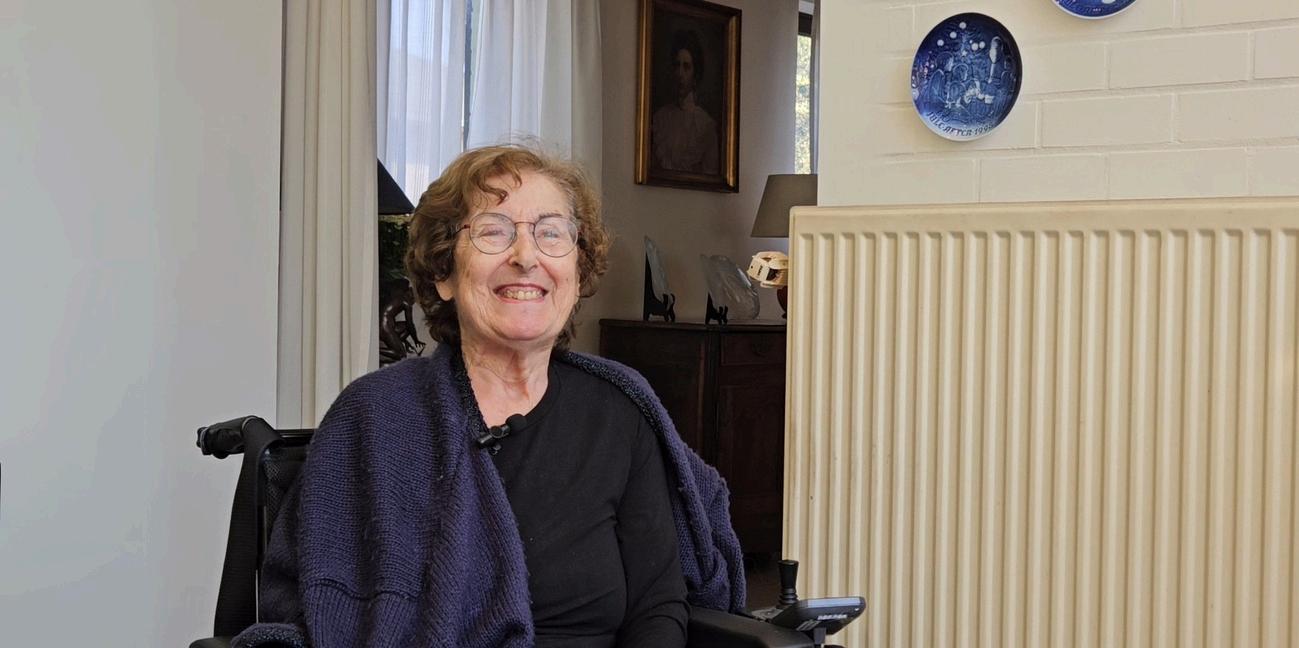
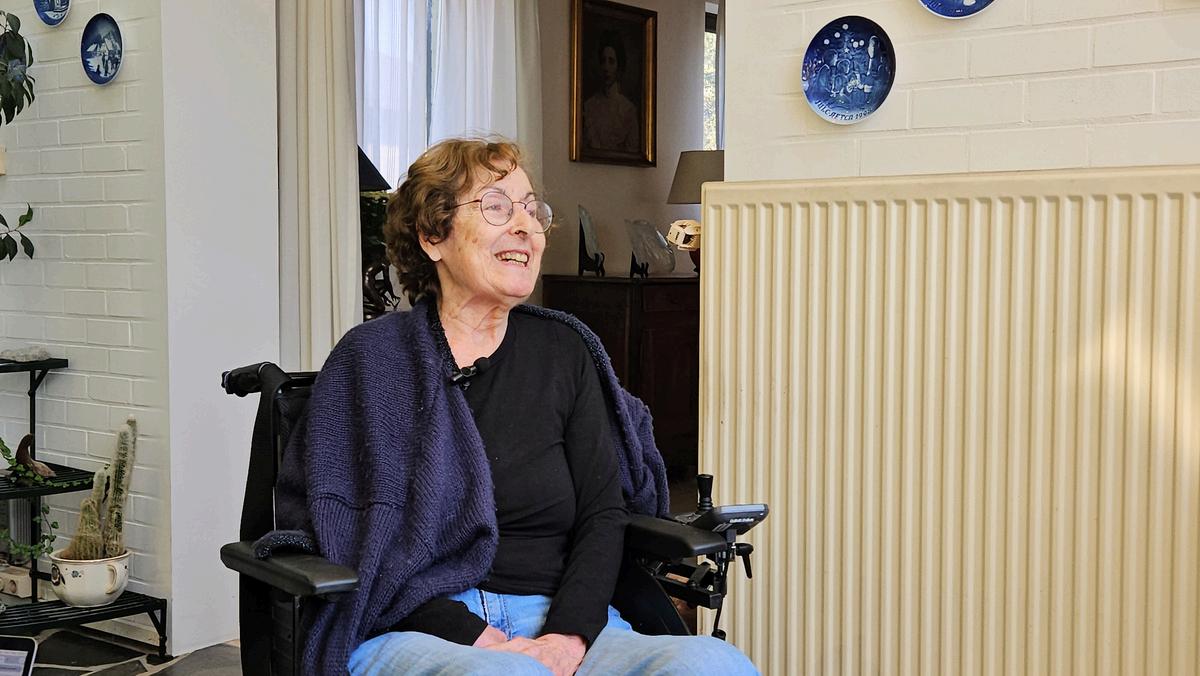
Mariagrazia Bognolo
“I come from Trieste, that beautiful city hidden between the sea and the mountains, famous for the Bora wind If the Bora wind doesn’t blow in Trieste, they say something is wrong. I left that wind in 1970, the year I got married and moved to Belgium
I still remember that trip vividly We set off with a car so full of wedding gifts that the Austrian customs officer couldn’t believe we had “nothing to declare.” We turned the trip into a honeymoon, visiting castles in the Rhine Valley. It was magnificent But reality hit us hard upon arrival The house my husband had rented was so small that I had to choose whether to cook or take out the dishes, because in that kitchen, you couldn’t do both at the same time
I had been a teacher and assistant at the University of Trieste, where I loved my job Science and curiosity filled my youth I even had the opportunity to follow a professor around the world But love kept me here
Interview by:
The plan was to stay three years More than fifty have passed
At first, I worked at the consulate, and then I taught at the European School. Still, feeling in community with the Belgian people was difficult I didn't feel really welcomed Even after five decades, my true Belgian friends can be counted on one hand I have never managed to learn Flemish-well, I still try, especially for my grandchildren, whose mother is Flemish.
Do I feel like I belong here? More than to Italy, my sense of belonging is to Trieste It is a truly beautiful city, my heart is still somewhere between the wind and the hills of my youth
Would I make the same choices? Yes. No regrets. Just one piece of advice, if you want to live abroad: learn the language It is the key to feeling in control of your own life”
Original language: Italian
Intervista di:
“Vengo da Trieste, quella splendida città incastonata tra il mare e le montagne, famosa per la bora Se la bora non soffia, a Trieste si dice che qualcosa non va Ho lasciato quel vento nel 1970, l’anno in cui mi sono sposata e mi sono trasferita in Belgio.
Ricordo ancora vividamente quel viaggio Partimmo con una macchina così piena di regali di nozze che il doganiere austriaco non credeva che non avessimo “nulla da dichiarare”. Trasformammo il viaggio in una luna di miele, visitando castelli nella valle del Reno. Fu magnifico Ma la realtà ci colpì duramente all’arrivo La casa che mio marito aveva affittato era così piccola che dovevo scegliere se cucinare o prendere i piatti, perché in quella cucina non si potevano fare entrambe le cose contemporaneamente.
Ero stata insegnante e assistente all’università di Trieste, dove adoravo il mio lavoro La scienza e la curiosità riempivano la mia giovinezza Avevo perfino avuto l’opportunità di seguire un professore in giro per il mondo, ma l’amore mi ha tenuta qui.
Il piano era di restare tre anni Ne sono passati più di cinquanta
All’inizio lavoravo al consolato e poi ho insegnato alla Scuola Europea. Eppure, entrare in contatto con i belgi è stato difficile. Non mi sono sentita davvero accolta Anche dopo cinque decenni, i veri amici belgi si contano sulle dita di una mano Non sono mai riuscita a imparare bene il fiammingo anche se ci provo ancora, soprattutto per i miei nipotini, la cui madre è fiamminga.
Mi sento di appartenere a questo posto? Piú che all’Italia, il mio senso di appartenenza é per Trieste È proprio una bellissima cittá, mio cuore è rimasto da qualche parte, tra il vento e le colline della mia giovinezza
Rifarei le stesse scelte? Mhh forse non lo stesso uomo… ma il resto? Sì. Nessun rimpianto, davvero. Solo un consiglio: imparate la lingua È la chiave per sentirsi padroni della propria vita”
Permanent link (My House of European History): my-european-history.ep.eu/myhouse/story/2213/IT
Alissa Scifo (I.)
“Comin Ciociari said tha traditio
It all be great-g was req Allied b grandm a child.
On the o grandfa knowing he was Shortly from Ga "underg
Like many immigrants of the time, they arrived in Genk before moving to the industrial area of Liège My grandparents, Antonio and Liliana, met in the valley
1,600 km away, Ciociaria is still present in our home, to our great joy With meals that extend into afternoons spent playing Neapolitan cards, singing nursery rhymes in dialect, or immersing ourselves in war stories.”
Interview by:
Alissa Scifo (II.)
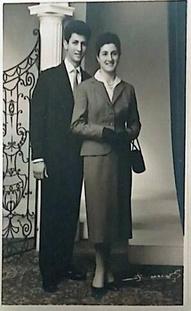
“Through my paternal lineage, my sister and I come from a family of Sicilian immigrants who arrived in Belgium in the 1970s
My grandfather, Carmelo Scifo, was born in Aragona, and as a child, his teacher had chosen him to continue his studies But then the Second World War broke out, preventing him from continuing his studies My grandmother, Grazia Alaimo, was also born in Aragona, and lost her mother at just 8 years old.
My grandparents met and married They moved to a village to open a hair salon In the back room, he had installed a vintage printing press: between clients, he printed the paper My grandmother helped my grandfather with both his businesses and gave birth to five children.
One of my grandfather's brothers settled in Liège and encouraged my grandfather to do the same in the 1970s He convinced him that there was plenty of well-paid work there and that the future was bright
My grandfather actually lived very well from his businesses, but he didn't know how his five children would make ends meet in Sicily He left everything behind and joined his brother for three years. But in the end, he took his entire family with him
My grandmother traveled alone by train with her five children When they arrived, it was snowing It was cold, and it was the first time they had seen snow.
The work was very hard: getting up very early and carrying loads in all weathers, whether freezing or raining My grandmother therefore had to get up at 4 in the morning, get the family ready for the day, and then take two buses to go to work full-time My grandfather put his children to work from a very young age.
Despite everything, the family is happy to have managed to settle in Belgium My grandmother continued to take care of them, making sure Sicilian food was on the table and raising her many grandchildren. The bond between grandparents and grandchildren was fundamental in shaping our generation”
Original language: Italian
Intervista di:
“Provenendo da una famiglia di immigrati ciociari, arrivati in Belgio nel 1950, si può dire che io e mia sorella gemella siamo il frutto della tradizione di Liegi
Tutto ebbe inizio nella Valle di Comino nel 1944. La casa dei miei bisnonni, nel villaggio di Atina, fu requisita dagli occupanti tedeschi I bombardamenti alleati colpirono la proprietà e ferirono a una gamba mia nonna, Liliana, che era ancora bambina.
D'altra parte, nel villaggio di Gallinaro, mio nonno, Antonio Volante, crebbe senza conoscere suo padre, che era partito per la Libia dove fu fatto prigioniero
Poco dopo la guerra, i miei bisnonni di Gallinaro arrivarono in Belgio per "lavori clandestini", in condizioni deplorevoli. Come molti immigrati dell'epoca, arrivarono a Genk prima di trasferirsi nella zona industriale di Liegi I miei nonni, Antonio e Liliana, si conobbero nella valle Mio nonno raccontava sempre con orgoglio di come corteggiava mia nonna. Partendo da Gallinaro in bicicletta, andava a trovarla ad Atina. Poiché lavorava in Belgio durante l'anno, si sposarono a distanza, per procura
In seguito, mia nonna viaggiò in treno e mio nonno la accolse con un mazzo di fiori alla vecchia stazione di Guillemins
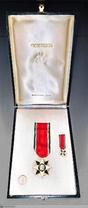
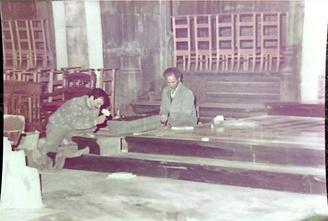
Mio nonno iniziò quindi a lavorare come piastrellista. Qui, nel settore del marmo e della ceramica, prestigiose organizzazioni di Liegi e straniere gli commissionarono incarichi: il restauro della Cattedrale di San Paolo a Liegi e missioni in Arabia Saudita e Camerun A mio nonno, la sua carriera valse la medaglia di cavaliere, un'onorificenza conferita dal Consolato italiano in Belgio. Un motivo di grande orgoglio per la famiglia.
A 1 600 km di distanza, la Ciociaria è ancora presente in casa nostra, con nostra grande gioia Con pasti che si prolungano in pomeriggi trascorsi a giocare a carte napoletane, cantare filastrocche in dialetto o immergersi nei racconti di guerra.”
Permanent link (My House of European History): my-european-history ep eu/myhouse/story/2213/IT
Original language: Italian
Intervista di:
“Per discendenza paterna, io e mia sorella proveniamo da una famiglia di immigrati siciliani arrivati in Belgio negli anni '70
Mio nonno, Carmelo Scifo, era nato ad Aragona e, da bambino, il maestro lo aveva scelto per proseguire gli studi Ma poi scoppiò la Seconda Guerra Mondiale, impedendogli di proseguire gli studi Anche mia nonna, Grazia Alaimo, era nata ad Aragona e, a soli 8 anni, perse la madre
I miei nonni si conobbero e si sposarono. Si trasferirono in un paese per aprire un salone da parrucchiere Nel retrobottega, lui aveva installato una macchina da stampa d'epoca: tra un cliente e l'altro, stampava la stampa Mia nonna aiutava mio nonno in entrambe le sue attività e diede alla luce cinque figli.
Uno dei fratelli di mio nonno si stabilì a Liegi e incoraggiò mio nonno a fare lo stesso negli anni '70 Lo convinse che lì c'era molto lavoro ben pagato e che il futuro era più sicuro In effetti, mio nonno viveva molto bene delle sue attività, ma non sapeva come i suoi cinque figli sarebbero riusciti a sbarcare il lunario in Sicilia. Lasciò tutto e raggiunse suo fratello per tre anni. Ma alla fine portò con sé tutta la famiglia
Mia nonna viaggiò da sola in treno con i cinque figli Quando arrivarono, nevicava Faceva freddo, ed era la prima volta che vedevano la neve
Il lavoro era molto duro: alzarsi molto presto e trasportare carichi con qualsiasi tempo, che gelasse o piovesse Mia nonna doveva quindi alzarsi alle 4 del mattino, preparare la famiglia per la giornata e poi prendere due autobus per andare a lavorare a tempo pieno Mio nonno mise i figli al lavoro fin da piccolissimi.
Nonostante tutto, la famiglia è felice di essere riuscita a stabilirsi in Belgio Mia nonna ha continuato a prendersi cura di loro, assicurandosi che il cibo siciliano fosse in tavola e crescendo i suoi numerosi nipoti Il legame tra nonni e nipoti è stato fondamentale nel plasmare la nostra generazione.”
Permanent link (My House of European History): my-european-history ep eu/myhouse/story/2184/en
Fébronie Tsasis
“My name is Fébronie, and I want to share my family’s history and my journey as a migrant woman building a life between two cultures
My parents left Greece in search of opportunity Not out of desperation, but with dreams of a better future. My father worked in the coal mines while my mother broke tradition by working outside the home, instilling in me and my brothers the value of education and independence
Growing up in Brussels, I faced challenges adapting to a new language and culture, but through perseverance and support from unexpected mentors, I overcame these obstacles.
Throughout my life, I have remained deeply connected to my Greek heritage, returning often for visits and preserving our traditions through tales and memories These ties inspired me to write biographical chronicles that bridge Greek and Belgian stories, offering insight into the migrant experience. In them, I also discuss the importance of women's roles evolving across generations, shaped significantly by my mother’s progressive mindset
For me, migration is more than a historical event-it’s a personal journey that defines identity, resilience, and the blending of cultures.”
Permanent link (My House of European History): my-european-history.ep.eu/myhouse/story/2213/IT
Interview by:
Christos Doulkeridis
“While I was born and raised in Brussels, my parents chose to immigrate to Belgium for a better life My father initially wanted to go to Australia, as his best friend had emigrated there a short time before, but after meeting with someone from the municipality, he chose Belgium He worked for three years in the coal mines before moving to Brussels, where he met my mother The coal mines were a popular destination for immigrants looking for work after the end of World War II, and there my father met Turks, Italians, and others, with whom he created beautiful memories.
I remember from a young age that I had to work with my parents because we lived in very poor conditions Our first home did not even have a toilet. We would not have been able to get by if I had not worked with my parents, and while this caused me to miss out on my childhood, it also made me a stronger person
Interview by:
The Greek influence in Belgium was noticeable, as my family and I would go to festivals and gatherings organized by local Greek associations These are memories that I still cherish
When I return to Greece, people express their pride in the fact that I managed to become a member of parliament in Belgium I always reply that it is not you who should be proud of this, but the Belgians They gave a child born Greek the opportunity to represent them. That is the strength of Belgium.
I never felt like a foreigner in Belgium. I want everyone, regardless of sexuality, origin, and gender, to have equal rights and values. Let's not forget that we are human."
Original language: Greek
ΤοστίγματουΕλληνισμούήταναισθητό
, πουγνώρισετηνμητέραμου Τα
Permanent
Languages: English
BACKGROUND CONTEXT:
As part of the first international event of the EU co-funded project “VOICES from Migrations”, held in Brussels in May 2025, ten working groups composed of university students from across Europe were tasked with developing policy proposals to support the integration of migrants at the local level, with a particular focus on the town of Rosarno. Each group, after conducting interviews with migrants and gathering first-hand testimonies, drafted recommendations based on identified needs and challenges.
Following this collective effort, a selected group of five students - specialising in law, public policy, and international relations - was appointed to review, consolidate, and synthesise the proposals into a single, coherent Policy Recommendation This final recommendation reflects a participatory, interdisciplinary approach and will be included in the Local Action Plan Against Racism (LAPAR) of Rosarno The Plan will be adopted by the Municipality of Rosarno, along with other institutional actors from the Calabria Region.
POLICY RECOMMENDATION:
Establishment of an Intercultural Centre for Orientation, Language Learning, and Community Integration in Rosarno
Problem Definition
Rosarno, a town historically marked by emigration, is today one of the main arrival points for migrant workers in southern Italy, particularly during the citrus harvest season. While migrants play a central role in the local economy, their integration remains limited Barriers include lack of access to legal information, poor language skills, limited knowledge of civic and administrative norms, and social isolation
Strategic Objective
To provide newly arrived migrants with foundational knowledge of their legal rights and obligations in Italy, including residency procedures, access to public services, and labour protections. At least 80% of participants should demonstrate improved understanding of these topics through a short knowledge assessment at the end of the training cycle
3.
To support the development of basic language and communication skills in Italian, with a specific focus on practical vocabulary related to work, health, and public services The objective is for at least 60% of participants to reach CEFR level A1 proficiency or equivalent by the end of a 12-week training cycle.
Proposed Action:
To foster basic civic and intercultural competence, introducing participants to the local cultural, institutional, and administrative landscape of Rosarno, including communication norms, waste disposal, healthcare access, and school enrolment The goal is for at least 70% of participants to report feeling more confident in navigating everyday public life after completing the training
Creation of a Municipal Intercultural Centre
A permanent Intercultural Centre, hosted in a municipal facility and coordinated by the Social Services Department, would serve as a one-stop hub for orientation, language training, and social connection for migrants The Centre would be implemented with the operational support of:
Servizio Civile Universale volunteers, trained and mobilised under municipal coordination
OASI ODV, association managing the Villaggio della Solidarietà, a migrant reception area which provides housing and first-level support to hundreds of migrants. and offering legal/bureaucratic support.
Local civil society, volunteers, schools, and health services.
Components of the Action Plan
Workshops on legal rights and obligations in Italy, residency procedures, labour laws, health access, and school enrolment
Providing accessible guidance on administrative procedures, legal rights, access to health and education, and both regular and irregular migration pathways According to the EU Agency for Fundamental Rights (FRA), limited access to legal information remains one of the primary barriers to migrant integration in Italy (EUMIDIS II, 2018) This information point could be managed not only by the Municipality of Rosarno but also with strong support from the local association OASI ODV, due to its long-standing assistance in the bureaucratic process for migrant people in Rosarno.
A Community Mentoring Network, connecting newcomers with long-term migrant residents and local volunteers, in cooperation with local associations such as OASI ODV This network will provide informal orientation, emotional support, and access to local services. The practice responds to integration models recognised by the European Migration Network and aligns with principles of participatory governance
Focused on functional language for work, healthcare, and public services.
Taught by SCU volunteers with linguistic training
Language proficiency has a documented positive impact on migrant employability: migrants with strong language skills are 30% more likely to find employment (OECD, Indicators of Immigrant Integration, 2019) According to Eurobarometer (2018), over 80% of EU citizens consider language knowledge essential for integration
A. Orientation Programme (Civic & Legal Literacy)
C. Community Mentoring Network
B. Italian Language Training (12-week cycles, twice/year)
This initiative aims to strengthen social cohesion, promote mutual understanding among residents, and provide migrant communities with the tools necessary to fully participate in the civic, social, and economic life of Rosarno
The Intercultural Centre will function as a pillar of the Local Action Plan Against Racism and as a model of inclusive governance to be further developed at the regional and European levels
Funded by the European Union Views and opinions expressed are however those of the authors only and do not necessarily reflect those of the European Union or the European Education and Culture Executive Agency (EACEA) Neither the European Union nor the granting authority can be held responsible for them.