OUR COMMITMENTS
We commit to designing all products with longevity in mind to ensure a low FPU.
Year by year
We work closely with our suppliers to design products with longevity in mind to create timeless, high-end products.
Assortment’s ambition is to always design with longevity in mind, aiming for timeless classics.
We are working actively to maintain this commitment.
In preparation for the Digital Product Passport (DPP), we have researched on-product transparency solutions. A 3-year collaboration, Systemdemonstratorn, is initiated together with Borås Textilhögskola for further transparency.
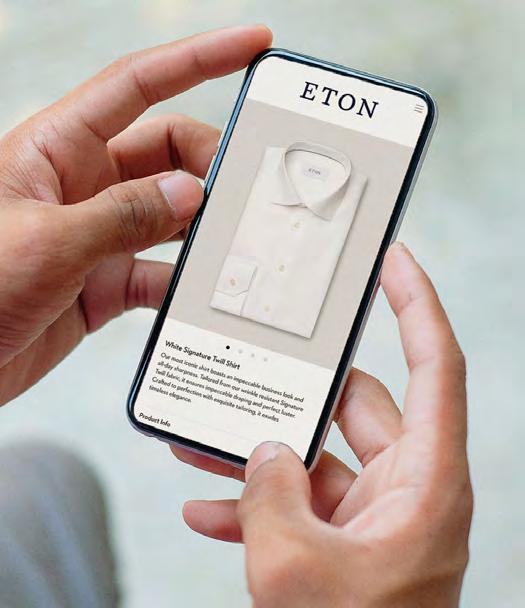
In 2024 we continued our work together with other companies and organisations in Systemdemonstratorn. In 2025, we will start adding QR-codes on garments, including details like composition, certification, product specifics and supplier info.
We continue to strengthen longevity-focused design across all product categories to ensure a low FPU. Enhanced quality standards and refined material selection to support longlasting performance. Customer care guidance in our DPP pilots.
We piloted Digital Product Passports with two service providers, Trustrace and Blippa, bringing the first products into live production to test both solutions in parallel. The pilot, together with a structured gap analysis, clarified our data requirements and informed the decision to invest in a dedicated transparency system. In parallel, we implemented a new PLM system to better integrate sustainability criteria into product development and onboarded a new label supplier aligned with future DPP and traceability requirements.
“Through our business practices we ensure that we contribute to prosperity in all markets we are active in.”
Year by year
Second year of reporting according to the Global Reporting Initiative (GRI) standards; GRI factor on Finance.
We report according to the GRI standards; GRI factor on Finance. We prioritise conducting our business in a responsible way to support prosperity in the local markets where we are active.
Year-by-year we focus on governace and how we conduct our own business, and also our partnerships with suppliers, including a close follow-up of their business practices.
Full transparency throughout our Tier 1 & 2 supply chain.
2025 100% We mapped our supply chain from Tier 1 & 2 with follow up on our suppliers using questionnaires. Out of 26 suppliers, 23 were mapped. In line with our transparency goal, we publicly disclose our supply chain at etonshirts.com.
*We concluded one partnership during the year, which is therefore now out of scope.
By implementing our new sustainability reporting system we have increased the transparency into our supply chain to capture most of our Tier 1 & 2 and some of our Tier 3 suppliers. On track for follow up on all Tier 1 & 2 suppliers by 2025.
We have mapped 100%* of our Tier 1 & 2 suppliers through our sustainability reporting system, strengthening transparency and accountability. Only one supplier remained unmapped, due to the collaboration being ended.
In 2025, we strengthened our governance across both our own operations and our supply chain. We completed an updated Double Materiality Analysis and prepared for our first CSRD-inspired report, reinforcing our alignment with emerging regulatory requirements. Through more rigorous reporting and structured follow-up, we enhanced oversight of supplier partnerships and strengthened accountability across the value chain.
In 2025, we successfully onboarded 100% of our Tier 1 & 2 suppliers into our existing sustainability reporting system, achieving full coverage at these levels. We gain ESG oversight through our structured self-assessment questionnaires. In parallel, we evaluated new suppliers to ensure alignment with our standards and selected a new sustainability reporting partner to further enhance data quality and transparency.
Ensure safe work and labor rights, free from harassment and discrimination in our supply chain.
Year by year 100% We enforce strict compliance standards with our suppliers through our Code of Conduct, covering health and safety, fair labor practices, equitable pay, association and collective bargaining rights, and anti-corruption measures. Our auditing process further ensures supplier compliance.
Throughout the year, we have actively enhanced supplier engagement to ensure work and labor rights. Our efforts include audits and personal visits. Utilising a sustainability reporting system as a sourcing tool enabled us to gather social impact data for the first time in 2023, broadening our insight.
We have strengthened our supplier collaboration in 2024. In addition to self assessments and audits, the sustainability team has conducted numerous on-site visits for a deeper engagement and understanding.
Biennial audits of all our sewing factories, accessories suppliers and fabric suppliers.
Advocating inclusion & diversity within Eton.
Year by year 100% We audited all Tier 1 suppliers, and started auditing our accessories suppliers using a third-party auditor, Intertek.
All our Tier 1 & 2 suppliers are audited biennially either through third party auditors or valid audit result from a OEKO-TEX® STeP Certification certification. For some suppliers we conduct an Eton audit.
We were able to compare audit results over time. Encouragingly, 80% of suppliers improved their scores—with all now scoring above 90%—showing progress in working conditions and environmental management.
In 2025, we moved from strengthened engagement to full integration and measurable performance. We achieved 100% onboarding of Tier 1 & 2 suppliers into our sustainability reporting system, ensuring comprehensive data coverage and transparency. In addition we continued our visits where we first hand can experience the culture at the workplace and dialogue with our suppliers.
Building on our established third-party audit programme, we continued to strengthen supplier follow-up through independent audits and on-site visits by our Sustainability team. This year’s results confirm consistently strong performance: all audited suppliers scored above 90% in our Responsible Supply Chain Assessment, with the lowest score at 93%.
Map wage levels at our Tier 1 & 2 production suppliers to establish a baseline, and collaborate with our sewing factories to ensure their workers receive a fair wage.
Year by year 75% In 2022, we established a new HR function led by our General Counsel and Head of HR. Based on our company values the HR department actively integrates inclusion and diversity in their work.
Year by year 100% In 2022, we began our work to map the wage levels in our supply chain in line with our goals on fair wage through audits. During our audits at our sewing factories, wages are an important factor. Suppliers are required to pay a fair wage and comply with local regulations. All audited suppliers received a high score on Wages and Benefits during 2022.
Our HR department is leading this initiative, committed to creating inclusive workplaces reflecting our values. Moving forward, we aim for a structured approach to support this goal.
This year, we completed wage mapping across all our Tier 1 & 2 suppliers. The lowest-paid workers earn above the legal minimum wage and in some cases exceed regional and average wage levels. We maintain a transparent price structure with our Tier 1 suppliers and have begun gathering more detailed social impact data to strengthen our work on fair wages.
HR, together with our Head of Sustainability, have advanced DEI efforts with a focus on gender equality. DEI is now embedded in development, mentorship, and hiring, with our succession planning showing results.
We continued to map wages for all workers (excluding management) at our Tier 1 & 2 suppliers. On average, wages exceed national minimum levels by at least 15% across both tiers. Fair wages remained a key focus in our structured supplier follow- up and dialogue throughout 2024.
HR continued strengthening DEI, with gender equality as a key focus. Progress was more incremental this year, but DEI practices are now more embedded in development, mentorship, and recruitment. Succession planning is also maturing, with early signs that the structures set in 2024 are taking hold across the organisation.
We have received minimum -wage and average -wage data from all our suppliers. We can confirm that all suppliers pay at least their respective country’s minimum wage. In most factories, the average wage is 20–40% above the minimum wage. The difference tends to be smaller in garment factories than among textile suppliers.
Net Zero by 2050 the latest. 2050
Our Net zero targets for Scope 1, 2 and 3 have been validated by SBTi.
In 2025, we kept a strong focus on staying aligned with our SBTi pathway through our company OKRs, with many functions contributing through targeted reduction efforts. 50%
30% reduction of our Scope 3 emissions.
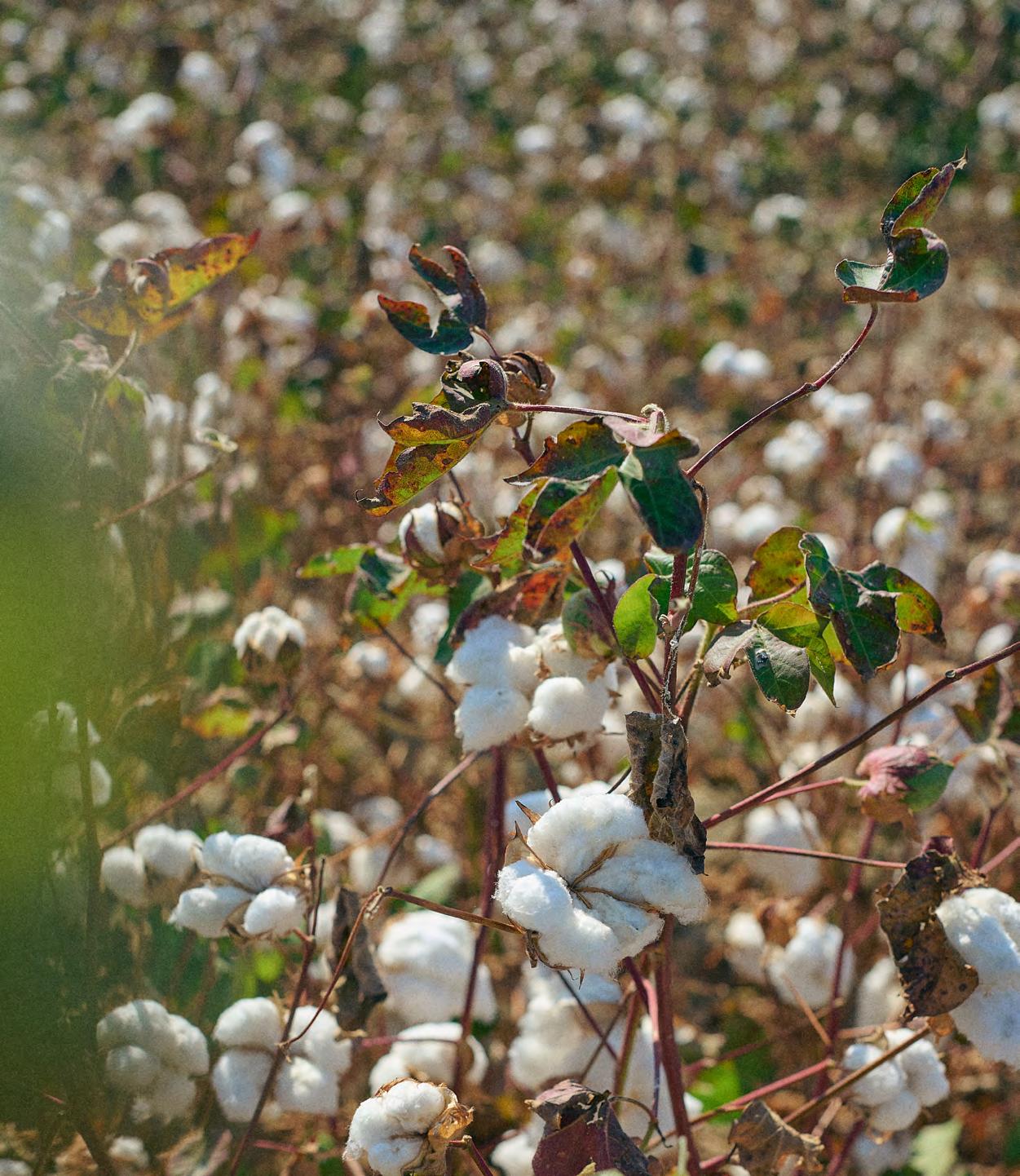
100% organic, regenerative or recycled cotton.
100% more sustainable or recycled fibres in shirts and accessories/ready-made by 2030.
100% renewable electricity in our Tier 1 & 2 supply chain.
of 4% from 2019 as a base year.
84% During 2022, 28% of all the textiles we purchased was from 100% organic cotton.
2030 75% 33% of all textiles were made from more sustainable textiles in 2022.
Renewable energy throughout our own operations by 2025.
2030 85% During 2022, we began an ongoing dialog with our Tier 1 & 2 suppliers on the need to shift to renewable energy. We have mapped energy consumption and energy sources at 23 out of our 26 Tier 1 & 2 suppliers, which gives us information on how we can support the transition to renewable energy.
of 92% from 2019 as a base year.
of 22% from 2019 as a base year. Reduction of 48% from 2019 as a base year. Reduction of 48% from 2019 as a base year.
During 2023, we have purchased approx 73% certified organic cotton and 0.1% recycled cotton. We are how-ever not fully in line with reaching our 2025 target.
85% of the cotton we sourced in 2024 was organic. The remaining share is the most challenging to convert but we are still aiming for target year 2025.
82% of the cotton we sourced in 2025 was organic. We did not reach our 2025 target due to a lack of organic extra-long staple Supima cotton, causing high prices. We updated this target to include regenerative cotton.
2025 100% We have worked actively during the year to reduce our emissions in our own operations. Several initiatives have been taken, exploring the possibility to install solar panels. Key areas we need to improve to reach our goal were identified.
Out of all the materials that we purchased in 2023, 72% were either certfied organic or recycled.
We have maintained a dialogue with our suppliers regarding the transition to renewable energy, and assessed the renewable energy (fuel+electricity) portion within our supplier network. Many suppliers have made investments in energy efficiency. 60% of our suppliers have installed solar panels and 70% have renewable electricity.
In 2023, we acquired Energy Attribute Certificates (EACs) through the EQT tender for the non-renewable energy portion, enabling 100% renewable electricity. All departments are asked to procure renewable energy through landlords to reduce the need for EACs over time.
75% of of all fibres and ready-made was more sustainable, including trimings.
72% of all fabrics in the articles we purchased during 2025.
Our dedicated work in transforming our supply chain to renewable electricity has shown results and we have been able to reduce our emissions significantly. 54% of Etons production was made utilizing renewable energy. In addition 77% of all Eton’s Tier 1 & 2 suppliers now use solar energy either partially or fully.
In 2025, 62% of Eton’s total production was powered by renewable electricity, reflecting the current energy profiles of our selected production partners. Additionally, 79% of our Tier 1 & 2 suppliers now use partially or fully self- generated solar energy. In total, 85% of the electricity consumed across our supplier base derives from renewable sources.
We are working closely with landlords to transition our stores and showrooms to renewable energy, and have identified facilities for further energy efficiency upgrades. To reach 100% renewable electricity for Scope 2, we’ve also acquired Energy Attribute Certificates (EACs). We have reached our target of 100% renewable electricity in Scope 2. This has been partially achieved through the procurement of Energy Attribute Certificates (EACs) for facilities where we have not been able to source renewable electricity directly from the landlord or energy provider.
A fully implemented circular business approach by 2030.
2030 15% Together with our long-term supplier, Albini, we have explored ways to recycle our pre consumer waste. We switched to 100% recycled polyester neck clips. Increased the recycled materials in trims and the content of recycled materials in eCom boxes.
We have begun exploring circular initiatives, such as implementing a take-back scheme for old Eton garments in all our brand stores. Our retail department has set a 2024 progress target to prioritise this effort. We have also introduced a shirt crafted from recycled textile waste and committed to a 3-year project with Borås Textilhögskola to delve deeper into circular solutions.
Our take-back scheme in stores is available for all our customers. We have explored collaborative upcycling projects including repair, recycling and resale. Part of our packaging material is recycled.
Water intensive business partners measure water use and have set reduction goals.
2025 85% Our yearly follow up on our suppliers with water-intensive production processes shows us that 82% of our suppliers measure their water use and 39% of our water intensive suppliers has a reduction goal set.
We have continued throughout 2023 to measure the water use at our suppliers and this year captured 90% of our suppliers and 100% of our water intensive suppliers. 41% of our water intensive suppliers have a set reduction goal.
96% of all our suppliers measure water use. 55% of all our suppliers (equalling 75% of the suppliers with wet processes) have set reduction targets for water usage.
We continued our take -back scheme and piloted a second -hand initiative with Slow Fashion, incorporating sorted Eton garments from the local municipal waste management. Our polybags are now made from recycled plastic, and our cardboard contains recycled content. We also explored upcycling and repair opportunities through our engagement in the Systemdemonstrator project. Additionally, we continued to sell overstock fabrics through Rekotex, a local collaborator in Borås. We largely use high - quality mono -materials, which are optimal for recycling once they are no longer in circulation.
96% of all our suppliers measure water use. 62% of all our suppliers (equalling 85% of the suppliers with wet processes) have set reduction targets for water usage. We have identified a clear trend towad reduced water consumption at our suppliers.
ESRS 2 – GENERAL DISCLOSURES
BASIS FOR PREPARATION
BP-1
GENERAL BASIS FOR PREPARATION OF THE SUSTAINABILITY STATEMENT
This sustainability statement has been prepared in alignment with the European Sustainability Reporting Standards (ESRS) and represents Eton’s first comprehensive application of the standards.
It covers Eton’s upstream and downstream value chain. The reporting boundary differs from that of the financial statements in the annual report, as the sustainability statement covers the full Eton Group, while the financial statements relate only to Eton AB.
The statement covers the Eton Group’s global operations and value chain for the financial year 1 January to 31 December 2025. The parent company, Eton Group AB, headquartered in Gånghester, Sweden, is responsible for consolidated reporting on behalf of all subsidiaries within the Eton Group.
The sustainability statement on an individual basis of Eton’s annual report has been prepared using the double materiality principle as the basis for determining which sustainability matters are reported on. All disclosures are based on the material topics identified through Eton’s double materiality assessment, conducted in collaboration with Enact Sustainable Strategies.
Where a topical ESRS includes disclosure requirements related to both material and non - material sustainability matters, only the
disclosure requirements related to material matters are disclosed. Disclosure requirements related to non - material matters are omitted in accordance with ESRS 1.
DISCLOSURES IN RELATION TO SPECIFIC CIRCUMSTANCES
The double materiality assessment identified 32 potential impacts, risks, and opportunities (IROs) across Eton’s value chain, which were subsequently assessed, prioritised against a materiality threshold, and consolidated into 9 material topics comprising 18 material IROs. The assessment applies to a double materiality perspective, evaluating both impact materiality, how Eton’s activities affect people and the environment and financial materiality, how sustainability issues pose risks, or create opportunities for the business.
BP-2
Consistent with ESRS 1, IROs were assessed across the following time horizons: short-term (current reporting period, 0–1 year), mediumterm (1–5 years), and long-term (more than 5 years). These time horizons apply to all disclosures of impacts, risks, opportunities, targets, and actions throughout this sustainability statement, covering Eton’s own operations as well as its upstream and downstream value chain, from raw material extraction through product use and end-of-life disposal.
GOV-1
THE ROLE OF THE ADMINISTRATIVE, MANAGEMENT, AND SUPERVISORY BODIES
The Chair of Eton’s Board of Directors holds overarching responsibility for sustainability. The Board and CEO oversee Eton’s sustainability strategy and key focus areas, ensuring sustainability is integrated into the company’s overall business direction. Management is responsible for implementing the sustainability strategy and actions defined by the Board. The owners annually evaluate the skills and insights of the Board across economic, environmental, and social areas, in conjunction with the Annual General Meeting, to ensure the Board collectively possesses, or has access to, adequate competence to address sustainability matters.
In 2025, Eton underwent an ownership change, and the group is now structured as described in the Annual Report and Figure 1. The Annual Sustainability Report is approved at the Eton Group’s Annual General Meeting, held in May 2026, which also confirms the composition of the Board of Directors, their compensation, and the appointments of Chair, Vice Chair, and other members.
FIG 1. ETON GROUP OWNERSHIP STRUCTURE
KRAGE HOLDING AB SWEDEN
KRAGE BIDCO AB SWEDEN EARL HOLDING III AB SWEDEN
GOV-2
INFORMATION PROVIDED TO AND SUSTAINABILITY OF MATTERS ADDRESSED BY THE ADMINISTRATIVE, MANAGEMENT, AND SUPERVISORY BODIES
Day-to-day responsibility for sustainability is led by the Head of Sustainability and a crossfunctional Sustainability Steering Group, which meets monthly to advance the sustainability agenda through structured decision-making, problem solving and coordination across functions. In 2025, the Steering Group included representatives from Product Team, Supply Chain, Marketing, E-commerce, Sales, the CFO, and the CEO.
The Head of Sustainability provides biannual in-depth analyses to the Board, covering material sustainability topics, progress against targets, and emerging regulatory developments. Any significant impacts identified through the Sustainability Steering Group are reported to the management team and Board on an ongoing basis.
During the reporting period, the Board and Leadership Team addressed the material impacts, risks, and opportunities (IROs) identified through Eton’s Double Materiality Assessment. These include climate-related risks and transition planning, environmental impacts across the value chain, such as materials, biodiversity,
and water use, social risks related to workers in the supply chain, and governance topics such as ethical business conduct and supplier traceability. The full list of material IROs is detailed in the Double Materiality Assessment Results, see page 31.
GOV-3
INTEGRATION OF SUSTAINABILITY-RELATED PERFORMANCE IN INCENTIVE SCHEMES
Sustainability- related performance metrics are not formally integrated into incentive schemes for members of the Board of Directors, executive management, or other employees as of the reporting period, with ongoing internal discussions that may inform future compensation frameworks occurring.
GOV-4
STATEMENT ON DUE DILIGENCE
Across its own operations and value chain, Eton conducts ongoing due diligence on sustainability matters consistent with the requirements of its Sustainability Policy and in accordance with Principle 15 of the UN Rio Declaration on Environment and Development, which requires application of the precautionary principle where there is a threat of serious or irreversible environmental damage.
IDENTIFYING IMPACTS
Eton’s double materiality assessment, conducted in 2025 with collaboration from Enact Sustainable Strategies, identifies material impacts, risks, and opportunities.
In addition, Eton’s Sustainability Steering Group monitors emerging impacts on an ongoing basis,
with findings reported to the management team and Board. New suppliers are assessed through a sustainability tender questionnaire evaluating environmental practices, existing certifications, and alignment with Eton’s Code of Conduct requirements before any partnership is established.
ASSESSING IMPACTS IN THE SUPPLY CHAIN
All Tier 1 and Tier 2 suppliers undergo biennial ESG audits conducted either by Eton’s sustainability team or by third-party auditors. Audits assess business practices, labor rights, wages and working hours, health and safety, environmental management, waste, wastewater, and anti-corruption systems.
Results are scored, compared against global and local benchmarks, and used to identify areas requiring follow-up. Eton also maintains quality specialists that travel on a regular basis to the suppliers for oversight of production partner compliance.
ADDRESSING AND REMEDIATING IMPACTS
Negative impacts identified through audits or the Steering Group are addressed and escalated to the management team and Board as appropriate. Eton’s long-term partnership model prioritises supplier stability and multi-year engagement, enabling greater transparency and the ability to support suppliers in their transition to more sustainable practices. In all countries where it operates, Eton strictly adheres to national legislation and takes proactive measures to prevent direct or indirect violations of human rights, labour, environmental, competition, and anti-corruption laws. The effectiveness of corrective actions is monitored through
follow- up audits, ongoing supplier engagement, and internal reviews of audit outcomes and sustainability performance indicators.
Eton maintains grievance and whistleblowing mechanisms that allow employees, suppliers, and other stakeholders to raise concerns related to sustainability matters, including potential human rights or environmental impacts, with reported concerns assessed and addressed in line with Eton’s internal procedures.
Figure 3 illustrates Eton’s approach to embedding responsible business conduct through a continuous six-step cycle. Starting from a core commitment to integrate responsible conduct into policies and management systems, Eton identifies and assesses adverse impacts across its operations and supply chain, works to cease, prevent, or mitigate them, and cooperates in remediation where appropriate. Progress is tracked, and findings are communicated transparently, feeding back into continuous improvement.
While not operating a zero-tolerance approach, Eton endeavors to act responsibly and constructively when risks or issues arise.
It is not zero- tolerance, but we endeavor to act responsibly when risks or issues occur.
FIG 3. ETON BUSINESS CONDUCT
RISK MANAGEMENT AND INTERNAL CONTROLS OVER SUSTAINABILITY REPORTING
Eton’s sustainability reporting is overseen by the Head of Sustainability, who is responsible for reviewing and approving all reported information in collaboration with department representatives and controlling functions across the organisation.
The sustainability statement is presented to the CEO and management team and approved by the Board of Directors prior to publication, in conjunction with the annual financial report.
Sustainability data is primarily based on actual activity data from Eton’s own operations and suppliers. In the reporting year 2025, 93% of calculated greenhouse gas (GHG) emissions were based on actual data, with emissions calculations conducted in accordance with the GHG Protocol.
Risks related to sustainability reporting, including data completeness, accuracy, consistency, and supplier data reliability, are identified and managed through internal processes embedded in Eton’s sustainability reporting process, and through Eton’s sustainability reporting system, Worldfavor, which enables structured
follow- up and year- on -year comparability. As part of the annual reporting process, data is reviewed for accuracy and follow- up questionnaires are issued where questions or inconsistencies are identified. Sustainability reporting is reviewed and approved by the Sustainability function.
Eton engages an external climate consultancy firm to provide an additional layer of calculation and validation to climate calculations. Reporting for Eton’s own operations is conducted through Emissions Twin and is supported by the upload of relevant documentation.
In addition, Eton conducts a yearly risk assessment covering all core areas, including Sustainability.
Eton calculates its greenhouse gas emissions in accordance with Science Based Targets initiative (SBTi) requirements, applying the GHG Protocol methodology, from the reporting year 2025 and onwards.
This approach has also been applied to the base year 2019 and the submission year 2023. As a result, emissions data calculated under this methodology are not directly comparable with data reported for earlier years.
BUSINESS MODEL AND VALUE CHAIN
BUSINESS MODEL
Eton is a Swedish premium menswear brand, designing and selling consciously crafted high - end products, while all manufacturing is outsourced to external suppliers. Eton operates a dual- channel business model combining wholesale distribution with direct-to - consumer sales through its own stores and e - commerce platform.
Eton’s value proposition is built on exceptional craftsmanship, timeless design, and premium natural materials, primarily Extra - Long Staple (ELS) cotton. Target customers are consumers who prioritise quality and longevity over trend - driven consumption. This positioning is central to Eton’s sustainability approach, as garments designed to last inherently aim to reduce waste and resource use.
In 2025, Eton underwent an ownership change, with the group now structured as described in the Annual Report and in Figure 1. This transition did not materially alter Eton’s core business model or strategic direction.
OWN OPERATIONS AND CUSTOMER INTERFACE
Eton’s own operations include design, quality control, marketing, sales, and administrative functions. Customer engagement takes place through Eton’s own retail stores, e - commerce platforms, and wholesale partners. These activities are central to Eton’s business model and value creation, enabling close interaction with customers, brand stewardship, and communication of product quality, durability, and sustainability attributes.
OFFICES
» Gånghester (HQ)
» Atlanta
Como
» London
New York
» Stockholm
CONCESSION STORES
» Illum, Copenhagen
» Magasin du Nord, Copenhagen
» Selfridges, London
» Åhlens City, Stockholm
» Nordiska Kompaniet, Stockholm
SHOWROOMS
» Milan
London
» New York
» Stockholm
» Munich
OUTLETS
» Barkarby, Stockholm
» Desert Hills, California
» Gånghester, Borås
» Hede, Gothenburg
» Vestby, Oslo
» Woodbury Commons, New York
LOGISTICS CENTERS
» Gånghester, Sweden
» Atlanta, USA
BRAND STORES
» Birger Jarlsgatan, Stockholm
» Södergatan, Malmö
» South Molton Street, London
» Neue Mainzer Straße 80, Frankfurt
» 330 Madison Avenue, New York
» 833 Madison Avenue, New York
TOUCHPOINTS
VALUE CHAIN
Eton’s value chain spans from raw material extraction (Tier 4), through raw material production (Tier 3), material production (Tier 2), and finished product assembly (Tier 1), through to Eton’s own operations, encompassing design, quality control, storage, and sales, and down -
stream through product use and end - of-life disposal and recycling. Transport and warehousing run across the entire value chain.
All Tier 1 and Tier 2 suppliers are headquartered in Europe and Turkey. Eton is committed to supply chain transparency and has visibility
into all Tier 2 and accessories suppliers. In 2025, Eton signed a contract with the traceability firm TrustTrace to further strengthen transparency in our upstream value chain.
» Farming » Material Extraction
» Recycling
Primary Processing
» Sourcing
» Cleaning
» Blending
» Carding
» Retting
» Pulp Making
Material Production
Sourcing
Cleaning
Blending
Carding
Retting
Pulp Making
Production
Weaving
Knitting
Dying
Printing
Embellishing
Finishing
product assembly
Cutting
Sewing
Finishing
Packaging
and Quality Check
Eton Design, Quality and Safety Standard Check
Recycling/Downcycling/ Upcycling
Disposal
USA, Office and Warehouse
LINK BETWEEN BUSINESS MODEL, VALUE CHAIN, MATERIAL SUSTAINABILITY IMPACTS, AND RISKS AND OPPORTUNITIES
The most significant sustainability impacts and risks related to Eton’s business model primarily arise in the upstream value chain, particularly in raw material sourcing and garment manufacturing. Material environmental impacts include greenhouse gas emissions, energy consumption, water use, pollution, and biodiversity impacts, driven largely by cotton and wool production, wet textile processes such as washing and dyeing, and transportation activities, including air freight.
Eton’s reliance on cotton and wool as key raw materials creates exposure to climate - and biodiversity- related risks, including supply disruptions, price volatility, and resource scarcity. The use of air transport represents a material contribution to total emissions and poses potential financial and reputational risks in the context of increasing regulatory and market scrutiny of logistics- related emissions.
Social sustainability risks are concentrated in the upstream value chain, where the textile industry is associated with potential human rights risks, including labor rights violations, health and safety concerns, and heightened vulnerability among migrant and female workers in raw material production and manufacturing.
Sustainability- related opportunities including the use of certified materials, increased recycled content, durable product design, and enhanced supply chain transparency are closely linked to Eton’s product design, material sourcing, and long -term supplier relationships.
Downstream, opportunities relate to improved product use and end - of-life management, supporting circularity and reduced environmental impact. Eton’s own operations and customer interfaces further support sustainability opportunities through responsible retail practices, transparency, and consumer engagement.
KEY BUSINESS RELATIONSHIPS
Eton’s business model depends on a limited number of long -term, trusted supplier relationships characterised by close collaboration, shared accountability, and a mutual commitment to quality and responsible practices.
On the demand side, wholesale customers in Europe and North America are Eton’s primary commercial partners, with sustainability certifications and responsible for sourcing increasingly forming part of purchasing criteria. End consumers are engaged through Eton’s own retail stores and e - commerce platforms.
OPERATIONS & PRODUCTION
Our Product Team – Design, Product Development, Sewing Atelier, Buying, Production and Quality – is based in Sweden and Italy. Our Tier 1 and 2 suppliers are all in Europe and Turkey.
Our close collaboration with our suppliers has allowed us to identify all our Trimming Suppliers. To further the traceability and transparency in our supply chain and the industry, we will commence the traceability work with specilist firm TrustTrace in May 2026.
Raw material (cotton) sourcing Weaving and finishings
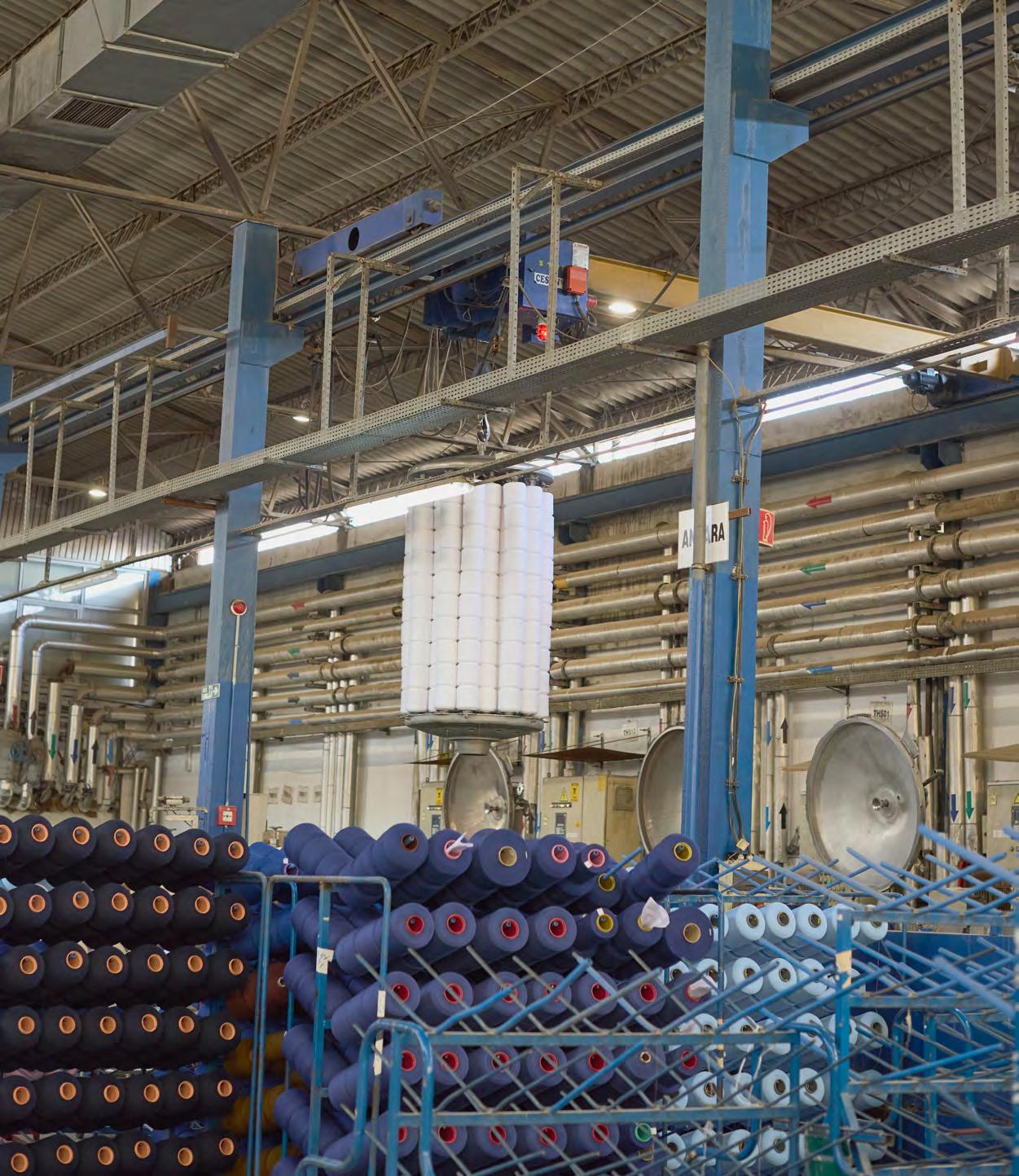
Suppliers source yarn and raw materials, and we buy directly from weavers.
Trimmings suppliers
Trimmings production
Suppliers for individual accessories and ready-made products
INTERESTS AND VIEWS OF STAKEHOLDERS
Engaging with a diverse range of stakeholders is crucial to Eton’s ability to create value and ensure long-term success, giving valuable insight into which topics should be prioritised across its activities, products, and value chain and revises its business model and strategy in response, as deemed necessary.
As part of the double materiality assessment, Eton mapped both internal and external stakeholders based on their knowledge of the company and its value chain. The most relevant groups identified included Tier 1 and Tier 2 suppliers, wholesale customers in Europe and North America, owners, NGOs, and end consumers. Internal stakeholders were interviewed across Product Team and Supply Chain Operations. All external stakeholder groups, except end consumers and NGOs, whose perspectives were gathered through indirect research, were interviewed directly. The engagement process was led by Enact Sustainable Strategies and included stakeholder interviews, internal workshops, and a financial validation workshop.
Key concerns raised through this process included supplier labour practices, environmental impacts in the supply chain, product quality and
durability, and transparency toward customers. These insights directly informed the definition of Eton’s material topics and sustainability priorities, with outcomes formally approved by the Board of Directors.
Beyond the materiality assessment, Eton maintains ongoing engagement with its key stakeholder groups through established channels. Suppliers are engaged through annual selfassessment questionnaires, regular supplier visits, and biennial ESG audits. Wholesale customers are engaged through commercial relationships and increasingly through sustainability-related purchasing criteria. End consumer perspectives are gathered through the Directto-Consumer team based on customer interactions and occasion surveys.
Eton seeks to represent the interests of workers in the supply chain or affected communities who cannot be engaged directly through supplier engagement, audit processes, and grievance mechanisms required of all Tier 1 and Tier 2 suppliers. The interests and views of all stakeholder groups are considered in Eton’s ongoing strategic decision-making, ensuring that sustainability priorities remain responsive to those most affected by our activities.
MATERIAL IMPACTS, RISKS AND OPPORTUNITIES, AND THEIR INTERACTION WITH STRATEGY AND BUSINESS MODEL
The double materiality assessment identified nine material topics comprising 18 material impacts, risks, and opportunities (IROs) which interact with Eton’s strategy and business model and are concentrated across the upstream value chain, Eton’s own operations, and the downstream value chain as follows in the standard specific descriptions.
SBM-3 E1 – CLIMATE CHANGE
Climate change poses material risks to Eton’s business model, particularly regarding the availability, cost, and stability of key raw materials and logistics infrastructure. These risks were identified through our Double Materiality Assessment and are assessed across short, medium, and long-term horizons.
The most immediate physical risks sit in raw material sourcing. Observed climate-related disruptions to the harvest of Extra-Long Staple cotton have created significant price volatility and supply uncertainty, a vulnerability we are responding to by broadening our fibre base, increasing the share of organic and regeneratively grown fibres, and reducing dependence on
single-origin materials sensitive to a changing climate. This is about ensuring the feedstock our shirts are built on remain available, stable, and worthy of the standards we hold ourselves to.
Transition risks are most significant in logistics. Air freight currently accounts for more than a third of our total greenhouse gas emissions, exposing us to rising carbon costs, tightening regulations, and growing reputational risk. We are actively working to shift a greater share of transportation to lower-emission modes.
Eton conducts risk assessments covering climate exposure, water scarcity, and biodiversity loss, when evaluating new suppliers and sourcing regions to ensure new partnerships are established where climate-related risks are manageable.
We are extending this approach across our existing supply base, because resilience, like quality, must run through the whole.
SBM-3 E2 – POLLUTION
Pollution is a material issue for Eton primarily in the upstream value chain. As we do not operate our own manufacturing facilities, the most significant risks arise at the supplier level, at the mills and finishing facilities, where dyeing, finishing, and chemical treatment processes can
SBM–3
contribute to water, soil, and air pollution if not properly managed. These risks directly influence our supplier requirements, due diligence processes, and the way we maintain supplier relationships and the quality of our garments.
We require suppliers to comply with our chemical restrictions and environmental standards, supported by audits and certifications, and we are committed to working collaboratively with our partners to continuously reduce harmful emissions and discharges across the value chain.
In the downstream value chain, pollution-related impacts are comparatively limited. Our focus on natural fibres, product quality, and longevity reduces pollution risks over the product lifecycle.
SBM-3 E3 – WATER AND MARINE RESOURCES
Water and freshwater availability are among the most significant environmental topics in Eton’s upstream value chain, where cotton cultivation and textile processing are among the most water-intensive activities in the apparel industry. Through our Double Materiality Assessment, water and marine resources were confirmed as material, and a 2025 assessment conducted with STICA and WWF identified key sourcing regions , including California, India, and Turkey, as facing high to very high water
scarcity risk, directly influencing our sourcing strategy, material choices, and supplier engagement.
Our sourcing decisions are shaped by waterrelated impacts, and Eton promotes organically grown cotton and is progressing toward regenerative practices, as these improve soil structure, enhance water retention, and reduce irrigation dependency. In Turkey, we have initiated a regenerative cotton pilot programme with supplier Söktas, targeting introduction into a pilot product range in 2026 and expansion into regular collections from 2027. All identified Tier 1 and Tier 2 suppliers involved in waterintensive processes measured their water consumption in 2025, with water-intensive suppliers establishing reduction targets ahead of schedule and reporting a positive reduction trend in both total output and per unit produced.
Garment care instructions encourage lower temperature and less frequent washing. Eton’s own operations involve limited direct water use in areas of low water scarcity risk.
SBM-3
E4 – BIODIVERSITY AND ECOSYSTEMS
Biodiversity and ecosystem impacts are materially linked to Eton’s reliance on natural raw materials, particularly cotton and wool, which are closely connected to land use, agricultural prac-
tices, and ecosystem health in the upstream value chain. Biodiversity loss, soil degradation, and changing water availability pose risks to ecosystem health and the long -term availability and cost stability of our key raw materials, which are central inputs to Eton’s business model, interacting directly with our sourcing strategy and supplier engagement priorities.
In 2025, Eton participated in the EQT Nature Accelerator Program with McKinsey & Company and Biomimicry 3.8, confirming that raw fibres and fabrics are the primary driver of biodiversity-related impacts in our value chain. A concurrent biodiversity risk assessment conducted with STICA and WWF identified supply chain hotspots and assessed biodiversity risks within Tier 1 and Tier 2 operations as low, with the most significant risks occurring further upstream. These findings have reinforced the strategic importance of transitioning toward certified, organic, regenerative, and recycled fibres. This led Eton to expand its sourcing strategy to include regeneratively grown fibres alongside organic and recycled alternatives.
To address upstream impacts, Eton has set a target to source 100% organic, regenerative, or recycled cotton. In 2025, 82% of cotton used was organic. Eton’s sustainability targets indirectly support the Kunming-Montreal Global Biodiver-
sity Framework, and further integration of biodiversity considerations into our Code of Conduct and Sustainability Policy is planned for 2026.
SBM-3 E5 – RESOURCE USE AND CIRCULAR ECONOMY
Resource use and circularity are closely integrated into Eton’s business model, which is centered on longevity, high - quality, timeless design, and exceptional craftsmanship, which are aligned with circular principles. This focus inherently reduces material waste and overall resource consumption across the value chain and supports lower environmental impact per use.
Through our Double Materiality Assessment, resource use and circularity were identified as material topics, reflecting both the ecological significance of textile waste along the whole supply chain and the strategic importance of durability and circularity to Eton’s long-term business model.
Claim rates in 2025 remained at very low levels – 0.14% for shirts, 0.18% for custommade, and 0.06% for ready-made – reflecting both the quality of our products and the discipline of our planning processes. Where preconsumer waste arises, suppliers are required to direct it to recycling, and products or materials not sold are channeled through recycling partners.
These practices interact directly with Eton’s business model and reinforce our transition toward a fully circular model by 2030, aligned with the Ellen MacArthur Foundation’s definition of a circular economy, with all products designed for longevity to ensure a low footprint per use. Circular economy considerations therefore influence product design philosophy, supplier requirements, and customer engagement around responsible product use and endof-life.
Emerging regulation, including the Ecodesign for Sustainable Products Regulation and Extended Producer Responsibility requirements, will increasingly shape how Eton manages product design and end-of-life, representing both a compliance risk and a strategic opportunity. Eton’s focus on durability and quality provides a foundation for this regulatory transition, and the company is exploring circular initiatives such as in-store take-back and resale as part of its longer-term development in this area.
SBM-3 S1 – OWN WORKFORCE
The Double Materiality Assessment identified health and safety within Eton’s own workforce as a material topic shaping our approach to employee wellbeing, engagement, and long-term retention. In the following ESRS S2 chapter, Value chain workforce topics are addressed.
Eton operates in markets with generally high labor standards, yet our assessment identified potential negative impacts related to working environment and health, specifically the physical and psychological demands of retail and operational roles, which remain under ongoing oversight. Workforce risks include talent retention and the consequences of an unhealthy or non-inclusive working environment. Opportunities lie in deepening expertise and building the long-term stability that sustained quality requires.
Eton provides fair working conditions including competitive wages, equal pay, regulated hours, parental leave, and secure employment terms, with strong protections for freedom of association. Structured training covers leadership, marketing, and business development, alongside mandatory programmes on anti-corruption, data protection, and prevention of harassment and discrimination. Through annual surveys and regular development dialogues we aim to monitor the wellbeing of our staff.
Our workforce spans permanent employees, contract staff, independent contractors, and temporary workers across offices, showrooms, retail stores, sewing ateliers, and warehouses.
SBM-3 S2 – WORKERS IN THE VALUE CHAIN
Workers in the value chain are central to Eton’s business model and value creation. Through our Double Materiality Assessment, labor rights, working conditions, and health and safety in the upstream value chain were confirmed as material, directly influencing our sourcing strategy, supplier relationships, and due diligence approach.
Eton’s supplier network spans Tier 1 and Tier 2 facilities in Europe and Turkey, where most sewing and fabric production takes place. Workers in these facilities are predominantly women, representing 71% of the total production workforce. Increased exposure to social, environmental, and climate-related risk lies in the deeper tiers (Tier 3 and Tier 4).
Our most significant risks relate to fair wages, safe working conditions, and freedom of association, particularly where upstream visibility is limited. We manage these through our sourcing strategy, Supplier Code of Conduct, long-term relationships, regular audits, and annual self-assessments. In 2025, all audited suppliers paid at least the legal minimum wage, most reporting average salaries 20–40% above the minimum. In 2025, Eton signed an agreement with traceability platform TrustTrace, with implementation beginning in May 2026, strengthening our abil-
ity to conduct human rights and environmental due diligence across deeper supply chain tiers.
SBM-3 ENTITY-SPECIFIC – SUPPLY CHAIN DISRUPTIONS AND SUSTAINABILITY CERTIFICATIONS
Eton’s sourcing model, which relies on a limited number of long -term supplier relationships and a high dependence on ESL cotton as a key raw material, creates exposure to supply chain disruptions, including geopolitical events, climate - related shocks, and regulatory changes, all of which could affect the availability, cost, and continuity of key materials and finished products. Climate-driven fluctuations in cotton harvests, combined with potential regulatory or tariff changes affecting transatlantic trade, represent a material financial and operational risk.
These risks are identified through Eton’s ongoing risk management and due diligence processes and interact with the sourcing strategy and business plan and interact with Eton’s risk management approach, informing strategic efforts to strengthen supply chain resilience through diversification, traceability, and responsible sourcing.
On the opportunity side, investment in credible sustainability certifications, including GOTS, OCS, GRS, RCS and RWS, supports compliance with evolving regulatory requirements and
strengthens Eton’s market position with wholesale customers and end consumers. Therefore certification -based sourcing, represents a strategic opportunity that supports brand trust, market access, and long -term commercial resilience. Eton’s consistent investment in certification, as demand for certified sustainable products grows and regulatory requirements tighten, supports compliance, market access, and long -term commercial resilience This strategy underpins Eton’s ambition to expand certified materials in line with its target of achieving 100% sustainable materials by 2030.
DISCLOSURES ON THE MATERIALITY
ASSESSMENT PROCESS
IRO-1
DESCRIPTION OF THE PROCESS TO IDENTIFY AND ASSESS MATERIAL IMPACTS, RISKS AND OPPORTUNITIES
The Double Materiality Analysis (DMA) identifies impacts, risks, and opportunities from both an ESG and a financial perspective. Impact materiality refers to how Eton affects the environment, people and society; financial materiality concerns how environmental and societal developments may, in turn, affect Eton through risks or opportunities.
During the fall of 2024, in partnership with the consultancy firm Enact, we conducted our DMA in accordance with the CSRD directive and ESRS disclosure requirements.
To ensure visibility of our impacts, risks, and opportunities, significant effort was devoted to mapping our value chain. The purpose of the DMA was to identify which ESG topics are material for Eton and to determine our CSRD reporting scope, applicable ESRS standards, mandatory versus non -applicable disclosures, required content for strategy, risk management, and KPIs.
Internal and external stakeholders were engaged throughout the process, with Tier 1 and 2 suppliers, wholesale customers in Europe and North America, owners, and end consumers identified as some of the most relevant external stakeholders, and key departments, including Product Team and Supply Chain Operations, were interviewed internally.
To assess perspectives and potential impacts of NGOs, we relied on desktop research with a process of thorough analysis, several internal workshops, and a financial validation workshop, which concluded with the prioritisation and definition of our material topics.
Impacts were prioritised based on their severity and likelihood, considering scale, scope, and irremediability, while risks and opportunities were assessed based on the likelihood and magnitude of their potential financial effects.
To finalise the analysis, results were presented to the Board of Directors and received formal approval on 7 March 2025.
IRO-2
DISCLOSURE
REQUIREMENTS IN ESRS COVERED BY THE UNDERTAKING’S SUSTAINABILITY STATEMENT
The following ESRS topical standards have been identified as material and are disclosed in this sustainability statement as a result of the double materiality assessment: E1 Climate Change, E2 Pollution, E3 Water and Marine Resources, E4 Biodiversity and Ecosystems, E5 Resource Use and Circular Economy, S1 Own Workforce, S2 Workers in the Value Chain, G1 Business Conduct and Entity Specific, Supply Chain Disruptions. Supply chain disruptions have been identified as an entity-specific material topic due to Eton’s reliance on global sourcing, logistics, and stable supplier relationships, and are disclosed in accordance with ESRS 1 requirements for entity-specific matters.
All of which we will deep dive onto in the following pages in this report.
IDENTIFIED MATERIAL IMPACTS, RISKS AND OPPORTUNITIES
ENVIRONMENTAL ESRS E1 – Climate Change
Energy consumption and GHG emissions
Climate-related disruptions
Air transport
Negative/Actual Eton contributes to climate change through GHG emissions across its value chain, with the most significant impact occurring upstream in Tier 2, where energy intensive textile manufacturing processes result in high energy use, particularly at suppliers reliant on fossil based energy. Although silk and wool represent a limited share of material volumes, they account for a disproportionate share of emissions. Transport is a major contributor, with air freight accounting for more than one third of Eton’s total GHG emissions. Additional impacts arise from energy use in facilities and from downstream consumer garment care and end of life treatment – where most garments are landfilled or incinerated rather than recycled – add to the overall footprint.
Risk Eton’s upstream value chain – including cotton farms, textile mills, and clothing factories – is vulnerable to extreme weather, heatwaves, wildfires, and rising sea levels, which could disrupt production or drive up costs. Dependency on ELS Supima cotton from the U.S. concentrates this exposure, creating risk of significant supply and price volatility. Potential financial risk: decreased productivity, increased prices and costs, increased supplier management resources.
Risk Air freight accounts for approximately one third of Eton’s total GHG emissions. Carbon-related costs and reduction quota schemes are likely to increase air freight prices, with additional reputational risk in a market, increasingly sensitive to logistics emissions. Potential financial risk: increased prices, taxes or fees, reputational damage.
Pollution of air
Plastic use
Pollution of water & soil
Negative/Actual Across Eton’s value chain, pesticide use in cotton cultivation, chemical treatments during fabric processing, air and sea transportation, and end-of-life incineration of textiles contribute to air pollution.
Negative/Actual Eton uses plastic in logistics, packaging and in -store applications, including shirt packaging and collar supports, both internally and across the upstream value chain. As most plastic is not recycled, this contributes to fossil-based resource use and plastic pollution. Improper disposal may result in microplastics entering ecosystems, posing risks to biodiversity and human health.
Transport, Storage, Sales, Usage, Disposal
Negative/Potential Pesticide use in cotton cultivation and toxic wastewater from dyeing and finishing processes can contaminate local waterways and soil, harming ecosystems, communities, and agricultural land. Soil degradation reduces carbon retention, compounding climate-related impacts. Raw material, Suppliers -
Water use
Negative/Actual Eton’s products rely primarily on cotton and, to a lesser extent, wool – materials associated with high water use in agricultural production. Significant water consumption also occurs upstream during textile manufacturing, particularly in fabric production and finishing, as well as downstream through consumer garment care. High water withdrawals may contribute to pressure on local freshwater resources in areas already facing water scarcity.
ESRS E3 – Water and Marine Resources
ESRS E4 – Biodiversity and Ecosystems
Impacts on biodiversity and ecosystems Negative/Actual Eton is highly dependent on cotton, which constitutes the majority of materials used and exposes the business to climate -related impacts on agricultural production, such as heatwaves and shifting rainfall patterns. Wool, while a smaller share, further contributes to this exposure due to climate impacts on sheep farming in sourcing regions. These factors may affect raw material availability, pricing and supply stability, potentially increasing costs and the need for enhanced supplier management. Raw material, Suppliers, Disposal
Raw material dependency (cotton and wool) Risk Eton’s dependency on cotton creates significant vulnerability to climate change, biodiversity loss, and supply disruptions. Shifting rainfall and extreme heat affect yields, prices, and availability. Wool sourced from New Zealand faces similar climate-related risks. Potential financial risk: decreased productivity, increased prices, increased supplier management resources.
ESRS E5 – Circular Economy and Resource
Responsible practices
Positive/Actual Eton engages in responsible material practices through the use of certified organic, recycled and responsibly sourced materials, supported by recognised standards including GOTS, OCS, RWS and GRS. Initiatives such as increased recycled content in packaging, recycled components in products and a pilot recycled shirt scheme contribute to reduced environmental impacts, improved animal welfare and support the transition towards more sustainable practices within the fashion industry.
Supply chain disruptions Risk Eton is exposed to disruptions in global supply chains driven by geopolitical tensions, trade restrictions, pandemics, or regulatory changes, which may affect the availability, cost and transportation of raw materials and finished products. Dependence on ELS Supima cotton from the U.S. increases exposure to trade policies, price volatility and climate -related impacts on upstream production, including extreme weather events. Increasing taxes and sustainability-related regulations may require changes in sourcing, production methods and administrative capacity, potentially leading to higher costs, supply constraints and delays.
material, Suppliers
Working environment and health-related impacts Negative/Potential Employees in Eton’s stores and offices may be exposed to occupational health and safety risks, including physical strain from prolonged standing, increased workload during peak periods and work-related stress. There is also a risk of threatening situations, such as harassment or verbal or physical incidents involving customers or colleagues, which may affect employee wellbeing and safety.
Human rights violations in the textile industry
Health and safety in the textile industry
Negative/Potential Human rights risks remain present in parts of the textile industry and may occur in Eton’s upstream value chain, particularly in cotton cultivation and labour-intensive production. Key risks include child labour, forced labour and exploitation of vulnerable groups, such as women and migrant workers.
Negative/Potential Pesticide exposure poses serious health risks for cotton farmers, while factory workers frequently face hazardous chemicals, extreme temperatures, and nadequate occupational health and safety conditions. Limited access to clean water, sanitation and safe working environments may further affect worker wellbeing. Risks related to discrimination, violence, and harassment persist in parts of the industry, with migrant workers and women being particularly vulnerable, potentially leading to physical and psychological harm.
Raw material, Suppliers Short
Raw material, Suppliers -
Suppliers,
Suppliers, Disposal
ESRS S2 – Workers in the value chain
Working conditions and labour rights Negative/Potential While Eton prioritises transparent and responsible supplier relationships, it operates within an industry where these challenges are systemic. Low wages, excessive overtime, precarious contracts, and insufficient employment documentation are widespread in the textile industry, limiting workers’ access to basic rights, labour protections, and social security. Freedom of association, equality, and protection from harassment remain lacking across much of the sector.
ESRS G1 – Business Conduct
Management of relationships with suppliers Positive/Actual Long-term transparent supplier relationships across Eton’s value chain support sustainable practices and reduce environmental and social impacts. Eton, as a significant client for organic cotton suppliers, helps sustain market demand for this still-emerging segment.
Animal welfare Risk Eton’s use of wool involves consideration of animal welfare practices within the value chain, which may have implications for reputation and regulatory expectations. Ensuring responsible animal welfare standards supports brand trust, product integrity and compliance, while mitigating potential reputational and legal risks.
ESRS G – Entity specific disclosure
Sustainability certifications and labels Opportunity Sustainability certifications and labels support compliance with the Green Claims Directive and are increasingly required by wholesale customers. Active certification work strengthens Eton’s position with investors, customers, and prospective employees who prioritise sustainable business practices. Financial opportunities include increased sales and brand loyalty, access to new markets, improved investor appeal, and stronger talent attraction.
MEMBERSHIPS & ASSOCIATIONS
SBTi is a collaboration between CDP, the UN Global Compact, WRI, and WWF. It supports companies in setting emission reduction targets aligned with current climate science.
Eton joined STICA in 2019 to support collective action across the Scandinavian textile industry, with a focus on reducing emissions. In 2024, we expanded our commitment by joining STICA+, broadening our scope to include biodiversity and water efficiency. Our Head of Sustainability, Lina Ödeen, serves as co-chair for the WG1 and we participate actively in working groups. sustainablefashionacademy.org/stica
Kemikaliegruppen provides members with current insight on chemical and environmental issues in textile and electronics. Membership includes access to monitoring tools, legal updates, and information on chemicals found in products and potential substitutes.
TEX – A platform for the textile industry in West Sweden. Their purpose is to work to generate business benefit for the members and to strengthen Swedish fashion, textiles and design by creating meeting places, physically and digitally, where the members can take part in the latest in textiles and fashion and share experiences with industry colleagues.
Textile Exchange is a non-profit organisation driving measurable impact on climate and nature across fashion, textile, and apparel. Through its global network, TE sets industry standards, promotes preferred materials, and supports sustainable practices throughout the supply chain.
We joined SFA’s Learning & Innovation Network in 2022. The network helps apparel and textile companies stay informed and prepared for EU environmental and social regulations affecting brands operating in the European market.
TEKO is a Swedish trade and employers’ association representing around 340 companies in the global textile and fashion industry. Eton is part of TEKO’s environmental group, where member companies meet regularly to discuss current sustainability challenges.
Eton’s leaders and employees engage regularly with several universities and educational institutions. This includes participating in student interviews, providing academic support, and contributing materials and expertise for product development and sustainabilityrelated studies. Several colleagues also act as mentors, sharing professional knowledge and practical experience with students. In addition, Eton’s Production Unit in Gånghester receives frequent interest from external organisations, and tours of the headquarters and atelier are arranged to share insight into how the company operates and produces its products.
POLICIES, STANDARDS AND PROCEDURES
Eton’s policies are developed in line with both regulatory demands and business requirements from a sustainability perspective.
These policies emphasise respect for human rights and mitigation of our impact on the climate and environment while addressing Eton’s material sustainability matters identified through the double materiality assessment, including climate change mitigation, pollution and chemical management, water stewardship, own workforce matters, workers in the value chain, and responsible business conduct.
Our Sustainability Policy requires that we conduct due diligence on our suppliers and apply the precautionary principle in all relevant decisions, in accordance with Principle 15 of the UN Rio Declaration on Environment and Development.
All policies, procedures, and instructions are reviewed annually and adopted by the Board of Directors at the Annual General Meeting. The Board of Directors holds overall responsibility for Eton’s sustainability- related policies, while day-to - day implementation is overseen by executive management. The Head of Sustainability
coordinates implementation and monitoring of sustainability- related policies in cooperation with relevant functions, including HR, Procurement, and Compliance.
All Eton policies and standards are communicated to the relevant parties.
The objective of Eton’s sustainability- related policies is to prevent and mitigate negative environmental and social impacts, manage sustainability- related risks and opportunities, ensure compliance with applicable regulations, and support long -term business resilience. Eton’s policies linked to sustainability includes the following documents:
SUSTAINABILITY POLICY
The Sustainability Policy forms the foundation from which all other sustainability-related policies and guidelines are derived, with the objective of setting out our overarching commitment to operating within the stated goals of the Paris Agreement, including limiting global warming to below 2°C and pursuing efforts to limit warming to 1.5°C.
The policy stipulates that Eton must conduct due diligence on its suppliers and apply the precautionary principle in all relevant decisions. It
covers Eton’s approach to climate action, responsible material sourcing, chemical management, water stewardship, and human rights in the value chain. It applies to Eton’s own operations and extends to its upstream supply chain as well.
>> SEE FULL POLICY HERE
CODE OF CONDUCT (INTERNAL)
Eton’s internal Code of Conduct sets out the standards of behaviour expected of all employees across its global operations. It covers compliance with applicable laws and regulations, including human rights, labour, environmental, competition, and anti-corruption laws, as well as workplace conduct, equal treatment, and the prevention of harassment, bribery, and misconduct in all its forms.
Compliance with Eton’s sustainability-related policies is supported through an anonymous whistleblowing mechanism, which enables employees to raise concerns in a secure and confidential manner, in accordance with EU directives and Swedish legislation. Policy implementation and adherence are further supported through training, internal controls, contractual requirements, supplier audits, and follow-up processes. Identified cases of non- compliance are addressed through corrective actions and are subject to ongoing monitoring.
>> SEE FULL POLICY HERE
CODE OF CONDUCT (EXTERNAL)
Eton’s external Code of Conduct sets out the minimum standards that all suppliers and business partners must meet when working with Eton. It is integrated into all supplier agreements and is aligned with the Ten Principles of the UN Global Compact, the UN Universal Declaration of Human Rights, the International Labour Organisation Conventions, the UN Convention against Corruption, and the Rio Declaration on Environment and Development.
The Code covers health and safety, fair working conditions, fair pay, freedom of association, the right to collective bargaining, and anti-corruption with compliance monitored through biennial audits conducted by Eton personnel or third-party auditors of all Tier 1 and Tier 2 suppliers.
>> SEE FULL POLICY HERE
ANTI-CORRUPTION POLICY
Introduced in 2019, Eton’s Anti-Corruption and Anti-Bribery Policy sets out the company’s commitment to preventing all forms of harassment, corruption, bribery, and misconduct across its own operations and supply chain. Upon joining, all new employees complete mandatory online anti-corruption training, with an annual reminder to retake it. Supplier audits include an assessment of management systems relating to anti-bribery and unethical business practices.
>> SEE FULL POLICY HERE
HR POLICY – INCLUDING EQUAL TREATMENT AND WORKPLACE GUIDANCE
Eton’s HR Policy reflects our commitment to embedding diversity, equity, and inclusion into day-to-day operations, consistent with the principles set out in the Eton Company Values, and governs employment practices across the organisation’s global operations, covering equal treatment, workplace conduct, and employee well-being. DEI is integrated into hiring, development, mentorship, and succession planning, and is led jointly by the HR function and the Head of Sustainability.
>> SEE FULL POLICY HERE
CAR POLICY – CAR PROCEDURE
This policy is under review and will be updated in 2026, it does not materially affect current performance and will be aligned with E1 targets upon revision.
E1 – CLIMATE CHANGE STRATEGY
E1-1
TRANSITION PLAN FOR CLIMATE CHANGE MITIGATION
We have implemented both near and long term, science-based transition plans to reduce greenhouse gas (GHG) emissions across our full value chain and align our operations with the objectives of the Paris Agreement. Our plan is designed to future-proof our business, decouple emissions from financial growth, and ensure that high product quality is delivered with a substantially lower environmental footprint.
In 2025, Eton conducted a forward-looking emissions analysis covering the period through 2030, based on the five-year business plan.
The purpose of this analysis was to ensure that Eton’s climate targets are fully aligned with its financial trajectory, accounting for anticipated business growth as well as changes in product and market mix.
The analysis confirms that by following the established internal and external reduction targets, in line with the business growth strategy, Eton will meet its near-term SBTi-approved reduction target by 2030. While Eton has already surpassed its near-term Scope 1 and 2 targets ahead of schedule, the forward-looking analysis ensures that this trajectory remains robust under future growth scenarios. The outcome confirms that Eton can deliver on its business plan while remaining on its validated science-based pathway to Net Zero.
With a very high percentage of actual, high quality data underpinning our calculations, we have a solid foundation for credible strategy execution and performance follow up. This enables us to identify focus areas and define actions that are both plausible and evidence based.
FINANCIAL RESOURCES AND INVESTMENTS
To ensure delivery of our transition plan, Eton allocates financial resources to the most impactful areas: increased use of lower impact materials, supplier improvements in renewable energy sourcing and efficiency, and reduced emission transport solutions. These investments are embedded in our annual budgeting cycles and scaled in line with our five-year business plan to support long-term alignment with our SBTi pathway.
CLIMATE STRATEGY AND COMMITMENT
Eton is committed to achieving a science based net zero target by 2050, aligned with the 1.5°C pathway. Our emission reduction targets have been validated by the Science Based Targets initiative (SBTi), confirming their consistency with global climate science and the Paris Agreement.
Our main strategy to reach our scope 3 target is collaboration with our suppliers across our value chain, including improving material extraction, material choices, and production processes. Renewable energy and energy efficiency measures in the supply chain are key factors. A shift from air freight to sea freight where possible and utilisation of Sustainable Aviation Fuel (SAF) is necessary as well.
We recognise that addressing climate change requires action beyond our own operations and supply chain. In addition to reducing emissions within our value chain, we are committed to investing in projects and programmes that deliver measurable benefits for both climate and nature.
Our approach is science-driven and focused on achieving real, additional impact. We report on our progress in this area transparently and will continue to develop beyond value chain strategy in line with emerging best practice and guidance.
During the fall of 2024, we completed the additional Scope 3 calculations required for our SBTi submission and incorporated them into our submission for the year 2023, as data for 2024 was not yet fully available. To maintain our existing base year, we also recalculated it to include all Scope 3 categories. As a result, both our base year 2019 and the submission year 2023 now include all necessary Scope 3 categories, and from 2025 onward all our annual reporting will cover all necessary Scope 3 categories.
DEPENDENCIES AND KEY ASSUMPTIONS
Our transition plan depends on several external and internal factors, including increased access to renewable electricity in key supplier regions, availability of preferred and lower impact fibres, development of low emission transport solutions such as SAF, and stable regulatory conditions. Continued operational planning efficiency, especially in material forecasting and stock utilisation, also plays an important role. These assumptions are monitored and updated annually.
Our long-term strategy includes: a systematic reduction of emissions across all scopes, with a focus on Scope 3, which represents 99.8% of our climate impact; business growth decoupled from emissions through lower emission materials; operational efficiency and responsible supply chain practices. An accelerated shift
toward circularity, renewable energy and improved transport and logistics.
POTENTIAL LOCKED IN EMISSIONS
Although Eton does not operate high emission assets directly, parts of our supply chain may carry locked in emissions, particularly heat intensive Tier 2 processes and our current reliance on air freight. We address these risks by prioritising suppliers transitioning to renewable thermal energy, improving logistics planning to reduce airfreight dependence, and partnering with low-emission transport providers.
KEY LEVERS FOR EMISSION REDUCTION
Eton’s transition plan focuses on the core areas where we can achieve the greatest impact:
FABRIC AND MATERIALS
» Transition to 100% organic or recycled cotton by 2025.
» Achieve 100% sustainable fabrics by 2030.
» Reduce environmental impact by decreasing reliance on conventional materials and prioritising preferred, lower impact fibres and materials.
ENERGY
» Increased use of renewable energy across our value chain.
» Improve energy efficiency throughout Scope 1–3 activities.
DISTRIBUTION
» Transport accounts for 43% of total emissions due to a high proportion of outbound air freight.
» Ongoing efforts focus on shifting to lower emission transport modes and alternatives and improving logistics efficiency.
Our transition plan is guided by clear milestones through “Our Commitments”, see page 11.
E1-2
IDENTIFICATION OF CLIMATE RELATED RISKS AND OPPORTUNITIES
For several years, we observed how climate change affects harvest outcomes for key raw materials, particularly Extra Long Staple (ELS) Supima cotton, leading to high price volatility, which complicates long -term price calculations. These insights informed our Double Materiality Assessment (DMA), in which climate-related disruptions, primarily in the raw material stage, were identified as a substantial financial risk linked to physical climate risks.
More than one-third of Eton’s total GHG emissions are a result of air transit, which encompasses a significant share of transportation. This high climate impact makes air transport susceptible to emerging reduction of quotas, carbon pricing mechanisms, and potential fuel taxation, which may increase transport costs in the short and medium term. As global awareness of aviation-related emissions increases, there is also a potential transition and reputational risk for Eton.
We classify these climate-related risks as follows:
» Acute physical risks (short–medium term): extreme weather events such as storms,
wildfires, or floods affecting cotton farms and textile production.
» Chronic physical risks (medium–long term): rising temperatures, changing rainfall patterns, and increasing water scarcity impacting cotton yields and fibre quality.
» Transition risks (short–long term): regulatory changes affecting air transport, tightening carbon pricing, evolving customer expectations, and potential market shifts.
» Reputational risks (short–medium term): negative consumer sentiment linked to high - emission transport modes.
Sites within Eton’s upstream value chain, including cotton farms, textile mills, and clothing factories, are vulnerable to climate impacts across multiple time horizons:
» Short-term (1–3 years): Disruptions due to extreme weather events, logistical interruptions, and sudden price fluctuations.
» Medium -term (3–10 years): Increased variability in cotton - growing conditions, regional water shortages, and emerging regulations around agricultural and manufacturing emissions.
» Long -term (10+ years): Structural changes in global cotton production regions driven by chronic heat stress and long -term drought risks.
Eton sources Supima cotton that origins from the United States, a region increasingly exposed to climate - related disruptions. This exposure can lead to substantial volatility in supply and price, creating a material financial risk for the company. Physical climate impacts may increase raw material price fluctuations, affecting procurement costs and long-term financial planning.
We also evaluate the potential financial implications of these risks across the value chain. Price volatility in Supima cotton can influence raw material costs significantly over the medium term. Regulatory pressure on air transport may drive notable increases in logistics expenses. These factors may collectively affect margins, procurement strategy, and long -term cost forecasting.
At present, Eton has not conducted a climaterelated scenario analysis. We acknowledge that such analysis is an important component of long -term climate risk management and intend to explore its development as part of our future work.
Alongside the risks identified, Eton also sees several opportunities that support long -term resilience, climate alignment, and businessmodel development. We have begun exploring regenerative cotton farming systems, which
show evidence of higher yields over time and improved soil health through restoration rather than depletion. These practices can strengthen raw material stability, reduce exposure to climate - related agricultural volatility, and contribute positively to biodiversity and carbon sequestration. In addition, a growing number of our suppliers are adopting renewable electricity and investing in more energy- efficient production processes and accelerating decarbonization across key stages of our value chain. Opportunities also arise through circularity and material innovation, where shifting towards preferred fibres and more circular material flows can reduce emissions, decrease dependence on climate -sensitive raw materials, and enhance long -term resource efficiency. Finally, we see clear potential in shifting transport solutions where possible, from air to lower- emission transport modes and by partnering with logistics providers offering Sustainable Aviation Fuel (SAF) and other low-carbon alternatives.
E1-3
RESILIENCE IN RELATION TO CLIMATE CHANGE
In order to address the climate-related physical and transition risks identified under E1 -2, Eton has begun strengthening the resilience of its supply chain through several adaptation measures. This includes diversifying our sourcing
of materials and exploring regenerative agricultural practices, which improve soil health and are associated with higher long -term yield stability. These measures reduce our exposure to climate - related disruptions in cotton -producing regions.
When evaluating potential new fabric suppliers, we conduct regional climate - risk assessments that consider exposure to climate change, water scarcity, and biodiversity impacts before entering a collaboration. This process supports resilience by guiding supplier diversification and enabling the identification of climate - related opportunities, including the use of lower-impact materials, more efficient logistics, and options to transition toward lower- emission transport solutions.
Since we have not conducted a climate - related scenario analysis, our current assessment of resilience is based on risk identification, supplier evaluations, and qualitative analysis of climate - related disruptions, with further development planned for the long term.
IMPACT, RISK AND OPPORTUNITY MANAGEMENT
E1-4
POLICIES RELATED TO CLIMATE CHANGE MITIGATION AND ADAPTATION
Our Sustainability Policy stipulates that our purchasing practices must align with reducing our emissions and that we should work actively with our suppliers to achieve this. Our Code of Conduct states that suppliers should strive to minimise their climate impact and have an environmental policy and programme in place with measurable targets, working to reduce emissions, water usage, and transition to renewable energy. However, it is our targets specified in “Our Commitments”, see page 11, that ultimately guide our actions.
E1-5
ACTIONS AND RESOURCES IN RELATION TO CLIMATE CHANGE MITIGATION AND ADAPTATION
The actions described below have been developed to directly address the material climaterelated physical and transition risks identified in E1-2, particularly those linked to raw material volatility, supplier climate exposure, and transport emissions. These actions also support the delivery of Eton’s transition plan as described under E1-1.
Eton’s approach to climate mitigation and adaptation is centered on a focused set of levers where the company has the greatest influence across its value chain. Actions are implemented through close collaboration with suppliers, integration into procurement and planning processes, and alignment with internal governance and budgeting structures.
Ongoing efforts focus on shifting to lower emission transport modes and alternatives, as well as improving logistics efficiency.
GOVERNANCE OF THE TRANSITION PLAN
Eton’s transition plan is integrated across the organisation, with our external targets and internal yearly work on OKR targets, which engages all functions and departments. Climate action is one of Eton’s prioritised Sustainable Development Goals (SDGs), with progress overseen by structured reporting and follow-ups using our sustainability reporting tools Worldfavor and Emission Twin, and validated by thirdparty climate experts.
The SBTi validation further reinforces accountability, ensuring that Eton’s climate strategy remains science-aligned and operationally actionable.
The transition plan is approved by Eton’s management team and our Board of Directors.
METRICS AND TARGETS
E1-6
TARGETS RELATED TO CLIMATE CHANGE
SCIENCE-BASED TARGETS AND OUR CLIMATE COMMITMENTS
Eton group has set climate-related targets in line with its policies on climate change mitigation and adaptation. We have established both near-term and long -term emission - reduction goals from a 2019 baseline.
NEAR-TERM TARGETS (BY 2030)
» Reduce absolute Scope 1 and 2 emissions by 91.6%.
» Reduce absolute Scope 3 emissions by 27.5%.
LONG-TERM TARGETS (BY 2050)
» Maintain at least a 91.6% reduction in Scope 1 and 2 emissions.
» Reduce absolute Scope 3 emissions by 90%.
Eton’s emission reduction targets cover all categories under the GHG Protocol, includ -
ing Scope 1, 2, and all relevant Scope 3 categories across the value chain. Both near-term reduction targets and long-term Net Zero targets have been validated by the Science Based Targets initiative (SBTi), confirming that Eton’s climate strategy is aligned with the Paris Agreement and scientifically robust.
The SBTi is a collaboration between CDP, the UN Global Compact, the World Resources Institute, and WWF. It provides a globally recognised framework for science-based target
setting, helping companies align their emissions reduction strategies with the 1.5°C pathway required to limit global warming. These targets form the quantitative foundation of our climate transition plan.
As part of the submission and validation of our SBTi targets, we also conducted the mandatory FLAG emissions screening. As our FLAG - related emissions were well below the applicable threshold, no separate FLAG target was required.
FIG
LOCATION BASED
According to the GHG Protocol guidelines for Scope 2, emissions from electricity consumption are calculated using either a location-based method or a market-based method. For Eton’s climate accounts, the market-based method is used.
CONTROL APPROACH
Eton Shirts applies the operational control approach in line with the GHG Protocol.
Under this boundary, we report emissions from all activities we manage operationally, including company- operated vehicles and leased facilities where Eton controls day to - day operations. This approach also defines the organisational boundary for Scope 3, ensuring consistent allocation across our value chain.
E1-7
DISCLOSURE REQUIREMENT E1-7 – ENERGY CONSUMPTION AND MIX
Energy consumption for Eton’s own operations is disclosed in Figure 8 on page 43.
E1-10
INTERNAL CARBON PRICING
Our climate consultants 2050 has recommended evaluating internal CO2 pricing as part of internal decision - making tools, although a pricing mechanism is not yet implemented.
PROGRESS & ANALYSIS
PROGRESS
Eton has made significant progress in implementing its transition plan and reached both its near term targets for Scope 1–2 and Scope 3, including its netzero target for Scope 1 and 2.
Total greenhouse gas emissions in 2025 amounted to 10,484 tCO 2 e, representing a 48% reduction compared to 2019 and 34% lower than 2023, which is the closest comparison year including all Scope 3 categories following the SBTi submission. The largest contributors to total emissions were Purchased Goods and
Services (50%) and Upstream Transport and Distribution (43%).
Emission reductions achieved in 2025 were primarily driven by increased use of renewable electricity within the supply chain and a higher share of sustainable materials. Additional contributing factors included lower fabric purchases following strategic stock adjustments, increased utilisation of existing fabric inventories, and market-related decreases in sales volumes.
Eton achieved its target of sourcing 100% renewable electricity for Scope 2, using a combination of direct sourcing and Energy Attribute Certificates (EACs) where landlord or local provider solutions were not available.
Renewable electricity uses in the value chain continued to increase. In 2025, 62.1% of articles were produced using renewable electricity, up from 54.1% the previous year. Across Tier 1 and Tier 2 suppliers, 85.1% of electricity consumed came from renewable sources, compared to 71.9% the prior year, and 79% of suppliers reported partial or full use of self-generated solar energy.
These results demonstrate continued progress toward Eton’s 2030 and 2050 climate targets and confirm that emission reductions are being achieved alongside our business activity.
FIG 9. ANNUAL EMISSIONS KPI FOLLOW- UP
ANALYSIS
In 2025, Eton continued to improve efficiency in purchasing and planning, particularly for the Wardrobe Essentials (WE) collections, resulting in reduced fabric purchases and increased utilisation of existing fabric stock. The introduction of more accurate fabric reporting also contributed to lower reported fabric volumes by improving precision in material accounting. While more articles were produced compared to the previous year, total fabric purchases declined due to improved planning efficiency. As a brand not driven by seasonal trends, Eton was able to utilise stock fabrics and existing products in regular sales.
In Purchased Goods and Services, which represent approximately 50% of total emissions, textile-related emissions decreased by around 20% between 2024 and 2025. Total purchased material volumes fell by 5%, due to improved forecasting and greater reuse of stock. While cotton remains the largest contributor to Tier 3–4 emissions, a growing share of organic and preferred fibres continues to reduce overall emission intensity. Emissions from capital goods fell by 44% since 2023, reflecting reduced investments in machinery.
Scope 1 emissions decreased by 61% compared to 2023 and by 92% since the base year, driven by reduced fuel consumption from company vehicles and the absence of reported refrigerant leakage.
Scope 2 emissions increased slightly (+8 tCO 2 e) due to higher district heating consumption and updated emission factors; however, this was fully covered through renewable electricity sourcing.
At the supplier level, emissions per unit improved across the value chain. Tier 1 emissions per piece declined slightly despite increased production volumes. Tier 2 emissions intensity improved significantly, from 1.45 kg CO2 e/m to 1.22 kg CO2 e/m, driven by increased renewable electricity adoption at key suppliers. In 2025 62.1% of our articles were produced with renewable electricity an increase compared to previous year’s 54.1%. Here we see a potential to increase the renewable percentage by allocating the order to the suppliers with more renewable electricity and with less dependency on fuel and natural gas. 85.1% of our supplier’s electricity came from renewables and an increase from the previous year 71.9%. 79% of Tier 1 and Tier 2 suppliers reported the use of self-generated solar energy, either partially or fully.
A very large share of our total emissions is linked to transport and distribution, primarily driven by a high reliance on air freight. Transport emissions showed mixed trends. Upstream transport emissions decreased by 2% due to shorter transport distances in comparison to 2023 and an increase in emissions since the base year (2019). Our transport emissions per piece have been up since both 2023 and 2019 and we can conclude that a return to one of our biggest transport suppliers has increased our emission per piece. This underscores a clear opportunity to reduce our transport footprint through improved logistics planning and a more deliberate selection of lower-impact freight partners, an area of active focus going forward.
Business travel emissions declined by 21% compared to 2023, primarily due to reduced air travel.
Overall, emission reductions in 2025 were driven by improved material planning, increased renewable energy use across the supply chain, higher uptake of preferred materials, and strategic inventory optimisation. Remaining emission hotspots are linked to energy intensive Tier 2 production processes and high emission air freight, which remain key focus areas for continued reduction efforts.
ESRS E2 – POLLUTION
As part of the global textile industry, Eton operates within a value chain where pollution can occur at several stages, from raw material cultivation to manufacturing and transport. Through our double materiality assessment, we identified pollution as a materiality in the following areas:
» Air pollution across the value chain.
» Pollution of water and soil, particularly linked to raw material production and supplier processes.
» Plastic pollution throughout transport, storage, retail, and end of life stages.
Our assessment acknowledges that pollution may arise from pesticide use in fibre cultivation, chemical processes in textile printing, dyeing and finishing, and pollution associated with transport. While these hotspots exist in the
industry, Eton’s own direct pollution at the Tier 1–2 supplier level is limited. This is because our suppliers operate with established effluent treatment systems and structured waste management processes aligned with our policy framework.
One of our primary pollution impacts stems from the extensive use of outbound air freight, as well as inbound air freight to our US warehouse. In 2025, geopolitical conditions and lead time pressures further increased our reliance on air freight.
Eton use plastic within logistics, transportation and in stores to protect our products. Some in-store plastic is recycled, but after purchases, it leaves with the customer, risking unintended microplastic release into the environment.
This represents a downstream pollution related risk and is therefore not included in our materiality.
The land and water are at risk of being polluted if we do not grow and process our fibres and materials in a responsible way. For example, pesticide use pollutes both air and soil, the humans handling them, and indirectly decreases the soil’s ability to store carbon dioxide and retain water. Until we have full traceability and can be part of influencing all the players in the supply chain directly, we work toward
systematic change in the form of certified fibres and strict chemical limits through our policy framework.
Downstream, pollution risks arise when textiles are not cared for or recycled but instead landfilled or incinerated, releasing methane and other pollutants. This highlights the importance of longevity and circularity initiatives in product development and customer engagement. See more in E5 – Resource use and circular economy on page 58.
E2-1
POLICIES RELATED TO POLLUTION
Eton, with the aim to manage relevant impacts, risks and opportunities related to pollution for people and the environment have equipped ourselves with the polices explained below.
RSL – RESTRICTED SUBSTANCE LIST (RSL)
Before onboarding a supplier, they need to have a chemical management system in place that ensures that hazardous substances, according to our RSL, are not present in our finished products.
Our Restricted Substance List is aligned with EU REACH and Echa’s Candidate List of High Concern, and the OEKO-TEX standard. In some areas we have even higher chemical demands, in accordance with the GOTS regulation.
Etons RSL is updated and rolled out, with the requirement of strict compliance of the same, to all our suppliers on a yearly basis. Compliance with the list is monitored by regular testing, at both material and full garment stage by internationally recognised labs. We have had no reported health or safety violations in year 2025.
SUSTAINABILITY POLICY AND SUPPLIER CODE OF CONDUCT AND MATERIAL STRATEGY
The purpose of both our sustainability policy and supplier code of conduct, is to provide suppliers with all the information and guidance on our standards and expectations. Including the topic of the environment. In our choices of material, according to our preferred fibres tools, we consider the potential impact in terms of water and pollution. When our sourcing department find new collaborators, our policies around environment and business conduct set a clear standard for the level we expect from them in terms of pollutants. To read more about our suppliers see S2 – Our Collaborators on page 69.
E2-2
ACTIONS AND RESOURCES RELATED TO POLLUTION
Overall, although several pollution related topics remain unmitigated at industry level, Eton continuously works to reduce its impact through supplier followup, policy implementation, certified materials, and strategic initiatives addressing logistics, raw materials, and plastic use. Our assessment processes will continue to evolve as traceability improves and as we expand our influence across the value chain.
Water and soil pollution remain an inherent risk in the raw-material phase. We address this problem with the extensive use of third party verified certifications which include limitations on use of pesticides and other chemicals polluting the soil.
In 2025, we began shifting from our longstanding reliance on air freight by introducing sea freight into our logistics setup. However, due to geopolitical circumstances and resulting lead time constraints, the transition occurred on a smaller scale than planned. To reduce transport related emissions, we are working strategically to improve logistical efficiency and increase the share of low emission transport modes across our operations.
In 2025 we have invested in one of our transport suppliers mass balance initiatives for Sustainable Aviation Fuel (SAF). The aim is to have a long-term strategy with reduced level of pollutants in this field in place 2026.
REDUCTION OF MICROPLASTICS
We use minimal crude oil-derived synthetic materials in our products, which reduces the potential release of microplastics during the product lifecycle. Within our own operations, recycling practices are implemented to further reduce the risk of plastic leakage.
Potential leakage of packaging materials may occur primarily at the consumer stage. To mitigate this risk, we provide prompts and guidance on packaging to encourage responsible disposal.
DOWNSTREAM PRODUCT USE
Within the downstream value chain, we provide guidance to customers on garment care practices designed to minimize chemical use and extend product lifetime, reducing pollution associated with detergents and other substances and minimizing textile waste through greater garment longevity.
E2-3 & 4
METRICS & TARGETS RELATED TO POLLUTION
At Eton we have not established standalone targets specifically addressing pollution. However, several of our existing environmental targets contribute to preventing and reducing pollution across our operations and value chain. These targets focus primarily on energy use, materials sourcing, and supplier practices, and thereby address pollution related to emissions, chemical use, and waste generation.
Our climate targets are validated by the Science Based Targets initiative (SBTi) and support the transition toward cleaner energy
sources, lower-emission transport, and increased use of certified and organically produced materials. These measures contribute to reducing the pollution associated with energy generation, agricultural inputs, and textile production processes.
Progress toward these targets is monitored annually through self-assessments questionnaires through our Sustainability reporting system and supported by biennial audits.
The following targets are considered most relevant to our pollution-related impacts:
CERTIFIED AND ORGANICALLY PRODUCED MATERIALS
We aim to reach 100% share of ecologically grown cotton and other certified materials used in our products. Organic cotton production reduces the use of synthetic pesticides and fertilizers, thereby lowering pollution risks to soil and water systems. In 2025, 82% of the fibres used by Eton consisted of certified organic cotton. Across all materials, 75% were certified according to recognised sustainability standards.
“Research shows that renewable electricity technologies generally result in significantly lower air and water pollution compared to fossil-based energy.”
(SOURCE: INTERNATIONAL ENERGY AGENCY)
RENEWABLE ELECTRICITY IN OPERATIONS
Renewable electricity in our operations represents an important indirect lever for reducing pollution. Research shows that renewable energy technologies generally cause significantly lower air, water, and soil pollution compared to fossil based energy, as they do not require fuel combustion and typically use minimal water. At Eton we have a target to transition to renewable electricity across our Tier 1 and 2 supply chain by 2030. In 2025 we achieved our target of sourcing 100% renewable electricity for Scope 2 emissions. See full disclosure in E1 – Climate Change on page 38.
WASTEWATER MANAGEMENT AND WATER POLLUTION CONTROL
The wastewater management systems at supplier facilities engaged in wet processing activities are monitored by us. In 2025, all relevant supplier facilities achieved a 100% approval rate in effluent system assessments. In addition, we conducted a Water Risk Filter assessment and scoping session in 2025 together with industry partner STICA+ and WWF to identify water-related risks and impacts in the value chain.
Further information on water-related impacts, risks, and actions is provided in the section E3 – Water and Marine Resources on page 51.
ESRS E3 – WATER AND MARINE RESOURCES
Eton identify responsible water use as a material topic and has established environmental requirements for suppliers to reduce water consumption and prevent pollution, especially in wet-processing.
Through annual self-assessments, biennial audits, and collaboration with certified suppliers, such as those holding GOTS and GRS, Eton conducts due diligence in line with ESRS standards. This approach strengthens oversight of water impacts across the value chain and supports long -term preservation of freshwater resources under the CSRD/ESRS framework.
E3-1
POLICIES RELATED TO WATER AND MARINE RESOURCES
Eton’s Environmental Policy in our Code of Conduct address material water-related resource impacts across our value chain.
Together with our supply chain partners, we primary focus on:
» Reducing water usage and setting water reduction targets.
» Ensuring safe chemical management throughout processes, including closed-loop systems.
» Promoting less water-intensive materials and production processes.
Our policies also guide product design, encouraging teams to select materials and processes with lower water consumption and reduced processing intensity where appropriate.
E3-2
ACTIONS AND RESOURCES RELATED TO WATER AND MARINE RESOURCES
Eton relies heavily on cotton as a primary raw material, and its cultivation requires substantial amounts of water. To mitigate water use in our cotton supply chain, we primarily source
ecologically certified cotton grown in accordance with GOTS and OCS standards. These standards permit irrigation using natural water sources, such as rainwater, surface water, or groundwater provided that usage complies with local regulations and does not negatively affect surrounding ecosystems.
All materials used in our products require water during production. To better understand our upstream water impacts at Tier 3 and Tier 4, we calculate water use based on the Higg MSI Water Scarcity factors (MSI 2022). None of our Tier 1 or Tier 2 suppliers operate in areas identified as experiencing water scarcity.
In 2025, Eton participated in a water risk mapping initiative together with STICA+ and the WWF, identifying water risk geographies connected to our cotton sourcing. The assessment focused on blue water scarcity (surface and groundwater) and identified high to very high-water stress in regions where part of our cotton supply originates, including California, India, and Turkey.
To address these risks, Eton continues sourcing organic Supima Cotton from California and have initiated a regenerative cotton programme in Turkey, in collaboration with our suppliers Söktas and Albini. Eton aims to introduce
regeneratively grown cotton in a pilot product range in 2026 and expand its use in regular collections from 2027, further supporting the transition toward less water-intensive agricultural practices.
Our material strategy guides design and production teams to use lower-impact materials. To measure the water impacts at Tier 3 and Tier 4, we use Higg MSI averages. See results in E1 Figure 12.
Within the upstream value chain, Eton has identified Tier 1 and Tier 2 suppliers with the most water-intensive processes. These suppliers have established specific targets to reduce surface and groundwater consumption, which are monitored annually, see Figure 13. We also verify that all suppliers have wastewater management systems in place.
In the downstream value chain, Eton incorporates garment care guidance for to encourage reduced water consumption.
Eton’s own operations are in areas with low water scarcity risk and involve limited direct water use. As a result, actions are primarily focused on the upstream value chain, where the most significant water impacts occur.
E3-3
TARGETS RELATED TO WATER AND MARINE RESOURCES
Our target is water-intensive business partners measure water use and establish reduction goals.
The most significant water-related impacts, risks, and opportunities are linked to value chain activities, particularly water use in raw material and product production. Eton focuses on improving water management within the upstream value chain, particularly among Tier 1 and Tier 2 suppliers with water-intensive processes.
All suppliers are required to measure and report water consumption, treated water, and water discharge. Water consumption is monitored by source type, including surface water, groundwater, and marine water.
In 2025, 59% of suppliers had implemented specific water reduction targets. Based on this reporting, Eton identifies suppliers with the highest water intensity. Reduction targets are then applied to those suppliers with water-intensive operations.
» 96% of our suppliers measure their water usage.
» 62% of our suppliers have water reduction targets.
» 54% of our suppliers have wet processes.
» 27% of our suppliers have water intensive operations.
» 100% of above-mentioned suppliers have wastewater treatment and ALL lowered their water use in 2025 compared with 2024.
» 85% of these have water reduction targets.
» 54% of these have inhouse wastewater treatment, rest have external treatment.
Each year, we collect information on water usage and wastewater treatment practices, including whether treatment is management internally or through external facilities, see above.
In 2025, all suppliers’ reported compliance with relevant environmental legislation, including Italy’s Legislative Decree 152/2006 and Turkey’s Environmental Law No. 2872, with some also following the stricter ZDHC framework to support improved environmental performance.
TOTAL WATER CONSUMPTION
Overall, 2025 results show positive development in supplier water management, with reductions observed both in total output and per produced unit. Several wet-processing hubs have demonstrated notable improvements, indicating that implemented efficiency and prevention measures are having a positive effect.
A limited number of suppliers reported increased water consumption compared to previous reporting periods. In these cases, the increase is mainly attributed to improved data accuracy, as earlier reporting relied on estimated or average values while current reporting reflects measured consumption.
Eton reduces water-related impacts through responsible fibre sourcing and certified standards. Rain-fed organic cotton reduces irrigation needs, while organic and regenerative practices improve soil health and water retention. This helps the soil act as a sponge, reducing water dependency.
The target to use 100% organic, regenerative, or recycled cotton supports this approach. While recycled fibres eliminates irrigation
entirely, current quality limitations restrict scalability for the fibres types required by Eton.
Certification systems such as GOTS ensure strict water management across the value chain, supporting responsible water use in both farming and processing.
Eton will support the transition toward regenerative cotton production through supplier initiatives, including collaboration with Söktas and Albini. By increasing the share of preferred fibres, Eton aims to build a more resilient supply chain and mitigate risks related to the longterm availability of cotton.
Based on MSI Higg’s Water scarcity
FIG 12. WATER
FIG 10. WATER WITHDRAWL (m 3)
FIG 11. WATER DISCHARGE (m 3)
ESRS E4 – BIODIVERSITY AND ECOSYSTEMS
Biodiversity, the diversity of life and ecosystems that underpin essential ecosystems services, is fundamental to Eton’s business, given its reliance on natural fibres such as cotton and wool.
As identified in our materiality assessment, biodiversity loss, soil degradation, and changing water availability pose risks to ecosystem health and the long-term availability of these key raw materials. Recognizing both the urgency and opportunity to address these challenges, Eton is working to strengthen its understanding of biodiversity impacts across the value chain and support more sustainable practices, including organic and regenerative agriculture.
Our sustainability targets indirectly support the Kunming-Montreal Global Biodiversity Frame -
work (GBF) through upstream supply chain management of water, pollution and regeneration.
In 2025, Eton participated in the EQT Nature Accelerator Programme, exploring naturerelated risks and opportunities with McKinsey & Company and Biomimicry 3.8. The programme identified raw fabrics as the main driver of biodiversity impacts, leading Eton to expand its sourcing strategy from organic to regenerative cotton.
We collaborate with WWF and STICA+ to identify hotspots within our supply chain. Based on these insights, we will continue the implementation of more targeted goals in 2026.
E4-1
TRANSITION PLAN, CONSIDERATION OF BIODIVERSITY, AND ECOSYSTEMS IN STRATEGY AND BUSINESS MODEL
Eton recognises the importance of thriving ecosystems and biodiversity. The most significant impact the business can have in this area occurs further down the value chain, particularly through materials selection.
Fabrics, particularly nature-based fibres such as cotton, wool, linen, represent the main driver of biodiversity-related impacts and therefore the key area for mitigation.
To assess these impacts, Eton participated in the EQT Nature Accelerator Program, in collaboration with McKinsey & Company and Biomimicry 3.8. The outcome confirmed that material choices are the most significant lever for reducing biodiversity impact.
Based on these insights, Eton updated its sourcing strategy to include regeneratively grown fibres alongside organic and recycled alternatives.
Eton has set a target for a transition to 100% certified cotton, with ongoing annual progress.
In addition, the company aims for all materials to be certified by 2030. See “Our Commitments” on page 11.
In 2026, Eton plans to introduce certified regenerative cotton into the collection as part of their Objectives and Key Results (OKRs).
Further integration of biodiversity considerations is planned for 2026 through updates to the Code of Conduct and Sustainability Policies. These updates aim to strengthen the assessment and management of ecosystemrelated risks and dependencies within the value chain, including across key fibre categories such as cotton, wool, and linen.
E4-2
POLICIES RELATED TO BIODIVERSITY AND ECOSYSTEMS
Eton has not yet adopted a formal policy. However, we have begun building knowledge around our impacts and how best to integrate biodiversity and ecosystems into our Sustainability Policy and Supplier Code of Conduct, with implementation planned for 2026.
Following participation in the EQT Nature Accelerator Program, Eton conducted a
biodiversity risk assessment together with STICA+ and WWF.
The WWF Biodiversity Risk Filter evaluates 33 indicators across:
» Diversity and intactness of ecosystems.
» Diversity and abundance of species and genes.
» Provision of ecosystem services.
We assess biodiversity-related risks within our Tier 1 and Tier 2 operations as low, with the most significant risks occurring further upstream in our supply chain.
Insights from this assessment, combined with on-going mapping in our traceability systems and collaboration with suppliers, will inform the development of our future strategy and policy.
Although not yet formalised in a standalone policy, Eton supports biodiversity through existing practices, including:
» Careful sourcing of materials.
» Supporting organic and regenerative agriculture practices.
» Reducing emissions and pollutants.
» Reducing water dependency and promoting closed-loop systems in Tier 3.
ACTIONS
AND RESOURCES RELATED TO BIODIVERSITY AND ECOSYSTEMS
Eton applies the mitigation hierarchy as a guiding principle for managing biodiversity and ecosystem impacts.
This approach prioritises:
» Avoiding impacts
» Minimizing impacts
» Restoring ecosystems
» Compensating as a last resort
(In the future we aim to be able to set specific targets in this area.)
Material impacts are primarily linked to raw material sourcing, particularly cotton and wool, where farming depends on healthy ecosystem and biodiversity.
Given that these impacts occur upstream in our value chain, Eton focuses primarily on avoiding impacts and minimizing impacts.
Avoidance is addressed through responsible sourcing decisions and the prioritisation of lower-impact materials. Eton has established a target to source 100% organic, regenerative, or recycled cotton, supporting agricultural
systems that reduce the use of synthetic inputs and promote ecosystem health.
Whilst organic cotton impacts associated conventional farming, regenerative agriculture offers the potential to restore ecosystems. Eton is currently collaborating on regenerative cotton initiatives in Turkey and California, with the ambition to launch a pilot in 2026 and scale into the main collection by 2027.
The transition is gradual due to two key factors:
» Limited availability of extra-long staple cotton (e.g. Pima and Supima), which represents a small share of global production.
» The time required for farmers to transition practices and invest in new methods.
Eton also supports biodiversity through collaboration with industry organisations and the use of certified materials including:
» Textile Exchange – Not for profit organisation that drive change at the start of our supply chain, at farm, forest and crude oil stage.
» Forest Stewardship Council (FSC) – Global standard for responsible forest management.
» Global Recycled Standard (GRS) – encourage the use and trace recycled materials, reducing demand for virgin resources.
» Global Organic Textile Standard (GOTS) and Organic Cotton Standard (OCS) – ensures organic cotton is grown sustainably, protecting soil and biodiversity.
» Science Based Targets initiative (SBTi) – Our Climate Targets indirectly mitigate climaterelated biodiversity risks. For 2025 results see E1 on page 38.
» STICA – STICA+ is designed for companies within STICA that want to go beyond climate impact mitigation and focus on mitigating broader environmental impacts.
» TEX – Organisation sharing knowledge, insight and industry experience for textile companies in West of Sweden, linked to Academia.
E4-4
TARGETS RELATED TO BIODIVERSITY AND ECOSYSTEMS
Eton’s own operations do not directly contribute to major biodiversity impact drivers such as land - use change, freshwater- use change, or marine - use change. However, indirect biodiversity impacts occur within Eton’s upstream and downstream value chain, particularly in raw material production and textile processing. To address these impacts, Eton has established material biodiversity- related targets.
Eton has set a target to achieve 100% organic, regenerative, or recycled cotton in its collections, aimed at reducing upstream biodiversity pressures associated with conventional cotton cultivation, including land degradation and ecosystem impacts.
As an intermediate milestone, Eton has defined a 2026 Objective and Key Result (OKR) to introduce certified regenerative cotton into its collections.
Eton’s biodiversity- related targets are closely linked to its broader environmental and climate commitments. An overview of targets, including 2025 performance and progress, is presented on page 11.
E4-5
IMPACT METRICS RELATED TO BIODIVERSITY AND ECOSYSTEMS CHANGE
As a company operating in the premium apparel sector with a focus on shirt design and sales, Eton’s most significant biodiversity- related impacts and dependencies occur in the upstream value chain. Eton’s own operations are not located in or near biodiversity-sensitive areas.
Material impacts are primarily linked to raw material sourcing and production processes. Identified impact areas include land-use change, ecosystem extent and condition, and freshwater use, particularly in relation to cotton and woolbased fibres as well as wet-processing activities in the value chain.
Given the nature of these impacts, Eton currently applies input- and sourcing-based proxy metrics to monitor and manage biodiversityrelated impacts. Cotton represents approximately 71% of total fibre use and is therefore a key lever for impact management. In 2025, 82% of cotton sourced was organic. Organic cotton production restricts the use of synthetic pesticides and fertilisers, which are recognised drivers of biodiversity loss.
Eton continues to work towards a target of sourcing 100% organic, regenerative, or recycled cotton, which has been established as a recurring annual target.
At present, Eton does not disclose site -specific or outcome -based biodiversity impact metrics for the upstream value chain, as such data is not yet consistently available or comparable across suppliers. Given that material impacts, risks, and opportunities are primarily driven by upstream activities, the focus remains on preventive measures, including responsible fibre sourcing, supplier requirements, and ongoing engagement with key suppliers. Eton continues to assess opportunities to further develop biodiversityrelated metrics as data availability improves.
Given that material impacts, risks, and opportunities are primarily driven by upstream activities, Eton does not disclose quantitative biodiversity impact metrics. Instead, the focus remains on preventive measures within the value chain, particularly through sourcing strategies and supplier engagement.
ESRS E5 – RESOURCE USE AND CIRCULAR ECONOMY
Eton’s approach is grounded in our commitment to responsible resource management and the transition toward a more circular business model. Through our Double Materiality Assessment, we identified resource use and circularity as a material topic where our long-lasting product design, efficient production planning, and waste minimisation practices contribute to positive environmental outcomes. Our focus on timeless, high-quality garments, combined with targeted circular initiatives, enables us to reduce waste across the value chain and support the responsible use of the planet’s finite resources.
E5-1
POLICIES RELATED TO RESOURCE USE AND CIRCULAR ECONOMY
Eton has established internal policies addressing impacts, risks, and opportunities related to resource use and circularity. The Sustainability Policy and Supplier Code of Conduct define requirements for identifying, assessing, and managing waste.
Eton is committed to transitioning towards a circular economy, identified as a positive impact area, by integrating circular design principles into our operations. This includes a focus on product longevity, both physical and emotional durability, as well as resource efficiency throughout the product lifecycle.
Policies governing the upstream value chain define requirements for managing and monitoring waste generation, supported by quality standards applied during material and production stages, with improved product durability and consistency, reducing waste downstream. Material selection always aim for certified materials, mainly natural mono materials that is optimal for recycling and recycled materials where possible.
The EU waste hierarchy, Figure 14, is applied as a guiding principle for both Eton and our sup -
pliers, supporting prioritization of waste prevention, reuse, and recycling. Efforts are also made to reduce overproduction through continuous evaluation of collection structures and demand planning.
Circular business models, including repair, resale, take-back, and upcycling initiatives, are piloted or already developed to retain product value over time.
Internal Objectives and Key Results (OKRs) support the development of circular business models. In 2025, we included targets related to the expansion of take-back services.
FIG 14. WASTE HIERARCHY
E5-2
ACTIONS AND RESOURCES RELATED TO RESOURCE USE AND CIRCULAR ECONOMY
Eton implements actions across the value chain to reduce resource use and waste, with a primary focus on product longevity and material efficiency.
Extending product lifetime remains the central action, supported by circular principles integrated into product design and development.
Products are developed according to defined technical standards covering material selection, construction, and manufacturing processes. Eton’s background in garment construction supports this approach, with internal expertise contributing to improved material utilisation and reduced fabric roll waste throughout production.
Internal pattern designers and atelier teams work in collaboration with suppliers to optimise material use and production processes.
Eton’s personalisation services, such as custom-made and tailoring services, support product fit and emotional durability. With continued development, greater focus, and in-store staff training, there was an increase in Costume Made services in 2025.
Leftover fabrics are managed through upcycling into capsule collections or redistributed through collaboration with our partner REKOTEX, specialist company in reuse of excess textiles.
While Eton mainly depends on virgin fabrics to achieve its quality, we use recycled materials where possible, such as for our plastic/polyester trims, which had 99% recycled content.
CIRCULAR CUSTOMER SOLUTIONS
Eton supports extended product use through in-store services such as alterations and takeback initiatives. Our retail stores have a network of tailors they collaborate with.
In 2025, we continued our participation in the Borås Science Park “System Demonstratorn” project, contributing to the development of circular systems. As part of this work, a Digital Product Passport pilot, which added enhanced care guidance to products’ DPPs, was conducted.
Eton also explored resale and reconditioning activities in collaboration with Slow Fashion and Färgeriet EK. The pilot had positive outcomes and will continue and expand into 2026.
For several years, Eton has participated in sharing based solutions through Almedalsgarderoben during Almedalsveckan on Gotland,
a major political and industry event, where speakers can borrow garments when needed.
PACKAGING AND MATERIAL EFFICIENCY
Actions to reduce packaging impact in 2025 included increased use of recycled materials and optimisation of packaging volumes.
In 2025, our plastic garment bags were made using recycled plastic. Additionally, our warehouse in Atlanta, GA, USA, saw an increase in recycling practices, including the use of recycled cardboard.
E5-3
TARGETS RELATED TO RESOURCE USE AND CIRCULAR ECONOMY
Eton has established targets to support the transition towards circular business models, aiming to reduce dependence on virgin materials and minimise waste across the value chain.
Progress is supported by internal OKRs, “Double annual take-back volumes by 2026”, including targets for increased use of certified, organic, regenerative, and recycled materials. See E1 for full results.
Additional targets address downstream performance indicators such as product quality, claims, and the expansion of take-back services.
Supplier engagement includes follow-up on environmental performance and waste management supporting alignment with Eton’s resource efficiency objectives.
Eton aims to transition all packaging materials to recycled content. While this transition is ongoing, we have consistently increased the proportion of recycled material over time. The recycled content of our packaging materials is presented on the right.
E5-4
RESOURCE INFLOWS
Eton monitors resource inflows in terms of material composition and sourcing. Data is available in our PLM and ERP system. Methodologies and assumptions are defined within the company’s sustainability reporting framework.
Materials used in products are categorised into biological and technical inputs. Further disclosure on material composition provided in G – Sustainability certifications and labels.
Key indicators include:
» Total weight of products placed on the market.
» Share of sustainably sourced biological material.
» Share and weight of recycled fabrics.
E5-5
RESOURCE OUTFLOWS AND CIRCULAR DESIGN
Eton manages resource outflows through product design, supplier collaboration, and services that enable reuse, repair, and recycling.
Products are increasingly designed using mono-material constructions, supporting easier recycling and material recovery at end-of-life. In 2025, 76% of our products were made with mono material.
Garments are constructed to allow for adjustments and extended use. For example, chain stitching in our darts on shirts enable alterations as fit requirements change over time. Custom-made offerings further align production with actual demand and contribute to increased emotional durability.
All of our retail locations connect to tailoring services, with the availability of replacement components supporting repair services.
Efforts to streamline collections and improve demand planning have reduced the volume of leftover materials, limiting the need for secondary use solutions.
While standardised methods for measuring product lifespan remain under development, Eton’s approach focuses on enabling longevity and extended product use through timeless design, high quality and customer support services, such as button replacement, to reduce overall material outflows.
Eton also follows up with suppliers regarding plastic usage and recycled content. In 2025, suppliers reported an average of 40% recycled plastic use.
Eton continues focusing on waste management and tracking our waste at our HQ and two warehouses. See Figure 16, where we have been measuring accumulated waste since 2022. For our SBTi target application, we measured waste emissions from our base year, 2019, and for the application year, 2023. We continued this process in 2025 and will do so yearly moving forward. The emissions linked to our waste can be seen in E1- 8 on page 44.
Our waste partners follow all legal requirements.
Suppliers are required to adhere to defined standards on material use and waste management. Compliance is monitored through annual self-assessments and regular on-site engagement by Eton’s quality and sustainability teams. 2025 saw Eton sign a contract with traceability service provider TrustTrace.
FIG 16. TOTAL WASTE PRODUCED (ton)
E – ENTITY SPECIFIC
ESRS S2 – PEOPLE IN THE VALUE CHAIN
At Eton, we actively engage with our stakeholders to inform and strengthen our sustainability work. We believe that collaboration with our stakeholders, including customers, employees, partners, suppliers and industry organisations, is essential to driving sustainable and resilient progress.
We work to safeguard human rights, ensure compliance with international labor standards, and protect freedom of association throughout our supply chain. Our company emphasises long-term partnerships, transparency, and shared accountability.
We recognise the challenges ahead and continuously work to strengthen responsible sourcing, fair wages, and supply chain resilience.
S2-1
POLICIES RELATED TO VALUE CHAIN WORKERS
Our Sustainability Commitments and Supplier Code of Conduct define the standards expected from both internal teams and suppliers. The Code covers areas including health and safety, fair working conditions, prohibition of child labor, fair pay, anti-corruption, and compliance with applicable labor laws.
Before onboarding, new suppliers are required to sign Eton’s Corporate and Sustainable Polices and Supplier Code of Conduct, committing to participate in our sustainability initiatives and comply with our labor standards.
Suppliers are also expected to demonstrate a willingness to engage in long-term partnerships and to participate in our annual reporting processes, including self-assessment questionnaires and traceability efforts.
An Eton representative visits the supplier before orders are placed and audits are subsequently conducted on a biennial basis by Eton personnel or independent third-Party auditors.
Eton’s Supplier Code of Conduct cover but are not limited to:
» Human rights and labour rights
» Animal welfare
» Environment
» Anti-Corruption
» Freedom of Association and the rights to collective bargaining
» Non-Discrimination
» Whistleblower and Grievance mechanism
Eton’s Supplier Code of Conduct is aligned with the principles and standards set out in:
» UN Global Compact and its applicable international agreements
» The UN universal Declaration of Human Rights
» International Labor Organisations Conventions
» UN convention against Corruption
» Rio Declaration on Environment and Development
If any requirements in our Code of Conduct conflict with national law in any country or territory, the suppliers are expected to follow the highest applicable standard and notify Eton of the conflict.
In 2025, no reports or instances of non-compliance with the UN Guiding Principles on Business and Human Rights were identified through Eton’s dedicated supplier reporting channels.
S2-2
PROCESSES FOR ENGAGING WITH VALUE CHAIN WORKERS ABOUT IMPACTS
We recognise that suppliers are best positioned to drive meaningful change within their own organisations. Eton therefore maintains a close and continuous dialogue with Tier 1 and Tier 2 suppliers.
Both local- and headquarters-based employees conduct regular supplier visits to maintain alignment on quality standards, shared values, and responsible business practices.
Suppliers complete an annual self-assessment though our online platform, enabling Eton to monitor progress and identify potential impacts within the supply chain.
Eton’s approach to sustainability is built on long-term supplier relationships, transparency, and shared accountability. Where non-conformities are identified, corrective action plans are developed and implemented in collaboration with the supplier.
S2-3
PROCESSES TO REMEDIATE NEGATIVE IMPACTS AND CHANNELS FOR VALUE CHAIN WORKERS TO RAISE CONCERNS
Our suppliers are required to provide grievance mechanisms that allow workers to raise concerns anonymously and without fear of retaliation.
Eton follows up annually to ensure that these channels are in place, clearly communicated to workers, and functioning effectively, including verifying whether any complaints have been raised.
In 2025, 100% of our Tier 1 and Tier 2 suppliers met this standard.
See yearly supplier follow up on page 72.
S2-4
ACTING ON MATERIAL IMPACTS ON
VALUE CHAIN
WORKERS, APPROACHES TO MANAGING MATERIAL RISKS AND PURSUING MATERIAL OPPORTUNITIES
RELATED TO VALUE CHAIN WORKERS, AND EFFECTIVENESS OF THOSE ACTIONS
At Eton, sustainability is integrated across the company and its departments. Each team contributes to continuous improvement and responsible engagement with both upstream and downstream stakeholders.
We also recognise that improved traceability across the textile industry is essential for transparency and accountability. In 2025, Eton signed an agreement with the traceability platform TrusTrace. Implementation began in May 2026 and will strengthen our ability to conduct human rights and environmental due diligence further down the supply chain tiers.
Workers in deeper supply chain tiers, such as stakeholders on smallholder cotton farms in Tier 4, face increased exposure to social, environmental, and climate-related risks, including potential exposure to chemical and pesticide used in agricultural production.
To support improvements cotton farmer practices, and in line with our Organic Cotton goals, Eton is also exploring the use of regeneratively grown cotton, which can contribute to improved soil health, biodiversity, and farmer resilience.
A key component of our supplier audits is wage mapping, which helps us ensure that suppliers follow fair wage practices and provide safe working conditions. This process includes verifying that employees receive payslips, that wages are paid correctly, and that statutory deductions, such as pensions, sick leave, and taxes, are handled in accordance with applicable regulations. Auditors also confirm that employees receive paid annual leave and that social insurance contributions are submitted to the relevant authorities.
Eton’s Suppliers Code of Conduct requires suppliers to provide fair wages that comply with local regulations and reflect prevailing market levels. During our 2025 annual audit cycle, we confirmed that all suppliers paid at least the legal minimum wage, with most reporting average salary levels of 20–40% above the minimum wage. The difference is generally more pronounced among Tier 2 material suppliers than among our Tier 1 sewing suppliers.
S2-5
TARGETS RELATED TO MANAGING MATERIAL NEGATIVE IMPACTS, ADVANCING POSITIVE IMPACTS, AND MANAGING MATERIAL RISKS AND OPPORTUNITIES
Eton focuses on long-term supplier relationships with the aim of supporting economic stability within our supply chain, enabling suppliers to plan product and employment with greater confidence.
Our sourcing strategy prioritises nearshore production, and currently all Tier 1 and Tier 2 suppliers are located in Europe and Turkey.
As part of our supplier consolidation strategy, Eton continues to focus on strategic partnerships with a smaller number of trusted suppliers. In 2025, we initiated collaborations with five new Tier 2 suppliers and one Tier 1 supplier, all of whom operate with sustainability practices aligned with Eton’s standards.
In our material sourcing, we work to increase the use of lower-impact fibres and production processes, contributing to greater environmental resilience and supporting improved conditions for people across the value chain.
SUPPLIER ANNUAL FOLLOW UP
OUR TIER 1 AND TIER 2 SUPPLIERS REPORT ANNUALLY ON THEIR COMPLIANCE WITH ETON’S ESG REQUIREMENTS THROUGH OUR SUSTAINABILITY REPORTING PLATFORM
In 2025, 98% of our Tier 1 and Tier 2 suppliers responded to the 13 questionnaires issued through the Worldfavor platform, representing a 2% increase compared with the previous year.
The 2025 results show improvements across all areas compared to the prior year, reinforcing the importance of close collaboration with our suppliers to drive continuous improvement and support positive change across the industry.
ANTI CORRUPTION
100% HAVE AN ANTI-CORRUPTION POLICY
2% IMPROVEMENT
Operating within a global textile supply chain that spans multiple tiers and sourcing countries requires strong transparency and accountability. As part of our annual supplier follow-up, Eton reviews whether suppliers have anti- corruption policies in place, how they are implemented, who receive training, and whether any corruption or bribery incidents have been reported.
ENVIRONMENT
95% HAVE AN ENVIRONMENTAL POLICY
13% IMPROVEMENT
Aligning with the ambitions of the Paris Climate Agreement. We welcome this progress, We welcome this progress, as it reflects a shared commitment to environmental laws and responsible environmental practices with our Tier 1 and 2 suppliers.
ISO 14001
77% ARE CERTIFIED ACCORDING TO ISO 14001
NEW REPORT POINT
ISO 14001 is an internationally recognised standard for environmental management systems (EMS). It provides a framework for organisations to design and implement EMS and continuously improve their environmental performance.
BIODIVERSITY
43% HAVE A BIODIVERSITY POLICY
7% IMPROVEMENT
Eton’s potential impacts on biodiversity mainly arise during the raw material extraction and production stages of the value chain. These impacts can contribute to the loss and degradation of natural habitats and affect fibre productivity. We therefore monitor this area closely and continue working to reduce our impact.
CODE OF CONDUCT
100% HAVE CODE OF CONDUCT OR CODE OF BUSINESS ETHICS
Suppliers are expected to comply with either their own Code of Conduct or Eton’s Supplier Code of Conduct, whichever has the highest demand.
WHISTLEBLOWING
100% HAVE A WHISTLEBLOWING FUNCTION
The whistleblower mechanism provides a confidential channel for reporting ethical concerns or potential misconduct without fear of retaliation.
GRIEVANCE/COMPLAINTS
100% HAVE A GRIEVANCE/COMPLAINTS HANDLINGMECHANISM RELATED TO EMPLOYEE MATTERS
Grievance mechanisms enable companies to address concerns raised by employees or other stakeholders and resolve potential issues at an early stage.
HUMAN RIGHTS
95% HAVE A HUMAN RIGHTS POLICY IMPROVEMENT
According to the UN Guiding Principles on Business and Human Rights, companies have a responsibility to respect human rights. The human rights policies are aligned with international conventions and standards.
HUMAN RESOURCE
86% HAVE AN HR POLICY, EMPLOYEE HANDBOOK, OR EQUIVALENT
18% IMPROVEMENT
Human resource policies establish guidelines for hiring, training, evaluating, and rewarding employees.They support compliance with employment laws and clarify expectations for employees and management. We are glad to see that there is a substantial improvement in this field with our suppliers.
MODERN SLAVERY
73% HAVE A POLICY RELATED TO MODERN SLAVERY STATIC
To align with the Paris Climate Agreement, we are glad that 95% of our Tier 1 and Tier 2 suppliers have environmental policies in place as it shows their commitment to environmental laws and regulations.
DIVERSITY AND INCLUSION
86% HAVE A POLICY RELATED TO DIVERSITY AND INCLUSION
22% IMPROVEMENT
The biggest improvement among our targets is seen in diversity and inclusion policies. These policies help ensure legal compliance and set clear expectations for employees and stakeholders, which are fundamental to building a more just and inclusive future.
HEALTH AND SAFETY
95% HAVE A HEALTH AND SAFETY POLICY
12% IMPROVEMENT
Health and safety management aims to prevent harm, promote employee well-being, and continuously improve workplace safety. A health and safety policy outlines a company’s commitment to a safe working environment and reducing the risk of accidents, injuries, and health issues.
While details vary by industry, key elements typically include:
» Risk Management: Identifying, assessing, and mitigating workplace hazards.
» Responsibilities: Assigning safety roles to individuals or teams.
» Training and Awareness: Educating employees on safety measures through training and information-sharing initiatives.
We operate across countries and cultures, bringing together colleagues of different genders, ages, and backgrounds. Understanding who makes up our global community is essential to building a more equitable and inclusive Eton.
These data points provide a starting point for reflecting on how opportunities and experiences are represented across our supply chain and highlight the vital role women play –particularly in our sewing factories.
An overview of employee tenure distribution represented across our Tier 1 and Tier 2 workforce. (including full-time, part-time, and seasonal employees)
FIG 19. GENDER REPRESENTATION IN SUPPLY CHAIN
FIG 20. GENDER RATIO – SUPPLY CHAIN
G1 – BUSINESS CONDUCT
G1-1
BUSINESS CONDUCT POLICIES
AND CORPORATE CULTURE
CORPORATE CULTURE
Eton’s corporate culture is built on craftsmanship, integrity, and responsibility. Our Internal Code of Conduct sets clear expectations for every employee, while our External Code of Conduct extends these standards to suppliers and business partners. Both documents are reviewed annually to ensure alignment with evolving regulatory requirements and best practices.
Cultural expectations are embedded in company values, which guide collaboration and decision-making and are introduced on day one. During onboarding, employees are introduced to our Code of Conduct and anti-corruption and anti-bribery commitments, with follow-up discussions to reinforce these principles
Eton’s corporate culture is evaluated through regular employee surveys conducted by the HR team. See also page 64.
WHISTLEBLOWING FUNCTION
Eton provides an anonymous whistleblowing function through our internal HR platform, aligned with EU directives and Swedish legislation. Employees may report any concerns confidentially, and retaliation is strictly prohibited.
Whistleblowing procedures are communicated during onboarding and reiterated in follow-up sessions.
No whistleblowing reports were received in 2025.
ANIMAL WELFARE COMMITMENTS
Animal welfare is a priority at Eton. All parties handling animals or animal derived materials must comply with all relevant national and international legislation. No materials may originate from vulnerable or endangered species as defined by CITES.
Our Code of Conduct adopts the Five Freedoms established by the World Organisation for Animal Health (OIE) as guiding principles for all farms supplying animal- derived materials:
» Freedom from hunger, malnutrition, and thirst
– access to fresh water and a diet that maintains full health and vigor.
» Freedom from heat stress or physical discomfort – an appropriate environment, including
shelter and a comfortable resting area.
» Freedom from pain, injury, or disease – prevention or rapid diagnosis and treatment.
» Freedom to express normal patterns of behaviour – sufficient space, appropriate facilities, and the company of animals of their own kind.
» Freedom from fear and distress – conditions and treatment that avoid mental suffering.
Wool is the main animal- derived material in Eton’s supply chain. Eton is certified according to the Textile Exchange Responsible Wool Standard (RWS) and strives to source RWS wool from our suppliers, with the target of using only RWS wool by 2030. All wool must be mulesing -free.
At the tender stage, all new suppliers must undergo a comprehensive sustainability assessment. The procurement team does not proceed with onboarding the supplier if they are not approved by the sustainability team. Eton only onboards suppliers who can actively help meet the company’s sustainability targets.
The assessment covers environmental and social criteria, including:
» Energy use and renewable energy adoption.
» Climate impact and emission reduction measures.
» Climate targets and roadmaps.
» Certifications.
» Labor practices and health & safety.
» Waste and wastewater management.
» Whistleblowing systems.
» Data reporting capabilities (energy and water).
LONG TERM PARTNERSHIPS
Eton prioritises long-term partnerships, some of which span over 30 years, with suppliers who share our commitment to sustainability, collaboration, and continuous improvement. These long-term relationships contribute to greater stability for suppliers and their employees compared to short-term sourcing based solely on price.
SUPPLY CHAIN STRUCTURE
Eton maintains a direct business relationship with first-tier suppliers, who may produce garments in-house or use third-party manufacturing sites, all of which must be verified and approved by Eton before production begins. When a supplier engages a third party manufacturing site, that site becomes a second tier supplier subject to the same audit, verification,
and approval requirements as first tier partners. To ensure consistent oversight and standards across all production levels, Eton applies this governance approach to the majority of our Tier 2 suppliers.
TRACEABILITY
Eton aims to maintain a transparent supply chain and currently has 100% visibility into our Tier 1 and Tier 2 suppliers, minimising subcontracting where possible. Where subcontracting is necessary – due to country-specific conditions or production processes – all parties must comply with Eton’s Supplier Code of Conduct and Sustainability Policy, which are applied consistently across all tiers. This requirement also extends to suppliers’ subcontractors. These governance structures support Eton’s broader commitment to supply chain transparency and responsible sourcing.
In 2025, Eton continued developing its traceability work through a DPP pilot and by signing onto the traceability platform TrustTrace, strengthening visibility across the value chain and supporting alignment with the Ecodesign for Sustainable Products Regulation (ESPR) and the forthcoming Digital Product Passport (DPP).
G1-2
MANAGEMENT OF RELATIONSHIPS WITH SUPPLIERS
G1-3
PREVENTION AND DETECTION OF CORRUPTION AND BRIBERY
Beyond applicable legal requirements, including Directive (EU) 2019/1937, Eton has procedures in place to prevent, detect and investigate business- conduct incidents, including corruption and bribery.
>> SEE OUR POLICIES HERE
Eton’s Anti- Corruption Policy applies to the Group’s own operations, while the Supplier Code of Conduct and External Code of Conduct apply to suppliers and business partners. Together with Eton’s Sustainability Policy, these policies are aligned with the United Nations Convention Against Corruption and apply to all employees, management and relevant business partners.
Anti-bribery and corruption controls are reviewed through external audits, which assess management systems related to ethical conduct and compliance. All new employees complete mandatory online anti- corruption training as part of onboarding. Refresher training is normally conducted annually; no refresher was issued during the 2025 reporting year. All policies are accessible to employees via the HR SharePoint.
SUPPLIERS
commit to Eton’s ethical standards by signing the Supplier Code of Conduct and are subject to compliance expectations through ongoing supplier management and audit activities.
G1-4
INCIDENTS OF CORRUPTION OR BRIBERY
No confirmed incidents of corruption or bribery were reported during the reporting period, either within Eton’s own operations or through reporting channels covering suppliers and business partners.
As a result, no legal cases, fines, penalties, dismissals or disciplinary actions related to corruption or bribery were recorded during the reporting period.
G1- 6 PAYMENT PRACTICES
Eton records agreed payment terms in SAP during supplier onboarding, which automatically calculates invoice due dates. Biweekly ageing reports are generated to monitor upcoming and overdue invoices, and reminders submitted via a dedicated inbox are reviewed and followed up as needed. Standard payment terms are 90+ days from invoice date for production
suppliers and 30 days for service providers. The average time taken to pay an invoice is 71 days. Days Payable Outstanding (DPO) is calculated using the last twelvemonth average of Accounts Payable and Cost of Goods Sold. Payment practice metrics are based on all 2025 invoices without sampling and are categorised by goods, services, and applicable payment terms. There are no outstanding legal proceedings related to late payments.
G – ENTITY SPECIFIC DISCLOSURE
SUSTAINABILITY CERTIFICATIONS AND LABELS
All products Eton claims to be sustainable are third party certified or trademarked, such as TENCEL™ by Lenzing, with third party certification managed by Eton’s certification body, Control Union (CU).
Eton is supporting circularity, resource efficiency, and responsible production practices by committing to source 100% organic, recycled, or regenerative cotton and achieving 100% sustainably sourced materials by 2030. In 2025, 84% of cotton sourced was organic, with the interim cotton target not fully reached mainly due to challenges in sourcing organic ESL certified cotton, with the remaining share representing the most difficult portion to convert. Despite this, the underlying commitment remains unchanged, and the timeline for full achievement has therefore been extended by one year.
Sustainability certifications function as a governance mechanism supporting Eton’s responsible sourcing, circular economy, and value chain due diligence. The environmental and social impacts, risks, targets, and actions associated with these certifications are disclosed under ESRS E5 (Resource use and Circular Economy) and ESRS S2 (Workers in the Value Chain).
FIG 21. NUMBER OF CERTIFIED PIECES PURCHASED DURING 2025
FIG 22. RELATION BETWEEN EMISSIONS AND MATERIAL WEIGHT FOR THE ORIGIN OF MATERIALS
CERTIFICATIONS – ETON
OCS – ORGANIC CONTENT STANDARD
(License No. CU 1043377) Products certified to the Organic Content Standard (OCS) contain organically grown material that has been independently verified at each stage of the supply chain, from source to final product.
RWS – RESPONSIBLE WOOL STANDARD
(License No. CU 1043377) The Responsible Wool Standard (RWS) verifies wool animal welfare and land management requirements and tracks it from farm to final product.
GRS – GLOBAL RECYCLED STANDARD
(License No. CU 1043377) Products certified to the Global Recycled Standard (GRS) contain recycled material that has been independently verified at each stage of the supply chain, from the source to the final product. In addition, social, environmental, and chemical criteria related to processing are required.
GOTS – GLOBAL ORGANIC TEXTILE STANDARD
(License No. CU 1043377) The Global Organic Textile Standard (GOTS) requires the certified companies in the full value chain to adhere to strict social and environmental requirements in addition to the traceability of the material. Only textile products that contain a minimum of 70% organic fibres can become GOTS certified. All chemical inputs such as dyestuffs and auxiliaries used must meet environmental and toxicological criteria.
RCS – RECYCLED CLAIM STANDARD
(License No. CU 1043377) The Recycled Claim Standard (RCS) verifies the percentage of recycled material and tracks it from the source to the final product.
PREFERRED MATERIALS
(not including finishing/wash, treatments. Separate document)
Explanation
Animal Fibres
Bio-degradable Leather
Traceable leather
Leather regenerative farms
Production Waste Leather
Regenerated Fibres
Man-Made cellulosics Recycled Cellulose FSC Viscose Viscose (Rayon)
Ecovero (LENZIG) TENCEL Lyocell Lyocell
Refibra LENZIG Cupro*
LENZIG Modal Modal
Bio-Based Acetat FSC Acetate
Synthetic Fibres
Recycled Polyester (textile to textile)* Recycled Polyester (mechanical)*
Bio-Based Polyester
Recycled Polyester (circular textile to textile)
Elastane (polyester) Recycled Elastane*
Polyamide Bio-Based Polyamide Recyled Polyamide*
Recycled Brass
(all)
(all)