THIS ISSUE
STAY CONNECTED!
Visit our website and follow us on social media for the latest from ECFS.
Website: www.ecfs.org/news
Instagram/Facebook/YouTube: @ecfs1878
LinkedIn: ethical-culture-fieldston-school
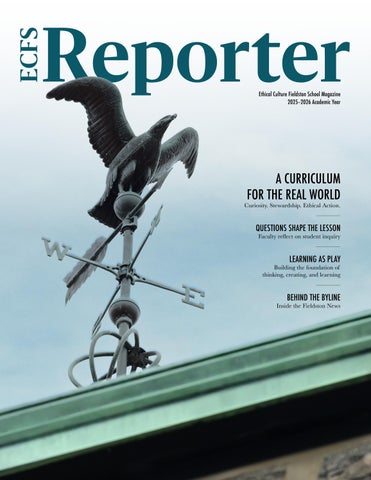
On the cover: Perched on top of the arch, the Eagle weathervane overlooks the Fieldston Quad.
02 04 08 10
A Message From Our CEO Community in motion
SCHOOL FOR THOUGHT Questions Shape the Lesson
Faculty reflect on student inquiry
MORE THAN A GAME All Smiles
Varsity captains celebrate the athletic season
STATE OF THE ARTS
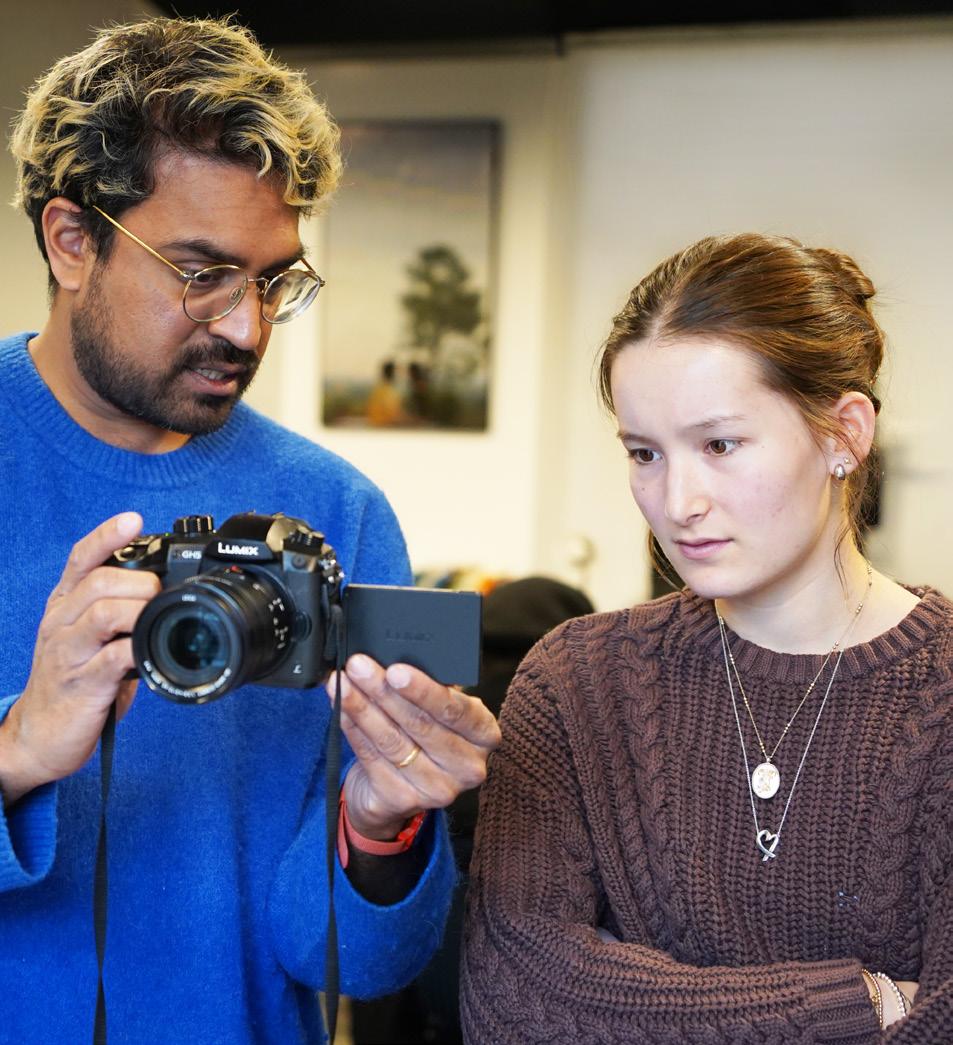
Ethics on the Big Screen A lens on Fieldston’s Film Program
A REFRESHED REPORTER
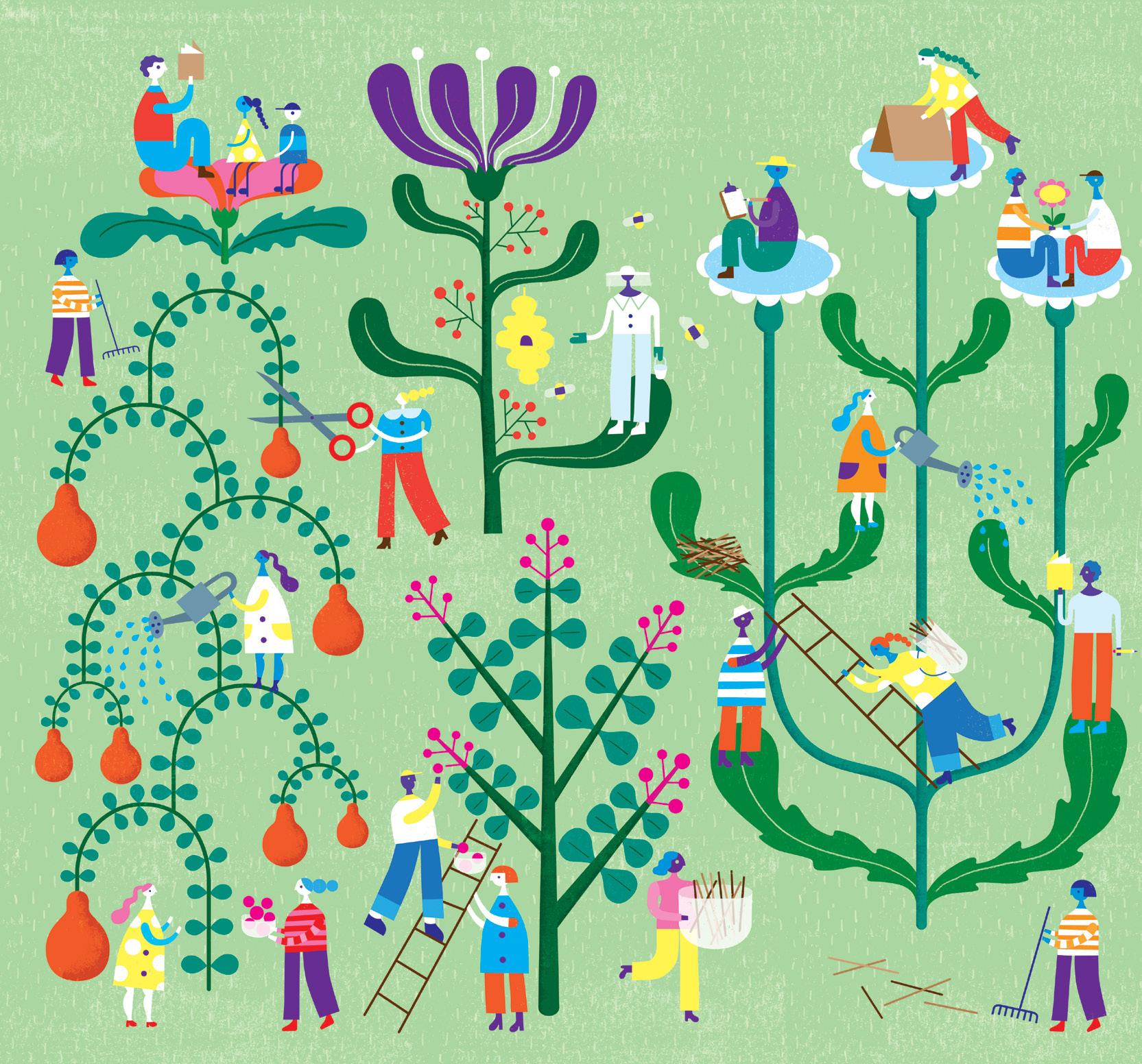
You may notice a refreshed look to The Reporter this year. We wanted to reflect the creativity and spirit of our community with a cleaner, more modern design featuring spacious spreads, focused colors, bold photography, and illustrations throughout. Inside, you’ll find updated sections and new stories highlighting the experiences of students and educators, each with its own visual style. Revisit this page and scan the QR code below to share your thoughts and enter for a chance to win $100 in ECFS swag.
Building
COMMUNITY
A message from our CEO IN MOTION
Dear ECFS community,
Welcome to the 2026 issue of The Reporter.
There is something powerful about holding this publication in your hands and recognizing that the same spirit that has animated this school for generations lives on every page, in the faces of our students, the dedication of our faculty, and the remarkable lives our alumni are leading in the world. The results speak for themselves in the leaders, artists, scientists, advocates, and citizens our graduates become, contributing on both a personal and global scale, shaping the world in ways that reflect the values forged here, and fostering the kind of ethical thinking that continues to inspire and shape the future.
Since our founding in 1878, our community has built something unique: a school with a deep and living history, where the questions we face today are informed by generations of serious and thoughtful reflection on what education is truly meant to achieve. That legacy gives us both humility and purpose. The ethical challenges of our time, from rapid advances in technology and changes to many touchstone childhood experiences to political complexity and a world that has grown more polarized, are significant and will demand much of the next generation. However, these are challenges that our students are prepared to meet.
As I reflect on this year, I am continually moved by what I witness in our classrooms, studios, laboratories, rehearsal spaces, and on our playing fields. Ours is not a conventional education. Rooted in more than a century of progressive, ethics-based practice, ECFS challenges students to think, question, create, and care throughout all of our learning spaces, and, perhaps more importantly, in the broader New York City landscape. A rigorous educational program remains the most powerful preparation we can offer, one that builds habits of mind that endure: critical thinking, problem solving, communication, and the confidence to navigate uncertainty with integrity.
None of this happens without our remarkable faculty, whose mentorship extends far beyond the classroom. They are guides, champions, and honest challengers who help students connect learning to the wider world.
Thank you for being part of this vibrant community.
Warmly,
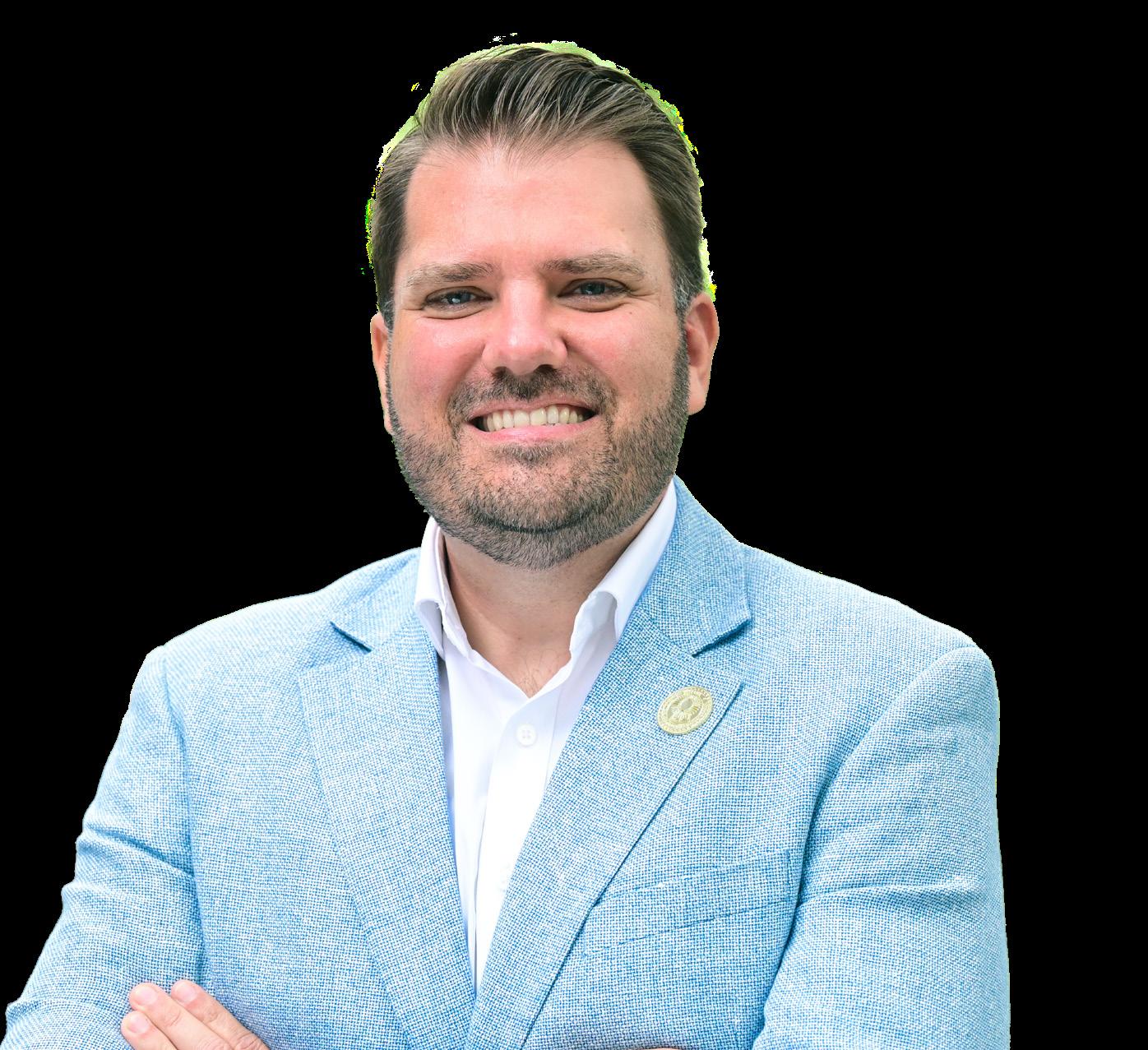
Kyle Wilkie-Glass P’37 Chief Executive Officer
2025–2026
EXECUTIVE LEADERSHIP COUNCIL
CHIEF EXECUTIVE OFFICER Kyle Wilkie-Glass
PRINCIPAL, FIELDSTON MIDDLE Jon Alschuler
PRINCIPAL, FIELDSTON UPPER Dr. Stacey Bobo
PRINCIPAL, ETHICAL CULTURE Dr. Erik Landgren
PRINCIPAL, FIELDSTON LOWER Joe McCauley
EXECUTIVE DIRECTOR OF TECHNOLOGY Les Jonson
CHIEF HUMAN RESOURCES OFFICER AND GENERAL COUNSEL Holly Manges Jones
EXECUTIVE DIRECTOR OF BELONGING AND SOCIAL IMPACT Shannon Matlovsky
EXECUTIVE DIRECTOR OF STUDENT
SUPPORT AND WELLNESS Dr. Mica McGriggs
CHIEF OPERATING OFFICER Dr. Teddy O’Rourke
EXECUTIVE DIRECTOR OF TEACHING AND LEARNING Francesca Pisa
CHIEF FINANCIAL OFFICER Kate Polson
CHIEF ADVANCEMENT OFFICER Rose Turshen
BOARD OF TRUSTEES
Fahim Ahmed
Dana Baxter ‘88
Ethan Binder
Anand Desai
Akin Dorsett ‘88
Sharan Gill
Andrew Holm ‘01
Atif Khawaja, Chair
Rob Lewin
Jason Lightning ‘11
Vivian Lin
Seth Meisel
Jo Natauri
Palma Repole
Ravi Sarma
Dana Sirota
Krishna Veeraraghavan
Debbie Veetal
Rielly Vlassis
Josh Vlasto ‘00
Stephanie Wagner
Grace Wang
Leonard White
Howard Wolfson ‘85
Sharon Yeshaya
Kyle Wilkie-Glass CEO, Ex Officio
Liz Singer, President Society Board, Ex Officio
Barbara Carlsen Society Representative
Howard Rose Society Representative
COMMUNICATIONS OFFICE
DIRECTOR OF COMMUNICATIONS Dylan Morgan
ASSOCIATE DIRECTOR OF COMMUNICATIONS Emma Johnson
ASSISTANT DIRECTOR OF DESIGN AND WEBSITE EXPERIENCE Gina Iacono
EDITORIAL COMMUNICATIONS
MANAGER Kristen Perrone
COMMUNICATIONS MANAGER Liv Garcia
FIELDSTON PRESS DESIGN DIRECTOR AND VISUAL ARTS FACULTY Carl Smith
CONTRIBUTORS
ILLUSTRATOR Melinda Beck ’85
PHOTOGRAPHER Chris Taggart
PHOTOGRAPHER Dana Maxson
PHOTOGRAPHER Rebecca Smeyne
PRINTING Rose Press
QUESTIONS THE LESSON SHAPE
Faculty reflections on student inquiry
A simple question can change the direction of a classroom. It can slow a lesson down, send students deeper into an idea, or open a path the teacher did not expect when the day began.
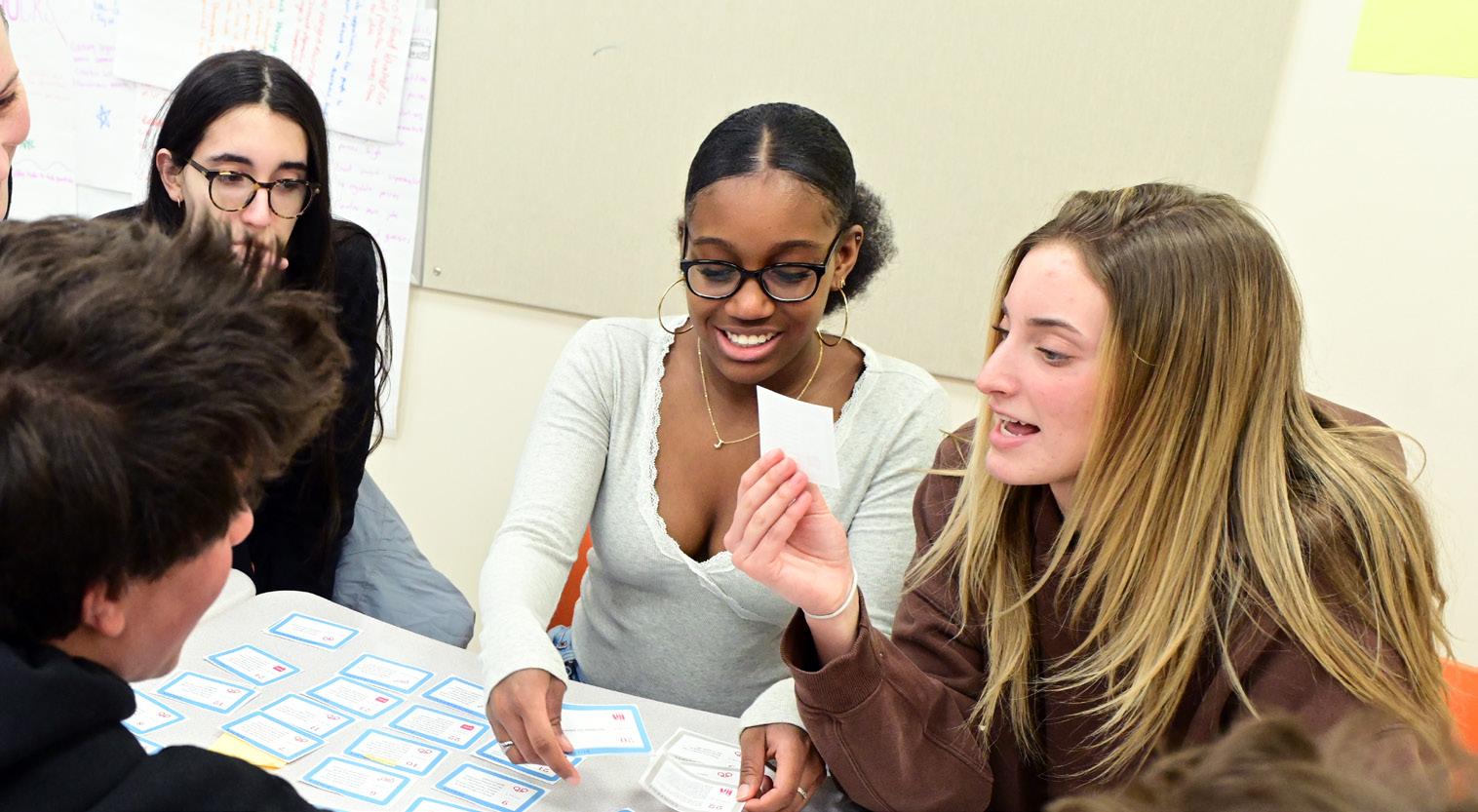
Students’ questions are among the clearest invitations for responsive teaching. A well-timed question can extend understanding, redirect a discussion, or expand the boundaries of a lesson. It can also reveal what students are ready to explore next. At ECFS, that kind of flexibility is intentional, and this approach to teaching is guided by ten core tenets of progressive education, developed by our faculty and staff to articulate what learning looks like in our classrooms. Among them is the commitment to responsive teaching. Responsiveness requires our educators to first listen closely to students and then allow their curiosity, insights, and even confusion to shape the learning that unfolds in the space.
Here, faculty reflect on the ways students’ questions shape the rhythm of their lesson plans.
“ “
Questions are essential to learning, so if several students are wondering the same thing, I will often pivot back to a previous lesson or activity. But we also have to continue moving forward. If you keep reviewing what students don’t know, then it can become difficult for them to learn new skills. Filling those gaps is so important. Imagine the brain as a bucket with holes. If you are trying to pour new knowledge into that bucket, the water seeps out. When those gaps are filled, students can hold more knowledge and build from there.
In Kindergarten, questions progress from simple observations into deeper ’why’ and ’what if’ inquiries, showing growing language skills, curiosity, and critical thinking.
— Jill Silverman Kindergarten Literary and Math Specialist, Ethical Culture
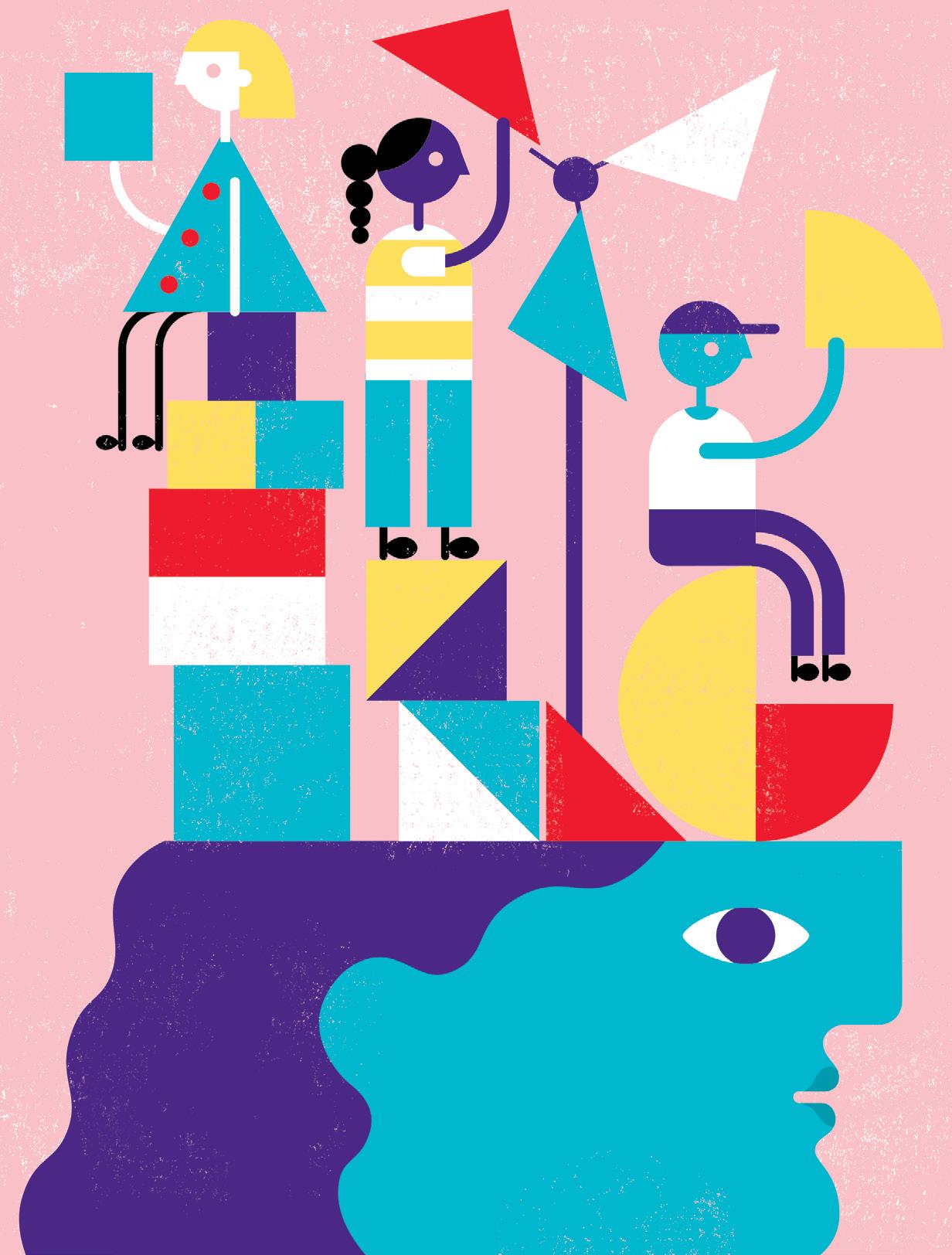
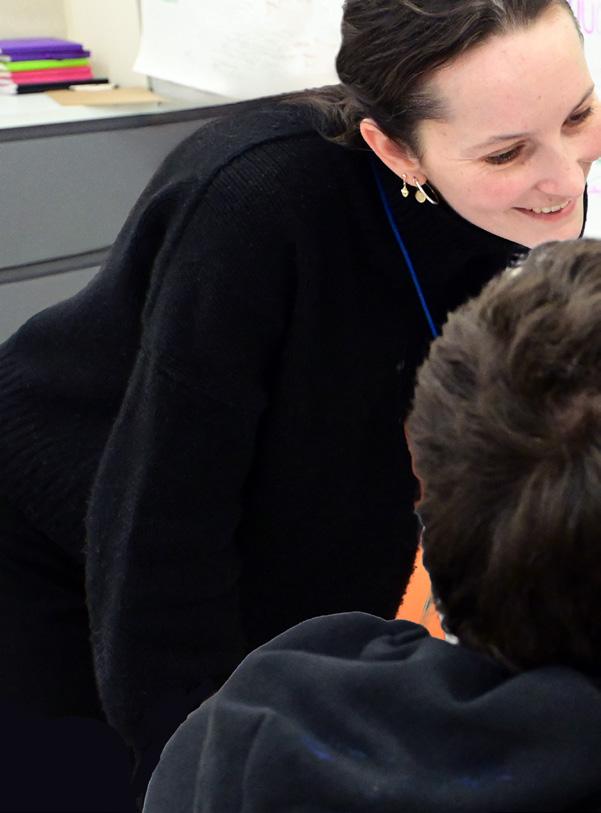
Questions are a key part of the math classroom. At Fieldston Middle, we focus on understanding why math works in addition to the process of problem solving. Student questions are crucial to deepening that understanding. At the start of each unit, we introduce problems that connect our new topic to concepts students have already learned.
As they work through those problems, the questions that students ask help them build understanding, gain confidence, and tackle problem types that they have not seen before.
— Annette Cantarella Math Teacher, Fieldston Middle
Illustration by Melinda Beck ’85
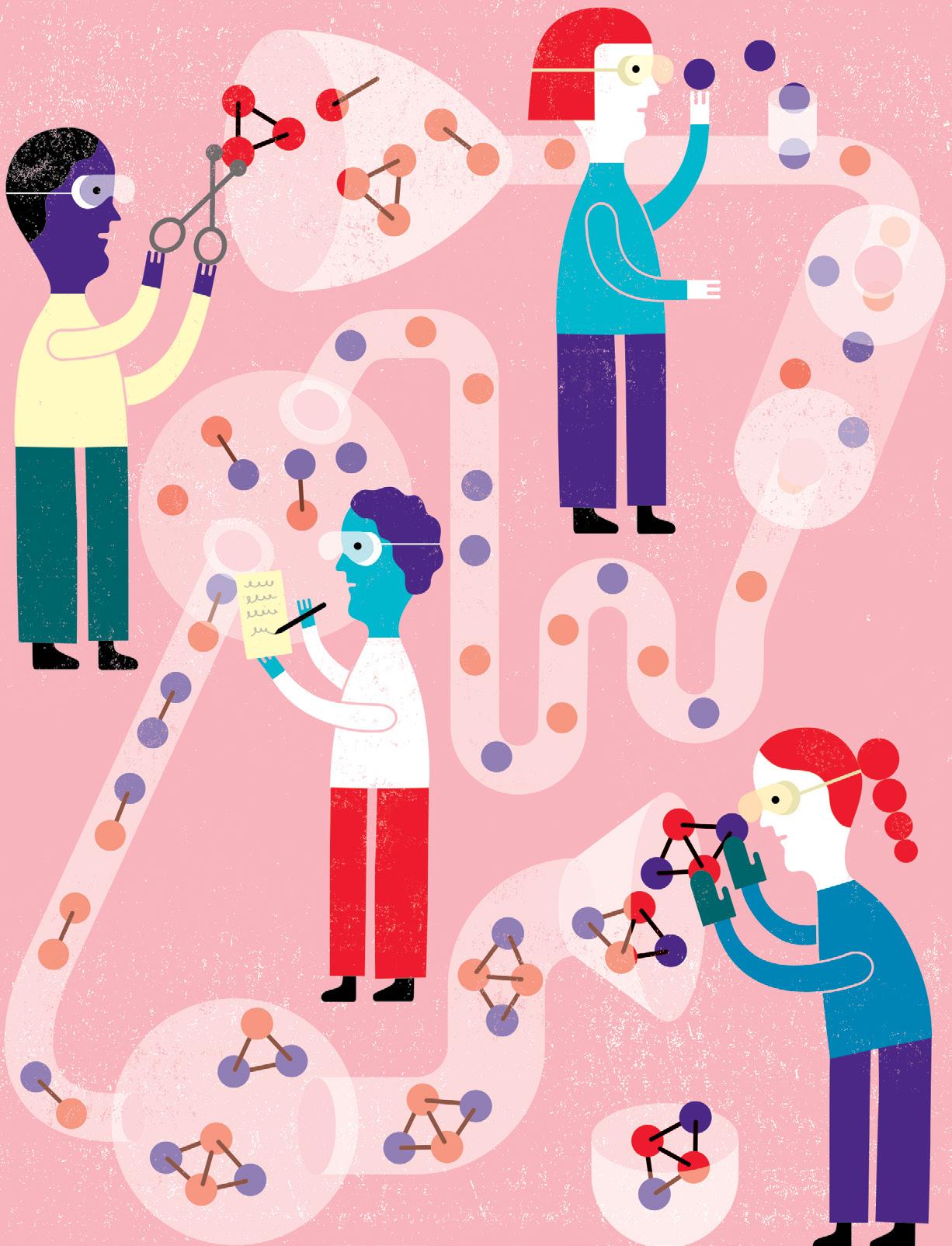
“In 5th Grade, students often wonder what science will be like when they reach Fieldston Middle. Those questions recently led me to reimagine our Mixtures and Solutions unit so it more closely reflects the vocabulary and experiences students will encounter in the future. After talking with Fieldston Middle Science Teacher Courtnay Hull, I adjusted the language and expectations so students feel more confident about what lies ahead.
Each day they arrive eager to experiment, and inquiry guides every lesson. The final assessment challenges them to follow a detailed procedure to create a large chemical reaction. It’s exciting, but it also reinforces something essential: that curiosity, careful attention, and persistence are all parts of doing science.
— Jennifer Erdman 4th and 5th Grade Science Teacher, Ethical Culture
During a lesson introduction, student questions spark the creativity of the room. In those moments, our space transforms from an art classroom into something closer to an art studio, where the curriculum bends so students can explore their curiosity freely.
Recently, the 5th Graders did a study on figurative gestures. The goal was to create a wire armature and pose the figure to express a gesture of movement. Once the figures were built, students were asked to design simple cardboard supports so the sculptures could stand and be displayed. But their questions quickly expanded the project. Could the figures have settings? Props? Objects to interact with? Student inquiry elevated the project and allowed for each artist to have a voice.
— Shari Fischberg Art and Social Studies Workshop Teacher, Fieldston Lower
I adjust my lesson plans to address the needs of my students on a given day. Sometimes my plan works seamlessly, but often, it evolves as we co-create the class together. After 32 years of teaching, I’ve learned that student engagement and buy-in are essential to learning, so I always try to meet students where they are in real time.
For instance, while reading Sartre’s No Exit ( Huis Clos in French), I wrote quotes on the board related to key themes to help students quickly process the text. Two students who had completed the assignment were in charge of making notes on the board about the characters. Gradually, other students joined in, contributing short comments in French until everyone was involved in the conversation.
–
Melanie Cooper-Leary
French
Teacher and Language Department Chair, Fieldston Upper
In the 3rd Grade classroom, student questions are the engine that shapes our learning. When students ask ‘why,’ ‘who decides,’ ‘what would happen if,’ or ‘what about when,’ it often pushes us to slow down, zoom out, or shift direction entirely.
Those questions guide how lessons unfold. Sometimes that means rethinking how we talk about fairness, exploring multiple perspectives in social studies, or making more space for student-led inquiry. The classroom becomes less about following a fixed plan and more about responding thoughtfully to the curiosities, confusions, and ideas students bring with them each day.
– Gio Casiano 3rd Grade Head Teacher, Fieldston Lower

Illustrations by Melinda Beck ‘85
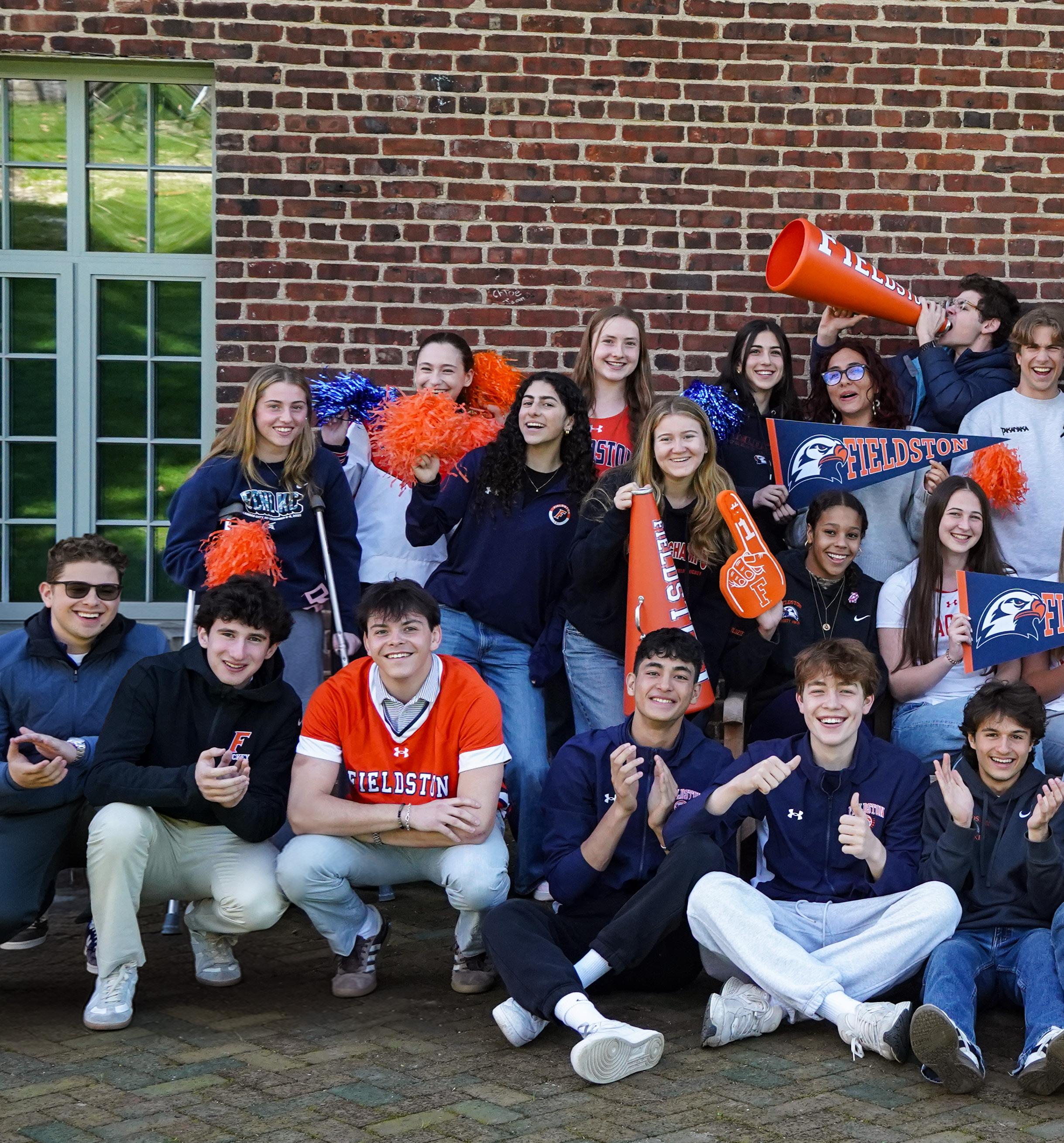
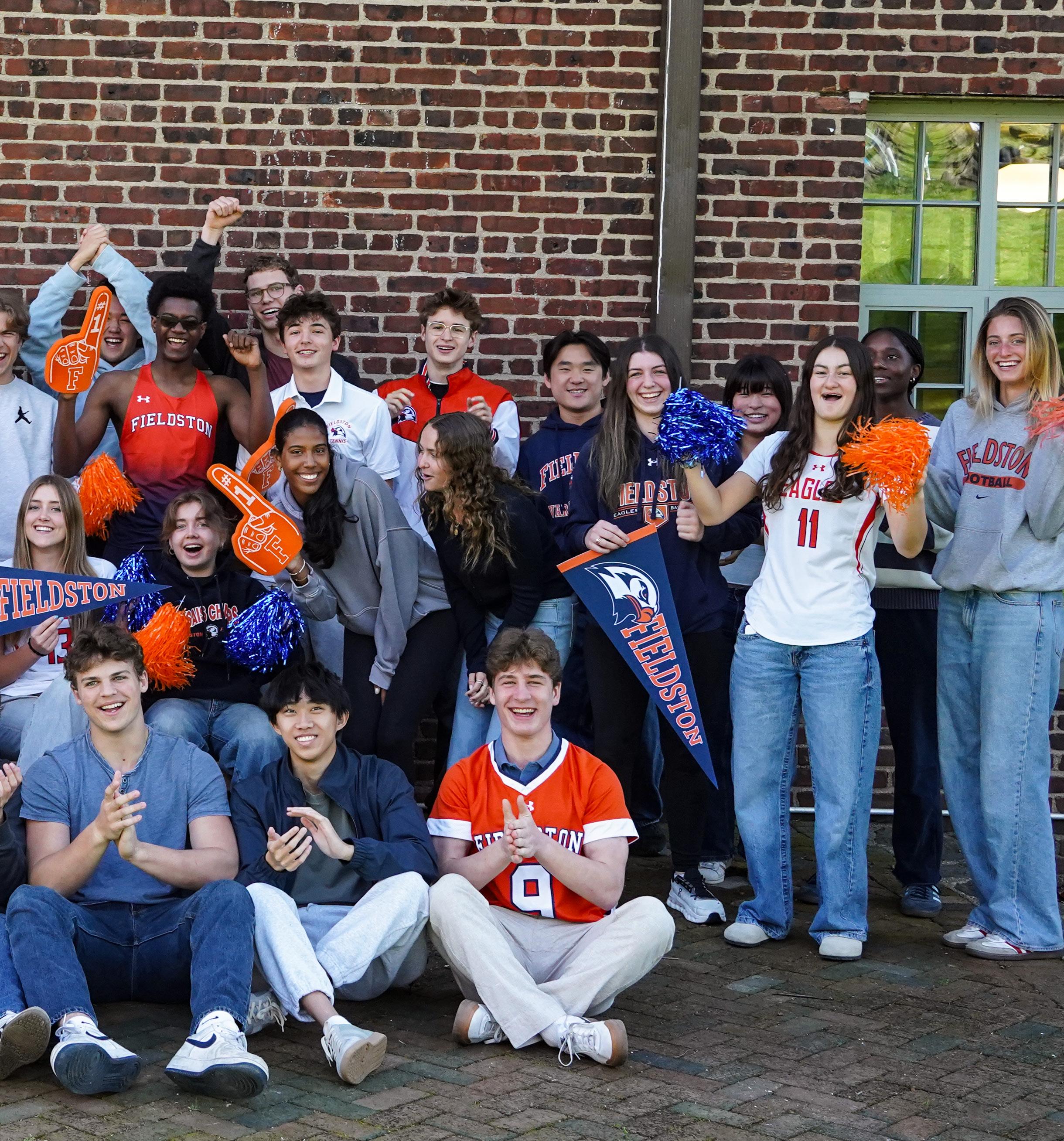
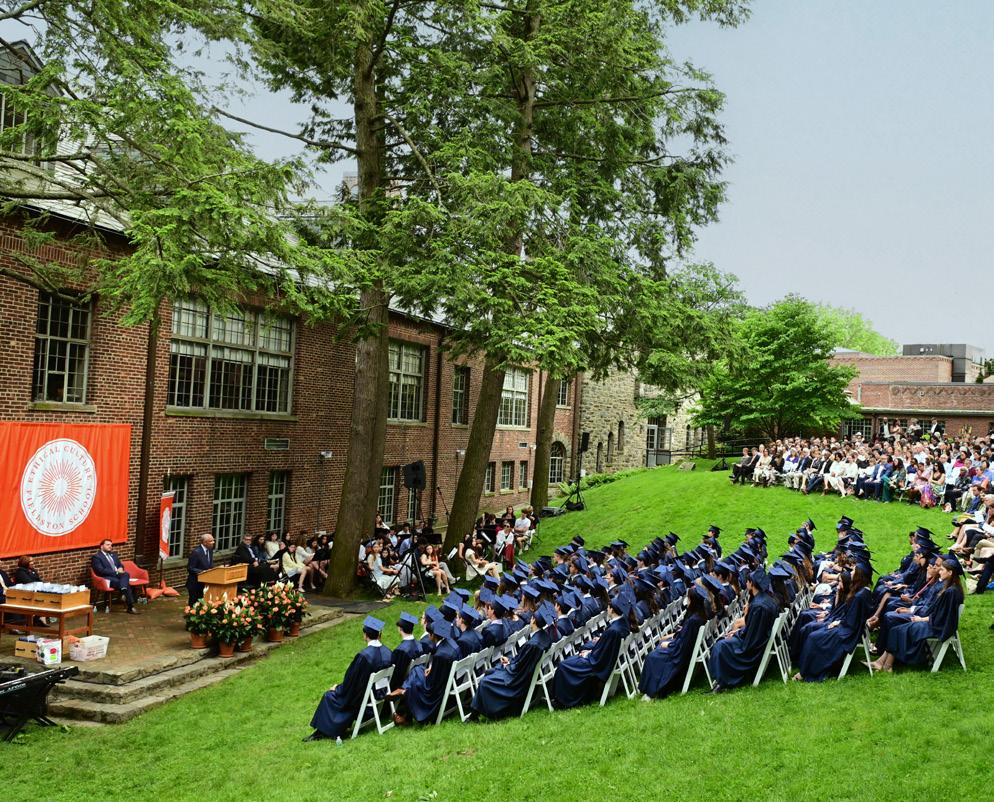
Varsity captains from Fieldston Upper’s 30+ athletics teams celebrate a 2025–2026 season filled with NYSAIS championships, new school records, and the sportsmanship and leadership that Eagle student athletes represent.

ETHICS ON THE BIG SCREEN
A lens on Fieldston’s Film Program
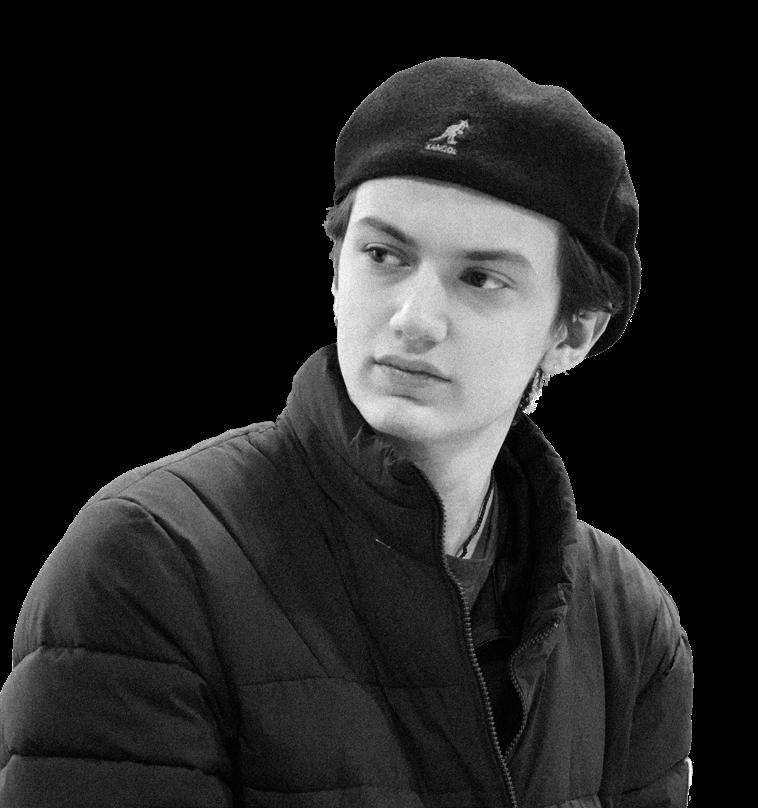
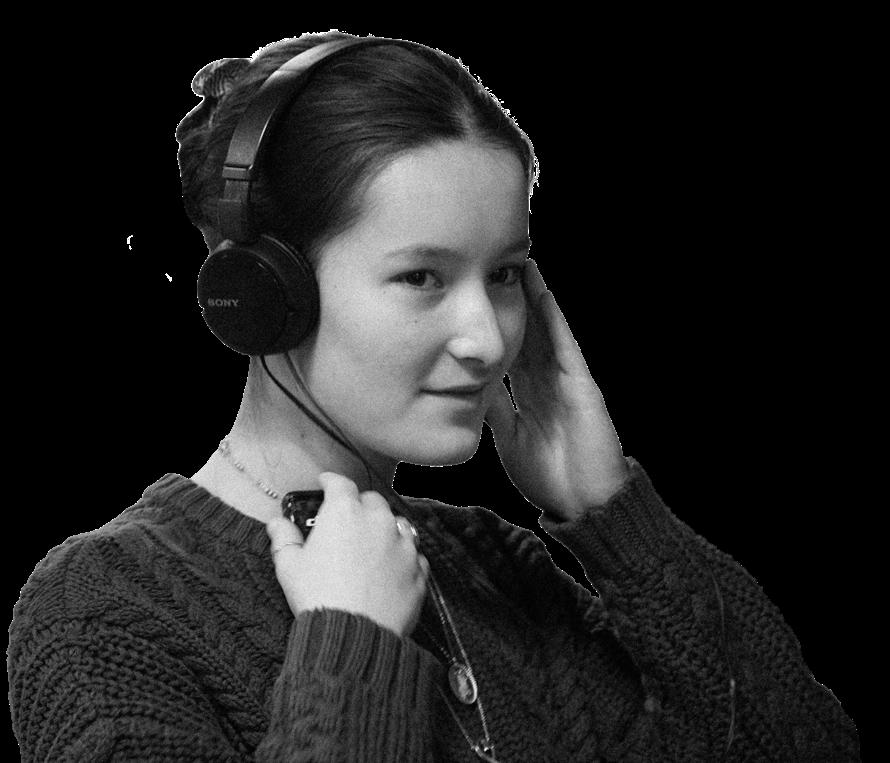
ETHICAL CULTURE FIELDSTON SCHOOL PRESENTS A FIELDSTON FILM PRODUCTION AN ECFS FILM FIELDSTON UPPER STUDENTS SHAUN SENEVIRATNE “ETHICS ON THE BIG SCREEN” PRODUCED BY FIELDSTON FAMILIES UPPER SCHOOL FACULTY BASED ON THE WORK OF FELIX ADLER
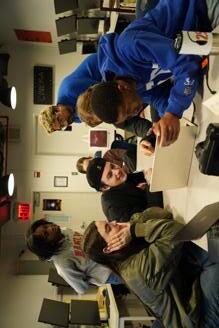
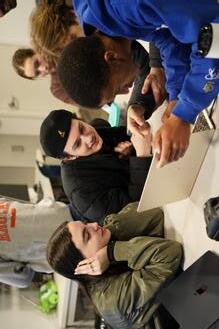
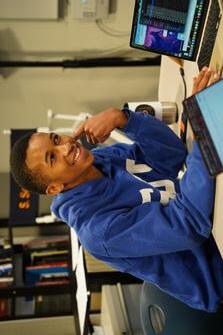
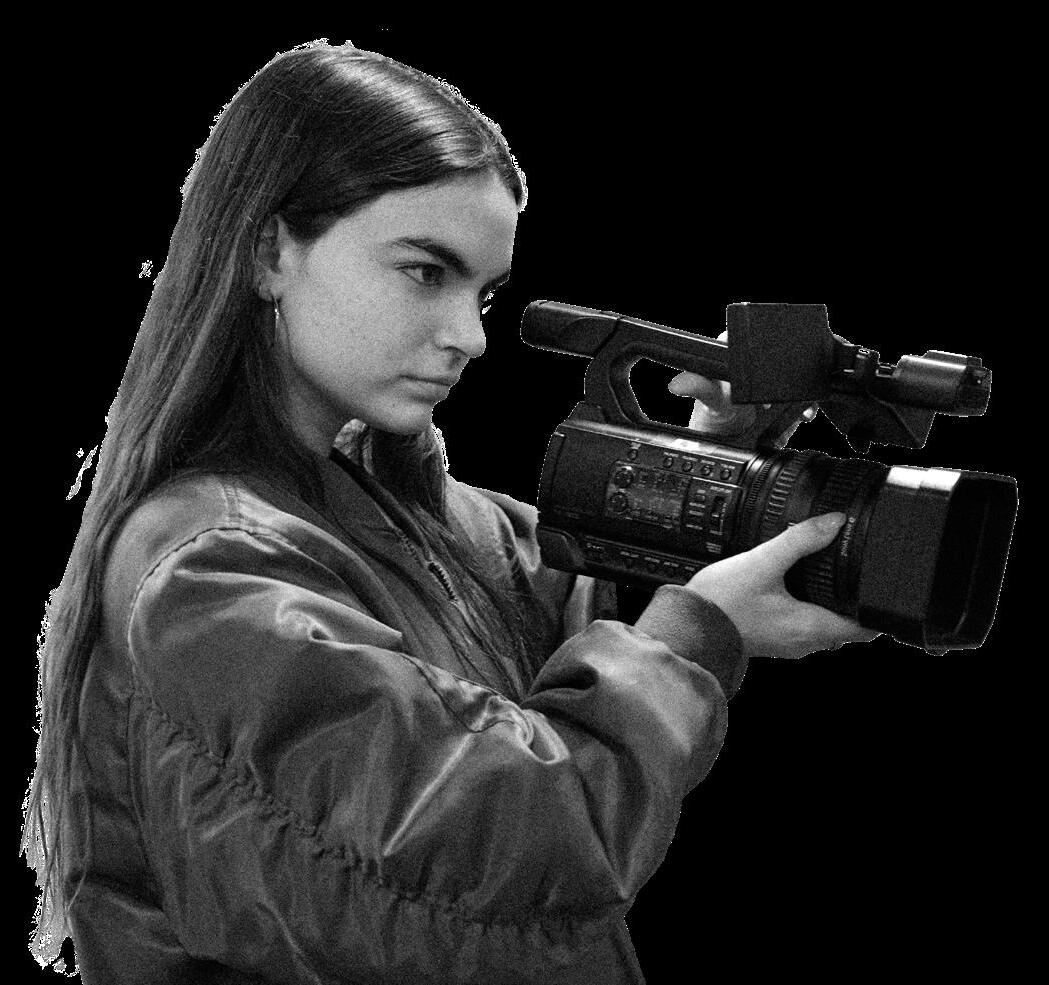
From the moment students step into Fieldston’s Foundations: Filmmaking course, their excitement is palpable, especially when it’s their first time holding a camera, opening editing software, or acting on screen. No matter their role or experience, students are expected to abide by the processes and structures of a professional film set, learning technical skills and the ethical responsibility of collaboration as they nurture their creative spark.
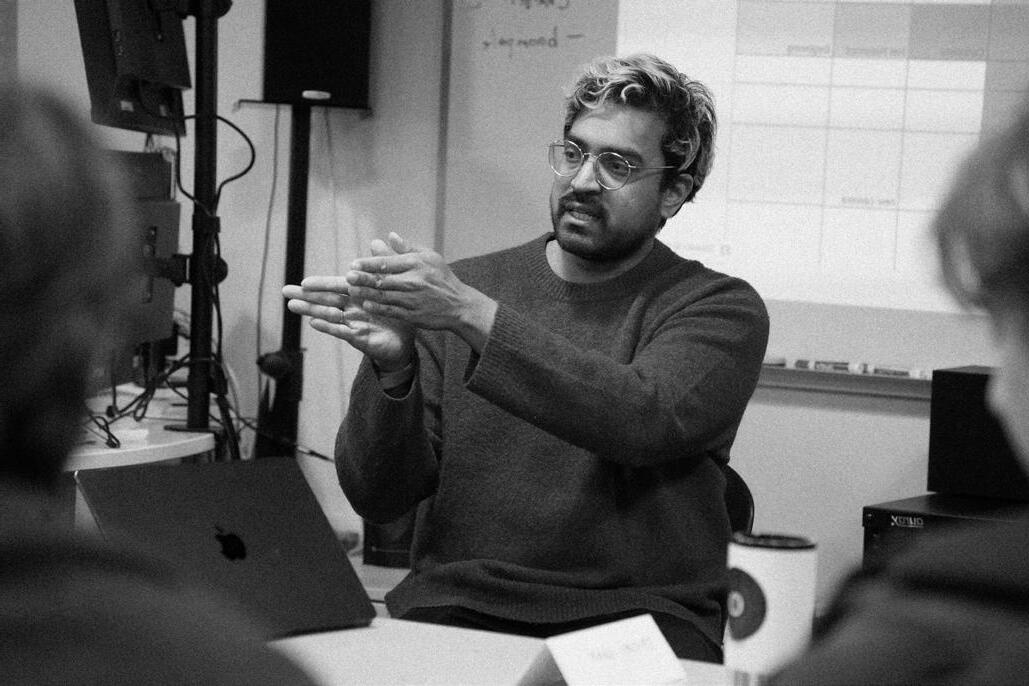
“Everyone really takes ownership,” explains Film Teacher Shaun Seneviratne. “We talk about what’s expected in a production, about being ready to go, and doing their work independently.” As their confidence grows, students might choose to explore further by taking Film Production or pursuing the Film Major track, where they’ll commit to an intensive course of study modeled on real-world indie filmmaking. As part of the major, students pitch ideas, navigate budget constraints, and ultimately produce a thesis film in what Seneviratne describes as an “auteur class.”
While the thesis project highlights students’ individual vision, the
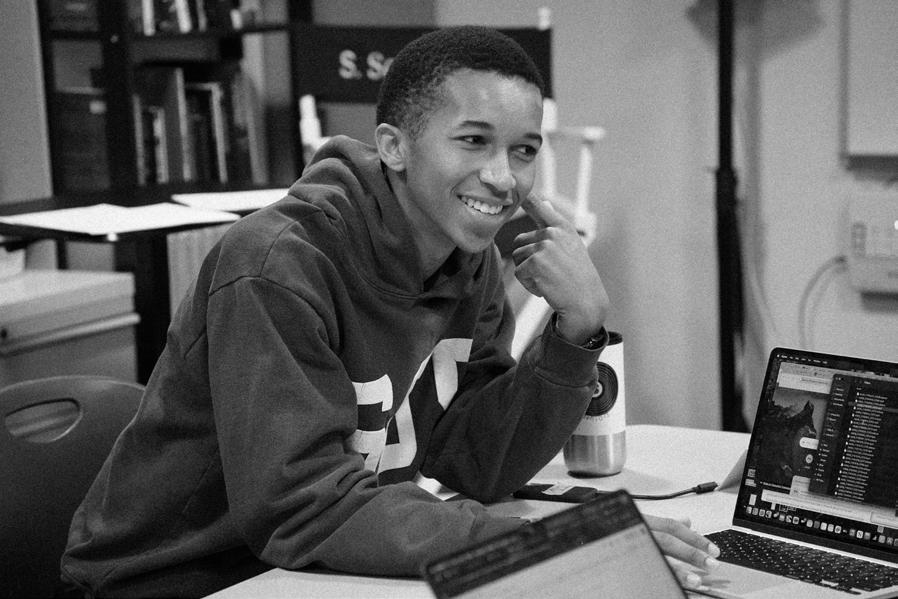
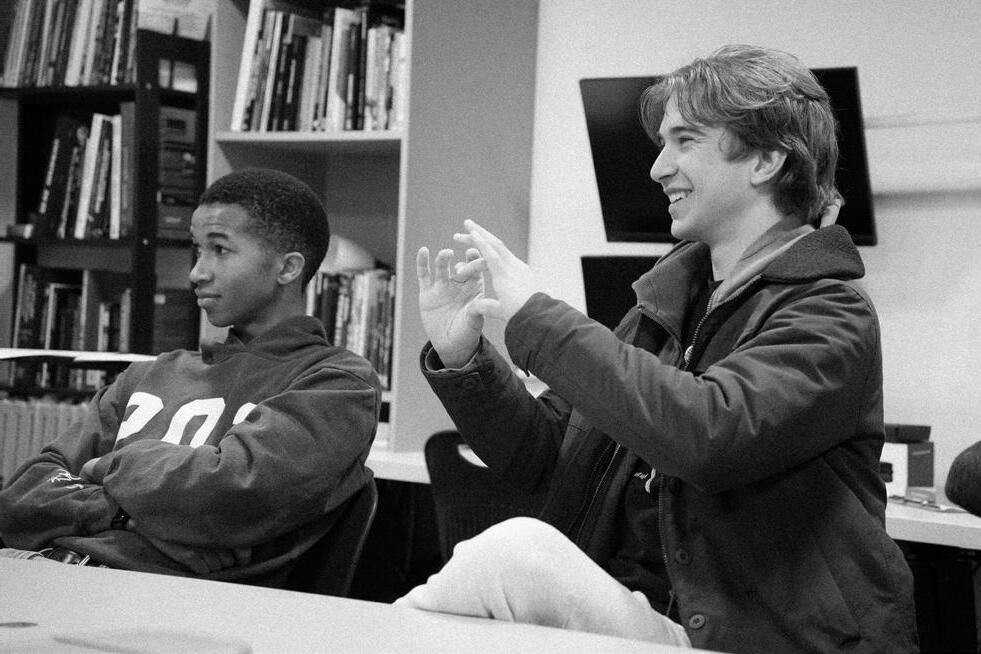
work remains rooted in the spirit of collaboration that exists throughout the entire Film program. To excel as an artist, Seneviratne explains, “You can’t just live in a bubble and work on your own. It’s important that you’re a part of others’ artistic process. It’s not just about you and your movie.”
The program’s focus on collaboration also reinforces the importance of ethical responsibility as students invest time and creativity in each other’s projects. Sloane L. ’28 felt it firsthand while shooting on location in her Film Production class. “The period was almost over, and we had been trying to set this one shot for so long,” she recalls. The crew pulled together, bound by a sense of shared purpose. “We were about to accept our fate, but then we got it. The acting was natural, the lighting was just right, and the sound was crisp. That feeling of collective relief and joy is something I’ll never forget.”
Sloane walked away from that day with more than a beautiful shot. “On a set, when something goes wrong, you have to learn not to panic,” she shares. “You learn to ask, ‘How can we make this better with what we have?’
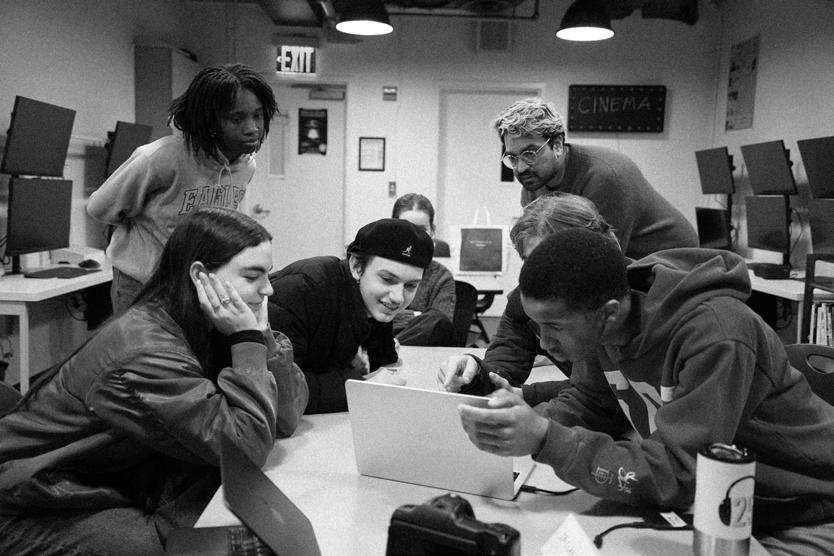
That mindset of resilience and adaptability is something I now apply to my daily life.”
As they take on leadership roles and face challenges, students learn lessons about care and responsibility that reverberate beyond their time on set. In the documentary filmmaking Nonfiction Media class, students engage with the world around them with care and genuine curiosity. “What do you notice? What do you see? How did they do this? How would we do this?” Seneviratne asks his students. The stories they see every day become stories they are personally invested in telling.
“On a philosophical level, the program hits deep points about creating and responsibility, beyond just the making of the film,” Seneviratne reflects. Students enter the program excited to create great cinema, but leave with an understanding of what it means to do so ethically.
“We’re making sure that ‘why’ and ‘how’ are a part of every single thing we’re doing.” When the credits roll, students have learned that how a film is made is just as important as the story it tells.
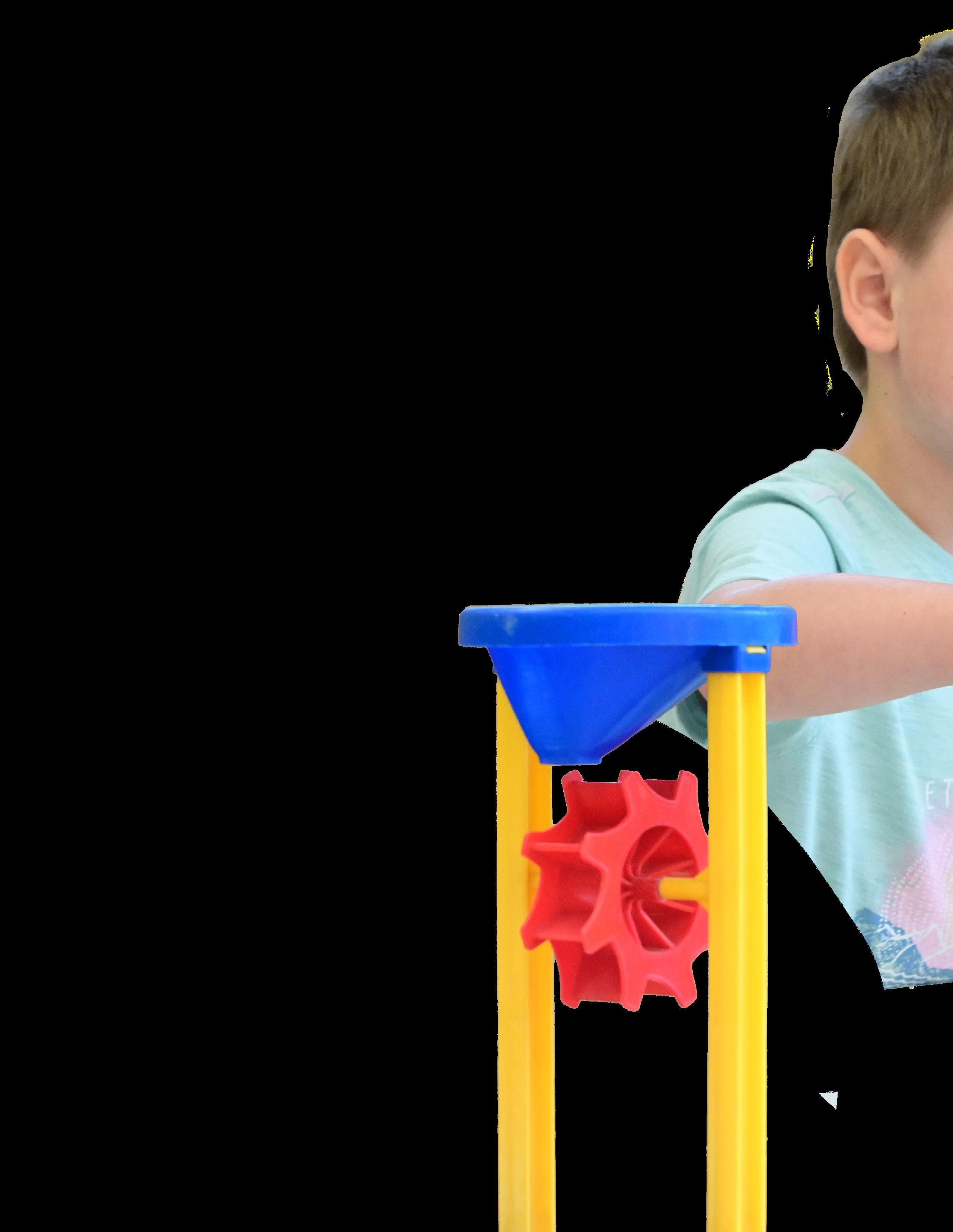
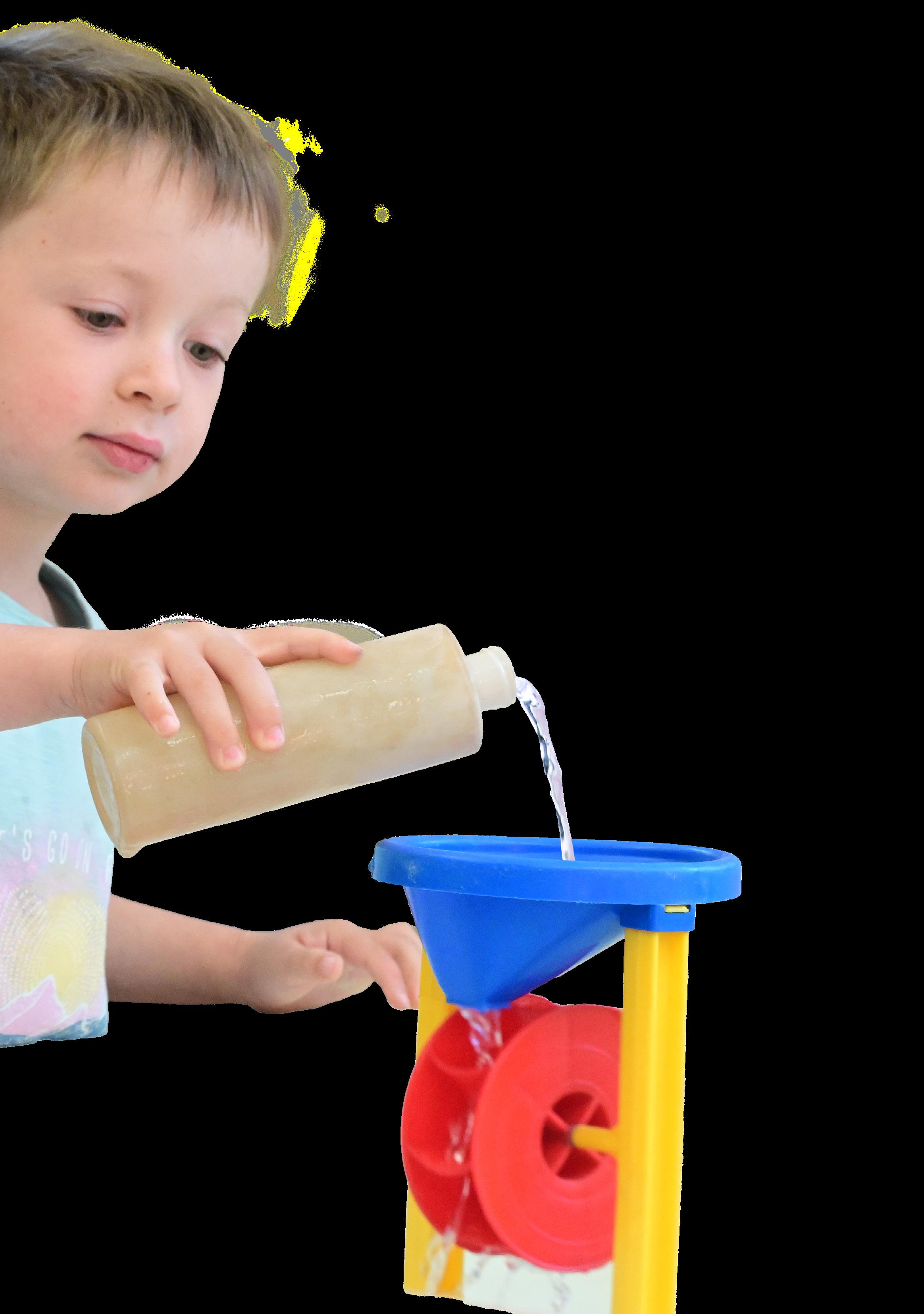
“Play supports children to think deeply, whether they are implementing a plan, acting on an idea, or exploring the attributes of a material,” shares Fieldston Lower Pre-K Teacher Cathy Burns-McDonald. It is through play that students develop an understanding of themselves
continues. “During play, students are learning putting ideas into action discoveries with others.”
HAS A PURPOSE
Play begins with imagination. Through make-believe, children spark connections and begin to invent, wonder, and explore. As they bring these imagined worlds to life, children are required to engage with the material world around them.
In dramatic play, for example, students use language, dress-up, and storytelling to take on different roles and perspectives. “As they negotiate storylines, establish rules, and respond to one another, children build empathy and develop metacognitive awareness,” explains Executive Director of Teaching and Learning Francesca Pisa. “They are thinking about the world they are creating and their place within it, and this kind of play requires decision-making, compromise, and an ability to hold multiple ideas at once.”
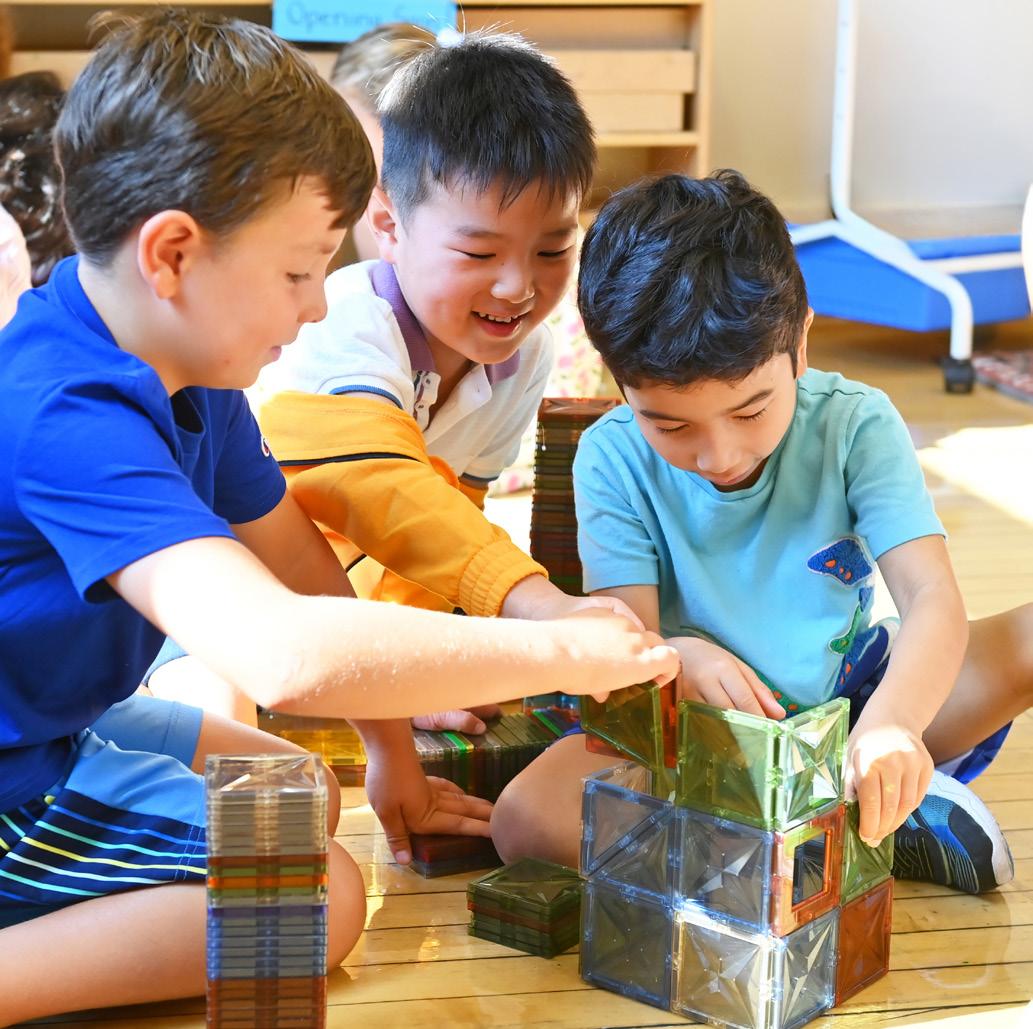
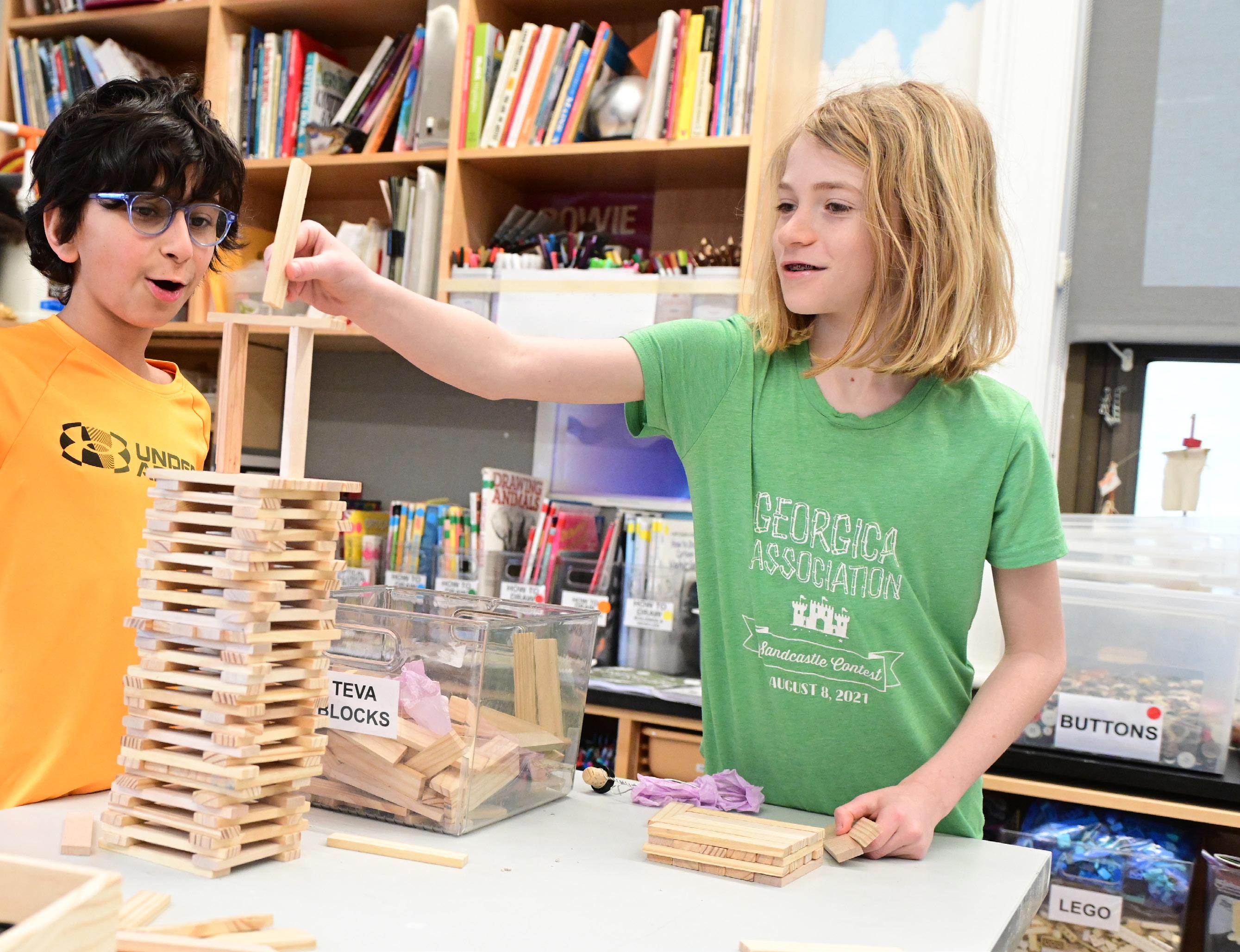
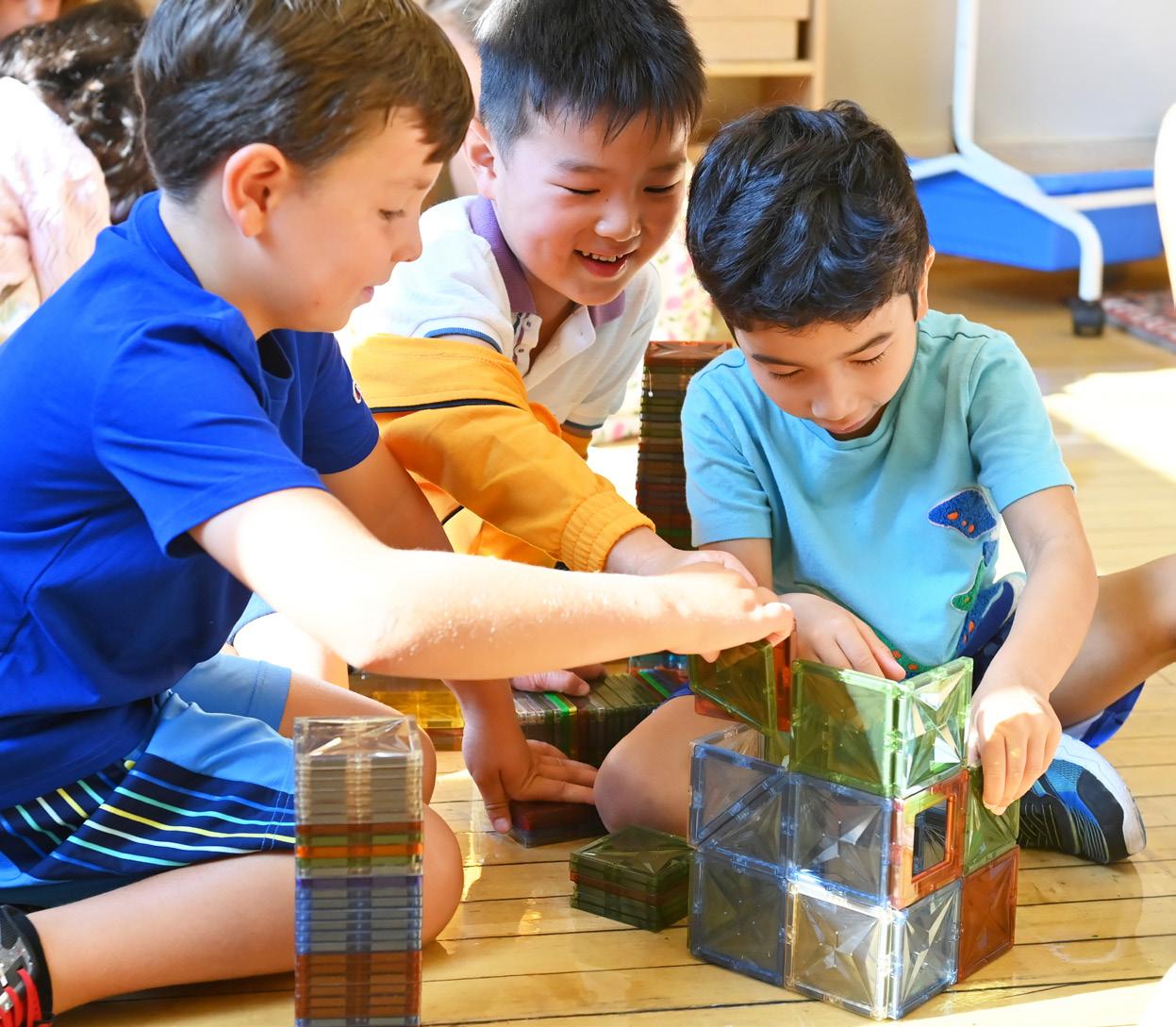
In this way, play carries into creative and concrete tasks. When building with blocks or magnetic tiles, students are actually engaging in foundational mathematical thinking, exploring structure, spatial relationships, and balance, making decisions and problem-solving as they go. As students play together, they learn to actively collaborate, anticipating challenges and rebuilding when things go awry.
“Play can be deeply intellectual work,” says Pisa. “The imaginative building, testing, and revising that drives dramatic play becomes the same thinking that allows students to approach math. For instance, a student solving a multi-digit arithmetic problem might explore multiple pathways to solve a single problem, whether they’re envisioning a number line or breaking apart the numbers. In this way, play is not separate from academic learning but the pathway through which students arrive at meaningful understanding.
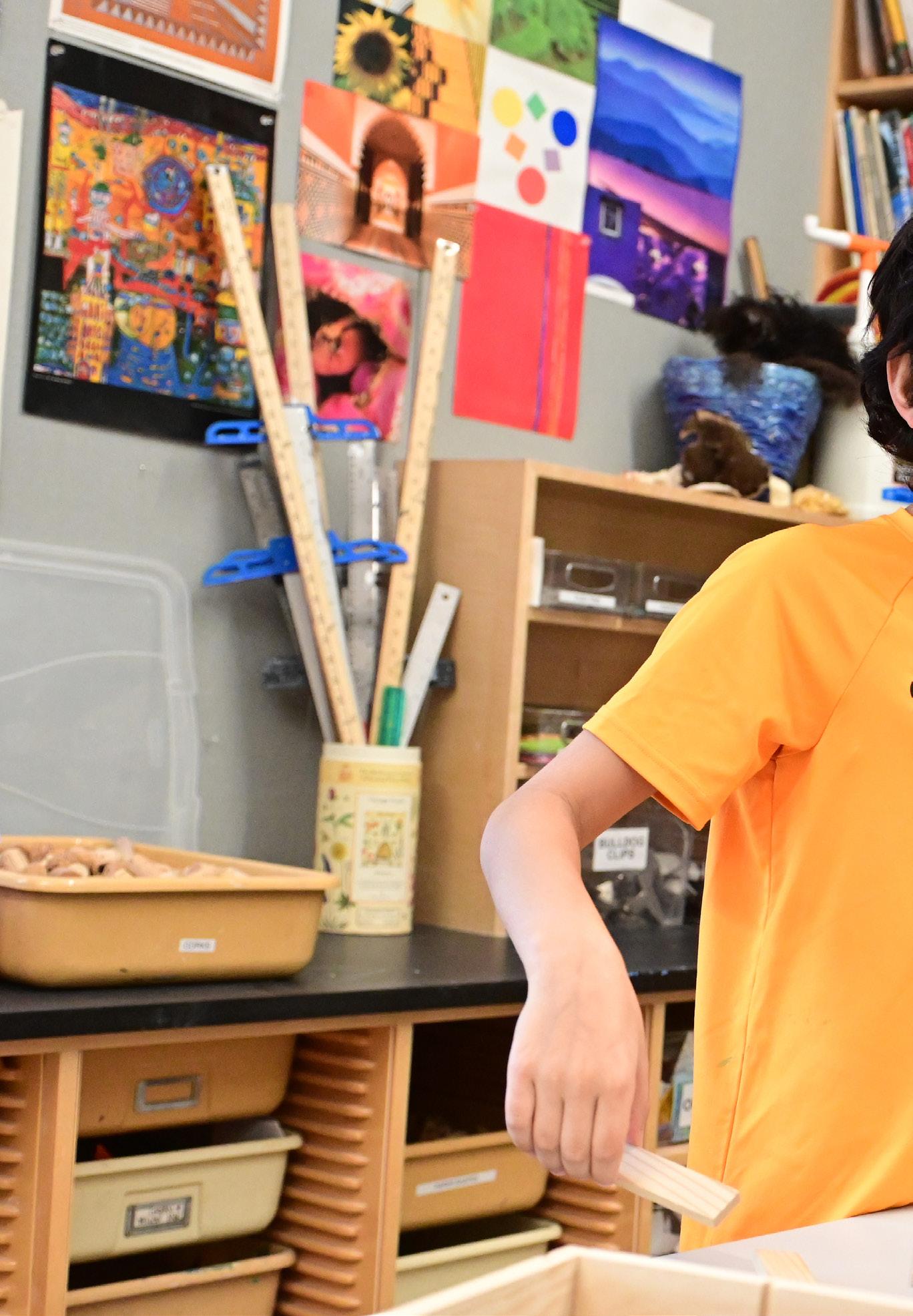
“When students have a voice and purpose in their play,” Pisa shares, “there’s a sense of urgency and wonder that drives them to take their learning to the next level.”
“
Learning through play dramatically accelerates neural connections.
THROUGH PLAY
As students progress, play naturally evolves alongside them. Activities that began as imaginative play gradually become new challenges that require them to plan, test, revise, and reflect.
The same playful spirit that motivates students to explore outdoors, put on a performance together, or imagine an entire city in blocks guides them to become biologists, actors, and engineers.
“We recognize a direct correlation between academic excellence and unstructured outdoor play,” says Dr. Erik Landgren, Principal of Ethical Culture. Outdoor play provides students opportunities for independence, social interaction, and exploration of the world around them. At the same time, it allows them to self-direct their learning, instilling a sense of confidence that stays with them.
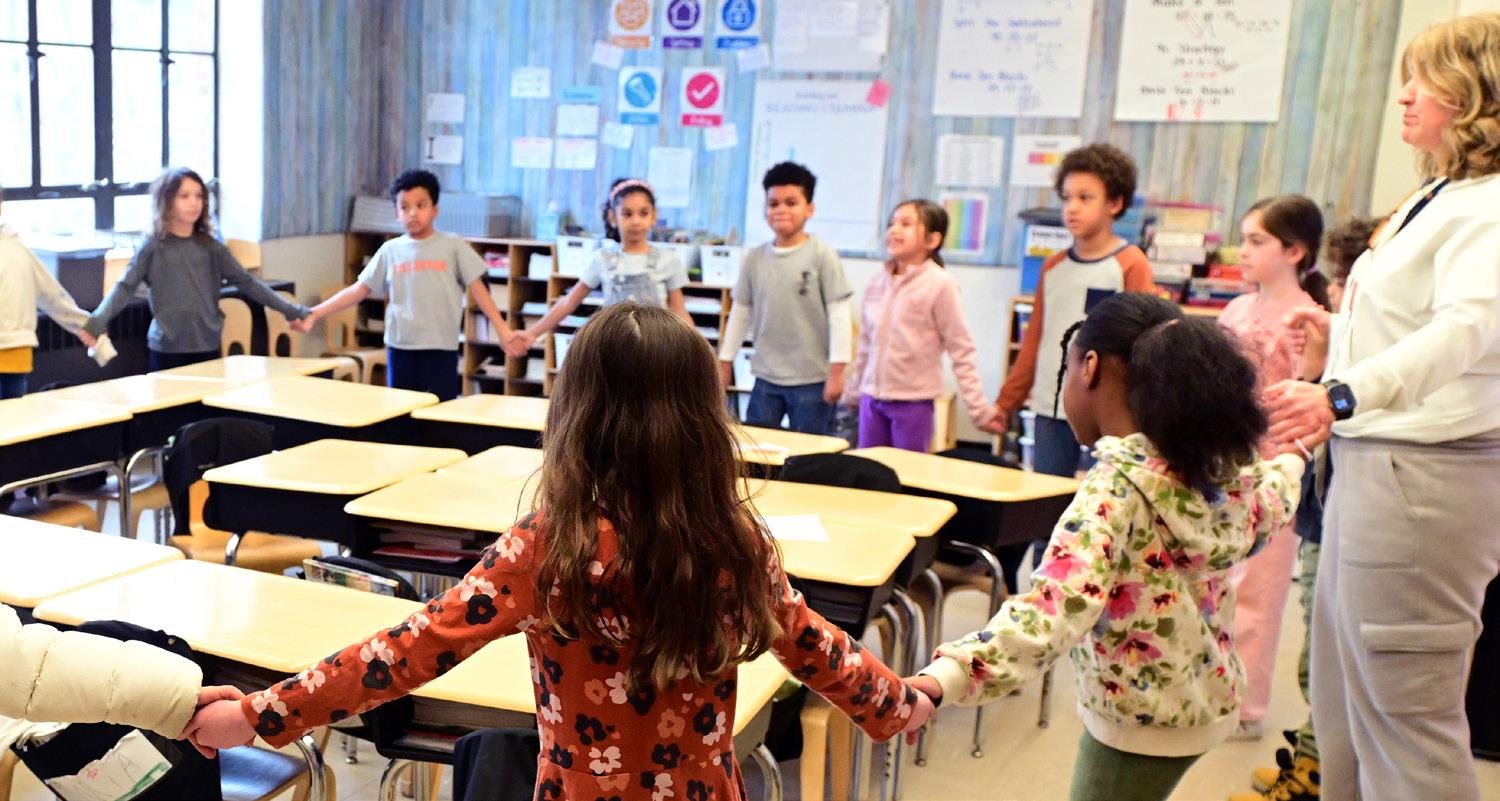
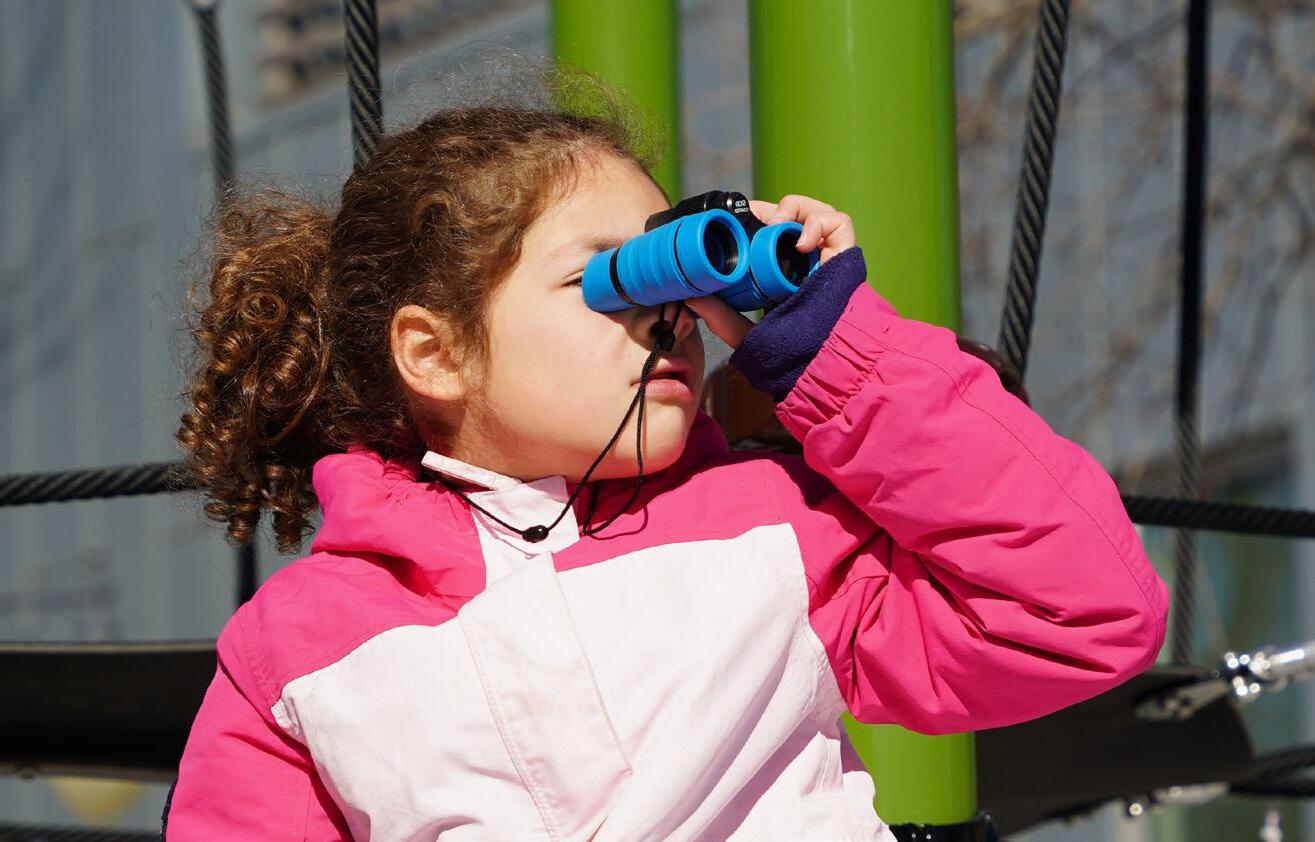
Both the Fieldston campus and Ethical Culture prioritize dedicated outdoor play time for students, whether that’s taking a neighborhood walk or spending P.E. class in Central Park.
“By providing students with increased opportunities to play on the roof, in Central Park, and on 64th Street through our Open Streets program, we are doing more than just building social connections,” Dr. Landgren continues. “We are ensuring our students reach their full potential as growing readers, writers, and mathematicians.”
Play stays with students throughout their time at ECFS. In a Fieldston Middle Spanish class, students practice new vocabulary words through games, thinking back to sounding out words alongside their friends in a Pre-K classroom. Fieldston Upper chemists can’t help but smile as their experiment produces a particularly exciting result, reminiscing on days spent mixing up imaginary potions. Even outside the classroom, students continue to use play to connect with each other, relieve stress, and move their bodies. Every snowball fight on the Quad or impromptu sing-along on the Upper Field is a reminder that play, no matter what shape it takes, has an essential place in progressive learning.
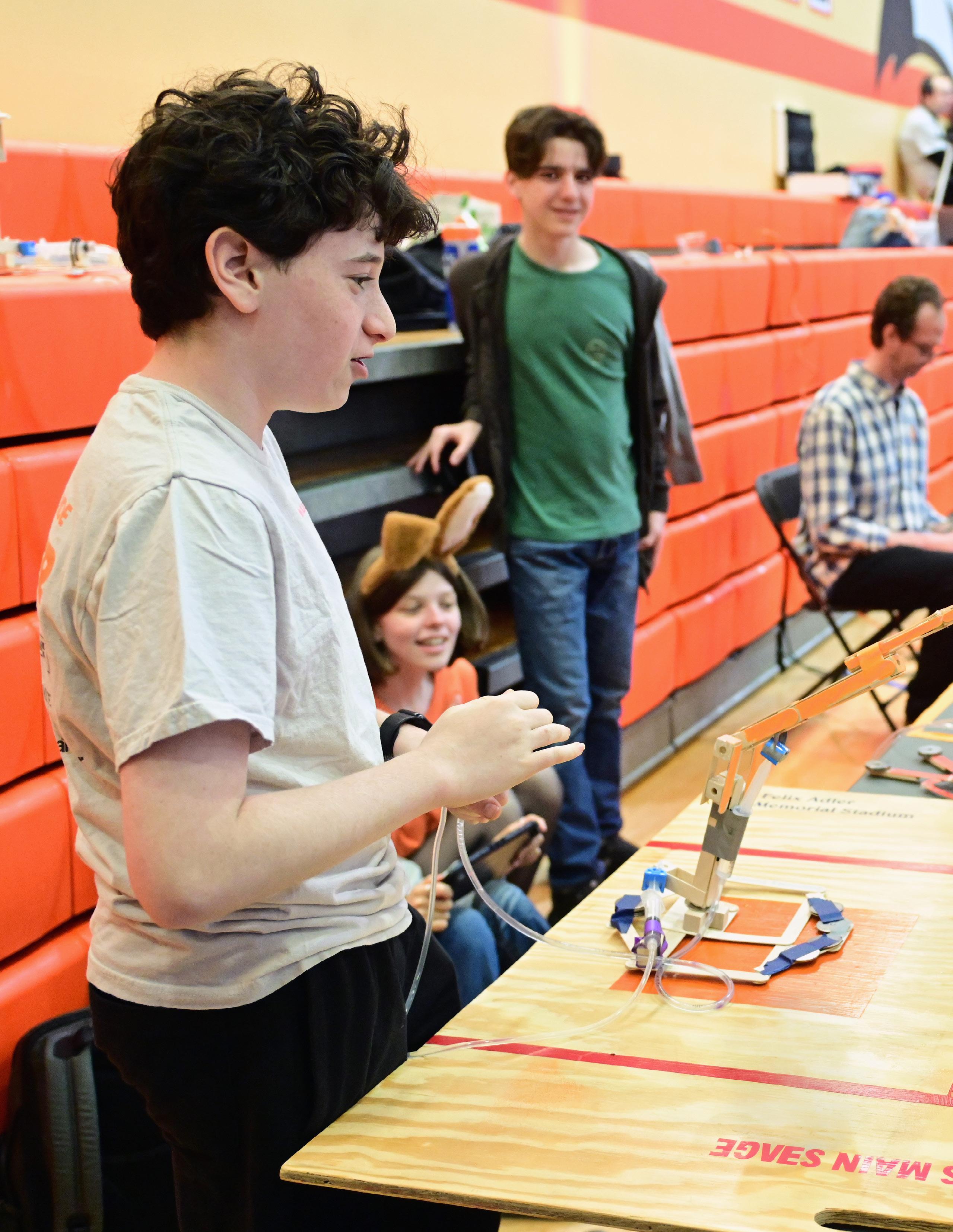
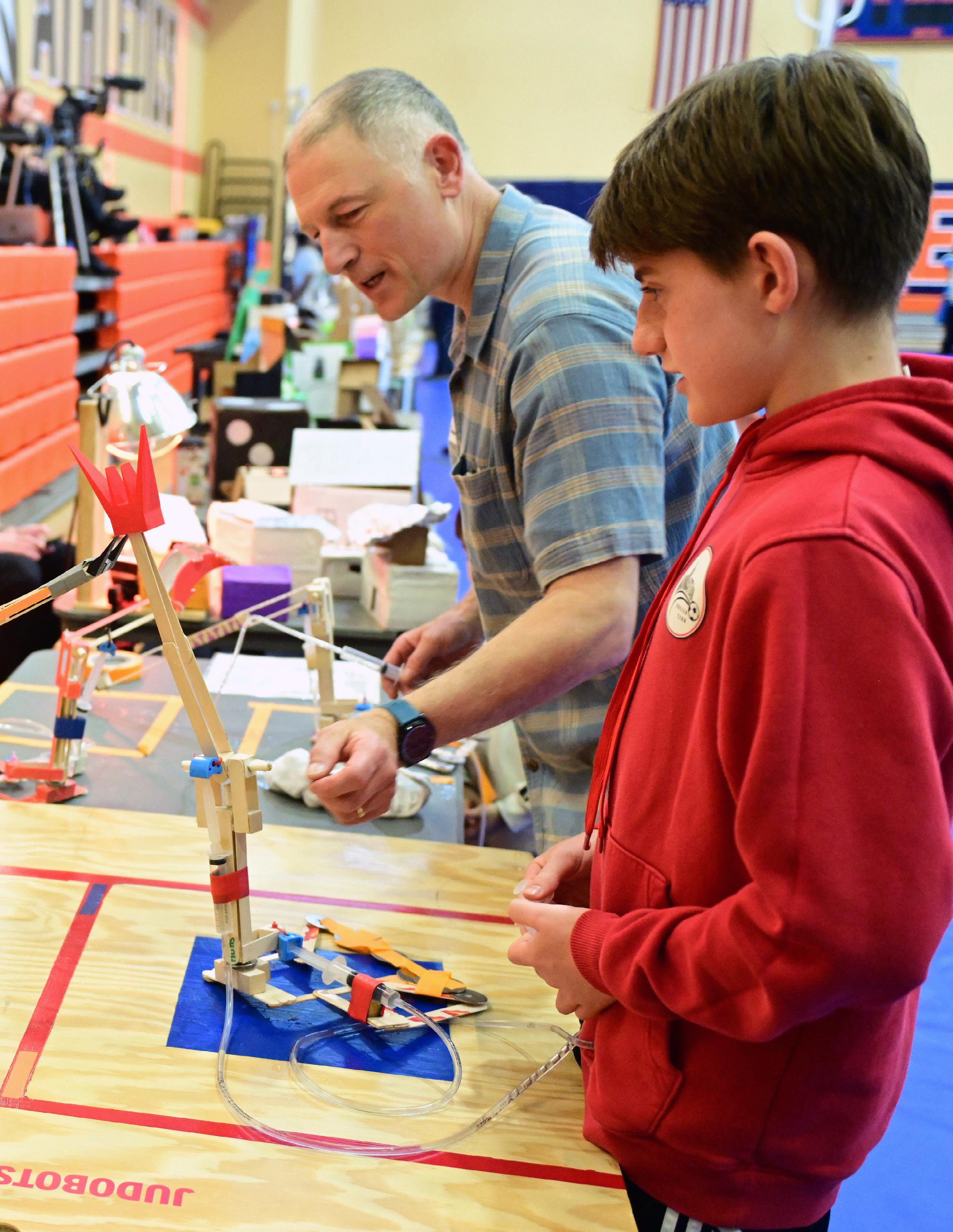
Middle students battle each other with “Judo Bots,” robots created using simple hydraulic systems designed and built by Fieldston Upper mechanical engineering students.”
Fieldston

A CURRICULUM
FOR THE REAL WORLD
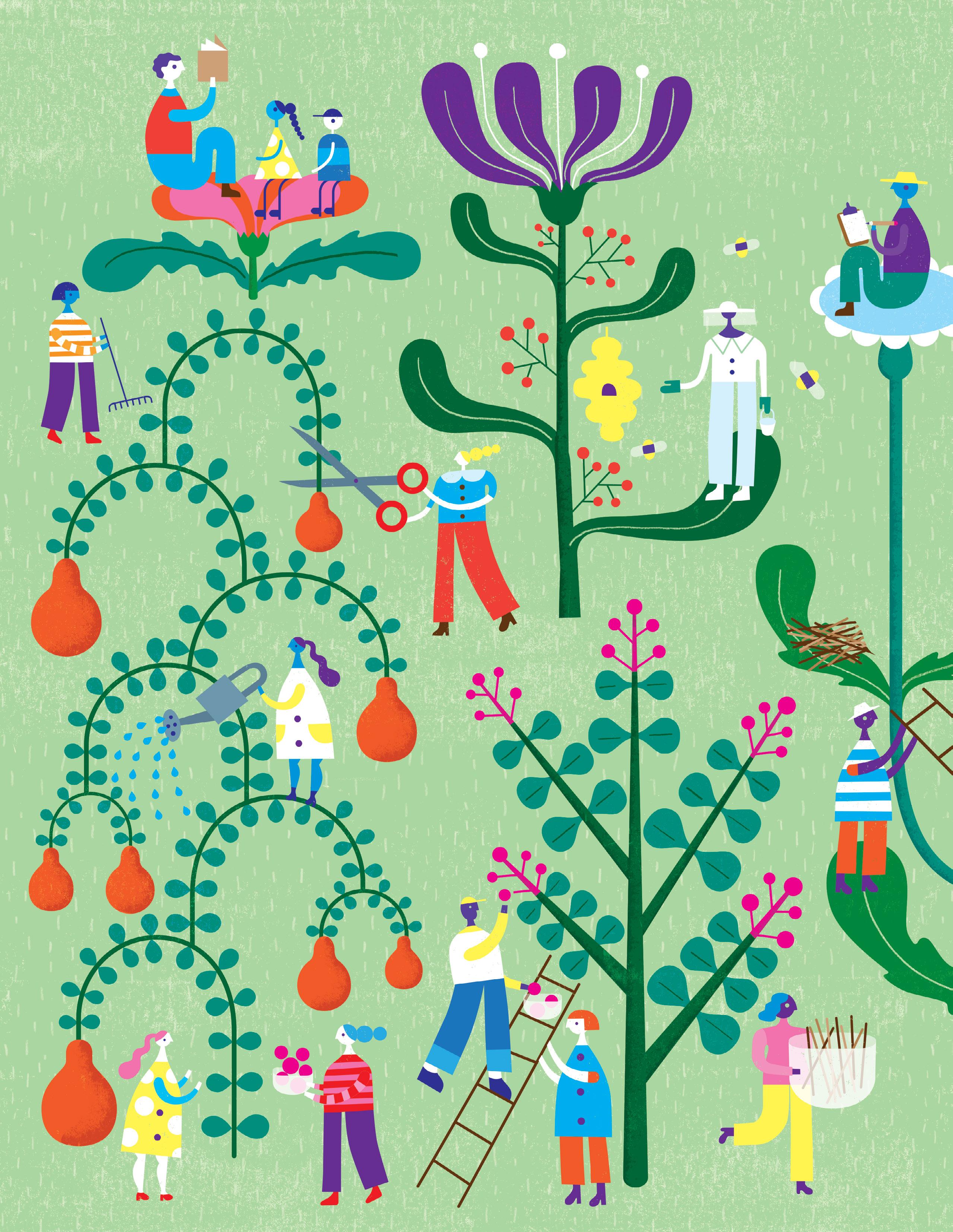
At ECFS, global citizenship begins with curiosity and grows into responsibility, service, and ethical action.
Illustration by Melinda Beck ‘85
UNDERSTANDING THE WORLD
On an autumn
afternoon, a group of 7th Graders sat in their advisory without their teacher.
They had a decision to make. History Teacher Debra Sands had explained the news: a federal government shutdown, cuts to essential services, and a community under pressure. She asked whether they’d consider donating part of their advisory budget, typically reserved for classroom treats, to sandwich supplies for a local food bank.
“I didn’t want them to feel pressured into any sort of decision, so I actually stepped out of the room while they discussed the matter amongst
themselves,” Sands recalls. “They each decided on an individual amount of money they were comfortable donating.” After buying American cheese, mayonnaise, and white bread, the students made sandwiches during their advisory period and later walked them to local donation spaces KRVC and Friendly Fridge.
“I think students were proud to come up with this idea and complete it,” Sands says. “They didn’t do it in response to other advisories or because of external pressures. It was eleven students who came together, argued, listened, eventually agreed, followed through, and saw the impact of their actions on a local scale”
Global citizenship is a curriculum at ECFS, scaffolded from the earliest ethics lessons in the lower divisions through Fieldston Middle service acts and Fieldston Upper independent studies. Students build cultural literacy and strengthen their understanding of the world around them. They practice stewardship by taking responsibility for their communities and the environment, and develop ethical impact by using their sense of responsibility to make thoughtful, informed choices that help improve the world they share. The progression builds over the years, but as with so many things at ECFS, it begins with curiosity.
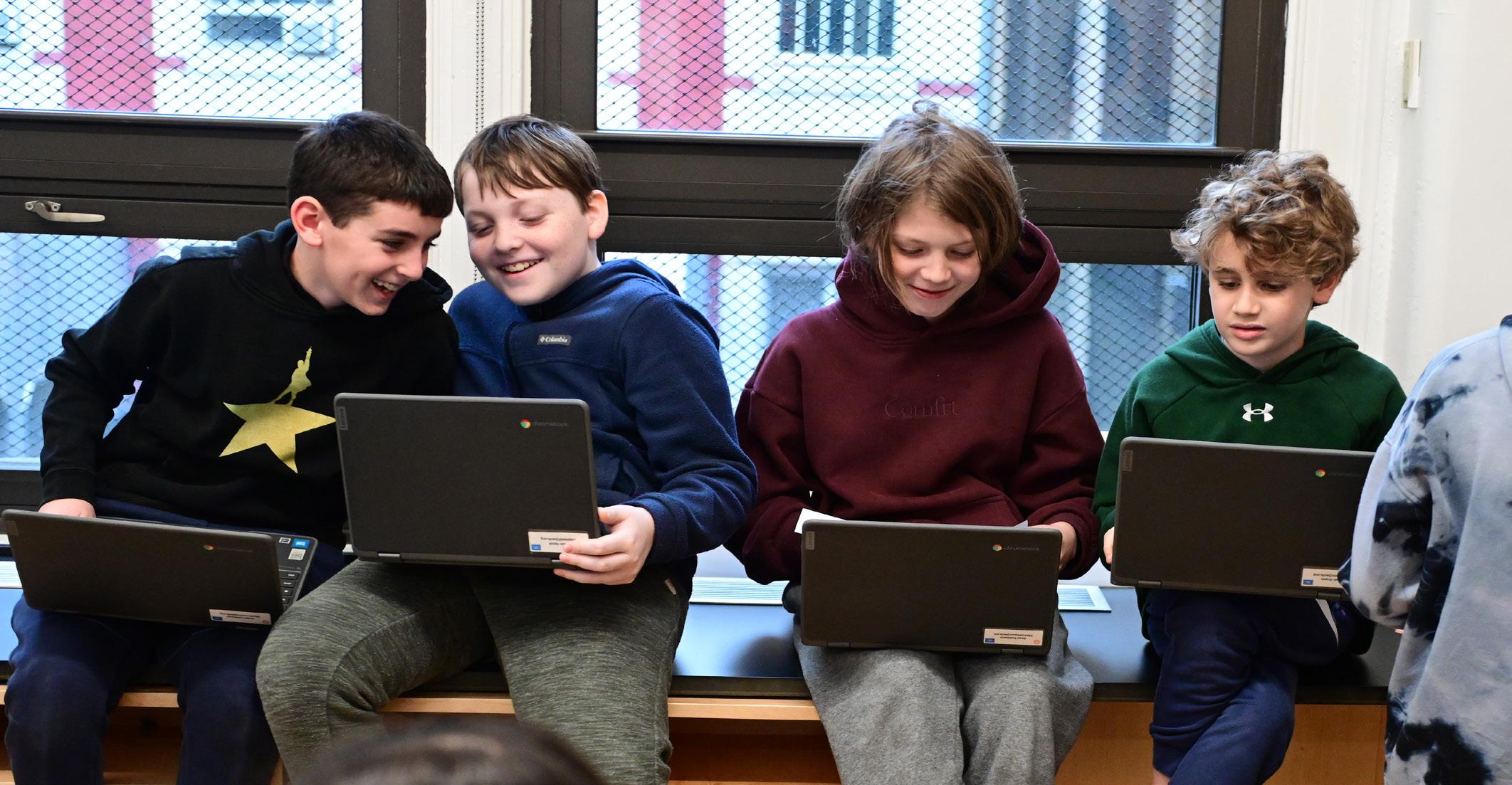
The foundation of global citizenship is forming an understanding of the world, its systems, and the ways an individual can make an impact.
From Ethical Culture’s Ethics classrooms, where students begin to ask compassionate questions about their roles in their communities, through the real-world applications of senior projects at Fieldston Upper, students contextualize their individual experiences through an ethical lens.
Projects like Fieldston Lower 4th Grade’s study of movement and migration allow students to explore geography in a way that’s relevant to their experience. 4th Graders begin with an in-depth study of maps and data visualization, diving into how information can be presented to support different perspectives. Fieldston Lower Assistant Principal of Academic Life Shawn Chisty sees the study as a way to provide students with context and a deeper understanding of their communities. “When we learn to read and
interpret maps, we’re looking at how to understand our locale in relation to everything else in the world,” he explains. After a broad study of world geography, the classroom’s focus narrows to a location students are very familiar with: New York City.
By focusing the project on major migration waves to New York City, teachers ensure that students are aware of the complex factors that influence immigration, both historically and in the present day.
“To cultivate this sense of ethical learning and ethical citizenship, you
have to appreciate both the joys that your locale brings along with the challenges it presents,” adds Chisty. As students consider the things that make their city unique, whether it’s a favorite park, restaurant, or neighborhood, they begin to draw connections to different groups of immigrants throughout history and the way those groups contributed to the city’s culture.
Alongside data visualization and historical context, students are also grappling with ethical questions. “We’re not only asking about the push and pull factors that lead to human movement,” Chisty explains. “Through studying these push and pull factors, we’re asking, ‘What does one’s agency in a community look like?’”
Questions of community, agency, and impact resonate throughout the ECFS student experience, even in the classrooms of our youngest learners. In Cristina Ross’s 1st and 2nd Grade Ethics and Spanish classes at Ethical Culture, students begin to connect the ethical values they learn in class to their everyday lives. They will carry this connection with them as they continue to engage with ethical questions throughout their education.
The entry point to understanding the world starts with themselves. 1st Graders learn to practice compassion and problem-solve by thinking about their communities, families, and friends. “The more connected ethics is to their everyday experience,” Ross explains, “the more willing they’ll be to get curious about what’s happening.” The questions start small. A disagreement at recess, something observed on the subway, or an experience in the park becomes a starting
point for reflection. Through class discussion and lessons on ECFS founder Felix Adler, they work toward their own understanding and prepare to tackle larger, more complex ethical dilemmas as they grow older.
“ Ethics is always more meaningful and more available to them when it is part of their everyday lives.
By 2nd Grade, that new understanding is put into practice. As Ross describes it, ethics is “the study and practice of how we take care of ourselves, each other, our communities, and our world.” Students practice what Ross calls “empathy in action” in their Ethics classes, diving headfirst into service learning as they consider how their choices can make a difference. They learn to ask questions, evaluate situations, and respond with intention.
Ross says the lesson is simple but powerful. “Ethics is always more meaningful and more available to them when it is part of their everyday lives.”
For Maddie M. ’26, this approach informed her work in the Fieldston Science Research Program and encouraged her to investigate public health disparities. Reading Twelve Patients: Life and Death at Bellevue Hospital sparked her interest in public health issues and the systems that shape access to care. She began her research during
a time when, as she puts it, “there was a lot of misinformation about health.”
As discussions about possible cuts to National Institutes of Health (NIH) and National Cancer Institute (NCI) funding unfolded, she began to examine the structures that support medical research.
“At one point in my independent study, there was a question about whether funding was going to be cut,” she says. “So I looked further to see why we’re having this increase in health misinformation.”
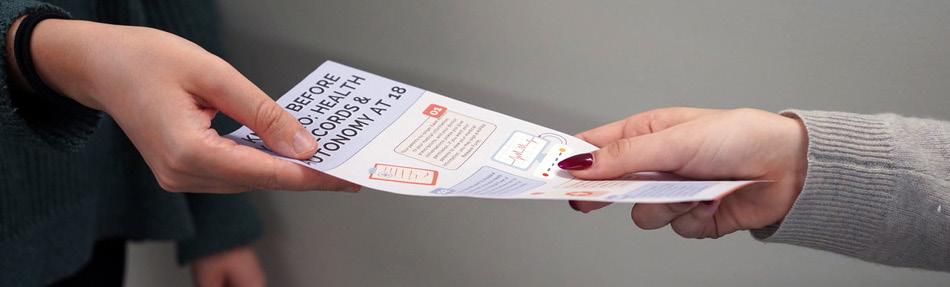
This work eventually took her into Bellevue’s labs, where she witnessed how access to reliable information can influence health outcomes. Her answer was creating a set of “Know Before You Go” pamphlets, clear and accessible guides helping young people understand their health records and their rights as they turn 18. Brown University, where she will study in the fall, has already expressed interest in a similar resource for its students. Maddie’s involvement in Community Service Learning and the Student-to-Student mentorship program also inspires impact beyond her immediate peers, and she is currently considering gathering age-appropriate information for middle school students.
She traces the impulse back to something she has encountered in every ECFS class. “There’s always this idea in class of asking, ‘Can we look at it from another perspective?’” she says. “I think that’s so valuable to consider in an often narrowminded world.”
Students quickly discover that understanding the world also means taking responsibility in caring for it.
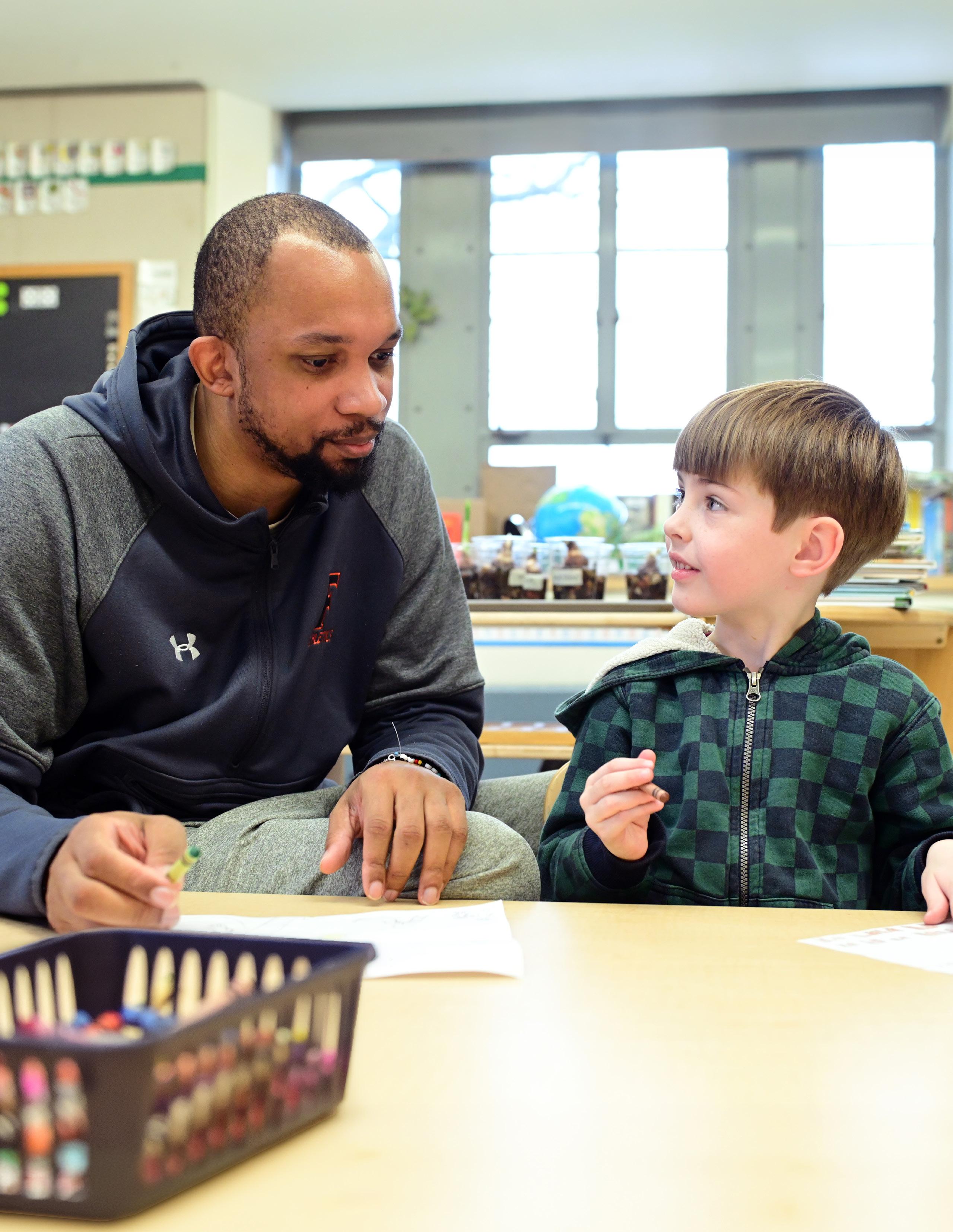
As students learn about the world around them, opportunities for stewardship emerge throughout the academic curriculum. Students learn to make decisions thoughtfully, especially within complex systems. That work often begins quietly, with the effort to understand how those systems actually function. Stewardship becomes integrated across classes, informing everything from Fieldston Lower’s 2nd Grade sea creatures unit to Fieldston Middle’s math curriculum.
During the sea creature unit in Fieldston Lower 2nd Grade, classrooms are filled with buzzing voices as students dive into the world of research. As they develop foundational research skills, like using library resources, evaluating credibility, and organizing their findings, 2nd Grade teachers also recognize that this project might spark broader realizations about students’ place in the world.
Students begin by choosing a sea creature that ignites their passion for discovery, from the microscopic to the blue whale, anchoring the project in personal interest. Instead of handing students pre-selected materials, the Fieldston Lower librarians curate a classroom book cart designed for independent navigation. Students learn to follow scientific vocabulary and guiding questions, such as whether their creature is a vertebrate or invertebrate, or a bony or cartilaginous fish, as entry points into classification, ecosystems, and interdependence.
That open-ended choice brings real complexity. When age-appropriate resources do not exist for more obscure species, the librarians adapt by assembling custom materials so that each line of inquiry remains supported. This responsiveness signals to students that their questions matter, even when they fall outside standard curricula. A student researching an unfamiliar species is not asked to narrow their curiosity
to fit available materials. Instead, the materials expand to meet the student. That shift has an impact. When students see their interests taken seriously, they are more likely to take their learning seriously in return. Research moves beyond gathering facts to personal investment in the subject.
“
Students begin to see that understanding complex systems can shape how they move through the world as stewards.
While students are collecting relevant information and determining what makes a source valuable, they are also discussing how to share their research with the community. For some, this leads to early forms of advocacy. A student studying great white sharks might become passionate about educating their peers on the misconceptions surrounding shark attacks, while a student who has become an expert on sea turtles starts a grassroots campaign to clean up local beaches. Each 2nd Grader brings their own perspective, shaped by what captures their attention and sense of responsibility.
At the same time, the questions begin to expand and evolve. As students learn about ocean ecosystems, they also consider what happens when those systems are disrupted. Conversations shift from description to responsibility. What does it mean to understand a species if that understanding does not extend to its survival? In this way, research becomes an entry point into stewardship that’s grounded in care, informed by knowledge, and oriented toward action.
At Fieldston Middle, that same emphasis on responsibility takes
a different form. In 6th Grade, a decimal unit transforms into a real-world problem-solving exercise, as students learn to manage a virtual portfolio of $100,000. In this stock market simulation, students learn to read stock quotes; invest in stocks, bonds, and mutual funds; and respond to real-time market conditions. At the same time, they’re considering confounding variables, including the ethical impact of their choices.
“We have conversations in class about how a company’s stance on certain social issues can influence its reputation and its stock performance,” explain Math Teachers Elizabeth Flores, Mike Roff, and Jon Richer. Some students may arrive with a knowledge base from home, while others are encountering these systems for the first time. Either way, they’re learning to analyze and reflect upon their decision making. Current Fieldston Upper students have even told the 6th Grade teachers that this activity helped inspire them to start their own personal investment portfolios.
When students track gains and losses, they also begin to develop forms of judgment that aren’t captured on a balance sheet. They learn to sit with uncertainty, to make decisions without complete information, and to recognize how external forces like market volatility, global events, and collective behavior shape outcomes beyond their control. No matter their prior experience with finance, the activity invites students to think carefully about the choices they make. Throughout the process, students begin to see that understanding complex systems can shape how they move through the world as stewards.
Across the curriculum, each perspective on stewardship is encouraged and unique. What unites them is a recognition that building a greater understanding of the world means taking responsibility for it.
ACTING ETHICALLY
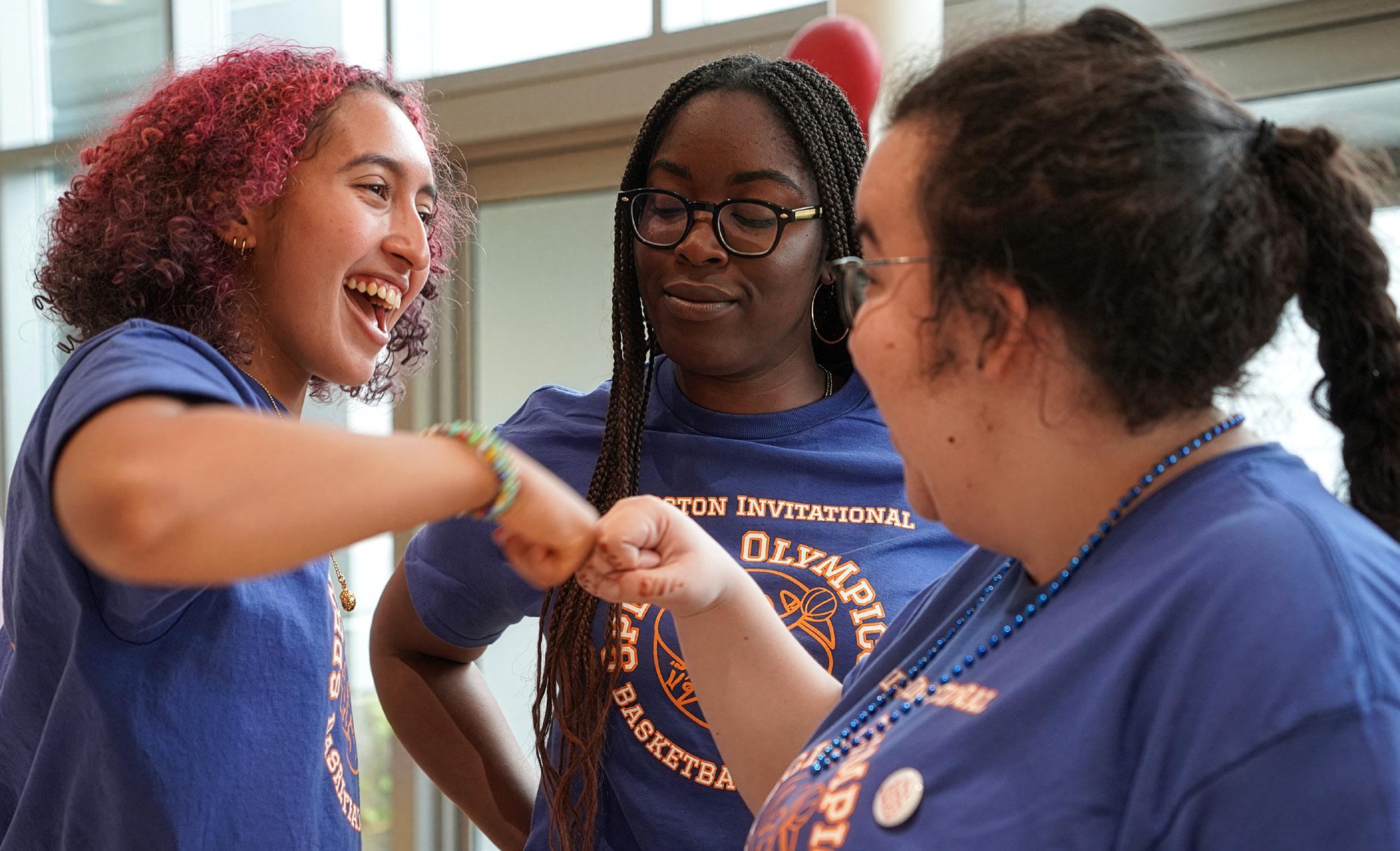
Students at Fieldston Upper are encouraged to embrace their ethical responsibility, often through studentled initiatives that turn empathy and awareness into action. Each spring, the School hosts an invitational for roughly 250 Special Olympics athletes in basketball and swimming. The event depends on about 100 student volunteers in the Special Olympics club who organize the day’s logistics and help provide a spirited atmosphere.
“The event would not run if it weren’t for the students,” says History Teacher and Grade Dean Karen Drohan, the club’s advisor. The relationships students build often continue past that single day. “Many Fieldston students have participated in Special Olympics’ internship program, and they’ve gone on to either support Special Olympics programs in college or, in at least one case, brought the program to their college campus.”
The same spirit of service runs through the Ethics Department’s Community Service Learning (CSL) courses, which ask students to work
in solidarity with community partners through shared study, research, service work, and reflection.
“CSL students develop critical thinking, collaboration, and reflection skills to create, sustain, and engage in wide-ranging impactful projects,” says Director of Public Partnerships Shelley Topping-Omodunbi. Students in the course also have the opportunity to dive deeper into projects through the Community Service Advisory Board (CSAB). “We see ECFS graduates who learn as early as Pre-K all the way through Fieldston Upper that there’s great value in developing empathy and connection to community.”
CSAB member Sabrina S. ’26 found her most meaningful work at Riverdale Neighborhood House, organizing, redistributing, and packaging food for local residents, week after week. “CSAB creates a space where conversations matter and caring deeply is encouraged,” she says. “These lessons prepare me not only to succeed academically, but to act thoughtfully, lead with compassion, and contribute meaningfully to the communities
I’m part of in the future.”
In the 5th Grade Ethics classroom at Ethical Culture, students hum with ideas of how they might leave a legacy at the School. Ethics Teacher Nelson Sanchez ’07 guides them through a curriculum that starts with an understanding of human rights. “We really think about what people deserve, not just locally, but around the world,” he explains.
“We’re asking students to look at the difference between their lives and a kid in a different place and draw parallels and differences.” This careful consideration sparks classroom discussions that lead into students’ study of the United Nations’ Global Goals.
“These are all goals to try to help to make the world a better place,” Sanchez adds. “It’s an awesome opportunity for them to reflect on their own experiences and ways that we can impact our community and beyond.” The culmination is the 5th Grade legacy gift project, which has taken on a new life in conjunction with this study. Past projects have focused on ways students can support the school and students, like new
water fountains or benches, but the legacy gift project’s impact has grown.
“In the past few years, we’ve begun to think more about how we can help our local or global community,” Sanchez explains. Students take on the responsibility of fundraising for an organization that aligns with the goal, educating their peers, and brainstorming additional ways to support.
Like so much ethical action at ECFS, Sanchez explains, student choice leads the way. “The cool thing about this project is that they’re able to dictate what direction we’re going in, and take on a leadership role,” he says. Some years, students are concerned with global health and wellness, while other groups focus on access to clean water. This year’s cohort is still searching for the perfect organization, but has jumped headfirst into advertising, thinking of innovative ways to inform their community about the goal and the ways they can make an impact. “This project gives every child an opportunity to find
their passion,” Sanchez reflects. “They start researching on their own, and then they bring me ideas. Through it all, the kids are showing just how important it is to stand up for something that they feel passionate about.”
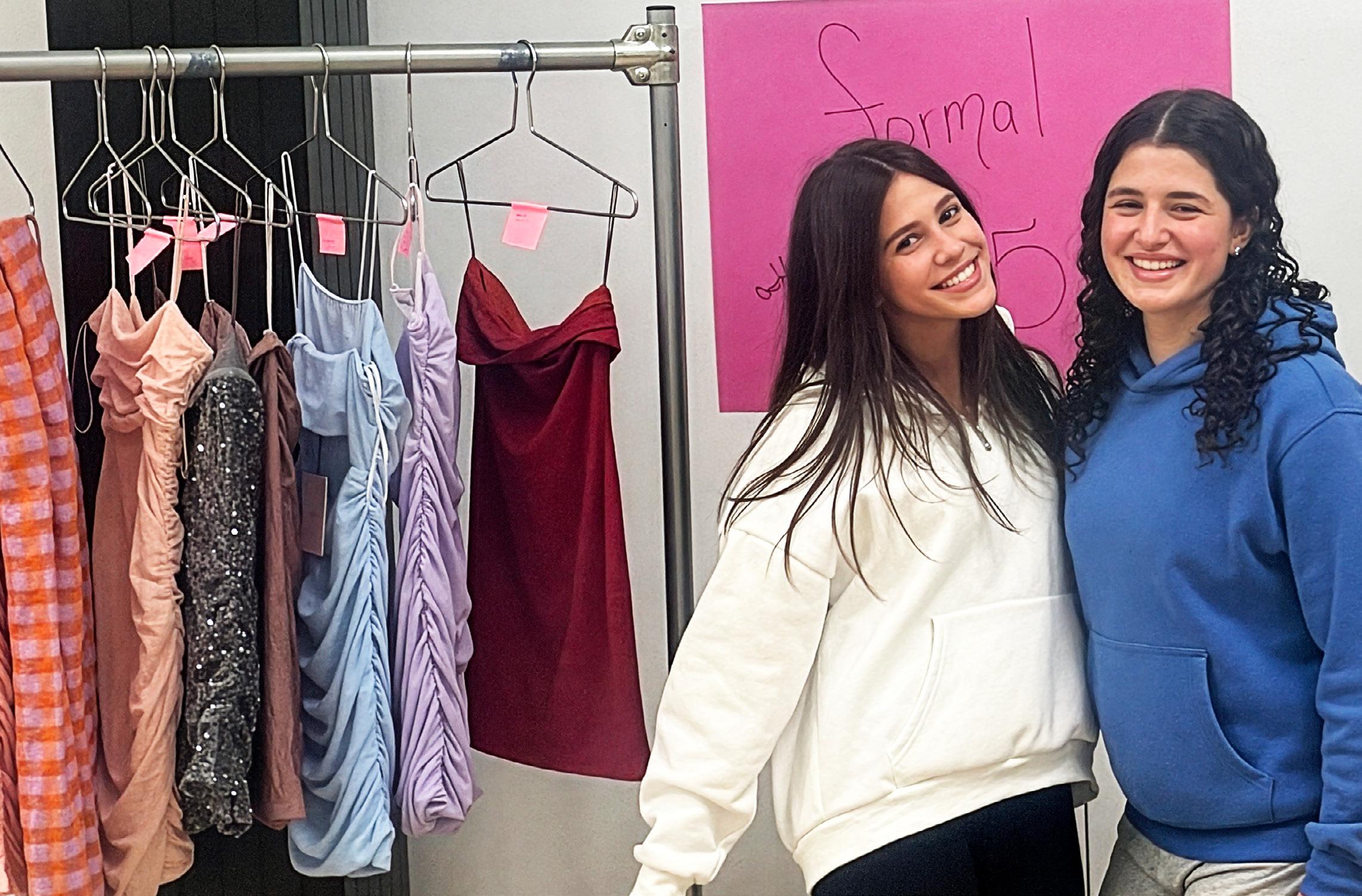
Ethical action also means identifying gaps that have gone unaddressed. 8th Graders Pommo B. ’30 and Dylan F. ’30 had unintentionally collected several unworn or gently used dresses for formal events during middle school. With the support of English Teacher and Grade Dean Mollie Glasser ’06, they started the “Fashion for Five” initiative, gathering donations of secondhand formalwear to sell to classmates at a low price. They then donate the proceeds to BronxWorks and its related program, the BronxWorks Prom and Graduation Clothing Giveaway.
“This is actually helping in a bigger way than I realized,” says Pommo. “It’s a cycle of interacting with other kids, passing down dresses, and helping a local organization.”
“Each dress sold was getting two additional lives: being reworn by a younger middle school student, and then the money raised from its sale would help an older student in the local community purchase new formalwear for their own occasions,” Glasser adds.
Each of these moments: a research question pursued, a system analyzed, a sandwich delivered, a pamphlet written, a dress passed on, is guided by student inquiry.
That curiosity, first shaped in early ethics classrooms, deepens into a sense of responsibility at Fieldston Middle and culminates at Fieldston Upper, where work extends beyond the School’s walls. ECFS was founded on the belief that rigorous academic study and hands-on engagement go hand in hand. While students leave with that same sense of inquisitiveness, they have developed a lasting sense of responsibility to their communities and to the world, ready to take their place as engaged citizens with purpose.
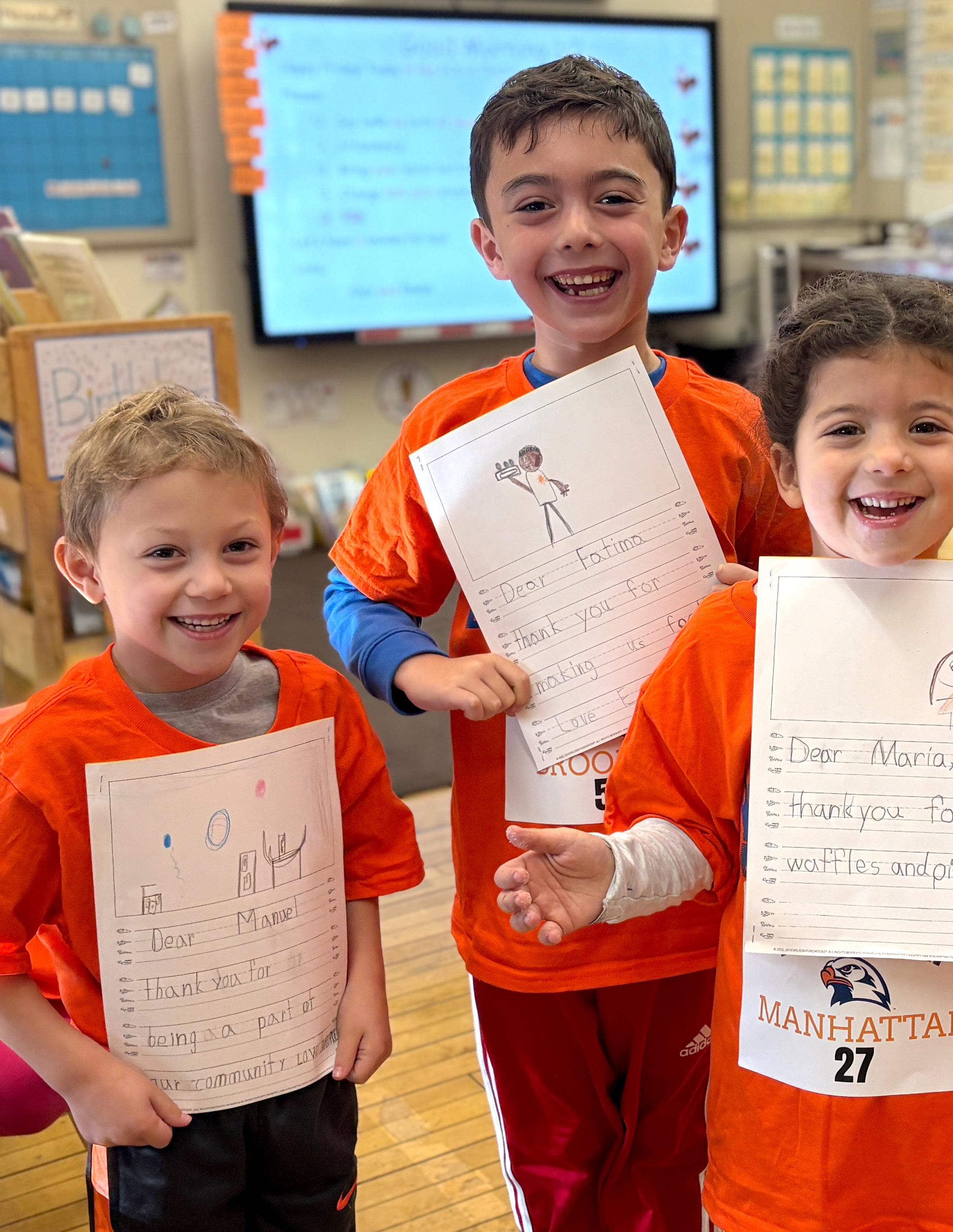
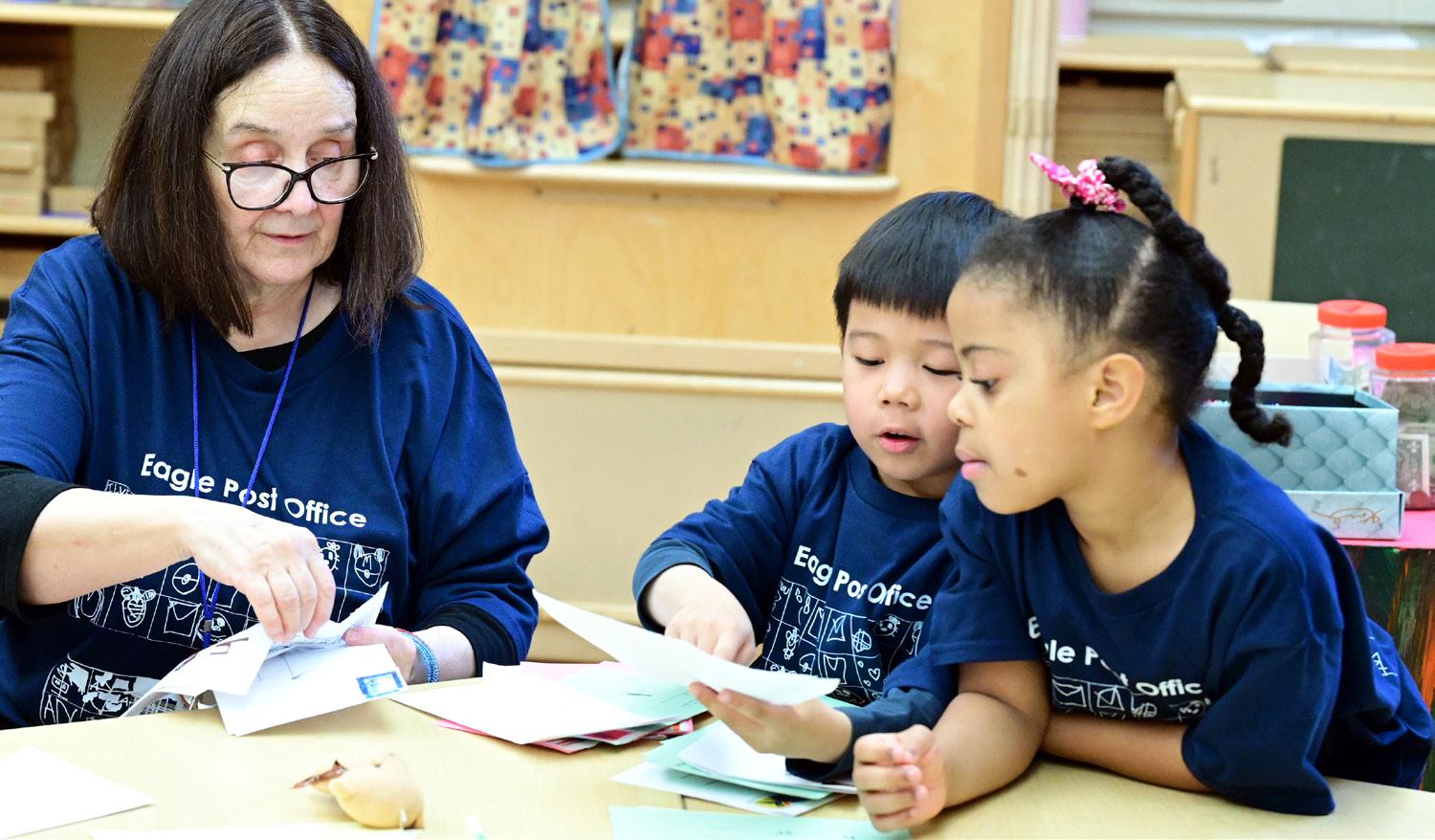
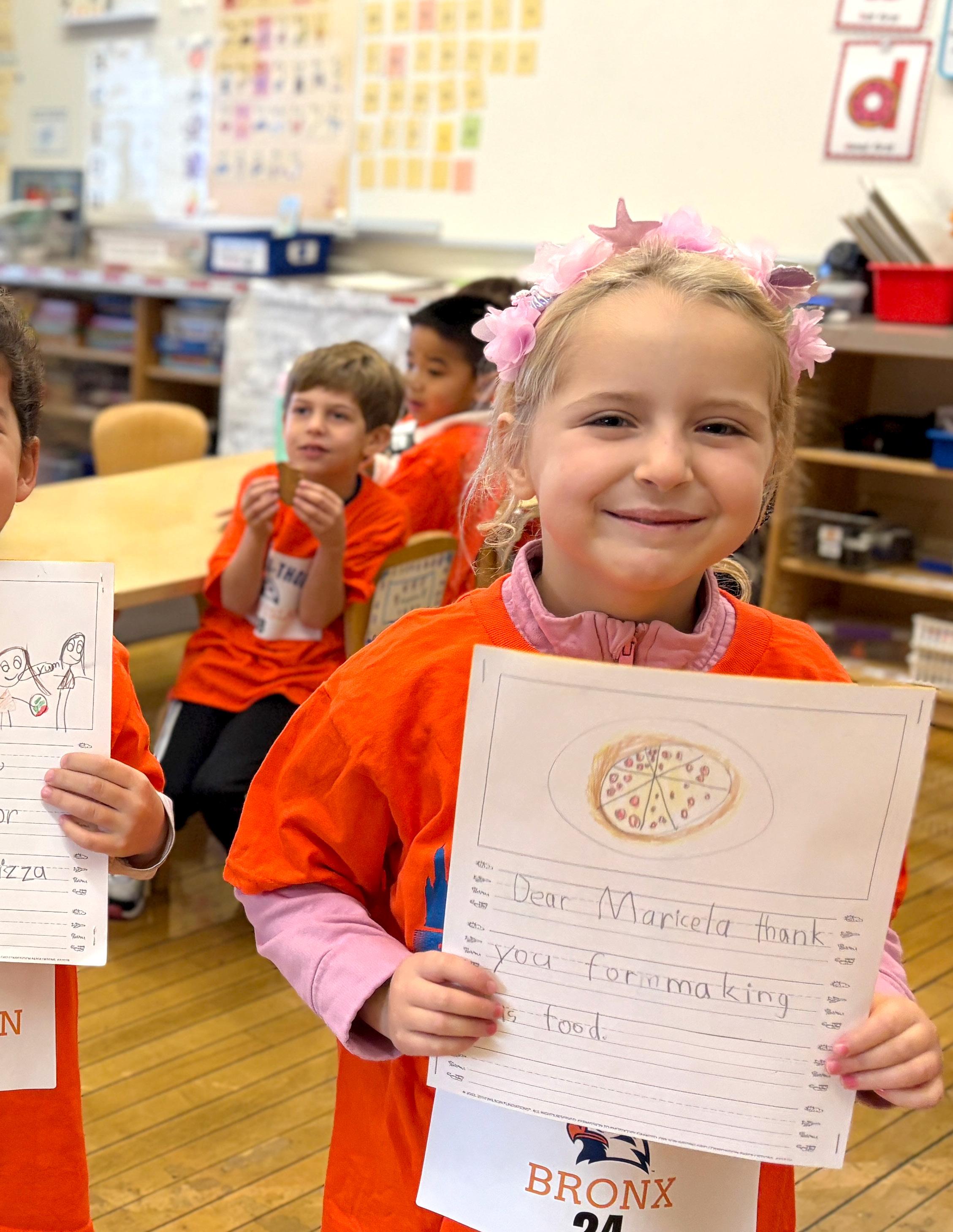
Ethical Culture 1st Graders write thank-you notes to the dining staff.
LEADING from Within
How two Fieldston seniors navigated the complexity of student leadership
The mark of a successful year isn’t a single breakthrough. It’s the lengthy meetings, complex initiatives, and learning that the smallest steps can have the biggest impact.
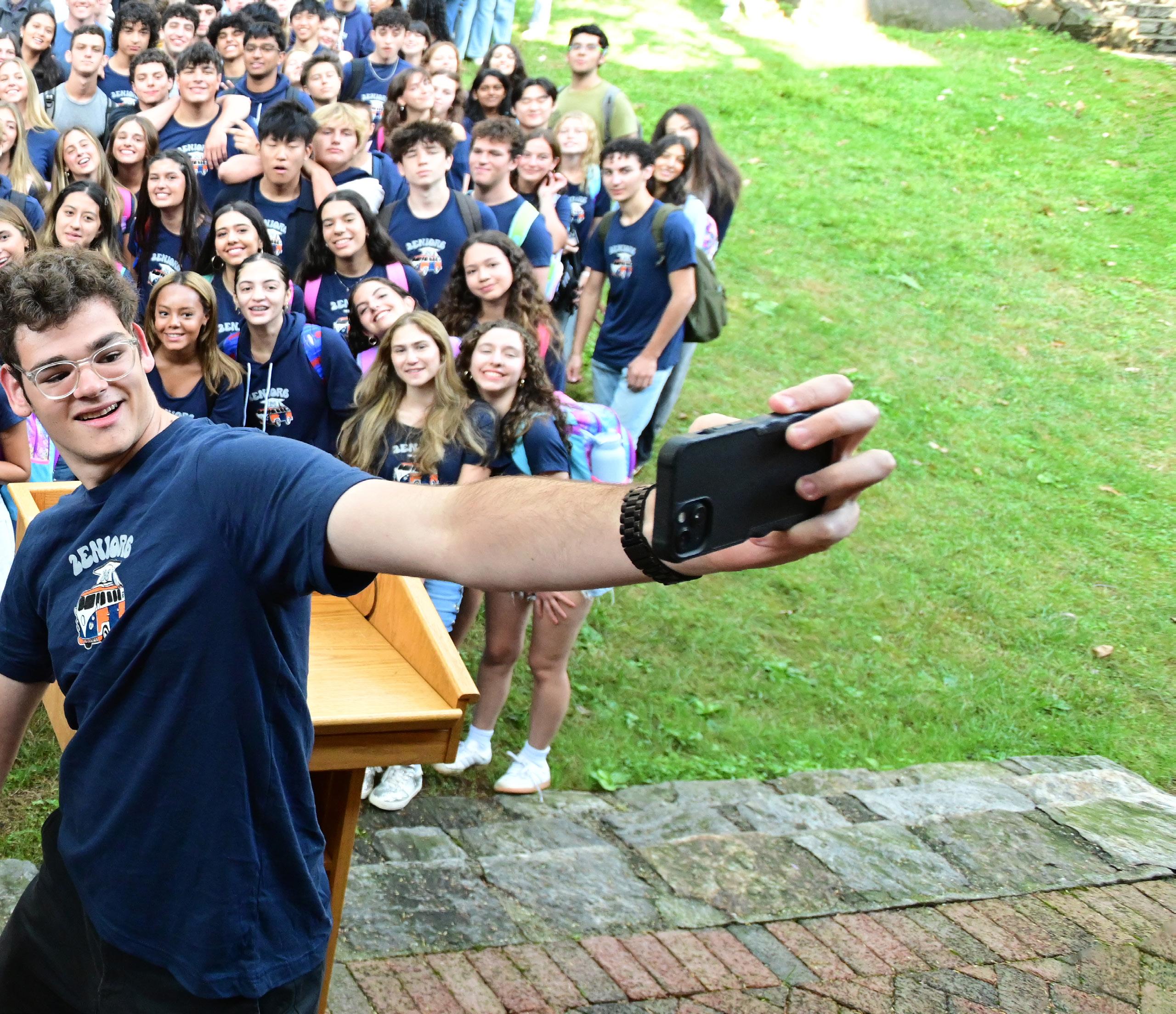
Ask Fieldston Student Government (FSG)
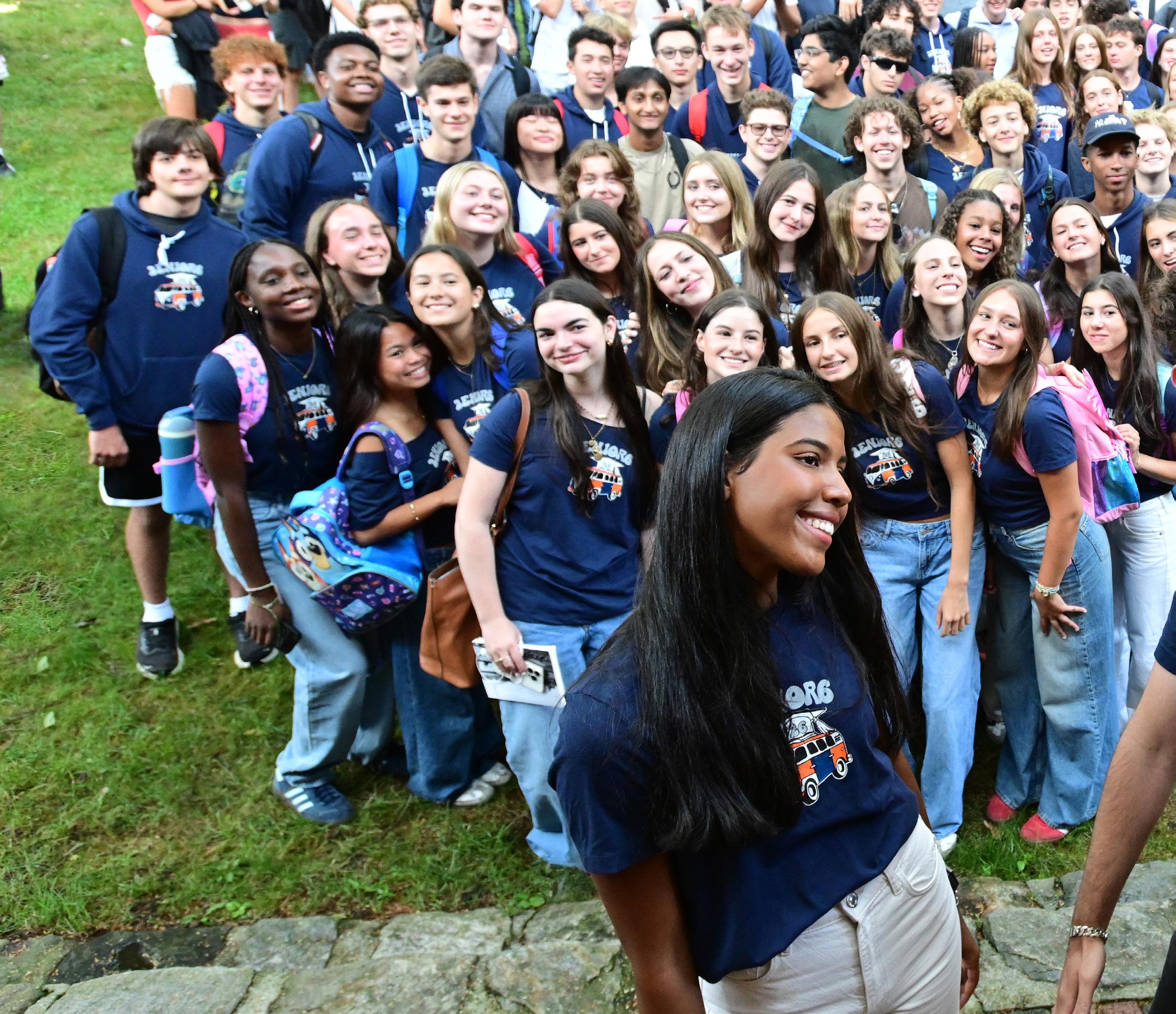
Co-Presidents Alex G. ’26 and Alexa C. ’26 what their job looks like beyond the traditional Quad assembly welcome on the first day of school, and their answer is initially simple. It looks like meetings.
Like clockwork, their calendar for the year quickly fills up with meetings. Every first week of the month, Alex and Alexa meet with Chief Executive Officer Kyle Wilkie-Glass and gather with Dean of Student Engagement Ruth Taveras in weekly sessions. Each meeting runs about 50 minutes, covering what the pair and their student cabinet have accomplished, what needs improvement, and what’s next for their ongoing initiatives.
The work can be tedious, but such repetitive focus is often necessary for sustainable institutional change.
“If you want to be successful at something like FSG,” Alex says, “you have to work really, really hard. This experience has reinforced the importance of effort more than any other activity I’ve done. You get out what you put in, and what you put in should always be your best effort.”
As Alex and Alexa have learned, new FSG administrations usually inherit past presidents’ initiatives with no guarantee of resolution. This year, the two carried forward multi-year efforts for a new vending machine and more accessible parking for their fellow seniors, which didn’t unfold as they imagined.
“We’ve gotten the ball rolling,” Alex says of the latter, “and I think we’ve helped pave the way for something greater to happen in a few years.” Recognizing the limitations of a year-long position has been a key lesson for Alexa and him, and they have learned that progress can be a universal, rather than singular, achievement.
Working to instigate this kind of change in partnership with various departments and student groups means accepting the long, occasionally thankless journey from an initial spark to fruition. “You can’t just think of an idea and expect it to happen overnight,” Alexa adds. “There are steps.”
Alex has come to understand the gap between effort and visibility, noting that because they can’t always share details on ongoing projects, it’s easy for their behind-thescenes work to fly under the radar. “Not everybody will appreciate the work you’re doing, and not everybody will see it,” he says. Rather than feeling frustrated, he’s recalibrated what impact actually means.
“If the effort is there, the impact will come. It doesn’t necessarily need to be immediate, explosive, and
You get out what you put in, and what you put in should always be your best effort. “
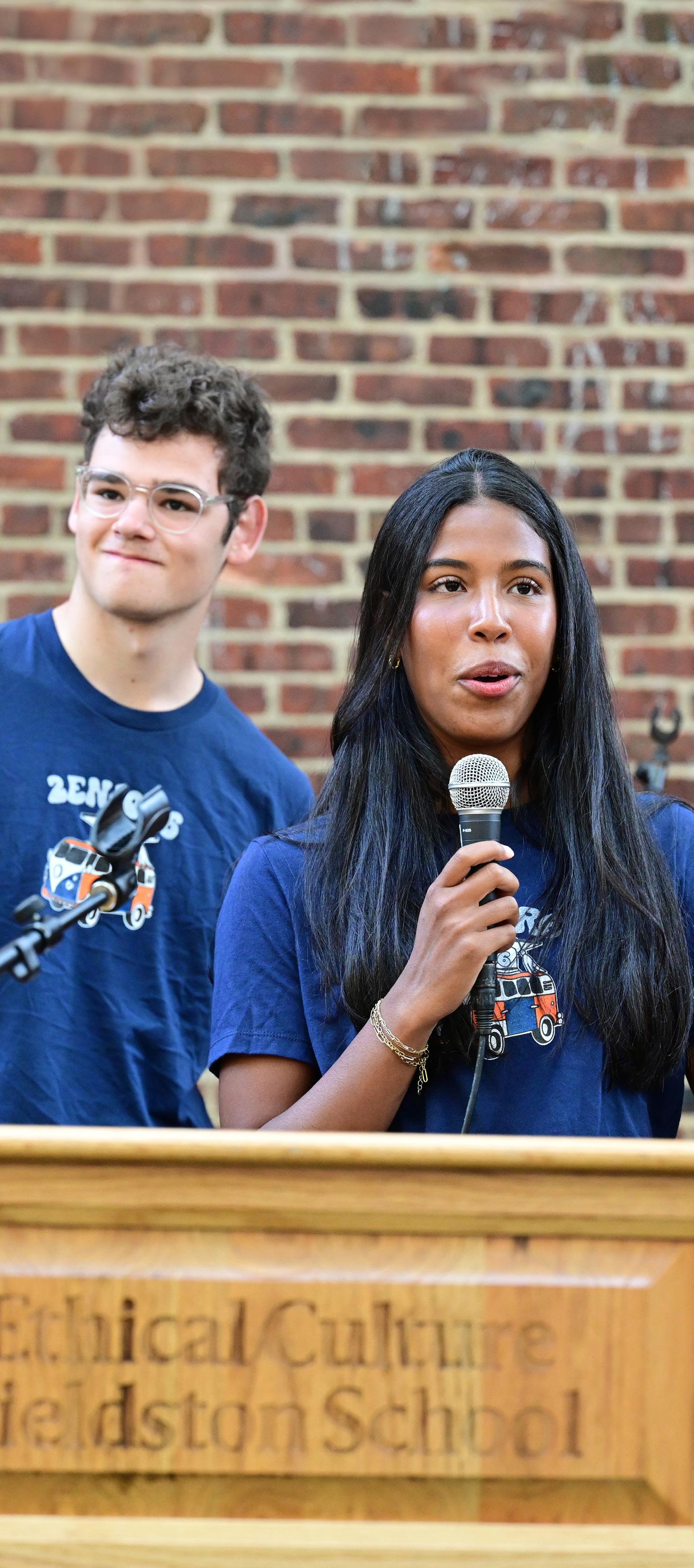
Both stepped into the role with a clear sense of purpose. For Alex, who served on the Academic Integrity Board in 9th Grade and in the FSG cabinet in 11th Grade, wanting to make a difference in his school community and become a friendly face for peers was an inspiration. “I hope our classmates walk around with the knowledge that someone is working to make their everyday lives a little brighter,” he says.
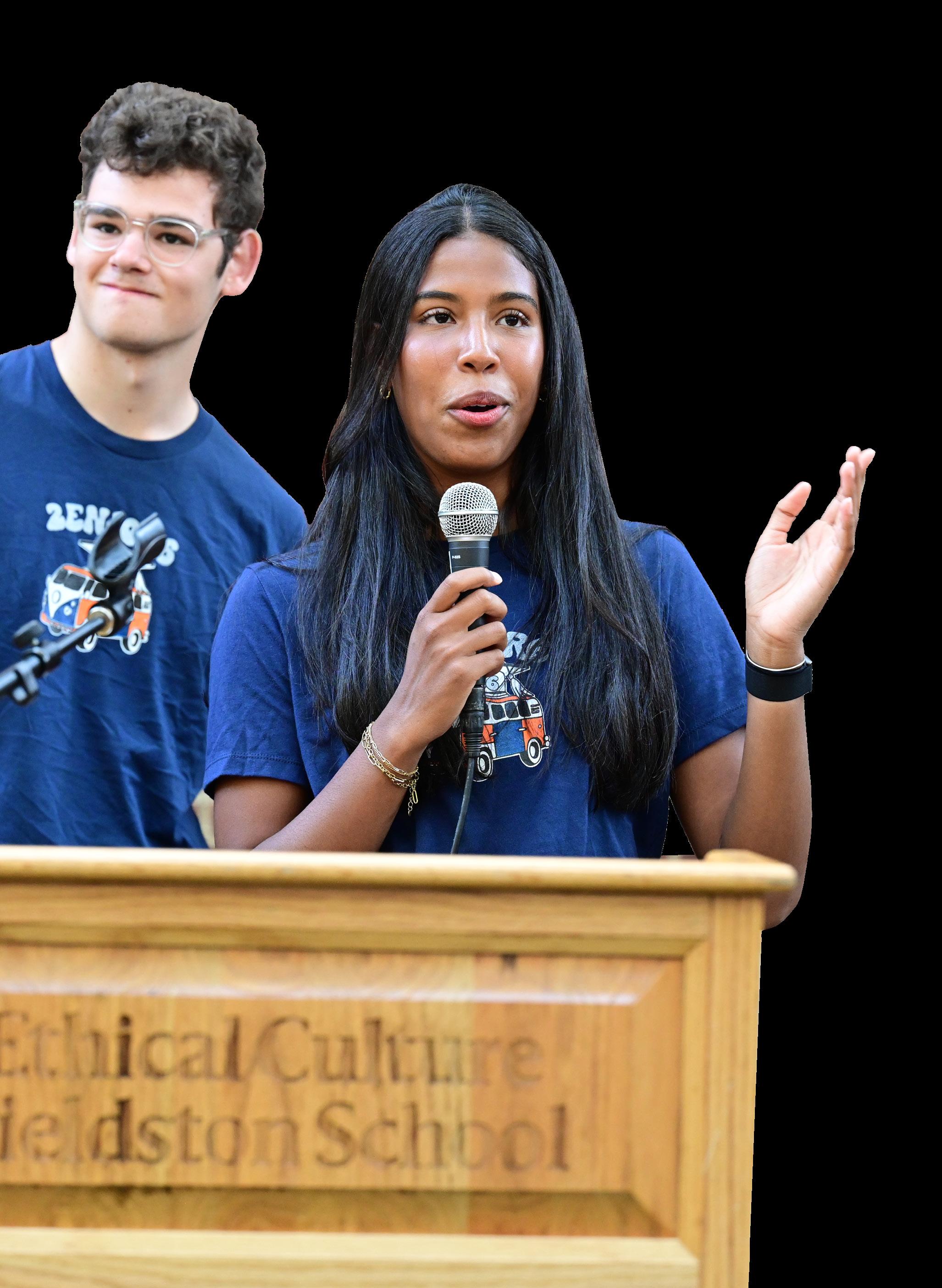
For Alexa, the motivation runs deep. Fourteen years at Fieldston, from Fieldston Lower straight through to Fieldston Upper, have shaped an unbreakable connection to the School that she’s already reflective toward. “This is the only community I’ll ever have where I’ve been in the same place for so many years,” she says. “I’ll never be a student in one place for this long again.” That awareness shaped her approach to the presidency from the beginning.
“I wanted a role where I could really highlight the ups and find ways to better the downs.”
As seniors, both are aware that this year at ECFS feels different. Their leadership positions have encouraged a greater sense of looking forward and also looking back. For her senior project, Alexa and one of her closest friends, someone she has known since Pre-K, have returned to their original Fieldston Lower classroom to read to students and help them create a picture book. “We’re back in the same classroom with the same teacher who was there 14 years ago, and she still remembers us and others from our class,”
Alexa says. “We’ve always thought, ‘How can we give back to the people who have given to us?’”
The project has reminded her that simple acts are often what people remember most, and she hopes that this FSG presidency demonstrates that kind of legacy.
For Alex and Alexa, the newly redefined mark of a successful year isn’t a single breakthrough. It’s the lengthy meetings, complex initiatives, and learning that the smallest steps can have the biggest impact. This gradual, unglamorous progress, they’ve realized, is what strong leadership demands.
BEHIND THE BYLINE

Fieldston News
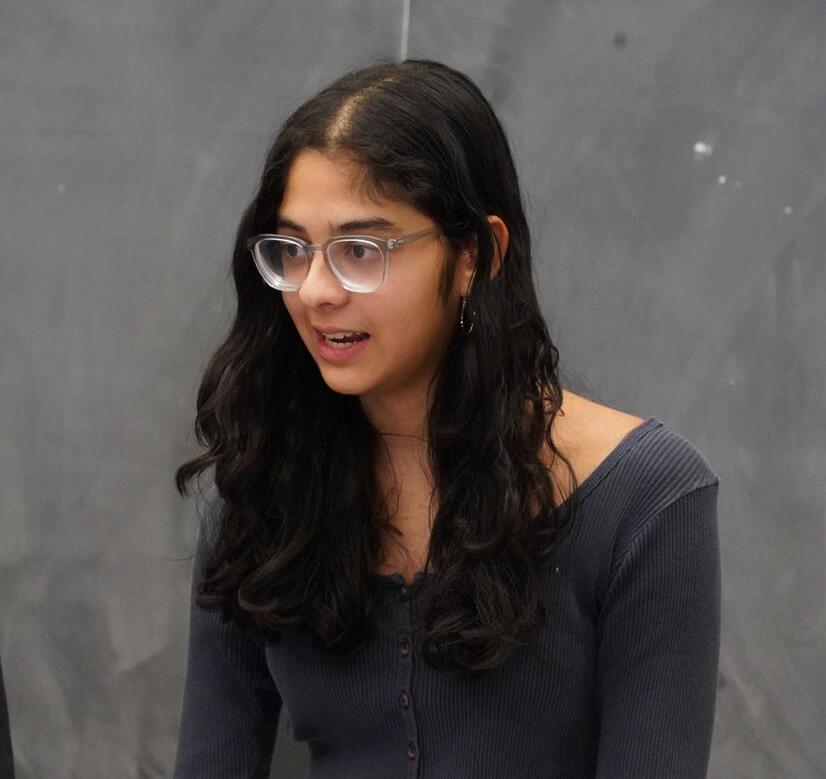
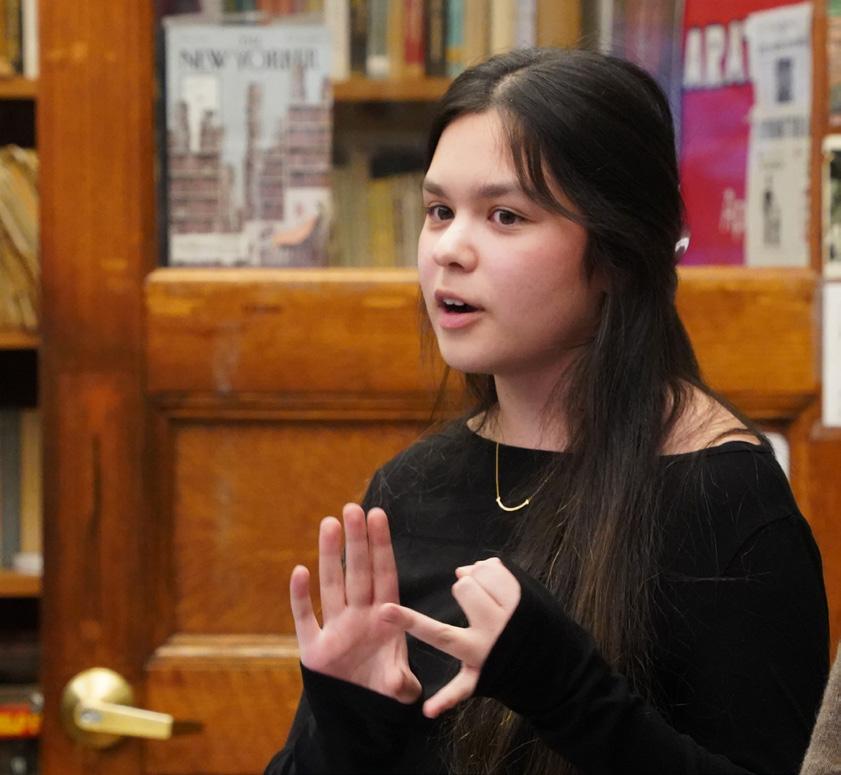
Once potential stories are collected, the student journalists gather in longtime faculty advisor Bob Montera’s classroom, Room 112, amid the eclectic array of artwork, crammed bookshelves, and historical posters.
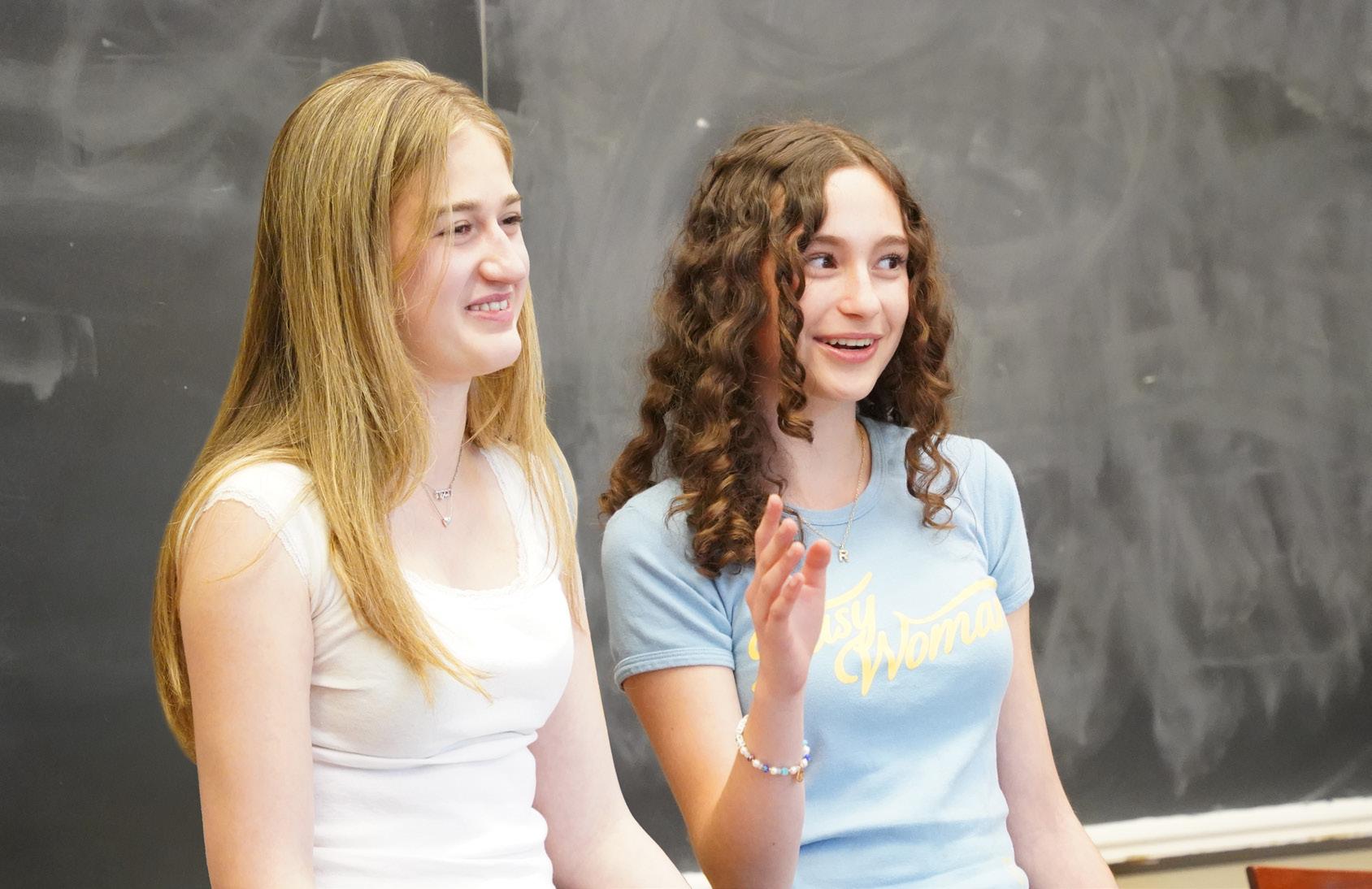

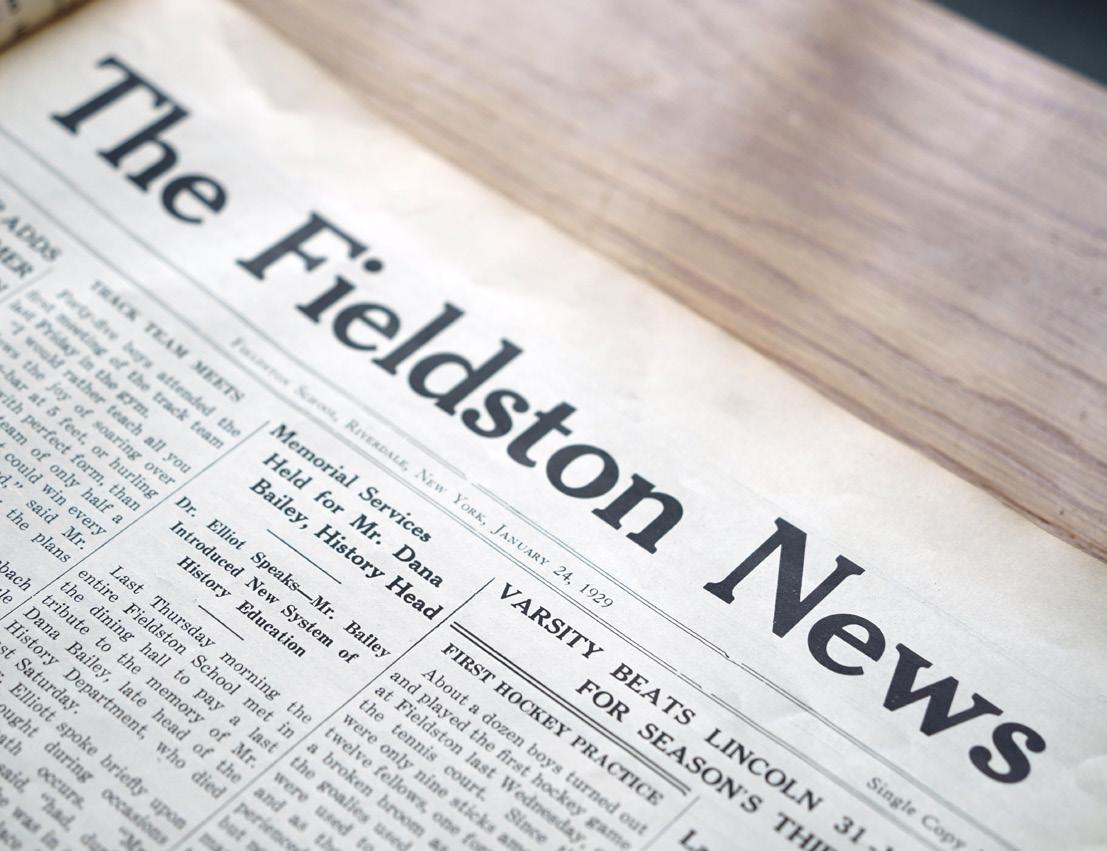
Every other week, a group of Fieldston Upper students crowds into Room 112. Pitches fly, debates spark, and by the time everyone files out, the bones of the next issue of The Fieldston News have taken shape. The ritual has repeated over decades, and this year it carries extra weight as the paper reaches its 100th edition.
At the helm are Editors-in-Chief (EICs) Sophia A. ’27, Sarah G. ’26, Rose P. ’27, and Saskia S. ’26, who are showcasing what it means to produce a student newspaper, from the first glint of an idea to a freshly printed copy landing in a reader’s hands.
It all begins with the hunt for a story. “Ahead of each issue, we collaborate with our section editors to generate article ideas across topics ranging from sports and arts to politics and culture,” the EICs share. “Often, the most compelling stories emerge from looking internally at the events and people within the Fieldston community, as we strive to tell the stories that will resonate.” The best stories, they’ve found, are often hiding in plain sight within the community itself. Curating an issue means balancing coverage of topics that dominate the broader zeitgeist and in the Fieldston consciousness. It’s a tightrope walk that the editors have learned to embrace.
Once potential stories are collected, the student journalists gather in longtime faculty advisor Bob Montera’s classroom, Room 112, amid the eclectic array of artwork, crammed bookshelves, and historical posters. They read pitches from a shared idea document and volunteer to write the stories that most excite them. These gatherings have become a hub for cross-grade collaboration, wit, and encouragement to pursue bold journalistic instincts. “We welcome original ledes and share remaining assignments to the Fieldston Upper community, allowing anyone to contribute to the news.”
Once ideas solidify and assignments are set, writers begin reporting, interviewing sources across grade levels and staff roles, and collecting photos. They are always
looking for stories that include voices from both students and adults across the community.
“Most news articles follow the inverted pyramid, starting with a lede, nut graf, and then branching into the body of the piece,” students say. “Opinion articles are more argumentative and highlight a student’s viewpoint supported by evidence. We are not super rigid about form, allowing our writers to experiment and express their creativity. This flexibility empowers our writers to retain their independence and tell stories in ways that feel authentic to them.”
During the collaborative editing stage, drafts move through several hands: first to section editors matched by expertise to the piece, then to an Editor-in-Chief for a second pass, and finally to a faculty advisor for approval. While editing for format, grammar, and style, section editors work in “suggesting” mode, offering guidance without overriding the writer’s judgment and continuing to prioritize their voice. Every article’s editorial progress is tracked in a multi-tab document updated in real time.
When the story is complete, the layout editors take over. Using Adobe InDesign, they transform polished copy into visual storytelling, balancing headlines, photos, captions, and columns into an appealing experience for the reader. Sophia, Sarah, Rose, and Saskia carefully debate the final version of the front page with Montera, focusing on what story feels most urgent, resonant, and reflective of Fieldston in that moment. That decision weighs relevance, quality, and impact, setting the tone for the entire issue.
“The most rewarding moment is when we and other newspaper staff distribute the papers throughout the school, ensuring this example of collaboration and shared storytelling reaches students, faculty, and staff across campus,” the EICs share.
One hundred editions in, The Fieldston News remains what it has always been: a living record of how Fieldston students see their world. In Room 112, the work continues, and so do the stories.
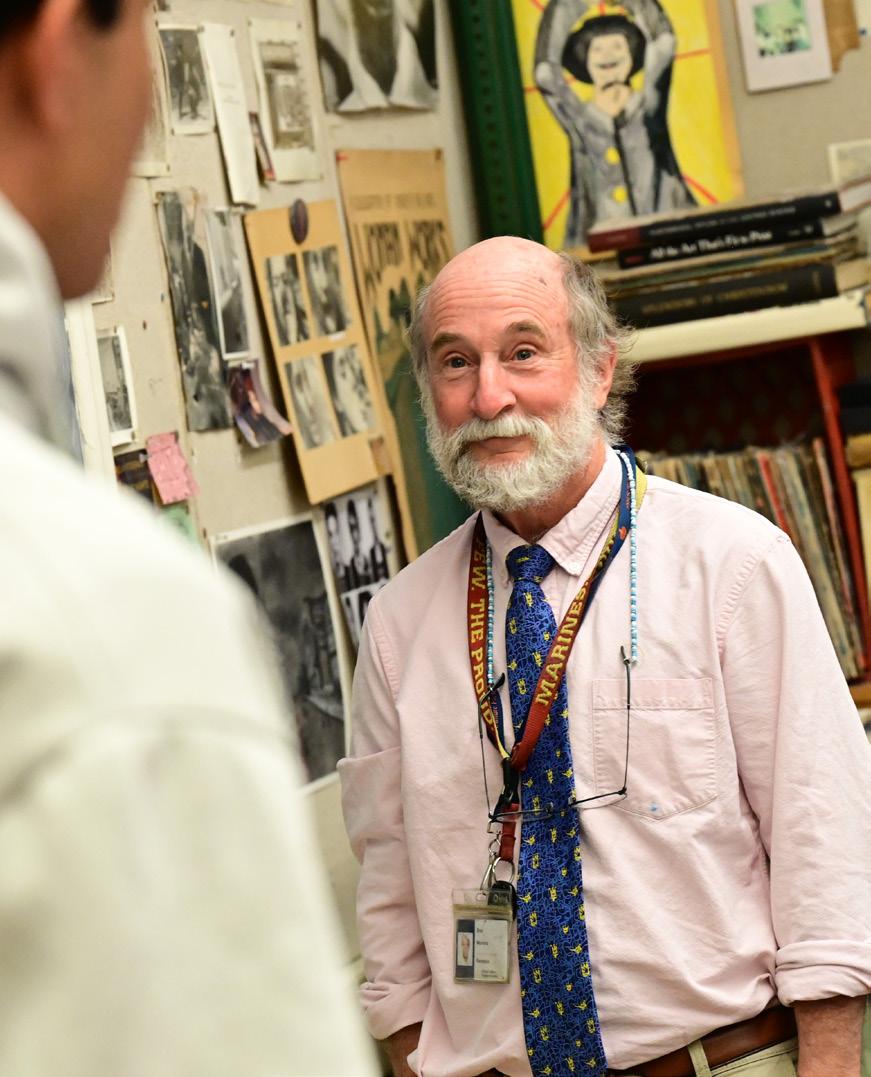
The collaborative atmosphere that defines The Fieldston News today, is, in no small part, a reflection of Bob Montera’s remarkable 40 years as its faculty advisor. For generations of students, Room 112 has been a newsroom, a workshop, and a proving ground shaped by his steady guidance. Montera cultivated a culture that prizes curiosity and editorial integrity and under his leadership, the paper became a space where student voices were taken seriously and where young journalists learned to trust their instincts while honing their writing prowess.
This spring, Montera passed the torch to English Teachers Dr. Elizabeth Nolte and Rachel Wortherly, yet his influence is far from finished. He will continue teaching in the fall and plans to remain a presence in the newsroom he helped build.
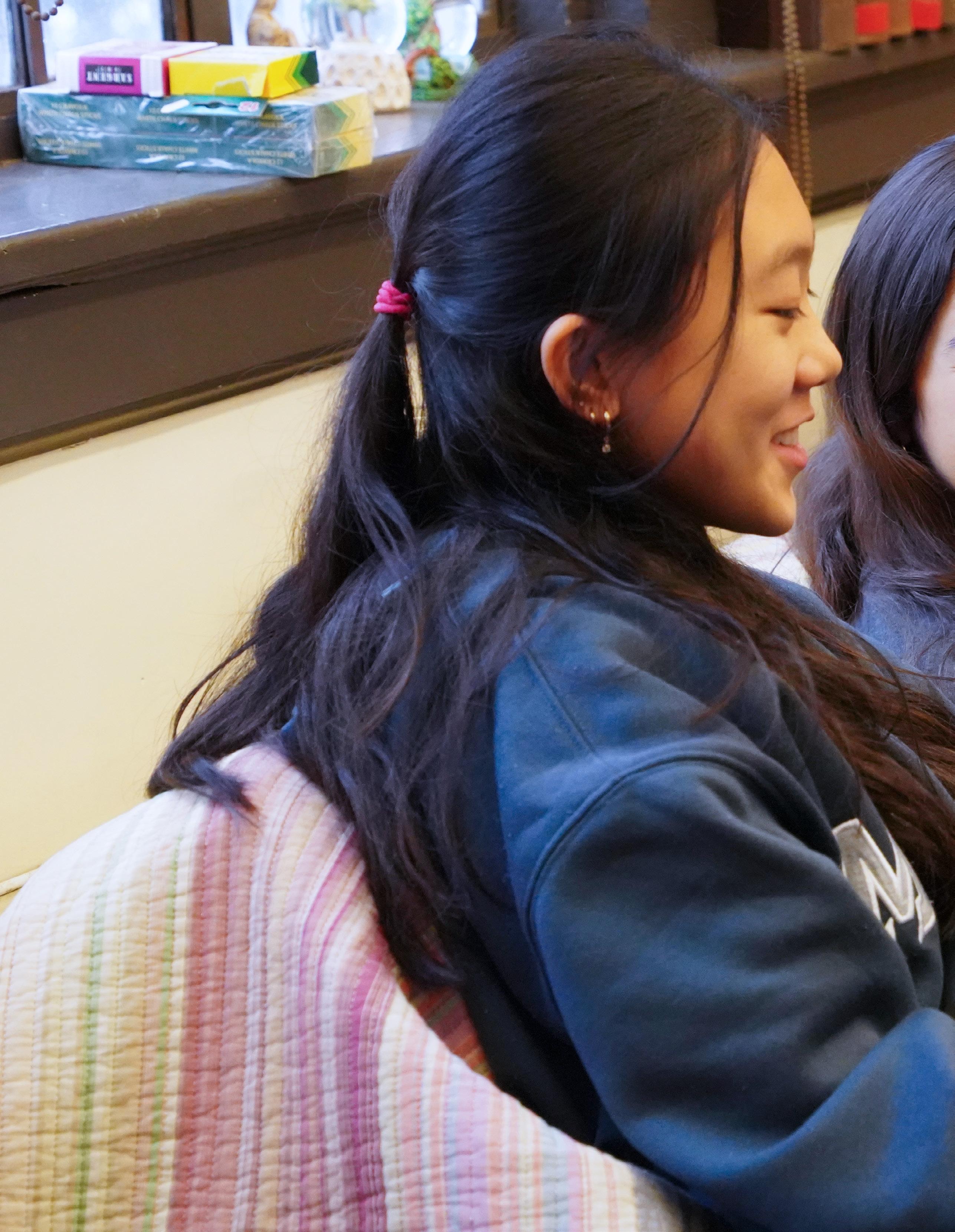
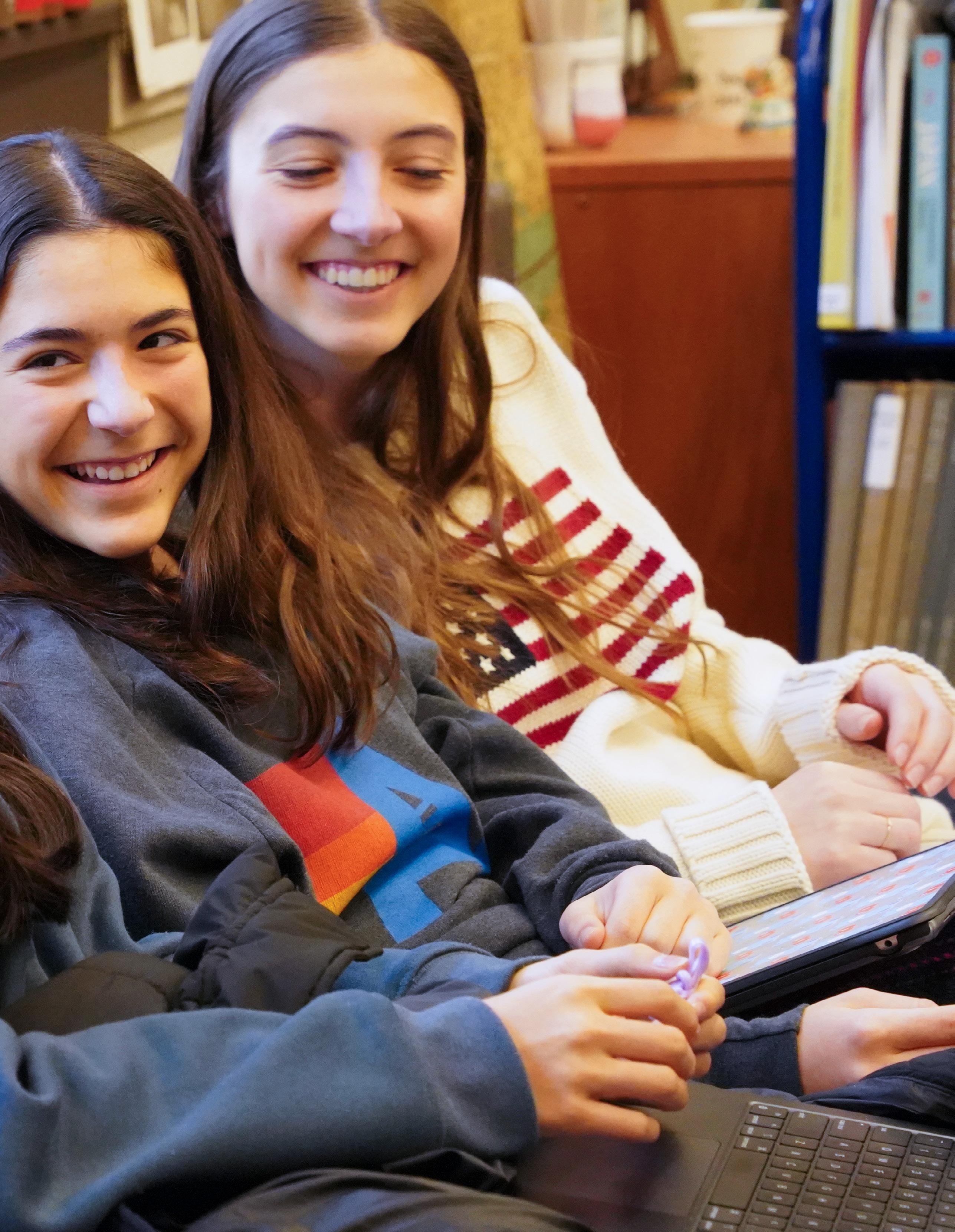
Fieldston News staff writers brainstorm during an editorial meeting.
SeasonOF GATHERING A
New traditions and a welcome return
Life at ECFS is shaped as much by the moments outside the classroom as those within it. This year, the community came together in two meaningful ways, with all proceeds directly benefiting the School. One unfolded on the ice on a crisp winter night full of laughter, wobbly skates, and Eagle spirit. The other was brought to life through music, conversation, and meaningful fundraising. These events marked a return to large-scale gatherings that celebrate connection, strengthen community, and support our School’s shared mission.
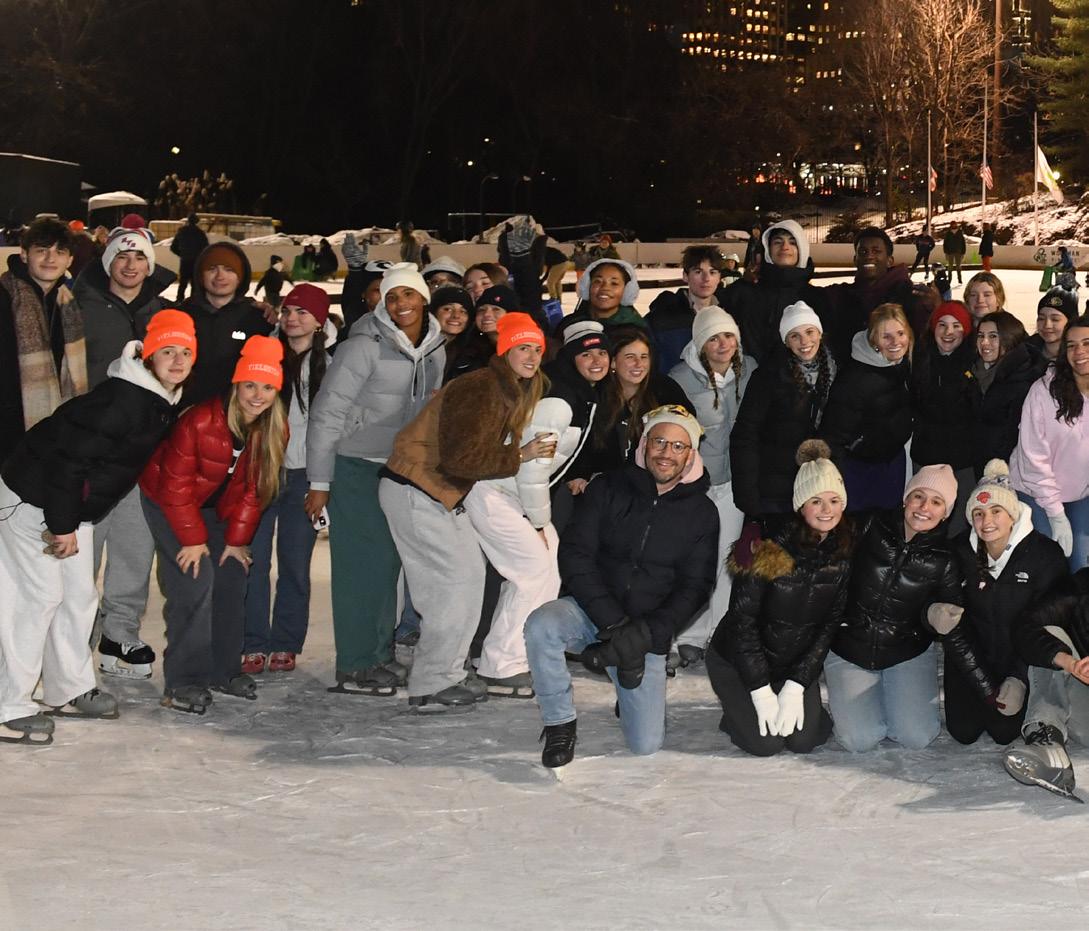
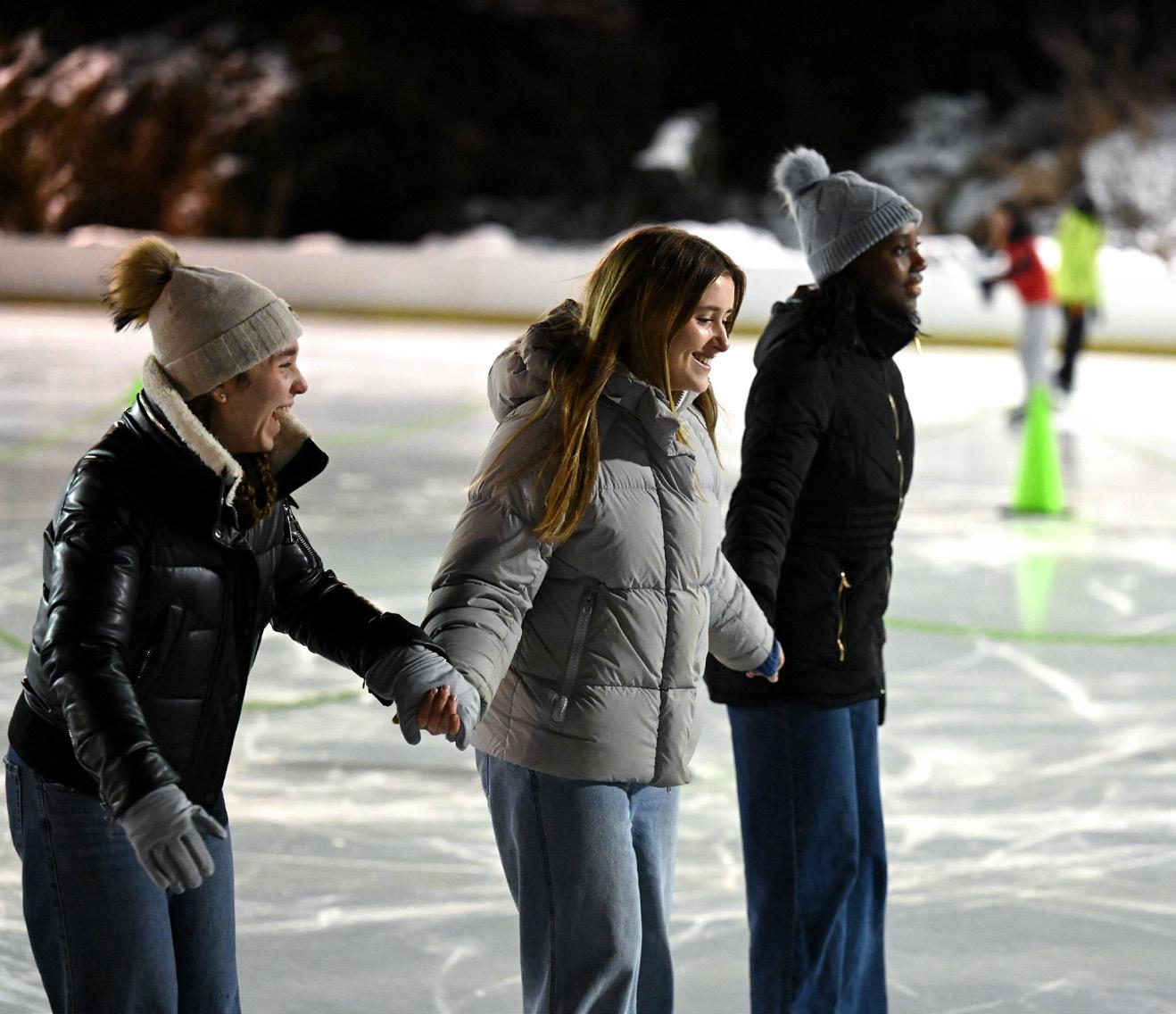
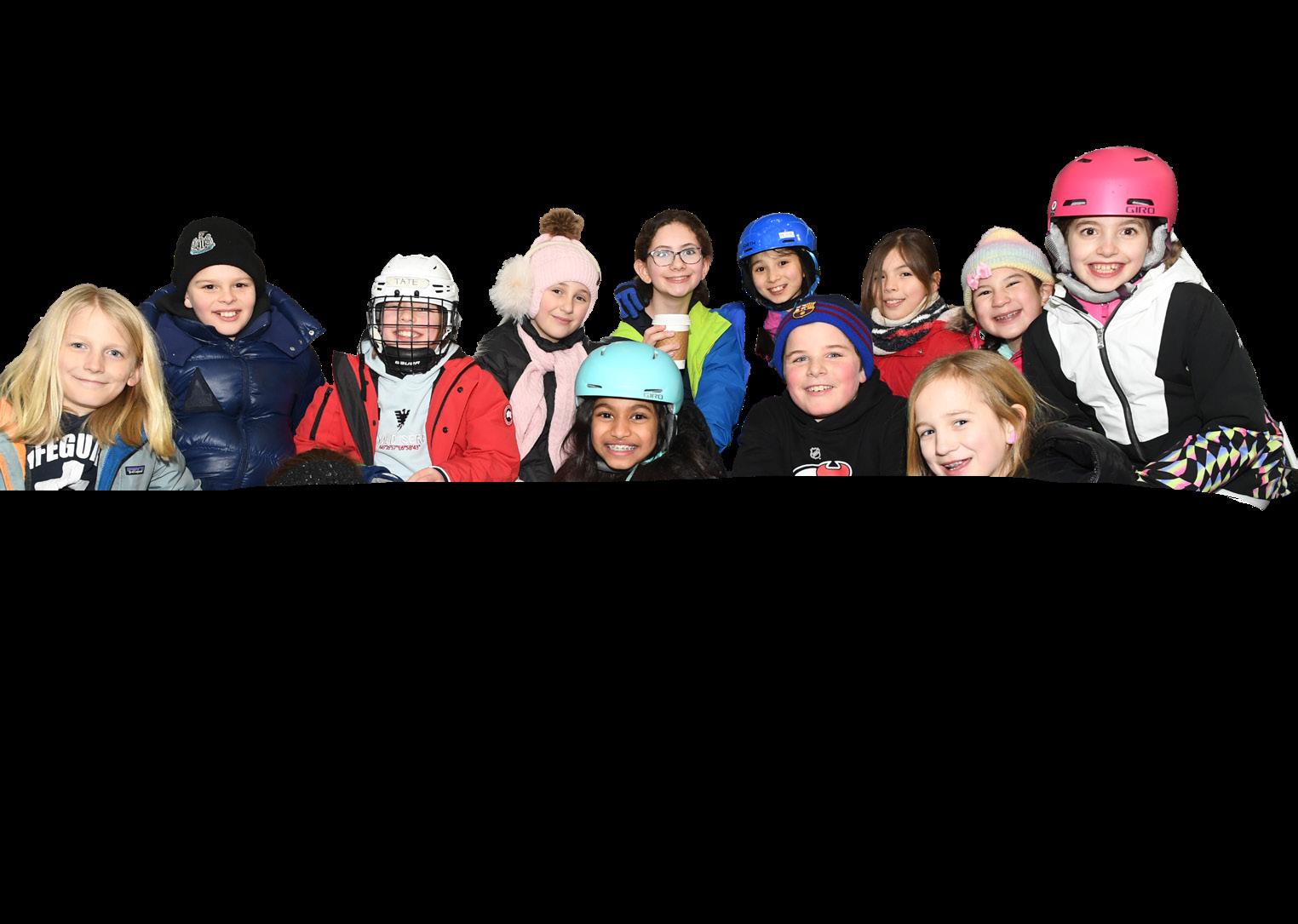

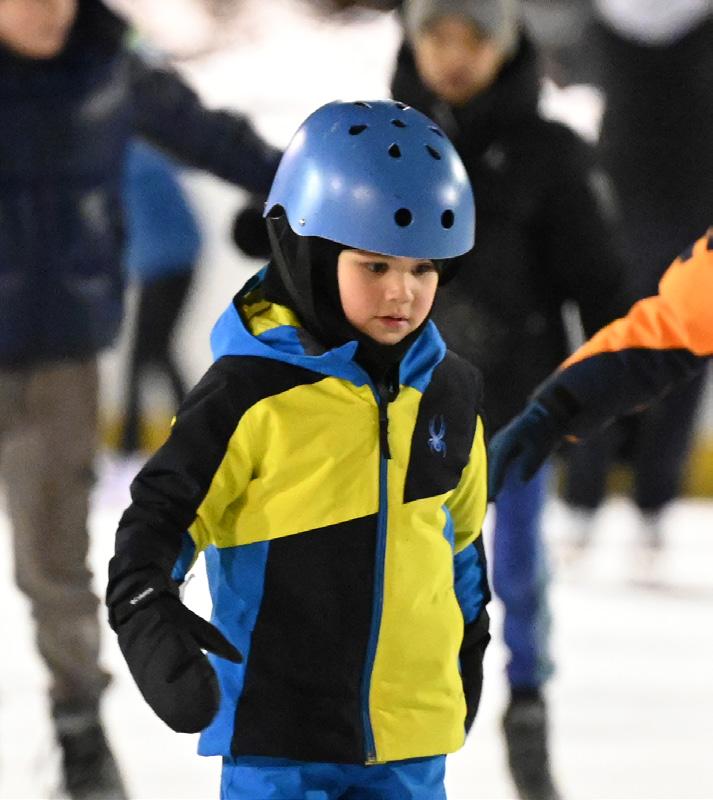
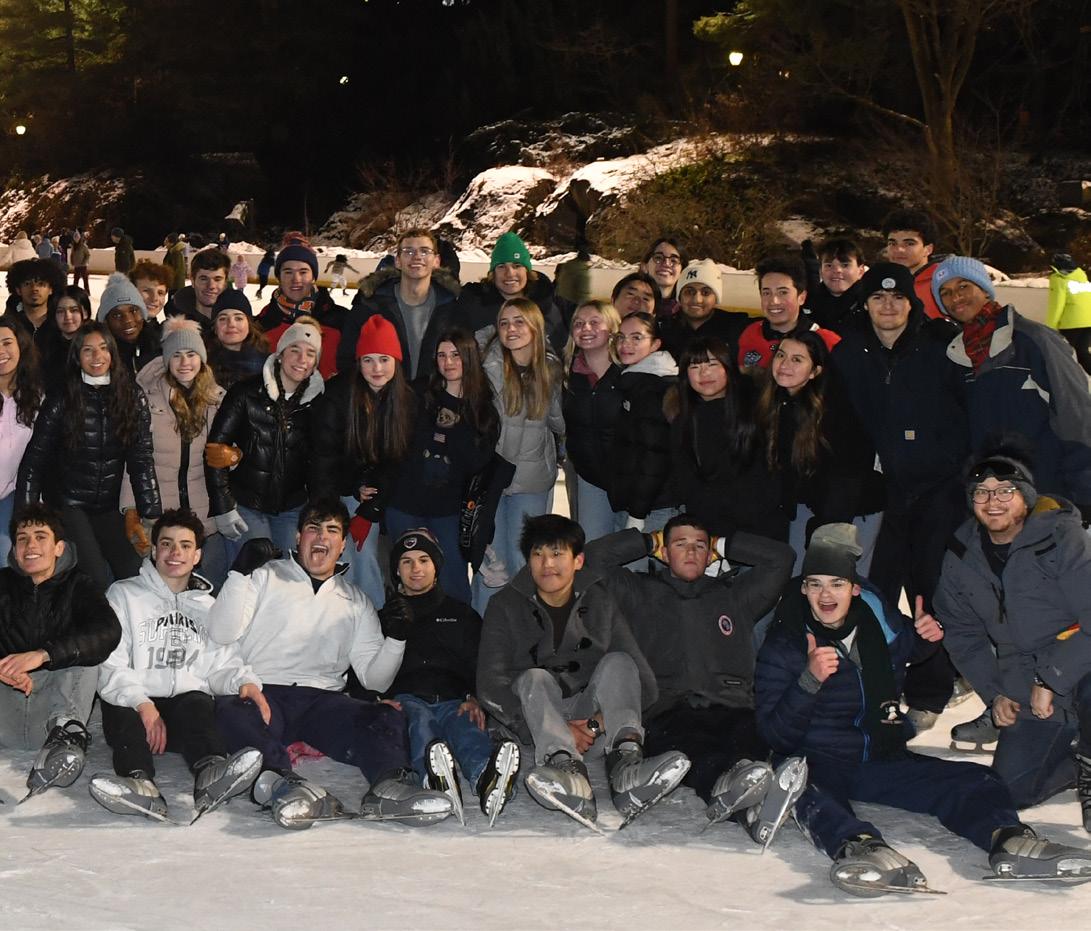
On a frigid evening in January, the community bundled up at Central Park’s Wollman Rink for the School’s first-ever ECFS Family Party With the rink reserved just for ECFS, the evening began with a Senior Skate-Out for the Class of 2026. Then skaters of all ages filled the ice, playing together and cheering one another on, all while others enjoyed delicious hot chocolate, warmed up in heated igloos, and caught up with old friends and new! Despite the sub-zero weather, the evening felt like the start of what is sure to be a lasting winter tradition at our School.

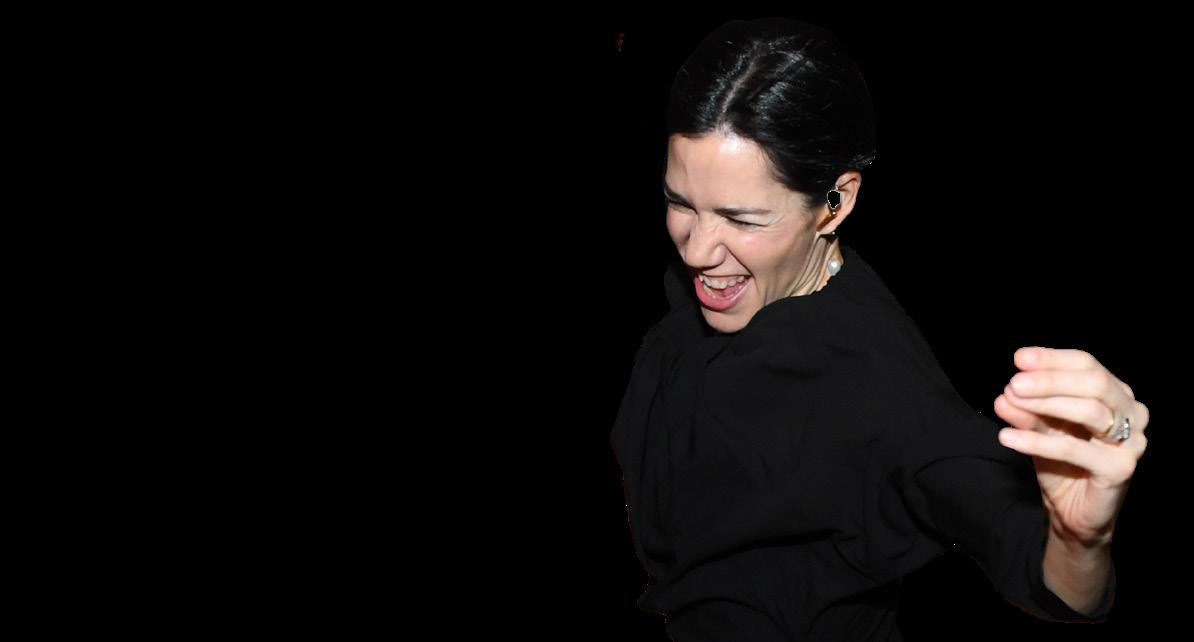

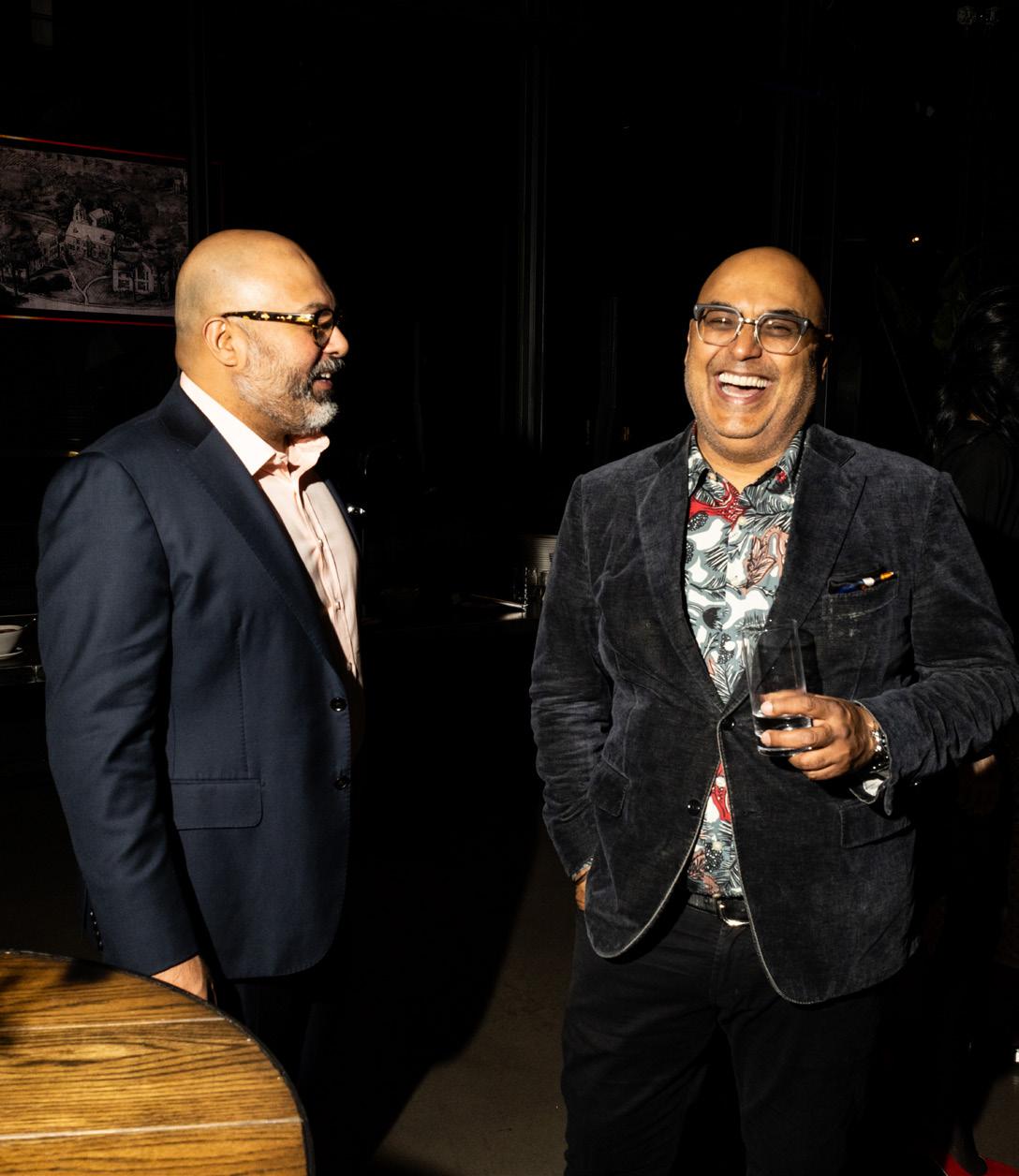
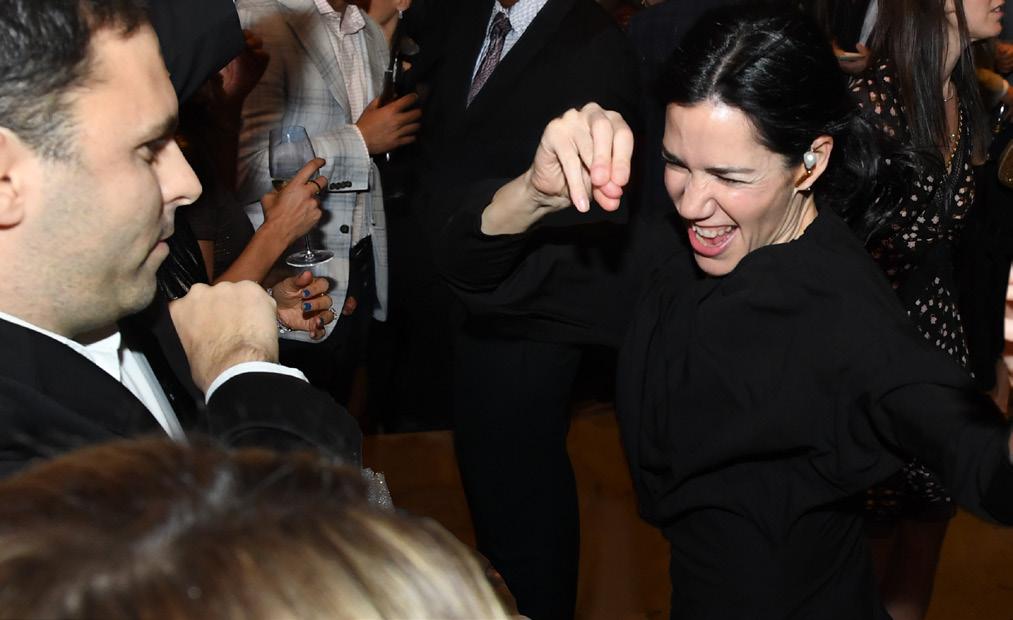
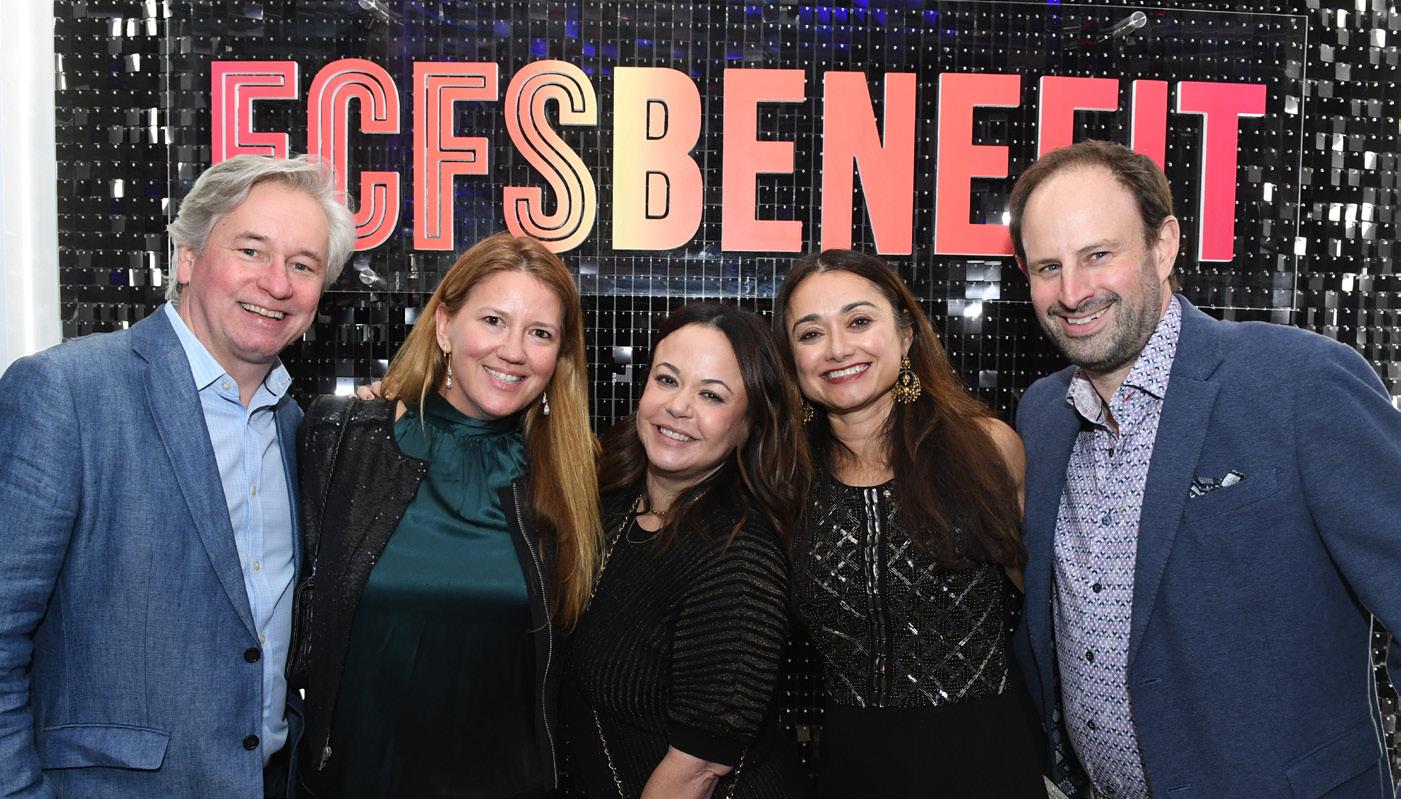
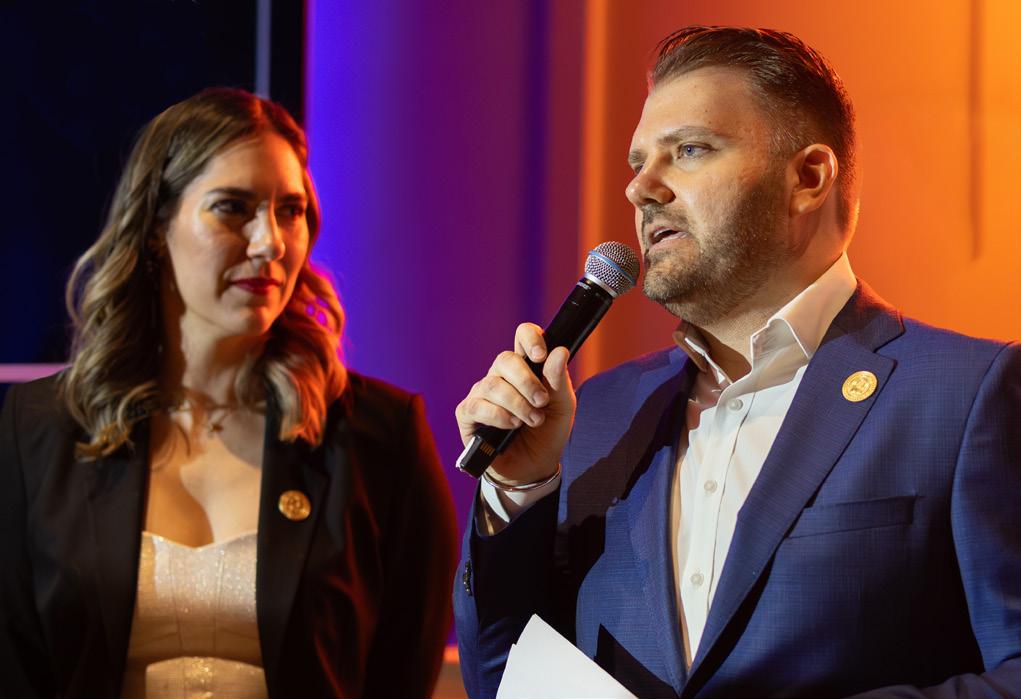
In March, community members gathered to help sustain one of the strongest financial aid programs in the country at the ECFS Benefit. At the first fundraiser of this scale in several years, guests enjoyed cocktails and a performance by the Fieldston Jazz Ensemble before coming together for dinner, remarks, and dancing. Proceeds directly support an essential part of the School’s mission, ensuring it remains a vibrant and welcoming place for all. We look forward to the next ECFS Benefit in 2028, when the entire community will be invited to celebrate 150 years of our storied history.
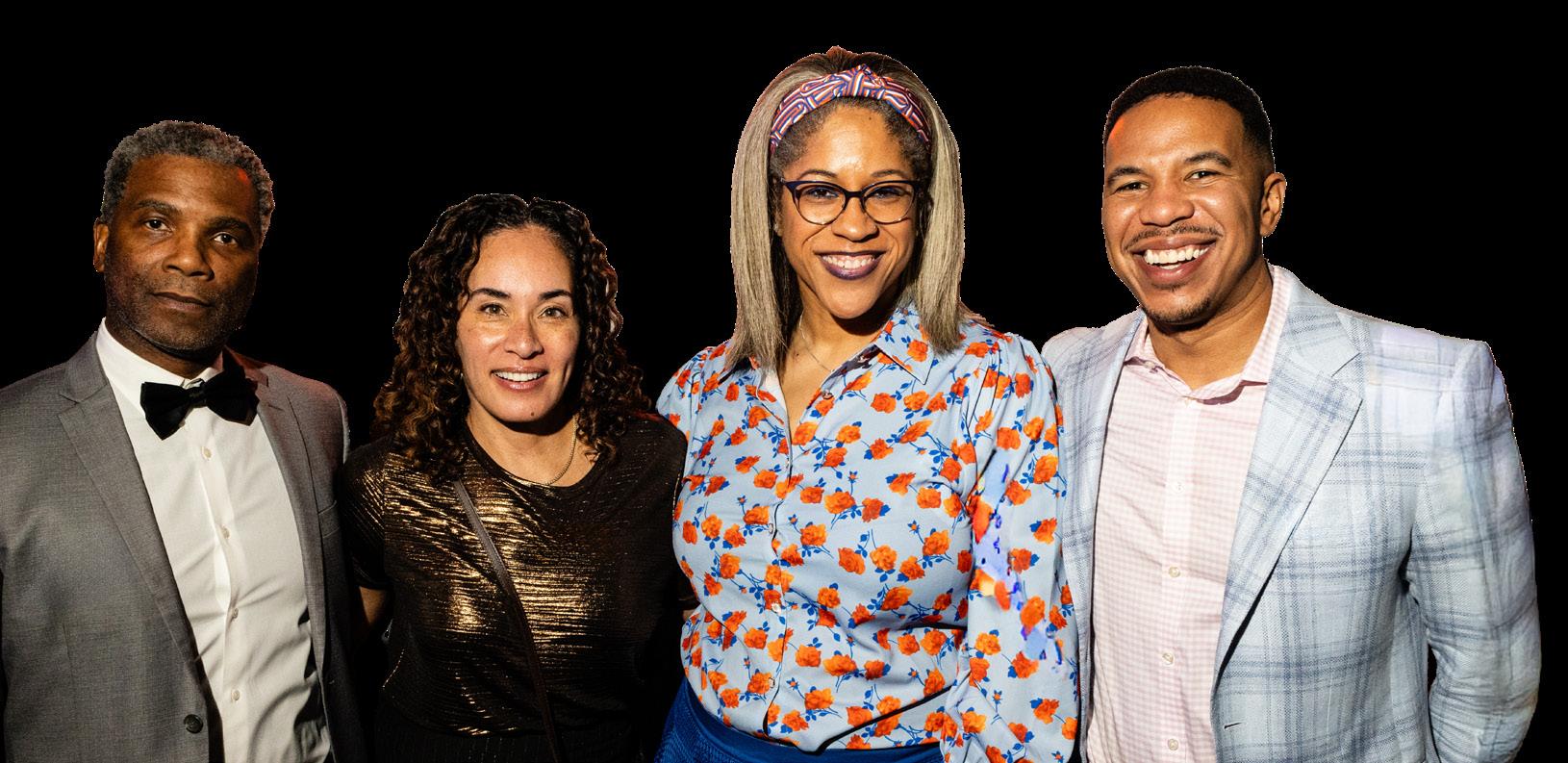
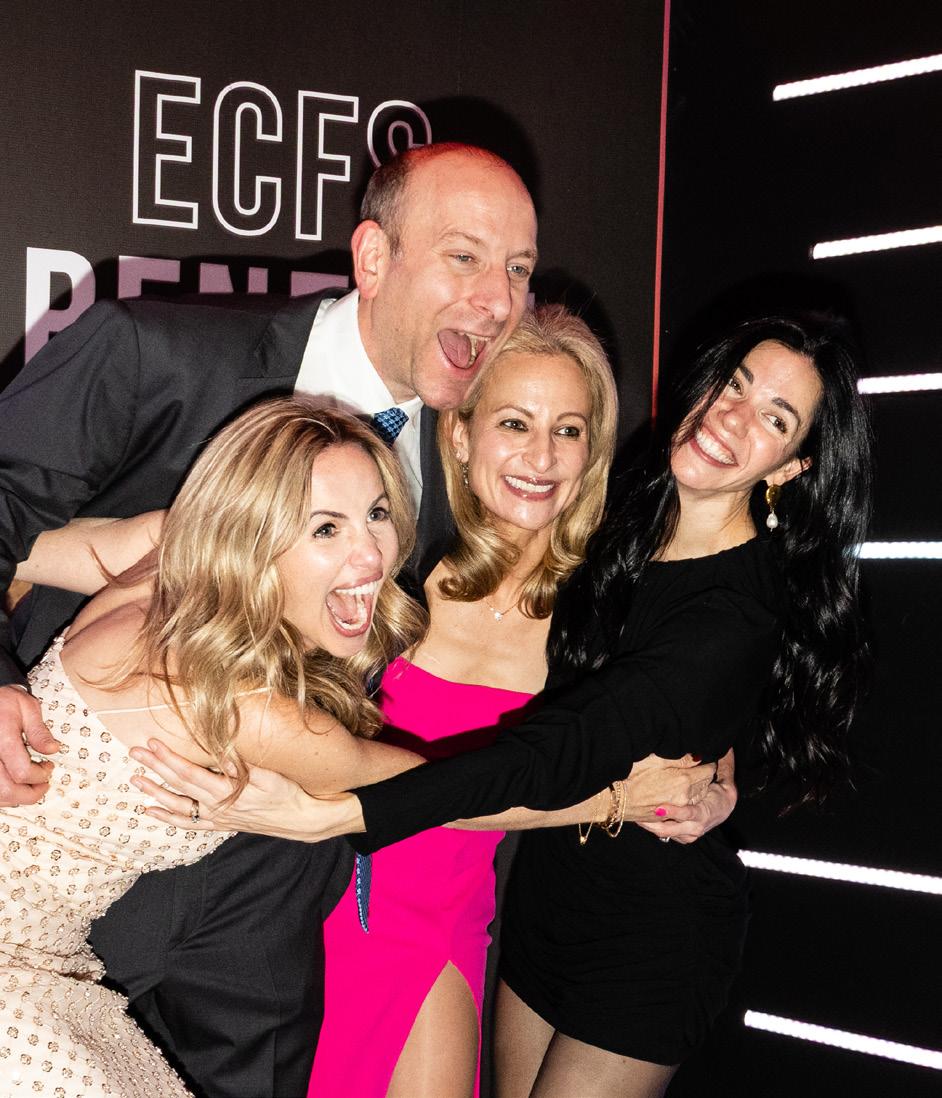
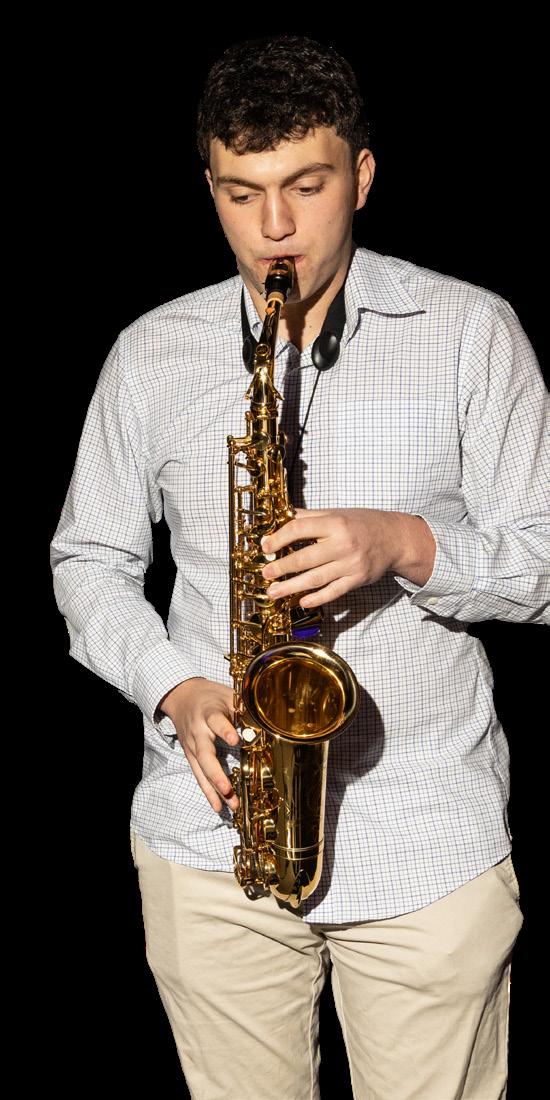
Ethical Culture Fieldston School
THE Flying
NEST
Life Beyond ECFS with the Class of 2025
With their diplomas proudly displayed and new lives unfolding, the Class of 2025 is discovering what is most important to them beyond the nest of the Fieldston campus. We asked five alumni to reflect on what Fieldston taught them, how those lessons have carried into college, and what advice they would offer to younger students.
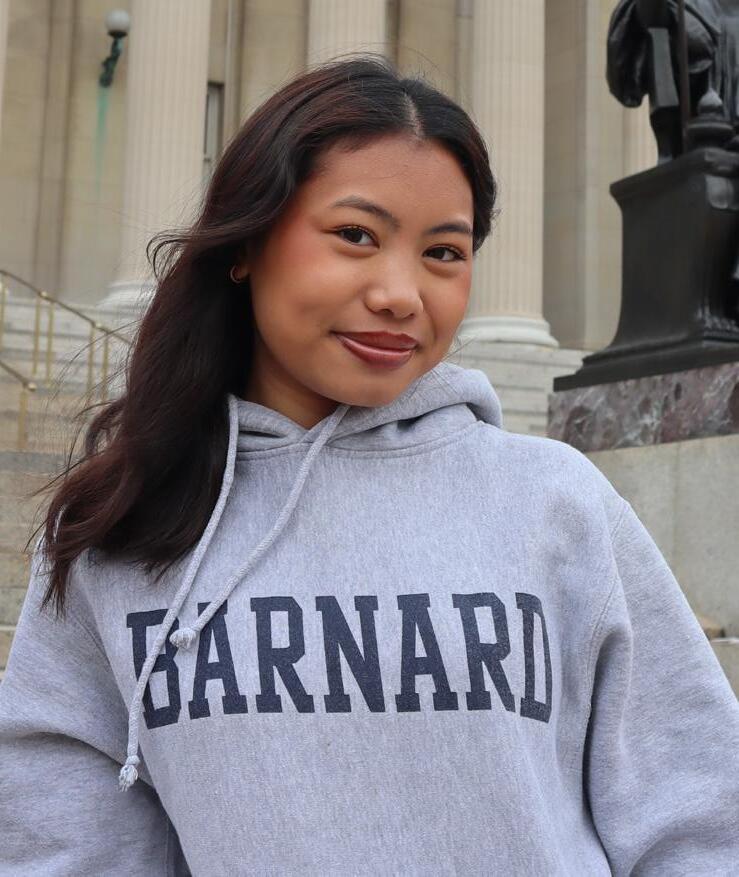
REANNA BILBAO ’25
Commencement Ceremony Speaker and current Barnard College student
Much of what I learned through the Community Service Advisory Board (CSAB) shaped my understanding of education as happening outside the classroom, which I think is just as important as what you learn inside it. Be comfortable with being uncomfortable. It’s so important to acknowledge when you have those feelings in college, because you’re not the only one grappling with them. Give yourself time.
I have a deeper appreciation for sitting in circles and having meaningful conversation, because that’s so much of what college is. Practicing dialogue at Fieldston fostered my critical thinking skills and exposed me to ideas I hadn’t encountered before. I’m really proud of the person I am, and of how Fieldston helped shape me.
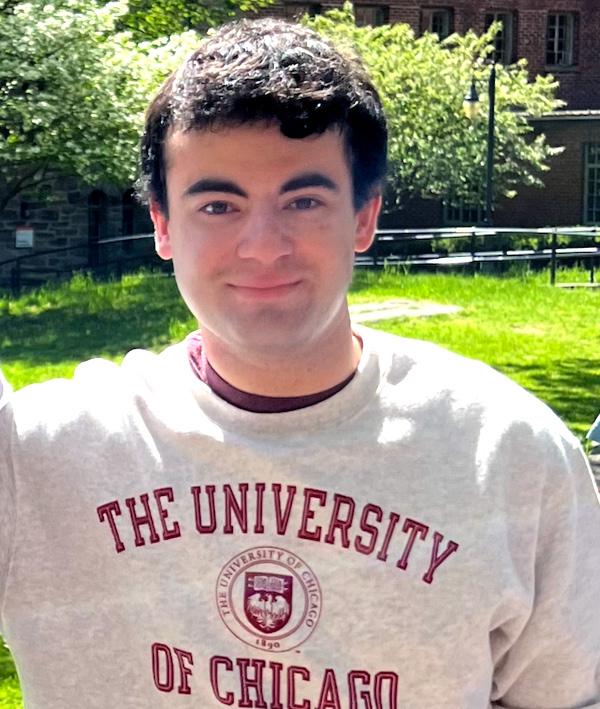
ALKIS KARMPALIOTIS ‘25
I’ve learned to be mindful of the distant future without letting it overwhelm me, because you can only control one day at a time. There are a lot of unknowns right now about what I’ll do next quarter, over the summer, or in my career. That could very easily be overwhelming, but it can also be exciting: ‘Wow, there’s so much out there, and who knows what I’m going to do.’
It’s good to sit with that discomfort in high school because it prepares you for what life will be like. Those bumps are part of the process. I know I’m only 19 and probably have no business offering grand wisdom, but what I’ve discovered in college is the importance of managing stress. Fieldston struck a good balance between academics and opportunities outside of school; this helped me learn how to manage different parts of my life in a healthy way.
Commencement Ceremony Speaker and current University of Chicago student
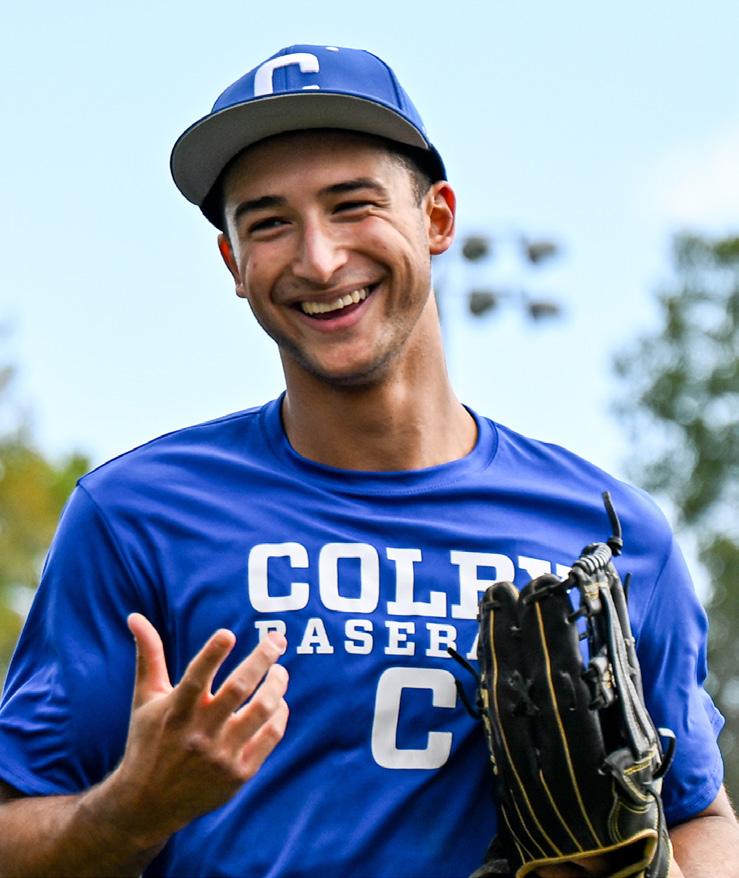
ELLIS LYNCH-KAHN ‘25
Former Fieldston Student Government Co-President and current Colby College student
Being independent and flexible is important. Go forward every day with a growth mindset, confident in who you are and your decisions. I wish I had challenged myself more in high school. Every time I’ve noticed real growth as a person, whether mentally or physically, it’s been after getting through something difficult. Whether it’s taking a hard class or trying a new team or extracurricular, challenge yourself, because that doesn’t stop.
Beyond the classroom at Fieldston, sports taught me how to make friends, get through hard times, celebrate successes, and keep moving forward. Your environment and the people around you dictate a lot in your life, and I wish I had more time with my high school friends.
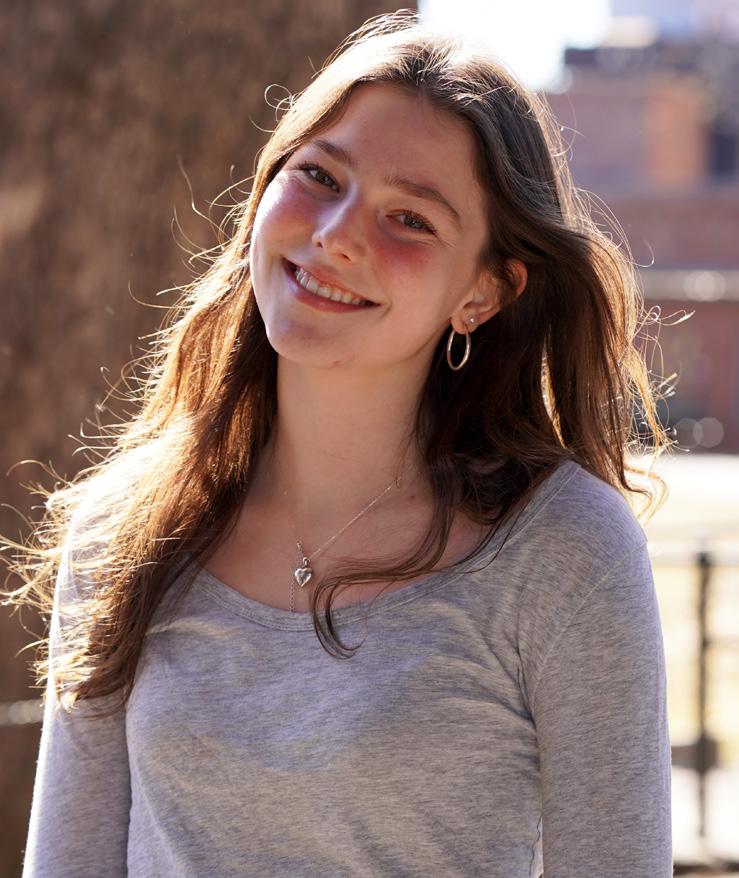
NATALIA POSEN ‘25
Commencement Ceremony Speaker and current Duke University student
Fieldston taught me how to navigate academic challenges. My intensive chemistry class felt like the hardest thing in the world, and I learned that chemistry didn’t come easily to me. I figured out how to take something that wasn’t immediately clicking and develop new study habits to overcome those challenges. Now, in college, when I need to master hundreds of notes, I know how to tackle the material. I wouldn’t know where to start if I hadn’t been pushed to build those skills.
My transition to college was also much smoother than I expected. After nine years at Fieldston, I expected that starting at a new school and being with different people was going to be difficult. Instead, Fieldston prepared me so well academically that I’m able to focus more of my energy on maintaining a healthy lifestyle and feeling happy in my everyday life.
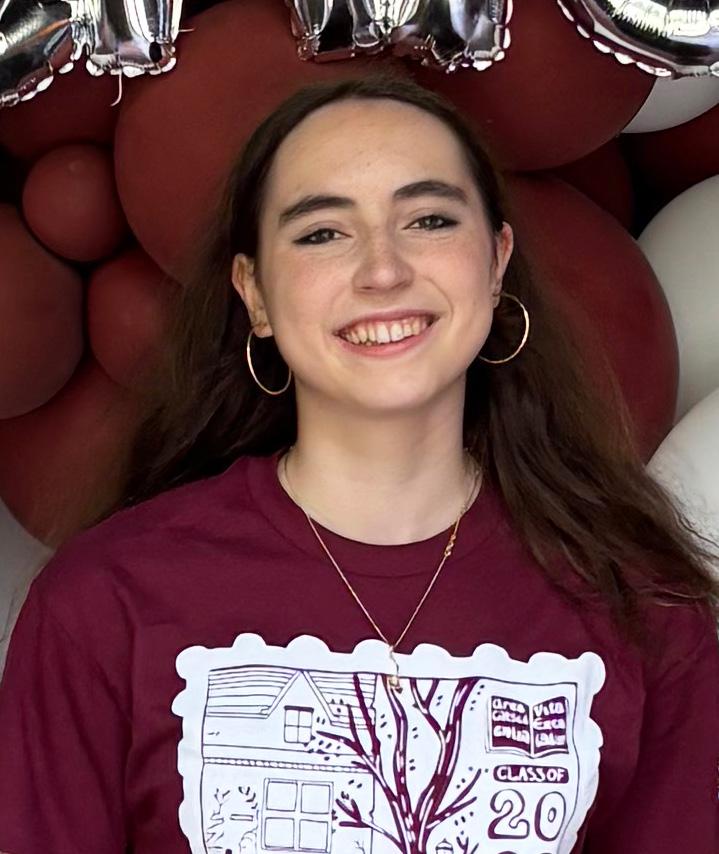
CLARA TRIPP ‘25
Former Fieldston Student Government Co-President and current University of Chicago student
Looking back at high school, I’ve been identifying things that I wish I had been more involved in. College is a fresh start, so what do you want to do with that opportunity? Journalism was one of those things, so as soon as I arrived, I joined The Chicago Maroon, the student newspaper. I’d encourage people at the beginning of college to say yes to everything. On one hand, you might discover a new passion, or on the other hand, if you really dislike something, you still gain valuable information about yourself.
I’ve also loved exploring Chicago and its different neighborhoods. I didn’t have as much independent mobility in high school, so I’ve loved living in a city so much. I’m excited to take advantage of pure learning opportunities both in and out of the classroom and continue to engage more deeply with the humanities.
Our alumni carry the ethical values nurtured at ECFS forward, making a meaningful difference in their communities and beyond. Guided by a strong sense of moral responsibility, they are advancing medicine, leading top nonprofit and philanthropic organizations, and championing access and equity. Now more important than ever, their journeys reflect the enduring power of an ECFS education, one that sharpens the intellect while instilling the compassion and integrity needed to build a better world.
WHERE WILL ECFS
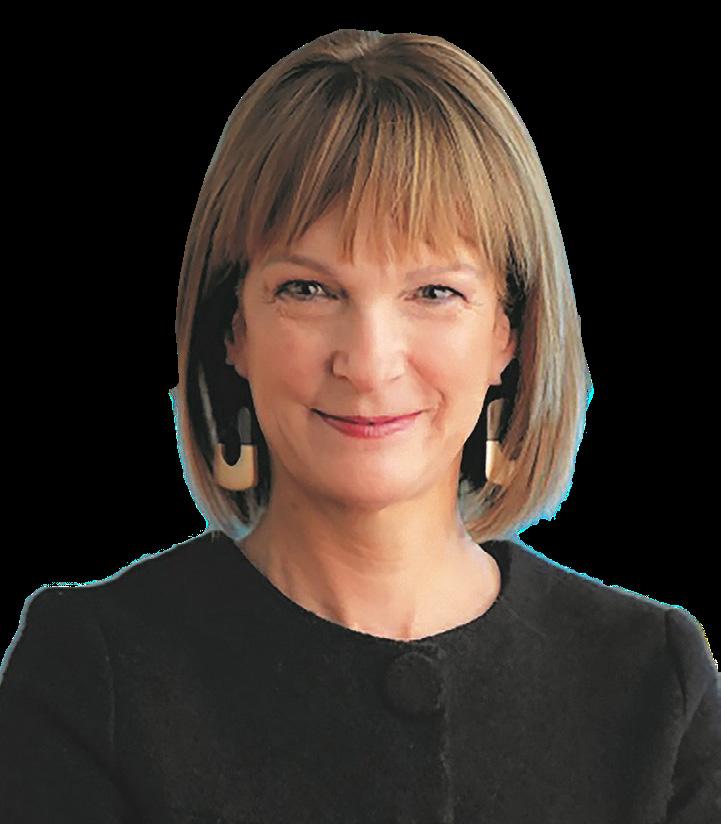
PATRICIA HARRIS ’73 CEO, Bloomberg Philanthropies
Fieldston made us feel like we could be anything we wanted and accomplish anything we set our minds to. It also taught us about our responsibility to give back. Through ethics classes, conversations with friends and teachers, and the sense of fairness and service that permeates the School, I graduated with a deeply felt need to participate in the life of our city and make a difference.
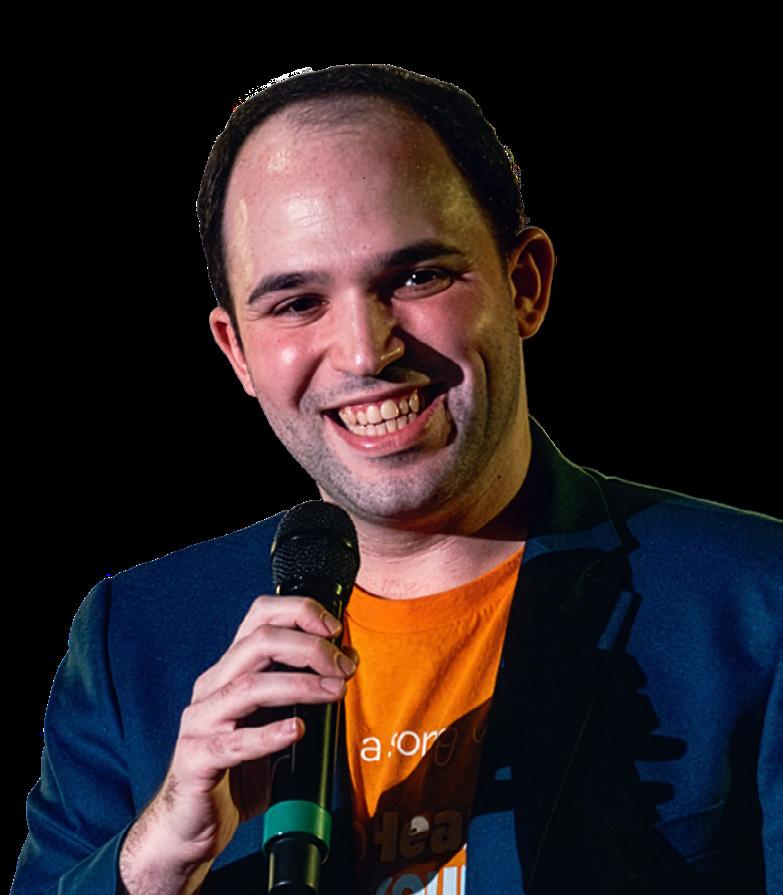
DANIEL
RUBINS ’12
Co-Founder and Executive Director of Hear Your Song
In the 5th Grade, my teacher Danielle Neufeld set up a year-long partnership between our class and Elizabeth Seton Children’s, a pediatric residence for medically fragile kids. I had never interacted with non-verbal or chronically ill peers before, but Danielle made sure that we were there to build real relationships and make friends. Years later, I started Hear Your Song as a college club to help youth with serious illnesses write and produce their own songs. Ten years later, we’re now a nonprofit with international reach, and we still collaborate with residents at Elizabeth Seton today!
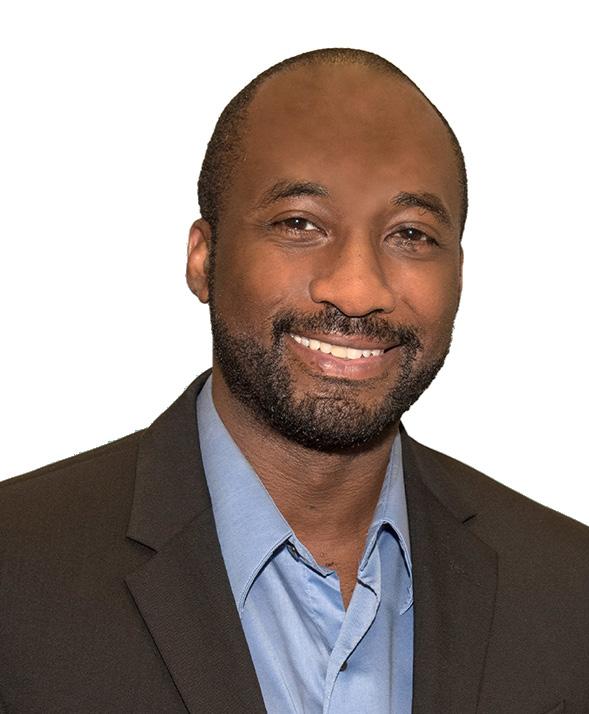
JELANI ROY ’99
Director, Partner Practice Group at Major, Lindsey & Africa
My education at Fieldston deeply impacted my career path. I began in sports law, later became an NFL agent, and today serve as an executive recruiter in the legal market, working primarily with law firm partners and in-house counsel.
The values and lessons I learned at Fieldston shaped my professional life and have proven indispensable. The School also fostered a spirit of collaboration from the football field to the theater stage and taught us to listen to one another carefully, and that every role matters. To me, success means understanding your role, fulfilling it with integrity, and supporting the people you are entrusted to help.
ECFS TAKE YOU?
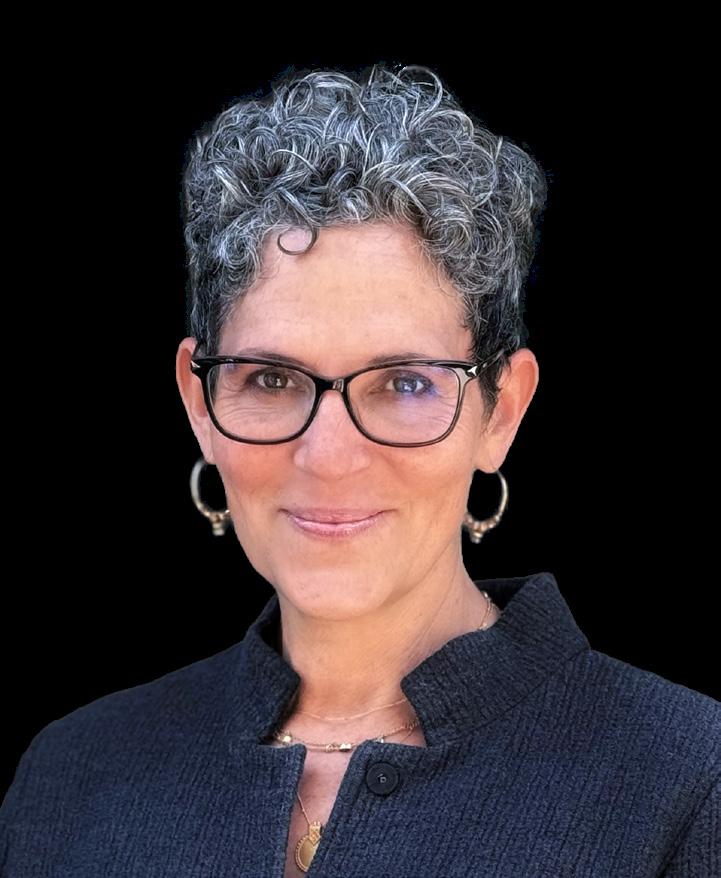
KAIA STERN ’90
Faculty, Harvard Graduate School of Education; Co-founder, Prison Studies Project; Director of Justice Initiatives, Public Works Alliance
Fieldston introduced me to the practice of writing and rewriting, and taught me the value of seeking mentors and sustaining friendship. I also remember learning about constitutional law in 7th Grade from a guest speaker who focused on criminal defense. That class helped guide my professional work for justice. Access to education and attention to ethics are part of Fieldston’s founding and most certainly shape my understanding of ethical responsibility.
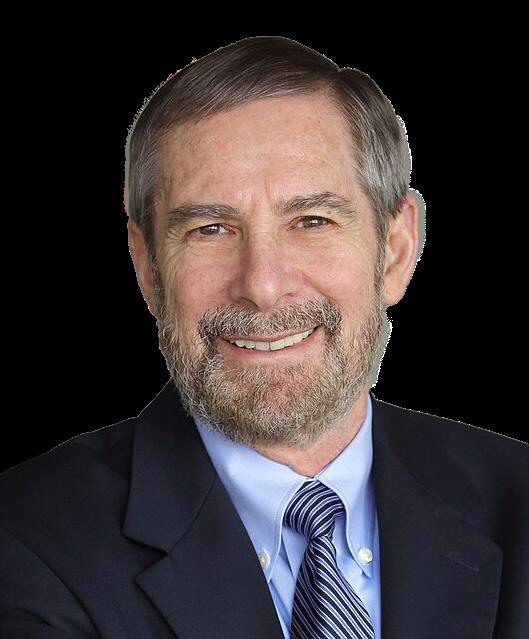
DOUGLAS LOWY ’60
Deputy Director, National Cancer Institute
Beyond our academic classes, which enabled me to receive an extraordinary formal education, our ethics classes had an enormous impact on me. They helped me to recognize the value of all lives and important distinctions between moral relativism and moral absolutism. These issues have played a critical role in the research conducted by me and my NCI colleagues in developing the HPV vaccine and optimizing its utility. It is part of the national vaccine programs of around 150 countries, as the vaccine can prevent almost all HPV-associated cancers, including cervical cancer, which kills more than 300,000 women each year, 90% of whom live in low- and middle-income countries.
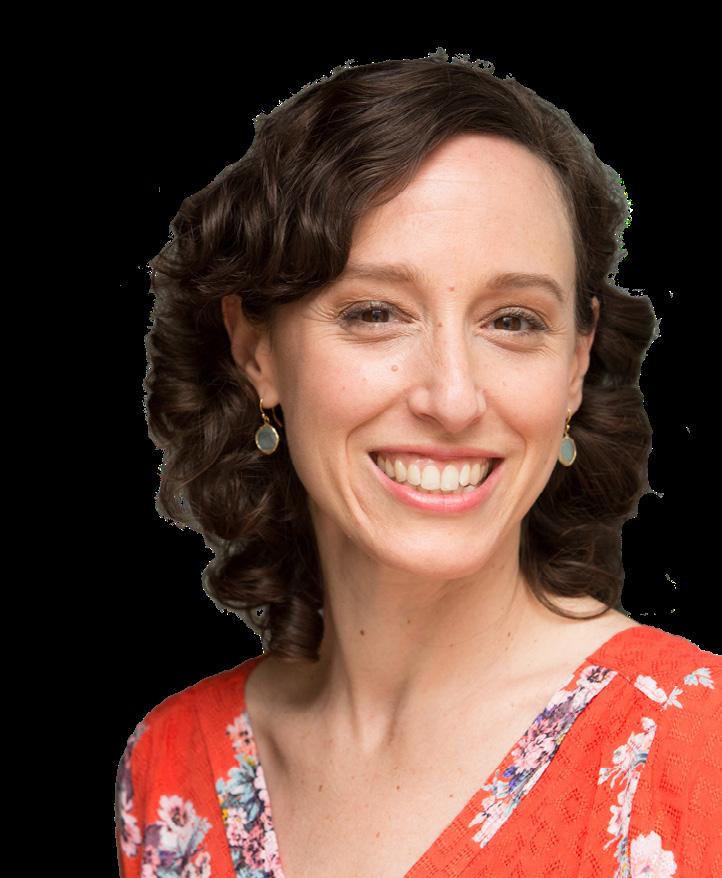
ROMY SILVER-KOHN ’99
Professor and Co-Editor of Inventing the Modern: Untold Stories of the Women Who Shaped The Museum of Modern Art
Fieldston is where I first began to see myself as someone who loves learning. It taught me to be intellectually open, to value the role art plays in our lives, to think historically, and to pursue accuracy through careful research. The history classes encouraged me not only to absorb what was presented, but to question what was missing and whose voices were absent. This approach shaped my career path, inspiring me to help others ask similar questions through museum work, writing, and teaching.
IN MEMORIAM
FIELDSTON ALUMNI
ECFS honors and remembers the alumni we lost this year.
Joseph Amiel ’55
Robin (Goodman) Dash ’72
Victor Grossman ’45
George Heinrich ’63
Stephen Hess ’51
Alice Heyman ’56
Fred Johnson ’70
Leslie Kandell ’54
Patricia Kaufman ’46
Ellen Kirschner ’68
Jonathan Leader ’60
Susan (Morse) Berson ’55
Jeremiah Ostriker ’55
Thalia Pandiri ’60
This list represents all in memoriam submissions between February 2025 and March 2026. If classmates are missing, please email alumni@ecfs.org so we may honor them in future editions.
JOSEPH AMIEL ’55
Mildred Rapp ’59
Michael Rosen ’58
Norman Stoff ’59
Rena Sonshine ’63
Cora (Rubin) Weiss ’52
Stephen Weschler ’45
Akira Wong ’99
FRED JOHNSON ’70
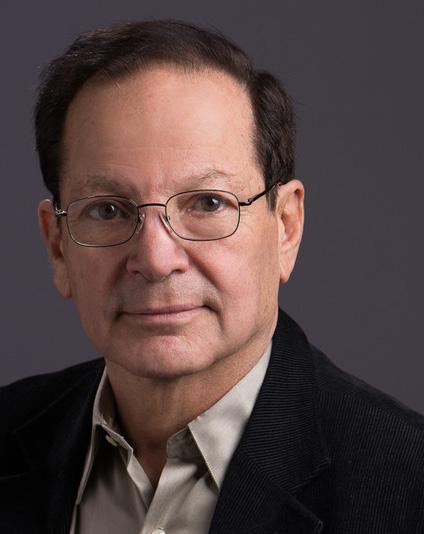
Joseph, an author, artist, and longtime supporter of ethics education, died peacefully at his home in September. He was 88. Born in New York City to Ethel and Jack Amiel, Joseph showed artistic promise early, developing into a painter and sculptor while also pursuing a lifelong love of storytelling. He published six novels, along with articles, short stories, and two screenplays. Joseph graduated from Fieldston in 1955, with which he maintained a deep and enduring connection, serving on numerous boards and helping organize a fund to support ethics education. He went on to graduate from Amherst College and Yale Law School and was a member of the New York State Bar.
A proud New Yorker, Joseph was a devoted, if long-suffering, fan of the Knicks, Giants, and Mets. He is survived by his beloved wife of 65 years, Nancy; his daughter, Andrea, and her husband, Jeff; his son, Jack, and his wife, Darcy; his grandchildren, Joey, Lily, and Ben; and his sister, Linda. He was also a proud uncle, cousin, and devoted friend.
Fred passed away on February 15, 2025. From a young age, Fred was deeply committed to education. While attending PS 129, he was recognized for his academic excellence and encouraged to apply to ECFS. He was accepted and attended Fieldston from middle school through graduation.
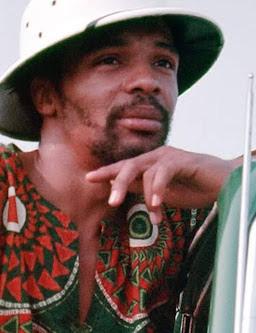
One of Fred’s most significant accomplishments during his time at Fieldston was his role in the 1970 student lockout. He was among a group of sixty students, primarily Black and Latino, who peacefully occupied the School and demanded that the administration commit to greater diversity in the student body, faculty, and curriculum. A passionate reader, Fred was also a dedicated writer. He was a member of an all-men’s book club that met weekly on Zoom. His career spanned journalism, television, film, and beyond, and he remained intellectually curious throughout his life, continuing to write even during his illness and final days in the hospital. Though he is no longer with us, Fred left a lasting legacy, from Harlem to Hollywood. He is survived by his wife, Elizabeth “Beebe” Smith, and his three children, Jacqueline, Jasmine, and Ulysses Johnson.
CORA (RUBIN) WEISS ’52
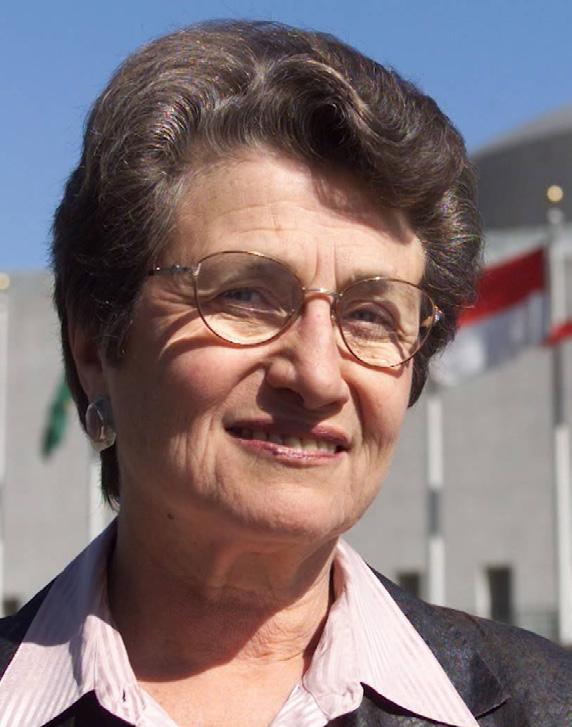
Cora, a leading figure in American peace and social justice movements for more than half a century, died in December at age 91.
Cora grew up in a politically engaged Jewish family, graduated from Fieldston in 1952, and earned a bachelor’s degree in cultural anthropology from the University of Wisconsin–Madison.
Cora rose to national prominence in the early 1960s through Women Strike for Peace, helping expose the dangers of nuclear weapons testing and contributing to the 1963 treaty banning atmospheric nuclear tests. By the late 1960s, she was a central organizer of the anti-Vietnam War movement, serving as co-chairwoman of the New Mobilization Committee to End the War in Vietnam. She later traveled to Hanoi and helped establish a channel for communication between American prisoners of war and their families. A lifelong supporter of the United Nations, she helped draft U.N. Security Council Resolution 1325 on women, peace, and security and later led the Hague Appeal for Peace.
Cora was married to the lawyer Peter Weiss, who died in November. In addition to her son Daniel, she is survived by two daughters, Judy and Tamara Weiss; five grandchildren; and a brother, Reed Rubin. Cora lived a life of persistent, pragmatic activism, grounded in the belief that determined citizens, working collectively, could bend history toward justice and peace.
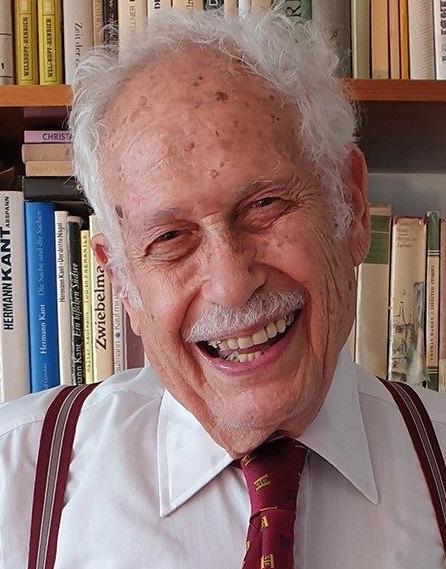
STEPHEN WESCHLER ’45
Stephen, an American journalist and author who spent most of his life in East Germany and later in reunified Germany, died on December 17, 2025, in Berlin. Stephen graduated from Fieldston in 1945 and Harvard University in 1949.
A lifelong communist, Stephen joined the Communist Party USA during World War II and later deserted the U.S. Army to seek refuge in the Soviet-occupied zone of Austria, eventually settling in the German Democratic Republic and living the remainder of his life using the alias Victor Grossman. He worked as a journalist, editor, and cultural mediator, helping to bring progressive American voices to East German audiences. Stephen authored several books, including his autobiography Crossing the River and Rebel Girls: 34 American Women in Portrait, and remained politically engaged throughout his life. He was married to librarian Renate Kirschner,, with whom he had two sons, Thomas and Timothy.
His extraordinary life as a witness to and participant in the tumult of the 20th century leaves a unique legacy, bridging American and German history.
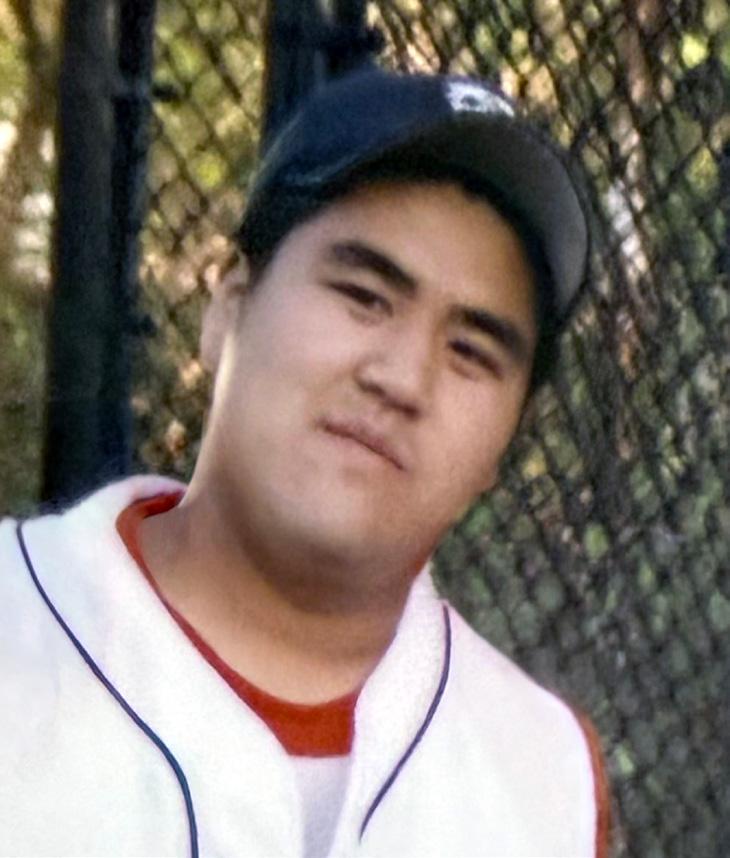
AKIRA WONG ’99
Akira died on February 8, 2026, after a hard-fought battle with cancer. He attended ECFS for 13 years, beginning in Kindergarten at Ethical Culture, and was beloved by teachers and classmates for his warmth and engaging spirit.
After graduating from Fieldston, Akira became an accomplished chef in New Jersey, specializing in Asian fusion cuisine. He held prominent roles at Ippudo in Manhattan and Nami Nori in New Jersey, and helped open Ellen’s on Front in Greenport, N.Y., alongside head chef Jennie Werts ’03 and her brother, Andrew Werts ’99. His creative spirit was deeply influenced by his mother, Tomie Arai, a renowned artist exploring Asian American history and identity. Akira had a rare ability to connect with everyone he met. A standout baseball player, he began in West Side Little League in Riverside Park, where his father, Legan Wong, taught him the fundamentals. By high school, he was one of Fieldston’s best. In 1998 and 1999, he led the Eagles to back-to-back Ivy League championships, earning First-Team All-Ivy honors both years. His at-bats drew roaring crowds and the chant: “W-O-N-G, Wong, Wong, Wong!” He will be remembered for his spontaneous, warm laugh, his gift for bringing people together, and, above all, for being a loyal friend and a truly good person.
Ethical Culture Fieldston School
CLASS NOTES
Read on to hear self-reported personal news, professional accomplishments, and more from your fellow Eagles! Have an update to share? Email it to alumni@ecfs.org today.
1944
Joan (Feldman) Kron ’44 shares that, at age 98, her fifth book, The Renegade Housewives of Pop Art: A Memoir of the ’60s, will be published this fall by Pointed Leaf Press. The large-format book, with more than 300 pages and 100 photographs, chronicles how she and Audrey Sabol helped introduce Pop Art to conservative Philadelphia during the 1960s. Their efforts included presenting the city’s first Happening, bringing the Velvet Underground to Philadelphia, and exhibiting works by Roy Lichtenstein, Robert Indiana, Ed Ruscha, Marisol, and Andy Warhol. They also staged the first East Coast Pop Art show in Philadelphia, introducing audiences to artists including Jasper Johns, Robert Rauschenberg, Claes Oldenburg, and Christo.
1951
Marian Pack Howard ’51 reports that she is living in an interesting retirement community on a college campus, Valle Verde Broadview, where she is also taking courses alongside college students. She adds that it has been great fun.
1954
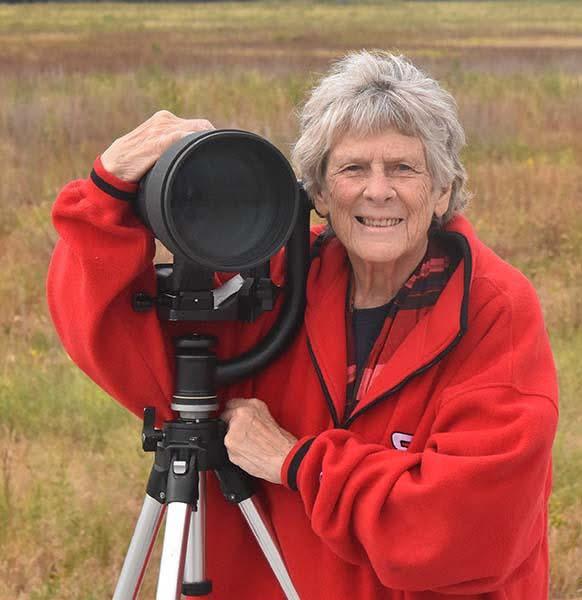
Marian Brickner ’54 shares, “Turns out, I am a wildlife photographer!”
Andrew Courtney ’54 shares that his work is currently featured in two exhibitions: at Upstream Gallery in Hastings-on-Hudson, New York, and at the Garrison Art Center in Garrison, New York. The exhibitions include Our Future In Your Hands at Upstream Gallery and I See You at the Garrison Art Center.
1956
Arthur Roberts ’56 remains gratefully active in acting. In February, he starred in “One Last Drive,” playing an older man with not quite all his marbles who takes over an Uber driver’s car, in a role both comedic and dramatic. In August, he shot the Spectrum “It’s Only a Game” commercial in Mexico City, now airing on TV. In October, he played an Irish school psychologist in a film written and directed by fellow Fieldston alum Antonio Ducrot ’19, marking the first time in his 60-year career that he worked with a fellow Fieldstonite.
1957
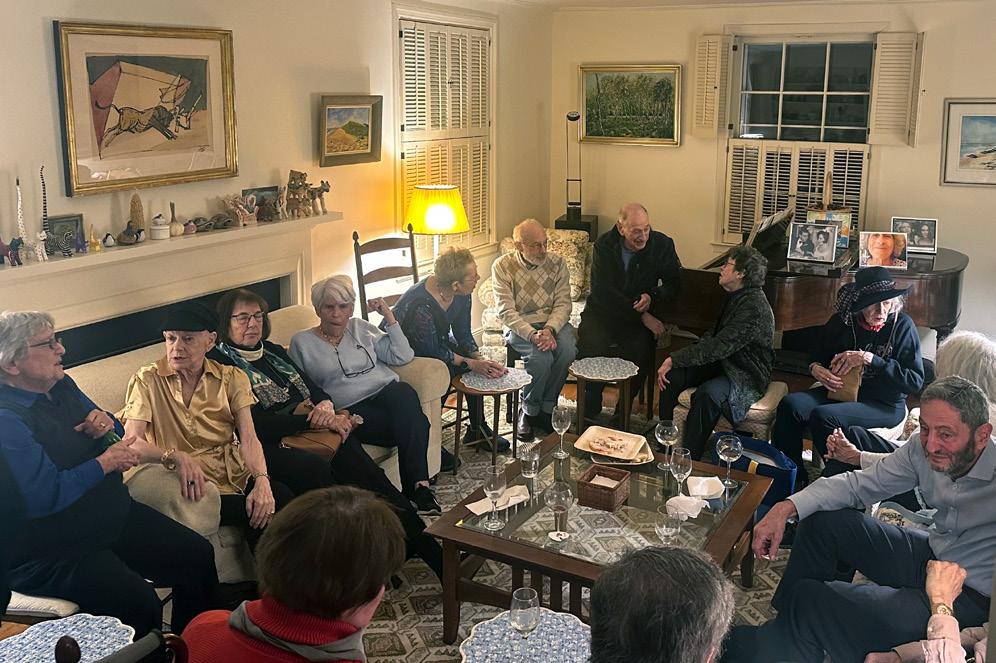
Jill Behrens Delbanco ’57 reports that members of the Class of 1957 held their annual reunion last October. Twenty classmates and five spouses gathered at the home of Daniel Siff ’57 and enjoyed a wonderful evening together. The class is already looking ahead to its 70th reunion next year.
1959
Rona Hirsch Mendelsohn ’59 continues to happily serve the American public in the U.S. Government Accountability Office. After retiring in 2004, she returned in 2017 for her specialized expertise and now works with the Forensic Audits and Investigative Service team, investigating scams, postal and airport services, and fraud risks. She also leads the Women’s Forum, hosting monthly speakers on political and economic topics, including Ron Elving, Paul Offit, and Hany Farid. She and her husband, Allan, a retired lawyer, have been married 61 years and are proud parents and grandparents, enjoying good health and abundant energy.
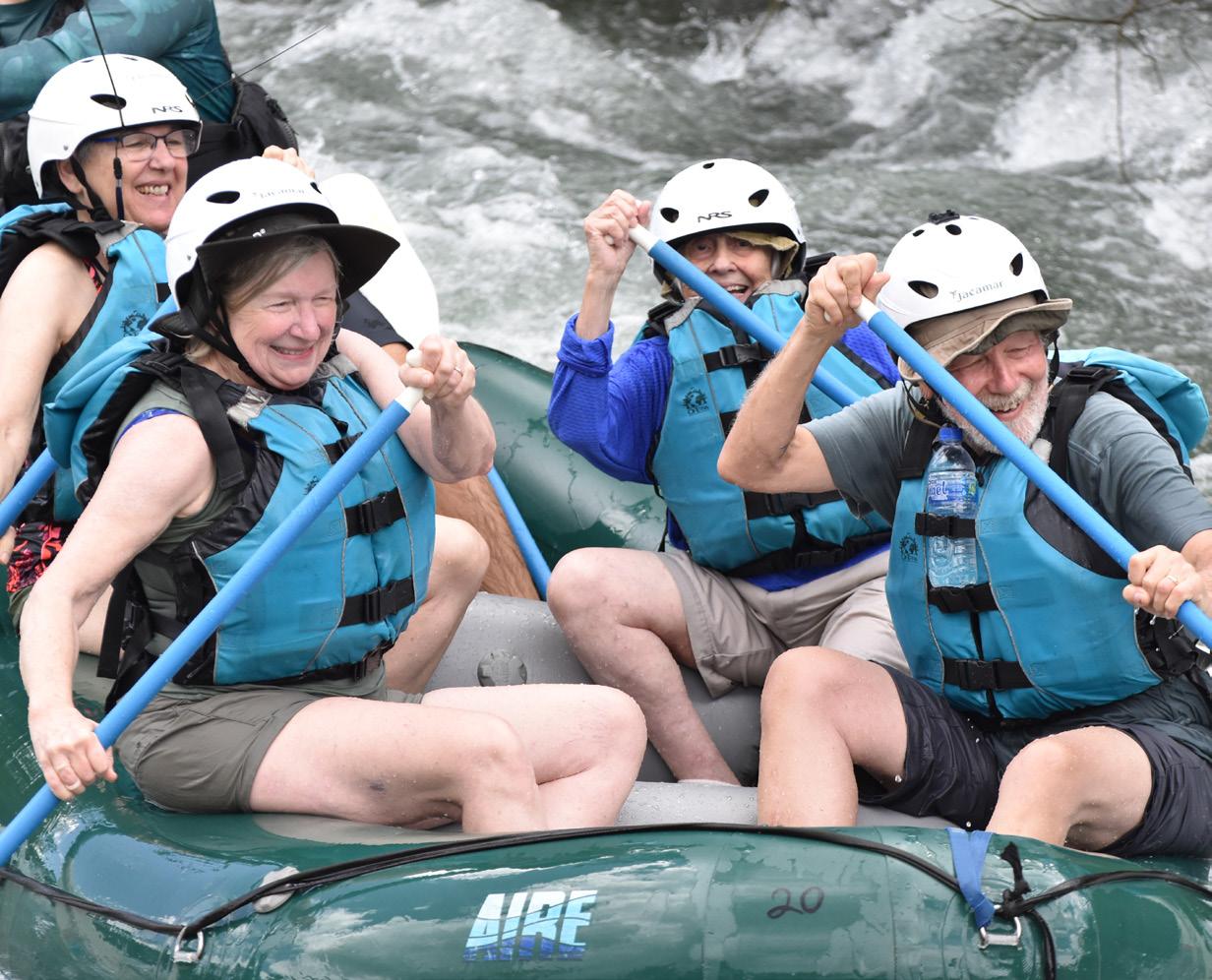
Jean Senegas ’59 took a wonderful trip to Costa Rica in January, enjoying river excursions, a zip line, and the chance to see many exotic animals. She especially remembers hearing howler monkeys and was struck by the beautiful, hilly countryside. Jean also shared the sad news that her close friend and classmate, Mili Rapp ’59, recently passed away.
1961
Vivian Berger ’61 published her memoir, Vivian Berger: Taking Stock at Eighty. It is available in paperback on Amazon. Vivian shares, “I don’t flatter myself that very many people will be interested in it. But I had a wonderful time writing it!”
David Rosen ’61 shares that, 65 years later, he is moving back to New York City. He and his wife, Barbara, plan to move full-time into their apartment on East 10th Street this summer and look forward to seeing classmates and friends around town.
1964
Emery (Ted) Roth II ’64 shares that his wife, and sister of Fieldston classmate Marilyn Goldfarb ’64, Jane Goldfarb Roth, died in October after 58 loving years together. Ted remains at home in Washington, Connecticut, and welcomes contact with classmates.
1965
Elizabeth Coleman ’65 had her poetry chapbook, Mega-Galaxies, selected by poet Matthew Olzmann as the winner of the 1995 Adrift Poetry Chapbook Prize. The book will be published by Driftwood Press in 2026.
Jon Rosenfeld ’65 reports that he has retired from his psychiatric practice and is now enjoying time with Paulette and friends, along with exercise, movies, books, Mahjong, and supporting doctors and political causes.
1966
1960
David Kann ’60 recently published his second book of poems, Dreaming Fathers, which is now available from Finishing Line Press and Amazon.
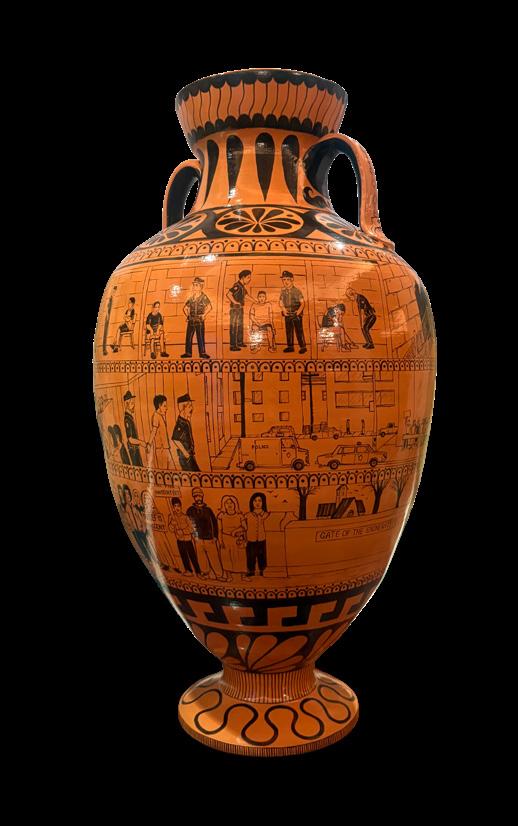
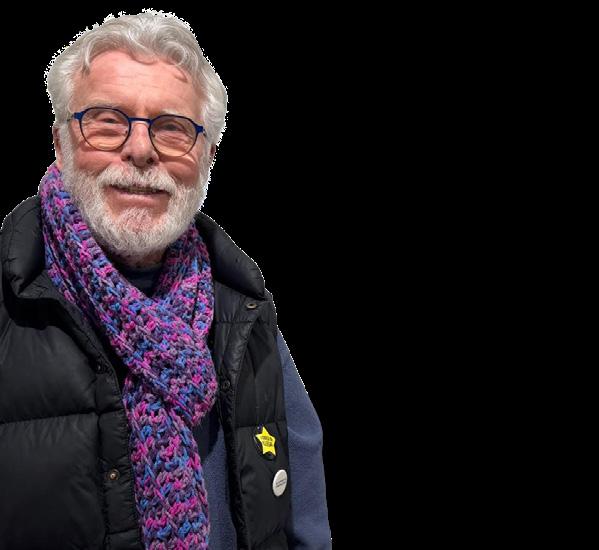
Henry Glanternik ’66 and his wife, Karen Glanternik, commissioned artist Roberto Lugo, whose pottery often explores social justice themes, to create a vase depicting the case of the Central Park Five, five youths who were wrongly convicted of rape and later exonerated. The work will be among those featured when the New York Historical opens its Tang Wing for American Democracy in June. It was previously exhibited at the Princeton University Art Museum.
1967
Bram Amsel ’67 reports that he is still living in Belgium and plans to retire in July. A few years ago, he began studying Italian as a hobby and joked that now nobody can sell him the Rialto Bridge.
Vivien Schmidt ’67 retired from teaching political science and international relations at Boston University in 2024. In 2025, she was elected a Fellow of the American Academy of Arts and Sciences. Vivien continues to write and give talks and is currently a Visiting Fellow at the European University Institute in Florence. She and her husband now divide their time between the Italian coast near the French border, Paris, and New York City. In her leisure time, Vivien continues her photography and enjoys spending time with her British stepchildren and grandchildren.
1968
Paul Farbman ’68 shares that he is very happy some of his classmates have “retired” — a word he can’t quite relate to. With his wife Makanalani, both high-level archery coaches and judges, they are expanding South Bay Archery Lessons, doubling the facility in anticipation of the 2028 Los Angeles Olympics. With all three children married or soon to be, the archery range has become their new focus. Already hosting local, state, and national tournaments, life is exhausting but thrilling. They hope everyone’s journey continues with as much energy and optimism as their own.
Rick Strong ’68 reports that he retired from Columbia University Irving Medical Center IT at the end of 2025 and is now spending more time on musical performances and less time asking people if they have tried turning it off and on again.
1969
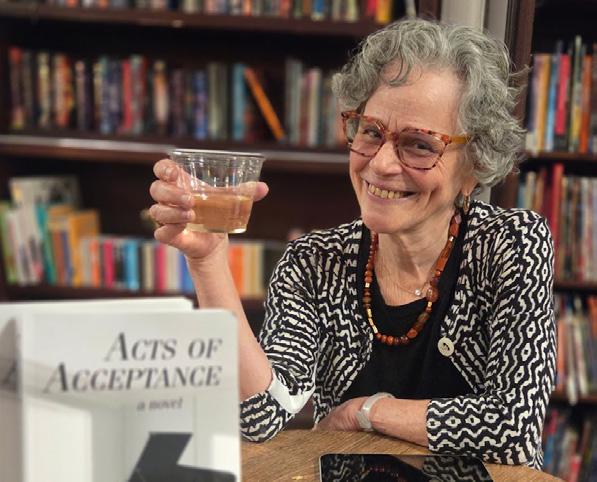
Susan Leicher ’69 published the third novel in her Acts Trilogy, called Acts of Acceptance, at a book reading party at the marvelous Housing Works Bookshop in Soho in November. Fellow Fieldston friends Helaine Goldstone ’69, Joyce Ravid ’69, Jacqueline Keveson ’69, Shira Rosan ’67 (AKA SJ Rozen), and Merideth Wright ’67 were all there to help celebrate!
Margaret (Peggy) Sapir ’69 reports that she is enjoying life in Rincón, Puerto Rico, as well as in Connecticut and Vermont. She continues to pursue her interest in making things through basketry, fiber arts, and painting. Peggy and her husband, Mitch, recently took a repositioning cruise from Lisbon to Brazil, Uruguay, and Argentina, her first time visiting South America. She adds that time in Fieldston Spanish has made travel even more enjoyable. Peggy also shared that her son was married in 2024, and she and Mitch are hoping for grandchildren in the near future. She is grateful to be healthy.
Susan Leicher ’69 published the third novel in her Acts Trilogy
Andrew Courtney ’54
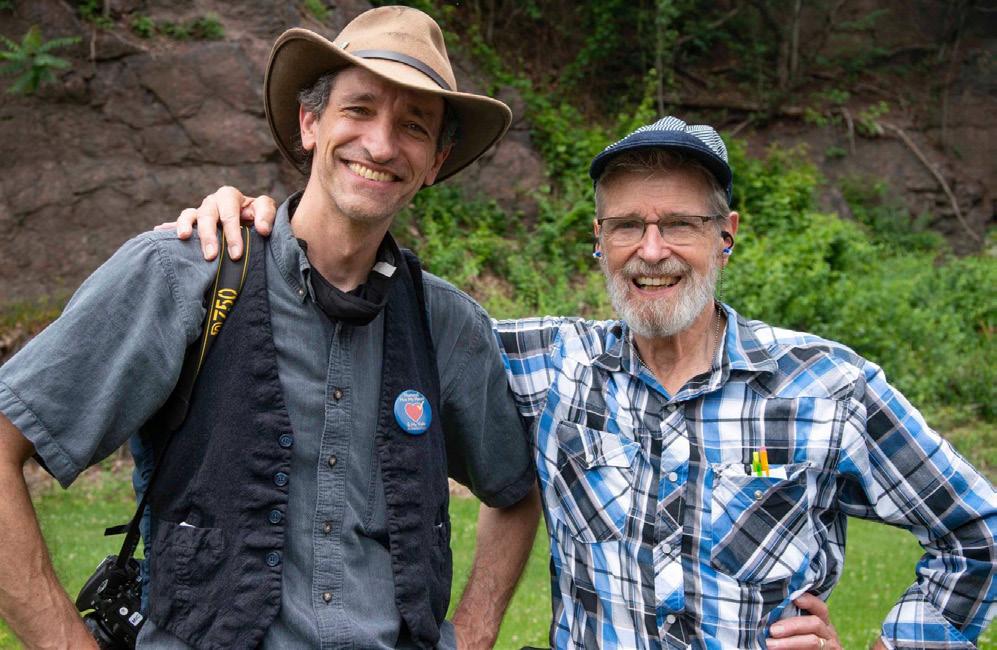
Oren Helbok ’83 and his father, John E. Helbok
Class of 1957 and their spouses: Walter Daum, Jill Behrens Delbanco, Thomas Delbanco, Gail Cherne Gambino, Irene Halsman, Alice Kinzler Fuld, Margo Zimmerman Fuld, Brenda Furman Kreuzer, Elizabeth Lubetkin Lipton, Linda Lefkowitz Pruzan, Wesley Oyama, Donald Raskin, Mary Ellen Weisl Rudolph, Frederick Siegal, Daniel Siff, Miriam Kanner Spielman, Robert Stein, and Debra Robbins Wolf
Jean Senegas ’59 on a river excursion in Costa Rica
1973
Adam Berg ’73 set a personal record last month for downloads of his podcast, Adam! The twelve-minute weekly show shares his unique perspective on business and life, available on all podcast platforms. He recently completed a speaking engagement on sales at Long Island University and remains a returning guest lecturer at the Pace School of Global Economics.
Jane Mayer ’73 celebrated the 100th birthday of her mom, Fieldston Lower Art Teacher Meredith Mayer, with Andrew Mayer ’73, Steven Mayer ’70, and Cynthia Mayer, and had a fun side dinner catching up with Todd Rodman ’73 and Cebello Morales ’73
Sabura Huggins Rashid ’73 shares that her photographs were included in the exhibition Women of Color: Long Journey Forward and Still We Rise at the Wilmer Jennings Gallery at Kenkeleba on the Lower East Side of New York City. The exhibition featured images of Black and Brown women across generations, from the turn of the 20th century to the present. Sabura notes that this is the first time she has been invited to submit images to a photography exhibition and that she is honored to be included alongside photographers such as Leroy Henderson, Chester Higgins, and James VanDerZee.
1974
Robyn Roth ’74 continues her work with Untapped New York, sharing the stories of her father, Richard Roth Jr. ’52, and the family firm, Emery Roth & Sons. She is fortunate to combine her passions for photography and ice skating by photographing ice skaters throughout New York City. Last summer, she had a great time photographing the Broadway Show League softball series, including her team, MJ, with Nick Jonas as their third baseman. She also enjoyed returning to Heckscher Ball Fields, home of her childhood outdoor gym classes with Mal Goodman.
Ann Stuchiner ’74 has been consulting for pharmaceutical companies on health economics for many years and struggling with age discrimination in getting jobs. Ann is currently working with a start-up. Her daughter, Sara Stuchiner ’15, is the Events Manager for a fintech company in Soho. She is shocked that she and her classmates are turning 70 this year!
1975
Andrew Adler ’75 marked his third anniversary as Managing Editor of Jewish Louisville Community on Jan. 1, 2026. The publication is the monthly print and online newspaper of the Jewish Federation of Louisville. This is his second journalistic role; he previously served as Classical Music & Dance Critic at The Courier-Journal in Louisville from April 1983 to October 2010. In between, he spent a dozen years living in New Orleans. He also shared that it was wonderful to see everyone at the 50th class reunion.
John Rau ’75 was recently elected to the West Tisbury, Massachusetts, Planning Board. He also serves on the West Tisbury Community Preservation Committee and the Joint Affordable Housing Group.
Sue Wolf ’75 reports that she is semi-retired and directing theatre again. She recently won Best Director at Theatre Row’s United Solo Spring Festival and is producing a political comedy at Caveat in the Lower East Side. She also continues her work with Foster Your Dream, a 501(c)(3) organization that has helped bring more than 5,000 students to the theatre and connect their dreams with opportunities. Sue shares that her family, including her chosen son and daughter, her partner, and his two children, is doing well and brings her great happiness.
1977
Rob Boone ’77 reports that after a career in law, foreign policy, and international development, he retired in 2018. At the start of the COVID-19 pandemic, he and his wife left Chevy Chase, Maryland, and now split their time between Cape Cod and Palm Coast, Florida, while traveling as much as possible. In February, Rob attended the Fieldston Alumni Miami-area meet-up at the home of classmate Robert Werthamer ’77 and enjoyed reconnecting with fellow alumni, some of whom he had not seen for decades.
Dayna Bowen Matthew ’77 never tires of noting how many members of the Class of 1977 are actively working to protect democracy, uphold the rule of law, and safeguard the planet; proof that Ethics classes do matter. She encourages anyone sending loved ones to law school to
reach out, especially about the unique opportunities at George Washington Law. Dayna sends love to all fellow Eagles!
Kevin Freeman ’77 moved to Saugerties in 2012 and presently works as a baker at the Hudson Valley Dessert Company. Although his youngest child is at UVM, he’s anything but an empty nester. The cats don’t outnumber Kevin and his wife...yet. Pam, his partner of 25+ years, still teaches at CUNY, while he remains active in local politics as Chair of the Democratic Committee and Co-Lead of Moms Demand Action. You can find him with a sign in hand every weekend. Kevin shares, “This too shall pass.”
1981
Vini Bowen ’81 looks forward to reconnecting with his Fieldston community at Reunion and reflects with gratitude on the friendships, learning, and lifelong relationships formed during his school years. He also notes appreciation for the School’s emphasis on developing an ethical and moral framework for life. In light of today’s turbulent times, Vini has been revisiting the writings of Felix Adler and recommends a piece from the Columbia University collection.
1982
Bill Teichner ’82 shared that after 33 years with Frontier Capital Management, he retired as Managing Partner. Since July, he has kept busy traveling with his wife, Amy, following the markets, and volunteering with shelter dogs. “I’ve learned a lot just by throwing a ball. Most dogs watch it fly; others don’t even notice; many run and sit on it; some fetch and take it away; just a rare few bring it back, and at least one has tried to eat it.”
1983
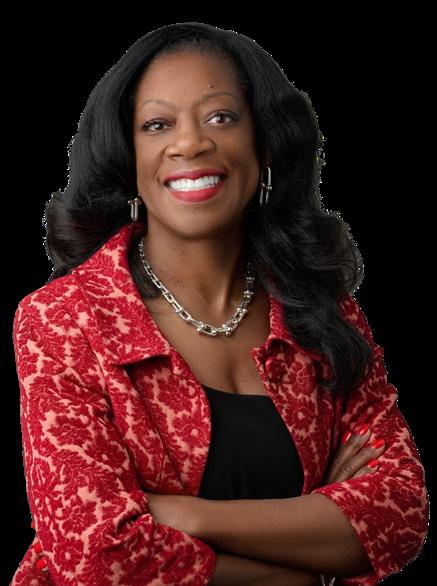
Oren Helbok ’83, executive director of the arts non-profit ExchangeArts.org in north-central Pennsylvania, regularly publishes articles and photographs in rail-focused magazines such as Railroad Heritage and Railfan & Railroad. His photography exhibition, “Railroading: the Hardware, the Landscape, and the People,” has traveled to seventeen venues since 2018. Oren’s father, John E. Helbok, who taught in Fieldston’s Science Department from 1964 to 1984, turned 88 in 2025 and still occasionally rides and photographs trains with Oren.
1985
Liz (Burstein) Owen ’85 has worked as a communications leader across entertainment, brands, and national nonprofits for more than 25 years. She currently serves as Vice President of Strategic Communications & External Relations at PFLAG National, an organization that has, for more than 50 years, provided support, education, and advocacy for LGBTQ+ people and those who love them. The organization is currently the lead plaintiff in PFLAG v. Trump, for which Liz leads communications strategy.
1987
Daniel Schacht ’87 and his wife recently sold their psychotherapy group practice after sixteen years. He is pleased to still see clients and provide supervision in Natick, Massachusetts, but without the stress of owning a small business.
Tony Wion ’87 is happy to share that he launched his own company, WinePair. WinePair is a restaurant-focused app that suggests wine, beer, and cocktail pairings in real time based on a restaurant’s actual menus. The goal is to give diners more confidence when ordering and help restaurants increase beverage sales without changing their service flow. WinePair is now being used by restaurants in Connecticut and New York. Tony is always happy to connect with fellow alumni, especially those in hospitality or food and beverage, who are curious to learn more.
1989
Jenny Herdman Lando ’89 thanks Tony Rossabi ’89 for making it possible to catch up with her former teacher, Tony’s mother, Mary Rossabi! Jenny shared that her child is now an art history major, which brought back memories of Mrs. Rossabi’s classes. They talked about paintings and how to transition from teaching into other pursuits and hobbies after retirement. Jenny and her husband, Morris, are in great spirits and send greetings to all of you, especially to the Class of 1989’s former Dean and honorary Class of ’89er Joe Algrant.
Ben Terk ’89 founded Kinage after seeing his mother struggle with bills and paperwork. Kinage is an AI-powered platform designed to ease the administrative burden of managing finances for older adults, while preserving their dignity and protecting their assets. By simplifying collaboration and preventing missed bills, fraud, and family confusion,
Kinage helps families focus on what truly matters, like spending time together, rather than navigating complex financial tasks. Becca Zerkin ’89 reports that she is empty-nesting in Chapel Hill, North Carolina, with her husband, Ihsan Taylor. She is now in her third career and works in politics as Judicial Caucus Director at the North Carolina Democratic Party. Becca also shares that she and Jessica Leiken ’89 meet on Zoom several times a week to work out together, though sometimes there is more chatting than exercising.
1990
Michelle Marks-Osborne ’90 launched Oscar and Osborne LLC, a commercial contract management as a service consultancy serving small to medium businesses, mission-driven organizations, educational institutions, and nonprofits. With more than 20 years of experience across Fortune 500 companies and small and medium-size businesses and managing over $2 billion in contracts, she has achieved results such as an 80% reduction in vendor onboarding time and a 42% improvement in risk management efficiency. The firm delivers clear, measurable impact and strategic contract governance to underserved communities.
1992
Neil Sachs ’92 continues his work as lead psychiatrist at a public mental health clinic in the San Francisco Bay area. In his free time, he stays active as a musician, playing drums with his jazz collective, singing in a classic rock band, taking occasional DJ gigs, and writing and recording original songs.
Dana Marisa Schoenfeld ’92 is a New York City–based stand-up comedian, actor, writer, and director. She was recently selected as one of 101 comedians nationwide to perform at the World Series of Comedy in Las Vegas and as one of 40 comedians chosen for the SLO Comedy Festival in California. Dana is also the creator and star of the award-winning comedy series EAST, which is gaining traction with a growing global audience. Season one of EAST is available to rent online.
Jake Sussman ’92 is getting ready for an empty nest with one daughter heading to college in the fall and the other to law school. He is Chief Counsel at Southern Coalition for Social Justice, based in Durham, North Carolina, where he works on criminal justice and civil rights issues.
1994
Daryl Freimark ’94 recently produced the feature film NUKED, in which a group of friends get together for a cannabis-infused, technology-free dinner party only to learn a bomb is headed right for them. The film is available to watch on most streaming platforms.
1995
Rachel Zucker ’90 shared the heartbreaking news that her middle son, Abram Benjamin Zucker Goren, died on Oct. 23, 2025, fifteen months after being diagnosed with metastatic Ewing sarcoma. He was two months shy of his 25th birthday. Rachel notes that the loss has been devastating for her, her ex-husband Josh, and Abram’s brothers, Moses and Judah Goren ’25. She also expressed deep gratitude for the support she received from friends and especially the love of her life, Joan (Wenglinsky) Platt ’90 Rachel shares, “[Joan] will be very angry with me for acknowledging her. Sorry, not sorry.”
Elizabeth (Kagan) Arleo, MD ’95, professor of radiology at Weill Cornell Medicine in New York City, recently published her second book, Bye-bye, Mama’s Milk, a gentle children’s book that supports families through the emotional transition of weaning from breastfeeding. Additional titles in the series, Bye-bye, Baba and Bye-bye, Binky, are expected later this year.
1996
Alison Fox ’96 completed her master’s degree in art therapy in 2025 and joined Iris Mental Health, a new psychotherapy practice in Hudson, New York. She specializes in working with children and adolescents, both in person and virtually.
Rachel Zucker ’90 with her late son, Abram Benjamin Zucker Goren
Nicole Isaac ’96 shared that since graduating from Fieldston nearly 30 years ago, she has earned degrees from Brown, Columbia, the University of Pennsylvania Law School, and Oxford (LLM). Her career spans Capitol Hill, the Obama-Biden White House, an NGO in Geneva, a law firm in Paris, and clerking at South Africa’s Constitutional Court. In the private sector, she has worked at LinkedIn, Meta, and Google, and is now Vice President of Global Policy at Cisco. She and her husband, Gabriel, are grateful for their two children, Amar (5) and Alaia (1). Nicole welcomes connections with fellow Fieldston alumni on LinkedIn.
Nicholas Kalman ’96 assumed command of the U.S. Naval Forces Central Command 5th Fleet reserve Public Affairs team in December. U.S. Naval Forces Central Command (NAVCENT) contributes to regional maritime security in the CENTCOM area of responsibility, encompassing about 2.5 million square miles of water area and including the Arabian Gulf, Red Sea, Gulf of Oman, and parts of the Indian Ocean. In addition to his reserve service, Nick is a senior producer at the Fox News Channel.
1997
Ian Marks ’97 shares that the first feature documentary he edited, Snapshots of Confinement, now streaming on PBS, recently won a Los Angeles Area Emmy Award, a Los Angeles Press Club Award, and a Gold Telly Award. He attended the Emmy ceremony in Los Angeles and enjoyed catching up with Hunter Stiebel ’98 over breakfast the next day.
1999
Marissa Arciola ’99 had identical twin boys last year while also starting to teach classes (remotely) in nonprofit finance at the University of Rochester’s Eastman School of Music. She shares that the whole family is doing well. Jelani Roy ’99 shares the sad news that beloved classmate, Akira Wong ’99, passed away after battling cancer. He notes that the thoughts of many classmates are with Akira’s family at this time.
2003
Aaron Gibrater ’03 shares that he, his wife, Natalie, and their two children, Leo and Rachel, are “all chillin’” and send peace and love to all.
Carolyn Tisch (Sussman) Blodgett ’03 is building a portfolio of sports investments through her firm, Next 3. As lead owner and Governor of Gotham FC, New York’s wom en’s professional soccer team, she led the club to the 2025 NWSL Championship, its second title in her three years of ownership, and serves on the NWSL board. She is also a strategic advisor to the New York Football Giants. Next 3
invests in SailGP USA, League One Volleyball, and TGL. Carolyn lives in Larchmont, New York, with her husband Will, their three children (Penelope B. ’33, Theo B. , and Alexander B. ’39), and dog Jackson.
2004
Vanessa Fine ’04 celebrated a banner year for her agency, Redefine Representation, which manages top-tier talent, including hair and makeup artists for celebrities. She was recognized by MSN and TechBullion as one of the “Top 10 Women Disruptors You Need to Follow in 2026.”
Tom Williams ’04 and his wife, Veronica Virgen-Williams, welcomed their daughter, Naomi Victoria Williams, in December 2025.
Jenny Herdman Lando ’89 (left) and former ECFS faculty Mary Rossabi (right)
Michelle Marks-Osbourne ’90
Vanessa Fine ’04
Aaron Gibralter ’03 pictured with his wife, Natalie, and children, Leo and Rachel
Hunter Stiebel ’98 (left) and Ian Marks ’97 (right)
Tom Williams ’04, pictured with his wife, Veronica, and their daughter, Naomi
2007
Ava Tattelman Parnes ’07 and Jamie Green ’07 welcomed their first child in June 2025.
2010
Eric Kotin ’10 and his wife, Whitney, moved back to the New York area from Texas after welcoming their daughter, Grace, in Feb. 2025. Eric adds, “Keep an eye out for her flapping her eaglet wings on the Upper East Side!”
2011
Sam Ravetz ’11 now lives in Miami, where he is managing José Javier Rodríguez’s campaign for Florida Attorney General. After spending years bouncing from campaign to campaign across the country, he is happy to have settled in Miami for the foreseeable future, filling his time with salsa classes and a weekly Sunday beach ritual. The past few campaigns have also been punctuated by Fieldston weddings, including Matt Magruder’s ’11!
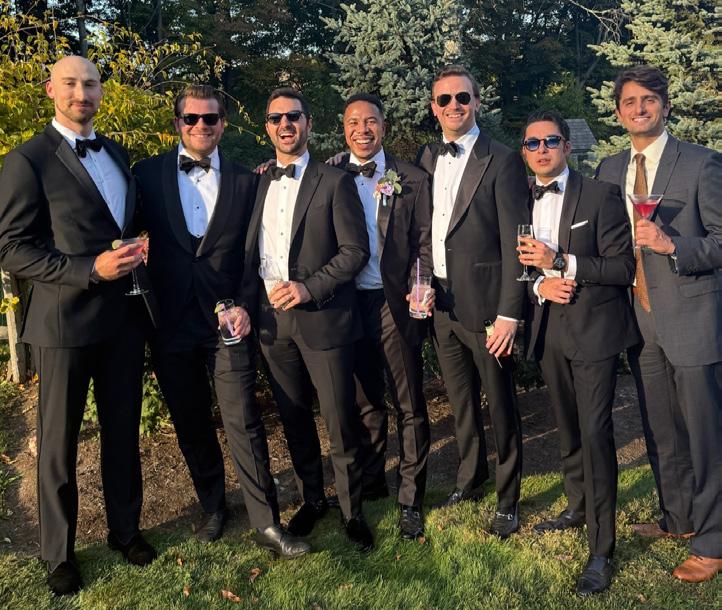
2012
Prajit Gopal ’12 married Aruni Ranaweera in Newport Beach, California, in August. The Fieldston Class of 2012 was well represented. After their wedding, the newlyweds moved back to New York City and are eager to host their Fieldston friends who are willing to journey to Brooklyn.
Dan Rubins ’12 is now in his sixth year as the Executive Director and Co-Founder of Hear Your Song, a national nonprofit based in NYC, empowering children and teens
living with serious illnesses to make their voices heard through songwriting. Over 500 songs written, recorded, and produced by kids are available on the Hear Your Song YouTube channel. Dan is also the host of The Present Stage: Conversations with Theater Writers, a podcast with about 100 episodes featuring playwrights and composers of plays, musicals, and operas currently playing throughout the city.
2015
Jenna Flug ’15 has had a busy few years! She graduated from Columbia Business School last year and launched Powder Room Beauty, a start-up that aims to make makeup feel fun, empowering, and approachable through group classes, lessons, pop-ups, and
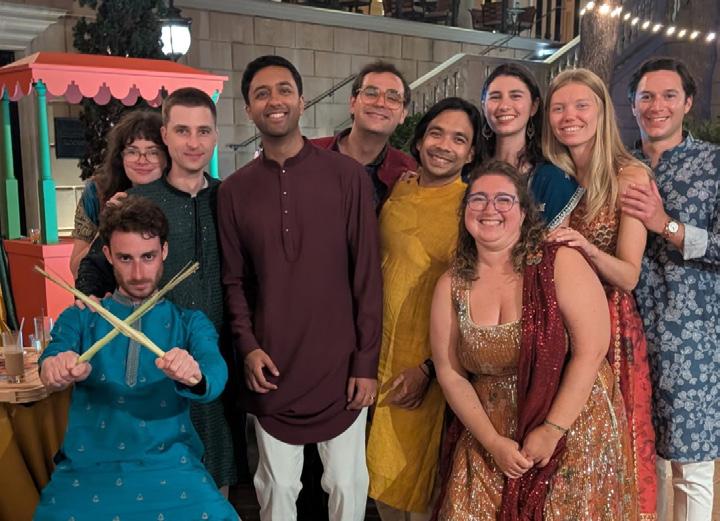
upcycled vintage compacts that celebrate the beauty and craftsmanship of the past. Jenna also recently married someone she has known for nearly her entire life after reconnecting in true New York City fashion: on the jumbotron at a New York Rangers game.
2016
Ben Thier ’16 shares that he appeared as a contestant on season two of the game show Scrabble. His episode aired on Feb. 19 on the CW.
2019
Emma Rosenkranz ’19, a graduate of Brown University, has built her career within global beauty brands. At Victoria Beckham Beauty, she supported go-to-market planning, competitive analysis, and product launches across more than 150 retail locations. She is now at KIKO Milano, Italy’s leading makeup brand, helping drive its North American expansion across marketing, product development, and retail strategy. Emma has also released two albums with more than 701,000 streams and performed with her band in New York City, Nashville, and Los Angeles. She is currently signed with a publisher to write her first children’s book.
Class of 2011 from left to right: Steven Kawer ’11, Jamie Beres ’11, Andrew Jaffoni ’11, Jason Lightning ’11, Gordon Earle ’11, Tai-Chen Bassin ’11, Sam Ravetz ’11
Emma Rosenkranz ’19
Class of 2012 from left to right: James Koblenzer, Peter Sohmer, Prajit Gopal, Samir Zaman, Alexandra Kahn, Laura Katz, Anne Smith, and Benjamin Balick
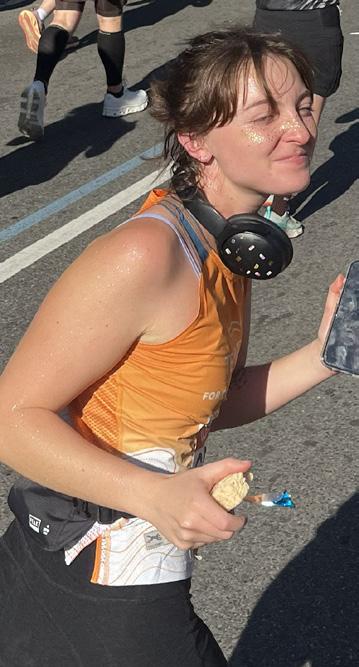
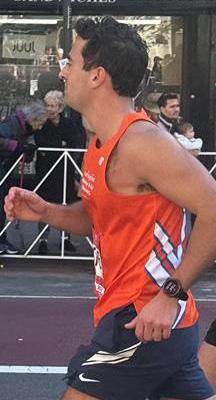
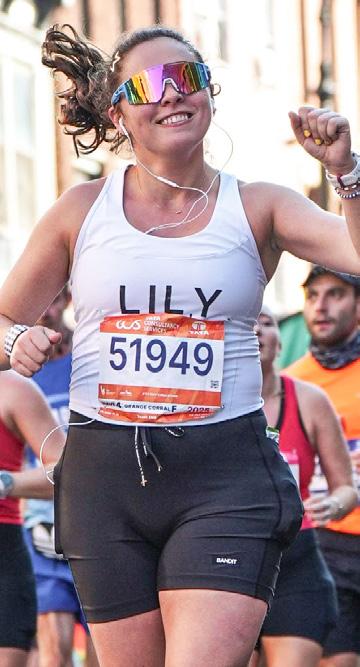
Esmé Fox, Garrett Friedman, Lily Steele, Zoe Kava, Daniel Sagarna, and Mia McCoobery (all Class of 2020) completed the 2025 New York City Marathon, dedicating their 26.2 miles to causes close to their hearts. Esmé raised funds for The Michael J. Fox Foundation for Parkinson’s Research; Garrett supported CaringKind’s Alzheimer’s research and family support services; Lily ran for the Urban Justice Center, a nonprofit advancing legal services and advocacy; Zoe fundraised for Breakthrough T1D, which develops new therapies for Type 1 diabetes; and Daniel and Mia supported Team for Kids, benefiting Rising New York Road Runners. Together, they raised more than $35,000 for their respective causes.
Iva Knezevic ’20 recently graduated from Yale University and is currently spending a gap year conducting research in Munich, Germany, before beginning medical school in the United States this fall. Funded by a Yale Postgraduate Fellowship, her work focuses on placental infections, a critical issue in maternal-fetal health. She is studying the differences in immune systems between pregnant and non-pregnant women and how bacteria may exploit the pregnant immune system to their advantage.
Lindsay Ravetz ’20, a 2025 graduate of Scripps College, is living in Madrid, where she works as an English teaching assistant in a bilingual public school. She supports classes ranging from 6th Grade social science to infant daycare, and also prepares presentations and games to introduce her students to American traditions. Building on the Spanish she began studying at Fieldston, Lindsay
continues to strengthen her language skills while fostering cross-cultural connections in the classroom.
Zachary Zemmel ’20 is pursuing a Ph.D. in neuroscience at Princeton University. He works in Dr. Cate Peña’s lab, where he studies the molecular biology of postnatal brain development, focusing on psychiatric disorders and early-life stress. His research examines how thyroid hormones regulate gene activity in the developing brain and how these processes may influence vulnerability to conditions such as depression, anxiety, bipolar disorder, and schizophrenia. His work aims to help identify individuals at higher risk for psychiatric disorders earlier in life and guide the development of more targeted treatments.
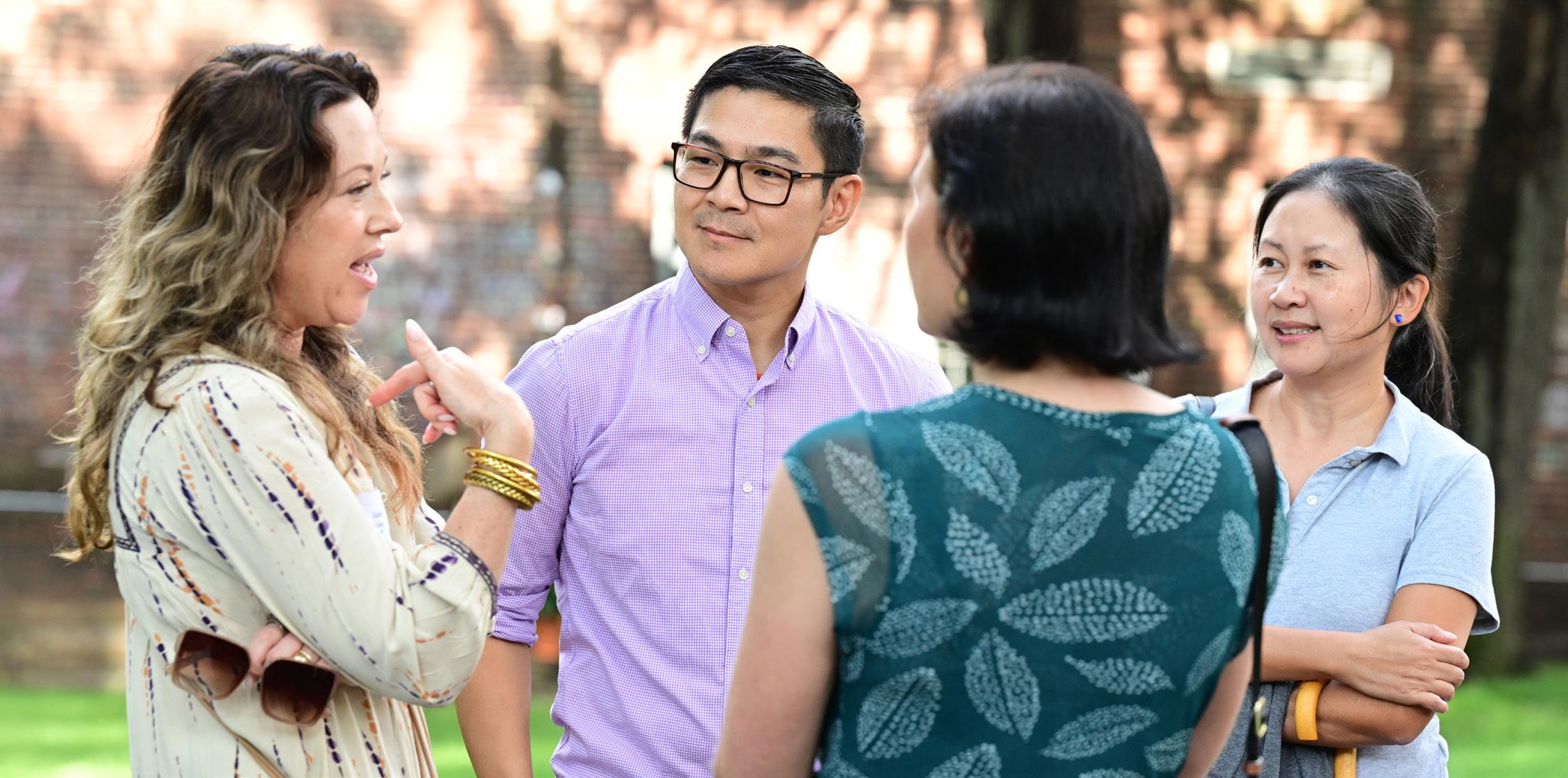
Class of 2020: Esmé Fox, Garrett Friedman, Lily Steele, Zoe Kava, Daniel Sagarna, and Mia McCoobery all completed the 2025 New York City Marathon
GIVE BACK
TO SUSTAIN OUR VIBRANT COMMUNITY

GET INVOLVED
Give back by volunteering with the P+T, Orange Fund, Admissions, and more. It’s a meaningful and enjoyable way to stay connected and build relationships with fellow Eagles. Email orangefund@ecfs.org or scan the QR code to learn more and get started.
The ECFS Orange Fund is at the heart of our School, fueling the vibrant stories showcased throughout this issue of The Reporter. The Orange Fund sustains all areas of the School: ethical and innovative academics, inspired visual and performing arts, transformational athletic opportunities, dedicated faculty and staff, and so much more. By making a gift, you’re supporting the 1,700+ students, 400+ faculty and staff, 2,400+ parents and guardians, and 11,000+ alumni who make ECFS unique.
Donate stock effortlessly with our online tool, set up a sustaining monthly gift for ongoing support, or double your contribution with our enhanced employer match program. Your philanthropic support, at any level, demonstrates a shared commitment to our mission and invests in our students’ future.
Visit www.ecfs.org/support or scan the QR code to give now.
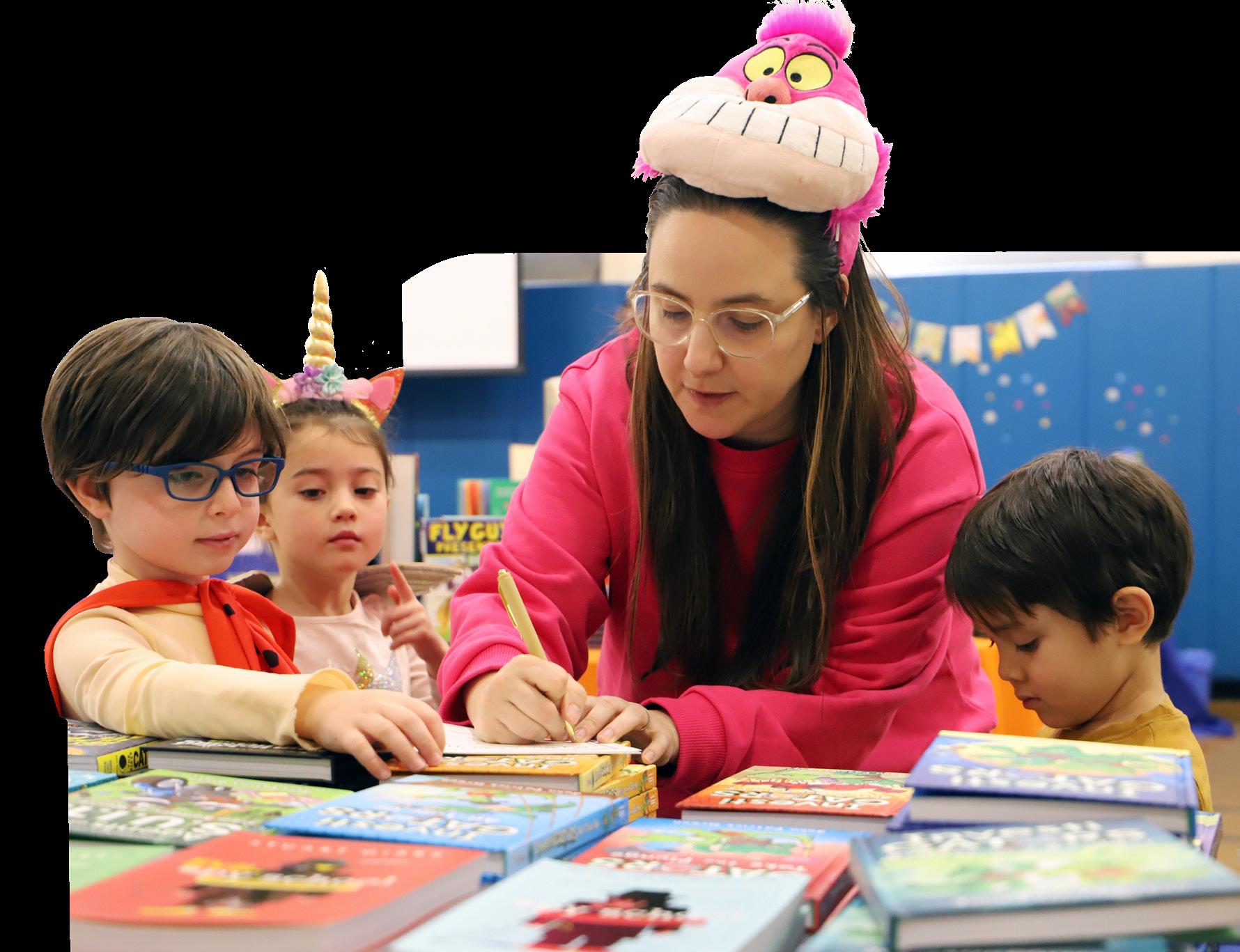
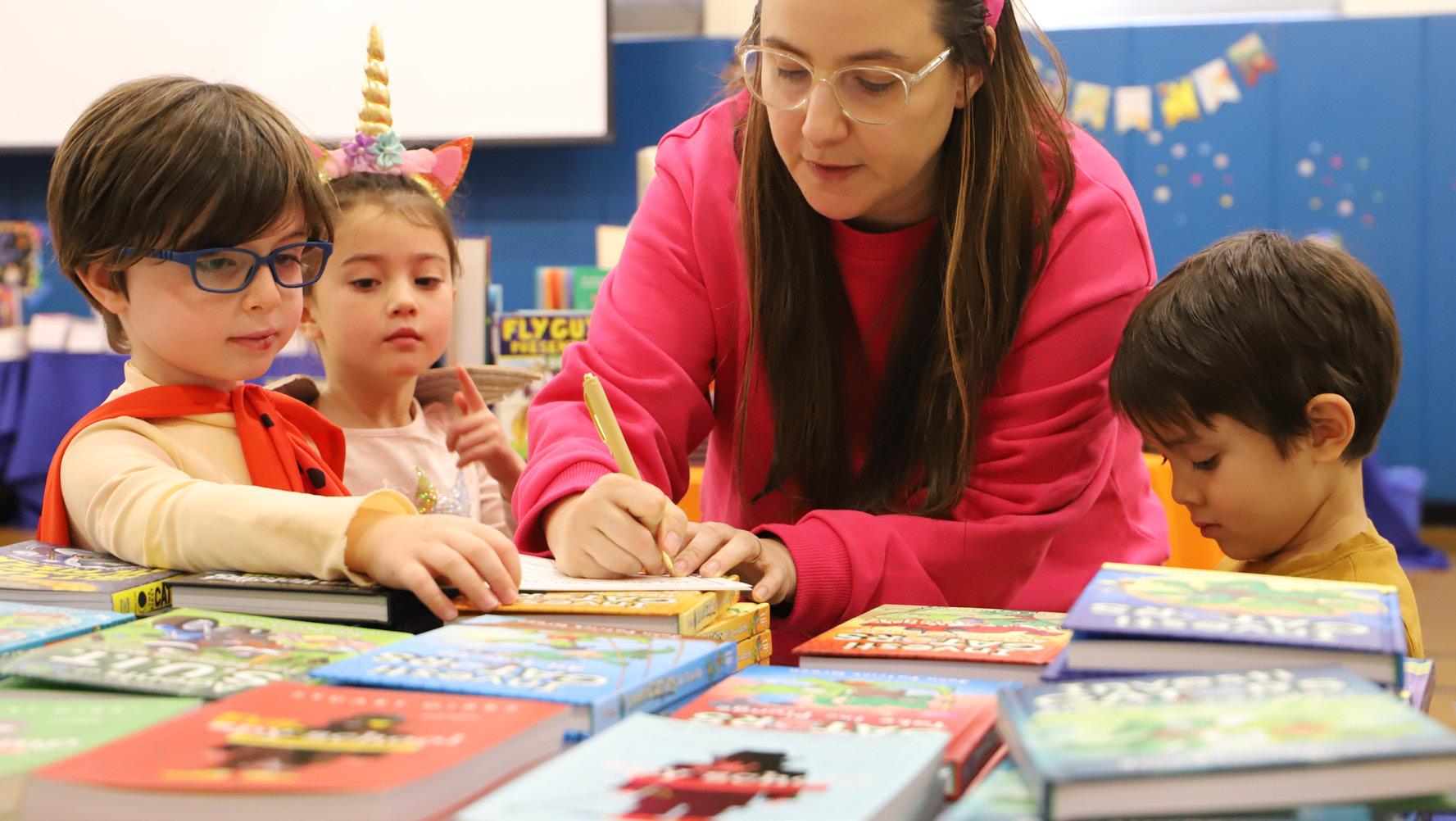
YOUR STORY. THEIR FUTURE.
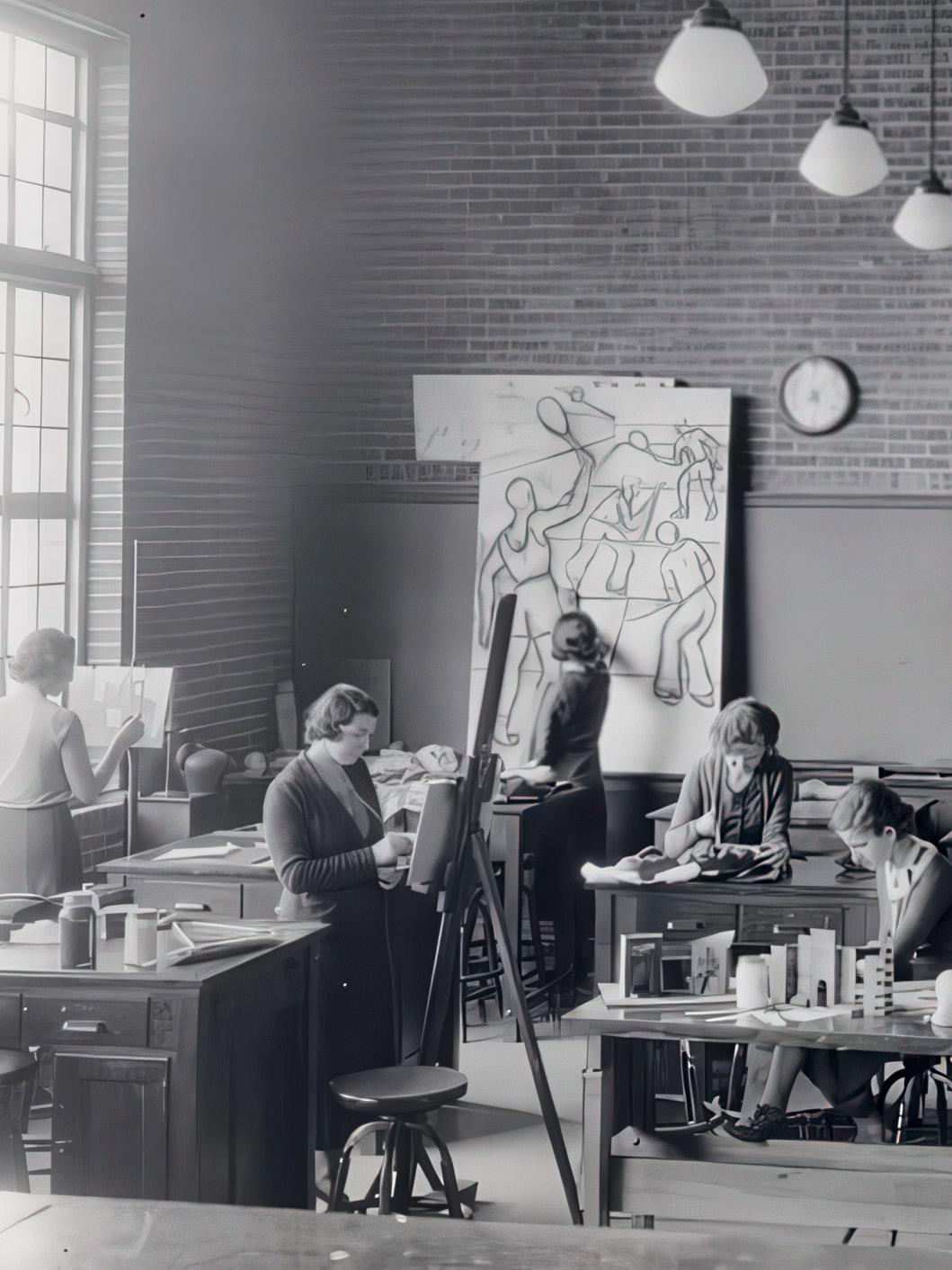
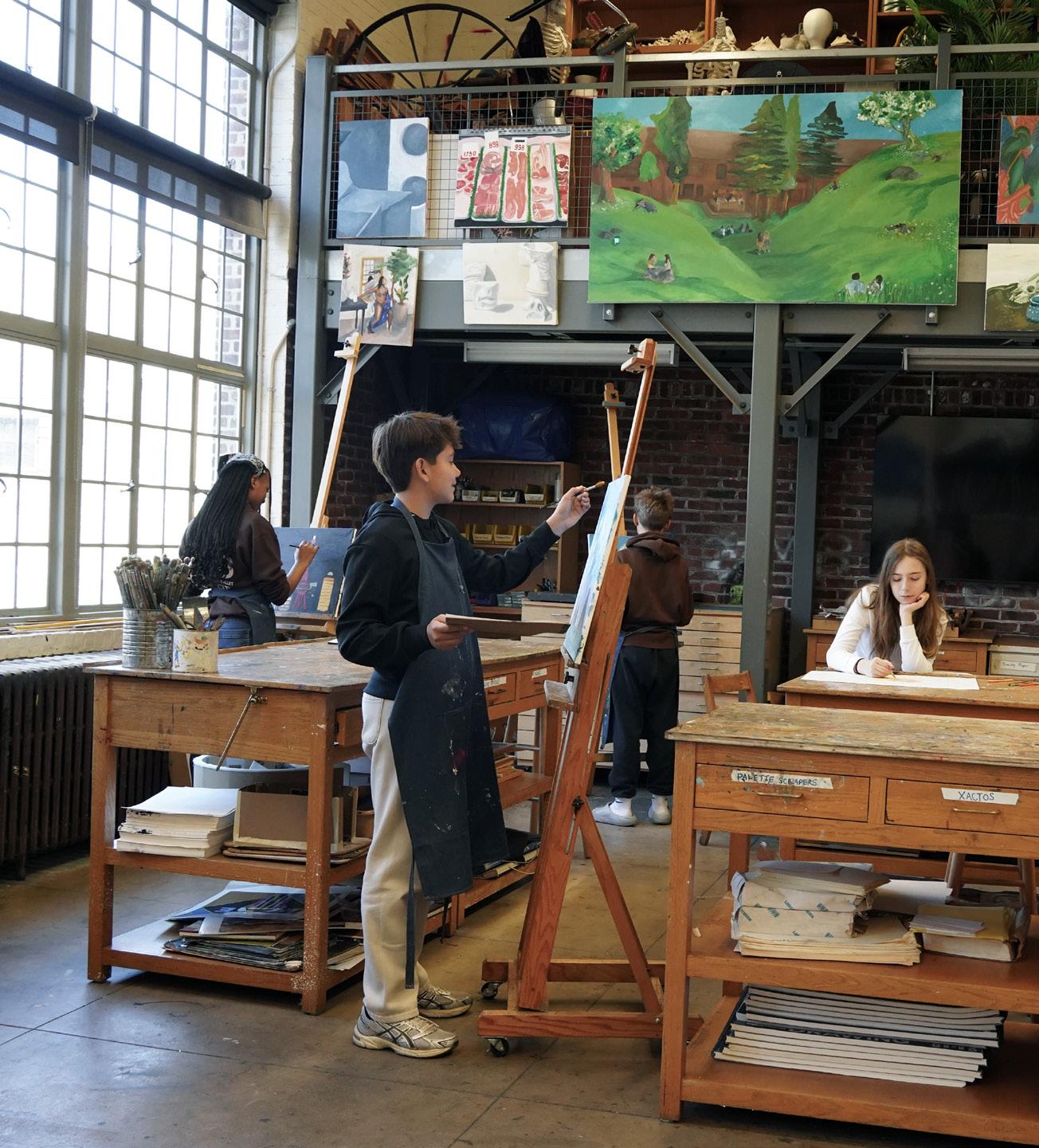
Leave a lasting legacy for ECFS
Since 1878, ECFS has stood as a beacon of progressive education grounded in purpose and principle. Including us in your estate plans is a meaningful way to honor the ethical values and education that helped shape you. A planned gift helps ensure that this tradition continues for generations to come, sustaining the School’s mission and extending its impact well into the future. Your legacy becomes part of our ongoing story, inspiring students for years ahead.
For more information about including ECFS in your will or trust, or if you’d like to share your plans so we can thank you and recognize your generosity, please reach out to Stephanie Pilla, Associate Director of Leadership Giving & Strategic Engagements, spilla@ecfs.org / 212-712-6242.
Lewis W. Hine, Art class, ca. 1935, Courtesy of the George Eastman Museum