
Incoal ®
Life Cycle Assessment (LCA)

This LCA shows that our Incoal ® stoppers show a substantially lower environmental impact in all categories considered, with reductions ranging from 20% to 54%.


What is Incoal ®?
Incoal ®
The sustainable closure that reduces the use of fossil -based virgin plastic by up to 78%, thanks to LLDPE of natural origin derived from recycled oil and active carbon.
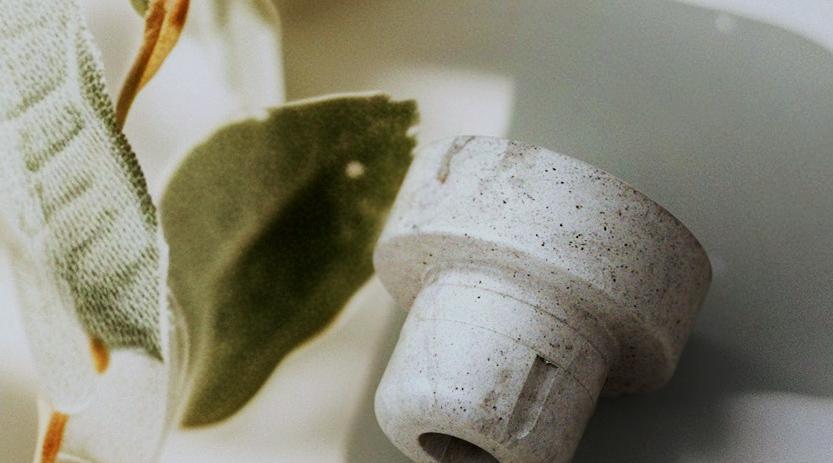
We compared Incoal ® stoppers with synthetics stoppers. By LCA Methodology.
We compared our Incoal ® stoppers with their natural competitors:
Synthetic Stoppers
Our environmental assessment utilised the Life Cycle Assessment methodology to compare Incoal ® , the sustainable closure made from recycled vegetal oil and active carbon, reducing virgin usage plastic by 78%.
For this analysis, we used the same size and shape of stoppers for both materials.
The study covered the entire lifecycle, from raw material sourcing to end -of-life, within the framework of the European Union.
L O G Y
We used the LCA methodology backed by certified tools and quality standards.
For the evaluation, the following tools and resources were applied:
• SimaPro software, version 9.6.
• Ecoinvent Database , version 3.11.
• The Environmental footprint Method 3.1.
Compliance with ISO 14040 and ISO 14044 quality standards was also ensured.
Analysis and data.
Data source and inventory of the Comparative LCA Study :

Raw materials Packaging raw materials Transport Manufacturing End of life
Scope
Extraction and processing of materials required for the manufacturing of the product.
Extraction and processing of materials for the manufacturing of the product’s packaging.
Transport of materials and packaging from suppliers to the production site.
Production of the stoppers .
Treatment of the stoppers and their packaging as waste. European data is considered representative.
Data source
Primary information from suppliers and secondary data from Ecoinvent .
Primary information from suppliers and secondary data from Ecoinvent and manufacturers (carbon footprint of activated carbon).
Country of origin provided by suppliers and distances calculated using Google Maps.
Primary information from suppliers and secondary data from Ecoinvent , CNMC, and OCCC.
Ratios for different waste management routes (recycling, incineration, and landfill) obtained from Eurostat. Secondary information from Ecoinvent .
General Comaprison
Incoal ® vs Synthetic stoppers :
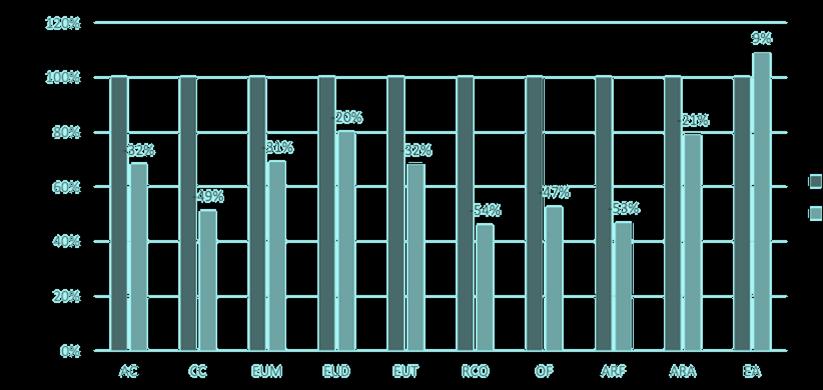
AC : Acidification. (reduction of pH in the environment)
CC : Climate Change
EUM : Marine eutrophication
EUD : Freshwater eutrophication
EUT : Terrestrial eutrophication
RCO : Depletion of the ozone layer
OF : Photochemical oxidation. (Accumulation of substances in the atmosphere, especially in cities)
* There is a slight increase in water scarcity impact, as the Incoal ® formulation requires a more exothermic polymerisation process, leading to higher water usage for cooling. This is being actively addressed in future versions.
Synthetic Incoal ®
ARF : Depletion of Fossil Resources. (Diesel, gas, coal, etc.)
ARA : Depletion of abiotic resources. (Metals, minerals, etc.)
EA : Water scarcity
Incoal ® LCA Results
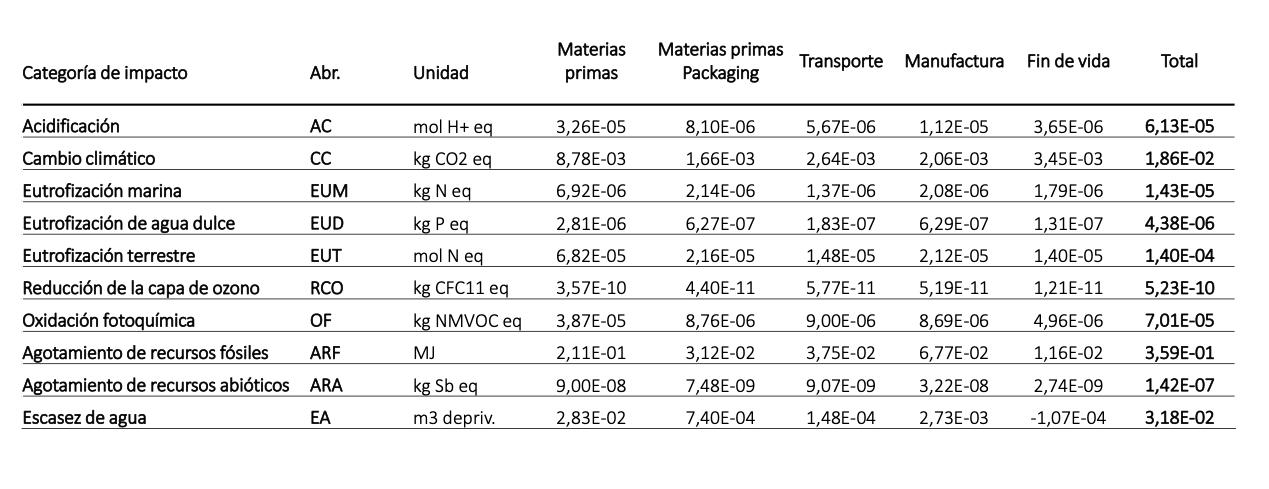
AC : Acidification. (reduction of pH in the environment)
CC : Climate Change
EUM : Marine eutrophication
EUD : Freshwater eutrophication
EUT : Terrestrial eutrophication
RCO : Depletion of the ozone layer
OF : Photochemical oxidation. (Accumulation of substances in the atmosphere, especially in cities)
ARF : Depletion of Fossil Resources. (Diesel, gas, coal, etc.)
ARA : Depletion of abiotic resources. (Metals, minerals, etc.)
EA : Water scarcity
Synthetic LCA Results
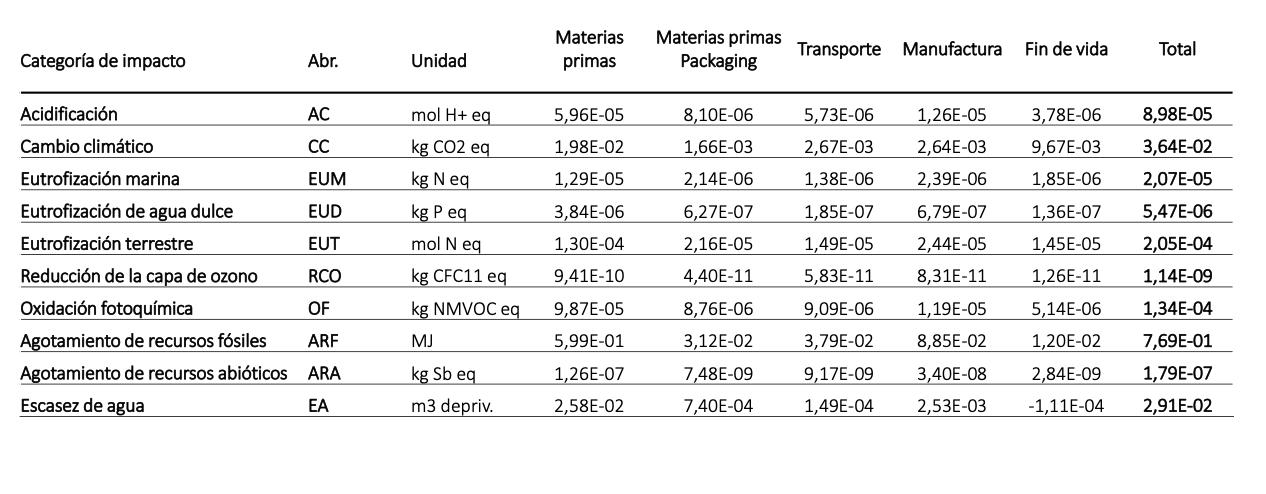
AC : Acidification. (reduction of pH in the environment)
CC : Climate Change
EUM : Marine eutrophication
EUD : Freshwater eutrophication
EUT : Terrestrial eutrophication
RCO : Depletion of the ozone layer
OF : Photochemical oxidation. (Accumulation of substances in the atmosphere, especially in cities)
ARF : Depletion of Fossil Resources. (Diesel, gas, coal, etc.)
ARA : Depletion of abiotic resources. (Metals, minerals, etc.)
EA : Water scarcity
Positive results on sustainability.
The analysis reveals that the Incoal ® stoppers demonstrate a significantly lower environmental impact than the synthetic stoppers across most assessed categories from marine and terrestrial eutrophication, to depletion of the ozone layer ; achieving reductions from 20% of up to 54%, .

Results and Conclusions of the Comparative LCA Study :
1. 2. 3. 4.
Lower Environmental Impact.
Incoal ® shows a substantially lower environmental impact in all categories considered, with reductions ranging from 20% to 54%.
Climate Change Friendly.
Notably, Incoal ® stopper achieves a 49% reduction in Climate Change impact, mainly due to the sourcing and manufacturing stages, driven by the use of recycled plastics from renewable sources.
Environmental Gains at Every Stage
The main differences are concentrated in the raw material sourcing stage, thanks to the use of recycled and renewable -origin plastics, as well as in the end -of-life phase, where emissions are reduced due to the biogenic nature of the material.
A More Sustainable End of Life.
Incoal ® has a significantly lower environmental impact than the synthetic alternative, due to the reduction of biogenic CO ₂ emissions associated with the incineration of the plastic.

Our Production Partners.

Research Partner
The analysis was conducted by Inèdit , an independent third party renowned for its pioneering work in strategic eco -innovation.
As a leader in industrial ecology, Inèdit specialises in Life Cycle Analysis (LCA) and eco -design at the Universitat Autònoma de Barcelona (UAB) .
With over 13 years of experience in guiding organisations through circular economy initiatives, their goal is to inspire and empower these organisations . They are committed to helping companies navigate the challenges and seize the opportunities that arise from the circular economy and the drive towards decarbonisation .

Sustainable Production Partner
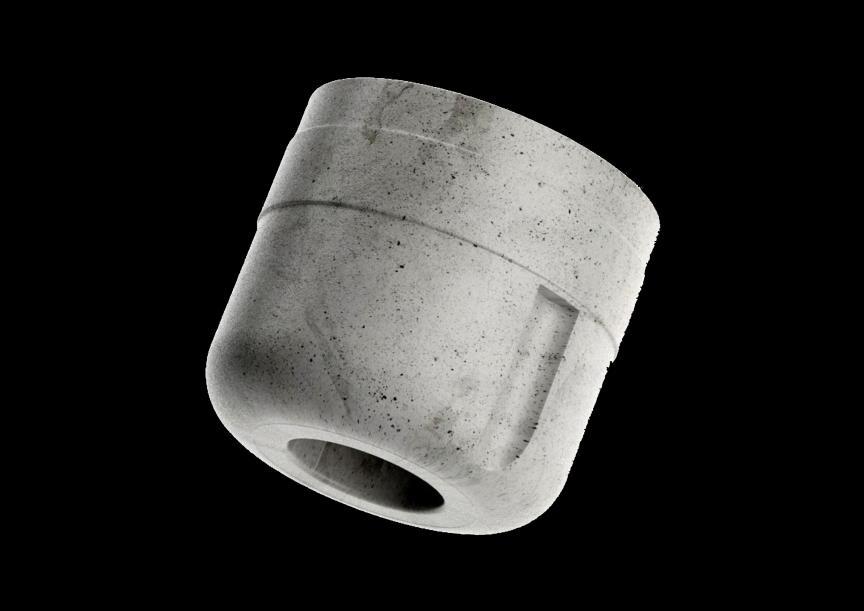
Our production partner EXCELENT CORK applies various sustainable practices in the production of its Incoal ® stoppers:
Packaging: Boxes made with 33% recycled material and 100% recyclable. The bags do not contain recycled material but are also 100% recyclable.
Certifications: ISO 9001:2015 and BRC Packaging — the latter being a highly demanding European food safety standard, with our most recent rating being AA, the highest possible.
Carbon Footprint: We calculate and offset our entire carbon footprint annually, achieving a net value of zero, certified by MITECO. Offsetting is done through collaboration in environmental and social projects supported by the Ministry and the United Nations.