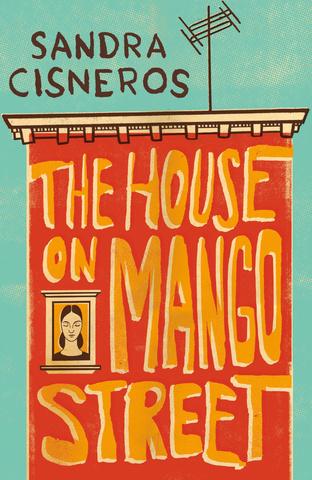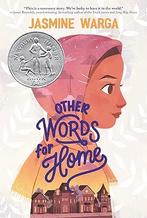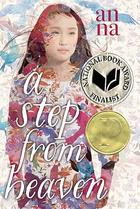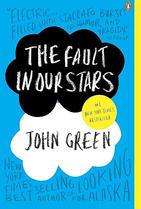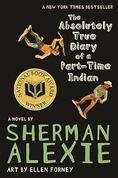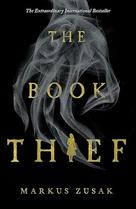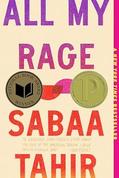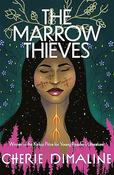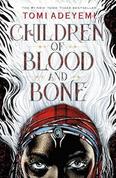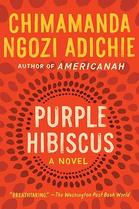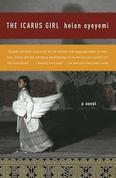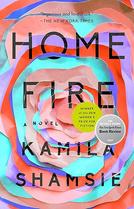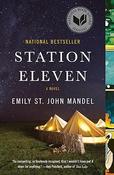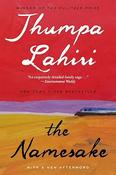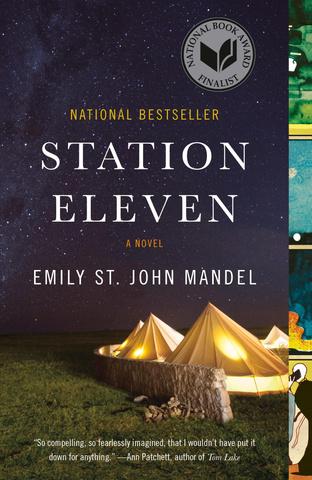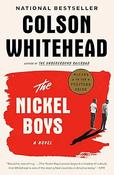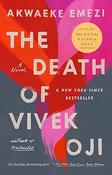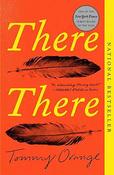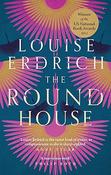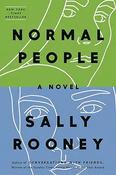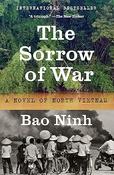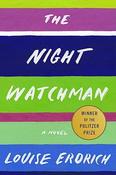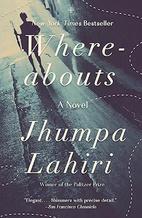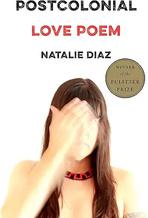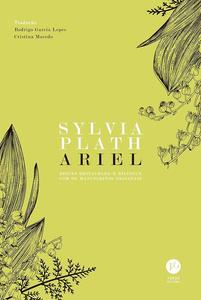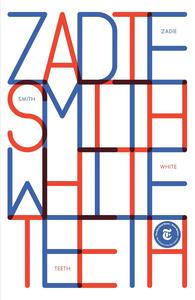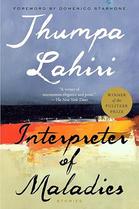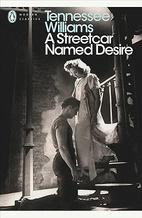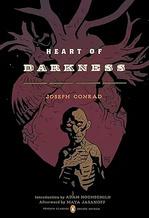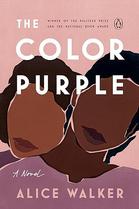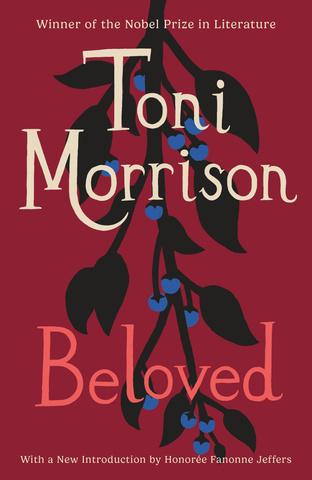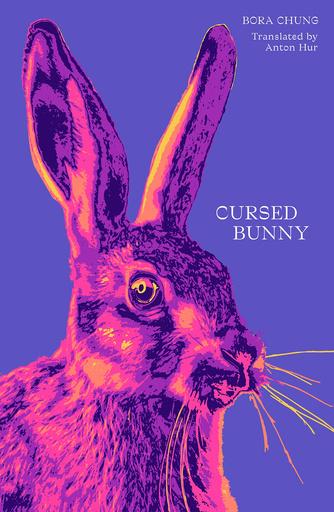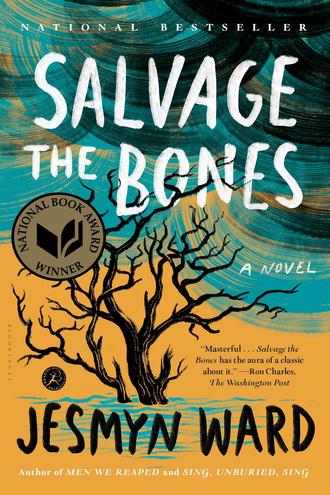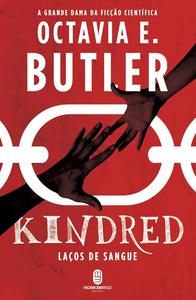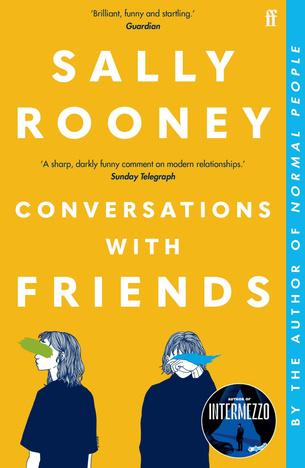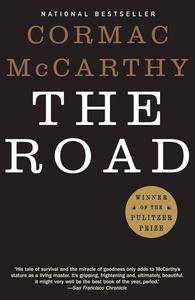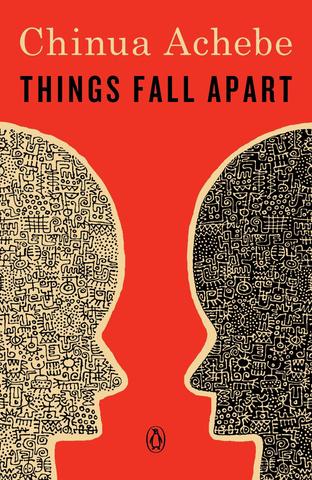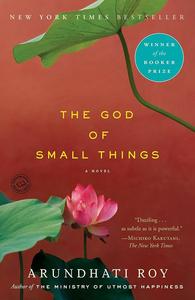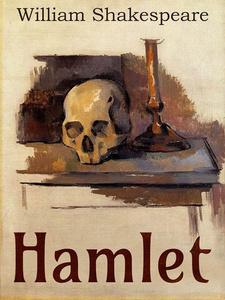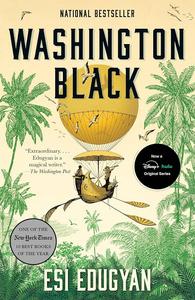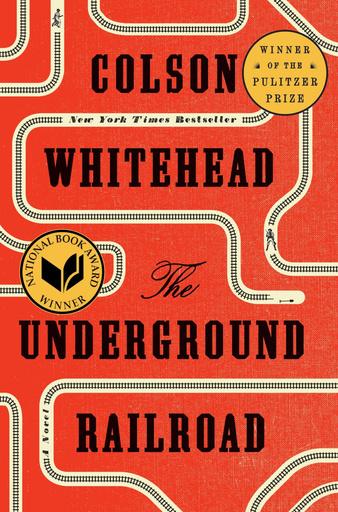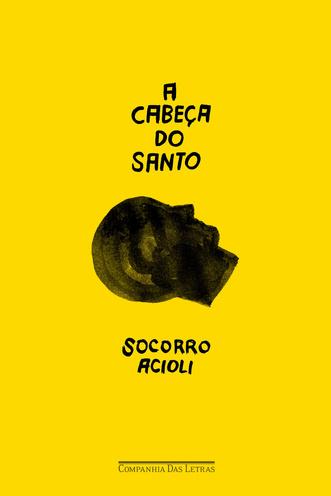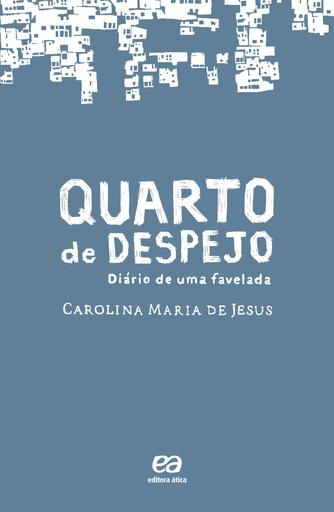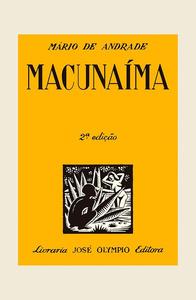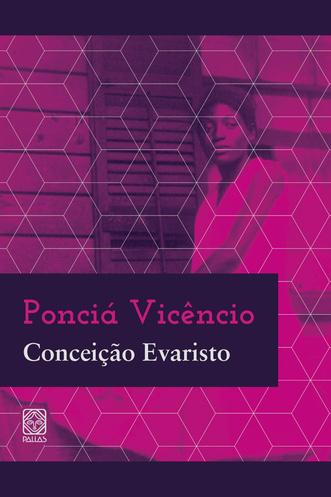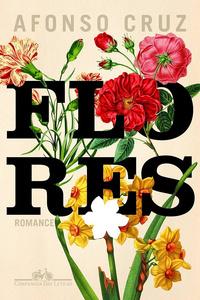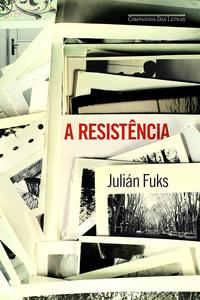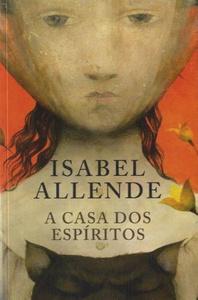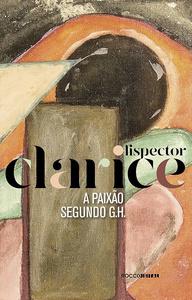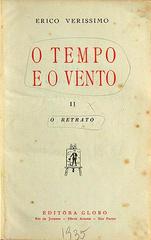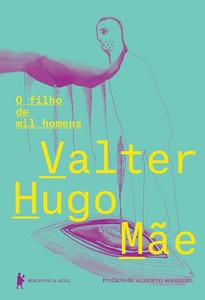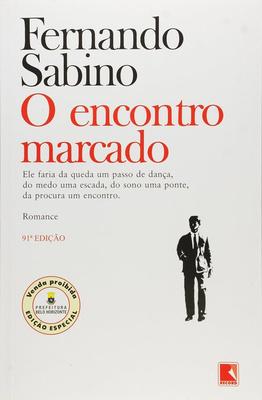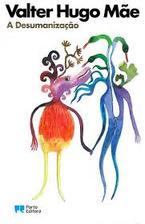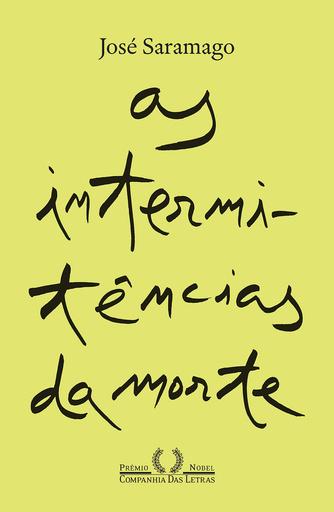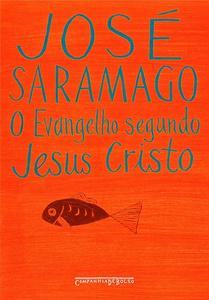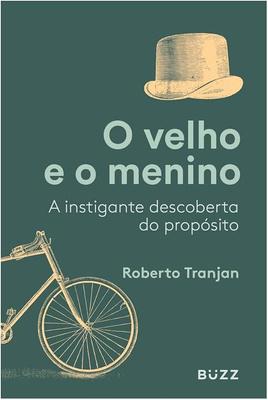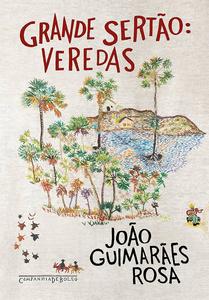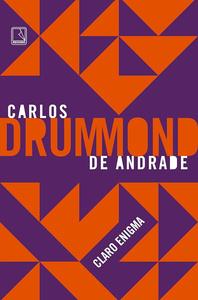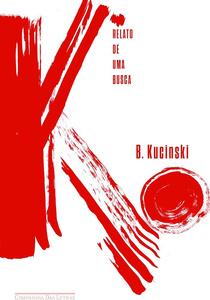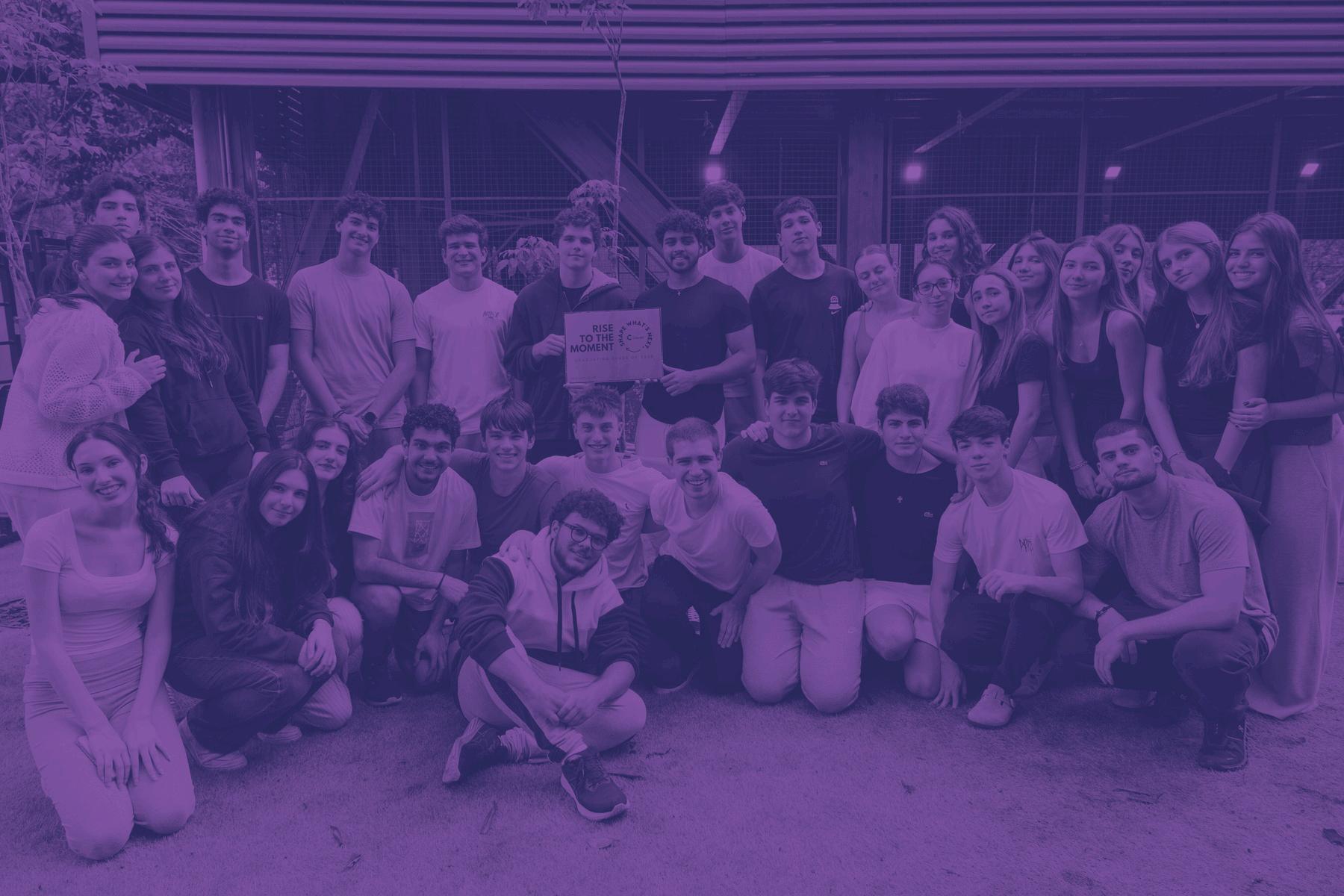

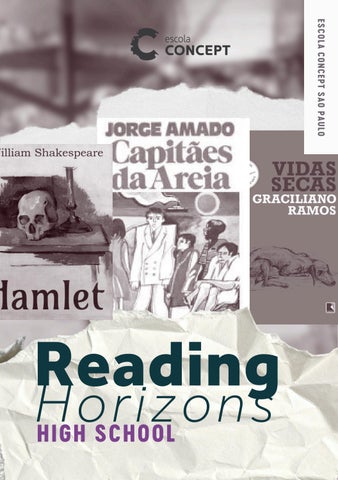



At Escola Concept, our High School learning engine Innovative Global Citizens invites students to encounter literature as a living, evolving conversation. Reading Horizons has been designed as a companion and extension to our Languages program, offering a wide range of texts that vary in voice, genre, length, and level of challenge.

Titles on this list are not automatically required readings. Instead, Reading Horizons provides a strong list of personal reading, and flexibility for educators to select works that support particular units, interdisciplinary projects, or student interests. If a title is chosen for classroom study, families receive advance notice, ensuring transparency and timely access to materials.

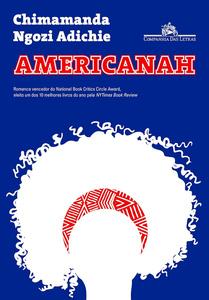
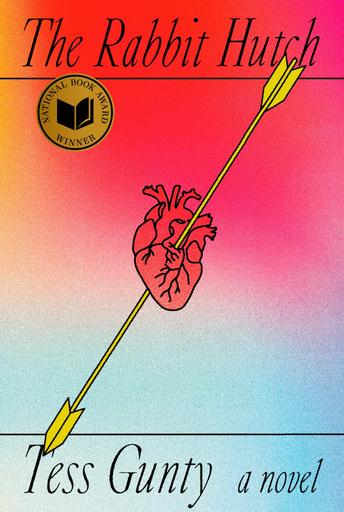
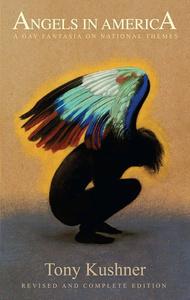
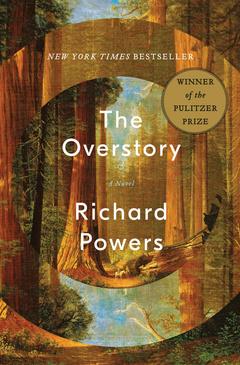
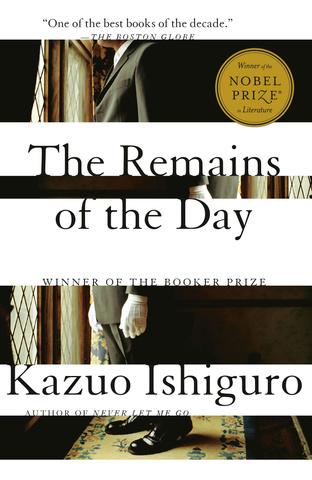
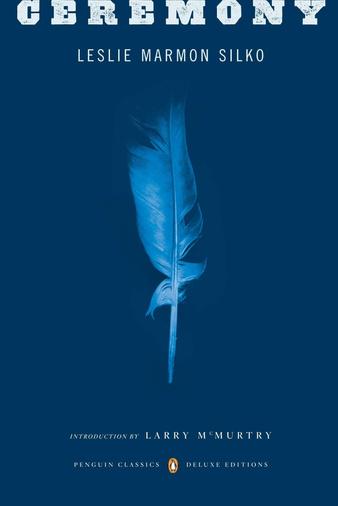
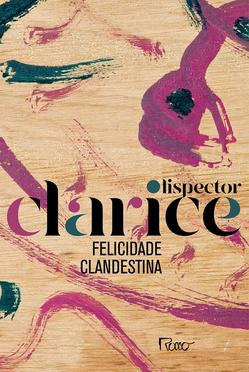
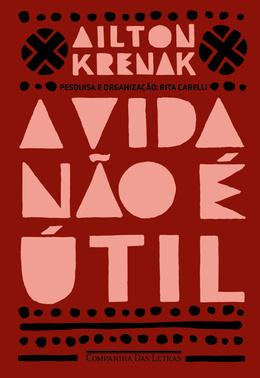
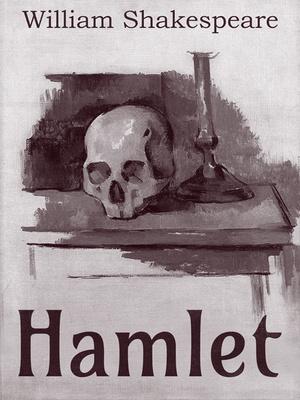
The list reflects a deliberate balance between enduring classics and contemporary literature. Canonical authors such as Shakespeare, Sophocles, and Clarice Lispector sit naturally alongside modern and contemporary writers including Kazuo Ishiguro, Chimamanda Ngozi Adichie, Ailton Krenak, Louise Erdrich, and Conceição Evaristo.
Studying these voices together allows students to see how literature responds to universal human questions across time, while also engaging with the world they recognize today.



Many of these titles appear on international school booklists, university syllabi in Brazil and abroad, as well as Advanced Placement (AP) examinations, ensuring that students are well prepared for the expectations of higher education.
The works on this list also support close reading, critical thinking, and creativity.

Reading Horizons includes authors from different countries and cultural traditions in order to broaden students’ understanding of the human experience.
Literature is studied as an academic discipline and a lifelong pursuit, not as political or ideological instruction.
Classroom discussions focus on interpretation, context, and craft, and students are encouraged to think critically and form their own conclusions.

Texts are always used with careful attention to learners’ intellectual and emotional development. Earlier grades emphasize voice, identity, and coming-ofage narratives, while later grades explore more complex structures, moral ambiguity, and philosophical ideas.
Educators provide context and guidance, ensuring that discussions remain respectful, purposeful, and grounded in literary study.

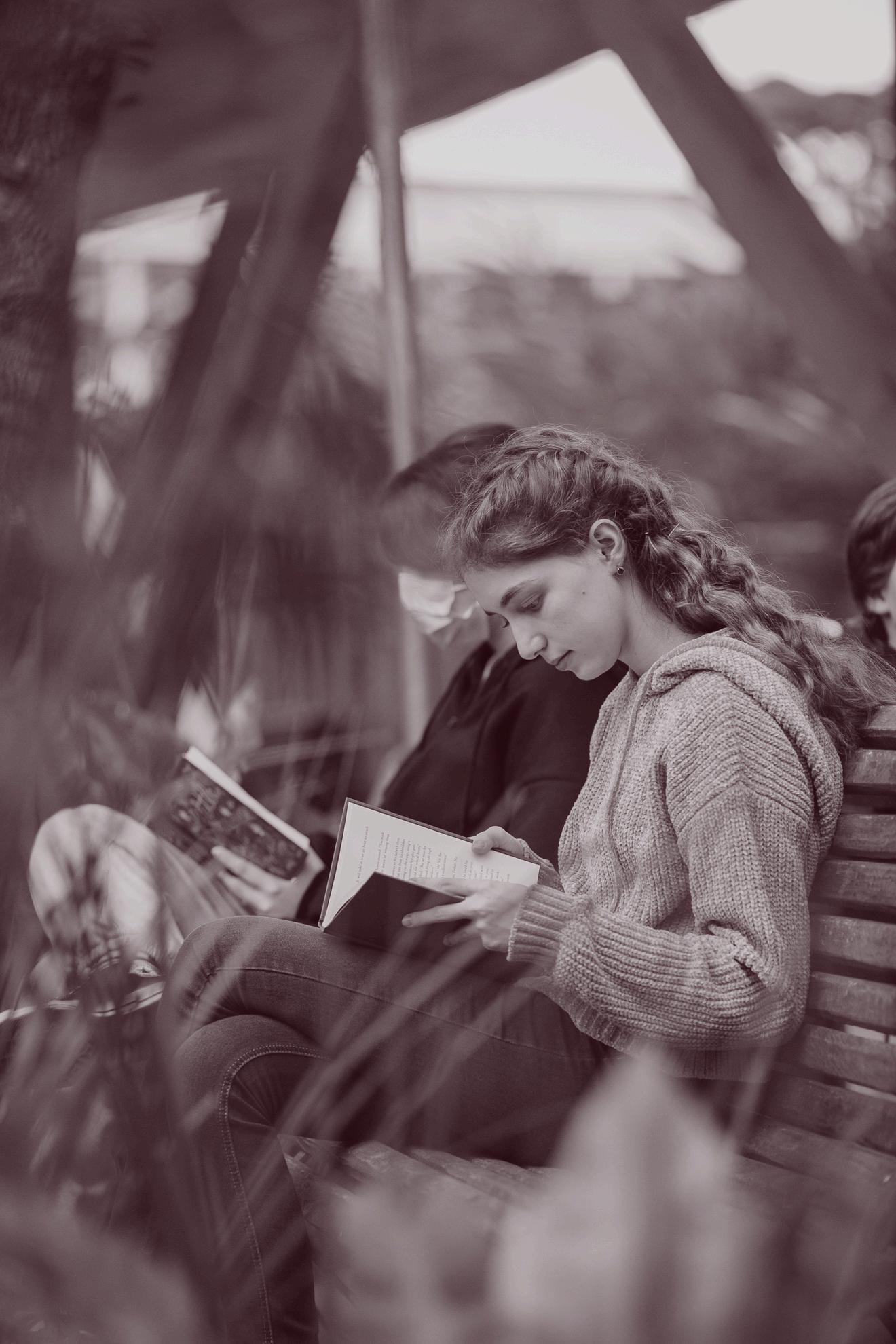
In keeping with Concept’s emphasis on pathways, project-based learning, and learner agency, Reading Horizons supports student voice and choice. Learners may select texts from this list for independent reading, in-class extensions, or projectbased inquiries. The list also serves as a resource for learners who wish to explore literature beyond learning space requirements.
By pairing classic works with compelling contemporary voices, Reading Horizons aims to spark curiosity and sustained engagement. Learners read more deeply when literature feels both challenging and relevant. Our goal is to help learners develop strong, confident reading identities and a lasting appreciation for literature. Reading Horizons not only broadens perspectives, but opens doors to the surprises of literature.
Reading Horizons reflects our commitment to academic excellence, balance, and thoughtful education, preparing students not only for exams and university, but for a lifetime of reading, reflection, and learning.