LOWER SCHOOL
2026
LOWER SCHOOL
2026


Our greatest obstacles are often ourselves. If you think you can’t, you probably won’t.

by Kobi Yamada,
Finding Muchness: How to Add More Life to Life Theme of the 2026 Academic Year
The 1st Festival of Learning of 2026 has arrived - a celebration of the wonder, imagination, and muchness that lives within each of us.
Inspired by this year’s theme, Finding Muchness by Kobi Yamada, this festival honors the unique qualities, bold ideas, and joyful discoveries that make every learner extraordinary. It is a vibrant reflection of journeys filled with curiosity, creativity, courage, and the countless moments that help us better understand who we are becoming.
Throughout this special event, our community is invited to experience the powerful learning that emerges when learners are encouraged to think deeply, explore freely, and embrace their authentic selves. Each exhibition, each interaction, and each shared story reveals the imagination, voice, and potential that live within our community.
Join us as we celebrate the beauty of learning in all its forms — the big breakthroughs, the quiet discoveries, the questions, the risks, and the sparks of inspiration that help us uncover our own muchness. Let this be a time to honor not only what we have learned, but the unique gifts, perspectives, and possibilities each learner brings into the world. Welcome to the Festival of Learning — a celebration of imagination, belonging, discovery, and the extraordinary muchness within us all!
It is time to celebrate learning!

O 1º Festival of Learning de 2026 chegou uma celebração do encantamento, da imaginação e da grandiosidade que existe dentro de cada um de nós.
Inspirado no tema deste ano, "Finding Muchness", de Kobi Yamada, este festival celebra as qualidades únicas, as ideias ousadas e as descobertas cheias de alegria que tornam cada learner extraordinário É um reflexo vibrante de jornadas marcadas por curiosidade, criatividade, coragem e pelos inúmeros momentos que nos ajudam a compreender melhor quem estamos nos tornando
Ao longo deste evento especial, nossa comunidade será convidada a vivenciar a potência da aprendizagem que emerge quando learners são incentivados a pensar profundamente, explorar livremente e abraçar sua autenticidade. Cada exposição, cada interação e cada história compartilhada revelam a imaginação, a voz e o potencial que vivem dentro da nossa comunidade.
Junte-se a nós para celebrar a beleza da aprendizagem em todas as suas formas as grandes conquistas, as descobertas silenciosas, as perguntas, os riscos e as centelhas de inspiração que nos ajudam a descobrir nossa própria grandiosidade Que este seja um momento para celebrar não apenas o que aprendemos, mas também os talentos, perspectivas e possibilidades únicas que cada learner traz para o mundo
Bem-vindos ao Festival of Learning uma celebração da imaginação, do pertencimento, da descoberta e da extraordinária grandiosidade que existe dentro de todos nós!
É hora de celebrar a aprendizagem!

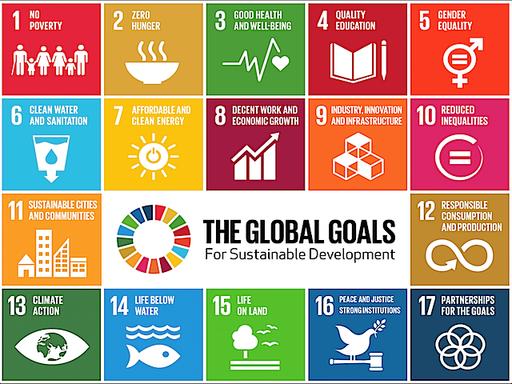
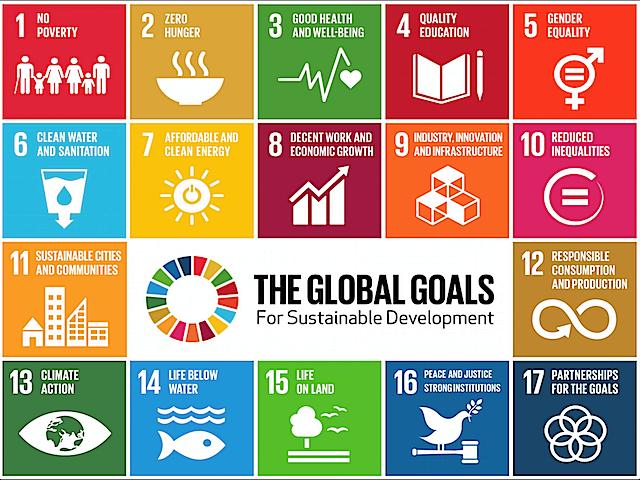
Na Escola Concept, a aprendizagem é intencional, significativa e guiada por práticas pedagógicas com propósito. Os projetos desenvolvidos ao longo do primeiro semestre de 2026 foram apoiados pelos Global Goals, juntamente aos objetivos de aprendizagem conectados ao Fieldwork Education e à BNCC, criando oportunidades autênticas para investigação, exploração e crescimento.
At the same time, the Habits of Mind, developed by The Habits of Mind Institute, nurtured in our learners the dispositions needed to think flexibly, act thoughtfully, and respond intelligently when faced with challenges, questions, and new experiences.
At Escola Concept, learning is intentional, meaningful, and guided by purposeful pedagogical practices. The projects developed throughout the first semester of 2026 were supported by the Global Goals, alongside the learning standards connected to Fieldwork Education and the BNCC, creating authentic opportunities for inquiry, exploration, and growth.

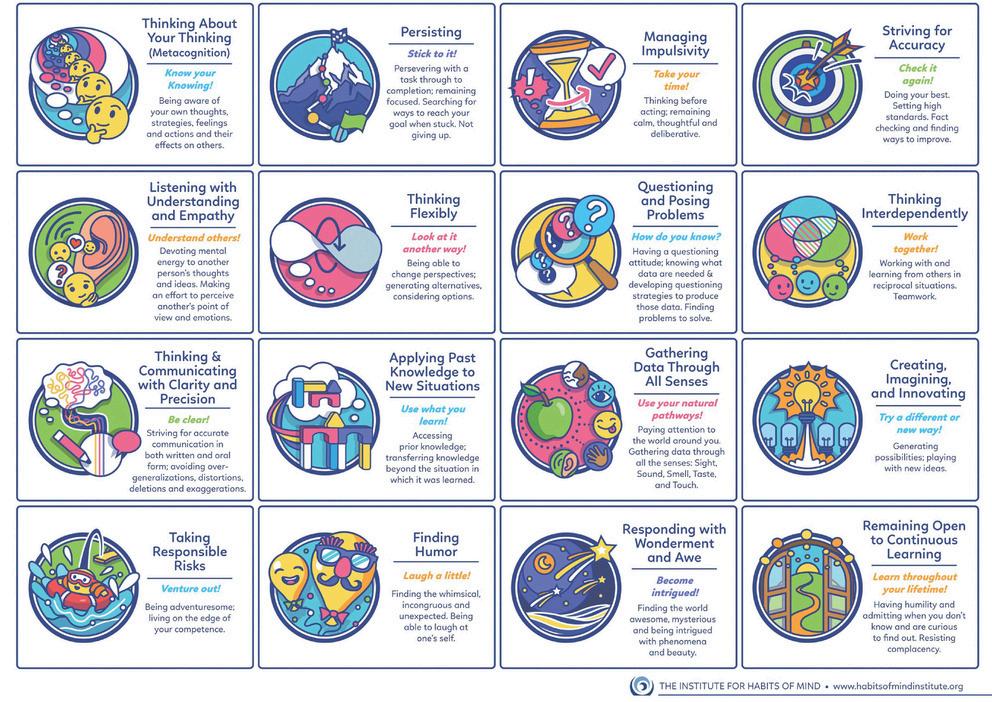
Ao mesmo tempo, os Hábitos da Mente, desenvolvidos pelo The Habits of Mind Institute, fortaleceram, em nossos estudantes, disposições importantes para pensar com flexibilidade, agir com intencionalidade e responder, de forma inteligente, a perguntas desafiadoras, e viver novas experiências.

Sumário

How might we learn about our ancestry with native peoples and awake understanding in our community?
Como podemos aprender sobre nossa ancestralidade com os povos nativos e despertar compreensão em nossa comunidade?
Inside Out: How might we investigate what is beyond what we see and design technologies that make life better?
Como podemos investigar o que está além do que vemos e criar tecnologias que tornem a vida melhor?
How might we define value by understanding the origin of markets?
Como podemos definir valor ao compreender a origem dos mercados?
How might understanding different communities help us grow as thoughtful and responsible members of our own community?
Como compreender diferentes comunidades pode nos ajudar a crescer como membros conscientes e responsáveis da nossa comunidade?
How might we explore how marine communities and humans are all connected?
Como podemos explorar como as comunidades marinhas e os seres humanos estão todos conectados?
How might we care for Our community the way we care for living things?
Como podemos cuidar da nossa comunidade da mesma forma que cuidamos dos seres vivos?
How might we work together to help others learn about the diversity of our environment?
Como podemos trabalhar juntos para ajudar outras pessoas a aprender sobre a diversidade do nosso meio ambiente?
Sumário
How might we understand and represent our place in the universe?
Como podemos compreender e representar o nosso lugar no universo?
Exploring our solar system: How might the universe inspire research and learning?
Explorando o nosso sistema solar: Como o universo pode inspirar pesquisa e aprendizagem?
How might we use Earth’s 'superpowers' to build a preferred future and protect our planet today?
Como podemos usar os "superpoderes" da Terra para construir um futuro preferido e proteger o nosso planeta hoje?
How might we care for our planet and take responsible action to create positive change?
Como podemos cuidar do nosso planeta e tomar ações responsáveis para criar mudanças positivas?
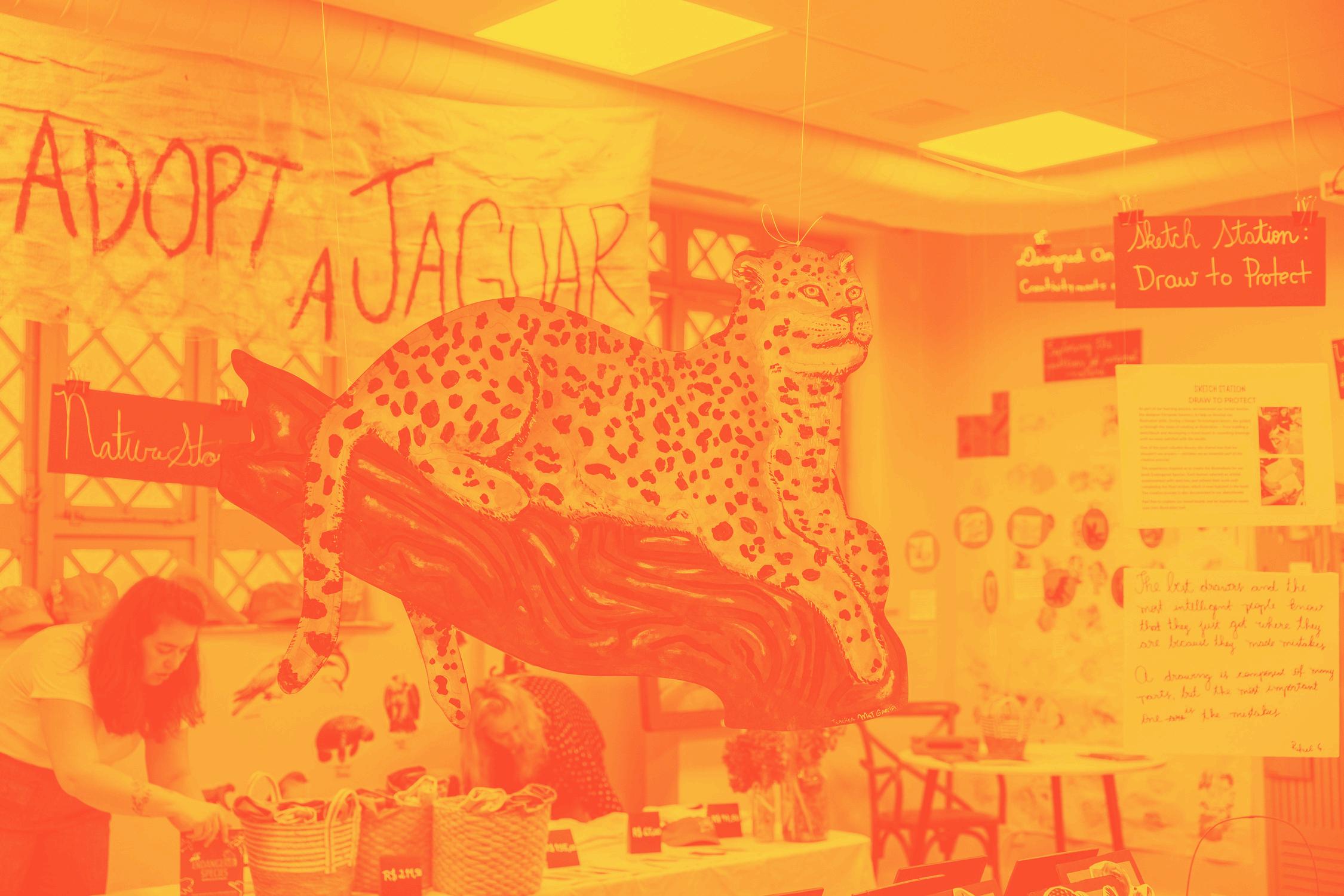
How might we use AI and games to help people protect endangered animals and make rewilding part of everyday life in Brazil?
Como podemos usar a IA e os jogos para ajudar as pessoas a protegerem animais ameaçados de extinção e tornar o reflorestamento e a reintrodução da vida selvagem parte do cotidiano no Brasil?
How might we use what we learn about food, our bodies, and the environment to design solutions for a healthier future?
Como podemos usar o que aprendemos sobre alimentação, nosso corpo e o meio ambiente para criar soluções para um futuro mais saudável?
Life Below Water: How do ocean ecosystems work, and why do they matter for life on Earth?
Vida Debaixo d’Água: Como os ecossistemas oceânicos funcionam e por que eles são importantes para a vida na Terra?
Rewilding: How can humans effectively be part of the solution and not only the problem?
Rewilding: Como os seres humanos podem fazer parte da solução, e não apenas do problema?
How might we redesign urban spaces to reconnect people, nature, and mobility in our city?
Como podemos redesenhar os espaços urbanos para reconectar as pessoas, a natureza e a mobilidade em nossa cidade?
How can we design sustainable solutions to improve our city?
Como podemos desenvolver soluções sustentáveis para melhorar nossa cidade?
Our Place in the World: How can our perspectives shape the environments we create?
Como nossas perspectivas podem moldar os ambientes que criamos?
Como podemos aprender sobre nossa ancestralidade com os povos nativos e despertar compreensão em nossa comunidade?
Sobre a jornada de aprendizagem

ived on this land before us, and how ancestry shapes identity. As part of pressed a concern for using appropriate and respectful terminology when from this ethical awareness that our inquiry begins: How might we learn oples and awaken understanding in our community?
ch, children investigate ancestry as a living and relational concept, r the world. Learning from Indigenous perspectives invites reflections on respectful relationships with the land, community, and shared resources, strengthening sustainability and collective responsibility. Throughout the process, Habits of Mind such as curiosity, listening with empathy, and thinking interdependently support children in co-constructing knowledge and recognizing themselves as connected members of a broader community.
Este projeto surgiu a partir da observação atenta das crianças sobre mapas e de seu interesse crescente por diferentes culturas e nacionalidades Ao explorarem símbolos, territórios e lugares do mundo, emergiram perguntas sobre de onde as pessoas vêm, quem habitava este território antes de nós e como a ancestralidade influencia a identidade Nesse percurso, demonstraram preocupação em utilizar t i l i d d it f i vos originários. A partir dessa consciência ética, nossa investigação inicia: Como originários e despertar a compreensão em nossa comunidade? as crianças a investigar a ancestralidade como um conceito vivo e relacional, Ao entrar em contato com perspectivas dos povos originários, os estudantes nidade e os recursos compartilhados, fortalecendo a sustentabilidade e a e pensamento de forma interdependente orientam o percurso e apoiam a

vai acontecer no FOL?
the Festival of Learning, students will share the journey their projects through the stages Understand, Explore, nd Materialize. Families will be able to observe academic onnections, thinking routines, investigations, and artistic xpressions developed throughout the learning process.
No Festival of Learning, as crianças compartilharão o percurso de seus projetos nas etapas Understand, Explore e Materialize As famílias poderão observar conexões acadêmicas, rotinas de pensamento, investigações e expressões artísticas desenvolvidas ao longo do processo de aprendizagem
Inside Out: How might we investig what is beyond what we see and hat make life
e está além do que ornem a vida melhor?
rested in understanding what is inside things and how they work. ed the concept that many objects and structures are made up of ms to serve a purpose. Throughout the project, students built a y and systems, and engaged in hands-on investigations to explore hole, and understand their functions. Additionally, the project ts used the habit of mind “create, imagine, and innovate” to build new creations using parts of different objects.
Os estudantes iniciaram o ano muito interessados em entender o que existe dentro das coisas e como elas funcionam. Assim, no projeto, exploraram o conceito de que muitos objetos e estruturas são formados por partes que trabalham juntas como sistemas, para cumprir uma função. Ao longo do projeto, investigaram sobre tecnologia e sistemas e participaram de experiências para explorar materiais, identificar partes de um todo e compreender as funções. O projeto se conectou com Artes, à medida que os alunos utilizaram o hábito da mente “criar, imaginar e inovar” para criações usando partes de diferentes objetos.

OL?
the investigations and the project, appreciate their academic journey in
eto, apreciarão conhecerão um mática, Inglês e
ms of trade, logistics and communication long before the tructure. Through historical provocations, simulations and munities exchanged goods, transported resources across tems. They analyzed how surplus production enabled ed what could be traded, and how communication shaped ecognize patterns, identify challenges faced by ancient traders, and reflect on how limitations in one system could directly impact the others. By integrating historical inquiry with design thinking, this project fostered systems awareness, critical thinking and collaborative decision-making, while supporting the development of early economic literacy in a developmentally appropriate and engaging way.
A turma do Grade 1C explorou como as sociedades antigas organizavam sistemas de comércio, logística e comunicação muito antes do desenvolvimento da moeda moderna e da infraestrutura tecnológica Por meio de provocações históricas, simulações e investigações colaborativas, os alunos analisaram como as comunidades trocavam mercadorias, transportavam recursos entre regiões e lidavam com diferenças linguísticas e culturais
Este projeto posiciona os estudantes como pesquisadores de sistemas. Eles analisaram como a produção excedente possibilitava as trocas, como as rotas e os meios de transporte influenciavam o que poderia ser comercializado e como a comunicação moldava a cooperação e a negociação Os alunos foram incentivados a reconhecer padrões, identificar desafios enfrentados pelos antigos comerciantes e refletir sobre como limitações em um sistema poderiam impactar diretamente os outros.
Ao integrar investigação histórica com design thinking, o projeto promoveu consciência sistêmica, pensamento crítico e tomada de decisão colaborativa, ao mesmo tempo em que apoiou o desenvolvimento da alfabetização econômica inicial de maneira apropriada ao desenvolvimento e envolvente
We will transform our learning space into an ancient Silk Road market, where parents will produce goods and trade them in booths.
Transformaremos nosso espaço de aprendizagem em um antigo mercado da Rota da Seda, onde os pais produzirão mercadorias e as comercializarão em estandes.
around them. Learners investigated families, the classroom, the school community, and communities in nature, including animal groups and ecosystems. Through research, discussion, and reflection, they examined communication, shared responsibilities, cooperation, and how their actions can positively impact the communities they are part of.
Este projeto explorou comunidades a partir da curiosidade dos estudantes sobre o mundo ao seu redor. Investigaram as famílias, a sala de aula, a comunidade escolar e também comunidades presentes na natureza, incluindo grupos de animais e ecossistemas. Por meio de pesquisas, discussões e reflexões, examinaram a comunicação, as responsabilidades compartilhadas, a cooperação e como suas ações podem impactar positivamente as comunidades das quais fazem parte.
Grade 2A students hrough interactive zles, plants, and and natural HE FOL? ?
s do Grade 2A ndizagens por desafios de e explorações
Sobre a jornada de aprendizagem
During our project, learners explored inventions connected to ocean challenges. They shared ideas on how technology can help clean oceans and protect marine life, then prototyped solutions. They also investigated issues affecting oceans, including abyssal life, and reflected on how to make responsible decisions to reduce human impact.
Durante o projeto, os estudantes exploraram invenções ligadas aos desafios dos oceanos. Criando protótipos, compartilharam ideias sobre como a tecnologia pode ajudar a limpar os mares e proteger a vida marinha. Investigaram questões incluindo a vida abissal e refletiram sobre decisões responsáveis para reduzir o impacto humano.
O que vai acontecer no FOL?
Learners will showcase their research on marine life, apply thinking routines, and present artistic proposals. They will also present and test prototypes created to address ocean challenges.
Os estudantes apresentarão pesquisas sobre animais marinhos, rotinas de pensamento e produções artísticas. Também vão apresentar e testar protótipos criados para os desafios dos oceanos
g , p , , g g living things connects to caring for our community. Inspired by companion plants, pollinators, and gardening, learners designed and built a vegetable garden while developing Habits of Mind such as thinking interdependently, persisting, and listening with understanding and empathy.
Por meio de uma jornada de pesquisa, exploração e materialização, os estudantes investigaram como as comunidades, assim como os sistemas vivos, desenvolvem-se por meio do cuidado, da conexão e da interdependência Inspirados pelas plantas amigas, pelos polinizadores e pelas relações invisíveis que sustentam a vida, projetaram e cultivaram uma horta, desenvolvendo Habits of Mind, como pensar de forma interdependente, persistir e escutar com compreensão e empatia
O que vai acontecer no FOL?
Families will be invited into an interactive experience where nature and community intertwine. Learners will share their investigations about cacao, pollination, and companion plants through displays, posters, and hands-on experiences. Visitors will explore our vegetable garden, encounter the cacao tree planted at school, discover the design process behind the garden, and participate in moments of collective care: including planting sunflowers together. Through interactive community spaces, the exhibition invites families not only to observe learning, but to experience what it means to grow together.
As famílias serão convidadas para uma experiência interativa em que natureza e comunidade se entrelaçam. Os estudantes compartilharão suas investigações sobre o cacau, a polinização e as plantas amigas por meio de painéis, pôsteres e experiências Os visitantes poderão explorar nossa horta, conhecer o pé de cacau plantado na escola, descobrir o processo de design da horta e participar de momentos de cuidado coletivo, como o plantio de girassóis Em espaços interativos sobre comunidade, a exposição convidará as famílias não apenas a observar a aprendizagem, mas, também, a vivenciar o que significa crescer juntos
How might we work together to help others learn about the diversity of our environment?
Como podemos trabalhar juntos para ajudar outras pessoas a aprender sobre a diversidade do nosso meio ambiente?
Sobre a jornada de aprendizagem
Grade 2 learners explored the Brazilian biomes Amazon, Pantanal, and Pampa to understand how plants, animals, and people live and interact in different environments. Through research, discussions, and collaborative activities, they learned about the diversity of our environment. Guided by the essential question, How might we work together to help others learn about the diversity of our environment?, learners worked as a team to investigate how living things depend on each other and how people adapt to different environments. By the end of the project, learners created a game together to teach others about the Brazilian biomes, showing how they could learn from one another and take action to care for the environment.
Os alunos do 2º ano exploraram os biomas brasileiros Amazônia, Pantanal e Pampa para compreender como plantas, animais e pessoas vivem e interagem em diferentes ambientes Por meio de pesquisas, discussões e atividades colaborativas, aprenderam sobre diversidade de ambientes Guiados pela pergunta essencial -“Como podemos trabalhar juntos para ajudar outras pessoas a aprender sobre a diversidade do nosso meio ambiente?”, atuaram em equipe para investigar como os seres vivos dependem uns dos outros e como pessoas se adaptam a diferentes ambientes. Ao final do projeto, criaram um jogo sobre informações dos biomas brasileiros, demonstrando como podem aprender uns com os outros e agir em favor do cuidado com o meio ambiente.
WHAT WILL HAPPEN IN THE FOL?
O que vai acontecer no FOL?
-Explorethepedagogicaldocumentationshowcasingthestoryoftheproject.
-Readlearners’poems(English).
-Readlearners’informativetextsabouttheirchosenanimals(Portuguese).
-Playthebiomegamescreatedbyeachgrouptoteachothersaboutthebiomes. Familieswillhavetheopportunitytoplaythegamestogetherwiththeirchild.
-ViewtheworkconnectedtothepersonallibrarybookTheBigBookofBlooms.
Explore a documentação pedagógica que apresenta a trajetória do projeto
Leia os poemas produzidos pelos alunos (em inglês).
Leia os textos informativos dos alunos sobre os animais escolhidos (em português)
Jogue os jogos dos biomas criados por cada grupo para ensinar sobre os biomas As famílias terão oportunidade de jogar com seus filhos.
Veja os trabalhos relacionados ao livro da biblioteca pessoal The Big Book of Blooms
might
Como podemos compreender e representar o nosso lugar no universo?
Sobre a jornada de aprendizagem
This first project invites Grade 3 learners to begin with one of the most powerful and timeless questions: Where are we? Students explore their place in expanding circles from their learning space, to their city, to Earth, and then to the Solar System. Through inquiry into questions like Why does the sun set?, Is the sky really blue?, and Why are maps small?, learners begin building foundational understandings about the Earth–Sun relationship, spatial awareness, and how humans represent the world around them. By investigating natural and human landscapes, students discover that the world can be observed, interpreted, and represented in many different ways. They examine how Earth’s rotation causes day and night, how light affects what we see in the sky, and how large spaces can be modeled through maps and globes. Along the way, they develop essential skills in spatial reasoning, scientific observation, and representation through diagrams, maps, and models. This project comes first because it grounds learners in orientation physically, scientifically, and conceptually Before studying cities, history, or human systems, learners must first understand their planetary home and its relationship to the Sun. It establishes the big picture: Earth as part of a vast universe, yet uniquely positioned to sustain life. Through research, model-building, sky observations, and map-making, students will represent their learning in multiple forms, recognizing that perspective shapes understanding They begin to see themselves not just as residents of a neighborhood or city, but as members of a planet within a Solar System developing both scientific knowledge and a growing sense of wonder.
O que vai acontecer no FOL?
The community will be invited to engage in a gallery walk, exploring students’ work and making their learning visible through displays of investigations, models, and documentation from the project As they move through the space, visitors will be able to observe how learners developed their understanding and interacted with the different concepts the journey. In addition, families and guests will be invited to participate in a hands-on workshop, where they will create embroidered constellations. This interactive experience will connect art and science, allowing the community to engage creatively with the theme while deepening their appreciation for students’ learning about theskyandtheuniverse.
Acomunidadeseráconvidadaaparticipardeumacaminhadapelagaleria,explorandoostrabalhosdosestudantes e tornando visível sua aprendizagem por meio de exposições de investigações, modelos e documentações do projeto Ao percorrer o espaço, os visitantes poderão observar como os alunos desenvolveram sua compreensão e interagiram com os diferentes conceitos ao longo da jornada Além disso, as famílias e os convidados serão convidados a participar de uma oficina prática, na qual criarão constelações bordadas. Essa experiência interativa conectaráarteeciência,permitindoqueacomunidadeseenvolvacriativamentecomotema,aomesmotempoem queaprofundasuaapreciaçãopelaaprendizagemdosestudantessobreocéueouniverso
Join us for our Festival of Learning as learners explore the Solar System through science, storytelling, creativity, and technology! Students researched planets, created 3D models and booklets, and explored Moon myths from the past while comparing them with modern scientific discoveries. Through presentations and storytelling, students share how people have understood the Moon across time and cultures.
Junte-se a nós em nosso Festival of Learning, enquanto os estudantes exploram o Sistema Solar por meio da ciência, da narrativa, da criatividade e da tecnologia! Eles pesquisaram os planetas, criaram modelos 3D e livretos, além de explorarem mitos sobre a Lua do passado, comparando-os com descobertas científicas modernas. Por meio de apresentações e contação de histórias, compartilham como diferentes povos compreenderam a Lua ao longo do tempo e das culturas.
O que vai acontecer no FOL?
Learners will present their Solar System projects, including 3D planet models, research booklets, Moon stories, and oral presentations connecting science, storytelling, and technology.
Os estudantes apresentarão seus projetos sobre o Sistema Solar, incluindo modelos 3D dos planetas, livretos de pesquisa, histórias sobre a Lua e apresentações orais que conectam ciência, narrativa e tecnologia.
In this project, Grade 3C learners become scientists and space architects to investigate what is needed for life to survive. We begin by exploring Earth’s essential “superpowers” soil, air, water, and sunlight and how they work together to sustain life. Learners will also research planets, moons, and extreme environments, comparing Earth’s unique conditions to the challenges of life in space.
A central part of this journey is the “Earth Guardian Mission ” Learners will adopt and care for a specific area of our school By analyzing soil and mapping the ecosystem around them, they will discover that many of the systems needed to survive in space already exist in nature
The project will culminate in a design challenge in which learners create a habitable space habitat and develop a preservation plan for their school area Through this process, they will understand that by caring for our “First Home,” we can design a better “Preferred Future.”
Essential Questions
* What are the “superpowers” every living thing needs to survive?
* Why is Earth’s soil essential for life?
* How can maps help us identify and protect nature in our school?
* How can imagining life in space help us care for Earth today?
O que vai acontecer no FOL?
Learners will proudly showcase the birdhouses they created, conduct an engaging experiment exploring different soil types, and share opinion texts expressing their understanding of the importance of water for life on Earth. They will also decorate a birdhouse to take home as a meaningful keepsake and guide their families through the school to visit the special places where their birdhouses were installed, celebrating their learning journey and their role as Earth’s guardians
Como podemos cuidar do nosso planeta e tomar ações responsáveis para criar mudanças positivas?
Sobre a jornada de aprendizagem
Our project, “How might we care for our planet and take responsible action to create positive change?”, engaged learners in exploring what makes Earth a unique and habitable planet. From studying the Sun, Moon, and planets to investigating weathering, erosion, and maps, they connected global ideas to their city, identified real-world problems, and proposed responsible actions to care for the environment.
“Como podemos cuidar do nosso planeta e agir de forma responsável para gerar mudanças positivas?” engajou os estudantes na investigação do que torna a Terra um planeta único e habitável. Ao estudar o Sol, a Lua e outros planetas, e ao explorar conceitos como intemperismo, erosão e uso de mapas, eles conectaram ideias globais à realidade da sua cidade, identificaram problemas do mundo real e propuseram ações responsáveis para cuidar do meio ambiente.
O que vai acontecer no FOL?
Visitors will explore the Solar System, landscape transformations, and the changes in São Paulo through an interactive panel, a map created by the learners, and artistic proposals for positive impact in the city./
Os visitantes explorarão o Sistema Solar, as transformações das paisagens e as mudanças na cidade de São Paulo por meio de um painel interativo, um mapa criado pela turma e propostas artísticas de impacto positivo para a cidade.
How might we use AI and games to help people protect endangered animals and make rewilding part azil?
Como podemos usar a IA e os jogos para ajudar as pessoas a protegerem animais ameaçados de extinção e tornar o reflorestamento e a reintrodução da vida selvagem parte do cotidiano no Brasil?
ABOUT THE LEARNING JOURNEY
Sobre a jornada de aprendizagem
Our learning journey explores rewilding and its power to restore ecosystems and biodiversity, inspired by UN Global Goal 15: Life on Land. Students investigate how protecting habitats, restoring native species, and reducing human impact can rebuild ecological balance. Through real-world examples, learners reflect on practical solutions and design innovative actions to support nature’s recovery and a more sustainable future.
sselvagem e seu potencial para restaurar ecossistemas e fortalecer a biodiversidade Guiados pelo Objetivo Global 15: Vida Terrestre, os estudantes analisam impactos humanos, como desmatamento e poluição, e exploram estratégias de recuperação ambiental A partir de exemplos reais, refletem sobre ações inovadoras para regenerar a natureza e fortalecer o equilíbrio ecológico.
O que vai acontecer no FOL?
Learners will showcase their rewilding journey, discoveries about Brazilian biomes, the game Sussurros da Mata, documentaries about the Mata Atlântica and Pantanal, biome maps, and QR codes with students reading their poems.
Os estudantes apresentarão sua jornada sobre resselvagem, o jogo Sussurros da Mata, documentários sobre a Mata Atlântica e o Pantanal, mapas dos biomas e QR codes com poemas narrados pelos alunos
How might we use what we learn about food, our bodies, and the environment to design solutions for a healthier future?
Como podemos usar o que aprendemos sobre alimentação, nosso corpo e o meio ambiente para criar soluções para um futuro mais saudável?
4th grade learners began their investigation into the complex global food system, exploring how what we eat nourishes our bodies and shapes our world. Following initial investigations into energy flow and biological processes, learners will dive into the journey of food, from nutrient absorption to its immediate systemic impact on our health and the environment. As they progress through the early stages of the Design Project, students will examine real-world challenges that emerge from their own curiosity: from the biological effects of sugar to global issues such as food waste and sustainable ecosystems. This comprehensive inquiry helps students develop a systemic sense of empathy and responsibility toward their own bodies and the planet. The phase culminates in a Systemic Investigation Map, a collaborative project in which students categorize their scientific discoveries and define the specific Design Challenges that will guide their long-term research. Through this initial journey, students will not only build a scientific foundation, but also develop the critical thinking skills needed to create a healthier future for themselves and for the world
Os estudantes do 4º ano iniciarão sua investigação sobre o complexo sistema alimentar global, explorando como o que comemos nutre nosso corpo e molda o nosso mundo. Após as investigações iniciais sobre o fluxo de energia e os processos biológicos, mergulharão na jornada dos alimentos, desde a absorção de nutrientes até o seu impacto sistêmico imediato na nossa saúde e no meio ambiente. À medida que avançarem pelas primeiras etapas do Projeto de Design, examinarão desafios do mundo real que surgiram da sua curiosidade: dos efeitos biológicos do açúcar às questões globais do desperdício alimentar e dos ecossistemas sustentáveis Esta investigação abrangente os ajudará a desenvolver um senso sistêmico de empatia e responsabilidade para com o próprio corpo e o planeta. A fase culminará num Mapa Sistêmico de Investigações, um trabalho coletivo em que categorizarão as suas descobertas científicas e definirão os Desafios de Design específicos que orientarão a pesquisa Na jornada inicial, não só construirão uma base científica, como também desenvolverão as competências de pensamento crítico necessárias para um futuro mais saudável para si próprios e para o mundo.

Families will be invited to dive into student poetry, book-inspired exhibitions (Bad Guys and O Professor de Português Enlouqueceu de Vez), and a celebration of reading and writing.They will watch a hands-on diabetes experiment and test out the custom " gems " designed and improved by the children. In Math families will be presented with global diabetes statistics, play a fractions memory game, view watercolor pancreas art, and tackle the "Perfect Plate" healthy eating game.Families can experience an app built from the students' own prompts and wrap up with interactive electricity and energy circuits.Enjoy the journey through our learners` creativityanddiscoveries!
Our learning journey focuses on rewilding and its powerful role in restoring ecosystems and strengthening biodiversity. Inspired by the United Nations Global Goal 15: Life on Land, learners explore how reintroducing native species, protecting natural habitats, and allowing natural processes to regenerate can help rebuild ecological balance. During this inquiry, they examine the effects of human activities such as deforestation, pollution, and urban expansion, while also investigating how rewilding can provide practical and hopeful solutions. By studying real-world examples of ecological restoration, learners reflect on how communities can repair environmental damage and support the return of healthy, self-sustaining ecosystems
As the project progresses, learners will focus their research on identifying practical rewilding strategies and designing innovative actions that enable us to reduce environmental impact and actively contribute to the recovery of nature.
Nossa jornada de aprendizagem concentra-se no rewilding (reintrodução e regeneração da natureza) e em seu papel fundamental na restauração de ecossistemas e no fortalecimento da biodiversidade Inspirados pelo Objetivo de Desenvolvimento Sustentável 15 da Organização das Nações Unidas - Vida Terrestre - os estudantes explorarão como a reintrodução de espécies nativas, a proteção de habitats naturais e o permitir que os processos naturais se regenerem podem ajudar a reconstruir o equilíbrio ecológico
Durante essa investigação, vão analisar os efeitos de atividades humanas, como desmatamento, poluição e expansão urbana, ao mesmo tempo em que investigarão como o rewilding pode oferecer soluções práticas e cheias de esperança. Ao estudar exemplos reais de restauração ecológica, refletirão sobre como as comunidades podem reparar danos ambientais e apoiar o retorno de ecossistemas saudáveis e autossustentáveis.
À medida que o projeto avançar, os estudantes concentrarão suas pesquisas em identificar estratégias práticas de rewilding e propor ações inovadoras que nos permitam reduzir o impacto ambiental e contribuir ativamente para a recuperação da natureza.
At the Festival of Learning, students will showcase ocean research through products, design processes, and an interactive sticker album experience supporting Onçafari.
No Festival of Learning, os alunos apresentarão pesquisas sobre o oceano por meio de produtos, processos de design e uma experiência interativa com álbum de figurinhas em apoio ao Onçafari.
Rewilding: Como os seres humanos podem fazer parte da solução, e não apenas do problema?
This project involves exploring how humans can move from understanding environmental problems to creating solutions. Through studies on biodiversity, ecosystems, artificial intelligence, and human impact on nature, learners investigated how everything is interconnected. During the Festival of Learning, we will engage with interactive experiences inspired by the learners’ investigations, including biodiversity research, AI-supported discoveries, math explorations, animal adaptations and features studies, and problem-solving challenges connected to environmental restoration.
Este projeto envolve explorar como os seres humanos podem passar da compreensão dos problemas ambientais para a criação de soluções. Por meio de estudos sobre biodiversidade, ecossistemas, inteligência artificial e impacto humano na natureza, os estudantes investigarão como tudo está interligado Durante o Festival of Learning, vamos participar de experiências interativas inspiradas nas investigações das crianças, incluindo pesquisas sobre biodiversidade, descobertas apoiadas por inteligência artificial, explorações matemáticas, estudos sobre adaptações e características dos animais e desafios de resolução de problemas ligados à restauração ambiental.
Visitors will experience recycling, bird feeder, stuffed animal, and Top Trumps stations, an escape room inspired by "O Professor de Português Enlouqueceu de Vez", math journeys, poetry writing, and learner research displays.
Os visitantes participarão de estações de reciclagem, comedouros de pássaros, bichinhos de pelúcia e supertrunfo, além de um escape room inspirado em "O Professor de Português Enlouqueceu de Vez", Matemática, poesia e pesquisas dos estudantes
Como podemos redesenhar os espaços urbanos para reconectar as pessoas, a natureza e a mobilidade em nossa cidade?
Sobre a jornada de aprendizagem
Throughout this project, students investigated how transportation choices impact the environment and the way cities function. By comparing bicycles and cars, they explored the use of natural resources, air pollution, water consumption, and the amount of urban space each one requires. Students engaged in hands-on activities, such as designing bike routes using digital tools, building prototypes to represent data visually, and developing arguments based on research. A key moment in the project was the visit from guest speakers, Eliana and Danilo, who shared real-life experiences as urban cyclists, helping students connect scientific knowledge with everyday life This project encouraged critical thinking, collaboration, and a sense of responsibility, empowering students to imagine and propose more sustainable, healthy, and efficient ways of moving through the city.
Ao longo deste projeto, os alunos investigaram como as escolhas de transporte impactam o meio ambiente e o funcionamento das cidades Ao comparar bicicletas e carros, exploraram o uso de recursos naturais, a poluição do ar, o consumo de água e o espaço urbano ocupado por cada um Os estudantes participaram de atividades práticas, como o planejamento de rotas de bicicleta utilizandoferramentasdigitais,aconstruçãodeprotótipospararepresentardadosdeformavisualeodesenvolvimentodeargumentoscombaseempesquisas.Ummomentoimportantedoprojetofoi avisitadosconvidadosElianaeDanilo,quecompartilharamsuasexperiênciascomociclistasurbanos,ajudandoosalunosaconectaroconhecimentocientíficocomavidareal Esteprojetopromoveu opensamentocrítico,acolaboraçãoeosensoderesponsabilidade,incentivandoosalunosaimaginareproporformasmaissustentáveis,saudáveiseeficientesdeselocomoverpelacidade.
O que vai acontecer no FOL?
In our Festival of Learning, learners will present their project on sustainable cities and transportation, exploring how we can make urban spaces safer, greener, and more efficient. Throughout the project, they developed an argumentative text to explain their research and share informed opinions about sustainabletransportsolutions.Theyalsocarriedoutahands-onexperimentto test the best materials for cyclists at night, helping them understand how visibilityandsafetycanbeimprovedinreal-lifesituations.
In addition, students designed new bicycle signs aimed at making cycling routes safer, clearer, and more organized for everyone These creations reflect their ideas for improving city infrastructure and encouraging more sustainable ways of moving around the city. We look forward to sharing their learning journey,creativity,andproblem-solvingskillswithyou!
Em nosso Festival de Aprendizagem, os estudantes apresentarão seu projeto sobre cidades sustentáveis e transporte, explorando como podemos tornar os espaços urbanos mais seguros, verdes e eficientes Ao longo do projeto, eles desenvolveram um texto argumentativo para explicar suas pesquisas e compartilhar opiniões fundamentadas sobre soluções de transporte sustentável Eles também realizaram um experimento prático para testar os melhores materiais para ciclistas durante a noite, ajudando-os a compreendercomoavisibilidadeeasegurançapodemseraprimoradasemsituaçõesreais Além disso, os alunos criaram novas placas para bicicletas com o objetivo de tornar as rotas ciclísticas mais seguras,claraseorganizadasparatodos Essascriaçõesrefletemsuasideiasparamelhorarainfraestruturaurbanaeincentivarformasmaissustentáveisde locomoçãopelacidade.Estamosansiososparacompartilharcomvocêsa trajetóriadeaprendizagem,acriatividadeeashabilidadesderesoluçãode problemasdesenvolvidaspelosestudantes!
Como podemos desenvolver soluções sustentáveis para melhorar nossa cidade?
Sobre a jornada de aprendizagem
Our city is our home, and we all have a role in making it a better place to live. In this project, Grade 5 learners will investigate real-world challenges in their community and work together to find solutions. Inspired by the United Nations’ Sustainable Development Goals (SDGs), learners will explore topics such as pollution, poverty, hunger, traffic safety, recycling, clean water, and human rights. learners will work in small groups, each focusing on a specific issue. They will research problems, learn from experts, and come up with ideas to help solve them Their work will include creating awareness campaigns, designing solutions, and taking real action to make a positive impact. At the end of the project, they will present their findings and actions to families, teachers, and the community in a special event showcasing their work. This is a chance for learners to become young change-makers, proving that even small actions can make a big difference! By working together, we can help build a fairer, cleaner, and more sustainable future for everyone.
Nossacidadeéonossolar,etodosnóstemosumpapelimportanteemtorná-laumlugarmelhorparaviver.Nesteprojeto,osalunosdo5ºanoirãoinvestigardesafiosreais presentes em sua comunidade e trabalhar juntos para encontrar soluções Inspirados pelos Objetivos de Desenvolvimento Sustentável (ODS) das Organização das Nações Unidas,osalunosexplorarãotemascomopoluição,pobreza,fome,segurançanotrânsito,reciclagem,águalimpaedireitoshumanos.
Osalunostrabalharãoempequenosgrupos,cadaumfocadoemumaquestãoespecífica Elesirãopesquisarproblemas,aprendercomespecialistasedesenvolverideiaspara ajudarasolucioná-los.Otrabalhoincluiráacriaçãodecampanhasdeconscientização,odesenvolvimentodesoluçõeseaçõesreaisparagerarumimpactopositivo.
Aofinaldoprojeto,elesapresentarãosuasdescobertaseaçõesparaasfamílias,professoresecomunidadeemumeventoespecialqueirámostrartodootrabalhorealizado Estaéumaoportunidadeparaqueosalunossetornemjovensagentesdetransformação,provandoqueatépequenasatitudespodemfazerumagrandediferença!
Trabalhandojuntos,podemosajudaraconstruirumfuturomaisjusto,limpoesustentávelparatodos
O que vai acontecer no FOL?
Learners and families will experience and go through our learning journey with all the documentation about the project, will experience a non-waste cooking experience together. Learners will present the prototypes developed by them with solutions for food waste and present a pitch to the audience in a shark tank style presentation They will also challenge their families to solve word problems created by them for a Kahoot competition.
Os estudantes e as famílias irão vivenciar e percorrer nossa jornada de aprendizagem por meio de toda a documentação do projeto, além de participar juntos de uma experiência culinária sem desperdício. Os estudantes apresentarão os protótipos desenvolvidos por eles, trazendo soluções para o desperdício de alimentos, e realizarão um pitch para o público em um formato inspirado no Shark Tank. Eles também desafiarão suas famílias a resolver problemas matemáticos criados por eles em uma competição no Kahoot
nments we create, G5C learners explored how people, culture, and experiences influence the way we design and live in cities. By analyzing changes in buildings and urban landscapes over time, learners investigated how technological developments and human needs have shaped communities in the past and present. They considered how architecture, environment, and well-being are connected, using concepts like neuroarchitecture to guide their thinking. Through this process, learners reflected on their own identities and values, understanding their role in shaping more sustainable, inclusive, and thoughtful communities for the future.
Com o primeiro projeto do ano - Nosso Lugar no Mundo: Como nossas identidades podem moldar os espaços que criamos, os estudantes do G5C exploraram como as pessoas, a cultura e as experiências influenciam a forma de projetarmos e vivermos nas cidades Ao analisar as mudanças em edifícios e paisagens urbanas ao longo do tempo, eles perceberam que os avanços tecnológicos e as necessidades humanas moldaram as comunidades no passado e no presente. Eles também apreenderam como a arquitetura, o ambiente e o bem-estar estão conectados, utilizando conceitos como a neuroarquitetura para orientar seu pensamento Ao longo desse processo, refletiram sobre suas identidades e seus valores, compreendendo seu papel na construção de comunidades mais sustentáveis, inclusivas e conscientes
Outside walls: poetry (Portuguese + English individual productions)
Board (hallway) learners exhibit - photos taken by learners during the project
Windows: maths + portuguese production (crônica)
Back wall: Timeline
Side wall: English paragraph writing
Experiência with parents: game using descriptive language
Design Tech: models created (middle of the space)
Paredes externas: poesia (produções individuais em português + inglês)
Painel (corredor): exposição dos alunos – fotos tiradas pelos estudantes durante o projeto
Janelas: Matemática + produção em português (crônica)
Parede do fundo: linha do tempo
Parede lateral: produção de parágrafo em inglês
Experiência com os pais: jogo utilizando linguagem descritiva
Design Tech: modelos criados (no centro do espaço)