HIGH SCHOOL 2026
HIGH SCHOOL 2026



Our greatest obstacles are often ourselves. If you think you can’t, you probably won’t.

by Kobi Yamada,
Finding Muchness: How to Add More Life to Life Theme of the 2026 Academic Year
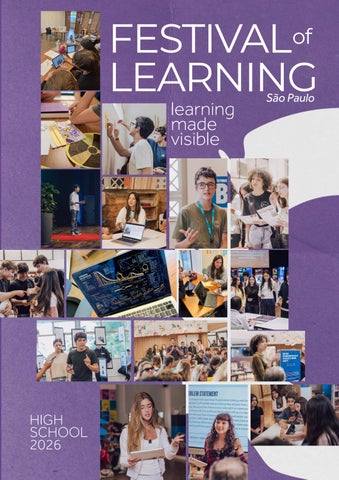
The 1st Festival of Learning of 2026 has arrived - a celebration of the wonder, imagination, and muchness that lives within each of us.
Inspired by this year’s theme, Finding Muchness by Kobi Yamada, this festival honors the unique qualities, bold ideas, and joyful discoveries that make every learner extraordinary. It is a vibrant reflection of journeys filled with curiosity, creativity, courage, and the countless moments that help us better understand who we are becoming.
Throughout this special event, our community is invited to experience the powerful learning that emerges when learners are encouraged to think deeply, explore freely, and embrace their authentic selves. Each exhibition, each interaction, and each shared story reveals the imagination, voice, and potential that live within our community.
Join us as we celebrate the beauty of learning in all its forms — the big breakthroughs, the quiet discoveries, the questions, the risks, and the sparks of inspiration that help us uncover our own muchness. Let this be a time to honor not only what we have learned, but the unique gifts, perspectives, and possibilities each learner brings into the world. Welcome to the Festival of Learning — a celebration of imagination, belonging, discovery, and the extraordinary muchness within us all!
It is time to celebrate learning!

O 1º Festival of Learning de 2026 chegou! Uma celebração do encantamento, da imaginação e da grandiosidade que existe dentro de cada um de nós
Inspirado no tema deste ano, "Finding Muchness", de Kobi Yamada, este festival celebra as qualidades únicas, as ideias ousadas e as descobertas cheias de alegria que tornam cada estudante extraordinário É um reflexo vibrante de jornadas marcadas por curiosidade, criatividade, coragem e pelos inúmeros momentos que nos ajudam a compreender melhor quem estamos nos tornando.
Ao longo deste evento especial, nossa comunidade será convidada a vivenciar a potência da aprendizagem que emerge quando estudantes são incentivados a pensar profundamente, explorar livremente e abraçar sua autenticidade Cada exposição, cada interação e cada história compartilhada revelam a imaginação, a voz e o potencial que vivem dentro da nossa comunidade.
Junte-se a nós para celebrar a beleza da aprendizagem em todas as suas formas - as grandes conquistas, as descobertas silenciosas, as perguntas, os riscos e as centelhas de inspiração que nos ajudam a descobrir nossa grandiosidade. Que este seja um momento para celebrar não apenas o que aprendemos, mas também talentos, perspectivas e possibilidades únicas que cada estudante traz para o mundo
Bem-vindos ao Festival of Learning - uma celebração da imaginação, do pertencimento, da descoberta e da extraordinária grandiosidade que existe dentro de todos nós!
É hora de celebrar a aprendizagem!

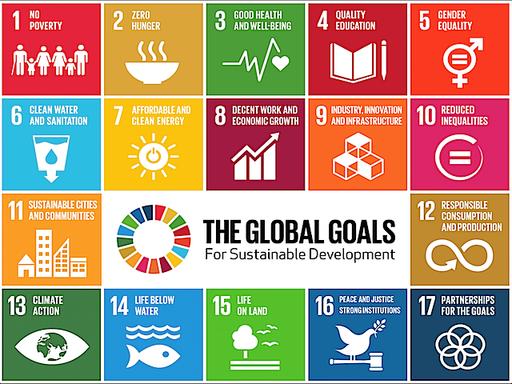
Na Escola Concept, a aprendizagem é intencional, significativa e guiada por práticas pedagógicas com propósito Os projetos desenvolvidos ao longo do primeiro semestre de 2026 foram apoiados pelos Global Goals, juntamente com objetivos de aprendizagem conectados ao Fieldwork Education e à BNCC, criando oportunidades autênticas para investigação, exploração e crescimento.
At the same time, the Habits of Mind, developed by The Habits of Mind Institute, nurtured in our learners the dispositions needed to think flexibly, act thoughtfully, and respond intelligently when faced with challenges, questions, and new experiences.
At Escola Concept, learning is intentional, meaningful, and guided by purposeful pedagogical practices. The projects developed throughout the first semester of 2026 were supported by the Global Goals, alongside the learning standards connected to Fieldwork Education and the BNCC, creating authentic opportunities for inquiry, exploration, and growth.
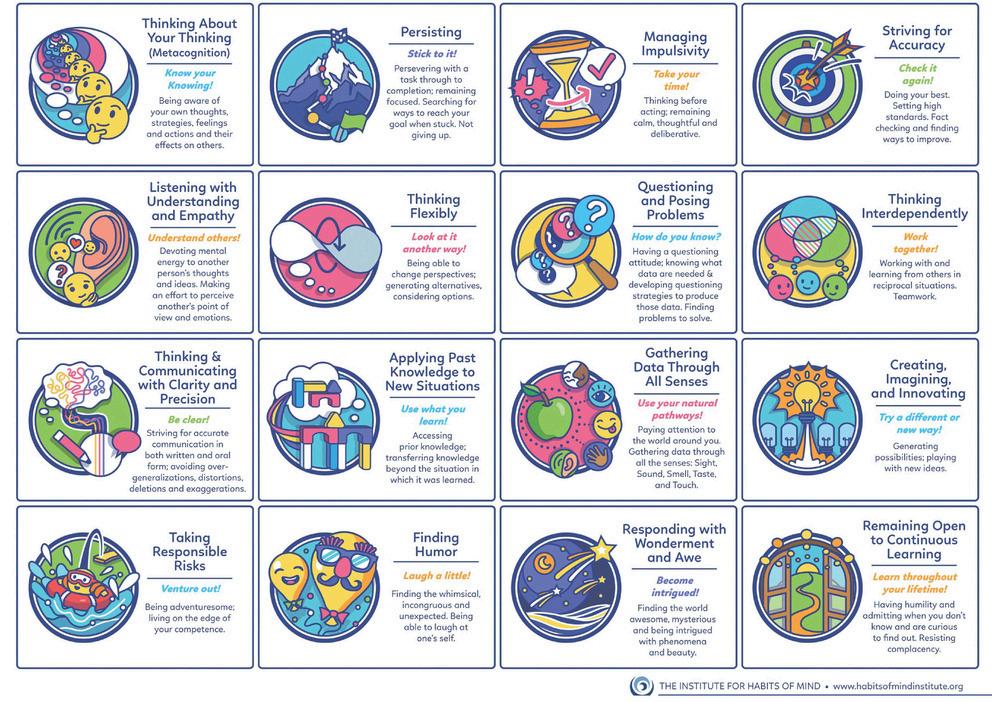
Ao mesmo tempo, os Hábitos da Mente, desenvolvidos pelo The Habits of Mind Institute, fortaleceram, em nossos estudantes, disposições importantes para pensar com flexibilidade, agir com intencionalidade e responder, de forma inteligente, a perguntas desafiadoras, e viver novas experiências.

Sumário

How do our experiences, choices, and struggles shape who we become? What does it mean to be “more than enough” in a world that often tries to define us? What does it mean to embrace our muchness? What makes a voice powerful?
Como nossas experiências, escolhas e desafios moldam quem nos tornamos? O que significa ser “mais do que suficiente” em um mundo que frequentemente tenta nos definir? O que significa abraçar nossa grandeza e singularidade? O que torna uma voz poderosa?
9
Myself and the world.
What do we gain—and what do we lose—as we grow up?
Eu e o mundo.
O que ganhamos — e o que perdemos — à medida que crescemos?
9
Cesium 137- How Science can help us understand the Cesium 137 accident?
Césio-137 — Como a ciência pode nos ajudar a compreender o acidente com o Césio-137?
9
“How can land become a source of both life and conflict? A multidisciplinary look at the Yanomami issue."
“Comoaterrapodesetornarumafontetantodevidaquantodeconflito?Umolhar multidisciplinarsobreaquestãoYanomami.”
How can triangles be used to create tessellations that combine mathematical reasoning and artistic design?
Comoostriângulospodemserutilizadosparacriartesselaçõesquecombinem raciocíniomatemáticoedesignartístico?
10
How rivers shape who we become? Como os rios moldam quem nos tornamos?
10
How can we explore Newton’s Laws through hands-on experiments? Como podemos explorar as Leis de Newton por meio de experimentos práticos?
Sumário
How can algorithms shape the way humans interact, play, and solve problems?
Como a produção de reportagens e a criação de vídeos no estilo BookTok podem transformar a maneira com que os jovens leem, interpretam e compartilham histórias e questões da sociedade?
How can Geometry be used to model and transform urban spaces?
Como a Geometria pode ser utilizada para modelar e transformar espaços urbanos?
How can we connect different Math topics and subjects from different grade levels to each other and to real-life situations?
Como podemos relacionar diferentes tópicos e conteúdos de Matemática de diferentes anos entre si com situações da vida real?
How do documents and evidence shape our understanding of different societies?
Comodocumentoseevidênciasmoldamnossa compreensãosobrediferentessociedades?
How can scientific communication help people understand biological systems and adaptations?
Comoacomunicaçãocientíficapodeajudaraspessoasacompreender sistemasbiológicoseadaptações?
How does the confinement of women reveal mechanisms of silence and control across different historical periods?
Como o confinamento das mulheres expõe mecanismos de silêncio e controle em diferentes momentos históricos?
How do physiological systems work together to maintain survival and homeostasis across different organisms?
Como os sistemas fisiológicos trabalham juntos para manter a sobrevivência e a homeostase em diferentes organismos?
Sumário
What did AP Macroeconomics make me think? The Economics behind Everything
O que Macroeconomics me fez pensar?
A economia por trás de tudo.
How do individuals define themselves in a world that tries to define them?
Como os indivíduos definem a si mesmos em um mundo que tenta defini-los?
What does the absurd reveal about reality? O que o absurdo revela sobre a realidade?
How can limits and instantaneous rates of change (Derivatives) be used to predict, analyze, and optimize the motion of a roller coaster?
Como os limites e as taxas de variação instantânea (Derivadas) podem ser utilizados para prever, analisar e otimizar o movimento de uma montanharussa?
How can matrices help us organize, interpret, and represent real-world data?
Como as matrizes podem nos ajudar a organizar, interpretar e representar dados do mundo real?
How do languages connect people, cultures, and the world?
Como os idiomas conectam pessoas, culturas e o mundo?
How do our experiences, choices, and struggles shape who we become? What does it mean to be “ more than enough” in a world that often tries to define us? What does it mean to emb our muchness? What makes a voice powerful?
Como nossas experiências, nossas escolhas e nossos desafios
moldam quem nos tornamos?
O que significa ser “mais do que suficiente” em um mundo que frequentemente tenta nos definir?
O que significa abraçar nossa grandeza e singularidade? O que torna uma voz poderosa?
Sobre a jornada de aprendizagem


More Than Enough: A Celebration of Muchness is a collaborative digital anthology by Grade 9 and 10 Writing & Producing students. Through poetry about identity and adapted fairy tales exploring voice and choice, students reflect on self-expression, transformation, and belonging
More Than Enough: A Celebration of Muchness é uma antologia digital colaborativa produzida pelos alunos de Writing & Producing do 9º e 10º anos. Com poemas sobre identidade e adaptações de contos de fadas que exploram voz e escolha, os alunos refletem sobre expressão

WHAT WILL HAPPEN IN THE FOL?
O que vai acontecer no FOL?
Be able to use features of language that support meaning
Understand how elements of communication including techniques and devices enhance and shape meaning
Be able to use a range of vocabulary and sentence structures to convey meaning.
Read critically through knowing how language, including figurative language, vocabulary choice, grammar, text structure and organizational features, presents meaning.
Ser capaz de utilizar recursos da linguagem que contribuem para a construção de significado. Compreender como elementos da comunicação, incluindo técnicas e recursos expressivos, enriquecem e moldam o significado. Ser capaz de utilizar ampla variedade de vocabulário e estruturas de frases para transmitir significado Ler de forma crítica, compreendendo como a linguagem - incluindo linguagem figurada, escolha de vocabulário, gramática, estrutura textual e recursos organizacionais - constrói significado.
Myself and the world. What do we gain - and what do we los as we grow up?
Eu e o mundo.
O que ganhamos - e o que perdemos - à medida que crescemos?
Sobre a jornada de aprendizagem

Myself and the World explores identity, relationships, and injustice through the lens of To Kill a Mockingbird. Through writing, discussions, and visual art, students reflect on empathy, belonging, and the contradictions shaping their world and relationships.
Myself and the World explora identidade, relações e injustiça a partir da perspectiva de To Kill a Mockingbird. Por meio da escrita, discussões e arte visual, os alunos refletem sobre empatia, pertencimento e contradições que moldam seu mundo e suas relações.

WHAT WILL HAPPEN IN THE FOL?
O que vai acontecer no FOL?
- explore how empathy and perspective-taking influence moral understanding
- examine how injustice and prejudice affect individuals and communities.
- reflect on the role of young people in recognizing and responding to unfairness in society.
- read and understand increasingly challenging texts
- Explorar como a empatia e a capacidade de se colocar no lugar do outro influenciam a compreensão moral.
- Examinar como a injustiça e o preconceito afetam indivíduos e comunidades.
- Refletir sobre o papel dos jovens ao reconhecer injustiças na sociedade e responder a elas.
- Ler e compreender textos cada vez mais desafiadores
Césio-137 ComoaCiênciapodenosajudaracompreendero acidentecomoCésio-137?
Sobre a jornada de aprendizagem
In this interdisciplinary 9th-grade project, students will investigate the 1987 through the perspectives of Chemistry, Physics, and Biology. Learners will explore the properties of radioactive materials, the effects of ionizing radiation on living organisms, and the social, environmental, and ethical impacts of nuclear accidents. Through research, discussions, visible thinking routines, and collaborative activities, students will develop scientific literacy and connect scientific knowledge to real-world events in Brazilian history.
Neste projeto interdisciplinar do 9º ano, os alunos investigarão o acidente de 1987 sob as perspectivas da Química, Física e Biologia. Os estudantes explorarão as propriedades dos materiais radioativos, os efeitos da radiação ionizante nos organismos vivos e os impactos sociais, ambientaiseéticosdosacidentesnucleares.
Por meio de pesquisas, discussões, rotinas de pensamento visível e atividades colaborativas, os alunos desenvolverão alfabetização científica econectarãooconhecimentocientíficoaacontecimentosreaisdahistóriadoBrasil
O que vai acontecer no FOL?
EF09CI01 – Investigate changes in matter and energy associated with technological processes and their impacts on society and the environment.
EF09CI06 – Discuss applications and implications of radiation technologies in health, communication, and energy production.
EF09CI07 – Evaluate health and environmental risks associated with radiation exposure and propose preventive actions.
General Competencies 2, 7, and 10 – Scientific thinking, argumentation based on evidence, and responsibility/citizenship.
EF09CI01 – Investigar transformações da matéria e da energia associadas a processos tecnológicos e seus impactos na sociedade e no meio ambiente
EF09CI06 – Discutir aplicações e implicações das tecnologias de radiação na saúde, na comunicação e na produção de energia.
EF09CI07 – Avaliar riscos à saúde e ao meio ambiente associados à exposição à radiação e propor ações preventivas.
Competências Gerais 2, 7 e 10 – Pensamento científico, argumentação baseada em evidências e responsabilidade/cidadania
“How can land become a source of bot life and conflict? A multidisciplinary look at the Yanomami issue."
“Comoaterrapodesetornarumafontetantodevidaquantode conflito?UmolharmultidisciplinarsobreaquestãoYanomami.”
Sobre a jornada de aprendizagem
Learners investigate the Yanomami issue as historians, geographers, economists, anthropologists, and others. They use evidence, maps, and data to understand the issue and design a creative exhibition panel that communicates their findings through visuals and storytelling.
Os alunos investigam a questão Yanomami como historiadores, geógrafos, economistas, antropólogos e outros especialistas. Eles utilizam evidências, mapas e dados para compreender o tema e desenvolvem um painel expositivo criativoquecomunicasuasdescobertaspormeiodeelementosvisuaisenarrativas.
O que vai acontecer no FOL?
AP Human Geography:
BIG IDEA 1: Patterns and Spatial Organization
BIG IDEA 2: Impacts and Interactions
"What patterns can be observed from evidence and data?
"What interactions and relationships can be noted? Which impacts?"
Human Geography
GRANDE IDEIA 1: Padrões e Organização Espacial
GRANDE IDEIA 2: Impactos e Interações
“Quais padrões podem ser observados a partir das evidências e dos dados?”
“Quais interações e relações podem ser identificadas? Quais impactos?”
How can triangles be used to create tessellations that combine mathemat reasoning and artistic design?
Comoostriângulospodemserutilizadosparacriartesselaçõesque combinemraciocíniomatemáticoedesignartístico?
Sobre a jornada de aprendizagem
In this project, learners combined Mathematics and Art to create original triangle tessellations repeating geometric patterns that cover a surface without gaps or overlaps. Working in pairs or trios, students used rulers and protractors to carefully construct, measure, and classify triangles according to their side lengths and angle measures. Each group also created a Geometry Card explaining the mathematical reasoning behind their design, including measurements, classifications, and geometric vocabulary. Through this project, learners explored how geometric properties, transformations, precision, and creativity can work together to create visually organized mathematical art.
Neste projeto, os alunos combinaram Matemática e Arte para criar tesselações originais com triângulos padrões geométricos repetitivos que cobrem uma superfície sem deixar espaços ou sobreposições Trabalhando em duplas ou trios, os estudantes utilizaram réguas e transferidores para construir, medir e classificar cuidadosamente os triângulos de acordo com o comprimento de seus lados e a medida de seus ângulos. Cada grupo também criou um Cartão de Geometria explicando o raciocínio matemático por trás de seu design, incluindo medidas, classificações e vocabuláriogeométrico.
Por meio deste projeto, os alunos exploraram como propriedades geométricas, transformações, precisão e criatividade podem trabalhar juntas para criarumaartematemáticavisualmenteorganizada
EF09MA15-Recognize, represent, and classify geometric figures, especially triangles, according to side lengths and angle measures.
EF09MA16-Use drawing and measuring instruments (ruler, protractor, compass) to construct geometric figures with precision.
EF09MA17-Investigate geometric properties and relationships in patterns and tessellations, identifying regularities and justifying results
EF09MA18-Communicate mathematical reasoning using appropriate geometric language, representations, and clear justifications.
EF09MA15 – Reconhecer, representar e classificar figuras geométricas, especialmente triângulos, de acordo com o comprimento dos lados e a medida dos ângulos
EF09MA16 – Utilizar instrumentos de desenho e medição (régua, transferidor e compasso) para construir figuras geométricas com precisão.
EF09MA17 – Investigar propriedades e relações geométricas em padrões e tesselações, identificando regularidades e justificando resultados
EF09MA18 – Comunicar o raciocínio matemático utilizando linguagem geométrica apropriada, representações e justificativas claras
Como os rios moldam quem nos tornamos?
Sobre a jornada de aprendizagem
The ancient Greek historian Herodotus (c. 450 BCE) is said to have written that “Egypt is the gift of the Nile.” When examined more deeply, this statement refers to the story of a civilization that was built around a great river, a civilization that depended on it, worshiped it, and remained profoundly connected to it. Nearly every aspect of Ancient Egypt’s development was shaped by the Nile, from the pharaoh's power to the feeling of order and harmony provided by the Nile's constant course. Our Festival of Learning theme invites us to reflect on a broader question: how do rivers, and even the smallest bodies of water, shape who we are and who we become?
O historiador grego Herodotus (c. 450 a.C.) teria escrito que “ o Egito é uma dádiva do Nilo”. Quando analisada mais profundamente, essa afirmação se refere à história de uma civilização construída em torno de um grande rio uma civilização que dependia dele, venerava-o e permanecia profundamente conectada a ele Praticamente todos os aspectos do desenvolvimento do Ancient Egypt foram moldados pelo Nile River,desdeopoderdofaraóatéasensaçãodeordemeharmoniaproporcionadapelocursoconstantedorio O tema do nosso Festival of Learning nos convida a refletir sobre uma questão mais ampla: como os rios e até mesmo os menores corpos d’água moldamquemsomosequemnostornamos?
WHAT WILL HAPPEN IN THE FOL?
O que vai acontecer no FOL?
Ancient Near East (Aligning to BNCC) - Contextualizing and identifying the complexities of a problem or issue. Retrieving, questioning, organizing, and using prior knowledge about a topic.
+ Ap Seminar Transferable Skills: Analyze Sources and Evidence, Understand Context and Perspective.
Ancient Near East (alinhado à BNCC) Contextualizar e identificar as complexidades de um problema ou uma questão. Resgatar, questionar, organizar e utilizar conhecimentos prévios sobre um tema Habilidades transferíveis do AP Seminar: analisar fontes e evidências; compreender contexto e perspectiva.
Como podemos explorar as Leis de Newton por meio de experimentos práticos?
Sobre a jornada de aprendizagem
Students explore Newton’s Laws through interactive, hands-on stations. Visitors test inertia, force, and actionreaction, engaging in experiments and visible thinking routines to understand how physics explains motion in everyday life.
Alunos exploram Leis de Newton por meio de estações interativas. Os visitantes testam inércia, força e ação-reação, utilizando experimentos e rotinas de pensamento visível para compreender o movimento no cotidiano.
Explain Newton’s three laws of motion and relate them to everyday physical situations; (EM13CNT301) Construct questions, formulate hypotheses, predictions, and estimates, use measurement instruments, and represent and interpret explanatory models, data, and/or experimental results in order to build, evaluate, and justify conclusions when addressing problem situations from a scientific perspective.
(EM13CNT301) Construir questões, elaborar hipóteses, previsões e estimativas, empregar instrumentos de medição e representar e interpretar modelos explicativos, dados e/ou resultados experimentais para construir, avaliar e justificar conclusões no enfrentamento de situações-problema sob uma perspectiva científica.
can algorithms shape the way humans interact, play, and solve problems?
Comoosalgoritmospodemtransformaraformacomqueas pessoasinteragem,jogameresolvemproblemas?
Sobre a jornada de aprendizagem
AP Computer Science Principles learners will design interactive algorithms and digital experiences for families during the Learning Festival, showcasing creativity, problem-solving, programming concepts, and human-centered technology design.
Os estudantes de AP Computer Science Principles irão desenvolver algoritmos e experiências digitais interativas para as famílias no Festival of Learning, explorando criatividade, programação e resolução de problemas.
O que vai acontecer no FOL?
-Designanddevelopalgorithmstosolvereal-worldproblems.
- Apply programming concepts such as variables, conditionals, loops, procedures, and events.
-Createinteractivecomputationalartifactsfocusedonuserexperienceandcommunication.
-Collaborateeffectivelyinteamsduringplanning,coding,testing,andpresentation.
-Analyzehowcomputinginnovationsinfluencesociety,creativity,andhumaninteraction.
- Develop computational thinking through abstraction, decomposition, pattern recognition, anddebugging.
-Projetar e desenvolver algoritmos para resolver problemas do mundo real
-Aplicar conceitos de programação, como variáveis, condicionais, laços de repetição, procedimentos e eventos
-Criar artefatos computacionais interativos com foco na experiência do usuário e na comunicação
-Colaborar de forma eficaz em equipes durante as etapas de planejamento, programação, testes e apresentação
-Analisar como as inovações da computação influenciam a sociedade, a criatividade e a interação humana
-Desenvolver o pensamento computacional por meio de abstração, decomposição, reconhecimento de padrões e depuração de erros
How can Geometry be used to model and transform urban spaces?
Como a Geometria pode ser utilizada para modelar e transformar espaços urbanos?
Sobre a jornada de aprendizagem
G10 Learners will explore rigid and non-rigid transformations through an interactive map of São Paulo. Using coordinates, symmetry, rotations, translations, and dilations, they will connect geometry to urban planning, navigation, and real-world design.
Os estudantes do Grade 10 explorarão transformações rígidas e não rígidas por meio de um mapa interativo de São Paulo. Utilizando coordenadas, simetria, rotações, translações e dilatações, conectarão Geometria a planejamento urbano, navegação e design do mundo real.
WHAT WILL HAPPEN IN THE FOL?
O que vai acontecer no FOL?
- Construct geometric figures using formal geometric methods.
- Use transformations to verify congruence and similarity.
- Apply proportional reasoning and similarity relationships.
- Interpret and solve geometric problems connected to real-life situations.
-Construir figuras geométricas utilizando métodos geométricos formais.
-Utilizar transformações para verificar congruência e semelhança.
-Aplicar raciocínio proporcional e relações de semelhança.
-Interpretar e resolver problemas geométricos conectados a situações da vida real.
Como podemos relacionar diferentes tópicos e conteúdos de Matemática de diferentes anos entre si com situações da vida real?
Sobre a jornada de aprendizagem
This project connects Math topics from different grade levels through real-life situations. Students investigate how concepts such as geometry, algebra, statistics, and functions relate to everyday contexts, creating interdisciplinary solutions and understanding Mathematics as a connected and practical tool.
Este projeto conecta tópicos de Matemática de diferentes anos escolares por meio de situações da vida real. Os estudantes investigam como conceitos de Geometria, Álgebra, Estatística e funções se relacionam com contextos do cotidiano, criando soluções interdisciplinares e compreendendo a Matemática como uma ferramenta prática e conectada
WILL
O que vai acontecer no FOL?
GRADE 10: Connect Function Basic Idea to real life scenarios;
GRADE 11: Understand the behavior of a Exponential Function and look for connection with scenarios of real life;
AP PRECALC: Create Exponential Function models for different scenarios.
10º Ano: Conectar a ideia fundamental de Função a situações da vida real
11º Ano: Compreender o comportamento de uma Função Exponencial e buscar conexões com situações da vida real.
AP Precalculus: Criar modelos de Funções Exponenciais para diferentes situações
Comodocumentoseevidênciasmoldamnossa compreensãosobrediferentessociedades?
Sobre a jornada de aprendizagem
In “Social Sciences on Trial: Understanding Through Evidence”, students from AP World History, AP Macroeconomics, and Brazilian Studies 1 and 2 create investigative experiences in which visitors analyze documents, data, and evidence to understand how societies are constructed and interpreted. In “Social Sciences on Trial: Understanding Through Evidence”, students from AP World History, AP Macroeconomics, and Brazilian Studies 1 and 2 will create investigative experiences in which visitors will analyze documents, data, and evidence to understand how societies are constructed, interpreted, and transformed throughout History.
Em “Social Sciences on Trial: Understanding Through Evidence”, estudantes de AP World History, AP Macroeconomics, Brazilian Studies 1 e 2 criam experiências investigativas em que visitantes analisam documentos, dados e evidências para compreender como sociedades são construídas e interpretadas. Em “Social Sciences on Trial: Understanding Through Evidence”, estudantes de AP World History, AP Macroeconomics, Brazilian Studies 1 e 2 criarão experiências investigativas em que visitantes analisarão documentos, dados e evidências para compreender como sociedades são construídas, interpretadas e transformadas ao longo da História.
Analyze historical, economic, and political evidence to build interpretations about societies. Understand how economic systems shape social structures, political power, and historical change. Interpret and compare different types of evidence, including maps, graphs, tables, images, and historical documents Develop arguments supported by qualitative and quantitative data. Recognize Social Sciences as evidence-based fields of inquiry rather than opinion-based interpretations. Communicate historical and economic understanding through interactive and analytical experiences
Analisar evidências históricas, econômicas e políticas para construir interpretações sobre as sociedades. Compreender como os sistemas econômicos moldam estruturas sociais, poder político e transformações históricas Interpretar e comparar diferentes tipos de evidências, incluindo mapas, gráficos, tabelas, imagens e documentos históricos. Desenvolver argumentos sustentados por dados qualitativos e quantitativos Reconhecer as Ciências Sociais como campos de investigação baseados em evidências, e não em interpretações fundamentadas apenas em opiniões Comunicar compreensões históricas e econômicas por meio de experiências interativas e analíticas.
Comoacomunicaçãocientíficapodeajudaraspessoas acompreendersistemasbiológicoseadaptações?
Sobre a jornada de aprendizagem
Students created scientific posters and leaflets to communicate biological concepts, compare adaptations, and explain physiological processes using accurate research, visuals, and evidence-based scientific reasoning.
Os estudantes criaram pôsteres e folhetos científicos para comunicar conceitos biológicos, comparar adaptações e explicar processos fisiológicos usando pesquisa confiável, imagens e argumentação científica
O que vai acontecer no FOL?
Research and communicate biological concepts using reliable scientific sources. Develop scientific communication through posters and leaflets Compare biological structures, systems, and adaptations using evidence-based reasoning. Interpret and organize scientific information visually and analytically. Apply biological vocabulary and accurate scientific explanations Construct arguments and conclusions supported by biological evidence. BNCC / Biology Curriculum Connections. Scientific investigation and communication. Interpretation of biological processes and adaptations Analysis of structure-function relationships in organisms. Development of scientific literacy and critical thinking Visual and written communication of scientific knowledge
Pesquisar e comunicar conceitos biológicos utilizando fontes científicas confiáveis Desenvolver a comunicação científica por meio de pôsteres e panfletos informativos Comparar estruturas biológicas, sistemas e adaptações utilizando raciocínio baseado em evidências. Interpretar e organizar informações científicas de forma visual e analítica Aplicar vocabulário biológico e explicações científicas precisas. Construir argumentos e conclusões sustentados por evidências biológicas BNCC / Conexões Curriculares de Biologia - Investigação e comunicação científica Interpretação de processos biológicos e adaptações Análise das relações entre estrutura e função nos organismos Desenvolvimento da alfabetização científica e do pensamento crítico. Comunicação visual e escrita do conhecimento científico.
Como o confinamento das mulheres expõe mecanismos de silêncio e controle em diferentes momentos históricos?
Sobre a jornada de aprendizagem
An immersive installation inspired by The Yellow Wallpaper by Charlotte Perkins Gilman. Through the symbolic recreation of a bedroom, students explore themes such as the silencing of women, mental health, social control, and identity, creating works that reveal the tensions between confinement, voice, and freedom.
Uma instalação imersiva inspirada em "O papel de parede amarelo", de Charlotte Perkins Gilman. A partir da recriação simbólica de um quarto, os alunos exploram temas como silenciamento feminino, saúde mental, controle social e identidade, criando produções que revelam tensões entre confinamento, voz e liberdade
O
ELA: Interpret themes, perspectives, and narrative voices in literary texts; Analyze how authors construct meaning through narrative structure, characterization, and stylistic choices; Examine how literary texts reflect historical, cultural, and social contexts;
Interpretar temas, perspectivas e vozes narrativas em textos literários. Analisar como recursos linguísticos e estilísticos constroem efeitos de sentido. Examinar como textos literários dialogam com contextos históricos, culturais e sociais. Desenvolver interpretações críticas fundamentadas em evidências textuais.
How do physiological systems work together to maintain survival and homeostasis across different organ
Comoossistemasfisiológicostrabalhamjuntosparamanter asobrevivênciaeahomeostaseemdiferentesorganismos?
Sobre a jornada de aprendizagem
Students will create an interactive comparative physiology escape room where visitors solve scientific challenges related to body systems, adaptations, and homeostasis to diagnose and stabilize a collapsing organism.
Os estudantes criarão um escape room interativo de fisiologia comparada, no qual os visitantes resolverão desafios científicos sobre sistemas corporais,adaptaçõesehomeostaseparadiagnosticareestabilizarumorganismoemcolapso.
O que vai acontecer no FOL?
Learning Goals
Students will: Compare physiological systems across organisms. Explain relationships between structure, function, and survival. Analyze how body systems interact to maintain homeostasis. Apply scientific reasoning to solve physiological problems. Communicate scientific concepts through interactive experiences Standards / Curriculum Connections (BNCC)
EM13CNT202 – Analyze adaptations of organisms related to survival and environmental conditions.
EM13CNT203 – Interpret biological processes using scientific models and evidence.
EM13CNT304 – Evaluate interactions between living systems and environmental factors.
EM13CNT305 – Communicate scientific knowledge critically and ethically using different languages and technologies
Os estudantes irão: Comparar sistemas fisiológicos entre diferentes organismos; Explicar relações entre estrutura, função e sobrevivência; Analisar como os sistemas do corpo interagem para manter a homeostase; Aplicar raciocínio científico para resolver problemas fisiológicos; Comunicar conceitos científicos por meio de experiências interativas; Habilidades / Conexões Curriculares (BNCC).
EM13CNT202 – Analisar adaptações dos organismos relacionadas à sobrevivência e às condições ambientais.
EM13CNT203 – Interpretar processos biológicos utilizando modelos científicos e evidências.
EM13CNT304 – Avaliar interações entre sistemas vivos e fatores ambientais
EM13CNT305 – Comunicar conhecimentos científicos de forma crítica e ética utilizando diferentes linguagens e tecnologias
"What did Economics make me t The Economics behind Everythi
“O que a Economia me fez pensar?”
A Economia por trás de tudo.
Sobre a jornada de aprendizagem
This project aims to connect daily real-life events and objects (old and new) to an Economics interpretation and analysis. Learners will get to show their understanding of Economics vocabulary, theories, and models, and how to apply it in creative and insightful ways.
Este projeto tem como objetivo conectar acontecimentos e objetos do cotidiano (antigos e atuais) a uma interpretação e análise econômica Os alunos poderão demonstrar compreensão do vocabulário, das teorias e dos modelos da Economia, além de como aplicá-los de formas criativas e reflexivas
O que vai acontecer no FOL?
AP Macroeconomics: BIG IDEA 2: MARKETS
Competitive markets bring together buyers and sellers to exchange goods and services for mutual gain The simple model of supply - demand can be applied in different market contexts
BIG IDEA 3: MACROECONOMIC MODELS
Macroeconomic models are simplified representations that depict basic economic relationships and can be used to predict and explain how those relationships are affected by economic shocks
AP Macroeconomia
GRANDE IDEIA 2: MERCADOS
Mercados competitivos reúnem compradores e vendedores para trocar bens e serviços em benefício mútuo O modelo simples de oferta e demanda pode ser aplicado em diferentes contextos de mercado
GRANDE IDEIA 3: MODELOS MACROECONÔMICOS
Os modelos macroeconômicos são representações simplificadas que demonstram relações econômicas básicas e podem ser utilizados para prever e explicar como essas relações são afetadas por choques econômicos.
Como os indivíduos definem a si mesmos em um mundo que tenta defini-los?
Sobre a jornada de aprendizagem
Inspired by Alice's Adventures in Wonderland, G12 AP Lit students created absurd yet functional societies to explore identity, logic, power, and meaning through irrational systems and thoughtprovoking worldbuilding.
Inspirados em Alice's Adventures in Wonderland, os alunos de AP Lit do G12 criaram sociedades absurdas, mas funcionais, para explorar identidade, lógica, poder e significado por meio de sistemas irracionais e construções de mundo provocativas.
Develop defensible interpretations supported by evidence Analyze literary meaning and authorial choices. Interpret and evaluate how Alice's Adventures in Wonderland critiques social norms, authority, and systems of meaning. Develop an original concept inspired by literary themes and sustain it through coherent and internally consistent worldbuilding. Use textual evidence and specific examples from the novel to support interpretations and creative choices. Communicate complex ideas clearly through formal academic writing and oral presentation.
Desenvolver interpretações fundamentadas e sustentadas por evidências Analisar significados literários e escolhas feitas pelo autor. Interpretar e avaliar como Alice no País das Maravilhas critica normas sociais, autoridade e sistemas de significado Desenvolver conceito original inspirado em temas literários e sustentá-lo por meio de uma construção de mundo coerente e internamente consistente. Utilizar evidências textuais e exemplos específicos do romance para apoiar interpretações e escolhas criativas Comunicar ideias complexas com clareza por meio de escrita acadêmica formal e de apresentações orais
Oqueoabsurdorevelasobrearealidade?
Sobre a jornada de aprendizagem
An interactive installation exploring absurdism through short stories (Bora Chung and Murilo Rubião). Students analyze power, society, and morality, creating games, visuals, and reflections that reveal how absurd worlds mirror real-life systems and contradictions.
Uma instalação interativa sobre o absurdismo a partir de contos (Bora Chung e Murilo Rubião). Os alunos analisampoder, sociedade emoralidade,criandojogos,produçõesvisuaisereflexõesquemostramcomooabsurdorefletecontradiçõesdavidareal.
O que vai acontecer no FOL?
ELA: Interpreted complex literary and nonfiction texts by examining themes, perspectives, and socio-cultural contexts; Evaluated arguments by analyzing claims, evidence, reasoning, and rhetorical effectiveness; Synthesized ideas from multiple sources to construct informed, nuanced interpretations and arguments;
LP: Interpretar temas, vozes e perspectivas em textos literários Analisar como recursos linguísticos e estilísticos constroem efeitos de sentido. Relacionar textos literários a contextos culturais, históricos e sociais Desenvolver interpretações críticas fundamentadas em evidências textuais
How can limits and instantaneous rates of change (Derivatives) be u to predict, analyze, and optimize t motion of a roller coaster?
Comooslimiteseastaxasdevariaçãoinstantânea (Derivadas)podemserutilizadosparaprever,analisar eotimizaromovimentodeumamontanha-russa?
Sobre a jornada de aprendizagem
AP Calculus learners will design and build a functional roller coaster model to investigate limits and instantaneous rate of change. Through experimentation and mathematical analysis, students will connect calculus concepts to engineering and real-world motion.
Os estudantes de AP Calculus irão projetar e construir um modelo funcional de montanha-russa para investigar limites e taxa de variação instantânea. Por meio de experimentos e análises matemáticas, conectarão conceitos de cálculo à engenharia e ao movimento real.
O que vai acontecer no FOL?
AP Calculus learners will design and build a functional roller coaster model to investigate limits and instantaneous rate of change. Through experimentation and mathematical analysis, students will connect calculus concepts to engineering and realworld motion.
Os estudantes de AP Calculus irão projetar e construir um modelo funcional de montanha-russa para investigar limites e taxa de variação instantânea. Por meio de experimentos e análises matemáticas, conectarão conceitos de cálculo à engenharia e ao movimento real.
can matrices help us organize, interpret, and represent real-world data?
Como as matrizes podem nos ajudar a organizar, interpretar e representar dados do mundo real?
Sobre a jornada de aprendizagem
Grade 12 learners will create human matrices using real-life data sets. Through movement, visual representation, and mathematical analysis, students will explore how matrices can model information, reveal patterns, and support decision-making in real-world contexts.
Os estudantes do Grade 12 irão criar matrizes humanas utilizando conjuntos de dados reais. Por meio de movimento, representação visual e análise matemática, explorarão como as matrizes podem modelar informações, revelar padrões e apoiar tomadas de decisão em contextos reais.
O que vai acontecer no FOL?
- Represent and manipulate data using matrices.
- Apply matrix operations to solve contextualized problems.
- Interpret mathematical models and data representations.
- Use mathematical reasoning to support conclusions and decision-making.
- Representar e manipular dados utilizando matrizes.
- Aplicar operações com matrizes para resolver problemas contextualizados
- Interpretar modelos matemáticos e representações de dados
- Utilizar raciocínio matemático para sustentar conclusões e tomadas de decisão.
Como os idiomas conectam pessoas, culturas e o mundo?
Sobre a jornada de aprendizagem
Explore student work in Chinese, Spanish, Italian, and French. Learning languages strengthens communication, cultural understanding, and global awareness while opening doors to new perspectives. Grade 6 presents maps, countries, and nationalities; Grade 7 showcases writing, expressions, and word games; Grade 8 shares videos, personal presentations, and food-related projects.
Exploram trabalhos em chinês, espanhol, italiano e francês.
Aprender idiomas fortalece a comunicação, amplia a compreensão cultural e desenvolve uma visão global, abrindo portas para novas perspectivas O Grade 6 apresenta mapas, países e nacionalidades; o Grade 7 traz escrita, expressões e jogos com palavras; o Grade 8 compartilha vídeos, apresentações pessoais e projetos sobre comidas
O que vai acontecer no FOL?
Compararculturas,paíseserotinasescolares;explorardiferentesidiomase formasdecomunicação;apresentarprojetosculturaiselinguísticos desenvolvidosemaula;compartilharproduçõesescritas,vídeose apresentaçõesdosalunos;desenvolveracompreensãointerculturalea consciênciaglobal;valorizaradiversidadelinguística ecultural;praticarhabilidadesdecomunicaçãoemdiferentesidiomas;refletir sobresemelhançasediferençasentrepaíseseculturas.
Compare cultures, countries, and school routines; explore different languages and forms of communication; present cultural and linguistic projects developed in class; share students’ written work, videos, and presentations; develop intercultural understanding and global awareness; value linguistic and cultural diversity; practice communication skills in different languages; and reflect on similarities and differences between countries and cultures.