Visual Strategy Guide
Project Scope
Identify a dead, or defunct brand. Create a new visual identity system and business opportunity through a proven visual language by investigating its brand heritage and mission.
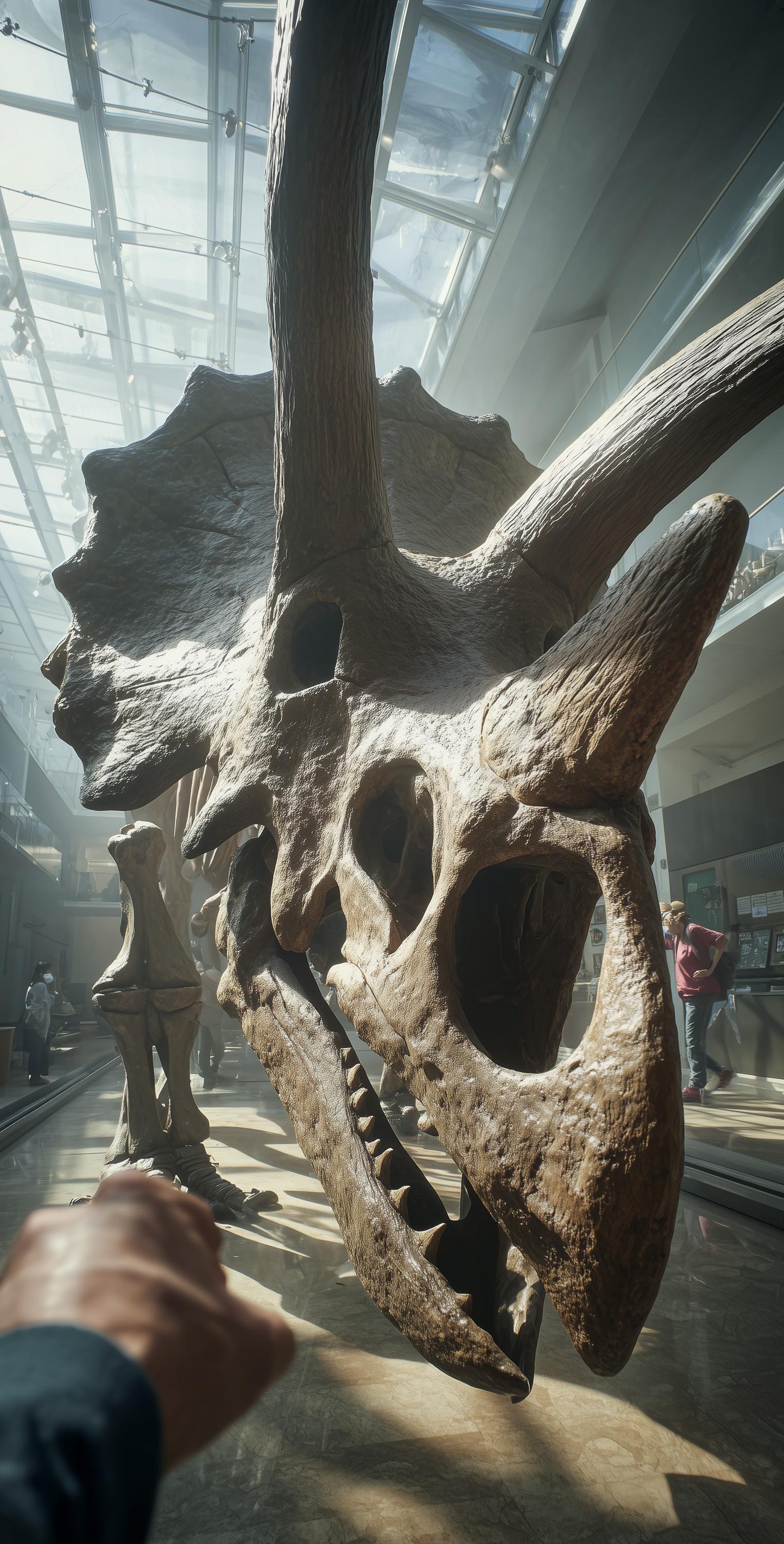

Visual Strategy Guide
Identify a dead, or defunct brand. Create a new visual identity system and business opportunity through a proven visual language by investigating its brand heritage and mission.
The Smithsonian Institution, founded in 1846 by the bequest of British scientist James Smithson, is the world’s largest museum, education, and research complex.
It is a cornerstone of cultural preservation and public knowledge, encompassing 21 museums, 14 education and research centers, and the National Zoo. Collectively, these institutions house over 155 million artifacts, specimens, and works of art that tell the story of humanity, science, and innovation.
The Smithsonian’s core mission is to preserve history, foster curiosity, and encourage lifelong learning. While based in Washington, D.C., its digital initiatives, traveling exhibitions, and educational programs ensure that knowledge is made universally accessible to a wide and diverse global audience.
Ultimately, the Smithsonian exists because knowledge is a public good. It not only safeguards our collective heritage but also seeks to spark wonder, ignite conversation, and inspire the next generation of thinkers and creators.
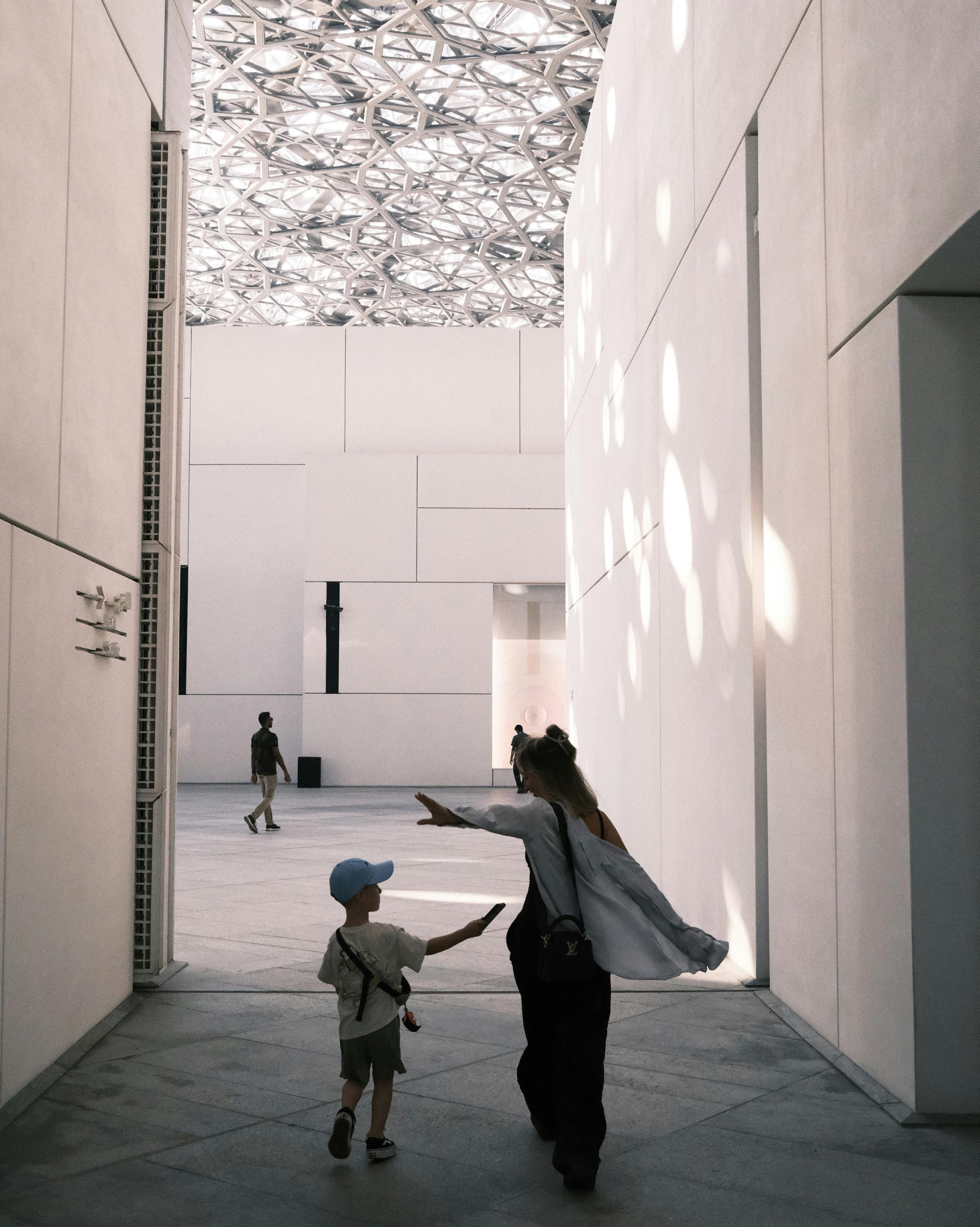
We create accessible, interactive experiences that bring history to life and invite everyone to explore, learn, and connect.
Brand Soul — used internally We create accessible, interactive experiences for the public so that curiosity thrives and awareness deepens, because openly shared knowledge helps communities grow together.
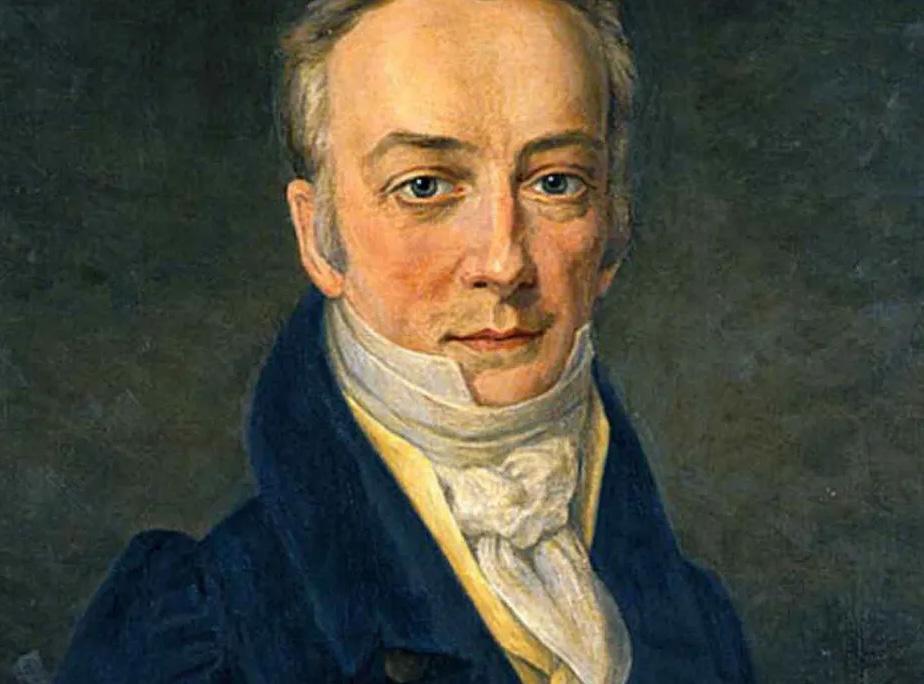
1829
James Smithson’s will sets aside his estate to found an institution in Washington “for the increase and diffusion of knowledge.”
1836
1846
Act of Congress establishes the Smithsonian.
U.S. Congress authorizes acceptance of Smithson’s bequest.
1855
1923
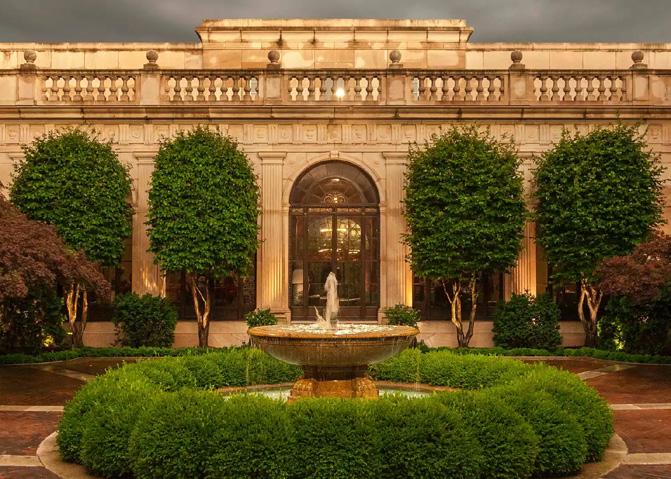
Freer Gallery of Art opens (first art museum on the Smithsonian campus).
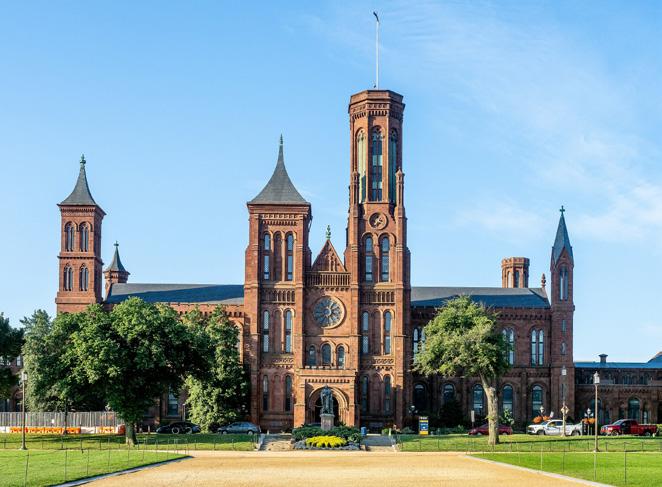
The Smithsonian Castle (first building) opens.
1976
National Air and Space Museum opens on the National Mall.
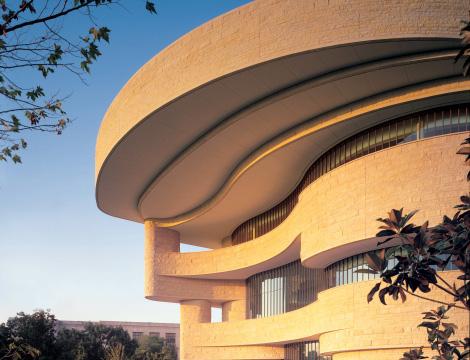
National Museum of the American Indian opens on the Mall.
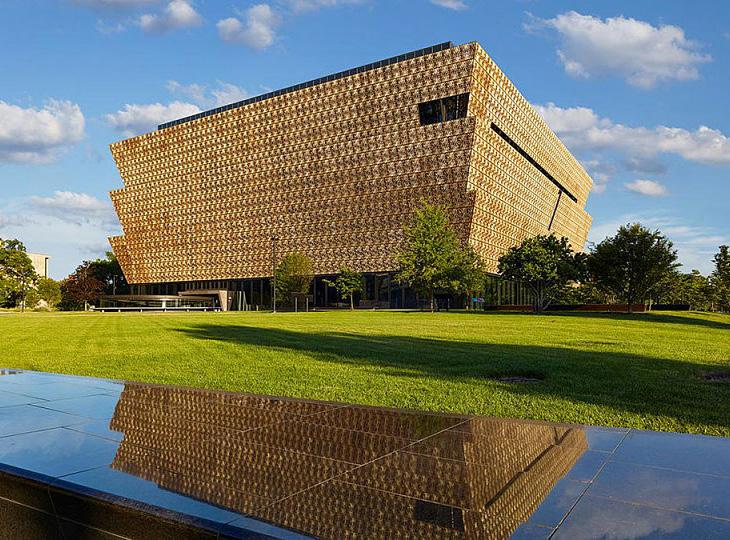
The National Museum of African American History and Culture opened on the National Mall, inaugurated by President Barack Obama.
The Smithsonian celebrated more than 6,000 volunteers contributing over 616,000 hours of service.
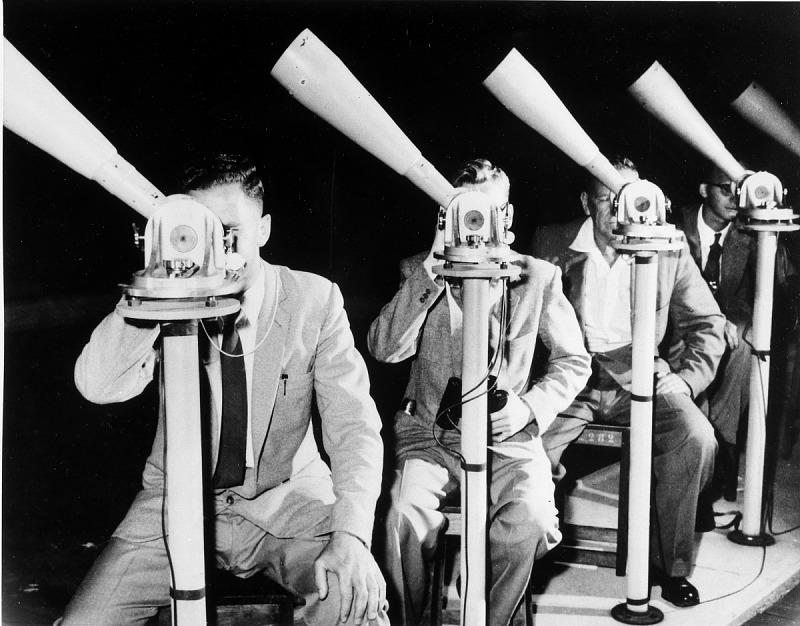
2025
The Smithsonian Institution takes on a major renewal to reconnect with their roots of James Smithson.
Smithsonian Open Access launches, releasing millions of digitized collection images for free reuse.
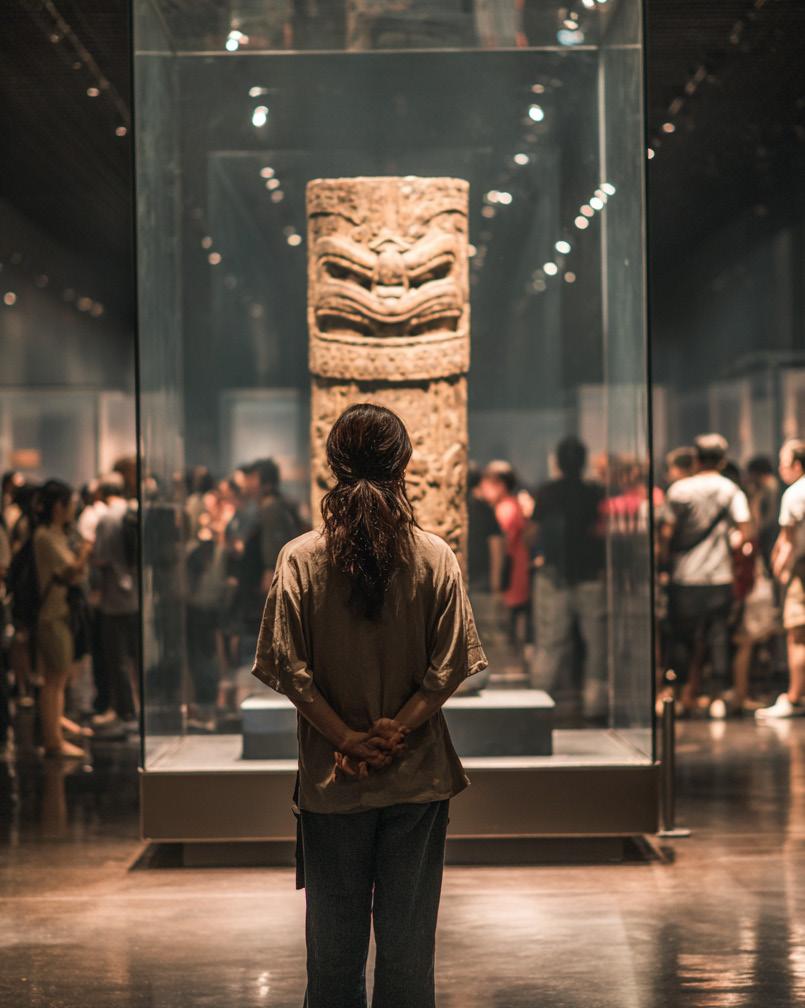
Understanding who you are speaking to is one of the most powerful steps in shaping a meaningful design. Personas help transform abstract “audiences” into relatable, human-centered characters that represent real motivations, behaviors, and needs. By defining these personas, we move beyond demographics like age or income and instead focus on life stages, values, and emotional drivers. This approach allows us to design experiences that feel personal and impactful.
In this project, I explore six personas, four who align with the Smithsonian’s mission and two who fall outside the target audience. Together, they reveal the spectrum of connection and help clarify where the tipping point lies between those inspired by the brand and those it struggles to reach.
Age
Occupation
Location
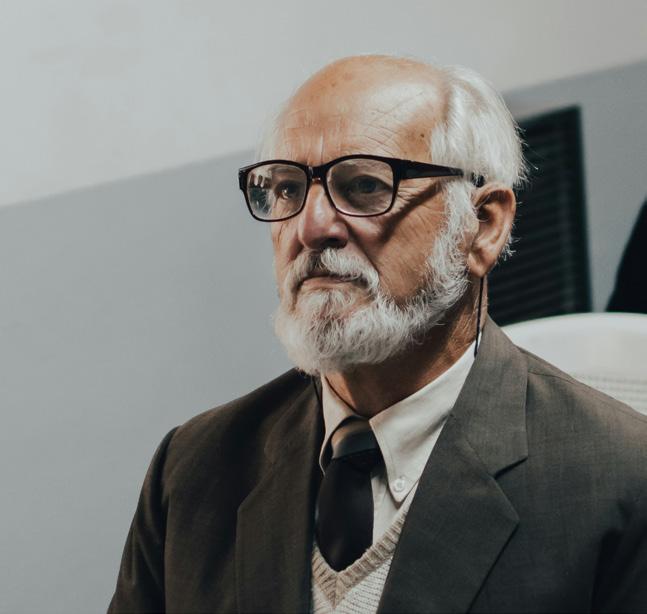
74 years old
Retired highschool teacher
Pasadena, California

Knowledge comes first
James is signed up for the Smithsonian Newsletter so that he can learn things and teach his grandchildren.
He donates regularly to the Smithsonian because he believes free access to knowledge ensures everyone can learn and grow.
Seeks meaningful and engaging learning experiences
James visits multiple museums because hands-on exhibits remind him of the thrill of sparking curiosity in his students.
He prefers guided tours so that he can dive deeper into subjects that fascinate him and leave more informed.
James volunteers at a local science center because sharing knowledge with others keeps his own curiosity alive and connected to his community.
He frequently read new books so that he can keep learning new things even when he can’t go there himself.
Age
Occupation
Location
35 years old
Advertisement agent San Francisco, California

Amara signs up for DYI workshops because she believes learning allows her to bring fresh ideas to her own work.
Running trails gives Amara a deep sense of fulfillment because she discovers new micro climates and vibrant plant life along the way.
Seeks meaningful and engaging learning experiences
She prefers interactive installations because actively figuring how it works helps her remember what she learned and keeps her curious energy alive.
Amara seeks out unique trails in different cities because she likes combining her running goals with the chance to explore new places.
Amara signs up for creative workshops and lectures because stepping outside of advertising broadens her perspective and sparks new ideas.
She takes photos of plants and landscapes during her travel so that she can revisit those moments later and reflect on what inspired her.
Emiliano Rojas
Age
Occupation
Location
6 years old
Firstgrader
San Diego, California

Knowledge comes first
Emiliano loves asking endless “why” questions during class because figuring out how the world works makes him feel smart and connected to the grown-up world.
He collects rocks from the playground so that he can learn about them and share his discoveries with his parents.
Seeks meaningful and engaging learning experiences
Emiliano loves field trips because seeing real objects and live stuff in nature makes what he learns in books feel real.
Emiliano spends hours drawing animal so that he can imagine what it’s like to be an explorer.
Emiliano explores every corner of the backyard because looking into the grass makes him feel like a true adventurer discovering hidden places.
He plants seeds with his mom and checks on them and water them every day so that he can watch them grow.
Age
Occupation
Location 26 years old
Graduate student
Tampa, Florida

Linda takes extra electives in organizational psychology because she believes understanding people deeply will help her build healthier work places in the future.
She reads case studies about leadership and diversity in institutions so that she can learn from both successes and failures and apply those lessons to her own career.
meaningful and engaging learning experiences
Linda visits museums and attends public talks because stories about innovation and culture help her see how HR decisions shape history and communities.
She participates in campus networking events so that she can connect with professionals who share her passion for inclusive and people-first work cultures.
Linda loves exploring exhibits about social change and civil rights because they remind her why equity and representation matter in the workplace.
She keeps a reflective journal on leadership styles she admires so that she can stay grounded and build her own approach to managing and supporting others.
Amit Singh
Age
Occupation
Location
50 years old
Car mechanic
Columbus, Ohio
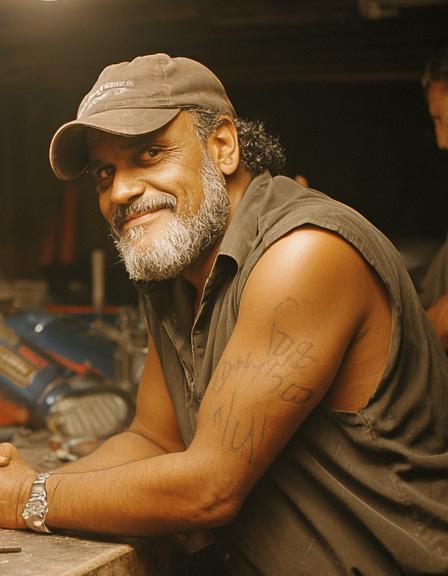
Marcus reads practical parenting articles because he wants his son to learn life skills that will actually matter in their small-town life.
He watches animal and nature documentaries in the living room so that his family can enjoy learning together without having to leave home.
Seeks meaningful and engaging learning experiences
Marcus prefers local fairs, outdoor activities, and backyard projects because they feel hands-on and connect directly to his son’s world.
He avoids traveling to big museums because he feels they are too far away, expensive to reach, and not designed with small-town families in mind.
Marcus spends time outside with his son, exploring local woods and streams because he wants his child to grow up appreciating nature and adventure.
He build cars and DIY projects so that his curiosity becomes something practical and useful for his family.
Age
Occupation
Location
42 years old
Designer and aspiring chef
Brooklyn, New York City

S alomé creates new recipes with her daughter because she wants her child to grow up connected to her Colombian heritage.
Salomé follows design and culinary trends online so that her work stays fresh and culturally relevant.
engaging learning experiences
Salomé host small cooking workshops because intimate, hands-on learning feels personal, inspiring and rewarding.
Salomé avoids museums because she feels they are overwhelming and not designed for families with small kids.
Salomé explores farmers markets on weekends because discovering new ingredients sparks her creativity.
Salomé visits local art pop-ups so that she can bring home inspiration for her design projects.
The current Smithsonian brand is seen as traditional and academic. While respected for its authority and vast collections, it can feel distant and formal, appealing mainly to those already interested in museums or education rather than new, diverse audiences.

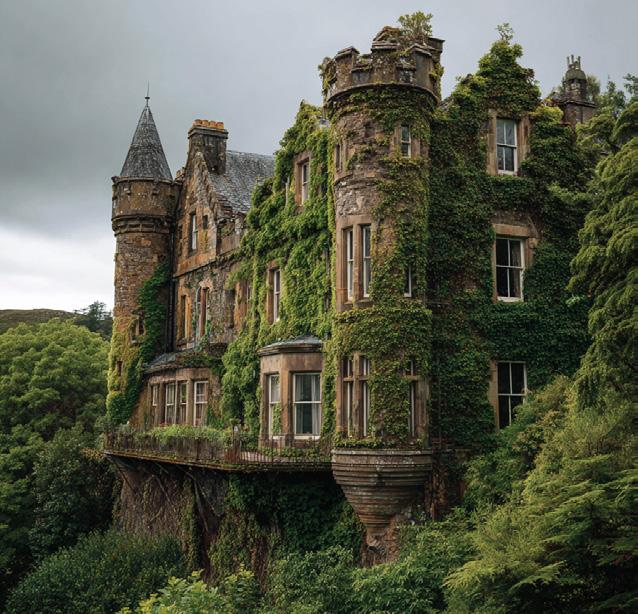


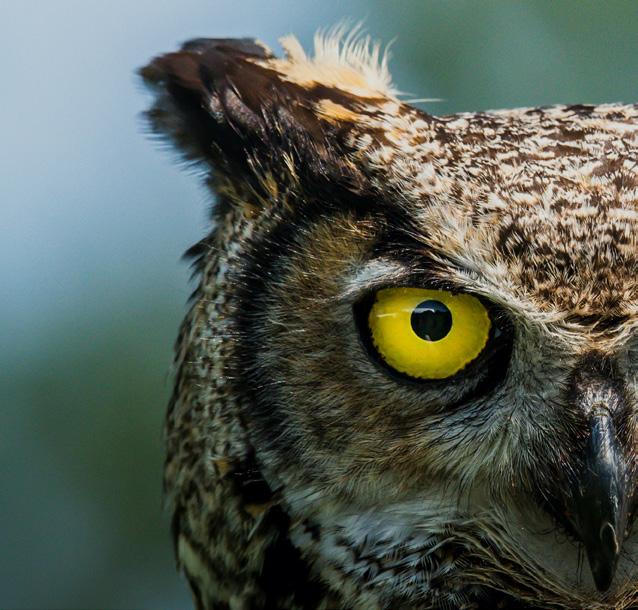
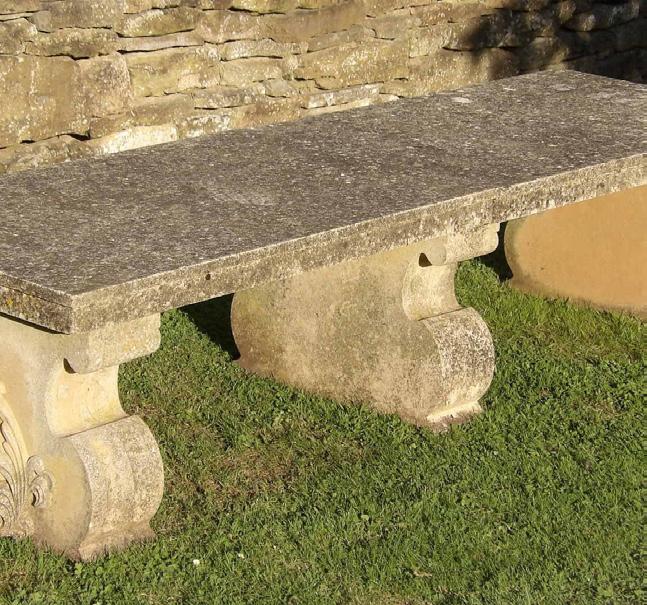

The future Smithsonian is open, interactive, and inclusive. It invites curiosity through accessible experiences that connect people of all ages to art, science, and culture, inspiring lifelong learning and a deeper sense of shared discovery.
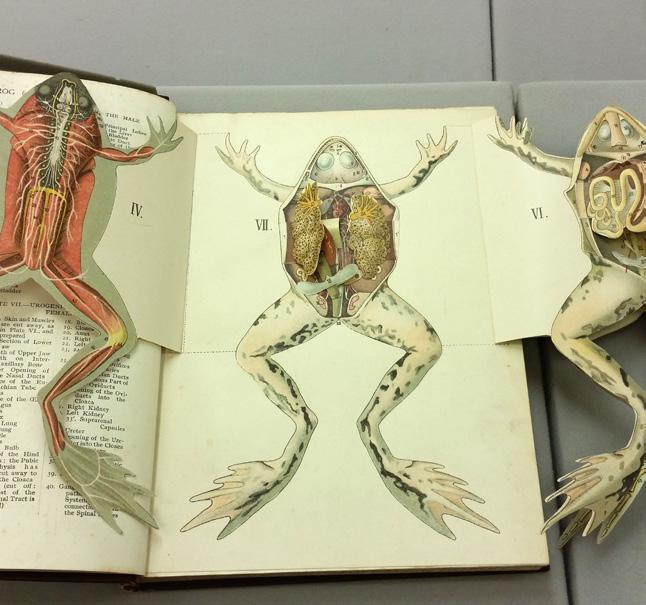
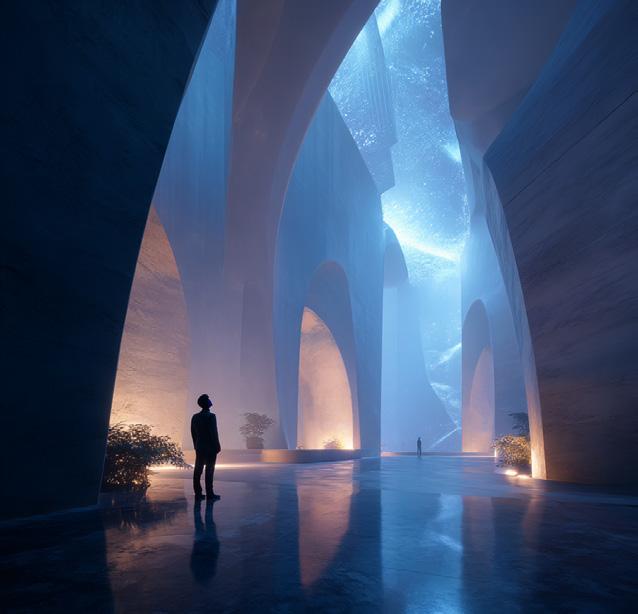




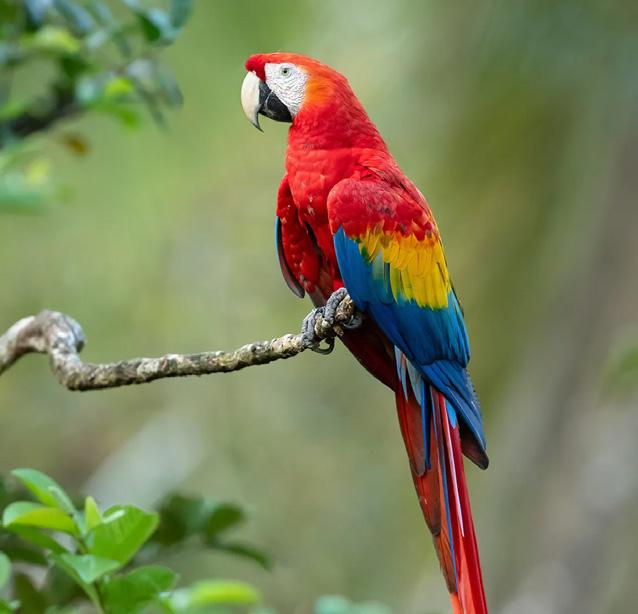


Exploring competitors helps the Smithsonian Institution understand its position within a rapidly evolving learning and cultural ecosystem. While traditional museums remain key peers, digital innovation and experience-driven entertainment have expanded what “education” means today. By examining current, adjacent, and aspirational competitors, the Smithsonian can identify opportunities to evolve, connect, and inspire across audiences and platforms.
The Smithsonian competes with leading museums and cultural institutions around the world that share its mission to educate, inspire, and preserve. These organizations attract similar audiences through exhibitions, research, and storytelling, yet differ in how they balance accessibility, interactivity, and academic authority.
The Metropolitan Museum of Art
Competes through its global art authority and expansive cultural storytelling.
Museum of Modern Art
Appeals to modern audiences through design-forward exhibits and contemporary cultural relevance.
American Museum of Natural History
Rivals in scientific education and immersive exhibit experiences for families.
Field Museum
Competes in natural sciences and educational programming with strong school outreach.
The British Museum
A global benchmark in historic preservation and accessible scholarship.

Louvre Museum
Competes in global recognition, iconic collections, and mass cultural tourism.
Natural History Museum
Shares the mission of connecting science and storytelling for all ages.
Rijksmuseum
Competes through curation excellence and European cultural storytelling.

Science Museum Group
Mirrors Smithsonian’s focus on making science accessible through interactive exhibitions.
National Geographic Society
Blends education, storytelling, and multimedia experiences that inspire global curiosity.
Beyond museums, the Smithsonian competes with a growing ecosystem of digital platforms, entertainment companies, and informal learning spaces that capture public attention through storytelling, technology, and interactivity. These experiences challenge the Smithsonian to extend its reach beyond the gallery, blending education with engagement across physical and virtual worlds.

Google Arts & Culture
Competes through digital access to global collections and interactive online exploration.

Khan Academy
Provides free, accessible learning experiences that rival the Smithsonian’s educational mission.

YouTube EDU
Offers an informal learning ecosystem with massive reach and on-demand educational content.


Disney’s EPCOT
Blends entertainment with education, offering experiential learning through themed storytelling.
The Monterey Bay Aquarium
Exemplifies mission-driven, interactive learning with emotional storytelling and conservation focus.
Netflix Educational
Documentaries
Engages learners through cinematic storytelling and accessible global content.
Coursera
Competes in the lifelong learning space through structured online courses from institutions.

LEGO Education
Encourages creative, tactile learning that aligns with Smithsonian’s “learning through play” philosophy.
TED
Inspires curiosity and learning through short, powerful talks and online community engagement.
Focuses on interactive learning and hands-on exploration in science and art.
Aspirational competitors represent the forward-looking organizations the Smithsonian aims to align with through innovation, design, and immersive learning. These brands redefine how people experience knowledge—transforming curiosity into emotion and participation. They reflect the Smithsonian’s vision to become a more accessible, interactive, and future-oriented cultural leader.
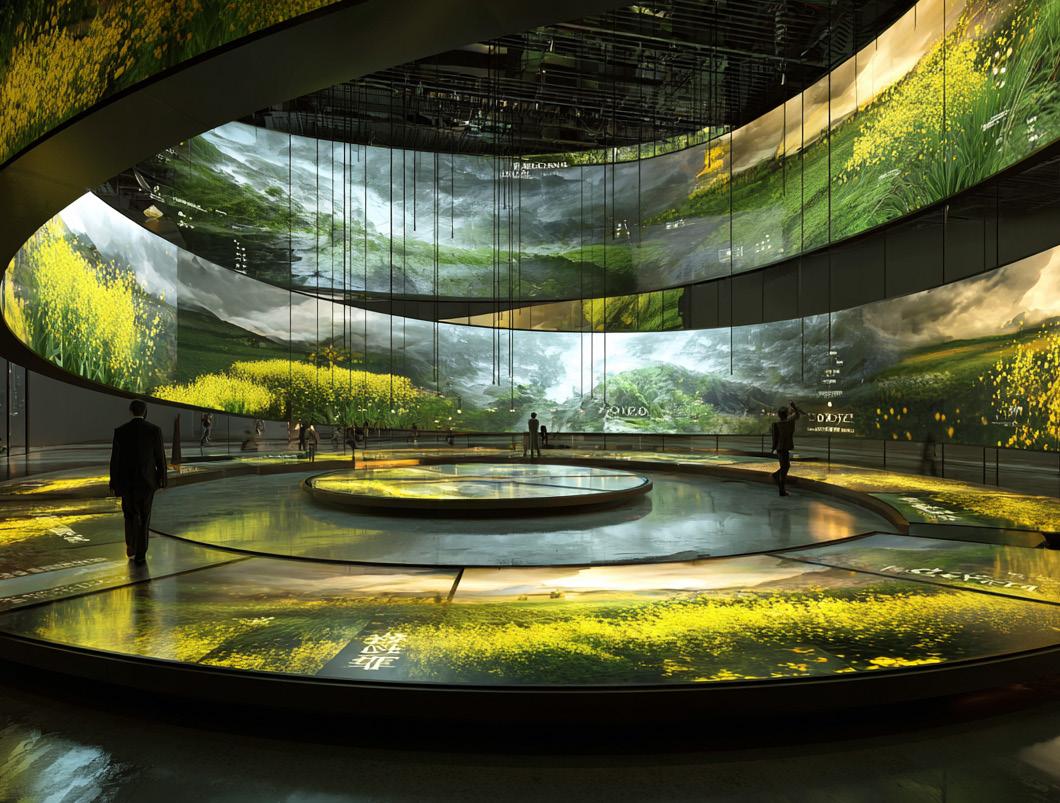

The California Academy of Sciences
Integrates sustainability, design, and science communication in a unified visitor experience.
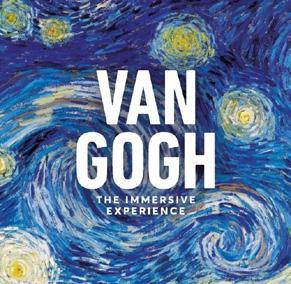
Van Gogh
Immersive Exhibitions
Uses sensory storytelling to make cultural icons accessible to broader audiences.
Our Planet
Embodies high-quality, visually stunning scientific storytelling with global impact.
MIT Museum
Merges innovation, design, and science communication with forward-thinking educational design.
Superblue
Built for immersive environments by artists, it’s a platform for shared, multi-sensory experiences rather than a traditional gallery.
Paradox Museum
A model for interactive, sensory-based learning that mixes play and science.
The Eden Project
Immerses visitors in nature-based storytelling connecting ecology, sustainability, and education.
Ars Electronica
A global platform where art, technology, and society meet through immersive festivals, labs, and its “museum of the future.”
TeamLab
Blends art, technology, and immersive experience to create emotional, interactive learning.
Meow Wolf
Reimagines storytelling and audience immersion through participatory art environments.
Brand attributes show what makes the Smithsonian special and how people connect with it. By looking at what other museums and learning platforms focus on, we can see the qualities the Smithsonian already shares and the ones it can truly make its own. Like being open, hands-on, and sparking curiosity in everyone.
5 Positive / Relevant Words Educational Inspirational Innovative Engaging Inclusive
5 Neutral Words Historical Curated Institutional Archival Traditional
5 Negative / Bankrupt Words Elitist Static Overcrowded Outdated Impersonal
5 “Ownable” / Aspirational Words Accessible Interactive Immersive Collaborative Transformative
Undertaking a diversity audit is crucial because it helps ensure that everyone is included and can see that this service is truly for all people. It reveals who is missing or underrepresented, so more audiences, especially people of color and members of marginalized groups, can feel seen and included. By intentionally focusing on race, gender, and age, we include people from diverse walks of life and avoid narrow or stereotypical portrayals. In short, a diversity audit aligns our visuals and language with our values of inclusivity, making the experience more welcoming, authentic, and representative of the world we serve.
This is a fictional re-branding project done as an student project. No part of this project were used comercially except for academic purposes. This project is in no way intended to represent the parent brand.
Images Unsplashed
AdobeStock Midjourney Gemini Firefly ChatGPT Content si.edu smithsonianmag.com en.wikipedia.org/wiki/Smithsonian_Institution
Email: erlandbassoeeriksen@hotmail.com
Instagram: erlandbassoe
Typefaces: Adobe Garamond Pro
Printing & binding: Blurb
Paper: Mohawk Superfine 100lb Text Eggshell
Department: Academy of Art University
School of Brand Communication
Graphic Design & Digital Media
Copyright © 2025 by Erland Bassøe-Eriksen: All rights reserved. No part of this publication may be reproduced, stored, or transmitted in any form without written permission from Erland Bassøe-Eriksen, except as permitted by U.S. copyright law.
This publication is only designed to be a student project, no part of this book shall be used for commercial purposes.
Visual Strategy Guide