A check-in with our brand’s soul: our new mission statement, core key phrases, taglines, and the keywords they embody. Together, they help confirm that our brand identity and its extensions are moving in the right direction.
New Mission Statement
We create accessible, interactive experiences that bring history to life and invite everyone to explore, learn, and connect.
Brand Soul — used internally
We create accessible, interactive experiences for the public so that curiosity thrives and awareness deepens, because openly shared knowledge helps communities grow together.
Key Phrases
Knowledge belongs to everyone
Immerse yourself in the story of everything
Discovery begins with participation
Change begins with curiosity
Knowledge grows when shared
Open to all Step in, dive deep Learning by doing Wonder sparks change Learning together
Accessible Interactive Immersive Collaborative Transformative Short Tagline Keyword
The New Smithsonian Visual Standards Guide
The new Smithsonian identity is pointing forward, with its bright dark blue color symbolizing knowledge and the crisp orange color reflecting the bright light this institution carries along with its history and movement forward into their new future. This guide will take you through how to use the brand identity and
Introduction of a New Identity
These guidelines introduce the elements of the new Smithsonian identity. These guidelines are a document of ideas, a document that captures the spirit of our company. Most of all, these guidelines are designed to inspire and make everyone feel comfortable using the new identity. Perhaps this document will encourage some to take the Smithsonian brand to an even higher level than presented here. The goal is to distinguish all Smithsonian (across any media) with the same integrity and instantly recognizable style. Used thoughtfully, the identity will contribute to our success as a company in the years ahead.
The Smithsonian logo is available in three configurations. The Primary logo contains the Logomark in Blue and Yellow star. The secondary logo adds "Smithsonian".
The primary logo should be used in most touchpoints, particularly those that appear inside museums. The secondary logo should be used when additional context is needed, such as avertising that may appear in another country.
Additionally, both of the variations are available in color, black and reversed versions. These variations should only be used in cases where it is not possible to use the preferred full-color versions.
Black
Reverse
Logo Anatomy
Logo anatomy is the practice of breaking a logo down into its underlying structure: the shapes, proportions, grids, alignments, and spacing that hold it together. It shows how the logo is built rather than just how it looks. I have used logo anatomy to clarify the thinking, making sure every curve, line, and angle is intentional. It also demonstrates that the mark is systematic and consistent, which helps others trust the design.
The elegant modern logo for the Smithsonian Institution may look like a flowing, artistic design, but it is actually built on a very precise mathematical structure. Every part of the logo—from the smooth, dark blue "S" shape to the bright, four-pointed star in the center—is created by carefully drawing and overlapping simple circles. This use of hidden geometry makes the design perfectly balanced and ensures that even the most complex curves are rooted in a foundational plan.
Clear Space
Use the logotype’s x-height as the unit of measure. Maintain a minimum clear space of one x-height on all sides so the logo stands alone. This rule applies to all the different versions of the logo.
Products and services must use the endorsed format shown in Example 4: place the entity name (e.g., National Portrait Gallery) beneath the Smithsonian logo. Always present it in this lockup, right aligned; do not rearrange or substitute.
National Portrait Gall er y x-height
Colors
The Smithsonian color palette offers a flexible range of colors that supports many types of communication, from formal reports to public-facing campaigns. All palette colors have precise, approved values. Use only the color references listed in this section. Do not rely on colors that have been auto-converted between color modes, as some software may produce values that don’t match the Smithsonian specifications. Slight variances may occur across print processes or different media.
To maintain a strong, consistent Smithsonian presence across all applications, the core colors must always be used at 100% saturation and 100% opacity. The only exception is for data-heavy information graphics (charts, diagrams, dashboards), where additional tints of the approved colors may be introduced to improve readability and differentiation. In these cases, use controlled steps of 25%, 50%, 75% and 100% of the specified palette colors to ensure visual coherence and accessibility. All other brand communications should rely on the full-strength colors only.
Curator's Navy
Castle Red
Smithsonian Gold
Presidio Sage
Archive Parchment
Aero Sky
White Classic
Galaxy Black
To maintain consistency, it is essential that our colors are always reproduced accurately. This chart indicates color values for the Smithsonian identity broken down by PANTONE, CMYK, RGB, and HEX-code. Using these standardized values ensures that our brand looks the same across print, digital, and environmental applications, regardless of vendor or medium. Designers, printers, and partners should always refer to these specifications when creating materials to preserve the integrity and recognizability of the Smithsonian visual identity.
Typography
The Smithsonian uses a disciplined typographic hierarchy to keep choices clear and consistent; all copy should be left-aligned. Use Garamond Premier Pro for serif settings and Aptos for sans-serif applications. Check the instructions for applying the hierarchy across headings, subheads, body copy, and captions.
Garamond Premiere Pro Light Display
ABCDEFGHIJKLMNOPQRSTUVWXYZ
abcdefghijklmnopqrstuvwxyz 1234567890
!@#$%^&*()_+=”:
Garamond Premiere Pro Regular
ABCDEFGHIJKLMNOPQRSTUVWXYZ
abcdefghijklmnopqrstuvwxyz 1234567890
!@#$%^&*()_+=”:
Garamond Premiere Pro Medium
ABCDEFGHIJKLMNOPQRSTUVWXYZ
abcdefghijklmnopqrstuvwxyz 1234567890
!@#$%^&*()_+=”:
Garamond Premiere Pro Semibold Subhead
ABCDEFGHIJKLMNOPQRSTUVWXYZ
abcdefghijklmnopqrstuvwxyz 1234567890
!@#$%^&*()_+=”:
Garamond Premiere Pro Bold
ABCDEFGHIJKLMNOPQRSTUVWXYZ
abcdefghijklmnopqrstuvwxyz 1234567890
!@#$%^&*()_+=”:
Aptos Display
ABCDEFGHIJKLMNOPQRSTUVWXYZ
abcdefghijklmnopqrstuvwxyz 1234567890
!@#$%^&*()_+=”:
Aptos Regular
ABCDEFGHIJKLMNOPQRSTUVWXYZ
abcdefghijklmnopqrstuvwxyz 1234567890
!@#$%^&*()_+=”:
Aptos SemiBold
ABCDEFGHIJKLMNOPQRSTUVWXYZ
abcdefghijklmnopqrstuvwxyz 1234567890
!@#$%^&*()_+=”:
Aptos Display Bold
ABCDEFGHIJKLMNOPQRSTUVWXYZ
abcdefghijklmnopqrstuvwxyz 1234567890
!@#$%^&*()_+=”:
Aptos Extra Bold
ABCDEFGHIJKLMNOPQRSTUVWXYZ
abcdefghijklmnopqrstuvwxyz 1234567890
!@#$%^&*()_+=”:
Headline
Garamond Premier Pro Light Display 20/24pt +20 tracking
Subheadline A
Aptos Bold 12/15pt +25 tracking
Subheadline B
Garamond Premiere Pro Bold 11/15pt +30 tracking
Bodycopy
Garamond Premiere Pro Regular 10/13pt +30 tracking
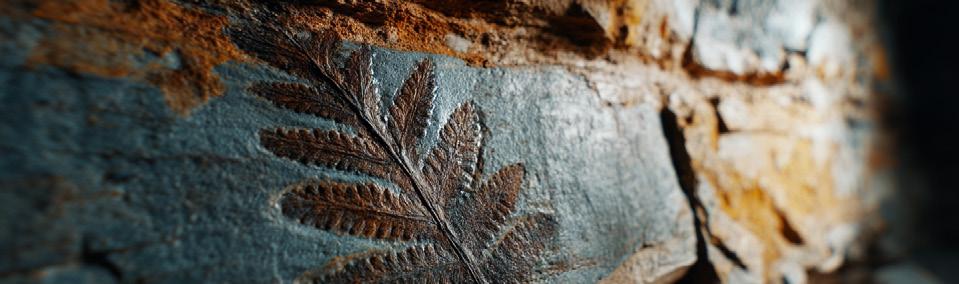
Echoes from a Lost Forest
How a riverbed became a time capsule— fine layers of shale sealed crisp - veined leaves, stray pollen, and delicate insect wings, preserving the pulse of a humid Eocene forest for 50 million years.
Why these fossils matter today
By comparing ancient species to their modern relatives, researchers see which plants and insects adapt, migrate, or vanish as climates shift. These patterns inform how we protect habitats now, guiding restoration plans and seed banks as temperatures and rainfall become much less predictable and extremes, disrupting seasonal cycles.
CAPTIONS
Aptos Regular Uppercase 6/9pt +150 tracking
FOSSIL LEAF IMPRESSION (~50 MILLION YEARS AGO). ON LOAN FROM THE DEPARTMENT OF PALEOBIOLOGY, NATIONAL MUSEUM OF NATURAL HISTORY, SMITHSONIAN INSTITUTION.
Logo Placement
The Smithsonian uses a disciplined typographic hierarchy to keep choices clear and consistent; set all body copy left-justified (rag right). Use Garamond Premier Pro for serif settings and Aptos for sans-serif applications. See the right hand page for instructions on applying the hierarchy across headings, subheads, body copy, and captions.
Co-Branded Logos
The partner logo used on the left side of a lockup should be of similar proportions to the Smithsonian logo on the right.
A recommended starting place would be to match either the height or the width of the partner logo to that of the Smithsonian logo. You may need to then reduce the size of the partner logo to achieve a visual balance.
The height of the divider line should be 100% of the height of “Smithsonian.” The divider line’s weight should be 0.5pt for most applications. When used at extremely large sizes, the weight of the bar may be scaled up proportionately. It should never be scaled down below a weight of 0.5pt.
All elements of the co-branded logo lockup should be centered vertically in relation to each other.
Logo Don’ts
This page provides a clear guide to incorrect logo usage. Simple visual examples and concise notes show how the logo should not be combined with text or other elements, making it easy to quickly see what to avoid and how to protect the integrity of the identity.
Do not change color of the stars
Do not change color of the logo
Do not change the alignment of the department
Do not alter the size of parts of the logo
Do not change move any parts of the logo
Do not change spell out the logotype yourself, always use the approved digital artwork provided, without alterations.
Do not change colors of the logotype
Backgrounds
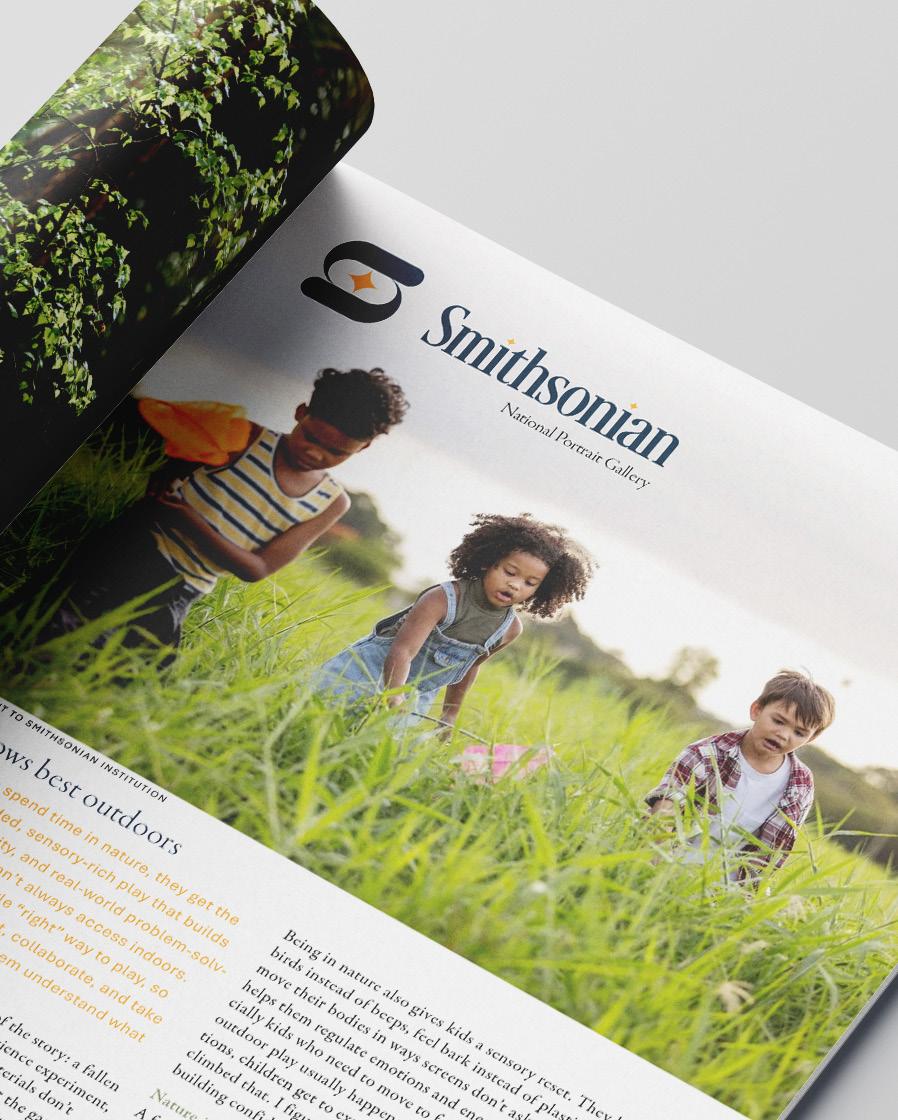
While solid background colors are preferred for presenting the Smithsonian logo, it may also be placed over photographic imagery when necessary. When using an image background, always select the logo version that provides the highest contrast and ensures clear legibility.
The examples on the left demonstrate incorrect usage; the examples on the right show the correct application.
Size Chart
This size chart informs about what kind of logo to use on different sizes. It is important to follow these rules to keep the legibility and readability of the logo.
1 inch
Symbol Horizontal 3/4 inch 1/2 inch 1/4 inch
Vertical Wordmark
Expansion Opportunities
With the Smithsonian re-brand, we are entering a new phase of growth. The Smithsonian will extend beyond its galleries and screens to offer in-person experiences, programs, and products that expand our partnerships and reach, helping people of all ages explore, learn, and connect through curiosity and creativity so the institution remains relevant and engaged with a broader public audience.
Products
Physical things the Smithsonian creates, such as tools, kits, or replicas that let people keep exploring, learning, and connecting.
Services
Help and support the Smithsonian offers, like guidance, programs, or support that use its tools, stories, and expertise.
Environments
Places where the Smithsonian lives, such as museums, pop-ups, labs, or mobile units that invite exploration.
Experiences
Interactive moments where people and the Smithsonian do something together, such as tours, demos, or discovery activities.
Education Opportunities
Ways the Smithsonian teaches, including classes, workshops, field programs, or teacher training.
Events
Gatherings such as festivals, special nights, or community days built around Smithsonian themes and values.
Co Branding
Partnerships with other brands that bring Smithsonian stories and methods into new contexts, products, or platforms.
Products
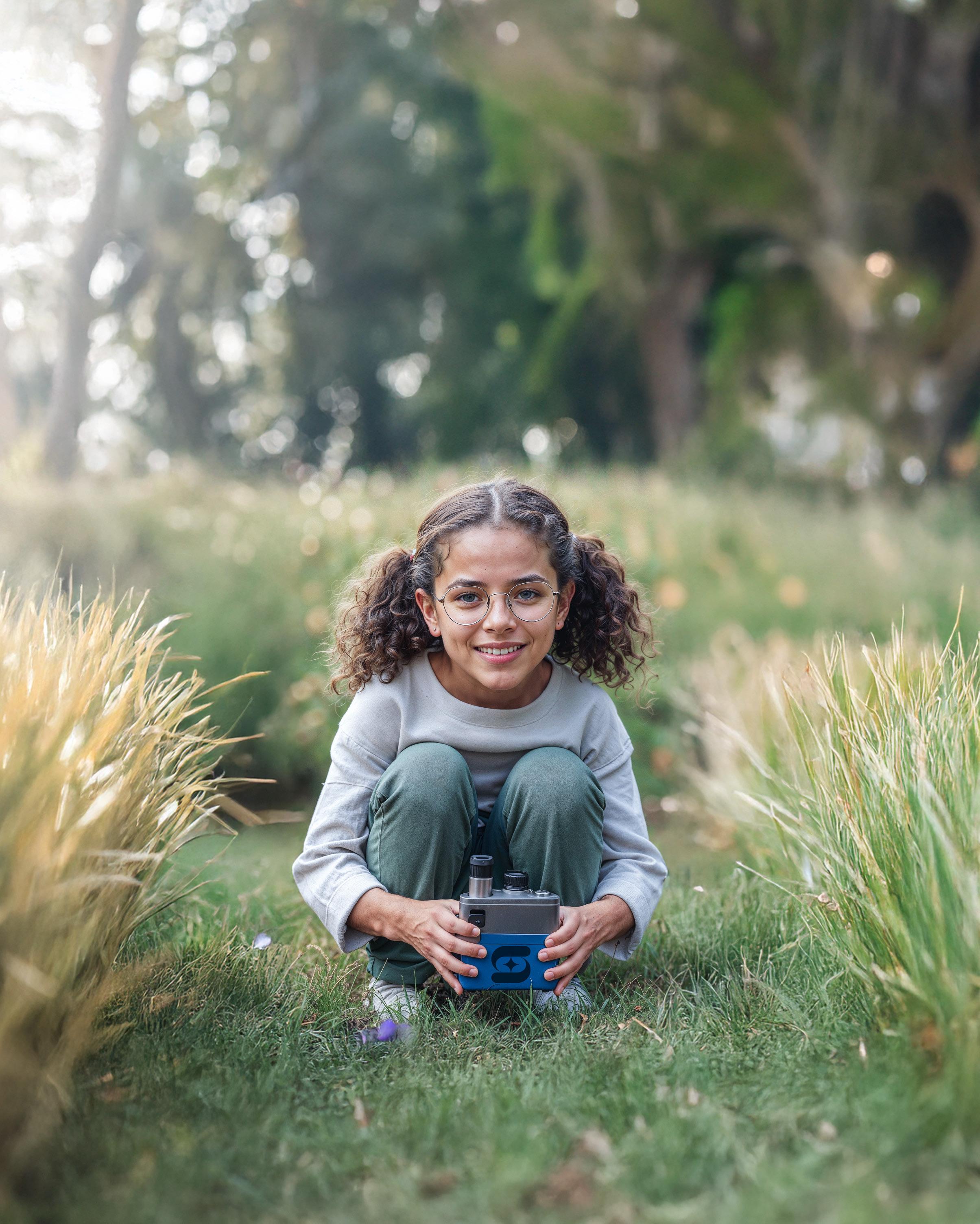
Micro Microscope Explorer Kit
A handheld micro-microscope you can take anywhere to explore the world up close.
A reusable Explorer Kit that turns any place into a discovery lab, helping kids and adults investigate together.
Description
A handheld Smithsonian-branded microscope for field use, classrooms, and library learning hubs. Comes with simple observation cards so users can record findings the way professional Smithsonian researchers do.
Mission focus
A handheld Smithsonian-branded microscope reinforces our mission of creating accessible, interactive experiences that bring history to life and invite everyone to explore, learn, and connect by giving learners a simple, portable tool to investigate the world up close, turning everyday environments into interactive discovery spaces and lowering barriers to scientific inquiry.
Similarities
Similar to National Geographic kids’ science tools and Celestron Kids Pocket Zoom Microscope
Description
The Explorer Kit is a reusable, screen-free discovery tool that turns any place into a space for investigation. Designed for kids and adults to use together, it focuses on how you look, notice, and think, not on what you already know.
Mission focus
The Explorer Kit reinforces our mission of creating accessible, interactive experiences that bring history to life and invite everyone to explore, learn, and connect by giving people of all ages a shared, hands-on way to slow down, observe, and think together, turning learning into an active, collaborative experience rather than a test of prior knowledge.
Similarities
National Geographic Kids science & exploration kits
Differentiators
It stands out through its direct connection to Smithsonian archives which can provide clear and trustworthy information about whatever you are looking at under the microscope.
Differentiators
The key difference is that the Explorer Kit can be used almost anywhere rather than keeping kids sitting at a table. It’s designed for moving, looking, and noticing around you.
Services
Excavation Block
Chip away to uncover hidden replica fossils like a real paleontologist.
Teaching the teachers
Trained volunteers educate the teachers through workshops that make real-world care easy to pass on.
Description Description
A solid plaster block packed with small real or replica fossils, paired with simple excavation tools, so kids and adults can carefully chip, brush, and reveal each hidden find like a paleontologist in the field.
Mission focus
The Excavation Block reinforces our mission of creating accessible, interactive experiences that bring history to life and invite everyone to explore, learn, and connect by transforming fossil discovery into a hands-on, shared activity that lets people literally uncover the past together.
A service where trained volunteers lead workshops in schools and community groups, helping teachers learn and pass on simple, real-world care routines.
Similarities
National Geographic, Discovery Kids, Thames & Kosmos
Mission focus
Teaching the Teachers reinforces our mission of creating accessible, interactive experiences that bring history to life and invite everyone to explore, learn, and connect by equipping educators with hands-on care practices that they can easily pass on to their students and communities.
Differentiators
It is differentiated by being grounded in authentic Smithsonian collections and research, with information cards and prompts that explain the evidence and historical context behind each find, enabling participants to uncover the past while simultaneously learning something.
Similarities
NatGeo, Zoo and Aquarium Educational Programs
Differentiators
It is differentiated by access to Smithsonian’s broad expertise, allowing volunteers to teach confidently across multiple fields while serving as a highly trusted, research-based source.
SE 2 SE 3
Rent-A-Museum
Transforming classrooms into mini museums with themed replicas, simple displays, and activities.
Curiosity Hotline
Sc ience helpdesk providing story-based answers to submitted photos, questions, and experiments.
Description Description
Rent-A-Museum is a experience that turns any classroom or community room into a mini Smithsonian. Hosts receive a themed box with replica objects, simple displays, activity cards, and a digital guide so groups can explore stories in history, science, and culture through hands-on discovery.
Mission focus
Rent-A-Museum reinforces our mission of creating accessible, interactive experiences that bring history to life and invite everyone to explore, learn, and connect by bringing exhibits directly into learning spaces, giving groups accessible ways to examine objects and connect with history.
Similarities
Sits in the same family as traveling trunk programs and virtual field trips that bring museum content into classrooms and communities instead of asking everyone to visit a building.
Differentiators
People can send in photos, microscope images, or questions, and a “Smithsonian-style” team with a short story, explanation, or next experiment to try.
Mission focus
Curiosity Hotline reinforces our mission of creating accessible, interactive experiences that bring history to life and invite everyone to explore, learn, and connect by turning everyday questions into turning everyday questions into simple, personal stories and experiments people can try themselves.
Similarities
It sits in the same space as “Ask a Curator” services and Q&A platforms, where you send a question and get an answer from an expert or guide.
Differentiators
It is differentiated by access to deep, research-based expertise across history, science, and culture, allowing volunteers to teach confidently in multiple fields and serve as a highly trusted source, rather than a narrow, topic-specific program. It stands out by being image- and object-first (not just text questions), answering in clear, friendly language, and always linking the answer to a bigger story plus one simple next step to explore.
Environments
EN 1 EN 2
Silent Corner
Smithsonian-branded library corners offering digital access to collections and interactive discovery tools.
Description
Small discovery corners in public and school libraries that blend cozy reading space with digital access to Smithsonian library collections, giving kids, teens, and adults an inviting place to browse artifacts, stories, and primary sources right where they already learn and gather.
Mission focus
The Silent Corner reinforces our mission of creating accessible, interactive experiences that bring history to life and invite everyone to explore, learn, and connect by providing a quiet, sensory-friendly space where visitors can slow down, reflect on what they’ve seen, and form personal connections to history and culture.
Similarities
Apple “Today at Apple” corners in stores, PBS Learning Media stations, Museum satellite displays in civic buildings
Transit Touchpoints
Small Smithsonian discovery hubs in transit spaces turning travel wait times into museum moments.
Differentiators
It differentiates itself by being the first educational branded corner where visitors can independently seek information and browse stories on themes they choose themselves.
Description
Smithsonian Transit Touchpoints are small discovery spots in airports and transit hubs that turn waiting time into museum time. With mini-exhibits and quick interactions, they invite people to explore, notice, and reflect while they’re on the move.
Mission focus
Transit Touchpoints reinforces our mission of creating accessible, interactive experiences that bring history to life and invite everyone to explore, learn, and connect by bringing museum-style discovery into everyday travel spaces, giving people brief, engaging chances to notice, wonder, and reflect together even while they’re on the move.
Similarities
Airport art and science installations, branded “discovery walls” in public spaces.
Differentiators
They differentiate themselves by turning passive waiting areas into tiny, evolving learning labs rather than background décor. Each touchpoint is built around real objects and stories from the local environment.
3
Sidewalk Stories
Street-facing museum exhibits in storefronts turning everyday sidewalks into playful learning corridors.
Experiences
1
After Dark
After-hours science nights featuring demos, projections, telescopes, and bite-sized talks from Smithsonian experts.
Description
Sidewalk Stories are street-facing exhibits in storefronts that turn everyday sidewalks into informal corridors. They invite passersby to pause, wonder, and see their own neighborhood through a museum lens.
Description
After-hours science nights that turn museums or city spaces into lively evening labs, with live demos, projections, telescopes, and short expert talks that make big scientific ideas feel close, social, and fun.
Mission focus Mission focus
Sidewalk Stories reinforces our mission of creating accessible, interactive experiences that bring history to life and invite everyone to explore, learn, and connect by turning everyday streets into informal museum spaces that help people pause, notice, and connect their neighborhoods to larger histories and cultures.
Similarities
Storefront installations and branded window displays
After Dark reinforce our mission of creating accessible, interactive experiences that bring history to life and invite everyone to explore, learn, and connect by offering live demos, projections, telescopes, and short expert talks that make big science ideas feel immediate, social, and fun.
Differentiators
They differentiate themselves by acting as true mini-exhibits with clear stories, inviting people to pause and connect with what they see on the street to larger histories and collections rather than just admiring a visual display.
Similarities
“NightLife” at California Academy of Sciences and "After Dark" at Exploratorium
Differentiators
These evenings are designed to travel as well as live in museums, so they can in every space, not just one flagship building.
Behind The Scenes: Up Close Tag Along
Behind-the-scenes tours revealing hidden objects and how experts use them to investigate history.
Hands-on archaeological digs where participants join Smithsonian teams uncovering history in the field.
Description Description
In this behind-the-scenes experience, you’ll explore rarely seen objects and hear how curators, conservators, and scientists use them as evidence to ask questions, test ideas, and tell new stories about our world.
Mission focus
Behind The Scenes: Up Close reinforces our mission by creating accessible, interactive experiences that bring history to life and invite everyone to explore, learn, and connect by giving people direct, behind-the-scenes access to objects and experts, so they can see how evidence, questions, and experiments shape the stories museums tell about our world.
Similarities
VIP museum tours, Backstage passes, Conservation lab or archive open houses
An experience where you get to tag along a Smithsonian team where you can join to dig on a archaeological site.
Differentiators
Unlike typical tours that focus mainly on special access, this experience lets participants explore hidden objects while seeing how experts use them as evidence, ask real questions, and test ideas.
Mission focus
TagAlong reinforces our mission by creating accessible, interactive experiences that bring history to life and invite everyone to explore, learn, and connect by letting participants take part in real fieldwork, uncovering artifacts alongside experts, turning abstract history into a lived, collaborative discovery they actively share with others.
Similarities
Crow Canyon Archaeological Center and LEARN Archaeology Expedition.
Differentiators
It differentiates itself by following the full arc from dig site to lab to exhibition, so participants see how what they uncover is recorded, interpreted, and ultimately turned into shared public history.
Educational Opportunities
FieldScape
Immersive zoo-based learning modules with field labs, urban farms, and veterinary science days.
Care and Repair
Intergenerational Care and Repair workshops teaching practical conservation and ecological healing.
Description Description
A set of learning modules that take place in real zoo environments with zoo field labs, urban farm classrooms, or veterinary science days.
Mission focus
FieldScape reinforces our mission by creating accessible, interactive experiences that bring history to life and invite everyone to explore, learn, and connect by immersing learners in real animal care settings that turn living collections into interactive classrooms.
Care and Repair is a program where people of all ages can come in and learn how to care for things. Led by educators and partners, each academy mixes simple conservation skills, basic ecological repair, and guided reflection on why preserving objects and knowledge matters for our shared future.
Mission focus
Care & Repair reinforces our mission by creating accessible, interactive experiences that bring history to life and invite everyone to explore, learn, and connect by inviting people to practice simple conservation and repair using real objects and stories that connect care with our shared future.
Similarities
Behind the scenes zoo programs and petting zoos
Differentiators
They separate themselves by turning working zoo spaces into structured learning labs, so participants don’t just meet animals. They practice real observation, care, and science routines that show how everyday work in the zoo connects to animal welfare, research, and conservation.
Similarities
Community conservation workshops, urban ecology programs, and Repair Cafés.
Differentiators
Compared to community conservation workshops and urban ecology programs, Care and Repair uniquely combines object care and ecological repair
Events
Wonder Booth
A booth where anyone can ask a Smithsonian AI persona anything and get answers.
Roots in Action
Volunteer program teaching sustainable forestry, biodiversity, and tree planting through hands-on action.
Description Description
The Wonder Booth is a quiet, safe space where you can ask an AI personality any question—about history, science, art, space, and more. Powered by Smithsonian knowledge and collections, it responds in clear, simple language that everyone can understand.
Mission focus
The Wonder Booth reinforces our mission by creating accessible, interactive experiences that bring history to life and invite everyone to explore, learn, and connect by making it feel safe for anyone to ask questions and gain knowledge through clear, human-friendly AI conversations.
Roots in Action is a volunteer initiative where people learn about sustainable logging, biodiversity, and tree planting. While taking hands-on action to support healthier forests and communities.
Mission focus
Roots in Action reinforces our mission by creating accessible, interactive experiences that bring history to life and invite everyone to explore, learn, and connect by turning environmental stewardship into hands-on learning that connects people with the living history and future of forests.
Similarities
Museum or library “Ask a Professional” desks, educational chatbots from National Geographic Kids or PBS Kids.
Differentiators
It differentiates itself by being a physical, quiet booth where anyone can privately ask anything and get clear answers, turning museum knowledge into a personal, on-demand conversation rather than a generic help desk or website bot.
Similarities
Community tree-planting days, biodiversity monitoring programs, and National Forest Foundation.
Differentiators
Roots in Action stands out by pairing hands-on work with simple, clear learning, treating sustainable logging as a nuanced topic, focusing on young adults while staying open to all, connecting forests to everyday life (climate, jobs, culture, wellbeing), and offering an ongoing journey rather than a one-off volunteer day.
Community Events Science In Action
Live experiments and demonstrations conducted with Smithsonian researchers, showcasing realtime discovery.
Large community science festivals with themed booths, hands-on activities, and departmental showcases.
Description Description
Science in Action is a live, hosted experience where visitors watch and take part in real experiments and demonstrations led by working researchers, seeing how questions, testing, and evidence come together in real time.
Mission focus
Science in Action reinforces our mission by creating accessible, interactive experiences that bring history to life and invite everyone to explore, learn, and connect by bringing the live action to the audience.
Large, open community events where departments set up booths on oceans, space, conservation with activities that engage the audience.
Similarities
Live science shows and demo stages at science museums.
Mission focus
Community Events reinforces our mission by creating accessible, interactive experiences that bring history to life and invite everyone to explore, learn, and connect by turning big public gatherings into welcoming spaces where themed booths spark curiosity and conversation.
Differentiators
It differentiates itself by featuring active researchers demonstrating work and by inviting visitors to help collect observations or data, so the demos feel like genuine research in progress rather than pre-scripted stage tricks.
Similarities
USA Science & Engineering Festival and Local STEM fairs.
Differentiators
It differentiates itself by linking hands-on booths to real research across science, history, and culture, so visitors move through a coordinated set of experiences rather than isolated STEM activities.
Co-Branding
Wildlife Safari REI: Explore Like an Expert
Educational safari stays combining wildlife encounters with guided learning and observation activities.
Smithsonian–REI outdoor programs blending science, storytelling, and trail skills for explorers of all ages.
Description Description
Wildlife Sari is a safari stay where guests watch animals and they learn alongside them. Each stay blends guided tours with field notes, observation activities, and reflection, so guests practice seeing like a naturalist and leave with a deeper understanding of wildlife, ecosystems, and conservation.
Smithsonian and REI Co-op team up to turn the outdoors into a living classroom, combining Smithsonian science and storytelling with REI’s trail expertise to help kids, families, and adults build real outdoor skills and discover the world with an explorer’s mindset. CO 1 CO 2
Mission focus
The Wildlife Safari reinforces our mission of creating accessible, interactive experiences that bring history to life and invite everyone to explore, learn, and connect by immersing guests in active wildlife observation, note-taking, and reflection, turning a leisure stay into a shared journey of understanding and connection with the natural world.
Similarities
National Geographic Expeditions, &Beyond conservation experiences, WWF eco-travel.
Mission focus
Smithsonian and REI Co-op teaming up to turn the outdoors into a living classroom reinforces our mission of creating accessible, interactive experiences that bring history to life and invite everyone to explore, learn, and connect by turning hikes into learning that builds real outdoor skills, deepens curiosity, and links everyday adventures to science.
Similarities
Patagonia-style education and study programs in Patagonia with Penn State partnership
Differentiators
We differentiate by treating the stay as a living field school, not just a premium trip. Guests use simple observation rituals and field-study activities linked to real research and collection stories.
Differentiators
We differentiate by focusing on enabling the outdoors through a deep partnership with REI. In this collaboration, our partner helps bring people further into nature, while we provide the stories and science—so every outing becomes an immersive, guided experience where people build skills, discover new places, and learn as they go.
CO 3
Follow the Species
Smithsonian–AllTrails hikes turning local trails into interactive routes of ecological discovery and storytelling.
Description
Smithsonian and AllTrails turn everyday hikes into live discovery routes. On marked trails, hikers scan signs and nearby species in the AllTrails app to ID plants and animals, unlock stories from Smithsonian collections, and see how each organism fits into wider ecosystems and conservation.
Mission focus
Smithsonian and AllTrails partnering to turn trails into live discovery routes reinforces our mission of creating accessible, interactive experiences that bring history to life and invite everyone to explore, learn, and connect by turning everyday hikes into interactive discovery routes that connect local species to Smithsonian research and bigger ecosystem stories.
Similarities
iNaturalist / Seek and eBird.
Differentiators
We differentiate by being trail-first and story-driven, not just an ID or data app. Competitors focus on identifying and recording what you see, but this partnership builds curated routes where each step can unlock connected stories, research insights, and collection links that tie local sightings to bigger ecosystems and conservation efforts.
Charting
The chart maps how each Smithsonian initiative connects across Experience, Learn, and Connect; the three pillars driving the brand forward. Each overlap shows how experiences, connections, and learning come together to inspire growth and empower the next generation of changemakers.
PR 1 - Micro Microscope
PR 2 - Explorer Kit
PR 3 - Excavation Block
Experiences
EX 1 - After Dark
EX 2 - Behind the Scenes: Up Close
EX 3 - Tag Along
Co-Branding
CB 1- Wildlife Safari
CB 2 - REI: Explore Like an Expert
CB 3 - Follow the Species
PR 1 - Micro Microscope
PR 2 - Explorer Kit
PR 3 - Excavation Block
SE 1 - Teaching the Teachers
SE 2 - Rent-A-Museum
SE 3 - Curiosity Hotline
EN 1 - Silent Corner
EN 2 - Transit Touchpoints
EN 3 - Sidewalk Stories
EX 1 - After Dark
EX 2 - Behind the Scenes: Up Close
EX 3 - Tag Along
SE 1 - Teaching the Teachers
SE 2 - Rent-A-Museum
SE 3 - Curiosity Hotline
EN 1 - Silent Corner
EN 2 - Transit Touchpoints
EN 3 - Sidewalk Stories
EO 1 - FieldScape
EO 2 - Care and Repair
EO 3 - Wonder Booth
EV 1 - Roots in Action
EV 2 - Science in Action
EV 3 - Community Events
EO 1 - FieldScape
EO 2 - Care and Repair
EO 3 - Wonder Booth
EV 1 - Roots in Action
EV 2 - Science in Action
EV 3 - Community Events
CB 1- Wildlife Safari
CB 2 - REI: Explore Like an Expert
CB 3 - Follow the Species
Product
PR 1
Micro Microscope
A handheld micro-microscope you can take anywhere to explore the world up close.
Description
A handheld Smithsonian-branded microscope for field use, classrooms, and library learning hubs. Comes with simple observation cards so users can record findings the way professional Smithsonian researchers do.
THE MICRO MICROSCOPE MAKES ENGAGING WITH NATURE EASY AND FUN.
Mission focus
A handheld Smithsonian-branded microscope reinforces our mission of creating accessible, interactive experiences that bring history to life and invite everyone to explore, learn, and connect by giving learners a simple, portable tool to investigate the world up close, turning everyday environments into interactive discovery spaces and lowering barriers to scientific inquiry.
Similarities
Similar to National Geographic kids’ science tools and Celestron Kids Pocket Zoom Microscope
Differentiators
It stands out through its direct connection to Smithsonian archives which can provide clear and trustworthy information about whatever you are looking at under the microscope.
MICRO MICROSCOPE MAKES KIDS ROAM AROUND IN NATURE HAVING FUN.
MICRO MICROSCOPE MAKES ENGAGING WITH NATURE VERY EXCITING FOR EVERYONE.
Service
SE 2
Rent-A-Museum
Transforming classrooms into mini museums with themed replicas, simple displays, and activities.
Description
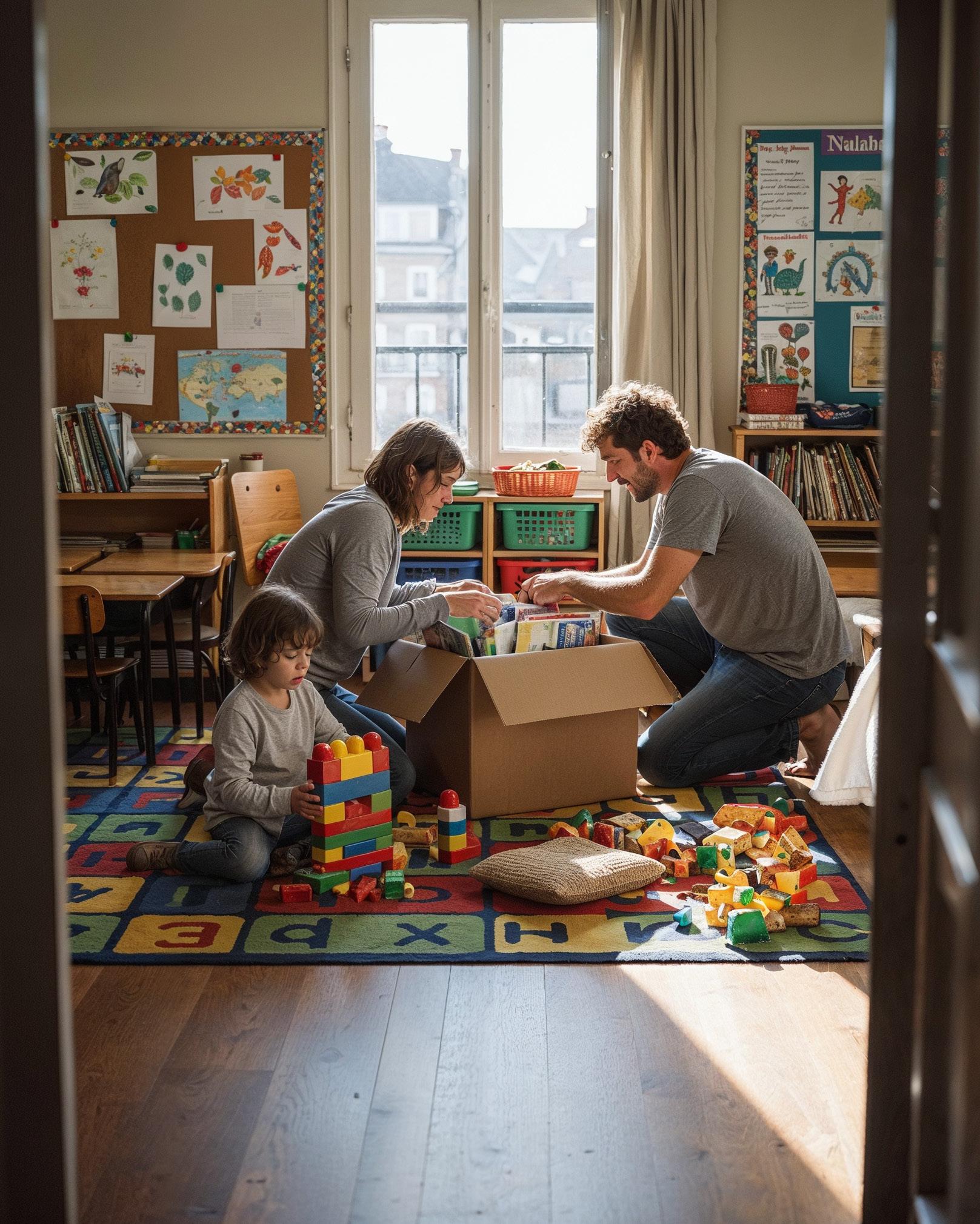
Rent-A-Museum is a experience that turns any classroom or community room into a mini Smithsonian. Hosts receive a themed box with replica objects, simple displays, activity cards, and a digital guide so groups can explore stories in history, science, and culture through hands-on discovery.
RENT-A-MUSEUM LETS KIDS AND ADULTS PLAY TOGETHER, EXPLORING AND LEARING ALONG.
Mission focus
Rent-A-Museum reinforces our mission of creating accessible, interactive experiences that bring history to life and invite everyone to explore, learn, and connect by bringing exhibits directly into learning spaces, giving groups accessible ways to examine objects and connect with history.
Similarities
Sits in the same family as traveling trunk programs and virtual field trips that bring museum content into classrooms and communities instead of asking everyone to visit a building
Differentiators
It is differentiated by access to deep, research-based expertise across history, science, and culture, allowing volunteers to teach confidently in multiple fields and serve as a highly trusted source, rather than a narrow, topic-specific program.
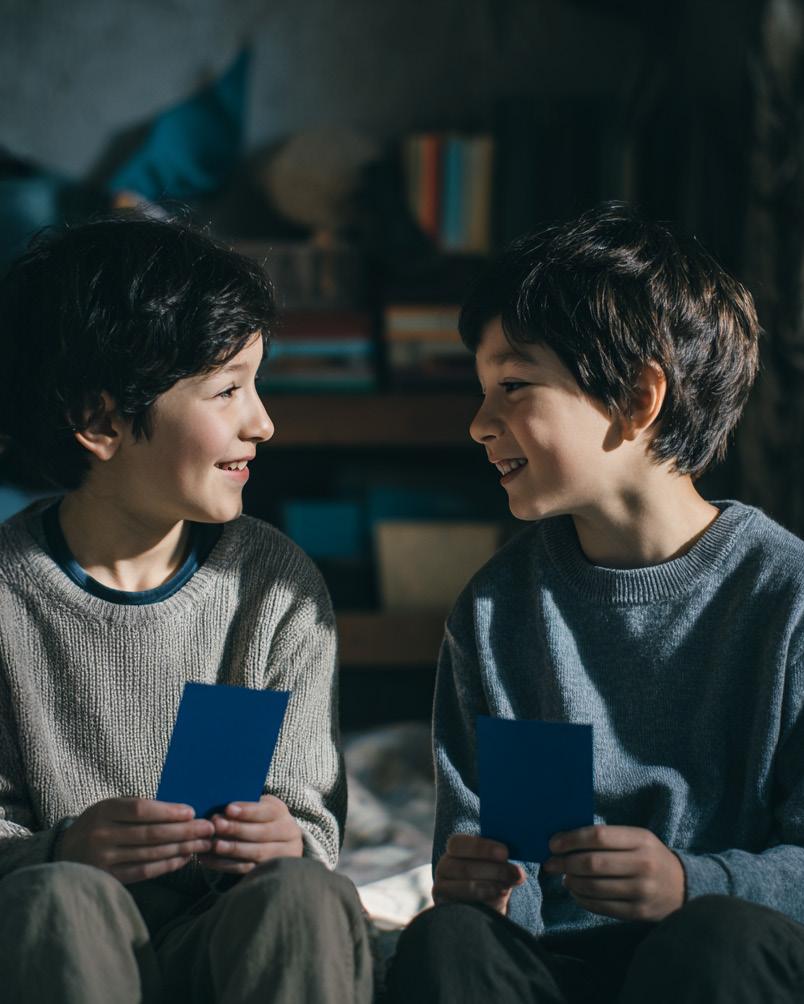
TWO FRIENDS ARE QUIZZING EACH OTHER SEEING WHO GETS THE MOST POINT, EXCELLENT WAY TO MAKE LEARNING FUN.
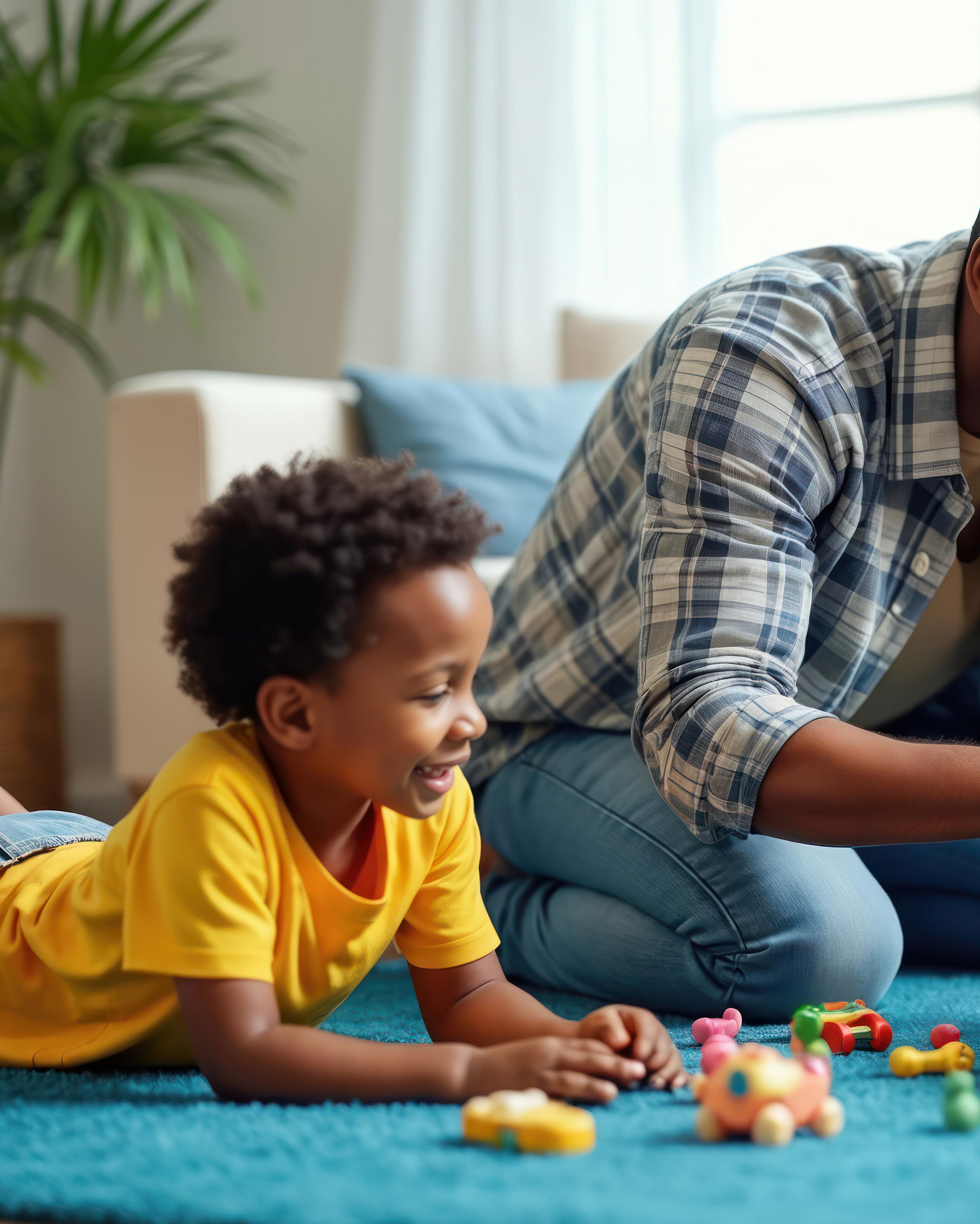
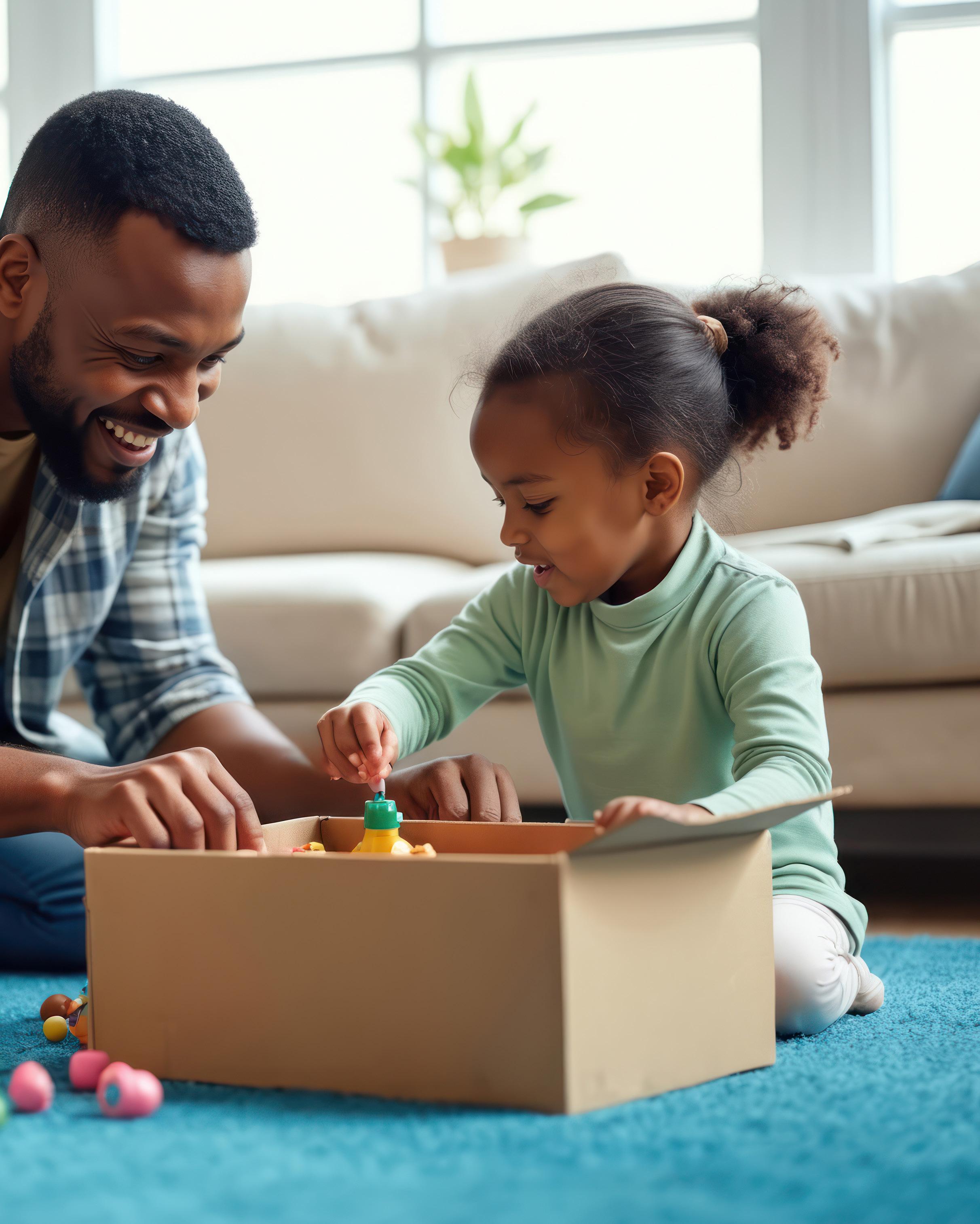
RENT-A-MUSEUM BOX IS A GREAT WAY FOR PARENTS TO PLAY WITH KIDS AND STAY ENGAGED FOR A LONGER PERIOD OF TIME.
Environments
EN 2
Transit Touchpoints
Small Smithsonian discovery hubs in transit spaces turning travel wait times into museum moments.
Description
Smithsonian Transit Touchpoints are small discovery spots in airports and transit hubs that turn waiting time into museum time. With mini-exhibits and quick interactions, they invite people to explore, notice, and reflect while they’re on the move.
Mission focus
Transit Touchpoints reinforces our mission of creating accessible, interactive experiences that bring history to life and invite everyone to explore, learn, and connect by bringing museum-style discovery into everyday travel spaces, giving people brief, engaging chances to notice, wonder, and reflect together even while they’re on the move.
Similarities
Airport art and science installations, branded “discovery walls” in public spaces.
Differentiators
They differentiate themselves by turning passive waiting areas into tiny, evolving learning labs rather than background décor. Each touchpoint is built around real objects and stories from the local environment.
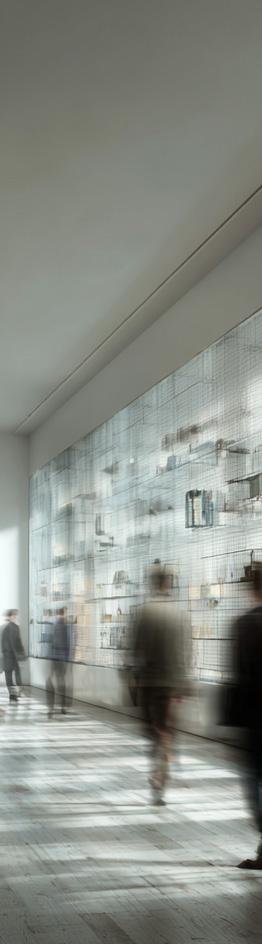
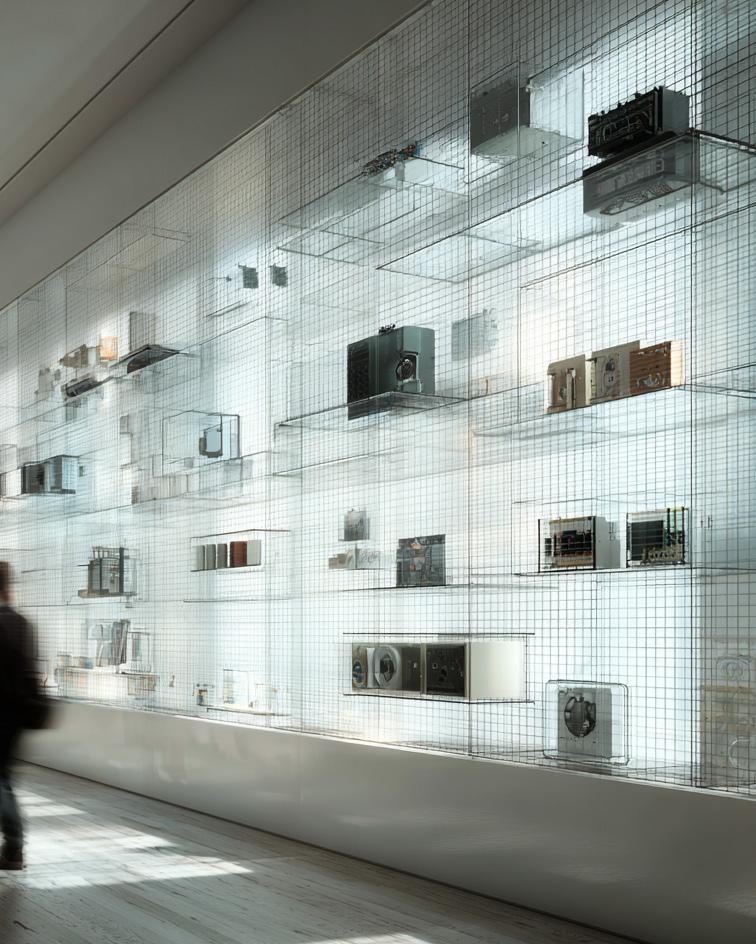
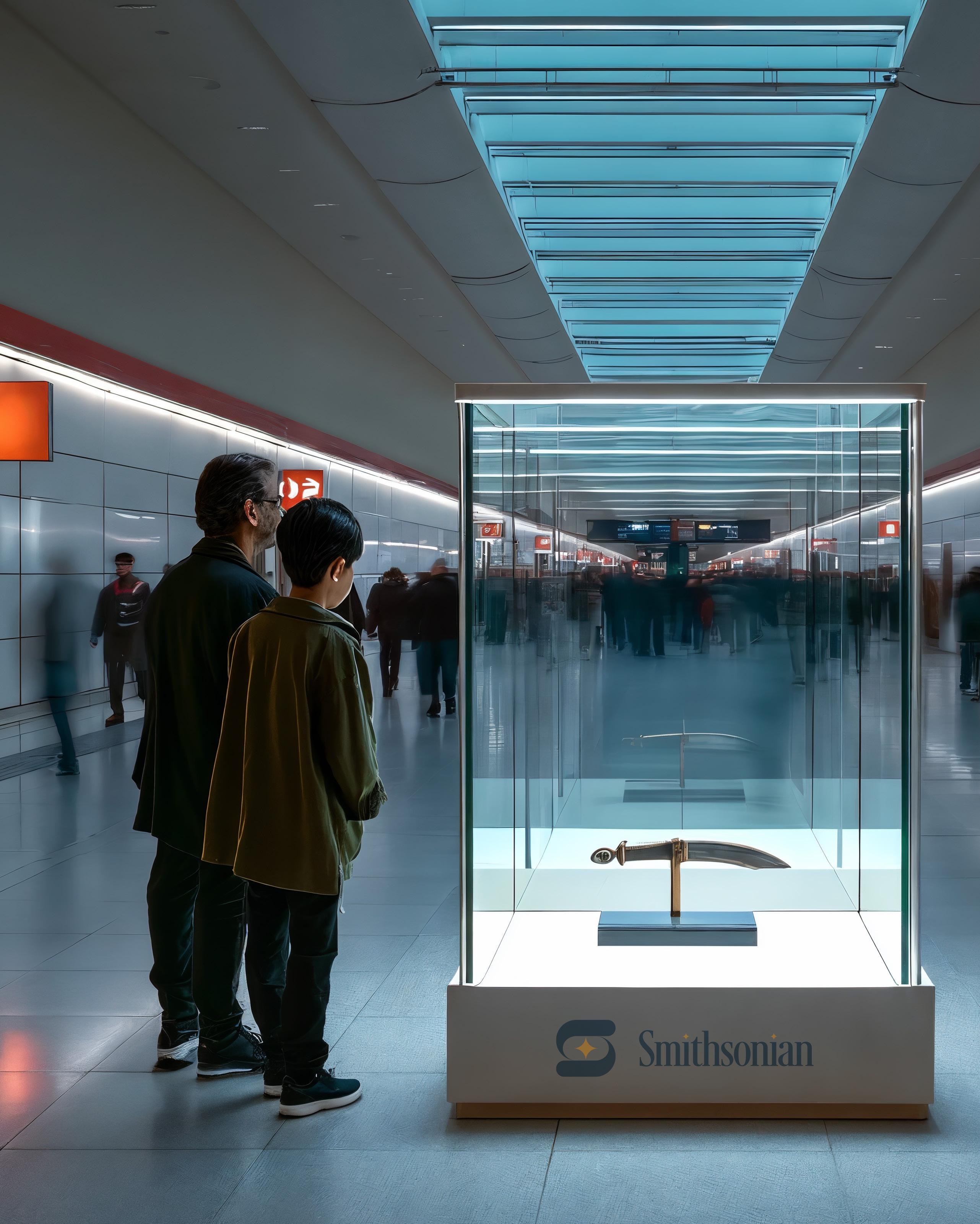
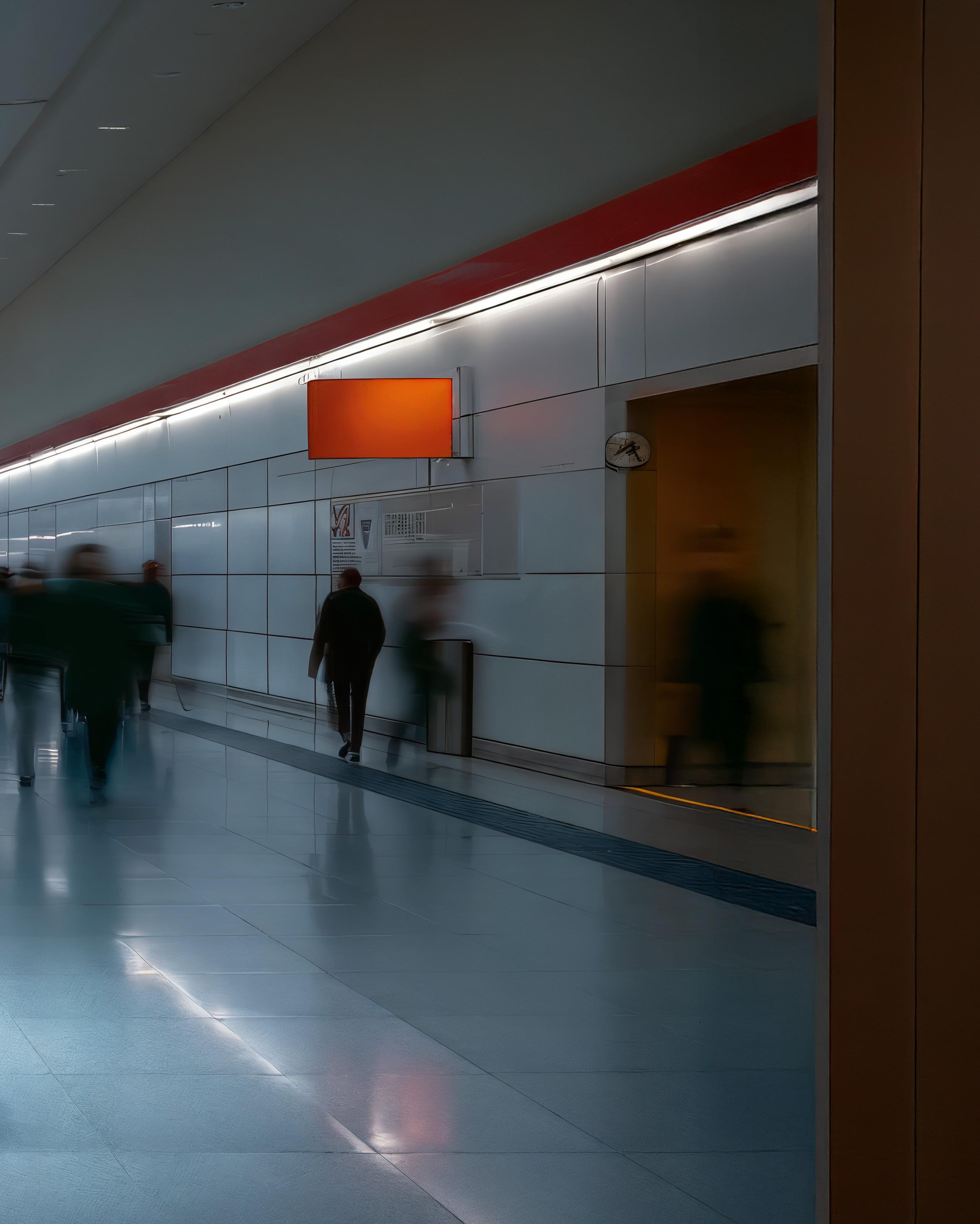
TRANSIT TOUCHPOINTS IS MAKING ENGAGING VERY EASY FOR THE PUBLIC TO INTERFERE WITH HISTORY AND FACTS.
A FATHER TEACHES HIS KID ABOUT A SWORD IN A GLASS DISPLAY AT A TRANSIT STATION MAKING LEARNING EVERYWHERE POSSIBLE.
Experience
EX 3
Tag Along
Hands-on archaeological digs where participants join Smithsonian teams uncovering history in the field.
Description
An experience where you get to tag along a Smithsonian team where you can join to dig on a archaeological site.
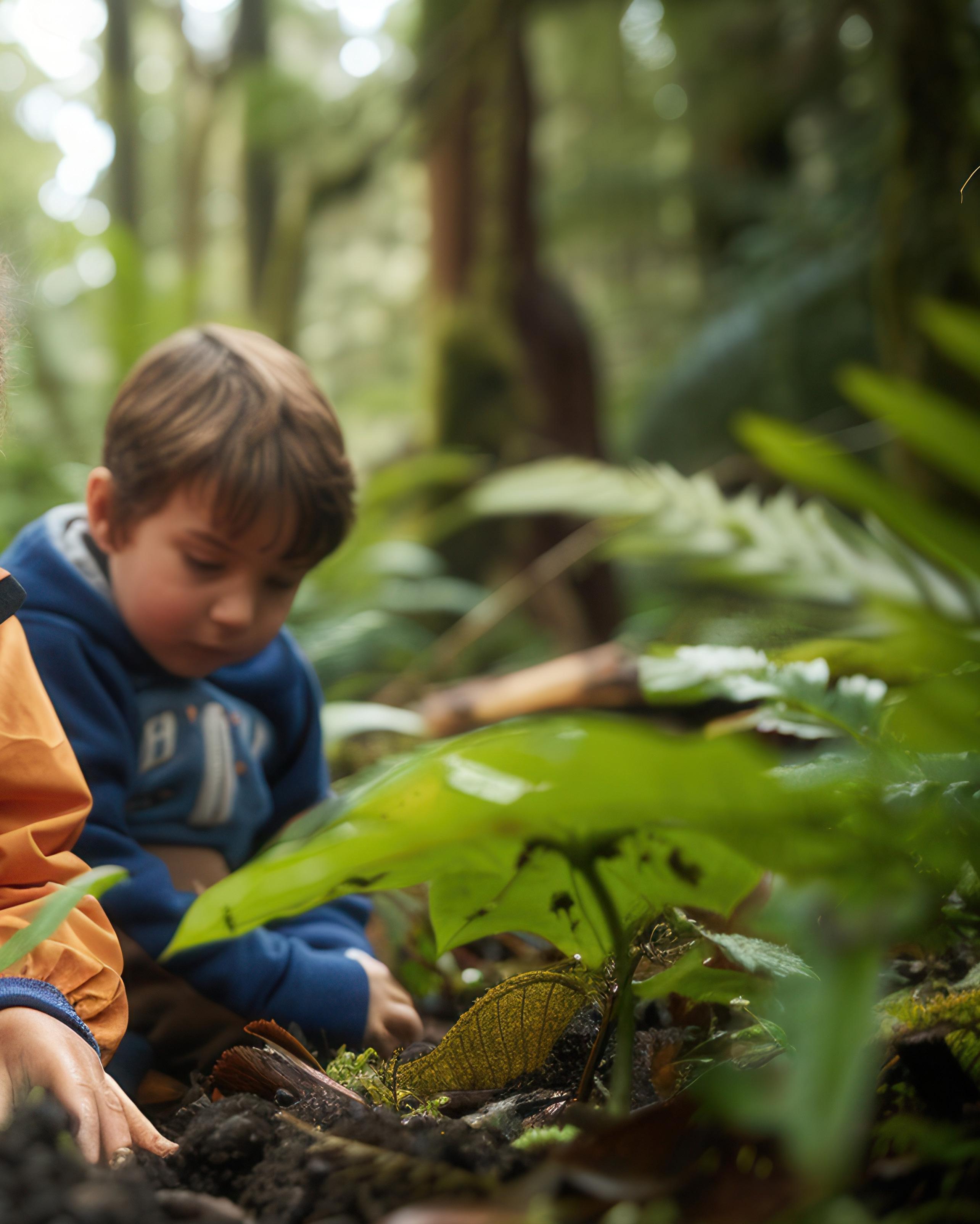
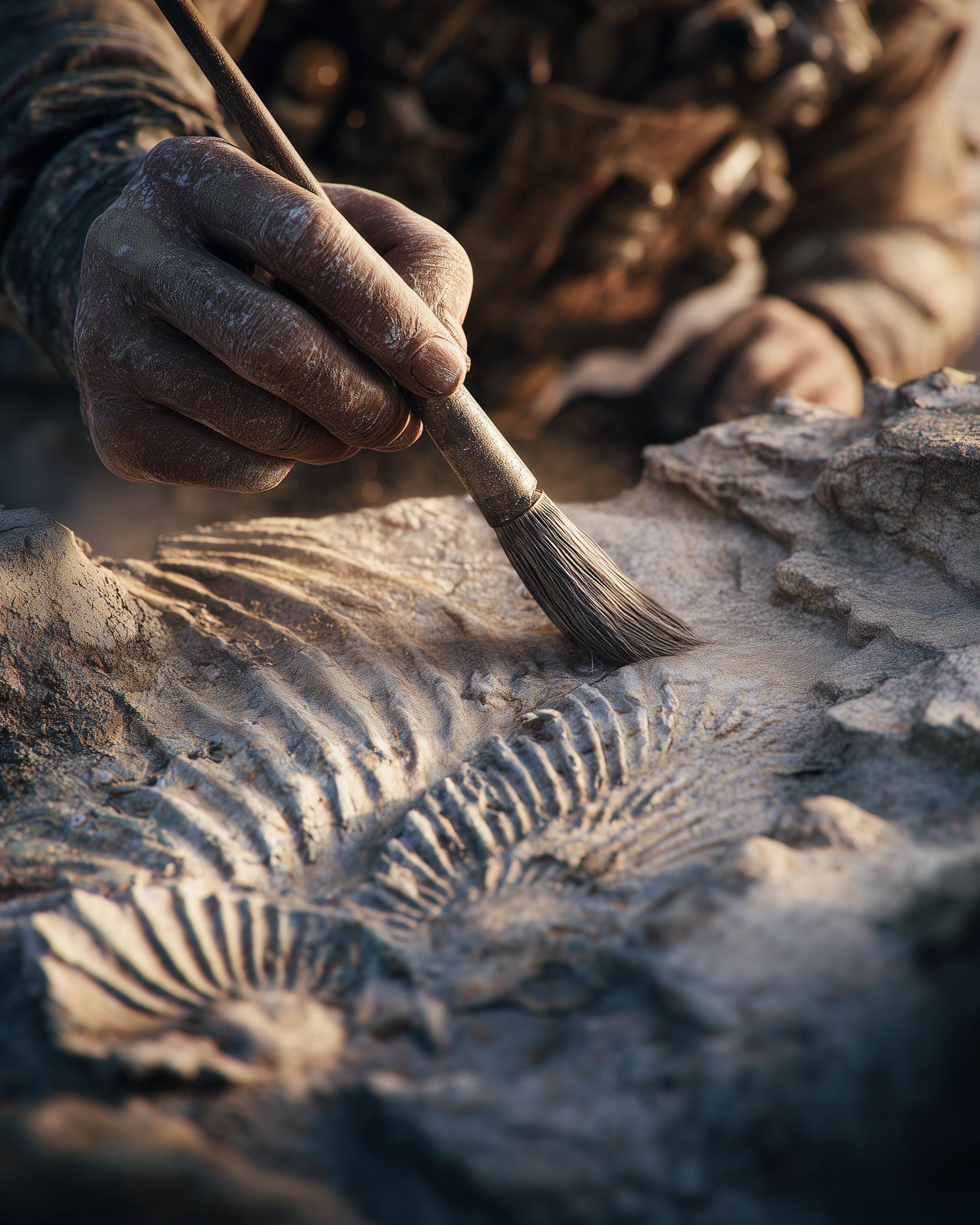
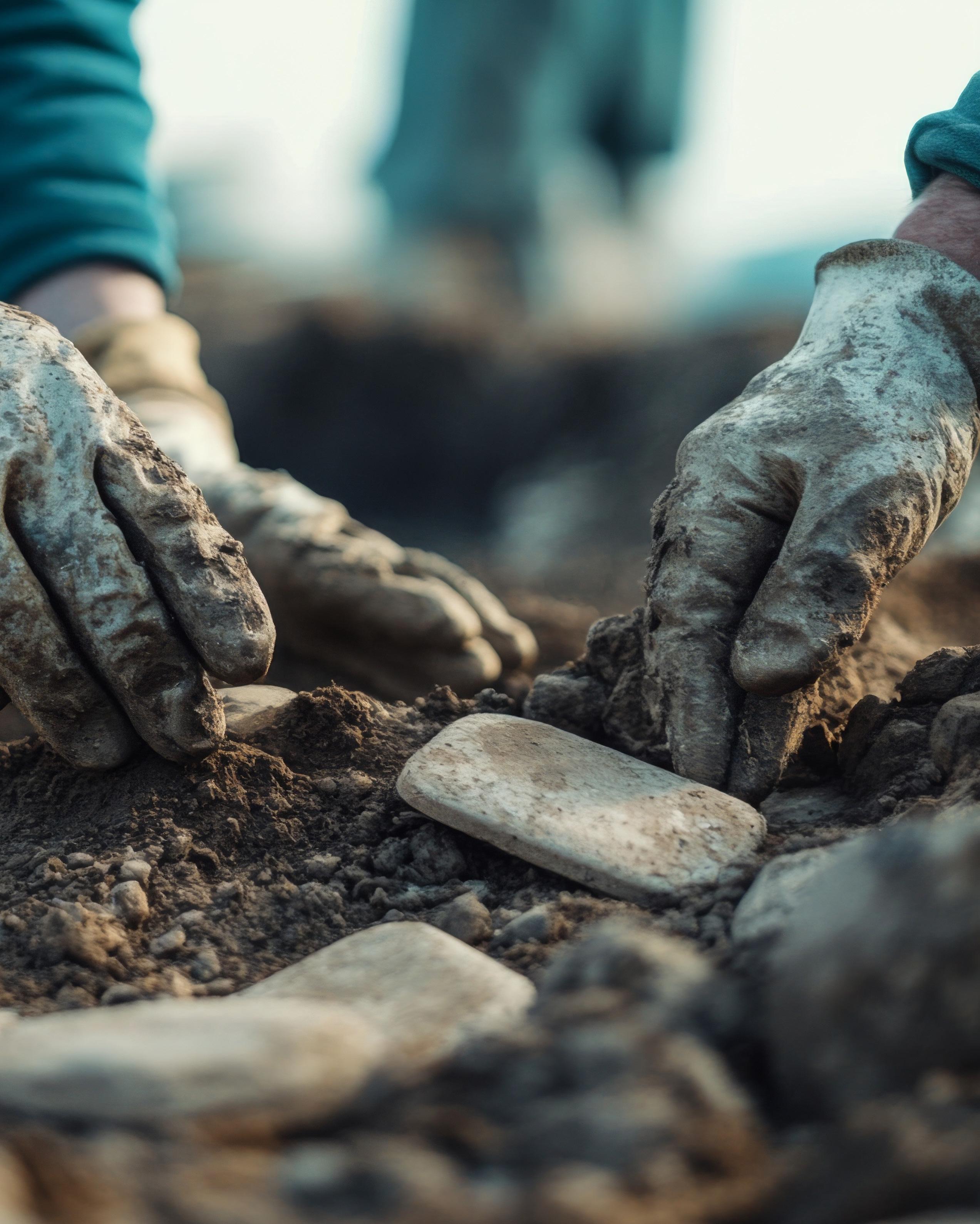
A ADOLESCENT USING A BRUSH TO UNCOVER A FOSSIL INSIDE A STONE WITH A ARCHEOLOGIST BY HIS SIDE.
Mission focus
TagAlong reinforces our mission by creating accessible, interactive experiences that bring history to life and invite everyone to explore, learn, and connect by letting participants take part in real fieldwork, uncovering artifacts alongside experts, turning abstract history into a lived, collaborative discovery they actively share with others.
Similarities
Crow Canyon Archaeological Center and LEARN Archaeology Expedition.
Differentiators
It differentiates itself by following the full arc from dig site to lab to exhibition, so participants see how what they uncover is recorded, interpreted, and ultimately turned into shared public history.
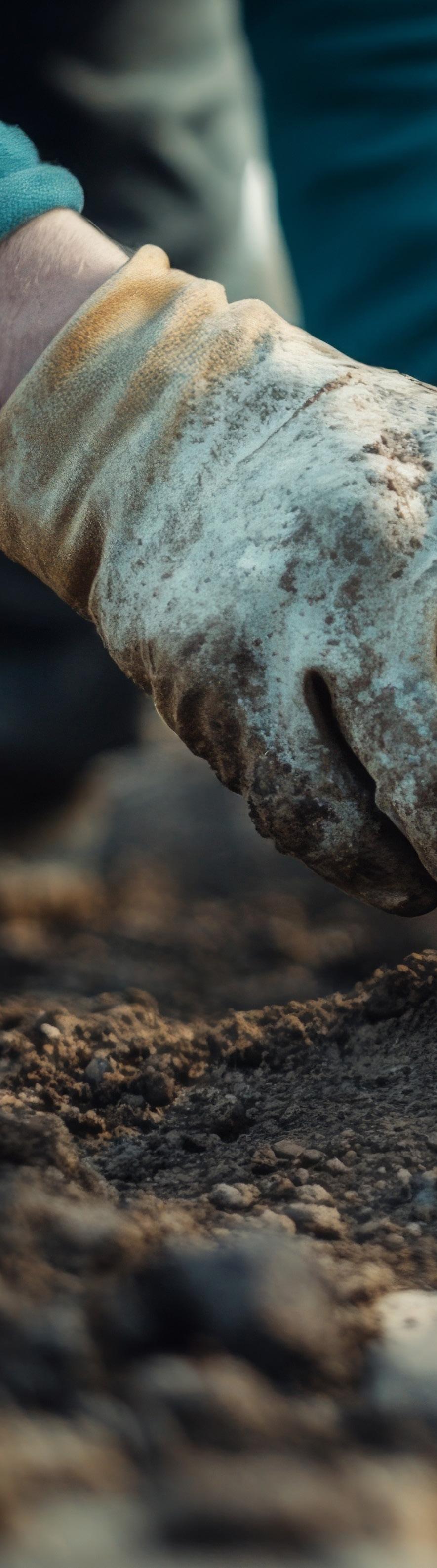
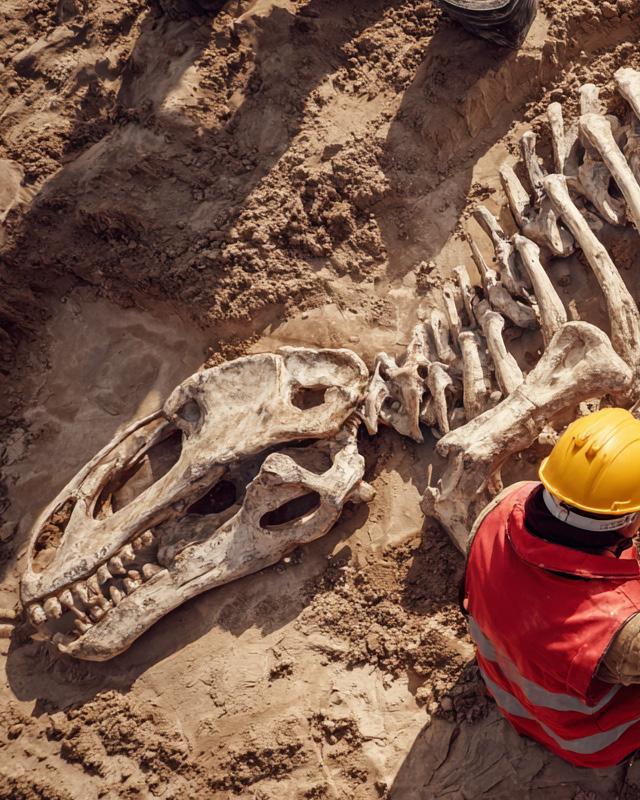
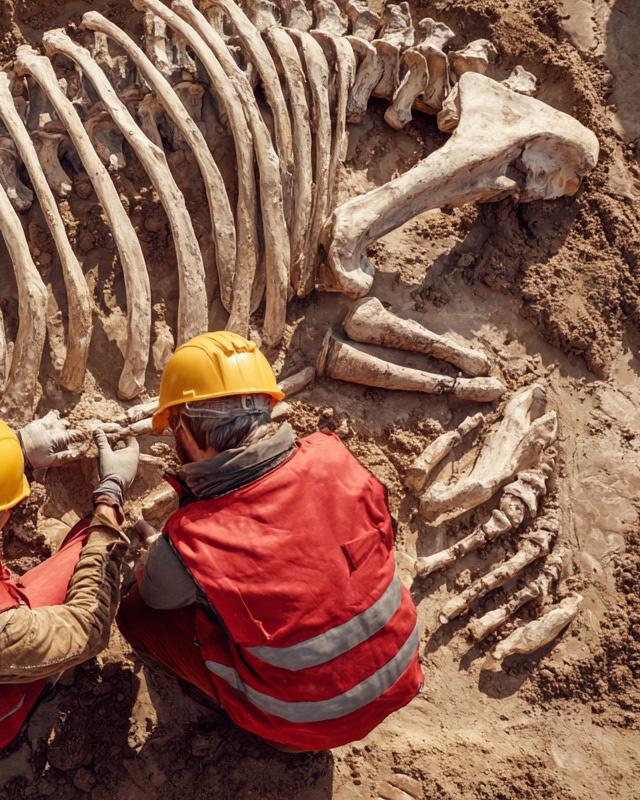
TAGALONG MAKES DIGGING IN DIRT A LEARNING EXPERIENCE LIKE NO OTHER.
UNCOVERING FOSSILS IS A MEMORABLE EXPERIENCE YOU WILL NEVER FORGET.
Educational Opportunity
FieldScape
Immersive zoo-based learning modules with field labs, urban farms, and veterinary science days.
Description
A set of learning modules that take place in real zoo environments with zoo field labs, urban farm classrooms, or veterinary science days.
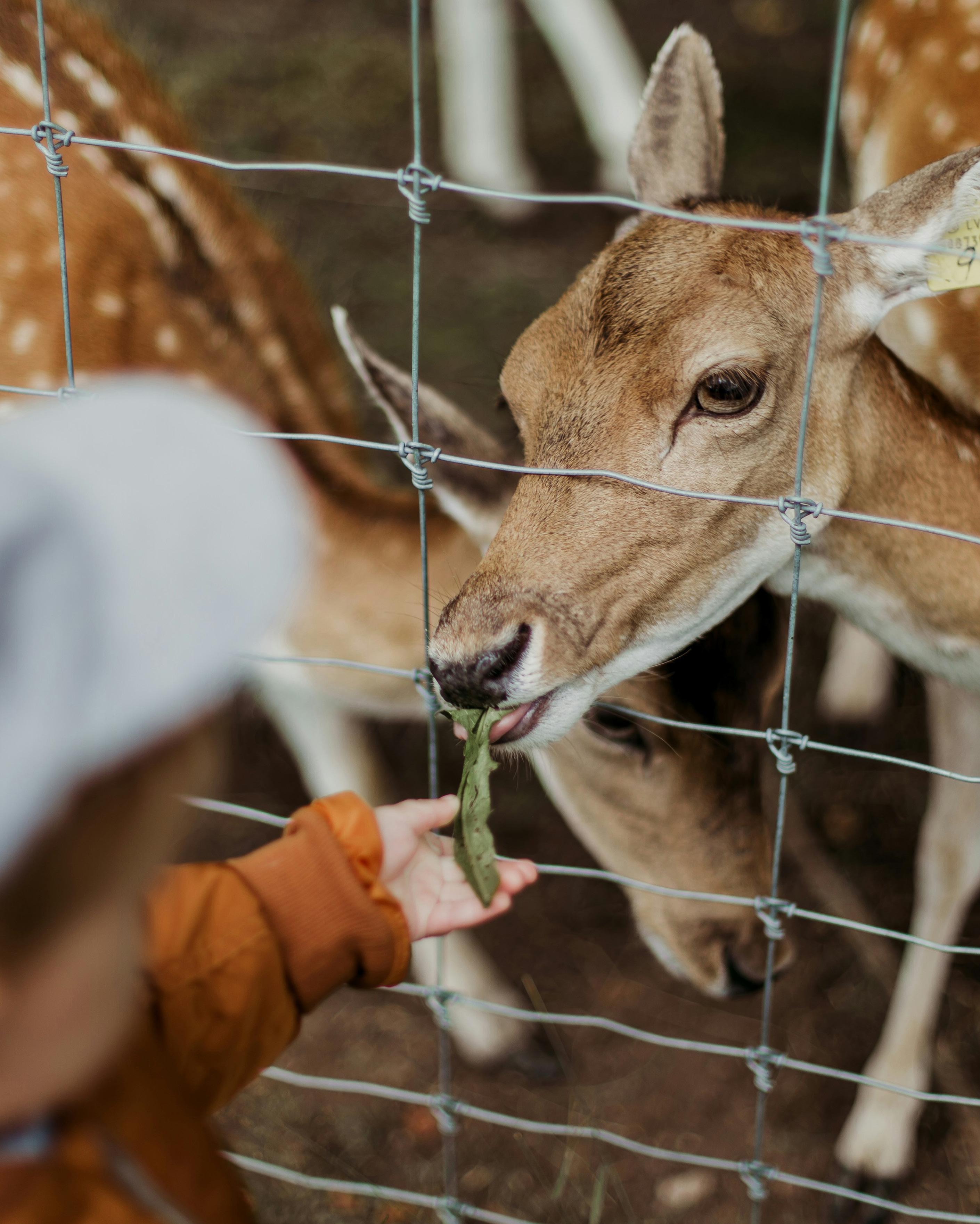
A KID FEEDING A SPOTTED DEER WITH LEAVES FROM THE FARM.
Mission focus
FieldScape reinforces our mission by creating accessible, interactive experiences that bring history to life and invite everyone to explore, learn, and connect by immersing learners in real animal care settings that turn living collections into interactive classrooms.
Similarities
Behind the scenes zoo programs and petting zoos
Differentiators
They separate themselves by turning working zoo spaces into structured learning labs, so participants don’t just meet animals. They practice real observation, care, and science routines that show how everyday work in the zoo connects to animal welfare, research, and conservation.
FIELDSCAPE EXPERIENCES ARE HANDS ON AND MAKES THE KIDS WANTING TO LEARN ABOUT WHAT THEY UNCOVER.
GETTING CLOSE TO THE ANIMALS MAKES US MORE INTERESTED IN LEARNING ABOUT THEM.
Event
Roots in Action
Volunteer program teaching sustainable forestry, biodiversity, and tree planting through hands-on action.
Description
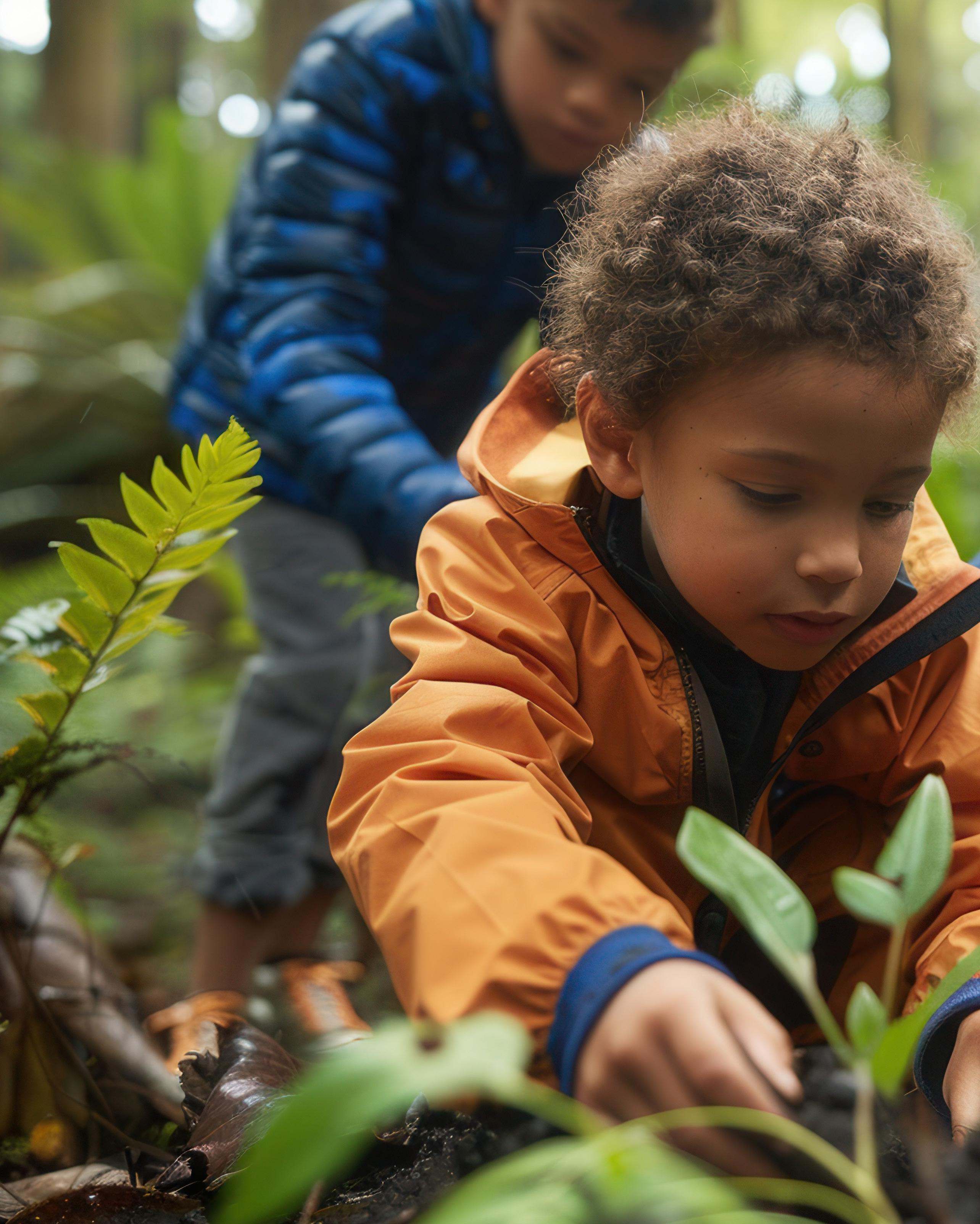
Roots in Action is a volunteer initiative where people learn about sustainable logging, biodiversity, and tree planting. While taking hands-on action to support healthier forests and communities.
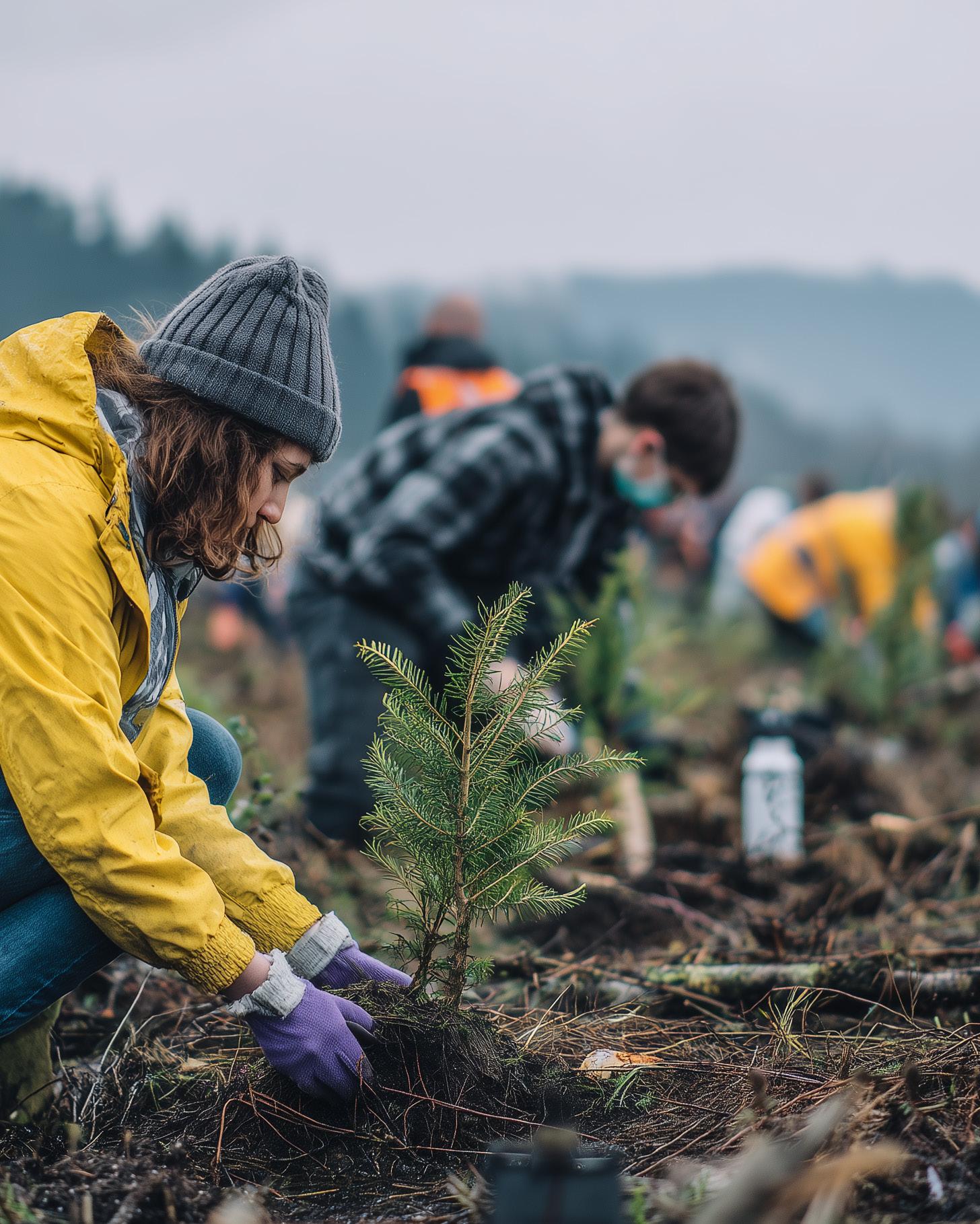
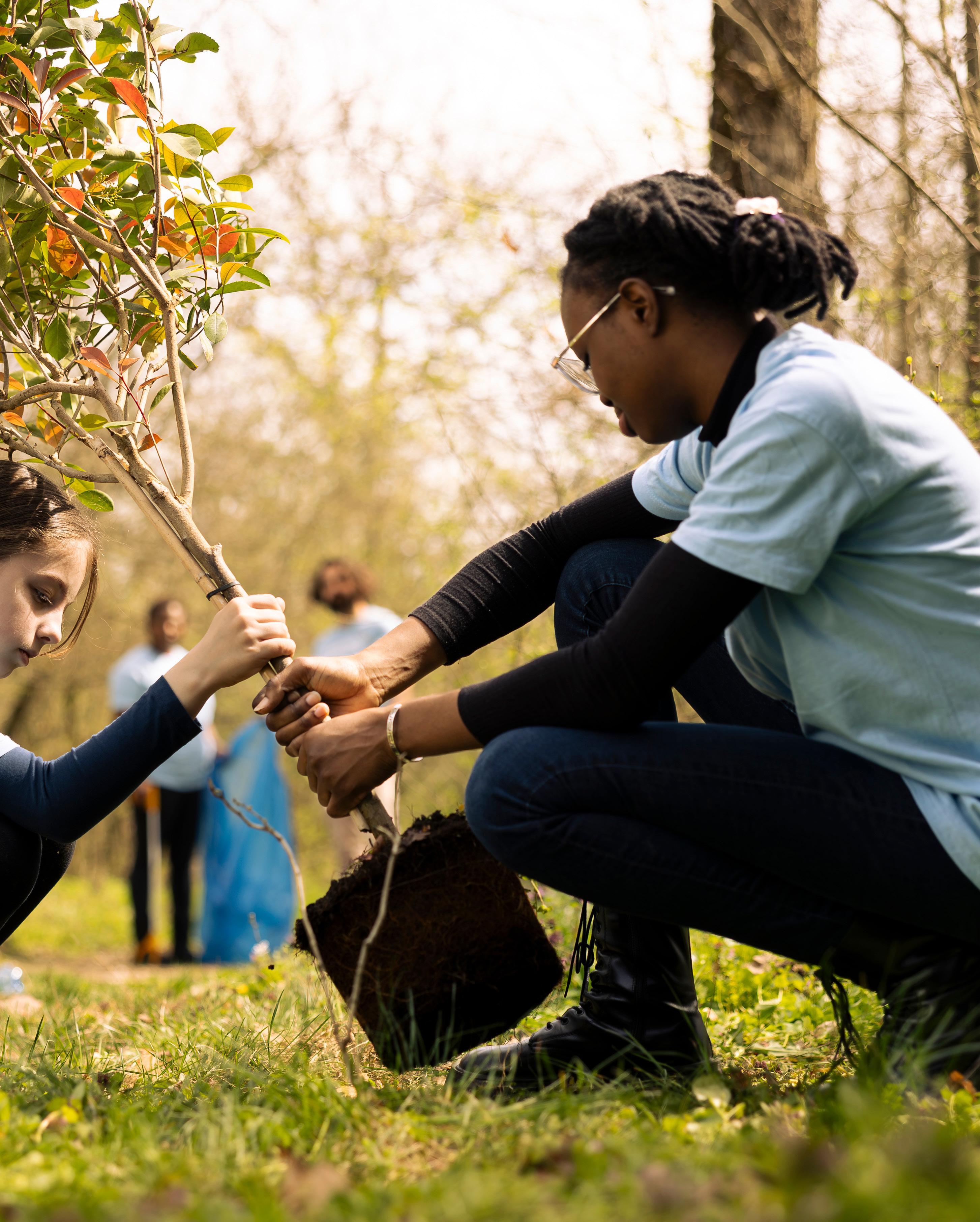
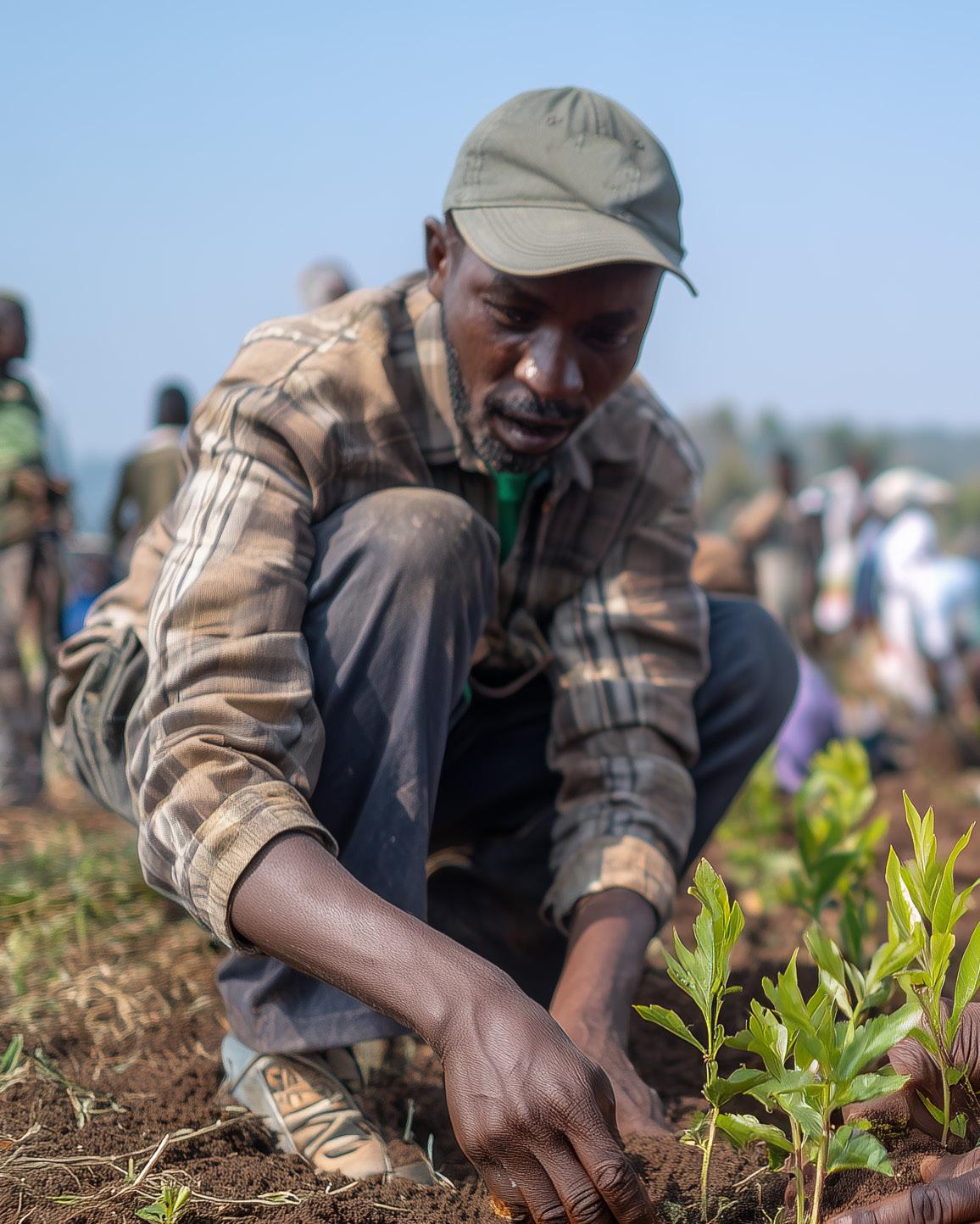
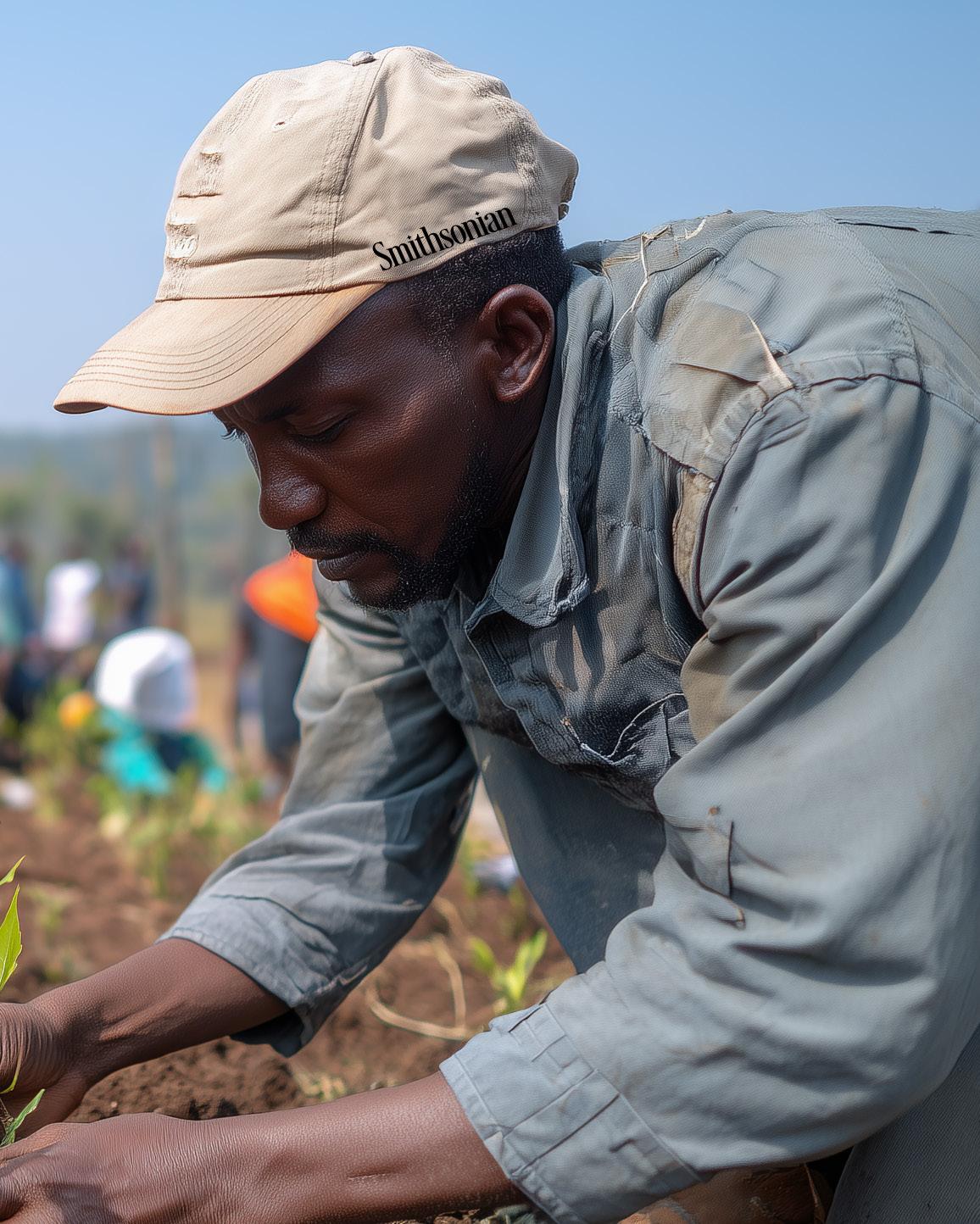
A GROUP OF VOLUNTEERS PLANTING TREES IN THE WOODS.
Mission focus
Roots in Action reinforces our mission by creating accessible, interactive experiences that bring history to life and invite everyone to explore, learn, and connect by turning environmental stewardship into hands-on learning that connects people with the living history and future of forests.
Similarities
Community tree-planting days, biodiversity monitoring programs, and National Forest Foundation.
Differentiators
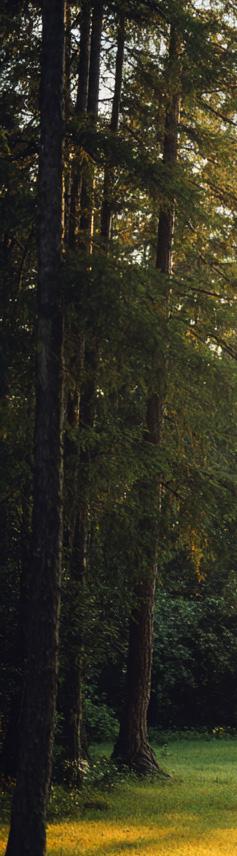
Roots in Action stands out by pairing hands-on work with simple, clear learning, treating sustainable logging as a nuanced topic, focusing on young adults while staying open to all, connecting forests to everyday life (climate, jobs, culture, wellbeing), and offering an ongoing journey rather than a one-off volunteer day.
PLANTING TREES IS A SOCIAL LEARNING EXPERIENCE FOR EVERYBODY INVOLVED.
A MAN PLANTING A TREE INTO THE GROUND TO HELP WITH CONSERVATION OF NATURE.
Co-Branding
CO 1
Wildlife Safari
Educational safari stays combining wildlife encounters with guided learning and observation activities.
Description
Wildlife Sari is a safari stay where guests watch animals and they learn alongside them. Each stay blends guided tours with field notes, observation activities, and reflection, so guests practice seeing like a naturalist and leave with a deeper understanding of wildlife, ecosystems, and conservation.
Mission focus
The Wildlife Safari reinforces our mission of creating accessible, interactive experiences that bring history to life and invite everyone to explore, learn, and connect by immersing guests in active wildlife observation, note-taking, and reflection, turning a leisure stay into a shared journey of understanding and connection with the natural world.
Similarities
National Geographic Expeditions, &Beyond conservation experiences, WWF eco-travel.
Differentiators
We differentiate by treating the stay as a living field school, not just a premium trip. Guests use simple observation rituals and field-study activities linked to real research and collection stories.
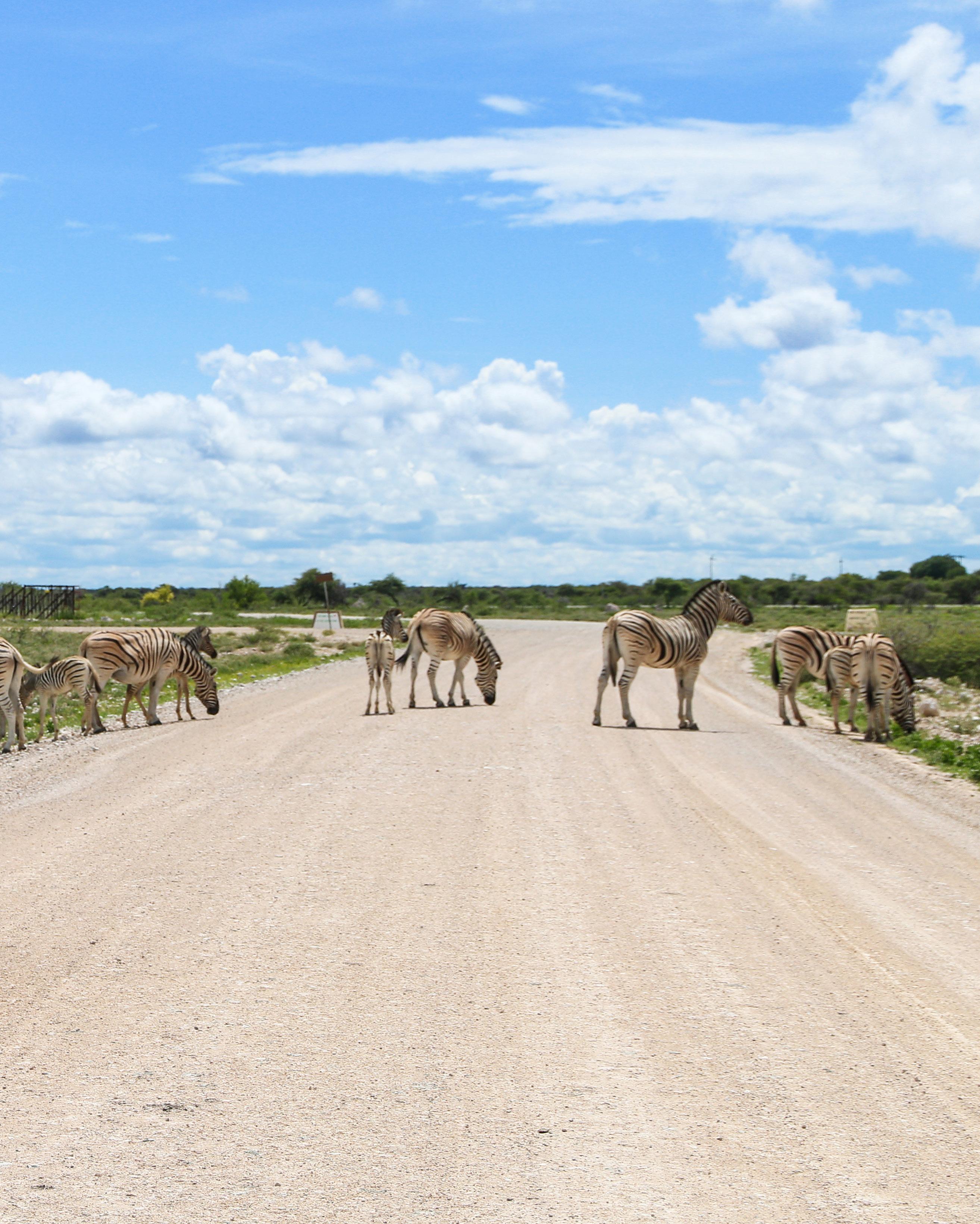
GETTING CLOSE TO THE ANIMALS MAKES US CONNECT STRONGER TO THEM.
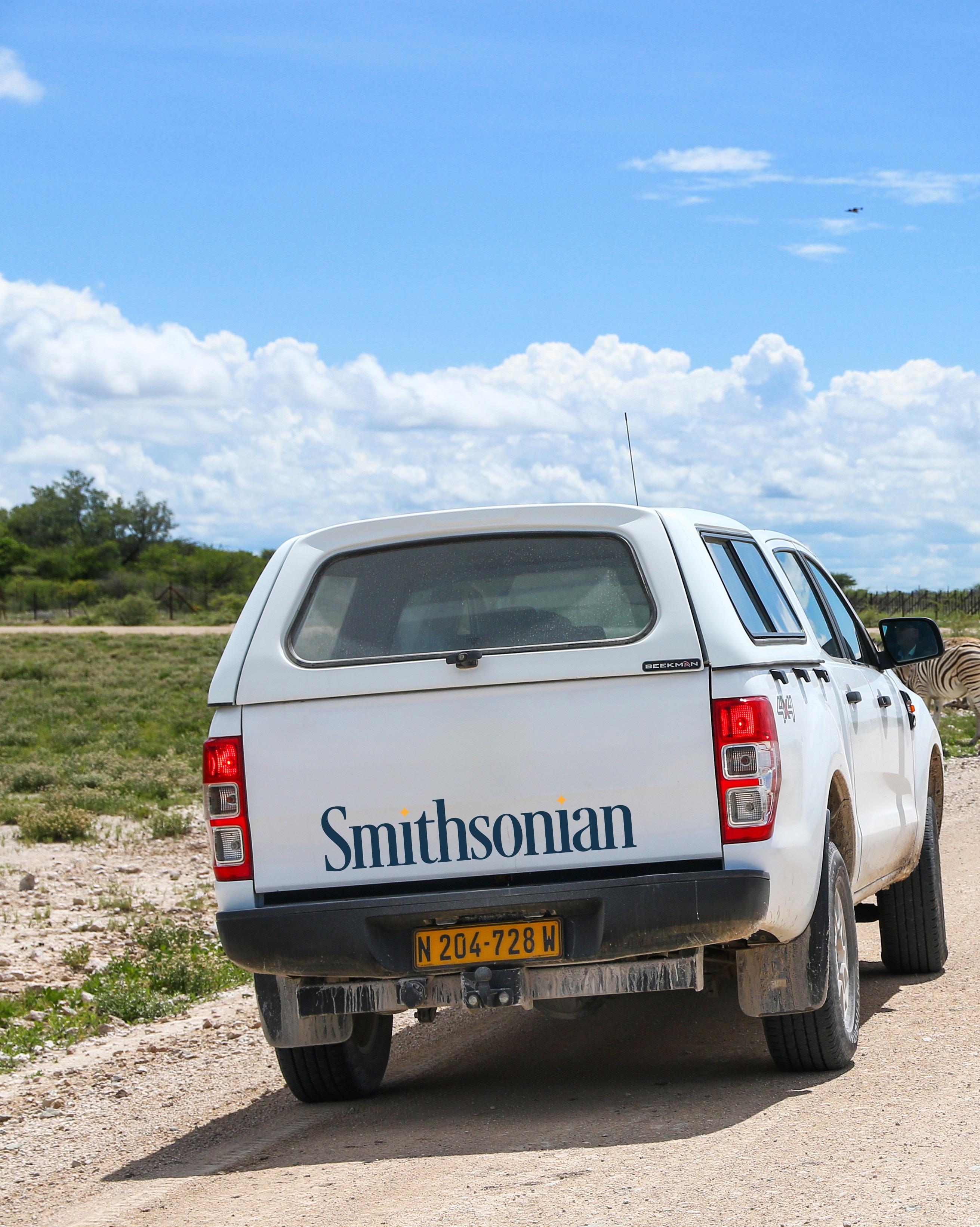
A SMITHSONIAN WILDLIFE SAFARI CAR RUNNING INTO A PACK OF ZEBRAS ON THE ROAD TO THE BUSH CAMP.
Co-branding
CO 3
Follow the Species
Smithsonian–AllTrails hikes turning local trails into interactive routes of ecological discovery and storytelling.
Description
Smithsonian and AllTrails turn everyday hikes into live discovery routes. On marked trails, hikers scan signs and nearby species in the AllTrails app to ID plants and animals, unlock stories from Smithsonian collections, and see how each organism fits into wider ecosystems and conservation.
Mission focus
Smithsonian and AllTrails partnering to turn trails into live discovery routes reinforces our mission of creating accessible, interactive experiences that bring history to life and invite everyone to explore, learn, and connect by turning everyday hikes into interactive discovery routes that connect local species to Smithsonian research and bigger ecosystem stories.
Similarities
iNaturalist / Seek and eBird.
Differentiators
We differentiate by being trail-first and story-driven, not just an ID or data app. Competitors focus on identifying and recording what you see, but this partnership builds curated routes where each step can unlock connected stories, research insights, and collection links that tie local sightings to bigger ecosystems and conservation efforts.
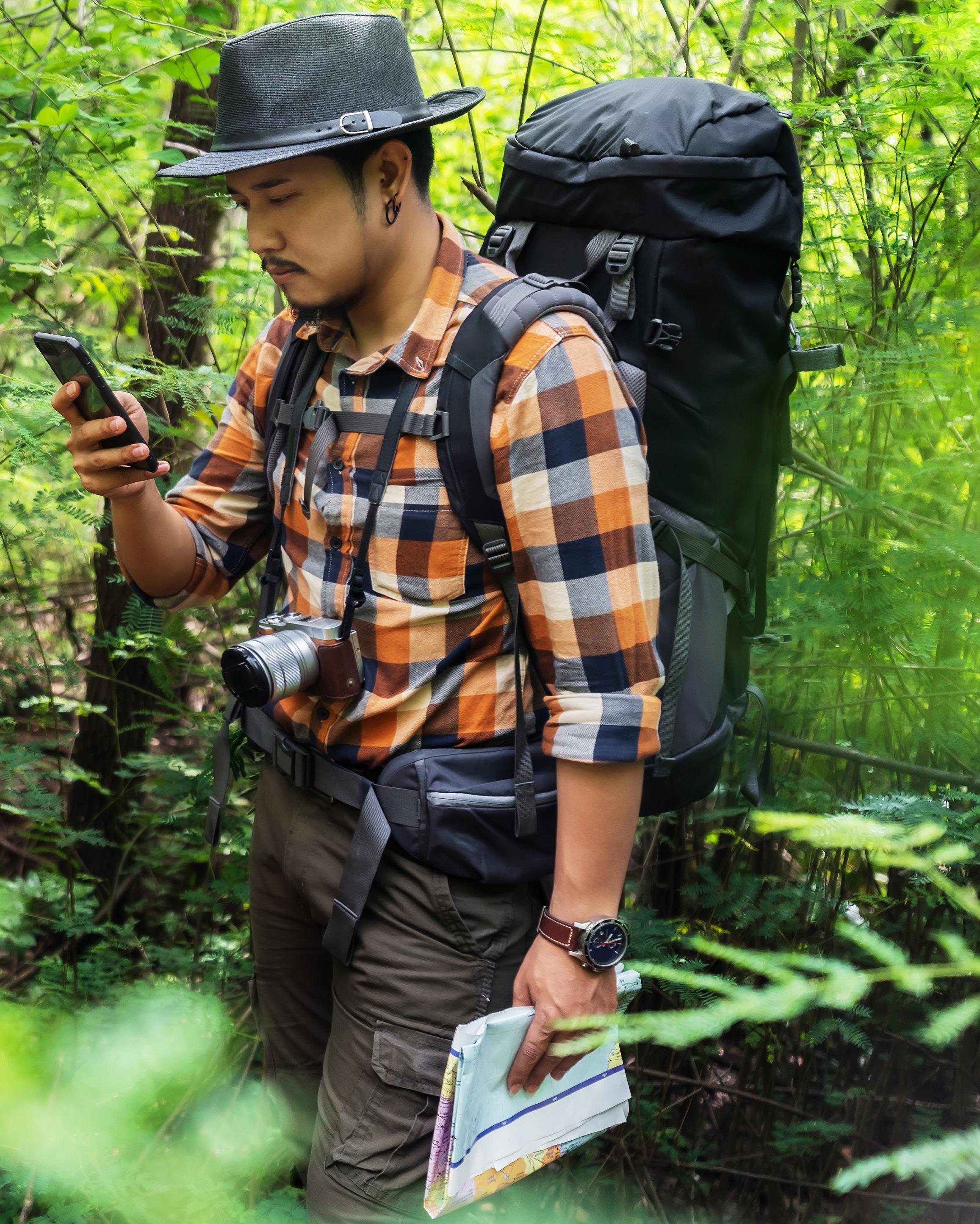
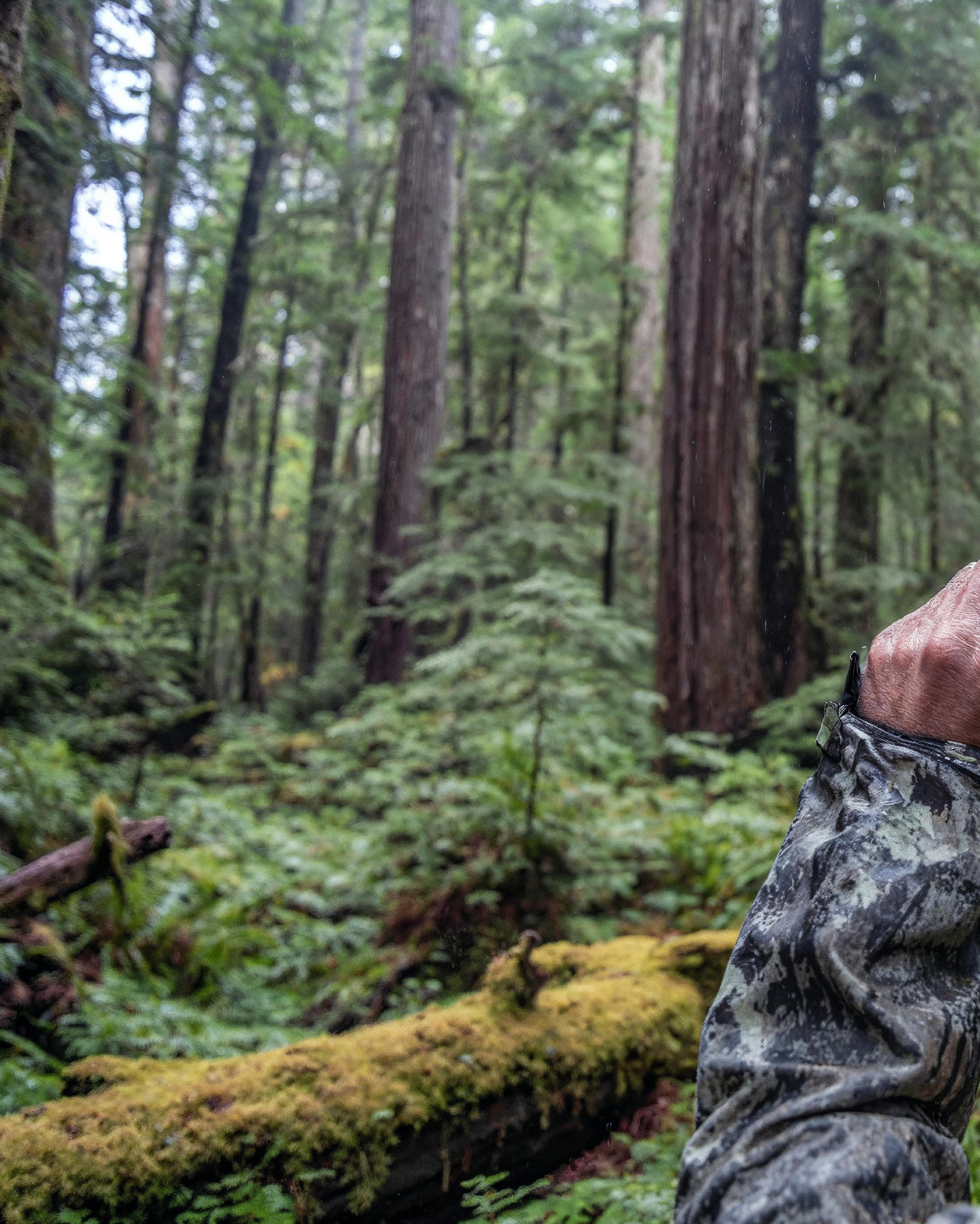
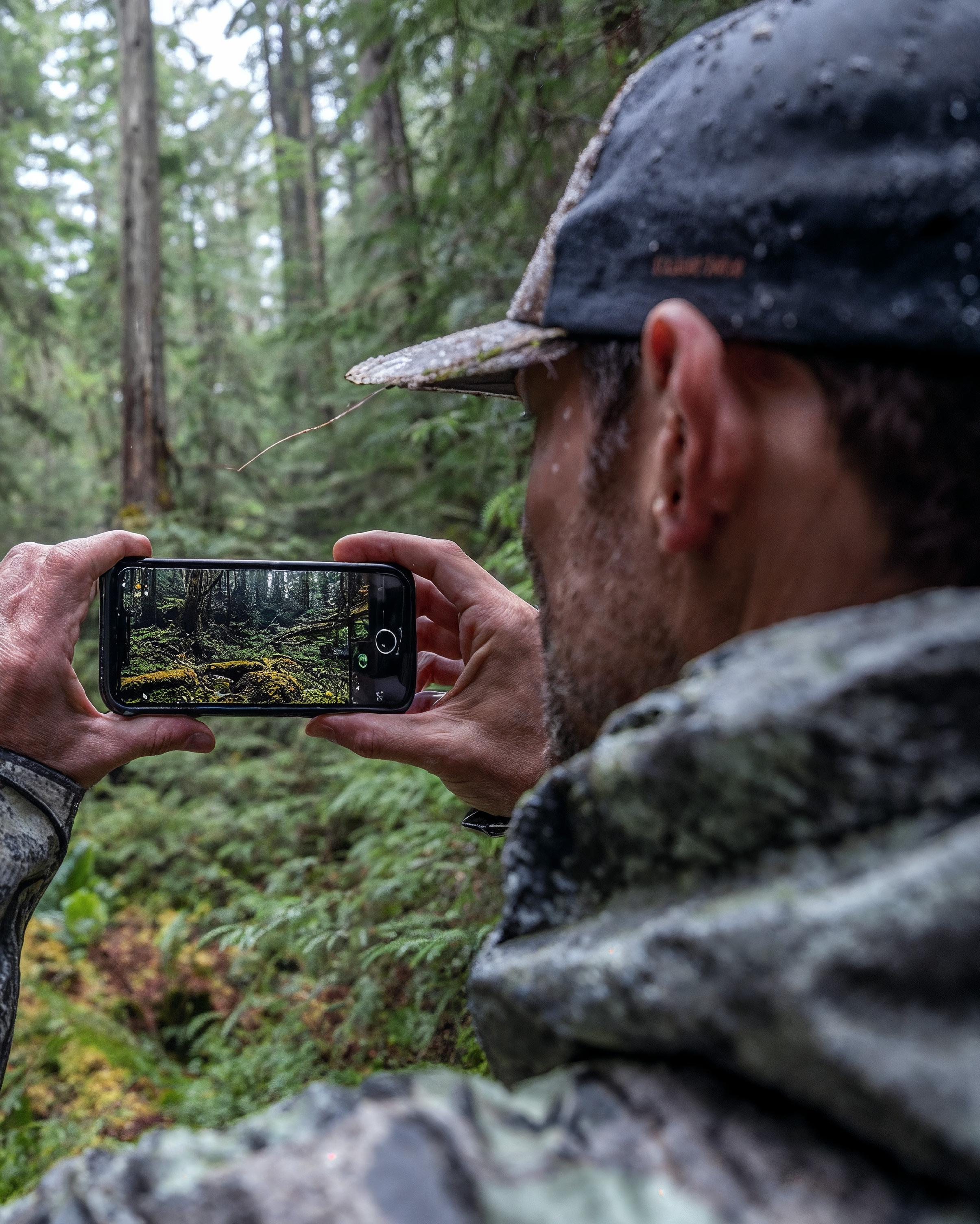
MAN WALKING IN THE WOODS LOOKING AT HIS ALLTRAILS APP TO FIND A RARE SPECIES OF A EUCALYPTUS PLANT.
DOCUMENTING WHAT YOU FIND IS WHAT MAKES THIS COLLABORATION FUN.
Product
PR 3
Excavation Block
Chip away to uncover hidden replica fossils like a real paleontologist.
Description
A solid plaster block packed with small real or replica fossils, paired with simple excavation tools, so kids and adults can carefully chip, brush, and reveal each hidden find like a paleontologist in the field.
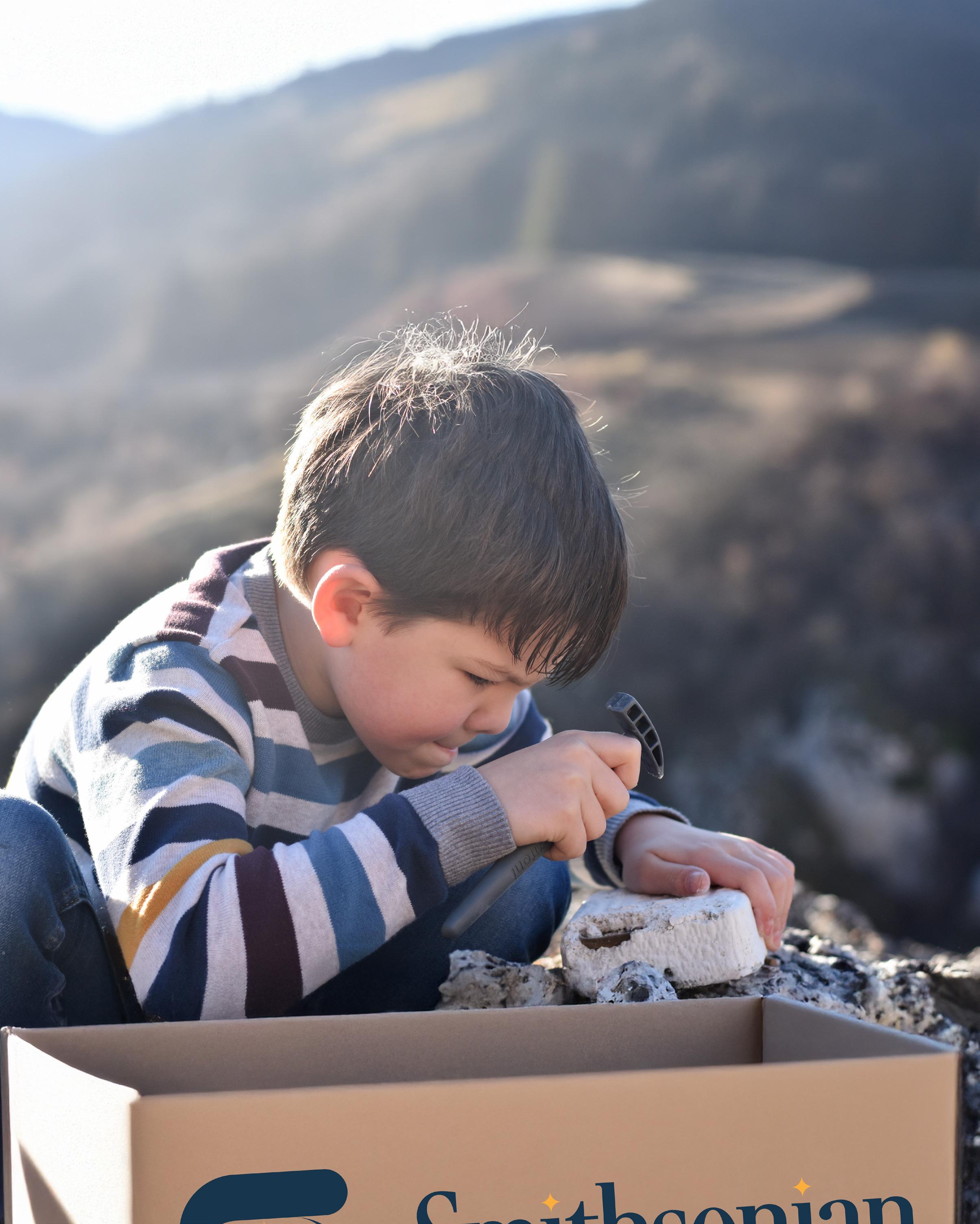
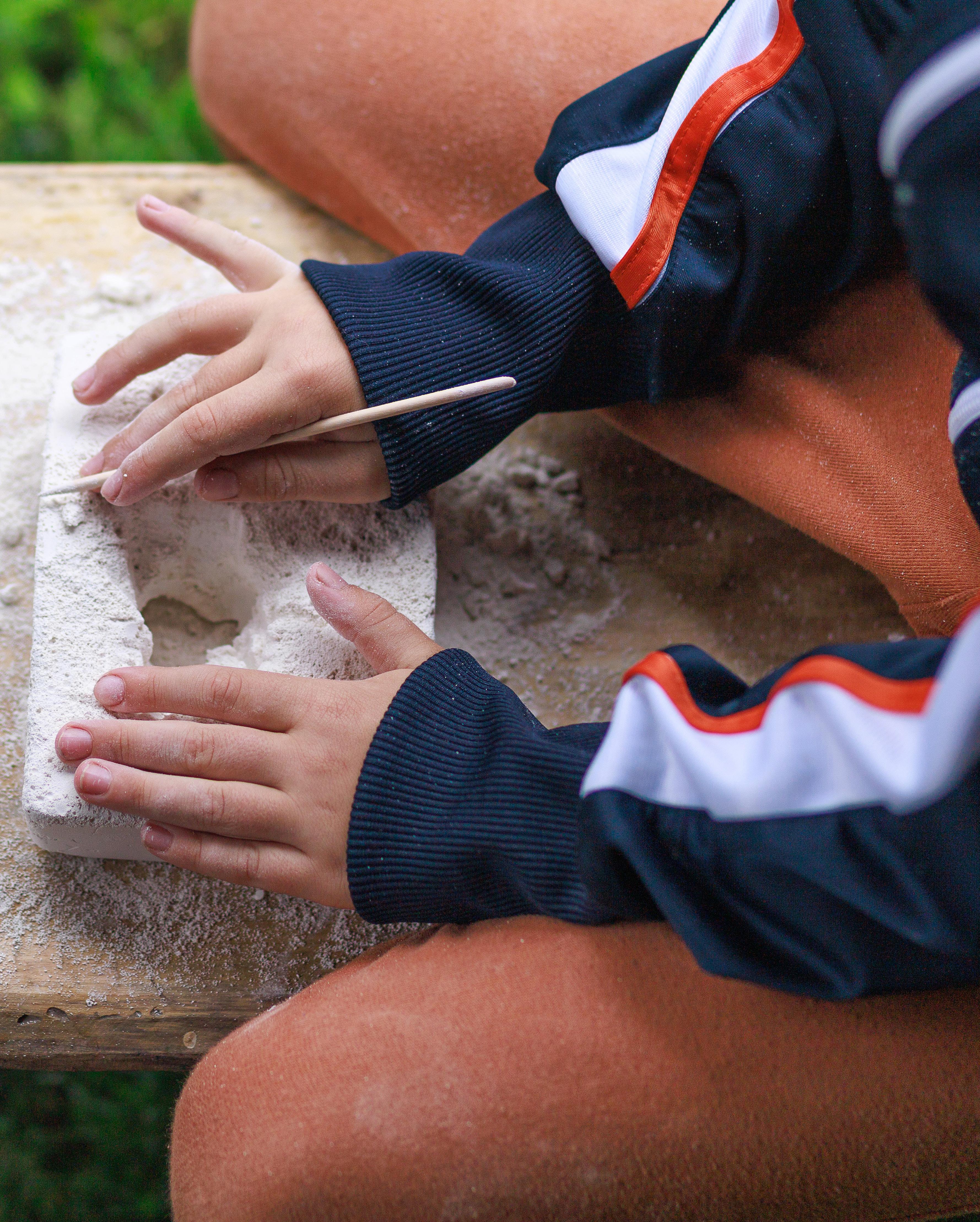
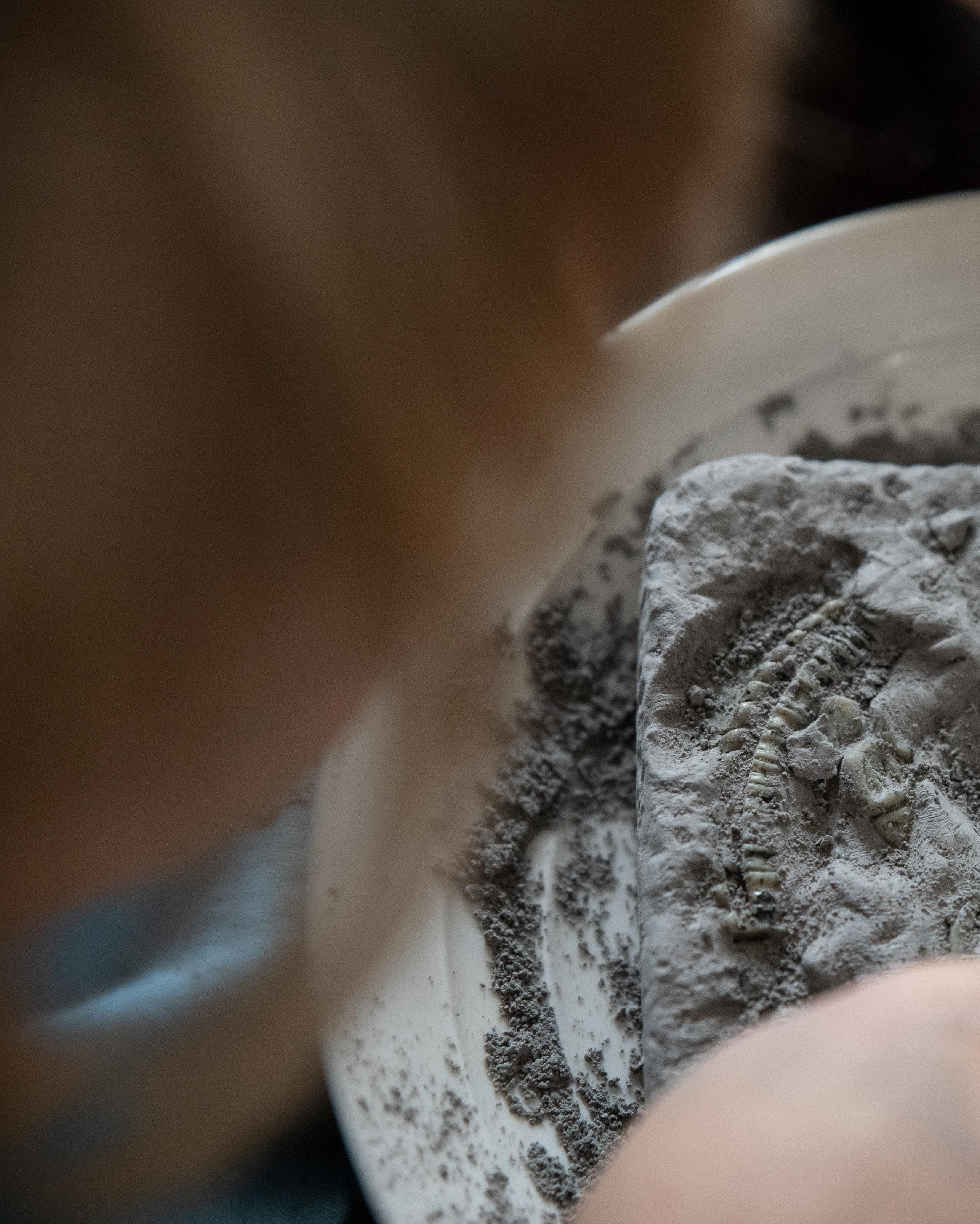
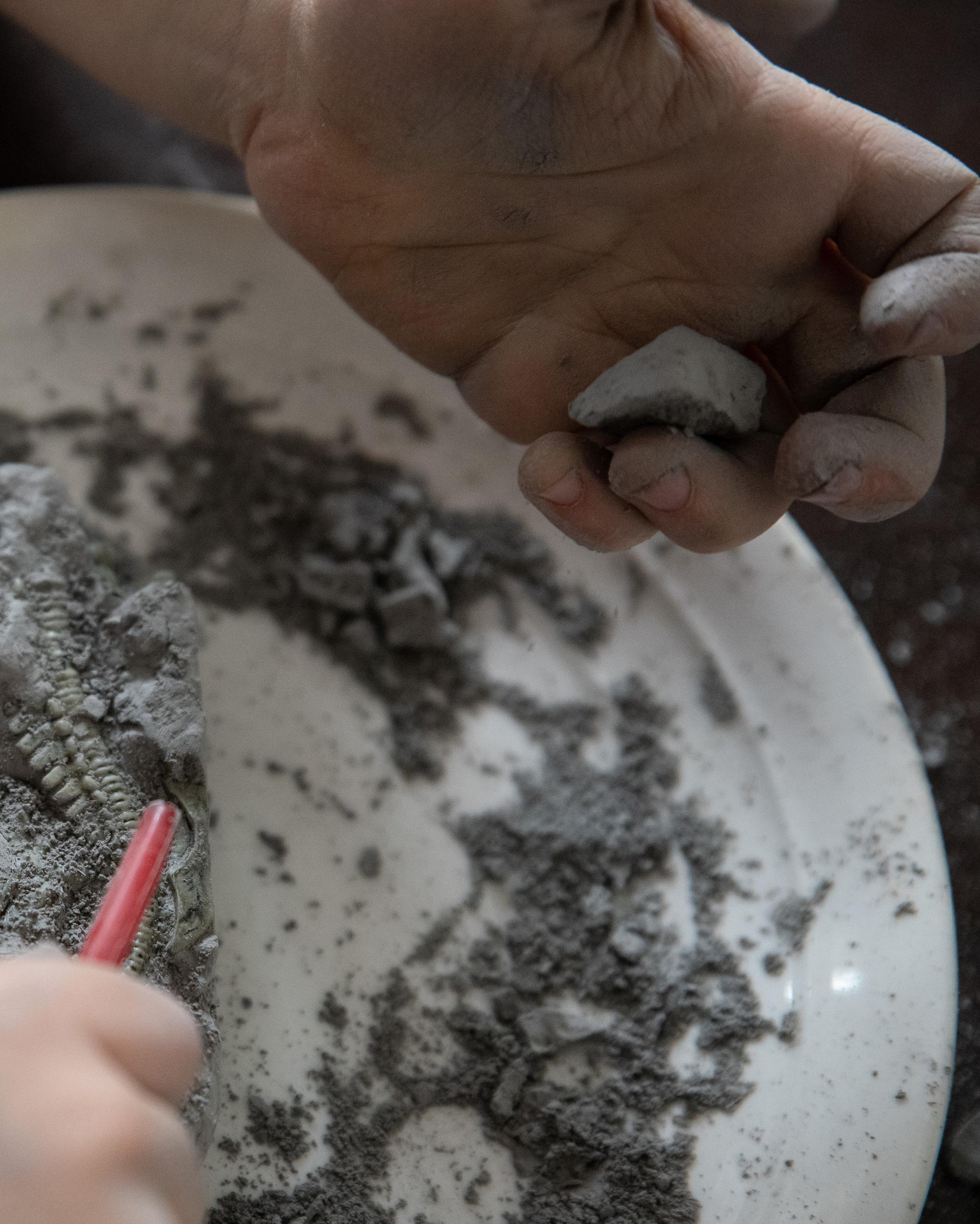
A KID HOLDING A PLASTIC PICKAXE TO UNCOVER THE FOSSIL INSIDE THE EXCAVATION BLOCK.
Mission focus
The Excavation Block reinforces our mission of creating accessible, interactive experiences that bring history to life and invite everyone to explore, learn, and connect by transforming fossil discovery into a hands-on, shared activity that lets people literally uncover the past together.
Similarities
National Geographic, Discovery Kids, Thames & Kosmos
Differentiators
It is differentiated by being grounded in authentic Smithsonian collections and research, with information cards and prompts that explain the evidence and historical context behind each find, enabling participants to uncover the past while simultaneously learning something.
A GIRL SITTING IN PEACE WITH HIS EXCAVATION BLOCK, OBSERVING WHAT COMING TO THE SURFACE.
ENGAGEMENT IS THE BEST FORM OF HANDS ON LEARNING.
Wireframes and Grayscreens
We explore a range of wireframe options for the new website, focusing on how structure, layout, and interaction patterns can better support users’ needs. Building on these, we develop grayscreens to refine layout, hierarchy, and visual weight in more detail. Across both wireframes and grayscreens, we compare different page architectures, navigation, and content hierarchies to test how stories, collections, and experiences can be surfaced more intuitively.
Website Wireframes 1
Organized by keyword. The rebranding story has it’s own page. The full brand chart and extensions also live.
Home Our story Open to all Step in, dive deep Learning by doing
Welcome & About
Our New Mission
Keywords & Key Phrases
Inspiration & Brand Grid
History & Timeline Redesign Process
New Identity Overview Links to Manuals Full brand Chart & List
& Chart List
& Chart List
& Chart List Extensions
Website Wireframes 2
Organized by keyword. The rebranding story has it’s own page, where the full brand chart and list are on extension pages.
Home
Welcome & About
Our New Mission
Keywords & Key Phrases
Inspiration & Brand Grid
History & Timeline
Redesign Process
New Identity Overview
Links to Manuals Our story
Open to all
Brand Extension & Chart List Extensions Full Brand Extension & Chart List
Step in, dive deep
Brand Extension & Chart List Extensions
Full Brand Extension & Chart List
Learning by doing
Brand Extension & Chart List
Extensions
Full Brand Extension & Chart List
Website Wireframes 3
Organized by keyword. Pages are streamlined with all non-extension elements living on the homepage.
Home Our story
Welcome & About
Our New Mission
Keywords & Key Phrases
Inspiration & Brand Grid
History & Timeline
Redesign Process
New Identity Overview
Links to Manuals
Open to all Step in, dive deep Learning by doing
Introduction to Extensions Brand Extension & Chart List Extensions Full Brand Extension & Chart List Introduction to Extensions Brand Extension & Chart List Extensions Full Brand Extension & Chart List
Introduction to Extensions Brand Extension & Chart List
Extensions
Full Brand Extension & Chart List
Stationery Set
Alex Morgan
One Dag Hammarskjold Plaza, 35th Floor,
New York, NY 10017
November 24, 2025
Dear Alex Morgan,
Thank you for your interest in the Smithsonian Institution. As CEO, I am grateful for the opportunity to share how your investment in our work creates lasting value not only for us, but for society at large.
The Smithsonian is more than a group of museums. We are a global platform for learning, curiosity, and discovery. Our collections, research, and educational programs help people of all ages understand the world and their place in it. From preserving irreplaceable artifacts to advancing cutting-edge science, we connect the past, present, and future in ways few institutions can.
Your support strengthens this ecosystem. It helps us care for our collections, expand digital access so people around the world can engage with our resources, and develop new exhibitions and experiences that feel relevant to today’s audiences. It enables our researchers to tackle urgent questions in fields like climate, biodiversity, culture, and technology, and then translate that knowledge into stories, tools, and programs that the public can actually use.
We also see tremendous value in innovation and partnership. By investing in the Smithsonian, you are aligning with a trusted, mission-driven institution that thinks long term: building resilient education programs, creating immersive experiences on-site and online, and developing collaborations with schools, communities, and industry. This creates measurable impact in learning outcomes, community engagement, and global reach.
Most importantly, your interest signals belief in something bigger than any single project: the idea that access to knowledge, culture, and science should be broad, inclusive, and inspiring. That belief is at the heart of everything we do.
Thank you again for your consideration and your curiosity about our work. I would welcome the chance to continue this conversation and explore how we can build a meaningful, enduring partnership together.
With appreciation,
Tanya Kibashi
Tanya Kibashi Chief Executive Officer
Smithsonian Institution
Tanya Kibashi
Alex Morgan
One Dag Hammarskjold Plaza, 35th Floor, New York, NY 10017
November 24, 2025
Diversity Audit
A diversity audit helps make sure no one is left out. By reviewing images and illustrations, we can check that a wide range of skin tones, ages, abilities, and backgrounds are represented so more people recognize themselves and their communities. It is not about ticking boxes or favoring any one group. It is about reflecting the real world with care, avoiding stereotypes, and helping everyone feel seen and included.
Book
B2 11 3 Three kids in a field African (M, W) Caucasian (M) 6 African
B2 34 4 People talking and smiling Haitian (M) Asian (Wx2) African (M) 45 Asian and Black
B2 52 1 Kid playing with a microscope Latina (W) 11 Latina
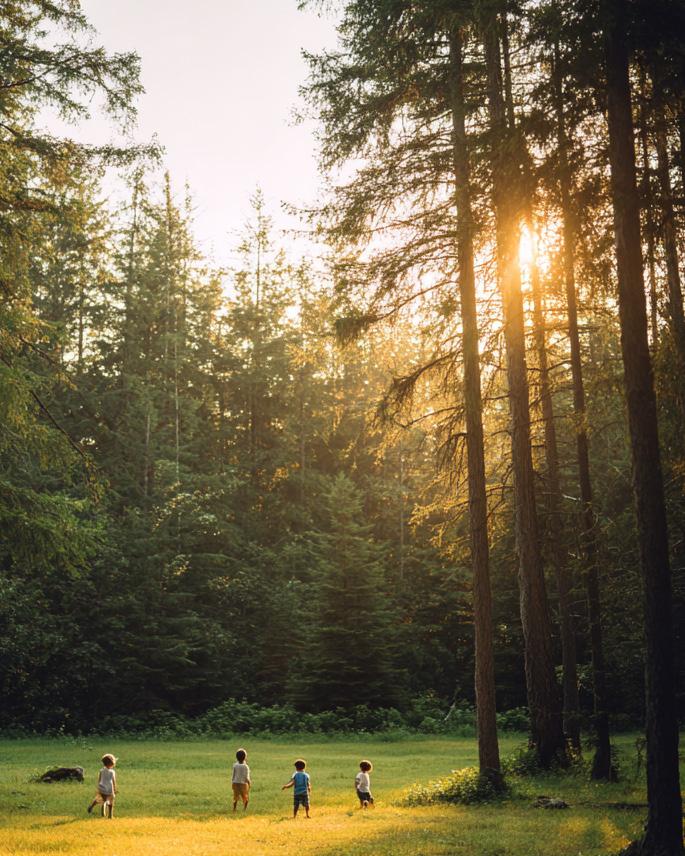
B2 56 3 Kids playing in nature Latino (M) Caucasian (M) Asian (M) 5 Latino
B2 58 6 Teachers and a kid playing Caucasian (M, Wx2) 6, 30 Caucasian
B2 61 2 Two friends playing cards Asian (Mx2) 9 Asian
B2 62 3 Black family playing Black (Mx2, W) 3, 2, 42 Black
B2 68 2 Asian Asian (M) 55, 14 Glass display
B2 70 1 Brushing a fossil Native American (M) 29 Hand and brush
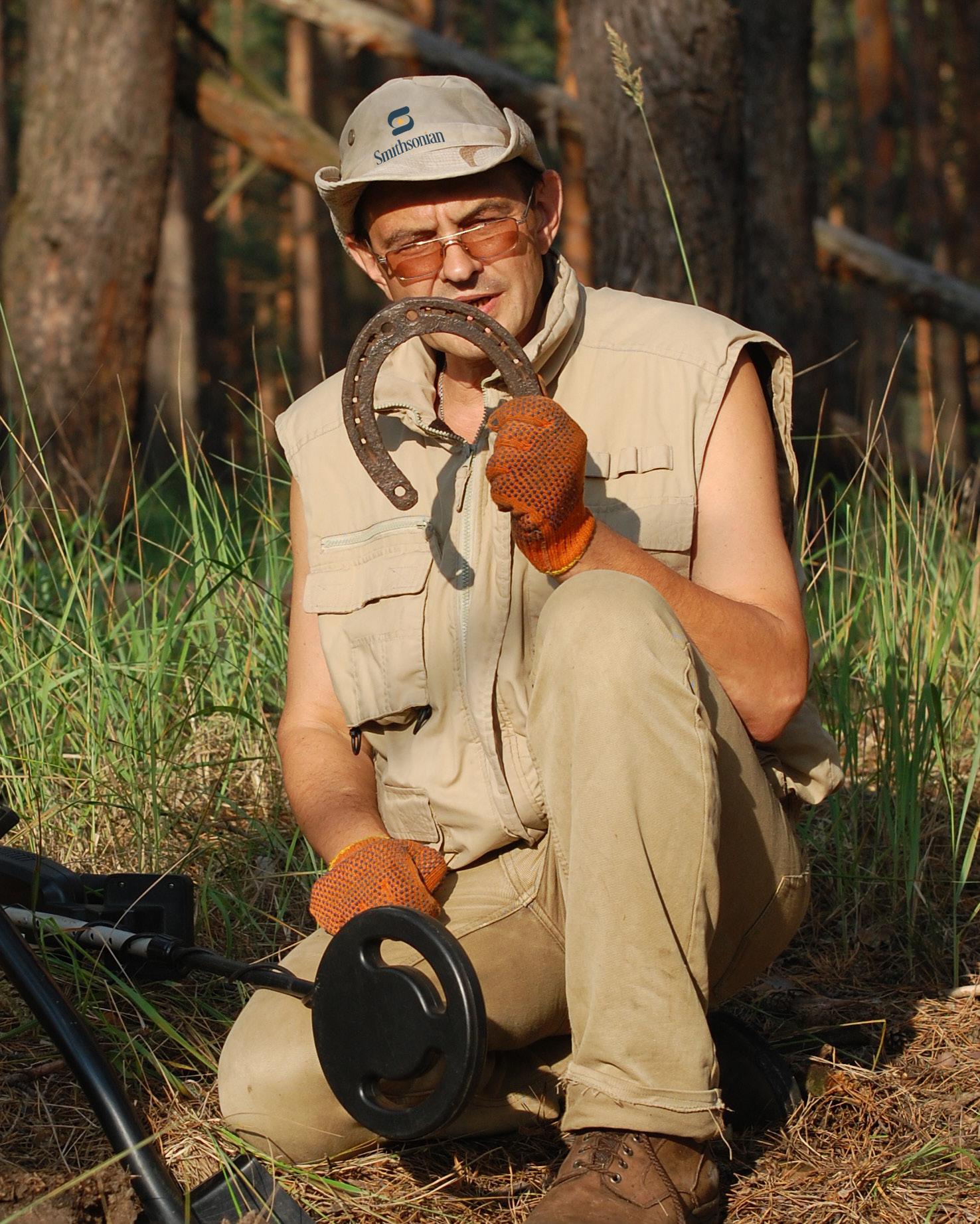
B2 78 1 Man holding a horseshoe Caucasian (M) 39 Caucasian
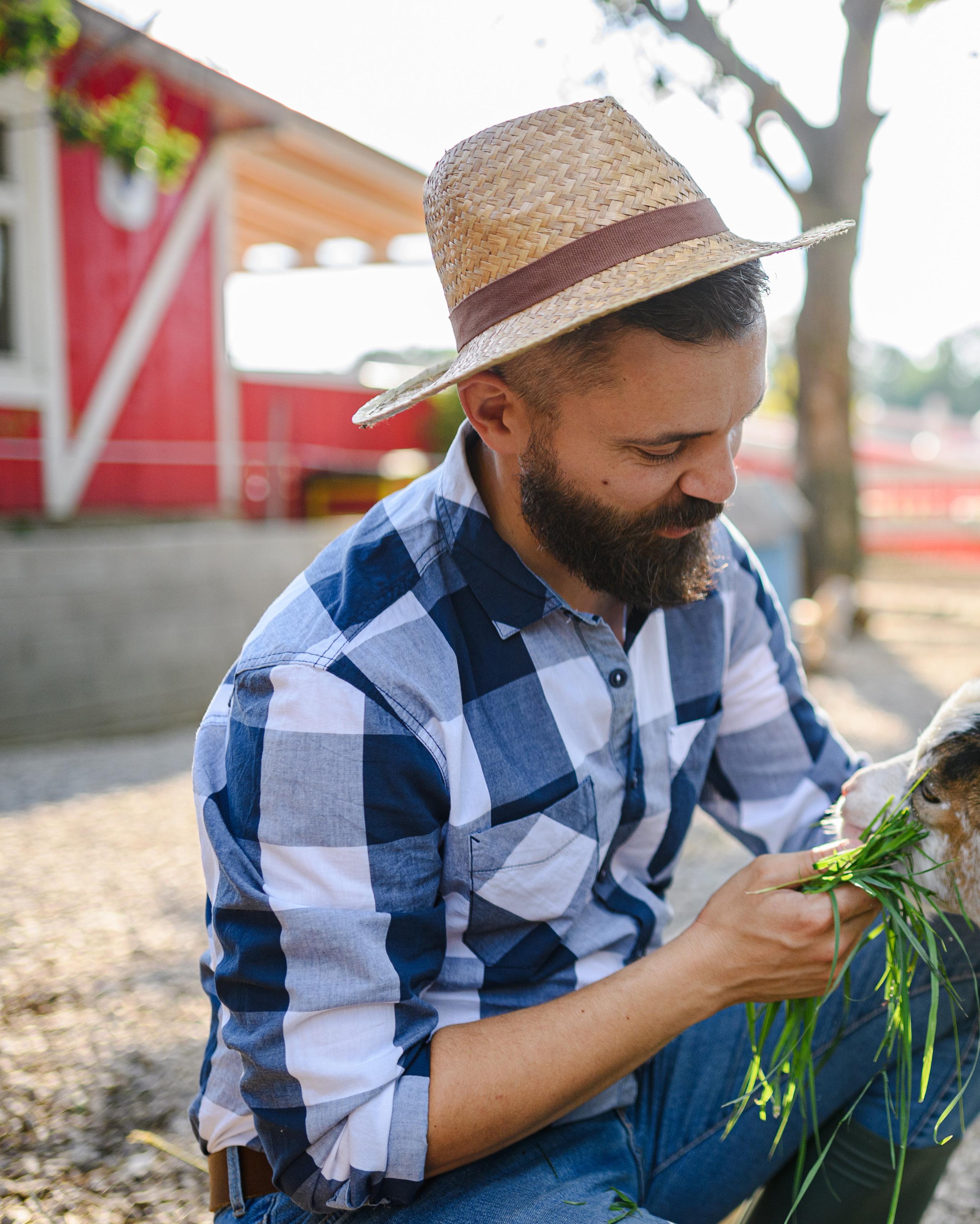
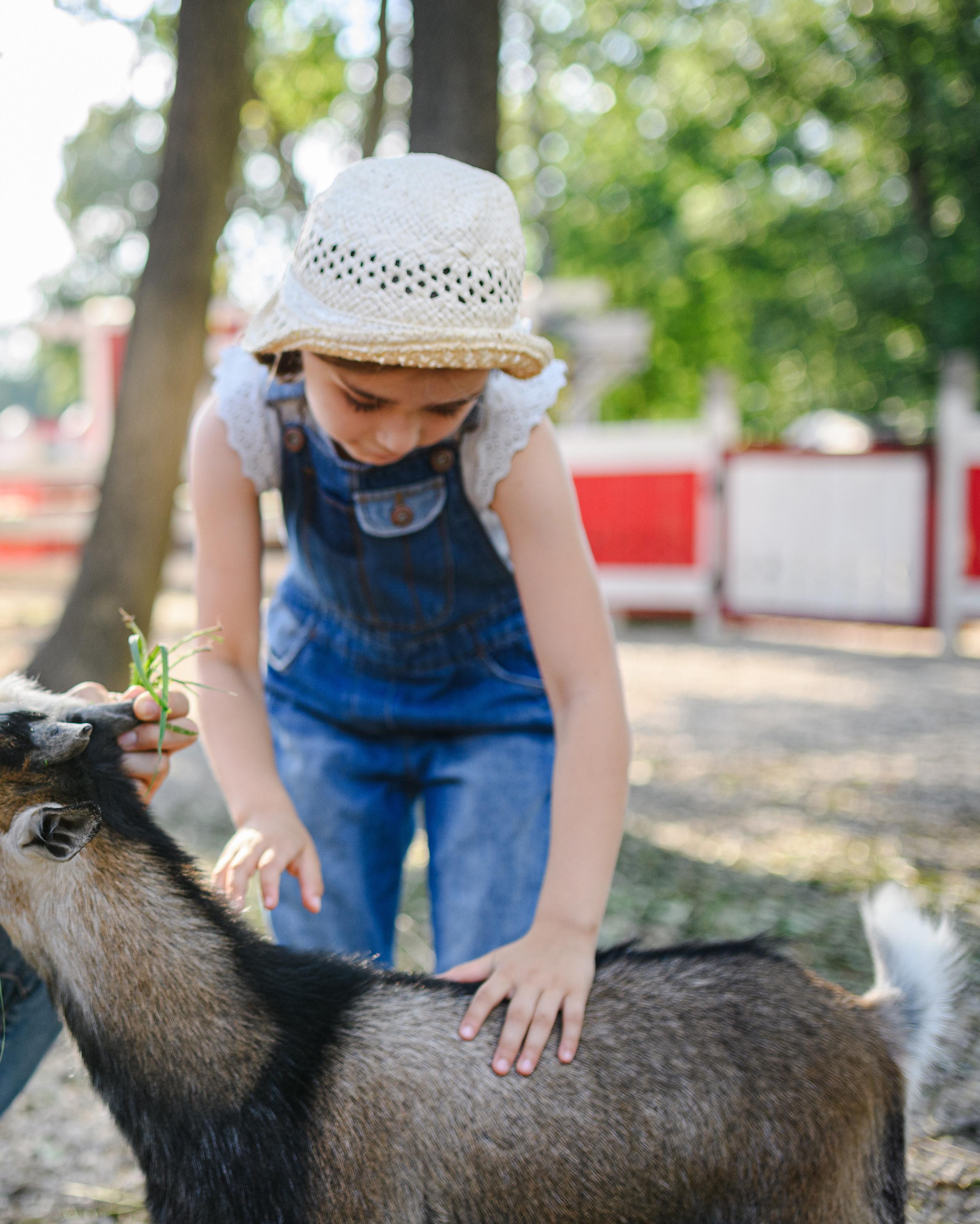
B2 80 2 Man feeding a goat while daughter is petting it Middle Eastern (M, W) 38, 13 Feeding goat
B2 82 2 Planting trees in the wild Caucasian (W, M) 23, 18 Woman
B2 84 4 Lifting a tree in place together Black (W, M) Caucasian (W, M) 27, 19, 12 Black woman
B2 86 2 Two people planting multiple seeds Black (M) 45 Black
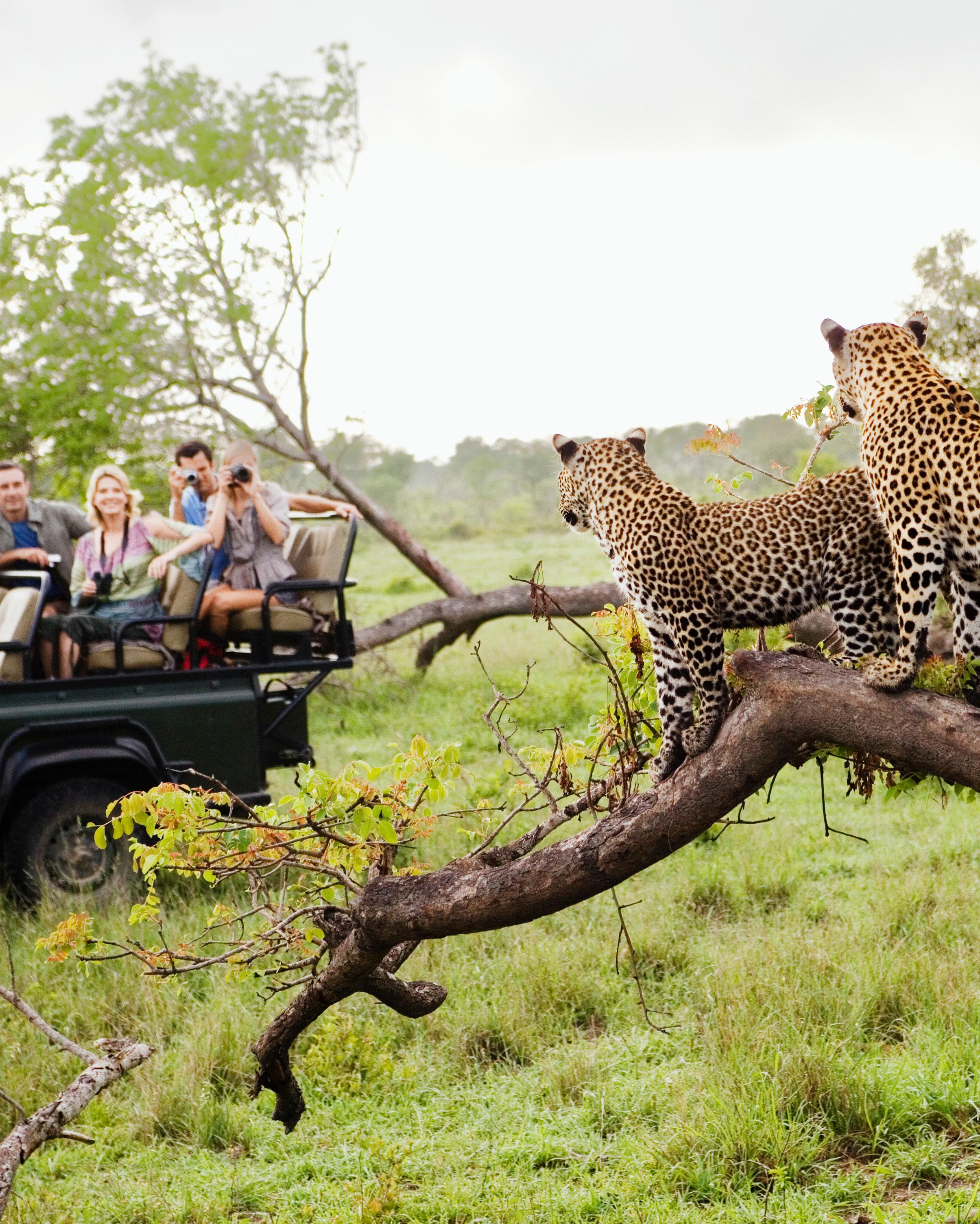
B2 88 4 People in the back of a safari truck taking photos Caucasian (W, M) 50 Leopards
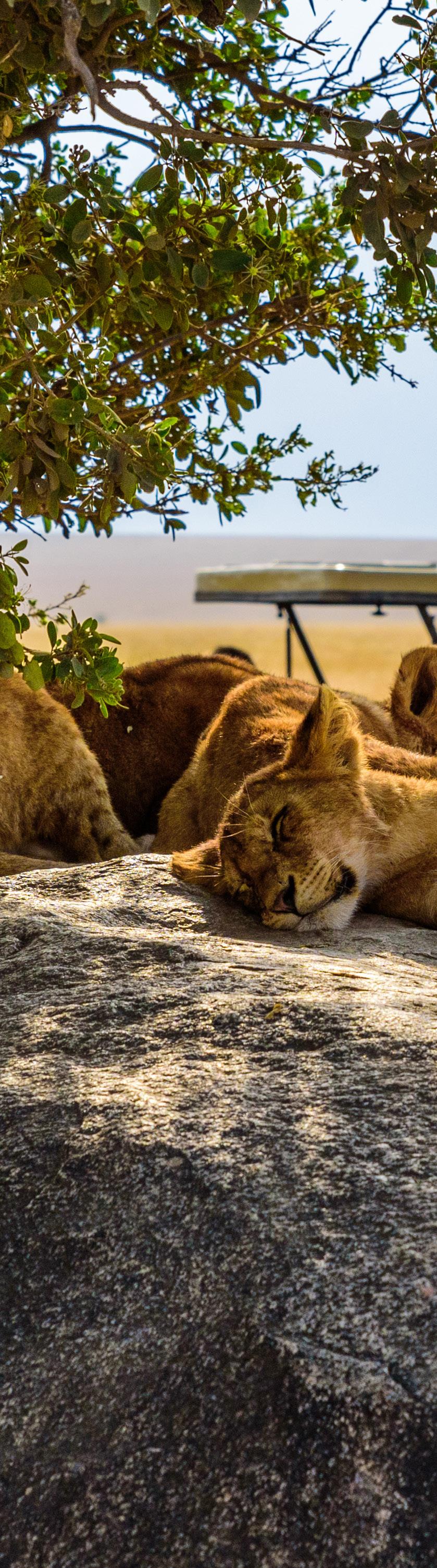
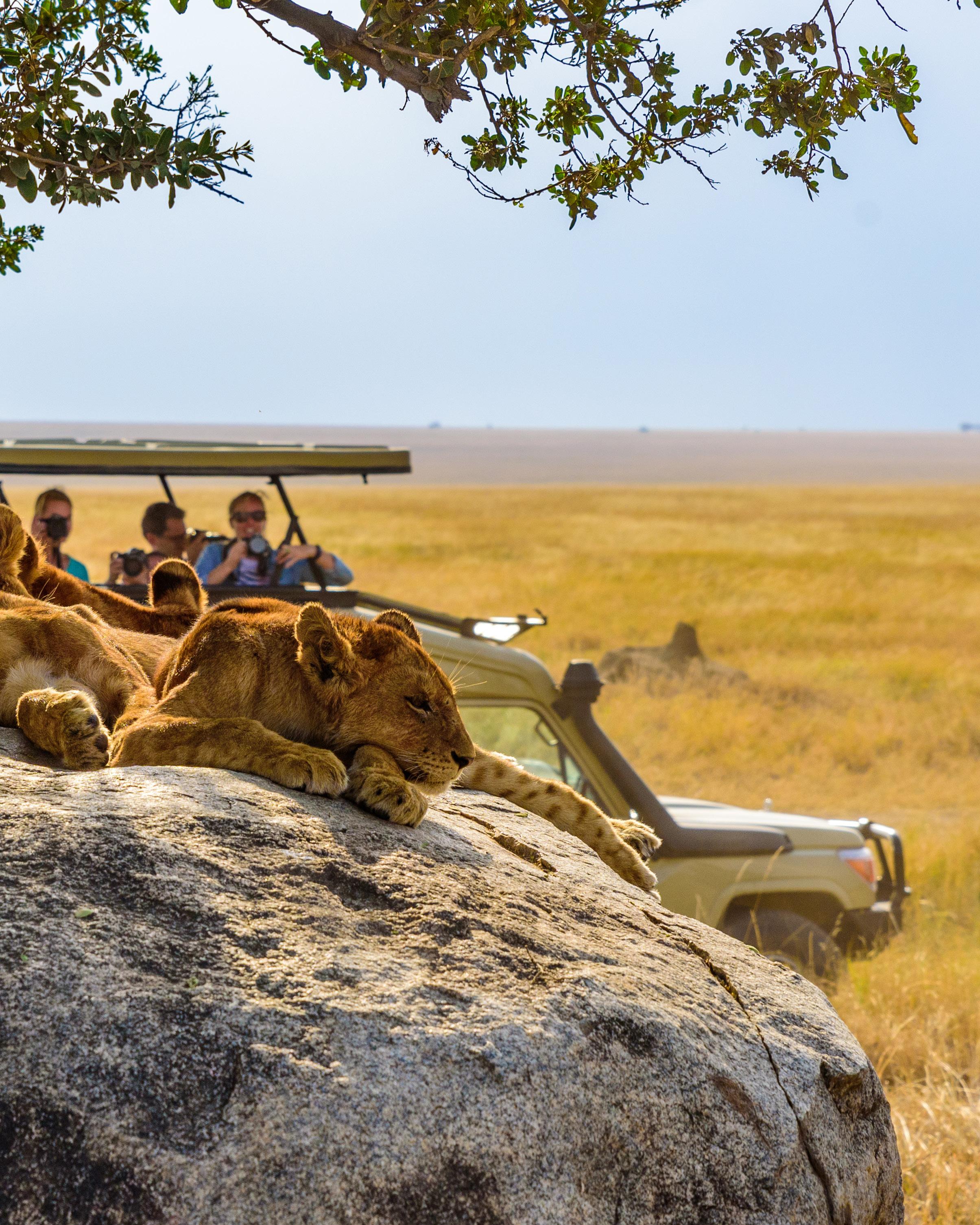
B2 90 3 People in a truck watching lions sleeping Caucasian (W, M) 50 Lions
B2 96 1 Man looking at phone in the woods Asian (M) 26 Asian
B2 98 1 Man documenting on camera Caucasian (M) 39 Phone
B2 100 1 Kid using hammer on excavation block Caucasian (M) 5 Box
B2 102 1 Excavating a block Caucasian (W) 8 Brick
B2 104 1 Using a tool on a excavating brick Caucasian (M) 12 Plate
Artificial Intellegence
Throughout this project, I have actively used a range of artificial intelligence tools to enrich the work. They have supported me in researching and uncovering information, generating and refining images, organizing and structuring content, and improving the clarity of my writing.
This does not mean that everything you see here is produced by AI. Instead, these tools have functioned as collaborators in my process. Working with them in this project has also been a way for me to better understand their strengths and limitations, so I can use them more effectively, critically, and responsibly in future work.
Disclaimer Sources
This is a fictional re-branding project done as an student project. No part of this project were used comercially except for academic purposes. This project is in no way intended to represent the parent brand.