CREATIVE TECHNOLOGY
Marymount School of New York

Marymount School of New York
From the Tinker Lab to global conferences, this year celebrated a community of curious thinkers, creative problem solvers, and innovative leaders who designed, built, explored, collaborated, and made an impact within and beyond Marymount.
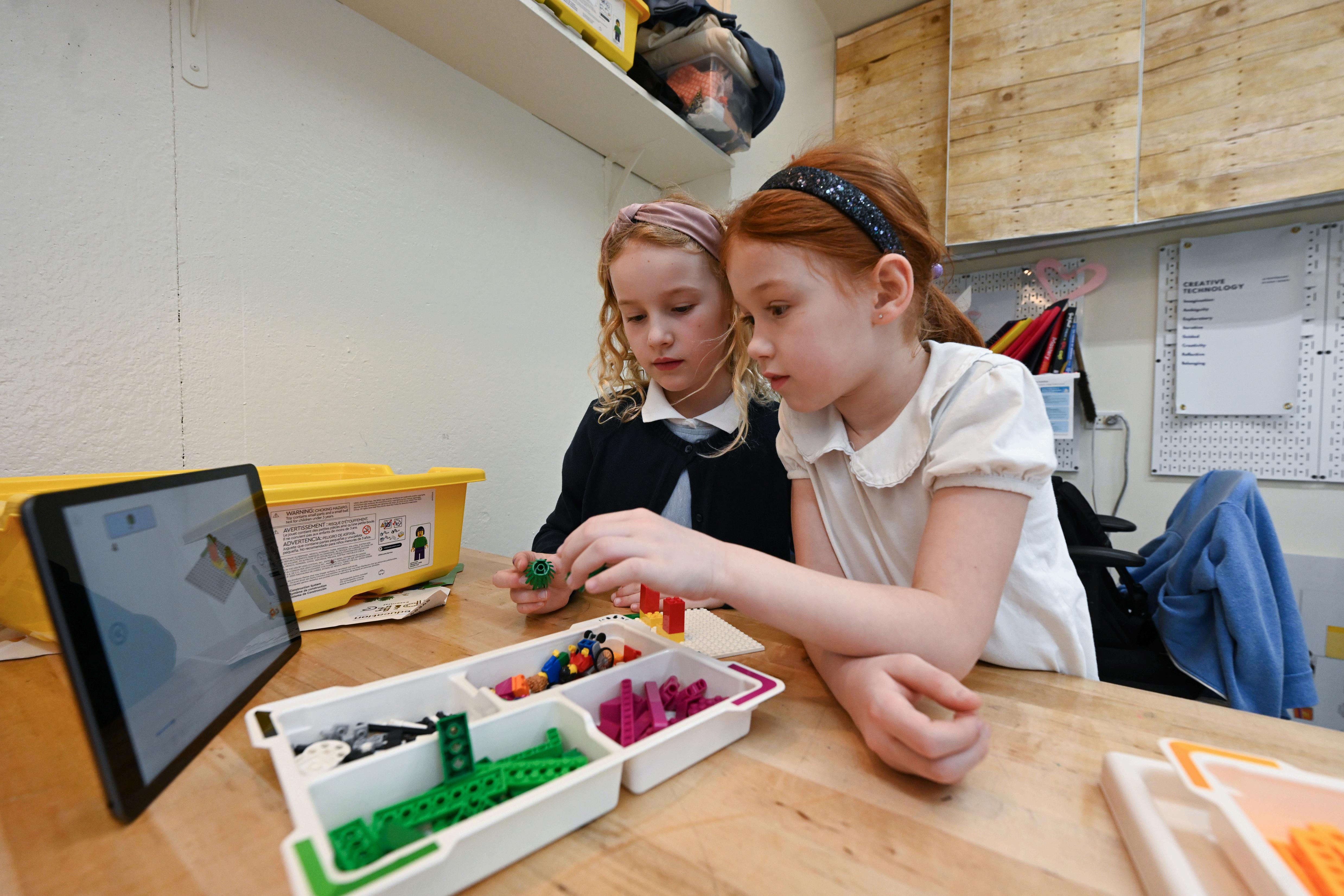
Students confidently and ethically use technology to explore ideas, solve problems, and create work that matters— applying their learning in ways that have impact within their communities and beyond.
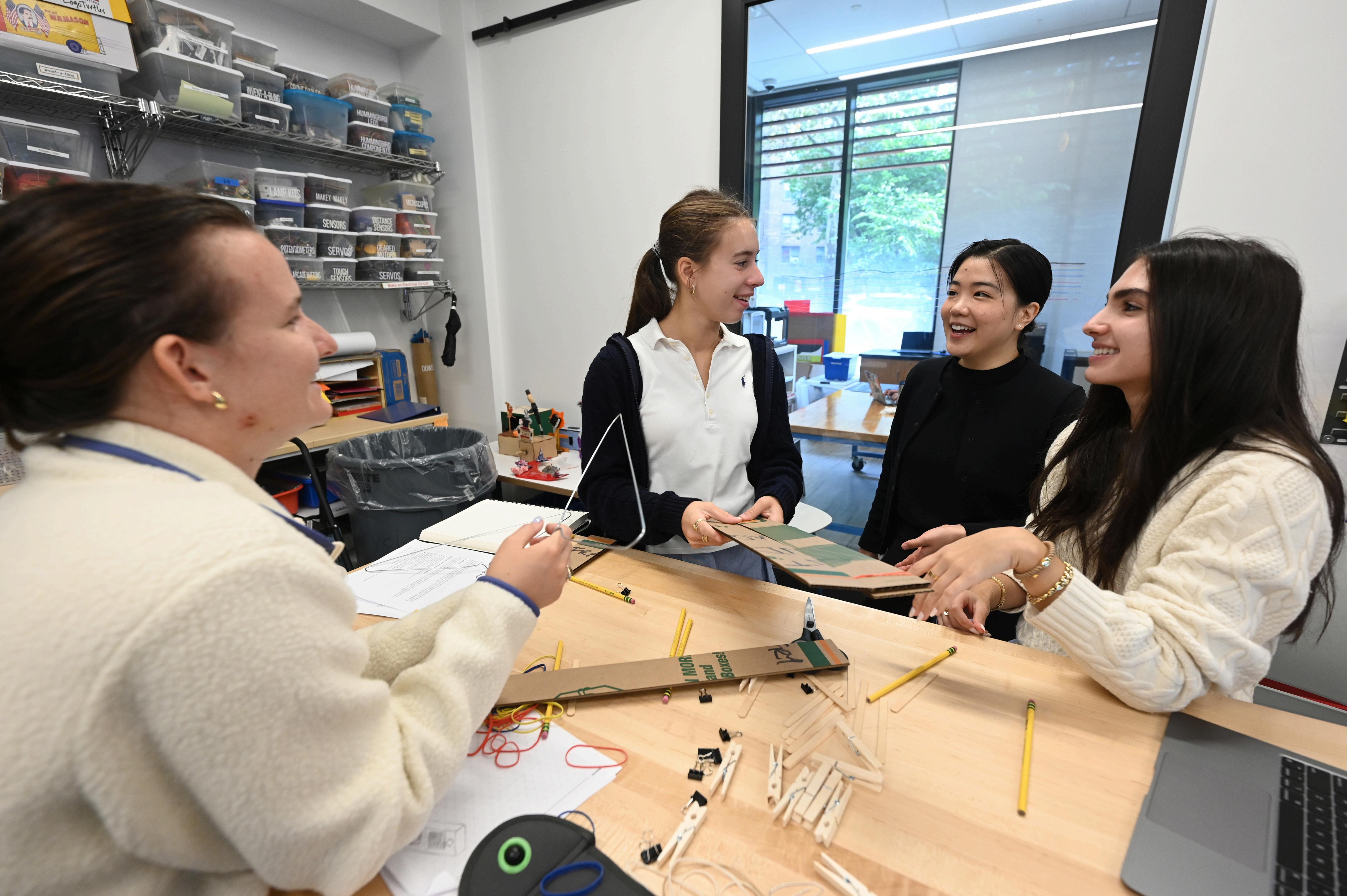
We use technology with purpose, developing students who are thoughtful, responsible decision-makers. Through intentional use of digital tools, students deepen their understanding, communicate ideas creatively, and connect their learning to meaningful outcomes.
Students continually revisit five ideas at increasing levels of sophistication:
1. Curiosity
Explore → Observe → Question → Research
Students begin by wondering about the world and gradually learn to investigate it through observation, experimentation, and inquiry.
2. Design
Build → Prototype → Iterate → Engineer
Students move from constructing simple models to designing sophisticated products and engineering solutions based on user needs.
3. Computation
Sequence → Program → Model → Create with AI
Computational thinking grows from simple algorithms and coding into robotics, machine learning, generative art, AI applications, and software development.
4. Creativity
Imagine → Invent → Communicate → Innovate
Creativity evolves from open-ended exploration to purposeful innovation through design thinking, entrepreneurship, filmmaking, storytelling, and product development.
5. Impact
Self → Classroom → School → Community → World
Students increasingly use their skills to improve the lives of others, culminating in Capstone projects, entrepreneurship, AI leadership, and global collaborations.
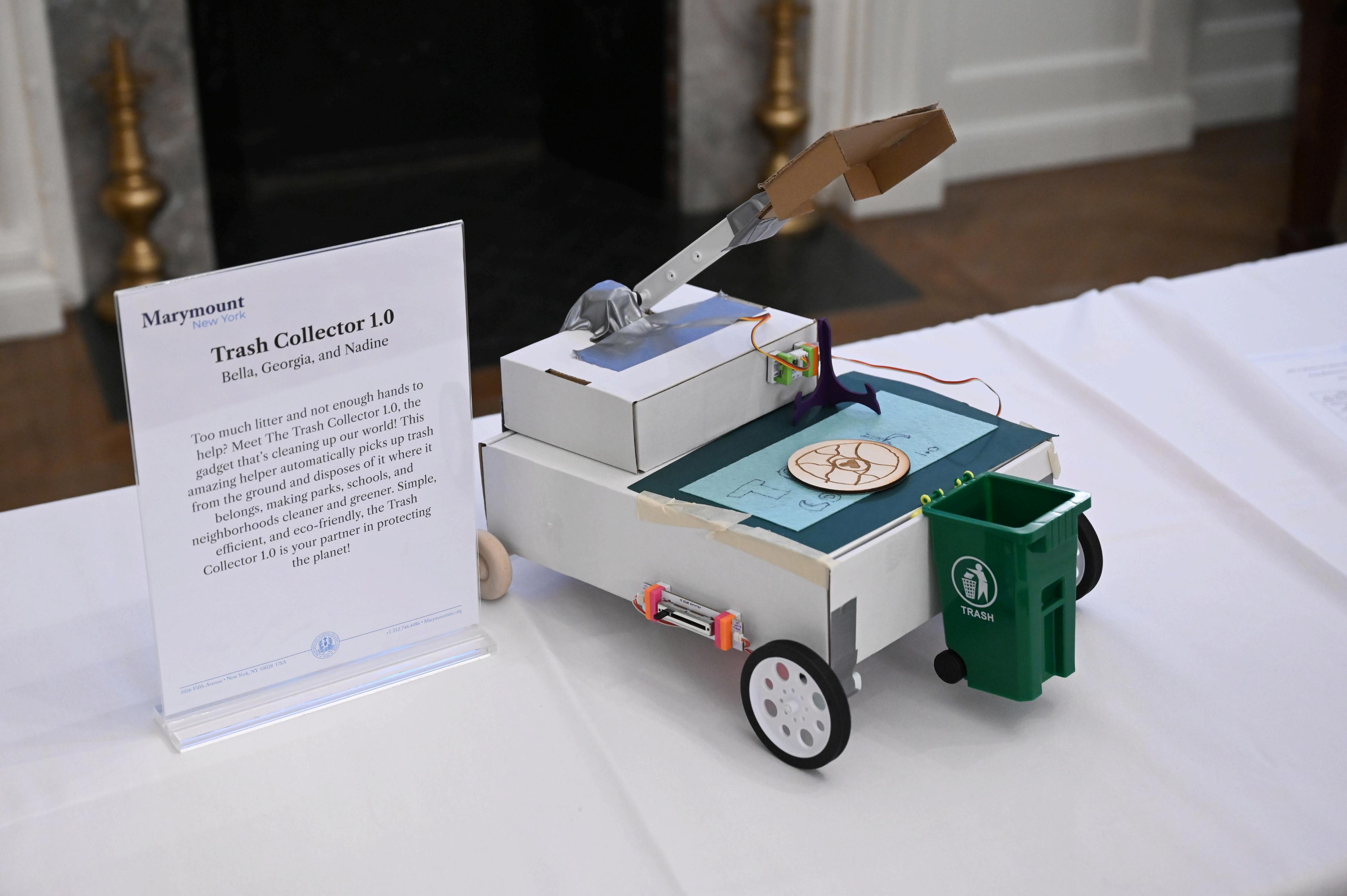
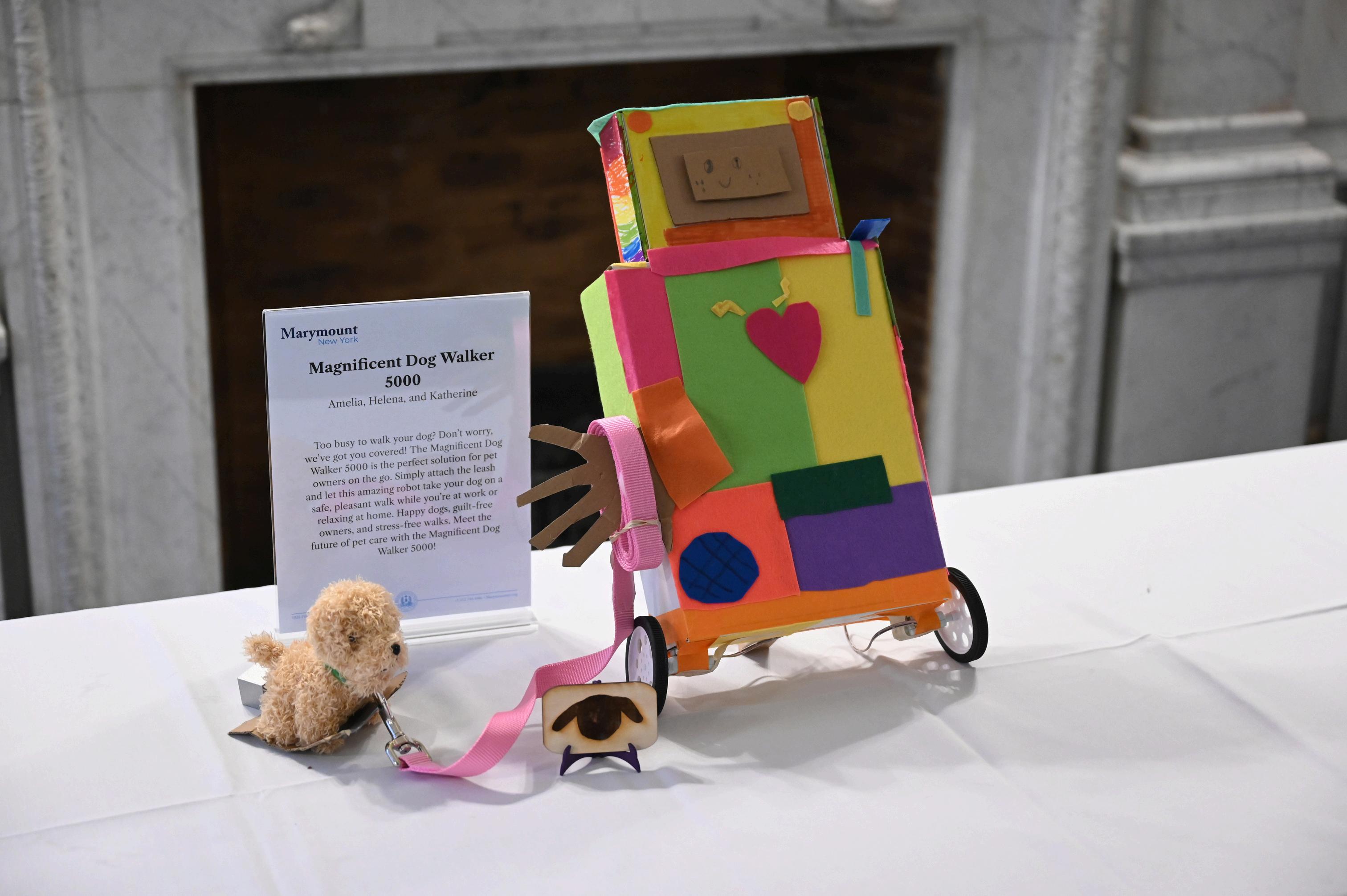
Class II students act as inventors, designing solutions to help themselves, their school, or the wider community. Working with their Science and Creative Technology teachers, they applied the design thinking process, using LittleBits to build functional prototypes, and then refined their ideas through hands-on experimentation. Their work culminated in the Invention Convention, where they showcased their inventions alongside original logos, branding, and commercials, celebrating creativity, engineering, and innovative problem solving.
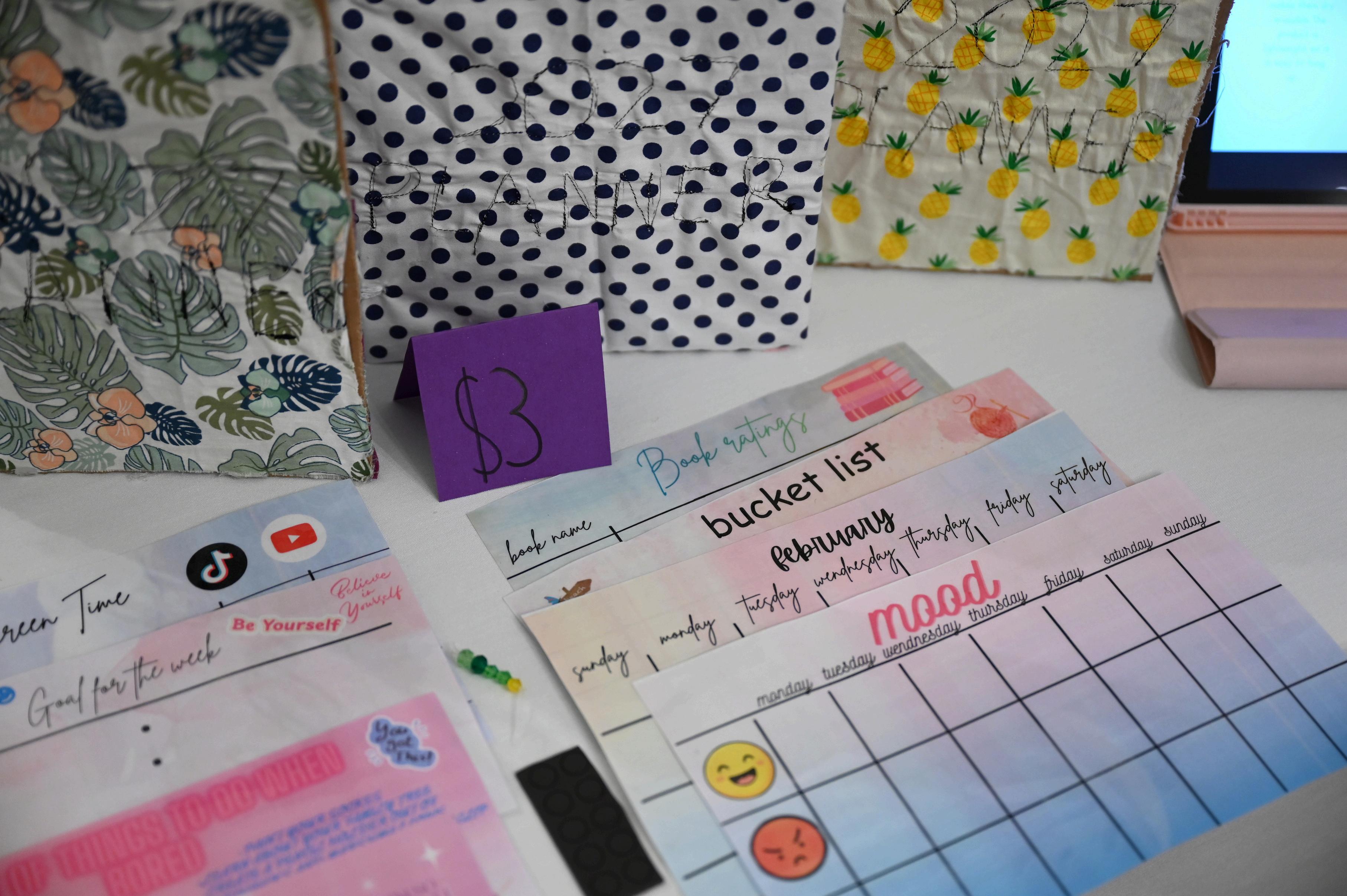
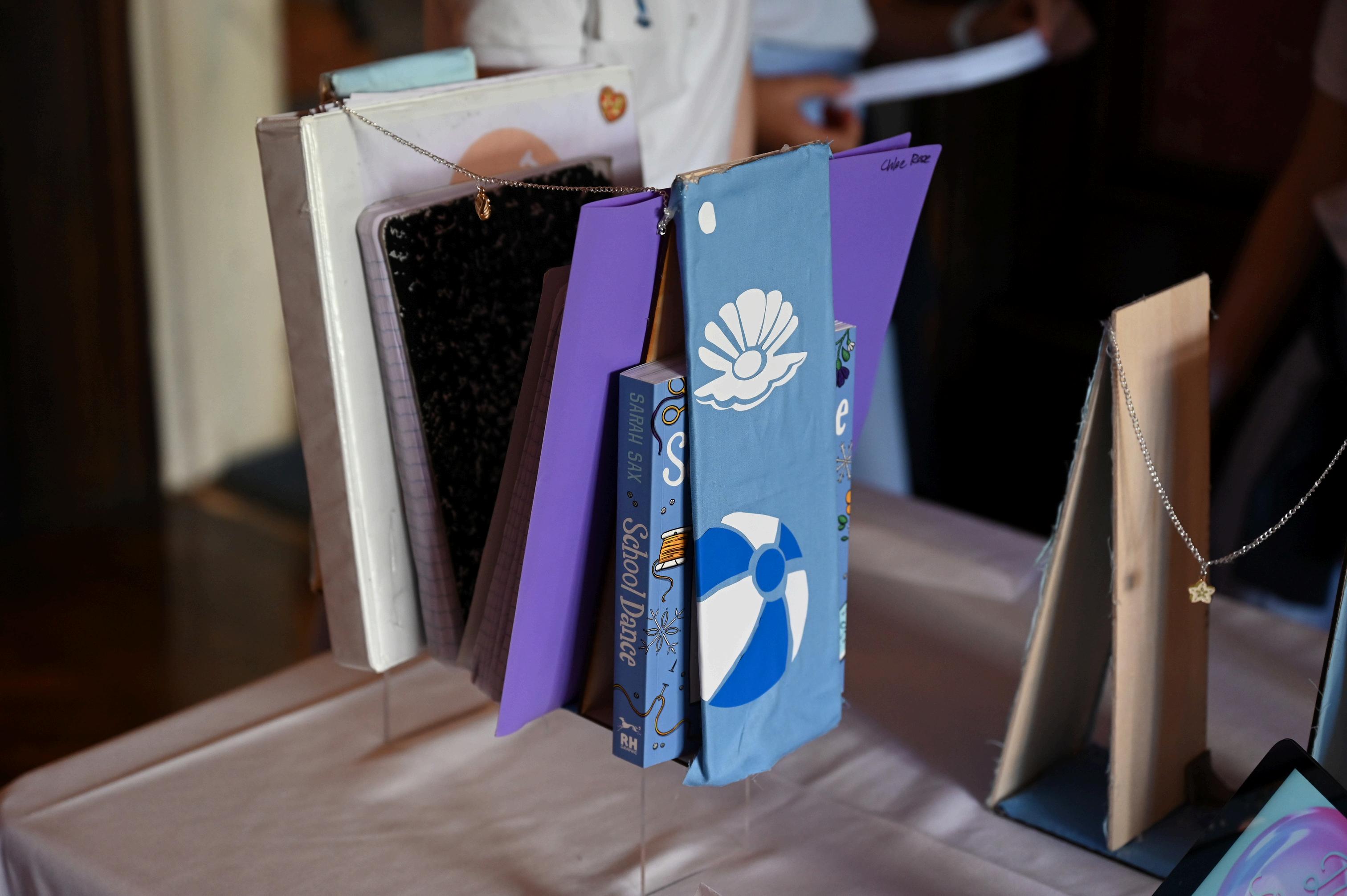
The Lion's Den is where students apply design thinking to solve real-world challenges. Class V students interviewed and surveyed Class IV students, identifying organization and academic support as their greatest needs. Students then designed and pitched solutions—including planners and locker organizers to a panel of "investors," who allocated mock funding to their favorite ideas. The experience strengthened students' research, collaboration, communication, and entrepreneurial thinking while demonstrating the power of empathy-driven innovation.
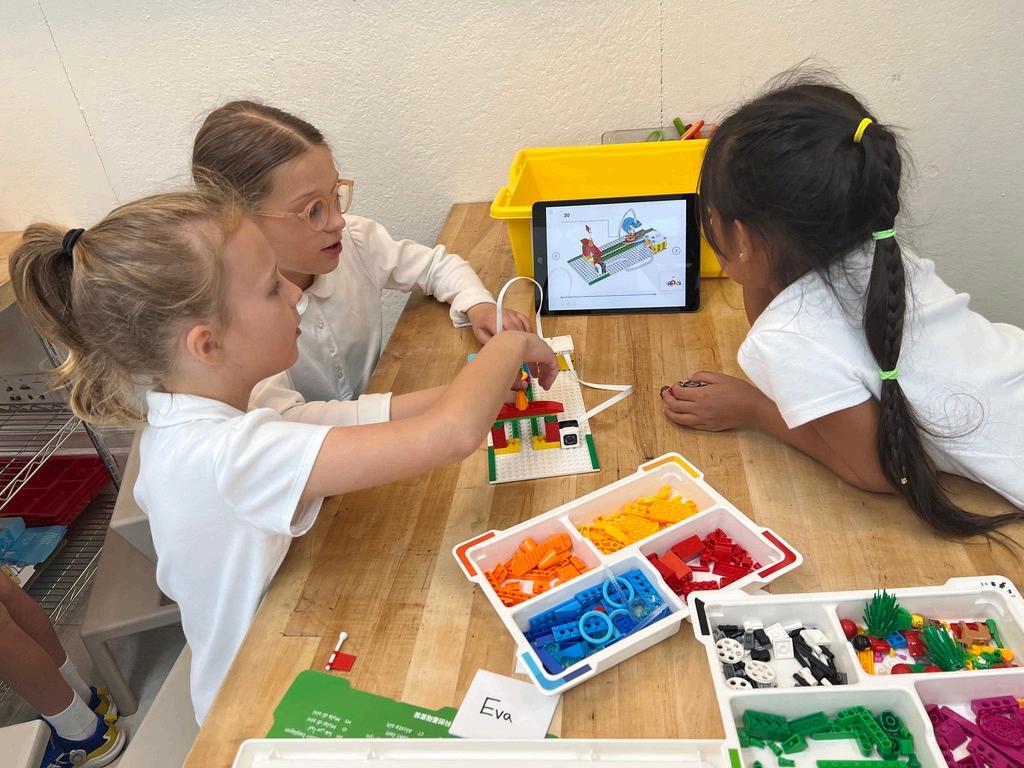
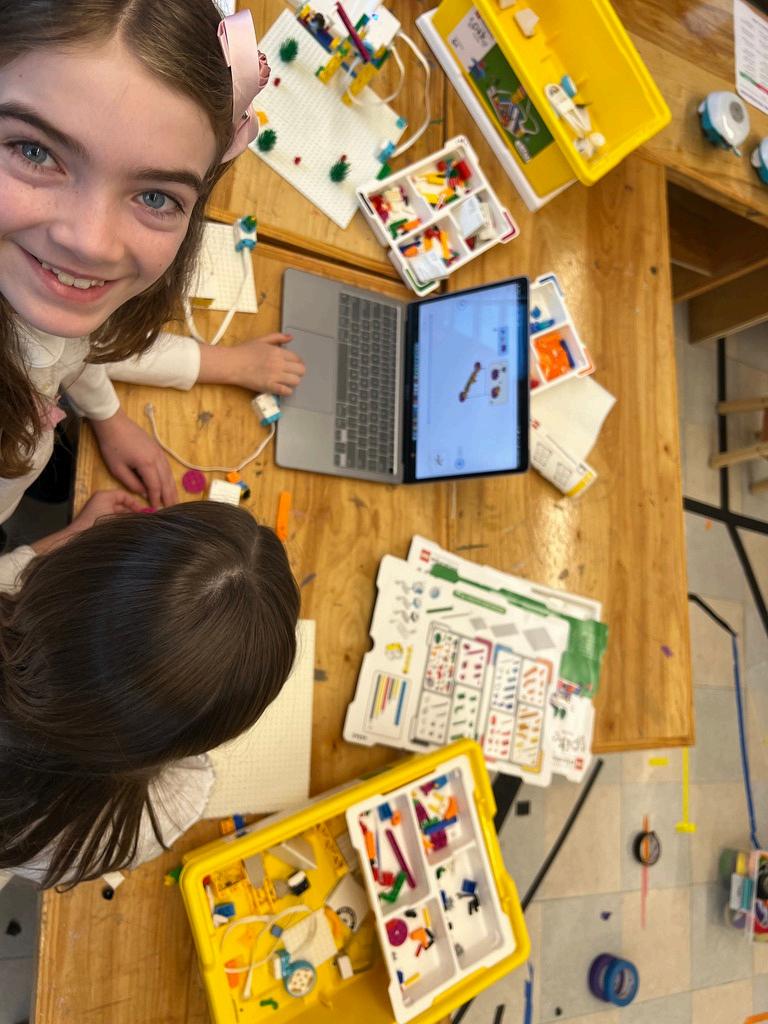
Robotics is introduced early at Marymount as students progress from coding BeeBots and building with LEGO® Robotics in the Lower School to programming Dash, Finch, LEGO® SPIKE, Hummingbird, and micro:bit robots in the Lower Mid. Along the way, students tackle engineering challenges, design assistive technologies, build interactive robots, and collaborate on real-world projects, developing computational thinking, creativity, teamwork, and confidence as problem solvers and innovators.
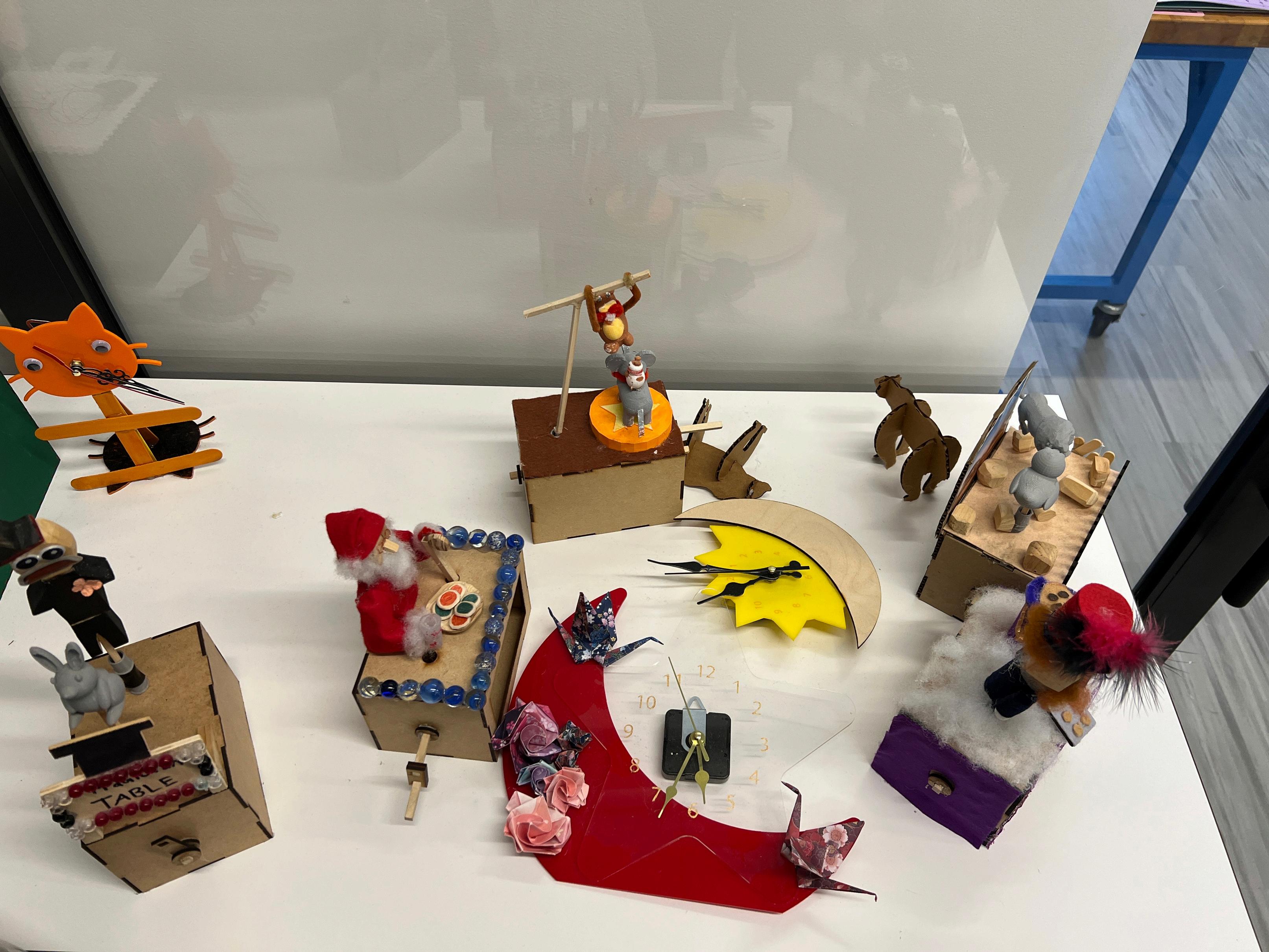
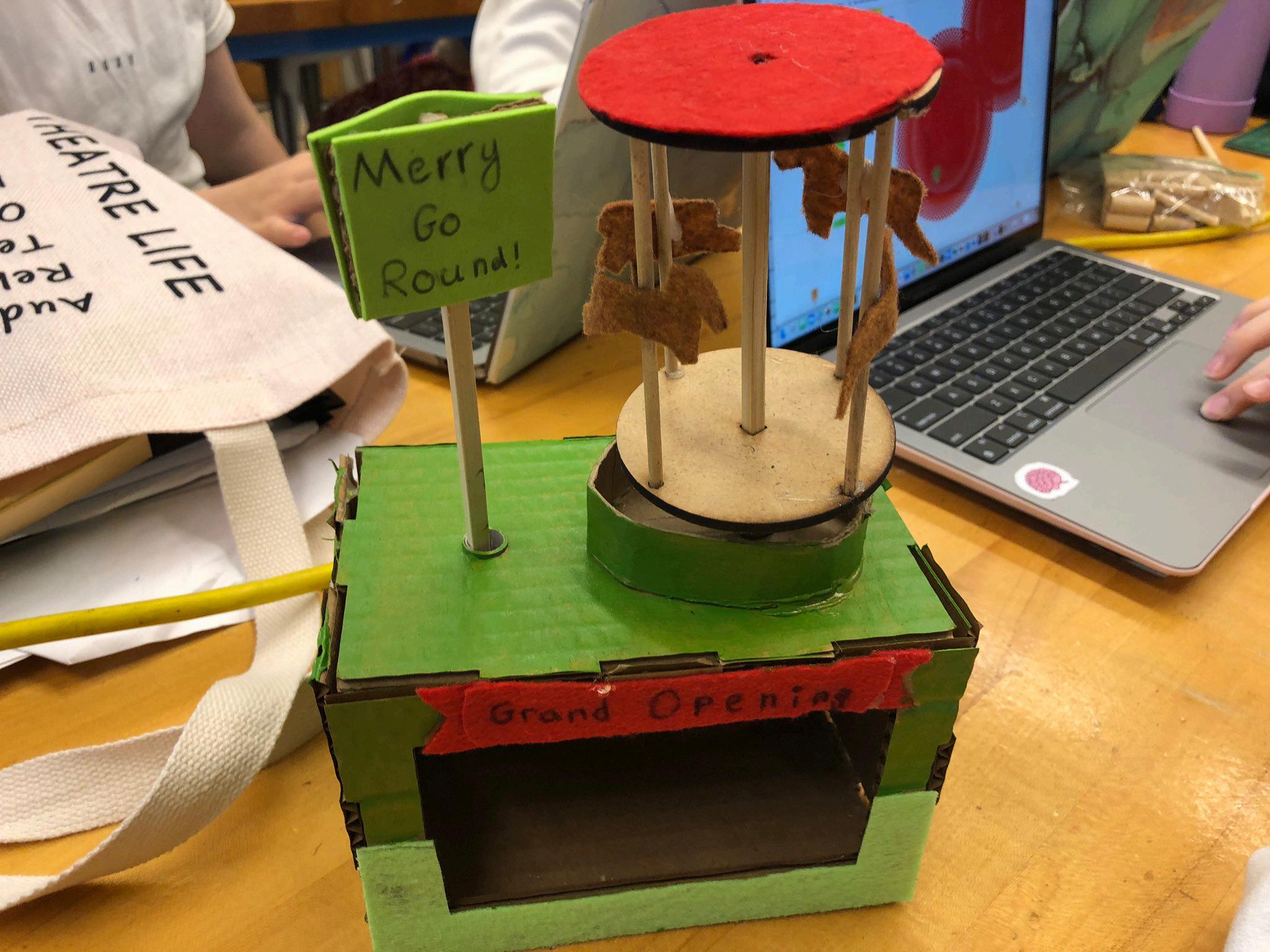
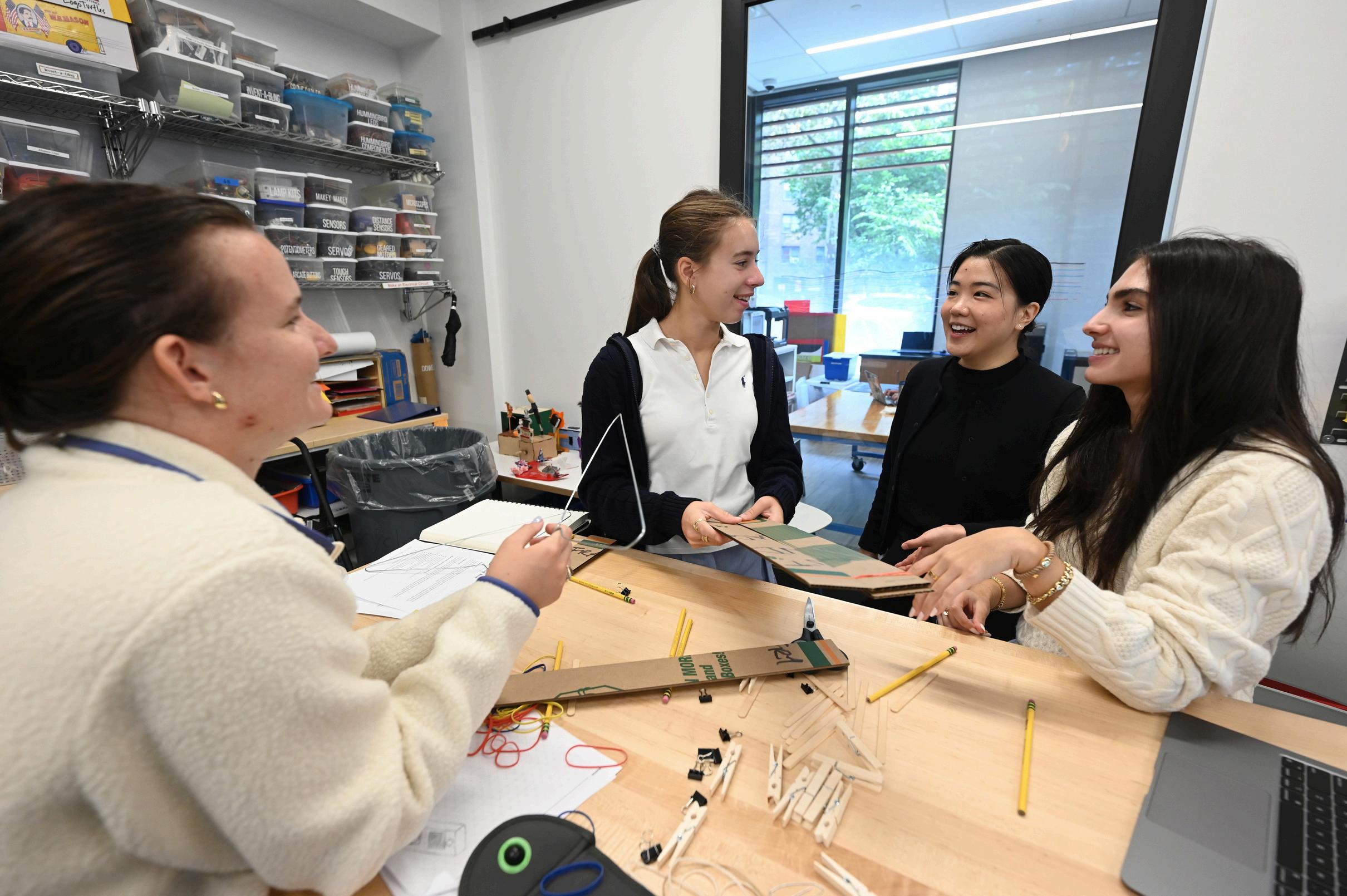
Class VI students designed and built cardboard automatons, bringing simple mechanical systems to life through movement and creativity. Along the way, they developed skills in measuring, scoring, cutting, and assembling cardboard, safely used the drill press, and experimented with a variety of materials to refine their designs. The project combined engineering, craftsmanship, and problem solving as students transformed flat materials into engaging kinetic creations.

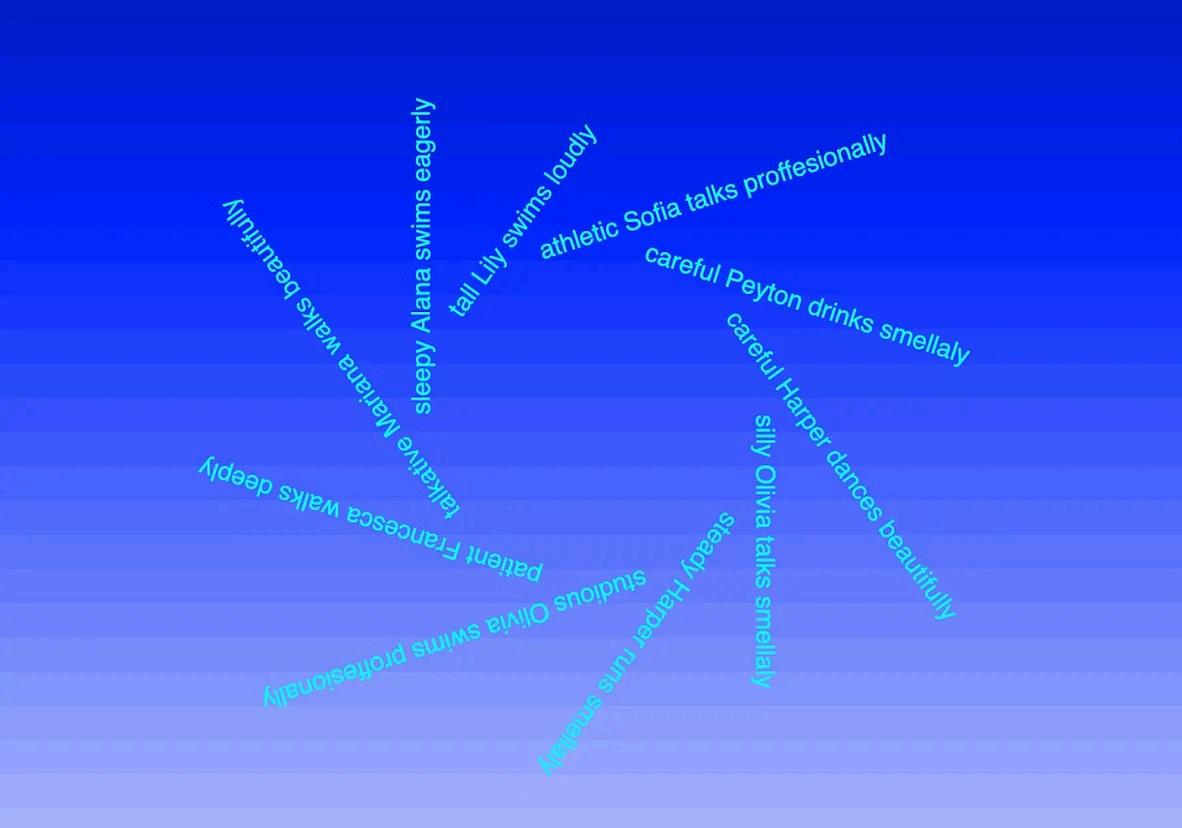
Class VIII students learned to program a Compliment Generator, exploring how large language models combine words and sentence structures to create human-readable text. Using programming concepts and parts of speech, they generated unique compliments while gaining insight into the mechanics behind AI language generation. Students then designed creative visual displays for their messages, blending coding, computational thinking, and graphic design to spread positivity through technology.
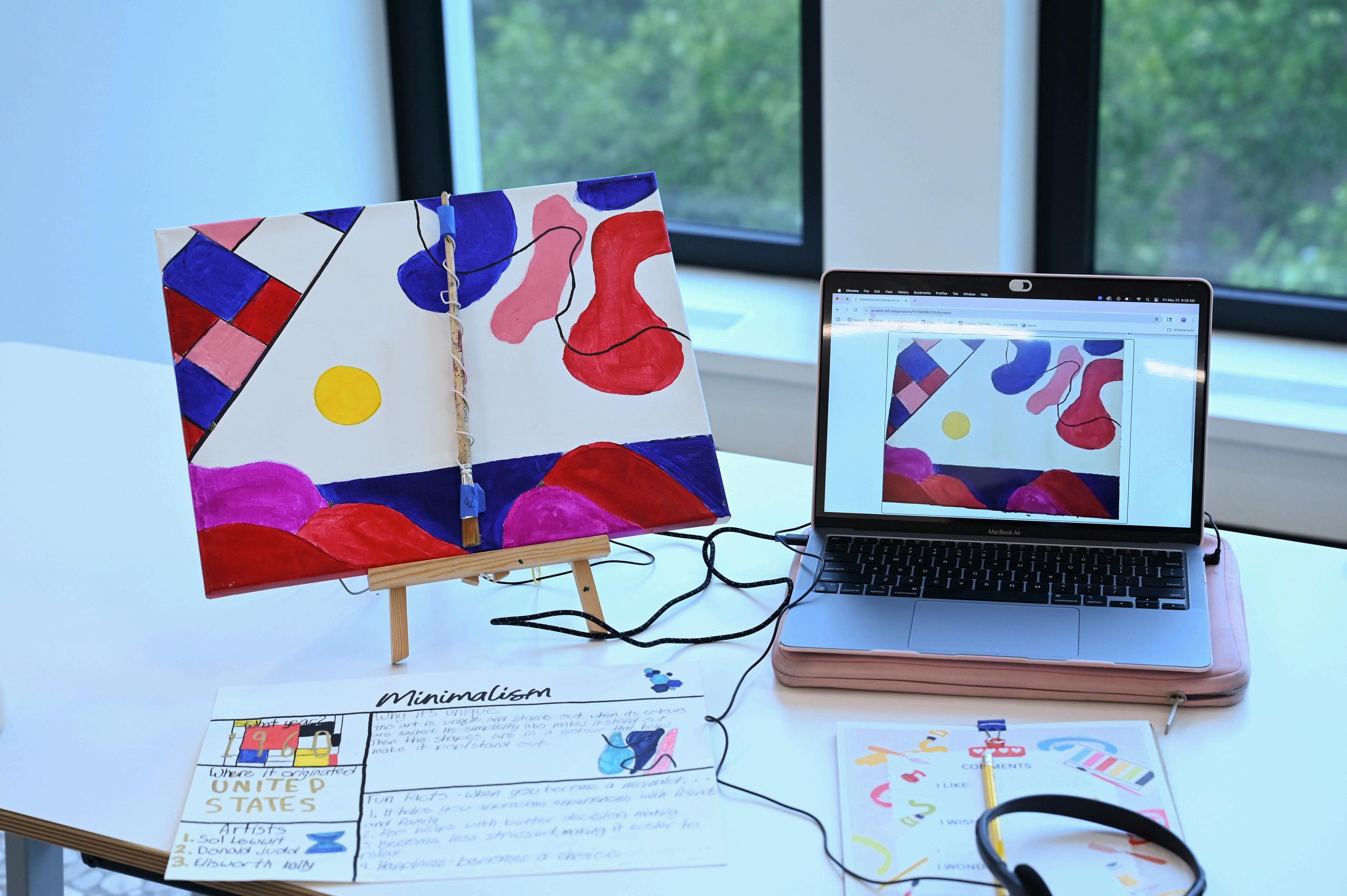
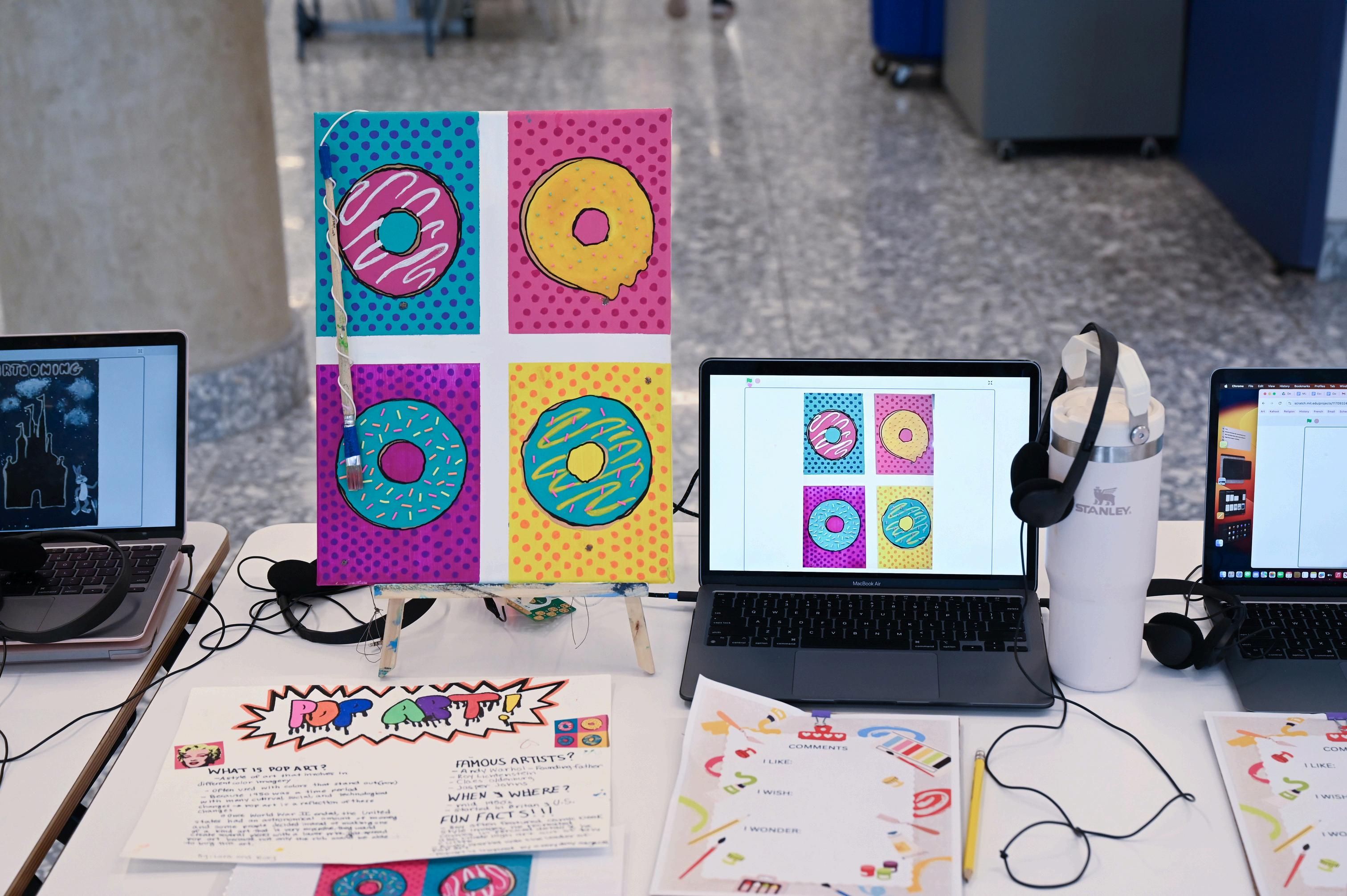
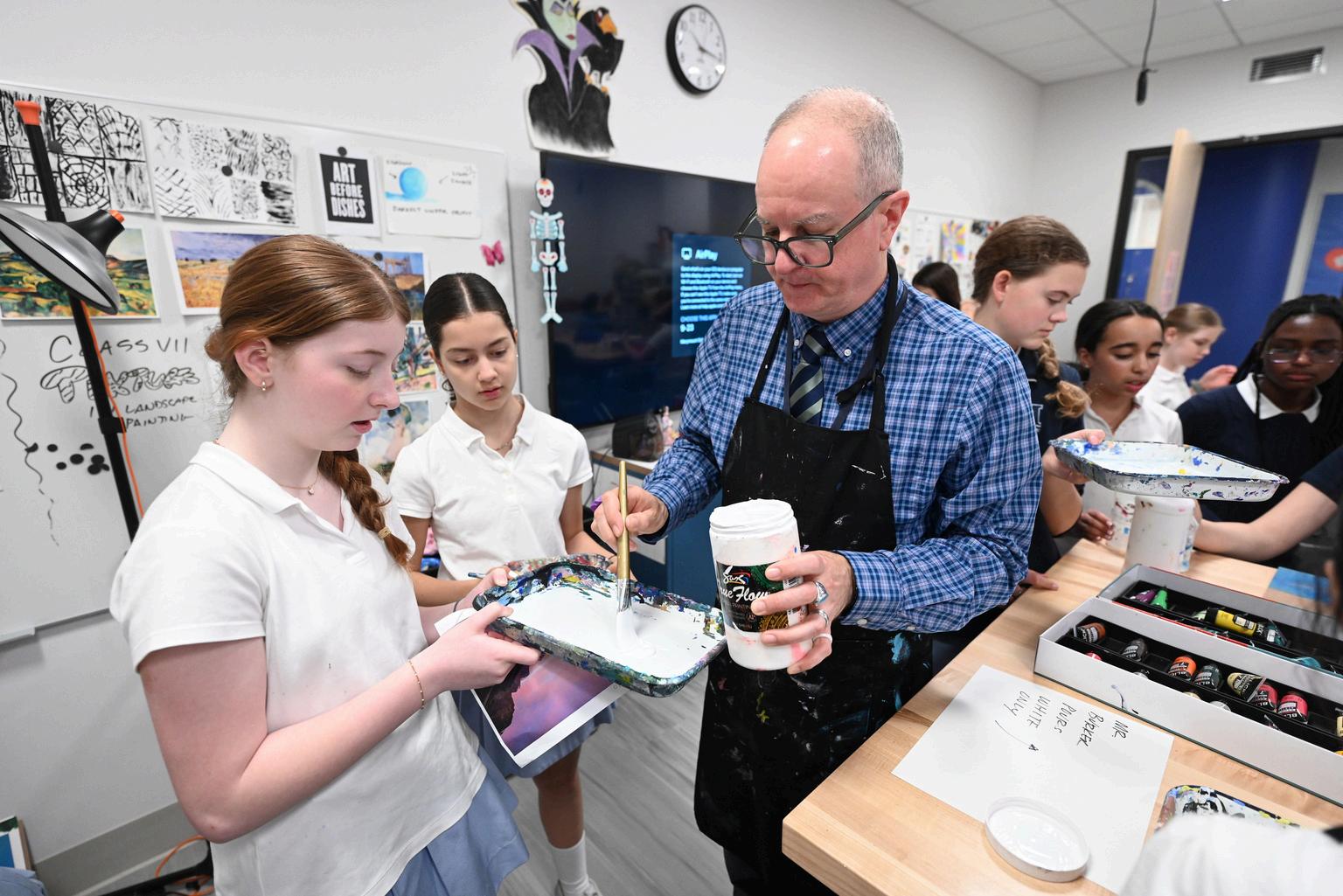
Class VII explored the connection between art and computation through the work of Sol Lewitt. By creating artwork from written instructions, students discovered how simple rules can produce complex designs. They then applied these same concepts in Scratch, programming the computer to generate both predictable and generative works of art. The project blended creativity, coding, and computational thinking while demonstrating how algorithms can become powerful tools for artistic expression.
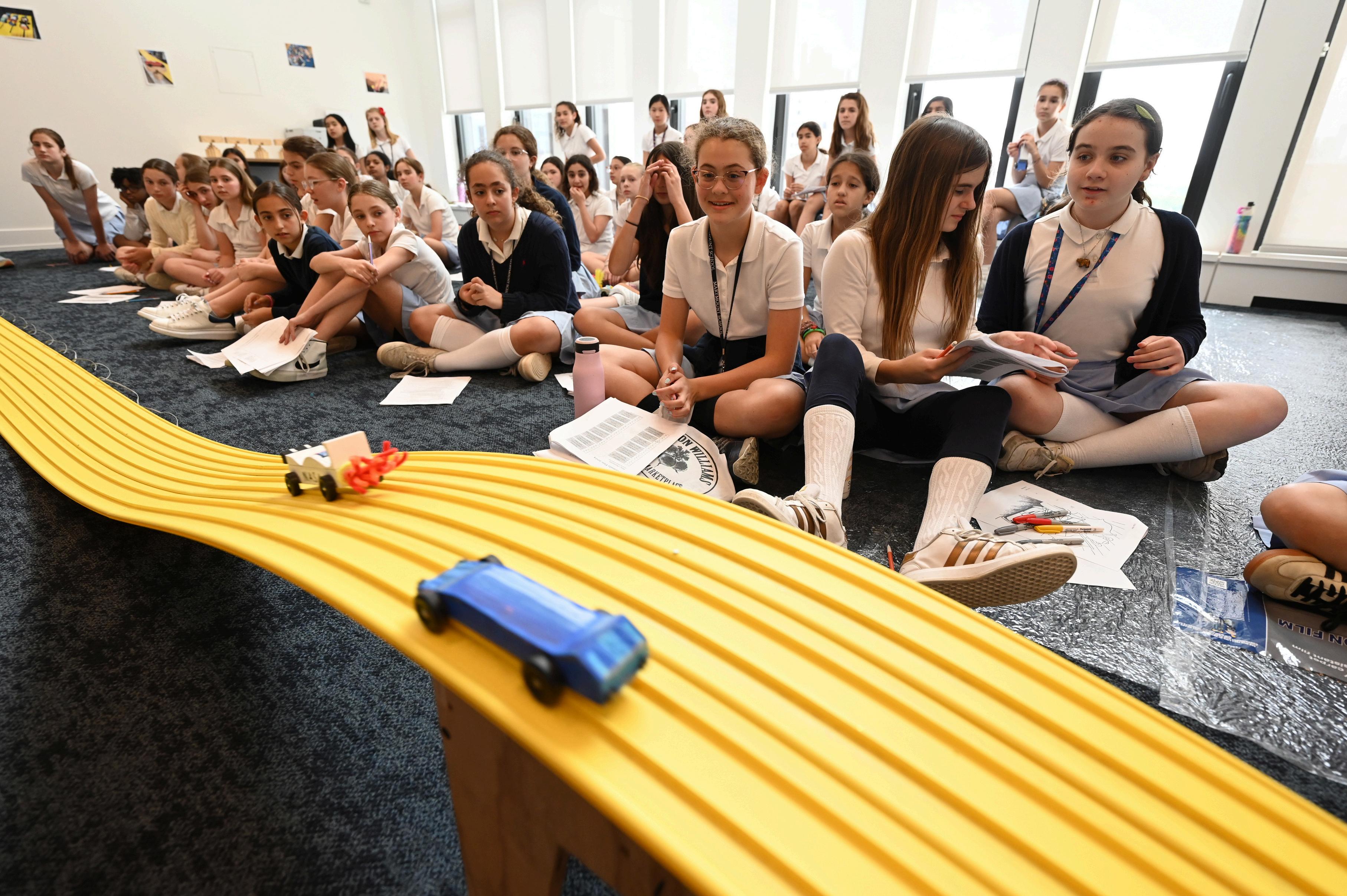
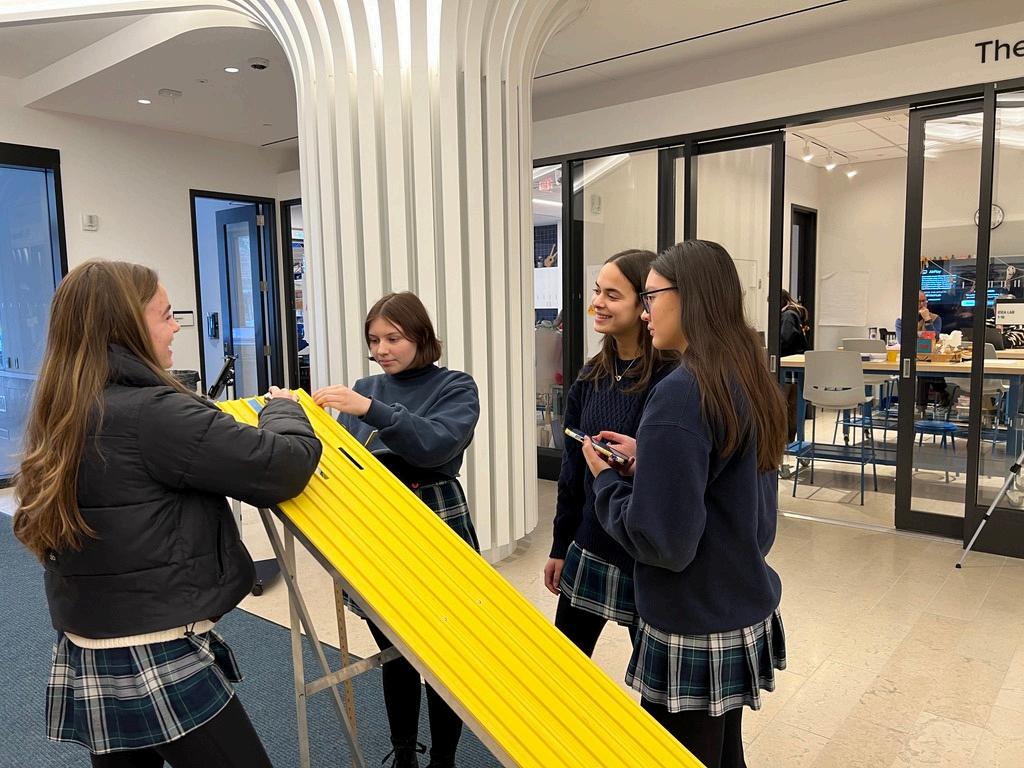
Formula Fun challenged Class VI students to design, build, and race their own model cars, combining engineering, creativity, and problem solving. Working through an iterative design process, students applied concepts from art, mathematics, and physics as they tested and refined their designs. The experience continues in Class XI Physics, where students use PocketLab G-Force cars to collect real-time data and investigate the conservation of energy through experimental analysis.
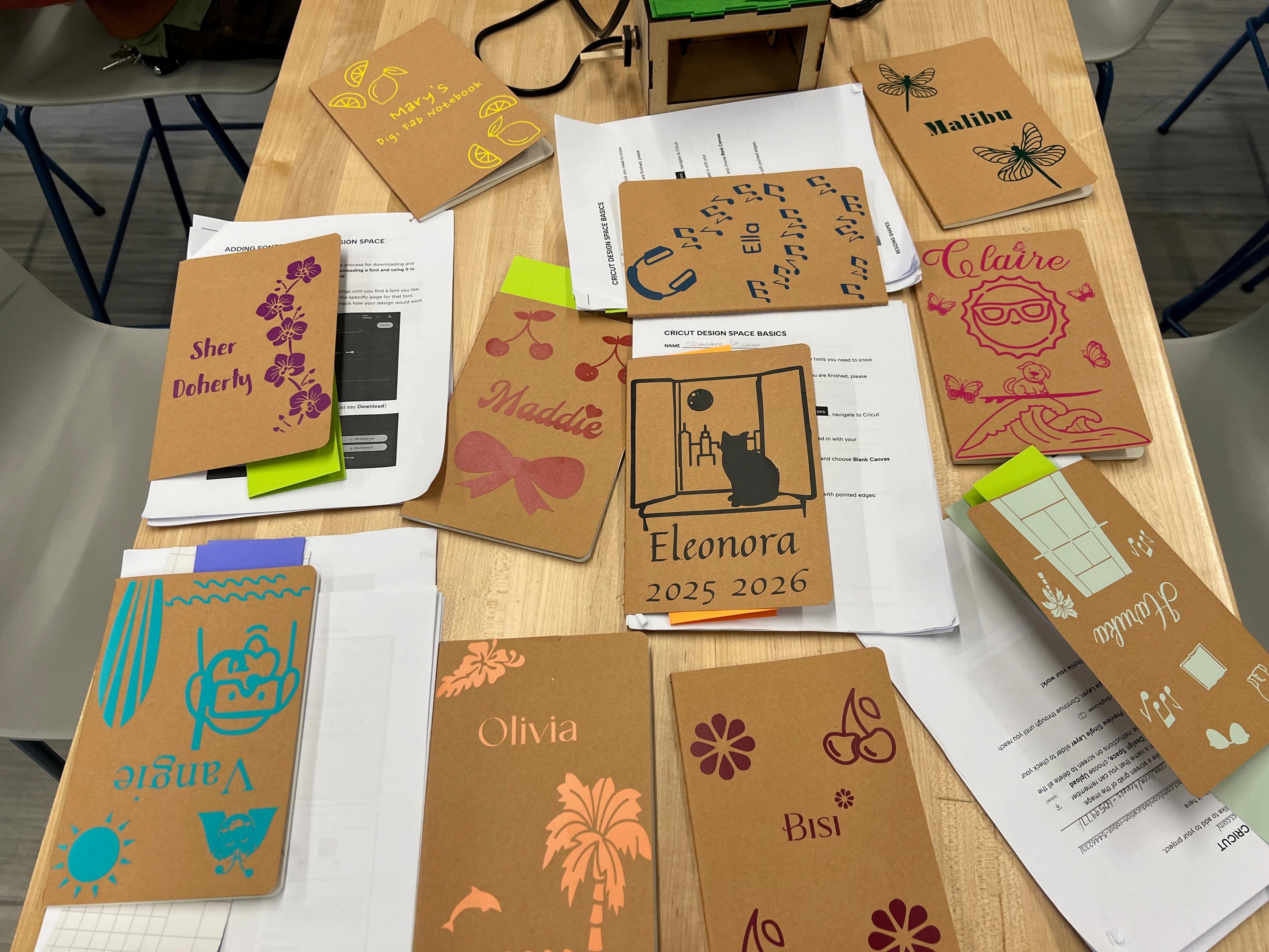
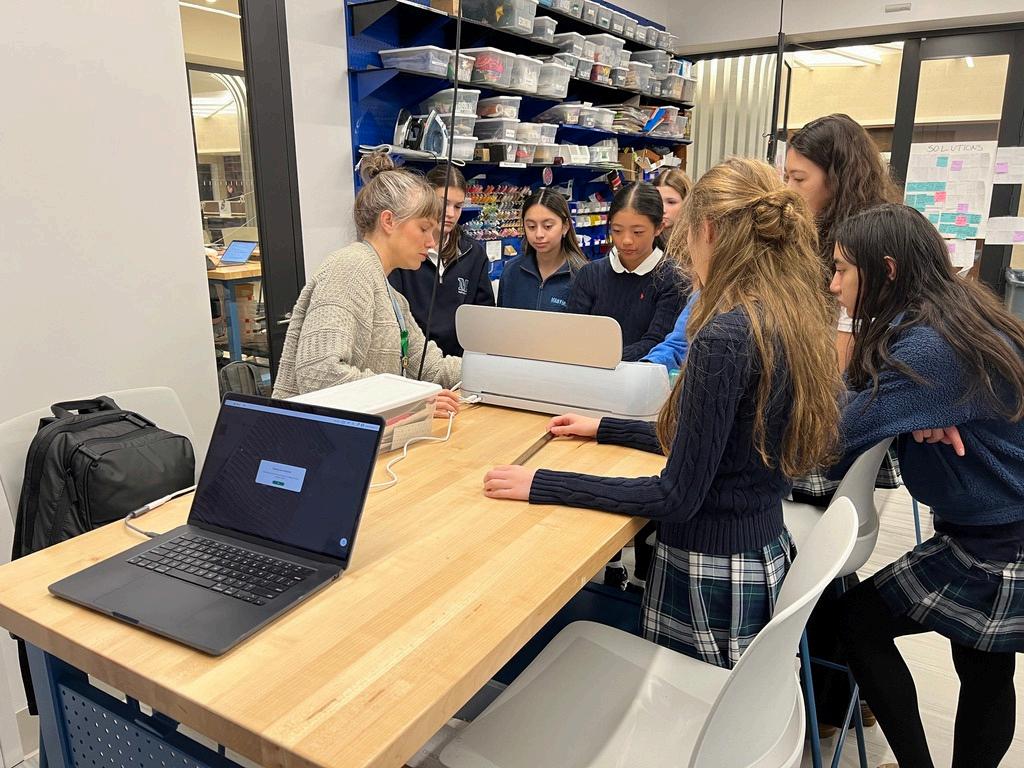
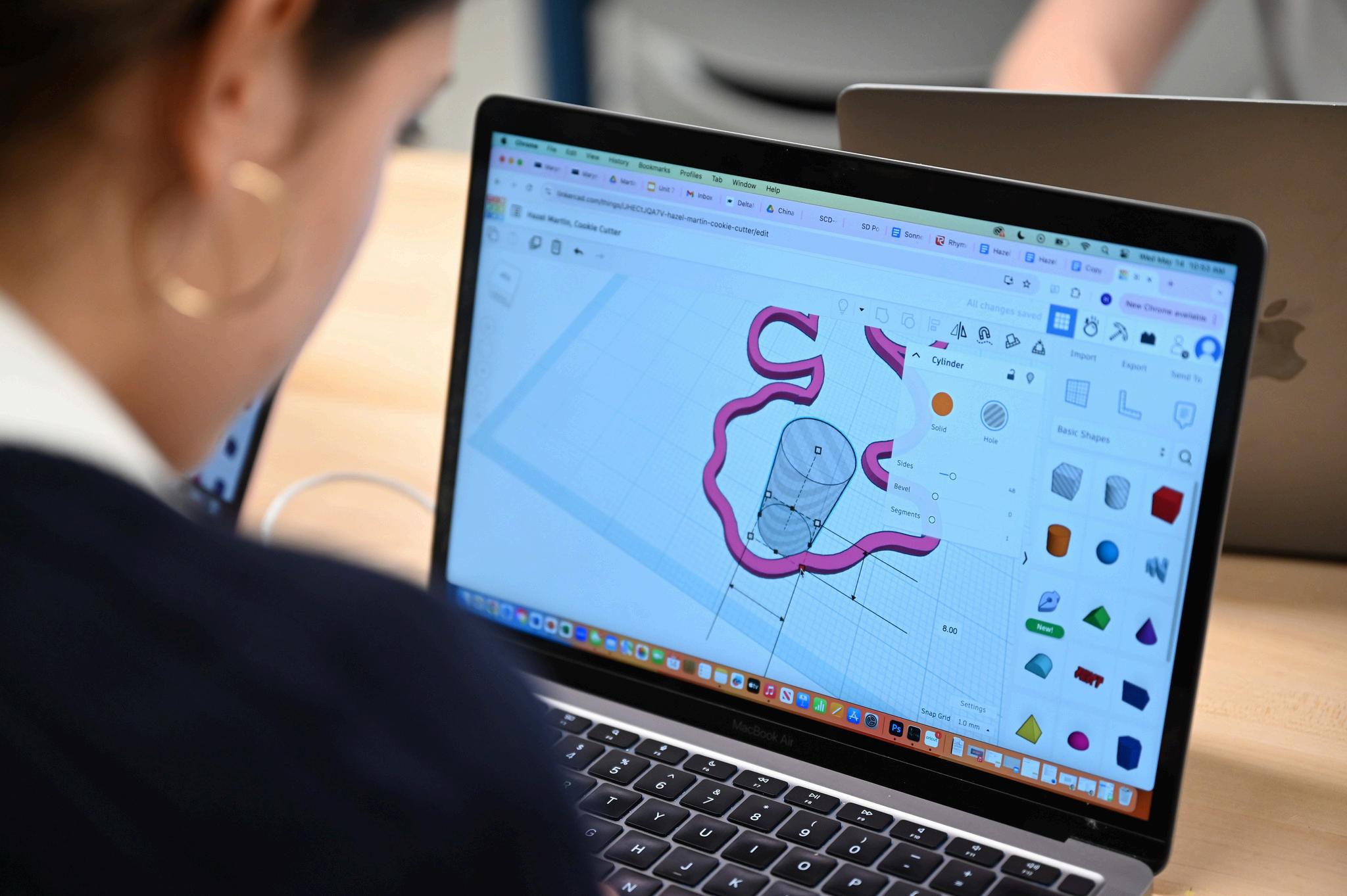
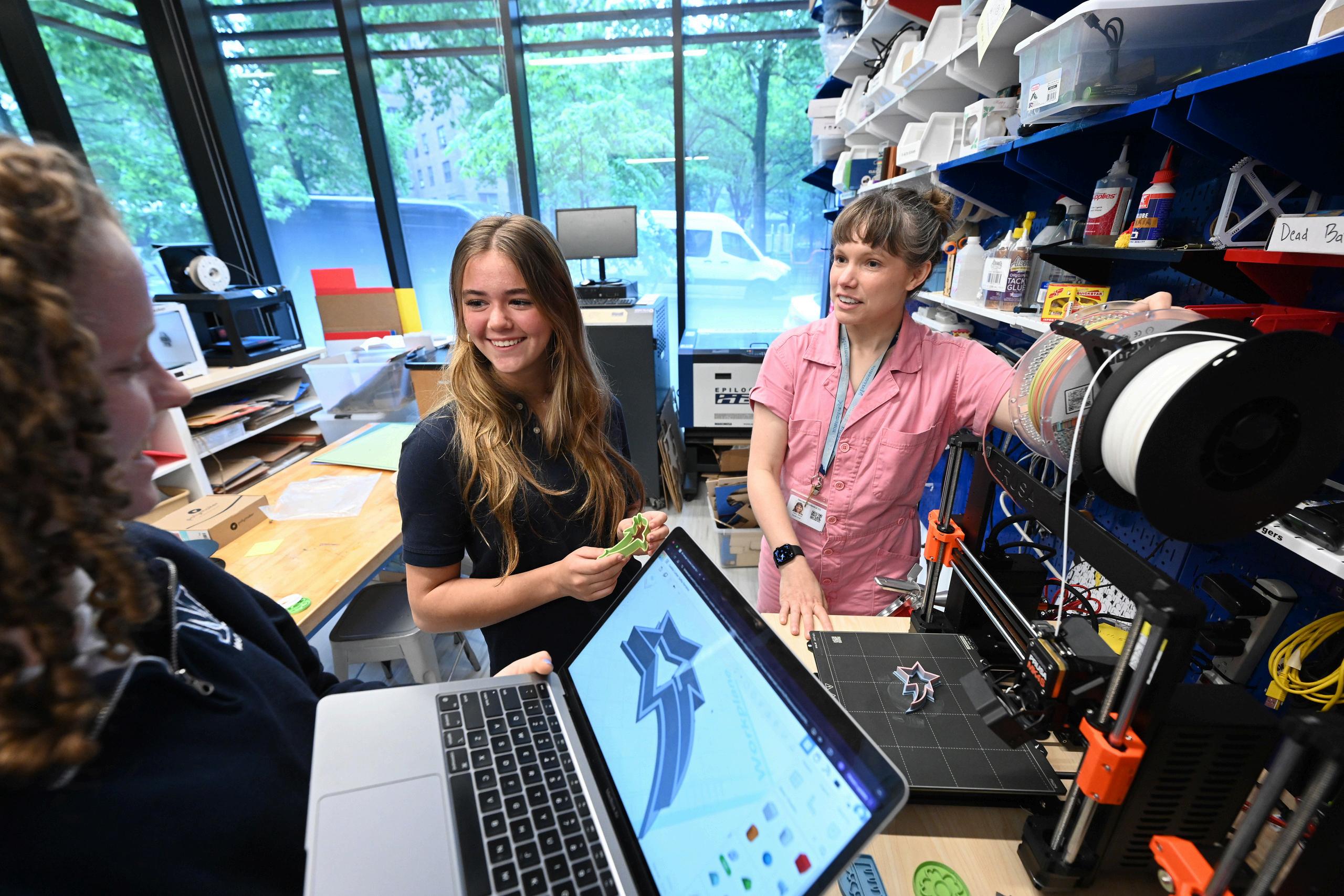
Digital Fabrication introduces Class IX students to the tools and mindset of modern making. Through hands-on projects, students use laser cutters, 3D printers, vinyl cutters, and digital embroidery to transform ideas into prototypes. As they design, test, and refine their work, they develop skills in digital design, computational thinking, and iterative problem solving, discovering how technology can turn creative ideas into tangible solutions.
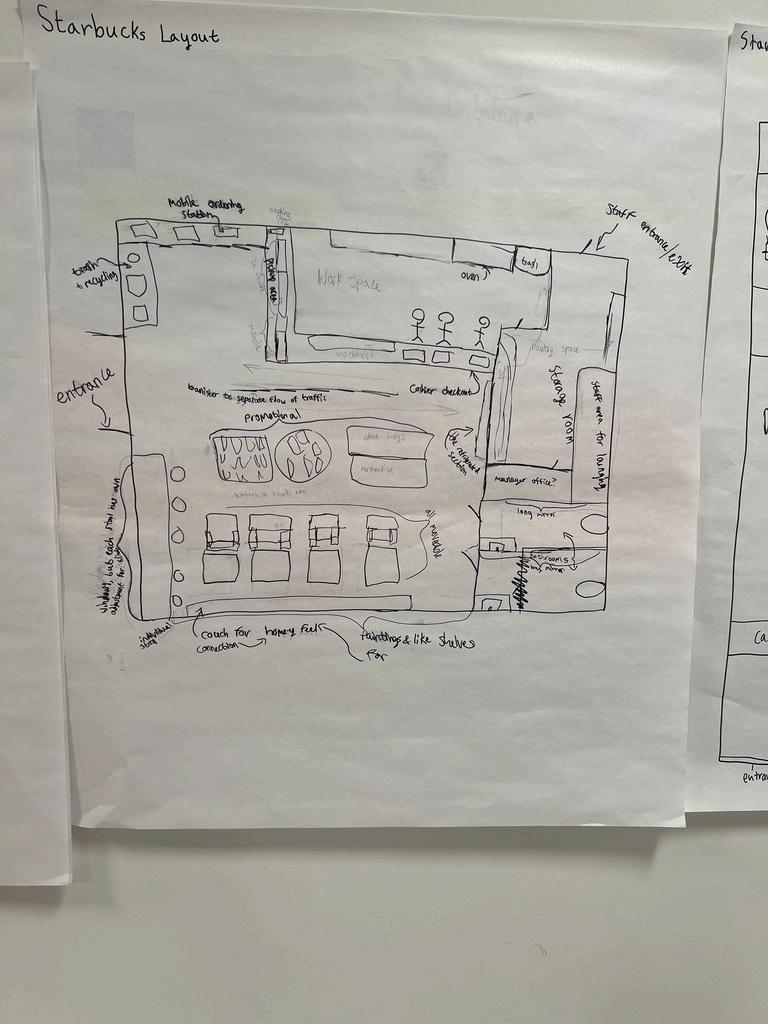
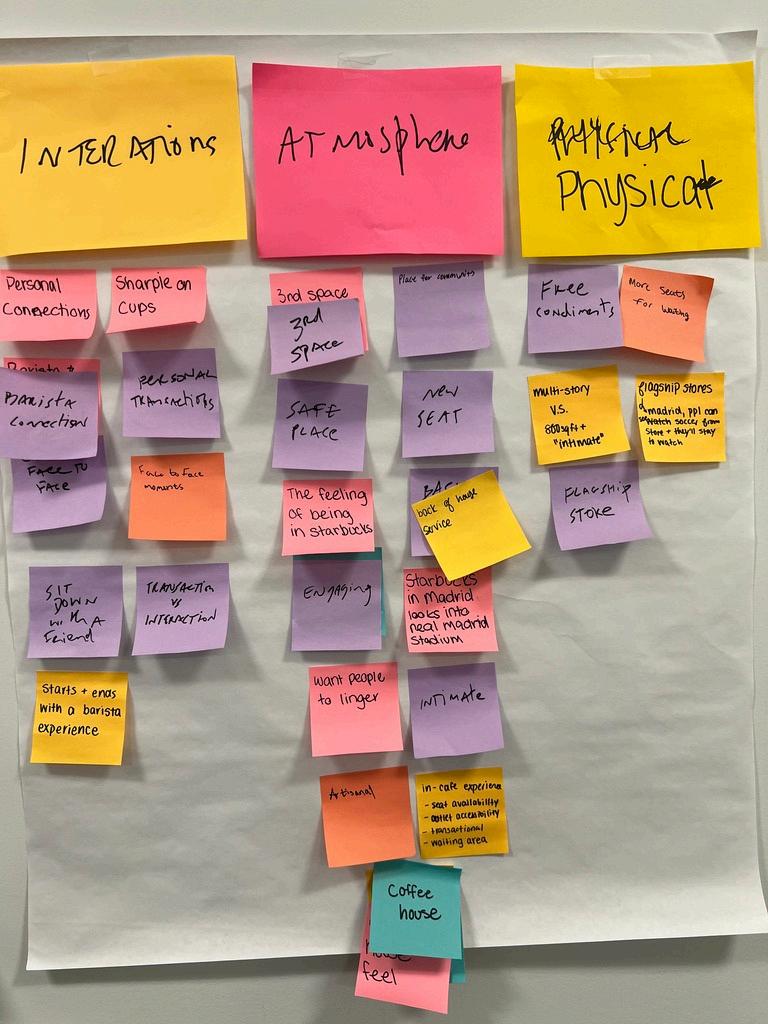
In Design Thinking, students reimagined the Starbucks experience through the lens of human-centered design. After observing and analyzing Starbucks locations, they identified opportunities to enhance the customer experience, sketched innovative store concepts, and created interactive 3D models using OnSpace. Through the project, students developed skills in observation, empathy, ideation, prototyping, and design communication while discovering how thoughtful design can transform everyday spaces.
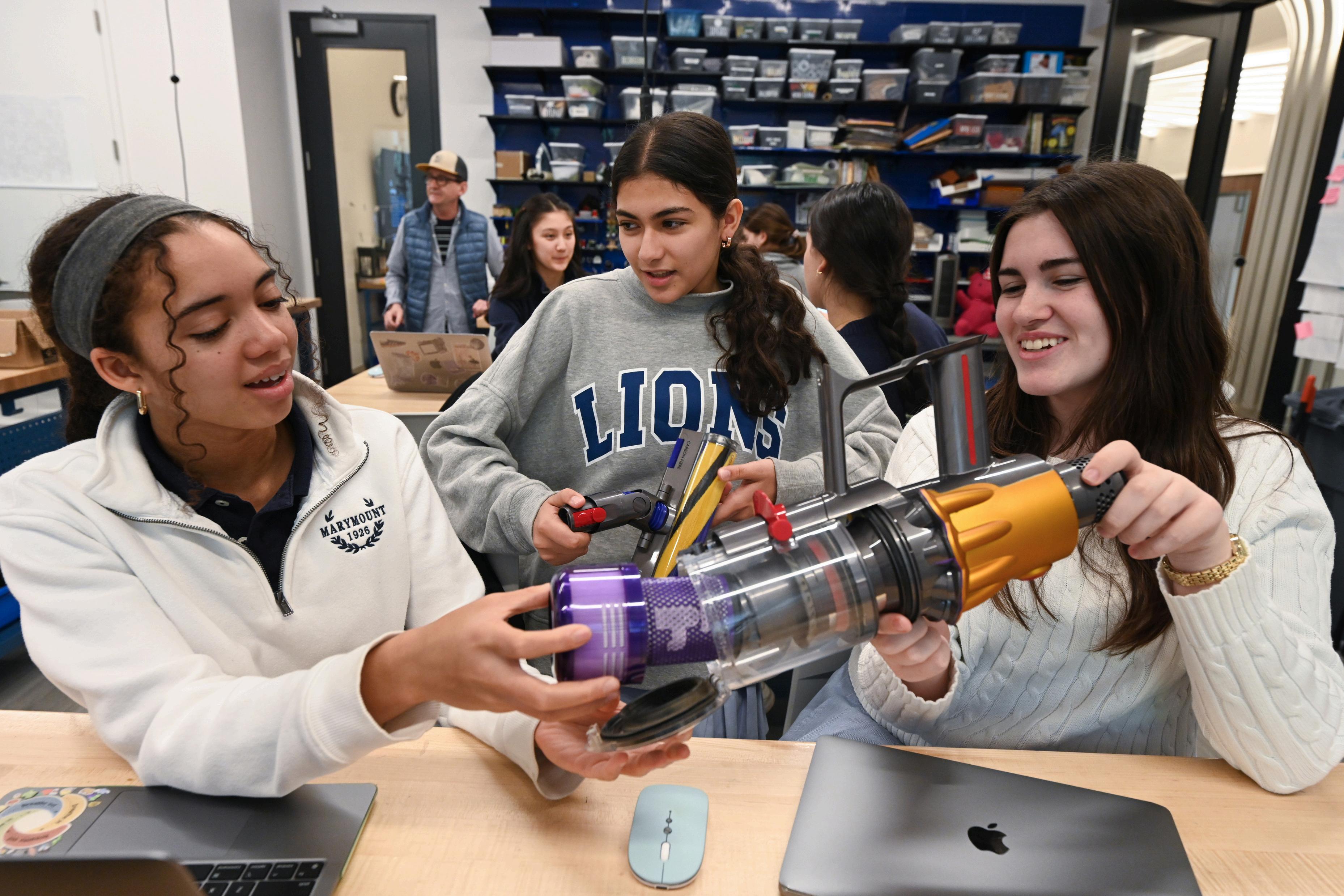
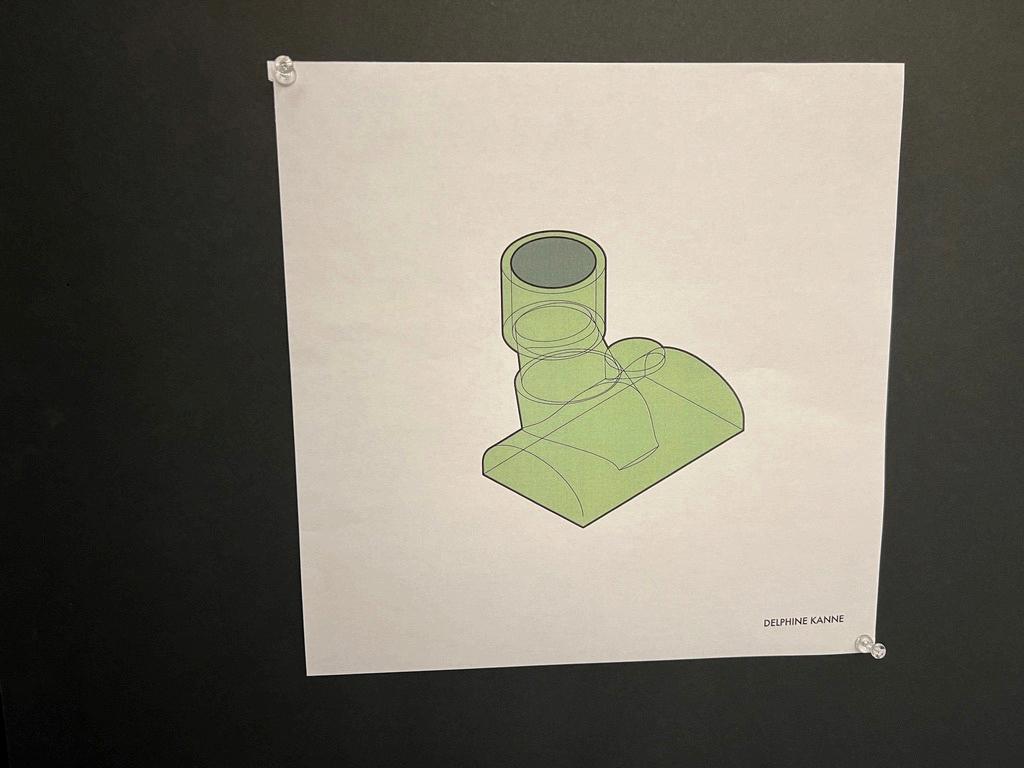
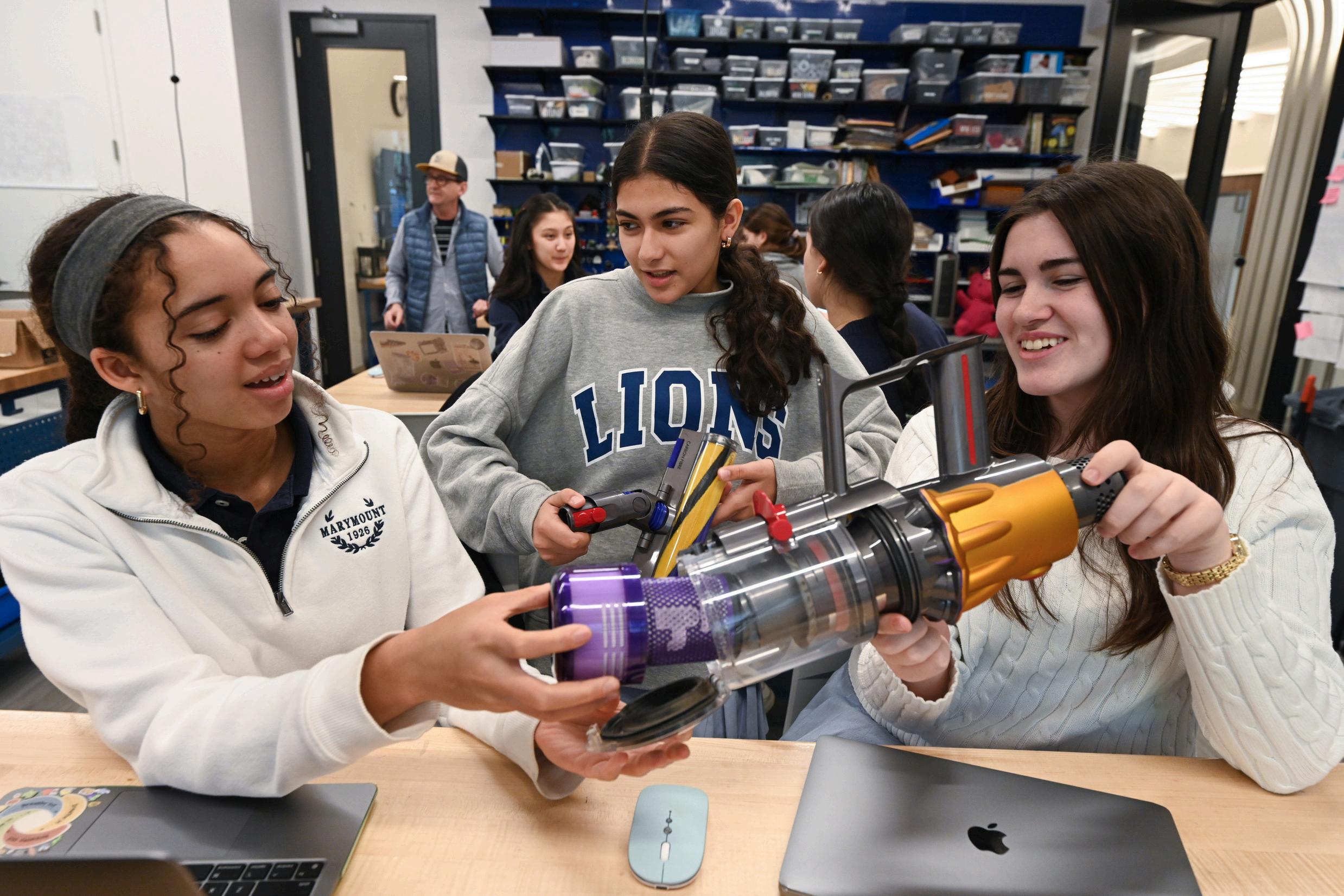
Students explore how thoughtful design shapes everyday products by using the Dyson vacuum cleaner as a case study. After disassembling and analyzing its components, engineering principles, and user-centered design, students identify opportunities to improve the vacuum head through consumer-friendly enhancements. They prototype and refine their ideas while considering usability, accessibility, and manufacturability. Students build skills in product analysis and iterative engineering, discovering how innovation is driven by understanding both technology and user needs.
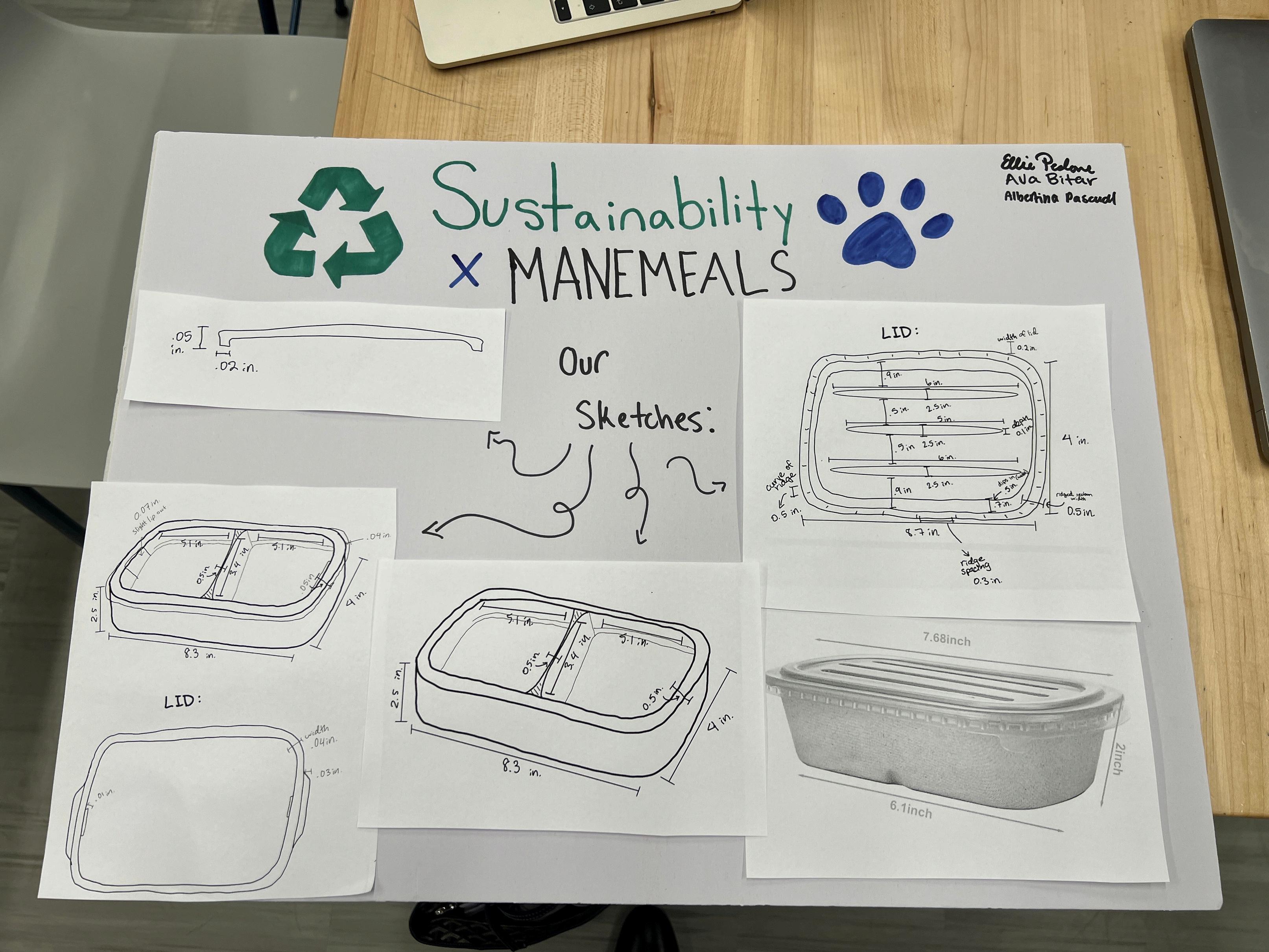
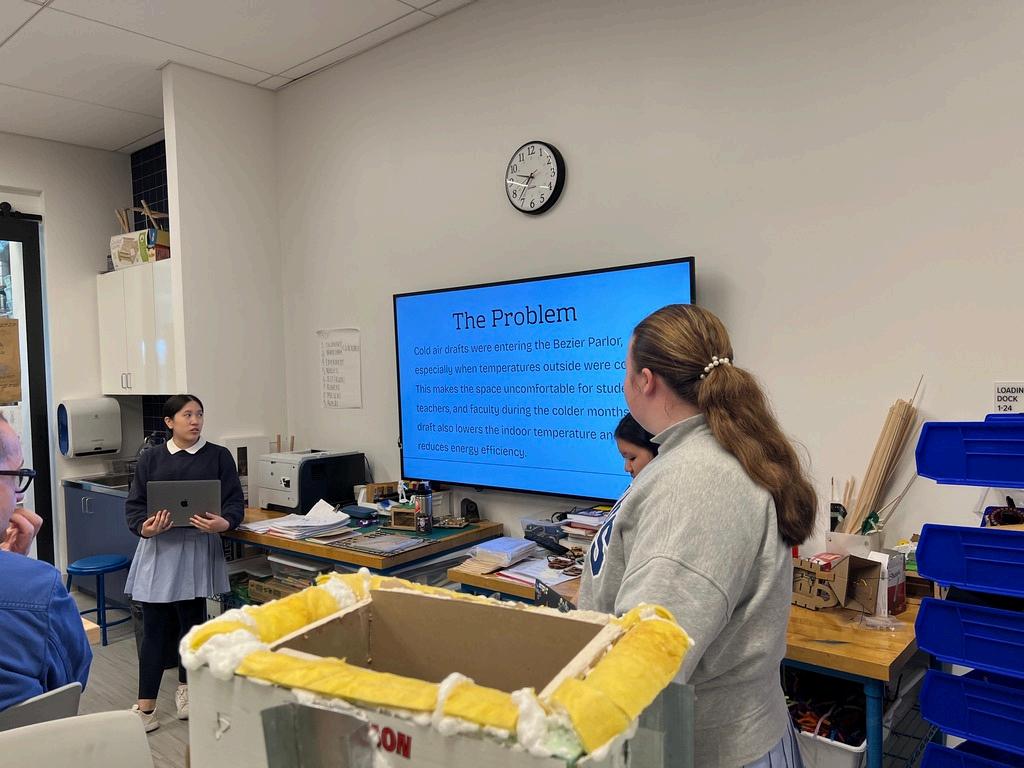
Students partner with a real client from the Marymount community to solve an authentic in-school challenge. Working in teams, students research stakeholder needs, define the problem, generate ideas, and present early concepts for initial stakeholder feedback. They then build, test, and refine prototypes before delivering a final presentation to stakeholders with their recommendations. Throughout the project, students document their process in an engineering design portfolio while developing technical, collaborative, and communication skills.
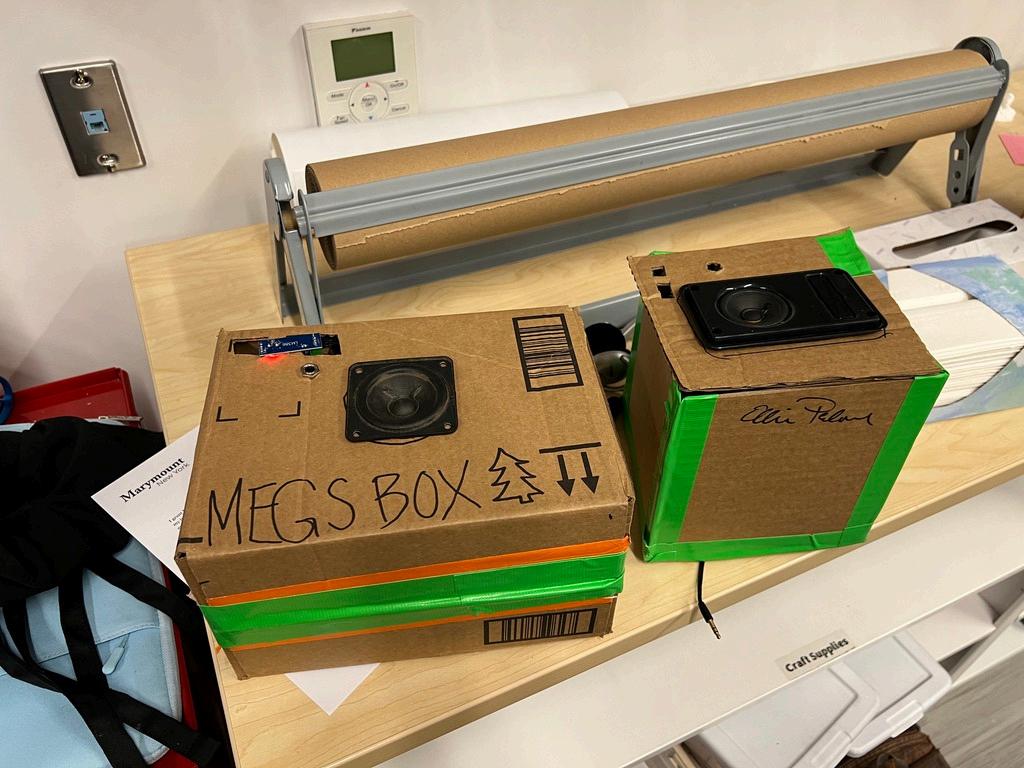
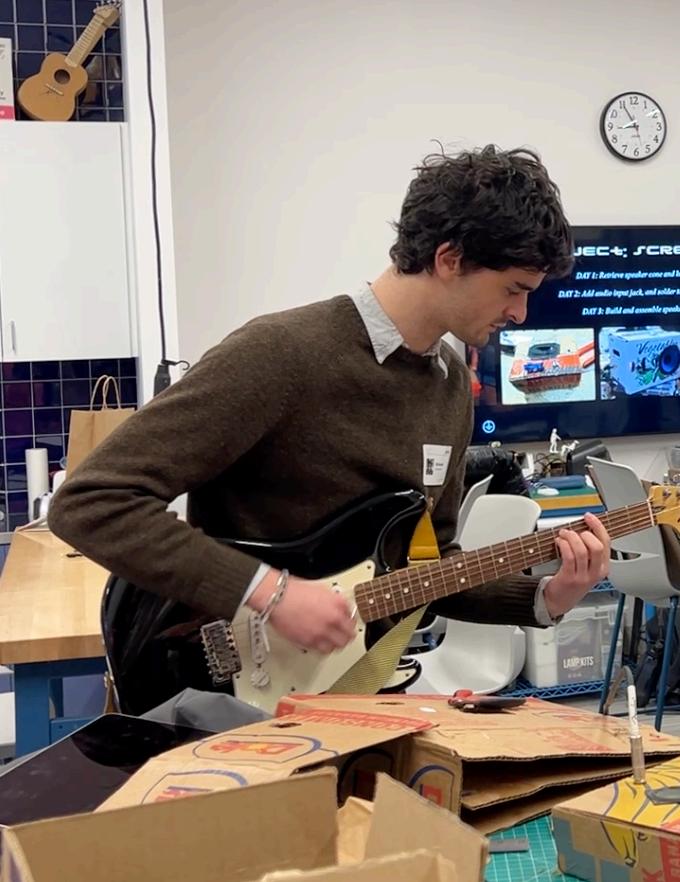
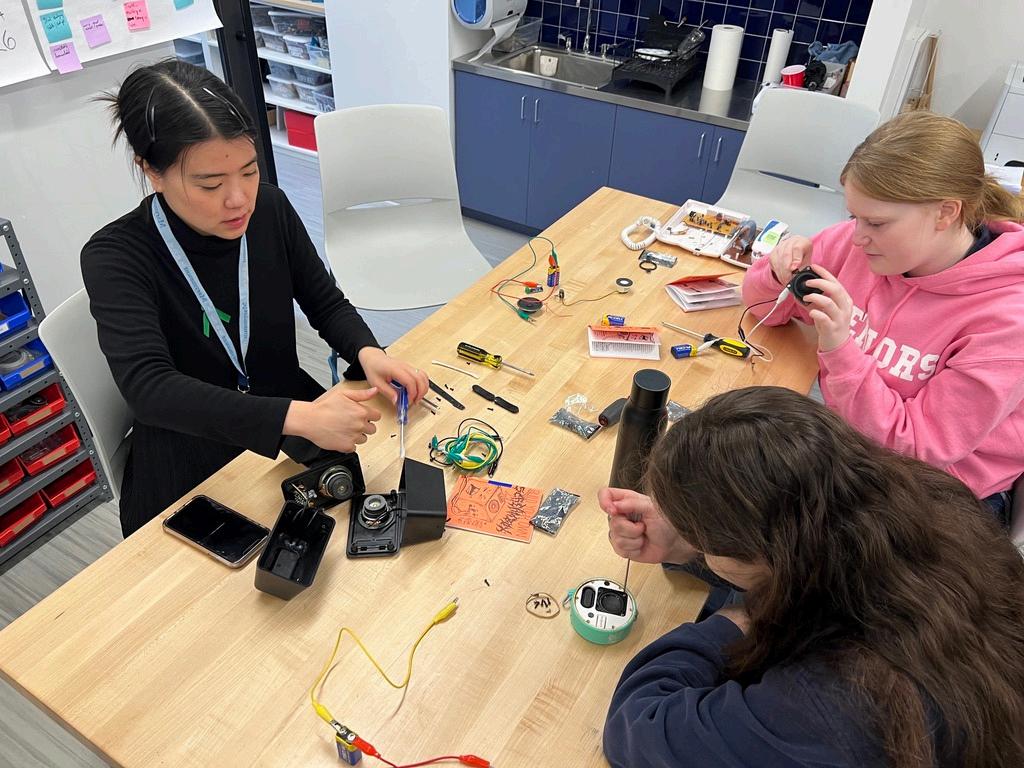
Students in Engineering participated in a three-day Build Your Own Screambox workshop led by Gib Bernath of the Disengineering Society. Students salvaged speakers from broken electronics, soldered amplifier circuits, and designed custom housings to create touch-sensitive distortion amplifiers that change sound when touched. Combining electronics, engineering, and creative experimentation, the workshop introduced students to circuit design, audio technology, and upcycling while demonstrating how discarded materials can be transformed into expressive, interactive musical instruments.
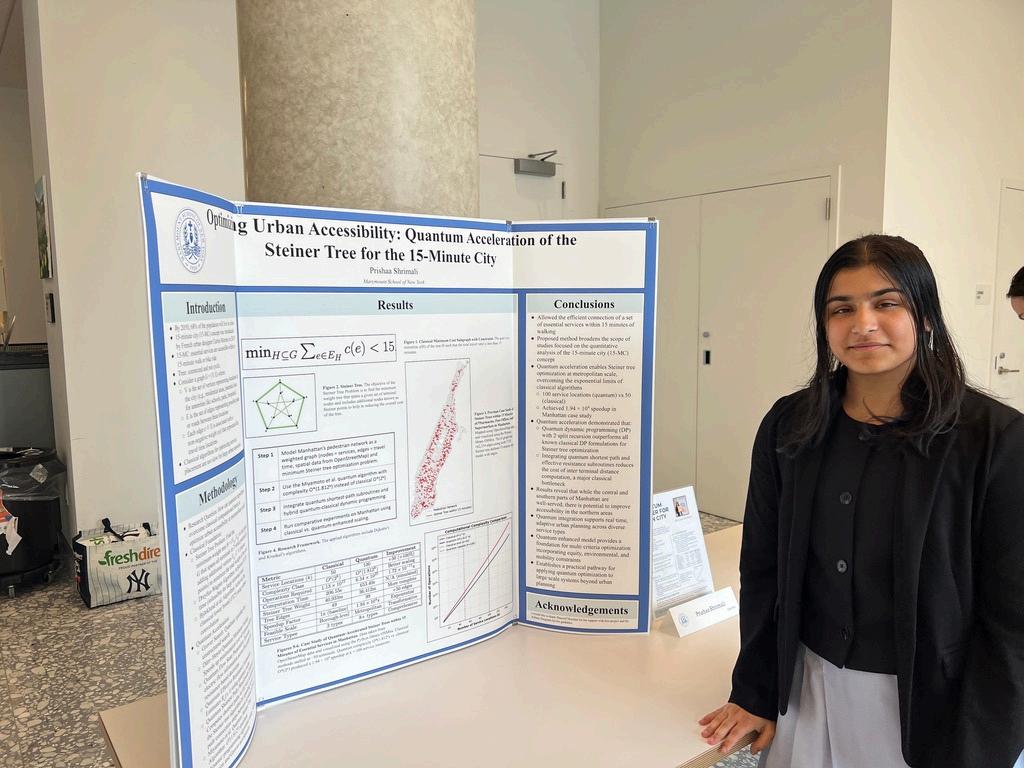
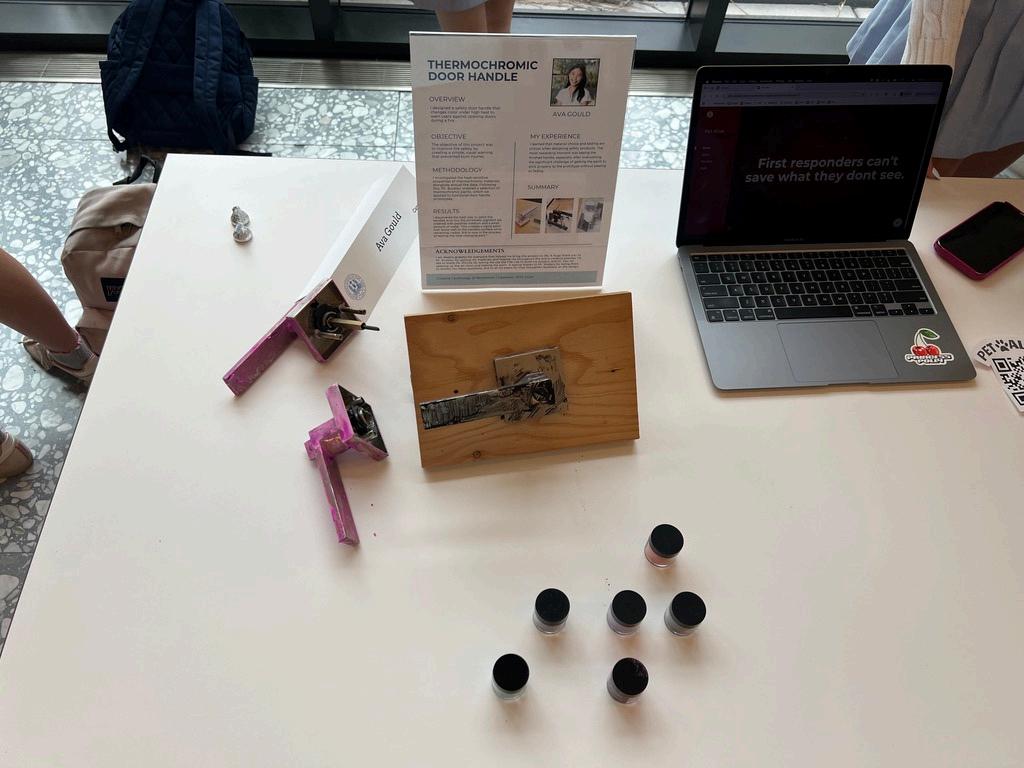
The Capstone Project is the culminating experience of Marymount's Certificate in Design, Innovation, and Impact. Students apply design thinking, creativity, and technical skills to address a meaningful real-world challenge through research, ideation, prototyping, testing, and refinement. Guided by faculty mentors, students document and reflect on their progress throughout the year. The experience concludes with a public exhibition where students present both their final solution and the story of their journey as innovators, problem solvers, and leaders.
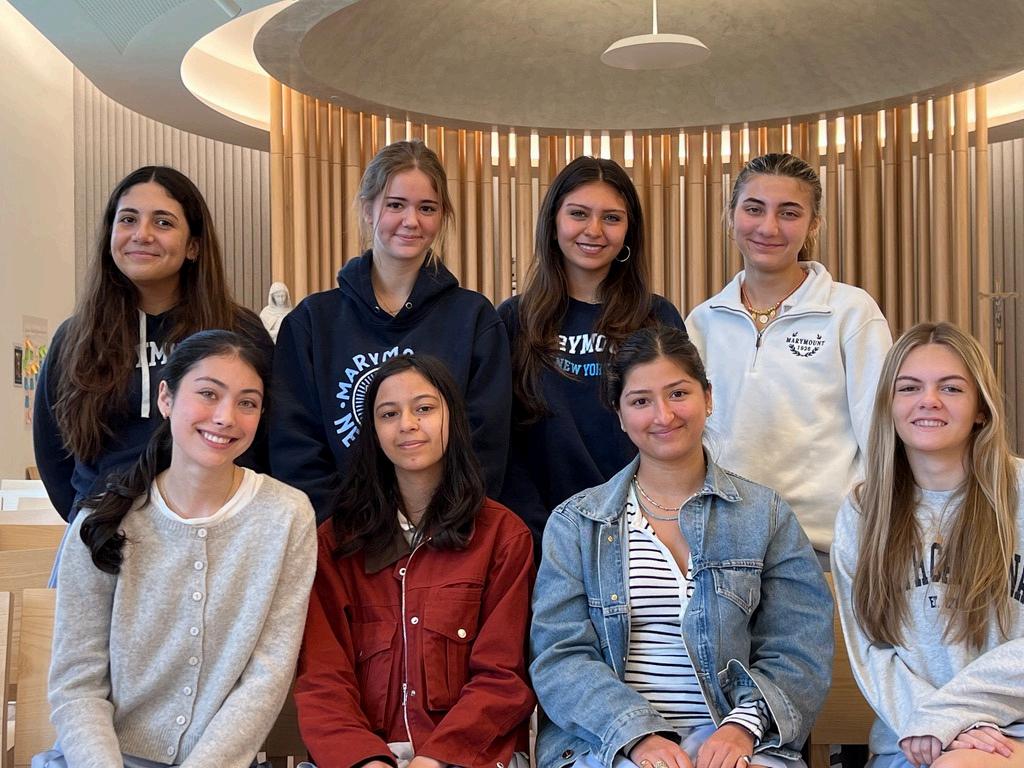
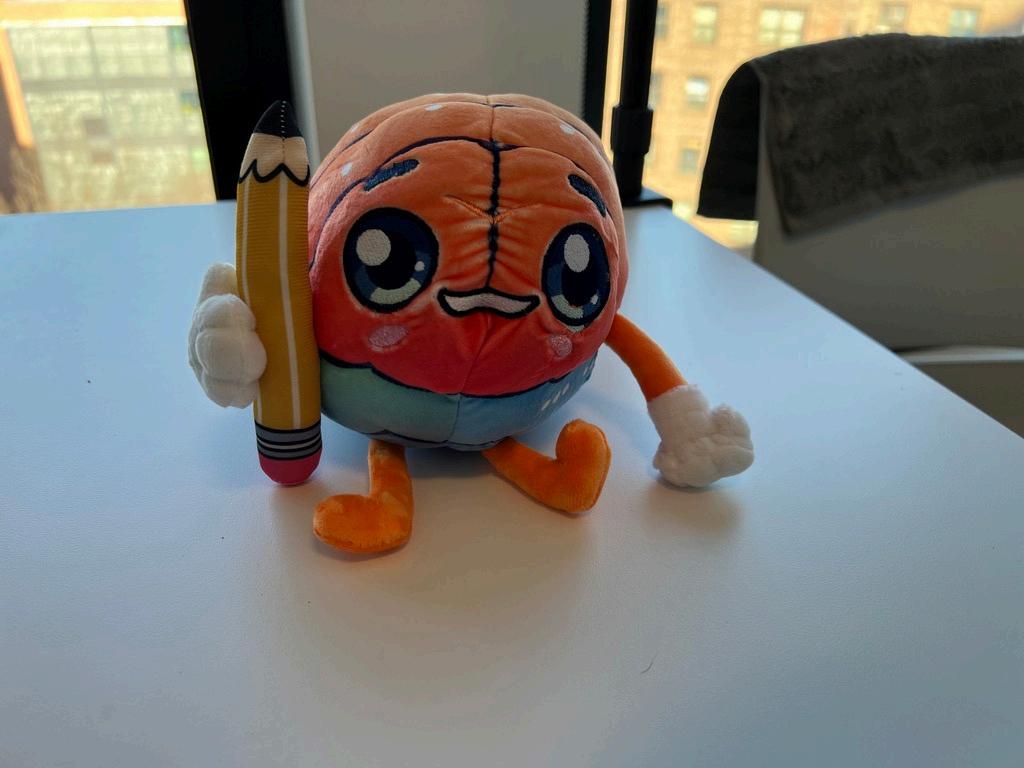
The Student AI Working Group gives students a leading role in shaping the responsible use of artificial intelligence at Marymount. During the year, members designed and analyzed an Upper School AI survey, developed department-specific AI guidelines, and created a professional learning workshop for Lower Campus teachers. They also reviewed emerging AI platforms and helped evaluate tools such as UniqLearn and Playlab for educational use. Through this work, students served as researchers, advisors, and collaborators, ensuring student voice remains central to AI implementation.
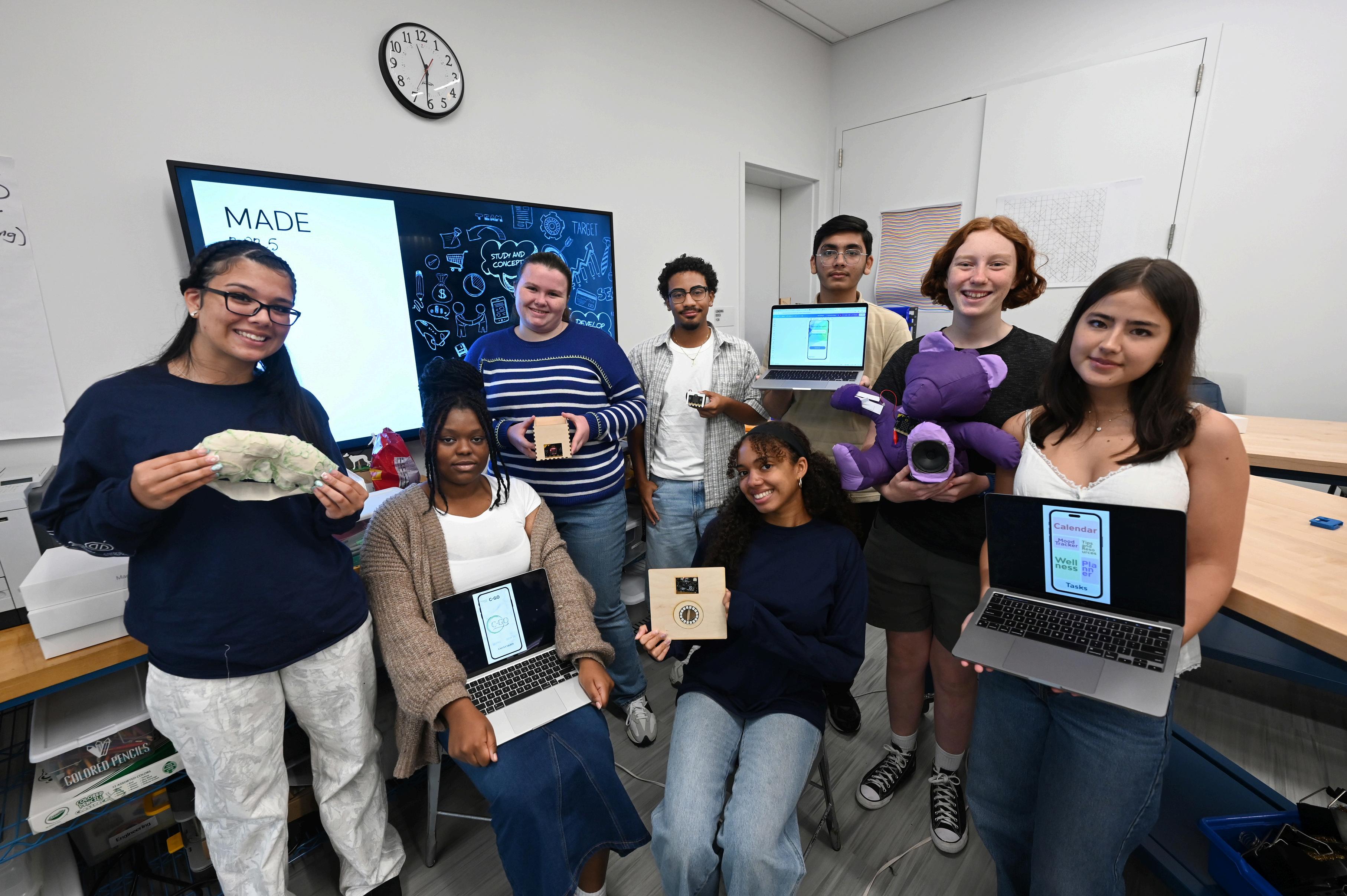
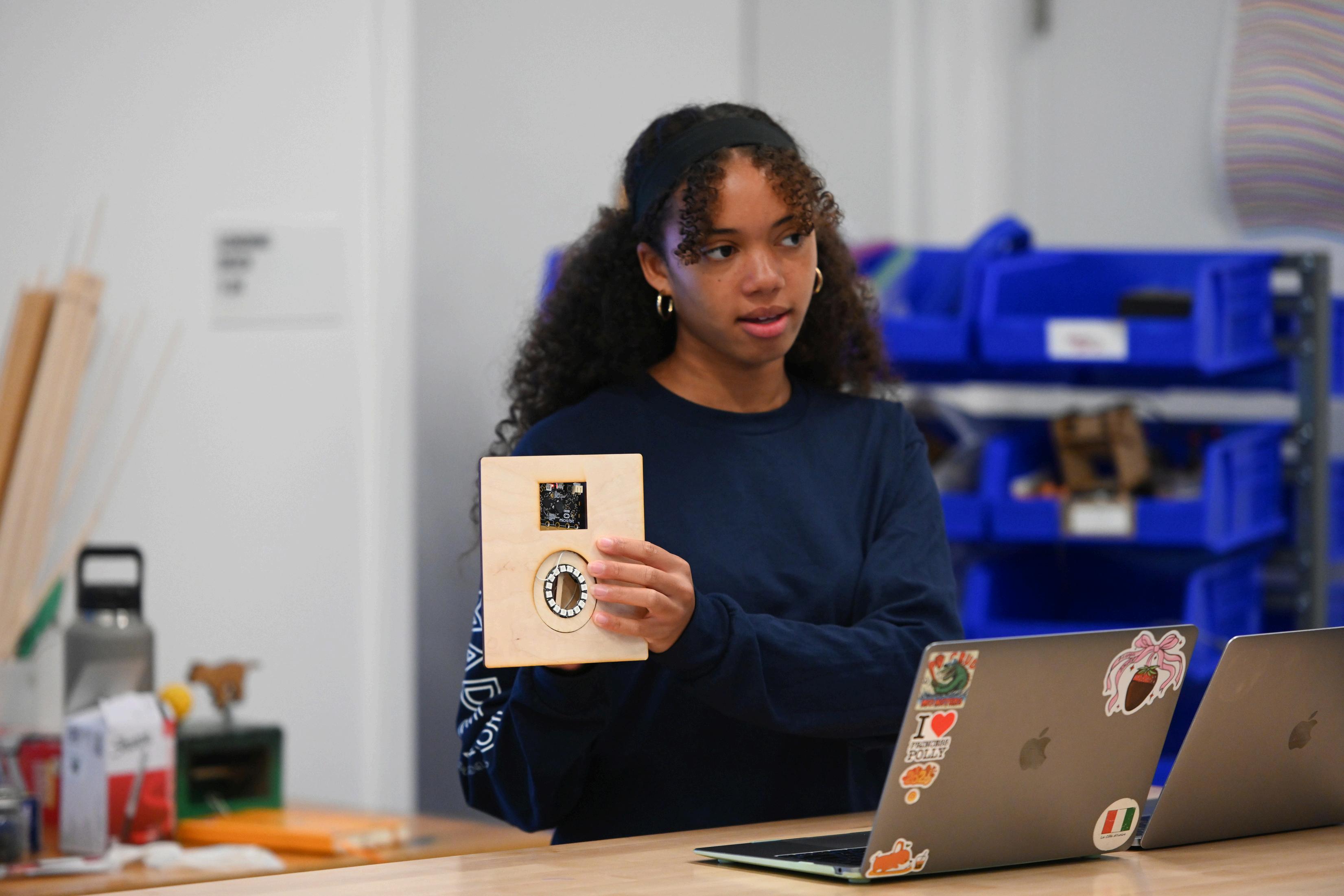
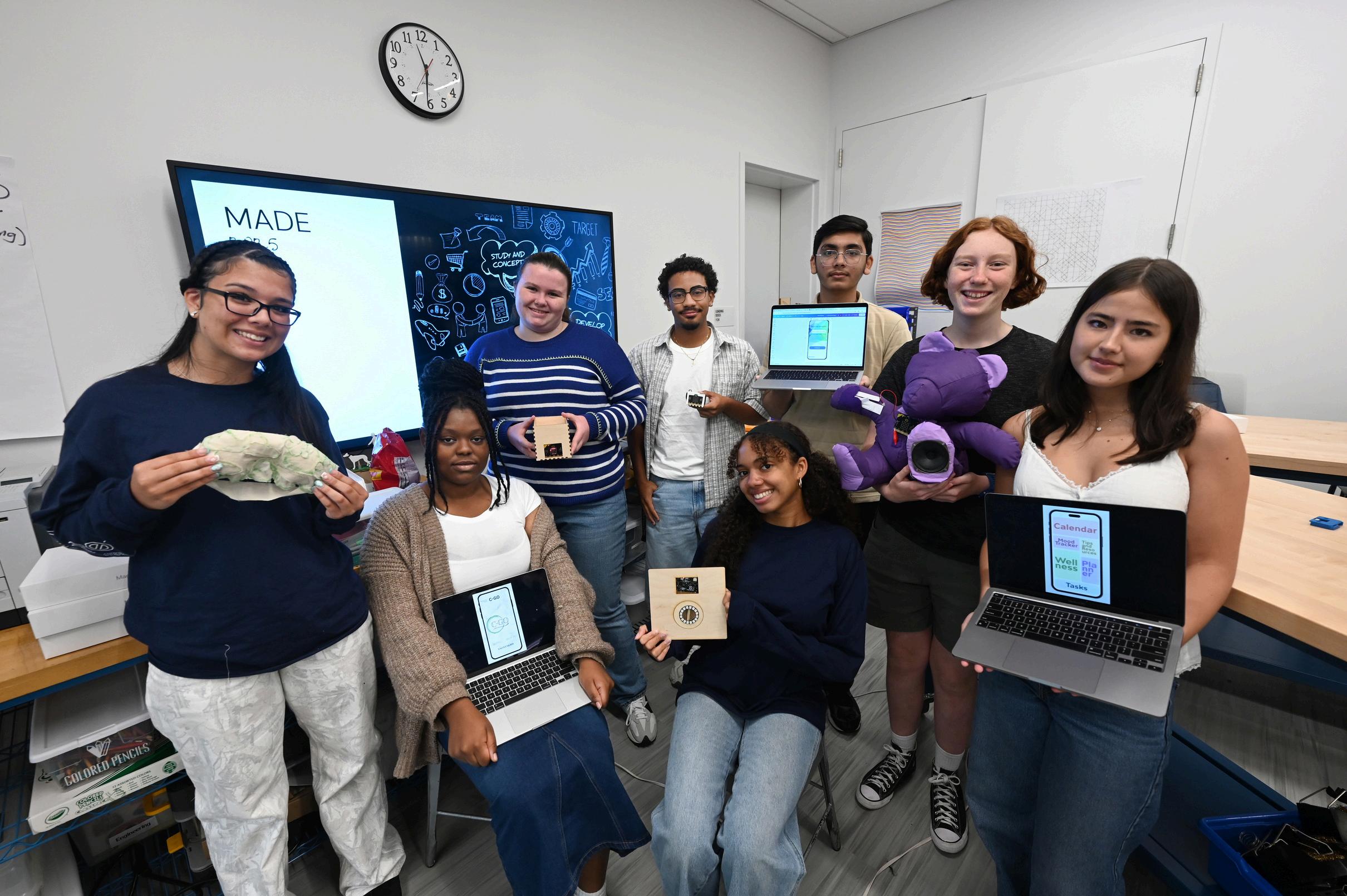
Marymount's MADE (Marymount Accelerator for Design and Entrepreneurship) Summer Program immersed students in an intensive week of creativity, innovation, and entrepreneurship. Working in teams, students identified real-world challenges, applied design thinking, developed prototypes, and refined their ideas through feedback and iteration. The program concluded with students pitching their solutions to a panel, strengthening their skills in collaboration, communication, problem solving, and entrepreneurial thinking while transforming ideas into meaningful innovations.
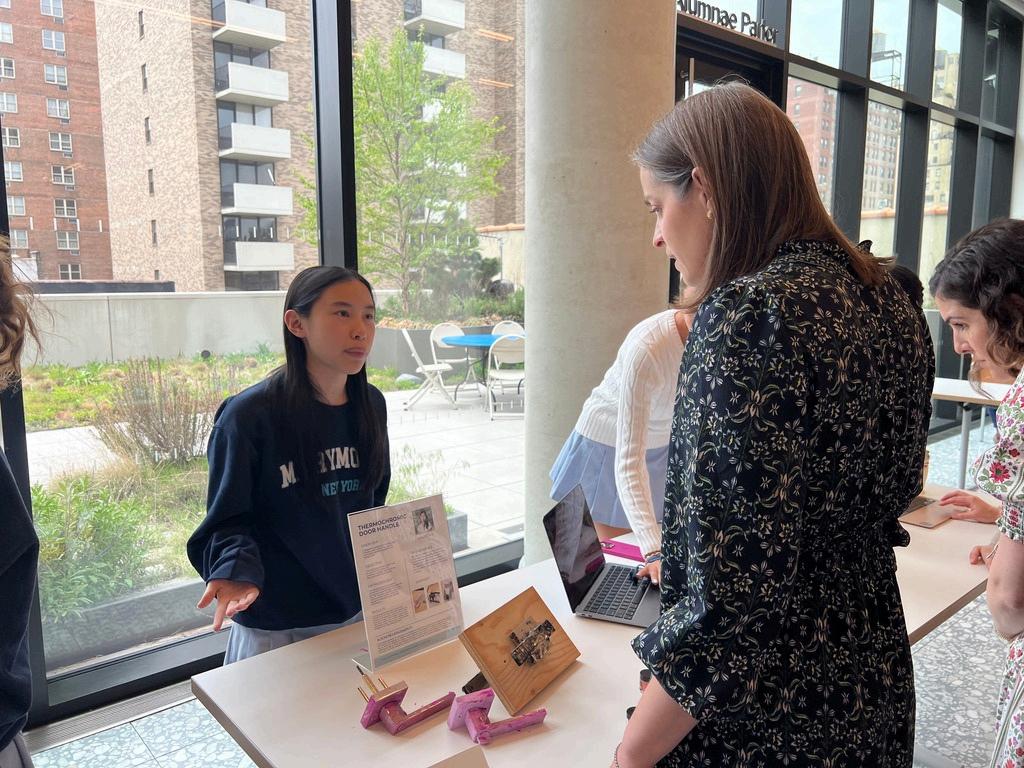
“CreativeTechnologyshowedmethatIdon'thaveto waituntilI'moldertosolverealproblems.Icanstart now."
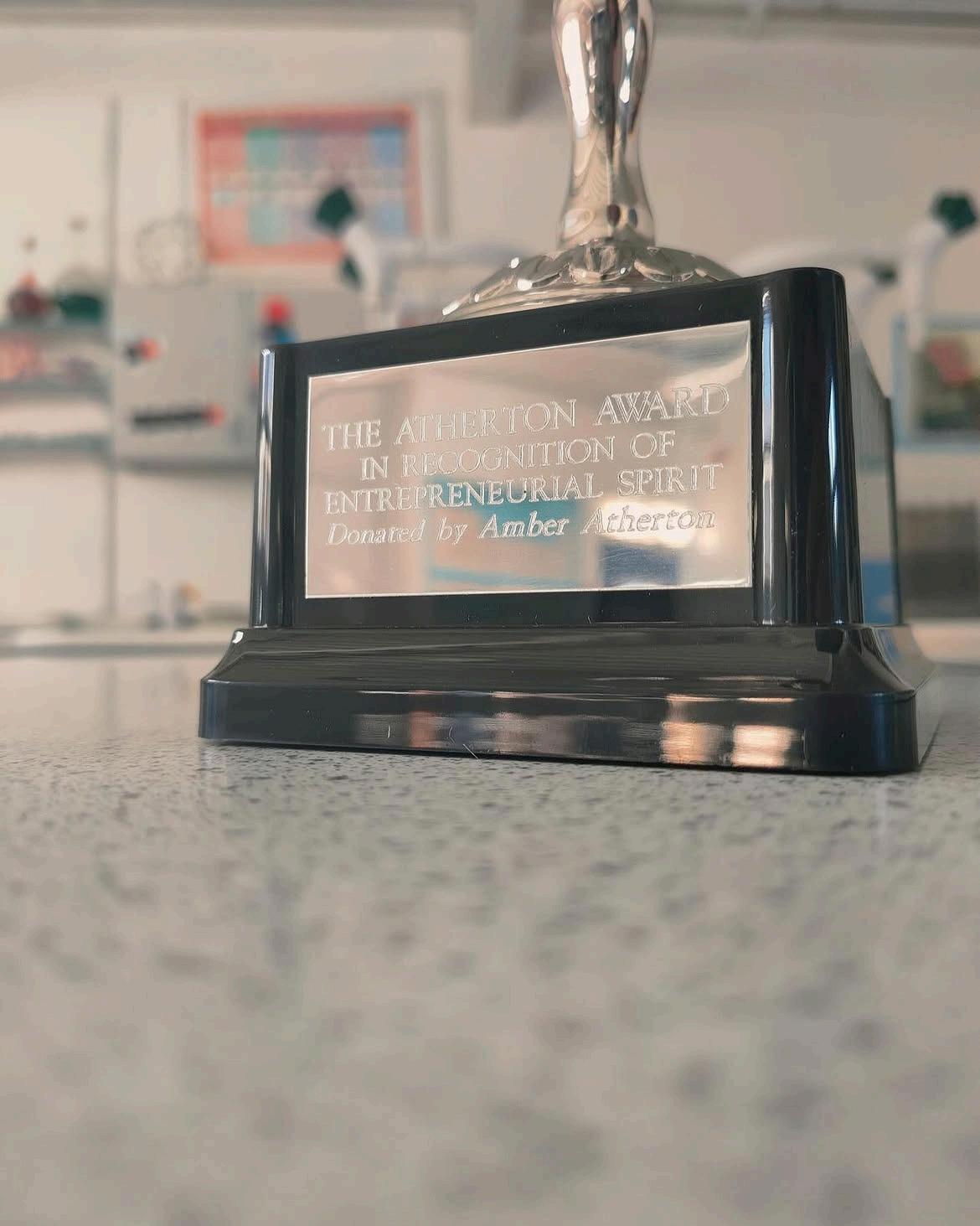

Students in Marymount's Entrepreneurship program submitted projects for the 2026 Atherton Award, an international competition celebrating entrepreneurial spirit in young women. Their ideas included a mental health support app for teens and an autonomous drone concept to reduce litter. Through research, prototyping, and iterative design, students applied creativity, empathy, and entrepreneurial thinking to develop innovative solutions that address real-world challenges and create meaningful social impact.
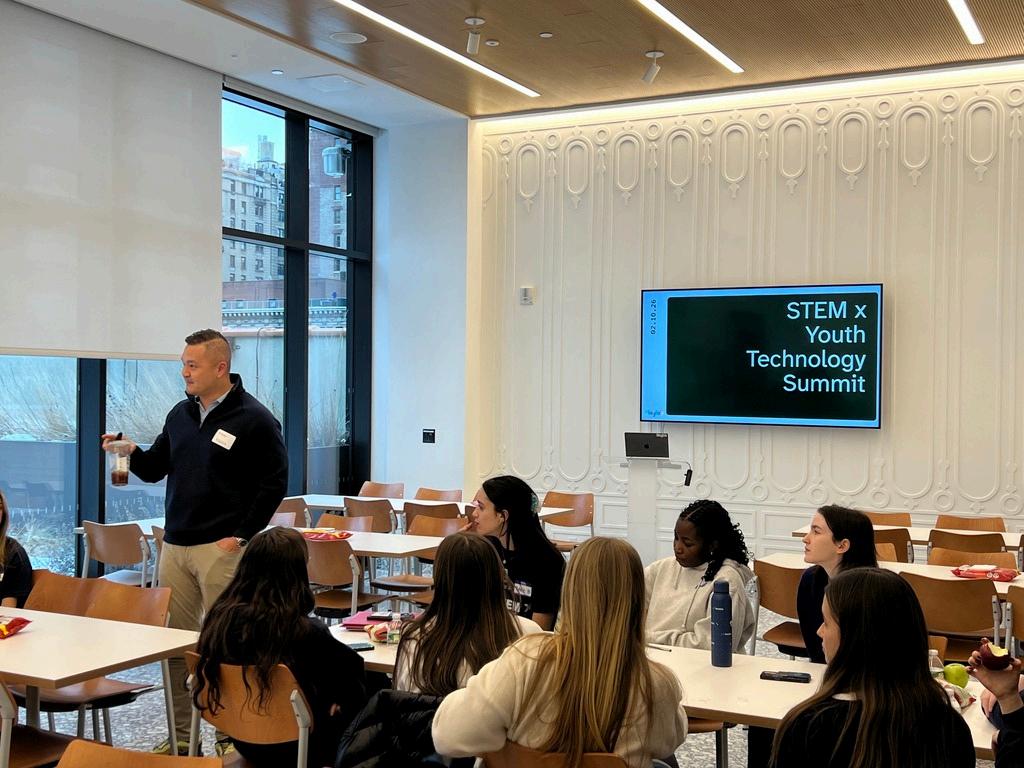
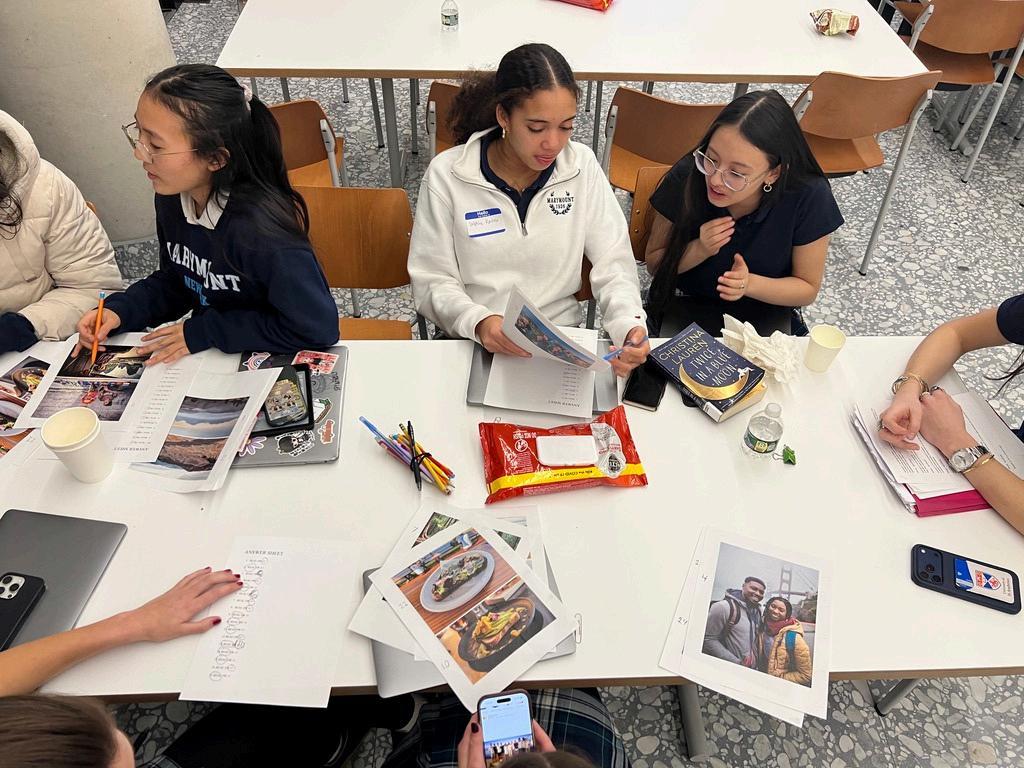
Marymount's annual STEMxYouth Summit, AI + You, welcomed more than 60 students, faculty, administrators, and parents the largest attendance in the event's history. The summit featured a keynote by Wyman Khuu of Playlab, who explored the future of artificial intelligence and the opportunities it creates for student innovators. Participants then chose between designing AI-powered apps with Playlab or attending a deepfake image workshop that examined both the creative possibilities and ethical implications of AI-generated media through hands-on learning.
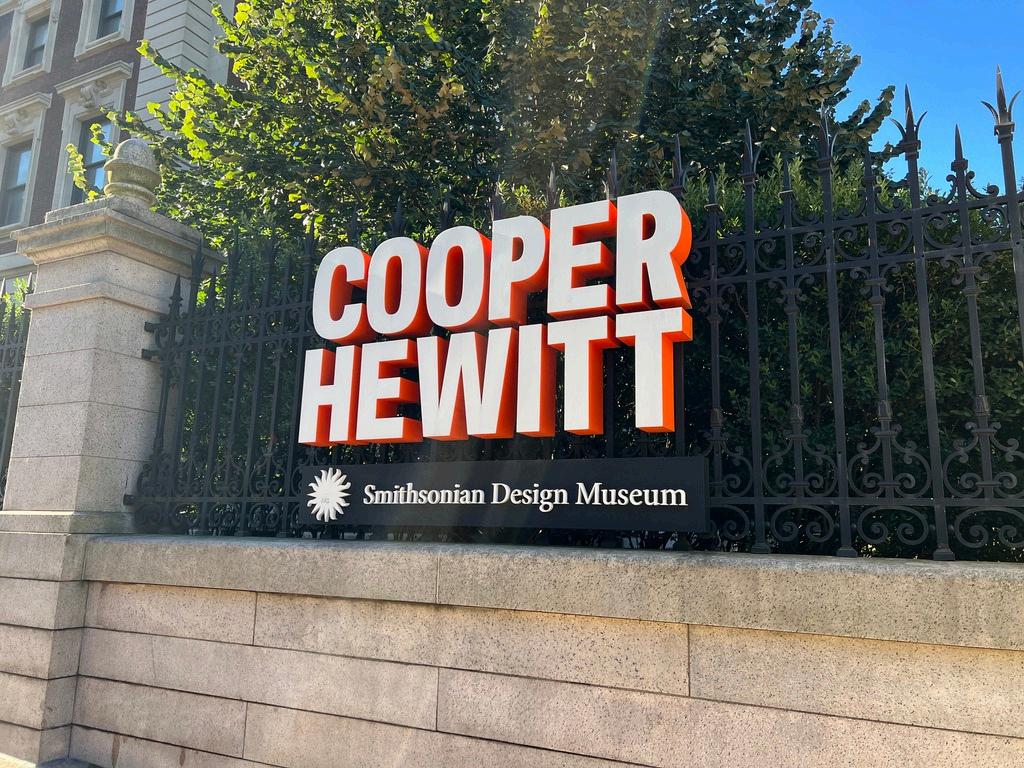
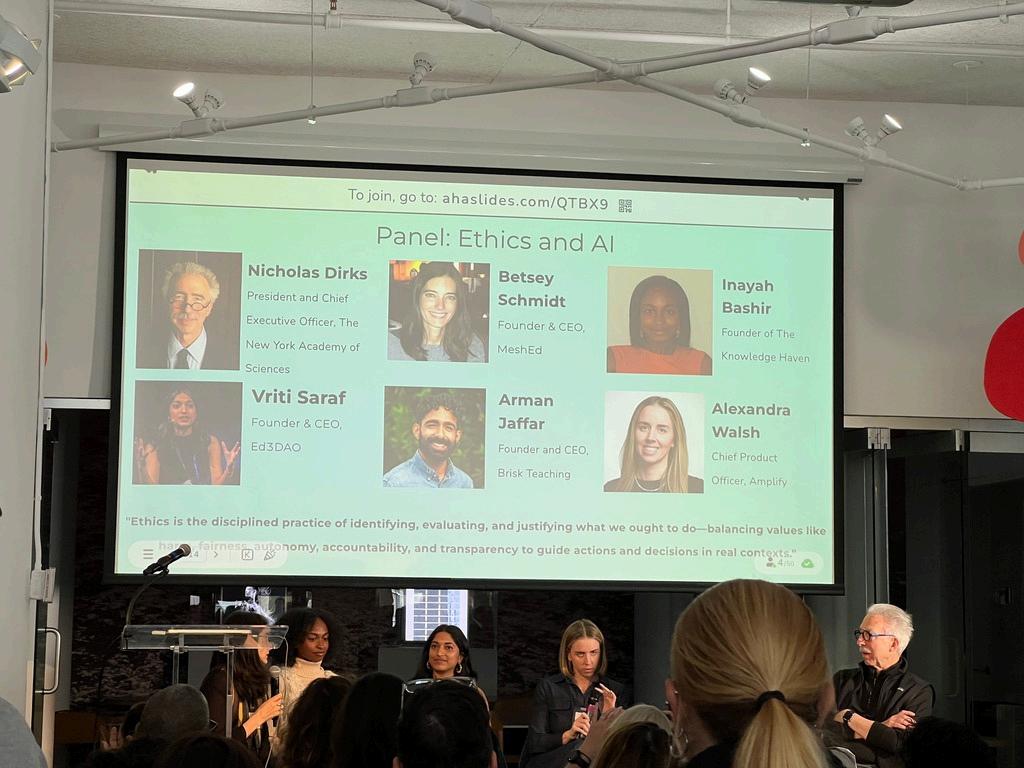
Through Student Voyages, Marymount encourages students to build a sense of belonging by learning alongside others beyond the classroom. This year, students visited the Cooper Hewitt Smithsonian Design Museum, attended the AI & Education Symposium at Betaworks, and participated in other learning experiences that connected them with educators, innovators, and peers. These experiences broadened perspectives, sparked meaningful conversations, and reinforced that learning happens everywhere—not just at school.
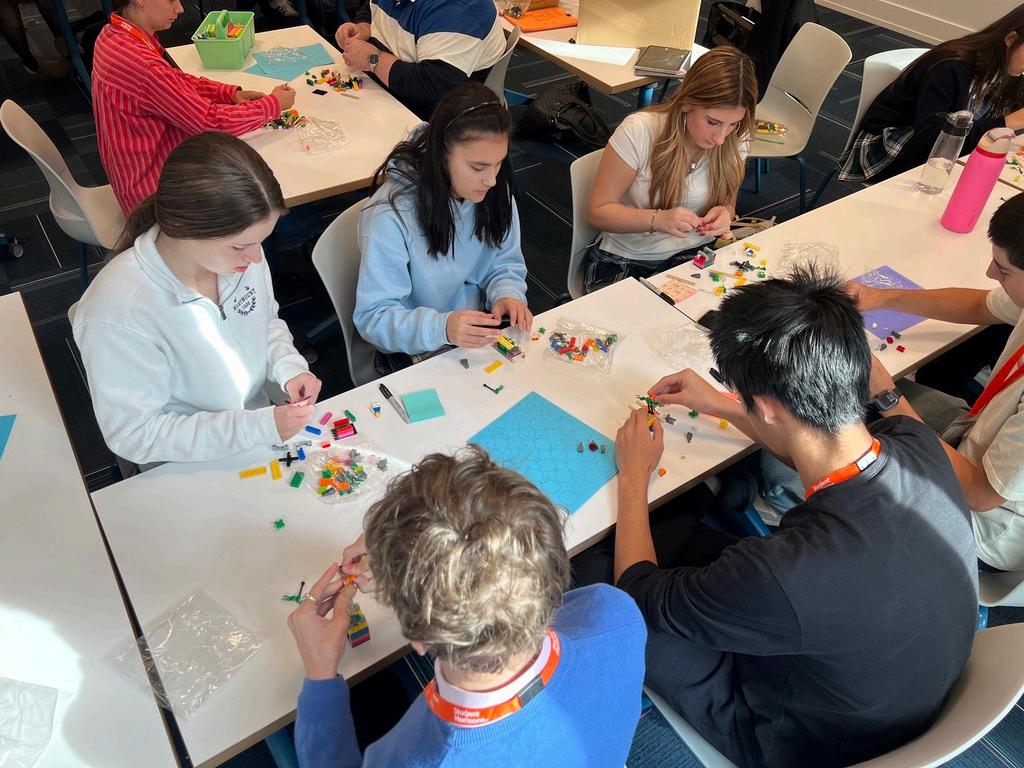
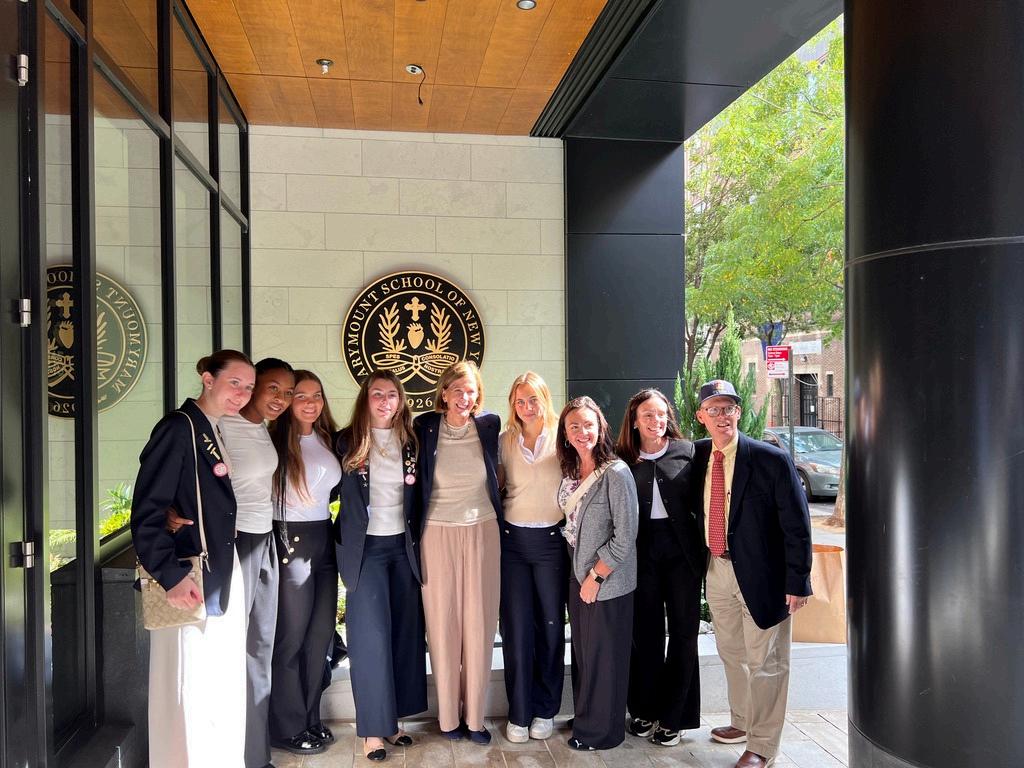
Marymount welcomed visitors from Sheldon College in Australia, Apple Japan, Gwynedd Mercy Academy High School, and Havergal College in Toronto to share ideas and explore innovative approaches to teaching and learning. Through collaborative conversations and creative experiences, we exchanged perspectives on creativity, design thinking, and emerging technologies, strengthening international partnerships and reinforcing our commitment to learning with—and from—schools around the world.
Through the RSHM Global Campus, Marymount students and educators connect with peers across the international RSHM network through collaborative, cross-cultural learning experiences. This year, Global Entrepreneurship and Designing Your Life were among the most popular student courses, while two new faculty offerings Global Education and Sustainable Development Goals expanded professional learning opportunities. Together, these experiences foster global perspectives, collaboration, and a deeper appreciation for our interconnected world.
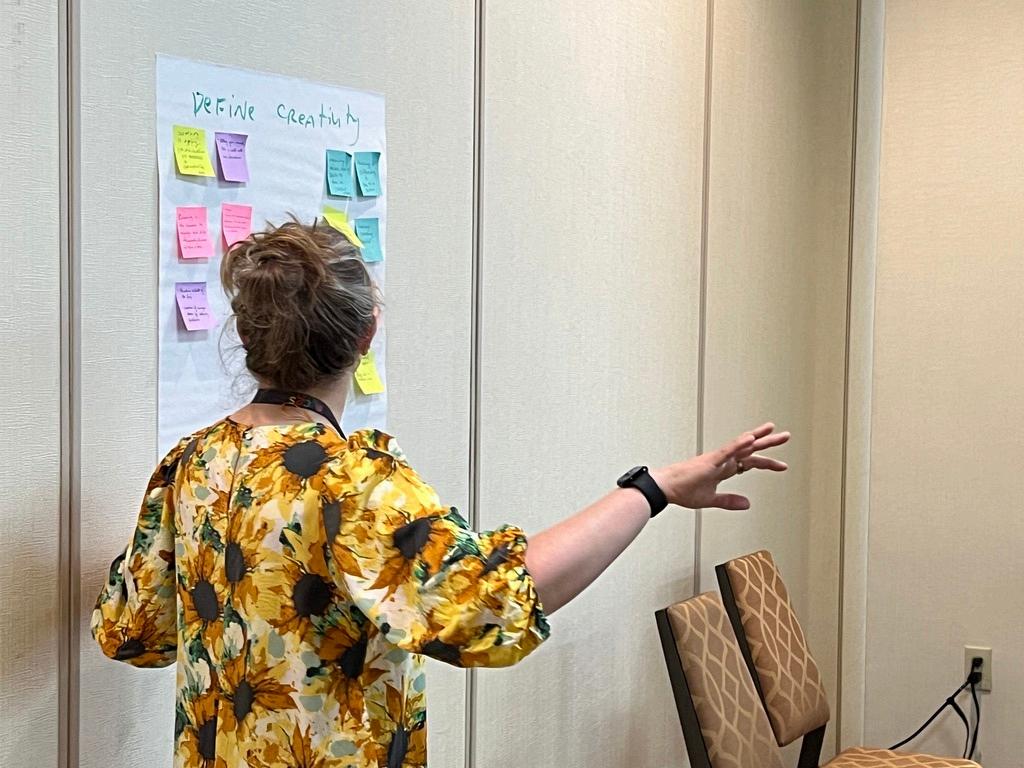
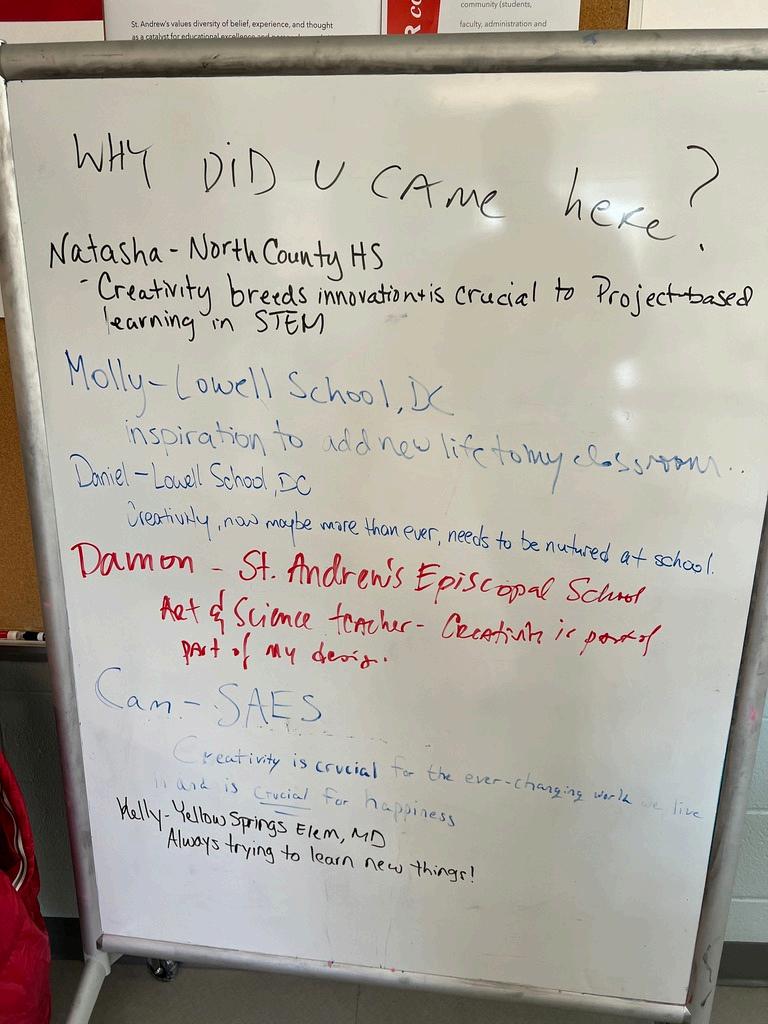
We shared Marymount's innovative approach to creativity and studentcentered learning through presentations and workshops at the International Coalition of Girls' Schools (ICGS) Conference and EduCon in Philadelphia, as well as with students and faculty at Marymount London. Participants explored practical strategies for fostering creative confidence, embracing ambiguity, and designing classrooms where curiosity, collaboration, and innovation flourish. These experiences reflected Marymount's ongoing commitment to educational leadership and sharing ideas with schools around the world.
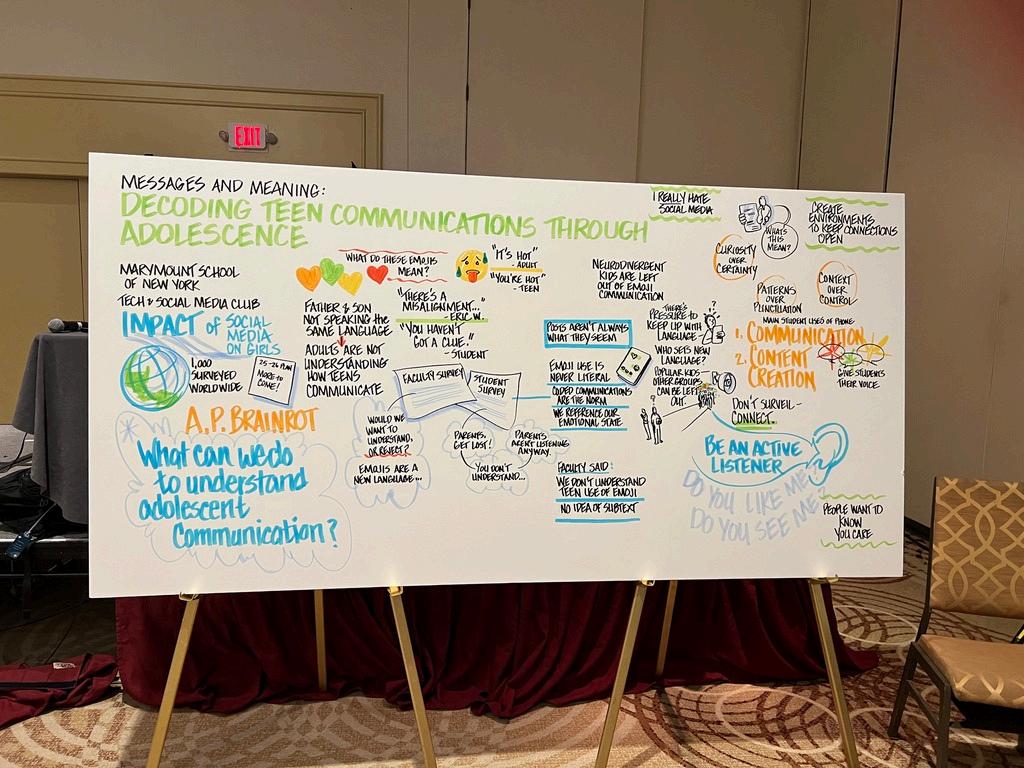
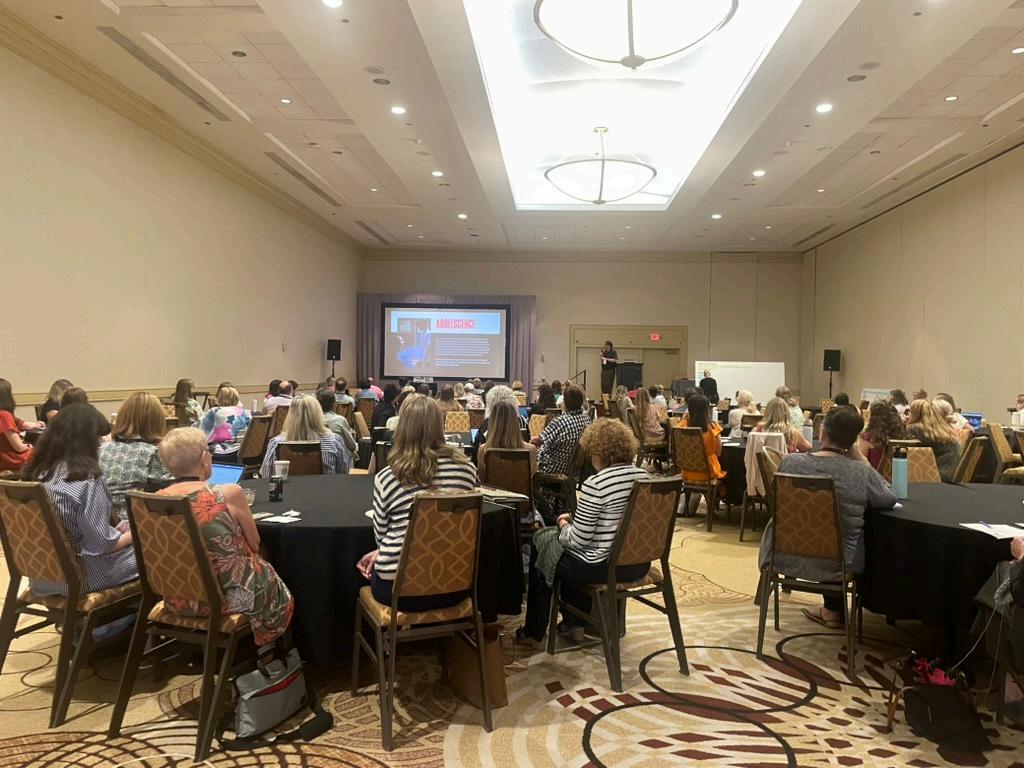
Mr. Walters presented a standingroom-only session at the International Coalition of Girls' Schools (ICGS) Conference in Philadelphia titled Memes + Messaging: Decoding Teen Communication in Adolescence.
Drawing on research from Marymount's Tech + Social Media Club, faculty and student surveys, and the Netflix series Adolescence, the session explored how memes, emojis, and digital communication shape teen relationships. Participants left with practical strategies for strengthening digital literacy, fostering empathy, and better understanding the ways today's students communicate.
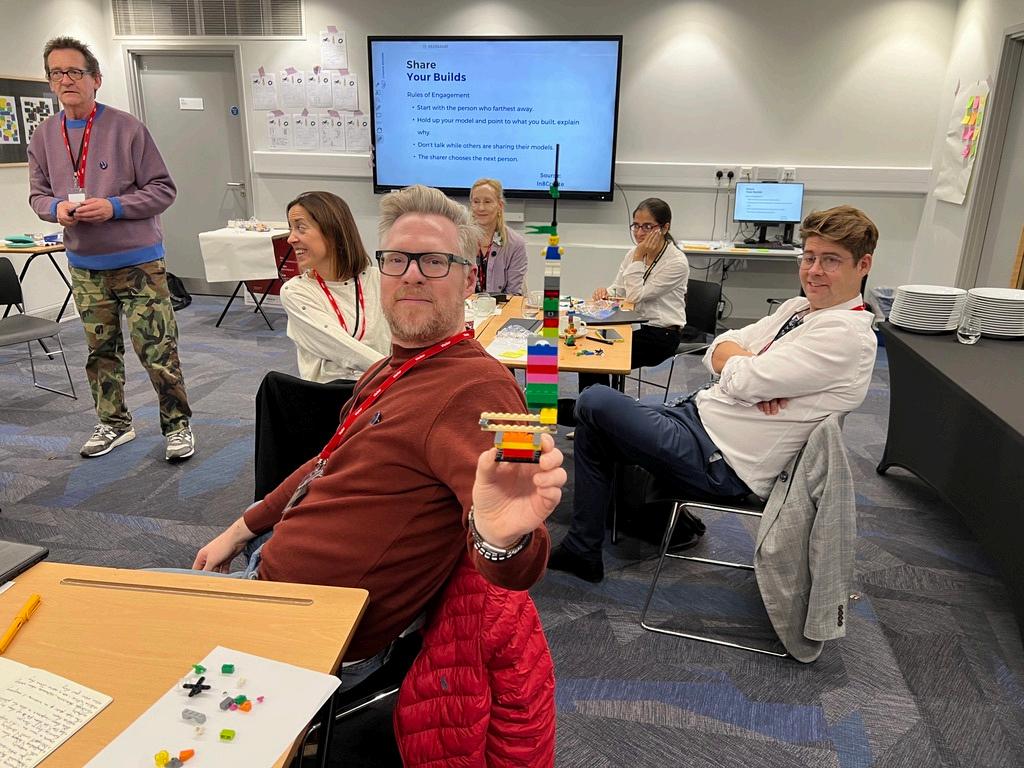
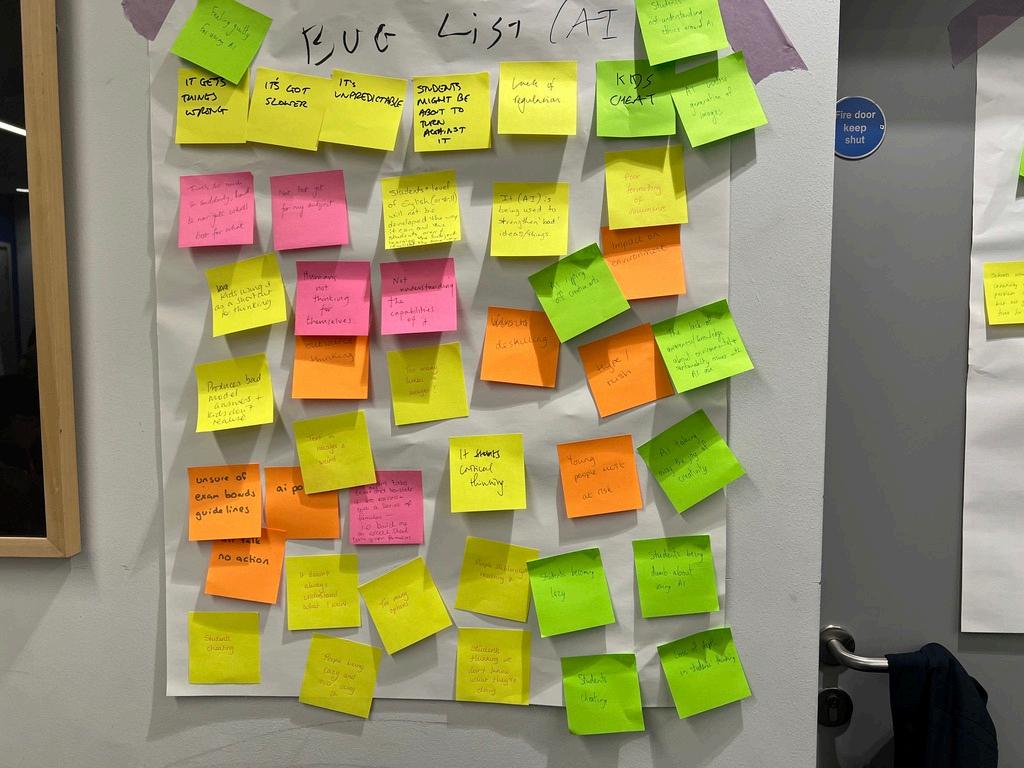
In London, Mr. Buckley and Mr. Walters facilitated workshops on Creative Mindset and AI + Design
Thinking, exploring the intersection of creativity, innovation, and emerging technologies in education. Participants developed practical strategies for building creative confidence, strengthening divergent thinking, and using AI to support empathy, ideation, prototyping, and problem solving while keeping human judgment at the center. Through hands-on experiences, educators discovered how creativity, technology, and design can transform teaching and learning.
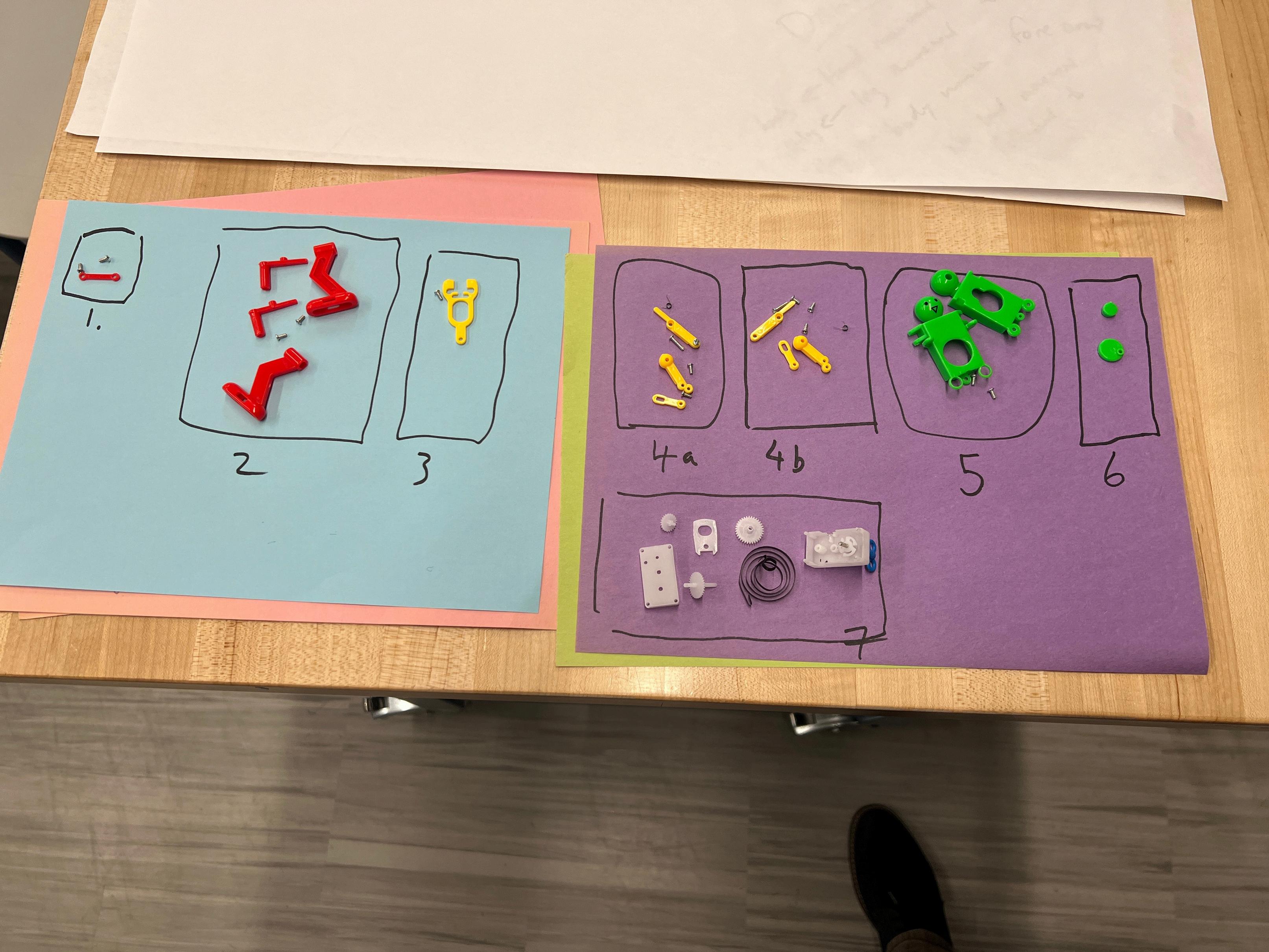
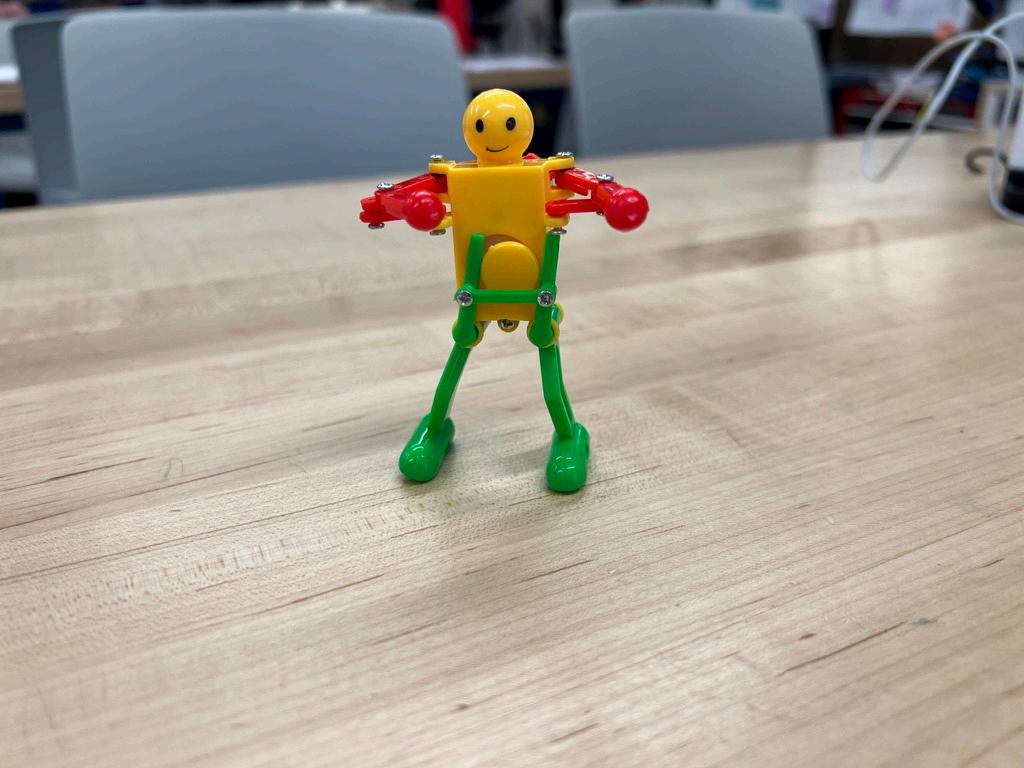
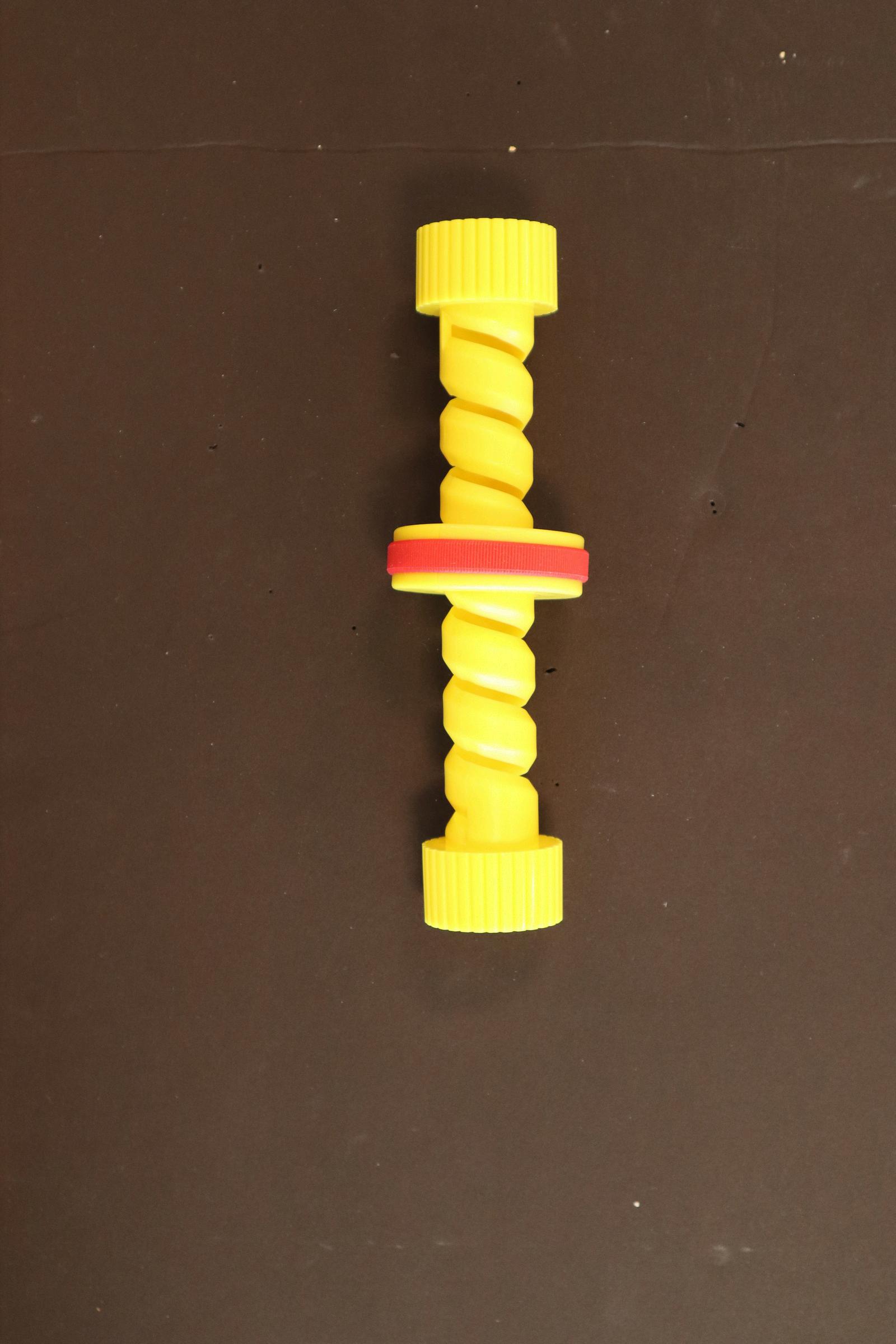
We welcomed renowned educator Lisa Yokana for a hands-on professional learning workshop exploring makercentered learning and visible thinking. Faculty engaged in the Parts, Purposes, Complexities thinking routine, using close observation, sketching, and mechanical dissection to uncover how everyday objects are designed and function. The session emphasized documentation, curiosity, and thoughtful questioning while helping teachers discover practical strategies for fostering deeper thinking, creativity, and student agency across disciplines.
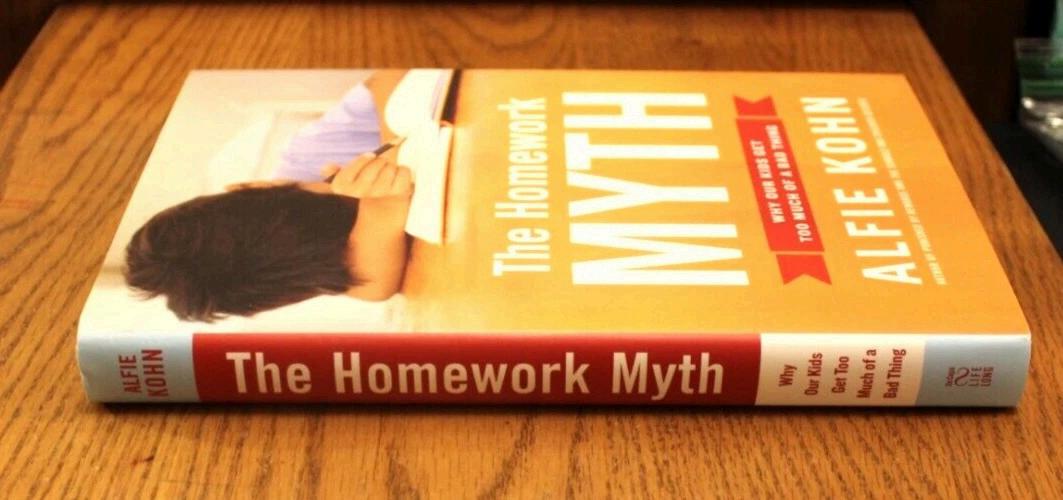
Marymount faculty continue to serve as thought leaders in education by sharing innovative teaching practices through Edutopia, the teaching and learning publication of the George Lucas Educational Foundation. This year, Mr. Buckley and Mr. Walters coauthored Daily Activities That Support Students' Creative Mindset, highlighting strategies for fostering creativity in the classroom. Mr. Walters also authored Reducing Students' Homework Load While Still Meeting Standards, demonstrating how student-centered instruction can deepen learning while maintaining high academic expectations.
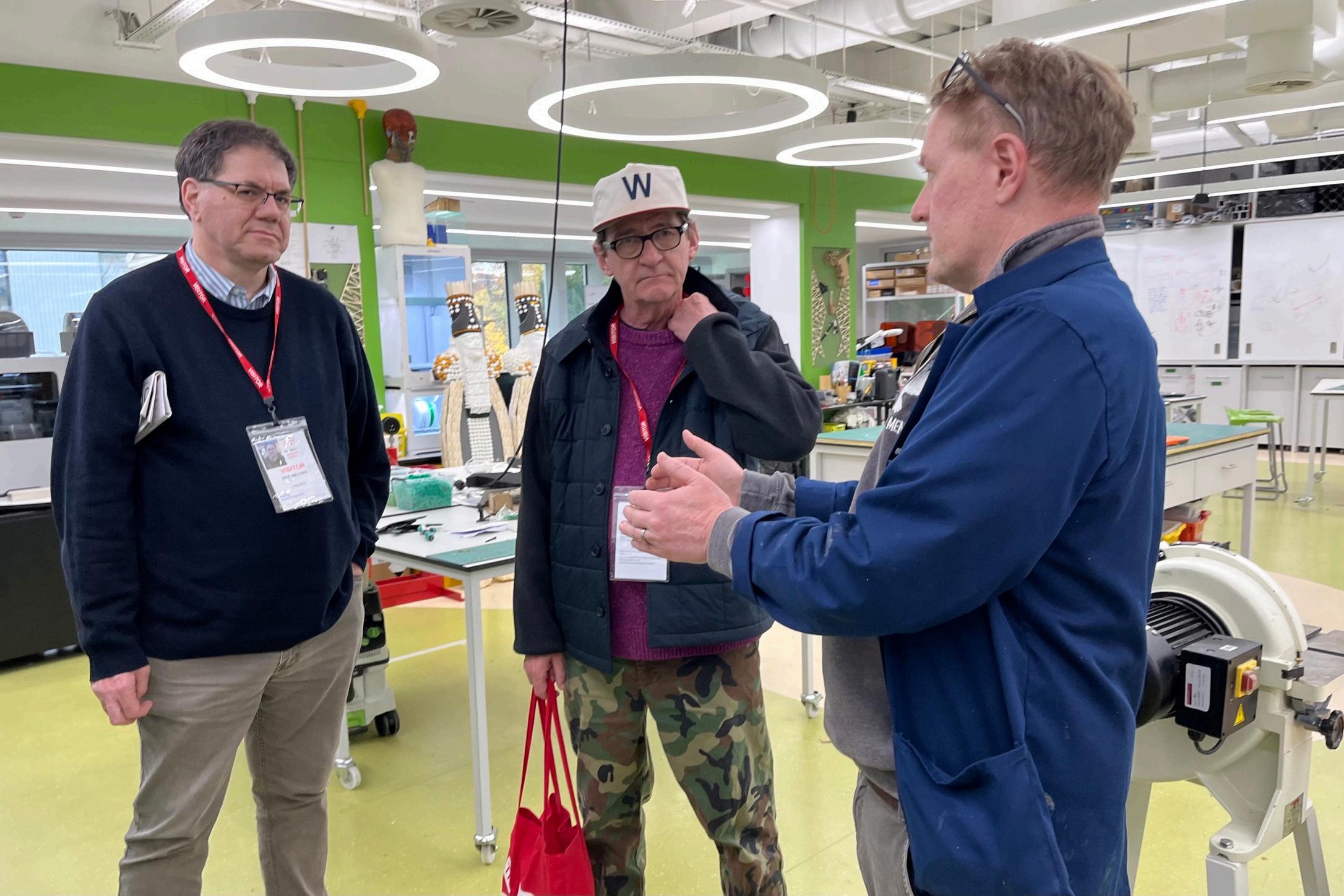
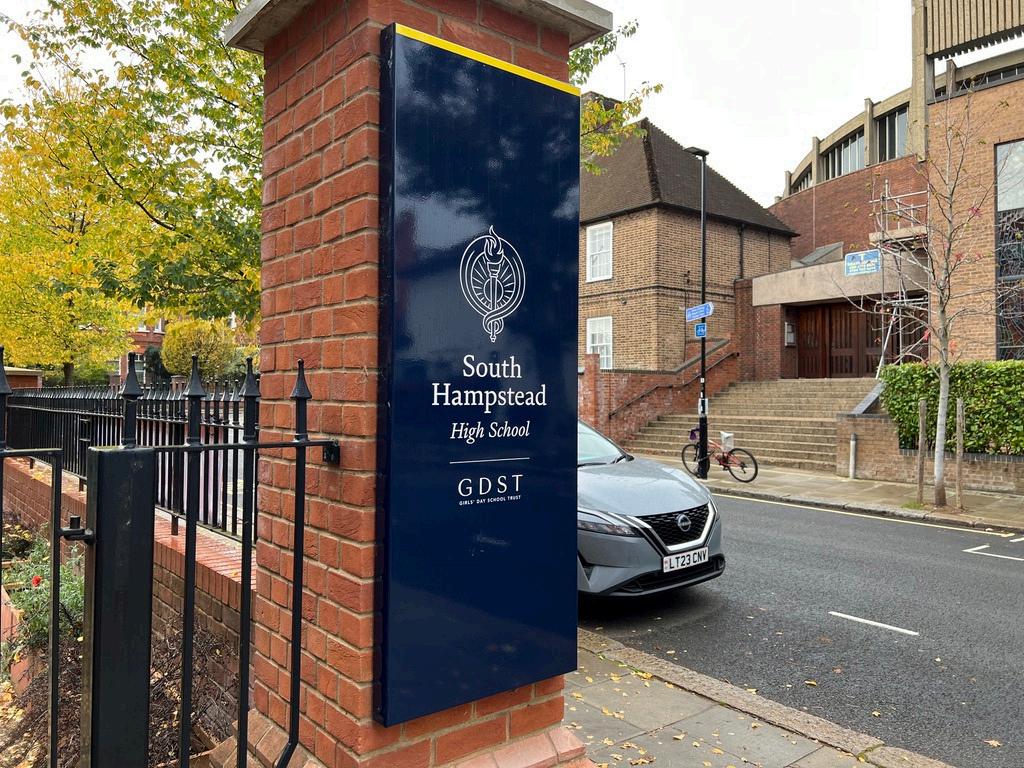
At Marymount, we believe some of the best professional learning happens by visiting other schools and learning from outstanding educators. This year, faculty explored the maker program at the American School in London, Avenues' innovative Mastery Program, and South Hampstead High School's design and maker curriculum. These visits provided fresh ideas and inspiration that continue to strengthen creativity, student agency, and authentic learning experiences at Marymount.
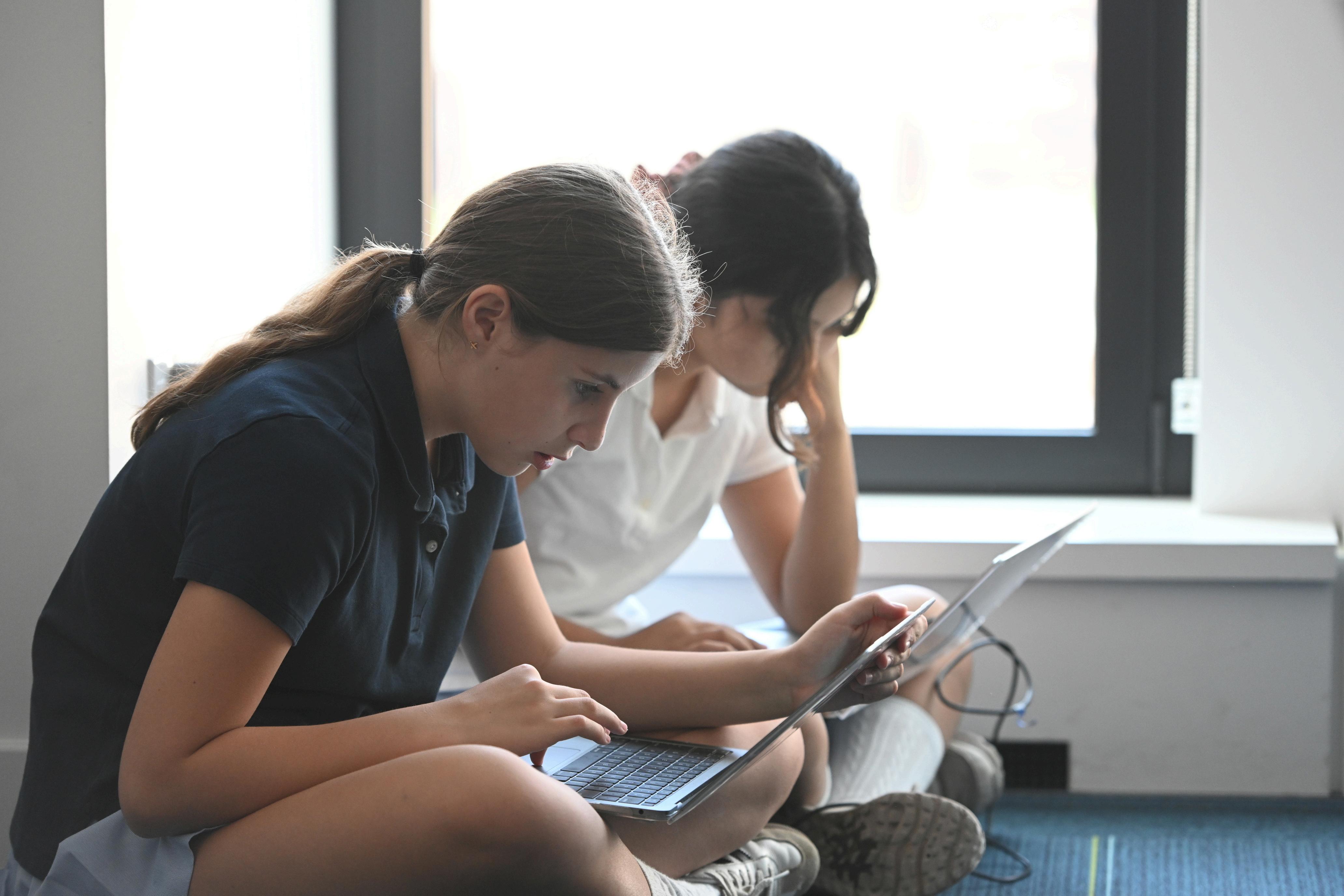
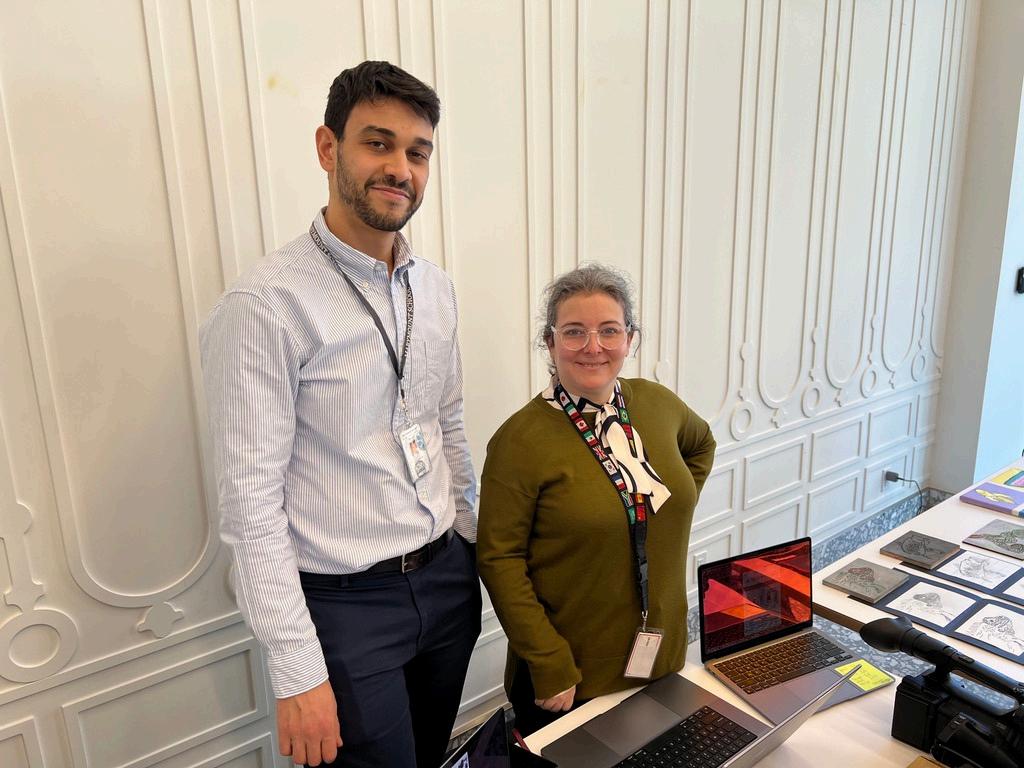
In 2026, Marymount proudly renewed its recognition as an Apple Distinguished School for 2026–2029, celebrating its commitment to innovative teaching and learning. Across the school, students use Apple technology to create films, design prototypes, collect scientific data, build apps, and solve authentic problems. Technology is thoughtfully integrated to foster creativity, collaboration, and student agency, empowering every learner to become a confident creator and thoughtful innovator.
Overall, the department participated in more than 30 professional learning experiences, spanning AI, maker education, creativity, cognitive science, Universal Design for Learning, design thinking, computational creativity, and international school partnerships.
Artificial Intelligence & Educational Technology
AI + Education Symposium (Betaworks)
Apple Distinguished Schools Summit (Worcester, UK)
Apple University for Apple Distinguished Schools
Maker Education & Design
Thinking Routines Workshop (Lisa Yokana / Project Zero)
Safety and Fabrication in Maker Education (Rutgers University)
Creativity & Innovation
#CCFest Teacher Training Camp (Creative Coding with p5.js)
ICGS Global Action Research Collaborative (GARC): Creativity as Catalyst
Teaching & Learning
Universal Design for Learning (UDL Apply) – Harvard Graduate School of Education
Science of Teaching & School Leadership Academy – Center for Transformative Teaching & Learning
Objects of Inquiry: Using Smithsonian Collections and Resources in the STEM Classroom
OECD Global Education Panel on Cross-Curricular Learning and Planning
Introduced to coding and computational thinking using BeeBots, learning to create simple algorithms and debug their code.
Explored engineering and spatial reasoning by transforming 2D shapes into 3D cardstock constructions.
Designed paper robots while considering form and function.
Investigated gravity and friction through collaborative marble run engineering challenges.
Developed creativity, problem-solving, and early engineering habits through open-ended making activities.
Class I
Introduced to the Design Thinking Process through projects inspired by female inventors and changemakers.
Built cardboard engineering projects including a Hug Machine, robotic hands inspired by biomimicry, and Ann Makosinski-inspired flashlights.
Learned fabrication techniques including scoring, folding, cutting, joining, and safe tool use.
Explored empathy, innovation, and invention by designing solutions inspired by personal, community, and real-world challenges.
Prototyped ideas in the Tinker Lab using an iterative design process.
Class II
Explored engineering and material science by designing and constructing Lenape wigwams, investigating strength, flexibility, malleability, and water resistance.
Developed collaboration and communication through team designand-build challenges.
Created interactive stories in ScratchJr, introducing sequencing and computational thinking.
Designed cardboard cityscapes that later became part of a crossdivisional robotics collaboration with Class III.
Combined storytelling, architecture, engineering, and creative technology through project-based learning.
Class III
Learned Scratch programming by designing video games and interactive projects.
Completed a six-week robotics rotation using Dash, Finch, LEGO SPIKE, and Scratch.
Explored accessibility through design thinking by engineering assistive technologies.
Created Alexander Calder-inspired wire sculptures incorporating circuits, lights, and movement.
Collaborated with Class II by programming robots to navigate cardboard cities designed by younger students.
Class IV
Developed computational thinking through micro:bit programming and interactive digital name tags.
Conducted independent research on science, technology, and environmental topics, presenting findings through interactive "Choose Your Own Adventure" Canva projects.
Designed robotic solutions to classroom challenges using Hummingbird Robotics Kits.
Combined physical computing, engineering, and digital storytelling to communicate their designs to parents.
Strengthened research, digital literacy, and design thinking skills through interdisciplinary projects.
Class V
Explored artificial intelligence by collecting data with micro:bits and training gesture-recognition models using Google's Teachable Machine.
Programmed Scratch games controlled by head movements, demonstrating machine learning concepts.
Designed, modeled, 3D printed, and tested boats during an engineering challenge focused on buoyancy and displacement.
Piloted a FIRST LEGO League-inspired robotics unit featuring collaborative coding, engineering, and research teams.
Continued developing engineering design skills through iterative prototyping, CAD modeling, fabrication, and testing.
Class VI
Designed and built cardboard automatons, exploring simple machines, mechanisms, craftsmanship, and engineering design.
Created and raced custom Formula Fun cars, applying iterative design, testing, and refinement while connecting engineering, mathematics, and physics.
Developed fabrication skills using measuring, scoring, cutting, drilling, and assembly techniques in the Fab Lab.
Strengthened creativity, problem solving, and perseverance through hands-on engineering challenges.
Class VII
Investigated the relationship between art and computation by studying the work of Sol LeWitt.
Created instructional artwork before programming generative art projects in Scratch, exploring algorithms, sequencing, and computational thinking.
Learned how simple rules can generate complex and unpredictable creative outcomes.
Combined visual art, coding, and design to understand creativity through computation.
Class VIII
Programmed a Compliment Generator, exploring how large language models assemble words and sentence structures to create human-readable text.
Applied programming concepts and parts of speech to generate unique AI-inspired messages.
Designed dynamic visualizations that combined coding, typography, and graphic design.
Developed an understanding of computational thinking, artificial intelligence, and human-centered design while using technology to promote kindness and positive communication.
Learned digital fabrication using laser cutters, Cricut Maker, and vector design software.
Designed and fabricated acrylic products, notebook covers, and custom projects.
Built confidence using industry-standard digital fabrication tools while developing skills in iterative design, precision, and project planning.
Established a strong foundation for future engineering and design coursework.
Reimagining Starbucks – Design Thinking students observed Starbucks locations, analyzed the customer experience, and redesigned stores as interactive 3D models using OnSpace.
Product Engineering – Students reverse-engineered the Dyson vacuum cleaner before designing and prototyping consumerfriendly improvements to the vacuum head.
e4USA Engineering Challenge – Students partnered with school clients to research, prototype, and present solutions to authentic school challenges, gathering stakeholder feedback throughout the design process.
Screambox Workshop – Engineering students worked with Gib Bernath of the Disengineering Society to transform discarded electronics into interactive musical instruments.
AI App Development – Students designed their own AI-powered applications while exploring machine learning, large language models, and responsible AI.
Entrepreneurship – Students applied design thinking to solve authentic problems, developing prototypes and pitching their ideas to stakeholders.
Certificate Capstone Projects – Juniors and seniors designed, prototyped, tested, and publicly exhibited original solutions to meaningful school and community challenges through the Certificate in Design, Innovation, and Impact.
Nursery (Kindergarten): Creative Technology
Class I: Creative Technology
Class II: Creative Technology
Lower Mid
Class III: Creative Technology
Class IV: Creative Technology
Class V: Creative Technology
Upper Mid
Class VI: Creative Technology
Class VII: Creative Technology
Class VIII: Creative Technology
Class IX
Digital Fabrication IX
Classes X–XII (Electives)
Engineering, Design & Entrepreneurship
Engineering (e4USA + FIRST Robotics)
Design Thinking
Product Engineering Design
Entrepreneurship
Applications of Entrepreneurship (Asynchronous)
Computer Science & Robotics
Foundations in Computer Science
Advanced Computer Science
Foundations in Robotics
Artificial Intelligence
Creativity and AI (Asynchronous)
Using AI as a Research Tool (Asynchronous)
Media & Storytelling
Videography (Traditional or AI-Enhanced)
Digital Storytelling (Asynchronous)
Certificate Program
Capstone Project in Design, Innovation, and Impact
Nursery–Class II
Engineering & Making
Design Thinking
Computational Thinking
Early Coding
Robotics
Classes III–V
Programming (Scratch)
Robotics
Electrical Engineering
Digital Fabrication
Machine Learning
Entrepreneurship
Classes VI–VIII
Fab Lab & Digital Fabrication
Computational Thinking
Programming
CAD & 3D Design
Physical Computing
Data Visualization
Portfolio Development
Themes
Engineering & Product Design
Artificial Intelligence
Computer Science & Robotics
Entrepreneurship
Human-Centered Design
Digital Media & Storytelling
Capstone & Innovation
Skills
Design Thinking
Engineering Design Process
Computational Thinking
AI Literacy & Prompt Engineering
CAD & Rapid Prototyping
Programming & Software Development
User Experience (UX) Design
Research & Data Analysis
Collaboration & Project Management
Communication & Storytelling
Portfolio Development
Ethical Decision-Making