Service Beyond the Uniform: Veterans and the Heart of Civic Life by Eric
Schnabel
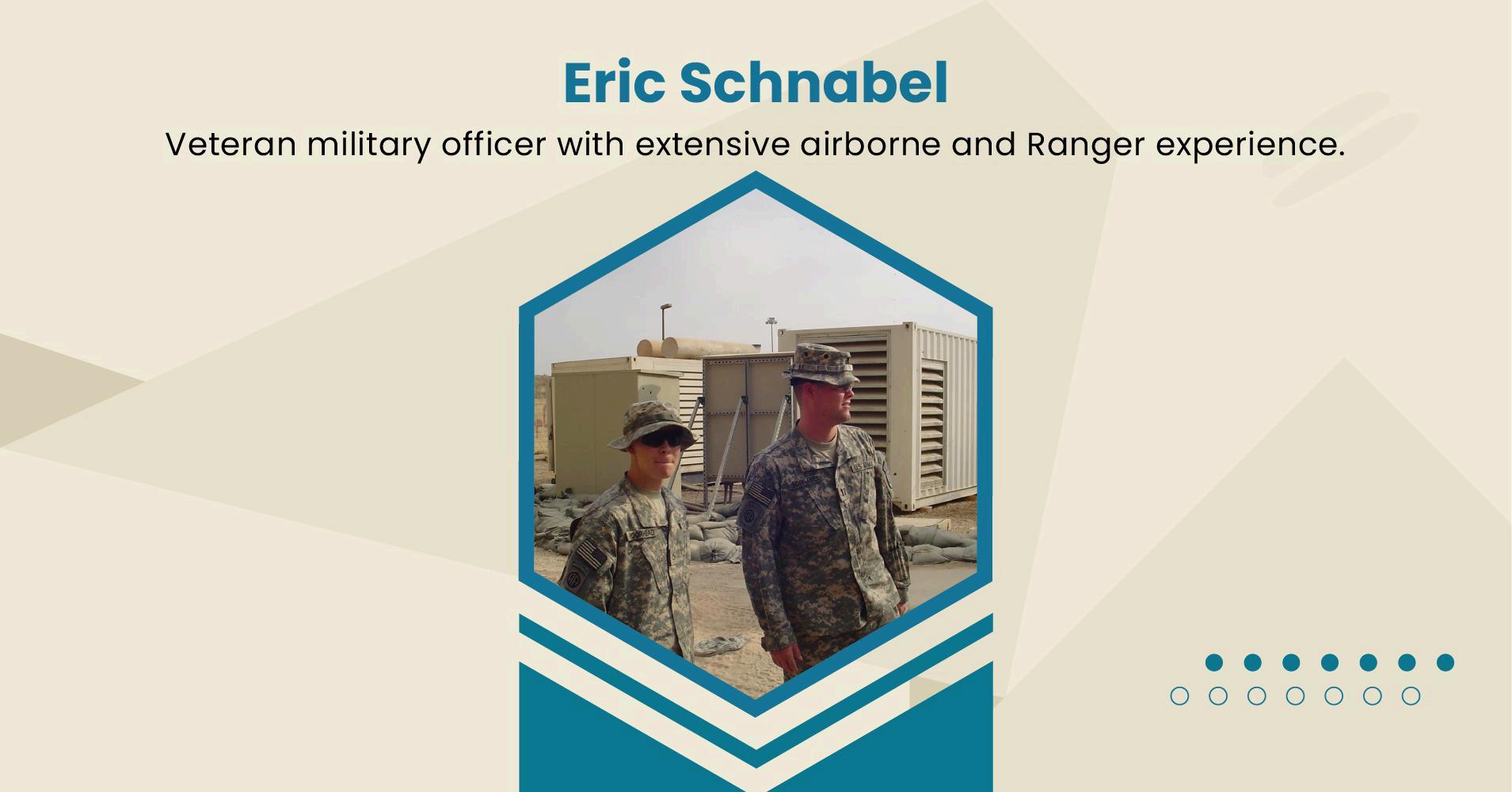
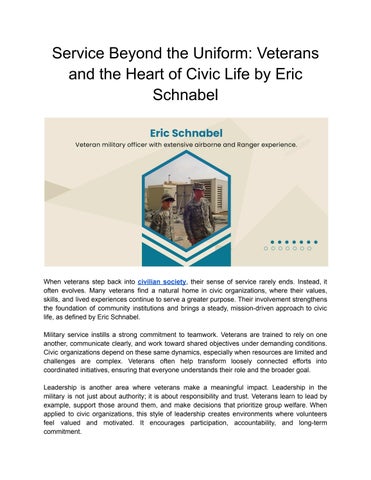
When veterans step back into civilian society, their sense of service rarely ends Instead, it often evolves Many veterans find a natural home in civic organizations, where their values, skills, and lived experiences continue to serve a greater purpose. Their involvement strengthens the foundation of community institutions and brings a steady, mission-driven approach to civic life, as defined by Eric Schnabel.
Military service instills a strong commitment to teamwork Veterans are trained to rely on one another, communicate clearly, and work toward shared objectives under demanding conditions. Civic organizations depend on these same dynamics, especially when resources are limited and challenges are complex Veterans often help transform loosely connected efforts into coordinated initiatives, ensuring that everyone understands their role and the broader goal.
Leadership is another area where veterans make a meaningful impact Leadership in the military is not just about authority; it is about responsibility and trust. Veterans learn to lead by example, support those around them, and make decisions that prioritize group welfare When applied to civic organizations, this style of leadership creates environments where volunteers feel valued and motivated It encourages participation, accountability, and long-term commitment
Veterans also bring a results-oriented mindset. They are accustomed to planning carefully, adapting when circumstances change, and following through until a mission is complete Many civic groups struggle with turning good intentions into measurable outcomes. Veterans help close this gap by introducing practical strategies, clear timelines, and consistent evaluation, all while remaining sensitive to the human side of community work
Beyond structure and strategy, veterans contribute emotional depth and perspective Exposure to hardship, loss, and resilience often deepens empathy This allows veterans to connect authentically with individuals facing social, economic, or personal challenges. In civic roles, they frequently advocate for inclusion and fairness, ensuring that voices on the margins are heard and respected Their presence can shift organizational culture toward greater understanding and compassion.
Civic organizations also play an essential role in helping veterans transition successfully into civilian life Through community engagement, veterans find renewed purpose, meaningful relationships, and a sense of belonging This mutual benefit creates a powerful cycle: veterans strengthen civic organizations, and civic organizations help veterans continue their journey of service
Ultimately, veterans enrich civic life not by replicating military structures, but by adapting the best lessons of military service to community needs Their influence helps build resilient, ethical, and mission-focused organizations By welcoming veterans into civic spaces, communities gain leaders who understand sacrifice, value cooperation, and remain deeply committed to the common good long after the uniform is set aside