



As mediation continues to evolve alongside changing workplaces, emerging technologies and new approaches to conflict resolution, this issue brings together a diverse collection of thought-provoking articles from leading practitioners and experts across the profession.
Inside this edition, we explore Mental Health and Mediation: Dispelling the Myth, examine Referred Pain: Why the Dispute in Front of You Rarely Started There, and consider the growing impact of technology in How AI Can Ruin Workplace Relationships. We also feature articles including Early Intervention in Workplace Discrimination Conflicts, Making Mediation Mainstream: Why the Time is Now, Navigating the Digital Frontier: How AI is Redefining Workplace Conflict Resolution, the latest Acas research into workplace mediation skills, and much more.
As AI increasingly influences the way organisations communicate, manage people and resolve conflict, we are also pleased to highlight our forthcoming AI & Managing Workplace Conflict 2026 conference this November. Bringing together leading experts, workplace mediators, HR professionals and organisational leaders, the event will explore the practical opportunities, ethical considerations and future role of artificial intelligence in conflict prevention, workplace mediation and employee relations. Whether you are already integrating AI into your organisation or simply want to understand what lies ahead, the conference offers a unique opportunity to gain practical insight from those shaping the future of the profession.
We hope you enjoy this latest edition of the UK Mediation Journal and, as always, thank you to all of our contributors for sharing their knowledge, expertise and experience with our readers.
Craig Kelly, Editor, UK Mediation Journal

Read all issues and subscribe:
Published by Iconic Media Solutions Ltd, 60B Westcote Road, London SW16 6BN t: +44 (0)20 3693 1944 e: info@iconicmediasolutions.co.uk | w: www.iconicmediasolutions.co.uk
4. Mental Health and Mediation: Dispelling the Myth
6. Making Mediation Mainstream: Why the Time is Now
8. Why Have a Mind if You Don’t Change It?
12. Referred Pain: Why the Dispute in Front of You Rarely Started There
15. How AI can ruin workplace relationships
17. Early Intervention in Workplace Discrimination Conflicts
21. New Acas survey highlights ongoing workplace mediation skills gap
23. Navigating the Digital Frontier: How AI is Redefining Workplace Conflict Resolution
25 . Directory of Mediation & Training Providers www.ukmj.co.uk
Follow us:
@UKMediationJ
@UKMediationJournal
Whilst every care has been taken in compiling this publication, and the statements contained herein are believed to be correct, the publishers do not accept any liability or responsibility for inaccuracies or omissions. Reproduction of any part of this publication is strictly forbidden. We do not endorse, nor is Iconic Media Solutions Ltd affiliated with any company or organisation listed within. It is advised before appointing a mediator or trainer that you carry out your own quality and competence checks.

By Caroline Sheridan, CEO and Mediator, Sheridan Worldwide & David Whincup, Partner, Squire Patton Boggs LLP
We are sometimes asked if resolving workplace disputes by mediation is still viable if one of the parties is suffering from mental health issues. Will the employer face further complaints if it proposes dealing with the employee’s grievance in that way instead of the formal approach the employee might expect?
The quick answer is that mental health issues usually make use of mediation even more desirable, but let us take a closer look at that proposition. The first point to make is that absolutely everyone who turns up as a party to a mediation does so in some degree of heightened mental state or disturbance: uncertainty, fear, aggression, desperation and so on. The point at which any of those emotional states tip over into something clinically recognisable as a mental health condition and/or a disability at law is neither clear nor relevant to the mediator. The existence or suspicion of a mental health issue is just something else that they must take into account in the conduct of the process, just as for a physical condition or impediment.


In the main, the things that make the mediation process work for the great majority of parties to it are the very same things that should increase its attractiveness and efficacy for those suffering with a mental health condition.
In particular:
• The process is non-judgmental. The mediator is not there to allocate blame or to criticise or to sift through “facts” which may be painful to rehearse. While they will have to pass on responses from the other side that may be hard to hear, the employee still has a safe space within which to receive and digest those messages in their own time.
• The parties are in control of the process. If the employee needs a break, they can have one. If they want to walk out, they can. If they want to say things to the other side that are important to them, then, within limits, they can do that. If they do not want to see the other side, then they probably do not have to. That is not to say that any of these things is necessarily helpful to the progress of the mediation, and the mediator may well seek to persuade them otherwise,
but that is still better than its collapsing there and then through the employee’s inability or unwillingness to continue.
• Mediation takes place in a strictly confidential environment, allowing the employee to be less concerned that the pressure of the process may lead them to do or say something they fear could be used against them later. Less concern equals less stress which perhaps equals less chance of their saying or doing so anyway.
• It is possible that they may even hear messages that are more positive than they expected. The employer may express an active wish to work things out with them so that they can come back to work as soon as possible, or it may expressly recognise past successes or efforts that their condition may have led them to think had been ignored or overlooked.
• They may be accompanied and guided throughout by a friend, family member or lawyer for moral and psychological support. The formal restriction on companions to colleague or union official do not apply.
• No one will impose anything on them. If they are not content with the best that the other side can offer, they do not have to take it. In addition, it should be borne in mind that mediation solutions can be about much more than cash – if the mental health issue is caused or exacerbated by work, for example, solutions could include accommodations to address this. Maybe an agreement for different hours or duties, a change to reporting lines, a transfer, some time off, some form of apology or explanation, and a whole range of other options that an Employment Tribunal simply cannot provide; and whether or not that option would strictly constitute a reasonable adjustment is not something that need be considered.
• Obviously, this is a world away from being trapped alone on the witness stand facing relentless crossexamination in the glare of a public tribunal. Though there is clearly no need to have any form of mental health condition to appreciate that distinction, it will be more than usually valuable for an employee who does.
• We hear increasingly of Employment Tribunal listing delays stretching into 2029. The principle that justice delayed is justice denied applies to both parties, but the stress of living with the dispute for a number of
years will be particularly crucifying for those with mental health conditions who may find it harder to compartmentalise that litigation from the rest of their daily lives. In addition, where the dispute has not arisen from or led to the termination of the employment, the prospect of having to continue to work for so long with someone you hold responsible can only exacerbate underlying health issues. By contrast, a commercial mediation can be arranged within a matter of days, perhaps a couple of weeks if the parties are particularly fussy about their choice of mediator. That vastly reduces the strain on them and the consequent risk of extended sickness absence by the employee.
It is of course unnecessary to say that there is a world of difference between having a mental health condition on the one hand and being mentally incapable of contracting on the other. An agreement reached at mediation with an employee who has a mental health condition is usually every bit as enforceable as one with someone who does not, whether that is via formal settlement agreement or Acas COT3. The same is true for compliance with the ground rules around confidentiality within and outside the mediation itself.
So we would say that where mental health considerations may be involved, don’t fear making the mediation suggestion. It may or may not be received in the spirit intended, but the principle is unimpeachable and you could not reasonably be criticised for doing so.
Because the mediator must be particularly careful to ensure that the employee understands what is happening and the ground rules applicable, they may appear superficially to favour the employee and hence potentially prejudice the appearance of neutrality. The sensible employer will appreciate the difference between empathy and sympathy, however, and will not take any such message from the mediators going out of their way for an employee who is known to be operating under some limitation caused by his or her health.
Civil Mediation Council Conference 2026
7–8 October 2026 | Online Afternoon Sessions
| Networking Event, London, 7 October
The mediation landscape has changed dramatically in recent years. What was once regarded as an alternative to litigation is increasingly becoming an integral part of the justice system and a vital tool for resolving conflict across society.
This year’s Civil Mediation Council (CMC) Conference, Making Mediation Mainstream , will explore how far mediation has come and what still needs to be done to embed conflict resolution at the heart of our communities, workplaces, institutions and courts.
Recent developments have fundamentally changed the place of mediation within the justice system. The landmark Churchill v Merthyr Tydfil County Borough Council judgment confirmed that courts can lawfully order parties to engage in alternative dispute resolution. Alongside this, the Small Claims Court’s Automatic Referral to Mediation scheme now directs parties in claims valued at £10,000 or less towards mediation before a final hearing can take place.
These developments represent a significant shift. Mediation is no longer simply an option available to disputing parties; it is increasingly becoming an expected and integral component of the civil justice process. Yet making mediation mainstream extends far beyond the courts.
It means creating a society where conflict resolution is understood, valued and accessible. It means ensuring that young people develop conflict resolution skills, supporting the community mediation sector in building stronger and more cohesive communities, and promoting mediation as a first response to conflict.
This year’s conference will bring together leading voices from across mediation, law, academia, public
policy and international peacebuilding to explore how that vision can be achieved.
Among the confirmed speakers is Sir Julian Smith , former Secretary of State for Northern Ireland, who will reflect on mediation and diplomacy. Delegates will also hear from Beth Colson, Pulitzer Prize-winning journalist, on storytelling, communication and their role in strengthening community mediation and social impact. The programme will also feature Peter Marsden , CEO of Concordis and Nobel Peace Prize nominee, speaking on “ Deal-Making versus PeaceMaking ”, examining what mediators can learn from efforts to resolve conflict in some of the world’s most challenging environments.
Other sessions will address some of the most important issues facing the profession today, including Designing the Mediation Process to Work for All , which will explore neurodiversity, accessibility and how mediation processes can be adapted to better meet the needs of participants.
Across two engaging afternoons, delegates will be able to benefit from sessions on topics related to mediation skills and professional development, the impact of technology and AI, workplace mediation, commercial mediation, community mediation, conflict resolution in schools, academic research and public policy.
As well as delivering up to 11 hours of CPD, the conference also provides valuable opportunities to connect with colleagues from across the sector through online networking and an in-person networking event in London on the evening of 7 October 2026

Scan to Book: CMC Conference 2026
Making Mediation Mainstream

“The purpose of intellect isn’t to defend opinions. It’s to improve them.”
By Stuart Lawrence, Founder, Mediator Locator
When did changing your mind become unfashionable?
Somewhere along the way we’ve decided that consistency is more important than curiosity. People are mocked for U-turns, and leaders are expected to have all the answers right away. Social media rewards certainty, not reflection.
Once we’ve nailed our colours to the mast, should we be expected to defend that position to the bitter end?
Surely we can do better. The whole point of having a mind is that, when presented with better information, we should be prepared to change it.

Sensible people change their minds. We alter our route when Google Maps tells us there’s a traffic jam. We seek a second medical opinion before major surgery. We change investment decisions when markets move. Nobody criticises us for being indecisive. We simply recognise and adapt to new information that leads us to wiser decisions.
So why should disputes be any different?
The uncomfortable truth is that once conflict takes hold, many stop thinking and start defending. Positions entrench and assumptions become facts, and the longer a dispute continues, the easier it becomes to confuse certainty with accuracy.
Every conversation becomes an opportunity to justify yesterday’s decisions rather than explore tomorrow’s possibilities.
That’s precisely the type of situation where mediation can be transformative.
One of the biggest misunderstandings about mediation is that it’s somehow about compromise. It isn’t. At least, not compromise for compromise’s sake.
No experienced mediator wakes up in the morning thinking, “My job today is to get everyone somewhere in the middle.”
That’s not mediation, that’s lazy negotiation.
Proper mediation is something altogether more sophisticated.
It’s about creating an environment where people have the freedom to think differently.
That sounds obvious, but surprisingly it isn’t.
Because once lawyers become involved, costs mount, witness statements are exchanged and proceedings are underway, something curious happens. The dispute begins to take on a life of its own. People become increasingly invested, not just financially, but emotionally, and this makes it harder to ask, “ What if we’ve got this wrong? ” or even, “ What if there’s a better way? ”
A good mediator gives everyone permission to ask those questions.
Not by telling people they’re wrong. Not by persuading them to settle. And certainly not through some mythical Jedi mind trick.
The truth is, changing your mind isn’t a sign that you’ve failed. Quite the opposite. It often demonstrates that you’ve listened, reflected and had the confidence to reassess your position in the light of new information. That’s not indecision. It’s sound judgment.
The best mediators understand this instinctively. They don’t reward stubbornness, nor do they encourage concession for its own sake. Instead, they create the conditions in which parties can challenge their own assumptions without losing face, allowing better decisions to emerge naturally rather than through pressure or persuasion.
The best mediators I’ve worked with don’t possess magic powers or use the “Force”. What they do possess, though, is expertise, sound judgment, and plenty of it.
They know which questions to ask.
They know when silence is more powerful than another argument.
They know when the conversation has shifted from legal rights to wounded pride.
They know that the dispute people describe is not always the dispute they’re really trying to resolve.
Most importantly, they understand that changing your perspective is not the same as abandoning your principles.
That’s a distinction often missed.
Great mediation doesn’t ask parties to surrender good arguments. It asks them to examine them.
To test them.
To explore consequences and understand risk. Sometimes that leads to settlement. Sometimes it doesn’t.
Both can be entirely successful outcomes because success in mediation isn’t measured solely by whether an agreement is signed, but by the quality of the decisions that follow.
Although on occasions I’ve seen parties walk away from a mediation deciding to continue with litigation, at least they’ve done so with a clearer understanding of the risks, the costs and the merits of their case.
That’s not failure. That’s informed decision-making. Ironically, I’ve seen those very same parties settle days or weeks later.
Not because the law changed.
Not because new evidence emerged.
But because the quality of the thinking had changed. Perhaps that’s why mediation continues to achieve outcomes that conventional negotiation so often fails to deliver. It creates space to think. Space to question. Space to see the dispute from a different perspective.

In the rush of litigation, those opportunities are surprisingly rare, yet they are often where the most important decisions are made.
That’s the real value of mediation.
Not compromise.
Not persuasion.
Not even clever negotiation. Clarity.
And clarity changes everything.
The best mediators don’t provide answers. They improve the quality of the questions.
Which is precisely why choosing the right mediator matters.
Not because they’re more persuasive or more forceful.
But because the right mediator recognises what is driving the dispute, not merely what is being argued, and helps people see things differently without ever telling anyone what to think.
In many ways , mediation isn’t about persuading people to change their minds.
It’s about giving them the confidence to think again. And in a world where certainty has become fashionable, perhaps that’s one of the most valuable skills any of us can possess.
After all...
Why have a mind if you don’t change it?
Written by Stuart Lawrence, Founder of Mediator Locator, a nationwide network of carefully selected lawyer-mediators providing in-person, online and hybrid mediations, together with the Resolution Pathway and practical workplace conflict resolution training.
Visit: www.mediatorlocator.com


By Amrit Sandhar, Founder & CEO, &Evolve
AAsk any mediator what they were called in to resolve, and they’ll tell you: a pay dispute, a personality clash, a broken working relationship. Ask what was really going on underneath, and the answer is usually different.
In medicine, we call this referred pain - pain felt somewhere other than its true source. As a former pharmacist, I saw it regularly. Someone complains of shoulder pain, but the real cause is a heart problem. Treat the shoulder and you offer temporary relief; the problem remains until you find the source.
After ten years working with organisations on culture, I’ve come to believe workplace conflict follows the same pattern. The issue presented to a mediator is usually genuine, but it’s rarely where the conflict began - as most experienced mediators would recognise.

Acas identifies pay, working patterns and capability as common reasons disputes become formal. Yet across more than a decade of &Evolve’s Culture Diagnostic work - over 800 employee voices across six sectors - we repeatedly uncover something deeper. The dispute people experience is the symptom, not the source. Acas estimates workplace conflict costs UK employers £28.5 billion a year, with almost 80% arising through resignations and dismissals long after the moment for early intervention has passed. By then, the organisation has often paid for the same problem several times over.
So, what is really going on? I’ve come to see conflict through two connected layers, and mediators need fluency in both.
The first is systemic. Across every sector we’ve studied, the same four sources of friction emerge:
silos and poor communication between teams, relentless workload leaving little time to think, feedback that is gathered but rarely acted upon, and the widening gap between what leaders say and what employees experience. Tellingly, people rated what is closest to them - their own team and manager at around 70% favourability. Asked about organisation-wide issues such as cross-functional collaboration, bureaucracy, or leaders living the values, and scores fell to around 37%. The strength sits within teams. The weakness sits in the system. No amount of skilled mediation between two individuals can permanently resolve conditions that keep creating the same conflict.
The second layer is where those systemic pressures become personal - where human values come in. Professor Shalom Schwartz’s research, spanning more than 80 countries and over 60,000 participants, shows that people consistently prioritise different values: independence versus interdependence, achievement versus benevolence, security versus openness to change. These shape how we interpret situations and judge others. The 2026 Edelman Trust Barometer reinforces it: 76% of people in the UK would not fully trust someone whose values differed from their own, and 42% would rather move departments than report to a manager they felt was misaligned.
This explains why two people can experience the same situation yet reach different conclusions. One calls a colleague decisive; another sees them as controlling - the same behaviour, read through different values lenses. Understand someone’s values and behaviour that once seemed irrational becomes understandable. Miss it, and difference quickly feels like threat.
Put the two layers together and the conclusion is hard to ignore. Much of the conflict mediators are asked to resolve wasn’t created by the individuals in the room. It was manufactured upstream by organisational systems, then became personal because neither person understood how the other saw the world. That positions mediators as more than conflict resolvers - as organisational diagnosticians, but only if they’re invited in before relationships break down.

Two simple questions can surface tomorrow’s disputes before they escalate. First: what is the biggest obstacle preventing you from performing at your best? In one Culture Diagnostic study, 96% of leaders believed their organisation supported people’s development; only 43% of employees agreed. Same organisation, two realities - and that gap is where tomorrow’s conflict is already forming. Second: what matters most to this person, what matters most to me, and where do our values differ? Surface those conversations before positions harden, and much of what would become conflict stays manageable friction instead.
People still trust their employer more than government or the media according to Edelman, one of an organisation’s greatest assets. Every conflict resolved too late spends a little of that trust.
Perhaps the question is no longer how effectively we resolve conflict once it arrives, but how much we could prevent if organisations invited us in earlier, not to repair damaged relationships, but to identify the conditions that create them. Like referred pain, the symptom deserves attention. But lasting resolution only comes when we treat the source.


For over 35 years, CMP has helped organisations navigate complex workplace challenges with confidence.
Our experienced mediators support the resolution of disputes at every level, helping individuals and organisations rebuild relationships, restore trust and move forward productively.
Whether you're addressing workplace conflict, leadership disputes, team breakdowns, bullying and harassment concerns, or complex organisational challenges, CMP provides a professional, impartial and traumainformed approach that delivers lasting outcomes.
✓ One of the UK's largest networks of workplace mediators, investigators and facilitators, with over 100 experienced practitioners nationwide
✓ Trusted by NHS organisations, universities, public sector bodies and employers across the UK
✓ Trauma-informed and restorative approaches
✓ Flexible in-person and online delivery
✓ ISO 27001 accredited information security
Talk to us about creating healthier workplaces and resolving conflict with confidence.
cmpsolutions.com | contact@cmpsolutions.com


By Phil Floyd, Head of Investigations, CMP Solutions
Wouldn’t it be better if people always said the right thing? When we want to criticise a colleague for their performance, for example, some well-chosen words (that are clear and diplomatic, not tainted by irritation) make all the difference when it comes to raising an issue without causing offence.
And that’s what generative AI, of course, is good at. Standardised messaging based on standard advice and templates of best practice. No more foot in mouth moments. Why not then go further and use AI for running something like mediation of grievances as well? It could cover both sides, as well as the mediator role, ask all the ‘right’ questions and provide all the most sensible answers. Conflict officially resolved, no time or emotions involved.
AI is a major new factor when it comes to the state of workplace relationships and the changing nature of conflict and people’s ability to deal with it.
To begin with, the use of AI in itself has become a reason for tensions, because there’s a divide between different groups of staff and their attitudes and levels of acceptance of the technology (typically thought to be between younger and older staff, but not necessarily, it could be by function or just personality and preferences for ways of working).
That’s meant uncertainty over who’s using AI for what tasks, what that looks like and what it means. So on the one hand there are questions around the authenticity of communications and thinking — was that cheery, supportive email from my team member or a machine? And can the information they provided be trusted or does it need checking if it’s come from AI? If there’s a mistake, who should get the blame for any problems that are caused? And from the other perspective there are employees, fully bought into the use of AI who would prefer to collaborate with the software than engage with people who might challenge them or ask awkward questions.
The ease of generating AI communications and responses has led to what a report in the Harvard Business Review last year described as ‘workslop’: AI-generated messaging and content that looked like people were working on the surface, but lacked any real substance or purpose. The authors suggested that around half of the employees surveyed who received AI-generated material from their co-workers thought they were “less creative, capable, and reliable than they did before receiving the output”. 42% thought they were consequently “less trustworthy” and 37% as “less intelligent”. Doubt and scepticism are on the rise.
Even more worrying than this is how the more widespread use of AI can undermine essential human connections, the actual relationships that make a team and an organisation what they are.
Research led by Professor Sarah Wright at the University of Canterbury in New Zealand among regular AI users has claimed that many were using the tools as a personal coach to see them through difficult interpersonal situations and conversations, for diagnosing the causes of conflict, scripting what feedback they should give, and the chance to practice by role-playing sensitive conversations. In other words, AI has become a way of replacing human judgement. Not only a way of making complex calculations, doing quick research, but to avoid the challenges and sometimes awkwardness of building up rapport and relationships.
Trust at work is based on experience from the range of different moments and situations at work, including disagreements and tensions and how they are worked out. A constant bland smile won’t help. It doesn’t help build resilience and capability in terms of people skills. And without some forms of constructive conflict nothing is ever challenged, and opportunities for development, change and creativity are missed. So smoothing over workplace life, making everything easier (more impersonal and automatic), can undermine what actually makes it worthwhile and keep on evolving.
HR needs to be taking a lead on making sure the best of the human element of workplaces is protected and cultivated. First of all that means an emphasis on total transparency in the use of AI. It should be

the norm that any use of AI in communications or content creation or thinking should be acknowledged openly. That way everyone in a team knows what they’re dealing with.
There should be clear guidance on when it’s right to use AI and when it’s not —alongside being straightforward about the need for human connections and conversations, and encourage them actively, allowing for the space needed for co-workers to meet face-to-face, to have real conversations, informal and otherwise. Making sure there’s an emphasis on people skills, the ability to have difficult conversations, and make use of human services like mediation, neutral assessment and support for psychological safety.
The rapid growth in use of AI at work only emphasises what’s at stake, what can be lost. In other words, how much meaning and sense of purpose comes from working with other people, even if it’s not always easy — especially if it’s not always easy.
Mediation is an important example of why AI use needs to be limited to specific, transparent uses in the workplace. Mediation depends on human intervention, genuine conversations, good practice based on professional standards, and a true sense of mutual understanding; exactly the kinds of human interactions and experience that just can’t be replaced by a quick fix or superficial systems.

By Afsana Gibson-Chowdhury, Mediator, Lawyer, GC Mediation and Training Ltd
Workplace discrimination remains one of the most complex and costly conflicts organisations face. While employers have clear legal duties under the Equality Act 2010 to protect employees from discrimination based on protected characteristics including: age, disability, gender reassignment, marriage and civil partnership, pregnancy and maternity, race, religion or belief, sex and sexual orientation, too many disputes are only addressed once they have escalated into formal grievances or Employment Tribunal claims. By this stage, relationships have often deteriorated, positions have become entrenched, and costs have already begun to mount.
During my recent presentation at the UK Mediation Conference, I argued that organisations need to move further upstream by embracing early mediation and conciliation as part of their workplace conflict management strategy with particular application in preserving employee’s basic human rights.
According to Ciphr, an HR and payroll software provider, an average of 45% of employees have a

workplace conflict. That’s almost half of Britains workforce. It is reported that 61% of ethnic minorities in the UK face discrimination in the workplace. Whilst not every incident develops into a formal grievance or Employment Tribunal claim, many experiences go unresolved, leaving lasting effects on employees that employers may never fully recognise.
In recent years, there have been many studies and articles that have supported diverse workplaces, which purports to bring better products, profitability, culture and reputation. However, to successfully create inclusive and diverse workforces, organizations must offer to support the needs of diverse workers through inclusive policies and workplace culture. Many employers have responded to this by introducing Equity, Diversity and Inclusion (EDI) training. Raising awareness is an important first step, however, unless the training is supported by long-term strategies, accountability and practical conflict resolution mechanisms, many underlying issues may remain unresolved.

Diverse perspectives, processes and work ethics do not always align with Western ‘norms.’ Some members of minority groups may be shaped by their worldviews, cultural backgrounds, religious beliefs, and personal life experiences, which translate into how they conduct themselves in the workplace. Insufficient exposure to these diverse working ethics, leadership approaches, and communication styles can result in conflict. Moreover, intensified competition among team members can lead to unconscious bias, contributing to racism, sexism and other forms of discrimination. Despite employers’ best intentions, workplace conflict is often inevitable.
According ACAS (Advisory, Conciliation and Arbitration Service), workplace conflicts cost the UK £28.5 billion each year. These costs are broken down into formal HR processes, Tribunal costs, resignation and recruitment, absenteeism, and disciplinary dismissals. This is a sobering figure that organisations should proactively respond to by finding alternative workable solutions to conflict resolution.
One mechanism that remains underutilised is early mediation or conciliation.
The earlier a workplace conflict is addressed, the greater the opportunity to preserve working
relationships, rebuild trust, retain staff and avoid lengthy litigation. Mediation or conciliation provides organisations with an opportunity to intervene by providing a safe, confidential and constructive environment where employees can discuss concerns openly and explore practical solutions to move forward. Carefully selected mediators, who are trained in trauma informed care and know how to navigate cultural differences, are skilled in managing highly emotional clients and facilitating difficult conversations. Independent mediators do not hold any vested interest in the outcome of the mediation, which means they are able to provide a fair and inclusive process. This collaborative approach can often make employees feel respected and in control. This compared to a formal grievance where an investigation is likely to take place, may leave employees feeling exposed and vulnerable and often less likely to come forward, particularly in claims involving sexual harassment and racism.
Just as formal grievances over the time have been normalised in the workplace as an avenue for dealing with workplace complaints, employers should seek to do the same with mediation and conciliation and educate their employees about the benefits of it.
By normalising mediation, employers encourage employees to seek support at an earlier stage. To
achieve this, employers should ensure employees understand:
• that mediation should be conducted by an independent mediator, rather than an internal mediator where perceptions of neutrality may be questioned;
• how the mediation process works, including its stages and what participants can expect;
• that mediation is confidential, voluntary and without prejudice;
• how mediation differs from formal grievance, disciplinary and investigation procedures; and
• what may happen following a successful mediation or conciliation.
Recent developments within the civil justice system continue to reinforce the growing importance of alternative dispute resolution. Employers, lawyers and HR professionals are increasingly recognising that mediation should not be viewed simply as an alternative to litigation, but as an integral part of effective workplace conflict management. The most successful organisations are those that identify conflict early and intervene before relationships become irreparable.
Discrimination complaints deserve to be taken seriously and investigated appropriately. However, they also deserve processes that recognise the human dimension of conflict. Early mediation provides an opportunity to restore communication, preserve dignity and explore solutions that formal procedures alone may not achieve. Further, it leaves an opportunity for the parties to learn about the effects of discriminatory behaviour, which could present an opportunity to interrupt to the course of structural and institutional biases.
Ultimately, getting ahead of the curve is not simply about avoiding tribunal claims. It is about building workplaces where difficult conversations can take place respectfully, where differences are understood rather than feared, and where conflict becomes an opportunity for learning rather than division.













Anew Acas survey has revealed that many organisations continue to face a significant skills gap when it comes to resolving conflict in the workplace, highlighting the growing need for investment in mediation and informal dispute resolution.
The Acas survey, carried out by YouGov, found that 33% of workers believe their organisation does not have people with the necessary mediation skills to resolve a workplace conflict. The figure rises to 40% among small and medium-sized enterprises, suggesting that many employers may be ill-equipped to deal with workplace disagreements before they escalate.
Mediation is a practical and effective way of repairing workplace relationships when disagreements arise.
Led by an impartial mediator who does not take sides, it offers a less formal, flexible and voluntary approach to resolving conflict while helping colleagues rebuild effective working relationships.
The findings come at an important time for employers following the introduction of the Employment Rights
Act 2025, which brought significant changes to workers’ rights. As organisations continue adapting to the evolving employment landscape, there is an opportunity for employers and employees to work together to strengthen workplace relationships, improve communication and create healthier working environments.
Acas continues to encourage employers and workers to collaborate in raising the standards of workplace relations and developing the skills needed to prevent and manage disputes before they become more serious.
Kevin Rowan, Acas Director of Dispute Resolution, said:
“Mediation can be a great way of preventing and managing disputes informally without the need for potentially expensive formal action.
It is not about judging who is wrong or who is right. It is about bringing people in a disagreement together to agree on a way of working together.
Mediation is a valuable skill, but our survey shows that too few workers are confident their organisation has
the skills to use it in a disagreement. We encourage employers to make sure their managers have the confidence and skill to mediate successfully.”
Mediation can be particularly effective in resolving workplace issues involving relationships between colleagues, personality clashes, communication difficulties, relationship breakdowns, bullying or harassment. It is not generally used for disputes relating to pay, dismissal or serious misconduct, where formal procedures are more appropriate.
One of mediation’s greatest strengths is that it is both voluntary and confidential. The mediator works with everyone involved to agree what information can be shared, and if no agreement is reached, discussions remain confidential. This allows participants to speak openly and focus on finding constructive solutions rather than assigning blame.
By resolving issues early, mediation can help reduce stress, improve working relationships and avoid lengthy formal procedures such as employment tribunals. Because outcomes are agreed by those involved, solutions can often be more practical, sustainable and tailored to the needs of everyone concerned.
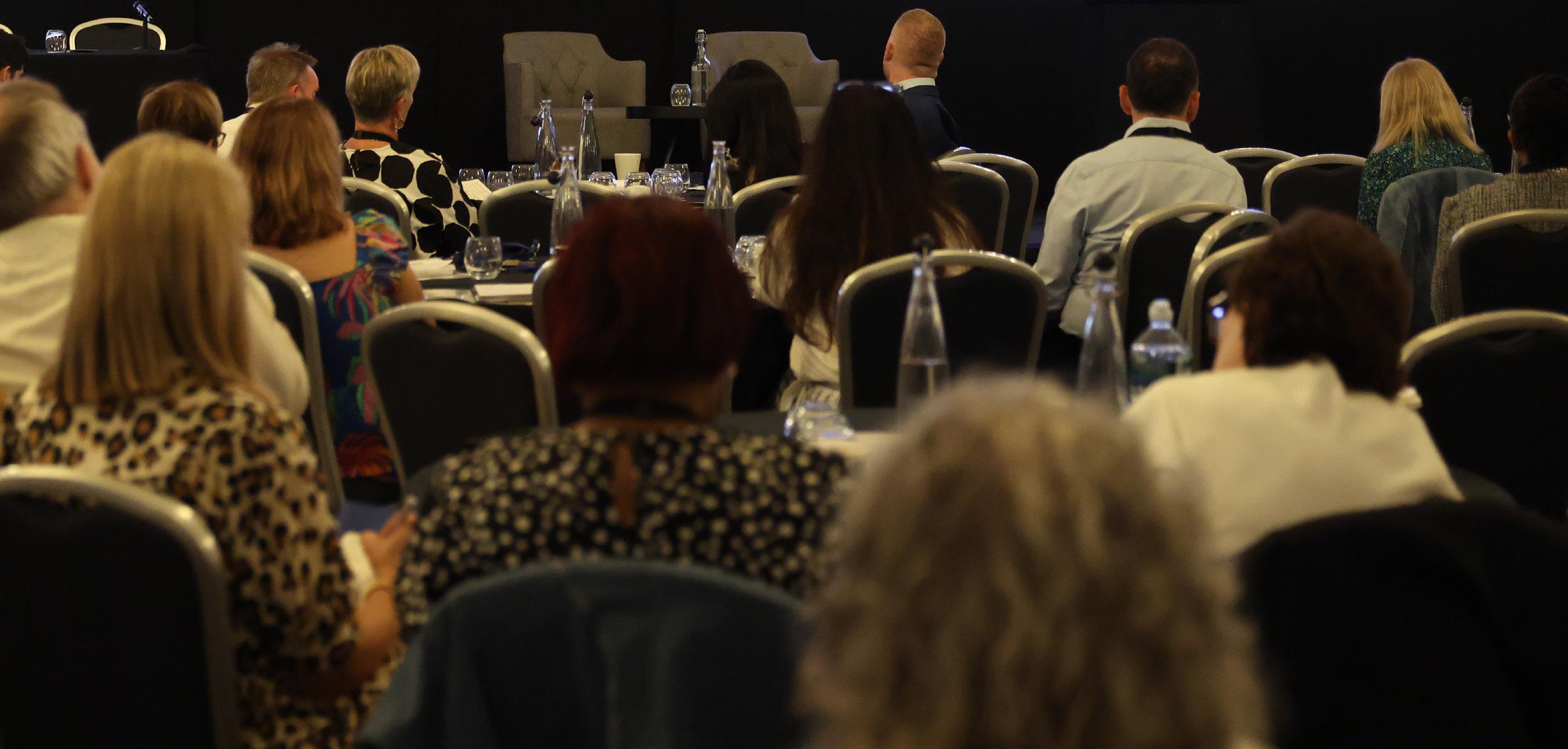
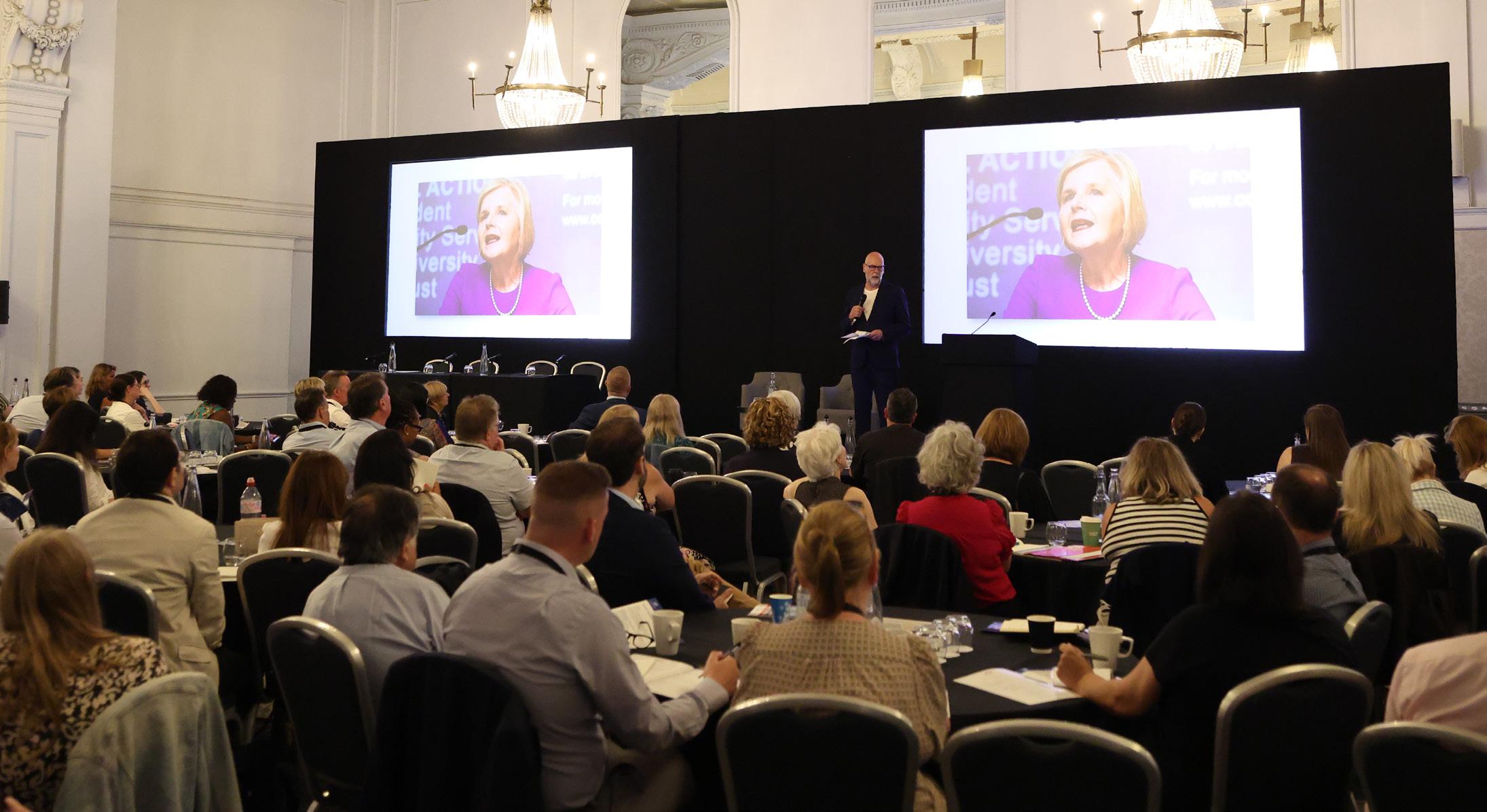
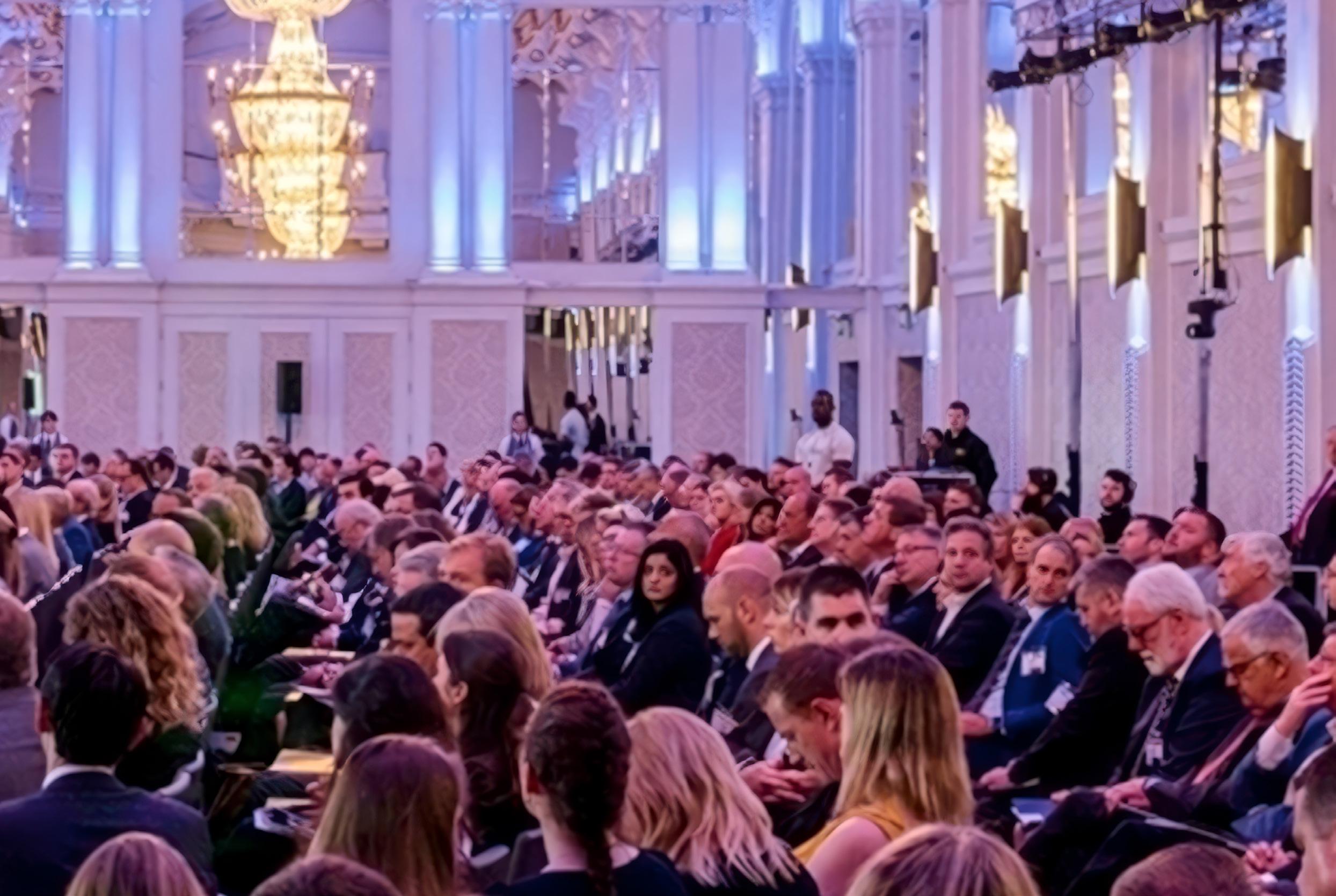
These themes were central to the UK Mediation Conference 2026, held on 30 June in London, where HR professionals, managers, workplace mediators and conflict resolution specialists came together to explore practical approaches to preventing and resolving workplace conflict. Sessions focused on managing difficult conversations, preventing escalation, and handling sensitive disputes in an inclusive and effective way.
Building on the success of this year’s event, the UK Mediation Conference 2027 will return to the De Vere Grand Connaught Rooms, London, on 29 June 2027. Organised by Acas and Iconic Media Solutions, the conference will once again bring together leading experts, practitioners and workplace leaders to share practical strategies, case studies and the latest thinking in workplace conflict resolution. Registration is now open, with both in-person and virtual delegate passes available for those looking to strengthen their mediation and conflict management skills while earning 6 CPD hours.

Join leading HR executives, legal experts, and mediators in London this November to discover how artificial intelligence is transforming employee relations, workplace mediation, and dispute management.
Artificial Intelligence is no longer confined to automating routine administrative tasks. Today, advanced algorithms are reshaping how organisations monitor team dynamics, analyze communication patterns, and handle workplace disputes. From detecting subtle workplace tensions before they escalate to generating evidence for disciplinary processes, technology is rewriting the rulebook on dispute management.
For HR directors, workplace mediators, and employment lawyers, this technological shift brings immense potential alongside complex ethical challenges. How do we leverage predictive analytics without sacrificing employee trust? Where does machine logic end and human empathy begin?
To answer these urgent questions, Iconic Media Solutions is proud to host AI & Managing Workplace Conflict 2026, taking place on 3rd November 2026 at the historic De Vere Grand Connaught Rooms,
London. Supported by leading industry authorities including the Civil Mediation Council (CMC) and Acas, this landmark one-day conference is a mustattend event for People and Culture leaders, ADR practitioners, trade union representatives, and legal professionals.
This comprehensive conference delves into the practical, legal, and ethical dimensions of integrating AI into conflict resolution. Attendees will gain actionable insights from practical case studies presented by organisations already deploying AIdriven solutions.
Key conference sessions will cover:
• Early Conflict Detection: Utilizing AI-assisted communication analysis to identify emerging friction points early.
• Ethics and Investigations: Navigating AI, bias, and fairness during workplace investigations to ensure equitable outcomes.
• Trust and Data Privacy: Maintaining employee confidence, transparency, and data compliance when introducing surveillance and management tools.
• The Legal Landscape: Understanding regulatory considerations and the evidentiary weight of AIgenerated data in grievance procedures.
• Virtual Dispute Resolution: The evolution of digital mediation platforms and balancing technological efficiency with human judgment.
In addition to world-class learning and networking opportunities, the conference is CPD Group accredited, allowing delegates to gain 6 CPD hours.
Whether you prefer to network in person in central London or join online, flexible attendance options are available:
• Delegate Pass (£175 + VAT): Includes full inperson access to all sessions, networking opportunities, lunch, refreshments, and 6 CPD hours.
• Virtual Pass (£150 + VAT): Watch all sessions live and on-demand from anywhere, complete with 6 CPD hours.
Multi-Pass Discount: Register your colleagues and enjoy £15 off each additional pass after the first.
As artificial intelligence continues to reshape the corporate landscape, staying ahead of technological and regulatory developments is essential for effective workforce management.
The full programme and speaker line-up will be announced in early August, but early bird tickets are available now — secure your place today and be part of the conversation shaping the future of workplace dispute resolution.

t: +44 (0) 1926 504550
e: hello@and-evolve.com
w: www.and-evolve.com
At &Evolve, we believe happier workplaces create a happier world, and we’re on a mission to prove it. We partner with organisations to align values, develop leaders, and build environments where people genuinely thrive. We equip managers with the confidence and skills to navigate difficult conversations, so tough moments become turning points not crisis points. When cultures are compassionate and high-performing, disputes dissolve before they escalate.Care Deeply. Perform Brilliantly. Happier World.





t: +44 (0)20 7536 6000
e: info@cedr.com
w: www.cedr.com
CEDR is a purpose-driven organisation, dedicated to transforming disputes and conflict into opportunities for innovation, growth and wellbeing. Leveraging our legacy in mediation and our commercial revenue, we exist to give back to global communities. We want to empower as many people as possible with the skills and courage to navigate disputes, resolve conflict and manage uncertainty, creating lasting, positive change.
t: +44 (0)1763 852 225
e: contact@cmpsolutions.com
w: www.cmpsolutions.com
CMP is the largest independent provider of dispute resolution services, consultancy and training, in the UK. Established in 1989, CMP provides every employee grade with world-class professional services including; HR investigations, mediation, neutral assessment, team development, and conflict coaching. Our consultancy services include HR policy and procedure review development; and training and 1:1 coaching in managing workplace relationships. Since our inception, our ambition has been to support employers in creating workplaces where people can really be authentic, bringing their ‘whole self’ to work, without the fear of negati ve conflict or reprisal.

t: +44 (0)20 7831 0254
e: info@consensiopartners.co.uk
w: www.consensiopartners.co.uk
Consensio empowers clients to informally manage workplace conflict and build resilient workplaces, enhancing the well-being of organisations and their people. Consensio offers support in all areas of conflict management. Our work includes mediation, coaching, leadership development, e-learning and a wide range of training programmes, from taster events to accredited mediation courses. Clients include: the B BC, Bupa, Cancer Research, DLA Piper, London City Airport, LNER, Nespresso, NHS Trusts, Sony, University of Cambridge, Unicef, Westminster City Council and WWF.
t: +44 (0)207 458 4707
e: admin@cosilsolutions.co.uk
w: www.cosilsolutions.co.uk
Cosil Solutions are accredited civil and commercial mediators and MSDUK-certified suppliers specialising in housing and property disputes. Winners of Most Innovative Preventative Mediation Services 2025, we help organisations prevent, manage, and resolve conflicts through our proven R.E.S.O.L.V.E. Framework. With over 20 years of experience, we understand what drives disputes and how to resolve them efficiently. Our expertise spans disrepair claims, service charge disputes, leasehold conflicts, and neighbour mediations. We work collaboratively to deliver faster, more cost-effective outcomes than litigation while preserving vital relationships across housing, property, and commercial sectors.


t: +44 (0)333 014 4575
e: info@mediate.co.uk
w: www.mediate.co.uk
IPOS is a leading Mediation Chambers of over 30 mediators. Established in 1995, we have been mediating for over 30 years, specialising in Civil & Commercial, Family Business & Trusts, Workplace, Employment and Public Sector mediation. We also host mediation focused webinars every 2-3 months, and in-house training for law firms at no cost.

t: +44 (0)203 753 5350
e: info@sheridanworldwide.com
w: www.sheridanworldwide.com
At Sheridan, we help individuals, teams and organisations maximise their potential through focus on sustainable behavioural change. We offer tailored interventions to meet your brief: executive coaching (1:1, team and group), leadership/team development, mediation and conflict resolution strategies. Our mediators bring extensive international experience and cultural awareness, adept at handling complex, sensitive, and crosscultural disputes. Recognised for impartiality, professionalism, and with a proven track record, Sheridan Worldwide empowers parties to reach transforma tional outcomes.

t: +44 (0)7932 762448
e: robert@stillhr.com
w: www.stillhr.com

STILLHR exists to create happier workplaces. We do this through the provision of consultancy, mediation, and high-quality interactive workshops, tailored to our clients’ culture and needs, that help engage and train staff, managers and senior leaders in raising respect in the workplace, anti-harassment & bullying, and courageous co nversations.
t: +44 (0)20 7277 8649
e: peter@thea.ltd.uk
w: www.thea.ltd.uk
We are here to help you solve your problems as painlessly and inexpensively as possible. Mediation provides a focused opportunity to do so. Our Principal Peter Webster has three decades of experience in guiding parties through mediation both as a mediator and an advocate in commercial, family, neighbourhood and political disputes. We have particular experience in construction disputes from our work as solicitors in this area over the past 25 years.



t: +44 (0)800 059 0595
e: info@thetcmgroup.com
w: www.thetcmgroup.com
The TCM Group is an internationally recognised provider of mediation, coaching, conflict resolution, cultural transformation, and leadership development services. Awarded both Mediation Provider of the Year and Mediation Training Provider of the Year at the National Mediation Awards, TCM is trusted by organisations across the UK and globally. Its work combines deep expertise in mediation with pioneering approaches to culture, leadership, and organisational justice, helping organisations build fairer, healthier, and more productive workplaces.
T he multi award-winning antidote to grievance, discipline, and per formance procedures. Trusted by hundreds of leading organisations, including Next , KPMG, the BBC , NHS England, TSB, Aviva and Burberr y.
T he 2026 edition is packed with power ful new updates, including:
An AI-powered Resolution Hub™ Fresh insights and evolved capabilities of T he Resolution Framework™ + Resolution Index®
Bonus access to the AI Pocket Coach™ for managers
TCM’s Resolution Framework allows people to discuss their issues to find a quick and workable outcome. It’s just good business sense – Ant hony F itzpatrick, Head of Colleague Experience & Employment Policy at Aviva
CPD Accredited
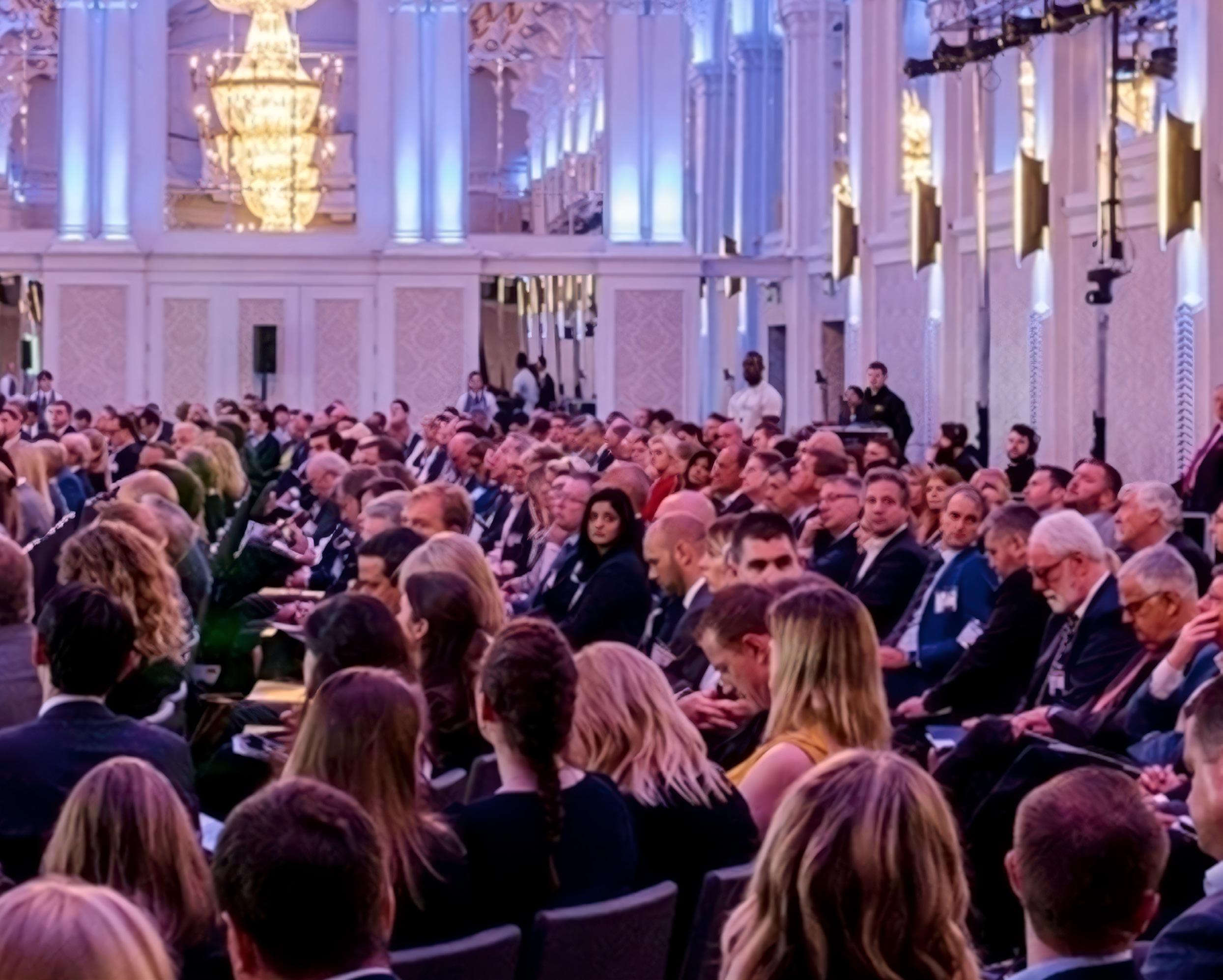
Artificial Intelligence is rapidly transforming the modern workplace. From recruitment and performance management to employee engagement and communications, AI-driven tools are increasingly influencing how organisations operate and how people interact. As technology becomes more embedded in working life, new opportunities and challenges are emerging for those responsible for managing workplace conflict.
AI & Managing Workplace Conflict 2026 is a specialist conference designed for HR professionals, workplace mediators, employee relations specialists, people managers, consultants and organisational leaders seeking to understand the impact of AI on conflict prevention, resolution and mediation.