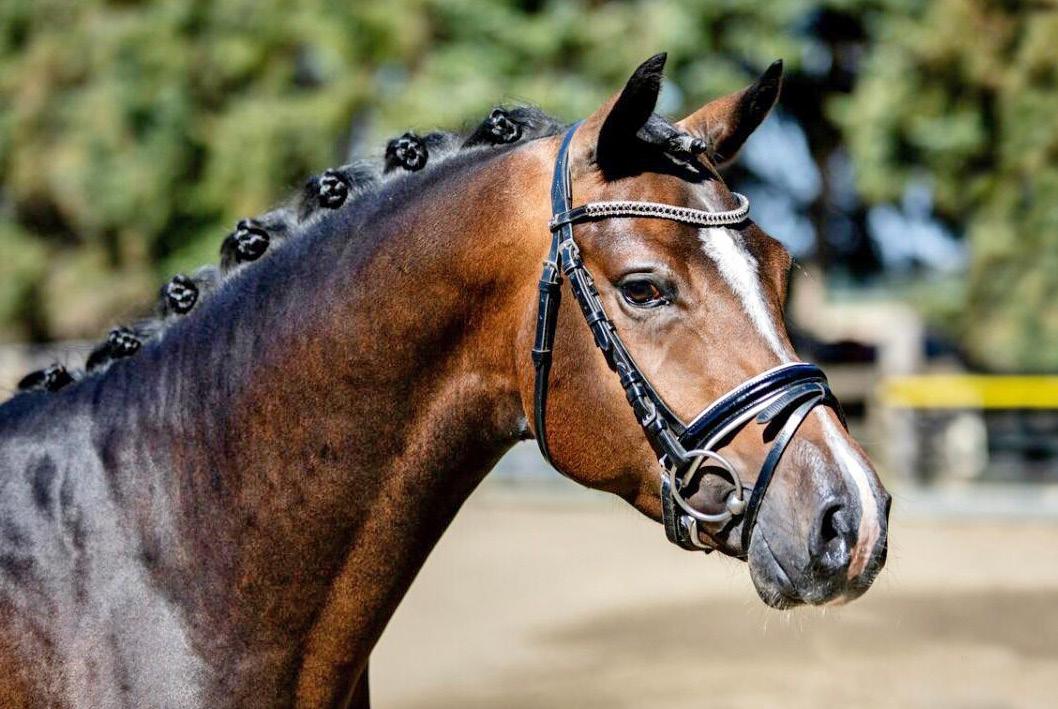
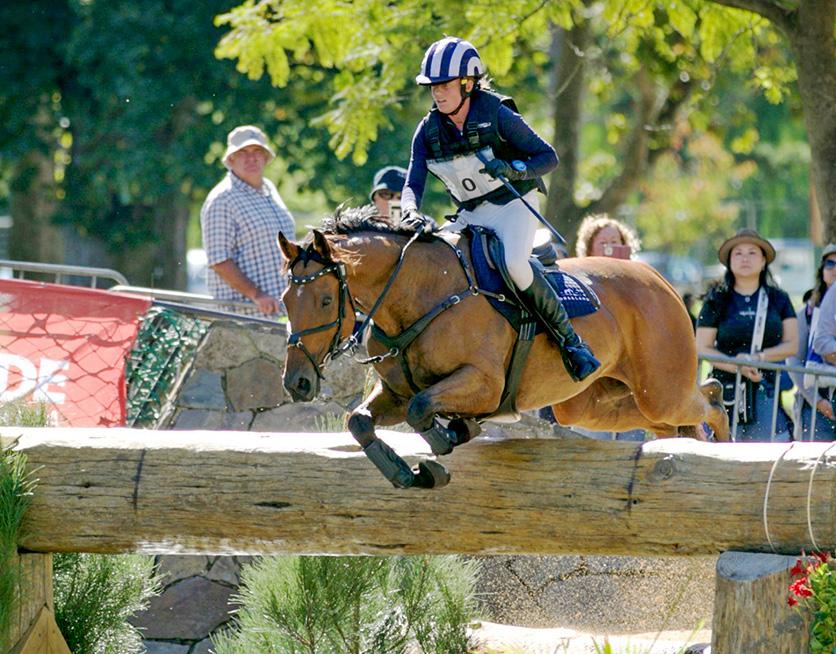
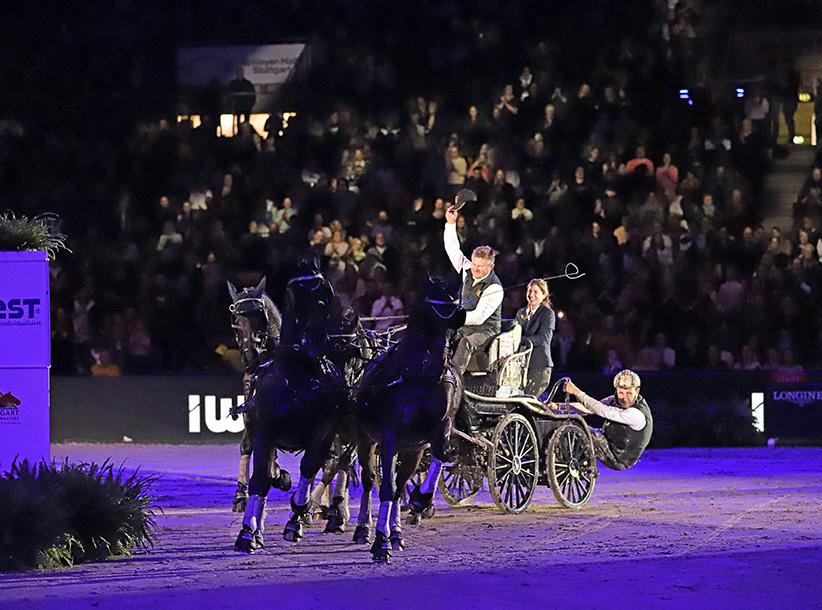
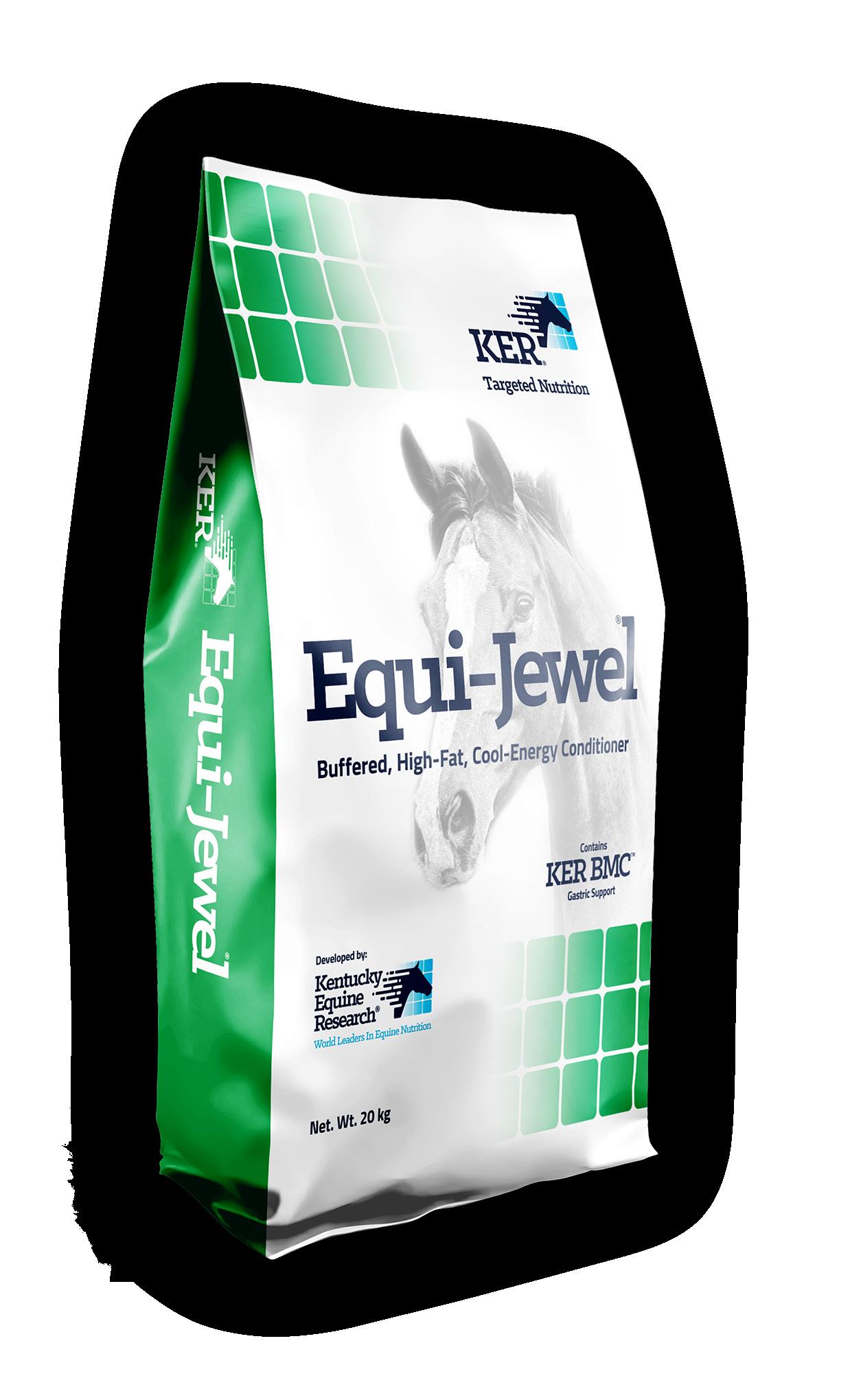

Equi-Jewel® is the ideal conditioning supplement to increase body condition, topline, and coat quality in breeding horses, performance horses, and horses being prepared for sale.
Equi-Jewel is a high-fat, cool-energy supplement that provides a safe source of calories for horses requiring a lowcarbohydrate diet or horses that are intolerant to grain due to tying-up or gastric ulcers.
Equi-Jewel contains KER BMC™, research proven to double the acid-buffering capacity of the stomach, which moderates stomach pH and reduces the risk of gastric ulcers. KER BMC also increases the buffering capacity of the hindgut by 54% to promote improved digestion and feed utilisation.
Learn more about Equi-Jewel at ker.com

Sophia Hill
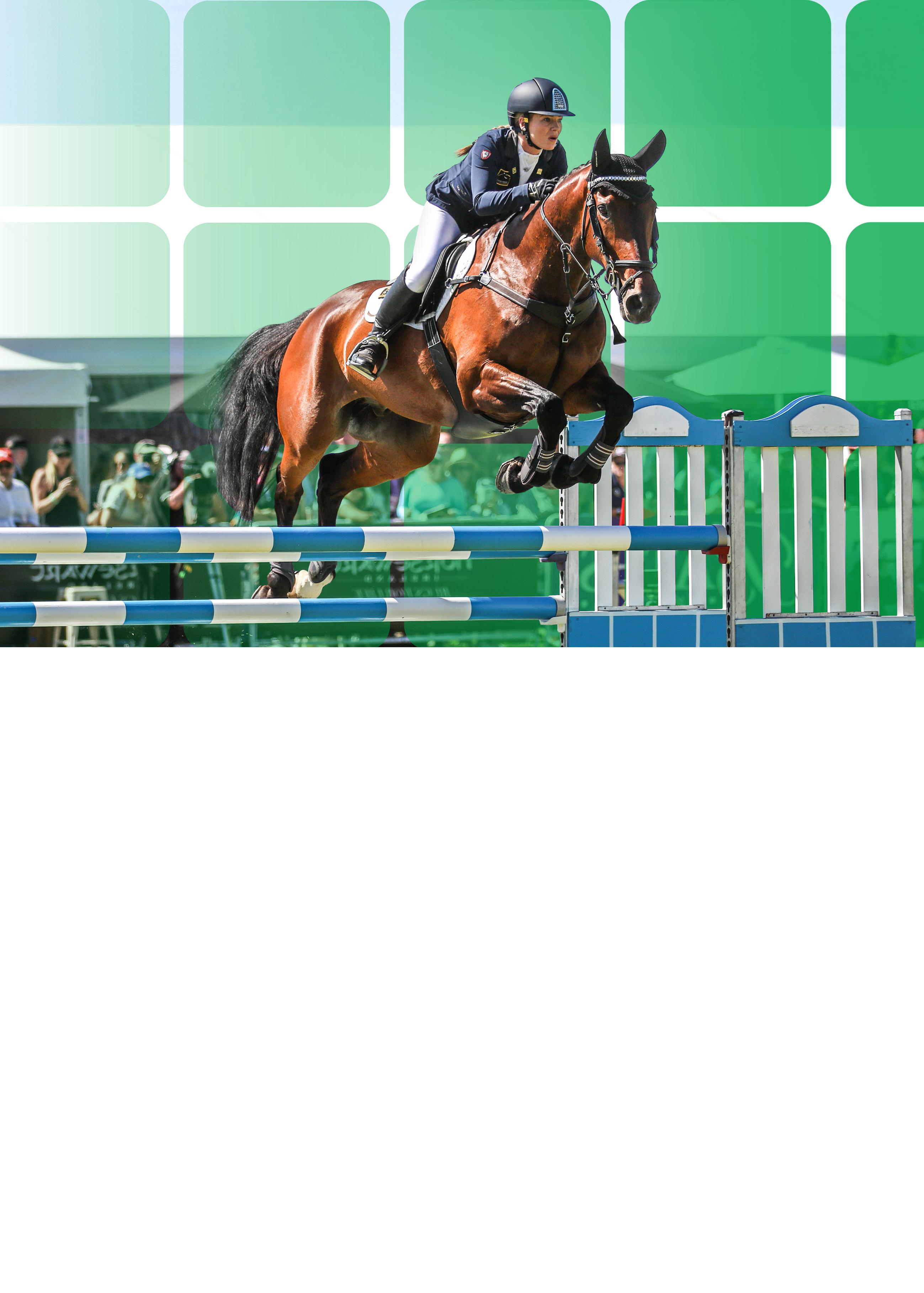
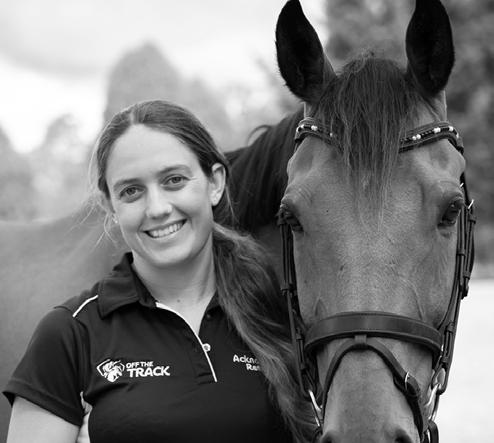
Competing at FEI 5* level eventing, Sophia is also a Racing Victoria Acknowledged Retrainer and offers rider coaching and elite performance horse campaigning. She runs a small performance horse breeding program and stands several stallions at stud in partnership with Tulara Warmbloods. In this issue, she talks about her partnership with OTT eventing superstar Humble Glory.

Tania Huppatz
Amanda Mac
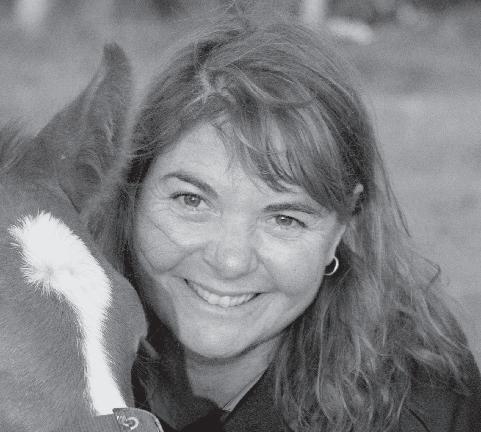
As Equestrian Hub Magazine's editor, Amanda’s two longstanding passions, one for horses the other for writing, come together perfectly. While much of her time is spent editing, she recently spoke to Sophia Hill to learn more about her OTT Humble Glory, who's proving to be an eventing superstar, before exploring some of the many equestrian courses now available online and on campus.
Dr Caitlyn Mittelstadt Caitlyn works at Apiam Animal Health’s Clermont Surgery as a full-time mixed practice vet with a passion for everything horse. Apiam is a leading Australian rural organisation with 332 highly experienced vets, 73 clinics, and a team of professionals, all dedicated to enriching the lives of animals and their humans. In her article, Caitlyn explains the benefits of regular dental check-ups for your horse.
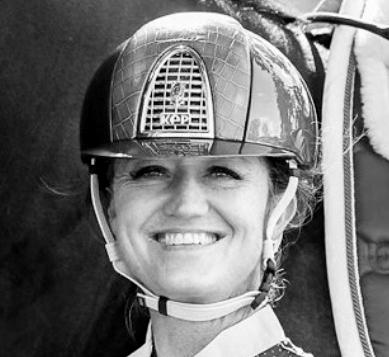
Dr Clarissa Brown-Douglas Clarissa has ridden all her life. Her career as an equine nutritionist has taken her around the world, working with horse owners, breeders and trainers to provide nutrition advice for their equine athletes. She is now a member of the Kentucky Equine Research team, and in this issue offers her expert advice on the causes, treatment and prevention of equine gastric ulcers.
Tania runs Snaffle Travel, a successful travel company combining her love of horses and travel. She attends some of the major horse shows and equestrian-related locations around the world, and loves to share her experiences with the Equestrian Hub community. At this time of year, Europe is awash with equestrian festivals and competitions. Tania delivers a report and photos from some she recently attended.
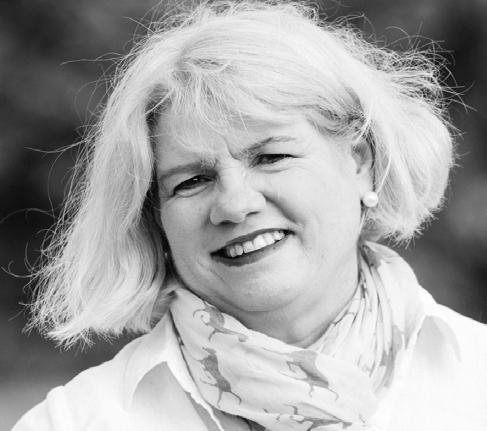
Fiona Todd

Fiona’s love of animals in general, and horse’s in particular, has been life-long. Driven by a desire to support and inspire equestrians from all disciples, she first launched HorseVibes magazine, which offered expert advice on a range of topics including nutrition, equipment and training. The publication later evolved into the hugely popular Equestrian Hub Magazine
Nicole Tough
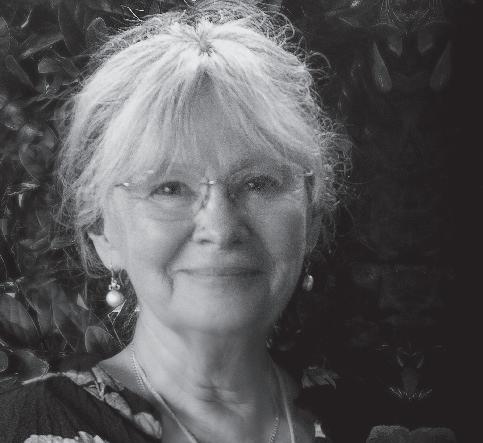
An EA Level 2 Dressage Specialist Coach and National A Level Judge, Nicole has over 30 years experience in training, competing, judging and coaching. She enjoys presenting seminars and masterclasses, has trained in Germany, Spain and The Netherlands, and has produced nine very successful FEI horses. Looking for your ideal dressage horse? Nicole shares some expert tips.
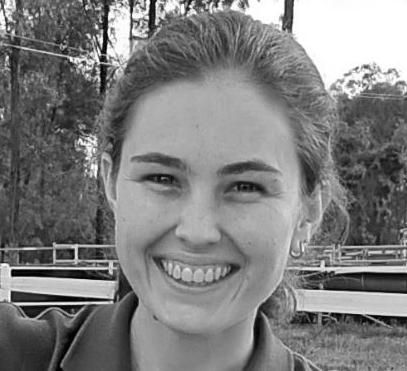
Michelle Terlato Michelle grew up with horses and has always loved them. When she’s not travelling the globe photographing the world’s top equestrian athletes, she’s home riding her own horses. It’s the behind the scenes and the unexpected shots that she likes the most, and in our Behind the Shot feature, she shares her favourites and explains what makes them so special.
Apiam’s equine veterinary credentials are well-founded with a growing number of purpose-built dedicated Equine Vet Clinics and Referral Hospitals located in Victoria, New South Wales and Queensland, working alongside our network of mixed practice clinics in delivering quality equine veterinary care.
Scenic Rim Veterinary Service
Beaudesert QLD
Agnes Banks Equine Clinic
Agnes Banks NSW
Hunter Equine Centre
Scone NSW
Victorian Equine Group
Bendigo VIC
Gippsland Equine Hospital
Maffra VIC
Southwest Equine Veterinary Group
Warrnambool VIC
Find out more by visiting the Apiam Animal Health website & view the equine product range on Country Vet Animal Supplies



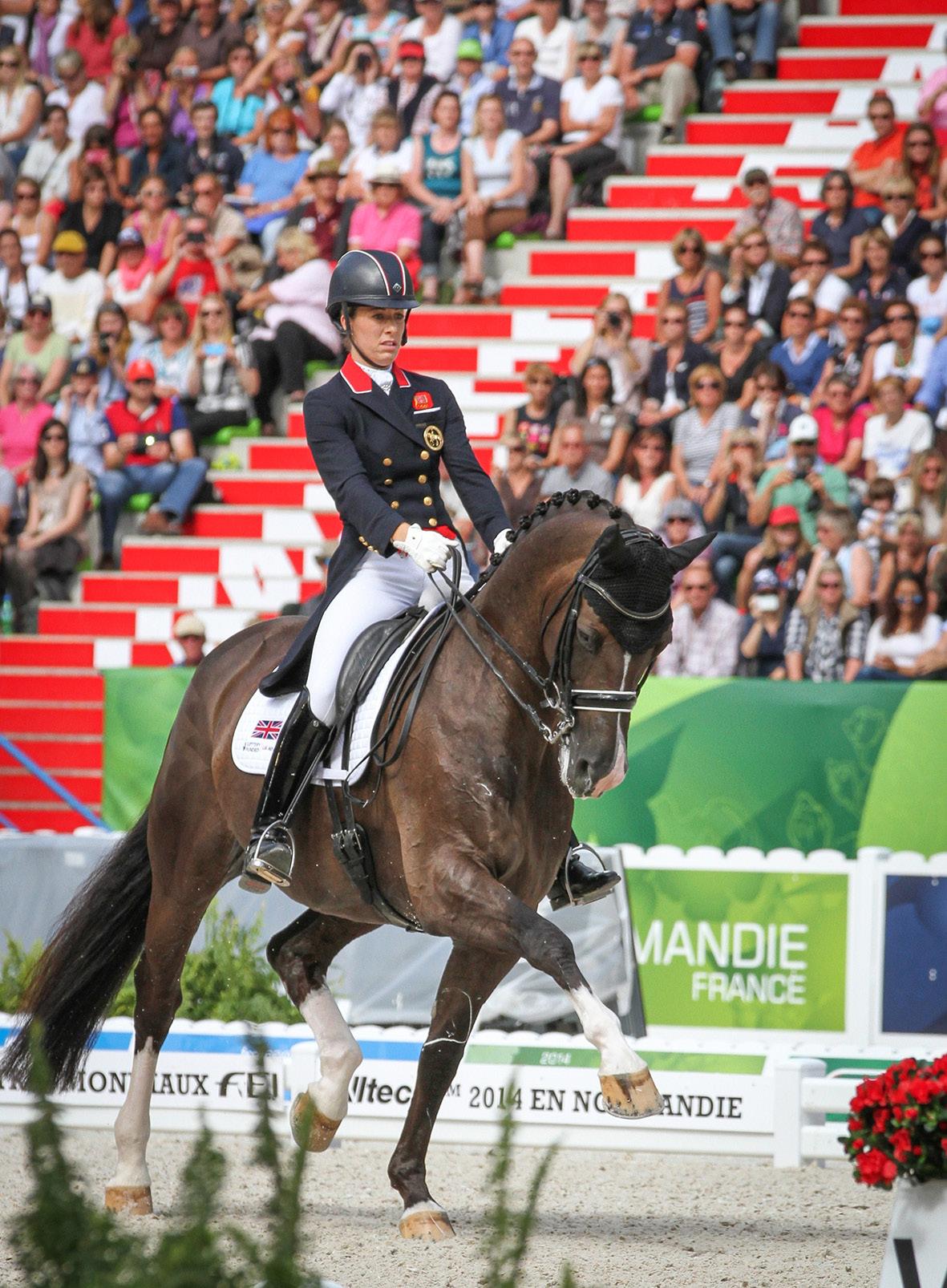
One of Australia’s top equestrian photographers, MICHELLE TERLATO travels the world capturing equestrian athletes in action. Each month she shares one of her favourite shots.
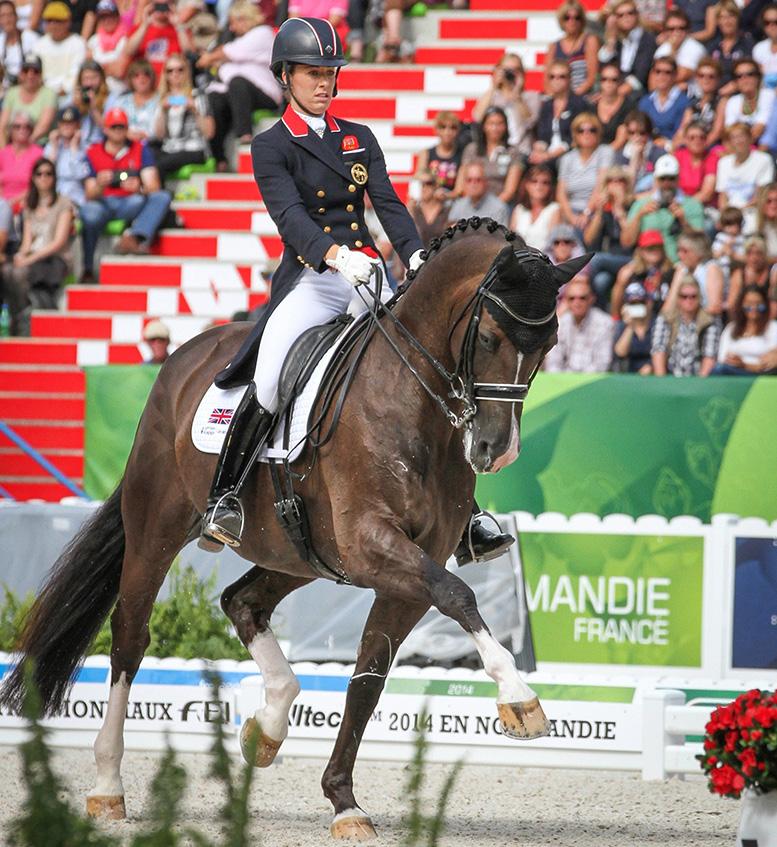
Horse: Valegro
Event: 2014 World Equestrian Games
Location: Normandy, France
Camera & Settings: Canon EOS 7D, Canon EF 70-200mm, ISO 320, f 5.6, 1/1250 sec
Challenges: Coming into the finals of the dressage, expectations on Charlotte and Valegro were very high and so every photographer was eager to capture their performance. It was therefore very busy in the moat around the dressage arena and some photographers were
doing frowned upon things like running around while other dressage tests were being performed. Accordingly, the photo manager was very strict, making it clear to all of us that you could not move an eyelash while tests were on. This is totally understandable but it makes it hard to decide on the perfect spot to stand and stay. So the choice I made was to go slightly on an angle as opposed to side on, and I captured one of my all-time classic images and also one of my most popular sellers. It manages to capture Charlotte’s focus and Valegro’s fabulous movement while being framed by the foliage, the beautiful red geraniums in the bottom right that balance out the bright red of the stadium steps, and the fabulous enthralled crowd.
Why this shot is special: This image is very special to me (in fact the print is on my wall at home) as it was the first international event I had attended and photographed. The whole experience was a huge learning curve. To see riders such as Isabel Werth, Carl Hester, Marcus Ehning, Beezie Madden and Boyd Exell, as well as this superstar pair from the London Olympics was mind blowing. Valegro, who is arguably one of the greatest dressage horses of all time, claimed two individual gold medals with Charlotte in the Special and Freestyle (92.161%) events, as well as a team silver for the UK. Charlotte then went on to be crowned 2014 Sportswoman of the Year. She was the first rider in history to hold all the major titles in dressage in one year (a grand slam). To say they were unrivalled superstars of the sport is almost an understatement. I feel so lucky and privileged to have seen them compete together winning gold medals, and to have this special memory of Valegro who is now retired.

Michelle is available for event, commercial and private shoots. Visit Michelle Terlato Photography
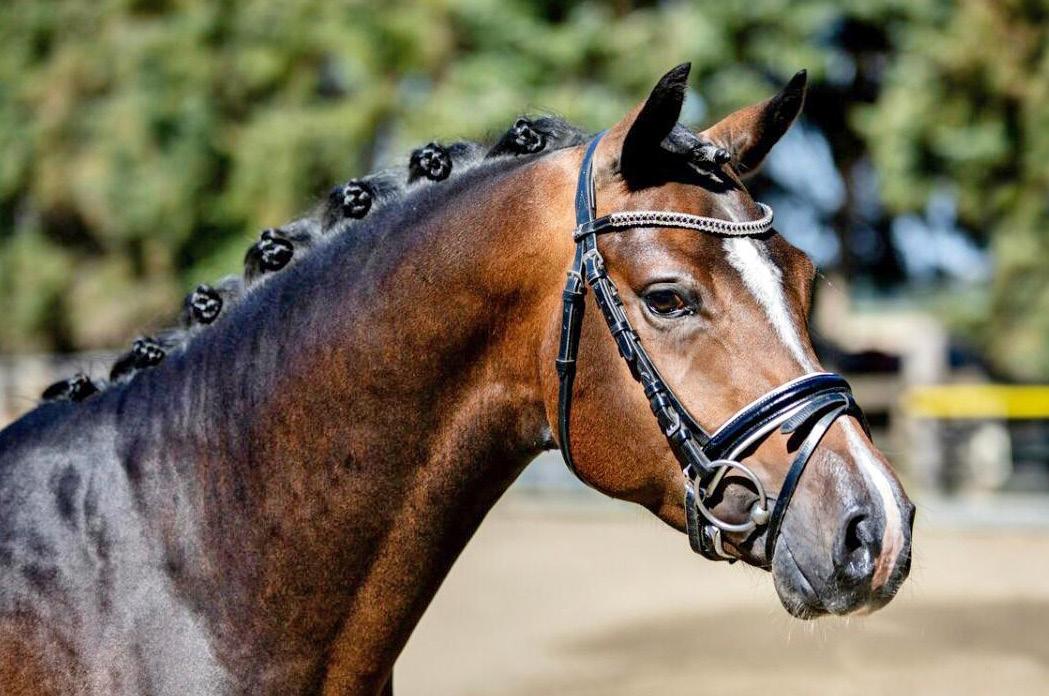
Buying a dressage horse is not just a financial outlay. It’s an investment in your hopes and dreams, and knowing what to look for is critical, writes NICOLE TOUGH.
When we buy a dressage horse, we are not just buying a horse. We are investing our whole selves, our hopes, plans and dreams for the next decade or more; a horse that inspires us to jump out of bed each morning because we can’t wait to ride.
Looking for the right one can be extremely daunting, and as with any horse, there is always the risk of a
broken bank and heart. All we can do is approach the task with the experience we have, and having a knowledgeable friend in our corner who has no ulterior motive can certainly assist with finding the right fit.
Start with your budget. What we want and what we can afford need to align. If you don’t have an unlimited budget, the key to looking for your next equine
partner is to know your strengths and vulnerabilities, and to be realistic about your ability at this exact point in time. Don’t buy the horse you think will be right in the future, because you still have to get to that future.
If you’re a beginner, the best option is the schoolmaster; the horse that’s been there, done that, and knows their way around the classroom. These are the generous types that won’t take advantage of rider imbalances and mistakes. Of course, schoolmasters are expensive and may be unrealistic for your budget. So, if you’re a beginner and cannot afford the schoolmaster, what do you look for? The best options will be eight to fourteen years old, their height dependant on rider requirements, and they will usually be energy savers with duller mouths and hard to offend. These horses need a kick to get going and to keep going, have nonreactive dispositions and won’t feed off rider nerves.
If you are looking for a talented horse to develop and take you through the levels,
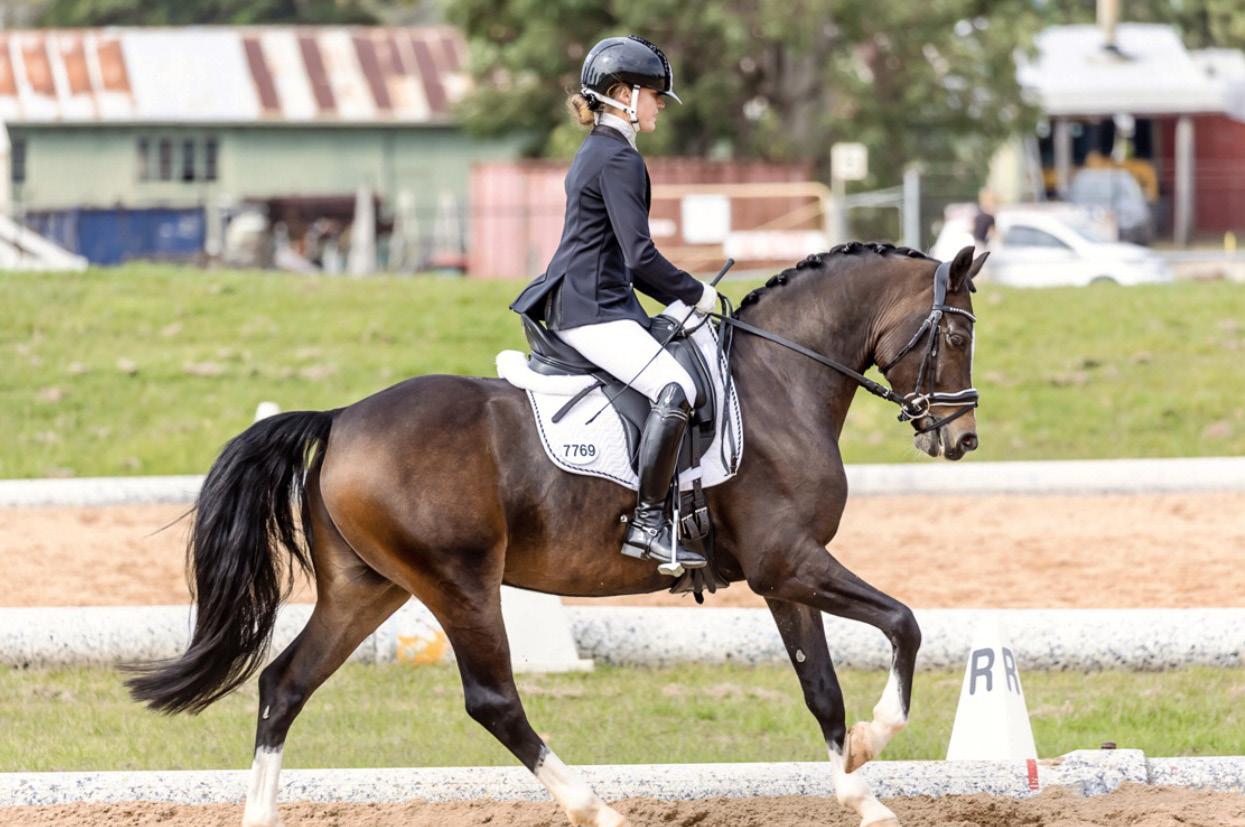
the three big things of most importance are conformation, movement and temperament.
Conformation wise, everyone has preferences. Certainly, an upright build will make it easier to appear uphill and for judges to award higher marks. Other than straightish legs and good feet, I prefer shorter necks and backs, shorter over longer legs, a clean gullet and big eye.
The quality of the three paces is vital, with faultless rhythm being nonnegotiable. I look for a walk that swings and overtracks by about two hoofprints; a trot and canter that have a nice bend in the knees and good articulation of the hocks - and in the canter I also look for a good split in the distance between the hind legs. The trot doesn’t have to be sensational, because there is much we can build into this pace with good systematic training. Also of note, the bigger the walk, the harder it is to maintain rhythm in the collection.
Temperament is more important than talent. All the talent in the world is
wasted in an unwilling horse. Horses that want to go, want to self-carry and are willing to work make the best dressage horses.
Other helpful tips include knowing what your non-negotiables are and what you can live with. For me, I can’t do fence walkers, or separation anxiety, but I can live with windsuckers. Escapees drive me crazy, and horse shy horses can be harder to warm up. Spooky horses need patient riders, and stubborn horses need stubborn riders.
Knowing your preferred energy type is extremely helpful too. Do you like horses that are self-motivated, or something you need to motivate? Is your preference for horses that tend to lean or horses that are fussier with contact? Some are hard to offend, and some are easily offended. Know your breed, age and height range requirements, and if you have a partiality for mares or geldings.
If you can’t afford a ridden and going super talent, then you might have to
consider an unbroken youngster or a newly broken in three-year-old, where the temperament cannot be assessed. In this scenario, breeding plays a bigger part. Some bloodlines have riskier temperaments than others. The best people to ask about bloodline recommendations are trainers that work with many different horses.
Regardless of budget, vetting is always a good idea. This is a contentious issue, because there is no such thing as a risk free, perfect horse. Generally, the more miles the horse has done, the more wear and tear it will have. We ask the vet to explore the issues and then we can consider their management. Our vets do not have crystal balls and expecting them to look into the future and predict long term soundness is not reasonable.
There is simply no way to be truly sure that any horse is the right fit, but knowing all your likes, dislikes, wants and needs can tip the scales in your favour.

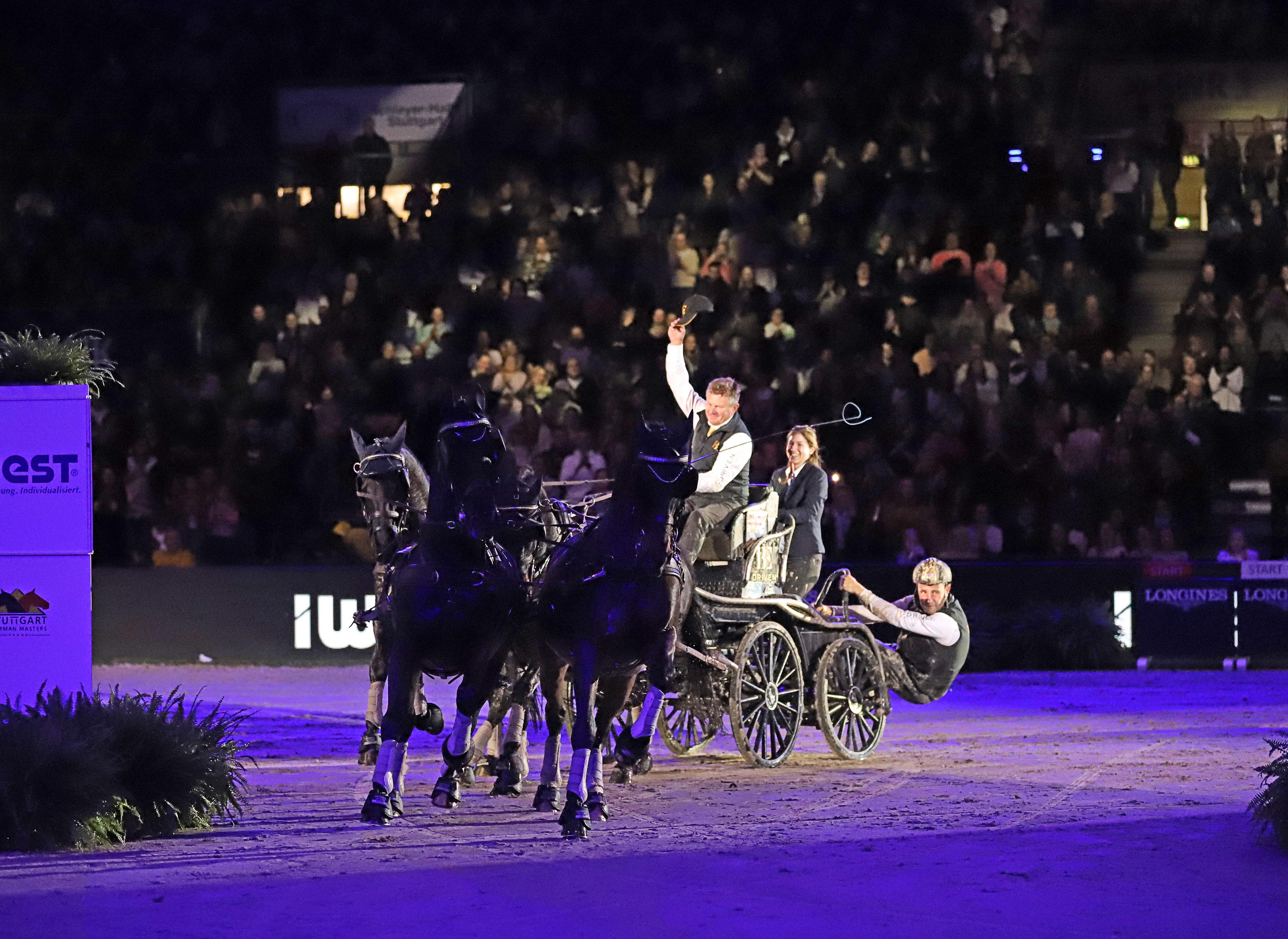
November is one of the busiest months for equestrian events and competitions in Europe, and TANIA HUPPATZ was there to capture it all.
Whether you are a rider or simply passionate about horses, equestrian events in Europe offer an unforgettable experience. November’s indoor shows are just as impressive as their summer open air counterparts, and are
unsurpassed in their atmosphere and excitement.
I spent three weeks visiting four horse events in Portugal, Italy, Germany and the Czech Republic. They were all vastly different, but all offered high calibre competition and entertainment.
My first stop was Golega in Portugal. Normally a sleepy town, every November Golega transforms into a mega horse hub thanks to the arrival of the National Horse Fair. Nothing prepared me for the spectacle, not to mention the mouthwatering aroma of roasting chestnuts and the constant smoky atmosphere. I expected to see the Portuguese equivalent of signs such as ‘To the show’ or ‘Car parking this way’, but no, there was nothing! Not even a sign to tell me where the fair was. It was crazy to see people parking wherever they could fit their cars along the side of the road. Golega’s town square is converted into an arena, with displays running over ten days and often until 3:00am. This was where all the main action
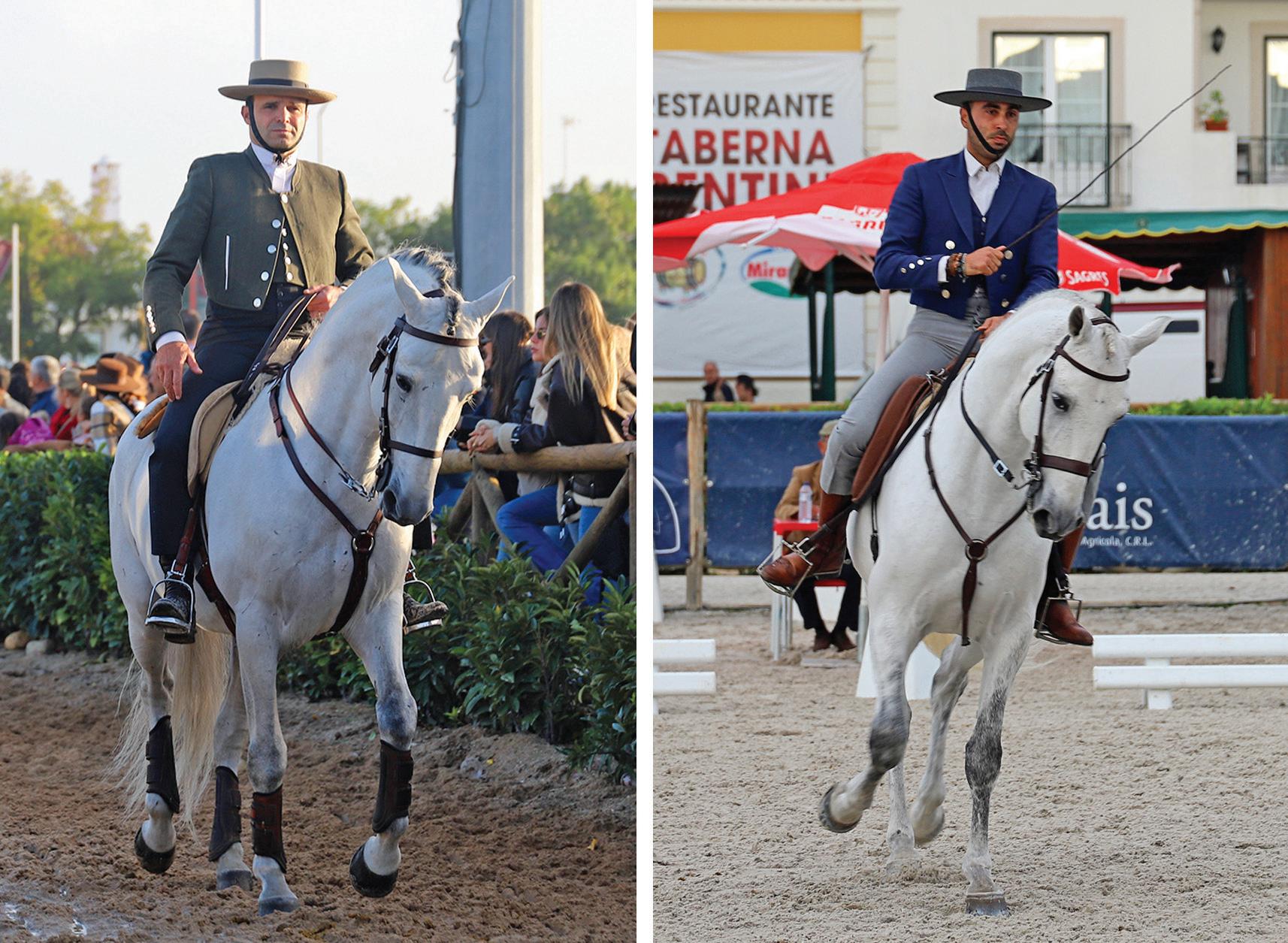
was, with a variety of classes including working equitation, breeds, and some dressage too. An outside track is created (known as the manga) where people ride their horses and drive carriages. Most riders are colourfully attired in beautiful Portuguese traditional costumes, which do not include a helmet. Health and safety go out the window here and young children of all ages can often be seen riding large horses – and very impressively too!
People and horses come to the fair from all over Portugal, and this year British dressage star Carl Hester made an appearance. Clearly impressed, he commented that it was one of the most amazing equestrian spectacles he’d ever seen, adding: “If you ever get a chance to attend, I’d highly recommend it.’’
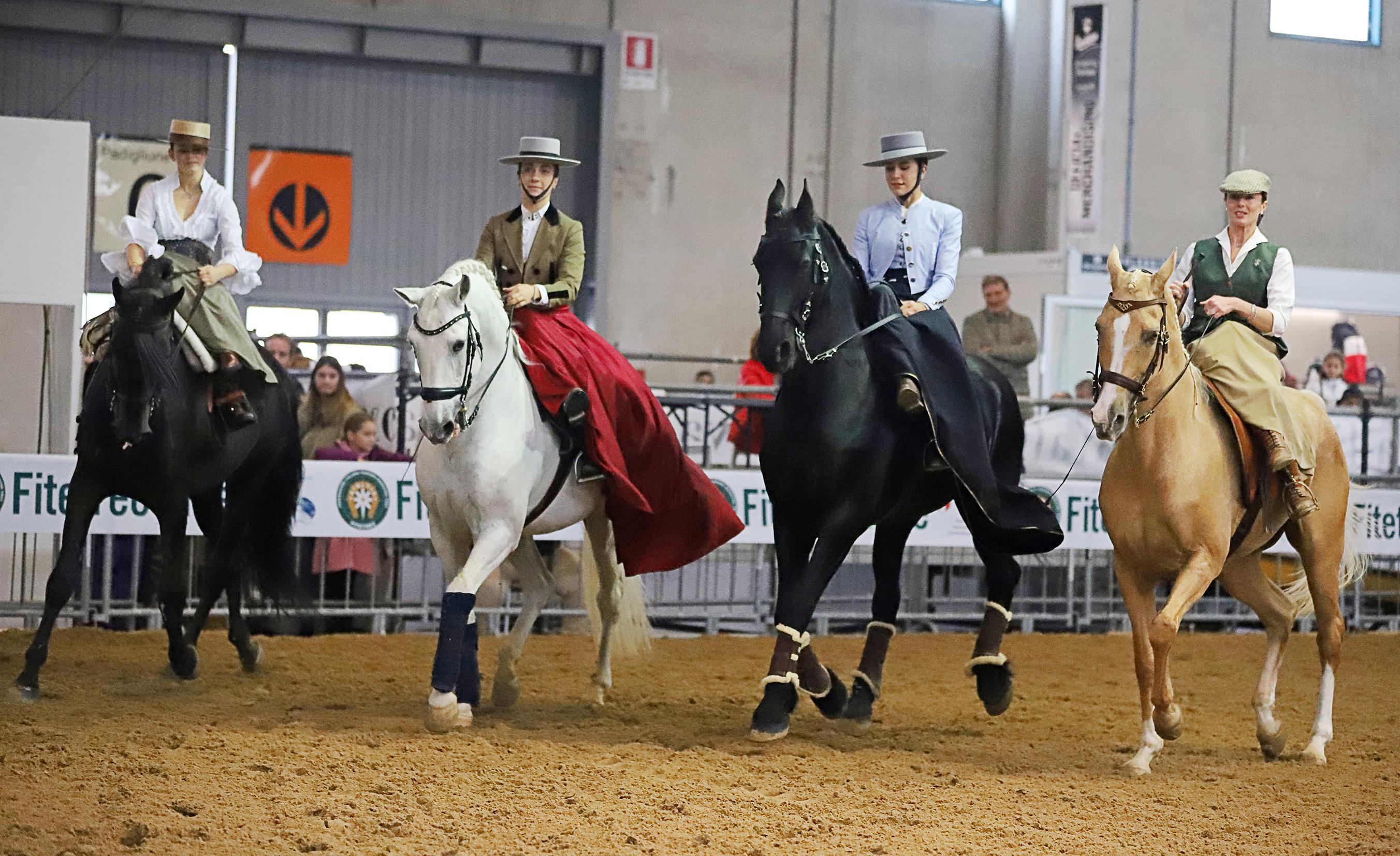
After Portugal it was time to travel to Italy’s historic Verona, which hosts the Fieracavalli, a horse fair unique to the town. It is the much-anticipated event on the Italian equestrian calendar and includes twelve pavilions of all things equestrian, including the Verona World Cup show jumping.
And directed by Antonio Giarola, the Gala show is not to be missed. Showcasing the talents of many national and internationally recognised equestrian performance artists, including Santi Serra Camps, Clemence Faivre, Giuseppe Cimarosa, Giulia Giona, it was a spectacular display of horsemanship at its best.
Fieracavalli is like Equitana but on steroids! Attracting over 140,000 spectators over the four days, it was
simply mind blowing. Each area hosted different themes: from Iberian breeds, diverse riding styles including trick and Roman riding, to dressage, Western, liberty work, Arabian horses and the World Cup jumping arena. The Italian breeds, including the Murgese and Maremmano, were allocated their own arena. The local Maremmano are the traditional mount of the Maremma cattle men and are also ridden by the Italian mounted police.
Anyone who loves to shop would have been in heaven at Fieracavalli, with handmade leather boots, sparkly helmets, and supple leather jackets. When you needed to refuel, the food on offer was typically and deliciously Italian with arancini balls, pizza, calzone, prosciutto paninis, cannoli and other delectable treats.
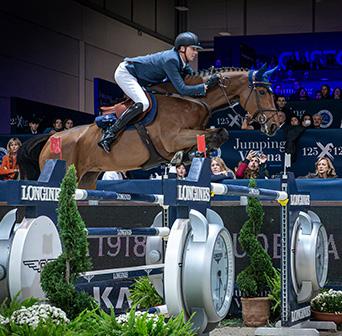
The FEI Verona World Cup arena hosted a top field, and I could hear the crowd oohing and aahing each time a rider went clear. Many of the top riders were competing, including World No.1 Sweden’s Henrik von Eckermann, and homegrown local crowd favourite Lorenzo de Luca, who won and placed in a few of the jumping classes much to the crowd’s delight. Our own Edwina Tops-Alexander competed on two of her horses, Toulini Olympic and Corellies de Miles, but unfortunately, she had some rails down leaving her out of the winner’s circle. The Longines FEI Jumping World Cup at Verona, presented by Scuderia 1918, was won by Great Britain’s Ben Maher on his horse Dallas Vegas Batilly.
After Verona I enjoyed a spot of sightseeing in Milan with a day trip to Lake Como and Bellagio, which included a sightseeing day on the Bernina Express to St Moritz. Such a breathtaking journey at this time of year, with snow on the mountains and autumn leaves still on the trees creating a stunning backdrop.
My next stop was the German Masters held in Stuttgart over five days with four World Cup events in dressage, driving, show jumping and pony jumping.
Australian driving champion Boyd Exell is a regular here. He had already won at Stuttgart eight times previously, and true to form, he won the World Cup Driving again this year against tough competition. Boyd has certainly earned his nickname this season as the Master of Faster, and I couldn’t help but feel for Luc, Boyd’s new backstep, who copped plenty of mud going through the water obstacle!
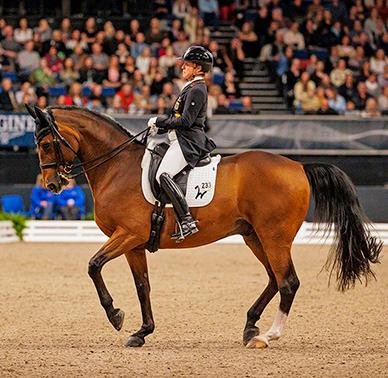
The FEI Grand Prix Dressage Freestyle was impressive with twenty riders from over eleven countries competing. Crowd favourite Germany’s Isabell Werth riding Emilio won the World Cup on a final score of 86.88. Australia’s Lyndal Oatley, aboard Elvive, competed in the CDI4* Grand Prix freestyle and rode some lovely tests with a score of 70.34 earning her a top ten placing. The combination was also
placed 11th in the German Master’s Grand Prix Special on a score of 67.95.
The FEI World Cup show jumping was still hotly contested, despite many of the world’s best heading to the Global finals in Prague. Kevin Staut of France won the World Cup show jumping final, and young British rider Harry Charles had a good show winning many of his classes as well as finishing runner up in the World Cup.
As with most European events, the entertainment is phenomenal. Stuttgart was no exception with renowned Frenchman Jean-Francois Pignon performing with his free horses in the intermission. I had seen him before at CHIO Aachen and always love his performances.
Next stop? The Czech Republic for the last part of my journey and to see the Longines Global Champions Show Jumping Playoffs final held in Prague over four days at the O2 arena. The contenders who have earned their Golden Ticket to the event were
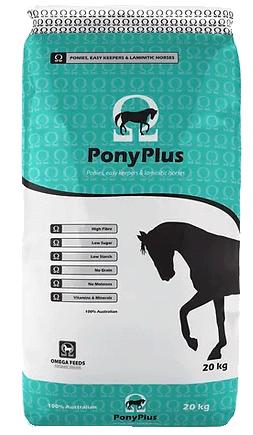
PonyPlus is a low sugar, low starch feed that has been specifically formulated for easy keepers and horses/ponies with metabolic conditions. It is a nutritious and filling feed that will provide your equine with good quality protein, vitamins, minerals, essential fatty acids (Omega 3 & 6) and bulk without oversupplying calories, starch or sugars.
FORMULATED FOR HORSES WITH:
+ Laminitis
+ Insulin Resistance
+ Obesity
+ Equine Cushing’s Syndrome
+ Equine Metabolic Syndrome
+ Tying Up
Shaping Tomorrow Responsibly...where innovation meets sustainability

winners of each CSI5 Longines Grand Prix from the 2023 season, or the runners up if the winner was already qualified for the GC Playoffs LGCT Super Grand Prix.
The CSI5 Longines 1.65m competition with a purse of €1.26 million (that’s a tad over $2 million Australian) was held over two rounds. It was a tough track with tight turns which took plenty by surprise. Jessica Springsteen’s mum Patty was seen in the grandstands cheering her daughter on in the finals.
Australian rider Edwina TopsAlexander won her golden ticket in Madrid in May this year on her horse Fellow Castlefield and finished in 8th position in the final. After a tough contest, Frenchman Julien Epaillard on Dubai Du Cedre became the winner of the LGCT Super Grand Prix.
The CSI5 Longines Super Global Teams final was super electrifying and tense to watch. The 1.60m final worth €6.5 million (just shy of $11 million Australian) was tightly contested. Reisenbeck International won and team members Eoin McMahon with Mila, Christian Kukuk on Checker, and Philipp Weishaput with Zineday did the double, claimed the season Championship title, and were crowned winners of the GCL Super Cup –leaving Valkenswaard United’s Marcus Ehning with Stargold, Gilles Thomas on Luna van het Dennehof, and John Whitaker with Equine America Unick Du Francport in 2nd place for the second year running. The Paris Panthers were not far behind in 3rd place.
After a three week whirlwind of excitement, colour and spectacle, Prague was the perfect finale for my European sojourn.

If this article has given you the travel bug, visit Snaffle Travel to see what adventures Tania has planned for 2024.
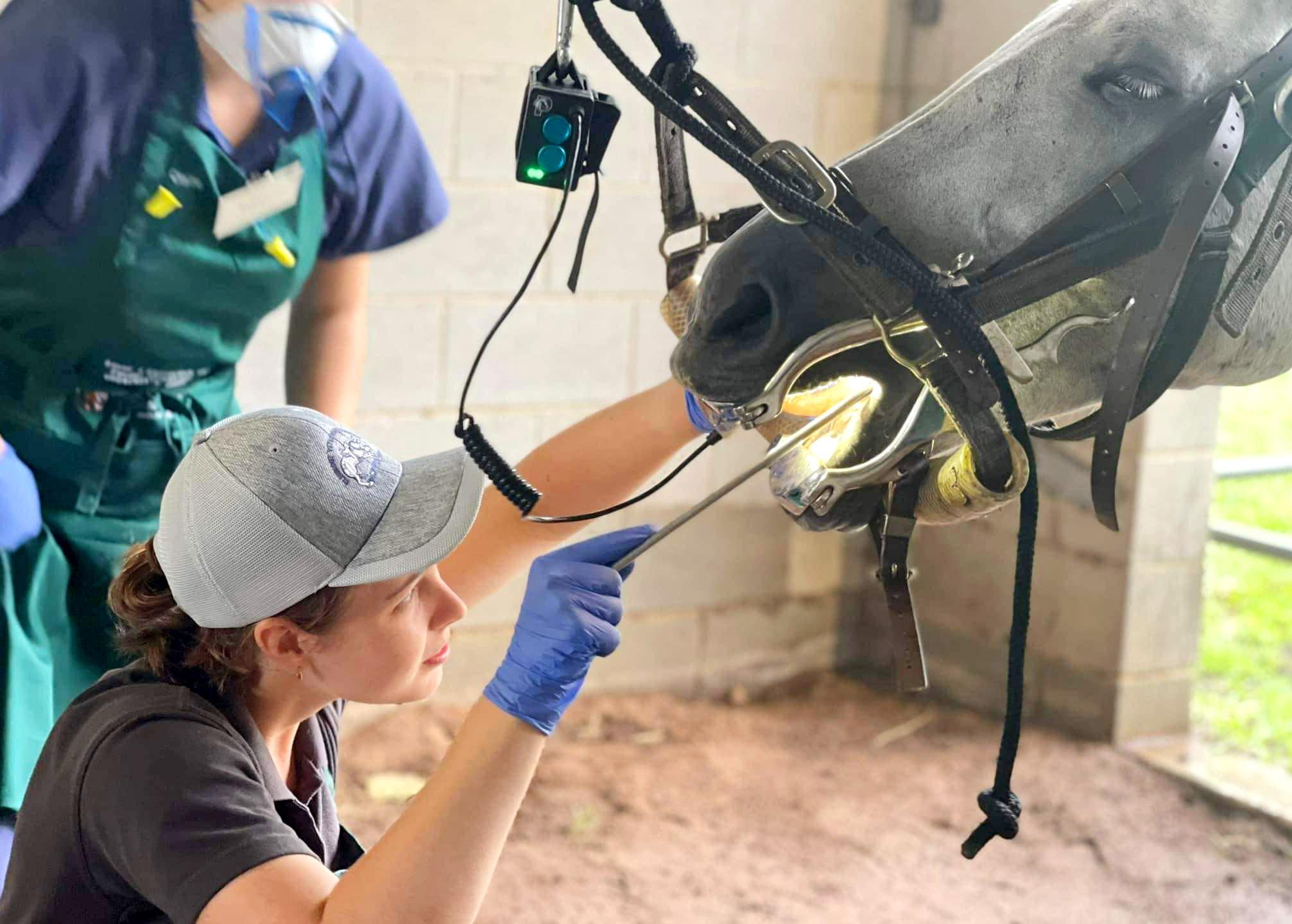
Equine dentistry is not simply a matter of float and go. DR CAITLYN MITTELSTADT explains the importance of regular professional dental care for your horse.
I’d like to share my thoughts on the importance of dental work in horses and ponies, while at the same time shedding light on the crucial role veterinary dentistry plays in the health and performance of our equine athletes.
I’m sure that at some point you’ve been scolded by your own dentist for your flossing habits, your toothpaste brand, or the length of time you’ve allowed to elapse between visits. Or, perhaps you’ve been driven mad by the pain
of an ulcer, cavity, or abscess, and have sought out professional advice. But have you ever considered the comfort of your horse’s mouth and looked beyond the bit?
As a young veterinarian and equestrian I really do love my horses, and my mentors at the Clermont Veterinary Surgery have taught me so much about them. I regularly manage and treat one of the most important parts of a horse’s anatomy, their teeth. Dentistry is incredibly satisfying to those of us who practise it. It delivers the certainty that every horse will benefit and keeps us interested because no two mouths are ever the same.
My interest was piqued by my training under Dr Oliver Liyou, an equine dental specialist at EVDS in Grafton NSW. As my training has progressed, I now work with horses from all disciplines, with clients sometimes travelling over 100 kilometres to visit our country veterinary practice for essential dental care.
A horse or pony should have their teeth checked under sedation by a veterinarian at least once a year. A horse in pain will be unwilling to accept help without the aid of sedation, and only veterinarians who have studied for five to six years at university can legally provide this service. This annual checkup can be the opportunity for you to pose questions to a veterinary professional about the holistic care of your animal. The checkup can be supplemented by a physical examination, annual vaccinations, discussing diet or supplements, worming, stomach scopes for ulcers, and even sheath cleans and checks for penile ‘beans’ – making it a very worthwhile visit for the health care of your elite athlete or your trail companion.
So, what should you look out for that could indicate dental disease in your horse?
• Dropping food or eating slowly
• Irritability without apparent cause
• Weight loss or a poor doer
• Shaking the head while being ridden
• Reluctance to accept the bit
• Repeated colic or choke
• Under the jaw or nasal discharge with pus in cases of tooth root, abscesses or gingival infections.
As a rider, we must be in tune with the health of our horse, their movement, flow, and their behaviour. But how much do you know about one of the most important parts of their body?
In the first five years of a horse’s life, they will grow and shed 24 baby teeth and erupt their permanent dentition, growing 60 new teeth in total with or without the addition of canines and wolf teeth. Unlike humans, horses grow teeth for most of their lives, starting with their deciduous baby teeth, which are
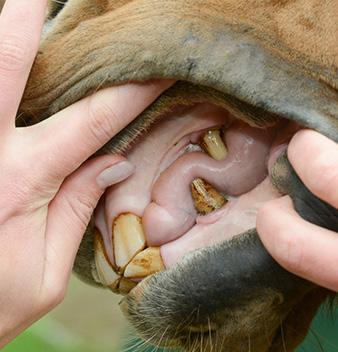
ABOVE: As part of their regular health care, your horse's teeth should be checked for any problems or abnormalities.
LEFT: Dr Caitlyn Mittelstadt's interest in equine dental work was piqued after training with Dr Oliver Liyou.
pushed out and replaced by their adult permanent teeth before the age of five. The adult cheek teeth and incisors then grow slowly every year until about 18 years of age, allowing them to grind down tough plant material for many hours a day without running out of tooth.
With so many teeth erupting in such a short period of time, a lot can go wrong! The order of eruption can lead to impaction of cheek teeth, retained caps and insufficient space for permanent adult teeth to come through. Foals should be checked for birth defects such as parrot mouth (overshot jaw) and jaw deformities. Yearlings will be evaluated for malocclusions (a misalignment or incorrect relationship between the upper and lower teeth), extra teeth, removal of retained caps, and if necessary, the removal of their wolf teeth to avoid
interference with the bit. Consequently, dental visits are important even for the foal, weanling and yearling during their early years of training, not only to teach good handling habits, but also to promote the association between vet visits and a positive, pain free experience.
In the middle years of life (from 10 to 17 years) a horse’s mouth is very stable. The adult teeth erupt slowly and are worn down by frequent grazing. The pasture types and environment will affect this, and it’s one of the most important times to be regular with their annual dental appointments. Equine dentistry can help set them up to enjoy healthy, pain-free lives by ensuring their teeth wear evenly and that no complications are left untreated. Tough feed, damaged teeth, and uneven chewing can cause asymmetrical patterns
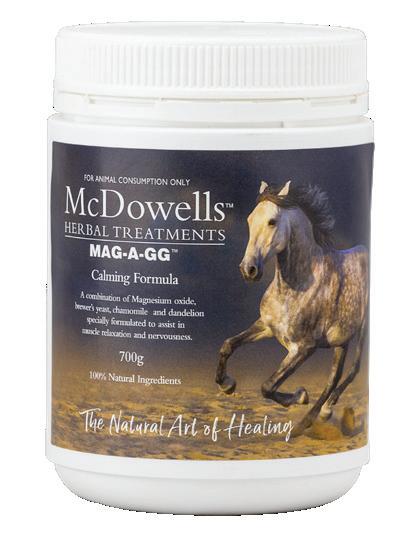
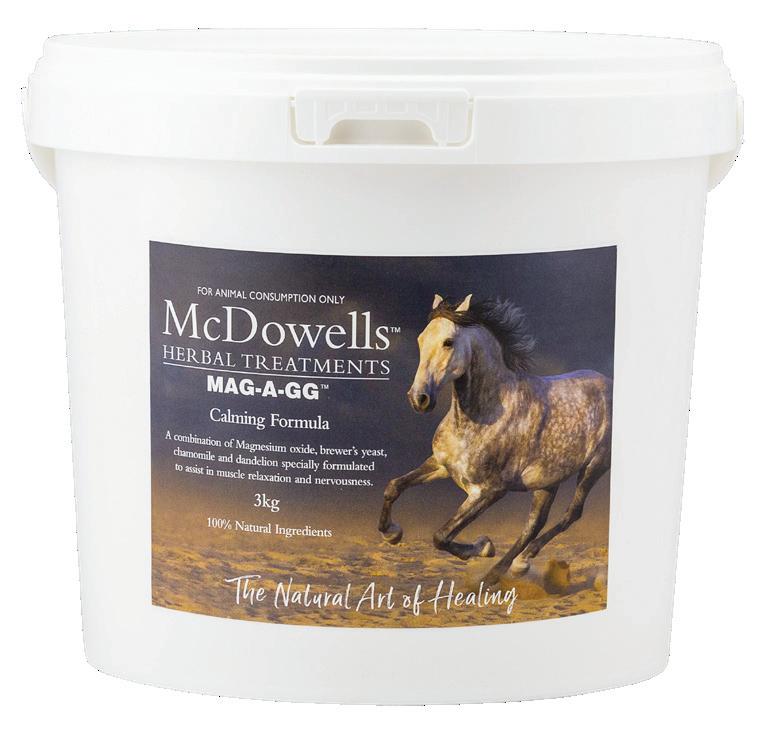
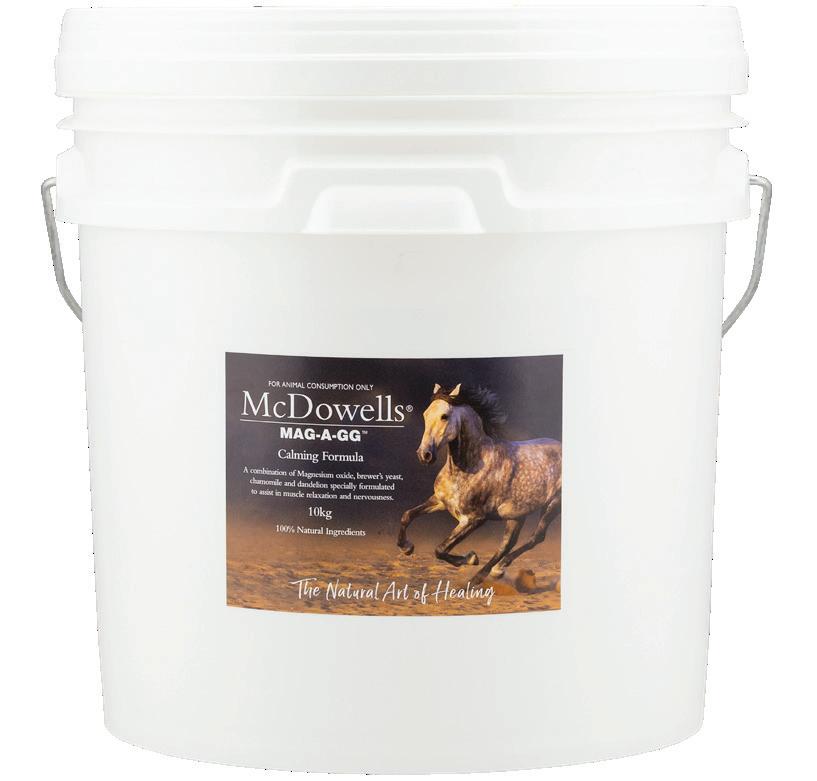
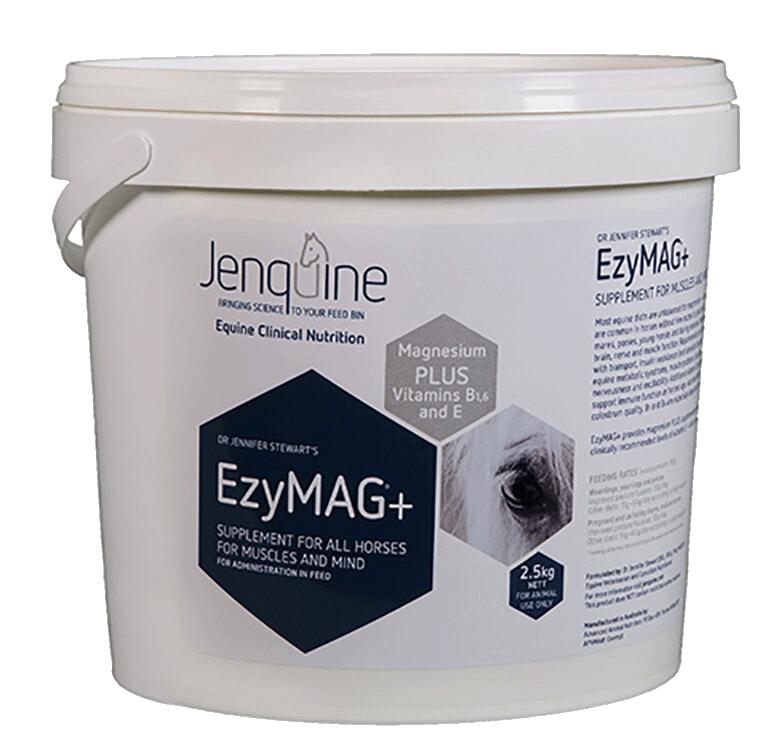
A combination of magnesium oxide, brewer’s yeast, chamomile and dandelion specially formulated to assist in muscle relaxation and nervousness.
Supplementing a horse deficient in magnesium has shown to have beneficial impact on their nervous system and general nervousness.
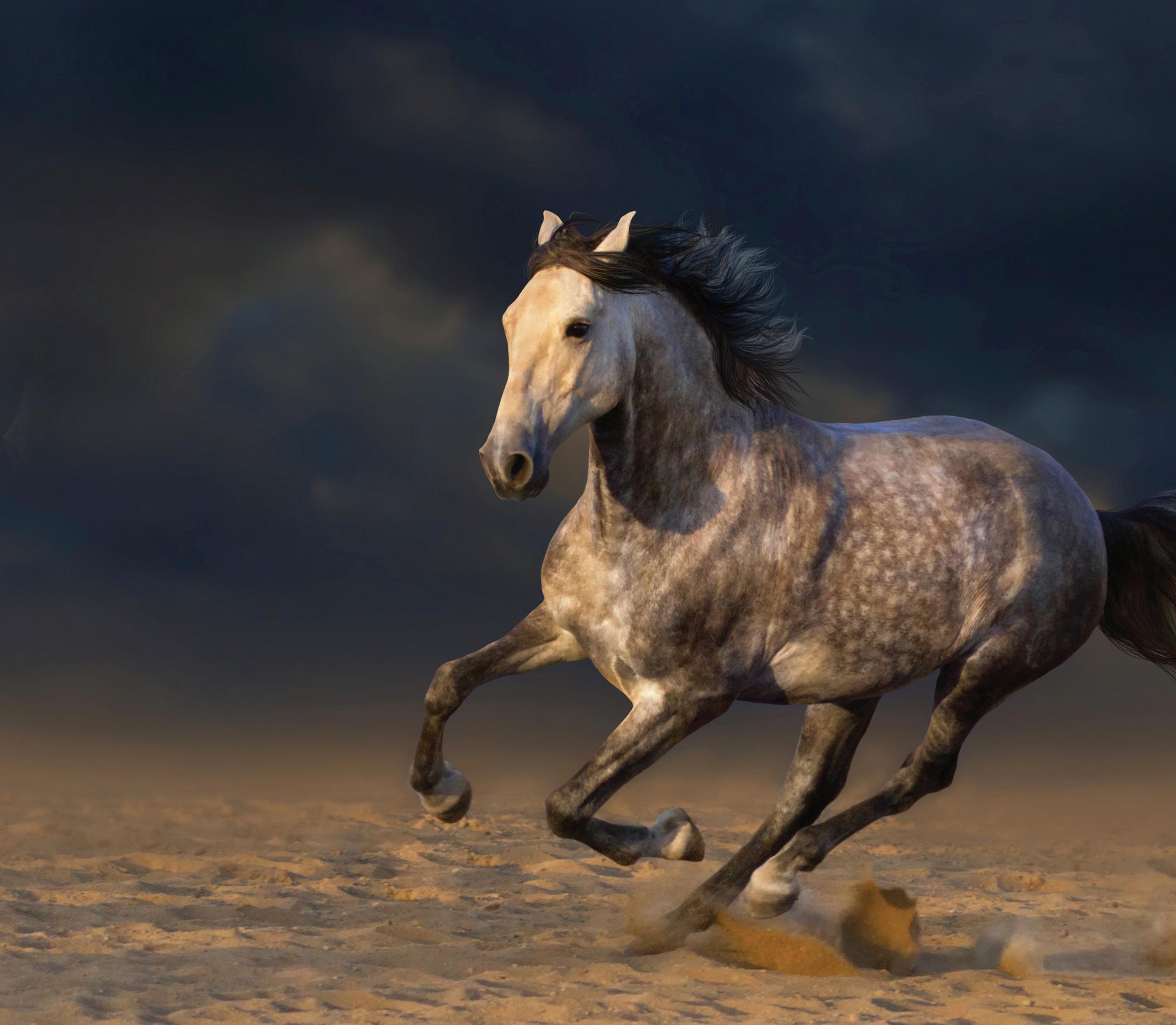
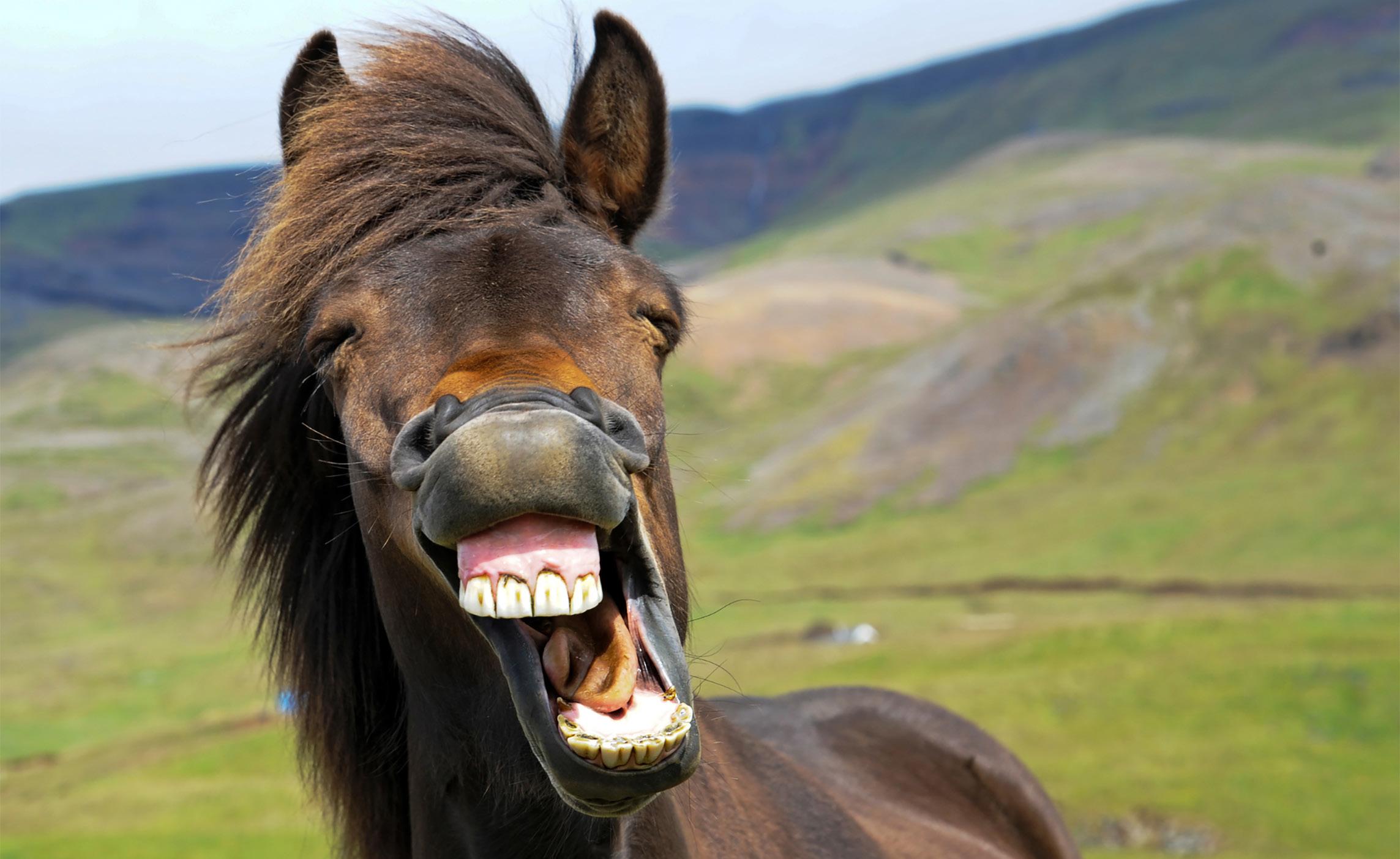
ABOVE: Maintaining your horse's dental health throughout their life will enhance their wellbeing and longevity.
of wear in the jaw, which may lead to missing, misaligned or damaged teeth; trapped food; and severe gingival gum disease. Early intervention at annual dental exams with x-rays and sedation are excellent aids to identifying a diseased mouth, coupled with regular rechecks, reshaping and/or surgical intervention to prevent further deterioration.
At approximately 18 years of age and onwards the teeth stop erupting. The teeth your horse now has will be all they have for the rest of their lives; no more will grow. Frequently, the first thing to deteriorate in an older horsealong with worsening arthritis - is their teeth. Unfortunately, it is often the reason we euthanise. The horse stops chewing their food properly, drops weight, grows weak and irritable, and may even become more prone to colic. If the mouth has been well maintained throughout their earlier years, then these problems are less likely. In older horses, yearly checkups will only involve removing sharp enamel edges to prevent ulcers and assist in keeping them comfortable. If there are problems
that have not been dealt with in their younger years, they can be very difficult to reverse and may become detrimental to their longevity.
As a younger rider, I wish I’d had a greater understanding of the complex connection between my reins, the bit, and the mouth of my Thoroughbred, Mr
Early intervention at annual dental exams with x-rays and sedation are excellent aids to identifying a diseased mouth
Splinter. Now at the ripe age of 27, his teeth are finally letting him down and I find myself asking, could I have slowed this decline? Or have prevented it entirely? Maybe not, but I do know that I can keep his mouth as comfortable as possible as he enjoys his well-earned retirement. Breakthroughs in veterinary medicine and a greater understanding in all
aspects of horse management and welfare is allowing our horses to live and work longer, with improved quality of life well into their senior years. And as veterinarians we take pride in our work to provide this service and improve not only the health but also the wellbeing of our equine patients.
Something my dad drilled into me from an early age was that maintenance is more effective than repair. He was talking about the care of equipment and machines, but the same applies to our horses. Equine dentistry is no longer just a float and go. Provided by a qualified veterinarian, regular dental check-ups, carried out under sedation and with the administration of pain relief as necessary, will prolong the life of your horse. No matter whether they’re performance horses or your trusted trail ride companion, let’s work together to keep our equine partners healthier and happier throughout their careers and into their well-deserved retirement.
Visit Apiam Animal Health to learn more about their range of services.
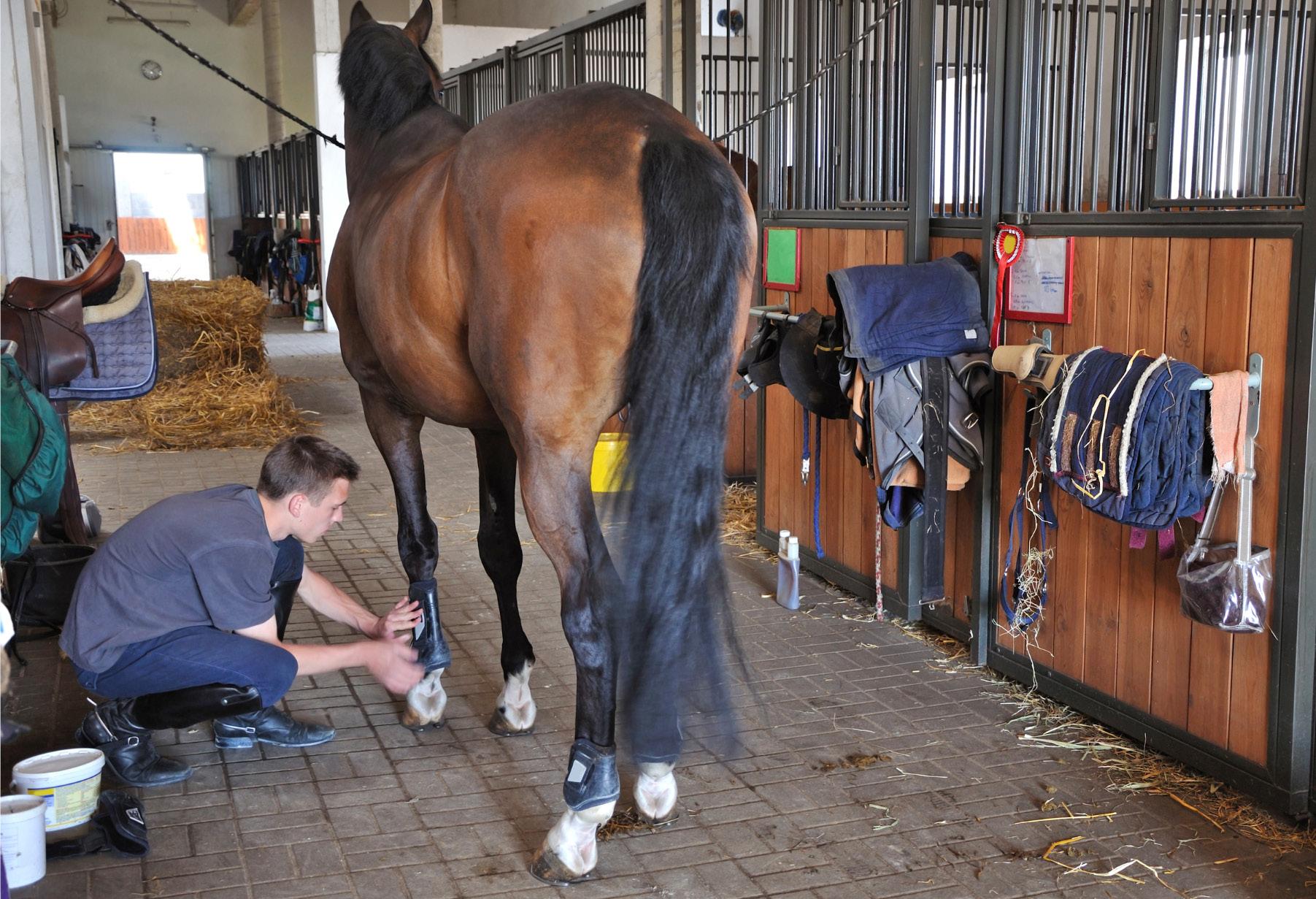
Whether your goal is to work with horses professionally or simply expand your equine knowledge, there’s sure to be a course that's right for you, writes AMANDA MAC.
Learning more about what you love is always a joy. As equestrians, horse owners and/or dedicated hobbyists, many of us have at some point thought about enrolling in a course to gain greater understanding of the animals and sport we’re so passionate about.
If study is something you’re seriously considering, an online search will quickly reveal that there are plenty of colleges and institutions offering a wide variety of equine-related courses, but how do you choose one that’s right for you? Here are a few things to consider before you dive in:
What’s your purpose? Is your interest general, or do you want to study a specific topic? Do you envisage this being a stand-alone learning experience, or is your aim to progress to higher qualifications? If it’s general or topic related, check the course outlines to find one that’s as close a fit to your interests as possible.
If your intention is to pursue further study, your best option is probably an Australian Qualifications Framework (AQF) accredited course. The AQF regulates national education and training qualifications across different sectors, and in a broad range of studies and disciplines. This allows students to move through qualification levels with full or partial recognition for the qualifications and/or learning outcomes they already have. So, the successful completion of an AQF approved and accredited course could open the door to higher level studies, which may ultimately enhance your career opportunities.
Fees and delivery: Before you commit to anything, read the fine print! Make sure that the fee and course delivery structure work for you. Some courses are delivered entirely online, some combine online and on campus learning, others are on campus only. Check to see whether the course is self-paced or if it must be completed within a specific time frame. And is an up-front payment expected, or are a variety of payment options available? Overcommitting on either your time or finances will likely turn what should be enjoyable into a negative and stressful experience.
Do your homework: Thoroughly research the courses and providers that interest you. Are they accredited? How detailed is the information they make available? See if you can find reviews for any of their offerings, other than the ones they post on their own websites! As with anything, it’s buyer beware – so take your time, don’t rush into anything, and do your due diligence.
Getting specific: While certain courses are tailored to very definite career outcomes, Equestrian Australia’s coaching pathways for example, or study programs designed specifically for those wishing to become qualified saddle fitters, there are many other options. To give you just a very small sampling of what’s out there, here, in no particular order or preference, are outlines of some of the offerings:
Equitation Science International (ESI) ESI’s stated mission is to 'educate horse riders and handlers in equitation science to enable efficiency and safety in all horse/interactions'. Among other things, equitation science explains why horses behave as they do, what is likely or not likely to work in their training, and how we can communicate more effectively with our horses. Offering evidence-based principles that ensure safety, efficiency, best-practice welfare and ultimately sustainability, equitation

ABOVE: Many courses offer online and/or on campus study options.
LEFT: If you're interested in working in the equestrian industry, ongoing training is a wise investment in yourself and your career.
science informs all horse training, disciplines and sports, and importantly, privileges horse welfare as the top priority.
ESI currently offers two courses: How Horses Learn, a short course designed to teach the fundamentals of successful horse training, and their Diploma of Equitation Science, a nationally accredited qualification in horse training and coaching that teaches a full understanding of horse training, enabling an effective pathway to all equestrian disciplines and activities.
University of New England (UNE) Earlier this year, UNE launched two online industry-focused short courses designed to foster improvements in the welfare of sport and recreation horses across Australia. Created and backed by some of the country’s leading equine experts, the courses are a direct
response to the Thoroughbred Aftercare Welfare Working Group’s 2021 report that outlined what needs to be done to improve equine welfare in Australia.
Applying the Five Domains Model to the Welfare Assessment of Sport and Recreation Horses considers nutrition, physical environment, health, behaviour and mental state to assess animal welfare, providing a comprehensive understanding of the Five Domains Model for everyone involved in the horse racing and breeding sectors. Equiculture Sustainable Horsekeeping is aimed at solving modern-day horse keeping problems. Topics include sustainable horse keeping, and how horses can be used to improve the land. ACS Distance Education ACS offers a range of equine courses online, catering for entry level to professional
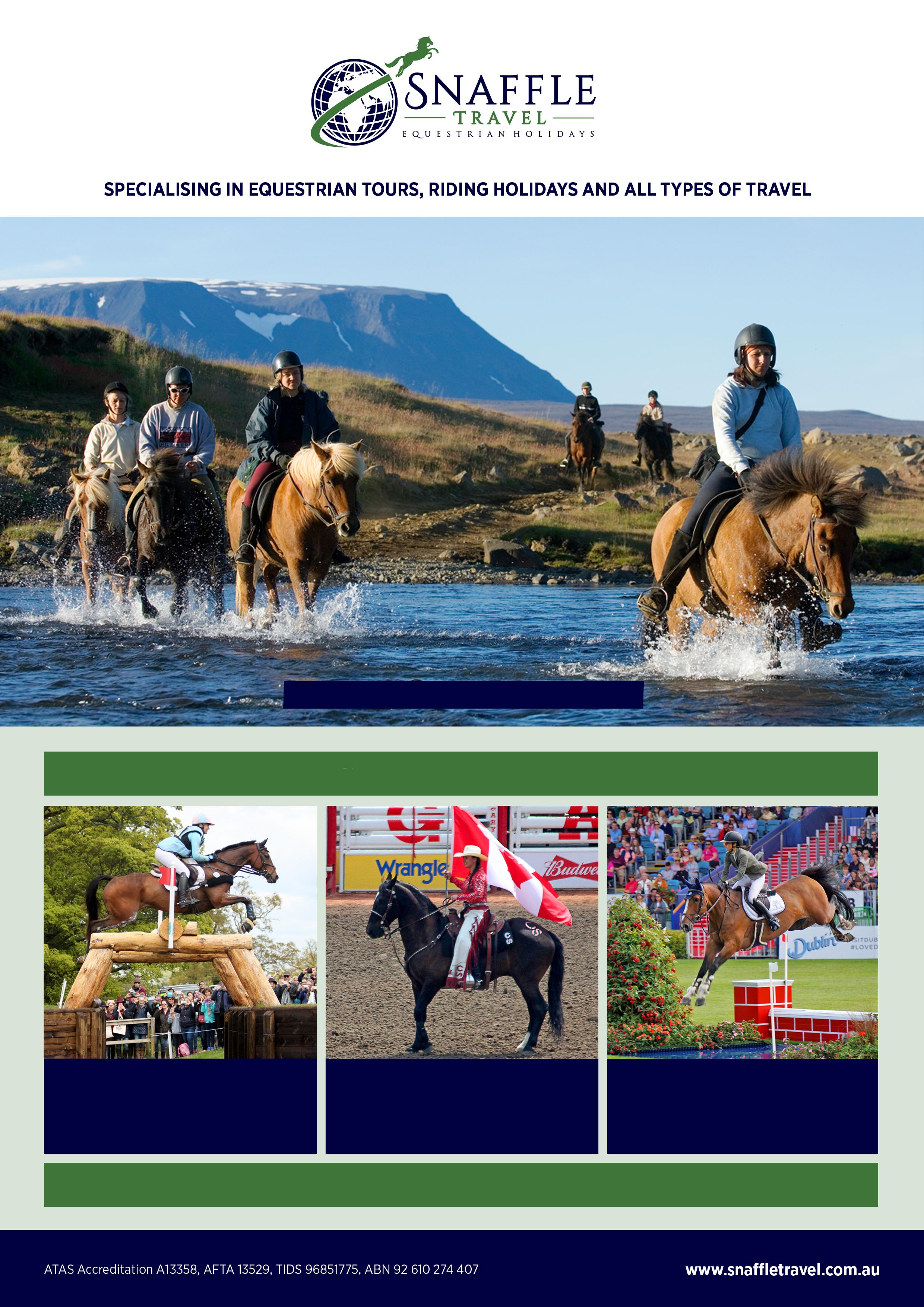

development, and suitable for those already working with horses or for hobbyist horse lovers. The emphasis is on practical, experience-based learning, with the aim of providing a solid understanding of the science, behaviour and management of horses.
Ranging from statements of attainment to advanced certificates, courses include Equine Behaviour; Horse Care I, II and III; Breeding Horses; Equine Husbandry; and Equine Studies. As an example, their Advanced Certificate in Applied Management (Horses) is designed to equip managers, supervisors, or those wanting to work towards those equine industry positions, with the necessary management skills. There are four core business modules, three horse care units, and two general studies elective units, a total of nine modules and an estimated 900 hours of study.
TAFE NSW Among their other offerings are two Nationally Recognised Training options: Certificate III in Horse Care delivered from TAFE campuses in Moss Vale, Taree, Goulburn and Yallah , and a Certificate III in Horse Breeding in Moss Vale and Scone. Study options vary between the campuses from full to part time, on campus, and a combination of on campus and online learning. For example, TAFE Moss Vale accepts enrolment in the Certificate III in Horse Care at any time, and delivery is via virtual classroom with two face-to-face practical skills workshops.
The Horse Care certificate is designed to give a solid understanding of horse behaviour, helping students to safely care for and handle horses while learning skills to further their studies, or enhance their industry opportunities. The Horse Breeding certificate includes on-the-job training and access to industry standard facilities to gain the theoretical knowledge and practical experience necessary for enhanced career opportunities.
The Association’s Fast Track program is designed to create a pathway for
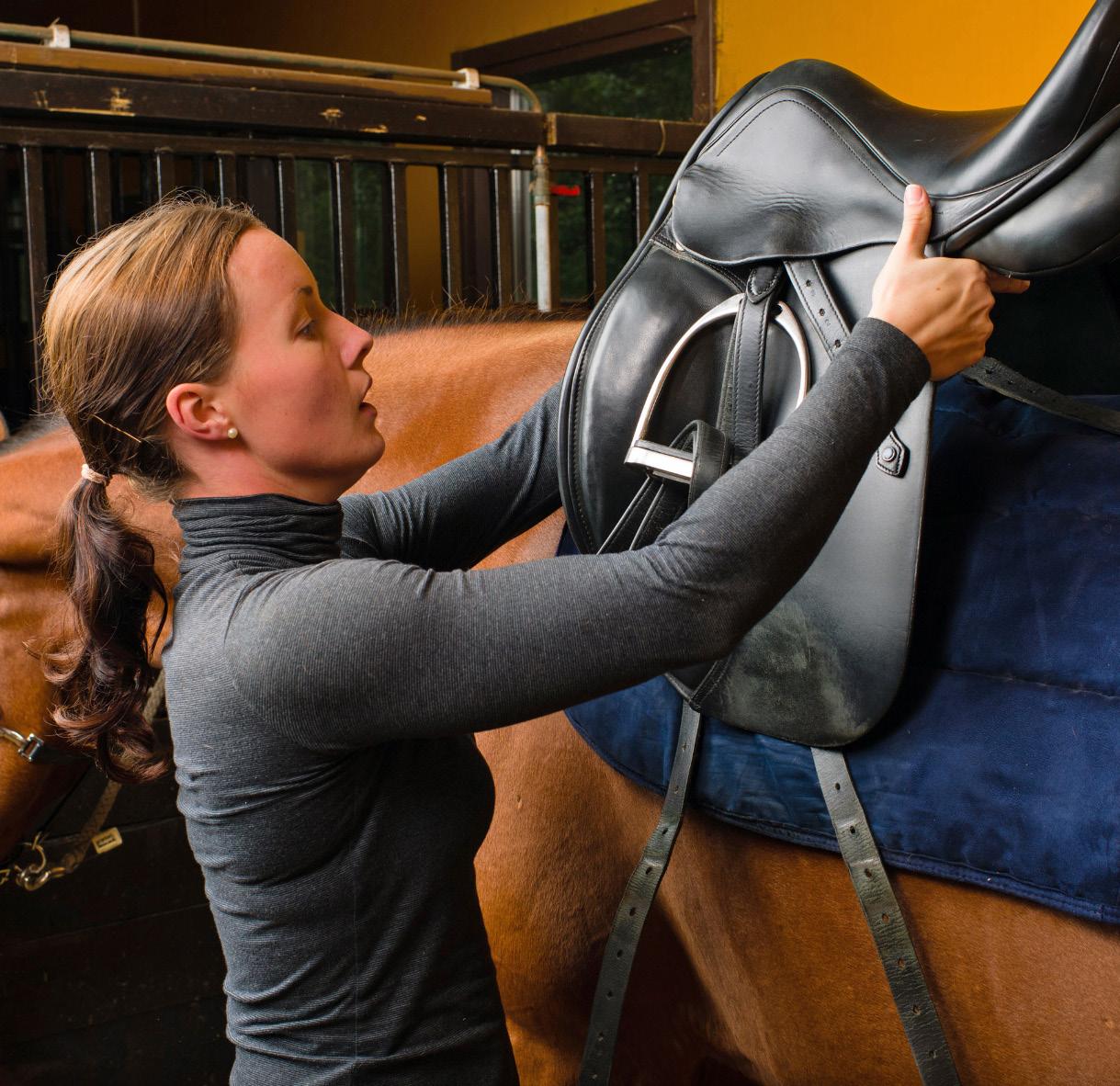
ABOVE: Whether you're a professional or ride for pleasure, there's always something new to learn.
talented horse people to enter the Thoroughbred industry. The program offers participants the opportunity to be employed and mentored on a respected stud farm and to gain a formal qualification, as well as the opportunity to learn from leaders in the global horse industry. The 12-month program provides an introduction and learning experience that will help accelerate graduates’ careers in the breeding industry.
The program is for anyone who is passionate about horses, no matter what their equine background. If you enjoy an active lifestyle, and working outdoors in a social and fast-paced environment, this program could be the start of an exciting new career. A limited number of applicants are selected to take part in the program which incorporates a mix of on-the-job training and formal study.
Australian Equine Institute The Australian Equine Institute is a family owned and run training organisation.
Their aim is to educate people on the basics, whilst giving them an opportunity to get qualified and workplace ready. They offer a Certificate II and III in Horse Care, both of which are Nationally Recognised and Accredited Qualifications. Study can be completed through distance education using either the Institute’s interactive online platform or through workbooks.
Study is self-paced and the courses are well suited to anyone over 15 years of age, for people seeking employment in the equine industry, for seasoned riders and competitors looking to enhance their knowledge and skills, and for riders getting back into riding after a break and wanting to feel better prepared and more confident.
NOTE: This article is designed to offer an example of some of the available study options. It is not meant as a recommendation for any particular course or provider.
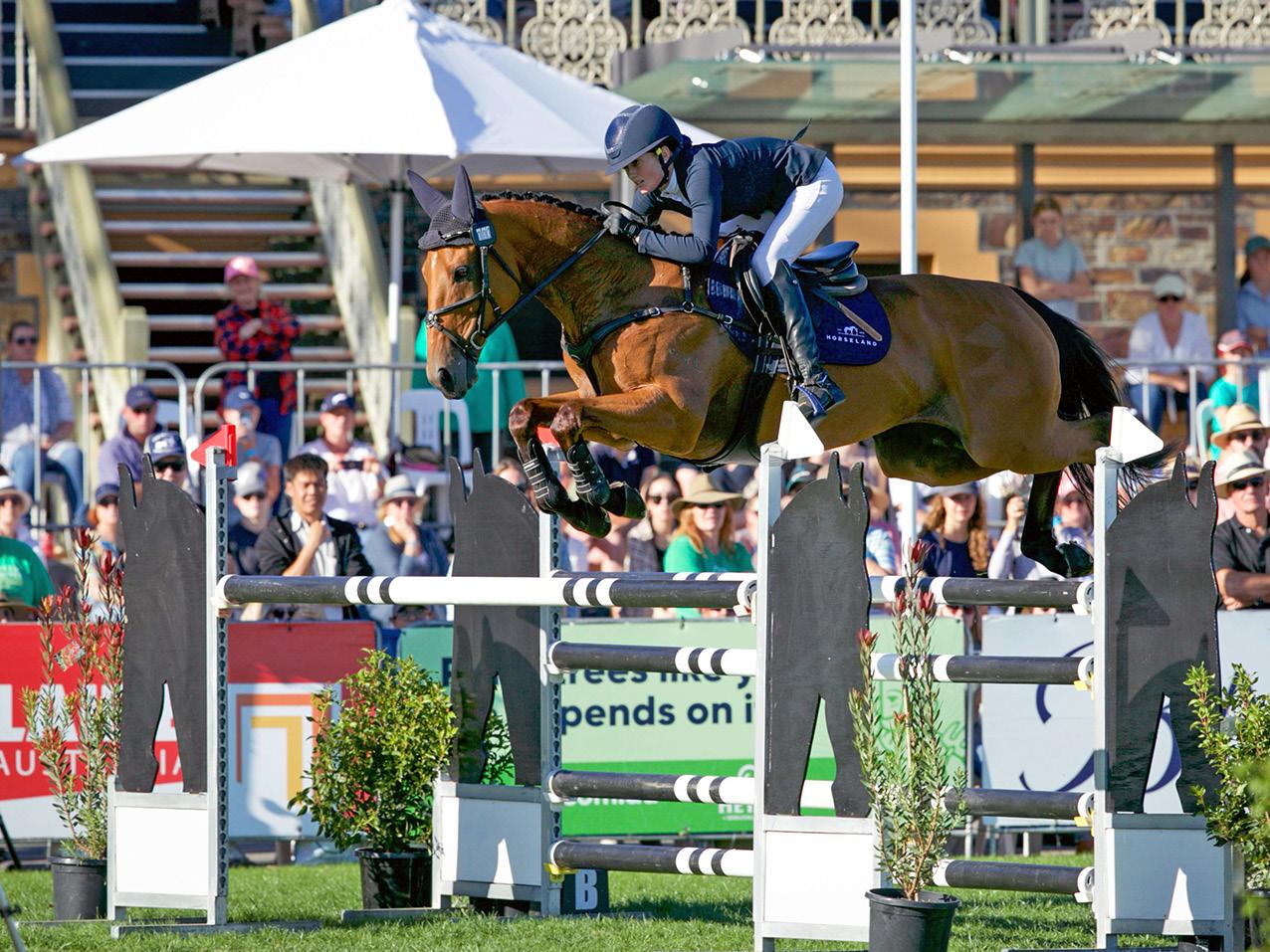
A diamond in the rough, eventing superstar Humble
Glory has exceeded anything that Sophia Hill thought possible, writes AMANDA MAC.
Young Sophia Hill was on a mission. Horse mad for as long as she could remember, she was desperate to have a pony of her own. After many years of repeatedly
begging her parents for a horse, her determination paid off when her longedfor equine arrived in the shape of a fluffy grey pony who hadn’t quite grasped the concept of listening to her rider. “I was
nine years old and there was absolutely no going back! I was obsessed, and spent every possible moment zooming around my grandparents’ farm on a pretty out of control pony jumping everything I could find,” she says.
The years have rolled on and Sophia confesses that she is as horse crazy as ever, although now she is a professional rider with her own team of performance horses, a far cry from steering that fluffy grey pony over random obstacles. Nevertheless, those early days obviously stood Sophia in great stead; she’s now competed at FEI 5* level eventing and up to 1.40m in straight show jumping
Along with her husband, farrier Andrew Hill, she’s currently based out of the Bluebell Park Equestrian Complex in Mansfield, Victoria, and has been enjoying considerable success of
late, most notably with Humble Glory (Hughie), a talented 11-year-old off the track Thoroughbred who raced as Camon Houdini (by Bernardini out of Sharpen).
Sophia is also a Racing Victoria Acknowledged Retrainer, and says that the transition into retraining was an obvious one for her. “I’d owned quite a few OTT Thoroughbreds. They were an affordable choice of horse for me growing up and I’d had several that I had retrained and got them going well. Then, as I started to become a professional rider, it was a way that I could make a little bit of money. So, retraining worked well for me and I came across some really good horses along the way.”
But none were quite as good as Hughie, an exceptional horse who, although initially a bit of a diamond in the rough, turned out to be a superstar. “A friend of mine had taken ownership of Hughie straight off the track and he was just sitting in their paddock,” Sophia explains. “Eventually they called me and asked whether I could sell him for them.”
Sophia agreed and Hughie arrived in a stock crate, not the most glamorous entrance for a future star! “I’d worked with him for about a week when I realised that he might actually be quite good,” she says. “I had no idea how good, but to give him more time I decided to buy him myself so my friends weren’t having to wait for him to be sold. To start with, my plan was to sell him a couple of months later, but he just kept getting better and better.”
And just to make sure there were no doubts around the subject, Hughie went out and won his first event. “From there I realised very quickly that he was actually quite talented and that I wasn't going to be selling him! Funnily enough, when he first arrived, you’d never have guessed what an amazing horse he would turn out to be. He was a plain Thoroughbred off the track, he was quite overweight, and he really didn’t look that athletic,” Sophia laughs
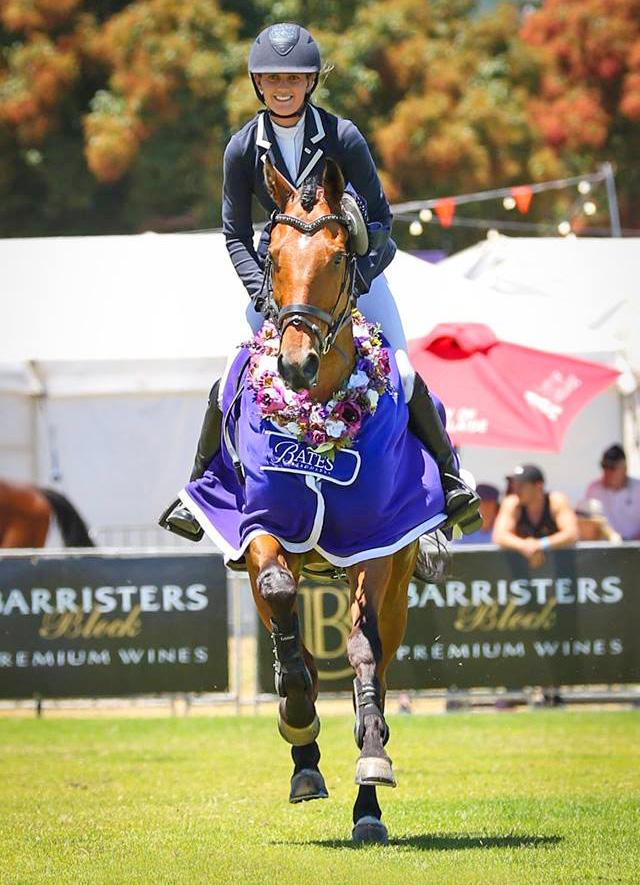
ABOVE: At just 18 months off the track, Hughie won the 2018 3*Australian Young Rider Championship.
LEFT: Sophia and Hughie competing in the Adelaide 5* show jumping phase. All images by Michelle Terlato Photography
As with so many top horses, Hughie has his quirks: “He's actually a pretty grumpy horse on the ground,” she says. “But at the same time, he's very easy going. He’s super quiet and easy to do anything with, he's just got a bit of a grumpy old man personality and he’s always been that way. In terms of riding, he’s an incredibly trainable horse. Within 18 months of being off the track he had won the Young Rider Australian Eventing Championships at Adelaide 3*.”
But let’s just take a moment to fully appreciate that achievement. While it’s pretty much unheard of for most horses to go from off the track to 4* in two years, Hughie went one better. He didn’t
just compete 4*, he had multiple 4* wins within those two years. He has now had a 5* podium finish, and Sophia’s goal is to take him overseas to compete.
Sophia and Hughie were also the first ever combination in the history of the Wandin Park Horse Trials to finish on their dressage score at 4* level. Then at the 2023 Equestrian Victoria Awards, Hughie was awarded overall Eventing Horse of the Year, as well as the OTT Eventing Horse of the Year, thanks to an impressive season that included a clutch of CCI4*S wins at Werribee, Tonimbuk and Wandin, and a more than respectable third place in the Adelaide CCI5*L – all while Sophia was pregnant
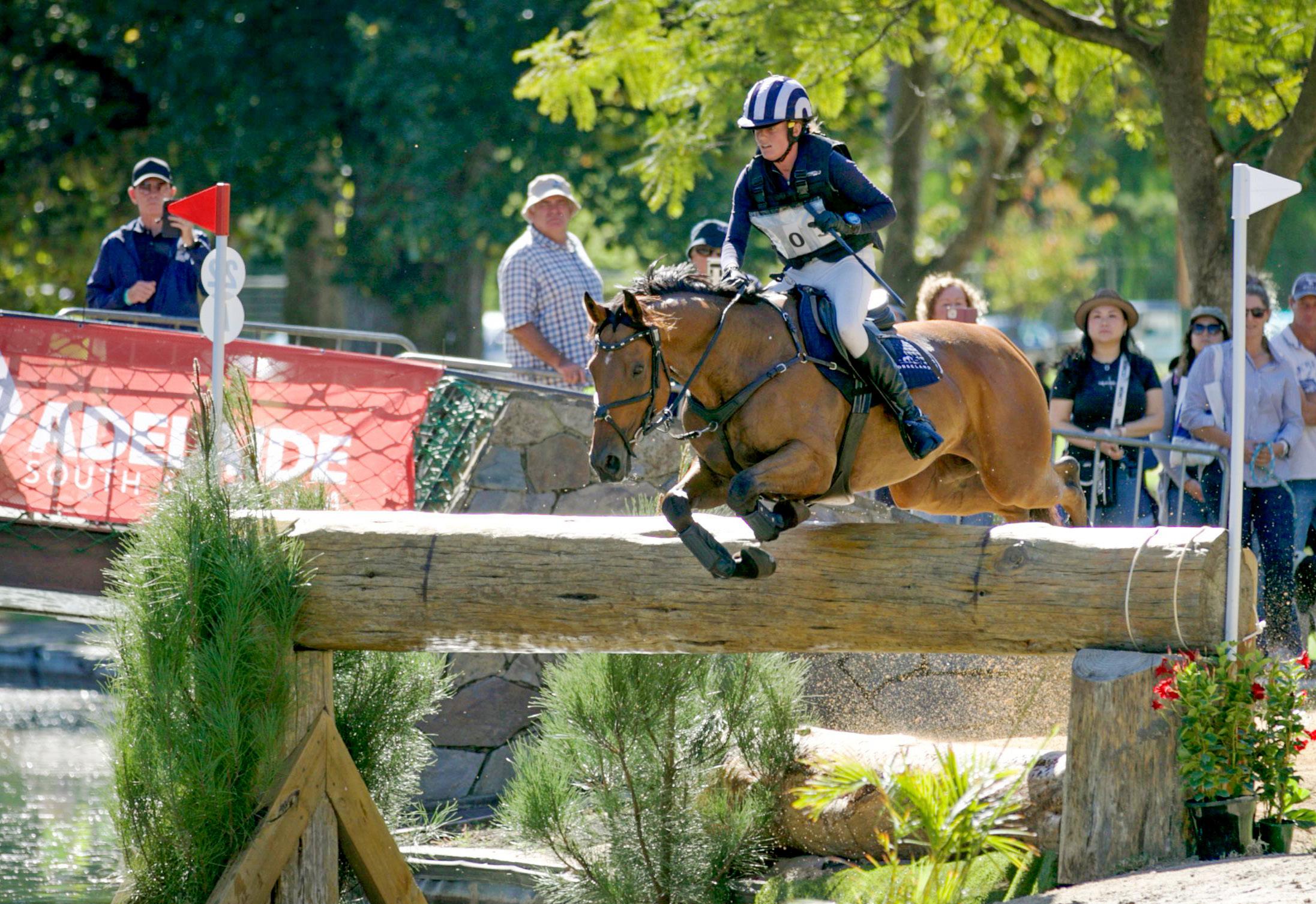
ABOVE: Always willing to try his hardest, Hughie is now competing at 5*.
with the couple's first child, Oliver, who arrived on schedule early last month.
Hughie’s meteoric rise has been, Sophia says, all due to him being a very honest and trainable horse. “With his jumping phases he’ll always look for the jump and try his heart out, and that’s really been his strength – he’s is so willing to try really hard.”
To add to the winning mix, Hughie is a great galloper, plus he and Sophia have developed a strong partnership. “We know each other very well, so we don't waste any time with miscommunication. Actually, we have particularly good communication. I can gallop up to jumps and if I just sit up a little bit Hughie will steady - and it doesn’t take me much time to set up for jumps. He’s very efficient.”
Sophia readily admits that dressage is the pair’s weakest phase, but she’s confident that the best is yet to come:
“It’s something we’re working really hard on and he’s improving all the time, so I'm hoping that it will continue to develop.”
And it would seem that Sophia’s run of luck with OTTs is likely to continue with nine-year-old Seattle Park. Basil, as he’s affectionately known, is, she tells me, perhaps the most sweet and gentle horse on her team. Already with a swag of 2* placings to his name, he’s now a 3* horse who’s showing potential to go to the top levels in eventing. “He’s competed in two 3* events so far, one of which was this year’s Melbourne 3DE, and he came second in them both, so I'm pretty excited about him as well.”
From her Bluebell Park base, Sophia offers rider coaching and elite performance horse campaigning. She has a very definite approach when it comes to the way she trains horses. “My focus is on classical training with the aim to build their confidence along with a willingness to form a
successful partnership,” she says. "A key component of my coaching philosophy is to help riders establish a connection with their horses, as well as working on their technique.”
Sophia also runs a small performance horse breeding program at Bluebell Park, and stands several stallions at stud in partnership with Tulara Warmbloods. “We have a selection of stallions available each season for live cover and chilled semen, all with fantastic bloodlines for show jumping and eventing.”
While Sophia specialises in both those disciplines, she’s more than happy to work with all types of horses and derives great enjoyment from seeing each horse develop as they make progress.
Learn more about Sophia, her team and the equestrian services she offers at Sophia Hill Equestrian

Prevention is better than cure, and DR CLARISSA
BROWN-DOUGLAS has expert advice on the causes, treatment and prevention of equine gastric ulcers.
The incidence of equine gastric ulcer syndrome (EGUS) is extremely high, particularly in performance horses. While many horses are symptom free, signs of gastric irritation include lack of appetite, irritable behaviour, girthiness, poor performance,
unwillingness to go forward, as well as weight loss, poor coat, and mild colic.
Gastric ulcers are diagnosed by having your veterinarian perform a gastroscope, which requires fasting and sedation. However, recent research on a saliva test
measuring specific proteins has shown promise in diagnosing EGUS. This would certainly be welcome news for horse owners who would like a more economical and less invasive diagnostic tool.
EGUS is divided into two types based on the location of lesions in the stomach: equine glandular gastric disease (EGGD) refers to glandular lesions affecting the lower, glandular region of the stomach; equine squamous gastric disease (ESGD) refers to squamous ulcers affecting the upper, non-glandular region. Although both EGGD and ESGD are clumped under the umbrella term EGUS, they are different diseases with different risk factors, and can occur in horses either in isolation or together. Because their treatment and management strategies differ, it is important to get a veterinary diagnosis. By far the most diagnosed and understood ulcers are those in the upper or squamous region of the stomach (ESGD).
Estimates on the prevalence of gastric ulcers indicate:
• Warmbloods (47%) and sport ponies
(35%) appear to suffer EGGD more commonly than other breeds; while incidence of ESGD in these sport horse breeds can be up to 70%.
• In Standardbreds, ESGD occurs more commonly than EGGD, with between 58% and 100% of evaluated horses affected.
• Up to 93% of Thoroughbreds in active training have ESGD, while over 50% have EGGD.
The major cause of ESGD in horses is prolonged exposure of the upper portion of the stomach lining (squamous mucosa) to gastric acid. Unlike humans, horses continuously produce and secrete stomach acid. The glandular region of the stomach, which produces gastric acid, has several protective features including a shield-like mucous layer and the secretion of bicarbonate onto its surface. The upper (squamous) region is only protected by pepsin and bicarbonate in saliva. If adequate saliva is not produced to buffer the gastric acid and coat the squamous epithelium (a thin layer of protective cells), then gastric irritation occurs and lesions may develop.
Horses evolved as wandering grazers with digestive tracts designed for continual consumption of forage – hence ulcers are less common in horses maintained solely on pasture. The high incidence of ulcers seen in performance horses is a problem that stems from the way we manage and feed them. Meals of cereal grain or high starch prepared feeds, or extended periods of fasting lead to excess gastric acid output without adequate saliva production. Performance horses are at even higher risk if they are exercised on an empty stomach, with gastric acid free to splash around and irritate the sensitive stomach lining.
Lesions in the lower glandular region (EGGD) are less understood but are a concern in performance horses, especially Warmbloods. EGGD appears to be more closely linked to exercise management,
heavy workload, and stress, rather than nutrition - and those horses actively competing, or in full work with limited rest days, are more susceptible.
To determine specific causes and effective treatments, research into EGGD risk factors and treatment is ongoing. Traditional EGUS treatment using omeprazole has inconsistent results in EGGD horses. Current treatment strategies for EGGD, along with workload management, include the use of omeparazole with sucralfate, a long-acting shielding agent which binds to ulcerated areas of the stomach protecting it from gastric acid.
There are limited nutritional links to EGGD. However, because it is an inflammatory disease, it would be prudent to supplement horses in heavy work with anti-inflammatory compounds such as the long chain omega 3 fatty acids DHA and EPA. There has also been some recent research which positively links increased
levels of lucerne in the diet with lower rates of EGGD.
The more commonly diagnosed ESGD is safely and effectively treated using medications available from your veterinarian (for example omeprazole and sucralfate), although these are expensive and as with most disease, prevention is better than cure! There are many preventative supplements on the market which buffer stomach acid and support digestive health. However, correct nutrition and adequate fibre intake is vital for a healthy digestive tract.
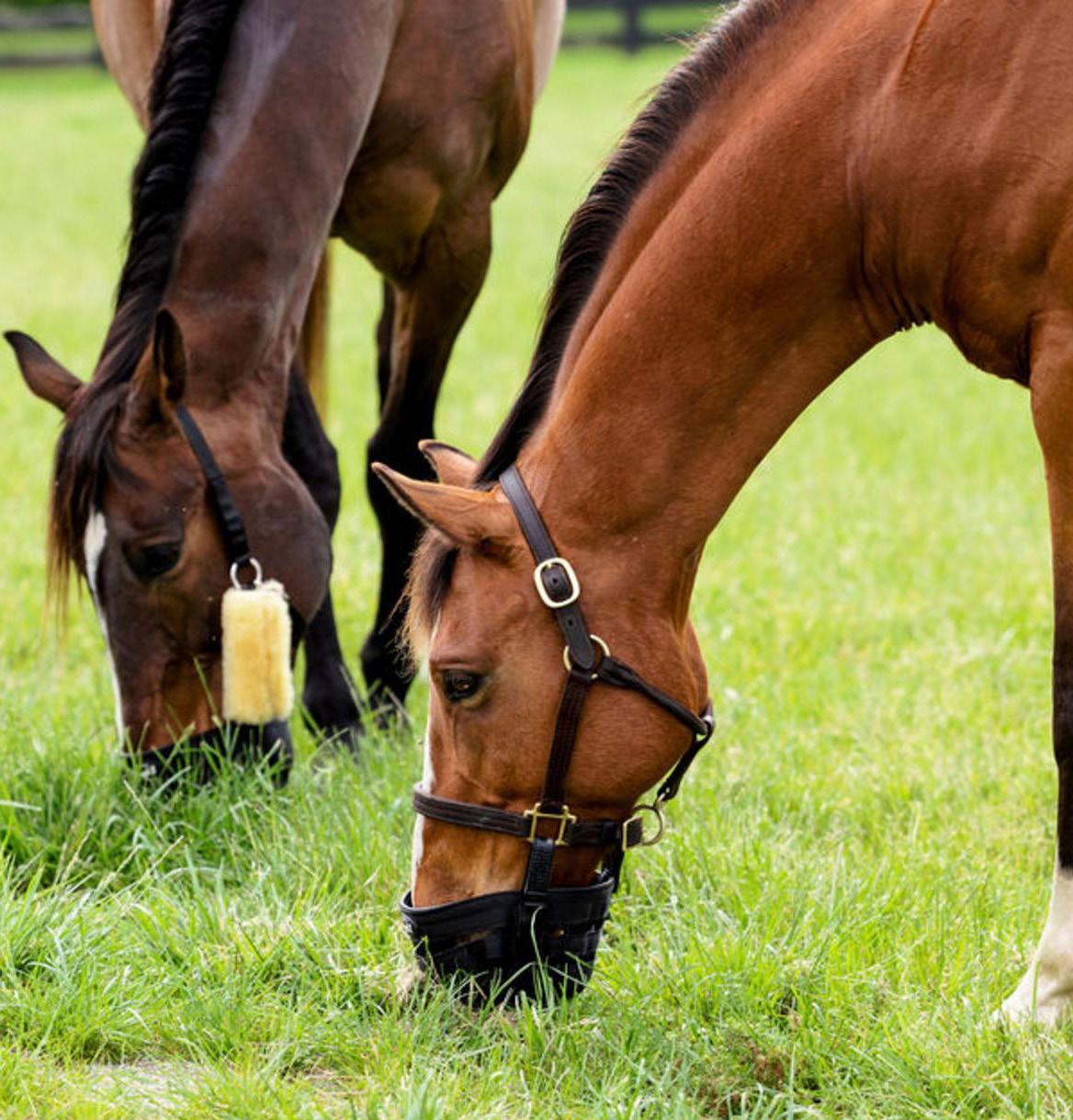
Ensuring your horse has adequate access to forage (hay, pasture, chaff) is the first port of call – adequate fibre intake is vital for a healthy digestive tract in all horses. It is recommended to feed at least 1% of a horse’s body weight in fibre per day, ideally 1.5% - so a 500kg horse should be offered 5 to 7.5kg of forage. A major risk factor for ESGD is an increased time between meals, so pasture turnout or ad
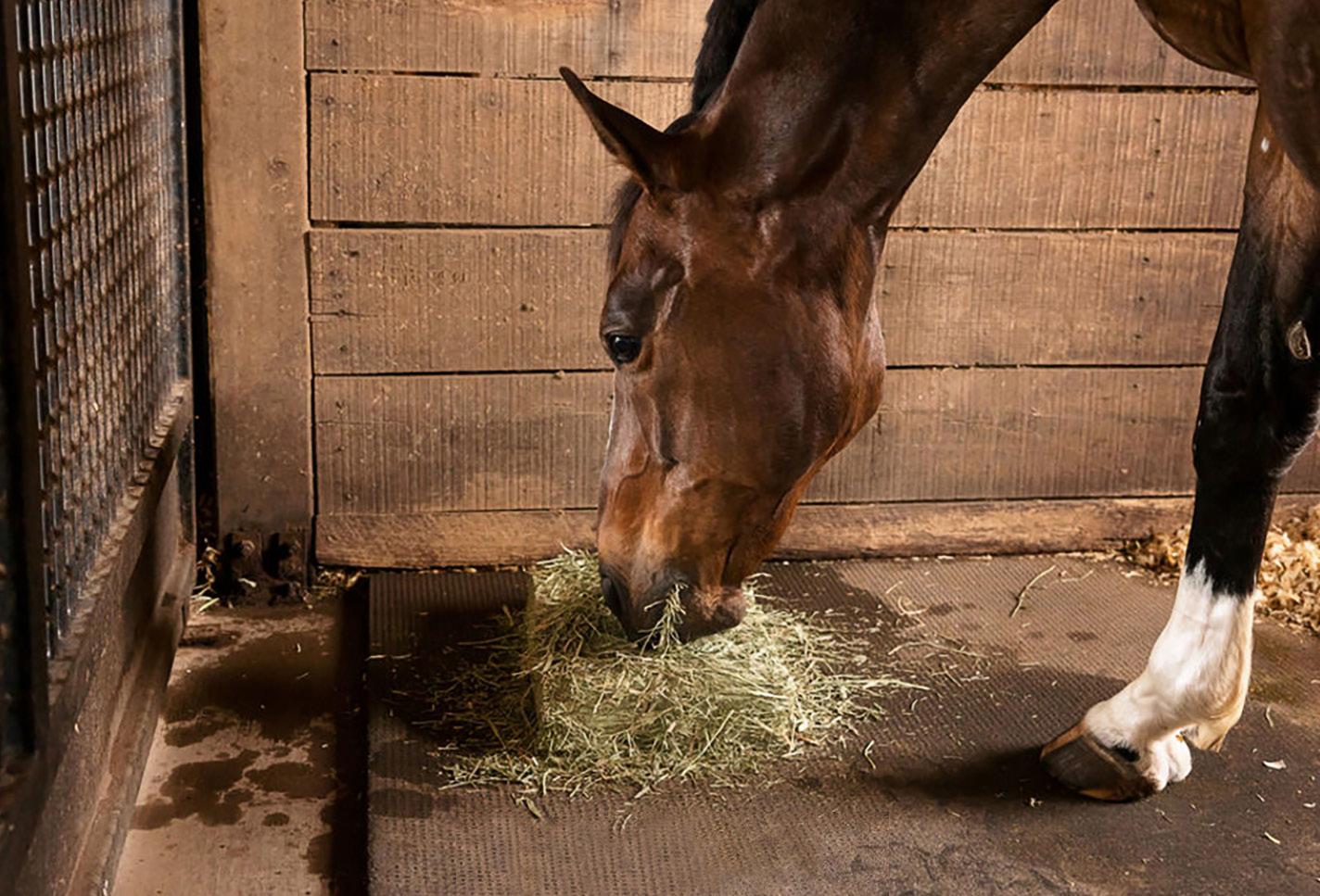
ABOVE: Ensuring your horse has adequate access to forage (hay, pasture, chaff) is the first port of call.
lib hay on offer is vital for all horses – even those in the Jenny Craig paddock. For overweight horses, source low sugar, stalky hay and use a slow-release hay net or a well-fitted grazing muzzle to limit intake.
Multiple studies have shown lucerne forage to be effective in reducing the severity of ulcers in horses. Due to its higher protein and calcium content (as compared to grass forages), lucerne provides superior buffering capacity. It is therefore worth considering the addition of lucerne chaff or hay to your horse’s ration. To reduce acid splash, it is also recommended that horses are fed lucerne hay or chaff before a work out, and that they are never exercised on an empty stomach.
Because high starch/grain diets are a risk factor for ESGD, the optimal approach is to reduce the starch intake of the horse’s diet and provide calories from fat and fibre. Safe and recommended fibre sources include beet pulp, soy hulls, chaff and hay.
Adding fat is a great source of calories. However, there is a twist here on our normal preference for omega 3 fatty acids. In the stomach, omega 6 fatty acids have been shown to stimulate the production of protective prostaglandins and to increase the pH, so using vegetable oil, sunflower seeds or stabilised rice bran as your fat supplement for horses with or at risk of ESGD is preferred.
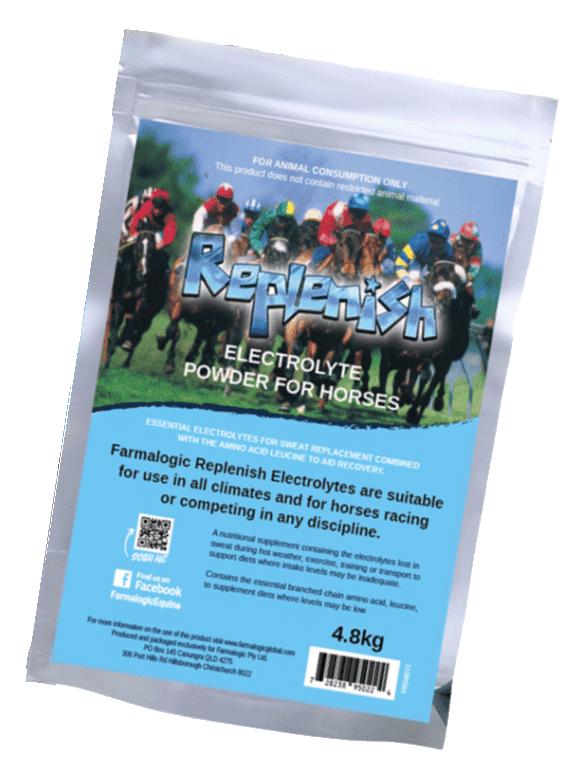
Another risk factor is intermittent access to water. Horses should always have clean fresh water available to them, including during travel. Furthermore, avoiding strong saline drenches or unbuffered electrolyte pastes is wise, as they can increase stomach irritation.
There are a multitude of supplements on the market which claim to support gastric health and prevent gastric ulcers. While some do in fact support the healing of the stomach, many lack scientific research to validate their effectiveness, thus, as always, buyer beware!
Common ingredients in gastric health supplements that have some scientific research supporting their efficacy include antacids and buffers designed to increase the pH of the stomach and gut; yeast derivatives which support digestive health; and lecithin, a phospholipid which protects the gut wall from acid. There are also a range of nutraceutical ingredients on the market such as aloe vera, liquorice, buckthorn berries, and slippery elm barkbut evidence for their efficacy is lacking.
As with all health concerns, it is highly recommended to work with your veterinarian if you suspect your horse has gastric ulcers. We also recommend using a qualified equine nutritionist to assist in planning a tailored nutrition program for your horse.
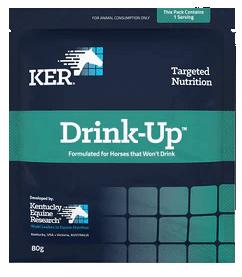
Please contact Kentucky Equine Research for nutrition advice and visit Equinews™ for more information on EGUS and other equine nutrition related topics.








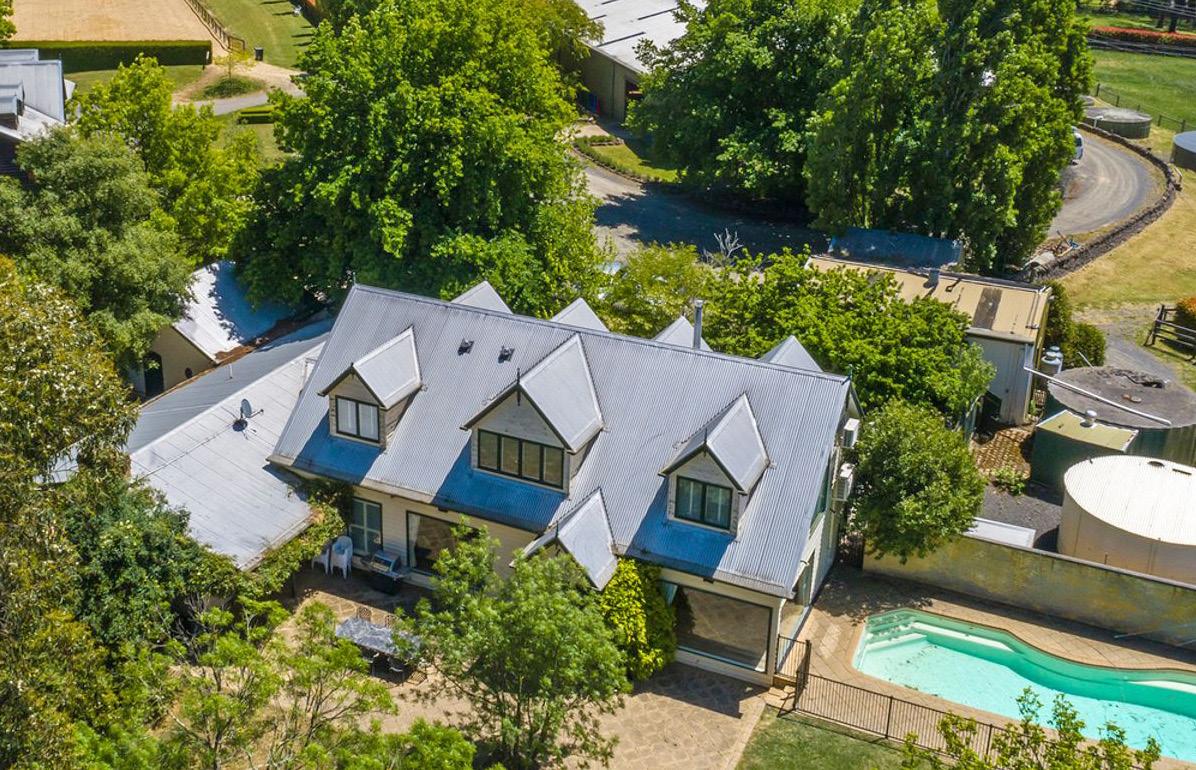
Are you looking for your dream equestrian property? It’s right here at 15 Bailey Road in the foothills of Victoria’s glorious Macedon Ranges.
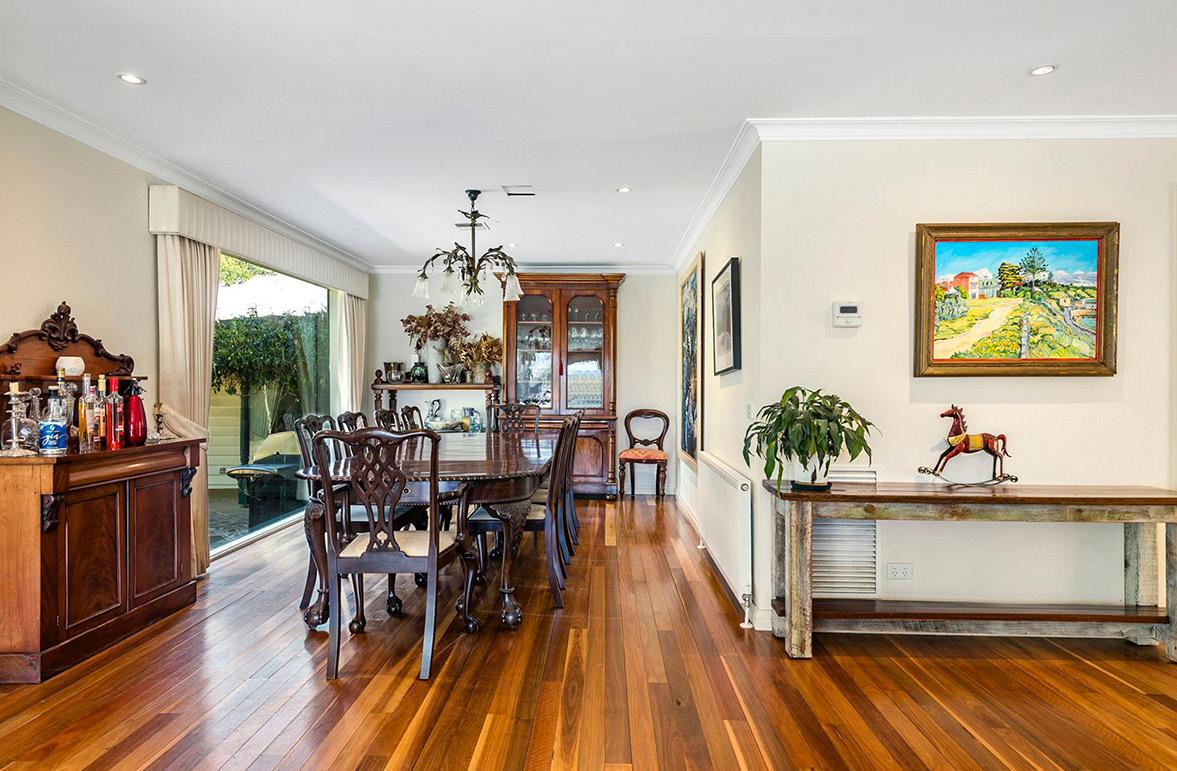
Located at 15 Bailey Road in Macedon, Victoria, Ellanbrae is nestled on 24 picturesque hectares in the foothills of the Macedon Ranges. The property's spacious and character filled four bedroom home, plus superb equine facilities offer potential aplenty. Walk into this delightful double storey weatherboard home and enjoy the views from its story book cottage windows. A
magnificent family and dining room feature an open fireplace, and floor to ceiling windows that overlook the swimming pool, rolling pastures and beyond to Mount Macedon. The formal lounge, also with open fire place, offers a classically beautiful space to relax or entertain.
An extensive kitchen and eatery adjoin a paved outdoor entertaining area. There’s a huge master bedroom with ensuite, and
a guest bedroom and family bathroom downstairs. The upstairs floor includes two gorgeous bedrooms with attic windows, walk in robes and ensuites, plus a formal study perfect for your home office.
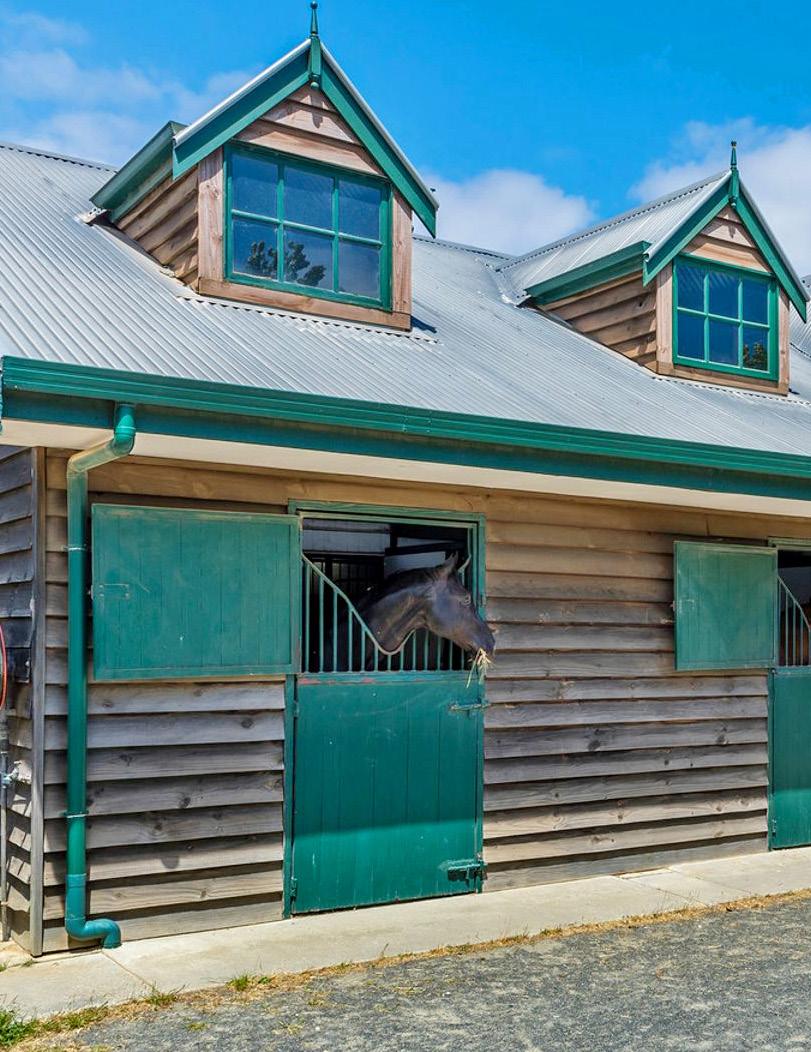
Outside there’s the swimming pool, a carport and garage, and those truly remarkable horse facilities. An English style barn has seven boxes, a tack and feed room, infrared solarium panel, hot
Enjoy all the action in the
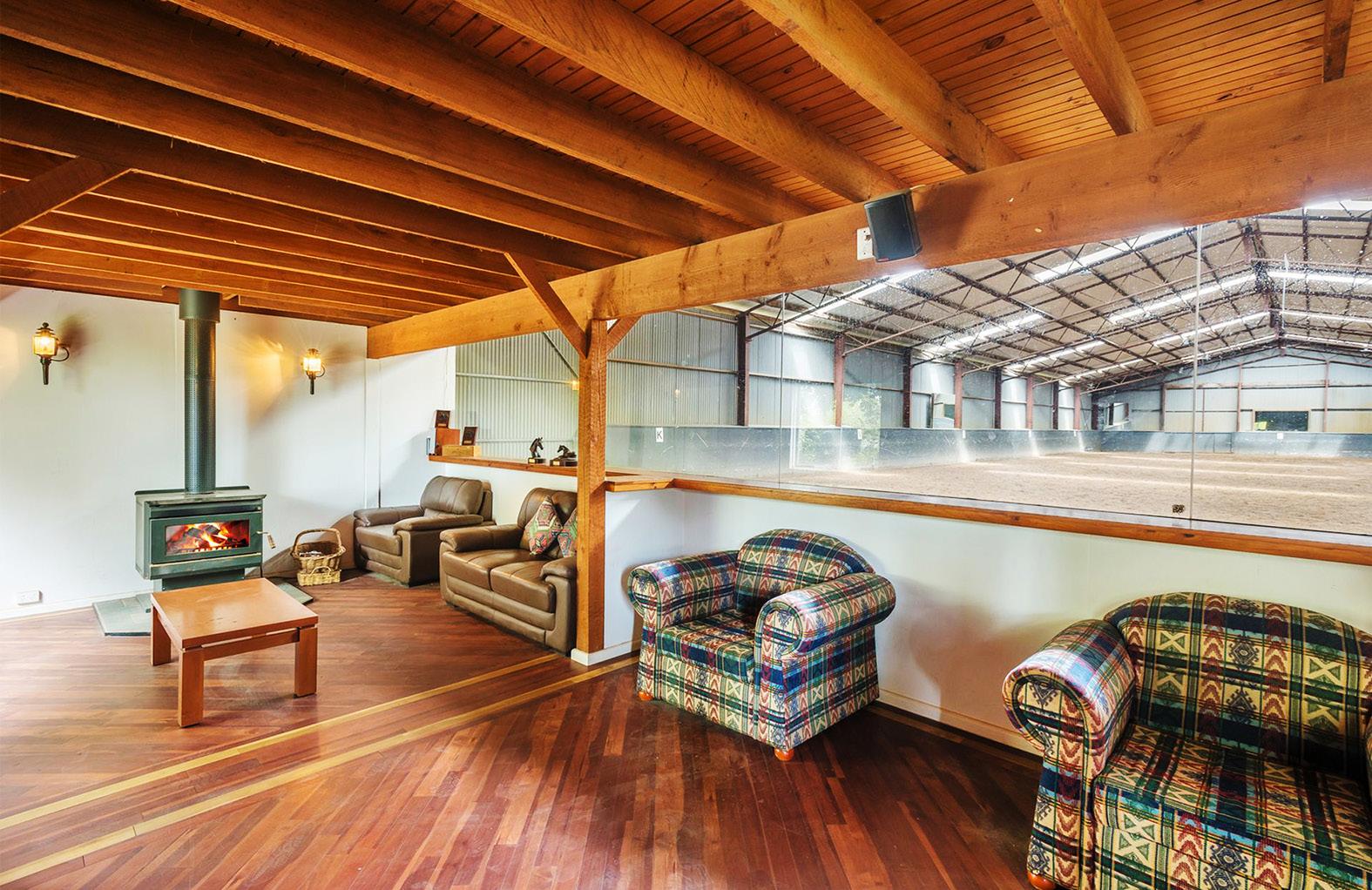
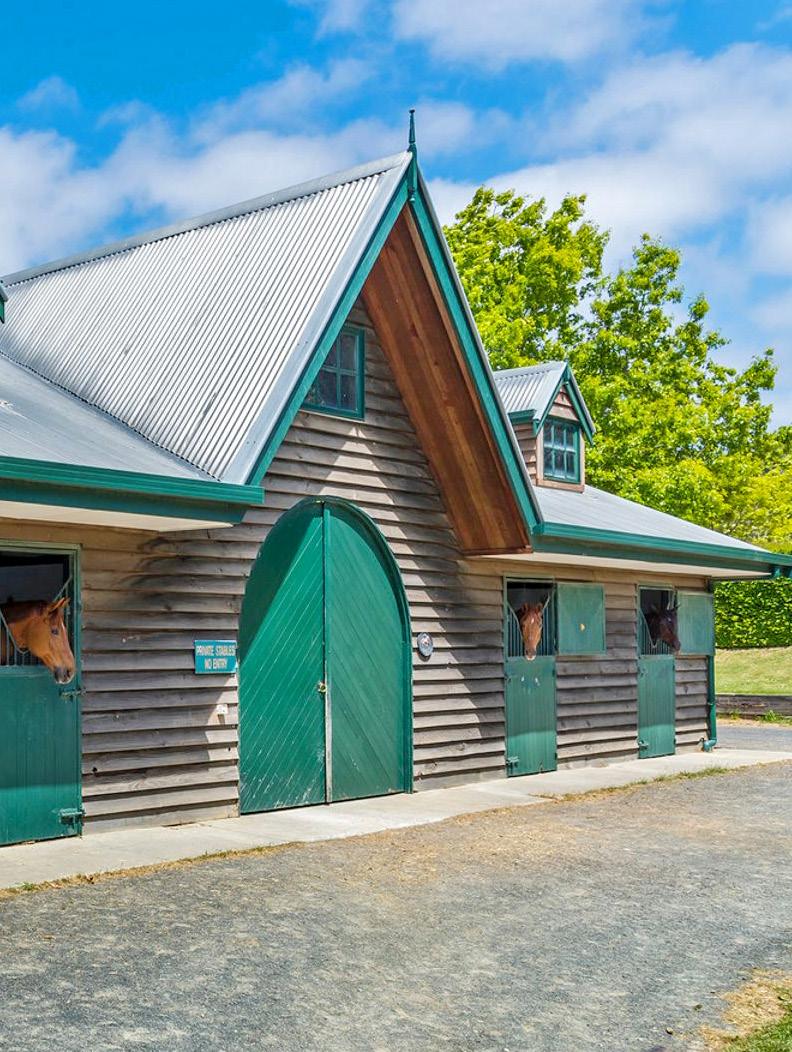
and cold wash, plus plenty of storage space in the mezzanine level. A second complex offers 14 stables, a wash bay, and tack and feed room, while the 20x60m outdoor riding arena comes complete with a Martin Collins surface and automated watering system. To view the 18x45m indoor riding arena, there’s a comfortable lounge with wood heater, and on the floor above, three staff bedrooms. Additionally,
a self-contained manager’s unit has both bathroom and kitchen
Equine facilities include five foaling paddocks with foal mesh (two are flood lit); six large paddocks, one stallion paddock, four small day paddocks and two sand yards. The property’s breeding facilities feature a vet lab, mare crush, and stallion collection yard. Two large and two small dams, plus bore water and tanks with
a total 490,000 litre capacity ensure a plentiful supply of water.
With its undulating pastures, dry-stone walls, hedged driveways, and panoramic views to Mount Macedon, Ellanbrae is just 35 minutes to Melbourne airport, rail and a freeway to the CBD.

Visit the listing on Horse Property for more.