Breaking barriers
The Melbourne Cup's only female Clerk of the Course
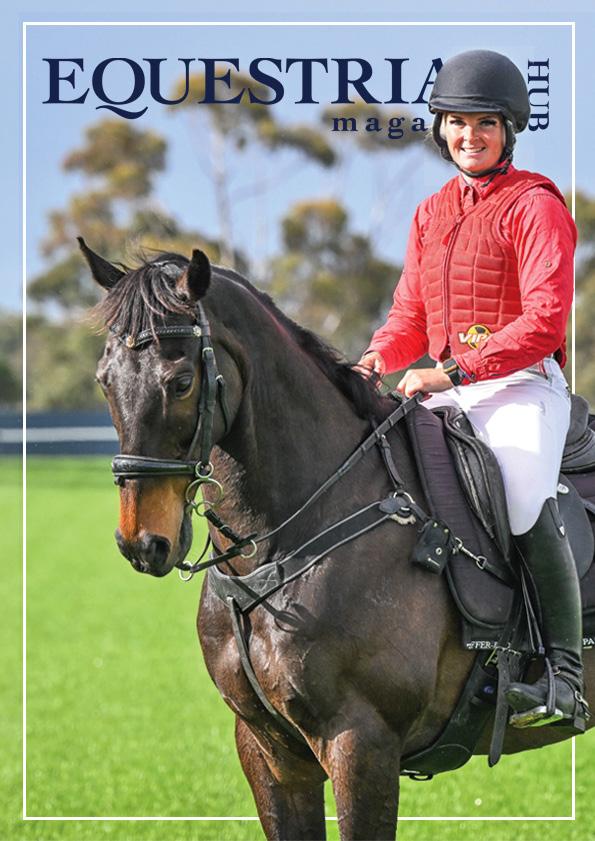
Nicole Tough
The benefits of accuracy
Foal ambulance
When need meets innovation
Protecting future soundness
What you should know


The Melbourne Cup's only female Clerk of the Course
The benefits of accuracy
Foal ambulance
When need meets innovation
Protecting future soundness
What you should know

Equi-Jewel® is the ideal conditioning supplement to increase body condition, topline, and coat quality in breeding horses, performance horses, and horses being prepared for sale.
Equi-Jewel is a high-fat, cool-energy supplement that provides a safe source of calories for horses requiring a lowcarbohydrate diet or horses that are intolerant to grain due to tying-up or gastric ulcers.
Equi-Jewel contains KER BMC™, research proven to double the acid-buffering capacity of the stomach, which moderates stomach pH and reduces the risk of gastric ulcers. KER BMC also increases the buffering capacity of the hindgut by 54% to promote improved digestion and feed utilisation.
Learn more about Equi-Jewel at ker.com
Fiona



Leticia Griffin
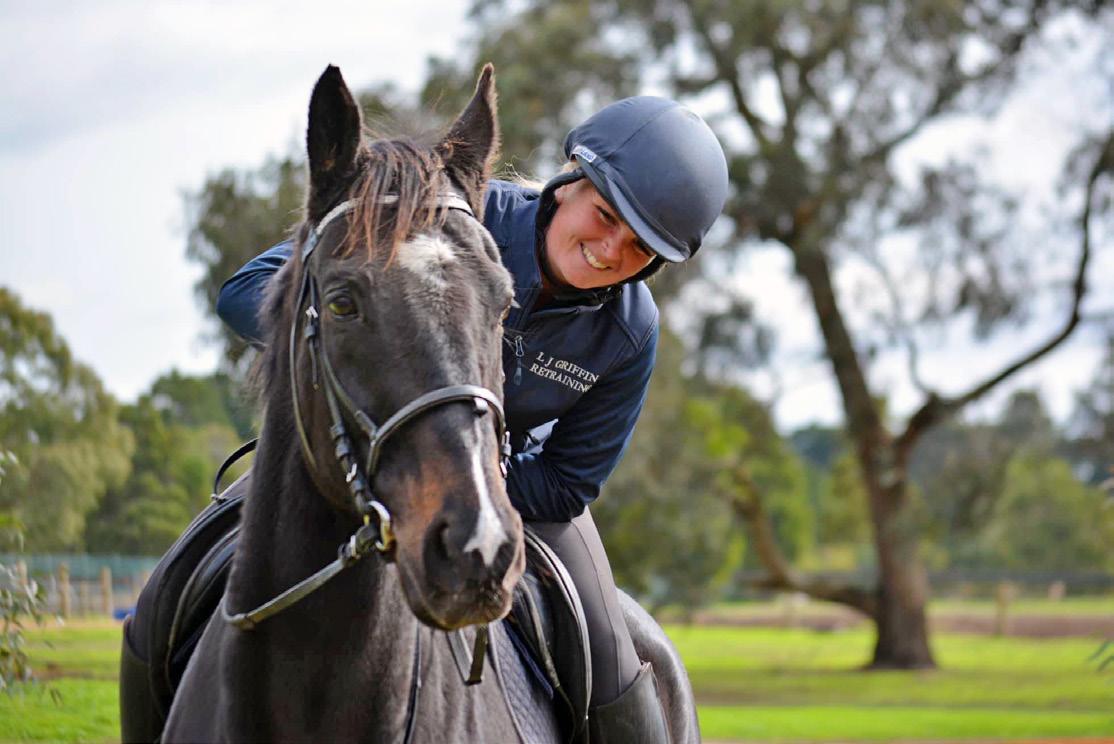
Leticia rode before she could walk. From 2020 to 2022, she was Clerk of the Course for the Melbourne Cup, the first female to be selected for that role. She’s also a cancer survivor with an admirable work ethic and an apparently endless supply of determination. Still working as a Clerk of the Course, she also runs her own business retraining OTT horses.
Amanda Mac As Equestrian Hub Magazine's editor, Amanda’s two longstanding passions, one for horses the other for writing, come together perfectly. While much of her time is spent editing, she recently spoke to Dr Mike Whiteford about the Bendigo Equine Hospital's innovative foal ambulance, and to Leticia Griffin, the Melbourne Cup's first female Clerk of the Course.
Dr Doug English
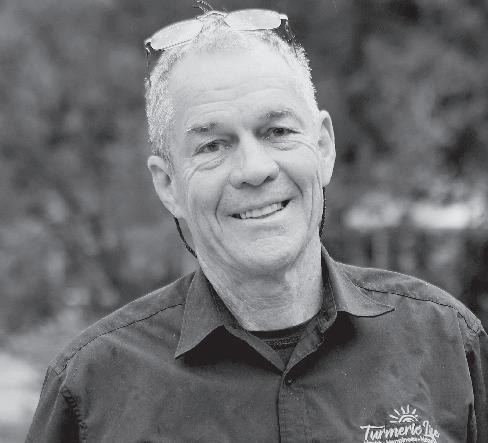
A veterinarian and longtime turmeric researcher, Doug completed his Bachelor of Veterinary Science at the University of Queensland in 1974. He’s well-known throughout Australia for his work in the equine industry with many years standing as an Equine Veterinarians Australia member. In this issue, Doug tackles the topic of Strangles, its causes, symptoms and treatment.
Dr Michael Whiteford BVMS, MRCVS
Mike graduated from Glasgow University in 2007. After working in mixed practice in Northern Ireland, he decided to switch to a dedicated equine pathway. He moved to Australia, completed an internship at Goulburn Valley Equine Hospital, and then joined the team at Bendigo Equine Hospital, where their innovative foal ambulance is revolutionising the care of Thoroughbred foals.
Dr Jennifer Stewart B.V.Sc., B.Sc., Ph.D.
With over 40 years’ experience as a veterinarian in mixed and equine practice, Jennifer’s special interest is equine nutrition. She was Senior Veterinary Officer with the Australian Department of Agriculture, Water and the Environment for 10 years, and for two years was Biosecurity Veterinarian with the ACT Government. In this issue she discusses weaning and its role in protecting future soundness.

Leisa Hofstetter

Leisa is an equine nutritionist and founder of Hof Equine. She has a Bachelor of Equine Science, specialising in nutrition, and lives west of Brisbane, in Queensland's beautiful Lockyer Valley. Thoroughbreds have a reputation for being hot, fizzy and hard keepers. But is this natural or might there be other reasons? Leisa explores some potential causes and their remedies.
Nicole Tough
An EA Level 2 Dressage Specialist Coach and National A Level Judge, Nicole has over 30 years experience in training, competing, judging and coaching. She enjoys presenting seminars and masterclasses, has trained in Germany, Spain and The Netherlands, and has produced nine very successful FEI horses. The discipline of accuracy is a game changer and Nicole explains why.
Michelle Terlato Michelle grew up with horses and has always loved them. When she’s not travelling the globe photographing the world’s top equestrian athletes, she’s home riding her own horses. It’s the behind the scenes and the unexpected shots that she likes the most, and in our Behind the Shot feature, she shares her favourites and explains what makes them so special.


One of Australia’s top equestrian photographers, MICHELLE TERLATO travels the world capturing equestrian athletes in action. Each month she shares one of her favourite shots.
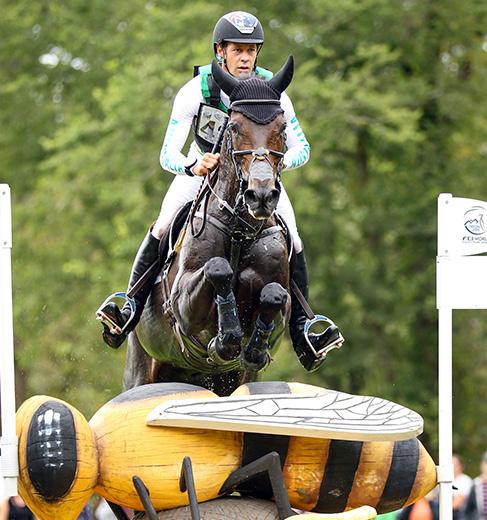
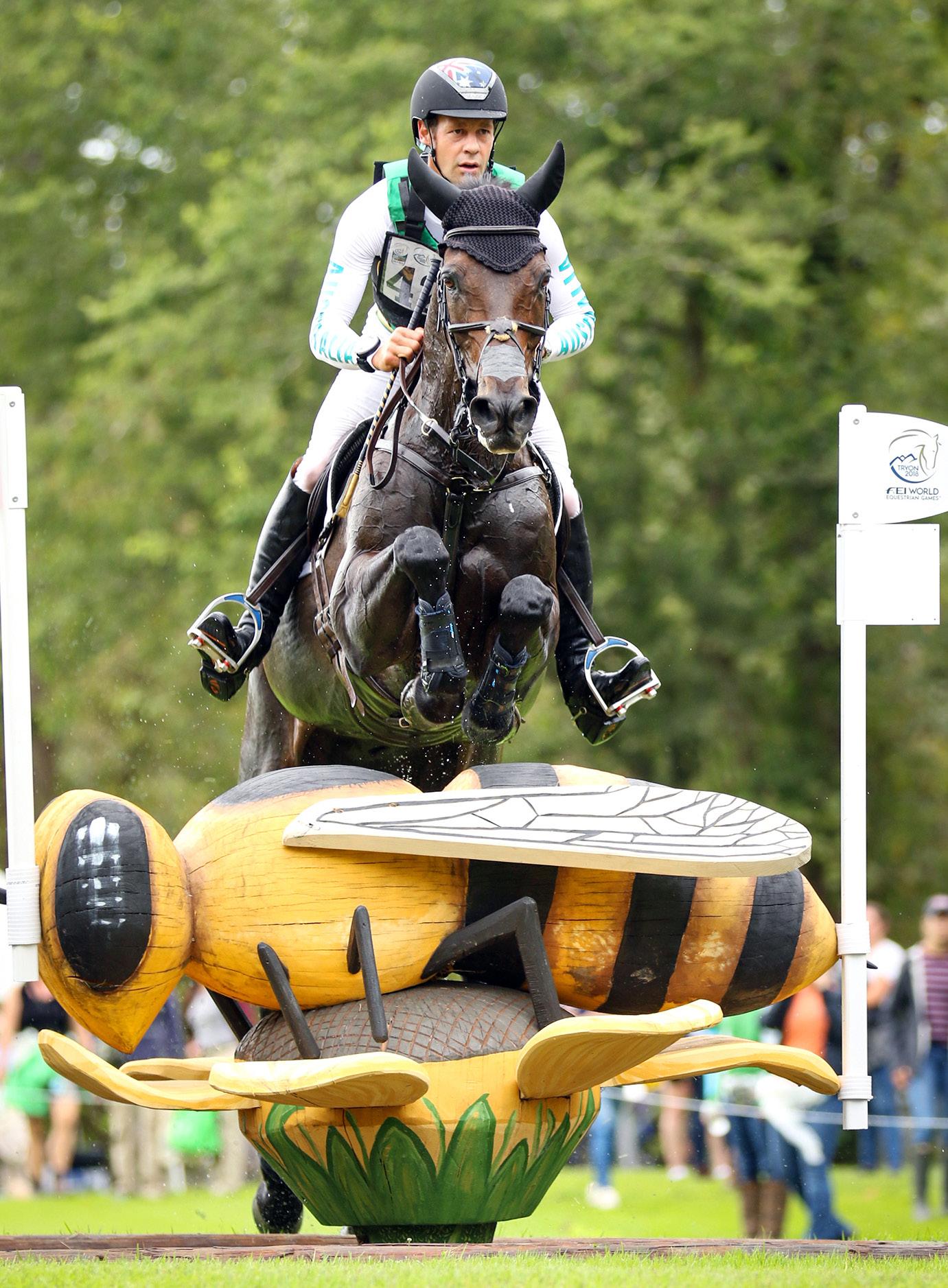
Rider: Chris Burton
Horse: Cooley Lands
Event: 2018 FEI World Equestrian Games
Location: Tryon Equestrian Centre, North Carolina, USA
Camera & Settings: Canon EOS 7D Mark II, 70-200mm, ISO 250 f 2.8 1/1000 sec
Challenges: Apart from fast approaching Hurricane Flo, which threatened to stop the event in its tracks, and high humidity fogging up the camera lens, the biggest challenge was that the Trakehner was on top of a gentle slope, so it was hard to see riders approaching. It was also
the only jump in that area so I had one opportunity to get it right.
Expectations were high that the Aussies would win a medal, and they were in a very good 5th place after the dressage - so my brief was to get a cover shot of one of them. I thought this fabulous Bumblebee Trakehner would be the perfect fit and I was putting a lot of pressure on myself to nail the shot. Chris and Colley Lands did not let me down. They jumped the obstacle to perfection. I had the shot. Now they just had to finish on the podium!
Sadly, Chris and Cooley ended their round with an uncharacteristic 20 penalties, eventually dropping the team to 6th place. It wasn’t the hoped for fairy tale ending, but I still love the image. As for the hurricane, the cross country finished before it hit that night. The competition was paused for 24 hours (the venue flooded) then it was back for the final day of show jumping with blue skies and hot, very humid weather.
Why this shot is special: I was very excited to shoot Chris Burton. Based in the UK, he never events in Australia and I had yet to capture a great shot of him. I really had to concentrate but was thrilled with the result. I think the Bumble Bee is a fabulous jump; it’s beautifully painted and on top of a huge huge ditch which you can’t see in the photograph. The photo also holds fond memories of Tryon, where the venue, although not completely finished, was great and the people were wonderful and very hospitable. I also love the way Chris is so focused on the job ahead and is wearing the Team Australia helmet and uniform. I was a very proud Aussie and as Andrew Hoy on Vassily de Lassos placed 4th individually, we almost made the podium. So close!

Michelle is available for event, commercial and private shoots. Visit Michelle Terlato Photography
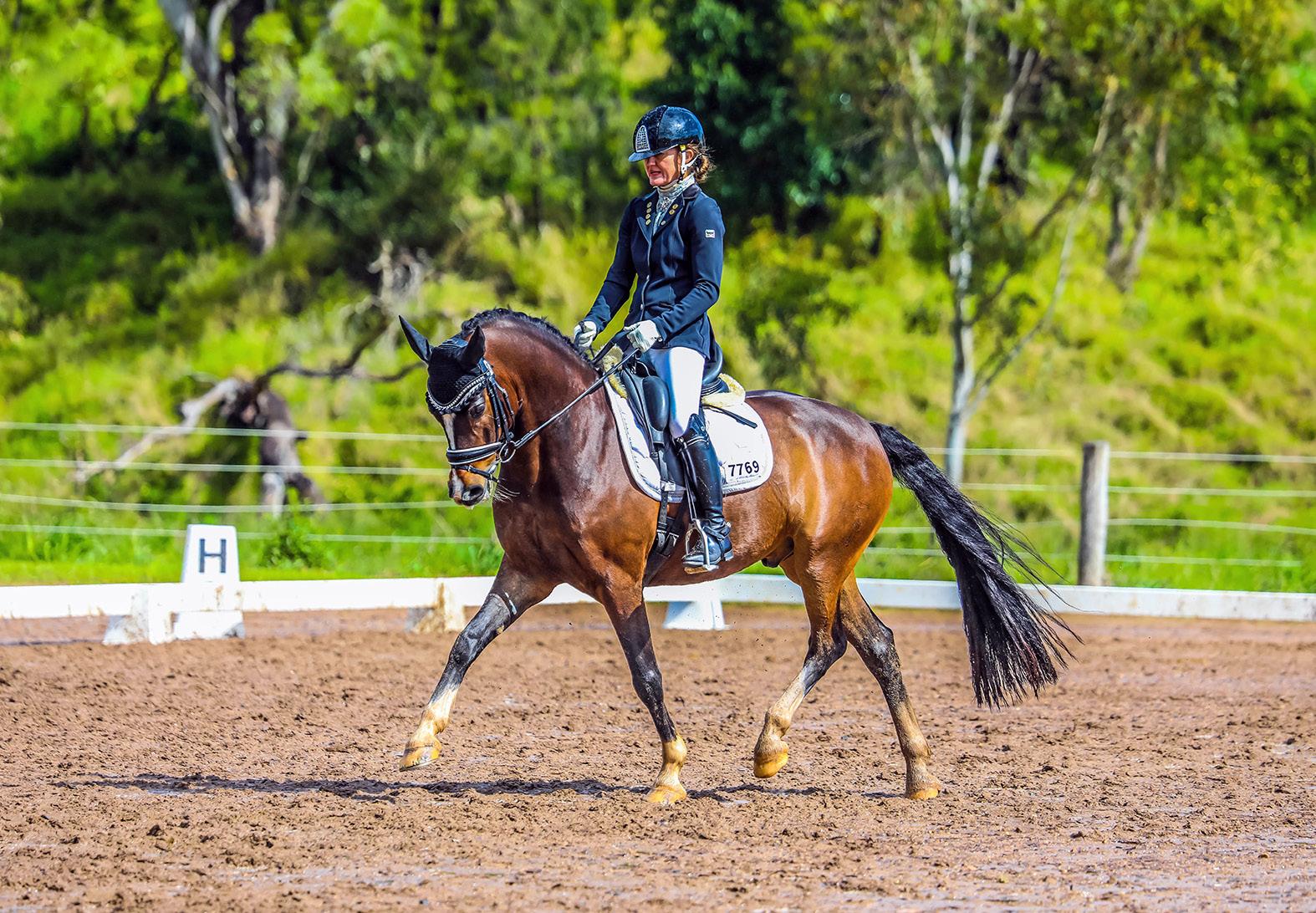
Dressage is all about details. NICOLE TOUGH explains how to gain a competitive edge and reduce the degree of subjectivity in your tests.
The sport of dressage is subjectively judged, with much of it out of our control, and many people feel that the quality of horse is the most important element. But the elements that we can control are the quality of our
training and the accuracy with which we ride.
Improved levels of technical riding and attention to accuracy gives a competitive edge and riding accurately can win a class. The marks are weighted
to the technical side. The degree of precision directly affects each mark, and will be positively assessed in the Submission and Rider collective marks at the end of a test.
Accuracy means performing all movements accurately to markers, on prescribed lines, with circles starting and finishing and transitions executed as the rider’s body passes the marker. Accuracy is being in control of where we are positioning our horse at all times.
An accurately ridden test presents a professional, competent picture to the dressage judge, and demonstrates that the horse is sufficiently supple and balanced to perform the exercises demanded in the test. In a nutshell, precision shows a greater degree of difficulty, and should be recognised by the judges and rewarded.
The rider that trains whimsically and thinks they will pay more attention to accuracy when they are actually in

the competition arena, will find that not only will they surprise their horse with their new found attention to detail and leadership, but their minds will be unnecessarily swamped with extra noise concerning accuracy.
The need for accuracy will take up precious space in their minds that could be better served thinking about other things, like their position, the quality of the way of going, using corners and half-halts, preparing their horse for the movements and simply remembering where to go.
Accurate riding requires practise, and our goal is to present what we’ve practised. Riding accurate lines should be a good habit, the one thing we don’t have to think about when we compete. It should come as naturally as driving a car. Don’t train on aimless lines and execute transitions only when your horse is ready. Train to ride to checkpoints and on prescribed lines, and finish your movements before the corners.
Look up and ahead of you. If you are approaching the turn onto the centre line, turn your head and find ‘C’ before you start turning your horse. There is a saying: if you look where you’re going, you’ll probably get there. And it works.
Look for the next checkpoint on every circle to ensure its correct size and shape. As your head turns, so do your shoulders and hips, which only helps the horse to turn. The same can be said for corners; it is easy to be complacent about them. It is useful to think about corners as quarter circles. All we have to do is work out the best radius of a quarter circle our horse is capable of without losing their balance.
In every training session, once the warm-up is complete, train with technical correctness in all shapes, movements and transitions, even at the lowest level. This means practising square halts, hitting four checkpoints on circles, and
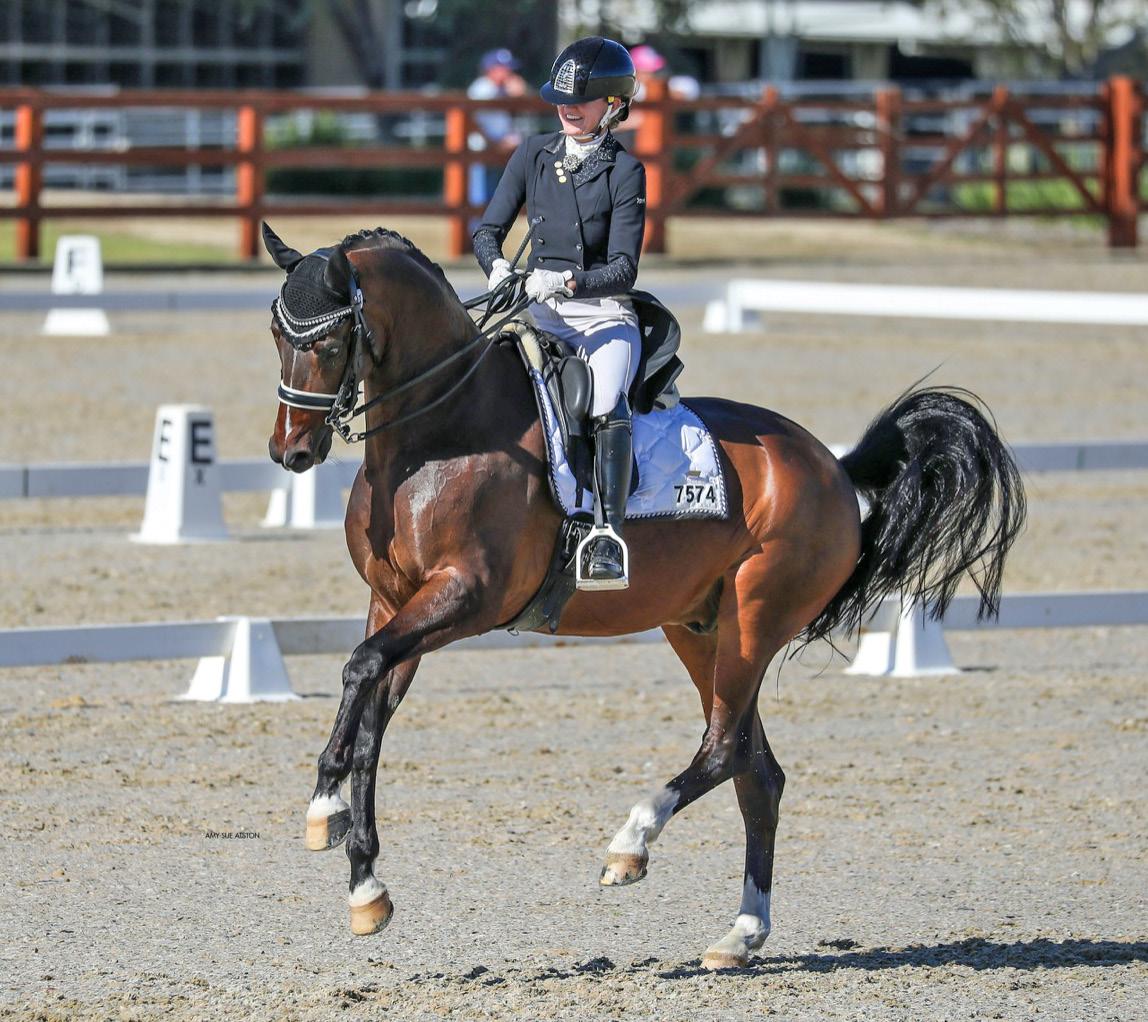
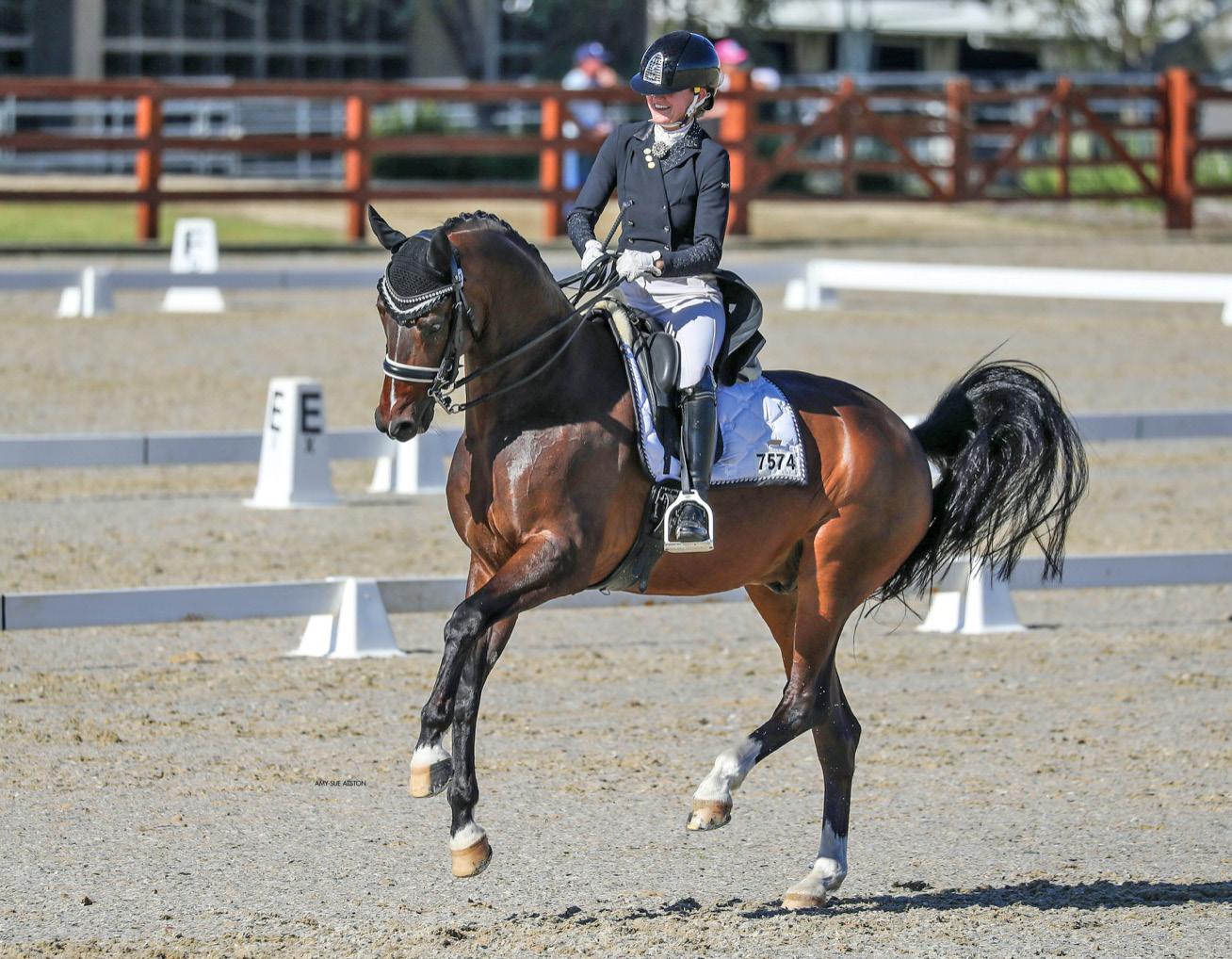
LEFT: Improved levels of technical riding and attention to accuracy will affect your final score, and riding accurately can win a class (Image by Hoofprintz Photography).
ABOVE: A test perfected with attention to accuracy will always score better.
executing transitions at certain markers instead of somewhere between them when the horse feels ready. By predetermining the marker at which to execute the transition, we’ll be practising preparing towards a specific marker. Train the correct number of steps in the rein back, simple changes, and pirouettes. Pay close attention to these details.
This attention to training is not about repeating tricks or mistakes until we get it right, but rather training with a methodical mindset until we can’t get it wrong.
In the week leading up to an event, we should make ourselves practise the test. As we run through it, as soon as we lose any qualities circle off and re-establish the correct way of going, then return to the same line and resume practising the test. Repeat this method to the end of the test.
The actual competition then becomes a familiar pattern that we have rehearsed and practised, and through which we can guide our horse.
It is a common thought that practising test lines will create anticipation and tension; and initially, when we start the repetition, there are degrees of this. Persevere. Continue to circle off and repeat, until we are past all anticipation. The best tests come when our horse knows their job, knows what they’re doing, knows what we are going to do, and waits for the signals. The best tests don’t come out of surprise, and besides, if we think our horses don’t know where ‘X’ is, we’ll be wrong every time.
The test that has been quietly perfected at home, under the discipline of accuracy, will always score better. This is the competitive edge.

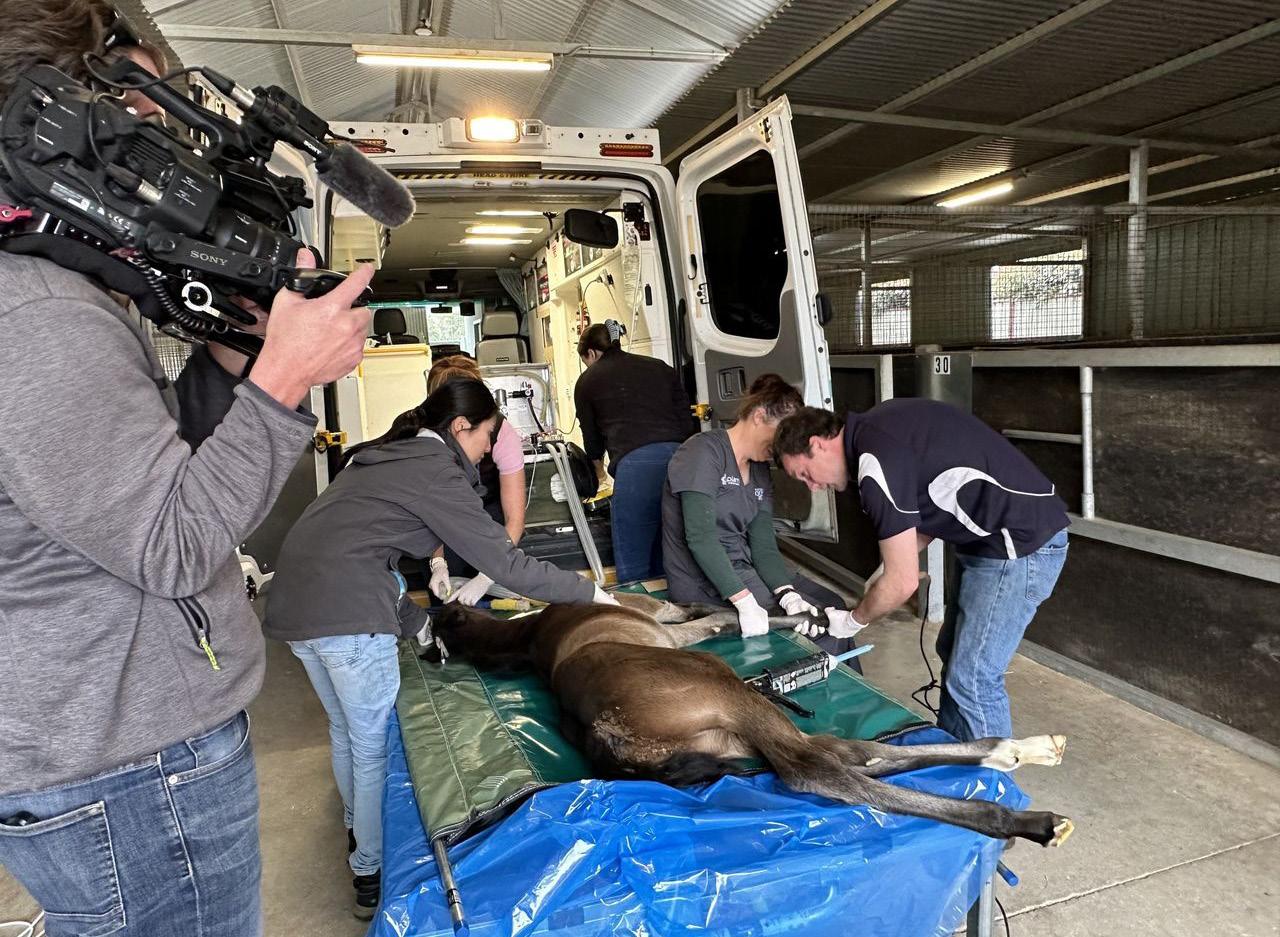
Bendigo Equine Hospital has created quite a stir with their innovative foal ambulance. AMANDA MAC spoke to Dr Mike Whiteford to learn more.
Foals, and who among us doesn’t love them, can be surprisingly fragile creatures. Hopefully, they will frolic through their early lives without a problem, but when something does go wrong, it can go quite wrong and surprisingly quickly. And if that
foal happens to be a Thoroughbred destined for the racetrack, hundreds of thousands of dollars may be at stake, let alone the even greater importance of the foal’s wellbeing.
The Victorian Equine Groups' Bendigo Equine Hospital, led by senior
veterinarian Dr Sarah Jalim, is home to a team of specialist equine vets and nurses. Located in a region renowned for some of the nation’s top Thoroughbred studs, the hospital is always busy, and at no time more so than foaling season.
But the care and treatment of foals can come with its own unique set of challenges, which is why the hospital’s innovative foal ambulance is such a significant game changer.
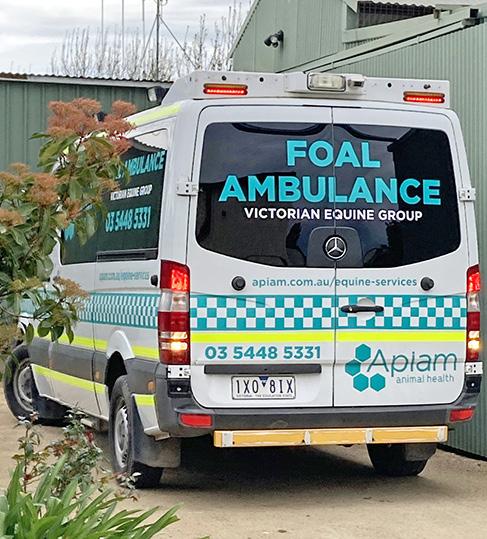
The ambulance, the subject of a recent ABC TV Landline story, is, at the time of writing, one of a kind – it’s a great idea born out of necessity, as so many of the best ideas are. Dr Mike Whiteford, one of the hospital’s equine veterinarians explains: “Last year we were offered the use of a CT scanner located at a practice only a few kilometres from our hospital. We
see a lot of neonatal foals with various musculoskeletal injuries, infections, dummy foals and so on, and because a CT scanner is 3D rather than 2D, it’s a far better diagnostic tool when compared to an x-ray. Having access to the scanner elevates everything. It’s more in line with human medicine in terms of the diagnosis we can reach.”
The use of the scanner was a generous offer that the hospital staff were keen to take advantage of, but there was a logistical problem: the scanner belonged to a small animal practice that didn’t have the facilities to accommodate a mare while her foal was scanned. “So we thought the most sensible approach would be to take the foal there on their own,” Mike says. “We were firing around a few different ideas as to how we could do that when we thought that probably the safest way to transport a foal would be under anaesthetic in an ambulance.”
Although the team wasn’t entirely sure their idea of a foal ambulance was going to work, they decided to give it a try anyway. When ambulances for humans are decommissioned, they’re sold in online auctions. The hospital bought one sight unseen and Mike collected it from Melbourne. “They’re stripped of all the exterior signage, but the internal workings are still there: the oxygen tank fittings, the lights, the extractor fans. None of us here at the hospital are particularly mechanically minded, so we sort of took a leap of faith,” he laughs.
The next step was to work out how to get a foal safely on and off-board the ambulance. “The collapsible trolley used by paramedics to load human patients into an ambulance didn’t come with it. So we borrowed and repurposed various components and a local guy, who’s handy with a welder, made up a frame to use with a bed that’s suitable for foals,” Mike explains.
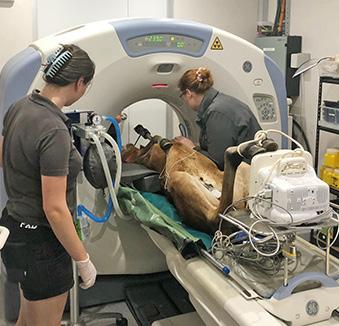
“We also designed the bed to be dual purpose; it folds out so we can use it as a surgical table as well.”
Compromised or sick foals deemed to be good candidates for a CT scan are generally, along with their mothers, inpatients at the hospital. Once the team decide a scan is required, the foal is anaesthetised in a purpose-built padded room and the mare is heavily sedated to prevent her fretting. The foal is then loaded into the ambulance, and kept asleep during the drive (using the on-board anaesthetic equipment), the scan, and the return trip. “We monitor them carefully and bring them back to the hospital’s padded recovery room where the foal wakes up as if nothing has happened,” Mike says.
As work on the project progressed, the team recognised another of the ambulance’s benefits. “We realised we would be able to offer a much safer
and more controlled anaesthesia onfarm, using the anaesthetic machine we’d bought for the ambulance. It was actually an ex-army machine that would have been used on the battlefield, but it allows us to use gas anaesthesia, which is what doesn't happen when you do on-farm surgeries.”
Usually, on-farm surgeries are performed when the patient is anaesthetised intravenously, but it’s much safer for a foal to be put under with a mix of gas and oxygen. “We can change the depths of anaesthesia very easily with the gas. It’s effectively the same system as you would have in any normal hospital or in our equine hospital,” Mike says. “Horses are a fight or flight animal, they’re not designed to go to sleep so making anaesthesia safer is very important to us,” he adds.
Besides the anaesthetic machine and oxygen bottles, the ambulance is also
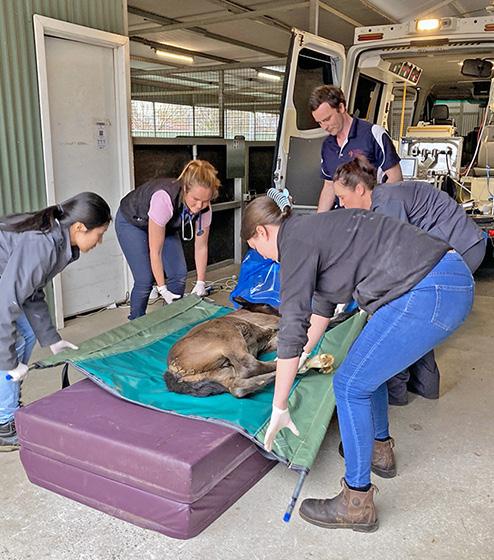
equipped with an ECG monitor, blood pressure monitor, and SpO2 (Saturation of Peripheral Oxygen) monitoreverything needed to ensure the foal’s vital signs are safely within normal range while they’re under the anaesthetic.
Much of the team’s on-farm work involves corrective surgeries on lower limbs, so the ambulance’s on-board x-ray machine is going to be a real bonus. “Foals are often born with wonky legs,” Mike explains, “and we spend a lot of time trying to get those legs straight so there are no repercussions down the line in terms of arthritis and strain on joints. We place titanium screws across growth plates which allows us to manipulate the way the leg grows as the foal grows, so hopefully we can end up with a nice, straight leg.”
Essentially, the ambulance is a mobile surgical suite and if they’re attending an on-farm surgery, the team consists of a minimum of three people, including the surgeon, an anaesthetist and a nurse.
While the foal ambulance is in its early
days and has so far been used on only a handful of occasions, the concept has been very successful. “We were all a little bit on edge that it wouldn’t work, but we’ve had several foals scanned and got some really nice images – and as
Foals are often born with wonky legs ... and we spend a lot of time trying to get those legs straight so there are no repercussions down the line in terms of arthritis and strain on joints.
the season goes on, we'll be doing a lot more on-farm surgeries.”
Maximising the potential of the foal ambulance will take time and fine tuning. “It's like anything," Mike says, "the more we do this the slicker we get. There are
a lot of moving parts, a lot of different people involved, and there’s the foal who’s asleep under anaesthesia. We’ve got to be really alert and be careful to dot our i’s, cross our t’s, and make sure that everyone’s on board with what's happening. As time goes on and we iron out those systems they will, I think, become second nature.”
The team’s priority is for the ambulance to be of benefit to the breeders and stud farms in the area they service. “That's hopefully where it will come into its own, just offering that next level of service and safety, because we’re dealing with foals that are potentially worth a lot of money."
Other equine hospitals have been quick to offer positive feedback. "They’ve been saying that they think it’s a really good idea and they’d like one. So, this will be a test case, and if it goes well, we might build a few more,” Mike adds.

For more information, visit the Victoria Equine Group, or follow them on Facebook
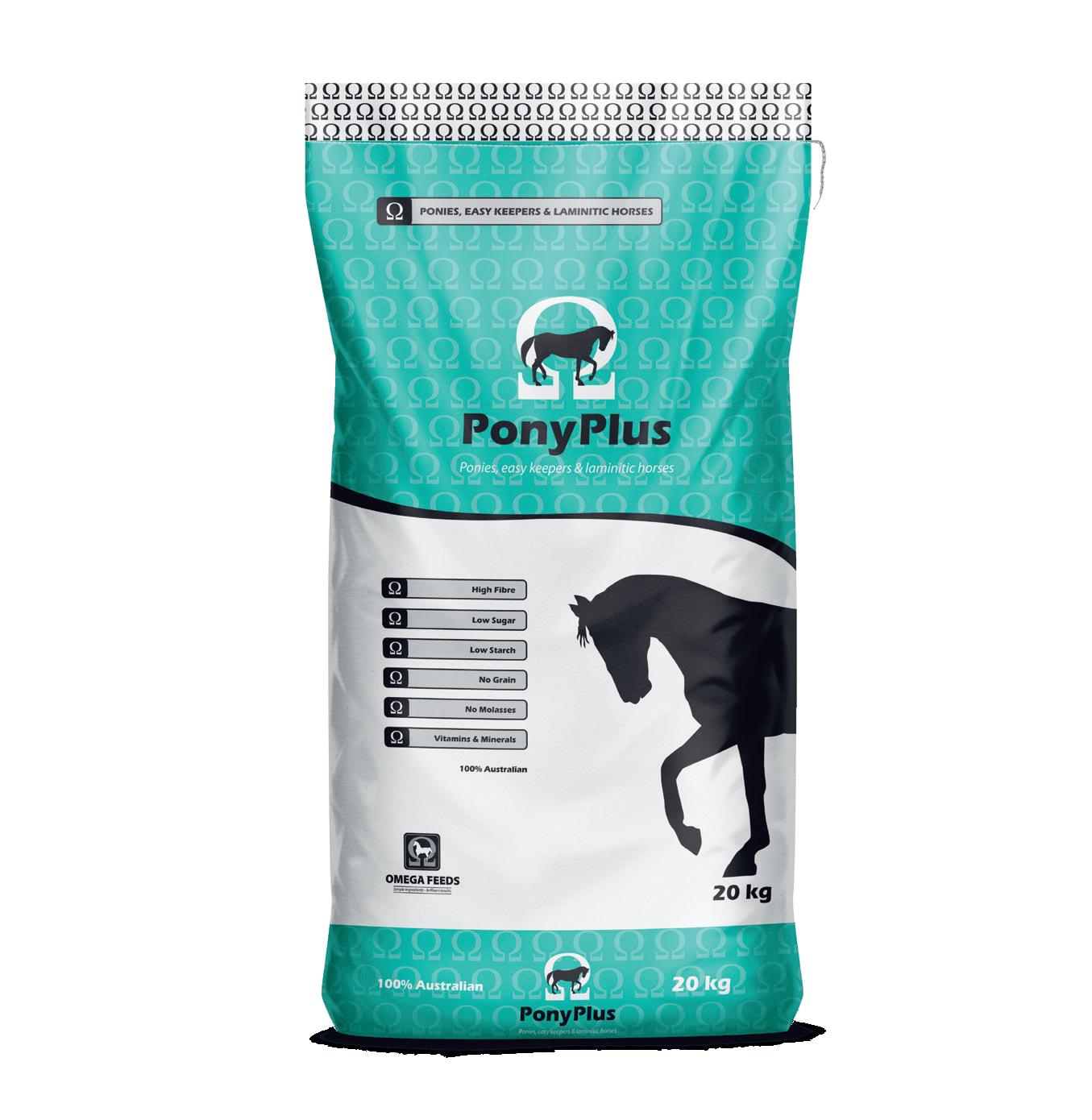
PonyPlus is a low sugar, low starch feed that has been specifically formulated for easy keepers and horses/ponies with metabolic conditions. It is a nutritious and filling feed that will provide your equine with good quality protein, vitamins, minerals, essential fatty acids (Omega 3 & 6) and bulk without oversupplying calories, starch or sugars.
FORMULATED FOR HORSES WITH:
+ Laminitis
+ Insulin Resistance
+ Obesity
+ Equine Cushing’s Syndrome
+ Equine Metabolic Syndrome
+ Tying Up
Shaping Tomorrow Responsibly...where innovation meets sustainability
Caused by infection with S. equi bacteria, strangles is highly contagious and understanding how it functions is vitally important, writes DR DOUG ENGLISH.
Strangles, a highly contagious infection of the upper respiratory tract, understandably incites widespread concern among equine practitioners, owners, and breeders due to its debilitating nature and the severity
of its impact. Characterised by swollen lymph nodes, nasal discharge, fever, and abscess formation, strangles owes its potent infectious capability to the bacterium Streptococcus equi subsp. equi (S. equi)
Strangles is a globally occurring disease and is the most commonly occurring infection in horses from six to ten years old. Infection can occur through either inhalation or ingestion of the bacterium, through contact with an infected horse, access to contaminated water, or coming into contact with infected equipment or materials.
The intricate biochemical mechanisms used by S. equi offer a fascinating yet concerning journey into the process by which strangles develops. In order to establish an infection, S. equi adheres to the host’s mucosal surfaces using proteins to bind itself to tissues, primarily within the upper respiratory tract.
Yet another binding protein plays a crucial role in the colonisation phase of the infection, by assisting the bacterium to adhere to the epithelial cells (the cells that form the outer surface of organs and blood vessels throughout the body).
Once established, the bacteria are able to cross between mucous membranes within the nose and mouth, subsequently infecting the lymph nodes, which may result in abscesses that can eventually rupture. Strangles derives its name from the pressure exerted on the upper respiratory tract by infected and swollen lymph nodes. The swollen nodes can restrict the airway, even to the point of causing death.
Some bacteria in the body are commensals: bacteria that produce signals that inhibit the growth of pathogens, or are able to act on their host’s immune system to produce a protective response that prevents the spread of infection. Streptococcus spp. bacteria live as commensals on the mucosae of the upper respiratory tract or the lower urogenital tract with the potential to cause opportunistic infections. In contrast, S. equi, which is a subspecies of Streptococcus, is not commensal, rather it is a host-restricted pathogen (one that can only survive and reproduce in a specific host) which causes infection of the respiratory system.
S. equi has the capacity to circumvent the host’s immune response by disrupting normal cellular metabolism and undermining the host’s ability to destroy infected cells. Driven by S. equi's ability to circumvent the host’s defences and propagate within the lymph nodes, the infection can then continue unchecked with the formation of abscesses.
After an incubation period of up to eight days, the symptoms of strangles begin to appear. They include lethargy, fever, anorexia, nasal discharge, and swollen lymph nodes likely to be accompanied by abscesses. However, the sudden onset of fever, which can occur as quickly as two days after infection, is often the first symptom. A nasal discharge follows, and swelling of
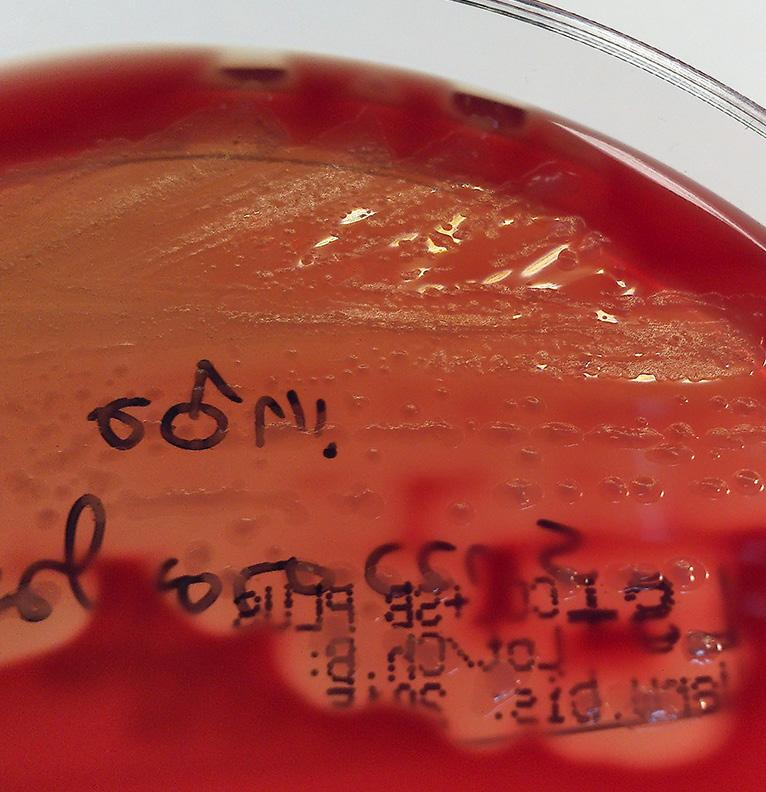
ABOVE: Colonies of Streptococcus equi on a blood agar plate (Image by Stefan Walkowski).
LEFT: Symptoms of strangles can include lethargy, fever, anorexia, nasal discharge and swollen lymph nodes.
the lymph nodes generally appears at around seven days following infection.
Laboured breathing and difficulty in swallowing (which may cause anorexia, a loss of appetite) indicate that the respiratory tract is being obstructed as the lymph nodes enlarge. Abscesses can rupture between seven and twentyeight days after infection. Bastard strangles, a complication of the disease, occurs when abscesses form in other lymph nodes, including the abdomen and brain.
Attenuated & purified protein vaccines
Vaccination strategies, using attenuated live strains or purified protein, seek to establish a foundation of immune memory and responsiveness. Unfortunately however, vaccine-induced protection is often constrained by S.
equi’s immune evasion tactics.
DNA based vaccines
Emerging modalities, such as DNAbased vaccines, are being researched for their potential to stimulate durable and broad-spectrum immunity against S. equi, sidestepping the limitations that have been observed with conventional vaccine approaches.
Antibiotic Strategies
Antibiotic intervention is fundamental to managing outbreaks and reducing the severity of the disease. Penicillin and other similar antibiotics are often employed in strangles management, targeting the bacterial cell wall in order to curb S. equi proliferation.
Winter weather, characterised by low temperatures and high humidity, extends the survival time of S. equi, as evidenced
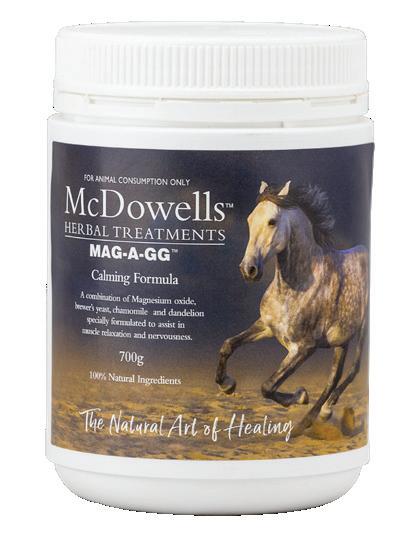
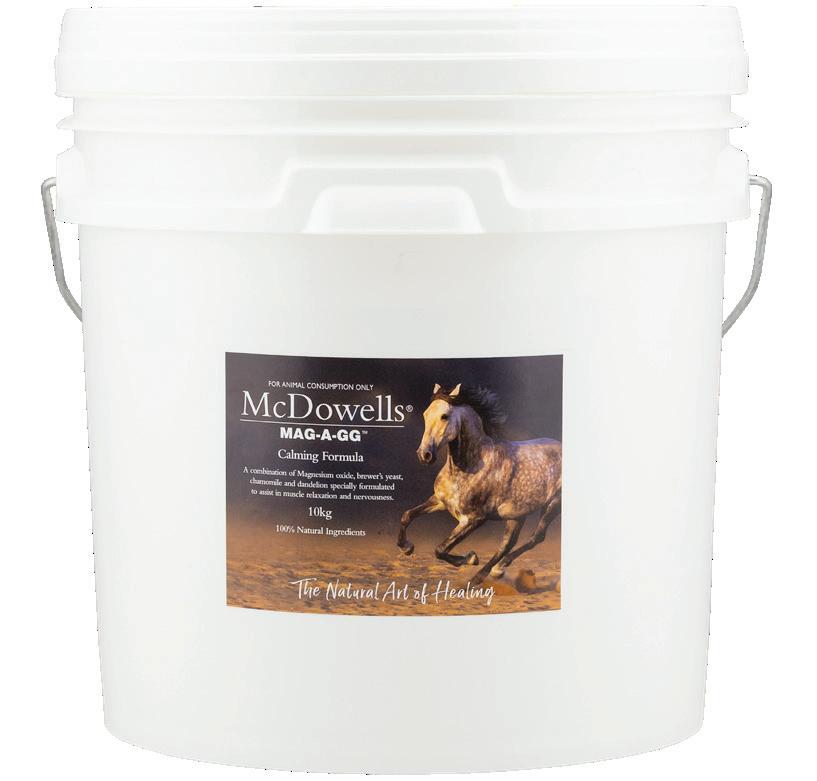
A combination of magnesium oxide, brewer’s yeast, chamomile and dandelion specially formulated to assist in muscle relaxation and nervousness.
Supplementing a horse deficient in magnesium has shown to have beneficial impact on their nervous system and general nervousness.

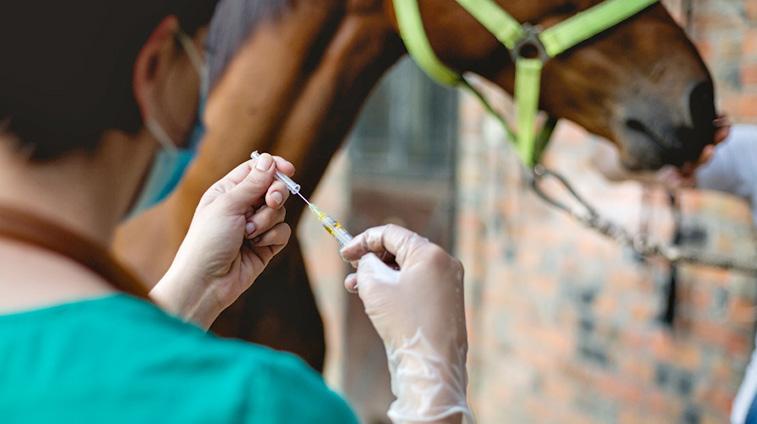
ABOVE: Vaccine-induced protection is often constrained by S. equi’s immune evasion tactics.
by the bacteria's prolonged presence on items such as shoe soles and buckets. When making decisions regarding isolation and disinfection measures, it is vital to keep in mind that humid conditions favour the bacteria’s growth and survival in the environment. Some research suggests a much longer survival time than previously thought: an average of between two and nine days depending on the season. However, survival for up to 34 days was observed during winter at damp and humid locations.
S. equi remains viable in water for four to six weeks, but not in faeces or in the soil. Recent studies using real-world scenarios showed that the bacteria died rapidly (one to three days) on fencing and soil, and did not readily survive when in the presence of other soil-borne bacteria. There is evidence of longer survival times on halters made of synthetic materials as opposed to leather. However, soaking in detergent and water hotter than 60°C for longer than 10 minutes effectively eliminated the bacteria.
Strangles perpetuates its existence, severity and harmfulness through a combination of intricate biochemical interactions, immune evasion, and exploitation of the host’s physiological responses. Understanding S. equi’s biochemical underpinnings enables
Some horses that appear healthy can become carriers of S. equi, randomly shedding the bacteria and perpetuating the spread of the disease.
a more nuanced approach toward therapeutic and preventative strategies.
Horses with strangles often recover fully. However, complications can occur in a small percentage of cases, potentially resulting in a mortality rate of up to 40 per cent. Some horses that appear healthy
can become carriers of S. equi, randomly shedding the bacteria and perpetuating the spread of the disease.
Generally, strangles is best treated with rest and care. The horse should be monitored by your vet so adequate pain management can be administered. Additionally, as their owner, you will need to ensure their intake of food and water is adequate.
In the case of a lymph node abscess, treatment may include hot poulticing or the topical application of a drawing salve. Once the abscess has burst, your vet may recommend flushing the abscess with an antiseptic/ disinfectant solution. A non-steroidal anti-inflammatory (NSAID) can be useful to reduce swelling. If no antibiotics are administered, many horses develop long-term immunity to strangles.
Quarantining the infected horse is vital, and no horse should be taken off (or be allowed onto) the property until all horses currently at that location test negative.
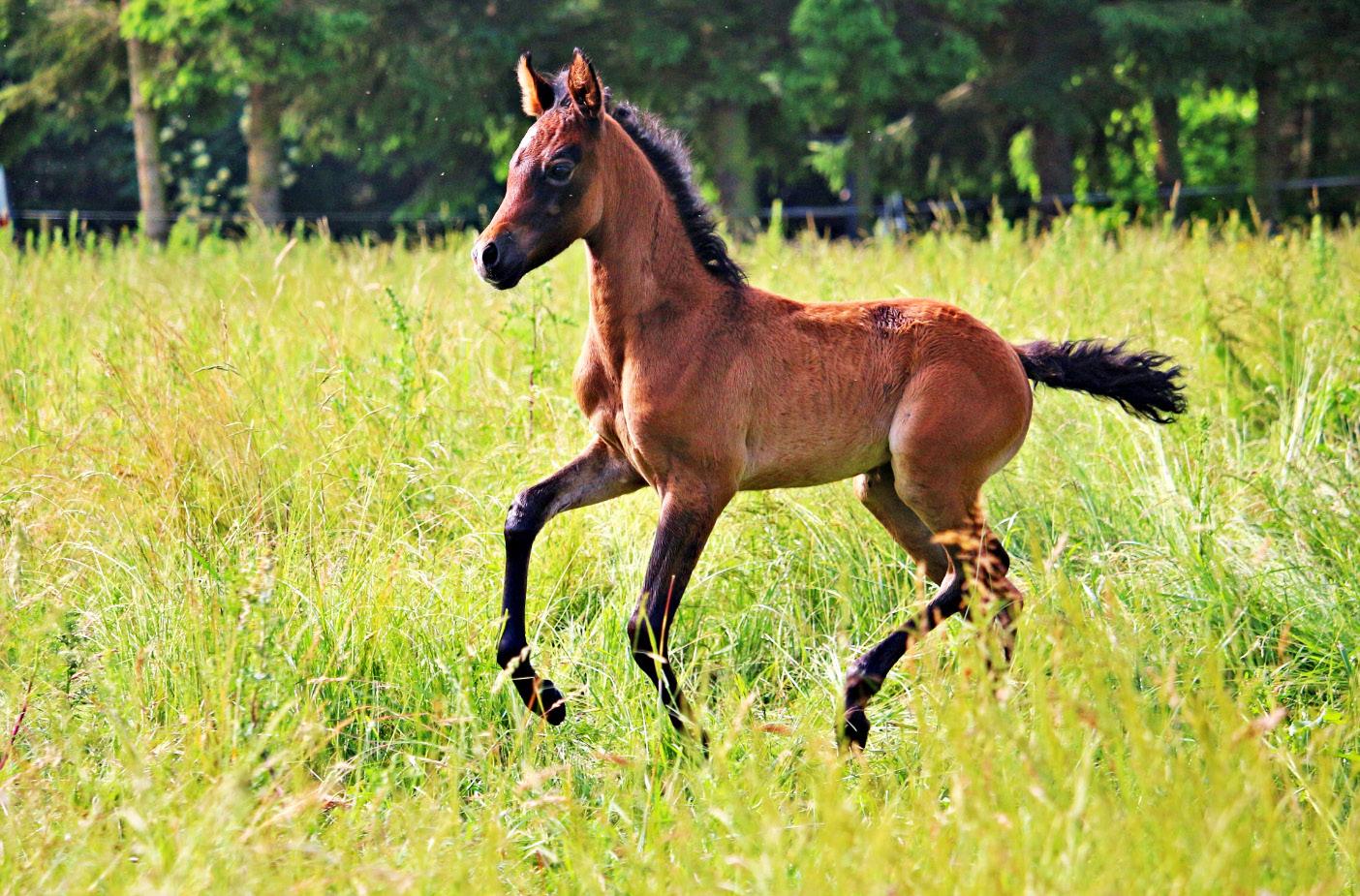
Musculoskeletal disorders end the careers of many equine athletes, but the problem may begin in the early months of life, writes DR JENNIFER STEWART.
The career of many equine athletes can be relatively short - two to three years for a racehorse and three to four years for eventing, show jumping and dressage horses – with musculoskeletal disorders a major cause.
A skeletal disorder that develops in growing foals and is a common cause of pain and lameness for adult sporthorses is developmental orthopedic disease (DOD), which affects 10-65% of all weanlings. The term DOD was coined in 1986 by the
American Quarter Horse Association to describe skeletal problems in growing horses: limb deformities, bone cysts, contracted tendons, club feet, joint enlargements, wobblers, osteochondritis dessicans (OCD) and physitis, a condition causing deformities in the legs of young foals
DOD is caused by disruption to skeletal development. Anything that disrupts the blood supply, or conversion of cartilage to bone, creates pockets of dead tissue that can detach and lead to structurally compromised bone, and bone/cartilage chips or fragments in joints. It occurs worldwide and is more common in Thoroughbreds, Standardbreds, Quarter Horses and Warmbloods. The diagnosis of DOD can be life-changing, and because each of the body’s tissues has a defined period of growth, weaning requires special vigilance.
Maximum bone growth occurs from three months before birth to around nine months old and muscle from
two until twenty-two months old. Muscle growth should not be pushed forward while the bones and joints are vulnerable. A lighter, leaner weanling with appropriate height (height is an indication of bone growth) is the ideal. For foals with a genetic potential for rapid growth, correct dietary management helps to regulate that growth and prevent excess condition.
The period from three months before birth to five months old is one of turbulent change for the musculoskeletal system. Many remodelling processes (that profoundly influence the strength and integrity of bones and joints) take place. From five to eleven months, growth and development slow. Because these processes are only active during the first year of life, DOD lesions only develop during this period – even though they may not show up for months or years.
Most lesions are not detectable (even with x-rays) until the damage causes lameness or joint swelling. DOD is present long before signs appear and specific joints have precise windows of vulnerability. Hock DOD is usually present at one month of age, although signs may not show until the horse is six months to three years old. Stifle lesions develop between three and eight months, but may not be apparent until two years of age, and shoulder OCD or bone cysts may not be evident until twelve to eighteen months old.
During periods of vulnerability the joint is susceptible to the combined effects of nutritional imbalances, hormones (insulin and thyroid), body weight and growth rate. Management will determine whether the normal variations in cartilage thickness resolve, or progress to DOD. Although osteochondrosis lesions are likely to happen during the first few months of life, the period of growth between six
months and one year can be significant in correcting DOD through diet and feeding changes that encourage consistent, slow growth, offering us an opportunity to guide and regulate growth and protect future soundness.
Key factors identified in the development of DOD are genetics (25%), biomechanical stress, rapid growth, diet and hormonal influences (75%). Biomechanical stress is affected by body weight and exercise, with excessive loading disrupting cartilage blood supply. Foals who show signs of hock and stifle OCDs as yearlings tend to be heavier at birth and weaning, and grow rapidly from three to eight months. Hock DOD occurs more frequently in foals born taller and heavier; those that grow faster in height/weight and are 5kg or more above average at four weeks of age and 14kg plus at eight months.
Foals who are intermittently upright in the pasterns also have more frequent and severe lesions. Taller foals, or being 5.5kg heavier at 25 days and 17kg at 120 days, or faster weight gains from three to five months, increase the chance of stifle and/or shoulder lesions. Wobblers often have a heavier body
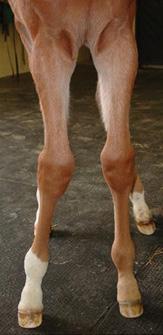
ABOVE: A foal with an angular limb deformity.
weight; taller wither and hip height from birth to 12 months; and faster weight gain at one to two months, four to five months and seven to eight months.
Exercise is another factor because muscle and bone are moulded
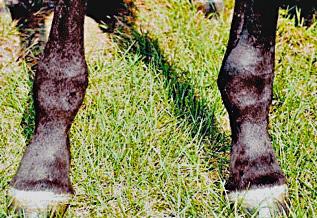
ABOVE: Fetlock physitis, a condition causing deformities in the legs of foals.

by the amount and character of exercise. Weanlings with free access to pasture have stronger, healthier musculoskeletal systems compared to young horses confined to box rest, or box rest with short intense bouts of exercise. With free pasture access, foals gallop within a few hours of birth. When less than a week old, they can cover 10km/ day and gallop for about 3.5 minutes a day in approximately 40 sprints. Confinement has a dramatic effect on daily exercise; a horse in a six-meter square yard will move only 1 km/day.
Additionally, there’s a connection between OCD and insulin levels after feeding. In foals three to twelve months old, the most common age for developing OCD lesions, sweet feeds and high sugar/starch feeds can cause high blood glucose and insulin and low blood pH for up to four hours. Swings in blood glucose and insulin have been linked with OCD in young horses, who have a more severe response when under 14 months old. DOD lesions are formed in a very limited period of time and changes can occur within three weeks on starch/sugar/grain-based feeds. Extruded and micronised feeds must be used with caution as their increased digestibility can produce more rapid and profound effects on blood glucose and insulin.
Magnesium deficiency has also been linked to DOD in growing horses. A recent study found supplementing foals with magnesium from birth to 12 months resulted in a 50% reduction in OC of the hock and fetlock at five months old, and a 14% reduction in stifle OC at 12 months old.
Avoiding feeds with >12% starch + sugar (=NSC) and providing a high fibre diet, linseed oil and a correctly formulated vitamin/mineral/amino acid supplement are the guiding principles.
It’s worth becoming familiar with several terms commonly used in nutrition
Read feed bag labels carefully. If the label doesn't list starch and sugar, or NSC >12%, it's probably not safe
Grain-free
Hominy meal
Low sugar
Low starch
Micronised
Extruded
Nutritional analysis
Cool feed
No official definition, generally no whole grains but could include grain-byproducts such as bran and pollard, millrun etc which are high in NSC.
Ground corn meal ~ 38-45% NSC.
Glycaemic index (GI) - horse fasted overnight, blood collected before and 1, 2 and 3 hours after feeding to measure ACTH, glucose and insulin. If this hasn't been done, the feed cannot be claimed to be 'low GI' - check with the manufacturer that the research has been done on their feed.
It is the sugar + starch that is important so if the % starch or total NSC are not also given, it could be unsafe.
It is the starch + sugar that is important so if the % sugar or total NSC are not also given, it could be unsafe.
The feed is 'cooked' making it more digestible and increasing energy availability - can cause a profound increase in glucose and insulin.
Extruded feeds may not be a good choice for EMS and IR. Increased starch digestibility. Easy-keepers often gain too much weight on an extruded feed. Horses with metabolic issues may not be able to handle the starch and sugar release from extruded feeds.
Needs to list sugar - which may be listed as WSC or ESC AND starch or else the total NSC <12% or it may be unsafe.
Cool feeds are described as formulated to avoid spikes of rapid energy - unless the blood glucose levels have been measured after feeding, this term is misleading - contact the manufacturer.
Ingredients that flag caution: NSC >12% is considered unsafe
Barley Average starch 60% sugar 3% = 63% NSC
Bran/pollard (wheat)
Cereal by-products
Cereal co-products
Average starch 23% sugar 7% = 30% NSC
Include bran, pollard, wheat middlings and mill-run = >30% NSC
Generally corn or wheat meal, hominy feed, bran and pollard = NSC >30%
Corn Approximately 73% starch and 2% sugar = 75% NSC
Millmix Contains wheat pollard and bran = >30% NSC
Millrun Contains bran and pollard = >30% NSC
Molasses Average 65% sugar = 65% NSC
Wheat Average starch 70% sugar 3% = 73% NSC
Rice bran (fibre < 4%)
Average starch 42% sugar 4% = 46% NSC
information and taking the time to read feed bag labels using the information in the above table.
Because the window of opportunity for sound bone and joint development is only open for a short time, correct nutrition for young horses is essential and prevention must be a priority if future soundness is to be protected.
Dr Jennifer Stewart BVSc BSc PhD is an equine veterinarian, CEO of Jenquine and a consultant nutritionist in Equine Clinical Nutrition.
All content provided in this article is for general use and information only and does not constitute advice or a veterinary opinion. It is not intended as specific medical advice or opinion and should not be relied on in place of consultation with your equine veterinarian.
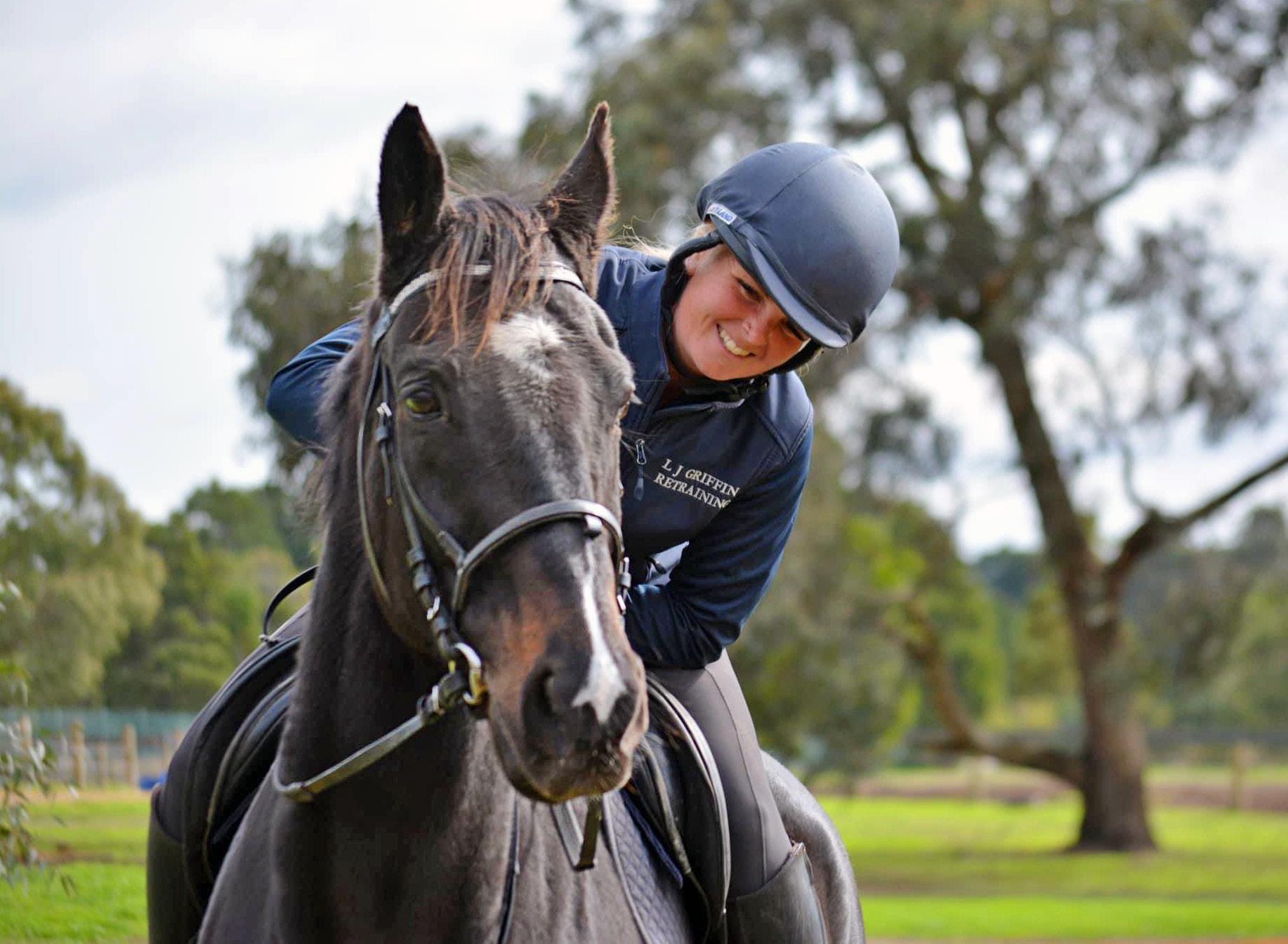
Leticia Griffin has broken through a few barriers. The cancer survivor who became the first female Melbourne Cup Clerk of the Course speaks with AMANDA MAC
I'd like to introduce you to the Melbourne Cup’s first female Clerk of the Course. Appointed in 2020, Ballarat woman Leticia Griffin has now occupied that role for three years, with
this month's Cup making it her fourth in a row. But her history with horses goes back much, much further than that.
Now 28 years old Leticia, the daughter of two horse-loving parents, says she
was sitting on a horse before she could walk: “We always had horses when we were growing up and Mum was a very good horsewoman; she was very horsemanship orientated.”
As so many young riders do, Laticia attended her local Pony Club and over the next ten years developed a passion for eventing, followed by a fascination for the race track. “I started working in racing as a stable hand on the weekends, and met a trainer who gave me a Thoroughbred. I learned to ride track work on him and that’s how I got into track riding when I was 15,” she tells me.
By the time she was 17, Leticia had decided to leave school to pursue a full-time job as a stable hand and track rider in Dan O’Sullivan’s yard. Becoming an apprentice jockey would take a
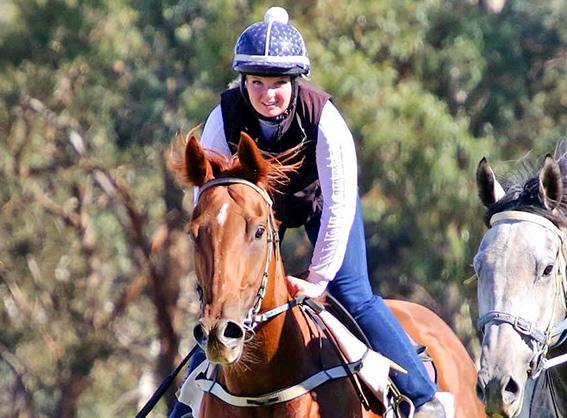
little longer. “It took me three years of applying,” she says. “Only a select few are accepted and I needed to gain more experience riding in trials and jump outs - that’s when the horses leave the barrier,” she explains.
As an apprentice jockey, Leticia rode in more than 130 country race meetings, making her mark with a win on her first ride. “I travelled to nearly every state in Australia. I won the Ceduna Cup in South Australia, and went to Tasmania for the apprentice series, so there were some real highlights.”
But her life took an unexpected detour when in July 2018 she was diagnosed with a Stage 3 melanoma. “I was actually the first person to have immunotherapy treatment. I went down to Melbourne to try and get into a therapy trial and the day I arrived immunotherapy became
available on the public system. I was very, very lucky,” she adds.
Before treatment began, Leticia had surgery to remove the four-and-a-half centimetre tumour growing in her armpit. She was discharged from hospital a couple of days later and spent the next three months recovering at home. “From being a fully fit, race-riding jockey to just being on the couch was very hard,” she recalls.
But for Leticia, determination has never been in short supply. With race riding temporarily on hold, she went back to the yard to do some light stable and track work during the first six months of her treatment. “That kept me going, but my cancer journey made me realise that as much as I liked being a jockey, I didn’t feel as if I’d found my niche. I was getting a little bit bored at home, not
being able to race and having no set plan for the future, so I decided to do some off the track Thoroughbred retraining purely as a hobby,” she tells me.
To broaden her horizons, she also applied to be a Clerk of the Course, and was eventually accepted. “I loved racing and wanted to stay in it, but I was always more horsemanship orientated rather than a competitive athlete.”
The Clerk of the Course’s role is to ensure horses and jockeys get around safely on race day. Horses are herd animals, so the clerk horses can have a calming influence, and a loose horse is more likely to go to another horse than to a person. And training a clerk’s horse is an art in itself. “A really obedient horse is paramount, so that at any time they will stop, go back, go sideways, or go faster or slower, and can withstand other

horses leaning on them, nipping them, or intimidating them while they remain calm in what can be difficult situations. The really are the heroes,” Leticia says. After refining her clerking skills around the country tracks, all with Jack (who raced as Freshwater Reset), an off the track horse she retrained, next came the chance to work regularly in the metropolitan area, an unusual opportunity for a young, female clerk. But the best was yet to come: “I got a call to clerk at the 2020 Melbourne Cup. I was shocked! From not knowing what life was going to hold for me just two years previously, to becoming the first female to clerk at the Melbourne Cup was an absolute privilege.”
But let’s circle back to that retraining hobby, which had been quietly growing in the background to the point where in August 2020, Leticia launched L J Griffin Retraining, her own full-time retraining business. “I have one staff member and at the moment we have 12 horses in work and about 22 in total. It’s always busy,” she laughs.
While Leticia’s clerking job works in well with her retraining business, there are some long days that might include a 6:00am feed up before driving two hours to a racetrack to clerk, returning home at 7:00 in the evening just in time for the last feed up. Nonetheless, she’s very clear on her motivation for doing what she does. “I don’t like seeing how a horse can go from being at the top of their game with five-star treatment, and then suddenly be worth very little unless they’re re-educated. They’re so intelligent and they want to work for you. What I love is first teaching them how to be a horse in a herd, and then training them. Although eventing is our main area, each horse is an individual so we train them for what they’re going to be good at. It’s very important that we get it right.”
Leticia, who has retrained and rehomed several hundred horses, is a big fan of Racing Victoria’s off the track programs: “They've been a big step up,” she says.
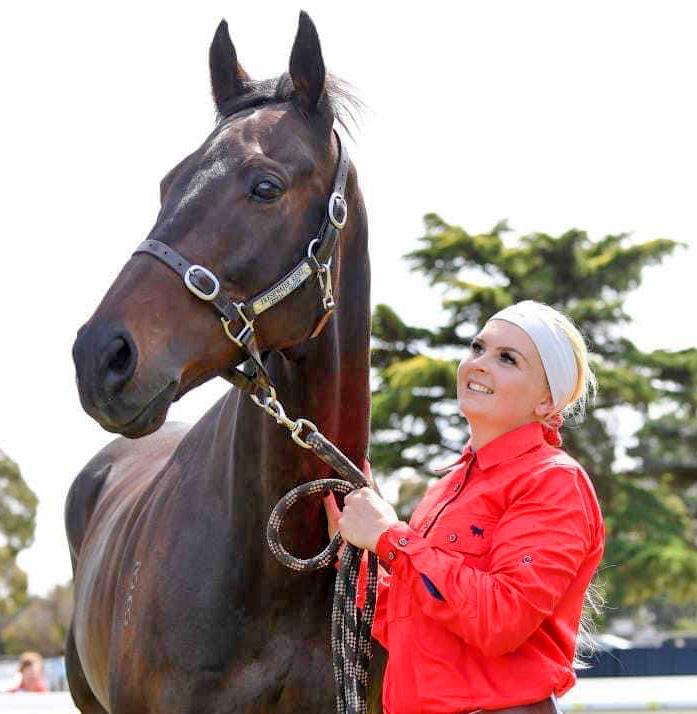
“Horses are now tracked through the new off the track community platform, and there’s a lot more follow up on them - and that’s one of the ways that we can get an idea of what works well and what might need improvement.”
Making sure that the horses she’s retrained are going well in their new homes is an important part of Leticia’s approach to her business. “I think a lot of people have recently started to come to us more for our reputation rather than for a specific horse. I believe support after the sale is super important, and also educating new owners who don’t have that ten years’ experience in racing, and don’t know how the horse should be treated, or why they might be acting in a certain way. We try to keep the transition as easy as it can be for new owners and their horses.”
To further ensure that horse and rider are well suited, Leticia tells the potential owner all that she knows about the
horse, as well as suggesting what they might be best suited for. From there it’s a series of viewings, followed by at least a couple of rides to establish whether the fit is right. “It’s tough in all aspects because there are so many horses waiting to be rehomed, but there’s a whole process to it and getting it right takes time – and I think you’ve got to put the effort into finding the right home so that horse is not coming back or being passed on.”
Also tough is the financial aspect, something, Leticia says, which is experienced by many retrainers. "It's difficult at times. Obviously I have a job as well, and whatever money we make from a sale goes back into the horses. But there again, we’re doing it for the love, not for the money."
Follow Leticia at L J Griffin Retraining, or if you're interested in giving one of her off the track horses a forever home, call her on 0400 093 132.

Thoroughbreds have been labelled hot, fizzy and hard keepers, but is this natural or might other factors be at play? LEISA HOFSTETTER has some answers.
Thoroughbreds have a reputation for being complicated and exasperating to feed. They are often labelled as ‘hot’ or ‘hard keepers’, but how much of this can be prevented with diet? To find that out, we have to look at what causes the symptoms that give rise to this reputation, and discover what can be
done to reduce or prevent the problem.
First, let’s look at gastric ulcers. Studies have found that the prevalence of gastric ulcers in Thoroughbreds ranges from 30 to 70 per cent. This increases to as high as 90 per cent in horses who are racing or are in training. However, there
is a similar prevalence in other breeds across a range of other performance disciplines, especially if the horse is competing regularly. In fact, the incidence of gastric ulcers in performance horses can be just as high as in Thoroughbreds - so why is it that despite their ulcers, other breeds are easy keepers? It’s because Thoroughbreds have a different microbiome, with a different balance of microflora, making them more susceptible to acidosis, which we’ll discuss below.
Other factors that can increase the prevalence of ulcers include anxiety induced by the absence of a companion, or reduced contact with other horses.
The tendency for Thoroughbreds to be stabled rather than paddocked can also increase the risk of gastric ulcers. That’s because there may be a lack of roughage in the stabled horse’s diet compared to a paddocked horse with access to grass. Horses have evolved to consume small amounts of feed often, and they need to eat up to 2% of their body weight each day (for a 500 kilogram horse, that’s as much as 10
kilograms!). Roughage, found in forages such as hay and grass, should make up at least 75% of a horse’s total feed intake, so for our 500 kilogram horse that’s around 7.5 kilograms of forage a day.
There are a few reasons why horses need to eat little and often, and require plenty of roughage. The most relevant reason is that the amount of chewing often involved in eating roughage produces more saliva than occurs when eating processed, concentrated feeds. Saliva acts as a buffer for the gastric acid in the equine stomach, potentially reducing the risk and severity of ulceration from excess acid. As a horse’s stomach continually produces acid no matter what, a constant supply of saliva, provided by frequent chewing, helps to keep the acid in check. Unlike Pavlov’s dogs, horses do not produce saliva in response to the presence of food. Instead, the horse produces saliva in response to the activity of chewing.
Thoroughbreds who do not have enough forage in their total diet can be more susceptible to gastric ulcers, and gastric ulcers in the foregut may result in weight loss, lethargy, poor coat condition, reduced appetite and reduced absorption of nutrients. So, there is a strong possibility that the Thoroughbred’s hard keeper reputation may stem from the high prevalence of gastric ulcers within their population.
But there might be another reason why Thoroughbreds have earned this reputation. A diet consisting of a high proportion (greater than 25%) of concentrated, grain-based feeds containing starches and sugars can result in a gastric condition called acidosis. Acidosis refers to the range of consequences that result from a severely reduced pH in the equine hindgut. Starches and sugars are digested by microflora which produce lactic acid. The higher the volume of starch and sugar, the greater the production of lactic acid,
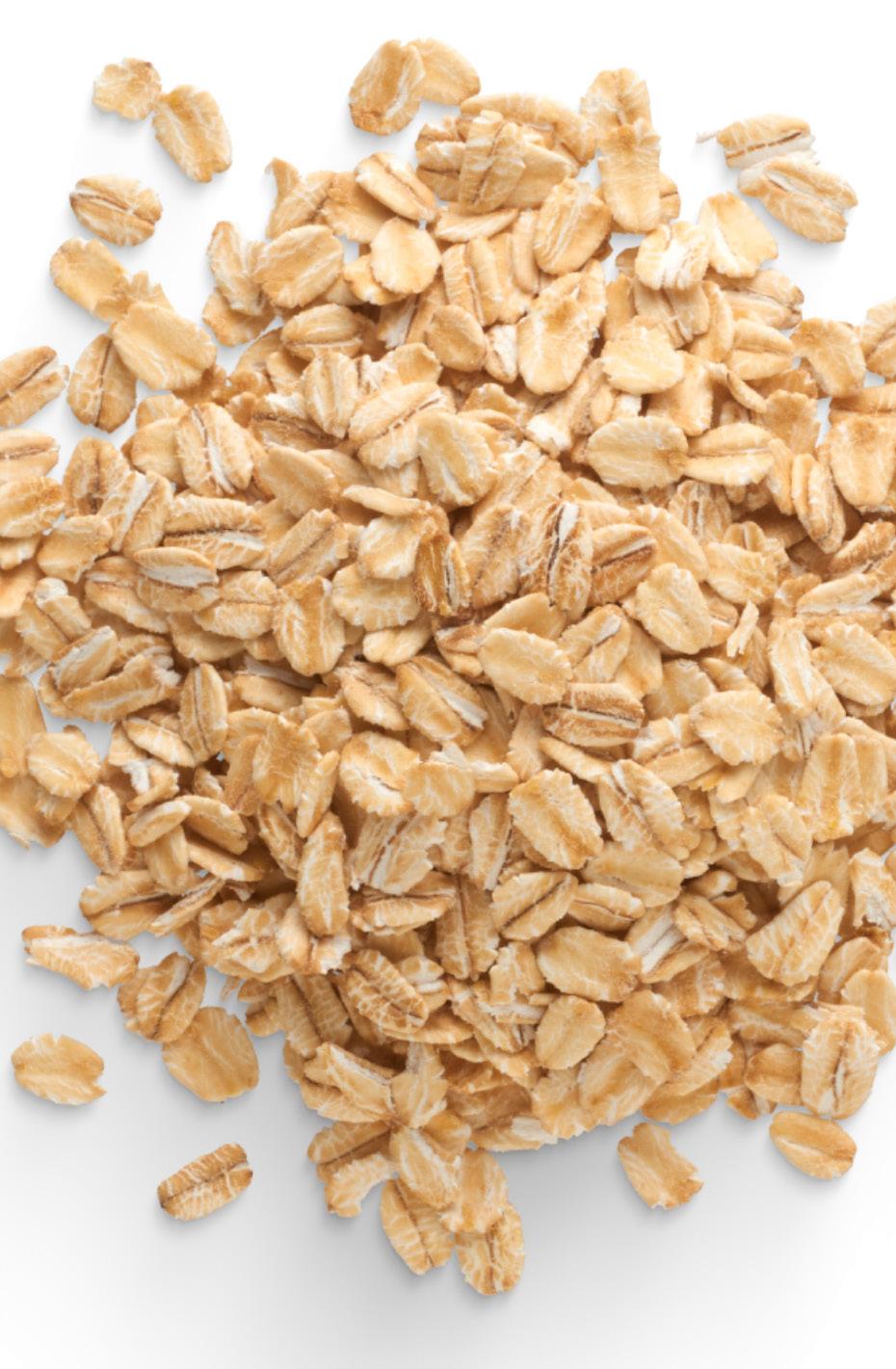
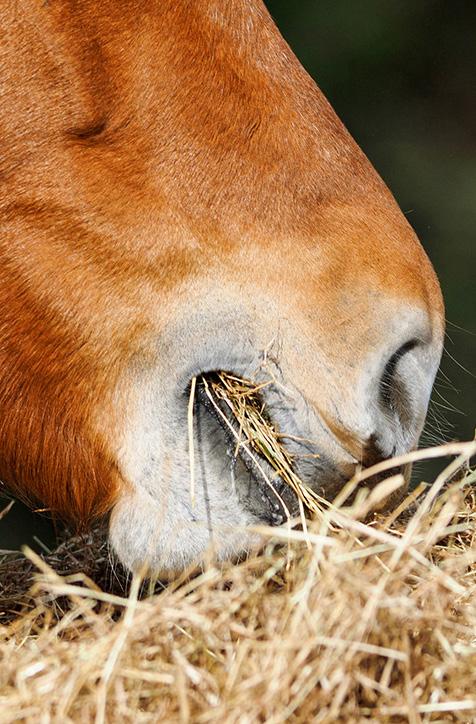
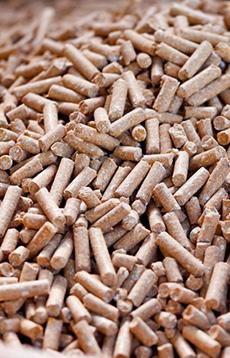

TOP: A diet high in concentrated feeds can result in a gastric condition called acidosis. BELOW: Hay and grass, should make up at least 75% of a horse’s total feed intake, with high fat feeds or oils supplying additional energy.
which subsequently affects the hindgut’s pH balance.
The decreased pH can cause the microflora that prefer to feed on fibre to die off. This die-off means that there are less of them to digest fibre for the horse, decreasing the amount of nutrients the horse absorbs. Decreased absorption means less energy is available, contributing to their reputation as hard keepers.
Thoroughbreds are often used as performance horses from a fairly young age, and tend to be fed high starch and/ or sugar feeds to increase their energy intake in order to meet the demands of high intensity work. As we now know, these feeds in sufficient quantities are likely to cause acidosis, a contributing factor to the hard keeper reputation. And the hard keeper problem may persist even after a high starch and/or
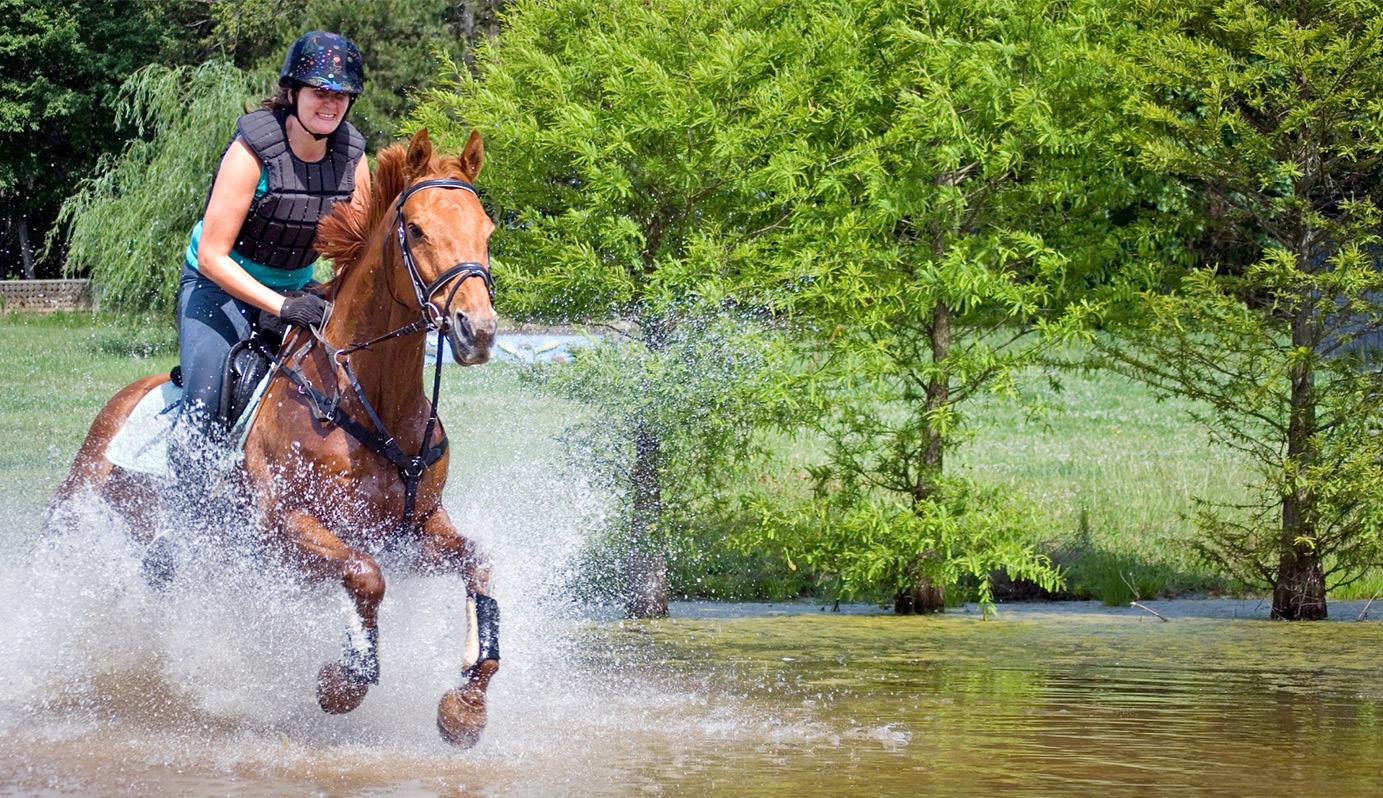
ABOVE: Attention to the correct composition of your Thoroughbred's diet is essential.
sugar diet has been changed to a diet higher in forage. Unfortunately, this may be because chronic acidosis has caused lasting damage to the lining of the digestive tract, and thus the absorption of nutrients continues to be disrupted.
Another reputation Thoroughbreds have is for hot or ‘fizzy’ behaviour, generally because of too much energy. This may also be linked to a diet high in starch and/ or sugars, which in a very short time after consumption, can increase the quantity of available glucose, resulting in a glucose spike. This spike causes a rush of energy, which is similar to the sugar rush experienced by some humans.
To reduce the risk and severity of fizzy behaviour, while still providing the performance horse with enough energy, feeds relatively high in fat and low in starch and sugars can be added to the diet. Horses can digest up to 15% fat in their total diet, but will need time to allow their microflora and physiology to adjust before optimum efficiency of digestion is achieved. Horses with too much fat in their diet may have oily looking stools and may even develop
fatty liver (hyperlipaemia), which can produce symptoms quite similar to colic.
Fat is considered a high energy, cool feed because the energy supplied is released slowly over a longer period of time than is the case with starches and sugars, thus avoiding the glucose spike. This makes feed containing fat the perfect option for the fizzy Thoroughbred who needs a behavioural adjustment, but still requires high energy to perform well and maintain weight. Feeds relatively high in fat include rice bran, full fat soy meal, and copra. Vegetable or seed oils are also options. Remember to make sure that the total diet per day contains plenty of forage, and that the total amount of fat does not exceed 15%. Your equine nutritionist can help you with this.
Thoroughbreds can be hard keepers due to a range of factors, so it is important to make sure that they are absorbing nutrients as efficiently as possible. Drenching with a wormer is important to reduce the horse’s parasitic load, but it may adversely affect the microflora population in the hindgut if done too often. More research
is needed to determine whether a probiotic would be beneficial in improving the health of the hindgut if the microflora have been affected.
In periods of low rainfall or slow pasture growth, there may be less vitamin B6 available. Since this vitamin is partly responsible for metabolising fats, carbohydrates and proteins, it can be beneficial to feed your horse a B6 supplement during this time.
Thoroughbreds can certainly be complicated and exasperating to feed, but no matter what their discipline, with attention to the correct composition of their diet those hard keepers and hot horses can become the functioning members of equine society that we horse owners all need. Consult your equine nutritionist to develop a feed composition that is right for your horse and your discipline.
Leisa Hofstetter is an equine nutritionist offering ration analysis, designer diets and customised mineral supplements. She can be found at Hof Equine, or you can email her


Apiam’s equine veterinary credentials are well-founded with a growing number of purpose-built dedicated Equine Vet Clinics and Referral Hospitals located in Victoria, New South Wales and Queensland, working alongside our network of mixed practice clinics in delivering quality equine veterinary care.
Scenic Rim Veterinary Service
Beaudesert QLD
Agnes Banks Equine Clinic
Agnes Banks NSW
Hunter Equine Centre
Scone NSW
Victorian Equine Group
Bendigo VIC
Gippsland Equine Hospital
Maffra VIC
Southwest Equine Veterinary Group
Warrnambool VIC
Find out more by visiting the Apiam Animal Health website & view the equine product range on Country Vet Animal Supplies



Time to give your wardrobe a tweak? Here are several stylish pieces that caught our eye.


Kastel Denmark’s Long Sleeve Paisley Floral Sunshirt features a fun yet elegant patchwork of colour. The inner mesh provides ultimate comfort while the feminine design ensures you make a statement. Perfect for staying stylish and comfortable in the sun, this sunshirt offers UPF 30+ ultra-violet protection, and antibacterial odour reduction. With fitted wrists, a quarter-zip neckline, and mesh inner sleeves this is a summer essential.
The Huntington Nicky Kwik-Dry Ladies Riding Jacket ensures maximum comfort and functionality in the heat of the competition arena. Crafted from open weave waffle material, this stylish jacket is lightweight and cooling, with ventilated mesh lining to enhance optimal air circulation. The jacket's seams are strategically positioned for strength and comfort, while the machine washable fabric ensures effortless maintenance.
The Cambria Jersey features breathable mesh panelling to keep you comfy in and out of the saddle. AriatTEK® Heat Series technology keeps you cool when competition heats up, while Sun Protection Fabric™ with an UPF rating of 50+ provides protection from ultraviolet rays. Moisture Movement Technology™ wicks moisture away from the skin, and breathable mesh back and side panelling maximise air flow.
Quilted and beautifully embroidered, the Sherpa fleece-lined Dilon Chimayo vest features a Chimayo inspired pattern created by the artists at Centinela Traditional Arts. Ideal for keeping you comfortable when temperatures drop, the design is reversible. With a decorative trim along zipper, faux leather logo patch, and front patch pockets, this imported 100% polyester jacket will quickly become a cold weather go-to.


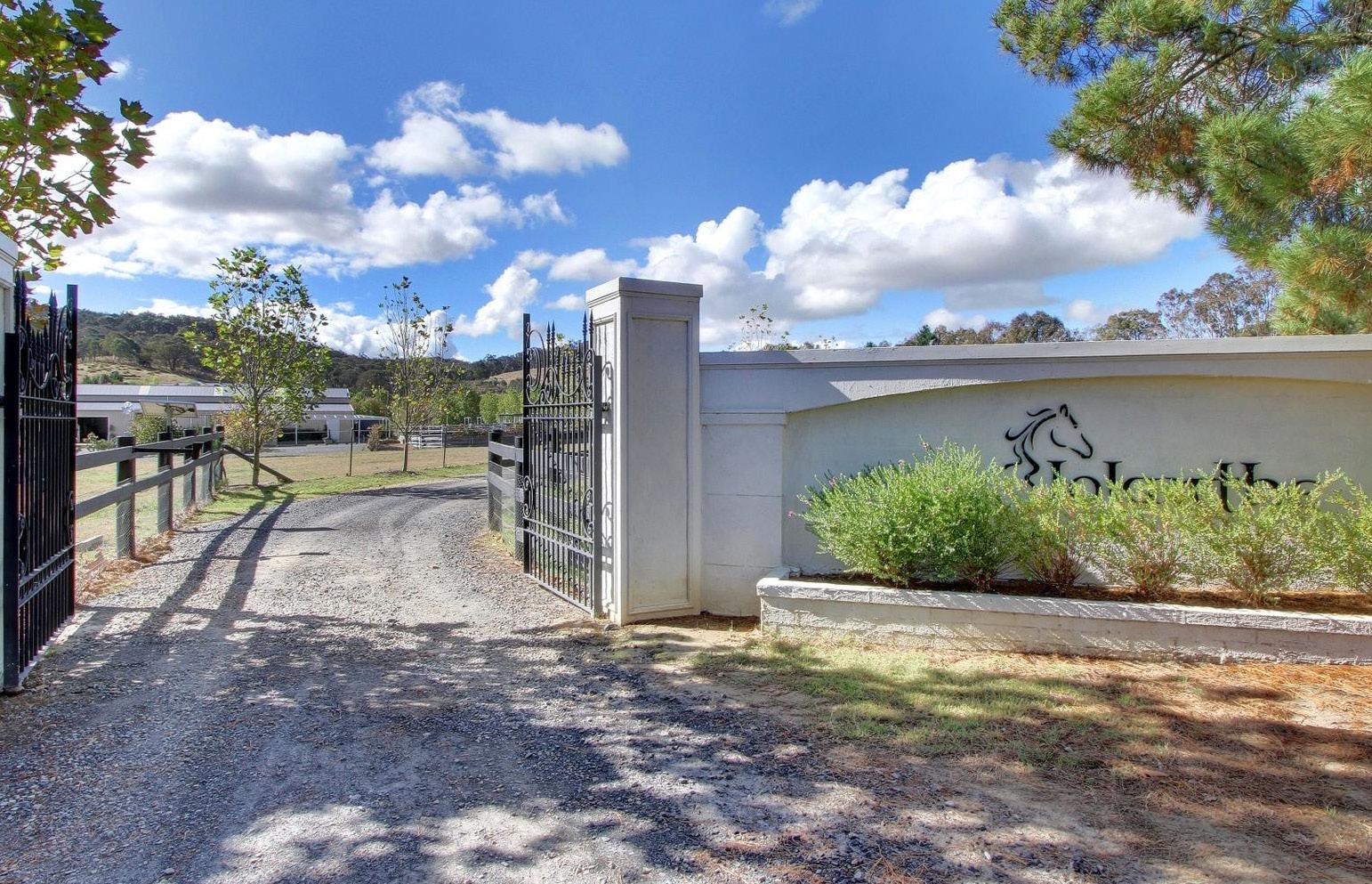
Located at 209 Glengyle Road, Nanima NSW, Iolanthe is a classically beautiful masterpiece.
Iolanthe is a work of art. Situated on eight spacious hectares, this elite, perfectly planned, residential and commercial level equestrian property is located a half hour from Canberra's inner north, and just minutes from historic Murrumbateman.
Established in 2009, Iolanthe's stunning 474sqm home is positioned on a hill, and features an elegantly landscaped
turning circle and stone walkways leading to the home’s impressive entry.
Ideal for a growing family and for entertaining, the home has five bedrooms, including a secluded master suite with his/hers ensuite, dressing room and walk in wardrobe. The state-of the-art country kitchen is spacious, modern and beautifully appointed with Smeg appliances and stone bench tops. Flowing
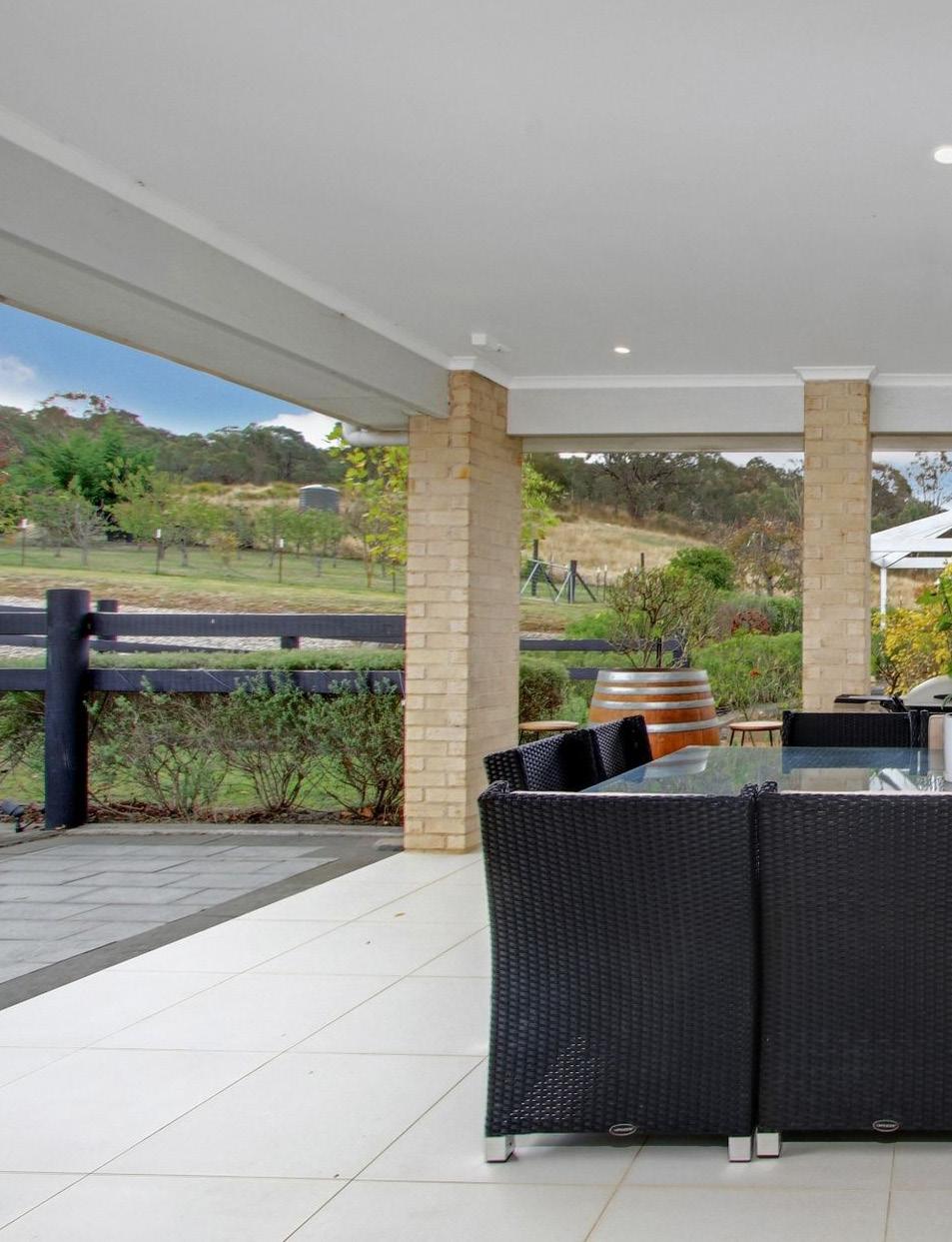
on from the kitchen and conservatory is a spacious covered alfresco area that offers fabulous views up to timber topped hills and stunning sunsets.
With absolutely no shortage of perfectly proportioned space in this superb home, there's a formal dining room, formal lounge, and a rumpus/reading room with built-in solid fuel combustion heater to warm you on winter evenings. The
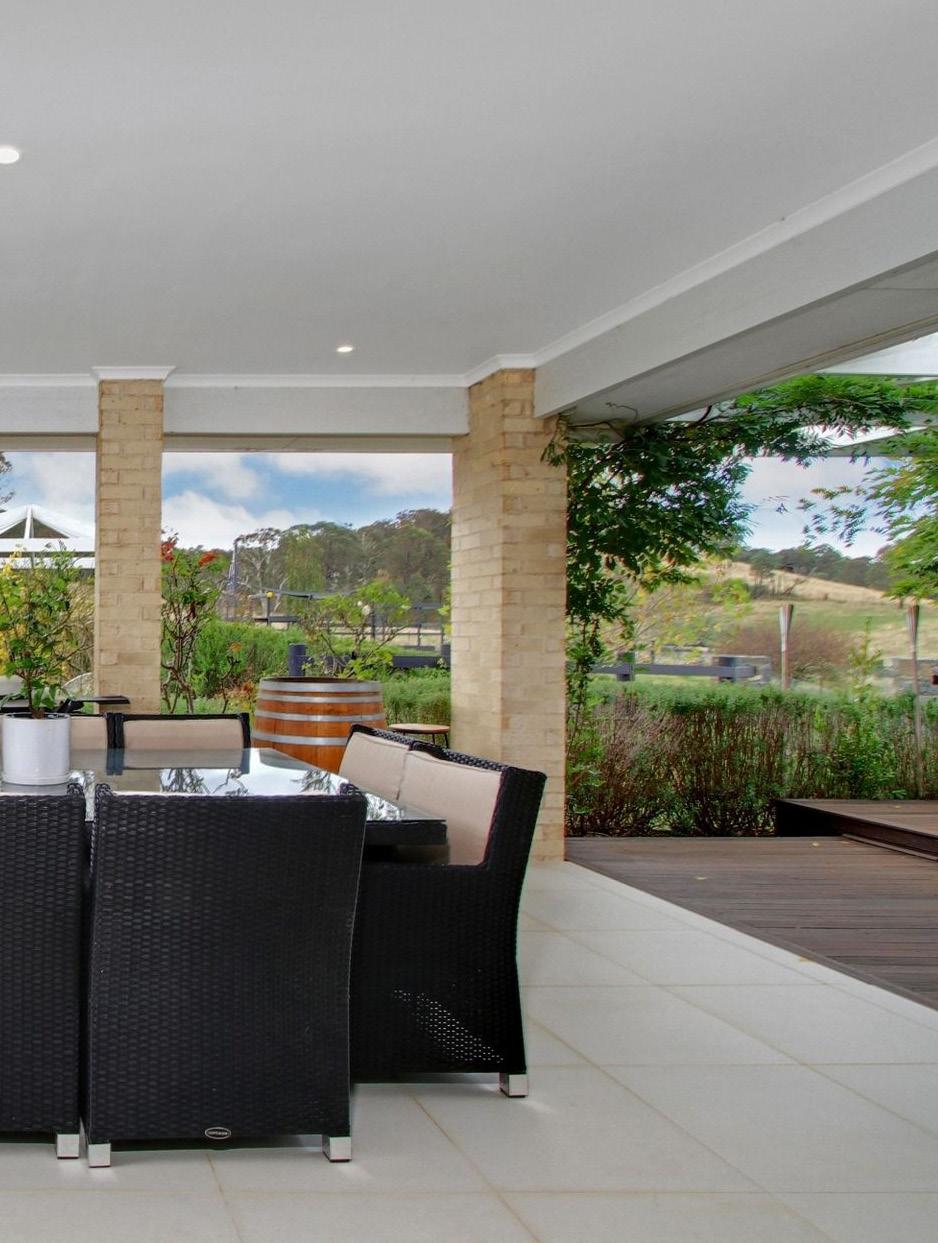
home’s 2.7 meter high ceilings add to its spaciousness, while marble designs accent its luxury.
Iolanthe's equestrian facilities are as impressive as they are professional.
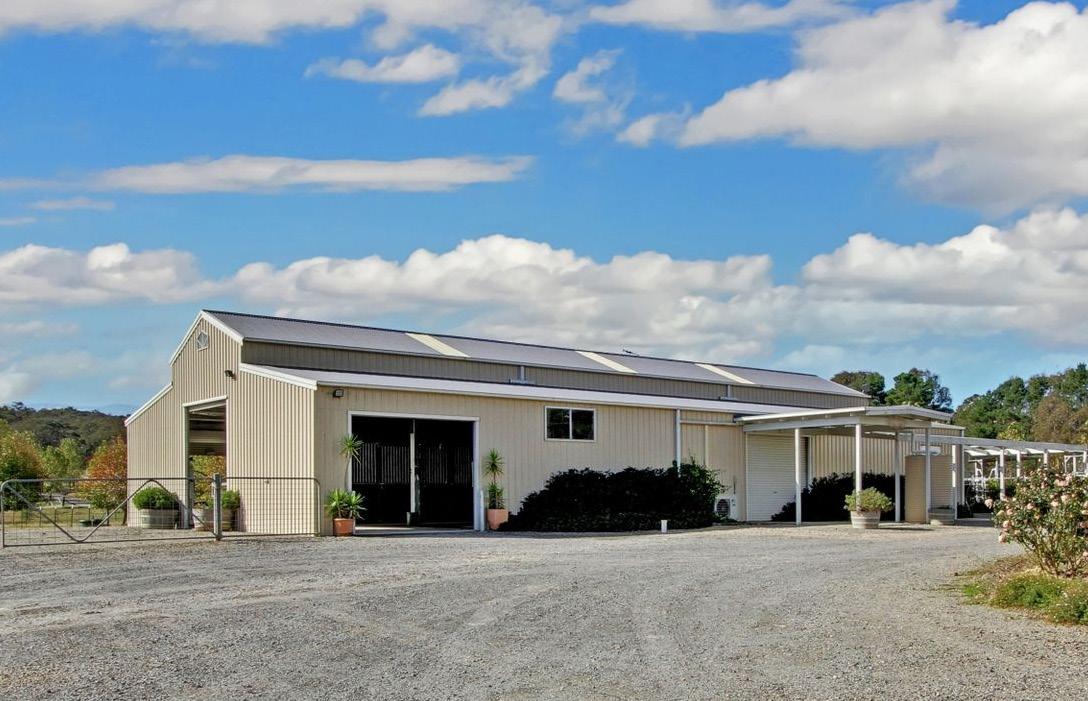
The infrastructure includes a 412 metre stable complex (currently home to a successful equine veterinary clinic) complete with shower and toilet facilities. The complex itself is a steel
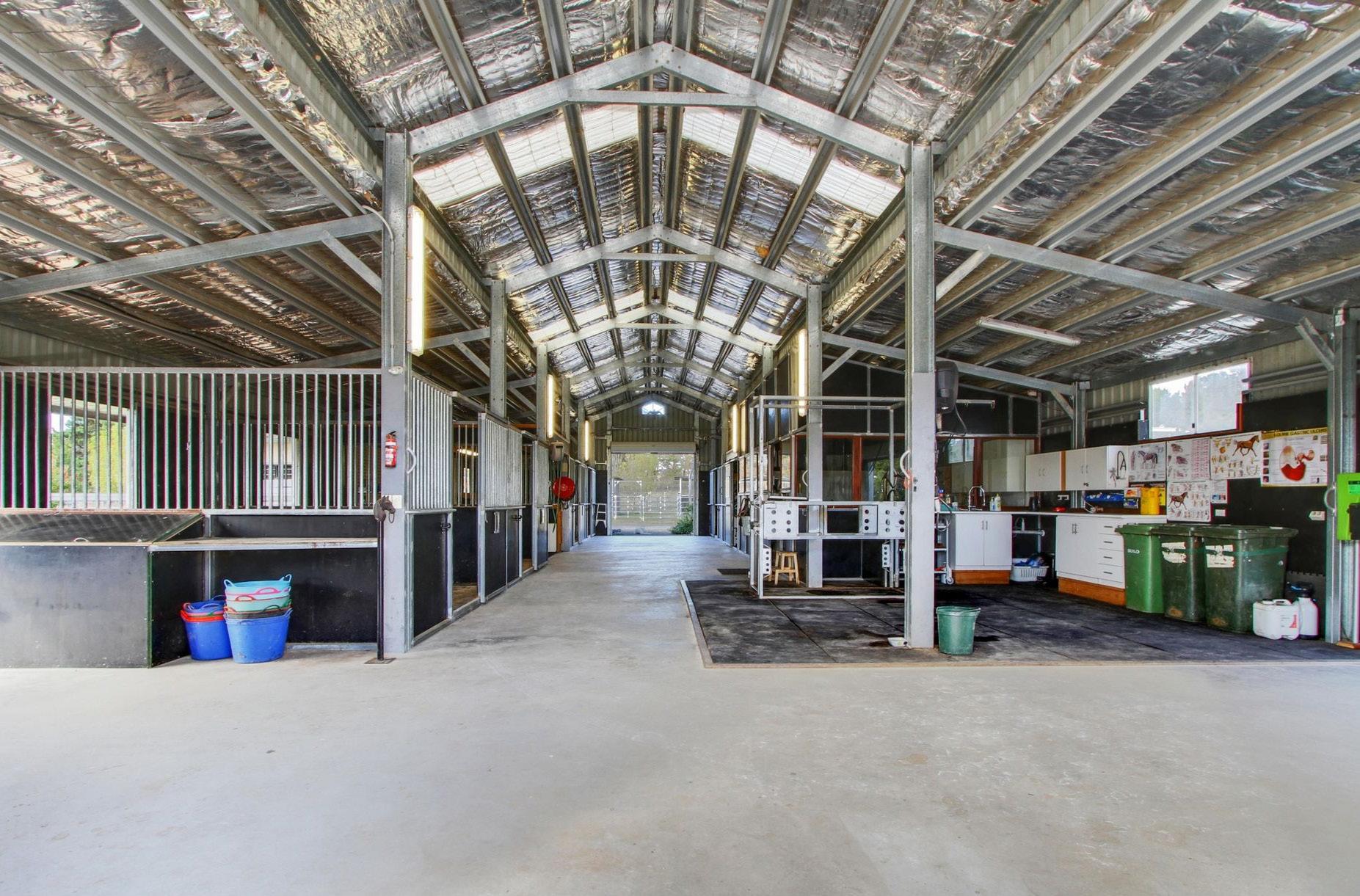
construction with a six metre wide brushed concrete breezeway.
There are four 3.8m x 4m boxes with attached 75% covered day yards; and a 5m x 4m mare and foal box. All the boxes have specially engineered StableComfort floors, sliding access doors, removable divider walls, and auto drinkers.
The equine facilities also include eight
holding paddocks (two with custom built shelters), a spacer yard to house stallions, four turnout paddocks, two remote external stables with day yards, a feed area, hay shed, and sawdust and material storage bays. A 17m sand topped round yard is equipped with DayMaker lighting.

Visit the listing on Horse Property for more.