Nicole Tough
The seemingly simple rein back
Keeping their cool
Managing heat load and fatigue
Mending hearts and minds
Helping heal veterans and ex-racehorses
Mycotoxins
How to minimise your horse's risk

The seemingly simple rein back
Keeping their cool
Managing heat load and fatigue
Helping heal veterans and ex-racehorses
How to minimise your horse's risk
For over 30 years Kentucky Equine Research has continually developed innovative solutions to the health and nutritional challenges inherent in modern equine management. The results of studies conducted at its research farms, as well as advances in equine nutrition from institutions around the world, are applied and thoroughly tested in the creation of KER products.
Proprietary ingredients and science-based solutions characterise KER Targeted Nutrition. Top equestrians worldwide in a variety of disciplines know they can rely on KER to fuel world-class performance.
science-based products or your closest retailer at ker.com

Advertising
Fiona

Anna Uhrig
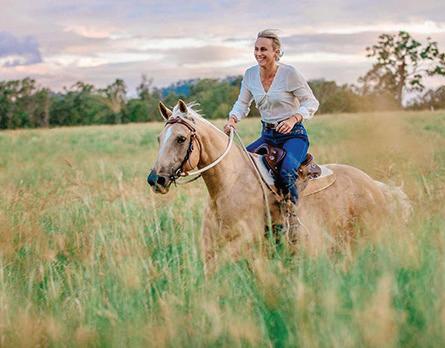
Anna broke in in her first Brumby in high school, and after attending a two week Brumby starting camp in Central Queensland, she was hooked. The wild horses, the experiences and the friendships found a home in her heart and she returned year after year until eventually she was handed the reins, becoming the founder and CEO of The Brumby Project.

Natalie McKay
For some it’s show jumping or eventing, for others it’s dressage. But for Natalie, it was, is, and more than likely always will be, the show ring. In the saddle on her first horse by the time she was seven years old, she now shows OTT Thoroughbreds with outstanding success. She spoke to Amanda Mac about her partnership with show ring champion St Andrews.
Scott Brodie
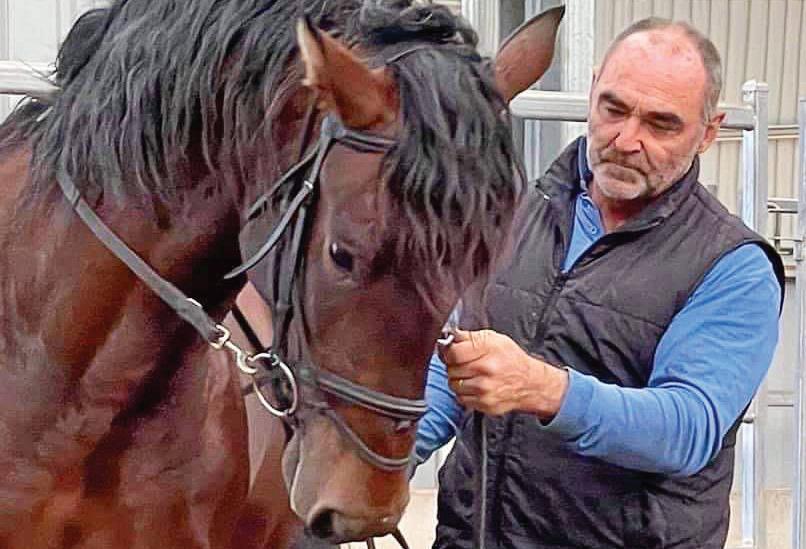
Scott’s affinity with horses blossomed when he joined the NSW's Police Force's Mounted Police unit. Years later, through a series of serendipitous events, he ran a workshop for veterans suffering from PTSD, using OTT Thoroughbreds as therapy horses. He has since helped hundreds of veterans and retrained countless OTT horses, proving that healing is indeed a two-way street.
Larissa Bilston B.AgrSc (Hons)
Larissa, BAgrSc (Hons) is the Equine Nutritionist for Farmalogic, where she developed Equine Vit&Min and the Farmalogic Equine range. Her extensive experience is highly regarded by trainers, riders and owners who understand the importance of good nutrition. In this issue, she discusses mycotoxins, the signs your horse is affected, and what you can do to minimise the risks.
Dr Jennifer Stewart B.V.Sc., B.Sc., Ph.D.
With over 40 years’ experience as a veterinarian in mixed and equine practice, Jennifer’s special interest is equine nutrition. She was Senior Veterinary Officer with the Australian Department of Agriculture, Water and the Environment for 10 years, and for two years was Biosecurity Veterinarian with the ACT Government. In this issue she discusses strategies for managing heat load and its associated fatigue.

Dr Caroline Spelta
Caroline specialises in equine medicine. Boarded with the European College of Equine Internal Medicine and a Member of the ANZCVS, she has extensive expertise in Australasian equine internal medicine and toxicology, with special interests in ophthalmology, neonatology, and intensive care. In this issue, she and colleague Dr Hannah Homes discuss the problem of poor performance.
Nicole Tough
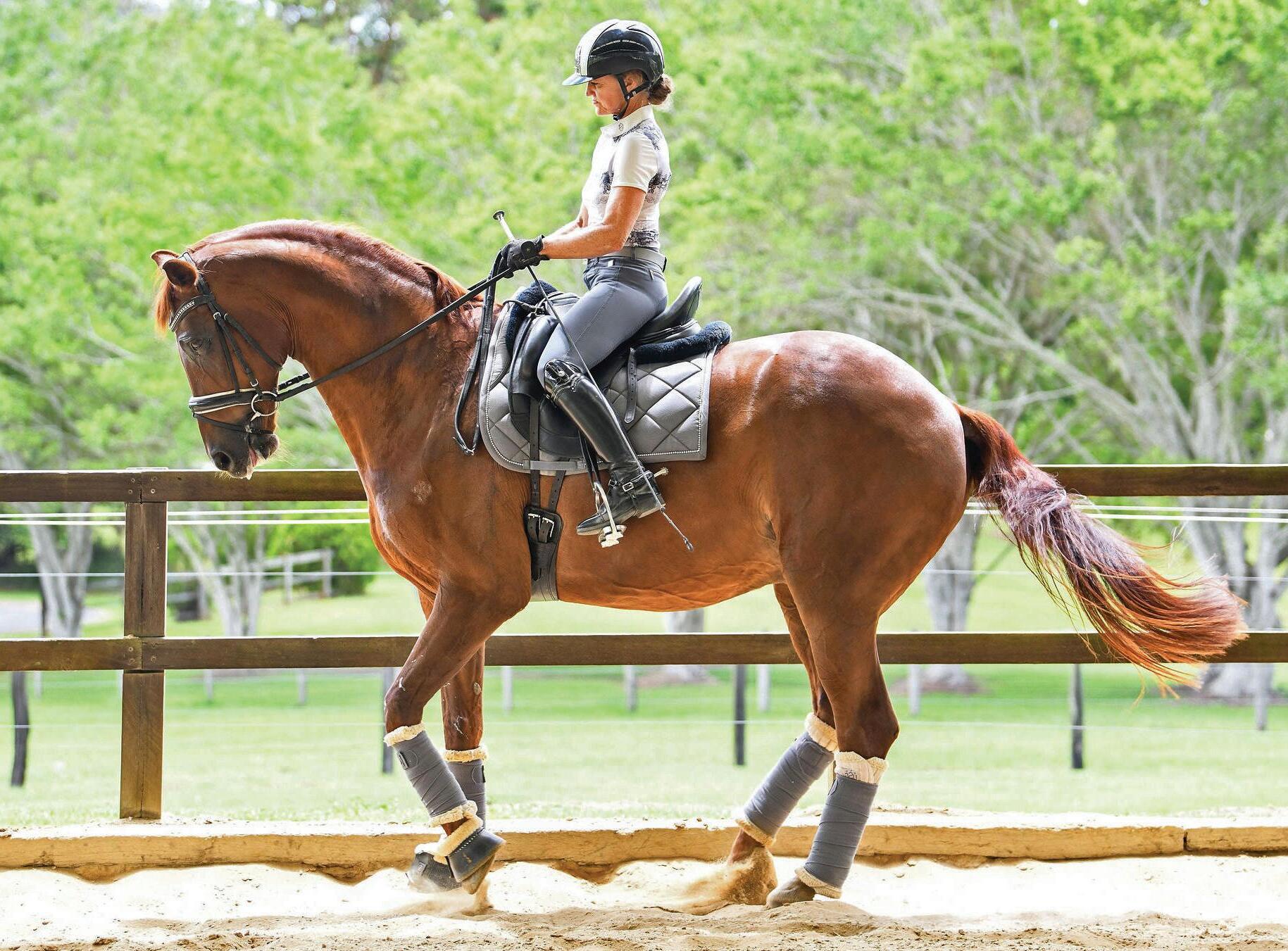
An EA Level 2 Dressage Specialist Coach and National A Level Judge, Nicole has over 30 years experience in training, competing, judging and coaching. She enjoys presenting seminars and masterclasses, has trained in Germany, Spain and The Netherlands, and has produced nine very successful FEI horses. A rein back looks simple, but is it? Nicole explains the finer points.
Michelle Terlato Michelle grew up with horses and has always loved them. When she’s not travelling the globe photographing the world’s top equestrian athletes, she’s home riding her own horses. It’s the behind the scenes and the unexpected shots that she likes the most, and in our Behind the Shot feature, she shares her favourites and explains what makes them so special.
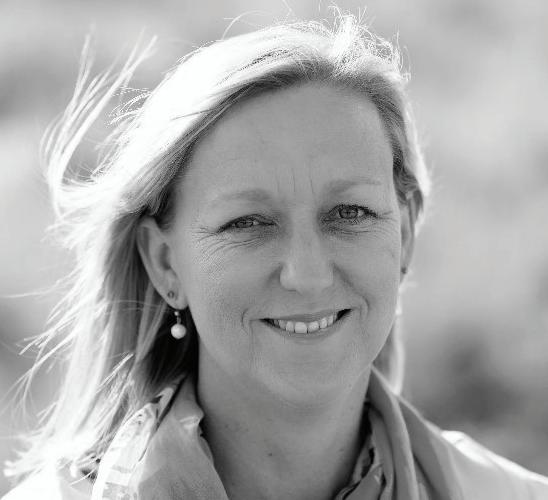
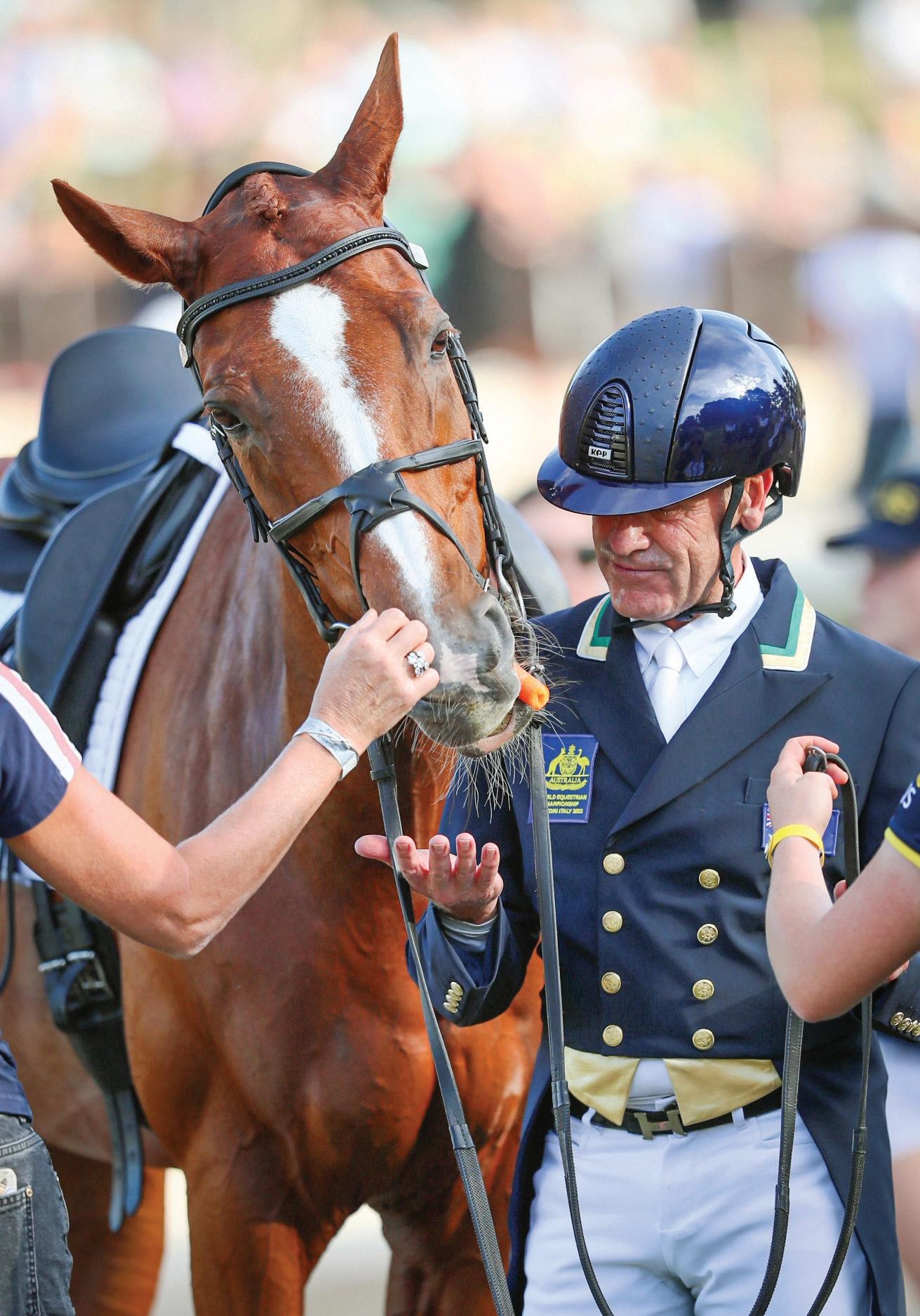
One of Australia’s top equestrian photographers, MICHELLE TERLATO travels the world capturing equestrian athletes in action. Each month she shares one of her favourite shots.
Rider: Andrew Hoy
Horse: Vassily de Lassos
Event: 2022 FEI World Eventing Championships
Location: Pratoni, Rome, Italy
Camera & Settings: Canon 1DX II
300mm Lens ISO 400 f 2.8 1/1000 sec
Challenges: The most difficult part of capturing Andrew Hoy, or any other rider after they compete at a big
event, is that once out of the arena the first few minutes are literally chaos behind the scenes, especially if it's been a great performance! They are surrounded by grooms, officials, owners, support crew, family and the media, so it is often hard to grab a quiet moment with a clear view of the horse and/or rider.
Being patient and waiting for everyone to move away, being far enough away myself to give them space, and yet still to be close enough to see their faces and capture their emotions, that’s all part of the challenge. The day was warm but overcast and so technically it wasn’t a difficult shot in terms of light, but it just had to be the right moment.
Why this shot is special: This image captures a sweet moment between Andrew and Vassily, the Anglo Arab gelding owned by Paula and David Evans and affectionately known as the Ginger Unicorn, after their dressage test.
Because they have scores to check or interviews to give after they've competed, some riders just walk away from their horses leaving them in the care of their grooms. But other riders, and I always think of them as the special ones, spend time saying thank you to their horse with a hug, a pat, or a treat.
In this capture, Vassily was being given a rub on the nose (from his owner Paula, if I’m not mistaken) and Clémentine Girardeau, his groom, has hold of his reins. But Andrew is enjoying a thank you treat with him. Just a small moment in time but to me it says so much about one of our legendary Aussie equestrians.

Michelle is available for event, commercial and private shoots. Visit Michelle Terlato Photography to view her impressive portfolio.
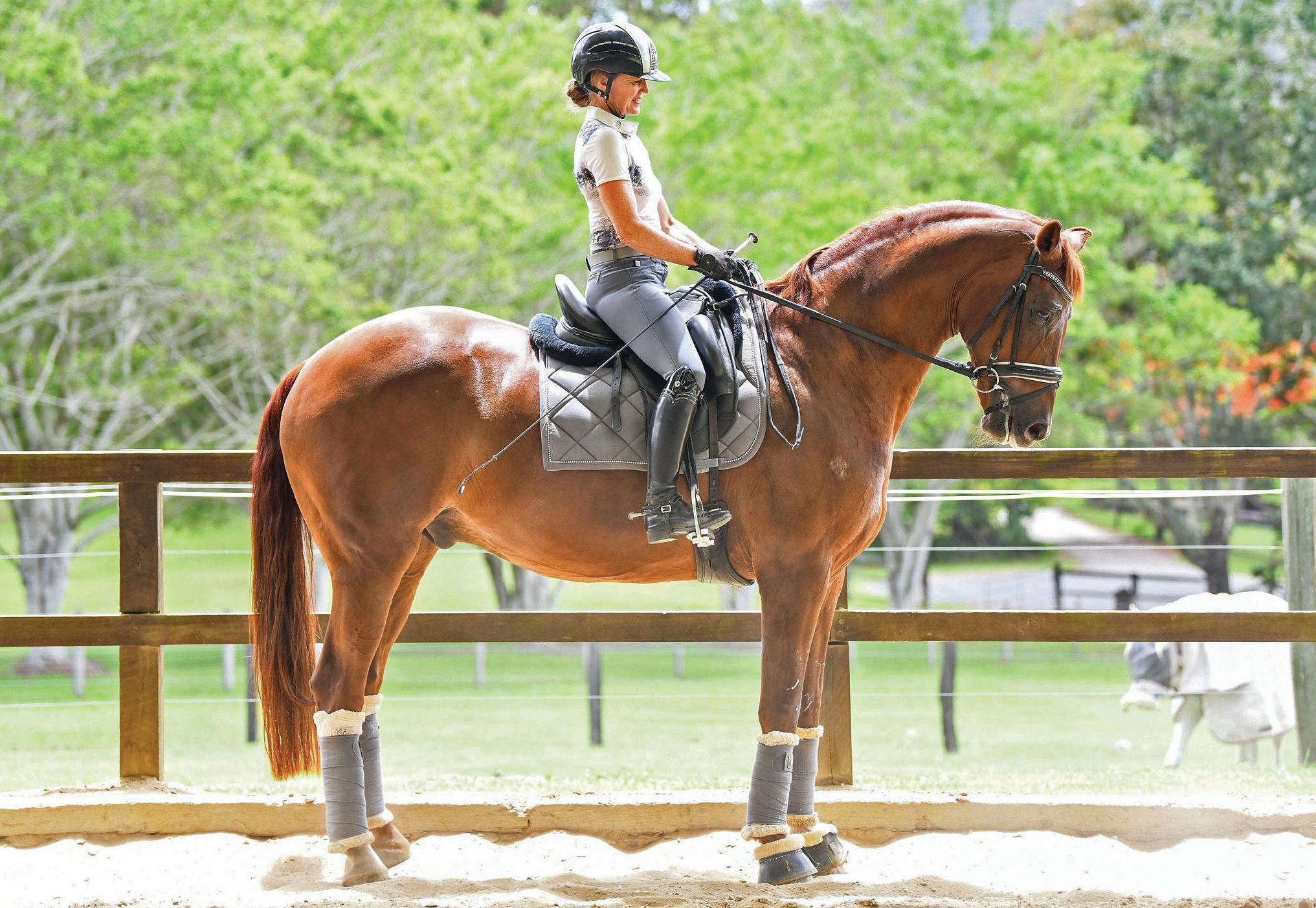
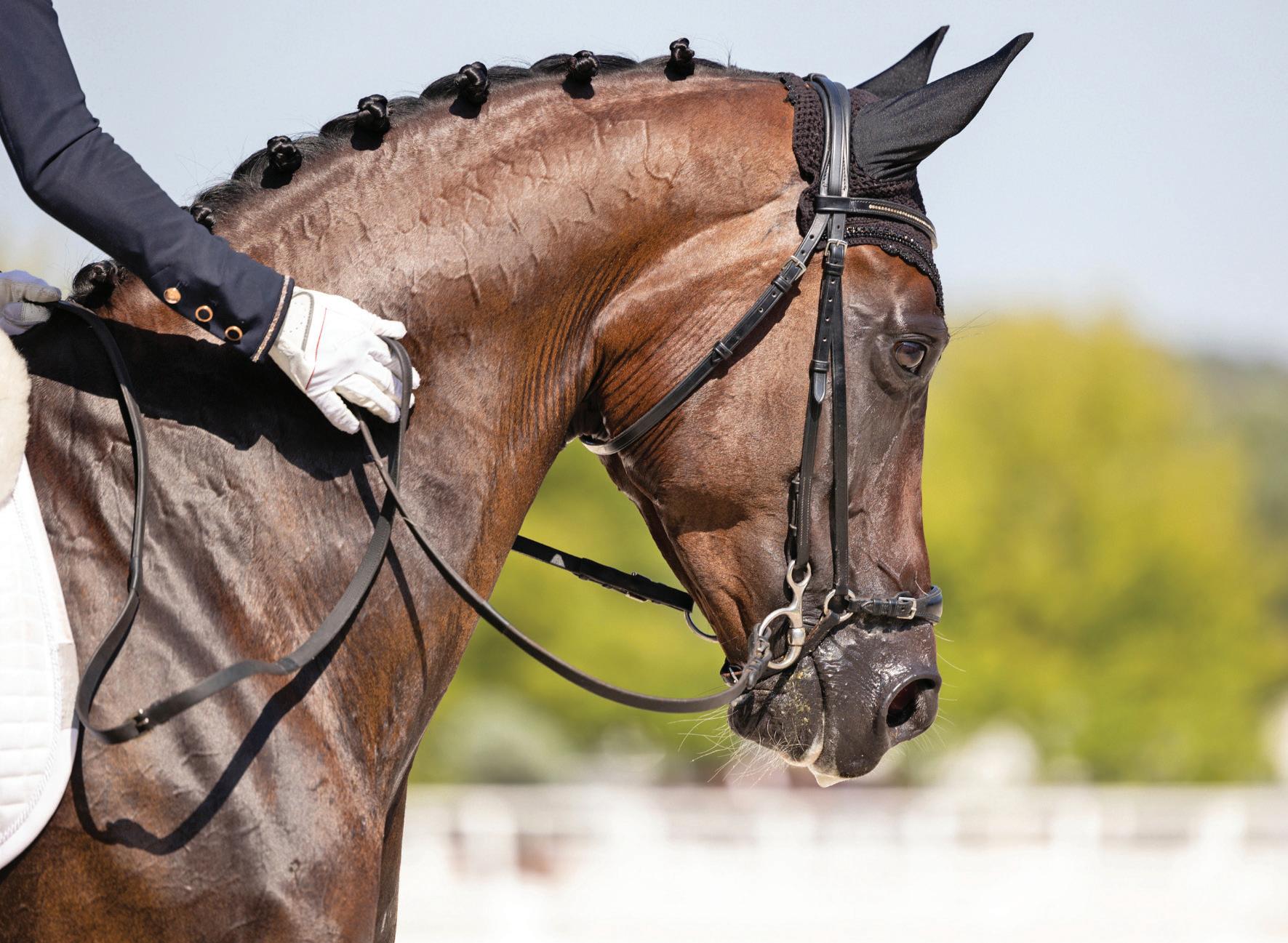
Seemingly a simple movement, the rein back is notorious for achieving low scores. Is there a way to improve?
NICOLE TOUGH believes there is.
The rein back is introduced at elementary level, and asked for at every level up to and including Grand Prix. Performed from the halt, the movement is seemingly similar to walk and seemingly simple, yet statistics gathered from around the world show that it commonly
achieves the lowest score in tests, even at the highest level.
The footfalls of the rein back make it a most interesting movement. Where the walk is a pace of four time with no moment of suspension, the rein back is a retrograde movement of two time, whereby the horse moves backwards in
diagonal pairs, more similar to trot, but again with no moment of suspension.
For a horse to correctly perform the rein back, they lower their haunches and lift up through the wither, stepping straight back in self-carriage with the poll the highest point, at the same speed as they were walking forward, and ready and willing to move forward at the slightest indication from the rider. As the very goal of dressage is to lower the haunches and lift up through the withers, the rein back’s engaging qualities can be very useful in training. Added to this postural task, the natural flight instinct of the horse makes moving backwards a great test of submission.
Perhaps the most common misconception is the aid for rein back. Riders tend to use their reins in a backward action to initiate the retrograde direction. But performing the movement with backward reins causes a bracing effect in the underneck and back, which shows itself in a myriad of ways, from dropping the poll,
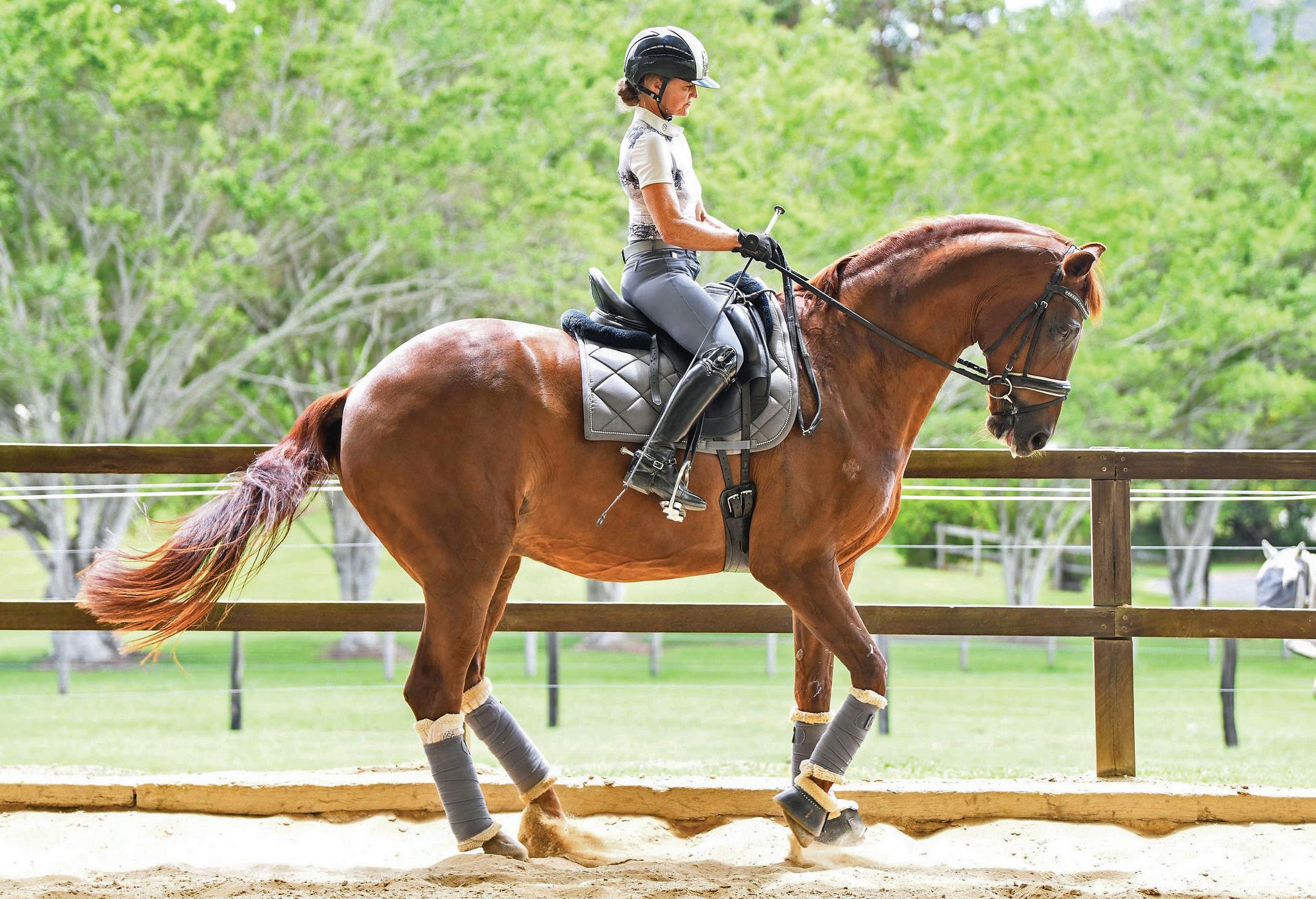
lowering the wither, opening the mouth, becoming crooked, blatant resistance, the steps out of diagonal, and/or dragging the feet.
The correct aid for rein back is a combination of all our natural aids - legs, seat and reins. Maintaining their upright position, the rider should slide both lower legs back (resembling windscreen wipers) and apply pressure, while at the same time closing both seat bones under the bottom cheeks and using little pulses through the fingers at each step with a give in between. This give in between each correct step is vital to the horse’s understanding of the task. Also vital to success is the understanding that the rein back is a forward movement, insofar as that with each step we want our horses to think: are we going forward now?
As a trainer, I have always found rein back useful for its incriminating qualities. Whatever the evasion of choice whilst travelling forwards, this evasion becomes more exaggerated in the rein back. By the same token, if the rider can
successfully address evasion in the rein back, they may find the problem has lessened upon moving forward again. In this way, the rein back can be used as a tool to improve engagement.
The key to a good rein back lies in the rider’s understanding and feel for balance and the horse’s acceptance of contact. From there, the quality of the rein back lies in the quality of the halt, which includes the transition into the halt: the horse will need to step forward into the halt in self-carriage, in order to be able to step back in self-carriage.
If the horse is unsettled at the halt or hasn’t learnt to halt with the hindlegs under, we should not ask for the rein back, because it will start from tension and will only create more tension.
From a good halt - which includes being balanced, square, straight, immobile, and maintaining a good frame with the poll as the highest point - the rider applies the correct combination of natural aids to initiate the first diagonal pair stepping backward.
It is important to understand that from a halt that is not square, rather than the correct diagonal footfall the first step back can only be one footfall, which is therefore a mistake. The rider should always correct forward to a square halt before attempting the rein back.
Remember that horses get good at what we practise, so we shouldn’t spend time practising the wrong thing.
At the first sign of evasion, including pulling into the halt or coming onto the hand, the rider can either correct by going forward and repeating, or by asking the horse to keep stepping back and come into self-carriage as they go.
If the horse is really struggling with the rein back concept and there is no one on the ground to assist, the rider can always get off and teach it from the ground.
The rein back is an important test of submission and perhaps shows the rider’s understanding of dressage training more than any other movement. It is certainly worthy of our attention.

Heat load and fatigue can be a problem during hotter weather, but a bit of knowledge and a few basic precautions will help, explains DR JENNIFER STEWART.
Summer riding and competitions are amongst equestrians’ top favourite things, and with an understanding of your horse’s needs and a few basic precautions, there's no reason why hot days can't be safe and comfortable for you both.
Heat build-up and heat dissipation (cooling) is all about heat and humidity. Because a horse’s cooling mechanisms are different when humidity is high, exercising your horse in summer when the weather is hot is very different to exercising when it is
hot and humid, or warm and humid, and sometimes even cool and humid.
When the temperature is 20 to 25°C and the humidity is less than 30%, horses can easily cool the heat generated by their muscles during exercise. Blood is shunted to the skin and with an outside temperature lower than the horse’s body temperature, excess heat passes into the air. But this reduces the blood supply to muscles, which may result in fatigue. Onset of fatigue can be reduced by a high oil diet (250-750ml linseed oil/ day).
However, when the air temperature reaches around 32°C, the cooling gradient is smaller. If the body and air temperature are the same, there is no gradient to allow heat to move from the body to the air. In

this instance, evaporation through sweating becomes the primary means for cooling. However, when humidity is high, the water gradient between the skin and the air decreases, limiting the body’s ability to lose heat through sweating and thus its capacity to cool.
Other factors that contribute to heat stress include:
• Poor conditioning
• Lack of fitness
• Long-distance travel: horses lose around 2-3 litres of fluid each hour. Allow the horse at least 24 to 48 hours to rehydrate and recover before exercising strenuously
• Warm-up too long or short: without a proper warm-up the rise in body temperature can be too fast for the sweating response to begin; too long a warm-up can increase the body temperature too much
• Excess body condition
• Age: foals and older horses
• Horses in direct sunlight when the temperature is greater than 37.5°C
• Hot, poorly ventilated stalls or floats
• Rough or steep terrain
• Rider inexperience
• Inadequate time to adjust to warmer weather conditions. A 1521 day acclimation may be needed for horses moving from cool or dry to hot, humid climates.
The key with heat stress is to spot the early signs, which vary between horses and may also indicate other disease conditions. Horses displaying signs of mild heat stress may not be obviously affected, so it is important to know what is normal for your horse so you can spot changes as soon as they occur. It can be difficult to distinguish normal fatigue and sweatiness from
dangerous heat stress (see Table 1 for signs that may indicate your horse is suffering from the heat).
Dehydration compromises the horse’s ability to sweat and cool, doubling the risk of heat stress. But sweat is not just liquid. It contains electrolytes: calcium, magnesium, sodium, potassium and chloride. Loss of electrolytes can suppress the thirst reflex and the desire to drink even in the face of dehydration. This is an important point to remember: exercise can suppress the desire to drink.
Dehydration of 2 to 3% can cause a 10% reduction in exercise capacity and performance. Correct administration of good quality electrolytes before and during moderate to intense work can increase the time it takes for a horse to fatigue by nearly 23%; meaning the horse can work for 23% longer before tiring. Our task is to provide the horse with adequate fluid and electrolytes. For horses on a predominantly hay or pasture diet, potassium intake is usually ample, but calcium and magnesium are often marginal to deficient.
In exercising horses, voluntary salt intake is highly variable and in one study, the intake of four out of six horses was well below even maintenance requirements. To replace losses from hard work, horses need to consume 50g a day from a salt block (weigh blocks regularly to determine intake). Tying-up is linked to deficiencies of electrolytes, vitamins and minerals, as well as diets rich in grains. Substantial amounts of magnesium can also be lost in sweat and magnesium intake should be doubled for horses doing moderate to intense exercise.
There are many electrolyte supplements on the market and it’s important to read product labels
Signs of dehydration, heat stress, heat stroke and exhaustion
• Profuse sweating
• Less sweating or patchy sweating (may indicate anhydrosis or 'puffs')
• Thick, sticky sweat
• Hot skin which may become cold if the circulation shuts down
• Skin pinch test: insensitive technique for mild dehydration
• High heart rate
• Heart rate climbs after work stops
• Increased respiration rate (normal is 4-16 breaths per minute)
• Panting respiration: can occur with 'puffs'
• Flared nostrils
• Breathing rate higher than heart rate
• Poor heart and respiratory rate recovery after exercise stops
• Rapid heart rate that matches breathing rate (thumps)
• Sunken/caved-in flanks
• Gut sounds
• High body temperature >40°C
• Profuse sweating and high body temperature but the skin feels cool
• Prolonged capillary refill time: press the gum and note time taken to recolour
• Excessive salivation
• Skin hot to touch
• Sunken eyes
• Tacky, dry, or sticky gums capillary refill time (3 secs)
• Little interest in feed or water
• Distress, agitation
• Stumbling
• Weakness
• Reduced urination
• Loss of skin elasticity
• Collapse
Table 1: Signs to be aware of.
carefully. Generally, the higher the sodium chloride content, the better the product. For horses doing moderate daily exercise in cool to moderate temperatures, 25g of table salt twice a day increasing to 50g in hot weather is a good guideline. Add either straight salt, or a 3:1 ratio of salt to Lite or Losalt to their feed.
For the horse who is fussy about feed additives, try this cookie recipe:
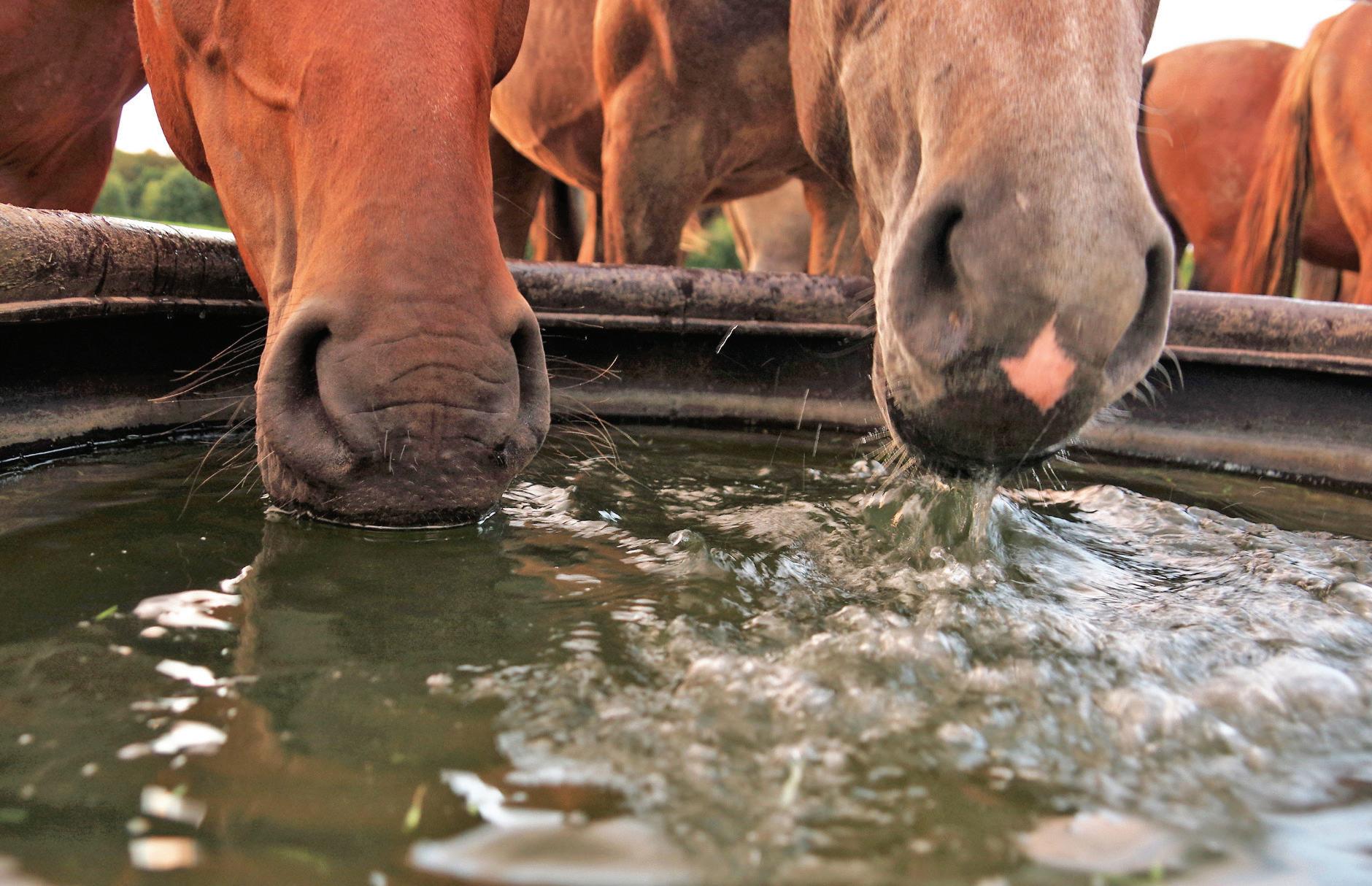
ABOVE: All year-round access to a plentiful supply of clean water is fundamental to your horse's wellbeing.
2 cups grain, 2 cups rolled oats, 680g of electrolyte mix (commercial or homemade), 3 cups bran, 1-2 cups water, and 1 cup molasses, maple syrup or apple sauce to sweeten. Mix well and divide into 24 cookies. Cook at 175°C for 25 to 30 minutes. Each cookie has around 25g of electrolytes. Electrolytes do not necessarily have to be replaced by oral dosing in the same amount as they are lost as daily intake helps.
Providing water alone to a horse with electrolyte imbalances will only further dehydrate them. Adding salt to drinking water should be done with great care. Do not exceed 30g of salt per 5 litres of water and always provide separate plain water.
Sometimes the signs of impending heat exhaustion are difficult to recognise. If you suspect your horse is developing heat stroke, call a vet immediately and take extreme measures to cool your horse quickly. Heat stress can occur in all horsesand in a relatively short time if horses
are unfit, the weather is hot and/or humid, or if fluid and electrolyte losses in sweat are not replaced. During racing, polo and polo-crosse, carriage
Providing water alone to a horse with electrolyte imbalances will only further dehydrate them. Adding salt to drinking water should be done with great care.
driving and eventing, heat production can raise body temperature by 1°C per minute. Unless this heat is cooled, body temperature could continue to rise to 42°C, which is close to the limits of life. In endurance exercise,
heat exhaustion is more often due to dehydration.
The FEI recommends continuous hosing or applying cold water, rather than repeated sweat scraping. Work from both sides of the horse and ensure the large veins on the inside of the legs and down the neck are continuously cooled. As cold water is applied it displaces the water warming up on the horse’s skin, making scraping off unnecessary. Walk your horse lightly whilst cooling to aid circulation and to help them cool down more effectively.

Dr Jennifer Stewart BVSc BSc PhD is an equine veterinarian, CEO of Jenquine and a consultant nutritionist in Equine Clinical Nutrition.
All content provided in this article is for general use and information only and does not constitute advice or a veterinary opinion. It is not intended as specific medical advice or opinion and should not be relied on in place of consultation with your equine veterinarian.

Poor performance: what's going on?
What could be happening when your horse isn’t giving 100 per cent? DR CAROLINE SPELTA and DR HANNAH HOMES have some clues.
When our equine athletes fail to perform as expected, or suddenly develop quirky behaviours that affect their performance, it is worth talking to your veterinarian about what could be going wrong.
As with all finely tuned machines, the problem could be with one or a number of systems.
Most commonly, horses can be ‘scratchy’, not stretching out well, have a lack of impulsion, or are obviously lame.
Lameness examinations are a useful tool for veterinarians to assess which limb or limbs are affected, and to identify the limb or area that is causing the altered gait
According to Adam and Stashak’s Lameness in Horses, the objectives of a lameness examination are to:
• Determine if the horse is lame
• Identify which limb/s are involved
• Identify the site/s of the problem
• Identify the specific cause of the problem
• Decide on an appropriate treatment
• Provide a prognosis for recovery.
It is important for your vet to first collect a thorough history. Different conditions are more likely to affect certain types of horses. For example, the injuries that most frequently occur in a racehorse will differ from those that are common
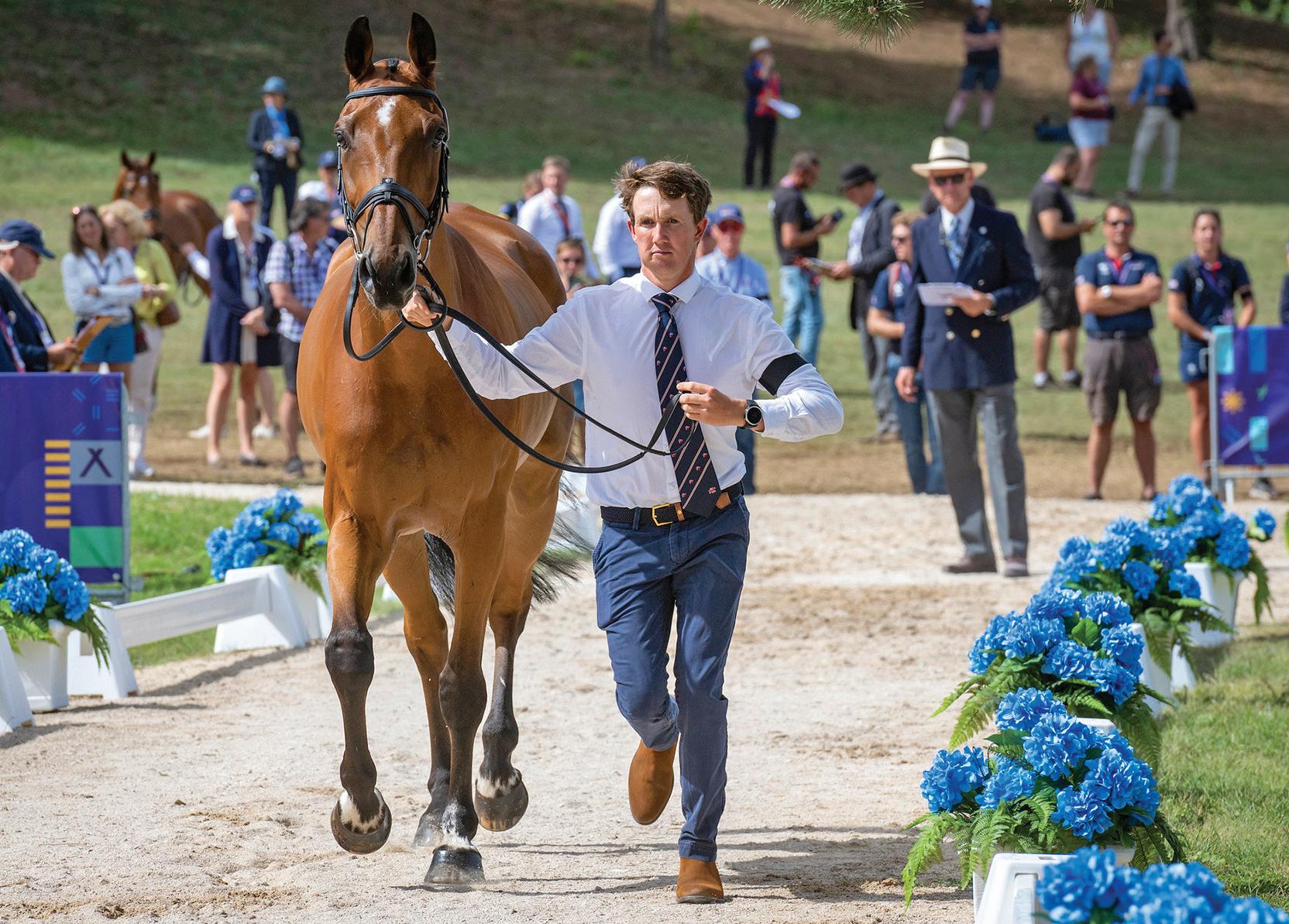
to a show jumper or a cutting horse. In a competition scenario, to ensure the health and safety of all equine athletes, horses are scratched or eliminated if they are showing signs of lameness
Before assessing the horse in movement, a visual exam is usually performed. This is when your veterinarian will look for areas of swelling, muscle symmetry and/or asymmetry, conformation, posture, and weight distribution. Areas that are suspect can be palpated and manipulated to gain further information.
Lameness examinations are mostly performed at the trot gait. However, if the horse is obviously lame at the walk, there is usually no reason for them to be trotted up. There are many different surfaces a horse can be examined on, each providing different diagnostic benefits. Usually, a hard surface is best to perform a lameness examination as it can sometimes exacerbate a more subtle lameness, while also allowing the examiner to listen for a difference in the sound of foot placement. Generally, the unsound foot will make a softer sound as the horse is likely to place less weight on a sore limb.
Based on what is seen in the examination, the veterinarian can then decide on the most appropriate diagnostic tools to use in order to achieve a more conclusive diagnosis. These methods can include nerve blocks, radiographs, and ultrasounds. Once the cause of lameness has been identified, then an appropriate treatment plan and exercise program can be devised. Often, if available, a farrier, physiotherapist and/ or other adjunct therapist will be involved in the treatment.
Other causes of poor performance include gastric ulcers, and heart and/or lung conditions. Ulcers are no longer an aliment found only in racehorses. They are also commonly diagnosed in sports
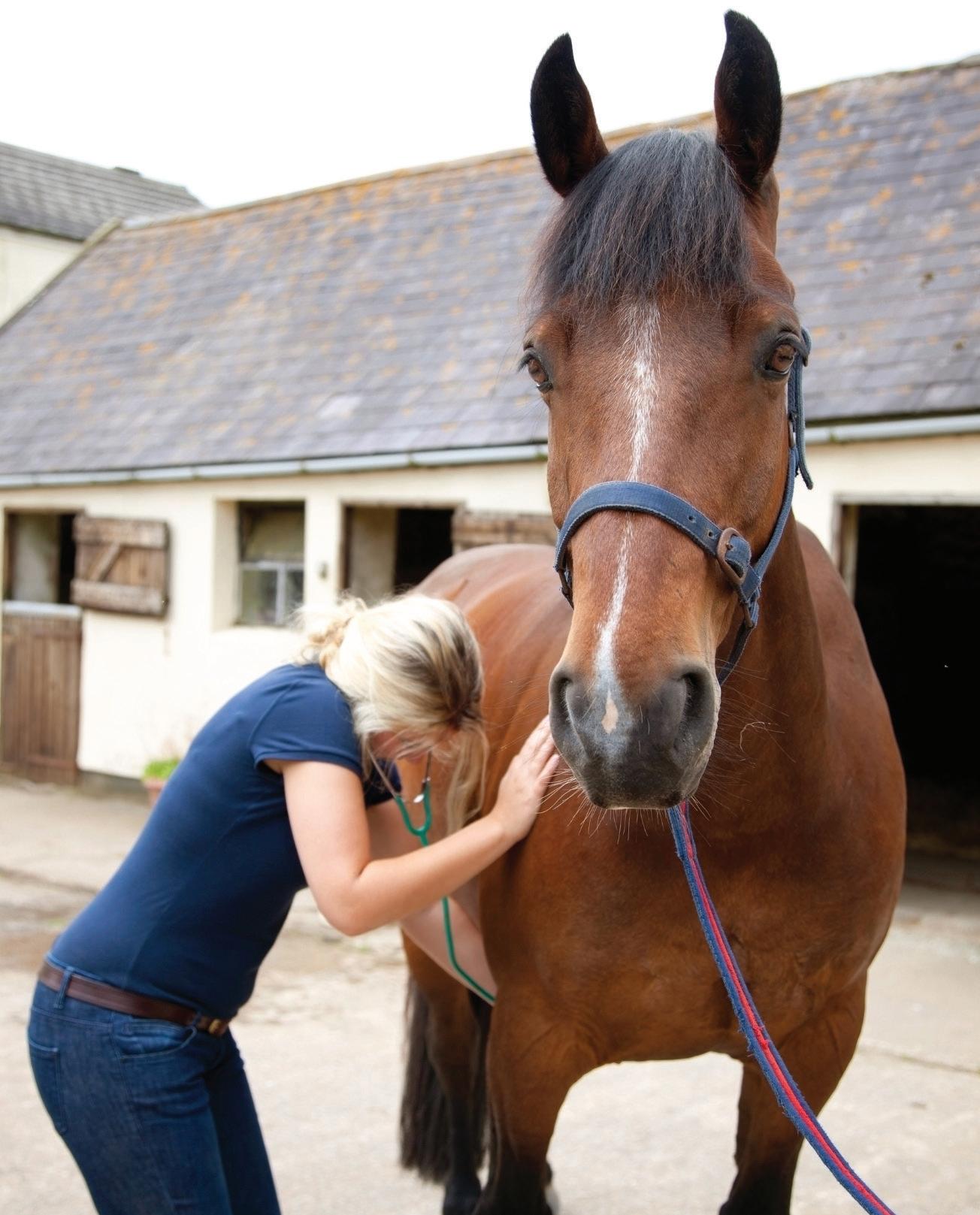
ABOVE: A complete respiratory work up and general examination will identify any co-morbidities and allow your vet to devise a comprehensive treatment program.
LEFT: To ensure the health and safety of equine athletes, horses are trotted up and scratched or eliminated from competition if they show signs of lameness (Image courtesy FEI/Richard Juilliart).
horses, cow horses, and even riddenonce-a-month Pony Club ponies.
Gastric ulcers can cause a horse to be a fussy eater, be prone to bouts of colic, become girthy, or refuse to stretch out or work at high intensities for longer periods. The best way to diagnose gastric ulcerations is with a gastroscopy. To optimise visibility an empty stomach is preferable, so these procedures are usually carried out after the horse has been fasted for 12 hours.
Ulcers are graded based on their location and severity, and both
these factors impact on the length of treatment necessary. There are several management strategies which can be implemented to help decrease treatment requirements and the need for repeat treatment cycles. Simple things such as feeding before working; keeping to routines; feeding good quality, higher protein diets if possible; and managing the horse’s stress especially around competition and traveling, all help to decrease the reoccurrence of ulcers and the duration of treatment required should they occur.
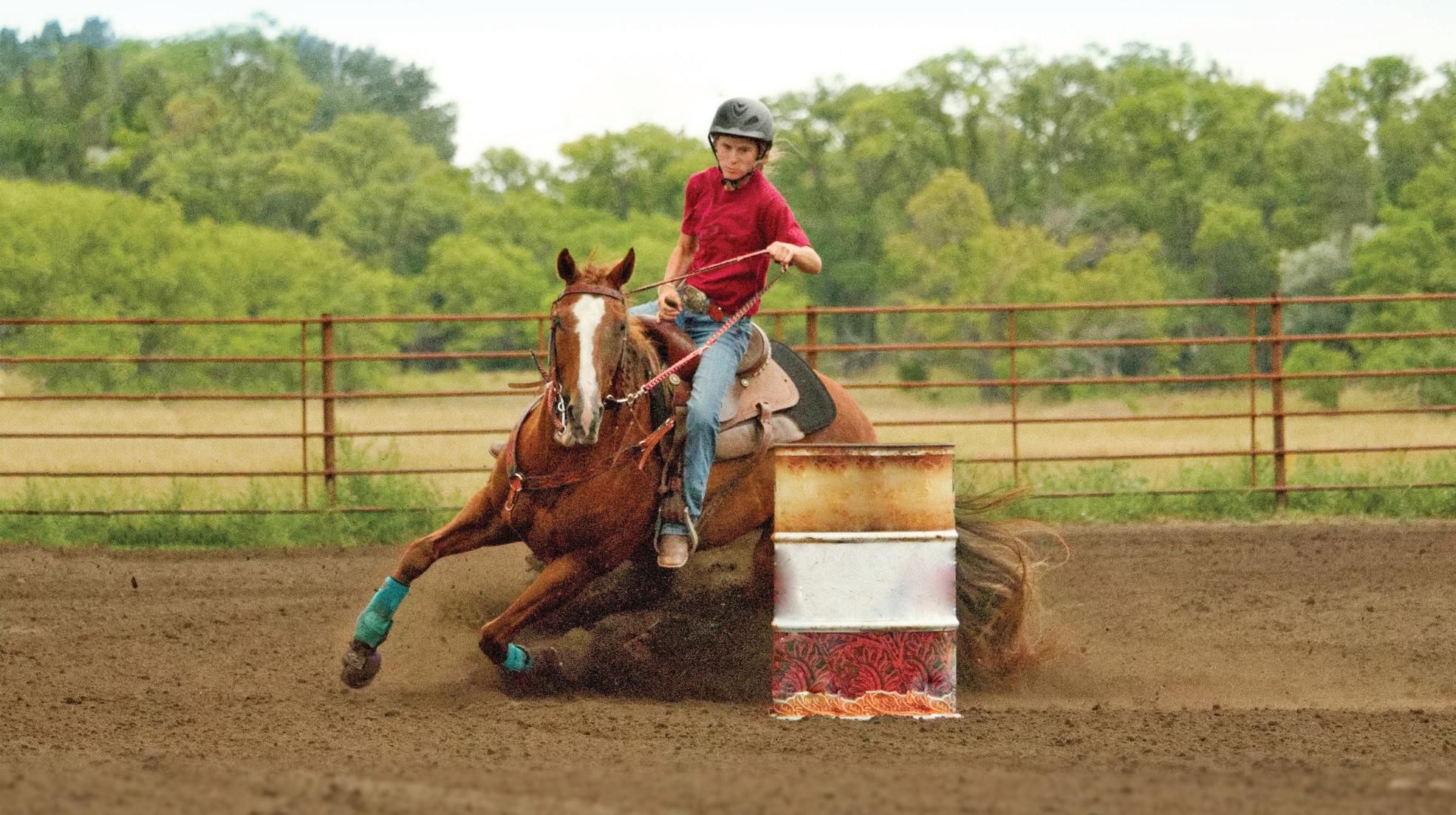
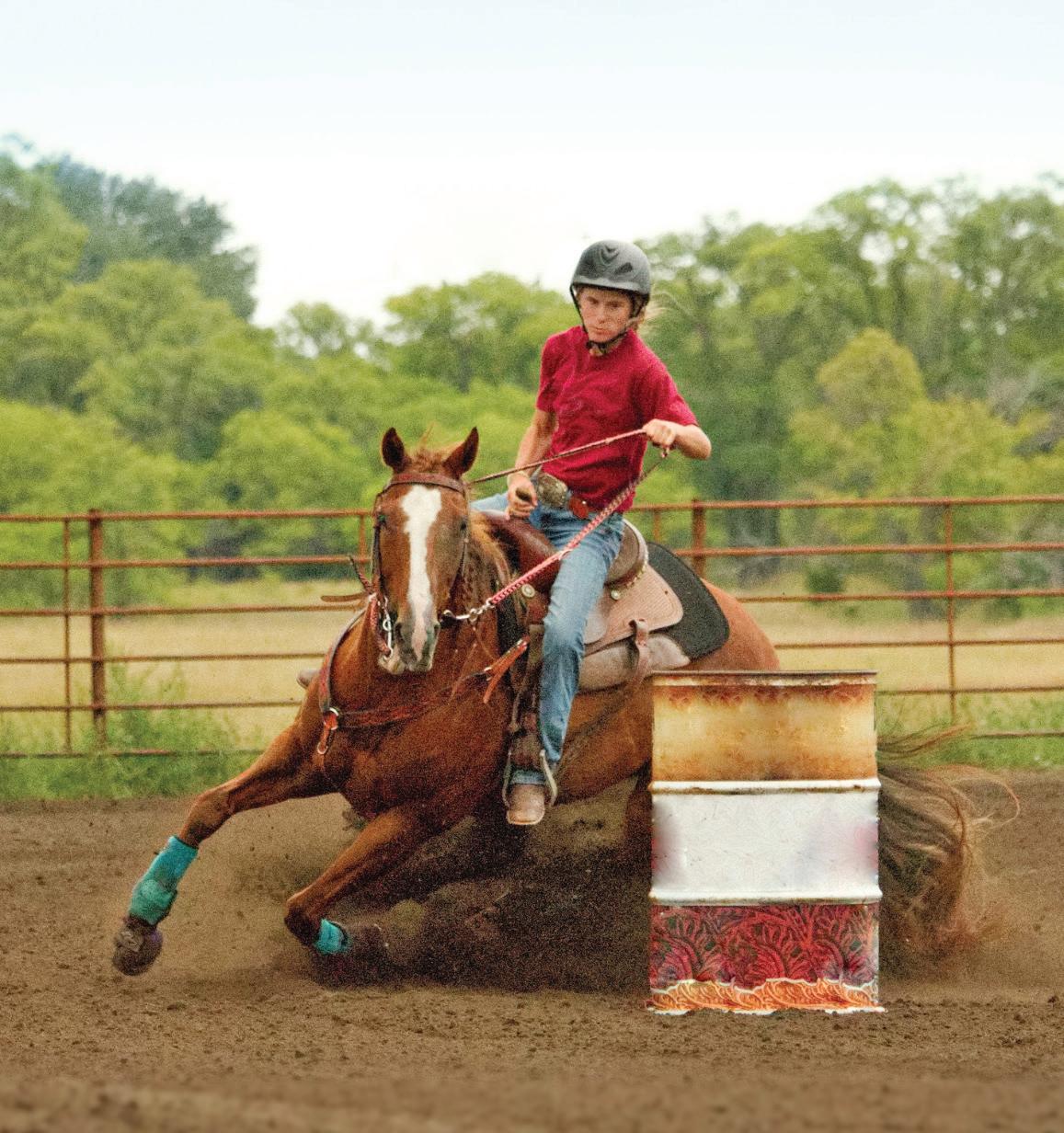
ABOVE: Equine exercise-induced pulmonary haemorrhage (EIPH), commonly known as ‘bleeders’, was a disease generally thought to be associated with racehorses, but it is also often seen in rodeo horses, especially barrel racers.
Any respiratory disease will decrease your horse’s performance. Young horses in their first race preparation or in training for their futurity year will be exposed to new horses and viruses while having only limited immunity. These diseases tend to be short lived but can cause lost training days and decreased performance during competition.
Equine asthma is also common in Australia, not always as the barnassociated winter disease usually prevalent in the northern hemisphere. Horses that travel, are housed in taped yards at dusty grounds, or compete in dusty arenas are also prone to it. Equine asthma is diagnosed based on the findings of an endoscopic examination and cytological analysis of bronchoalveolar lavage fluid. Treatment includes inhaled asthma medications and management strategies to decrease the horse’s trigger factors.
Equine exercise-induced pulmonary haemorrhage (EIPH), commonly known
as ‘bleeders’, is another disease generally thought to be associated with racehorses, but it is also often seen in rodeo horses, especially barrel racers.
EIPH can occur in conjunction with equine asthma and a heart condition know as atrial fibrillation, and it is
Keeping our equines happy and healthy so they can work and play for longer should always be our top priority.
important to rule out these other ailments as part of the process of managing EIPH. A complete respiratory work up and general examination will identify any co-morbidities and your veterinarian will be able to devise a more comprehensive approach to treat or manage them all.
Cardiac disease is not a common cause for poor performance in horses who
are not competing in high intensity disciplines. That said, it can occur and if present can be a serious risk to both the horse and rider. Sudden weakness, stumbling, unexplained falling, or a dramatic decrease in performance or recovery may indicate a more serious cardiac condition and a veterinary examination is warranted.
As the rider or trainer, you will know your horse best, and will be in tune with subtle changes in effort, willingness, and performance. Many of the conditions mentioned in this article are easier to successfully treat and manage early in the disease process, and if identified at their onset can often be prevented from getting worse. If you do notice any changes in your horse’s performance, it is always worth talking to your veterinarian about your concerns. Keeping our equines happy and healthy so they can work and play for longer should always be our top priority.
Visit Apiam Animal Health to learn more about their range of services.
Apiam’s equine veterinary credentials are well-founded with a growing number of purpose-built dedicated Equine Vet Clinics and Referral Hospitals located in Victoria, New South Wales and Queensland, working alongside our network of mixed practice clinics in delivering quality equine veterinary care.
Scenic Rim Veterinary Service
Beaudesert QLD
Agnes Banks Equine Clinic
Agnes Banks NSW
Hunter Equine Centre
Scone NSW
Victorian Equine Group
Bendigo VIC
Gippsland Equine Hospital
Maffra VIC
Southwest Equine Veterinary Group
Warrnambool VIC
Find out more by visiting the Apiam Animal Health website & view the equine product range on Country Vet Animal Supplies



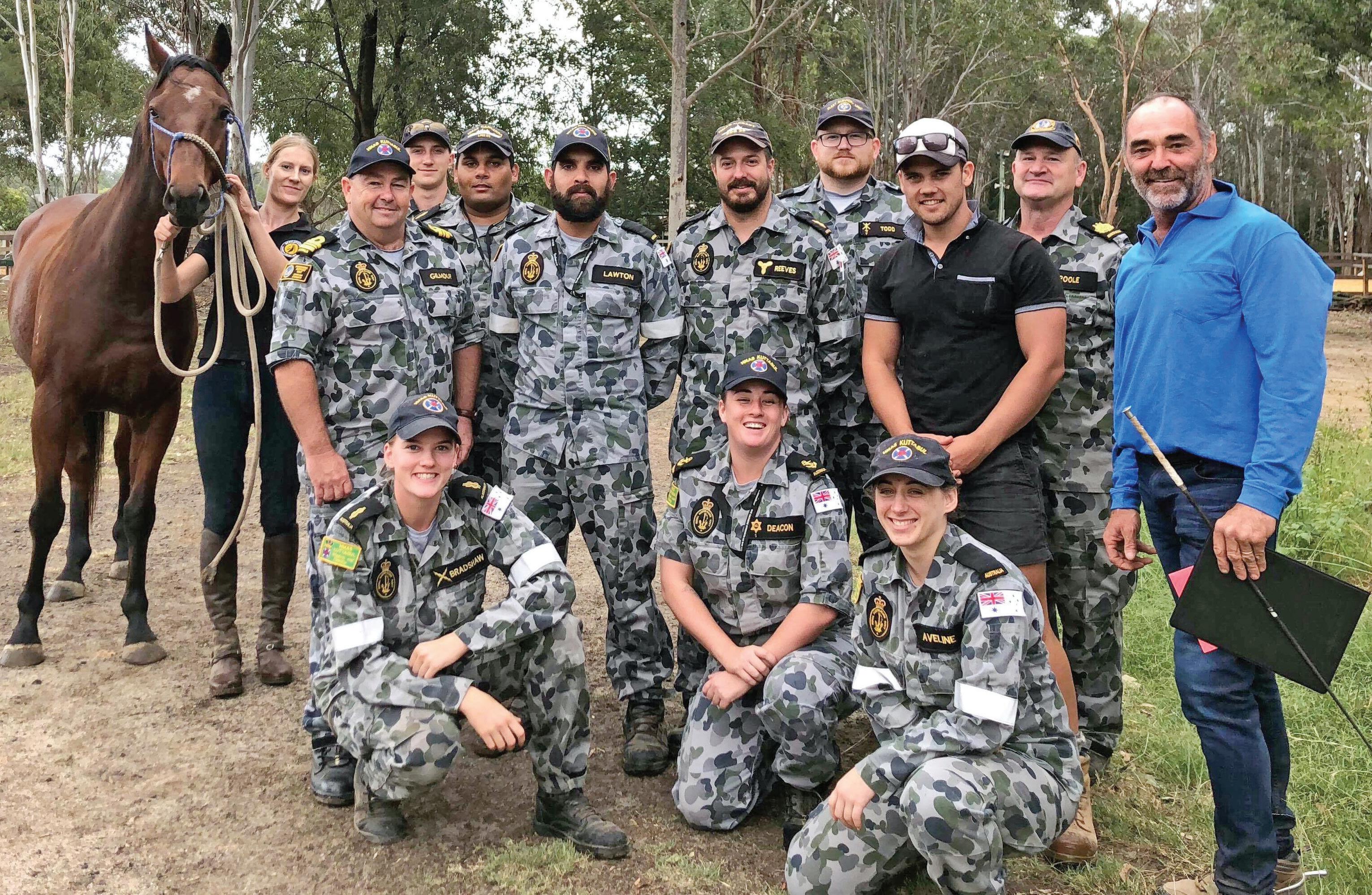
The value of therapy horses has long been recognised. But in Scott Brodie’s opinion, healing is a two-way street. He spoke to AMANDA MAC.
Scott Brodie’s trajectory into a career with horses was not typical. Growing up in the urban sprawl of Sydney’s Eastern Suburbs, he loved animals and had a great affinity with them, but opportunities to interact with horses were not exactly thick on the ground.
But that changed when in his early twenties Scott joined the police force. “At the end of our probation, we had a monthlong secondary training. It was held at the old police academy in Redfern, which is where the Mounted Police are based. So, every lunchtime I'd go and watch the horses and I was just in awe of them.”
By the end of the month, Scott had decided that the Mounted Unit was where he wanted to be. The unit was then headed up by Don Rowland, “a great horseman and a great copper,” Scott tells me. He approached Don and by the end of their conversation, which among other topics had touched on their shared passion for participating in a variety of sports, Don was convinced that the young officer’s commitment and athletic ability made him a good candidate for the Mounted Police.
Scott followed up on Don’s suggestion to have private riding lessons, as well as regularly riding at the unit on horses Don made available. It paid off; Scott’s horsemanship rapidly improved and eventually he was ready to put in for a transfer to the Mounted Police. The transfer was accepted, and it’s where he stayed for the next eleven years.
After retiring from the force in his early thirties Scott freelanced, giving riding lessons and training horses
until a relative’s demise necessitated him taking over a family business. The ensuing five-year stint ended when a near-death accident in a surf lifesaving boat (Scott had been involved with the organisation for many years), prevented him from running the business. “That knocked me about quite a bit. It was a pretty down time. I was trying to work out what to do next when my wife said I should go back to horses.” Coincidentally, it was around then that the Mounted Police were looking for people to train their horses, so Scott returned on contract and attributes working with the horses as key to his journey back from postaccident depression and PTSD.
Meanwhile, the Australian Turf Club, which had been paying for a mounted police presence on race days, had decided to set up their own security unit. They contacted the Mounties for advice, Scott was recommended as the man for the job, and a new opportunity opened up. “I had four Andalusians at the time, so I started schooling them as patrol horses and contacted some old mates from the Mounties. A rock concert was our first event for the club,” Scott recalls.
From then on, he and his team patrolled all the club’s race days, and while the Andalusians were working well, the club could see the sense in retraining ex-racehorses and using them instead. It wasn’t long before Scott found himself working with more and more off the track Thoroughbreds, with the idea that those additional to security needs could be rehomed.
Then Racing NSW expressed an interest in taking over his contract. Their plan was to build the retraining program into something even bigger. “It was called the Thoroughbred Rehabilitation Trust, and we trained close to 1,000 horses up to competition standard for rehoming,” Scott explains. In his opinion,
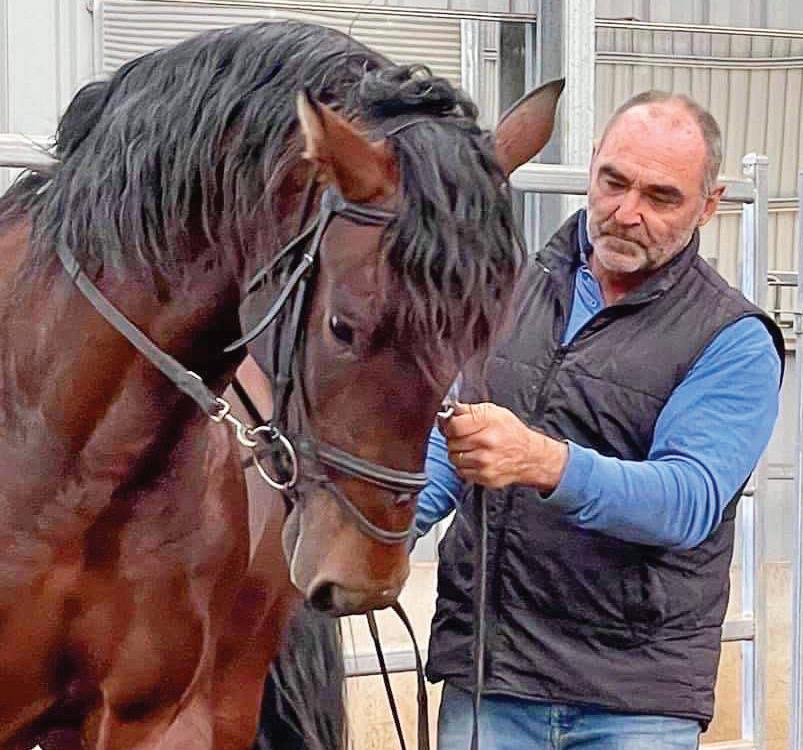
racehorses are often put in a very similar position to military veterans in that what they’ve been taught to succeed in their job is superfluous once they’ve retired, a situation that Scott has been able to turn around for hundreds of OTT horses.
But another serendipitous turn of events was about to shift his focus. An old friend from the UK had served in Afghanistan with the Royal Marines and was suffering mentally as a result. While seeking treatment options he had become aware of a horse therapy program being run in the UK that was successful in helping ex-servicemen and women suffering from PTSD. He spoke to Scott about the program, and the idea of offering a similar workshop at a property owned by a mutual friend in NSW’s Kangaroo Valley began to take shape.
However, what was supposed to be one workshop grew to be so
much more. Now the director of the Thoroughbred and Veteran Welfare Alliance , and one of the directors of Horse Aid , Scott (an accomplished horseman who for many years trained in classical dressage) has a theory around why horses are instrumental in healing. “I think our history with horses, which goes back thousands of years, is more deeply ingrained in us than we think. Although we’re often not in tune with them, there're a lot of primitive behaviours we have in our psyche in the way we communicate, relate to others, our body language and so on. And horses interact in that primal way, they can even sense our pulse rate. When a veteran interacts with a horse, being able to regulate their energy and control their emotions so they can communicate with the horse is a big thing, because horses won't accept lying. If you don't approach them with the right attitude, they don’t want to be involved.”
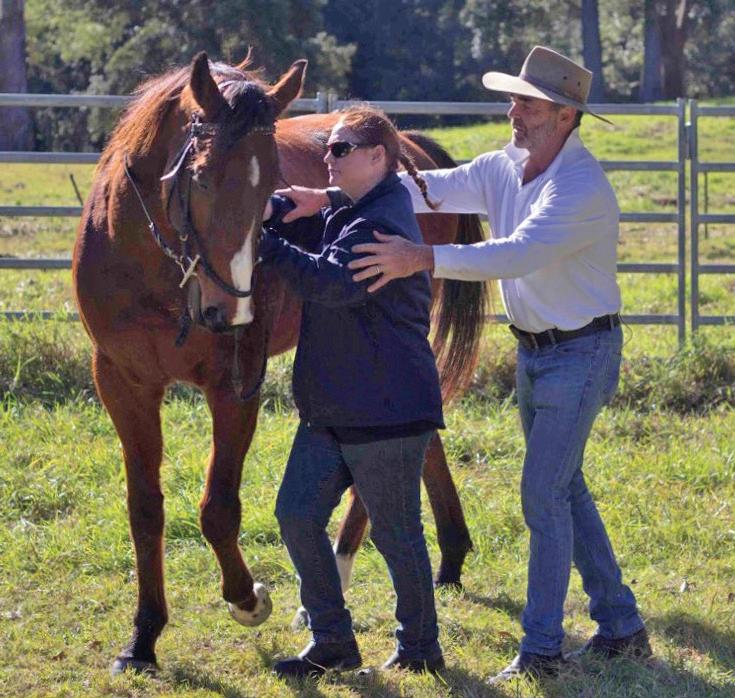
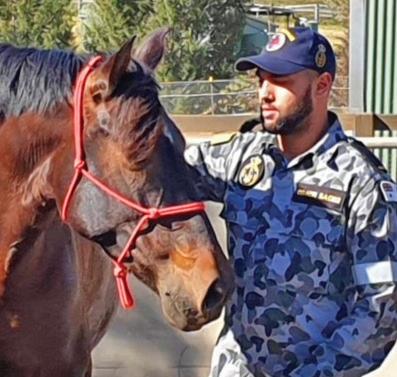
Learning self-regulation is pivotal in helping manage PTSD, as well as in becoming aware of personal behaviours that might range from a lack of assertiveness to overly confident bravado. “Veterans walk into the round yard with those types of behaviours and the horses won’t work with them. And that’s a bit like life, those same people might be having confrontations because they have an aggressive attitude they’re not aware of, or are walked over because they're not assertive enough. You need to get a handle on these things and horses definitely help bring those behaviours out.”
Since that first workshop, Scott and his team have helped in the vicinity of 300 veterans – and some of the breakthroughs have been extraordinary. Take Isaac for example, a veteran who had tried various therapies before going off the rails with drugs and alcohol. But he’d heard of horse therapy and with no idea what he was doing, bought a horse from the doggers – an animal which, everyone told him, was dangerous and likely to hurt him. Eventually he found Scott and the lives of horse and human were changed. “He stayed with me for about three years and his journey was
amazing, I've watched him go from a really angry young guy getting into arguments all the time, to becoming a good horseman who has started his own veteran's program in Queensland. He's pretty inspirational.”
Then there’s Mel, who appeared in the recently released documentary The Healing, (which follows a group of veterans in Scott’s program). Mel was bullied and sexually assaulted while she served in the navy. Contact with horses pulled her out of a dark mental state and she’s now a film producer, an author, and works with other veterans.
Many people Scott has helped have told him they wouldn’t be alive if they hadn’t found Horse Aid. “The commissioners at the Royal Commission into Veteran Suicide have talked about how many veterans are killing themselves, and how many more would have done so if we didn't have these alternative therapies," Scott says. "I’m amazed at how many people we’ve probably saved.”
While the first workshops were held in Kangaroo Valley, Scott and his team are now operating out of Heartland, a property at Sutton Forest in the NSW’s Southern Highlands. But ultimately, the number of veterans they can help is
limited by funding. “We get no support from the racing industry or from the Defence Department. Everything we do we have to raise funds for through Horse Aid, our non-profit. Fortunately, I’ve got a couple of great volunteers who are getting things up and running so we can raise funds.”
And with its positive outcomes for both our veterans and OTT horses, Horse Aid is surely more than worthy of our support.
If this article has raised issues for you, or for someone you know, contact Lifeline on 13 11 14, or Beyond Blue on 1300 22 4636 (both services are 24/7).

Scott and his team are dedicated to helping as many veterans and horses as they can. Donating to Horse Aid is a great way to support the ex-servicemen and women who have courageously served Australia, while at the same time providing a second chance for ex-racehorses. Go to Horse Aid to learn more or to donate.
All donations are tax deductible. Horse Aid is a registered charity with the Australian Charities and the Not-For-Profits Commission (ACNC).
HARNESSING THE POWER OF SUNFLOWER SEEDS, AN ALL NATURAL SUPERFOO D
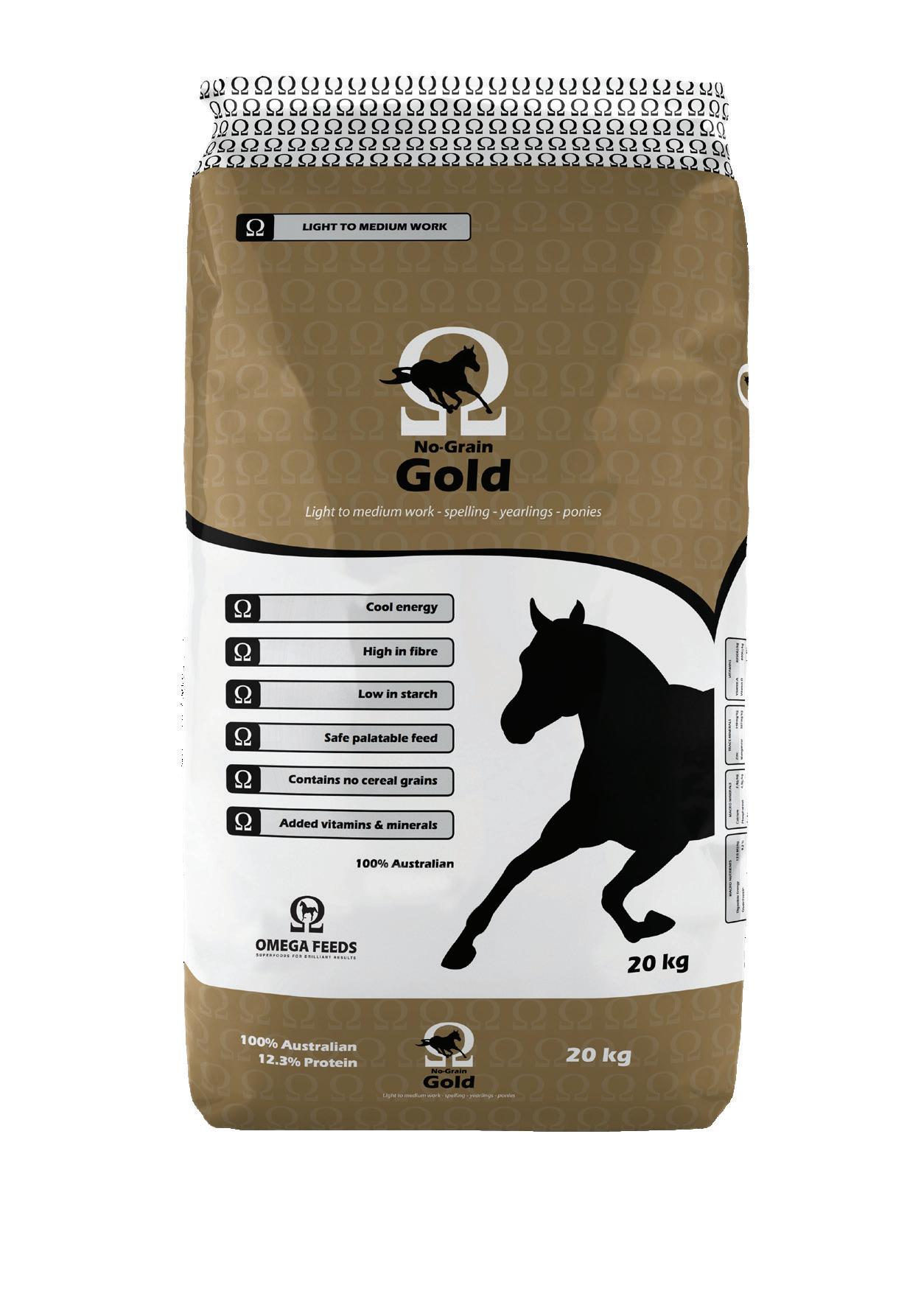
Omega Feeds has formulated a palatable, high fibre, low starch feed that contains a balanced blend of vitamins and minerals to ensure optimum health and vitality. No-Grain Gold is suitable for ponies, spellers and horses in light to medium work.
High Fibre: For gut health and cool energy.
Non Pelleted: Horses spend more time chewing which stimulates saliva production and in turn buffers the stomach and protects it from ulceration.
Low Starch: Reduced risk of digestive upsets and metabolic conditions.
Balanced blend of vitamins and minerals: For optimum health and vitality.
100% Australian, proudly supporting Australian farmers
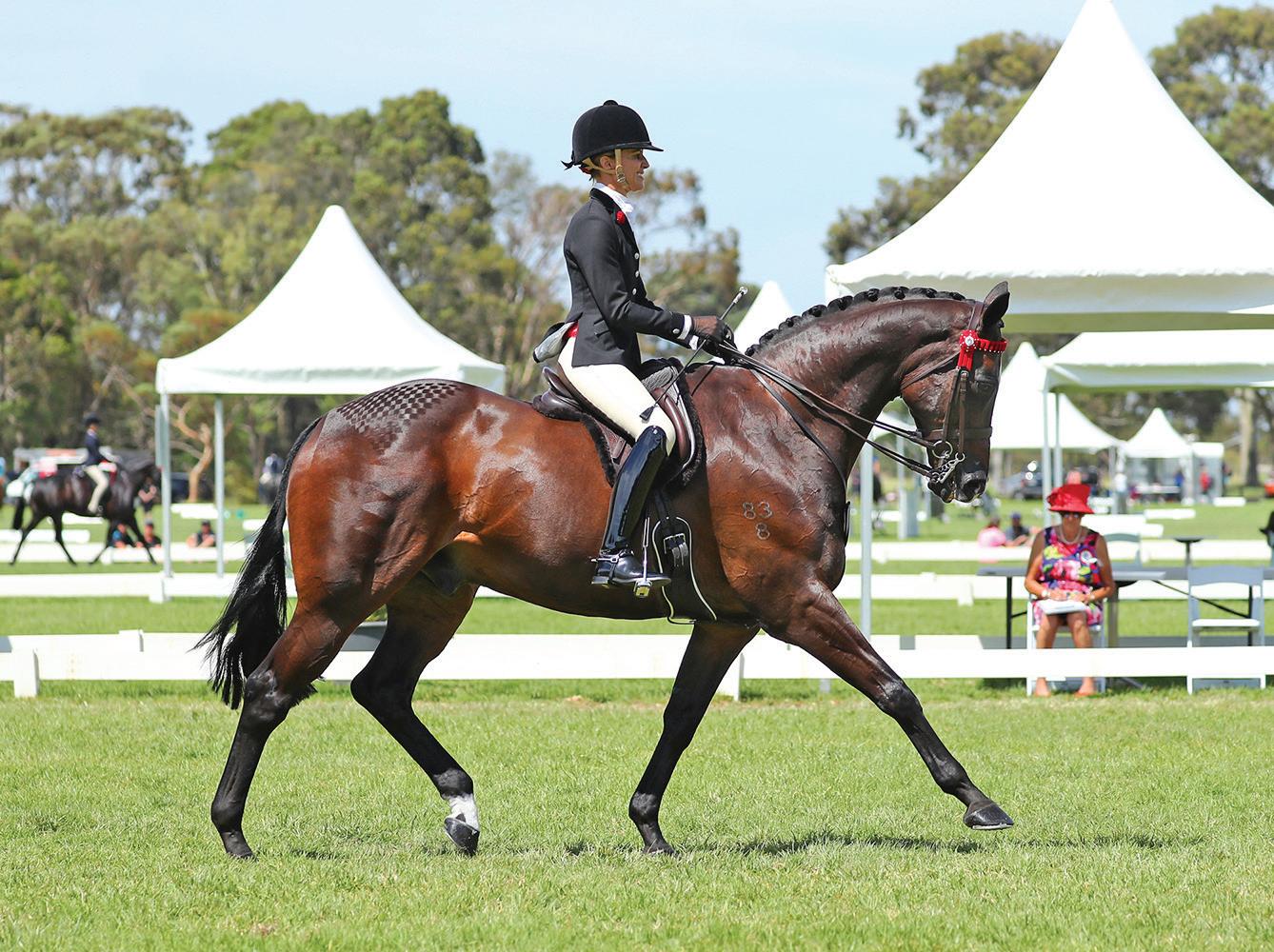
Natalie McKay speaks to AMANDA MAC about the outstanding show ring successes she’s notched up with off the track superstar St Andrews.
For some it’s show jumping or eventing, while others have been bitten hard by the dressage bug. But for Natalie McKay, it was, is, and more than likely always will be, the show ring.
Growing up on her parent’s farm in Officer, Victoria, Natalie was not from your typical horsey family. Not that she let that stop her – she was in the saddle on her first horse by the time she was seven years old. “Officer was classified
rural back then, so Mum and Dad thought they’d get me a little pony to keep me occupied. I don't know whether they think it was such a great idea now though, not with all the time, effort and money we’ve put in,” Natalie laughs.
Nevertheless, that little pony was the beginning of an enviable show ring career. His name was Ben and he was a 12hh Welsh Mountain Pony. “He was great, the type of pony I wish was still around today,” Natalie says. “He did absolutely everything and I was really lucky to have had him.”
Predictably, during her Pony Club days Natalie enjoyed trying her hand at show jumping, cross country, dressage, road rides and the rest. And while it was a lot of fun, she had by then started her riding career in the show ring and it was there that she decided to stay. “We had
Ben for about a year before buying a pony from Burrabong Stud. They bred good little children’s ponies back in the day, and that’s were our showing really started.”
For Natalie, the appeal of the show ring went hand in hand with her love of presenting horses to a high standard: “I have an eye for detail and I'm very particular in the way I prepare my horses. I think that's why showing was something that I preferred to do over everything else. It was the perfection of showing that stood out to me, and the reason why I followed that path.”
Although she still had horses and rode, Natalie had a break from competition showing when she was in Year 12. Later there was marriage and the birth of the couple’s son, quickly followed by the purchase of a hack, and of course, the next logical step, a return to the competition circuit.
Fast forward 16 years, and nothing’s changed except for the growing collection of ribbons, trophies, garlands and rugs that Natalie and her horses have accumulated along the way. Interestingly, since she began competing in hack classes, all her horses, numbering around half a dozen, have been off the track Thoroughbreds. She particularly remembers Alex, her first OTT: “He was a Tudor Park horse, a half-brother to Doriemus who won the 1995 Caulfield and Melbourne Cups. So obviously there were high hopes of him being a very good racehorse, which didn’t eventuate because he was extremely slow – but he made the most beautiful show horse and was so quite.”
Natalie’s love of OTTs goes back to her early days in the show ring when it was very rare to see anything other than Thoroughbreds competing. “You tend to stick to what you’re used to, and I think Thoroughbreds have that certain show horse look to them – their fine limbs and the beautiful body,” she says thoughtfully. “Of course, there’re some beautiful horses who aren't Thoroughbreds, but then there are beautiful Thoroughbreds out there
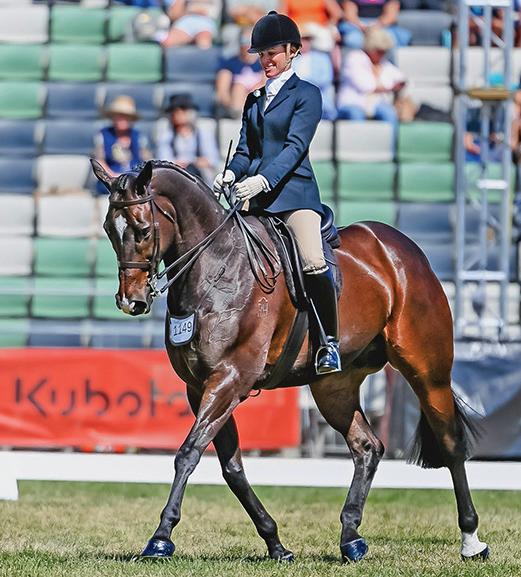
as well – and I think Thoroughbreds are very smart, so that’s another thing in their favour.”
All the horses Natalie buys have had a little bit of education after the track, which was true of the remarkable St Andrews.
Sired by Sandtrap (USA) out of Nun’s Chorus (NZ), ‘Andy’ was foaled down at the Rich Hill Stud in New Zealand. A consistent performer with 30 starts for five wins, he raced until he was eight years old, collecting $65,000 in prize money.
Natalie met Andy two years after he retired from racing, when in August 2018 she was visiting noted equestrian and trainer Adam Oliver’s property to look at a completely different horse. “That horse didn’t quite tick all the boxes,” Natalie explains, “and then Adam brought Andy out and he was just beautiful. I got on and rode probably about 10 metres
or so and we just clicked. So that was pretty much it. He stayed at Adam’s until December because he was representing Queensland at the Nationals, and then we collected him the next day.”
Besides being an absolute gentleman, loving his food, being partial to a regular routine, and shining very, very brightly in the show ring, Andy has an endearing quirk. The gregarious OTT doesn’t like being by himself and prefers to be around other horses. That said, when Natalie rides him when no other horses are in sight, or when he’s being floated by himself, he’s perfectly happy. . “I find that a bit strange, but as long as he’s the focus of attention he's completely fine, which is a typical showman really, isn’t it?” she laughs.
Fortunately, Andy has not been short of attention over the past few years.


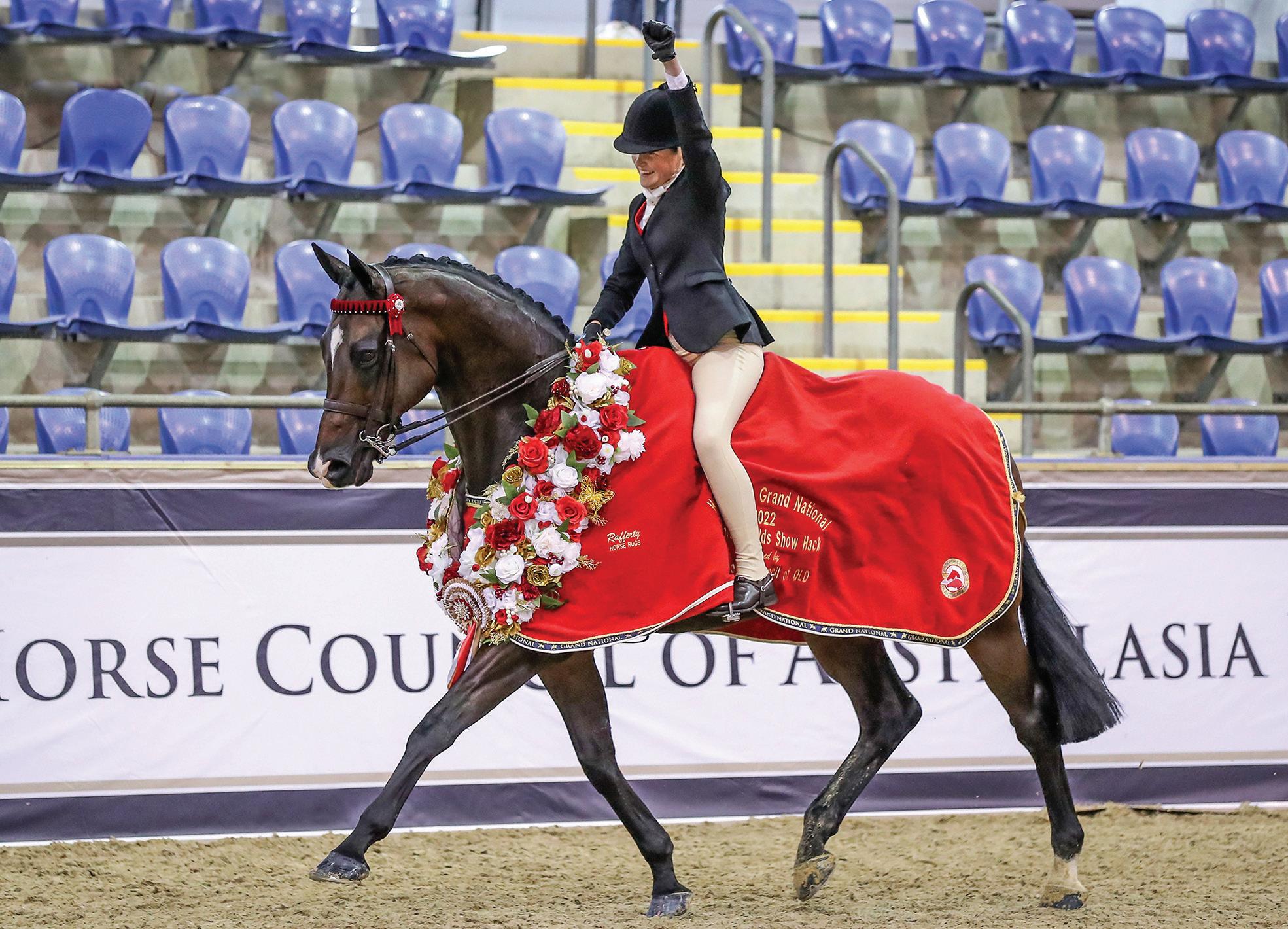
ABOVE: A delighted Ella O'Doherty with Andy, winners of the 2022 Grand National Child’s Show Hack (Image by Amy-Sue Alston Photography).
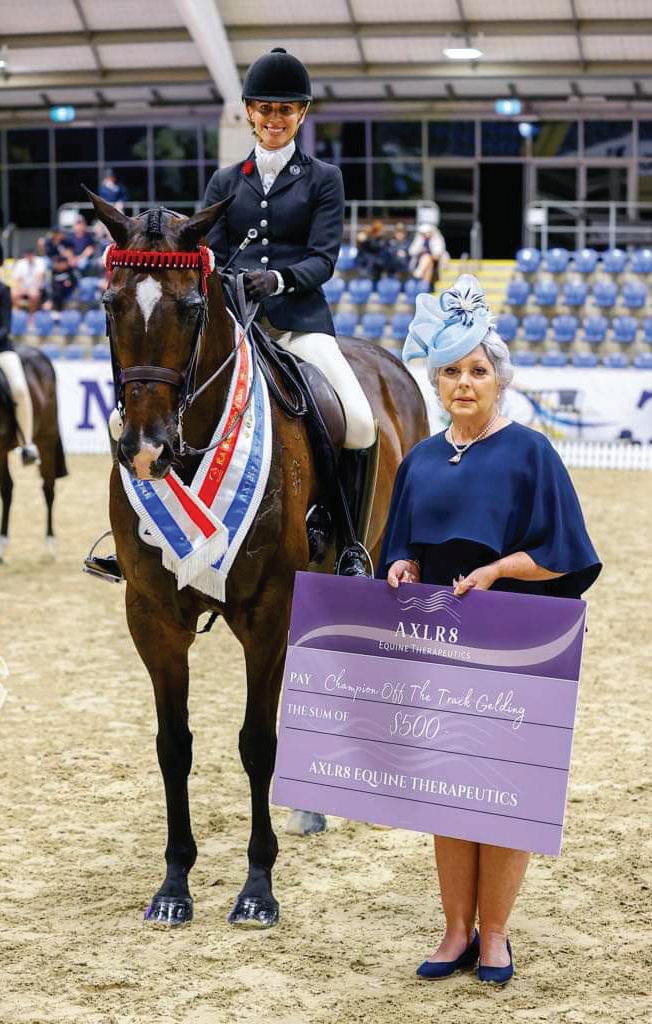
BELOW: Awarded National Champion Off the Track Gelding in December 2023 (Image by Rodneys Photography).
In 2023, he took out Champion Large Hack at the Melbourne Royal, where he was also awarded the highest placed Thoroughbred after achieving 4th place in the prestigious Garryowen. At the 2022 Melbourne Royal, he won the Esquire Equestrienne Turnout, and in the same year was Reserve Champion Hack, won the Ladies Turnout, and was Champion Child's Hack (ridden by Ella O'Doherty), all at the Canberra Royal. Ella and Andy also won the Grand National Child's Hack Champion in 2022.
Prior to that, Andy was the 2021 Grand National Large Hack Champion and Off the Track National Champion at the Equestrian Australia Horse and Rider Championships in 2019, and in 2020/2021. He has represented Team Victoria in the Large Hack class for the past five years, and has carried Natalie to Royal rider wins at both the Canberra and Melbourne Royals, making many of
her show ring dreams come true in the process.
At the end of last year, Andy and Natalie, who were one of only three riders and three hacks to qualify, travelled to the Sydney International Equestrian Centre to compete for Team Victoria in the Equestrian Australia National Show Horse and Rider Championship.
The results should not come as a surprise: "Andy was declared National Champion Off the Track Gelding," she tells me, "and I had a fantastic show with him. The only Thoroughbred in the class, he carried me to National Champion rider over 26 years."
St Andrews is now up for sale. “I think it's time that someone else gets to enjoy this beautiful horse as much as I have,” Natalie explains. “I have another horse, sevenyear-old St Onyx, who I’m competing with this year. He’s also an off the track and his preparation is going really well."
And although they're very big shoes to fill, Natalie has every confidence that Onyx is more than able to follow in the saintly Andy’s hoof prints.
A d v a n c e d t o x i n b i n d e r s f r o m F a r m a l o g i c g l o b a l . c o m

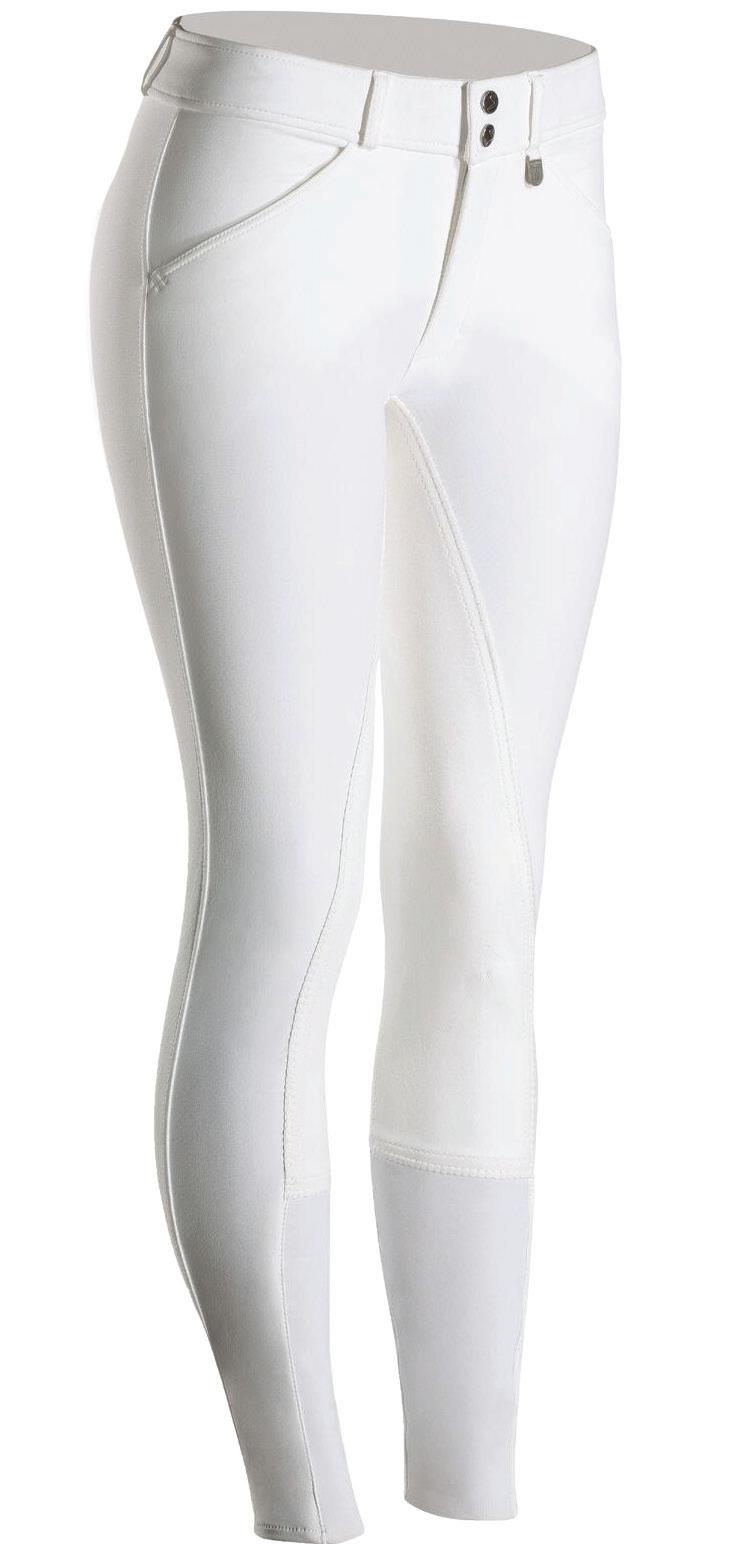
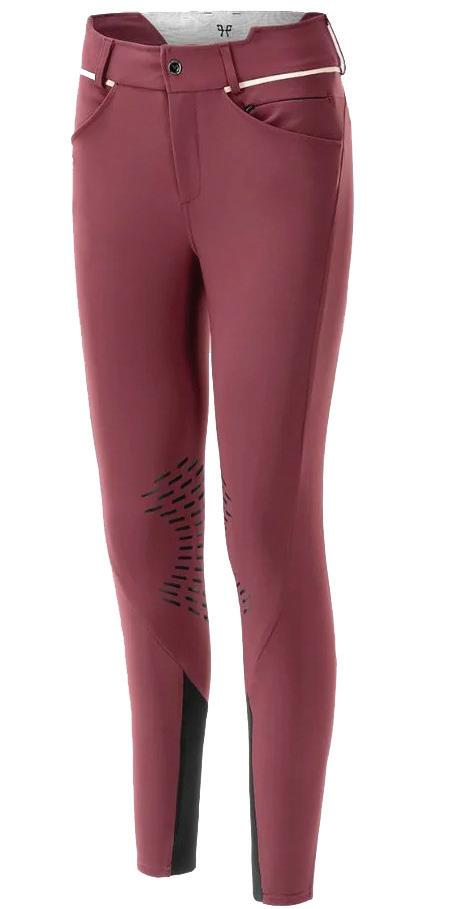
A girl can never have too many breeches - and fortunately, we're spoiled for choice.
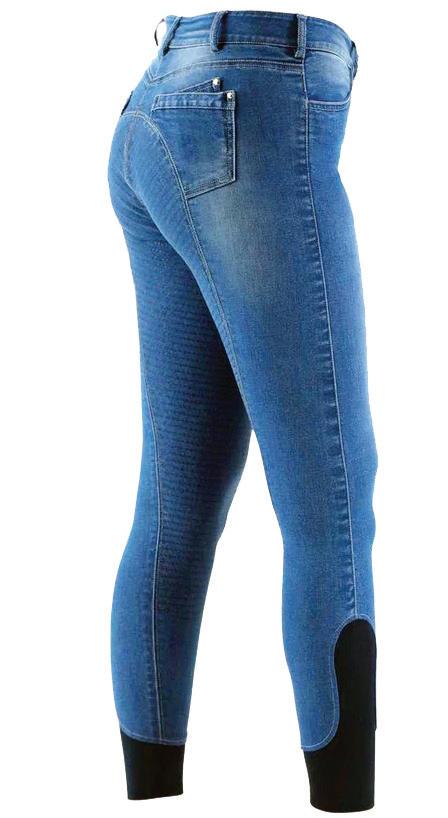
PEI Gina's Denim Breeches are made in relaxed-look denim that contours to your shape for a flattering fit while not compromising on performance. Ridertested, they’re durable, comfortable and are an essential for every day wear. Offering a fit with stretch that flatters, holds and lifts, the ultra-durable fabric is made to withstand tough work, while the lightweight gel seat increases security in the saddle.
Horse Pilot's XDesign Ladies Breeches are made from a light and silky fabric allowing for unrestricted movement, Their pre-shaped cut offers comfort and performance. The grip at the knees and adjustable elasticated waistband give extra stability in the saddle. The fabric is breathable and quick-drying, creating a comfortable second skin while riding, and also provides UV protection. Available in three fashion-forward colours.
Horze Grand Prix Full Seat Breeches are now available with a contoured waistband for improved fit. This range also features a new functional, breathable fabric with a water and dirt repellent surface. The leather-like full seat stretches as you ride creating security and super grip in the saddle, while the elastic leg bottoms offer a smooth and comfortable fit for your calf and ankle when you're wearing tight fitting boots.
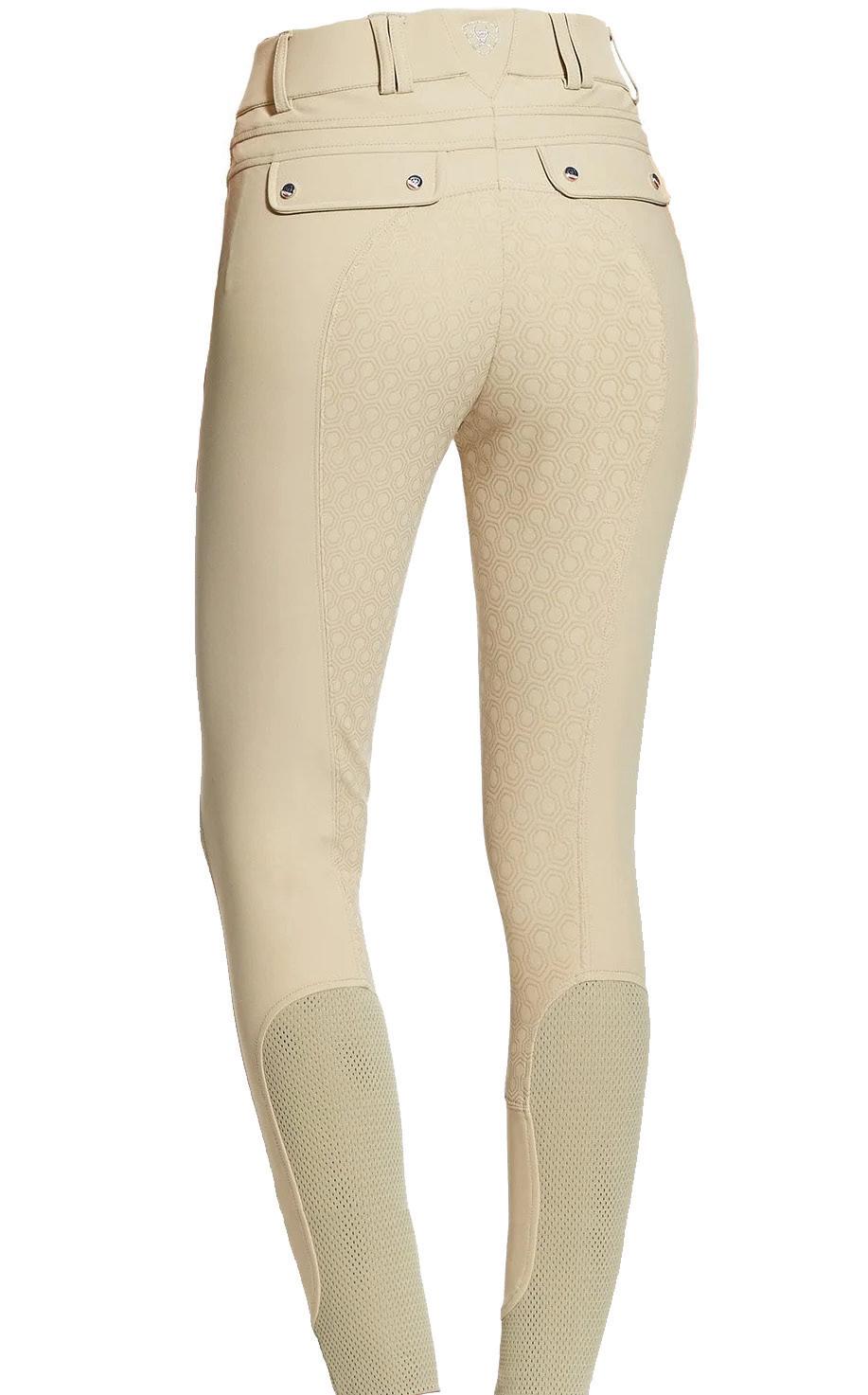
Tri Factor Grip Full Seat Breeches keep you cool and collected under pressure. Their innovative compressive fabrication is infused with Icefil® Xylitolbased cooling technology to reduce skin temperature; full seat Ariat hex Silicone Grip provides exceptional staying power in the saddle; and their Core Control Technology® offers targeted support for your core muscles and helps to slim your silhouette.

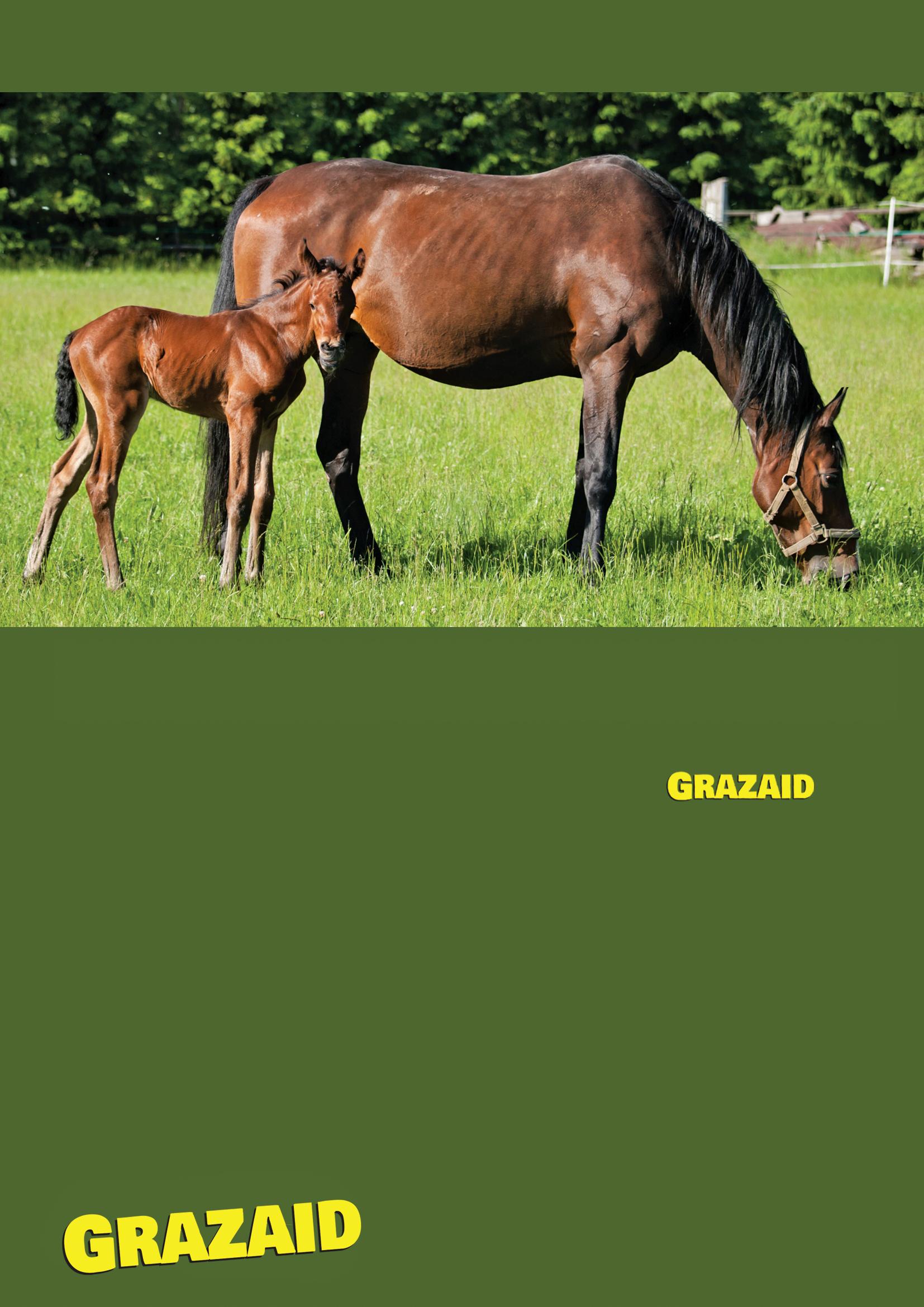
Equine nutritionist LARISSA BILSTON explains what mycotoxins are, the signs your horse is affected, and what you can do to minimise the risks.
Horse owners are becoming increasingly aware of the deleterious effects of mycotoxins on horse health, behaviour and performance. Symptoms can be mild or acute and are not always easy to pinpoint as individuals tend to respond to them differently.
Fungi love growing in warm, wet conditions and unfortunately, this includes the fungi that grow on grass, grass seeds, hay, silage, grains and stored horse feeds, producing harmful and invisible mycotoxins.
Mycotoxins: Mycotoxins are harmful substances produced by bacteria and fungi that grow on pastures, hay/silage and grains. Mycotoxins are invisible and cannot be detected by human smell or taste.
Endophytes: These fungi live in a symbiotic (mutually beneficial) relationship with pasture plants. Many pasture species such as ryegrass and fescue carry endophytes which provide the plant with enhanced resistance to some insect pests;, increase seed production; and improve seedling establishment, photosynthesis and drought tolerance. Unfortunately, the mycotoxins produced by endophyte fungi are toxic to horses.
The effects of mycotoxins
After ingestion, mycotoxins interfere with gastrointestinal function, disrupting the gut lining and the microflora of the digestive tract before being absorbed into the bloodstream where they can impact on many organs, sometimes causing permanent damage.
Because of the many types of mycotoxins and the variety of organs potentially affected, symptoms can vary widely and may include:
• Itchy skin
• Head flicking, head pressing or facial tremors
• Reduced immune function
• Uncharacteristic spookiness
• Unpredictable or ‘naughty’ behaviour
• Sunburn or photosensitivity
• Greasy heel or summer mud fever
• Infertility, abortion, or stunted foals
• Reduced milk production in broodmares
• Lethargy or anaemia
• Dull coat or patchy hair growth
• Cough or runny nose
• Muscle tightness or swollen lower limbs
• Uneven sweat patterns or 'hot flushes'
• Bloated belly
• Lack of coordination, staggers
• Shuffling gait or lameness
• Ill-thriftiness or weight loss despite good feed.
Symptom severity depends on the type and amount of toxin present and the individual's immunity or tolerance to mycotoxins. It is not unusual for one horse in a paddock to be much more affected than others on identical feeds.
Where practical, do not allow horses to ingest mycotoxin contaminated feeds:
• Do not feed mouldy or musty hay or hard feeds.
• In some instances the source of mycotoxins may not be obvious, such as when fungi is growing in pastures. If symptoms are severe,
remove horses from the affected paddocks.
• Choose endophyte-free species when replanting pastures.
Seasonal management of low-level mycotoxin ingestion is easily achieved by adding a quality mycotoxin binder to horse feeds during times of high risk.
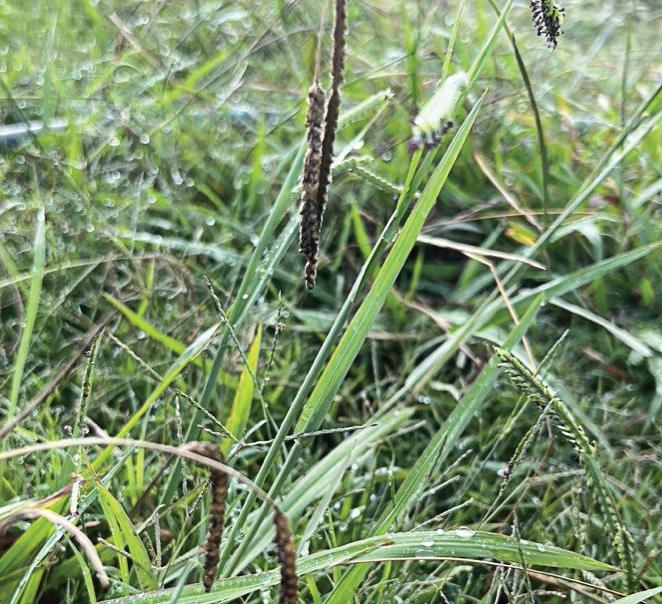
Rainfall and high humidity increase the presence of fungi and mycotoxins in pastures and the environment. The presence of black or sticky seed heads in some species of grass flowers (e.g. ryegrass, fescue and paspalum) signal danger for mycotoxin ingestion. In other pasture types fungi are likely to be invisible, so keep an eye out for larger fungi growing on timber, fence posts and on the ground as an indicator of general fungal activity.
How do toxin binders work?
Toxin binders work in one of three ways. They can:
1. Physically adsorb (trap) the toxin due to the porous structure of the binder and intermolecular forces.
2. Chemically bind to the toxin – this produces the strongest bonds.
3. Bio-transform the toxin via enzymes (although this is not strictly toxin binding, it is an effective means of managing feed mycotoxins and can be included in a toxin binder blend).
Mycotoxins have differing chemical and molecular properties which means that a single binder is not effective against all mycotoxins. The most common toxin binders used in animal health are:
• Inorganic binders: Mainly mineral clays including aluminosilicates, bentonite, montmorillonites and zeolite which bind polar mycotoxins due to their electromagnetic charges and non-polar toxins due to the porous physical structure of the molecule. Aflatoxins have a flat structure so they can be trapped
between the layers of mineral clay like meat in a sandwich. Once trapped the clay, the intermolecular forces between atoms tighten the bond. The porous physical structure (shape) of the binder and polarity of toxins and binders are some factors that affect this process. Other mycotoxins such as deoxynivalenol (DON) and zearalenone (ZEN) are not as flat so are harder for mineral clays to trap.
• Organic binders (also known as biopolymers): These are complex indigestible carbohydrates such as cellulose, chitosan, polysaccharides from the cell walls of yeast, and some bacteria such as glucomannans, mannanoligosaccharides (MOS) and peptidoglycans. Organic binders often use polarity to attract the oppositely charged mycotoxins. This makes them very effective at binding the aflatoxins sometimes found in grains and stock feeds. Yeast based binders are also able to bind trichothecene mycotoxin (T-2), DON and ochratoxin. Some of the most common grass endophyte toxins are not polar so cannot be bound by yeast-based toxin binders.
• Activated charcoals: These adsorb due to their porous structure and are commonly used to treat some instances of drug overdose and poisoning in humans and animals. These binders are not advised for daily use as they will also bind medications and nutrients including minerals, making them unavailable to the horse.
• Toxin deactivators: These include enzymes and organic acids. Biotransformation via enzymes allows very targeted deactivation of specific mycotoxins and is particularly suitable for nonpolarised or non-adsorbable toxins. The non-toxic metabolites produced are able to pass harmlessly through the digestive tract.
• Synthetic polymers: These polymers (such as cholestyramine) are binders more frequently used in industrial applications.
Although many substances have toxin binding properties, to be effective and safe in animal nutrition it is important that they:
• Are capable of binding the targeted mycotoxins.
• Hold on to the toxin through the remainder of the journey through the gastrointestinal tract.
• Specifically bind toxins, leaving important nutrients such as vitamins and minerals, and medications available for uptake into the bloodstream.
• Be safe as a feed additive, non-toxic to animals.
• Show scientifically demonstrated efficacy within animals at the lowest recommended dosage
The effectiveness of toxin binders can be improved by combining a number of active ingredients to broaden the
range of toxins they can bind in the gut. They may also provide additional nutraceutical support through the addition of antioxidants, botanical extracts and probiotics. When selecting a toxin binder for your horse, ask for evidence that it doesn't tie up vitamins, minerals and other important nutrients.
Management of severely mycotoxin affected horses may be enhanced with the addition of antioxidants such as organic selenium, superoxide dismutase, vitamin C and vitamin E to reduce the negative impact of free radical tissue damage associated with the presence of toxins in the body.
Remember: Reduce the risk of aflatoxin contamination by only feeding forages, grains and feeds that have been well stored. Discard any damp, stained or smelly feed. If toxin binders do not rapidly assist your horse with mild symptoms, remove the horse from the pasture and seek veterinary advice.
Larissa Bilston, BAgrSc (Hons) is the Equine Nutritionist for Farmalogic
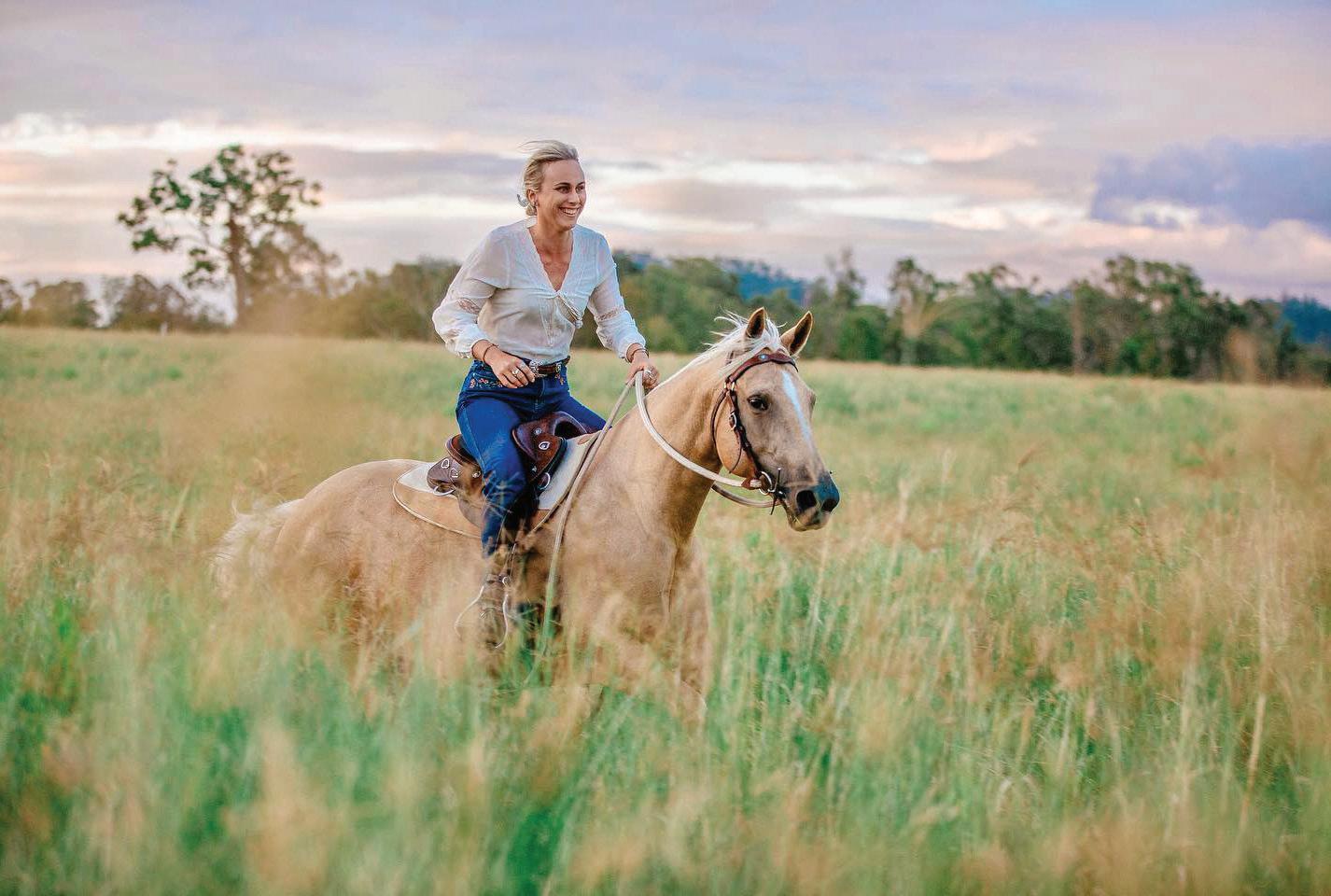
Brumbies have often featured in films and literature, but there’s much more to them than star status. AMANDA MAC spoke to The Brumby Project’s Anna Uhrig.
How many Brumbies are there in Australia? That’s not meant as a trick question, by the way, but it’s certainly one that’s tricky to answer. Predominantly the descendants of escaped or abandoned horses brought to this continent by early European
settlers, some sources put the figure at a conservative 400,000.
Today, herds of Brumbies, more correctly known as bands or mobs, are scattered across the country. Thanks to The Man From Snowy River, probably best-known are those found in the
Australian Alps, including Victoria’s Alpine National Park, and NSW’s Barrington Tops National Park and Kosciuszko National Park, where they have unfortunately attracted more than their fair share of bad publicity.
Well able to deal with a variety of climates, Brumbies roam free in most Australian states and are found in particularly large numbers in the Northern Territory and Queensland’s Carnarvon National Park. Occasionally mustered and put to use as stock horses, trail and pleasure horses, campdrafters, show jumpers and even eventers, they remain, Anna Uhrig contends, a vastly underrated and largely underutilised resource with huge potential.
Anna is the founder and CEO of The Brumby Project (TBP), which is located on a property just outside Amamoor, a tiny rural village roughly 15 minutes’ drive from Gympie in Queensland.
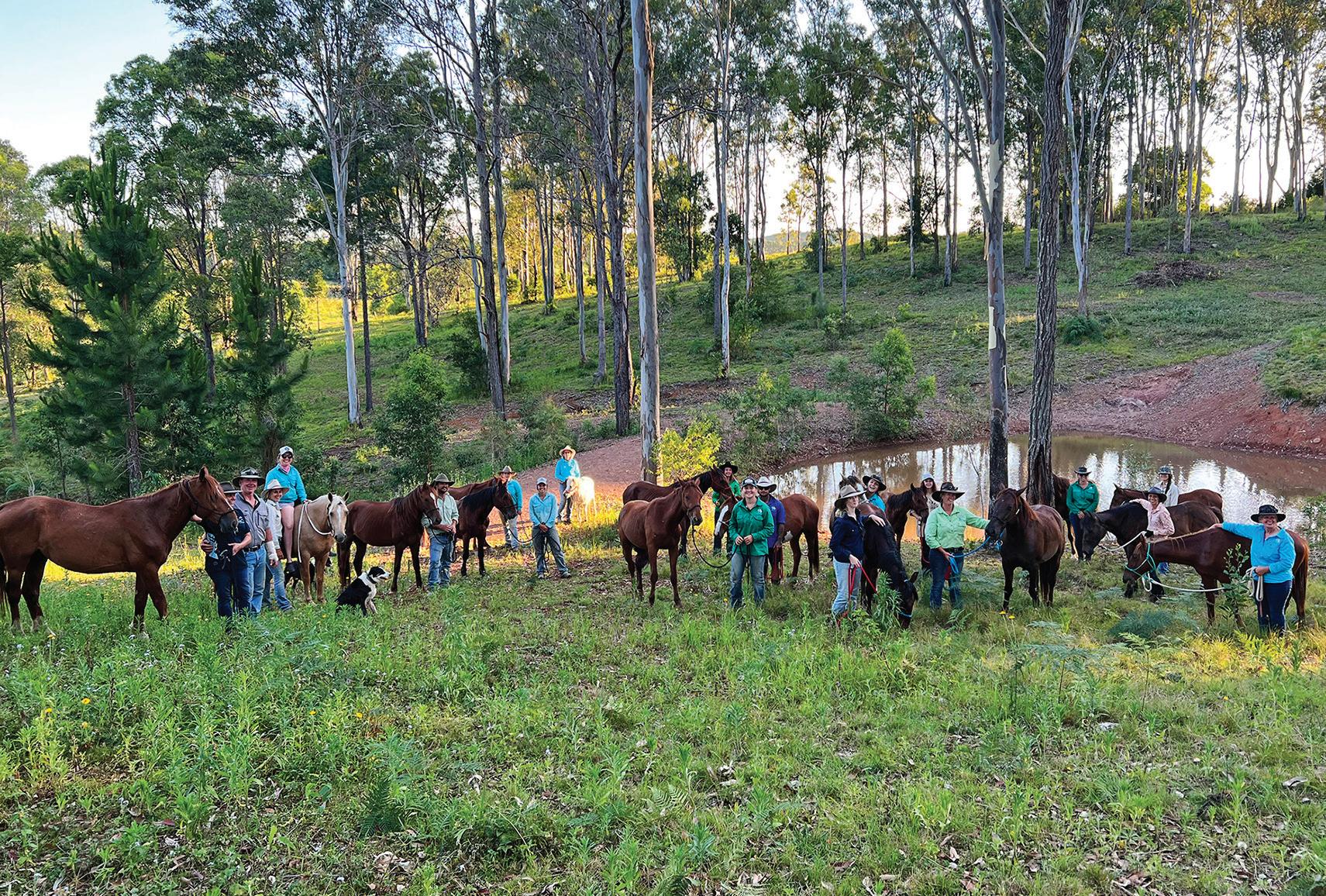
However, she hasn’t always called Amamoor home, nor Australia for that matter. As a four-year-old, Anna and her family arrived here from Germany, which is when her horse-obsessed gene (possibly a throwback to her grandfather because no one else in her immediate family is interested in horses) really kicked in. “I think I was around six when I started having riding lessons. I’d been begging to have a horse pretty much from when I started talking, and my mother told me that when we got to Australia, if I saved up I could by a horse. I hope she hasn’t come to regret that because I bought my first pony when I was around seven or eight and haven't been horseless since!”
Of course, her parents hadn’t much of a clue when it came to horses and riding, so Anna was left pretty much to her own devices. Not deterred, she continued with her lessons, joined Pony Club and did what every Pony Club kid does, trying out all the disciplines,
having a lot of fun along the way, and learning by trial and error, which the pony she’d purchased, an eight-yearold Welsh Mountain cross Arabian chestnut gelding, was happy to help out with. “He was pretty naughty but he definitely taught me how to ride! He had Queensland Itch, so he wasn’t the best looking in show,” Anna recalls, “but he was mighty.” She eventually sold himhe’s now 31 and still going strong.
Next came Beau, a little stock horse bought from family friends who trained in natural horsemanship. It was through these friends that Anna had the opportunity to ride many different horses, in between working various part-time jobs while at school and later earning a university degree in ecology.
But it was while she was in high school that she decided to break in a Brumby as part of a Year 12 independent research project - and became totally hooked on the breed in the process. Fresh out of school, she then went
to a Brumby starting camp in Central Queensland (which she now owns and operates as TBP), where she caught and broke in Riva, a Brumby mare who is still her main horse.
So, what is it about Brumbies that Anna finds so appealing? “I just love that they're so trainable, hardy and versatile. There’re lots of different styles of Brumby and there’s so much potential in them all - we need to acknowledge that a lot more. Most of the Brumbies I’ve worked with have become great all-rounders. They suit a wide range of disciplines including trail riding, campdrafting, show jumping, and Western dressage. A friend of mine has five Brumbies from TBP and has had great success using them as therapy horses.”
Because they’re from the wild and have had no previous contact with humans, Brumbies initially require extra work to get them to the halter stage, but from there they progress in their education much as any other horse. And for Anna, that extra work is a bonus: “If you’re
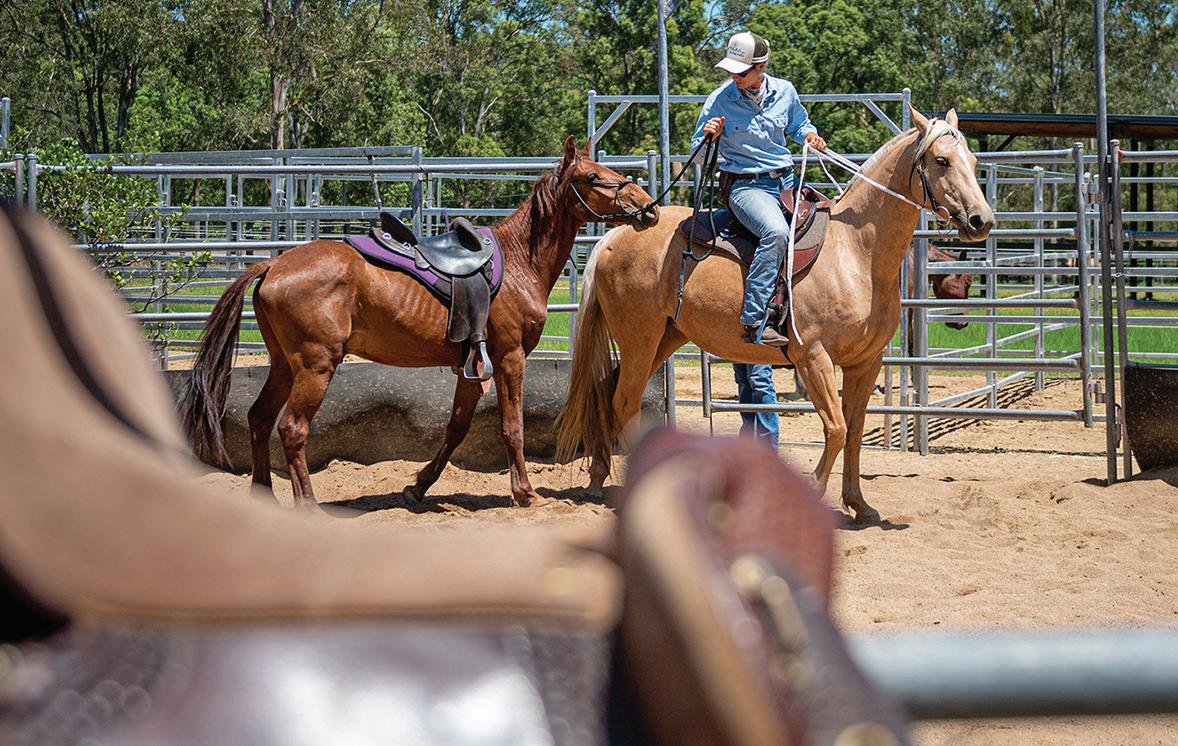
breaking them in from the wild, that makes your partnership with them even more special because everything they’re taught has been taught by you. It’s like working with a blank canvas,” she says. Added to that strong bond is their hardiness, their great feet, and a sharp intelligence that makes them quick to learn. “They look after you out on the trail, and they’re really honest,” Anna adds. “While some horses can be a bit fluffy, Brumbies are focussed, there’s no beating around the bush with them.”
If the idea of owning a Brumby is starting to appeal to you, then the camps and clinics offered by TBP are your ticket to an exciting new adventure. “We give everyone the opportunity to work with and, if they want, to own a Brumby.” Anna explains. All skills are catered for with introductory and intermediate clinics through to 10-day Brumby starting camps in which you can choose a Brumby to take from unhandled to first ride, and then home with you.
The Brumbies destined for TBP are trapped and brought in from the wild with the help of Dr David Berman, a Research Fellow in Wildlife Ecology at the University of Southern Queensland. David knows Brumbies well and has trained and competed a Brumby in show jumping events at the Sydney Royal. Although the trapping method he uses takes time and patience, it’s designed to be as stress-free as possible, as is done without the use of helicopters, lassos, or other frightening tactics.
Over the years, Anna and her team have rehomed many hundreds of Brumbies –numbering 160 in the last financial year alone. “The horses I’m working with at the moment are the Toolara Tuan Forestry Brumbies. They’re at risk of getting hit by cars on a busy road that runs through the forest,” Anna tells me. “The aim is to rehome them to avoid any bad traffic accidents.”
Although Anna does rehome individual Brumbies, she prefers to concentrate on
running the camps: “My main goal in the 10-day camp is to teach the skills people need to work with their Brumby, from being unhandled to having a first ride, getting them on a float, tying up, and trimming their feet.”
Participants in these camps, usually held twice a year, are limited to ten, while the shorter three-day camps cater for only five people to allow for more one-onone time with each participant.
An ecologist by profession, Anna is aware of both sides of the Brumby culling debate. Her main concern, however, is for a sustainable outcome to be achieved. Meanwhile, she has one take-home message: “Give a Brumby a go! Come along to a camp and see what it’s all about. It’s so much fun! You can learn a lot from Brumbies, and it will add even greater depths to your horsemanship.”
For more information on their camps and clinics, visit The Brumby Project, or call Anna on 0409 925 526.
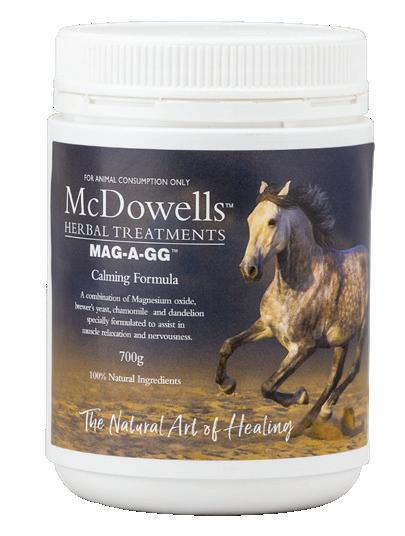
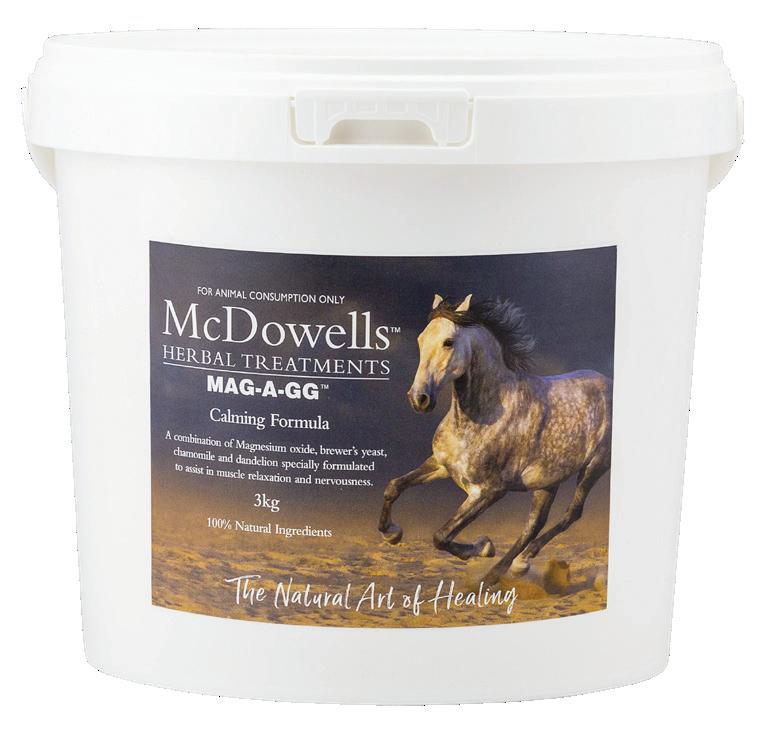
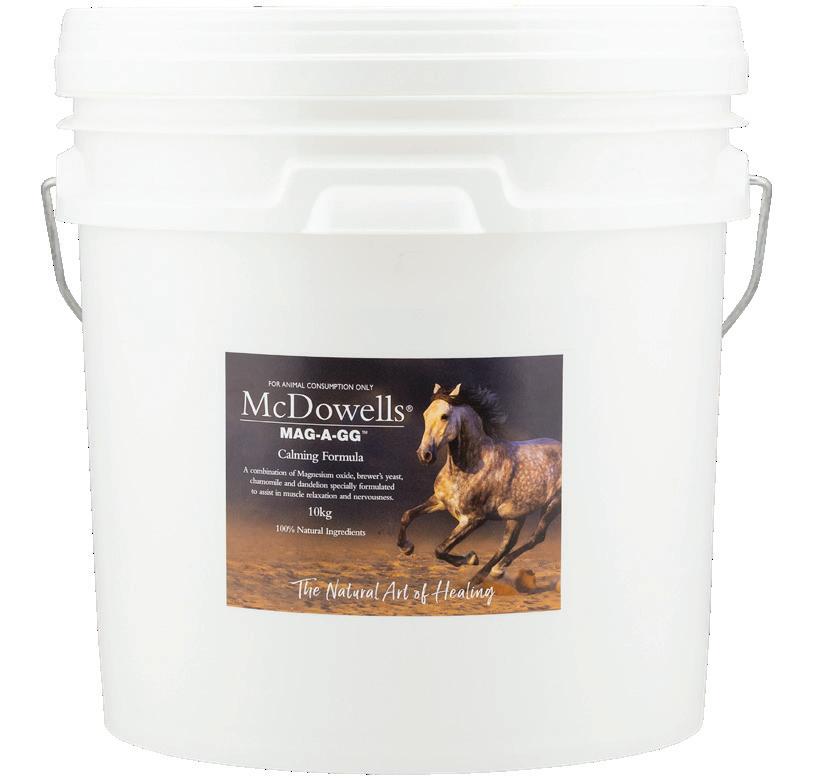
A combination of magnesium oxide, brewer’s yeast, chamomile and dandelion specially formulated to assist in muscle relaxation and nervousness.
Supplementing a horse deficient in magnesium has shown to have beneficial impact on their nervous system and general nervousness.
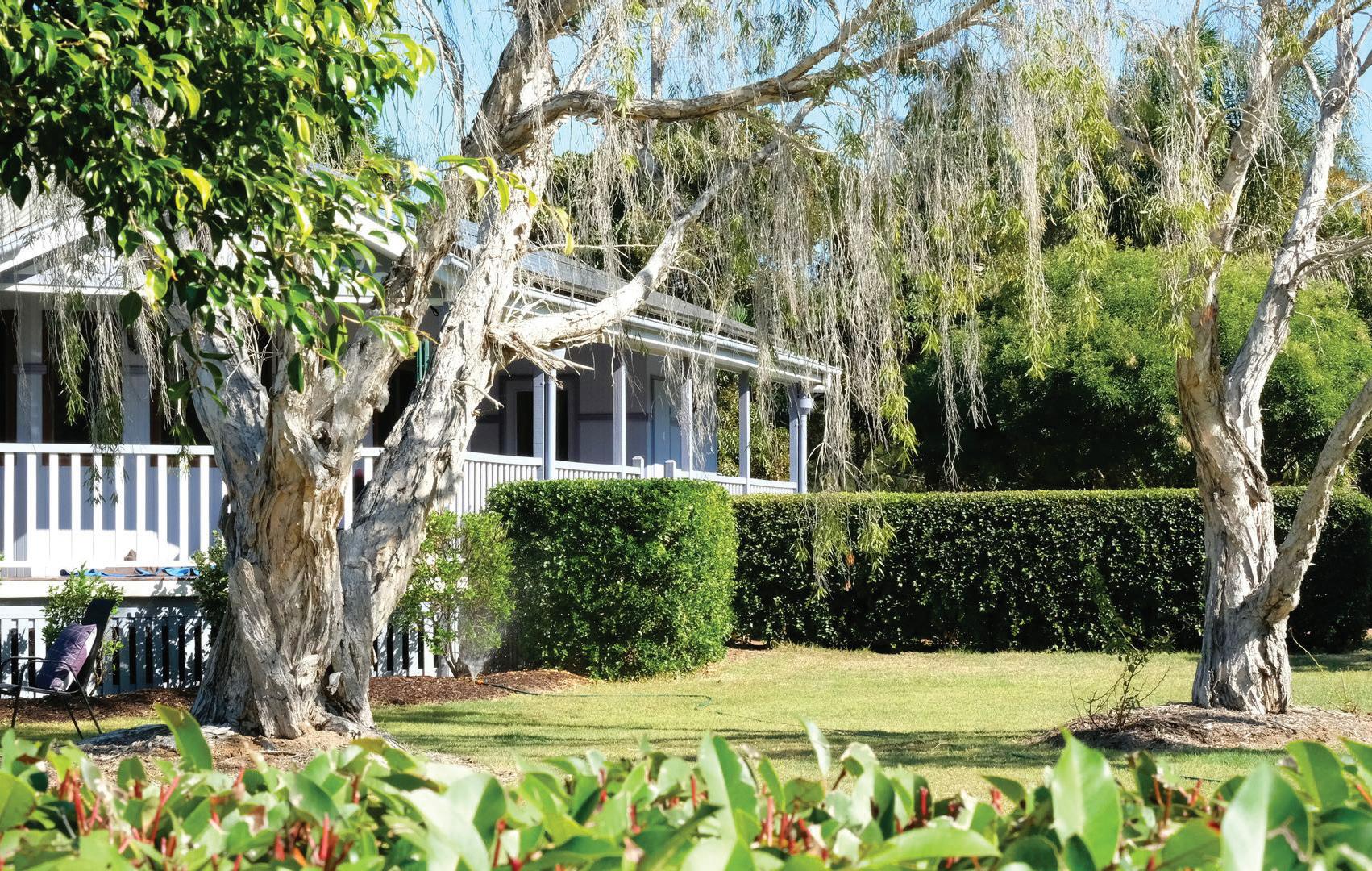
Not just a home but a way of life, the dream starts here at 41 Main Green Swamp Road, Spring Creek, Queensland.
Rivendale Park is nestled on 40 beautiful, quiet and leafy acres. The property features quick access to a wide variety of services including supermarkets, fresh produce, hardware, a wide variety of restaurants, hotels, medical services, and equestrian and sports centres. And with the option to purchase an adjacent 40 acres, Rivendale
Park’s potential becomes even more attractive.
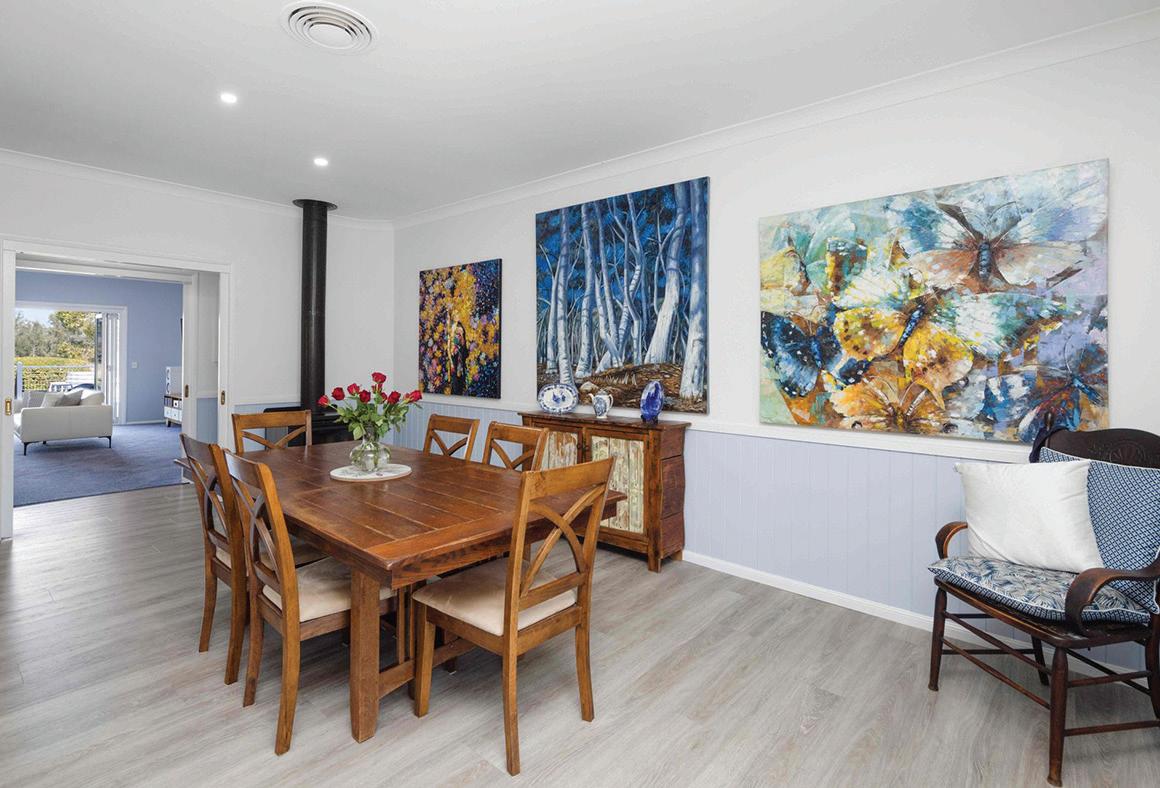
The home is a stunning modern Queenslander, with wrap-around verandahs on two sides. The generously sized bedrooms all have built-ins, while the main bedroom impresses with an ensuite and large walk-in robe. There are two bathrooms and the family areas
include a formal dining room, and a lounge with an outdoor entertaining area. There’s a beautiful modern kitchen with walk-in pantry, a large internal laundry, ducted air conditioning, and the sparkling inground pool is the perfect place to cool off on a hot summer’s day.
Among the two acres of immaculately landscaped lawns and gardens are a
Outbuildings include a 20x15m industrial shed with air-conditioned office, workshop, and a feed and tack room.
variety of fruit trees including mango, mulberry, avocado, mandarin, orange, lime, kaffir lime, blueberry, lemon, paw paw, passionfruit, and fig.
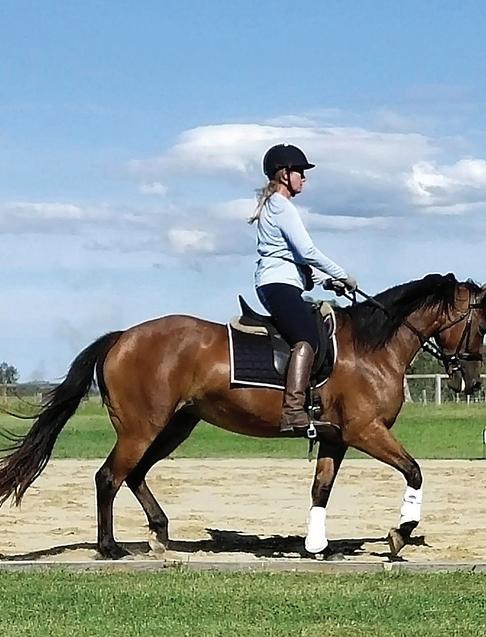
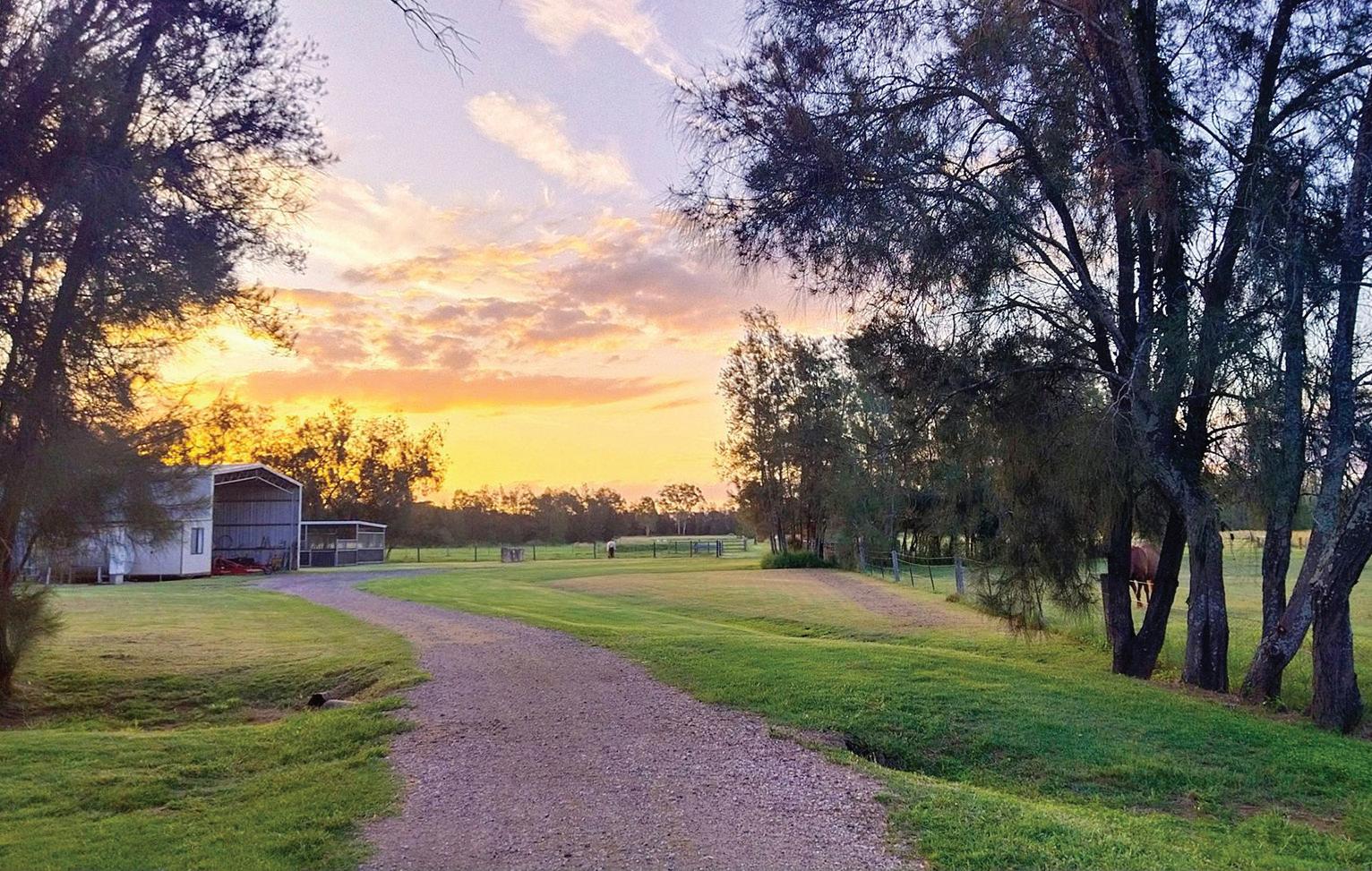
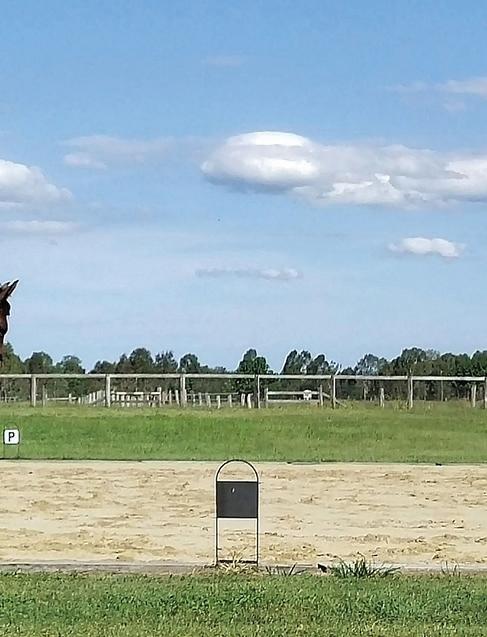
The equestrian facilities do not disappoint. There’s a professional ELD 60x20 dressage arena, acres of improved pasture, nine fenced paddocks with water outlets, three
yards, an 800m equestrian track and 10 steel framed and rubber lined stables, as well as multiple steel tie up areas under light, and a wash bay.
A 20x15m industrial shed includes a one room insulated and air-conditioned office, a workshop, a feed room, and a tack room. There’s also a double car garage with powered workshop; a potable bore supply to the house and
Spacious, modern and light filled, there's so much about
property, plus eight water tanks; a fully fenced dog-proof house yard; electric gate entry; and a 15 kw solar system with three-phase power.
With a second adjacent property available for separate purchase, Rivendale Park’s potential truly is extraordinary.

Visit the listing on Horse Property for further details.