Stop China, Iran, and Terrorists From Weaponizing Carfentanil
The nexus of China, terrorism, and dangerous chemicals requires tougher action by U.S. authorities.
By Anders Corr
While fentanyl deaths in the United States decreased in 2025 compared to prior years, carfentanil smuggling and use are on the rise. Carfentanil is approximately 100 times more potent and deadly than fentanyl, with a nearly microscopic dose of as little as 20 micrograms potentially sufficient to kill a human.
The rise of illicit carfentanil smuggling and its links to China and terrorism raises the question of the risk of adversary states using terrorists or criminal proxies to disperse chemical or biological weapons in the United States. International criminal networks are known to be used by U.S. adversaries like China, Russia, Iran, and North Korea. Carfentanil could become their weapon of choice.
In 2016, Canadian border officials in Vancouver seized 1 kilogram of carfentanil, which they said was enough for 50 million lethal doses. The package came from China and was labelled “printer accessories.”
The next year, firefighters near Toronto responded to a carbon monoxide alarm and discovered 42 kilograms of carfentanil in a Toronto-area basement. Police found 33 illegal firearms in the home and specialized containment gear that likely originated in China. If pure, 42 kilograms of carfentanil could yield 2.1 billion lethal doses at 20 micrograms a dose, enough to kill every person in the United States six times over. In 2018, a man linked to the home launched a mass shooting attack in Toronto that killed two people and injured 13. ISIS claimed responsibility.
According to reporting by Sam Cooper at The Bureau, former U.S. Drug Enforcement Administration (DEA) official Donald Im said the carfentanil had potential links to the ISIS terror group, Pakistan, and China. But Canada’s top Royal Canadian Mounted Police (RCMP) officials were allegedly influenced by China and denied these links. They apparently withheld intelligence and evidence, blocking a DEA investigation that included an attempt to test the seized carfentanil for chemical similarities to a carfentanil seizure in Atlanta, Georgia, that had been trafficked from Quebec.
Im was quoted as saying, “This is where we believed the RCMP didn’t want anything like that to be disclosed—that there was a potential ISIS sympathizer attempting to use carfentanil as a weapon of mass destruction (WMD), as opposed to just killing somebody with a pistol.”
The case illustrates both the risk of adversary regimes in places like China connecting transnational criminal and terrorist networks to weaponize carfentanil or other substances that could be used as a WMD, and how authorities in allied countries like Canada may attempt to cover up the risk due to Beijing’s political influence.
ISIS has previously developed and deployed chemical weapons in the Middle East, and is not the only terrorist or criminal network with an interest in WMD or access to carfentanil. Al-qaeda has sought chemical weapons for strategic-level attacks. The war with Iran has increased the risk. Experts believe that illicit Canadian and Mexican drug labs have links to China and the Middle East, where Iran’s Hezbollah terrorist organization likely has access to chemical weapons, including the means of delivery via specialized missiles and mortar shells.
The United States and Canada reportedly have hundreds of illegal Iranian immigrants, some of whom are allegedly Iranian agents or parts of Iranian sleeper cells. On April 24, the U.S. Justice Department charged
an Iranian national with allegedly smuggling mostly Iranians into the United States from 2022 to 2024.
The risk of Iranian-supported terrorists obtaining chemical weapons, including carfentanil, is of increased concern since Iran started expanding its terrorist network from places like Lebanon and Syria into Europe. If Tehran has already expanded its terrorist activities into Europe, it surely has considered expanding them in the United States.
Given porous U.S., Canadian, and Mexican borders, and the widespread availability of carfentanil, delivery capabilities like drones, and vulnerable water systems, the U.S. government should have a more aggressive surveillance and policing approach to the problem. It would be relatively easy for terrorists to acquire and deploy kilos of carfentanil using crop-dusting drones or planes to dispense the deadly substance into populated areas.
In April, 15 stolen crop-dusting drones were recovered in New Jersey without arrests. That the GPSguided drones could have been used by terrorists to dispense carfentanil or some other biological or chemical agent alarmed law enforcement. The problem is deeper and more institutional than a single incident.
The New Jersey case demonstrates that U.S. authorities lacked sufficient actionable intelligence to predict the theft or find the thieves after the fact. Matched with extensive smuggling of substances such as carfentanil, the theft is a critical element in one recipe among many for disaster.
The threat of terrorists using carfentanil is enabled by extensive international drug smuggling to supply tens of thousands of U.S. addicts.
In 2024, the last full year of data currently available, around 48,000 Americans died of synthetic opioid overdose compared to approximately 76,000 the year prior. Most of these deaths involved fentanyl, some of which was mixed with carfentanil.
As addicts become accustomed to the effects of fentanyl, they often crave more powerful synthetic opioids, leading illicit drug producers to mix in carfentanil.
However, as the use of carfentanil increases, overdose mortality spikes. A study of opioid overdoses between the summers of 2016 and 2017 indicates that carfentanil was present in 11 percent of them.
their friends on scene often have no idea that they took carfentanil along with their intended drug. Death can come within minutes.
Already in the case of fentanyl, a dose equal to just a few grains of salt is enough to kill. In the case of carfentanil, the dosage difference between a high dose and death is almost nil. A nearly microscopic dose of carfentanil, smaller than a single grain of salt, is enough to kill, and naloxone, used as an antidote for fentanyl overdose, is far less effective against carfentanil.
Three or more shots of naloxone are often required to revive a patient who overdoses on carfentanil. In the case of a mass casualty event, emergency personnel would likely not have access to enough naloxone to save any but a minuscule fraction of the cases. And it would be dangerous for them to enter an area contaminated with aerosolized carfentanil without gas masks, oxygen tanks, and hazardous-material suits.
Carfentanil was first synthesized in Belgium in 1974 and has been used since 1986 as a tranquilizer for large animals, such as elephants. It is approximately 100 times more powerful and deadly than fentanyl.
In 2024, the DEA found carfentanil in more than 100 kilograms of various types of drugs, which was approximately 87 kilograms of carfentanil-adulterated drugs found in the prior three years combined. As more addicts die from synthetic opioids, the number left decreases, which decreases later mortality statistics from the drugs. This does not change the intention of the Chinese Communist Party (CCP) and other U.S. adversaries to punish the United States over issues like tariffs or Taiwan.
Carfentanil was first synthesized in Belgium in 1974 and has been used since 1986 as a tranquilizer for large animals, such as elephants. It is approximately 100 times more powerful and deadly than fentanyl. A low dose of carfentanil can kill an addict, and even more easily kill an average citizen or unaccustomed recreational drug user. The latter two categories have lower tolerance to synthetic opioids.
Carfentanil is sometimes mixed into cocaine, heroin, fentanyl, methamphetamines, and xylazine (a veterinary sedative known on the street as “tranq”), making it difficult for first responders to know which drug they are treating when trying to revive an overdose victim. Those users who die from carfentanil and
Carfentanil can come as a liquid, powder, gas, or compressed into pill form, and is lethal when ingested, inhaled, injected, or simply applied to the skin. When Russia used carfentanil against 40 Chechen terrorists who had taken 912 hostages in a Moscow theater in 2002, Russian authorities intended the dosage to be just sufficient to incapacitate the terrorists. Naloxone was available afterward to revive the hostages, but approximately 130 of them died anyway.
Carfentanil is banned from the battlefield as a chemical weapon by international convention, but an international treaty against chemical weapons is more of a guidebook than an impediment to terrorists.
Carfentanil and its precursors are typically smuggled from China directly into the United States, or transshipped through Mexico or Canada. In 2015, China finally regulated fentanyl. But it did not add carfentanil and several fentanyl analogs to its list of regulated drugs until February 2017, after extensive pressure from the DEA. These efforts did little other than drive synthetic opioid production in China moderately underground. One report the following month revealed that about 10,000 lethal doses were still offered for export from China to the United States for just $361.
The CCP has, within the last few years, avoided enforcing its regulations on synthetic opioids. It uses the prospect of improved enforcement in China to pressure the United States during negotiations on other issues, including trade and Taiwan. Meanwhile, chemists in China can
invent new synthetic opioids that are not yet regulated.
Given Beijing’s continued lack of assistance, Washington should immediately make clear to the regime that any terrorist use of a chemical such as carfentanil on U.S. soil traced back to China, including through precursors, would be attributable as an attack by the regime on the United States. This would be consistent with the U.S. government holding state sponsors of terrorism responsible for the attacks that result, providing a form of extended deterrence and increasing the CCP’s incentives to crack down on China’s illicit manufacture of synthetic opioids and their precursors.
Carfentanil is banned from the battlefield as a chemical weapon by international convention, but an international treaty against chemical weapons is more of a guidebook than an impediment to terrorists.
Carfentanil and its precursors are typically smuggled from China directly into the United States, or transshipped through Mexico or Canada. In 2015, China finally regulated fentanyl. But it did not add carfentanil and several fentanyl analogs to its list of regulated drugs until February 2017, after extensive pressure from the DEA. These efforts did little other than drive synthetic opioid production in China moderately underground. One report the following month revealed that about 10,000 lethal doses were still offered for export from China to the United States for just $361.
The CCP has, within the last few years, avoided enforcing its regulations on synthetic opioids. It uses the prospect of improved enforcement in China to pressure the United States during negotiations on other issues, including trade and Taiwan. Meanwhile, chemists in China can invent new synthetic opioids that are not yet regulated.
Given Beijing’s continued lack of assistance, Washington should immediately make clear to the regime that any terrorist use of a chemical such as carfentanil on U.S. soil traced back to China, including through precursors, would be attributable as an attack by the regime on the United States. This would be consistent with the U.S. government holding state sponsors of terrorism responsible for the attacks that result, providing a form of extended deterrence and increasing the CCP’s incentives to crack down on China’s illicit manufacture of synthetic opioids and their precursors.
China and other countries, such as Canada, that attempt to hide the severity of the risks posed by carfentanil networks should, at the very least, pay an immediate price in the form of economic sanctions or tariffs. As fentanyl seizures have decreased over recent years, DEA seizures of carfentanil increased from 54 in 2022 to 145 in 2023 and 1,400 in 2025. Given the illicit nature of its manufacture, mixture into various illicit drugs, varying dosages neces-
sary for a high among various types of users, and astronomical lethality, it should come as no surprise that as smuggling of the drug to the United States increased, carfentanil overdoses nearly tripled between 2023 and 2024 to 413 deaths in 42 states and Washington, D.C.
While the 2025 total is not yet available, state-level mortality and drug seizure results indicate that carfentanil smuggling is still increasing. In 2025, the DEA seized 628,000 carfentanil-laced pills from a single trafficker in Los Angeles, 50,000 at a Washington state gas station, 28,000 in Colorado, and 5,300 sent through the mail to Montana. Many of the seizures are of blue or green pills made to appear like the M30 oxycodone prescription painkiller.
On Feb. 25 of this year, Canadian police arrested four individuals in Quebec who allegedly marketed carfentanil and newer synthetic opioids stronger than fentanyl. According to reporting by Cooper, the group has links to Iran and a Mexican cartel. The police operation seized 600,000 illicit pills from the group two months prior.
This year’s Montreal arrests and theft of crop-dusting drones in New Jersey illustrate an ongoing risk that terrorists could match a substance like carfentanil with technologies that allow for mass dispersal over population concentrations. It is long past time for authorities to head off the threat with improved surveillance, greater controls on technologies such as drones and crop dusters, increased drug seizures, and the imposition of economic sanctions against countries like China and Canada that do not fully cooperate with U.S. counternarcotics and counterterrorism investigations. These measures will likely require new enabling legislation. Sunset clauses could return U.S. laws to the status quo after the threat has decreased. While civil libertarians may cry foul, the risk is too high to avoid taking aggressive measures.
Action must be taken before terrorists weaponize carfentanil or other dangerous substances against Americans, or the United States risks a massacre..
Views expressed in this article are opinions of the author and do not necessarily reflect the views of The Epoch Times.
Anders Corr has a bachelor’s/ master’s in political science from Yale University ( 2001 ) and a doctorate in government from Harvard University ( 2008 ). He is a principal at Corr Analytics Inc. and publisher of the Journal of Political Risk, and has conducted extensive research in North America, Europe, and Asia. His latest books are “The Concentration of Power: Institutionalization, Hierarchy, and Hegemony” ( 2021 ) and “Great Powers, Grand Strategies: the New Game in the South China Sea” ( 2018 ).
CHARLOTTE CUTHBERTSON/THE EPOCH TIMES
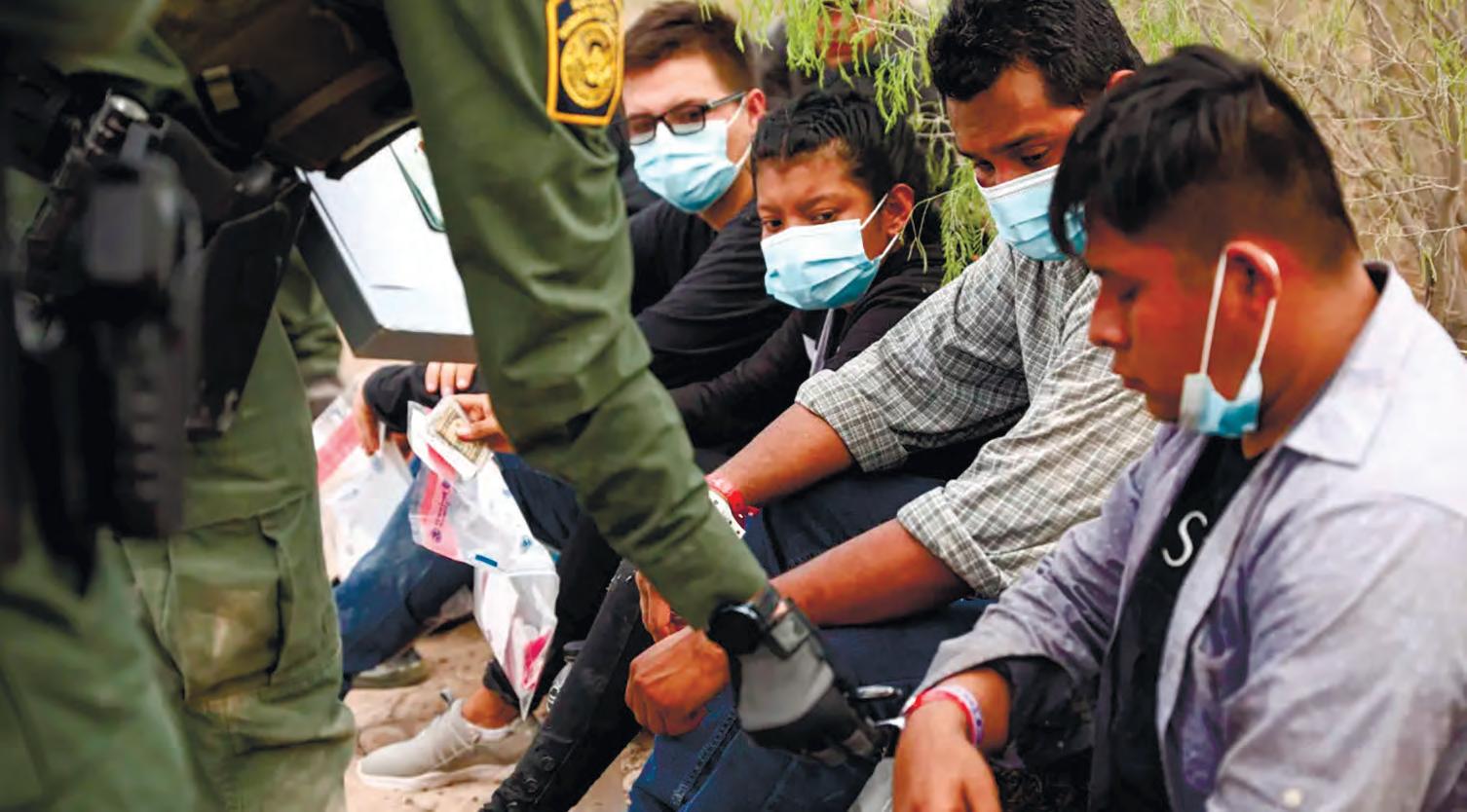
A Border Patrol agent checks an illegal immigrant wearing two wristbands that Mexican cartels have been using to control human smuggling into the United States, near Penitas, Texas, on March 15, 2021.
母女守護
家族餐廳原味蟹坊創辦人之一
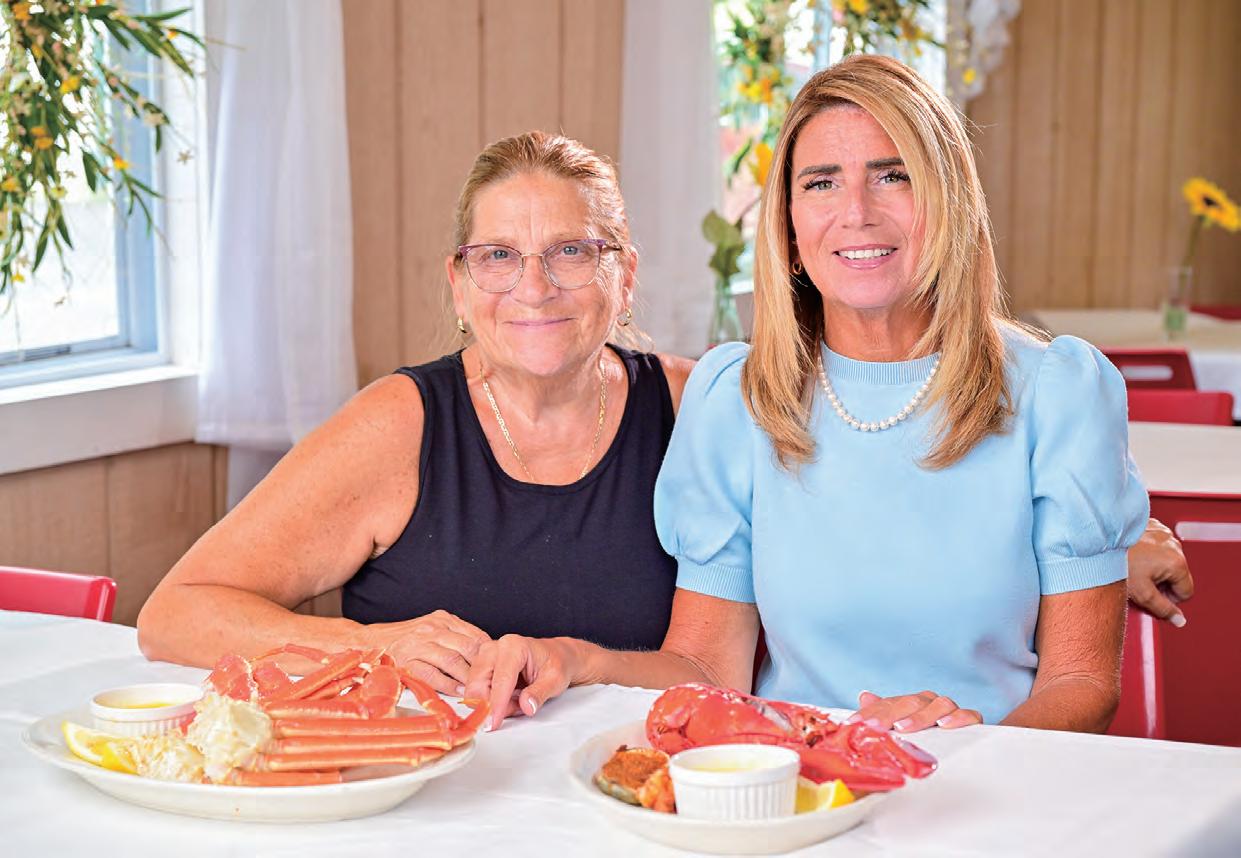
SharonValenti(左)和女兒 Michelle
紐約半世紀原味蟹坊
法拉盛半小時直達 City Island
█ 曾蓮紐約採訪報道 圖/宏達
不到半小時車程,從紐約法拉盛 驅車跨過大橋,便能抵達布朗克斯的 城市島(City Island)。這座僅一英里 多長的小島,四面環水卻透過大橋與 大陸相連,因新鮮的海鮮餐廳、遊艇 俱樂部與新英格蘭漁村般的氛圍而聞 名。島上保留了古樸的氛圍和歷史房 屋,是遠離城市喧囂的絕佳去處,讓 人彷彿脫離大蘋果的喧囂,置身於新 英格蘭的沿海小鎮。
在這片小島的心臟位置、主幹 道中央,坐落著創立於 1977 年的 Original Crab Shanty(小島原味蟹 坊)。雖不在海邊,卻憑藉著新鮮直 送的海味、大份量與親民價格,屹立 近半個世紀,成為當地人與遊客心目 中的「必到之地」。雖然創辦人 Joe Valenti 近年離世,但他的太太 Sharon 和女兒 Michelle 依然堅守傳統,將這 間老店延續下去,把家的味道帶給每 一位來訪的食客。
小島原味蟹坊的各類海鮮美食。
新鮮直送海味
親民價格 家的味道
小島原味蟹坊自創立以來,始終 堅持「份量足、價格親民、食材新鮮」 的理念。前菜蒜香包口味香濃,招牌 菜式 Joe V's Deep Divers Feast,裏面 有大蝦、龍蝦尾、蟹鉗、扇貝、雪蟹 腳,再加上一整隻烤龍蝦,鋪在金黃 米飯上,配以香甜栗米棒,搭配以冧 酒 、椰漿和菠蘿汁調配而成的雞尾酒 Pina Colada,澎湃又滿足。
愛蟹人士則不能錯過 A Banquet for Crab Lovers,自家製馬里蘭蟹餅、 蒜香硬殼蟹、釀珍寶蟹、軟殼蟹與雪 蟹腳齊聚一桌,搭配薯條與栗米,簡 直是螃蟹控的夢幻拼盤。
小店在細節中藏著對客人的貼心。 走到餐廳出口處,你會發現一大桶鮮紅 的蘋果,供客人免費取用。這個小小的 傳統自開店起便延續至今,原本是為了 讓食客在享用完滿桌海鮮後,能以一口 清甜的蘋果消解油膩與蒜香。多年來, 它不僅是一種貼心服務,更成了餐館的 溫暖標記,提醒著每一位客人:在這裏 用餐,不只是享受海味盛宴,更能感受 到家人般的關懷。
百年老屋
家族精神傳承半世紀
餐館的歷史與環境同樣迷人,這 棟建築可追溯至 20 世紀初,最早是一 家默片電影院,高挑的金屬天花板至 今仍完整保存;這裏後來演變為 City Island 的郵局,承載了居民寄信與收 包裹的記憶。「我小時侯還在這裏寄 過信!」Sharon Valenti 如是說。她還 記得,如今停車場的前身是一條名為 「Crab Lane」(蟹巷)的小路,冥冥之 中與今日的「蟹坊」呼應。
創辦人 Joe 與妻子 Sharon 從餐館 開業第一天起便親力親為,Sharon 回 憶當年的艱辛,眼神裏帶著柔情。她 和丈夫 Joe 從一開始就親力親為,Joe 不僅在廚房忙碌,還總愛與每一位客 人聊天打招呼,讓顧客感覺像回到朋 友家作客一樣親切。
「他記得每一位客人,總是笑著和 大家說話,餐館對他而言不是生意, 而是大家的第二個家。」Sharon 說道。
可惜 Joe 在幾年前離世,但這「家 的味道」仍由女兒 Michelle 傳承下來。
她自 12 歲便在餐館幫忙,至今管理餐 廳已經超過 20 年。
「我們是 City Island 上最久的家 族餐館之一,餐館對我們來說不只是 生意,而是延續父親精神的地方。」 Michelle 說道。餐館幾乎全年無休, 一年中僅有感恩節是一家人團聚休息 的日子。
紐約風情
經典不變 四十年大廚的堅守
主廚 Alexandra 在這裏工作 40 多 年,「我仍記得我在 1981 年 3 月 26 日踏入這家餐廳!當我第一次步入這 裏,我就愛上了這裏,那時候我還不 會開扇貝、龍蝦和螃蟹,你看,現在 一晃眼就 40 年過去了。」從學徒到大 廚,他與 Valenti 一家並肩進退,情同 家人,「這裏像我的家,我不願離開。」 他笑著說。
對許多老主顧而言,來這裏品嚐 的不只是一份餐點,更是一種家的味 道。正如創辦人 Joe Valenti 當年所說: 「經濟再困難的年代,也要讓人們能坐 下來,享受豐盛的一餐。」
儘管菜單偶爾會增加一些新菜 色,但小島原味蟹坊的靈魂,仍然是 那些從 1977 年就存在的經典菜品。 餐館首創的菜式——雙人海鮮盛宴 (Feast for Two)延續至今,堆疊成 山的鮮美海味,搭配彈牙的意粉,加 上靈魂醬汁,雖說是兩人餐,實際上 4 個人也吃不完,大份量令人驚嘆不 已。僅 130 多美金,就能享受到一盤 富有飽足感的海鮮盛宴。 Alex 表示,堅持傳統配方至關重 要,並與 Michelle 一起將經典與創新結 合。根據客人需求,衍生出更多特色美 味,如客人想要多一點肉香,可以選擇 「BBQ Feast」,整隻龍蝦配上小排骨、 烤雞、大蝦與雪蟹腳,還有洋蔥圈與薯 條,一次滿足海陸雙重享受。
小島原味蟹坊外景。(曾蓮/大紀元) 小島原味蟹坊 1977 年首創招牌 雙人海鮮盛宴 Feast for Two
對「新鮮」的執著
在主廚 Alex 看來,餐館最驕傲的 資產不是高級裝潢,而是新鮮食材。 「有些地方一條魚高達 200 美金,但我 們不會那樣。我們的價錢合理,因為 我們把顧客當家人。」他語氣堅定, 「我們每周都有 5 次送貨,一切都是最 新鮮的。這就是我愛這裏的原因。」
Michelle 補充說:「因為餐館生意 一直很好,食材幾乎不會囤貨。我們 和不同供應商合作,每天都有新鮮的 螃蟹腿、龍蝦和各種海鮮送進來。這 也是為甚麼客人一吃就知道不一樣。」
食客的口碑之選
「我們有的客人,從第一次約會來 這裏,後來在這裏訂婚、結婚紀念, 甚至最近剛在這裏慶祝五十周年結婚 紀念日。」Michelle 自豪地分享。這 些跨越世代的情感連結,正是餐館最 珍貴的資產。而對社區居民而言,這 裏也是生活的一部份。 「最艱難的挑戰,當然是新冠疫 情。」Michelle 說起那段日子,語氣 中仍帶著一絲感慨。餐廳從沒因疫情 而關門,全靠一群忠誠的員工每天準 時到崗,以及始終支持的老顧客,才 讓她們撐過最困難的時期。為了生 存,她們把原本以內用為主的餐廳, 轉型成外賣餐廳,後來又增設了戶外 用餐區。當時為了加快出餐速度,她 和母親一起縮減了龐大的菜單,只保 留最經典的料理,開啟外賣生意,餐 廳依舊有一批忠實的客人前來支持。 原味蟹坊不僅深受當地居民喜 愛,也吸引了眾多華人食客專程前 來。Michelle 介紹,有一些華人客人, 每個月都會固定帶一家人來用餐,尤 其喜愛海鮮拼盤,看著他們的孩子吃 得開心,她也感到很欣慰。他們很喜
餐廳內紀念Joe Valenti的霓虹招牌。
研究人員找到
讓你吃泡菜的理由
文/陳俊村 圖/ Shutterstock
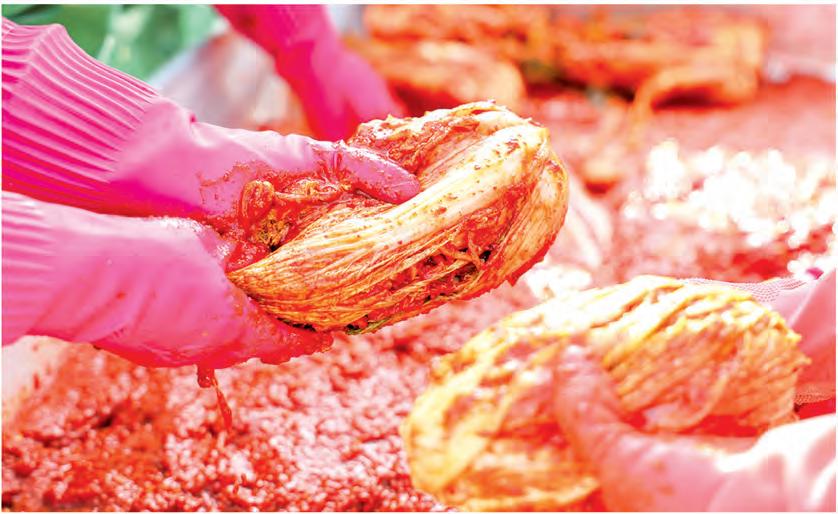
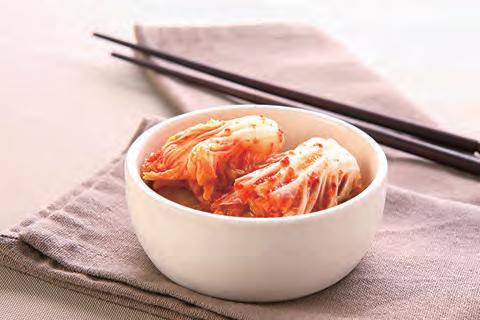
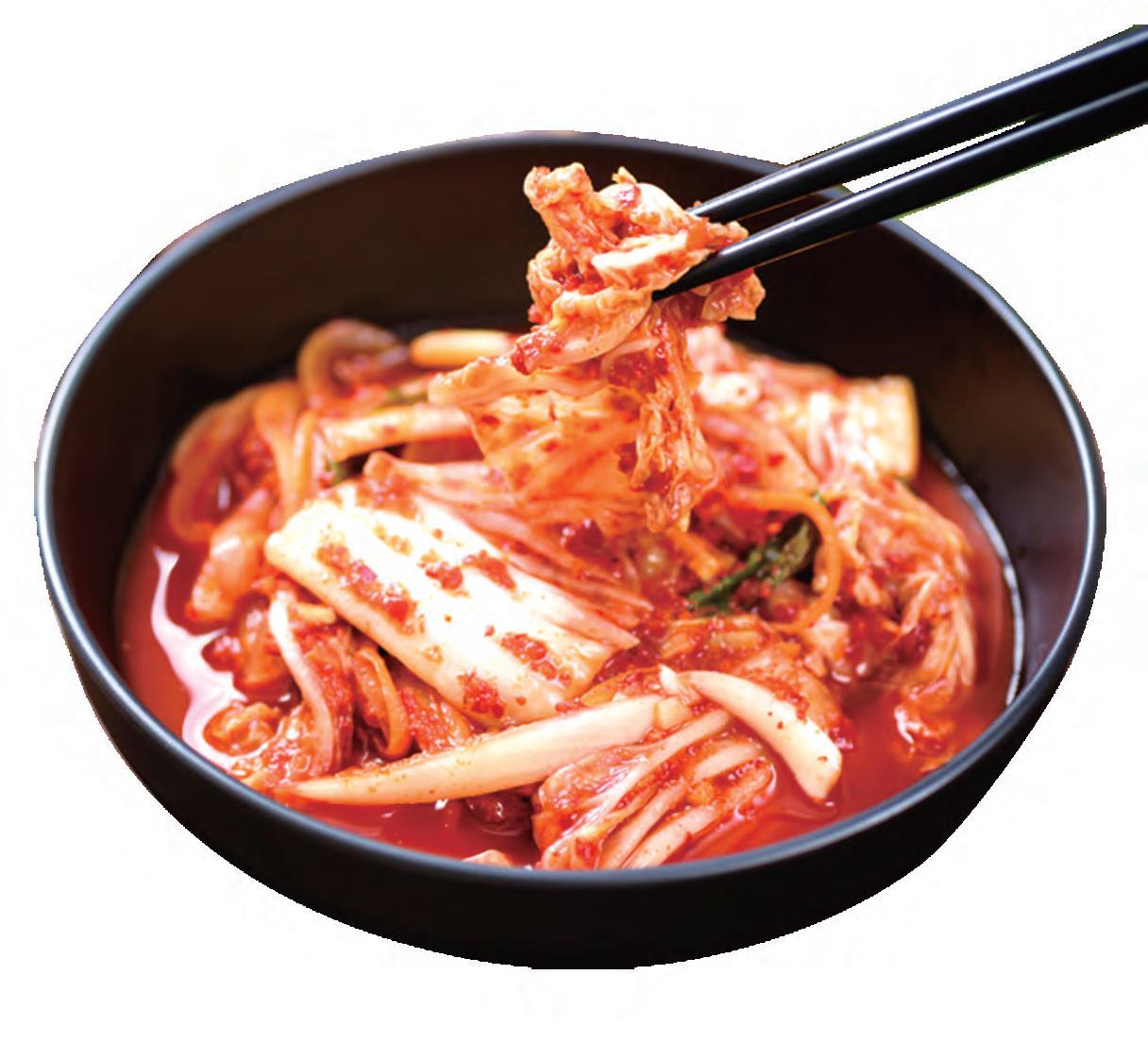
一說到泡菜,很多人都會想到韓國,韓國人的生活似乎離不開這 種傳統食物。泡菜的辛辣味和香氣可能會讓某些人百吃不膩。對 於喜愛這種發酵食品的人來說,現在又多了一個食用的理由,因 為最近有研究發現,吃泡菜有助於強化人體的免疫功能。
這項由韓國「世界泡菜研究所」 (World Institute of Kimchi)進行的研 究表明,泡菜可以增強免疫系統,同 時也能協助調節免疫反應的水平。
世界泡菜研究所是韓國政府資助 的研究中心,該機構致力於促進泡菜 的科學、文化和產業發展。
在這項研究中,研究人員對 13 名 超重成年人進行了為期 12 周的實驗。 這些參與者被隨機分配到三個組別。 一組服用安慰劑,而另外兩組則服用 兩種不同類型的泡菜粉(泡菜在冷凍 乾燥後裝入膠囊內)。
第一種泡菜粉是利用環境中已有 的微生物自然發酵而成的。第二種泡 菜粉則是用特選的培養菌發酵而成, 而非依賴天然微生物。參與者每日服 用的泡菜粉量大致相當於食用 30 克新 鮮泡菜。
研究人員在上述實驗前後收集 這些參與者的外周血單個核細胞
韓國泡菜 有上千年 的歷史。
(peripheral blood mononuclear cell), 並對這種血液樣本進行分析,以詳細 了解免疫系統的反應。外周血單個核 細胞在免疫系統中扮演了重要角色。
研究發現,泡菜能以標靶方式 影響免疫系統,增強抗原呈遞細胞 (antigen-presenting cell,APC)的活 性。這些免疫細胞能夠有效地標記入 侵的細菌或病毒等病原體,以便讓輔 助性 T 細胞(負責協調整體免疫反應 的一種淋巴細胞)能夠識別並攻擊這 些特定的病原體。
泡菜也能增強某些基因的活性, 這些基因就像開關一樣,能協助免疫 細胞向 T 細胞發出比較清晰的訊號。
此外,輔助性 T 細胞也發生了基 因改變,使其能對任何觸發免疫反應 的因素更快作出反應。這些改變意味 著它們能幫助其它免疫細胞有效對抗 感染。
而其它大部份免疫細胞保持不
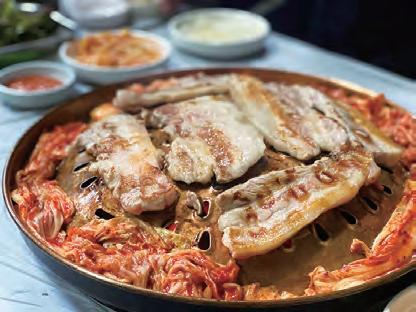
韓式泡菜烤肉。
韓國人的生 活離不開泡 菜這種食物。
變,這表示泡菜主要的作用在於輔助 性 T 細胞,而不是活化整個免疫系 統。維持這種平衡非常重要,因為免 疫系統必須能夠有效對抗感染,同時 避免衍生會傷害組織的過度發炎。
整體而言,研究結果顯示,泡菜 能幫助免疫系統更有效地應對威脅, 而且不會引起過度發炎。這兩種類型 的泡菜粉都產生了這種效果,但使用 培養菌發酵而成的泡菜效果略強。服 用安慰劑的參與者並未出現免疫系統 方面的變化。
因此,泡菜可能有助於增強抗病 毒能力、提升疫苗接種效果並調節發 炎反應,但仍需進一步研究加以證實。
主導這項研究的世界泡菜研究所 研究人員李祐在(Woo Jae Lee,音譯) 指出,該研究首次證明,泡菜會同時 產生兩種不同的作用——活化防禦細 胞和抑制過度反應。
他說:「我們計劃將來擴大泡菜和
乳酸菌與免疫和代謝健康之間關係的 國際研究。」
研究人員表示,他們希望這項 研究成果能確立泡菜不僅是一種傳 統發酵食品,更是一種「經科學驗 證對免疫健康具有功效的功能性食 品」。
他們也提到,這些發現可以應用 於其它多個領域,包括開發具有保健 功能的食品、提高疫苗效力和預防免 疫性疾病。
關於韓國泡菜的歷史有多久遠, 韓國泡菜協會會長李河然曾表示, 早在高麗時代(公元 918 年至 1392 年),泡菜便已有相關紀錄,但當時 的製作方法與現今並不相同。
韓國春、夏、秋、冬四季分明, 冬季缺乏新鮮蔬菜。為了在寒冷的冬 天仍能補充人體所需的維他命,高麗 時代的人便以鹽醃製蔬菜,這便是當 時的泡菜。
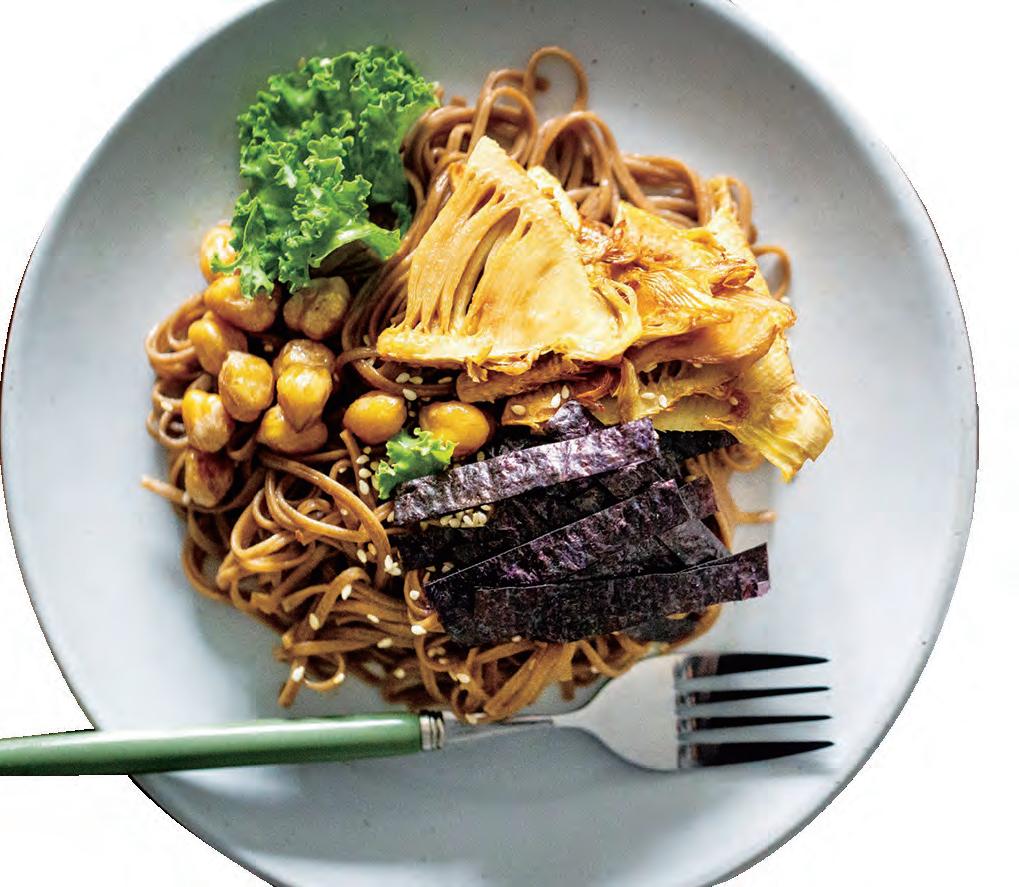
春筍蔥油蕎麥麵
編者按:手把手帶 你進入全植物飲食 的世界,享受蔬食 料理的樂趣。藉由 零負擔的全植料理 讓身體吸收全方位 營養,作者將多年 累積的實用秘訣無 私分享,讓全植物 蔬食料理的製作變 得更加輕鬆。
泡菜可與多種食材 組合成泡菜鍋。
韓國世界泡 菜研究所的研 究表明,吃泡菜 有助於強化人體 的免疫功能。
食用多種發酵食 品比較有益
英國林肯大學(University of Lincoln)生理學資深講師伍茲 (Rachel Woods)在 The Conversation 網站撰文表示,泡菜並非唯一能強 化免疫系統的發酵食品。諸如乳酪 (又稱乳酪)、克菲爾(kefir)、酸 菜、味噌和康普茶(kombucha)等 食品,都含有活性微生物和代謝 物,能對微生物群產生正面作用, 而且可能影響免疫功能。
有些研究也表明,每天食用發 酵食品能增加有益的腸道細菌和控 制免疫反應,包括 T 細胞和抗體的 活動。
發酵食品所產生的確切作用取 決於很多因素,其中包括既有的微 生物、發酵方法和個人的獨特腸道 微生物群。
而不同的發酵食品可能也會因 其含有的不同微生物而產生不同的 作用。這就是為甚麼食用多種發酵 食品可能比只食用一種更有益處。 儘管迄今尚無有關發酵食品食 用量的明確建議,相關的研究也在 進行中,但在日常飲食中加入多種 發酵食品,仍不失為一種輕鬆且可 行的方式,讓人得以探索其對腸道 與免疫系統的潛在益處。◇
本文摘自《Vegan 無肉新食尚!全植物蔬食料理 100 道》,台灣東販提供
文/恩槿(植物飲食認證導師 ) 圖/台灣東販提供
食材 做法
春筍 50g、鷹嘴豆 10g、海苔 5g、椰子油 15ml、古法醬油 10ml 芝麻少許、羽衣甘藍少許、蕎麥麵 20g、蔥油 5ml、糙米醋 5ml、鹽 1g
春筍去殼、切片,用熱 水汆燙一下,去除澀味。將 汆燙好的春筍放入平底鍋 中,用椰子油煎至兩面焦黃。
將蕎麥麵放入沸水中煮 8 ∼ 10 分鐘,將蔥油、糙米 醋、鹽拌勻,拌入煮好的蕎 麥麵中。 1 2 3 4
鷹嘴豆提前 4 小時浸泡, 放入電鍋中煮熟,然後放入 烤盤中烤至焦脆。
將蕎麥麵裝盤,放入其 它所有食材即可。◇
劉永 康(阿康)是一位攝影 人,自 1994 年開始攝影之 旅,專長於香港的紀 實、 街頭和廢墟攝 影。他的作品經常捕捉 香 港人日常生活的方方面面和社會動 態。
創辦攝影專頁「Hong PICs 康港劉影」, 著有廢墟攝影 集《The Faded Glory》。 阿康的照片多 以「老香港」為主 題,反 映過去日子的懷緬和回憶。
文、圖/劉永康
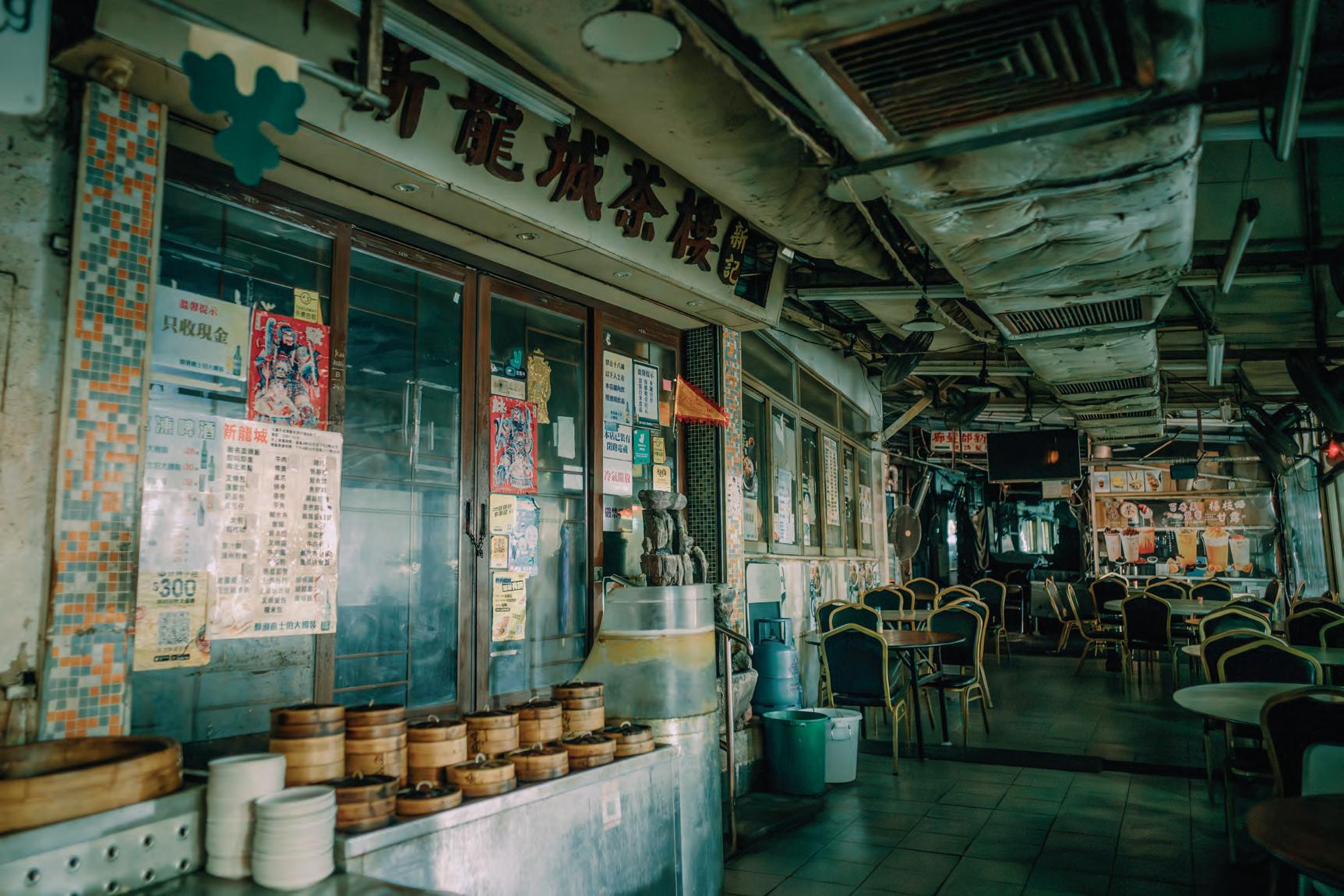
隨著城市發展的巨輪滾動,舊建築與 老靈魂終須面臨道別。位於牛池灣村、屹 立六十七載的「新龍城茶樓酒家」,因配 合政府的市區重建計劃,今年4月底正式 結業,將土地交還。這家見證了牛池灣半 世紀變遷的舊式茶樓,自3月起已先行結 束了那煙火氣十足的夜市時光。筆者近日 到訪這茶樓,昔日越夜越精彩的露天大排 檔風光不再,只剩下昏暗的燈光投射在斑 駁的鐵皮與牆身,這種沒有夜市的時空, 反倒讓空氣中瀰漫著一種「快要失去」的 壓抑與珍惜。
步入茶樓內部,鏡頭捕捉到的是那幾 棟疊著的竹蒸籠,以及整齊卻落寞的圓枱 與摺椅,準備為明天清早服務。新龍城作 為香港少數在城中村仍保留「鄉村茶樓」 風味的空間,其室內隨處可見歲月的痕 跡:粗獷的冷氣風管、懸掛的風扇,以及 寫著「新龍城茶樓」的懷舊燈箱。
筆者在拍攝過程中觀察到,雖然夜間 堂座空無一人,但那些整齊擺放的牙籤筒 與餐具,彷彿仍在靜候最後一批老茶客的 到訪。
拍攝期間,筆者遇見了一位在村內居 住超過四十年的街坊,他在寒暄中流露出 對老家與老茶樓即將消失的深切惋惜。隨 著政府收回土地,清拆的不僅是這座六十 七年的茶樓,更是整條牛池灣村的社區脈 絡與鄰里情懷。對街坊而言,茶樓的消失 象徵著一種生活方式的終結;對筆者而 言,透過這些影像紀錄下茶樓與村落並肩 走過的最後一段路,是對這片充滿人情味 的土地致以最後的敬意。
在消失前的倒數時刻,這份紀錄將成 為這座城市變遷中,一抹微弱卻真實的視 覺存檔。◇
新龍城茶樓結業, 鏡頭捕捉最後紀錄
茶樓室外的冷清清一角 康 港 劉 影
茶樓旁邊的一間理髮店已經交回政府 茶樓室外的冷清清一角
一排排的蒸籠等待明天的服務
茶樓的外觀
攝影師簡
Lau Wing Hong
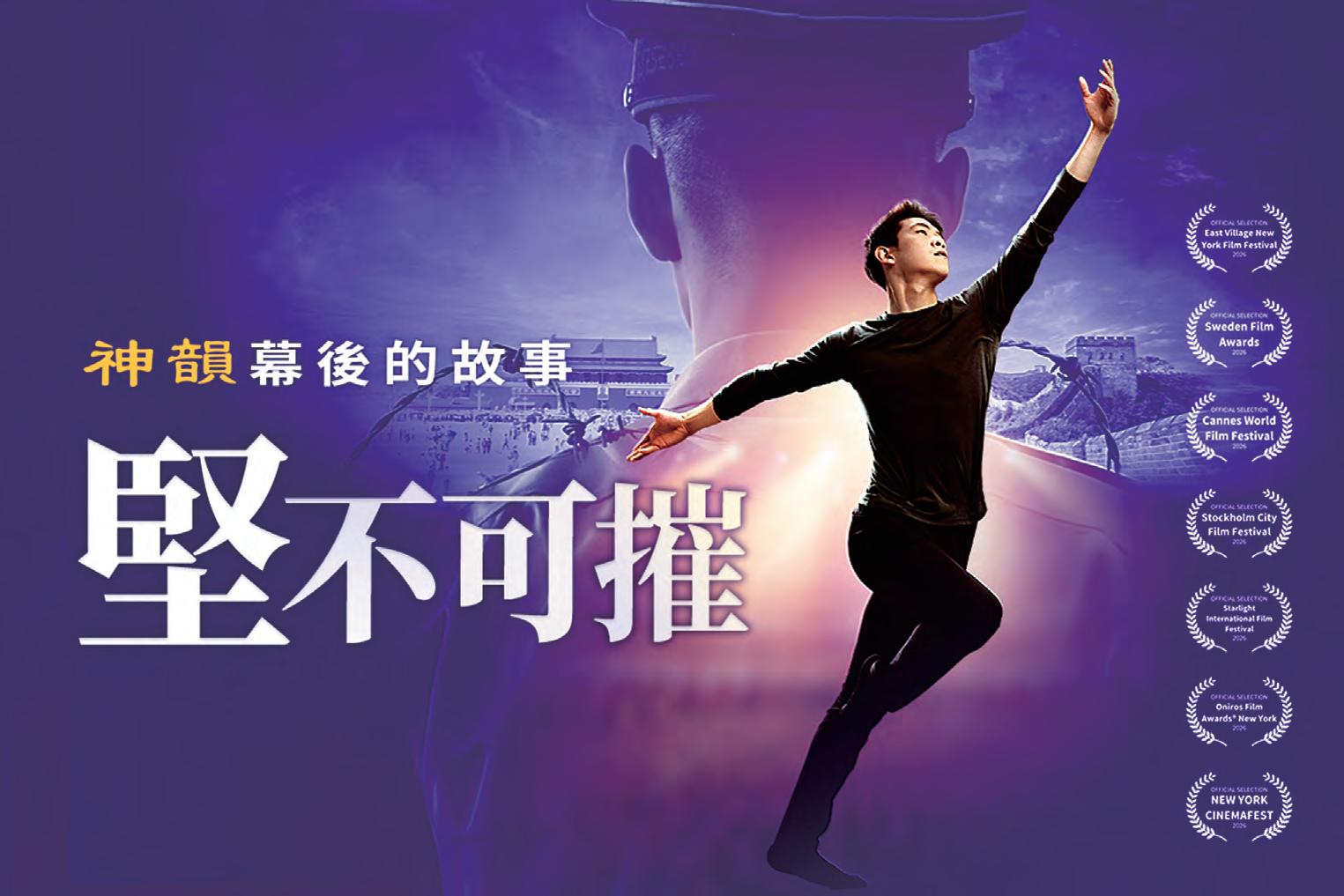
紀錄片《堅不可摧:神韻幕後的故事》海報。(NTD 製圖)
《堅不可摧》影評:
以家庭為起點的堅忍
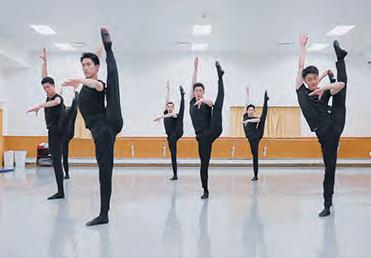
提到神韻藝術團,人們往往想到的是 壯觀的演出,那恢宏流暢的編舞,色彩鮮 明的服裝,以及氣勢磅礴的舞台。《堅不 可摧:神韻幕後的故事》(UNBROKEN: The Untold Story of Shen Yun)這部紀錄片 將視覺轉向舞台的背後,導演 Fiona Young 關心的,是舞台燈光熄滅之後,演員訓練 日常和他們家庭的生活。
導演提出的問題極其質樸:「在華麗 舞台光環背後,一位神韻藝術家的日常生 活究竟是甚麼模樣?當逆境來襲,當你所 珍愛的一切都岌岌可危時,守護自己的夢 想,究竟需要付出甚麼代價?」
故事以布勞德(Browde)一家為核 心,兄弟包正宇(Jesse Browde)與包明宇 (Lucas Browde)在中國古典舞嚴格訓練體 系中的身心歷程,成為觀眾進入這部紀錄 片的重要入口;而父親利維布勞德(Levi Browde)則在保護孩子與揭露真相之間承 受巨大壓力,將一場跨越藝術、信仰與國 際壓力的故事,轉化為一段關於親情、成 長與守護的敘事,讓觀眾在情感層面逐步 靠近這場看似遙遠的「風暴」。
整個故事不只是關於舞台,也不只是 關於外在衝突,而是回到一個更動人的命 題:年輕人如何在藝術與信念的淬鍊之中, 慢慢長成內在堅不可摧的人。
《堅不可摧》 官方網站 限時免費觀看
舞蹈世界帶來的兄弟改變
《堅不可摧》一開始並沒有急著把人物 推上宏大的歷史或政治場景。導演反而先 把鏡頭帶回最日常的片刻:棒球場、家庭 互動、兄弟鬥嘴、考試結束後吃冰淇淋, 甚至是巡演空檔去看日出、看棒球賽。正 是這種近距離的生活感,讓片中的人物先 成為「真實的人」,而不只是某種象徵。
布勞德兄弟不是天生就屬於舞蹈世界 的人。Jesse 在走上舞蹈之路前,曾打了 六、七年的棒球。Lucas 更坦言,自己以前 從沒想過會跳舞,甚至曾直白地說過:「跳 舞是女孩子的事。」這句話帶著少年人的逞 強與成見,也無意間點出了他最初對舞蹈 的距離感。但當 Lucas 真正進入舞蹈世界後 的體會完全不同,「所有的能量跟情緒都能 在這裏釋放。」
Jesse 分享自己的訓練經歷,他剛進入 飛天時,柔軟度並不出眾,甚至算是班上 比較僵硬的學生,因此只能靠自己加倍練 習。父親回憶,有一次兒子因為獨自在舞 室加練拉筋,痛得打電話回家,說自己試 著劈腿,撐了很久,到最後「就只剩我跟我 的疼痛,沒別的了」。那通電話聽來讓人 心疼,但更有力量的是父親後來補上的一 句:「從那之後,再也沒接過這樣的電話。」 片中另一句很有力量的話來自 Lucas: 「訓練不只是為了把舞跳好,更是為了成為 一個更強大的人。」這句話讓人看到了他堅 強的一面,舞蹈不只是技巧養成,不只是 職業訓練,而是如何進一步作用於人的內 在:讓人更能忍受挫折,更懂得面對自己, 也更願意在困難面前繼續向前。
文/曾蓮 圖/ Paulio Shakespeare/NTD
社會壓力與父親的責任
如果說兄弟的故事代表成長,那麼父 親布勞德的角色,則代表「承擔」。
當社會上對神韻的威脅升級,從媒體 上的負面指控與輿論攻防,逐步演變為具 體而直接的暴力恐嚇。父親布勞德的視 角,成為影片中最沉重、也最貼近現實的 一條情感線。
一通通突如其來的電話,幾乎構成了 布勞德日常生活的一部份:有人通報劇院 收到炸彈威脅,有人轉述可能發生的槍擊 恐嚇,甚至包括華盛頓 DC 甘迺迪藝術中 心劇院演出期間的緊急安全警報。
在其中一幕中,父親得到劇院炸彈威脅 消息後第一時間撥通電話,只問了一句最簡 單的話:「孩子們,你們還好嗎?」他知道孩 子們正身處一個可能被鎖定的環境,也知道 這些威脅並非空穴來風。當恐嚇訊息來自跨 國行動、甚至被追查與中國大陸有關時,這 種不確定性與無力感,被進一步放大。
父親最令人動容的一點,就是透過行 動保護孩子。他並沒有要求孩子離開舞 台,而是親赴美國首府華盛頓 DC,向外 界揭示這些威脅的存在,呼籲社會正視問 題。他既為孩子發聲,也是為那些同樣處 於壓力之下的人發聲。
影片中 Jesse 曾傳訊息給父親,說他們知 道父親經歷了很多,而現在他們也來到了前 線,要與父親並肩作戰。這一句話,把原本 單向的「父親保護孩子」關係,轉化成了雙向 的支持。它意味著這些曾經需要被保護的年 輕人,已經在訓練與歷練中長成了能夠與長 輩並肩、甚至願意共同擔起責任的人。
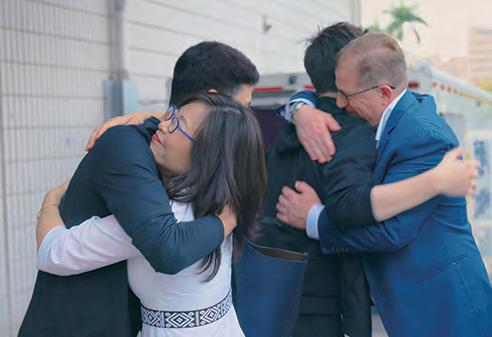
布勞德(Levi Browde)在台灣演出後與他的兩 個兒子重逢。
真正的「堅不可摧」
原本遙遠的政治與社會壓力,忽然 進入了家庭生活的核心,原本抽象的大 議題,具體成為每一通確認平安的電 話、每一次等待演出結束的焦慮、每一 個父母無法真正安睡的夜晚。正是在這 樣的壓力下,家庭的凝聚力被強化。布 勞德一家並未因外界壓力而分裂,反而 更加緊密。
在這樣的脈絡下,家庭扮演了關鍵角 色,不僅提供情感支持,也形塑價值觀。 Jesse 提到自己從家人獲得的愛與支持, 使他能夠全心投入舞蹈;而這種支持,並 非理所當然,而是長期互動的結果。父母 給予的理解,兄弟彼此的陪伴,團隊之中 如家人般生成的信任,人與人之間互信互 助,成為神韻藝術團在面對外界頗多壓力 的情況下走到今日的重要因素。
也正因如此,片尾那些看似平靜的畫 面才格外有餘韻:巡演結束後的釋然、畢 業時刻的榮耀、與家人重聚的滿足、回頭 看一路走來時的感恩。Jesse 說,從舞蹈學 到的很多東西,不只是舞蹈本身,而是能 夠應用在人生的道理;他也提醒自己,要 看見身邊擁有的一切,對所擁有的心存感 激。這種心境,正是這部影片最後真正留 給觀眾的東西:成熟不只是變得能吃苦, 而是變得更能珍惜、更知道自己為何而 走,也更明白甚麼值得守住。◇
Paralyzed Equestrian Lauren Barwick Inspires Others Every Day
After a devastating injury at age 22, Lauren Barwick refused to let it end her dream of working with horses.
By Nanette Holt & Natasha Holt
As soon as the 100-pound bale of hay toppled from a stack high above and hit her back, Lauren Barwick knew. Everything going forward would be different.
It was the 22-year-old’s second day working at her dream job at a Canadian ranch training horses for work in commercials and film. And in one cruel instant, everything had changed. As she screamed for help from the barn floor, unable to move, she knew. She was paralysed. But what she couldn’t know yet was how the catastrophic injury would make a way for her to reach even greater levels of success than she’d ever imagined—not only in riding competitions, but also in her ability to teach, inspire, and empower other horse enthusiasts around the world to overcome problems and communicate better with their 1,000-pound partners.
Growing up in British Columbia, Canada, Barwick passionately pursued sports, competing successfully in equestrian disciplines, crosscountry running, and skiing.
Horses made up the biggest part of her life. She knew them, understood them, and would confidently climb aboard animals too challenging for others. And she dreamed of working with them in movies.
Then, after a successful internship, she accepted a job at the same ranch that would allow her to pursue that dream. It was day two when she went to collect hay from a massive barn where bales were stacked high like a tower of Jenga blocks.
Determined to dislodge one from the top without asking for help, up she climbed. The stack teetered. She jumped. As she landed 10 feet below in a crouch, a falling bale slammed into her back, knocking her flat.
“I felt nothing,” she recalled 25 years later, telling the story to The Epoch Times at a picnic table under a sprawling oak on her Florida farm.
“I grabbed my legs and felt nothing. It was just an instant, and it severed my spine.”
The falling bale hit with thousands of pounds of force, she was told later. It took 10 minutes for anyone to find her. Fellow workers heard her cries and, assuming that she’d been attacked by an aggressive stallion, ran to another barn full of horses.
Her spine was crushed, but her spirit wasn’t. As she was carried toward an ambulance, she quipped:
“I’ll be back tomorrow.
“But just so you know, I haven’t fed the buffaloes yet.”
Road to Recovery
For months, Barwick struggled through physical therapy, desperately hoping to regain the use of her legs. It wasn’t to be.
“You know your horse is out there waiting for you,” her mom urged one day.
Barwick had been avoiding horses. But this time, she rolled outside toward the paddock fence. And there was her horse, her friend. Waiting.
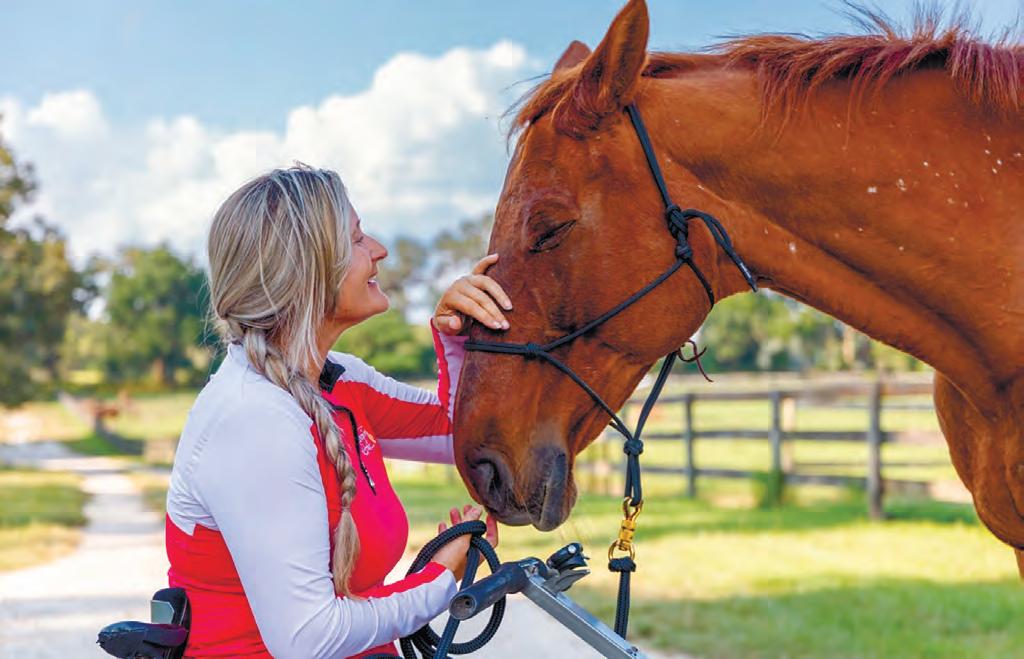
Instead of backing away from the unfamiliar wheelchair, the mare stretched out her velvety nose and nuzzled her former rider’s legs.
“[It] made me cry,“ Barwick said. ”A lot. It was like she knew.”
She reached up and slipped a halter onto her horse’s face and rolled forward, leading the animal, known around the barn as Peanut, out of the pasture.
For Barwick, riding had always been about more than just sitting on a horse’s back and being carried. It was about developing a partnership. She asked her old friend to back up. The mare did. She motioned for her horse to circle around the wheelchair. The mare did that, too.
Eventually, Barwick urged the mare to pull her along in her wheelchair, as if she were riding in a chariot. But riding—really riding—seemed impossible now. At least the way she wanted to ride.
Barwick’s mother urged her to try “therapeutic riding,” a practice that allows people with a range of physical, emotional, mental, or developmental disabilities to experience the healing benefits of being carried by a horse. Therapy horses often travel no faster than a walk, and riders often are steadied by helpers walking next to them.
Barwick flatly refused.
“There will be nothing therapeutic about that for me,” she said. That would only bring more pain, she told herself.
She’d always been the one who helped others who were struggling with their horses. Her mom would proudly offer: “I’ll put my daughter on. She can ride anything.” Barwick couldn’t accept riding with assistance now.
Choosing a New Way Forward
One day, as she watched riders and horses moving in partnership, feelings of loss overcame her. She wept uncontrollably and began to wheel herself away. But friends intervened. And moments later, they were lifting her onto the back of a horse.
“It was my worst nightmare come true,” Barwick said. “There I was, slouched over the saddle with absolutely no sensation of sitting on a horse and being led around the ring.”
That night, she thought about what had happened. She contemplated how she could move forward. Then she realized that she had a choice.
“I couldn’t say in the future, ‘Well, you know, I broke my back so I couldn’t ride,‘“ she said. ”That had been proven untrue. Now I’d have to say, ‘I broke my back, and I choose not to ride.’ And I wasn’t willing to live with that statement.”
She returned to the barn the next day with fierce resolve. And she rode—slouched at first, but with increasing strength and balance with every daily attempt. Friends at her barn helped, experimenting with ways to secure her in the saddle so that she eventually could ride unassisted.
Climbing to the Top
As her confidence and skills grew, people participating in para-equestrian sports—riding competitions for people with disabilities—encouraged her to get involved. She refused.
“I wanted nothing to do with the Paralympics because I didn’t want to be put in a category with a bunch of other paralysed people,” Barwick said. “I didn’t know it was parallel to the Olympics.”
The Paralympic Games follow each Olympic competition, using the same facilities and attracting
top athletes from around the world. Barwick learned that people with a range of impairments compete in para-equestrian sports through the highest levels, including in dressage. That sport—named for the French word for “training”—showcases horses and riders practically dancing together in complicated routines scored for accuracy and beauty.
Para-riders are classified based on five levels of impairment. They compete against riders at a similar disability level. Grade I riders have the most impairment. Barwick, who is paralyzed from the waist down, was classified for years as Grade II. After rule changes, she’s now considered a Grade III rider.
To help her train for competition, a handle was added to the front of her saddle to help her mount, dismount, and steady herself. Leg straps were added to help steady her legs. She learned to cue her horse with her voice. She also learned to signal commands with gentle taps on the horse’s body using two slender sticks, one in each hand.
Just four years after her accident, Barwick represented Canada at the 2004 Paralympic Games in Athens, Greece.
Being a good enough rider for a top international competition such as that is only one of the challenges, said Eleanor Brimmer, a paraequestrian athlete and president of the United States Para-Equestrian Association.
“You have to have the talent, funding, equine partner, and team around you to be able to compete at the highest level,” Brimmer told The Epoch Times. Barwick finished sixth and seventh at the Paralympic Games that year. Leaving without a medal only made her more determined.
Best in the World
To learn more about her sport, she attended a seminar taught by American Pat Parelli, one of the world’s most famous horse trainers. For more than 40 years, he’s taught people around the world to communicate and “connect” with their horses in a method that builds on trust. It’s known as “natural horsemanship.”
There, Barwick made another lifechanging decision.
“She rolled down the hill after it was over, introduced herself, and asked me if I could help her get to the next Paralympics and win gold,” Parelli told The Epoch Times.
“And I said, ‘First of all, what makes you think I’m the right person to help you? And second of all, what would make me think that you’re the right person that I could help?’
“So that’s how it started. She just said, ‘Well, I know I can do it.’
“I said, ‘Well, then, you have to prove it to me.’”
During what amounted to a twoweek-long interview at Parelli’s farm, Barwick helped with work and rode horses with able-bodied riders, sometimes over craggy mountain terrain. It was nothing like the riding she’d been doing in closely monitored arenas. For Barwick, for the first time in a very long time, it felt like ... freedom.
It’s expensive to sponsor a Paralympic hopeful, and the demands of a horse show campaign to qualify would take a huge time commitment. Parelli needed to know that she had grit, he said. And he needed proof of three things: Was she a good enough rider? Was she a good enough student? And was she a “show person” with “the brain for competition”?
“The two weeks she came down, she proved it all to me, and we went forward from there,” he said. Parelli wasn’t surprised that, from her wheelchair, Barwick could excel as a horsewoman and a teacher of other horse enthusiasts. It didn’t matter that the horses towered over her as she sat in her wheelchair.
“The wheelchair’s just a harness,” Parelli said. “Freedom is learning to move freely within our own harness. We all have our own harness.” His sponsorship covered the costs and provided the high-quality horse needed for competition. And after a slew of successful horse shows, she earned a slot on the team bound for the 2008 Beijing Paralympic Games. There, judges scored her dressage test high enough to win a silver medal. In the freestyle competition performed to music, she and her dancing horse, Maile, earned the gold.
In 2012, with another sponsor’s help, Barwick competed in the Paralympic Games in London, riding a horse called Off to Paris. They finished sixth and eighth.
Two years later, Barwick earned silver for her freestyle and bronze for her individual test at the 2014 World Equestrian Games in Cannes, France. The International Equestrian Federation ranked her as the best para-rider in the world.
Eyes on LA
Meanwhile, she’d purchased land in Reddick, Florida, and, with her father’s help, built a training facility one fence post at a time. Then, in 2013, the brother of one of her students flew in from Sweden to learn from her. Fabian Brandt was a professional dancer with a desire to work in horse training.
Soon, he and Barwick found that their shared love of horses had forged an even deeper connection between them.
In 2025, they celebrated 10 years of marriage and are now parents of two budding equestrians: 8-yearold Viola and 3-year-old Braxen. But as life changed, one thing remained constant: Barwick’s deter-
mination.
She rode again at the Paralympics in Rio de Janeiro in 2016, earning sixth and seventh place in her divisions on Onyx. And she competed in Tokyo’s rescheduled Paralympic Games in 2021 on Sandrino, placing sixth and ninth.
Onyx is retired now. And Sandrino, now available to her through a lease, isn’t capable of competing at the Olympic level anymore because of an old injury she doesn’t want to push.
Barwick holds out hope to compete at the 2028 Summer Paralympics in Los Angeles. She’ll need a sponsor to help cover bills, she said, and a very special horse. But she’s learned to never think of anything as impossible.
She hopes that someone who would enjoy the thrill of chasing an Olympic dream will come forward to help and join her “on the journey.”
Meanwhile, she continues to appear with Parelli at some of his seminars. Watching her establish a bond of trust and communication with a horse from her wheelchair inspires others, he said.
“You can train a dog with a pork chop, but horses are the opposite,” he said. “You can’t bribe them into behavior. People think they can, but they can’t. So we’ve got to teach people how to get horses to want to connect with them. That’s what Lauren learned—how to have that connection, that bonding. That’s where it starts.”
Even barn manager Franky Muller is amazed by how Barwick cares for the farm’s horses and does chores just like everyone else, as well as how she’s back to riding the difficult animals that cause other riders to struggle.
Barwick mystifies those around her every day, according to Muller.
“We forget how disabled she is because she is so able,” he said.
Barwick shrugs it off when people call her “an inspiration.”
“I would prefer to empower people, because empowering gives them a pathway,“ she said. ”Inspiration goes away after a week.”
The goal, she said, is to be “the best” you can be in the situation you’re in that day.
She’s quick to point out that life is full of challenges. For everyone. The real question, she said, is: “How do you figure out how to get through them and come out on the other end with a smile on your face?”
Nanette Holt is an award-winning Epoch Times reporter and senior features editor covering issues of national interest. Ms. Holt has had more than 30 years of experience in media and has written for Reader’s Digest, Woman’s World, the Tampa Tribune, the St. Petersburg Times, and others.
Lauren Barwick (2nd R) takes a walk on her family’s farm in Reddick, Fla., with her husband and fellow horse trainer, Fabian Brandt (2nd L), their son, Braxen (R), on Mindy, and their daughter, Viola (L), on Off to Paris.
With the help of two assistants, Lauren Barwick uses upper-body strength to pull herself into the saddle at the 2020 Paralympic Games in Tokyo, which were postponed and then held in the summer of 2021.
Paralympic competitor Lauren Barwick gives a kiss on the nose to her former competition horse Off to Paris, which now lives in retirement at her farm in Reddick, Fla.
圖為身穿鎌倉時代傳統狩獵裝束的射手
在疾馳的駿馬上拉弓射箭
日本傳承
800年的武士騎射術
流鏑馬
張雨霏綜合報道
█ 張雨霏綜合報道
日本東京的年度活動曆,就像一場結合了數百年傳 統與流行趨勢的華麗盛宴。從熱血沸騰的夏季祭典舞 蹈、傳奇煙火大會,到風靡全球的流行文化盛會、美食 節與藝術博覽會,這座城市在每個季節都準備了讓人期 待的驚喜。有著逾800年歷史的騎馬射箭術 流鏑馬, 就是每年春季都能在東京看到的重要文化活動之一。
流鏑馬( Yabusame )是日本中世時期結合騎射技藝 的馬術運動,最初為武士階層的實戰訓練,後轉變為祈 求天下泰平、五穀豐收的祭神儀式。該活動在平安時代 後期至鎌倉時代盛行( 12—14 世紀), 1187 年由源賴朝 開創「流鏑馬神事」並延續至今。
圖為木製標靶被射手擊中的精彩瞬間。(Philip
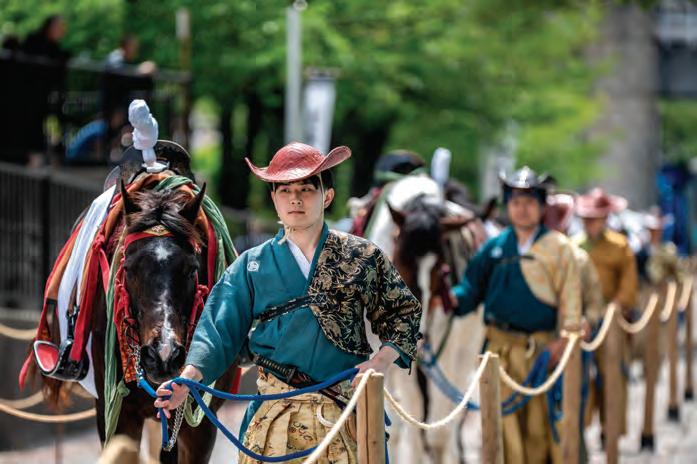
圖為身穿鎌倉時代傳統狩獵裝束的射手,在疾馳的駿馬上拉弓射箭。(
圖為射手們牽著各自的駿馬走向馬場。(
現代流鏑馬儀式主要在鶴岡八幡宮舉行,東京隅田公園 (Sumida Park)則於每年4月舉辦「淺草流鏑馬」展演。
該活動一直遵循著鎌倉時代確立的傳統規則,即射手身 穿鎌倉時代的華麗狩獵裝束,持和弓在約218米(2 町)的直 線上策馬飛奔,並連續向左方的三個木製標靶射擊,整個過 程僅持續十餘秒。射手一旦射中目標則會引發現場觀眾的熱 烈歡呼。
據悉,為了能在馬場上有傑出的表現,日本有些地區的 射手會以騎木馬的方式苦練騎射技藝,木馬以三百六十度旋 轉,然後騎手騎坐在木馬背上拉弓射箭,由於木馬轉一圈的 時間剛好等於騎著馬跑過兩個箭靶間的距離,因此騎手可以 抓準時間及時射出箭來,以增加命中率。◇