Table Of Contents
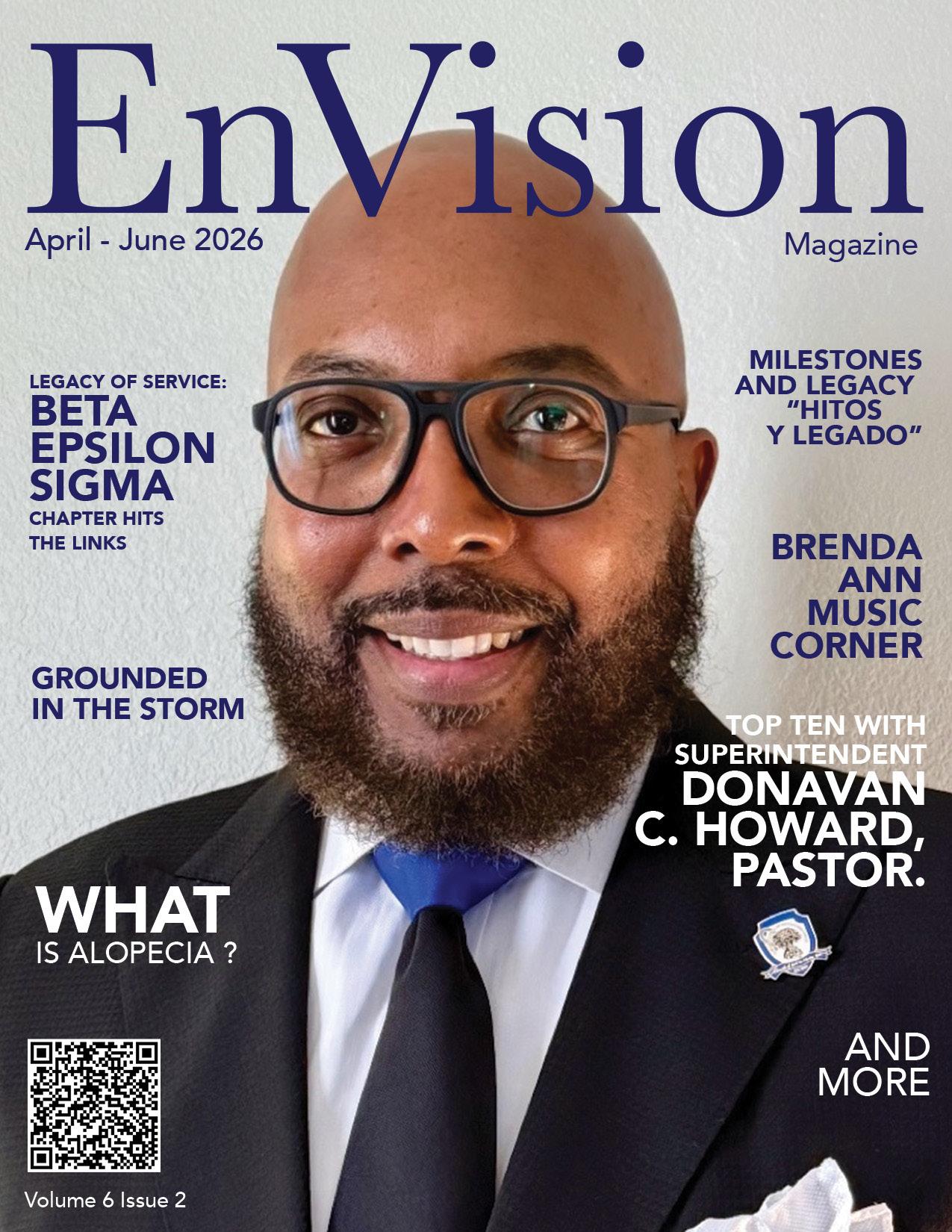
Top Ten with Pastor Donavanv Howard by Ann C
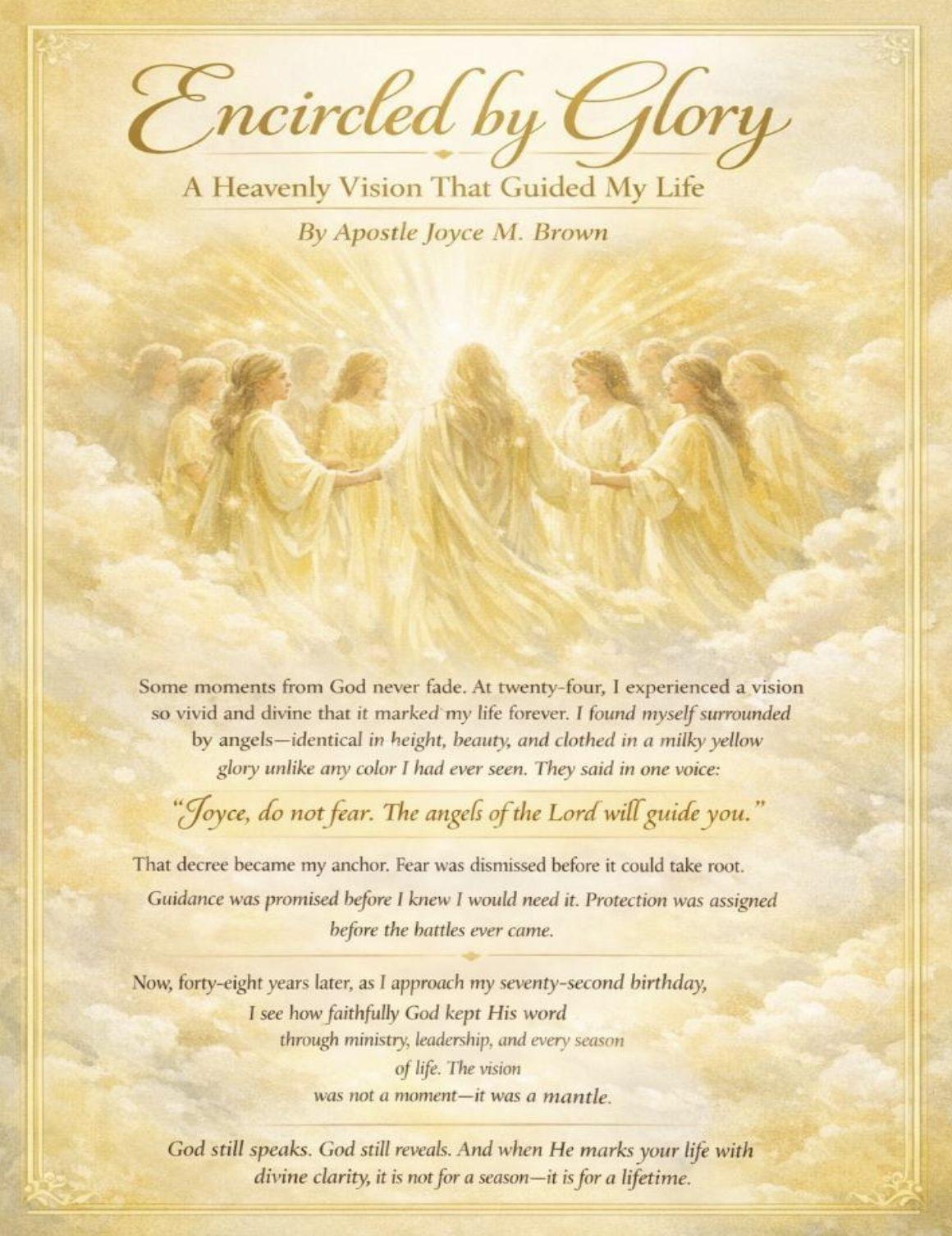
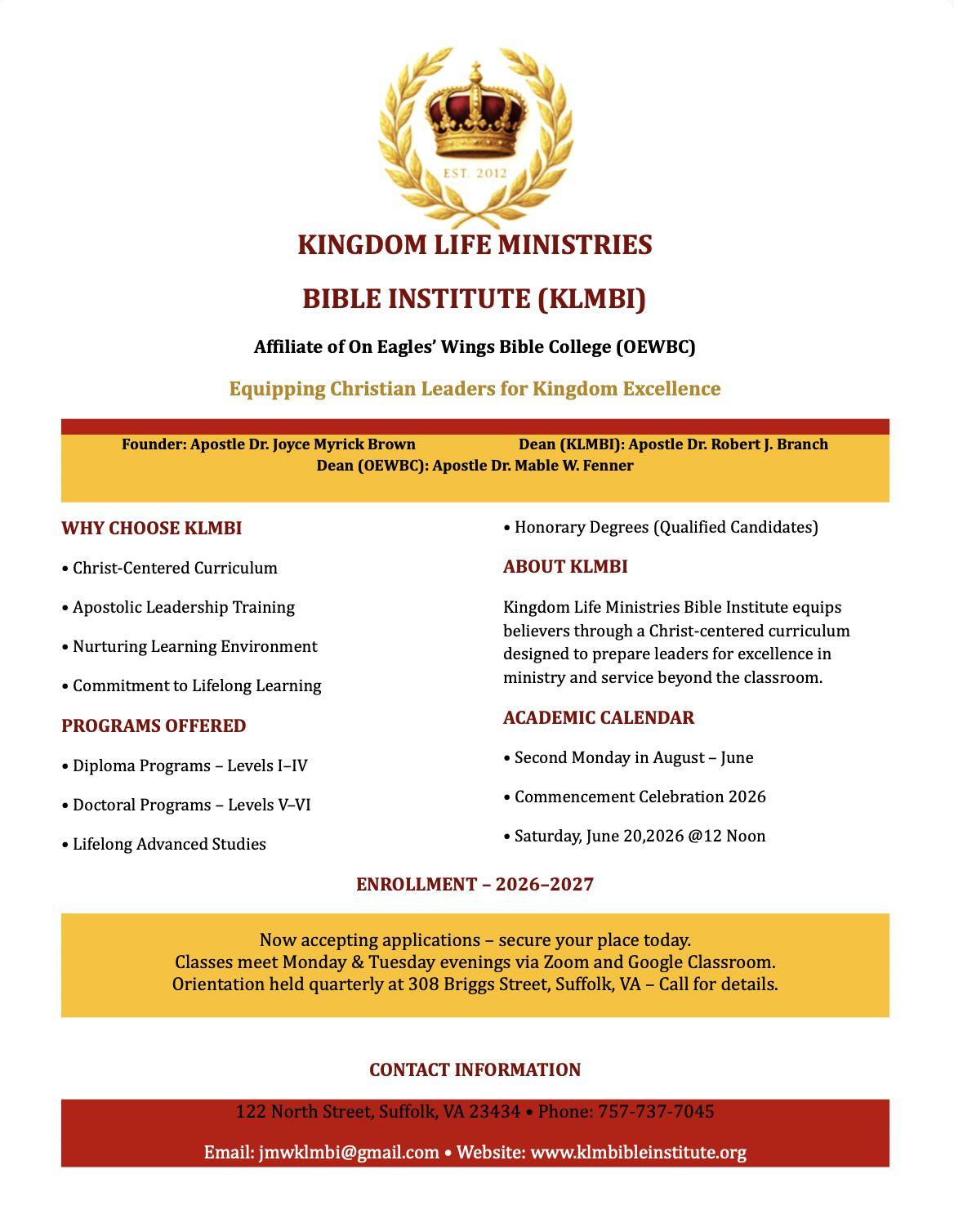
A Life Shaped by Vision, Wisdom, and Apostolic Grace by Apostle Dr. Joyce M. Brown
Blaze Group: The Curriculum Powering the Future of Digital Finance by Casey Ariel Dike
Cómo entender el colesterol: lo que necesita saber para un corazón saludable by American Heart Association
Natural Remedies vs. Western Medicines: A Comprehensive Exploration by Dr. Laquita Gaskins
Brenda Ann Music Corner by Brenda Ann Mitchell
Maple-Glazed Ham
The Emerald Nook by Kenny & Kenya Green
Navigating the 2026 Economy: A Call for Strategic Planning by Lamarr E. Lewis, MA CPRP
Envision Book Corner by Ann C
A Legacy of Service: The Beta Epsilon Sigma Chapter Hits the Links by Richard Richardson
Created with Purpose: Identity & Self-Esteem Through Faith by Bishop Marcus & Minister Linda Dixon
What is Alopecia? by Family Matters
Second Chances by Raquel Roqué Herring
Grounded in the Storm Mental Health, Faith, and Resilience in an Age of Constant Crisis by Dr Michael Smith
Before the Fork By Desare Flournoy
Milestones and Legacy by Berta P. Weyenberg
Hitos y Legado by Berta P. Weyenberg
Living Your Best Life is Serious Business by Dr. Julia Royston
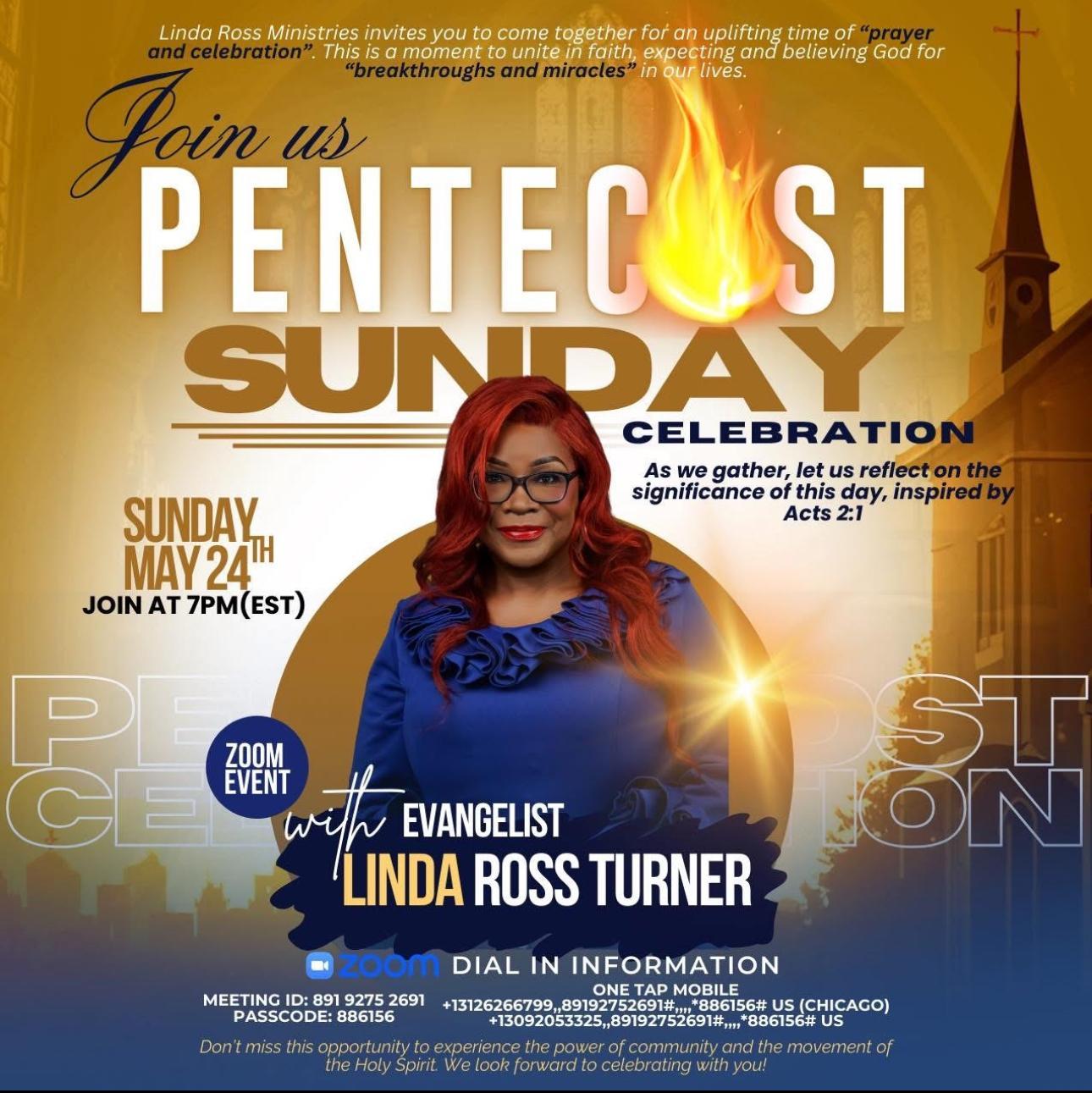
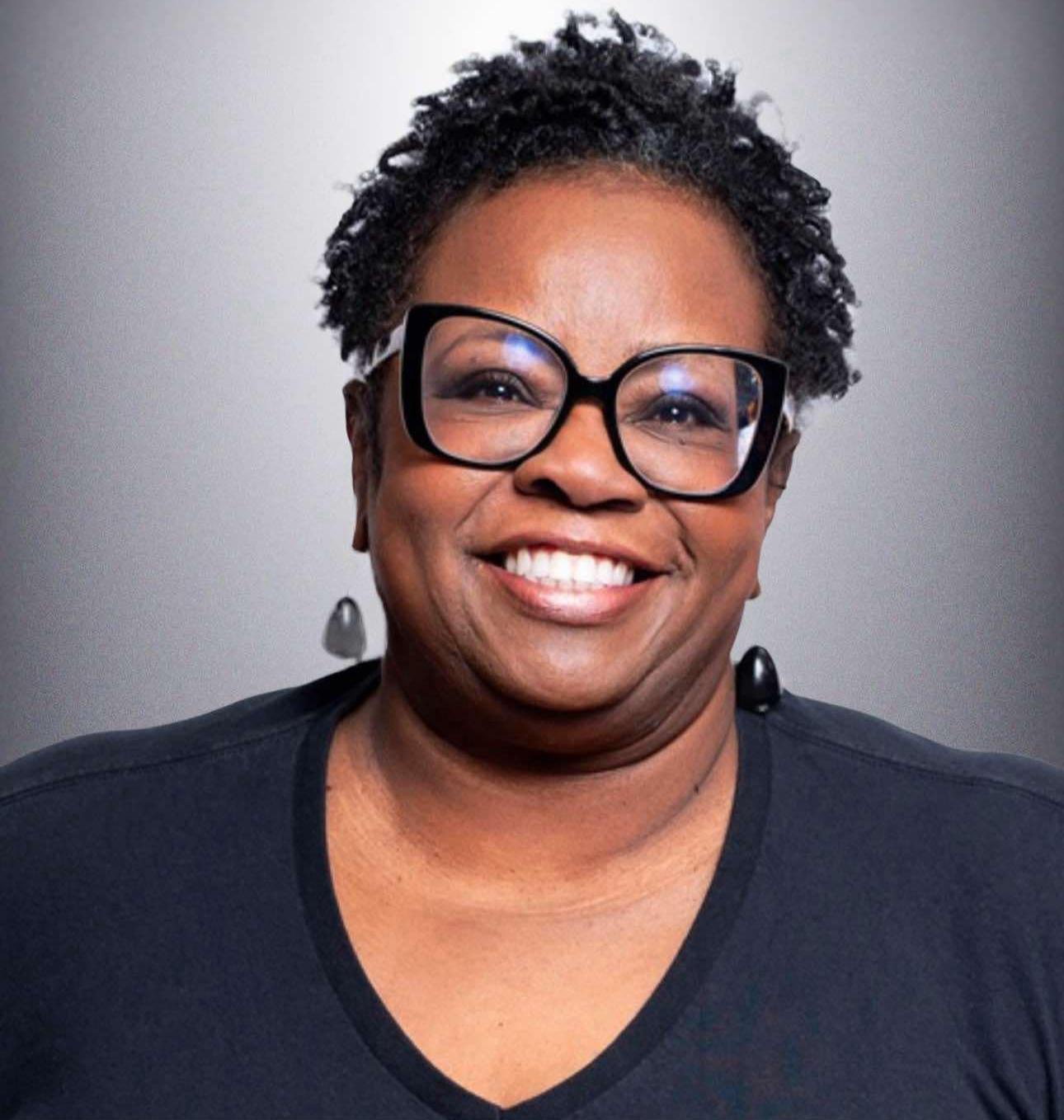
His Steadfast Love Never Ceases by Minister Linda Ross-Turner
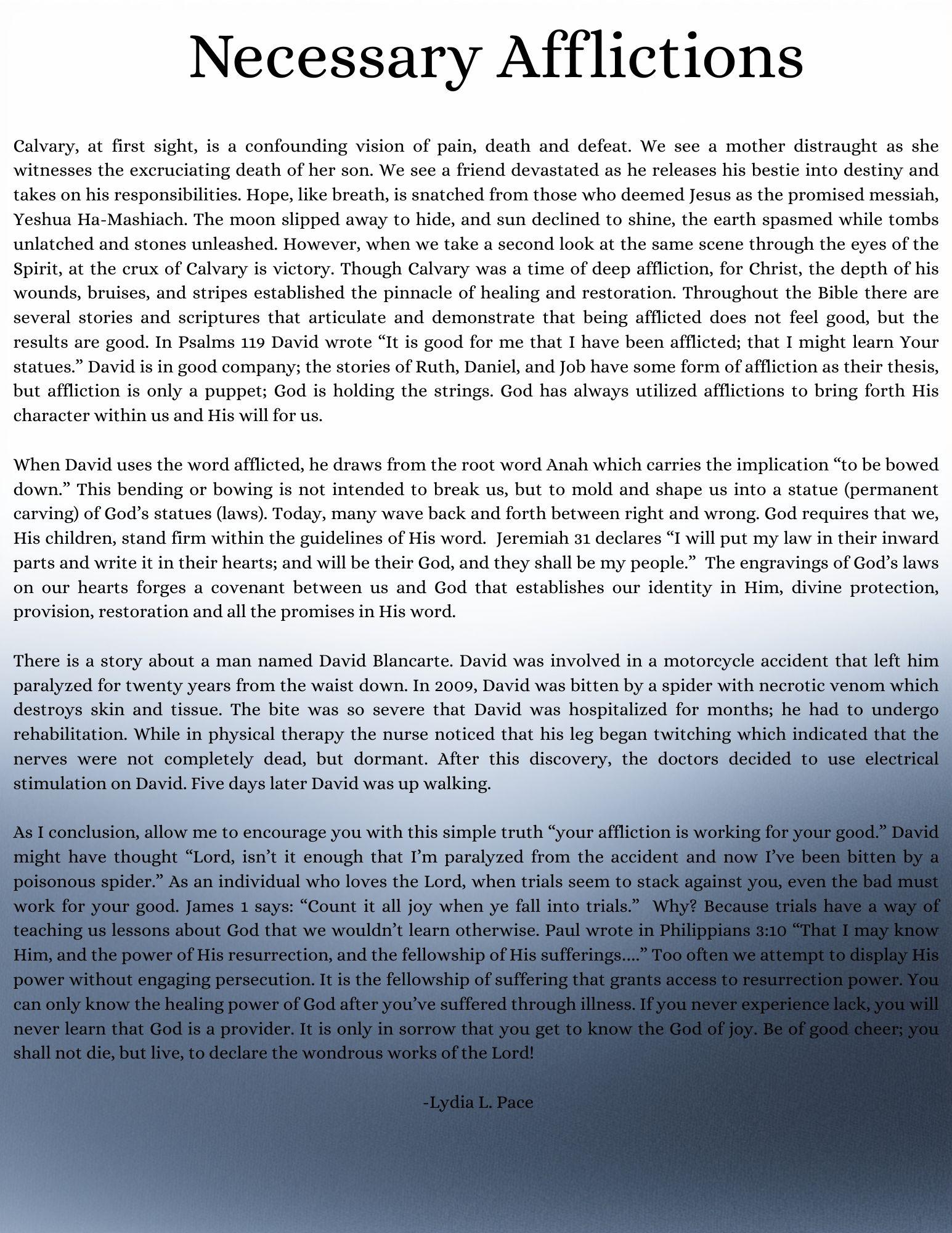
Necessary Afflictions by Lydia L. Pace
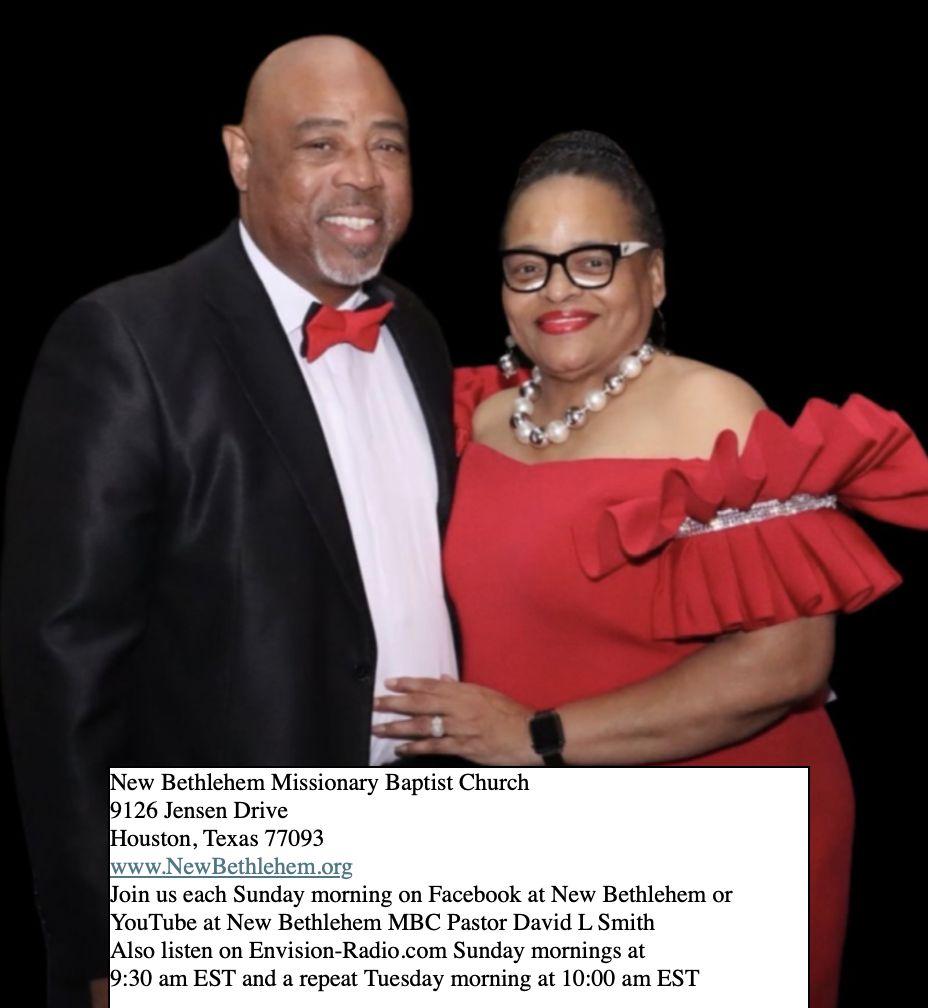
When Life Be Lifing, Stay Focused on the Promises of God by Pastor David & Lady Linda Smith
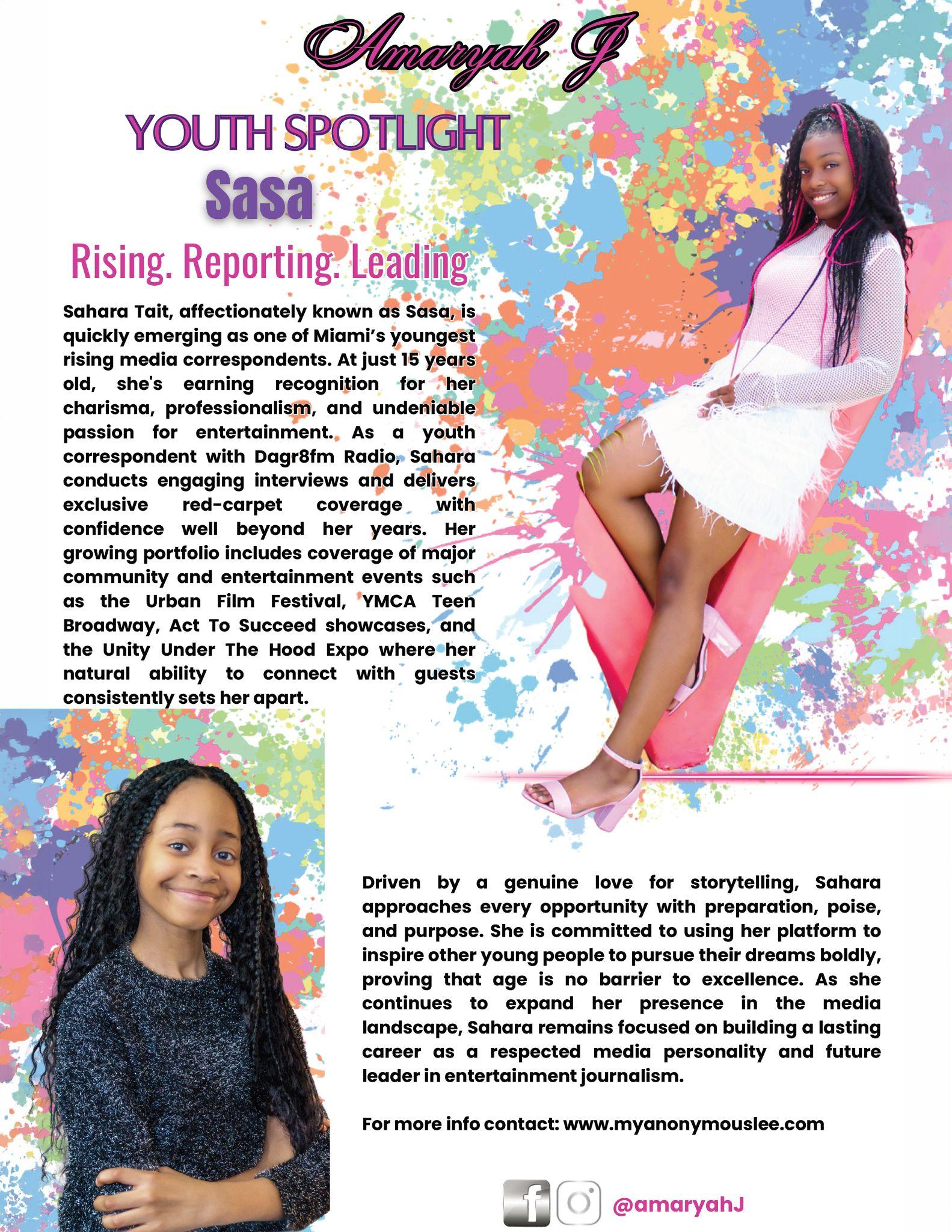
Youth Spotlight by Amaryah J.
From Service to Sovereignty The Faith-Led Journey of LaTisha Johnson by LaTisha Johnson

EDITOR’S NOTE
Spring invites us into a season of renewal, reflection, and recharging—an opportunity to pause, reset, and realign with purpose. As the world around us blooms with fresh life, we, too, are reminded of the importance of restoring our minds, spirits, and vision for what lies ahead.
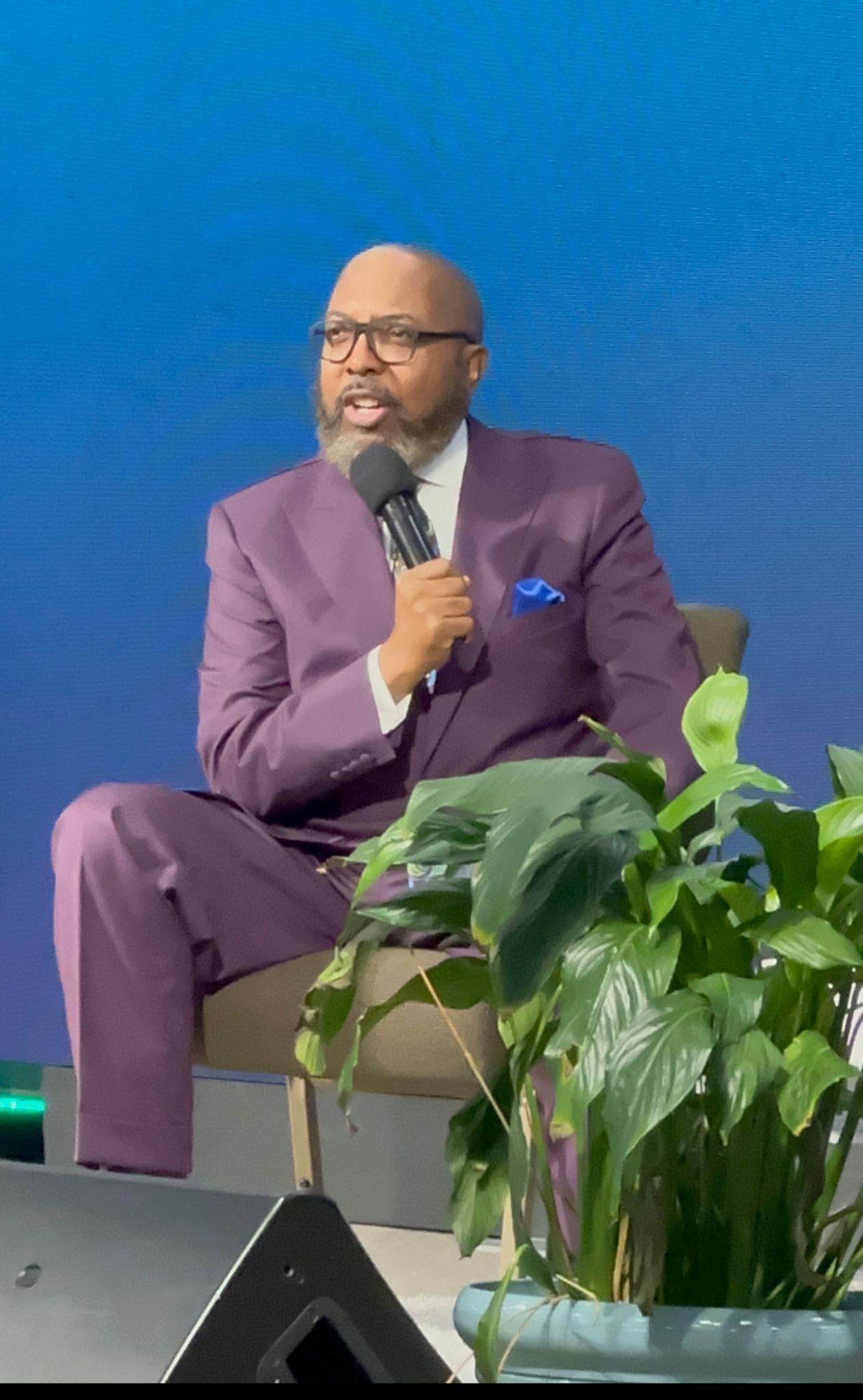
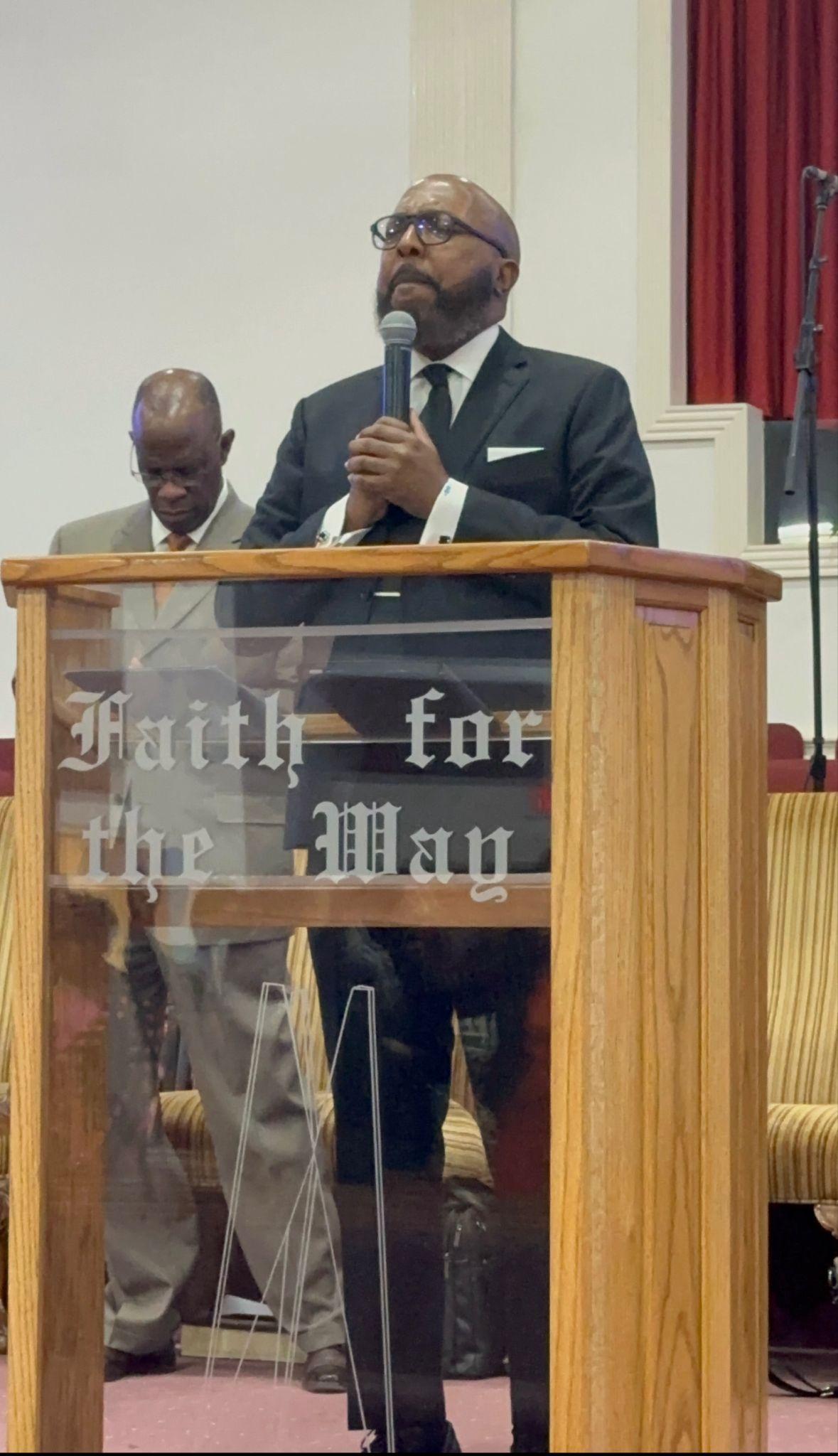
In this spring issue of Envision Magazine, we are honored to feature Superintendent Donavan C. Howard, Pastor, host of the Pathway to Joy podcast on www.envision-radio.com and Pastor of Focus Community Church in Dallas, Texas, and Tree of Life Church of God in Christ in Lubbock, Texas. His powerful insights on the Church and its position in today’s climate offer both clarity and inspiration for such a time as this.
Be sure to explore our Recipe of the Month, along with a special Spanish article from Berta Weyenberg of Louisville, Kentucky, host of ConBERTAciones on Envision Radio. (www.envision-radio.com) Plus, discover more great articles on health, finance, spirituality and beyond. (www.envisionmagz.com)
Happy Spring 2026
Ann C Editor in Chief
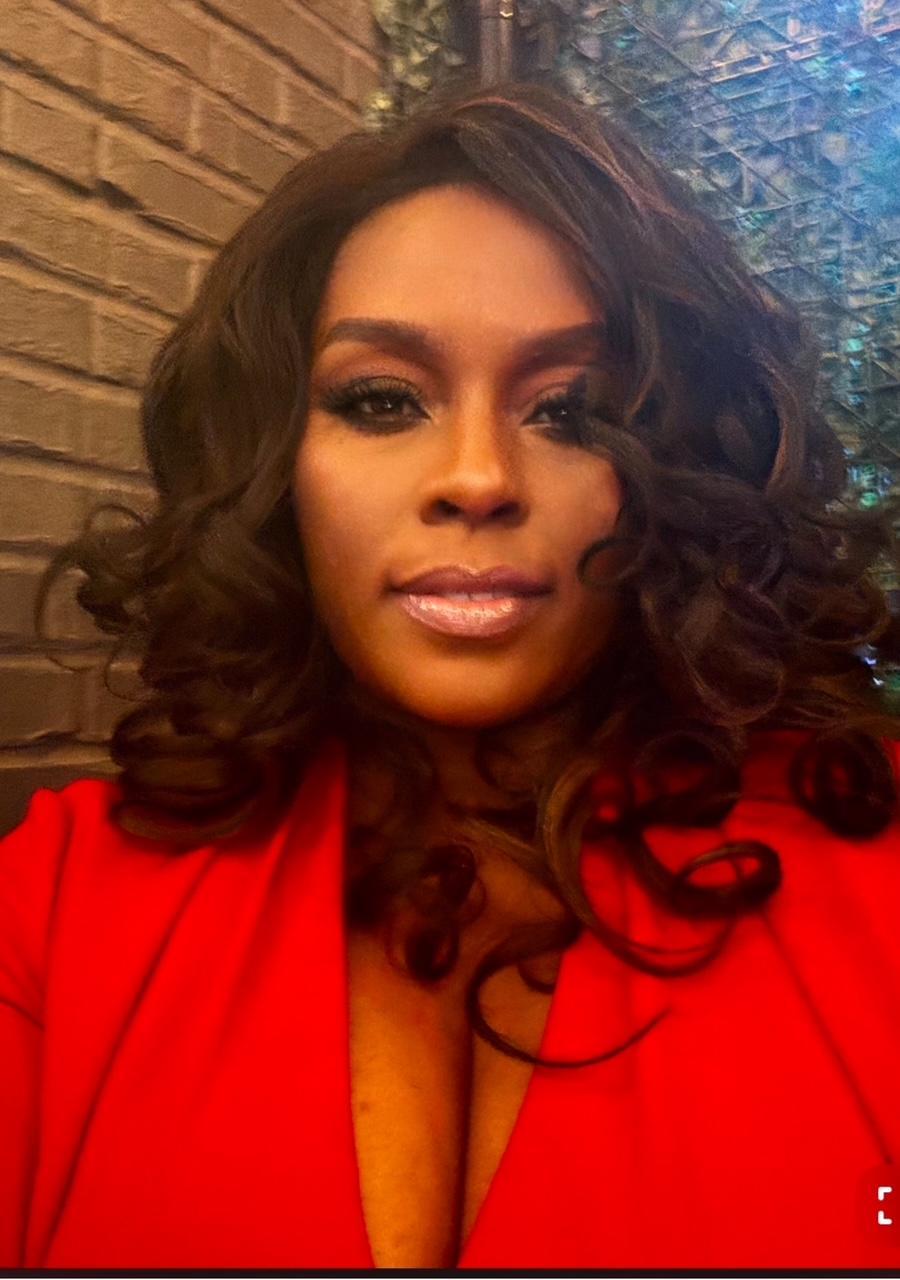



Top Ten with Supt. Donavan Howard,Pastor
by Ann C Editor-in-Chief www.envisionmagz.com
1. What first inspired you to pursue pastoral ministry, and how did you recognize it as your calling?
I was first drawn to pastoral ministry through a combination of early church involvement and a deepening desire to serve others. I heard the call to ministry at the tender age of four. Over time, my pastor and other mentors, encouraged me and helped me to realize that this persistent inner conviction was where my gifts mattered most. And they helped me recognize my authentic calling.
2. What does a typical week look like for you beyond what people see on Sunday mornings?
A typical week calls for weekday mornings for prayer, scripture study, and sermon preparation; afternoons for pastoral visitation and administrative work (emails, scheduling, budgets). Evenings often hold counseling small groups, or itinerant preaching dates. Unforeseen crisis care, (hospital visits, funerals), often interrupt the plan. I protect weekly rhythms of prayer, mentoring, and Sabbath rest to sustain the work.
3. How has the church evolved since you first began serving in ministry?
After the death of my grandfather, the church has become more diverse in style and practice: services use multimedia and
conversational preaching, staff roles are more specialized, and digital ministry (online giving, social media) is routine. There's a stronger focus on small group discipleship, community partnerships, and practical service, even as churches wrestle with aging memberships and the challenge of retaining young adults. Overall, the work is more connected to the broader culture but also demands clearer accountability and self‑care for leaders.
4. What are the biggest spiritual questions people are wrestling with today?
People today grapple with a wide range of spiritual questions that reflect their search for meaning, purpose, and understanding in a complex world. These are a few of the most I have dealt with recently:
Existence and Purpose
Many individuals ponder their purpose and what it means to live a fulfilling life.
Morality and Ethics
People often question how to determine right from wrong, especially in a rapidly changing cultural landscape.
5. In an age of social media and constant distraction, how can people cultivate a deeper relationship with God?
In an era dominated by social media and constant distractions, cultivating a deeper
Howard,Pastor
relationship with God requires intentionality and focus. Establishing a daily routine for prayer and reflection can create sacred moments that invite divine connection. This might involve setting aside specific times to pray, meditate, or read scripture, allowing individuals to quiet their minds and center their hearts. Limiting time spent on digital devices can further enhance this connection, making space for contemplation and spiritual growth. Engaging with scripture not only provides wisdom and guidance but also deepens one’s understanding of God’s character and promises.
6. How do you approach addressing difficult or controversial topics from the pulpit?
Addressing controversial topics from the pulpit demands a careful blend of sensitivity, clarity, and theological integrity. It begins with prayer for guidance and thorough preparation, ensuring that you understand the nuances of the issue. Recognizing the diverse backgrounds within your congregation is crucial; tailoring your message to resonate with them can foster deeper understanding. Grounding your discussion in scripture is essential, as it provides a solid foundation, allowing you to relate biblical principles to contemporary issues. Clear, compassionate language helps avoid division, while using relatable examples can make complex topics more accessible.
7. What role should the church play in responding to social and cultural challenges in today’s world?
The church plays a vital role in responding to social and cultural challenges in today’s
world by serving as a beacon of hope, guidance, and community engagement. First and foremost, it should embody the teachings of compassion, justice, and love, addressing issues such as poverty, inequality, and systemic injustice. By actively participating in outreach programs and social initiatives, the church can meet the practical needs of marginalized communities, demonstrating faith in action. Furthermore, fostering open dialogue about cultural issues within the church community can encourage members to engage thoughtfully and respectfully with diverse perspectives, equipping them to respond to societal challenges with grace and understanding.
8. Can you share a moment in your ministry that deeply strengthened your faith? One moment that deeply strengthened my faith occurred during a family gathering after a particularly challenging year. We had just navigated through significant mental issues with a loved one, which had placed immense strain on our family dynamics. As we gathered around the dinner table, the atmosphere was filled with a mix of tension and uncertainty. However, as we began to share our experiences, something remarkable happened. One family member led us in prayer, expressing gratitude for the support we had shown each other throughout the ordeal. This simple act of coming together in faith allowed us to reflect on the power of prayer and the strength we found in our shared struggles.
In that moment, I felt a profound sense of unity and belonging, realizing that our faith was not just an individual journey but a collective one. Listening to stories of hope,
resilience, and God’s presence during our trials reinforced my belief in the divine working within our lives. It reminded me that faith is often strengthened in community, especially during difficult times. This experience deepened my appreciation for the role of family in nurturing spiritual growth and solidified my understanding that God often reveals His love and support through the connections we share with one another. From that day forward, I approached challenges with renewed faith, knowing that we can lean on each other and trust in God’s plan together.
9. How do you care for your own spiritual and emotional well-being while caring for others?
Caring for my spiritual and emotional well-being while supporting others is a delicate balance that requires intentional practices and self-awareness. First, I prioritize establishing a daily routine that includes moments of prayer, meditation, or reflection. This time allows me to center myself and reconnect with my faith, ensuring that I am spiritually nourished before reaching out to others. Additionally, I set boundaries to protect my emotional energy; this means recognizing my limits and knowing when to take a step back to recharge.
10. If you could share one message of hope with readers who feel discouraged or distant from GOD what would it be? For those feeling discouraged or distant from God, I want to share a message of profound hope: you are never truly alone in your journey. In moments of doubt or despair, it can be easy to believe that God is distant or silent, but the truth is that His
love and presence are unwavering, even when we feel disconnected. Think of the countless stories throughout scripture where individuals faced despair—whether it was Job in his suffering or the disciples during the storm—God met them in their struggles, often revealing His faithfulness in the most unexpected ways.
This period of feeling distant can serve as an invitation to explore and deepen your relationship with Him. It’s a reminder that faith is not always about feeling, but about choosing to trust in His promises. God desires a relationship with you, and even the smallest step towards Him—a simple prayer, reading a scripture, or reaching out to a friend for support—can open the door to renewed connection. Remember that the seasons of distance often lead to deeper intimacy and understanding. Hold onto hope, knowing that God is always ready to embrace you with open arms, waiting to walk alongside you through every high and low. Your journey is significant, and His commitment to you remains steadfast.
Listen daily to Supt. Donavan Howard’s podcast Pathway to Joy on www.envsion-radio.com at 9am EST/8am CST


A Life Shaped by Vision, Wisdom, and Apostolic Grace
By Dr. Joyce Myrick Brown www.envision-radio.com
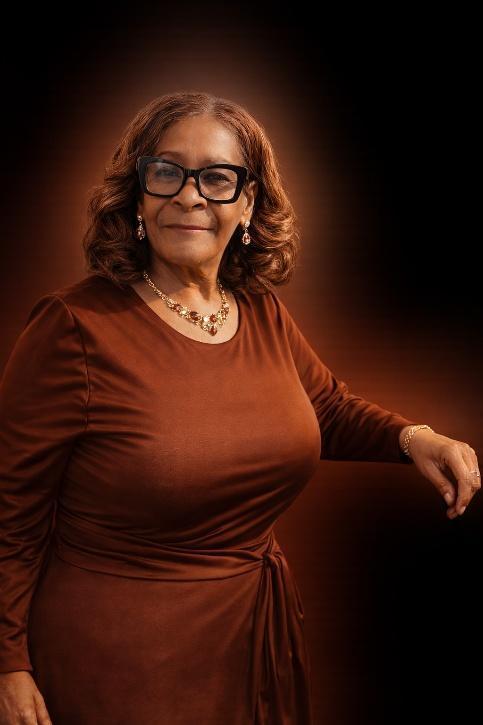
A Presence Marked by Purpose
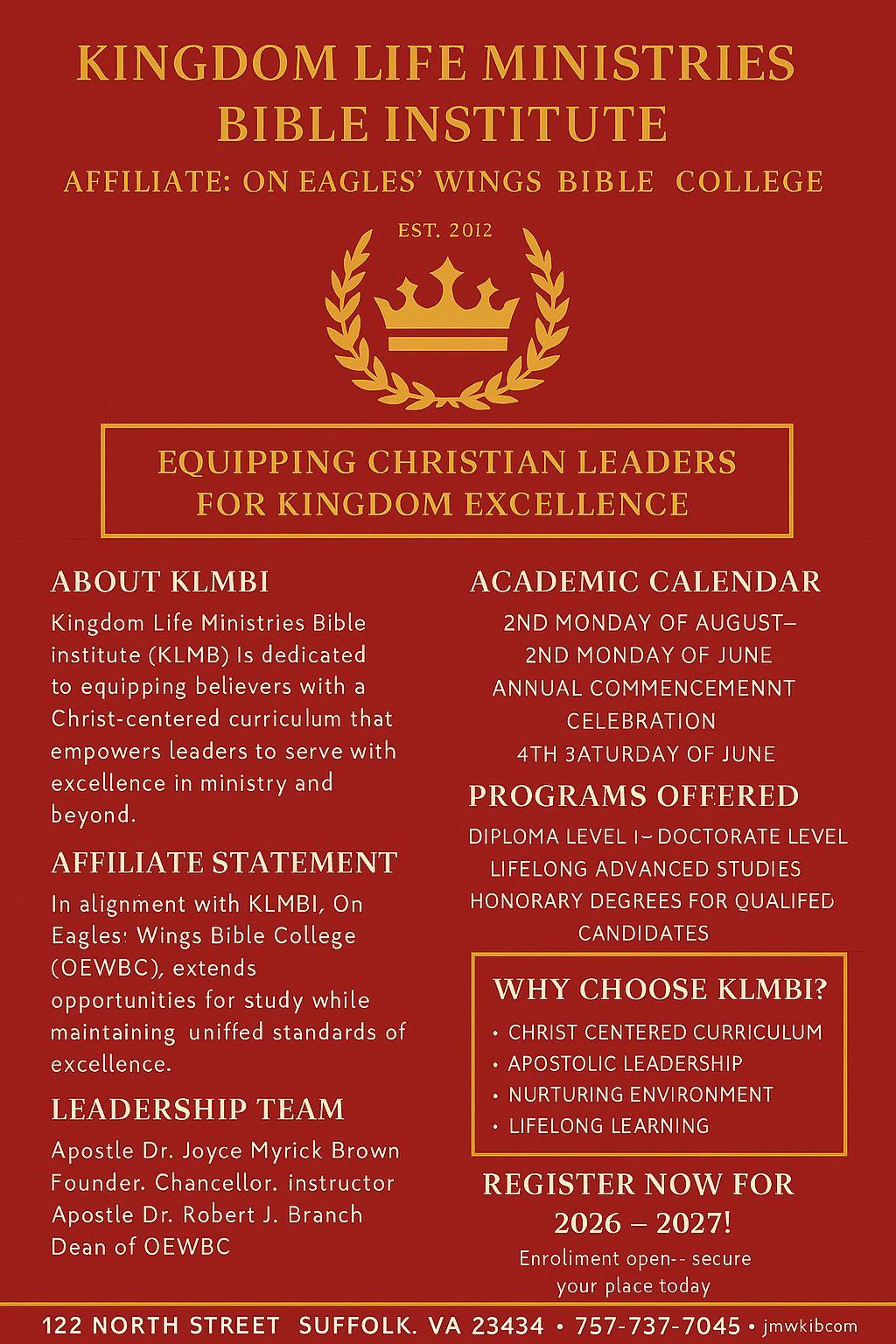
Apostle Dr. Joyce Myrick Brown exemplifies a quiet confidence that reflects her enduring commitment to faith. Her consistent leadership, clear communication, and defined calling are evident upon her arrival. Serving as Senior Pastor of In God We Trust Ministries Phase II Church and Founder of Kingdom Life Ministries Bible Institute, she is recognized for fostering spiritual development, academic
achievement, and apostolic structure.
She is a leader who not only articulates her vision but embodies it in practice.
A Journey Rooted in Revelation
Apostle Brown’s ministry began with a drive to help believers better understand the Word of God. This purpose evolved into a leadership role defined by blending insight, structure, compassion, and integrity. Her work focuses on strengthening leaders, supporting families, and encouraging spiritual maturity.
Building People Through Education
Through KLMBI, she has fostered an environment focused on both teaching and personal development. Her biblically grounded curriculum aims to shape disciplined, discerning believers. Students describe her as a teacher who makes Scripture engaging and a leader who combines grace with truth.
A Partnership
Strengthened by Grace
Standing beside her is her husband, Minister Ernest Lee Brown, whose testimony of transformation and faith adds depth and strength to their shared ministry. Together, they embody unity, purpose, and the beauty of a God-ordained partnership.
A Vision That Continues to Run
Apostle Brown’s life echoes the words of Habakkuk 2:2 (KJV): “Write the vision, and make it plain upon tables, that he may run that readeth it.” She is a woman who not only writes the vision, but she also imparts it, teaches it, and lives it with excellence.
For more information contact email:jmwklmbi@gmail.com
Her ministry unites insight with structure and compassion with clarity.


Blaze Group: The Curriculum Powering the Future of Digital Finance
By Casey Ariel Dike CEO, BLAZE GROUP
The financial world is changing faster than most institutions can keep up. Digital wallets, instant payments, embedded finance, consumer-friendly banking — today’s landscape demands leaders who understand both technology and financial systems. Yet many colleges, financial institutions, and entrepreneur centers lack modern curriculum that reflects how money actually moves today.
Blaze Group fills that gap.
As a fintech literacy and training firm, Blaze Group develops curriculum and program models that help institutions modernize their finance education, accelerate digital transformation, and prepare their communities for the future of financial services.
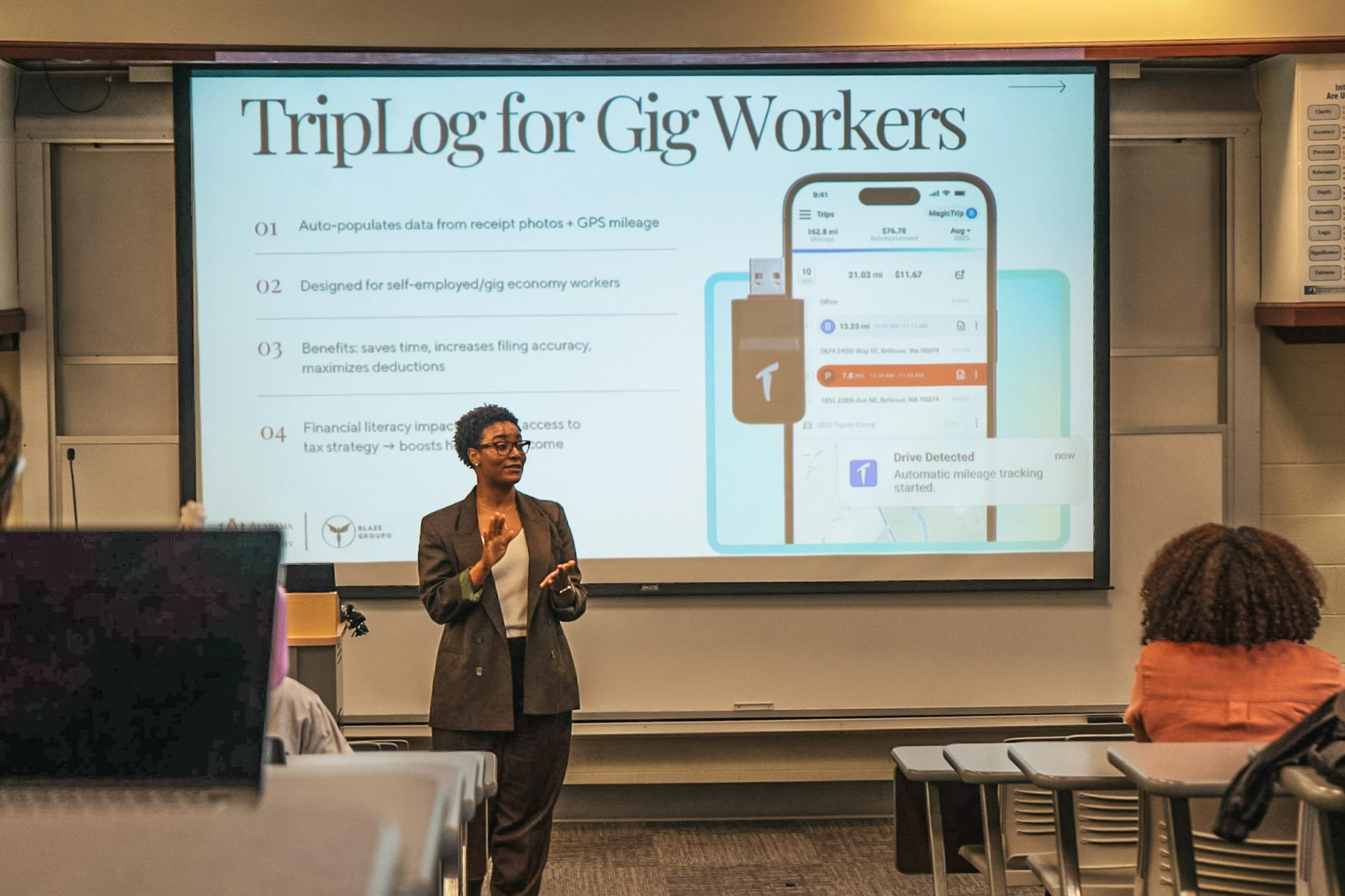
Our Digital Finance Training Program is delivered through published manuals, digitally licensed modules, and tailored consulting support. The curriculum equips learners with practical, real-world knowledge of emerging payment protocols, digital banking models, financial product design, consumer behavior, and the technologies reshaping global finance.
This program is already being implemented at Alabama A&M University, providing students with tools and case studies that prepare them to lead in a tech-driven marketplace. Entrepreneur centers working with fintech founders and financial institutions seeking to upskill their teams are also using Blaze Group’s
frameworks to guide innovation, modernize internal training, and build community-aligned financial solutions.
Through our partnership with the Interledger Foundation, select institutions may qualify for funding support to launch or expand digital finance initiatives — ensuring modernization is attainable for organizations of all sizes. Whether you educate future accountants, train community bankers, or support fintech founders, Blaze Group provides the curriculum to move your institution forward.
Learn more at blazegroup.io or call (205) 721-8623.

Cómo entender el colesterol: lo que necesita saber para un corazón saludable
by American Heart Association
Con tanta información disponible hoy en día, puede resultar confuso entender qué es el colesterol y por qué es tan importante para la salud. Sin embargo, comprender su riesgo personal y tomar medidas desde temprano puede marcar una gran diferencia en la prevención de enfermedades del corazón y del cerebro.
Adoptar hábitos saludables, realizar chequeos regulares y mantenerse informado son pilares fundamentales para mantener el colesterol bajo control y proteger su bienestar a largo plazo. A continuación, se presentan conceptos clave para entender mejor el colesterol y cómo manejarlo.
El colesterol es esencial
El colesterol es una sustancia cerosa presente en todo el cuerpo. De hecho, el organismo produce todo el colesterol que necesita para funciones vitales como la formación de células y la producción de hormonas.
El problema surge cuando hay un
exceso de colesterol “malo” (LDL) en la sangre, lo que puede aumentar el riesgo de enfermedades cardíacas, ataques cardíacos y derrames cerebrales. Por otro lado, el colesterol “bueno” (HDL) ayuda a eliminar el exceso de colesterol y reducir ese riesgo.
El equilibrio es clave: niveles adecuados de colesterol son necesarios para el funcionamiento del cuerpo, pero un exceso puede ser perjudicial.
Colesterol en la sangre vs. colesterol en los alimentos
No todo el colesterol es igual. El colesterol en la sangre —el que se mide en los análisis— es el que realmente impacta su salud cardiovascular. Cuando este es elevado, puede provocar acumulación de placa en las arterias, un proceso conocido como aterosclerosis.
Aunque el colesterol presente en los alimentos influye, los niveles en la sangre dependen más de factores como:
● La alimentación general
● El estilo de vida
● La genética
● Otros factores de salud
Para mantener niveles saludables, se recomienda una dieta rica en:
● Verduras y frutas
● Granos integrales
● Legumbres, nueces y semillas
● Grasas no saturadas
● Proteínas magras
También es importante limitar alimentos ultraprocesados con alto contenido de grasas saturadas, azúcares añadidos y sodio.
Conozca sus niveles y entienda su riesgo
Los adultos mayores de 19 años deberían revisar su colesterol al menos cada cinco años.
Un perfil de lípidos es un análisis de sangre que mide:
● Colesterol HDL (bueno)
● Colesterol LDL (malo)
● Triglicéridos
● Colesterol total
Además de estos valores, factores como la edad, antecedentes familiares y hábitos como fumar también influyen en su riesgo. Trabajar con un profesional de la salud puede ayudarle a interpretar estos resultados y definir un plan adecuado.
Control del colesterol: el estilo de vida es fundamental
Para muchas personas, los hábitos diarios son la herramienta más poderosa para controlar el colesterol. Algunas acciones clave incluyen:
● Mantener una alimentación equilibrada
● Hacer actividad física regularmente
● Mantener un peso saludable
● Dormir lo suficiente
● Evitar el tabaco
● Controlar la presión arterial y el azúcar en sangre
Pequeños cambios sostenidos pueden tener un gran impacto en la salud del corazón.
Medicamentos para reducir el colesterol
En algunos casos, los cambios en el estilo de vida no son suficientes. Dependiendo del nivel de riesgo, un profesional de la salud puede recomendar medicamentos para ayudar a reducir el colesterol.
Si se presentan efectos secundarios, es importante consultarlo, ya que pueden existir alternativas. Seguir el tratamiento indicado es clave para proteger la salud cardiovascular a largo plazo.
El colesterol en los niños
El colesterol alto no es exclusivo de los adultos. Puede comenzar en la infancia, especialmente en niños con factores hereditarios u otros riesgos.
Por eso, se recomienda evaluar el colesterol entre los 9 y 11 años si no se ha hecho antes. Además, fomentar hábitos saludables desde temprana edad —como una buena alimentación, actividad física diaria y un sueño adecuado— puede reducir significativamente el riesgo de enfermedades en el futuro
Comprender el colesterol es el primer paso para tomar el control de su salud. Con información adecuada, hábitos saludables y seguimiento médico, es posible mantener un corazón fuerte y saludable durante toda la vida..


By: Dr. Laquita Gaskins Host of What You Wanna Talk About
Envision Radio www.envision-radio.com
Natural Remedies vs. Western Medicines: A Comprehensive Exploration
The debate between natural remedies and Western medicines has persisted for decades, often igniting passionate discussions among healthcare professionals, patients, and the general public. This article aims to provide a nuanced perspective on both approaches, examining their efficacy, safety, and the contexts in which each may be most appropriate.
Photo by Chinh Le Duc on Unsplash
Understanding Natural Remedies
Natural remedies, often derived from plants, minerals, and animal products, have been utilized for centuries across various cultures. Herbal medicine, homeopathy, acupuncture, and traditional healing practices fall under this umbrella. The primary appeal of natural remedies lies in their perceived gentleness and holistic approach. Advocates argue that these treatments often focus on the underlying causes of ailments rather than merely alleviating symptoms.
Efficacy of Natural Remedies
Many natural remedies have garnered attention from the scientific community. For instance, turmeric (curcumin) is widely recognized for its anti-inflammatory properties, while ginger has been shown to be effective in reducing nausea. However, the efficacy of natural remedies can vary significantly due to factors such as preparation methods, dosing, and individual patient responses.
A critical challenge in evaluating natural remedies is the lack of rigorous clinical trials that are standard in Western medicine. While some studies support the effectiveness of specific herbal treatments, others yield inconclusive
results. The variability in quality and concentration of active ingredients in supplements poses further complications.
Safety and Regulation
Natural remedies are often perceived as safer alternatives to pharmaceutical drugs; however, this assumption can be misleading. The lack of regulation in the herbal supplement industry means that products may not undergo the same stringent testing as conventional medications. Issues such as contamination, mislabeling, and the presence of unlisted ingredients can pose significant health risks.
Furthermore, interactions between natural remedies and prescription medications are a growing concern. For example, St. John’s Wort, commonly used for depression, can interfere with the efficacy of various medications, including antidepressants and birth control pills. Therefore, patients should consult healthcare professionals before integrating natural remedies into their treatment plans.
The Role of Western Medicine
Western medicine, often

Photo by Rebekah Vos on Unsplash
characterized by its reliance on evidence-based practices, rigorous clinical research, and pharmacological interventions, has revolutionized healthcare. The development of antibiotics, vaccines, and advanced surgical techniques has significantly reduced morbidity and mortality associated with many diseases.
Efficacy of Western Medicines
Western medicine is underpinned by a vast body of research and clinical trials that provide a strong evidence base for its practices. Medications are subjected to rigorous testing for safety and efficacy before receiving approval from regulatory bodies such as the Food and Drug Administration (FDA). This meticulous process aims to ensure that patients receive treatments that are both effective and safe.
Moreover, Western medicine excels in acute care situations, where immediate and decisive interventions are necessary. Conditions such as heart attacks, severe infections, and traumatic injuries often require the rapid, targeted actions that pharmaceuticals and advanced medical technologies can provide.
Safety and Side Effects
While Western medicines are generally safe when prescribed and monitored correctly, they are not without risks. Side effects, ranging from mild to severe, can occur and may lead to complications. Furthermore, the over-reliance on pharmaceuticals has raised concerns about issues such as antibiotic resistance and the opioid crisis.
Bridging the Gap: Integrative Approaches
The dichotomy between natural remedies and Western medicine need not be absolute. An integrative approach that combines the strengths of both can offer patients a more comprehensive healthcare experience. This paradigm emphasizes the importance of personalized medicine, where treatments are tailored to individual patient needs and preferences.
The Rise of Integrative Medicine
Integrative medicine combines conventional Western practices with complementary therapies, such as acupuncture, nutritional counseling, and mindfulness. This holistic approach recognizes the importance
of treating the whole person, addressing not just physical symptoms but also emotional and psychological well-being.
Evidence supporting integrative medicine is growing. Studies have shown that combining acupuncture with conventional treatments can enhance pain relief and improve quality of life for patients with chronic conditions. Similarly, nutrition and lifestyle interventions can play a crucial role in managing chronic diseases, such as diabetes and heart disease.
Patient Empowerment and Education
Incorporating both natural remedies and Western medicines necessitates a well-informed patient base. Healthcare providers should encourage open discussions about treatment options, empowering patients to make informed decisions about their health. Education about the potential benefits and risks of both approaches can foster a collaborative relationship between patients and healthcare providers.
Conclusion
The discourse surrounding natural
remedies versus Western medicines is complex and multifaceted. While both approaches have their strengths and limitations, a more integrative model can provide a pathway toward enhanced patient care. By recognizing the value of each modality and prioritizing patient education and safety, healthcare professionals can help patients navigate their treatment options effectively. Ultimately, the goal is to promote health and well-being through informed choices, recognizing that the best treatment plan may often involve a combination of both natural and conventional approaches.
In this ever-evolving landscape of healthcare, the dialogue between natural remedies and Western medicines continues to grow, promising a future where diverse healing modalities coexist to meet the unique needs of every patient.
Brenda Ann Music Corner
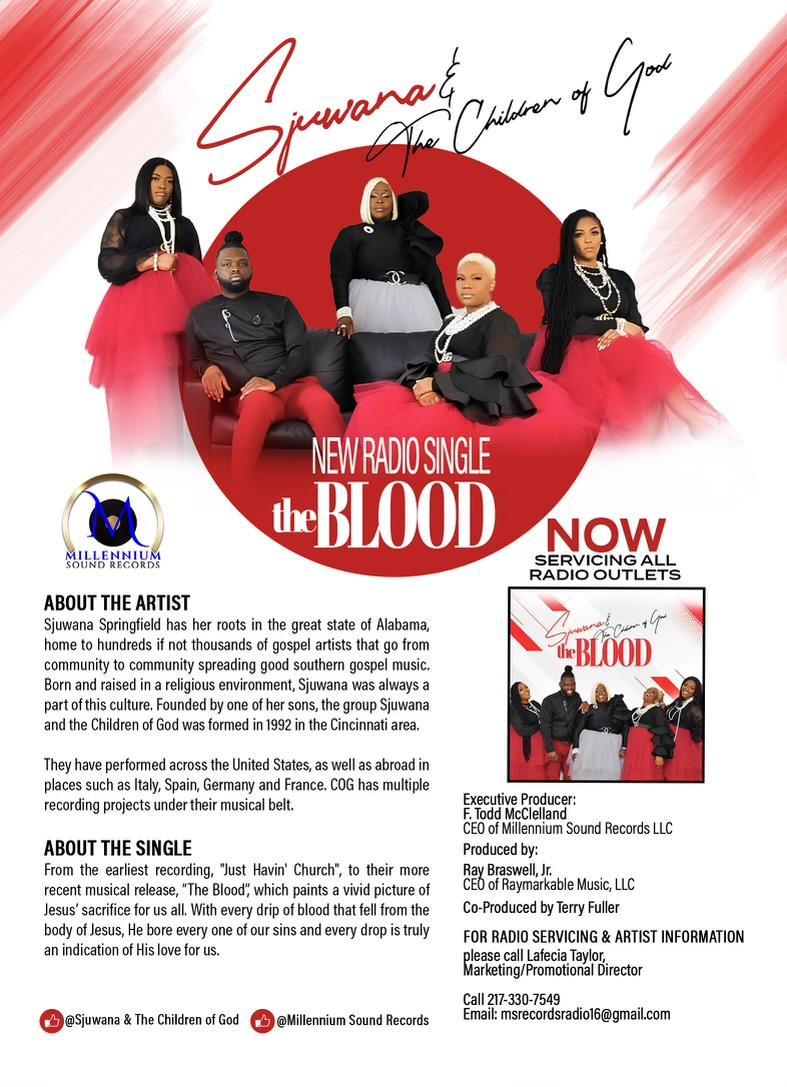
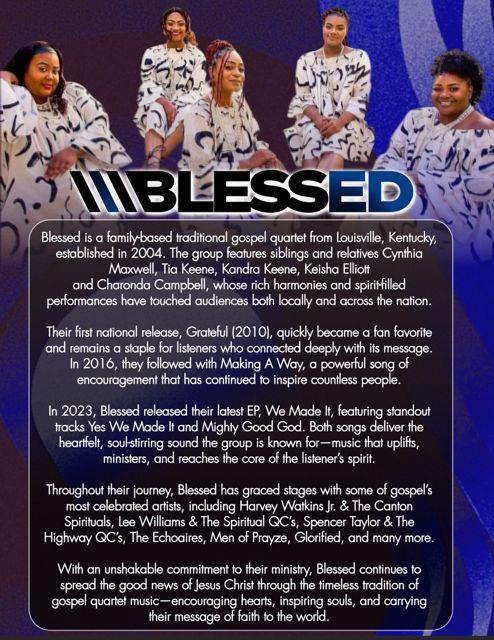
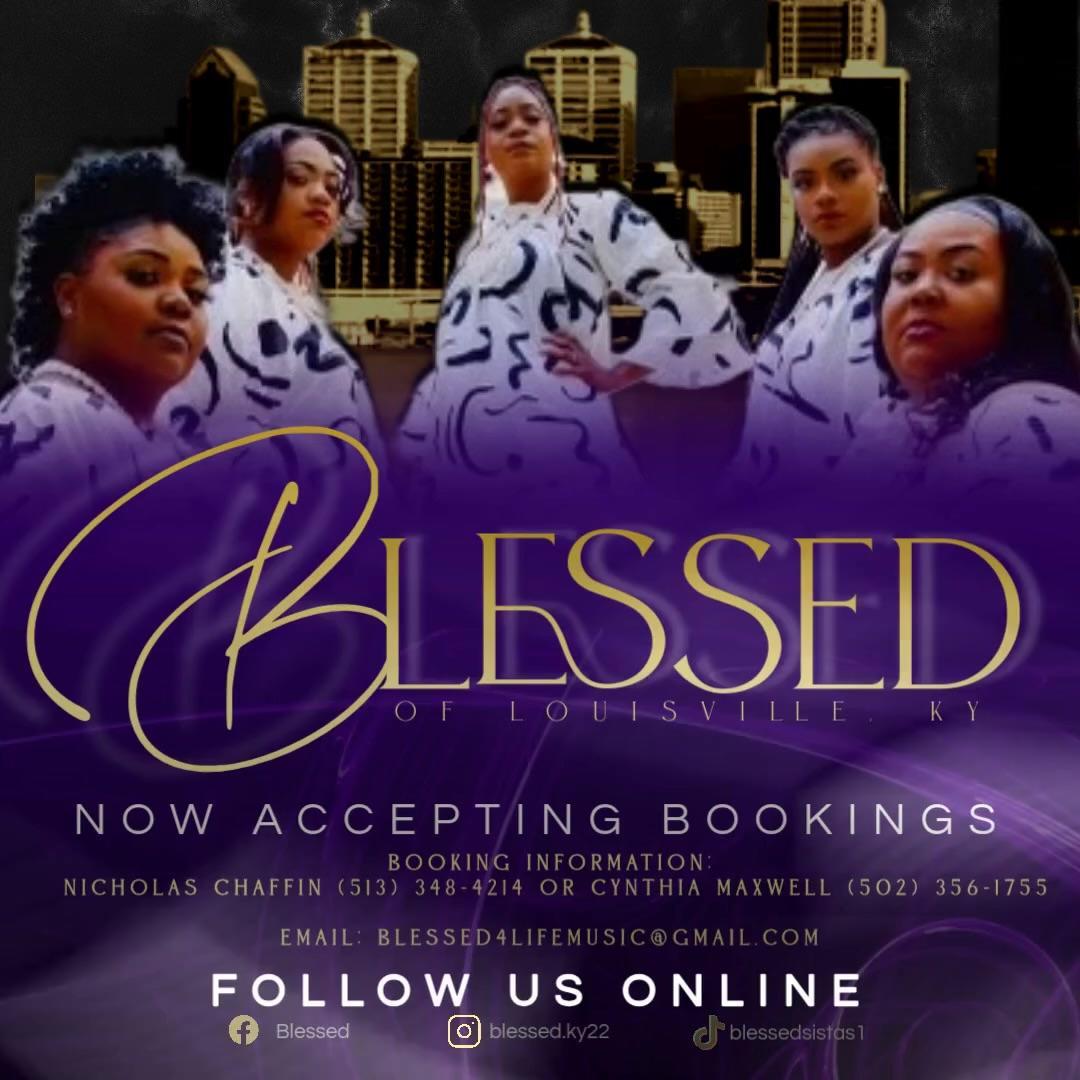
The new Brenda Ann Music Corner in Envision Magazine is set to become a powerful spotlight for gospel music lovers everywhere. This exciting quarterly feature will highlight inspiring gospel artists. Brenda Mitchell is an accomplished singer and respected music director from Kentucky. This column brings authenticity, industry insight, and heartfelt storytelling to every edition. Brenda’s rich background in gospel music allows her to connect with artists on a meaningful level, offering readers exclusive perspectives they won’t find anywhere else. Each quarter, audiences can expect uplifting stories, artist features, and a celebration of the voices shaping gospel music today. Brenda Ann Music Corner is more than a column—it’s a platform that honors talent, faith, and the enduring power of gospel music to inspire, uplift, and bring communities together.

- June 2026

Maple-Glazed Ham
A holiday meal doesn’t have to be complicated to feel special. With its rich flavor, simple preparation, and beautiful presentation, this maple-glazed ham is a reminder that sometimes the classics truly are the best way to celebrate.
Recipe adapted from Southern Living
Total Time: 3 hours
Servings: 10
INGREDIENTS
1 bone-in spiral-cut ham (8–9 pounds)
1 cup pure maple syrup
1/2 cup packed dark brown sugar
1/2 cup (4 ounces) bourbon
1/2 teaspoon grated fresh ginger
1/4 teaspoon ground cinnamon
Orange slices and wedges, for garnish
Fresh rosemary sprigs, for garnish
INSTRUCTIONS
1. Preheat oven to 350°F.
2. Place ham in a large roasting pan and add about 1/2 inch of water. Cover with aluminum foil and bake for about 2 hours, basting every 30 minutes, until the internal temperature reaches 120°F at the thickest portion.
3. In a medium saucepan over medium-high heat, combine maple syrup, brown sugar, bourbon, ginger, and cinnamon. Bring to a boil, then cook for 6–8 minutes, stirring occasionally, until the mixture thickens. Remove from heat, cover, and set aside.
4. Remove the ham from the oven and discard the foil. Increase oven temperature to 400° F. Brush the ham with about 1/3 cup of the glaze.
5. Return the ham to the oven and bake for about 30 minutes, brushing with the remaining glaze every 10 minutes, until the top is lightly caramelized and the internal temperature reaches 145°F.
6. Remove from the oven and let rest for 15 minutes. Transfer to a serving platter and garnish with orange slices, wedges, and rosemary sprigs.


The

by Kenny & Kenya Green www.greenroomentertain.com
The Emerald Nook
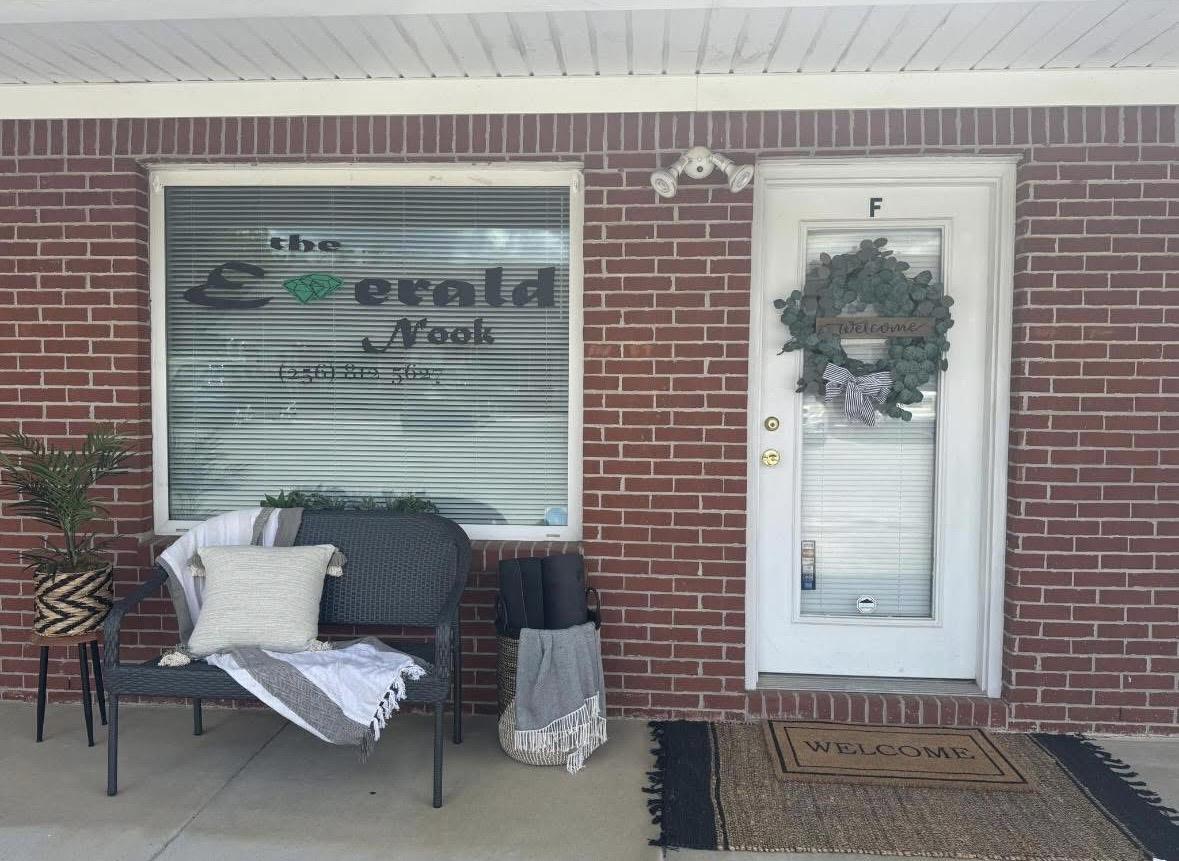
Kenny and Kenya Green are entrepreneurs who continue to expand their business ventures while building a strong portfolio of brands rooted in creativity and community. Their radio show and podcast, Marriage Be Like, airs on Envision Radio and is produced by their award-winning media production company, Green Room Entertainment.
Among their growing family of businesses is The Emerald Nook, an intimate event venue designed for private gatherings and memorable celebrations. Known for their commitment to creativity and high-quality production, the Green family provides clients with an environment where life’s special moments can be celebrated in a comfortable setting.
The Emerald Nook was created three years ago with versatility in mind. The space features a simple, elegant design that allows hosts to fully personalize their event and bring their vision to life. Whether guests prefer a sophisticated setup
or a cozy, themed experience, the venue provides the perfect canvas for creative design.
Ideal for smaller gatherings, The Emerald Nook is well suited for occasions such as indoor picnics, birthday celebrations, bridal showers, networking events, and other private functions. Its intimate atmosphere allows guests to connect, celebrate, and enjoy meaningful moments together without the overwhelm of larger venues.
Whether planning a milestone celebration, hosting a private gathering, or creating a unique themed experience, The Emerald Nook offers a flexible and inviting environment designed to make every event truly memorable. With attention to detail and a passion for helping clients bring their ideas to life, The Emerald Nook is committed to delivering exceptional experiences for every occasion. Call 256-812-5627 for more info.


Navigating the 2026 Economy: A Call for Strategic Planning
By Lamarr E. Lewis, MA CPRP Mental Health Therapist and Consultant, Lewis Family Consulting
As we move through 2026, the U.S. economy presents a complex landscape. While the Federal Reserve has begun leasing interest rates and GDP growth remains resilient, a significant "affordability gap" persists. Inflation is cooling, but a decade-high cost of living leaves many households feeling the squeeze.
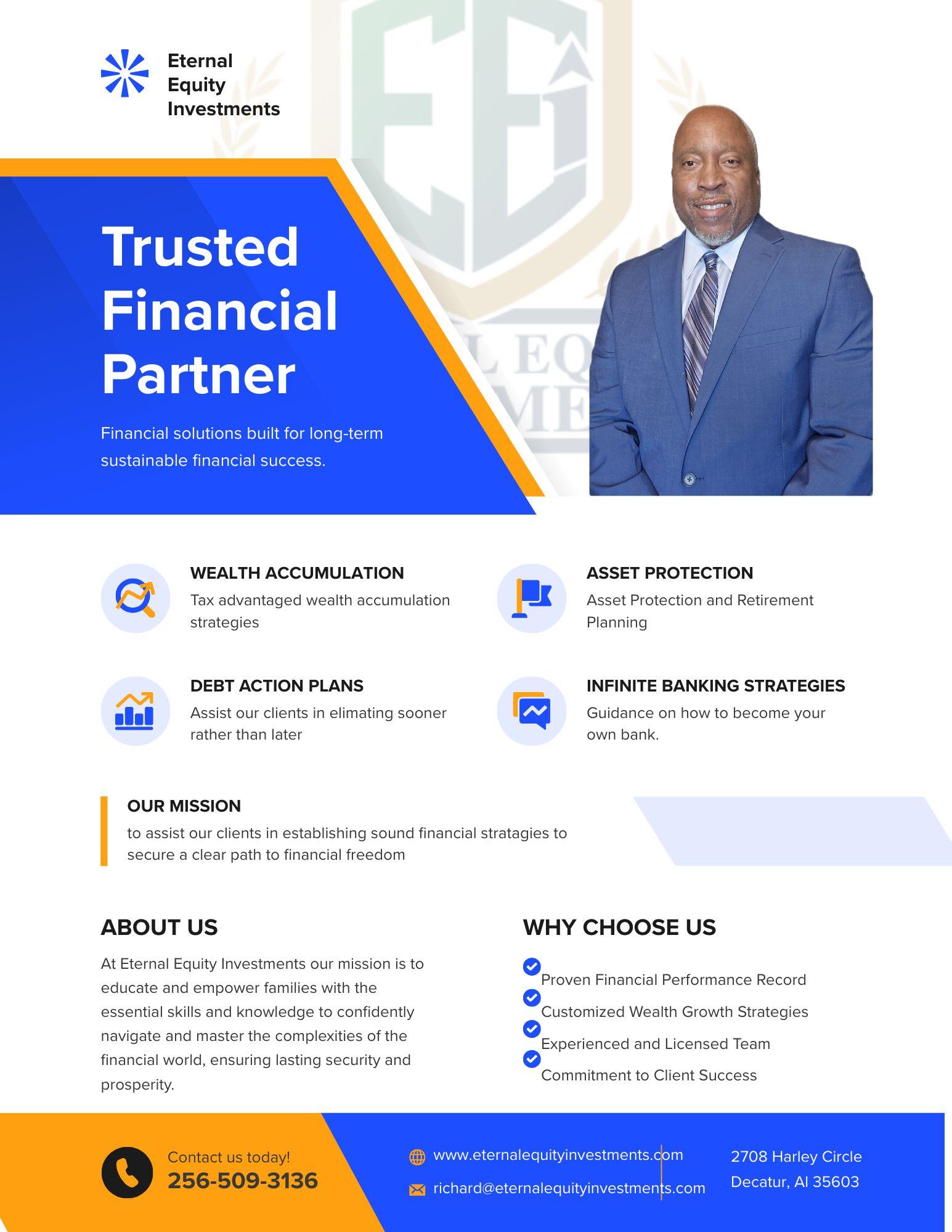
At Eternal Equity Investments, believe understanding the macro environment is only half the battle; the real challenge lies in the startling reality of personal financial health in America today. Consider these sobering figures:
● Retirement Gap: The average American aged 60–69 has only $182,000 in savings—a sum that may struggle to sustain a multi-decade retirement.
● Lack of Direction: 67% of Americans have never created a formal financial plan, and 68% admit they are not on track for retirement.

Photo

● Daily Strain: 63% of the population is living paycheck to paycheck, leaving little room for error.
● Relational Impact: Financial stress accounts for over 40% of divorces.
Our Educational Approach
We don’t just manage assets; we build financial literacy. Our mission is to educate and empower our clients to move from where they are to where they want to be. We take a hands-on, educational approach to help you avoid becoming another statistic. We specialize in developing sound strategies including:
● Tax-Advantaged Wealth Accumulation & Retirement Planning
● Infinite Banking Plans
● Debt Action Plans
● College Savings Plans
● Mortgage Protection Term
● Life Insurance with Living Benefits
In this era of shifting dynamics, "winging it" is no longer a viable strategy. True security requires a pivot from reactive spending to a proactive, long-term plan. Let us help you take the first step toward a legacy of stability and financial peace.
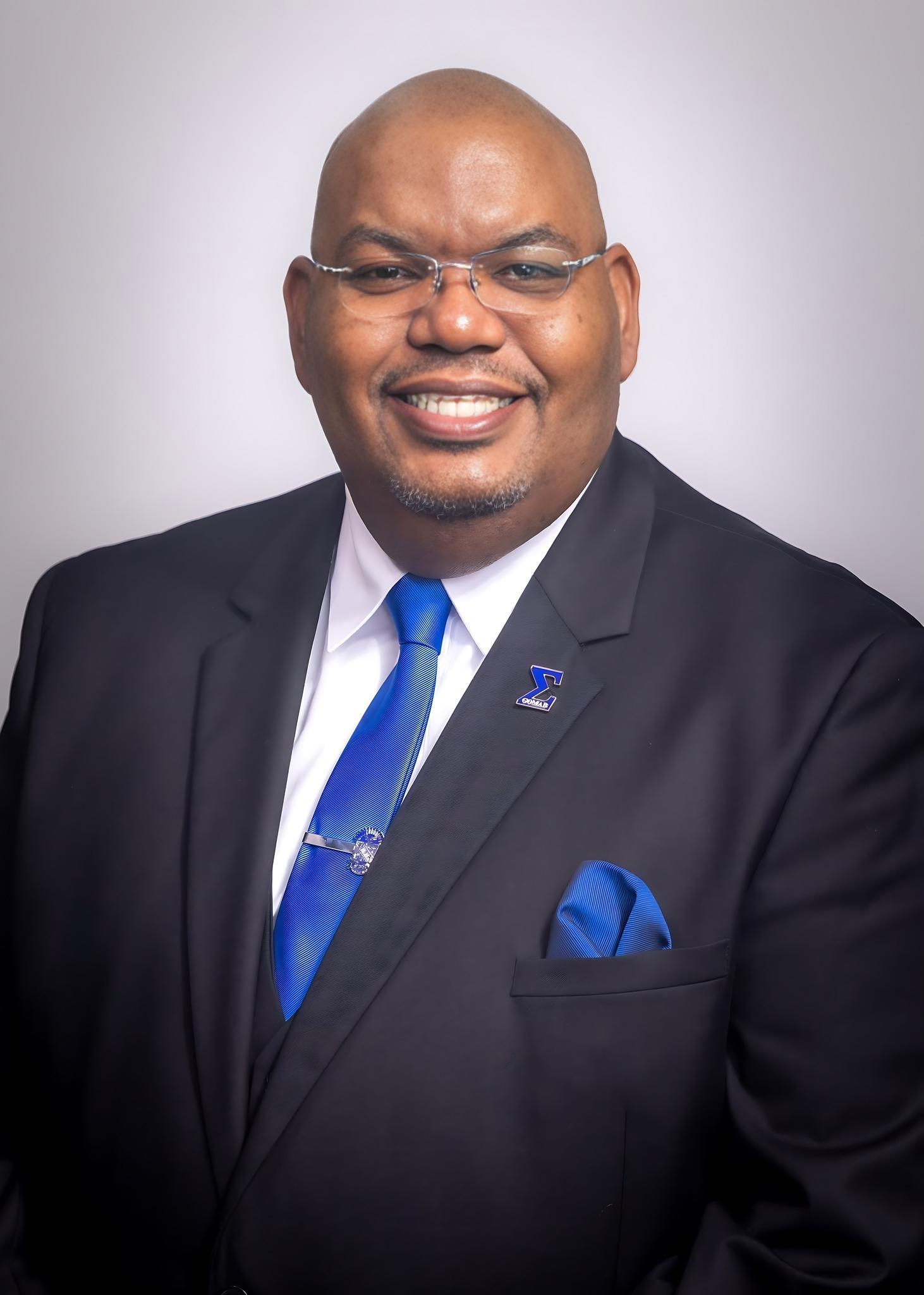
Richard Richardson
256-509-3136
www.eternalequityinvestments.com
Photo by Anne Nygård on Unsplash
EnVision Book Review
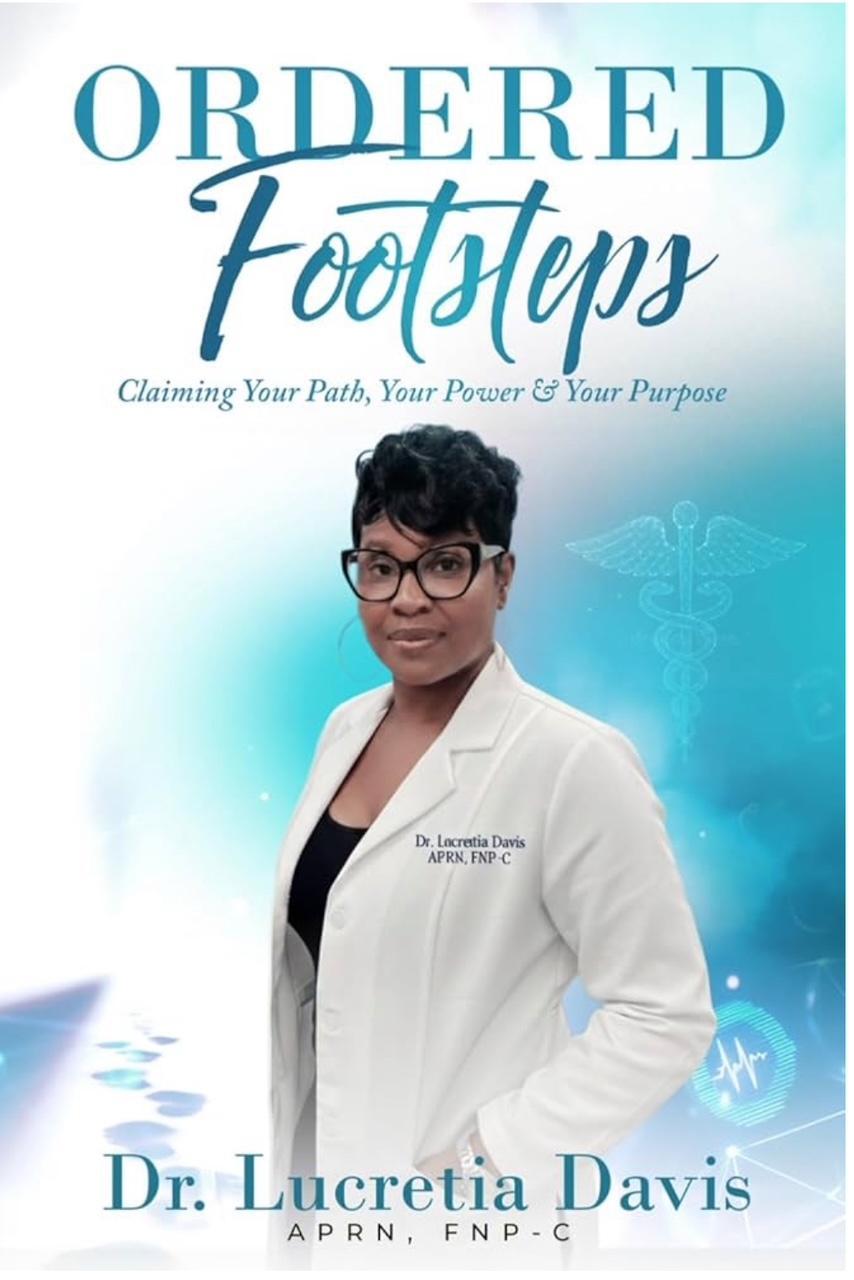
Ordered Footsteps is a powerful memoir of faith, perseverance and becoming an intimate journey of a woman who learned to trust purpose even when the path ahead was unclear.
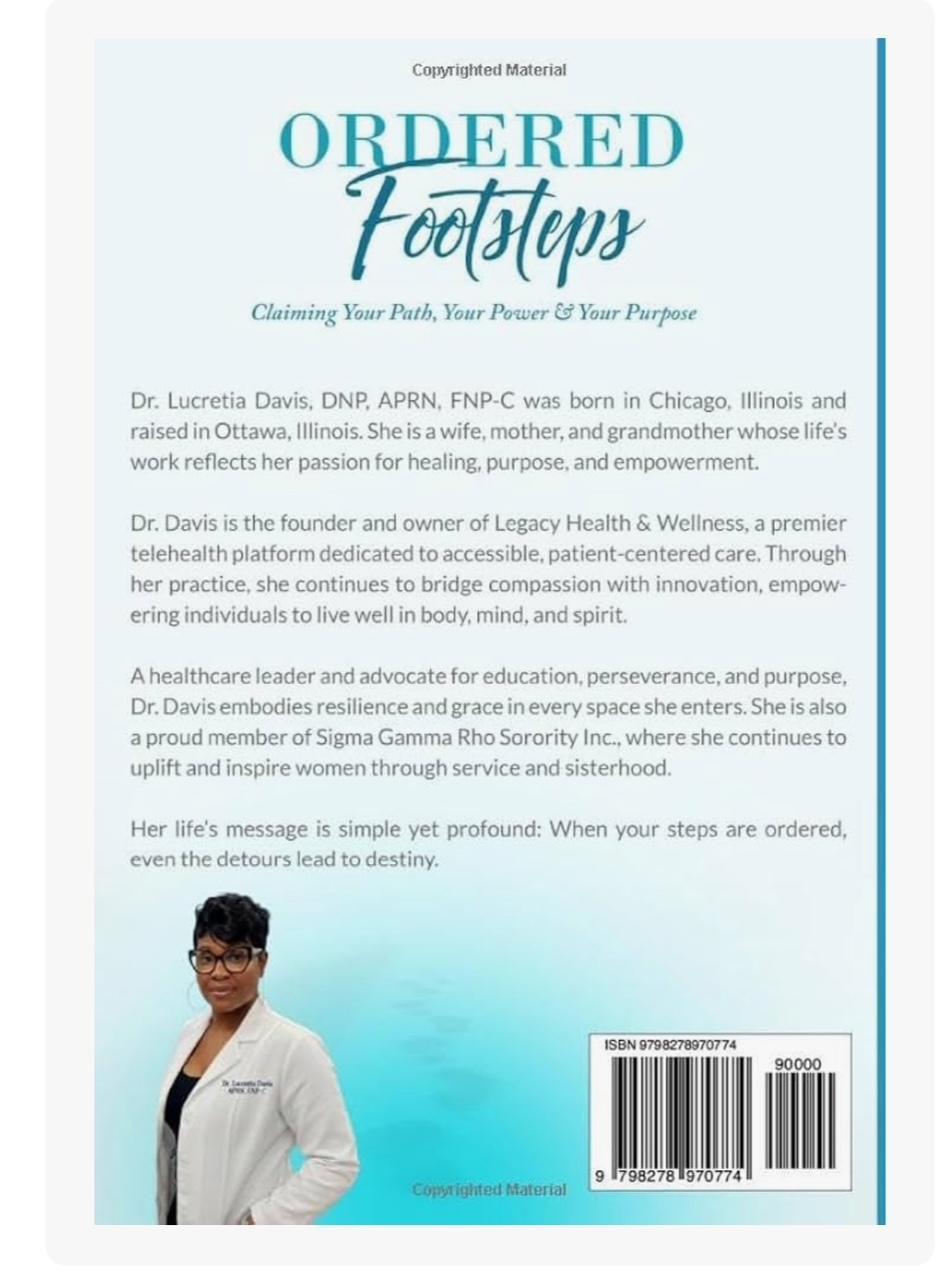
Spanning decades, this reflective life story traces Dr. Lucretia Davis’s journey from childhood roots in Chicago to a calling that led her through nursing, advanced education, leadership, and spiritual growth. Along the way, she navigates relocation, self-doubt, demanding seasons of motherhood and career, and the quiet but persistent whispers of purpose that refused to let her settle for less than what she was created to become.
This memoir is not about overnight success or a perfectly planned life. It is about the slow, sacred process of becoming one step at a time. Through moments of fear, fatigue, resilience, and faith, Ordered Footsteps reveals how detours, delays, and challenges are often the very tools used to shape character, clarify calling and prepare us for what lies ahead.
At its heart, this book is an invitation to pause and reflect. With warmth and wisdom, Dr. Davis shares how
April - June 2026
faith sustained her through uncertainty, how grace met her in the grind of daily life, and how perseverance transformed obstacles into purpose. Her story offers reassurance that even when life feels fragmented or overwhelming, no step is wasted.
Ordered Footsteps is written for:
● Readers seeking faith-centered encouragement and spiritual reflection
● Families who value legacy, perseverance, and generational purpose
● Professionals and caregivers navigating calling, burnout, and growth
● Readers who love reflective memoirs rooted in real life, history, and meaning
● Honest, grounding, and deeply affirming, Ordered Footsteps reminds readers that their own journeys are unfolding with intention and that when we listen closely, we can hear the quiet rhythm of purpose guiding every step.
Order at https://a.co/d/01LkhdCP
For more Info email : nurselucretia@gmail.com
Envision Book Corner
Books are great gifts for any occasion! It’s the gift that keeps giving! Be sure to order these great books. Check out these books on AMAZON.

Photo by Anne Nygård on Unsplash

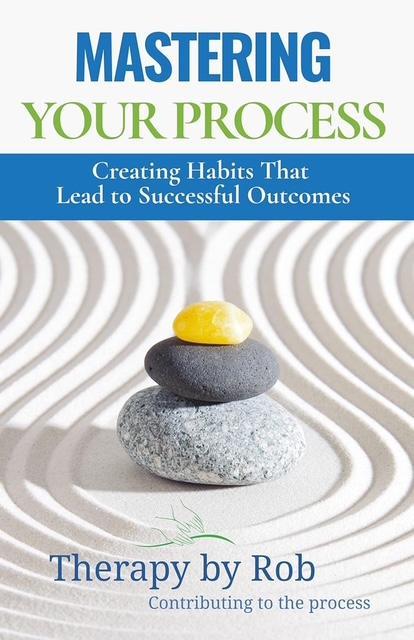
Mastering Your Process
Christopher James Robinson
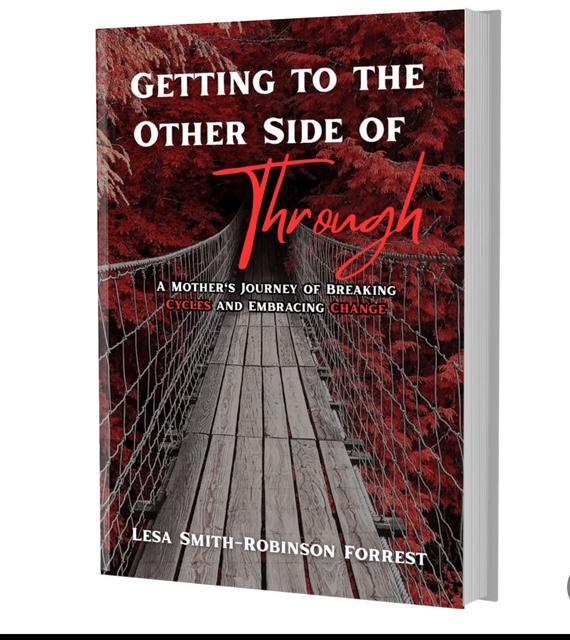
Getting to the Other Side of Through
Lesa Forrest
Have you ever felt stuck in something you didn’t know how to get through? My book, Getting to the Other Side of Through, shares real-life lessons on breaking cycles and finding your way forward. If you're ready for change, you can grab your copy today on Amazon or Barnes & Noble.
Mastering Your Process challenges readers to move beyond talk and take disciplined action. Through the power of consistent habits and intentional routines, it shows how everyday decisions shape long-term outcomes—equipping readers with practical strategies to transform ambition into achievement and build a life defined by progress, purpose, and lasting success.

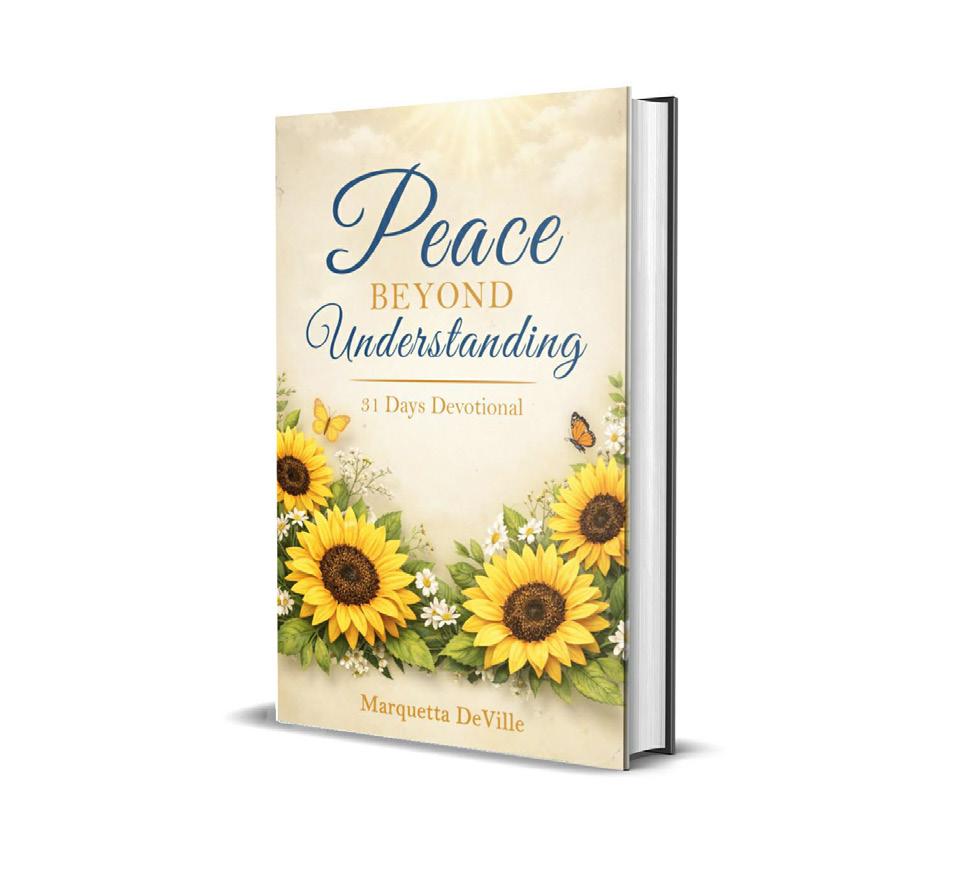
Peace Beyond Understanding
Marquetta DeVille

The DP Kids
Thelma Daniels
The DP Kids, the first in an inspiring six-book series celebrating inclusivity. Through relatable characters and vibrant storytelling, Daniels promotes unity and cultural appreciation, teaching young readers that our unique differences are what truly make our communities—and our friendships—stronger and more beautiful.
Visit www.DPKids.com
Marquetta DeVille’s Peace Beyond Understanding: 31 Days of Resting in God’s Peace is a powerful devotional birthed through healing after grief, setbacks, and divorce. Through transparent faith, reflection, and restoration, this 31-day journey encourages readers to rest in God’s presence, trust His process, and discover peace that sustains beyond pain.

A Legacy of Service: The Beta Epsilon Sigma Chapter Hits the Links
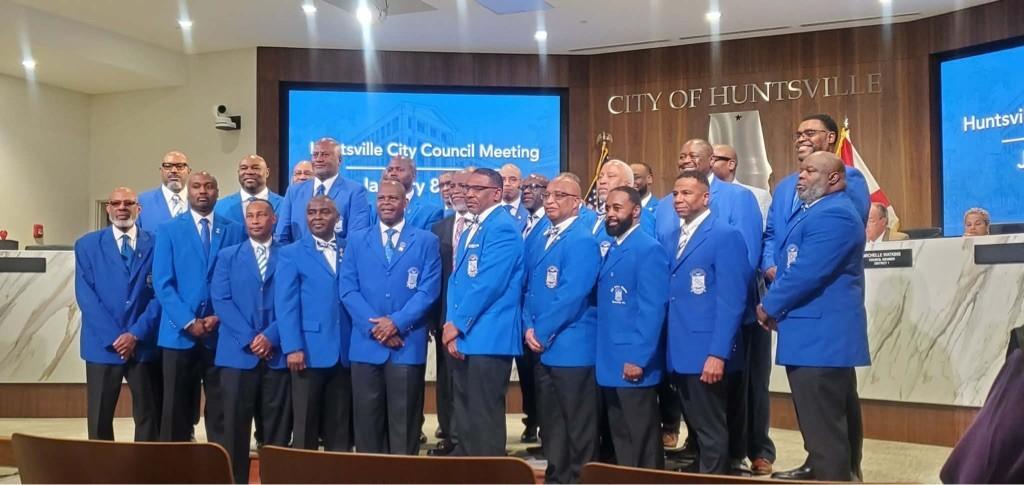
By Richard Richardson www.huntsvillesigmas.org
Since our founding, the men of Phi Beta Sigma Fraternity, Inc. have been guided by a singular, powerful mandate: "Culture for Service and Service for Humanity." Within the Beta Epsilon Sigma Chapter, this isn’t just a motto—it is the blueprint for every initiative we undertake.
Our impact is driven by our four major programs, each dedicated to uplifting the community through targeted action:
● Bigger and Better Business: As our first national program (est. 1924), we focus on economic empowerment. We support minority-owned businesses through our "Black Spend" initiative and promote financial literacy to build generational wealth.
Education: We champion academic excellence by providing scholarships, hosting "Adopt-A-School" programs, and fostering S.T.E.M. interest to ensure our youth are prepared for a global workforce.
Social Action: We advocate for the disenfranchised through "Sigma Wellness" (health awareness), voter registration drives, and social justicereform to improve the general well-being of our communities.
Sigma Beta Club: Our premier youth auxiliary mentors young men (ages 8–18), instilling wholesome values, leadership skills, and social awareness to develop the "Next
Generation of Leaders."
Join Us on the Green: July 31, 2026
To further these missions, the Beta Epsilon Sigma Chapter is proud to announce our First Annual Golf Tournament on July 31, 2026. This event is a celebration of fellowship and a vital fundraiser for our community initiatives.
We are currently seeking sponsors who share our vision for progress and community empowerment. Partnering with us provides a unique opportunity to showcase your business while directly investing in the transformative work of our four core programs.
For more information about our various service initiatives and on sponsorship tiers or to register for the tournament, please visit our website: www.huntsvillesigmas.org GOMAB!

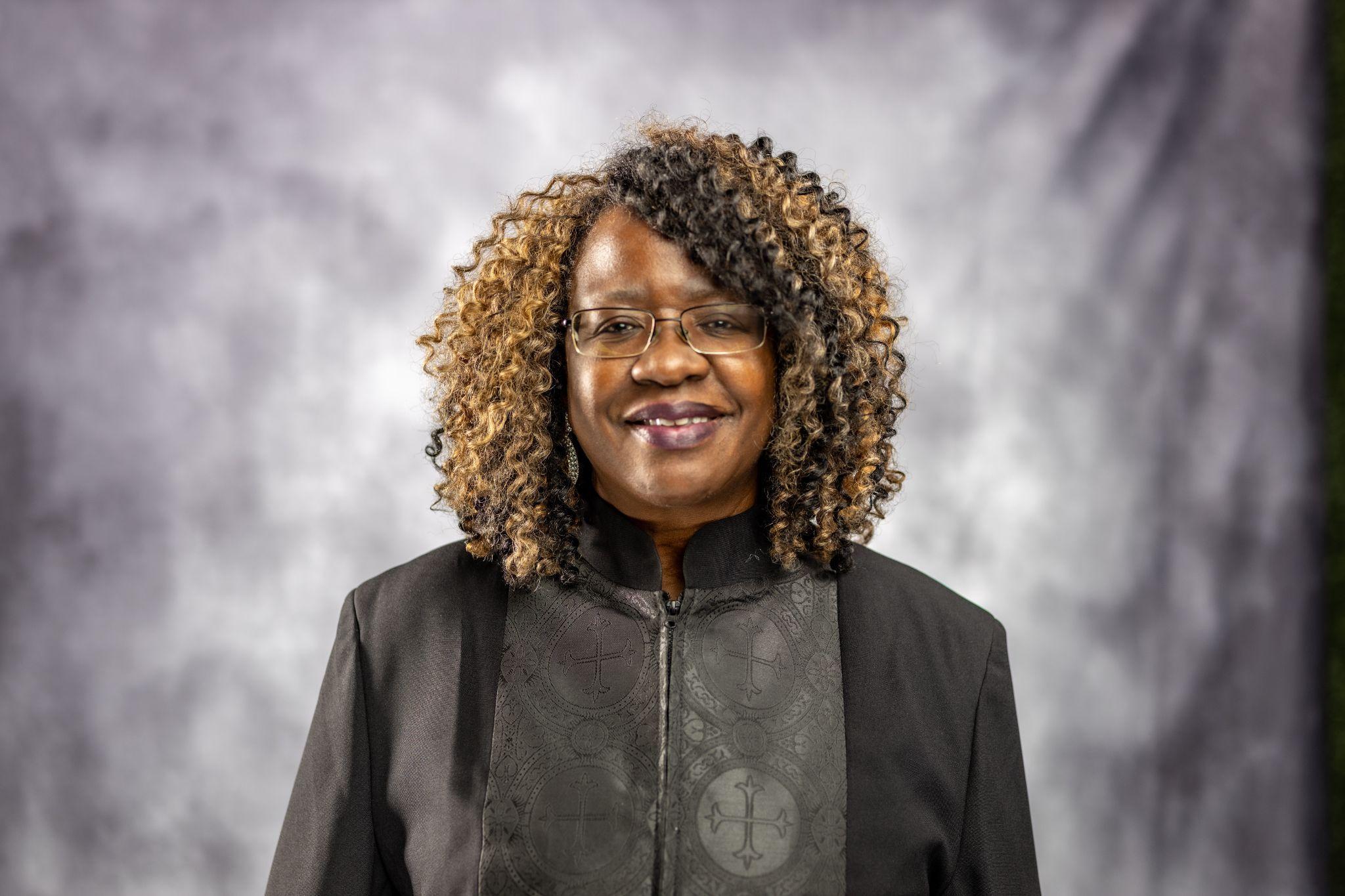
by Bishop Marcus & Minister Linda Dixon House of Manna Bread of Life Church
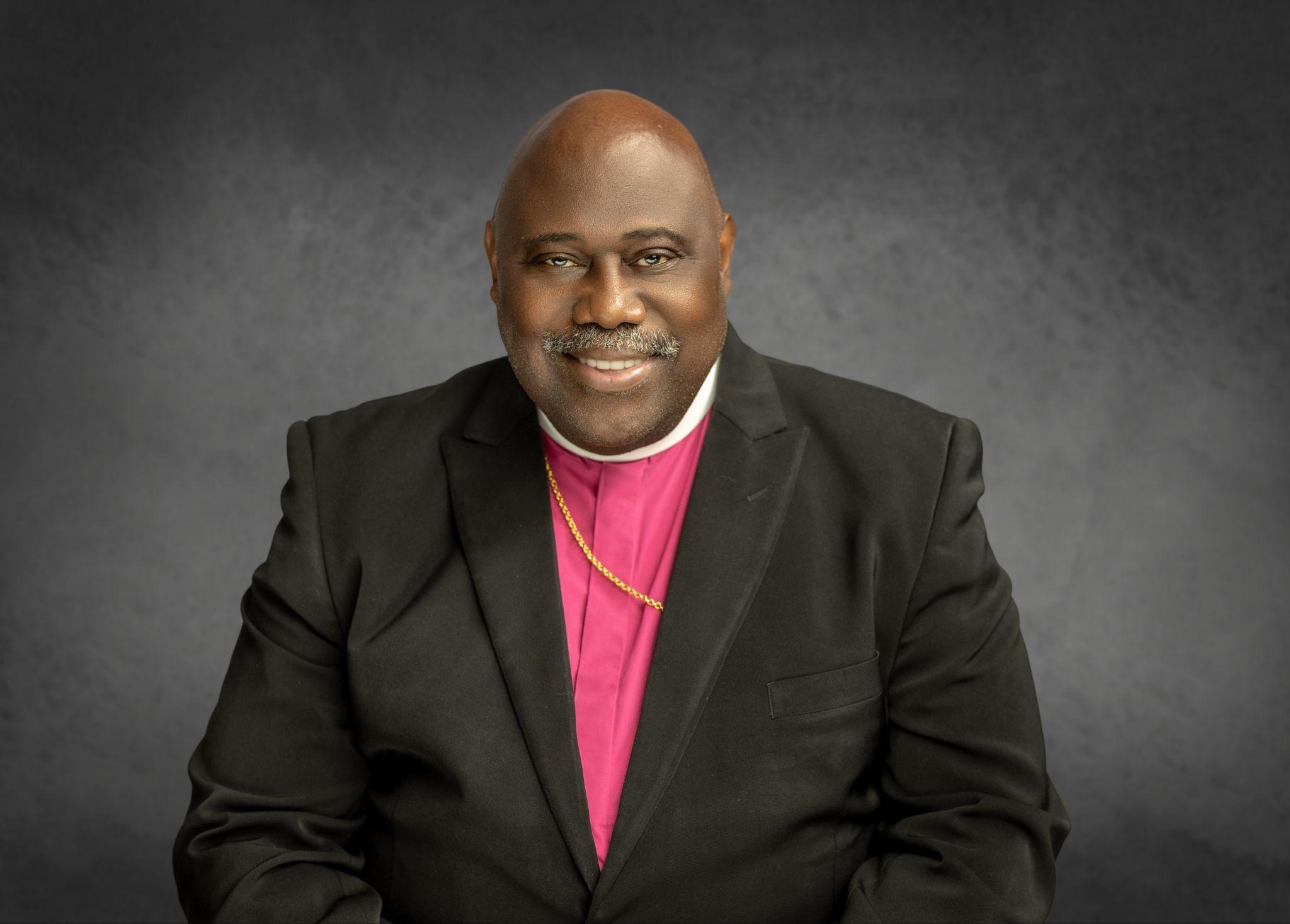
In a time when identity is often shaped by social media metrics, cultural expectations, and relentless comparison, authors Bishop Marcus Dixon and Minister Linda Dixon are bringing a timely and transformative message to young people: identity is not earned—it is received. Their presentation, “Created with Purpose: Identity & Self-Esteem Through Faith,” is designed to help high school students anchor their self-worth in something unshakable—faith in God.
Opening with a simple yet penetrating question—“Who are you?”—the Dixons immediately challenge students to look beyond surface-level labels. While many teens instinctively define themselves by achievements, friendships, appearance, or online presence, the deeper question follows: “Who does God say you are?”
Drawing from Genesis 1:27, they remind students that being made in the image of God establishes inherent worth. Value is not something to achieve; it is something already given. Identity is not an accident, nor is it dependent on performance.
The heart of their message addresses the tension between cultural messaging and biblical truth. The world often teaches that worth is tied to appearance, popularity, followers, or performance. In contrast, Scripture offers a radically different foundation. Ephesians 1:4 affirms that we are chosen. Ephesians 2:10 declares we are God’s workmanship. Romans 8:38–39 assures us that we are loved beyond separation. Psalm 139:14 proclaims that we are fearfully and wonderfully made. The Dixons invite students into critical thinking: Which voice do you listen to more—culture or God? Why is it often easier to believe negative labels than affirming truth?
Transitioning into self-esteem, Bishop Marcus Dixon and Minister Linda Dixon distinguish between worldly confidence and faith-based confidence. The world says, “Believe in yourself.” Faith says, “Believe in who God created you to be.” Referencing Jeremiah 29:11, they emphasize that purpose is not random; it is intentional. Healthy, faith-rooted
self-esteem means understanding that value comes from being created by God, growth is part of being shaped by Him, and competition is unnecessary when identity is secure. Students are asked a reflective question that resonates deeply: If God already calls you worthy, why do you still try to prove yourself?
A powerful segment of the presentation focuses on self-awareness through faith. True self-awareness is not self-criticism but spiritual reflection. What gifts has God placed inside you? What weaknesses is He helping you grow through? What patterns require healing? Drawing from Psalm 139:23–24, where David asks God to search his heart, students are given a quiet moment to reflect—writing down one strength and one growth area. Interestingly, many discover it is easier to name weaknesses than strengths, revealing how deeply self-doubt can take root when identity is not grounded in truth.
Confidence, as the Dixons explain, is not arrogance. Using the story of David and Goliath in 1 Samuel 17, they illustrate that David’s courage was not self-generated bravado. He did not declare his own greatness; instead, he declared God’s past faithfulness. His confidence was built on trust. The formula they present is simple yet profound: past faithfulness plus present trust equals courage. This reframing allows students to see failure differently. Failing a test does not mean being a failure—it means being in process. When identity is secure, struggle does not define the individual.
As the presentation draws to a close,
students are guided through reflective questions: What lie about yourself have you been believing? What truth from Scripture replaces that lie? What kind of person is God shaping you to become? The Dixons also challenge common misconceptions, clarifying that humility is not thinking less of oneself but thinking of oneself correctly. They explore whether suffering can strengthen identity and why many biblical leaders wrestled with insecurity—showing that struggle does not disqualify calling.
The core message of “Created with Purpose” is both freeing and empowering: identity is received, not earned. God’s opinion carries more weight than culture’s. Comparison distracts from calling. Growth is evidence of faith in motion. Above all, students are reminded that they are becoming exactly who God designed them to be.
Through compassionate guidance and scriptural foundation, Bishop Marcus Dixon and Minister Linda Dixon are equipping the next generation to see themselves through a divine lens. Their closing prayer prompt captures the essence of the entire message: “God, help me see myself the way You see me.”


What

Photo by Towfiqu barbhuiya on Unsplash
by Family Matters
What is Alopecia ?
Alopecia is a general term for hair loss that can affect the scalp or the entire body. One of the most common forms is Alopecia Areata, an autoimmune condition in which the body’s immune system mistakenly attacks hair follicles, leading to patchy hair loss. In more severe cases, it can progress to alopecia totalis (complete scalp hair loss) or alopecia universalis (loss of all body
The exact cause of alopecia varies depending on the type. Genetics, hormonal changes, medical conditions, stress, and certain medications can all contribute. For example, androgenetic alopecia—often called male or female pattern baldness—is largely hereditary and linked to hormonal sensitivity.
Although alopecia is not physically harmful, it can have a significant emotional and psychological impact. Hair is often closely tied to identity and self-esteem, and sudden or noticeable hair loss may lead to anxiety, depression, or social withdrawal. Support from family, friends, and counseling can play an important role
Treatment options depend on the underlying cause. Common approaches include topical medications, corticosteroid injections, oral treatments, and in some cases, lifestyle changes to reduce stress. While there is no universal cure, many individuals experience regrowth, especially with early intervention.
Raising awareness about alopecia helps reduce stigma and encourages compassion. With ongoing research and increased understanding, people living with alopecia can find both medical support and a strong sense of community.
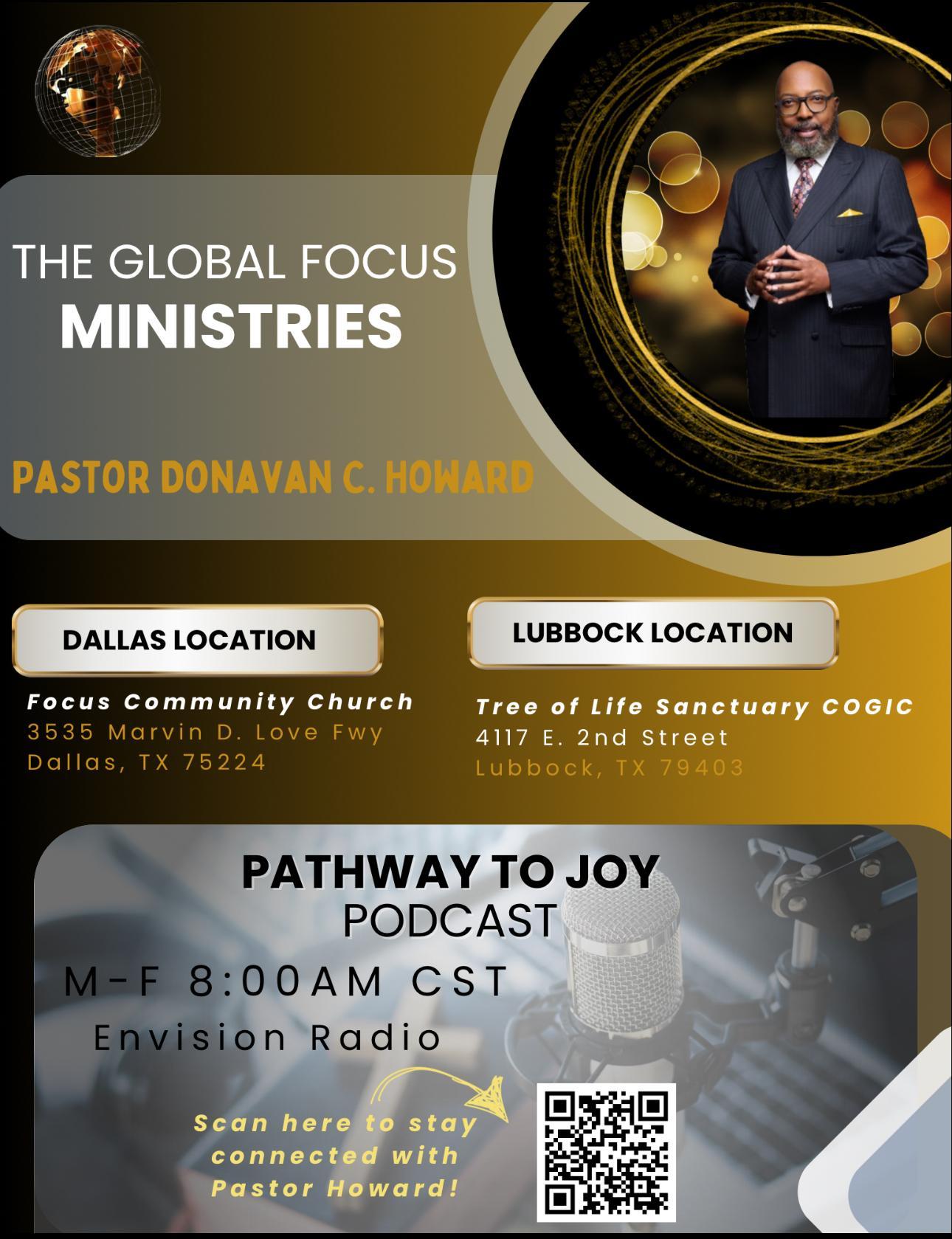
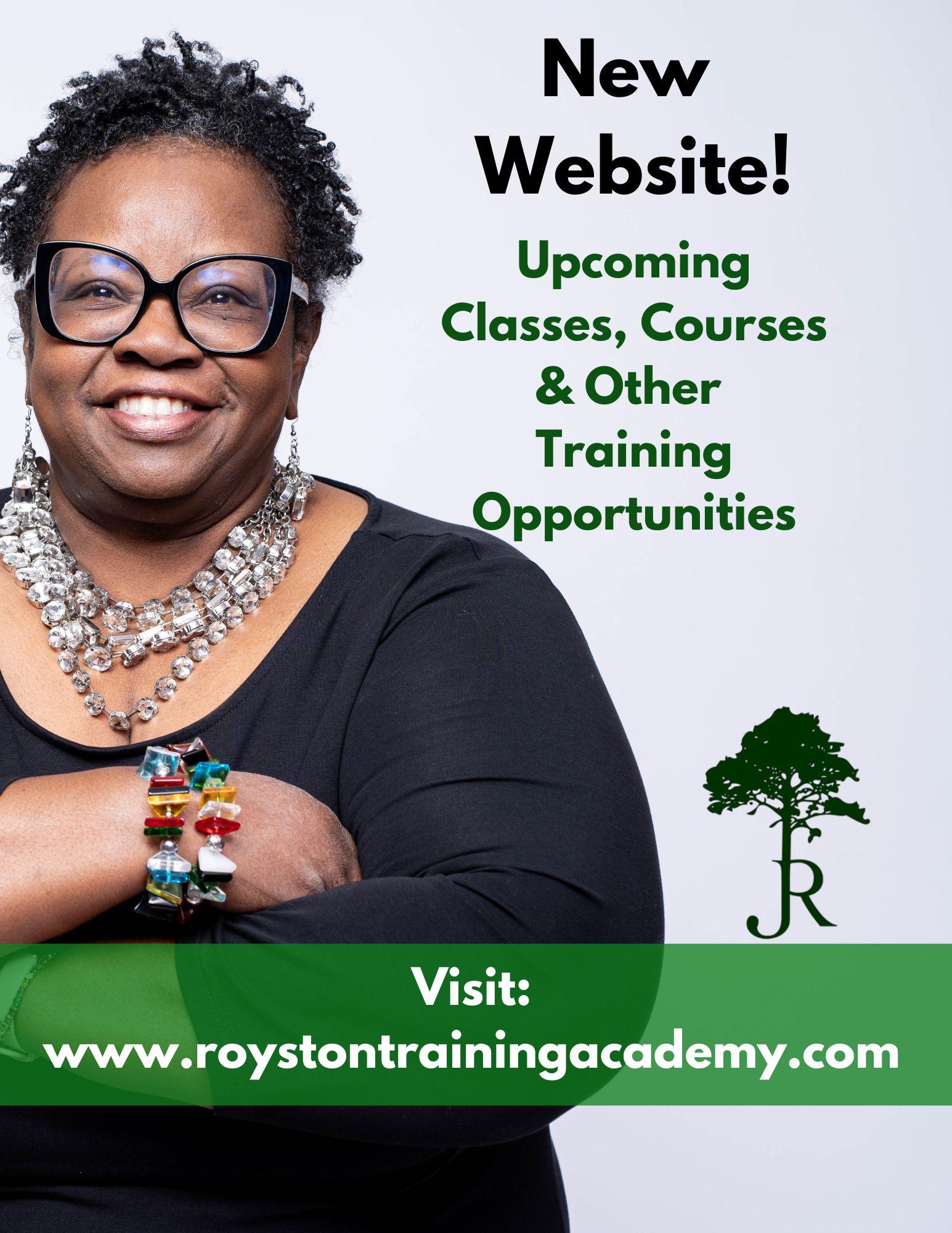
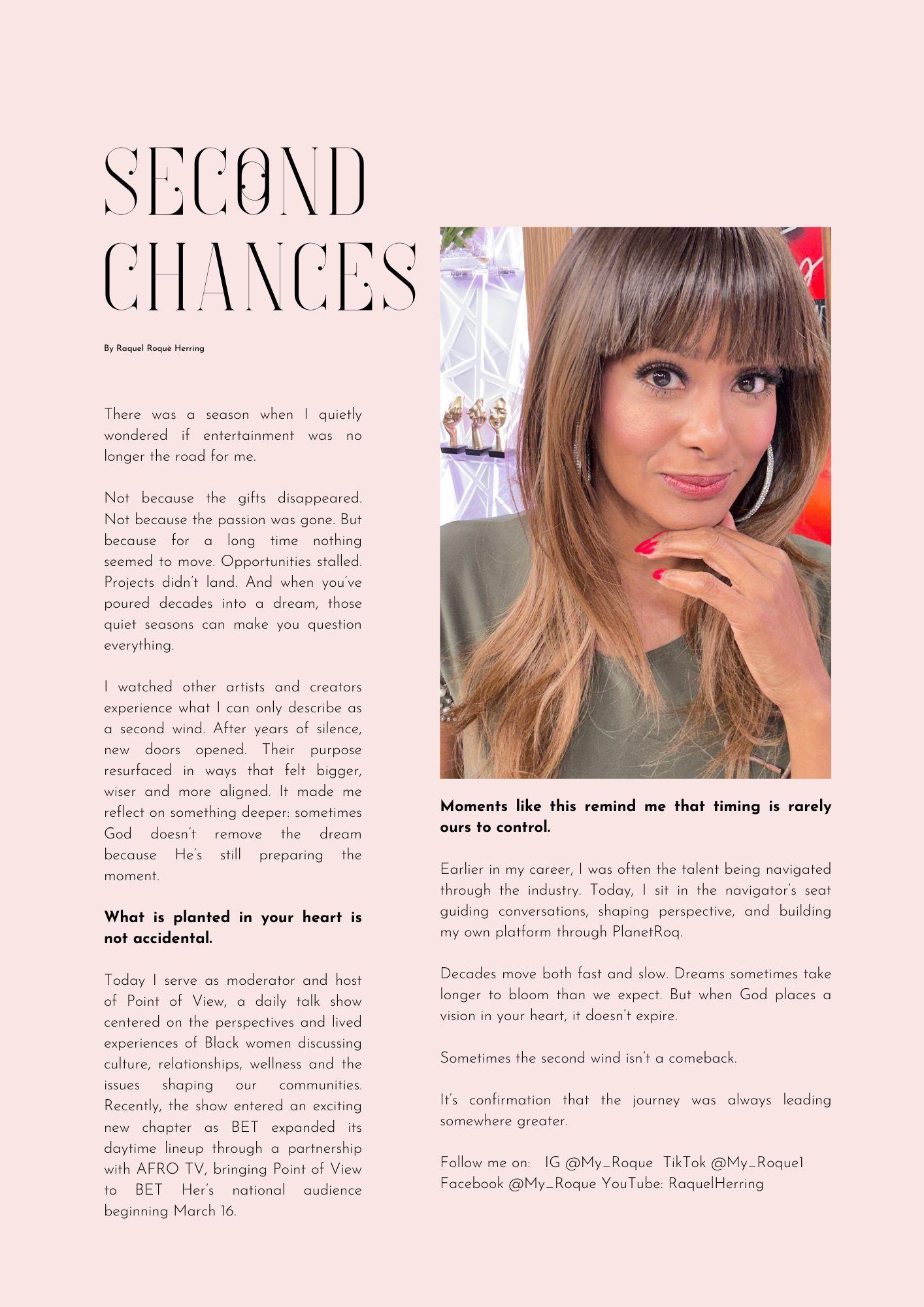

Photo by Olga on Unsplash


Grounded in the Storm Mental Health, Faith, and Resilience in an Age of Constant Crisis
by Dr. Michael Smith Professor of Practice ENEB
A Familiar Scene
It is past midnight in New York—or in almost any city in the world. You lie in bed, the glow of your phone lighting the dark room. Your thumb scrolls endlessly through a feed filled with stories of global tensions, economic uncertainty, political outrage, and breaking news alerts about disasters or pandemics. Your heart rate rises. Sleep becomes difficult. Your thoughts begin to spiral: What will this mean for my family? My job? The future?
For millions of people in our 24/7 digital society, this experience has become routine. What was once occasional exposure to troubling news has become constant immersion in global crises. Our nervous systems evolved to respond to immediate, tangible threats—a sudden danger in the village or an unexpected emergency. Today, however, those same biological systems are flooded with an endless stream of distant problems delivered instantly through screens.
The result is a form of chronic stress. Instead of resolving threats and returning to calm, many people remain in a constant state of emotional activation and exhaustion (Satici et
al., 2022). This phenomenon became widely known during the COVID-19 pandemic as “doomscrolling,” the compulsive consumption of negative news (Price et al., 2022).
Yet even in the midst of this storm, calm is possible. True resilience does not come through denial or avoidance, but through a combination of psychological wisdom and spiritual grounding.
The Psychological Reality
The human body is designed to respond to acute stress. When danger appears, the body releases adrenaline and cortisol to trigger the familiar fight-or-flight response. After the threat passes, the body returns to equilibrium.
Modern life rarely allows that recovery.
Today’s digital environment exposes people to an uninterrupted stream of crises: wars, economic instability, political polarization, and social media outrage. Continuous exposure to these stressors can keep the sympathetic nervous system activated for extended periods, raising cortisol levels and contributing to fatigue, irritability, weakened immunity, and
in

Photo
And the peace of God… will guard your hearts and your minds in Christ Jesus.”
For many believers, this promise represents a powerful source of peace. Yet faith can sometimes be misunderstood when it is used as a substitute for emotional processing rather than a guide through it.
Psychologists refer to this dynamic as spiritual bypassing—using religious language or practices to avoid confronting painful emotions such as grief, fear, or anger (Cashwell et al., 2007). Instead of working through those emotions, individuals may attempt to suppress them with statements such as “just pray more” or “have stronger faith.”
This approach rarely produces genuine resilience. Unacknowledged emotions often return with greater intensity over time.
Ironically, the Bible itself models emotional honesty. The Psalms contain raw expressions of grief, confusion, and frustration with God. Psalm 13 begins with a direct cry: “How long, Lord? Will you forget me forever?”
Healthy faith does not eliminate emotion—it guides people through it.
Research during the COVID-19 pandemic supports this integrated approach. Studies show that adaptive religious coping, which combines prayer, community support, and practical coping strategies, is associated with higher resilience, reduced depression, and increased hope (Vásquez-Caballero et al., 2026; Sen et al., 2022).
Faith and psychological wisdom work best together.
Five Faith-Informed, Evidence-Based Practices
1. Limit Exposure Without Ignoring Reality
One of the most effective ways to reduce stress is to set intentional boundaries around news and social media consumption. This may include scheduled news times, device curfews, or intentionally choosing balanced information sources.
Reducing exposure to constant negative media lowers emotional contagion and cortisol spikes (Satici et al., 2022; Türk-Kurtça & Kocatürk, 2025).
Scripture echoes this rhythm through the concept of Sabbath rest (Exodus 20:8-10), a practice that invites individuals to pause, reflect, and reconnect with deeper values rather than reacting constantly to the world’s noise.
2. Return to Your Sphere of Influence
Global crises can create overwhelming feelings of helplessness. A healthier approach is to redirect attention toward the areas where meaningful action is possible—family, community service, local advocacy, or acts of kindness.
Research shows that restoring a sense of agency is a powerful buffer against stress and despair (Adams et al., 2025).
This principle reflects the biblical parable of the talents (Matthew 25:14-30), which emphasizes faithfulness in the responsibilities immediately before us.
3. Practice Nervous System Grounding
Physical practices such as deep breathing, contemplative prayer, and mindfulness can help shift the body from a stress response to a relaxation state.
Techniques like the 4-7-8 breathing method or meditative prayer activate the
parasympathetic nervous system, helping stabilize stress hormones (Elbarazi et al., 2025).
Faith traditions have long recognized this connection between body and spirit. Isaiah 41:10 offers reassurance in moments of fear: “Do not fear, for I am with you… I will strengthen you and help you.”
4. Anchor to Values, Not Headlines
Constant media consumption can distort priorities by elevating outrage and conflict. Resilience grows when individuals anchor their lives in enduring values such as compassion, justice, humility, and service.
Values-based living is strongly associated with improved psychological well-being and reduced stress reactivity (Adams et al., 2025).
Micah 6:8 summarizes this vision clearly: “Act justly, love mercy, and walk humbly with your God.”
5. Choose Community Over Commentary
Online debate rarely provides the emotional support people need during stressful times. Face-to-face relationships, shared meals, faith communities, and meaningful conversations offer far greater protection for mental health.
Research consistently shows that strong social connections buffer against anxiety, depression, and trauma (Perez et al., 2024). Hebrews 10:24-25 encourages believers not to neglect gathering together but to encourage one another in love and good works.
Authentic community strengthens resilience.
Calm Is Contagious
The weight of global crises—wars, economic instability, political division, climate concerns, and lingering pandemic fears—can make it feel
as though the entire world rests on our shoulders.
But it does not have to.
Resilience is not heroic self-denial or emotional suppression. It is the result of a thoughtful and integrated response that combines psychological awareness with deep spiritual grounding.
When individuals limit harmful media exposure, focus on meaningful local action, calm their nervous systems, anchor themselves in enduring values, and cultivate authentic community, they begin to experience a different kind of peace.
Scripture describes this process beautifully in Romans 5:3-5 (NIV): “Suffering produces perseverance; perseverance, character; and character, hope.” Hope does not ignore suffering. It transforms it.
Research confirms that positive religious coping—seeking meaning through prayer, purpose through service, and connection through faith communities—can strengthen resilience and reduce psychological distress (Park et al., 2025; Vásquez-Caballero et al., 2026).
And hope spreads.
Contact: Dr.MichaelADSmith@gmail.com

Photo

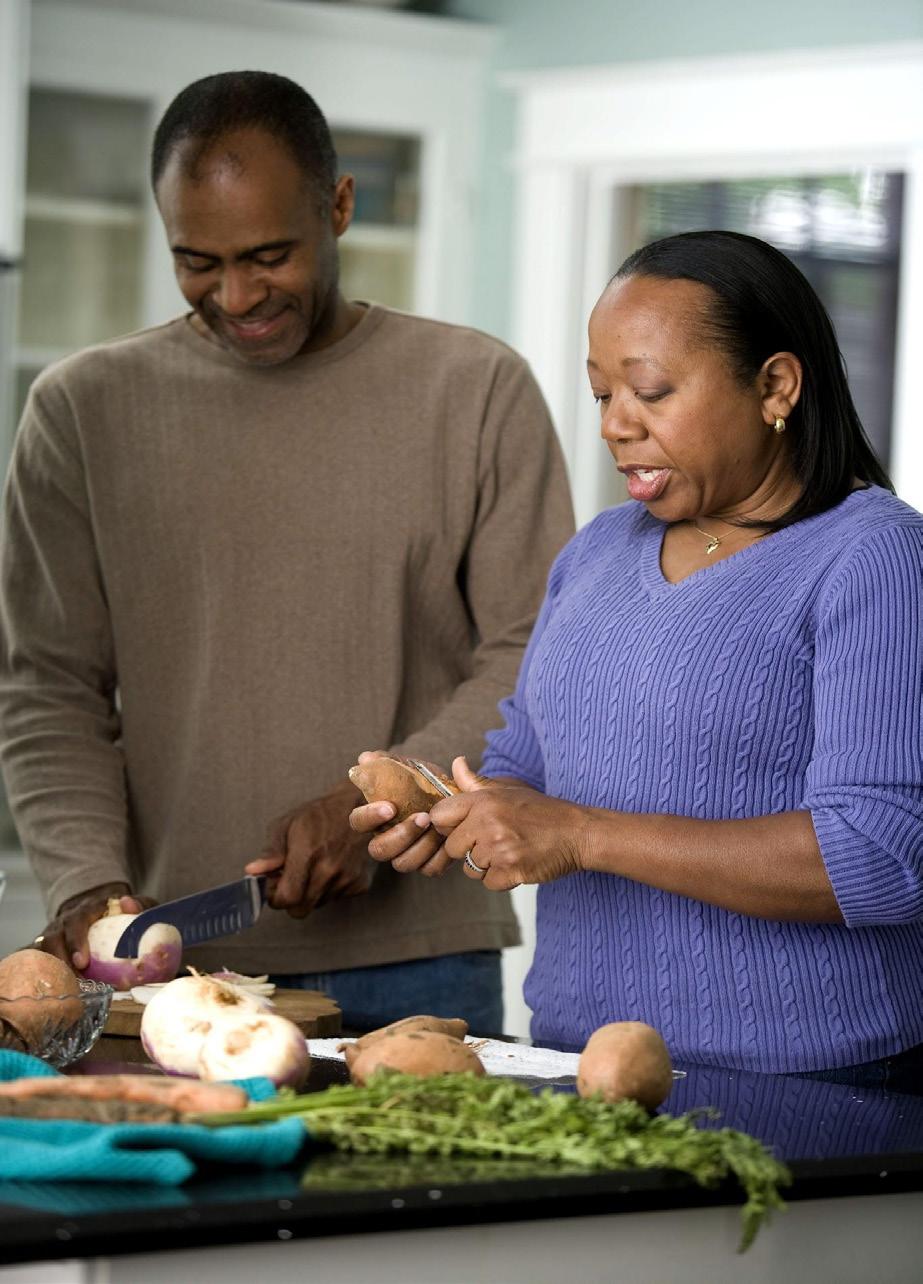
Before the Fork
The choices that shape us
by Desare Flournoy Entrepreneur, Author & Radio Host
You’re Not Hungry
You’re Conditioned
For a long time, I assumed hunger was simple. You feel it, you answer it, you move on. But the more attention I paid to my own habits, the clearer it became: much of what we call hunger isn’t about need at all. It’s about expectation.
I grew up with the idea that finishing your plate was a virtue. Waste was disrespectful. Leaving food behind felt wrong, even if I was already full. One day, that logic cracked. I realized I was eating food I didn’t want not because I was hungry, but because I didn’t want to throw it away. And then the question landed hard: If I consider this food wasted when it’s discarded, why doesn’t the same logic apply when I force it into my body? That was the moment I understood I wasn’t honoring food I was using my body like a garbage can.
And once that thought took root, it changed how I saw the plate.
That’s the thing about conditioning. It doesn’t announce itself. It shows up as habit. Timing. Reflex. The body learns when food is supposed to arrive and starts preparing for it whether hunger is present or not. Stress signals appetite. Certain times of day trigger cravings. Not because something is wrong but because repetition trains expectation.
I noticed this most clearly during periods of consistent weight loss. I’d be doing all the “right” things eating intentionally, moving regularly and the weight would come off steadily. And then, almost predictably, cravings would shift. Not for foods I normally ate, but for random things I hadn’t thought about in years. The pattern took time to recognize, but once I did, it made sense. My body wasn’t asking for those foods specifically; it was reacting to unfamiliar change.
A trainer once explained it this way: the body resists sudden shifts. When weight drops quickly, appetite signals increase. Cravings get louder. Energy adjusts. Not as sabotage but as protection. The body
is wired to preserve what feels familiar. What we often interpret as failure is frequently the system asking for continuity.
There’s also chemistry at play. The gut microbiome the bacteria living inside the digestive system responds to repetition. Feed it the same patterns long enough, and it reinforces them through chemical signaling. Some cravings aren’t emotional or conscious; they’re biological echoes of what the body has learned to expect. That’s why willpower alone rarely works. You’re not just making a choice you’re interrupting a system.
This quarter isn’t about fixing that system yet. It’s about noticing it. Paying attention to when hunger shows up, what’s happening around it, and whether the body is asking for fuel or familiarity. Awareness isn’t passive. It’s preparatory. You can’t work with patterns you refuse to see.
When we stop moralizing appetite and start observing it, something shifts. Curiosity replaces shame. Strategy replaces punishment. And the conversation around food becomes less about control and more about understanding.
Not every craving is hunger. And once you recognize conditioning for what it is, you don’t have to answer it automatically. You get to choose on purpose.


Milestones and Legacy
by Berta P. Weyenberg Host of ConBERTAciones www.envision-radio.com
To the parents watching their children step into new seasons, and to the grandparents who carry the beauty of legacy in their hearts: I invite you to pause and truly receive this moment.
Life moves quickly. Children grow. Seasons change. What once felt constant now feels transformed, and in the midst of that change, it is easy to overlook the sacredness of what has unfolded before your eyes.
You have poured yourselves into love, into guidance, correction, prayer, and sacrifice. You have shown up in ordinary days and in extraordinary moments. You have carried hopes for your children long before they understood those hopes for themselves. What you see today is not accidental. It is the fruit of faithfulness.
Milestones are powerful markers of growth. They remind us that time has passed, that lessons have been learned, and that lives are being shaped and refined. Milestones are not simply achievements, they are spiritual reminders that God has been present through every stage.
There were moments of joy that felt
effortless. There were moments of uncertainty that required deep trust. There were prayers whispered in quiet places, tears cried in private, and decisions made with courage and faith. None of it was wasted. All of it mattered.
As your children step into new chapters, allow your heart to celebrate instead of fear the shift. Celebrate how far you’ve come.
Celebrate the resilience woven into your story.
Celebrate the growth you now see standing before you, and most importantly, give thanks, because every milestone is evidence that God has been at work.
Today is about honoring the journey, trusting the process, and embracing the future with hope. Your legacy is alive. Your prayers are still speaking. Your faithfulness is bearing fruit. And that is worth celebrating!

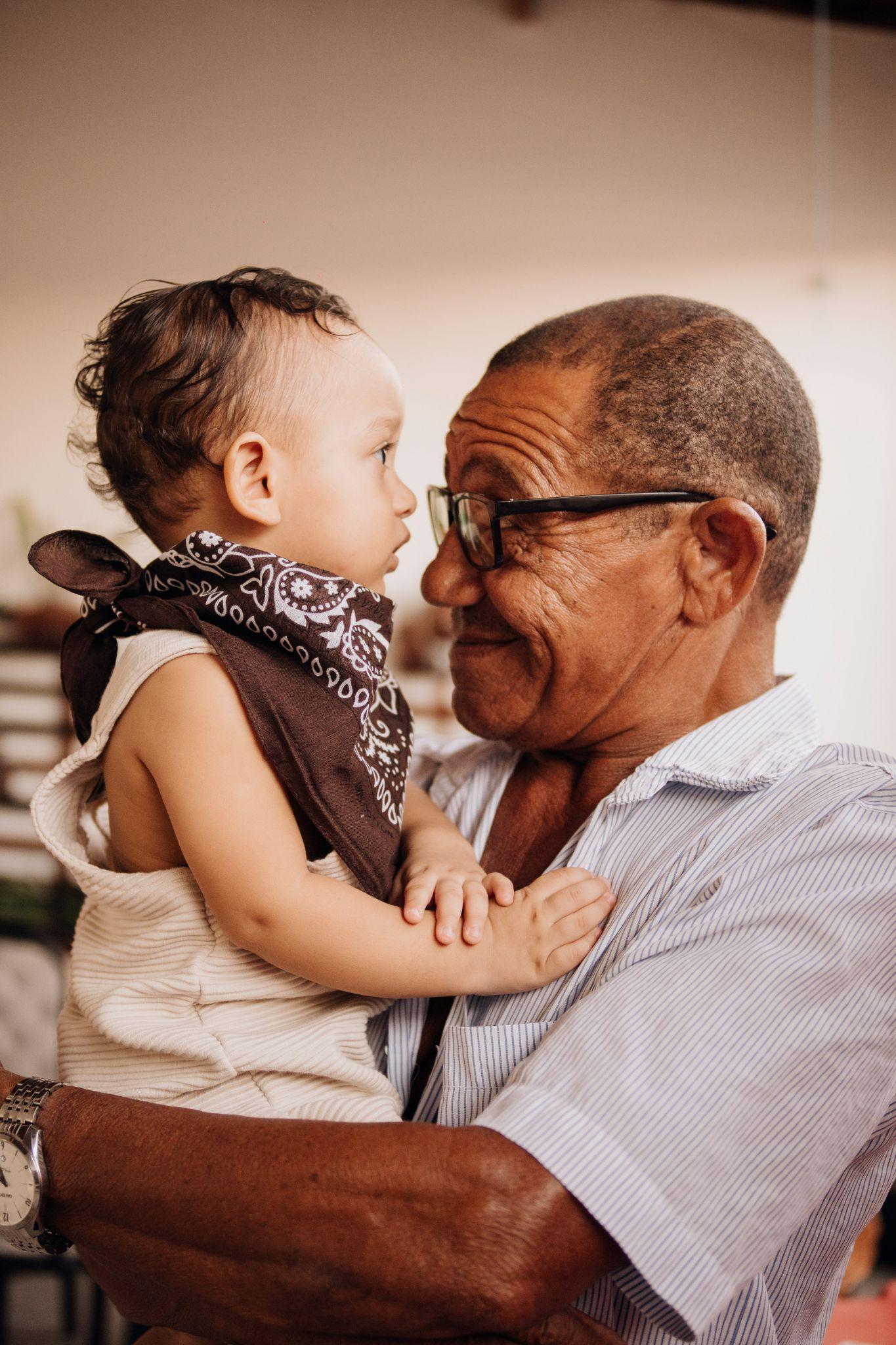
Photo by Jefferson Santu on Unsplash
Photo by Jefferson Santu
Hitos y Legado
por Berta P. Weyenberg Presentadora de ConBERTAciones www.envision-radio.com
A los padres que ven a sus hijos entrar en nuevas etapas, y a los abuelos que cargan la belleza del legado en sus corazones: los invito a hacer una pausa y recibir este mensaje
La vida avanza rápidamente. Los niños crecen. Las estaciones cambian. Lo que antes parecía constante ahora se transforma, y en medio de ese cambio, es fácil pasar por alto la santidad de lo que se ha desplegado ante sus ojos.
Se han entregado al amor, a la guía, la corrección, la oración y el sacrificio. Han estado presentes en días ordinarios y en momentos extraordinarios. Han albergado esperanzas para sus hijos mucho antes de que ellos las comprendieran. Lo que ven hoy no es casualidad. Es fruto de la fidelidad.
Los hitos son poderosos indicadores de crecimiento. Nos recuerdan que el tiempo ha pasado, que se han aprendido lecciones y que las vidas se están moldeando y refinando.
Los hitos no son simplemente logros, son recordatorios espirituales de que Dios ha estado presente en cada etapa.
Hubo momentos de alegría que se sintieron fáciles. Hubo momentos de incertidumbre que requirieron una profunda confianza. Hubo oraciones susurradas en silencio, lágrimas derramadas en privado y decisiones tomadas con valentía y fe. Nada fue en vano. Todo importó.
A medida que sus hijos comienzan nuevos capítulos, permitan que su corazón celebre en lugar de temer el cambio. Celebren lo lejos que has llegado.
Celebren la resistencia que forma parte de su historia.
Celebren el crecimiento que ahora ve antes usted y, sobre todo, den gracias, porque cada logro es evidencia de que Dios ha estado obrando.
Hoy se trata de honrar el camino recorrido, confiar en el proceso y abrazar el futuro con esperanza.
Vuestro legado sigue vivo.
Vuestras oraciones siguen hablando. Vuestra fidelidad está dando fruto.
¡Y eso vale la pena celebrarlo!
Living Your Best Life is Serious Business
By Dr. Julia Royston
Host of Live Your Best LIfe & The Book Business Boss Show
Author, Publisher, Life Coach, Singer & Motivational Speaker www.juliaroyston.net
| www.envision-radio.net
For 2026, my business and personal focus has been streamlining, focusing and being as productive as well as profitable as possible. That’s my goal. I’m getting older. I’m committed to working smarter and not just harder. I’m just being truthful. What are some guidelines that I have to keep in mind when making a decision these days?
Is it necessary? With budgets, energy and time limited, I have to decide if it is something that is absolutely for me to be doing and doing is right now? Does it align with me ethically? This means, is it right for me. Everything is not wrong to do in life and have nothing to do with participating in something illegal or immoral but doing something that is NOT for
you or NOT the right time for you can be essentially just as illegal and immoral for YOU as any other crime or sin. Think about it. If it doesn’t align with what you should be doing, then you are at the wrong place, at the wrong time doing the wrong thing.
Am I Pulling someone up, Pouring into someone or Pursuing Purpose? – Even though something are good ideas, great ideas even and were once exactly what I should be doing in one season or another, if I am truly going to get serious about my best life, I have to make sure that it is asset in one of these three categories. Am I seeking to pull someone else up to live better, am I pouring into someone else that may be down, a little dry or needs some encouragement to keep going or is it helping
me to pursue and live out my purpose in this life? The last one you have to recognize and know what your purpose is to make sure that you’re doing it but once you know it, don’t let anything stop you from doing it.
How serious are you about living your best life? Let’s go!
His Steadfast Love Never Ceases
By Linda Ross-Turner www.lindarossministries.com
Lamentations 3:22-23
ESV “The steadfast love of the LORD never ceases; his mercies never come to an end; they are new every morning; great is your faithfulness.”
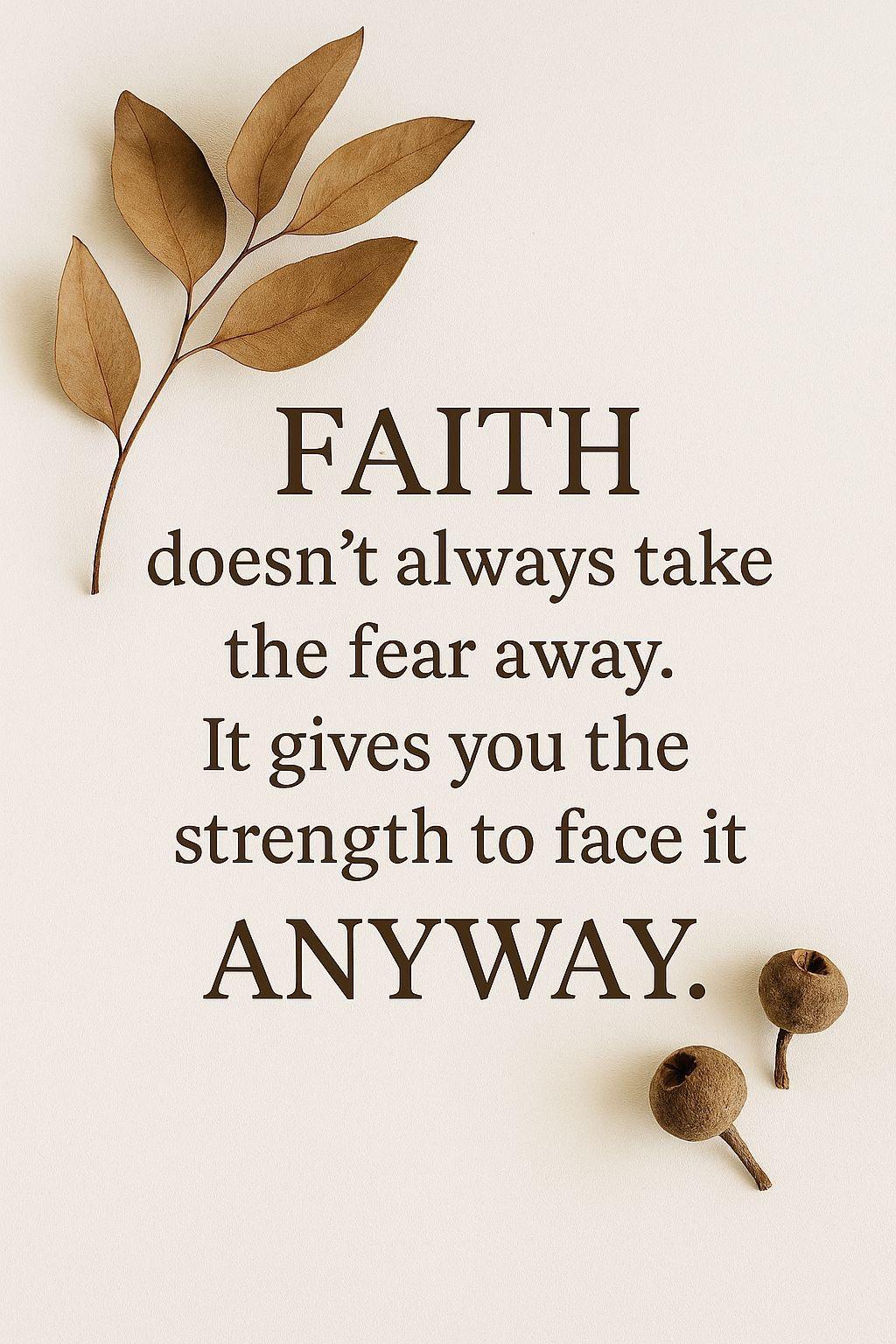
Are you feeling overwhelmed, bombarded by tasks that seem to come at you with such intensity that you lose your footing? Do you find yourself blindsided by feelings of hopelessness? I believe we’ve all been there. Regardless of your position, wealth, or race, we all face crossroads in life. If you haven’t encountered such moments yet, rest assured, you will. No one escapes the challenges that life brings.
The Promise of Escape
What’s crucial is understanding that, despite the trials we face, there is always a way out. Consider a railroad crossing: barriers prevent you from crossing when a train is approaching, accompanied by warning sounds. If the horn isn’t blaring, a posted sign advises you to approach with caution. In our Christian walk, Christ has promised us a blessed hope: we do not face trials alone. His steadfast, constant love is never-ending. I want to encourage you not to give up. God will provide a way of escape and offer warnings, but we must be willing to heed His guidance. Often, we may believe our way is better than the path God has set before us. We might think our experiences will lead us correctly, yet when we turn a deaf ear to His plans, we open the door for
the enemy to wreak havoc in our lives. It starts subtly, appearing rational; when we deviate from God’s path, we compound our problems. Trust that God’s love is constant, He’s consistent, and His desire is to bless us.
“Trust in the LORD with all thine heart; and lean not unto thine own understanding.”
Proverbs 3:5

Photo by Jordan Wozniak on Unsplash



by Pastor David & Lady Linda Smith
New Bethlehem Missionary Baptist Church of Houston
www.NewBethlehem.org
When Life Be Lifing, Stay Focused on the Promises of God
There are seasons when everything seems to happen at once. Bills pile up, relationships feel strained, plans fall apart, and stress presses in from every direction. As people often say today, “life be lifing.” In those moments it can feel difficult to stay encouraged, much less hopeful. Yet the Bible offers a simple but powerful instruction in Romans 12:12: “Be joyful in hope, patient in affliction, faithful in prayer.”
Photo by Tom Barrett on Unsplash
This short verse provides a roadmap for navigating life’s most overwhelming seasons.
First, it calls believers to be joyful in hope. Biblical hope is not wishful thinking; it is confidence in the promises of God. When life feels unstable, hope reminds us that God’s Word is steady. His promises about provision, guidance, peace, and salvation are not temporary solutions—they are eternal assurances.
Second, the verse urges us to be patient in affliction. Patience during hardship does not mean ignoring pain or pretending everything is fine. Instead, it means trusting that God is still working even when we cannot see the full picture. Difficult seasons often become the very places where faith grows stronger and character is refined.
Finally, believers are encouraged to remain faithful in prayer. Prayer keeps the heart connected to God. When life becomes overwhelming, prayer shifts our perspective from panic to trust. It reminds us that we are not carrying our burdens
alone.
The phrase “life be lifing” captures a universal truth: challenges are inevitable. But Romans 12:12 teaches that while troubles may come, discouragement does not have to take control. Hope anchors the heart, patience steadies the spirit, and prayer keeps us aligned with God’s presence.
When life feels chaotic and uncertain, return to this promise. Stay focused on what God has already spoken. His faithfulness does not change with circumstances—and neither do His Promises.

From Service to Sovereignty
The Faith-Led Journey of LaTisha Johnson
by LaTisha Johnson 1thebestcleaningservices@gmail.com
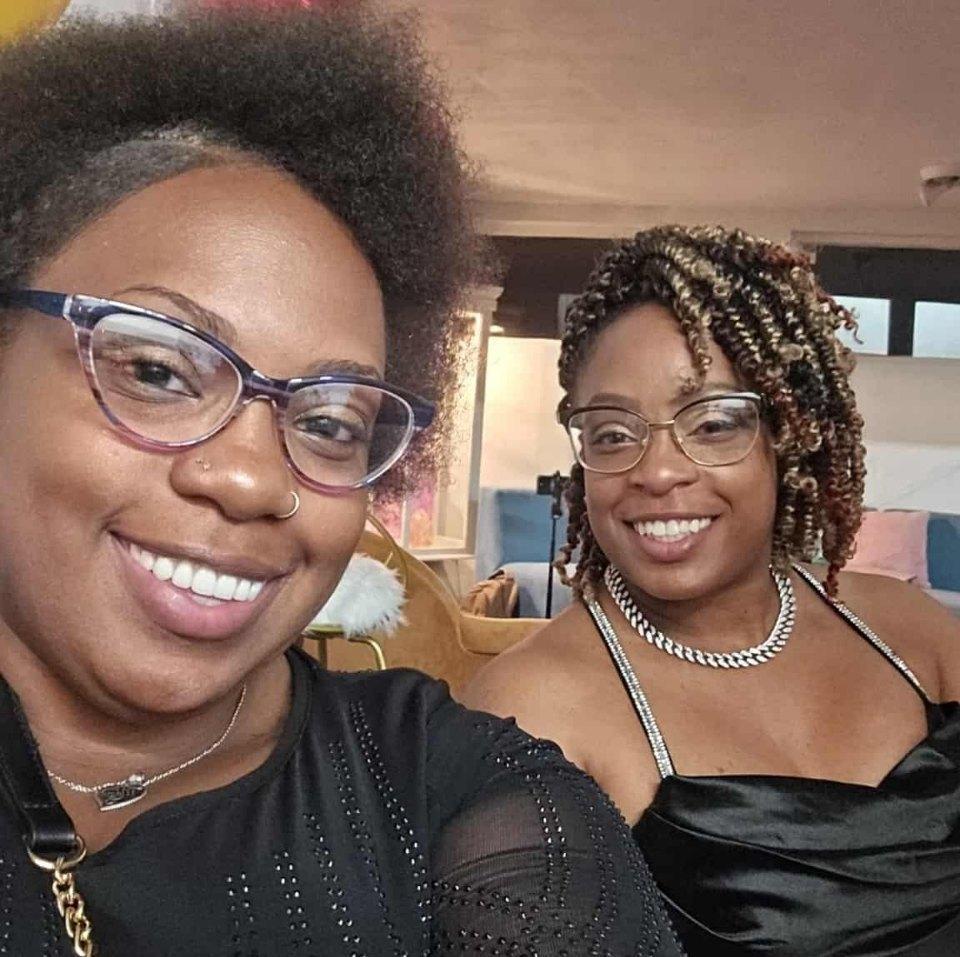
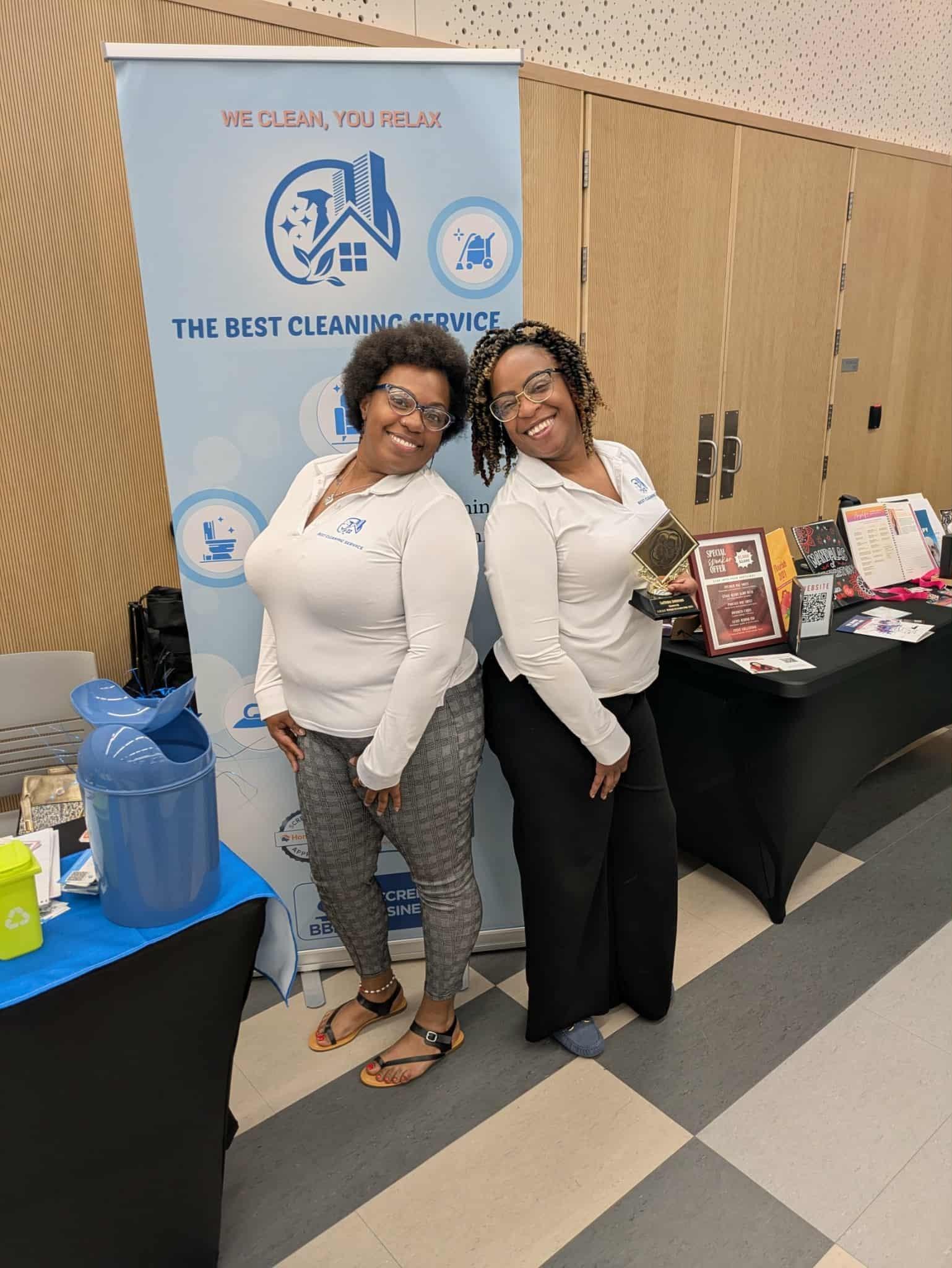
In the heart of the neon-lit Las Vegas valley—where ambition runs high and the hustle never sleeps—a different kind of movement is rising. It’s not fueled by the glitz of the Strip, but by faith, integrity, and the quiet power of women building legacy. At the center of this shift is LaTisha Johnson: visionary leader, digital creator, and co-founder of The Best Cleaning Service. Her journey from local entrepreneur to the voice of CEO’s in Christ is inspiring a new generation of faith-led leaders.
LaTisha’s foundation was laid early. Mentored by her father alongside her sister, LaBresha Johnson, she learned that excellence is not an act—it’s a standard. Those values became the cornerstone of The Best Cleaning Service, launched in 2024. What began as a local venture quickly grew into a trusted brand known for competitive pricing, quality, and the signature “sparkle and shine” clients rave about.
But LaTisha’s impact extends far beyond business. Her partnership with LaBresha is a force—one that has expanded into collaborations with The Library, The Best Marketing Event, and community-centered
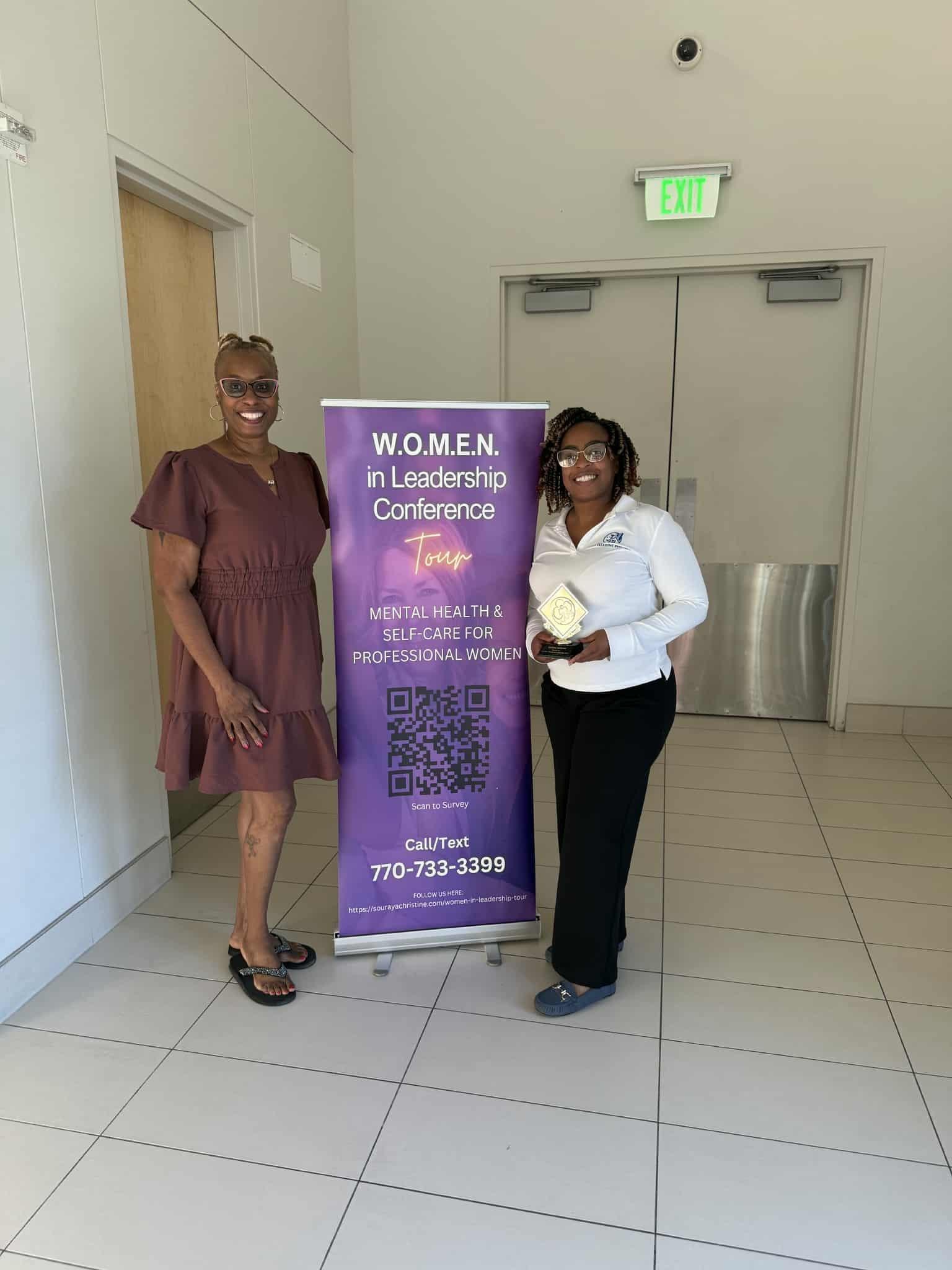
initiatives. Her leadership has earned her numerous honors, including the Fearless Women’s Award of Las Vegas, the L.I.L.A.C Women in Leadership 2025 Award, and multiple Certificates of Recognition from the City of Las Vegas, the State of Nevada, and the U.S. Congress.
As her influence grew, so did her calling. This birthed CEO’s in Christ, a weekly program on Envision Radio that merges faith, leadership, and purpose. Airing Tuesdays at 6:00 pm PST, the show uplifts entrepreneurs seeking to lead with conviction and spiritual grounding. With plans to expand their hubs nationwide, LaTisha and LaBresha are proving that when business is built on faith, family values, and divine purpose—the sky truly is the limit.
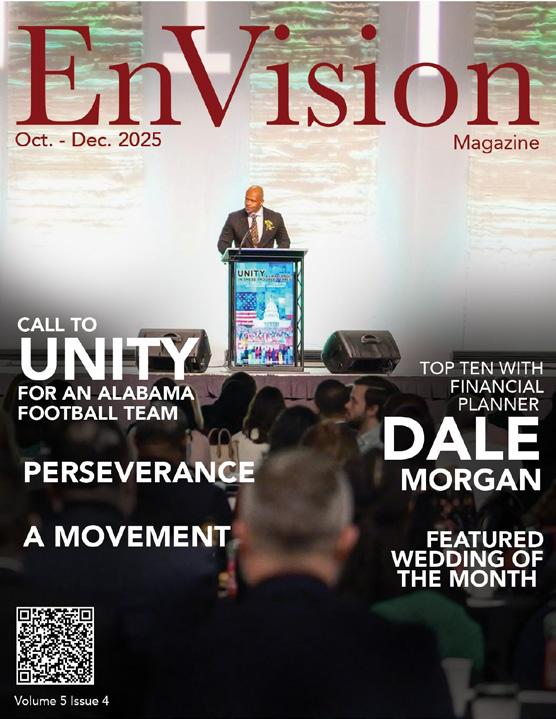
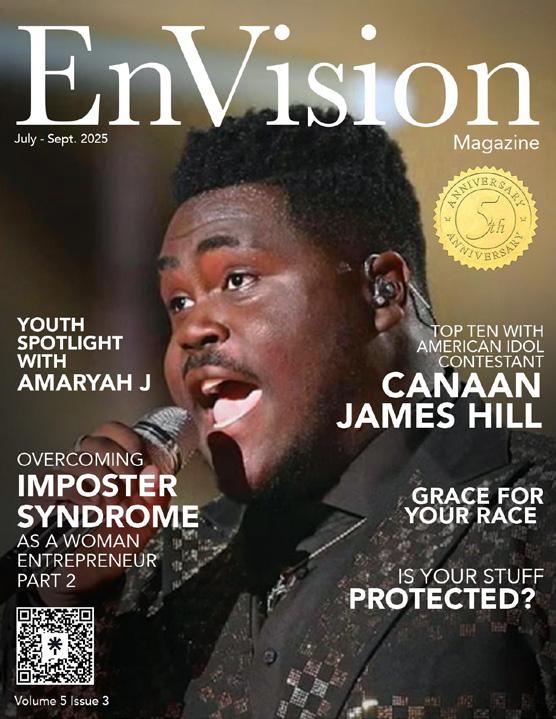
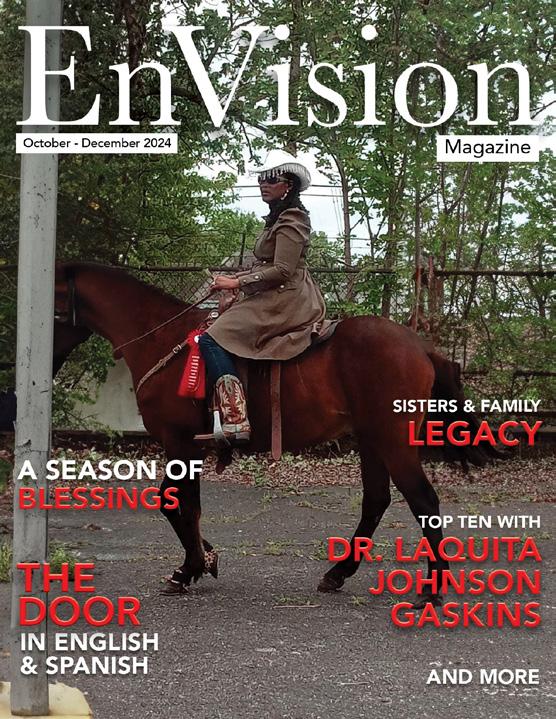
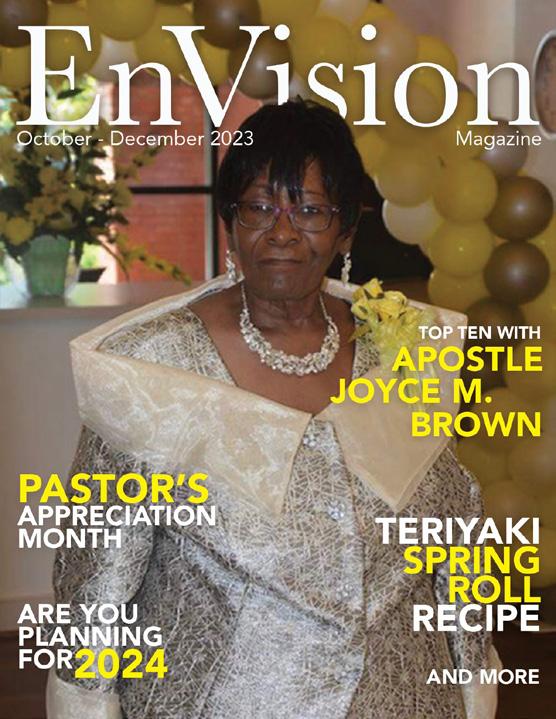
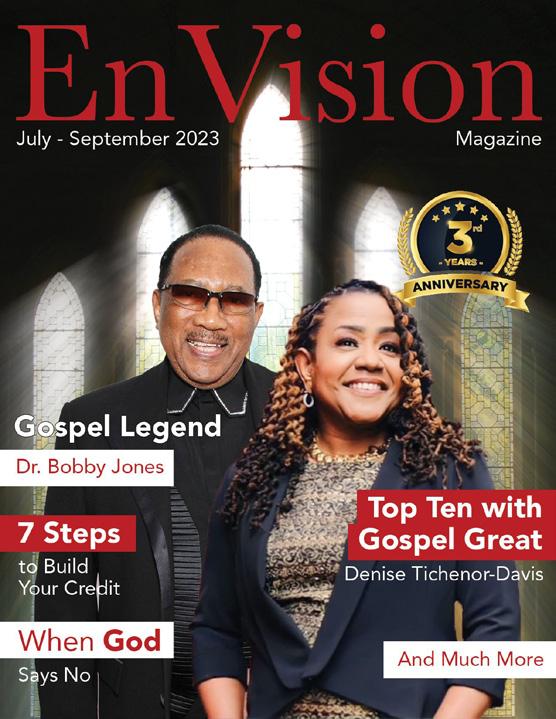
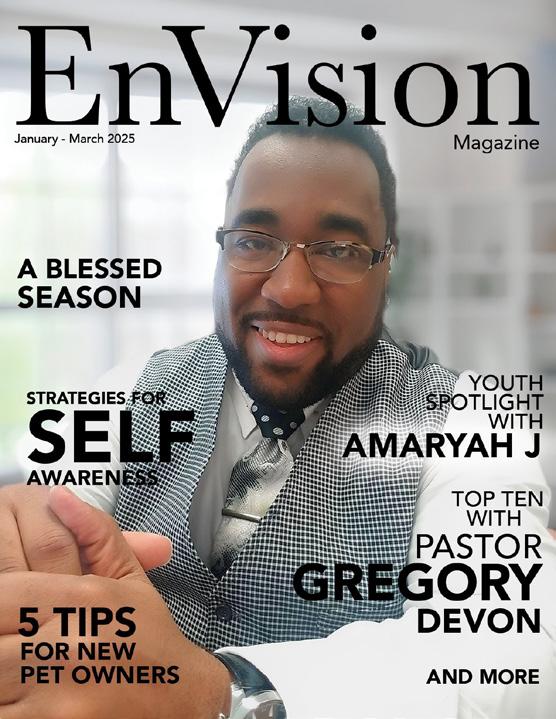
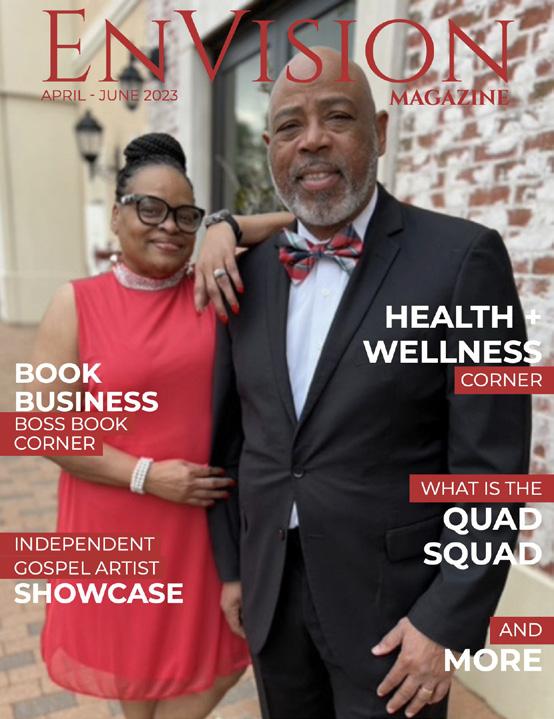
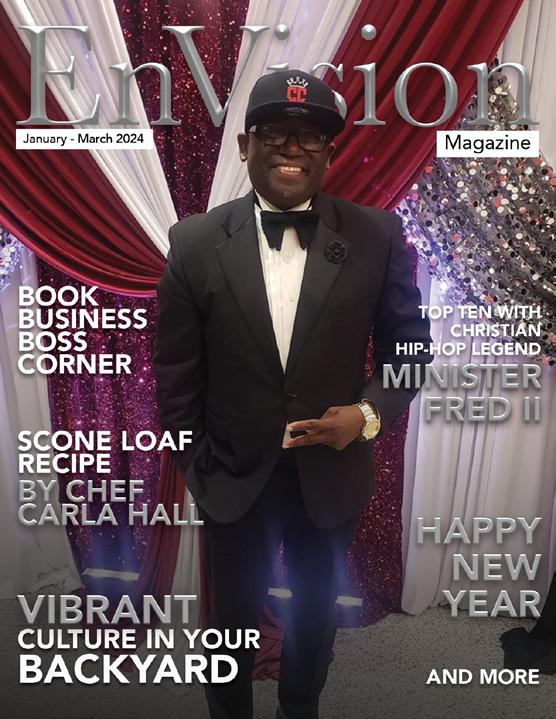
Past Envision Magazine Covers








Envision Multimedia Services, LLC
is a Kentucky based marketing and media company that decided that these times should echo voices from diverse faith communities from around the world.
So they created
Envision Radio & Magazine.
Envision Radio is an award nominated online radio station.
70,000 listeners a month.
Envision Magazine is an online publication which has a readership of over 50,000.
100,000 Social Media Views
175,000 Impressions
We are the multimedia blueprint for digital online excellence.
For more info email: envisionmag2@yahoo.com or envisionradio20@gmail,com or Call: (502)-650-5766 (502)-905-1233