


Scratch to service: Build a pizza program that performs
How to use this guide
Crust: The foundation
• Par-baked crust
• Sheeted dough
• Pre-made dough ball
• Crust from scratch
• At-a-glance comparison
Sauce: The savory secret
• Tomato-based sauce
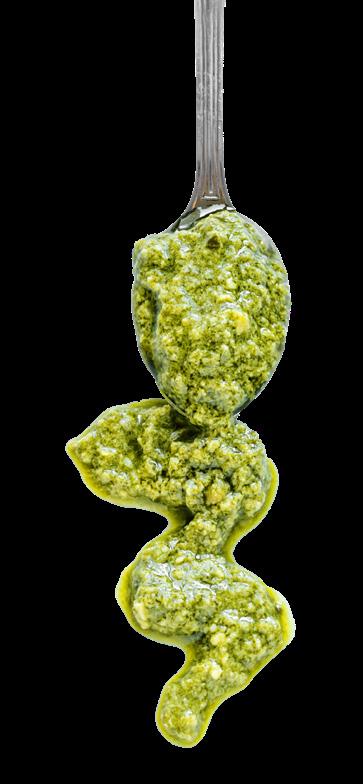
• Pesto
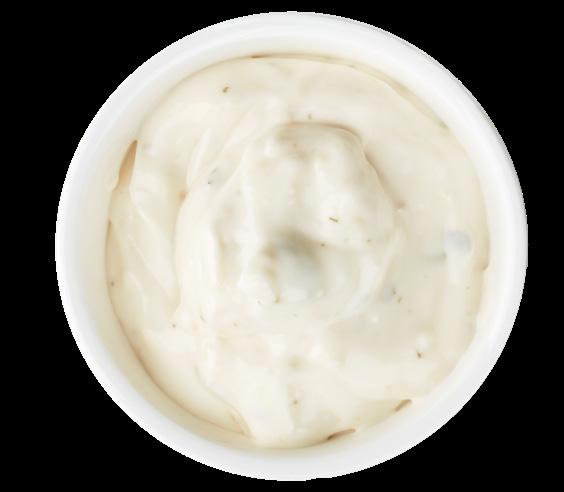
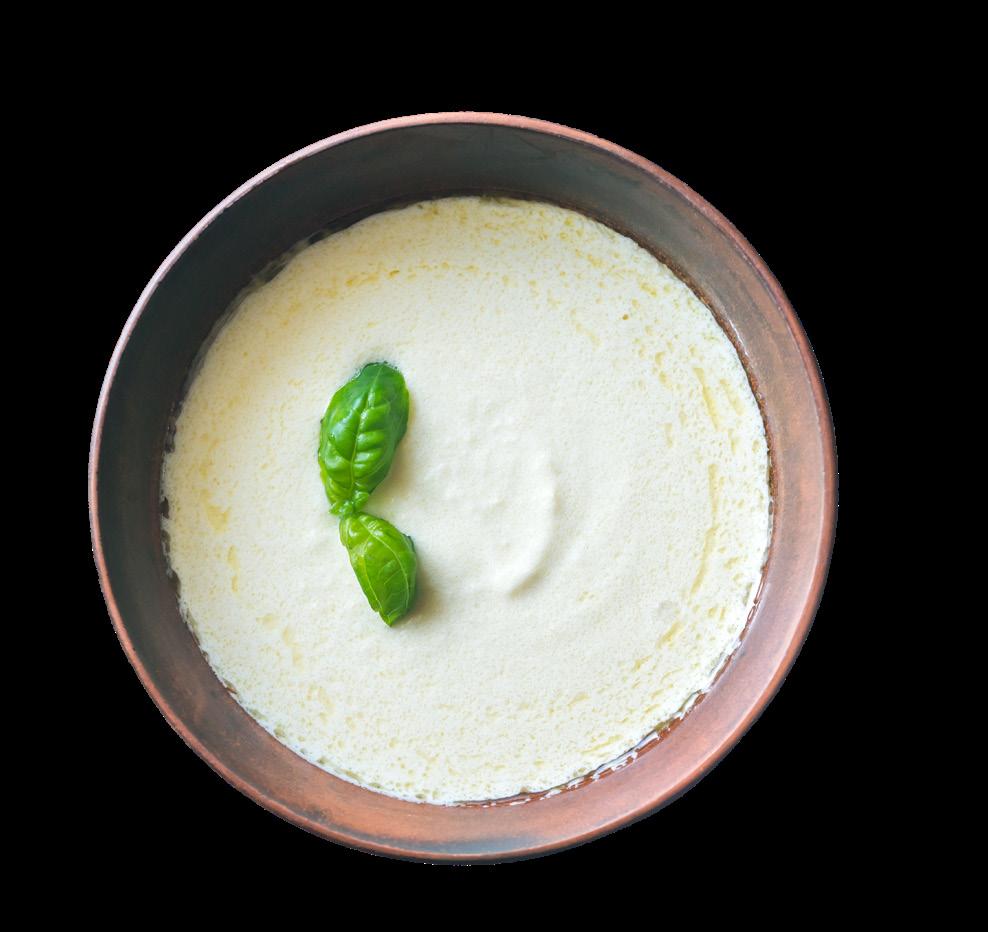
• White sauce
• At-a-glance comparison
Cheese: Cohesion & depth
• Mozzarella (low-moisture, part-skim)
• Whole milk mozzarella
• At-a-glance: Mozzarella
• Cheese blends
• At-a-glance: The supporting cast of cheeses

Toppings
• Pepperoni
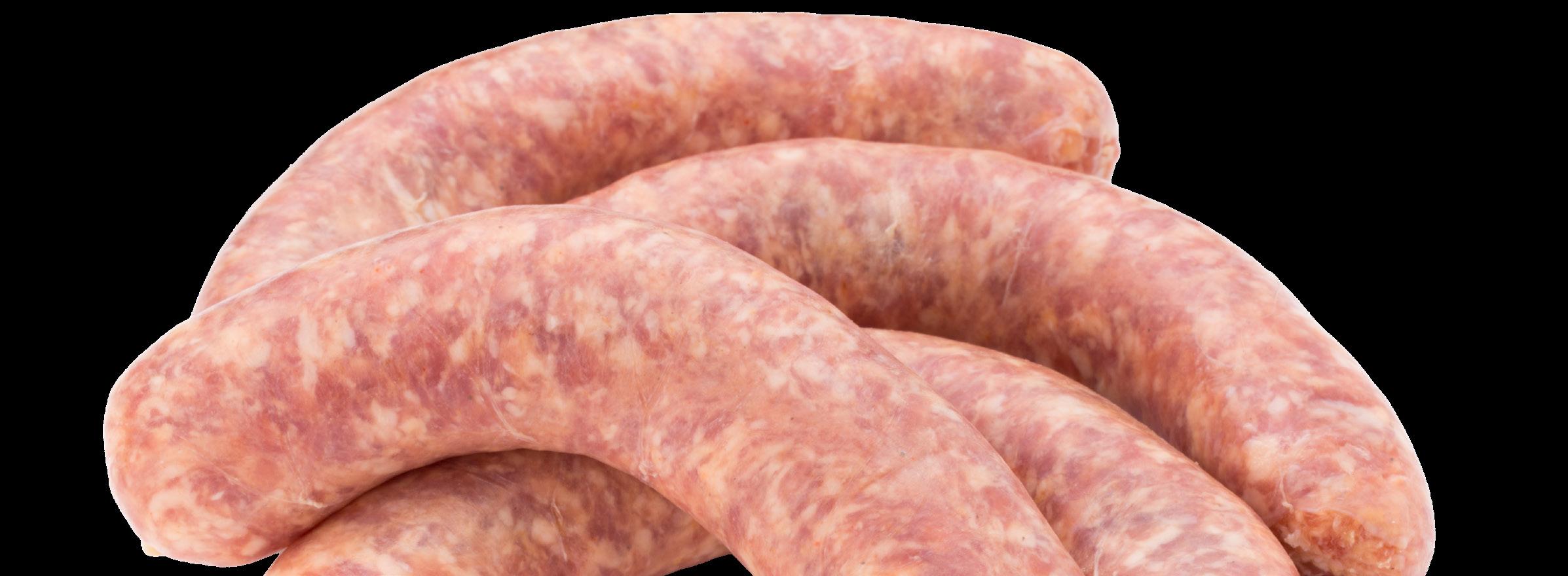
• Sausage
• Vegetables & aromatics
Pre-built: Ready made for steady profits
• Is ready-to-heat pizza right for your operation?
Packaging: Protecting your pizza creation
Menu extenders & flavor builders
• Flavor finishers: High impact without adde complexity
• Spices & seasoning packets
• Marinara & more
• Calzones
• Hot sandwiches

In restaurants, lodging, senior living, healthcare and leisure, pizza continues to be one of the most reliable drivers of guest satisfaction and operational performance. This guide was created to help you capture that opportunity with ingredients that deliver consistency, value and results for your business and your guests.
Entegra’s culinary and category teams assessed every element of the pizza build — crusts, cheese, sauce, toppings and packaging — to pinpoint products that deliver on flavor, execution, labor efficiency and cost control. Through structured cuttings and side-by-side testing, we identified the SKUs that meet the realities of today’s kitchens while driving what matters most: quality, speed and profitability.
Pizza is a powerful combination of comfort and operational efficiency. With this guide, we’re excited to support you in creating a pizza program or elevate the one already in place.
The goal is to help you create pizzas that work for your team and delight
Thank you for trusting Entegra as your partner in growth and performance.

Best regards,
Lynn Hay Head of Culinary, Entegra
Pizza is one of the most profitable categories in casual dining, with gross margins often exceeding 70%.
Source: IBISWorld “Pizza Restaurants in the U.S.”
Successful pizza operators know a great pizza program isn’t accidental — it’s built with intention, consistency, and the right formats that support your team, your workflow, and your bottom line.
In the pages ahead, you’ll find the same tools these operators rely on — clear format comparisons, chef-tested insights and performance notes that help you choose ingredients with confidence.
Easy-to-compare ingredient formats
Each category outlines performance characteristics such as:
• Labor requirements
• Consistency and coverage
• Flexibility across menu applications
• Hold time and baking reliability
• Styles (hand-tossed, tavern, Detroit, thin crust and more)
Chef-tested products you can trust
Every recommended product has been evaluated for:
• Flavor and texture
• Operational efficiency
• Reliability under volume
• Cost effectiveness
• Ability to support multiple menu applications
We’ve done the testing so you can get to the good part: serving great pizza.

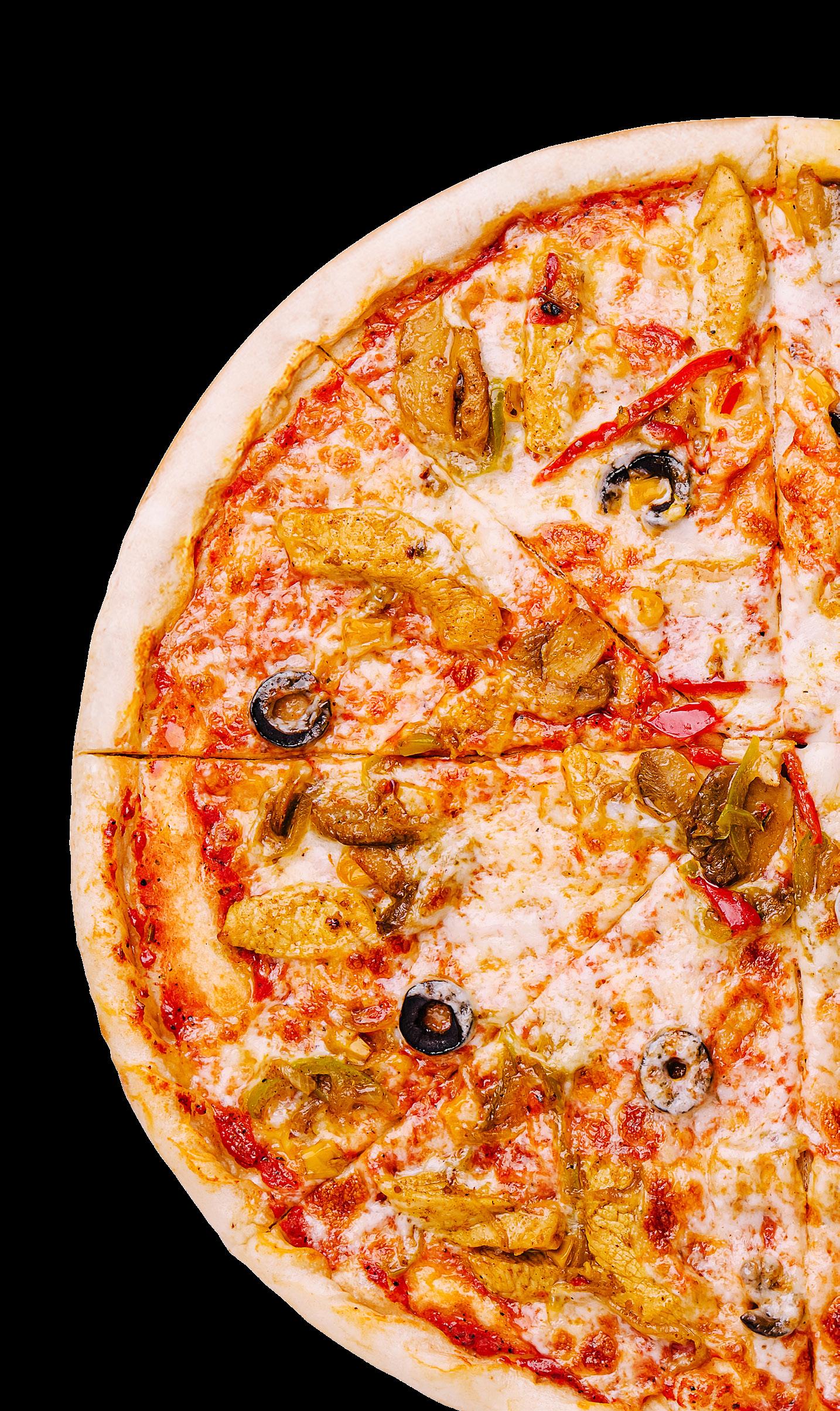
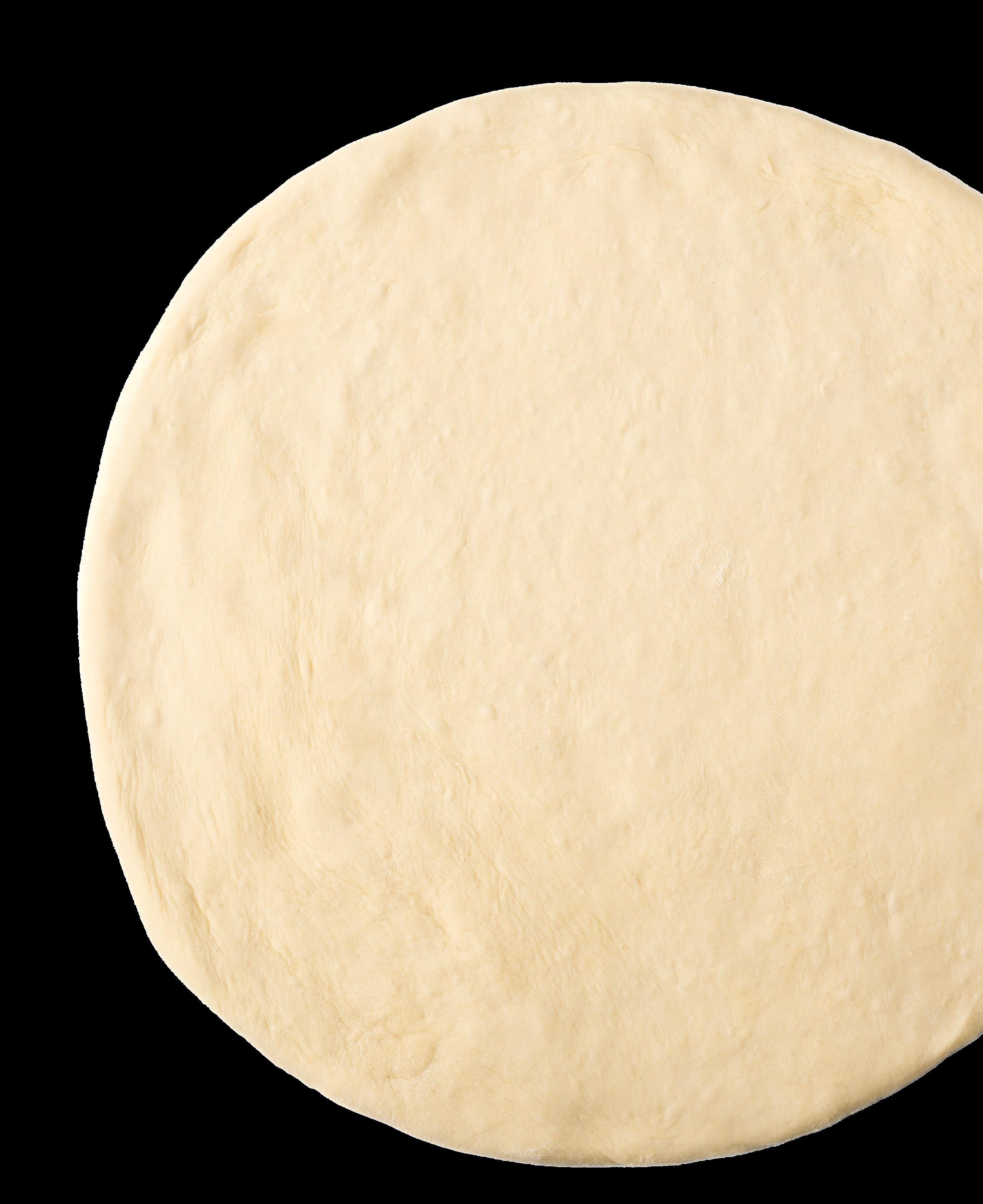


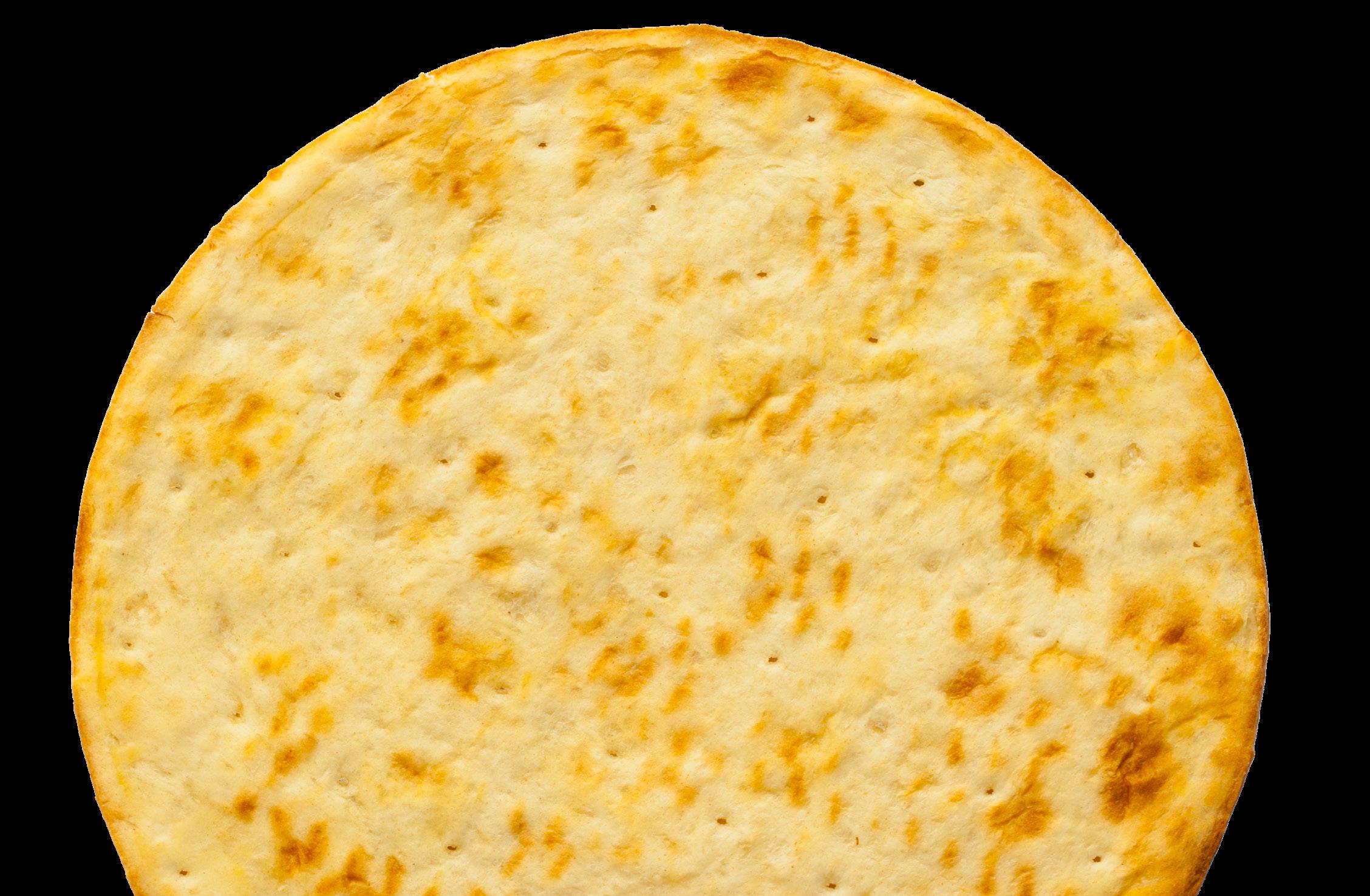
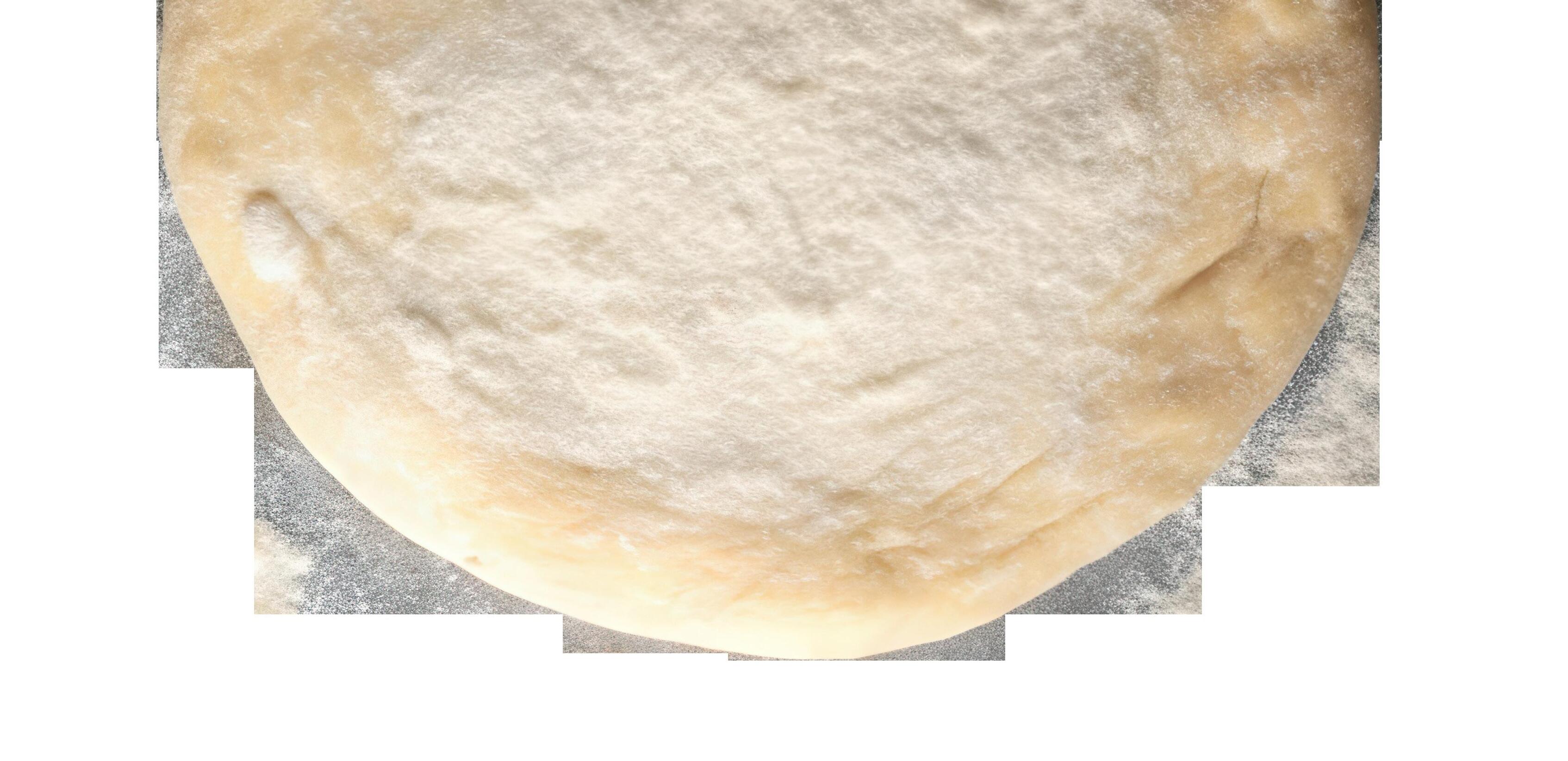
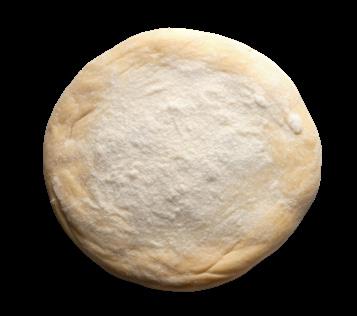
The crust is the backbone of every pizza, determining texture, chew, bake time and overall workflow. From dough balls to par-baked formats, the crust provides structure, supports toppings and influences speed of service. Its flavor, rise and crispness set the entire eating experience.
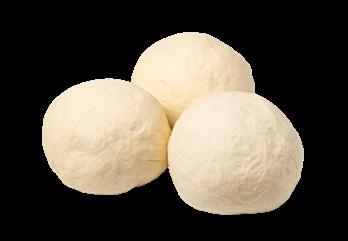
We offer pizza crust in all its forms: dough balls, par-baked crusts, scratch and sheeted dough across multiple brands including:
Taste
• Designed to let sauce, cheese and toppings carry the flavor
Texture
• Crumb is often lighter and drier
• Crispness comes quickly in the final bake
Best for
• Speed and consistency
• High-volume operations
• Limited kitchen space or labor
• Flatbread-style or thin crust pizzas

Formats like dough balls and par-baked crusts remove the skill barrier — giving every cook the ability to deliver a consistent pie at peak speed.
“ “

Brett Cunningham, Entegra Culinary Consulting

Taste
• Mild, neutral wheat flavor
Check out multiple options from Rich’s Products
• Less fermentation complexity than hand-stretched or long-fermented dough
• Relies more heavily on sauce, cheese and toppings for flavor impact
Texture
• Uniform thickness edge to edge
• Tight, fine crumb structure
• Lower oven spring compared to handtossed dough
• Crisper bite when baked thin; denser when baked thicker
Cost
• Lower cost per crust
• Minimal waste due to uniform sizing
• Reduced dough loss vs hand stretching
• Estimated dough cost per pizza: $0.30–$0.70
Cost advantage: High consistency → easier food cost control
Best for
• Fast production speed
• Requires minimal skill or training
• Ideal for high-volume operations
• Reduces variability between staff members
Taste
• More developed flavor due to longer yeast fermentation
• Often perceived as more “artisan” or made-from-scratch
Texture
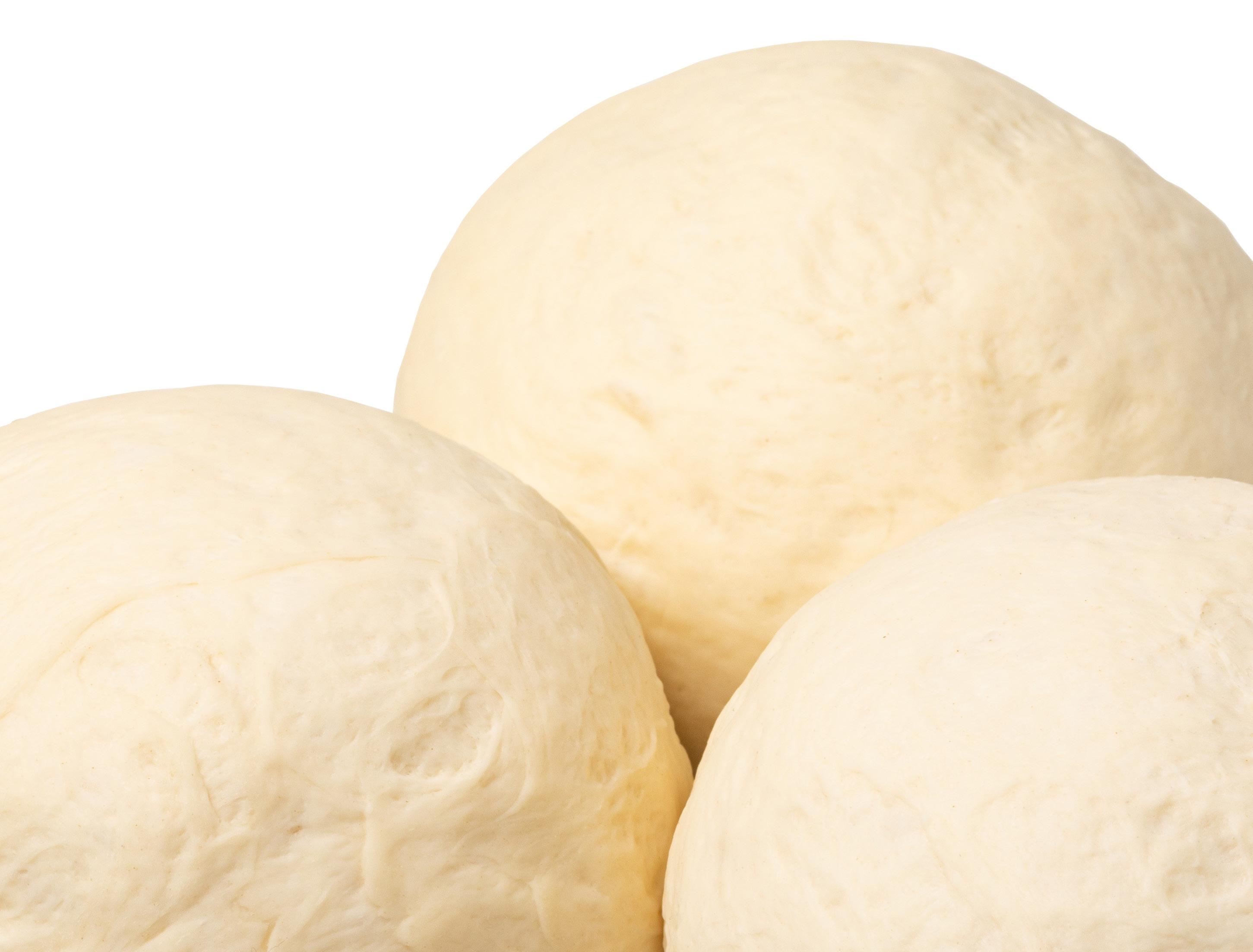
Find several dough ball options from:

• Operators prioritizing quality and differentiation
• Thicker or hand-tossed styles
• Customers expecting traditional pizzeria flavor
Market research shows pizza dough balls as a growing prepared segment, particularly in foodservice and commercial kitchens due to convenience and reduced labor requirements.
“
A crust should work with your kitchen — not slow it down. The right dough format gives you predictable results, even on your busiest shift.
“

Kevin Sennett Entegra Culinary Consulting

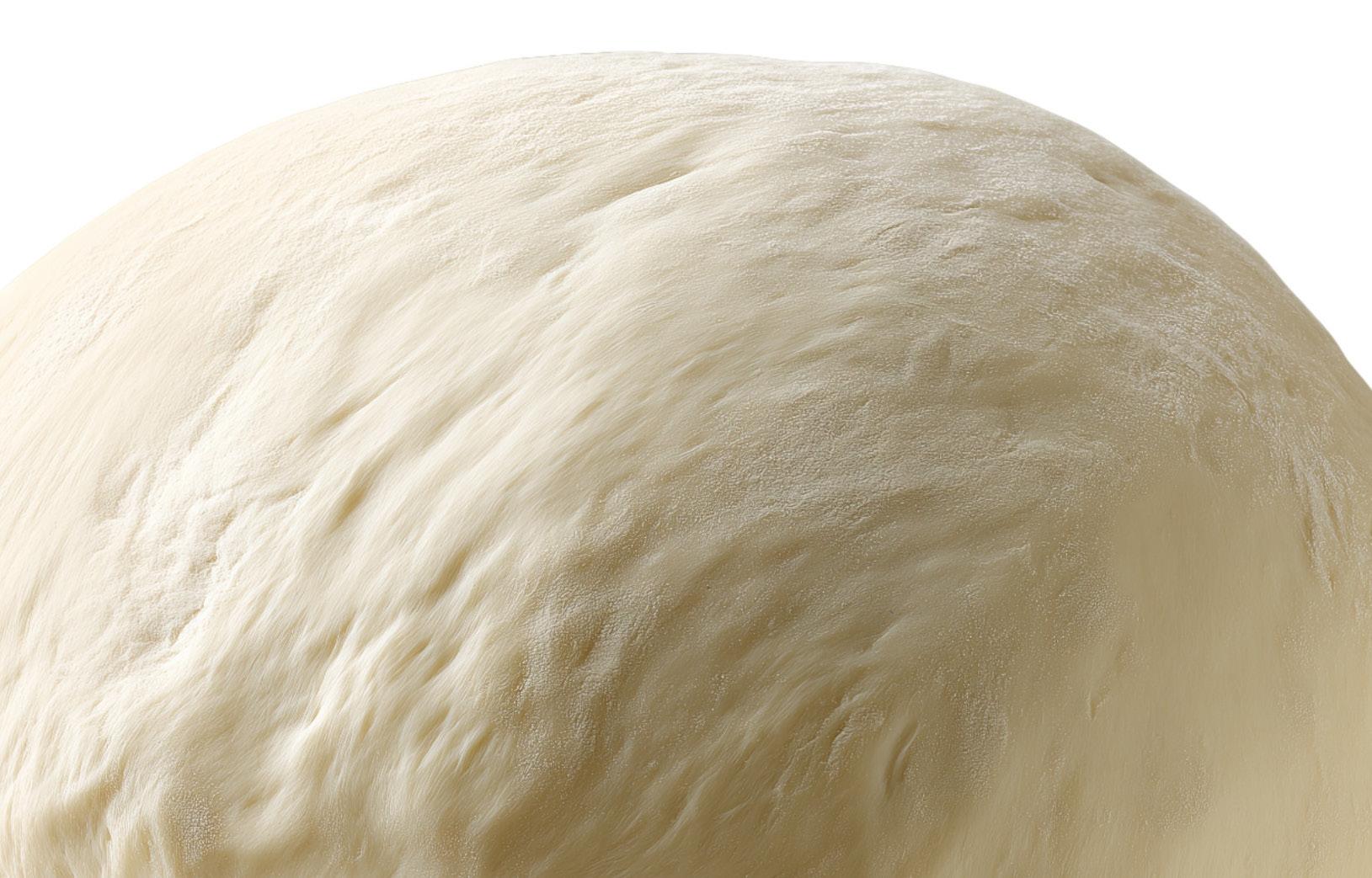
Premium flour for high-hydration doughs and crusts supports premium pricing and brand storytelling.
Taste
• Deep, complex flavor from longer fermentation.
• Often described as fresh, artisan, or authentic
Texture
• Superior chew and structure
• Airy crumb with crisp exterior
• Better blistering and browning
Perceived quality
• Strong “made-in-house” signal to guests
• Perfect for rustic, hearth-baked pizzas with a chewy bite
Operational considerations
• Higher labor and training requirements
• Requires space for mixing, proofing and cold fermentation
• Greater variability if processes aren’t tightly controlled
Best for
• Independent pizzerias, chef-driven concepts, premium or signature pizzas
Crust and cheese together can make up 40-60% of a pizza’s cost.
Sources: QSR Magazine, IBISWorld, Franchise Chatter
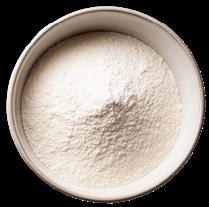
We offer a range of flour from: And gluten-free options from:



Tip: If staff skill varies by shift, sheeted dough or par-baked crusts stabilize execution and reduce waste.
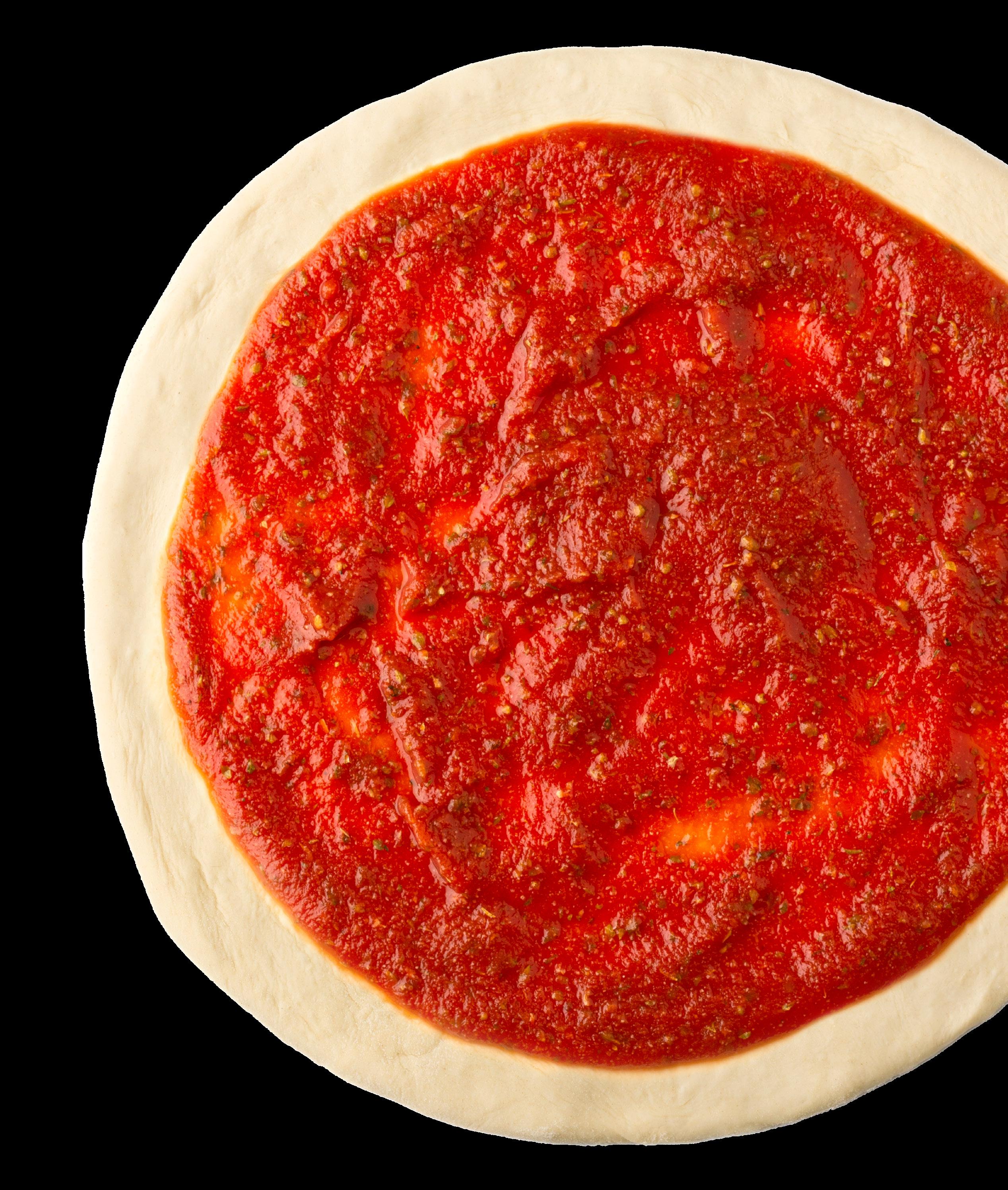

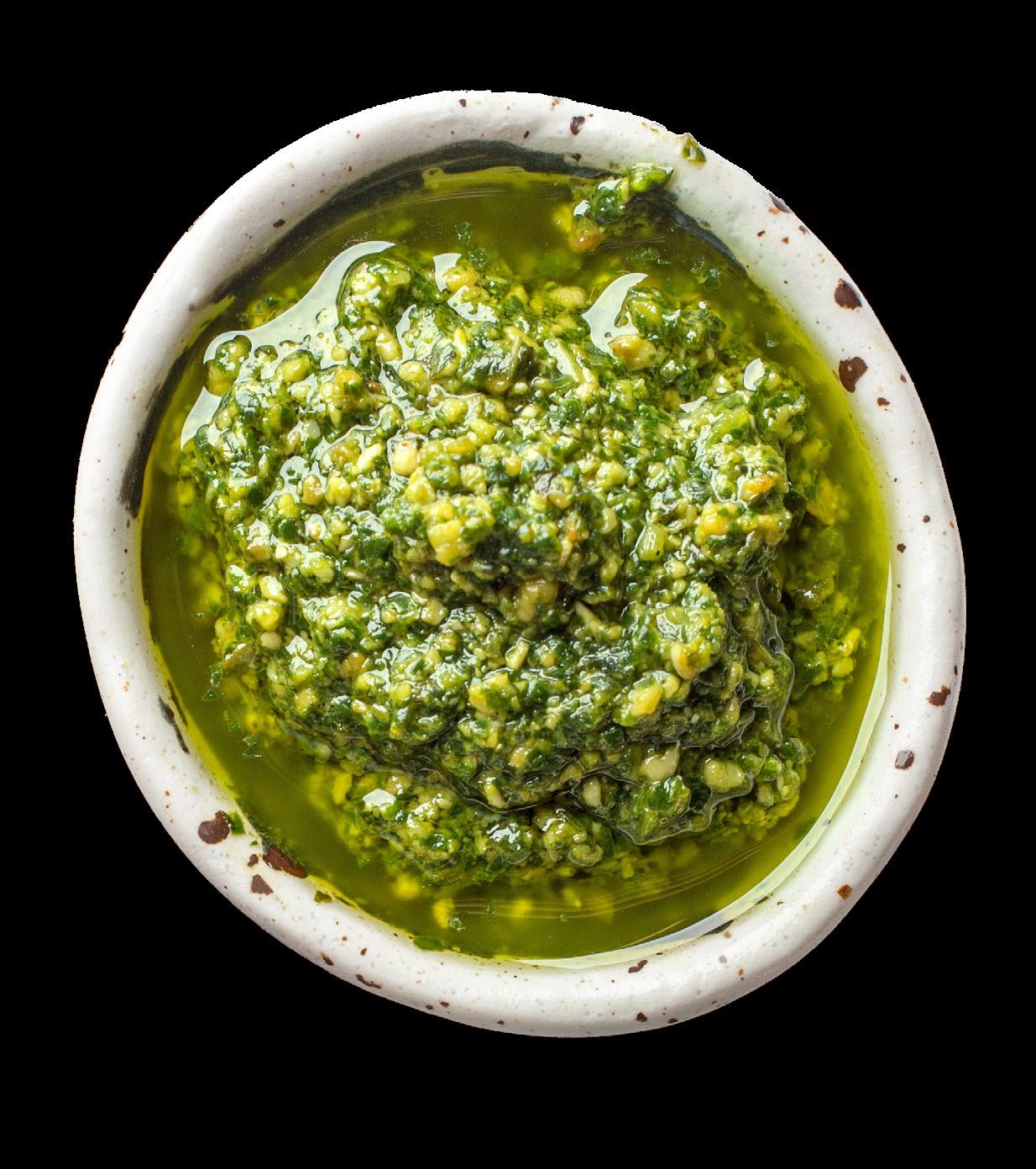
Sauce establishes the pizza’s balance of sweetness, acidity and moisture control. Whether tomato-forward, herb-driven or white-sauce based, it creates the core flavor profile and acts as a bridge between crust and cheese. The right viscosity prevents sogginess and ensures even coverage.
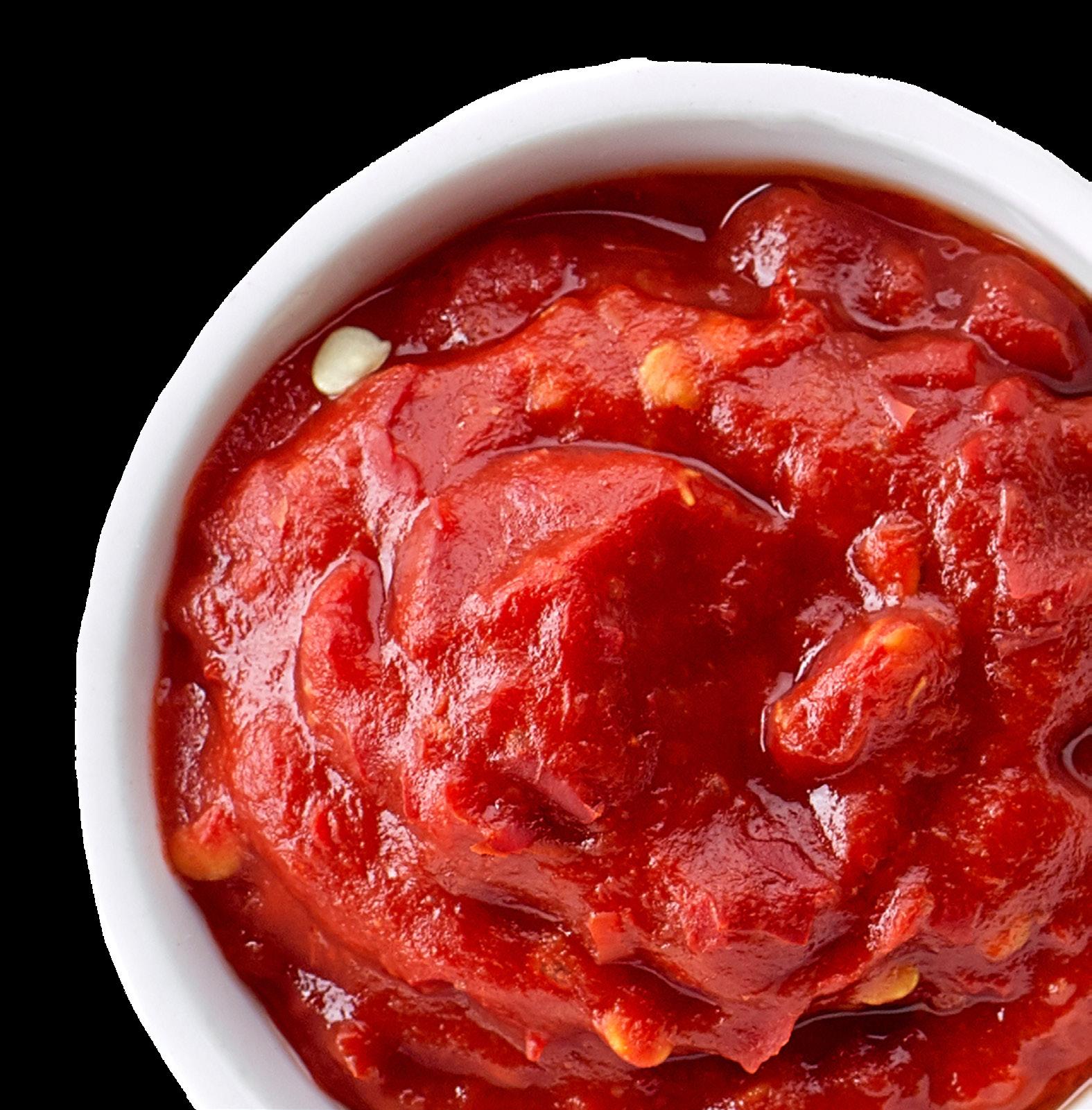
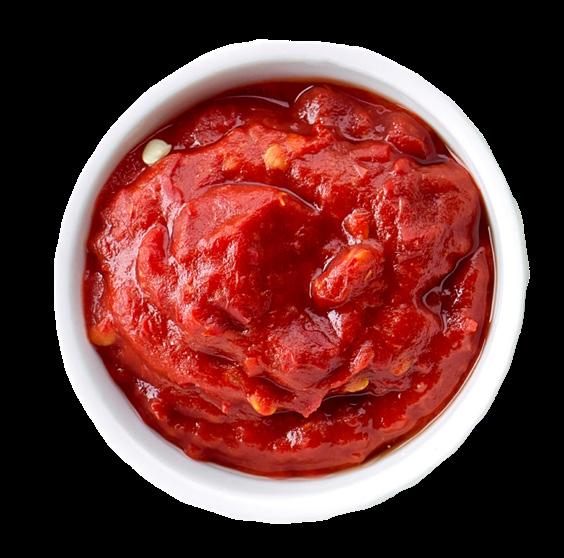
Flavor profile
• Bright acidity, light sweetness
• Savory, herb-forward (oregano, basil, garlic)
• Familiar and balanced; complements most toppings
Consumer preferences
• Most widely preferred and expected
• Perceived as “authentic” and traditional
Ingredients and costs
• Core ingredients: Crushed tomatoes, salt, herbs, oil
• Highly scalable and stable pricing (especially canned tomatoes)
• Estimated cost per pizza: $0.20–$0.40
Operational advantages
• Long shelf life
• Minimal allergen concerns
Best use case
• Core menu pizzas
• High-volume operations
• Value and family-friendly concepts
We offer a wide range of sauce applications from fully prepared sauces to scratch components from:

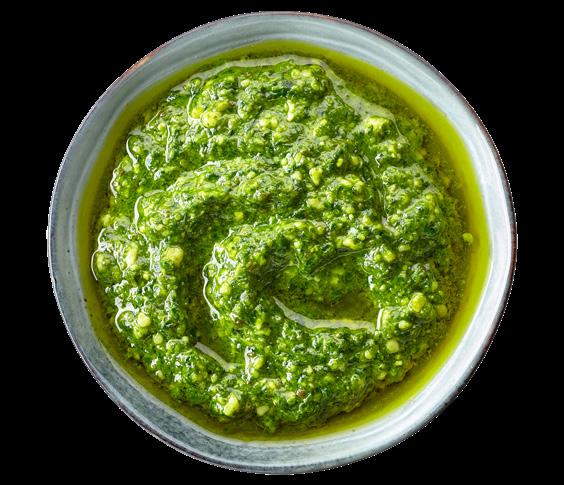
Flavor profile
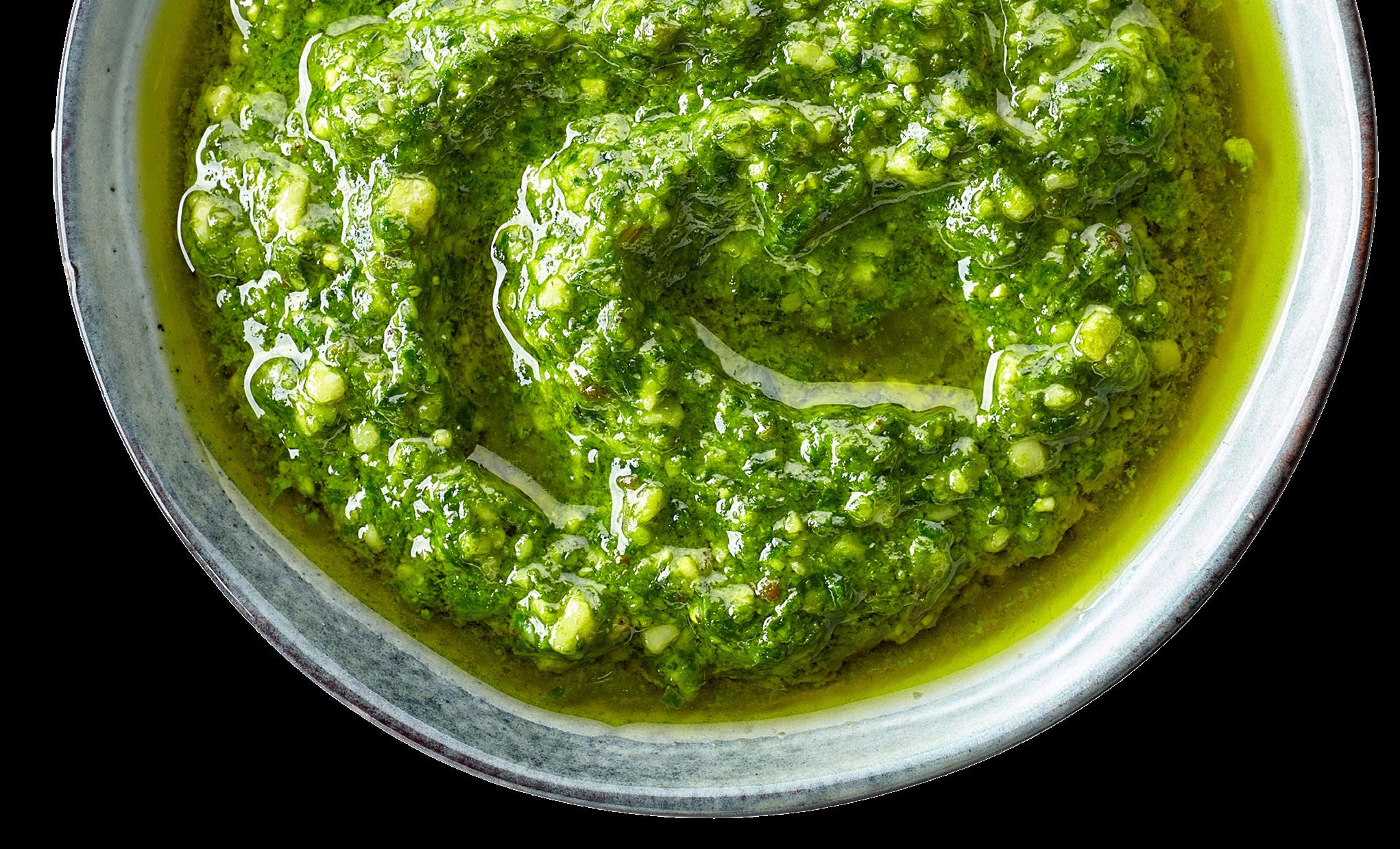
• Fresh, herbal, garlicky
• Rich from olive oil and nuts
• Bold and aromatic with noticeable basil presence
Consumer preferences
• Popular with:
– Food-forward diners
– Younger demographics
– Upscale or artisan concepts
We recommend products from:


• Seen as premium and indulgent
• Less universally appealing than tomato
Ingredient cost
• Highest cost option
• Core ingredients: Fresh basil, olive oil, nuts (pine nuts), Parmesan
• Volatile pricing due to nut and basil costs
• Estimated cost per pizza: $0.75–$1.50
Operational considerations
• Shorter shelf life (especially fresh pesto)
• Nut allergens require clear labeling
• Strong flavor — needs lighter topping balance


Best use case
• Premium or limited-time offerings
• White meat proteins such as chicken
• Veg-forward pizzas
• Upsell menus
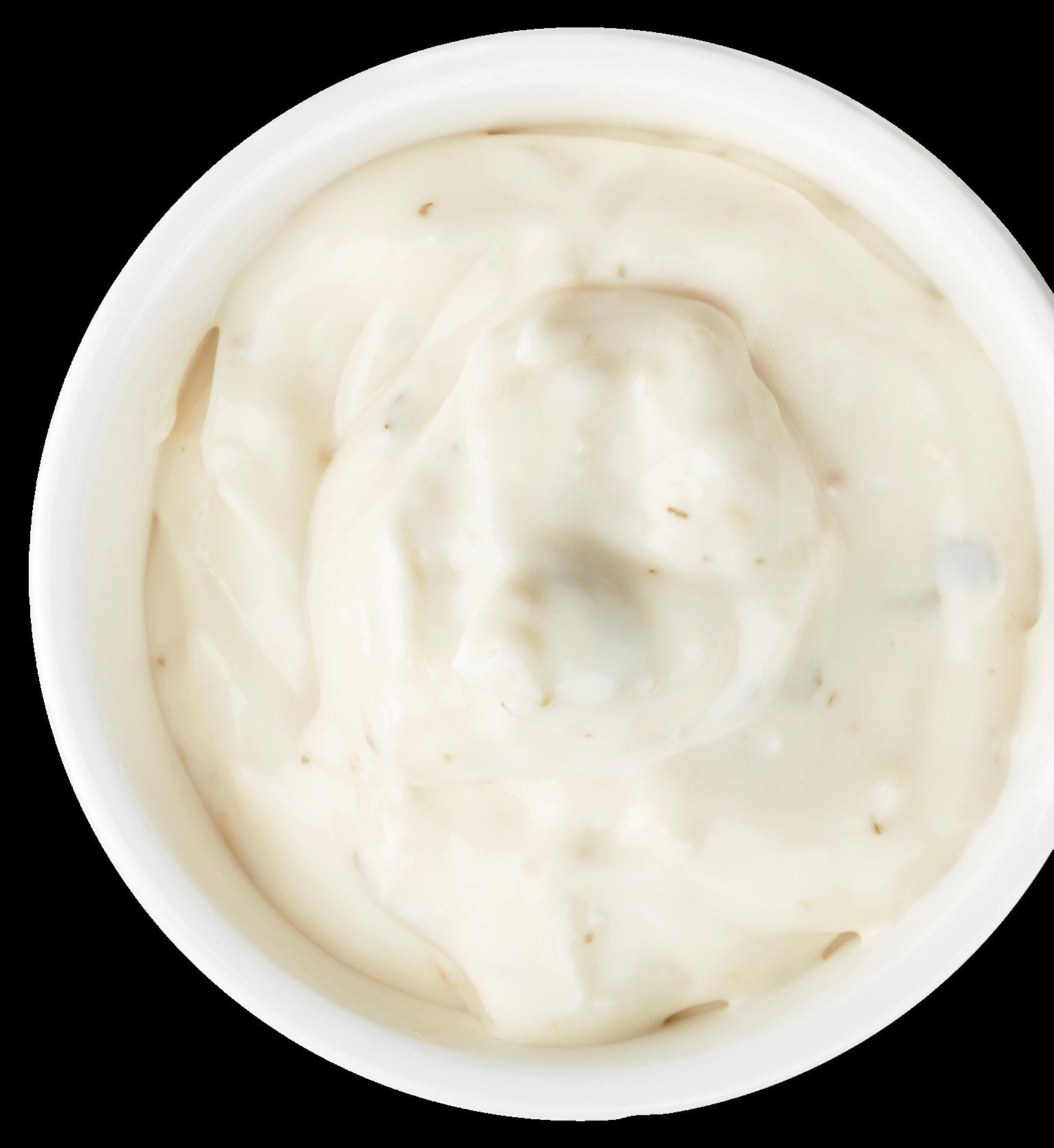
Flavor profile
• Rich, creamy, savory
• Mild acidity; heavy mouthfeel
• Cheese and dairy-forward
Consumer preferences
• Popular among:
– Diners seeking indulgence
– Guests who dislike acidic sauces
• Strong appeal in comfort-food and casual dining
Ingredient cost
• Mid-range cost
• Core ingredients: Cream, butter, cheese, garlic
• Costs fluctuate with dairy markets
• Estimated cost per pizza: $0.50–$0.90
Operational considerations
• Shorter hold time than tomato sauce
• Higher spoilage risk if not handled properly
• Requires careful portioning to manage food cost
Best use case
• Specialty pizzas
• Pairing with mushrooms, spinach, chicken, bacon
• Cold-weather or seasonal menus



Flavor
Popularity
Shelf
Allergen
The pizza playbook: Ingredients, costs and the recipe for
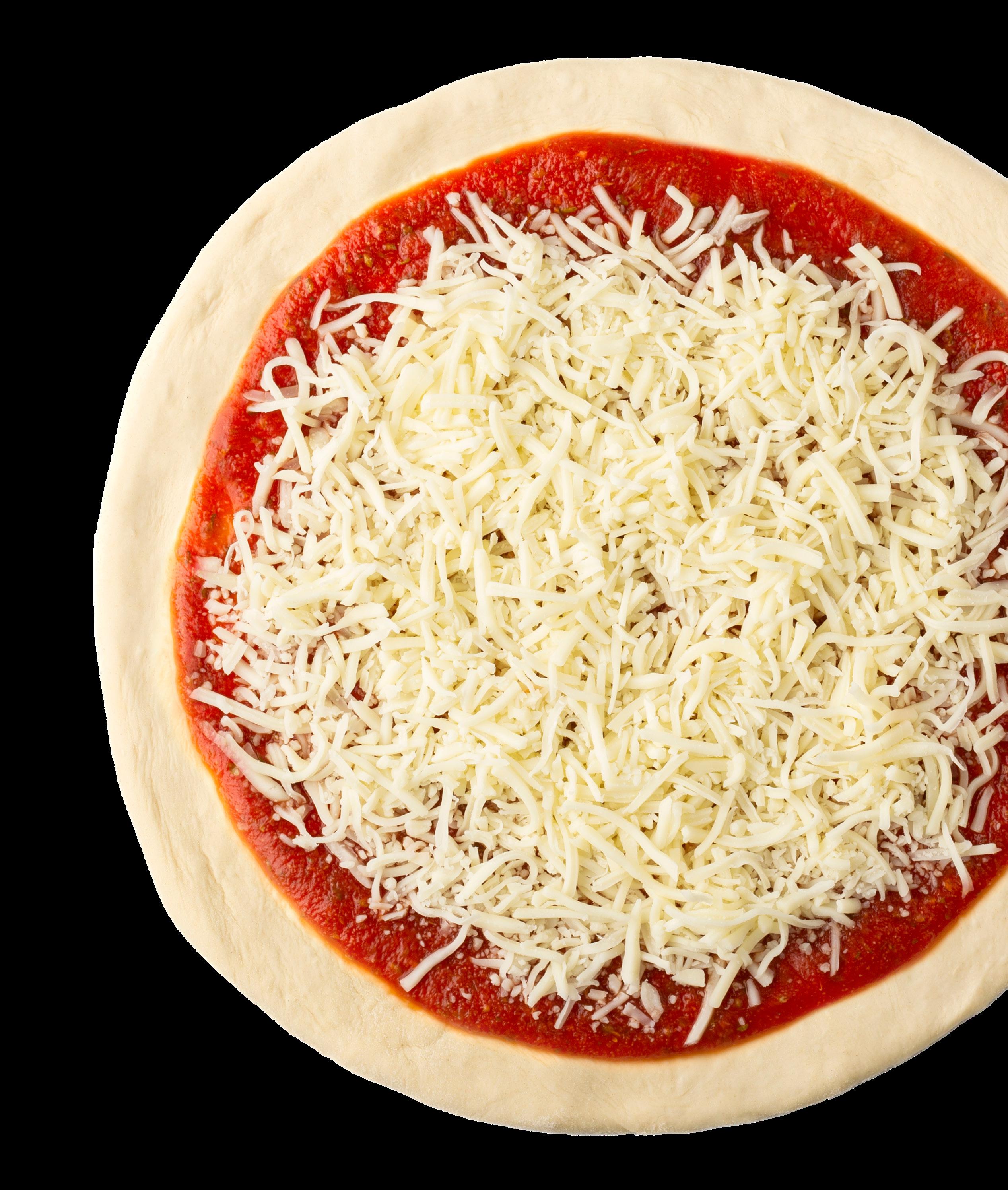

Cheese defines the visual and sensory appeal — the melt, the pull, the browning. Mozzarella delivers elasticity and coverage, while cheese blends or specialty cheeses add complexity, salt and flavor depth. Cheese creates cohesion, binding toppings and sauce into a unified bite.
Why is cheese so important? Cheese accounts for 25-40% of total pizza food cost depending on format and style.
Source: Bloomberg
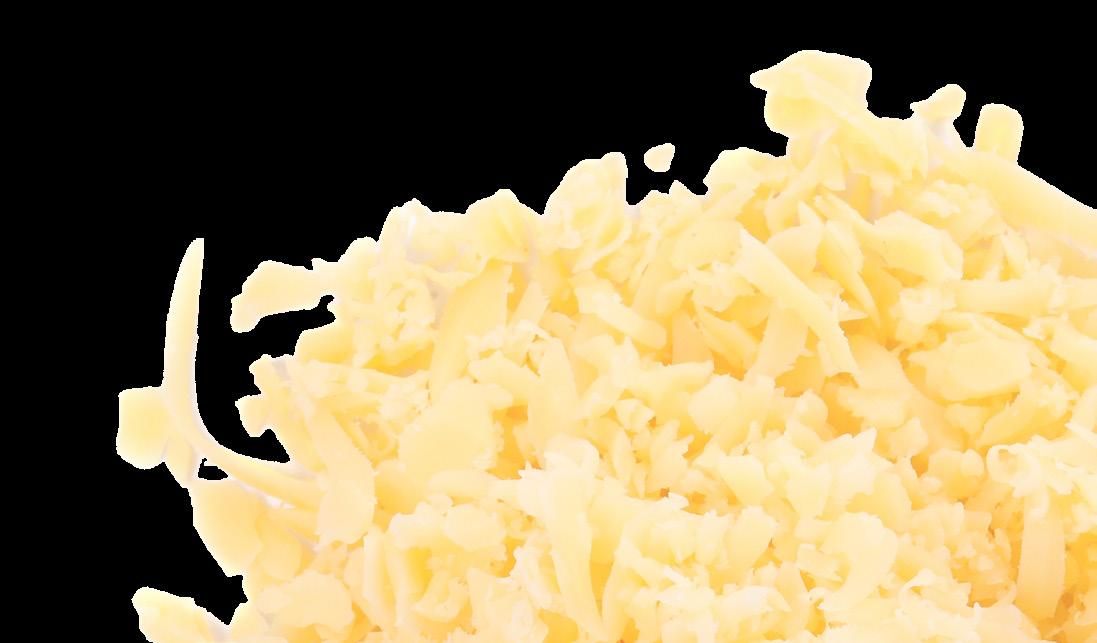
Flavor profile
• Mild, milky, lightly salty
• Designed to complement — not overpower — sauce and toppings
Melt & performance
• Excellent melt and stretch
• Even browning without excessive oiling-off
• Industry standard for consistency
Consumer preferences
• Most expected and preferred cheese
• Strong “pizza authenticity” perception
• Appeals across all demographics
Ingredient cost
• Low to mid-range cost
• Stable pricing compared to specialty cheeses
• Estimated cost per pizza: $0.60–$1.20
Operational advantages
• Long shelf life
• Easy to portion and shred
• Consistent results across ovens and formats
Best use case
• Core menu pizzas
• High-volume operations
• Cost-controlled menus

The pizza playbook: Ingredients, costs and the recipe for real profit
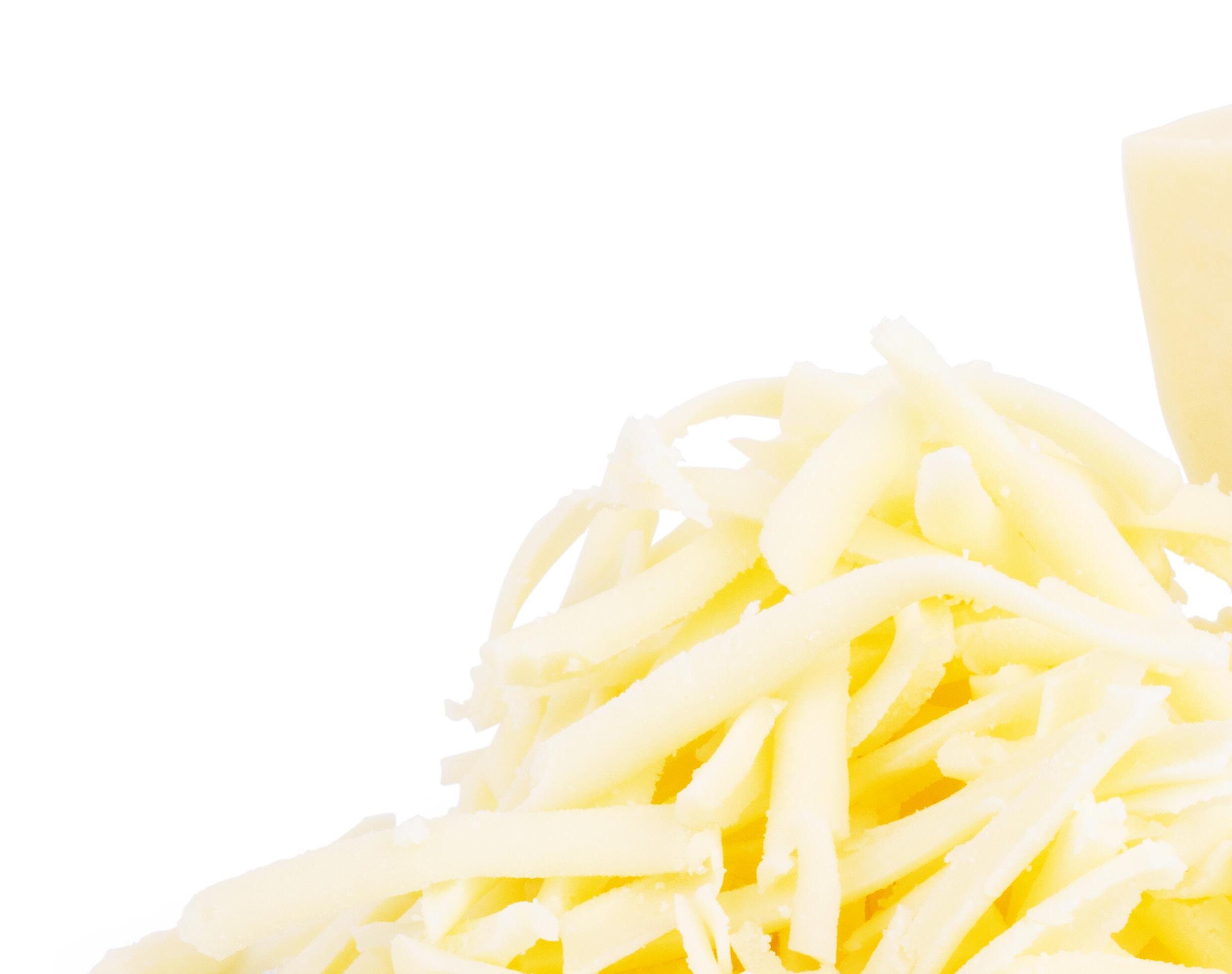
We’ve selected suppliers for several types of low-moisture, part skim mozzarella: log, curd, sliced, ciliegine, bocconcini, ovolini and perlini. Check out Galbani and BelGioioso brands.
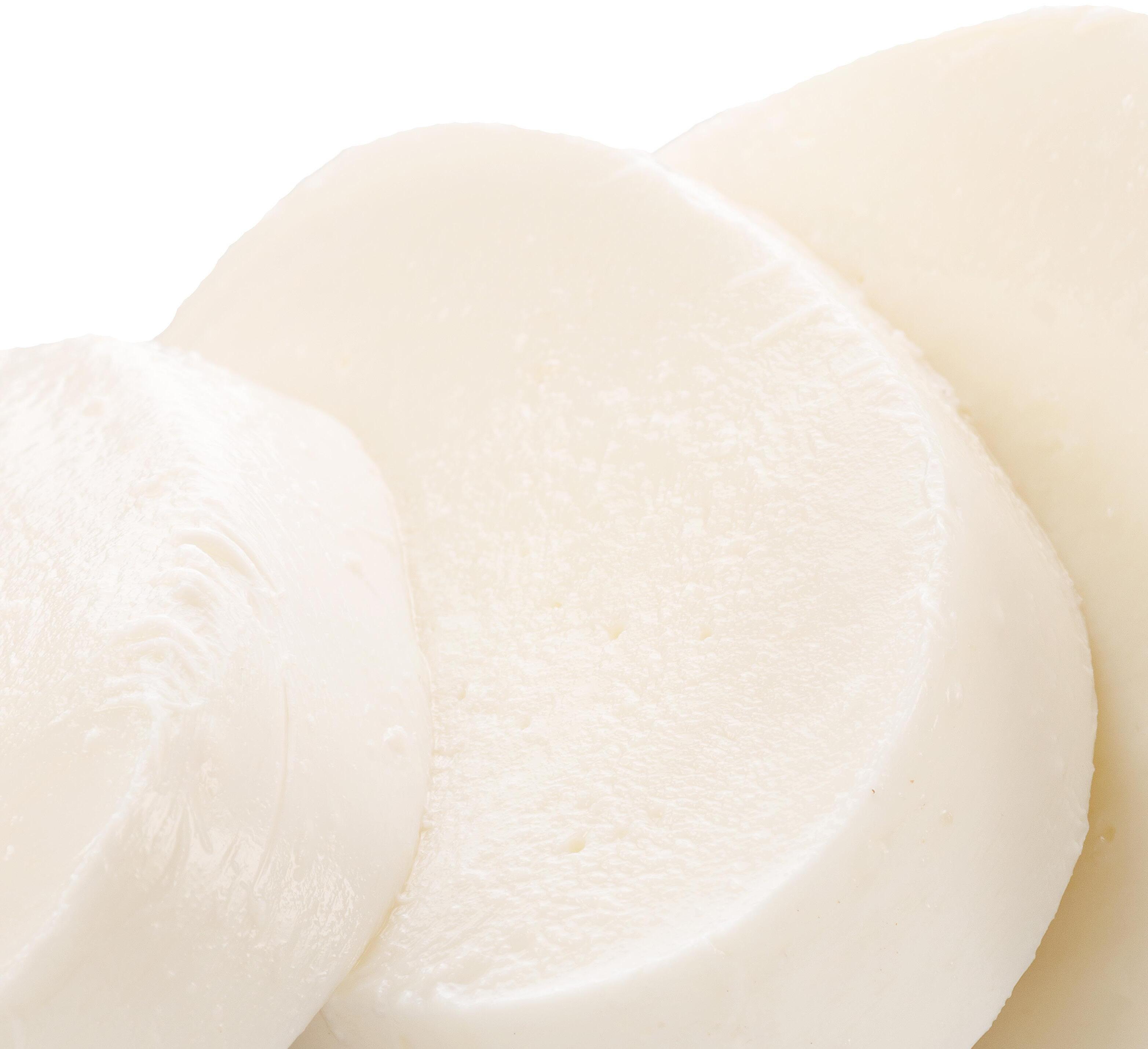
Flavor profile
• Richer, creamier than part-skim
• More indulgent mouthfeel
Melt & performance
• Superior stretch and creaminess
• More oil release than part-skim
Less browning; whiter finished appearance
Operational considerations
The pizza playbook: Ingredients, costs and the recipe for
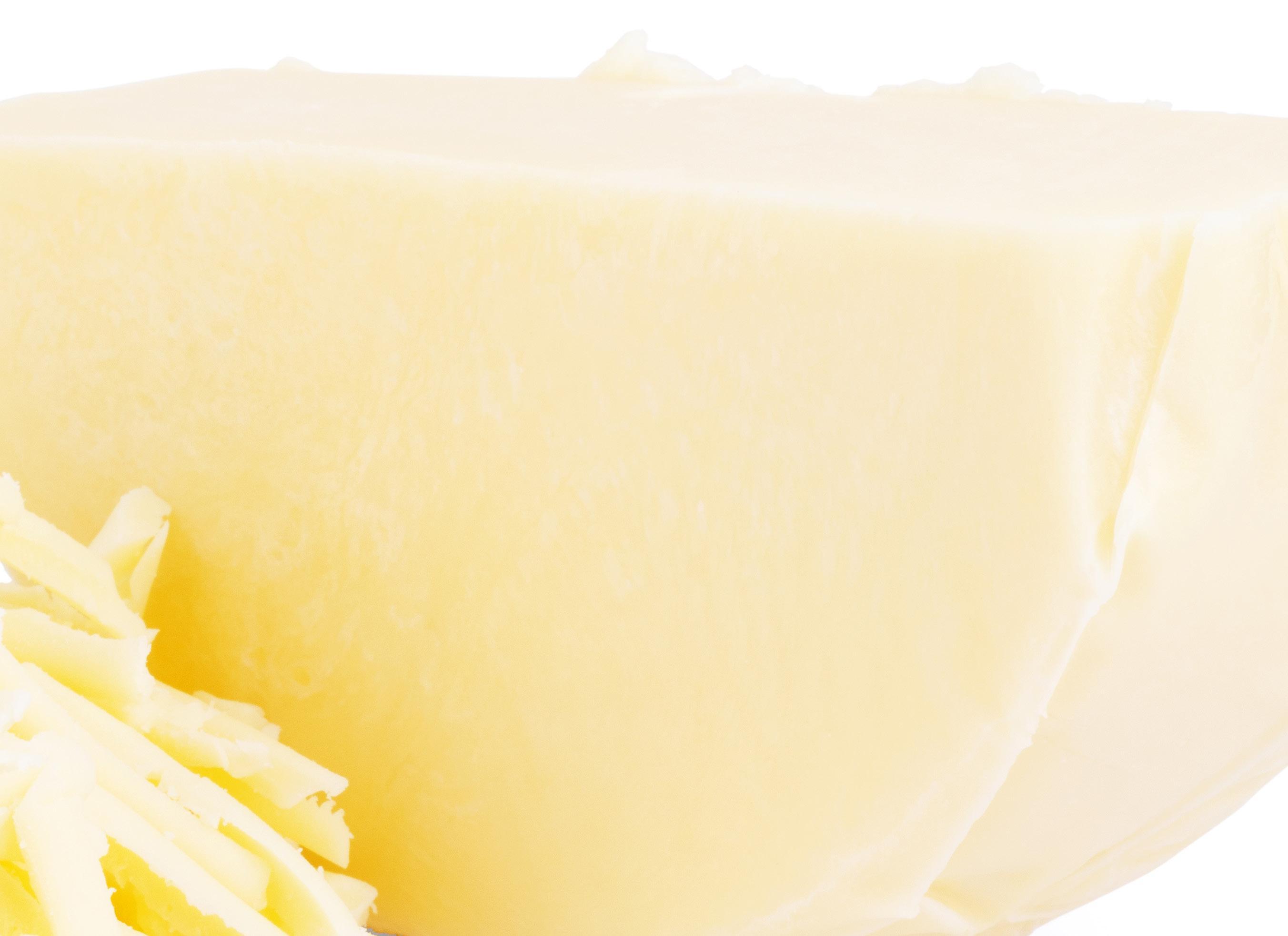
We’ve selected suppliers for several types of whole milk mozzarella: log, curd, sliced, ciliegine, bocconcini, ovolini and perlini.


Versatile cheese formats — especially feathered or shredded — reduce prep time while supporting consistency in melt and coverage.
Source: Schreiber Foods
Mozzarella is the only cheese where format = meaningful cost/labor variability
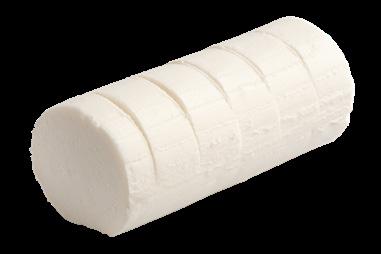
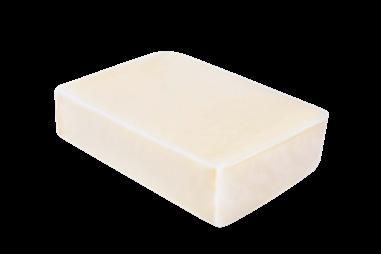
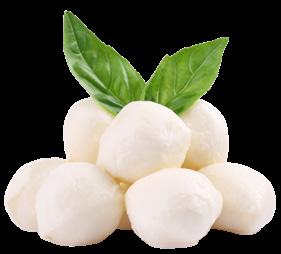
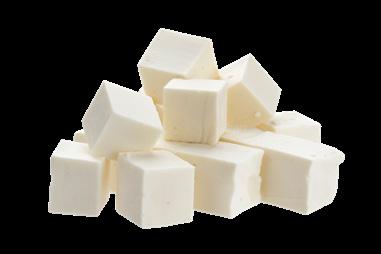
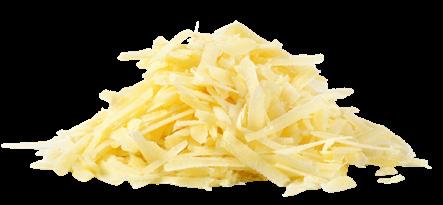
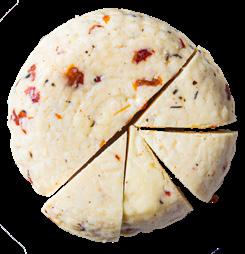
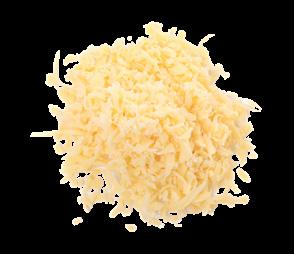
mozzarella (balls/logs)
cheese
Feathered shreds
This comparison focuses primarily on mozzarella — the most commonly used cheese in pizza builds — because format (shredded, feathered, diced, block, etc.) has the largest impact on labor, coverage, consistency and cost. Mozzarella is widely recognized as the predominant pizza cheese and is nearly ubiquitous on pizza menus, driving a majority of cheese usage in pizza applications.
Portion control
Consistency & coverage Estimated margin impact
Best fit for Low-Medium
+1 to 3% (if portioning is controlled; losses if not)
+1 to 3% (if portioning is controlled; losses if not)
–2 to –5% (premium cost; used for upsell or signature pies)
Neutral to +1% (predictable yield + reduced waste)
+1 to 2% (efficiency + portion control)
–1 to –3% (niche demand + higher ingredient cost)
+2 to 4% (highest yield + best coverage)
Artisan programs, chef-driven ops
Artisan programs, chef-driven ops
Upscale restaurants, signature builds
Multi-unit, casinos, senior living Most mixed-menu operations
Dietary-inclusive menus, healthcare, hospitality
High-volume ops, bars, slice programs
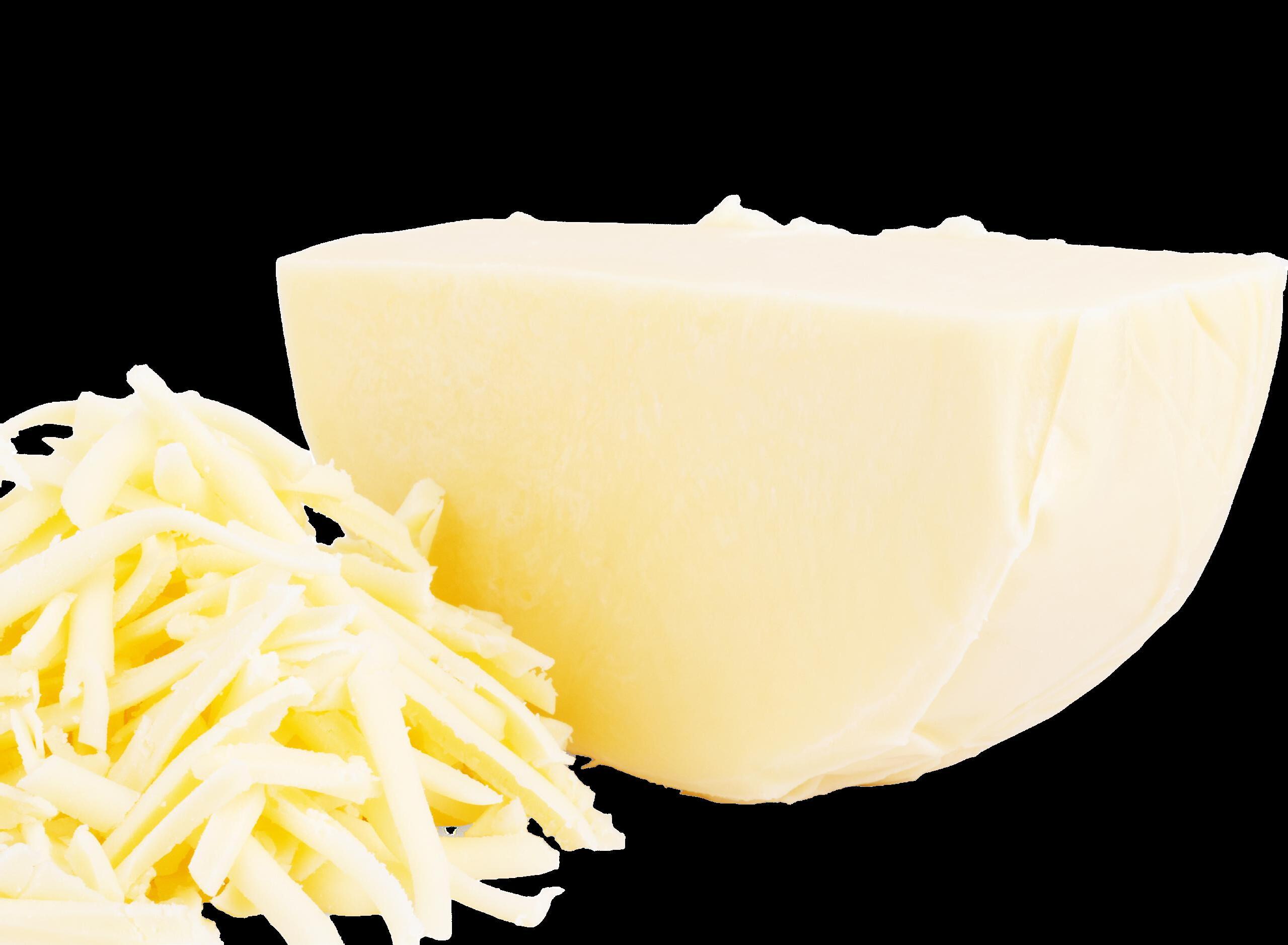
A thoughtfully crafted cheese blend delivers deeper flavor, better browning and a more balanced melt than mozzarella alone. The result is a pizza that looks more appetizing, tastes more distinctive and feels more premium to guests — even if they can’t name the cheeses themselves.
Flavor profile
• Layered, richer, more complex, slightly nutty and savory-forward.
Melt & performance
• Cohesive melt with balanced stretch
• A mozzarella-only pie may stretch beautifully but brown inconsistently
• Adding provolone or parmesan improves color and caramelization
Ingredient cost
• Higher cost than either whole milk or low moisture part skim mozzarella
• Supports $1-2 price lift
Consumer preference
• Fast-casual, artisan or premium brands commonly promote three-cheese or fivecheese blends
• Consumers associate multiple cheeses with craftsmanship and indulgence
• Blends require more precision which protects both flavor and margin
• Pre-shred or pre-blended options offer such precision and are ideal for variable labor skills
• Blends can deliver better flavor, appearance and pricing without sacrificing operational stability
• Reliable performance across bake and hold

The pizza playbook: Ingredients, costs and the recipe for real profit
Supported by a wide range of options from:


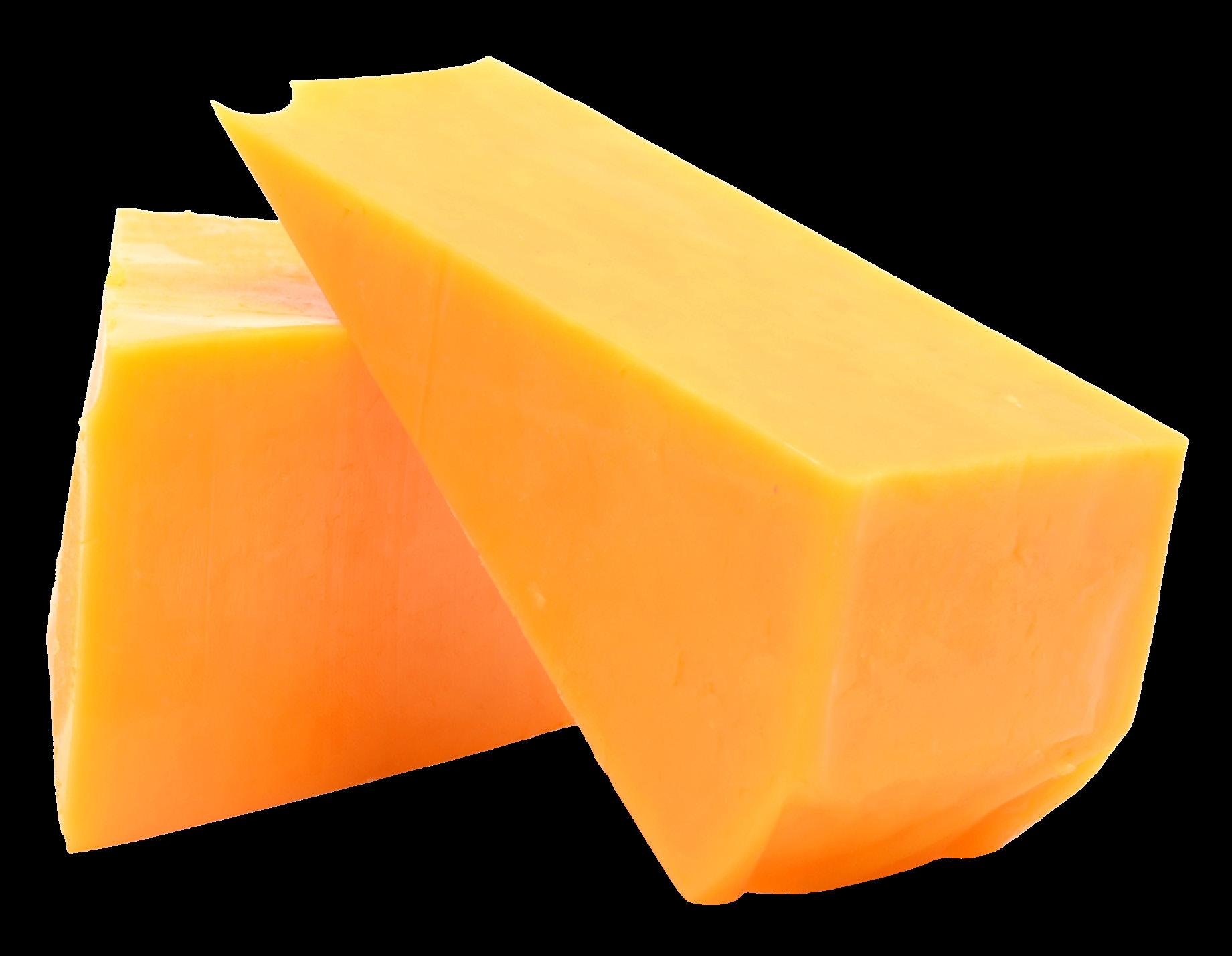
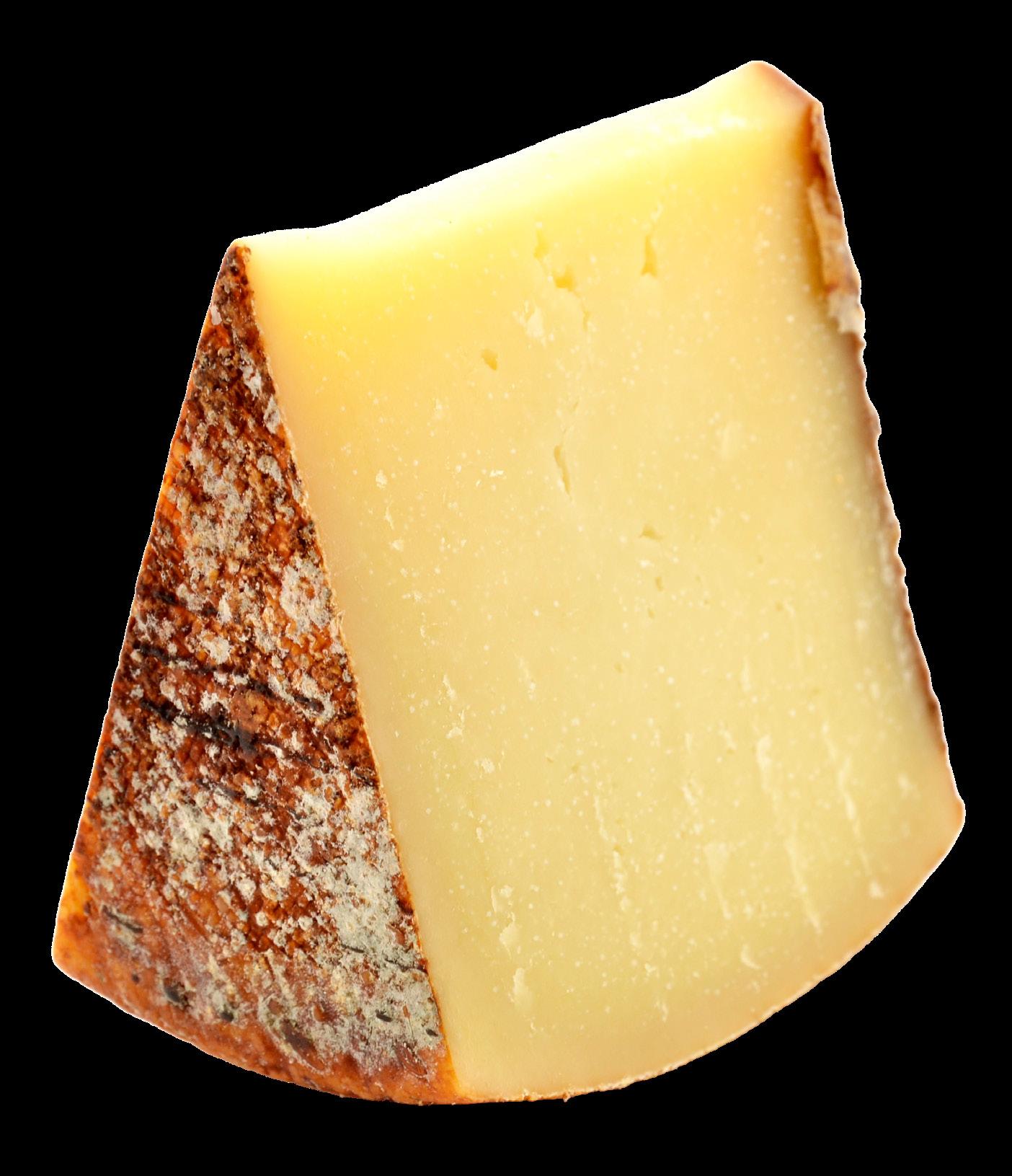
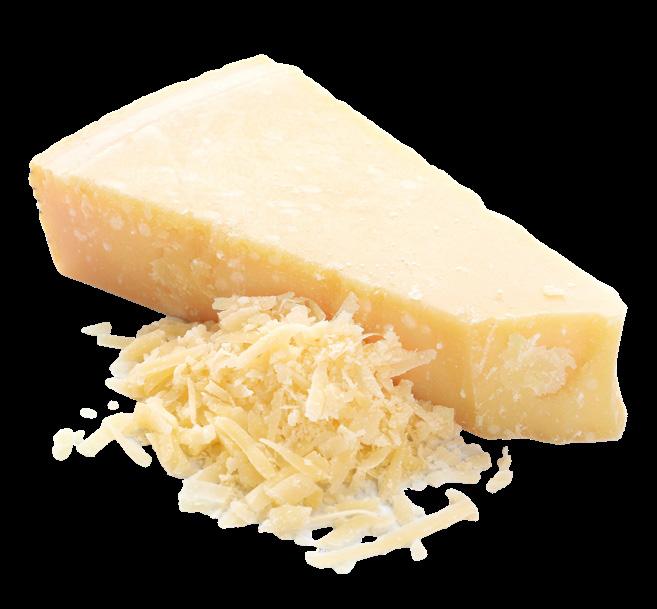
Parmesan
Primary role
Finishing + flavor boost
Flavor impact
Sharp, nutty, savory
Operational considerations
Low labor, small portions, stable cost
Best uses
Post-bake garnish, white pies, premium flavor lift
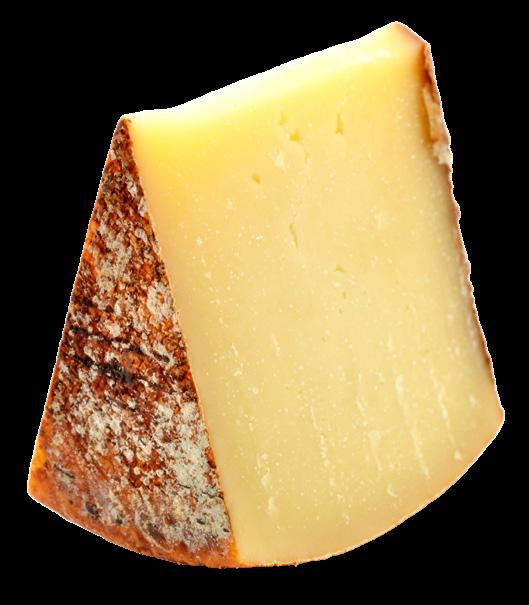
Romano
Primary role
Flavor intensifier
Flavor impact
Salty, assertive, aged
Operational considerations
Low labor, used sparingly, strong aroma
Best uses
Blends, sauces, seasoning mixes, bold-flavored pies
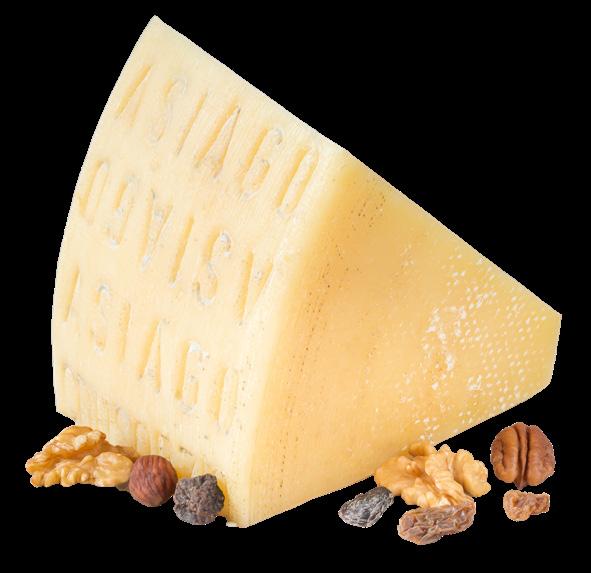
Asiago
Primary role
Premium accent cheese
Flavor impact
Mild to sharp depending on age
Operational considerations
Pre-shredded/shaved formats; cost varies
Best uses
Signature recipes, upscale blends, gourmet toppings
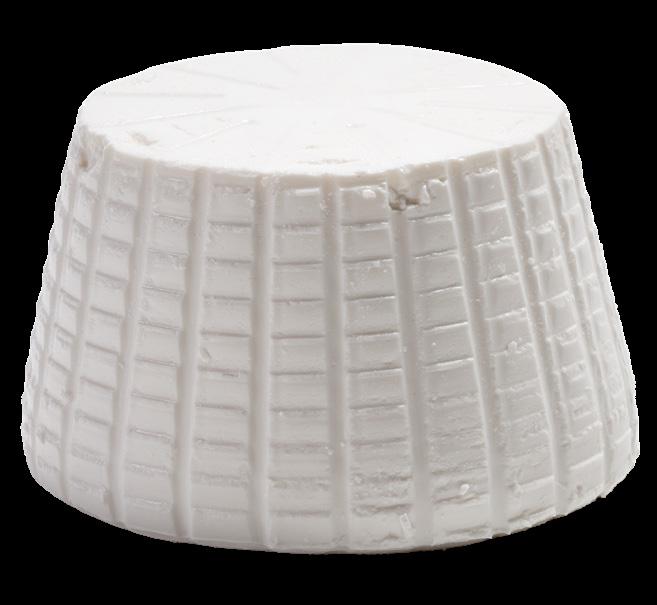
Ricotta
Primary role
Creamy contrast
Flavor impact
Mild, slightly sweet
Operational considerations
Low labor (scoop/dollop), minimal portion cost, moisture adds richness
Best uses
White pies, specialty pizzas, calzones, lasagna-style dishes
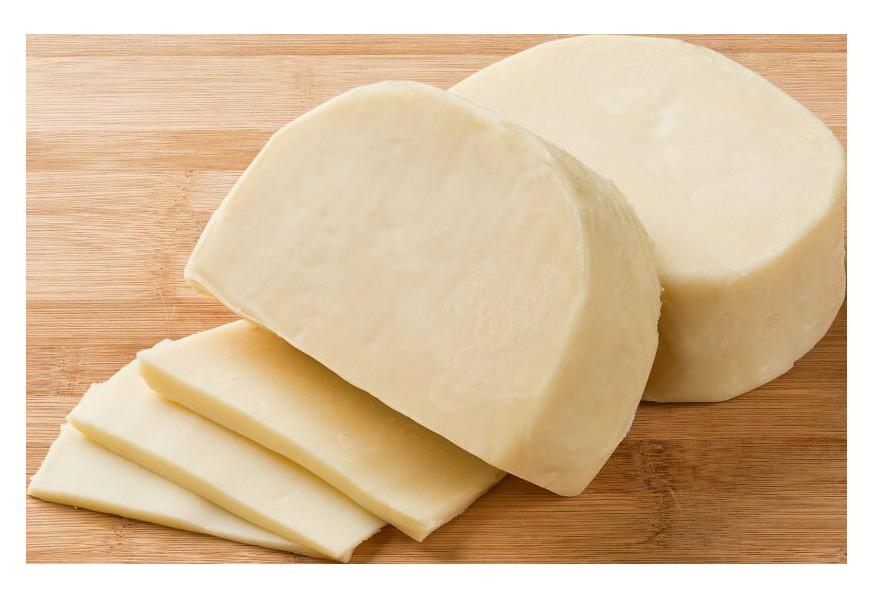
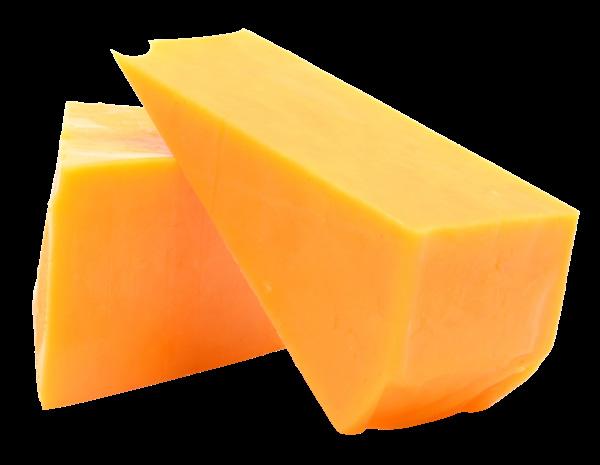
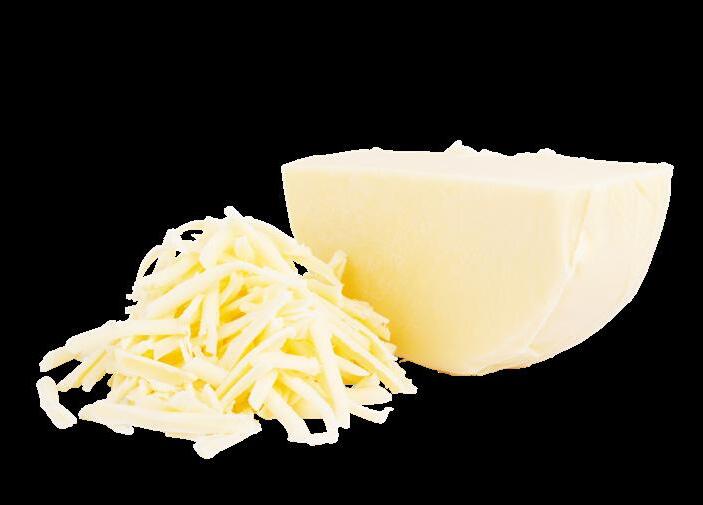
Primary role
Blend enhancer + melt quality
Flavor impact
Buttery, slightly tangy
Operational considerations
Available smoked, sliced or shredded; great melt
Best uses
Mixed cheese blends, tavern pies, hearty pizzas, sandwiches
Cheese Blends (e.g. Mozzarellas + Provolone + Parmesan + Romano, Tri-blends)
Primary role
Balanced melt + flavor
Flavor impact
Varies; cohesive and versatile
Operational considerations
High consistency, great coverage, cost control
Best uses
Everyday pizzas, slice programs, bars, multi-unit ops
The pizza playbook: Ingredients, costs and the recipe for
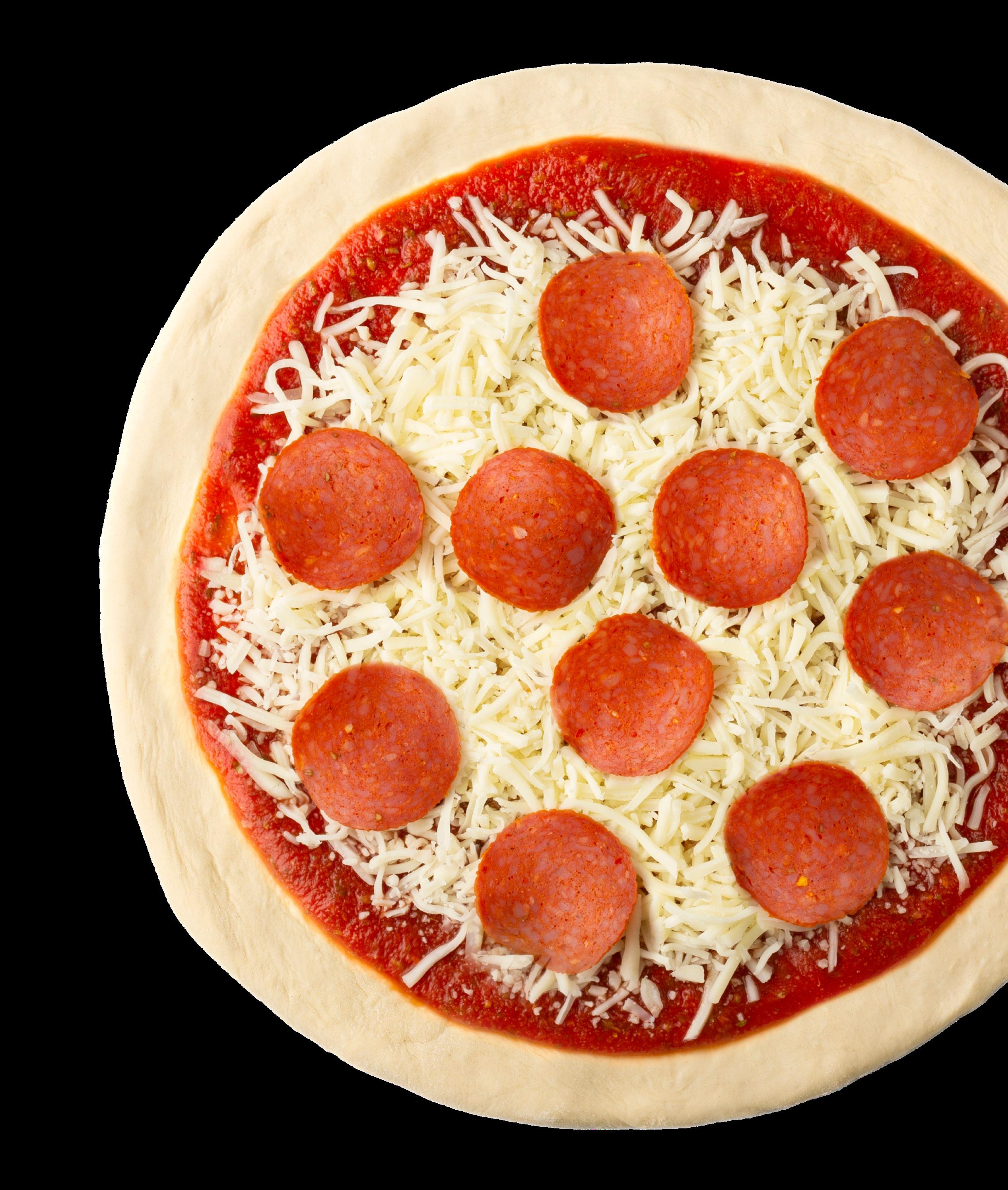

Toppings introduce texture, color, personality and menu differentiation. Proteins, vegetables, and finishing ingredients round out flavor, add visual appeal and tailor pizzas to guest preferences. The right combinations enhance balance without overwhelming the crust or slowing down operations.
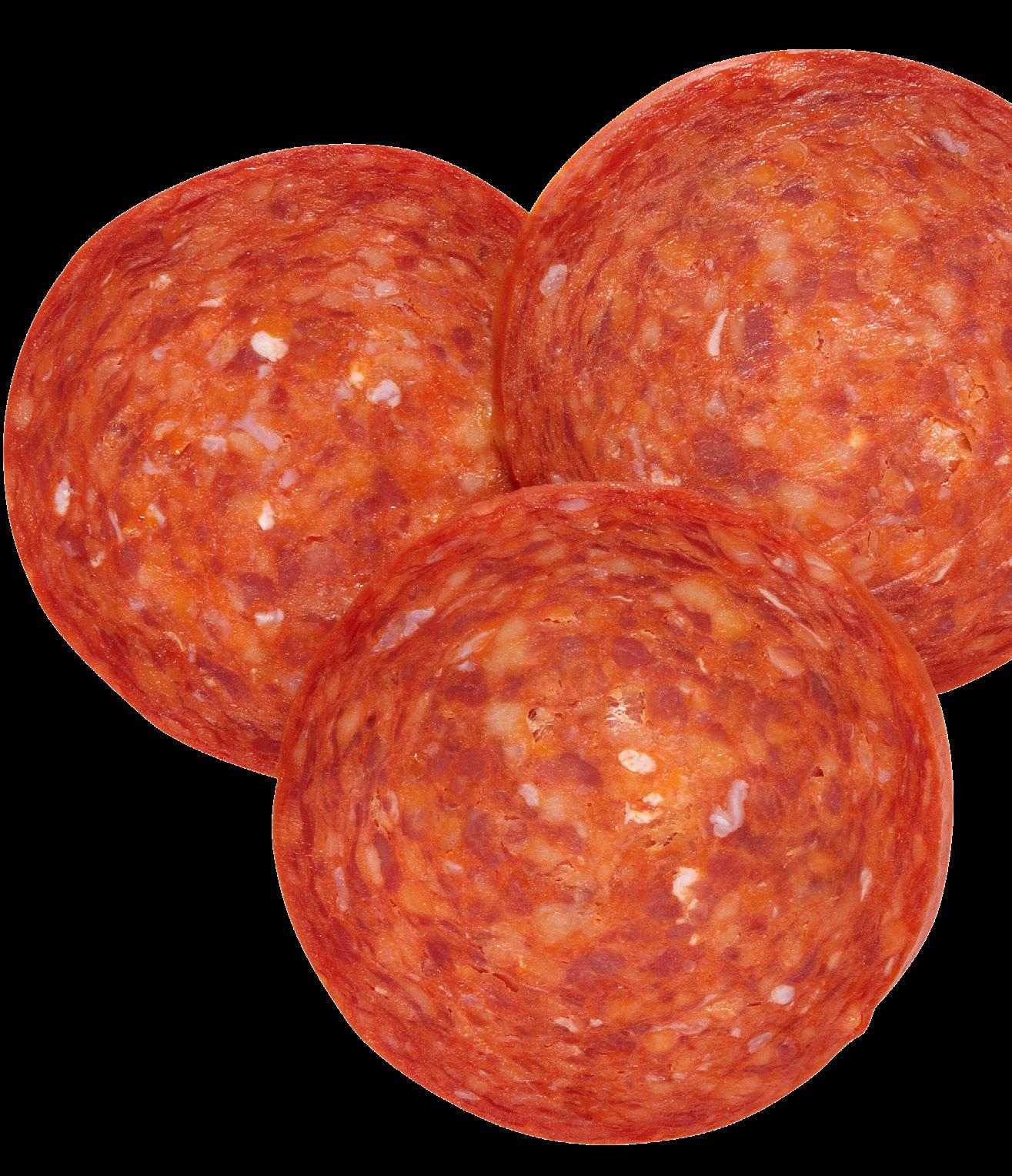
Flavor profile
• Savory, salty, slightly spicy
• High umami; delivers instant “pizza flavor”
Consumer preferences
• Most ordered topping in the U.S.
• Appeals across age groups
• Considered essential on menus
Melt & performance
• Cohesive melt with balanced stretch
• A mozzarella-only pie may stretch beautifully but brown inconsistently.
• Adding provolone or parmesan improves color and caramelization.
Cost
• Low to mid-range
• Consistent pricing and strong yield
• Estimated cost per pizza: $0.75–$1.50
Operational advantages
• Long shelf life
• Easy portion control
• High perceived value vs cost
Best use case
• Core menu staple
• High-margin builds
Pepperoni provides consistent flavor impact and strong visual coverage, making it one of the most reliable drivers of guest satisfaction.
The Entegra offering provides coverage across multiple quality tiers in multiple formats from:

Flavor profile
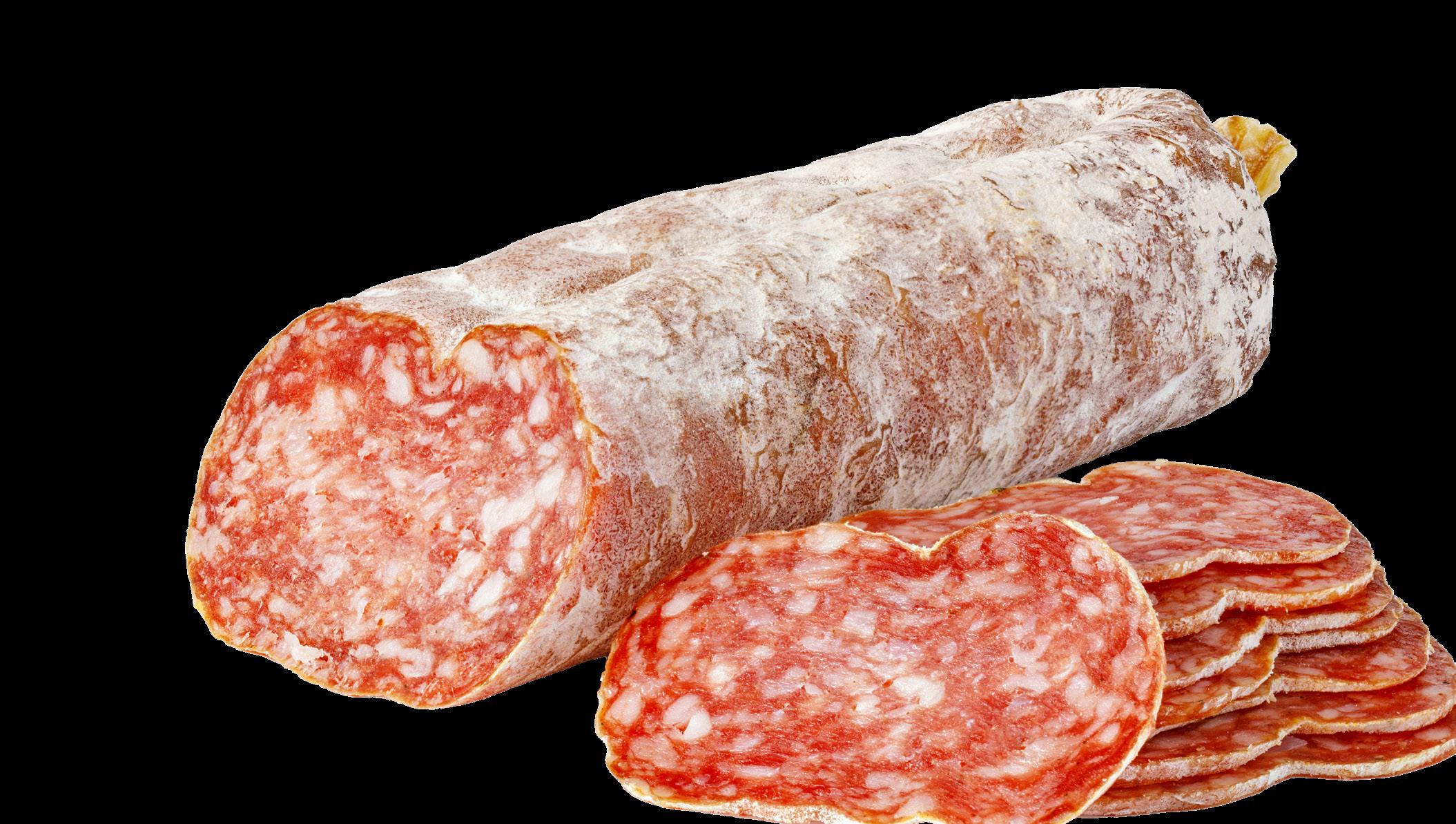
• Savory, fennel-forward, lightly spicy
• Richer than pepperoni
Consumer preferences
• Very popular in casual and family dining
• Strong regional preference (Midwest, Northeast)
Operational considerations
• Pre-cooked vs raw affects labor and food safety
• Works well in blends
Cost
• Mid-range
• Higher fat content impacts yield
• Estimated cost per pizza: $0.90–$1.70
Best use case
• Hearty or “meat lovers” pizzas
• Pairs well with mushrooms
Pork sausage: Savory pork topping with balanced seasoning, browns evenly and enhances umami.
Italian sausage: Italian-style pork topping with a savory herb blend, perfect for classic pizzas.
Entegra provides coverage accross multiple quality tiers in multiple formats from:
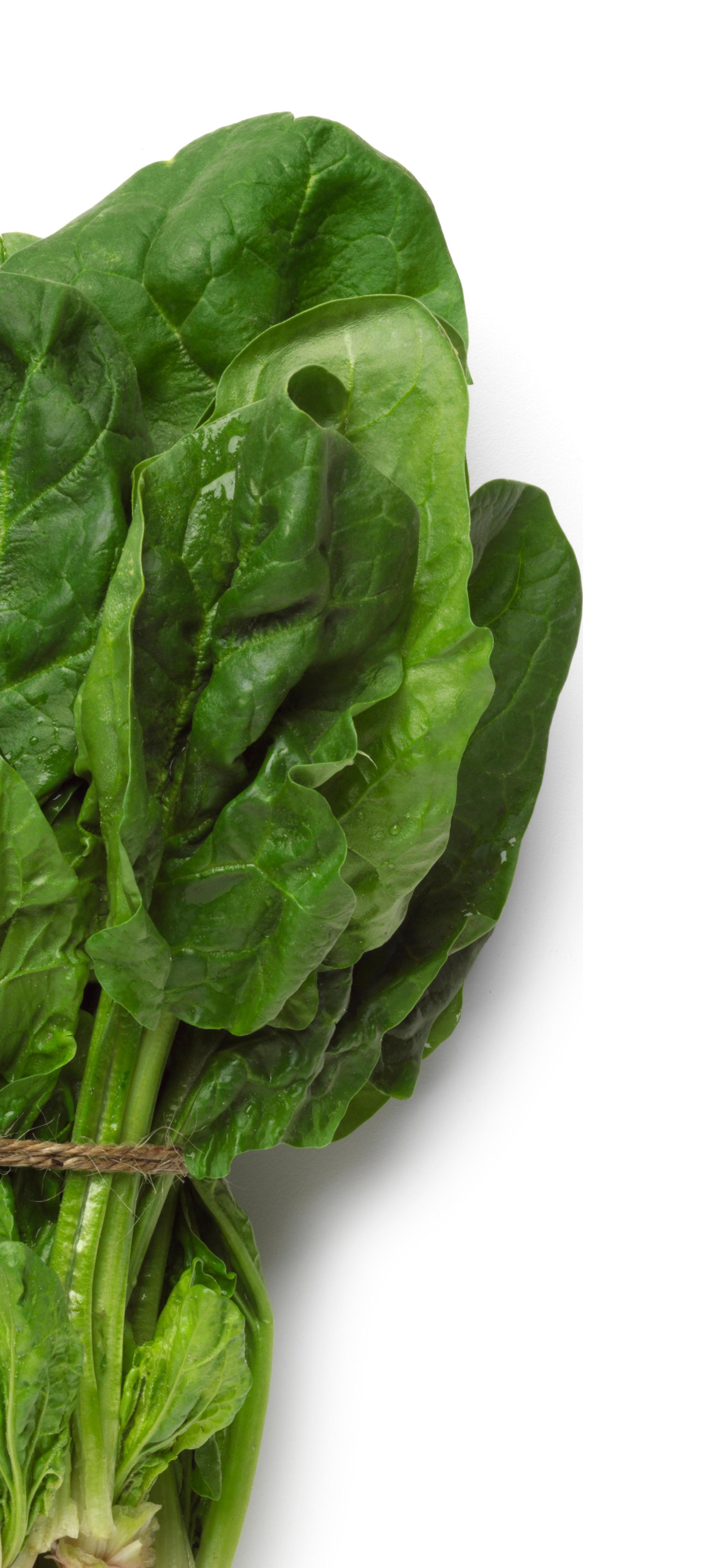
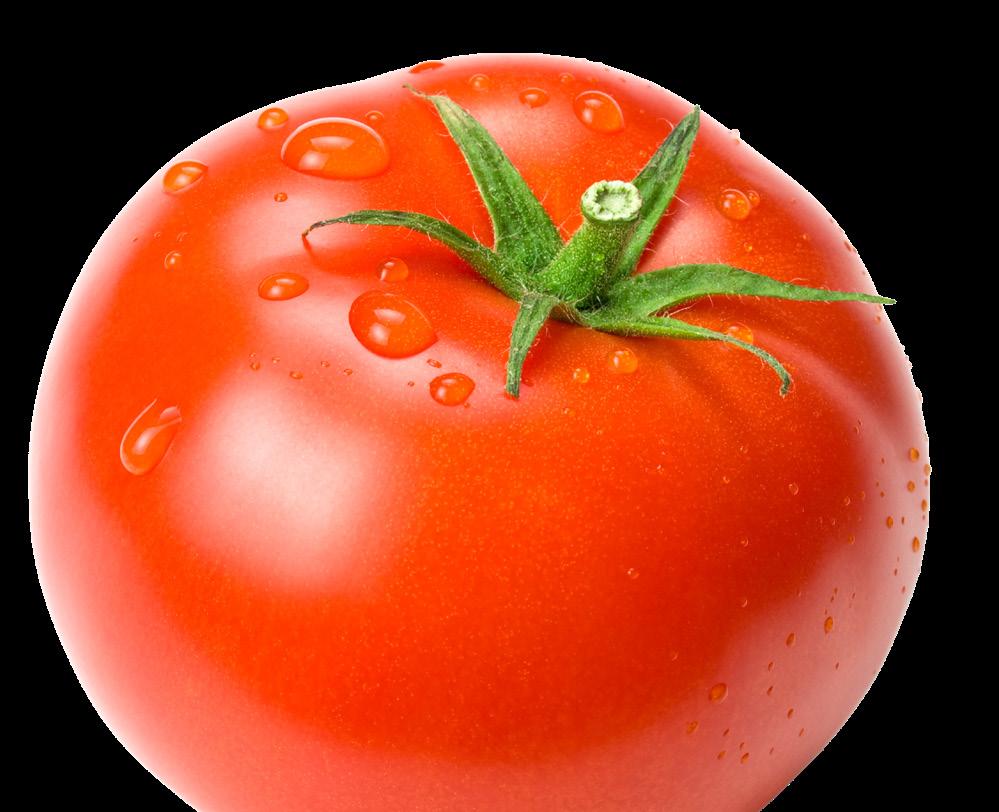
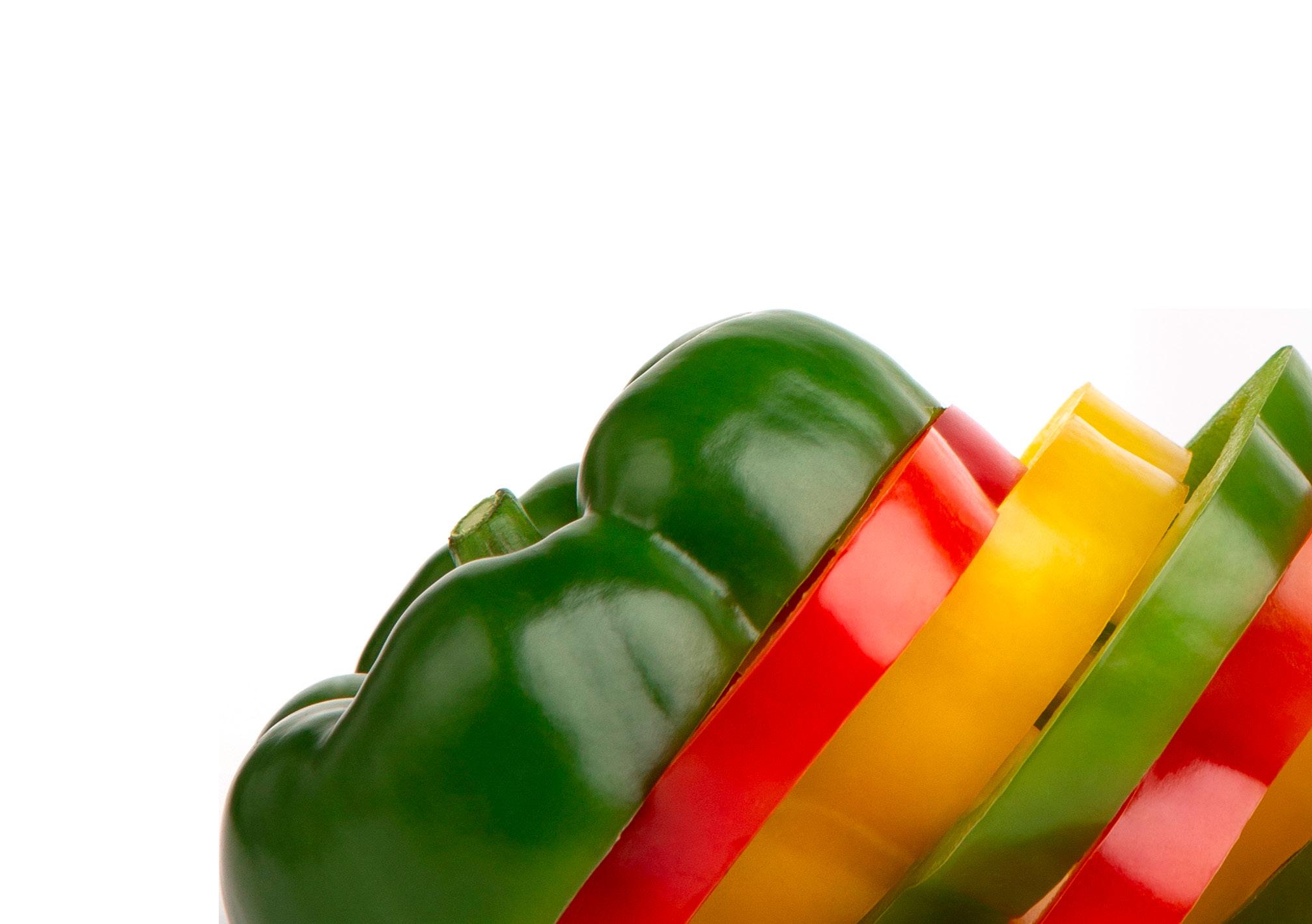
Fresh vegetables and aromatics are where color, contrast and character come to life on a pizza. They add brightness, texture and layered flavor that balance rich cheese and savory proteins — while giving operators endless flexibility to build signature combinations.
From sweet and crisp bell peppers to earthy mushrooms, peppery arugula and fragrant basil, these toppings allow you to dial in freshness, heat or herbaceous lift. They also create visual appeal that signals quality and craftsmanship at
Entegra clients have access to a comprehensive regional produce purchasing program offering fresh fruits and vegetables plus much more. The program also delivers flexible terms, fewer fees and no long-term contracts.
Through Entegra PurchasingIQ, clients can source local produce like:
• Sliced bell peppers (green, red, yellow)
• Sliced onions (red or yellow)
• Tomatoes
• Mushrooms
• Fresh basil leaves
• Fresh arugula
• Garlic
• Jalapeños
• Spinach
• Pineapples
Entegra’s client platform helps you source the right produce for your pies.
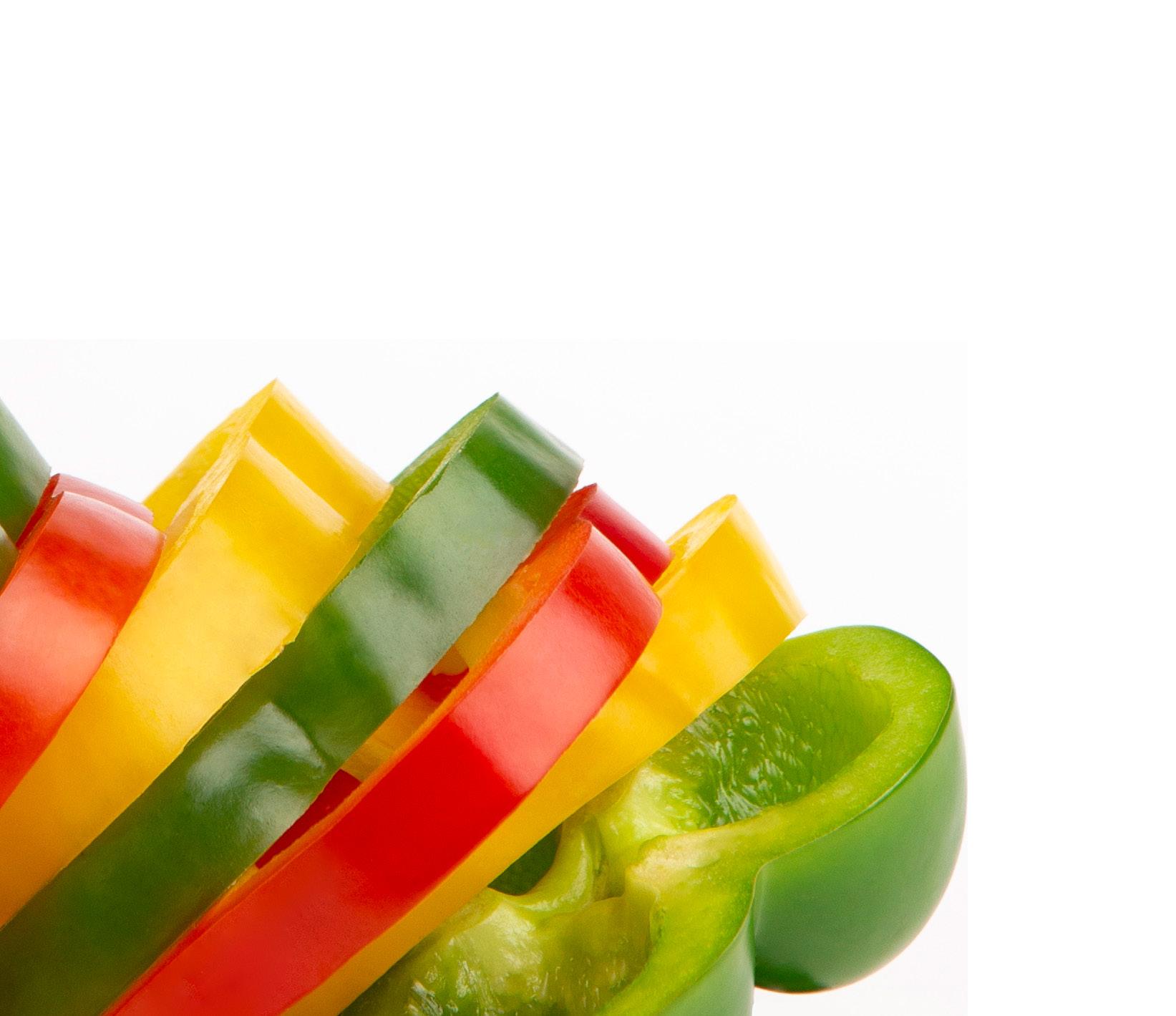
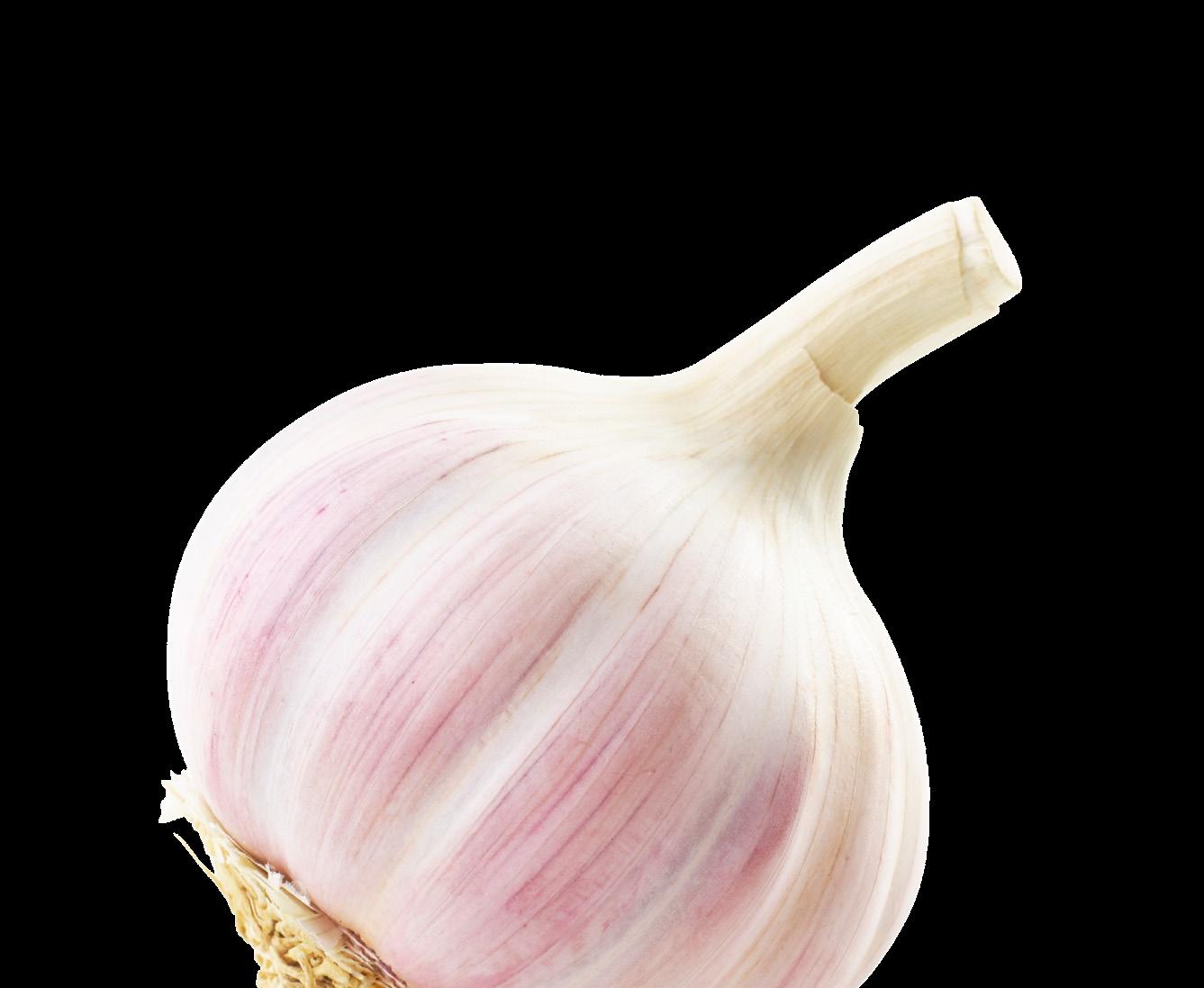
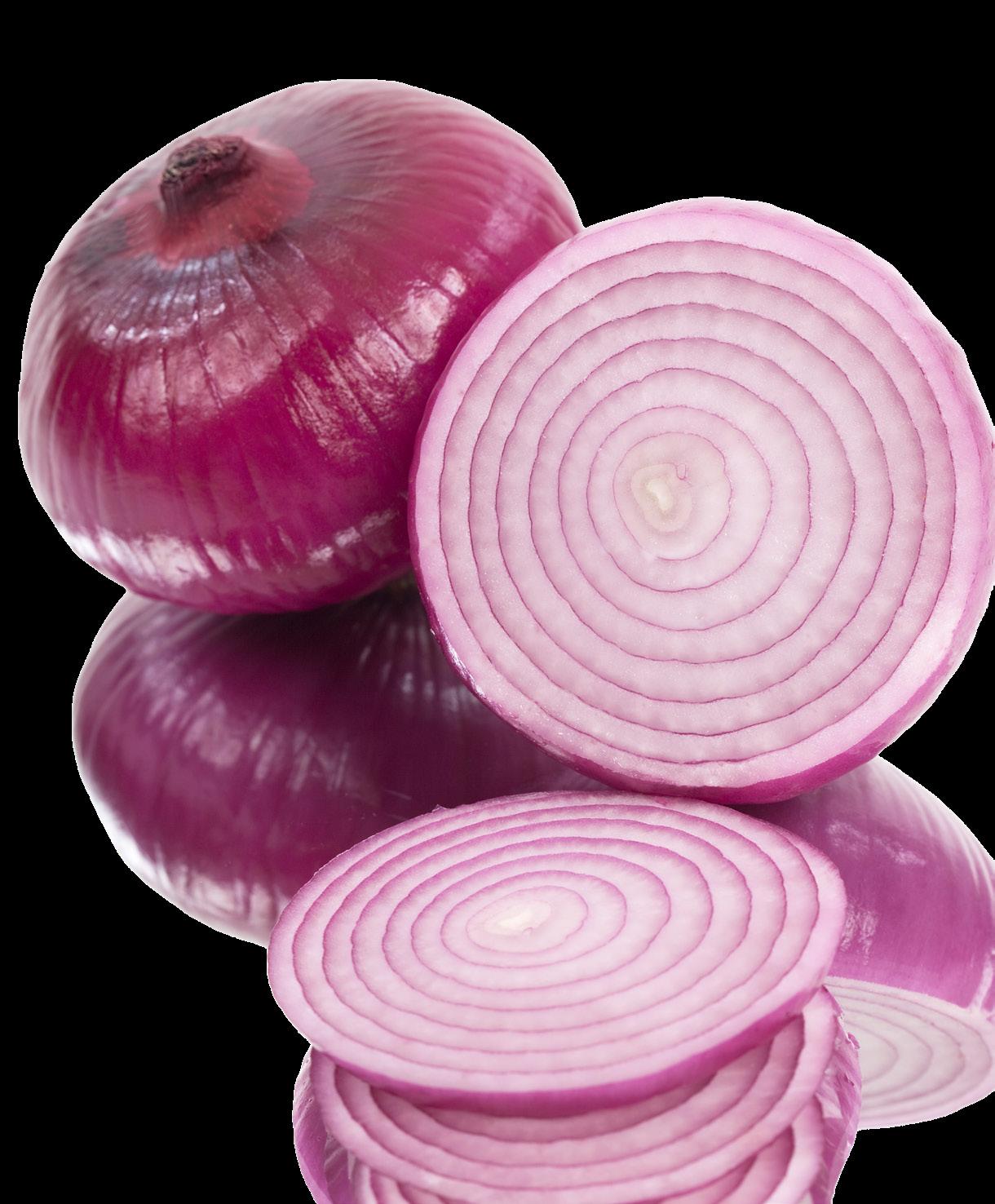

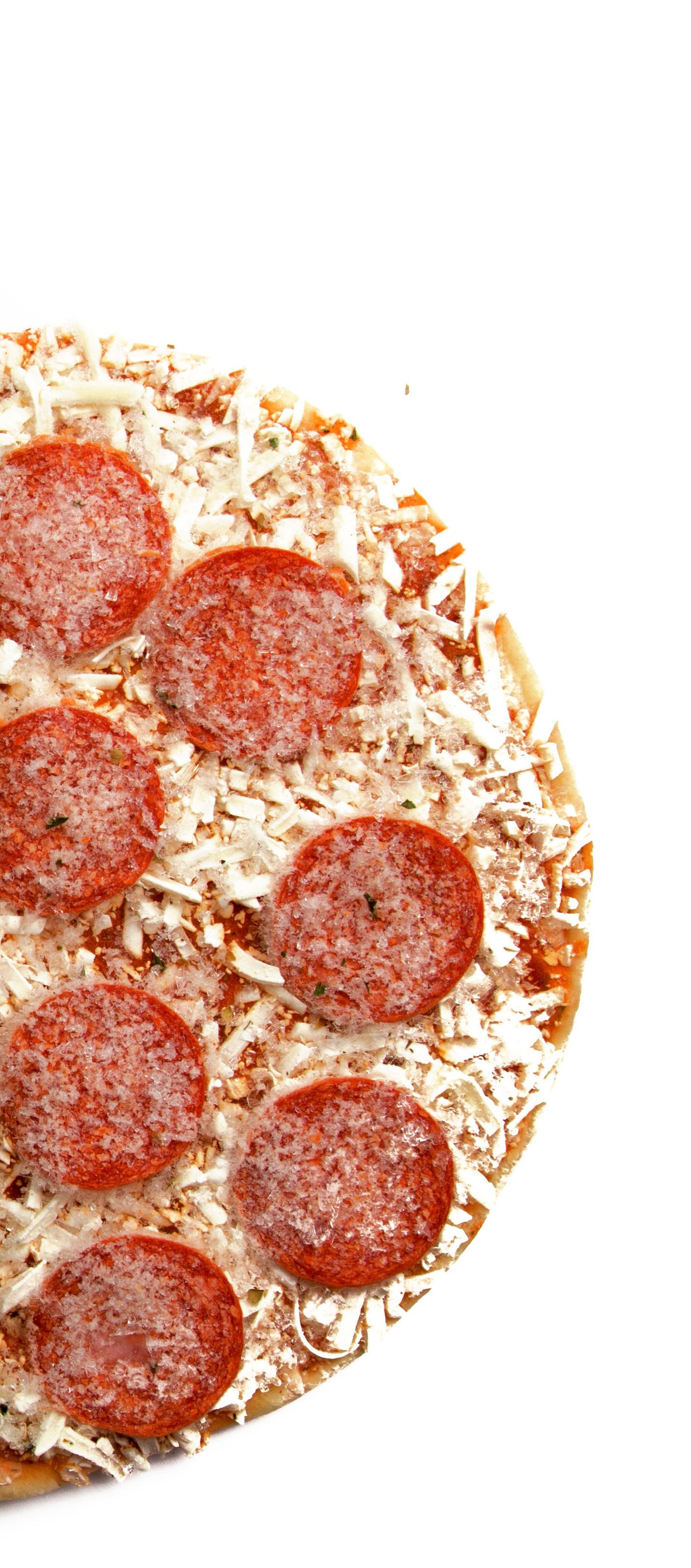
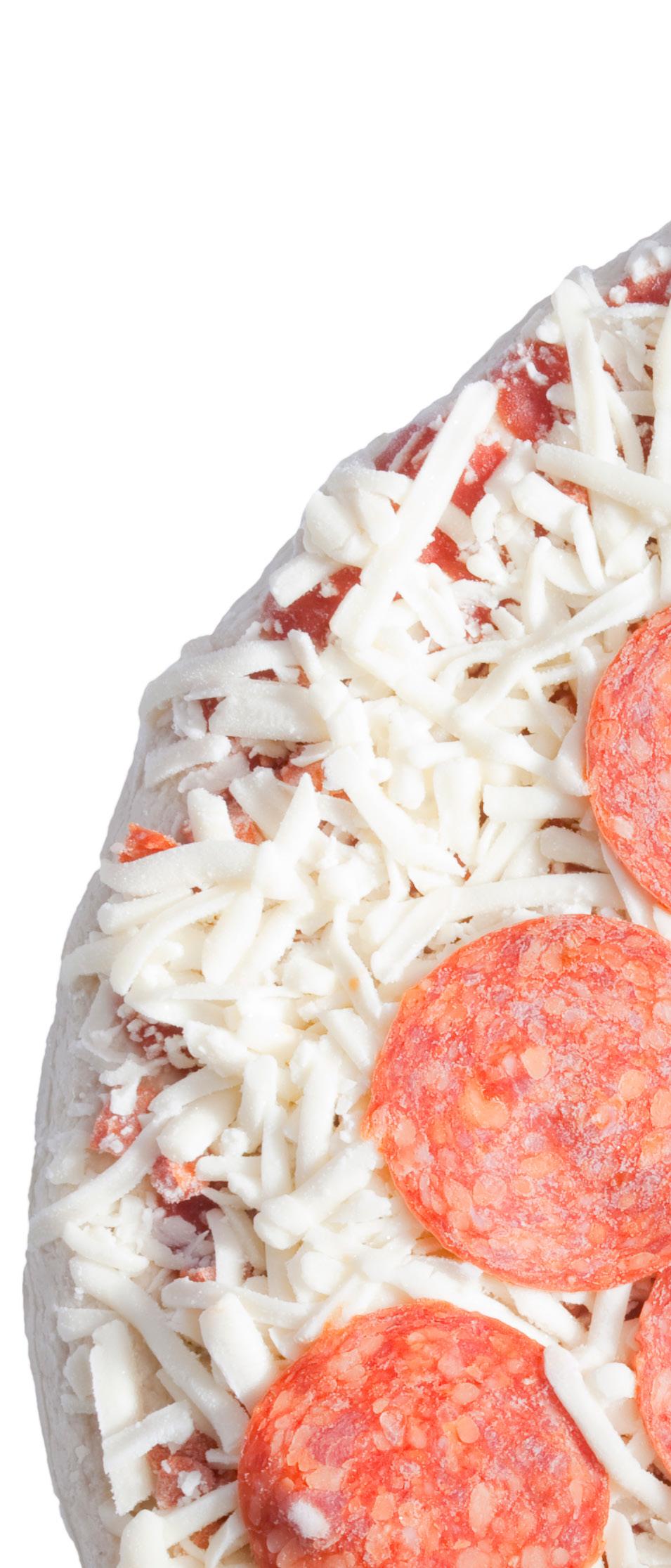
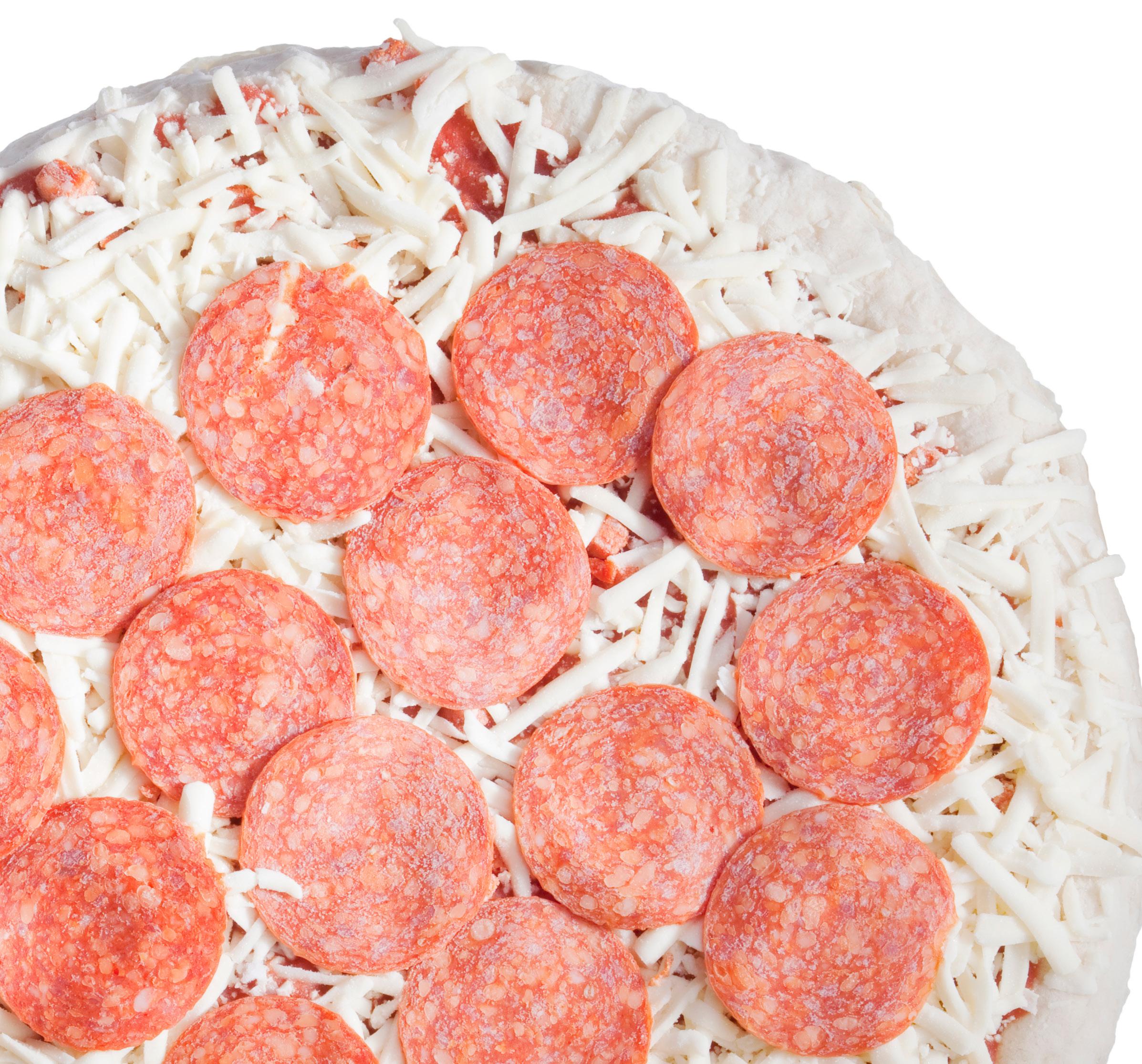
Ready-to-heat pizzas are built for predictability. Ingredient choices, topping ratios and crust construction are selected so the pie delivers consistent results across different equipment, staff experience levels and service volumes.
If three or more of the statements below sound like your operation, ready-to-heat may be a strong fit.
Check all that apply:
We need to serve pizza with little to no prep time
Our team has limited culinary labor or high turnover
Consistency across shifts and locations is critical
We want predictable food cost and portion control
Ticket speed matters more than customization
Kitchen space or equipment is limited
We need an option that is easy to train and execute
Pizza is an amenity or secondary menu item
We want to reduce ingredient inventory
Ready-to-heat pizza represents a practical solution for many operations. Modern, chef-developed formats deliver the flavor, texture and appearance guests expect while supporting the consistency and speed teams depend on.
The pizza playbook: Ingredients, costs and the recipe for real profit
Supported by a wide range of options from:
• Rich’s Villa Prima
• Gilardi
• Red Baron
• Tony’s: Pre-topped, Traditional, Whole-Grain, Deep Dish, Breakfast, French Bread and individually wrapped handhelds cover any application
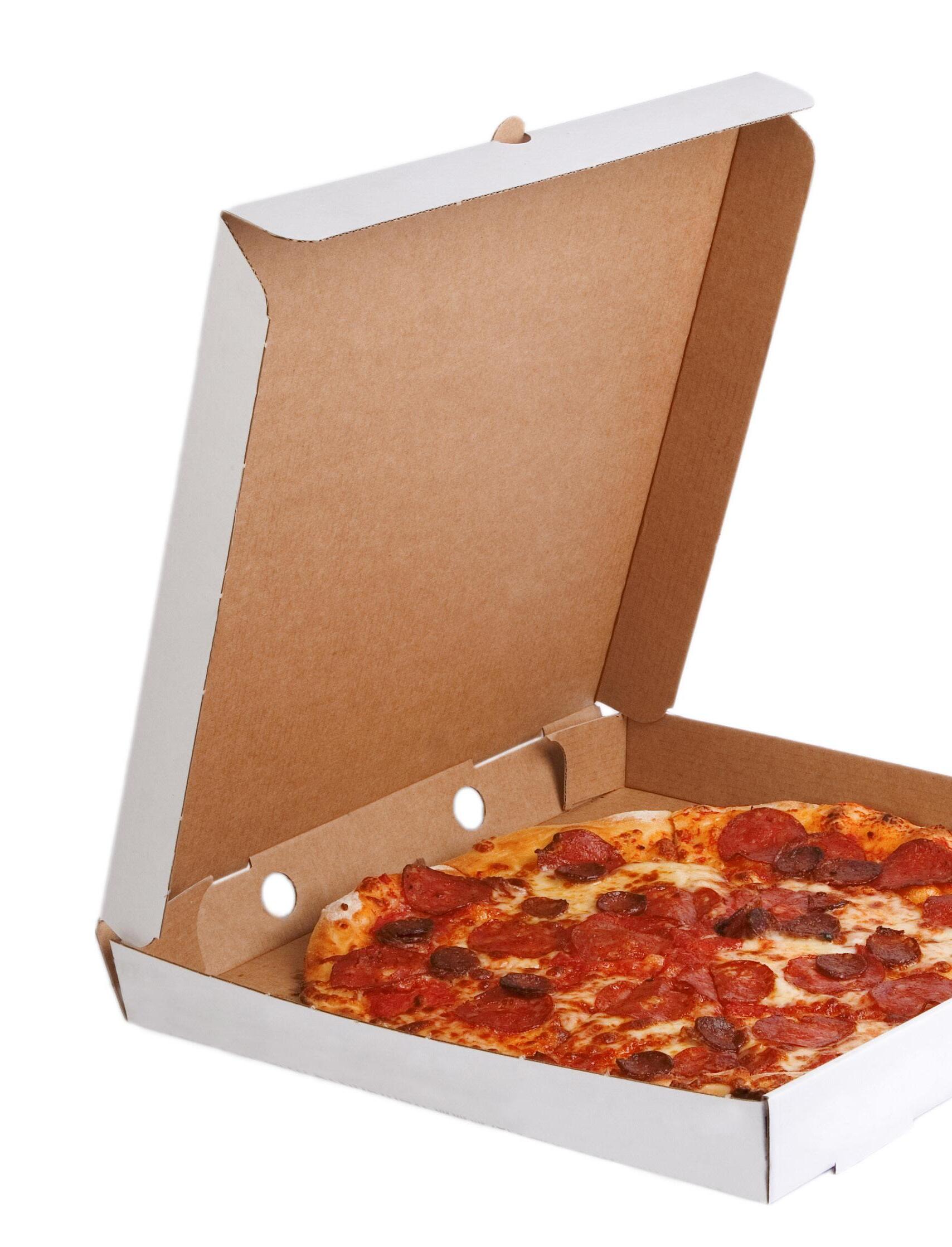


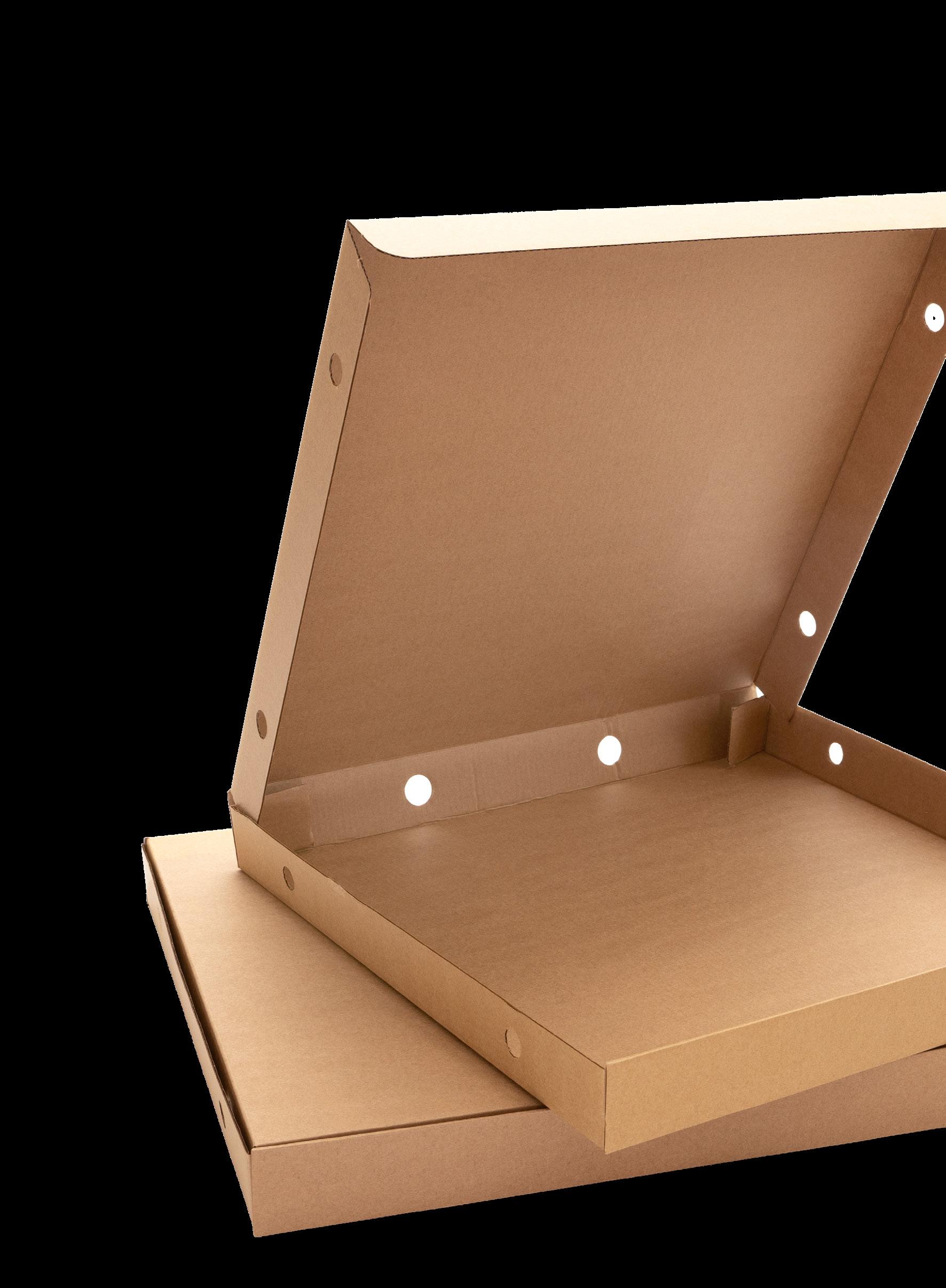
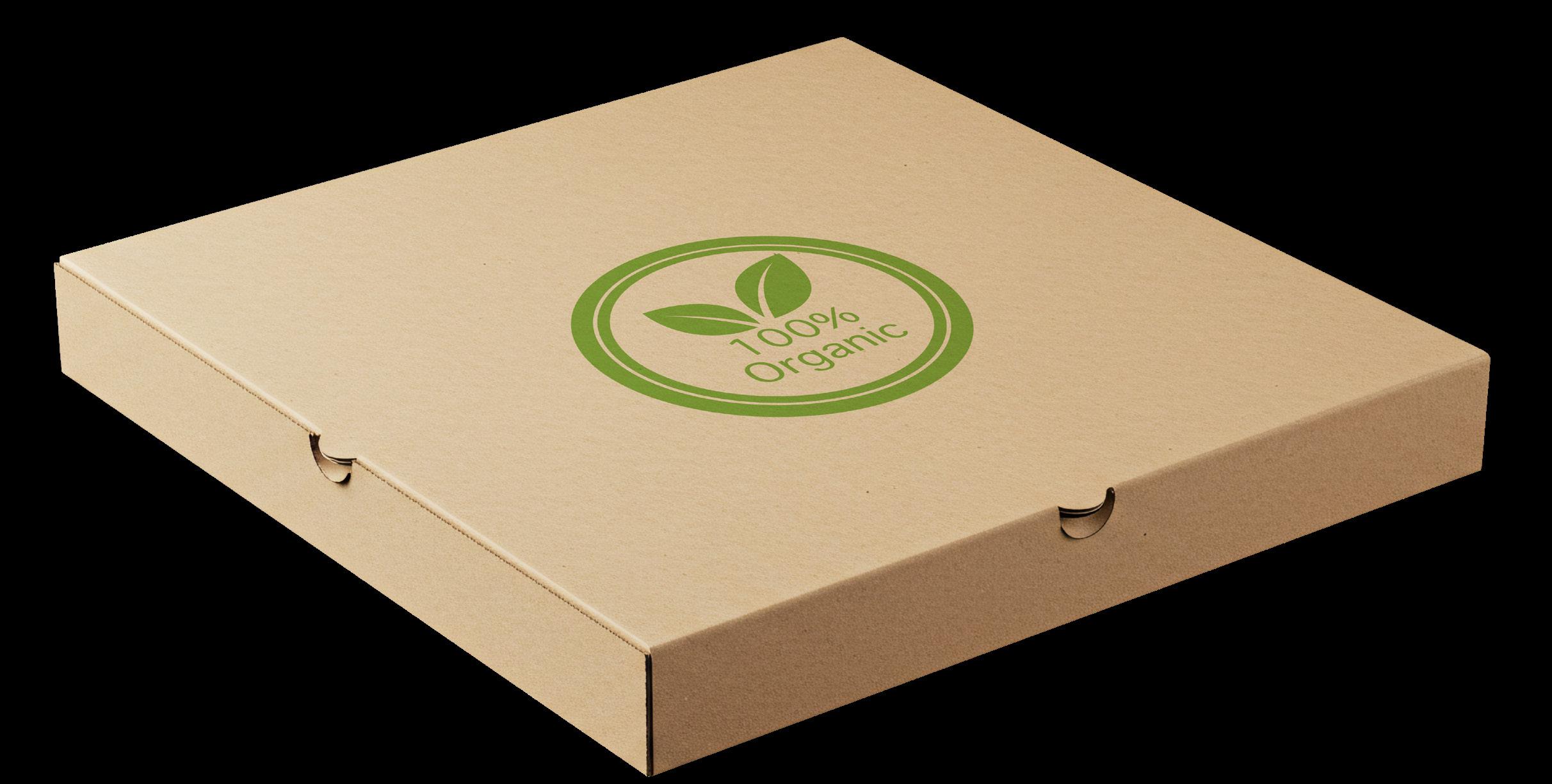
Packaging ensures the pizza arrives as intended — hot, intact and appetizing.
Consider:

Vented boxes preserve crispness
Insulated carriers protect temperature
Sustainable options reinforce brand values
Effective packaging is the final safeguard for food quality, especially for off-premise occasions.
Supported by a wide range of options from:






Spices, seasoning blends, marinara and Alfredo sauces, calzones and hot sandwiches help operators broaden their offerings, increase check averages and deliver comfort-driven favorites with minimal additional labor. These menu components extend the value of your pizza program — leveraging the same core ingredients, equipment and workflows to create high-performing items beyond the traditional pie.
Today’s guests are increasingly flavorcurious. Dips, drizzles and finishing sauces offer a simple way to introduce discovery, add visual impact and turn a familiar pizza into something that feels distinctive.
A thoughtful finishing touch can bring heat, sweetness, brightness or richness that complements the build while elevating the overall experience. With minimal effort, operators can create signature appeal, encourage repeat visits and open the door to easy add-on revenue.
What the industry is saying:
Sauces and drizzles are not only a great way to add depth of flavor and eye appeal on your pizzas — they’re an ideal upsell to accompany pies and other menu items.
“
PMQ Pizza, “Liquid Gold: Sauces and Drizzles Make an Ideal Upsell”
From the Entegra Culinary team: “
A finishing sauce is one of the simplest ways to add signature appeal, support higher check averages and give guests a reason to come back for their favorite flavor combination.

Lynn Hay Head of Culinary,


Flavor amplifiers that elevate pizzas pastas and sandwiches.
Pre-blended spices and seasoning packets provide consistent, craveable flavor without additional prep time. They offer operators reliable signature notes — from Italian herb blends to garlic-parmesan
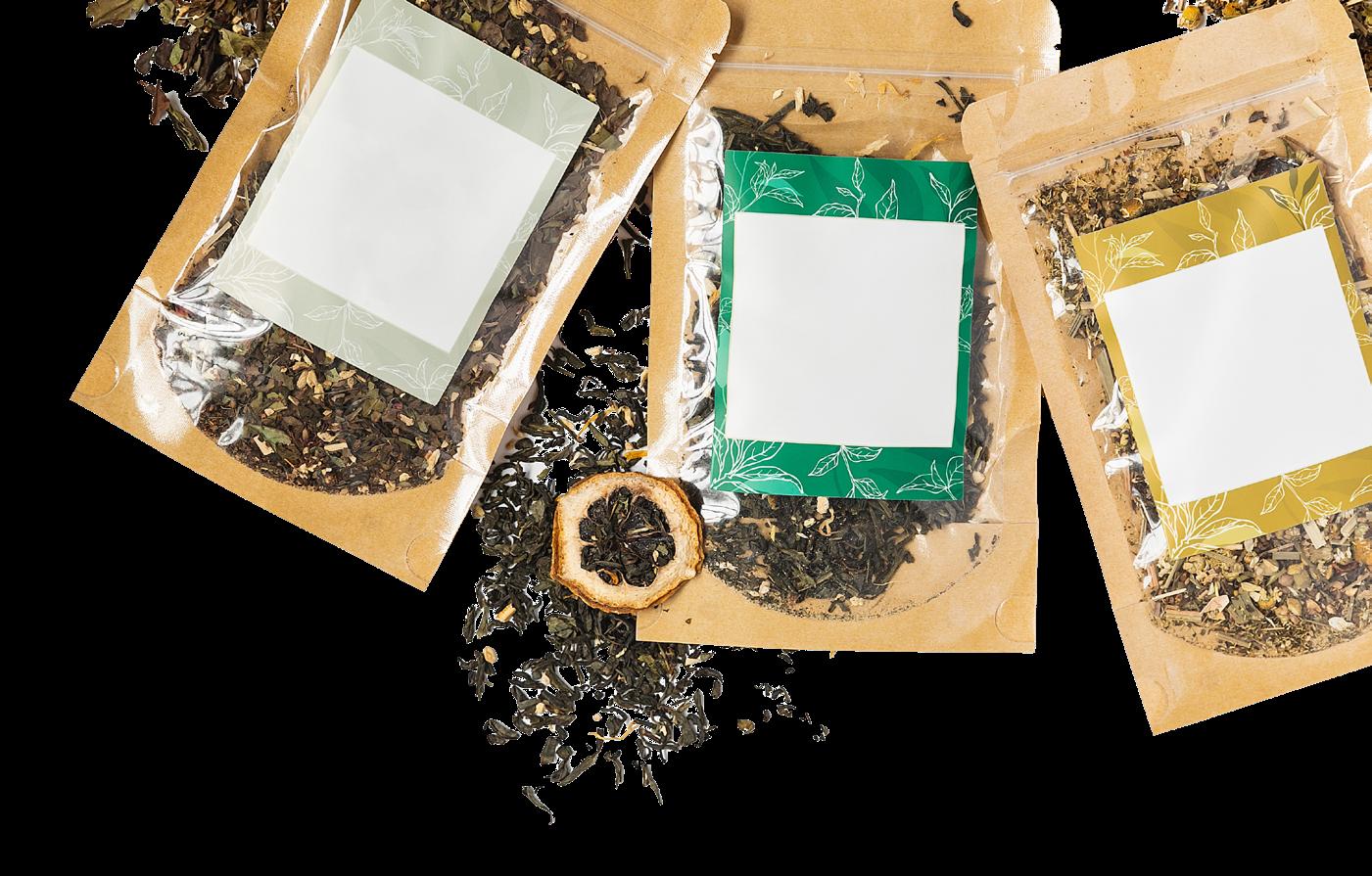
Supported by a wide range of options from SupHerb Farms, including:
• IQF herbs
• Specialty vegetables
• Specialty vegetable purees

Culinary blends, pastes and sauces
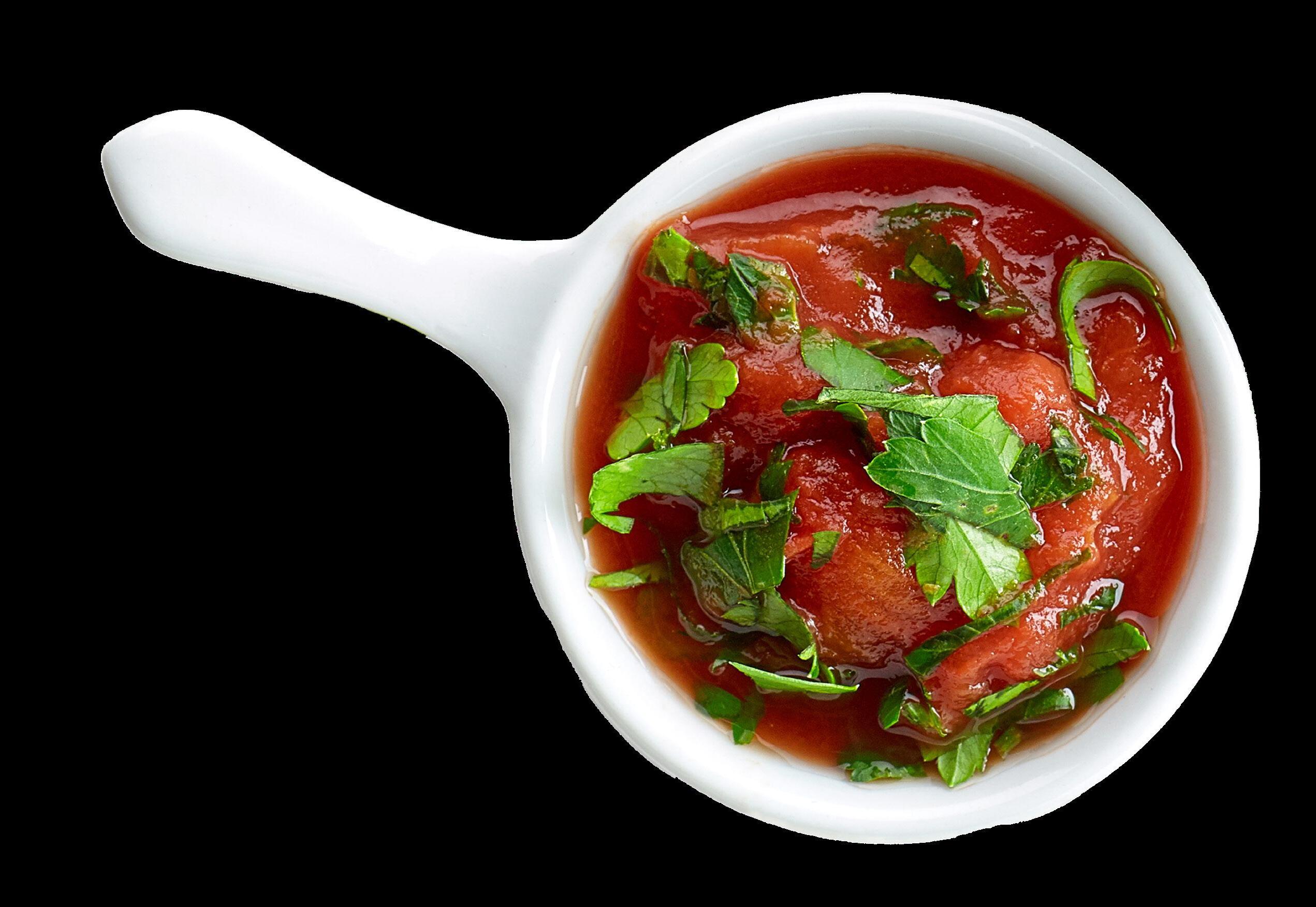
We offer sauce in all its forms: light tomato; pomodoro; marinara in pureed, smooth and chunky styles; Alfredo; and traditional meat and no-meat spaghetti sauces. With versatile formats designed for pasta builds, hot sandwiches and dips with bread sticks, our multi-use sauces anchor all your classic comfort dishes.
Check out sauce options from:

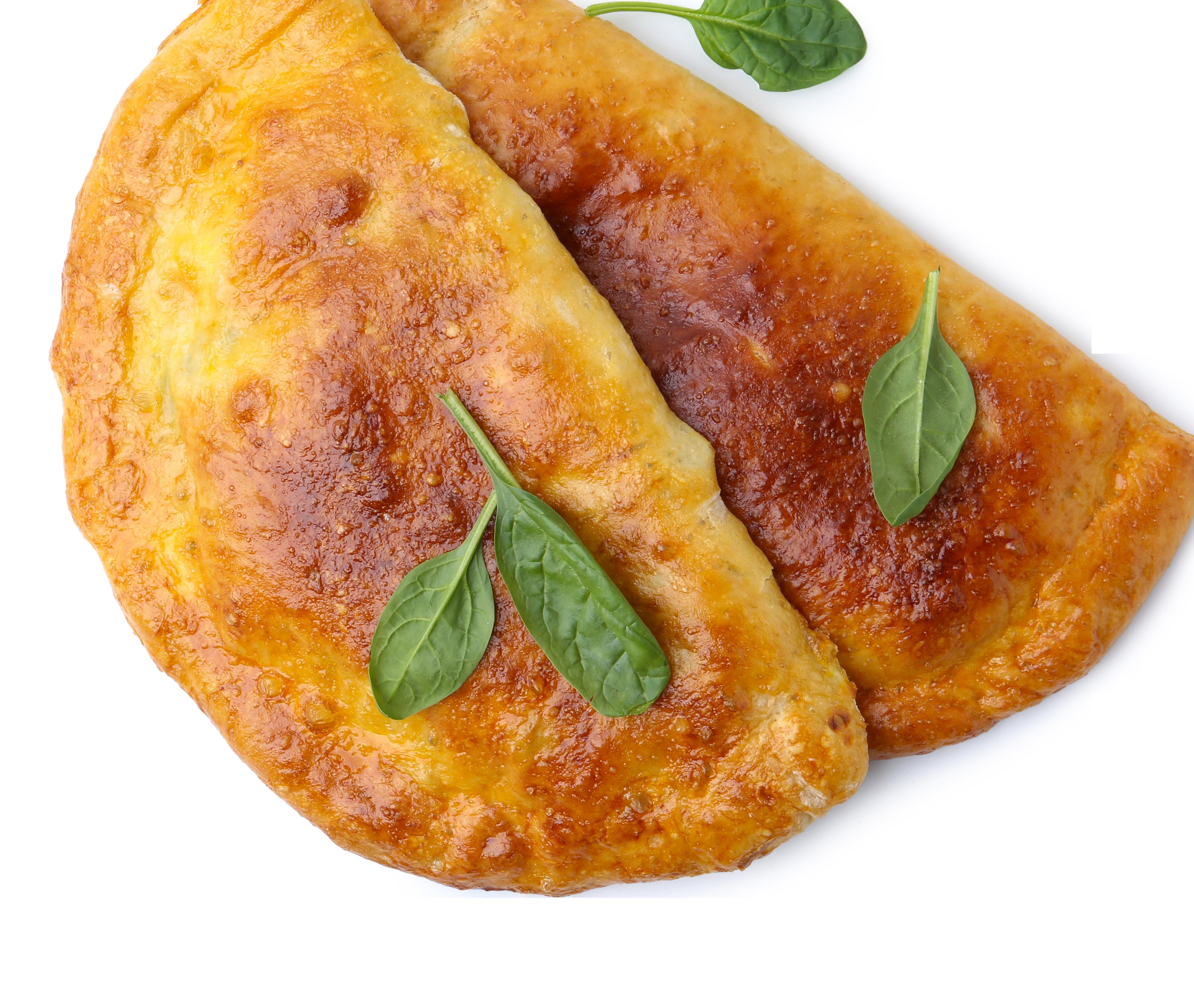
Calzones offer all the appeal of pizza in a portable, high-margin format. They utilize existing pizza ingredients and equipment and provide a convenient, versatile alternative for lunch and takeout.



High-demand, shareable comfort options using pizza ingredients.
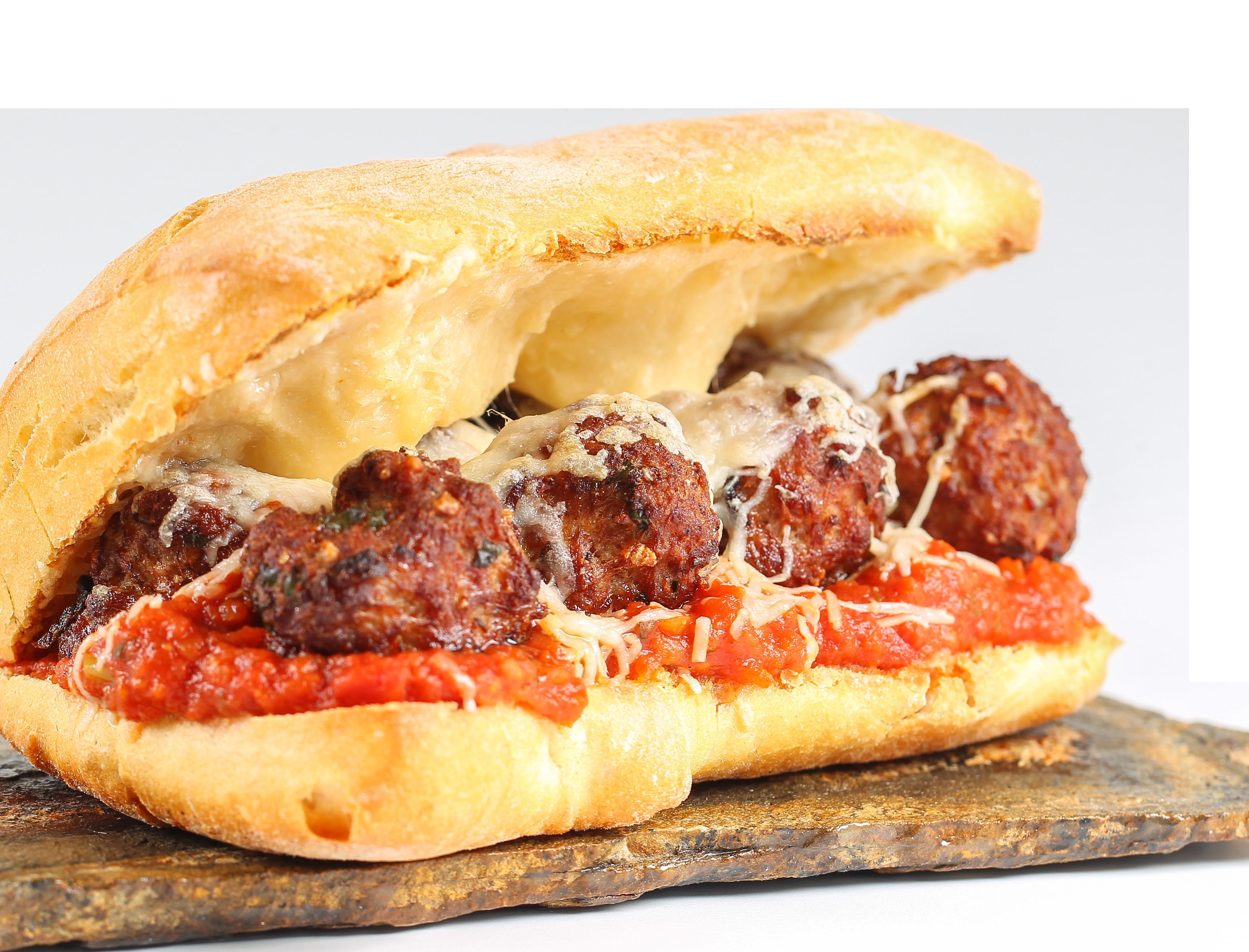
Hot sandwiches — from meatball subs to chicken Parmesan — leverage your pizza toppings, sauces, cheeses and breads. They deliver strong value
Supported by a wide range of options from:
Crusts & doughs
Product sizes and flour options
• Rich’s Dough Balls 5, 9, 13, 16, 19, 23, 26 oz
• Bonici General Mills Par-baked crust 12, 14, 16 in
• Rich’s Parbaked Crust 7, 8, 10, 12, 14, 16 in, 7x9, 12x16
• Rich’s PreProofed 10 in, 12x15
• Rich’s Sheeted 7, 10, 12, 14, 15 in, 12x16
• ItalCrust Wood Fired Crust 8, 9.5, 11, 12, 14, 16 in, 6x10
• Rich’s Gluten Free 10 in, 7x9 in
• Udi’s Gluten Free 10 in
• ItalCrust Gluten Free 9.5 in
• Rich’s Cauliflower Crust 7.5, 10, 11.75, 14 in
• General Mills Pizza Flour
– High Gluten
– Neapolitan
– Farina
• Bob’s Red Mill Flour Gluten-Free Pizza Flour
Sauces
• Angela Mia Pizza Sauce/Marinara Fully Prepared, Deluxe
• Don Pepino Pizza Sauce Fully Prepared
• Escalon KHC Prepared Pizza Sauce Christina, Allegro, Bella Rossa
• Escalon KHC Pizza Sauce w/ Basil Cristoforo Colombo, Bonta, Bella Rossa
• Heinz Pizza Sauce Fully Prepared, Deluxe
• Heinz/Emma Bella Marinara Classic and Fancy
• Ken’s Pizza Sauce White Garlic, PC Marinara
• JTM Provisions Vito’s Pizza Sauce Prepared, Frozen
• Pacific Coast Pro. Pizza Sauce/Marinara Prepared, High Spice, w/Basil, w/Cheese
• Red Gold Pizza Sauce/Marinara Prepared, w/Basil, Extra Heavy
Cheeses
• Belgioioso
– Fresh mozzarella
– Parmesan
– Romano

– Provolone
• Galbani Mozzarella: fresh, premium shredded
• Great Lakes Mozzarella Whole milk and low moisture part-skim mozzarellas: blends, shredded, feather shredded
• Great Lakes Cheeses
– Asiago: shredded
– Parmesan: grated, shaved, shredded
– Provolone: blend, loaf, sliced
• Sorrento
– Asiago: shredded
– Chese blends: shredded
– Ricotta: whole milk, part-skim
– Mozzarella: whole milk diced & shredded
Packaging
• Pactiv Evergreen
– Disposables
– Boxes
– Cartons
– Containers
Menu Extenders & Flavor Builders
• Grand Prairie Calzones Four Cheese, Pepperoni, Sausage
• Smithfield Hot Sandwiches Pepperoni, Meatball
– Sliced onions (red or yellow)
– Tomatoes
– Mushrooms
– Fresh basil leaves
– Fresh arugula
– Garlic
– Jalapeños
– Spinach
– Pineapples
• Angela Mia Spaghetti Sauce 1/3 gal bag-in-box 9
• Arrezzio All Purpose Marinara Pouch format, 106 oz.
• Red Pack Enhanced Marianara Vitamin enhanced, 6/10