


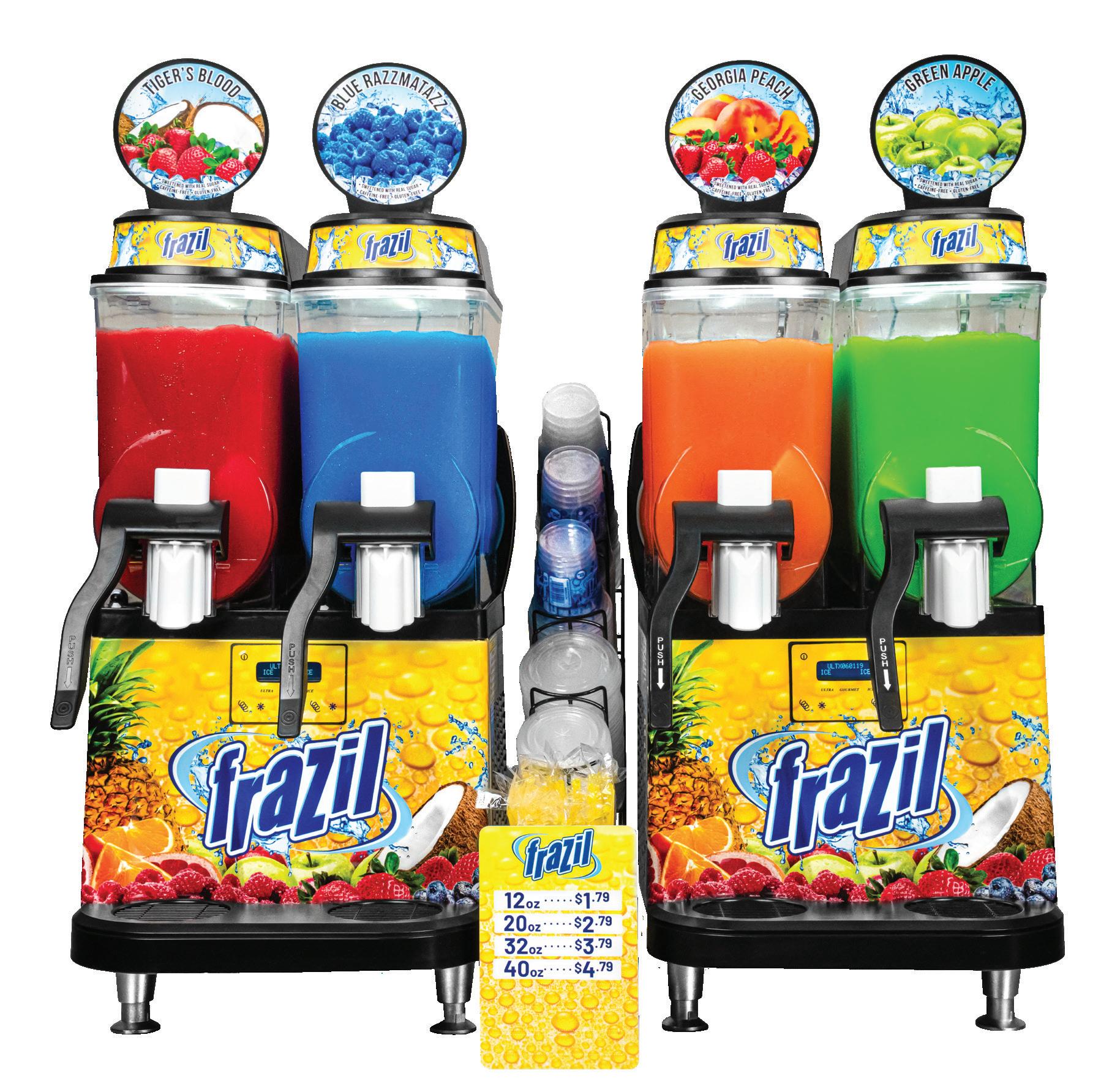
Reasons Retailers Love Frazil
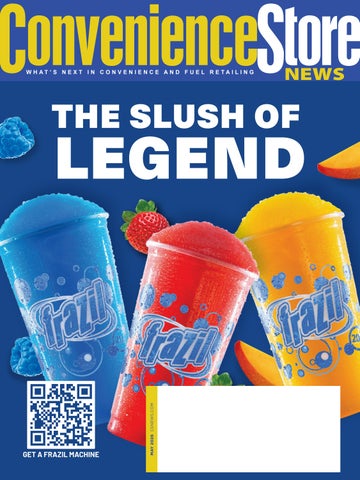
• BEST TASTING SLUSH ON EARTH
• GET A MACHINE, SERVICE AND MARKETING AT NO COST
• BE PROFITABLE ON DAY 1




WHAT’S NEXT IN CONVENIENCE AND FUEL RETAILING
• BEST TASTING SLUSH ON EARTH
• GET A MACHINE, SERVICE AND MARKETING AT NO COST
• BE PROFITABLE ON DAY 1
WHAT’S NEXT IN CONVENIENCE AND FUEL RETAILING
TO SUCCEED IN TODAY’S INCREASINGLY COMPETITIVE SPACE, CONVENIENCE RETAILERS MUST CONCENTRATE ON OPERATIONAL EXCELLENCE


Don’t risk losing your customer base to more modern competitors
WHILE I’M PARTIAL to the fall season’s colors, scents and flavors, there’s no denying that spring is a lovely time of year. Seemingly overnight, barren landscapes come alive with bursts of bright yellow daffodils and vivid pink and white cherry blossoms. It’s a time of transformation.
This spring, it appears that convenience retailers are also embracing transformation. Over the past few months, the daily headlines on CSNews.com have frequently included news of modernization efforts, store remodels and next-generation prototypes.
Case in point:
• QuikTrip Corp. debuted a Gen 4 format with the opening of a new location in Broken Arrow, Okla. Sitting between a traditional QuikTrip store and the brand’s travel center format in terms of size, the new design was guided by customer and employee feedback. It features a larger kitchen, new food concepts, kiosk ordering, dedicated pickup areas, and a streamlined layout designed to increase checkout speed.
• Freshies, the c-store banner of R.H. Foster Energy LLC, celebrated the grand opening of a new flagship store in Bangor, Maine. Described as a comprehensive reimagining of the customer experience, the Freshies 2.0 concept introduces a refined visual identity, elevated foodservice presentation with proprietary branded programs, and an enhanced coffee program. The design, developed with Paragon Solutions, was guided by feedback gathered during shop-alongs
across multiple Freshies locations.
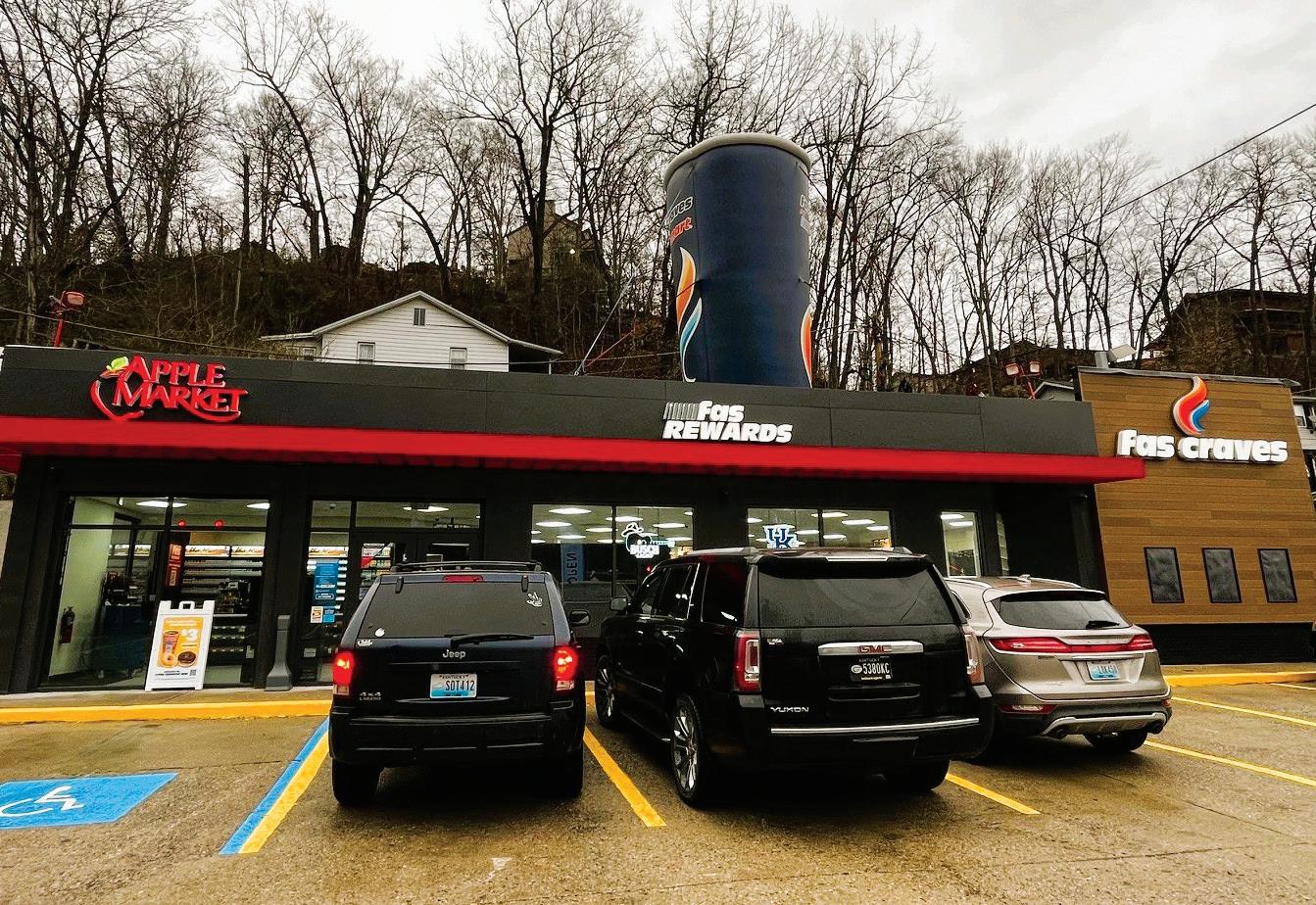
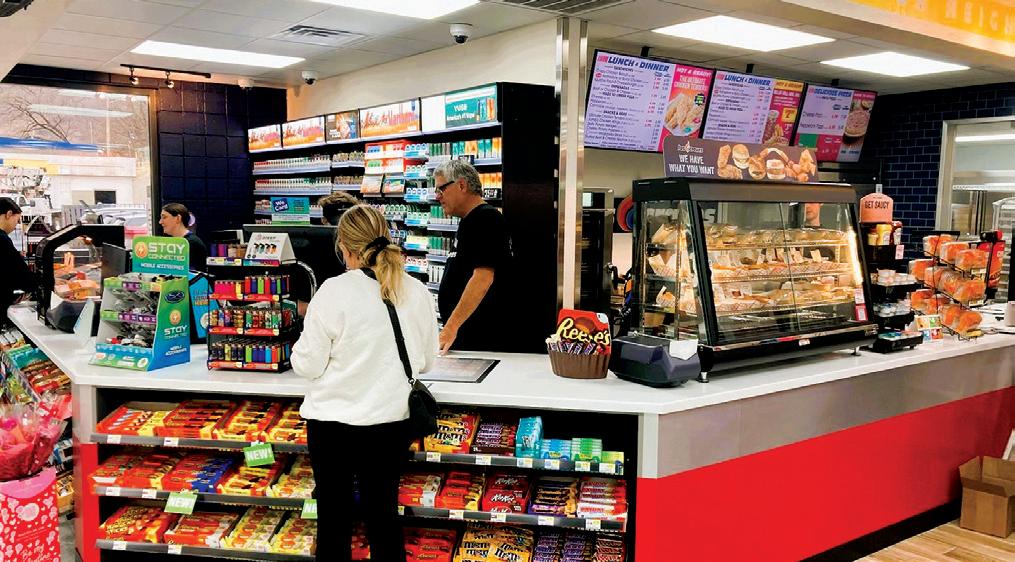
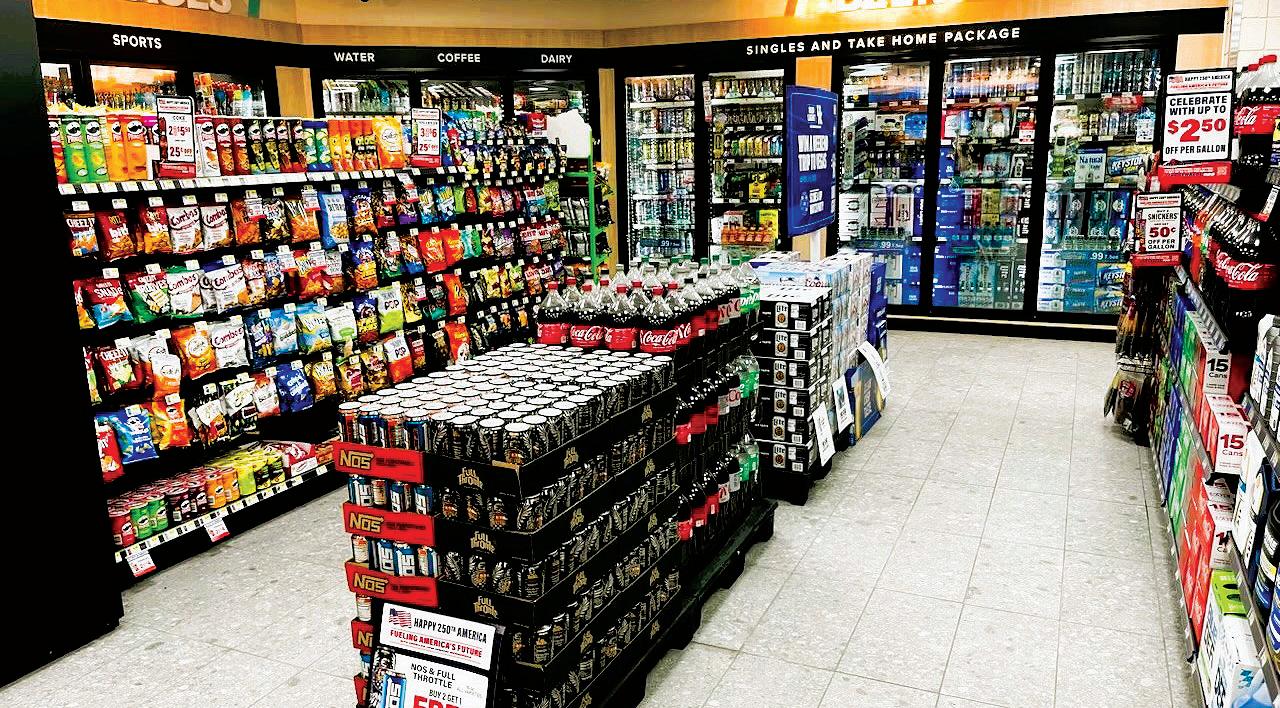
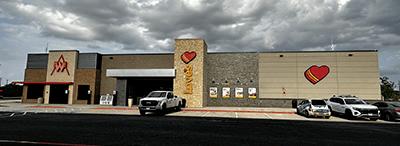
• ARKO Corp. unveiled its first newly remodeled Apple Market with the fas craves food concept in Hazard, Ky. The store now features refreshed branding, modern digital menuboards, upgraded food and beverage equipment, enhanced lighting, and an improved layout that supports speed, convenience and overall guest flow (see photos on page 82). ARKO plans to expand fas craves across its national network.
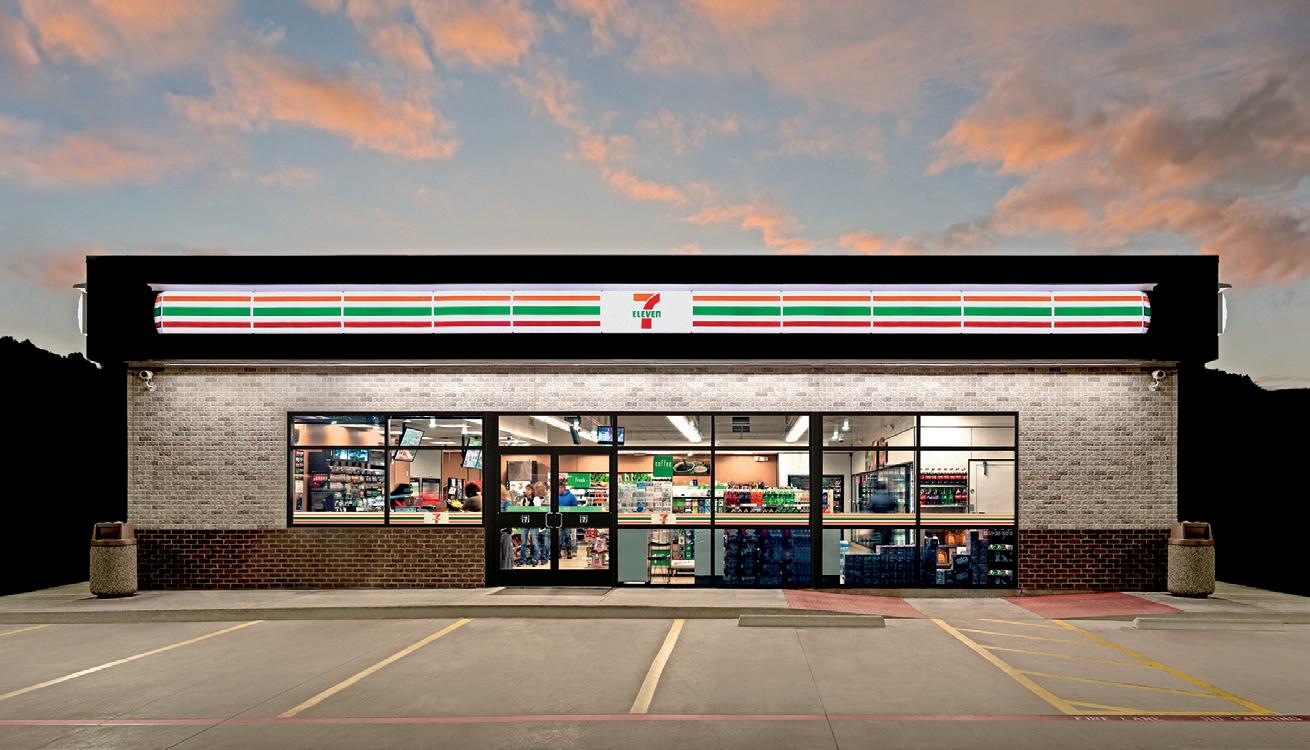
• Seven & i Holdings Co. Ltd, the parent company of 7-Eleven Inc., has set a goal of more than 7,000 remodels by 2030, based on the premise that elevating customer experience requires fundamentally improving existing stores first. Its new approach calls for clean and modernized locations, store simplification, program rollouts customized for each store’s customer base, and broadening menu appeal for its restaurant brands.
Is anyone else noticing a pattern here? Decisions guided by customer feedback. A focus on elevated foodservice. Prioritizing speed, ease and simplicity for shoppers. Leaning into technology to deliver a customer experience that’s effortless.
This is quickly becoming the new baseline of convenience retail, especially for the younger generations of shoppers. If your stores don’t meet this standard, customers will go to the store down the street that does. This season, it may be time for you to transform, too.
For comments, please contact Linda Lisanti, Editor-in-Chief, at llisanti@ensembleiq.com.
EDITORIAL EXCELLENCE AWARDS (2016-2026)

2021 Jesse H. Neal National Business Journalism Award
Finalist, Best Infographics, June 2021
2018 Jesse H. Neal National Business Journalism Award
Finalist, Best Editorial Use of Data, June 2017
2023 American Society of Business Press Editors, National Azbee Awards
Silver, Data Journalism, January/April/June 2022
2023 American Society of Business Press Editors, Upper Midwest Regional Azbee Awards Gold, Data Journalism, January/April/June 2022
Bronze, Diversity, Equity and Inclusion, March 2022

2016 American Society of Business Press Editors, National Azbee Awards Gold, Best How-To Article, March 2015
Bronze, Best Original Research, June 2015
2016 American Society of Business Press Editors, Midwest Regional Azbee Awards
Gold, Best How-To Article, March 2015
Silver, Best Original Research, June 2015
2020 Trade Association Business Publications

Intl. Tabbie Awards
Honorable Mention, Best Single Issue, September 2019
2016 Trade Association Business Publications
Intl. Tabbie Awards
Silver, Front Cover Illustration, June 2015

2025 Eddie Award Honorable Mention, Folio:
Business to Business, Retail, Full Issue, September 2024
Business to Business, Magazine Section
2024 Eddie Award, Folio:
Winner, Business to Business, Retail, Single Article, May 2024
Honorable Mention, Business to Business, Magazine Section 2023 Eddie Award Honorable Mention, Folio:
Business to Business, Retail, Full Issue, September 2022
Business to Business, Retail, Single Article, March 2023
2022 Eddie Award, Folio:
Winner, Business to Business, Retail, Single Article, March 2022
Winner, Business to Business, Food & Beverage, Series of Articles, October 2021
Honorable Mention, Business to Business, Retail, Single Article, September 2021
2020 Eddie Award, Folio:
Business to Business, Retail, Series of Articles, September 2019
2018 Eddie Award Honorable Mention, Folio:
Business to Business, Retail, Website
Business to Business, Retail, Full Issue, October 2017
Business to Business, Editorial Use of Data, June 2017
2017 Eddie Award, Folio: Winner, Business to Business, Retail, Single/Series of Articles, May 2017
Honorable Mention, Business to Business, Retail, Single/Series of Articles, June 2016
EDITORIAL ADVISORY BOARD
Laura Aufleger OnCue Express
Richard Cashion Curby’s Express Market
Billy Colemire Majors Management
Robert Falciani ExtraMile Convenience Stores
Jim Hachtel Core-Mark
Chris Hartman Rutter’s
Better-for-You No Longer a
Consumers’ health and wellness trends are changing c-stores’ product mix

THE CONVENIENCE STORE INDUSTRY has always excelled in adaptation. From fuel-first pit stops to foodservice destinations, retailers have consistently evolved to meet consumers’ changing needs.
What’s happening now is not just another shift, but a fundamental redefinition of value today. For decades, “convenience” was fueled — quite literally — by indulgence. Candy bars at the counter, salty snacks in every aisle, energy drinks in the cooler, and a steady stream of tobacco and alcohol purchases formed the backbone of the business. Even as better-for-you options began to appear, they were often positioned as complements, not as core strategies.
That balance is changing. As highlighted in a recent Convenience Store News article on better-for-you trends in the cold vault, growth in healthier beverages is no longer incremental, it’s directional. And it’s not confined to the cooler. It’s reshaping the entire store.
Chris Costagli, vice president of thought leadership at NielsenIQ, put it succinctly: “Convenience is shedding its vice-based past: as price fatigue bites, label literacy surges, EVs [electric vehicles] curb pump trips, and GLP-1 reshapes appetites; shoppers now define value as wellness, credibility and time well spent. The future belongs to retailers who turn quick stops into trusted health-and-habit hubs.”
Today’s convenience shopper is reading labels, questioning ingredients and making more intentional choices — even in a channel historically built on impulse. The rise of GLP-1 medications is influencing portion sizes and snacking behavior. EVs are reducing the need for fuel stops, which means fewer frequent store visits. And inflation has forced consumers to scrutinize not just price, but purpose. In this environment, “better-for-you” is no longer a niche, it’s a competitive advantage.
This doesn’t mean abandoning indulgence. There will always be a place for treats and comfort foods. They’re part of the DNA of convenience retail. But the retailers who win going forward will be those who strike the right balance and, more importantly, elevate healthier options from the sidelines to center stage.
That starts with assortment. Are your coolers and shelves reflecting today’s demand for low-sugar, high-protein, functional beverages and clean-label snacks? It continues with merchandising. Are better-for-you items easy to find, or are they buried behind legacy products? And it extends to foodservice. Are you giving customers fresh, nutritious choices that can exceed the offerings of quick-service restaurants?
Equally important is credibility. Today’s consumer can spot “health-washing” a mile away. Transparency, trusted brands and clear messaging matter more than ever.
Convenience is no longer just about speed, it’s about making smarter choices easier. Saving customers time is still critical, but helping them feel better about what they’re buying is becoming just as important.
The bottom line: the industry isn’t moving away from its roots, it’s expanding them. Indulgence and wellness are no longer opposing forces, they’re part of a broader value equation that today’s consumer is actively seeking.
In today’s market, the most powerful form of convenience might just be helping your customer make a better choice.
For comments, please contact Don Longo, Editorial Director Emeritus, at dlongo@ensembleiq.com.




1500+ skilled field service pr fessi nals ready t assist Supp rt is available 24/7/365

40+ ffices and distributi n centers l cated acr ss the US
26 Executing Foodservice With Precision
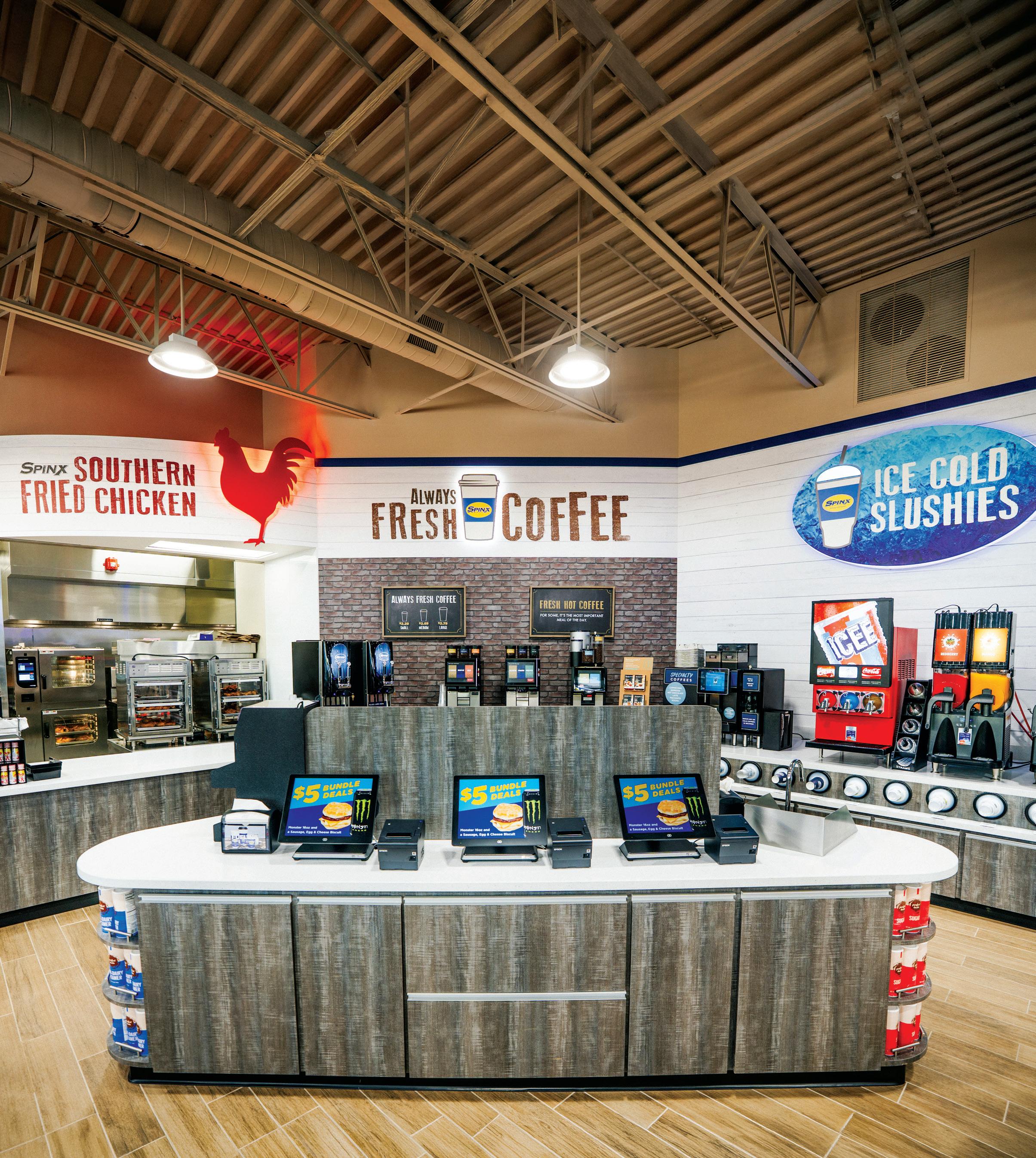
To succeed in today’s increasingly competitive space, convenience retailers must concentrate on operational excellence.
100
52 The Great Pivot
As M&A slows and store counts stabilize, convenience retailers are shifting their focus inward — upgrading stores, optimizing operations and redefining what growth really means.
62 Fueling Up on Fun
Retailers are injecting entertainment into the shopping experience to differentiate themselves.



























































































































































































































































FOODSERVICE
34 Robust Sales, Rising Costs
Convenience foodservice continues to perform well, but retailers report growing challenges.
TOBACCO
42 Cigarette Shifts
The category remains a c-store traffic driver, though smokers are making tradeoff decisions.
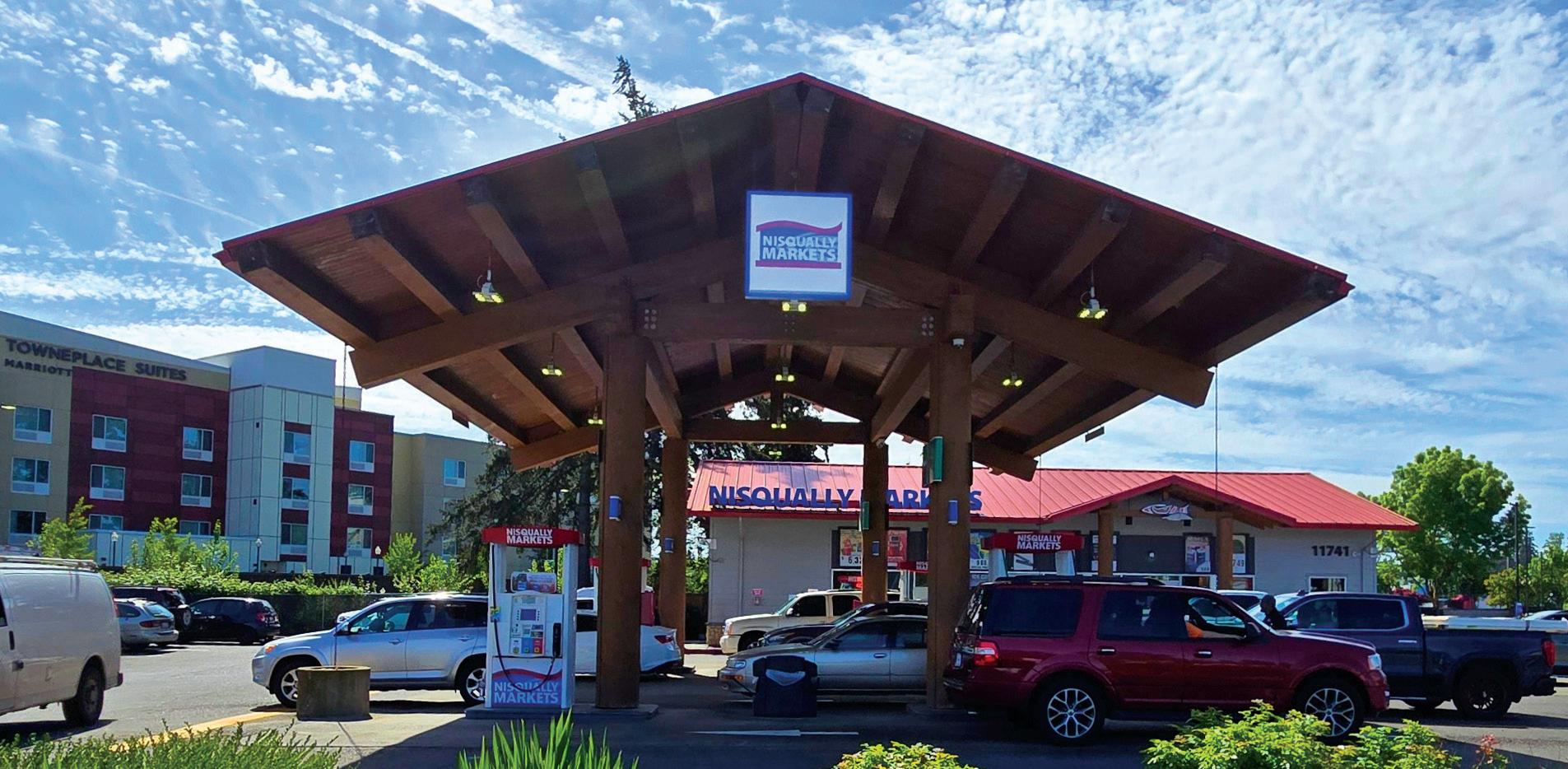
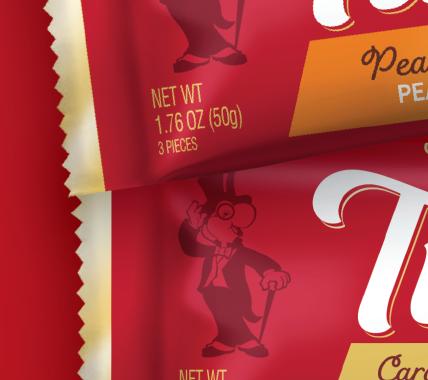
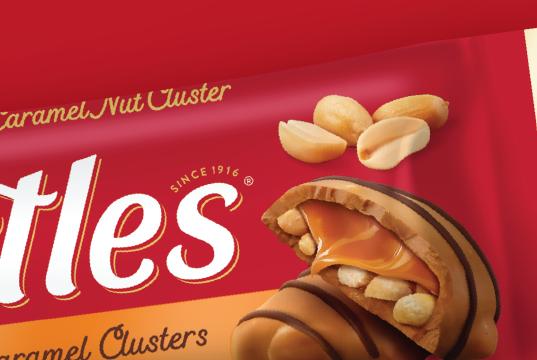
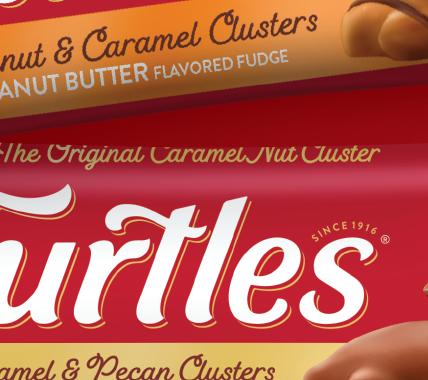
CANDY & SNACKS
48 Optimizing for Impulse Signage, strategic placement and trendy products are essential for increasing basket size.
8550 W. Bryn Mawr Ave., Ste. 225, Chicago, IL 60631 (773) 992-4450 Fax (773) 992-4455 WWW.CSNEWS.COM
BRAND MANAGEMENT
SENIOR VICE PRESIDENT/GROUP PUBLISHER, CONVENIENCE NORTH AMERICA Sandra Parente sparente@ensembleiq.com
EDITORIAL
EDITOR-IN-CHIEF Linda Lisanti llisanti@ensembleiq.com
EXECUTIVE EDITOR Melissa Kress mkress@ensembleiq.com
MANAGING EDITOR Danielle Romano dromano@ensembleiq.com
SENIOR EDITOR Angela Hanson ahanson@ensembleiq.com
EDITORIAL DIRECTOR EMERITUS Don Longo dlongo@ensembleiq.com
CONTRIBUTING EDITORS Renée M. Covino, Tammy Mastroberte
ADVERTISING SALES & BUSINESS
ASSOCIATE BRAND DIRECTOR Rachel McGaffigan - (774) 212-6455 rmcgaffigan@ensembleiq.com
ASSOCIATE BRAND DIRECTOR Ron Lowy - (330) 840-9557 - rlowy@ensembleiq.com
ACCOUNT EXECUTIVE & CLASSIFIED ADVERTISING Terry Kanganis - (917) 634-7471 - tkanganis@ensembleiq.com
DESIGN/PRODUCTION/MARKETING
ART DIRECTOR Cristian Bejarano Rojas crojas@ensembleiq.com
PRODUCTION DIRECTOR Pat Wisser pwisser@ensembleiq.com
MARKETING MANAGER Jakob Wodnicki jwodnicki@ensembleiq.com
SUBSCRIPTION SERVICES
LIST RENTAL mbriganti@anteriad.com
SUBSCRIPTION QUESTIONS contact@csnews.com
CHIEF EXECUTIVE OFFICER
CHIEF FINANCIAL OFFICER
CHIEF PEOPLE OFFICER
CHIEF OPERATING OFFICER




The retailer plans to build 100 locations in 10 years through a nearly $1 billion investment. Sheetz’s expansion into this new market is expected to create more than 3,000 long-term jobs and will further accelerate its regional growth across key Midwestern markets.
The Tulsa, Okla.-based chain claimed the No. 41 spot on Fast Company’s annual ranking of the World’s 50 Most Innovative Companies. The list honors companies that are reshaping industry and culture while making the biggest impact.
A recent Vontier survey found that casual drivers still shop transactionally, but the 24% who stop multiple times per week are loyal for reasons largely unrelated to discounts. These Super-Users value a store that’s familiar, safe and part of their daily rhythm.
On April 22, the Fort Worth, Texas-based convenience store operator began trading on the Nasdaq Global Select Market under the ticker symbol YSWY. The move raised approximately $280 million to support its next phase of growth.
5
The Southwest Georgia Oil Co. subsidiary acquired the convenience retail portfolio of Big Boss Stores, a 10-site network across the Florida Panhandle. The deal also included commercial and wholesale fuel operations, warehouse assets and additional real estate.
When Tri Star Energy made the executive decision to enter the private label arena, it wasn’t looking to deliver “more of the same.” The idea had been discussed casually for some time, Vice President of Marketing Dawn Boulanger told Convenience Store News, but once the retailer committed, the Daily Favorites lineup came together in less than a year. Unlike national brands that control their own recipes and packaging, private label gives retailers ownership over both product and presentation. For Tri Star Energy, that meant building a line that aligns with its focus on quality, speed and a strong in-store food experience.

Small Operator Academy is a free education program designed to help the industry’s single-store owners and small chains stay competitive. In this webinar, GrayCat Enterprises founder and CEO John Matthews discusses how operational excellence involves more than just improving internal processes, reducing waste and cutting costs; it’s about optimizing the entire customer experience to distinguish your store from competitors.

For more exclusive content, visit the Small Operator Academy section of CSNews.com.
New from VideoMining, BehaviorSync is an analytics platform that synchronizes observed in-store behavior, scanned purchase data and reported consumer context into a single, comprehensive insights framework. The platform fuses three core signal types through patented AI and computer vision technology grounded in behavioral science: observed shopper behavior signals, scanned purchase signals, and reported consumer context signals.

By Angela Hanson
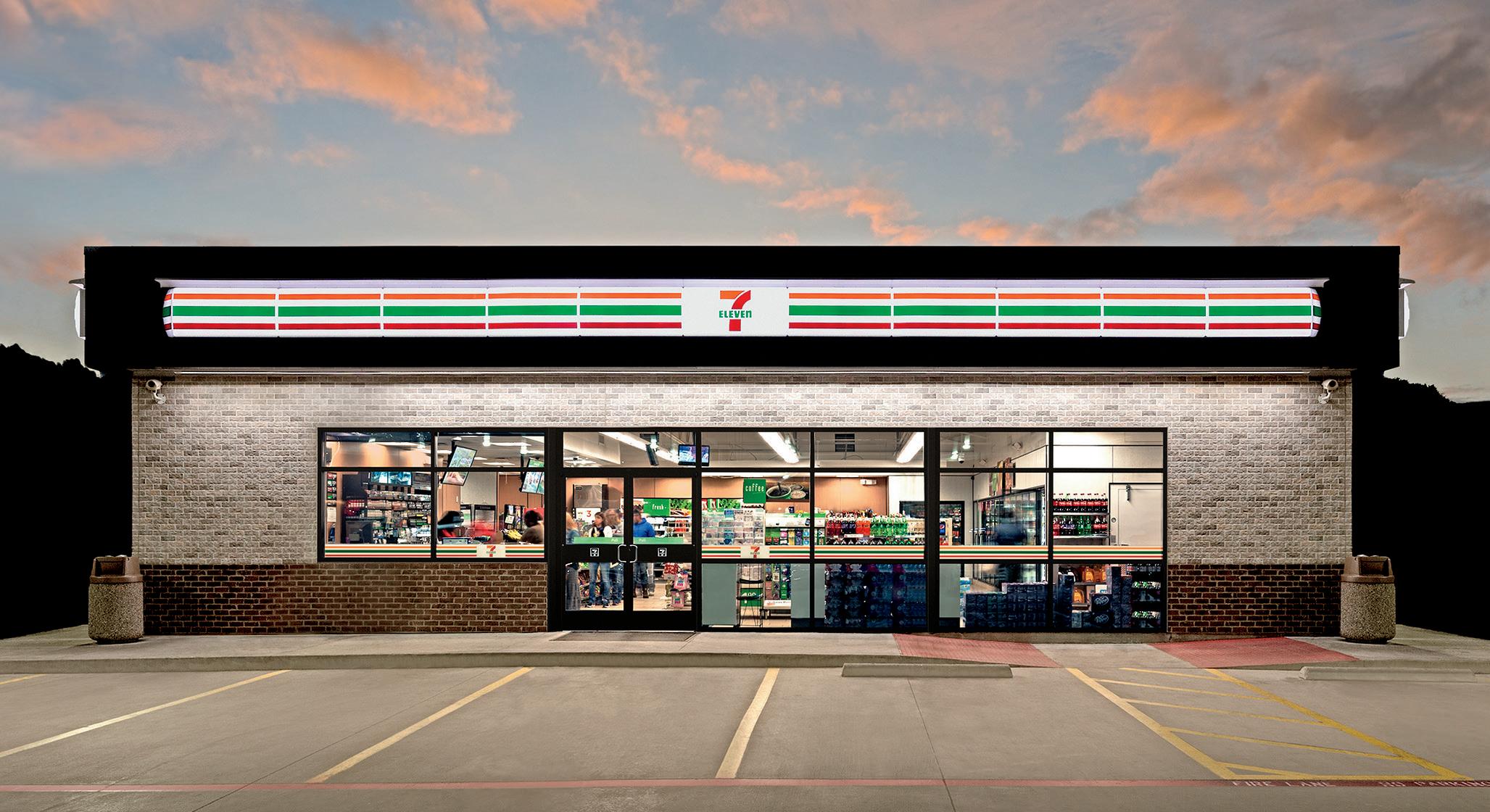
SEVEN & I HOLDINGS CO. LTD. is pushing back its planned initial public offering (IPO) of Irving, Texas-based 7-Eleven Inc. to give itself time to turn the business around amid uncertain market conditions. The IPO was previously slated for the last three months of 2026.
The Tokyo-based operator’s new goal is to strengthen 7-Eleven’s performance and maximize valuation, and then launch the IPO before the end of its current fiscal year, which will culminate in February 2027.
Part of Seven & i’s plans for the remainder of this fiscal year include the closure of 645 convenience stores in North America that it deems to be underperforming, the company shared in its recent earnings filings.
While it also plans to open 200 new North American c-stores that will have a focus on larger, food-focused designs, 2026 will be the fifth year in a row that the company has closed more stores than it opened during the same period.
“We are operating in an industry that is undergoing profound structural change,”
said Seven & i CEO Stephen Hayes Dacus. He outlined three shifts the company views as defining the future of convenience: customers are becoming more value-conscious; expectations for food quality and freshness continue to rise; and convenience itself is being redefined as customers shift across channels and engage more through digital platforms and delivery.
“These are not short-term trends. They are reshaping the industry,” Dacus stated.
Against the backdrop of a shifting industry, combined with rising fuel prices, Seven & i plans to leverage its merchandising advantage by staying close to customers and focusing on what matters to them, developing differentiated products that stay ahead of their needs, and delivering superior quality at a compelling value.
Despite the challenging market environment and decision to close certain stores, the company said it will prioritize organic growth in North America, with plans to elevate all aspects of the customer experience, including safety, cleanliness, product quality and excitement.
7-Eleven Inc. currently operates, franchises and/or licenses more than 13,000 stores in the United States and Canada. In addition to 7-Eleven stores, the company operates and franchises Speedway, Stripes, Laredo Taco Co., and Raise the Roost Chicken and Biscuits locations.



















































































































CEO Thomas Trkla says the timing reflects both internal performance and market conditions
By Danielle Romano
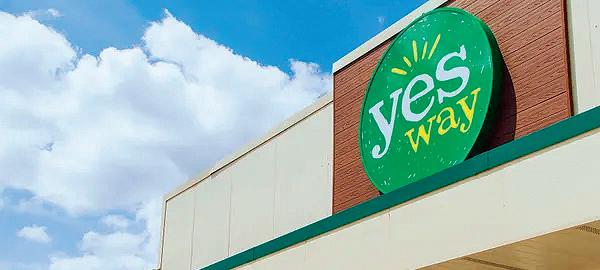
YESWAY BEGAN TRADING on the Nasdaq Global Select Market on April 22, officially entering the public markets and raising approximately $280 million to support its next phase of growth.
The Fort Worth, Texas-based convenience store operator is trading under the ticker symbol YSWY, after pricing 14 million shares of its Class A common stock at $20 per share, at the lower end of its marketed range. The offering values the company at approximately $1.21 billion and includes a 30-day option for underwriters to purchase up to an additional 2.1 million shares.
The timing of the IPO reflects both internal performance and broader market conditions, according to Chairman, President and CEO Thomas Trkla. The company had previously explored an IPO as early as 2021, but paused those plans in 2022 amid economic uncertainty.
“Record-setting earnings for 2025 and for the first quarter of 2026, combined with strong same-store merchandising sales, really set the stage,” Trkla told Convenience Store News in an exclusive interview. “Only a few competing chains have that kind of balance sheet strength in today’s convenience environment, especially amid inflationary pressures.
“We are one of, if not the, fastest-growing chains and this accelerates that growth. Access to the public markets is really what it’s all about,” he continued, noting that this move will expand Yesway’s access to capital and acquisition opportunities. “The investor market is putting a premium on businesses like ours.”
Trkla pointed to the company’s evolution over the past decade as central to its current position. Founded in 2015, Yesway has grown to 449 stores across nine states in the Midwest and Southwest, operating under the Yesway and Allsup’s banners. Its expansion has largely been driven by acquisitions — more than 400 stores across 27 transactions — along with an increasing shift toward new store development.
“We’ve kind of cut our teeth doing acquisitions,” Trkla said. “In the first five years, we were primarily a buyer, culminating with the Allsup’s acquisition in 2019, right before the pandemic.”
Of the multiple brands it’s acquired, Yesway has retained only two retail banners, including Allsup’s, which remains a cornerstone of its Southwest footprint. Allsup’s is one of the top retail brands in New Mexico, Trkla explained.
Today, Yesway is leaning more heavily into organic growth, with plans to open approximately 130 new stores over the next five years, including six to eight in 2026. All this growth is forecasted to come from building stores, “but we’re open to M&A if it makes sense,” Trkla told CSNews

By Danielle Romano
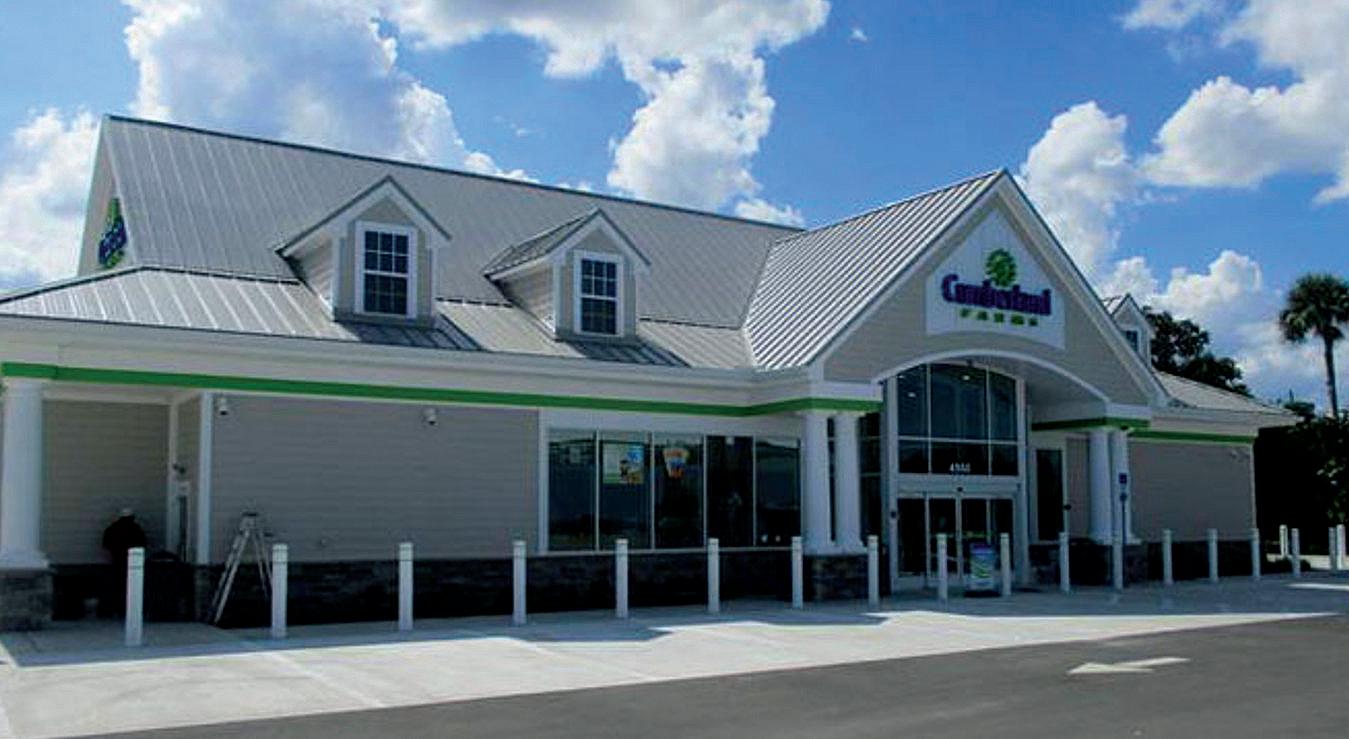
IN A MOVE that underscores its ambition to become a more U.S. focused company, global convenience retailer EG Group has quietly rebranded and adopted the name of Cumberland Farms, the chain it acquired in 2019.
The shift became apparent following a March 12 announcement stating that Cumberland Farms — not EG Group — had agreed to acquire Canonsburg, Pa.based Coen Markets. The announcement referred to “The Group” as Cumberland Farms and noted that the company operates in eight countries, with the United States as its largest market by revenue.
While the retailer did not make a formal announcement about the rebrand, the move reinforces its growing focus on the U.S., its largest market by both store count and revenue. Previously based in Blackburn, U.K., the company relocated its global headquarters to Charlotte, N.C., and recently appointed its first American CEO, Russell Colaco.
The rebrand to Cumberland Farms also aligns with broader financial positioning. Earlier this year, banking sources indicated the company was preparing for a potential $9 billion U.S. stock market listing, months after speculation emerged over whether it would pursue an
Charlotte, N.C.
initial public offering of the full company or a sale of its U.S. business.
In the U.S., the new Cumberland Farms organization operates more than 1,500 convenience and gas stores in 31 states. Its store banners include Fastrac, Kwik Shop, Quik Stop, Sprint Food Stores, Tom Thumb and Turkey Hill.
The company declined to comment when asked by Convenience Store News whether it plans to change its other store banners to the Cumberland Farms brand.
Alimentation Couche-Tard Inc. completed the construction of 37 convenience stores in the third quarter of its 2026 fiscal year. This brings the retailer’s total count of newly constructed stores to 80 since the beginning of the fiscal year.
Following the addition of multiple new sites in Detroit, bp announced that its Amoco brand now surpasses 1,000 locations across 26 states and Washington, D.C. Since the beginning of 2025, the Amoco brand has added more than 160 sites.
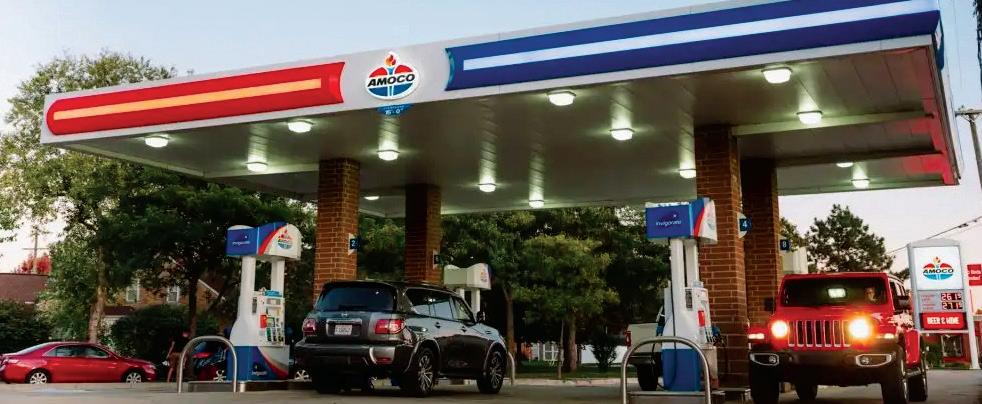
QuikTrip Corp. (QT) debuted a nextgeneration convenience store concept in Broken Arrow, Okla. The Gen 4 store measures roughly 6,300 square feet and features a kitchen that is approximately twice the size of a standard QT kitchen.
Buc-ee’s broke ground on its newest location in Forsyth, Ga. The upcoming store will occupy 74,000 square feet and feature 100 fueling positions. It will be the fourth Buc-ee’s location in the state.
Alltown Fresh, the flagship retail brand of Global Partners, opened its newest kitchen and marketplace in Framingham, Mass. The store marks the 17th Alltown Fresh location overall and seventh in Massachusetts.
Love’s Travel Stops is now serving customers at new locations in Laurel, Mont., Albuquerque, N.M., Quinton, Ala., and San Antonio. Combined, the four travel stops add 409 truck parking spaces to the company’s national footprint.
•



For the first time since becoming a publicly traded company in 1983, Casey’s General Stores Inc. has been added to the S&P 500. The index tracks the performance of many of the largest and most consequential publicly traded companies in the U.S.
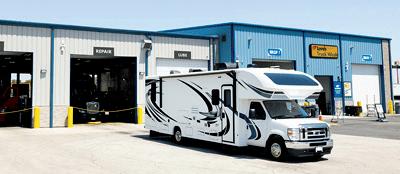
Love’s Travel Stops announced partnerships with Lionshead Tire & Wheel and Interstate Batteries to up its offerings for RV drivers. The tires and batteries are available at 76 Love’s Truck Care and Love’s RV Stops across 27 states, with onsite installation.
Loop Neighborhood Markets teamed up with Tote to deploy Genie, a store associate AI agent, across its network. Genie helps store employees handle inquiries on customer service, point-of-sale operations and maintenance.
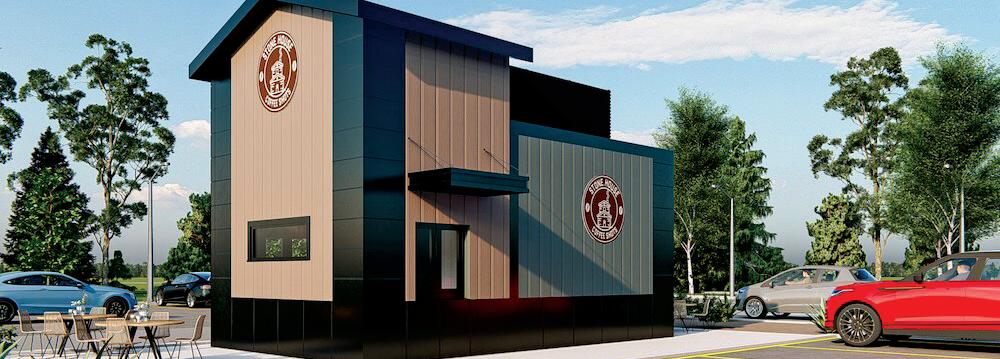
Town Pump is adding standalone coffee kiosks to its network through a pact with Russo Modular. Stonehouse Coffee Shots units will deploy first at high-traffic Montana locations.
Lassus Bros. Oil Inc. put five convenience stores on the market. The sites, which are all in Ohio, are being sold without branding. Bids are due May 7.
Kwik Trip Inc. introduced a new mascot, a six-foot-tall rooster named Red. The mascot’s goal is to brighten the day of community members who visit the retailer’s Kwik Trip and Kwik Star stores.
Gier Oil Co. selected PriceAdvantage as its fuel pricing software platform. The move allows the company to centralize and automate retail fuel pricing across its network of more than 50 Eagle Stop locations in Missouri.
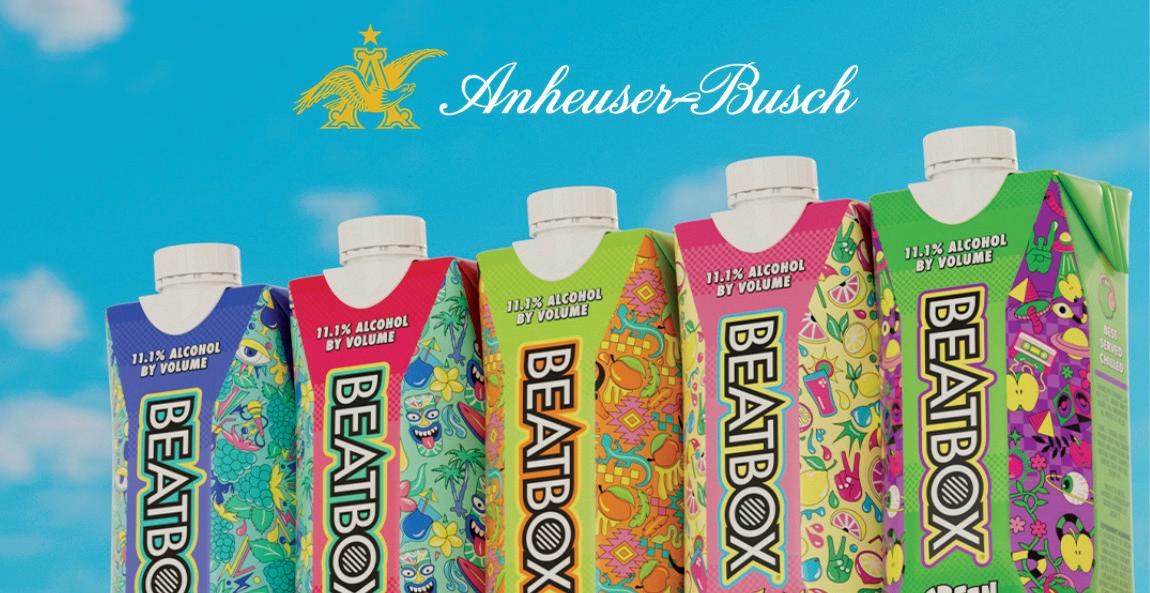
Anheuser-Busch (AB) completed the acquisition of a majority stake in BeatBox. AB acquired 85% of BeatBox for a purchase price of up to approximately $490 million, with a path to 100% ownership after five years based on a predetermined pricing formula.
Altria Group Inc. has begun the national retail expansion of on! PLUS. The next-generation oral nicotine pouch is manufactured by Helix Innovations LLC, an Altria operating company.
PAR Technology purchased identity resolution and shopper intelligence platform Bridg, a division of Cardlytics Inc. Bridg converts in-store transactions into enriched customer profiles, integrating them into a brand’s first-party data set.
Rich Products Corp. acquired Great Kitchens Food Co. from Brynwood Partners VIII LP. Great Kitchens is North America’s largest manufacturer of private label take-and-bake pizzas and home to the Uno Foods brand.
Philip Morris International’s (PMI) U.S. businesses are investing approximately $50 million in a new Business Solutions Center in Tampa, Fla. The facility will create approximately 180 direct and indirect high-skilled jobs, while consolidating key functions.
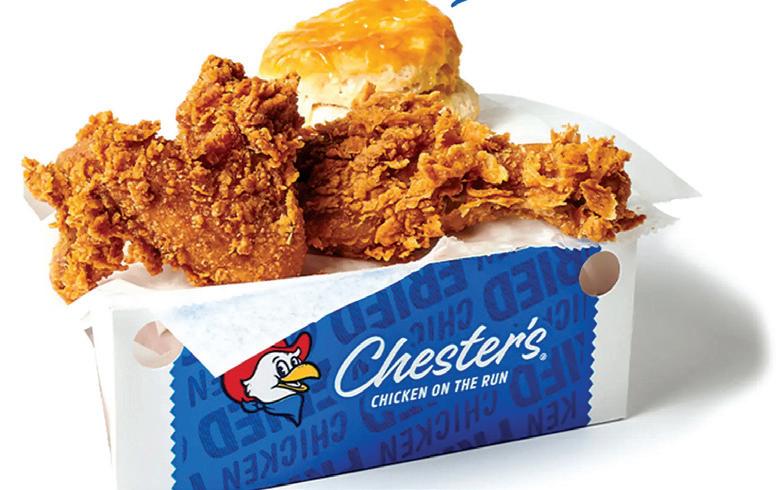
Chester’s Chicken earned a spot on Entrepreneur’s Franchise 500 ranking for the 18th year in a row. The quick-service fried chicken brand is ranked at No. 290.





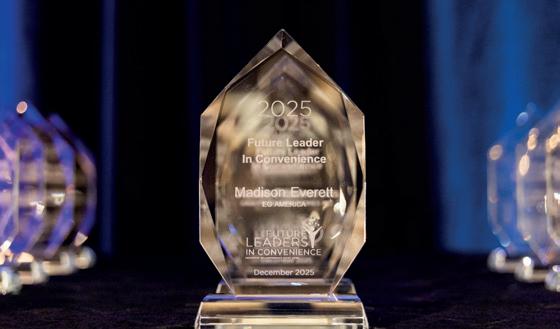
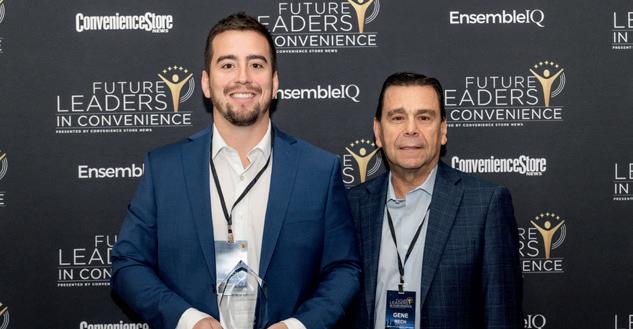
Celebrate and help develop the next generation of convenience store industry leaders.
Nominations Close: June 19
Learn more and nominate today at csnews.com
Nominations may include accomplishments/achievements attained from May 1, 2025 through April 30, 2026. Nominees must work for a convenience store retailer, distributor or supplier company and be a rising star in their organization.


Van Holten’s Unapologetically Pickled
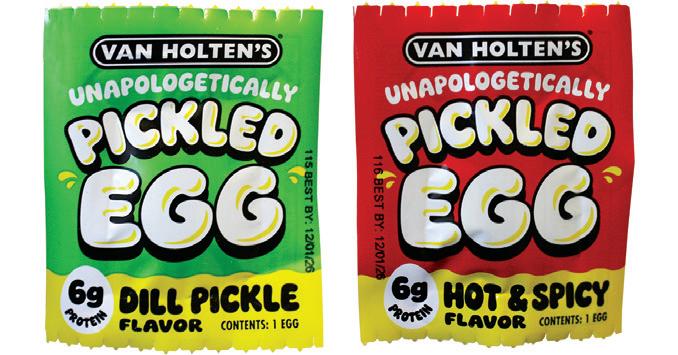
Van Holten’s introduces a new protein option to its snack lineup: Unapologetically Pickled Eggs. Designed for busy days and snack cravings alike, the new offering delivers six grams of protein per egg and is made with all-natural ingredients. Packaged in single-serve, shelf-stable pouches, Unapologetically Pickled Eggs come in two flavor-packed varieties: Dill Pickle, described as the classic, tangy pickle flavor that hits the spot, and Hot & Spicy, which provides a kick for heat-seekers. According to the company, protein continues to be one of the most sought-after benefits in today’s snack aisle, and Unapologetically Pickled Eggs meet the moment.
VAN HOLTEN’S • WATERLOO, WIS. • VANHOLTENPICKLES.COM
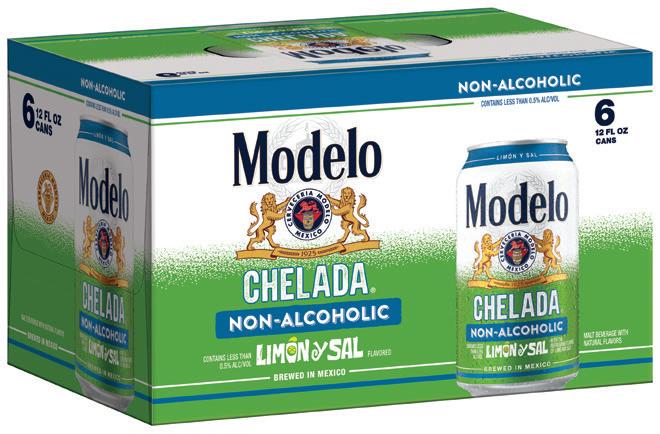
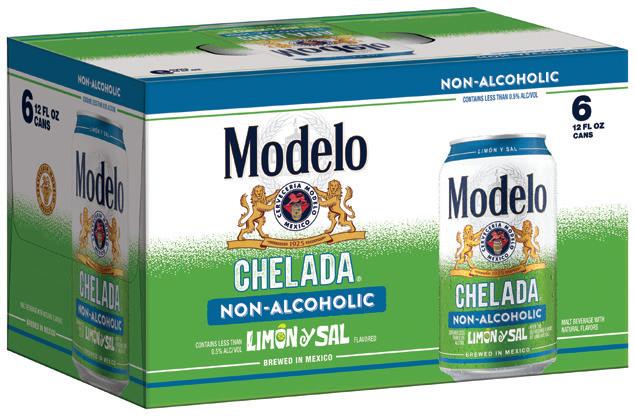
Modelo taps into two powerful consumer trends — moderation and flavor — for the launch of its first non-alcoholic offering. Modelo Chelada Limón y Sal Non-Alcoholic offers the same flavor profile as its original counterpart, featuring the refreshingly simple flavors of lime and salt paired with the taste of the brand’s authentic Mexican beer. Modelo Chelada Limón y Sal Non-Alcoholic comes in a six-pack of 12-ounce cans, line-priced with Corona Non-Alcoholic. Each can is just 60 calories. The new beverage is designed to build on the brand’s flavor dominance in a new format.
CROWN IMPORTS LLC • CHICAGO • MODELOUSA.COM
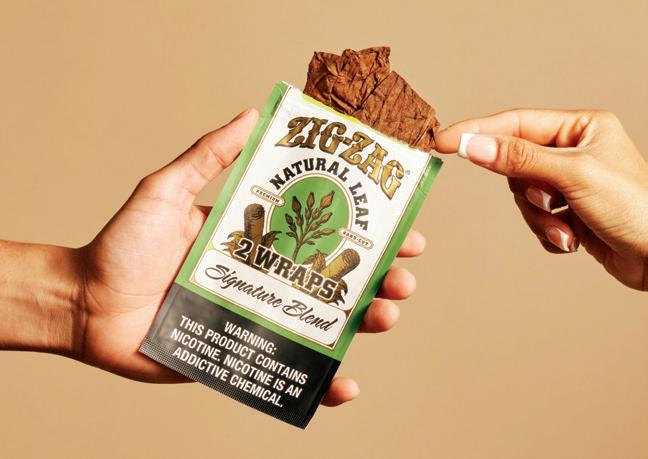
Crafted from whole leaves — never processed pulped tobacco or paper — Zig-Zag Natural Leaf Flat Wraps are hand selected, hand cut and naturally air-cured for a smooth, even burn. Produced in the Dominican Republic, each wrap features its own unique color variation, a testament to its allnatural origin, with no rips or tears. Available in two-packs, Zig-Zag Natural Leaf Flat Wraps come in a variety of new flavored and unflavored options, including Straight Natural, Strawberry Rush, Southern Peach, Sweet Cognac, White Russian, and Signature Blend. According to the brand, natural leaf represents the fastest-growing segment in the cigar wraps category. ZIG-ZAG • LOS ANGELES • ZIGZAGWRAPS.COM
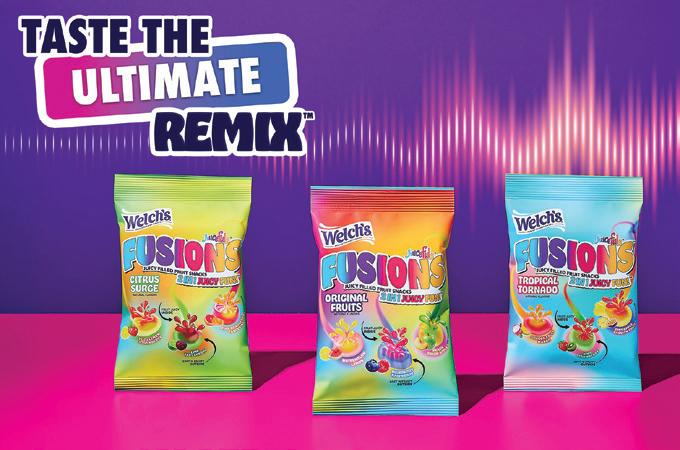
Welch’s Fruit Snacks brings to market two new varieties of Welch’s Fusions: Citrus Surge and Tropical Tornado. Delivering three unique mashups in each pack, the Welch’s Fusions product line remixes two flavors in every soft and delicious bite: one on the chewy outside and one in the juicy center. Citrus Surge features Pink Grapefruit & Tangerine, Lime & Tart Cherry, and Yuzu Lemon & Strawberry. Tropical Tornado features Dragon Fruit & Mango, Kiwi & Strawberry, and Pineapple & Passionfruit. To connect with fans through sound and flavor, the brand is stepping into live music culture with a multiyear collaboration with C3 Presents.
PIM BRANDS INC. • PARK RIDGE, N.J. • WELCHSFRUITSNACKS.COM
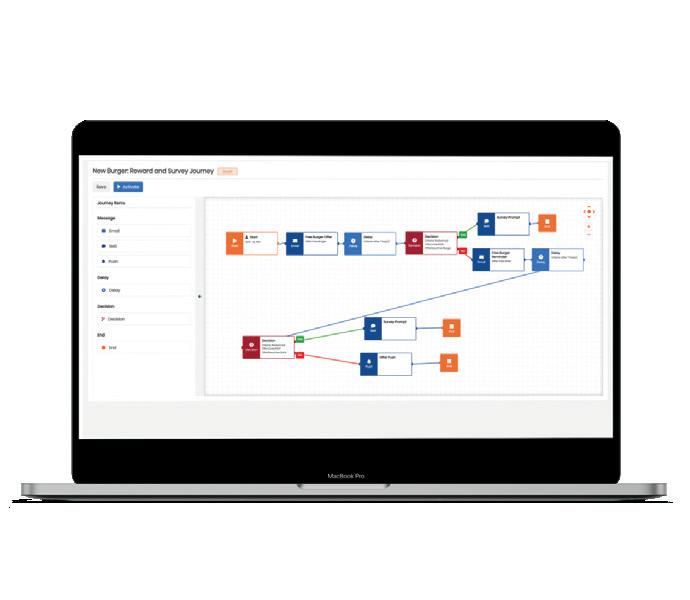
New from Paytronix, an Access company, Journey Builder is an AI-powered campaign automation tool that enables marketers to create sophisticated, multitouchpoint guest journeys in minutes. Convenience store marketers can now automate omnichannel marketing campaigns based on real-time guest behavior — without needing a full development team or complex integrations. Journey Builder allows brands to launch campaigns quickly, maximize return on investment with intelligent personalization, and optimize campaigns with strategic follow-ups. Marketers access Journey Builder via the Paytronix Campaign Center dashboard, which tracks customer journeys and campaign impact in real-time. This tool marks the beginning of Paytronix’s enhanced Guest Engagement Suite rollout. PAYTRONIX • NEWTON, MASS. • PAYTRONIX.COM



Nisqually Markets builds customer loyalty with creative menus and cultural pride
By Kathleen Furore
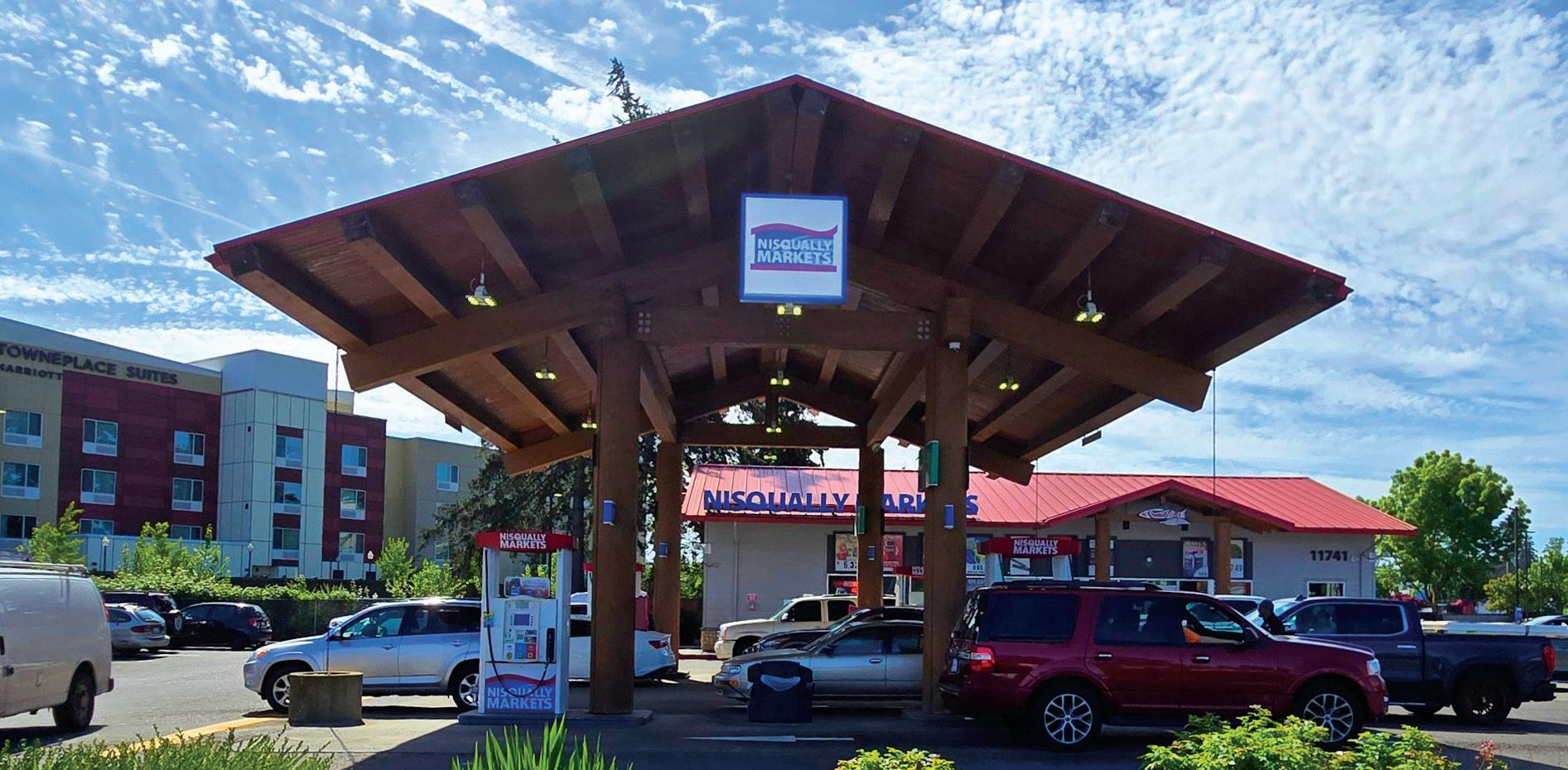
IN 1990, NISQUALLY REZ MART opened its doors on the Nisqually Reservation. The new, Native-owned convenience store and gas station, located on the Nisqually River in Olympia, Wash., quickly became the primary commercial anchor on the reservation, which was then home to more than 500 members of the Nisqually Indian Tribe.
Residents embraced the store’s arrival and the products it offered, which included commonly stocked c-store items and a hot food menu largely focused on fried, handheld foods.
The response fueled plans for future development. “As the store’s success grew, the Nisqually Tribe recognized the opportunity to expand into a broader chain of tribally owned convenience stores and fuel locations,” said Nisqually Markets Retail General Manager Ed Rosen.
That vision came to life in 2013 with the debut of Nisqually Markets Lakewood, the first Nisqually Market branded location, followed by the 2015 opening of Nisqually Markets Yelm, a larger, more modern location that became the official flagship store.
“This expansion allowed Rez Mart to evolve into the Nisqually Markets brand and laid the foundation for the chain we continue to grow today,” Rosen said.
While the Rez Mart was eventually shuttered, the company’s portfolio now includes five tribal-owned, full-service
convenience stores in Washington’s South Puget Sound that operate as a business arm of the Nisqually Indian Tribe. All offer extensive prepared food menus that have helped Nisqually Markets build loyalty with customers throughout the region.
As the company’s network grew, so did the scope of its foodservice menus. With each new store came a broader vision — one that didn’t focus solely on fried, handheld fare.
“When the store evolved into Nisqually Markets Yelm, we began expanding the menu and exploring partnerships with brands such as Skippers and Cooper’s Chicken to broaden our offerings,” recalled Jennifer Thompson, Nisqually Markets food and beverage manager. “As additional stores opened, including Nisqually Markets Frederickson, we further expanded our foodservice program by introducing items like pizza and burgers across locations.”
However, while popular and productive, those partnerships constrained the retailer’s ability to create the kind of menu it had envisioned from the start. The chain decided to transition away from those partnerships and began building its own proprietary program.
Today, the Nisqually Fresh program serves up wraps, sandwiches, salads and much more.
While the retailer strives to maintain consistency in its foodservice offerings, some variation exists depending on store size and operational capacity. Smaller stores like its Nisqually Markets Valley Grocery and Nisqually Markets Lakewood, for example, may carry a more streamlined selection than sites with larger footprints, Thompson noted.
Limited-time offers (LTOs), though, are one area where

“We’re a reflection of the vibrant and evolving community around us.”
— Jennifer Thompson, Nisqually Markets
the company ensures consistency across its c-store portfolio — and they play a major role in menu innovation, Rosen explained.
“They’re designed so they can be executed at every location in the chain,” he said, pointing to Thompson’s “strong passion for developing creative food ideas” as instrumental to Nisqually Markets’ continued success in the foodservice arena.
“She regularly gathers input from both team members and customers to understand what people are excited to see on the menu. This collaborative brainstorming helps us stay ahead of trends while continuing to introduce exciting new offerings,” he said. “LTOs allow us to rotate new ideas through the menu without permanently committing to every concept. This keeps the deli experience dynamic and gives customers something special to look forward to.”
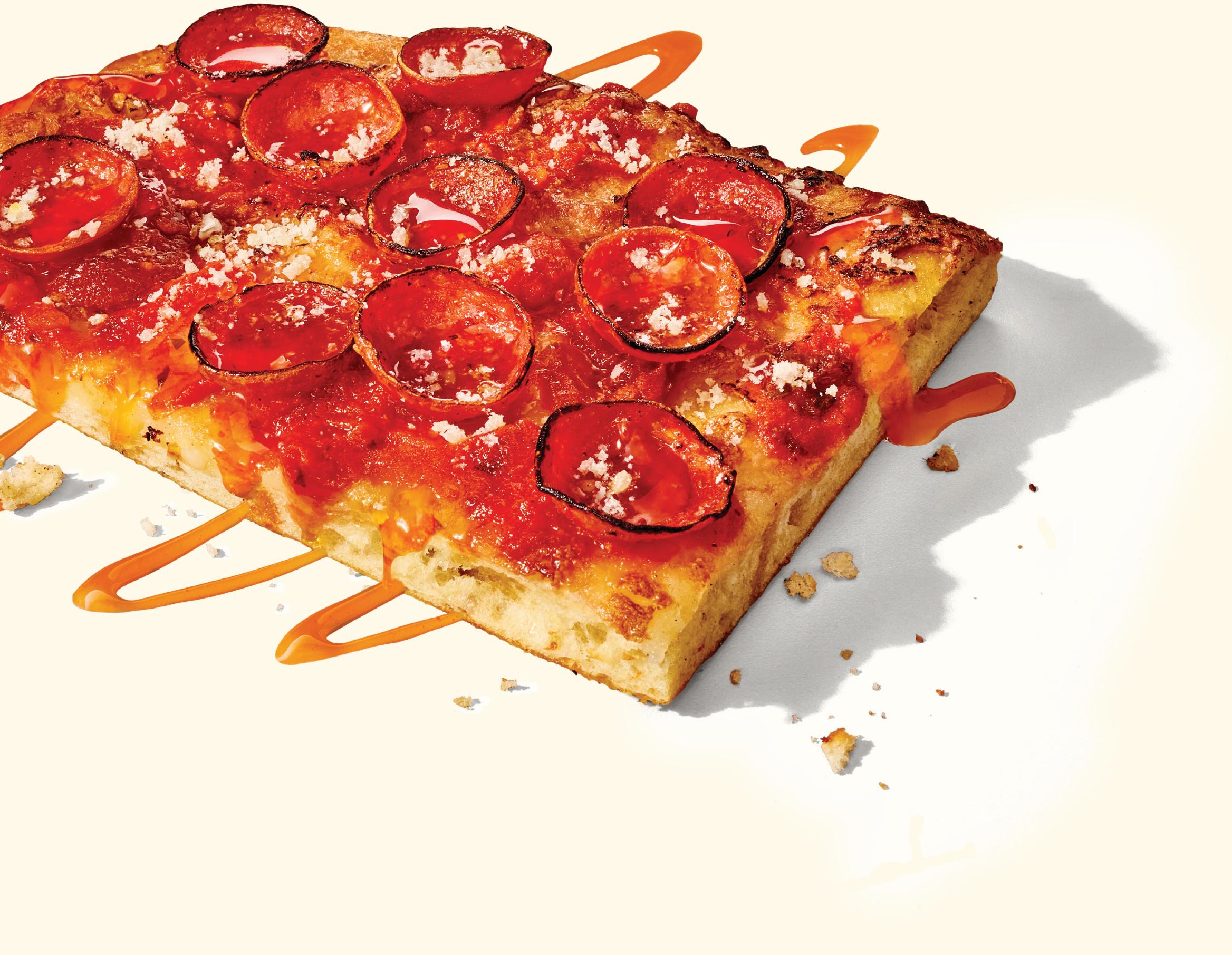
Recent LTOs include the Chicken & Waffle Sandwich, Spicy Lava Chicken Sandwich, Chicken Bacon Ranch Sandwich, Hashbrown Stack, and Loaded Popcorn Chicken Bowl.
Another key benefit of LTOs is that they serve as a testing ground for future menu items.
“When certain LTOs become standout sellers, they provide real-world feedback about what customers want. In several
cases, items that began as limited-time promotions gained such strong followings that they earned permanent spots on the menu,” Thompson said. “This customer-driven approach ensures our core offerings continue to evolve based on proven demand.”
Global Flavors Meet Local Demand Nisqually Markets’ foodservice program does more than appeal to a wide audience, it also celebrates cultural variety through globally inspired, thoughtfully prepared items that meet the evolving tastes of customers throughout the region.
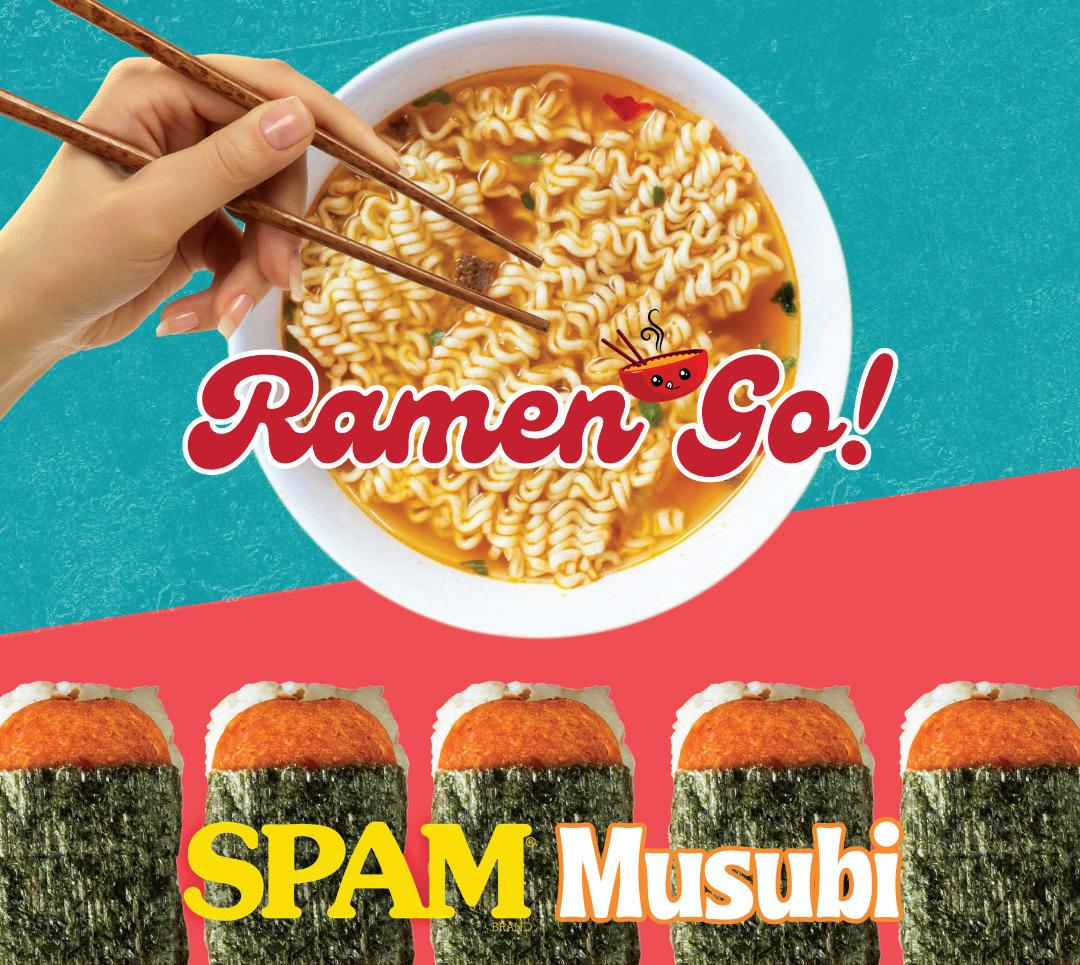
Ramen Go! and Spam Musubi are two offerings that show what this looks like in practice.
Ramen Go!, a first-of-its-kind instant ramen station, launched at the Yelm Highway location in May 2025. Customers buy Buldak or Shin Ramen noodles; receive a bowl, lid, chopsticks and toppings from the cashier; and then head to the preparation station where a ramen machine turns out a hot meal in minutes. The program has been so successful that it has since expanded to Nisqually Markets’ Lakewood and Frederickson locations.
Spam Musubi soon followed in June 2025, bringing what the company calls “a beloved snack with roots in Polynesian cuisine” to all five Nisqually Market locations. This handheld, grab-and-go item — grilled Spam and seasoned rice wrapped in seaweed — embodies the rich diversity of the Pacific Northwest and continues to raise the bar on what customers can expect from a convenience store.
“We’re a reflection of the vibrant and evolving community around us,” Thompson said. “Offering diverse and delicious options is one way we continue to grow alongside our customers.”
Ultimately, the objective for this growing chain is to be more than a local c-store. The goal is to make each store a destination for loyal shoppers, and foodservice is key to achieving that.
“By focusing on fresh food, creative limited-time offerings and listening closely to our customers, we’re able to bring new energy to convenience retail while staying true to the community we serve,” Rosen concluded. “As a tribally owned business, Nisqually Markets helps support essential programs and services that benefit the tribe and surrounding communities, creating lasting positive impacts for generations to come.” CSN
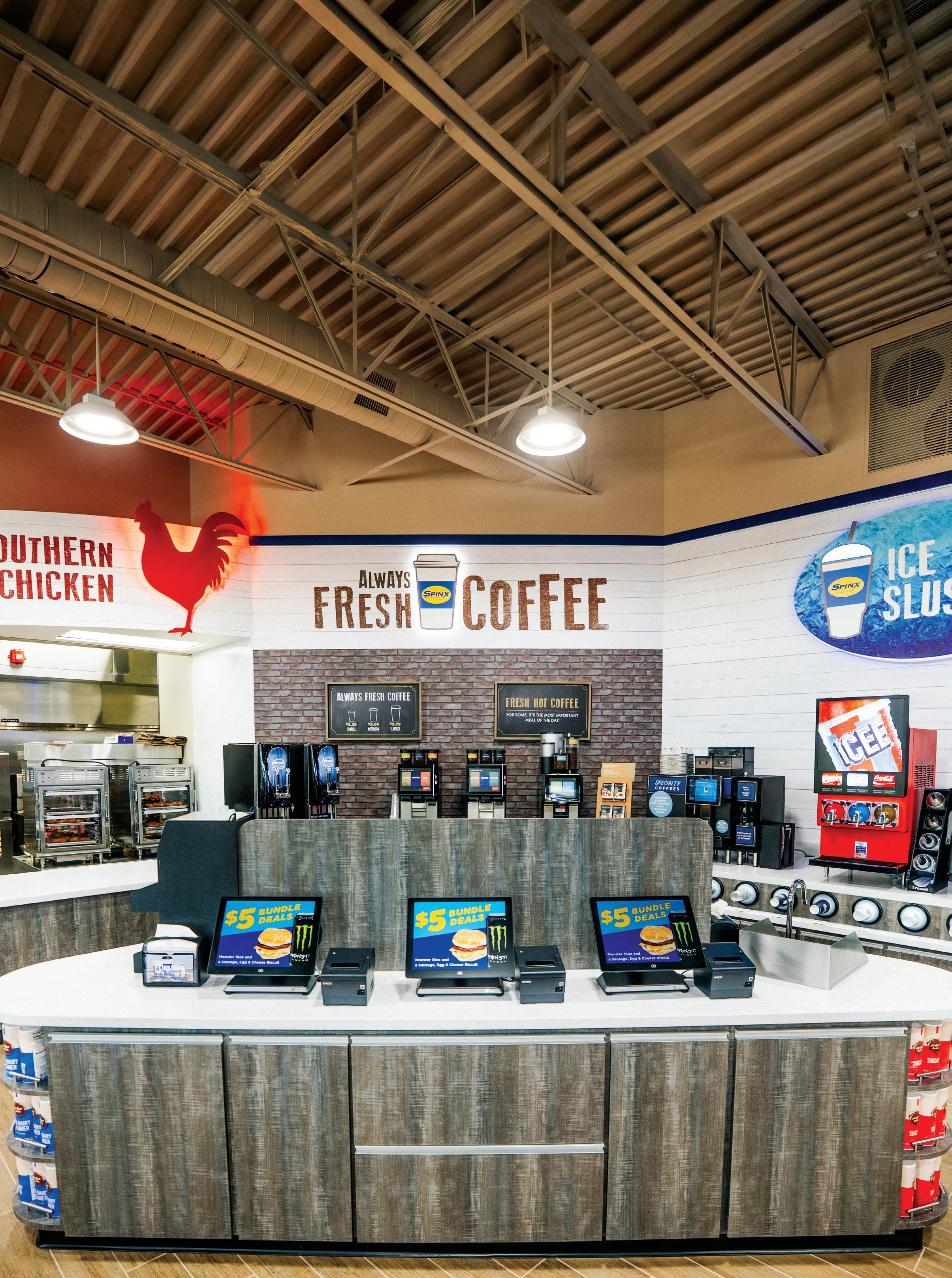
TO SUCCEED IN TODAY’S INCREASINGLY COMPETITIVE SPACE, CONVENIENCE RETAILERS MUST CONCENTRATE ON OPERATIONAL EXCELLENCE
By Angela Hanson
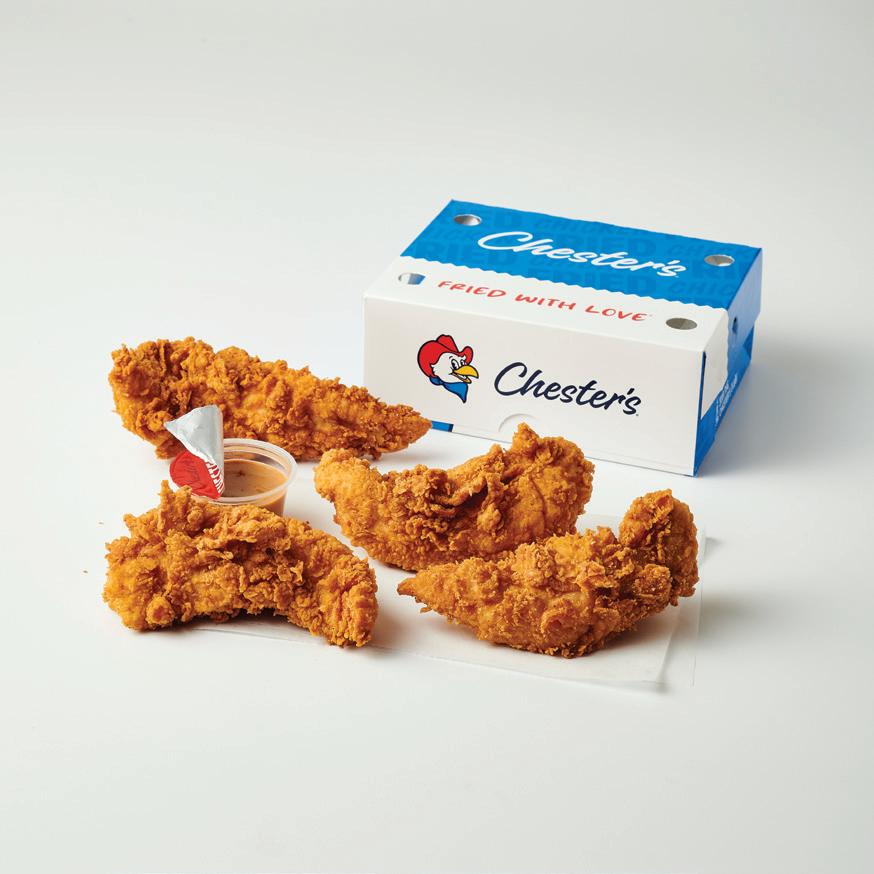
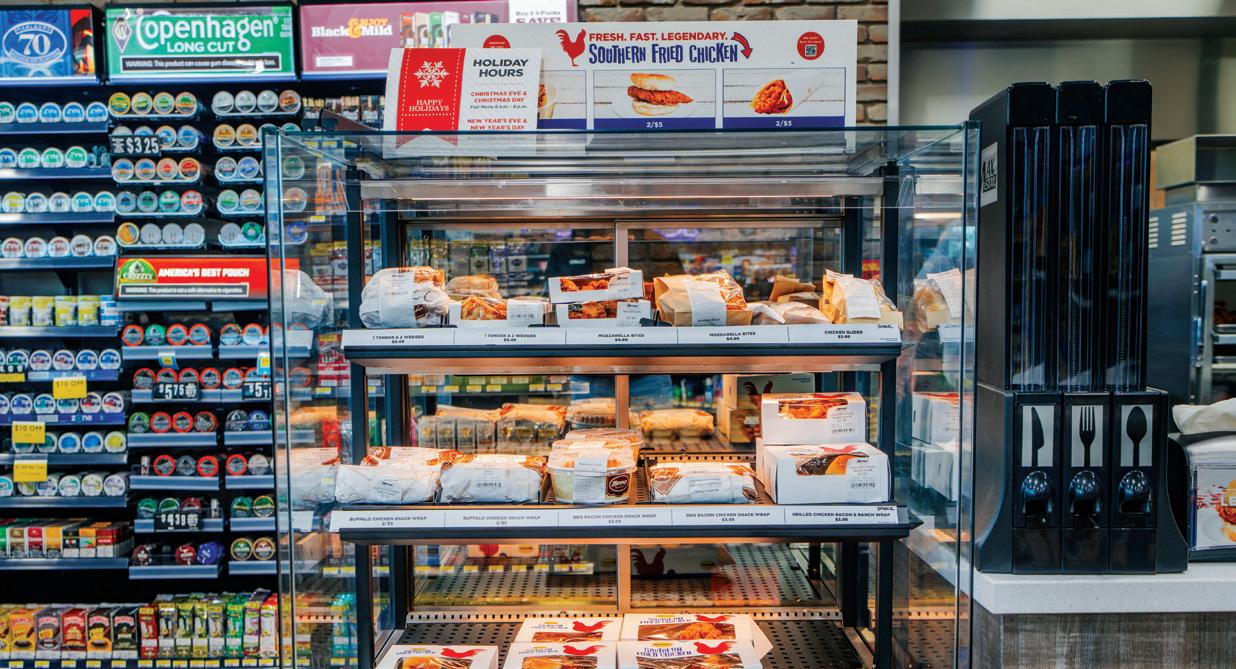
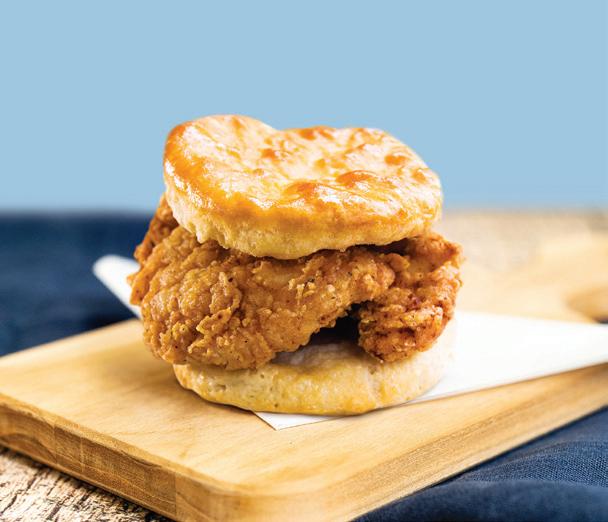
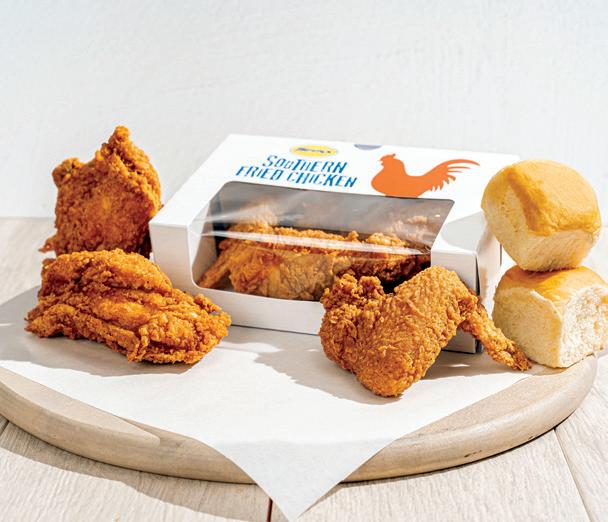
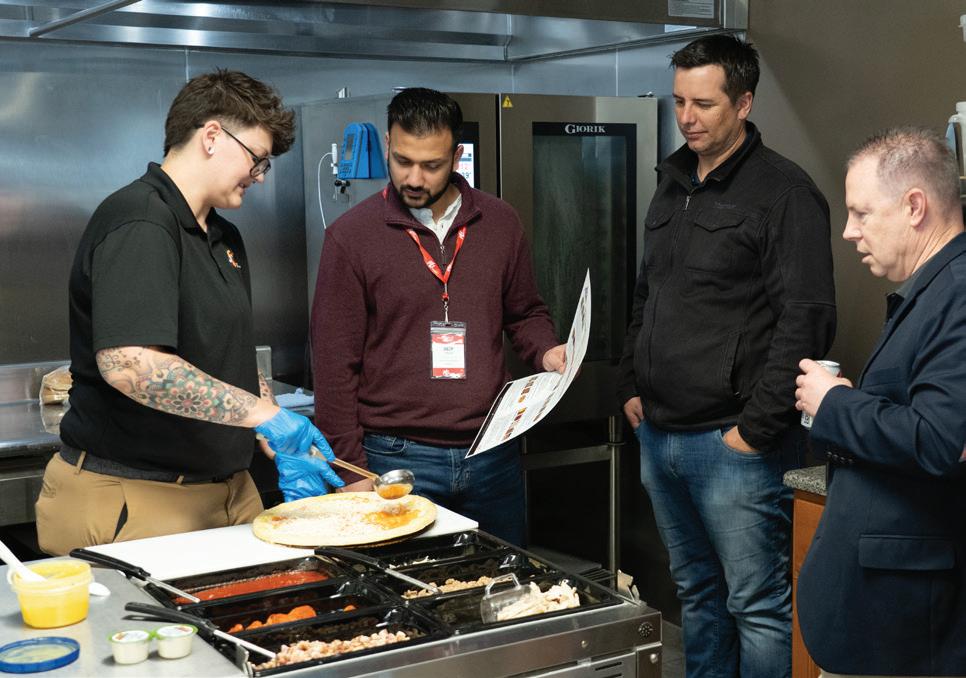
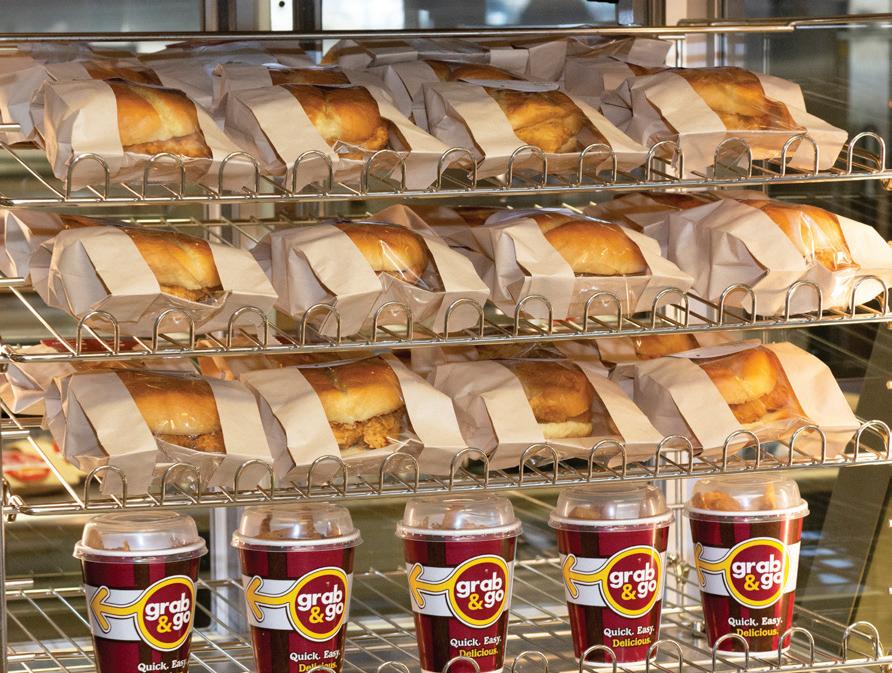
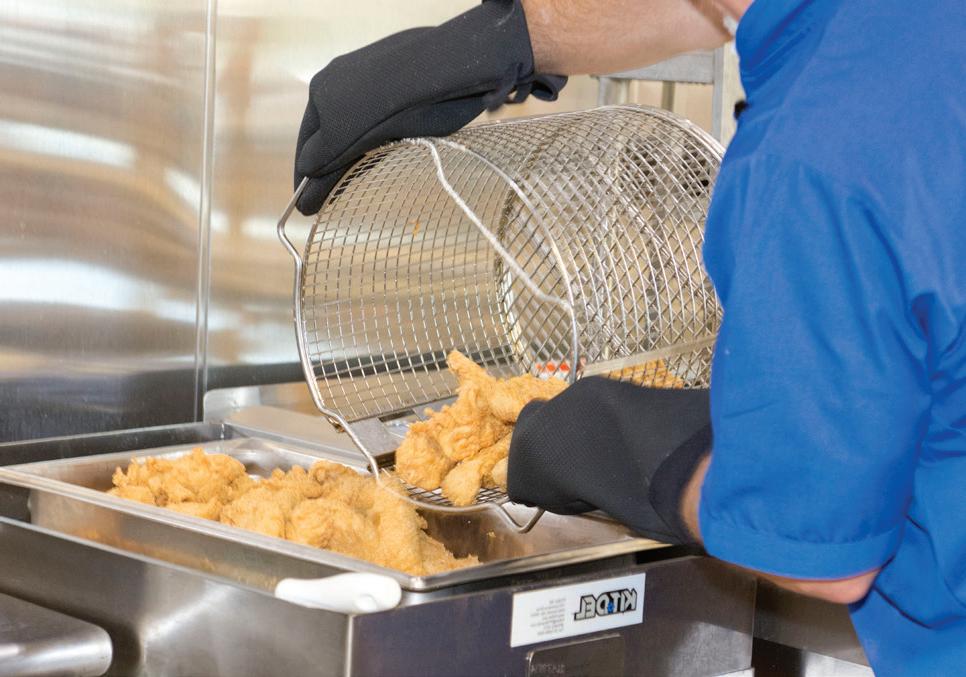
CONVENIENCE STORE RETAILERS are collectively elevating the channel’s reputation for prepared food, one order at a time. Whether they specialize in made-to-order or grab-and-go, in fried chicken or pizza, consumers are less likely now to question whether they can get good food from the same place they fuel their cars, and they’re more likely to question which c-store has the best offer.
Yet even as convenience stores improve their ability to execute, the foodservicerelated challenges they face aren’t diminishing. Raising the bar in foodservice only increases the competition they face, as c-stores are now going up against quick-service restaurants, fast-casual outlets and each other to capture share of stomach. Plus, with the cost of products on the rise, consumers are pickier about what they buy and where they buy it from.
To put themselves in the best position to win customer loyalty, players in convenience foodservice must concentrate on operational excellence. From menu planning to kitchen operations to every stage of interaction with the customer, c-stores need to have a plan for how they can be the best of the best — because if they don’t, a competitor will.
“Operational excellence isn’t about aspiration, it’s about repeatability,” Tim Powell, a principal at Chicago-based research and consulting firm Foodservice IP, told Convenience Store News. “It means delivering a consistent, profitable experience at scale with limited labor, limited space and high daypart volatility.”
Foodservice excellence also requires the ability to offer fresh food safely, quickly and predictably without “heroic effort” from the team, according to Powell.
“Excellence is when systems — not individuals — carry the weight,” he said. “If the model only works when the best manager is on shift, it’s not operational excellence.”
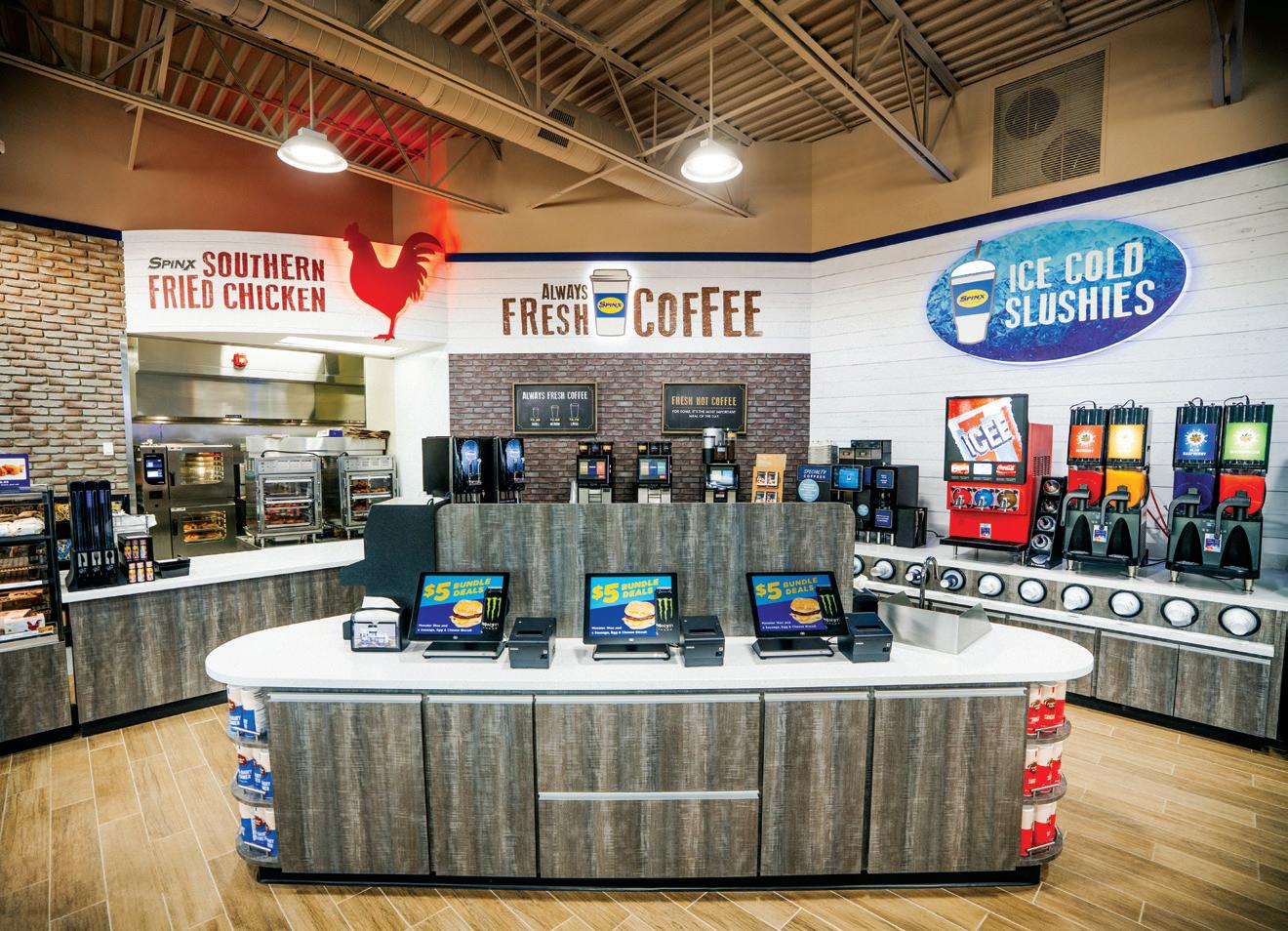
At Greenville, S.C.-based The Spinx Co., which operates 90-plus stores in the Carolinas, operational excellence in foodservice begins long before customers even order their food. “Store conditions have to be paramount,” said Jim Bressi, the chain’s vice president of foodservice. “We have an effort underway to make sure our outside is standing as tall as our inside.”
This means ensuring that receipts are ready at fuel pump dispensers and forecourt security lights are well-lit at night. Inside the store, it means making sure Spinx store aisles and bathrooms are extremely clean.
“Operational excellence isn’t about aspiration, it’s about repeatability.”
— Tim Powell, Foodservice IP
All these details come together to signify an elevated experience, which builds trust that extends to the foodservice program when customers visiting for other reasons decide to give Spinx’s prepared food a try.
When working to achieve excellence in foodservice operations themselves, Powell recommends that retailers first focus on labor model simplicity and menu rationalization, although he said areas of priority can vary based on factors such as chain size.
“Most breakdowns we see aren’t culinary, they’re operational. Too many SKUs, too many prep steps, too many exceptions,” he explained.
Speed of service and food safety controls should be high on the priority list as well because they have a direct impact on trust, perception and throughout, Powell added.
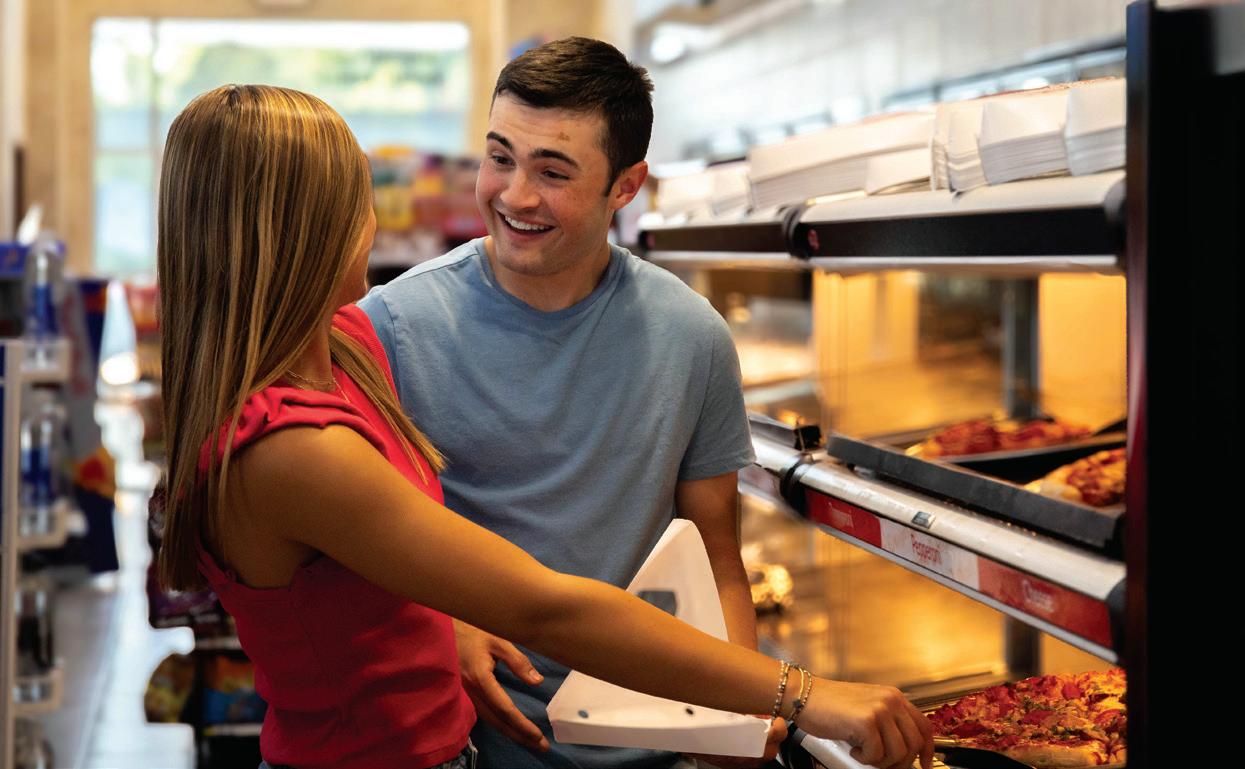
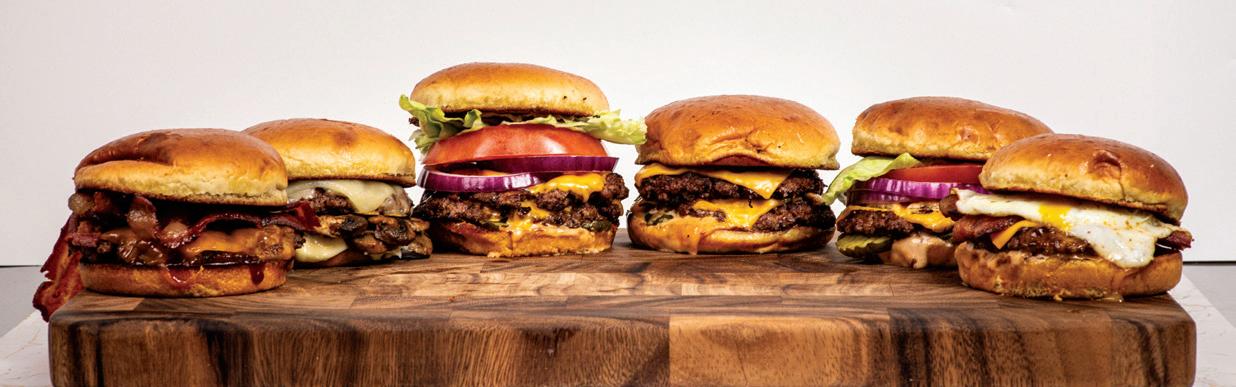
“If you build it, it doesn’t mean they will necessarily come just because competitors can do it. It’s a cultural shift to execute foodservice in a retail environment when the goal of a consumer is to get in and out in less than five minutes.”
The People Proposition
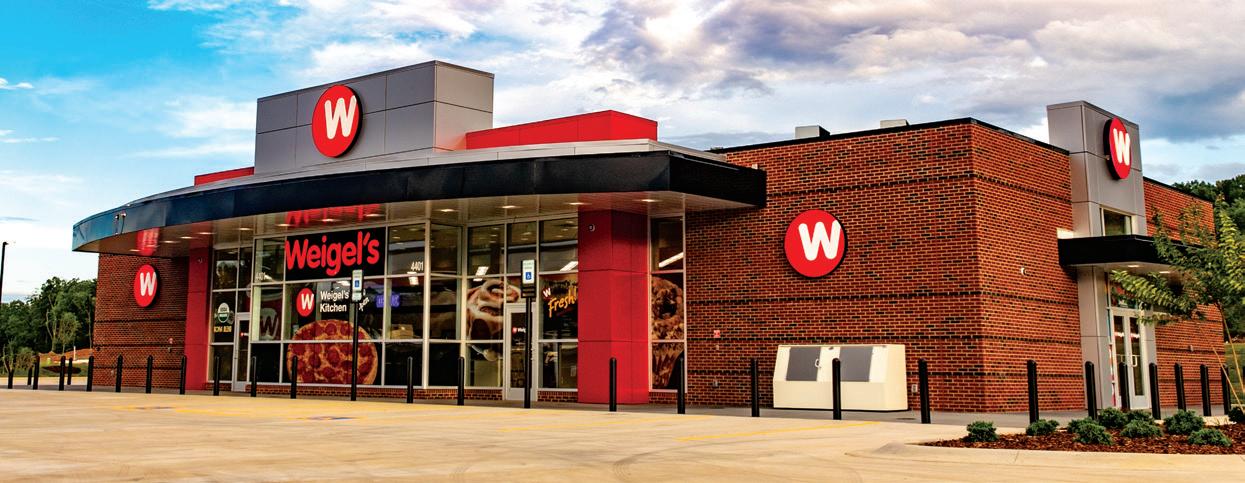
Beyond menus and preparation processes, operational excellence in foodservice is based on something very simple: people, according to Beth Hoffer, vice president of foodservice at Powell, Tenn.-based Weigel’s Stores Inc., which operates 85 stores in east Tennessee.
“People are the foundation for everything,” she said.
At Weigel’s, building that foundation means investing significant resources in training, coaching and development, and habitually making internal promotions. These efforts include having a plan to get people where they need to be — someone might be a great cashier at the start of their career, but still need assistance in cultivating the skills necessary to be a good leader when they move up to a management role. To assist, Weigel’s created a department dedicated to training.
“People are the foundation for everything.”
— Beth Hoffer, Weigel’s Stores Inc.
“We have a field team that is out there every day in stores just checking, validating, coaching, retraining, doing whatever we need,” said Hoffer.
Similarly at Spinx, there’s a dedicated food and beverage manager in every store, many of whom have significant experience and are involved in training the next level down. This is particularly important as the retailer’s internal food safety standards are even more stringent than those required by the state, according to Bressi. The company regularly engages its foodservice veterans when preparing to roll out new promotions, goals, and food and beverage programs.
“It’s kind of ingrained to have a lot of operational expertise in and around our program,” Bressi said. “When you consider placing a new program into 100 stores, a lot can go wrong, but it didn’t because they were engaged and they knew what to do.”
Cultivating a team with the necessary skills and experience to achieve continuous excellence, however, isn’t necessarily an easy process, especially since many entry-level workers who have never had leadership responsibility come to the convenience channel because the flexible schedule works for them, Hoffer acknowledged.
The solution? “Invest in your people, pay them adequately and give them appropriate training ... and they can make anything happen for you,” she said.
Having a well-planned, effective foodservice training program contributes to excellence today and tomorrow. Spinx’s training includes a three-day class before orientation moves to where a role will actually be performed. Teaching tools include handouts and videos for tasks such as machine breakdowns and cleaning, but the trainers themselves make the biggest difference.
“There’s all these components to it, but it all comes back to that food and beverage manager. They’re the ones doing the
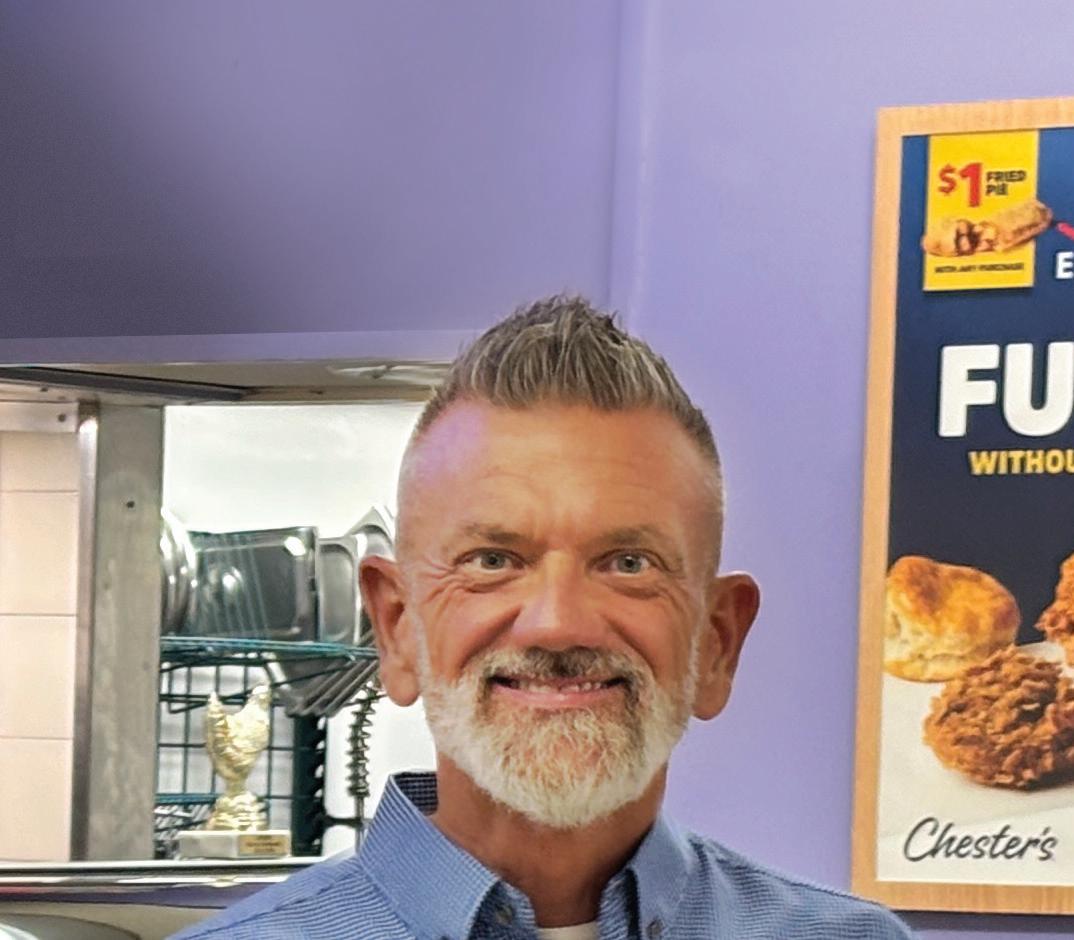





“It’s kind of ingrained to have a lot of operational expertise in and around our program.”
— Jim Bressi, The Spinx Co.
training,” Bressi said. “I’ve been seeing the same faces in the room for four years now, which is great. Yeah, we have a turnover or they switch stores, but primarily it’s the same people. When you have that kind of continuity, that’s when you get a good, standardized training practice.”
While skilled trainers are critical, Powell maintains that ensuring operational consistency from shift to shift and from store to store requires more than that.
“Consistency is a system design issue first, training second,” he said. “If an item requires interpretation, it will vary shift to shift. Recipes should be engineered for minimal discretion — clear build guides, simplified prep, controlled ingredients. Training reinforces the system, but it can’t compensate for poor design.”
Rate of expansion can also have a significant impact on whether a brand can execute consistently or not. Powell pointed to York, Pa.-based Rutter’s as a “best in class” example of calculated, incremental growth that has allowed the company to be both consistent and innovative.
“The best retailers build items and processes that reduce variability at the source, then use training and accountability to protect the standard. Building stores incrementally — not across state lines but even within miles of each other — helps keep operations ‘tacit knowledge,’” he said. “We’ve seen pizza restaurants that grow too quickly and their recipes and quality suffer because they lose some of the independent feel.”
Certainly, achieving true operational excellence requires strategizing for longterm profitability; a c-store menu can be the most impressive, well-crafted offering around, but if it can’t make money, it’s fundamentally worthless.
“The biggest pressures are labor volatility, shrink/waste in fresh programs, and daypart inconsistency,” Powell cited. “Prepared foods require forecasting discipline, and many stores still struggle there. Add in rising input costs and promotional pricing expectations, and margins compress quickly.”
Spinx’s foodservice profitability benefits from its longtime mastery of keeping waste to a minimum, according to Bressi, as well as finding a happy medium between grab-and-go and made-to-order. While the retailer leans into the more profitable grab-and-go offerings, it is ready, willing and able to do both. For the most part, Spinx’s profitability comes down to timing — prepping the right number of products at the right time — and keeping costs on commodities such as oil, packaging and cups in line.
“Those are all the key drivers to keep you in business, but really it just comes down to our people knowing what to make and when to make it,” he said.
Hoffer points to a balance between creativity and practicality during the item development process at Weigel’s. A brioche bun might be a great addition, but if a sandwich is still delicious and more profitable without one, it might not be the optimal choice.
“Maybe we got just a regular bun or maybe we didn’t get the applewood smoked bacon, we just got regular bacon,” she said. “We look at what is the absolute best product that we can possibly get, and then how we make it to where we are pricing in line with what we consider to be our competitors, which are other c-stores in our area and then [quick-service


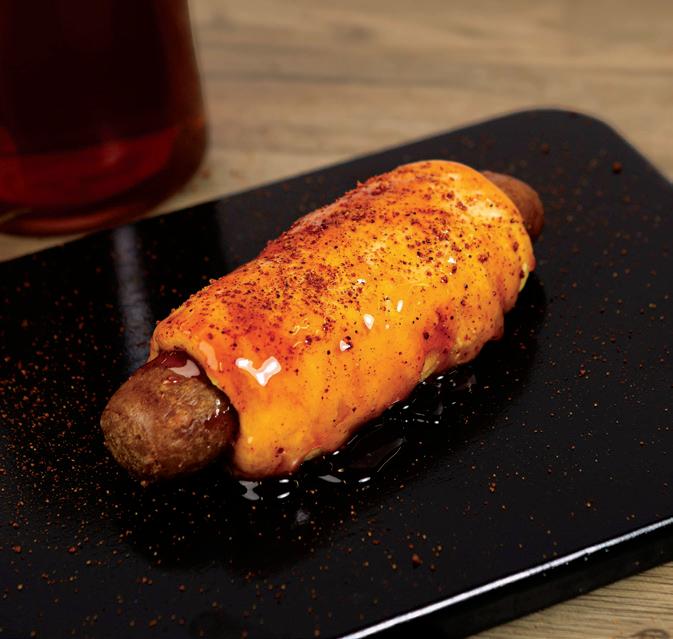
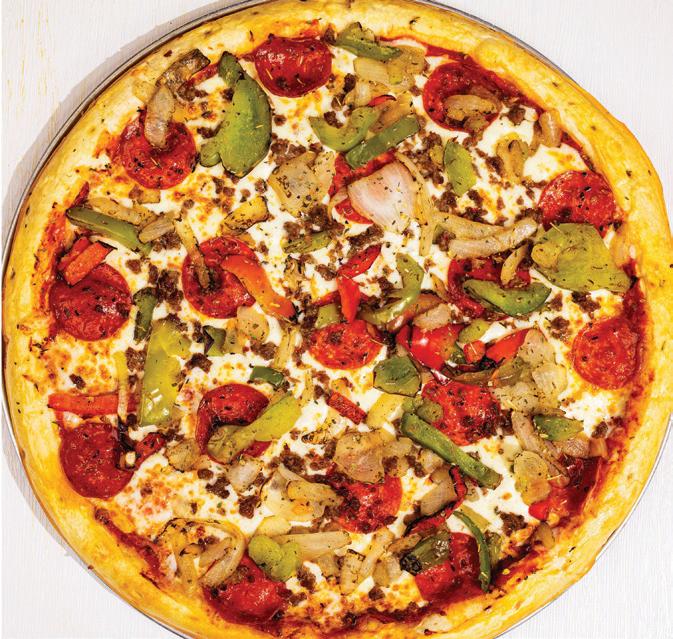
restaurants]. How do we align price with them and stay in the market?”
In terms of profitability, retailers report that breakfast is the most important mealtime of the day due to better profit margins at a busy time of day, making this daypart a priority for operators looking to build up their foodservice programs.
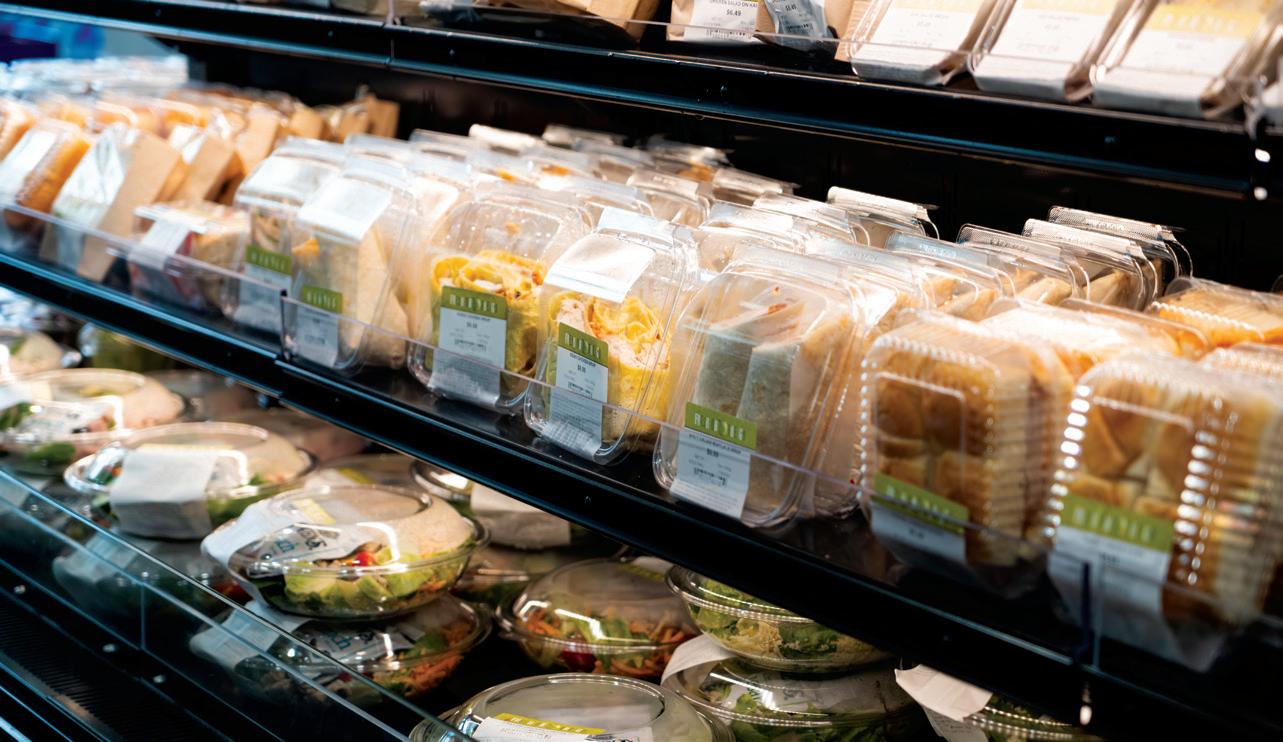
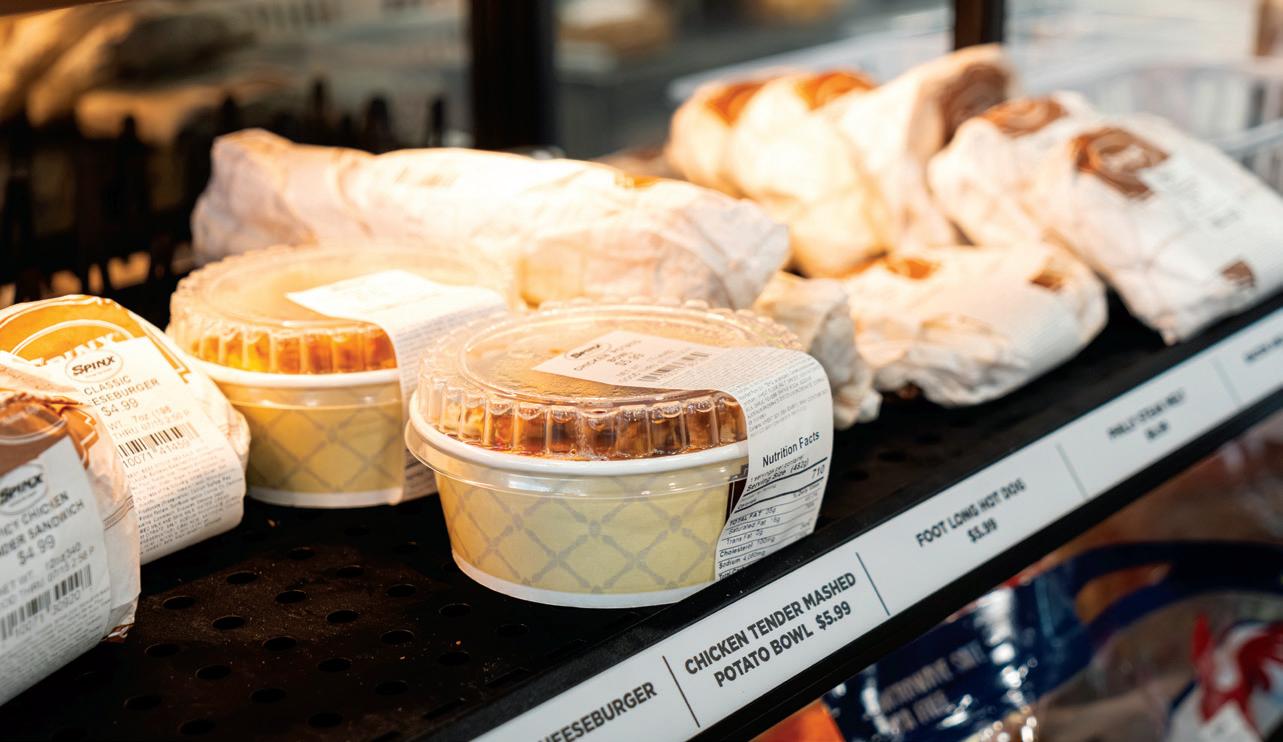
On the other hand, “the hardest place for us to make money is in the grab-and-go space on the cold case,” said Bressi, noting that Spinx makes these items at its two commissaries before shipping them to stores. “So, you’ve got labor in there, you’ve got packaging in there, you’ve got shelf life issues and if it doesn’t look beautiful, it’s just going to sit there.”
Streamlining kitchen operations is a major assist to both profitability and a foodservice program functioning as designed. When developing new menu items, retailers like Spinx focus on what the brand already does well. Bressi pointed to its introduction of chicken nuggets as something new for the retailer that had an intrinsic tie to its core menu.
“What we’re careful of is not going out on these extremes on either side. We try to message our food promos around our core items and drive some value. We find that’s a better result,” he said. “We’re not going to do hot dogs, we’re not going to do pizza, we don’t do burritos.”
Even when trying to simplify, there’s no downside to having detailed, stepby-step guidance for every aspect of production. At Weigel’s, new product development includes building plans for “how we’re going to cook it, how we’re going to prepare it, here are the steps.
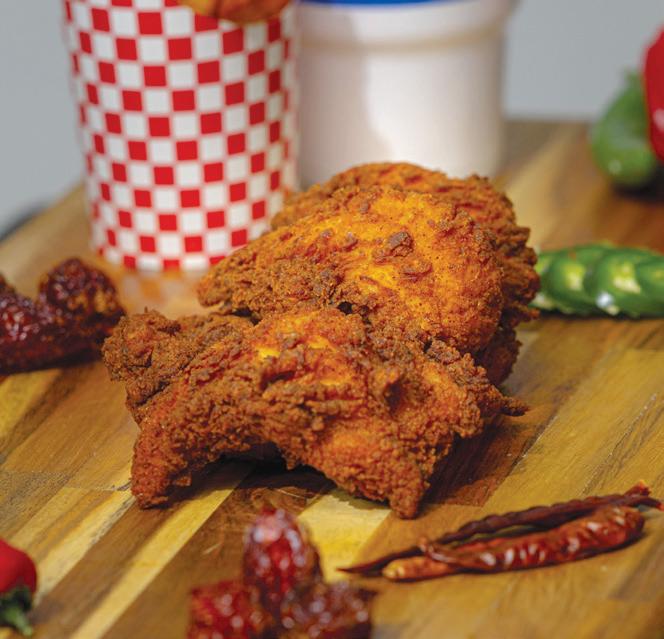
Here’s everything that it’s going to go through and here’s where it’s going to land,” Hoffer described.
Getting extra eyes on these plans early on, before rolling them out to market, is helpful in avoiding operational challenges that may otherwise go unnoticed, she added.
Something might work perfectly in a test kitchen, “but that may not always translate down to the field,” she said, noting that bringing in the operations team can validate the process as well as prompt brainstorming for an improved process if they flag a potential issue. “The chef gets to go, ‘You know, you’re right, but what if we do this instead?’ They put together the whole process and then we roll it out to stores.”
Technology solutions that retailers say help keep things running smoothly include platforms that provide automatically generated ingredient-accurate labels with barcodes, predictive ordering to assist with item preparation amount and timing, and systems that consolidate all third-party orders from partners such as Uber Eats and DoorDash.
Operators are also keeping an eye on the wave of new artificial intelligence-based solutions, but are focused largely on whether these tools can offer practical improvements.
“If I had a magic wand and I could get AI to do what I wanted to do, it would find a way to take our entire tech stack and make it all talk to each other and work together,” Hoffer said.
Ultimately, building effective processes into kitchen operations, while balancing innovation with simplicity, requires operators to look past flashy upgrades and focus on the fundamentals.
“I think c-stores/retailers need a filter: Can this be executed 365 days a year by average labor?” Powell said. “If the answer is no, it likely doesn’t belong on the core menu. Innovation is important, but it should be modular — limited-time offers, controlled tests or items built off existing platforms. The strongest programs have a stable operational backbone and layer innovation on top, rather than constantly rebuilding the kitchen around the newest idea.” CSN
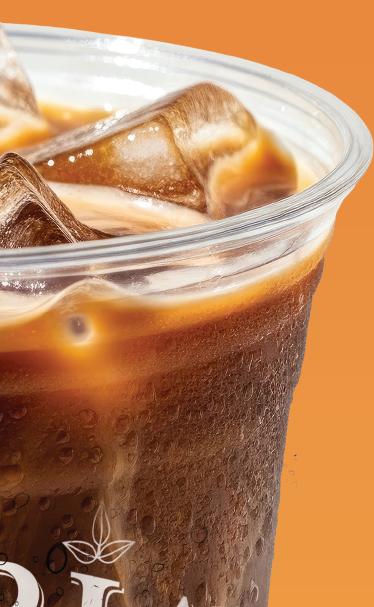
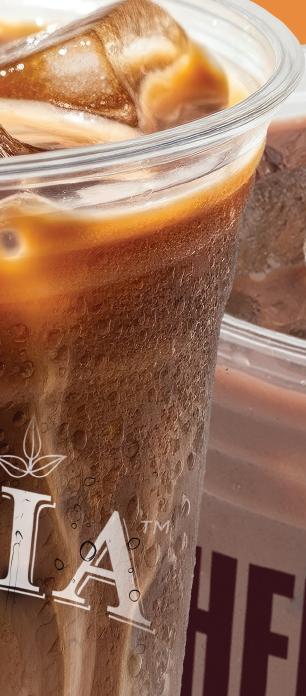
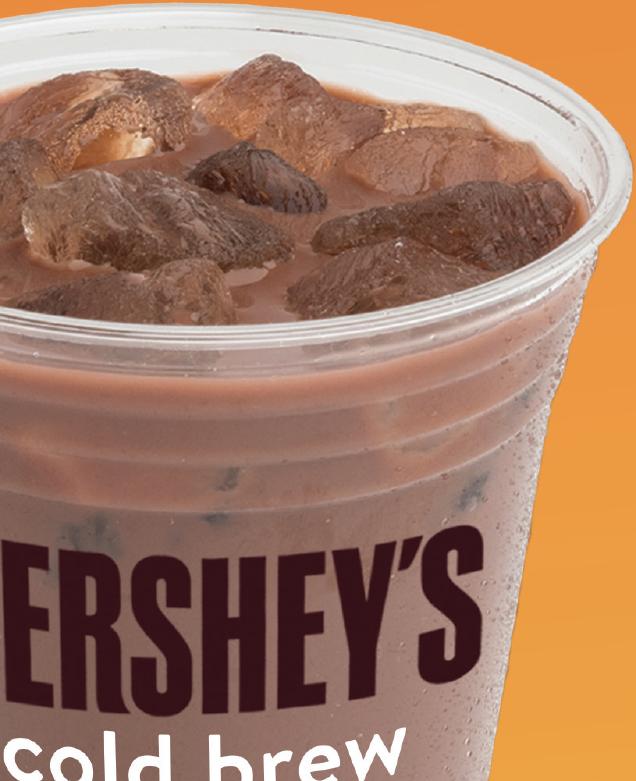
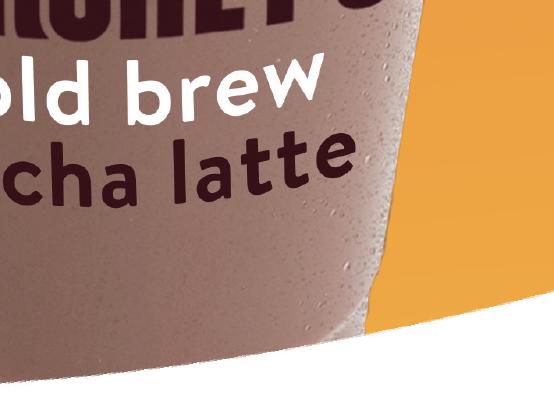
Today’s consumers expect more from iced coffee. UPOURIA® delivers premium cold brew alongside licensed favorites like HERSHEY’S Cold Brew Mocha Latte and Cinnabon® Cold Brew—bringing craveable flavor with proven brand power. Sunny Sky® Products helps operators build beverage programs that elevate everyday cold brew into premium retail experiences.





















Convenience foodservice continues to perform well, but retailers report growing challenges
Cautiously optimistic, convenience store operators are banking on long-term investments in prepared food and dispensed beverages
By Angela Hanson
By Angela Hanson
IN A TIME of rising costs and economic uncertainty, convenience store retailers can count on two things: consumers want to eat good food, and the foodservice category is a bright spot for the industry. These two certainties make it critically important that operators carefully manage their prepared food and dispensed beverage offerings to maximize sales and profitability.
FROM A DISTANCE, the current state of the foodservice category is rosy, and convenience store operators are doing everything right. Sales and profits are up, with most retailers predicting continued increases throughout 2024, and companies are investing in new technology, equipment and menu innovation to ensure success in the years to come.
At the same time, the category faces growing challenges. According to Part 1 of the 2026 Convenience Store News Foodservice Study, the majority of retailer respondents saw both sales and profits increase in 2025 and expect the same for 2026, but optimism is tempered compared to previous years, and there is a growing consensus that category costs are rising.
However, taking a closer look reveals obstacles that even the best-designed food program can’t ignore. Economic difficulties and concerns about the future are prompting consumers to tighten their purse strings, while rising costs have slowed profit growth compared to last year. Meanwhile, employee recruitment and retention remain a struggle despite some easing of the labor crunch.
C-store retailers, though, are maintaining their commitment to foodservice in the face of these challenges. The average square footage dedicated to foodservice is holding fairly steady year to year, with approximately a quarter to a third of total store space dedicated to the offering.


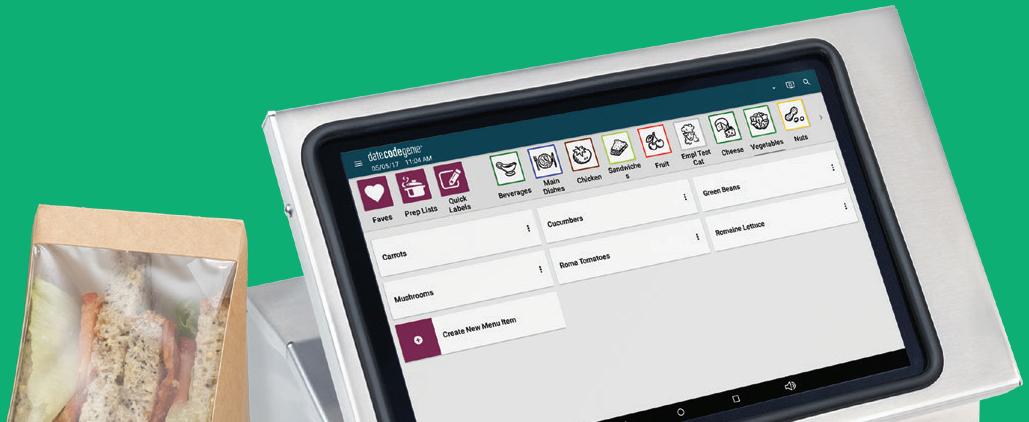
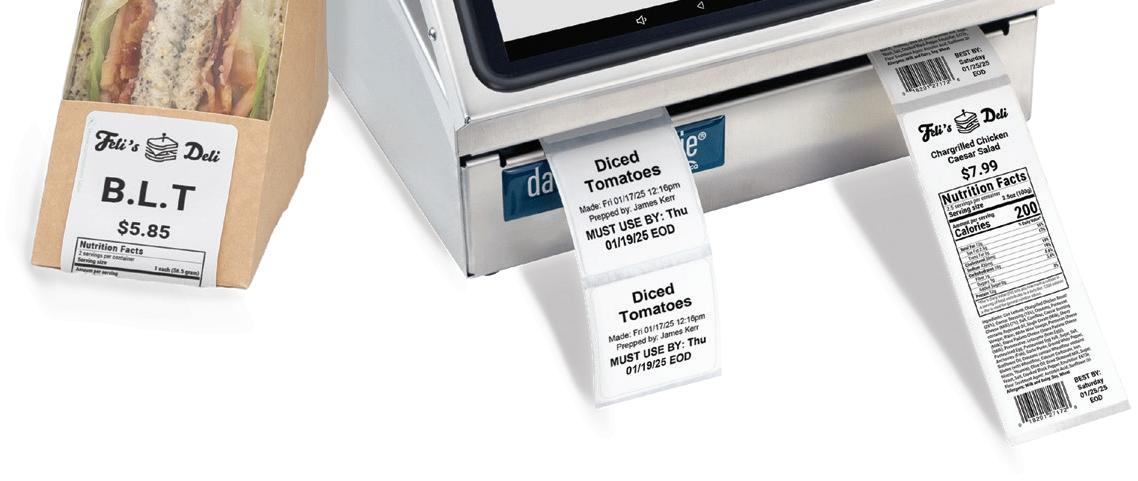
From sunnyside eggs to scratch made moon pies, DateCodeGenie is the solution for your Grab & Go, Prep & Retail and Nutrition Info labels.



“Right now in c-stores, foodservice is HUGE,” one study participant remarked. “During the last two years, we have expanded our selection of offered foods focusing on breakfast and lunch, and have had such a huge increase in sales.”
All foodservice segments — prepared food and hot, cold and frozen dispensed beverages — grew in availability over the past year, according to the study’s findings. Prepared food (offered by 94% of the retailers surveyed) continues to lead as the core category driver, generating 50% of total category sales on average. Large operators and small operators alike recognize the value of this segment and offer prepared food at similar rates.
When it comes to the beverage side of foodservice, more than eight in 10 of the retailers surveyed offer all three dispensed beverage segments. Cold dispensed generates 23% of total category sales on average, followed by hot beverages at 20% and frozen at 14%.
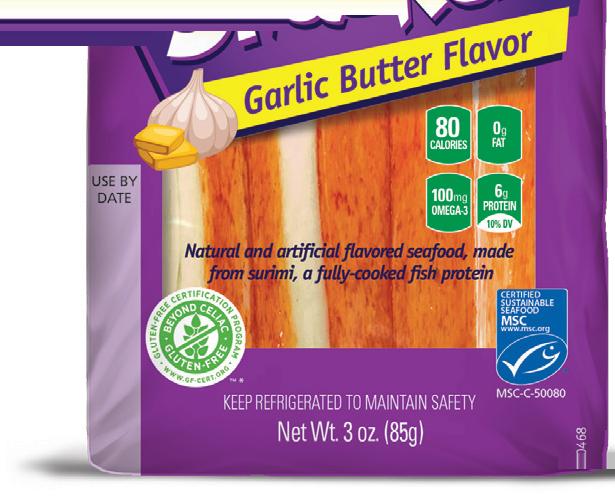
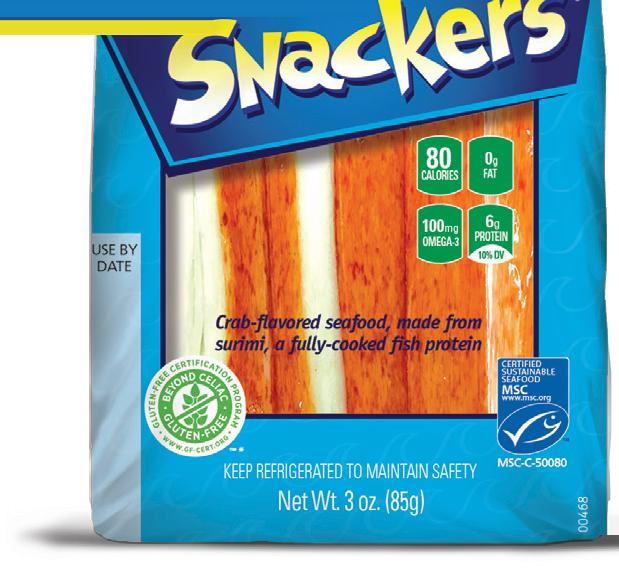
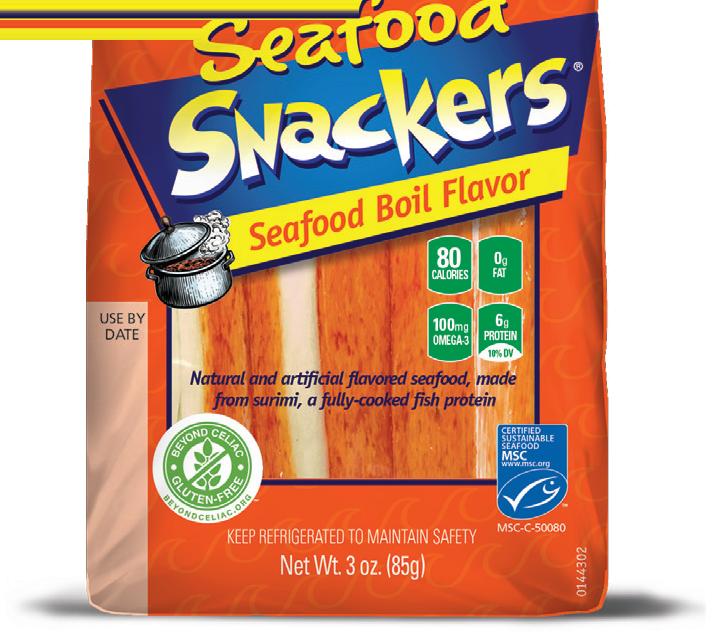
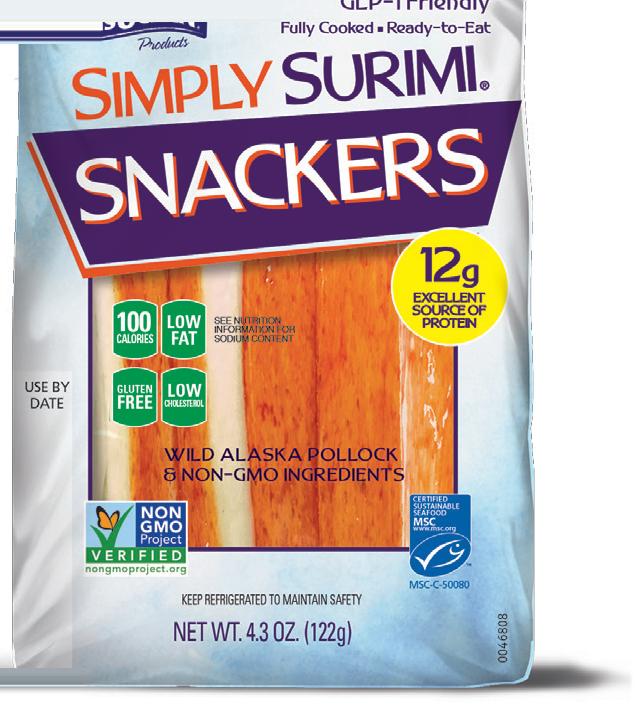
Breakfast sandwiches are the most widely offered prepared food item at convenience stores, served by 92% of respondents, followed by pizza (76%) and hamburgers (71%). Compared to last year’s study, the items showing the greatest directional growth are other sandwiches/ nonbreakfast sandwiches (up 20 points), seafood (up 13 points), hot entrees and wraps (both up 11 points), sushi (up 7 points) and salads (up 4 points).
Preparation location appears to be shifting to an in-store assembly model, as more retailers this year report sourcing their prepared foods from a convenience distributor, foodservice distributor or direct-store delivery and then assembling onsite. The use of prepared food from a convenience distributor delivered ready
“Right now in c-stores, foodservice is HUGE.”
— Study












to heat and serve declined 13 points year over year.
Just under four in 10 c-store operators report franchising or licensing a branded restaurant concept, including 43% of large operators and 35% of small operators, consistent with last year’s study. Pizza, chicken and sandwich concepts are the most common partnerships.
In dispensed beverages, hot coffee is the most widely offered drink at c-stores, served by 96% of respondents, followed by hot chocolate (87%), hot cappuccino/ latte/espresso (86%), fountain carbonated beverages (83%) and frozen drinks (81%). Compared to a year ago, the dispensed beverages showing the most directional growth are fountain carbonated (up 14 points), hot tea (up 12 points) and hot
cappuccino/latte/espresso (up 10 points).
Conversely, smoothies (down 19 points), milkshakes (down 14 points), juices and cold brew coffee (both down 11 points) are showing the greatest directional decline year over year. Availability of made-to-order/barista style beverages also dropped significantly from last year’s study, falling 17 points this year to just 11%, returning to 2024 levels.
Breakfast and lunch remain the top dayparts for prepared food and beverage sales, with study participants estimating that 24% of their foodservice sales come from the 6-8:59 a.m. period and 30% come from the 11 a.m.1:59 p.m. period. Following lunchtime, foodservice sales typically see a steep decline, with a small bump at dinner (4-6:59 p.m.).
Breakfast saw the biggest sales increase in 2025, with 51% of respondents citing it as the daypart with the most growth — up 14 points from last year’s study. This was especially driven by large operators, 63% of whom cited breakfast compared to 43% of small operators.
Retailers think there is still room for further morning sales increases, as 34% also pointed to breakfast as the daypart they predict will see the biggest sales growth in 2026.
Overall, 60% of retailers reported that their foodservice sales increased in 2025 compared to the previous year, down from 72% in 2024 and 81% in 2023. Fifty-six percent
Foodservice. Real Profit.

SaveMore gives c-stores the buying power, tools, and strategies to win in foodservice.
Buy Better
SaveMore gives c-stores the buying power, tools, and strategies to win in foodservice.
Run Smarter
Streamline prep, reduce labor friction, and deliver consistent quality.
Protect Profits
Reduce shrink, cut waste, and capture every dollar of margin.
Grow Foodservice Revenue
Smarter menus, better pricing, and in-store execution that drive higher tickets and repeat visits.


$100B in Buying Power
Powering Better Cost. Stronger Margins. Smarter Foodservice Decisions.
350+ Brand Name Manufacturers
Trusted Brands. More Rebates. More Opportunities to Win.



Scan To Unlock Rebates, Tools, and Foodservice Growth Strategies.
Smarter menus, better pricing, and in-store execution that drive higher tickets and repeat visits.
Increased food costs were widespread in 2025.
“Costs [are] rising faster than our retails.”
of retailers said their foodservice profits increased last year, down from 66% who said the same in 2024.
Operators point to rising costs as the chief culprit, as 90% of the retailers surveyed said their foodservice costs increased in 2025 vs. just 3% who said they decreased.
“Costs [are] rising faster than our retails,” one respondent stated.
In response to rising costs, 93% of study participants report having raised foodservice prices in the past year, with 47% having done so on just some items and 46% having done so across the board. An additional 6% said they haven’t raised prices yet, but may do so in the future. CSN



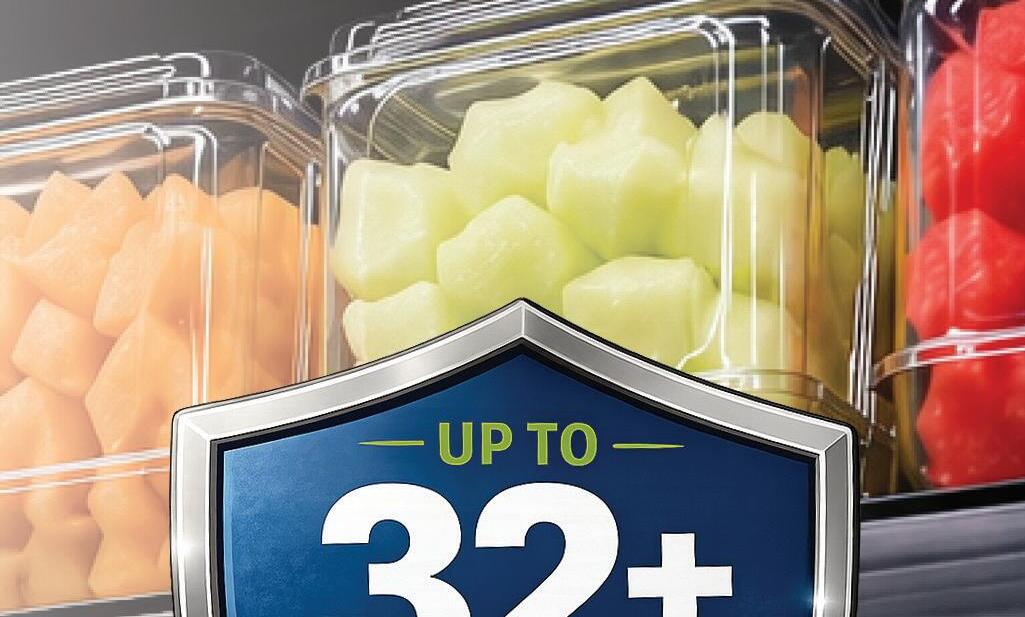

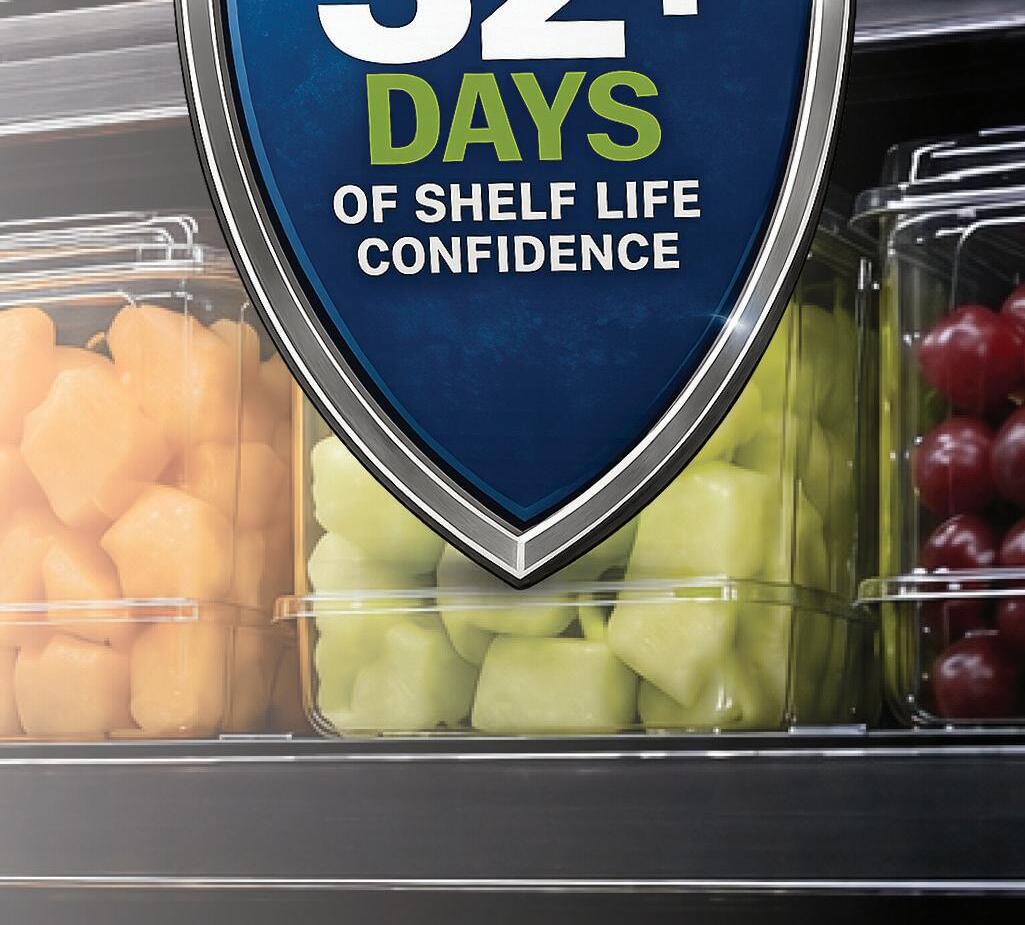
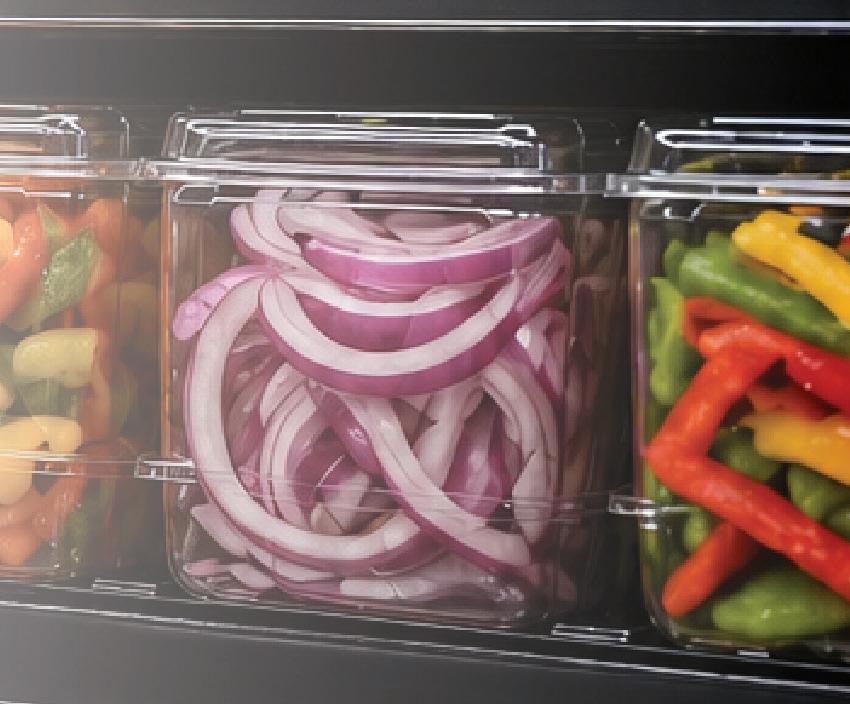
Powered by Electronic Cold Pasteurization (ECP). readysafe transforms fresh-cut produce into a safer, longer-lasting solution for foodservice and retail.



D Y 99 9% F H G like E. coli, Listeria, Salmonella, and more
X D H LF L F
Fresh shelf life extension of up to 32 days
V QU L Y
Protects the taste & color of fresh produce

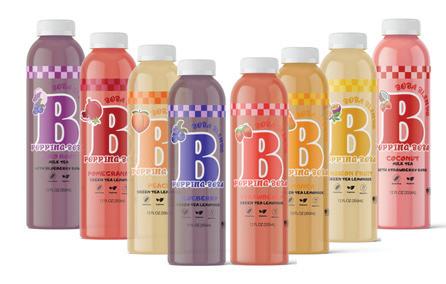
Boba Blends







The category remains a c-store traffic driver, though smokers are making tradeoff decisions
By Renée M. Covino
UNDER PRESSURE. That best describes the current state of the cigarettes category.
The long-term decline in cigarette volume is a well-established industry trend, with various reports showing volumes were down in the mid-single digits last year. For the first quarter of 2026, the story was pretty much the same. But that doesn’t mean it’s all bad news.
“Cigarette volumes continue to decline, but the category remains highly relevant due to sustained pricing power and entrenched adult consumer behavior,”
Chris Colon, principal of client insights, total nicotine for Circana, told Convenience Store News
Cigarettes have dropped in importance in terms of dollar sales, and margins are much thinner — about 14%, compared to foodservice and packaged beverages at about 60% — but the category is still important as a traffic driver, noted Bonnie Herzog, managing director of Goldman Sachs.
Another piece of good news is that illicit flavored disposable e-vapor growth moderated slightly in 2025 compared to the prior year, meaning it had less of an impact on cigarette decline rates.
“We now estimate that cross-category impacts primarily driven by illicit flavored disposable e-vapor contributed approximately 2% to 3% to the cigarette industry decline over the past 12 months vs. our prior estimate of 3% to 4%,” said Davien Anderson, a spokesperson for Altria.
All that said, there is an even bigger bright spot in the cigarettes category: the strength of deep discount cigarettes. No doubt, brands at the bottom of the price ladder are gaining traction because they hit a key price point for today’s adult cigarette consumers.
“Within the cigarette category, the true bright spot — if I can call it that — is the shift to deep discount,” relayed Ajay Yadagiri, senior vice president of Management Science Associates, headquartered in Tarentum, Pa.
Circana data likewise shows that adult smokers are accelerating their downtrading behavior, moving from the premium and branded discount tiers to deep discount (fourth tier) options. Colon reported that for fiscal year 2025, chain c-stores saw a 9% dollar share increase in deep discount, while independent c-stores saw a 15% increase.
“With major chains operating under EDLP [everyday low price] structures that effectively set the price floor, the strong growth of deep discount highlights how retailers are using margin strategies to stabilize profitability while consumers prioritize affordability,” he said.
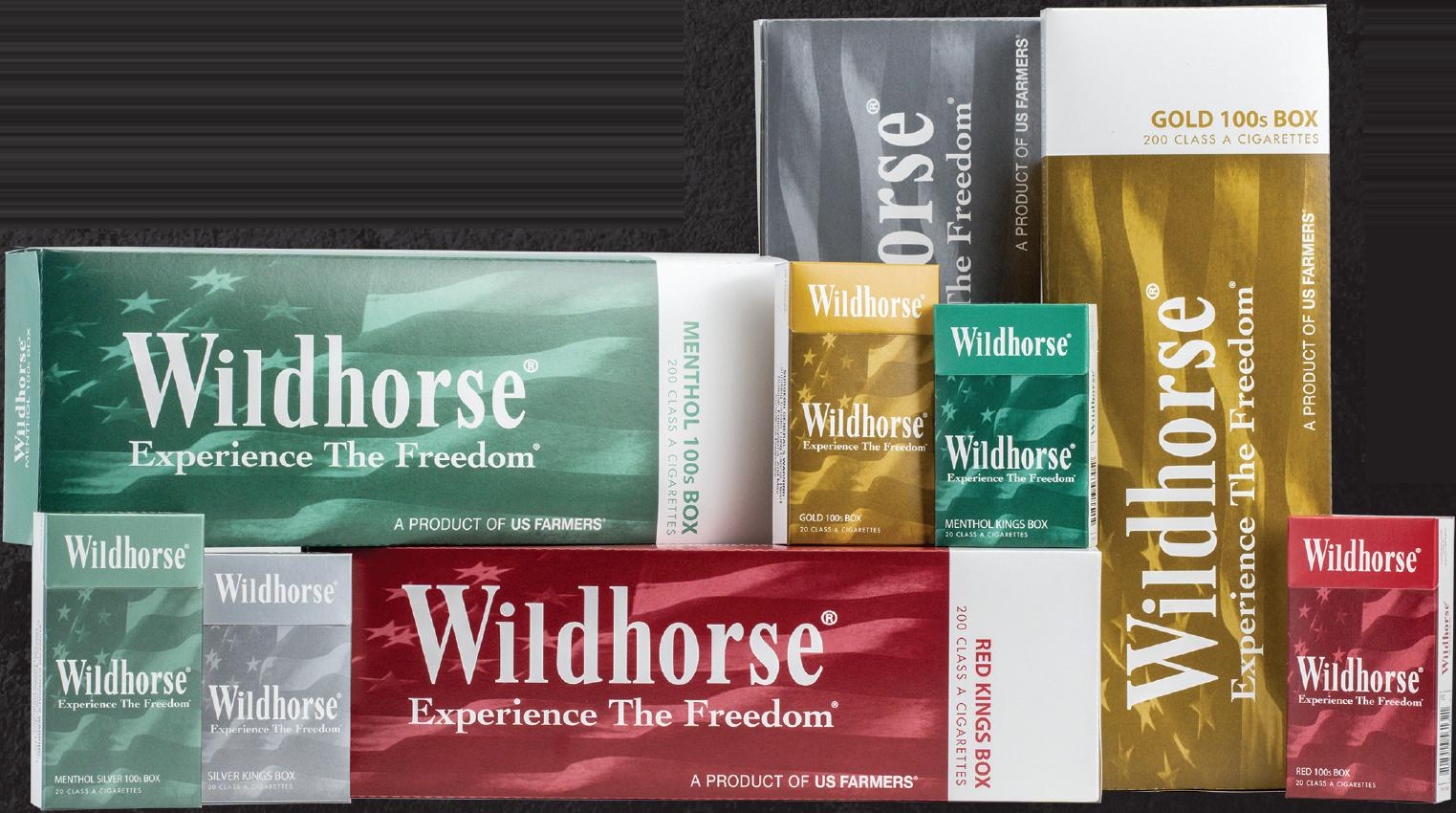
Cheyenne International is one tobacco manufacturer
Convenience Distribution Business Exchange (CDBX)
September 14–17, 2026
JW Marriott Miami Turnberry Resort & Spa | Aventura, FL
Convenience Distribution Marketplace (CDM)
February 22–24, 2027
Loews Arlington Hotel | Arlington, TX
Convenience Distribution Business Exchange (CDBX)
September 13–16, 2027
Omni Fort Worth Hotel | Fort Worth, TX
Convenience Distribution Marketplace (CDM)
February 28–March 1, 2028
The Woodlands Waterway Marriott Hotel and Convention Center The Woodlands, TX
Convenience Distribution Business Exchange (CDBX)
September 11–14, 2028
Omni Orlando Resort at ChampionsGate | Orlando, FL
Convenience Distribution Marketplace (CDM)
Dates & Destination To Be Announced
Convenience Distribution Business Exchange (CDBX)
September 24–27, 2029
Omni Louisville Hotel | Louisville, KY
For more information, visit www.cdaweb.net/Events or contact Jenn Finn at 703-208-1649 or JennF@cdaweb.net.

“Cigarette volumes continue to decline, but the category remains highly relevant due to sustained pricing power and entrenched adult consumer behavior.”
— Chris Colon, Circana
that’s seeing a clear shift out of premium brands and into deep discount and fourth tier brands. “This is where the volume stability is coming from,” said David Brinkley, the company’s vice president of sales. “For a lot of adult smokers, it’s less about the brand and more about what they can afford each week.”
Smokers aren’t quitting at a faster rate, they are changing their spending habits, he added. “Higher cigarette prices have pushed a lot of behavior changes to fewer sticks per day, pack purchases vs. carton purchases and most importantly, consumers are trading down,” he explained.
While modern oral products and other nicotine delivery systems are slowly taking share, especially with younger adult consumers, the first move is still to trade down within cigarettes and not leave the category entirely, according to Brinkley.
Altria’s Anderson observed that “in the discount segment, persistent discretionary income pressures remain the primary driver of growth.” While Altria’s Philip Morris USA subsidiary has historically maintained a presence in the discount segment and effectively grown profitability through its discount brands over time, the company last year repositioned its Basic brand by “deploying discount
strategies used in the past — but now with far greater precision.”
Today, Basic is strategically positioned in approximately 30,000 stores and geographies where discount brands over-index and premium brands under-index relative to the industry.
As with many convenience store categories, regional relevance is critical for a successful cigarette set. Retailers should prioritize carrying brands and price tiers that align with local consumer preferences, according to Circana’s Colon.
“Geographic tailoring — informed by local income levels, demographic composition and regulatory environments — remains one of the most effective levers for protecting both share and profitability in a declining category,” he pointed out.
Cheyenne International’s Brinkley agrees that c-store retailers have an opportunity to make the most of their geography.
“The Southwest and Midwest have a slower shift away from cigarettes. However, the West Coast and Northeast are seeing faster declines, which is due to higher taxes and tighter regulations,” he told CSNews, explaining that this creates a lot of state border shopping in high-tax areas, which can benefit retailers that are positioned correctly.
Regarding deep discount cigarettes in particular, geographic data from Management Science Associates shows that while there is growth in much of the country, the share is a lot higher in the central region.
“There’s also a strong correlation between deep discount cigarette growth and high state excise taxes,” Yadagiri shared.
While some adult nicotine consumers are trading combustible cigarettes for smokefree alternatives like nicotine pouches, Colon advises retailers to recognize that cigarettes still account for roughly 70% of total nicotine sales and therefore, retailers should partner closely with key manufacturers to ensure essential space is maintained for top-performing SKUs. At the same time, he believes expanding shelf space for nicotine pouches is warranted.
What do category experts envision on the horizon?
The way Brinkley sees it, “Five years out, cigarettes are still a core category, just smaller. Ten years out, they’ll still be
















“For a lot of adult smokers, it’s less about the brand and more about what they can afford each week.”
— David Brinkley, Cheyenne International
around, but much more value driven. It will become less of a volume game and more about managing margin, mix and space.”
Goldman Sachs’ Herzog expects cigarette volumes to remain under pressure. While historically, volume has dropped about 4% each year, she expects that a decade from now, volume declines will be in the high single- to low double-digits. “Cigarettes today comprise the bulk of the revenue share but by the end of 2035, that will shrink considerably,” she said.
Colon agrees with that sentiment. “Over the next five to 10 years, volume declines will continue and likely accelerate as more consumers age out of the category and very few new users enter,” he noted. “From a revenue standpoint, we should expect the category to contract even faster. Price increases will continue to offer short-term stabilization but as downtrading deepens, major premium brands will eventually hit a tipping point where high prices no longer offset unit declines.”
He believes this will spark stronger promotional activity, compressing margins across the board. At the same time, deep discount brands may lose some of their comparative advantage once premium brands become priced within reach.
“This dynamic could pull some consumers back into lower-priced premium options, reshaping the value tier and accelerating consolidation within the premium segment,” Colon said. CSN

Menthol cigarette regulation remains in a holding pattern at the federal level after the proposed U.S. Food and Drug Administration (FDA) menthol ban was withdrawn in early 2025, effectively ending the federal rulemaking process — for now.
With the menthol ban off the table, business has been steady, according to David Brinkley, vice president of sales at Cheyenne International. “It remains a major part of the category, especially in certain regions and inner cities,” he said. “There was a lot of uncertainty but for now, it’s business as usual. The regulatory questions haven’t gone away; the issue has just been pushed out.”
Reynolds American Inc.’s position on menthol has not changed, a company spokesperson told Convenience Store News. “Science does not support regulating menthol and nonmenthol cigarettes differently. A menthol ban would not reduce smoking rates and would likely result in an illicit market with unregulated and potentially more harmful products,” he said, adding that the company continues to engage with lawmakers and regulators to ensure these scientific and enforcement realities are understood.
Altria Group Inc., too, has stated that the existing science does not support menthol bans and has warned of illicit markets. Spokesperson Davien Anderson said the company continues to emphasize harm reduction over prohibition.
The regulatory environment is still evolving at the local level, however.
“Cities such as Denver reaffirmed and will begin enforcing their flavored tobacco bans, including menthol, in 2026, which creates localized compliance and assortment challenges for retailers in affected markets,” noted Chris Colon, principal of client insights, total nicotine for Circana.





















































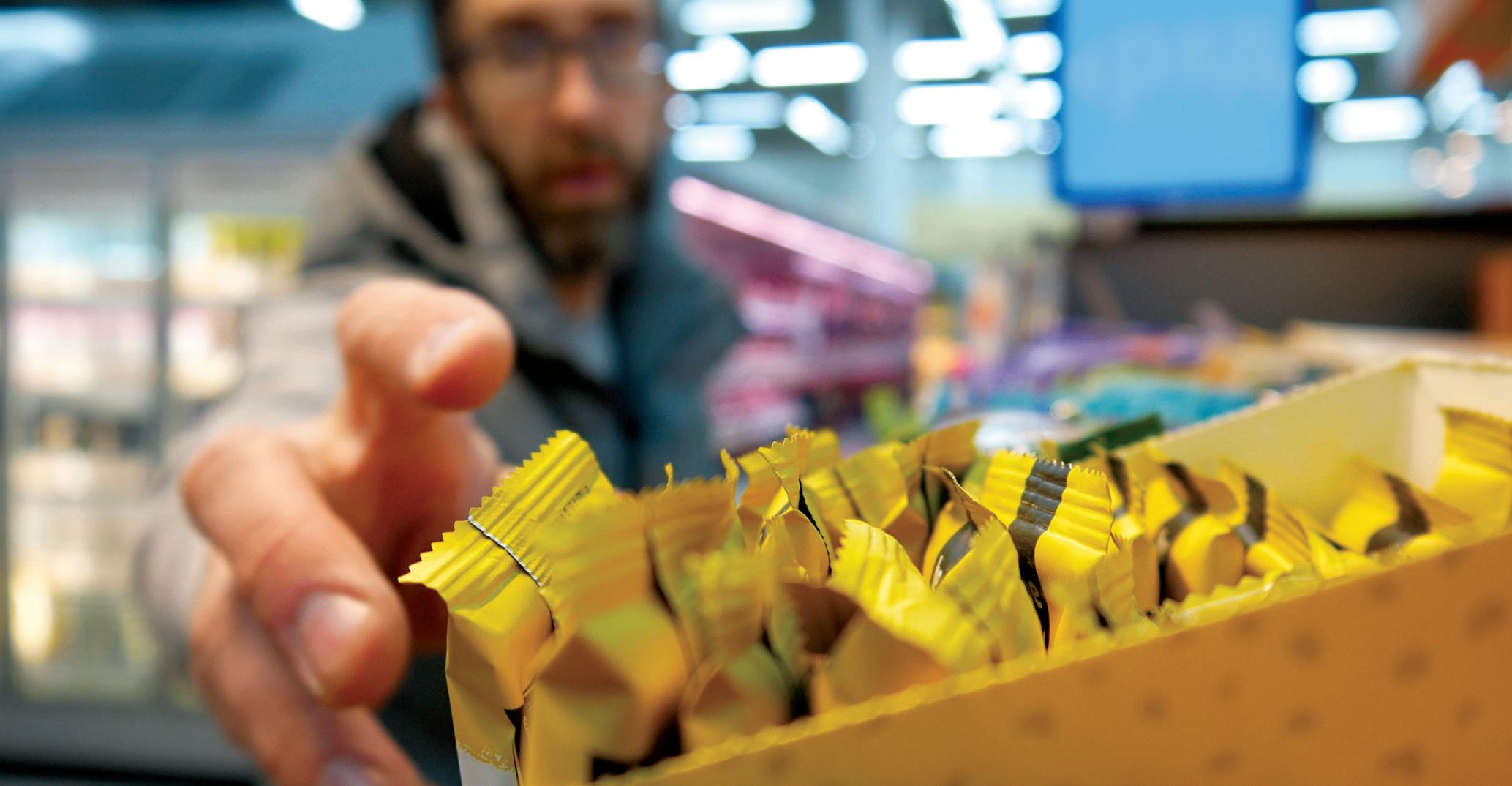
Signage, strategic placement and trendy products are essential for increasing basket size
By Tammy Mastroberte
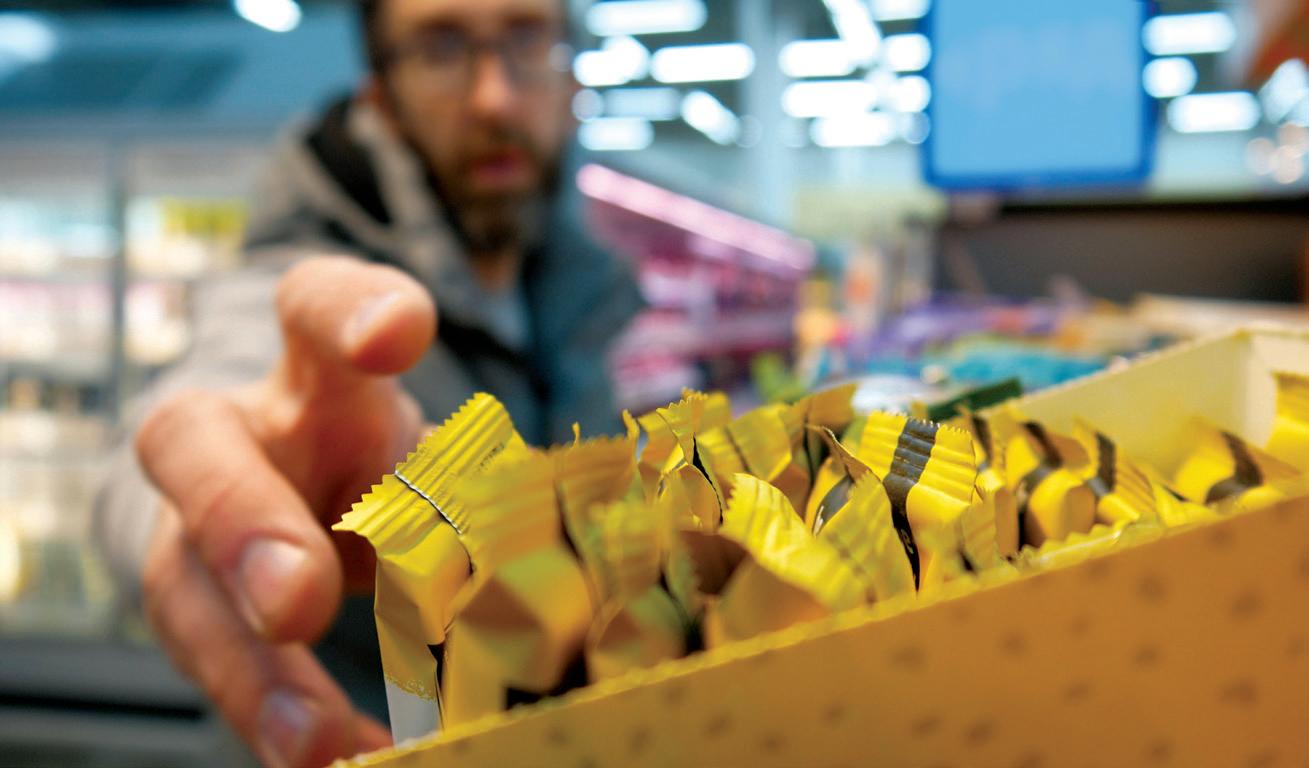
WHEN CUSTOMERS ENTER a convenience store, whether it’s for coffee and a breakfast sandwich in the morning, or to pick up a six-pack and dinner for the evening, there’s always an opportunity to capture their attention for an impulse buy — especially when it comes to candy and snack products.
According to the 2026 Convenience Store News Realities of the Aisle Study, which surveyed 1,500 consumers who shop a c-store at least once a month, 48% of respondents said they purchase candy from a c-store in a typical month and 47% said the same for packaged snacks.
To drive impulse buys during customer visits to both the pump and in-store, signage is one of the biggest motivators. Research shows it is especially effective for promotion discovery.
“We asked consumers how they find out about promotions, and signage in-store and at the pump were the top responses,” Kathy Risch, senior vice president of shopper insights and thought leadership at Jacksonville, Fla.-based Acosta Group, told Convenience Store News. “This is different than a traditional promotion plan for a grocery store or other channel.”
Specifically, 44% of participants in the company’s research cited in-store signage as their primary source of promotion discovery at convenience stores, while 39% cited exterior signage — including at the pump — and 38% cited signage or tags on the shelf.
With 50% of consumers who stop at a c-store for fuel also making a trip into the store specifically for salty snacks and 36% for candy — the top two categories in Acosta Group’s survey — Risch noted that this translates to much opportunity for operators.
“As the No. 1 and No. 2 categories in c-stores, this is an opportunity for c-stores to grab an impulse or unplanned purchase from the pump combining an offer for a CPG candy or snack product with a self-serve beverage, for example,” she said. “In fact, 69% are likely to read signage and monitors at the pump, making this valuable ad and store information space.”
Likewise, since more than two-thirds of shoppers report promotion discovery at the shelf level, this is also a space to be utilized for driving impulse sales by prioritizing and highlighting “top-performing SKUs, organizing assortments by use occasion, and using vertical merchandising to improve visibility in high-traffic areas,” said Nik Culver, director of category management, c-store at The Hershey Co.
One particularly important high-traffic area in c-stores for marketing new and popular candy and snack products is at the checkout, whether it’s self-checkout or manned by an employee.


































































































































































































































“Show the new products you have in stock, especially the viral ones.”
— Jonathan Tanner, BreathROX
“C-stores shine at the checkout area, so it’s important customers see that last-minute impulse purchase there,” said Allie Burnett, director of the predictive science group at Conagra Brands Inc., based in Chicago. “When you have those three seconds, make sure you are communicating what they are looking for, and experiment and drive new flavors.”
According to Acosta Group’s “Convenience Store Shopper Insights Survey,” the top impulse item for purchase is candy (63%), which includes chocolate, gummy candies, mints and gum. Close behind in the No. 2 spot is salty snacks (62%), including potato chips and trail mix.
When considering promotions and special offers, single-serve and smaller pack sizes are preferred. In the survey, 55% said they would chose a single-serve snack, such as a small bag of chips or one candy bar, for $1 rather than five of them for $4 (45%).
This lines up with one of the key trends identified in the “Future of Snacking 2025” report from Conagra Brands, which found that away-from-home snacking is on the rise
and a growing share of snacks are now being picked up within 30 minutes or less of consumption vs. four years ago.
“On-the-go snacking is a trend where consumption happens right after purchase,” said Burnett. “This category is continuing to soar, with projected growth of 39% by 2027.”
Offering promotions in these categories and bundling them with other items in the c-store such as foodservice are very effective tools for increasing basket size, said Hershey’s Culver.
“Clear signage and highlighting new items make it easier for shoppers to make quick decisions during short visits. Impulse is often driven by discovery, so products that are new, visually distinctive and easy to shop tend to perform well,” he explained. “Variety and clearly defined usage occasions, from quick treats to shareable options, are also important in driving incremental sales.”
Additionally, taking advantage of viral trends can have a sizeable impact in the candy and snack categories. Today, more and more consumers are discovering products on social media, and one viral video can sell out a product, according to Jonathan Tanner, founder and CEO of Neenah, Wis.-based BreathROX, the maker of popping candy breath mints. C-stores can advertise viral products as available in their stores on their own social media accounts, he noted.
“One of the Kardashians said they loved Nerds Gummy Clusters and it went viral, and Peelerz gummies was shared on Tik Tok and Walgreens sold out in days,” he pointed out. “Show the new products you have in stock, especially the viral ones. If a brand is posting social media content, c-stores can share it and say it’s available in their stores.”
Tanner also emphasized that these products should be put in prime real estate within the store, so customers can easily notice them. “… You have to put fresh items at the checkout to capture the buzz around new and viral products,” he said.
Speaking of new products, bold flavors, better-for-you options and protein are leading the way in what consumers are looking for today, particularly in snacks. Conagra Brands’ Future of Snacking report highlighted flavors such as sriracha, garlic

parmesan and hot honey, as well as globally inspired flavors like gochujang, sweet chili and mango habanero.
“Flavor is always a big driver,” said Burnett. “Bold, globally inspired flavors, extreme heat and sriracha are growing in meat snacks, as well as other protein-driven snacks.”
Given the increase in consumers taking GLP-1 medications, protein-forward and smaller portions are also popular, and many are looking for “clean ingredients,” she added.
Acosta Group’s shopper insights survey found that more than half of c-store shoppers actively seek out health benefits in their purchases. The top three segments are:
• Less fat, high protein
• Natural and organic
• Clean label
“C-stores should be looking at these big areas of opportunity, but also temper that with allocating space for traditional high sell-through items that are not as good for you,” said Risch.
Along the same lines, Hershey is seeing continued growth in better-for-you options, according to Culver, but the company is also tracking “a resurgence” in chocolate, which accounted for two-thirds of total category growth in 2025.
“The momentum is being driven by a renewed focus on core brands paired with strong innovation, like Reese’s OREO, and exciting limited-time offerings,” he said. “We’re also seeing strong momentum in nonchocolate confectionary, gummies and long-form candy.”
Hershey recently created new products with both flavor and Generation Z in mind, such as its Jolly Rancher Ropes in tropical fruit and mango flavors, as “ropes are
“Portionability, fewer calories, protein and clean ingredients will continue to grow.”
— Allie Burnett, Conagra Brands Inc.
one of the fastest-growing forms in the sweets category,” Culver explained, noting that Gen Z has been an important driver of growth within the convenience channel with “strong engagement around bold flavors, unique formats and something new at the shelf.”
Even gum and mint manufacturers are taking advantage of the better-for-you and bold flavor trends. BreathROX created functional breath mints with zinc, and one of its newest flavors is chili lime mango. “Consumers are looking for novel flavors and functional products,” said Tanner.
Looking to the future, c-store retailers should keep tracking the rise of GLP-1 consumers and understand their needs, especially around candy and snacks, as Burnett believes the convenience channel has “a way to win this consumer.”
“Portionability, fewer calories, protein and clean ingredients will continue to grow,” she said. CSN

SPONSORED BY

As M&A slows and store counts stabilize, convenience retailers are shifting their focus inward — upgrading stores, optimizing operations and redefining what growth really means
By Melissa Kress & Danielle Romano
THE WILL-THEY, won’t-they buzz around Laval, Quebec-based Alimentation Couche-Tard Inc.’s bid to acquire Tokyobased Seven & i Holdings Co. Ltd. had members of the convenience store industry on the edge of their seats for months, only to quietly fizzle out in July 2025 when Couche-Tard called off its pursuit of the parent company of Irving, Texas-based 7-Eleven Inc.
Despite the change of heart, Couche-Tard did close on a notable deal in the summer of 2025. The operator of the global Circle K brand became the new owner of GetGo Café+Markets. Couche-Tard picked up approximately 270 GetGo and WetGo locations across Pennsylvania, Ohio, West Virginia, Maryland and Indiana from Pittsburgh-based Giant Eagle Inc.
While this certainly was a strategic growth move for Couche-Tard, it did not move the needle in terms of the company’s position on the 2026 Convenience Store News Top 100 ranking, compiled in partnership with Nielsen TDLinx using February 2026 data. For another year, Couche-Tard stands firmly in the No. 2 spot between 7-Eleven at No. 1 and Ankeny, Iowa-based Casey’s
General Stores Inc. at No. 3.
One recent deal that did shake up this year’s Top 100 ranking was Dallas-based Sunoco LP’s $9.1-billion acquisition of Parkland Corp. As a result of this transaction, which closed in November, Calgary, Alberta-based Parkland exited the U.S. convenience store industry and Sunoco skyrocketed up the ranking, going from No. 72 to No. 29.
Those two transactions aside, though, most of the store count growth over the past 12 months came from smaller deals and organic growth, which saw several convenience retailers make a name for themselves in new markets. So, it should come as no surprise that this year’s Top 100 ranking paints a familiar picture to years past. The top five chains are 7-Eleven with 12,183 stores, Couche-Tard with 6,048 stores, Casey’s with 2,932 stores, Westborough, Mass.-based Cumberland Farms with 1,403 U.S. stores, and El Dorado, Ark.-based Murphy USA Inc. with 1,213 stores.
Rounding out the top 10 are Tulsa, Okla.-based QuikTrip Corp. at 1,201 stores, Media, Pa.-based Wawa Inc. at 1,196 stores, Richmond, Va.-based GPM Investments LLC at 1,093 stores, Houston-based bp at 995 stores, and La Crosse, Wis.-based Kwik Trip Inc. at 907 stores.
In all, the top 10 convenience store chains account for a combined 29,048 stores of the industry’s 151,808 total
locations, or 19.13%. The top three companies account for a combined 21,163 stores or 13.94% of the industry total.
If the past decade of convenience retail was defined by scale, the next decade may be defined by what operators do with it. After years of consolidation and footprint expansion, many retailers in the industry are now shifting their focus inward, prioritizing asset quality, operational efficiency and margin performance over sheer store-count growth.
This is redefining how c-store retailers
think about growth. While headline-making acquisitions haven’t disappeared, a quieter but equally strategic trend has taken hold: asset optimization.
Retailers are increasingly embracing “portfolio pruning” — the intentional process of divesting stores, markets or business units that no longer align with long-term goals. Companies such as Allentown, Pa.-based CrossAmerica Partners (No. 20 on this year’s ranking) have leaned into this approach, executing record levels of asset sales to streamline operations, while others such as ARKO Corp., parent company of GPM Investments LLC (No. 8), continue to advance dealerization strategies aimed at improving capital efficiency and returns.
This doesn’t mean acquisitions are off the table, however.
Mart, Fas Mart, Scotchman, Admiral Petroleum, Roadrun-
“Consolidation will continue as there are obvious efficiencies with it,” Peter Rasmussen, founder and CEO of St. Petersburg, Fla.-based Convenience and Energy Advisors, told Convenience Store News. “It is incredibly difficult for a smaller operator to survive today given the advantages of the economies of scale that larger chains have.”
At the same time, the U.S. market remains uniquely fragmented compared to other parts of the world, leaving room for strong regional players to hold their ground. As Rasmussen noted, the United States has several super regional
“Staying relevant means updating décor, offer and service levels to meet today’s expectations.”
— Ed Burcher, Business Accelerator Team


































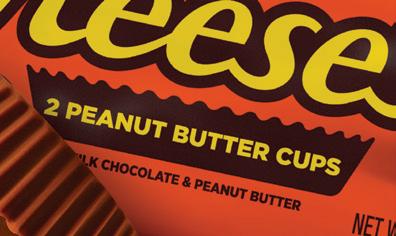






























































































































chains with unique differentiating offers.
“For many of those brands, an acquisition is not logical if they cannot duplicate store design, operating standards and [the] offer that makes their current model successful,” he explained.
As of result of all these combining forces, the competitive battleground is shifting.
“Competition is
and the definitions are expanding,” said Ed Burcher, a partner at Business
Accelerator Team, a c-store industry consultancy based in Phoenix. “Staying relevant means updating décor, offer and service levels to meet today’s expectations.”
With capital budgets tightening and development timelines stretching, retailers are becoming more disciplined in how they invest. Rather than prioritizing new-to-industry (NTI) builds, many are finding faster returns through remodels, equipment upgrades and targeted program expansions.
“Remodels and program expansion with new equipment
and services can have a quicker ROI in today’s environment. NTI development can face long lead times and an increasingly onerous regulatory environment. Focusing on adding incremental sales and attracting new guests and/or new visits provides a cost-effective and quicker return on capital,” Burcher explained.
That shift reflects a broader recalibration around capital efficiency, according to Bill Nolan, another partner at Business Accelerator Team.
“It is important for underperforming stores or markets to not become a distraction to the larger picture of the organization.”
—
and Energy Advisors
“Dollars spent must provide an ROI, sooner than later,” Nolan said. “Due to the ongoing increase in the cost to operate — COGs [cost of goods], salaries, equipment, etc. — retailers that have the luxury of equity may want quicker returns on their investment.”
Technology is also playing a more strategic role, particularly when it directly impacts traffic and basket size. Mobile ordering and self-checkout are baseline standards today, but they have to be done right, Rasmussen emphasized.
“Beyond this, technology advancements that tangibly drive customer count and improve experience are winners,” he said.
As convenience retailers evaluate their existing portfolios, their investment strategies evolve, too. Operators are taking a more surgical approach to determining which sites warrant reinvestment and which are better candidates for divestment, repositioning or alternative operating models.
“There are always the standard ROI, cash flow, contribution and net income,” Burcher said. “A site may meet ROI and income thresholds, but not fit the future offer expansion.”
In those cases, divestment can unlock capital for higher-growth opportunities — a strategy that is increasingly being used not as a last resort, but as a proactive growth lever.
“It is important for underperforming stores or markets to not become a distraction to the larger picture of the organization.
Source: Nielsen TDLinx, February 2026
You need to sell it vs. putting your best resources into something that has less upside than another focus,” Rasmussen said, citing Wawa’s past urban strategy shift.
Reinvestment decisions are increasingly tied to competitive dynamics at the local level. According to Nolan, the answer lies in a few tried-and-true metrics:
• Does the current “older” store have the volume, margin, net income and customer count to be a key asset? To hold that value against new competition, reinvestment is wise, he said.
• When a strong branded operator controls a territory, other brands will take notice and their new builds can take hold quickly. “Protect your territory from other major brands building across or near your older key assets,” he advised.
“I believe many strong operators will divest risky locations,” Nolan predicted. “Better new dirt, exciting new builds with larger forecourts, and interior marketing and foodservice is the best use of capital.”
The New Turf War
As national operators accelerate expansion into new markets, a different kind of competition
“I believe total assets must include a pool of current stores and a growth plan that draws in greater loyalty and broadens your reach.”
— Bill Nolan, Business Accelerator Team
is playing out at the store level — one that is less about proximity and more about experience.
Several large chains are entering new territories through a mix of new builds and acquisitions, bringing heightened competition to the doorsteps of midsize and small operators. In recent years, states like Ohio and Indiana have become key battlegrounds, with companies such as Wawa, QuikTrip, RaceTrac Inc. and Buc-ee’s establishing a growing presence here.
Such expansion is only gaining momentum. Wawa continues to push into Kentucky, West Virginia, Tennessee, Alabama, Georgia and North Carolina, while QuikTrip has targeted markets in Kentucky, Nevada, Utah and Florida for new store openings.
The result is a nationwide ripple effect: Regional chains
that once operated with limited national competition are now being forced to defend their home turf. In response, many are digging in, transforming their stores into food-forward destinations and community-centric “third places” designed to drive repeat visits and deepen customer loyalty.
“I recommend looking at every possibility beyond chasing price, which is not a winning philosophy in general,” Rasmussen offered. “While price will always be a driver, find every way you can to get a niche to the experience or channel your competitor doesn’t have, and be relentlessly great at it.”
This strategy is forcing a shift away from transactional retail toward more experiential formats where fresh food, seating, ambiance and service play a larger role in differentiation.
“Retailers should approach their stores with an eye to continuous improvement and investment. Some can be light touches to improve the appeal and brand on a regular basis, as well as a remodel schedule that can expand offers and make a better shopping experience. In many ways, waiting until a national operator enters a market is too late,” Burcher said.
Local connection, though, remains a critical advantage for regional players.
151,808
Total Number of Industry Stores
29,048
Number of Stores Operated by the Top 10 Chains
21,163
Number of Stores Operated by the Top 3 Chains
“National chains have deeper pockets, but this shouldn’t scare smaller chains,” said Nolan. “Sponsoring local teams, funding local events and charities will always have a positive impact.”
As strategies shift, so too does the industry’s definition of scale.
Store count alone is no longer the primary measure of strength. Instead, operators are increasingly focused on the productivity and profitability of each location — and their ability to drive traffic, loyalty and margin.
“At baseline, this one is dependent on the philosophy of the operator,” Rasmussen said, noting the contrast between high volumes of lower-performing sites vs. smaller networks of highly productive stores.
For many, scale is now about reach and influence as much as it is about footprint.
“Scale enables chains to cost effectively market to trade areas. A broader audience provides brand recognition and hopefully brand dominance,” Nolan said. “So, I don’t think scale is becoming less important. I believe total assets must include a pool of current stores and a growth plan that draws in greater loyalty and broadens your reach.”
In this environment, the competitive edge is shifting toward the quality of the asset, the strength of the experience, and the consistency of execution across the network.
As Nolan put it: “The best time to fix a bad roof is when it is sunny and pleasant. When it starts to rain, it is too late.” CSN
45,405
Number of Stores Operated by the Top 100 Chains
29.9%
Percentage of Stores Operated by the Top 100 Chains
19.13%
Percentage of Stores Operated by the Top 10 Chains
13.94%
Percentage of Stores Operated by the Top 3 Chains
*As of February 2026
Source: Nielsen TDLinx

This year, two notable companies are absent from the Top 100 ranking following their exit from the U.S. convenience channel: Giant Eagle Inc. and Parkland Corp.
Pittsburgh-based Giant Eagle, which captured the No. 32 spot in 2025, sold its GetGo Café+Markets chain to Laval, Quebec-based Alimentation Couche-Tard Inc. at the end of June. In November, fellow Canadian retailer Parkland bid adieu as Philadelphia-based Sunoco Inc. finalized its $9.1-billion acquisition of Calgary, Alberta-based Parkland. The company held the No. 51 spot in 2025 and operated several banners across the United States, including On The Run, Superpumper Store and KJ’s Super Stores.
These exits — along with smaller movements up and down the list — opened the door for new companies to enter the Top 100 this year: Tampa, Fla.-based Giant Oil, operator of the On The Fly brand (at No. 68); Sylvania, Ohio-based Stop & Go, operator of the Stop & Go brand (No. 75); Omaha, Neb.based TFL Inc., operator of the Mega Saver brand (No. 94); and Ballwin, Mo.-based Midwest Petroleum Co., operator of the Midwest Petroleum brand (No. 98).
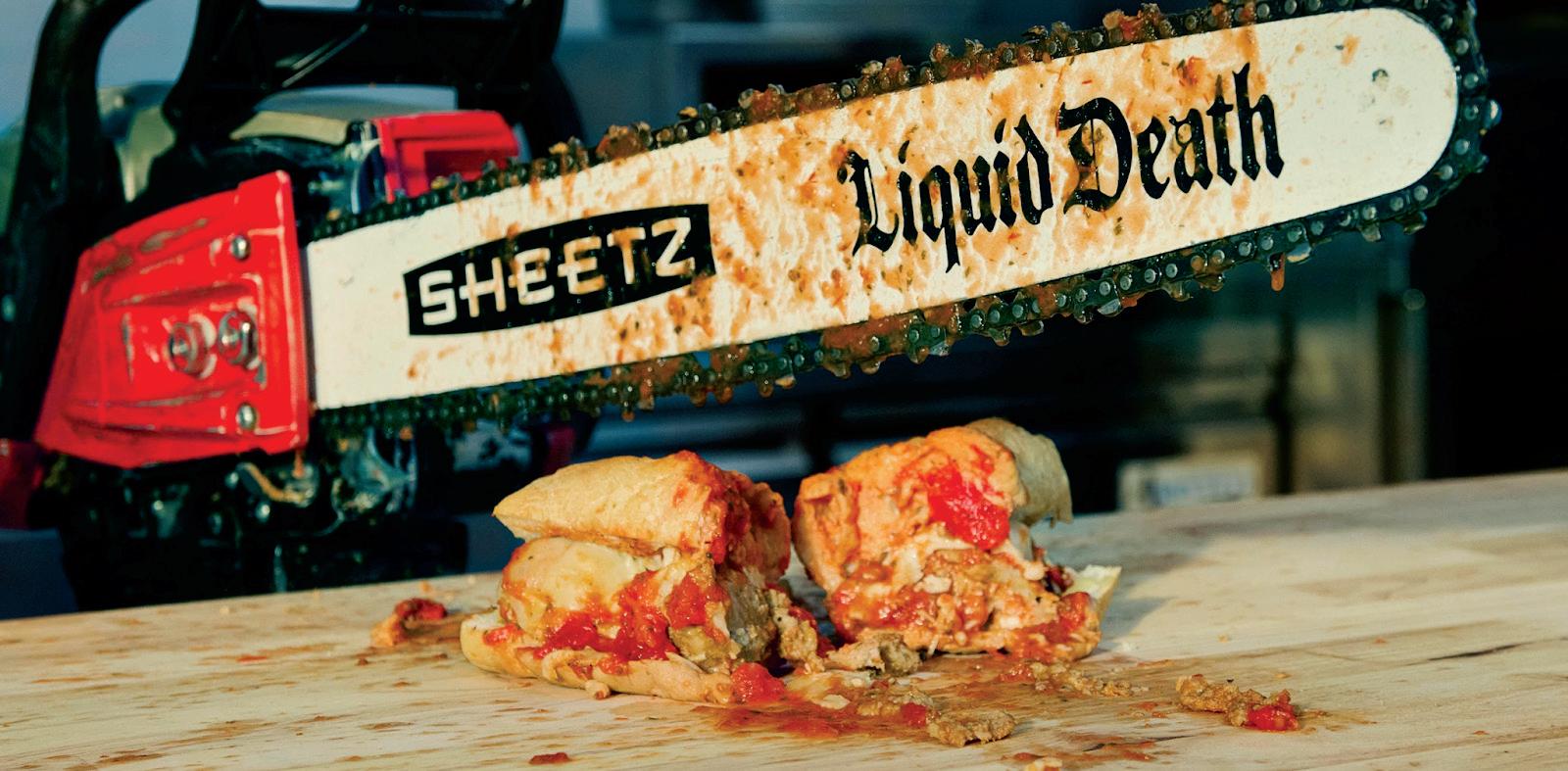
Retailers are injecting entertainment into the shopping experience to differentiate themselves
By Tammy Mastroberte
IN TODAY’S COMPETITIVE retail landscape where consumers seemingly have endless options to shop, standing out is more important than ever. Convenience stores strive to get customers onto their lot and into their store. To do this, many are turning to innovative offerings that inject fun and entertainment into the shopping experience.
Over the past year, Altoona, Pa.-based Sheetz Inc. has offered chainsaw-sliced sandwiches for a day and launched Sheetzertainment, a series of live shows, activations and collaborations. Sheetzertainment debuted with a one-night-only surprise concert outside a Pittsburgh Sheetz store featuring the iconic pop punk band The All-American Rejects.
“Chainsaws, sandwiches, surprise concerts and iconic bands — that’s just a regular month at Sheetz,” Ryan Sheetz, executive vice president of marketing and supply chain, said in a news release. “We’re not just a convenience store that provides flavor-packed experiences. We’re your front-row ticket to unforgettable entertainment, and the party is just getting started.”
The convenience store concept continues to change and grow, with the goal of
making stores a destination rather than a place to simply fill up a gas tank. What consumers are now looking for, and c-stores are working to deliver, is “memorable experiences,” according to Philip Santini, senior director of foodservice and bar strategy at York, Pa.-based Rutter’s, which introduced the 1747 Bar and Lounge concept at select stores, with more to come.
“The landscape has evolved. … Today’s consumers want more than quick stops,” he said. “By combining entertainment, elevated food and inviting social spaces, Rutter’s is redefining what a convenience store can be, bridging the gap between retail, quick-service dining and hospitality.”
Damon Bail, vice president of operations for Owensboro, Ky.-based Valor Oil, which operates 15 Hop Shops known for their disco bathrooms, echoes Santini, noting that “it’s about developing a brand you can associate with other than just Cokes and smokes.”
“It’s also about attracting the younger generation — Gen X, Y and Z — because at the end of the day, that is your future customer,” he said. “Today’s retailers need a brand that is fun, exciting and purposeful because the consumer has so many choices on where to go and for the younger generation, it has to be bigger and more.”
As c-stores continue to shift into high-quality foodservice and compete with restaurants, many operators are now looking to bring an unexpected or entertaining aspect to their business as a differentiator, said Jennifer Loper, president and chief growth officer at C3, Creative Consumer
“Today’s retailers need a brand that is fun, exciting and purposeful.”
— Damon Bail, Hop Shops
Concepts, a brand and marketing agency based in Overland Park, Kan.
“Even restaurants discovered they could be a spot for entertainment to draw in consumers with families, whether it’s kids’ meals that include toys, face painters or family nights where kids eat free,” she explained. “Consumers are also looking for an experience in c-stores today and in our research, we discovered families are a valuable market in convenience.”
Loper reports that c-store transactions are often 2.5 times higher when kids under the age of 12 are part of the occasion, which is “not unlike the restaurant space,” she said.
Creating a Destination
From concerts in parking lots to a bar inside, convenience stores are tapping into the unexpected to attract and retain customers. Hop Shops does this at its locations through its disco bathrooms, which were launched in February 2022. When entering the male or female restroom, customers see a red button on the wall alongside the brand’s frog mascot Hopper and a sign that says, “Whatever you do, don’t push the red button.”
“Once they push the button, we have 24-inch disco balls that come down, and we spared no expense on lights,” Bail said. “The bathroom goes completely dark and it plays a song for 45-60 seconds, such as Staying Alive or Party in the USA, which we change up twice a year.”
The chain put its first disco bathroom in its Verona, Ky., store and didn’t announce it in any way. When construction finished, “[we] acted like we had a new bathroom,” Bail recalled. Local influencers, however, noticed and began making videos. It “skyrocketed from there,” he said.
“That is how we got on Jimmy Kimmel, Steven Colbert and Inside Edition,” Bail explained. “What is unique and special is we see kids dragging their parents into the bathroom to use it, and we have had over 600 million TikTok views.”
Currently offered at six locations, the
disco bathrooms have become destinations, and people are buying products in the stores, too. The retailer even launched a disco bathroom merchandise line, including T-shirts, hoodies, wristbands, Yeti cups, disco ball sunglasses and more.
“The millennials and Gen Z are essentially big kids and like to have something collectible, unexpected and fun,” Loper noted. “You see this in the drink segment with Dutch Bros, 7-Brew and Scooters doing sticker drops and unexpected freebies. It’s something fun and entertaining for the customer that can bring them a little bit of joy, and it can be something small.”
With the convenience channel offering popular drink programs, this could be something to consider as well, whether it’s a color-changing straw, a custom lid or sticker drops based on the seasons that people can put on a water bottle, she pointed out.
“I was at Scooters in the Midwest getting coffee during the fall and the woman asked if I wanted a pumpkin spice car freshener,” Loper shared. “It was unexpected and functional, and made sense because pumpkin spice is everywhere in the fall.”
Hop Shops recently acquired three truckstops and plans to carry the disco bathrooms into them, complete with selfie stations and floors that illuminate. “It will be an
“Guests are pleasantly surprised to find a bar experience of this quality inside a convenience store.”
— Philip Santini, Rutter’s
absolute event when people go to one of these truckstops,” Bail told Convenience Store News
The chain is also planning to add more fun into its locations with the launch of a secret menu this year. There will be items people can only know about if they are part of the retailer’s Hopper Bucks rewards program. “If a person is a member, they will get some Hansel and Gretel clues on what is available on what day,” explained Bail.
In addition to finding ways to surprise and delight customers, some retailers like Rutter’s are kicking it up a notch and creating next-level experiences not typically found in or associated with a convenience store — like a c-store with a 21-plus bar inside.
Rutter’s new locations featuring the 1747 Bar and Lounge are 14,000 square feet. They have 20- to 65-inch televisions broadcasting sports, live sport tickers with real-time
updates, video gaming terminals (select locations), and a massive selection of adult beverages. These stores also still offer the typical convenience items customers expect from Rutter’s.
“The goal was twofold: to enhance our stores in high-traffic travel and gaming markets and to create a social destination where guests could relax, enjoy quality food and drinks, and experience something truly unexpected inside a convenience store,” Santini explained. “Whether it’s locals stopping in after work, travelers looking to relax mid-route or shift workers winding down after a late shift, the lounge offers a quick, comfortable place to unwind.”
The 1747 Bar and Lounge carries a full liquor license and boasts a custom cocktail program powered by the SmartBar automated dispensing system. There’s also a curated selection of beer, wine and spirits — and it offers the same food as the c-store side along with exclusive bar promotions and combo bundles for the lounge experience.
“There is comfortable seating with more than 20 televisions for watching live sports and events, and a gaming area with five video gaming terminals for added entertainment,” Santini noted.
The first two locations in Johnstown and Milton, Pa., opened in early 2025 and allowed Rutter’s to test the layout, operations and overall guest experience. Two additional locations have since opened. Based on “strong performance and positive customer feedback,” Santini told CSNews that there are plans to expand the concept to more locations.
“Customer response has been overwhelmingly positive. Guests are pleasantly surprised to find a bar experience of this quality inside a convenience store,” he said. “Feedback consistently highlights the comfort of the space, the value of the drinks, and the convenience of enjoying great food and beverages all under one roof.”
As the convenience and overall retail and hospitality markets shift, he said c-stores need to lean into it and offer more — whether small or big — to surprise and satisfy customers with the goal of getting them onto the lot, into the store and coming back.
“We’re leading this shift by giving guests a reason to stay, not just stop, creating places where great food, drinks and experiences come together under one roof,” Santini said. CSN



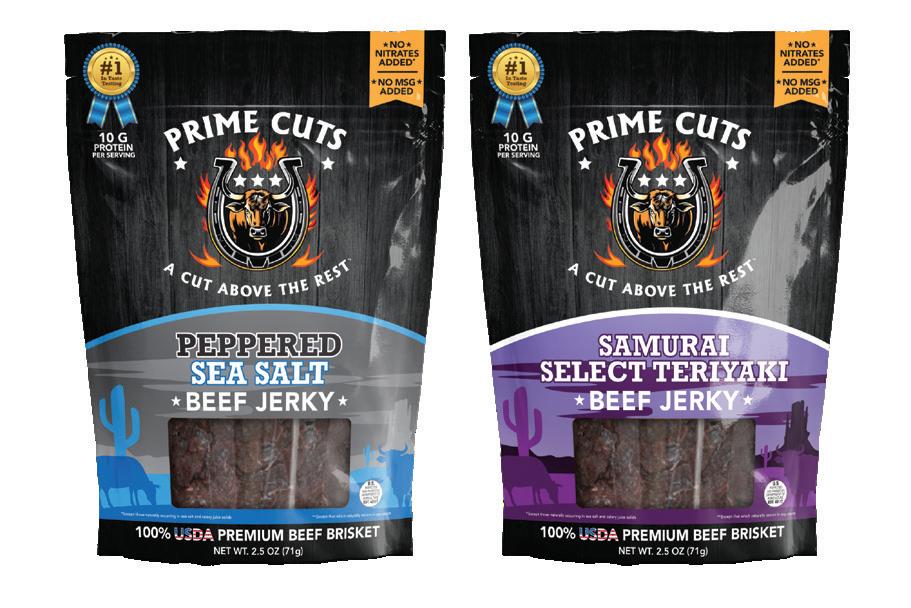
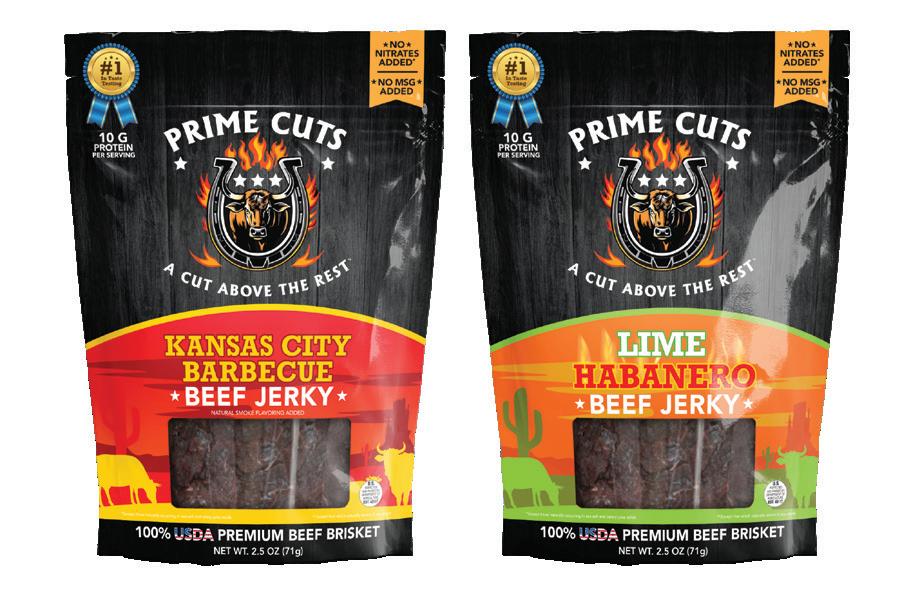
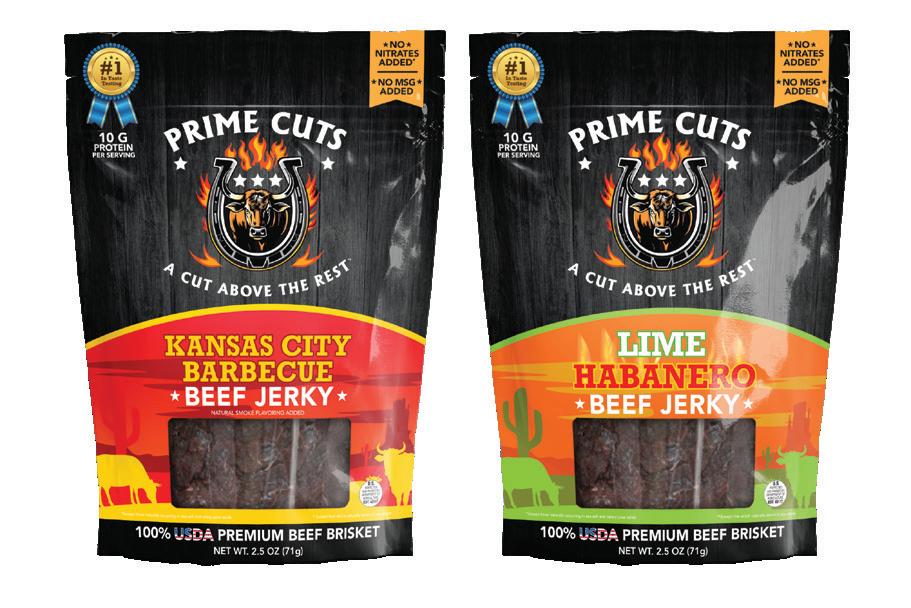
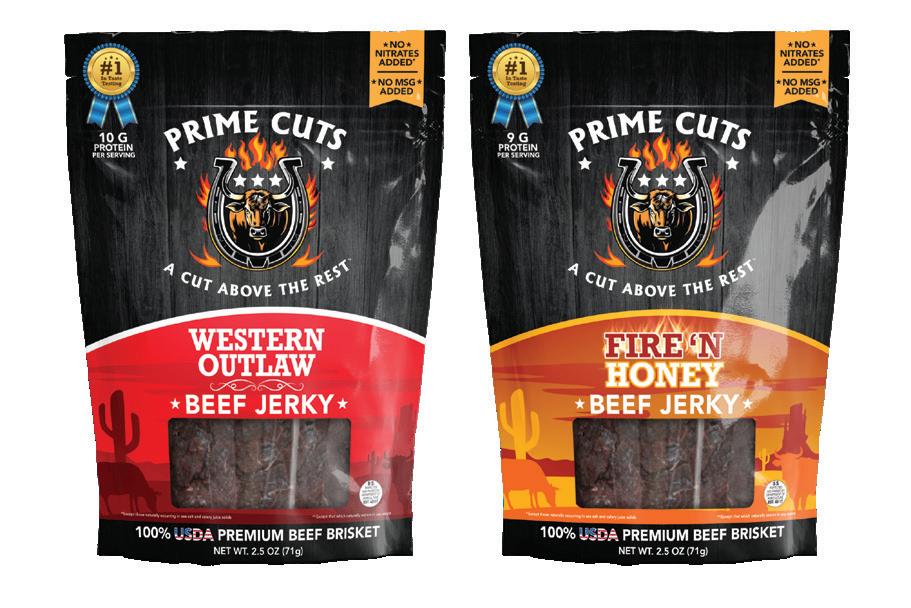






•
•









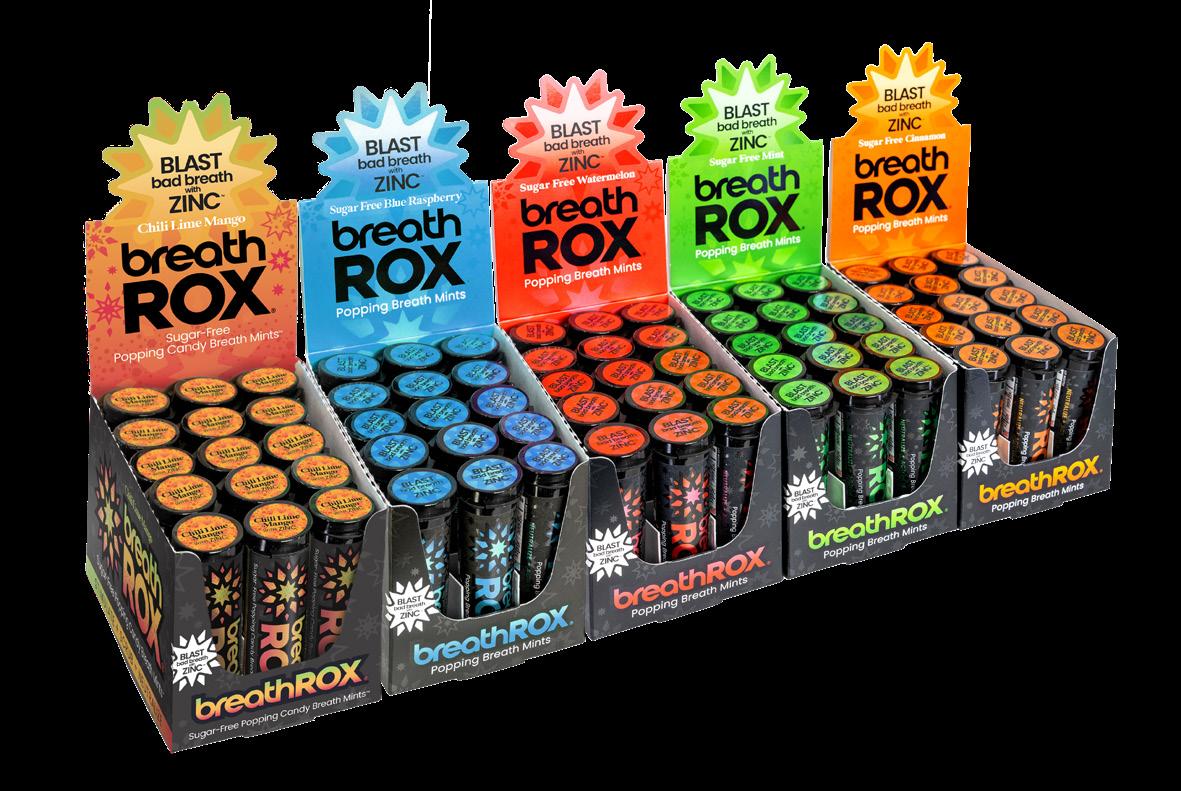
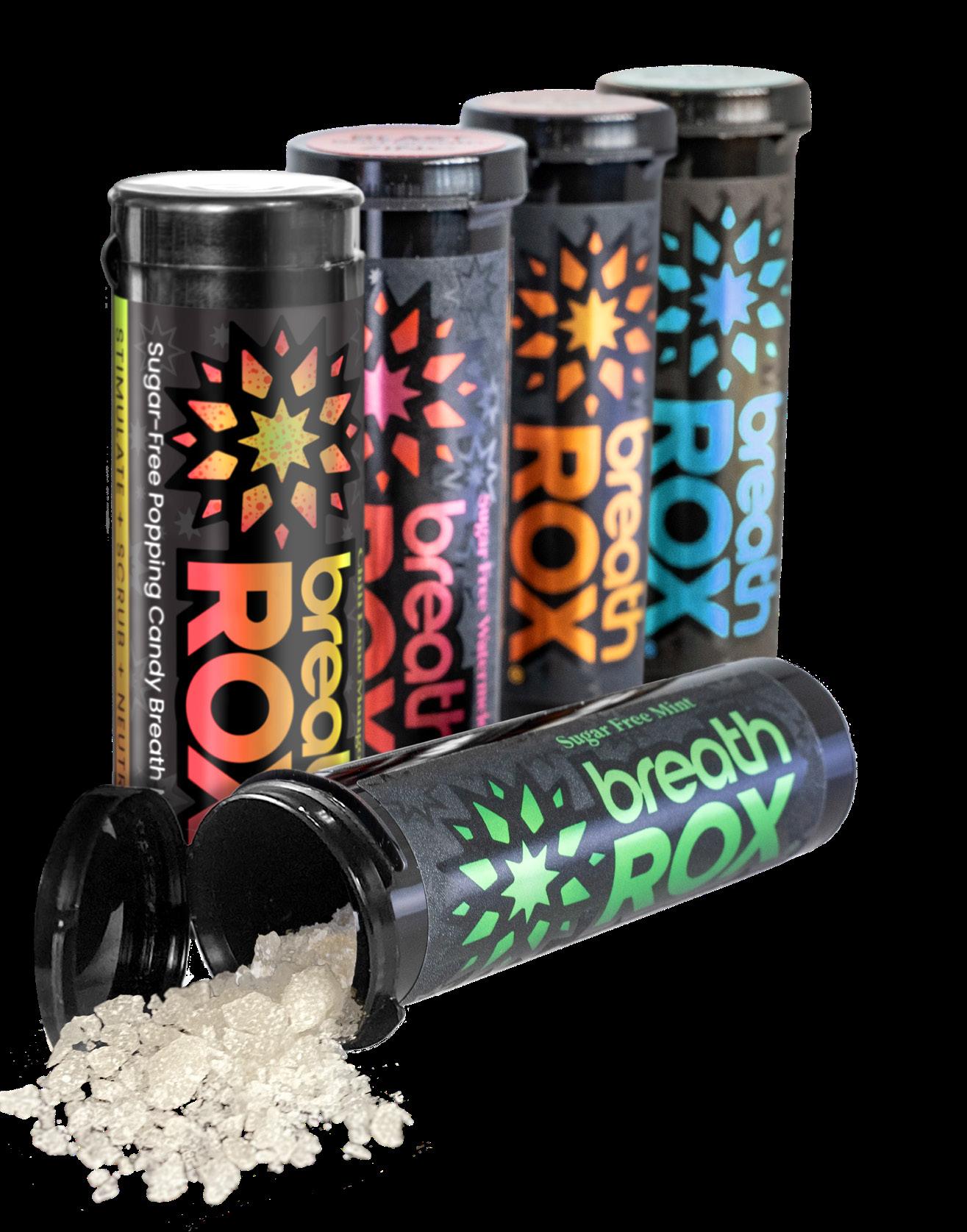


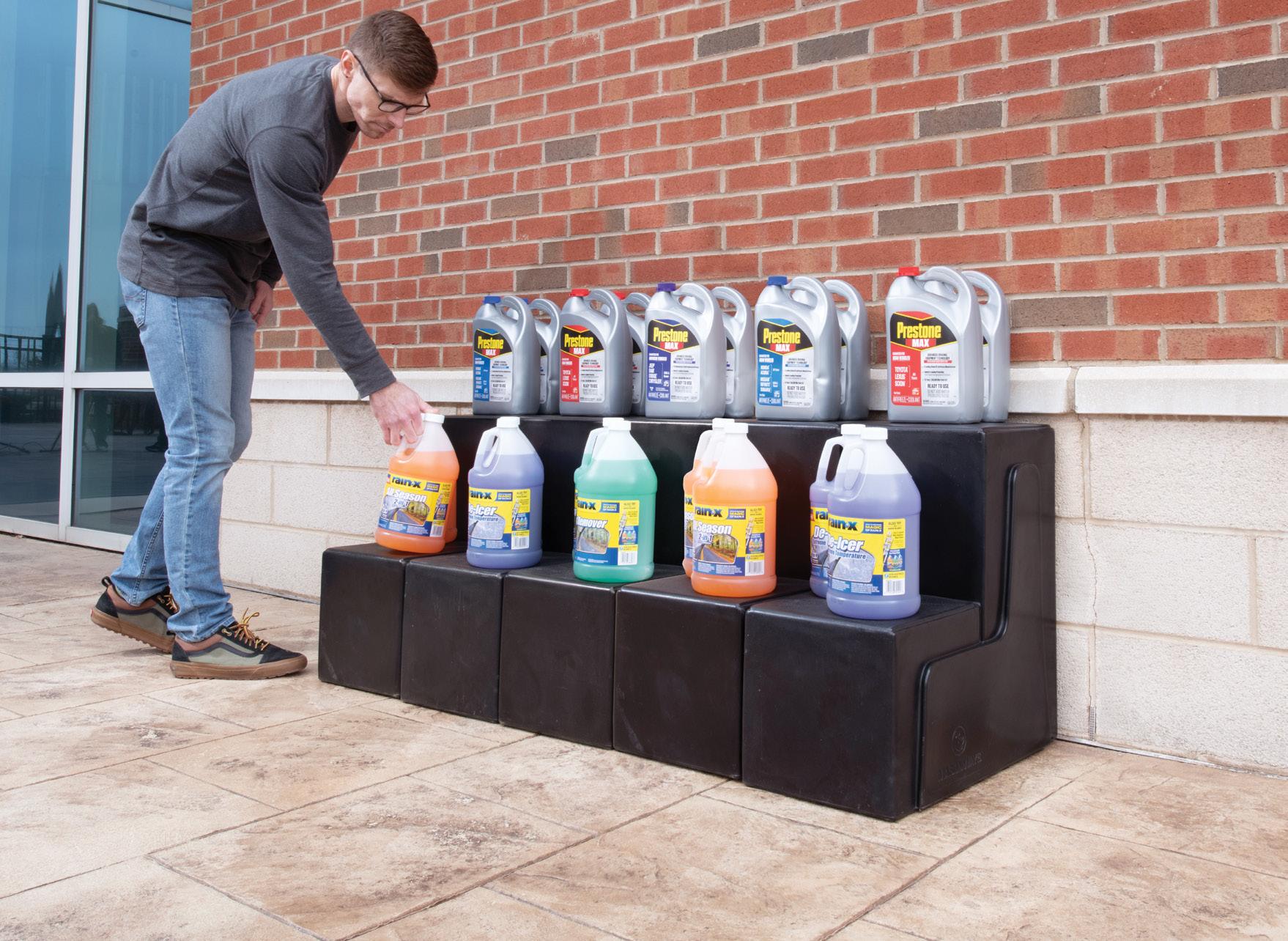
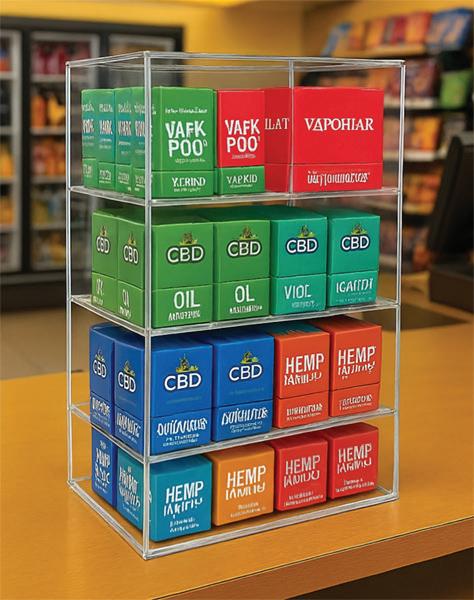
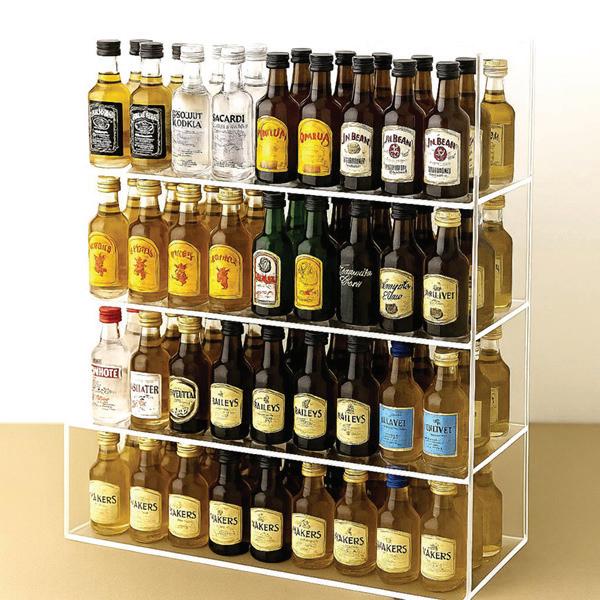
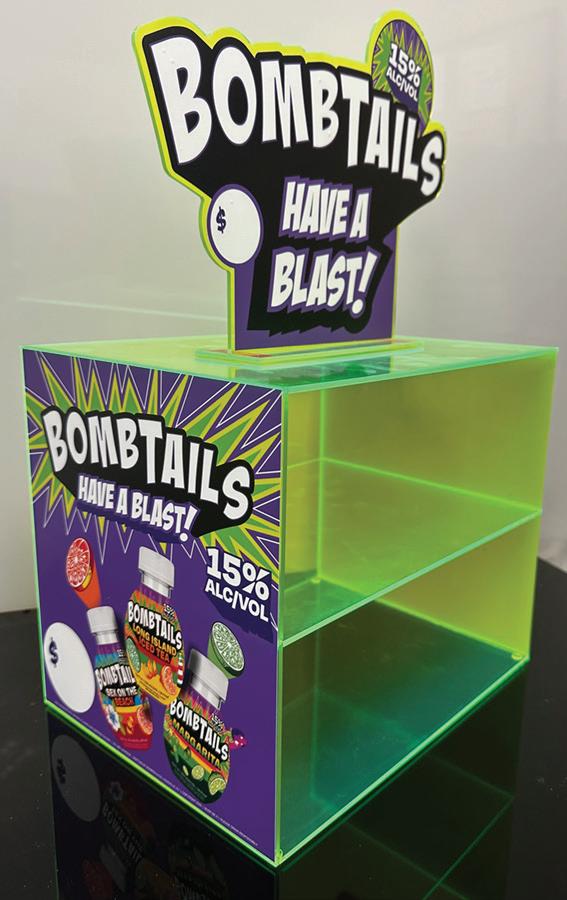
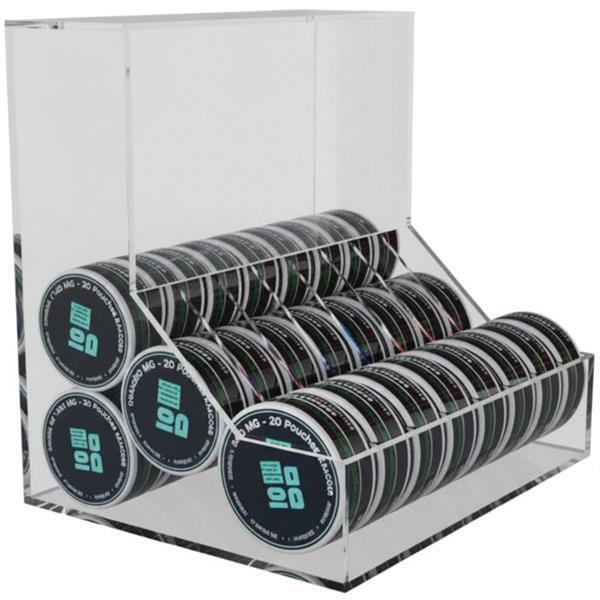


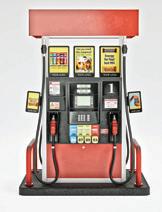
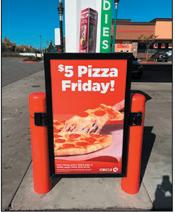

















































































































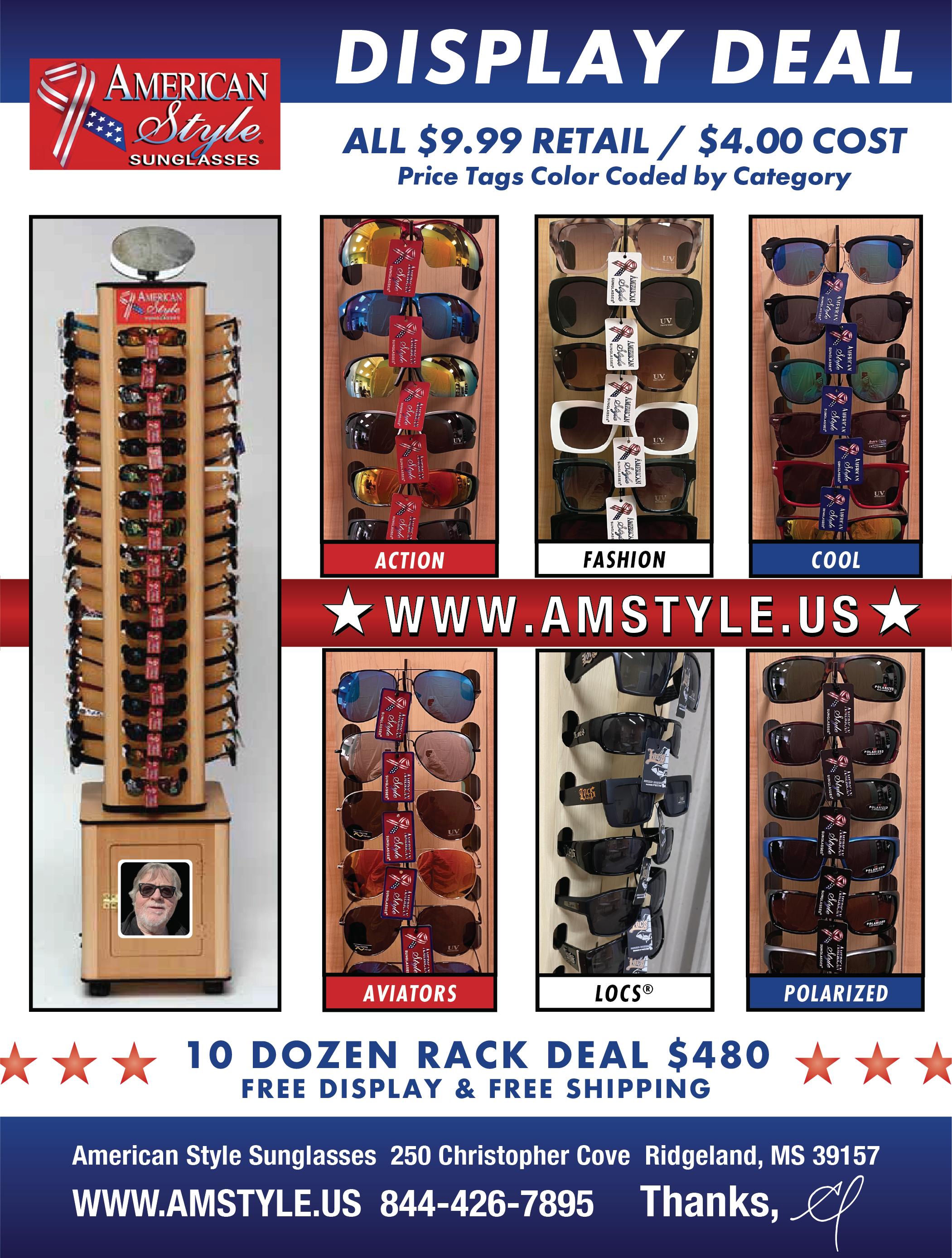


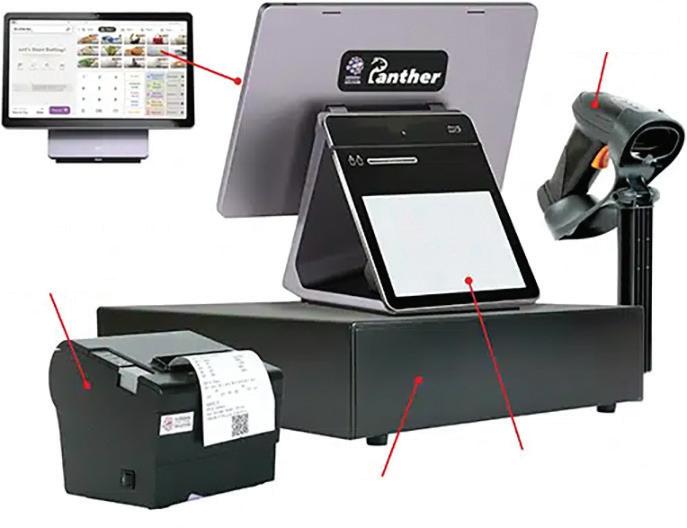



• Reduce your credit card processing fees
• Rates as low as 0%-0.05%*


• Switch now & get your FREE terminal with 5G/ Wifi*
• We will BEAT any rate!
• We offer processing for High-Risk locations

• Tobacco rebate programs
• Refer a customer get $250-$500



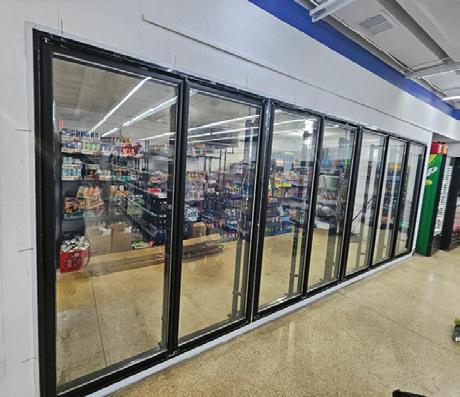




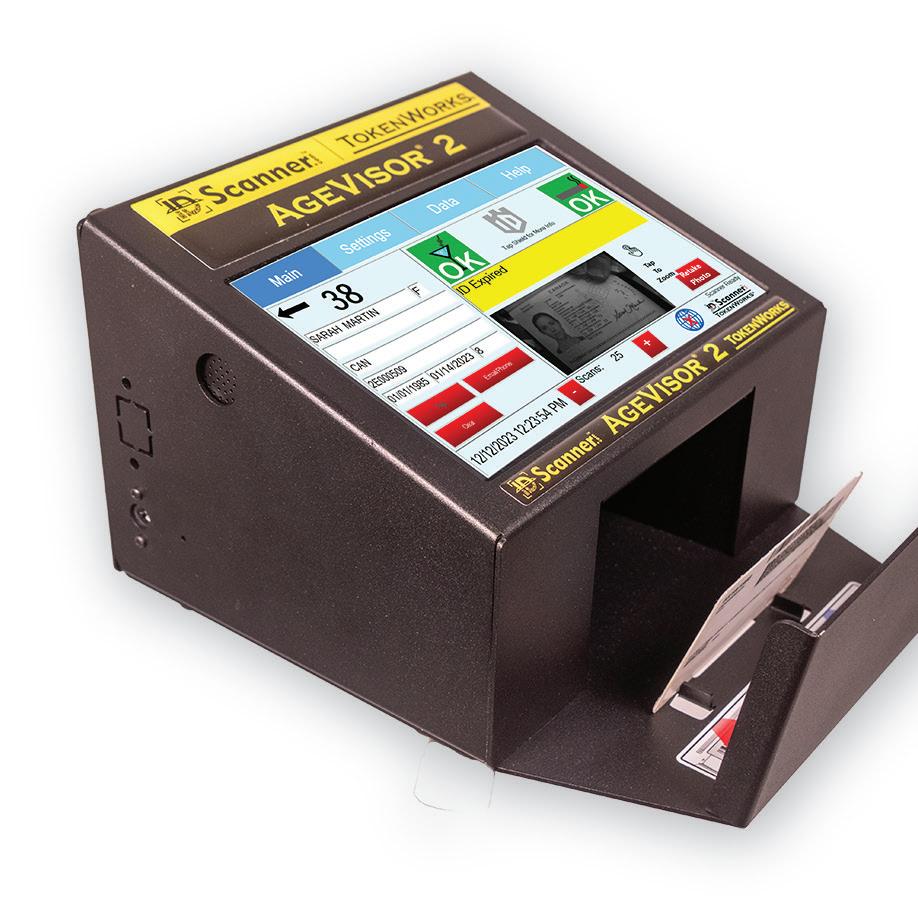



ARKO CORP. IS FORGING ahead on its store remodeling pilot program, which is designed to elevate the customer experience through improved layouts and a stronger food-forward focus.
The Richmond, Va.-based company launched its flagship location featuring the fas craves format in June 2025 and has since completed several additional remodels. Most recently, it unveiled a newly remodeled Apple Market with the fas craves food concept in Hazard, Ky.
The redesigned Apple Market features an updated exterior and interior, including refreshed branding, modern digital menuboards, upgraded food and beverage equipment, enhanced lighting, and an improved layout that supports speed, convenience and overall guest flow.
This store marks the fourth fas craves remodel, following two earlier new-to-industry openings, bringing the total number of fas craves locations to six nationwide. ARKO, one of the largest convenience store operators in the United States, plans to expand fas craves across its national network, delivering relevant, delicious and affordable food and beverage items.
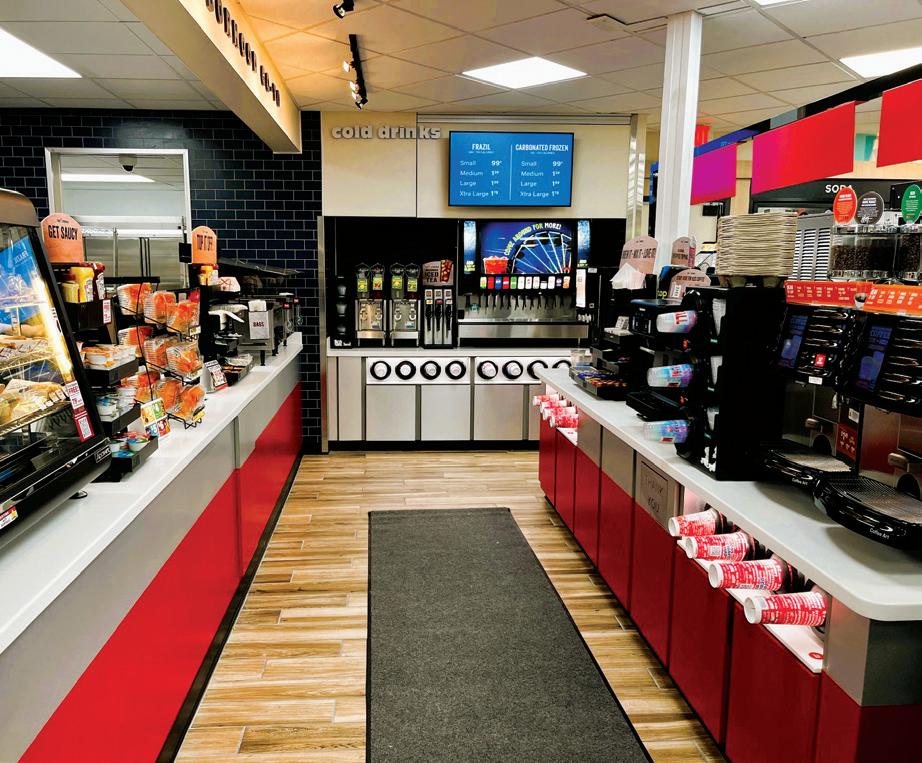
The Apple Market location serves hot and cold grab-and-go items, roller grill favorites such as Nathan’s hot dogs, and bakery. Popular offerings include breakfast sandwiches, crispy chicken biscuits, potato wedges, mozzarella sticks, jumbo chicken wings, pub burgers and more.
Dispensed beverages are a focal point in fas craves stores as well. The lineup includes trending options such as dirty soda — a customizable mix of soda, flavored syrups and creamy add-ins — that has quickly gained national popularity. Guests also can enjoy nitro cold brew, bean-to-cup hot and iced coffee, iced teas, lemonades, Frazil Slush, and Café Tango frozen coffee.
ARKO is planning for approximately 25 future store remodels. Early results have shown double-digit increases in merchandise sales and fuel gallons, improved category performance across multiple departments, and positive impact on basket size and traffic.