

















Boost your business with a responsible digital platform that enhances customer engagement and loyalty. The AGDC Digital Trade Program helps retailers connect with Adult Tobacco Consumers 21+ while driving business growth through incentives.
Receive a Scan Data Base Incentive payment for each eligible Scan Data transaction timely submitted to AGDC.
Earn incremental per-transaction incentive funds for each identified Consistent LID appearing 5 or more weeks in Scan Data.
Submit weekly Scan Data files for 13 out of 13 weeks to receive additional incentive payments.

Iceland’s convenience stores embody what the U.S. industry is currently chasing
FOR YEARS, people have mocked convenience store food. I can’t tell you how many times I’ve told someone I work at Convenience Store News and they’ve proceeded to joke about the shriveled-up hot dog on the roller grill that’s been there since the Reagan Administration.
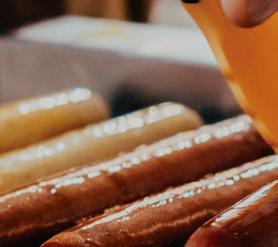
So, imagine my surprise when I discovered a country where convenience store hot dogs are not only respected, but revered. My fiancé Ryan and I recently returned from an eight-day road trip around Iceland. The country is often referred to as the “Land of Fire and Ice.” But as I quickly came to realize, it’s also the land of the Icelandic hot dog, known locally as pylsa.
Made primarily from lamb blended with pork and beef, a fully dressed pylsa includes both raw and crispy fried onions, sweet brown mustard, ketchup and remoulade. The Icelandic hot dog is the unofficial national dish, and the country’s convenience stores are its primary guardians.
Stopping for a pylsa and a “Kókómjólk” (chocolate milk) is a deeply ingrained part of Icelandic road trip culture, so of course we had to partake in tradition.
And it was delicious! In fact, we enjoyed pylsa on multiple occasions as we frequently relied on Iceland’s c-stores to fuel us during our travels. It’s not uncommon to drive for hours without seeing a restaurant.
Iceland is living the future that the U.S. convenience store industry is trying to reach.
With ample seating and food-forward layouts, the country’s c-stores serve up high-quality, affordable meals in a place where dining out is famously expensive. And they’ve certainly cracked the code on creating an in-demand signature item with a cult-like following.
In the U.S., we have some examples of this: Casey’s pizza, Wawa’s hoagies, Allsup’s burritos, 7-Eleven’s Slurpee, and Kwik Trip’s Glazers Donuts. But considering all the c-stores out there that are investing heavily in foodservice, I feel like the example pool should be wider.
If you have a signature item, I’d love to hear about it. Drop me a line. And if you ever find yourself in the Land of Fire and Ice, grab yourself a pylsa. You’ll be glad you did.
For comments, please contact Linda Lisanti, Editor-in-Chief at llisanti@ensembleiq.com.
EDITORIAL EXCELLENCE AWARDS (2016-2026)

2021 Jesse H. Neal National Business Journalism Award
Finalist, Best Infographics, June 2021
2018 Jesse H. Neal National Business Journalism Award Finalist, Best Editorial Use of Data, June 2017
2023 American Society of Business Press Editors, National Azbee Awards
Silver, Data Journalism, January/April/June 2022
2023 American Society of Business Press Editors, Upper Midwest Regional Azbee Awards Gold, Data Journalism, January/April/June 2022 Bronze, Diversity, Equity and Inclusion, March 2022

2016 American Society of Business Press Editors, National Azbee Awards Gold, Best How-To Article, March 2015 Bronze, Best Original Research, June 2015
2016 American Society of Business Press Editors, Midwest Regional Azbee Awards Gold, Best How-To Article, March 2015 Silver, Best Original Research, June 2015
2020 Trade Association Business Publications

Intl. Tabbie Awards Honorable Mention, Best Single Issue, September 2019
2016 Trade Association Business Publications
Intl. Tabbie Awards Silver, Front Cover Illustration, June 2015

2025 Eddie Award Honorable Mention, Folio: Business to Business, Retail, Full Issue, September 2024
Business to Business, Magazine Section
2024 Eddie Award, Folio:
Winner, Business to Business, Retail, Single Article, May 2024
Honorable Mention, Business to Business, Magazine Section
2023 Eddie Award Honorable Mention, Folio:
Business to Business, Retail, Full Issue, September 2022
Business to Business, Retail, Single Article, March 2023
2022 Eddie Award, Folio:
Winner, Business to Business, Retail, Single Article, March 2022
Winner, Business to Business, Food & Beverage, Series of Articles, October 2021
Honorable Mention, Business to Business, Retail, Single Article, September 2021
2020 Eddie Award, Folio:
Business to Business, Retail, Series of Articles, September 2019
2018 Eddie Award Honorable Mention, Folio: Business to Business, Retail, Website
Business to Business, Retail, Full Issue, October 2017
Business to Business, Editorial Use of Data, June 2017
2017 Eddie Award, Folio:
Winner, Business to Business, Retail, Single/Series of Articles, May 2017
Honorable Mention, Business to Business, Retail, Single/Series of Articles, June 2016
Laura Aufleger OnCue Express
Richard Cashion Curby’s Express Market
Billy Colemire Majors Management
Robert Falciani ExtraMile Convenience Stores
Jim Hachtel Core-Mark
Vito Maurici McLane Co. Inc.
Jonathan Polonsky Plaid Pantries Inc.
Greg Scriver Kwik Trip Inc.
Roy Strasburger StrasGlobal
Chris Hartman Rutter’s Faheem Jamal CPD Energy Corp./ Chestnut Markets

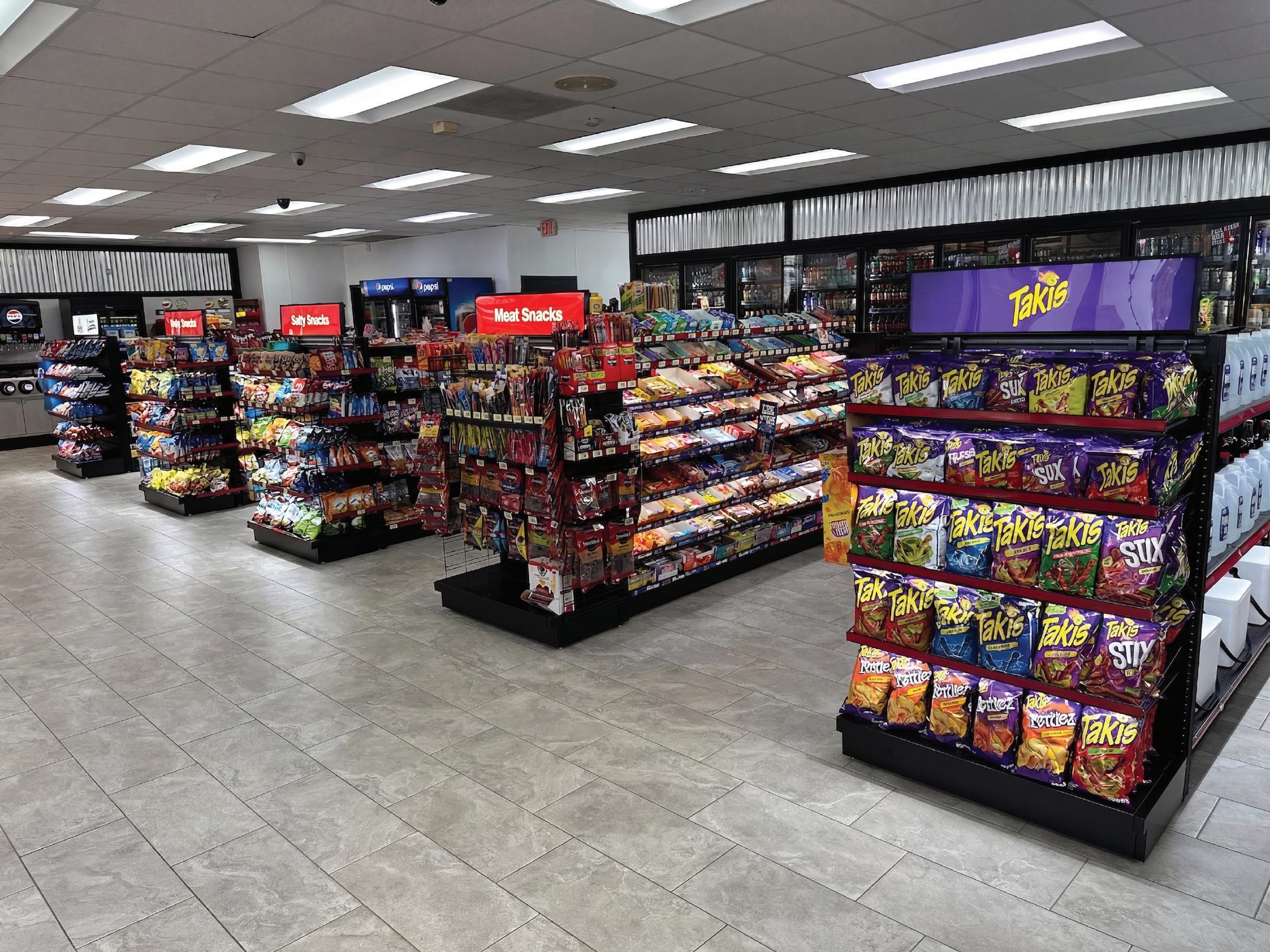
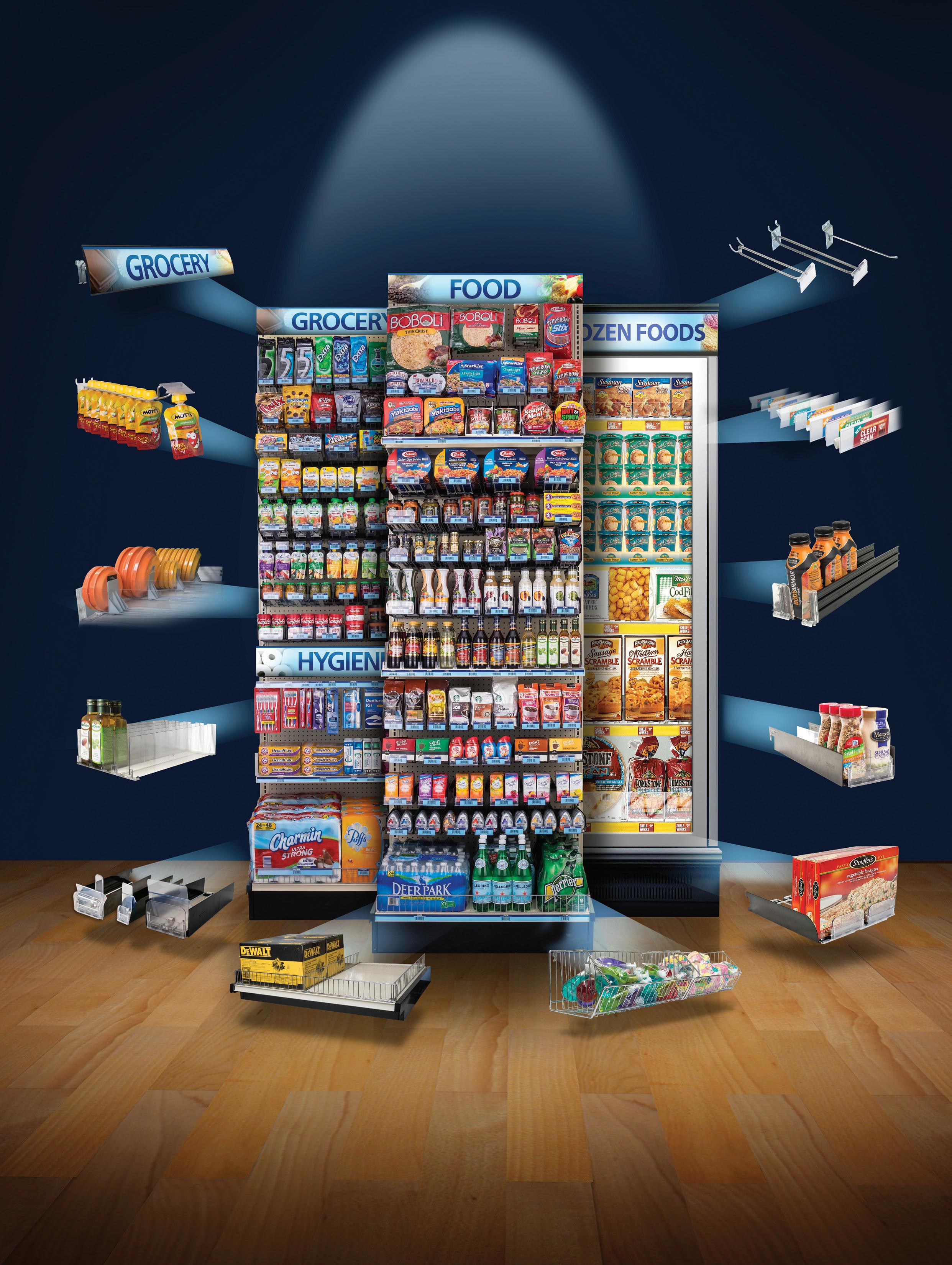
Q: Mike, how did ImageWorks first enter the picture at Quality Mart?
A: We started with ImageWorks’ Impact Back Bar tobacco displays. I still consider it the gold standard in convenience. What expanded the relationship was the quality, engineering, and execution behind everything they build.
Q: What challenge were you trying to solve?
A: Beverage. The perimeter beverage footprint had become increasingly vendor-driven and cluttered. It created shopper confusion and made inventory placement harder to manage. We knew beverage was phase one, but we also anticipated a multi-phase remodel—center store and the cold vault—so we needed a partner who could think beyond a single fixture.
Q: What made ImageWorks different from other options you explored?
A: A lot of companies can sell a component. Fewer can deliver an integrated system with the durability and timelines we needed. With ImageWorks, the equipment is visually impactful, but it’s also operationally practical—built for the realities of store teams and day-to-day wear.
Q: What solutions did you implement?
A: The partnership grew naturally. ImageWorks helped develop a Bev Racking approach that streamlined the perimeter and improved shopability. Then we expanded into Chill Racking for the cold vault and Core/Tech
gondola systems for center store. We’ve outfitted multiple remodel locations with complete ImageWorks equipment packages throughout the store.
Q: What results have you seen?
A: We continue to see positive sales results after implementation—especially in beverage. After installing Chill Racking, we experienced double-digit growth across several beverage categories. Better organization, expanded carrying capacity, and cleaner merchandising created a much stronger beverage environment.
Q: Tobacco and nicotine are evolving quickly. How has Impact Back Bar held up?
A: The flexibility is one of its biggest strengths. As nicotine pouch and modern oral grow, the system lets us adapt layouts efficiently while keeping the back bar clean and organized.
Q: Bottom line—why has this partnership worked?
A: It’s a solutions partnership, not a vendor relationship. We’re excited to keep building on it as we continue evolving our stores.
Reserve your complimentary Client Collaboration Center session today. 1-800-704-3660 imageworksdisplay.com
Surely, Mayor Mandami’s solution is a return to basics strategy

AT LAST, NEW YORK CITY may have found the cure for one of its most persistent problems: too many functioning food retailers.
For too long, our city’s grocery landscape has been plagued by a chaotic, inefficient patchwork of privately owned bodegas, family-run markets and independent grocers — each stubbornly competing, adapting and somehow managing to stock their shelves without the guiding hand of government. It’s been a messy, market-driven system.
Enter Mayor Zohran Mandami’s elegant solution: government-run grocery stores.
But surely, the real goal isn’t profitability, it’s performative.
I say, why limit this vision to groceries? If we’re serious, the next logical step is obvious: government-run convenience stores. After all, why should private operators continue to dominate late-night snacks, beverages and grab-and-go meals when the public sector could bring its unique brand of efficiency to the roller grill?
Imagine the possibilities. Coffee programs calibrated not by customer preference, but by committee. Pricing that reflects not market conditions, but policy priorities.
Remember in 2012 when former Mayor Mike Bloomberg passed a measure limiting the size of sugary soft drinks in the city? Perhaps most exciting, a government-run convenience store could bring an end to that exhausting wall of beverage choices — because nothing says progress like reducing 20 cooler doors to a carefully curated selection of three.
Hours of operation could finally align with government norms. Need a bottle of water at 9 p.m.? Sorry, you missed your one-hour window for that.
Of course, critics will point to the cost. Early estimates already suggest these stores will require substantial taxpayer investment to open and operate. But surely, the real goal isn’t profitability, it’s performative. Why allow independent operators to succeed on thin margins when the city can operate at a loss indefinitely?
And what of the bodegas, the lifeblood of so many neighborhoods? The ones that know their customers by name and somehow stay open through blackouts, pandemics and highcrime chaos. Clearly, they’ve had an unfair advantage for far too long. It’s only reasonable that they now compete with an entity that sets the rules … and writes the checks.
Some have even raised comparisons to state-run food systems of the past — those Soviet-era stores with empty shelves, long lines and limited supply. But let’s not dwell on history. Think of it instead as a lifestyle reset. Fewer choices. Occasional shortages. A return to the basics. It’s character-building, really.
And why stop at New York? If this model proves successful — and by “successful,” I mean operational — it could serve as a blueprint for cities nationwide. Imagine a network of government-run grocery and convenience stores stretching coast to coast, bringing consistency, uniformity and just the right amount of scarcity to every community.
In an industry that has long thrived on speed, flexibility and razor-thin margins, it’s refreshing to consider an alternative built on deliberation, bureaucracy and guaranteed funding.
So yes, let’s embrace this moment. Let’s rethink not just grocery, but convenience itself. Because if there’s one thing the convenience channel has been missing all these years, it’s a little less convenience.
For comments, please contact Don Longo, Editorial Director Emeritus, at dlongo@ensembleiq.com.


COVER STORY
28 Nourishing the Industry
In an otherwise lackluster year, foodservice emerges as a notable exception.
FEATURES
62 Curbing Crime in Real Time
Convenience retailers are finding new ways to deter and discover internal and external loss.
68 From Classrooms to Checkout Lines
Partnerships with local universities drive traffic and create brand loyalty for c-stores.
DEPARTMENTS
E DITOR’S NOTE
4 A Land Where C-store
Hot Dogs Are Revered Iceland’s convenience stores embody what the U.S. industry is currently chasing.
VIEWPOINT
6 A Modest Proposal for New York’s Grocery & C-store Problem
Surely, Mayor Mandami’s solution is a return to basics strategy.
12 CSNews Online
21 New Products
SMALL OPERATOR
22 Authentic, by Design
Small operators are leaning into more genuine, simple strategies to stand out.
INSIDE THE CONSUMER MIND
90 Are C-stores Healthy Enough?
The channel has been expanding its better-for-you offerings, but there’s still untapped potential.
8550 W. Bryn Mawr Ave., Ste. 225, Chicago, IL 60631 (773) 992-4450 Fax (773) 992-4455 WWW.CSNEWS.COM
BRAND MANAGEMENT
SENIOR VICE PRESIDENT/GROUP PUBLISHER, CONVENIENCE NORTH AMERICA Sandra Parente sparente@ensembleiq.com
EDITORIAL
EDITOR-IN-CHIEF Linda Lisanti llisanti@ensembleiq.com
EXECUTIVE EDITOR Melissa Kress mkress@ensembleiq.com
MANAGING EDITOR Danielle Romano dromano@ensembleiq.com
SENIOR EDITOR Angela Hanson ahanson@ensembleiq.com
EDITORIAL DIRECTOR EMERITUS Don Longo dlongo@ensembleiq.com
CONTRIBUTING EDITORS Renée M. Covino, Tammy Mastroberte
ADVERTISING SALES & BUSINESS
ASSOCIATE BRAND DIRECTOR Rachel McGaffigan - (774) 212-6455 rmcgaffigan@ensembleiq.com
ASSOCIATE BRAND DIRECTOR Ron Lowy - (330) 840-9557 - rlowy@ensembleiq.com
ACCOUNT EXECUTIVE & CLASSIFIED ADVERTISING Terry Kanganis - (917) 634-7471 - tkanganis@ensembleiq.com
DESIGN/PRODUCTION/MARKETING
ART DIRECTOR Cristian Bejarano Rojas crojas@ensembleiq.com
PRODUCTION DIRECTOR Pat Wisser pwisser@ensembleiq.com
MARKETING MANAGER Jakob Wodnicki jwodnicki@ensembleiq.com
SUBSCRIPTION SERVICES LIST RENTAL mbriganti@anteriad.com
SUBSCRIPTION QUESTIONS contact@csnews.com

CHIEF EXECUTIVE OFFICER
CHIEF FINANCIAL OFFICER
CHIEF PEOPLE OFFICER
CHIEF OPERATING OFFICER





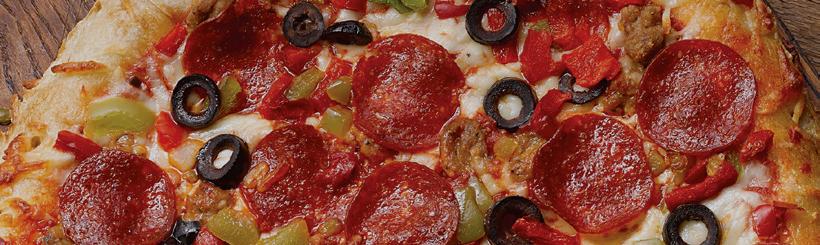
The retailer paired the return of its most-requested limited-time offer, the Bacon Cheeseburger Pizza, with the debut of the ultimate sidekick, Casey’s new Crispy Fries. The pizza will be available through Sept. 8, while the fries are a permanent item.
The U.S. Food and Drug Administration issued Not Substantially Equivalent orders for 28 cigarette products manufactured by Seneca Manufacturing Co. The agency said retailers should discuss disposal options for remaining inventory with the product manufacturer or supplier.
The Baltimore-based chain opened its first location in the state at 391 Fantasy Harbour Blvd. in Myrtle Beach on May 18. Ahead of the opening, Royal Farms hosted a special ticketed, two-day “Get Ready to ROFO” soft opening event.
C-store
Among ‘Most Trustworthy Companies’ QuikTrip Corp., Casey’s General Stores Inc., Wawa Inc., RaceTrac Inc., Murphy USA and Love’s Travel Stops were named to Newsweek’s Top 100 Most Trustworthy Companies in America list for 2026. Determined through a survey, the ranking is based on customer and employee trust, and sentiment toward the brand.
5
The agency gave the marketing greenlight to four Glas electronic nicotine delivery systems (ENDS) through its premarket tobacco product application pathway. This action marked the FDA’s first authorization of nontobacco and nonmenthol ENDS products.
Branding or designing a convenience store isn’t a graphic design exercise. It’s the work of understanding people: who they are, where they’re coming from, what they need at 7 a.m. vs. what they want at 2 p.m., and how a space can make them feel something beyond transactional. That’s a deeply human problem and it requires human empathy to solve, writes John McCauley, partner and director of brand design at Paragon Solutions. AI doesn’t understand the difference between a brand that earns loyalty and one that is just transactional.
As the United States prepares to celebrate its 250th birthday, it is also a good time to recognize the industries that shape communities and help Americans form their strongest skills, National Restaurant Association (NRA) President and CEO Michelle Korsmo said during her keynote address at the 2026 NRA Show, held May 16-19 in Chicago.
Two in three working U.S. adults have worked at restaurants in the past.
“Restaurants are America’s training ground for working leadership. No one has as much influence over leadership skill development and the wider workforce than restaurants,” Korsmo stated. She encouraged showgoers to start thinking of leadership development in their teams as nonnegotiable.
For more exclusive content, visit the Events & Webcasts section of CSNews.com.
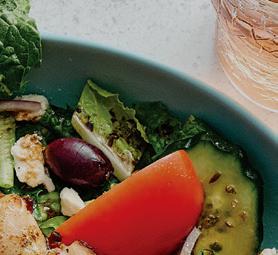
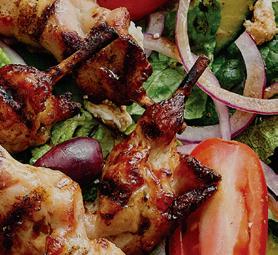
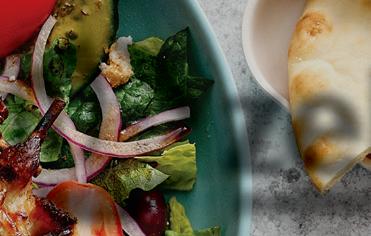
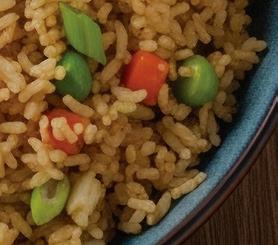
McLane is growing its Central Eats offering with new, ready-to-heat meals designed for today’s busy consumers that provide convenient options for lunch, dinner or snacking. Made with premium ingredients and chef-inspired recipes, the meals deliver quality and flavor in safe, simple microwaveable packaging. The initial lineup includes Chicken Parmesan with Spaghetti, Penne Alfredo with Chicken, Chicken Enchiladas with Cilantro Lime Rice, and Firecracker Chicken with Vegetable Fried Rice.
McLane Co. Inc. Temple, Texas mclaneco.com
































































































































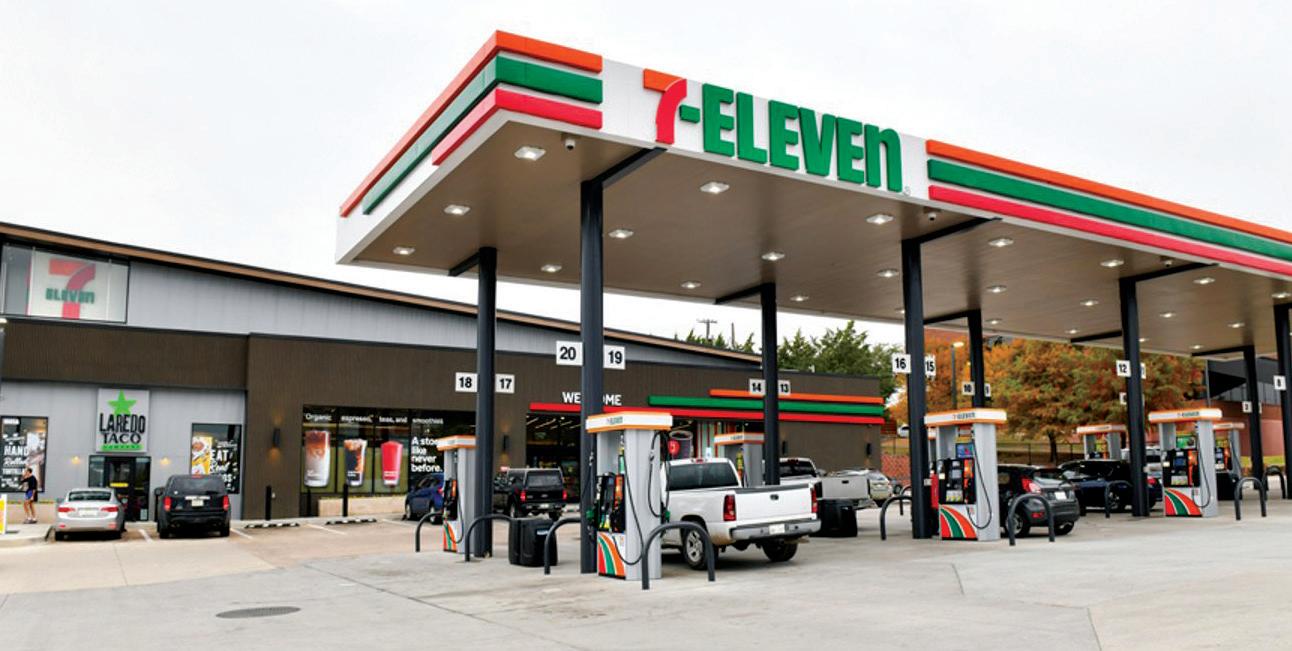
Its parent company wants more than 7,000 remodels completed by 2030
By Angela Hanson
SEVEN & I HOLDINGS CO. LTD., the Tokyo-based parent company of 7-Eleven Inc., will focus on a series of core priorities to improve its North American network, the company shared in a presentation during its Spring 2026 Investor Relations Day.
The company’s value drivers include strengthening the fundamentals through a modern store network, with modernized stores serving as the foundation for scaling product assortment and customer experience; and scaling the future through a leading product assortment, best customer experience, fuel vertical integration, and cost leadership.
Seven & i has set a goal of more than 7,000 remodels by 2030 — more than half of the 13,000 7-Eleven stores in the United States and Canada — based on the premise that elevating customer experience requires fundamentally improving existing stores first.
Its new and targeted approach to remodels calls for:
• Clean, modernized stores, signaling to customers that 7-Eleven has made an investment prior to them entering the property;
• Key interior improvements, including program rollouts customized for each store’s customer base; and
• Better customer experience through store simplification and optimization programs.
7-Eleven’s modern store network also will include 1,300 “new standard” stores, which outperform existing stores in both traffic and sales, according to Seven & i. “New
standard stores have created a scalable template for growth over the next decade,” the company said.
Inside the stores, the parent company seeks to reach $1 billion in incremental fresh food sales and 1,100 new restaurants by 2030, building customer loyalty and brand trust.
To grow fresh food sales, Seven & i plans to accelerate hot foods, expand the roller grill, reinvent the open air case, and become a flavor destination, all while investing in fresh-food quality and innovation to improve perception. Focus areas for its restaurant brands — Laredo Taco Company, Raise the Roost and Speedy Café — include broadening menu appeal, building new stores and concepts, and boosting operations with an optimized value chain.
Finally, Seven & i seeks to double its private brand business to approximately $2.6 billion in sales by 2030, leveraging high-growth categories such as nuts/seeds, protein, and items that appeal to Hispanic consumers.
“Our North Star unites us around elevating customer experience, with a shared commitment to delivering a consistent, exceptional experience — no matter where or how customers engage with us,” the company explained.
























































































































































































































































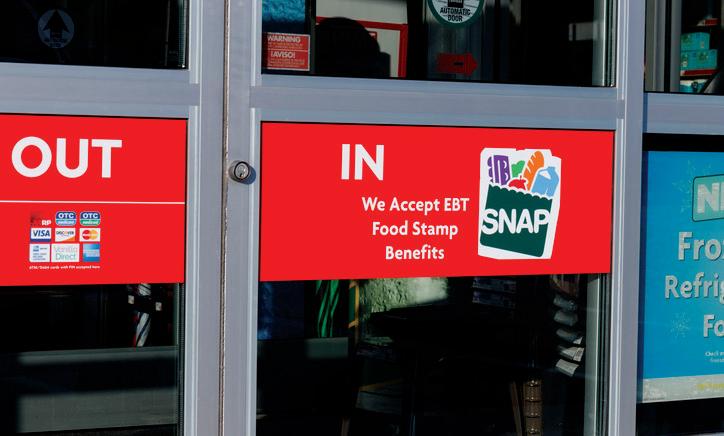
USDA changes that place an emphasis on “real food first” will go into effect this fall
RETAILERS WILL SOON be required to provide a broader variety of nutritious food options to Supplemental Nutrition Assistance Program (SNAP) recipients across the country.
A new rule regarding stocking standards for participating retailers was published by the U.S. Department of Agriculture (USDA) in May. Specifically, retailers authorized to accept SNAP benefits must now carry seven varieties of items across four categories of staple foods: protein, grains, dairy, and fruits and vegetables.
The change more than doubles the current requirement, emphasizes more whole foods, increases the perishable food requirements, and eliminates loopholes that previously allowed retailers to count certain snack foods toward their staple food requirements.
The agency plan to issue additional guidance in the coming weeks. The rule takes effect this fall.
“To turn the tide on our nation’s health
crisis, we need to ensure our nutrition assistance programs emphasize real food first, and that’s exactly what these updates to SNAP retailer requirements will do,” said U.S. Secretary of Agriculture Brooke L. Rollins. “SNAP authorized retailers accept over $90 billion a year, or $236 million a day, in taxpayer dollars — USDA is making sure they’re actually in the business of selling food. And for those retailers who are the only food outpost for miles, I know you will be so excited to serve your customers and communities healthy food.”
In addition to ensuring that vulnerable families in need have more nutritious options wherever they shop, the rule demands more accountability from those retailers that have stocked the bare minimum and seen the most program violations, according to the USDA.
“This rule puts real food back at the center of SNAP,” U.S. Department of Health and Human Services Secretary Robert F. Kennedy Jr. said. “I thank [Rollins] for her leadership in advancing these commonsense reforms. It demands more from retailers and delivers better options for the families who depend on this program. This administration is committed to working across government to improve nutrition, strengthen accountability, and drive better health outcomes nationwide. This is how we Make America Healthy Again.”



45%
of drivers are saving money on gas by using gas station loyalty programs or apps.
— Numerator
Eye on Growth
54%
of retailers are seeing promotional activity pick up in the nonalcoholic beverage space.
— Goldman Sachs
48%
of Generation Z and millennials using GLP-1 drugs are dining out more.
— Acosta Group
Legacy Markets acquired 10 PowerTrac convenience and liquor stores in South Carolina. With this transaction, Legacy Markets brings its total portfolio to 20 stores in North Carolina and South Carolina.
During the first quarter of 2026, ARKO Corp. opened two retail stores and one new-to-industry (NTI) cardlock location. It remains on track to open three new Dunkin’ locations, one NTI retail store and approximately 20 NTI cardlock sites in 2026.
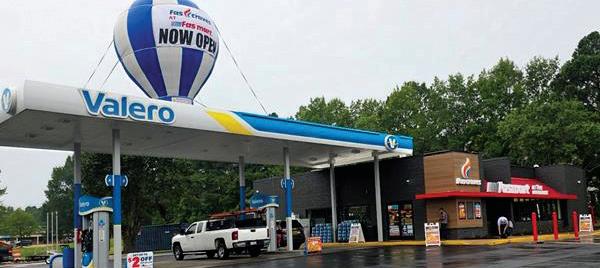
Madison Capital Group expanded the Fresh Stop brand across Texas with the acquisition of four locations. The real estate investment firm raised $13.2 million for the deal through a regulation D private placement offering, Fresh Stop Texas DST.
Murphy USA Inc. is on track to open between 45 and 55 new c-stores this year. Six stores opened as of early May and 18 stores are currently under construction.
Colonial Oil Industries Inc., a division of Colonial Group Inc., acquired Atkinson Oil Co. LLC, an affiliate of Jet Food Stores of Georgia Inc. The deal is expected to strengthen Colonial Oil Industries’ presence across the Southeast.
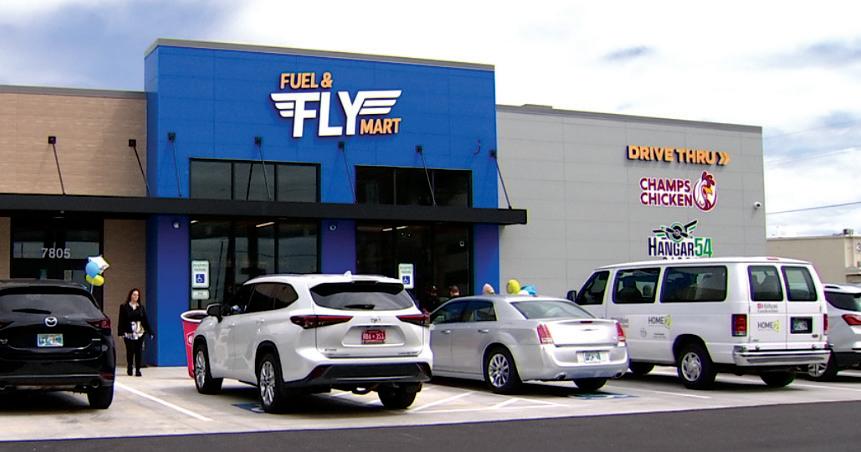
Tulsa International Airport, in collaboration with TNP Fuels, cut the ribbon on Fuel & Fly Mart, marking the debut of the airport’s first onsite convenience store. The site will serve travelers, rideshare drivers and airport employees.
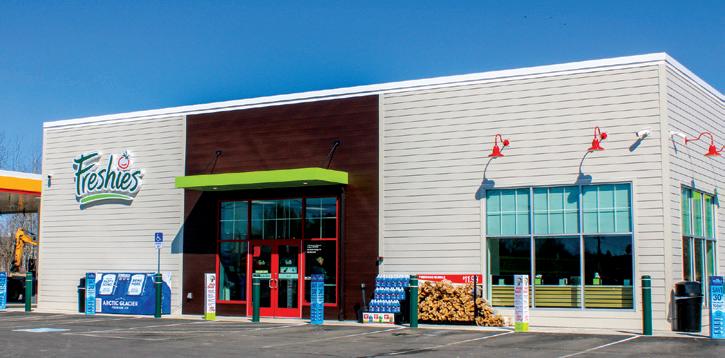
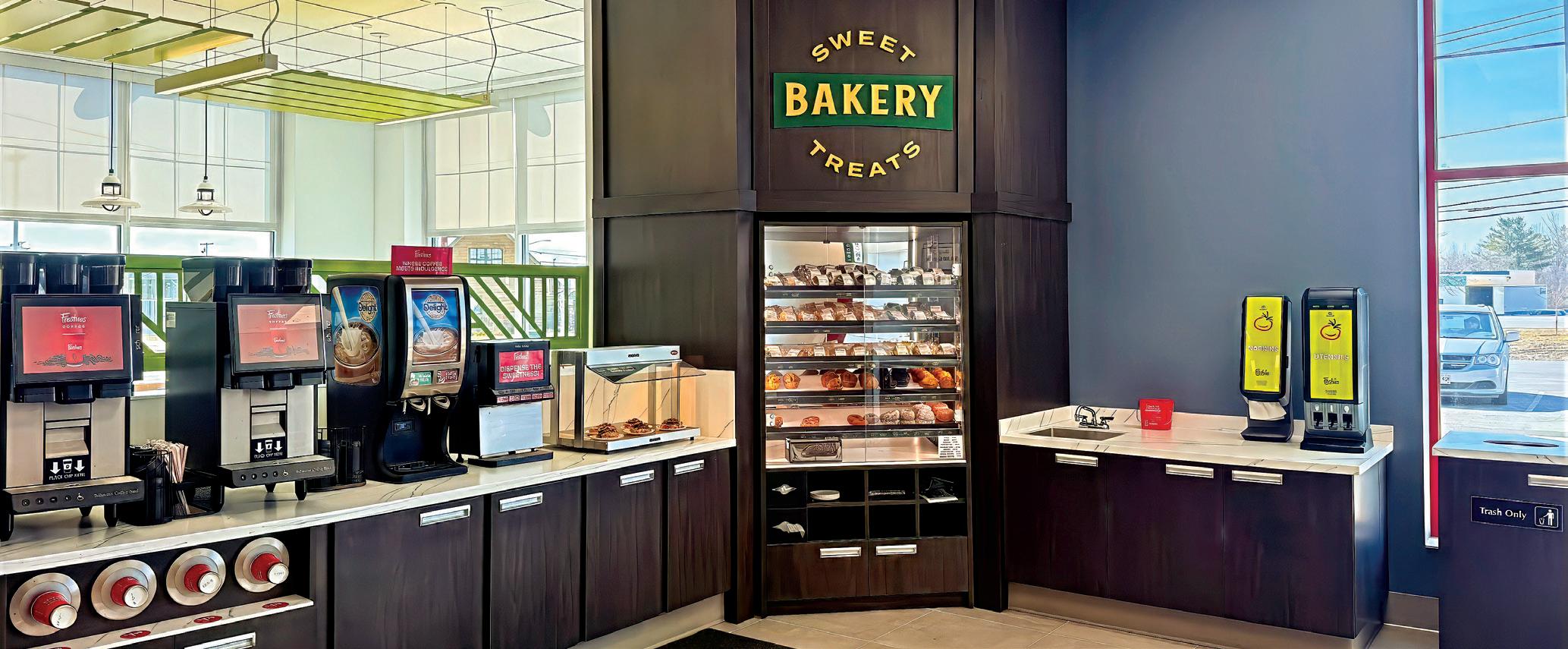
The Freshies convenience store chain, operated by R.H. Foster Energy LLC, debuted a reimagined flagship store in Bangor, Maine. The design features a refined visual identity, new proprietary branded foodservice programs and an enhanced coffee program.
7-Eleven Inc. introduced new kids’ meals at participating 7-Eleven, Speedway and Stripes locations. Starting at a price point of $3.99, each meal includes an entrée, side and drink paired with a toy.
Chestnut Market is partnering with Lula Commerce to launch third-party digital ordering and delivery across its network of 80 stores. The collaboration represents the next step in the retailer’s broader digital strategy.
Molson Coors completed its purchase of Atomic Brands Inc., maker of Monaco Cocktails. This acquisition establishes Molson Coors as a top five supplier in the fast-growing ready-to-drink cocktail segment.
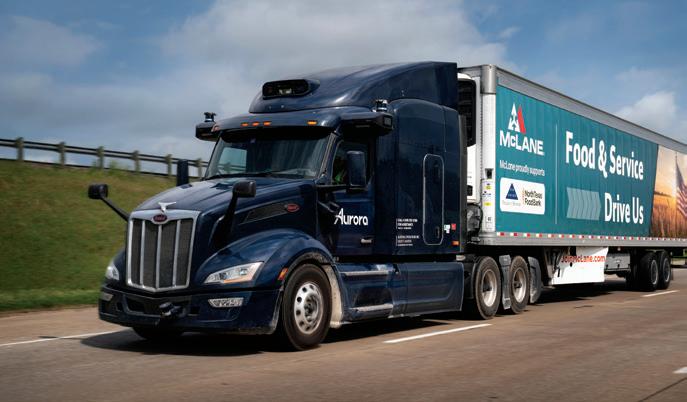
McLane Co. Inc., in partnership with Aurora Innovation Inc., is expanding a driverless haul pilot program across Texas. McLane will service the state with the Aurora Driver, an SAE L4 self-driving system.
Royal Cup Coffee and Tea is acquiring Farmer Brothers Coffee Co. As part of the transaction, Royal Cup will purchase all outstanding shares of Farmer Brothers stock in an all-cash transaction for approximately $28 million.
Onvo kicked off a search for its first-ever chief hot dog officer (CHO). The CHO will sample Onvo hot dogs all summer long, creating recipes inspired by favorite bites and sharing the experience with fans.
QuickChek and Upside teamed up to bring cash back fuel offers to 70 QuickChek locations in New Jersey. The retailer is the first in the Garden State to go live with the digital marketplace’s new fuel offer model.
Kwik Trip Inc. is tapping Eagle Eye to bring AI-powered personalized promotions to its customers. The technology platform will deliver individualized and gamified offers to the 5.25 million loyalty members.
Welch’s Fruit Snacks are now made with colors from natural sources and contain no artificial dyes, such as Red 40 or Blue 1. This milestone reflects a longstanding commitment by PIM Brands to offer better choices for families.
Morinaga & Co. Ltd inked a deal for My/Mochi Ice Cream. This growth move builds upon Morinaga’s plans to expand HI-CHEW production capacity in the United States with the opening of a second factory in 2027.
Black Buffalo signed on as the Official Dip of Major League Fishing. The partnership designates Black Buffalo as the official dip across the Bass Pro Tour, Fishing Clash Team Series, Tackle Warehouse Pro Circuit, Toyota Series, and Phoenix Bass Fishing League.

The arrangement will enable showgoers to attend the TWIC Awards Gala and new TWIC Connections luncheon without conflicts
Convenience Store News and NACS formed a new arrangement that will see the Top Women in Convenience (TWIC) Awards Gala and this year’s new TWIC Connections luncheon added to the official NACS Show program.
The 2026 NACS Show takes places Oct. 6-9 in Las Vegas. On Thursday, Oct. 8, CSNews will host its inaugural Top Women in Convenience Connections luncheon from noon to 2 p.m., bringing together the 2026 class of TWIC honorees and TWIC alumni from past years for professional development and networking. The TWIC Awards Gala will now take place on the evening of Oct. 8 at the Westgate Las Vegas Resort & Casino.
“NACS and Convenience Store News are bringing one of the industry’s most
prestigious awards programs into the NACS Show agenda, ensuring our audience can experience the new TWIC luncheon and the Top Women in Convenience Awards Gala without logistical conflicts,” said Bob Hughes, NACS’ vice president of supplier relations, expositions and meetings.
“Moving TWIC to Thursday, Oct. 8, not only solves industry scheduling conflicts, but also allows us to introduce new programming during the inaugural TWIC luncheon, further building on the energy of the NACS Show,” added Sandra Parente, senior vice president of Convenience North America at EnsembleIQ, the parent company of CSNews
Now in its 13th year, TWIC is the industry’s first and still only awards program that recognizes the integral role women play in convenience retailing and honors female leaders who are making outstanding contributions to their companies and the convenience store industry at large. To date, nearly 800 women have been welcomed into the TWIC family.
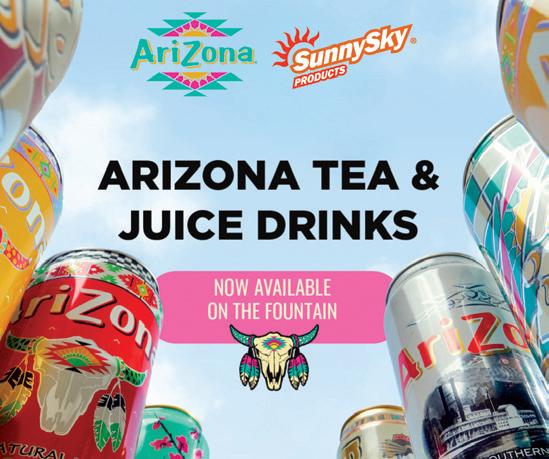
Sunny Sky Products is partnering with AriZona to bring AriZona Fountain Beverages to retail and on-premises channels. Designed for consistency and ease, these dispensed beverages allow operators to serve a trusted brand while maximizing speed, reducing labor and optimizing menu space. Available flavors include Arnold Palmer, Green Tea, Mucho Mango, Watermelon, Fruit Punch, Sweet Tea, and Unsweet Tea. Packaged in a three-gallon bag-in-box, each product yields 192 12-ounce servings per case with a 12-month shelf life from pack date. AriZona Fountain Beverages are now available through Sunny Sky Products.
SUNNY SKY PRODUCTS • HOUSTON • SUNNYSKYPRODUCTS.COM
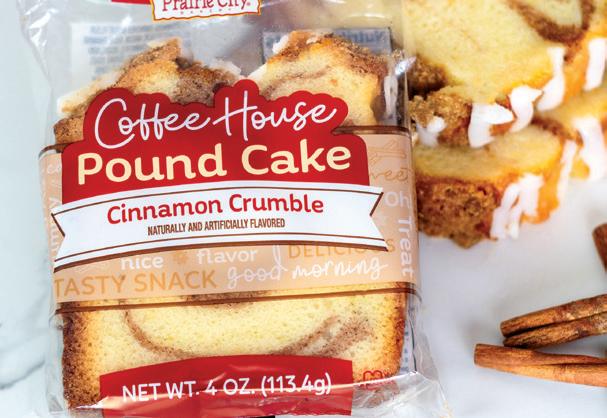
Building on the success of its Coffee House Pound Cake line, Prairie City Bakery introduces the Cinnamon Crumble Pound Cake. The new flavor features a rich, moist pound cake that’s swirled with warm cinnamon, topped with a buttery crumble streusel and finished with a drizzle of sweet white icing. The Coffee House Pound Cake line is part of the brand’s thaw-and-sell program. Retailers can simply thaw, stock and sell, ensuring consistent quality with minimal labor. Cinnamon Crumble Pound Cake is available now and stocked in DOT Foods for convenient distribution.
PRAIRIE CITY BAKERY • VERNON HILLS, ILL. • PCBAKERY.COM
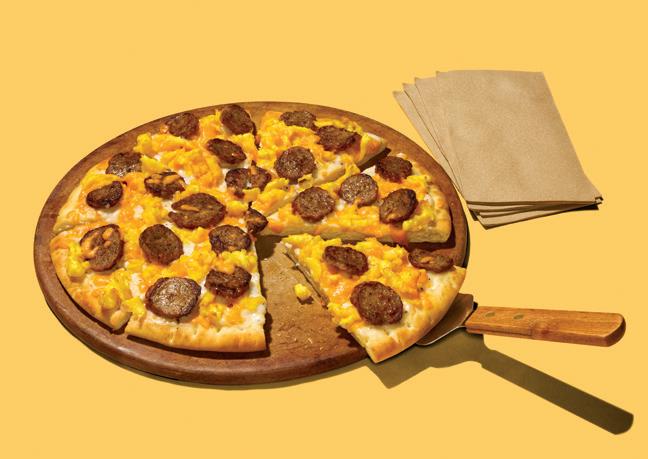
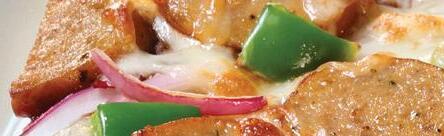
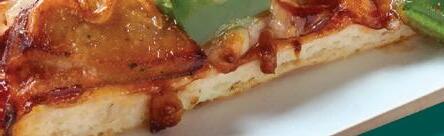
Fully cooked and seasoned with sage and cracked black pepper, Johnsonville Ultimate Southern Recipe Sausage Slices are grilled for depth of flavor before being cut into quarter-inch bias slices for flexibility across applications. Designed for today’s most popular menu builds, the comfort-driven flavor can help operators add versatility to breakfast burritos, lunchtime bowls, dinner pizzas and more. Additionally, compared to sausage crumbles, Ultimate Southern Recipe Sausage Slices provide improved visual appeal, a richer flavor experience and more substantial value for operators, according to the company.
JOHNSONVILLE LLC • SHEBOYGAN FALLS, WIS. • FOODSERVICE.JOHNSONVILLE.COM
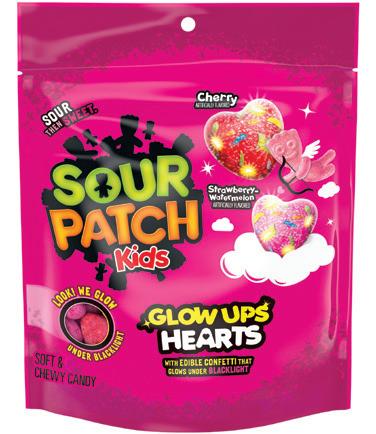
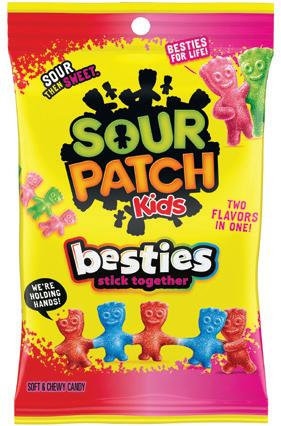
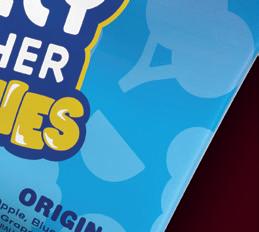
The Sour Patch Kids brand spreads the sour gummy love with two mouthpuckering product drops: Sour Patch Kids Glow Ups Hearts and Sour Patch Kids Besties. Glow Ups Hearts is the latest addition to the Glow Ups line following its 2025 debut. Available in Strawberry Watermelon and Cherry flavors, the red and pink, soft chewy hearts glow under a blacklight. Besties features classic flavors (Redberry+Blue Raspberry and Watermelon+Lime) in one piece, connected by four kids holding hands. Glow Ups Hearts come in an 8.4-ounce standup bag for $3.99, while Besties are available in a 3.1-ounce peg bag for $1.25 or a 7.37-ounce peg bag for $3.29. MONDELĒZ INTERNATIONAL • HANOVER, N.J. • THESOURPATCHKIDS.COM
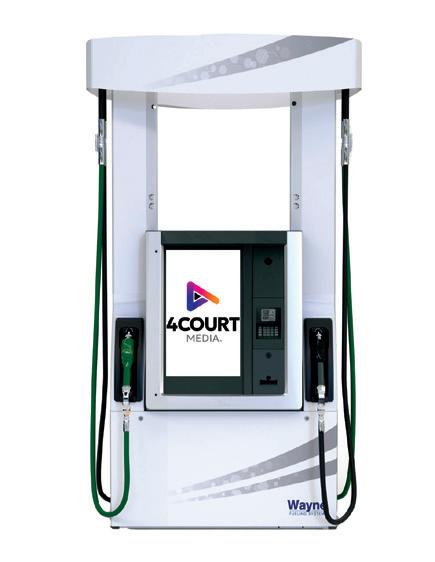
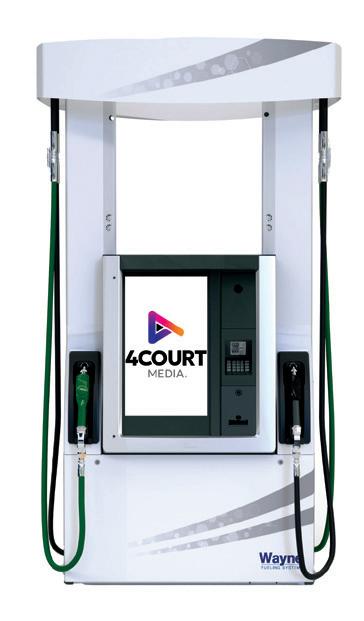
New from Dover Fueling Solutions (DFS), 4Court Media is a retail media network designed to connect brands with consumers at the pump. It gives endemic and nonendemic advertisers access to a broad range of fueling retailers, including thousands of independent operators that are traditionally harder to reach through national media buys. This retail media network primarily operates on Wayne Ovation fuel dispenser screens, including its 27-inch and 12-inch high-definition displays, to deliver vivid, multimedia content that captures the attention of consumers during their fueling experience. For retailers, 4Court Media provides a turnkey, fully managed media service that delivers an engaging forecourt experience while generating incremental revenue through ad sales. DOVER FUELING SOLUTIONS • AUSTIN, TEXAS • DOVERFUELINGSOLUTIONS.COM
Small operators are leaning into more genuine, simple strategies to stand out
By Renée M. Covino
THE CONVENIENCE STORE industry is a competitive market, making it important to attract the attention of customers. Some small operators are winning by differentiating in design — on their own merit, rather than trying to compete with big-chain prototypes.
“We’re seeing more small operators finally stop trying to look like the big chains and start using one of their top advantages over the majors — namely, the freedom to be specific about who they are and what they’re about,” relayed Byron Anderson, managing partner of retail design firm BDL Partners, based in New York.
He cited two examples of small operators that are doing a great job of brand positioning, one rooted in Southern hospitality and the other a bistro-type destination with a laser focus on the customer experience.
“Small operators can be genuinely, specifically local,” Anderson said. “Not in the superficial way and not with a mural of the skyline or a hashtag about community, but with the product mix, the food offer and a store design that feels like it was built for the street it sits on.”
His advice to clients of a smaller scale is to be bold about your specific story and simple in how you tell it. You don’t need an expensive concept to have a clear identity.
Trend Watch
“The biggest shift we’re seeing is the
move from transactional to experiential,” John McCauley, a partner and director of brand design at Fort Worth, Texas-based Paragon Solutions, told Convenience Store News. “Small operators are investing in spaces that feel intentional, not assembled.”
Authenticity-driven branding is leading the charge. There is a realization that customers are drawn to stores that feel rooted in something real, whether that’s a local food heritage, a community identity or a family story. “When the design reflects honestly, it resonates in ways that generic store sets simply can’t,” he explained.
This means customers should be able to understand a store within seconds of walking in. In smaller footprints, clutter and over-merchandising can create confusion and reduce sales.
“One of the biggest shifts we’re seeing is toward simplicity,” offered Margaret Sotrop, executive vice president of retail growth for GSP Retail, a retail solutions provider based in Clearwater, Fla. “If a customer walks in and can’t immediately understand the space, you’ve already lost them. Sightlines, flow and clarity are everything in a smaller footprint.”
Small operators benefit from truly understanding their shoppers and the communities they serve, said Elizabeth Lafontaine, director of research at Placer.ai, a Santa Cruz, Calif.-based food traffic analytics platform. “Understanding local preference can inform merchandising and design decisions unique to each location; for example, one location might benefit from a broader selection of drinks and fewer snacks,” she said. “Design should reflect local traffic patterns and tastes.”
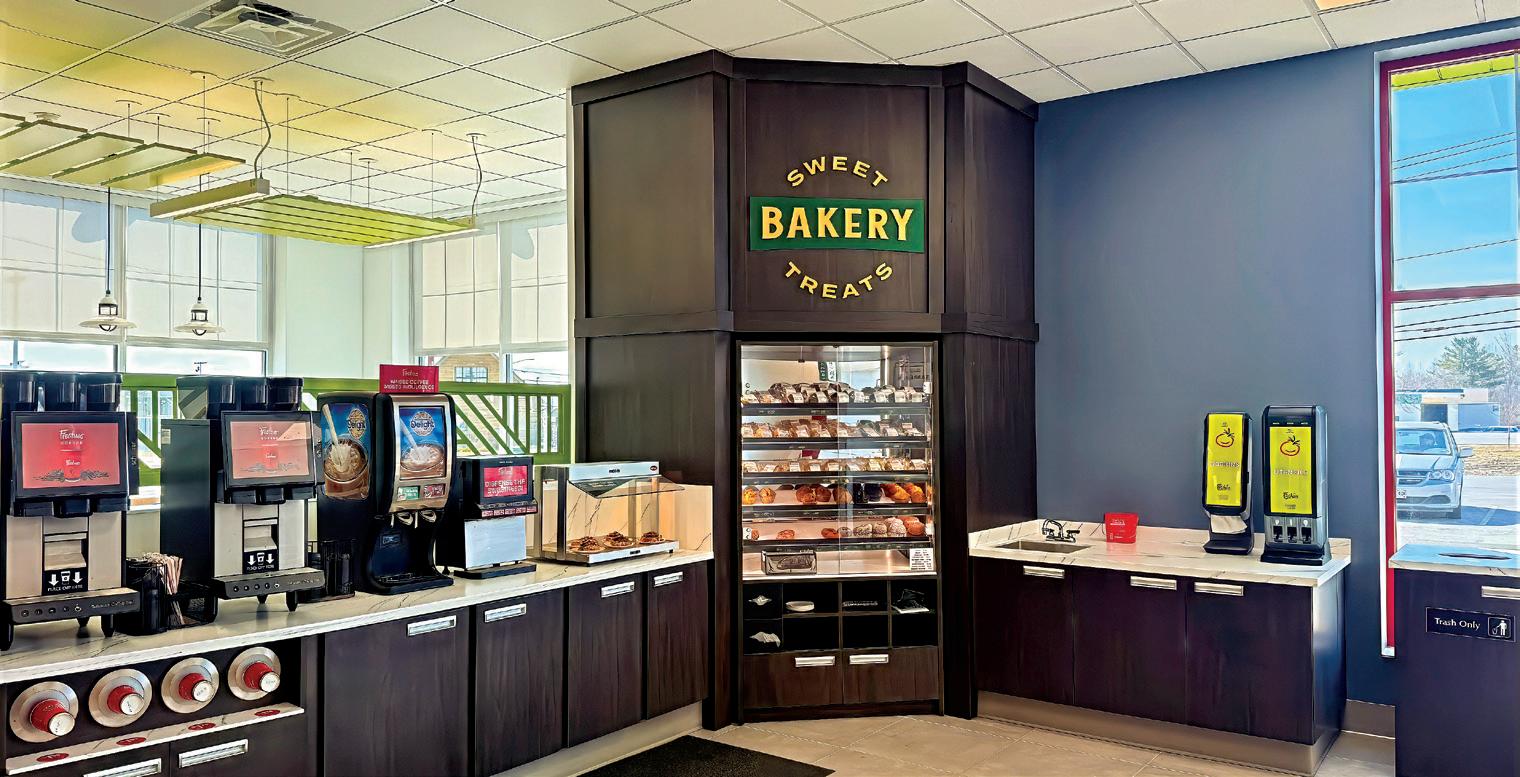
Another top trend defining c-store design right now is foodservice as the centerpiece. The coffee bar, the
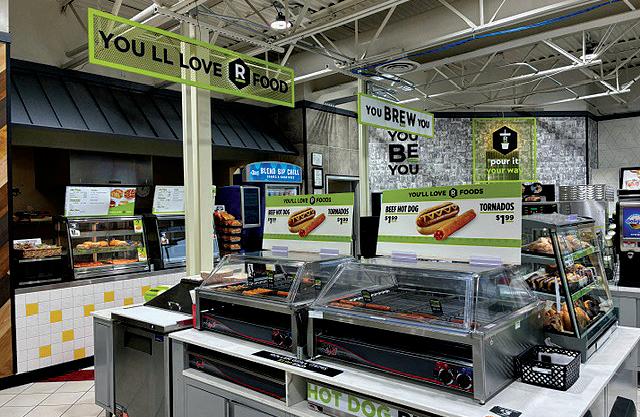
grab-and-go case and the fresh prepared food section are moving from the back wall to the heart of the store, according to industry design experts, who say that when a retailer designs around its best offer, the whole space performs better.
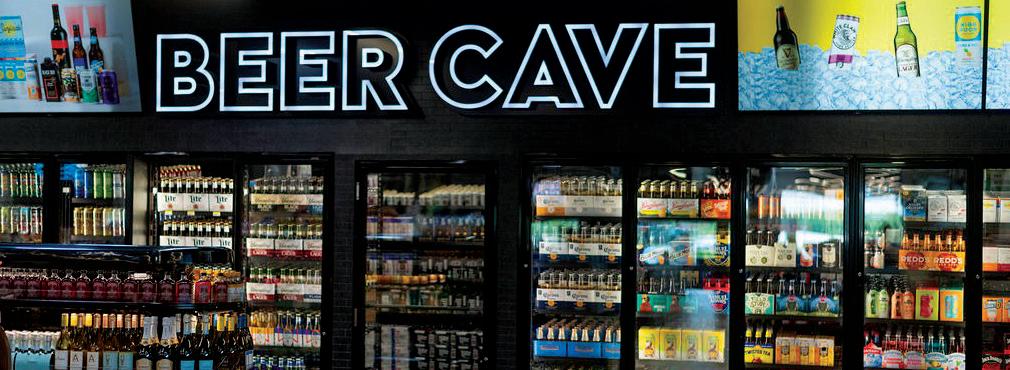
Heidi Barnhart, retail environment account director for GSP Retail, calls this designing around “hero zones” or destination categories. “Whether it’s coffee, grab-and-go or beer caves, successful stores create impact within the key categories they want to be known for,” she said.
One other design stance that’s worthy of small operators’ attention is to pull every aspect together.
“One of the top trends we’re seeing in small retail today is the importance of establishing a cohesive brand look and feel across every touchpoint, from your online store and app to your marketing, PR and social media, all the way through to the in-store experience itself,” said Cindi Kato, principal at Arcadis, a global design and consultancy firm.
She echoed that small operators have an advantage larger chains don’t: the ability to be totally brand forward.
“They can create a space that stands out and tells their own story on their own terms,” she stated.
So, where should small operators start when looking to remodel?
“The biggest mistake we see is trying to do too much at once,” GSP Retail’s Sotrop pointed out. “Instead, start
“Small operators are investing in spaces that feel intentional, not assembled.”
— John McCauley, Paragon Solutions
with a focused, phased approach.”
She and Barnhart recommend small operators define their brand first by asking:
• What do we want to be known for?
• What brings customers inside from the pumps?
• What makes our store memorable?
Then, start with the basics. Fix sightlines and remove clutter. “Too many vendor displays and overstocked fixtures block visibility and hurt navigation,” Barnhart said.
The entry zone is key, according to Paragon Solutions’ McCauley. “First impressions matter,” he said, urging operators to think about what customers see in the first 10 feet. “Make that space clean, uncluttered and welcoming. It sets expectations for everything else.”
BDL Partners’ Anderson likewise recommends cleaning up sightlines. “Make sure the first thing a customer sees is what you want them to buy. Most stores get this fundamentally wrong and then wonder why basket size is flat,” he observed.
Operators don’t need a big-move remodel to make a big impact, he added. “You need a clear point of view and the discipline to act on it,” Anderson said. “A surprising number of operators have neither and that’s the real problem — not the budget.”
He believes small stores should put their design focus on lighting. “If you only do one thing, do this,” he maintained. “Warm, focused light over food and beverage changes how the entire store feels without touching a single fixture. Operators consistently underspend here, and I genuinely don’t understand why.”
McCauley agrees that nothing transforms a store faster or more affordably than updated lighting. “Swap out flat fluorescents for layered, warmer LED systems,” he said. “Highlight your foodservice area and your fresh offer. Lighting tells customers where to look and what matters.”
Small operators shouldn’t overlook a color and materials refresh, too. Sometimes, a new wall color, updated shelving endcaps and consistent branded touchpoints can do more than a full renovation at a fraction of the cost, according to McCauley.
Warm, residential-influenced materials are replacing the cold, hard surfaces that have defined convenience retail for decades.

































































































































































































































































“Think natural wood tones, warm lighting, textured wall surfaces and softer color palettes,” he suggested. “These choices slow customers down in the best possible way and signal that this is a place worth lingering in.”
Stores should create a roadmap before investing, Barnhart advised. “We often recommend building a virtual prototype store first, so operators can ‘try it before they buy it’ and plan phased investments,” she explained.
And Sotrop added, “If you’re not ready for a full rebrand, start by creating a clean, simplified ‘white space’ that sets the stage for future upgrades.”
Should sustainability factor into the design equation if you’re not a big chain?
“It plays in more than most small operators realize, and it doesn’t have to mean solar panels and living walls,” McCauley said, adding that sustainability in design starts with durability.
Sustainability is best framed as longevity, in Anderson’s view. “Design decisions that last a decade are more economically and environmentally sustainable than cosmetic updates every three years. Durable materials cost more upfront and considerably less over time,” he reasoned.
To design with longevity in mind, small operators should aim for things such as LED lighting, high-efficiency equipment, and fewer fixtures that are built better.
“When you reduce operating cost, you reduce environmental impact and simultaneously improve store environment,” Anderson said.
Practical, cost-effective decisions that can be easily executed are what small operators should focus on. “Flexible systems like fabric and cleat mounted signage reduce waste, allow easy updates and have great impact,” Barnhart asserted. “Energy-efficient lighting with LED upgrades often come with rebates or tax credits.”
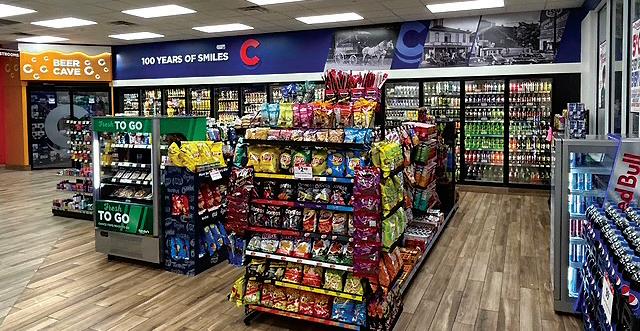
“Sightlines, flow and clarity are everything in a smaller footprint.”
— Margaret Sotrop, GSP Retail
Designing for ease of maintenance is another “green” tactic. Sustainable operations are the ones that can actually be sustained, according to Anderson. He advocates for sourcing local materials, suppliers and food programs where possible. “Communicate the story, but let the quality of the environment make the argument,” he said.
This is an area where small operators can get ahead of their larger competitors. It’s all in the storytelling, per McCauley. “Customers notice when a store makes genuine sustainability commitments, and a smaller operator can communicate that story authentically in ways that feel personal rather than corporate,” he told CSNews
But Anderson pointed out an important “don’t” to consider. “The mistake operators make is treating sustainability as a brand position,” he cautioned. “Customers, especially younger customers, sniff out inauthenticity instantly. Do the work and let the environment speak for itself.” CSN

Which areas of the store will provide the most bang for the least buck? Here, Convenience Store News offers a punch list from our contributing design experts:
• Windows — They should provide real visibility into the store.
• Front of the Store — Right as you walk through the door, look at this area as a revolving showcase to deliver an element of surprise.
• Lighting — There is no more efficient design investment available.
• Foodservice Area — Hands down, it is where margin lives and where loyalty is built.
• Beverages — Stellar beverage destinations can create a 20% to 30% sales lift.
• Restrooms — Consistently clean restrooms are a competitive differentiator, particularly for road travelers and families.
• Checkout — In terms of impulse purchases, two or three curated, high-relevance items will outperform a crowded rack every time.





























By Angela Hanson & Linda Lisanti
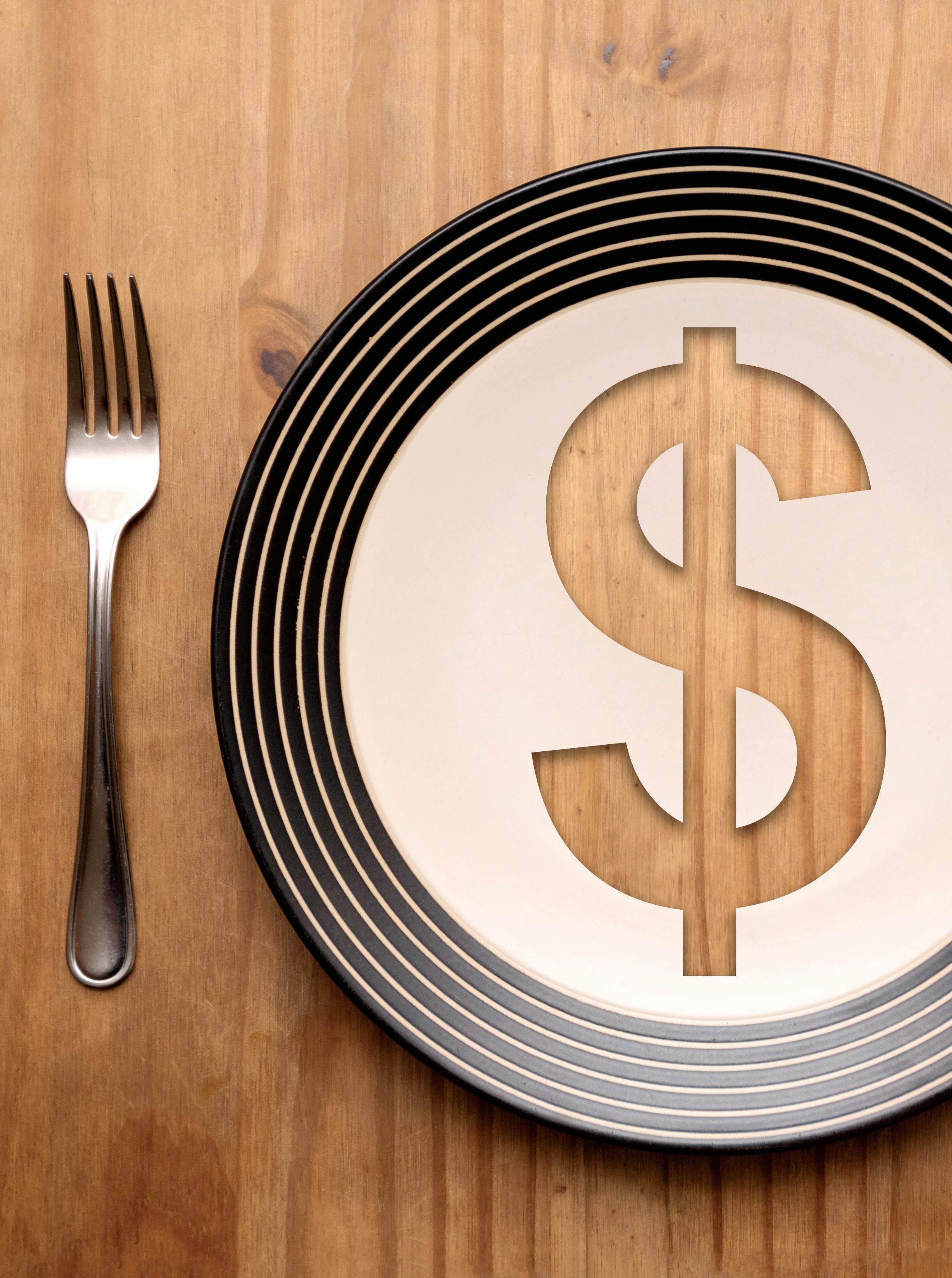
WHILE TOTAL U.S. convenience store sales declined for a third consecutive year in 2025, and many of the major product categories struggled to post growth, there were a handful of notable exceptions — the most prominent being the foodservice category.
Average foodservice sales per store increased 4.2%, leading the category’s share of in-store sales to hit a five-year high of 23.29%, according to the 2026 Convenience Store News Industry Report, the longest-running annual analysis of U.S. c-store industry performance.
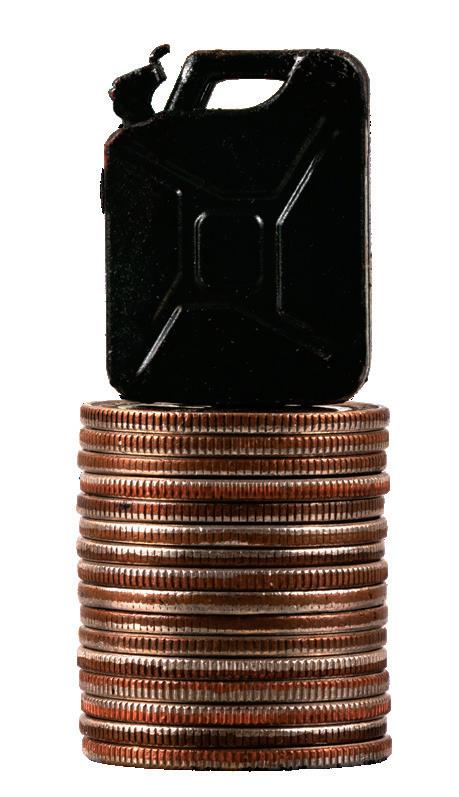
Foodservice growth, albeit slower than in previous years, helped the industry eke out a 1% increase in total in-store sales for the year. This wasn’t enough, however, to offset a 5.5% drop in motor fuel sales, largely driven by another year of lower gas prices. As a result, overall industry sales declined 3%, going from $755.2 billion to $732.5 billion.
Still, the convenience store industry’s sales mix for 2025 remained weighted more toward motor fuels, though in-store sales did again attain a bigger slice of the pie than the prior year. Fuel comprised 59.6%, down from 61.2% in 2024. In-store comprised 40.4%, up from 38.8%.
The industry’s gross profit dollar mix, on the other hand, skewed more toward in-store, which accounted for 61.2%, while fuel accounted for 38.8%. In total, industry gross profits rose just 0.8% last year to $129.43 billion. This marked the lowest rate of growth in the past five years.
On the plus side, inflation continued to cool in 2025 — the average annual rate was 2.7%, compared to 2.9% in 2024 and 4.1% in 2023. Nevertheless, it appears c-store customers scaled back visits to the channel, but kept their in-store spend per visit stable. Year over year, fuel transactions per week dropped 1.4% and in-store transactions dropped 3.6%. The average in-store transaction totaled $12.78, up a slight 0.6%.
Continuing a welcome trend that began in 2024, convenience retailers enjoyed a little more relief in terms of operating expenses last year. Direct store operating expenses
rose only 5.7% per store compared to 7.9% in 2024 and 11.3% in 2023. The impact was observed across most line items with the exception of health insurance.
Labor, including wages, payroll taxes, workers compensation, health insurance and other benefits, accounted for the largest share of operating expenses at $664,028 per store, up 4% vs. the prior year. This is also a continuation of a downward trend that began in 2024, as labor costs had increased by 6.6% in 2023 and 11.2% in 2022 as the
industry struggled to hire and retain employees.
Also in the win column, there’s continued improvement in the industry’s turnover rates. The 2025 turnover rate for store associates was 140%, down from 146% in 2024 and 158% in 2023. Last year also saw the turnover rate for store managers experience a turnaround.
their third year of decline in
2025, with the weighted average price of all grades of gasoline and diesel fuel falling 6.3% to $3.14 per gallon, the second-lowest average price in the last five years. As such, the industry’s fuel dollar sales fell, declining 5.5%, while gallons saw a small uptick from a year ago, increasing just 0.8%. The average gross margin slipped 1.8% to 27.8 cents per gallon.
The percentage of convenience stores selling motor fuels held steady, increasing less than one percentage point to 80.7%.
Approximately 122,620 c-stores across the United States offered motor fuels last year.
Industrywide, total dollar sales of motor fuels reached $436.5 billion in 2025, down from $462 billion the previous year and the second-lowest figure in the last five years. Conversely, total gallons sold reached 139 billion, up from 137.9 billion, marking a new five-year high.
The decline of cigarette sales at c-stores continued in 2025 but at a slower pace, falling 1.7% to $383,422 in average sales per store. This drop, however, marked an






improvement from the 4.8% decline of the previous year.
Economy/value cigarettes were again the only notable area of growth at an 11.2% increase, up from 8.2% in 2024. While it remains the smallest segment in terms of actual dollar sales, this indicates consumers are increasingly interested in ways to save money on cigarette purchases. Premium/ super premium was the top cigarette segment by a significant margin, though average sales per store declined 3.3%. Midlevel cigarette sales were flat at 0.2%.
Total industry dollar sales of cigarettes also saw a slower rate of decline in 2025, falling 1.8% from the prior year. Total industry unit volume decreased 6.9%, marking the lowest rate of volume decline since 2021. The category’s share of in-store sales fell less than one percentage point to 19.59%, hitting a five-year low. This also marked the first instance of sub-20% share for the category during the five-year period.
Other tobacco products (OTP) had a better year than cigarettes despite mixed segment results. Average sales per store in 2025 increased 3.7% to $160,804, up from 2.7% growth the previous year. Still, most OTP segments posted flat to declining per-store sales.
Papers and smokeless tobacco alternatives were the only subcategories to see growth, with average sales per store rising 10.6% and 35.5%, respectively. The sharp increase for smokeless tobacco alternatives was enough to move this segment ahead of cigars and vaping products, even as its growth slowed from a 59.6% increase in 2024.
Total industry sales of OTP increased
TOTAL MERCHANDISE & FOODSERVICE SALES (in billions)
*Weighted average, all grades and diesel
Price
Prepared food once again led all foodservice segments in both growth and dollar sales, with per-store sales increasing 5.5%. Cold dispensed beverages and frozen dispensed beverages also posted gains, though growth slowed to 2.4% and 2.8%, respectively. Hot dispensed beverages was the only segment to decline, with per-store sales slipping 1.7% after growing 12.2% in 2024.
Total industry sales of foodservice increased 4.1% in 2025, the lowest growth rate of the last five years and a significant drop from 12.9% growth in 2024. Despite slower growth, though, the category’s share of in-store sales hit a five-year high, rising to 23.29%.
The cold vault’s overall performance improved in 2025 even as most packaged beverage segments struggled. Average packaged beverage sales per store increased 3% to $278,353, up from a negligible 0.1% bump in 2024.
For the second consecutive year, only a handful of beverage segments posted dollar sales growth. Energy and alternative drinks led the way with perstore sales of the top-selling segment rising 10%, while juice and juice drinks increased 4%. Carbonated soft drinks remained relatively flat with per-store sales inching up 0.3%, but the category continued to hold a comfortable No. 2 spot in total dollar sales. All other segments recorded declines. Ready-to-drink coffee saw the steepest drop at 7%, while bottled water fell 2.5%, moving this segment behind enhanced water.
Total industry sales of packaged beverages picked up from the previous year, increasing 2.9% from a relatively flat 2024. Total unit volume decreased 0.9%, slowing from the previous year’s 3.2% volume decline. Packaged beverages’ share of in-store sales grew less than one point to 14.22%, marking a new five-year high for the category.
3.8% last year, up from 2.9% in 2024. Total industry unit volume fell 0.5%, an improvement over the previous two years of volume declines. Year over year, OTP’s share of in-store sales saw a slight uptick to 8.24%.
The foodservice category continued to grow in 2025 albeit at a more moderate pace, marking the first time in five years that its growth fell below double digits. Average sales per store increased 4.2% to $455,925, compared to 12.9% growth in 2024.
The beer and malt beverages category saw worse results than the rest of the cold vault in 2025 due to mixed segment results. Average sales per store decreased 2.4% to $164,496, building on the 1.1% decline of 2024.
Imported beer claimed the top-selling segment seat in 2025, overtaking






























































































• Increased purchase intent




• Stronger “family fit” perception among category and brand shoppers


• Improved differentiation between segments
• Elevated perception of quality
















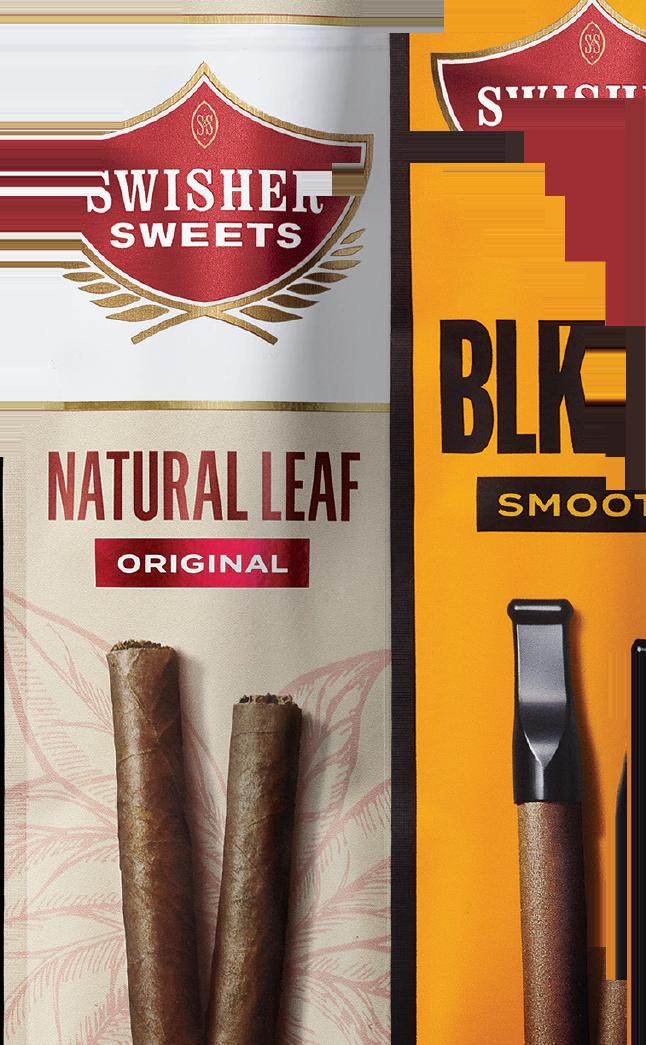








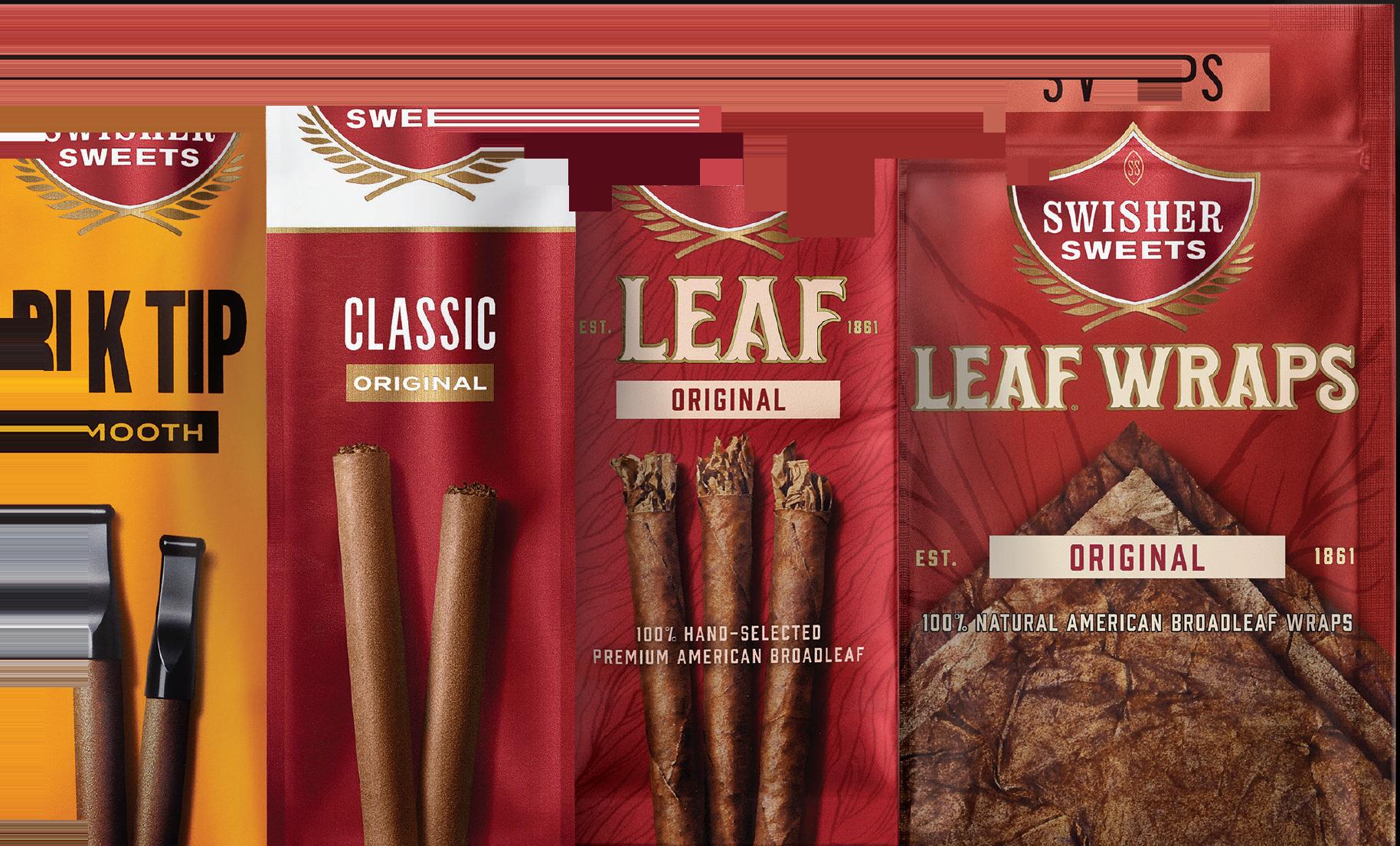
For more information, contact your Swisher Sweets representative: (800) 874-9720 • customerservice@swisher.com
Source: Swisher Sweets Pack Flash Report 10.10.2025, Behaviorally









premium beer, which posted its second consecutive year of steep declines. Average perstore sales of premium beer fell 5.9%, while imported beer saw a smaller decrease at 1.8%. A few segments posted per-store sales growth, including premium plus/super premium beer, alcoholic seltzers, cheladas, alcoholic cider, and nonalcoholic beer. Nonalcoholic beer delivered the strongest percentage increase at 24.3%, though it remained the smallest segment in total dollar sales.
The percentage of convenience stores selling beer and malt beverages remained relatively steady in 2025, inching up less than one percentage point to 82.1%. However, total industry dollar sales for the category declined 2.5%, worsening from a 0.8% decrease in 2024. Total unit volume also continued to slide, falling 2.4%, following a 1.5% decline the previous year. As a result, the category’s share of in-store sales dipped to 8.4%, its lowest level in the past five years.
Get your innovation in front of the industry’s most influential buyers and category managers



INTERACTIVE DIGITAL SPOTLIGHT: Winners will be showcased to the entire industry on an exclusive, interactive experience on CSNews.com




Is your new product driving convenience channel innovation? THE NACS SHOW ADVANTAGE:
Receive exclusive rights to the BNPA logo, certifying your brand as a convenience industry innovator and the perfect tool to drive retailer traffic to your booth.
IN-PRINT FEATURE: Winners will be featured in the upcoming October 2026 issue of Convenience Store News.
Enter your product today
DEADLINE: JULY 10 2026
A newly added category to the Industry Report this year, c-store liquor sales grew in 2025, buoyed by strong gains in several segments. Average sales per store increased 5.5% to $30,248.
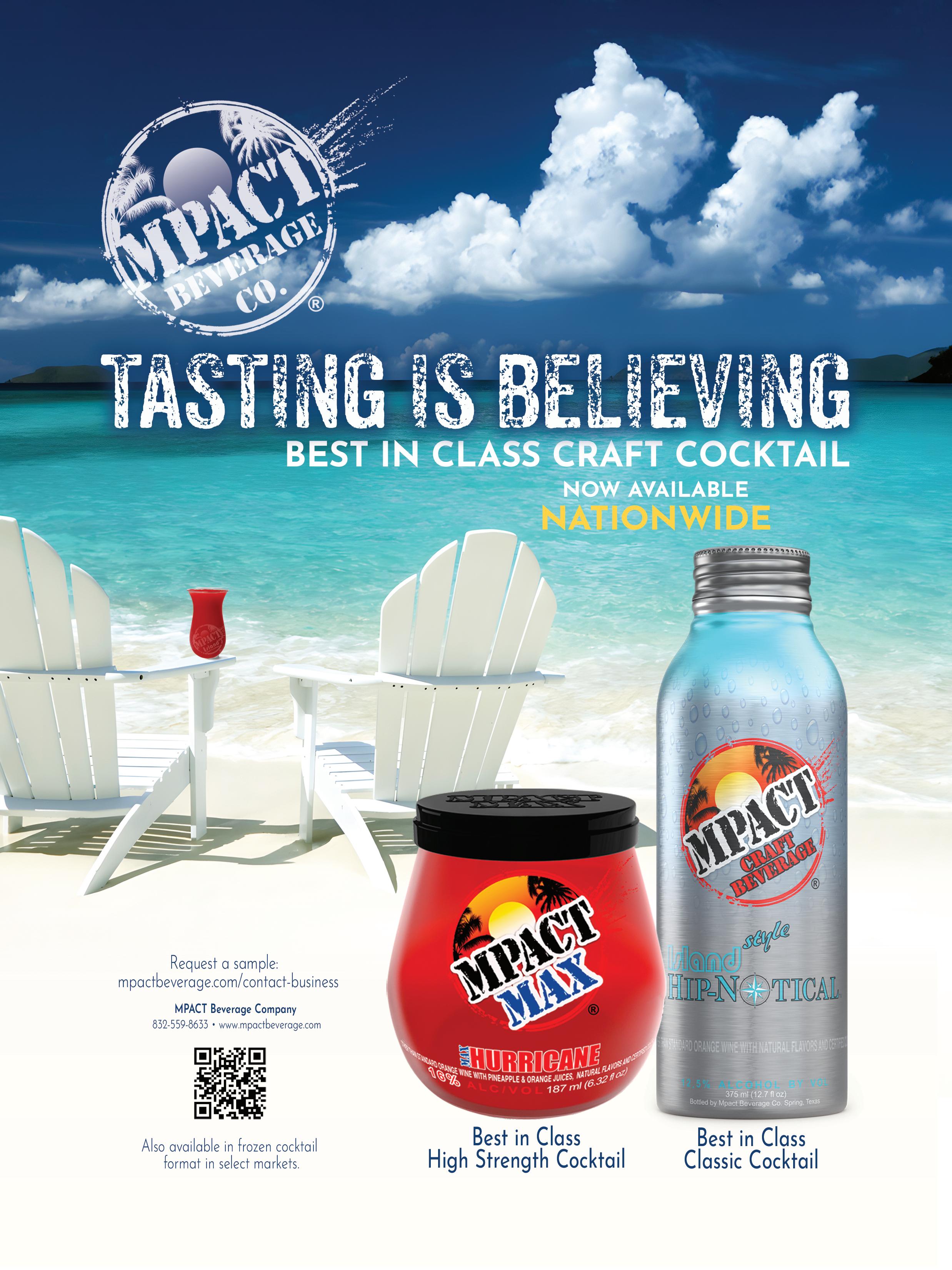
Ready-to-drink cocktails, the category’s No. 2 segment, delivered the strongest performance with per-store sales jumping 33.8%. Prepared cocktails also posted robust growth of 22.3%, though this segment remains relatively small in total dollar sales. Distilled spirits comfortably retained its standing as the category’s top segment, though sales were essentially flat, rising just 0.8%.
Industrywide, total liquor sales increased 5.4% in 2025, slightly below the 6.1% growth posted by the category in 2024. Unit volume growth also moderated, rising















4.7% compared to 6.5% the previous year. The category’s share of in-store sales edged up to 1.56%.
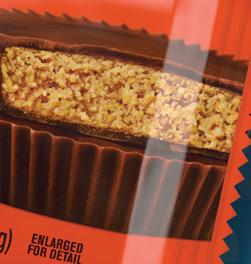
After posting negative results in 2024, the candy category rebounded modestly in 2025, with average sales per store rising 1% to $68,266.
Chocolate bars/packs, the category’s top-selling segment, led growth with a 5.4% increase in per-store sales. Gum, candy rolls/mints/drops and novelties also posted gains. Conversely, bagged/repackaged peg candy, nonchocolate bars/packs and seasonal candy saw declines.
Total industry sales of candy increased 0.9% in 2025, improving from the category’s 2.5% decline in 2024. Still, growth remained well below the levels seen the previous three years. Total unit volume fell 5.6%, indicating price increases in the category were prevalent. Candy’s share of in-store sales held steady at 3.49%.















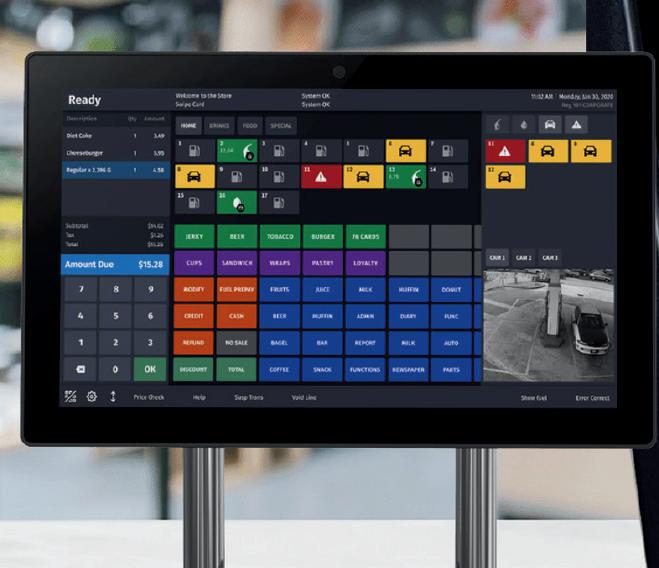

OWL™ Services delivers strategic security intelligence and connected technology solutions that protect assets, streamline operations and unify technology across retail, industrial and cstore environments.
Through advanced video surveillance, access control and managed monitoring, the company ’ s scalable integrated systems provide proactive protection, operational visibility and simplified management while enhancing customer engagement and ensuring compliance across every location.
Salty snacks endured another challenging year in 2025, with most segments posting sales declines. Average sales per store fell 2.3% to $58,241, building on a 1.1% decrease in 2024. Alternative snacks performed better year over year, returning to growth in 2025. Average sales per store increased 1.6% to $21,709, compared to a 4.2% decrease the previous year.
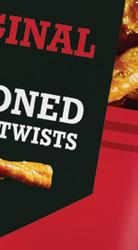
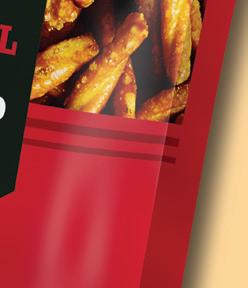
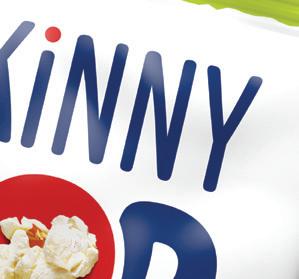
In salty snacks, potato chips remained the top-selling segment, but recorded a 4.7% decline in per-store sales, second only to ready-to-eat popcorn, which fell 5%. Nearly all other segments also declined, with the exception of pretzels, which posted the largest gain at 3.2%; mixed salty snacks at 2.3% growth; and puffed cheese snacks, which edged up 0.6%.
The improvement in alternative snacks was driven largely by health and energy bars, which posted a 9.5% increase in per-store sales. Meat snacks, the category’s































































































































































top-selling segment, slipped 0.7%. Granola/yogurt bars and other alternative snacks posted declines as well.
Total industry sales of salty snacks decreased 2.4%, worsening from a 0.9% decrease the previous year, while total unit volume fell 3.7%. Alternative snack sales industrywide rose 1.5%, rebounding from a 4% drop in 2024. Total unit volume, however, continued its multiyear decline, falling 3.1%. Salty snacks’ share of in-store sales was essentially flat at 2.98%, and alternative snacks’ share remained steady at 1.11%.
Edible grocery sales turned negative in 2025, with average sales per store declining 2.1% to $105,167, after posting 2.7% growth the previous year. Nonedible grocery, meanwhile, saw another year of decline with average sales per store last year down 3.8% to $29,817, following a 0.6% decrease in 2024.
Packaged coffee/tea — the smallest segment in edible grocery — delivered the strongest gain, with per-store sales rising 3.5%. Meanwhile, other dairy/deli products, the category’s top-selling segment, posted modest growth of 0.6%. All other edible grocery segments recorded declines, led once again by breakfast cereal, down 12.9%, and packaged bread, down 9.9%.
In nonedible grocery, every segment posted lower dollar

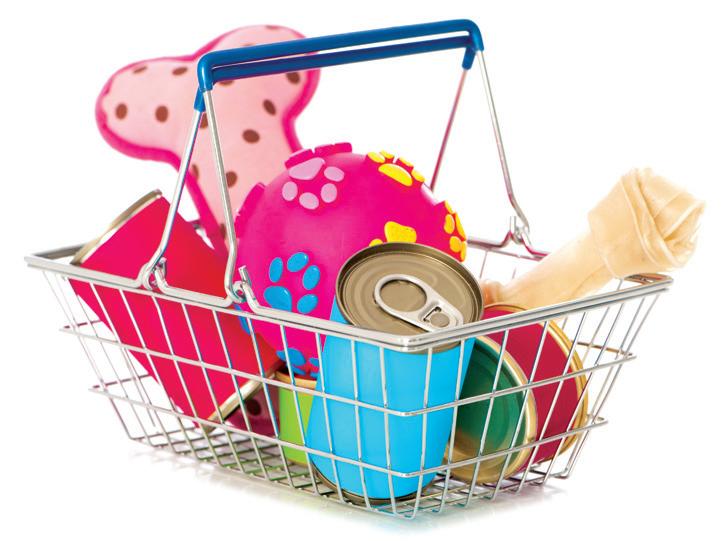
sales year over year. The two largest segments in the category — paper/plastic/foil products and pet care — experienced per-store sales decreases of 4.2% and 4.5%, respectively.
Industrywide, edible grocery sales fell 2.2%, marking the category’s first decline in five years. Total unit volume dropped 4.4%, the steepest decline during the same period. Nonedible grocery sales industrywide fell 3.8%, compared to a 0.4% decline the previous year. Total unit volume dropped sharply, falling 8.3%, which was the category’s largest decline in the past five years. Edible grocery’s share of in-store sales slipped to 5.37% and nonedible grocery’s share edged down to 1.52%.
The general merchandise category posted its third consecutive year of sales declines in 2025, with nearly every segment reporting negative results. Average sales per store fell 1.6% to $56,981. This was an improvement from the 2.7% decline recorded the previous year.
Only three segments posted per-store sales gains: seasonal products, school and office supplies, and the all other general merchandise segment. The remaining segments declined, with batteries seeing the steepest drop at 7%, and automotive products — the category’s largest segment — experiencing the smallest decline at 0.9%.
Total industry sales of general merchandise decreased 1.7% in 2025, compared to a 2.5% decline the year before. Total unit volume fell 2.2%, marking the category’s smallest volume decline in the past five years. General merchandise accounted for 2.91% of in-store sales, remaining relatively stable year over year.

HEALTH & BEAUTY CARE
Health and beauty care (HBC) sales were essentially flat in 2025 as mixed segment performance limited overall category growth. Average sales per store increased 0.3% to $12,822, down from 1.9% growth in 2024.
Vitamins and supplements — the category’s largest segment — led growth with a 6.7% increase in per-store sales. Grooming aids and family planning products also posted gains. All other segments declined, with liquid vitamins/supplements/energy shots posting the biggest drop at 6%.
Total industry sales of the HBC category edged up 0.2% in 2025, down from 2.2% growth the previous year. Total unit volume declined 3.3%, nearly matching the prior year’s decrease. The category’s share of in-store sales held steady at 0.66%. CSN
The Convenience Store News Industry Report features data from a variety of sources in order to provide a complete picture of the financial health of the convenience store industry. Store census data was provided by TDLinx, which maintains a national count of c-store locations based on NACS’ definition of a convenience store. Sales data for most categories was provided by NIQ from its Convenience Track retail measurement service, which is based on UPC sales and other methods that are counted through the use of point-of-sale scan data, as well as from data captured via electronic invoice and sales audits. Additionally, non-UPC coded merchandise, including prepared food and hot, cold and frozen dispensed beverages, was provided by a retailer survey conducted by Convenience Store News. Government sources include the Census Bureau of Labor Statistics, Department of Energy and Federal Tax Administration.

C-stores can capitalize on coffee by combining a strong foundation with innovative efforts
By Angela Hanson
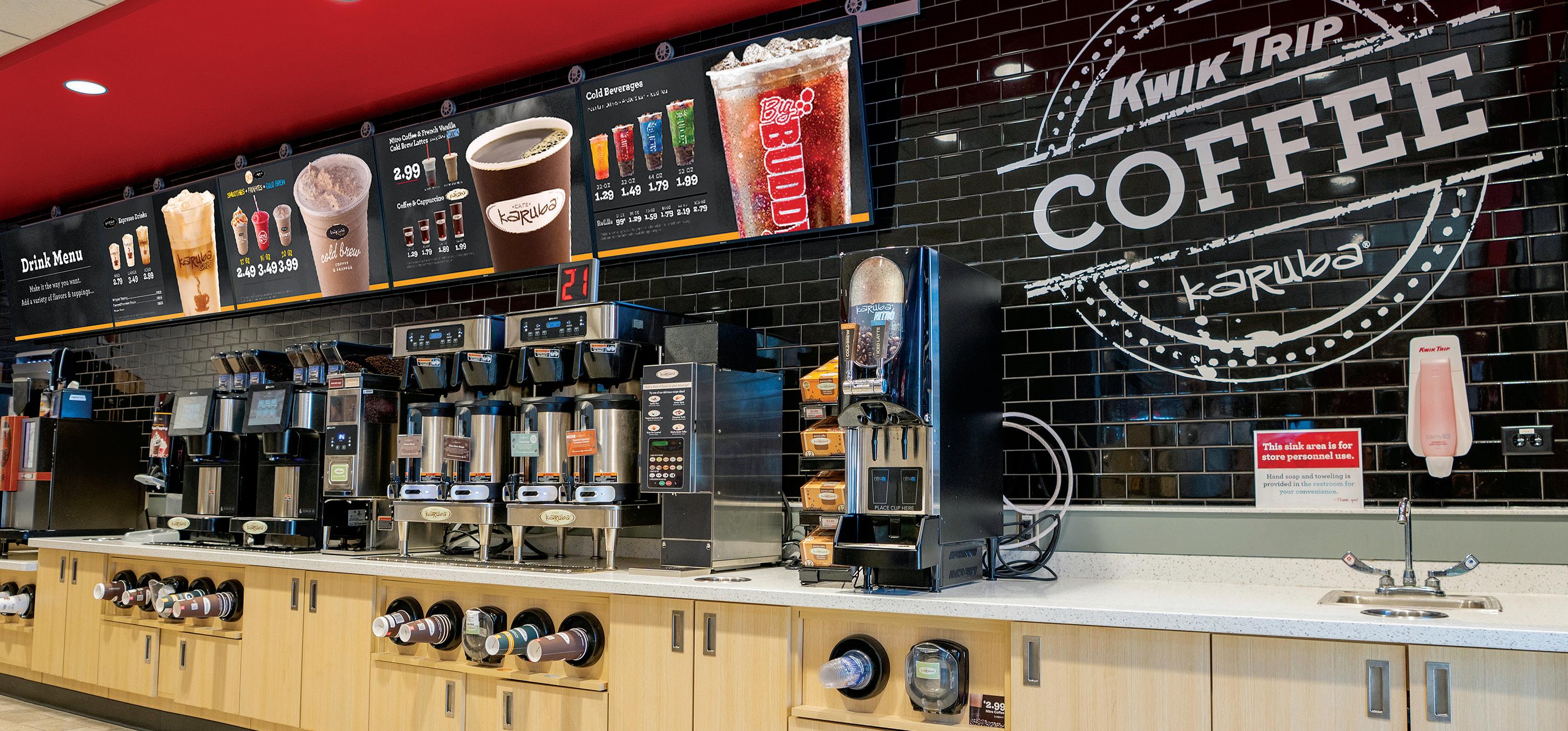
WHETHER BREWED in a large classic urn, dispensed on demand as bean-to-cup or made to order by a barista, it’s a given that any convenience retailer looking to offer a solid dispensed beverage lineup will include a coffee offering.
Coffee is ubiquitous among c-store operators of all sizes: 100% of the retailers surveyed in the 2026 Convenience Store News Foodservice Study offer hot dispensed beverages, with hot coffee being the top beverage offered overall and hot cappuccino/latte/espresso landing at No. 3.
Nevertheless, a reliably convenient cup of java does not guarantee segment dominance. The convenience channel faces increasingly heavy competition from coffeehouses, quick-service restaurants, and the proliferation of kioskbased coffee chains that combine the specialization of coffeehouses with the convenience of drive-thrus. To come out on top, convenience retailers need to focus on what they already do well — and what consumers want them to do well.
“Nobody does plain black coffee better than the convenience industry,” proclaimed Paul Servais, director of foodservice at La Crosse, Wis.-based Kwik Trip Inc., a chain of 900-plus stores across the Midwest. “That being said, less and less people are looking for plain black coffee. Specialty coffee has exploded the last few years and it is a battle to keep up with the trends.”
He pointed to sugar, flavor and “exotic mixes” as consumers’ top coffee priorities currently. “It is less about the quality of the coffee and more about alternative milk/cream, lots of sugar and lots of flavor,” he said. “Iced coffee has changed the coffee business.”
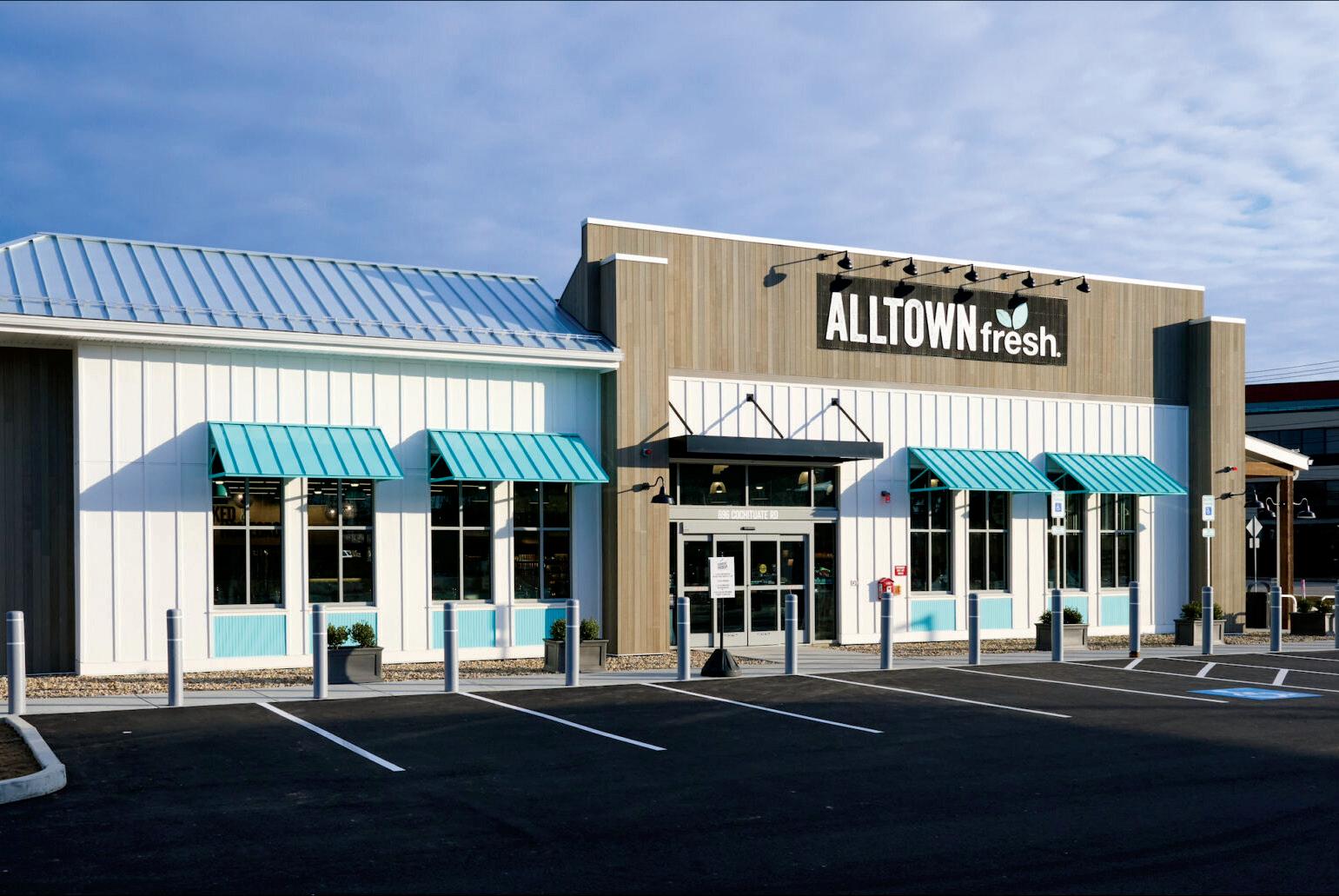
At Waltham, Mass-based Global Partners LP, which operates Alltown Fresh, Honey Farms and XtraMart stores among others, quality is still important. But so is value, according to Jac Moskalik, vice president and head of food, innovation and strategy.
“Consumers want a great-tasting, fresh, consistent cup that feels comparable to coffeehouse quality but at a convenience price and speed. Cleanliness, freshness cues and reliability are now baseline expectations,” she said. “Origin visibility and local roasting create additional differentiation within convenience, as well as coffeehouse, for your coffee offering.”
Operators must be mindful of whether they are meeting today’s consumer preferences. Doing so while staying strong on the basics ensures a solid competitive foundation.
“As competition grows from the increasing number of drive-thru coffee shops, c-stores should focus on convenience, quality and consistency to drive their strategy,” advised Rich Schaafsma, president of Paramount Coffee Co., based in Lansing, Mich. “Investment in equipment (e.g., bean-to-cup systems) and expanded coffee offerings will deliver higher quality that competes with coffee-focused concepts.”
Even in this period of greater competition,
“Premium cold coffee is the next major mainstream area.”
— Jac Moskalik, Global Partners LP


EnsembleIQ is the premier resource of actionable insights and connections powering business growth throughout the path to purchase. We help retail, technology, consumer goods, healthcare and hospitality professionals make informed decisions and gain a competitive advantage.
EnsembleIQ delivers the most trusted business intelligence from leading industry experts, creative marketing solutions and impactful event experiences that connect best-in-class suppliers and service providers with our vibrant business-building communities.
c-stores are elevating coffee quality and intensifying pressure on other coffee segments, he observed.
Beyond the basics, industry experts encourage convenience retailers to embrace customization and innovation in their coffee program. While stocking only the most commonly used creamers and sweeteners might be sufficient, customers do appreciate having a variety of choices in dairy alternatives, flavored syrups and toppings.
“It is all about customization for the younger generations,” Servais said. “Stand at a coffee bar and watch guests make their drinks. It is worth it to have many condiments for their drinks. You can’t have enough.”
Ensuring that the condiment area is clean and well-stocked also matters for the customer experience, Moskalik noted. And she said when it comes to embracing the next big thing, c-store operators should prepare to turn the temperature down.
“Premium cold coffee is the next major










mainstream area — cold brew, iced coffee and specialty iced beverages that replicate coffeehouse experiences,” she said. “Cold platforms continue to grow faster than hot and are becoming expected rather than differentiating.”
Bean-to-cup coffee units are increasingly standard for food-forward c-stores, too, but can still be viewed as “an ongoing frontier for innovation and value creation,” Schaafsma said.
“Equipment that reduces waste, sustains consistency and lowers labor can dramatically boost margins and reliability. The opportunity lies in accelerating speed of service while delivering beverages that match the quality and consistency of traditional brewers,” he explained.
Retailers that want to invest in their coffee programs will need to prepare for cost challenges and tight supplies for an indefinite period, Schaafsma cautioned.
“Tariffs have increased costs on a product that historically faced none, and rising global demand for coffee is adding volatility to supply and prices. This combination affects menu pricing, inventory planning and overall margins,” he said. “Tariffs have been relieved, but will take time to work through the supply chain.”
Looking ahead, c-stores can expect to face the toughest competition outside the channel.
“Competition is strongest from coffeehouses and fast-growing drive-thru/kiosk chains like Dutch Bros and 7 Brew,” Moskalik said. “They compete on speed, customization and brand loyalty.”
Kwik Trip is working to better compete against everywhere that serves coffee, with Servais noting that “if you would have told me 10 years ago that drive-thrus will open that just serve drinks, that would have been crazy talk. I give this industry credit — they found a model and made it work!”
The question that c-store industry executives now have to ask is: How do we grow our cups in this environment? “Enhance what we have, come up with something new, add baristas and drive-thrus? It is tough to know what the right move is,” Servais acknowledged.
“One thing I do know is that clean still matters. So does value, friendly service and quality,” he said. “C-stores can deliver this better than our competition once we get guests in our doors.” CSN



















Changes in consumer demand prompt convenience retailers to recalibrate their coolers
By Kathleen Furore
“SHIFTS IN CONSUMER preferences are reshaping beverage alcohol.” That assessment from the "2025 BevAl Year in Review" from NielsenIQ (NIQ) offers a snapshot of the off-premise landscape that convenience store operators should consider as they plan their beverage cooler sets.
“Consumers are moderating, premiumizing drinking, and seeking flavor in consumption,” Kaleigh Theriault, beverage alcohol thought leader for NIQ, recently told Convenience Store News. “When shopping, people are seeking convenient locations, cold products for same-day consumption, and the ease of quick in-and-out of the store. Many shoppers continue to be timestarved. That's where the convenience channel wins.”
Understanding these shifts can help c-store operators choose, merchandise and market the kinds of products that will fuel alcoholic beverage sales growth this year and beyond.
First, the sobering news about the category’s performance. According to NIQ, 2025 was a challenging year for the U.S. beverage alcohol industry overall.
Total off-premise dollar sales declined by 3.4% to $110 billion, “driven by broadbased volume softness across beer, wine and spirits,” NIQ reported. And it was an
across-the-board fall: all channels faced dollar declines across total alcohol in 2025.
There were, however, some bright spots on the convenience front. C-store dollar sales of total alcohol dipped just 1.4% year over year, outperforming declines in grocery (-3.6%), liquor open state (-4.3%) and mass (-4.8%). In addition, while dollar sales of spirits were down 1.8%, convenience was up 5.6%, driven by ready-to-drink (RTD) spirits, NIQ data showed.
RTD beverages — now “permanent pillars of beverage alcohol, not disruptive outliers,” according to the market researcher — accounted for 12.4% of total alcohol dollar sales in 2025, with spirits-based RTDs offsetting declines in traditional spirits.
“Ready-to-drink products are especially important in the cold box, especially where spirits-based and winebased [products] can legally be sold,” Theriault stressed. “If those aren't an option, shoppers will select from the RTD products that are available that have a malt-based option. Ready-to-drink products, regardless of alcohol base, are a must-have in the cold box.”
RTDs are playing a big role in the wine category as well, particularly in the convenience channel. While wine sales overall fell short throughout 2025, with off-premise sales down 4.9% vs. 2024, the segment was up 10.5% in convenience, driven by RTDs.
No matter the segment, value has become a key consideration for consumers making alcoholic beverage purchases.
As NIQ’s 2025 BevAl Year in Review pointed out, “While
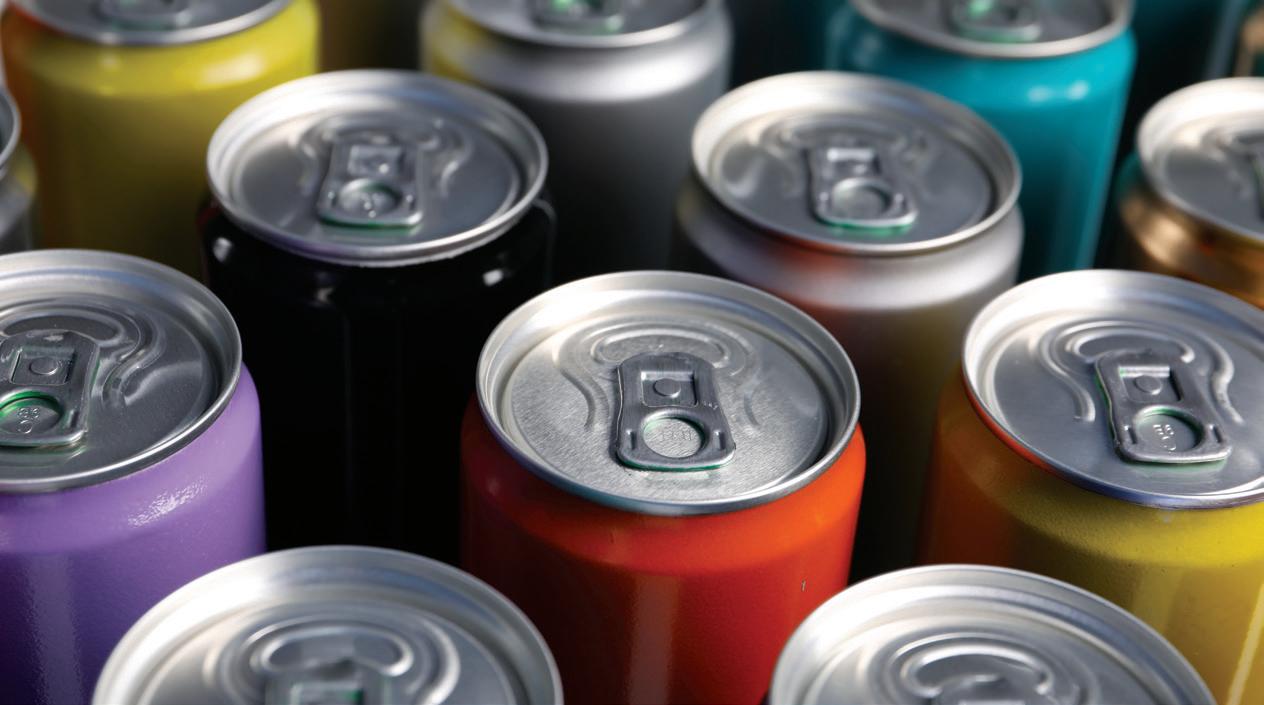
“…We’ve adjusted our assortment and space allocation to reflect how quickly the singles segment is growing.”
— Cameron Baer, Rutter’s
inflationary pressures eased versus prior years, consumers remained highly value-conscious, moderating consumption, and prioritizing fewer but more intentional purchase occasions.”
Even shoppers looking for premium products care about cost. Premiumization persists as a mindset across categories, and it does not apply only to large, high-priced products.
“Premium does not just mean big, expensive bottles anymore. Small sizes and single-serve options can win
Is THC legal in the states your stores operate in?
If so, consider adding THC beverages the next time you’re resetting your beverage sets.
That’s the advice from Jason Zelinski, vice president, beverage alcohol and tobacco, c-store at NielsenIQ, who cites “quickly growing demand” for this category of beverages.
“Just like their alcoholic cousins, THC beverages are best consumed cold, and customers are looking for them in the cooler,” he said. “When THC first entered the market, the majority of sales were in warm
for those seeking premiumization and lesser spend,” Theriault said.
This is a trend Cameron Baer, category manager at York, Pa.-based convenience store chain Rutter’s, is seeing on the front lines. Singles have become a hot commodity.
“The biggest shift we’re seeing right now is the demand for singles. Today’s shoppers are more cost-conscious, but they also want choice and flexibility, so singles are receiving more space in our sets to meet that desire,” Baer explained.
“Singles continue to be our largest dollar-growth driver year over year. Alongside strong case-pack sales, we’ve adjusted our assortment and space allocation to reflect how quickly the singles segment is growing in today’s alcohol beverage marketplace,” he continued.
Of course, with consumer preferences continually evolving, there’s no guarantee that what works today will work tomorrow. So then, what’s the bottom line for c-store retailers who want to reset their beverage coolers to capitalize on shifts in consumer demand?
“Follow the trends and do not be afraid to test and learn,” Theriault urged. “With so many new and similar products entering the beverage alcohol market, it's tough to determine what might be the winner, so testing out new products early and making a quick change when things aren't working is key.” CSN

multipacks, which had high price points and dissuaded trial purchasing. Savvy retailers have made space for these products in the cooler as singles and have seen an explosion of growth.”
In addition to exploring evolving regulations related to THC, Zelinsky stressed some other important considerations for operators interested in offering these beverages.
“Signage and education of staff are extremely important to ensure customers can find the product and do not mistake it for BevAl or other functioning drinks,” he said.


Technology helps convenience retailers pinpoint and solve operational challenges
By Melissa Kress
CONSUMERS SHOP convenience stores for many reasons, but it really boils down to three key factors: consistency, predictability and convenience. For those three factors to align, c-stores must run like well-oiled machines. But as any convenience retailer will tell you, that is easier said than done at times.
With nearly 17,300 stores globally, Alimentation CoucheTard Inc. is no stranger to store operations and the related challenges. Earlier this year, the Laval, Quebec-based parent company of Circle K took steps to streamline its operations by partnering with Quorso in the United States. This followed a previous deployment across its European network in 2025.
Combining advanced technology with human-centric workflows, Quorso’s Intelligent Management Platform consolidates siloed solutions — such as tasks, surveys, performance analytics and exception reporting — into a comprehensive, action-focused and enhanced platform that drives store performance at every level.
Presenting at the 2026 Conexxus Annual Conference in late January, Blaine Leor, senior director of enterprise systems and acquisition integration at Circle K, discussed how the solution takes the retailer’s data lake feeds from all its transactions, monitors them on a store-by-store basis, and alerts the store manager if something seems off.
“It gives a heads-up to a store manager that says, ‘Hey, your Snickers bars that you were selling at 25 a day have dropped off to nothing,’” Leor explained. “Well, that’s a problem, so let’s go find out what’s going on with our Snicker bars.”
In general, the tool helps store managers save time, act on data-driven insights, and identify the opportunities that
will make the biggest difference for Circle K customers and the business overall.
At Midwest Petroleum Co., which operates 60 convenience stores in Missouri and Illinois, the retailer has faced issues with license management. To address this pain point, the company turned to tech and built a license management database customized to its specific needs, with notification intelligence built into the platform.
“It is working well for us and has stakeholder visibility built into the design. So far, we love it,” said Kristina Anderson, chief service officer at Midwest Petroleum.
Similarly, the Missouri-based company has dealt with its loyalty system going offline without team members noticing. To ensure employees are alerted of future problems, the retailer built a monitor that notifies the team if there has not been a loyalty transaction within a certain timeframe.
“We saw store loyalty usage increase in each location that was experiencing service interruption. It has been a valuable tool to help us ensure the store has a stable, available loyalty environment for our customers to tap into the best deals we have to offer,” Anderson said.
Considering coffee is a staple in the convenience channel, it is not surprising that
“One of the biggest operational pain points in convenience retail has always been traditional drip coffee.”
— Farris Jamal, Chestnut Market
this is also an area where c-store operators are looking to use technology to improve operations.
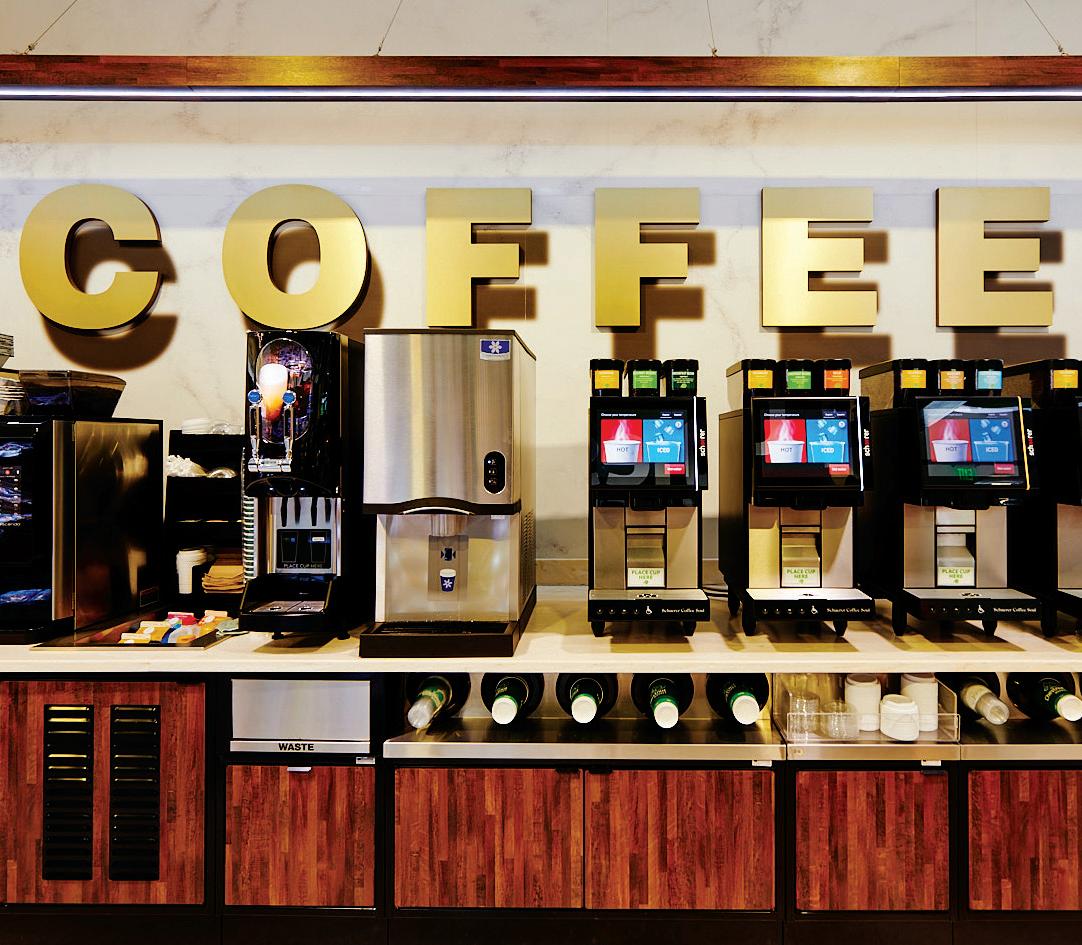
“One of the biggest operational pain points in convenience retail has always been traditional drip coffee. It sounds simple, but it is surprisingly labor intensive,” said Farris Jamal, director of merchandising at Chestnut Market, a regional chain operating in three states.
“Team members have to brew on a schedule, monitor hold times, replace pots, discard expired product and make sure the right blends are available throughout the day,” he explained. “During busy periods, this pulls them away from customers. During slower dayparts, it often results in throwing away perfectly good coffee simply because it has timed out.”
To tackle issues such as inconsistency in freshness, unnecessary waste and labor inefficiencies that directly impact profitability, Chestnut Market decided to rethink the entire coffee-making process and implemented bean-to-cup coffee across its stores.
“With this technology, whole beans are ground and brewed for each individual cup at the moment of purchase. Every cup is fresh, every time. There is no holding period and no guessing how much to brew,” Jamal said, noting that the results have been meaningful.
The Poughkeepsie, N.Y.-based chain has significantly reduced product waste because it is no longer discarding unused coffee, and labor efficiency is improved.
“…Our team members are not tied to brewing cycles and can focus on engaging customers and maintaining store standards,” Jamal pointed out. “At the same time, we are delivering a more premium coffee experience.”
Through talking with its customers, global
retail technology firm Diebold Nixdorf has zeroed in on three main pain points that its retail customers often face:
1. Staff shortages and how to increase workplace attractiveness: All respondents face the same problem: achieving more with fewer resources, according to Carsten Brase, the company’s head of retail consultancy. Employees are overworked, and customers are dissatisfied due to the resulting poorer service in the store and at the checkout.
2. Shrink: This lingering issue involves visibility about where it is happening in the store, what type of shrink is occurring and how it can be addressed.
3. Checkout complexity: Outdated structures in the checkout area are causing IT problems, slowing down operational processes, and increasing shrink.
There are solutions available to ease the pain and create better workplaces. “Implementing self-service solutions, for example, enables [team members] to focus on providing great customer service and more value-add tasks in the store,” said Matthias Wowtscherk, senior manager of media relations, retail at Diebold Nixdorf. “Waiting behind a checkout for a customer isn’t enjoyable.”
Providing team members with a safe environment is also paramount and can be achieved through smart vision technology. Diebold Nixdorf’s Vynamic Smart Vision can serve different functions depending on the operation — for the benefit of both employees and customers.
“When deployed across the store, smart vision technology can also be used to detect slip, trip and fall hazards in the aisles, or even to recognize dangerous situations such as armed robberies,” Wowtscherk said. CSN

Convenience retailers are finding new ways to deter and discover internal and external loss
By Tammy Mastroberte
INTERNAL THEFT, external theft, fraud, vendor delivery errors and other losses all chip away at a convenience store’s bottom line and profit margins. However, thanks to continued advancements in technology, including the expansion of AI, c-store retailers are finding new ways to curb crime and loss — both in-store and digitally.
While employee theft remains the top offender when it comes to loss in all retail markets, there are other contributing factors such as inventory errors, operational inefficiencies and organized crime, according to the “2026 Total Retail Loss Benchmark Report” from Appriss Retail.
“Employee theft is the No. 1 contributor to c-store shrink, so good exception analytics to look at transactions and employee behavior comingled with inventory analytics can give a full picture,” said Pedro Ramos, chief revenue officer at Appriss Retail, a loss prevention vendor based in Irvine, Calif. “Retailers need to open the lens and look at the business in total when it comes to loss prevention, and then use analytics to pinpoint the top shrink opportunities and apply solutions to solve them.”
Areas to consider include foodservice supplies, inventory, direct-store delivery, lottery, fuel pump manipulation, employee
theft and shoplifting. C-store operators should start with the data they have to uncover where they need to focus their attention most, he advised.
Thanks to AI, convenience and fuel retailers can take loss prevention to a whole new level with analytics, exception-based reporting, and AI cameras and software that are able to watch and flag incidents and alert the store manager in real time.
“It’s all about AI,” said Sud Bhatija, cofounder and CEO of San Francisco-based Spot.ai, an AI camera system and video surveillance platform. “The cameras were always there capturing information, but they often went unwatched unless someone went through all the footage. Now, you can have an AI security guard watching with proactive, real-time alerts and active deterrents in the moment.”
Looking to maximize insights and create visibility on a minimal budget, today’s c-store owners are turning to automation, “whether that’s smart cameras, vision activated alarms, or software that can review your existing systems and create new value via data utilization,” said Kelsey Blackmon, vice president of marketing and technology at Blackmon Oil Co. in Glenwood, Ark., which operates nine Blackmon Convenience stores.
C-store retailers must start with good camera coverage in order to allow AI to monitor and catch everything happening both in the store and on the forecourt, including the back room, corner of the store, entrances, exits, parking lot and forecourt, said Bhatija.




























































































































































































































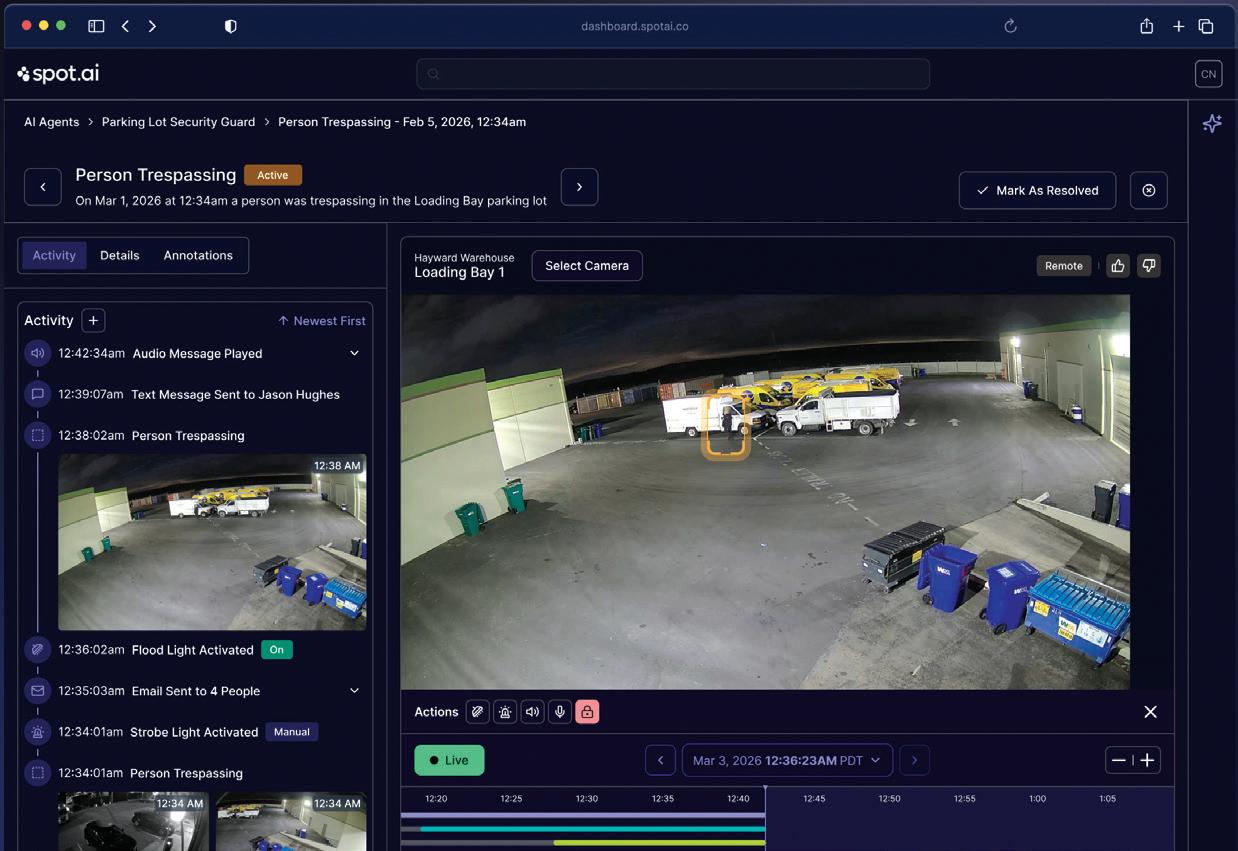
“Now, you can have an AI security guard watching with proactive, real-time alerts and active deterrents in the moment.”
—Sud Bhatija, Spot.ai
Security cameras are not just capturing footage in today’s world, they are acting as a security guard for each location thanks to AI, whether it’s spotting crime or theft as it’s happening, setting off an alarm, or actually talking over a speaker in real time.
“We give AI eyes,” he said, explaining that Spot.ai’s AI Security Guard monitors all cameras to watch for cashier theft, vandalism in parking lots, shoplifting and more. “AI can act in real time like a person, talk over speakers, sound an alarm and lock down access, escalating as needed.”
Cameras and connected AI software also can monitor and analyze shopper behavior both in-store and at the forecourt, and be trained to identify good vs. bad behavior, such as someone taking extra time at the pump, meddling with it or walking around it, Bhatija explained.
“AI can come over the loudspeaker and say to a customer, ‘Can I help you with that product on Aisle 6?’ and can also identify people tampering with the fuel pumps to interfere with the flow meter where it says 5 gallons instead of 20,” said Appriss Retail’s Ramos.
AI agents can even call the police and dispatch first responders, noted Ryan Fenimore, an enterprise account executive at Envysion, a provider of AI cloud video security.
Blackmon Oil has used AI as a core part of its loss prevention strategy for the last year.
“Camera systems are nothing new — but by utilizing AI layered into our legacy camera networks, we are able to have a real understanding of what’s going on at each location and use that information to make impactful decisions,” Blackmon shared.
AI enables the chain to “make their data actionable,” she said. The company is also using heat maps to identify high-traffic areas of the retail floor, as well as areas where loitering often takes place. The system allows its parking lots to be monitored 24/7 with “car and person detection filters in place to identify concerning behavior in real time,” she added.
Because it’s important for retailers to ensure cameras and other security equipment are in good condition and up-to-date, Blackmon Oil utilizes frequent audits and spot reviews to ensure the technology is working when it’s needed most.
Many c-store retailers are integrating cameras with their point-of-sale (POS), paired with AI software to analyze, identify and flag issues in real time and send detailed reports with all the data packaged together, whether it’s external, internal or vendor issues.
“Maximize the value of your camera feeds by utilizing some kind of ‘brain’ in the form of AI,” Blackmon said. “We primarily use Spot.ai for monitoring and evaluating our footage for insights, which has improved our data utilization exponentially. In 2026, a camera network without a brain behind it is like a cellphone with no service — technically working, but functionally useless.”
When it comes to internal or employee theft, combining camera footage with POS transactions can unearth zero level transactions to get cash out of the register or a refund processed with no customer at the counter. They can be flagged automatically and proof sent, Bhatija noted.
“For each incident, a store will get a timeline, the evidence and all the data they need to quickly solve the problem rather than having to go search for it themselves,” he said.
Envysion’s Fenimore agrees that connecting cameras to the POS has been a game-changer for many operators. They can set it up so they receive daily or weekly email notifications of flagged transactions, or they can even start each day with a dashboard report of risks.
MODERN FORMAT
Energy delivery built for today’s conveniencedriven shopper
PROVEN VELOCITY
Energy that drives repeat purchases
INCREMENTAL GROWTH
Driving new occasions and consumers




























































































































































Energy is evolving beyond traditional formats. Grinds Energy Pouches combine proven consumer demand with a compact, high-margin format designed for impulse purchase and repeat use. Counter-ready merchandising built for today’s evolving energy shopper.
SCAN TO GET GRINDS NOW

“In 2026, a camera network without a brain behind it is like a cellphone with no service — technically working, but functionally useless.”
— Kelsey Blackmon, Blackmon Oil Co.
“What’s been impactful in this space is the shift toward exception-based reporting. C-stores can’t manually audit every transaction, so the systems handle the heavy lifting by looking for shrink,” Fenimore explained.
Today’s systems can be trained in what to look for, such as refunds, lottery payouts over a certain amount, safe drops and more. AI programs can even be trained to analyze associate behavior and produce reports when exceptions are found.
“Historically, retailers would look for voids, below-average transactions per associate or number of cash transactions, and it required a lot of building and reverse engineering,” said Ramos. “Today’s AI models can identify issues and send a single report identifying the person, behaviors, transactions leading to why it was flagged, and the conclusion along with a proposed solution.”
These programs monitor associates via the cameras, combine that with POS transactions, analyze the actual behavior, and then feed that meta data into an exception-based reporting program to do things that would have taken hours manually. They provide a view of
the data in minutes “that was previously unavailable,” according to Ramos.
“AI can detect shrinkage patterns in your data much earlier than you might identify yourself, provided you are diligent in keeping a quality record,” Blackmon echoed.
In addition, she said a case-by-case footage review can be collected in moments where it would have previously taken hours or even days. For this, the retailer uses Spot.ai’s Smart Search feature with prompt-based filtering. Blackmon cited this as the company’s “most utilized function for practical applications of AI day to day.”
While AI-enabled search tools are currently focused on cars and humans, they will eventually be able to do a specific object search, according to Fenimore.
And while not all convenience retailers deal with digital fraud, such as multiple use of coupon codes or loyalty tampering, AI can assist in this area as well if needed.
“Account takeovers have been a problem in the digital space, and AI can drill down and track IP addresses of people opening multiple loyalty accounts to get rewards,” said Ramos.
Bottom line: AI-enabled solutions should not be intimidating to c-store retailers as they are “practical tools that act as autonomous loss prevention agents,” he said, likening it to having an assistant manager “that never blinks.” CSN
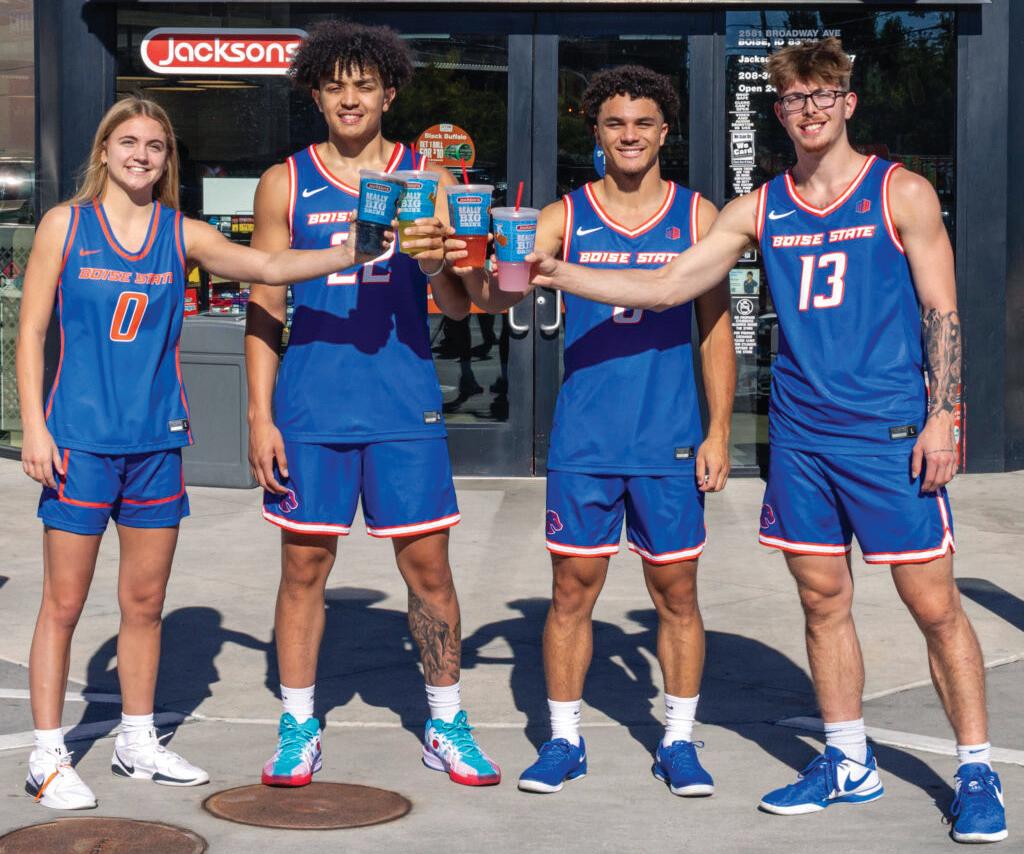
Partnerships with local universities drive traffic and create brand loyalty for c-stores
By Renée M. Covino
IT'S A MATCH made on campus: a neighborhood convenience store and a local university. While not a brand-new idea, more c-store operators are leveraging multifaceted partnerships like this to turn new generations of students into devoted convenience fans.
Meridian, Idaho-based Jacksons Food Stores teamed up with four Boise State University (BSU) basketball players in a Name, Image and Likeness (NIL) partnership for the 2025-26 season. If the men's basketball team scored 75 points or more in any game (home or away), fans could visit any Treasure Valley Jacksons location two days following the game and pick up any-size fountain drink for just 75 cents
with the retailer's Let's Go Rewards program.
"A top benefit of partnering with a local university is that we have a shared community focus; we are invested in supporting the students, student athletes and customers where we live and work," Marketing Director Kelly Boyd told Convenience Store News.
"Jacksons Food Stores has been partners with Boise State University for over 20 years through a variety of sponsorships and retail promotions, and will continue into the foreseeable future," she continued, noting that the company has had a lot of fun with NIL partnerships over the last several years and is excited to keep growing the program.
Scranton, Pa.-based Onvo, meanwhile, kicked off year two as the Official Travel Plaza Sponsor of Penn State
In 2015 Game Leaf was introduced as part of the Garcia y Vega portfolio of cigars, revolutionizing the Rolled Leaf cigar category. Now, as part of our 10th anniversary celebration, we’re reintroducing Game Leaf with colorful, eye-catching, consumer-tested 3-cigar packaging designed to bring Rolled Leaf customers more of what they want.
AVAILABLE AT 3 FOR $2.19 TRIAL PRICING AND SAVE ON 3


3 REASONS FOR 3-PACK SALES
While all other Rolled Leaf formats showed velocity declines in 2024, the velocity for 3-packs rose by 15%.





In 2024, the 3-pack was the only Rolled Leaf format to show volume growth, along with a 5.7% increase in share of the market.
Rolled Leaf 3-packs were added to shelves in over 9,700 c-stores in 2024, an 11% increase in store count over 2023.

















3 REASONS TO GO WITH GAME LEAF
Game Leaf is able to build on the tremendous brand equity of Game, the #1 selling Natural Leaf cigar in the US.
Game Leaf’s commitment to quality and stringent quality standards—from broadleaf crop selection through manufacturing—ensure the best quality Rolled Leaf cigar available.
Consumers equate the Game Leaf brand with the Garcia y Vega tradition of quality and craftsmanship, as Garcia y Vega has been making Natural Leaf cigars since 1882.
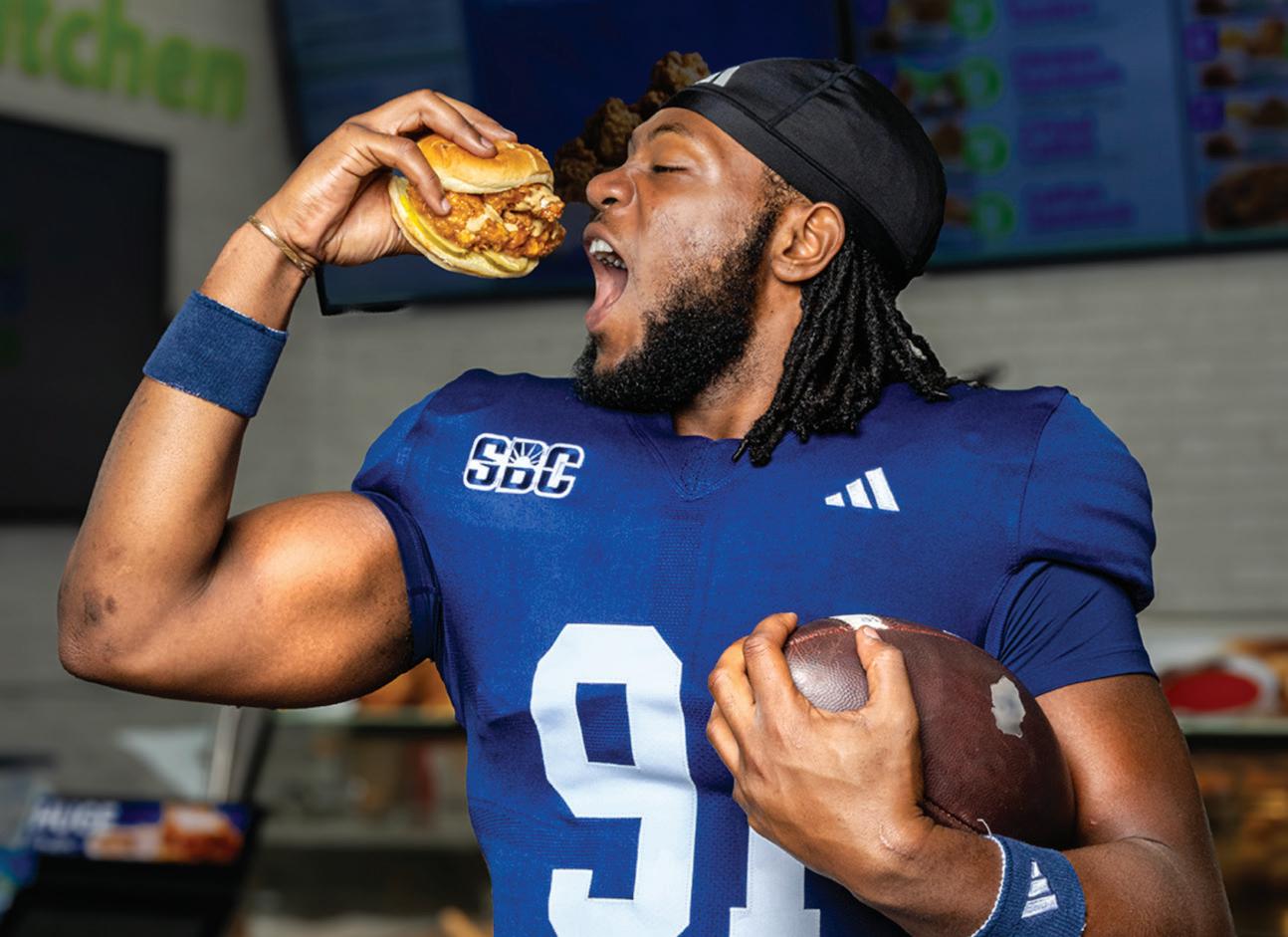
Athletics and launched a "Game Day Ritual" campaign to make the travel stop and convenience retail chain a muststop for Nittany Lions fans during the 2025-26 season. The retailer also teamed up with Pepsi and Penn State for a cobranded travel mug and refill program.
Savannah, Ga.-based Parker's Kitchen also entered a four-year partnership with Georgia Southern Athletics that includes a newly branded student entrance for home football games, as well as high-profile stadium signage across all sports. Parker's Kitchen is recognized as The Official Convenience Store of Georgia Southern Athletics and launched its first-ever NIL partnership with football standout Davion "Chewy" Rhodes, who shares the same nickname as the c-store chain's iconic mascot.
And taking a slightly different approach, SunStop, the c-store subsidiary of Bainbridge, Ga.-based Southwest Georgia Oil Co., launched a Fresh Eats foodservice concept at Florida State University's Doak Campbell Stadium this past fall. The Fresh Eats offerings are available at two locations within the stadium: inside the main concourse and at the south endzone concession stand. Fresh subs from SunStop are also available at the university's softball, baseball and soccer concession stands.
SunStop believes a local university partnership enhances brand visibility and credibility within the community. The
"A top benefit of partnering with a local university is that we have a shared community focus.”
— Kelly Boyd, Jacksons Food Stores
retailer has seen a noticeable increase in foot traffic from students, faculty and staff, according to Troy Calhoun, vice president of marketing and merchandising for the chain of roughly 90 stores across Georgia, Florida and Alabama.
"Local sports are a natural fit for us because they foster a strong sense of community and pride," he told CSNews "We've found that sponsoring local teams drives both traffic and loyalty. It's a great way to connect with families, students and younger audiences."
SunStop's engagement with Florida State University began in August 2018 with the opening of SunStop Urban Market in the university's CollegeTown district.
"Since then, we've deepened our involvement by sponsoring fresh food at the concessions stand at various sporting events. On game day weekends, our store has become a go-to spot for college students — especially among fraternities and sororities — thanks to our special food and drink offerings," Calhoun explained.
SunStop plans to continue evolving the partnership and get in front of new customers.
"As food continues to play a larger role in the convenience store industry, this partnership is a strategic way to showcase our offerings to a broader audience," Calhoun added.
Similarly, the retailer has made several adjustments at its SunStop Urban Market to better serve the university community. "For example, we've tailored our product mix to student preferences — more White Claw and less Bud Light, for example — and modified our operating hours during exam weeks and school breaks," he said. "These tweaks have allowed us to stay responsive to the evolving needs of our college demographic."
In the same way, Jacksons continues to tweak its partnership with BSU.
"There are challenges with every partnership to ensure we both remain relevant to each other and to our customers, the BSU fans and students. We continually evaluate the partnership to ensure [it is] meeting our goals and [is] appealing," Boyd said.
Changing from branded tumbler cups to bobbleheads to trading cards is one example.
"The key is having a trusting relationship with the school and the student athletes we




OCTOBER 8, 2026, LAS VEGAS, NV
You’re invited to an unforgettable evening celebrating the women who are driving the future of the convenience industry.
The 13th annual Top Women in Convenience Awards Dinner Gala and Ceremony takes place on October 8th at the Westgate Hotel & Casino. csnewstwic.com
Secure your seat in the most prestigious room in the industry

TWIC Connections is a brand-new event that will bring together the 2026 class of TWIC honorees and TWIC alumni from past years for professional development, networking and community connections, hosted as a lunch on October 8. EXCLUSIVELY FOR TWIC

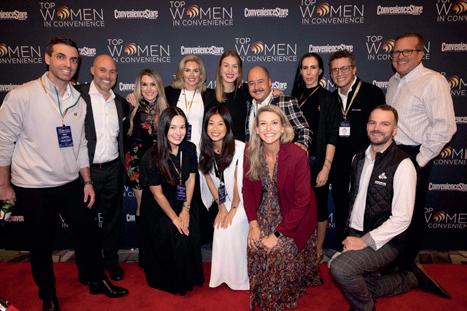
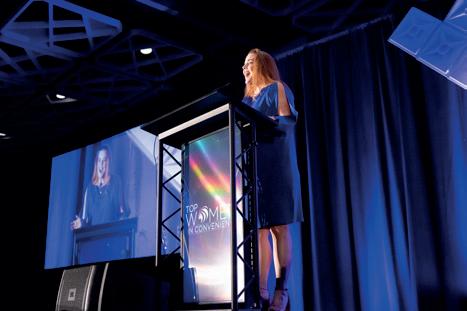


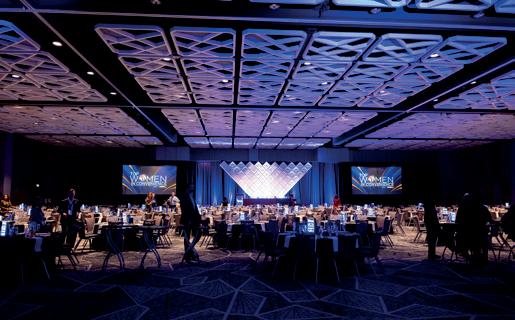
support," Boyd pointed out. "There has to be a willingness on all sides to pivot, try new ideas and move forward."
A recent report highlighted how convenience retailers are exploring university partnerships beyond the sports angle, too. In September, the Convenience Leaders Vision Group released a report that examined how c-store retailers are leveraging university partnerships for innovation and talent development, among other key issues.
In the report, Jacksons Chief Information Officer Robert Hampton presented how universities can serve as engines of innovation and talent while creating structured collaboration opportunities through capstone projects and hackathons.
"Academic institutions can be a great source of out-of-the-box thinking and short-term resources for projects and problem-solving opportunities," he said.
Hampton explained that semester-long capstone projects can create structured
“…This partnership is a strategic way to showcase our offerings to a broader audience.”
— Troy Calhoun, Southwest Georgia Oil Co.
collaboration opportunities for retailers. He emphasized, though, that required formalities of such projects include having students sign nondisclosure agreements, license agreements and compensation for any intellectual property that was used. Weekly check-ins with students and faculty and clear requirements ensure alignment.
The end goal is to expose students to real business units and provide the retailer with new insights. In the case of Jacksons and Boise State, such projects have even resulted in several students being hired into the retailer's business intelligence team.
"It was a great way to introduce students to the industry and to help folks recognize that the convenience industry isn't just about selling beer and cigarettes at 2 a.m. We're doing a lot of really cool things," said Hampton. CSN
EnsembleIQ is the premier resource of actionable insights and connections powering business growth throughout the path to purchase. We help retail, technology, consumer goods, healthcare and hospitality professionals make informed decisions and gain a competitive advantage.
EnsembleIQ delivers the most trusted business intelligence from leading industry experts, creative marketing solutions and impactful event experiences that connect best-in-class suppliers and service providers with our vibrant business-building communities.
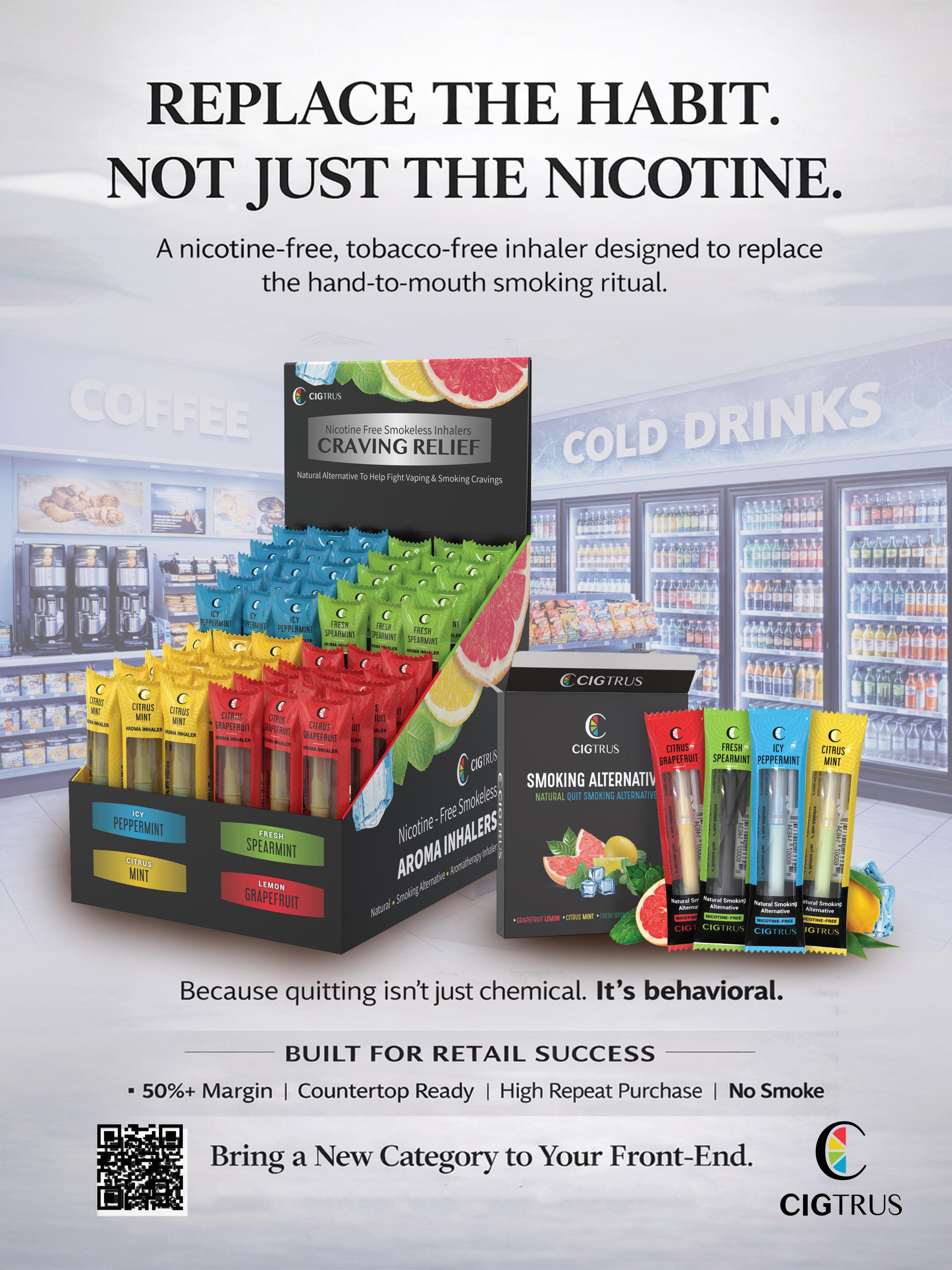

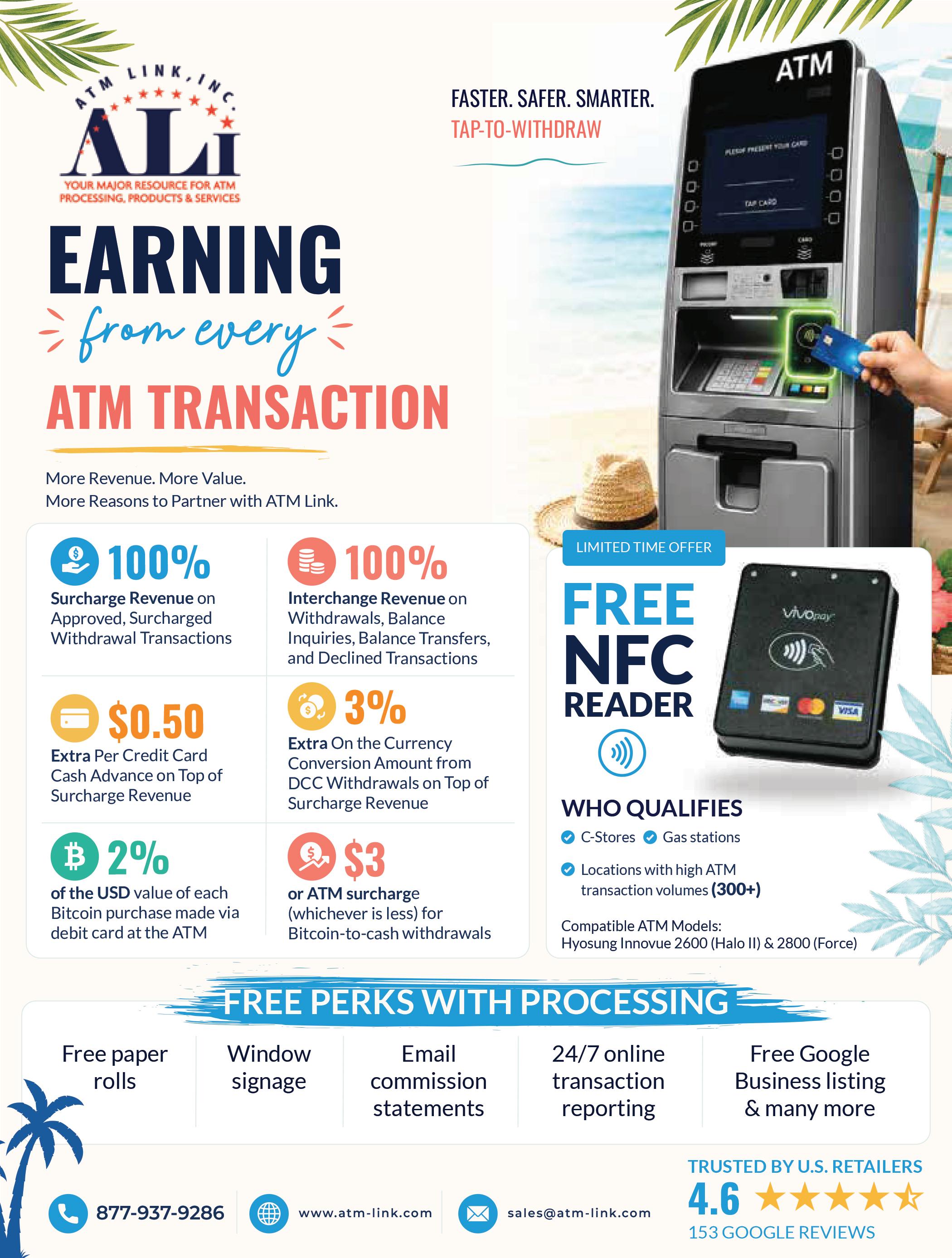

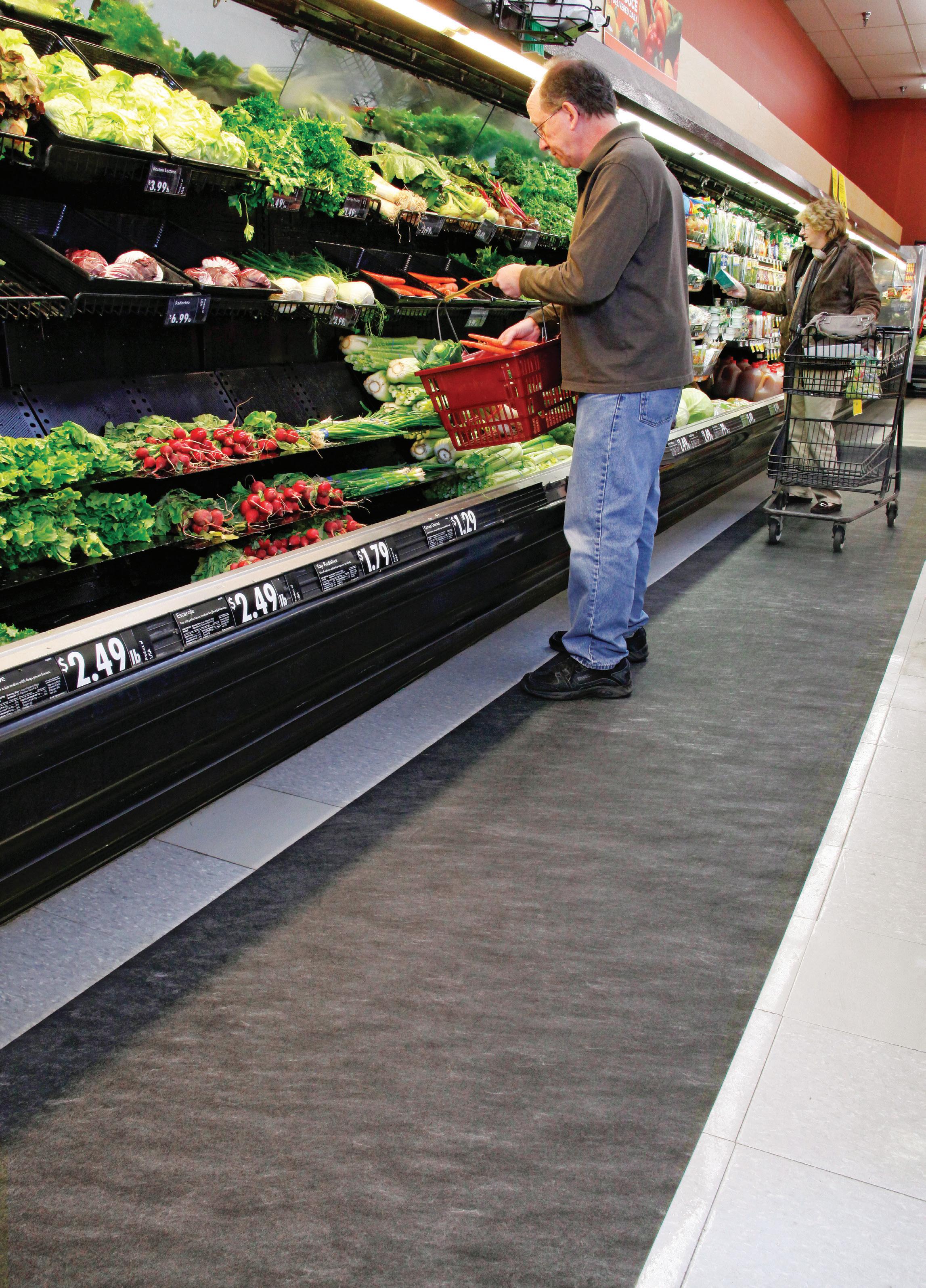
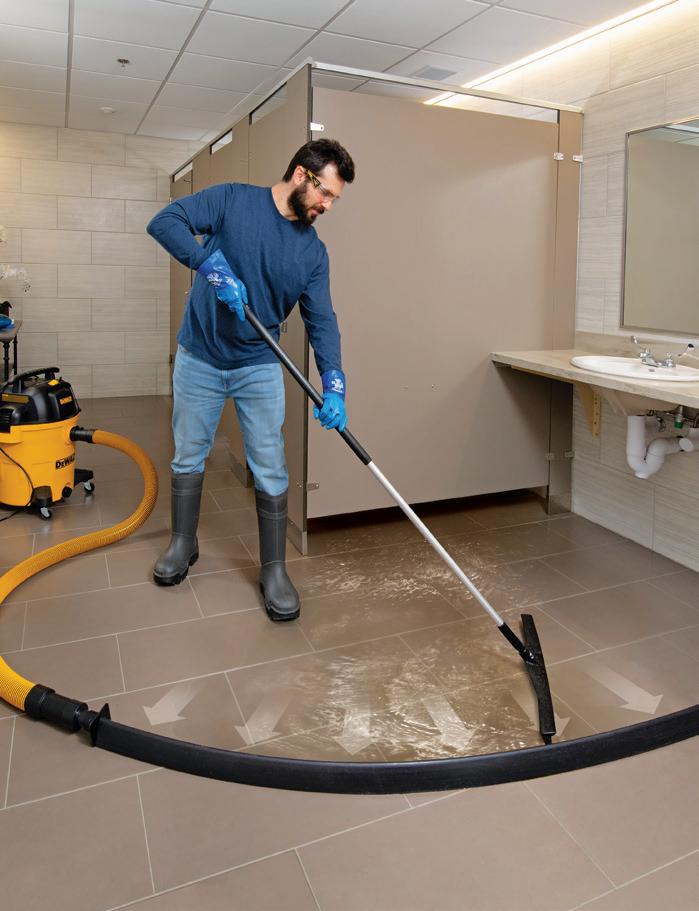










•
•
•






































































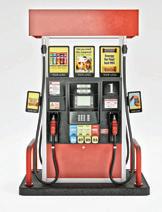
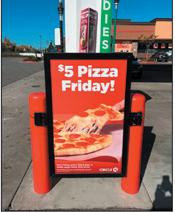


































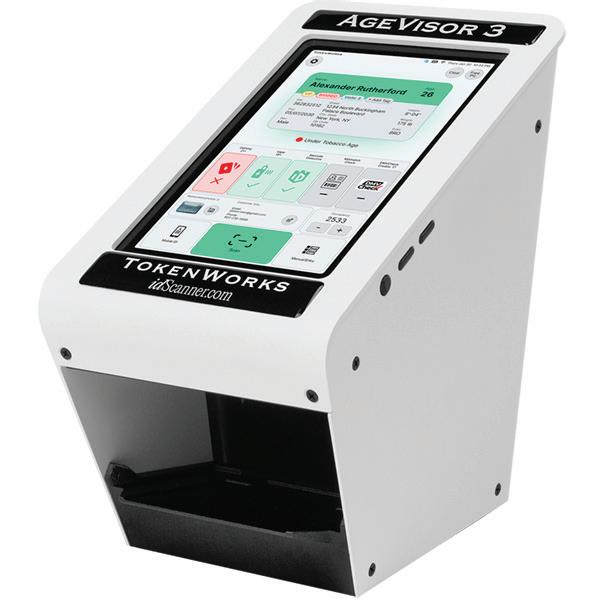
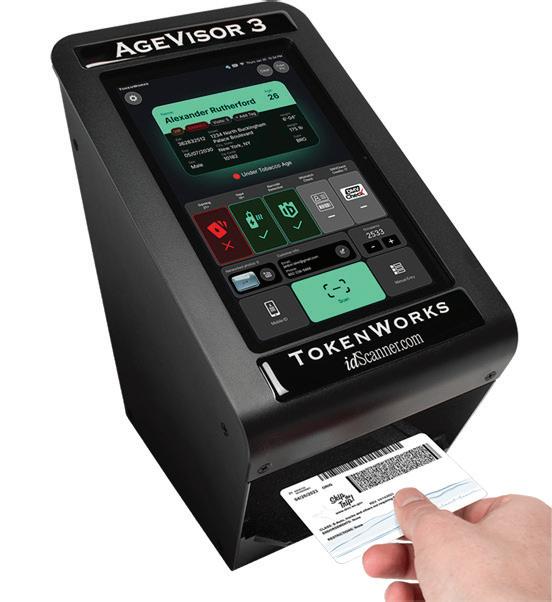



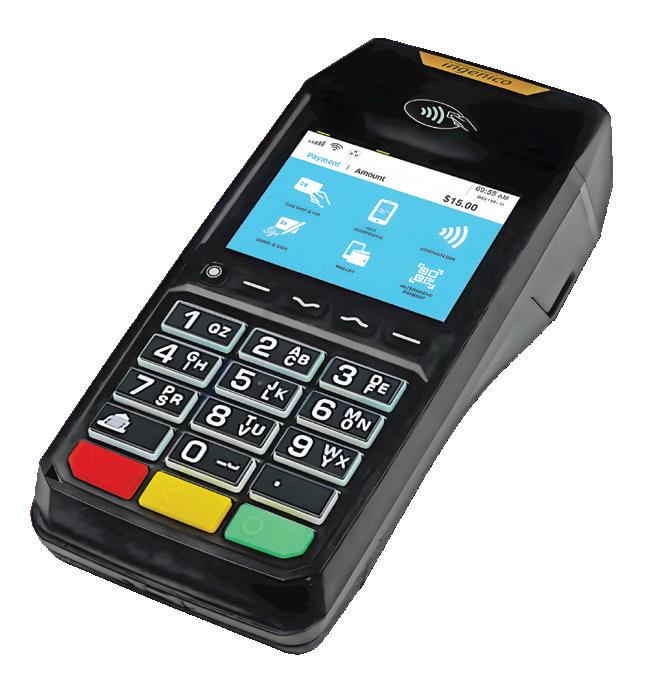
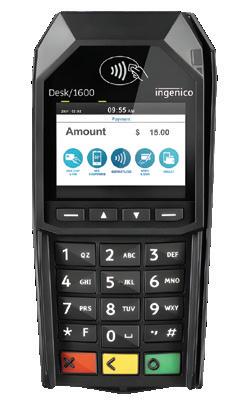

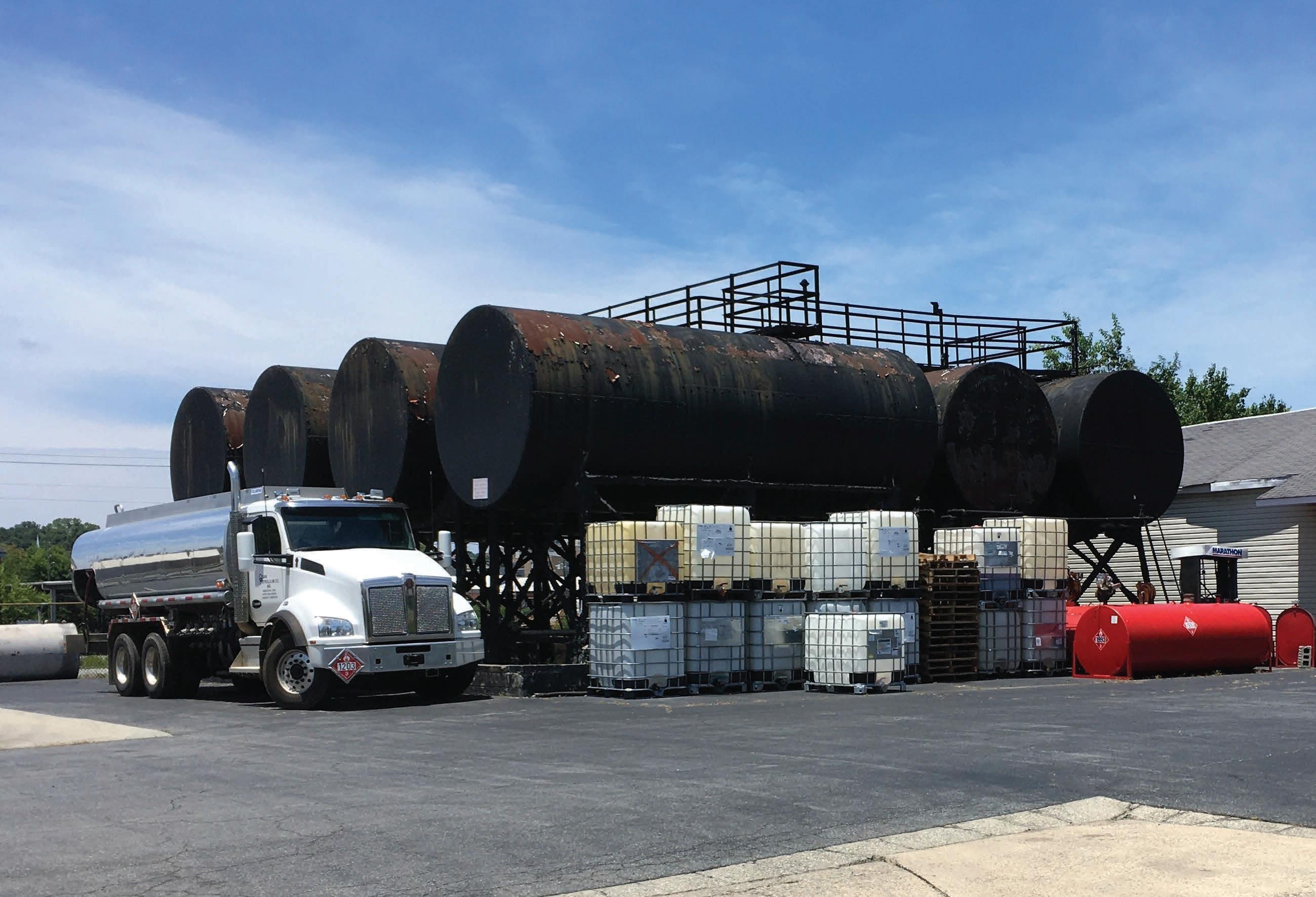




• Reduce your credit card processing fees
• Rates as low as 0%-0.05%*


• Switch now & get your FREE terminal with 5G/ Wifi*
• We will BEAT any rate!
• We offer processing for High-Risk locations

• Tobacco rebate programs
• Refer a customer get $250-$500


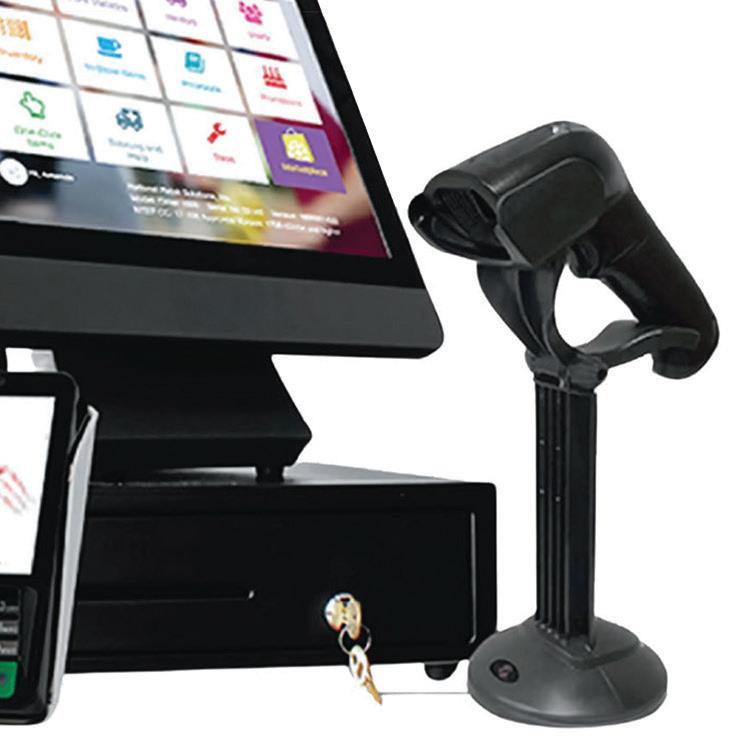

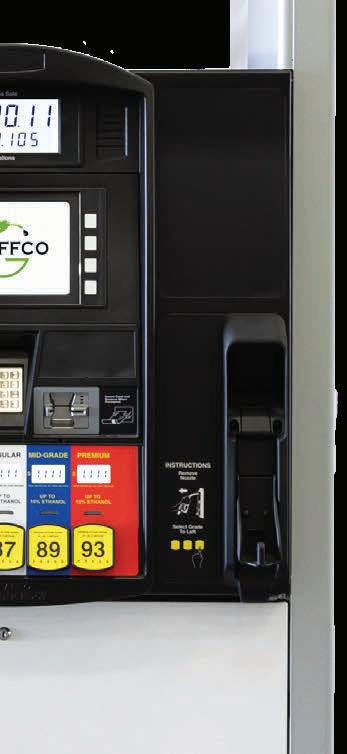
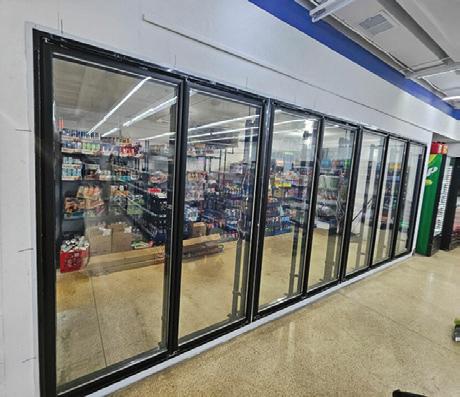



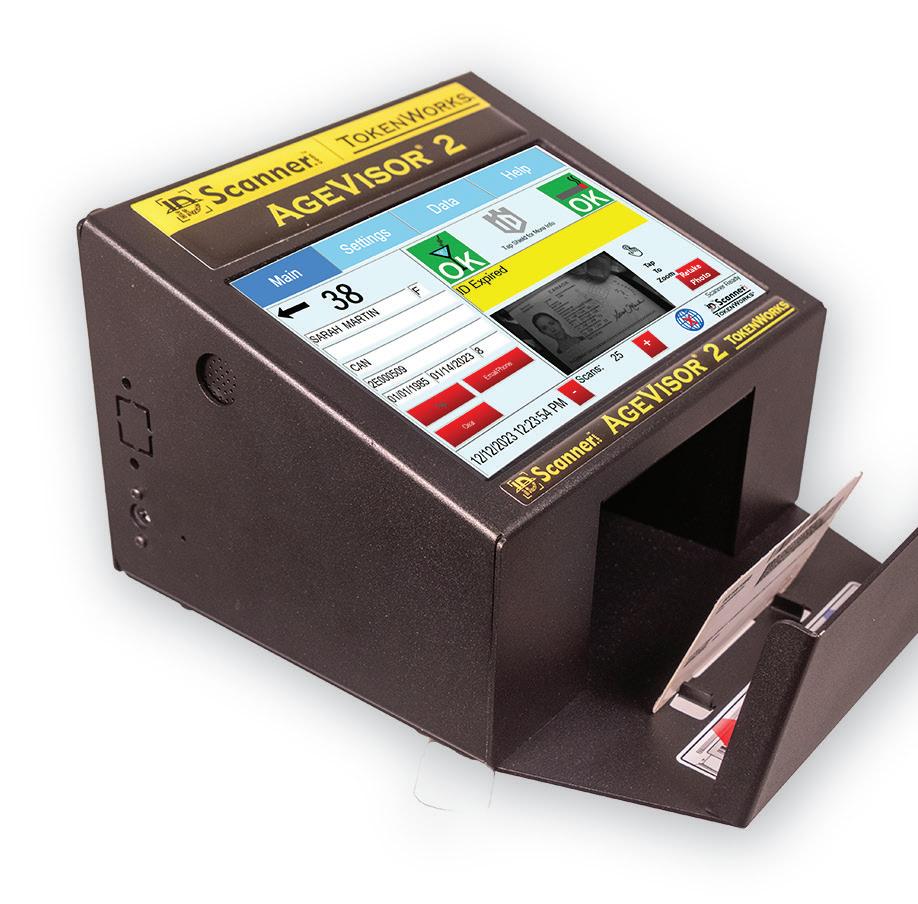



The channel has been expanding its better-for-you offerings, but there’s still untapped potential
More than half of convenience store shoppers say they seek out healthy products, but they are often turning to other retail channels when it comes to purchasing better-for-you items, according to the 2026 Convenience Store News Realities of the Aisle Study, which surveyed 1,500-plus consumers who shop a c-store at least once a month. The research revealed:
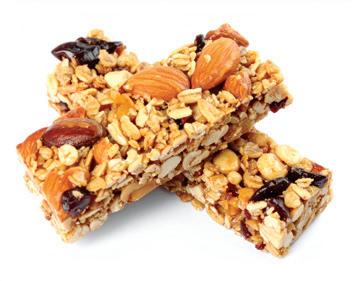
Nearly six in 10 of the convenience store customers surveyed reported that they currently buy healthy and better-for-you products at least some of the time
Instead, c-store shoppers who buy healthy products are purchasing them from:
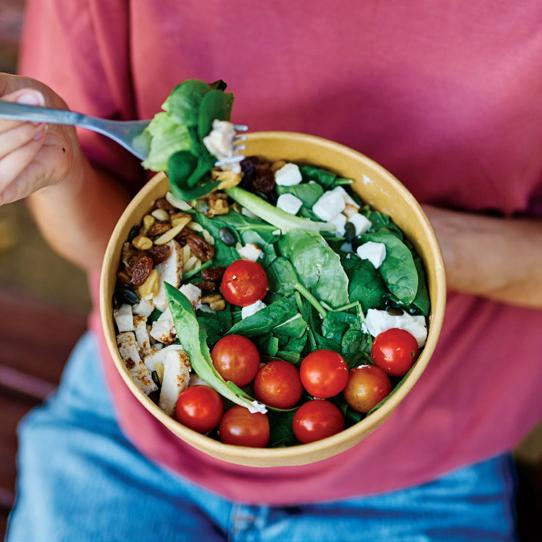
Satisfaction With Selection of Healthy Foods at Convenience Stores
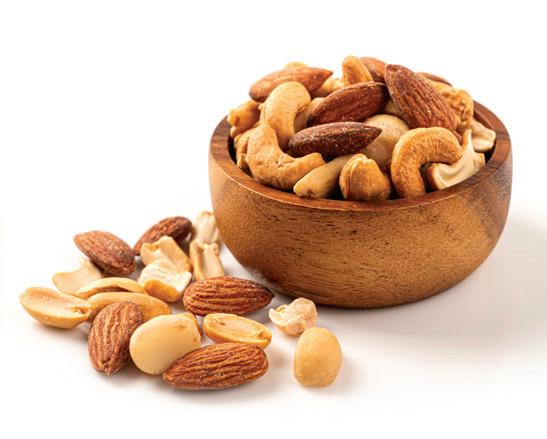
Almost two-thirds of c-store customers, however, say they are only somewhat satisfied or not satisfied with the current selection of healthy food and beverages available in the convenience channel. Female shoppers in particular are less satisfied.

Usage and awareness of weight loss medications like Ozempic and Wegovy is on the rise. Planned usage is highest among Generation Z c-store shoppers.
Spending related to dining out is expected to be most affected by weight loss medication use