Celebrating exceptional culinary innovation and excellence.
Awarded to individuals or teams who demonstrate outstanding creativity, craftsmanship or impact in the realm of food, drink or hospitality.
CREATE
Acknowledging exceptional creativity across any medium.
Awarded to visionary thinkers, artists or makers who push boundaries and set new standards in creative expression.
AWARD CATEGORIES
RETREAT
Honouring spaces and experiences t at o er reju enation re ection and renewal.
Given to those who create environments – physical or experiential – that foster rest, mindfulness and well-being.
SUSTAIN
Celebrating impactful contributions to sustainability and environmental stewardship.
iven to individuals, projects or organisations leading the way in ethical, ecological and regenerative practices.
ABODE
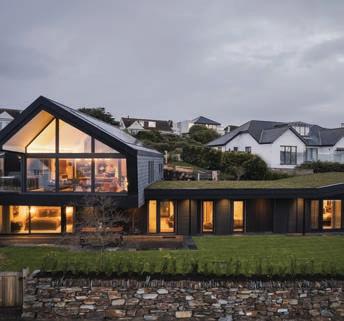
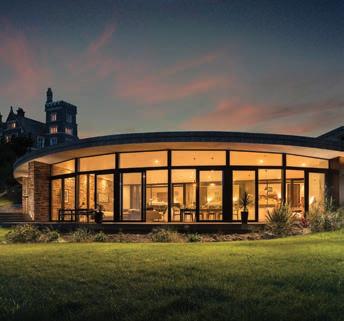
eco nisin e cellence in t e desi n function and soul of living spaces. Presented to those who elevate the concept of home through architecture and design.
INSPIRATION
Individuals and businesses that continue to push the envelope in t eir c osen eld.
Awarded to those that uplift, motivate, and empower through actions, stories or presence, leaving a lasting impact.
The shortlists will be announced on 6th July 2026. Voting will then commence, closing on the 30th September 2026. Make sure you’re subscribed to our newsletter to receive regular updates – driftjournal.co.uk/e-newsletter
A JOURNAL FOR THE DISCERNING
rift drift noun
1. the act of driving something along
. the flow or the velocity of the current of a river or ocean stream
verb
. to become driven or carried along, as by a current of water, wind, or air
. to move or float smoothly and effortlessly
We invite you to continue your lifestyle voyage online. Find inspiring stories and uncover more luxury content on Instagram @ rift ournalu . Join our e clusive e ournal communit at rift ournal.co.u to receive reci es reviews an insi er nowle e of some of the South West’s most-loved luxury destinations.
rift ournal.co.u
rift ournalu
A JOURNAL FOR THE DISCERNING
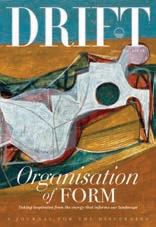
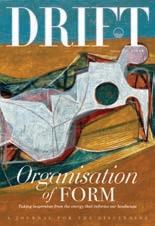
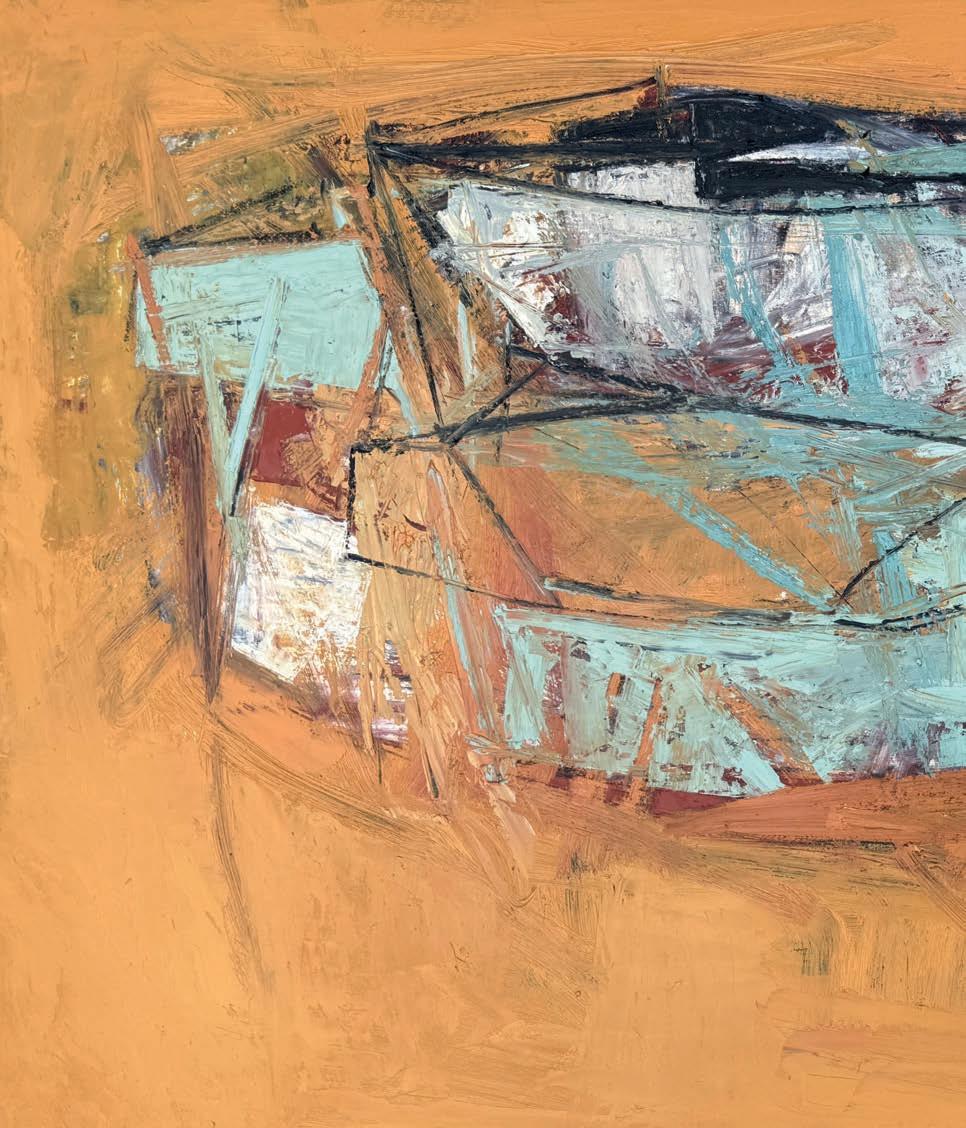
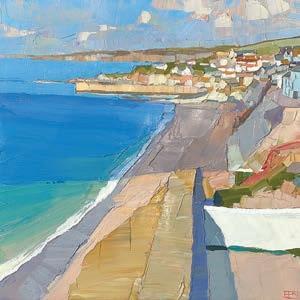
On the cover
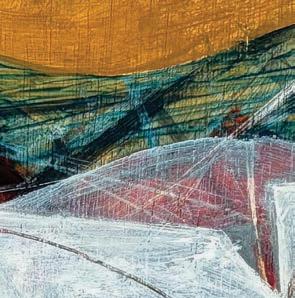
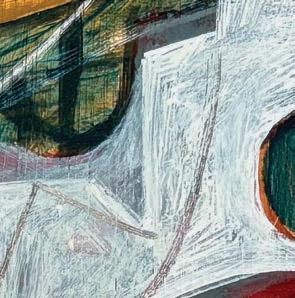
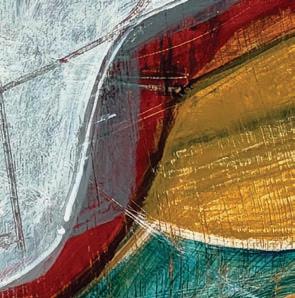
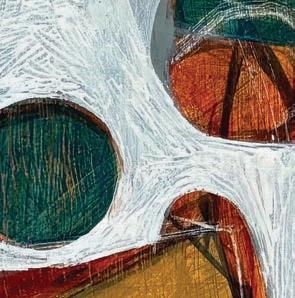
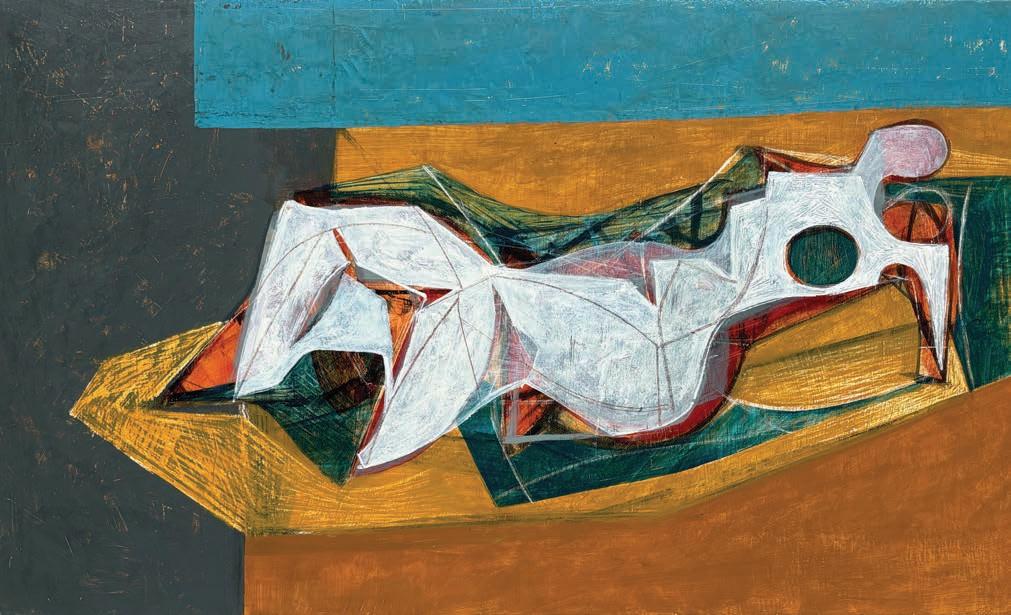
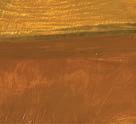
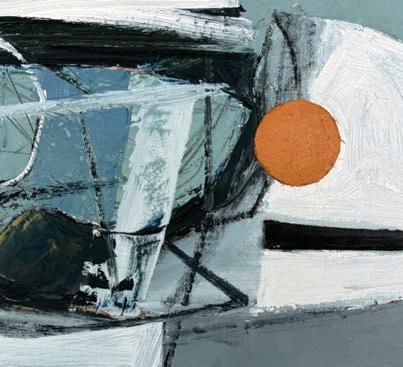
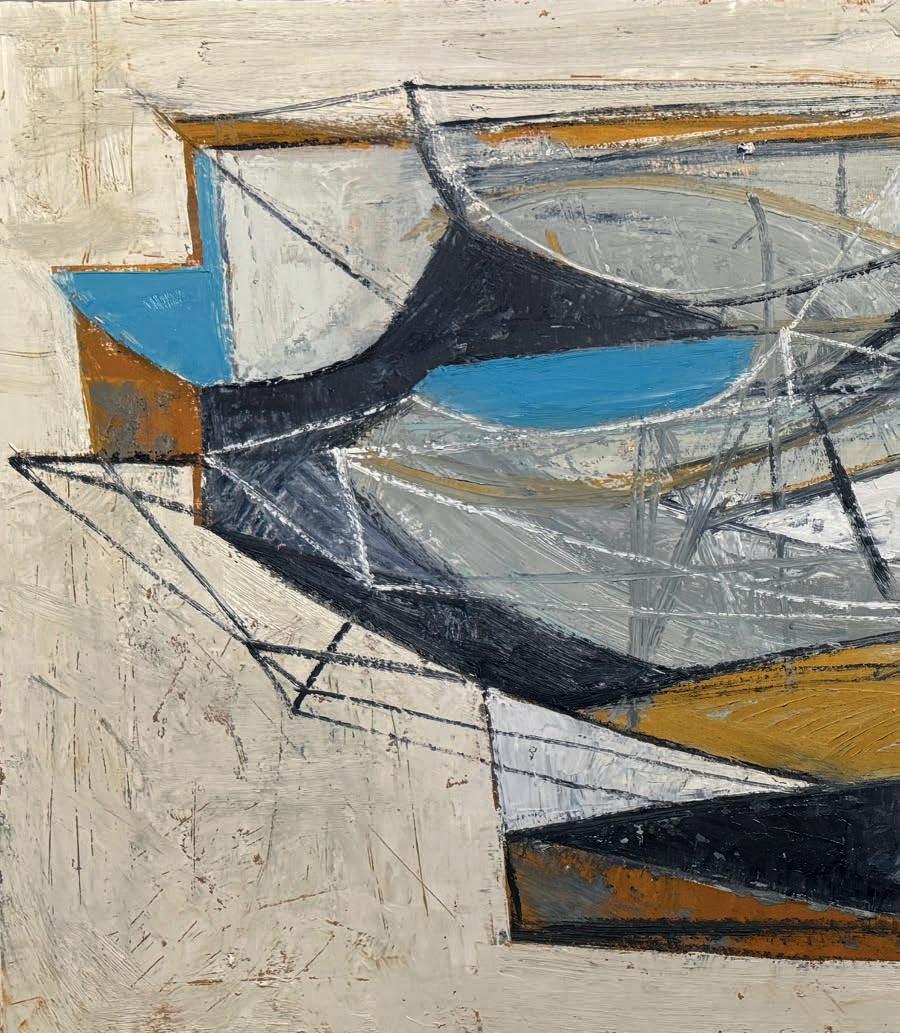
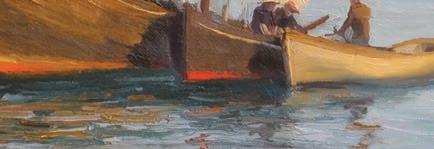
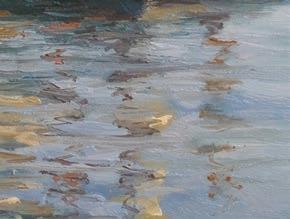
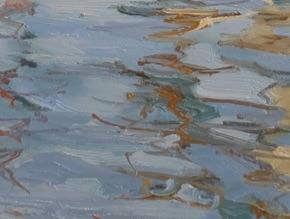
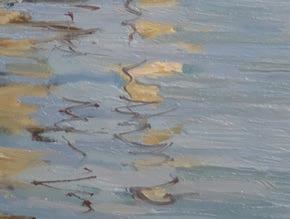
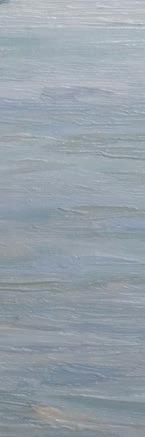
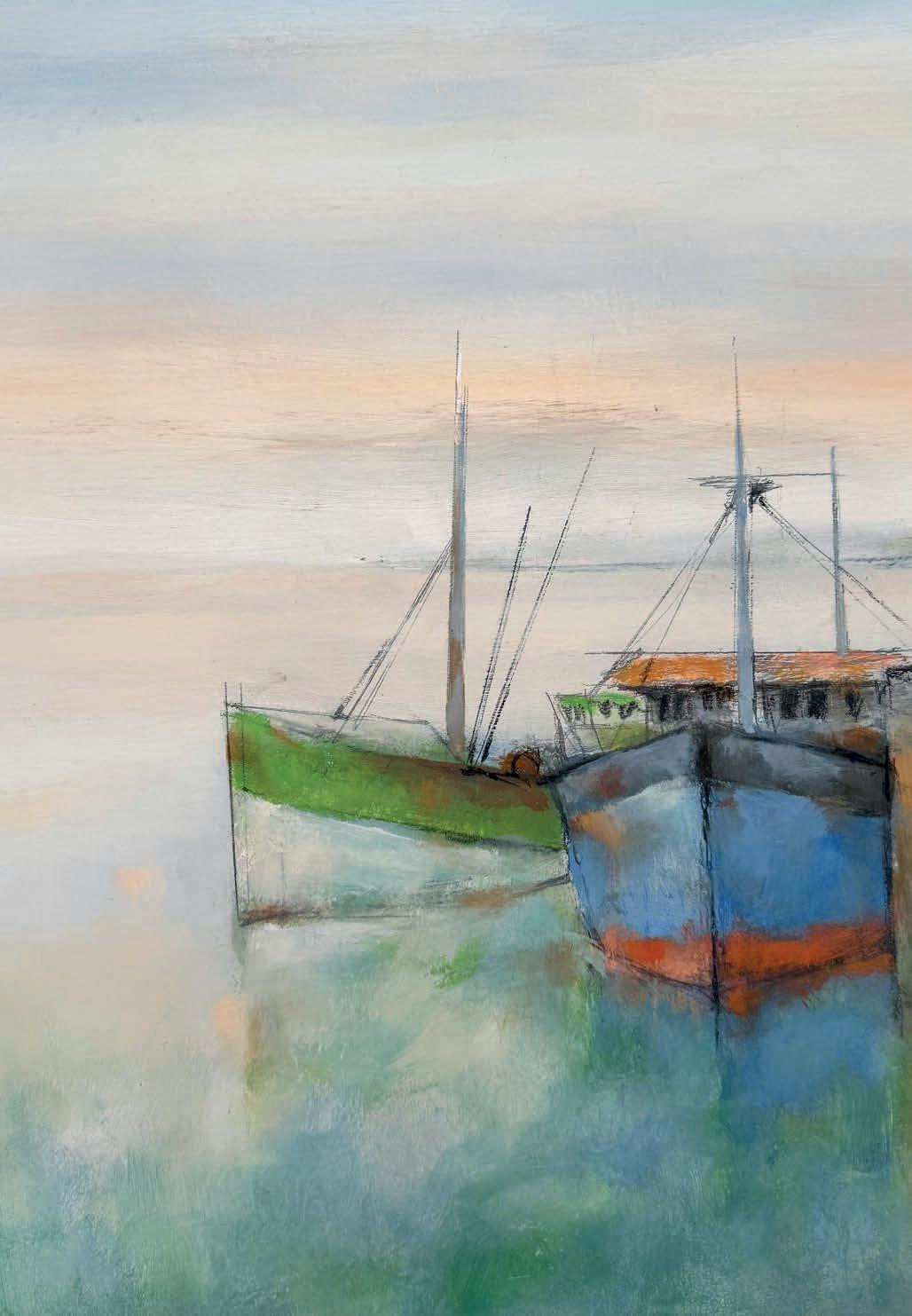
Bather by the Wall detail by eigh avis, as featured from page 27. newcraftsmanstives.com
Head of Client Management es lover des.glover@levenmediagroup.co.uk
Leven Media Group Ltd. It is suggested that further advice is taken over any actions resulting from reading any part of this magazine. Leven Media Group Ltd is a multi-platform media business with a passion for everything Cornish. Visit www.levenmediagroup. co.uk to find out more. Our mission is to create R A - ATCHP RI C media opportunities marrying together consumers with the fabulous businesses across Cornwall. Our publishing and marketing teams are specialists in creating print and online communications, devised to achieve a range of marketing objectives. With over 20 years of marketing, brand management and maga ine experience we develop effective communications that deliver your message in a credible and creative way. We operate across all media channels, including: print, online and video.
TEAM
Foreword
Abstract art operates by its own principles. The viewer is asked to move between form and structure, following the conversation that juxtaposes mass and void, the edge that asserts and the one that yields. There is also an elusive undercurrent that sits beneath it, where we may recognise familiar elements but find them hard to pinpoint in reality. Artist eigh avis engages with the historic principal of Cornish Abstraction (27). His approach to compositional structure becomes the underlying argument and is what remains when ornament is stripped away and intention is left to speak plainly. In the strongest work, structure is not a constraint imposed upon form but a condition it generates from within. To stand before a work of genuine compositional rigour is to feel, however briefly, that the world has been strangely ordered not simplified, but ordered with complexity. Complexity of a different nature can be seen in the work of photographer Mike Searle .
While the feeling of stillness and intricate shaping of the light in his images appears effortless, it is the culmination of decades of framing the perfect the shots, where the most compelling of images are never simply taken. A similar approach is taken by ARCO Architects . hile their designs are at ease with the vernacular, they must deliver architecture that performs as intended, supports its occupants and responds directly to the conditions in which it is built. Such a detailed approach to design is also echoed by reya ickford , whose all-natural bamboo swimwear has been created with intention in response to a lifetime of skin problems, creating a collection that runs far more than skin-deep. ach of these narratives invite us to consider that the most resonant work is earned through a sustained and purposeful engagement with the world. oin us, as over the coming pages of DRIFT Journal we explore the thinking and intention behind them.
Our contributors
Hannah Tapping
Lucy Studley
Mercedes Smith
Jamie Crocker
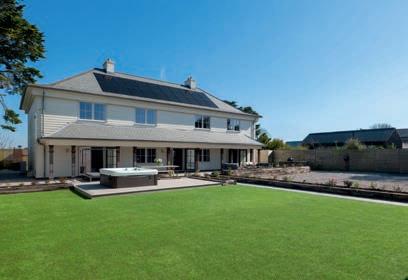
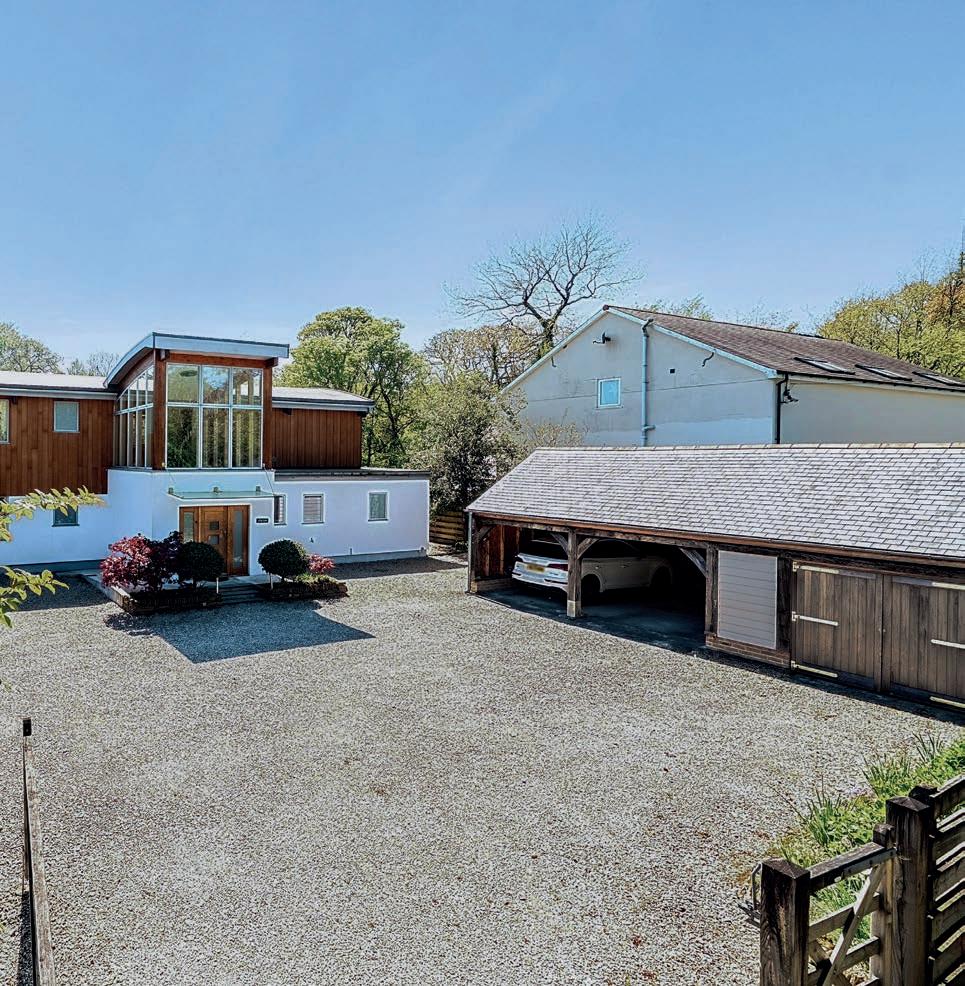
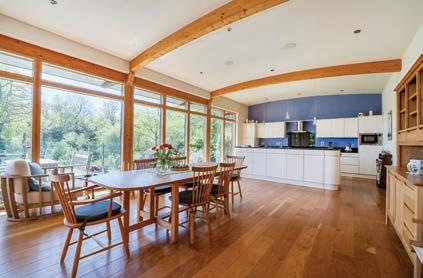
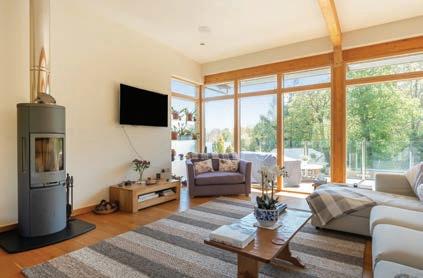
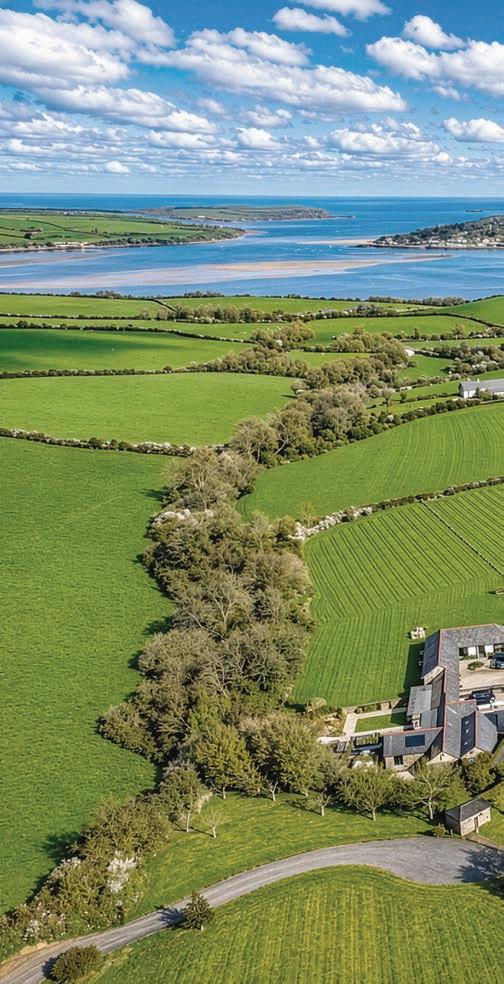
WICKETS | NR GORRAN HAVEN | GUIDE PRICE £1,350,000
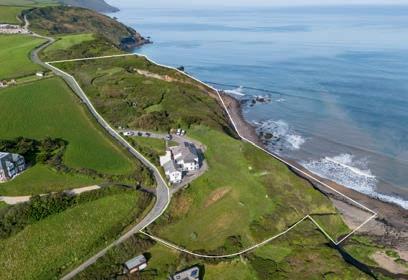
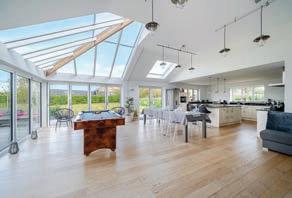
EXCEPTIONAL CONTEMPORARY HOME WITH CIRCA 3,000 SQ FT OF STYLISH ACCOMMODATION, SET WITHIN THREE ACRES NEAR THE SOUTH CORNISH COAST, ENJOYING COUNTRYSIDE AND DISTANT SEA VIEWS, MOMENTS FROM PORTHLUNEY BEACH.
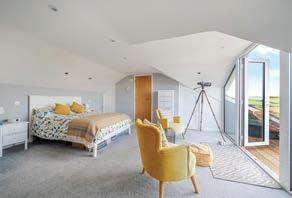
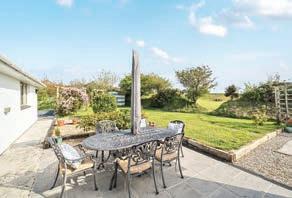
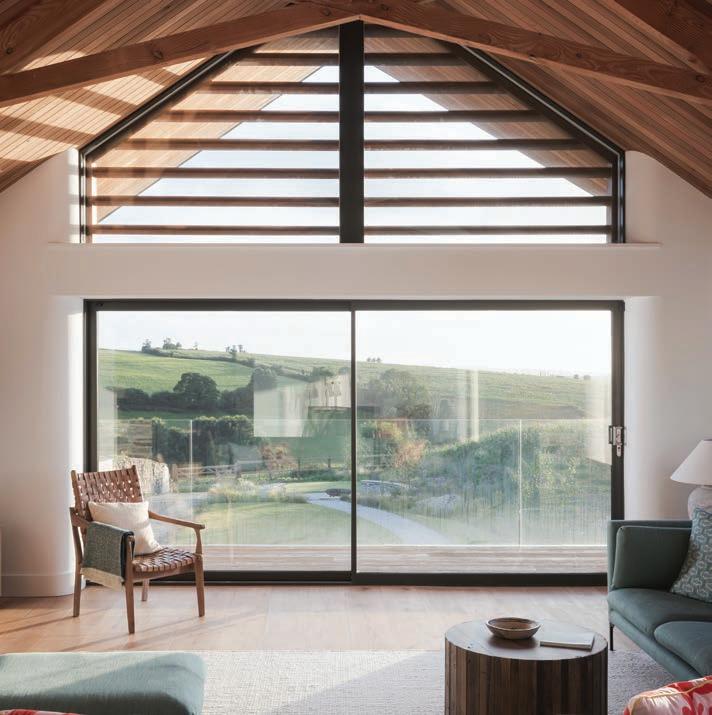
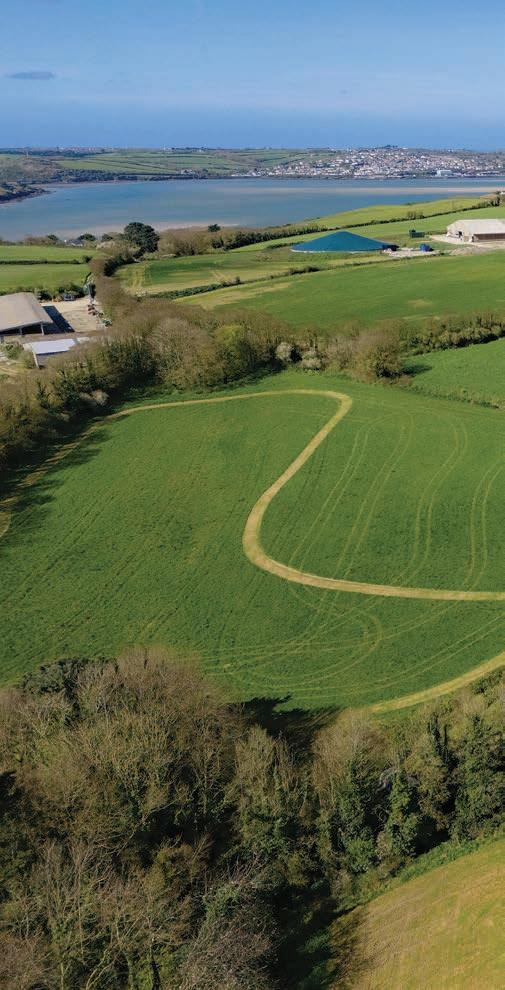
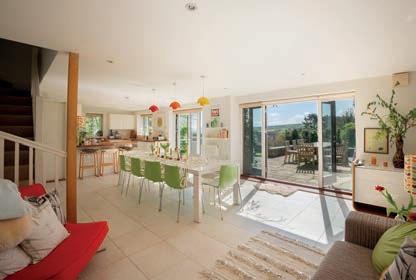
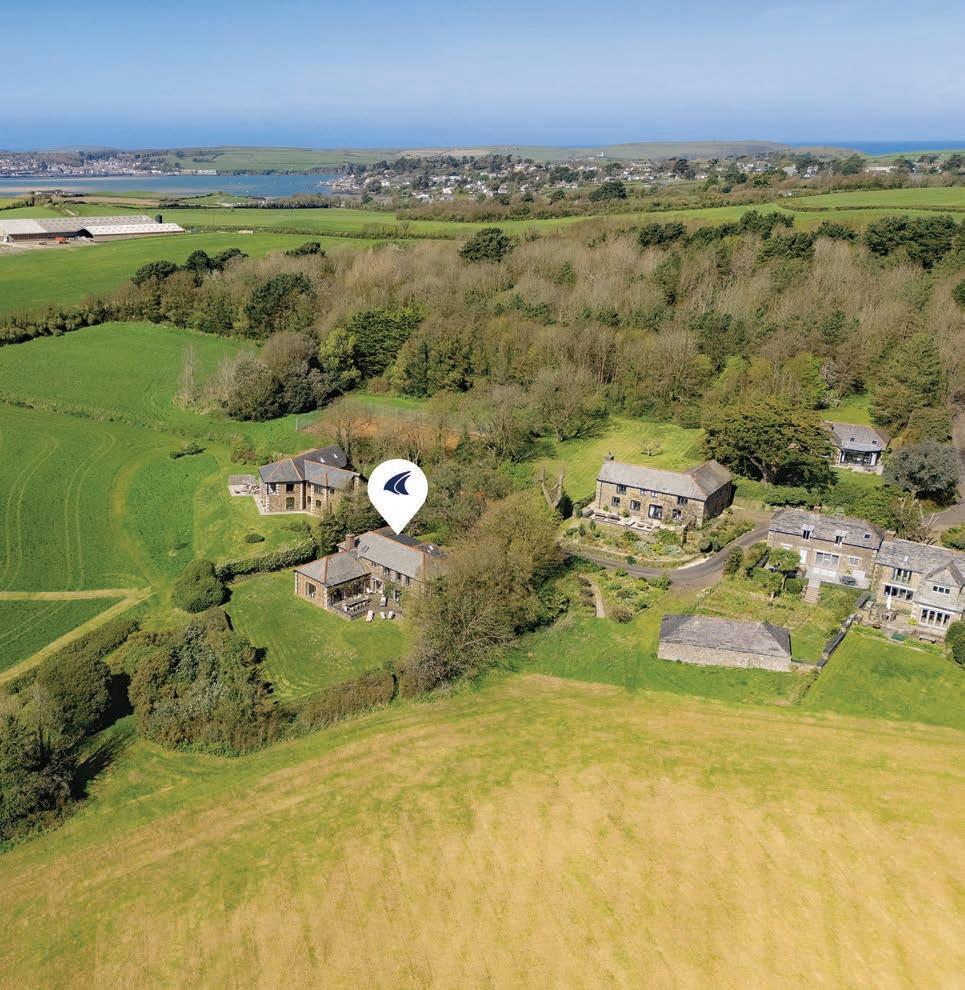
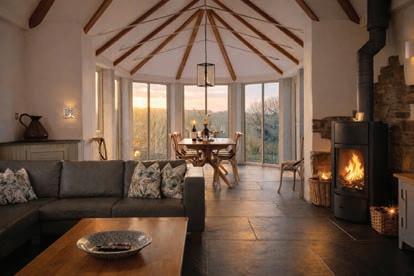
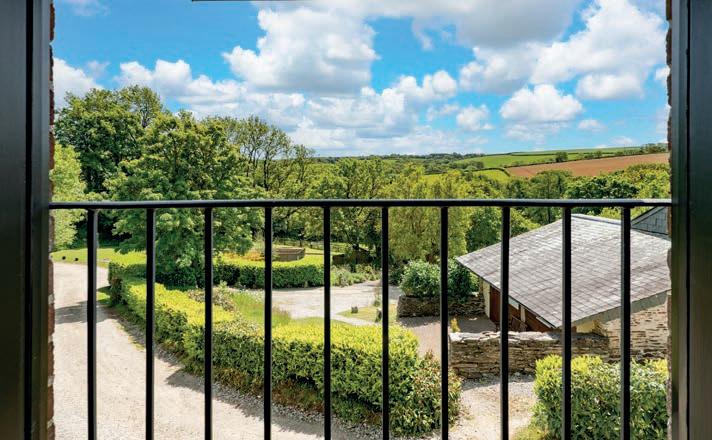
Set within a glorious rural setting yet within easy reach of the south Cornish coastline, this exceptional contemporary residence o ers beautifully presented accommodation extending to approximately 3,000 sq ft. Enjoying far reaching countryside views with views of the sea towards Nare Head and the Roseland Peninsula, the property occupies a privileged position just over 1.5 miles from the renowned Porthluney Beach at Caerhays.
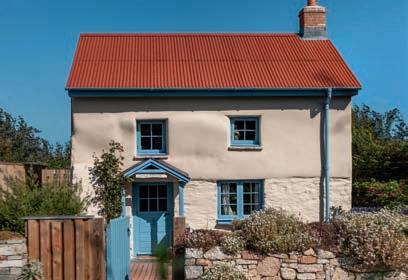
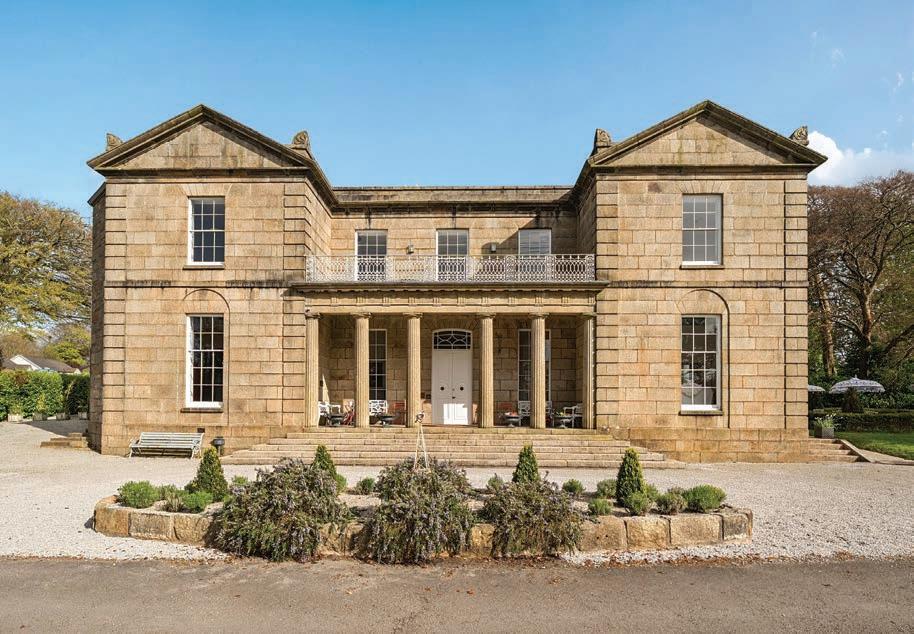
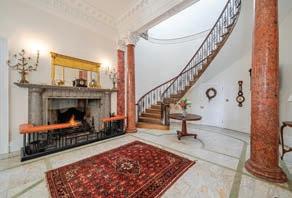
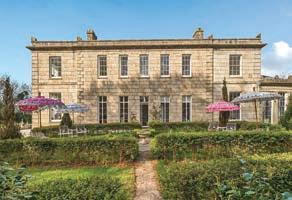
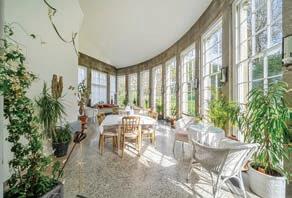
ROSWARNE HOUSE | CAMBORNE | GUIDE PRICE £1,750,000 AN HISTORIC COUNTRY HOUSE OF REMARKABLE PRESENCE AND CHARACTER, BLENDING CENTURIES OF CORNISH HERITAGE WITH EXPANSIVE GROUNDS AND A PRIME LOCATION.
Roswarne House is an impressive and historically significant country residence, set within 6 acres of beautifully maintained grounds. With origins believed to date back several centuries, the property is steeped in local heritage, reflecting the rich architectural character and prosperity of Cornwall’s mining era. In more recent years, the house has been carefully restored and enhanced, successfully blending its period elegance with the practicality and comfort required for modern living, and has since earned multiple awards recognizing its exceptional repair and restoration.
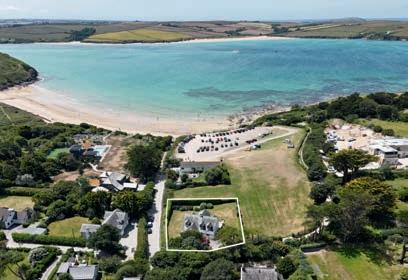
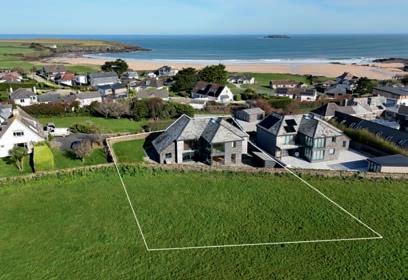
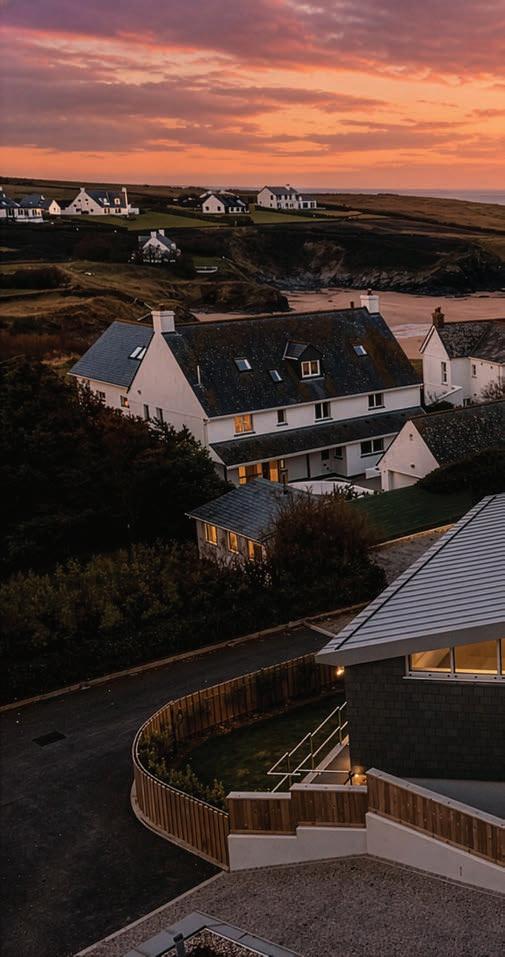
Tregothnan Treyarnon Bay
OIEO £1,500,000
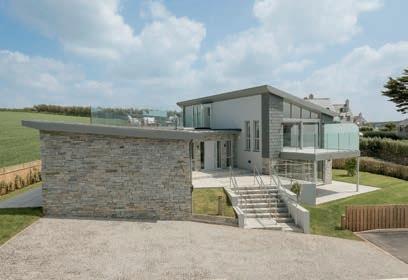
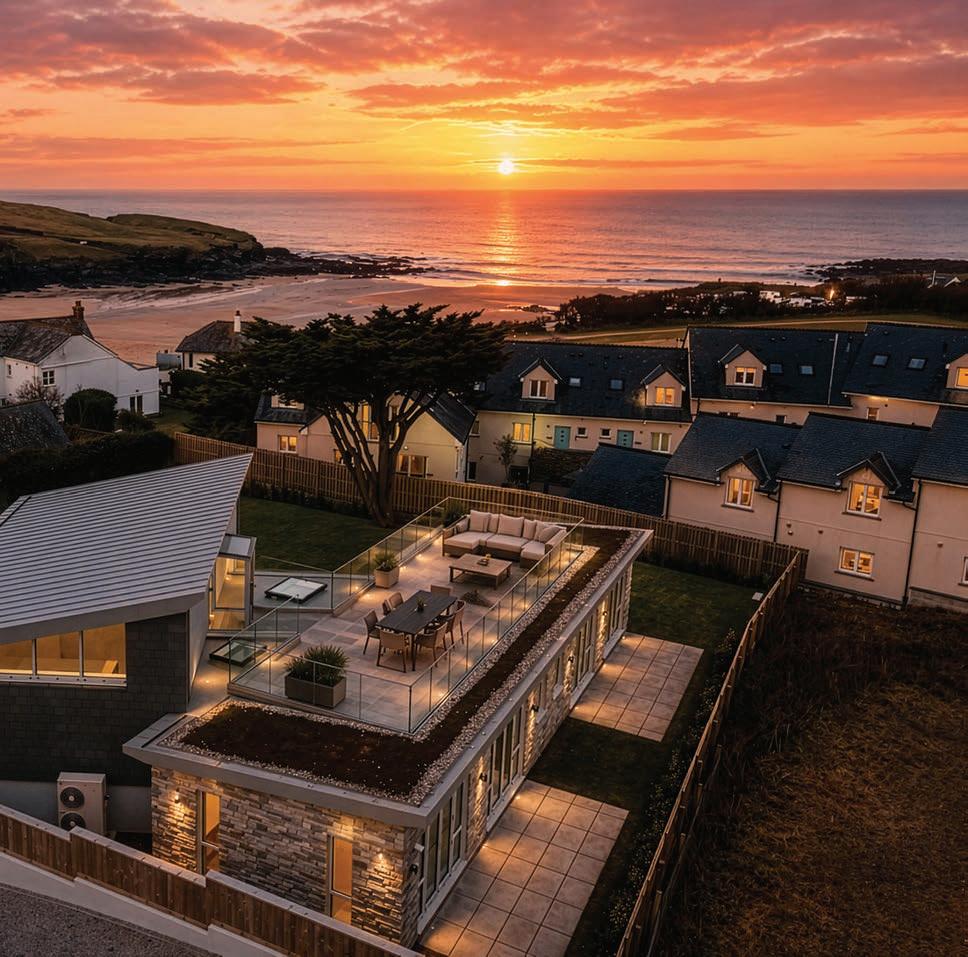
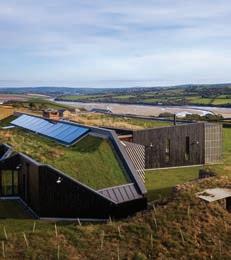
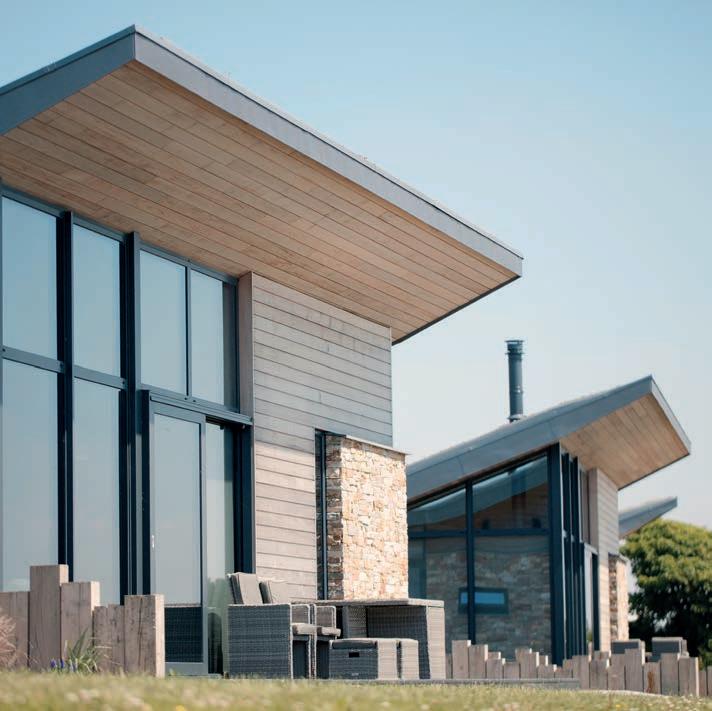
Just 200 yards from the golden sands of Treyarnon Bay, one of Cornwall’s most celebrated beaches, stands Tregothnan, a brand new architectural masterpiece that redefines contemporary coastal living.
Part of Waterbeach Mews, an exclusive collection of just five bespoke homes by the acclaimed Waterbeach Property Company, this striking five/six-bedroom residence offers over 2,660 square feet of innovative design and luxurious detail.
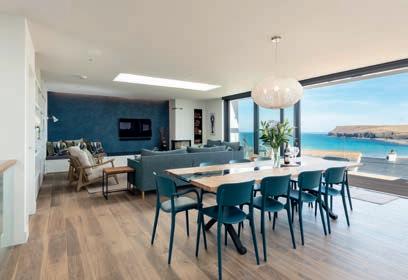
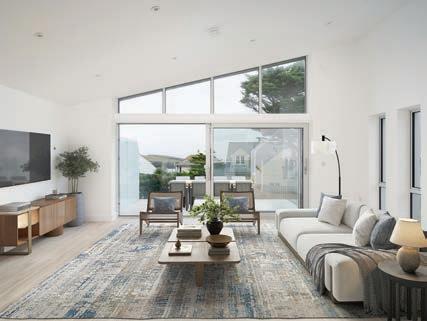
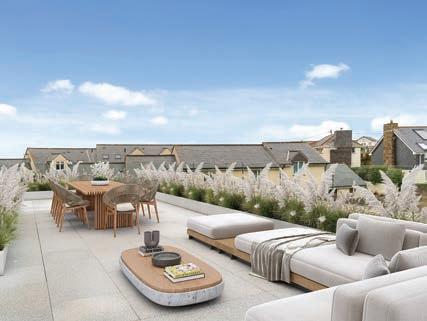
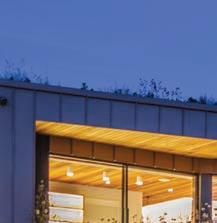
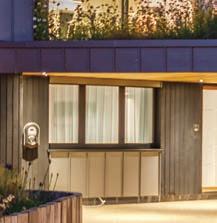
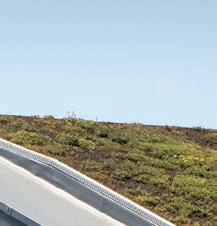
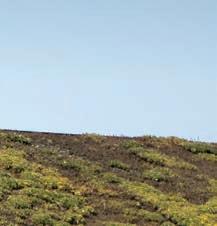
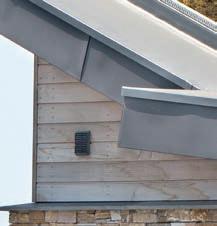
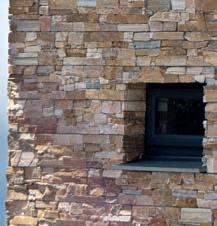
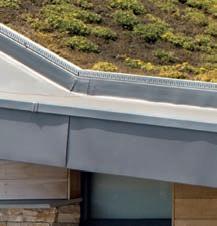
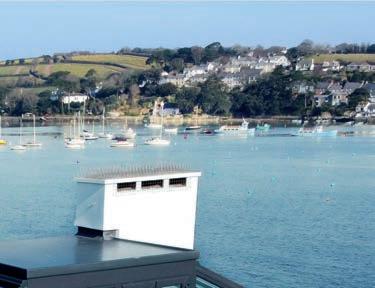
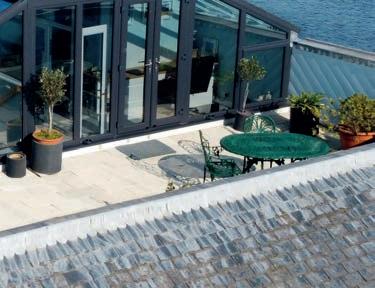
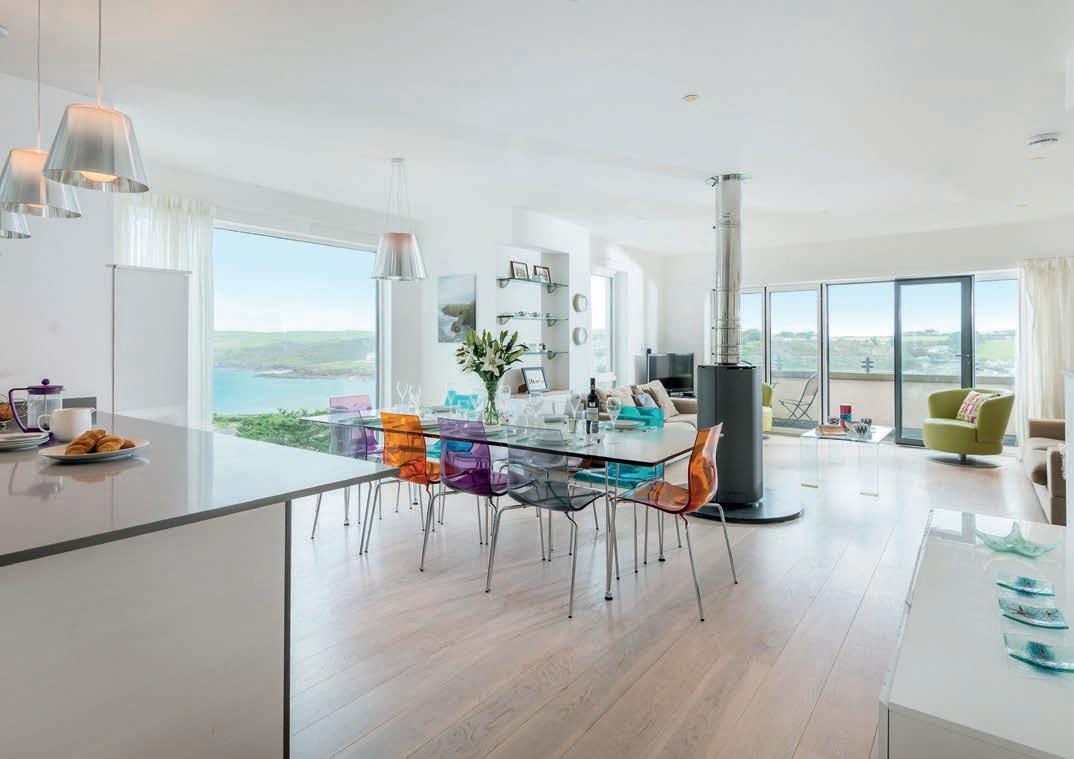
Every element of Tregothnan has been conceived to embrace the Cornish coastal lifestyle. Natural stone and slate -hung facades are softened by zinc and green roofs, while expansive glazing draws in the light and frames mesmerising views of sunsets, sea and sky. The split-level design creates a sense of flow and separation, with the bedroom wing tucked away from the dramatic open-plan living space, roof terrace and balcony, all perfectly orientated to capture the westerly seascape.
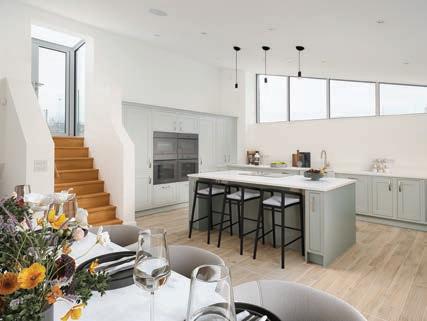
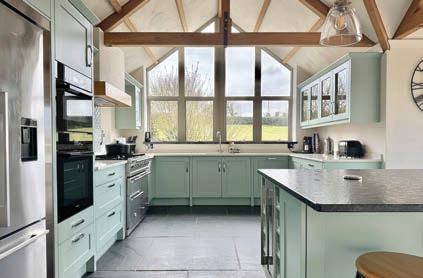
Inside, the specification is of the highest order. A sleek Nolte German kitchen with integrated Miele appliances anchors the living space, complemented by five elegant bathrooms finished with Villeroy & Boch fittings and frameless glass.The interiors radiate a calm, contemporary aesthetic designed for modern living by the sea.
01841 532555
sales@jackie-stanley.co.uk
Jackie-stanley.co.uk
1 North Quay | Padstow | Cornwall | PL28 8AF
16 SHAPING THE LIGHT
Photographer Mike Searle has spent three decades reading the light 27 ORGANISATION OF FORM
Leigh Davis’ compositions are informed by the geology of Cornwall’s landscape 38 BORN OF THE DEEP
A moment that would forever transform the language of luxury
DESIGNING AND BUILDING RESPONSIBLY
ARCO Architects integrates design and construction through low-energy delivery systems
An elevated barn conversion with sweeping views and generous accommodation
Contemporary lakeside living overlooking woodland gardens 54 COASTAL PERSPECTIVE
Two converted barns overlooking the Camel Estuary with contemporary interiors
56 JUDICIOUS CONTINUITY
Family stewardship has shaped a Cornish experience with lasting appeal
65 MANIFEST DESTINY
Artist Vicki Norman follows in the footsteps of her artistic forebears on the Cornish coast
74 STAY TOGETHER
Flexible stays shaped around families, couples, celebrations and dogs
84 A SOULFUL STAY
St Moritz Hotel on the north Cornish coast has always been one of the great escapes
92 A SECOND SKIN
Timeless, flattering silhouettes combine with skin-friendly materials
ShapingLIGHT the
WORDS BY HANNAH TAPPING
Photographer Mike Searle has spent three decades reading light and learning that the most compelling images are never simply taken.
Mike Searle’s story begins in London’s fast-paced world of PR and marketing, before leaving the capital in the early 1990s to co-found Orca Publications, the independent house behind the surfing titles Carve, SurfGirl and ThreeSixty Here, he found himself in a landscape that demanded a di erent kind of attention. With barely a handful of photographers then shooting surf in the UK, he simply bought a camera and taught himself. What followed was two decades of self-directed immersion: early mornings on windswept Cornish beaches, trips to Hawaii and further afield, images appearing in international publications and the national press.
When Orca expanded into cookery publishing in the early 2000s, Mike found himself on the west coast of Ireland, photographing dishes for the Surf Café Cookbook, a title that would go on to spawn two further editions. For ike, the shift in pace gave the rewards of a more considered practise: “That’s when I realised how much I enjoyed photographing food. It doesn’t move as fast as a surfer on a wave nor does it involve standing on a windswept Cornish beach for hours waiting for the right moment!”
By 2013, Mike made the decision to leave publishing entirely and focus on commercial photography from his Cornish base. Today, he brings that same eye, formed in the swell and spray and refined in the kitchen and the studio, to food, drink, product, lifestyle and interior work for clients across Cornwall and beyond. More than 150 clients have trusted his lens, from local independents to national and international brands.
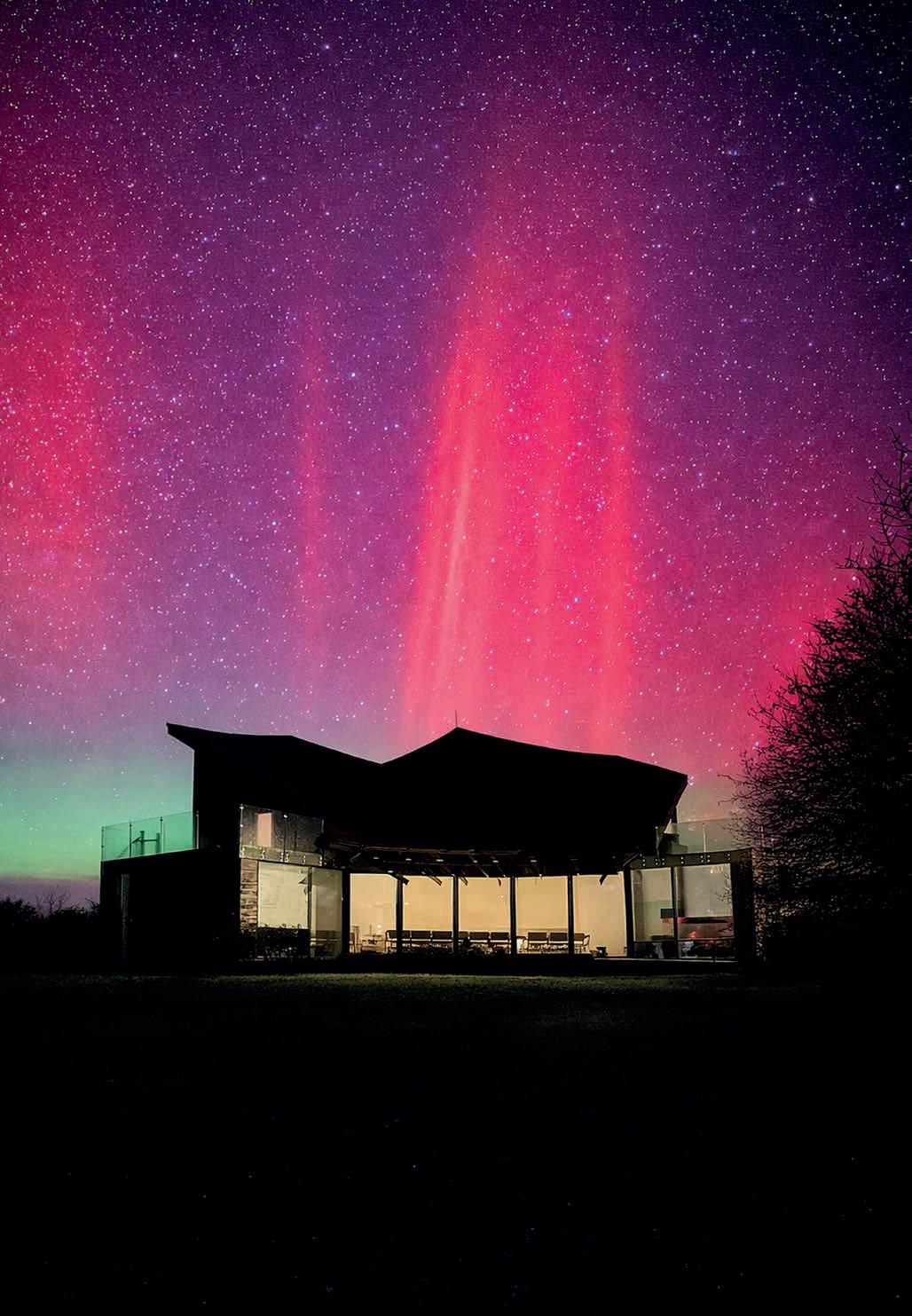
“Outside of my commercial work I still enjoy capturing the ocean and using di erent techniques, such as long exposures and intentional camera movement to challenge me and create something di erent. A few years ago, I would never have believed that you would be able to see the Aurora Borealis in Cornwall, but in 202 I fulfilled a dream and shot the Northern Lights over Bedruthan Steps. One of the most amazing sights I will ever see!”
“What I enjoy most about my work now, is that every shoot is di erent and provides new challenges; shaping the light so it feels natural and balanced finding an angle that feels fresh; using colour, texture and composition to create photographs that tell a story and connect with an audience.”
mikesearlephotography.co.uk
TOP
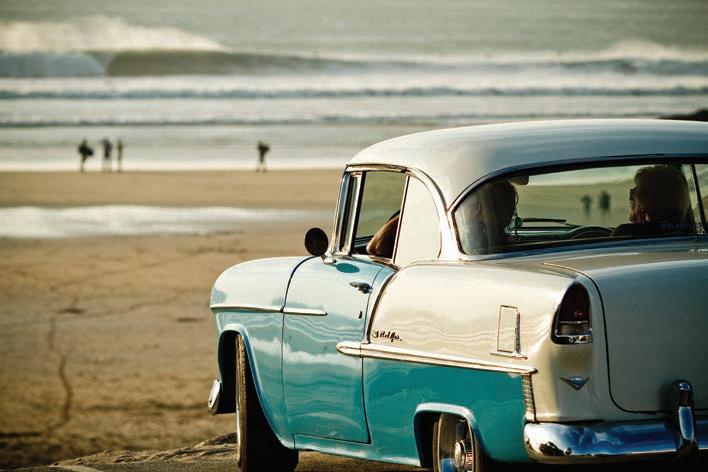
Watching the surf at Fistral Beach
ABOVE
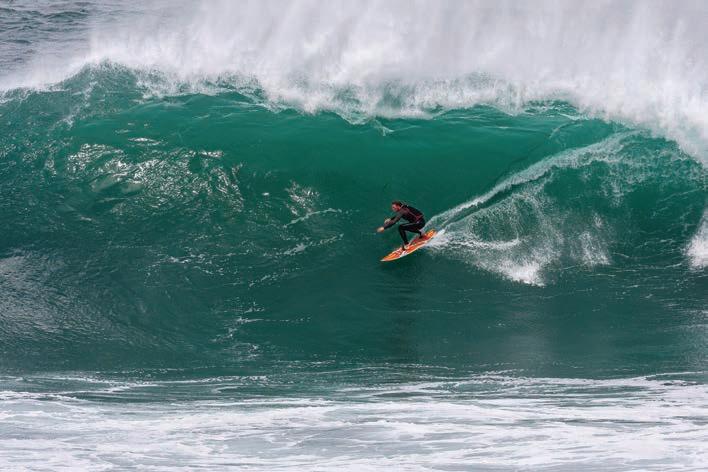
Ben Skinner charging the Cribbar, Newquay’s notorious big-wave spot
ABOVE
The Northern Lights shimmer over Bedruthan Steps
ABOVE
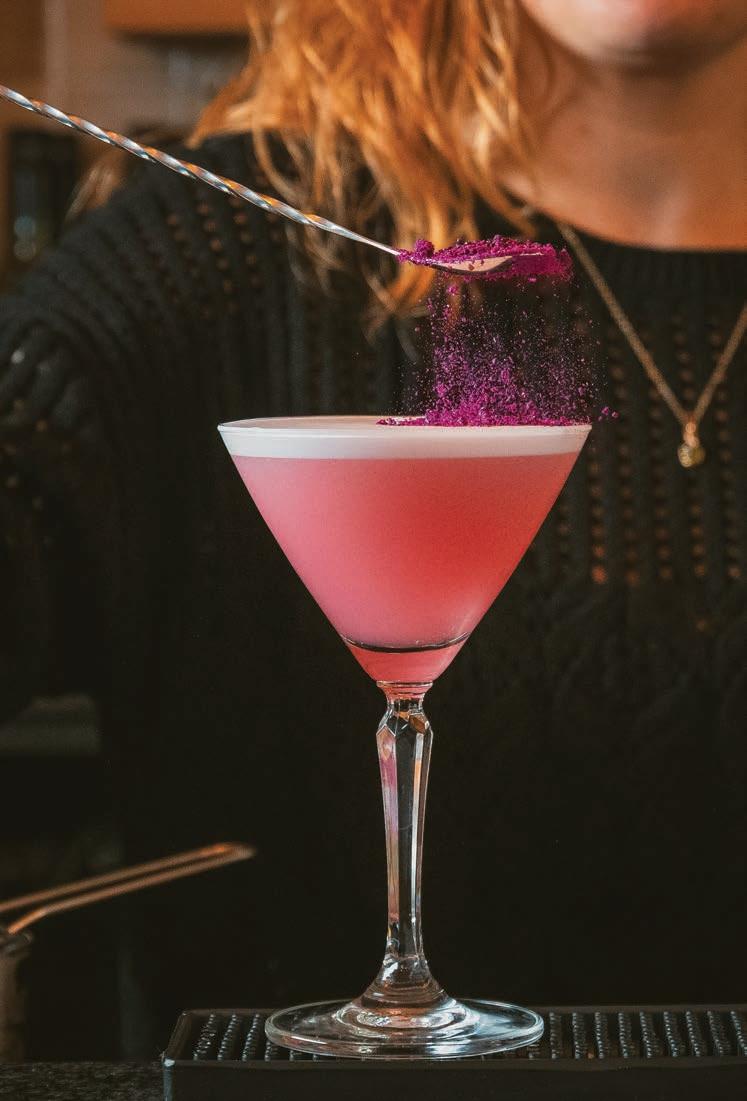
Making cocktails at Ginger and Joe’s, Newquay
ABOVE
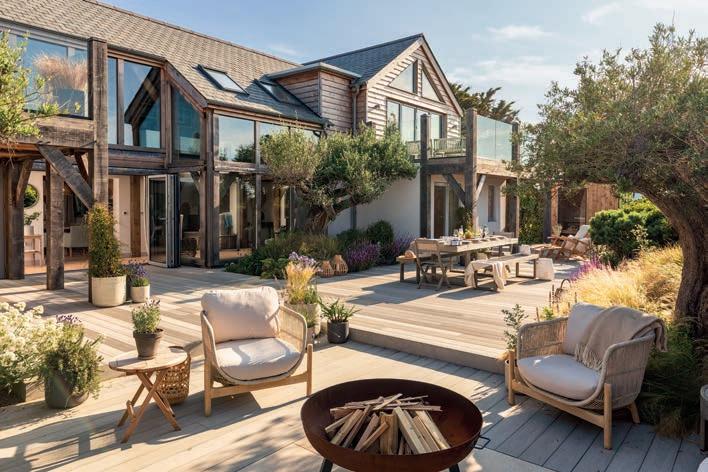
Constantia, a Mediterranean-style luxury holiday home at Constantine Bay photographed for Perfect Stays
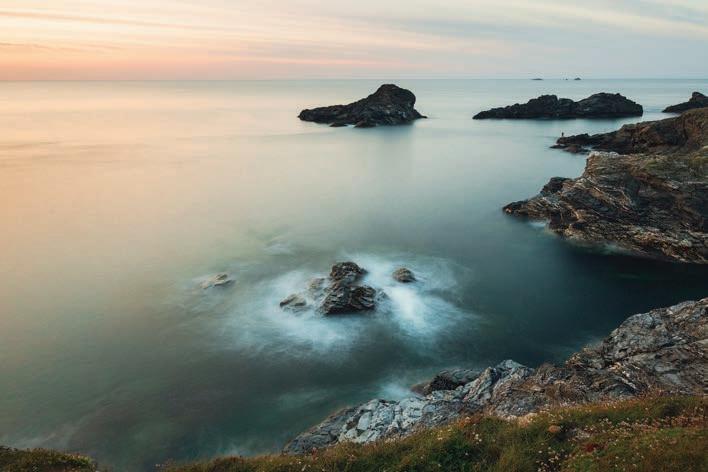
A moment of calm near Porthcothan on the north coast of Cornwall, where a long exposure smooths out the ripples on the sea
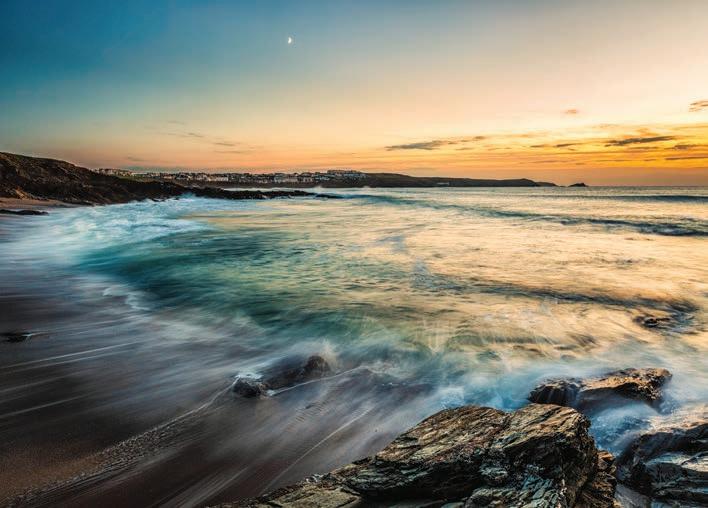
ABOVE Another long exposure shot at Little Fistral, Newquay
ABOVE
A spontaneous moment at Lusty laze beach in Newquay – although it is slightly out of focus, it’s one of Mike’s favourite images
ABOVE
The path to Fistral Beach, an image which went viral on Love Newquay’s social media.
ABOVE Crantock sand dunes TOP
A shoot with Tarquin s in on Constantine Beach
Organisation FORM of
WORDS BY MERCEDES SMITH
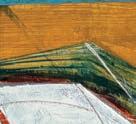
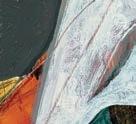
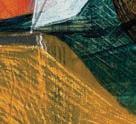
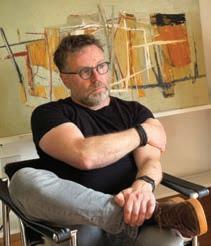
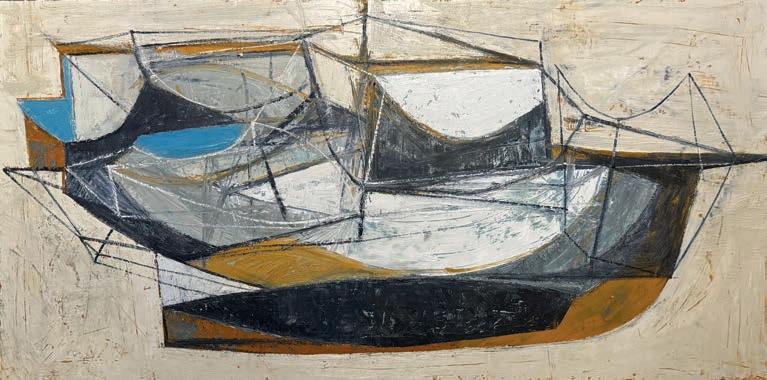
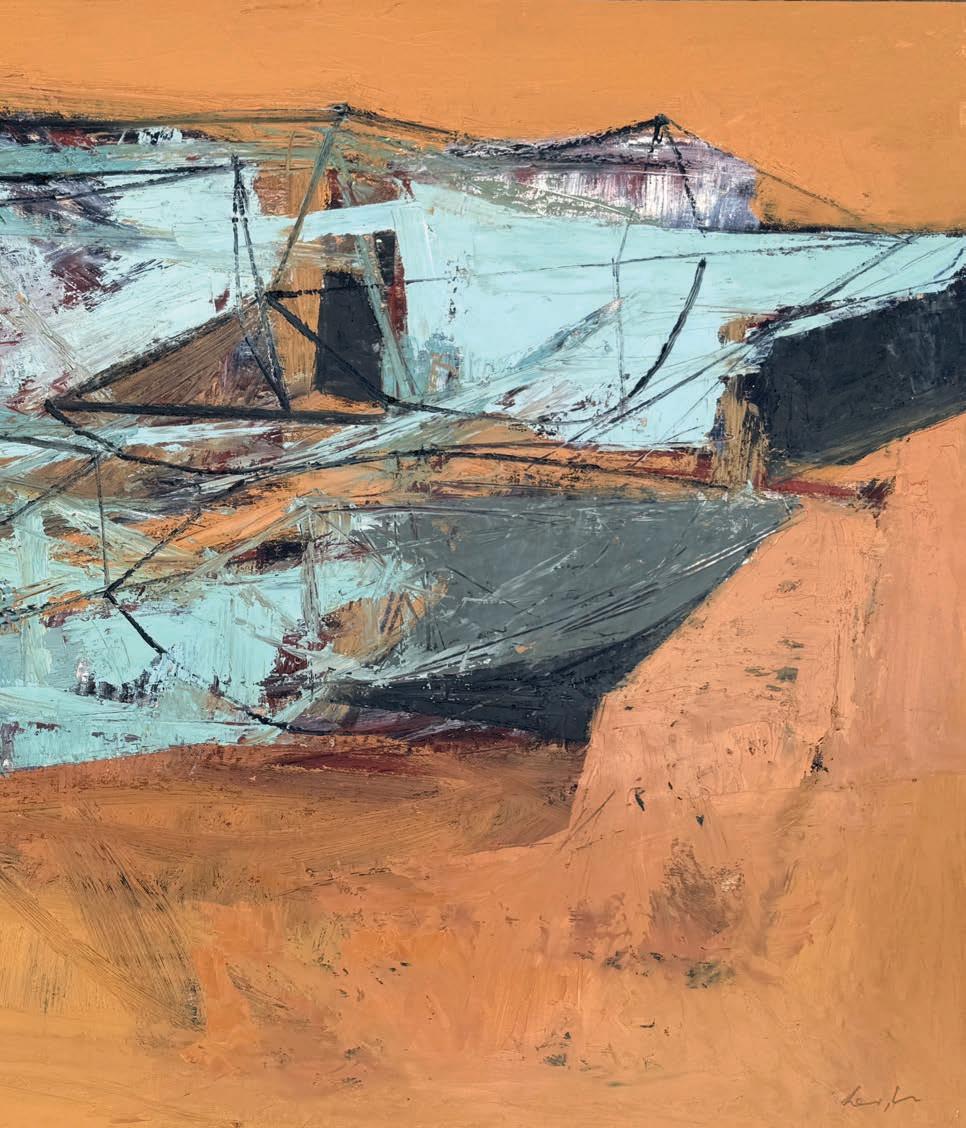
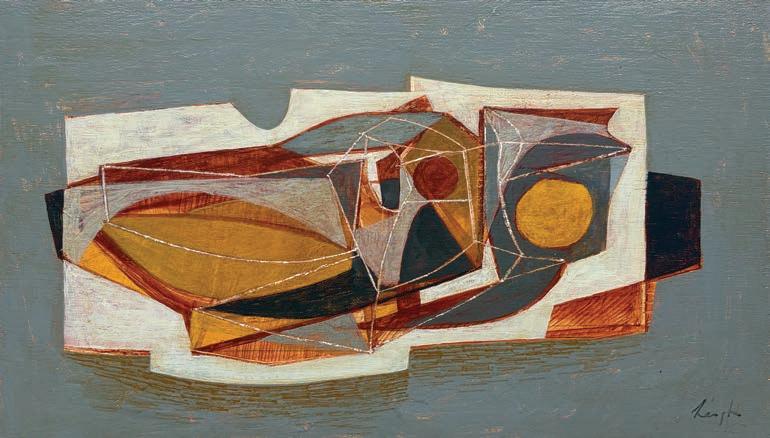
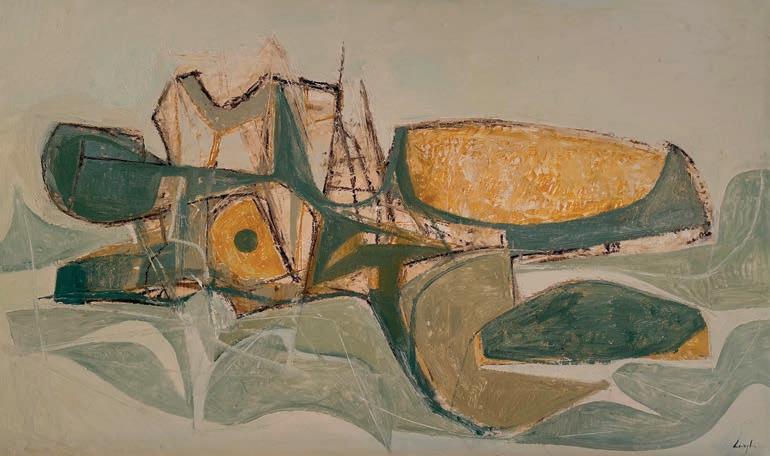
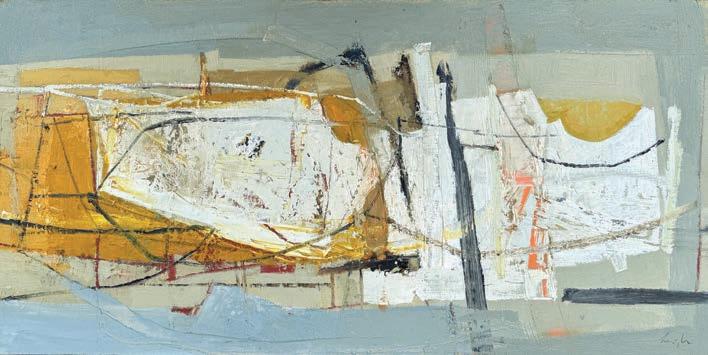
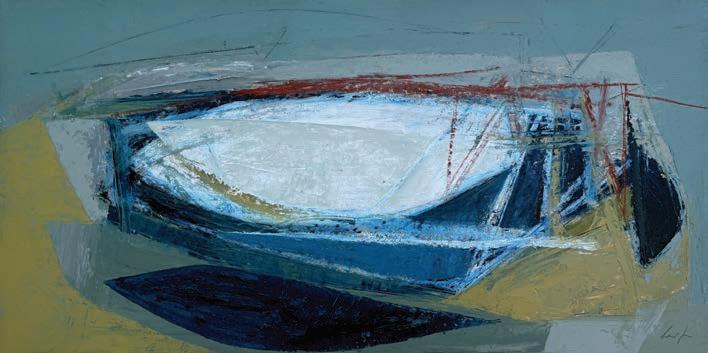
rtist eigh a is alette and bold a roach to com ositional structure are informed by the uni ue geology of ornwall s landsca e.
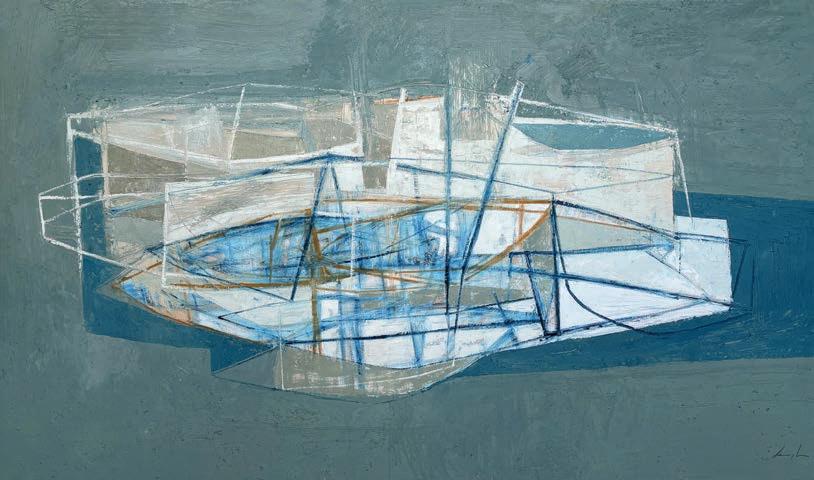
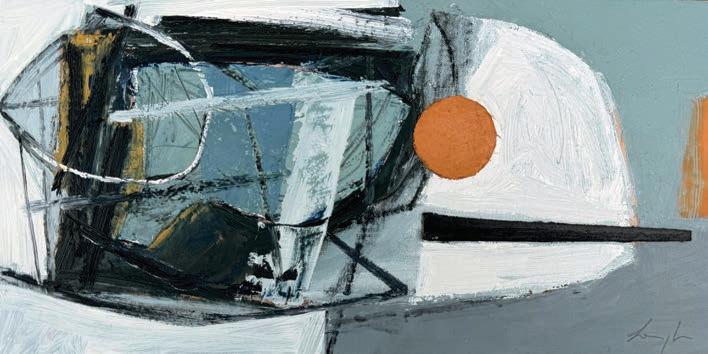
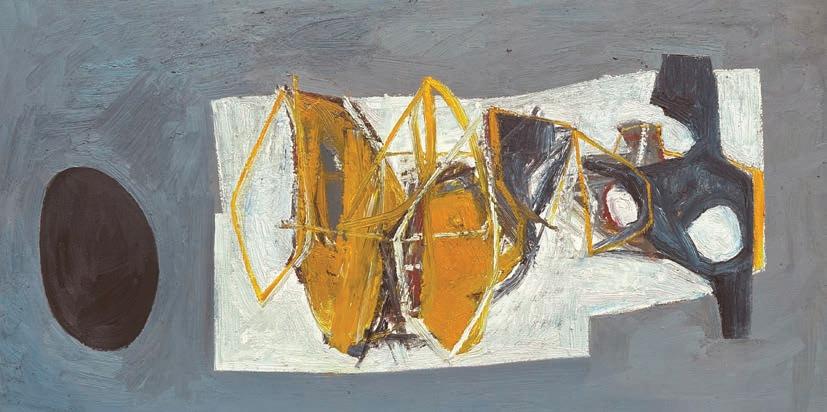
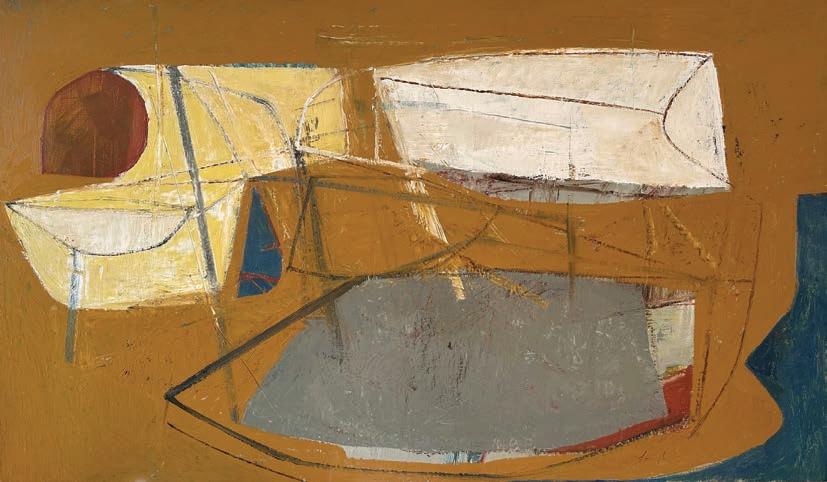
Leigh Davis’ new collection, on show at New Craftsman allery this une, demonstrates not only his engagement with Cornwall as a landscape, but with the historic principals of Cornish Abstraction. His work pulls on an internationally important thread of fine art that has its roots in the work of mid-20th century St Ives artists, where deconstruction and refinement of form are essential to painting and sculpture.
Leigh’s work begins with numerous studies from life, specifically from the human figure, the landscape and the Atlantic coastline, which he develops on paper and panel through a reductive abstraction. In the studio he moves these preliminary sketches and studies beyond observation towards the essentials of form, line and colour. Working mainly in oils, he captures the changing rhythms of nature and place, translating them into richly textured imagery in an earthy palette that is subtler and more grounded than that of other contemporary artists. A sense of scale and spatiality are central to his work.
“Leigh’s work draws on the same forms and energies that inspired Cornish artists like Peter Lanyon and Naum abo,” says New Craftsman allery Director lenia Haase. “They have those same abstract elements of Constructivist art, aerial perspective and organisation of form, and because of that they connect to an art history that is globally recognised. New Craftsman was one of the first galleries to exhibit the early work of artists such as Lanyon, Patrick Heron, Bryan Wynter, and Wilhelmina Barnsraham, so we felt that Leigh’s work would be a natural fit for our gallery and we are really proud to have this collection on show.”
Leigh was born in Shropshire and studied Silversmithing and ewellery in Birmingham before completing a multidisciplinary degree in Ceramics, Woods, etals and Plastics at the University of Wolverhampton. He has exhibited his paintings and sculptures since 2012, and his work is held in private collections in the UK and internationally.
newcra smansti es.com
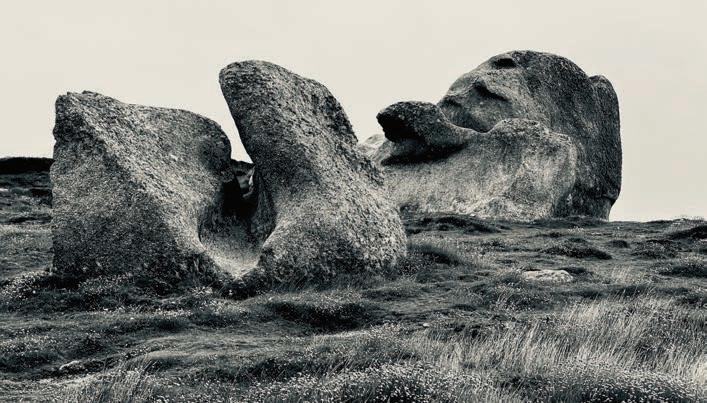
Breaking Sea ABOVE ranite forms on the Isles of
TOP
Scilly photo reference
TOP
Boatyard Form
ABOVE
Bather by the Wall
TOP Figure on White Blanket
Blankets
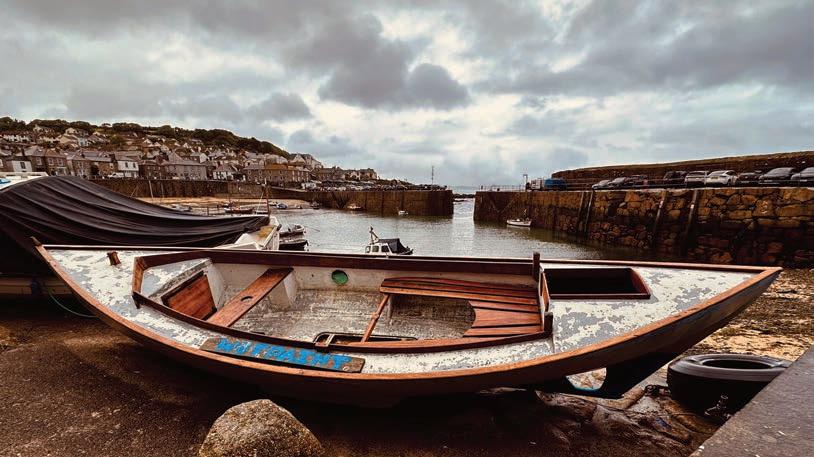
Three Boats, Boscastle
Born of
THE DEEP
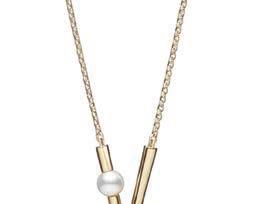
ore than a century ago, in 1893, a visionary named Kokichi ikimoto grew the world’s first cultured pearl. It was a moment that would forever transform the language of luxury. Today, that pioneering spirit lives on in every jewel that bears the Mikimoto name. Judged against the most exacting standards of size, shape, colour, and the signature luminous lustre that has captivated collectors and connoisseurs for generations, only the most exceptional Akoya cultured pearls are deemed worthy to carry the Mikimoto name.
michaelspiers.co.uk
BIJOUX
MIKIMOTO V CODE PEARL NECKLACE IN 18CT YELLOW GOLD
£2,800
MIKIMOTO PEARL CHAIN BRACELET IN 18CT YELLOW GOLD
£520
MIKIMOTO V CODE PEARL DROP EARRINGS IN 18CT YELLOW GOLD
£1,900
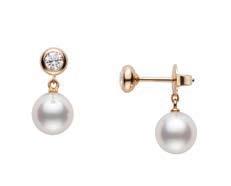
MIKIMOTO CLASSIC PEARL & DIAMOND NECKLACE IN 18CT ROSE GOLD
£2,000
MIKIMOTO CLASSIC PEARL & DIAMOND DROP EARRINGS IN 18CT ROSE GOLD
£3,500
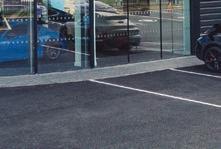
WIN A SOUTH WEST PORSCHE EXPERIENCE
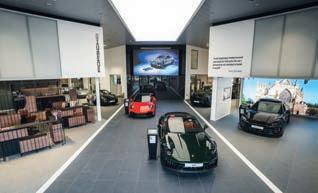
Three lucky readers and their plus ones are invited to discover Exeter’s stunning new Destination Porsche Centre and drive away with a day they won’t forget.
If you’re based in the South West and have a passion for exceptional driving, this one’s for you.
DRIFT Journal has partnered with Destination Porsche Exeter – one of the brand’s spectacular new-generation showrooms – to offer three readers an exclusive, hosted experience.
Here’s what’s waiting for you:
You and your guest will be welcomed at the brand-new Destination Porsche Centre in Exeter for a guided tour of the showroom. This immersive space designed to showcase the full breadth of Porsche’s world, from its heritage to its latest models. Then, the keys go in the ignition. You’ll take to the road for
a scenic hosted drive through some of the South West’s incredible countryside, in one of Porsche’s current line up.
The drive culminates with an exclusive dining experience as the perfect end to a day spent in very good company.
You’ll leave with a curated Porsche lifestyle goody bag, including complimentary copies of the latest volume of DRIFT Journal to read on the way home.
Porsche Centre Exeter
Designing RESPONSIBLY building and
WORDS BY JAMIE CROCKER
ARCO2 Architects integrates design and construction through low-energy delivery systems.
Projects rarely begin these days with a blank page. They start with a conversation about performance, materials and the realities of building in exposed parts of Cornwall. Heat loss, air tightness, ventilation, salt carried on the wind and the constraints of designated landscapes all enter the discussion early, alongside how a building will be used day to day. For ARCO2 Architects, that early exchange acts as the anchor, shaping a design that is carried through by the same team from first briefing to handover.
ARCO2 Architects began operating in 2003 with a clear direction towards sustainable, low-energy design. At that point, the technical demands of such work were already well understood within specialist circles, though less widely adopted across the broader residential market. From the outset, the practice focused on reducing operational energy demand, improving building performance and addressing the environmental impact of construction within Cornwall’s exposed coastal conditions. That emphasis has remained consistent, even as the tools, systems and expectations around sustainable building have developed.
Over time, Passive House methodology became embedded in the practice’s approach. It now forms the basis for the majority of projects, shaping decisions around insulation levels, airtightness, ventilation and energy systems. Three certified Passive House designers sit within the team, reinforcing a shared understanding of performance targets and delivery methods. Buildings are conceived as complete environmental systems, where fabric performance, mechanical systems and renewable technologies operate together to deliver predictable outcomes in use. The practice has received more than 110 awards, including national recognition, though scale has remained measured. The architectural team operates alongside a construction arm that delivers a focused number of projects each year, typically one or two, occasionally three. This pace reflects the level of involvement carried through each scheme. Projects are taken from initial discussion through to completion, with continuity maintained by a consistent team structure.
In 2016, the practice established ADD Sustainable Construction Ltd to bring design and delivery into a single workflow.
TOP
Keynvor in Mawgan Porth (available to rent via Unique Homestays)
ABOVE Highcove in Mawgan Porth
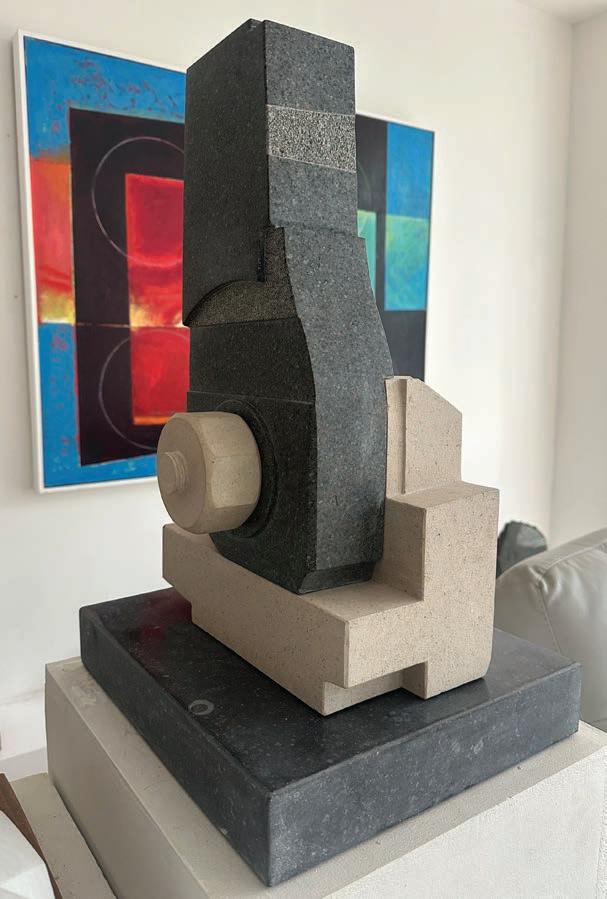
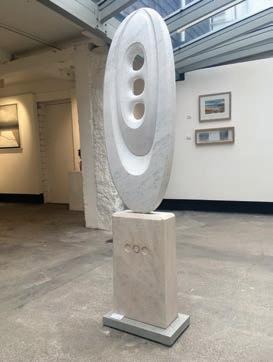
Richard Holliday Stone Sculptor
Contemporary Sculptor living and working in Cornwall producing studio sculpture and commissioned pieces for formal landscapes.
Represented by Whitewater contemporary Polzeath Cornwall. Thompsons in Aldeburgh and Seymour place London. The Penwith gallery in St. Ives Cornwall. Gallery TR1 in Truro, and the Old Pumping station gallery and garden nr. St. Keverne Cornwall.
This step followed earlier experience working with external contractors, where achieving the required levels of airtightness, insulation continuity and detailing demanded close coordination. By forming an in-house construction company, the practice created a route through which design intent could be delivered with greater precision on site. Architects, project managers, site managers and quantity surveyors operate within the same framework, maintaining clarity of information from first sketch through to handover.
Technical decisions carry through this process without dilution. High levels of insulation, continuous airtight layers, triple glazing and mechanical ventilation with heat recovery are standard across projects. Renewable energy systems, including air source and ground source heat pumps, photovoltaic panels and battery storage, form part of an integrated strategy aimed at achieving very low energy use in operation. These elements are not treated as additions; they are resolved as part of the initial concept and developed alongside the architecture.
a wide range of environmental conditions. Coastal areas bring exposure to wind, driving rain and salt carried in the air. Inland locations introduce different considerations, including shelter, vegetation and microclimates that shift across short distances. This variation informs design decisions from the outset, influencing orientation, form, material selection and construction detailing.
Many sites fall within designated landscapes, including Areas of Outstanding Natural Beauty and locations with specific environmental protections. These designations introduce a layer of scrutiny that extends beyond technical performance. Buildings are assessed for their visual presence within the landscape, often across long distances and from multiple viewpoints. The practice approaches this through careful consideration of massing, proportion and material, ensuring that each building occupies its position in harmony with its surroundings.
The practice works predominantly within Cornwall, with occasional projects beyond the Tamar. Its location allows close engagement with sites that present
Form and material are resolved with that visibility in mind. Proportions draw on familiar building types within the region, while detailing reflects current construction methods and performance requirements. Materials are selected for durability and maintenance cycles, ensuring that buildings
retain their integrity over time under demanding conditions. Particular attention is given to the effects of salt exposure on fixings, finishes and external surfaces, with specifications developed to support long-term performance.
Projects including Sandunes, Edge O Cliff and Reflections at Portwrinkle demonstrate this approach across varied contexts. Each responds directly to its site, with attention given to orientation, shelter, and the management of internal environmental conditions. Openings are positioned to balance daylight, heat gain and views, while the building envelope maintains consistent performance across seasons. These projects illustrate a method of working where architectural decisions are closely aligned with environmental performance.
The practice maintains a clear position on architectural language. Regional identity is addressed through proportion, material and response to landscape rather than replication of historic forms. New work is developed as part of an ongoing architectural record, where each addition can be understood within its own time while maintaining continuity with its surroundings. This position reflects a broader view of architecture as a cumulative process, where buildings contribute to a shared environment over extended periods.
Much of the firm’s work involves replacement dwellings and substantial refurbishments. These projects often arise
in locations where existing buildings carry limited energy performance and where redevelopment offers an opportunity to improve both efficiency and longevity. Clients typically arrive with a clear understanding of sustainable construction, seeking buildings that align with longterm environmental and operational goals. In some cases, this reflects established ways of living; in others, it represents an aspiration towards a different approach to energy use and domestic comfort.
The residential market in Cornwall introduces specific economic conditions. Land values and construction costs influence the feasibility of projects, shaping decisions from the earliest stages. The practice operates within these parameters, focusing on delivering buildings that maintain performance standards while responding to financial realities. The question of affordability remains complex within the county, particularly in relation to housing supply and demand, and forms part of the wider context in which the practice works.
Earlier in its development, the practice engaged across a broader range of sectors, including education, community projects and affordable housing. Over time, it concentrated its efforts within the residential sector, where project structures allow for greater design input and more detailed development of proposals. This shift enabled the team to dedicate the necessary time to resolve buildings thoroughly, aligning design ambition with construction delivery.
ABOVE
TOP Waterhouse (known as the original Omaze house) and Portwrinkle (available to rent via Unique Homestays)
Sandunes, Mawgan Porth
TOP
Furzy in Polzeath and Ladybird Farm (available to rent via Unique Homestays)
ABOVE
Ladybird Farm, St.Tudy
Standardised approaches to housing design often produce environments with limited reference to local conditions or architectural character. Within its own work, the practice focuses on reinforcing regional distinctiveness through considered design decisions, supported by current construction technology and environmental understanding.
The office itself reflects many of these principles. Converted in the early years of the practice, it incorporates natural insulation materials, breathable construction methods and plant-based finishes. Sheep’s wool insulation and recycled components form part of the building fabric, alongside natural oils and low-impact products used in finishes. Over time, the space has evolved, incorporating planting that contributes to air quality and internal conditions. A mature passion flower extends through the building, forming part of the everyday environment in which the team works.
Training and development form an ongoing part of the practice’s work. Students regularly join the office for placements, gaining experience across design and construction stages. A number have progressed into architectural careers, returning to the practice in professional roles. This continuity supports a working culture where knowledge is shared through direct involvement in projects, with an emphasis on understanding how
buildings are realised as well as how they are designed.
The practice’s approach to project delivery reflects a broader view of architecture as a collaborative process. Structural engineers, consultants and specialist contractors contribute to each scheme, with coordination maintained throughout. Digital tools support this process, allowing detailed modelling and analysis at early stages, while site experience informs ongoing refinement during construction.
Across its portfolio, the practice maintains a consistent method. Each project develops through detailed attention to energy performance, material behaviour and site conditions. Decisions accumulate through this process, shaping buildings that operate effectively over time and within their specific environments. The aim remains clear: to deliver architecture that performs as intended, supports its occupants and responds directly to the conditions in which it is built. In Cornwall, where landscapes carry both visual and environmental significance, this approach establishes a clear position. Buildings are designed to perform, to endure and to sit within their surroundings with considered presence. The work proceeds through careful calibration of design and construction, with each stage reinforcing the next.
arco .co.uk
OUTLOOK Estuary
An elevated barn conversion with sweeping views and generous accommodation.
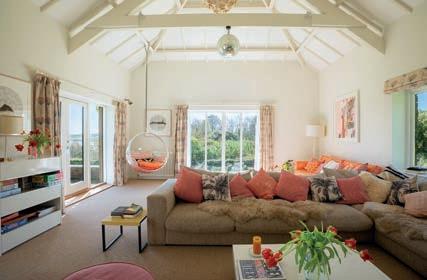
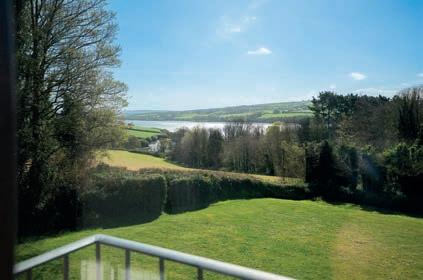
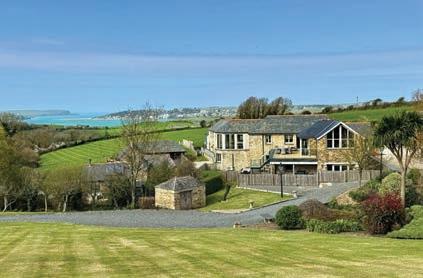
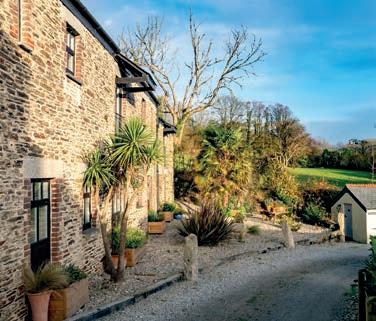
In a secluded position above the Camel Estuary, The Old Granary at Cant Farm is an exceptionally rare o ering no property within the farm’s sought-after conversions has been sold since the original transformation. Surrounded by mature planting including wisteria and clematis, the former barn enjoys sweeping estuary views, remarkable privacy and a sense of calm.
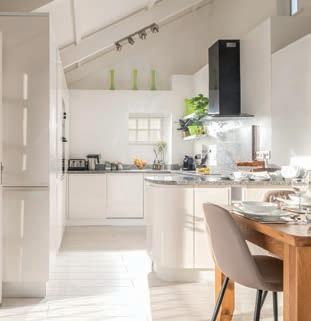
Contemporary interiors balance character with understated style. Six bedrooms and four bathrooms provide generous accommodation, while the principal suite is positioned to make the most of the outlook. The lower ground floor forms the heart of the home, where a dramatic vaulted sitting room and a light-filled open-plan kitchen and dining space open through French doors onto a broad south-facing terrace.
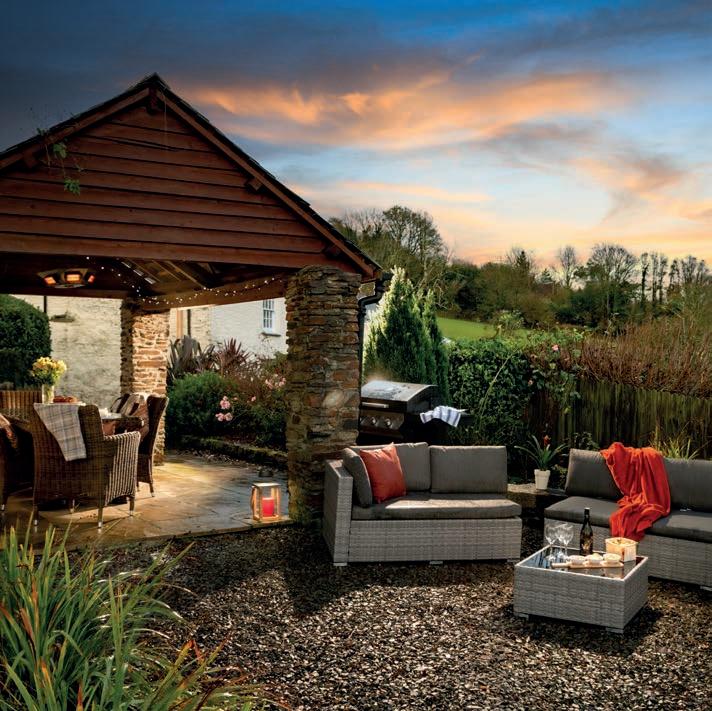
A built-in barbecue and seating areas support practical use outdoors, while mature hedgerows enclose a private garden and access to extensive communal grounds. With footpath access to the shoreline and ock within easy reach, it o ers a balance between privacy and coastal access.
RETREAT Lakeside
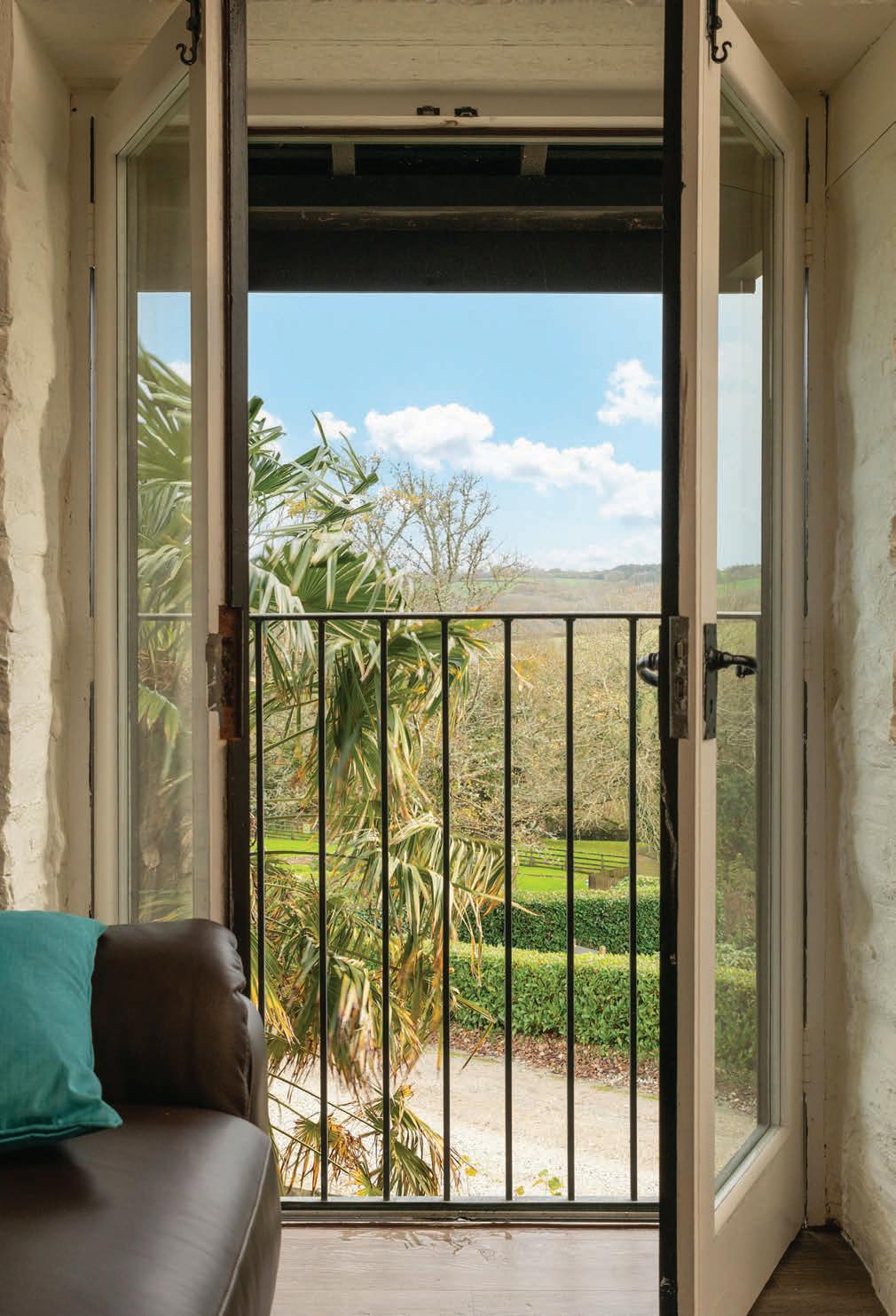
Contemporary lakeside living overlooking woodland gardens in sought-a
er ylor ridge.
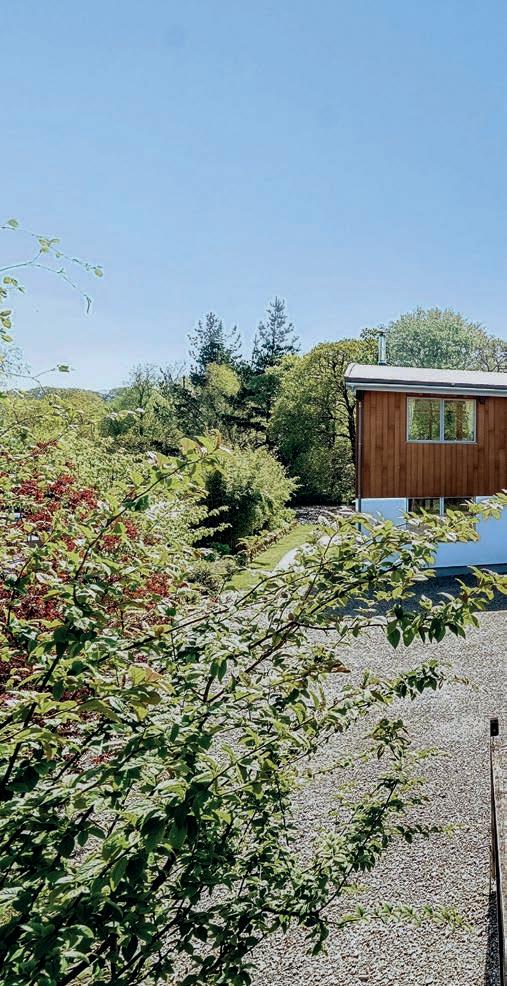
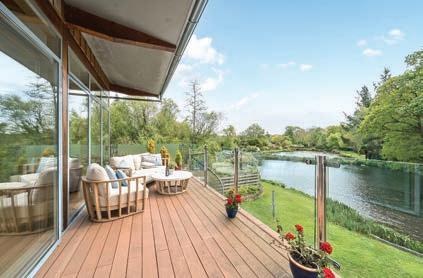
Set within extensive lakeside gardens in Mylor Bridge, Chy Lyn is a contemporary Cornish residence o ering balanced and versatile accommodation. ackson-Stops brings to market this four-bedroom house, designed in 2012, in a reverse-level configuration that draws the eye across woodland, water and carefully planned grounds.
The first-floor living space stretches the width of the property beneath broad glazing, combining kitchen, dining and sitting areas with access onto a full-length balcony overlooking the lakes. ak flooring, underfloor heating, a lift and an integrated sound system support daily living with practical ease, while solar panels and a water source heat pump contribute to e cient running costs. Outside, shaped lawns, mature planting, productive gardens and winding paths surround two substantial lakes once used as a carp fishery. A summerhouse, workshop, generous parking and proximity to ylor acht Harbour complete a finely judged property suited to family occupation throughout every season.
CHY LYN
Guide price: £1.25M
JACKSON-STOPS 01872 261160
cornwall@jackson-stops.co.uk
jackson-stops.co.uk
PERSPECTIVE Coastal
Two converted barns overlooking the Camel Estuary with contemporary interiors.
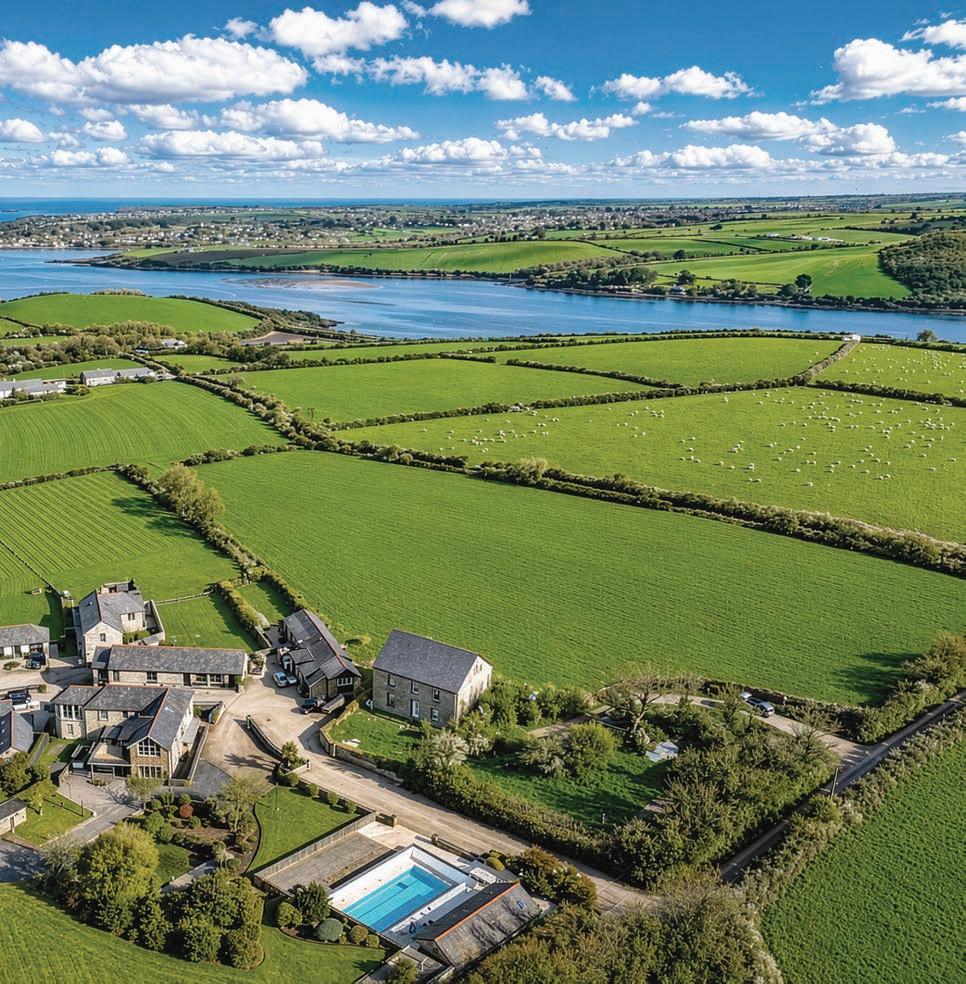
Set within the Trevear Farm Estate, ock iew and Lowen combine to o er , square feet of finely considered accommodation overlooking the Camel stuary. ackie Stanley presents two sympathetically transformed stone barns, where exposed stonework, slate floors and timber beams sit comfortably beside expansive glazing and carefully planned living spaces.
ock iew o ers four bedrooms, generous reception areas, and broad estuary vistas, framed by vaulted ceilings and full-width doors opening onto a sun deck and an enclosed garden. Adjacent, Lowen centres on first-floor living with elevated terraces, three bedrooms and a heated outdoor pool bordered by stone terraces for long summer lunches and evenings outside.
Landscaped grounds extend across 1. acres, with paddock space, parking for boats and swift access to Padstow, Rock and the north coast beaches. Both properties balance practical family living with polished interiors.
ROCK VIEW AND LOWEN Guide price: £3.25M
JACKIE STANLEY
01841 532555
sales@jackie-stanley.co.uk
jackie-stanley.co.uk
WORDS BY JAMIE CROCKER
Judicious CONTINUITY
Family stewardship has shaped a Cornish experience with lasting appeal.
We find out how the tension between operating as a holiday park whilst remaining good stewards of the land and environment is resolved into something that satisfies both exigencies.
Wooda Farm Holiday Park has been family-owned since the 1970s. How has that continuity shaped the way the business feels today, both for you internally and for guests arriving on site?
Wooda is something that’s grown alongside our family over generations. It began as a working farm, then gradually evolved into a holiday park, but that sense of stewardship has never really changed.
For guests, I think that translates into something unique. There’s a feeling of being welcomed somewhere that’s genuinely lived in and cared for, layered over time. And because we’re so personally invested, that warmth and consistency tend to segue into the experience.
In an era where many holiday parks are owned by large groups, what do you think guests gain, tangibly and emotionally, by choosing a family-run, independent business like Wooda?
Internally, it creates a very long-term mindset. We’re not making decisions for the next season we’re thinking about the next decade, or even the next generation. There’s a real sense of responsibility, not just to the business, but to the land and to the legacy of our family who built it.
As we’re independent, everything we do is shaped by our own values rather than a centralised model. That means we can be more considerate in how the park looks and feels, how spaces are used and how guests move through it.
Tangibly, that might be the quality of accommodation, the layout of the park, or the way facilities are integrated into the landscape. But emotionally, I think
it goes deeper than that. uests often tell us it feels more personal, less like they’re visiting a product, and more like they’re staying somewhere with a story.
There’s also a level of flexibility. We can respond to people, adapt and make decisions quickly and intuitively.
The site has evolved from a working arm into a e star olida park. o do ou retain t at sense o rural aut enticit ile o erin a polis ed lu ur e perience
For us, the key has always been to evolve gently rather than overhaul. The farm is still very much part of Wooda’s identity you can see it in the layout, the open spaces, even in the remnants of the original buildings and history across the site.
It’s definitely something we’re very mindful of. There’s always a temptation in tourism to increase capacity, but we’ve taken a more measured approach. Wooda sits within around 40 acres of parkland, and that space is one of its defining qualities.
Rather than adding more, we focus on improving what’s already here, enhancing accommodation, refining facilities, and maintaining generous spacing. We also encourage guests to engage with Cornwall in a slightly di erent way by exploring quieter spots, visiting outside of peak times where possible and embracing a slower pace.
When we’ve introduced more premium accommodation or facilities, it’s been about complementing. The lodges, holiday homes and spaces are designed to sit comfortably within the landscape. Luxury is about quality, comfort and thoughtfulness. It’s waking up to sea views, having space around you, and feeling connected to where you are.
orn all is increasin l us particularl in peak season. o do ou alance ro t and demand it preser in t e sense o space calm and connection to nature t at ooda is kno n or
ere s a stron emp asis on nature ildli e and sustaina ilit at ooda rom conser ation ork t rou to encoura in uests to en a e it t e landscape. o muc o t at is a usiness decision and o muc is rooted in amil alues
Before Wooda was a holiday park, it was a working farm, so there’s always been a connection to the land and an understanding of its importance.
That naturally extends into how we run the business today. Sustainability is something we’ve always believed in and have gradually built into everything we do. Of course, it also aligns with what guests are increasingly looking for. We’re custodians of this space, and we must protect it for future generations.
What does a “typical” Wooda guest look like today, and how has that changed over the years as travel habits and e pectations a e s ifted
Historically, it was very much families returning year after year, and we still have that, which is incredibly special. But now we also see couples, dog-owners, van-lifers and guests who might previously have chosen hotels or international travel.
There’s also been a shift in expectations. People are looking for higher quality and more considered experiences, whether that’s in accommodation, food, or the overall atmosphere. At the same time, there’s a growing desire for something simpler space, nature, and meaningful time together.
adjust plans, or simply take the time to listen and help.
Those decisions might seem small, but they’re often the ones that guests remember most. It’s about treating people as individuals, not just bookings.
As Cornwall’s tourism industry becomes more commercialised, do you ever feel pressure to scale up in ways that might compromise Wooda’s identity, or is staying independent a conscious resistance to t at trend
ein amil run often implies a more personal touch. Can you share a moment or story where that independence allowed you to do something for a guest that a larger, more commercial operation simpl couldn t
It’s often the quieter moments that stay with you. We’ve had situations where guests have arrived during di cult times such as bereavements, illness and other unexpected circumstances, so being independent means we can respond empathetically. We can move bookings,
Growth isn’t something we’re against, but it has to be the right kind of growth. If something compromises the sense of space, the connection to the land, or the personal feel of the park, then it’s not something we’d pursue.
We’re not a holiday park built around clubhouses or swimming pools. ur guests aren’t coming to Wooda for that kind of experience.
What we o er instead is a new holiday park experience something quieter and more considered a countryside retreat centred on quality, where entertainment might look like a local musician playing as the sun sets, or encouraging guests to immerse themselves in nature, whether that’s coastal walks or a swim in the sea pool.
ABOVE
The astonishing view from Gwelva Hill
ere s often de ate around tourism s impact on local communities in Cornwall. How does Wooda navigate being both a successful holiday destination and a responsible local business rooted in t e area
It’s an important conversation, and one we’re very conscious of. Tourism is a vital part of Cornwall’s economy, but it has to be managed in a way that genuinely supports local communities rather than putting pressure on them.
Holiday parks like Wooda have long been a core part of that infrastructure. We’re designed to accommodate visitors in a way that’s planned, managed and integrated into the landscape. There’s existing investment in facilities, space, and environmental considerations, which means we can support tourism without placing the same strain on housing or local resources.
For us, being a responsible business means thinking beyond our own boundaries. We support local suppliers, employ locally, and encourage guests to engage with Cornwall in a way that benefits the wider area. It’s about being part of the community, not just operating within it and ensuring that tourism works for Cornwall, not against it.
Finally, when guests leave Wooda, what feeling or memory do you most hope they carry with them, and how does that tie back to being a family-run Cornish usiness rat er t an a corporate rand
ore than anything, I hope they leave feeling like they’ve had proper time to slow down and reconnect. Whether that’s children exploring the outdoors, families spending uninterrupted time together, or couples finding a bit of calm, those are the moments that matter.
wooda.co.uk
Manifest DESTINY
WORDS BY LUCY STUDLEY | IMAGES BY GAVAN GOULDER
Artist Vicki Norman’s journey follows in the footsteps of her artistic forebears on the Cornish coast.
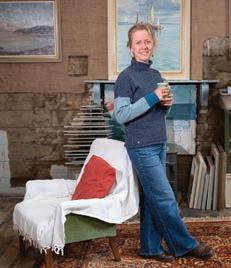
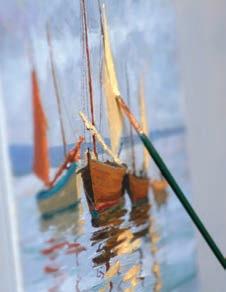
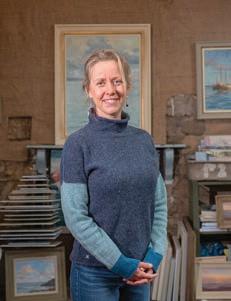
Sometimes, the stars align. As an eight-year-old girl, Vicki Norman visited Newlyn with her mum, who purchased a book about the work of the Newlyn School group of artists. Unbeknown to her, in the very pages of this book Vicki’s future was laid out; she would train to be an oil painter, move to Newlyn, learn to sail traditional luggers, and become custodian of a unique piece of art history, namely a studio behind Gwavas House where the pioneers of the Newlyn art colony created many of their famous works. Now Vicki’s own work is the subject of the summer exhibition at the hotel, The Old Coastguard, in Mousehole, raising money for the Cornish Maritime Trust of which she is Artist in Residence.
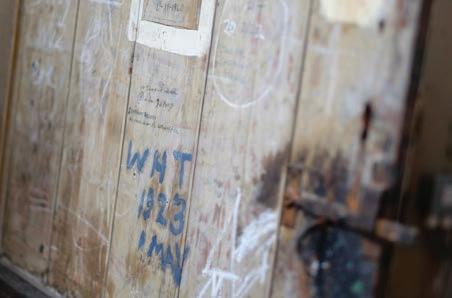
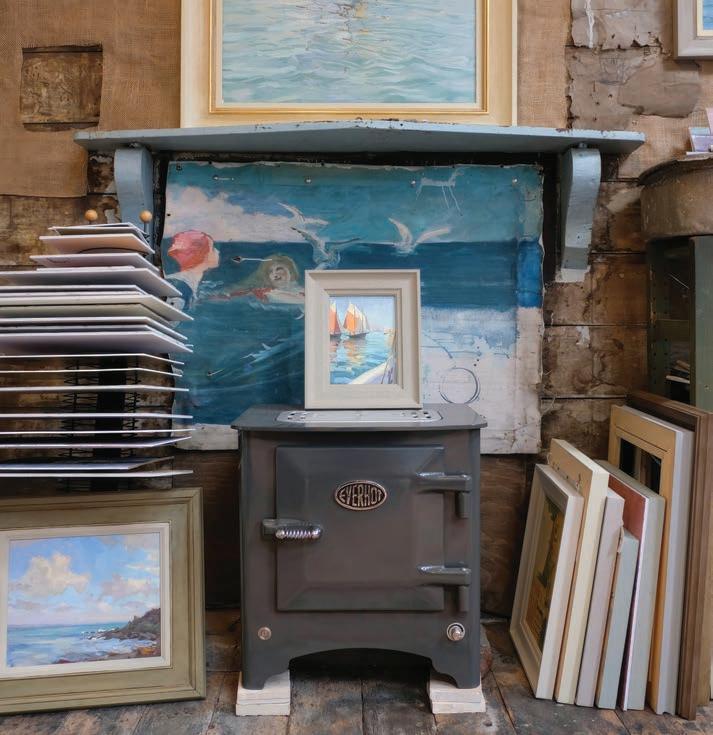
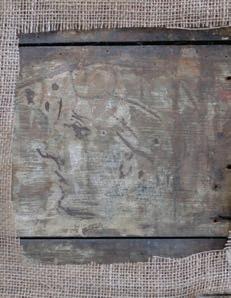
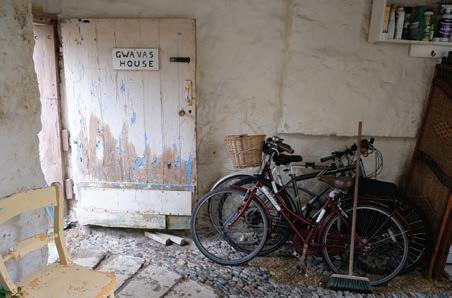
Vicki’s story is worthy of a book in its own right, but the humble studio at its heart has ‘main character energy’, so we’ll start there. Climbing the steep stairs to this old net loft and pushing open the wooden door inscribed with years of fishermen’s gra ti, makes the hairs on the back of your neck stand up. When Vicki began restoring it, spontaneous little paintings and sketches were discovered underneath lengths of linen lining a wall, some of which have been removed and sent away for conservation. It’s easy to imagine a succession of painters occupying this humble and homely little garret, their lives and work entwined with the fishing community around them. The sense of history is palpable, even the dust motes circulate with the muted
TOP RIGHT
Fishermen’s grafitti ABOVE
Gwavas House Studio
ABOVE
Gwavas House Studio
CREATE
pigments of the Newlyn School. Newlyn has a long history as an important fishing port. In the 1880s it began to attract artists in the same way St Ives did in the inter-war period, but this earlier Newlyn art colony was firmly rooted in representation rather than landscape-based abstraction. The artists, many of whom had trained and worked in Brittany, Paris and Antwerp, were committed to portraying the lives of the fishing community, finding beauty in their strong characters, their trials and tribulations, and their rustic living conditions. Was there an element of romanticising poverty?
Sure. But the best of the Newlyn School works, many of which reside at Penlee House in Penzance, are rich with pathos and painterly skill.
The artists lived amongst the coastal community they painted, renting cheap rooms, often net lofts, to live and paint in. Gwavas House, whose maritime inhabitants would have hauled their boats and catch up the shore from Sandy Cove just below, was one such space. Vicki has researched the history of the studio where she now works extensively and knows it was rented long-term by the painter Thomas Cooper Gotch. Walter Langley and Stanhope Forbes also stayed and worked there, although Forbes only briefly.
Several studies and paintings show members of the family who owned Gwavas House and depict the linhay beneath the studio, including Walter Langley’s Local Critics, which shows a couple looking at a painting placed on an easel in the yard.
On a serendipitous holiday to west Cornwall Vicki, an established oil painter who lived in Shropshire at the time, discovered the house and studio for sale. Having always been in the same family, the connections back to the heyday of the Newlyn art colony were maintained through oral history as well as in the local archives, although the studio itself had long fallen out of use. It nearly slipped through her fingers but eventually Vicki and her partner Mark Branigan had an o er accepted, and the painstaking restoration of the house and studio began.
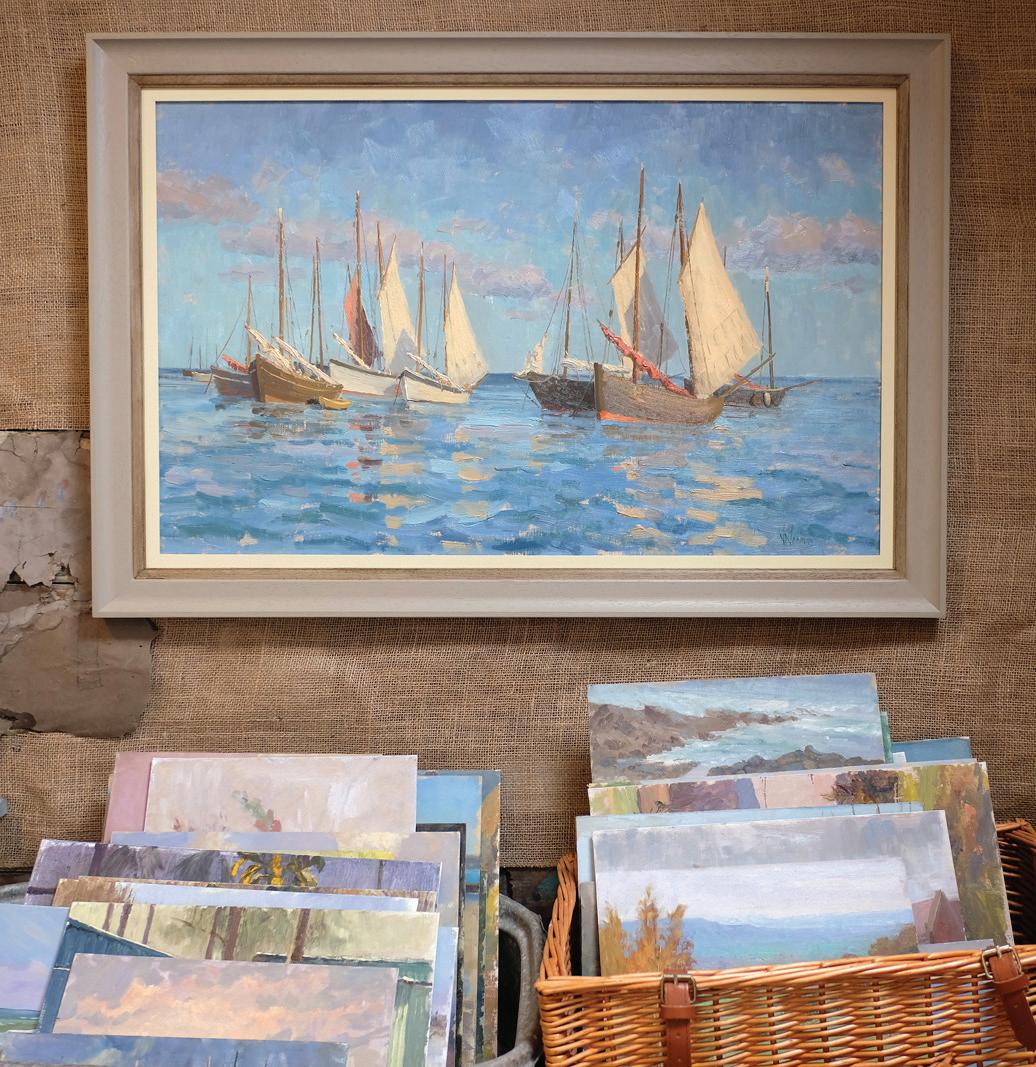
This precious piece of art history could not have fallen into better hands. Although actively discouraged from devoting herself to traditional painting techniques at art school, Vicki has always been a devotee of a timeless, painterly style and traditional subjects, influenced no doubt by that early trip to Newlyn and the prints which hung on the walls of the family home as a result.
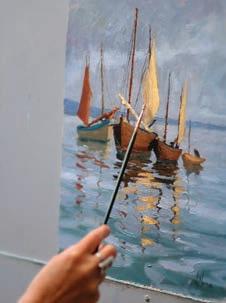
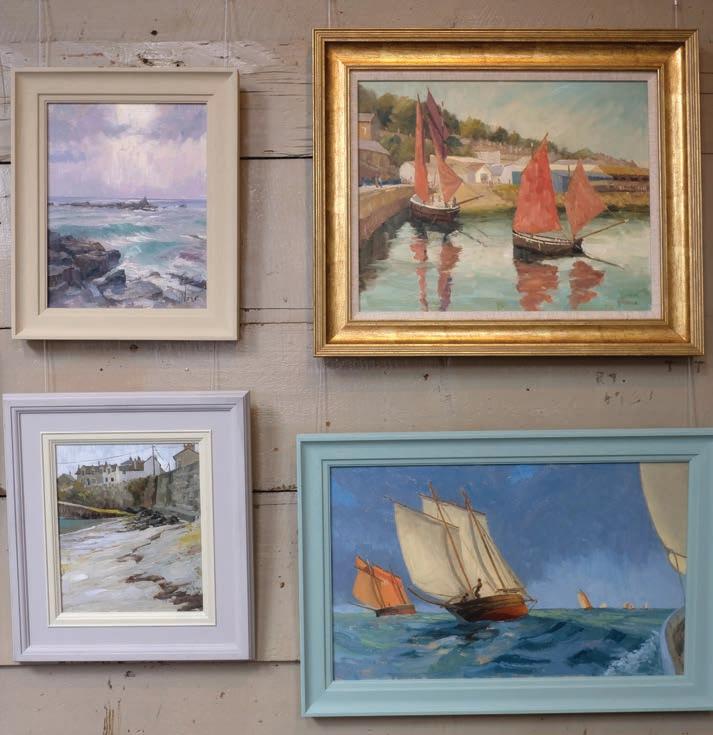
For Vicki, the precision of composition techniques and colour theory were things to be rigorously explored and applied, rather than rushed through enroute to abstraction or conceptualism. She eschewed more contemporary styles of painting, favouring an impressionistic approach and skill set which had its heyday around the turn of the 20th century, but to call her work ‘old fashioned’ is to do it a massive injustice; timeless and rooted in rare accomplishment would be more accurate.
“The 1880s to 1910s is the era of painting that really moves me,” explains Vicki. In choosing to focus on composition and colour theory, painting en plein air, and using historic pigments, she is working with the same principles as the Newlyn School artists and their contemporaries across Europe. As she puts it: “Working on location quickly to capture the essence of a time and place encourages a looser, more impressionist style of painting which focuses on atmosphere above detail. Restricting the use of pigments to specific parts of the colour wheel gives a softness and historic quality to the work, but it also amplifies the light and mood of each painting – it’s that feeling of things clicking into place. This balance and quietude is my painterly voice, it’s how I see the world.”
How Vicki sees the world has also been informed by her love of sailing, a passion she is now able to indulge regularly as Artist in Residence for the Cornish Maritime Trust, a charity which helps preserve Cornwall’s maritime heritage by maintaining and sailing historic working vessels. This includes the iconic red-sailed lugger Barnabas which, built in 1881, is the oldest mackerel driver still sailing today.
In order to paint these boats on the Cornish coast, and indeed to paint from the boats themselves, Vicki has had to become an adept sailor. It’s something she has a natural a nity for and some of her happiest memories are of sailing with her dad when little. “Being at sea is wonderful creative fuel for a painter like me,” she explains. “For a start you get an entirely di erent view of the coastline, and you feel so much closer to the raw elements. When I’m sailing, I’m physically in the kind of liminal spaces I’m trying to represent on the canvas, where land meets sea, and sea meets sky.”
Maintenance of these heritage vessels is an enormous undertaking and something all the Trust’s volunteers work incredibly hard on, preserving endangered skills and passing them to the next generation.
INSET
uses traditional composition techniques
Vicki
ABOVE
been gradually restoring
while retaining its historical atmosphere
Vicki has
Gwavas House
In learning these skills, Vicki has become familiar with the ‘anatomy’ of traditional luggers, which in turn informs her work. It’s a process not dissimilar to the dissection training of a Renaissance painter, only without the gore.
This summer’s show at The Old Coastguard in Mousehole curated by Penzance-based Artist Curator, Gillian Cooper, is raising money for The Cornish Maritime Trust, with a percentage of sales going to the charity. Aptly entitled Colourful Sails, Ripples of Light, the collection of works featuring the majestic traditional boats and timeless coastal scenes will be perfectly at home on the walls of this colourful and comfortable inn by the sea, where the sight of red sails passing by is cherished.
Charles Inkin, Co-Owner of The Old Coastguard, said: “Vicki’s mesmeric work is the perfect subject for a summer exhibition here in Mousehole. Whenever the red sails of Barnabas are seen from the terrace or garden, there’s a momentary collective pause. It’s like the past sailing reassuringly into view for a moment. We’re very glad to be able to support the Cornish Maritime Trust, and I’m looking forward to seeing Vicki’s work in situ.”
Colourful Sails, Ripples of Light is at The Old Coastguard until July 6th. Vicki will be holding a Meet the Artist event on Thursday 2nd July, and her work will be exhibited throughout the summer.
vickinormanstudio.com oldcoastguardhotel.co.uk
Stay TOGETHER
WORDS BY JAMIE CROCKER
Flexible stays shaped around families, couples, celebrations and dogs.
Old Lanwarnick presents itself through the lives that pass through it, and in that sense, it is best understood by the ways people use it. The six cottages, glamping capsules and grounds sit within easy reach of the south Cornish coast, yet the real measure of the place lies in how it accommodates those who arrive with di ering expectations and requirements. Families come in many varied layers, romantically entwined couples seek a few days to themselves, friends gather for birthdays that have reached a number worth marking, and a steady procession of dogs arrives with their owners in tow. Each of these groups requires something slightly di erent, and the business has evolved to meet that demand by embracing a flexible approach.
The approach begins with the cottages, which are varied in size and arrangement and lend themselves to di erent patterns of stay. The farmhouse, with its four bedrooms, regularly becomes the anchor for extended families, where grandparents, parents and children share a base that can be configured to suit. ooms shift between doubles and twins, bunks accommodate younger members, and the whole arrangement supports the ebb and flow of family life over a week or a long weekend. What often happens in practice is that the farmhouse is paired with a neighbouring cottage, allowing for a degree of independence within the group. One branch of the family might take a smaller space next door, stepping in and out of the main house for meals while retaining a place of their own when the day draws in.
RETREAT
That pattern of proximity without crowding recurs across the site. It suits celebratory gatherings that refrain from being dictated to by conventional expectation a fiftieth birthday marked over several days, a wedding anniversary observed with a meal prepared on site, or a group of friends who want to spend time together without sharing every hour. The option to take the entire site exists for those who want exclusivity, and when they do, the place shifts character again, becoming a private setting where the cottages and grounds operate as a single, coherent space. It is here that details such as the pavilion in the dog field or the arrangement of outdoor seating begin to matter, providing places for shared meals or leisurely afternoon picnics when dusk creeps in without anyone noticing.
Each cottage is selfcatering, and many guests arrive with supplies or arrange deliveries to meet them. There is a practical ease to this, helped by the willingness of the owners to accept groceries ahead of arrival and have them waiting. For those who want something prepared, a local catering partnership, consisting of two chef-sisters with over twenty years of experience, going under the name of M2 Catering, o ers two routes a chef to cook on site, or a set of meals delivered ready to heat, designed to reach a standard associated
with a restaurant. The latter has found favour with guests who want good food without the formality of service, allowing an evening to unfold at their own pace, whether that is a birthday meal for six or a quiet supper for two.
The variety extends to the smaller cottages and to the times of year when they are most in demand. Couples arrive outside the school holidays, taking advantage of the calmer months when the coast is less crowded and the days promise a di erent experience. These stays often centre on the immediate surroundings: a walk from the door in the morning, a few hours spent exploring, followed by an evening tucked up indoors with the fire lit. Honeymooners appear in the bookings, as do alentine weekenders –the cottages support that kind of stay.
Dogs, too, are well provided for, to the point that they shape the experience for many guests. The land at ld Lanwarnick welcomes them readily with fields to run in, routes that can be taken without stepping into the car, and a network of paths that lead outwards towards the wider landscape. The South West Coast Path lies within reach, and for those who measure a day in miles, it o ers the kind of walking that draws people back year after year. The owners speak of distance with a degree of
caution, aware that what feels moderate to one guest can prove demanding to another, dictated by the rollercoaster nature of the coastal path. Yet the options are there, from shorter loops to longer routes that give a full rendition of the outdoor world.
Within the site itself, a woodland walk follows the line of a river and provides a di erent kind of experience. In spring, the ground is marked by bluebells, and the path becomes a place to spend time soaking in the early rays of spring. Children move through it with a sense of discovery, helped along by small details placed among the trees: doors set into trunks, carved faces and markers that encourage people to pause and reflect. It is not a large woodland, but it is dedicated to the benefit of staying guests, adding depth by o ering something that feels natural without the worry that you may have trespassed onto land where you shouldn’t be.
his parents. Glamping capsules sit apart from the cottages and extend the range of accommodation further. They appeal to those who want a di erent relationship with the surroundings, closer to the elements yet supported by the essentials. The pods operate largely o -grid, drawing on the systems that have been put in place across the site. Solar panels and battery storage supply power, while gas ensures constant hot water. It is a practical demonstration of an approach that has run through the business since day one, where decisions about energy and materials are made with a conscious eye toward sustainability.
A small wind turbine helps support the system when conditions allow, and the gradual shift to electric equipment is evident in the tools used to maintain the land. Vehicles, mowers and hand tools have been replaced as they wear out, moving the operation towards a lower reliance on fossil fuels.
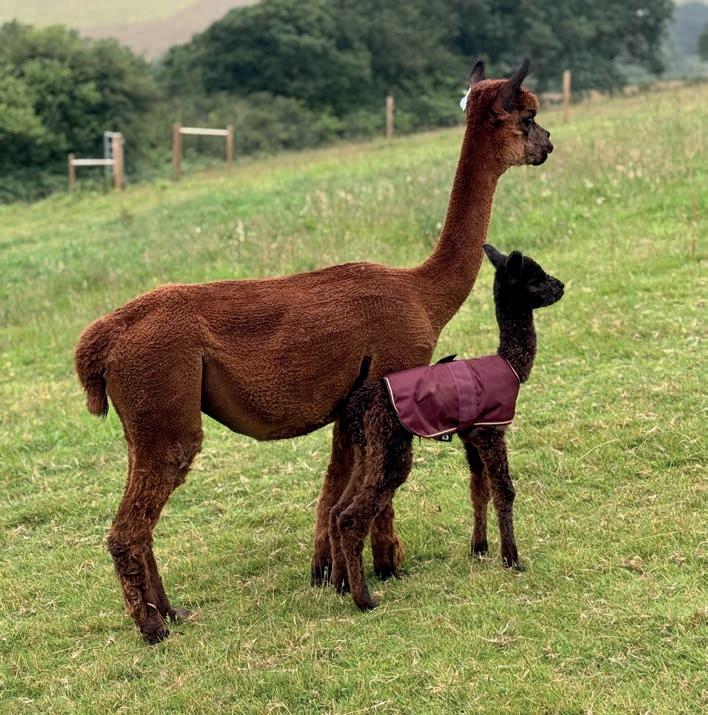
For those who hail from an urban environment, there’s the added attraction of being able to interact with a variety of farmyard animals. One recent stay saw a young boy make it his business to seek them out every morning, returning again and again to check on the chickens, ducks, goats and alpacas with a persistence that quickly became part of his routine and
Inside the cottages, cleaning products are selected with care, uniforms are made from recycled materials, and everyday items such as cloths are compostable. The e ect is cumulative, a running thread through the whole process, one that has come to be expected as standard by a more discerning public.
The nearest beaches, like Hannafore or Lansallos are a short drive away, and within half an hour, there is access to a range of attractions, such as the Eden Project or Lanhydrock, that draw visitors to this part of Cornwall. Guests can divide their time between days spent on site and days spent exploring, with a noticeable proportion choosing to remain close to their accommodation for longer than they might have expected. The presence of space, combined with the needs of dogs and the appeal of the grounds, mitigates against having to jump in the car every five minutes. Local shops provide essentials and are only a few minutes away, while larger supermarkets are reached with just a little more planning. Pubs and places to eat are scattered nearby, o ering a change of scene without the need for a long journey.
What emerges from all of this is a place that adapts itself to those who arrive.
It does not impose a way of spending time, nor does it present a fixed idea of what a holiday should be. Families can expand and contract across the cottages, couples can find the privacy they seek, and groups can gather with a degree of ease that supports both shared and separate moments. Dogs are accommodated as a matter of course, not as an afterthought, and the land is used in ways that encourage guests to engage with it.
Old Lanwarnick succeeds because it pays attention to how people live during their time away rather than trying to squeeze them into conventional precepts.
It recognises that a stay is made up of small decisions as much as larger plans and it provides the means to make those decisions without compromise.
oldlanwarnick.co.uk
A soulful STAY
WORDS BY HANNAH TAPPING
St Moritz Hotel on the north Cornish coast has always been one of the great escapes.
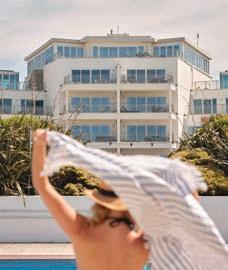
It begins, as all great retreats do, with the sea. Beyond the hedgerows of north Cornwall, where the Atlantic rolls in with metronomic grace and the land falls away in soft cliffs and secret coves, the white silhouette of the St Moritz Hotel stands sentinel above Greenaway Beach. The art deco-inspired building has presided over this stretch of coastline since the 1930s, when it drew the rich and the famous to one of Britain’s most dramatic shores. But this is not some stiff-lipped seaside relic. Instead, St Moritz is a hybrid; a hotel, yes, but one that refuses to be only that, with self-catering room combinations allowing for effortless stays.
restore themselves. St Moritz, it turns out, has become rather good at that. This season, the introduction of Salt in Your Soul combines adventurous activities, mindful practices and a new active programme to create the ultimate northcoast retreat. To have salt in your soul, the thinking goes, is to be drawn to the sea, to feel its pull in the bones. Whether you are a returning guest, drawn back to this stretch of coast year on year by something deeper than habit, or a first-time visitor still to discover what the Atlantic can do for a tired mind, St Moritz meets you where you are. The invitation is simple and open come and find the salt in yours.
Today, it draws a different kind of pilgrim one seeking not merely a beautiful place to stay, but a place in which to genuinely
What distinguishes St Moritz from its contemporaries is the remarkable flexibility of its accommodation offering. A collection
of coastal houses, sea view apartments, garden retreats and interconnected room pods combine the ease of hotel living with the freedom of independent escape. The pod concept is particularly inspired a suite, a king room and a cosy room connected by a private hallway, combining to create something closer to a private apartment than a conventional hotel stay, ideal for families and groups who want both togetherness and space. The coastal houses and apartments take the offering further still, perfect for those who want the amenities and reassurance of a hotel alongside a more independent rhythm. St Moritz, in this sense, offers the best of both worlds, and it wears that distinction effortlessly.
Floorplans are open, sightlines unobstructed, and the kitchens offer ritualised spaces where guests can gather around bowls of wild samphire, scallops from the morning market and local fi chilled just enough to catch the light from an Atlantic sunset. atural fibres, neutral palettes and raw textures speak of their surroundings the kind of interiors that ask nothing of you except that you slow down. To wake here is to understand immediately why people return, the quality of the morning light
off the water, framed by the clean lines of a well-considered room, recalibrating the senses before the day has even begun.
What also sets these stays apart is the detail. Imagine hosting an impromptu dinner party on the terrace, orchestrated with the help of the hotel’s concierge linens, flowers, a private chef and a three-course menu that began that morning on Padstow’s harbourside. It’s not about providing more, as the location, view and accommodation speak for themselves, it’s more about making every detail matter more. A mantra, it turns out, we can all learn from.
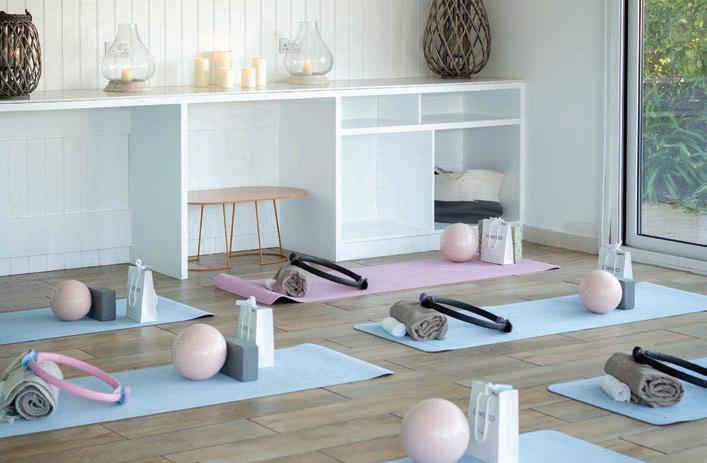
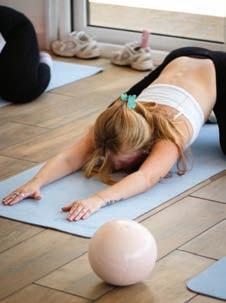
The genius of the new Salt in our Soul framework lies in its understanding that no two guests are the same and no two days unfold the same way. St Morit speaks of the ebb and the flow a natural oscillation between a desire for adventure and a need for stillness and structures its offering accordingly. The hotel’s active timetable is the high tide expression of this idea aqua fit in the indoor pool, morning yoga in the Seaside space with views that make the practice feel more like meditation, Hot Pilates, coastal walks from reception and SUP Pilates sessions on the outdoor pool
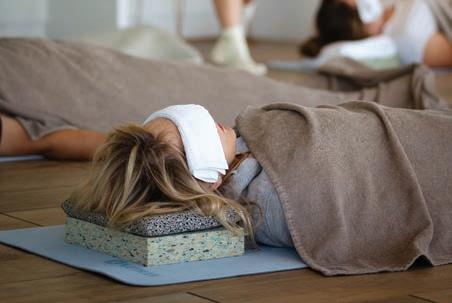
through the spring and summer season. Sound bath evenings, held monthly as the light fades, bring an immersive, restorative close to the week. The message is clear whether you arrive hungry for coastal adventure or craving only stillness and warmth, there is a rhythm here for you.
A wellness offering is only as good as what it feeds you, and at St Moritz, the hotel’s all-day food philosophy, is the nutritional backbone of the Salt in our Soul experience, constructed with real intelligence and care. The day begins with a breakfast that earns its place at the high tide table. Fresh juices, artisan breads with Cornish butter, overnight oats with plum and chia seeds and a revolving menu of hot dishes. Think steamed hen’s eggs with sliced avocado and back bacon, banana and date porridge, granola with stewed fruits and yogurt, so you can fuel rather than merely satisfy. Through the day, the caf menu takes over nourish pots, wraps, bagels and bowls as beautiful to look at as they are to eat. A green goddess Caesar salad with golden kimchi and roasted almonds a chicken and avocado protein wrap with lemon tahini dressing; a smoked salmon and cream cheese bagel with fresh dill. Date and tahini energy
squares and almond butter protein balls bridge the gap between sessions with the kind of considered snacking that feels like self-care rather than compromise. Stone-baked pi as are available to take away, perfect for a cosy evening after a long day on the water, while sourdough with Cornish butter and marinated olives make for the kind of unhurried aperitivo hour the terrace was designed to accommodate.
Come evening, the hotel’s brasserie comes into its own. Menus form around ingredients rather than dictating to them, anchored in what local growers, foragers and fishermen offer that week, with vegetables from Restharrow Farm, asparagus from St Enodoc, bass and mackerel from local boats off Rock. Pan-roasted hake with harissa, olives and chickpeas chicken schnitzel with frisée and pancetta; ricotta dumplings with heritage tomato and British pesto. The raw materials are the story, and the kitchen’s job is simply to listen.
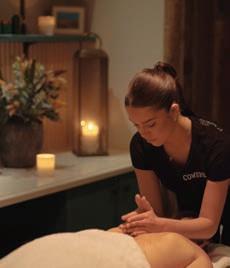
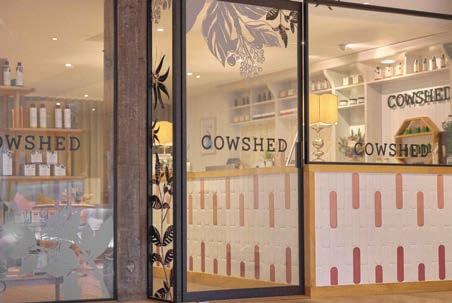
The Cowshed Spa remains the low tide heart of the St Morit experience to this day the only Cowshed outside of Soho House properties in the world, and a destination in
its own right. Adopting the original Cowshed philosophy of injecting country calm into busy lives, its treatment-led therapies are rooted in English country garden botanicals and mirror the hotel’s broader aesthetic with a rustic-luxe sensibility that feels entirely at home here. Beyond the spa, the indoor and outdoor pools, sauna, steam room, tennis courts and gym form the infrastructure of a stay calibrated entirely to your needs. The outdoor pool, heated by biomass and ringed by manicured gardens and hammocks, anchors those long Cornish afternoons that feel suspended from ordinary time. Yet even here, you can step lightly, enjoying a cocktail by the pool to the sound of a laid-back summer DJ set, or retreat to your private patio, the scent of the sea and genuine Cornish stillness.
In place of over-structured schedules, guests are encouraged to co-create their own experience. One evening, a barefoot stroll on the beach followed by dinner in the brasserie. The next, a visit to one of the nearby restaurants, chauffeured in the hotel’s complimentary electric minibus. A surf lesson with Wavehunters in the morning a boat to Rock for lunch.
A tour of a biodynamic vineyard one day, a quiet afternoon on the lawn with a book the next. The concierge team can arrange everything from watersports with Camel Ski School to restaurant bookings and private chef experiences well-versed hosts who understand that true luxury is the freedom to choose your own version of a place.
And perhaps this is what makes St Morit feel so particular. It doesn’t seek to da le in the ways luxury often does, rather itt cultivates an elegance of choice. Guests don’t arrive for one version of Cornwall, but to write their own. The hotel’s success lies in how it sidesteps the usual binaries but not being simply a hotel, nor a set of holiday lets, but a design-led sanctuary where freedom is expertly scaffolded by care.
You come to St Moritz for the view. You stay for the silence, the suppers, the stillness that good design and good service can bring, and for the uncommon sense that here, at the edge of the land and the beginning of the Atlantic, something in you has been restored. Make your pilgrimage to the sea and leave with salt in your soul.
stmoritzhotel.co.uk
A second SKIN
WORDS BY HANNAH TAPPING
Timeless, flattering silhouettes combine with skin-friendly materials so there is no longer a need to choose between feeling and looking good.
Ingenuity often finds form in the most unusual of places, and rather than a design studio brief or a market research exercise, some businesses begin from a more personal experience. For Freya Bickford, the founder of Solpardus, that moment came during a lockdown summer.
Having had psoriasis since she was young, the trauma of lockdown was taking its toll. Stress, as so many with the condition will recognise, is its great accelerant, and 2021 had been a year of considerable sadness for Freya, and her skin, had understandably, rebelled. Freya had always found that gentle sun exposure really helped, as had the simple pastime of sitting outside reading a book. However, when donning her usual swimwear Freya found that the non-natural fabrics proved to be an irritant, causing considerable skin flare-ups.
So, Freya went in search of an alternative, but found only one brand in Los Angeles and one in Australia making anything close to what she needed. In the UK, for all its coastal credentials, there was nothing. Performance fabrics that had transformed sportswear and bamboo jersey that had revolutionised active-wear and underwear, had not, it seemed, been brought to bear on the thing that sits closest to the skin for the longest hours of the most relaxing days of the year–swimwear. With no formal training in textiles, Freya took matters into her own hands and ordered some soft bamboo fabric, running up a bikini on her old sewing machine at the kitchen table. And so, the first iteration of the Solpardus Thea bikini was created.
The name Solpardus – from the Latin for sun leopard – arrived via an unexpected route.
COUTURE
When Freya was in the early stages of building the brand, still navigating the strange, often lonely experience of having a visible skin condition in a culture that rarely speaks openly about such things, she found solace in the community she’d discovered on social media. These were people who lived with psoriasis or eczema, and understood the particular exhaustion of it all.
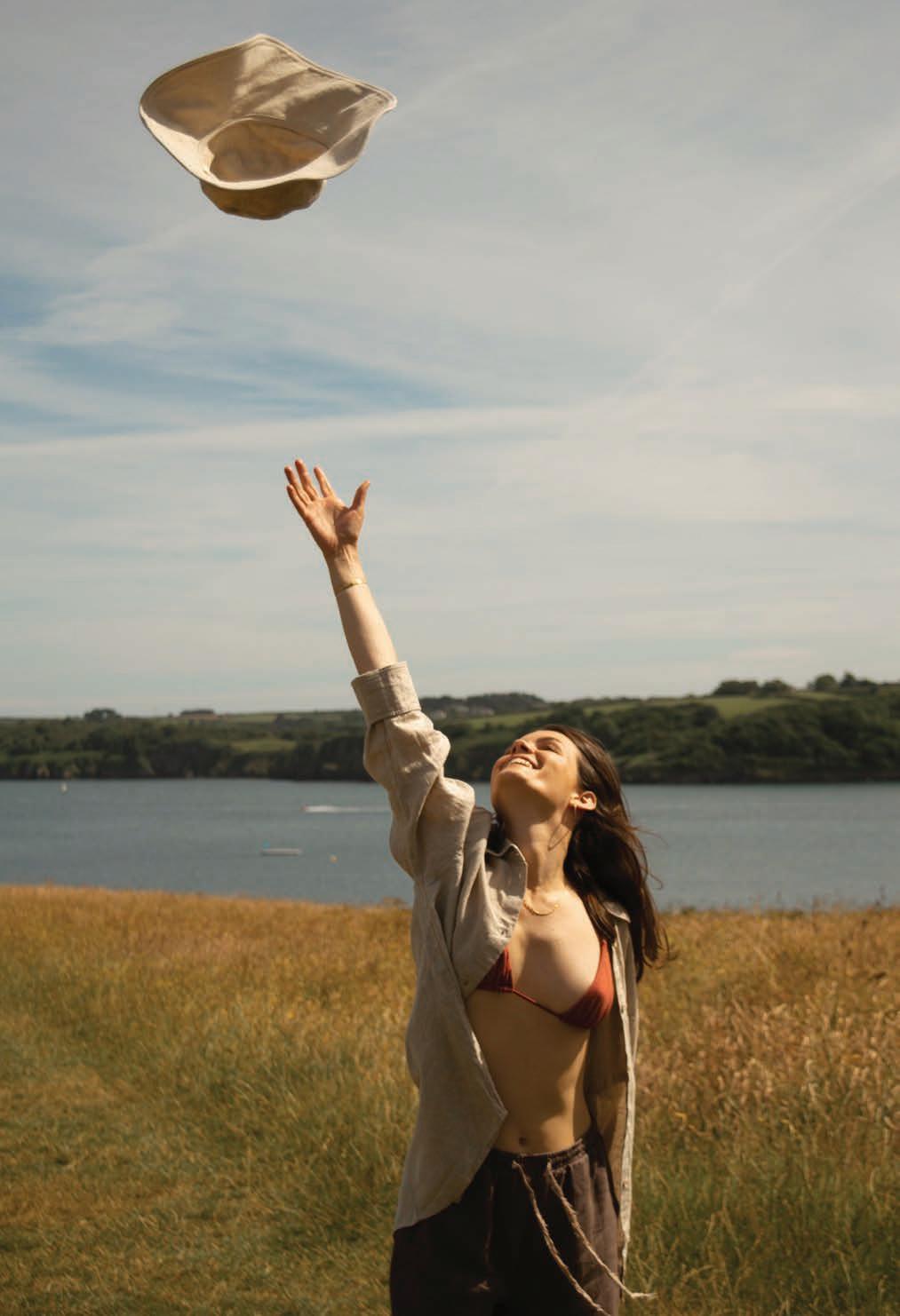
“I needed comfort, but still wanted to look good and feel confident,” says Freya. “I knew I didn’t want anything synthetic, as any woman can attest to how tight, restrictive and uncomfortable traditional swimwear is! The bikini allowed me to comfortably sit outside, helping my psoriasis patches move into the pale leopard spots often seen when flares begin healing. I made the bikini to solve my own problem but, having connected with psoriasis and eczema communities through social media, I knew this was something other people wanted, too. In the past I had felt self-conscious about the pigment disparities, but social media comments encouraged me to take pride in them as a reflection of my strength and progress. When I decided to launch the business, I knew this was exactly the confidence I wanted my new brand to embody. And so, under the Cornish sun, Solpardus was born.”
For Freya, who had spent the better part of two decades unable even to say the word psoriasis aloud, and who had felt the particular shame of a condition that declares itself so publicly on the skin, this reframe was significant and the basis for her brand identity. “I had got to the point back then, where it was something I was so embarrassed by. But now I see it as a real benefit, otherwise, I wouldn’t be here.”
And Freya, is by any measure, very much here, as we sit across a table talking about bamboo fabric and button detailing and the precise degree of floppiness required in a sunhat with the same easy openness that she brings to the harder parts of her story. The psoriasis has not gone away, she suspects it never will entirely. However, what she has learned, as many do with time, is to read it rather than fight it. When her skin begins to flare, she tells me, she takes it as a signal that she needs to take a step back and reset.
It is worth pausing, here, on the fabric question because it is central to everything Solpardus does and yet, as Freya rightly observes, it is a conversation the industry has been curiously reluctant to have. “So many people think about what they put on their skin, from makeup and skincare to moisturisers and fragrances. However, nobody really talks about the clothes that
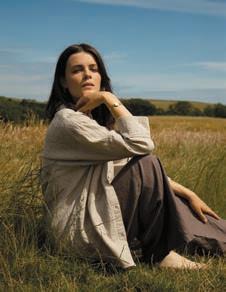
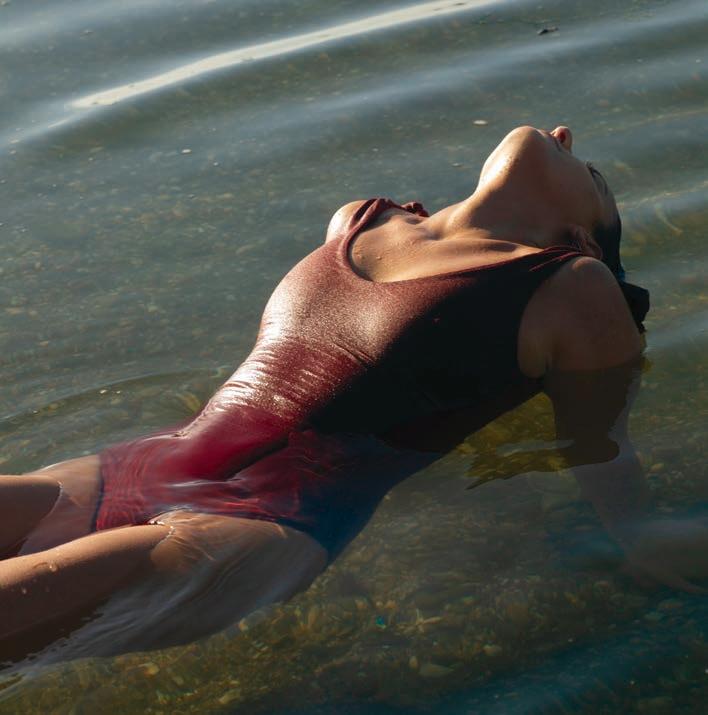
Thea bamboo onepiece swimsuit
sit intimately against your skin all day. It’s only when you have a skin issue that you might start to think more about it.” Her research led her to find a buttery soft, bamboo jersey that is breathable, antimicrobial, durable and renewable. As such, Solpardus swimwear is designed to move with the body, not restrict it, o ering comfort without sacrificing style.
The wider collection is designed in linen, which is also breathable, antimicrobial and durable, as well as being fast-drying and excellent at keeping you cool in summer and warm in winter. Solpardus linen clothing is soft on the skin and provides the perfect loungewear to throw on after time in the sun, in the water or on cool evenings. As with everything Freya does, this collection was designed with intention, partly for aesthetic reasons and partly practical ones. Freya wanted to ensure that all Solpardus editorial photography used only her own pieces rather than styling items from brands she knew nothing about.
comes a small square of o cut bamboo fabric, screen-printed by hand with its care instructions to avoid irritating labels and even the hygiene strip is made of natural material. The cut is timeless across all of this capsule collection. A low-backed one-piece with a quality Freya describes as flattering in a way that seems to suit everybody’, is deliberately and unapologetically classic. “I try and make everything as timeless as possible, with the thought that you would look after it and keep it. I want to still be wearing the same thing in my mid-forties that I was wearing in my mid-twenties.”
The swimwear itself is constructed with ultimate attention to detail. The double layer of fabric mean that seams sit on the inside, while fully adjustable tie straps allow the garment to work across a wider range of bust sizes than conventional swimwear. There are no abrasive clips or fasteners to be seen, each Solpardus piece
This is a statement of intent as much as a design philosophy. Fast fashion, with its seasonal churn and its commitment to the disposable, holds no appeal for Freya. She designs for the woman who will take her Solpardus piece from the drawer in five years and feel as special in it as she did the first time she wore it.
Sourcing on any scale is a more complicated business than it appears from the outside and Freya learned this early in the process. She was determined to work with British suppliers and manufacturers, and equally determined – to a degree that might seem almost quixotic in the current retail climate – to understand the provenance of every component. “I wanted to have an input in how everything was made and to feel confident in the Solpardus narrative.”
Saba linen shirt
TOP RIGHT
Thea bamboo bikini
TOP LFFT
Atti linen shorts
COUTURE
Even the buttons carry a story. In creating the linen shirt that anchors the Solpardus collection – a piece that is equally as easy to throw over a swimsuit in the morning as it is to wear to dinner – Freya searched for natural alternatives to the synthetic buttons that sit, often unnoticed, on almost every garment in existence. Her search led her to loucestershire-based Courtney Co, who make buttons from entirely natural materials. For the shirt, each one is cast from either a corozo nut or British milk, one matt, shiny. They alternate on each garment, a detail invisible to most, but one that is testament to the care taken by Freya at every step.
Solpardus operates from Freya’s home o ce in south Cornwall. She packs every order herself, wraps each piece in recycled tissue paper, seals it with a stamp made from wood pulp rather than plastic, stamps her branding onto the box by hand, and writes her own notes to go inside. These are not romantic a ectations “I want my customer to open the box and feel that it’s been packed with care, especially for
them and see that there is a person behind the brand.”
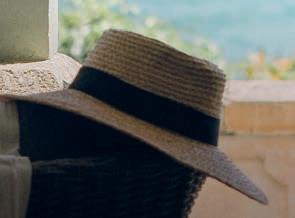
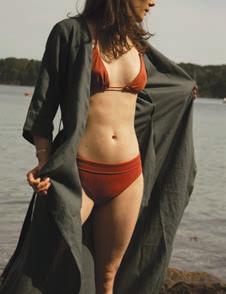
Solpardus is the first, and only, all-natural, bamboo swimwear brand in the UK. The brand’s timeless capsule collection is comprised of bamboo swimwear and linen clothing. Solpardus swimwear comes in two choices the Thea bikini and the Thea one-piece, both in terracotta, with a forest green option for the one-piece recently launched. With its range of classic linen clothing, too, Solpardus is challenging the dominance of synthetic, fast fashion while o ering a comfortable alternative for people with sensitive skin. The linen clothing range encompasses the Saba shirt in natural, the Atti trousers and Atti shorts in umber, both featuring repurposed silksari-fabric drawstrings, the Delphi kimono robe in evergreen, and the Nyx sun hat in a choice of oatmeal or moss.
An exclusive collection of homes in the majestic setting of Lee Bay.
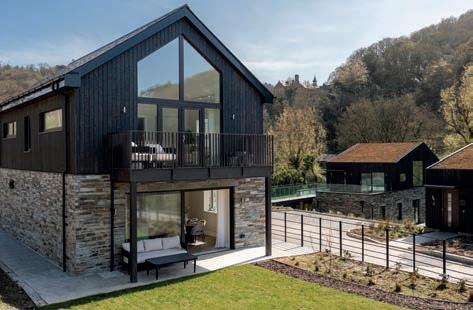
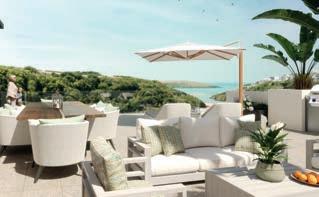
Perfectly situated just a stone’s throw from the sea and set within its own communal gardens, Lee Bay o ers a stunning coastal collection of sixteen 1, 2, and 3-bedroom apartments and duplexes, three 4-bedroom detached houses, and a 4-bedroom bungalow. Located just o the South West Coast Path, 2 miles west of Ilfracombe and within 20 minutes of Woolacombe.
Beautiful new Show Home open by appointment. Contact us to book your viewing.
Apartments from £380,000 | Houses from £1,175,000
GANNEL WATERSIDE
Pentire Crescent, Newquay TR7 1PU
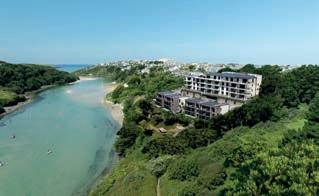
An exclusive collection of 2 bedroom apartments and 4 bedroom penthouses and houses set overlooking the Gannel Estuary, o ering fantastic views in a rare and tranquil setting.
Set within a private enclave, the homes are ideally positioned for water sports enthusiasts, with direct access to the estuary. Also located moments from Newquay’s Fistral Beach.
Prices from £695,000. Launching this summer Register your interest