GREECE
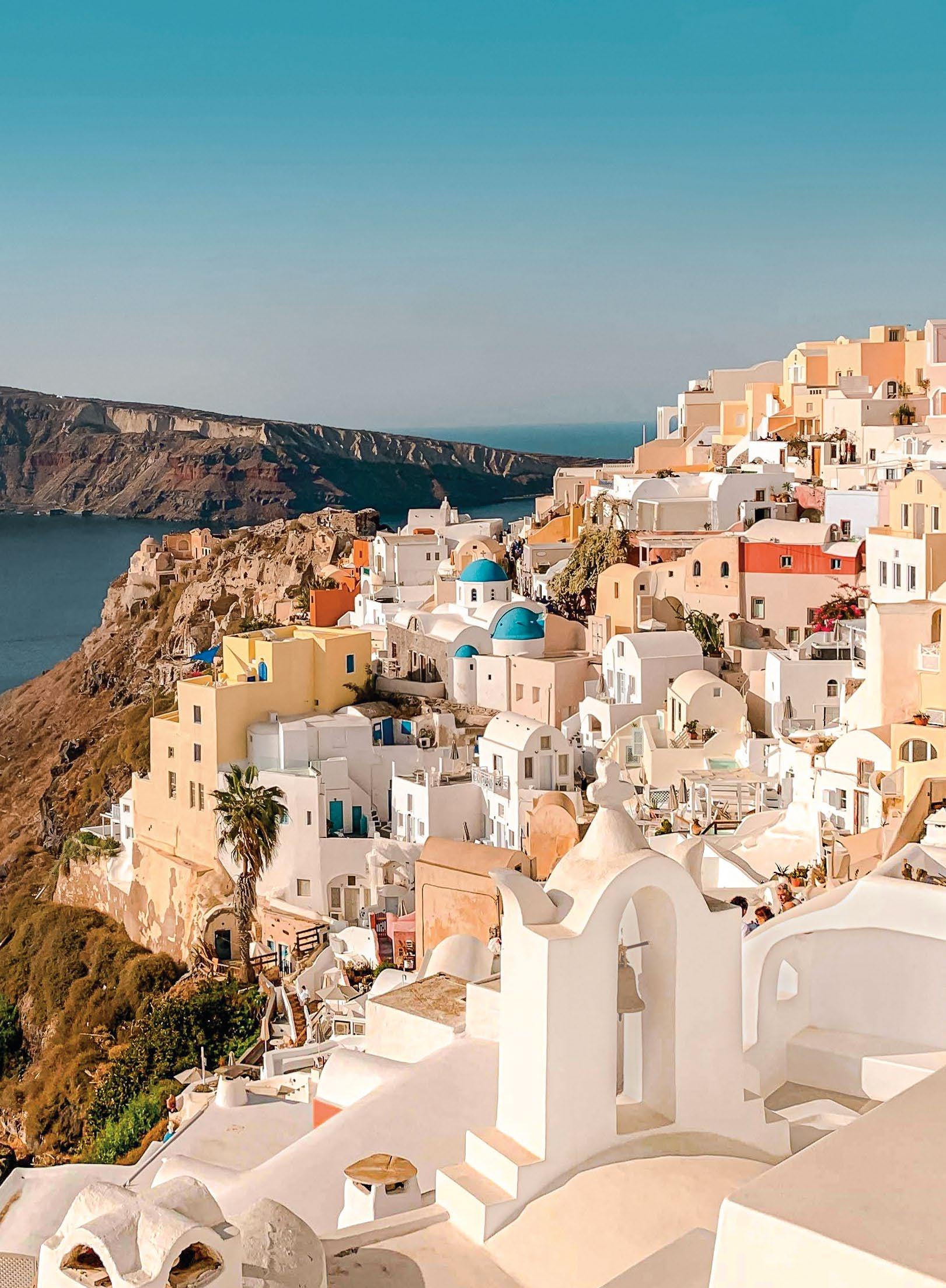
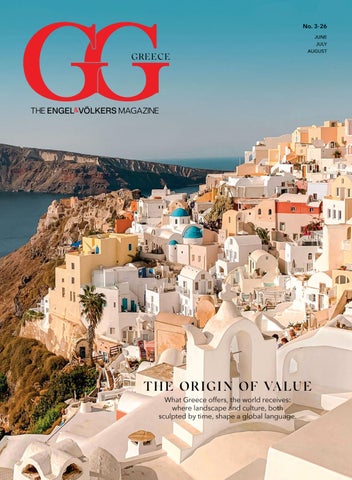
What Greece offers, the world receives: where landscape and culture, both sculpted by time, shape a global language.
IMPRINT
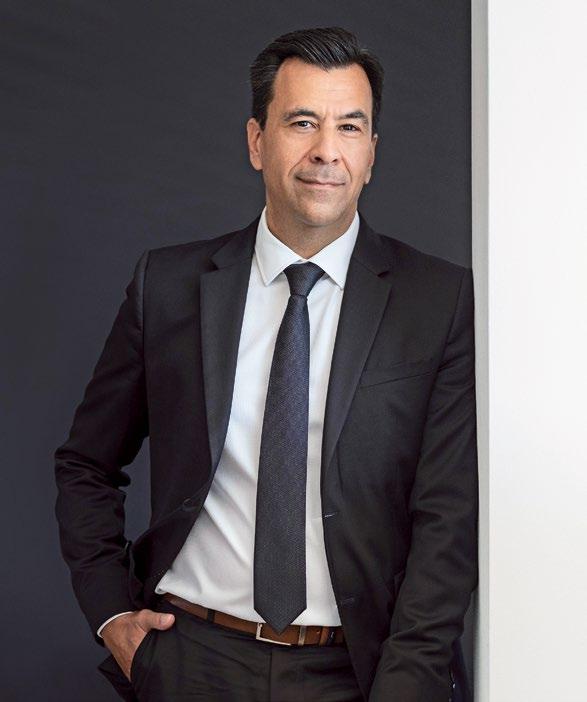
To offer. A notion that carries the weight of an entire civilisation. To offer land, knowledge, shelter, meaning. From antiquity to the present day, Greece has never ceased to give, as an expression of identity. Offering is not generosity alone; it is a way of inhabiting the world, of shaping it with intention. Today, this perspective matters more than ever: international buyers are making more deliberate decisions, prioritizing stability, long-term value and trusted guidance over purely location-driven choices. In real estate, this translates into a home being no longer defined by location or form, but rather by what it offers over time: a framework for life. At Engel & Völkers Greece, we understand property as a living environment that reflects both personal aspiration and a broader cultural context. This same principle of offering unfolds throughout the coming pages. In cinema, Greece offers a backdrop that has shaped some of the most iconic narratives in global filmmaking. And in doing so, it quietly enters the global cultural imagination, influencing how stories are felt and remembered.
In the vineyards of Greece, generations of producers redefine what the land can give. With precision and consistency, Greek wines move confidently onto the international stage, carrying with them the depth of place and the discipline of craft. In design, Greek creators translate heritage into a contemporary language that resonates globally, offering a refined, exportable vision of identity, both rooted and forward-looking. This is, perhaps, the most compelling aspect of Greece today. Not what it is, but what it offers. A country that remains, at its core, a place of origin. And, at the same time, in constant dialogue with the world. At Engel & Völkers, this dialogue defines the way that we see value. Not as a promise, but as an experience that unfolds over time, shaped by quality, intention and trust.
Kind regards,
Georg Petras
PUBLISHER EV MMC GREECE S.A., ATHENS TOWER, 2-4 MESOGEION AVENUE, ATHENS 11527, TEL: +30 21 11 05 50 15, GEORG
TIAL GMBH • COORDINATION INKEN BECKER, INKEN.BECKER@GG-MAGAZINE.COM, PETROS AGGOS, PETROS.AGGOS@ENGELVOELKERS.COM
• GRAPHIC DESIGN ANNA GEHRMANN-PHILIPPI, ANNA.GEHRMANN-PHILIPPI@GG-MAGAZINE.COM
SMALES PRE-PRESS BERTHEAU DRUCK GMBH, MARIE-CURIE-STR.10, D-24537 NEUMÜNSTER
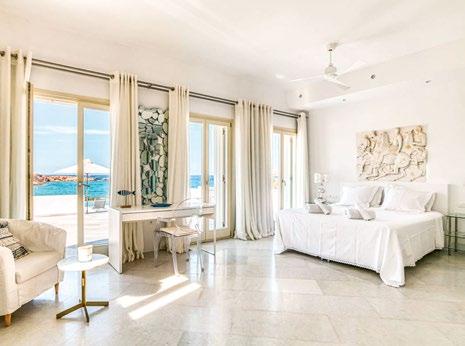
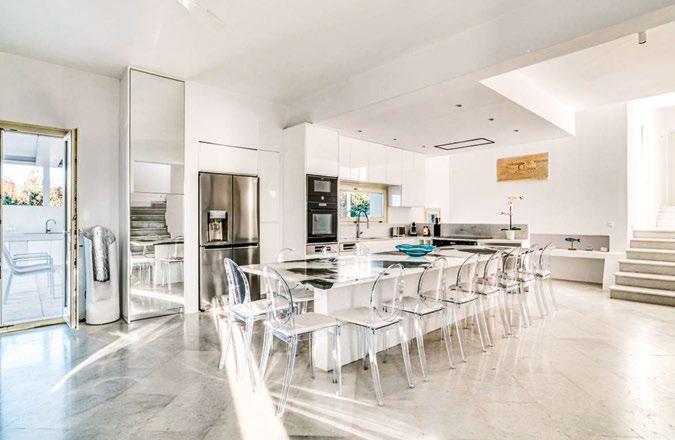
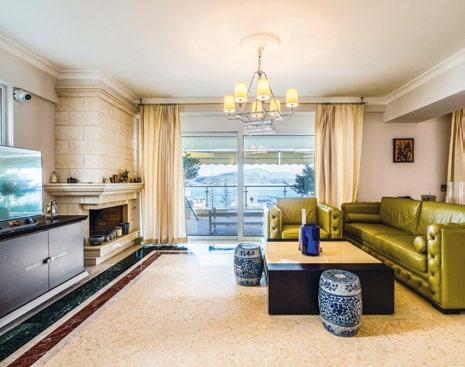
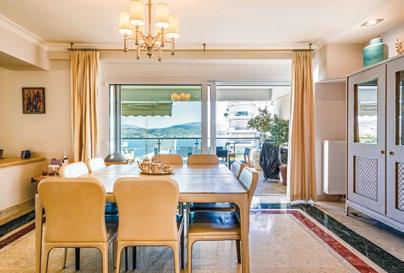
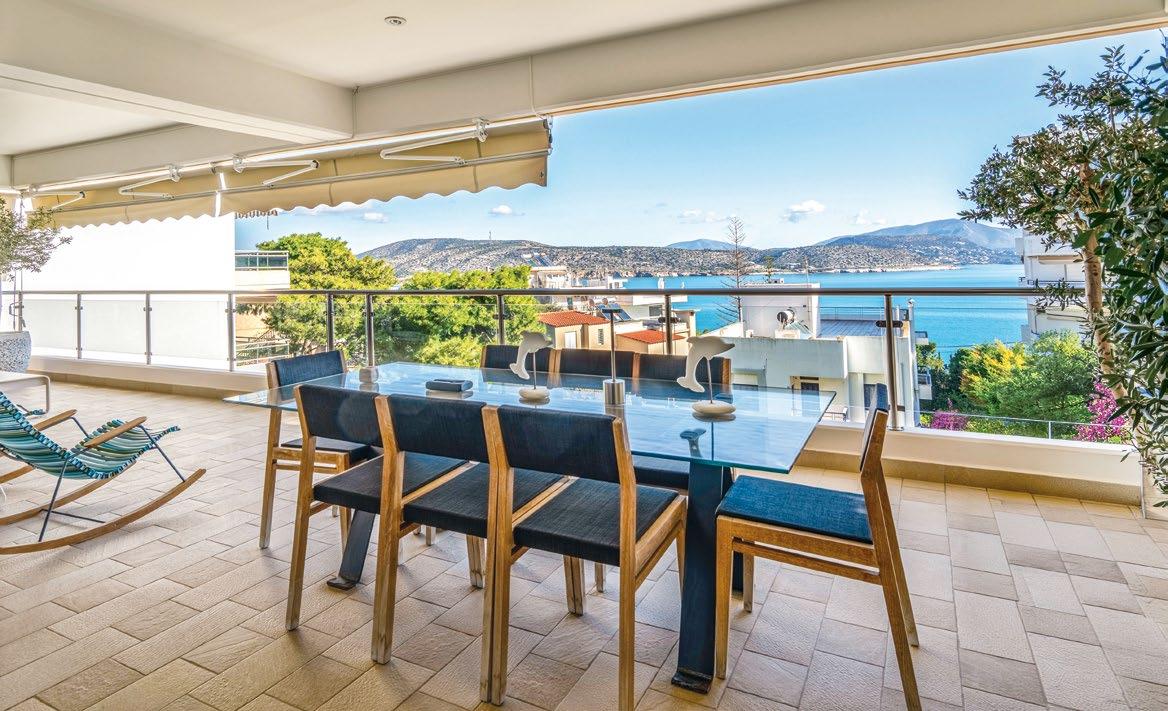
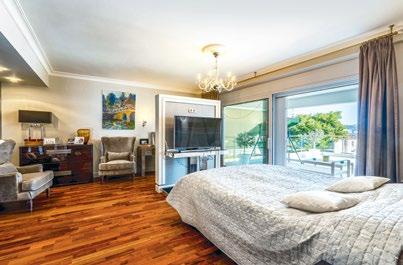
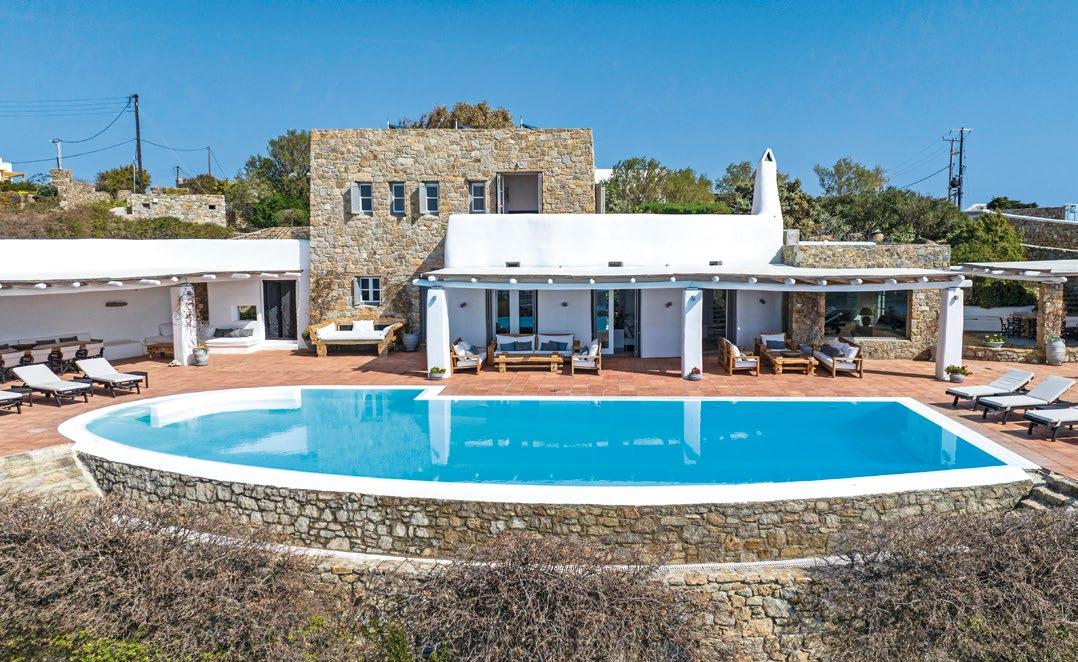
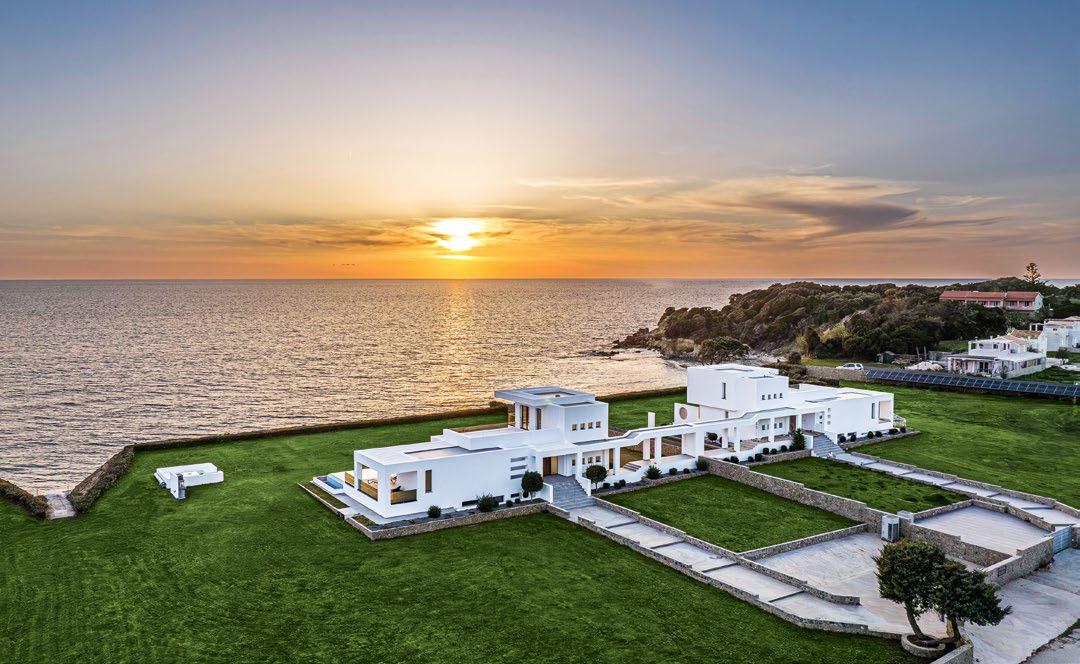
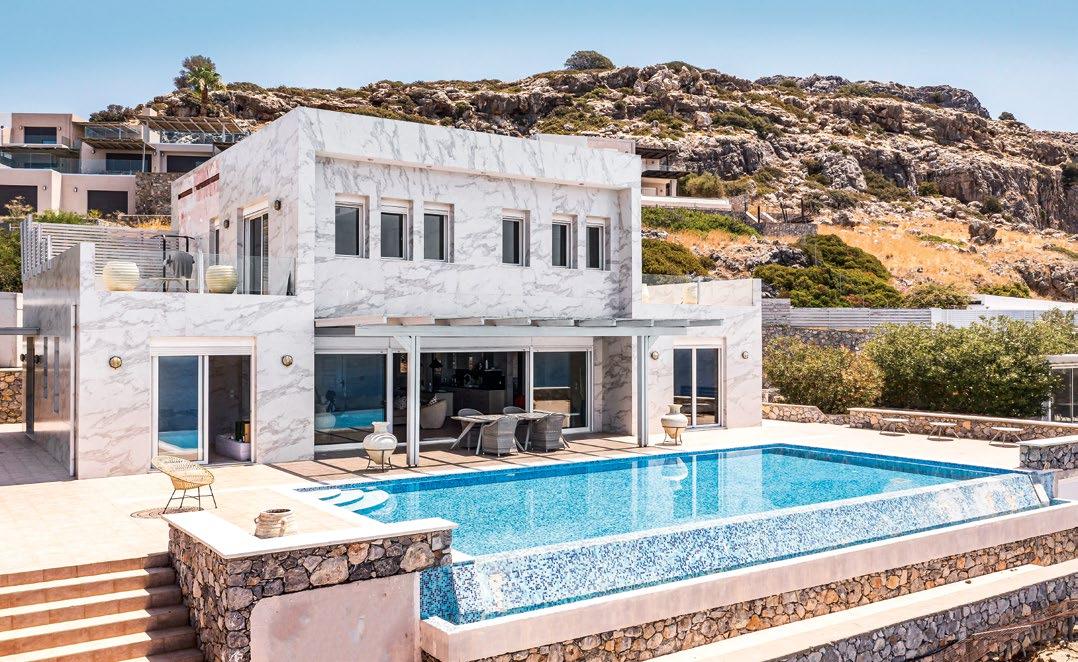
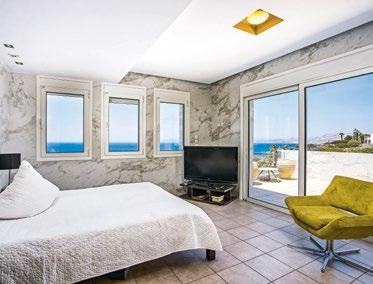
Exceptional Seafront Villa with Direct Beach Access
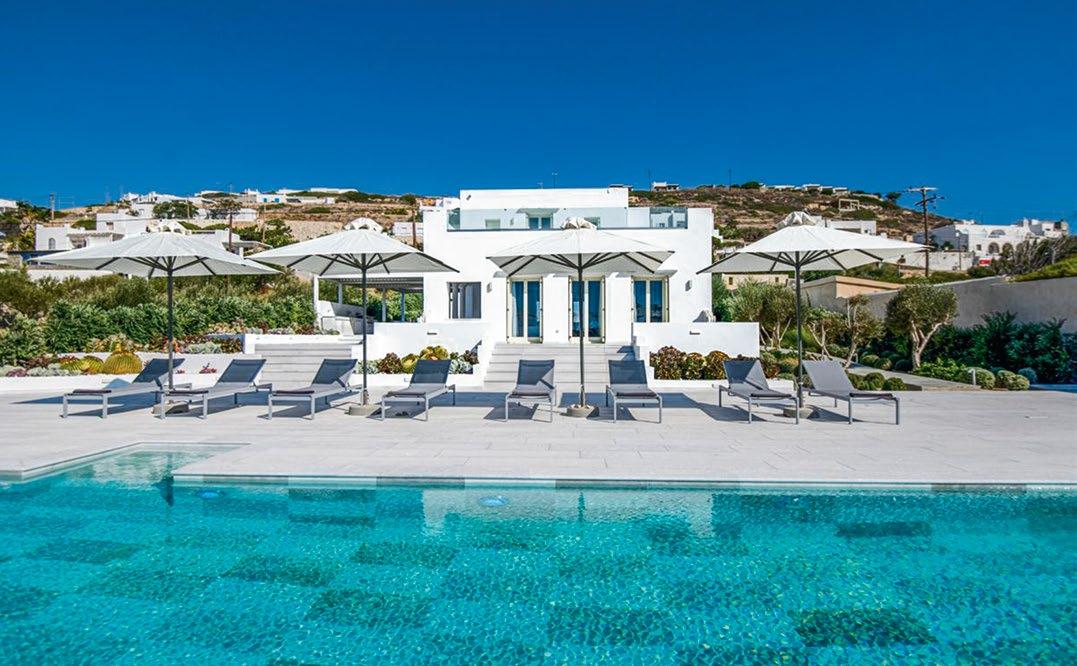
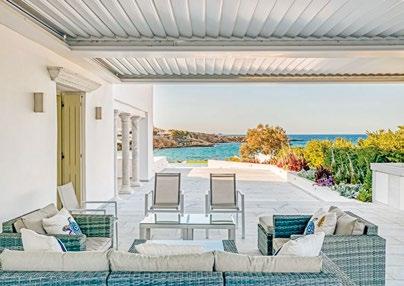
Interior approx. 467 m²
Land approx. 6,000 m²
ENGEL & VÖLKERS Cyclades (GR)
Tel. +30 211 105 52 00 E-mail cyclades@engelvoelkers.com

Four distinct landscapes, four cinematic identities, one country. From the Academy Award-winning “Mediterraneo” on Kastellorizo to “The Big Blue” on Amorgos, “Before Midnight” in Messinia and “Boy on a Dolphin” in Athens (pictured here: Alan Ladd and Sophia Loren), Greek settings move beyond time and backdrop, becoming integral to the narrative itself.
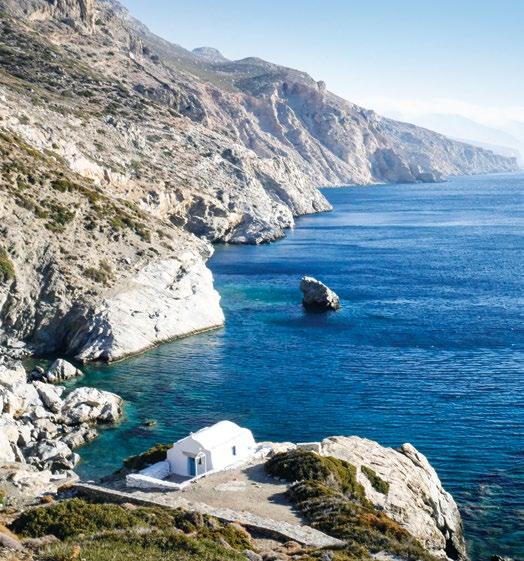
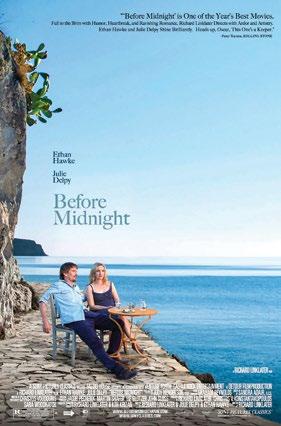
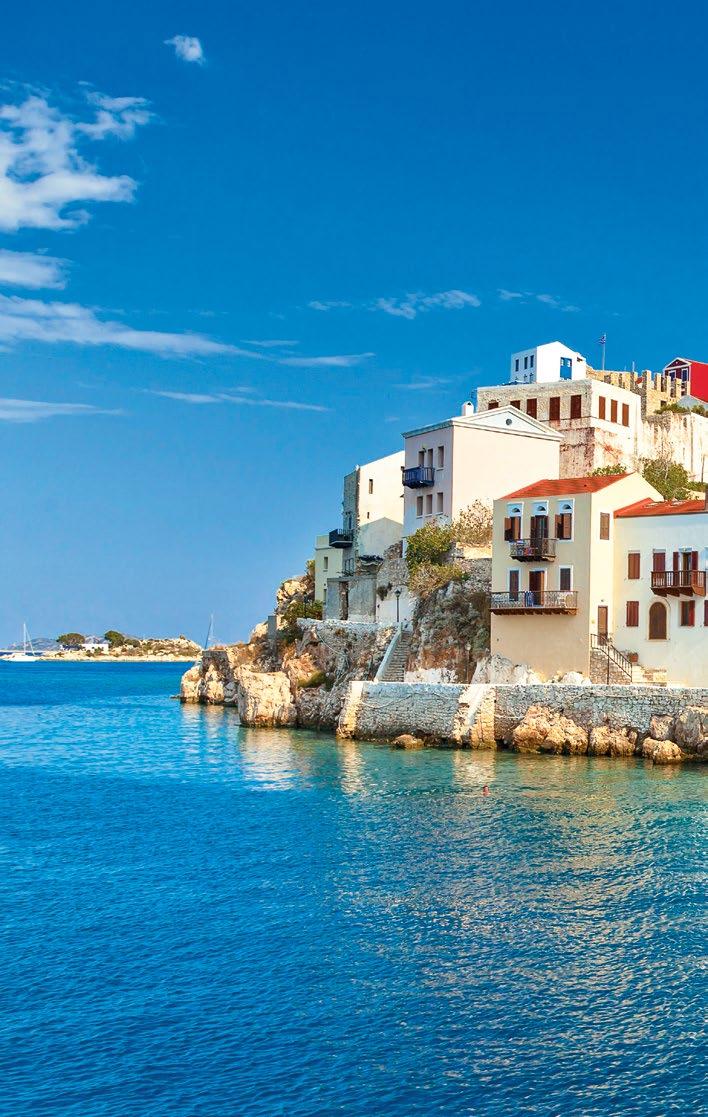
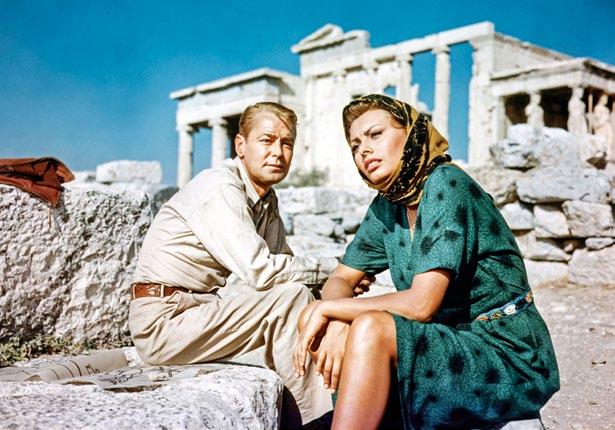
Across decades of international cinema, Greece’s islands and coastlines shape narrative, atmosphere and memory with quiet precision.
BY DOYA KAROLINI
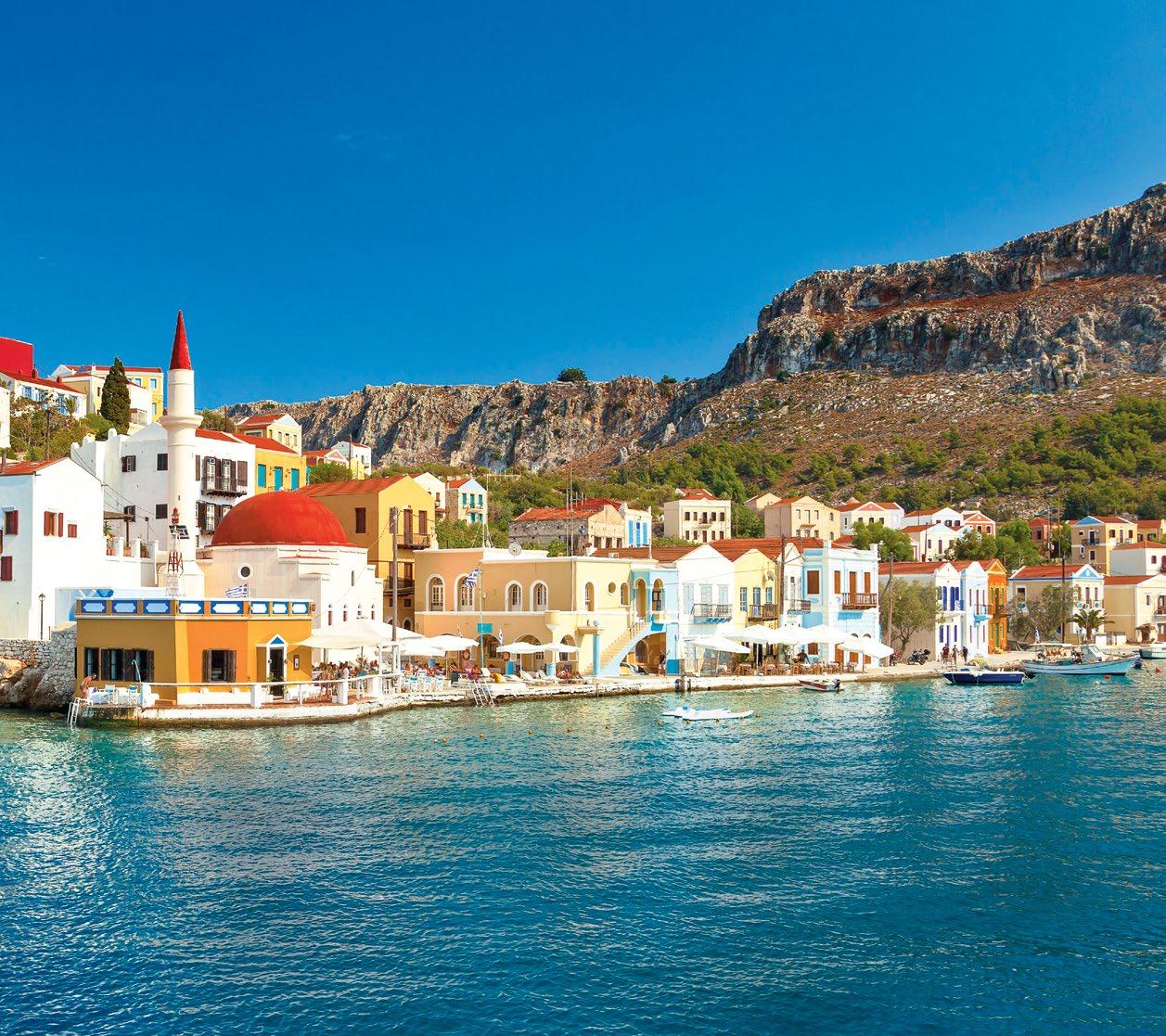
Greek islands have played a quiet yet decisive role in shaping the visual language of international cinema. Not through sheer frequency, but through precision. Each location contributes something distinct, moving beyond postcard imagery to become part of the narrative structure itself.
One of the earliest examples is Boy on a Dolphin (1957), filmed on Hydra and starring Sophia Loren in one of her first major roles. Hydra’s preserved architectural identity and absence of cars offered a rare sense of authenticity, grounding the film’s romantic narrative in a setting that felt both real and timeless.
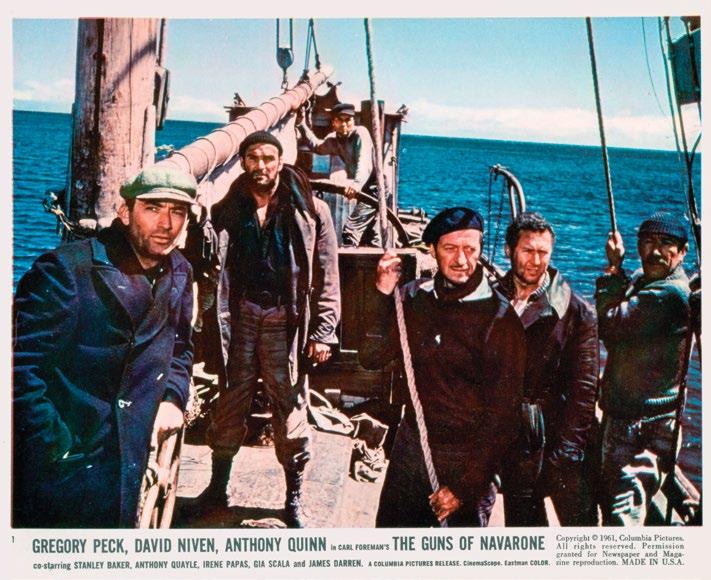
A few years later, The Guns of Navarone (1961) brought a very different dynamic to the island of Rhodes. The rugged terrain
and imposing cliffs reinforced the film’s wartime tension, transforming the landscape into an active narrative element rather than a passive backdrop.
By the late 1980s, The Big Blue (1988), filmed on Amorgos, shifted the tone toward introspection. The island’s stark coastline and vast waters created an almost abstract environment, aligning with a story focused on human limits, obsession and transcendence.
In 1991, Mediterraneo, shot on Kastellorizo, offered a contrasting perspective. Here, the island dissolves conflict rather than intensifying it. A group of Italian soldiers gradually surrender to the rhythms of island life. The film was awarded the Academy Award for Best Foreign Language Film,
establishing Kastellorizo as a symbol of cinematic escapism with depth.
The 2000s reintroduced Greek islands into global blockbuster cinema. Lara Croft: Tomb Raider – The Cradle of Life (2003) used Milos and Santorini to full effect. Milos, with its volcanic formations, provided a setting that feels almost surreal, while Santorini’s caldera added scale and visual drama, supporting the film’s adventurous tone.
A more restrained approach appears in Arcadia Lost (2010), filmed in the Peloponnese. The region’s open landscapes and coastal expanses contribute to a sense of displacement, aligning with a narrative concerned with identity and belonging.
This continues in Before Midnight
In 2020, Christopher Nolan’s Tenet introduced Greece into the language of contemporary blockbuster cinema with scenes filmed on Spetses. The island’s controlled, understated character supports a narrative built on wealth, precision and illusion, integrated seamlessly into a global storyline without resorting to visual clichés.
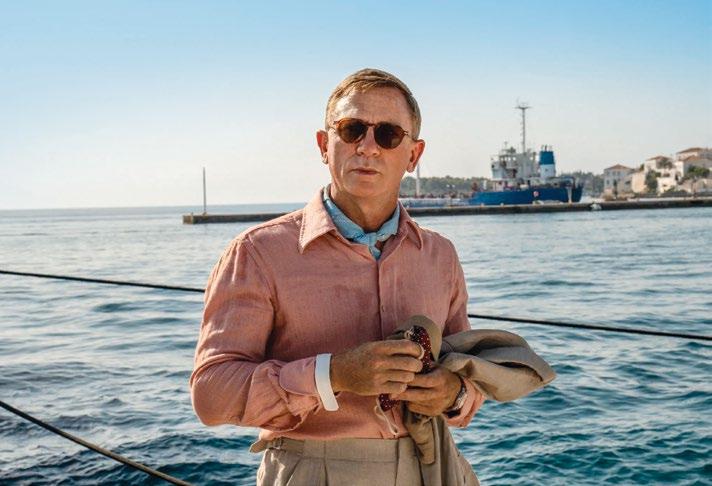
More recently, Glass Onion: A Knives Out Mystery (2022) returned to Spetses and Porto Heli, with key scenes filmed at the Amanzoe resort. The setting functions almost as a character in itself: controlled, luxurious, slightly unreal. It mirrors the film’s narrative of curated identities and hidden truths, where nothing is quite as transparent as it appears.
Christopher Nolan’s upcoming The Odyssey (2026) was filmed in Greece in March 2025, with the production selecting emblematic locations in the Messinia region, including Voidokilia Beach, Nestor’s Cave and Almyrolakkas, as well as the Acrocorinth. Scheduled for global release in July 2026 and widely expected to be one of the defining cinematic events of the coming years, the film brings together a high-profile cast including Matt Damon, Tom Holland, Anne Hathaway, Robert Pattinson, Lupita Nyong’o and Zendaya. Recounting the epic return of Odysseus, the legendary king of Ithaca, following the Trojan War, the film moves beyond using Greek landscapes as evocative backdrops and places them at the narrative core. Here, geography is not interpretation but origin, returning one of the most foundational stories in Western storytelling to the terrain that first inspired it.
From the dramatic tension of “The Guns of Navarone” on Rhodes to the controlled elegance of “Glass Onion: A Knives Out Mystery” on Spetses, Greece continues to frame global cinema with precision, atmosphere and an unmistakable sense of place.
(2013), filmed in the Messinia region of the Peloponnese, including Costa Navarino and the wider Pylos area. Richard Linklater’s third chapter in the trilogy strips the setting down to its essentials: light, space and time. The landscape becomes a silent witness to a relationship in evolution, where long conversations unfold against a backdrop that feels both grounded and expansive. The Peloponnese here is neither decorative nor dramatic. It is simply, and precisely, present.
Across these examples, Greek locations are not chosen for their beauty alone. Each carries a distinct narrative function. Hydra conveys timelessness. Rhodes introduces tension. Amorgos suggests depth. Kastellorizo offers release. Milos and Santorini deliver spectacle. The Peloponnese provides openness and reflection, while Spetses and Porto Heli introduce a contemporary language of controlled luxury.
And perhaps this is what stays with you. Not the plot, not even the performances, but the feeling that these places existed long before the camera arrived and will remain long after it leaves. On screen, they do not pretend. They do not transform. They reveal. And somewhere between light, stone and water, you recognize something older than cinema itself, a landscape that does not follow the story, but quietly reminds you where all stories begin.
From Santorini and the Peloponnese to Macedonia, Greek wines move beyond terroir to define rarity, collectability and a quietly powerful global presence, shaped by landscape, time and a culture that never left the vine.
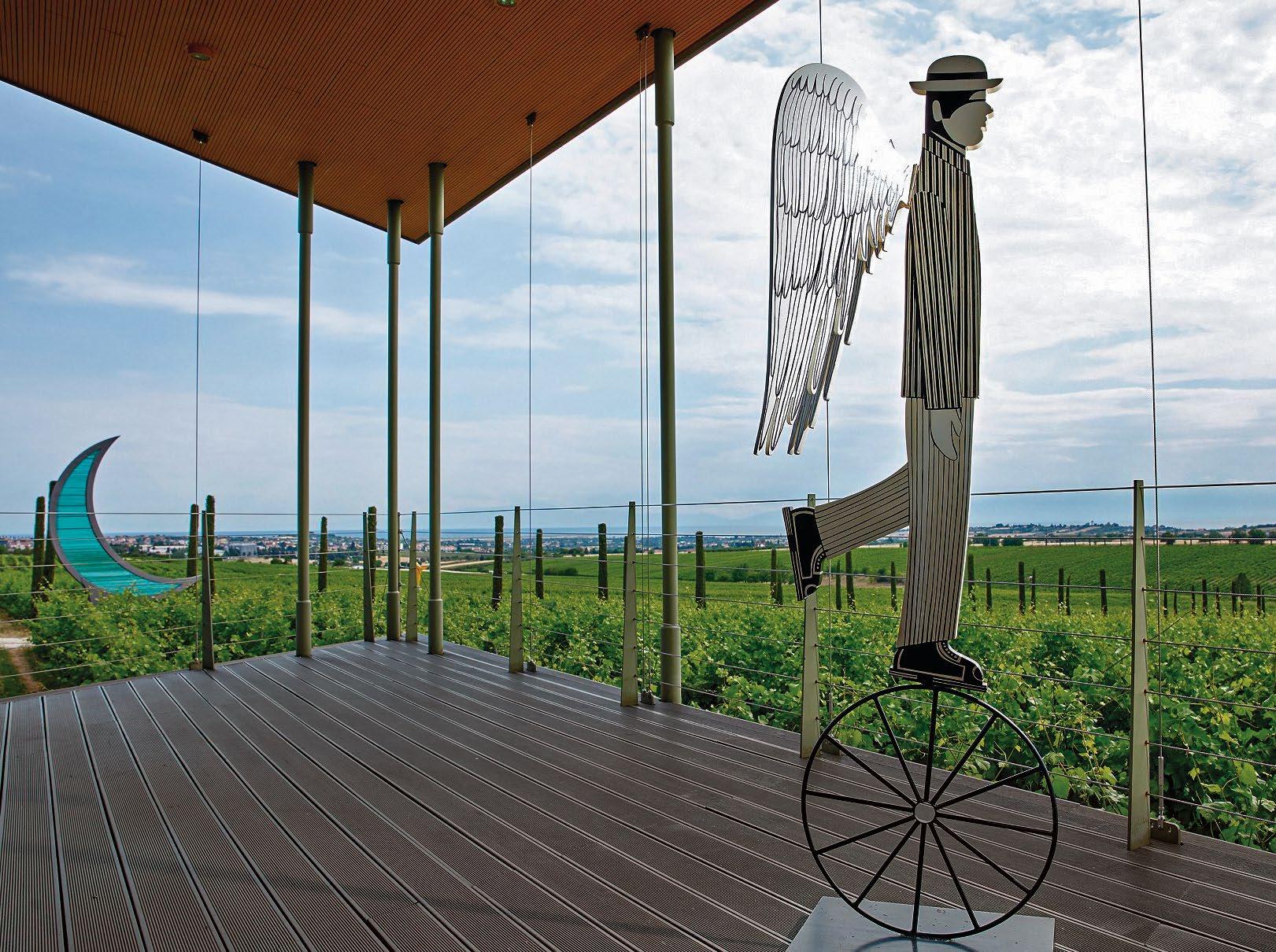
Greek winemaking is not a trend rediscovered. Rather, it is a continuum. Long before global markets, scores and auctions defined value, wine was already embedded in the cultural and economic fabric of Greece. Today, that continuity translates into something far more tangible: bottles that stand confidently among the most distinctive and collectible in the world.
What sets Greece apart is origin: indigenous grape varieties, extreme terroirs and stubborn generations of passionate producers. Nowhere is this more evident than in Santorini. Formed by volcanic soil and shaped by relentless winds, the island produces wines of precision and longevity, dominated by Assyrtiko. Bottles from producers such as Domaine Sigalas, Argyros Estate and Gaia Wines have consistently received high international scores, while older vintages increasingly appear in auctions and private cellars. In 2025, Santorini confirmed its global standing when wines from the island were awarded top distinctions at the Decanter World Wine Awards, reinforcing their position among the most soughtafter whites worldwide.
In the Peloponnese, diversity becomes the defining strength. From the high-altitude vineyards of Mantinia to the structured reds of Nemea, the region balances tradition with technical refinement. Producers such as Skouras, Tselepos and Papaioannou have elevated indigenous varieties like Agiorgitiko and Moschofilero into internationally recognised benchmarks. Their wines regularly feature in global competitions and publications, not as curiosities, but
as serious contenders. Select labels, particularly from older vintages and limited releases, are beginning to enter the category of collectible wines, supported by consistency and growing international demand. Labels such as Skouras’ Megas Oenos and Monemvasia Winery’s aged Malvasia expressions illustrate this trajectory, combining structure, aging potential and limited availability.
Further north, Macedonia offers a different expression of Greek wine. Cooler climates, mountainous terroirs and a long history of viticulture create wines with structure, depth and aging potential. Naoussa, in particular, has become synonymous with Xinomavro, a grape often compared to Nebbiolo for its complexity and longevity. Producers such as Kir-Yianni, Alpha Estate and Ktima Gerovassiliou have played a decisive role in bringing these wines to global attention, with numerous international awards and high critic scores reinforcing their position. Certain Xinomavro labels, especially from top vintages, are now firmly on the radar of collectors seeking wines with both character and evolution potential. In 2025, standout labels reinforced this trajectory, with Estate Argyros achieving Gold-level distinctions at the IWSC for its Vinsanto Late Release 2004, while producers such as Kir-Yianni and estates from Mount Athos were also recognised for wines exceeding 90 points. These results are part of a broader pattern: Greek wines are competing, and increasingly performing, at the highest international level. They reveal themselves gradually, much like the landscapes they come from. And once understood, they are not easily forgotten.

BY DOYA KAROLINI
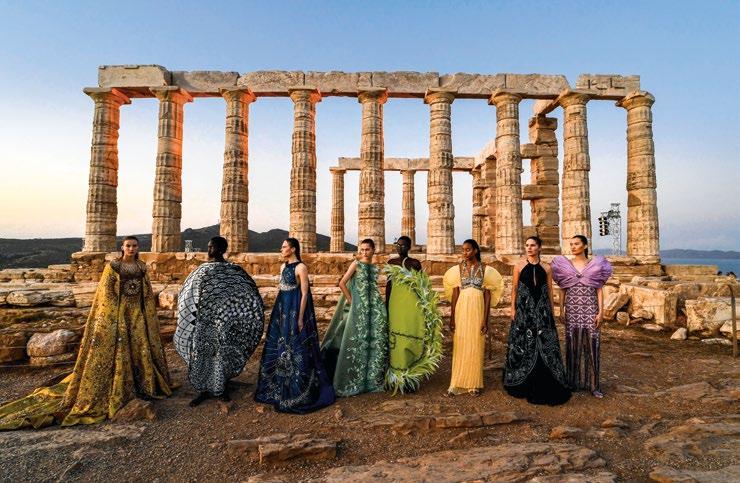
Greek designers translate heritage into a contemporary language of global relevance. From Mary Katrantzou to Zeus+Dione, from Lalaounis to Nikos Koulis, a new creative narrative moves seamlessly from Athens to the global luxury stage.
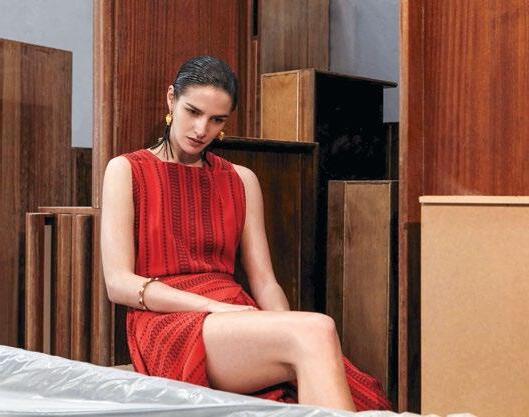
Greek design has never relied on volume to assert its presence. It moves differently. More selectively, more precisely, often quietly, until it is no longer possible to ignore. Today, as fashion and luxury remain among the fastest-growing global industries, a group of Greek designers and houses are shaping that momentum from a distinctly Athenian point of view.
What defines them is not a shared aesthetic, but a shared instinct: to draw from heritage without becoming nostalgic, and to operate globally without losing authorship.
Mary Katrantzou, the queen of prints, was among the first to establish this new language on an international scale. Since her early collections in London, she redefined the role of print in contemporary fashion, transforming garments into complex visual compositions. Her work quickly entered the global luxury system, leading to collaborations with major maisons and, more recently, her appointment within the creative leadership of Bulgari. Katrantzou’s trajectory is not simply one of success, but of repositioning Greek creativity within the highest levels of the industry.
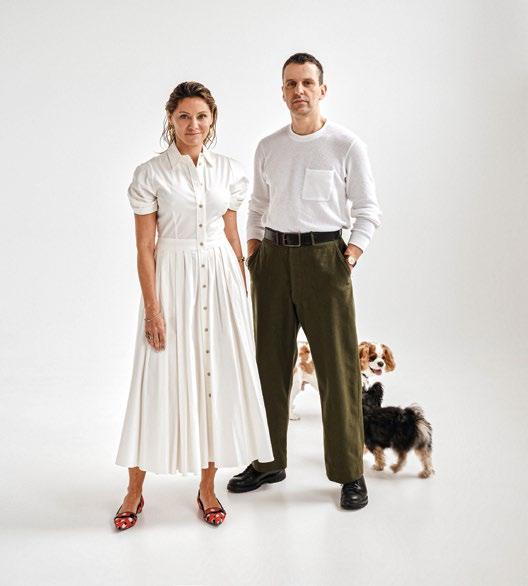
A different approach emerges through Zeus+Dione. Rooted in Athens, the brand has built its identity on the reinterpretation of Greek craftsmanship, under the vision of founder Dimitra Kolotoura and creative director Marios Schwab. Traditional techniques, from weaving to embroidery, are not preserved as heritage artefacts, but translated into contemporary garments with international appeal. Their collections move between resortwear and refined minimalism, offering a vision of Greece that is modern, structured and exportable without compromise.
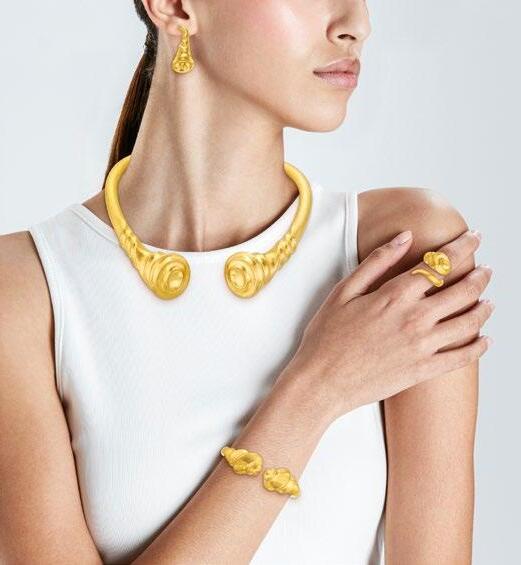
In the field of jewellery, the narrative becomes even more layered. Lalaounis and Zolotas represent the historical foundation of Greek luxury design, both established in Athens in the mid-20th century, with Zolotas dating back to 1895 and Lalaounis founded in 1969 by Ilias Lalaounis. Both houses drew directly from ancient Greek art
and symbolism, transforming cultural references into globally recognised jewellery long before “heritage branding” became a strategy. Their international presence, with boutiques in cities such as London, Paris and New York, reflects a legacy that extends well beyond Greece. Their work established a visual vocabulary that continues to influence how Greek design is perceived internationally.
Building on this legacy, a new generation has introduced a sharper, more architectural perspective. Nikos Koulis stands out for his precise, almost sculptural approach to fine jewellery. His pieces, defined by clean lines and controlled geometry, have gained international acclaim, appearing in leading global retailers and worn by high-profile collectors. Koulis does not reference Greece overtly, yet his sense of balance and proportion feels inherently connected to it.
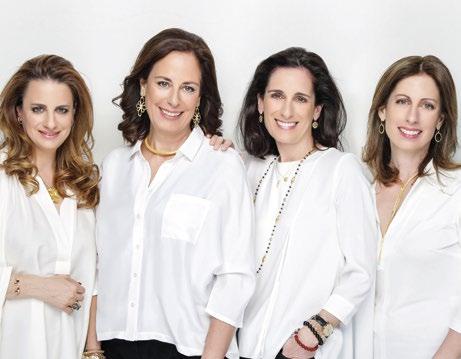
Marina Raphael represents another dimension of this evolution. As part of the Swarovski family, she operates within a global luxury framework while developing her own brand identity. In parallel with her eponymous label, she has taken on the role of Creative Director of Handbags and Accessories at Elie Saab, further reinforcing her presence within the international fashion system. Her handbags combine technical precision with a clear design signature, positioning her work within an international market that values both craftsmanship and clarity of vision. She embodies a new kind of Greek designer: fully integrated into global systems, yet unmistakably individual.
Across all of them, Athens is not merely a point of origin. It is a reference system. A place where history, material knowledge and contemporary ambition intersect. The result is a series of distinct voices that share a common discipline. And perhaps this is where their true contribution lies. In an industry driven by speed, visibility and constant reinvention, these designers offer something more enduring. They do not follow the pace of fashion. They refine it. And in doing so, they ensure that what begins here, travels, evolves and ultimately takes its place within the global design conversation.
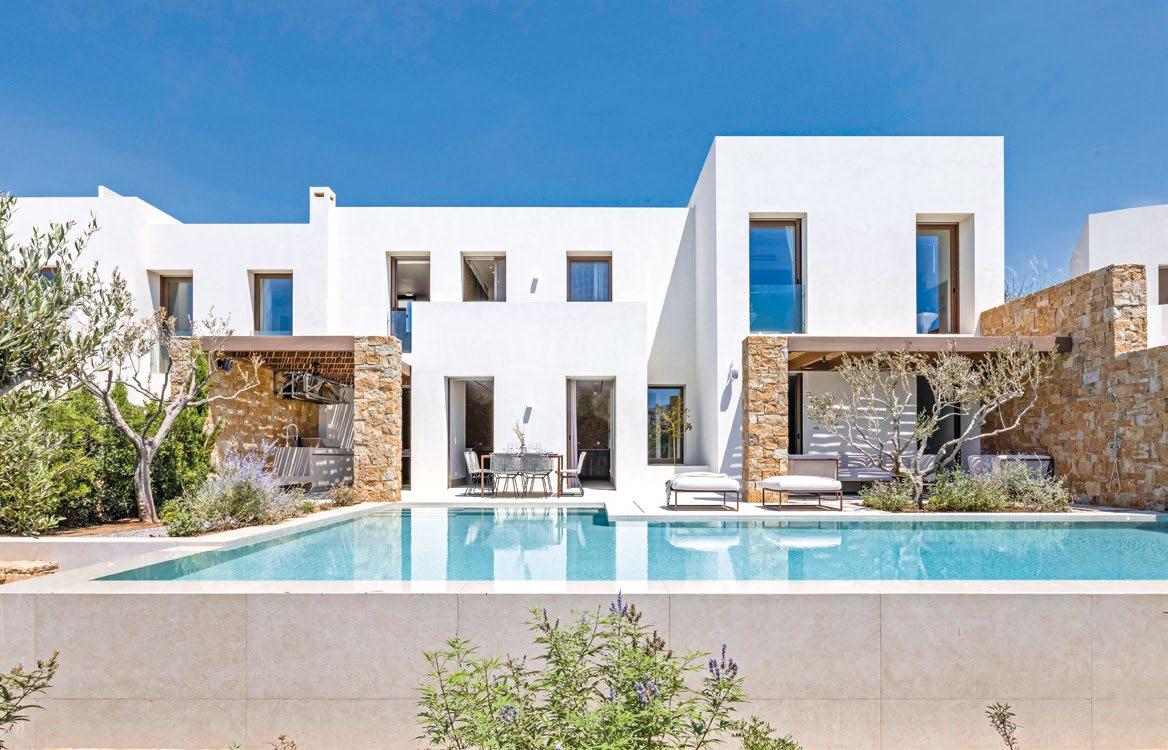
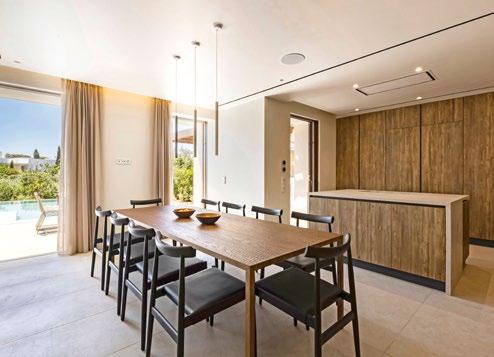
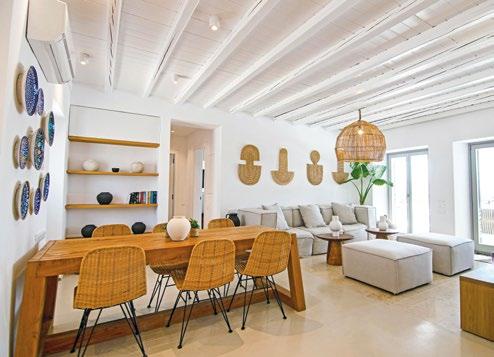
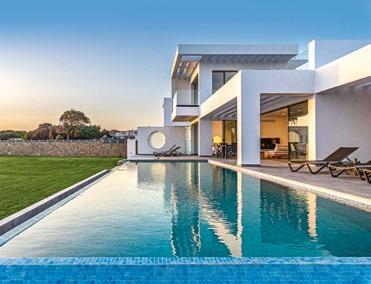
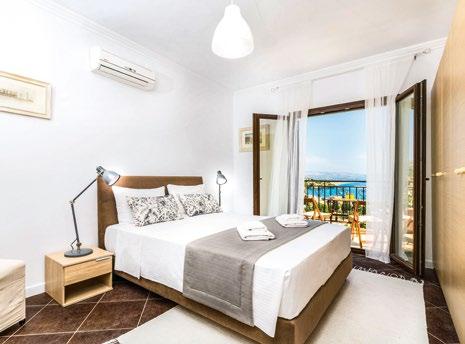
Boutique Villa in Exclusive Community
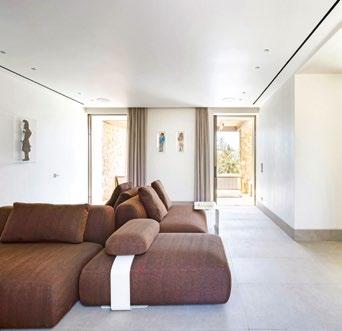
Cyclades, Greece
Price EUR 2.9 mill.
Interior approx. 345 m²
Land approx. 800 m²
E&V ID W-02NU69
ENGEL & VÖLKERS Cyclades (GR)
Tel. +30 211 105 52 00
E-mail cyclades@engelvoelkers.com

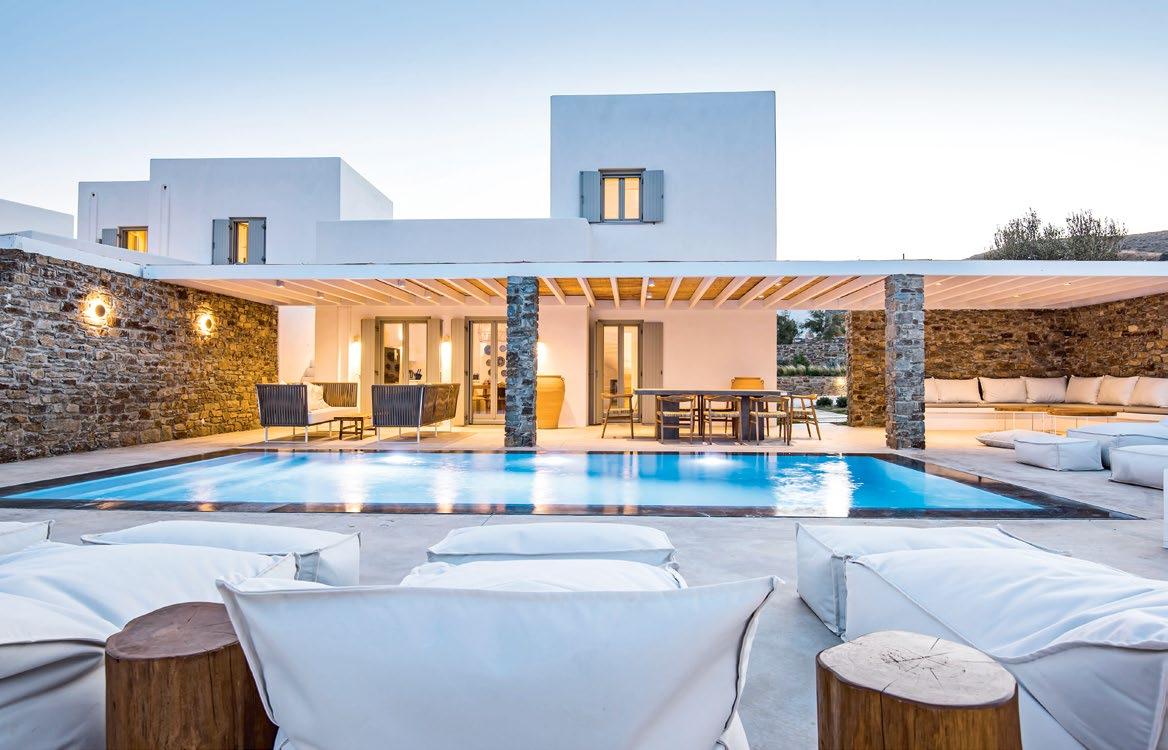
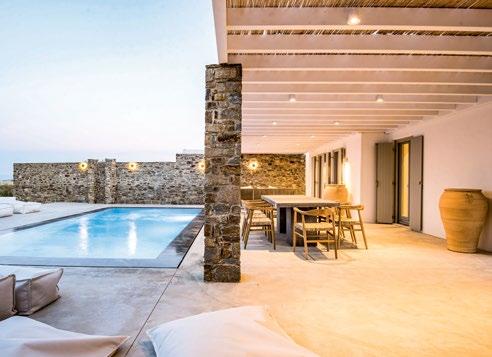
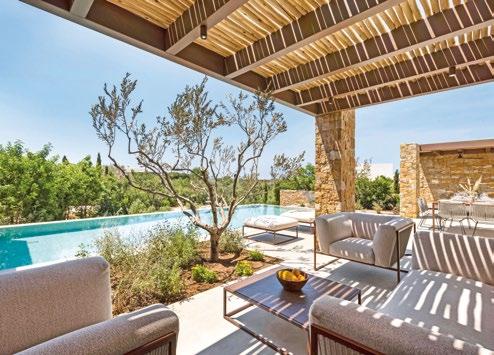
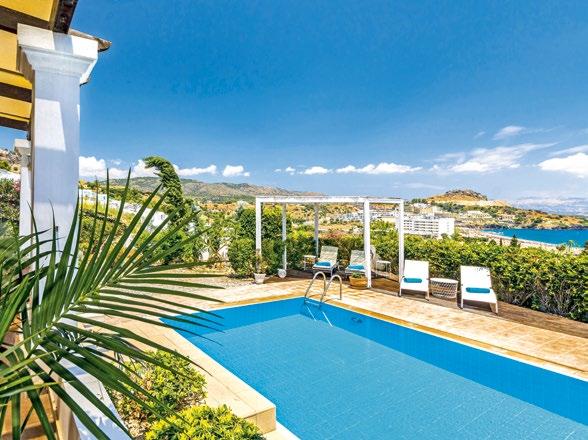
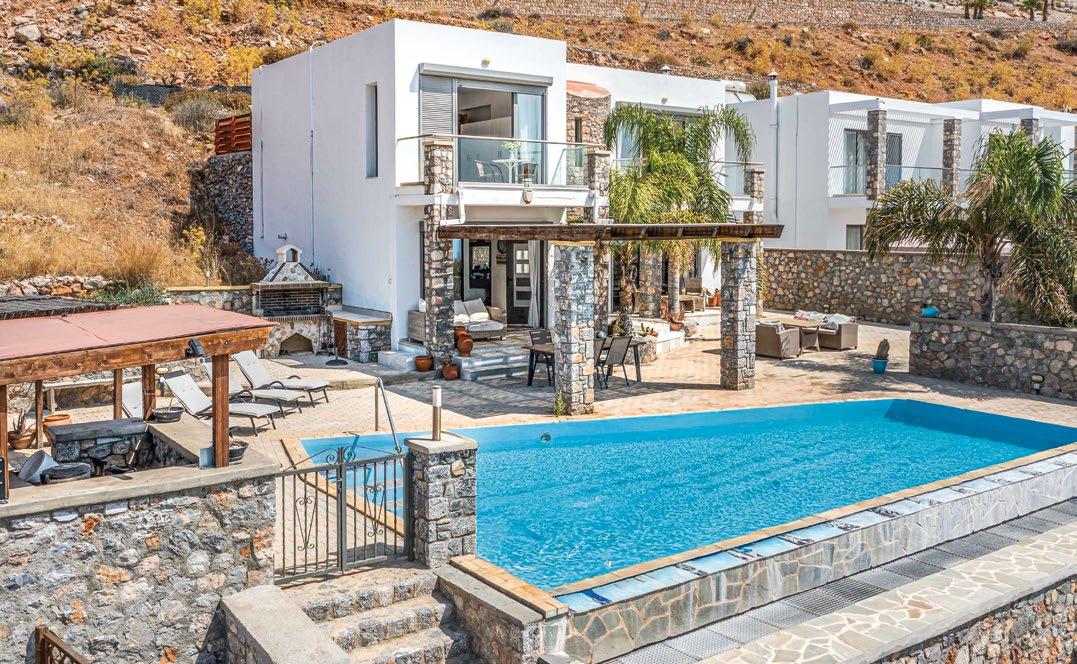
Contemporary Villa with Pool
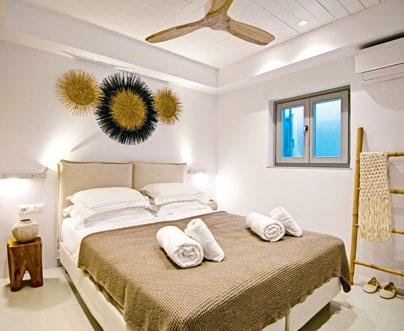
Cyclades, Greece
Price EUR 1.75 mill.
Interior approx. 175 m²
Land approx. 1,350 m²
E&V ID W-046ESY
ENGEL & VÖLKERS Cyclades (GR)
Tel. +30 211 105 52 00
E-mail cyclades@engelvoelkers.com

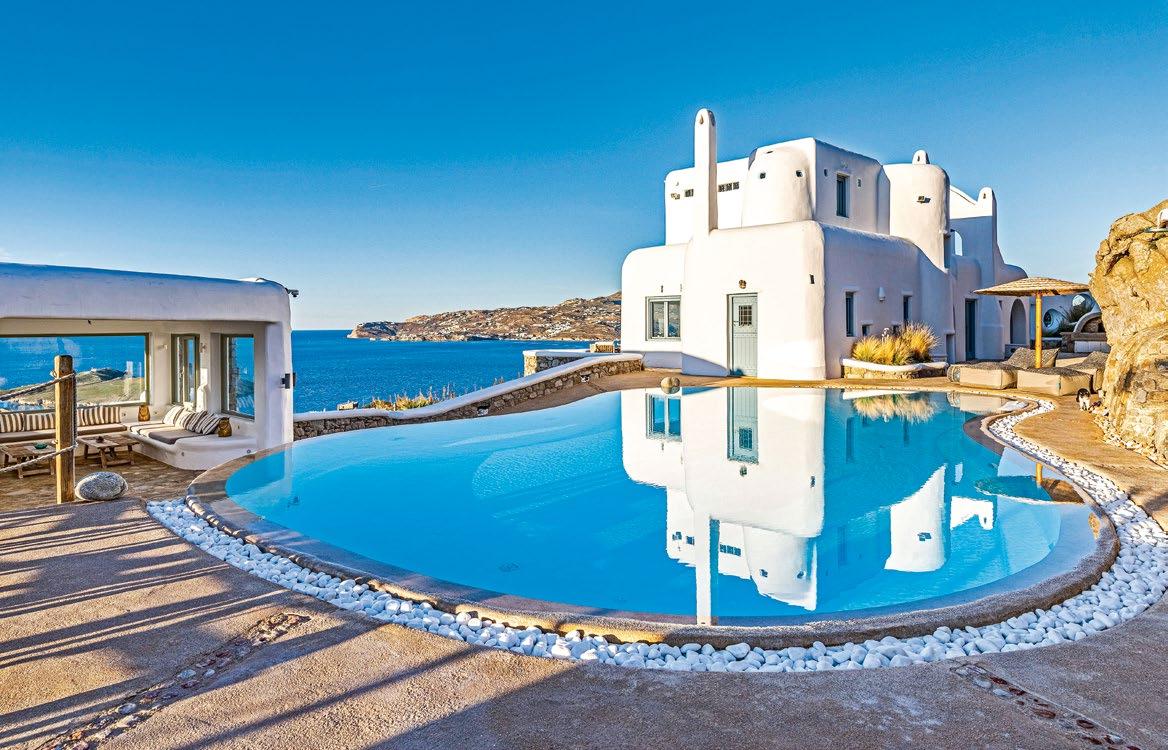
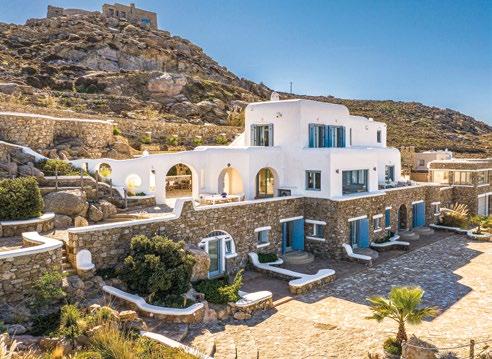
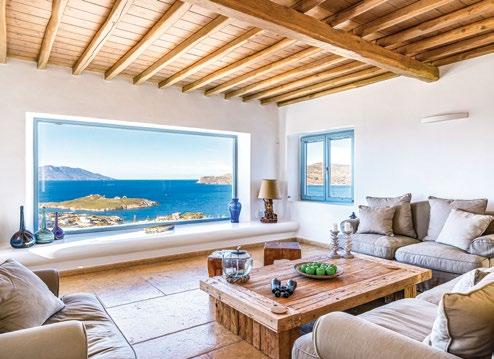
Luxury Estate with Panoramic Views
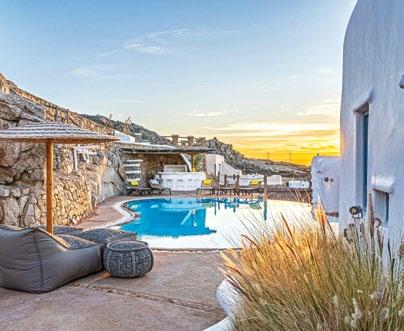
Cyclades, Greece
Price EUR 7.75 mill.
Interior approx. 810 m²
No. of bedrooms 12
E&V ID W-030MRL
ENGEL & VÖLKERS Cyclades (GR)
Tel. +30 211 105 52 00
E-mail cyclades@engelvoelkers.com

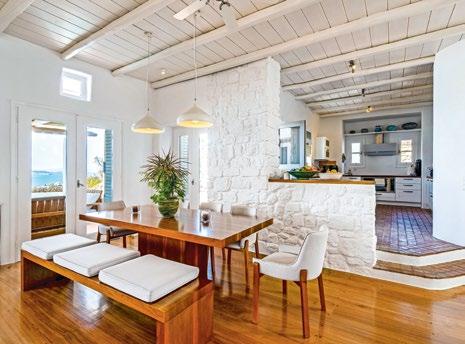
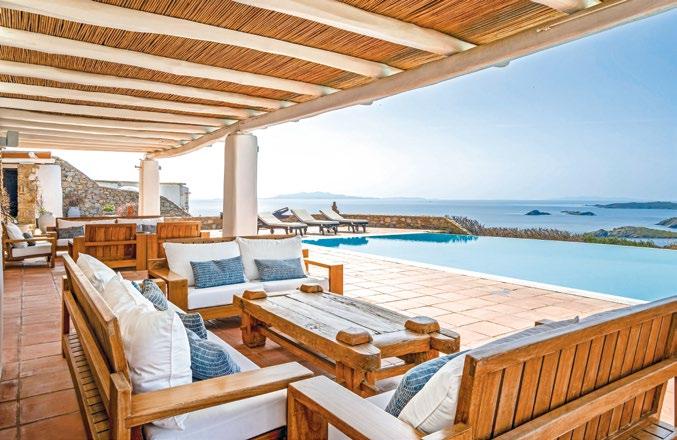
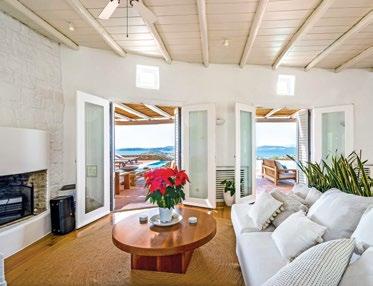

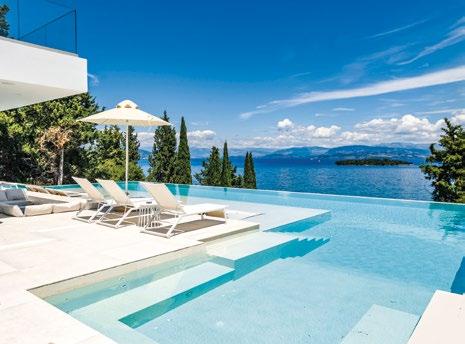
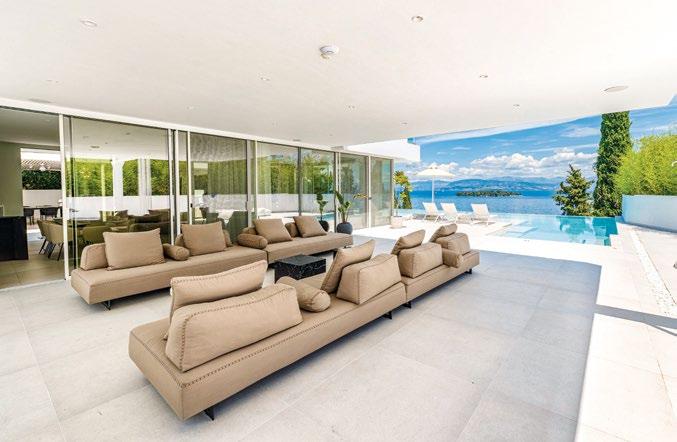
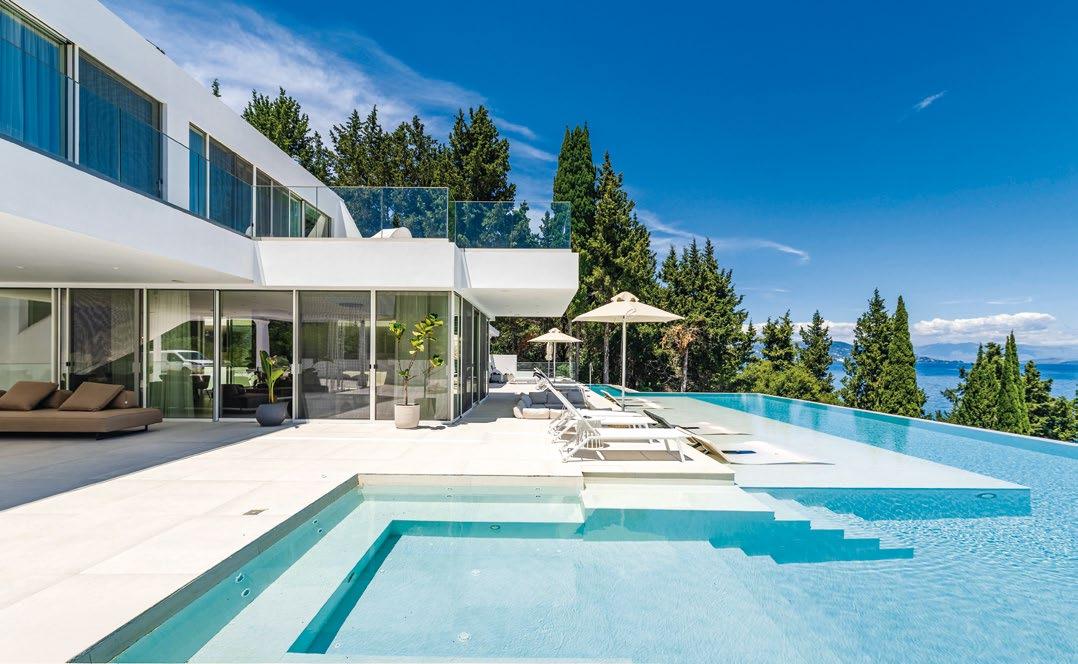
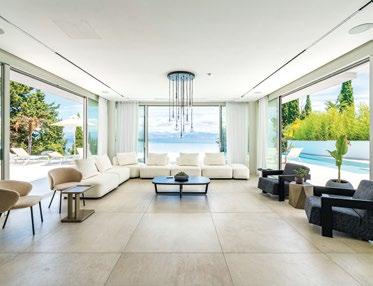

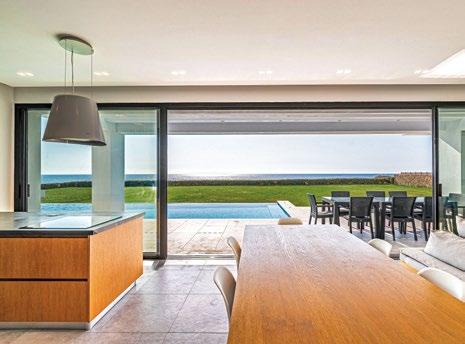
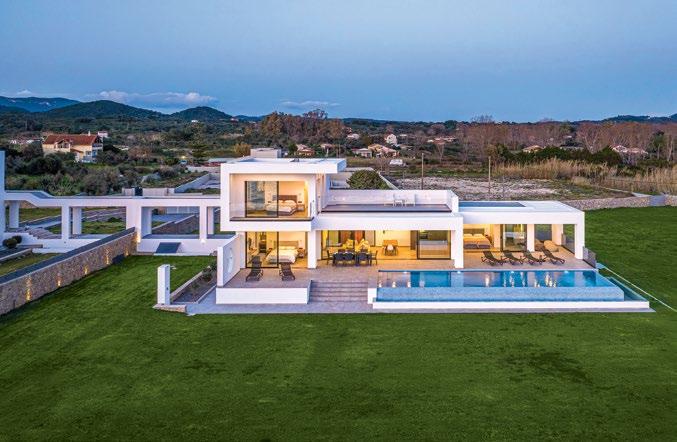

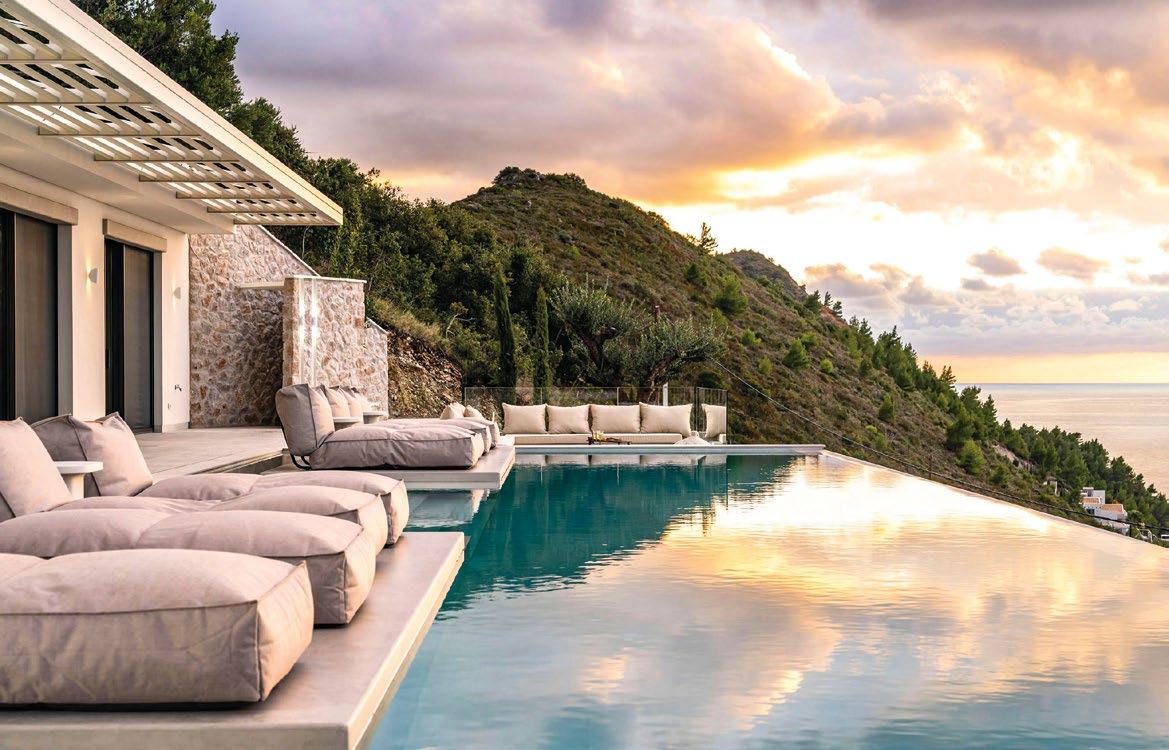
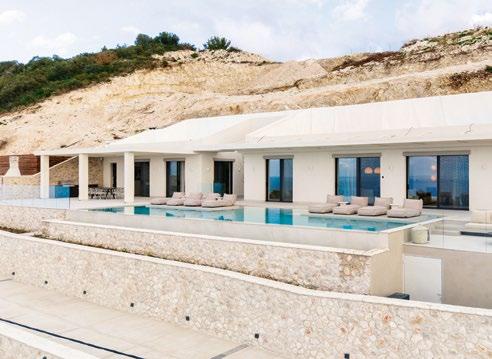
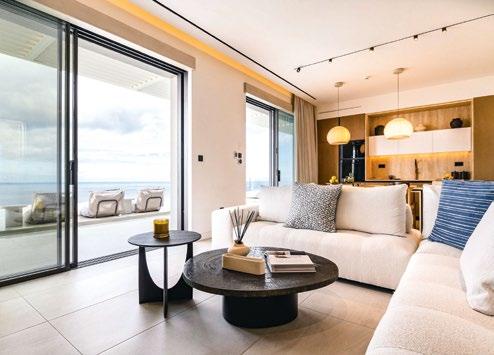
Ultra-Luxury Sunset Villa Carved Directly into the Hillside
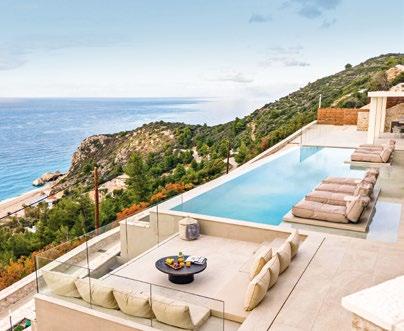
Ionian Islands, Greece
Price EUR 3.8 mill.
Interior approx. 240 m²
Land approx. 3,000 m²
E&V ID W-046YEL
ENGEL & VÖLKERS Athens MMC (GR)
Tel. +30 211 105 52 00
E-mail athensmmc@engelvoelkers.com

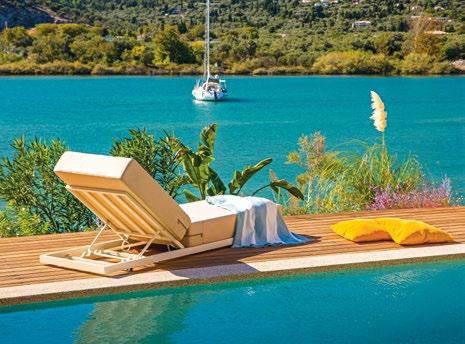
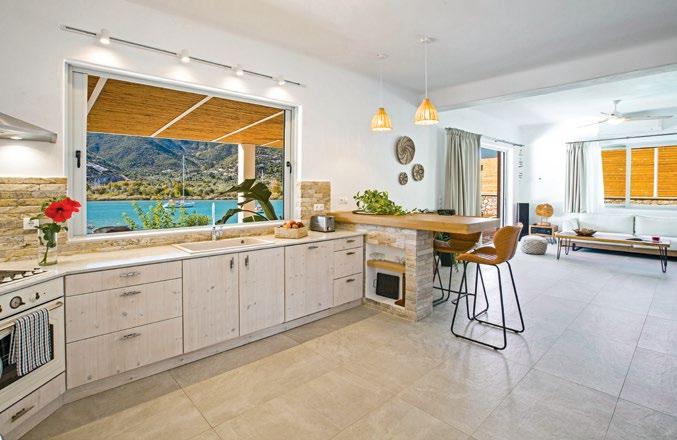
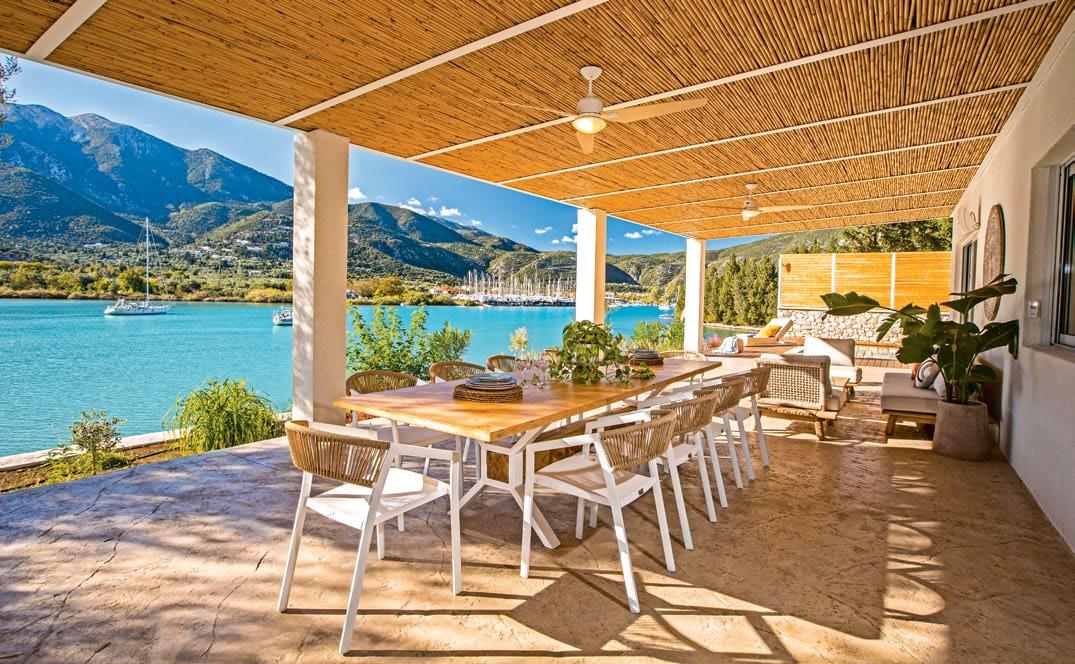
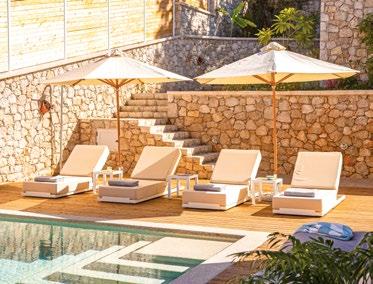

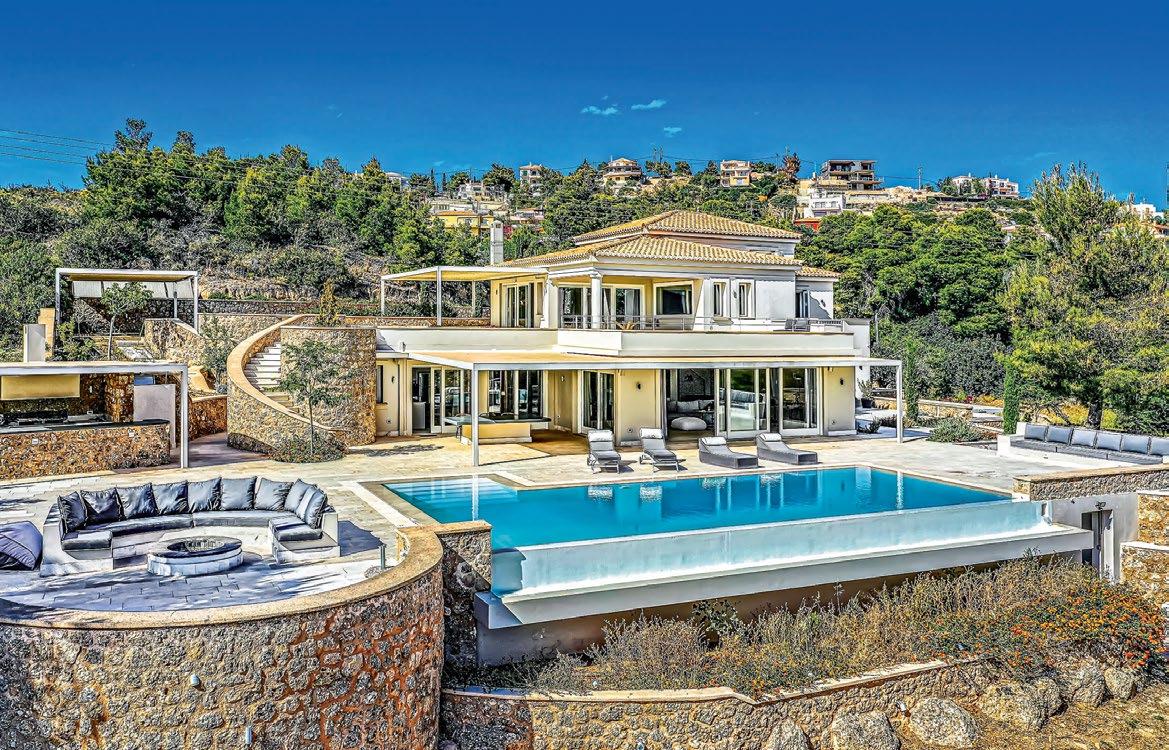
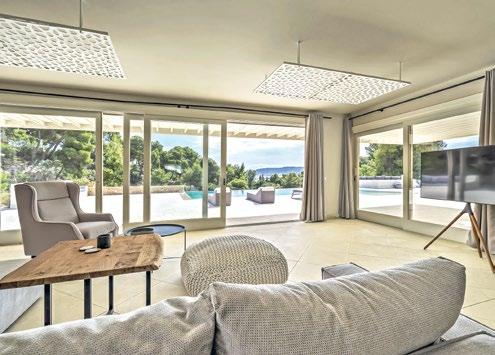
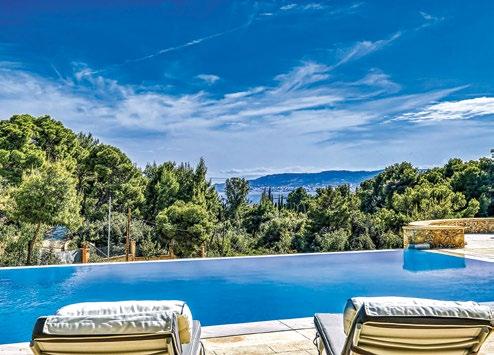
Outstanding Villa with Pool & Panoramic Views
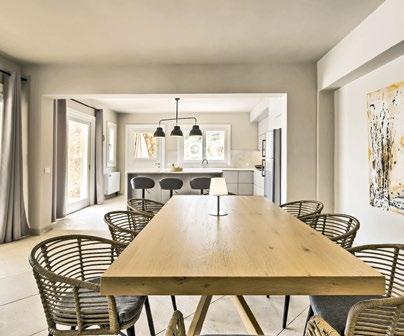
Peloponnese, Greece
Price EUR 3.7 mill.
Interior approx. 410 m²
Land approx. 4,018 m²
E&V ID W-02V2VY
ENGEL & VÖLKERS Athens MMC (GR)
Tel. +30 211 105 52 00
E-mail athensmmc@engelvoelkers.com

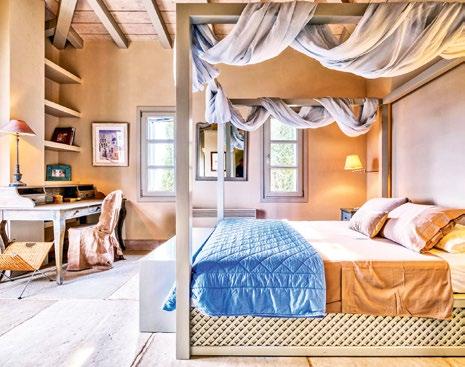
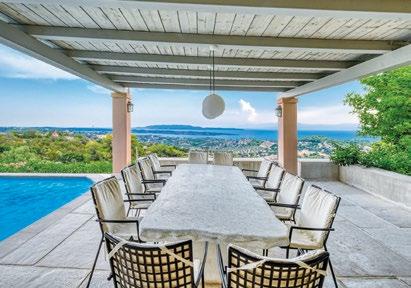
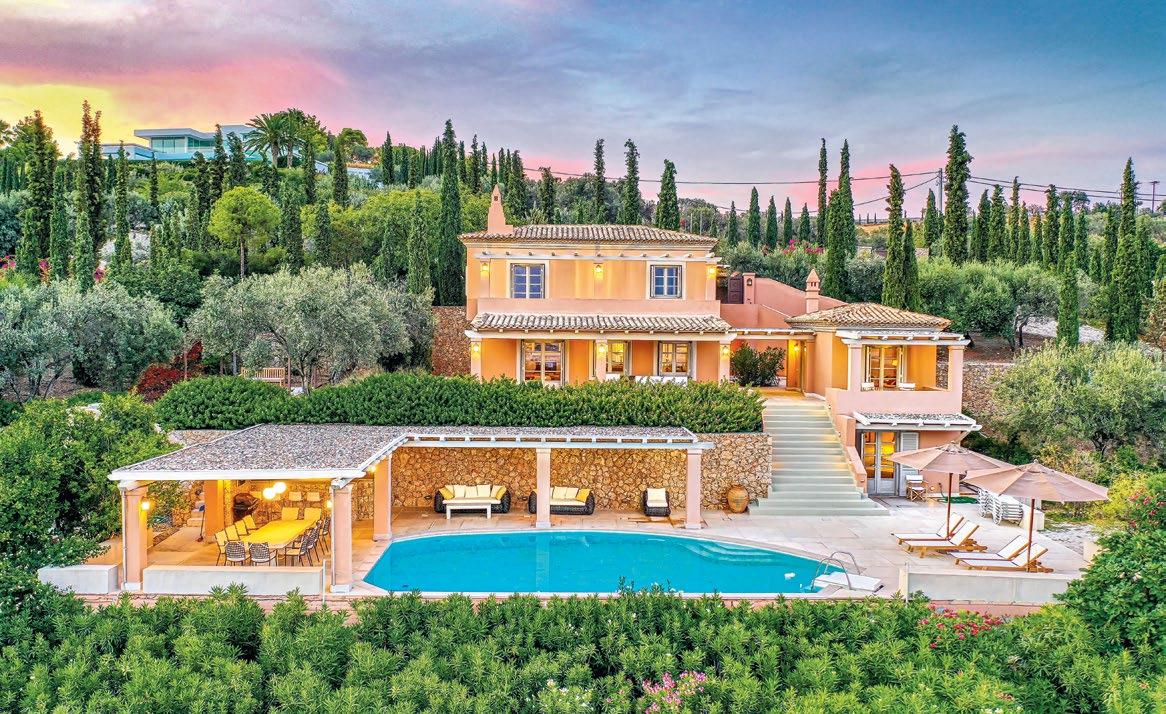
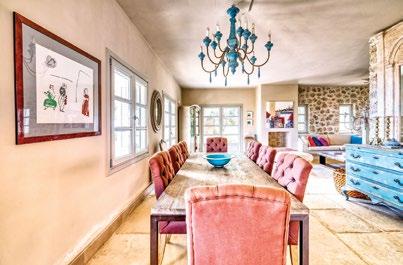
Villa Sarai – Exclusive Living in Green Surroundings
Peloponnese, Greece
Price EUR 2.2 mill.
Interior approx. 280 m²
Land approx. 4,000 m²
E&V ID W-02QF2F
ENGEL & VÖLKERS Athens MMC (GR)
Tel. +30 211 105 52 00
E-mail athensmmc@engelvoelkers.com

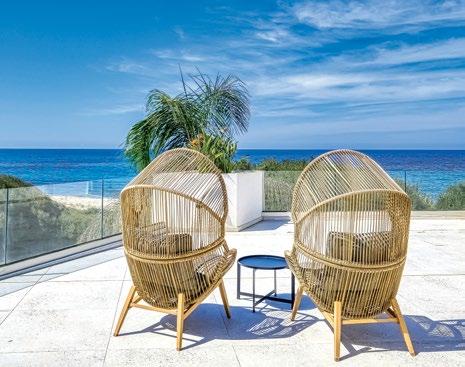
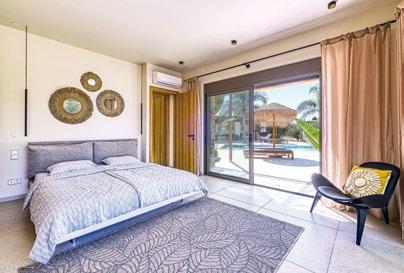
Luxury Beachfront Villa
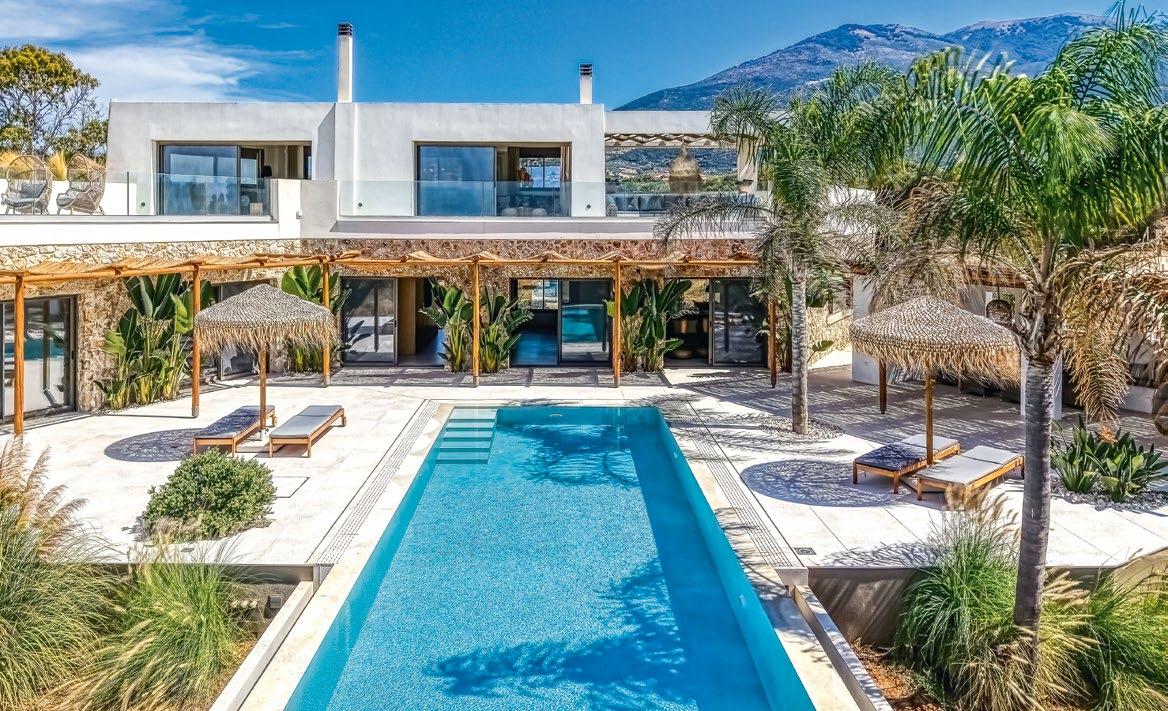
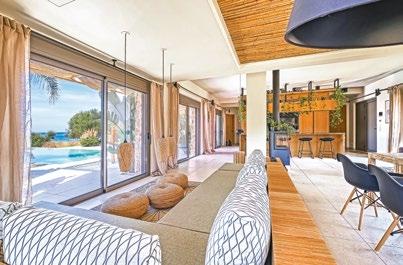
Peloponnese, Greece
Price EUR 1.88 mill.
Interior approx. 310 m²
Land approx. 4,877 m²
E&V ID W-02V367
ENGEL & VÖLKERS Athens MMC (GR)
Tel. +30 211 105 52 00
E-mail athensmmc@engelvoelkers.com

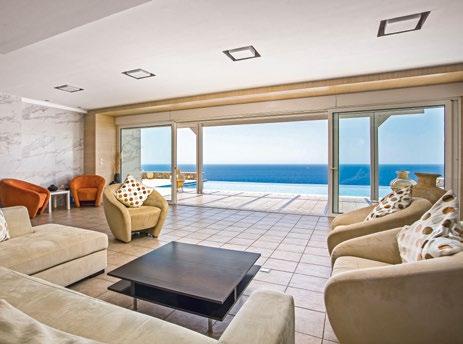
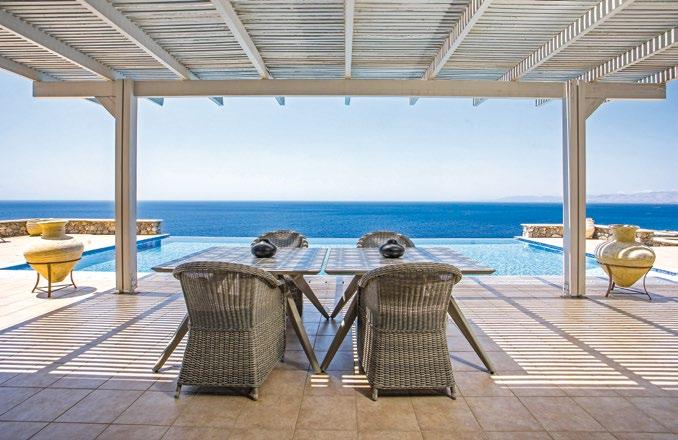
Interior
Land

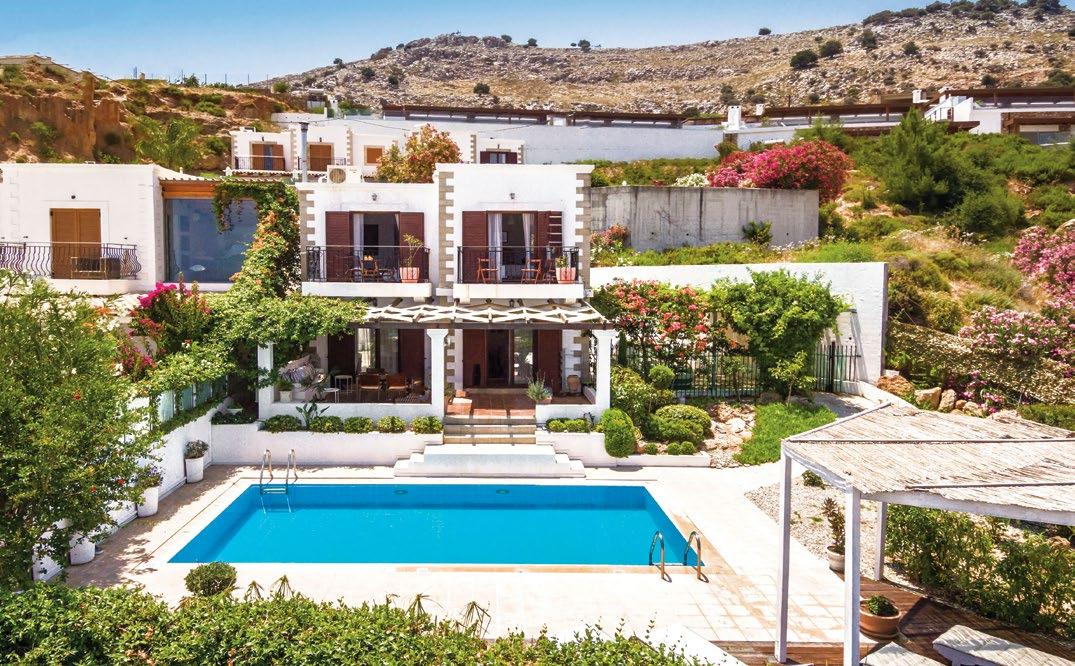
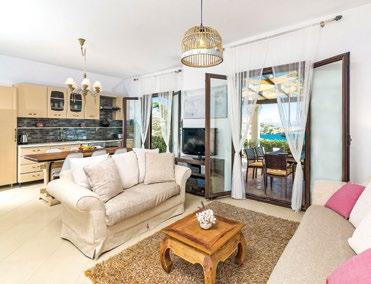
Interior
Land
Tel.

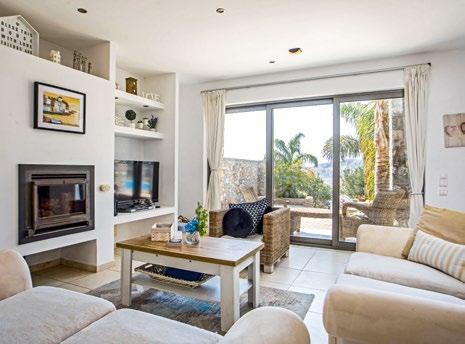
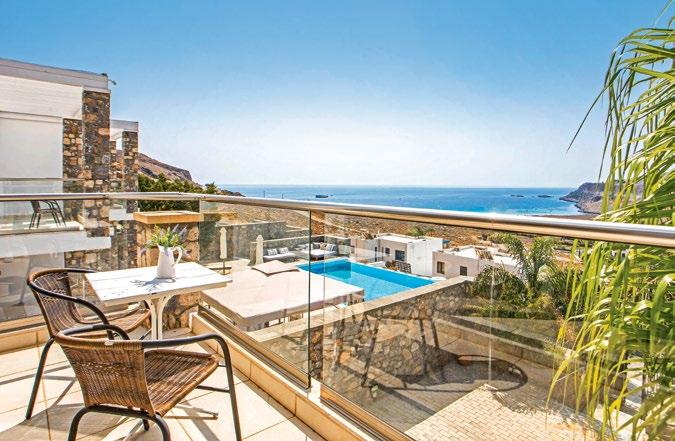
Price
Interior
Land

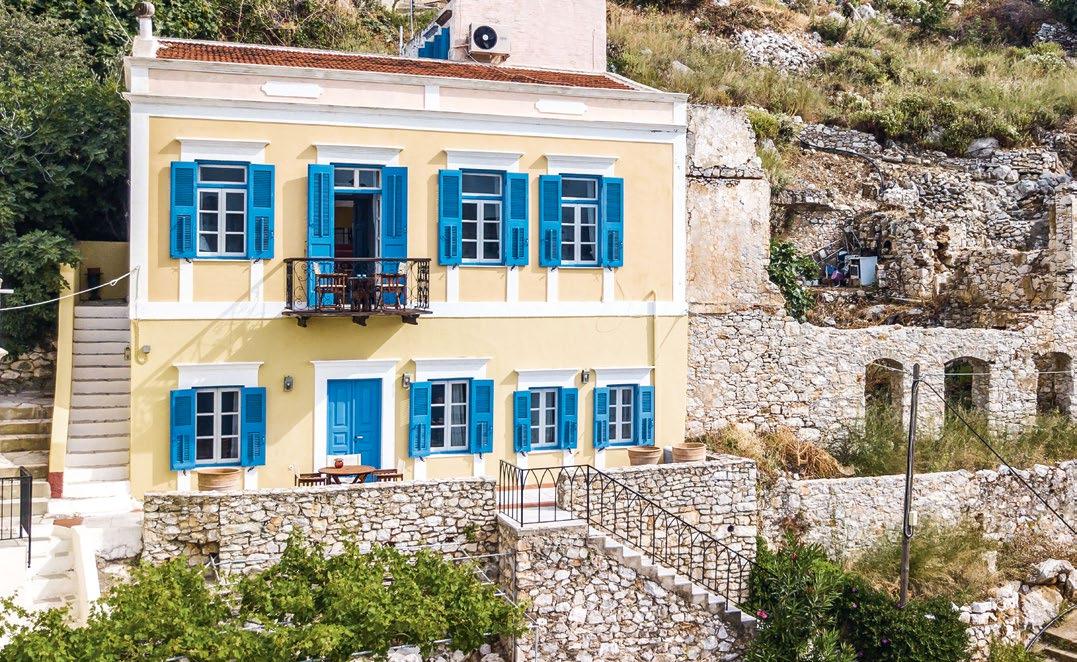
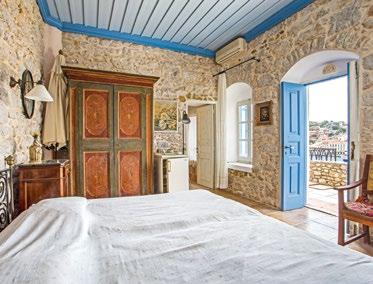

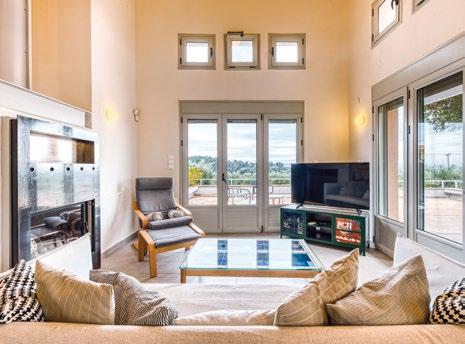
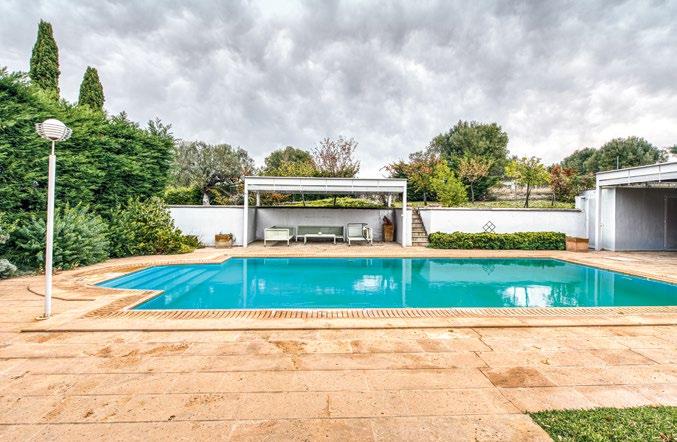
Elegant House with Pool & Sea View
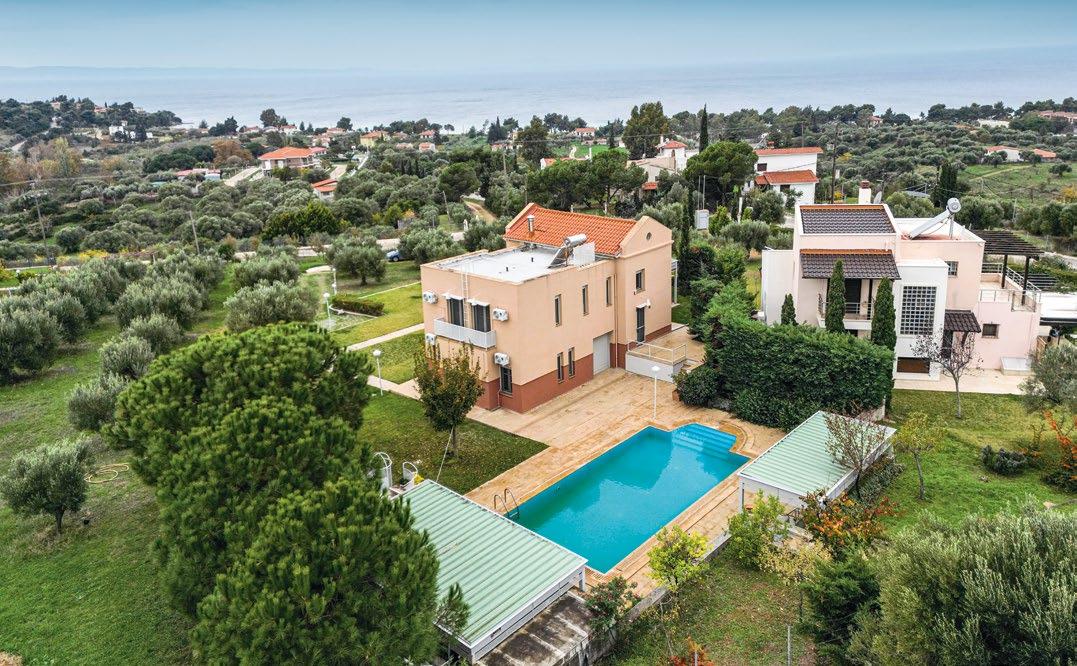
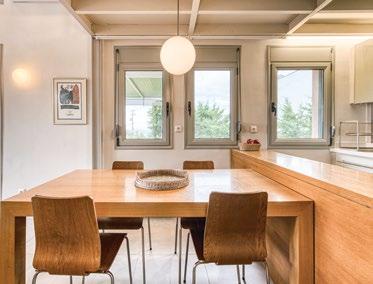
Halkidiki, Greece
Price EUR 730,000
Interior approx. 120 m²
Land approx. 1,923 m² E&V ID W-047DKF
ENGEL & VÖLKERS Thessaloniki MMC (GR)
Tel. +30 231 231 65 00 E-mail thessalonikimmc@engelvoelkers.com