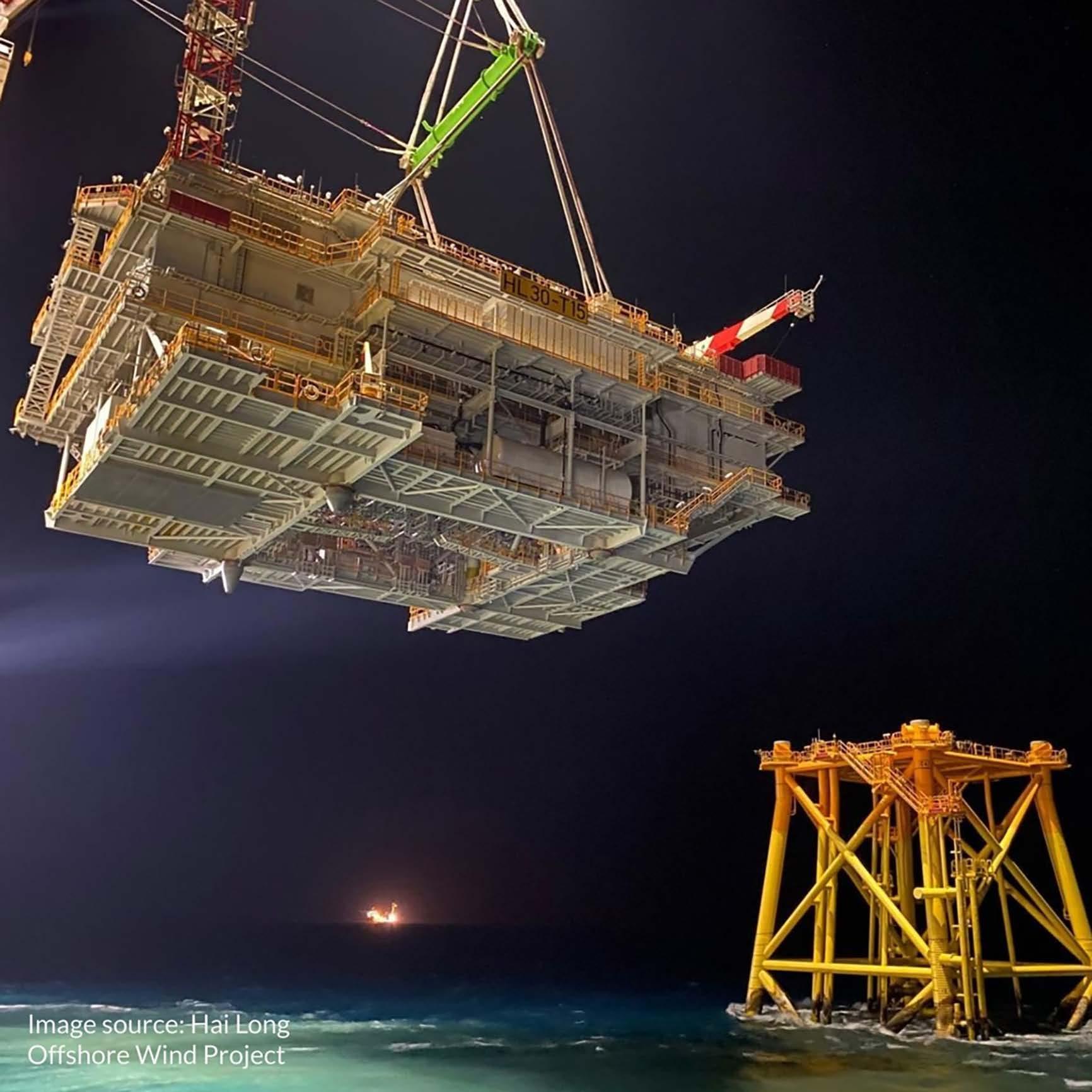
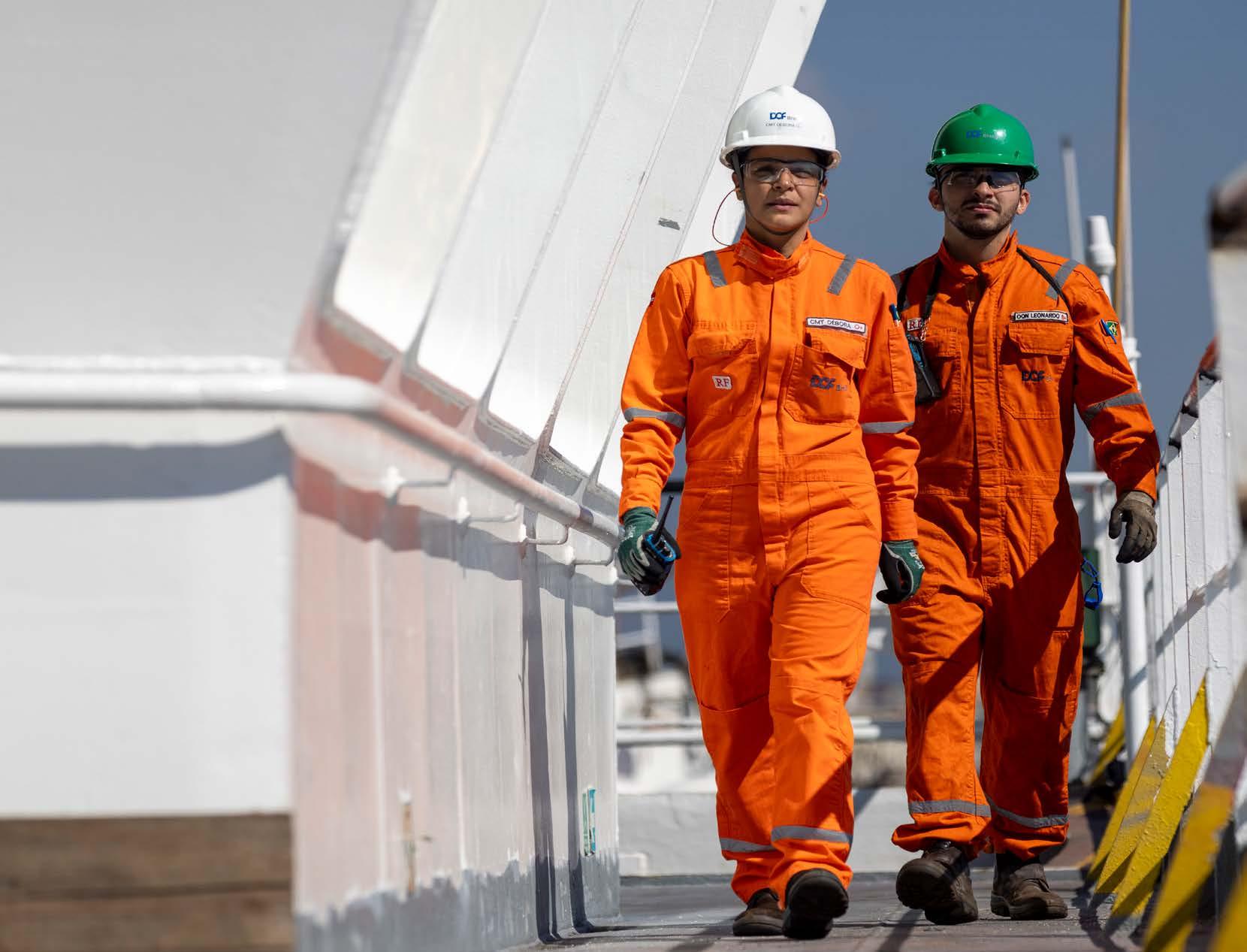
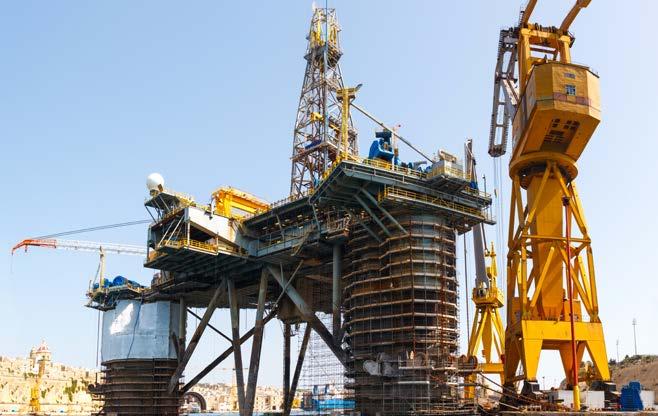
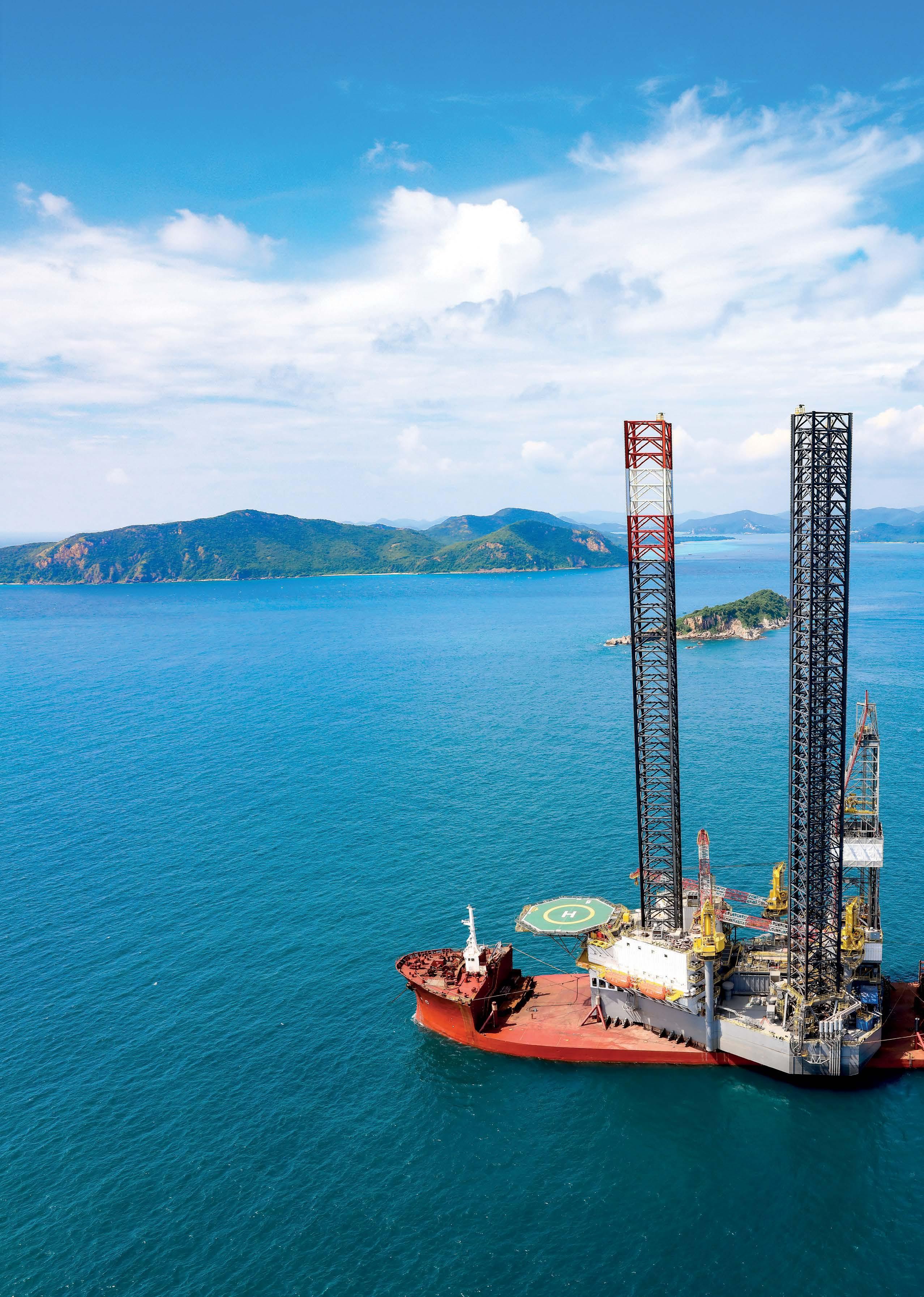
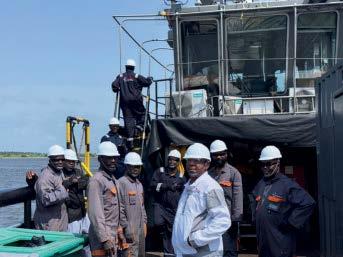
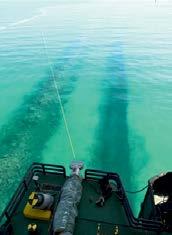
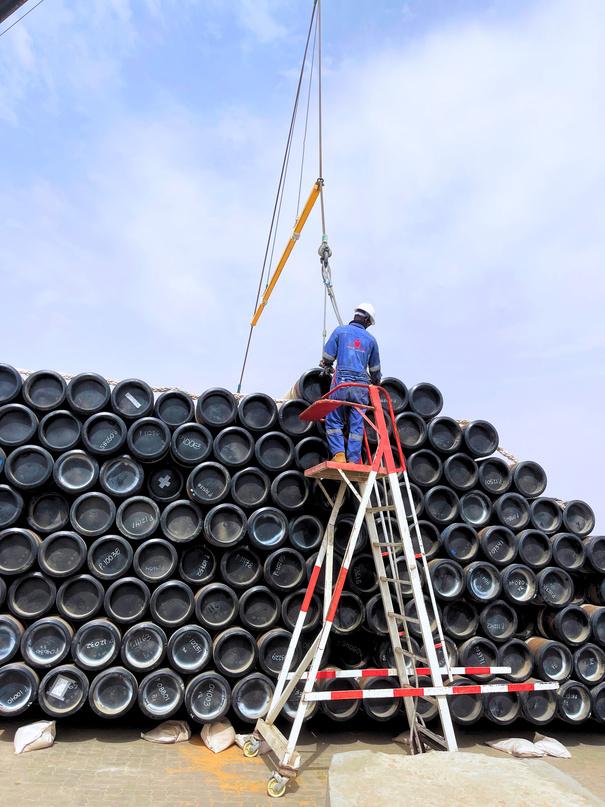
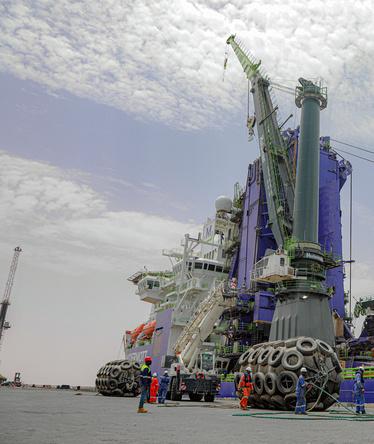
CSBC-DEME Wind Engineering (CDWE) installed its second offshore substation using ROPES BY BAKAERT, powered by BEXCO’s Ultraline® Slings made with Dyneema® SK78®, a lighter, high-strength alternative to traditional steel
FEWER HANDS GREATER EFFICIENCY
CSBC-DEME Wind Engineering (CDWE) installed its second offshore substation using ROPES BY BAKAERT, powe by BEXCO’s Ultraline® Slings made with Dyneema® SK78®, a lighter, high-strength alternative to traditional steel
This resulted in faster lifts, fewer hands and better efficiency offshore.
This resulted in faster lifts, fewer hands and better efficiency offshore.
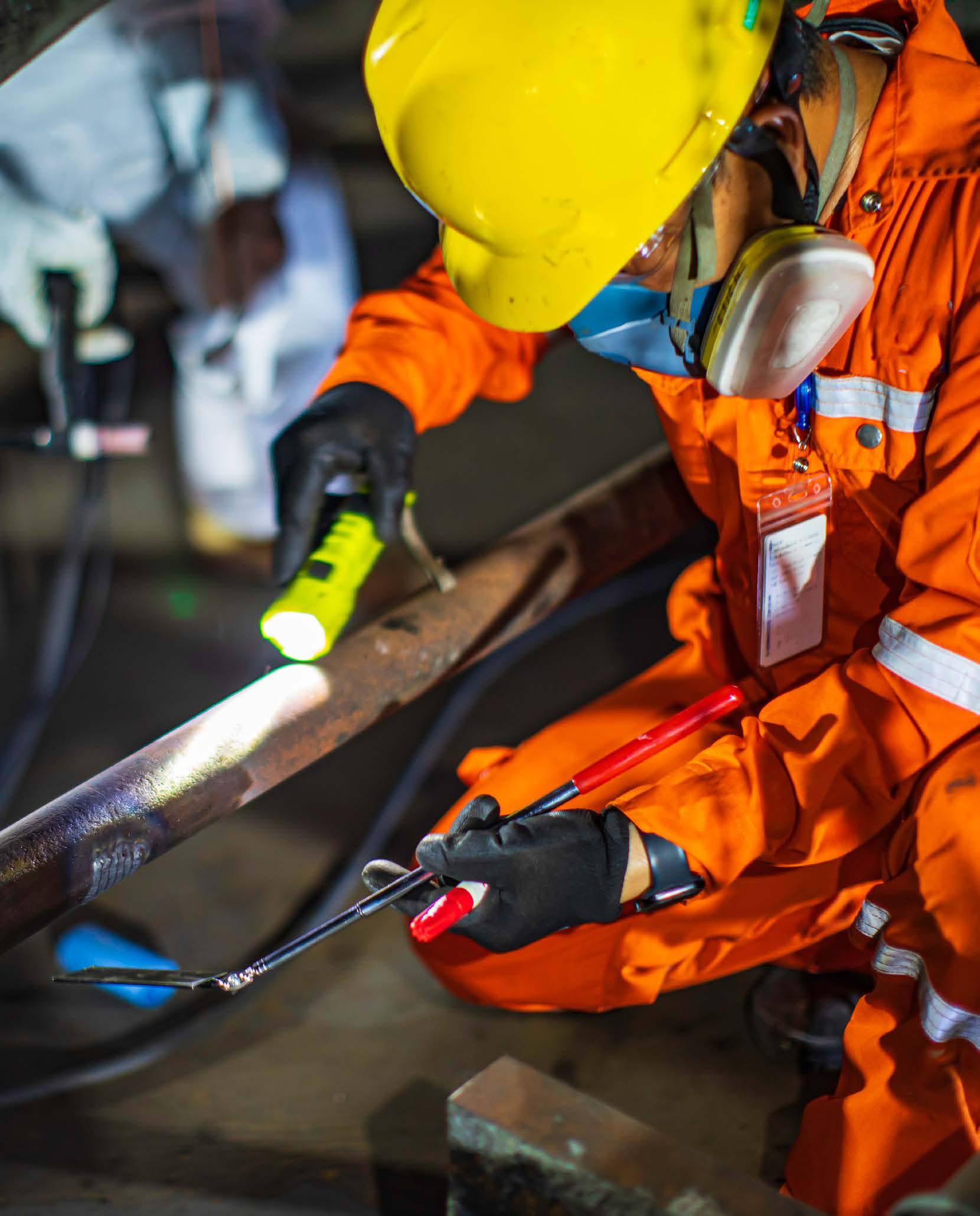
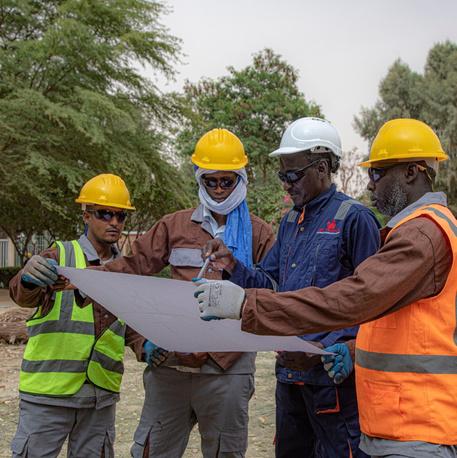
For CTRL System Technologies Nigeria Ltd and Nigerian operators, this isn’t just innovation, it’s a shift in how we operate our lifts. Lightweight slings mean easier mobilization, reduced risk, and no compromise on performance. From FPSOs to fabrication yards, CTRL in collaboration with BEXCO is driving smarter, safer, and more costeffective lifting solutions across Nigeria’s energy landscape. Sometimes, the lighter way really is the stronger one.
CSBC-DEME Wind Engineering (CDWE) installed its second of by BEXCO’s Ultraline® Slings made with Dyneema® SK78® steel
For CTRL System Technologies Nigeria Ltd and Nigerian operators, this isn’t just innovation, it’s a shift in how operate our lifts Lightweight slings mean easier mobilization, reduced risk, and no compromise on performan From FPSOs to fabrication yards, CTRL in collaboration with BEXCO is driving smarter, safer, and more costeffective lifting solutions across Nigeria’s energy landscape. Sometimes, the lighter way really is the stronger one
This resulted in faster lifts, fewer hands and better efficien For CTRL System Technologies Nigeria Ltd and Nigerian oper operate our lifts Lightweight slings mean easier mobilizatio
From FPSOs to fabrication yards, CTRL in collaboration with effective lifting solutions across Nigeria’s energy landscape Sometimes, the lighter way really is the stronger one
Editor-in-Chief Carley Fallows editor@littlegatepublishing.com
Advert Space Director Emlyn Freeman emlynfreeman@littlegatepublishing.com
Project Director Andrew Richards andrew@littlegatepublishing.com
Commercial Manager James Hamilton james@littlegatepublishing.com
Lead Designer Adam Knights
Research Kristina Palmer-Holt
Editorial Research David Reilly
Corporate Director Anthony Letchumaman anthonyl@littlegatepublishing.com
Founder and CEO Stephen Warman stevewarman@littlegatepublishing.com
For enquiries or subscriptions contact info@littlegatepublishing.com +44 1603 296 100
ENDEAVOUR MAGAZINE is published by Littlegate Publishing LTD which is a Registered Company in the United Kingdom.
Company Registration: 404 2112 62
VAT registration number: 13572767
343 City Road 147 Queens Road London 79 Norwich
EC1 V1LR NR1 3PN
Littlegate Publishing Ltd does not accept responsibility for omissions or errors. The points of view expressed in articles by attributing writers and/or in advertisements included in this magazine do not necessarily represent those of the publisher. Any resemblance to real persons, living or dead is purely coincidental. Whilst every effort is made to ensure the accuracy of the information contained within this magazine, no legal responsibility will be accepted by the publishers for loss arising from use of information published. All rights reserved. No part of this publication may be reproduced or stored in a retrievable system or transmitted in any form or by any means without the prior written consent of the publisher.

Copyright© Littlegate Publishing Ltd
In this edition, we are excited to share some great insights from UNIPET, a vital energy and financial technology ecosystem that provides energy solutions across Trinidad and Tobago. We got to speak with Mr Dexter Riley, Chief Executive Officer (CEO) of UNIPET, who told us all about the company’s operations and the expansive role it plays in sustainable energy delivery, energy distribution and community development. We loved getting to share their story and look forward to seeing how UNIPET will continue to expand Trinidad and Tobago’s energy landscape in the coming years.
This month, we also cover the expansive Greater Tortue Ahmeyim (GTA) Project being delivered by BP in Senegal and Mauritania. We got to see how the GTA Project has continued to develop in recent years to bring vital LNG energy resources into production. Having successfully achieved exports from the project in April 2025, we got to highlight the continued development of the project, which is set to expand the LNG production capacity of Senegal and Mauritania over the coming years. Here, we are pleased to see APAVE Sehal showing lead support for the article.
Another great feature from this edition is on the Ronald Reagan Washington National Airport, which is a vital domestic airport serving the United States of America. With the airport seeing increasing passenger numbers in recent years, we got to highlight some of the significant expansion projects that are being carried out to help it maintain its role within the country’s aviation industry. We are thrilled to see The Inland Group of Companies showing lead support for the feature here.
by Carley Fallows


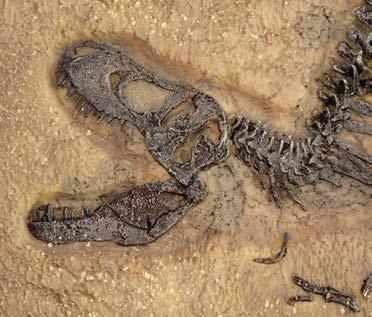
Scientists in Thailand have discovered a new species of dinosaur identified from fossils found in the northeast of the country 10 years ago. The new species belongs to the long-necked sauropod family and has been named the Nagatitan chaiyaphumensis. The species is the largest ever known dinosaur found in South-East Asia.

The dinosaur is estimated to have lived between 100 and 120 million years ago, which was 40 million years before the Tyrannosaurus rex. The large species roamed the earth when the planet’s carbon dioxide levels were rising in line with global high temperatures. Thus, the fossils provide great insight into how such ancient climactic conditions allowed such gigantic dinosaurs to develop. The species is the 14th dinosaur to be named in Thailand, found in the country’s youngest dinosaurbearing rock formation.

China has made a key step in its ambitious space program, launching an astronaut into space for the first time. The mission saw three astronauts launched into space on their way to China’s Tiangong space station, with the goal that one of the crew members would spend a year in orbit as part of the space program’s experiment. The crew includes Li Jiaying, a police officer and mother of three, alongside Zhu Yangzhu, a space engineer and Zhang Zhiyuan, a former air force pilot. In recent years, China has been sending astronauts to the Tiangong Space Station on 6-month stays, and so this new launch will be among the longest ever recorded in history.
China is currently in an accelerated race with the US to send humans to the moon, a goal it aims to achieve by 2030. This launch comes just months after the US accelerated its space mission with Artemis II, which travelled to the far side of the moon. The US is looking to achieve a crewed lunar landing by 2028.
Mount Everest in Nepal is a highly sought-after climbing destination that sees hundreds of people attempt to summit the mountain each year. In May, Mount Everest hit a record number of people scaling the mountain, with 274 people attempting the summit in a single day. This breaks the previous record of 223 climbers in a single day that was set in May 2019. So far this year, 500 foreign climbers have already been given permits to climb the peak.
However, with an increasing number of climbers comes added risks for an already dangerous climb. With increased numbers, Mount Everest saw long lines of mountaineers stuck waiting on a section of the mountain just before the summit. The section sits around 8,000m above sea level, and is regarded as the ‘death zone’ as the reduced oxygen at the altitude can be fatal. Many climbers need to use supplemental oxygen in this zone. Thus, expert climbers do not recommend staying in the zone for more than 20 hours. Thus, seeing congestion at this pivotal section of the mountain is increasingly dangerous.
The Democratic Republic of Congo has seen a significant Ebola outbreak in recent weeks, which has already claimed the lives of multiple people across the country. The World Health Organisation (WHO) has warned that the virus may be spreading faster than originally thought. Ebola virus initially presents much like the flu with fever, headaches and tiredness. However, as it progresses, it results in vomiting, diarrhoea and can lead to organ failure. The outbreak is hitting an area which has already seen years of conflict, resulting in damage to medical infrastructure and large-scale displacement. This has led to unsanitary conditions, which are not helping the spread. Currently, there is no vaccine for the virus, but scientists at the University of Oxford are working on developing a new vaccine that could be ready for clinical trials within the next few months to help tackle the outbreak.
The Atewa slippery frog and Afia Birago’s puddle frog are currently under threat of habitat destruction in Ghana, largely caused by mining across forest landscapes. Therefore, in an effort to preserve the species, which are already quite scarce in the country, the frogs are being taken care of at the London Zoo as part of a conservation effort to prevent them from going extinct. The conservation project is being carried out in partnership between the Zoological Society of London (ZSL), Herp Conservation Ghana and the Forestry Research Institute of Ghana.
Currently, there are believed to be fewer than 1,500 Atewa slipper frogs in the wild, while the Afia Birago puddle frog is thought to survive only in two pools within the forest reserve in Ghana. Thus, the species are in need of vital protection. All 20 of the frogs arrived in London safely, and it is hoped that through the conservation program, they will be able to breed the frogs and eventually reintroduce them into protected habitats in the wild.


A hippo calf, which has been named Bumpy, is being hand-reared in a wildlife sanctuary in Kenya after it was found next to its dead mother at a lake. The calf was believed to be only a few days old when it was rescued by the Kenya Wildlife Service (KWS). KWS have handed the calf over to the Sheldrick Wildlife Trust, who are now caring for the calf with specialised care. The trust said the calf’s mother was found with injuries on its lower half, indicating it may have died resulting from an encounter with another wild animal.
After being rescued, Bumpy was transported to the nursery in Nairobi, where it was fed milk and swaddled in a blanket. Since being rescued, the calf has been keeping close to keepers, looking for comfort. From the nursery, Bump was transported to the Tsavo East National Park, where it will be taken care of until it is ready to be released back into the wild.
Driverless cars have become a common mode of transportation across the US, with companies such as Waymo offering driverless car options. The cars utilise artificial intelligence to route the vehicle and safely respond to the road, which enables them to operate without the need for a human driver in the car. These vehicles have already been deployed by Waymo across more than 10 US cities, which include San Francisco, Los Angeles, and Miami.
However, locals in an Atlanta suburb were able to witness a group of driverless Waymo vehicles driving around a cul-de-sac, in the early hours of the morning, appearing to be stuck. The trapped vehicles are thought to have been caused by a glitch. Responding to this and other issues encountered in San Antonio, Texas, the company began a temporary pause of its vehicles in five cities.


Football fans travelling to the US to watch the upcoming tournament will be thrilled to learn that the Trump administration has exempted football fans from 50 countries from being subjected to the $15,000 visa deposit requirement. The bond was introduced in 2025, in an attempt to reduce visa overstays.
Players and coaches from the countries that had previously been subject to the visa deposit requirement were already exempt from the bond requirement. But now, the fans from these countries will also be exempt, ensuring they have a valid and confirmed ticket to the World Cup games. This includes fans from countries such as Algeria, Cape Verde, Ivory Coast, Senegal and Tunisia, all of which will be competing in the World Cup.
The FIFA World Cup 2026 will kick off on the 11th June, and will be co-hosted by the US, Canada and Mexico.
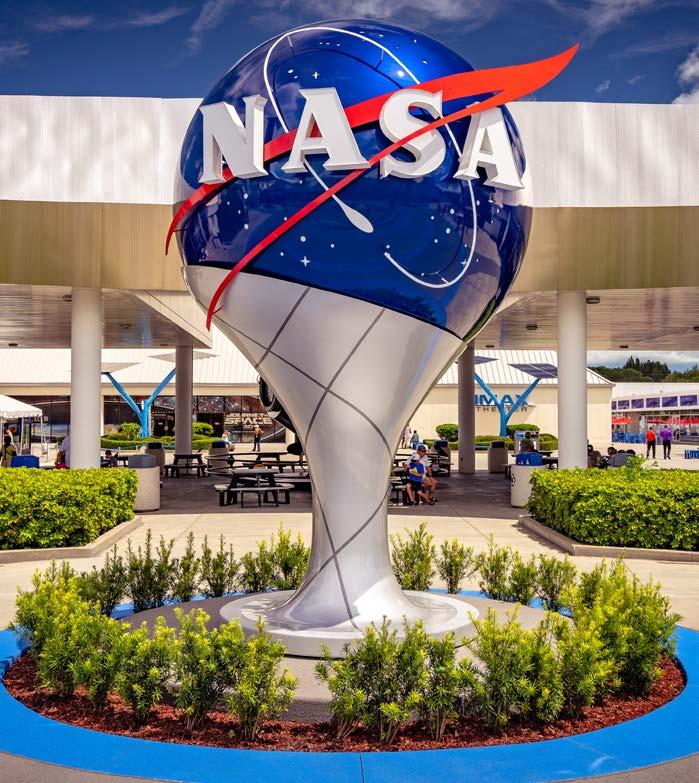
As part of NASA’s three-phase Moon Base Programme, the space agency has outlined that it plans to put robotic landers and hopping drones onto the Moon’s surface to map the Moon’s terrain. Alongside this, NASA has outlined its plan for delivery vehicles, which could be used to drive astronauts over the lunar surface and carry communications and scientific equipment. This announcement outlined the vital next steps for NASA’s plans to return to the lunar surface with a crewed mission – a goal it aims to achieve by 2028.
In March, NASA outlined a $20 billion program that plans to construct a permanent base powered by nuclear and solar energy at the Moon’s south pole by 2032, showing the key ramping up of its moon mission over the coming years. This next phase of NASA’s Moon Base Program comes following China’s most recent launch of a crewed mission to the Tiangong Space Station, which is part of the country’s mission to land humans on the surface of the moon by 2030.
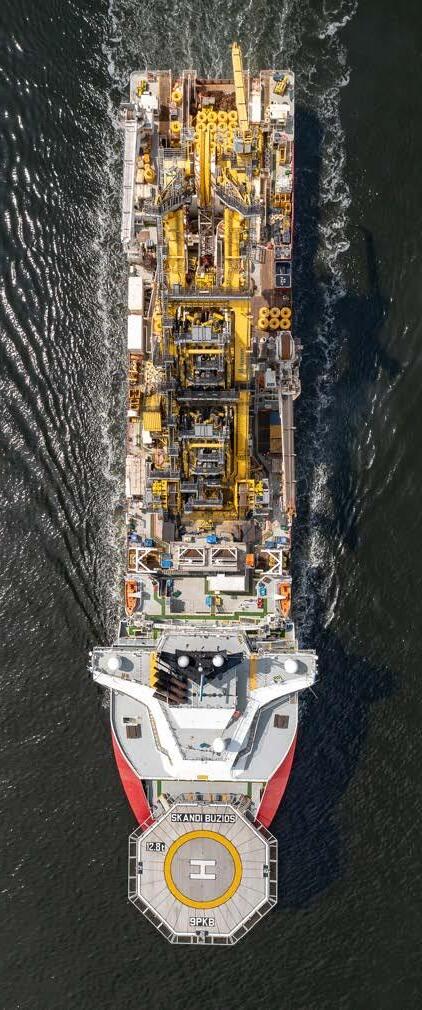
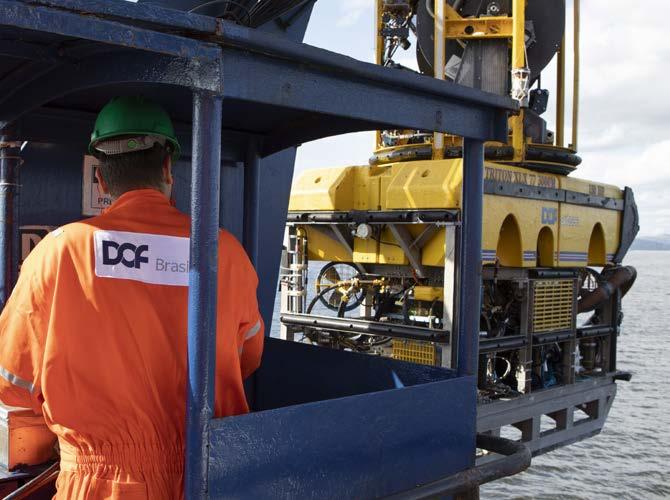
With more ships rerouting their journeys to avoid conflict across the Middle East, whales are being put at greater risk of collision. Many vessels are rerouting around South Africa when transporting goods between Asia and Europe. However, scientists have found that this is causing an increasing risk of collisions between whales and these vessels. Many of these collisions are happening deep offshore, causing the whales to sink to the bottom of the ocean, meaning the true scale of the deaths caused by collisions is hard to quantify accurately. It is thought that roughly 89 commercial vessels travelled around South Africa between March and April this year, which is double the figure since in 2023 of 44 vessels.
Scientists from the University of Pretoria’s Whale Unit hope that possible solutions to deal with the issues could include adjusting shipping routes or reducing the speed of vessels when travelling at certain times of the year. However, more research is needed to produce more concrete solutions. The scientists aim to conduct a systematic survey of whale populations offshore by plane and boat to understand the scale of such collisions of population numbers.


The United Arab Emirates (UAE) has announced plans to cut the price of 168 medicines used for chronic diseases in an effort to help close the gap in medicine pricing and help stop consumers from paying more than expected for medication. The change has been issued by the Emirate Drug Establishment, which will reduce the retail price of a wide range of chronic and critical illness medications. These conditions include those for cardiovascular disease, diabetes, hypertension, cancer, thrombosis and stroke, cholesterol disorder, gastrointestinal diseases, psychological and neurological disorders, eye diseases and asthma.
These changes are planned to be introduced at the end of May and will cover multiple types of medications in varying doses with newly revised prices. The price change will vary from 5% to nearly 60% for some high-cost vital and biological medicines.
90% of the world’s saffron supply is grown in Iran; however, with the ongoing blockage of the Strait of Hormuz, this has led to global supplies dropping. This drop has caused the price of saffron to rise. Saffron is already one of the world’s most expensive spices, largely stemming from its labour-intensive production. It currently takes between 75,000 and 250,000 hand-picked flowers to yield around half a kilo of the dried spice. For some businesses in London, the price for a kilo of saffron has risen from £1,200 to around £2000-2100 per kilo.
Iran provides the perfect climate for growing saffron, as it needs lots of sunlight and no rain for it to grow, and so the country is a vital export hub for the spice. Alongside this, Iran is also a key producer and exporter of chickpeas and zereshk, which are also seeing increasing costs. Many businesses are now facing significantly higher prices across a whole range of Iranian produce as supplies are reducing due to the ongoing conflict.

The Luce, a fully electric car, has been unveiled by luxury sports car maker Ferrari. The Luce, costing $640,000, brings the typical look of a Ferrari together with a completely electric design. The car has been developed in collaboration with the LoveFrom agency, which was founded by former Apple design chief Sir Jony Ive. The car features a Ferrari-made electric motor on each wheel, which helps it reach 60mph in just 2.5 seconds. Ferrari has also said that all components of the vehicle are made in-house, so that the company can continue to be repaired by the company well into the future to help protect its resale value.
The new all-electric supercar has been met with mixed reactions. However, the following day, the firm’s shares fell in both the Milan and New York stock markets. The move towards an electric vehicle follows the company previously ruling out a move to electric vehicles, much like its rivals Lamborghini and Porsche, who scaled back their EV plans previously due to poor demand and high competition from Chinese brands.
Last month saw the return of Eurovision 2026, where Bulgaria took the winning spot. Eurovision is the world’s largest music competition, with countries competing with their song in hopes of winning the title. In 2026, Bulgaria won their first ever Eurovision with Dara, who sang her party anthem Bangaranga. Dara won both the jury and public vote, which has not happened since 2017.
35 countries competed in the 2026 Eurovision Song Contest, with the final concluding in Vienna, Austria. In Vienna, finalists Bulgaria, Ukraine, Norway, Australia, Romania, Malta, Cyprus, Albania, Denmark and Czechia competed, with Bulgaria securing the title. England placed last in the song contest, getting only a single point

A radio station in the UK has had to issue an apology to King Charles III, after it accidentally began the Death of the Monarch procedure on the radio in error. The Death of the Monarch procedure is the process that must be taken when the death of a monarch is announced, to formally announce it to the nation and show respect. The radio station fell silent before regular programming was restored and an on-air apology was issued.
After the event, the radio station released an apology to the King and to its listeners for any distress the broadcast had caused. The Death of the Monarch procedure was seen in 2022 when Queen Elizabeth II passed away, and it is a procedure that radio stations across the UK should follow when a monarch passes.

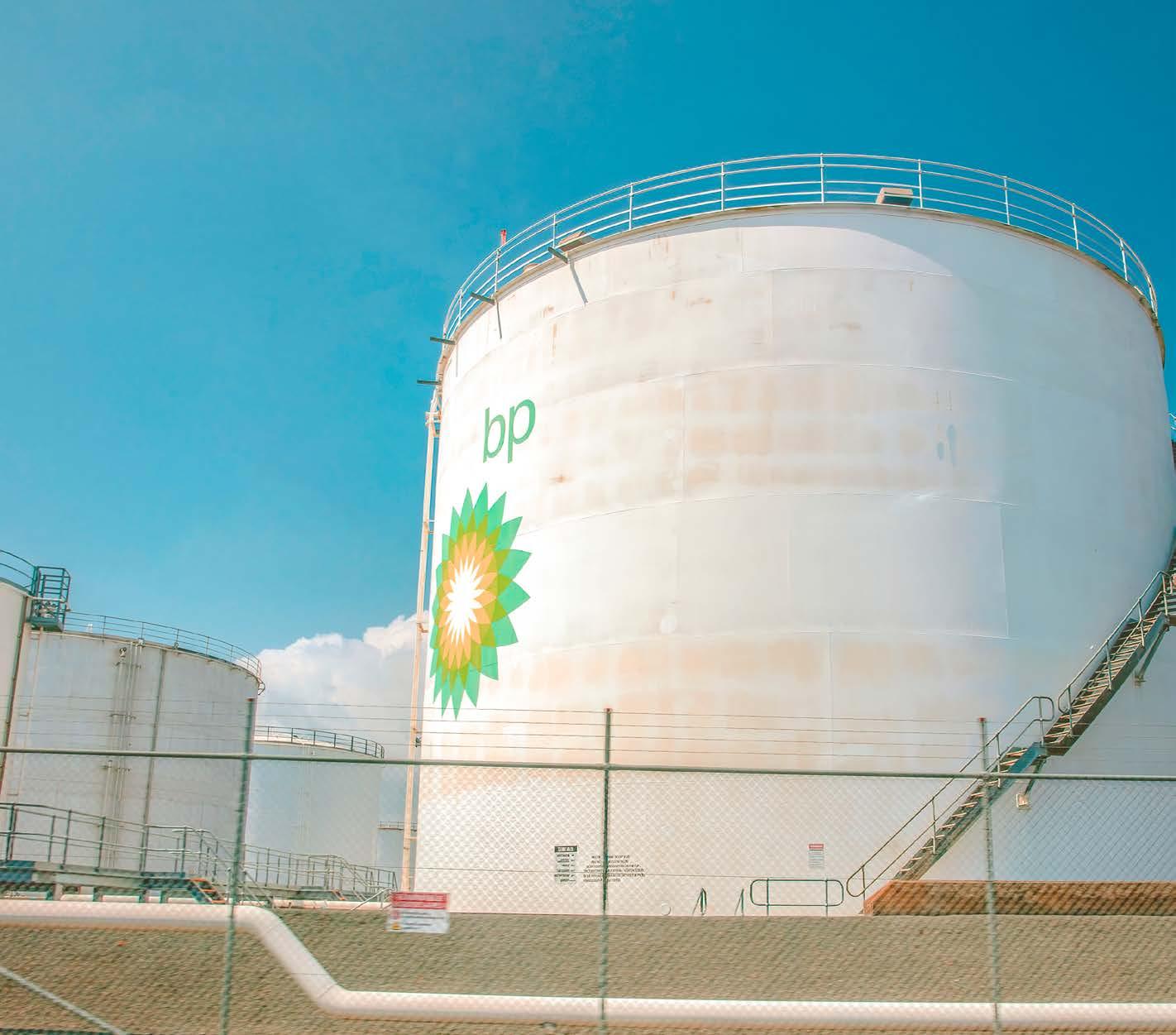
As the country’s largest hydrocarbon producer, BP Trinidad and Tobago (BPTT) operates 12 offshore platforms and three subsea installations across the region, which account for around half of the nation’s total gas production. Now 65 years since its first development in the country, BPTT has positioned itself as a key energy developer for the nation, championing the country’s natural gas production. Across its deep-water projects, BPTT is committed to ensuring that every development and new project works towards the future, supported by sustainability practices designed to improve people’s lives and care for the planet in the process.
Since 1960, BPTT has been a key part of Trinidad and Tobago’s energy story. From its very first wells to its gas development projects of today, the company has been committed to delivering vital hydrocarbon projects designed to enhance the country’s energy sector. Today, the majority of BPTT’s operations are largely located off the southeast coast of Trinidad, where the company has 12 offshore platforms, three subsea installations and two onshore processing facilities.
One of the most significant current projects carried out by BPTT is the Cypre Project, which is the third subsea development for the company in Trinidad and Tobago. The project encompasses 7 subsea wells and subsea trees, which are tied back into the company’s existing Juniper Platform’s infrastructure. The Juniper Platform is the 14th platform developed in Trinidad and was designed to develop the Corallita and Latana gas fields. However, the platform is now being utilised by BPTT to enhance its production at the current Cypre Project development by leveraging its existing
Paria Ship Suppliers Limited delivers reliable, highquality ship provisions on time—at the quayside or offshore. With strategic locations in Port of Spain and San Juan, exclusive global partnerships, and strict quality control standards, we ensure seamless supply chain solutions for shipping, offshore, and catering operations across Trinidad and Tobago.
At Paria Ship Suppliers Limited, we don’t just supply ships — we build long-term partnerships, supported by an experienced Sales and Quality Management team continually developing new markets and innovative solutions. Contact us today and Partner with Paria Ship Suppliers Limited today to keep your operations moving with confidence.
Quality. Reliability. Experience.






2026 and pursuit of API 16AR certification signal bold steps into subsea markets and technology
systems and proactive risk controls, the company embeds green practices into its operations while
When Cennav Limited was established in 2021, its founders identified a clear gap in the Trinidad and Tobago maritime market — a need for an agile, relationship-driven agency capable of handling the full spectrum of liquid and dry bulk trade operations without compromise.
In a short time, Cennav has built an impressive portfolio of clients and partnerships. The company acts as ship and cargo brokers for ArcelorMittal and a number of international steel traders, managing the export of wire rod coils, steel billets, and direct reduced iron ore (DRI). It has simultaneously developed a strong presence in the tanker sector, providing vessel agency and logistics support for major petrochemical facilities including the Atlas and Titan Plants, and has grown expertise in the import of olefins, base oils, and dry bulk barytes.
But it is Cennav’s full-service ship agency offering that sets the company apart. From crew changes and cash-to-master deliveries, to port authority liaison, bunker coordination, waste disposal, and emergency support — every aspect of a vessel’s port stay is handled with precision and care.
The company’s vision is unambiguous: to be the most effective and competitive ship agency and chartering operation in the region, built on long-term client relationships and consistent performance. With core values of integrity, professionalism, and service embedded at every level, Cennav is fast becoming the trusted name in Caribbean maritime logistics.
Visit cennavltd.co.tt to find out how Cennav Limited can support your next operation.

infrastructure in the region. The Cypre Project is located 78km from the Trinidad coastline, and the Cypre gas field sits within the East Mayaro Block at depths of up to 80 metres.
In November 2025, BPTT announced that it had safely completed its seven-well drilling program for Cypre, following the delivery of the project’s first gas 7 months earlier in April. First gas was achieved following the drilling of the initial 4 wells in 2024, and by the third quarter of 2025, BPTT had completed the drilling and completions programs for the final three Phase 2 subsea wells. Now that all the wells have been completed, the project is expected to produce approximately 45,000 barrels of oil equivalent per day at its peak.
David Campbell, BPTT President, outlined in the press release announcing the delivery of Cypre’s wells that “Completion of these wells and the gas delivered mark a safe and successful delivery for bp and Trinidad and Tobago. This achievement underscores our commitment to maximising production from the Columbus Basin and reflects a significant investment and BPTT’s continued dedication to the country’s energy sector.”
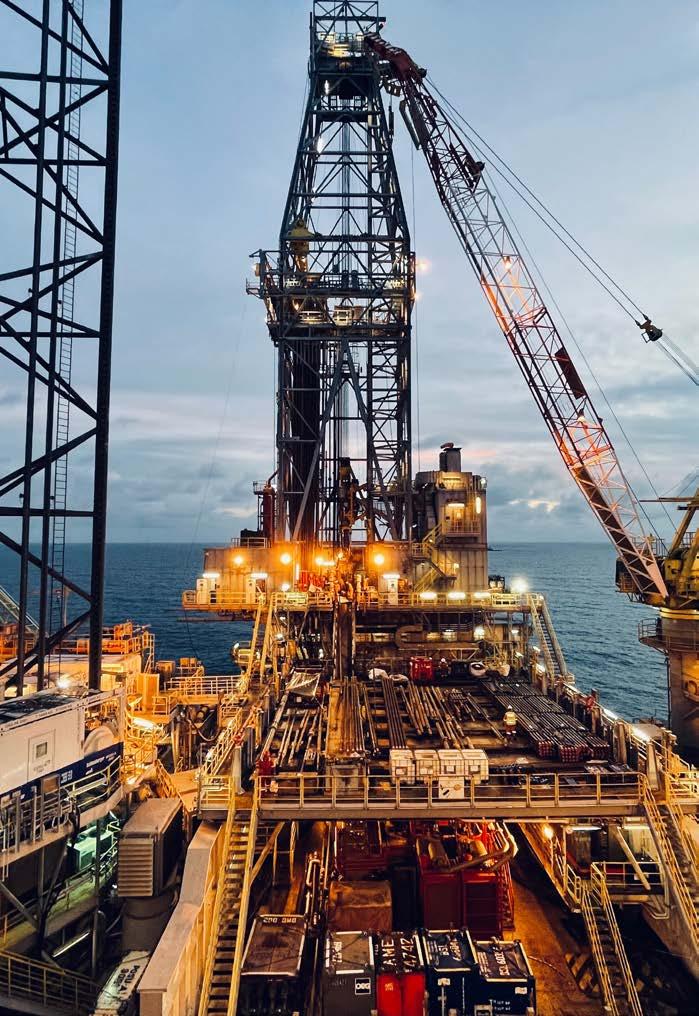

Campbell’s comments highlight the valuable role that Cypre will play in the future of Trinidad and Tobago’s energy sector, as a vital project delivered with expertise to enhance the country’s energy potential.
However, Campbell continues, “This is the latest achievement in a year of strong delivery from BPTT, including the bp-operated Frangipani gas discovery and working with our joint venture partner EOG, to deliver first gas from the Mento major project. We look forward to continuing our collaboration with the Government and other stakeholders to unlock Trinidad and Tobago’s energy future”. Campbell’s comments here allow us to understand the vast scope of BPTT’s operations across the country’s energy sector. With so many vital energy projects, BPTT is bringing vital investment into the country’s hydrocarbon market, supported by key partnerships across the global energy sector. A key partnership in Trinidad and Tobago, as highlighted by Campbell, is the Mento Project, which safely delivered first gas in May 2025. The project is part of a 50/50 joint venture between BPTTT and EOG Resources Trinidad Ltd (EOG), with EOG as the operator. Mento, which features a 12-slot attended facility, is one of BPTT’s top major projects in the country and is expected to start up worldwide production between 2025 and 2027. Once it reaches maximum production, Mento is expected to significantly add to the existing oil production already seen across BPTT’s upstream energy portfolio.
One of the other key developments currently in progress under BPTT is the Ginger Project. The Ginger Project, once completed, will be BPTT’s fourth subsea development, spanning 4 subsea wells and subsea trees, which will tie back to the existing Mahogany B Platform, and then flow onto Juniper. In 2025, BPTT completed the first well of the project, with drilling expected to continue in 2026. Alongside this, BPTT are progressing the fabrication operations required for 2026 offshore topside and subsea construction to begin. First gas is expected in 2027 and will add to BPTT’s top 10 projects that it is delivering between 2025 and 2027. Once completed, the Ginger Project is expected to have the capacity to produce an average gas production of 62 thousand barrels of oil equivalent per day.
With such vital hydrocarbon developments offshore Trinidad and Tobago, BPTT remains committed to ensuring that its energy development is achieved alongside vital sustainability projects. One of the most significant sustainability projects

for Trinidad and Tobago is a large-scale solar project, in partnership with Shell plc. The partnership will see two sites, Brechin Castle and Orange Grove, developed to create the country’s first utility-scale solar project. The project is planned to produce over 300,000 megawatt-hours (MWh) of electricity per year, which will be enough to power just over 40,000 homes and, in the process, will cut carbon emissions. The solar plants are currently being constructed by consortium partners BP Alternative Energy Trinidad and Tobago (BPATT) and Shell Renewables Caribbean (Shell). Once operational, the sites will provide up to 112 Megawatts Alternating Current (MWac). With such a vital development, BPTT is focused on ensuring that throughout its operations, it remains focused on delivering vital
projects that meet the carbon reduction goals of the future, whilst delivering sustainable energy options for today.
As Trinidad and Tobago’s largest hydrocarbon producer, BPTT is delivering vital subsea energy developments that are making gas resources more readily available across the country. As we have seen from the Cypre and Ginger Projects, BPTT is set on enhancing its existing infrastructure to bring more gas resources online and support the continued development of Trinidad and Tobago’s energy development. However, all of these operations are underpinned by a firm commitment to sustainability that ensures that its projects, operations and developments are moving the energy sector towards a carbon-reduced future.
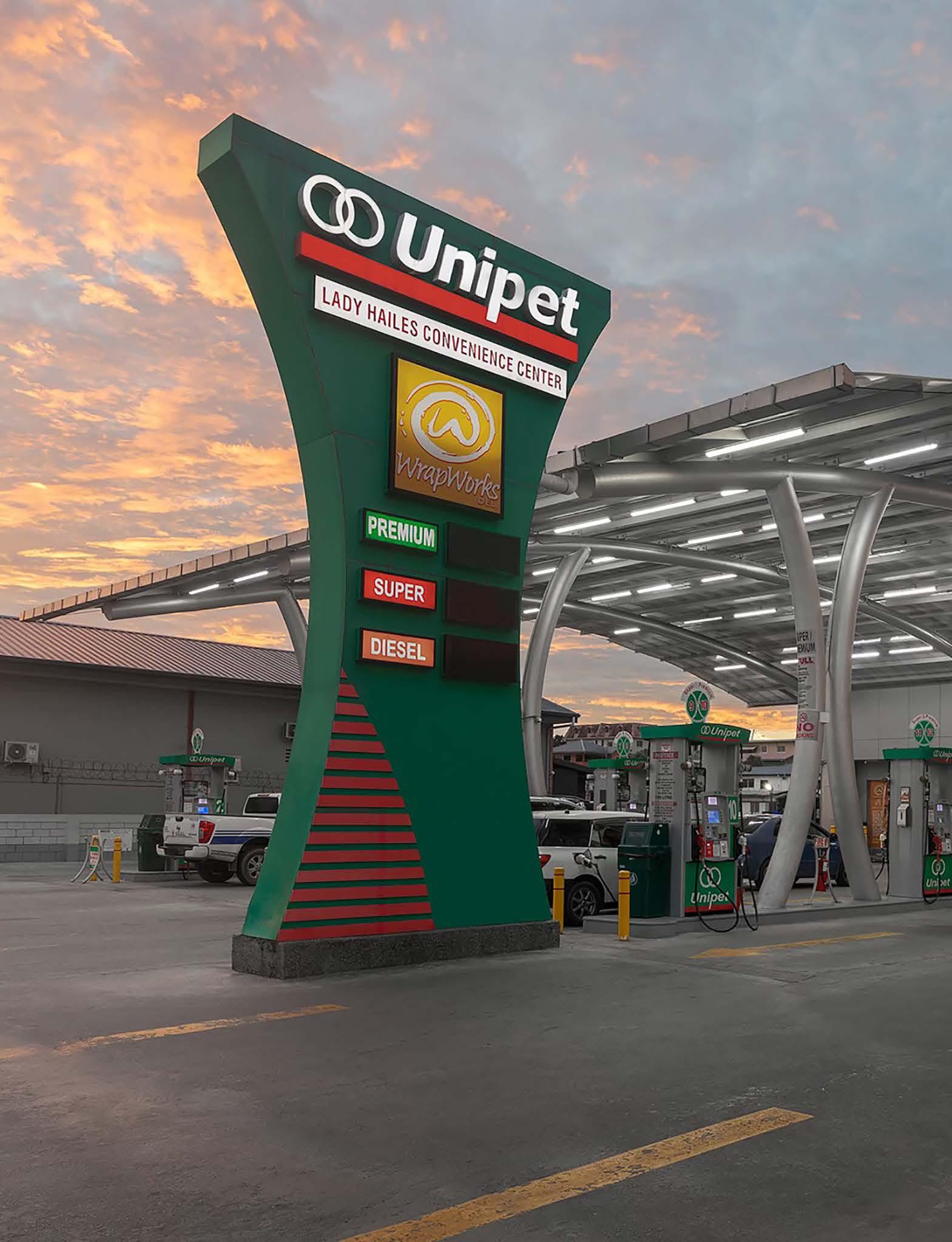
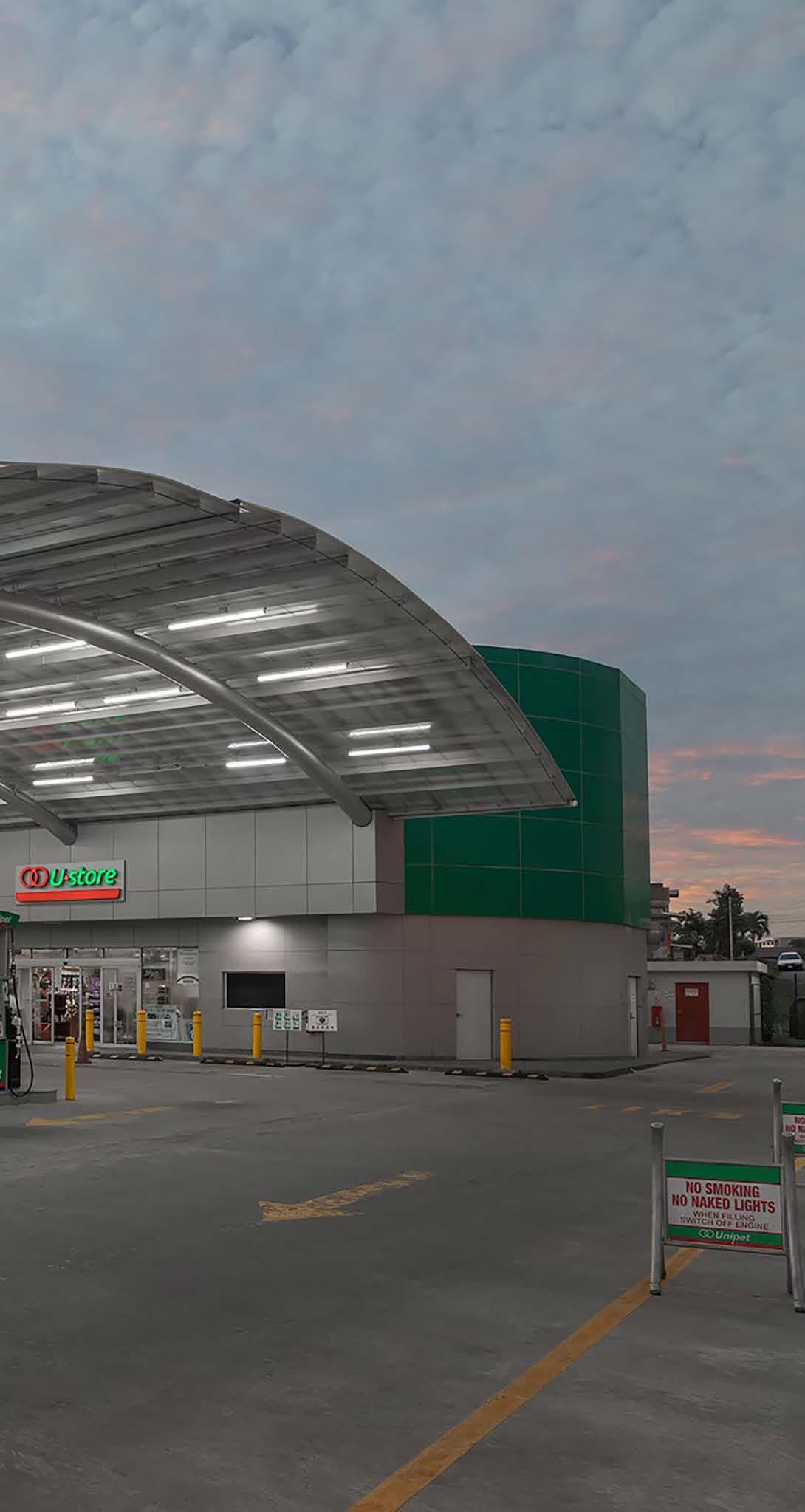
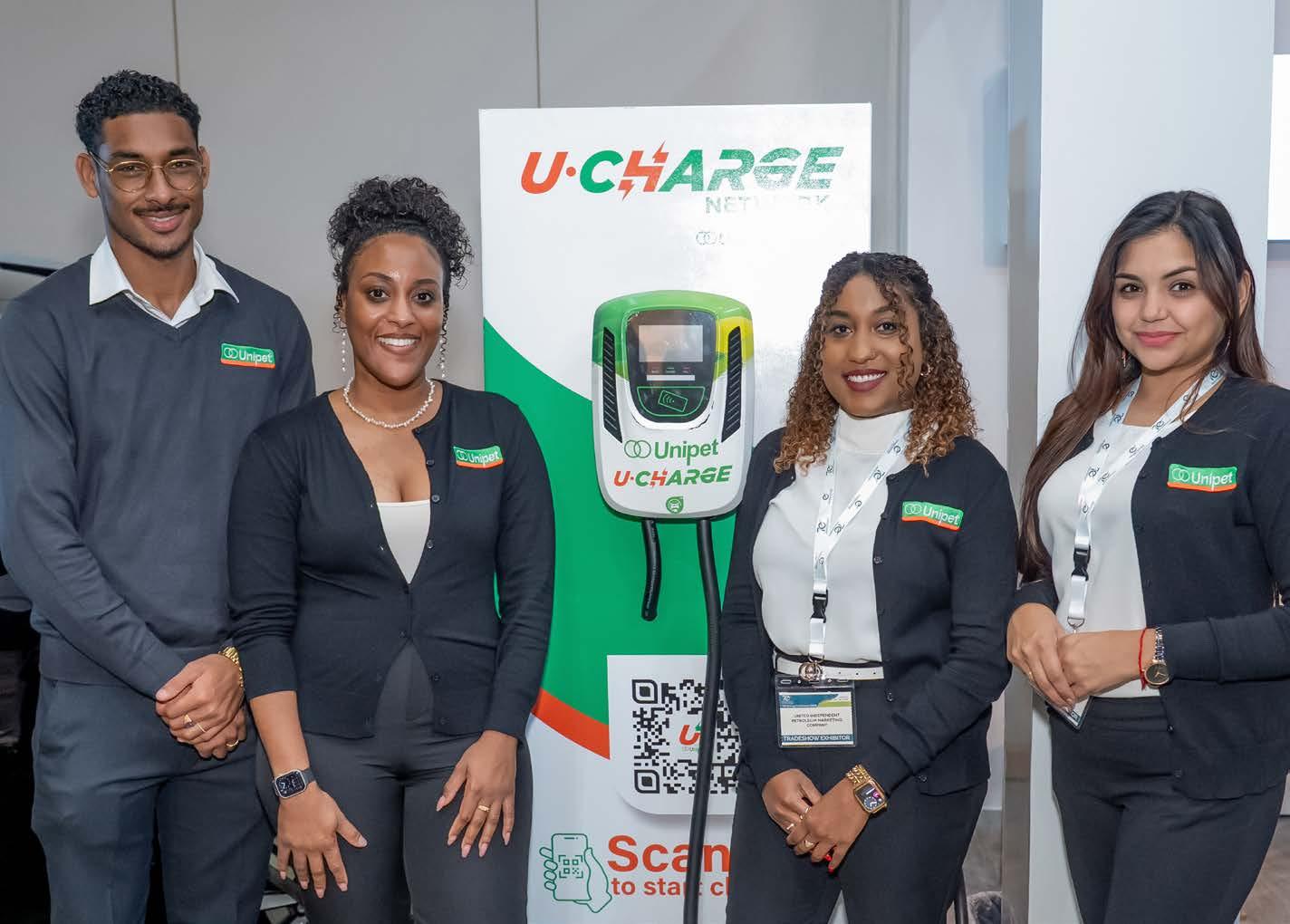
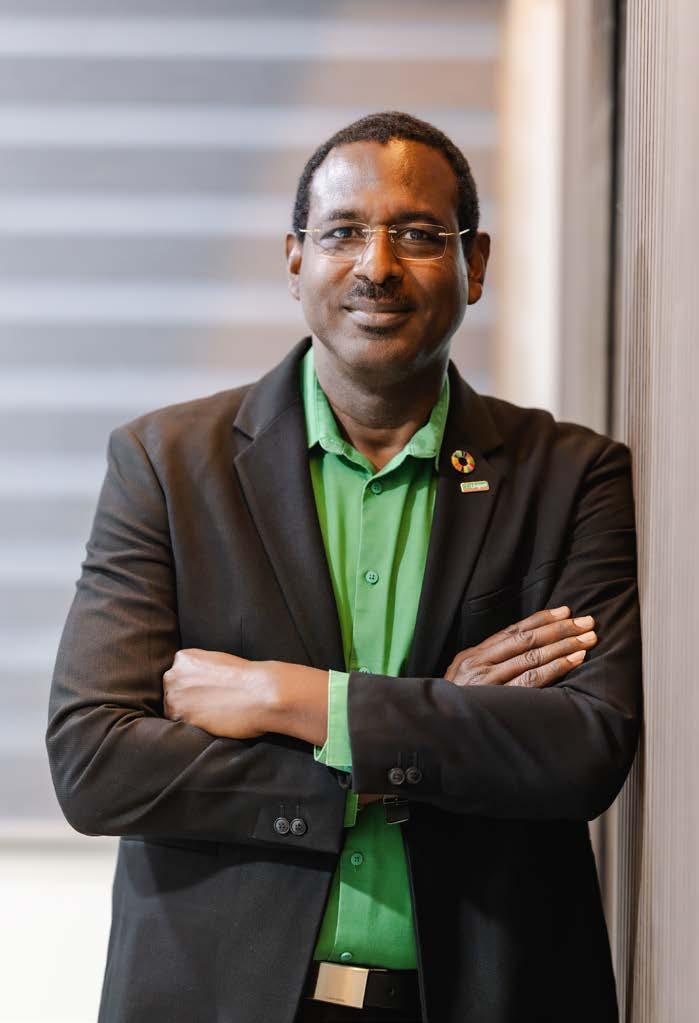
Driven by innovation, UNIPET is a vital energy and financial technology ecosystem that has evolved from a traditional fuel distributor into an essential provider of integrated energy solutions across Trinidad and Tobago. To highlight the evolving role UNIPET continues to play, we spoke with Mr. Dexter Riley, Chief Executive Officer (CEO) of UNIPET, who shared insights into its operations, current developments, and plans for expansion in the years ahead. Through Riley’s perspective, we gained a view of UNIPET’s operations and the wide-ranging role it plays in energy distribution, sustainable energy delivery, and community development.
UNIPET traces its origins in 1997, when it was established as a wholly owned and locally operated company focused on the marketing and wholesaling of liquid petroleum fuels. From the outset, UNIPET positioned itself as a challenger brand within Trinidad and Tobago’s state-dominated downstream petroleum sector. In 1999, the company was granted its Petroleum Marketing Licence and commenced operations in 2000. Over the past 26 years, UNIPET has evolved into a technology-enabled, internationally oriented enterprise. Today, its core services include the distribution of liquid petroleum fuels, a growing convenience retail network of 24/7 U-Stores, and a specialised range of automotive care products such as fuel system cleaners and performance additives.
Alongside its fuel distribution services, UNIPET is committed to delivering digital payment solutions, including RFID-enabled fuelling and mobilefirst platforms that support both conventional fuel transactions and electric vehicle charging services. This reflects a significant shift under the leadership of Dexter Riley, CEO since 2015, with the company advancing a triple bottom line strategy, that balances economic performance with environmental stewardship and social impact. Key
aspects of this transformation include investments in digital infrastructure, renewable energy, and data-driven operational capabilities, strengthening UNIPET’s contribution to sustainable energy development.
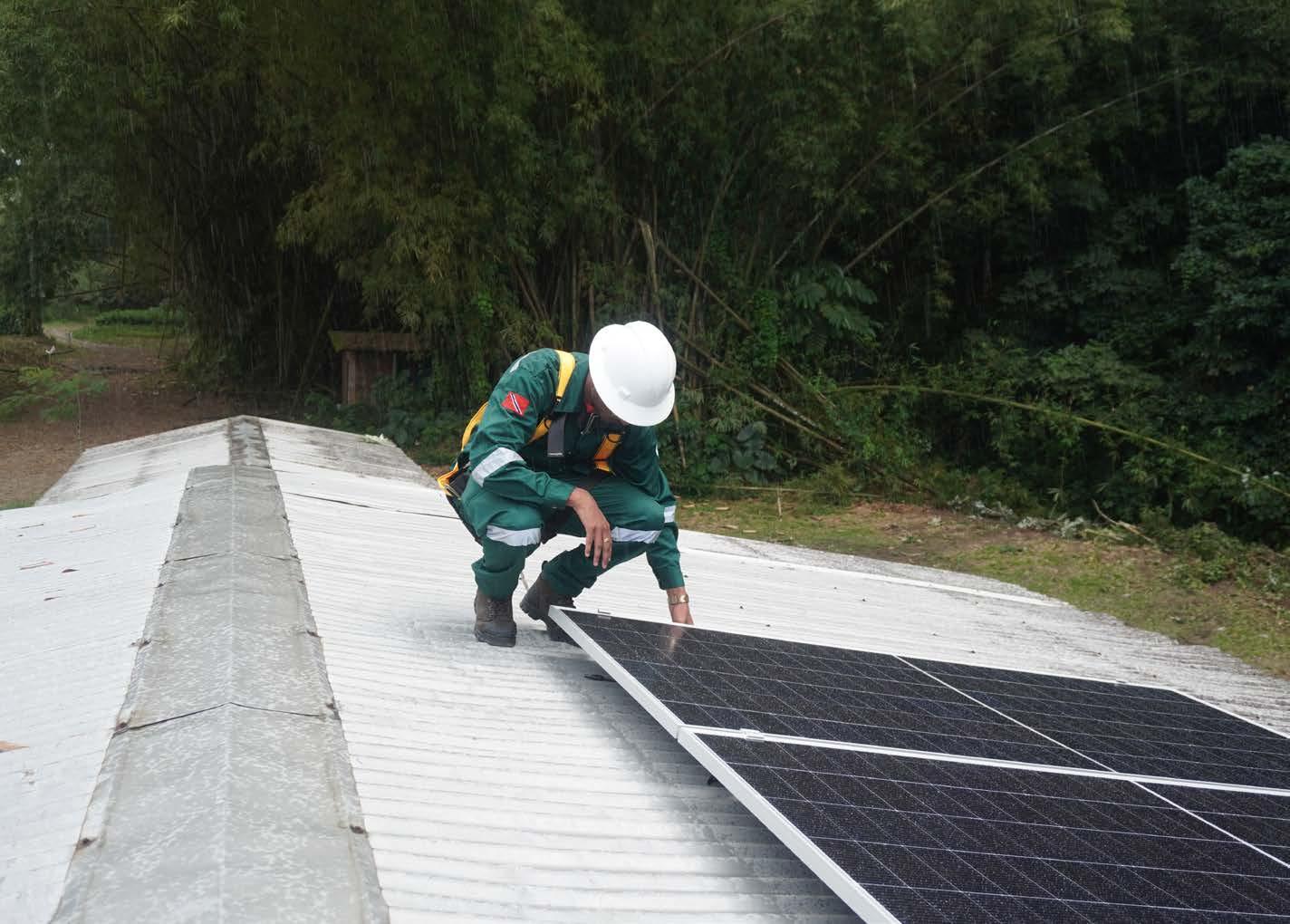
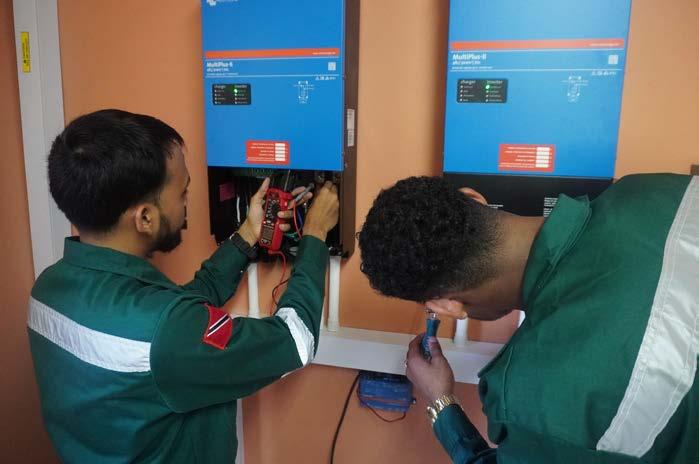
A defining feature of UNIPET’s operations is its network of service stations, designed as integrated lifestyle and energy hubs rather than traditional fuelling locations. Riley explains that these sites are differentiated by their focus on digital innovation and sustainability. “UNIPET commissioned the country’s first solar-powered service station including Trinidad’s first public electric vehicle charging station at its Brentwood location,” he notes. These developments underscore the company’s role in delivering infrastructure that extends beyond fuelling, offering digitally integrated, sustainabilitydriven solutions.
The solar-powered service station at Brentwood stands as a milestone for both the company and the country. It represents a step forward in the adoption of renewable energy within the local service station network while reinforcing UNIPET’s position as a regional leader in electric vehicle charging. Through its U-Charge initiative, the company has played an active role in developing charging infrastructure across Trinidad and Tobago. In recent years, this network has expanded with multiple charging stations nationwide. Supporting this is a dedicated mobile application that provides real-time visibility of charger availability, and usage data, creating a seamless user experience. The establishment of Convenience Pay Technologies Ltd., further marks a strategic milestone, enabling the development of a fully integrated digital ecosystem across UNIPET’s energy and retail services.

Sustainability is embedded across UNIPET’s operations, including at the point of fuel dispensing through its Double Filter Technology., Riley explains, “Double Filter Technology is a two-stage fuel filtration system designed to ensure a high level of fuel cleanliness at the point of dispensing. The primary filter removes larger particulates and solid contaminants, while the secondary, visible filter installed at the dispensing hose captures finer particles and significant moisture content”. This system reduces the risk of contaminants entering vehicle engines, supporting improved performance, enhanced fuel efficiency and extended engine life. It reflects the company’s broader focus on delivering cleaner, more efficient fuel solutions.
UNIPET has further reinforced its commitment to responsible business practices by becoming the first company in Trinidad and Tobago to sign onto the United Nations Global Compact. This milestone reflects the company’s dedication to sustainability, corporate responsibility, and the advancement of the United Nations 2030 Agenda. As part of this commitment, UNIPET continues
to align its business strategy and operations with the Sustainable Development Goals (SDGs), contributing to meaningful social, environmental, and economic progress. Through its fintech initiatives, the company supports SDG 1, No Poverty, by improving access to essential services and supporting vulnerable communities. Through UNIPET Energy, it actively contributes to SDG 7, Affordable and Clean Energy, by advancing renewable energy adoption across Trinidad and Tobago. Investments in modernised infrastructure and innovation further support SDG 13, Climate Action, while the company’s governance framework reflects its commitment to SDG 16, Peace, Justice and Strong Institutions. UNIPET also recognises the importance of collaboration and, through strategic public and private sector partnerships, continues to advance SDG 17, Partnerships for the Goals.
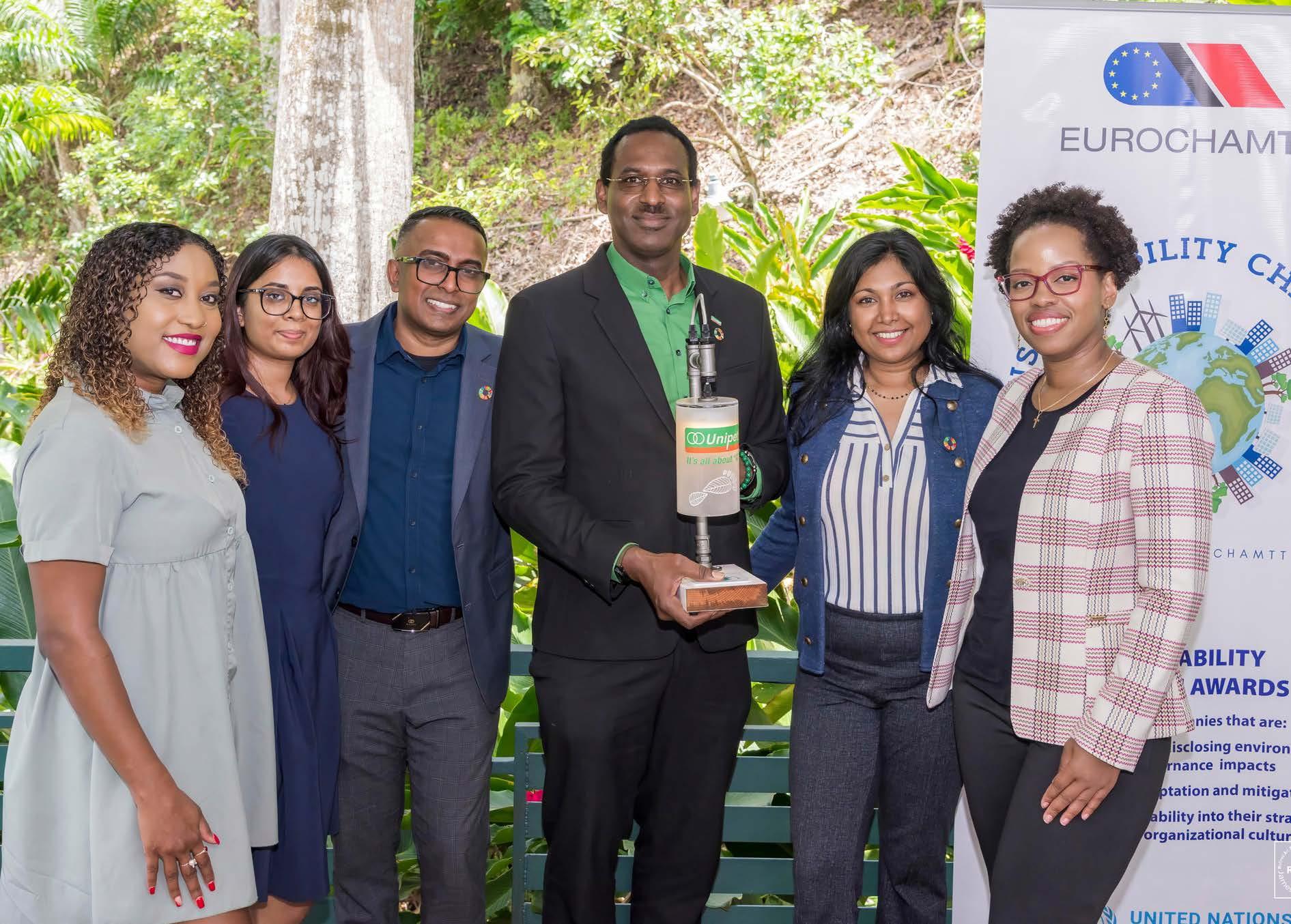
These efforts were further recognised when UNIPET was named the 2026 EUROCHAMTT Sustainability Champion in the Large Enterprise category, a milestone that reflects the company’s continued investment in sustainable development, innovation, and operational excellence. The recognition also underscores UNIPET’s active role in supporting the energy transition and demonstrates how strong governance, industry collaboration, and forward-thinking leadership continue to shape the
company’s evolution as a sustainable corporate citizen.
Beyond energy delivery, UNIPET remains committed to community development through its structured engagement approach. Its operations are guided by its corporate ethos: UQUEST and I-CARE values, which, according to Riley, “emphasise inclusion, responsibility, and development”. These principles support the delivery of reliable energy solutions while fostering a technology-enabled economy. The company also invests in talent development through structured mentorship and internship programs, with a strong track record of progression from entry-level roles to leadership positions. Its social investment strategy aligns
with global development priorities, particularly in advancing access to sustainable energy and climate action.
Reflecting on the company’s journey, Riley notes that one of the key challenges UNIPET has faced has been navigating regulatory and market structures that were originally designed around a state-operated energy environment and did not always align with the realities of a privately operated enterprise. As the sector evolved, this required the company to adapt within an established framework while advocating for more balanced and responsive industry mechanisms. In response, UNIPET has maintained sustained policy engagement, ethical advocacy, and a focus on operational resilience. Internally, it has strengthened its organisational culture through flatter, more inclusive management structures and agile, cross-functional teams, promoting collaboration and a unified corporate ethos that supports competitiveness in a dynamic energy market.
Looking ahead, UNIPET is focused on expanding its electric vehicle charging network and advancing the rollout of its U-Charge mobile application. The company is also leveraging artificial intelligence and machine learning to optimise asset performance and enhance customer engagement. In parallel,
it is exploring regional and international growth opportunities through strategic partnerships and licensing arrangements within CARICOM and beyond.
As it looks to the future, UNIPET aims to complete its transition into a fully integrated energy company serving transportation, commercial, and residential sectors with cleaner and more accessible solutions. Riley states that the company “aspires to operate as a sustainable, impact-driven enterprise that balances climate responsibility with economic growth, while contributing to energy security and leadership development across the Caribbean region”. This direction reinforces UNIPET’s role in supporting the region’s energy transition through technology-driven solutions that make cleaner energy more accessible.
UNIPET continues to play a central role in Trinidad and Tobago’s energy landscape through its expanding network of service stations and its investment in digital infrastructure. Our conversation with Dexter Riley, highlights a company defined by resilience, adaptability and a clear strategic vision. As the energy sector continues to evolve, UNIPET is positioned to expand its reach while maintaining a balance between economic growth and environmental responsibility, contributing to a more integrated and forward-looking energy future.
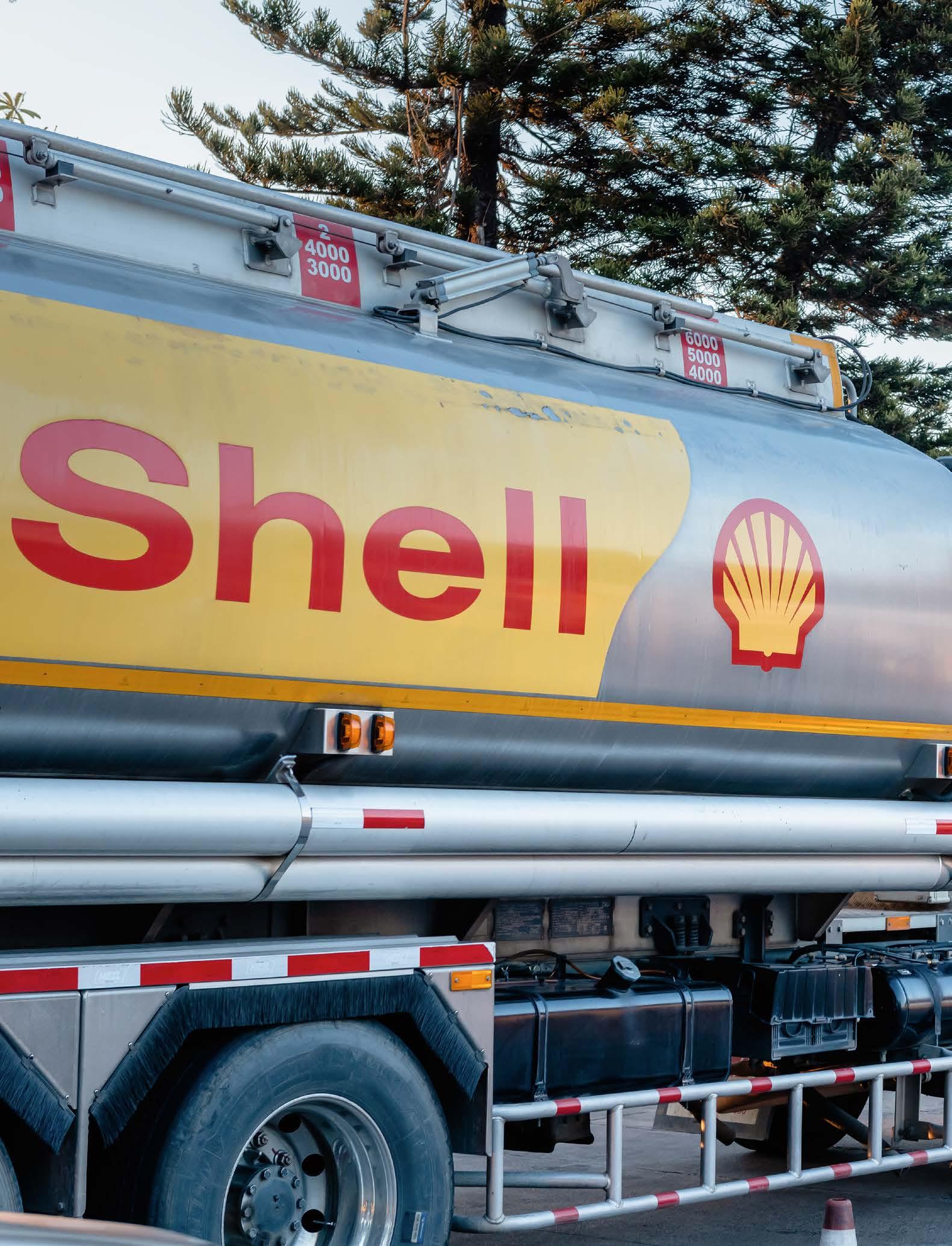
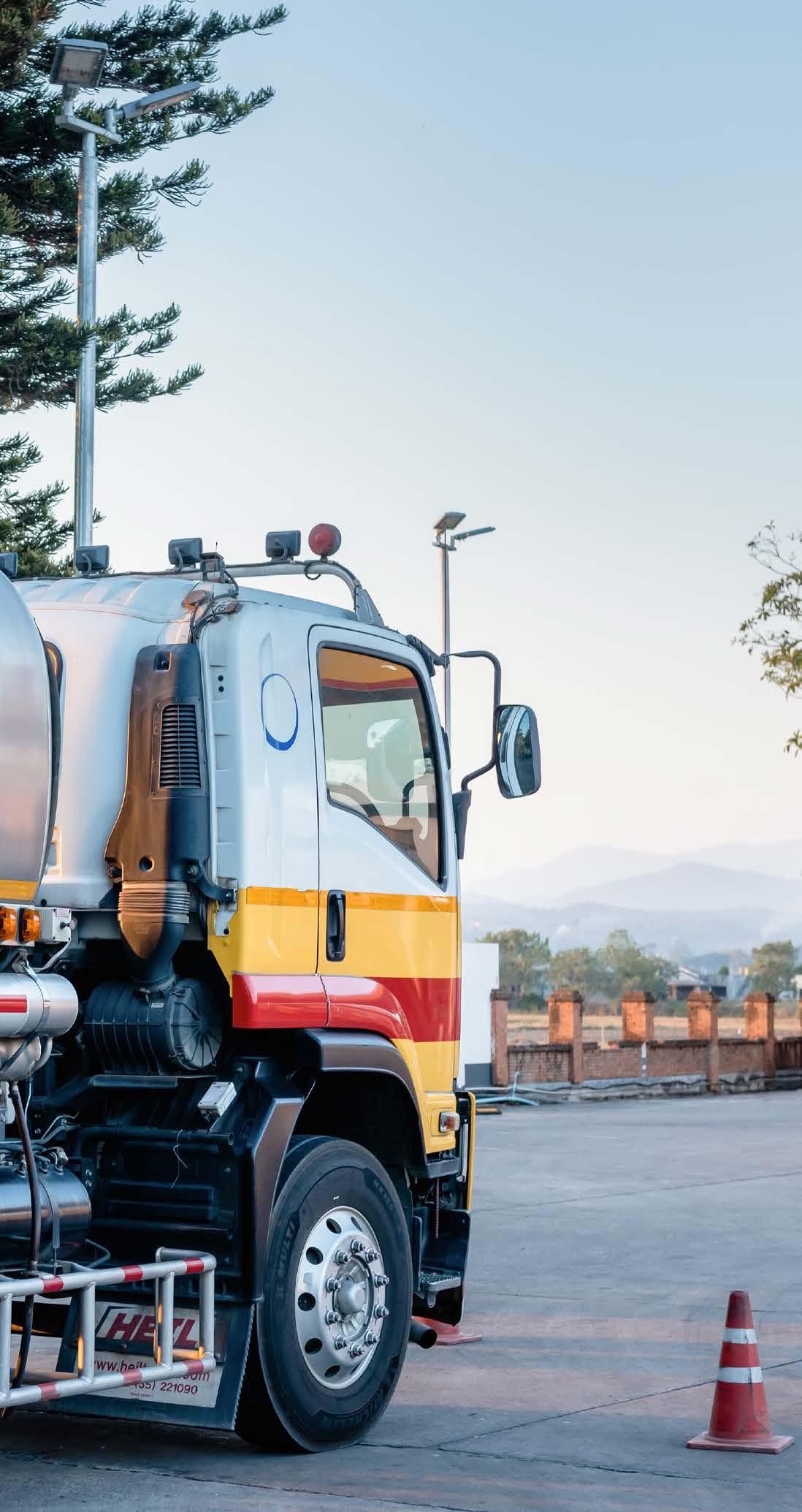

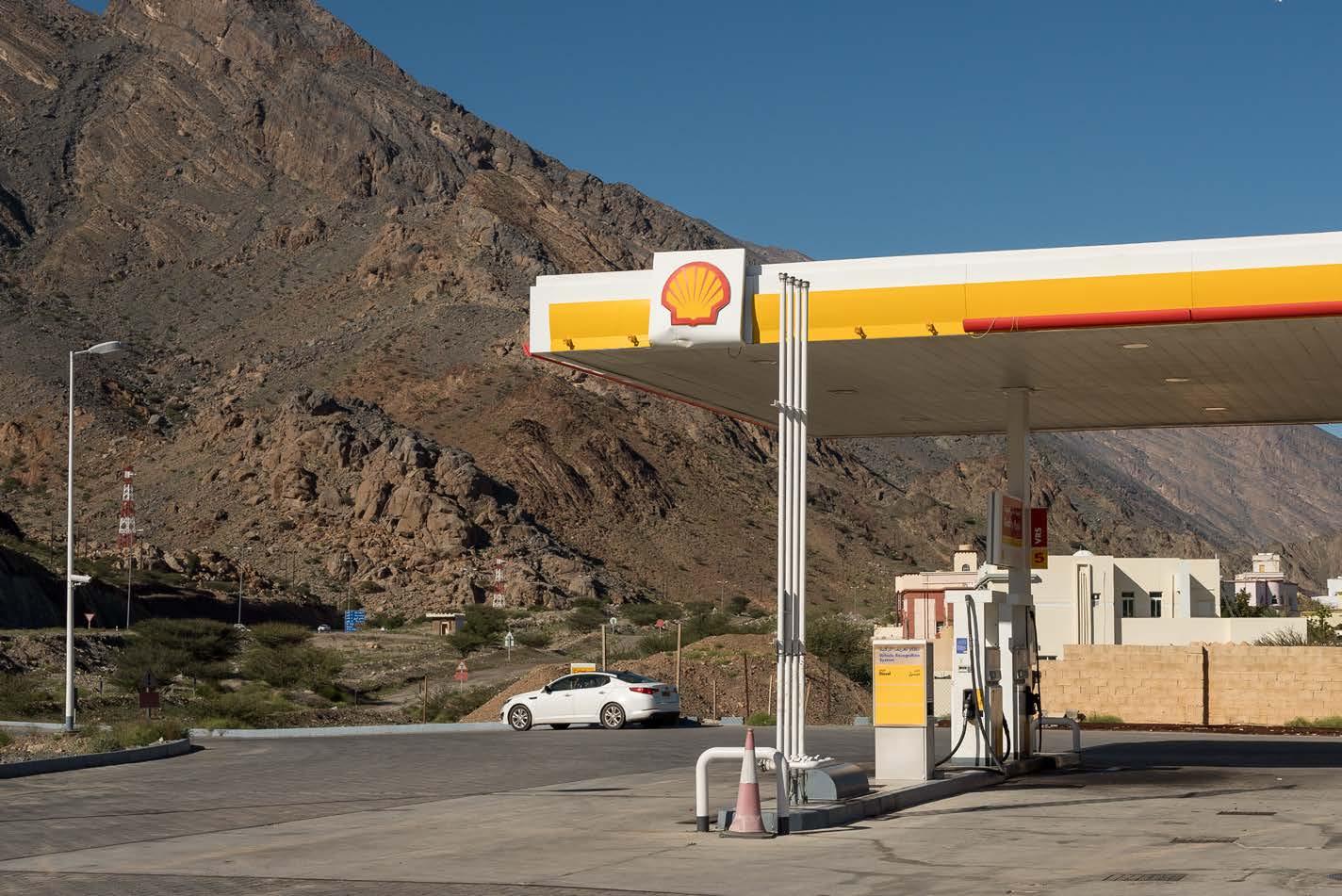
For many years, Canada has been a powerhouse within the global energy sector, bringing together the vital oil and gas reserves of the country while working to deliver critical renewable energy resources needed for the future. With such a wealth of energy projects and potential across the country, Shell has long played a key role in Canada’s energy development and today has operations spanning the upstream, downstream, integrated gas and renewables sector. Therefore, Shell’s operations cover everything from initial exploration to the production, refining and manufacturing of fuels, and even in developing energy solutions for customers. However, a key driver of its future development remains focused on helping the country reach net-zero greenhouse gas emissions by 2050, and so the sector, along with Shell, is working to implement more renewable energy developments across the country.
Shell began its operations in Canada in 1911, and now, over a century later, is fully integrated into every aspect of the country’s energy sector. Today, Shell Canada operates as an energy and petrochemical company under the global Shell group’s portfolio, delivering a diverse range of projects and facilities across Canada to support the country’s energy development now and for the future. Some of the key projects under Shell Canada include LNG Canada, the Scotford Complex, Groundbirch and Gold Creek, as well as carbon capture projects. All of these projects are delivering vital oil and gas resources to market, whilst being underpinned by emission reducing operations.
LNG Canada is one of the most significant developments for Shell Canada, as it is the largest private-sector energy investment in Canada’s history. The joint venture company of LNG Canada is comprised of 5 global energy companies, all of which have substantial experience in the liquefied natural gas (LNG) sector. Shell Canada holds a 40% interest in LNG Canada alongside PETRONAS, PetroChina, Mitsubishi Corporation and KOGAS. The Joint Venture aims to spearhead responsible LNG development in Canada, with the goal of becoming a top 5 LNG producer globally. LNG Canada operations span an export facility in Kitimat, British Columbia, that processes and stores LNG. Then the facility encompasses LNG loading lines, a marine terminal, a rail yard, a water treatment facility, flare tacks, and workforce accommodation to help support the operations of the facility every day.
The facility will export LNG from two processing units with a total capacity of 14 million tonnes per annum (mpta) of LNG. Therefore, the facility is a vital hub for LNG development that will significantly contribute to Canada’s LNG production and deliver
essential LNG fuels not only Canadian use, but for use around the globe. In June 2025, LNG Canada announced that the first cargo of LNG had left the export facility in Kitimat. Speaking on the announcement, Cedric Cremers, Shell’s President of Integrated Gas, said, “LNG Canada grows our leading integrated gas portfolio, providing a reliable supply of LNG to markets, most notably in Asia”. Cremers continues, “We expect that supplying LNG will be the biggest contribution Shell will make to the energy transition over the next decade, and projects like LNG Canada position our portfolio to achieve this”. As we can see from Cremers’ comments, LNG Canada is and will continue to play a key role under Shell’s integrated gas portfolio, helping to deliver vital resources that are pivotal to achieving global energy transition goals.
Aside from its significant LNG production, the project has already employed 50,000 to date and has secured more than CAD 5.8 billion in contracts. Many of these have been awarded to local and indigenous businesses in British Columbia, highlighting the role of LNG Canada not just in the energy market but in the local socio-economic development of British Columbia for many years to come. Thus, LNG Canada provides a new source of economic development for the region, whilst helping to deliver competitive,

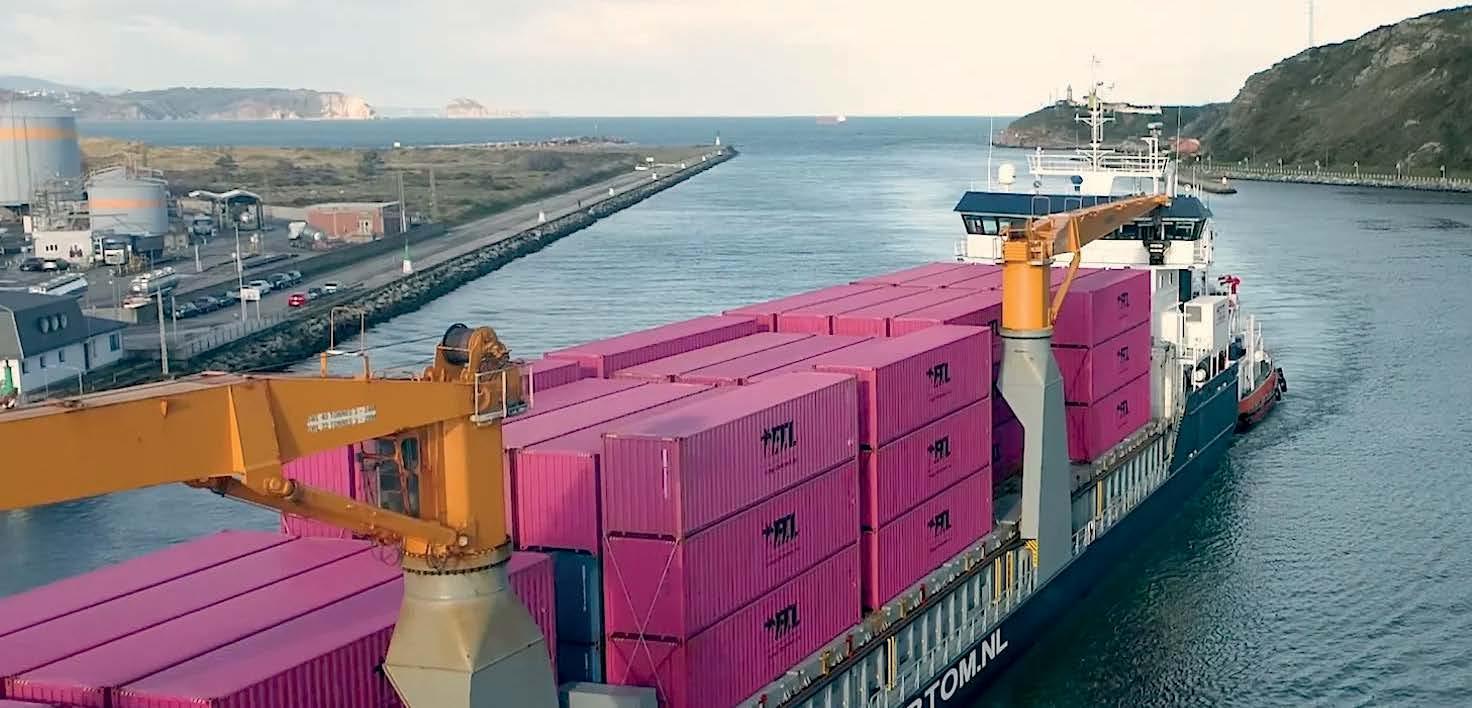
Europe Caribbean Line (ECL) is your trusted partner for dependable, Fortnightly breakbulk and project cargo services between North & West Europe, the Caribbean, and the North Coast of South America. Our versatile fleet of multi-purpose vessels, equipped with heavy-lift capabilities (up to 150 metric tons), ensures your cargo moves safely and efficiently—no matter the size, shape, or complexity.
Our Vertraco Reefer Service offers weekly sailings from Northern Europe to Suriname & Guyana—delivering palletized, refrigerated, and break-bulk cargo in just 12 days.
Europe Caribbean Line – Dependable. Flexible. Proven.
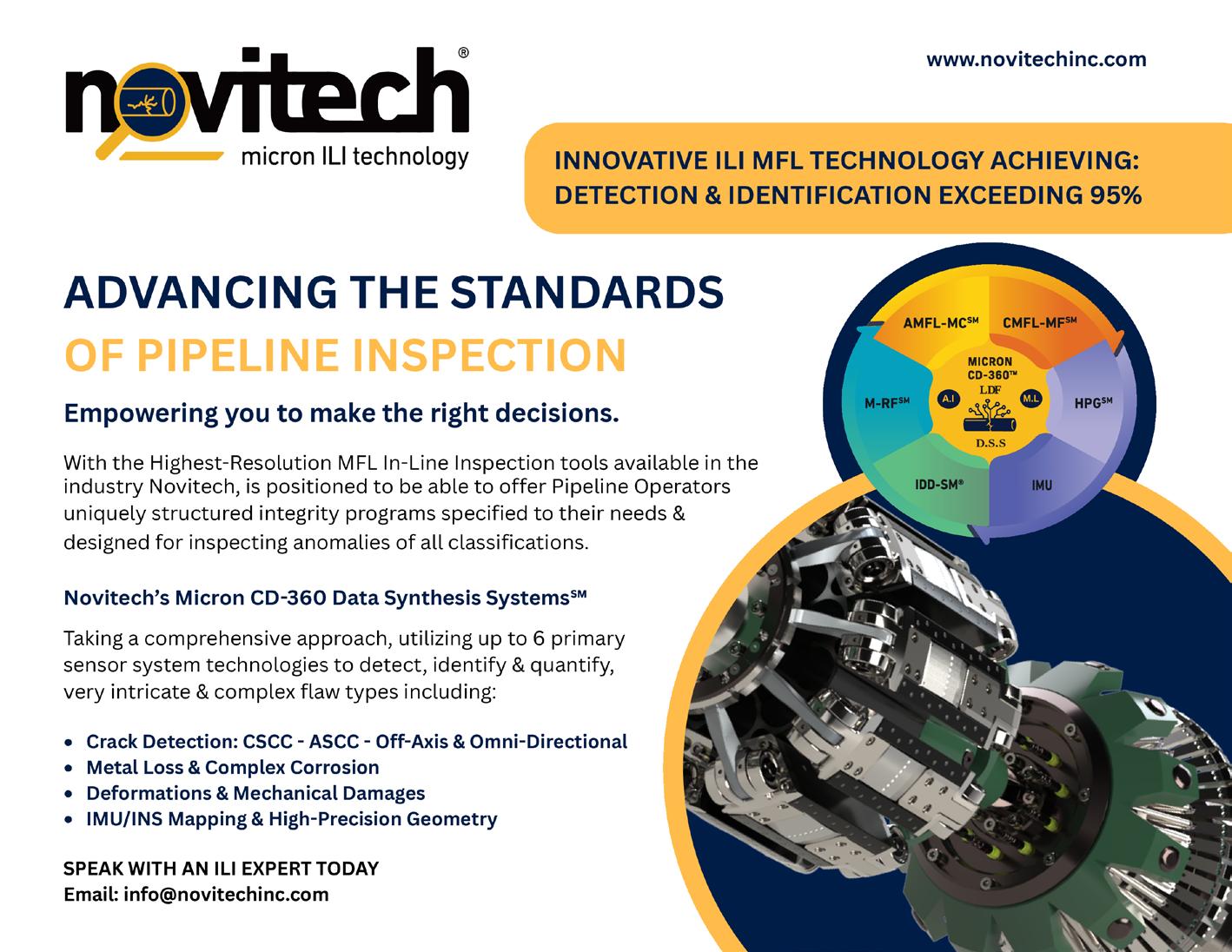
Novitech provides In-line Inspection & mapping services that exceed client expectations, delivering upon our pledge to innovate better ILI solutions and introduce more efficient, safer pipeline operations that are more environmentally friendly. That commitment is central to maintaining our leadership in advanced MFL crack and flaw detection for the natural gas pipeline inspection industry. Across every project, we uphold the highest standards of ethics and compliance while applying project management best practices, integrity, responsibility, and accountability to ensure each inspection’s success. The systematic research and development for our Micron 360sm Low Drag Force systems involves a rigorous program encompassing scientific testing and investigation led by only the industry’s most experienced engineers and professionals. Novitech’s exceptional operational efficiency and sophisticated capabilities in data analysis, collection, sizing, and reporting, are rooted in extensive industry expertise, supported and strengthened by strong customer partnerships. Simply put, no other ILI technology can compare to our high-performance, Micron ILI Technology® We are advancing crack & critical flaw detection by applying our knowledge of CSCC, ASCC & Off-Axis cracking, to validated reporting of Omni-Directional cracks identified using our Micron ILI Technology® with 6 different Data Synthesis Sensor systems with a probability of detection and identification greater than 95%.
secure and reliable energy in a vital partnership with local communities. Over the coming years, LNG Canada’s export facility is expected to expand, doubling the facility’s capacity to 28 mtpa by the early 2030s. The project’s phase 2 expansion is expected to take a Final Investment Decision (FID) in 2026.
Another key development of Shell Canada is the Groundbirch project, which is a natural gas production operation located in northeast British Columbia. The project spans 500 producing gas wells and four gas plants, which produce methane, natural gas liquids and condensate. The resources are produced from the Montney formation, which is located 2,500 metres below ground, trapped in a mixture of siltstone and shale. Groundbirch uses drilling technology, including several wells that help access the natural gas resources, whilst minimising its footprint and land disturbance in the process. Alongside this, Gold Creek, another key project delivering vital resources across the Montney Formation for Shell Canada is operating. The Gold Creek project uncovers shale oil and gas across 30 on stream wells. These wells currently produce around 3,000 barrels of equivalent oil per day. Thus, with significant shale oil and gas delivery, Gold Creek, much like Groundbirch, play a significant
role in supporting the energy transition, by helping Shell Canada meet the energy demands of today, whilst working towards the future of global energy development.
One of the most significant developments under Shell Canada is the Shell Scotford Complex, which consists of a bitumen upgrader, oil refinery, chemicals plant and the Quest Carbon Capture and Storage (CCS) Facility. The complex is divided into 4 key steps, the first of which is the Bitumen Upgrader, which processes heavy, raw crude oil into lighter, high-quality synthetic crude oil. Then, the complex’s Oil Refinery refines the synthetic crude oil into everyday products such as gasoline, diesel and jet fuel. From here, byproducts are processed through the chemical plant into styrene monomer and ethylene glycol, which are used in manufacturing. The final step is the Quest Carbon Capture and Storage (CSS) Facility, which captures carbon dioxide produced during operations and stores it safely deep underground.
Throughout the oil delivery process at the Shell Scotford Complex, sustainability remains a key priority, and this is exemplified by the Quest CCS Facility. For Shell, it is committed to working to reduce emissions throughout its projects, whilst delivering the vital resources needed to power our everyday lives. Thus, with the development of the Quest CSS Facility, Shell Canada are highlighting the importance of such processes, and working with the government, customers and partners to advance the adoption of carbon capture operations not just in Canada but across the global energy sector. The Quest CCS Facility was previously operated by Shell Canada on behalf of the Athabasca Oil Sands Project (AOSP), which held a 90% ownership interest in the asset, with Shell Canada holding the remaining 10%. However, in November 2025, Shell completed an asset swap which saw it increase its interest in the Scotford Upgrade and Quest CCS facility to 20%, giving AOSP its remaining 10% interest in the Albian Sands mines. This increase in interest highlights Shell Canada’s commitment to delivering energy projects and assets that are working towards delivering a more sustainable future.
An exciting upcoming development of Shell Canada is the Polaris Carbon Capture project. The project is designed to capture around 650,000 tonnes of carbon dioxide annually from the Scotford refinery and chemical complex. The project will work alongside the Quest CCS Facility to help reduce emissions from the site. In June 2024, Shell Canada announced the FID for Polaris Carbon Capture, along with the FID for the Atlas Storage Hub. The Atlas Storage Hub will be a multi-phase open access hub, developed, owned and operated in partnership between Shell Canada
and ATCO EnPower to provide customers in the area with transportation and sequestration services for all their carbon dioxide emissions. Speaking on the announcement of both FIDs, Hulbert Vigeveno, Shell’s Downstream, Renewable and Energy Solutions Director outlines that, “The Polaris and Atlas projects are important steps in reducing emissions from our own operations”. Vigeveno also notes that in line with the Paris Agreement, these projects will help Canada achieve its climate goals, reducing overall emissions produced by the Shell’s oil and gas operations within Canada. Both projects are expected to begin operation towards the end of 2028.
Across Shell Canada’s operations, there is a keen focus on bringing vital oil and gas resources to market, but in the most sustainable way possible. Across every development, asset, and project, Shell Canada’s projects are underpinned by a drive to cut emissions, capture carbon and protect the communities it works within for the future. From the vital work of LNG Canada to the Scotford Complex, and even the upcoming Polaris CCS Facility and Atlas Storage Hub developments, Shell Canada is spearheading vital oil and gas development that will support the world towards the energy transition, whilst providing the energy infrastructure needed to support sustainable energy delivery for the future.
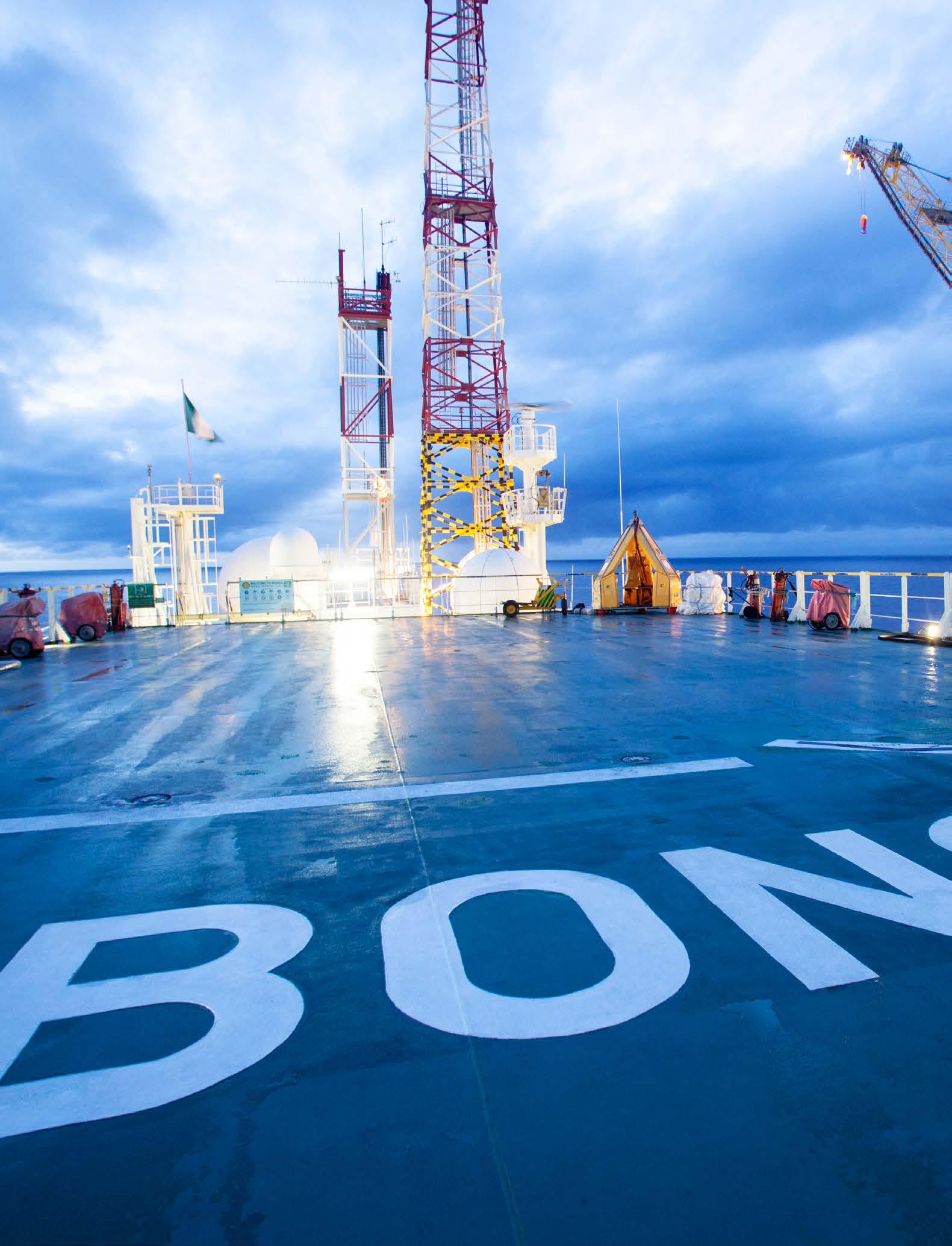
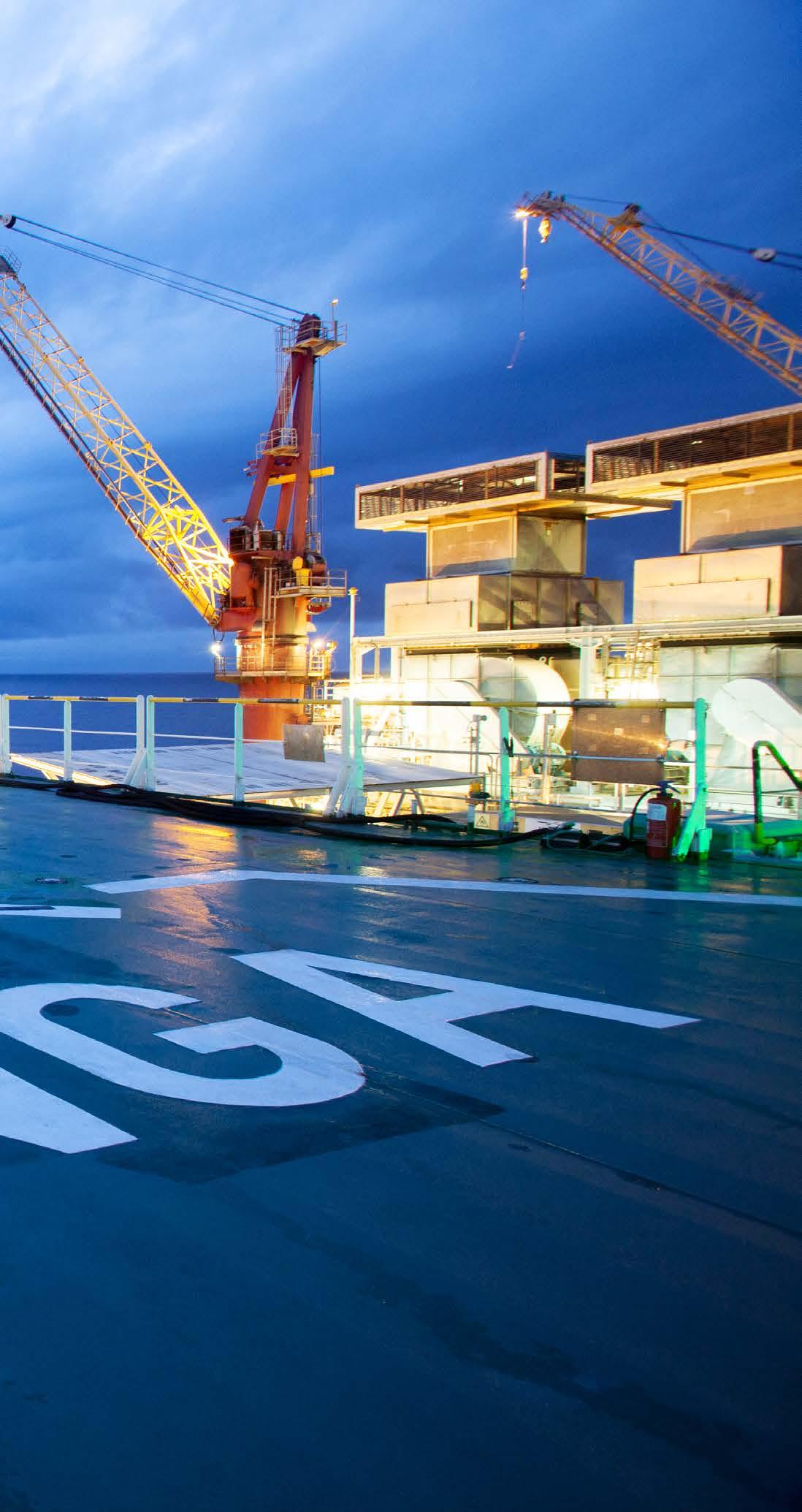
Home to major offshore oil and gas fields, Nigeria has long played a vital role in the global energy sector. With key oil-producing fields across Nigeria, including the Bonga, Agbami, Egina, Akpo and Erha fields, the country’s economy relies heavily on the energy sector. A key company that has been developing Nigeria’s energy sector is Shell plc, which has been present across the country’s entire energy chain for more than 50 years. Under its subsidiary, Shell Nigeria Exploration and Production Company (SNEPCo), Shell has been pioneering the country’s deep-water development at the Bonga field, which today, along with the Erha field, is responsible for nearly one-third of Nigeria’s deep-water production. Therefore, as a key player enhancing Nigeria’s deepwater development, SNEPCo is focused on unlocking the country’s energy potential for the future. .
NEPCo was formed in 1993 to transform Nigeria’s deepwater oil and gas resources, and so the company has spent the last 33 years focused on delivering vital exploration and production projects across Nigeria’s offshore energy sector. Today, SNEPCo has made significant discoveries towards the development of Nigeria’s offshore energy sector, producing oil and gas resources in depths of up to 2,500 metres. The bulk of SNEPCo’s operations centres on the Bonga and Erha fields. The Bonga field is operated by SNEPCo in partnership with Esso Exploration and Production Nigeria Ltd. (20%), Nigerian Agip Exploration Ltd. (12.5%) and TotalEnergies EP Nigeria Ltd. (12.5%), who work on behalf of the Nigerian National Petroleum Company Limited (NNPC). The deep-water development is located in OML 188, at water depths of more than 1000 metres. The development is supported by the Bonga Floating Production, Storage and Offloading (FPSO) facility, which began production in 2005, which Shell operates with a 55% interest, and has a capacity to deliver 225,000 barrels of oil per day. Last year, we saw SNEPCo announce it was to increase its interest in the Bonga field following the signing of an agreement with TotalEnergies EP Nigeria Limited in May. The agreement outlines SNEPCo acquiring TotalEnergies’ 12.5% stake in the OML 118 Product Sharing Contract (OML 118 PSC)
mining lease offshore Nigeria that includes the Bonga field. Upon completion of the transaction, Shell’s interest in the OML 118 PSC block will rise from 55% to 67.5%. In the announcement outlining the agreement between TotalEnergies EP Nigeria and SNEPCo, Peter Costello, the President of Shell’s Upstream division, outlined that “Following our final investment decision on Bonga North last year, this acquisition brings another significant investment in Nigeria deep-water that contributes to sustained liquids production and growth in our Upstream portfolio.”
Costello’s comments highlight how vital the acquisition of more of the Bonga development is to help Shell enhance its role in Nigeria’s deepwater development sector. SNEPCo announced in November 2025 that the acquisition had been completed. For Shell, this investment contributes towards the company’s growing integrated gas and upstream production capabilities, which it is aiming to increase by 1% per year to 2030. In addition, it will also help sustain SNEPCo’s production of 1.4 million barrels per day of liquids production, and in the process, position the country as a key hub for energy development.
In February 2026, SNEPCo began turnaround maintenance activities at the Bonga FPSO





Trusted by international and national oil companies since 2006.
When reliability isn’t optional, choose the partner that IOCs and NOCs trust.
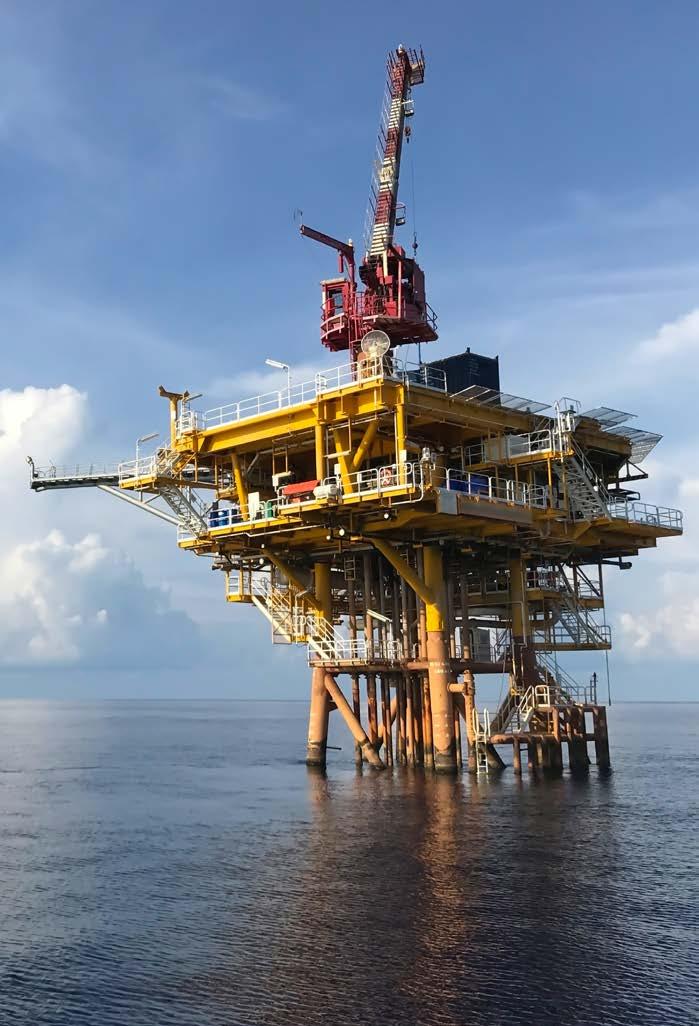
Homeland Integrated Offshore Services (HIOSL) delivers worldclass marine logistics, EPCIC, subsea construction, and technical manpower — on time, on spec, offshore and onshore.
HIOSL is a multi-disciplinary engineering and maritime services company providing end-to-end support for upstream oil and gas operations. Our capabilities span:
• Marine logistics & vessel operations (Fast Security Vessel, Anchor Handling Tug Supply Vessels, Platform Supply Vessel, Jack-Up Barges, Accommodation Vessel, and Field Installation Vessels).
• Engineering, Procurement, Construction & Installation (EPCIC)
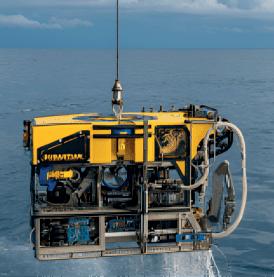
• Subsea construction & offshore maintenance
• Technical manpower supply
• AGO supply to onshore & offshore installations
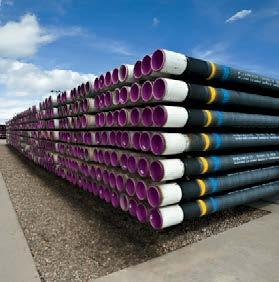
• Casing, tubing & drill pipe supply
Nigeria’s Most Trusted Offshore Services Partner


Homeland Integrated Offshore Services Limited
Homeland Integrated Offshore Services Limited (HIOSL) is a leading indigenous marine and offshore services company, established in 2006, with nearly two decades of proven operational excellence within Nigeria’s oil and gas sector. The company owns and operates a growing fleet of offshore support vessels and has successfully deployed several vessels across multiple offshore campaigns and longterm contracts. Our operations currently support major International Oil Companies (IOCs), including ExxonMobil (ESSO), TotalEnergies, Shell Nigeria, Chevron Nigeria Limited, and SEPLAT Energy. HIOSL offers an integrated suite of offshore services, including:
• Marine Vessel Supply and Operations (MPSVs, PSVs, AHTS, Jack-Up Barges, Security Vessels, Crew Boats)
• Engineering, Procurement, Construction and Installation (EPCI)
• Supply of Automotive Gas Oil (AGO) • Technical Manpower Support Services
• Oil Country Tubular Goods (OCTG) Services • Port Facility Security and Marine Risk Assessment Services
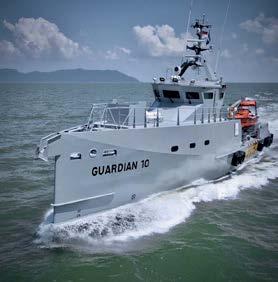
Across these services, HIOSL has established a strong reputation for responsiveness and execution discipline, supported by over 15 years of continuous offshore operational support. This expertise has allowed HIOSL to develop its Guardian Fleet, which meets stringent ICO technical requirements and helps support the company’s efficient procurement and project delivery systems.
Today, HIOSL has established a strong, long-standing relationships with leading international oil operators, including Shell Nigeria and TotalEnergies Nigeria. With Shell Nigeria, HIOSL deploys fast security vessels for Bonga field operations, provides PSV support for drilling campaigns, and offers technical manpower services for both brownfield and greenfield projects. Then, for TotalEnergies Nigeria, HIOSL deploys multiple PSCs across offshore campaigns, as well as security vessel operations and AGO offshore supply and procurement of critical operational spares. Alongside its vital work with TotalEnergies and Shell, HIOSL also deploys jack-up barges, accommodation and construction vessels to other international oil companies.
For HIOSL, its performance across international oil operations reflects the company’s operational reliability, safety, compliance and consistency in the delivery of services to international standards. Thus, HIOSL is not just a service provider, but a strategic execution partner within the offshore energy value chain that is committed to advancing indigenous capacity in line with the Nigerian Content Act, aligning with global operational and safety standards, whilst building long-term value-driven partnerships with international operators.
Furthermore, HIOSL remains committed to making a significant contribution to local content through Nigerian workforce development. This includes training and development programs for Nigerian seafarers and technical personnel, alongside structured cadet and trainee programs. Furthermore, HISOL continues to support local vendors and supply chain partners, whilst remaining actively engaged in host communities, offering employment opportunities across its operations.
As HIOSL looks towards the future, its long-term vision is to become a fully integrated offshore solutions company with a strong regional and international footprint. Therefore, HIOSL is open to collaborating with international companies to create a value chain ecosystem. Furthermore, to actively position itself for the future, HIOSL is focused on fleet expansion with environmentally compliant vessels, participating in high-value offshore tenders, strategic partnerships and consortium-led project execution, and digital transformation across its operations and procurement.
“At Homeland, we are building more than a service company, we are building a platform for African excellence in offshore energy. Our commitment is to deliver world class solutions, develop indigenous capacity, and partner with global stakeholders to shape a more resilient and sustainable energy future.” www.hiosl.com • info@hiosl.com • +234 803 444 7309

N.U.E Offshore Resources Limited is a service-oriented company supporting the offshore energy and marine logistics sector through the provision of technical supplies, operational support, and industrial solutions. Its core activities include providing offshore vessels, sourcing and delivering marine spares, safety work wear (PPE), safety equipment, and related resources required for offshore and vessel operations.
N.U.E Offshore Resources Limited acts as a reliable link between operators, contractors and supply chains by ensuring timely procurement, quality assurance, and logistical coordination. However, its role extends beyond supply, and it also provides responsive support that is designed to enhance operational continuity, compliance with safety standards, and cost efficiency for its clients in demanding offshore environments.
We got the chance to speak with Caroline Onuoha, Supply Chain Manager for N.U.E Offshore Resources Limited, who oversees sourcing strategy, vendor coordination, procurement processes, and logistics alignment to ensure the timely and efficient delivery of materials and equipment required for offshore support operations. Onuoha’s role focuses on maintaining supply reliability, cost efficiency, and quality assurance across the company’s operations to ensure they meet operational objectives and support client projects in the process.
Today, N.U.E Offshore Resources Limited has strong relationships across the energy sector, offering its vital services with consistency, transparency, and performance reliability, whilst maintaining open communication and demonstrating its flexibility in resolving its clients’ challenges. Across these challenges,
N.U.E Offshore Resources Limited gets to know its clients’ operational priorities –whether regulatory compliance, downtime reduction, or cost management – and aligns its services to support these goals.
A key partnership for N.U.E Offshore Resources Limited is with Shell, where the company has been contributing technical, supplier and operational support aligned with offshore project requirements. Some key projects with Shell include the Bonga North Project, the Bonga Top Chain Replacement Project and the provision of marine patrol vessels. These highlight N.U.E Offshore Resources Limited’s operational capacity in offshore vessel deployment, marine security services, and compliancedriven service delivery within Shell’s offshore environment.
As N.U.E Offshore Resources Limited looks towards the future, the company is focused on positioning itself as a recognised and trusted support partner within the offshore and marine supply ecosystem. As part of this, N.U.E Offshore Resources Limited is aiming to expand its service reach, deepen its relationships with major operators, improve the digital integration across procurement processes, and strengthen its operational resilience. In fact, N.U.E Offshore Resources Limited is currently expanding its operations and is focused on supplying marine spares for vessel support activities, to strengthen its ability to respond quickly to offshore technical requirements. In parallel, it is also actively pushing its range of incountry manufactured safety workwear (NUE SAFETY WORK WEAR) into the wider market, ensuring accessibility to high-quality protective solutions that meet industry safety expectations and standards.

Trusted marine operations and safety solutions built on global standards.
N.U.E Offshore Resources Limited delivers trusted offshore vessel operations and marine support services, combining deep local expertise with international best practices to ensure safe, compliant, and efficient offshore performance.
We operate and maintain a fleet of vessels available on request and provide a comprehensive range of locally manufactured Personal Protective Equipment (PPE) designed to support safe offshore operations.

Offshore Marine Operations
Personal Protective Equipment (PPE) Supply
Journey Management Equipment Supply
Pipeline Installation & Maintenance Haulage & Logistics Support
Engineered for durability, comfort, and compliance with industry safety standards.








For decades, the story of Nigerian oil has been told largely through the lens of foreign supermajors and state-owned giants. A quieter, more consequential narrative is now unfolding: the rise of indigenous operators with the technical depth, financial discipline, and operational maturity to anchor Africa’s most important hydrocarbon economy.
Century Group sits firmly within that emerging tier.
Century Group, an integrated indigenous oil and gas services company, is emerging as a case study in what local capacity can look like when ambition is matched with operational discipline.
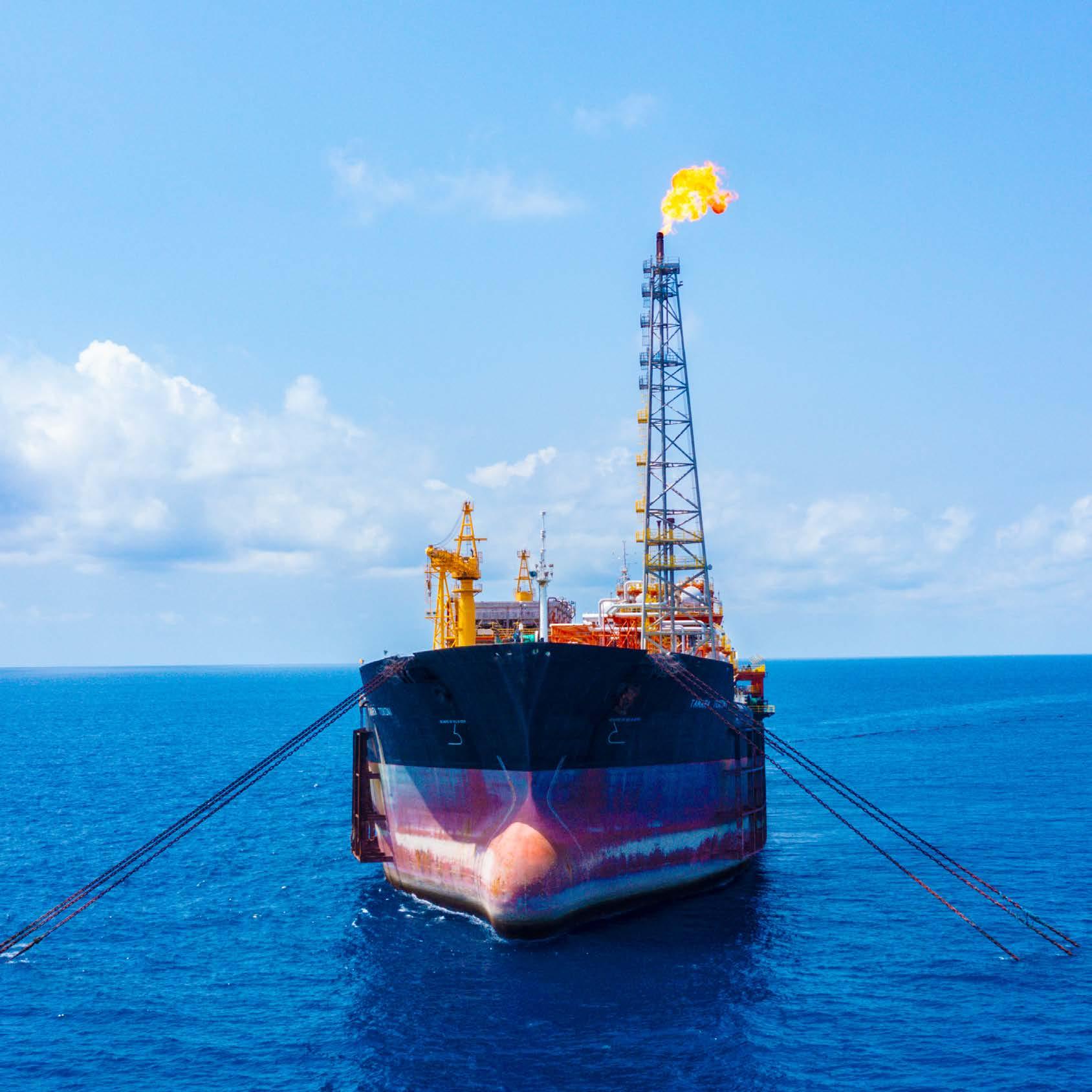
Century Group has built a portfolio that spans the upstream value chain. Its footprint spans floating production, offshore logistics, marine services, engineering, and increasingly, energy transitionaligned ventures. Its FPSO Tamara Elmina, a strategic asset in Nigeria’s offshore production architecture, recently marked over 1,000 days losttime-injury-free, a safety milestone that rivals the standards of any international major and signals a maturity in operational governance that has historically eluded the indigenous segment.
vessel. These maintenance activities included statutory inspections, certification and regulatory compliance checks, as well as major asset integrity upgrades and engineering modifications. The upgrades and modifications are designed to improve the long-term operations and subsea assurance activities of the FPSO. The last time such turnaround maintenance activity was conducted on the FPSO was in October 2022, just a few months before it delivered its 1 billionth barrel of oil since it commenced production in 2005. However, following SNEPCo and its co-venture partners reaching a Final Investment Decision for a subsea tie-back development in Bonga North in 2024, the project depends on the reliability and enhanced capacity of the Bonga FPSO. Therefore, the development, maintenance and upgrades of the FPSO are designed to support the vital progress being made in the Bonga North Development.
Speaking on the scheduled maintenance, SNEPCo Managing Director, Ronald Adams, outlined that “The schedule maintenance activity is designed to ensure the FPSO continues to operate safely and efficiently for the next 15 years, while
The significance extends beyond a single asset. As international oil companies progressively rationalise their Nigerian footprints, the burden and the opportunity of sustaining national production has shifted decisively to indigenous operators. Century Group’s trajectory suggests that this transition need not be a step down in standards. It can, instead, be a recalibration of who delivers them.
For investors and policymakers watching Africa’s largest economy, Century Group represents something increasingly rare: a Nigerian company executing at international benchmarks while remaining anchored in local employment, local supply chains, and local accountability. In a market where indigenous participation has too often been measured in equity percentages rather than operational outcomes, Century’s model offers a more durable metric uptime, safety records, and bankable performance. Africa’s energy future will not be written by foreign capital alone. It will be shaped by indigenous operators capable of marrying global standards with local accountability; companies that solve problems, enable people and add value. Century Group is increasingly emblematic of that cohort.
reducing unplanned deferments and strengthening the asset’s overall resilience”. Adams’ comments highlight just how vital such maintenance and upgrades are for the Bonga FPSO, as it is pivotal in supporting SNEPCo’s long-term success over the coming years. The turnaround maintenance was completed in March, 11 days ahead of schedule, reinforcing SNEPCo’s long-standing commitment to operational excellence and asset integrity for the continued development and support of Nigeria’s offshore oil and gas production operations.
Alongside the Bonga development, SNEPCo also has key operations in the Erha field and the Erha North satellite fields. These fields, located roughly 97km offshore Nigeria at depths ranging between 1000m and 1200m, were the first deepwater offshore field development for Nigeria. The OML 133 Contract Areas containing the Erha Development is operated by Esso Exploration and Production Nigeria (EEPNL), who hold a 56.25% participating interest, with SNEPCo holding the remaining 43.7% share.
The Erha field is estimated to hold 500 million barrels of combined recoverable oil reserves. Therefore, the exploration project spans three
The sole authorized Cat dealer representative in Nigeria | Powered by Cat
In offshore and production-critical environments, power reliability is fundamental. For decades, Mantrac Nigeria, sole authorized Cat dealer representative in Nigeria, has partnered with Shell Nigeria Exploration and Production Company (SNEPCo) to deliver dependable, OEMbacked power solutions that sustain continuous operations in some of the most demanding offshore conditions.
From the early stages of Shell’s deep-water developments to today’s complex offshore assets, Caterpillar power systems supplied and supported by Mantrac have remained central to operations at the Bonga Field one of Nigeria’s most technically advanced offshore projects. This long-standing collaboration reflects a shared commitment to safety, performance, and operational excellence.
Beyond equipment supply, Mantrac’s value lies in execution. Recent projects delivered for Shell demonstrate Mantrac’s ability to support critical operations across the full asset lifecycle from engineering and offshore installation to long-term support and optimization.
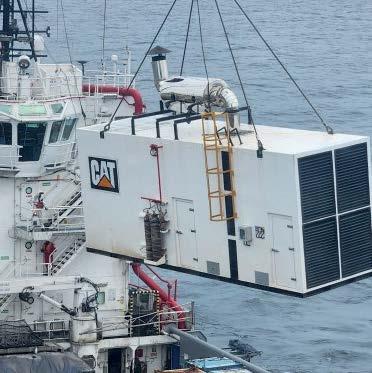
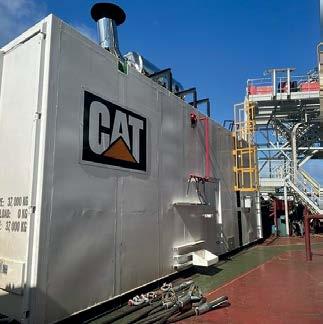
Mantrac provides diesel, gas, and dual-fuel power solutions ranging from 20 kVA to 3,000 kVA in stock, scalable up to 6,000 kVA. This includes emergency engines, crane engines, and fire pump engines rated from 150 bkW to 1,100 bkW, all configured for offshore, emergency, and hazardous-location-certified applications.
These solutions are delivered by experienced engineering teams with deep offshore expertise, ensuring seamless integration into Shell’s operating environments.
Shell’s operations are further supported by Mantrac’s comprehensive Product Support capability, including genuine CAT parts, service and overhaul expertise, and fieldbased technical support. Mantrac’s continued investment in local capability is reinforced
through its CKD/CSD manufacturing facility and complemented by a responsive rental fleet that provides flexible power solutions for project and temporary requirements.
Enhancing this support ecosystem is Mantrac’s Digital Service Centre (DSC), providing remote condition monitoring, advanced diagnostics, and digital troubleshooting. Through real-time insights and proactive analysis, the DSC helps optimize asset performance, reduce unplanned downtime, and extend equipment life even in remote offshore locations.
Through decades of collaboration, proven delivery, and continuous investment in people, technology, and local capability, Mantrac Nigeria remains a trusted partner to Shell powering offshore productivity with Caterpillar confidence and engineered reliability. Through decades of collaboration, proven project delivery, and continuous investment in people, technology, and local capability, Mantrac Nigeria remains a trusted partner to Shell powering offshore productivity with Caterpillar confidence and engineered reliability.
Mantrac is currently supporting SNEPCo through life-extension programs that modernize aging engines with advanced control systems, improving reliability, efficiency, and operational continuity across offshore assets. This is delivered through Mantrac’s integrated support model, combining experienced engineering teams, offshore installation expertise, genuine CAT product support parts, and comprehensive service and overhaul capabilities. These solutions are further strengthened by local manufacturing capacity and a responsive rental fleet, ensuring flexible, end-to-end support throughout the lifecycle of Shell’s operations..
CONTACT: Petroleum Sales Enquiries 0700 626 8722 | 0700 MANTRAC info@mantracnigeria.com
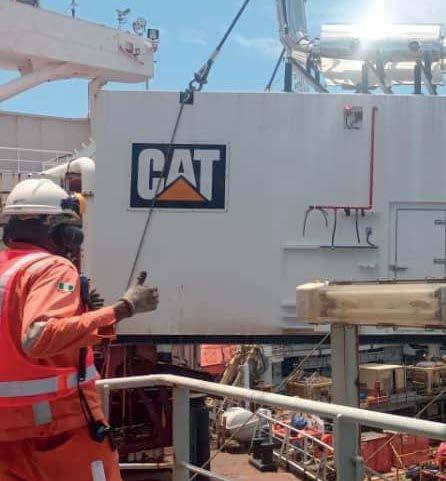
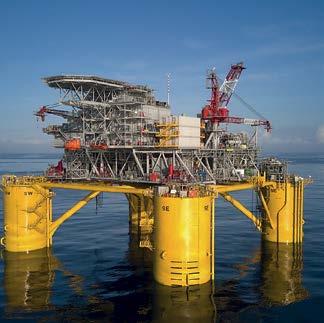

From offshore platforms to heavy-duty Petroleum & Marine operations, Mantrac Nigeria deliversreliable, high-performance power solutions engineered to keep production running without compromise. Backed by Caterpillar expertise, our systems are designed for safety, efficiency, and uninterrupted operations in the most demanding environments. THE SOLE AUTHORISED CAT DEALER REPRESENTATIVE IN NIGERIA | POWERED BY CAT®
• Diesel | Gas | Dual-Fuel
• Rated 20 kVA to 3000 kVA in stock
• Emergency & critical power solutions
• Hazardous-location certified systems
• Local engineering & OEM-backed support
Petroleum Sales Enquiries 0700 626 8722 | 0700 MANTRAC
info@mantracnigeria.com
www.mantracgroup.com

drill sites, comprising 30 subsea wells which are tied back to the Erha FPSO vessel. The FPSO has a designed storage capacity of 2.2 million barrels of crude oil, and its designed oil processing capacity is 210,000 barrels per day. In 2015, the Erha North Phase Two development project was completed, seeing the existing Erha North Subsea system and infrastructure expand, including the installation of associated subsea facilities, a new drilling centre and modifications to the existing FPSO unit. On completion, the Erha field’s capacity was expanded to produce a total of 90,000 barrels of oil a day. Therefore, SNEPCo’s developments across Erha and its continued expansion now deliver vital combined oil reserves for Nigeria, supported by the company’s commitment to deepwater exploration projects.
As SNEPCo looks towards the future, the company confirmed that the Government of the Federal Republic of Nigeria has agreed to the conversion of Oil Prospecting License 245 (OPL 245), which resulted in the granting of two development leases (Petroleum Mining Leases (PML) 102 and 103), as well as two exploration licences (Petroleum Licences (PPL) 2011 and 2012). The license has been granted to Nigerian Agip Exploration Limited (NAE), as well as
SNEPCo and the Nigeria National Petroleum Company Limited (NNPC). SNEPCo will work alongside Eni, which is the operator, to help progress the assessment of technical and economic feasibility within the license and explore further development, whilst helping to develop the resources already discovered to date. The leases highlight Shell’s growing portfolio of offshore projects spanning Nigeria.
In 2025, SNEPCo and Sunlink Energies and Resources Limited announced a Final Investment Decision (FID) on the Hi Gas project offshore Nigeria. The HI Project is part of a joint venture held between Sunlink Energies and Resources Limited (60%) and SNEPCo (40%) and comprises a wellhead with four wells to be installed at the HI field location, along with a pipeline to transport the multiphase gas to the onshore Bonny Gas Processing Plant. Gas from the Bonny Gas Processing Plant will then be transported to Nigeria LNG, a joint venture between Shell (25.6%), NNPC (49%), TotalEnergies (15%) and ENI (10.4%), and the condensate to the Bonny Oil and Gas Export Terminal. Upon completion, the project would supply 350 million standard cubic feet of gas per day at peak production to Nigeria LNG. Nigeria LNG would then produce and export the liquefied natural gas
(LNG) to global markets. Production is expected to begin before the end of the decade and will expand the Bonny Island terminal’s production capacity. This development is in line with Shell’s overall plans to grow its global LNG volumes by an average of 4-5% per year until 2030.
Speaking on the FID reached between SNEPCo and Sunlink Energies and Resources Limited, Peter Costello, Shell’s Upstream President, outlines, “Following recent investment decision related to the Bonga deep-water development, today’s announcement demonstrates our continued commitment to Nigeria’s energy sector, with a focus on Deepwater and Integrated Gas.” Costello continues, “This Upstream project will help Shell grow our leading Integrated Gas portfolio, while supporting Nigeria’s plans to become a more significant player in the global LNG market.” As we can see from Costello’s comments, the project is a vital development for the future of Nigeria’s energy development, and adds yet another vital development to SNEPCo’s diverse asset portfolio spanning the country’s energy sector.
With oil and gas being so vital to Nigeria’s economy, SNEPCo is delivering key deep-water projects along
Nigeria’s coastline. From the company’s continued development of the Bonga and Erha fields, SNEPCo have been delivering valuable resources for the development of the country, supported by Shell’s existing energy infrastructure in the country to make energy more accessible and reliable. With the recent expansion of its projects towards LNG development, SNEPCo can utilise its expertise in deepwater development to bring vital oil and gas resources to Nigeria’s energy market.


Senegal and Mauritania are home to the Greater Tortue Ahmeyin (GTA) Project, one of the most significant and deepest offshore gas developments in Africa, which is set to vastly increase the domestic energy and revenue for both countries for many years to come. The development is part of a cross-border project delivered by BP alongside its partners Kosmos Energy, Société Mauritanienne des Hydrocarbures (SMH), and PETROSEN. With the development signalling such a vital development for both countries, the GTA Project was granted the status of National Project of Strategic Importance by the Presidents of Mauritania and Senegal. This status highlights just how valuable the development remains for the countries and the significant growth of Liquefied Natural Gas (LNG) in Africa.
BPentered into Mauritania and Senegal in 2017, following the discovery of a significant gas field that straddled the maritime border between the two countries. This gas field quickly became the home of two offshore development blocks: St. Louis Offshore Profond and Cayar Offshore Profond. The blocks are major offshore development and exploration hubs, which today are significant anchors of the GTA LNG project. Phase 1 of the GTA development involved an innovative multi-billion-dollar investment project spanning the development of an ultra-deep subsea system with four gas production wells, a Floating Production, Storage and Offloading (FPSO) vessel, and a Floating Liquified Natural Gas (FLNG) Facility. The initial Final Investment Decision (FID) came in 2018, following an agreement between the Mauritanian and Senegalese governments and the development partners to commence the multiphase project set on delivering the basin as a world-class gas province and major LNG hub.
Once gas is produced from the subsea production system it is then processed in the mid-water by the FPSO, where water and impurities are removed, producing gas ready for liquefaction. The gas from the FPSO is then sent along a 35km pipeline to an inshore hub and terminal, which includes a Floating Liquefied Natural Gas (FLNG) facility. Here, the gas is cooled, allowing it to transform into a liquid, enabling easier storage and long-distance transportation of the LNG to markets. The development of LNG at the


GTA Project is significant, as the exploration field is estimated to contain more than 19 trillion cubic feet (tcf) of potentially recoverable gas resources and so will be a key pillar of Senegal and Mauritania’s long term LNG development. Plus, GTA is just one part of the wider 13,500km2 acreage held by BP and its partners in Mauritania and Senegal, which itself is estimated to hold between 50-100tcf of gas resources potential, thus making the whole development one of the most significant gas projects in Africa.
LNG produced from the GTA Project will then be exported through LNG carriers, which will berth at the Hub Terminal before transferring the LNG to further carriers for export. However, some of the LNG will be allocated to Senegal and Mauritania to help meet growing energy demands in the host countries and support their continued energy security and development. Once fully commissioned, the GTA Phase 1 development is expected to produce around 2.3 million tonnes of LNG a year, delivering vital resources for both countries, supporting local energy networks, whilst solidifying the countries and the development as a hub for global LNG development.
In January 2025, BP announced that the GTA Project had achieved first gas flow from the development to its FPSO vessel. This achievement
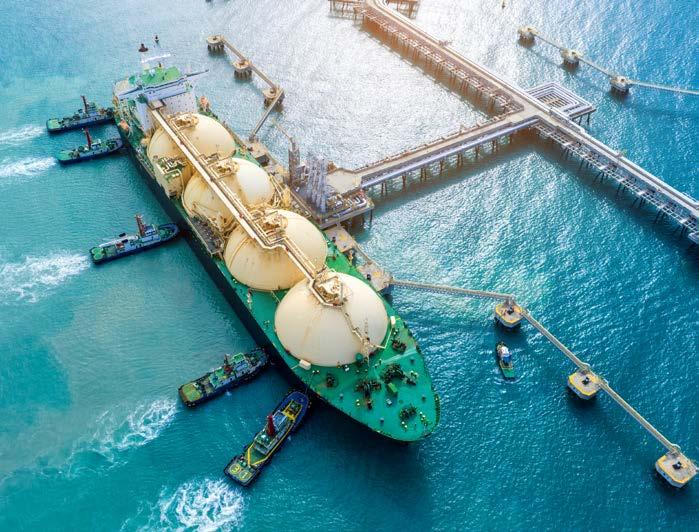
of first gas flow from the development is a significant milestone for the project, marking a vital first step towards delivering the vital potential of the GTA project’s resources to market. Following the first flow in January, BP then announced in April 2025 that it had completed the loading of its first cargo from the GTA LNG project for shipment. The announcement outlined that BP had safely loaded the first cargo of LNG for export from the development, highlighting the GTA project as the third upstream major start-up of the year for BP. This is significant for BP because it is aiming to grow its upstream oil and gas business, with the company expected to deliver 10 project start-ups by 2027, of which GTA is the first.
Speaking on the announcement in April 2025, Gordon Birrell, Executive Vice President of Production and Operations at BP, outlined, “This first cargo from Mauritania and Senegal makes a significant new supply for global energy markets. Starting exports from GTA Phase 1 is an important step for BP and our oil and gas business as we celebrate the creation of a new production hub within our global portfolio.” Adding to this, Dave Campbell, Senior Vice President for BP Mauritania and Senegal, highlighted, “This is a very proud day for Mauritania and Senegal. Throughout the development of this project, we have built strong relationships with the project’s host governments, local communities and our partners, and we look forward to strengthening these in years to come as we continue ongoing operations.”
Both Campbell and Birrell’s comments here highlight the valuable role that the GTA development plays in Mauritania and Senegal’s development, not just economically for global energy markets and solidifying its place as a key production hub within the company’s global portfolio. However, it is a development that also continues to support the communities in which it operates to deliver lasting positive change, in line with its ongoing development.
In fact, this focus on local development was further exemplified at the end of 2025, with the installation of an artificial reef village off the coast of Senegal.
In December 2025, BP installed an artificial reef consisting of 10 clusters of reef structure made up of pioneering reef cubes and pyramid structures. The reef, located 4km off the coast of St. Louis, was delivered from an estimated 3.2 billion CFA investment. The structure features multiple nature-inclusive design additions to enhance marine biodiversity and support sustainable fishing practices and local fishing communities. The installation was delivered in line with community engagement, engineering feasibility studies and environmental services. BP’s partners, along with local fishermen, authorities, and regulators were pivotal to the development, alongside the Marine Research Association. Collectively, these bodies ensured that the design and placement of the artificial reefs met community needs, international standards and ecological conditions.
Speaking on the artificial reef installation, Massaer Cisse, Vice President and Head of Country in Senegal for BP, outlined, “BP is committed to supporting the communities in which we operate. The artificial reef project is a testament to our dedication to biodiversity, sustainable livelihoods, and long-term community value. We are proud to collaborate with our partners and the people of Saint-Louis to deliver this impactful initiative”. Cisse’s comments highlight the ongoing role BP and its partners are continuing to play to deliver the GTA project alongside local communities. Thus, as the GTA continues to be developed, BP and its partners cotninue to focus on local development as part of their multi-million-dollar social investment program, reflecting its commitment to environmental stewardship and community development in line with its LNG energy delivery projects.
As the GTA Project looks towards the future, Phase 2 of the project is currently in development talks. In February 2024, BP and partners in the GTA project confirmed that the concept for the second phase of the GTA LNG project had been outlined, and it is moving towards the next stage of evaluation. A key aspect of the GTA Phase 2 expansion is expected to see an increase in the development’s total capacity to between 2.5 and 3 million tonnes per year. To facilitate this, the Phae 2 concept design will include new wells and subsea equipment, which will be integrated and expand upon the existing GTA infrastructure.
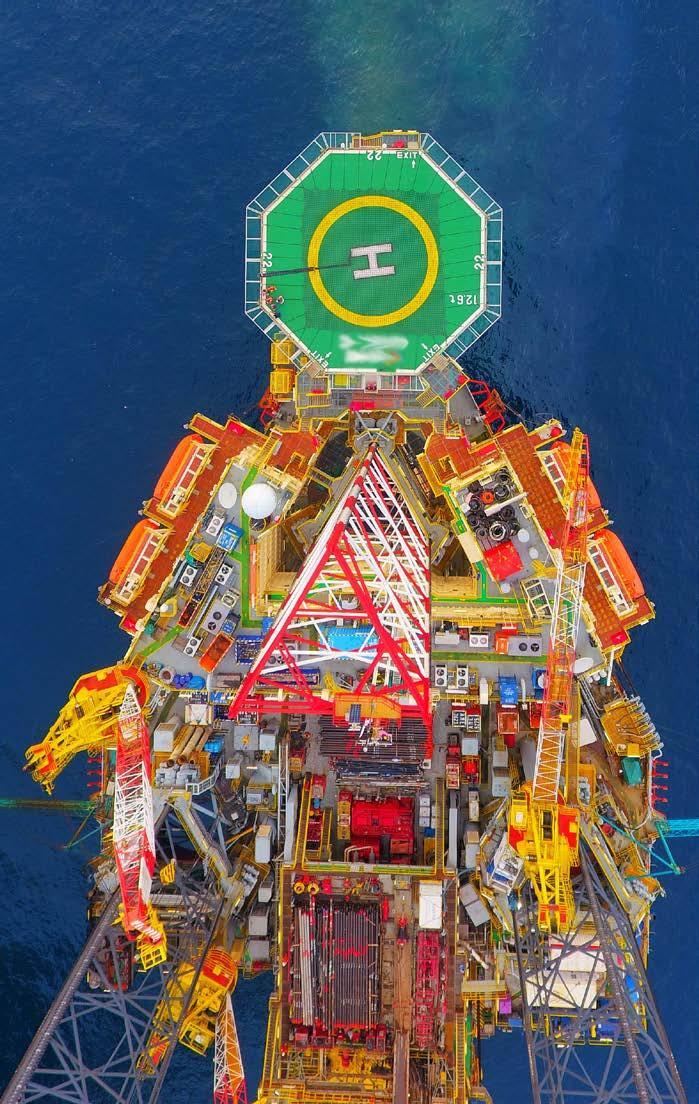
Speaking on the proposed Phase 2 development, Gordon Birrell said, “We aim to build on our strong collaboration with our partners, and the Governments of Mauritania and Senegal, to further develop a long-term, successful energy hub in West Africa. GTA continues to underpin our strategy to develop the most resilient hydrocarbons to help provide energy security today.” Birrell’s comments exemplify the long-term strategy of the GTA development, which is set to enhance LNG development in Africa and help deliver Mauritania and Senegal as leading LNG producers.
Overall, the Greater Tortue Ahmeyim Project is a vital LNG exploration and development project that is enhancing the domestic energy and revenue of both Senegal and Mauritania through vital LNG resource development. As we have seen across Phase 1 of the development, the development is already set to deliver significant resources for the two countries and the local communities in the process. We look forward to seeing how the next phase of the development will progress as BP, along with its partners, looks set to advance the innovative and multi-billion-dollar investment project and cement the project’s place as a hub for LNG development in Africa.
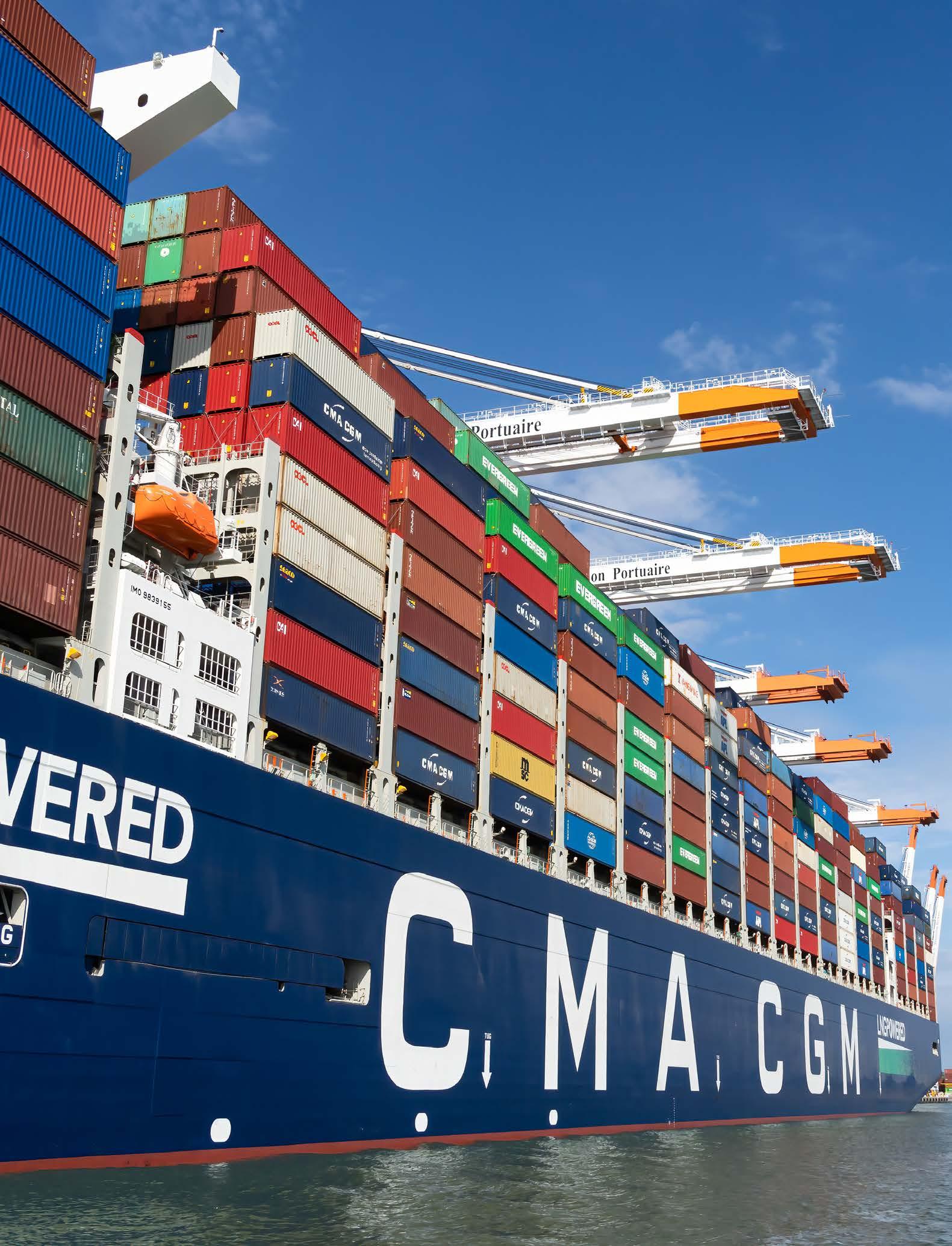
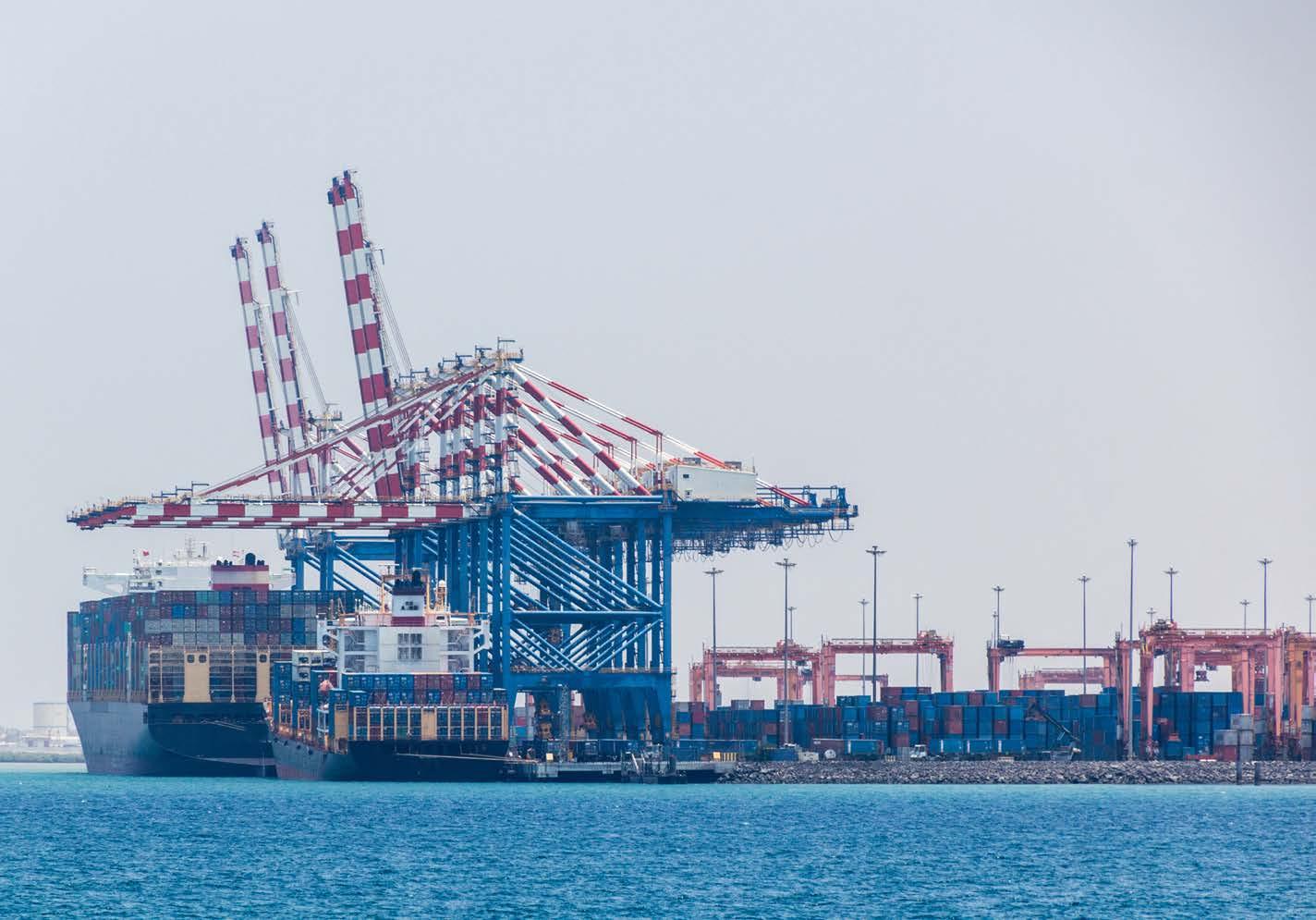
For more than 50 years, global shipping giant CMA CGM has been present in Africa. Across the continent, CMA CGM offers shipping services that connect more than 80 African ports to markets around the globe. With 94 offices across 54 countries in Africa, CMA CGM is well-positioned to support sea, land, and air logistics across the continent, helping African businesses move their cargo to markets around the globe. With the African continent seeing a wealth of development opportunities, CMA CGM is ready to support customers with complete end-to-end shipping solutions that will support the long-term economic development of the continent through tailored shipping solutions.
Globally, CMA CGM is a leader in integrated intermodal logistics solutions that ensure customers are given the best, most reliable and cost-effective shipping solutions possible. In Africa, these solutions support its customers’ cargo from door-to-door, delivering reliable shipping solutions that ensure that many countries, whether they are landlocked or not, can access vital shipping networks supporting logistics on both local and international scales. To support global connectivity across Africa, CMA CGM offers 35 key shipping services which offer extensive coverage of the continent, including services in West Africa, East Africa, Southern Africa, and the Indian Ocean.
One of CMA CGM’s primary deepwater transhipment hubs in Africa is located at the Port of Kribi in Cameroon. In Cameroon, CMA CGM is represented by two local agencies that operate from the port cities of Douala and Kribi. The Port of Douala is one of the primary maritime gateways in Cameroon, located halfway between northern and southern Africa, and so offers a strategic entry point into the heart of Africa’s markets. The port itself is made up of 66,000m2 general-purpose warehousing, alongside 10km of quays which are connected to an extensive 20km of tarmac roads. These roads, alongside the Trans-Cameroon Railway, support shipping beyond the port and

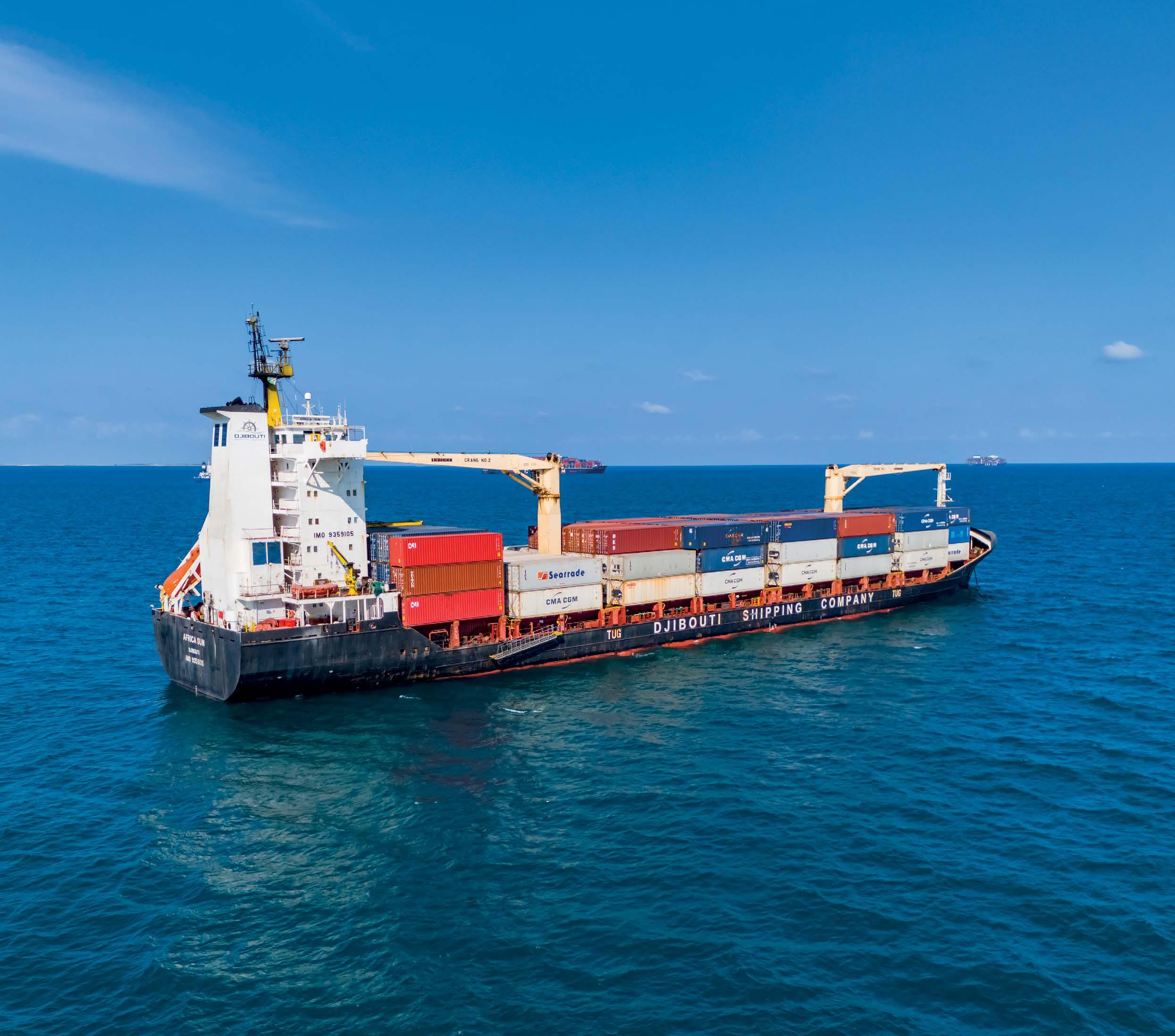

Djibouti Shipping Company is transforming Djibouti into a leading maritime hub, providing fast, reliable, and efficient shipping across East Africa, the Middle East, and Asia. With a growing fleet—including the flagship MV Africa Sun—and robust infrastructure, ensuring your goods move safely and seamlessly.
Through its subsidiary, Djibouti Shipping Agency (DSA), DSC offers port management, logistics support, and tailored operational services, making it the trusted partner for international shipping companies in the region.
Reliable import services for companies of all sizes
Contact us today (+253) 21 34 48 48 • info@dnsc.dj / sales@dnsc.dj • dsc.dj
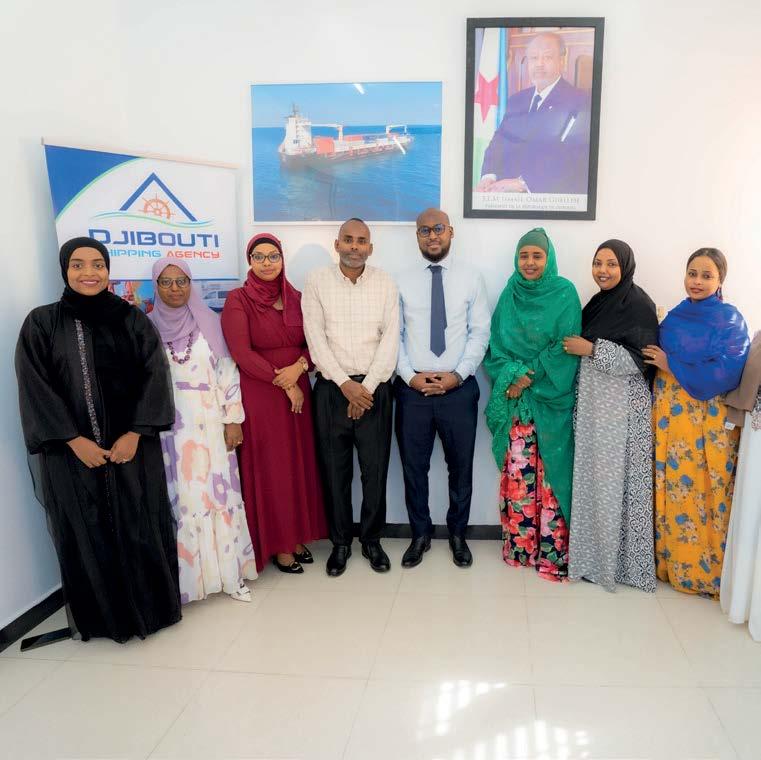
MTI Logistics is a global logistics and cargo transportation company headquartered in Djibouti, known as a major industry leader in the region. Established with strong expertise in logistics management, MTI offers a comprehensive suite of services tailored to both local and international clients, including freight forwarding by sea, air, and land, inland haulage, air cargo solutions, customs clearance, and warehousing & distribution.
MTI Logistics is a global logistics and cargo transportation company headquartered in Djibouti, known as a major industry leader in the region. Established with strong expertise in logistics management, MTI offers a comprehensive suite of services tailored to both local and international clients, including freight forwarding by sea, air, and land, inland haulage, air cargo solutions, customs clearance, and warehousing & distribution.
The company also handles specialized logistics projects, such as heavy lift and project cargo, relocation services, and integrated supply chain solutions, all supported by its experienced team and global network. MTI is committed to efficient, reliable, and cost-effective logistics that ensure timely delivery and customer satisfaction across a wide range of industries.
The company also handles specialized logistics projects, such as heavy lift and project cargo, relocation services, and integrated supply chain solutions, all supported by its experienced team and global network.
MTI is committed to efficient, reliable, and cost-effective logistics that ensure timely delivery and customer satisfaction across a wide range of industries.
MTI boasts an extensive fleet of trucks and lifting equipment in Djibouti, setting the benchmark for quality and reliability.Our capabilities include: LTL & FTL Transportation • FlatBed Services
MTI boasts an extensive fleet of trucks and lifting equipment in Djibouti, setting the benchmark for quality and reliability.Our capabilities include: LTL & FTL Transportation • FlatBed Services
• OOG & Heavy Lift Transportation • Local Delivieries & Pichups
• OOG & Heavy Lift Transportation • Local Delivieries & Pichups
mti-logistics.com
mti-logistics.com
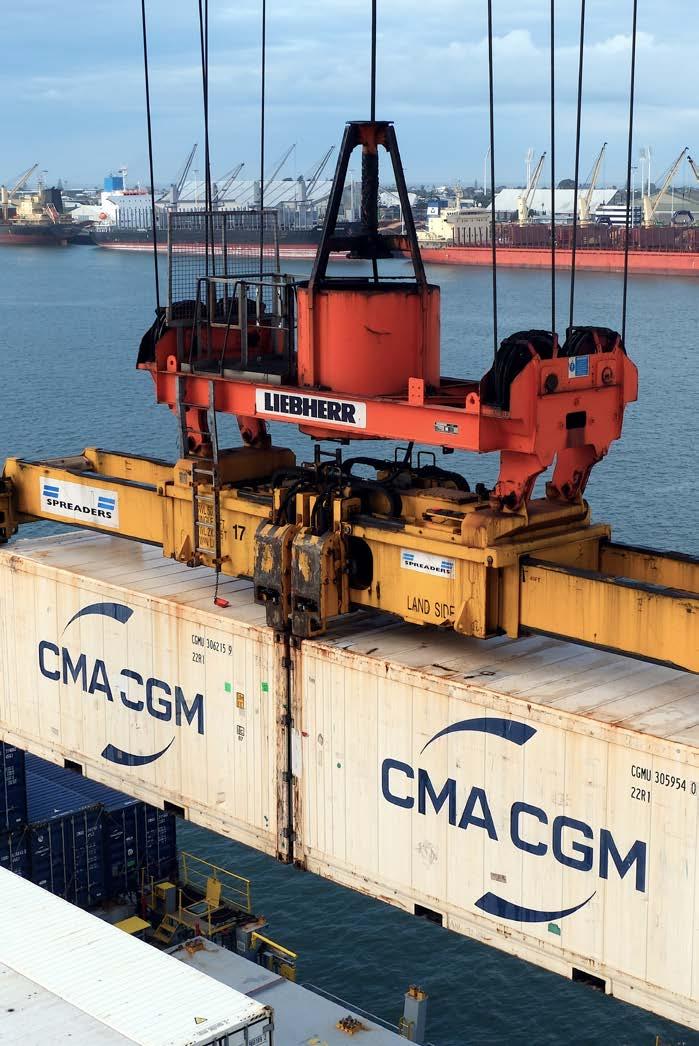
across the country. Through feeder services, CMA CGM connects to the Port of Douala, which links with the Kribi Deep Water Port in Cameroon and the Pointe-Noire Port in the Republic of Congo.
The other key port serving Cameroon is the Kribi Deepwater Port. The port spans 26,000 hectares and helps support the Port of Douala by relieving congestion, whilst cutting down waiting times. The port is a major hub, spanning several new terminals, which include a container terminal, a multipurpose terminal, an aluminium terminal and associated plant, a hydrocarbon terminal which is associated with a storage area and grain terminal, a methane terminal, and a natural gas liquefaction plant. However, the port is currently undergoing a vital expansion, which includes the construction of a dedicated mineral terminal and hydrocarbon terminal to support resource extraction. This is vital for the Kribi Deepwater Port as it is located in proximity to Cameroon’s mining assets, and so the port’s expansion will allow it to continue to play a pivotal role in the country’s mining exports, supported by the country’s rail network.
The long-term vision for the port aims to see a sprawling facility with up to 20 terminals delivered by 2040, with 6.5 km of quays and an annual handling capacity of 100 million tons of cargo. Therefore, with the port playing a critical role in

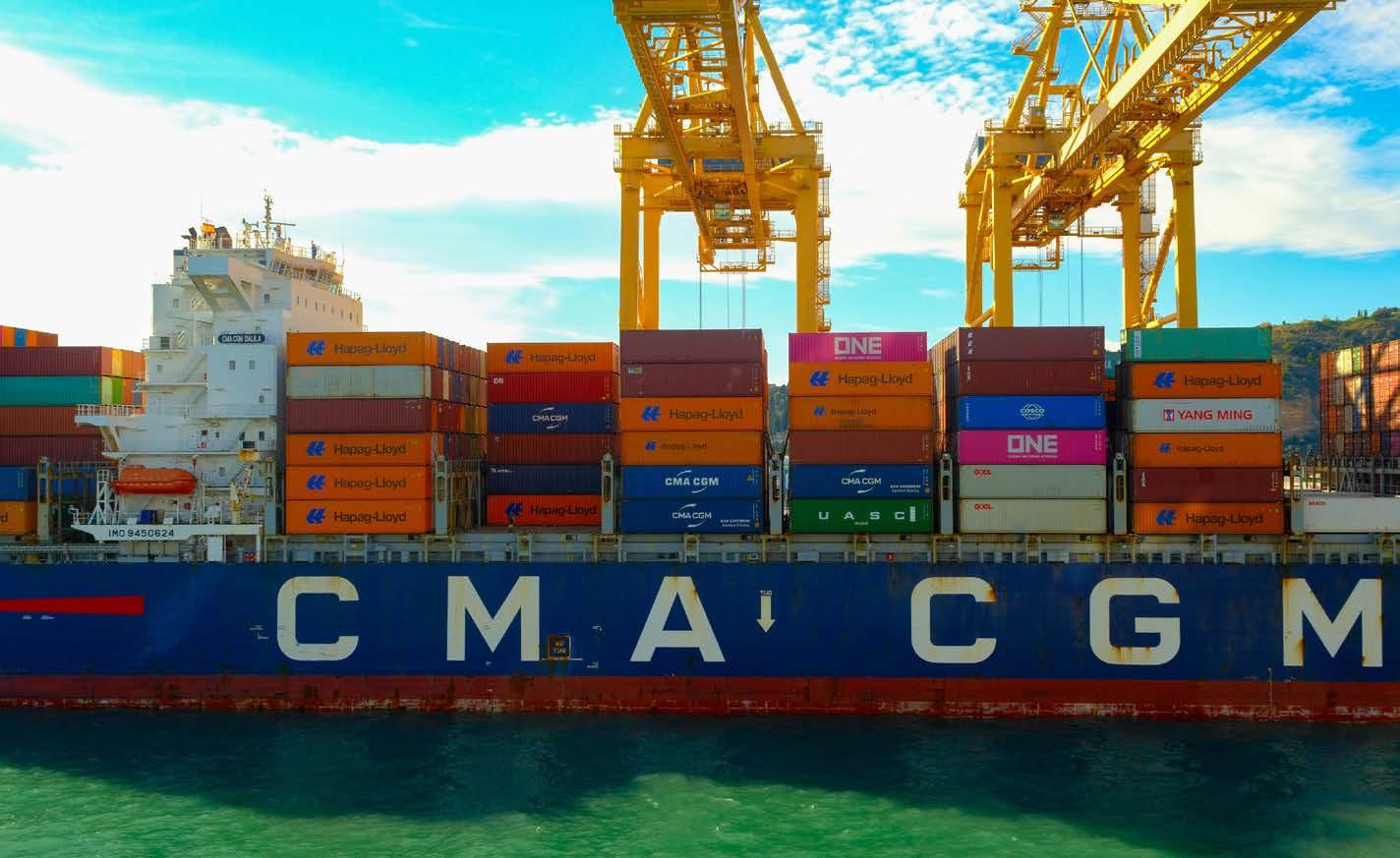
the development of the country’s maritime and mineral shipping services, CMA CGM today manages the Kribi Container Terminal alongside Bolloré and CHEC as part of a public-private concession. This has delivered the terminal as a vital regional transhipment hub, which is utilised by CMA CGM to connect Central and West African trade with the globe, along its four major weekly direct services.
Another vital hub for CMA CGM’s network across Africa is Djibouti. The Port of Djibouti today serves as a pivotal transhipment hub for cargo destined for East Africa, as well as Yemen. With the country located next to landlocked Ethiopia, the port is a main gateway for the fast-paced and growing markets in Ethiopia, which rely on the port to handle its importing and exporting needs. CMA CGM operates in Djibouti through its subsidiary CMA CGM Djibouti, which was established around a decade ago to help strengthen the company’s footprint in the region and offer a wider range of services to its customers. Today, CMA CGM connects Djibouti to the world with 3 weekly liner calls, which include REX, which offers direct services to and from the Far-East, and EPIC, which grants fast and direct shipments from Northern Europe.
One of the most significant aspects of the Port of Djibouti is its 7 specialised facilities, which make the port a major logistics hub for global trade. The 7-facility network is a rare model used in Africa, but it allows the port to deliver focused logistics, transportation and trans-shipment services across East Africa. The port is then connected via the Addis
Ababa-Djibouti Railway to the Doraleh Multipurpose Port (DMP). DMP spans 15 berths which handle a range of cargo varieties with the main commodities being oil, bulk, cargo, containers and livestock. Therefore, for CMA CGM, Djibouti and its associated port and rail networks are vital to supporting global shipping operations, helping customers both in Djibouti and across the continent have greater access to international markets.
As the Port of Djibouti looks towards the future, it is set on enhancing its network through a range of mega projects which will enhance the Port’s infrastructure and deliver the Port as a hub for logistics and transhipment along the African Coastline. Thus, with significant expansion planned, including a USD 70 million expansion of the Doraleh Container Terminal, the Djibouti port complex will be primed to serve an increasing number of vessels and cargo capacities to solidify its place as a key hub supporting CMA CGM’s global integrated shipping network spanning all corners of the globe.
One of the primary commercial gateways for East Africa is the Port of Mombasa in Kenya. The port is considered to be one of East Africa’s largest container ports, offering vital transport corridors, linking the landlocked countries of Uganda, South Sudan, the Democratic Republic of Congo, Rwanda and Burundi with global markets. The port spans 22 berths, which are divided into conventional cargo and container terminals. However, the port also has a dedicated modern cruise terminal handling the country’s thriving cruise industry. The port is
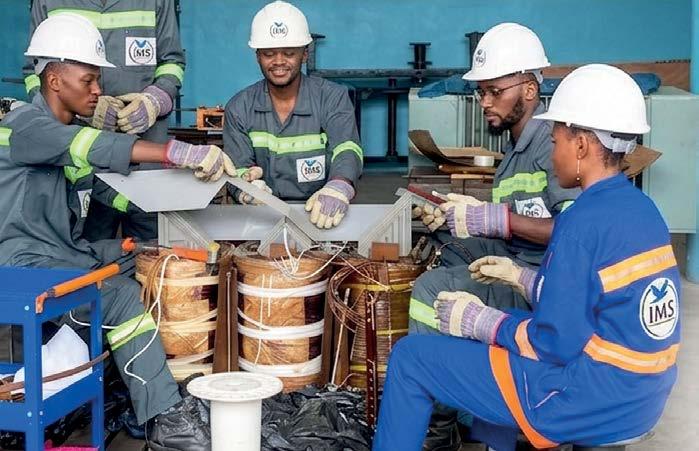
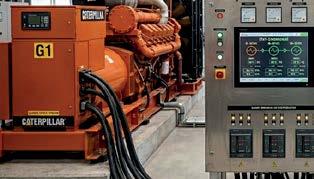
currently served by two container terminals, which collectively have a total capacity of 2.3 million TEUs, seeing key commodities such as bulk grains and petroleum moved through the port.
CMA CGM is the leading shipping group in East Africa, with its subsidiary CMA CGM Kenya operating from Mombasa. The Group utilises the Port of Mombasa as a key hub to deliver full container shipping services including standard, reefer, out of gauge, hazardous, bulk and special projects cargo. This wealth of cargo services ensures that the port can operate as a key hub serving many countries across Eastern Africa. Then, beyond port operations, CMA CGM offers integrated door-todoor transportation services, which take cargo to and from Kenya and the neighbouring hinterland, and deliver it across the world via sea, road, rail and land logistics. Thus, with 15 monthly calls to Kenya along 4 shipping services, CMA CGM is primed to connect Kenyan businesses and those across its hinterland to the world.
In 2026, CMA has expanded its presence in the Port of Mombasa with reports outlining an investment of 700 million euros to modernise a terminal at the Port. The announcement was made as part of French President, Emmanuel Macron’s announcement at the African Forward Summit in Kenya, where he
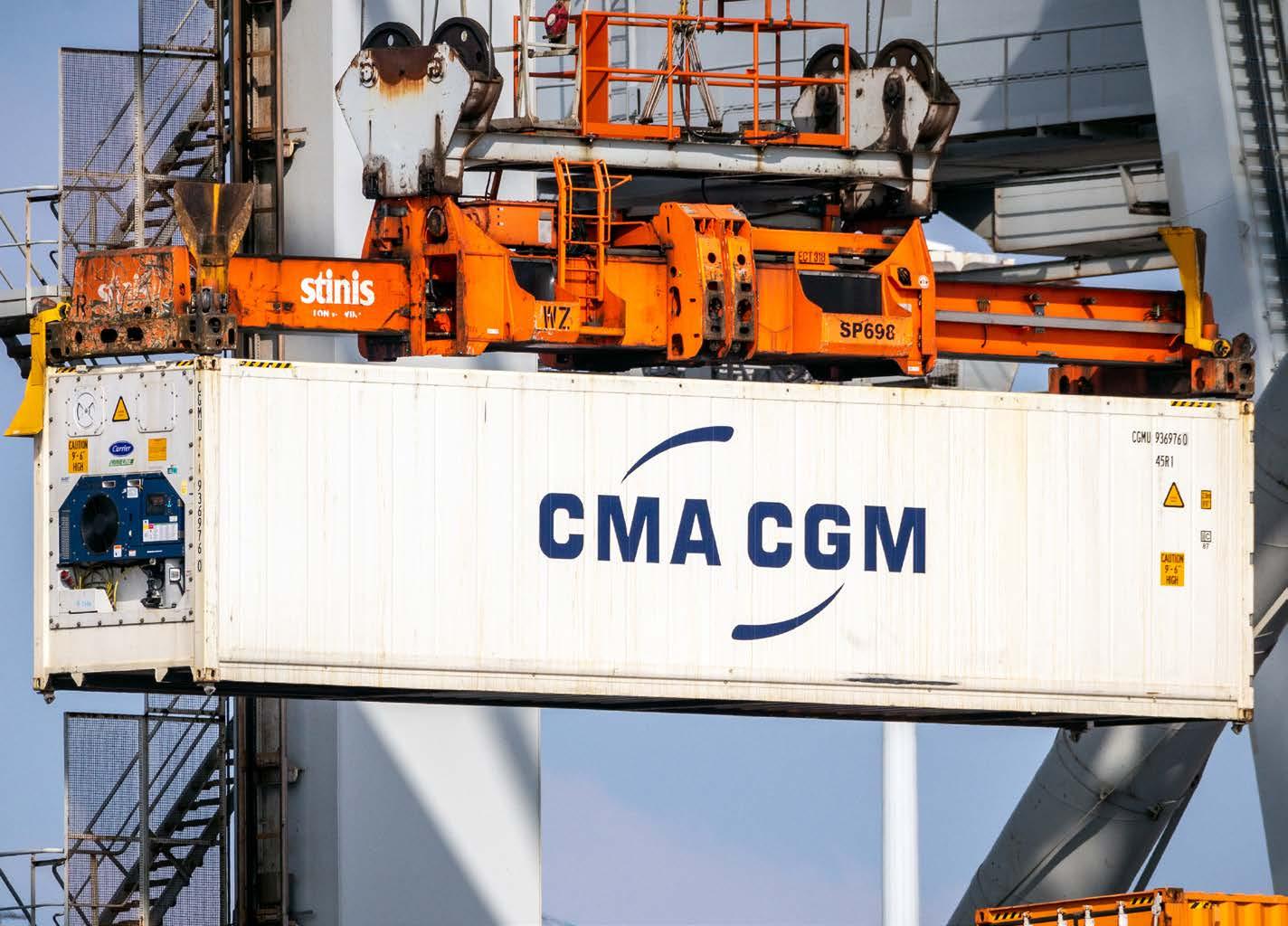
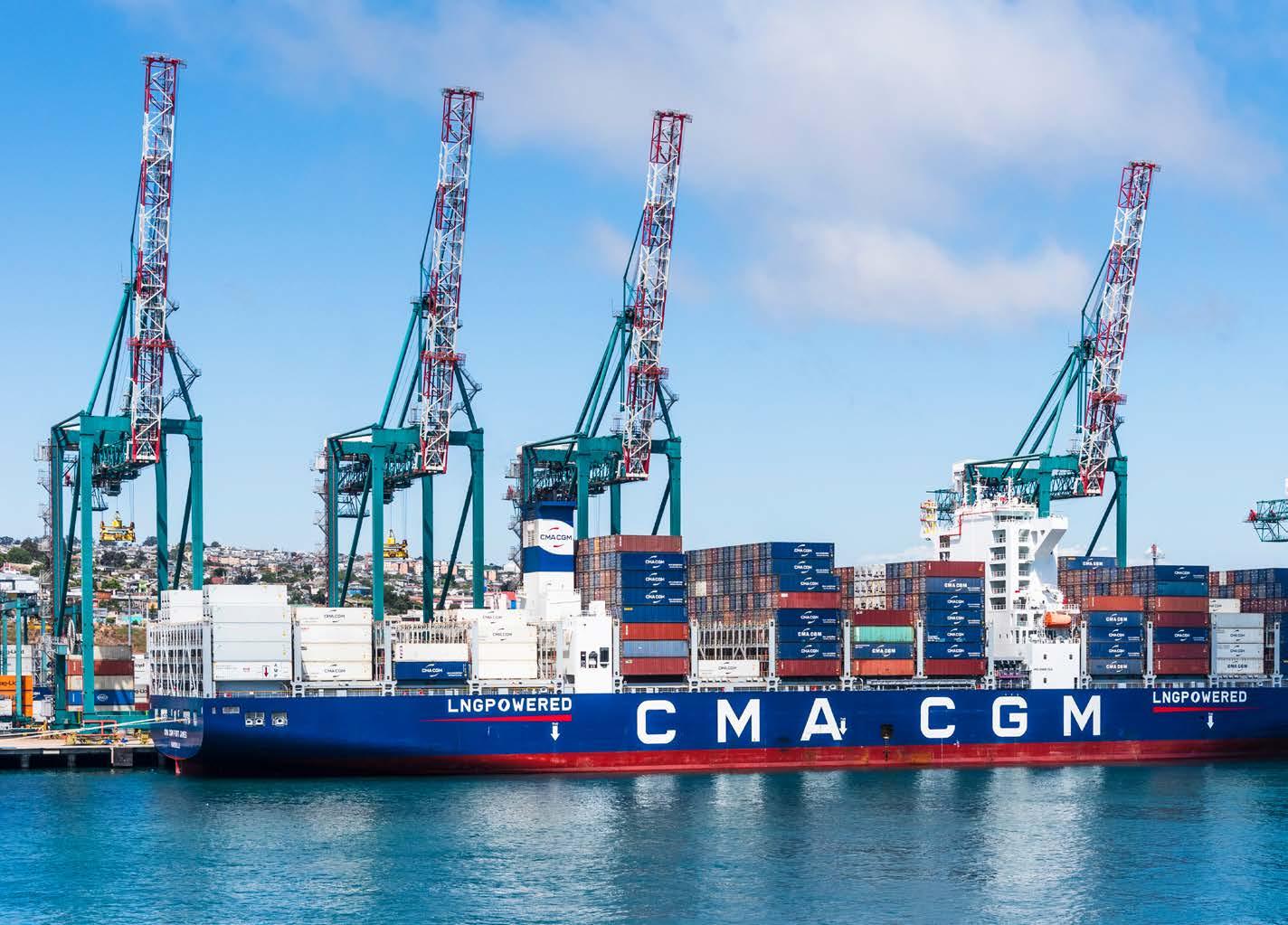
outlined 14 billion euros of investment in private and public funds from French companies in Kenya, and 9 billion euros from African companies. These companies span energy transition, agriculture, and artificial intelligence sectors, creating substantial development and employment opportunities across Africa. The investment of 700 million euros from CMA CGM highlights the company’s vital investment in Kenya’s shipping network, delivering a modernised terminal to support the country and its customers for many years to come.
This announcement comes following CMA CGM’s announcement in April 2026, outlining the inauguration of its African Regional Office in Abidjan. The office, which has been operational since February 2026, is designed to centralise key strategic functions, including commercial activities, export pricing, customer service, intermodal operations and equipment management into a consolidated office. This will enable more integrated deployment of end-to-end logistics solutions, ensuring everything from maritime transport to inland corridors is more cohesive. Plus, with a new centralised hub, it aims to enhance customer service, putting its teams in closer proximity to the customer to streamline operations and support more efficient hinterland corridors.
Thus, the new office will significantly strengthen CMA CGM’s presence in Africa. Alongside this, the office will help strengthen CMA CGM’s WAXI and KILIMA services spanning Asia-African routes. This will increase deployment capacity, offering more regular services and optimised rotations connecting key African hubs with those in Asia. Furthermore, beyond port and maritime services, CMA CGM is set to deploy a more integrated approach to logistics in Africa through its subsidiary CEVA Logistics, which is already connecting ports to inland markets, through multimodal corridors, warehousing and distribution operations.
By enhancing all aspects of its shipping solutions, both across sea and land, CMA CGM is continually enhancing its African logistics networks. From investing in key terminals and port development projects to the opening of its new African Regional Office, the company is committed to delivering integrated and cohesive shipping solutions that support businesses across the continent by delivering reliable, affordable and fast shipping solutions. We look forward to seeing how CMA CGM continues to expand its network across Africa to support businesses with enhanced global and domestic connectivity for many years to come.
Rainforest Rescue:
Written by Carley Fallows
For over 25 years, Rainforest Rescue has been protecting and restoring rainforests to deliver them as vital biodiversity hubs for the future. Its operations span key projects that plant, maintain and restore rainforests, whilst delivering vital conservation efforts in the process. By purchasing property in high conservation value rainforests and protecting their biodiversity, Rainforest Rescue can rescue vulnerable rainforests and protect them forever.
Rainforest Rescue in non-profit organisation, founded in the Northern Rivers of New South Wales. Over the last two decades, the organisation has delivered vital development projects with the bulk of its work centring on and around Daintree Rainforest, in Australia. The rainforest is the hub of Rainforest Rescue’s operations in the country, where it delivers on-theground conservation and restoration operations. Here, the organisations’ Land Management, Nursery and Ecological Advisor teams are based, delivering vital planting, maintenance and conservation efforts.
Sources:
https://www.rainforestrescue.org.au/ https://www.rainforestrescue.org.au/explore-therainforest/daintree/
The Daintree Rainforest is the world’s oldest tropical rainforest, spanning 1,200 square kilometres, and has been growing for an impressive 180 million years. The rainforest is home to a plethora of biodiversity, which is home to 30% of Australia’s marsupial and frog species, 50% of the country’s bird species, and around 90% of its bats and butterfly species. For this reason, the Daintree Rainforest is today a UNESCO heritage site, which
is one of the most valuable and beautiful natural heritage sites in the world. The rainforest land is traditionally owned by the Kuku Yalanji People, who have lived in the area for more than 50,000 years.
Over the years, the Daintree Rainforest has been subject to significant developments that have continued to threaten the rainforest’s unique natural environment. In fact, large sections of the coastal lowlands and hill faces were subdivided for residential development. Many of these residential blocks did not go ahead; however, this has led the way for properties to continually be developed in the heart of the rainforest’s lowlands.
Therefore, Rainforest Rescue has been working across the Daintree Rainforest through its ‘Protect a Rainforest’ operations to purchase blocks of land for conservation and increase their wildlife habitat and connectivity, to protect and deliver a wealth of biodiversity across the landscape for future generations. Rainforest Rescue’s work has continually supported ancient forest ecosystems in Daintree and has already rescued 46 properties

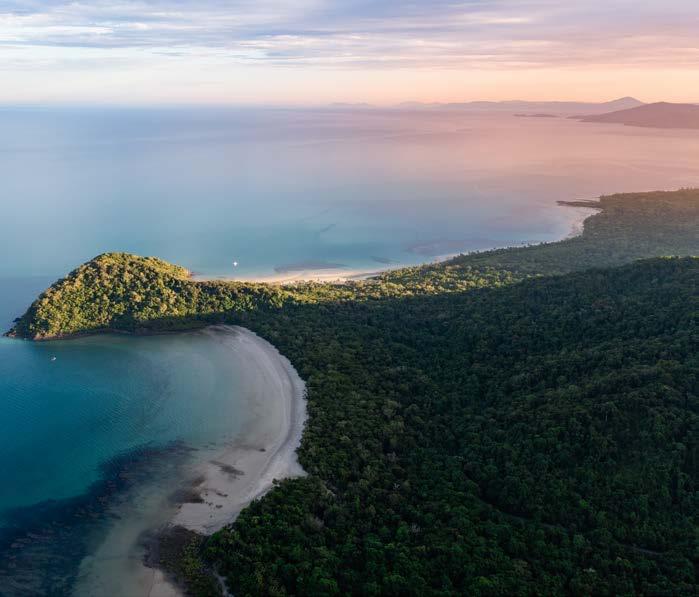
within the rainforest, where it has significantly enhanced the lands for long-term conservation.
Some recent land rescues include the northern end of the Wet Tropics World Heritage Area, where the rainforest is virtually intact. Here, Rainforest Rescue has protected around 12 hectares of habitat. Other rescues include a 30-hectare plot of former sugarcane land at 110 Cape Tribulation Road, which consists of 5 hectares of naturally regenerated habitat and 25 hectares that can be restored. Here, Rainforest Rescue can replant the rainforest one seedling at a time.
As we can see across Rainforest Rescue’s work, it is focused on enhancing the existing rainforest in Australia, whilst working to buy land that it can then regenerate and replant to deliver a more diverse rainforest ecosystem for the future. With the Daintree Rainforest being a site of widespread natural landscape destruction, Rainforest Rescue are slowly expanding its footprint across the rainforest to conserve and protect it for many years to come.


The mining industry is a key economic driver in Tanzania, with more than 10% of the country’s total Gross Domestic Product (GDP) being contributed by the mining sector. The most prominent mined materials in Tanzania include gold, which at present accounts for a significant portion of the country’s total export revenue. However, it also holds vital deposits of tanzanite, as well as graphite, nickel, and cobalt. Thus, global mining giants such as AngloGold Ashanti operate across the country’s mines to deliver these vital minerals to market. In the process, AngloGold can drive economic development and solidify the country’s place as a key global mining hub.
AngloGold Ashanti was formed in 2004 to deliver a global mining giant that combined AngloGold and Ashanti Goldfields Company Limited. Over the last 20 years, the company has been developing a diverse and high-quality asset portfolio of projects and exploration activities in some of the world’s most prolific gold mining regions. Many of its operations span Africa, with significant mines in Ghana, Guinea, the Democratic Republic of Congo and Egypt. However, one of its most vital mines is in Tanzania, where it operates the Geita Mine, which is a flagship mining operation for the company. The Geita Mine is located in North-Western Tanzania and sits within the Mwanza goldfield region, which is one of Africa’s most prolific gold-producing areas.
In 1966, the first deposits were discovered, of what would later be known as the Geita Mine. Over the next 30 years, vast mining operations began across the region, and by 1996, 3 mines had been established with close to 1 million ounces (Moz) of gold produced. The project was acquired by Ashanti in the same year, following the acquisition of Cluff Resources. By December 2000, Ashanti had reached
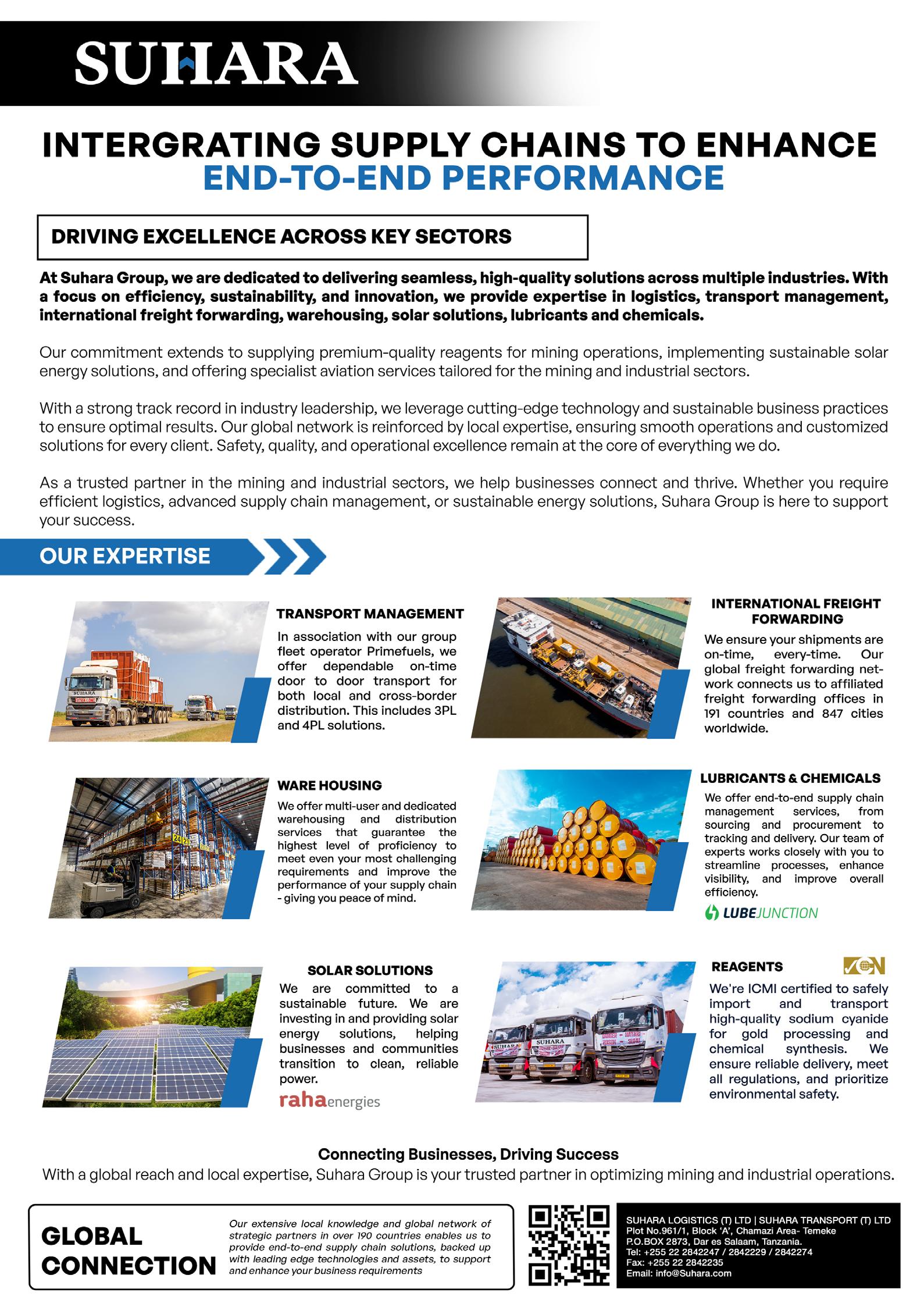
With decades of expertise and a fully integrated service offering, Geofields Tanzania Limited (GTL) is a leading provider of exploration and mining services in Tanzania.
Backed by more than 50 years of combined local and international experience, our team of geologists and drilling specialists delivers reliable, efficient solutions across the mining lifecycle. Our services include drilling operations, ground exploration surveys, mining and exploration equipment supply, and mining venture support.
From small-scale prospectors to large mining companies, engineering firms, and government organisations, GTL supports clients with the technical expertise and operational capability required to move projects forward with confidence.
Whether you manage a single property or a multi-site portfolio, GTL provides dependable services across the mining, oil and gas industries—helping you explore smarter, develop faster, and operate more effectively.
an agreement with AngloGold to sell it a 50% share interest in Geita for $324 million. As part of the deal, AngloGold added its neighbouring Nyamulilima Hill Deposits, which formed a joint venture company between the two, spanning the Geita and the Nyamulilima Hill deposits. Just four years later, following the merger of AngloGold and Ashanti, the entire project became wholly owned by the new AngloGold Ashanti company.
Today, the Geita Mine is home to an underground mining operation at Nyankanga and an open-pit mining operation at Nyamulilima. Across these operations, the mining complex has 3.25 million ounces of gold mineral reserve, and 483,000 ounces of gold production. Collectively, the project has a capital expenditure of $196 million. However, alongside the mine, AngloGold Ashanti has a carbonin-leach plant that processes the hard ore mined across the site. This has an annual capacity of 5.3 megatons (Mt) and is supported by an established tailing storage facility. Furthermore, the mine has access to a full workshop facility, which supports the maintenance of both heavy mining equipment and light support equipment.
In November 2025, Alberto Calderon, CEO of AngloGold Ashanti, speaking during the third-

LEADERS IN DELIVERING A FULL STREAM OF VALUE-ADDED SERVICES TO THE MINING INDUSTRY ACROSS
Geofields Tanzania Limited (GTL) is one of Tanzania’s leading exploration and mining service companies, providing integrated solutions across the mining, oil and gas industries.
With over 50 years of combined local and international experience, our team delivers reliable drilling services, ground exploration surveys, equipment supply, and mining venture support.
From independent prospectors to major mining companies, government institutions, and engineering firms, GTL provides the expertise and field capability needed to move projects forward.
DRILLING SERVICES INCLUDE:
Diamond Core Drilling Reserve Circulation Drilling Air Core Drilling Grade Control Drilling
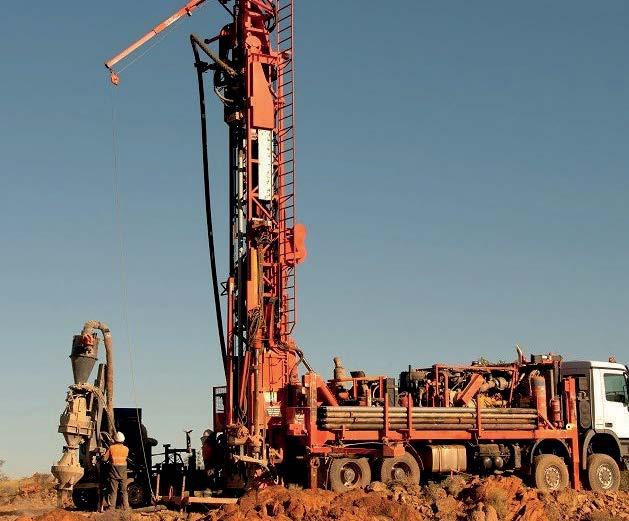
quarter results presentation, outlined a significant investment in the mine. AngloGold Ashanti is implementing a growth strategy, which aims to increase the mineral reserves from the Geita Mine by roughly 50%, and in the process extend the mine’s life to 10 years or more by the end of 2028. The development is part of an estimated $100 million expansion plan, and will include the upgrading of the mine’s mill, whilst accelerating its underground exploration operations.
Speaking on the expansion in the third-quarter results presentation, Alberto Calderon, says, “After two decades of mining, large parts of the concession remain under-explored with compelling structural and geotechnical targets pointing to significant potential.” Calderon continues, “We’re now showcasing the next chapter for Gaita, a mine positioned to remain a Tier-1 asset for at least the next 20 years, but in reality, it’s going to be much longer than that”. Calderon’s comments highlight just how vital the Geita Mine is for Tanzania, especially as it works to enhance its life of mine to deliver continued resources for the country, and in the process, economic development for Tanzania.
Throughout AngloGold Ashanti’s operations in Tanzania, sustainability remains a vital strategy alongside its mining operations. AngloGold Ashanti aims to be a responsible steward of the environments in which it operates, and so it focuses on creating value through revenue, salaries, wages, and benefits for employees. Then, for the local community, AngloGold Ashanti has social and economic development programs which centre on community resilience and empowerment. Alongside community focused projects, AngloGold Ashanti is also focused on delivering net-zero emissions by 2050 through the implementation of clean and renewable energy throughout its operations.
However, one of the central missions of AngloGold Ashanti is to advance Tanzania’s mining sector through sustainable activities. A key way the company has implemented this across the Geita mine is through the commissioning of a 40MW power plant that would power the mine’s operations. The plant comprises four diesel generators and

provides a reliable stream of power supply to all mining activities. The plant was first commissioned in 2018, but by 2020, the Tanzania Electricity Supply Company (TANESCO) initiated plans to supply electricity from the national grid network to the mine, which connected it with the local Mpomvu village. A 33/11kV 60MVA mine substation is currently in the implementation stage.
With its operations and power supply so closely linked with the local community, AngloGold Ashanti is also committed to the sustainable development of the communities surrounding the mine development. Over the years, the company has demonstrated its vital role within the local community by partnering with the Government to improve social services, including education, health, water, and road infrastructure, as well as other economic activities to support the communities surrounding the mine. Since 2017, the Geita mine
“Twenty-eight years ago, M.S. Maajar Law Office helped Cluff and Samax consolidate licenses forming the Special Mining License for Geita Gold Mining Limited (GGML). As AngloGold Ashanti developed the mine, the firm evolved into REX Attorneys, a multi-partner practice supporting GGML and AGA. Today, this enduring partnership reflects deep trust and shared prosperity, while REX Attorneys remains a trusted advisor on complex mining transactions across East Africa.”
has contributed more than TZS 30 billion towards community projects in partnership with local authorities. This investment in the local community highlights AngloGold Ashanti’s commitment to delivering value not just for the mining industry but for those living and working across the Geita mine area.
Across the Geita Mine, AngloGold Ashanti is bringing vital development and mining resources to Tanzania, supported by its commitment to sustainability and the local community. With the Geita Mine continuing to be developed to extend its life of mine to 10 years, AngloGold Ashanti is focused on delivering long-term mined resources for Tanzania. These resources continue to cement Tanzania as a leading gold producer in Africa, underpinned by AngloGold Ashanti’s expertise in the mining sector.



From running the tap to having a shower, there is a whole network of utility services working behind the scenes to make clean, safe water an everyday reality. In Missouri, water and wastewater services are provided by Missouri American Water, which is the largest regulated water utility company in the state, serving 1.7 million people across the state. Missouri American Water works every day to develop the state’s water infrastructure, ensuring that its water systems can meet Missouri’s water and wastewater needs today and for many years to come.
Missouri American Water is the leading water and wastewater service provider in Missouri, providing 1 in 3 Missourians with water utility services. Serving these customers is the company’s team of 700 industry professionals, who serve vital areas such as St. Louis, Warrensburg, St. Joseph, Joplin, Jefferson City and several other communities across the state. Across its services, Missouri American Water brings a wealth of experience, largely from its parent company, American Water. American Water is the largest regulated water and wastewater utility company in the United States of America, with a history extending back to the 1880s. Across America, American Water serves 14 million people with utility services in 14 states and 18 military installations. Therefore, as a subsidiary of the nationwide American Water, Missouri American Water brings the global company’s experience into the state, offering clean, safe, reliable and affordable water and wastewater services that are critical to community health and prosperity.
For Missouri American Water, it is committed to ensuring that every drop of water it delivers is safe, clean and regulated. It achieves this by ensuring that every aspect of its operations complies with strict federal regulations. In fact, the Company has consistently scored among the highest of all water companies in the state due to its compliance with

water quality regulations. This is something seen across American Water’s national operations, as the company continues to work closely with the United States Environmental Protection Agency (USEPA) to ensure that high water standards are maintained across the country. Researchers from American Water have even worked with the USEPA to help develop its standards and regulations.
Therefore, the Company takes such regulation very seriously, and as a result, American Water has received more than 150 awards for superior water quality from state regulators, as well as industry organisations, individual communities, government agencies and environmental agencies. Thus, for American Water and its subsidiary Missouri American Water, water quality remains one of the core pillars of its services to ensure that every drop of water is clean and safe. To achieve such goals, Missouri American Water consistently performs water quality tests across the state to ensure that its water is of the highest quality, while monitoring any issues such as lead or PFAs.
One of the most vital aspects of any water and wastewater utility company is the infrastructure that supports its operations. In Missouri, the water infrastructure is ageing, with many aspects in need of vital repairs or replacements. Therefore, Missouri American Water is working to identify problem areas across the state in cooperation with its communities.
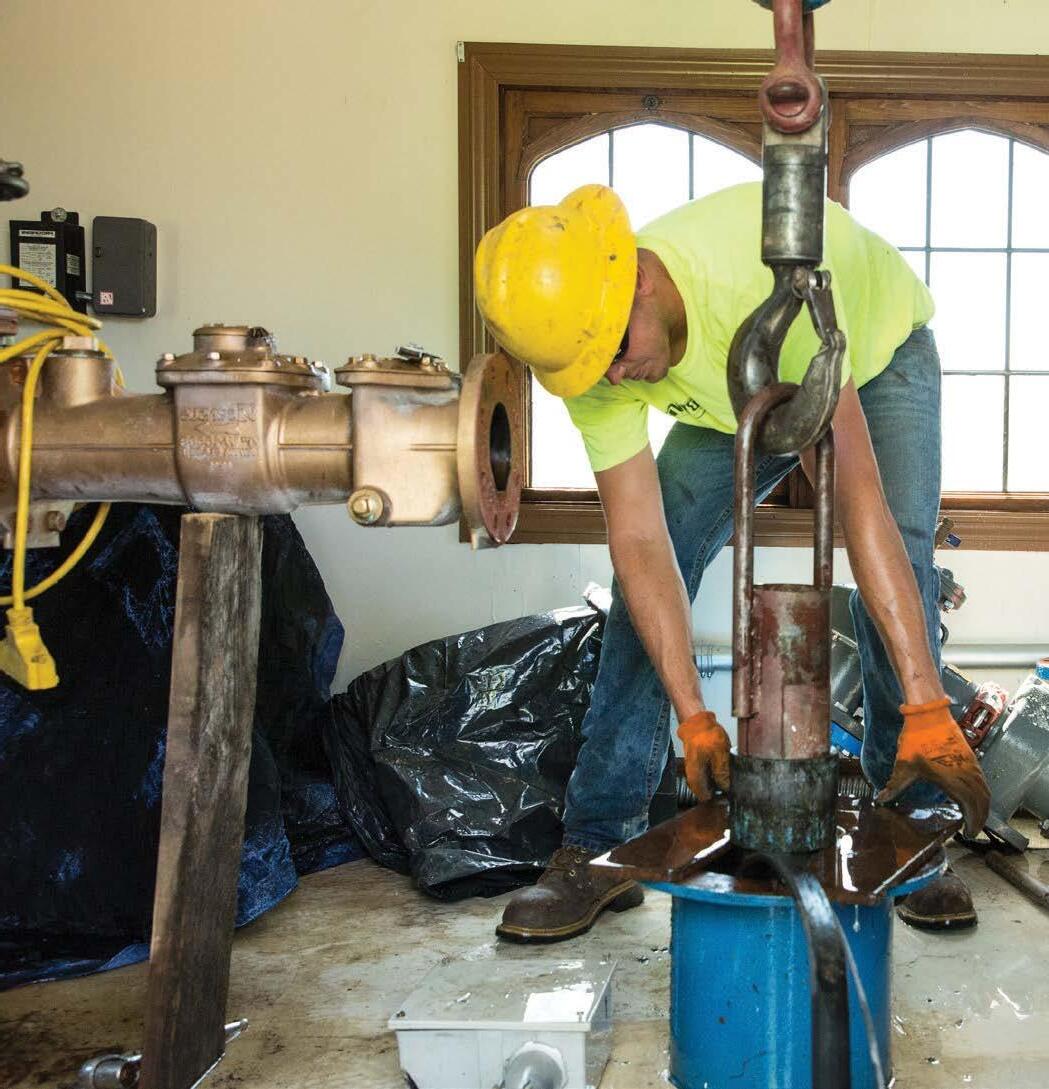
Once issues are raised, it then works to put plans in place to upgrade these systems and implement vital infrastructural developments in these areas. At present, Missouri American Water manages 80 surface water treatment plants, 540 groundwater treatment plants, 175 wastewater treatment plants, and 53,7000 miles of transmission, distribution and collection mains and pipes. In addition to this, the Company also manages 1,200 groundwater wells, 1,700 water and wastewater pumping stations, 1,100 treated well storage facilities and 74 dams. As we can see, Missouri has an extensive network of water infrastructure, and so Missouri American Water are working to keep all of these systems running at the highest of standards to keep water flowing freely across the state.
A key infrastructural development project currently taking place is the North Berry Road Water Main Replacement Project. Here, Missouri American Water is working to improve the overall water system’s reliability to help reduce the risk of main breaks and support the growth of the state’s utility infrastructure in line with community growth. The project spans the replacement of ageing water mains with new, more durable materials which are designed to serve customers for many decades to come. This includes the replacement of an estimated 2900 foot (ft) of 20-inch cast-iron water main with a 24-inch ductile-iron water main.
The project is currently under construction, with the entire project expected to take 5-6 months to complete in 2026/2027.
Another vital infrastructure project is the Joplin Water Supply Reservoir Project, which outlines a construction project to build a new dam, reservoir and pumping facilities to help provide a more reliable water supply source for the Joplin area. The proposed plan will aim to deliver a 1,000-1,500-acre water supply reservoir that can hold around 12 billion gallons of water. Once completed, the project will help address the critical and growing water supply shortages for the Joplin region and relieve regional water supply challenges by taking pressure off the Ozark Aquifer. The project finalised its site selection in 2019, with late-stage regulatory and permitting currently in process.
In May, Missouri American Water’s commitment to infrastructure development was highlighted with the announcement of statewide infrastructural upgrades costing over $1.1 billion. Announced as part of its 2023-2025 summary of investments for system improvements, Missouri American Water announced a range of critical upgrades, including treatment plants, tanks, pump stations, pipelines and metering equipment. These include replacing the intake pump station at the South Water Treatment Plant
in St. Louis County, the construction of a new filter and chemical feed building at the water treatment plant in Jefferson City, and a wastewater treatment plant upgrade, including the construction of a new lift station and UV disinfection facility in Eureka. Alongside this, Missouri American Water plans to replace 250 miles of ageing water and wastewater pipes across the state to help cut down on breaks and sewer overflows.
Speaking on the announcement, Rich Svindland, President of Missouri American Water, said: “Delivering safe, clean and reliable water and wastewater service requires consistent, proactive investments in our systems”. Svindland continues, “These investments are focused on strengthening reliability, modernizing aging infrastructure, and minimizing service disruptions for our customers across the state. By continuing to invest in our systems today, we are helping deliver resilient, highquality service for the communities we serve well into the future”. Swindland’s comments highlight Missouri American Water’s keen focus on delivering vital infrastructure to support the long-term health and prosperity of its local communities, by ensuring that its system can handle the water and wastewater demands of today and for many years to come.

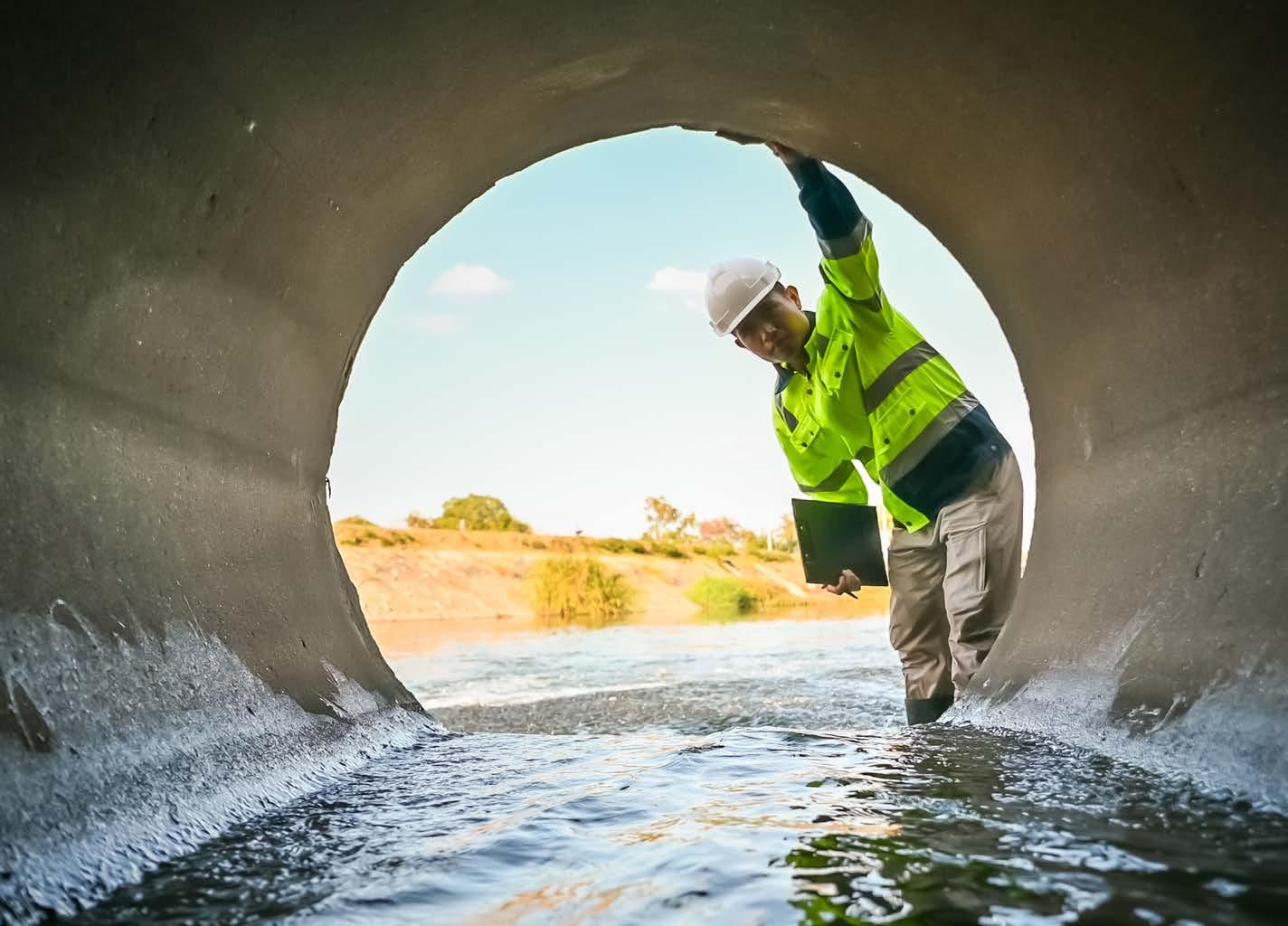
With all water-related services, the environment is always a key priority, and so Missouri American Water is working to deliver clean and reliable water and wastewater services, whilst preventing pollution, promoting sustainability and enhancing the natural environment throughout its operations. Missouri American Water has a consistent history of complying with and often surpassing the standards set by environmental laws and regulations. Thus, Missouri American Water’s commitment to the environment extends beyond the quality of its water and instead spans every operation it sets out to deliver. Therefore, today the company is a key steward of the community in Missouri, playing a key role in protecting the environment.
In line with its environmental stewardship, Missouri American Water works closely with the local community to deliver the state as a vibrant place to live, work and play, supported by vital water and wastewater services. Furthermore, as a corporate citizen, Missouri American Water participates in community giving, in-kind donations, partnerships and volunteering schemes that address specific community needs. Today, Missouri American Water works closely with several community-based partners to have a positive impact on the local community, set on improving the overall quality of life where its employees and neighbours live and work.
As Missouri American Water looks towards the future, it will continue vital development and upgrading projects, including the commencement of its annual hydrant maintenance program in April. The water main and fire hydrant maintenance and flushing program is located in St. Joseph and Stewartsville and is designed to enhance water service, water quality and fire protection in the community. Speaking on this, John Hontz, Senior Manager of Operations for Missouri American Water, outlined “This flushing program helps us maintain high-quality water throughout St. Joseph’s distribution system, while our crews inspect and operate fire hydrants to ensure they’re working properly”. Therefore, the annual project is just one of many vital operations delivered by Missouri American water to help keep the county’s water systems operating well.
Overall, Missouri American Water play a valuable and essential role to support everyday lives of those across the state of Missouri. From vital water and wastewater services to infrastructural development, Missouri American Water is committed to keeping clean, safe, reliable and affordable water accessible across the state whilst developing the systems to help maintain these services for many years to come in partnership with the local community.
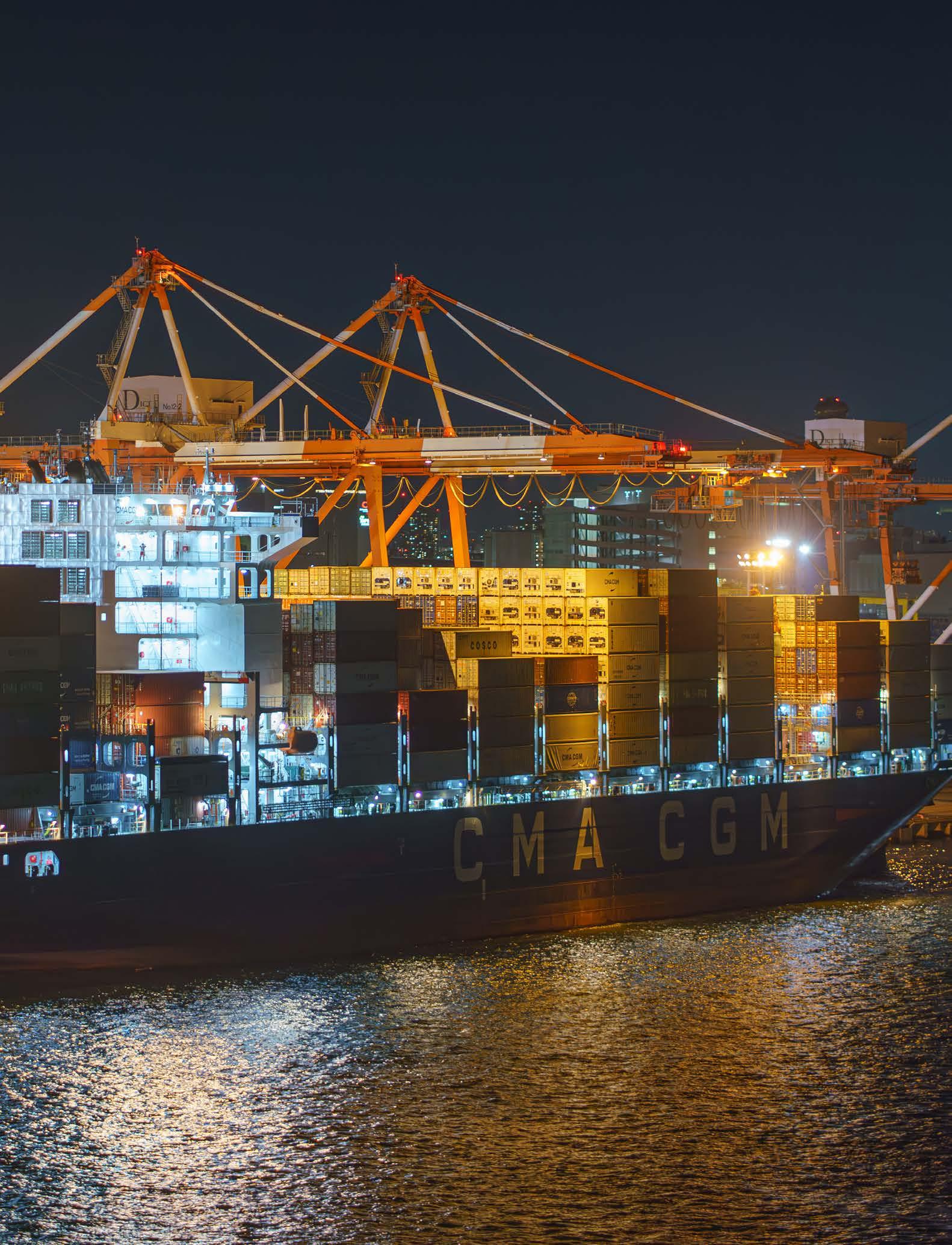
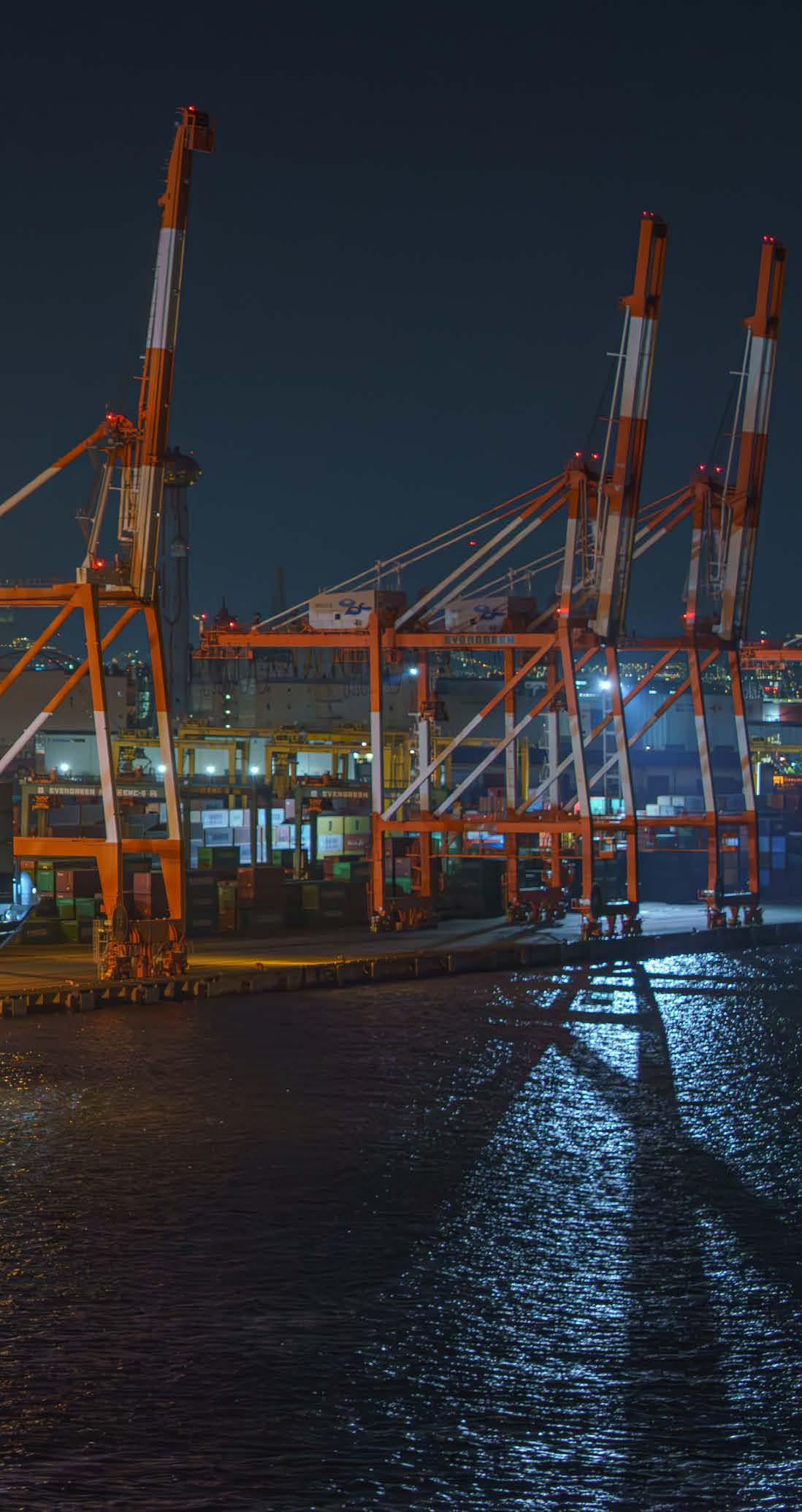
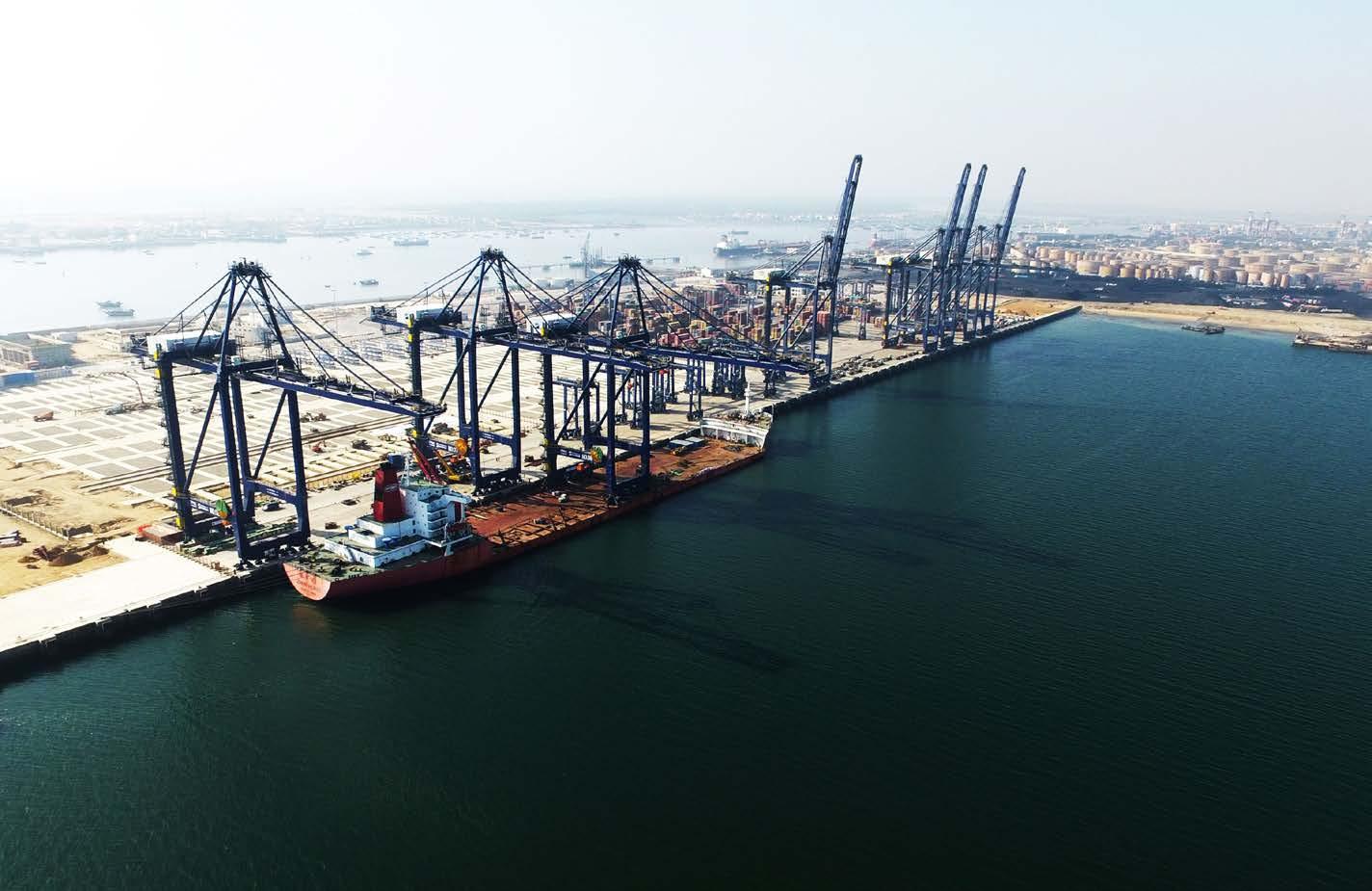
Operating as a hub for the global shipping industry, Asia dominates the international shipping commerce market, supported by a plethora of leading port complexes that help deliver maritime activities across the continent. Key exports from the region include high-tech electronics, vehicles and refined petroleum, as well as raw materials, fossil fuels and specialised machinery, which make up a large majority of the region’s import market. Thus, global and domestic shipping services that can facilitate the import and export markets across Asia are vital to support the region’s long-term economic development and continued connectivity to global markets. One of the leading shipping companies facilitating such operations is CMA CGM, which is a global leader in the sea, land, air and inland logistics sector. In Asia, CMA CGM is a longtime key driver of global trade between the continent and the rest of the world, which allows it to support Asian businesses and economic development for many years to come.
CMA CGM has been present in Asia since 1992, when it established its roots in mainland China. From here, the company has continued to expand, building upon its 134 shipping services to extensively cover Asia, whilst developing 50 intra-Asia services through its subsidiary Cheng Lie Navigation CNC. Today, CMA CGM offer seamless connections to all inland destinations across the continent, providing deep-sea shipping, intraAsia short-sea service and extensive intermodal networks that connect Asian markets to the world. Today, CMA CGM is present in 21 countries across Asia, delivering an interconnected and wellequipped shipping network that can support Asian businesses and connect them with markets on a global and domestic scale.
A key hub for global shipping in Asia is in Pakistan at the Port of Karachi, which is one of South Asia’s largest and busiest deep-water seaports. In Pakistan, CMA CGM is among the leading shipping agents serving the country, with expert maritime transportation services delivered from its headquarters in Karachi. Through CMA CGM’s extensive brand network, the company strategically operates across key industrial and economic hubs in Pakistan to help support development here through its shipping services. Currently, CMA CGM operates 6 direct weekly sailings and feeder connections across Pakistan, many of which stem from the Port of Karachi.

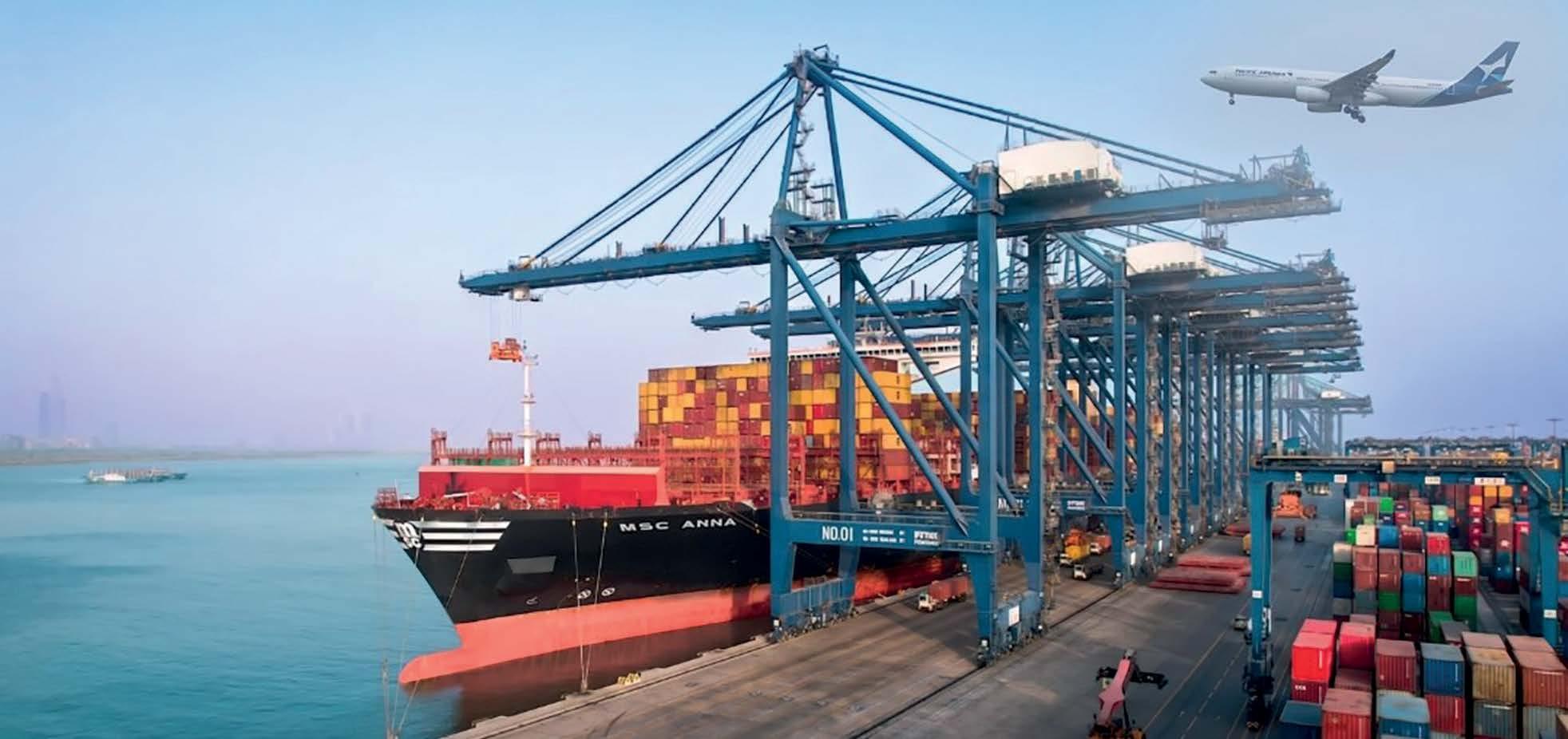
Efficient Services across the globe with firm space availability
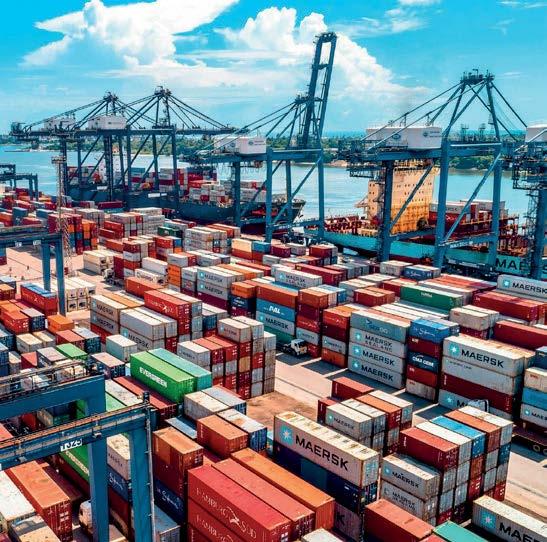
Complete logistics solutions — ocean, air, rail & road — delivered any where on the globe.



Europe / Continent — Southampton, Rotterdam, Antwerp, Hamburg
Mediterranean — Malta, Genoa, Valencia, Barcelona
USA — New York, Norfolk, Savannah, Charleston, Los Angeles, Long Beach
South East Asia, Gulf & Indian Ocean
Port Link International Services is Pakistan’s foremost end‑to‑end freight forwarder, proudly operating under the Marine Group of Companies since 1997. With 220+ specialists, offices across five Pakistani cities, and liaison offices in Dubai, Manchester & New York, we deliver precision logistics across every mode and every market. REQUEST A QUOTE Aatif Gatta – Head of Sales Cell: +92 300 0549678 Email: sales_plis@portlink.com.pk WEEKLY TRADE ROUTES
One of Pakistan’s leading freight forwarders and NVOCC operators, Port Link International Services has been connecting Pakistani businesses to global markets since 1997. Operating under the Marine Group of Companies, Port Link has built a dedicated team of logistics specialists with a nationwide presence spanning Karachi, Lahore, Faisalabad, Sialkot, Multan, and Islamabad and liaison offices in Dubai, Manchester, and New York.
Port Link delivers complete, end-to-end supply chain solutions across every mode: ocean, air, rail, and road. Its comprehensive service portfolio encompasses FCL and LCL ocean freight, NVOCC operations, air freight, intermodal and cross-border movements, project and OOG cargo, warehousing and distribution, ship agency, and temperature-controlled pharma logistics.
With weekly sailings covering Europe and the Continent, the Mediterranean, the United States, South East Asia, and the Gulf, Port Link offers firm space availability across all major trade lanes — giving Pakistani exporters and importers the reliability and consistency their supply chains demand.
As a member of multiple international freight forwarding alliances and networks, Port Link works with a carefully selected community of trusted agents across every major trade corridor extending its reach and ensuring seamless, coordinated service from origin to final destination worldwide. What sets Port Link apart is not just the breadth of its network, but the depth of its expertise bringing hands-on knowledge of Pakistan’s port and customs environment to every shipment it handles.
The Port of Karachi handles around 60% of Pakistan’s cargo, totalling around 250 million tons per annum (mtpa). The port is located within the Karachi Harbour and is in close proximity to key business and industrial districts across the region, as well as being in a prime location to the Strait of Hormuz. Therefore, thanks to the port’s ideal position, the port today operates as a vital gateway for maritime trade for the Central Asian Republics. For CMA CGM, it regularly operates from the Port of Karachi, primarily utilising the port complex’s Karachi Gateway Terminal, which is the main hub for CMA CGM’s Pakistan Khalifa Express (PIKEX), and the Karachi International Container Terminal (KCT). From these hubs, CMA CGM can support shipping to and from Pakistan to enhance the country’s vital shipping and logistics services to connect businesses across the region with markets around the world through its global network.
Alongside the Port of Karachi, CMA CGM also serves the Port Qasim in Pakistan, as this is a key hub for a range of commodities including minerals, oils, edible oils, coal, rice, wheat, cement and fertiliser, as well as general and containerised cargo. Plus, the port is also a key energy hub for Pakistan, thanks to its proximity to the country’s
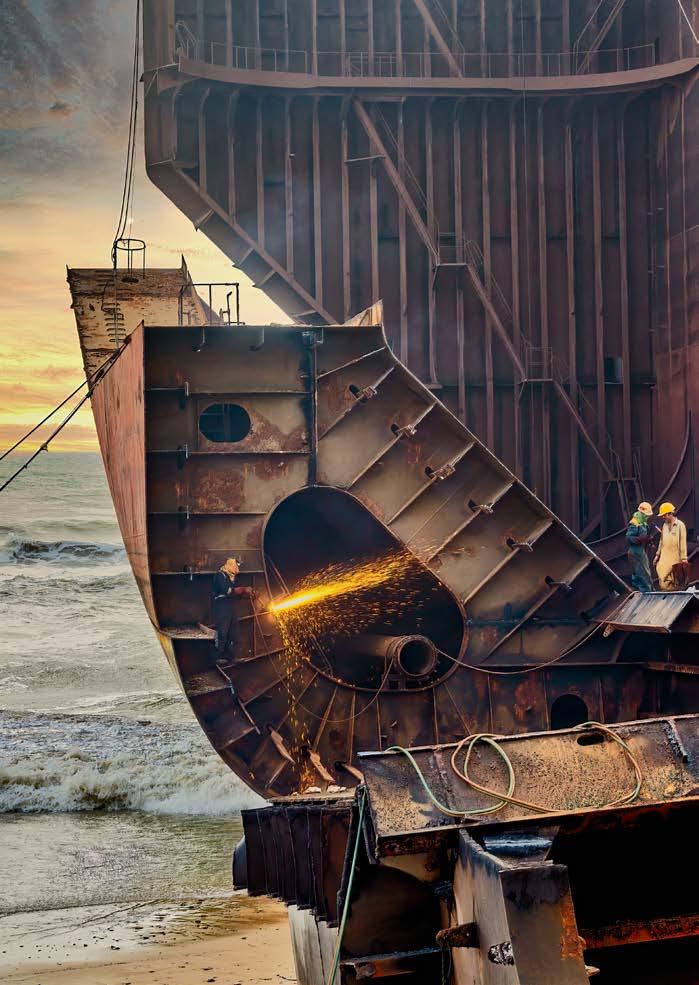
LNG energy development projects. Port Qasim is already connected directly with the country’s national highway and motorway network, providing seamless access to neighbouring countries, and so for CMA CGM it offers a key entryway to markets across the region. For CMA CGM, its operations at Port Qasim primarily focus on the DP World Terminal at the port, which it calls at along its PIKEX route, whilst providing rotation to and from hubs in the United Arab Emirates, India and Sri Lanka.
In Southeast Asia, Singapore is a key hub for CMA CGM, which is operated through its fully owned subsidiary of CMA CGM & ANL (Singapore) PTE LTD. For CMG CGM, the Port of Singapore serves as a major transhipment hub spanning a collection of facilities and terminals that oversee the bulk of the country’s maritime trade. For this reason, the port is one of the world’s busiest for transhipment operations, whilst also being ranked high among the world’s busiest by shipping tonnage. Today, the port connects with over 600 ports and 120 countries worldwide, making it a key hub for global trade. One of the key facilities in Singapore for CMA CGM is the CMA CGM-PSA Lion Terminal (CPLT), which is a joint venture with PSA International. The facility is located at PSA’s Pasir Panjang Terminal, and serves as a massive, highly efficient transhipment hub serving the wider Southeast Asian region.
In Vietnam, CMA CGM has been present in the country since 1989 and currently operates from 5 offices, which are located in Ho Chi Minh City, Hanoi, Haiphong, Danang, and Quy Nhon. Across the country, CMA CGM deliver 29 weekly services spanning 7 of the country’s ports, which it connects with destinations around the world through its intermodal shipping networks. However, one of the most exciting developments of CMA CGM in Vietnam is the development of the Gemalink Container Terminal, located in the Cai Mep-Thi Vai Port Complex in the south of the country. The container is being delivered by CMA CGM as part of a major joint venture project with Gemadept. The project is a milestone development for CMA CGM to enhance its port capacity in Southeast Asia, while confirming its long-term commitment to shipping and logistics within the region. Through the development of the terminal, CMA CGM aims to help deliver vital economic development for Vietnam, whilst supporting more resilient and seamless supply chains across the region.
In April, CMA CGM and Gemadept announced that they were launching the second phase of the Gemalink Terminal development, which would see the expansion of the terminal’s capacity from 1.7 million TEUs to 3 million TEUs by 2027. To facilitate a larger handling capacity for the terminal, the joint
venture plans to extend the existing quay length by 450 meters in two parts, adding 12 hectares to the container yard, and adding 5 ship-to-shore cranes, enabling it to increase from 8 to 13 units of yard equipment. Through these developments, the Gemalink Container terminal will be primed to serve Vietnam, delivering dynamic and continuous growth of the country’s import and export markets, whilst cementing the country’s place as a key shipping hub at the heart of Asian supply chains.
Speaking on the expansion plans, Christine Cabau Woehrel, Executive Vice President of the CMA CGM Group in charge of Operations and Assets, said,
“Today’s groundbreaking ceremony for Gemalink Phase 2 underscores the CMA CGM Group’s long-term commitment to Vietnam. It also clearly demonstrates the strong partnership we have with Gemadept – one that is built on trust and shared ambition.”
Christine Cabau Woehrel continues, “This expansion will increase Gemalink’s capacity up to 3 million TEUs by the fourth quarter of 2027, consolidating Vietnam’s role in global supply chains
and its vision to become a leading maritime logistics hub in Southeast Asia by 2050.” As we can see from Christine Cabau Woehrel’s comments, CMA CGM’s role across Vietnam is set to continue to expand, as it works alongside Gemadept to enhance the Gemalink Container Terminal and deliver it as a vital hub for maritime operations within the global shipping sector.
As we can see from just a snapshot of some of CMA CGM’s operations across Asia, it is a leading logistics provider that is committed to making shipping across the continents seamless and reliable. Across Asia, CMA CGM provides vital shipping lines which ensure that customers across the region can access global markets, whilst businesses from across the world can access Asian markets. With a plethora of commodities moving throughout the continent’s import and export markets, it’s no surprise that Asia today is such a vital hub for global shipping. Therefore, with a significant need for vital shipping services to support the shipping hub, it’s great to see companies such as CMA CGM working to support, develop and invest in port and logistics infrastructure across Asia for a more wellconnected future.
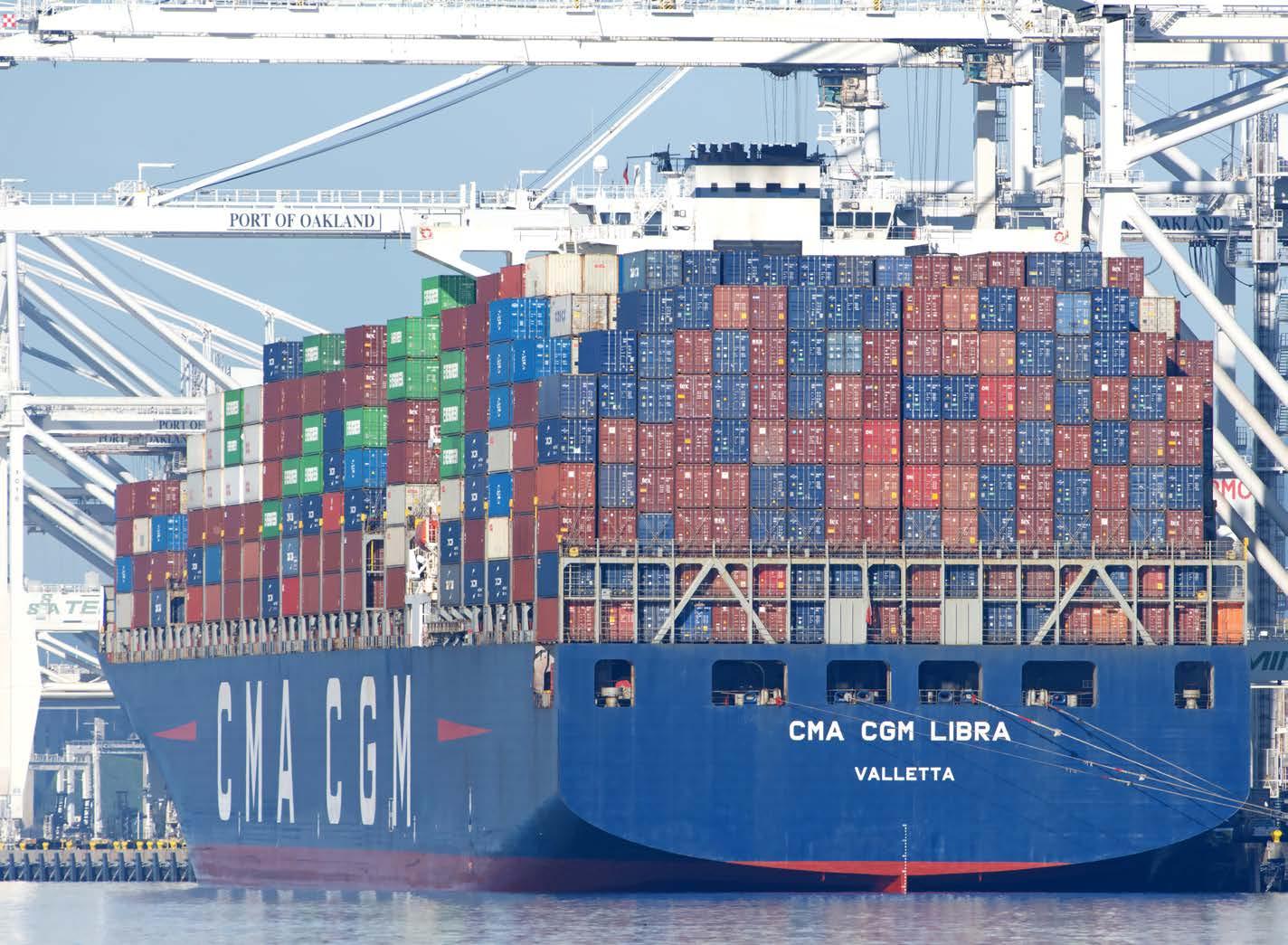
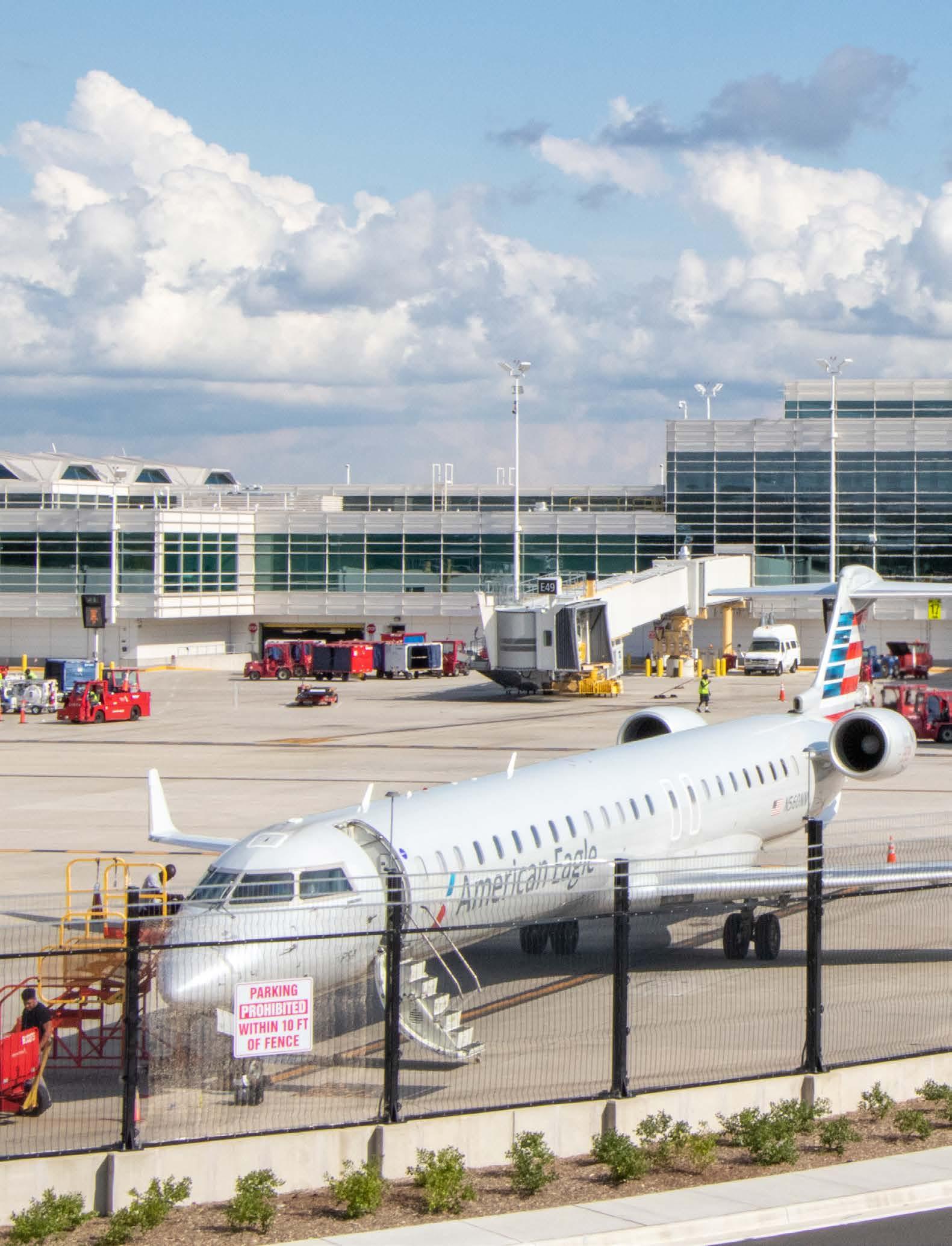

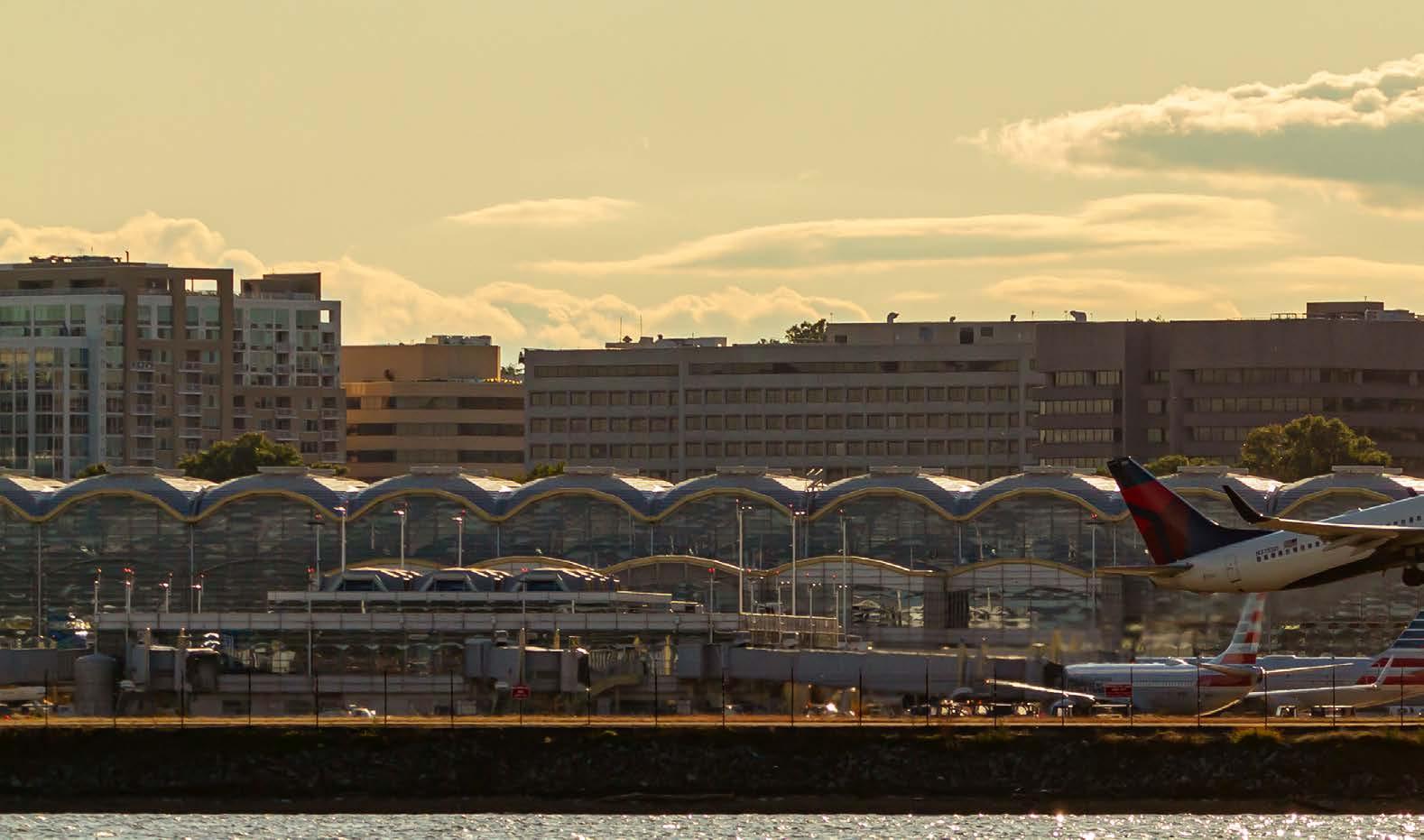
Located in Virginia, Ronald Reagan Washington National Airport is a key airport serving primarily domestic and some international air services to the capital city of the United States of America (USA). Thus, for domestic flights, Ronald Reagan Washington National Airport now serves as a primary short-haul airport, connecting passengers in the capital with key destinations across the USA, including Denver, Las Vegas, Los Angeles, Phoenix, Salt Lake City, San Francisco, Seattle, Portland, San Diego, and Austin. In 2025, the airport saw 24.89 million passengers travel through the airport, cementing its place as a vital hub for national connectivity.
The Ronald Reagan Washington National Airport was officially opened in 1941, following the construction of the airport facility in Arlington, Virginia. The airport was built on the mudflats on a bend of the Potomac River, called Gravelly Point, just 4 and a half miles south of Washington, D.C. The location was decided by President Franklin D. Roosevelt, following a long wait for Congress to select a site for the new airport that would help develop the airport facilities in the capital. Therefore, Roosevelt decided it would be built in Gravelly Point, with construction beginning in 1938. In developing the airport, several agencies worked together, including the newly formed Civil Aeronautics Board, which was a predecessor agency to the Federal Aviation Administration. Other key partners included the Works Progress Administration (WPA), the Public Works Administration (PWA), the Army Corps of Engineers, the Department of the Interior’s National Park Service and the Fine Arts Commission.
By 1941, the airport, then known as the National Airport, opened for business, with American Airlines winning the honour of being the first airline to land at the airport. Over the years, vital expansion has been seen across the airport, which has included an extension to the south end of the main terminal, new aircraft gates and loading positions, as well as runway developments and new terminals opened. Plus, in 1998, the Washington National Airport was officially renamed to the Ronald Regan Washington
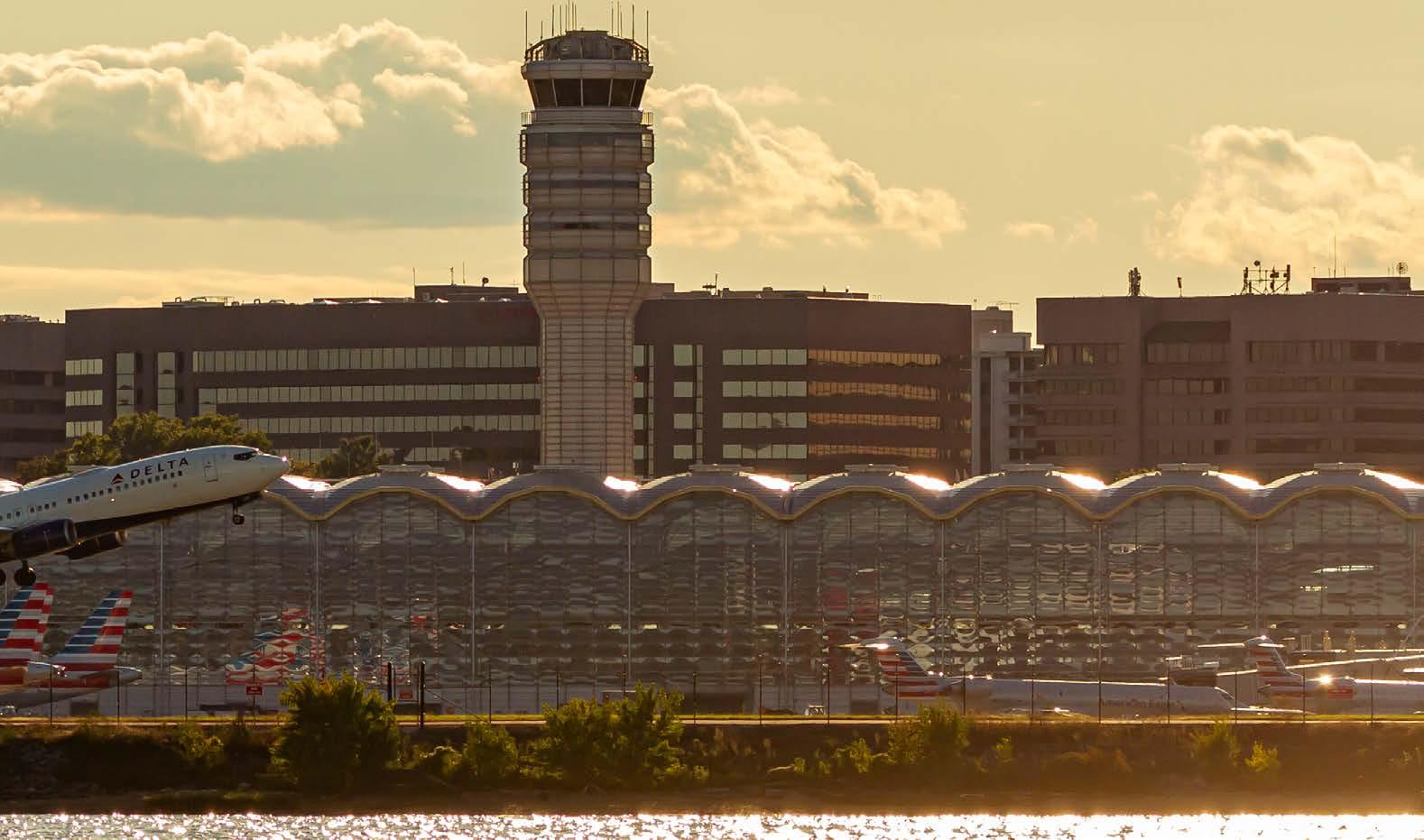
National Airport to coincide with the 40th President’s 87th birthday, in an effort to cement Ronald Reagan’s legacy. Today, the airport spans three runways, three terminal buildings and has an integrated Metrorail station, all of which support the millions of passengers that pass through the airport every year.
With growing passenger numbers seen across the airport, it has set out various expansion and construction projects aimed at helping deliver the airport into the future. A key one of these projects is the Runway Rehabilitation Project, which was announced in 2023. The project included the resurfacing and rehabilitation of two primary runways. Along these runways, base materials and asphalt were replaced from 6 to 8 inches deep with the central goal to help improve the long-term durability of both of the runways. The developments took place overnight and had been strategically planned and coordinated to minimise the impact of the works on its passengers. The project began in May 2023 and continued into spring in 2024, following a short pause during winter in late 2023.
To help serve passengers better across the airport, a vital development project is currently underway called DCA Reimagined. DCA Reimagined is an upgrade project focused on Terminal 2 of the airport and includes a multi-year project that will see new concessions, redevelopment, upgraded restrooms, and new amenities developed across the terminal.
The central goal of this development is to make the passenger experience better, delivering a more enjoyable customer experience, supported by a more modernised airport infrastructure. As part of the development, shopping and dining facilities will be upgraded, alongside vital restroom upgrades.
These aim to help make waiting times at restrooms shorter, whilst making the overall airport experience more comfortable across its facilities. Plus, many of the developments will be developed with modern fixtures and top-notch design, to ensure the best passenger experience possible. Alongside this, nursing rooms, pet relief areas and new seating will be implemented to further make the airport a comfortable and relaxing first step of any passenger’s journey. These developments, managed by the Metropolitan Washington Airport Authority, are part of a $1 billion investment into the airport to upgrade passenger amenities, enhance the shopping and dining experiences, and restructure the terminal’s retail landscape.
Beyond Terminal 2, the Metropolitan Washington Airports Authority is also set to develop Terminal 1. The project spans the replacement of the ageing nine-gate concourse to deliver a brand-new facility for the airport. The project is targeting late 2026 for environmental approvals, with the physical construction planned for 2027. Therefore, over the
Inland Deicing Services (IDS), part of The Inland Group of Companies, delivers reliable, full-service spent aircraft deicing fluid and glycol containment, collection and recycling solutions across North America. With production sites strategically located across our network, we ensure consistent supply, reduced transportation costs, and a lower carbon footprint. Our high-quality Type I ADF products meet SAE AMS 1424 standards and are manufactured using 100% recycled glycol. We also offer FlightBloo™, a readyto-use, eco-friendly lavatory fluid. Backed by advanced logistics, 24/7 support, and real-time inventory monitoring, IDS provides efficient, sustainable solutions that keep airline operations running smoothly and safely year-round.
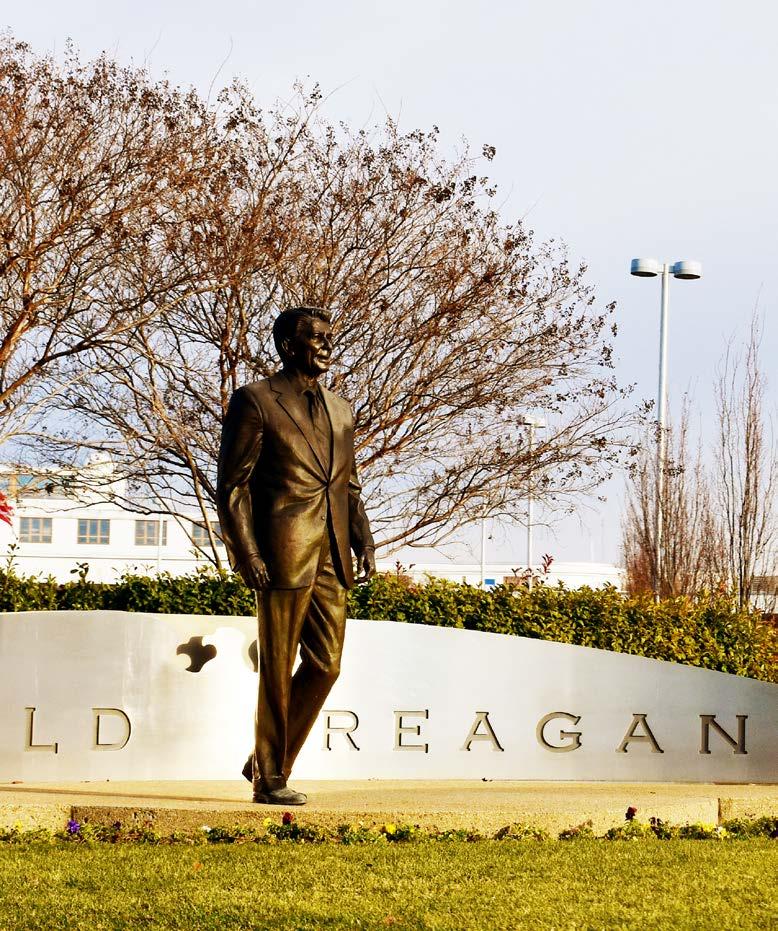
coming year, the development of Terminal 1 aims to help further enhance the airport’s infrastructure and deliver a new terminal that is able to handle the growing number of passengers travelling through the airport every year.
In September 2025, the Metropolitan Washington Airports Authority announced a new parking program to be launched at the Ronald Regan Washington National Airport. This will provide customers with the option to reserve parking spaces in prime locations, which provide a more streamlined access into the terminal walkways. This has been designed to help provide more convenient parking and travel options for its passengers, at just a small additional fee above the standard parking rate. This adds yet another useful tool for passengers to make the entire airport experience more seamless.
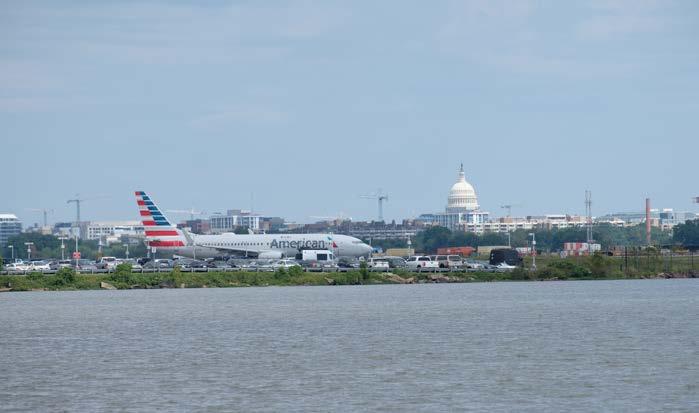
With the range of continual development being carried out at the Ronald Reagan Washington National Airport, the airport remains committed to serving the millions of passengers travelling through the airport every year. In fact, in February 2026, the Metropolitan Washington Airport Authority announced that the airport, along with the nearby Dulles International Airport, which is primed for international flights, saw more than 53.9 million passengers travel through the two airports in 2025. This broke the airport’s previous year’s record for the two-airport system.
For the Ronald Reagan Washington National Airport specifically, this included 24.89 million passengers, who travelled on flights from 8 different airlines, travelling to 108 destinations.
Overall, the Ronald Reagan Washington National Airport provides great access to destinations across the US on short domestic flights, supporting its passengers with easy navigation and comfortable airport experiences. Supported by the management of the Metropolitan Washington Airport Authority, the Airport has undergone vital expansions over the years, which have helped it to continue to support its passengers’ journeys for over 80 years. With the current expansion projects underway, including the DCA Reimagined project, we look forward to seeing how the airport will continue to serve its passengers for many years to come under the multi-year initiative project.
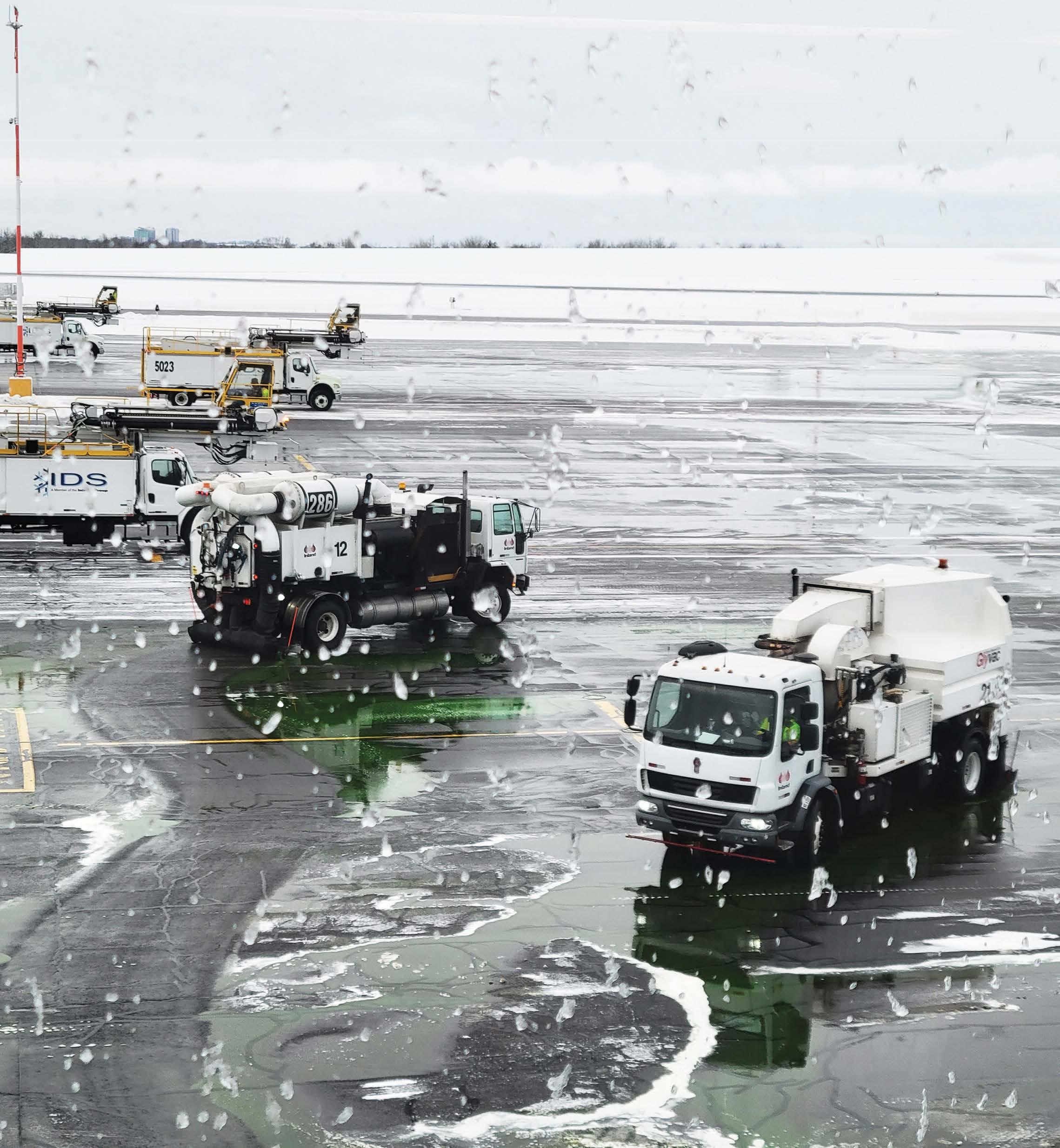
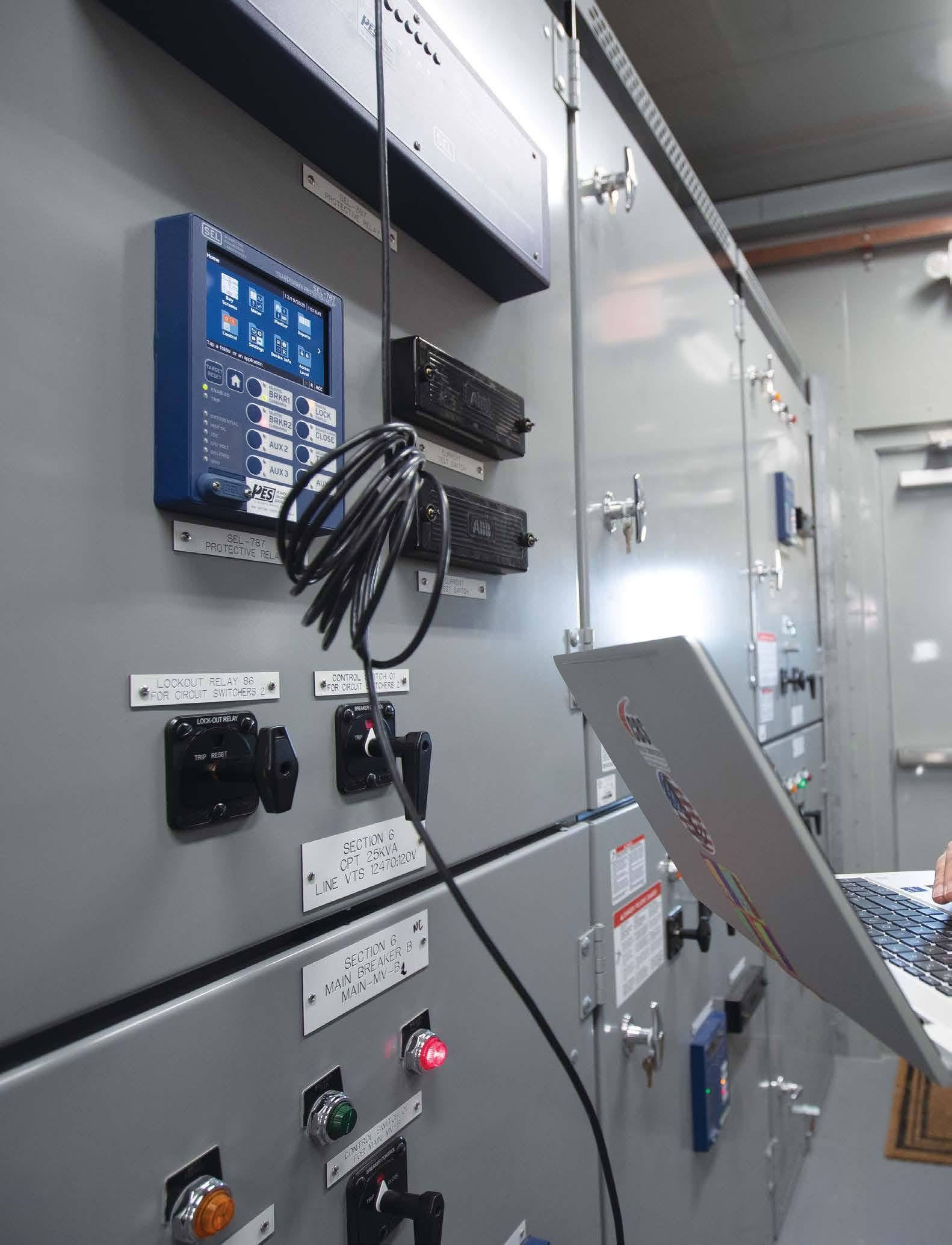
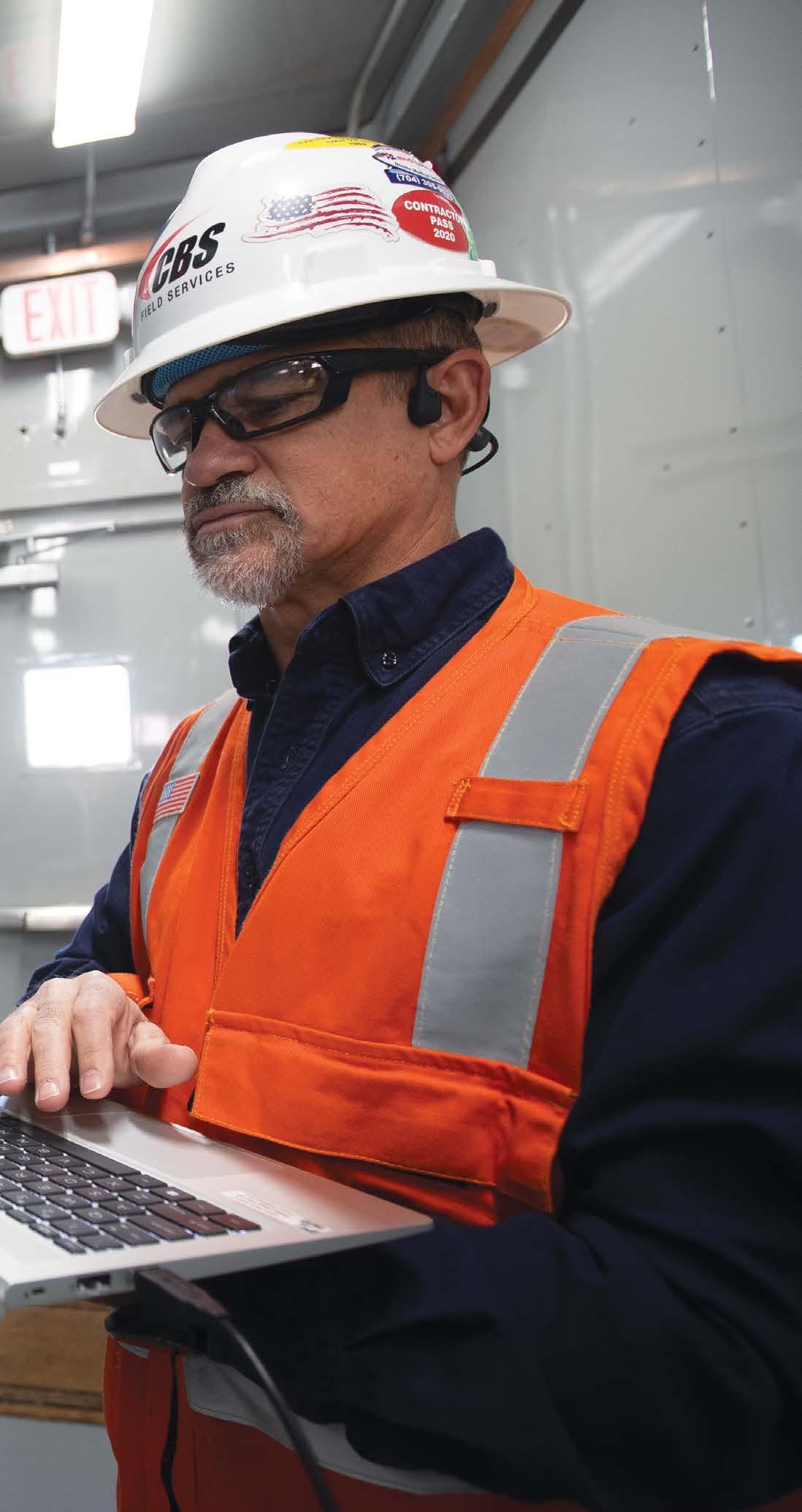
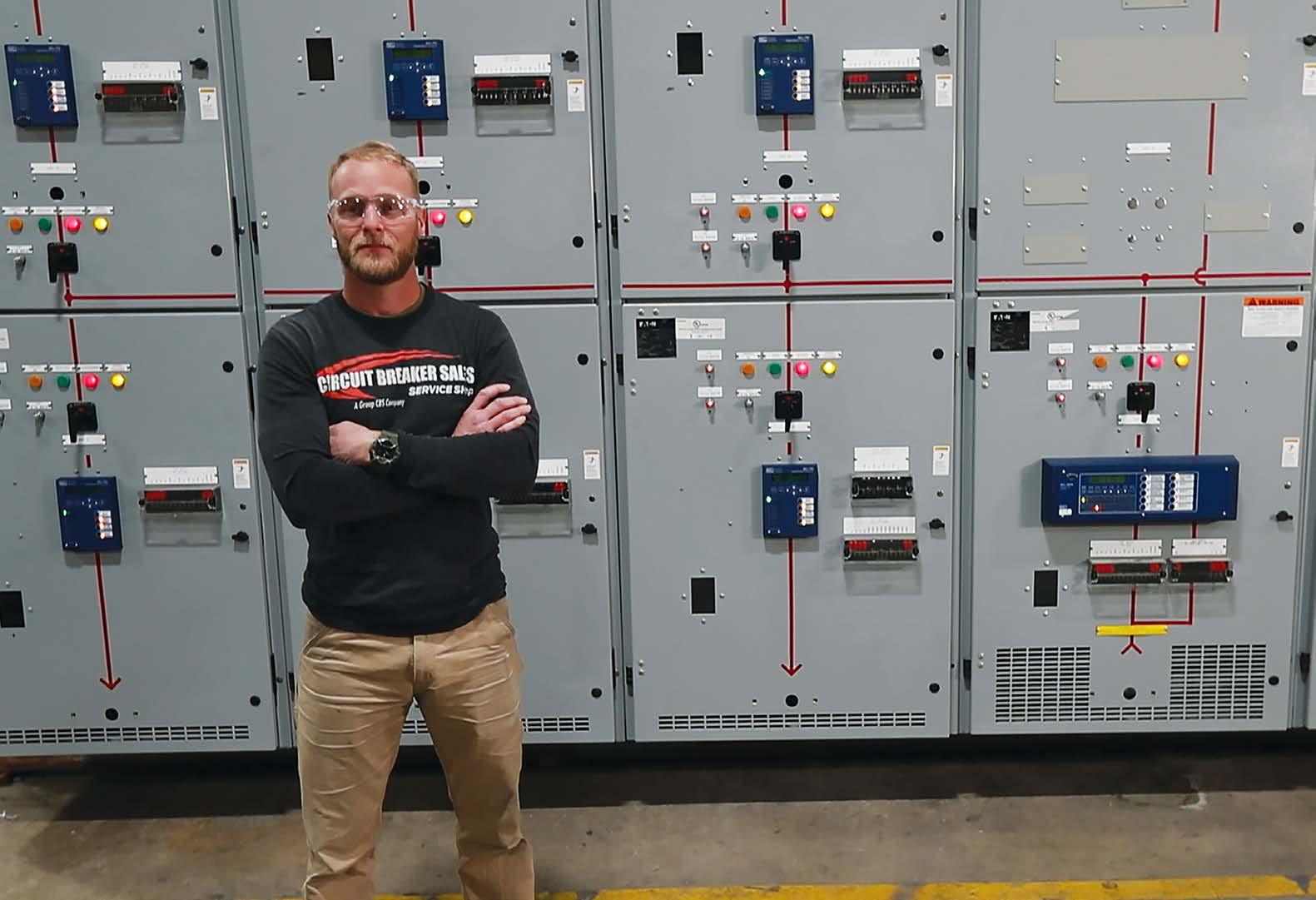
Circuit Breaker Sales (CBS) is a proud member of Group CBS, a global leader in electrical equipment manufacturing, supply, and service. With 46 locations worldwide and more than 600 employees, Group CBS companies share one unified purpose: to deliver complete electric power system lifecycle solutions built to the high standards of the U.S. power grid. It’s what Group CBS calls the Power of One, and this commitment to reliability and innovation has made CBS a trusted partner for utilities, manufacturers, data centers, and other operations that depend on safe, continuous power.
Group CBS is a single, trusted partner that can streamline electrical needs from initial engineering design and commissioning through long-term maintenance. Known for its unmatched inventory of new, legacy, and hard-tofind equipment and parts, CBS combines decades of technical expertise with a forward-looking approach to service, safety, and sustainability. Whether customers need a replacement breaker, complex retrofill services, electrical safety planning, or a fully integrated maintenance program, CBS delivers with the Power of One group focused on the same goal.
The global appetite for electrical power shows no signs of slowing, placing new demands on utilities and industrial operators alike. As organizations expand operations and modernize infrastructure, they face a twofold challenge: how to integrate new equipment effectively while maintaining and extending the life of existing assets.
Mission-critical systems, powering everything from oil and gas facilities and automotive manufacturing to metals and mining plants, agricultural operations, and data centers, cannot
be allowed to run to failure. A single interruption can mean costly downtime, safety hazards, and compliance violations. That is why CBS encourages customers to embrace electrical maintenance programs supported by its expert repair teams, extensive parts inventory, and nationwide field service partners. By investing in preventive maintenance, operators not only maximize equipment life but safeguard uptime and ensure compliance with evolving safety standards.
In this regard, CBS serves as a trusted compliance partner. The company helps customers navigate the complexities of standards from the National Fire Protection Association (NFPA), such as NFPA 70B (Recommended Practice for Electrical Equipment Maintenance) and NFPA 70E (Standard for Electrical Safety in the Workplace), IEEE, and OSHA. Partnering with fellow Group CBS company CBS Field Services, a top-tier NETA-accredited company with more than 150 certified technicians, CBS helps customers align with standards, reduce risk, protect workers, and ultimately lower long-term costs compared to the financial and operational impact of downtime or violations.
CBS has steadily extended its reach and capabilities since 2018, when it opened a new flagship facility. Several acquisitions have expanded both geographic coverage and service expertise as part of Group CBS’s growth-focused strategy.
Exstar, acquired in 2019, strengthened CBS’s footprint in the Northeast, enhancing maintenance, testing, and equipment service capabilities.
Arkansas Electrical Outlet (AEO) was acquired in 2021 to expand the company’s industry-leading inventory of new and reconditioned electrical equipment and custom-built system capabilities.
National Circuit Breaker, Switchgear Power Solutions, and Premier Power Maintenance were all brought into the Group CBS fold in 2024. The acquisition of National Circuit Breaker, now Circuit Breaker Sales Los Angeles, extended CBS’s presence on the West Coast, providing rebuilds, lifeextension services, and field support for everything from high-rises in Los Angeles to critical utilities in the Bay Area. Switchgear Power Solutions added depth in the Midwest, broadening CBS’s inventory of both current and legacy equipment ranging from small circuit breakers to large power transformers.
Field services are another critical piece of the comprehensive lifecycle model. With the acquisition of Premier Power Maintenance, Group CBS expanded its network of NETA-certified technicians, enabling nationwide support for installation, acceptance testing, preventive maintenance, and emergency
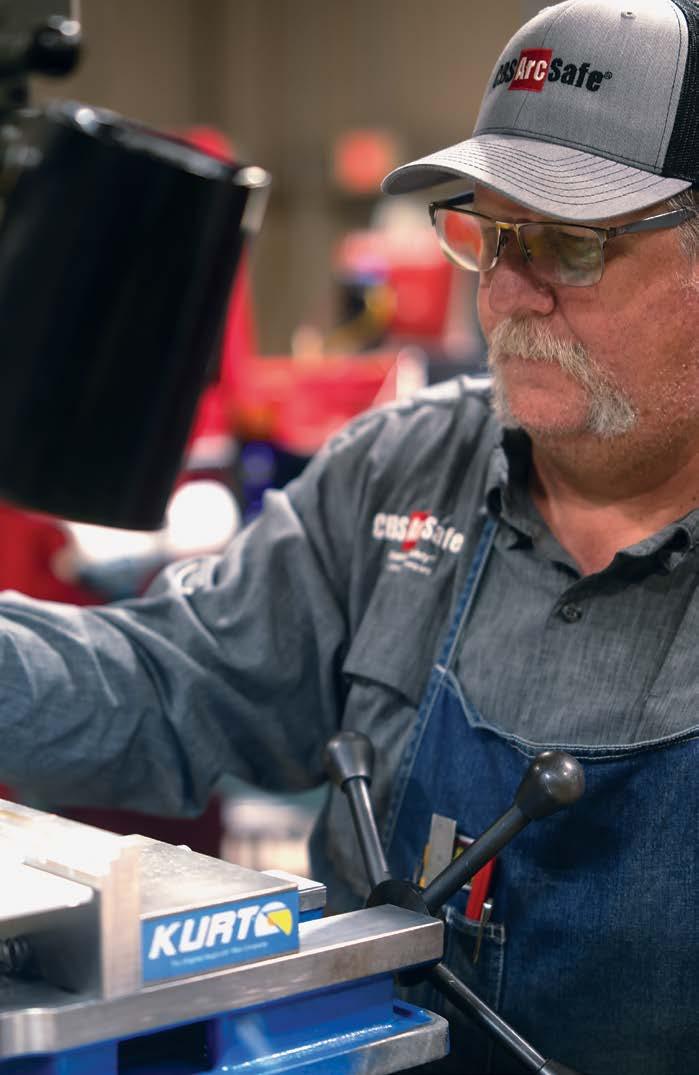
response. Backed by a 24/7 service commitment, the group is positioned to respond rapidly to customer needs anywhere in the country.
Group CBS companies are known for developing innovative solutions that meet emerging industry needs. CBS ArcSafe, for example, is a global leader in remote racking and switching solutions. Its customdesigned safety solutions have won more than 20 industry awards for innovation in electrical safety.
Advanced Electrical & Motor Controls (AEAMC) has been recognized for its circuit breaker retrofit services, which improve system reliability and enhance electrical safety by reducing arc flash energy.
Vacuum Interrupters is the sole provider of vacuum interrupters manufactured in the United States and an innovator in diagnostic test equipment for circuit breakers and vacuum interrupters. Its proprietary magnetron atmospheric condition (MAC) testing provides unparalleled insights into the condition of components critical to reliable power distribution. Group CBS also operates one of the few independently owned high-voltage test laboratories in the United States, underscoring its commitment to quality and safety.
These innovations have been recognized not only through product awards but also through individual accolades for Group CBS employees from organizations such as the InterNational Electrical Testing Association (NETA) and the Department of Defense’s Employer Support of the Guard and Reserve (ESGR).
Sustainability is central to CBS’s mission. The company’s maintenance, repair, and remanufacturing services extend equipment life, reducing the need to invest in new equipment and minimizing the waste stream associated with discarded electrical apparatus. This life-extension approach yields clear environmental and economic benefits, including less reliance on backup diesel generators, which means lower emissions, less air pollution, and reduced fuel consumption. Retrofit and retrofill services reuse materials and prevent legacy equipment from ending up in landfills.
CBS Nuclear Services further demonstrates this commitment by specializing in Class 1E safetyrelated switchgear and circuit breakers, with full compliance to 10 CFR 50 Appendix B requirements.
In addition, several Group CBS companies, including Circuit Breaker Sales, have earned ISO 9001 and ISO 14001 certifications for quality management and environmental stewardship. CBS and AEAMC are also active members of the Professional Electrical Apparatus Reconditioning League (PEARL), advancing industry-wide efforts in responsible recycling and reuse.
Group CBS is pursuing a strategic growth plan to build the most comprehensive electrical equipment supply and service network across North America and around the world. With offices in the United Kingdom and South Korea and growing interests in the Middle East, the company is positioned as a truly global partner in electrical power solutions.
The guiding vision is simple but powerful: deliver complete electric power system lifecycle solutions. By combining deep technical expertise, the industry’s largest inventory, award-winning innovations, and a nationwide network of service providers, Circuit Breaker Sales is helping customers meet today’s challenges and prepare for tomorrow’s.
At every stage of the power equipment lifecycle, CBS delivers on the promise of the Power of One: one group, one goal, one trusted partner for electrical system reliability.
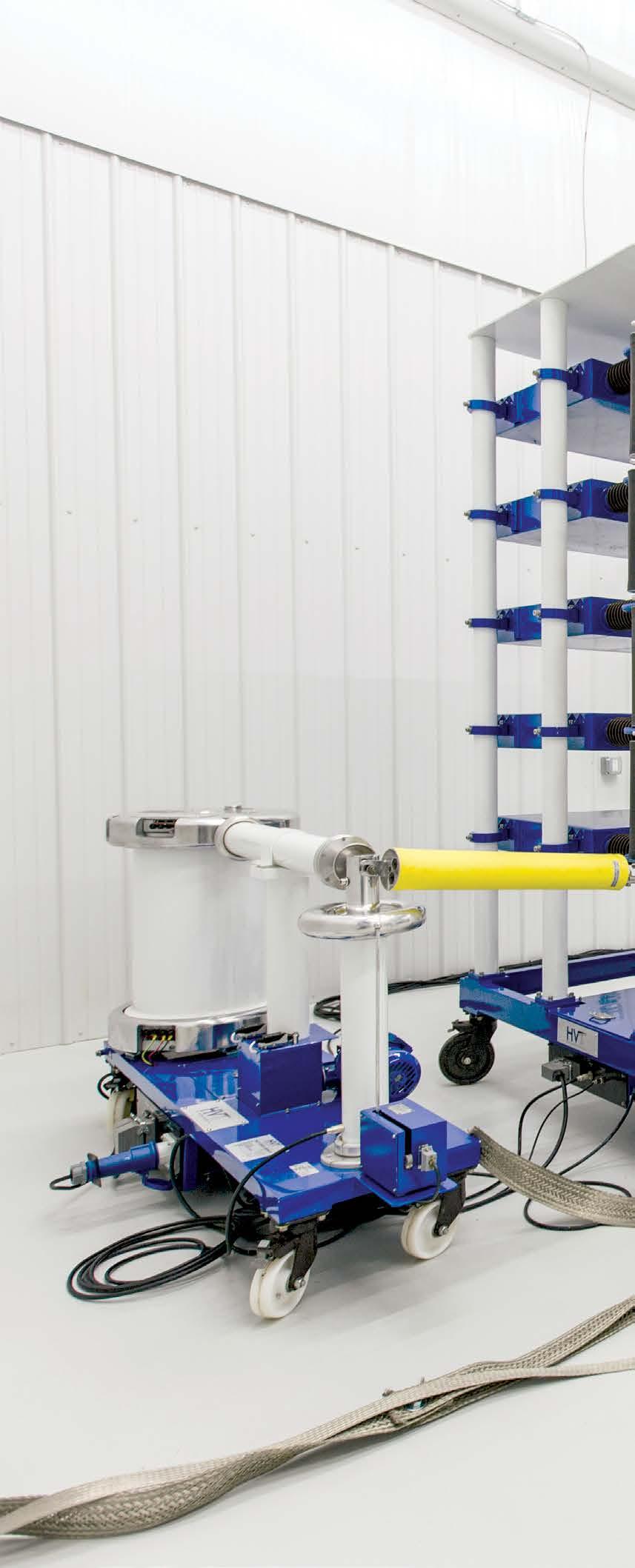
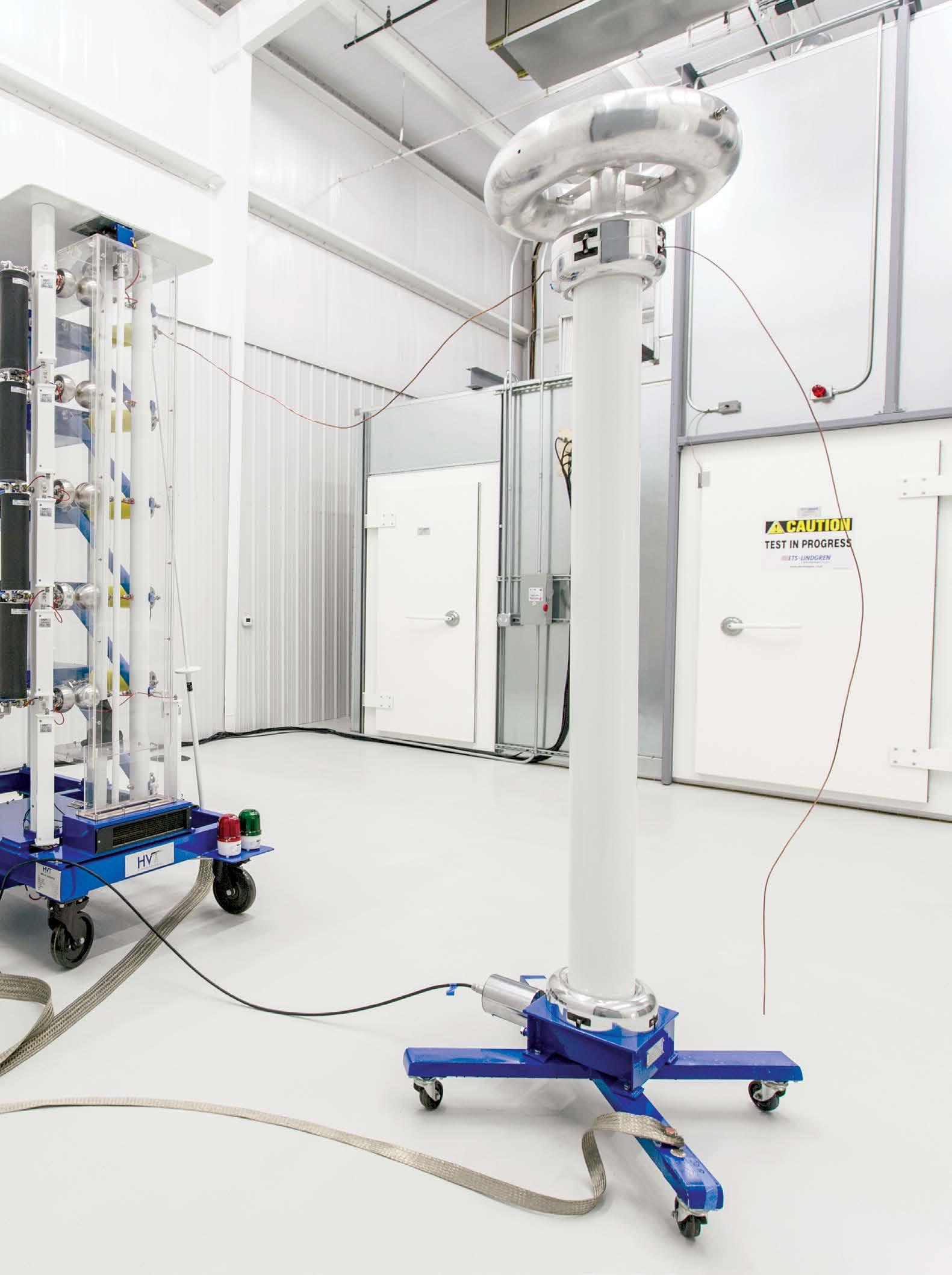
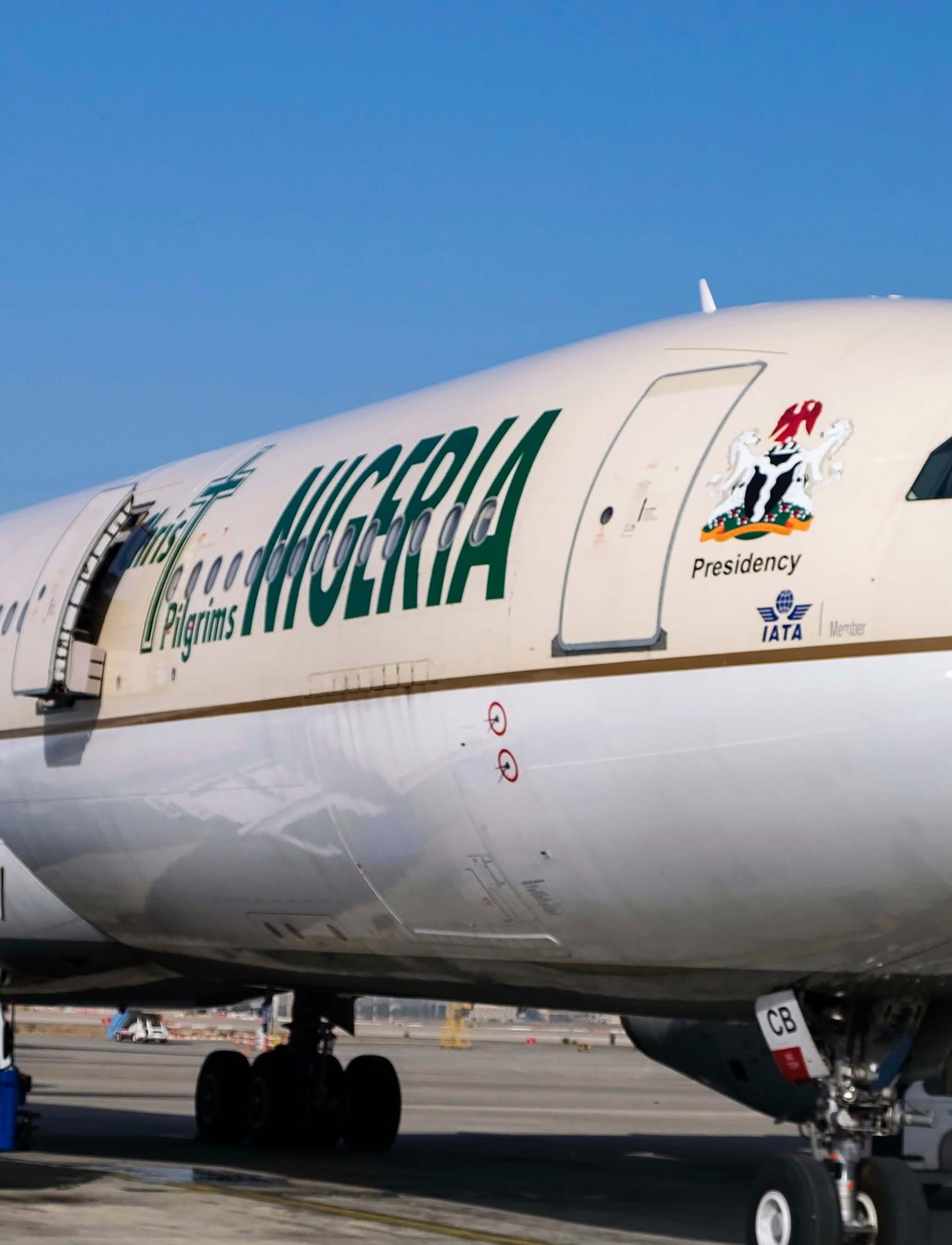

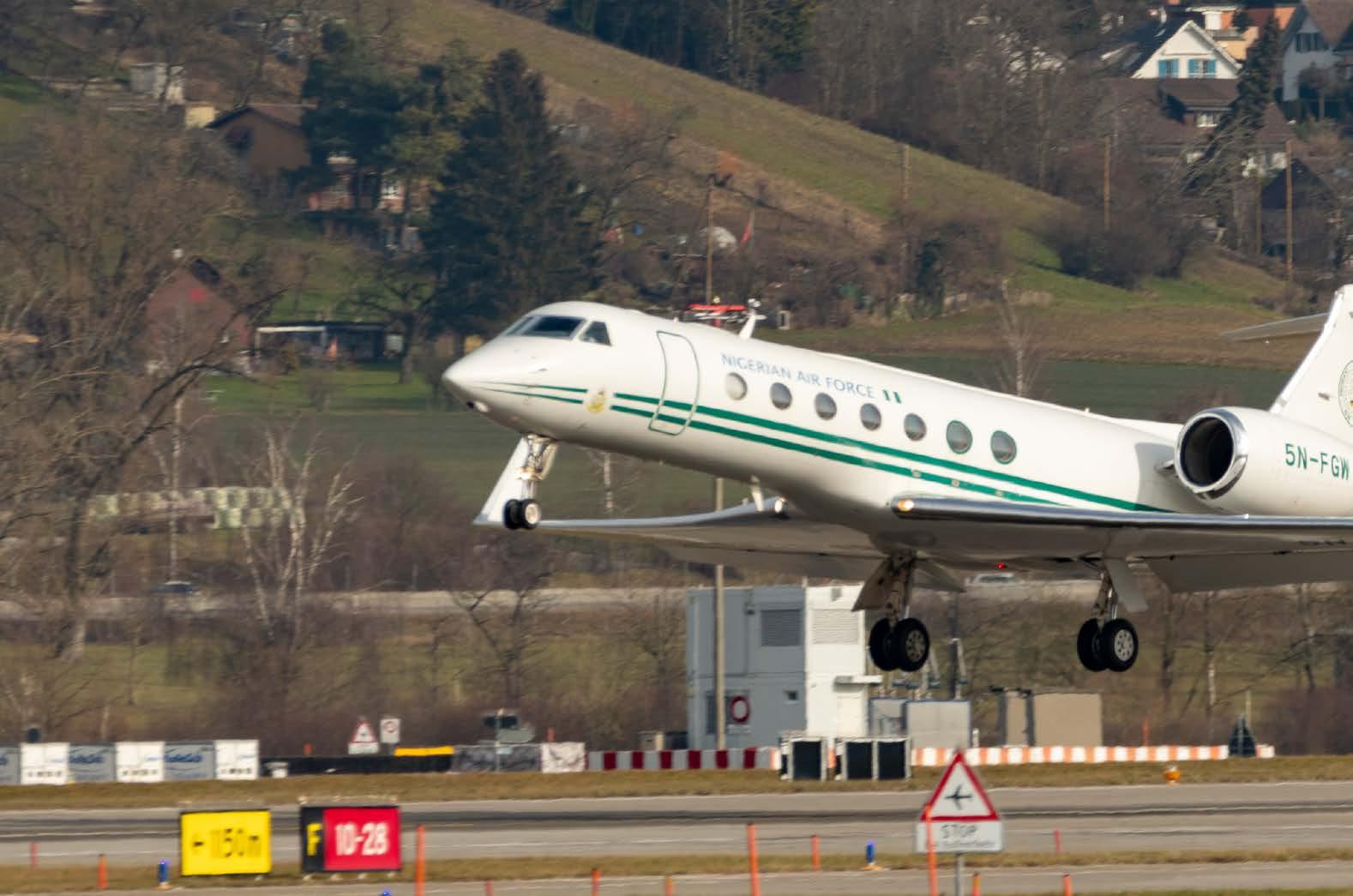
Operating as the sole civil aviation regulatory body in Nigeria, the Nigeria Civil Aviation Authority (NCAA) has been overseeing the country’s aviation industry, implementing vital safety and economic measures to ensure that it provides the best possible services for its passengers. Every year, millions of passengers travel through Nigeria, providing the country with one of the largest domestic aviation markets in Africa. For this reason, the aviation industry contributes significantly towards the country’s economic development, and so the NCAA plays a key role in supporting the industry to ensure it can continue to bring vital economic benefits for the country.
The NCAA was established in 1999 by an Act of Parliament, with the statutory responsibility to oversee the regulation, monitoring and promotion of the safety, security, reliability and economic impact of the country’s air navigation in line with International Civil Aviation Organisation (ICAO) Standards and Recommended Practices (SARPS). The Authority commenced its operations on 1st Jan 2000, with a central mission to deliver NCAA as one of the leading Civil Aviation Authorities in the world, providing aviation safety and economic regulatory services in the most efficient, effective and technologically driven manner possible. In line with this, the NCAA aims to benefit all stakeholders and maintains the highest international standards and sustainable development of the industry for the national economy.
Nigeria today boasts an improved aviation industry, supported by vital infrastructural facilities and state-of-the-art navigation aids to ensure the safety and comfort of passengers flying within Nigeria’s aviation industry. Today, Nigeria’s aviation industry spans 31 airports, which are served by 39 AOC (air operating certificate) airlines for scheduled and non-scheduled flight operations, as well as 28 foreign airlines that operate within Nigeria. NCAA today operates in line with the ICAO, which is a specialised United Nations agency which

is responsible for coordinating global principles and standards for international air transport. The organisation was established in 1944, and its 193 member states work together to develop and deliver safe, secure, efficient and environmentally sustainable aviation networks across the world.
Today, NCAA oversees the safety and regulation of the industry, ensuring that every aspect of the aviation sector, from flight crews to engineers, air traffic control and all air operators, is operating in accordance with the ICAO standards to ensure a unified network supporting reliable aviation travel across the country. Alongside this, the NCAA also


ensures that all airspace and aerodrome standards are up to date across its airports. As part of this, the Authority is responsible for certifying and regulating the country’s airports to ensure that every take off, landing and all the associated infrastructure are certified and regulated with international aviation standards. By implementing the international standards of the ICAO, the NCAA can ensure that its airports remain competitive in global markets, underpinned by the safety and regulation standards as any other across the world.
For aircraft themselves, the NCAA ensures airworthiness, focused on the design and


production, modification, repairs, and maintenance of aircraft. This division of the NCAA ensures that every aircraft meets the high standard of the NCAA’s airworthiness regulations. This instils a high level of safety standards across civil aircraft and ensures that every aspect of their safety and development is delivered with world-class standards. In line with this, the NCAA also ensures the overall security of the aviation industry in Nigeria, spanning from the aircraft to the personnel and the aircraft operating environment. In this division, NCAA continues to develop the National Civil Aviation Security Programme of Nigeria, which it utilised to define and coordinate the aspects of the program for the agencies, airport operators, aircraft operations and other allied services. Furthermore, the NCAA is also developing, implementing and maintaining a National Civil Aviation Security Training Programme, which it has developed to help establish high training standards whilst helping to develop aviation security training programmes for individual agencies and organisations.
As we can see from just a few examples of NCAA’s expansive regulatory work across Nigeria’s aviation sector, the Authority is committed to
ensuring that every aspect of the aviation sector, from the planes to the airports and everything in between, is delivered with excellence, safety and strict international standards in mind to help promote Nigeria’s aviation industry among global aviation markets. However, with an ever-growing aviation industry, the NCAA continues to develop these regulations to ensure that it remains in sync with global aviation standards. A big aspect of such development has been the move towards digitisation. This was exemplified in May when the

Electric Master Plan for Inspection and Certification (EMPIC) system was introduced, which is used for personnel licensing and medical certification. By digitising the system, EMPIC will help reduce delays in aviation licensing through a more centralised database. This is a key milestone for the NCAA as it is driving the Authority’s move towards a more modern aviation regulatory oversight, whilst strengthening its regulatory framework.
In May, the NCAA also launched the Drone Portal, which is focused on drone regulations. The Drone Portal was launched by the NCAA in an effort to streamline drone regulations, promote safe drone operation and help accelerate the growth of the drone industry. The announcement was made during the 6th African International Drone Technology Conference and Exhibition by the Director General of Civil Aviation and CEO of NCAA, Capt. Chris Najomo. Najomo outlined in his opening address a need to curb drone proliferation, whilst managing the growth of the recreational open category of drones and providing a comprehensive road map and direction for the industry. Alongside this, it will help establish the clear role the aviation industry will play in making Nigeria a prime player in the drone sector. The new portal will provide a hub for flyer IDs, certifications and drone registration, which can be accessed by operators. Through this network, the NCAA can provide a more comprehensive regulation
of the industry and help maintain drone compliance in Nigeria.
Across Nigeria, the NCAA provides reliable and effective regulatory services to ensure that every flight, aircraft and aviation operation across the country is supported by strict regulation. These regulations are underpinned by the ICAO, which ensures that all operations conducted across Nigeria’s aviation sector also meet international standards to help promote and enhance the competitiveness of the country’s aviation sector within global markets. With a comprehensive range of services spanning from regulation, licensing, safety and even customer-focused protections, NCAA is delivering a vital aviation industry for Nigeria to support the long-term development of Nigeria’s aviation for many years to come. With vital new expansions, including the development of the new Drone Portal and the continued digitalisation of its operations, NCAA remains focused on developing and expanding its operations to meet the growing changes and developments of the industry as it works to enhance the aviation sector and, in the process, support the aviation impact on the local economy for many years to come. We look forward to seeing how the NCAA will continue to develop alongside ICAO regulation, to deliver a strengthened and reliable aviation industry in Nigeria for many years to come.
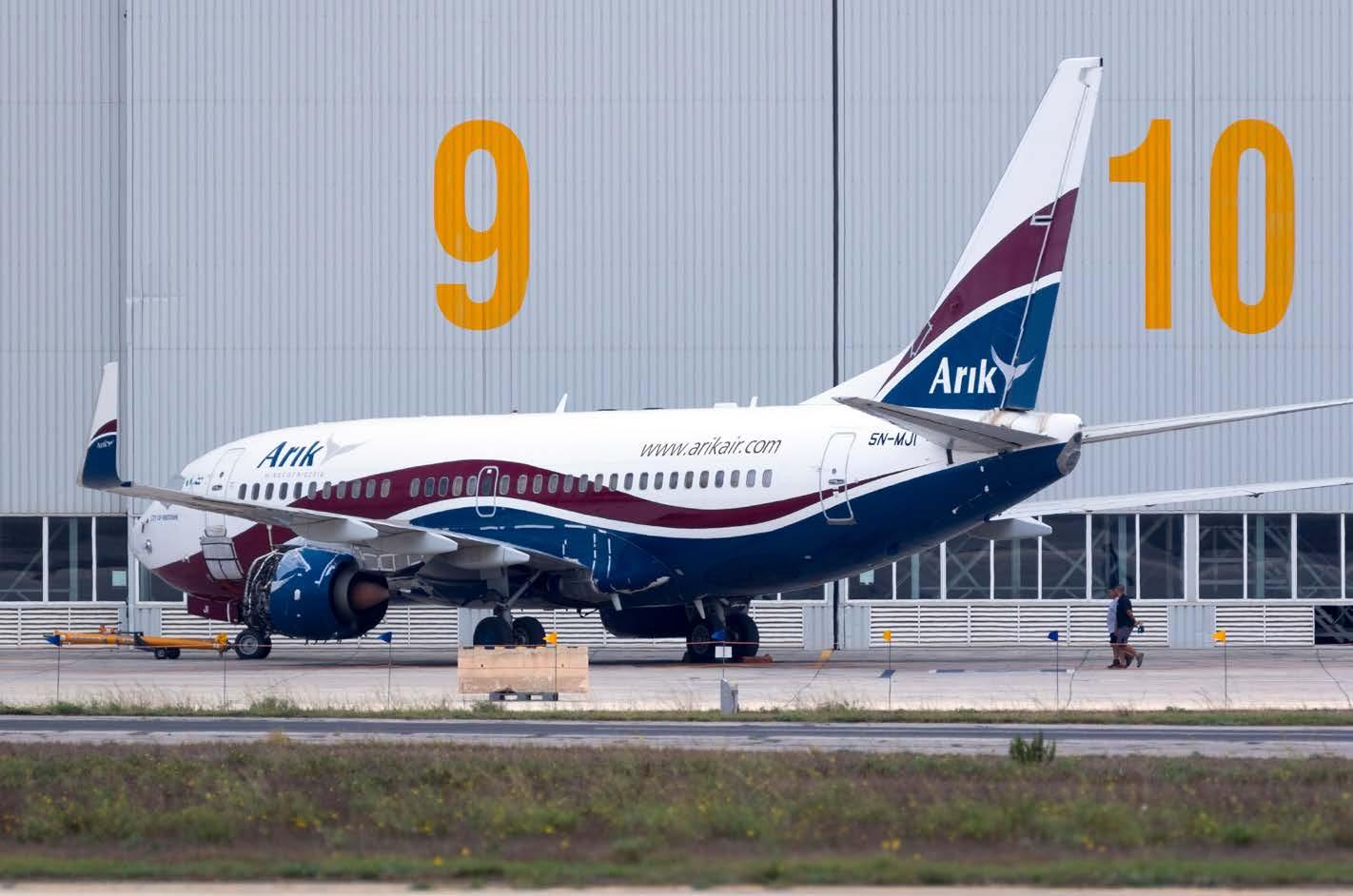
Written by Carley Fallows
Death Valley, located in eastern California, United States, is a region known for its scorching temperatures, extremely dry conditions, and sparse plant life, especially during the blazing summers. The valley recorded the highest temperature ever recorded in the National Park in 1913, at a whopping 57°C. Therefore, known as the hottest place on earth, it’s no surprise that there’s little in the way of plants across the valley, located between the Northern Mojave Desert and bordering the Great Basin Desert. However, every so often, following just the right weather conditions in the months prior, the valley’s floor becomes filled with a sea of yellow, blue and red wildflowers in the spring. Whilst this is a rare occurrence, its presence reminds us that even in the most unlikely of environments, beautiful life can bloom.
Superblooms, as they’re often referred to in Death Valley, typically occur once a decade following heavy rainstorms in the autumn and winter months, paired with arid ground. These conditions are what make it possible for flowers to bloom here in the spring, despite the high temperatures. Superbloom flowers typically include red poppies, desert lupines, and sunflowers, which strike a stark contrast against the desert landscape seen for most of the year. Whilst the ‘superblooms’ might suggest a thick, dense flower coverage, the superbloom is instead more of a light scattering of flowers across the valley’s floor – but it is still impressive, especially compared to the very dry landscape typically seen across Death Valley. The last super bloom occurred in 2016 and was brought about by the El Nino phenomenon, which aligns with the surface of the sea rising, leading to more extreme weather patterns occurring across the globe. This particularly looks like an increase in severe weather, including storms across the US, which results in increased rainfall in late 2015 and early 2016. The increase in moisture in the air from such severe weather in the months prior provided ample conditions across Death Valley for a superbloom to occur in the spring of 2016.

One of the main reasons why Death Valley remains such a hot climate is due to its 140-mile valley sitting in the shadow of four major mountain ranges. These ranges include the Sierra Nevada and Panamint Range, which prevent moisture from the Pacific Ocean from moving eastward over the mountains from reaching Death Valley. Therefore, air masses are forced upward by the ranges; this causes cool air and moisture to condense, leading to rain and snow on the western slopes. However, by the time this air reaches the valley, most of the moisture has been lost, and so little is left in the way of precipitation, causing such dry conditions. Therefore, Death Valley has a subtropical hot desert climate, which causes extremely hot and long summers, with warm and short winters and a typical annual rainfall below 2 inches a year. Therefore, such perfect conditions with increased rainfall are needed for the moisture in the air to reach Death Valley, resulting in the rare natural wonder of a superbloom across the valley.
However, the name Death Valley does not actually stem from the extreme heat of summer, as one might expect. Instead, it originates from an incident that occurred during winter in what would later be known as Death Valley. The story behind the
name comes from a group of pioneers who became lost while searching for a shortcut to the gold fields of California in the winter of 1849-1850. The men lost their way in the vast expanse of the valley and were ultimately rescued by two young members of the group who had learned to be scouts. These young men guided the others over the Panamint Mountains and out of the valley. Although only one person died in the valley, it is believed that one member of the group looked back after escaping and said, “Goodbye, Death Valley”. This is thought to be the origin of the name ‘Death Valley’ today, and the lost group, known as the 49ers for the year they were stranded, has become a significant part of Western history in the United States.
With such an interesting history behind the hottest place on earth, Death Valley remains a highly visited place to experience the true heat that the valley has to offer. One of the most interesting natural phenomena occurring in Death Valley is the superbloom, which seemingly brings life against all odds to an extremely dry and hot climate. With global weather patterns continuing to play a vital role in the cause of such superblooms, the chance to visit and see the spectacle of flowers remains an elusive wonder of North America.
Source: https://www.nps.gov/deva/learn/nature/ wildflowers.htm
https://www.nps.gov/deva/faqs. htm#:~:text=Death%20Valley%20was%20given%20 its,valley%20would%20be%20their%20grave
https://www.vogue.com/article/super-bloomdeath-valley-travel
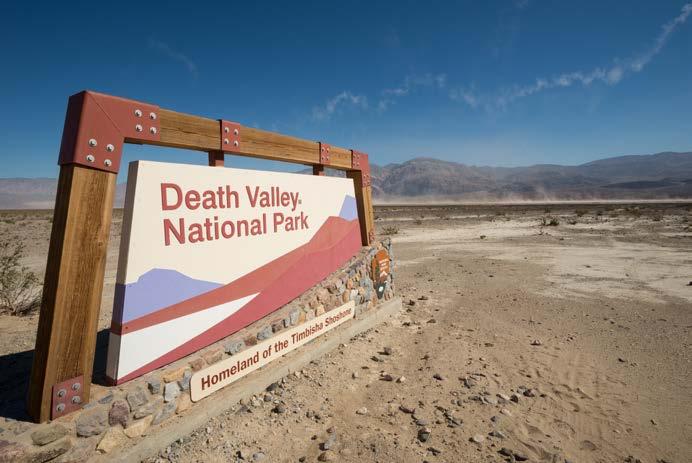



As the largest supermarket and grocery chain in Trinidad and Tobago, Massy Stores provides its customers across the region with high-quality and fresh products. With more than 23 stores nationwide, the Massy Store brand is a well-known staple of everyday life, offering quick, convenient, and high-quality meals, baked goods and household products to those across Trinidad and Tobago. Therefore, Massy Stores is aiming to become the premier Caribbean Basin retailer, which is constantly working to support the local community through products and local partnerships that foster mutually beneficial and ethical relationships.
Massy Stores is a subsidiary of the larger Massy Group, which is an investment holding company operating in Trinidad and Tobago, with a portfolio spanning integrated retail, gas products and motors and machines. Thus, Massy Stores falls under the integrated retail segment of Massy Group’s operations and offers vital retail services for its customers. Massy Stores has a workforce of more than 1,500 employees, who are regarded by Massy Stores as the heart of its success. Each employee has a passion for excellence, and through them Massy Stores can offer personalised services that support customers to ensure every one feels valued.
Massy Stores found its origins in the 1940s when small grocery outlets were established across Trinidad under the company Hi-Lo, in order to service the local community with essential goods and a commitment to quality. Over the next 30 years, along with the expansion of Trinidad’s economy, Hi-Low expanded its footprint across the islands, adding a wider variety of products, fresh produce and household essentials across its store’s offerings. By the 1980s, Hi-Low had become a household name, changing the game for grocery shopping with its focus on variety, convenience and exceptional customer service, which had set a new standard in the retail sector.

At AMCO, we supply everything your home needs — from pantry staples to health and household essentials. As the Caribbean’s trusted distributor of Food, Household, Pharmaceutical, and Wines & Spirits brands.
We get the right products to the right people – every time.
SUPPLYING YOU WITH THE BRANDS YOU KNOW AND LOVE.














In 2014, Hi-Lo was rebranded to Massy Stores, unifying Massy Group’s operations, with the goal of delivering an even stronger customer experience across all of its retail locations. Along with this, Massy Stores began implementing digital solutions to help drive customer experience, which included the rollout of self-checkout kiosks, as well as loyalty rewards programs. Now more than 10 years since Massy Stores was established, the company operates 23 locations across Trinidad and Tobago, which are known for their commitment to quality, across a variety of goods, whilst working to support the local community in the process. This close partnership between the stores and the local community is what has continued to solidify Massy Store’s place as a leading grocery brand that supports health and wellness within the local community
Across Massy Store’s product lines, it offers a wide variety of products, which span from prepared meals to baked goods and even household items. For prepared meals, Massy Stores aims to provide a variety of quick, tasty and affordable options. These meals include its Epicure Line, which are quick to heat and eat items such as pizzas. Then, the Epicure Gourmet Line meals are a range of quick yet tasty chef-inspired premium meals, which are ideal for family-style eating, perfect for both lunch and
dinner. Other fresh produce includes things such as baked goods, providing everyone with the perfect sweet or savoury treat. All of these are made fresh daily and are a perfect quick snack for on the go. Alongside this, Massy Stores are full of farm-fresh products, including locally sourced and important fruits and vegetables, which have been handpicked for quality and freshness, as well as a range of premium chilled meats and frozen cuts ideal for grilling, roasting or slow cooking. Massy Stores also provides plenty of everyday household and pantry staples, including both food and non-food items. Across its product ranges, Massy Stores ensure that a stop at one of their stores will allow you to get everything you need in one place, supported by great customer service.
One of the big benefits of shopping at Massy Stores is that the stores provide a range of in-store and loyalty schemes that help its customers save money on every shop. For many customers, the Massy Card is the main loyalty program used, which is designed to reward customers with points every time they shop at any Massy Stores, or its various merchants, including Massy Merchants, Massy Finance GFC, Massy United Insurance and more. Alongside this, Massy also had a variety of partner businesses where customers can also earn points, creating a more expansive Massy reward network


spanning the nation. These partners include companies such as Trinipad, Caribbean Airlines, Five Islands, Raw Fitness, Cinema One, MPharmacy and Ferreira Optical. With these points, Massy Card members can then redeem their points against groceries, vehicle services or even Caribbean Airlines Miles to make shopping with Massy Stores and its partners feel even more rewarding. Plus, through the ‘Donate Your Loyalty Points’ initiative, customers can also donate their points to help benefit local charities, turning the rewards program into a vital way to support the local community, too.
This focus on the community is seen across all of Massy Stores’ operations, from its focus on delivering a great range of products to helping reward customers to make grocery shopping that little bit easier. However, for Massy Stores, it wants to go one step further, and so it strongly focuses on fostering meaningful connections and growth within its local communities. The company delivers vital initiatives that aim to empower individuals, uplift communities and contribute towards a brighter future for all. Currently, Massy Stores delivers a range of initiatives, one of which includes the Kitchen Garden Initiative to support kitchen gardens in schools to help children learn about sustainable agriculture, healthy eating and environmental responsibility.
Massy Stores also helps deliver community infrastructural development projects to create safer and more inspiring learning environments for students and educators. Then, within the education sector, Massy Stores also actively engaged with career fairs, which help show students a wide range of career opportunities that are available to them within the retail sector. It is the goal of such infrastructure development and career opportunities that Massy Stores can help inspire young people and support the longevity of the industry’s success across Trinidad and Tobago. Across Massy Stores, the retail locations are more than just grocery stores but hubs for community development designed to support customers every day. From its range of quick and easy meals to its rewards programs, Massy Stores is designed to give its customers the best experience to make grocery shopping just that little bit easier. Plus, with a range of community-focused initiatives to support local development and the next generation, Massy Stores is expanding its role beyond a retail space and into a community partner primed to support its customers in many aspects of their lives. We look forward to seeing how Massy Stores continues to expand across Trinidad and Tobago, whilst supporting local community development and delivering excellent customer service across every operation.

Tourism is one of the key drivers of economic development in Turks and Caicos, with millions of people every year arriving in the region to enjoy the beautiful landscapes and wealth of tourist experiences. Therefore, to help bring tourists to the islands, the region’s airports are pivotal to supporting smooth and safe travel to and across the Islands. Thus, to ensure that the aviation industry remains a vital pillar of Turks and Caicos’ tourism industry, Turks and Caicos Islands Airports Authority (TCIAA) was established in 2006 to control and manage the 6 public airports across the Islands. Over the last 20 years, TCIAA has played a central role in supporting the region’s airports with vital management, expansion and development operations to allow them to continue to play a key role in Turks and Caicos’ tourism industry and deliver long-term economic development for the region.
The central role of TCIAA is to oversee the public airports within the Turks and Caicos Islands, operating as a statutory body established in 2006 under the Airports Authority Ordinances. This gave the Authority the power to construct, control and manage airports across the region, ensuring that everything from runways and taxiways to terminals is of top quality to help deliver the best and most efficient airport services across the Islands as possible. Therefore, over the last 20 years, TCIAA has played a pivotal role in the development of the Turks and Caicos Islands’ airports, many of which it has developed to help manage increasing passenger numbers to help support the Turks and Caicos tourism industry for many years to come.
One of the most significant airports within the Turks and Caicos Islands is the Providenciales Airport, also known as the Howard Hamilton International Airport. As the name suggests, this is a vital international airport for the region, and so the majority of international passengers arrive here when entering the Turks and Caicos Islands. At present, the Howard Hamilton International Airport sees flights arriving from London, New York, Washington D.C., Miami, Toronto, Boston, Chicago, Dallas, Philadelphia, and Atlanta. Alongside this, the airport is also a key hub for transfers between the
islands through airlines such as interCaribbean and Caicos Express, which facilitate flights between Providenciales, South Caicos and Salt Cay within the region. As we can see here, with a large number of passengers arriving on both domestic and international flights, the airport today is a major hub for tourism across the Islands.
However, with the airport operating as the central international airport bringing tourists from across the globe, it has required vital expansion in recent years to keep up with passenger demand. A key expansion for the airport was the Howard Hamilton International Airport Redevelopment Project, a multi-phase development to expand and redevelop
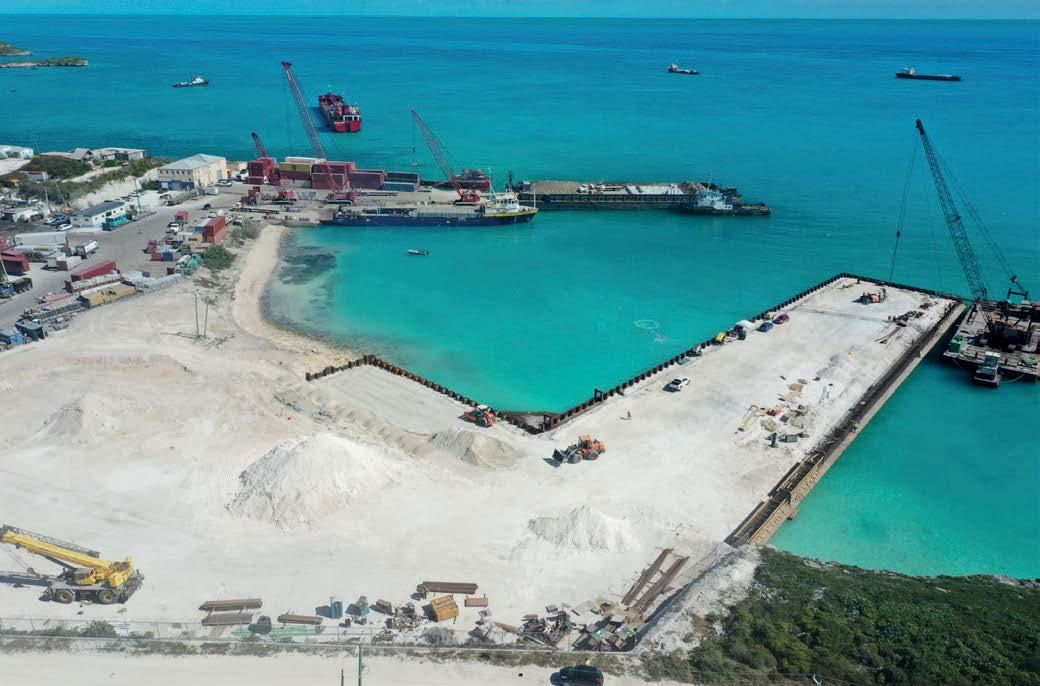

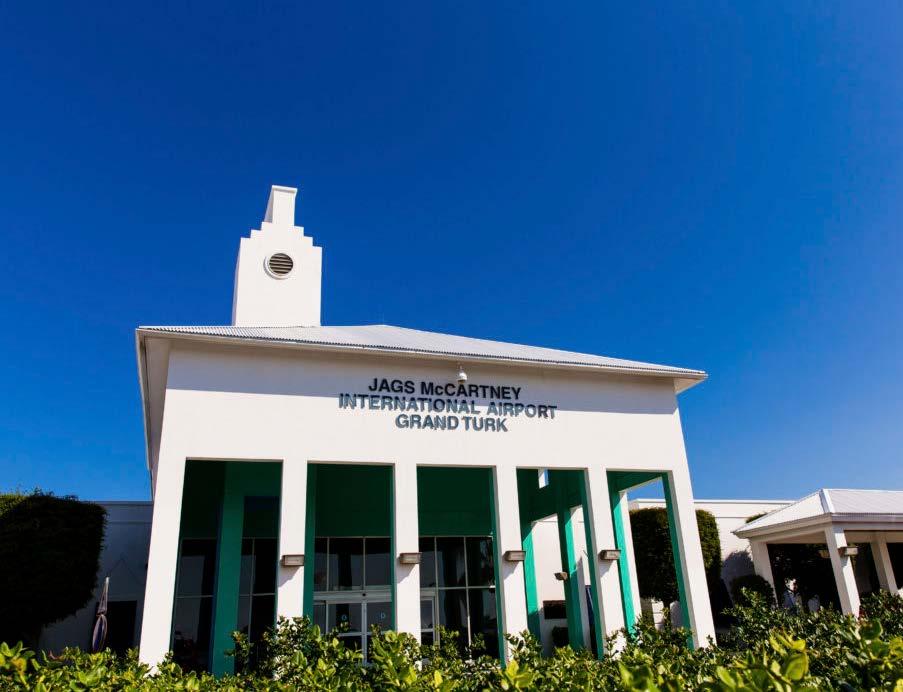
the airport. Phase 1 of the development included the Airside Redevelopment and Rehabilitation Project, which included the extension of the runway and aircraft parking options, as well as the rehabilitation of the runway pavement facilities. Alongside this, the development also saw the replacement of airfield electrical equipment. This phase of the development took 13 months to complete, and the resulting runway, which was extended to 2,807m, can now facilitate the take-off and landing of medium and large aircraft.
The second phase of the development commenced in June 2013 and focused on the Providenciales Redevelopment. This development
includes a ten-million-dollar investment, which spanned an expansion of the airport’s terminal building to 92,321ft2. This expansion includes extended check-in counter areas, a new flight display system in the departure lounge, and roadways to deliver an improved passenger experience. This phase of the expansion concluded in 2014 and was completed by Dolmen Construction.
One of the other central airports operated and managed by TCIAA is the JAGS McCartney International Airport in Grand Turk. The airport focuses on domestic flights, allowing locals and tourists alike to hop between the islands easily. These services are supported by airlines including interCaribbean and Caicos Express, which facilitate flights between Providenciales, South Caicos and Salt Cay. The other airports under TCIAA include the Norman B. Saunders Sr. International Airport in South Caicos for domestic flights, Clifford Gardiner International Airport in North Caicos, Eric Arthur Airport in Middle Caicos, and Henry Leon Wilson Airport in Salt Cay.
Dwayne Gardiner, Executive Chairman at TCIAA, outlined in his chairman’s message on the Authority’s website that, ‘We at the TCIAA understand the importance of the Authority and the six airports under its control as a catalyst for national development, particularly in the areas of tourism growth and international trade relations. Like many of our regional counterparts, air travel is

directly connected to and predominantly drives our community’s main sources of revenue. Therefore, in our management practices, we continue to strive to promote a culture of honesty, integrity, transparency, creativity, and excellence”.
Gardiner’s message exemplifies how vital TCIAA is for national development across Turks and Caicos, and under its authority, the airports can deliver vital tourism and international trade relations that bring significant economic benefits to the region.
Beyond its airport management, TCIAA also has a key Meteorological Department, which was established in 2021, to monitor the meteorological events and provide meteorological information. The Department, working alongside the Caribbean Meteorological Organisation (CMO) and the World Meteorological Organisation (WMO), developed a Strategic Plan for National Meteorological Services for the Turks and Caicos Islands (2023-2027). The plan spans the strategic goal and objective of the Turks and Caicos Islands National Weather Service (TCINWS), which collectively help strengthen and streamline their capacity and system for weather, water, climate and ocean services for enhanced decision making.
Currently, TCIAA provides meteorological services for civil aviation through the Meteorological Department at Providenciales International Airport, JAGS McCartney International Airport, and South Caicos Airport. Here, the department produces a 3-day public forecast and local severe weather advisory to the general public. It is the Department’s mission to make reliable and actionable weather, climate, and ocean information and impact-based early warning service accessible to all residents, visitors and economic sectors of the Turks and Caicos Islands.
Overall, TCIAA’s role is to develop the Turks and Caicos Islands’ Airports industry to help deliver world-class airport operations underpinned by safety, security, quality, efficiency and leading customer service. Through vital expansion and redevelopment work and investment, TCIAA can help transform the overall economic development of the islands and grow the airport industry for Turks and Caicos. Across the 6 airports under its development, TCIAA encourages greater tourist numbers and more international airline operators to provide key connections to the islands and enhance the overall international and domestic interconnectivity of the Turks and Caicos Islands.