Space Management Emlyn Freeman emlynfreeman@littlegatepublishing.com
Media Coordinator Andrew Richards andrew@littlegatepublishing.com
Lead Designer Alina Sandu Research Kristina Palmer-Folt Editorial Research Amber Winterburn
Corporate Director Anthony Letchumaman anthonyl@littlegatepublishing.com
Founder and CEO Stephen Warman stevewarman@littlegatepublishing.com
For enquiries or subscriptions contact info@littlegatepublishing.com +44 1603 296 100
ENDEAVOUR MAGAZINE is published by Littlegate Publishing LTD which is a Registered Company in the United Kingdom.
Company Registration: 07657236
VAT registration number: 116 776007
343 City Road 60 Thorpe Road London 79 Norwich EC1 V1LR NR1 1RY
Littlegate Publishing Ltd does not accept responsibility for omissions or errors. The points of view expressed in articles by attributing writers and/or in advertisements included in this magazine do not necessarily represent those of the publisher. Any resemblance to real persons, living or dead is purely coincidental. Whilst every effort is made to ensure the accuracy of the information contained within this magazine, no legal responsibility will be accepted by the publishers for loss arising from use of information published. All rights reserved. No part of this publication may be reproduced or stored in a retrievable system or transmitted in any form or by any means without the prior written consent of the publisher.
Over the years, Endeavour Magazine has had the privilege to follow the changing fortunes of the African business world. Suffice to say, this has given us a great vantage point from which to observe this remarkable continent’s transformation in recent years.
Isn’t it wonderful that Africa is finally beginning to realise it’s almost limitless potential? The change has been a sight to behold, as lights turn on across every corner of the continent. While the global economy has spluttered through a decade which has been characterised by stagnant growth rates and stubbornly high unemployment, the African continent has undoubtedly been one of the world’s brightest economic hotspots.
What is there to say? Africa, with its increasingly prosperous people and markets, is the future. It has finally succeeded in shedding its reputation in the eyes of the international community as a place synonymous with poverty and conflict.
Of course, there is still work to do. Challenges and threats are never far away and will continue to emerge – particularly in light of the threat posed by populist revolts against free trade and globalisation in the developed world, and rising national debt levels closer to home. In order for the continent to maintain its upward trajectory, investment must continue. If this happens, job creation will continue, trade between nations will rise, and high growth rates will likely be maintained.
06 Shell Nigeria Exploration and Production Company Meeting Energy Demands in Nigeria
20 TotalEnergies EP Nigeria Fuelling Nigeria’s Future
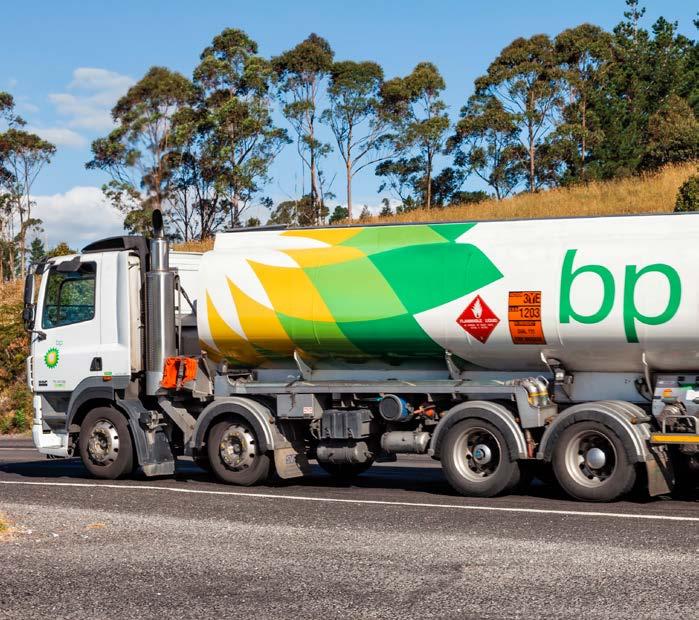
32 BP: The Greater Tortue Ahmeyin Project A Major Deepwater Development
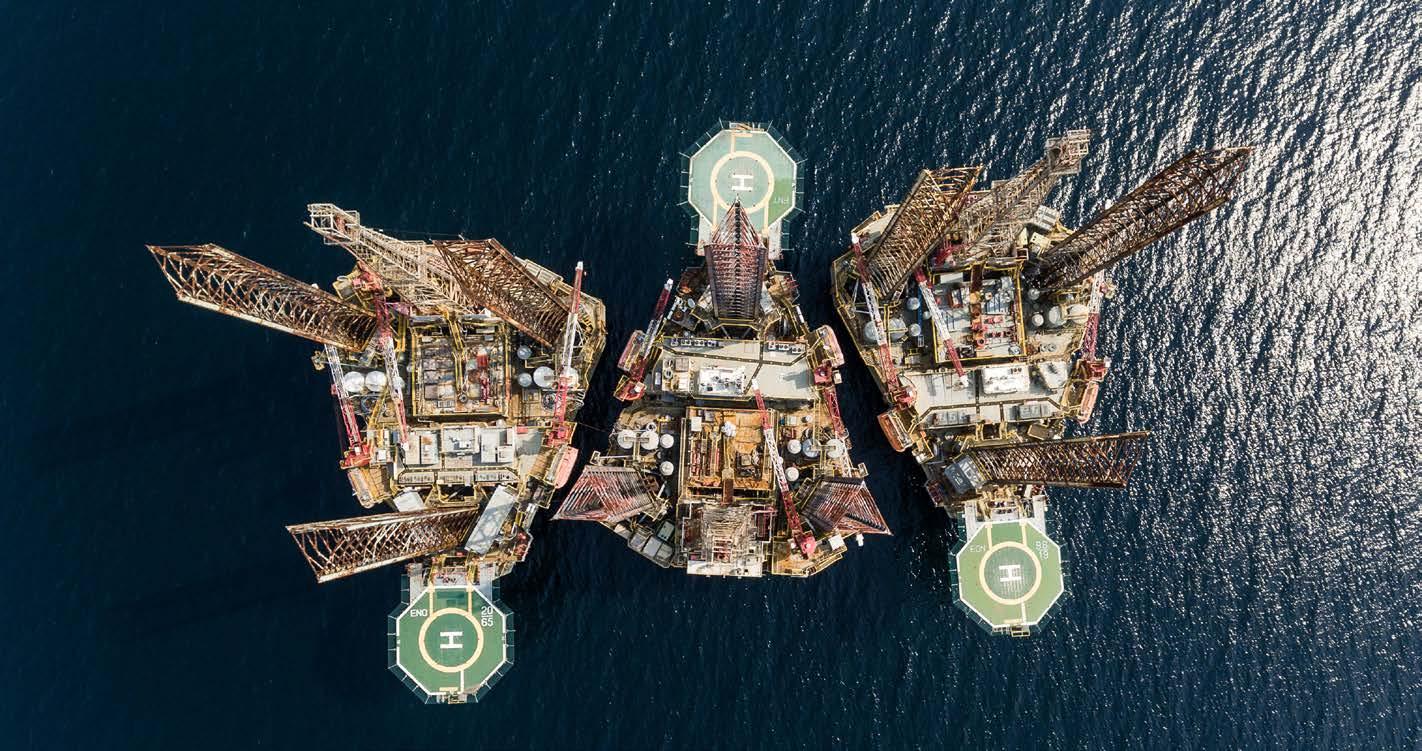
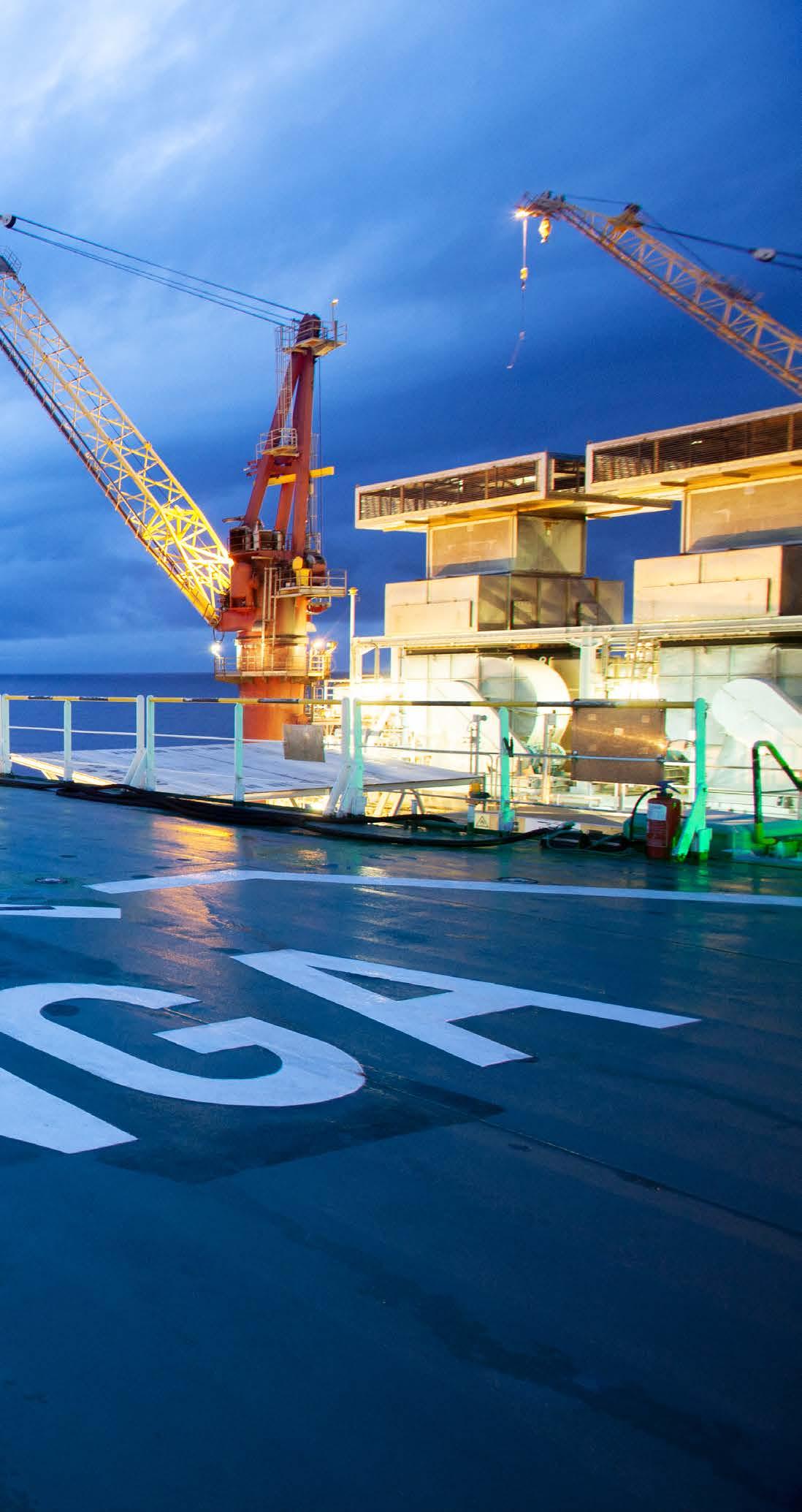
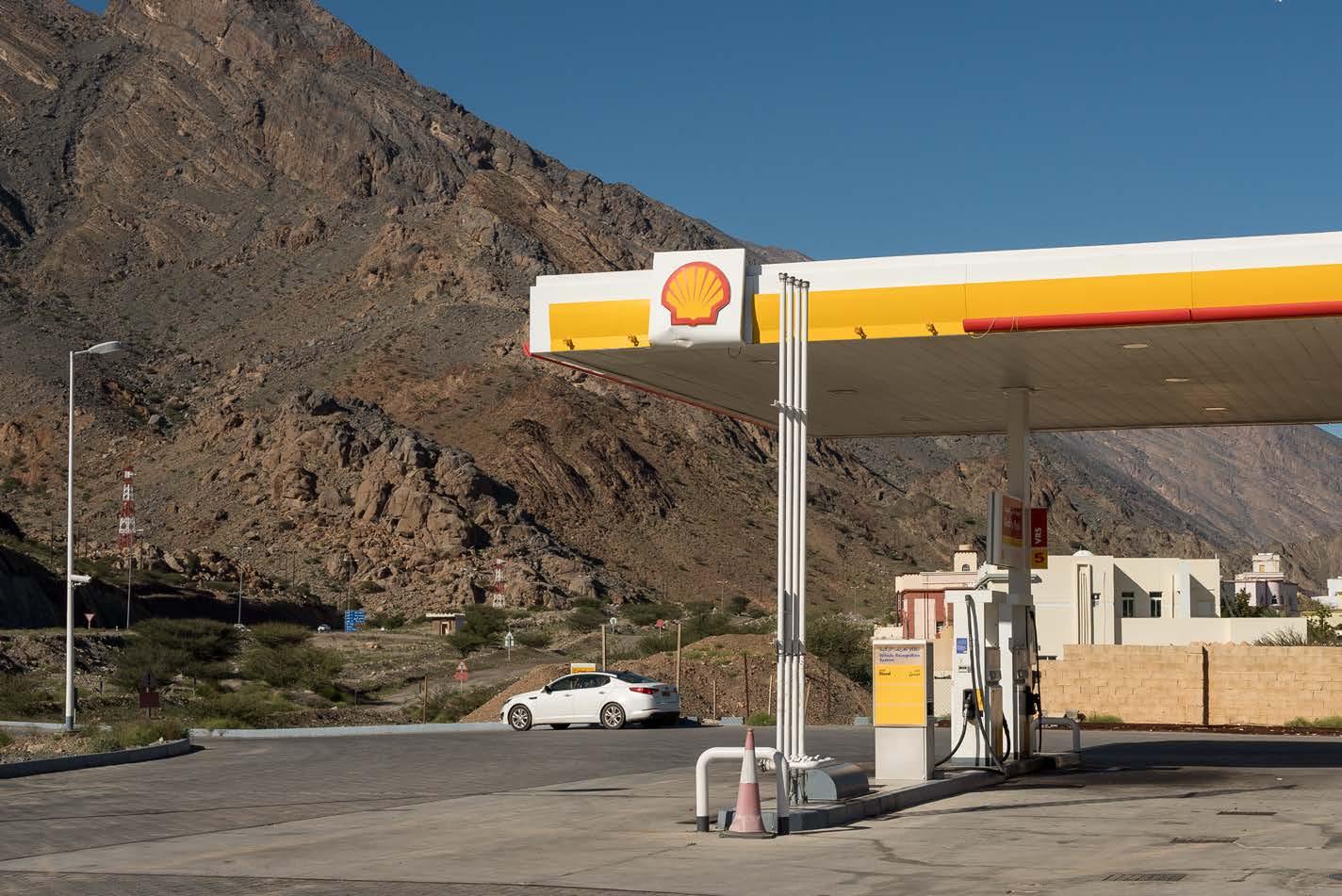
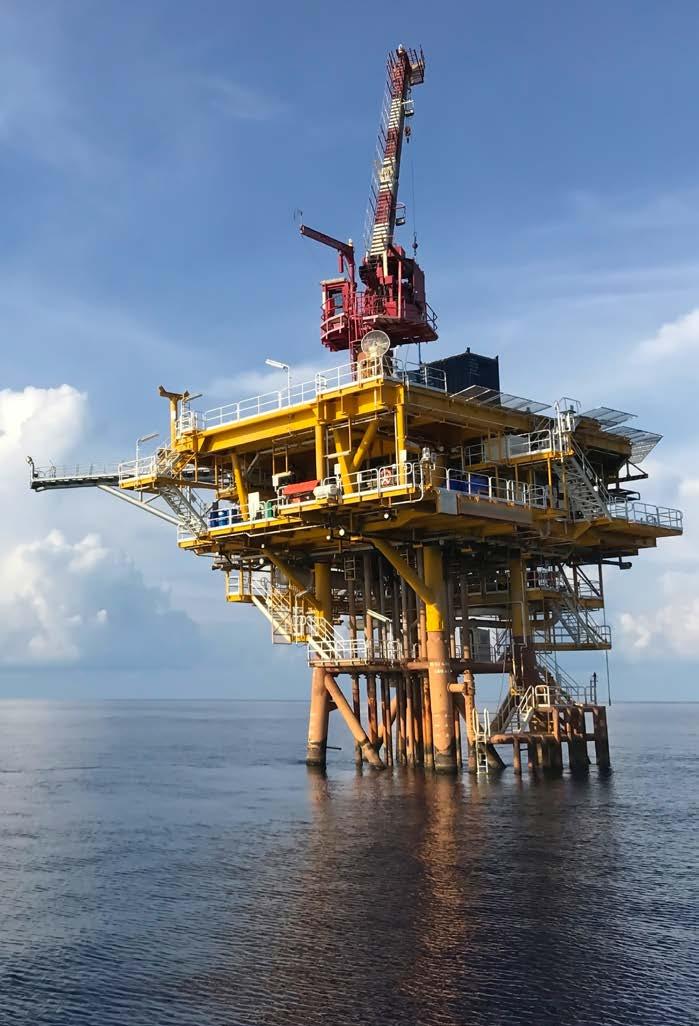
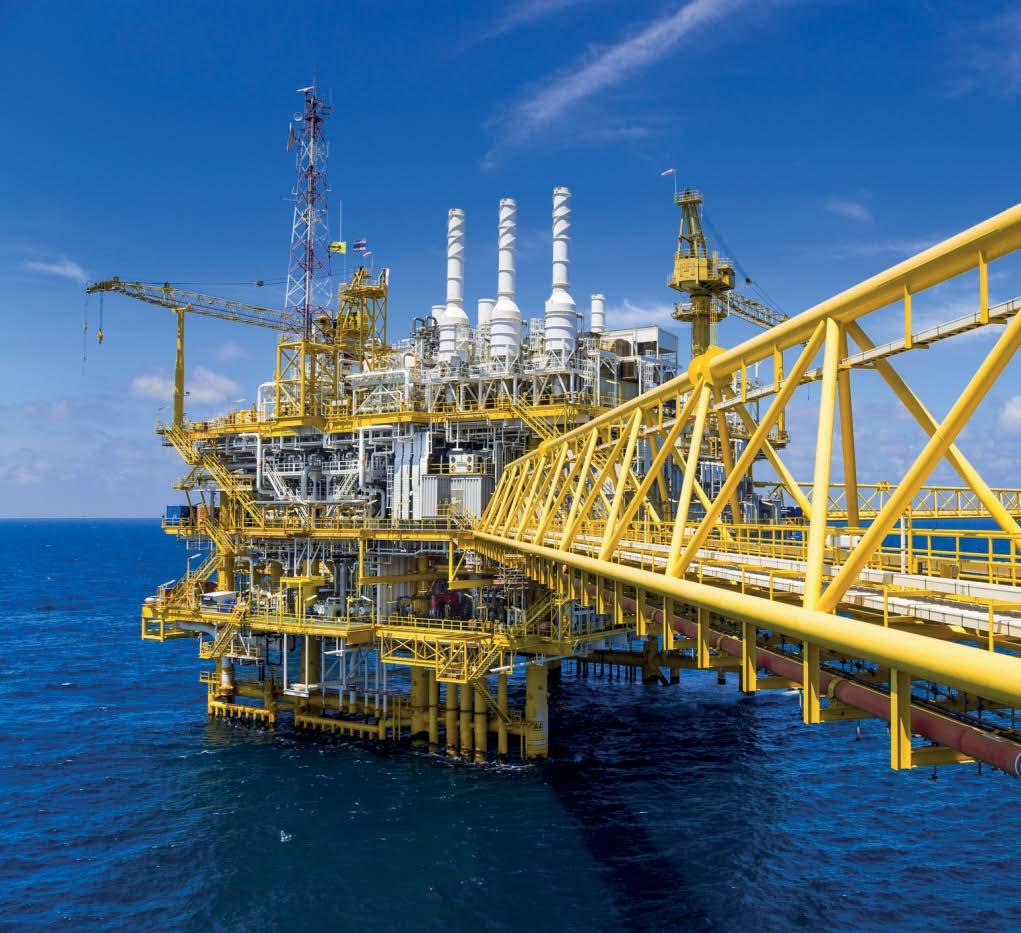
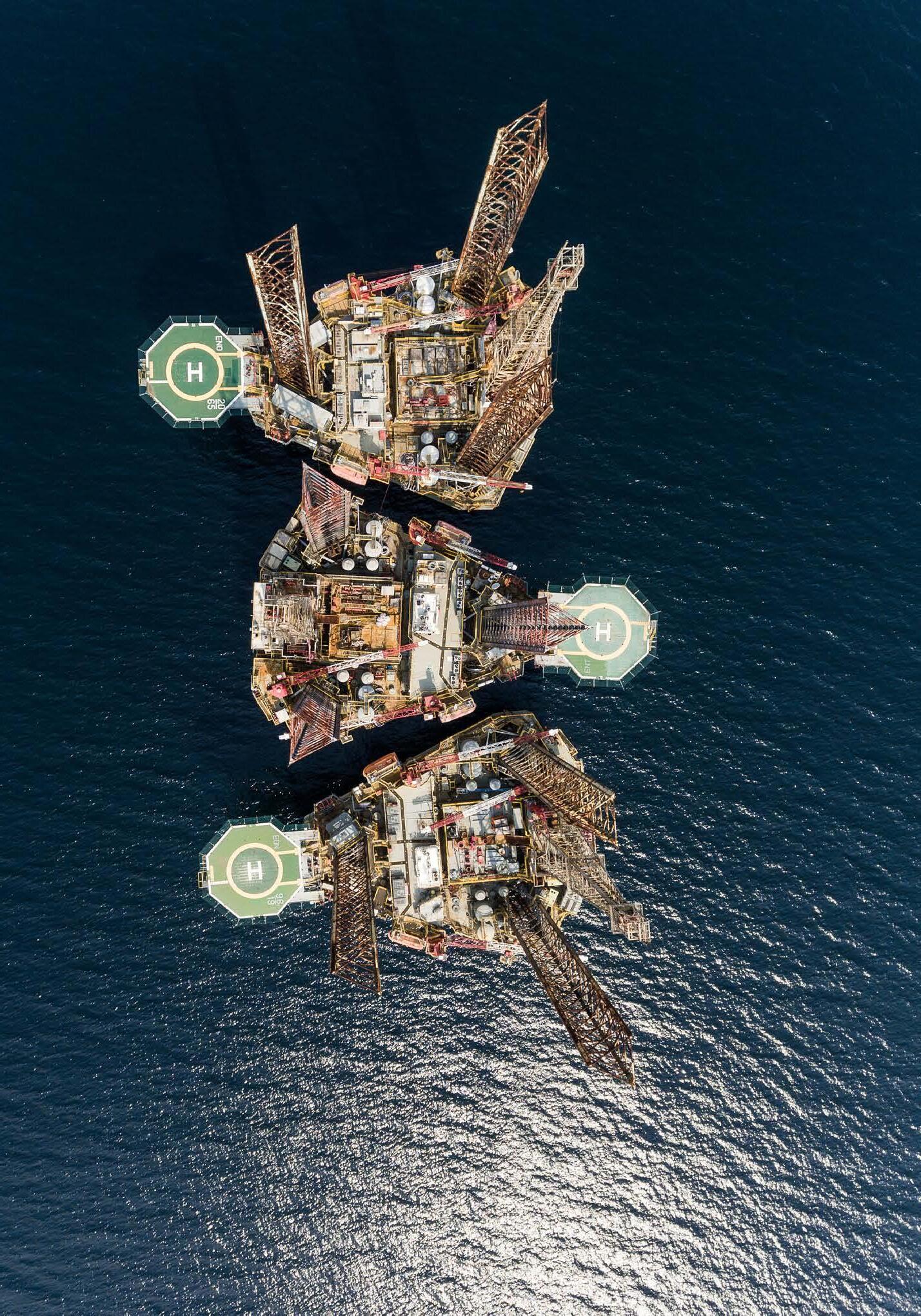
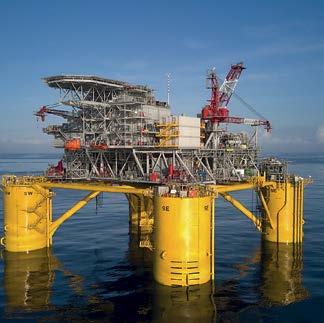
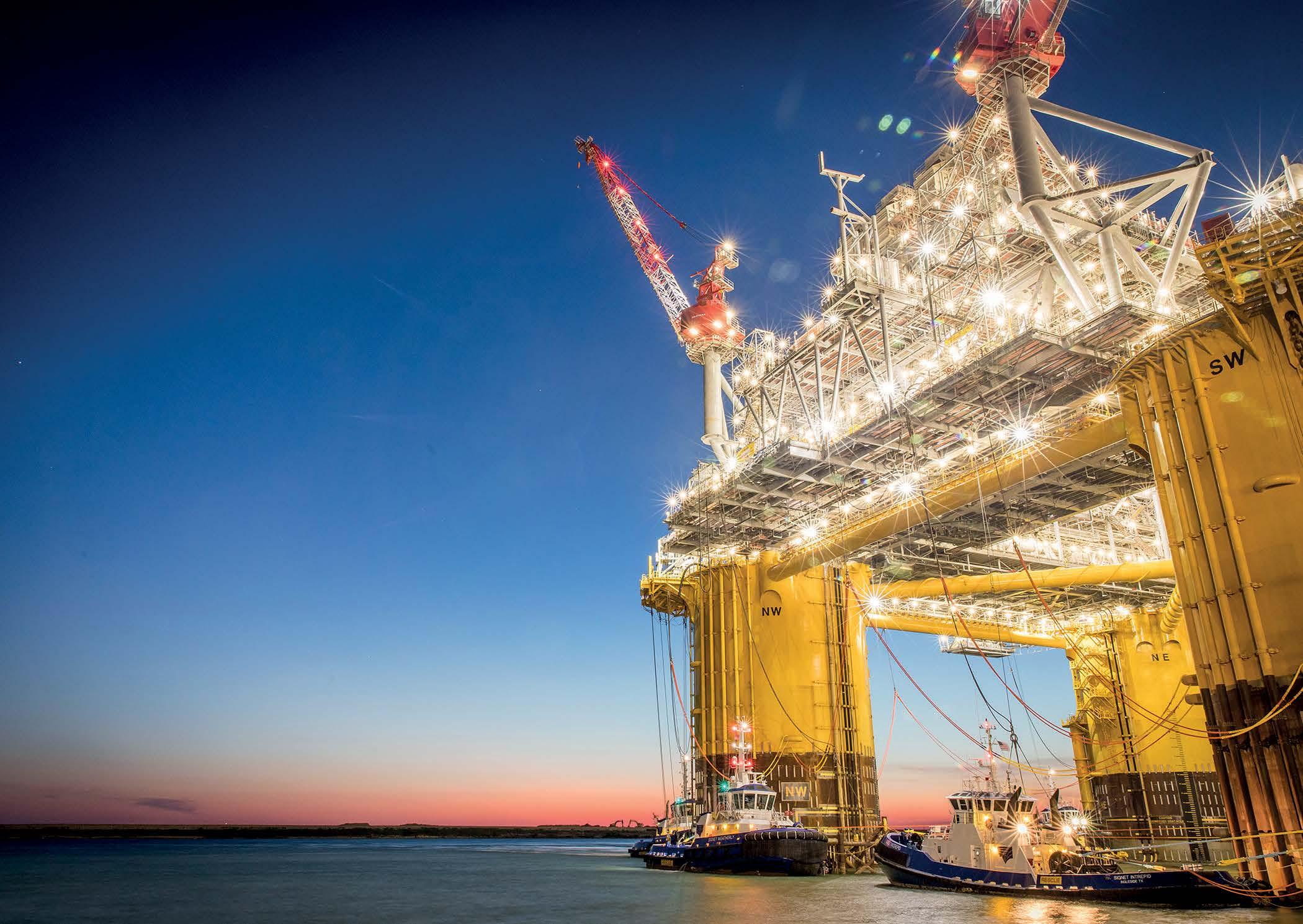
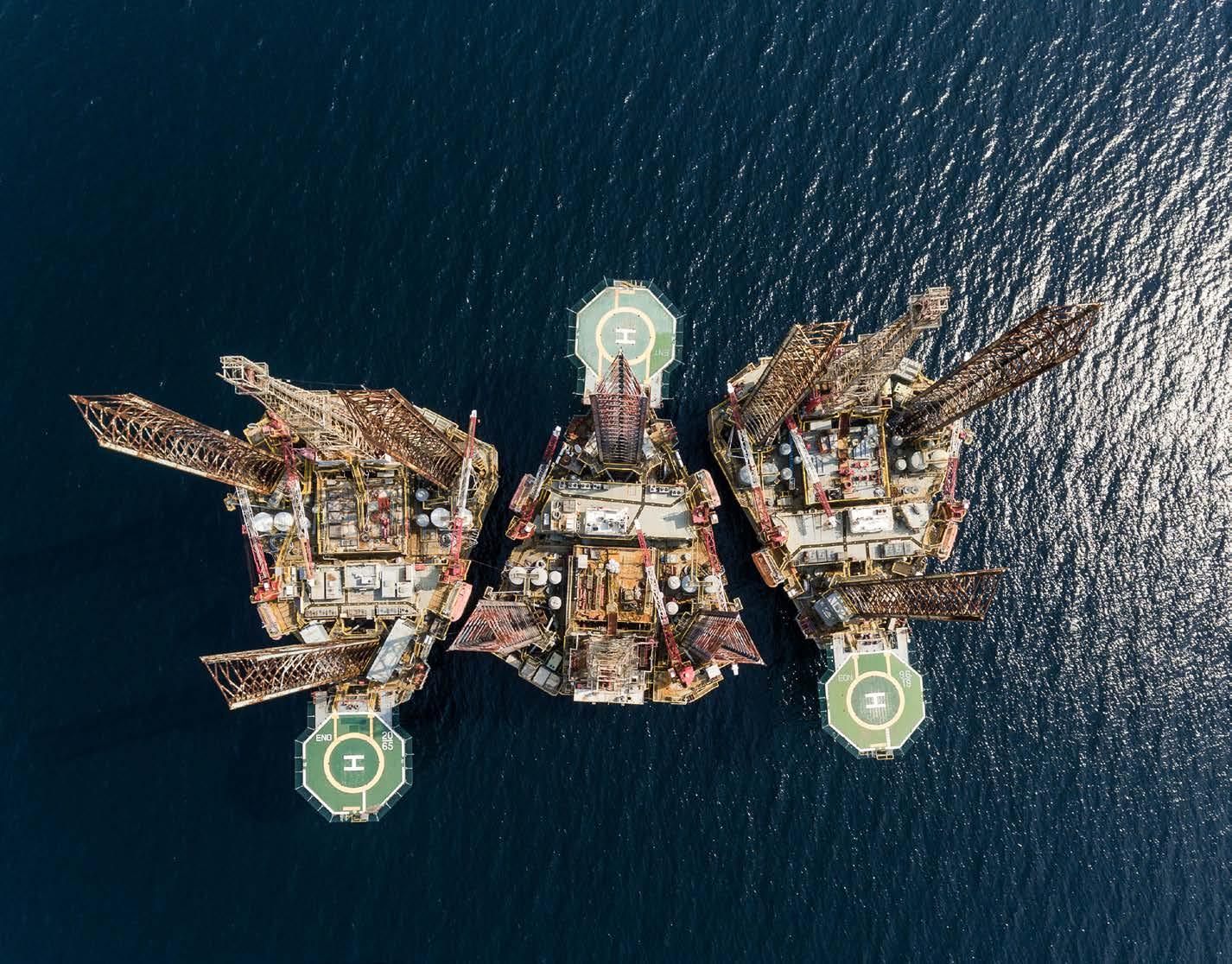
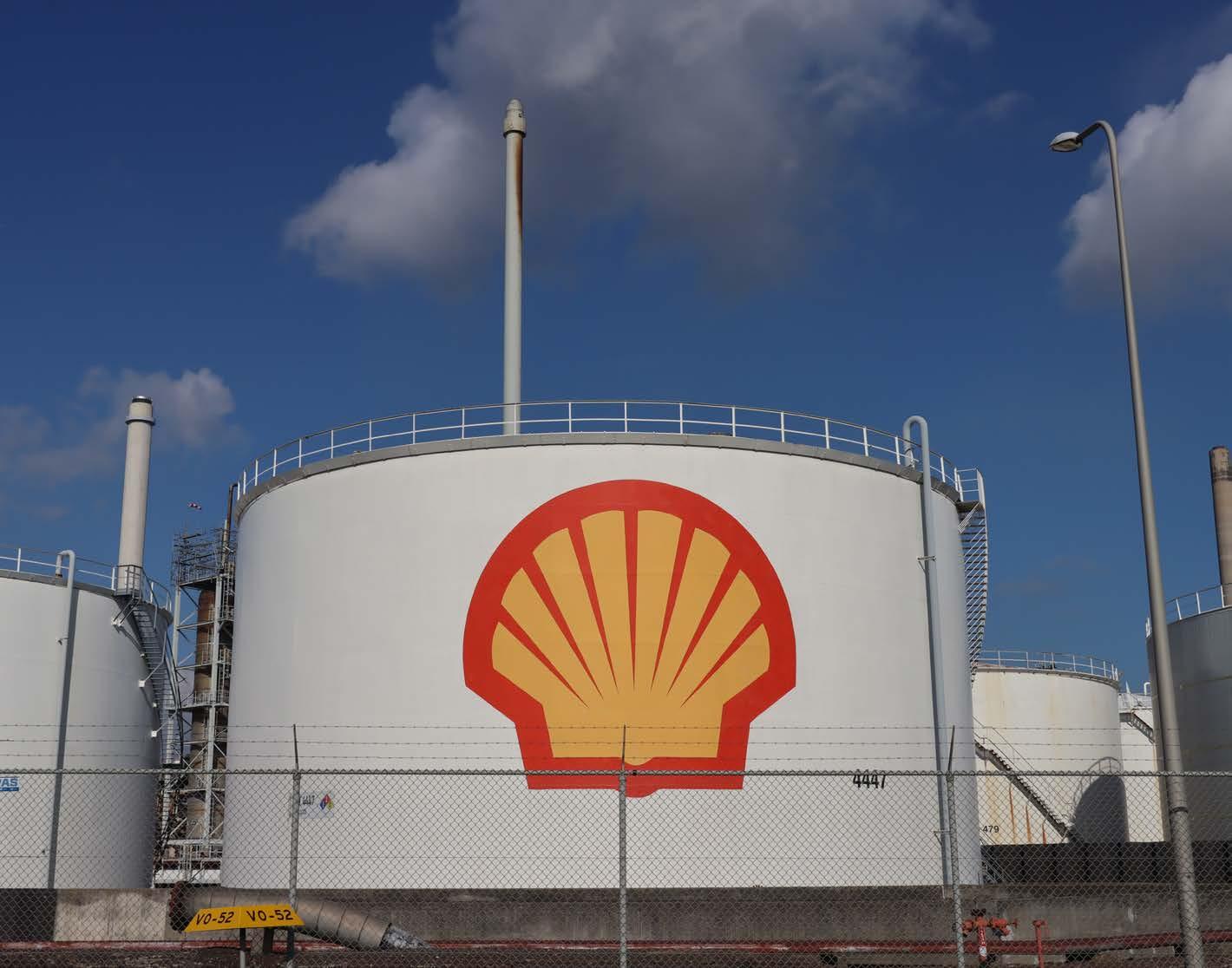
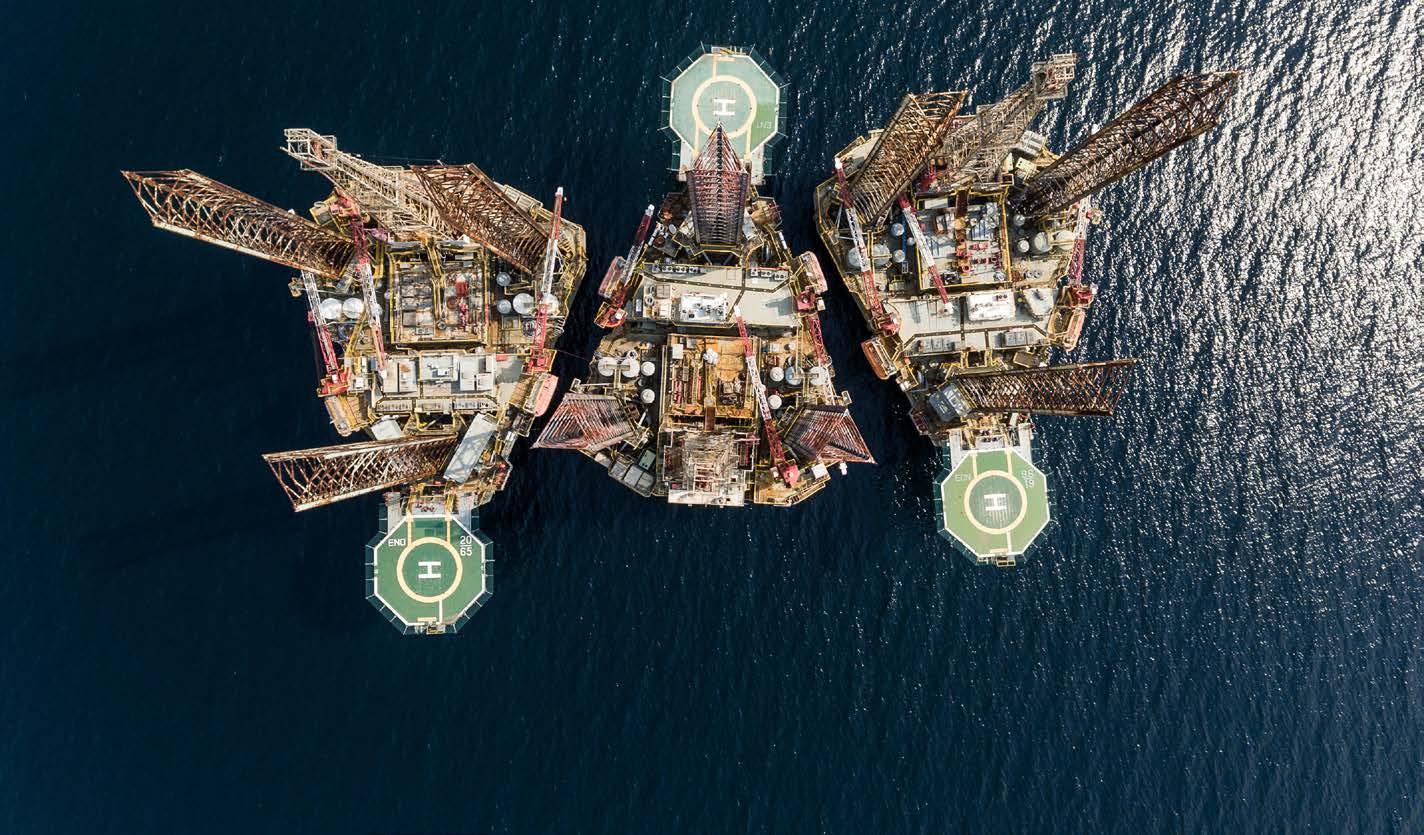
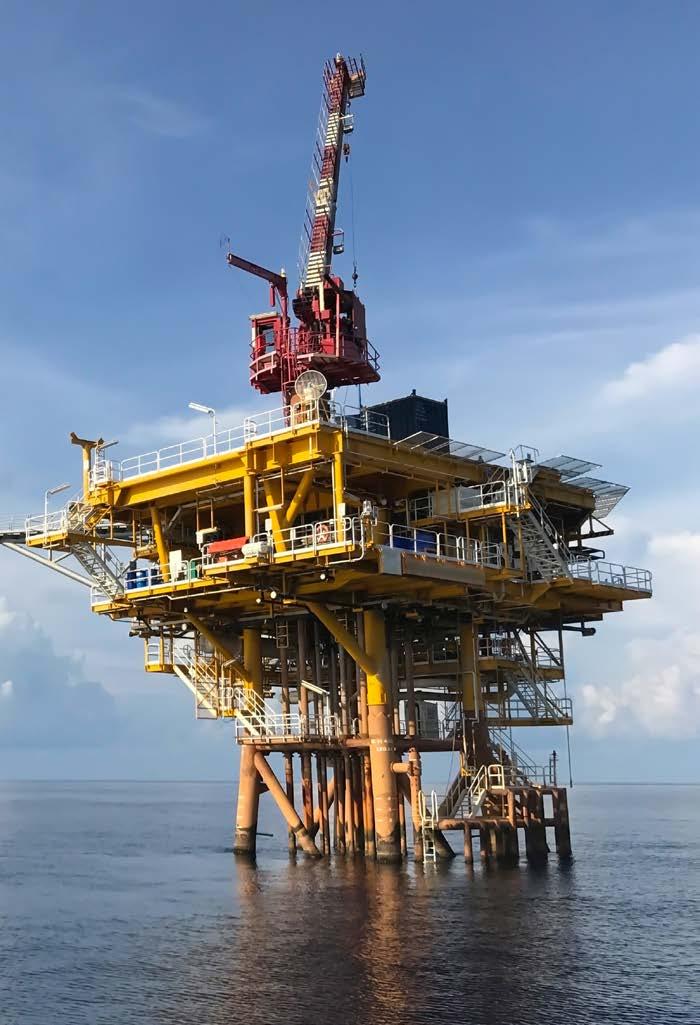
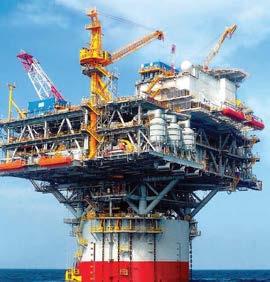
Home to major offshore oil and gas fields, Nigeria has long played a vital role in the global energy sector. With key oil-producing fields across Nigeria, including the Bonga, Agbami, Egina, Akpo and Erha fields, the country’s economy relies heavily on the energy sector. A key company that has been developing Nigeria’s energy sector is Shell plc, which has been present across the country’s entire energy chain for more than 50 years. Under its subsidiary, Shell Nigeria Exploration and Production Company (SNEPCo), Shell has been pioneering the country’s deep-water development at the Bonga field, which today, along with the Erha field, is responsible for nearly one-third of Nigeria’s deep-water production. Therefore, as a key player enhancing Nigeria’s deepwater development, SNEPCo is focused on unlocking the country’s energy potential for the future. .
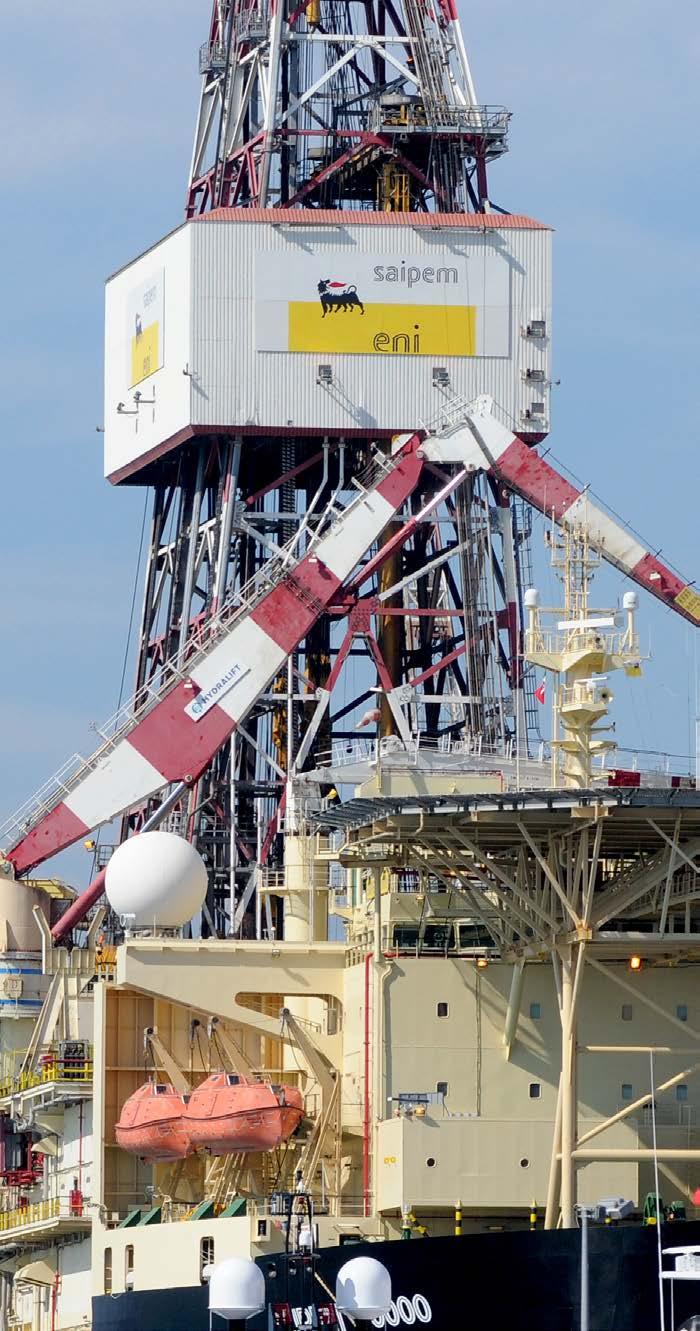
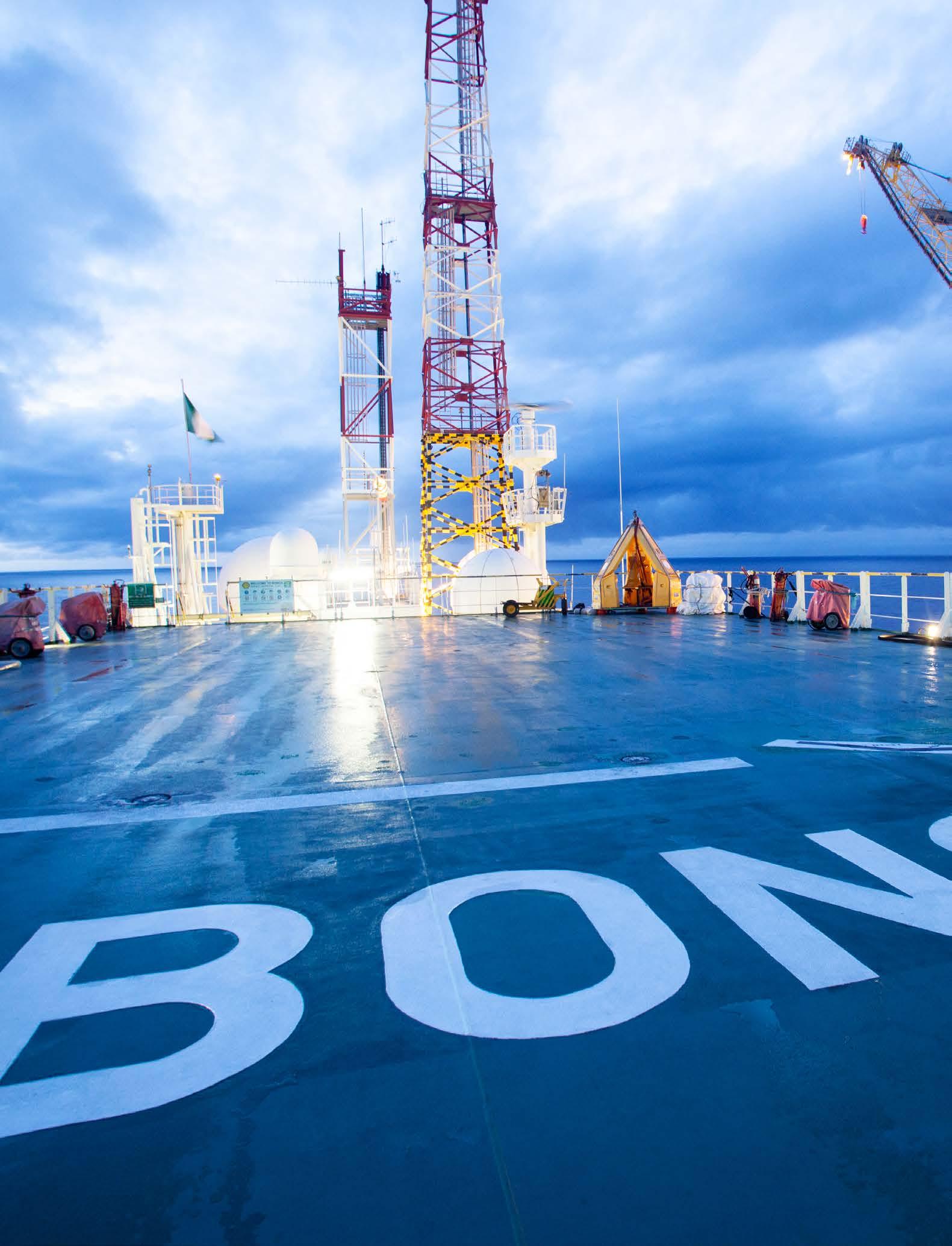
NEPCo was formed in 1993 to transform Nigeria’s deepwater oil and gas resources, and so the company has spent the last 33 years focused on delivering vital exploration and production projects across Nigeria’s offshore energy sector. Today, SNEPCo has made significant discoveries towards the development of Nigeria’s offshore energy sector, producing oil and gas resources in depths of up to 2,500 metres. The bulk of SNEPCo’s operations centres on the Bonga and Erha fields. The Bonga field is operated by SNEPCo in partnership with Esso Exploration and Production Nigeria Ltd. (20%), Nigerian Agip Exploration Ltd. (12.5%) and TotalEnergies EP Nigeria Ltd. (12.5%), who work on behalf of the Nigerian National Petroleum Company Limited (NNPC). The deep-water development is located in OML 188, at water depths of more than 1000 metres. The development is supported by the Bonga Floating Production, Storage and Offloading (FPSO) facility, which began production in 2005, which Shell operates with a 55% interest, and has a capacity to deliver 225,000 barrels of oil per day. Last year, we saw SNEPCo announce it was to increase its interest in the Bonga field following the signing of an agreement with TotalEnergies EP Nigeria Limited in May. The agreement outlines SNEPCo acquiring TotalEnergies’ 12.5% stake in the OML 118 Product Sharing Contract (OML 118 PSC)
mining lease offshore Nigeria that includes the Bonga field. Upon completion of the transaction, Shell’s interest in the OML 118 PSC block will rise from 55% to 67.5%. In the announcement outlining the agreement between TotalEnergies EP Nigeria and SNEPCo, Peter Costello, the President of Shell’s Upstream division, outlined that “Following our final investment decision on Bonga North last year, this acquisition brings another significant investment in Nigeria deep-water that contributes to sustained liquids production and growth in our Upstream portfolio.”
Costello’s comments highlight how vital the acquisition of more of the Bonga development is to help Shell enhance its role in Nigeria’s deepwater development sector. SNEPCo announced in November 2025 that the acquisition had been completed. For Shell, this investment contributes towards the company’s growing integrated gas and upstream production capabilities, which it is aiming to increase by 1% per year to 2030. In addition, it will also help sustain SNEPCo’s production of 1.4 million barrels per day of liquids production, and in the process, position the country as a key hub for energy development.
In February 2026, SNEPCo began turnaround maintenance activities at the Bonga FPSO
Meeting Energy Demands in Nigeria
Trusted by international and national oil companies since 2006.
When reliability isn’t optional, choose the partner that IOCs and NOCs trust.
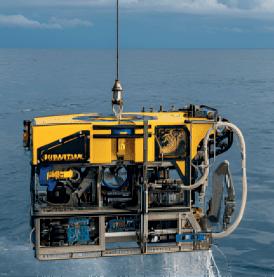
Homeland Integrated Offshore Services (HIOSL) delivers worldclass marine logistics, EPCIC, subsea construction, and technical manpower — on time, on spec, offshore and onshore.
HIOSL is a multi-disciplinary engineering and maritime services company providing end-to-end support for upstream oil and gas operations. Our capabilities span:
• Engineering, Procurement, Construction & Installation (EPCIC)
• Subsea construction & offshore maintenance
• Technical manpower supply
• AGO supply to onshore & offshore installations
• Casing, tubing & drill pipe supply
Nigeria’s Most Trusted Offshore Services Partner
Meeting Energy Demands in Nigeria
Homeland Integrated Offshore Services Limited
Delivering Offshore Excellence. Driving Indigenous Leadership. Enabling Global Partnerships.
Homeland Integrated Offshore Services Limited (HIOSL) is a leading indigenous marine and offshore services company, established in 2006, with nearly two decades of proven operational excellence within Nigeria’s oil and gas sector. The company owns and operates a growing fleet of offshore support vessels and has successfully deployed several vessels across multiple offshore campaigns and longterm contracts. Our operations currently support major International Oil Companies (IOCs), including ExxonMobil (ESSO), TotalEnergies, Shell Nigeria, Chevron Nigeria Limited, and SEPLAT Energy. HIOSL offers an integrated suite of offshore services, including:
• Engineering, Procurement, Construction and Installation (EPCI)
• Supply of Automotive Gas Oil (AGO) • Technical Manpower Support Services
• Oil Country Tubular Goods (OCTG) Services • Port Facility Security and Marine Risk Assessment Services
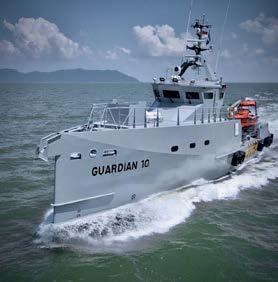
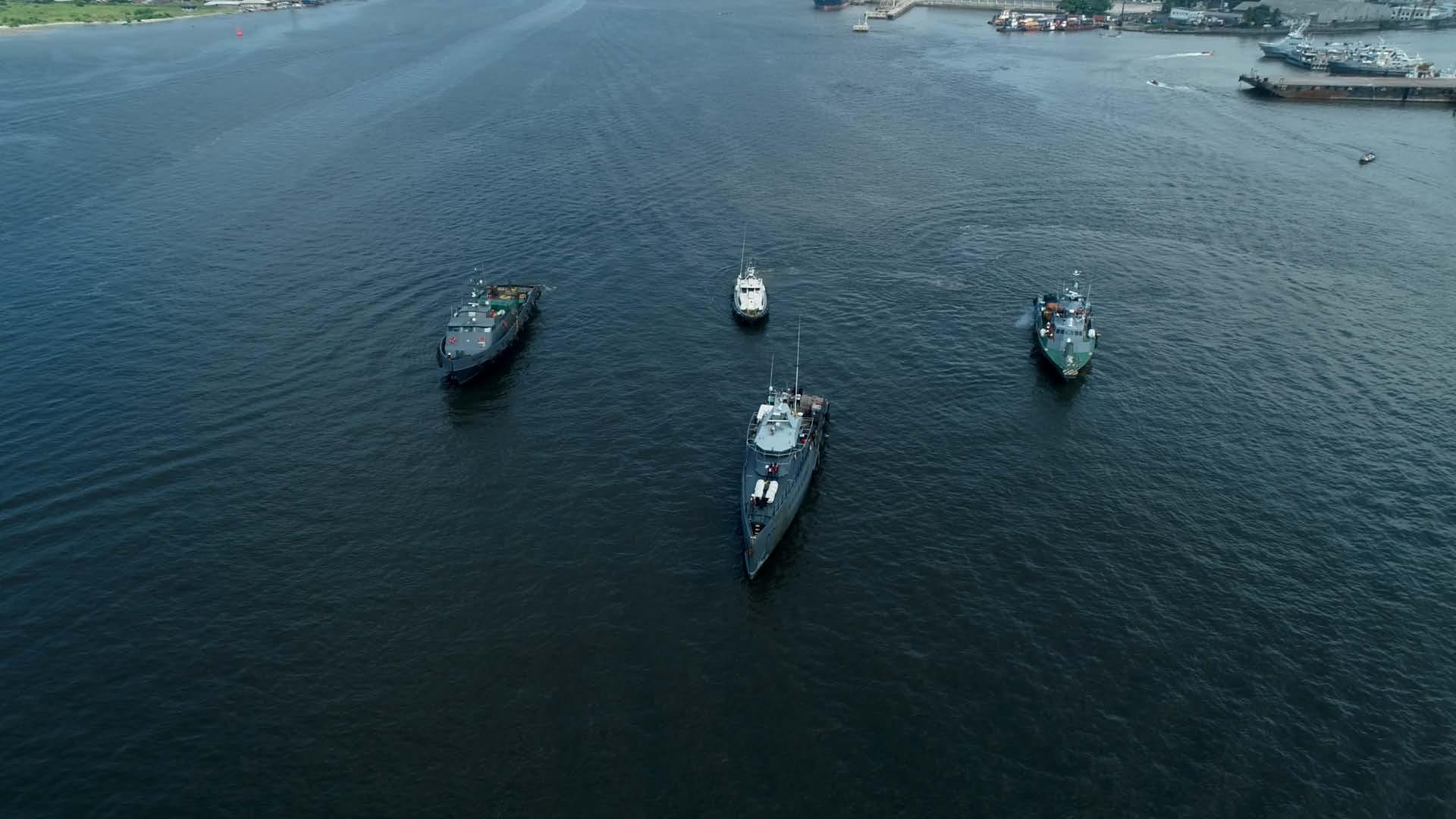
Across these services, HIOSL has established a strong reputation for responsiveness and execution discipline, supported by over 15 years of continuous offshore operational support. This expertise has allowed HIOSL to develop its Guardian Fleet, which meets stringent ICO technical requirements and helps support the company’s efficient procurement and project delivery systems.
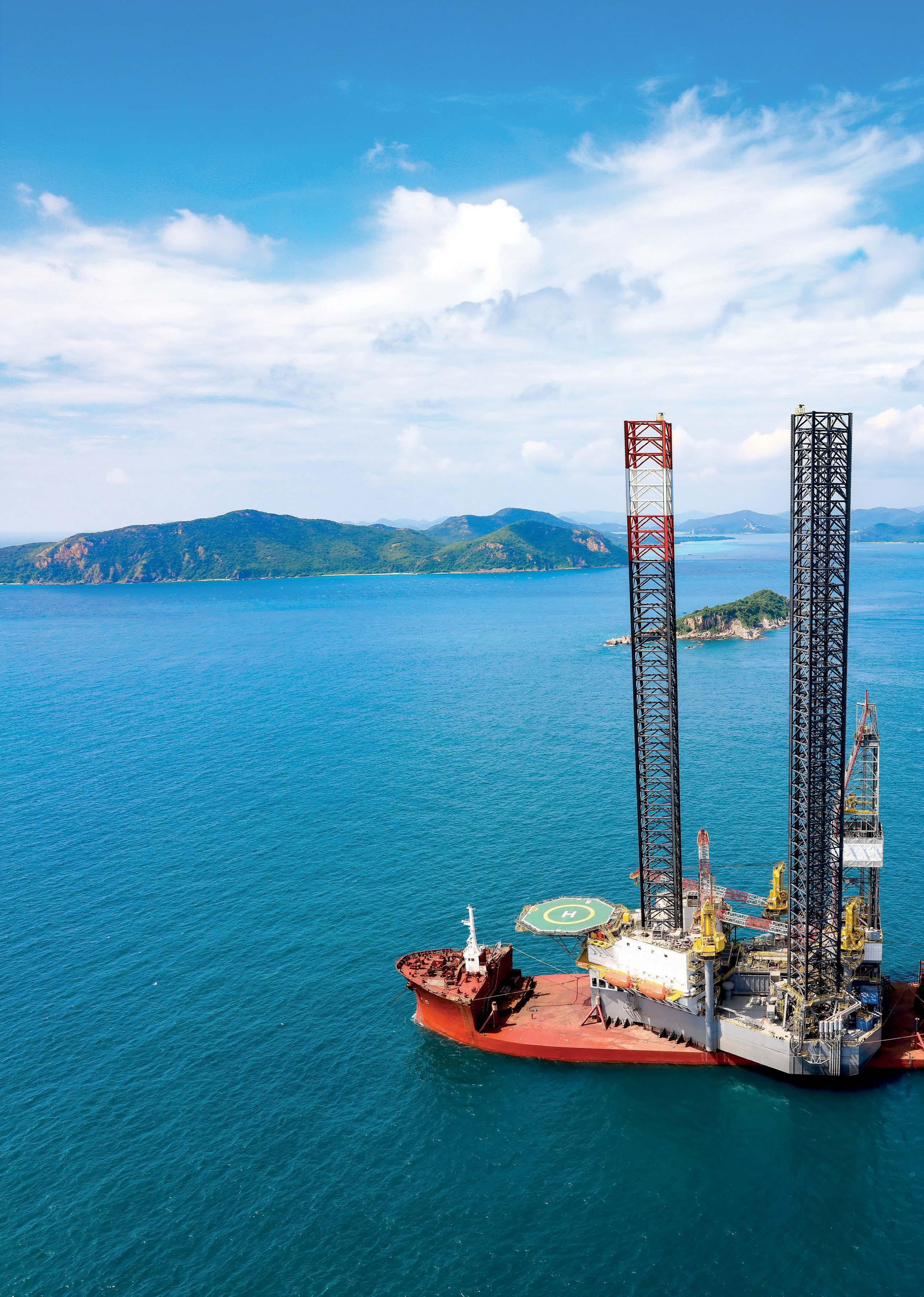
Today, HIOSL has established a strong, long-standing relationships with leading international oil operators, including Shell Nigeria and TotalEnergies Nigeria. With Shell Nigeria, HIOSL deploys fast security vessels for Bonga field operations, provides PSV support for drilling campaigns, and offers technical manpower services for both brownfield and greenfield projects. Then, for TotalEnergies Nigeria, HIOSL deploys multiple PSCs across offshore campaigns, as well as security vessel operations and AGO offshore supply and procurement of critical operational spares. Alongside its vital work with TotalEnergies and Shell, HIOSL also deploys jack-up barges, accommodation and construction vessels to other international oil companies.
For HIOSL, its performance across international oil operations reflects the company’s operational reliability, safety, compliance and consistency in the delivery of services to international standards. Thus, HIOSL is not just a service provider, but a strategic execution partner within the offshore energy value chain that is committed to advancing indigenous capacity in line with the Nigerian Content Act, aligning with global operational and safety standards, whilst building long-term value-driven partnerships with international operators.
Furthermore, HIOSL remains committed to making a significant contribution to local content through Nigerian workforce development. This includes training and development programs for Nigerian seafarers and technical personnel, alongside structured cadet and trainee programs. Furthermore, HISOL continues to support local vendors and supply chain partners, whilst remaining actively engaged in host communities, offering employment opportunities across its operations.
As HIOSL looks towards the future, its long-term vision is to become a fully integrated offshore solutions company with a strong regional and international footprint. Therefore, HIOSL is open to collaborating with international companies to create a value chain ecosystem. Furthermore, to actively position itself for the future, HIOSL is focused on fleet expansion with environmentally compliant vessels, participating in high-value offshore tenders, strategic partnerships and consortium-led project execution, and digital transformation across its operations and procurement.
“At Homeland, we are building more than a service company, we are building a platform for African excellence in offshore energy. Our commitment is to deliver world class solutions, develop indigenous capacity, and partner with global stakeholders to shape a more resilient and sustainable energy future.” www.hiosl.com • info@hiosl.com • +234 803 444 7309
Shell Nigeria Exploration and Production Company
N.U.E Offshore Resources Limited
N.U.E Offshore Resources Limited is a service-oriented company supporting the offshore energy and marine logistics sector through the provision of technical supplies, operational support, and industrial solutions. Its core activities include providing offshore vessels, sourcing and delivering marine spares, safety work wear (PPE), safety equipment, and related resources required for offshore and vessel operations.
N.U.E Offshore Resources Limited acts as a reliable link between operators, contractors and supply chains by ensuring timely procurement, quality assurance, and logistical coordination. However, its role extends beyond supply, and it also provides responsive support that is designed to enhance operational continuity, compliance with safety standards, and cost efficiency for its clients in demanding offshore environments.
We got the chance to speak with Caroline Onuoha, Supply Chain Manager for N.U.E Offshore Resources Limited, who oversees sourcing strategy, vendor coordination, procurement processes, and logistics alignment to ensure the timely and efficient delivery of materials and equipment required for offshore support operations. Onuoha’s role focuses on maintaining supply reliability, cost efficiency, and quality assurance across the company’s operations to ensure they meet operational objectives and support client projects in the process.
Today, N.U.E Offshore Resources Limited has strong relationships across the energy sector, offering its vital services with consistency, transparency, and performance reliability, whilst maintaining open communication and demonstrating its flexibility in resolving its clients’ challenges. Across these challenges,
N.U.E Offshore Resources Limited gets to know its clients’ operational priorities –whether regulatory compliance, downtime reduction, or cost management – and aligns its services to support these goals.
A key partnership for N.U.E Offshore Resources Limited is with Shell, where the company has been contributing technical, supplier and operational support aligned with offshore project requirements. Some key projects with Shell include the Bonga North Project, the Bonga Top Chain Replacement Project and the provision of marine patrol vessels. These highlight N.U.E Offshore Resources Limited’s operational capacity in offshore vessel deployment, marine security services, and compliancedriven service delivery within Shell’s offshore environment.
As N.U.E Offshore Resources Limited looks towards the future, the company is focused on positioning itself as a recognised and trusted support partner within the offshore and marine supply ecosystem. As part of this, N.U.E Offshore Resources Limited is aiming to expand its service reach, deepen its relationships with major operators, improve the digital integration across procurement processes, and strengthen its operational resilience. In fact, N.U.E Offshore Resources Limited is currently expanding its operations and is focused on supplying marine spares for vessel support activities, to strengthen its ability to respond quickly to offshore technical requirements. In parallel, it is also actively pushing its range of incountry manufactured safety workwear (NUE SAFETY WORK WEAR) into the wider market, ensuring accessibility to high-quality protective solutions that meet industry safety expectations and standards.
Delivering Offshore Excellence Without Compromise
Trusted marine operations and safety solutions built on global standards.
ABOUT US
N.U.E Offshore Resources Limited delivers trusted offshore vessel operations and marine support services, combining deep local expertise with international best practices to ensure safe, compliant, and efficient offshore performance.
We operate and maintain a fleet of vessels available on request and provide a comprehensive range of locally manufactured Personal Protective Equipment (PPE) designed to support safe offshore operations.
OUR CORE SERVICES
Offshore Marine Operations
Personal Protective Equipment (PPE) Supply
Journey Management Equipment Supply
Pipeline Installation & Maintenance Haulage & Logistics Support
OUR SAFETY WORKWEAR
Engineered for durability, comfort, and compliance with industry safety standards.
Meeting Energy Demands in Nigeria
Beyond the majors: century group and the reordering of african energy
For decades, the story of Nigerian oil has been told largely through the lens of foreign supermajors and state-owned giants. A quieter, more consequential narrative is now unfolding: the rise of indigenous operators with the technical depth, financial discipline, and operational maturity to anchor Africa’s most important hydrocarbon economy.
Century Group sits firmly within that emerging tier.
Century Group, an integrated indigenous oil and gas services company, is emerging as a case study in what local capacity can look like when ambition is matched with operational discipline.
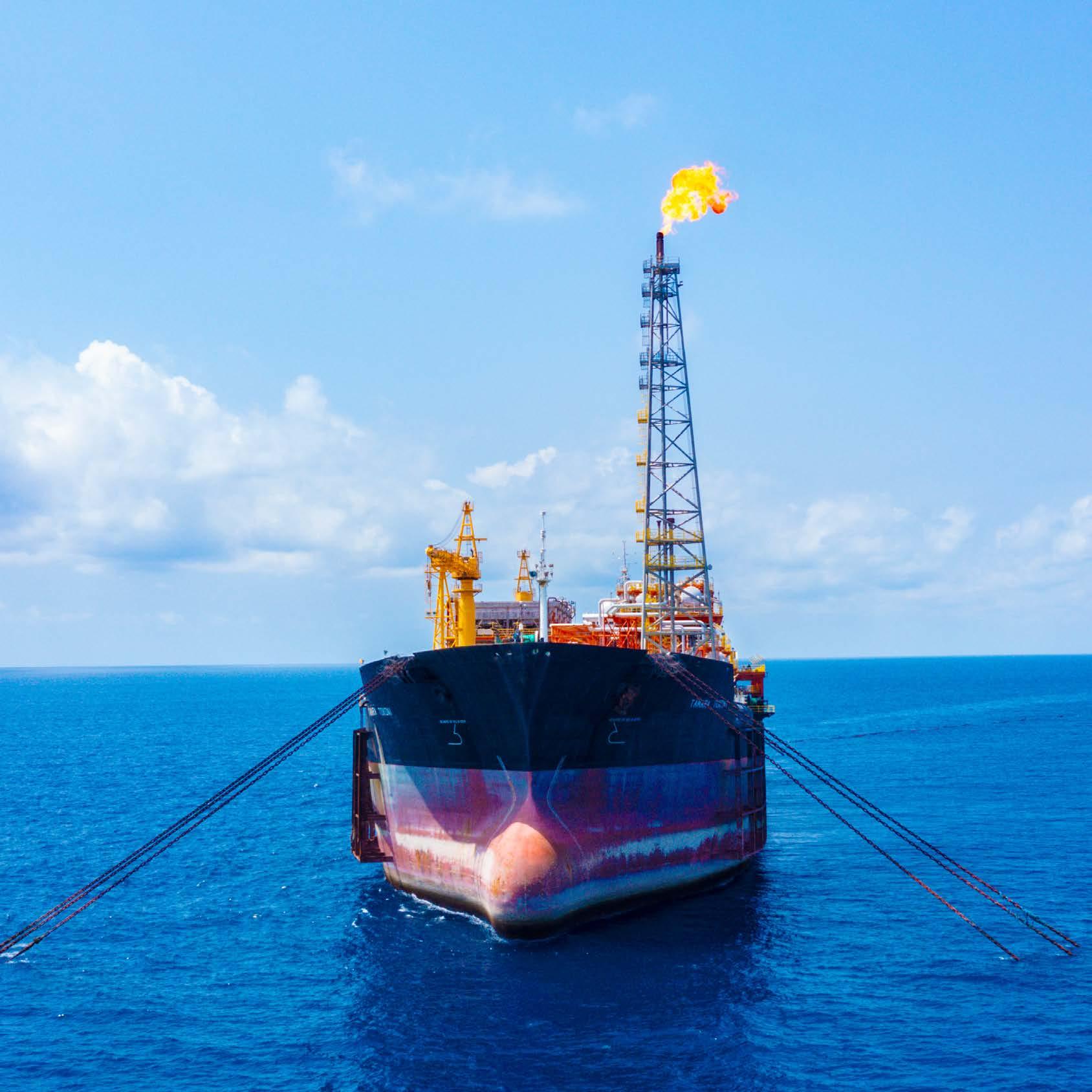
Century Group has built a portfolio that spans the upstream value chain. Its footprint spans floating production, offshore logistics, marine services, engineering, and increasingly, energy transitionaligned ventures. Its FPSO Tamara Elmina, a strategic asset in Nigeria’s offshore production architecture, recently marked over 1,000 days losttime-injury-free, a safety milestone that rivals the standards of any international major and signals a maturity in operational governance that has historically eluded the indigenous segment.
vessel. These maintenance activities included statutory inspections, certification and regulatory compliance checks, as well as major asset integrity upgrades and engineering modifications. The upgrades and modifications are designed to improve the long-term operations and subsea assurance activities of the FPSO. The last time such turnaround maintenance activity was conducted on the FPSO was in October 2022, just a few months before it delivered its 1 billionth barrel of oil since it commenced production in 2005. However, following SNEPCo and its co-venture partners reaching a Final Investment Decision for a subsea tie-back development in Bonga North in 2024, the project depends on the reliability and enhanced capacity of the Bonga FPSO. Therefore, the development, maintenance and upgrades of the FPSO are designed to support the vital progress being made in the Bonga North Development.
Speaking on the scheduled maintenance, SNEPCo Managing Director, Ronald Adams, outlined that “The schedule maintenance activity is designed to ensure the FPSO continues to operate safely and efficiently for the next 15 years, while
The significance extends beyond a single asset. As international oil companies progressively rationalise their Nigerian footprints, the burden and the opportunity of sustaining national production has shifted decisively to indigenous operators. Century Group’s trajectory suggests that this transition need not be a step down in standards. It can, instead, be a recalibration of who delivers them.
For investors and policymakers watching Africa’s largest economy, Century Group represents something increasingly rare: a Nigerian company executing at international benchmarks while remaining anchored in local employment, local supply chains, and local accountability. In a market where indigenous participation has too often been measured in equity percentages rather than operational outcomes, Century’s model offers a more durable metric uptime, safety records, and bankable performance. Africa’s energy future will not be written by foreign capital alone. It will be shaped by indigenous operators capable of marrying global standards with local accountability; companies that solve problems, enable people and add value. Century Group is increasingly emblematic of that cohort.
reducing unplanned deferments and strengthening the asset’s overall resilience”. Adams’ comments highlight just how vital such maintenance and upgrades are for the Bonga FPSO, as it is pivotal in supporting SNEPCo’s long-term success over the coming years. The turnaround maintenance was completed in March, 11 days ahead of schedule, reinforcing SNEPCo’s long-standing commitment to operational excellence and asset integrity for the continued development and support of Nigeria’s offshore oil and gas production operations.
Alongside the Bonga development, SNEPCo also has key operations in the Erha field and the Erha North satellite fields. These fields, located roughly 97km offshore Nigeria at depths ranging between 1000m and 1200m, were the first deepwater offshore field development for Nigeria. The OML 133 Contract Areas containing the Erha Development is operated by Esso Exploration and Production Nigeria (EEPNL), who hold a 56.25% participating interest, with SNEPCo holding the remaining 43.7% share.
The Erha field is estimated to hold 500 million barrels of combined recoverable oil reserves. Therefore, the exploration project spans three
CENTURY GROUP:
Shell Nigeria Exploration and Production Company
Powering progress, Empowering Nigeria
The sole authorized Cat dealer representative in Nigeria | Powered by Cat
MANTRAC-ENGINEERED POWER FOR SHELL’S CRITICAL OFFSHORE OPERATIONS
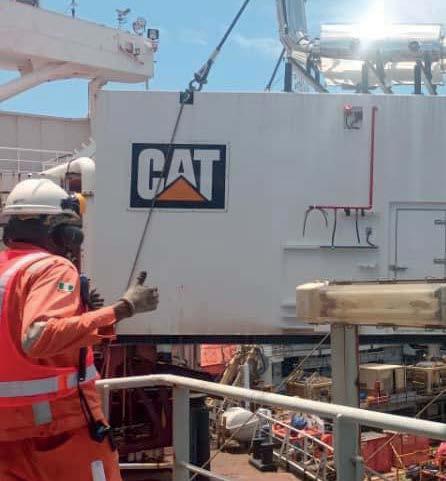
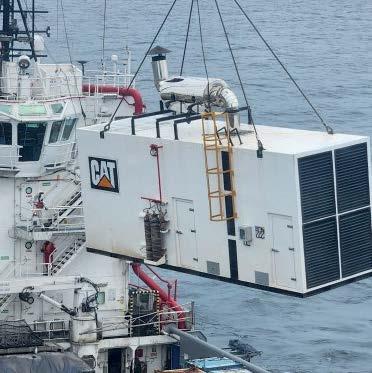
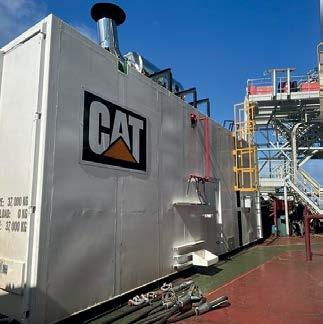
In offshore and production-critical environments, power reliability is fundamental. For decades, Mantrac Nigeria, sole authorized Cat dealer representative in Nigeria, has partnered with Shell Nigeria Exploration and Production Company (SNEPCo) to deliver dependable, OEMbacked power solutions that sustain continuous operations in some of the most demanding offshore conditions.
From the early stages of Shell’s deep-water developments to today’s complex offshore assets, Caterpillar power systems supplied and supported by Mantrac have remained central to operations at the Bonga Field one of Nigeria’s most technically advanced offshore projects. This long-standing collaboration reflects a shared commitment to safety, performance, and operational excellence.
DELIVERING RELIABILITY, PROJECT AFTER PROJECT
Beyond equipment supply, Mantrac’s value lies in execution. Recent projects delivered for Shell demonstrate Mantrac’s ability to support critical operations across the full asset lifecycle from engineering and offshore installation to long-term support and optimization.
Mantrac provides diesel, gas, and dual-fuel power solutions ranging from 20 kVA to 3,000 kVA in stock, scalable up to 6,000 kVA. This includes emergency engines, crane engines, and fire pump engines rated from 150 bkW to 1,100 bkW, all configured for offshore, emergency, and hazardous-location-certified applications.
These solutions are delivered by experienced engineering teams with deep offshore expertise, ensuring seamless integration into Shell’s operating environments.
END-TO-END SUPPORT, LOCALLY DELIVERED
Shell’s operations are further supported by Mantrac’s comprehensive Product Support capability, including genuine CAT parts, service and overhaul expertise, and fieldbased technical support. Mantrac’s continued investment in local capability is reinforced
through its CKD/CSD manufacturing facility and complemented by a responsive rental fleet that provides flexible power solutions for project and temporary requirements.
DIGITAL ENABLEMENT FOR CONTINUOUS PERFORMANCE
Enhancing this support ecosystem is Mantrac’s Digital Service Centre (DSC), providing remote condition monitoring, advanced diagnostics, and digital troubleshooting. Through real-time insights and proactive analysis, the DSC helps optimize asset performance, reduce unplanned downtime, and extend equipment life even in remote offshore locations.
Through decades of collaboration, proven delivery, and continuous investment in people, technology, and local capability, Mantrac Nigeria remains a trusted partner to Shell powering offshore productivity with Caterpillar confidence and engineered reliability. Through decades of collaboration, proven project delivery, and continuous investment in people, technology, and local capability, Mantrac Nigeria remains a trusted partner to Shell powering offshore productivity with Caterpillar confidence and engineered reliability.
SNEPCo ONGOING PROJECTS WITH MANTRAC NIGERIA
Mantrac is currently supporting SNEPCo through life-extension programs that modernize aging engines with advanced control systems, improving reliability, efficiency, and operational continuity across offshore assets. This is delivered through Mantrac’s integrated support model, combining experienced engineering teams, offshore installation expertise, genuine CAT product support parts, and comprehensive service and overhaul capabilities. These solutions are further strengthened by local manufacturing capacity and a responsive rental fleet, ensuring flexible, end-to-end support throughout the lifecycle of Shell’s operations..
From offshore platforms to heavy-duty Petroleum & Marine operations, Mantrac Nigeria deliversreliable, high-performance power solutions engineered to keep production running without compromise. Backed by Caterpillar expertise, our systems are designed for safety, efficiency, and uninterrupted operations in the most demanding environments. THE SOLE AUTHORISED CAT DEALER REPRESENTATIVE IN NIGERIA | POWERED BY CAT®
drill sites, comprising 30 subsea wells which are tied back to the Erha FPSO vessel. The FPSO has a designed storage capacity of 2.2 million barrels of crude oil, and its designed oil processing capacity is 210,000 barrels per day. In 2015, the Erha North Phase Two development project was completed, seeing the existing Erha North Subsea system and infrastructure expand, including the installation of associated subsea facilities, a new drilling centre and modifications to the existing FPSO unit. On completion, the Erha field’s capacity was expanded to produce a total of 90,000 barrels of oil a day. Therefore, SNEPCo’s developments across Erha and its continued expansion now deliver vital combined oil reserves for Nigeria, supported by the company’s commitment to deepwater exploration projects.
As SNEPCo looks towards the future, the company confirmed that the Government of the Federal Republic of Nigeria has agreed to the conversion of Oil Prospecting License 245 (OPL 245), which resulted in the granting of two development leases (Petroleum Mining Leases (PML) 102 and 103), as well as two exploration licences (Petroleum Licences (PPL) 2011 and 2012). The license has been granted to Nigerian Agip Exploration Limited (NAE), as well as
SNEPCo and the Nigeria National Petroleum Company Limited (NNPC). SNEPCo will work alongside Eni, which is the operator, to help progress the assessment of technical and economic feasibility within the license and explore further development, whilst helping to develop the resources already discovered to date. The leases highlight Shell’s growing portfolio of offshore projects spanning Nigeria.
In 2025, SNEPCo and Sunlink Energies and Resources Limited announced a Final Investment Decision (FID) on the Hi Gas project offshore Nigeria. The HI Project is part of a joint venture held between Sunlink Energies and Resources Limited (60%) and SNEPCo (40%) and comprises a wellhead with four wells to be installed at the HI field location, along with a pipeline to transport the multiphase gas to the onshore Bonny Gas Processing Plant. Gas from the Bonny Gas Processing Plant will then be transported to Nigeria LNG, a joint venture between Shell (25.6%), NNPC (49%), TotalEnergies (15%) and ENI (10.4%), and the condensate to the Bonny Oil and Gas Export Terminal. Upon completion, the project would supply 350 million standard cubic feet of gas per day at peak production to Nigeria LNG. Nigeria LNG would then produce and export the liquefied natural gas
Meeting Energy Demands in Nigeria
(LNG) to global markets. Production is expected to begin before the end of the decade and will expand the Bonny Island terminal’s production capacity. This development is in line with Shell’s overall plans to grow its global LNG volumes by an average of 4-5% per year until 2030.
Speaking on the FID reached between SNEPCo and Sunlink Energies and Resources Limited, Peter Costello, Shell’s Upstream President, outlines, “Following recent investment decision related to the Bonga deep-water development, today’s announcement demonstrates our continued commitment to Nigeria’s energy sector, with a focus on Deepwater and Integrated Gas.” Costello continues, “This Upstream project will help Shell grow our leading Integrated Gas portfolio, while supporting Nigeria’s plans to become a more significant player in the global LNG market.” As we can see from Costello’s comments, the project is a vital development for the future of Nigeria’s energy development, and adds yet another vital development to SNEPCo’s diverse asset portfolio spanning the country’s energy sector.
With oil and gas being so vital to Nigeria’s economy, SNEPCo is delivering key deep-water projects along
Nigeria’s coastline. From the company’s continued development of the Bonga and Erha fields, SNEPCo have been delivering valuable resources for the development of the country, supported by Shell’s existing energy infrastructure in the country to make energy more accessible and reliable. With the recent expansion of its projects towards LNG development, SNEPCo can utilise its expertise in deepwater development to bring vital oil and gas resources to Nigeria’s energy market.
TotalEnergies E&P
Nigeria has long been a key player in the global energy market, producing significant oil and gas resources thanks to its location across part of the Niger Delta Basin, a major geological and oil-producing region in Africa. Therefore, to support the development of the country’s vast energy resources, key energy companies such as TotalEnergies have been operating in Nigeria for many years to bring these resources to market. In Nigeria, TotalEnergies draws on its expertise across the global energy sector to support energy projects that span the entire oil and gas value chain. Today, the bulk of TotalEnergies’ operations in Nigeria focus on the country’s upstream exploration and production sector. Within this sector, TotalEnergies operates through its subsidiary TotalEnergies EP Nigeria Limited (TEPNG), which is committed to developing the country’s vital hydrocarbon resources to drive significant economic development, whilst also supporting the communities in which its operations are located.
TEPNG has been delivering vital exploration and production projects in Nigeria since 1962, and has already added more than 3.6 billion barrels of oil equivalent to Nigeria’s hydrocarbon production to date. A significant part of the country’s offshore development has been delivered in partnership between TEPNG, the Government of Nigeria and the Nigerian National Petroleum Corporation (NNPC), as well as several indigenous companies. One of the most significant partnerships is the NNPC/TEPNG Joint Venture, in which TEPNG holds a 40% take. The NNPC/TEPNG Joint Venture spans several oil and gas blocks in Nigeria and the partnership carries out exploration, production and processing of both crude oil and natural gas. Many of these ventures span the West Delta basin, a prolific hydrocarbon province, and so are pivotal to the delivery of significant oil and gas resources for the country.
One of the most significant oil fields offshore Nigeria is the Egina field (OML 130), which was first discovered in 2003. The oil field, located 150km off the Nigerian coast, is located at depths of 1,4001,700m and is owned in partnership between TEPNG as the operator, and NNPC, CNNOC, SAPETRO and Prime 130. The Egina field encompasses 44 subsea wells, which are connected to a Floating Production Storage and Offloading (FPSO) vessel, which has the capacity to hold up to 2.3 million barrels of oil. The FPSO is one of the largest of its type built by TotalEnergies and helps the field to produce 200,000 barrels of oil per day, accounting for close to 10% of Nigeria’s total oil production.
Trusted by international and national oil companies since 2006.
When reliability isn’t optional, choose the partner that IOCs and NOCs trust.
Homeland Integrated Offshore Services (HIOSL) delivers worldclass marine logistics, EPCIC, subsea construction, and technical manpower — on time, on spec, offshore and onshore.
HIOSL is a multi-disciplinary engineering and maritime services company providing end-to-end support for upstream oil and gas operations. Our capabilities span:
• Engineering, Procurement, Construction & Installation (EPCIC)
• Subsea construction & offshore maintenance
• Technical manpower supply
• AGO supply to onshore & offshore installations
• Casing, tubing & drill pipe supply
Nigeria’s Most Trusted Offshore Services Partner
Fuelling Nigeria’s Future
Homeland Integrated Offshore Services Limited
Delivering Offshore Excellence. Driving Indigenous Leadership. Enabling Global Partnerships.
Homeland Integrated Offshore Services Limited (HIOSL) is a leading indigenous marine and offshore services company, established in 2006, with nearly two decades of proven operational excellence within Nigeria’s oil and gas sector. The company owns and operates a growing fleet of offshore support vessels and has successfully deployed several vessels across multiple offshore campaigns and longterm contracts. Our operations currently support major International Oil Companies (IOCs), including ExxonMobil (ESSO), TotalEnergies, Shell Nigeria, Chevron Nigeria Limited, and SEPLAT Energy. HIOSL offers an integrated suite of offshore services, including:
• Engineering, Procurement, Construction and Installation (EPCI)
• Supply of Automotive Gas Oil (AGO) • Technical Manpower Support Services
• Oil Country Tubular Goods (OCTG) Services • Port Facility Security and Marine Risk Assessment Services
Across these services, HIOSL has established a strong reputation for responsiveness and execution discipline, supported by over 15 years of continuous offshore operational support. This expertise has allowed HIOSL to develop its Guardian Fleet, which meets stringent ICO technical requirements and helps support the company’s efficient procurement and project delivery systems.
Today, HIOSL has established a strong, long-standing relationships with leading international oil operators, including Shell Nigeria and TotalEnergies Nigeria. With Shell Nigeria, HIOSL deploys fast security vessels for Bonga field operations, provides PSV support for drilling campaigns, and offers technical manpower services for both brownfield and greenfield projects. Then, for TotalEnergies Nigeria, HIOSL deploys multiple PSCs across offshore campaigns, as well as security vessel operations and AGO offshore supply and procurement of critical operational spares. Alongside its vital work with TotalEnergies and Shell, HIOSL also deploys jack-up barges, accommodation and construction vessels to other international oil companies.
For HIOSL, its performance across international oil operations reflects the company’s operational reliability, safety, compliance and consistency in the delivery of services to international standards. Thus, HIOSL is not just a service provider, but a strategic execution partner within the offshore energy value chain that is committed to advancing indigenous capacity in line with the Nigerian Content Act, aligning with global operational and safety standards, whilst building long-term value-driven partnerships with international operators.
Furthermore, HIOSL remains committed to making a significant contribution to local content through Nigerian workforce development. This includes training and development programs for Nigerian seafarers and technical personnel, alongside structured cadet and trainee programs. Furthermore, HISOL continues to support local vendors and supply chain partners, whilst remaining actively engaged in host communities, offering employment opportunities across its operations.
As HIOSL looks towards the future, its long-term vision is to become a fully integrated offshore solutions company with a strong regional and international footprint. Therefore, HIOSL is open to collaborating with international companies to create a value chain ecosystem. Furthermore, to actively position itself for the future, HIOSL is focused on fleet expansion with environmentally compliant vessels, participating in high-value offshore tenders, strategic partnerships and consortium-led project execution, and digital transformation across its operations and procurement.
“At Homeland, we are building more than a service company, we are building a platform for African excellence in offshore energy. Our commitment is to deliver world class solutions, develop indigenous capacity, and partner with global stakeholders to shape a more resilient and sustainable energy future.” www.hiosl.com • info@hiosl.com • +234 803 444 7309
TotalEnergies E&P Nigeria
Over the years, the Egina field has seen vital infrastructural developments under TEPNG to help it continue to meet oil and gas demands. However, one of the most exciting developments for Egina was announced in 2019 when the oil field achieved net-zero routine flaring across the development. The field was able to achieve this thanks to the gas compression system installed at the field, which allowed it to become the first oil project in Nigeria to reach this milestone of zero routine flaring. This significant step highlights TotalEnergies’ commitment to cutting emissions to deliver a more sustainable energy sector. In fact, Nigeria was one of the first countries where TotalEnergies led projects to detect and measure the methane emissions of its oil and gas facilities, utilising its cutting-edge AUSEA technology. This technology, made available through NNPC through a corporation agreement in 2023, ensures that TEPNG can routinely monitor the emissions from its projects to help mitigate and limit the impact of its operations on global warming.
A key example of TotalEnergies’ focus on delivering projects with low emissions was seen when TEPNG announced that it had begun production at the Akpo West site within the PML2 license. Akpo was the first deep offshore project operated by TEPNG in Nigeria, and when it began production in
2009, it had a production plateau of 180,000 barrels of condensate per day with a storage capacity of 2 million barrels of stabilised liquid hydrocarbon. However, in 2024, new developments began across the Akpo field, with the Akpo West deposit being tied back to the existing Akpo FPSO facility. The integration of Akpo West into the existing facilities added 14,000 barrels of condensate production per day and is expected to see up to 4 million cubic metres of gas per day by 2028. By leveraging the development with the existing infrastructure, TEPNG is able to keep costs low and, in the process, limit its emissions. This development highlights that by working with CNOOC (45% interest), Sapetro (15%), Prime 130 (16%) and the Nigerian National Petroleum Company Ltd on the PML2 project, TotalEnergies (24%) is utilising the expertise and experience of the partnership to bring key condensate production to Nigeria, whilst working towards its strategy to deliver low emission and low cost operations that can deliver significant gas potential to the region in the process.
Another key license for TEPNG is the OML 58 license, a mature onshore field located in the Niger Delta. TEPNG operates the OML58 onshore licence with a 40% interest and is developed under the Ubeta Gas Development in partnership with NNPC, who hold a 60% interest. Estimated to be a $550 million investment, the development is set to begin production in 2027 and is designed to deliver a production lifespan of 20 years. The Ubeta Gas Field development project will see engineering design, construction, drilling, and commissioning of a sixwell gas production cluster; the Ubeta Production Cluster (UPC). The project will deliver a stable gas supply for the operations of Nigeria Liquefied Natural Gas, a liquefied natural gas facility situated on Bonny Island, which is undergoing an expansion to increase its capacity from 22 to 30 million tonnes per annum. The drilling campaign is expected to span 1.5 years and is expected to begin operations in the second quarter of 2026, with a single rig deployed to develop the 6 wells.
As TotalEnergies expands its portfolio across Nigeria, the company announced in September 2025 that it had been awarded Two Offshore Exploration Permits following the 2024 Exploration Round, as organised by the Nigerian Upstream Petroleum Regulatory Commission. TotalEnergies will hold an 80% ownership of the PPL 200 and PPL2001 exploration licences, in partnership with South Atlantic Petroleum, which will hold a 20% ownership. Development across the licenses, which sit within the West Delta Basin, includes a drilling program for one exploration well. Upon the announcing the awarding of the permit, Kevin McLachlan, Senior Vice-President of Exploration at TotalEnergies at the time, outlined that “TotalEnergies is honoured to be the first international company to be awarded exploration licences in a bid round in Nigeria in more than a decade, marking a new milestone in our long-term partnership with the country”. McLachlan continues, “These promising block captures are fully aligned with our strategy of strengthening our Exploration portfolio with drill-ready and highimpact prospects, that have the potential for lowcost and low-emissions development from new discoveries in our core areas of expertise”.
McLachlan’s comments highlight the valuable and future-focused developments that TotalEnergies,
and especially TEPNG, is all about. TPENG is committed to delivering vital energy resources in a low-cost and low-emissions way that will enhance Nigeria’s energy sector and leverage its expertise in the offshore sector to deliver significant benefits for the country in the process. By doing so, TEPNG can strengthen its role across Nigeria’s energy sector, and in the process highlight its role as a leading energy company operating across Africa.
In November 2025, TotalEnergies also announced that it was increasing its interest in the OPL 257 block, following the signing of an agreement with Conoil Producing Limited (Conoil), under which TotalEnergies will acquire a 50% operated interest in
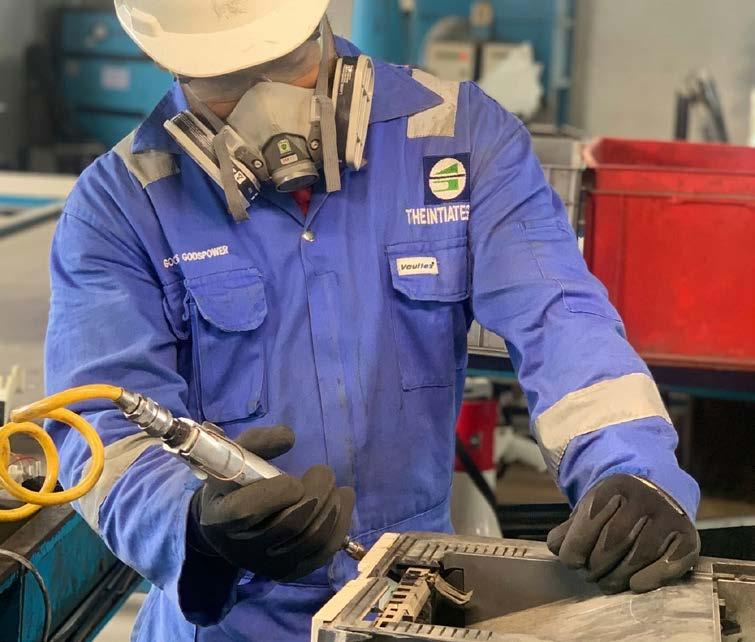
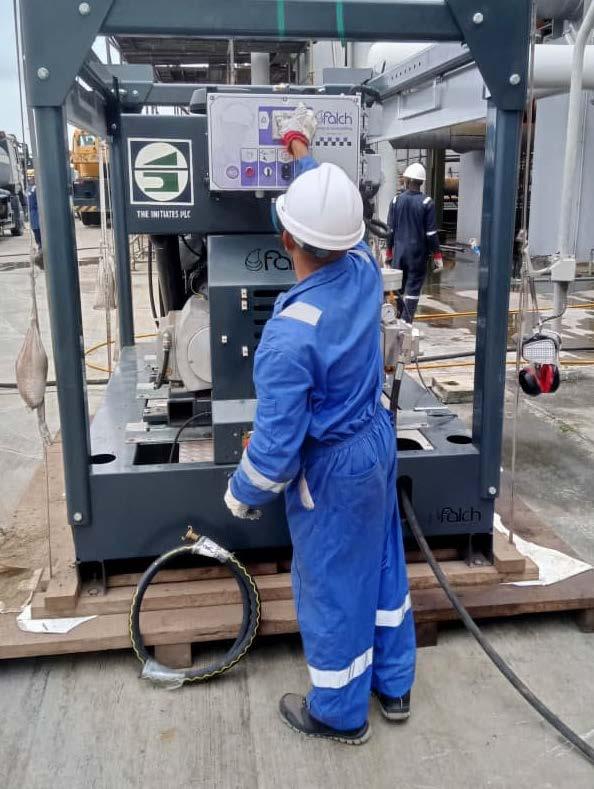
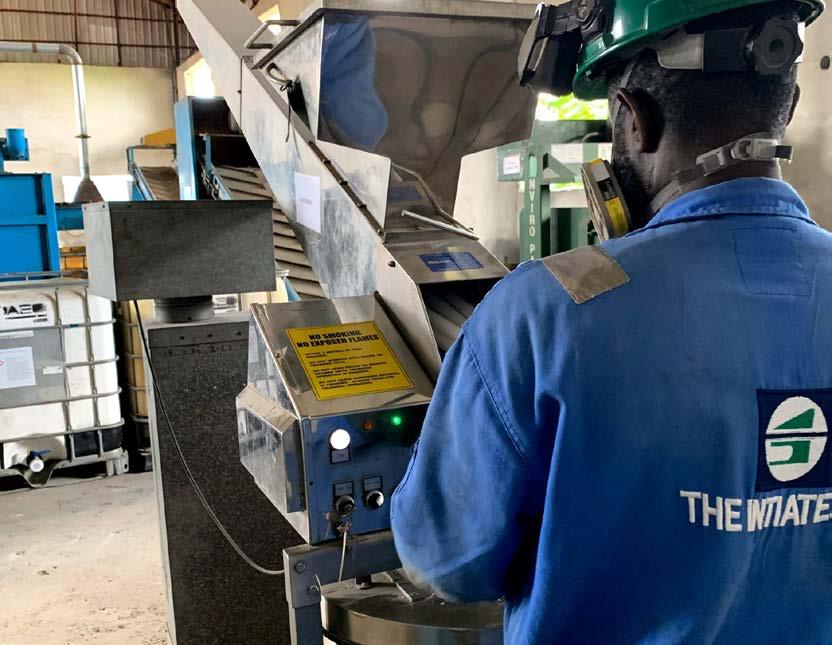
Redefining Industrial Cleaning and Waste Management!
From Nigeria to Uganda, TIG sets the standard in professional, innovative, and technology-driven solutions. Proudly listed on the Nigerian Stock Exchange and certified to global standards (ISO 14001, 9001 & 45001), we deliver tailor-made services that keep businesses safe, sustainable, and future-ready.
With a multidisciplinary workforce and a passion for excellence, TIG is your trusted partner in cleaning smarter, managing waste responsibly, and protecting what matters most. The Initiates Group – Innovation at work. Safety at heart.
We offer comprehensive range of services to meet the diverse needs of the waste management and industrial cleaning sectors.
INDUSTRIAL CLEANERS
• Tank & FPSO sludge evacuation
• Tank and Vessel Cleaning
• Boiler and Heat Exchanger (tube and fin) cleaning
the block from Conoil. Meanwhile, Conoil will acquire the 40% participating interest held by TotalEnergies in Block OML 136 offshore Nigeria. Once completed, subject to customary conditions and regulatory approvals, TotalEnergies’ interest in OPL 257 will increase from 40% to 90%, with Conoil retaining the final 10% interest in the block. Speaking on the announcement, Mike Sangster, Senior VicePresident for Exploration at TotalEnergies, outlined, “This transaction, built on our longstanding partnership with Conoil, will enable TotalEnergies to proceed with the appraisal of the Egina South discovery, an attractive tie-back opportunity for Engine FPSO. This fits perfectly with our strategy to leverage existing production facilities to profitably develop additional resources and to focus on our operated gas and offshore oil assets in Nigeria”. These announcements follow TotalEnergies’ divestment of its non-operated assets in the Bonga Field in May 2025. The agreement, completed in November 2025, outlined TotalEnergies’ sale of its 12.5% non-operated interest in the field to Shell Nigeria Exploration and Production Company Ltd. (SNEPCo) (10%) and Nigeria Agip Exploration (2.5%) for an aggregated amount of $510 million. Speaking on the initial agreement in May 2025, Nicholas Terraz, President of Exploration and Production at TotalEnergies, said, “TotalEnergies continues to actively high-grade its Upstream portfolio, to focus on assets with low technical costs and low emissions, and to lower its cash breakeven”. Terraz continues, “In Nigeria, the Company is focused on its operated gas and offshore oil assets and
The Initiates Group
At The Initiates Group (TIG), we are more than just a service provider—we are pioneers in industrial cleaning and waste management across Nigeria and Uganda. Powered by innovation and backed by years of experience, we deliver world-class solutions that keep industries safe, efficient, and environmentally responsible.
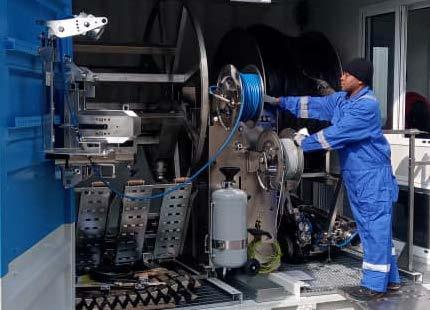
From hazardous waste incineration and e-waste processing to wastewater treatment and asbestos management, TIG leads the way in providing tailored waste management services that meet global standards. Our specialized technologies, including advanced thermal desorption units, ensure we treat contaminated materials with precision and care, protecting both people and the planet.
The Initiates Group also excel in industrial cleaning services designed to keep operations running smoothly. Whether it’s sludge evacuation from tanks and FPSOs, vessel cleaning, jetting, or pipe maintenance, our multidisciplinary workforce tackles the toughest jobs with professionalism and expertise. Every project reflects our commitment to safety, quality, and innovation.
At TIG, we don’t just clean and manage waste— we create sustainable solutions. Guided by strong health, safety, environmental, and quality frameworks, alongside a robust local content policy, we work to build value for clients while supporting the communities where we operate.
https://www.initiatesgroup.com
TotalEnergies E&P Nigeria
is currently progressing the development of the Ubeta project, designed to sustain gas supply to Nigeria LNG”. Terraz’s comments highlight TotalEnergies’ vital move to solidify its place within Nigeria’s energy sector by focusing on its operated assets and sustainable energy delivery options for the future of the country’s energy development.
Furthermore, in January 2026, TotalEnergies also announced that its subsidiary TotalEnergies EP Nigeria had signed a Sale and Purchase Agreement (SPA) with Vaaris. The agreement, once completed, will see TotalEnergies sell to Vaaris its 10% participating interest in all its rights and obligations in 15 licenses of Renaissance JV, which is producing mainly oil, with production of around 16,000 barrels equivalent per day. In addition, TotalEnergies EP Nigeria will also transfer its 10% participating interest in the 3 other licenses of Renaissance JV, which are producing mainly gas. Meanwhile, TotalEnergies will retain a full economic interest in the licences of Renaissance JV, which currently account for roughly 50% of Nigeria’s total LNG gas supply.
As TotalEnergies looks towards the future, the company has outlined a recent farmout agreement to sell a 40% participation in the PPL 2000 and PPL 2001 exploration licences offshore Nigeria to Star Deep Water Petroleum Limited, which is a Chevron company. The licences cover an area of roughly 2,000 square kilometres and were awarded to a consortium of TotalEnergies and South Atlantic Petroleum following the 2024 Exploration Round organised by the Nigeria Upstream Petroleum Regulatory Commission. The agreement will see TotalEnergies remain operator
of the project with a 40% participation, alongside Chevron (40% through Star Deep Water Petroleum Limited), and South Atlantic Petroleum (20%). The agreement is a significant partnership for Chevron and TotalEnergies, who have already been working together on offshore exploration leases offshore the US.
Speaking on this, Mike Sangster said, “After launching our joint venture in the US offshore in June, we’re delighted to now expand our collaboration to Nigeria to unlock new resources in the West Delta basin.” Sangster continues, “This new joint venture aims at derisking and developing new opportunities in Nigeria, in line with the objectives of the country”. Therefore, as we can see from Sangster’s comments, the vital partnership between these two companies, once completed, will vastly enhance their collaboration across the global offshore exploration sectors, bringing together the two companies’ expertise to develop Nigeria’s hydrocarbon sector towards the future.
Across TEPNG’s operation in Nigeria, there is a keen focus on developing vital oil and gas deposits that can develop alongside existing infrastructure to keep costs low. However, one of the key aspects of all of its developments is delivering its projects with low emissions in mind, to protect the sector both now and for the future. With the recent expansion of TotalEnergies’ role across Nigeria, the company continues to solidify its place as a leader in Nigeria’s energy sector, set on delivering vital hydrocarbons for the future, whilst protecting the people and planet of today.
BP: The Greater Tortue Ahmeyin Project
Senegal and Mauritania are home to the Greater Tortue Ahmeyin (GTA) Project, one of the most significant and deepest offshore gas developments in Africa, which is set to vastly increase the domestic energy and revenue for both countries for many years to come. The development is part of a cross-border project delivered by BP alongside its partners Kosmos Energy, Société Mauritanienne des Hydrocarbures (SMH), and PETROSEN. With the development signalling such a vital development for both countries, the GTA Project was granted the status of National Project of Strategic Importance by the Presidents of Mauritania and Senegal. This status highlights just how valuable the development remains for the countries and the significant growth of Liquefied Natural Gas (LNG) in Africa.
BPentered into Mauritania and Senegal in 2017, following the discovery of a significant gas field that straddled the maritime border between the two countries. This gas field quickly became the home of two offshore development blocks: St. Louis Offshore Profond and Cayar Offshore Profond. The blocks are major offshore development and exploration hubs, which today are significant anchors of the GTA LNG project. Phase 1 of the GTA development involved an innovative multi-billion-dollar investment project spanning the development of an ultra-deep subsea system with four gas production wells, a Floating Production, Storage and Offloading (FPSO) vessel, and a Floating Liquified Natural Gas (FLNG) Facility. The initial Final Investment Decision (FID) came in 2018, following an agreement between the Mauritanian and Senegalese governments and the development partners to commence the multiphase project set on delivering the basin as a world-class gas province and major LNG hub.
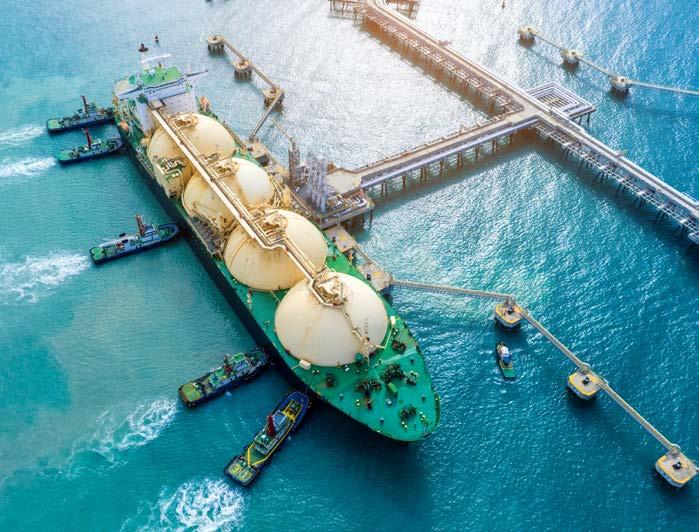
Once gas is produced from the subsea production system it is then processed in the mid-water by the FPSO, where water and impurities are removed, producing gas ready for liquefaction. The gas from the FPSO is then sent along a 35km pipeline to an inshore hub and terminal, which includes a Floating Liquefied Natural Gas (FLNG) facility. Here, the gas is cooled, allowing it to transform into a liquid, enabling easier storage and long-distance transportation of the LNG to markets. The development of LNG at the
BP: The Greater Tortue Ahmeyin Project
GTA Project is significant, as the exploration field is estimated to contain more than 19 trillion cubic feet (tcf) of potentially recoverable gas resources and so will be a key pillar of Senegal and Mauritania’s long term LNG development. Plus, GTA is just one part of the wider 13,500km2 acreage held by BP and its partners in Mauritania and Senegal, which itself is estimated to hold between 50-100tcf of gas resources potential, thus making the whole development one of the most significant gas projects in Africa.
LNG produced from the GTA Project will then be exported through LNG carriers, which will berth at the Hub Terminal before transferring the LNG to further carriers for export. However, some of the LNG will be allocated to Senegal and Mauritania to help meet growing energy demands in the host countries and support their continued energy security and development. Once fully commissioned, the GTA Phase 1 development is expected to produce around 2.3 million tonnes of LNG a year, delivering vital resources for both countries, supporting local energy networks, whilst solidifying the countries and the development as a hub for global LNG development.
In January 2025, BP announced that the GTA Project had achieved first gas flow from the development to its FPSO vessel. This achievement
of first gas flow from the development is a significant milestone for the project, marking a vital first step towards delivering the vital potential of the GTA project’s resources to market. Following the first flow in January, BP then announced in April 2025 that it had completed the loading of its first cargo from the GTA LNG project for shipment. The announcement outlined that BP had safely loaded the first cargo of LNG for export from the development, highlighting the GTA project as the third upstream major start-up of the year for BP. This is significant for BP because it is aiming to grow its upstream oil and gas business, with the company expected to deliver 10 project start-ups by 2027, of which GTA is the first.
Speaking on the announcement in April 2025, Gordon Birrell, Executive Vice President of Production and Operations at BP, outlined, “This first cargo from Mauritania and Senegal makes a significant new supply for global energy markets. Starting exports from GTA Phase 1 is an important step for BP and our oil and gas business as we celebrate the creation of a new production hub within our global portfolio.” Adding to this, Dave Campbell, Senior Vice President for BP Mauritania and Senegal, highlighted, “This is a very proud day for Mauritania and Senegal. Throughout the development of this project, we have built strong relationships with the project’s host governments, local communities and our partners, and we look forward to strengthening these in years to come as we continue ongoing operations.”
Both Campbell and Birrell’s comments here highlight the valuable role that the GTA development plays in Mauritania and Senegal’s development, not just economically for global energy markets and solidifying its place as a key production hub within the company’s global portfolio. However, it is a development that also continues to support the communities in which it operates to deliver lasting positive change, in line with its ongoing development.
In fact, this focus on local development was further exemplified at the end of 2025, with the installation of an artificial reef village off the coast of Senegal.
In December 2025, BP installed an artificial reef consisting of 10 clusters of reef structure made up of pioneering reef cubes and pyramid structures. The reef, located 4km off the coast of St. Louis, was delivered from an estimated 3.2 billion CFA investment. The structure features multiple nature-inclusive design additions to enhance marine biodiversity and support sustainable fishing practices and local fishing communities. The installation was delivered in line with community engagement, engineering feasibility studies and environmental services. BP’s partners, along with local fishermen, authorities, and regulators were pivotal to the development, alongside the Marine Research Association. Collectively, these bodies ensured that the design and placement of the artificial reefs met community needs, international standards and ecological conditions.
Speaking on the artificial reef installation, Massaer Cisse, Vice President and Head of Country in Senegal for BP, outlined, “BP is committed to supporting the communities in which we operate. The artificial reef project is a testament to our dedication to biodiversity, sustainable livelihoods, and long-term community value. We are proud to collaborate with our partners and the people of Saint-Louis to deliver this impactful initiative”. Cisse’s comments highlight the ongoing role BP and its partners are continuing to play to deliver the GTA project alongside local communities. Thus, as the GTA continues to be developed, BP and its partners cotninue to focus on local development as part of their multi-million-dollar social investment program, reflecting its commitment to environmental stewardship and community development in line with its LNG energy delivery projects.
As the GTA Project looks towards the future, Phase 2 of the project is currently in development talks. In February 2024, BP and partners in the GTA project confirmed that the concept for the second phase of the GTA LNG project had been outlined, and it is moving towards the next stage of evaluation. A key aspect of the GTA Phase 2 expansion is expected to see an increase in the development’s total capacity to between 2.5 and 3 million tonnes per year. To facilitate this, the Phae 2 concept design will include new wells and subsea equipment, which will be integrated and expand upon the existing GTA infrastructure.
A Major Deepwater
Speaking on the proposed Phase 2 development, Gordon Birrell said, “We aim to build on our strong collaboration with our partners, and the Governments of Mauritania and Senegal, to further develop a long-term, successful energy hub in West Africa. GTA continues to underpin our strategy to develop the most resilient hydrocarbons to help provide energy security today.” Birrell’s comments exemplify the long-term strategy of the GTA development, which is set to enhance LNG development in Africa and help deliver Mauritania and Senegal as leading LNG producers.
Overall, the Greater Tortue Ahmeyim Project is a vital LNG exploration and development project that is enhancing the domestic energy and revenue of both Senegal and Mauritania through vital LNG resource development. As we have seen across Phase 1 of the development, the development is already set to deliver significant resources for the two countries and the local communities in the process. We look forward to seeing how the next phase of the development will progress as BP, along with its partners, looks set to advance the innovative and multi-billion-dollar investment project and cement the project’s place as a hub for LNG development in Africa.
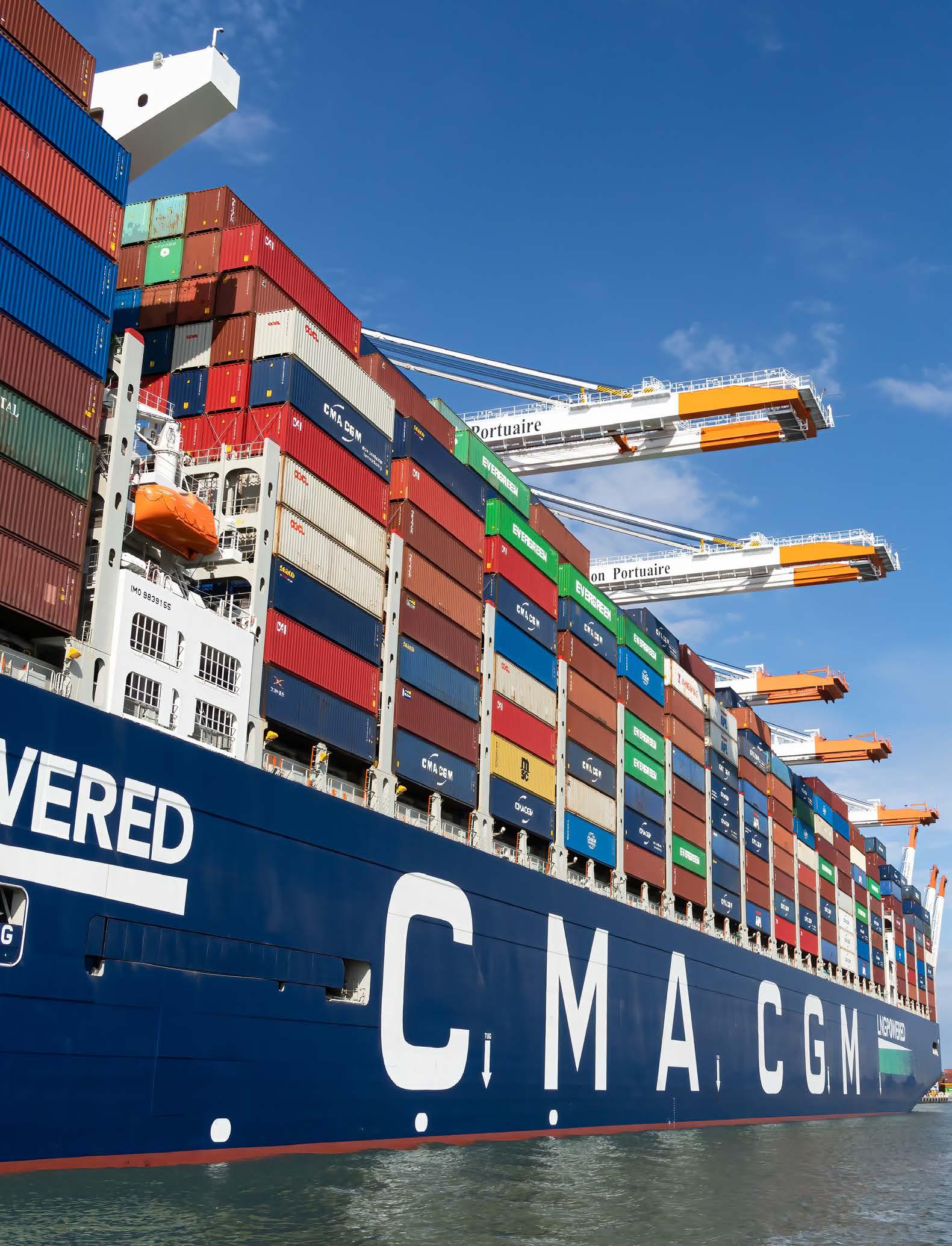
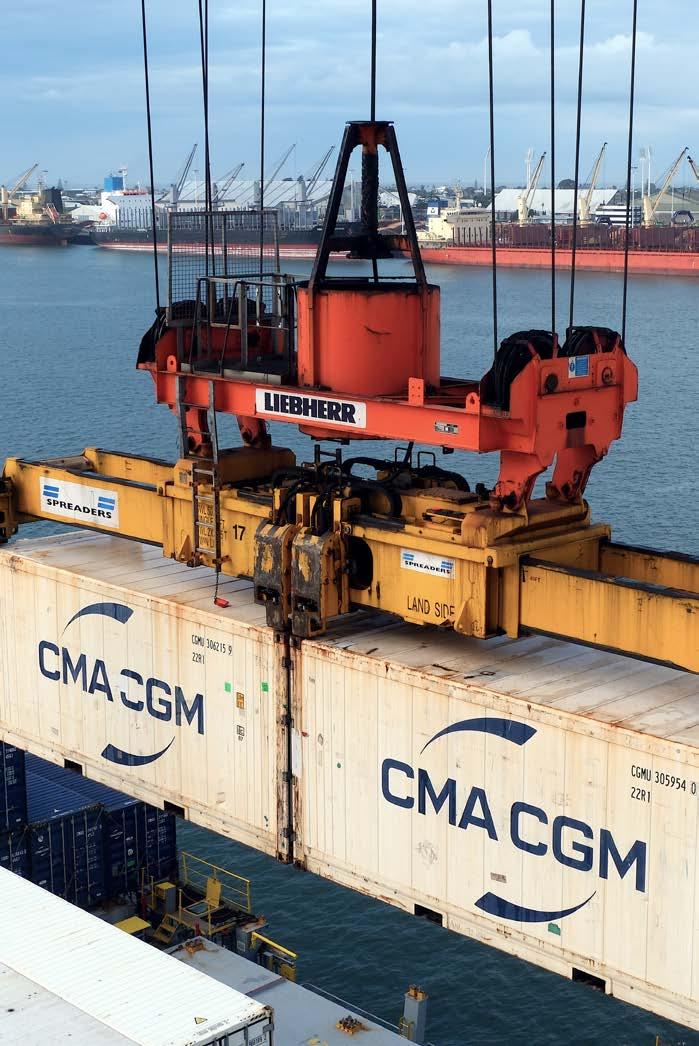
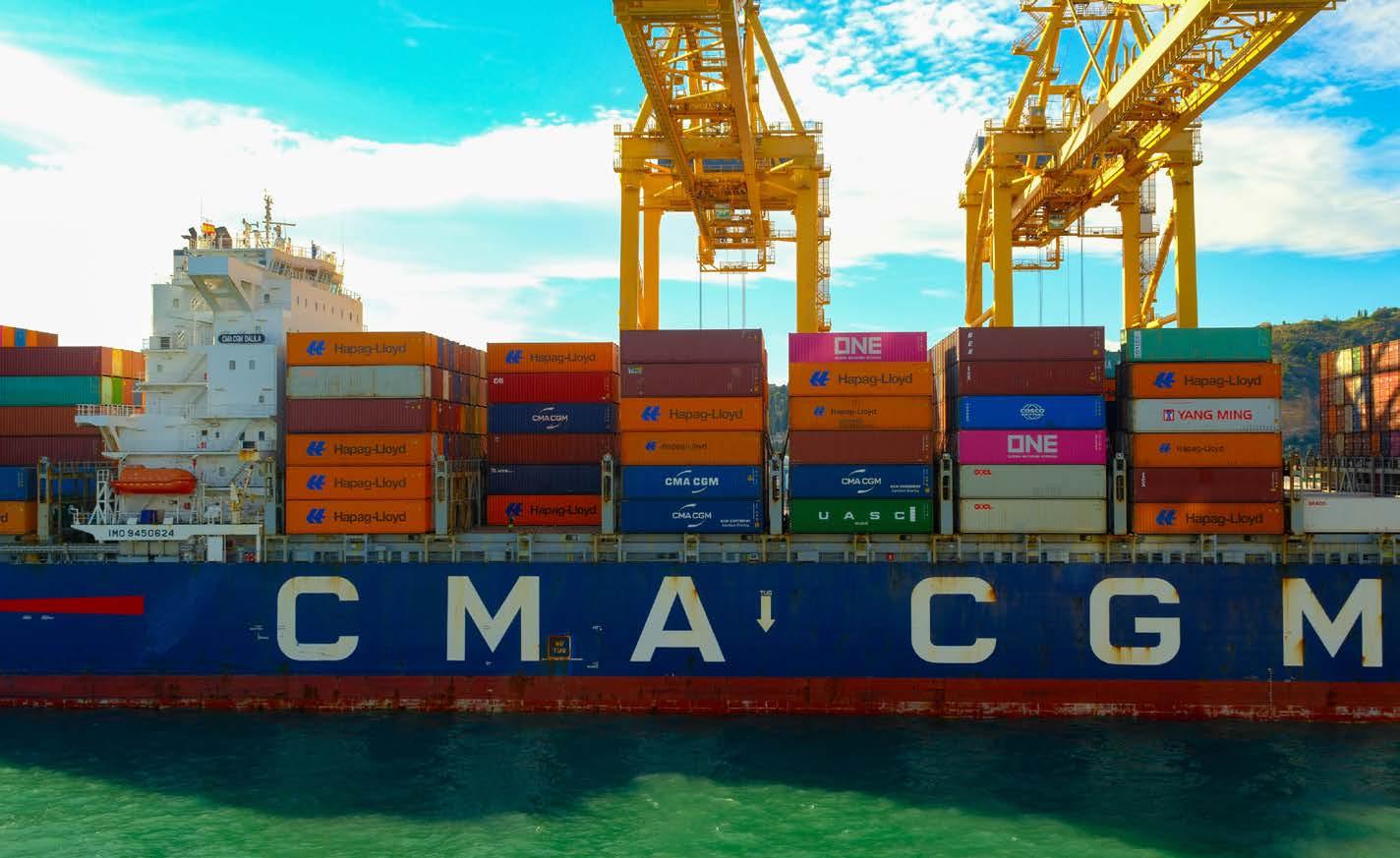
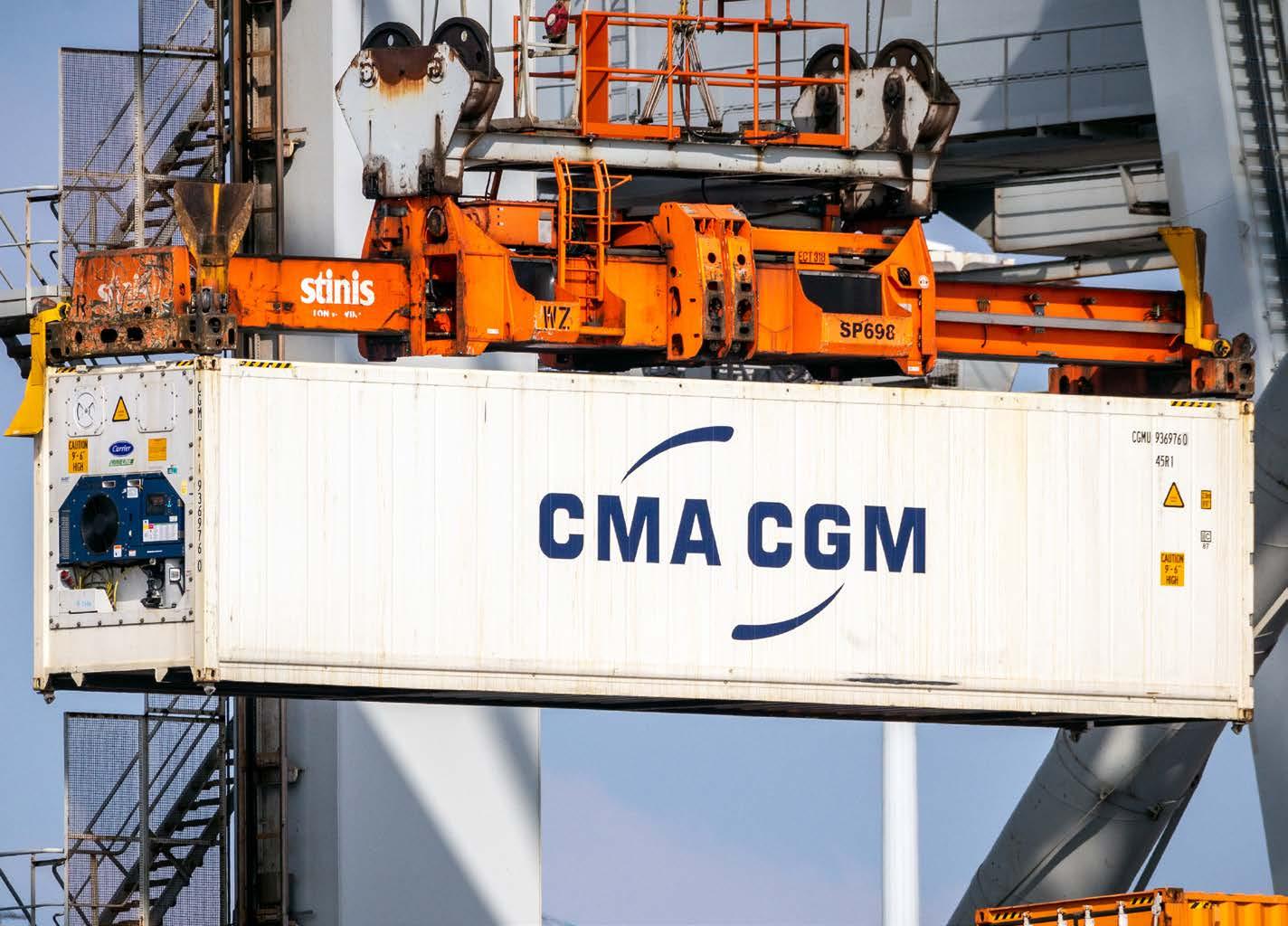
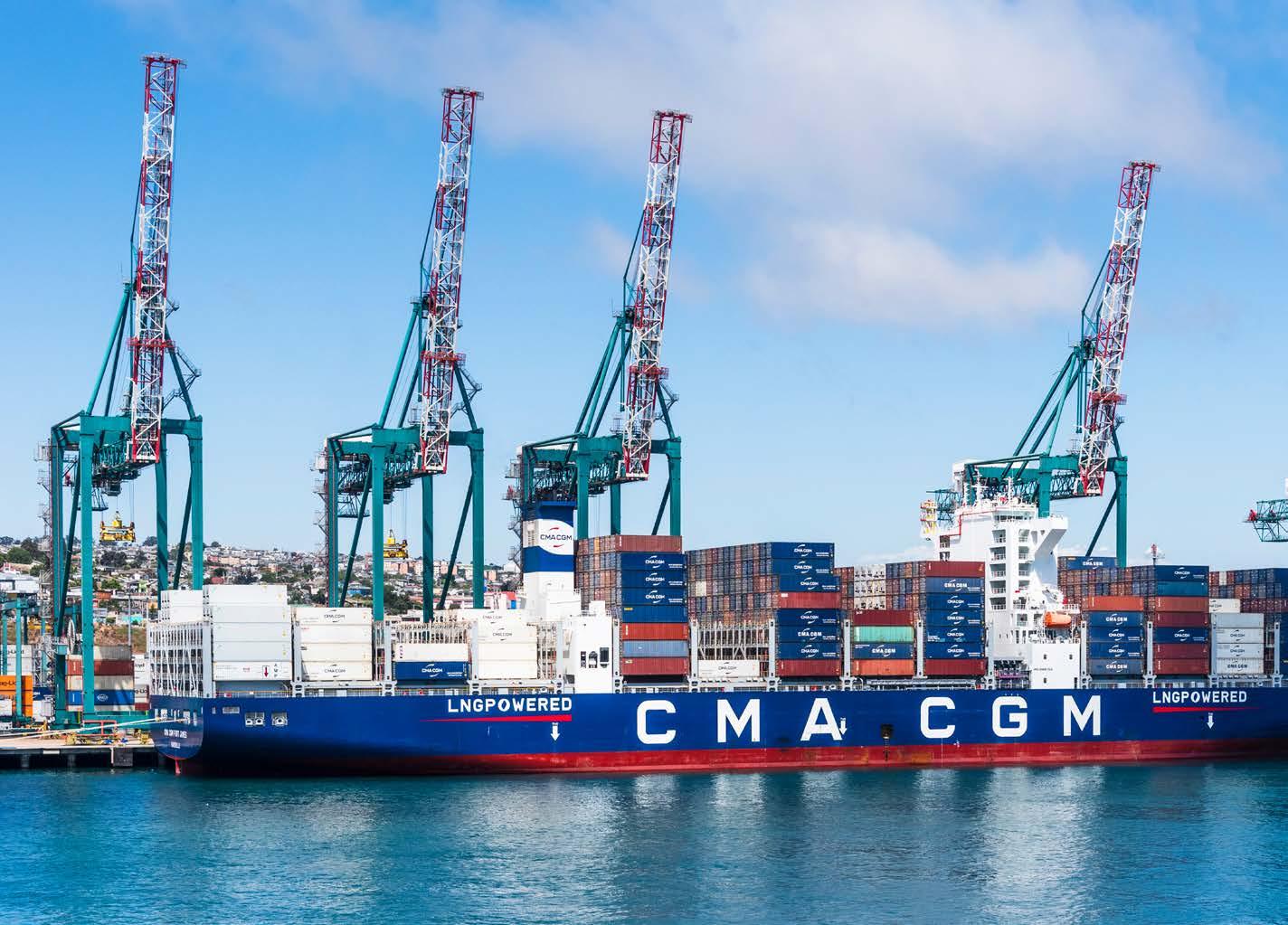
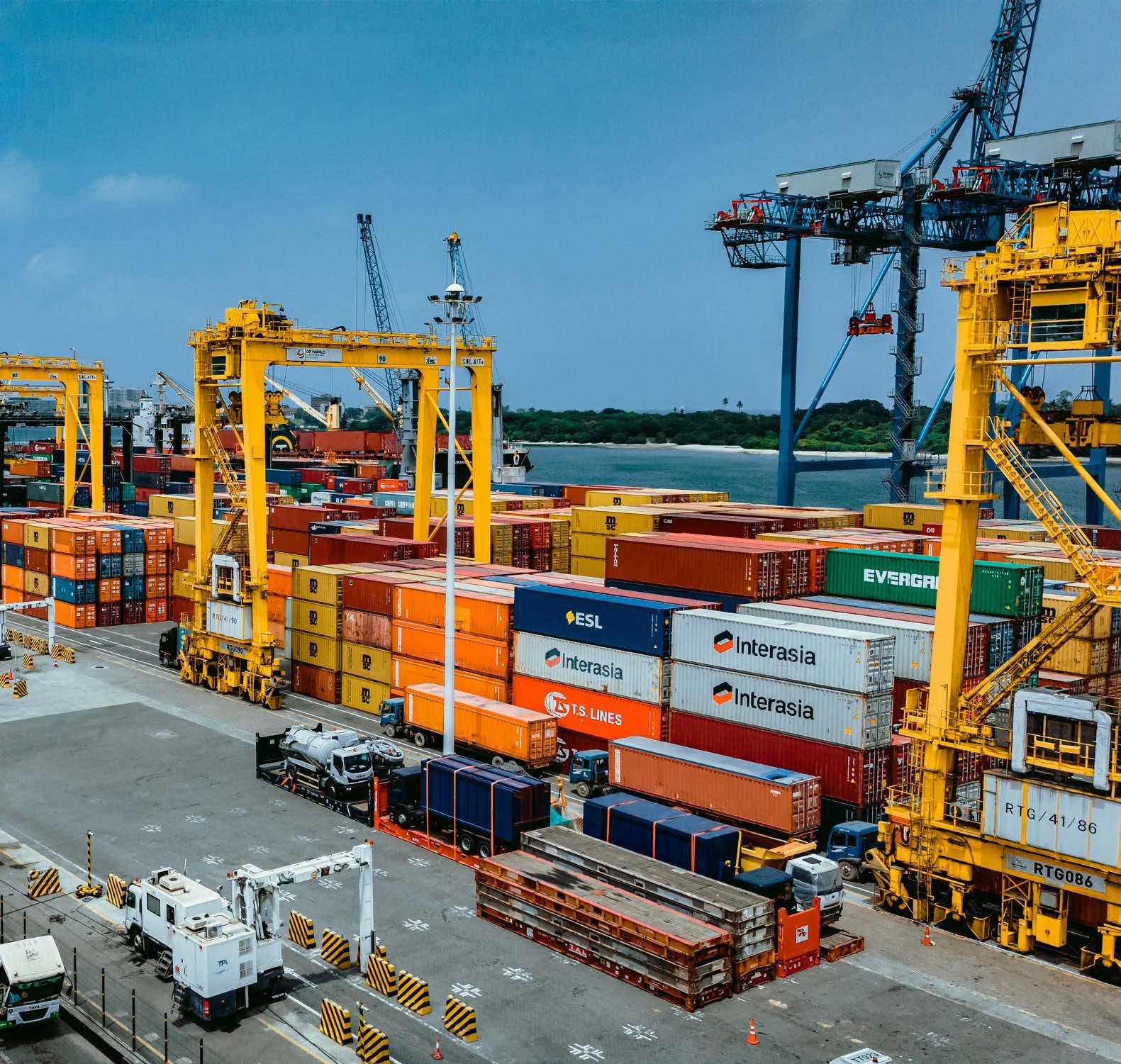
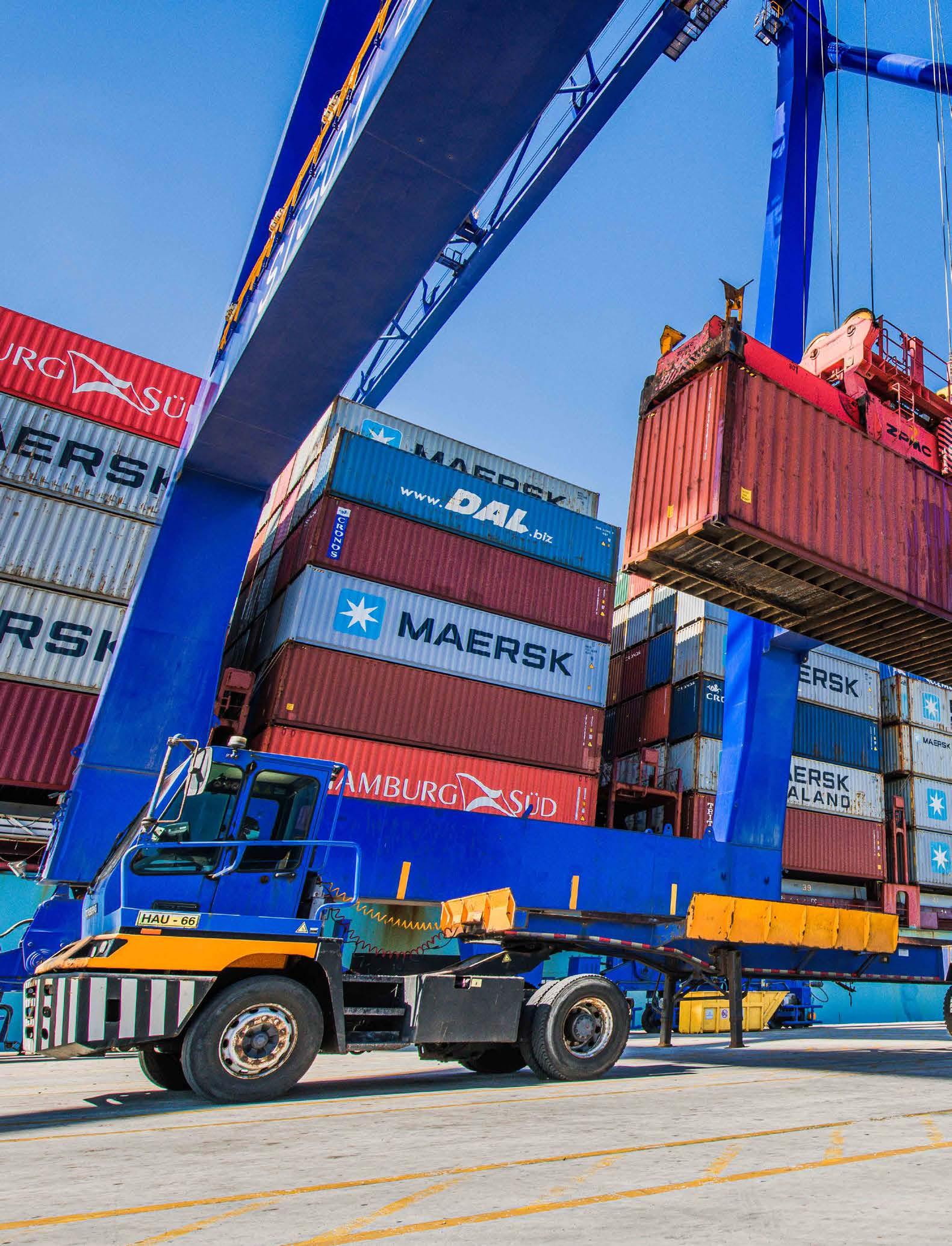
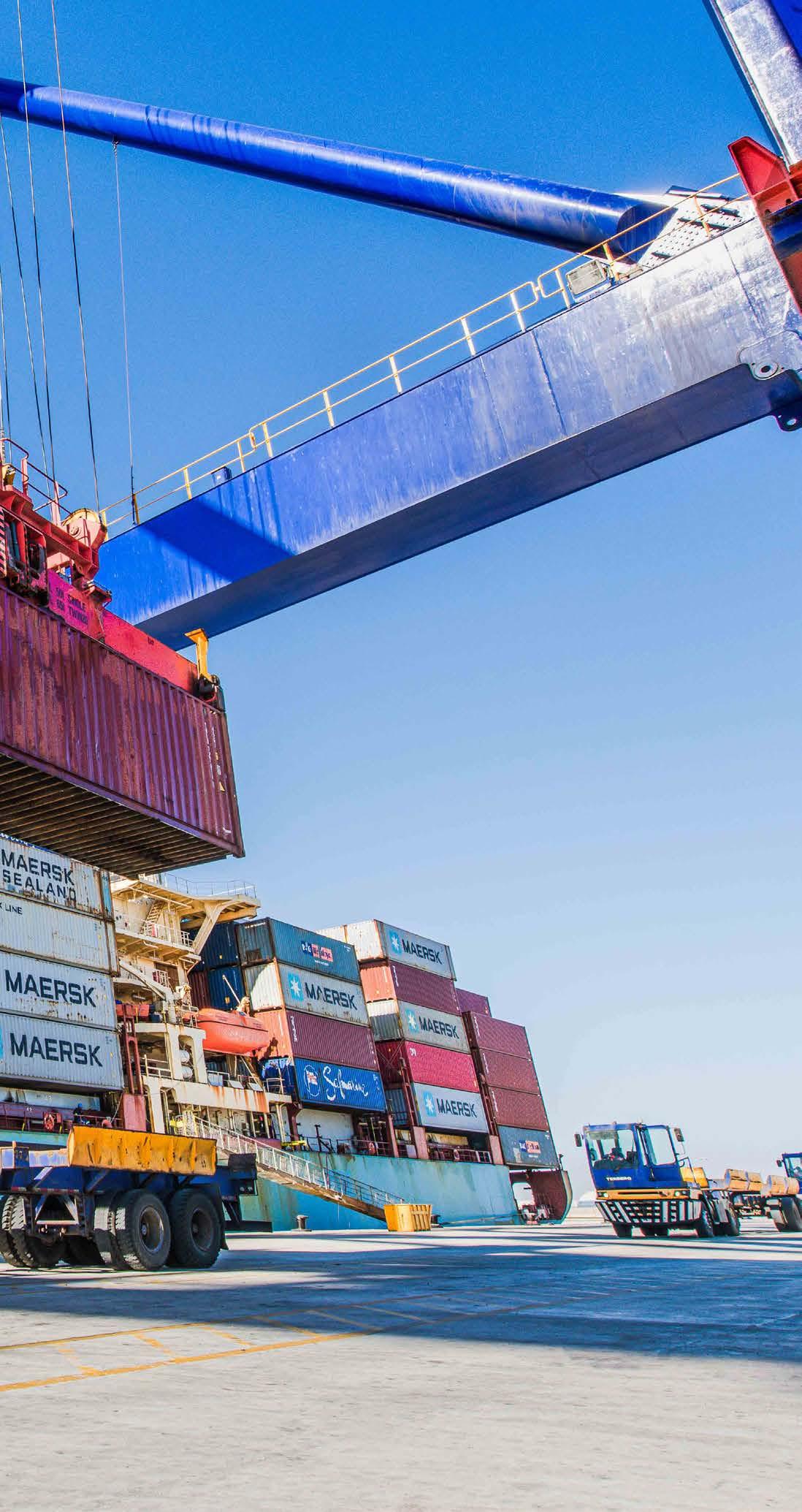
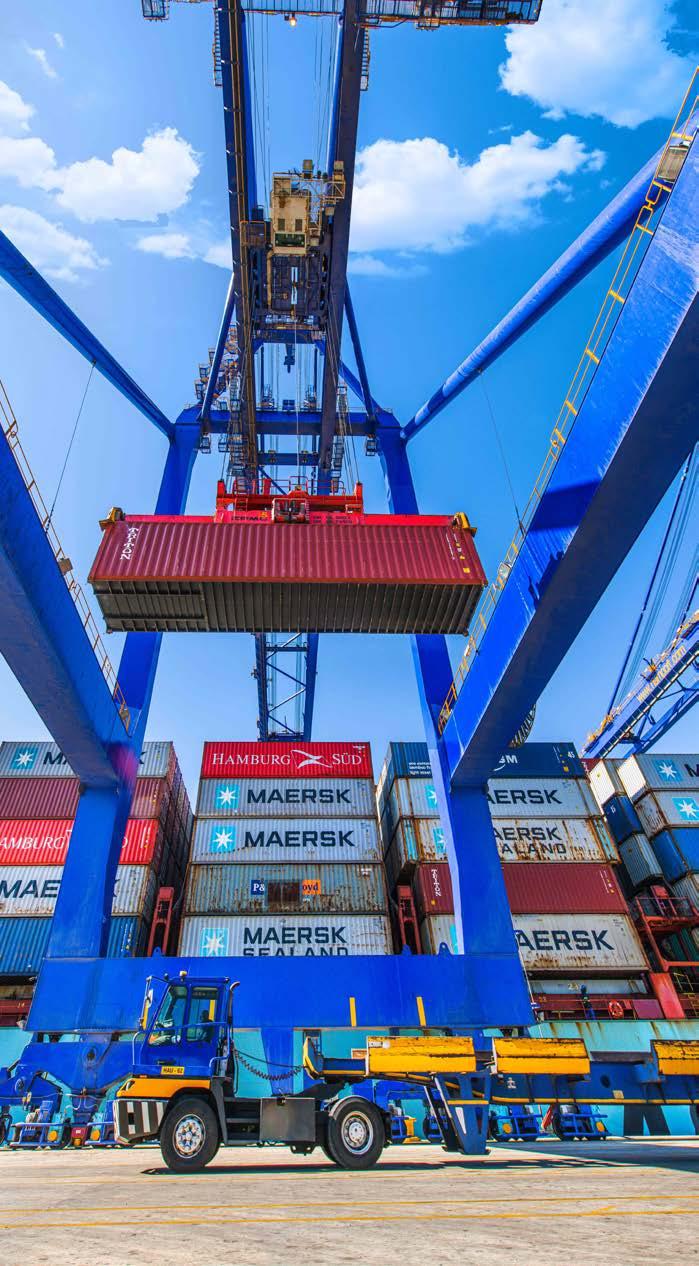
For more than 50 years, global shipping giant CMA CGM has been present in Africa. Across the continent, CMA CGM offers shipping services that connect more than 80 African ports to markets around the globe. With 94 offices across 54 countries in Africa, CMA CGM is well-positioned to support sea, land, and air logistics across the continent, helping African businesses move their cargo to markets around the globe. With the African continent seeing a wealth of development opportunities, CMA CGM is ready to support customers with complete end-to-end shipping solutions that will support the long-term economic development of the continent through tailored shipping solutions.
Globally, CMA CGM is a leader in integrated intermodal logistics solutions that ensure customers are given the best, most reliable and cost-effective shipping solutions possible. In Africa, these solutions support its customers’ cargo from door-to-door, delivering reliable shipping solutions that ensure that many countries, whether they are landlocked or not, can access vital shipping networks supporting logistics on both local and international scales. To support global connectivity across Africa, CMA CGM offers 35 key shipping services which offer extensive coverage of the continent, including services in West Africa, East Africa, Southern Africa, and the Indian Ocean.
One of CMA CGM’s primary deepwater transhipment hubs in Africa is located at the Port of Kribi in Cameroon. In Cameroon, CMA CGM is represented by two local agencies that operate from the port cities of Douala and Kribi. The Port of Douala is one of the primary maritime gateways in Cameroon, located halfway between northern and southern Africa, and so offers a strategic entry point into the heart of Africa’s markets. The port itself is made up of 66,000m2 general-purpose warehousing, alongside 10km of quays which are connected to an extensive 20km of tarmac roads. These roads, alongside the Trans-Cameroon Railway, support shipping beyond the port and
Connecting Africa... ...to the World
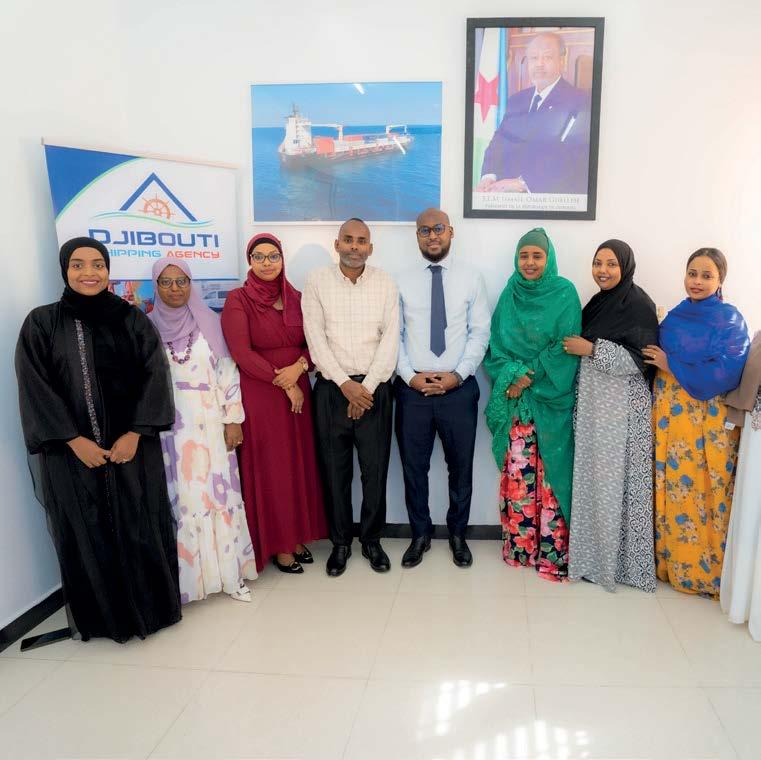
Your trusted partner for maritime logistics in East Africa
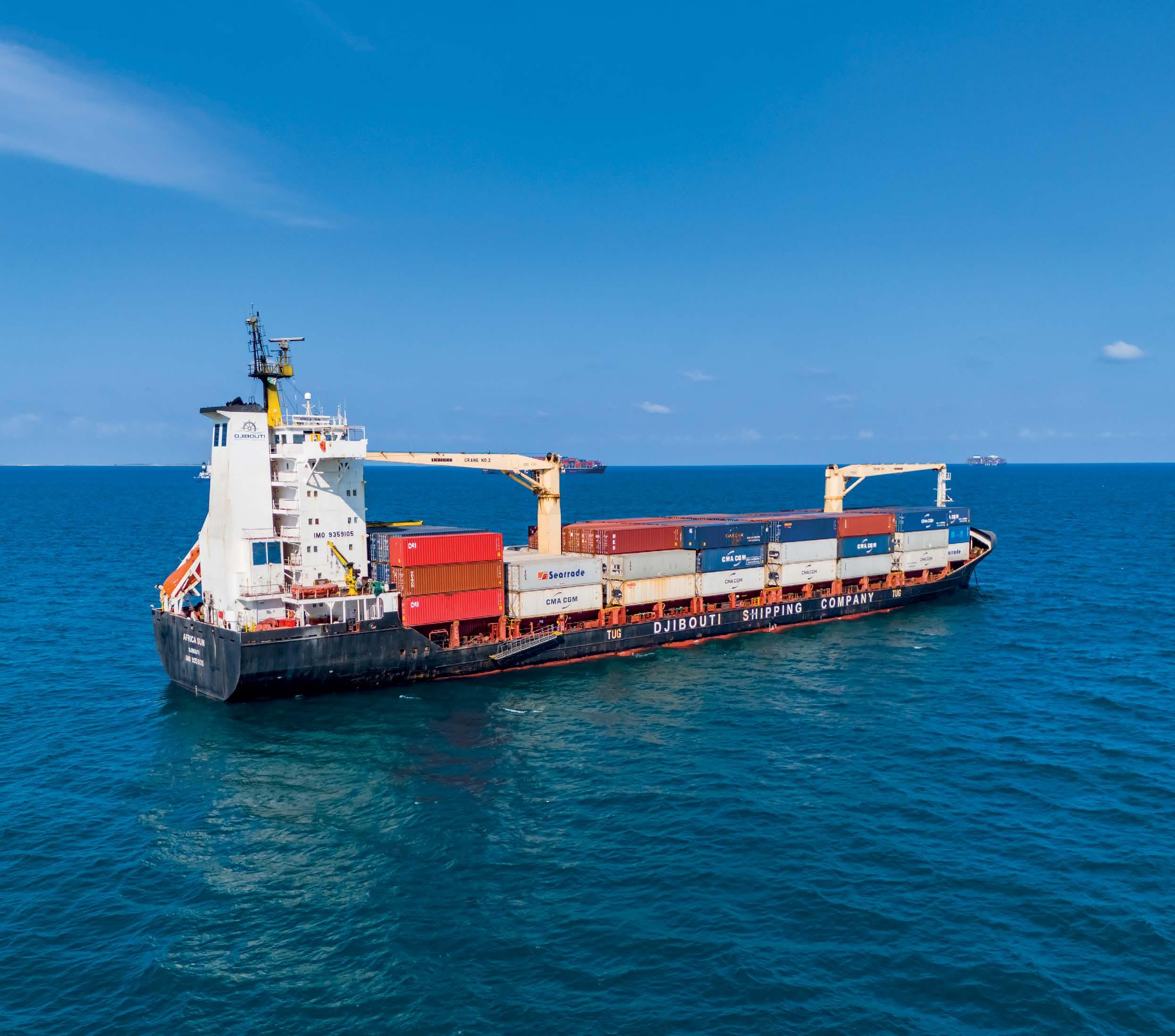
Djibouti Shipping Company is transforming Djibouti into a leading maritime hub, providing fast, reliable, and efficient shipping across East Africa, the Middle East, and Asia. With a growing fleet—including the flagship MV Africa Sun—and robust infrastructure, ensuring your goods move safely and seamlessly.
Through its subsidiary, Djibouti Shipping Agency (DSA), DSC offers port management, logistics support, and tailored operational services, making it the trusted partner for international shipping companies in the region.
Reliable import services for companies of all sizes
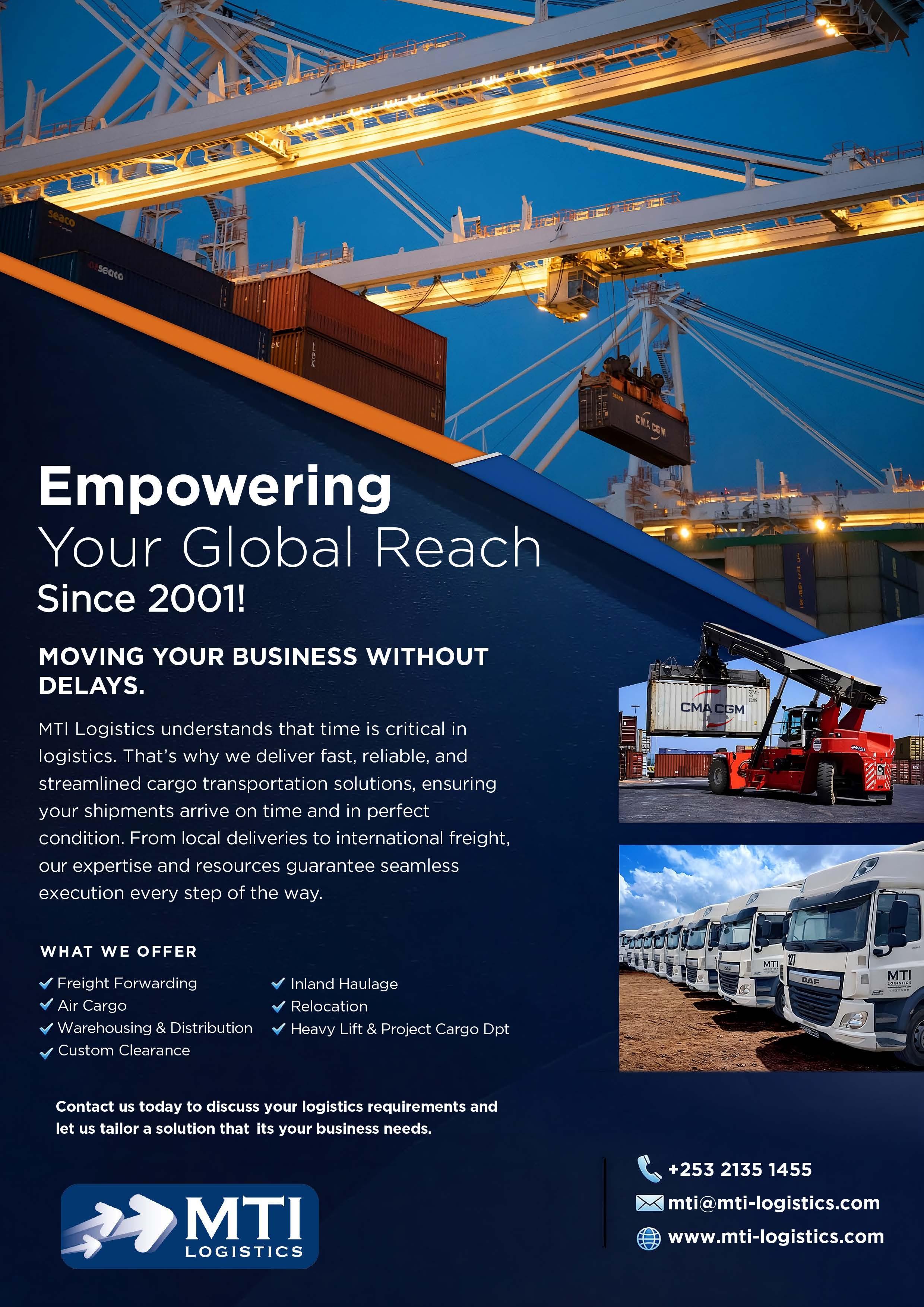
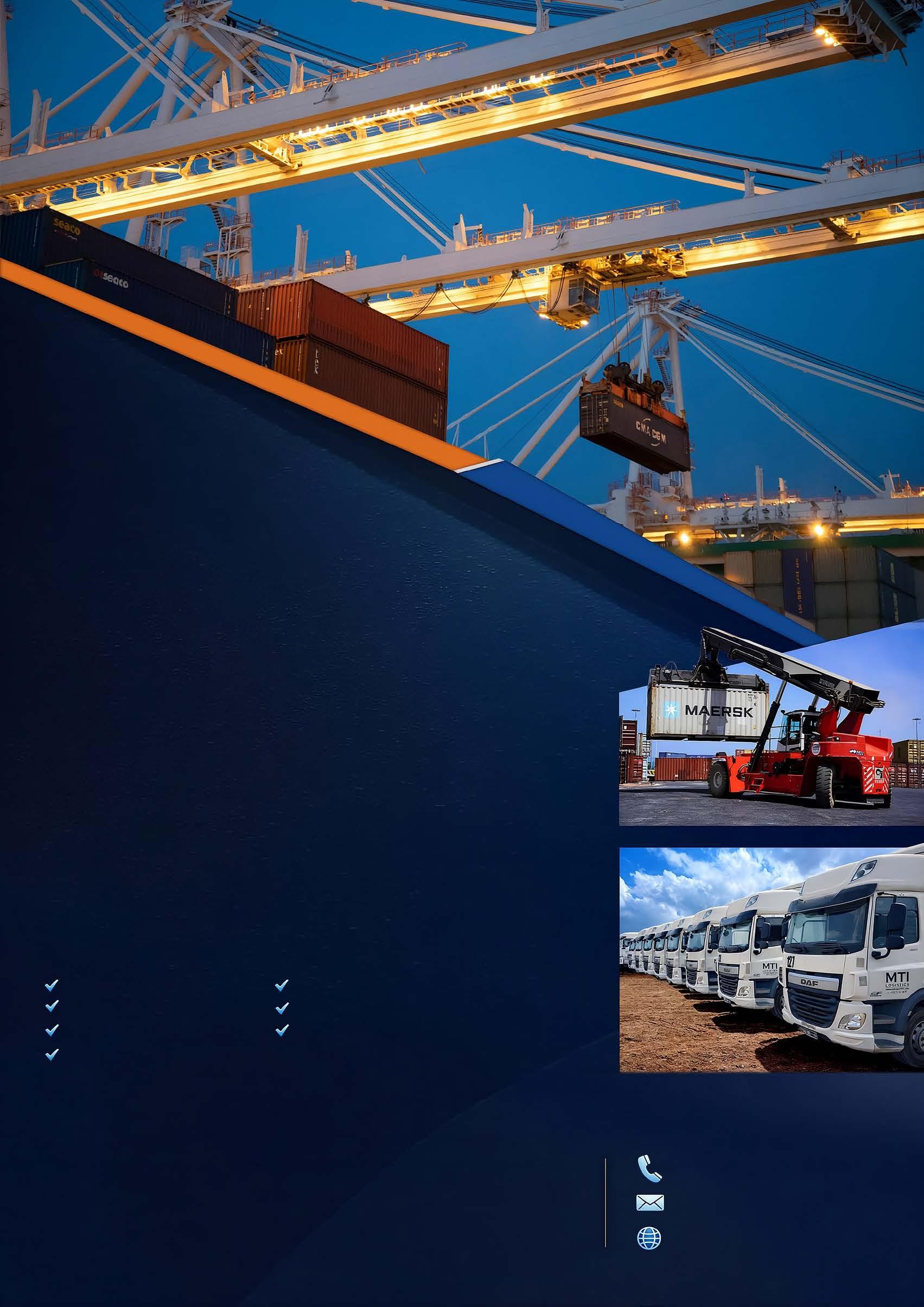
MTI Logistics is a global logistics and cargo transportation company headquartered in Djibouti, known as a major industry leader in the region. Established with strong expertise in logistics management, MTI offers a comprehensive suite of services tailored to both local and international clients, including freight forwarding by sea, air, and land, inland haulage, air cargo solutions, customs clearance, and warehousing & distribution.
MTI Logistics is a global logistics and cargo transportation company headquartered in Djibouti, known as a major industry leader in the region. Established with strong expertise in logistics management, MTI offers a comprehensive suite of services tailored to both local and international clients, including freight forwarding by sea, air, and land, inland haulage, air cargo solutions, customs clearance, and warehousing & distribution.
The company also handles specialized logistics projects, such as heavy lift and project cargo, relocation services, and integrated supply chain solutions, all supported by its experienced team and global network. MTI is committed to efficient, reliable, and cost-effective logistics that ensure timely delivery and customer satisfaction across a wide range of industries.
The company also handles specialized logistics projects, such as heavy lift and project cargo, relocation services, and integrated supply chain solutions, all supported by its experienced team and global network.
MTI is committed to efficient, reliable, and cost-effective logistics that ensure timely delivery and customer satisfaction across a wide range of industries.
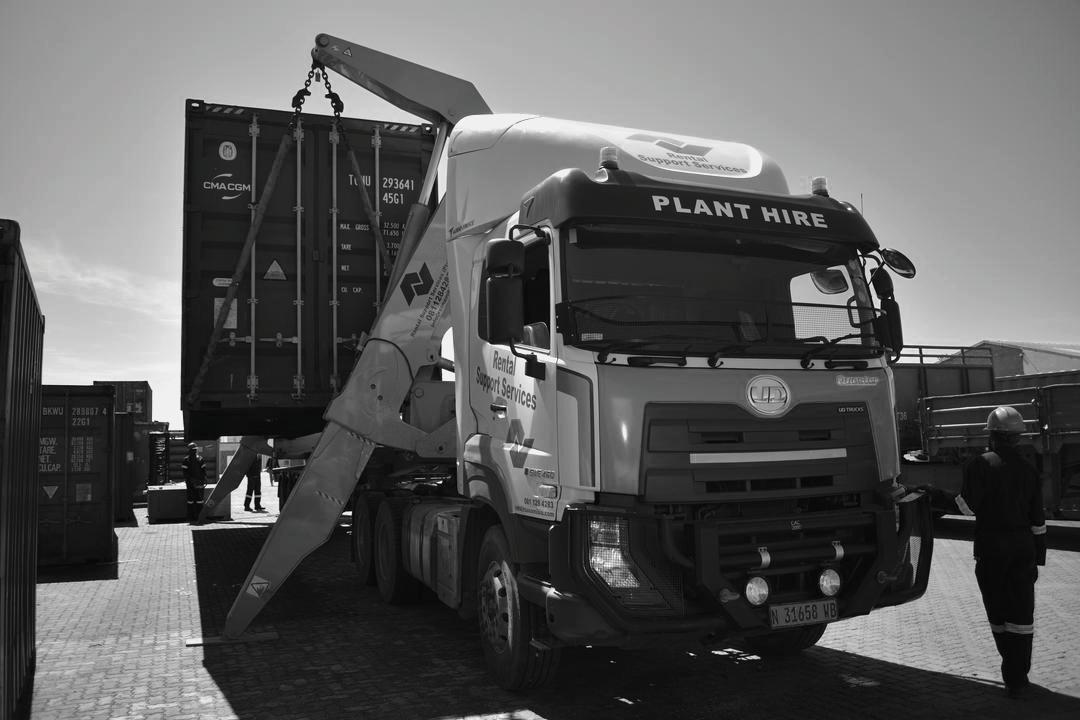
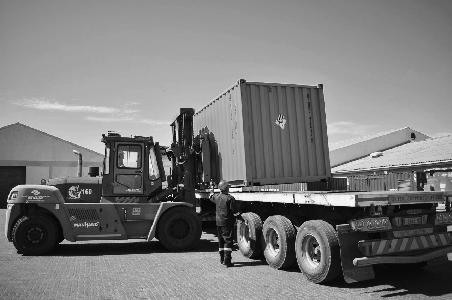
MTI boasts an extensive fleet of trucks and lifting equipment in Djibouti, setting the benchmark for quality and reliability.Our capabilities include: LTL & FTL Transportation • FlatBed Services
MTI boasts an extensive fleet of trucks and lifting equipment in Djibouti, setting the benchmark for quality and reliability.Our capabilities include: LTL & FTL Transportation • FlatBed Services
• OOG & Heavy Lift Transportation • Local Delivieries & Pichups
• OOG & Heavy Lift Transportation • Local Delivieries & Pichups
mti-logistics.com
mti-logistics.com
across the country. Through feeder services, CMA CGM connects to the Port of Douala, which links with the Kribi Deep Water Port in Cameroon and the Pointe-Noire Port in the Republic of Congo.
The other key port serving Cameroon is the Kribi Deepwater Port. The port spans 26,000 hectares and helps support the Port of Douala by relieving congestion, whilst cutting down waiting times. The port is a major hub, spanning several new terminals, which include a container terminal, a multipurpose terminal, an aluminium terminal and associated plant, a hydrocarbon terminal which is associated with a storage area and grain terminal, a methane terminal, and a natural gas liquefaction plant. However, the port is currently undergoing a vital expansion, which includes the construction of a dedicated mineral terminal and hydrocarbon terminal to support resource extraction. This is vital for the Kribi Deepwater Port as it is located in proximity to Cameroon’s mining assets, and so the port’s expansion will allow it to continue to play a pivotal role in the country’s mining exports, supported by the country’s rail network.
The long-term vision for the port aims to see a sprawling facility with up to 20 terminals delivered by 2040, with 6.5 km of quays and an annual handling capacity of 100 million tons of cargo. Therefore, with the port playing a critical role in
the development of the country’s maritime and mineral shipping services, CMA CGM today manages the Kribi Container Terminal alongside Bolloré and CHEC as part of a public-private concession. This has delivered the terminal as a vital regional transhipment hub, which is utilised by CMA CGM to connect Central and West African trade with the globe, along its four major weekly direct services.
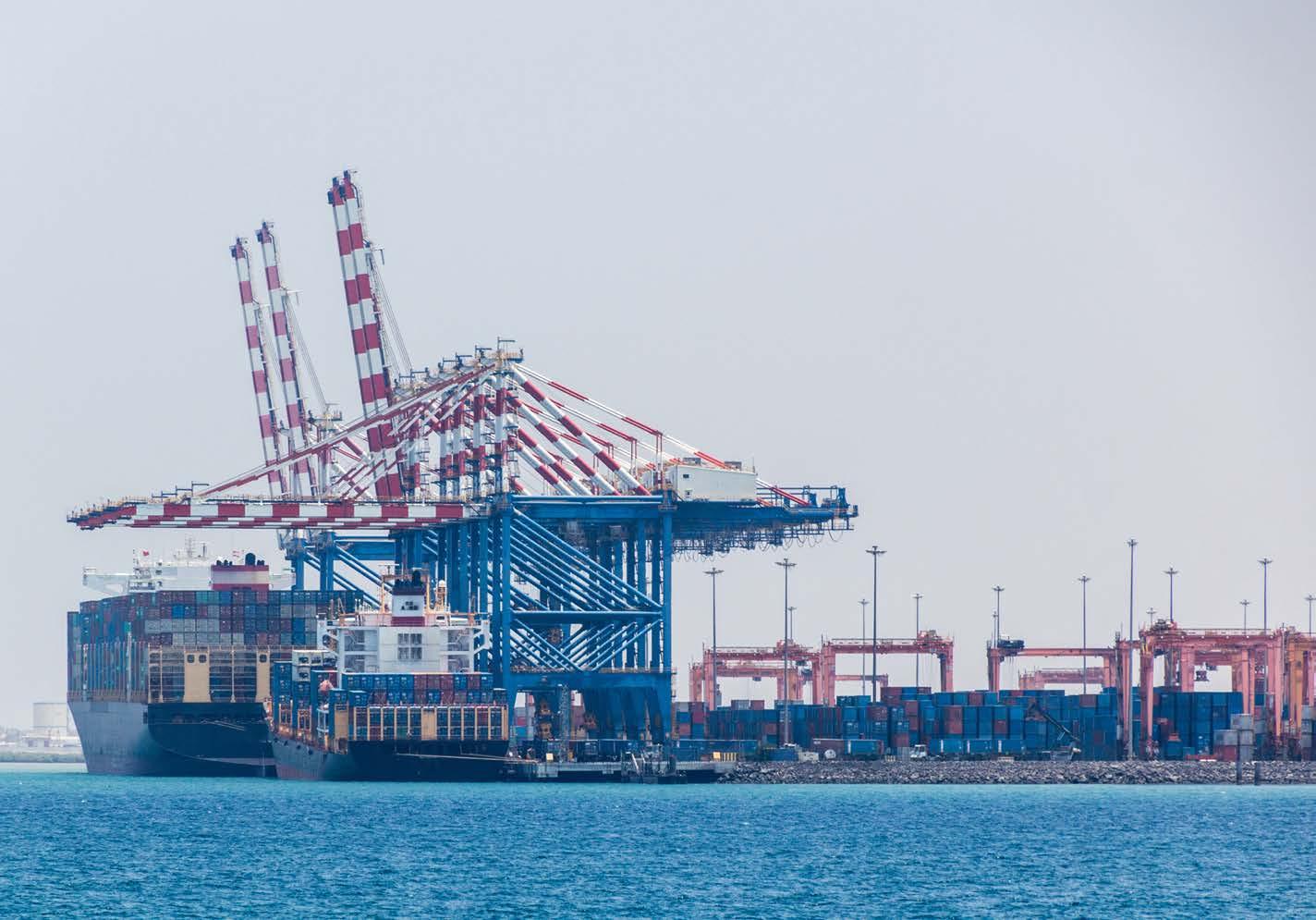
Another vital hub for CMA CGM’s network across Africa is Djibouti. The Port of Djibouti today serves as a pivotal transhipment hub for cargo destined for East Africa, as well as Yemen. With the country located next to landlocked Ethiopia, the port is a main gateway for the fast-paced and growing markets in Ethiopia, which rely on the port to handle its importing and exporting needs. CMA CGM operates in Djibouti through its subsidiary CMA CGM Djibouti, which was established around a decade ago to help strengthen the company’s footprint in the region and offer a wider range of services to its customers. Today, CMA CGM connects Djibouti to the world with 3 weekly liner calls, which include REX, which offers direct services to and from the Far-East, and EPIC, which grants fast and direct shipments from Northern Europe.
One of the most significant aspects of the Port of Djibouti is its 7 specialised facilities, which make the port a major logistics hub for global trade. The 7-facility network is a rare model used in Africa, but it allows the port to deliver focused logistics, transportation and trans-shipment services across East Africa. The port is then connected via the Addis
Ababa-Djibouti Railway to the Doraleh Multipurpose Port (DMP). DMP spans 15 berths which handle a range of cargo varieties with the main commodities being oil, bulk, cargo, containers and livestock. Therefore, for CMA CGM, Djibouti and its associated port and rail networks are vital to supporting global shipping operations, helping customers both in Djibouti and across the continent have greater access to international markets.
As the Port of Djibouti looks towards the future, it is set on enhancing its network through a range of mega projects which will enhance the Port’s infrastructure and deliver the Port as a hub for logistics and transhipment along the African Coastline. Thus, with significant expansion planned, including a USD 70 million expansion of the Doraleh Container Terminal, the Djibouti port complex will be primed to serve an increasing number of vessels and cargo capacities to solidify its place as a key hub supporting CMA CGM’s global integrated shipping network spanning all corners of the globe.
One of the primary commercial gateways for East Africa is the Port of Mombasa in Kenya. The port is considered to be one of East Africa’s largest container ports, offering vital transport corridors, linking the landlocked countries of Uganda, South Sudan, the Democratic Republic of Congo, Rwanda and Burundi with global markets. The port spans 22 berths, which are divided into conventional cargo and container terminals. However, the port also has a dedicated modern cruise terminal handling the country’s thriving cruise industry. The port is
BUILT ON EXPERIENCE. DRIVEN BY PRECISION.
currently served by two container terminals, which collectively have a total capacity of 2.3 million TEUs, seeing key commodities such as bulk grains and petroleum moved through the port.
CMA CGM is the leading shipping group in East Africa, with its subsidiary CMA CGM Kenya operating from Mombasa. The Group utilises the Port of Mombasa as a key hub to deliver full container shipping services including standard, reefer, out of gauge, hazardous, bulk and special projects cargo. This wealth of cargo services ensures that the port can operate as a key hub serving many countries across Eastern Africa. Then, beyond port operations, CMA CGM offers integrated door-todoor transportation services, which take cargo to and from Kenya and the neighbouring hinterland, and deliver it across the world via sea, road, rail and land logistics. Thus, with 15 monthly calls to Kenya along 4 shipping services, CMA CGM is primed to connect Kenyan businesses and those across its hinterland to the world.
In 2026, CMA has expanded its presence in the Port of Mombasa with reports outlining an investment of 700 million euros to modernise a terminal at the Port. The announcement was made as part of French President, Emmanuel Macron’s announcement at the African Forward Summit in Kenya, where he
outlined 14 billion euros of investment in private and public funds from French companies in Kenya, and 9 billion euros from African companies. These companies span energy transition, agriculture, and artificial intelligence sectors, creating substantial development and employment opportunities across Africa. The investment of 700 million euros from CMA CGM highlights the company’s vital investment in Kenya’s shipping network, delivering a modernised terminal to support the country and its customers for many years to come.
This announcement comes following CMA CGM’s announcement in April 2026, outlining the inauguration of its African Regional Office in Abidjan. The office, which has been operational since February 2026, is designed to centralise key strategic functions, including commercial activities, export pricing, customer service, intermodal operations and equipment management into a consolidated office. This will enable more integrated deployment of end-to-end logistics solutions, ensuring everything from maritime transport to inland corridors is more cohesive. Plus, with a new centralised hub, it aims to enhance customer service, putting its teams in closer proximity to the customer to streamline operations and support more efficient hinterland corridors.
Thus, the new office will significantly strengthen CMA CGM’s presence in Africa. Alongside this, the office will help strengthen CMA CGM’s WAXI and KILIMA services spanning Asia-African routes. This will increase deployment capacity, offering more regular services and optimised rotations connecting key African hubs with those in Asia. Furthermore, beyond port and maritime services, CMA CGM is set to deploy a more integrated approach to logistics in Africa through its subsidiary CEVA Logistics, which is already connecting ports to inland markets, through multimodal corridors, warehousing and distribution operations.
By enhancing all aspects of its shipping solutions, both across sea and land, CMA CGM is continually enhancing its African logistics networks. From investing in key terminals and port development projects to the opening of its new African Regional Office, the company is committed to delivering integrated and cohesive shipping solutions that support businesses across the continent by delivering reliable, affordable and fast shipping solutions. We look forward to seeing how CMA CGM continues to expand its network across Africa to support businesses with enhanced global and domestic connectivity for many years to come.
Endeavour Mining plc
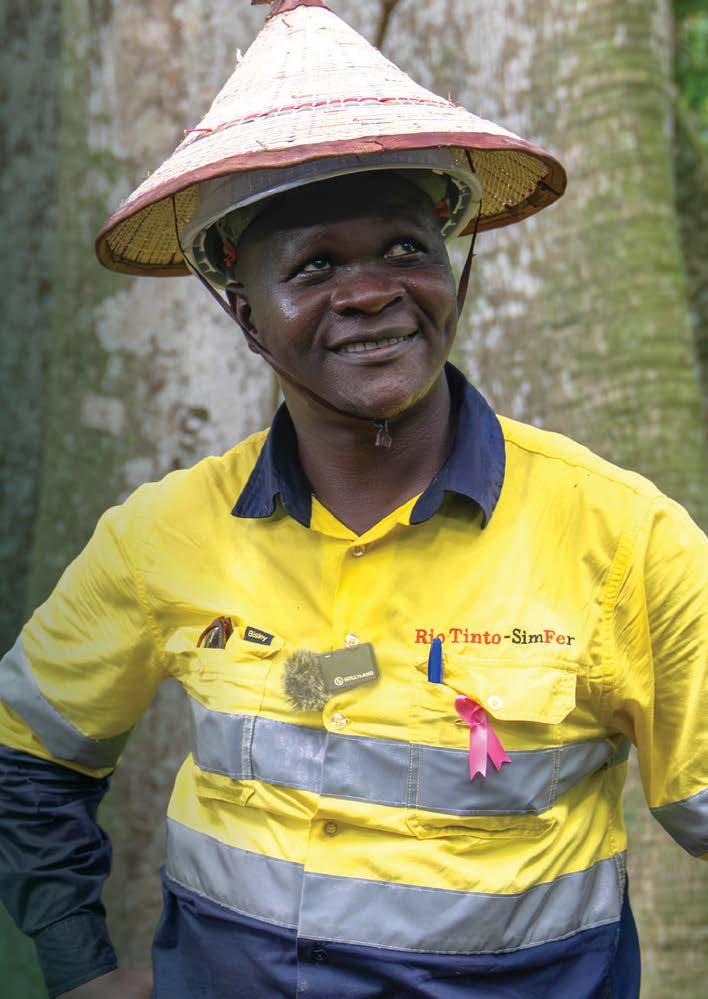
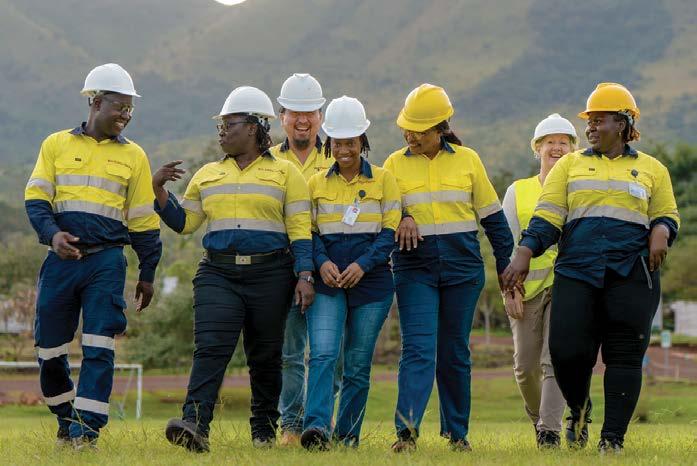
With a portfolio spanning multiple low-cost, long-life assets, Endeavour Mining (Endeavour) is a leading mineral producer in Africa. Its portfolio centres on West Africa, where it operates key mining assets in Côte d’Ivoire, Senegal, and Burkina Faso, as well as many other vital development projects and exploration assets within the Birimian Greenstone Belt. In Côte d’Ivoire specifically, Endeavour operates the Ity and Lafigué Mines, which have experienced significant growth in recent years and are now delivering vital gold resources for the country. Across its exploration, mining, and prospective operations, Endeavour is focused on delivering both near and long-term growth opportunities, in line with its prospect pipeline and exploration strategy.
Côte d’Ivoire has been a key hub for gold production in recent years, with gold mining across the Birimian Greenstone Belt experiencing significant development. Today, Côte d’Ivoire aims to become one of the largest gold producers in Africa by 2030 and, in turn, see the industry provide vital economic development for the country. Thus, with such vital gold-mining resources in the country, Endeavour is focused on expansion, exploration, and investment activities to support Côte d’Ivoire’s gold-producing future.
One of the most significant mines in Côte d’Ivoire is the Ity Mine, which is an open-pit mining operation located in the west of the country. The mine is one of Endeavour’s cornerstone mining assets and has been operating since 1991, when the first gold was poured from the project. Now, 35 years later, the Ity Mine has produced more than 1.4 million ounces (Moz) of gold. Endeavour acquired the Ity Mine in 2015 and later increased its stake to 85% in 2018. Now, the Ity Mine is owned by Endeavour with an 85% interest, alongside the Government of Côte d’Ivoire (10%) and Société pour le Développement Minier de la Côte d’Ivoire (SODEMI) (5%). In 2025, the Ity Mine saw 319 thousand ounces (koz) of gold produced, and reported around $1,195 per ounce All-In Sustaining Costs (AISC).
Delivering Vital Gold Resources in Côte
One of the most significant developments at the Ity Mine was the commissioning of a Carbon-inLeach (CIL) Plant. The CIL Plant was built in early 2019, a year after Endeavour expanded its stake in the mine, and was designed to significantly boost the gold recovery and product capacity of the Ity Mine. The CIL Plant was initially built with a 3 Mega tons per annum (Mtpa) capacity; however, it was expanded to 4 Mtpa, and then to 5 Mtpa by late 2019. Having replaced a former heap leach operation, the CIL Plant has continued to support the mine over the last 7 years, maintaining an annualised throughput exceeding 5 Mtpa. Therefore, under Endeavour, the Ity Mine is now one of the company’s many goldproducing assets, delivering vital gold resources for West Africa.
As the Ity Mine looks towards the future, Endeavour is set to target between 1.0 and 1.5 million ounces (Moz) of mineral resources between 2026 and 2030. This follows Endeavour seeing the Ity Mine increase its reserves by 50% in 2024, and so its near-term exploration efforts are planned to focus on targets along the Ity trend. These include the Gbampleu, Guimapleu, Guya and Monta-Bâ targets, all of which are within the Toulepleu permit. Alongside these, the Mahapleu and Goleu targets are also planned to be explored.
Another significant development sits is the Gbampleu target, located just 22km south of the Ity processing plant. The drilling at the site is currently focused on confirming the continuity of mineralisation at depth, where local highgrade zones of mineralisation have already been identified. Thus, the site is thought to be associated with a large intrusion-related gold system that could deliver vital resources for both Endeavour and Côte d’Ivoire in the long term. Therefore, for Endeavour, the Toulepleu permit represents a longterm resource potential for the country. Scoping studies are currently underway at the mine.
The other significant mining project under Endeavour in Côte d’Ivoire is the Lafigué Mine. The Lafigué Mine is located in the north-central region of the country, towards the north end of the Birimianaged Oumé-Fetekro Greenstone Belt. Endeavour holds 80% ownership of the Lafigué Mine, alongside the Government of Côte d’Ivoire (10%) and SODEMI (10%). Endeavour began exploration at the Fetekro property in March 2017, following a key assessment of its exploration tenements, which identified the mine as a top-priority target. Today, the Lafigué Mine is the fifth project developed by Endeavour in West Africa in the last decade, and was delivered on budget and ahead of schedule.
In 2024, Endeavour announced that it had poured the first gold from the Lafigué Mine, marking the
successful delivery of the project. Speaking on this achievement, Ian Cockerill, Chief Executive Officer of Endeavour Mining, said, “We are proud to have achieved our first solid pour at Lafigué, which, alongside the first gold pour at the SabodalaMassawa BIOX® expansion that we achieved in April, marks the successful completion of the recent phase of investment and growth that we started in Q2-2022. We now begin a new phase of increased free cash flow generation, de-levering and enhanced shareholder returns.”
Cockerill adds, “With the current phase of organic growth completed, we are now focused on quickly ramping up our recent development projects to maximise their returns and support our near-term capital allocation priorities of de-levering our balance sheet and enhancing our shareholder returns.”
As we can see from Cockerill’s comments, Endeavour is set to continue enhancing the Lafigué Mine and its surrounding resource potential, to bring significant resources and economic development to support its operations and shareholders for many years to come.
Building Africa's Tomorrow, Today.
Half a century of construction at the heart of West Africa. For over 50 years, PFO Africa has been building the infrastructure that structures the continent: roads, hydraulic works, industrial platforms, operational buildings. This mastery of construction in demanding environments is the foundation on which our offer to the mining sector rests.
An integrated value chain designed for the most isolated sites. PFO Africa structures an integrated offer adapted to the mining sector around four complementary areas of expertise: infrastructure, renewable energy, facility management and post-exploitation rehabilitation. One partner, one contract, zero handover risk across the full mining lifecycle.
mining infrastructure: we build in isolated areas, under logistical and environmental constraints. This is the core of our business, and what we bring to mining operators across West Africa.
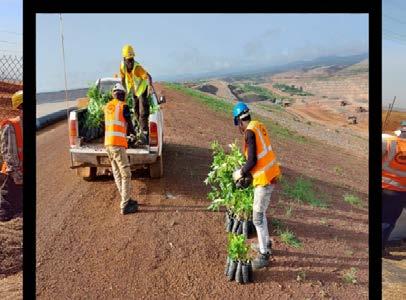
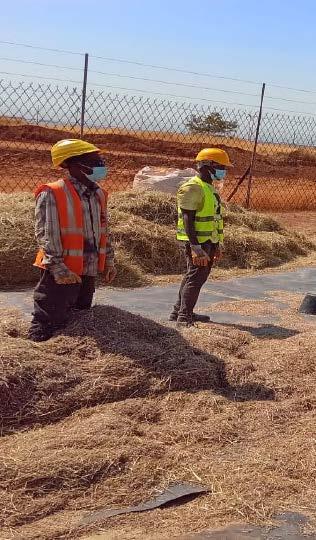
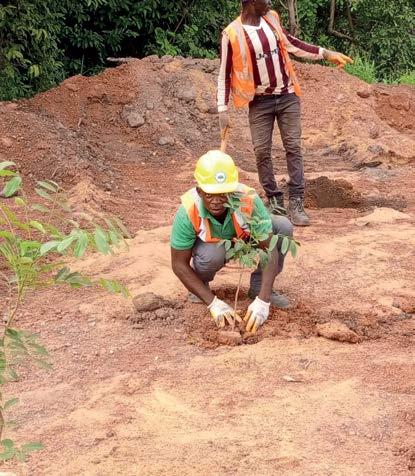
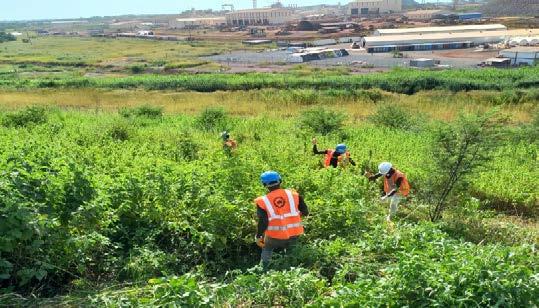
Returning sites to a viable state.
Decontamination, remediation, ecological reconversion: we integrate these considerations from the design phase, so that post-mining becomes a commitment honoured, not an obligation endured.
CONSTRUCTION
Buildings, roads, hydraulics & urban infrastructure across West Africa.
RENEWABLE ENERGY
50 MW photovoltaic plants — clean power for West Africa’s future.
FACILITY MANAGEMENT
40+ multitechnical services across 400,000m² of managed assets
In terms of future development, Lafigué is a greenfield discovery, in which Endeavour has already discovered over 3 Moz of Measured and Indicated (M&I) Mineral Resources since it began operations on the asset in 2018. Thus, with strong exploration potential, the Lafigué Mine will continue to be a key target for Endeavour going forward to further extend Lafigué’s resources, whilst testing several additional exploration targets identified within 10km of the original Lafigué pit.
In December 2025, Endeavour outlined its exploration outlook for the next 5 years. The plan highlights the company’s target to discover 1215Moz of mineral resources, at a cost of less than $40 per ounce between 2026 and 2030. Endeavour aims to maintain and extend mine lives beyond a 10year target across near mine brownfield exploration, through the targeted discovery of 6-9Moz of mineral resources. Then, for greenfield exploration targets, the focus will be on the discovery of 6Moz of mineral resources, including between two and three new standalone cornerstone greenfield projects that will focus on West Africa. Then, for new exploration, Endeavour will build upon the successful completion of two previous exploration campaigns over the 2016-2025 period, which delivered 20.7Moz of M&I resources, equivalent to 2.4 times the production
Our job is to make any construction project work for you, no matter the size. In fact, think of us as your construction partner from beginning to end.
THE LEADING DISTRIBUTOR OF WORLD-RENOWNED, UNBEATABLE HYDRAULIC HAMMERS AND PEDESTAL BOOM SYSTEMS
POWER. PRECISION. PERFORMANCE!
Blasting Solutions You Can Rely On!
Founded in 1893, the EPC Groupe is one of the global leaders in the manufacturing, storage, and distribution of explosives, particularly in the drilling and blasting sector. With over 130 years of experience, the EPC Groupe is known for providing effective solutions, technological innovations, and a high level of service quality to its clients. The group has 39 subsidiaries operating in 27 countries across all continents.
EPC Côte d’Ivoire (EPC CI), which started its operations in 2013, has become a key player in the civil explosives industry for Mining and Quarrying, thanks to investments in human capital, local manufacturing, and the use of modern technologies.
So far, EPC CI manufactures and markets bulk and cartridge explosives, providing blasting services to both quarries and large mining companies operating in Côte d’Ivoire, including Endeavour Mining (ITY), Allied Gold (Bonikro and Agbaou), Perseus Mining (Yaouré and Sissingué), and Tietto Minerals (Abujar).
On the Africa area, with over 500 experts and operations in Burkina Faso, Benin, Cameroon, Côte d’Ivoire, Gabon, Guinea, and Senegal, we are committed to safety, efficiency and cutting-edge technology in the mining industries.
EXPERTS IN
Looking for world-class blasting & drilling solutions?
Contact our experts today and take your projects to the next level! afrique.epc-groupe.com
Delivering Vital Gold Resources in Côte d’Ivoire
depletion, at a discovery cost of less than $25 per ounce. This included two cornerstone greenfield projects, Lafigué and Assafou, which were discovered in this period at a discovery cost of $12 per ounce and $11 per ounce, respectively. Thus, as Endeavour looks towards the future, key exploration will remain central to its capital allocation, with an average annual exploration spend expected to exceed $100m over the 2026-2030 period.
Speaking on Endeavour Mining’s exploration outlook over the coming years, Ian Cockerill, outlined, “Since 2016, we have consistently generated significant value through the drill bit. We have replaced more than double our production depletion with high-quality, high-grade ounces, allowing us to extend mine lives and improve our asset quality. In doing so, we have discovered two top-tier greenfield projects that have been quickly advanced to become cornerstone projects in our portfolio.” Cockerill continues, “Our strong track record, highly prospective land packages and high calibre team give us the confidence to set a
new, ambitious exploration target; the discovery of between 12 and 15 million ounces of resources over the next five years at a discovery cost of less than $40 per ounce.” We can see from Cockerill’s comments that Endeavour’s exploration operations continue to bring vital high-quality and high-grade resources to its portfolio, and this will remain a key focus for the company’s exploration operations over the coming years.
Across Endeavour’s portfolio in West Africa, and specifically its exploration operations in Côte d’Ivoire, the company is focused on offering vital near-term and long-term growth assets. Both the Ity and Lafigué Mines present a wealth of exploration potential, alongside the key deposits nearby, with the central goal to deliver high-quality mineral resources. Across its portfolio, Endeavour continues to enhance West Africa’s role as a global mineral producer, supported by the company’s track record of operational excellence, project development and exploration operations.
Gulf Energy
Gulf Energy Limited is celebrating two decades of influential leadership in Kenya’s energy sector, a milestone marked by a transformative shift from a local oil trader to a key player in the nation’s upstream oil production. Over the past 20 years, the company has evolved through strategic expansions and is now a prominent leading energy solution provider in Kenya, supported by its long-standing relationships with global trade firms and equity holders.
Across Gulf Energy’s 20-year history, the company has played significant roles in the regional petroleum market, power generation sector, and infrastructure development industry, where every operation is underpinned by the company’s commitment to providing energy solutions that meet the needs of today. Today, Gulf Energy is the only indigenous oil company in the top 4 ranked Oil Marketing Companies in the industry, underpinned by its commitment to providing energy solutions that meet the needs of its customers now and for the future.
Gulf Energy’s operations today can be broken down into three key areas: supply and trading, power generation, and infrastructure. Within its supply and trading operations, Gulf Energy actively engages with the regional petroleum market, where it sources products from a wide range of suppliers that it serves to its diverse customer base. Within this division, Gulf Energy ensures seamless operations, focused on ensuring every project is delivered with responsible and sustainable practices.
The second division is power generation, through Gulf Power Limited. Its business operations focus on the generation of baseload power to meet the rising demand, powering the growth of the economy. Gulf Energy ventured into the power generation sector as the first indigenous power development company, operating its first 80.32 Megawatt (MW) medium-speed diesel power plant in Athi River. Then, the third and final aspect of Gulf Energy’s operation is in infrastructural development, where the company utilises its local expertise to originate and develop infrastructure projects that promote sustainable development. Across these divisions, Gulf Energy is committed to delivering energy projects and provisions in the most sustainable manner possible, whilst maintaining its high-quality standards to see it develop into the future. As the company enters into its 20th year of operation, Gulf Energy announced the completion of a major US$120 million acquisition of Tullow Oil’s interests in the South Lokichar Basin. In September 2025, Gulf Energy, through its affiliate Auron Energy
Engineering Africa’s Future,
Marking 20 Years of Powering Kenya’s Future
E&P Limited, completed the purchase of Tullow Oil’s entire working interest in Kenya. This deal includes 100% of the shares in Tullow Kenya BV, which holds interests in exploration blocks 10BA, 10BB, and 13T.
The South Lokichar Basin is a major oil-producing region in the East African Rift, which is estimated to hold 4 million barrels of oil in place. Therefore, the acquisition of the development blocks from Tullow Oil marks a significant milestone for Gulf Energy, as it looks to develop the assets through the drilling of hundreds of wells and the construction of a heated pipeline to produce significant oil for Kenya in the years to come.
Reflecting on this milestone, Paul Limoh, Chief Executive Officer of Gulf Energy Ltd, emphasised the national importance of these assets with “We are delighted to complete this transaction and to bring these assets under the stewardship [of] Gulf Energy Ltd. This project will play an important role in advancing Kenya’s domestic energy sector, creating opportunities for growth and development in the Turkana region, as well as supporting the
country’s long-term energy security.” Gulf Energy aims to deliver the first oil from the South Lokichar Basin by December 2026.
For Paul Limoh, the acquisition of the Tallow Oil blocks highlights the 20 years of ambition behind the company. According to Limoh, “We started with a dream to fuel Kenya’s vehicles; today, we are in a position to harvest the very energy that fuels our nation. This anniversary is not a finish line; it is a launchpad for the next phase of Kenya’s industrial revolution.” The acquisition joins the long history of acquisitions carried out by Gulf Energy, through its subsidiary Auron Energy, from companies such as TotalEnergies and Africa Oil, to position the company now as the sole steward of Kenya’s crude oil development.
Limoh is acutely aware of the weight of this responsibility: “This acquisition is a defining moment for Gulf Energy and for Kenya. We aren’t just buying
RESOURCE. PERFORMANCE. SAFETY.
assets; we are taking over a national promise. For years, the people of Turkana and the citizens of Kenya have waited for ‘first oil.’ By taking 100% control, we have streamlined the decision-making process to ensure that this project moves from the ground to the market with unprecedented speed.”
While the acquisition is vital for the company’s development, Limoh is adamant that the project’s success rests on the shoulders of the company’s vast network of suppliers and contractors. For Gulf Energy, these partners are not merely service providers; they are the “engine room” of the entire operation. Developing the South Lokichar fields will require an estimated US$3.4 billion in investment. This will be invested directly into the hands of contractors specialising in engineering, logistics, construction, and environmental management. For Limoh, “Our contractors and suppliers are the lifeblood of Gulf Energy. As we celebrate 20 years, we are also celebrating the firms that have stood by us. To our current partners: your role is about to get much bigger. To our future suppliers: we need
your innovation, your speed, and your commitment to excellence.”
As Gulf Energy enters its 20th year of operation, development and growth underpin every decision it makes to position the company as the leading oil, gas and power firm supporting Kenyans every day. With years of development behind it, the company today is spearheading a vital acquisition into the South Lokichar Basin to enhance its energy delivery and cement its place as an energy provider of choice, providing the best solutions across the energy sector to meet the needs of its customers. As Paul Limoh outlines, the 20th anniversary of Gulf Energy is just the first step, and we look forward to seeing how the company will continue to develop the assets of Kenya to deliver energy development.
YOUR TRUSTED PARTNER IN MARITIME & LOGISTICS
Nigeria Civil Aviation Authority
Operating as the sole civil aviation regulatory body in Nigeria, the Nigeria Civil Aviation Authority (NCAA) has been overseeing the country’s aviation industry, implementing vital safety and economic measures to ensure that it provides the best possible services for its passengers. Every year, millions of passengers travel through Nigeria, providing the country with one of the largest domestic aviation markets in Africa. For this reason, the aviation industry contributes significantly towards the country’s economic development, and so the NCAA plays a key role in supporting the industry to ensure it can continue to bring vital economic benefits for the country.
The NCAA was established in 1999 by an Act of Parliament, with the statutory responsibility to oversee the regulation, monitoring and promotion of the safety, security, reliability and economic impact of the country’s air navigation in line with International Civil Aviation Organisation (ICAO) Standards and Recommended Practices (SARPS). The Authority commenced its operations on 1st Jan 2000, with a central mission to deliver NCAA as one of the leading Civil Aviation Authorities in the world, providing aviation safety and economic regulatory services in the most efficient, effective and technologically driven manner possible. In line with this, the NCAA aims to benefit all stakeholders and maintains the highest international standards and sustainable development of the industry for the national economy.
Nigeria today boasts an improved aviation industry, supported by vital infrastructural facilities and state-of-the-art navigation aids to ensure the safety and comfort of passengers flying within Nigeria’s aviation industry. Today, Nigeria’s aviation industry spans 31 airports, which are served by 39 AOC (air operating certificate) airlines for scheduled and non-scheduled flight operations, as well as 28 foreign airlines that operate within Nigeria. NCAA today operates in line with the ICAO, which is a specialised United Nations agency which
is responsible for coordinating global principles and standards for international air transport. The organisation was established in 1944, and its 193 member states work together to develop and deliver safe, secure, efficient and environmentally sustainable aviation networks across the world.
Today, NCAA oversees the safety and regulation of the industry, ensuring that every aspect of the aviation sector, from flight crews to engineers, air traffic control and all air operators, is operating in accordance with the ICAO standards to ensure a unified network supporting reliable aviation travel across the country. Alongside this, the NCAA also
ensures that all airspace and aerodrome standards are up to date across its airports. As part of this, the Authority is responsible for certifying and regulating the country’s airports to ensure that every take off, landing and all the associated infrastructure are certified and regulated with international aviation standards. By implementing the international standards of the ICAO, the NCAA can ensure that its airports remain competitive in global markets, underpinned by the safety and regulation standards as any other across the world.
For aircraft themselves, the NCAA ensures airworthiness, focused on the design and
Nigeria Civil Aviation Authority
production, modification, repairs, and maintenance of aircraft. This division of the NCAA ensures that every aircraft meets the high standard of the NCAA’s airworthiness regulations. This instils a high level of safety standards across civil aircraft and ensures that every aspect of their safety and development is delivered with world-class standards. In line with this, the NCAA also ensures the overall security of the aviation industry in Nigeria, spanning from the aircraft to the personnel and the aircraft operating environment. In this division, NCAA continues to develop the National Civil Aviation Security Programme of Nigeria, which it utilised to define and coordinate the aspects of the program for the agencies, airport operators, aircraft operations and other allied services. Furthermore, the NCAA is also developing, implementing and maintaining a National Civil Aviation Security Training Programme, which it has developed to help establish high training standards whilst helping to develop aviation security training programmes for individual agencies and organisations.
As we can see from just a few examples of NCAA’s expansive regulatory work across Nigeria’s aviation sector, the Authority is committed to
ensuring that every aspect of the aviation sector, from the planes to the airports and everything in between, is delivered with excellence, safety and strict international standards in mind to help promote Nigeria’s aviation industry among global aviation markets. However, with an ever-growing aviation industry, the NCAA continues to develop these regulations to ensure that it remains in sync with global aviation standards. A big aspect of such development has been the move towards digitisation. This was exemplified in May when the
Electric Master Plan for Inspection and Certification (EMPIC) system was introduced, which is used for personnel licensing and medical certification. By digitising the system, EMPIC will help reduce delays in aviation licensing through a more centralised database. This is a key milestone for the NCAA as it is driving the Authority’s move towards a more modern aviation regulatory oversight, whilst strengthening its regulatory framework.
In May, the NCAA also launched the Drone Portal, which is focused on drone regulations. The Drone Portal was launched by the NCAA in an effort to streamline drone regulations, promote safe drone operation and help accelerate the growth of the drone industry. The announcement was made during the 6th African International Drone Technology Conference and Exhibition by the Director General of Civil Aviation and CEO of NCAA, Capt. Chris Najomo. Najomo outlined in his opening address a need to curb drone proliferation, whilst managing the growth of the recreational open category of drones and providing a comprehensive road map and direction for the industry. Alongside this, it will help establish the clear role the aviation industry will play in making Nigeria a prime player in the drone sector. The new portal will provide a hub for flyer IDs, certifications and drone registration, which can be accessed by operators. Through this network, the NCAA can provide a more comprehensive regulation
Aviation Safety Experts
of the industry and help maintain drone compliance in Nigeria.
Across Nigeria, the NCAA provides reliable and effective regulatory services to ensure that every flight, aircraft and aviation operation across the country is supported by strict regulation. These regulations are underpinned by the ICAO, which ensures that all operations conducted across Nigeria’s aviation sector also meet international standards to help promote and enhance the competitiveness of the country’s aviation sector within global markets. With a comprehensive range of services spanning from regulation, licensing, safety and even customer-focused protections, NCAA is delivering a vital aviation industry for Nigeria to support the long-term development of Nigeria’s aviation for many years to come. With vital new expansions, including the development of the new Drone Portal and the continued digitalisation of its operations, NCAA remains focused on developing and expanding its operations to meet the growing changes and developments of the industry as it works to enhance the aviation sector and, in the process, support the aviation impact on the local economy for many years to come. We look forward to seeing how the NCAA will continue to develop alongside ICAO regulation, to deliver a strengthened and reliable aviation industry in Nigeria for many years to come.
AngloGold Ashanti
The mining industry is a key economic driver in Tanzania, with more than 10% of the country’s total Gross Domestic Product (GDP) being contributed by the mining sector. The most prominent mined materials in Tanzania include gold, which at present accounts for a significant portion of the country’s total export revenue. However, it also holds vital deposits of tanzanite, as well as graphite, nickel, and cobalt. Thus, global mining giants such as AngloGold Ashanti operate across the country’s mines to deliver these vital minerals to market. In the process, AngloGold can drive economic development and solidify the country’s place as a key global mining hub.
AngloGold Ashanti was formed in 2004 to deliver a global mining giant that combined AngloGold and Ashanti Goldfields Company Limited. Over the last 20 years, the company has been developing a diverse and high-quality asset portfolio of projects and exploration activities in some of the world’s most prolific gold mining regions. Many of its operations span Africa, with significant mines in Ghana, Guinea, the Democratic Republic of Congo and Egypt. However, one of its most vital mines is in Tanzania, where it operates the Geita Mine, which is a flagship mining operation for the company. The Geita Mine is located in North-Western Tanzania and sits within the Mwanza goldfield region, which is one of Africa’s most prolific gold-producing areas.
In 1966, the first deposits were discovered, of what would later be known as the Geita Mine. Over the next 30 years, vast mining operations began across the region, and by 1996, 3 mines had been established with close to 1 million ounces (Moz) of gold produced. The project was acquired by Ashanti in the same year, following the acquisition of Cluff Resources. By December 2000, Ashanti had reached
AngloGold Ashanti
Geofields Tanzania Limited
With decades of expertise and a fully integrated service offering, Geofields Tanzania Limited (GTL) is a leading provider of exploration and mining services in Tanzania.
Backed by more than 50 years of combined local and international experience, our team of geologists and drilling specialists delivers reliable, efficient solutions across the mining lifecycle. Our services include drilling operations, ground exploration surveys, mining and exploration equipment supply, and mining venture support.
From small-scale prospectors to large mining companies, engineering firms, and government organisations, GTL supports clients with the technical expertise and operational capability required to move projects forward with confidence.
Whether you manage a single property or a multi-site portfolio, GTL provides dependable services across the mining, oil and gas industries—helping you explore smarter, develop faster, and operate more effectively.
an agreement with AngloGold to sell it a 50% share interest in Geita for $324 million. As part of the deal, AngloGold added its neighbouring Nyamulilima Hill Deposits, which formed a joint venture company between the two, spanning the Geita and the Nyamulilima Hill deposits. Just four years later, following the merger of AngloGold and Ashanti, the entire project became wholly owned by the new AngloGold Ashanti company.
Today, the Geita Mine is home to an underground mining operation at Nyankanga and an open-pit mining operation at Nyamulilima. Across these operations, the mining complex has 3.25 million ounces of gold mineral reserve, and 483,000 ounces of gold production. Collectively, the project has a capital expenditure of $196 million. However, alongside the mine, AngloGold Ashanti has a carbonin-leach plant that processes the hard ore mined across the site. This has an annual capacity of 5.3 megatons (Mt) and is supported by an established tailing storage facility. Furthermore, the mine has access to a full workshop facility, which supports the maintenance of both heavy mining equipment and light support equipment.
In November 2025, Alberto Calderon, CEO of AngloGold Ashanti, speaking during the third-
EXPERTS
... IN DRILLING, EXPLORATION & MINING SERVICES
LEADERS IN DELIVERING A FULL STREAM OF VALUE-ADDED SERVICES TO THE MINING INDUSTRY ACROSS
AFRICA
Geofields Tanzania Limited (GTL) is one of Tanzania’s leading exploration and mining service companies, providing integrated solutions across the mining, oil and gas industries.
With over 50 years of combined local and international experience, our team delivers reliable drilling services, ground exploration surveys, equipment supply, and mining venture support.
From independent prospectors to major mining companies, government institutions, and engineering firms, GTL provides the expertise and field capability needed to move projects forward.
DRILLING SERVICES INCLUDE:
Diamond Core Drilling Reserve Circulation Drilling Air Core Drilling Grade Control Drilling
AngloGold Ashanti
quarter results presentation, outlined a significant investment in the mine. AngloGold Ashanti is implementing a growth strategy, which aims to increase the mineral reserves from the Geita Mine by roughly 50%, and in the process extend the mine’s life to 10 years or more by the end of 2028. The development is part of an estimated $100 million expansion plan, and will include the upgrading of the mine’s mill, whilst accelerating its underground exploration operations.
Speaking on the expansion in the third-quarter results presentation, Alberto Calderon, says, “After two decades of mining, large parts of the concession remain under-explored with compelling structural and geotechnical targets pointing to significant potential.” Calderon continues, “We’re now showcasing the next chapter for Gaita, a mine positioned to remain a Tier-1 asset for at least the next 20 years, but in reality, it’s going to be much longer than that”. Calderon’s comments highlight just how vital the Geita Mine is for Tanzania, especially as it works to enhance its life of mine to deliver continued resources for the country, and in the process, economic development for Tanzania.
Throughout AngloGold Ashanti’s operations in Tanzania, sustainability remains a vital strategy alongside its mining operations. AngloGold Ashanti aims to be a responsible steward of the environments in which it operates, and so it focuses on creating value through revenue, salaries, wages, and benefits for employees. Then, for the local community, AngloGold Ashanti has social and economic development programs which centre on community resilience and empowerment. Alongside community focused projects, AngloGold Ashanti is also focused on delivering net-zero emissions by 2050 through the implementation of clean and renewable energy throughout its operations.
However, one of the central missions of AngloGold Ashanti is to advance Tanzania’s mining sector through sustainable activities. A key way the company has implemented this across the Geita mine is through the commissioning of a 40MW power plant that would power the mine’s operations. The plant comprises four diesel generators and
Trusted
Advancing the Geita Mine
provides a reliable stream of power supply to all mining activities. The plant was first commissioned in 2018, but by 2020, the Tanzania Electricity Supply Company (TANESCO) initiated plans to supply electricity from the national grid network to the mine, which connected it with the local Mpomvu village. A 33/11kV 60MVA mine substation is currently in the implementation stage.
With its operations and power supply so closely linked with the local community, AngloGold Ashanti is also committed to the sustainable development of the communities surrounding the mine development. Over the years, the company has demonstrated its vital role within the local community by partnering with the Government to improve social services, including education, health, water, and road infrastructure, as well as other economic activities to support the communities surrounding the mine. Since 2017, the Geita mine
REX Attorneys
“Twenty-eight years ago, M.S. Maajar Law Office helped Cluff and Samax consolidate licenses forming the Special Mining License for Geita Gold Mining Limited (GGML). As AngloGold Ashanti developed the mine, the firm evolved into REX Attorneys, a multi-partner practice supporting GGML and AGA. Today, this enduring partnership reflects deep trust and shared prosperity, while REX Attorneys remains a trusted advisor on complex mining transactions across East Africa.”
has contributed more than TZS 30 billion towards community projects in partnership with local authorities. This investment in the local community highlights AngloGold Ashanti’s commitment to delivering value not just for the mining industry but for those living and working across the Geita mine area.
Across the Geita Mine, AngloGold Ashanti is bringing vital development and mining resources to Tanzania, supported by its commitment to sustainability and the local community. With the Geita Mine continuing to be developed to extend its life of mine to 10 years, AngloGold Ashanti is focused on delivering long-term mined resources for Tanzania. These resources continue to cement Tanzania as a leading gold producer in Africa, underpinned by AngloGold Ashanti’s expertise in the mining sector.
TotalEnergies E&P Angola
TotalEnergies is a global energy company known for its vast role across the energy industry. Today, TotalEnergies holds an expansive portfolio of 120 energy projects spanning from oil to biofuels, natural gas, green gases, renewables and even electricity. The company is focused on vital energy developments across the world that will continue to enhance the global energy sector and build its reputation as a leading international energy brand. In Angola, TotalEnergies has been a leading energy player for more than 70 years. Within the country, TotalEnergies holds a portfolio responsible for producing close to half of the country’s oil production across 4 major oil fields. For this reason, TotalEnergies has continued to develop energy projects across Angola through its experience within the deepwater sector to deliver vital oil resources for the country, whilst working towards implementing measures to meet the country’s sustainable energy future.
TotalEnergies began operations in Angola in 1953 and is now the leading oil operator in the country, with operations spanning the whole oil delivery pipeline from upstream exploration and production to downstream service stations. However, the company’s focus in recent years has been on its deep offshore operated assets, which are responsible for 45% of the country’s total oil production. With such a vast amount of the country’s oil coming from TotalEnergies projects, it’s no surprise that the company is now a vital player within the country’s energy sector, supporting its delivery of energy to the country and beyond.
One of the most notable deposits being used for the production of petroleum in Angola is the Kwanza Basin. The basin is the third largest crude producer in Africa and is located both on and offshore of Angola in the north of Cape Santa Maria. The basin is the first location that saw vital exploration for Angola’s energy sector and so remains a vital pillar of the country’s oil development and expansion. Across this basin, TotalEnergies operates several deep and ultra-deep offshore oil licenses, including 4 production vessels in Block 17. Block 17 is operated by TotalEnergies and has worked with partners Equinor, ExxonMobil, BP, ANPG and Sonangol to expand the block’s production licenses in recent years. The block, located 150 kilometres (km) off
the Angolan coastline, ranges from depths of 600 to 1,400 metres (m) and has produced close to 3 million barrels of oil since it began development in 2001. The block is serviced by four floating production, storage and offloading (FPSO) units: Girassol, Dalia, Pazflor and CLOV. These FPSOs currently produce approximately 440,000 barrels of oil equivalent per day, with more than 1 billion barrels yet to be produced as of 2019.
TotalEnergies’ developments in Block 17 add to its existing developments in the Kaombo project, which first launched in 2014 as an ultra-deep offshore exploration and production project in Block 32. The project, in which TotalEnergies has a 30% stake, is unique and complex, with many of its operations taking place at depths of 1950 metres. At this depth, specialised technology is implemented by TotalEnergies to combat the extreme temperatures and pressure conditions presented whilst delivering oil production at this depth. However, this is where TotalEnergies specialises, and so it has delivered the project with advanced and innovative expertise to meet the unique conditions of operating at this depth. Furthermore, the project’s reserves are estimated to produce 658 million barrels of oil, with a 230-barrel-per-day capacity. To achieve this potential, TotalEnergies operates 59 wells across
Ranked. Trusted. Angolan.
Since 2004, FBL Advogados has been the trusted legal partner for international businesses operating in Angola and across Southern Africa. One of the continent's oldest and most respected firms, we combine rigorous local knowledge with the highest standards of international practice — giving clients the clarity and confidence to act decisively in complex markets.
PRACTICE AREAS
• Corporate, M&A & Private Investment
• Natural Resources, Oil & Gas
• Employment Law
• Banking & Finance
• Administrative & Tax Law
• Real Estate & Land Rights • Litigation & Arbitration
• Criminal & Compliance
• Competition Law
Why FBL Advogados
• 20+ years at the heart of Angola’s legal market
• Internationally ranked — Chambers Global & Legal 500
• Multilingual team — fluent across jurisdictions and cultures
For further information please visit fbladvogados.com
Your trusted leader in Angola’s Oil and Gas industry, offering innovative and reliable solutions tailored to the sector's dynamic needs.
We specialize in end-to-end project execution across EPCI, offshore operations, and marine solutions. From cutting-edge technology interventions to safe, sustainable practices, Hamad Energy enhances performance, safety, and efficiency for offshore oil and gas operations.
OUR EXPERTISE INCLUDES:
• P&A Operations
• Decommissioning Services
• Supply of Chemicals and Associated Services
• Engineering, Procurement, Construction And
• Installation Services
• Subsea Operations (including ROVs and Diving)
• Marine fleet supply services
• Installation, Maintenance and Repair Services
WHY PARTNER WITH HAMAD ENERGY?
We collaborate with leading multinationals and uphold the highest national and international safety and quality standards. With over a decade of experience driving key structural projects, Hamad Energy remains committed to delivering excellence, innovation, and sustainability in every solution we provide.
TotalEnergies E&P Angola
the 6 oil fields (Gengibre, Gindungo, Caril, Canela, Mostarda and Louro), which together form one of the largest subsea well systems for Angola. In turn, the development of this system reinforced TotalEnergies’ commitment to delivering ultra-deep offshore production through leading technical expertise.
To manage the capacity and control the cost of the operations, TotalEnergies built two new floating production storage and offloading (FPSO) vessels: Kaombo Norte and Kaombo Sul. Production began from Kaombo Norte in 2018 across the Gengibre, Gindungo and Caril fields, with Kaombo Sul producing oil just eight months later from the remaining Canela, Mostarda and Louro fields. Each vessel can produce 115,000 barrels per day and continues to develop the oil industry for Angola every day.
Just last year, TotalEnergies set out on a new development for Angola with the introduction of the Kaminho Project. The project is in partnership with Petronas and Sonangol, who signed a Final Investment Decision in May 2024. The project outlined would see a crude tanker converted into a
FPSO unit, which would be connected to the Block 11 and Block 20 subsea production networks along the Angolan coastline. The project is set for completion in 2028 and will deliver an all-electric vessel with a capacity of 70,000 barrels per day. The project will not only expand Angola’s oil production potential for the country but will also work towards building a more sustainable future through its all-electric design, which will eliminate routine flaring.
Beyond this, TotalEnergies continues to carry out several enclosed flare projects, which are currently being rolled out and examined across its FPSO operations for Angola. However, what remains vital throughout all of TotalEnergies’ operations in Angola is that each one is designed to help reduce their carbon intensity and so help deliver more sustainable energy projects. This focus on sustainability remains a key focus for TotalEnergies both in Angola and across its global operations. TotalEnergies has firmly placed sustainable development at the heart of its strategies, project delivery and operations to help contribute towards the energy sector whilst also supporting the well-being of the planet.
2024 marked a key year for TotalEnergies as it launched projects in Angola, along with those in Suriname and Brazil, all of which have a lower emissions intensity than the average seen across
Connecting business with strategy across Angola, Mozambique and Portugal. AVM Advogados brings deep local knowledge and internationally recognised expertise to every mandate.
POWERING YOUR BUSINESS WITH RELIABLE MAINTENANCE SOLUTIONS
Since 2014, GEPLI Angola has been helping small and medium- sized businesses stay up and running with expert electromechanical maintenance and power system support. From electrical installations to generator and UPS servicing, we keep your operations efficient, safe, and stress-free.
Our Key Services:
• Preventive & Predictive Equipment Maintenance
• UPS & Voltage Stabilizer Installation and Support
Whether you're managing an office, workshop, or small factory – GEPLI ANGOLA delivers dependable service and fast response across Angola.
CONTACT US TODAY
Bairro Nelito Soares, Rua C - 6, Casa nº10w comercial@gepliangola.co.ao | (+244) 222 730 566 | gepliangola.co.ao
TotalEnergies E&P Angola
CAN West Africa
CAN West Africa, an integral part of CAN Group, delivers a comprehensive range of engineering and inspection solutions across the energy industry.
Solutions-driven and always aiming to exceed client expectations, CAN West Africa is committed to servicing the integrity, maintenance and operational needs of the region’s energy industry, adding value through smart solutions and a fully optimised service delivery.
CAN has had continuous presence in the region since 2004, servicing a number of oil and gas operators safely and efficiently. Our team are integral to this; an empowered, integrated and experienced workforce who continually provide high-quality services focused on driving exceptional outcomes.
A local company with a global reach, CAN West Africa is your trusted partner for asset integrity.
the global TotalEnergies portfolio. The company also shut down two gas turbines in Angola last year across Block 17 (Dalia and Pazflor), which has reduced carbon dioxide output by 29 kilo tonnes of carbon dioxide equivalent (kt CO2e/year), saving 13 cubic millimetres per year (Mm3/year) of fuel. By saving energy across its operation, TotalEnergies can contribute to the collective effort for energy efficiency, which in the process helps to reduce greenhouse gas emissions and lower costs for its projects in the process too.
For TotalEnergies, Angola provides an expansive and exciting development location where it has continued to bring vital resources to market through its innovative offshore exploration and development projects. However, across these projects, we have seen a keen focus towards sustainability, as TotalEnergies works to move the company’s operations towards a more greenhouse gas-reduced future. Therefore, through TotalEnergies’ work with vital local and global stakeholders within the energy sector, the company is leading the way towards delivering the vital energy resources needed for Angola, whilst working to protect the planet at the same time.
LOCAL COMPANY GLOBAL REACH
Delivering market-leading engineering and inspection solutions to enhance asset integrity, ensure safety and drive operational
Eni Ghana Exploration & Production
Globally, Eni is a leading integrated energy company focused on meeting the energy needs of today whilst protecting the future of people and the planet. For this reason, Eni concretely supports the global energy transition, and so throughout its operations, these commitments remain at the forefront of its development. One of the countries where Eni has made significant organic growth is in Ghana, where Eni has been in operation for over 15 years. In Ghana, Eni Ghana Exploration and Production is focused on enhancing the energy delivery of the country, supported by Eni’s objective to preserve the planet and promote the efficient and sustainable access to energy for all.
Eni has been present in Ghana since 2009, delivering significant offshore exploration and production within the hydrocarbon sector through its subsidiary Eni Ghana Exploration and Production (Eni Ghana). At present, Eni Ghana is responsible for the gross production of approximately 80,000 barrels of oil equivalent per day. Eni Ghana achieves this through its operation of the Offshore Cape Three Points (OCTP) exploration project. The project is held in a joint venture between Eni Ghana Exploration and Production (44.44%), Vitol Ghana Upstream and Ghana National Petroleum Corporation (35.56%) and Ghana National Petroleum Corporation (20%). The project is located about 60km off Ghana’s western coast, where the OCTP Block holds reserves of 500 million barrels of oil and 270,000 barrels of oil equivalent of natural gas.
OCTP began producing oil in 2017, just under 2 and a half years after the approval of the development plan by the Government of Ghana. This meant the project was delivered 3 months ahead of schedule, and by the end of 2017, the project was producing 45,0000 barrels of oil per day. Production of oil has
Supporting the Global Energy Transition
remained steady over the last 15 years and is now one of the most reliable energy sources for the region. Oil produced from the wells of the Sankofa and Gye Nyame facilities is sent to the John Agyekum Kufuor Floating Production and Storage Unit (FPSO), where oil and condensate production takes place. The FPSO can hold up to 14 million barrels of oil, and can treat 58,000 barrels of liquid per day, delivering vital products from the OCTP block to Ghana.
For natural gas development, OCTP is the only deep-water development entirely dedicated to the domestic market in Sub-Saharan Africa, not associated with oil production. Gas produced from the Sankofa field is treated onboard the John Agyekum Kufuor FPSO and then transported to the Onshore Receiving Facility (ORF) in Sanzule, where it is then compressed before being distributed across domestic pipelines in the country. For Eni Ghana, this means that it can sell gas to local markets at a competitive price, whilst satisfying 65% of the country’s energy demand. This helps to improve access to energy across the domestic network of Ghana, and so, Eni Ghana is now a proven and dedicated gas supplier for local off-takers.
Whilst the project enhances energy accessibility across Ghana, it is also working to deliver environmental benefits for Ghana. The natural gas reservoir, developed with the support of the World Bank, plays a significant role in helping Ghana move away from oil-fueled power generation to more sustainable power sources. This movement not only helps deliver cleaner fuel for Ghana but also contributes significantly to the country’s overall economic and environmental development.
One of the most exciting developments for Eni Ghana came in 2019, when discoveries were made within the CTP-Block 4. The CTP-Block 4 is owned and operated by Eni Ghana (42.469%), as part of a joint venture with Vital Upstream Tano (33.975%), GNPC (10%), Woodfield Upstream (9.556%) and Explorco (4%). The block is located within the OCTP area, roughly 50km from the existing infrastructure of Sankofa and the John Agyekum Kufuor FPSO. The discovery was made via a well within the Akoma exploration prospect, which highlighted an estimated reserve
For decades, International Paint has set the benchmark for long-term corrosion protection, asset integrity management, and industry-leading technical support. At M & K Ghana Ltd, we bring this expertise to the doorstep of every client, ensuring high reliability, reduced maintenance costs, and extended operational lifecycles.
Serving the Industries That Drive Ghana’s Growth
Our coatings are engineered for sectors where safety, durability, and performance are nonnegotiable:
Oil & Gas: Upstream, Midstream, and Downstream operations requiring robust corrosion protection and compliance with global standards.
Shipbuilding & Repair: High-durability marine coatings that minimise docking time, extend vessel longevity, and optimise lifecycle efficiencies.
Mining & Heavy Industries: Solutions that withstand abrasive environments, chemical exposure, and high mechanical stress.
High Value Infrastructure Projects: Long-lasting protection for bridges, terminals, storage tanks, pipelines, fabrication yards, and high-value assets.
Wherever the environment is demanding, International Paint coatings deliver dependable, proven performance.
Beyond Products: Free Technical Services: We do not just supply coatings - we partner with you for long-term success. Our support is tailored to the unique challenges and operational demands of each client.
Our expert team offers:
• Comprehensive Corrosion & Coating Surveys
• Tailored Technical Advisory Services, including detailed assessment to help clients determine current conditions and plan long-term asset protection strategies.
• Product recommendations, specification development, and coating system design delivered by industry-certified experts.
• Free On-Site Product Delivery
• Free Training for Your Workforce
These services are structured to minimise downtime, reduce maintenance expenditure, and help companies achieve maximum asset lifecycle value.
Why Industry Leaders Choose
International Paint and M & K Ghana Ltd. Working with International Paint means partnering with a trusted global brand renowned for:
• Scientific innovation and proven product performance
• Long-term corrosion protection solutions
• Industry-leading compliance and safety standards
• Dedicated local support backed by global expertise
Our customers also benefit from the guidance of our highly skilled technical leadership.
BJH Logistics Services Ltd. are one of the world’s leading providers of integrated logistics services, offering land transport, air, and ocean freight, customs brokerage as well as comprehensive logistics solutions, and global supply chain management from a single source.
of between 550-650 billion cubic feet (bcf) of gas and 18-20 million barrels of condensate. The Akoma1X was the first well drilled within the CTP-Block 4 and represents a vital discovery of commercial nature that is located close to its existing infrastructure, making the discovery easy to put into production.
By 2021, the CTP-Block 4 had produced significant natural gas and condensate for Eni Ghana, and a new discovery was made on the Eban prospect, forming the Eban-Akoma complex, which is home to between 500-700 million barrels of oil equivalent from the Block. These discoveries usefully link to Eni Ghana’s existing infrastructure offshore Ghana, allowing each discovery to be quickly fast-tracked to production with a subsea tie-in to the John Agyekum Kufuor FSPO. The Eban-Akoma field in CTP-Block 4 announced in July 2025 that it had reached commerciality, solidifying its place as a new and significant source of energy, leveraging existing infrastructure for the benefits of value and time to market.
As Eni Ghana looks towards the future, energy development and sustainability remain firm pillars of its operations. This was highlighted in September when Eni Ghana and its OCTP partners signed an agreement with the Government of Ghana for energy production and sustainability. The Memorandum of Intent agreement signed will evaluate a comprehensive
Eni Ghana Exploration & Production
and integrated investment plan that is aimed at contributing to national goals for reliable, affordable, and low-impact access to energy. The agreement aims to see key initiatives proposed to increase the production capacity from the OTCP block, whilst utilising the existing synergies between offshore and onshore upgrades, with the overarching goal to meet Ghana’s growing energy demand.
With such vital energy development for Ghana under Eni Ghana, the company remains committed to benefiting the local community. To date, Eni Ghana and its partners have invested more than 22 million USD into social and environmental initiatives,
designed to improve living conditions and support sustainable development. These initiatives include training for micro-businesses, water access resources, education and healthcare. Eni Ghana has even distributed improved stoves across the country to help the population have access to more efficient energy sources for cooking. Across all of these operations, Eni Ghana is ensuring the people of Ghana remain at the forefront of its energy development, to ensure that each new project is positively giving back to the local community. Furthermore, along with its key community work, Eni Ghana is working towards Carbon Neutrality
Supporting the Global Energy Transition
by 2050. To achieve this, Eni Ghana focuses on emissions generated throughout the life cycle of energy products, whilst implementing innovative technology that can reduce emissions and help the company achieve complete decarbonisation. This commitment to decarbonisation is so vital as the world looks for energy options that meet the energy demands of today, whilst protecting people and the planet for the future.
Across Eni Ghana Exploration and Production’s operations in Ghana, there is a real focus on making energy accessible across the country, supported by the company’s commitment to sustainability. From
the OCTP project to the new developments in CTPBlock 4, Eni Ghana are working with vital partners and governmental figures to bring vital investment into Ghana’s energy sector, to make energy more accessible across the country. We look forward to seeing how Eni Ghana continues to develop the energy sector of Ghana, whilst implementing vital community and environment-focused initiatives to meet the energy needs of today.
TotalEnergies Uganda
TotalEnergies has long played a valuable role across Africa, developing energy projects that deliver the vital energy needed for everyday life in the most sustainable way possible. With more than 100 years of operations behind the global company, TotalEnergies today delivers its expertise across more than 130 countries, with the goal of making energy more affordable, accessible and sustainable. In Africa, TotalEnergies’ operations are vast, with major projects spanning many countries. One of the most notable operations is in Uganda, where TotalEnergies plays a key part in the country’s energy development through the development of the East African Crude Oil Pipeline (EACOP) and the Tilenga Project.
Since 1995, TotalEnergies has been focused on developing Uganda’s energy landscape, with operations spanning downstream developments, including service stations, to upstream exploration and production. TotalEnergies’ downstream segment is led by TotalEnergies Marketing Uganda Ltd, which focuses on developing the company’s downstream sector to make everyday fuels more accessible across the country. However, from this focus on the downstream sector, TotalEnergies sought new developments upstream and so began vital exploration and production operations. Today, TotalEnergies’ exploration and production operations have vastly expanded, and the division is now home to two vital energy projects set to enhance Uganda’s energy sector for the future.
Across all of TotalEnergies’ operations in Uganda, the company is focused on positioning itself as the preferred oil company for its customers that is set on delivering sustainable shareholder value by providing high-quality petroleum products and services. In Uganda, TotalEnergies works alongside CNOOC Uganda and the Uganda National Oil Company (UNOC) to expand the country’s exploration and production segment, and in the process, deliver the vital energy resources needed across Uganda. These companies are part of a joint venture partnership, which sees TotalEnergies hold a 56.6% interest, with CNNOC and UNOC holding 28.33% and 15% respectively.
The first major project under the joint venture partnership is the Tilenga Project, which is a vital energy development set on delivering vital oil production in a way that is low in cost and low in emissions. The project is located in the Buliisa and Nwoya districts and is an expansive development spanning 6 oil fields, where over 400 wells will be drilled across 31 well pads. The central purpose of the joint venture is to oversee and develop the upstream sector of Uganda, making the most of oil deposits within the Lake Albert region. At peak production, the Tilenga project is expected to deliver 190,000 barrels of oil per day (bopd), delivering significant oil development for Uganda. At present, the Tilenga Project is still under construction, but it is expected to begin production this year.
The second key project is the East African Crude Oil Pipeline (EACOP), which works alongside the
Delivering Vital Energy Projects in Uganda
Tilenga Project to transfer oil from the project to TotalEnergies downstream services. Collectively, these projects aim to help deliver a streamlined and well-connected upstream sector, which seamlessly connects via the pipeline’s midstream operations to TotalEnergies downstream services. EACOP is operated by EACOP Ltd., and shareholders TotalEnergies East African Midstream holds a 63% share, whilst UNOC (15%), CNOOC (8%) and the Tanzania Petroleum Development Corporation (TPDC) (15%) hold the remaining shares.
The pipeline is not only valuable for Uganda’s energy development, but also for neighbouring Tanzania, as the pipeline will connect the oil from the Tilenga Project to the Port of Tanga. At the port, the oil from the project will then be stored in terminals, and loaded onto the port’s jetty and distributed to end markets. Thus, the pipeline represents a vital
investment in the region’s energy delivery, making oil from the Tilenga more readily accessible to end markets. Much like the Tilenga Project, the development of the EACOP is still in progress, with the pipeline expected to be ready for its first crude oil exports in late 2026.
Across the Tilenga and EACOP projects, around $2 billion has been invested in contracts with local firms, and the construction phase has created around 80,000 direct and indirect jobs alone. Thus, whilst the project is vital for the energy delivery of Uganda, the development will bring continued economic benefits to those across Uganda and Tanzania, and will see significant growth of both countries’ economies in the process. Furthermore, to ensure the long-term success of the project within the local community, TotalEnergies continues to put Corporate Social Responsibility
TotalEnergies Uganda
Bureau Veritas: Building the Confidence Behind Uganda’s First Oil
Uganda’s journey toward First Oil is more than an engineering milestone — it is a national transformation. The infrastructure emerging across the Tilenga and Kingfisher fields, the central processing facilities, well pads, pipelines, and logistics systems all share a common requirement: impeccable quality and uncompromising safety.
This is where Bureau Veritas plays a defining role. For years, long before First Oil became a headline, Bureau Veritas Uganda has been working behind the scenes with operators, EPC contractors, and drilling partners to ensure that every weld, every electrical system, every lifting operation, and every material delivered to site meets the highest global standards. This unique legacy places Bureau Veritas in a position not just of participation — but of leadership — in Uganda’s oil and gas future.
Strengthening Uganda’s Oil Foundations Through Real Project Impact
What sets Bureau Veritas apart is not only the breadth of its services, but the depth of its involvement in the projects that matter most
These examples illustrate a broader reality: When Uganda’s oil infrastructure needed trusted eyes, trusted systems, and trusted verification, Bureau Veritas was already there.
During key phases of Uganda’s upstream development, Bureau Veritas played a crucial assurance role — from witnessing qualification work for specialised GRE piping teams to safeguard the integrity of high-pressure flowline systems, to conducting independent examinations of lifting equipment across remote drilling pads to ensure cranes, slings, and hoisting devices operated safely under demanding conditions.
As drilling activity accelerated, Bureau Veritas reinforced operational readiness through rig inspections and electrical safety audits, helping major operators maintain compliant and continuous operations. And as one of the country’s leading energy companies prepared both office and field installations for upcoming production, Bureau Veritas carried out electrical integrity assessments and technical audits to ensure all assets met stringent safety standards well ahead of start-up.
The Assurance Behind the Ambition Uganda’s first oil barrels will flow because engineering, geology, logistics, and government policy aligned — but also because quality assurance held everything together.
Through its work in:
• ISO certification and management systems development,
• Energy efficiency and environmental compliance,
• Technical inspection and NDT,
• Local content training and competency building,
• Digital inspection and real-time monitoring tools,
Bureau Veritas helps transform industrial ambition into operational certainty. These capabilities — grounded in global expertise but delivered through local competence — are precisely what Uganda’s oil and gas sector requires to operate safely, sustainably, and reliably.
Trusted Leadership for a Defining National Moment
Under the leadership of Edwin Kabuleeta, whose background spans auditing, verification, and project oversight across multiple sectors, Bureau Veritas Uganda has evolved into a strategic partner for operators navigating the complexity of major capital projects. His experience and vision continue to position Bureau Veritas as a key player in Uganda’s industrial transformation.
As the nation prepares for First Oil, one message is clear:
Confidence is not created at the moment oil begins to flow — it is built years earlier, through every inspection, every audit, every verification, and every standard upheld.
That is what Bureau Veritas has delivered in Uganda.
And that is why Bureau Veritas stands as the Testing, Inspection, and Certification partner of choice for Uganda’s oil and gas sector.
Edwin Kabuleeta Country Chair. Bureau Veritas Uganda
TotalEnergies Uganda
(CSR) at the heart of its operations. In doing so, TotalEnergies can ensure its operations protect the safety and security of people and its facilities, limit its environmental footprint and ensure that local stakeholders are kept in dialogue to make sure that developments are meeting and delivering economic and social development for shared value across the region.
In October, TotalEnergies Uganda highlighted its work within the local community through its partnership with World Vision Uganda. The partnership saw newly constructed and rehabilitated classrooms, staff houses and improved latrines handed over to the Kirama and Kisomere Primary Schools within the Buliisa District. The facilities are
part of the company’s 2025 projects designed to support the local district and help deliver better learning outcomes and strengthen the region’s institutional capacity. At the ceremony, Phillipe Groueix, General Manager of TotalEnergies EP Uganda, outlined that “Today, as we hand over this infrastructure, we celebrate a vision in action where strategic partnerships and investment in education lay the foundation for resilient, informed, and empowered communities”.
Groueix continues, “By enhancing learning environments, empowering teachers and school managers, and providing essential resources, we are preparing them to participate in the development of their communities in the future. This initiative reflects
Delivering Vital Energy Projects in Uganda
our long-term commitment to creating shared value and supporting the holistic development of the Tilenga Project host communities.” As we can see from this vital partnership, TotalEnergies is focused on supporting local communities in areas such as youth inclusion and education, to support the continued development of those most impacted by its operations.
Speaking on TotalEnergies overall role in Uganda, Phillipe Groueix, outlines, “We are proud to be part of Uganda’s energy journey by supporting the development of not only oil and gas resources but also renewables in line with our multi-energy ambition. Our ambition is anchored on our desire to achieve together with society net zero emissions by 2050 and to foster sustainable development in the countries where we operate”. Grouiex’s comments highlight how TotalEnergies Uganda’s projects are founded on a commitment to deliver vital energy resources but in the most sustainable way
possible, whilst supporting the local communities in which they operate at every step. It is this focus on sustainability that can be seen across all aspects of its operations, ensuring that Tilenga and EACOP are being developed in a transparent, socially and environmentally friendly manner.
Across TotalEnergies’ operations in Uganda, there is a vital focus on delivering key energy projects that will enhance the country’s energy potential and deliver vital economic and social impacts for the future. From key downstream operations to the vital developments in Uganda’s upstream sector, with the Tilenga and EACOP projects, TotalEnergies is focused on delivering low-cost and low-emission projects that are designed for the future, while protecting the planet for today. We look forward to seeing how the Tilenga Project and EACOP will develop over the coming years once they come online later this year.
Quality You Can Trust
Equip yourself with the best PPE
City Medicals excels in providing travel medicine, onsite and remote site medical services, medical fitness to work and routine medical checkups, onsite and mobile laboratory services, radiology and imaging, DNA testing and provision of medical equipment and supplies.
For Oil & Gas, Mining, Construction, Factory, Hospitality and other industry workers
City Ambulance is a highly specialized Emergency Medical Service (EMS) provider that offers prompt, professional and affordable, basic and advanced life support services. These include emergency medical rescue, planned patient transfer, first aid training, on-site and remote-site medical support, medical escort services & medical air evacuation (Medevac).
City Medicals
Plot 12, Acacia Avenue, Kololo, Kampala Uganda
Tel:+256 200 906345 info@citymedicals.org
City Medicals excels in providing travel medicine, on-site and remote site medical services, Occupational Safety & Health (OSH) assessments and routine medical checkups, on-site and mobile laboratory services, radiology, DNA testing and provision of medical equipment and supplies.
City Ambulance Kampala
Plot 12, Acacia Avenue, Kololo, Kampala Uganda
Tel:+256 200 906345
Toll Free: 0800 111222
www.cityambulance.net
info@cityambulance.net
City Ambulance Tanzania
Plot 486 Haile Selassie Rd, Masaki, Dar es Salaam
Phone: +255 22 260 0120
Toll Free: 0800 111222
www.cityambulance.net
infotz@cityambulance.net
With more than a century of operations behind it, A.P. Møller – Mærsk (Maersk) is a leading international integrated logistics company connecting customers across the globe. With operations in more than 130 countries, Maersk operates one of the world’s largest container shipping networks, which moves 12 million containers every year to all corners of the globe. Across the globe, its operations are divided into key divisions, including Maersk’s India, Middle East and Africa (IMEA) international network. Within this division, we’re excited to look at some of the key services offered across Africa where Maersk is committed to helping customers across the continent enhance their supply chains with reliable and integrated logistics solutions.
Maersk has long been the partner of choice for customers around the world, thanks to its seamless movement of goods via its interconnected logistics networks, which combine vessel, plane, and truck transportation, with warehousing and port operations to help support the movement of cargo across the globe. This network has allowed Maersk to maintain its competitive role as a leading cargo logistics provider, where it utilises the local knowledge and logistics expertise of its global network to help facilitate more efficient, reliable and cost-effective shipping solutions. These operations can be seen in Africa, where Maersk delivers vast shipping and logistics operations spanning across the entire continent.
Africa has seen an expanding consumer base in recent years, which has been supported by the continent’s industrial capacity to help bring more unique opportunities and challenges to the region’s logistics networks. These challenges are what Maersk is all about: to deliver both simple and complex logistics solutions that can optimise its customers’ operations and help their businesses continue to grow. Across IMEA, Maersk brings
Maersk Africa
MTI Logistics
MTI Logistics
MTI Logistics is a global logistics and cargo transportation company headquartered in Djibouti, known as a major industry leader in the region. Established with strong expertise in logistics management, MTI offers a comprehensive suite of services tailored to both local and international clients, including freight forwarding by sea, air, and land, inland haulage, air cargo solutions, customs clearance, and warehousing & distribution.
MTI Logistics is a global logistics and cargo transportation company headquartered in Djibouti, known as a major industry leader in the region. Established with strong expertise in logistics management, MTI offers a comprehensive suite of services tailored to both local and international clients, including freight forwarding by sea, air, and land, inland haulage, air cargo solutions, customs clearance, and warehousing & distribution.
The company also handles specialized logistics projects, such as heavy lift and project cargo, relocation services, and integrated supply chain solutions, all supported by its experienced team and global network.
The company also handles specialized logistics projects, such as heavy lift and project cargo, relocation services, and integrated supply chain solutions, all supported by its experienced team and global network.
MTI is committed to efficient, reliable, and cost-effective logistics that ensure timely delivery and customer satisfaction across a wide range of industries.
MTI is committed to efficient, reliable, and cost-effective logistics that ensure timely delivery and customer satisfaction across a wide range of industries.
MTI boasts an extensive fleet of trucks and lifting equipment in Djibouti, setting the benchmark for quality and reliability.Our capabilities include: LTL & FTL Transportation • FlatBed Services
• OOG & Heavy Lift Transportation • Local Delivieries & Pichups
MTI boasts an extensive fleet of trucks and lifting equipment in Djibouti, setting the benchmark for quality and reliability.Our capabilities include: LTL & FTL Transportation • FlatBed Services • OOG & Heavy Lift Transportation • Local Delivieries & Pichups
mti-logistics.com
mti-logistics.com
together its local insight, dependable execution and agile logistics network to deliver the logistics needs of its customers every day.
A key country where Maersk’s logistics have been supporting global trade is in Angola, where Maersk has been connecting businesses to the world since 1998. Maersk’s logistics operations serve all main ports in Angola, with regular main line and feeder vessels, as well as vital inland shipping routes. Common exported commodities include oil, diamonds, LNG, coffee and fish. These cargoes, along with general cargo, are met with Maersk’s local experts to facilitate seamless movement of products out of the country, and along to its global network to connect such industries with their respective markets across the world. Alongside general cargo, Maersk also has specialised operations to handle standard, refrigerated and oversized goods travelling to and from Angola.
One of the most pivotal ports for Maersk’s operation in Angola is the Port of Luanda, which is the country’s main maritime hub responsible for export and import services to connect Angolan
Maersk Africa
Sogester
Over the past 18 years, Sogester has maintained a close partnership with Maersk Group, initially as a terminal partner and subsequently as a client. This relationship continues to this day, fostering a highly collaborative partnership between Sogester and Maersk Group, which is Sogester’s primary customer in terms of volume. Several services originating from North Europe, Africa West, and the Far East utilize Sogester’s terminal, and these services are operated with utmost attention to service quality, productivity, and safety.
The Sogester company is proactively preparing for the future of its customers. Studies and agreements are currently being made to upgrade the facility in Luanda to meet the evolving needs of the Lines. Surveys are ongoing, and agreements are being finalized with a construction company
to transform the current two quays into a single, elongated quay measuring 535 meters. This expansion will include four 24-outreach ship-to-shore cranes and at least four Mobile Harbours cranes with Liebherr 800 and 550 models (3/1).
The draft on the terminal will be dredged by the Port Authority based on the newly agreed 20+10 years concession agreement to -16 meters, enabling the port to accommodate the largest vessels in the future.
Complementarily, our operational system is fully integrated with financial and automatic gates, as well as reefer monitoring systems. These enhancements will provide Sogester with the necessary capabilities to manage the ongoing growth of vessels in the future.
www.sogester.co.ao/
Connecting African Businesses to the World
businesses to the world. Located in the centre of the most populous and economically dynamic region in Angola, the port provides ample space for cargo unloading, which can then be moved via the country’s railroads and highways to end markets.
The Port is 2,728 meters long and is divided into seven terminals and a logistics platform intended to aid oil and gas extraction. Maersk facilitates trips to the Port of Luanda to help deliver vital export shipping routes that allow Angola to move its export cargoes across the world, often connecting with key markets, including those in China. Whilst Maersk had previously had a stake in the Port of Luanda terminal, it sold its stake a few years ago and now provides integrated shipping logistics from the port rather than operating the terminal itself.
In recent years, Angola has seen significant growth in its fast-moving consumer goods (FMCG) supply chains, which have largely been due to infrastructure upgrades, digital innovation and regional integration across the shipping and logistics space. With a growing and integrated network, Angola has seen increasing investment towards its logistics infrastructure with the development of a new cold storage, solar-powered refrigeration and reefer containers, as well as modernisation upgrades at the Luanda and Lobito
ports. Furthermore, the growth has been backed by government schemes that are promoting Angolanmade goods to reduce the country’s dependency on imports. Thus, with supply chains continuing to expand, the need for vital shipping operators such as Maersk is vital to help continue to fulfil the supply chain growth for the country, which in turn bring grater economic development for Angola.
Another key example of Maersk’s operations in Africa is in Djibouti, where the company has been facilitating shipping solutions since 2013. For Djibouti, Maersk offers vital cargo shipping via its three weekly services that operate to and from the Port of Djibouti. From here, Maersk connects the country with markets across the world via its global interconnected shipping network. Shipping operations are vital for Djibouti, as the country, and specifically the Port of Djibouti, is responsible for handling around 90% of neighbouring Ethiopia’s trade. Therefore, the port is not only valuable for supporting Djibouti’s global trade, but also the trade of Ethiopia via its port and shipping operations.
The Port of Djibouti spans 7 specialised facilities, which together form a major logistics hub for global trade. This 7-facility network allows the port to deliver focused logistics, transportations and trans-shipment services across East Africa. One Endeavour
Maersk Africa
of the most significant aspects of this network is the Doraleh Container Terminal (DCT), which is regarded as one of Africa’s most advanced container terminals, equipped with modern facilities designed to offer world-class productivity. DCT has an annual capacity of 1.5 million shipping containers, and so provides essential handling operations for containerised cargo, as well as for bulk, oil and livestock cargo travelling through the port. Accompanying DCT is the Doraleh MultiPurpose Port, which then handles a range of cargo, including specialised bulk (grains, minerals and fertilisers), breakbulk, vehicles, and general cargo. Collectively, these port facilities provide Djibouti with the essential infrastructure for logistics and storage, serving as a crucial hub for the Horn of Africa. Therefore, with the Port of Djibouti and its specialised 7-facility infrastructure being so vital to the country’s shipping needs, Maersk’s operations are vital to supporting the country’s port into a thriving hub for both local and global shipping operations.
Both Angola and Djibouti sit within Maersk’s IMEA division, which has seen stable growth across its operations. In July, Maersk announced market
Amerga Building, 2nd Floor, Avenue Georges Clemenceau, Djibouti.
Connecting African Businesses to the World
updates for the IMEA region, where Africa has seen its trade environment continue to evolve. This is largely shaped by shifting demand patterns and infrastructure development in East Africa, where these developments are being supported by a key import network from the Far East, including China, Japan and South Korea. Then, in Western Africa, improved volumes have continued to show an upward trend, which has been supported by investment in infrastructure, which is meeting the rising demand for goods from consumers. Key countries leading this growth are Nigeria, Ghana and Senegal.
In fact, in Senegal, Maersk has developed an integrated logistics hub strategically located between the Port of Dakar and Dakar’s Industrial Area. The hub is the first of its kind for Senegal and will provide an integrated supply chain solution to meet the needs of Maersk’s customers. The warehouse will offer 5,100 square meters of indoor storage capacity, with an additional 500 square meters of outdoor storage space. This will help Maersk to handle a wide range of commodities, including fast-moving consumer goods, retail merchandise, lifestyle products and technology items. According to Thomas Theeuwes, Managing Director for Maersk
West Africa, “This investment in Dakar demonstrated our long-term commitment to Senegal and the broader West African region. By establishing this modern warehouse facility, we’re delivering on our promise to create seamless, integrated logistics solutions that enable our customers to optimise their supply chains and accelerate growth.”
Theeuwes’ comments here highlight Maersk’s key role not just in West Africa, but across the continent to enhance the existing infrastructure of countries across Africa, and facilitate key shipping routes to help support long term growth for each respective country, and enhance its global networks.
Across all of Maersk’s operations in Africa, the company remains committed to offering creative solutions to its customers, which can help move their goods from one destination to another through its reliable and interconnected network spanning ocean, rail, air and waterways. As we have seen in Angola, Djibouti and even more widely across Africa, Maersk brings together its global shipping network and local insight to deliver integrated shipping solutions that help customers strengthen their supply chains, supported by its reliable and efficient logistics solutions.
Tanzania Ports Authority
On a mission to lead the regional maritime trade and logistics services of Tanzania towards excellence, the Tanzania Ports Authority (TPA) are vital to developing the country’s role as a leading hub for maritime operations serving the region’s ports and facilities for more than 20 years. Since its establishment, TPA has been delivering vital port operations and developing the essential infrastructure to serve the country’s trade industry, as well as the trade of the surrounding hinterland.
For over two decades, TPA has been operating the ports serving Tanzania and its neighbouring countries via its diverse system of sea and inland waterways across the country. The port, established in 2004 by the Ports Act No.17, today operates as a landlord and operator of the country’s major seaports, as well as many other smaller seaports and lake ports. Across all of its port locations and operations, TPA are delivering worldclass services across Tanzania’s maritime industry, to sustain trade on both a local and international scale. In Tanzania, TPA oversees 3 main seaports, which include Dar es Salaam, Tanga and Mtwara.
Dar es Salaam alone is vital for Tanzania’s international cargo trade, with the port being responsible for handling around 95% of the country’s international trade, with a rated capacity of 14.1 million metric tons of dry cargo, and an additional 6.0 million metric tons of bulk liquid cargo. Due to the port’s significant capacity, 2,600 metres of quay, and 11 deep-water berths, it is the principal port for the country. With the infrastructure to handle large quantities of cargo, the Port of Dar es Salaam today services many key landlocked countries in Africa, including Zambia, the Democratic Republic of Congo (DRC), Burundi, Rwanda, Malawi, Uganda and Zimbabwe. However, even beyond the port’s links with local trade to neighbouring countries, the port is also playing a key role in international markets across places such as the Middle East, Europe, Australia and America.
The Dar es Salaam port is also linked with the Tanga Port, which helps enhance the country’s trade and
maritime operations. The Tanga Port and the various seaports under TPA along the north of the country provide Tanzania with further interconnectedness that continues to help deliver the country as a hub for local and international trade within Africa. In addition to the seaports of Tanzania, TPA also oversees some key lake ports, including the Lake Nyasa Ports, Lake Tanganyika Ports, and the Lake Victoria Ports. These lake ports help to further extend TPA’s trading power across the country and allow it to better position itself as a key shipping country along the East African coastline.
Across these sea and lake ports, TPA are focused on providing the necessary facilities, development and coordination to deliver them as hubs for trade. A significant aspect of this trade is facilitated through TPA’s cargo services, which provide world-class cargo operations supported by the Authority’s highly skilled personnel. The combination of advanced technology and years of expertise has ensured that the port can provide safe, reliable, and seamless handling of maritime cargo, which meets the highest standards across the international cargo sector.
In terms of cargo types, Tanzania sees containerised, break-bulk, dry bulk and bulk-liquid cargoes. Typical dry bulk cargo handled by TPA includes rice, wheat, maize, beans, fertiliser, sugar, cement, sodium nitrate, gypsum, and coal, as well as iron and zinc ores. For break bulk, TPA sees iron, steel, metals, motor vehicle parts, trailers and parts, agri-products, machinery, copper, railway vehicles, tractors and tractor parts, as well as containers. Then for bulk-liquid, the most commonly transported products include crude oil,
Tanzania Ports Authority
petroleum products, chemicals, liquified natural gas (LNG) and edible oils. These products allow TPA to play a key role in many industries, including food production, manufacturing and even energy development. Therefore, with such a variety of products being moved through the ports of Tanzania, TPA continue to expand its offering to serve these industries on both a local and international scale, bringing with it economic development for Tanzania and the surrounding region.
Across all of TPA’s operations, its stakeholders remain vital to every development. TPA works with government agencies, shipping lines and banks to help deliver the smoothest port experience for customers across all of the ports in Tanzania. By working so closely with such stakeholders, TPA can develop
Tanzania’s import and export markets, supported by laws and regulations to deliver world-class operations that are competitive on a global scale. In August, TPA highlighted its commitment to working alongside its stakeholders as it held a Stakeholders Meeting on Cargo Transport Through Central Port. The meeting outlined the steps TPA has taken to improve the infrastructure of Tanzanian ports, including the establishment of better IT systems as part of this. The meeting engaged private sector stakeholders, which included the likes of port operators, to work alongside them to increase the efficiency of handling domestic and international cargo across Tanzania.
The Deputy Director General of the event, Dr Baraka Mdima, outlined the importance of
A Gateway for Global Trade
stakeholders participating in the session, as these are essential in understanding the challenges facing the transport sector. By working with these stakeholders, TPA can help deliver more efficient, cost-effective and simplified trade opportunities through the central corridor to deliver significant returns for the ports and the stakeholders. Dr. Mdima also reiterated TPA’s commitment to continuing to work with its stakeholders to ensure the future of the Central Corridor and maintain its role as a modern, efficient trade corridor delivering significant economic development to Tanzania and the surrounding countries.
In July, TPA announced that I had signed an agreement on Standard Operating Procedures (SOPs), which will aid the transfer, storage and transportation of cargo from the Port of Dar es Salaam to the Kwala Dry Port. The agreement involved key cargo stakeholders in the country, including TPA, the Tanzanian Railways Corporation (TRC), and the port operators, DP World and the Tanzania East Africa Gateway Terminal Limited (TEAGTLG). The Director General of TPA, Mr. Plasduce
Your Trusted Logistics Partner in Tanzania
Blue Axis Logistics positions itself as a comprehensive logistics partner in Tanzania, equipped to handle end-to-end freight operations—spanning forwarding, customs clearance, warehousing, packaging, labeling, and quality assurance. Their pitch emphasizes professionalism, global connectivity, and a client-first attitude, backed by a valid regulatory license.
If you’d like to explore client case studies, testimonials, or specific figures on their operational reach (e.g. consignments or countries covered), just let me know—I’m happy to dive deeper!
blueaxis.co.tz
FROM FARM TO WORLD MARKETS
10+ Years of Moving Tanzania’s Harvest with Care
been at the heart of Tanzania’s agricultural exports, making sure produce gets to global markets fresh, safe, and on time.
Every shipment is a step toward sustainable trade, reduced post-harvest losses, and empowered farming communities, directly supporting the UN Sustainable Development Goals (SDGs). What We Handle Best:
• Freight by air, sea & land • Smooth customs clearance
With a global reach and strong local expertise, we’ve earned the trust of farmers and agribusinesses alike. Our team combines professionalism with passion, ensuring every shipment is handled with care. Backed by over 10 years of experience, 24/7 support, and full licensing in Tanzania, we delivermore than logistics, we deliver peace of mind.
Looking for a logistics partner or ready to collaborate? Let’s grow together. 24th Floor, PSSSF Twin Towers, Mission St., Dar es Salaam, Tanzania Email info@blueaxis.co.tz Web. blueaxis.co.tz
Tanzania Ports Authority
GF Trucks & Equipment
Leading Commercial Vehicle & Construction Equipment Solutions in Tanzania
Established in 2007 by the Karmali family, who have been prominent and successful entrepreneurs in Tanzania since 1931, GF Trucks & Equipment began operations with two franchises and quickly made its mark in the commercial vehicle market.
The company relaunched Jiefang light and heavy commercial trucks, which were rebranded as FAW, becoming the authorized distributor for FAW in Tanzania. Within just a few years, GF Trucks & Equipment successfully established FAW as a leading brand in the Tanzanian commercial vehicle market.
Expanding into construction and mining equipment, GF Trucks & Equipment introduced the XCMG brand to Tanzania at a time when it had no presence in Africa. Today, XCMG is a strong competitor in the local construction equipment market, with GF Trucks & Equipment as the sole authorized distributor of the full range of XCMG Mining & Construction Equipment in Tanzania.
Powering
your business, mile after mile
A market leader in Tanzania. As the authorized distributor for FAW trucks, we established FAW as a top brand in commercial vehicles.
We also introduced XCMG Mining & Construction Equipment to Tanzania, building a strong presence for the brand and remaining the sole authorized distributor for the full XCMG range in the country.
Powering Progress, Building Success.
A Gateway for Global Trade
Mbossa, outlined that the agreement is designed to reduce the time it will take to unload cargo at the port, reduce congestion for large vehicles, increase efficiency and reduce cargo handling costs. Therefore, this agreement outlines the role of each institution across Tanzania’s transportation chain to enhance the overall transportation of cargo from the Dar es Salaam port, highlighting each stakeholder’s role in delivering such a vital transportation development.
Across Tanzania, TPA are providing leading regional maritime trade and logistics services to deliver significant economic benefits for the country and the surrounding region. With the country providing
a vital gateway to many neighbouring landlocked countries on the East Coast of Africa, Tanzania is a vital hub for trade, traversing international shipping lines to arrive at one of the many key ports serving the region. In recent months, TPA have highlighted just how valuable cooperation across the country’s entire cargo industry is with the meeting of key stakeholders to deliver Tanzania as a global cargo gateway for Africa. Therefore, with the support of local stakeholders, TPA can continue to develop the country’s maritime sector and deliver it as a vital hub for global trade.
Sonangol E&P
Deepwater oil and gas development has dominated Angola’s upstream energy sector for many years, yielding significant hydrocarbon resources for the country. One of the leading companies responsible for overseeing Angola’s hydrocarbon production is Sonangol E&P, Angola’s national oil company, which works with energy giants from across the world to enhance the country’s energy potential on both a domestic and international scale. Working with the likes of TotalEnergies, Chevron and Azule Energy, Sonangol E&P delivers vital exploration, production, processing, transportation and marketing operations for Angola’s hydrocarbon sector, and in the process cementing the country’s role as a leading integrated company in the African energy market.
Sonangol E&P, wholly owned by the Government of Angola, is an integrated oil and gas company that develops Angola’s energy sector across its subsidiaries which spanning the entire hydrocarbon value chain. Across its operations, Sonangol E&P aims to deliver the sustainable development of oil and gas for energy generation, whilst ensuring greater returns for its shareholders, partners and local communities across Angola. Thus, the central objective of Sonangol E&P is to increase its share of operated crude oil and natural gas production to help reduce the country’s dependence on imported refined products, develop petrochemical hubs, produce electricity from new renewable resources, and, in the process, deliver the vital logistics infrastructures needed to support the country’s overall energy development. However, Sonangol E&P aims to help achieve this significant energy development for Angola, whilst delivering its operations with sustainability in mind. Thus, across Sonangol E&P’s operations, there is a keen focus on acting in a sustainable manner to deliver Angola as a significant oil and gas generator for Africa.
Formed in 1976, a year after Angola’s independence, Sonangol E&P has spent the last 50 years prioritising hydrocarbon resource management, environmental preservation, and industrial safety across the energy production sector. A key part of its ability to achieve this is through the development of key partnerships across the energy sector that can work together to develop Angola’s energy future. Some of its key partnerships are across its exploration and production segment, where Sonangol E&P’s
Developing Angola’s Hydrocarbons
subsidiaries are focused on exploring, developing and producing hydrocarbons.
One of the most notable projects under Sonangol E&P is the Kaminho Deepwater Project, which was the first large deepwater development within the Kwanza Basin. The project is located within Block 20/11, located 100km off the coast of Angola at depths of 17,000 metres. The Kaminho Deepwater Project is held in partnership between TotalEnergies (40%), Petronas (40%) and Sonangol E&P (20%). The project spans the development of the Cameia and Golfinho fields across two phases. This development will include subsea, umbilicals, risers and flowlines, as well as the conversion of a Very Large Crude Carrier (VLCC) into a Floating Production Storage and Offloading (FPSO) unit. The overall project aims to deliver a plateau of 17,000 barrels of oil per day, whilst minimising greenhouse gas emissions and eliminating routine flaring. Additionally, the FPSO will be entirely electric, and all associated gas will be injected into the reservoirs. In 2024, the partners reached a Final Investment Decision (FID) for the
Transforming the future with innovative solutions
Build a brighter future with our leading company in innovative solutions for the Oil & Gas and Technologies sector.
Contact us today
T. +244 946 102 863
E. contacto@xptslda.co.ao https://xptslda.co.ao
development of the Cameia and Golfinho fields, all made possible thanks to the partnership’s close collaborations with the concessionaire Agencia Nacional de Petroleo e Gas (ANPG).
Commenting on the FID, Sebastião Gaspar Martins, Chairman and CEO of Sonangol, outlined that “The final investment decision of Kaminho project materialises the commitment and efforts made by the Angolan government, through its Ministry and National Concessionaire, and TotalEnergies, Sonangol and Petronas as partners. They allowed the right conditions to contribute to increasing national production of oil and natural gas, and with that the revenues for the country”. Martins’ comments highlight just how vital this project will be for supporting Angola’s overall energy development and enhancing the project partners’ role in the Angolan energy sector. The development is expected to begin production in 2028, where it will provide a vital yet sustainably focused energy development for the country.
Your trusted leader in Angola’s Oil and Gas industry, offering innovative and reliable solutions tailored to the sector's dynamic needs.
We specialize in end-to-end project execution across EPCI, offshore operations, and marine solutions. From cutting-edge technology interventions to safe, sustainable practices, Hamad Energy enhances performance, safety, and efficiency for offshore oil and gas operations.
OUR EXPERTISE INCLUDES:
• P&A Operations
• Decommissioning Services
• Supply of Chemicals and Associated Services
• Engineering, Procurement, Construction And
• Installation Services
• Subsea Operations (including ROVs and Diving)
• Marine fleet supply services
• Installation, Maintenance and Repair Services
WHY PARTNER WITH HAMAD ENERGY?
We collaborate with leading multinationals and uphold the highest national and international safety and quality standards. With over a decade of experience driving key structural projects, Hamad Energy remains committed to delivering excellence, innovation, and sustainability in every solution we provide.
Sonangol E&P
CAN West Africa
CAN West Africa, an integral part of CAN Group, delivers a comprehensive range of engineering and inspection solutions across the energy industry.
Solutions-driven and always aiming to exceed client expectations, CAN West Africa is committed to servicing the integrity, maintenance and operational needs of the region’s energy industry, adding value through smart solutions and a fully optimised service delivery.
CAN has had continuous presence in the region since 2004, servicing a number of oil and gas operators safely and efficiently. Our team are integral to this; an empowered, integrated and experienced workforce who continually provide high-quality services focused on driving exceptional outcomes.
A local company with a global reach, CAN West Africa is your trusted partner for asset integrity.
LOCAL COMPANY GLOBAL REACH
Delivering insights that go beyond capturing images through our smart remote inspection solutions.
As we approach 40 years as an international market leader in NDT, Inspection, and Integrity solutions, our teams continue to leverage advanced imaging technologies, robotics, and data-driven analytics to help drive operational success
Sonangol E&P’s development has only continued to expand, and in 2025, the company was part of multiple projects set on enhancing Angola’s energy sector. In January, Sonangol E&P outlines that Red Sky Energy had signed a risk service contract for offshore Block 6/24 for exploration in Angola with ANPG, ACREP Exploração Petrolífera (ACREP) and Sonangol E&P. The contract outlines the exploration and development of offshore Block 6/24 located within the Kwanza Basin. The project spans an area covered by 1,531km2 of 2D seismic and 1,465km2 of 3D seismic data, where Red Sky has identified significant potential for oil. Red Sky Energy holds 35% participating interest in the development, along with Sonangol E&P, which is the operator with 50% operated interest, and ACREP, which holds the remaining 15%. However, ANPG will retain ownership of all hydrocarbons produced.
Developing Angola’s Hydrocarbons
ENGINEERING AND INFRASTRUCTURE MANAGEMENT
Specialized services in the field of HVAC (Heating, Ventilation and Air Conditioning) for maintenance, construction and engineering projects.
project outlines a full field development covering the Agogo and Ndungo fields, which have a combined reserve of 450 million barrels of oil, with a peak production rate of roughly 180 thousand barrels of oil per day. The project is operated by Azule Energy (36.84%) and is in partnerships with Sonangol E&P (36.84%) and Sinopec International (26.32%) and is located within the 15/06 Block offshore Angola, in the lower Congo Basin. Production was reached in August 2025, significantly ahead of schedule at just 29 months following the FID. This fast timeline puts the project development ahead of industry average; however, every development was carried out with a constant focus on safety.
Furthermore, Sonangol E&P announced in November the inauguration of one of its newest developments: the New Gas Consortium (NGC) gas treatment plant in Angola. The NGC will be Angola’s first non-associated gas development located in Soyo, with a processing capacity of approximately 400 million standard cubic feet of gas per day (mmscfd) and 20,000 barrels of condensate per day. This gas will be sourced from the Quiluma and Maboqueiro fields, which will then be treated and supplied to the Angola LNG plant for export and domestic consumption. NCG is operated by Azule Energy (37.4%), in partnerships with Cabinda Gulf Oil Company (31%), Sonangol E&P
(19.85%) and TotalEnergies (11.8%), whilst ANPG is the national concessionaire. In November, the partnership announced the gas treatment plant had entered into the commissioning phase with gas, and so has reached operation just 24 months after groundbreaking in 2023. The project is a vital step for Angola’s overall energy development and diversification, representing the responsible development of resources and enabled the growth of other key sectors such as fertiliser production for agriculture. Thus, this new development looks set to play a big role in shaping the future of Sonangol E&P’s energy project development for the future.
Overall, Sonangol E&P is a vital energy company for Angola, that works with leading companies within the global energy market, to deliver projects that enhance the rich hydrocarbon resources of Angola and develop them into projects that bring both economic and social development across the country. With so many projects currently underway, Sonangol E&P are leading the way across Angola’s energy development to reduce the country’s need for imported refined products, and establish a diverse, yet sustainably focused energy resource development hub in Angola that can serve the country for many years to come.
As Africa’s third-largest gold producer, Mali plays a significant role in the global mining sector. The most dominant mineral mined in Mali is gold, due to the Mandingue Plateau in the Southwest, which is a significant gold deposit that today accounts for a large percentage of the country’s total gold exports and overall Gross Domestic Product (GDP) development. Two of the most significant mine developments across this region are the Loulo-Gounko and Fekola mines, which are key gold-producing operations for Mali. For B2Gold Corp. (B2Gold), its operations in Mali centre on the Fekola Mine, where it delivers a lowcost, world-class mining operation committed to developing resources to support local communities, its stakeholders and the environment in the process.
B2Gold has long been a leader in the global mining sector, delivering vital mining operations spanning across the world. However, every mining operation it delivers, it does so in the most responsible way possible, to support the local community and sustainable practices in the process. In Mali, B2Gold have been operating across the Fekola mine since 2024, when the company acquired the mining complex through a merger with Papillion Resources Limited. Following the acquisition, early work activities began in 2015, and just 2 years later, B2Gold announced that it had completed the construction of the Fekola Mine ahead of schedule and commenced ore processing operations. Today, the Fekola Mine is owned 80% by B2Gold and 20% by the State of Mali and is an openpit gold mine delivering vital gold resources for Mali, located in the Southwest of the country. As of the end of 2024, the Fekola mine has produced 392,946 oz of gold and is expected to produce between 515550 Koz by the end of 2025.
The Fekola Complex comprises the Fekola Mine, Fekola Region and the Dandoko operations. The Fekola mine includes the Medinandi permit containing both the Fekola and Cardinal pits, and the Fekola underground operation; whilst the Fekola
regional operation includes the Anaconda Area, which spans the Bantako Menankoto and Bakolobi permits. In addition to these permits, the Fekola Complex also includes a processing plant, which features a conventional flow sheet which consists of a singlestage primary crushing, a semi-autogenous primary grinding mill with pebble crushing, and a secondary ball mill. These feed into a leach feed thickening with a thickener overflow treated through carbon in a column circuit. Other operations include agitated leaching followed by carbon-in-pulp absorption, elution, electrowinning, and gold recovery to doré, featuring cyanide destruction, tailing thickening, and a disposal circuit.
In July 2025, approval was granted for B2Gold to commence underground operations at the Fekola mine, including stope ore production. This follows B2Golds’ ongoing underground exploration development work since 2024, in anticipation of the Underground Mining Approval. This preparation work includes more than 9,300 metres of development work, as well as the installation of all required underground mining infrastructure. Now, following the approval, B2Gold can commence stope ore production. B2Gold anticipates underground operations at the Fekola Mine to contribute between 25,000 and 35,000 ounces of gold production, ramping up significantly in 2026 and subsequent years.
Across the Fekola Mine, power is delivered through a combination of heavy fuel oil (HFO), diesel and solar power. However, as a company moving towards a more sustainable future, it has focused on the use of solar power in recent years.
In 2021, B2Gold commissioned a new 30-megawatt alternating current (MWAC) solar power facility, which was designed to help reduce greenhouse gas emissions by roughly 38,000 tonnes in 2022. Then, in 2023, further expansion to the solar power facility was announced with the expectation of reducing greenhouse gas emissions by a further 24,000 tonnes per year once completed.
In fact, B2Gold announced in March 2025 that it had completed phase 2 of the expansion of the Fekola Solar Plant following the expansion plans laid out in 2023. Initial land clearing, road construction and physical equipment construction were quickly ramped up, completing the expansion phase in the 4th quarter of 2024, with the facility becoming fully operational earlier in January 2025. The expansion included the construction of 46,200 new solar panels, which increased the number of solar panels across the facility to a total of 142,912. The expansion provided an additional 22 megawatts (MW) of solar capacity (52 MW total capacity) and 12.6 Megawatthours (MWh) of battery capacity. This expansion is expected to reduce the mine’s annual emissions
of heavy fuel oil by an estimated 20 million litres and will supply approximately 30% of the site’s total electricity demand. With such a capacity, the Fekola Solar Plant is considered to be one of the largest off-grid solar/HFO hybrid power plants in the world.
In the announcement of the completion of the second phase of the Fekola Solar Plant in March, Ken Jones, B2Gold’s Director of Sustainability, announced, “the expansion of the Fekola Solar Plant is a significant initiative in support of B2Gold’s emission reduction target. The expanded facility will allow the Fekola site team to turn off the HFO plant for a portion of the day during times of sufficient solar radiation, a tremendous achievement for B2Gold and a testament to our commitment to implementing renewable energy solutions”. Jones’ comments highlight B2Gold’s mission to be a responsible mining company that is committed to meeting vital sustainability goals to protect the environment and the people surrounding its operations.
As B2Gold looks towards the future, the company remains focused on ensuring the Fekola complex maintains its track record of delivering safe and
Developing the Fekola Mine
reliable gold production, supported by operations that ensure continued economic benefits and jobs for those in the local communities, and across the State of Mali. Now operating at full capacity, B2Gold expects the Fekola mine to see an overall production rate for 2025 of between 515,000 tot 550,000 ounces.
Across the Fekola Mine, B2Gold is focused on delivering vital gold resources for Mali in the most responsible way possible. Working with the State of Mali, B2Gold has been able to begin underground mining operations at the Fekola mine, set on enhancing the production rate of the mine and, in turn, delivering significant economic benefits to the country in the process. However, with sustainability underpinning every aspect of its development, including the development of the Fekola Solar Plant, B2Gold is ensuring that its operations are delivering these vital resources in a way that limits its impact on the environment in the process. We look forward to seeing how B2Gold will continue to develop the Fekola Mine and bring even more vital mineral resources and economic development to Mali over the coming year.
BP South Africa
BP is a well-known name across the global energy market, with projects ranging from upstream exploration and production to downstream energy delivery. Throughout all its operations, BP is dedicated to providing innovative services and product excellence, earning it a reputation as a leading energy provider worldwide. In Africa, BP has spent over a century delivering essential oil and gas exploration, crude oil importation, and refining services. Once refined, these products are supplied as fuel through its retail outlets, ensuring smooth everyday operations. Specifically in South Africa, BP’s operations centre around the petroleum market, where it is now one of the region’s leading petroleum companies, driven by a commitment to deliver energy for today and the future.
In South Africa, BP operates over 500 branded service stations providing vital fuel and retail products. These stations include companyowned, company-leased, and dealer-owned sites, designed to offer convenient services through BP Express and Pick n Pay Express shops, along with its Wild Bean Cafes. BP also manages six fuel storage terminals: two are fully owned by BP Southern Africa, two are jointly owned in a 50/50 partnership with Sasol, and another is an equal joint venture with Shell. The last fuel storage terminal is owned in equal partnership between Astrong, BP Southern Africa, and Engen. Across South Africa’s downstream sector, BP is focused on providing fuel products for transportation, heating, and lighting, as well as lubricants to keep engines and industries running. The supply of these petrochemicals is crucial to South Africa’s daily operations, and by providing such products, BP continues to support energy access across the country.
Across its service stations, BP delivers its BP Ultimate fuel product, which features the company’s ACTIVE technology. This fuel product is the flagship fuel product under the BP South Africa brand, which focuses on engine performance and has earned it many accolades for its enhanced performance properties. Alongside fuel products, BP has its leading lubricant brand, Castrol, which is the world’s leading manufacturer and distributor of premium lubricating oils and related services to the automotive and industrial customers of South Africa. These products are vital for car manufacturing industries, and so BP supplies a broad range of lubricants designed for a vast range of operating conditions and environments.
In May, BP launched a new programme which would see a significant increase in its presence across South Africa. The programme would see 40 new service stations added to the company’s portfolio, whilst its existing locations would be upgraded to meet the current and future demands of its customers. To facilitate the delivery of these new stations and the logistics needed to do this, BP announced it has partnered with DP World and Makwande Supply & Distribution, who will help BP to outsource specialised logistics functions, in order to improve delivery efficiency and resilience across its locations in both urban and rural areas.
With the expansion of its service station locations, BP is making both its fuel products and its retail stores more accessible for those across the country. Service stations often provide essentials alongside their fuel offerings, which ensures that locals have access to a wide variety of goods, even when traditional shops may be closed. This customer-focused service delivery is further enhanced by BP’s expansion plans, which will also see electric vehicle chargers installed at many of its petrol stations. BP plans to make electric charging more readily available across South Africa, ensuring that customers can recharge or refuel their cars with BP. The electric vehicle industry is a key sector that will shape transportation for the future, with electric vehicles being widely adopted as a sustainable option in line with global emission reduction goals. Therefore, by providing recharging for electric vehicles across more of its locations, BP can remain a leading fuel brand delivering the vital resources and services meeting the demands of its customers every day.
In line with the expansion of its service station with electric vehicle charging points, BP is continuing to expand its retail locations, with many of them now including family-friendly rest areas, readily available Wi-Fi, and a range of retail offerings.
Future Focused Energy
This necessity comes as customers will spend more time at the refuelling stations whilst waiting for their electric vehicles to charge. Therefore, with a more developed retail and rest area, customers are further incentivised to use BP’s electric vehicle charging points as they are designed to suit its customers’ needs. For BP, its integration of electric charging into its service stations in South Africa moves the country towards its wider African strategy to prioritise inclusive growth and investment into key infrastructure that will pioneer the future of sustainable energy development.
Specialises in the manufacture of water cooled copper components for the pyrometallurgical industry across the globe
Some of the products and services offered include:
~ Pipe manipulation & coil manufacturing
~ Casting of the full range of CU cooling elements, both with coil circuits and deep hole drilled water passages
~ CNC line, deep hole boring and vertical milling
~ Complete across the spectrum of NDT testing and inspection (X-Ray, UT and thermal imaging testing)
~ Welding capabilities, including CU welding, fabrication welding and hard facing overlay welding
~ Graphite Freezeline Solutions –supply of machines graphite products
Established in 1996, Industrial and Designer Valves Holdings (Pty) Ltd (IDV), products and services are internationally approved and certified. We specialise in mechanical valves suited to the petrochemical industry, including but not limited to ball, gate, check, butterfly, basket & Y-strainers, safety & pressure relief valves as well as spiral wound gaskets.
We are stockists and sole agents for the following brands: FZV, Technical, Burgmann Packings and proudly the new sole agents for all Groth products for the territory. We are proud to be associated with partners that have certifications and approvals for: API 6A, API 6D, API 600, API 607, API 594, API 598, API 526, API 527, API
520, API 545, API Q7, CE/PED, ISO 9001, ISO 14001, ISO/TS 29001, OHSAS 18001, CRN, GOST, SIL, BS1868, NACE, SAGA.
We proudly supply and support clients such as Sasol, Shell, Total Energies, Chevron, Vivo Energy, Engen, NOIC, EasiGas, Botswana Oil, Astron, Vopak, BP and Puma.
With our Head office in Gauteng and supporting offices in Durban and Cape Town, we are ready and dedicated to assist all our clients with their valve requirements from refinery to depots to large new projects. IDV is your complete product & solution provider.
www.idv.co.za
Industrial and Designer Valves (IDV) serves the Petrochem and Bulk Fuel Storage Industry.
We stock, supply and support products related to these industries.
We distribute to all of South Africa and to a number of African countries.
Our products and services are internationally approved and certified.
We are stockists and sole agents for the following brands:
CERTIFICATIONS AND APPROVALS:
API 6A, API 6D, API 600, API 607, API 594, API 598, API 526, API 527, API 520, API 545, API Q1, CE/PED, ISO 9001, ISO 14001, ISO/TS 29001, OHSAS 18001, CRN, GOST, SIL, BS1868, NACE
Future Focused Energy
This focus on the future through infrastructural development and sustainable practices has allowed BP to remain a leader in South Africa’s energy sector. In fact, in 2024, BP celebrated 100 years of operation in South Africa, with the celebration focused on ‘Reimaging Energy for the Future’. This goal allowed BP, along with industry leaders, to explore the pivotal themes and challenges facing the energy sector both in South Africa and on a wider scale in order to deliver solutions that meet the needs of today, whilst protecting the world of the future.
In the announcement of the anniversary, Taelo Mojapelo, CEO of BP in South Africa, highlighted that “Today the global and South African energy landscape faces new demand, including the move to a lower carbon world, changing consumer needs, increased competition in fuel retailing, and the imperative to have greater diversity in the workforce. These changes present us with new
opportunities, and we are responding by prioritising the optimisation of our supply model, focusing on high grading our forecourt and convenience portfolio as well as emphasising diversity, equity and inclusion in everything we do”. Mojapelo’s comments here highlight the vital role BP has long played and will continue to play in developing South Africa’s energy market to protect energy delivery and move towards the infrastructure, as we have seen with the EV charging development, needed for the future of energy development.
Across BP South Africa’s operation, there is a keen focus on delivering fuels and lubricants via its retail locations that keep daily life running smoothly, whilst working towards the future of energy development. For South Africa, the development of infrastructure is fundamental to BP’s role across the downstream petroleum market. From its delivery of new locations and the expansion of its existing ones, BP is working to expand its role across the country and deliver its vital fuel, lubricants and retail products to support customers across South Africa every day.
The Republic of Guinea in Western Africa is home to vital bauxite, gold, diamond, and iron ore deposits, with the mining industry playing a key role in the development of Guinea’s economy. To date, only bauxite and gold have been industrially mined, but with such a wealth of iron ore at the country’s disposal, Rio Tinto SimFer are developing a high-grade iron ore project in the Simandou Mountain range in the southeast of Guinea. The iron ore project aims to deliver a significant source of high-grade iron ore that will strengthen Guinea’s role in the global economy, whilst delivering vital community development.
Rio Tinto SimFer, is a joint venture held between the Government of Guinea and Chalco Iron Ore Holding (CIOH), of which Rio Tinto is the majority shareholder. Simandou is divided into 4 blocks, with Rio Tinto SimFer holding blocks 3 and 4, which are estimated to contain 1.5 billion tonnes of iron ore reserves. Across blocks 1 and 2, Rio Tinto works alongside the Government of Guinea and the Winning Consortium Simandou (WCS) developers of Simandou, to help develop the infrastructure to export mined iron ore from the southeast of the country and towards the country’s ports. Across the 4 blocks, the project has vast challenges, not only due to the terrain but with the project being located 600kilometres (km) from the country’s coastline for export, Rio Tinto SimFer has set out a unique approach where multiple investors and industrial mining companies will come together with the Government of Guinea in a world-first partnership project.
The SimFer Mine is located across blocks 3 and 4 of the Simandou Project, and contains two main deposits, Ouéléba and Pic de Fon, as part of the mining concession. These deposits are between 6 and 8 km long, 1-15km wide, and 500m deep. The Ouéléba deposit to the north of the development has the largest surface area, containing around 1.5 billion tonnes of high-grade ore reserves. Rio Tinto SimFer plans to deliver the Ouéléba deposit as an open-pit mine utilising drilling and blasting rock techniques. Ore from the mine will then be hauled into trucks and moved to primary and secondary crushers. Conveyor systems are then planned to transport the crushed ore down the mountain from the mine for additional crushing, and then through transport infrastructure towards the country’s port. Construction of the mine is well underway, as roads to the mine and the mine’s infrastructure, including the installation of a water supply and fuel storage, are being completed.
The second deposit, Pic de Fon, is still being assessed for development; however, the first production from the Ouéléba orebody is expected by the end of 2025. After production commences, the mine will continue to ramp up over 30 months to reach the expected annual capacity of 60 million
Rio Tinto SimFer
tonnes per year. The mine complex is expected to deliver 26 years of mine life, with further exploration planned over the next 5 years to explore new areas of potential mineralisation that could be mined in the future.
Once iron ore from Simandou is mined, it is then transported via the main Trans-Guinean rail line to deliver the ore to the port, where it can be loaded onto a transhipment vessel for international markets. However, this delivery of the ore is one of the largest challenges Rio Tinto will face, as currently, at least 600km of the coastline in Guinea
has no existing rail line or port facilities to help transport ore to customers. Therefore, Rio Tinto will work on delivering a new rail and port infrastructure to help support the delivery of ore to market. This infrastructural development will span blocks 1 and 2 of Simandou, where Rio Tinto will work with the Government of Guinea and Winning Consortium Simandou (WCS) to deliver this. A significant development of this is the establishment of La Compagnie du TransGuinéen (CTG), which is held in an equity share between Rio Tinto SimFer (42.5%), WCS (42.5%), and the Government of the Republic of Guinea, who hold a 15% free equity stake. Thus, CTG will be jointly funded by Rio Tinto SimFer and WCS, in partnership with the Government of Guinea, to deliver the vital rail and transportation infrastructure needed to deliver the high-grade ore from the mine to market.
Across the entire Simandou project under Rio Tinto SimFer, there remains a key focus on ensuring that its mine and associated infrastructure positively impact the local communities of Guinea, delivering the project as a lasting source of development for current and future generations. By 2030, the entire Simandou project is projected to increase the country’s Gross Domestic Product
Need reliable, round-the-clock supplies in Bel Air or Kamsar? We’ve got you covered. Since 2019, our expert team has delivered quality products fast and at unbeatable prices — helping vessels stay stocked, on schedule, and ready to sail. Choose the leading ship chandlers in Guinea and experience service that never stops.
(GDP) by 26-55%, which will be achieved through the taxes and royalties from the project, alongside its indirect employment, and transport infrastructure that will benefit the country across multiple sectors, not just for the mining project.
Another key benefit the Simandou project will help deliver is an increase in the amount of international investment into Guinea, thanks to the stable supply of raw materials that the mining development will produce for the local and global economy. One of the key reasons for this is due to iron being a key metal for the future, especially for its role in steelmaking. Iron is used to galvanise steel, which is one of the leading metals pioneering the push towards future development, being utilised in every industry from manufacturing to sustainable energy development. Thus, by delivering such high-grade iron ore to market, the Rio Tinto SimFer project aims to help promote the role of Guinea in the global iron industry and cement its role as a key iron producer primed for further investment.
Over the coming years, Rio Tinto SimFer will deliver the rail spur and main rail line for the country, allowing shipping through the WCS barge port until the SimFer Transhipment vessel port is completed. By 2028, the SimFer mine is projected to reach 60Mpta and, in the process, deliver significant social and economic benefits for the region.
Ultimately, the Simandou project conducted by Rio Tinto SimFer is an exciting development for the iron industry, and especially for the Republic of Guinea, as the mine and its associated rail and port infrastructure are set to deliver significant benefits to solidify Guinea’s place as a hub primed for investment spanning across the mining and infrastructural development sector. With a challenging but vital project set to commence production very soon, we look forward to seeing how Rio Tinto SimFer will shape the future of the iron ore industry and, in the process, deliver Guinea as a leading iron-producing country that supports its people and the country’s local development.
As a pivotal player within the Southern African Development Community (SADC), Namibia is on a mission to be a leading regional logistics hub, capitalising on its strategic port location and transportation routes. With this infrastructure in place, Namibia, supported by the Namibian Ports Authority (Namport), is striving to deliver Namibia’s ports as the bestperforming seaports in Africa through its management and development of port facilities to meet the current and future trade demands.
Namport’s history extends back to 1994, when the Namibian Ports Authority was established and recognised as a public enterprise under the Public Enterprises Government Act. Since its establishment, Namport has been continually developing Namibia’s seaborne trade and maritime industry to deliver it as a regional logistics and shipping hub primed to serve regional and international trade between SADC countries, Europe, Asia and the Americas. With such a broad sphere of operations, Namport is primed to support cargo trade and continually promote the key ports of Namibia, whilst continuing to develop port infrastructure and deliver everyday port services.
One of the key ports under Namport is the Port of Walvis Bay, where the Authority is headquartered. The Port of Walvis Bay, located on the southwestern coast of Africa, is one of the largest commercial ports in Namibia. The port comprises three main sections, including the South Port, the Fishing Harbour, and the North Port. Across these three sections, Namport operates the 13 commercial berths, including a tanker jetty and a dedicated passenger berth for cruise vessels. Annually, the port receives close to 900 vessels a year, handling roughly 8 million tonnes of cargo. With so many vessels arriving at the port each year, bringing with them vital cargo, the port plays a leading role in the country’s import and export market. Therefore, with a leading role in the importing and exporting market, Port of Walvis Bay and Namport are critical entities in supporting the development and bolstering of Namibia’s economy.
One of the major benefits of the Port of Walvis Bay is the mild weather conditions around the port; this means that vessels can easily arrive at the port with very rare delays. This makes the port super competitive along global shipping routes, as vessels are rarely ever delayed when porting at the Port of Walvis Bay. In fact, Namport prides itself on delivering fast turnaround times for vessels, with container vessels being turned around anywhere in 24 to 48 hours. For larger bulk vessels, turnaround times are between 72 and 120 hours, with break-bulk vessels seeing a turnaround time of 35 to 48 hours. With super-fast turnaround times, Namport and Port of Walvis Bay help support more reliable, efficient and speedy supply chains across the world. Thus,
the port is a vital stopping point along many of its customers’ supply chains, as each know that their cargo will be moved with speed and efficiency, whilst being supported by Namport’s excellent customer service.
In recent years, the Port of Walvis Bay has been undergoing vital developments, with the construction of a New Container Terminal (NCT). The new, modern container terminal began construction in 2014 and was commissioned in 2019 to encompass quay walls, paved areas, buildings, roads, railway lines, ship-to-shore quay cranes, and rubber-tired gantry cranes. The construction is on reclaimed land and is part of a much-needed development to expand the port’s footprint and deliver more space for cargo. By expanding the port’s container offerings, the Port can remain competitive in global shipping markets, as the port will now have the facilities to handle a much higher cargo demand for the Port of Walvis Bay. To meet this cargo demand, the NCT will add 600 metres of quay length to the existing 1,800 metres, as well as three new berths at the container terminal.
Harnessing Namibia’s Seaborne Trade
World-Class Security, Tailored
Namibian Ports Authority
In recent months, Namport has embarked on a watershed project for the concessioning of NCT. This concession search aims to find an operator to drive the growth of cargo volume at the Port of Walvis Bay in order to bring significant benefits to Namport and Namibia. In October 2024, Namport announced that following a market bidding exercise, Terminal Investment Limited (TiL) was selected for the concession agreement. The concession agreement outlines that TiL will operate and manage the New Container Terminal for 25 years. This agreement aims to help attract private capital to invest in the port’s infrastructure to help it continue to deliver significant development for Namibia and, in turn, bolster Namibia’s position as a key logistics hub within the SADC. With Namport’s strategic decision to give the concession to TiL, it highlights the Authority’s commitment to improving port operations, addressing the growing demand of the Namibian import and exports, whilst driving the position of Namibia’s ports in local and international shipping markets.
The second key port under Namport is the Port of Lüderitz, located just 254 nautical miles south of the Port of Walvis Bay. Comprising 25 hectares of land, the Port of Lüderitz sits within the Robert Harbour and provides an efficient multi-purpose port serving Southern Namibia. The port handles mostly dry bulk cargo, arriving at the port from the Southern African Northern Cape. In addition to cargo handling, the Port is vital to the fishing industry and provides a thriving base where offshore mining and southern coast oil and gas operations can operate from. The Port of Lüderitz remains a vital hub for Namibia’s import and export markets and today has an annual handling capacity of 3 million tonnes across the port’s 500-metre-long main berth. However, the Port of Lüderitz is playing an increasingly important role in the energy market, and so Namport has set out expansion plans for the future of the port.
As the port is a shallow port which is founded on bedrock, dredging is not considered financially viable. Therefore, Namport is set on optimising the existing land of the Port of Lüderitz to create
Harnessing Namibia’s Seaborne
Nekkov Logistics Solutions & Marine Agency CC
Your trusted Maritime Partner!
We are a professional marine and vessel Agency based in Walvis Bay, Namibia, Dedicated to supporting shipowners, operators And crew with reliable. Efficient and fully compliant Services. With our strong local expertise and global Network, we make maritime operations easier from Port arrival to departure
Our Core Marine & Vessel Support Services:
• Customs & Immigration Handling
• Crew Change & Welfare Services
• Bunkering Coordination
• Port Clearance
• Vessel Husbandry Services
• Cargo Handling & Logistics
• Fresh Water Provisions & Waste Disposal
• Yacht & Offshore Vessel Services
www.nekkov.com
Fast, hassle-free freight handling solutions
Choose Nekkov Logistics Solutions – Namibia’s trusted partner in freight forwarding. We ensure the safe, reliable, and on-time delivery of your cargo by sea, air, or road. With our expert team and global reach, your logistics are always in the best hands.
Namibian Ports Authority
additional capacity in the short to medium term. However, Namport’s long-term goals outline a plan for a new port planned for Angra Point in Lüderitz. The new port would be located adjacent to Robert Harbour and would have a water depth of 14 to 16 metres to accommodate deeper draught vessels. The development of the Port of Lüderitz, including the expansion of Angra Point, is being fast-tracked to help enhance the capacity for project cargo. Thus, the expansion of the Port of Lüderitz and Robert Harbour hopes to provide the capacity for project cargo imports by 2025/2026. Plus, Namport hopes that the development of an export terminal at Angra Point will be reached by 2028, with the capacity to provide up to 2 Mtpa of ammonia (increasing to 18Mtpa) through the Angra Point Master Plan.
One of the main advantages of the Port of Walvis Bay and the Port of Lüderitz is its vital connectivity with cross-border important exports via 4 main trade corridors. These corridors include the Trans-Kalahari, Walvis Bay-Ndola-Lubumbashi, Trans-Cunene, and Trans-Oranke corridors. Across these, Namport’s port connects the country with vital markets in Zambia, the Democratic Republic
WALVIS BAY
of Congo, Botswana, South Africa, Zimbabwe and Angola. Through these links, Namibia can deliver cargo quickly across the SADC region and, in doing so, support efficient supply chains to make it competitive in both local and global markets. Across these vital links, Namport is supported by the Walvis Bay Corridor Group, a public-private partnership, which promotes the utilisation of Namibia’s transport corridors to help enhance the delivery of operations from the ports and across the country. In addition to this, Namport is supported by its stakeholders and so works with these to deliver a substantial impact on the Authority’s operation and its capacity to generate and sustain value for all stakeholders across the port.
Tourism remains a key and lucrative industry for Namibia, and so Namport’s cruise season between November and March remains a key time for the Authority when the cruise season begins. The arrival of cruise vessels to Namibia’s shores brings a significant influx of foreign currency into the local economy, which in turn creates job opportunities for locals in key tourism sectors, such as tour guides and transportation services. Thus, whilst international tourists descend on Namibia on both
NOVASHI P NAMI BIA (P TY ) LT D
LÜDERITZ
•Ship Husbandry Agency, Port & Liner Agencies Services with Chartering & Brokering,
•Ship Agency , Husbandry & Port Services with Chartering & Brokering
•Ship Chandling & Novacargo Stevedoring
•Logistics, Clearing & Forwarding & Warehousing, Retail & Wholesale, etc.
•DHL Namibia sub agents
•Sales & Servicing of Marine Safety, Life-rafts and Fire equipment
•Container Depot, Storage & Handling
LÜDERITZ Erf 683, Industry Str, Lüderitz / !Nami#Nus Tel +26463203241
E-mail: agencylud@novaship.com.na
Harnessing Namibia’s Seaborne
short and long cruise journeys, with it, Namibia’s economy and role within the global cruise industry continue to expand. This growth then feeds back into the development of Namport’s ports as key hubs for all kinds of vessels, from cargo to tourism, traversing Namibia’s coastline.
Across Namport’s operations, there is a clear focus on enhancing the port of Namibia so it can meet the cargo import and export demands of the country and surrounding region, whilst working towards ways to extend and enhance its port offerings for the future of the port. With the development of the Port of Walvis Bay and the New Container Facility there, and the enhancement of the Port of Lüderitz whilst developing Angra Point, Namport remain committed to bolstering Namibia’s economic growth. By playing such a pivotal role in managing and developing these port facilities, Namport is positioning itself as a key and competitive hub serving the SADC region.
ExxonMobil Nigeria
Nigeria is one of the largest oil and gas producers in Africa. Consequently, many global energy players have vital operations throughout the country aimed at bringing these essential resources to market. For ExxonMobil, its operations in Nigeria focus on exploring and producing crude oil and natural gas, while manufacturing petroleum products to support the country’s energy sector. Given Nigeria’s reputation for substantial energy production, it is unsurprising that the oil and gas sector contributes significantly to the country’s economic growth. Through a variety of affiliate companies, ExxonMobil has long played a crucial role in Nigeria’s energy sector, delivering energy resources to meet global energy demands in the most responsible manner possible.
Across Nigeria, ExxonMobil is heavily focused on the upstream aspects of oil and gas production, with its primary focus covering the exploration and production of crude oil and natural gas. Across these operations, the company then covers the transportation and sale of crude oil, natural gas and petroleum products. For this reason, ExxonMobil is a vital manufacturer and marketer of such commodities across Nigeria and the global market. In Nigeria specifically, ExxonMobil has 5 upstream affiliate companies which cover 5 deepwater blocks. These include Esso Exploration and Production Nigeria Limited, Esso Exploration and Production (Offshore East) Limited, Esso Exploration and Production Nigeria (Deepwater West) Limited, Esso Exploration and Production Nigeria (Upstream) Limited and Esso Exploration and Production Nigeria (Deepwater Ventures) Limited. Across these 5 companies, ExxonMobil spans some of the most vital offshore fields surrounding Nigeria to deliver vital oil and gas products to market.
One of the most notable fields for ExxonMobil and Nigeria’s energy development is the Erha Field
located off the Nigerian coastline, roughly 85 nautical miles from the Port of Lagos. Within this field, Esso Exploration and Production Nigeria Limited (Esso E&P Nigeria) operate the Erha development inclusive of the Erha terminal. The terminal consists of a spread-moored floating production and offloading (FPSO) unit, which can store 2.2 million barrels of crude oil. The development of the terminal began over 10 years ago in 2003, with production starting in the first quarter of 2006. The terminal remains a key focus for Esso E&P Nigeria today and is now one of the largest FPSO platforms in the world. Today, the Erha Terminal can store 2.2 million barrels of oil (MMbbl), with a capacity to handle 210,000 barrels per day (b/d). In addition to this, the terminal has a capacity of 340 thousand cubic feet per day (Mcf/d) of gas for reinjection, with a 150,000 barrels per day capacity for water reinjection.
Across Erha there are three subsea centres, these are named Erha DCE, DCW and DCN. Both DCE and DCW have a total of 24 wells, of which 15 are producers, whilst 4 are water injection and the remaining 5 are gas injection. DCN has 8 wells, half
are used for production and the other half are used for water injection. The development is operated by Esso E&P Nigeria, which holds a 56.25% participating interest in the OML 133 production-sharing contract area where the terminal is located. The remaining 43.7% is owned by Shell Nigeria Exploration and Production Company (Shell Nigeria E&P Co.).
A field that is currently undergoing vital development is the Usan Field located in the OML Block 138. The field, which is operated by
ExxonMobil Nigeria
Dovewell Oilfield Services Ltd
At Dovewell Oilfield Services Ltd, we are proud to be a fully Nigerian- owned company driving innovation and excellence across the oil and gas industry. With over 25 years of combined expertise in upstream operations, our team of seasoned professionals delivers world-class solutions in petroleum, mechanical, and production engineering, as well as materials procurement. From Lagos to Port Harcourt — and soon expanding to Abuja and Warri — Dovewell is strategically positioned to serve the entire Nigerian and West African energy landscape. Our Port Harcourt hub ensures seamless coordination with original equipment manufacturers and technical partners, giving our clients a competitive edge. We are not just a service provider — we are a powerhouse of technology, creativity, and results. Whether it’s solving complex technical challenges or managing large-scale projects, our approach is always focused, innovative, and client-driven,.
info@dovewellgroup.com www.dovewellgroup.com
TotalEnergies Exploration & Production Nigeria (Total E&P Nigeria), is held jointly between Total E&P Nigeria (20%), Chevron Petroleum Nigeria (30%), Esso Exploration and Production Nigeria (Offshore East) (30%) and China National Offshore Oil (20%). Oil was first discovered in the region in 2002 and was approved for further development in 2008. Just 4 years later, the Usan field began production in 2012, and now the project spans 34 subsea production and injection wells, which are supported by 8 subsea manifolds.
Aside from ExxonMobil’s focus on delivering vital energy resources in Nigeria, the company remains committed to achieving its operations in a sustainable way. ExxonMobil is committed to improving the quality of life and so continues to invest in solutions and initiatives that will support tomorrow whilst delivering the vital energy resources for today. ‘Protect Tomorrow’ is the guiding principle behind ExxonMobil’s sustainability approach, and it is with this in mind that the company is aiming to pursue $30 billion in lower-emission investment between 2025 and 2030. This is a mission that the company is already largely on track with, as it is actively focusing its business plans on reducing its overall emissions.
TUNDE AJALA
Founding Executive Director
Dovewell Oilfield Services Ltd.
ExxonMobil Nigeria
For ExxonMobil, achieving a more sustainable future is only possible through the implementation of technology and policies which are targeted to help the company achieve net-zero emissions by 2050. With this focus, the company strives for environmental excellence in every aspect of its operations. Beyond its sustainability measures within the company, ExxonMobil is also focused on working with local economies, communities and its workforce to deliver a culture and community that is respected, supported and safe surrounding its operations. Whilst ExxonMobil’s operation in Nigeria remains vast, there is a key central focus to deliver the vital infrastructure, investment and development to help the country’s energy sector thrive. With vital operations spanning some of the most
lucrative deposits along the West African coastline, ExxonMobil Nigeria is set on delivering vital economic growth to the region supported by its dynamic and reliable energy delivery operations. As the company moves towards the future, it continues to balance the need for energy resources with a focus on reducing emissions on a global scale. Therefore, through vital energy delivery operations, it is set to continue to enhance the country’s energy development and help deliver these resources to key markets across the world.
A leading engineering service provider
Unlock Excellence in Oilfield Services with Dovewell!
Looking for reliable, world-class support for your oil and gas operations in Nigeria or West Africa? Dovewell Oilfield Services Ltd provides innovative solutions across key sectors of the oil and gas industry, backed by certified professionals and decades of proven experience.
OUR KEY SERVICES INCLUDE:
• Inspection Services
• Overhaul & Commissioning
• Marine Support
• Rope Access
• Process Control
• Procurement Support
• Surface Protection
• Crane Maintenance
• Valves & Automation
Dovewell Oilfield Services bring safety, quality, and efficiency to every project. We are committed to driving your success while advancing a sustainable energy future.
With established offices in Lagos and Port Harcourt, we are actively expanding our presence across Sub-Saharan Africa.
Looking for a partner that delivers with precision and passion? Let’s build the future of energy together. Contact us today.